CALCUTTA HEALTH CARE CENTER

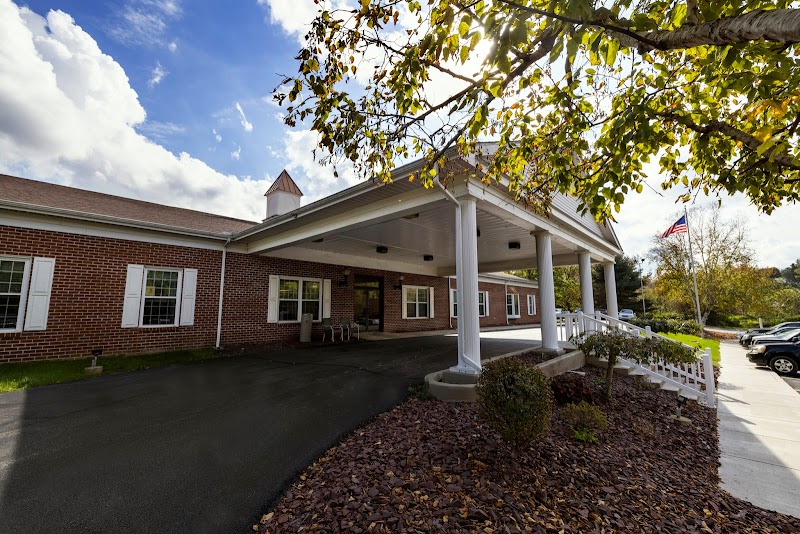
48444 BELL SCHOOL ROAD, CALCUTTA, OH 43920 (330) 385-7100
For profit - Corporation 107 Beds Independent Data: November 2025
Trust Grade
55/100
#428 of 913 in OH
Last Inspection: June 2024

Within standard 12-15 month inspection cycle. Federal law requires annual inspections.

Overview

Calcutta Health Care Center has received a Trust Grade of C, indicating that it is average compared to other facilities. It ranks #428 out of 913 in Ohio, placing it in the top half of nursing homes in the state, and #6 out of 11 in Columbiana County, meaning only one local option is better. The facility shows an improving trend, with issues decreasing from 9 in 2024 to just 1 in 2025. Staffing is a strength here, with a rating of 4 out of 5 stars and a turnover of 37%, which is better than the state average of 49%, suggesting that staff are more consistent and familiar with residents. Notably, the facility has no fines on record, indicating good compliance, and it offers more RN coverage than 85% of Ohio facilities, which helps catch potential issues early. However, there are some concerns. A serious incident occurred where a resident experienced unrelieved pain due to a failure in conducting a comprehensive pain assessment. Additionally, there were issues with inadequate staffing ratios during the fourth quarter of 2023, which could have impacted all residents. Lastly, the facility had problems ensuring food was prepared and stored under sanitary conditions, raising potential health risks for residents. Overall, while Calcutta Health Care Center has strengths in staffing and compliance, families should be aware of the critical incidents and ongoing efforts needed to improve care quality.

Trust Score
C
55/100
In Ohio
#428/913
Top 46%
Safety Record
Moderate
Needs review
Inspections
Getting Better
9 → 1 violations
Staff Stability
○ Average
37% turnover. Near Ohio's 48% average. Typical for the industry.
Penalties
✓ Good
No fines on record. Clean compliance history, better than most Ohio facilities.
Skilled Nurses
✓ Good
Each resident gets 54 minutes of Registered Nurse (RN) attention daily — more than average for Ohio. RNs are trained to catch health problems early.
Violations
⚠ Watch
29 deficiencies on record. Higher than average. Multiple issues found across inspections.
★★★☆☆
3.0
Overall Rating
★★★★☆
4.0
Staff Levels
★★★★☆
4.0
Care Quality
★★★☆☆
3.0
Inspection Score
Stable
2024: 9 issues
2025: 1 issues

The Good

  • 4-Star Staffing Rating · Above-average nurse staffing levels
  • 4-Star Quality Measures · Strong clinical quality outcomes
  • Full Sprinkler Coverage · Fire safety systems throughout facility
  • No fines on record
  • Staff turnover below average (37%)

    11 points below Ohio average of 48%

Facility shows strength in staffing levels, quality measures, fire safety.

The Bad

3-Star Overall Rating

Near Ohio average (3.2)

Meets federal standards, typical of most facilities

Staff Turnover: 37%

Near Ohio avg (46%)

Typical for the industry

The Ugly 29 deficiencies on record

1 actual harm
Mar 2025 1 deficiency
CONCERN (D) 📢 Someone Reported This

A family member, employee, or ombudsman was alarmed enough to file a formal complaint

Potential for Harm - no one hurt, but risky conditions existed

Deficiency F0757 (Tag F0757)

Could have caused harm · This affected 1 resident

**NOTE- TERMS IN BRACKETS HAVE BEEN EDITED TO PROTECT CONFIDENTIALITY** Based on observations, review of the medical record, interview with staff, and review of the facility policy, the facility faile...

Read full inspector narrative →
**NOTE- TERMS IN BRACKETS HAVE BEEN EDITED TO PROTECT CONFIDENTIALITY** Based on observations, review of the medical record, interview with staff, and review of the facility policy, the facility failed to ensure physician orders were followed to adequately monitor and obtain a blood pressure and heart rate prior to the administration of medication for Resident #24. This affected one resident (Resident #24) of three residents reviewed for medication administration. Findings included: Review of the medical record revealed Resident #24 was admitted to the facility on [DATE]. Diagnoses included hemiplegia of right side following a cerebral infarction, aphasia, convulsions, atherosclerotic heart disease, hypertensive heart disease, chronic kidney disease, peripheral vascular disease, congestive heart failure, major depressive disorder, benign prostatic hyperplasia, generalized edema, gout, and insomnia. Review of the Quarterly Minimum Data Set assessment dated [DATE] revealed Resident #24 had moderately impaired cognition and he was nonverbal. Review of the March 2025 physician orders revealed Resident #24 had on order dated 08/02/22 for Carvedilol 6.25 milligram (mg) tablet with instructions to hold the medication if the residents systolic blood pressure was less than 110 millimeters of mercury (mmHg) or if the heart rate was less than 55 beats per minute. Review of the February 2025 medication administration record (MAR) revealed no documentation that Resident #24's blood pressure and heart rate were monitored or checked prior to the administration of Carvedilol 6.25 mg. Review of the March 2025 MAR revealed no documentation that Resident #24's blood pressure and heart rate were monitored or checked prior to the administration of Carvedilol 6.25 mg. Observation of medication administration on 03/05/25 at 9:00 A.M. revealed Registered Nurse (RN) #200 administered Carvedilol 6.25 mg to Resident #24 without obtaining a blood pressure or heart rate prior to the administration. On 03/05/25 at 9:05 A.M. an interview with RN #200 verified she had not checked the blood pressure or heart rate of Resident #24 prior to the administration of Carvedilol. On 03/05/25 at 12:30 P.M. an interview with the Director of Nursing confirmed the staff were not checking the blood pressure or heart rate of Resident #24 prior to the administration of the Carvedilol medication as ordered. He stated the nurse put the order back into the computer indicating the blood pressure and heart rate were to be taken prior to administration. Review of the undated facility policy titled, Medication Administration, revealed medications were to be administered as prescribed in accordance with good nursing principles and practices, and only by persons legally authorized to do so. This deficiency represents non-compliance investigated under Complaint Number OH00162269.
Jun 2024 9 deficiencies
CONCERN (D)

Potential for Harm - no one hurt, but risky conditions existed

Resident Rights (Tag F0550)

Could have caused harm · This affected 1 resident

Based on observation, resident and staff interviews, record review, and facility policy, the facility failed to ensure Resident #251's right to attend an activity program was honored. This affected on...

Read full inspector narrative →
Based on observation, resident and staff interviews, record review, and facility policy, the facility failed to ensure Resident #251's right to attend an activity program was honored. This affected one resident (#251) out of 28 residents reviewed for choices. The facility census was 93. Findings include: Review of Resident #251's medical record revealed an admission date of 05/31/24. Diagnoses included nondisplaced intertrochanteric fracture of left femur, difficulty in walking, unspecified fall, acute kidney failure with tubular necrosis (kidney tubules are damaged or destroyed), and type two diabetes without complications, muscle wasting and atrophy (reduced muscle mass) , essential hypertension (high blood pressure), and weakness. Review of Inspira- Activities Initial Review, dated 06/03/24, revealed Resident #251's past activity interests included reading, crocheting, crossword puzzles, solitaire, and bingo, and the resident wished to participate in activities while in the facility. Review of Resident #251's care plan dated 06/03/24 revealed the resident was a new admit to the facility and needed opportunities for recreational programs similar to those at home. Interventions included the resident will adjust to the facility, routine, and peers through participation in group activities of choice similar to home, assist and reassure resident as needed, discuss activity preferences and allow choices, and invite, and encourage and assist to group programs of resident's choice. Further review of Resident #251's medical record revealed a progress note, dated 06/03/24, timed 7:13 P.M., and authored by Licensed Practical Nurse (LPN) #483, revealed the resident was uncooperative with treatment that shift and was refusing to lay down each time LPN #483 asked to apply dressing. The resident then became angry when LPN #483 stated she could not go to the activity at 6:30 P.M. until the dressing change was completed. Interview on 06/04/24 at 11:36 with Resident #251 revealed the resident was upset since she couldn't go to bingo the previous day since the nurse was changing her bandages. Resident #251 stated bingo was one of her favorite activities. Observation of Resident #251 at the time of interview revealed the resident appeared visibly upset. Interview on 06/04/24 at 11:40 A.M. with Activities Staff #489 revealed Resident #251 had told the activity staff she had wanted to go to bingo on 06/03/24, but the resident ended up not attending the bingo activity since the nurse was changing her bandages. Interview on 06/04/24 at 4:24 P.M. with LPN#483 revealed Resident #251 had been noncompliant with having her dressings changed on 06/03/24. LPN #483 confirmed Resident #251 had wanted to go to bingo on 06/03/24 but LPN #483 told the resident she couldn't go to bingo until her dressing was changed. LPN #483 stated Resident #251 was upset about not being able to go to bingo, but LPN #483 didn't feel comfortable leaving the dressing change undone. Interview on 06/05/24 at 7:58 A.M. with Corporate Infection Control Preventionist #475 revealed LPN #483 should have educated Resident #251 of the importance of getting her treatments done, but Resident #251 does have the rights to refuse treatments and attend activities. Review of undated facility policy CHCC Companies Ohio Resident Rights & Facility Responsibilities revealed the residents have a right to have all reasonable requests responded to promptly and the right to participate in decisions that affect the resident's life.
CONCERN (D)

Potential for Harm - no one hurt, but risky conditions existed

Quality of Care (Tag F0684)

Could have caused harm · This affected 1 resident

Based on observation, medical record review, review of protocols, and interview, the facility failed to ensure interventions/orders were implemented to protect resident's skin from injuries. This affe...

Read full inspector narrative →
Based on observation, medical record review, review of protocols, and interview, the facility failed to ensure interventions/orders were implemented to protect resident's skin from injuries. This affected one (Resident #50) of three residents reviewed for non-pressure skin related impairments. The facility census was 93. Findings include: Review of Resident #50's medical record revealed diagnoses including Alzheimer's disease, stage three chronic kidney disease, and protein-calorie malnutrition. Review of a care plan initiated 11/24/21 indicated Resident #50 had a potential for alteration in skin integrity related to decreased physical mobility. Skin was fragile, bruised and tore easily. Interventions included applying geri-sleeves to both upper extremities to be on at all times except for bathing and hygiene. Review of a skin and wound evaluation dated 05/31/24 revealed Resident #50 had a skin tear on the right outer forearm which was acquired in the facility on 05/24/24. The skin tear measured 6.1 centimeters (cm) in length and 4.3 cm in width. Review of a physician order dated 09/30/24 indicated geri-sleeves were to be applied at all times but may be removed for bathing and hygiene. Check skin integrity under sleeves every shift. Observation on 06/04/24 at 10:29 A.M., 12:52 P.M. and 1:10 P.M., revealed Resident #50 was observed without geri-sleeves on either arm. Observation on 06/04/24 between 1:10 P.M. and 1:25 P.M., revealed Registered Nurse (RN) #478 was observed changing the dressing to a skin tear on Resident #50's right arm. Once completed, RN #478 pulled the right sleeve down over part of the dressing. Approximately the bottom 1/3 of the forearms were uncovered (with the exception of the area covered by the dressing). Interview on 06/04/24 at 1:25 P.M., with RN #478 revealed he did not know why Resident #50 did not have the geri-sleeves applied. Interview on 06/04/24 at 1:37 P.M., with Licensed Practical Nurse (LPN) #483 stated nobody had reported Resident #50 refused to have the geri-sleeves applied. Review of the facility's State Tested Nursing Assistant (STNA) protocol revealed instructions to apply geri-gloves as ordered (on at rise and off at bedtime).
CONCERN (D)

Potential for Harm - no one hurt, but risky conditions existed

Deficiency F0688 (Tag F0688)

Could have caused harm · This affected 1 resident

**NOTE- TERMS IN BRACKETS HAVE BEEN EDITED TO PROTECT CONFIDENTIALITY** Based on observation, interview, and record review the facility failed to assist Resident #1 with applying her splint for her ri...

Read full inspector narrative →
**NOTE- TERMS IN BRACKETS HAVE BEEN EDITED TO PROTECT CONFIDENTIALITY** Based on observation, interview, and record review the facility failed to assist Resident #1 with applying her splint for her right-hand contracture. This affected one out ( Resident #1) of two residents reviewed for limited range of motion. The facility census was 93. Findings include: Review of Resident #1's medical record revealed an admission date of 02/23/05. Diagnoses included Alzheimer's Disease, spastic hemiplegic cerebral palsy, and neuropathy. Review of Resident #1's quarterly minimum data set (MDS) assessment date 03/08/24 revealed the resident is cognitively intact and had an impairment on one side of her upper extremity (shoulder, elbow, wrist, hand). Review of Resident #1's GG Functional Abilities and Goals evaluation dated 03/08/24 revealed the resident is dependent for upper body dressing and lower body dressing. Review of Resident #1's June 2024 physician orders revealed an order dated 05/23/19 to monitor skin integrity of right hand every shift related to splint use. Review of Resident #1's Occupational Therapy (OT) Evaluation and Plan of Treatment form dated 08/09/22 revealed on 08/08/22 the resident was referred to OT due to Resident #1's right hand splint being reported as lost. Previous treatment included right hand splint to be applied from 8:00 A.M. through 12:00 P.M. Limitations included, functional limitations as a result of chronic right-hand contractor. Recommendations included continue right hands [NAME] with finger separators. The evaluation revealed the splint was located. Review of Resident #1's Care plan dated 03/14/24 revealed the resident had a plan of care for contracture's of her right hand/wrist. Interventions included a digit splint to right upper quadrant to be placed on at 8:00 A.M. and off at 12:00 P.M., monitor for proper position and body alignment, and monitor for signs of inflammation or swelling. Review the Resident #1's recent progress notes from 05/01/24 through June 06/03/24 revealed no mention of her right-hand splint. Observations on 06/03/24 at 11:11 A.M. and 06/04/24 at 10:52 A.M. revealed Resident #1 had an extensive contracture to her right hand. The resident did not have a splinting device on her hand. Interview on 06/03/24 at 11:11 A.M. Resident #1 revealed she was in therapy at one point for her right hand. She stated she is no longer receiving therapy services. The resident reported she does not have a splint for her right-hand contracture and denied staff asking her if she would like to apply a splint to her right hand. Interview on 06/04/24 at 1:48 P.M. Licensed Practical Nurse (LPN) #508 reported that she assist with restorative nursing programs in the facility. She stated Resident #1 was on a restorative program to place a right-hand splint on the resident daily. LPN #508 reported the resident was removed from the restorative program and now it is the State Tested Nursing Aides (STNA) responsibility to apply Resident #1's hand splint daily. Interview on 06/04/24 at 1:58 P.M. STNA #439 reports she is assigned to Resident #1 today. She reports she has not offered Resident #1 her splint and has not seen it recently. Interview on 06/04/24 at 2:07 P. M. with STNA #517 reported she the STNA for Resident #1. She reported she was not able to find the residents splint to apply it her. She reports she does not know how long it has been missing but she has not seen it in a while. Follow up Interview on 06/04/24 at 2:11 P.M. LPN #508 confirmed Resident #1 has not been offered her splint as ordered. She confirmed she was able to find it in the resident closet and will reeducate staff on assisting with applying the splint for the resident.
CONCERN (D)

Potential for Harm - no one hurt, but risky conditions existed

Tube Feeding (Tag F0693)

Could have caused harm · This affected 1 resident

Based on observation, interview, record review, and facility policy review, the facility failed to ensure the bag of tube feeding product was properly documented with the time and date of when hung as...

Read full inspector narrative →
Based on observation, interview, record review, and facility policy review, the facility failed to ensure the bag of tube feeding product was properly documented with the time and date of when hung as required. This affected one resident (#35) out of one resident reviewed for tube feeding but had the potential to affect four additional residents (#6, #30, #32, and #148) who received continuous interal (a way of delivering nutrition directly to the stomach through a tube) feedings. The facility census was 93. Findings include: Review of medical record for Resident #35 revealed an admission date of 05/06/21. Diagnoses included cerebral palsy, severe intellectual disabilities, adult failure to thrive, unspecified protein-calorie malnutrition, pharyngeal phase dysphagia (difficulty swallowing), and abnormal posture. Further review of the medical record revealed a physician order dated 05/06/21 for NPO (nothing by mouth) diet and an order dated 04/19/24 for enteral feeding of Nutren 2.0 at 40 milliliter(ml)/hour continuous with 55 ml water flush continuous. Review of 05/24/21 care plan revealed Resident #35 required a feeding tube due to being NPO related to the diagnosis of dysphagia and received all nutrition/hydration via enteral feeding tube. Interventions included administer feeding via tube per physician order, monitor for tolerance to tube feeding and notify physician of any concerns, and assess pump for proper flow rate and check that equipment was functioning properly. Review of 03/06/24 annual Minimum Data Set (MDS) assessment revealed Resident #35 was severely impaired cognitively, dependent on staff for mobility, and received a tube feeding which provided 51 percent or more of his calorie needs and 501 cc/day of fluid was being provided either intravenously or by the tube feeding. Observation of Resident #35 on 06/03/24 at 11:43 A.M. revealed a bag of tube feeding product three fourth full labeled Nutren 2.0 with no documentation on the bag of the date or time of when the tube feeding had been hung. Interview at the time of observation with License Practical Nurse (LPN) #485 confirmed the bag of Nutren 2.0 tube feeding product for Resident #35 did not have a date or time documented on the bag of when the tube feeding product had been hung. LPN #485 stated the bag of tube feeding should have a date and time of when it was hung. Review of facility policy Enteral Feedings-Safety Precautions, revised May 2014, revealed it should be documented on the formula label the date and time the formula was hung/administered.
CONCERN (D)

Potential for Harm - no one hurt, but risky conditions existed

Deficiency F0698 (Tag F0698)

Could have caused harm · This affected 1 resident

Based on record review, interview, and facility policy review, the facility failed to ensure communication between the facility and the dialysis center was being received after every dialysis treatmen...

Read full inspector narrative →
Based on record review, interview, and facility policy review, the facility failed to ensure communication between the facility and the dialysis center was being received after every dialysis treatment as required and weights were being completed as ordered. This affected one resident (#248) out of one resident reviewed for dialysis. The facility identified Resident #248 as the only resident receiving dialysis. The facility census was 93. Findings include: Review of medical record for Resident #248 revealed an admission date of 05/08/24. Diagnoses included type two diabetes mellitus, kidney transplant failure, end stage renal disease, hypertensive chronic kidney disease with stage five kidney disease, anemia in chronic kidney disease, hyperkalemia (high potassium levels in the blood), hypocalcemia (low calcium levels in the blood), and dependence on renal dialysis. Review of 05/15/24 admission/Medicare five-day Minimum Data Set (MDS) assessment revealed Resident #248 was cognitively intact, required substantial/maximum assistance from staff for transfer, and received dialysis. Review of the medical record for Resident #248 revealed an order dated an order dated 05/08/24 for hemodialysis three times a week M-W-F (Monday, Wednesday, and Friday) and an order dated 05/08/24 for Weight three times a week per hemodialysis. Review of care plan dated 05/28/24 revealed Resident #248 received dialysis three times a week. Interventions included prevent complications of renal insufficiency/failure through next review date, dialysis three times a week per schedule, and monitor for any changes in cardiac output, any changes in vital signs and skin and report to physician. Further review of care plan dated 05/28/24 revealed Resident #248 had a hemodialysis Tesio catheter (a type of catheter used for dialysis) in place and was at risk for infection due to indwelling Tesio catheter. Interventions included weigh three times a week per hemodialysis, monitor for signs/symptoms of bacteremia (bacteria in the blood) /septicemia (infection on the blood) such as fever, malaise (general feeling of discomfort illness, or fatigue), mental status changes post dialysis, and notify physician of any changes in condition as needed. Review of communication documents between the facility and dialysis uploaded into Resident #248's medical record revealed there was proof of written communication between the two facilities on 05/13/24, 05/15/24, 05/17/24, 05/27/24, 05/31/24, and on 06/03/24, and there was no proof of written communication between the two facilities on 05/10/24, 05/20/24, 05/22/24, 05/24/24, and 05/29/24. Review of Resident #248's weights in the medical record revealed the resident weighed 201.8 pounds on Wednesday 05/08/24, 206.0 pounds on Wednesday 05/15/24, 205.0 pounds on Tuesday 05/21/24, 208.0 pounds on Wednesday 05/29/24, and 208.0 pounds on Monday 06/03/24. There were no documented weights for Friday 05/10/24, Monday 05/13/24, Friday 05/17/24, Monday 05/20/24, Wednesday 05/22/24, Friday 05/24/24, Monday 05/27/24, and Friday 05/31/24. Further review of Resident #248's medical record revealed there was no documented reasons in the progress notes dated 05/08/24 (admission date) to 06/04/24 for weights not being obtained as ordered. Interview on 06/06/24 at 11:22 A.M. with Registered Nurse #497 confirmed there was an order for weights three times a week, and there were missing weights. Interview on 06/06/24 at 12:09 P.M. with Corporate Infection Preventionist (CIP) #475 confirmed all the documentation between the dialysis center and the facility had been uploaded into the medical record. CIP #475 confirmed the missing documentation between the dialysis center and the facility and went on to state the facility should receive documentation from dialysis center after each treatment. If the facility hadn't received the documentation from the dialysis center, they were to call the dialysis center. CIP #475 also confirmed weights for Resident #248 had not been obtained as ordered. Review of undated facility policy Physician Services revealed all physician orders would be followed as prescribed and if not followed, the reason shall be recorded on the resident's medical record during the shift.
CONCERN (E)

Potential for Harm - no one hurt, but risky conditions existed

Menu Adequacy (Tag F0803)

Could have caused harm · This affected multiple residents

**NOTE- TERMS IN BRACKETS HAVE BEEN EDITED TO PROTECT CONFIDENTIALITY** Based on observation, interview, and review of facility menu and spread sheets, the facility failed to ensure the menu was follo...

Read full inspector narrative →
**NOTE- TERMS IN BRACKETS HAVE BEEN EDITED TO PROTECT CONFIDENTIALITY** Based on observation, interview, and review of facility menu and spread sheets, the facility failed to ensure the menu was followed and correct portion sizes were served for lunch on 06/04/24 for residents on a mechanical soft diet. This affected 13 residents (#3, #5, #14, #15, #24, #28, #52, #58, #68, #75, #84, #90, and #346) out of the 14 residents who the facility identified as being on a mechanical soft diet. This had the potential to affect 89 residents who received meals from the kitchen. The facility identified four residents (#6, #32, #35, and #395) as receiving nothing by mouth. The facility census was 93. Findings include: Review of the resident choice meal for lunch on 06/04/24 revealed pizza pasta casserole, Prince [NAME] vegetable medley, and lemon strawberry fluff dessert would be served. Review of spread sheets for the lunch meal on 06/04/24 revealed both the regular and the mechanical soft consistency diets would receive eight ounces of the pizza pasta casserole, 4 ounces of the Prince [NAME] vegetable medley, and a half a cup of lemon strawberry fluff dessert. The puree consistency diets would receive two number eight (four ounces) scoops, one number eight scoop of puree vegetables, and one number eight scoop for the puree lemon strawberry fluff. Observation of the tray line on 06/04/24 from 11:56 A.M. to 12:33 P.M. revealed Dietary [NAME] #480 was serving one green handled (three and one fourth ounce) scoop of carrots for the mechanical soft diets. Interview on 06/04/24 at 12:03 P.M. with Dietary [NAME] #480 confirmed he had been using a green handled scoop for the carrots, which he had been serving to the residents on a mechanical soft diet. Interview on 06/04/24 at 12:06 P.M. with Dietary Supervisor #496 confirmed the green handled scoop of vegetables for the mechanical soft diets fell short of the four-ounce portion per the spread sheet, and the mechanical soft diets should have received the same vegetable as the regular diets. After the interview, the mechanical soft diets began to receive four ounces of Prince [NAME] vegetables.
CONCERN (E)

Potential for Harm - no one hurt, but risky conditions existed

Deficiency F0804 (Tag F0804)

Could have caused harm · This affected multiple residents

**NOTE- TERMS IN BRACKETS HAVE BEEN EDITED TO PROTECT CONFIDENTIALITY** Based on observation, interview, and facility recipe, the facility failed to ensure food was served at an appetizing temperature...

Read full inspector narrative →
**NOTE- TERMS IN BRACKETS HAVE BEEN EDITED TO PROTECT CONFIDENTIALITY** Based on observation, interview, and facility recipe, the facility failed to ensure food was served at an appetizing temperature and acceptable palatability. This had the potential to affect 89 residents who received meals in the facility. The facility identified four residents (#6, #32, #35, and #395) as receiving nothing by mouth. The facility census was 93. Findings include: Observation on 06/04/24 from 11:04 A.M. to 11:10 A.M. of Dietary [NAME] #480 taking the temperature of the food items on tray line revealed the pizza pasta casserole was 185 degrees Fahrenheit (F), Prince [NAME] Vegetables was 174 degrees F, the milk was 38 degrees F, and the lemon strawberry fluff dessert was 35 degrees F. Tray service for the dining rooms and hall trays began at 11:15 A.M. As the second to the last cart for 100 hall was finished being loaded, the surveyor requested at 12:20 P.M. a test tray be added at the end of the last cart for 200 hall. The test tray was plated at 12:31 P.M. and placed on the 200 hall cart. The cart was moved to the 200 hall and arrived at 12:34 P.M. After the last tray was passed to residents, the test tray was removed from the cart at 12:44 P.M. and was taken to a desk at the end of 200 hall next to exit door number four by Dietary Supervisor (DS) #496 along with Corporate Chef #477 and the surveyor. DS #496 checked the temperatures of the food using a facility thermometer as the surveyor tasted the food for temperature and palatability. The pizza pasta casserole was 143 degrees F, had a good flavor and tasted warm. The Prince [NAME] vegetable blend was 142 degrees F, had a good flavor, and tasted warm. The four-ounce carton of two percent milk was 63 degrees, tasted warm, and was unpalatable. The strawberry lemon fluff dessert was 61 degrees, tasted warm, and was unpalatable. DS #496 at 12:47 P.M. drank a sample of the milk and confirmed the milk was too warm and was not palatable. DS #496 then tasted the dessert and confirmed it was too warm since the dessert had cream cheese and whipped cream in it. Interview on 06/04/24 at 12:48 P.M. with Corporate Chef #477 stated at the point of service no cold item should be more than 50 degrees F and confirmed the milk at 63 was too warm and would be unpalatable and the dessert should have been below 50 degrees at the point of service. Review of facility recipe for lemon strawberry fluff dessert revealed the ingredients of the dessert were graham cracker crumbs, sugar, butter, gelatin, lemon juice, pureed strawberries, cream cheese and whipped topping.
CONCERN (F)

Potential for Harm - no one hurt, but risky conditions existed

Deficiency F0725 (Tag F0725)

Could have caused harm · This affected most or all residents

THE FOLLOWING DEFICIENCY REPRESENTS AN INCIDENT OF PAST NON-COMPLIANCE THAT WAS SUBSEQUENTLY CORRECTED PRIOR TO THIS SURVEY. Based on review of the Payroll-Based Journal Staffing Data Report (PBJ), re...

Read full inspector narrative →
THE FOLLOWING DEFICIENCY REPRESENTS AN INCIDENT OF PAST NON-COMPLIANCE THAT WAS SUBSEQUENTLY CORRECTED PRIOR TO THIS SURVEY. Based on review of the Payroll-Based Journal Staffing Data Report (PBJ), review of staffing schedules, staff interviews, and review of a Facility Assessment, the facility failed to ensure adequate staffing ratios were maintained for the 4th Quarter of 2023. This had the potential to affect all 93 residents. Findings Include: 1. Review of the PBJ report revealed excessively low weekend staffing for the 4th quarter of 2023 was an area of concern. 2. Review of the staffing schedules for the nurses and State Tested Nurse Aides (STNA) for October, November, and December of 2023 revealed the facility did not have consistent and adequate weekend staffing. Completion of the staffing tool revealed inadequate staffing levels for the following dates: 10/07/23 was at 2.10, 10/08/23 was at 2.42, 12/02/23 was at 2.37, 12/09/23 was at 2.45, and 12/10/23 was at 2.33. 3. Interview on 06/04/24 at 2:16 P.M. with the Director of Nursing (DON) confirmed he was aware that staffing levels were lower than normal for the 4th quarter but was doubtful the facility was out of compliance. 4. Interview on 06/06/24 at 11:35 AM with the Administrator confirmed the facility did not meet adequate staffing levels in the 4th quarter of 2023. The deficient practice was corrected on 04/01/24 when the facility implemented the following corrective actions: Nurse aide training was offered at no cost A recruiter was hired to focus solely on recruitment efforts New hire sign on bonus and retention bonuses were implemented Wages were increased across all departments The facility decreased its bed capacity to 107 beds Tuition reimbursement was offered The facility based staffing levels on resident population and acuity On 06/06/24 surveyor reviewed staffing schedules for the months of April, May and June of 2024 and confirmed adequate staffing levels were achieved and the facility was in compliance.
CONCERN (F)

Potential for Harm - no one hurt, but risky conditions existed

Food Safety (Tag F0812)

Could have caused harm · This affected most or all residents

Based on observation, interview, and facility policy review, the facility failed to ensure food was prepared, served, and stored under sanitary conditions. This had the potential to affect 89 resident...

Read full inspector narrative →
Based on observation, interview, and facility policy review, the facility failed to ensure food was prepared, served, and stored under sanitary conditions. This had the potential to affect 89 residents who received food from the kitchen. The facility identified four residents (#6, #32, #35, and #395) as receiving nothing by mouth. The facility census was 93. Findings include: 1. Observation during the kitchen tour on 06/03/24 from 8:10 A.M. to 8:45 A.M. with Dietary Supervisor (DS) #496 revealed the following concerns: -The floor of the walk-in freezer had a build of dirt and debris under the shelving units and frozen peas were scattered over the floor. -In the walk-in freezer, there was one gallon size storage bag with seven biscuits dated 05/30/24 unsealed and open to air. -In the walk-in cooler, there were two five-pound containers of sour cream with a best buy date of 06/01/24. -In the dry storage area, there was one ten-pound bag of dried angel hair pasta one fourth full open to air and not dated, and there was one two-pound bag of brown sugar opened and resealed with no date of when opened. -Observation of the fan mounted on the wall in the dish machine room and blowing towards the dish machine revealed there were visible fibers of black dust blowing from the metal guard. -Observation of the two-door reach in cooler located near the steam table revealed there were two containers of two-pound cottage cheese with a best buy date of 06/01/24. There was one opened and resealed factory plastic bag with 11 hotdog's sitting in a square metal container undated. There was one gallon storage container with approximately 12 slices of deli turkey undated. There was one factory five-pound factory bag of shredded cheddar cheese opened and resealed with no date. There was one gallon storage bag of seven cooked chicken breasts undated. There was approximately three-fourths of a one-pound opened and resealed factory bag of provolone sliced cheese undated. At the time of observation, DS #496 confirmed the areas of concern. Review of facility policy Food Receiving and Storage, revised July 2014, revealed food service personnel would maintain clean food storage areas at all times. All foods stored in the refrigerator or freezer would be covered, labeled, and dated. Review of facility policy Luncheon/Deli Meat Food Storage and Usage, reviewed 01/01/24, revealed any luncheon meat that was not consumed within five days of opening would be discarded no later than the sixth day. Packaging would be clearly marked with opening dated and use by date. 2. Observation on 06/04/24 from 8:21 A.M. to 8:29 A.M. of the running dish machine with Dietary Supervisor (DS) #458 revealed a plaque posted on the dish machine revealed a recommended sanitizing rinse temperature of 180 degrees F. Dishwashing racks full of dishes were being run through the machine, and there were two full racks of dishes sitting on the clean side of the dish machine. Observation of the dish machine at 8:21 A.M. with DS #458 revealed the temperature gauges on the dish machine indicated the sanitizing rinse temperature was 178 degrees F. Interview on 06/04/24 at 8:25 A.M. with Dietary Aide #400 stated he hadn't looked at the temperature gauges of the dish machine since he had been too busy running items through the dish machine. Observation of the dish machine at 8:25 A.M. with DS #458 revealed the temperature gauges on the dish machine indicated the sanitizing rinse temperature was 165 degrees F. Observation of the dish machine at 8:26 A.M. with DS #458 revealed the temperature gauges on the dish machine the sanitizing rinse temperature was 162 degrees F. Observation at 8:27 A.M. of Dietary Supervisor #458 using a TempRite dishwasher temperature test strip (another way to test the dish machine to ensure the temperature of the dish machine was reaching a sanitizing temperature) through the dish machine revealed the blue strip at the end of the test strip remained blue. Dietary Supervisor #458 confirmed at the time of observation there had been no change to the color strip at the end of the test strip. Review of the manufacturer's instructions printed on the bag where the TempRite dish washer temperature test strips were stored with Dietary Supervisor #458 revealed if the proper temperature for sanitation had been met, the blue strip at the end of the test strop would have changed to orange. Interview at 8:27 A.M. with Dietary Supervisor #458 confirmed the temperature of the rinse of the dish machine was not reaching the recommended sanitizing temperature of 180 degrees F was being met, and the TempRIte dish washer temperature test strip indicated sanitation was not being met. DS #458 stated dietary staff would stop using the dish machine until it could be fixed. Review of the facility policy Dishwashing, Machine Use, revised March 2010, revealed dishwashing machines that use hot water to sanitize may not be less than 180 degrees and no more than 194 degrees. The operator will monitor the gauge frequently during dishwashing machine cycle. Inadequate temperatures would be reported to the supervisor and corrected immediately. If hot water temperatures do not meet requirements, the use of the dish machine would cease immediately until temperatures were adjusted. 3. Observation on 06/04/24 at 10:45 A.M. of Dietary Aide #458 washing the parts of the robo coupe (a type of commercial blender) in the three compartment sink revealed Dietary Aide #458 washed the blade of the unit in the first compartment with soapy water, rinsed it in the second compartment with clean water and then dipped the blade in the third compartment with the sanitizing solution and immediately lifted it out of the solution and shook the blade three times and then dipped the blade back into the sanitizing solution and immediately lifted the blade out of the solution and shook it three times and placed the blade on a drying rack. She then took the bowl of the unit and washed it in the first compartment with soapy water and rinsed it in the second compartment with clean water. Dietary Aide #458 then submerged the bowl into the sanitizing solution in the third compartment and rolled it around in the solution for approximately ten seconds and placed the bowl in the drying rack. Dietary Aide #458 then took the lid of the unit and washed it in the soapy water in the first compartment, rinsed the item in clean water in the second compartment, and then submerged the lid into the sanitizing solution in the third compartment and rolled the lid the solution for approximately 10 seconds and placed it in the drying rack. Observation of the chemical company's literature posted above the three-compartment sink revealed items should remain in the sanitizing solution for a minimum of 60 seconds. Interview on 06/04/24 at 10:46 A.M. with Dietary Aide #458 revealed when asked how long items need to stay in the sanitizing solution for the items to be considered sanitized, she replied I am not sure how long the items should stay in the sanitizer. Interview on 06/04/24 at 10:49 with Dietary Supervisor #496 revealed when asked how long items need to stay in the sanitizing solution for the items to be considered sanitized, she replied ten seconds. When reviewing the chemical company's literature posted above the three-compartment sink with Dietary Supervisor #496 at the time of interview, Dietary Supervisor #496 confirmed the roubo coupe parts hadn't stayed in the sanitizing solution for the required minimum of 60 seconds. 4. Observation on 06/04/24 from 11:56 A.M. to 12:33 P.M. of tray line revealed at 12:20 P.M. Dietary [NAME] #480 took his bare hand to remove from a rectangular silver storage container sitting on top of the cook top a baked potato. He then placed the potato on a plate and used his bare hand to hold the potato as he cut open the potato. At 12:24 P.M. Dietary [NAME] #480 Dietary [NAME] #480 took his bare hand to remove from a rectangular silver storage container sitting on top of the cook top a baked potato. He then placed the potato on a plate and used his bare hand to hold the potato as he cut open the potato. Interview on 06/04/24 at 12:32 P.M. with Dietary [NAME] #480 confirmed he had used his bare hands to cut open the baked potatoes. Interview on 06/04/24 at 12:34 P.M. with Corporate Chef #477 confirmed Dietary [NAME] #480 should have used a gloved hand to cut open the baked potatoes instead of using his bare hand.
Nov 2023 2 deficiencies
CONCERN (E) 📢 Someone Reported This

A family member, employee, or ombudsman was alarmed enough to file a formal complaint

Potential for Harm - no one hurt, but risky conditions existed

Deficiency F0602 (Tag F0602)

Could have caused harm · This affected multiple residents

**NOTE- TERMS IN BRACKETS HAVE BEEN EDITED TO PROTECT CONFIDENTIALITY** Based on interview, self-reported incident (SRI) review, and record review, the facility failed to ensure residents were free of...

Read full inspector narrative →
**NOTE- TERMS IN BRACKETS HAVE BEEN EDITED TO PROTECT CONFIDENTIALITY** Based on interview, self-reported incident (SRI) review, and record review, the facility failed to ensure residents were free of misappropriation and the resident and/or family was notified of their funds being misappropriated. This affected Residents #3, #5, #6, #18, #21, 37, #41, #42, #43, #45, #51, #59, #60, #61, #63, #66, #101, #102 and #103, with the potential to affect all 64 residents who had their funds managed by the facility. The facility census was 100. Findings include: Review of the SRI #239603 Misappropriation Investigation Statement by the Administrator revealed on 09/25/23 he was updated by Corporate Controller #207 that there was a finding of misappropriation with additional checks written by Receptionist #206 from the resident trust account without supporting documentation. He stated the checks had his signature, which were forged. On 09/27/23 the facility restored all the funds to the appropriate resident trust accounts. Review of the Police Report #202301071 dated 09/26/23 at 2:37 P.M. revealed the Administrator had contacted the police department as he felt there had been an internal theft. The Administrator stated he would be doing an additional follow-up investigation to determine exactly what the issue was. Review of the facility SRI #239603 submitted to the State Agency on 09/26/23 at 3:28 P.M. and completed by the Administrator revealed Receptionist/Office Manager (Receptionist) #206 misappropriated funds from the resident trust fund account in the amount of $11,865.00. The facility substantiated the allegation of misappropriation following their investigation. Review of the memo dated 09/27/23 from Corporate Controller #207 to the Administrator revealed on 09/22/23 Resident #41's family member called to discuss the balance of the resident's trust account. The family member believed there was an error in the amount and the Administrator believed that it was an error in accounting. On 09/25/23, the Administrator reached out to Corporate Controller #207 to have her review the account. Corporate Controller #207 began reviewing the account and stated there was a suspicion of misappropriation. A full investigation was initiated. Corporate Controller #207 investigated the timeframe from 01/01/23 through 08/31/23, the time periods where Receptionist #206 had overseen petty cash and resident trust accounts. She stated Receptionist #206 had forged the Administrator's signature on checks and would write the checks out to herself and deposit them in her personal checking account. She stated Receptionist #206 would state it was for reimbursement of personal items for the residents. Corporate Controller #207 stated based on her calculations and review of the accounts, Receptionist #206 had stolen $8,750.00 in check withdrawals and $3,115.00 in cash withdrawals for a total of $11,865.00. There was no mention of the facility updating residents or resident's representatives of misappropriation of resident funds. Review of an undated and untitled list of residents, revealed checks dated from 05/12/23 through 08/25/23 for personal items, clothing, shopping and spend down for Residents #3, #6, #14, #18, #21, #37, #42, #43, #45, #51, #59, #60, #61, #66, #101, #102, #103, made out to Receptionist #206 and signed by the Administrator. Review of an undated and untitled list of residents, revealed cash amounts withdrawn by Receptionist #206 from Residents #5, #13, #37, #43, #51, #60, #61, #63 and #66 trust accounts totaling $3,115.00 that had been reimbursed by the facility. Interview on 11/17/23 at 10:34 A.M. with the Administrator verified $11,865.00 had been misappropriated from Residents #3, #5, #6, #18, #21, 37, #41, #42, #41, #43, #45, #51, #59, #60, #61, #63, #66, #101, #102 and #103 trust accounts by Receptionist #206. He stated she would write a receipt for items without the resident signing it, deduct it from their trust accounts, and then remove the money from either the petty cash or write a check to herself and [NAME] his signature. He stated she would then deposit the checks into her personal account. He stated the facility had reimbursed the residents on 09/27/23 for all amounts she had taken. The Administrator stated the facility had not updated the residents or their representatives of the misappropriation from their resident trust accounts. The Administrator stated the facility had typed a notice on the bottom of the resident trust statements to call the facility biller if they had any questions regarding their accounts and balances. Review of the facility policy titled, Abuse, Mistreatment, Neglect, Exploitation and Misappropriation, dated 2016, revealed residents had the right to be free from abuse, neglect, exploitation, and misappropriation of property. Administrator would orally notify the resident or the resident's representative, as appropriate, when a report has been made to the Ohio Department of Health. This deficiency represents non-compliance investigated under Complaint Number OH00147063.
CONCERN (E) 📢 Someone Reported This

A family member, employee, or ombudsman was alarmed enough to file a formal complaint

Potential for Harm - no one hurt, but risky conditions existed

Abuse Prevention Policies (Tag F0607)

Could have caused harm · This affected multiple residents

**NOTE- TERMS IN BRACKETS HAVE BEEN EDITED TO PROTECT CONFIDENTIALITY** Based on interview, self-reported incident (SRI) review, and record review, the facility failed to implement the facility Abuse,...

Read full inspector narrative →
**NOTE- TERMS IN BRACKETS HAVE BEEN EDITED TO PROTECT CONFIDENTIALITY** Based on interview, self-reported incident (SRI) review, and record review, the facility failed to implement the facility Abuse, Mistreatment, Neglect, Exploitation and Misappropriation policy and procedures to ensure residents and/or representatives were notified of misappropriation of resident funds. This affected 19 (Residents #3, #5, #6, #18, #21, 37, #41, #42, #43, #45, #51, #59, #60, #61, #63, #66, #101, #102 and #103) of 19 residents reviewed for misappropriation. The facility census was 100. Findings include: Review of the SRI #239603 Misappropriation Investigation Statement by the Administrator on 9/25/23 revealed he was updated by Corporate Controller #207 that there was a finding of additional checks written by Receptionist #206 from the resident trust account without supporting documentation. He stated the checks had his signature, which were forged. On 09/27/23 the facility restored all the funds to the appropriate resident trust accounts. There was no mention of the facility updating residents or resident's representatives of misappropriation of resident funds. Review of the facility SRI #239603 submitted to the State Agency on 09/26/23 at 3:28 P.M. and completed by the Administrator revealed Receptionist/Office Manager (Receptionist) #206 misappropriated funds from the resident trust fund account in the amount of $11,865.00. The facility substantiated the allegation of misappropriation following their investigation. Review of the Police Report #202301071 dated 09/26/23 at 2:37 P.M. revealed the Administrator had contacted the police department as he felt there had been an internal theft. The Administrator stated he would be doing an additional follow-up investigation to determine exactly what the issue was. Review of the memo dated 09/27/23 from Corporate Controller #207 to the Administrator revealed on 09/22/23 Resident #41's family member called to discuss the balance of the resident's trust account. The family member believed there was an error in the amount and the Administrator believed that it was an error in accounting. On 09/25/23, the Administrator reached out to Corporate Controller #207 to have her review the account. Corporate Controller #207 reviewed the account and stated there was a suspicion of misappropriation. A full investigation was initiated. Corporate Controller #207 investigated the timeframe from 01/01/23 through 08/31/23, the time periods where Receptionist #206 had overseen petty cash and resident trust accounts. She stated Receptionist #206 had forged the Administrator's signature on checks and would write the checks out to herself and deposit them in her personal checking account. She stated Receptionist #206 would state it was for reimbursement of personal items for the residents. Corporate Controller #207 stated based on her calculations and review of the accounts, Receptionist #206 had stolen $8,750.00 in check withdrawals and $3,115.00 in cash withdrawals for a total of $11,865.00. There was no mention of the facility updating residents or resident's representatives of misappropriation of resident funds. Review of Resident Trust Statements dated 10/01/23 for Residents #3, #5, #6, #18, #21, 37, #41, #42, #43, #45, #51, #59, #60, #61, #63, #66, #101, #102 and #103 revealed a notice on the bottom stating if the resident of resident representative had any questions regarding their account activity or balance, they were to contact Facility Biller #208. The notice did not reveal the facility identified issues with misappropriation of the residents' funds. Interview on 11/17/23 at 10:34 A.M. with the Administrator verified $11,865.00 had been misappropriated from Residents #3, #5, #6, #18, #21, 37, #41, #42, #41, #43, #45, #51, #59, #60, #61, #63, #66, #101, #102 and #103 trust accounts by Receptionist #206. He stated she would write a receipt for items without the resident signing it, deduct it from their trust accounts, and then remove the money from either the petty cash or write a check to herself and [NAME] his signature. He stated she would then deposit the checks into her personal account. He stated the facility had reimbursed the residents on 09/27/23 for all amounts she had taken. The Administrator stated the facility had not updated the residents or their representatives of the misappropriation from their resident trust accounts. The Administrator stated the facility had typed a notice on the bottom of the resident trust statements to call the facility biller if they had any questions regarding their accounts and balances. Review of the facility policy titled, Abuse, Mistreatment, Neglect, Exploitation and Misappropriation, dated 2016, revealed the Administrator would orally notify the resident or the resident's representative, as appropriate, when a report has been made to the Ohio Department of Health.
May 2022 6 deficiencies
CONCERN (D)

Potential for Harm - no one hurt, but risky conditions existed

Safe Environment (Tag F0584)

Could have caused harm · This affected 1 resident

**NOTE- TERMS IN BRACKETS HAVE BEEN EDITED TO PROTECT CONFIDENTIALITY** Based on observation, review of the medical record, staff interview, and policy review the facility failed to ensure Resident #7...

Read full inspector narrative →
**NOTE- TERMS IN BRACKETS HAVE BEEN EDITED TO PROTECT CONFIDENTIALITY** Based on observation, review of the medical record, staff interview, and policy review the facility failed to ensure Resident #75 had a clean sanitary environment. This affected one resident (Resident #75) of all 104 residents observed for environment. Findings include: Review of the medical record revealed Resident #75 was admitted to the facility 01/28/20. Diagnoses included chronic respiratory failure, convulsions, tracheostomy, dependent of respirator, gastrostomy, congenital malformation, asthma, malformation of corpus callosum, arthrogryposis multiplex congenita, severe intellectual disabilities, congenital malformation of peripheral vascular system, microcephaly, psychomotor deficit, spastic quadriplegic cerebral palsy, hypoxic ischemic encephalopathy, and hypothermia. Review of the quarterly Minimum Data Set (MDS) 3.0 assessment dated [DATE] revealed Resident #75 had severely impaired cognition. He required total assistance for all activities of daily living. Further review of the assessment revealed Resident #75 required oxygen, suctioning, tracheostomy, and mechanical ventilator. Observation of Resident #75's room on 05/09/22 at 12:00 P.M. revealed the wall behind the head of the bed had dried tube feeding solution splattered all over the wall in a six-foot-wide area, and the tube feed pole had dried tube feed solution spilled on it. Observations of Resident #75's room on 05/10/22 at 8:30 A.M., 11:00 A.M. and 2:45 P.M. revealed the dried tube feeding solution was still all over the wall and tube feed pole. Interview on 05/10/22 at 3:00 P.M. Housekeeping Supervisor #85 verified the wall and tube feed pole in Resident #75's room was covered in tube feeding solution. Review of the facility policy titled Environmental Services, dated 02/09/11, revealed the purpose was to ensure resident rooms and living areas remain a clean, safe and sanitary environment which enhance each resident's quality of life.
CONCERN (D)

Potential for Harm - no one hurt, but risky conditions existed

Unnecessary Medications (Tag F0759)

Could have caused harm · This affected 1 resident

**NOTE- TERMS IN BRACKETS HAVE BEEN EDITED TO PROTECT CONFIDENTIALITY** Based on record review, observation, interviews, and policy review the facility failed to ensure medication error rate was less ...

Read full inspector narrative →
**NOTE- TERMS IN BRACKETS HAVE BEEN EDITED TO PROTECT CONFIDENTIALITY** Based on record review, observation, interviews, and policy review the facility failed to ensure medication error rate was less than 5%. The medication error rate was 12%. This affected one (Resident #75) of seven residents observed during medication administration. The facility census was 104. Findings include: Record review revealed Resident #75 was admitted to the facility on [DATE] with diagnoses including legally blind and lagophthalmos of unspecified eye and eyelid. Review of Resident #75's orders dated 05/2022 revealed the resident was ordered Artificial tears solution 0.4% instill one drop in both eyes every two hours for dry eyes. May keep at beside. The Artificial tears were scheduled at midnight, 2:00 A.M., 4:00 A.M., 6:00 A.M., 8:00 A.M., 10:00 A.M., noon, 2:00 P.M., 4:00 P.M., 6:00 P.M., 8:00 P.M., and 10:00 P.M. The Lumify Solution 0.025% (decrease redness) was ordered to instill one drop in both eyes every six hours (midnight, 6:00 A.M., noon, and 6:00 P.M.) for red eyes. May keep at bedside. The Erythromycin ointment (antibiotic) 5 milligrams (mg) per gram (gm) was ordered to instill one application in both eyes every four (midnight, 4:00 A.M., 8:00 A.M., noon, 4:00 P.M., and 8:00 P.M.) related to unspecified lagophthalmos. May keep at bedside. Observation on 05/09/22 at 4:46 P.M., of Resident #75's medication administration with Licensed Practical Nurse (LPN) #3 revealed the residents eye drops and eye ointments were kept at the resident's bedside. LPN #3 first administered Artificial Tears Solution 0.4% two drops in both eyes. She then immediately opened the Lumify Solution 0.025% and applied one drop in both eyes, and without waiting she applied Erythromycin ointment 5 mg per gm a ribbon on both lower eyelids and moved the eyelids around with her gloved finger due to the resident was not able to blink or close his eyelids. Interview on 05/09/22 at 5:00 P.M., and 5:37 P.M., with LPN #3 verified she had administered two drops of Artificial tears solution in both eyes and the orders was for only one drop in each eye. The LPN #3 also verified she applied the Artificial tears solution, Lumify, and Erythromycin directly one after another without a waiting period. Interview on 05/11/22 at 12:37 P.M., with the Director of Nursing (DON) confirmed per the pharmacies policy the nurse should have waited 10 minutes between each eye drop/ointment administration. The surveyor requested drug information on the Lumify and Erythromycin; however, the DON reported the facility no longer had reference books and the nurses could either goggle the information or call the pharmacy for information on administration. The DON instructed the surveyor to use whatever information she could find on the drugs, but he would follow the pharmacy policy titled Eye Drop Administration. Review of facilities policy titled Eye Drop Administration, dated 11/2011, revealed if another drop of the same or different medication was prescribed for administration in the same eye at the same time, wait ten minutes, then repeat.
CONCERN (D)

Potential for Harm - no one hurt, but risky conditions existed

Deficiency F0773 (Tag F0773)

Could have caused harm · This affected 1 resident

**NOTE- TERMS IN BRACKETS HAVE BEEN EDITED TO PROTECT CONFIDENTIALITY** Based on review of the medical record and staff interview the facility failed to ensure laboratory tests were obtained as ordere...

Read full inspector narrative →
**NOTE- TERMS IN BRACKETS HAVE BEEN EDITED TO PROTECT CONFIDENTIALITY** Based on review of the medical record and staff interview the facility failed to ensure laboratory tests were obtained as ordered for Resident #2. This affected one (Resident #2) of six residents reviewed for infection control. The facility census was 104. Findings include: Review of the medical record revealed Resident #2 was admitted to the facility on [DATE]. Diagnoses included Alzheimer's disease, adult failure to thrive, diabetes, chronic kidney disease, pacemaker, generalized anxiety disorder, hypothyroidism, atherosclerotic heart disease, and protein calorie malnutrition. Review of the physician's order dated 01/29/22 revealed Resident #2 received an order to obtain a stool for Clostridium Difficile (C-Diff) due to diarrhea. Further review of the record revealed the stool was never obtained. Interview on 05/12/22 at 10:11 A.M., Registered Nurse #104 verified there was no stool sent to the laboratory for Resident #2 to be tested for C-Diff and there was never no order obtained to discontinue the stool specimen order.
CONCERN (D)

Potential for Harm - no one hurt, but risky conditions existed

Deficiency F0806 (Tag F0806)

Could have caused harm · This affected 1 resident

**NOTE- TERMS IN BRACKETS HAVE BEEN EDITED TO PROTECT CONFIDENTIALITY** Based on observation, medical record review, and staff interview the facility failed to honor the food preference for Resident #...

Read full inspector narrative →
**NOTE- TERMS IN BRACKETS HAVE BEEN EDITED TO PROTECT CONFIDENTIALITY** Based on observation, medical record review, and staff interview the facility failed to honor the food preference for Resident #80. This affected one resident (Resident #80) of two reviewed for food. The facility census was 104. Findings include: Review of the medical record revealed Resident #80 was admitted to the facility on [DATE]. Diagnoses included herpes zoster, spondylosis, osteoarthritis, benign prostatic hyperplasia, obstructive and reflux uropathy, chronic obstructive pulmonary disease, moderate protein-calorie malnutrition, diabetes, vascular dementia, chronic kidney disease, peripheral vascular disease, atrial fibrillation, enterocolitis due to clostridium difficile, congestive heart failure, and anemia. Review of the food preferences and diet history dated 09/23/21 revealed Resident #80 had a dislike for scrambles eggs. Review of the quarterly Minimum Data Set (MDS) 3.0 assessment dated [DATE] revealed Resident #80 had intact cognition. He required limited assistant with all activities of daily living. Observation on 05/10/22 at 9:17 A.M. revealed Resident #80 was served a breakfast sandwich with scrambled eggs on it. The staff offered him a substitution and he ate it. Review of the facility's menu revealed on 05/10/22 the facility served egg and cheese breakfast sandwiches for breakfast. Interview on 05/10/22 at 9:17 A.M. Resident #80 indicated he did not like scrambled eggs, and the kitchen sends them to him all the time. Review of the facility's menu revealed on 05/12/22 the facility served scrambled eggs with ham and cheese for breakfast. Observation on 05/12/22 at 8:30 A.M. revealed Resident #80 received scrambled eggs and sausage for breakfast. Interview on 05/12/22 at 8:32 A.M. State Tested Nursing Assistant (STNA) #50 verified Resident #80 received scrambled eggs, and his diet ticket indicated he disliked scrambled eggs.
CONCERN (D)

Potential for Harm - no one hurt, but risky conditions existed

Infection Control (Tag F0880)

Could have caused harm · This affected 1 resident

**NOTE- TERMS IN BRACKETS HAVE BEEN EDITED TO PROTECT CONFIDENTIALITY** Based on observation, review of the medical record, manufactures instructions, and staff interview the facility failed to clean ...

Read full inspector narrative →
**NOTE- TERMS IN BRACKETS HAVE BEEN EDITED TO PROTECT CONFIDENTIALITY** Based on observation, review of the medical record, manufactures instructions, and staff interview the facility failed to clean the isolation room of Resident #80 with the appropriate disinfectant and failed to maintain appropriate infection control practice while performing tracheostomy care for Resident #75. This affected two residents (Resident's #75 and #80) of six residents reviewed for infection control. The facility census was 104. Findings include: 1. Review of the medical record revealed Resident #80 was admitted to the facility on [DATE]. Diagnoses included herpes zoster, spondylosis, osteoarthritis, benign prostatic hyperplasia, obstructive and reflux uropathy, chronic obstructive pulmonary disease, moderate protein-calorie malnutrition, diabetes, vascular dementia, chronic kidney disease, peripheral vascular disease, atrial fibrillation, enterocolitis due to clostridium difficile, congestive heart failure, and anemia. Review of the quarterly Minimum Data Set (MDS) 3.0 assessment dated [DATE] revealed Resident #80 had intact cognition. He required limited assistant with all activities of daily living. Review of the nursing note dated 03/01/22 at 8:41 A.M. revealed the physician was made aware Resident #80 was having frequent loose, foul-smelling stools and an order was received to obtain a stool for clostridium difficile (C-Diff). Review of the facility's infection control log revealed Resident #80 tested positive for C-Diff on 03/01/22 and still had C-diff on 05/10/22. Review of the laboratory report dated 03/01/22 revealed Resident #80 tested positive for C-diff. Review of the laboratory report dated 03/16/22 revealed Resident #80 tested positive for C-diff. Review of the nursing note dated 03/17/22 at 10:50 A.M. revealed Resident #80 tested positive for C-Diff, the physician was notified, and Resident #80 was placed in contact isolation. Review of the laboratory report dated 04/24/22 revealed Resident #80 tested positive for C-diff. Review of the infection notes dated 04/26/22 at 8:33 A.M. revealed Resident #80 tested positive for C-Diff. The physician was notified and gave orders to continue Vancomycin 125 milligrams (antibiotic) three times daily. Interview on 05/10/22 at 8:45 A.M. Housekeeper #79 indicated the rooms were cleaned with peroxide disinfectant, and she held up a bottle of a yellow liquid labeled peroxide disinfectant. Observation on 05/10/22 at 9:15 A.M. Housekeeper #79 was observed in the room of Resident #80 in full personal protective equipment spraying the yellow solution in his room to clean. Interview on 05/10/22 at 2:30 P.M. Housekeeper #79 verified she used the peroxide disinfectant in all the isolation room even rooms with C-diff. Interview on 05/10/22 at 3:00 P.M. Housekeeping Supervisor #85 stated they use the Peroxide Multi surface cleaner on the isolation and C-diff rooms. However, at 3:20 P.M. she indicated she misunderstood, and the staff was supposed to be use Virsept in the C-Diff rooms. Review of the manufacture's instruction for Peroxide Multi Surface Cleaner and Disinfectant received from Housekeeping Supervisor #85 revealed it was not effective on cleaning for C-diff and did not kill the organism. Review of the undated facility policy titled Cleaning and Disinfection of Environmental Surface, revealed environmental surfaces would be cleaned and disinfected according to current Centers for Disease Control (CDC) recommendations for disinfection of healthcare facilities and the Occupational Health and Safety Administration Bloodborne Pathogens Standard. In units with Clostridium difficile infection dilute solutions of 5.25 percent to 6.15 percent of hypochlorite, example dilute 1:10 dilution of household bleach would be used for routine environmental disinfectant. 2. Review of the medical record revealed Resident #75 was admitted to the facility 01/28/20. Diagnoses included chronic respiratory failure, convulsions, tracheostomy, dependent of respirator, gastrostomy, congenital malformation, asthma, malformation of corpus callosum, arthrogryposis multiplex congenita, severe intellectual disabilities, congenital malformation of peripheral vascular system, microcephaly, psychomotor deficit, spastic quadriplegic cerebral palsy, hypoxic ischemic encephalopathy, and hypothermia. Review of the quarterly MDS 3.0 assessment dated [DATE] revealed Resident #75 had severely impaired cognition. He required total assistance for all activities of daily living. Further review of the assessment revealed Resident #75 required oxygen, suctioning, tracheostomy, and mechanical ventilator. Observation on 05/11/22 at 1:20 P.M. Licensed Practical Nurse (LPN) #42 and Registered Nurse (RN) #105 provided tracheostomy care to Resident #75. LPN # 42 gathered her equipment and set it on the three-tiered cart in the resident's room. The cart had his ventilator machine and ventilator vest machine on it. She never cleaned the top of the cart off or established a clean field. LPN #42 washed her hands, donned gloves, removed the old tracheostomy dressing, threw the soiled tracheostomy dressings and her gloves away. LPN #42 never washed her hands before donning a new pair of gloves. LPN #42 proceeded to change Resident #75's tracheostomy tie strap and clean his neck folds with a four-by-four dressings soaked in normal saline. LPN #42 placed the soiled four-by-four dressing and the soiled tracheostomy tie strap directly on the bed of Resident #75 on top his blankets. LPN #42 proceeded to change her gloves, did not wash her hands, donned a new pair of gloves and cleaned his ostomy site with cotton applicators. Interview on 05/11/22 at 2:08 P.M. LPN #42 verified she had not established a clean field, place the soiled dressings and tracheostomy tie strap on Resident #75's bed, and did not wash her hand after removing her soiled gloves before donning clean gloves. Review of the facility policy titled Trach Care, dated 08/05/19 revealed the purpose was to maintain airway patency by keeping the tracheostomy tube free of mucous, to maintain membrane and skin integrity, to help prevent infection and help provide psychological support. Although the supplies used in completing tracheostomy care are sterile the actual procedure when performed would follow the practice of a clean procedure.
CONCERN (E)

Potential for Harm - no one hurt, but risky conditions existed

Food Safety (Tag F0812)

Could have caused harm · This affected multiple residents

Based on observation, staff interview, and facility policy review the facility failed to ensure food items were stored appropriately in the nursing unit refrigerators to prevent contamination and/or s...

Read full inspector narrative →
Based on observation, staff interview, and facility policy review the facility failed to ensure food items were stored appropriately in the nursing unit refrigerators to prevent contamination and/or spoilage. This affected two residents (Resident's #56 and #58) and had to potential to affect all residents who received oral intake. The facility identified four residents (Resident's #16, #31, #59, and #79) who had orders for nothing by mouth. The facility census was 104. Findings include: 1. On 05/10/22 at 9:34 A.M. observations of the nutrition room refrigerator revealed three unnamed and undated cartons of ice cream, one unnamed and undated box of waffles, and multiple unnamed and undated prepackaged meals. Interview on 05/10/22 at 9:34 A.M. with Registered Nurse (RN) #75 stated any food items in the nursing unit refrigerators should have a resident's name and the date the food was to be used or discarded by. RN #75 verified the three cartons of ice cream, the box of waffles, and the prepackaged meals should have had a resident's name and use by/discard date on them. 2. On 05/10/22 at 9:44 A.M. observations of the nutrition refrigerator on the orthopedic wing revealed a resealable bag of sliced cheese with a sell by date of 05/06/22, a resealable bag with two rolls with a sell by date of 04/25/22, and a resealable bag with sliced ham with a sell by date of 05/09/22; all items labeled for Resident #56. In addition, there was an undated container of ham, macaroni and cheese, and broccoli labeled for Resident #58. Interview on 05/10/22 at 9:44 A.M. with Licensed Practical Nurse (LPN) #5 verified Resident #56 had a resealable bag of cheese with a sell by date of 05/06/22, a resealable bag with two rolls with a sell by date of 04/25/22, and a resealable bag with sliced ham with a sell by date of 05/09/22. LPN #5 also verified the undated container of ham, macaroni and cheese, and broccoli labeled for Resident #58. LPN #5 stated all food in the nutrition refrigerators were supposed to be labeled with the resident's name and date food was supposed to be used by/discarded. LPN #5 also stated any undated food found in the nursing unit refrigerators was supposed to be disposed of immediately. Review of the facility policy titled Foods Brought by the Family/Visitors, dated December 2008, indicated perishable foods must be stored in a resealable container with tightly fitting lids in the refrigerator and containers would be labeled with the resident's name, the item, and the use by date. The nursing and/or any other staff assigned was responsible for discarding perishable foods on or before the use by date.
Jul 2019 11 deficiencies 1 Harm
SERIOUS (G)

Actual Harm - a resident was hurt due to facility failures

Deficiency F0697 (Tag F0697)

A resident was harmed · This affected 1 resident

Based on observation, medical record review, review of the facility's pain management protocol and staff interview, the facility failed to conduct a comprehensive pain assessment and provide intervent...

Read full inspector narrative →
Based on observation, medical record review, review of the facility's pain management protocol and staff interview, the facility failed to conduct a comprehensive pain assessment and provide interventions to prevent and/or alleviate pain for one resident (Resident #358). Actual Harm occurred for Resident #358 on 07/24/19 at 10:22 A.M. when Resident #358 was grimacing, fidgeting, twisting his trunk around, yelling repeatedly this is terrible, and pulling on the hemi-tray on his wheelchair. This affected one (Resident #358) of one residents reviewed for pain. All 113 residents were screened for signs of unrelieved pain. Findings include: Review of Resident #358's medical record revealed an admission date of 07/13/19. Diagnoses included a malignant neoplasm of the brain, memory deficit following a stroke, low back pain, and urinary tract infection. Skin and wound evaluations dated 07/13/19 indicated Resident #358 had unstageable pressure injuries (ulcers with obscured full-thickness skin and tissue loss) on the coccyx, left buttock and right buttock. The admission nursing assessment indicated Resident #358 had moderate pain in the lower back, hips and both arms which affected sleep, mood, socialization, activities of daily living and physical activity/mobility. The nurse documented not applicable for information regarding what non-pharmacological interventions alleviated the pain, what aggravated the pain and what medications and modalities had been effective in managing his pain. Resident #358's pain tolerance goal on a scale of 1-10 for comfort was a one. Resident #358 had a physician order for Roxicodone 5 milligrams (mg), a narcotic pain medication, every four hours as needed for moderate to severe pain. On 07/16/19 an order was written for Morphine Sulfate 20 milligrams per milliliter (mg/ml), a narcotic pain medication: give 5 mg every three hours as needed for pain. On 07/17/19 an order was written to limit seating to three times a day no longer than 60-minute intervals. Review of Resident #358's July 2019 Medication Administration Record (MAR) indicated Morphine Sulfate was last administered 07/23/19 at 10:21 A.M., and Roxicodone was administered 07/24/19 at 5:49 A.M. On 07/24/19 at 8:34 A.M., Resident #358 was propelled into his room in his wheelchair by therapy who updated his wife on Resident #358's progress and the difference wearing shoes made. Resident #358 had a left hemi-tray on his wheelchair. The therapist reported other than Resident #358 stating the gait belt was a little uncomfortable he denied pain. At 9:25 A.M., Resident #358's wife continued to visit with Resident #358 sitting in the wheelchair while he ate breakfast. At 9:28 A.M., Resident #358's wife informed Resident #358 she was leaving and would return that afternoon. Resident #358 was wearing tennis shoes on both feet and had tubigrips (a multi-purpose tubular bandage designed to provide tissue support in treating strains, sprains, soft tissue injuries, general edema, post-burn scarring, joint effusions and ribcage injuries) on both arms. A mechanical lift sling was under Resident #358. At 9:30 A.M., Resident #358 was occasionally moaning out. When interviewed, Resident #358 stated he had pain all over, but he did not want pain medication at that time because he was not sure how much pain medication he had in his system and pain was part of the disease process. A prior request had been made to observe dressing changes to Resident #358's wounds. On 07/24/19 at 9:50 A.M., Licensed Practical Nurse (LPN) #560 stated Resident #358 usually experienced a lot of pain with movement and she planned to wait until after Resident #358 was medicated for pain prior to changing his dressings. LPN #560 stated Resident #358 last received his pain medication at around 5:50 A.M. On 07/24/19 at 10:11 A.M., Resident #358 remained in his wheelchair in his room and continued to moan. At 10:22 A.M., Resident #358 was sitting in his room in his wheelchair calling out repeatedly, This is terrible, this is terrible. and moving his trunk around. Resident #358 was grimacing and pulling at the hemi tray on his wheelchair. No staff were observed addressing the calling out and Resident #358 did not activate his call light. Resident #358 requested the surveyor tell someone he wanted something for pain. Registered Nurse (RN) #608 was observed sitting at the nursing station and was informed of Resident #358's request. RN #608 stated Resident #358's nurse was on break and should return at any time. At 10:26 A.M., Resident #358 was moaning louder and was able to be heard five rooms down on the same side of the hall. Resident #358 was attempting to move the tray on the wheelchair so he could get out of the wheelchair independently. Resident #358 was encouraged to wait on staff for safety reasons. Resident #358 stated he would like to get his head down. Resident #358 stated he thought it would help if he could lie down. On 07/24/19 at 10:29 A.M., LPN #520 arrived in Resident #358's room and asked Resident #358 if he was in pain. Resident #358 responded he was. When asked to rate the pain, Resident #358 responded about a 4 or 5 and described the pain as jagged. LPN #520 asked Resident #358 if he wanted a pain pill and he responded yes. After exiting Resident #358's room, LPN #520 stated she tried to get an increase in Resident #358's pain medicine on 07/23/19 but the doctor refused to increase the pain medication without the power of attorney's (POA) approval. The POA did not want Resident #358 to take the pain medication. LPN #520 was informed of Resident #358 stating he would like to lie down and of his behavior of attempting to get out of the wheelchair independently. LPN #520 walked down the hall and returned at 10:33 A.M. and administered medication. LPN #520 offered to get someone to assist Resident #358 to bed. Resident #358 responded it was okay and that she did not need to bother anybody. At 10:39 A.M., LPN #520 exited Resident #358's room and stated Resident #358 did not wish to go to bed. Safety concerns related to his behaviors were once again addressed with LPN #520 and she asked another staff member (unidentified) to find a nursing assistant and the mechanical lift. LPN #520 returned to Resident #358's room and told him staff were going to lay him down which he agreed to. LPN #520 monitored Resident #358 until other staff arrived in his room. Resident #358 was overheard moaning out and stating oh, this chair. On 07/24/19 at 10:45 A.M., LPN #520 verified Resident #358 had a physician's order to limit his time in the chair to one hour three times a day. LPN #520 stated Resident #358 usually received therapy for about a half hour. Sometimes therapy informed nurses when Resident #358 returned to his room and sometimes they did not. On 07/24/19 at 11:15 A.M. Resident #358 was observed lying in bed with his eyes closed with no signs of distress. On 07/24/19 at 2:53 P.M., State Tested Nursing Assistant (STNA) #626 stated she was not aware of any restriction to the time Resident #358 was permitted to be up in the chair. On 07/25/19 at 12:30 P.M., LPN #560 stated the order to limit Resident #358's time up in the chair for one hour three times a day was ordered due to wounds. On 07/25/19 at 4:00 P.M., RN #600 stated residents were assessed for pain during admission and then a minimum of every shift (twice a day) and with pain medication administration. RN #600 stated the doctor has refused to increase pain medication without Resident #358's wife's approval, and one time Resident #358's wife refused to have pain medication administered stating Resident #358 might just be bored. RN #600 verified the admission assessment was not comprehensive regarding alleviating or aggravating factors. At 4:35 P.M., RN #600 stated she interviewed Resident #358 about his pain and he reported rest and repositioning helped alleviate his pain and movement aggravated the pain. RN #600 stated Resident #358 told her the prescribed pain medication was effective in managing his pain. Review of the facility's pain management protocol indicated staff were to assess factors that may cause pain and administer analgesics as prescribed to prevent severe pain from reoccurring and prophylactically prior to activities associated with discomfort such as therapy, consider around the clock basis for administration of analgesics for continual pain as ordered by attending physician when necessary to meet resident's needs, provide individualized non-pharmacologic interventions such as, but not limited to, position change.
CONCERN (D)

Potential for Harm - no one hurt, but risky conditions existed

Resident Rights (Tag F0550)

Could have caused harm · This affected 1 resident

**NOTE- TERMS IN BRACKETS HAVE BEEN EDITED TO PROTECT CONFIDENTIALITY** Based on observation, interview and record review, the facility failed to ensure residents had unrestricted access to the bathro...

Read full inspector narrative →
**NOTE- TERMS IN BRACKETS HAVE BEEN EDITED TO PROTECT CONFIDENTIALITY** Based on observation, interview and record review, the facility failed to ensure residents had unrestricted access to the bathroom. This affected one (Resident #97) of two residents reviewed for dignity. The facility identified five residents with locked bathrooms (Resident #26, Resident #62, Resident #72, Resident #88 and Resident #97). The facility census was 113 residents. Findings include: Review of Resident #97's medical record revealed an admission date of 02/27/13 and diagnoses including congestive heart failure, chronic pain, adult failure to thrive, edema and protein-calorie malnutrition. Review of physician's orders revealed an order dated 06/10/19 for Resident #97's bathroom door to be locked at all times, as the resident was to use her call light to ask for assistance. An order dated 07/11/19 indicated Resident #97 was on a two-hour toileting schedule. An order dated 07/19/19 indicated Resident #97 could use the bathroom in her room with the assistance of two staff members. Review of an order dated 07/22/19 revealed Resident #97 was a mechanical lift with two staff assistance for transfers. Review of a discharge Minimum Data Set (MDS) 3.0 assessment dated [DATE] revealed Resident #97's memory was intact, and she had modified independence when making decisions regarding tasks of daily life. Resident #97 required extensive assistance with bed mobility and transfers. No restraints were coded on the MDS assessment. Review of a fall investigation dated 03/31/19 revealed Resident #97 fell in the bathroom due to the resident self-transferring without assistance. Resident #97 had refused to wear non-skid socks and did not activate her call light. Resident #97 was sent to the hospital and diagnosed with right femur and right fibula fractures. An intervention as a result of this fall upon the resident's return to the facility was to keep her bathroom door locked. Record review indicated Resident #97 had falls on 02/15/19 and 03/17/19 which also occurred in the bathroom. Review of a physical therapy Discharge summary dated [DATE] indicated Resident #97 required supervision and touching assistance for bed, chair and toilet transfers. A physical therapy Discharge summary dated [DATE] indicated the resident required maximal assistance for bed, chair and toilet transfers. A physical therapy Discharge summary dated [DATE] indicated Resident #97 required partial to moderate assistance for bed, chair and toilet transfers. Review of Resident #97's care plan for falls dated 04/19/19 revealed she was at risk for falls and a listed intervention dated 04/04/19 was for the resident's bathroom door to be locked at all times as the resident was to use her call light to ask for assistance. Observation of Resident #97 on 07/23/19 at 2:19 P.M., 07/24/19 at 12:58 P.M., 07/25/19 at 8:31 A.M. and 07/25/19 at 2:11 P.M. revealed Resident #97 either laying in bed or seated up in her wheelchair. Resident #97 was not observed trying to get up to use the bathroom during any of the above observations. Interview on 07/23/19 at 2:19 P.M. and 07/25/19 at 2:11 P.M. with Resident #97 revealed she currently could not walk at all but could stand with staff and the assistance of a walker. Resident #97 verified the bathroom door had been locked after she fell and broke her leg March 2019. Resident #97 stated her roommate Resident #26 would also try to use the bathroom unassisted and would get up to find the door locked and sit back down and turn on her call light. Resident #97 shared while she was using a bed pan for toileting at times, she would hate to mess herself waiting for staff to come unlock the door to use the bathroom. Observation of Resident #97 and Resident #26's room on 07/24/19 at 4:30 P.M. revealed State Tested Nursing Assistant (STNA) #610 was passing water on the hallway. STNA #610 pulled out a key to unlock the bathroom door. Nursing staff entered the room and the door was closed for the provision of care. Interview with STNA #610 at the time of the observation confirmed the bathroom door was locked for both Resident #26 and Resident #97 due to their fall risk. Interview on 07/24/19 at 4:32 P.M. with Licensed Practical Nurse (LPN) #524 revealed the bathroom door was locked for Resident #97 as well as Resident #26 due to falls in the bathroom. LPN #524 confirmed Resident #97 was alert and oriented. LPN #524 stated all staff had keys to unlock the bathroom doors. Interview on 07/25/19 at 2:18 P.M. with LPN #524 and Registered Nurse (RN) #605 confirmed Resident #97 and Resident #26's bathroom door was locked due to falls and revealed Resident #97 had not tried to use the bathroom without assistance since her fall with fracture in March 2019. LPN #524 and RN #605 stated during a fall investigation, nursing staff would put an immediate intervention in place. An intervention such as a locked bathroom door required the Director of Nursing (DON) to approve it as some of the doors had to have a lock placed on them. Interview with the Director of Nursing (DON) on 07/24/19 at 3:14 P.M. confirmed the bathroom door in Resident #97 and Resident #26's room was locked to discourage both residents from using the bathroom unassisted. On 07/25/19 at 2:50 P.M. the DON verified Resident #97 could not get up on her own at this time and the locked bathroom door restricted her resident rights and dignity. The DON verified five residents (Resident #26, Resident #62, Resident #72, Resident #88 and Resident #97) had locked bathroom doors. Review of the undated facility policy on interventions for fall/skin incidents revealed listed interventions for falls in the bathroom included non skid socks, shoes with transfers, scheduled toileting, change scheduled toileting and skid strips to front of toilet. The policy did not suggest the locking of any doors as a means to prevent falls or injuries.
CONCERN (D)

Potential for Harm - no one hurt, but risky conditions existed

Deficiency F0604 (Tag F0604)

Could have caused harm · This affected 1 resident

**NOTE- TERMS IN BRACKETS HAVE BEEN EDITED TO PROTECT CONFIDENTIALITY** Based on observation, interview and record review, the facility failed to ensure physical restraints were comprehensively assess...

Read full inspector narrative →
**NOTE- TERMS IN BRACKETS HAVE BEEN EDITED TO PROTECT CONFIDENTIALITY** Based on observation, interview and record review, the facility failed to ensure physical restraints were comprehensively assessed. This affected one resident (Resident #37) of two residents reviewed for physical restraints and had the potential to affect 10 additional residents identified as by the facility as having devices that could be considered restraints (Residents #25, #41, #43, #52, #80, #87, #95, #99, #347 and #358). The facility census was 113 residents. Findings include: 1. Review of Resident #37's medical record revealed an admission date of 06/02/18 and diagnoses including chronic obstructive pulmonary disease, muscle weakness, depression, dementia without behavioral disturbance and anxiety. Review of physician's orders revealed an order for a pummel cushion (a cushion with a foam piece that sticks upwards out of the seat of a wheelchair between a person's legs that prevents forward sliding in the wheelchair) dated 03/23/19. Review of an annual comprehensive Minimum Data Set (MDS) 3.0 assessment dated [DATE] revealed the resident was cognitively intact but had fluctuating inattention and disorganized thinking. Resident #37 required supervision with one person physical for her activities of daily living. No restraints were coded on the assessment. Review of a nurses' note dated 03/23/19 revealed Resident #37 was found on the floor in front of her wheelchair by a housekeeper. As a result, Resident #37's gel cushion was discontinued and a pummel cushion was placed on the wheelchair. Review of a screen and seating assessment dated [DATE] revealed Resident #37 had no change in status and a recent discharge from therapy. The assessment mentioned a gel cushion was in place. Review of a screen and seating assessment dated [DATE] revealed a gel cushion was in place for Resident #37 with no change in status. Review of a screen and seating assessment dated [DATE] revealed head of bed elevated as positioning or restraint and no change in status. The assessment stated Resident #37 ambulated throughout the room independently and had a pummel cushion. The assessment did not evaluate if the pummel cushion had the potential to restrain the resident. No further documentation regarding the pummel cushion was available for review. A fall care plan dated 06/14/18 revealed Resident #37 was at risk for falls and listed the pummel cushion as part of the fall interventions effective 07/25/19. Interview and observation on 07/24/19 at 9:08 A.M. with Resident #37 revealed the pummel cushion was placed on her chair after one of her falls. Resident #37 was lying in bed during the interview; her wheelchair was off to the right of the bed with the pummel cushion in place. Interview on 07/25/19 at 10:15 A.M. with Director of Rehabilitation (DOR) #559 revealed Resident #37 had the pummel cushion in place due to multiple falls. DOR #559 stated Resident #37 was doing better but resistive to therapy. DOR #559 verified she completed the screen and seating assessment dated [DATE] and did not have further insight on if the pummel cushion had been assessed as a restraint or not. Interview on 07/25/19 at 10:33 A.M. with the Director of Nursing (DON) revealed he did not feel the pummel cushion was a restraint. On 07/25/19 at 11:16 A.M., the DON verified there was no documentation available indicating the facility assessed the pummel cushion as a potential restraint. Review of an undated policy on Restraint and Enabler Assessment and Application revealed the type of restraint or enabler used will be determined on physical therapy recommendations, physician recommendations, assessment tool results or appropriate sources. The least restrictive device will be applied first and evaluated for safety and effectiveness. If the quarterly restraint or enabler assessment indicated improvement in mobility or functioning the resident at that time could be considered for a restraint or enabler reduction.
CONCERN (D)

Potential for Harm - no one hurt, but risky conditions existed

Transfer Notice (Tag F0623)

Could have caused harm · This affected 1 resident

**NOTE- TERMS IN BRACKETS HAVE BEEN EDITED TO PROTECT CONFIDENTIALITY** 2. Review of Resident #97's medical record revealed an admission date of 02/27/13 and diagnoses including congestive heart failu...

Read full inspector narrative →
**NOTE- TERMS IN BRACKETS HAVE BEEN EDITED TO PROTECT CONFIDENTIALITY** 2. Review of Resident #97's medical record revealed an admission date of 02/27/13 and diagnoses including congestive heart failure, chronic pain, adult failure to thrive, edema and protein-calorie malnutrition. Review of a discharge Minimum Data Set (MDS) 3.0 assessment dated [DATE] revealed Resident #97's memory was intact, and Resident #97 required extensive assistance with bed mobility and transfers. Review of a nurses' note dated 03/31/19 revealed Resident #97 fell in the bathroom while transferring herself to the toilet and was sent to the hospital for evaluation. Further review of the medical record revealed a bed hold notice was provided, and the Long-Term Care Ombudsman (LTCO) was notified of Resident #97's transfer to the hospital. The record did not indicate Resident #97 was provided with a written notification of the transfer. Review of a nurses' note dated 06/15/19 revealed Resident #97 had shortness of breath and felt her heart was racing. Resident #97 was sent to the emergency room for evaluation. Further review of the medical record revealed a bed hold notice was provided, and the LTCO was notified of Resident #97's transfer to the hospital. The record did not indicate Resident #97 was provided with a written notification of the transfer. Review of a nurses' note dated 06/30/19 revealed Resident #97 had labored breathing and was sent to the hospital for further evaluation. Further review of the medical record revealed a bed hold notice was provided, and the LTCO was notified of Resident #97's transfer to the hospital. The record did not indicate Resident #97 was provided with a written notification of the transfer. An interview with RN #600 on 07/25/19 at 5:20 P.M. verified the facility had not provided Resident #97 with written notification of transfer to the hospital on [DATE], 06/15/19 and 06/30/19. 3. Review of a medical record revealed Resident #107 was admitted to the facility on [DATE] with the diagnoses of a pressure ulcer of the sacral region, adult failure to thrive, chronic obstructive pulmonary disease with exacerbation, diabetes, gout, hypertension, hyperglycemia, edema, protein-calorie malnutrition, viral hepatitis, colostomy, depression, extended spectrum beta lactamase resistance, neuromuscular dysfunction of the bladder, and abnormal vaginal and uterine bleeding. The resident was sent out to the hospital on [DATE]. Review of the closed medical record revealed Resident #107 or the resident's legal representative was not given written notification of the reason for discharge. An interview on 07/25/19 at 3:10 P.M. Licensed Practical Nurse (LPN) #560 indicated the facility did not send out a written notice of the reason for discharge to the resident or family. Based on medical record review and staff interview, the facility failed to provide written notifications to the residents and the residents' representatives of the reason for transfer of residents to the hospital. This affected three (Residents #77, #97, and #107) of three residents reviewed for hospitalization. Findings include: 1. Review of Resident #77's medical record revealed diagnoses including stroke, diabetes mellitus, vascular dementia and a history of sepsis. A nursing note dated 07/18/19 at 3:41 A.M. indicated at 10:00 P.M. Resident #77 had a medium emesis (vomit). The nurse attempted to administer Zofran (for nausea) but Resident #77 refused. At 3:30 A.M. Resident #77 had another emesis that was large and yellow/green in color. Resident #77's blood pressure was 185/106, pulse was 114, and temperature was 98.0 degrees Fahrenheit (F). Resident #77's oxygen saturation level was 95% (percent) on room air. Resident #77's son requested she be sent to the emergency room for evaluation. A nursing note dated 07/18/19 at 6:57 A.M. indicated the emergency room reported Resident #77 was being admitted to the hospital for a urinary tract infection, severe sepsis, metabolic encephalopathy and high potassium levels. (Encephalopathy is a broad term used to describe abnormal brain function or brain structure.) There was no evidence a written notification was provided to Resident #77 and her representative regarding the transfer to the hospital and subsequent admission. On 07/25/19 at 2:52 P.M., Registered Nurse (RN) #609 verified the facility did not provide a written notification of discharge to Resident #77 and/or her representative when Resident #77 was sent and admitted to the hospital.
CONCERN (D)

Potential for Harm - no one hurt, but risky conditions existed

Quality of Care (Tag F0684)

Could have caused harm · This affected 1 resident

**NOTE- TERMS IN BRACKETS HAVE BEEN EDITED TO PROTECT CONFIDENTIALITY** Based on observation, record review, resident and staff interview, the facility failed to administer a treatment to Resident #33...

Read full inspector narrative →
**NOTE- TERMS IN BRACKETS HAVE BEEN EDITED TO PROTECT CONFIDENTIALITY** Based on observation, record review, resident and staff interview, the facility failed to administer a treatment to Resident #33 as ordered. This affected one resident (Resident #33) of four reviewed for non-pressure skin conditions. Finding include: Review of the medical record review revealed Resident #33 was admitted to the facility on [DATE] with the diagnoses of dementia, hypertension, osteoporosis, atria fibrillation, chronic obstructive pulmonary disease, severe protein-calorie malnutrition, edema, vitamin D deficiency, rheumatoid arthritis, dysphagia, history of falling, pseudo bulbar affect, major depressive disorder, peripheral vascular disease, and Alzheimer's disease. Review on the quarterly Minimum Data Set (MDS) 3.0 assessment revealed Resident #33 had intact cognition, required extensive assistance of one staff member for eating and did not have a weight loss. Observation on 07/22/19 at 1:54 P.M. and throughout the survey Resident #33 had dry, red peeling skin around her mouth and nose. An interview on 07/24/19 at 2:56 P.M. Licensed Practical Nurse (LPN) #524 indicated the staff used soap and water to Resident #33 face, no special soap or cream. She indicated the nursing assistants washed the residents face, not the nurses. She then looked at the order and stated the resident got Dial (antibacterial) soap to her face. An interview on 07/24/19 at 3:05 P.M. State Tested Nursing Assistant (STNA) #543 indicated they just washed Resident #33 face with the house soap and water. She stated there were a few residents that got special soap from the nurses, but Resident #33 was not one of them. An interview on 07/25/19 at 9:00 A.M. LPN #528 indicated the nursing assistants use the Dial soap on Resident #33, and the nurses would document it on the treatment records. An interview on 07/25/19 at 9:37 A.M. Resident #33 indicated she had a shower this morning, and the staff did not use Dial soap on her face. She stated she does not remember the last time they used Dial soap on her face. Review of a physician's order dated 12/27/18 revealed Resident #33 had an order for her face to be washed with Dial soap daily in the morning for the red, dry patches on her face. Review of the nursing assistant [NAME] revealed Resident #33 was to have her face washed with Dial soap.
CONCERN (D)

Potential for Harm - no one hurt, but risky conditions existed

Pressure Ulcer Prevention (Tag F0686)

Could have caused harm · This affected 1 resident

Based on observation, medical record review and staff interview, the facility failed to implement physician orders for pressure ulcer prevention and treatment for one (Resident #358) of five residents...

Read full inspector narrative →
Based on observation, medical record review and staff interview, the facility failed to implement physician orders for pressure ulcer prevention and treatment for one (Resident #358) of five residents reviewed for pressure ulcers. The facility census was 113. Findings include: Review of Resident #358's medical record revealed an admission date of 07/13/19 with diagnoses including a malignant neoplasm of the brain, memory deficit following a stroke, low back pain and urinary tract infection. Skin and wound evaluations dated 07/13/19 and 07/23/19 indicated Resident #358 had unstageable pressure injuries (ulcers with obscured full-thickness skin and tissue loss) on the coccyx, left buttock and right buttock. a). On 07/13/19 an order was written for a gel cushion when out of bed. An acute care plan indicated Resident #358 was to have a ROHO cushion (a cushion to decrease the amount of pressure on the sitting area through a patented technology of interconnected neoprene air cells that increase and decrease in air volume to match an individuals contours) when out of bed. On 07/22/19 at 10:27 A.M., Resident #358 was observed sitting in a high back wheelchair in his room. On 07/24/19 at 8:34 A.M., 9:25 A.M., 9:28 A.M., 9:30 A.M., 10:11 A.M., 10:22 A.M., 10:26 A.M., 10:29 A.M., 10:33 A.M., and 10:39 A.M., Resident #358 was observed sitting in his wheelchair. On 07/25/19 at 9:40 A.M., 10:06 A.M. and 10:40 A.M., Resident #358 was observed sitting in his room in his wheelchair. On 07/25/19 at 11:11 A.M., State Tested Nursing Assistant (STNA) #615 looked at an electronic tablet at the desk and stated Resident #358 was supposed to have a gel cushion. Prior to answering what type of cushion Resident #358 was supposed to have, she asked STNA #532. STNA #532 looked at the nurse aide book and stated Resident #358 was supposed to have a ROHO cushion. At 11:15 A.M., Resident #358's cushion was observed with STNA #532 and Registered Nurse (RN) #609 who stated the cushion was a ROHO cushion. On 07/25/19 at 12:30 P.M., Licensed Practical Nurse (LPN) #560 verified Resident #358 had a physician order for a gel cushion and the cushion in his chair was changed to a gel cushion after the discrepancy was brought to staff's attention. b). On 07/17/19, an order was written to limit seating to three times a day no longer than 60-minute intervals. On 07/24/19 at 8:34 A.M., 9:25 A.M., 9:28 A.M., 9:30 A.M., 10:11 A.M., 10:22 A.M., 10:26 A.M., 10:29 A.M., 10:33 A.M., and 10:39 A.M., Resident #358 was observed sitting in his wheelchair. On 07/24/19 at 10:45 A.M., LPN #520 verified Resident #358 had a physician's order to limit his time in the chair to one hour three times a day. LPN #520 stated Resident #358 usually received therapy for about 1/2 hour. Sometimes therapy informed nurses when Resident #358 returned to his room and sometimes they did not. On 07/24/19 at 2:53 P.M., STNA #626 stated she was not aware of any restriction to the time Resident #358 was permitted to be up in the chair. On 07/25/19 at 12:30 P.M., LPN #560 stated the order to limit Resident #358's time up in the chair for one hour three times a day was ordered due to wounds. c). On 07/17/19, an order was written for Prevalon boots (keeps the heel off the mattress to relieve pressure for individuals spending a lot of time in bed) to both lower extremities at all times. On 07/24/19 at 8:34 A.M., 9:25 A.M., 9:28 A.M., 9:30 A.M., 10:11 A.M., 10:22 A.M., 10:26 A.M., 10:29 A.M., 10:33 A.M., and 10:39 A.M., Resident #358 was observed sitting in his wheelchair wearing shoes. On 07/25/19 at 9:40 A.M., 10:06 A.M. and 10:40 A.M., Resident #358 was observed sitting in his room in his wheelchair wearing tennis shoes. On 07/25/19 at 12:30 P.M., LPN #560 stated when Resident #358 was finished with therapy the Prevalon boots should be applied.
CONCERN (D)

Potential for Harm - no one hurt, but risky conditions existed

Tube Feeding (Tag F0693)

Could have caused harm · This affected 1 resident

Based on observation, medical record review, interview and review of information from the manufacturer of tube feed solution, the facility failed to administer tube feeding solution in a method which ...

Read full inspector narrative →
Based on observation, medical record review, interview and review of information from the manufacturer of tube feed solution, the facility failed to administer tube feeding solution in a method which would reduce the risk of contamination. This affected one (Resident #76) of one resident reviewed for tube feedings. The facility identified six residents who received tube feedings. Findings include: Review of Resident #76's medical record revealed diagnoses including gastrostomy status (an opening into the stomach from the abdominal wall, made surgically for the introduction of food), stroke and difficulty swallowing. Resident #76 had a physician's order for Diabetisource AC (tube feeding supplement) to be administered through the feeding tube at 63 milliliters per hour (ml/hr) on a continuous basis. On 07/24/19 at 8:22 A.M., Resident #76 had a kangaroo bag (a disposable bag into which tube feed solution or water can be dispensed for delivery into the gastrostomy) with tube feed solution (type of solution not written on the bag) hanging on a pole with the tube feed pump. The bag was labeled 07/24/19 at 5:00 A.M., and it was running through the pump at 63 ml/hr. The bag was filled to the 1000 milliliter line. On 07/24/19 at 10:48 A.M., Licensed Practical Nurse (LPN) #520 stated night shift filled up the tube feeding bag from briks (cartons of tube feed solution). Night shift placed enough tube feed solution in the bags to last all day. LPN #520 stated she never had to mess with filling of the tube feed bag the entire 12 and a half hours she was scheduled. On 07/24/19 at 10:59 A.M., observations with LPN #520 revealed the facility had closed systems of Diabetisource AC available. LPN #520 revealed Resident #76's daughter had been providing the cartons of Diabetisource AC, but there were none left so the facility would begin using the closed systems on night shift on 07/25/19. On 07/24/19 at 3:53 P.M., Resident #76 had between 400 and 500 ml of tube feeding remaining in the kangaroo bag which was infusing. On 07/25/19 at 8:35 A.M., Resident #76 had a kangaroo bag hanging on the feeding pump labeled 07/25 at 3 A.M. The bag was full. The recommended times for tube feed solution to hang in a bag after being poured from its original container into a kangaroo bag was addressed with Registered Nurse (RN) #609. On 07/25/19 at 11:10 A.M., RN #609 stated the facility called the manufacturer of the tube feed solution and was told once it was poured into the bag it should hang a maximum of eight hours. Review of information from the manufacturer of the Diabetisource AC, titled Hang Time: Open and Closed Systems, revealed for a commercially sterile, liquid formula decanted from a can or brik-pak, an eight hour hang time was recommended.
CONCERN (D)

Potential for Harm - no one hurt, but risky conditions existed

Drug Regimen Review (Tag F0756)

Could have caused harm · This affected 1 resident

2. Review of Resident #10 revealed an admission date of 01/21/14 with diagnoses including dementia, hypertension, Alzheimer's disease, heart failure, peripheral vascular disease, depression, anxiety, ...

Read full inspector narrative →
2. Review of Resident #10 revealed an admission date of 01/21/14 with diagnoses including dementia, hypertension, Alzheimer's disease, heart failure, peripheral vascular disease, depression, anxiety, atrial fibrillation, osteoporosis, gastro-esophageal reflux disease, hyperlipidemia, Vitamin D deficiency, chronic obstructive pulmonary disease, sinusitis and cerebrovascular disease. Review of the 04/08/19 significant change Minimum Data Set (MDS) 3.0 assessment revealed the resident was independent for daily decision making and medications included antianxiety, antidepressant, anticoagulant and diuretic. A pharmacy recommendation on 03/20/19 revealed the resident had been on Floraster, a probiotic, for at least two years. The recommendation stated Would you please evaluate the continued need for this medication and consider discontinuing, if clinically relevant? The physician disagreed by just saying don't. Interview 07/25/19 at 11:23 A.M. with RN #609 revealed the physician did not give rationale when disagreeing with the 03/20/19 pharmacy recommendation. Based on medical record review and interview, the facility failed to ensure a pharmacist conducted a review of every resident's drug regimen on a monthly basis and failed to ensure physicians provided a rationale for declining a pharmacist's recommendation. This affected two (Residents #10 and #77) of six residents reviewed for unnecessary medications. Findings include: 1. Review of Resident #77's medical record revealed diagnoses including stroke, hypertension, type 2 diabetes mellitus, peripheral vascular disease, hyperlipidemia, vascular dementia, depression, chronic kidney disease, adult failure to thrive, atrial fibrillation, and chronic obstructive pulmonary disease. There were no pharmacist recommendations in the medical record for June 2019. Review of a list of residents with medication regimen reviews conducted in June 2019 revealed Resident #77's name was not included on the list. On 07/25/19 at 3:07 P.M., Registered Nurse (RN) #600 verified the pharmacist did not review Resident #77's medications in June 2019.
CONCERN (D)

Potential for Harm - no one hurt, but risky conditions existed

Medication Errors (Tag F0758)

Could have caused harm · This affected 1 resident

**NOTE- TERMS IN BRACKETS HAVE BEEN EDITED TO PROTECT CONFIDENTIALITY** Based on medical record review and interview, the facility failed to ensure medical necessity of an anti-anxiety medication orde...

Read full inspector narrative →
**NOTE- TERMS IN BRACKETS HAVE BEEN EDITED TO PROTECT CONFIDENTIALITY** Based on medical record review and interview, the facility failed to ensure medical necessity of an anti-anxiety medication ordered for one (Resident #76) of six residents reviewed for unnecessary medications. The facility census was 113. Findings include: Review of Resident #76's medical record revealed an admission date of 04/18/19. Diagnoses included chronic obstructive pulmonary disease, stroke and dementia. An admission Minimum Data Set (MDS) 3.0 assessment dated [DATE] indicated Resident #76 was rarely/never able to make himself understood and rarely/never understood others. Resident #76 was assessed with short and long term memory problems and severely impaired cognitive skills for daily decision making. During a monthly medication review conducted 04/25/19, the pharmacist addressed Resident #76's order for Ativan (anti-anxiety) to be administered on an as necessary basis and requested the physician re-evaluate its use after 14 days. On 05/06/19, an area for the physician response revealed an order for Resident #76 to be evaluated by a psychiatrist who would assess the need for the Ativan. A psychiatrist's note dated 05/06/19 indicated Resident #76 was awake, alert, and sitting in the dining area. The note indicated Resident #76 appeared to be happy/content. Nursing reported Resident #76's speech was very limited but he laughed and smiled often. Resident #76 had not used the Ativan ordered on an as necessary basis and there was no behavioral disturbance. The psychiatry note indicated the anti-depressant would continue but the Ativan ordered on an as necessary basis was to be discontinued. Review of nursing notes and Medication Administration Records (MAR) between 05/06/19 and 05/22/19 revealed no documentation of anxiety. On 05/22/19 an order was written for Ativan 0.5 milligram (mg) twice a day. A note by a certified nurse practitioner dated 05/30/19 indicated Resident #76 was alert but his psychological condition, including anxiousness, was unable to be assessed secondary to his lack of speech. The note indicated Resident #76 had generalized anxiety related to a stroke and the Ativan was to be continued. The note indicated Resident #76's use of Ativan was chronic and she had no plans to change the order. On 07/25/19 at 12:40 P.M., Licensed Practical Nurse (LPN) #560 was interviewed regarding the necessity of Ativan when the psychiatrist had recommended it be discontinued. No documentation of anxiety was located prior to the Ativan being ordered on 5/22/19 on a routine basis. Registered Nurse (RN) #600 was present and stated she would look into it. On 07/25/19 at 2:20 P.M., LPN #560 verified there was no documentation indicating Resident #76 exhibited signs of anxiety between 05/06/19 and 05/22/19 that justified the use of the Ativan. LPN #560 stated Resident #76's daughter had requested the Ativan because Resident #76 used it at home and that was how it was ordered. LPN #560 stated when Resident #76 was anxious he would chew on his gown and verified there was no documentation indicating Resident #76 exhibited those behaviors between the time the Ativan ordered on an as necessary basis was discontinued and the routine Ativan was ordered.
CONCERN (D)

Potential for Harm - no one hurt, but risky conditions existed

Menu Adequacy (Tag F0803)

Could have caused harm · This affected 1 resident

**NOTE- TERMS IN BRACKETS HAVE BEEN EDITED TO PROTECT CONFIDENTIALITY** Based on observation, medical record review, meal ticket review, resident and staff interviews, the facility failed to honor foo...

Read full inspector narrative →
**NOTE- TERMS IN BRACKETS HAVE BEEN EDITED TO PROTECT CONFIDENTIALITY** Based on observation, medical record review, meal ticket review, resident and staff interviews, the facility failed to honor food preferences. This affected two residents (Resident #16 and Resident #33) of six residents reviewed for nutrition. Findings Include: 1. Review of the medical record review revealed Resident #33 was admitted to the facility on [DATE] with the diagnoses of dementia, hypertension, osteoporosis, atrial fibrillation, chronic obstructive pulmonary disease, severe protein-calorie malnutrition, edema, vitamin D deficiency, rheumatoid arthritis, dysphagia, history of falling, pseudo bulbar affect, major depressive disorder, peripheral vascular disease, and Alzheimer's disease. Review on the quarterly Minimum Data Set (MDS) 3.0 assessment revealed Resident #33 had intact cognition, required extensive assistance of one staff member for eating and did not have a weight loss. An observation on 07/23/19 at 8:23 A.M. Resident #33 was in the main dining not eating her meal. She received a breakfast sandwich with egg, cheese, bacon and toast, in which she did not eat. Review of her meal ticket dated 07/23/19 revealed Resident #33 disliked eggs and fried foods. An interview on 07/24/19 at 8:44 A.M. State tested Nursing Assistant (STNA) #617 verified Resident #33 received eggs when her meal ticket indicated she did not like eggs. Review of the Patient Diet Preference Sheet revealed Resident #33 disliked eggs. 2. A medical record review revealed Resident #16 was admitted to the facility on [DATE] with the diagnoses of low back pain, muscle weakness, hypertension, pacemaker, diabetes, glaucoma, history of falling, osteoporosis, constipation, and dysphagia. Review of the quarterly MDS 3.0 assessment dated [DATE] revealed Resident #16 had moderately impaired cognition, required extensive assistance of one staff member for eating, was on a mechanically altered diet, and did not have a weight loss. An observation on 07/23/19 at 8:30 A.M. Resident #16 was being assisted to eat in the assisted dining room. The resident was served scrambled eggs, pureed sausage, and cream of wheat cereal. She refused to eat her sausage and cream of wheat but ate her scrambled eggs. Review of the meal ticket dated 07/23/19 revealed Resident #16 disliked eggs. An interview on 07/23/19 at 8:35 A.M. STNA #532 verified Resident #16 received eggs when her meal ticket indicated she disliked eggs. An interview on 07/23/19 at 9:30 A.M. Resident #16 indicated when asked the reason she ate her eggs when she did not like them was because she didn't have anything else to eat and she was hungry. She indicated she does not like the sausage and she hates the cream of wheat.
CONCERN (F)

Potential for Harm - no one hurt, but risky conditions existed

Infection Control (Tag F0880)

Could have caused harm · This affected most or all residents

**NOTE- TERMS IN BRACKETS HAVE BEEN EDITED TO PROTECT CONFIDENTIALITY** Based on observation, record review, policy review and staff interview, the facility failed to ensure sanitary measures were fol...

Read full inspector narrative →
**NOTE- TERMS IN BRACKETS HAVE BEEN EDITED TO PROTECT CONFIDENTIALITY** Based on observation, record review, policy review and staff interview, the facility failed to ensure sanitary measures were followed during hydration pass and failed to maintain a comprehensive water management program to ensure residents were not exposed to Legionella. This had the potential to affect all 113 residents residing in the facility. Findings include: 1. Observation 07/24/19 at 7:56 P.M. of State Tested Nurse Aide (STNA) #542 revealed she was passing ice and filling cups with water. STNA #542 was removing a Styrofoam cup from the inside of the ice chest and filling it with ice using a scoop. STNA #542 was then dropping the scoop into the chest onto the ice before she closed the lid to take the Styrofoam cups into the room. The Styrofoam cups had black magic marker writing on the outside of the cups. Review of the facility's undated Serving Drinking Water policy included to roll the cart to the outside entrance of the residents room. Place current date and residents names on the Styrofoam cup. Take the ice cart outside of room. Fill the Styrofoam cup with ice. Do not let the ice scoop touch the water pitcher/Styrofoam cup. Interview on 07/24/19 at the time of the observation with STNA #542 verified she was storing the ice scoop in the ice exposing the handle she touched to the ice that was going into the residents Styrofoam drinking cups. STNA #542 also verified the Styrofoam cups she wrote on were in the ice chest on the top of the ice creating an unsanitary environment. STNA #542 was passing ice to rooms 100-124 affecting Resident #56, Resident #15, Resident #2, Resident #19, Resident #61, Resident #98 Resident # 8 Resident # 97 Resident # 32 Resident # 73 Resident # 74 Resident # 74 Resident #60, Resident #36, Resident #307, Resident #18, Resident #3, Resident #25, Resident #25, Resident #72, Resident #45, Resident #29, Resident #42, Resident #101, Resident #31, Resident #62, Resident #70, Resident #34, Resident #102, Resident #91, Resident #26, Resident #47, Resident #48, Resident #52, Resident #64, Resident #57, Resident #78, Resident #49, Resident #9, Resident #87, Resident #69, Resident #88, Resident #39, Resident #37, Resident #71, Resident #86, Resident #89 and Resident #54. 2. On 07/22/19 during the onsite investigation, a request to review the facility current water management plan was made. The facility provided a six page, water management plan dated September 2017 and titled Calcutta Health Care Center Infections disease- Legionnaires Disease. The plan included Control Measures and Corrective Actions including low use areas of the water system (if not used longer than seven days) will be flushed to avoid stagnation risk. Sinks and showers will be checked quarterly for disinfectant levels. [NAME] Free Chlorine Checker will be used to monitor disinfectant levels. Free Chlorine Levels will be checked and documented. There was no documentation as to whether the facility had areas of non use for seven days and if so documentation they had been flushed. There was no evidence the sinks and showers had been checked quarterly per policy. Evidence revealed one sink had been checked a month with chlorine free levels ranging from 0.4 to 2.4. There was no documentation on the program form as to what acceptable parameters (control limits) would be of the Free Chlorine levels. The water management program was to be reviewed and revised as necessary. However, it did not include the frequency of which the program should be reviewed. There was no evidence of the program ever being reviewed or revised since 10/18/17. Review of the facility policy included under Special Considerations for Healthcare Facilities Our facility will test patients with healthcare associated pneumonia (pneumonia with onset greater or equal to hours after admission) for Legionnaires disease, or if any of the following. The policy and procedure did not include how many hours after admission with the onset of health-care associated pneumonia would testing for Legionnaires' disease take place. Interview 07/25/19 at 5:34 P.M. with the Administrator revealed they did not test all the sinks and showers quarterly, the level of sanitation acceptable parameters was not stated in the policy and the pneumonia policy did not identify the number of hours post admission healthcare associated pneumonia would be tested for Legionella. Registered Nurse (RN) #609 verified no residents with healthcare associated pneumonia were tested.
Understanding Severity Codes (click to expand)
Life-Threatening (Immediate Jeopardy)
J - Isolated K - Pattern L - Widespread
Actual Harm
G - Isolated H - Pattern I - Widespread
Potential for Harm
D - Isolated E - Pattern F - Widespread
No Harm (Minor)
A - Isolated B - Pattern C - Widespread

Questions to Ask on Your Visit

  • "Can I speak with families of current residents?"
  • "What's your RN coverage like on weekends and overnight?"

Our Honest Assessment

Strengths
  • • No fines on record. Clean compliance history, better than most Ohio facilities.
  • • 37% turnover. Below Ohio's 48% average. Good staff retention means consistent care.
Concerns
  • • 29 deficiencies on record, including 1 serious (caused harm) violation. Ask about corrective actions taken.
  • • Grade C (55/100). Below average facility with significant concerns.
Bottom line: Mixed indicators with Trust Score of 55/100. Visit in person and ask pointed questions.

About This Facility

What is Calcutta Health's CMS Rating?

CMS assigns CALCUTTA HEALTH CARE CENTER an overall rating of 3 out of 5 stars, which is considered average nationally. Within Ohio, this rating places the facility higher than 0% of the state's 100 nursing homes. This mid-range rating indicates the facility meets federal standards but may have areas for improvement.
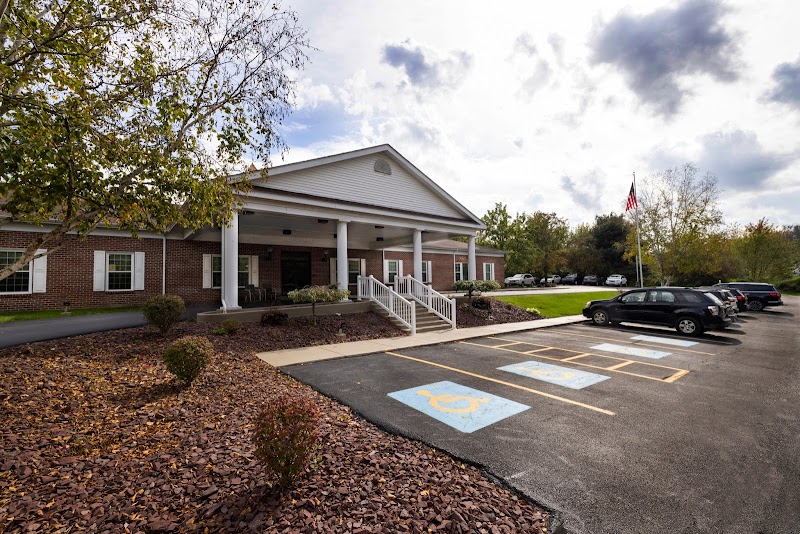
How is Calcutta Health Staffed?

CMS rates CALCUTTA HEALTH CARE CENTER's staffing level at 4 out of 5 stars, which is above average compared to other nursing homes. Staff turnover is 37%, compared to the Ohio average of 46%. This relatively stable workforce can support continuity of care.

What Have Inspectors Found at Calcutta Health?

State health inspectors documented 29 deficiencies at CALCUTTA HEALTH CARE CENTER during 2019 to 2025. These included: 1 that caused actual resident harm and 28 with potential for harm. Deficiencies causing actual harm indicate documented cases where residents experienced negative health consequences.
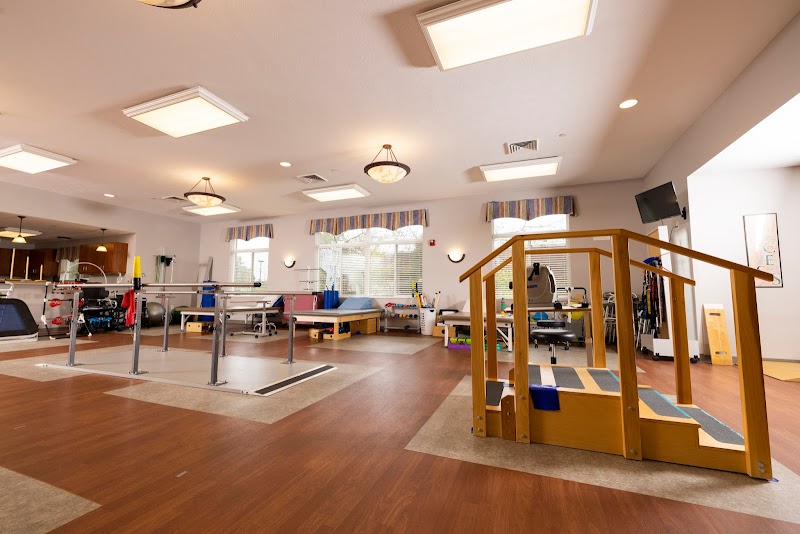
Who Owns and Operates Calcutta Health?

CALCUTTA HEALTH CARE CENTER is owned by a for-profit company. For-profit facilities operate as businesses with obligations to shareholders or private owners. The facility operates independently rather than as part of a larger chain. With 107 certified beds and approximately 88 residents (about 82% occupancy), it is a mid-sized facility located in CALCUTTA, Ohio.
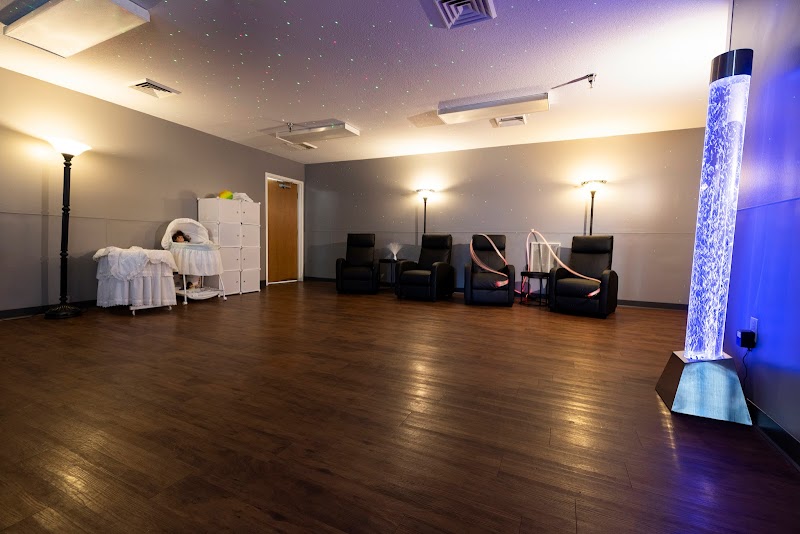
How Does Calcutta Health Compare to Other Ohio Nursing Homes?

Compared to the 100 nursing homes in Ohio, CALCUTTA HEALTH CARE CENTER's overall rating (3 stars) is below the state average of 3.2, staff turnover (37%) is near the state average of 46%, and health inspection rating (3 stars) is at the national benchmark.

What Should Families Ask When Visiting Calcutta Health?

Based on this facility's data, families visiting should ask: "Can I visit during a mealtime to observe dining assistance and food quality?" "How do you handle medical emergencies, and what is your hospital transfer rate?" "Can I speak with family members of current residents about their experience?"

Is Calcutta Health Safe?

Based on CMS inspection data, CALCUTTA HEALTH CARE CENTER has a clean safety record: no substantiated abuse findings (meaning no confirmed cases of resident harm), no Immediate Jeopardy citations (the most serious violation level indicating risk of serious injury or death), and is not on the Special Focus Facility watch list (a federal program monitoring the lowest-performing 1% of nursing homes). The facility has a 3-star overall rating and ranks #100 of 100 nursing homes in Ohio. While no facility is perfect, families should still ask about staff-to-resident ratios and recent inspection results during their visit.

Do Nurses at Calcutta Health Stick Around?

CALCUTTA HEALTH CARE CENTER has a staff turnover rate of 37%, which is about average for Ohio nursing homes (state average: 46%). Moderate turnover is common in nursing homes, but families should still ask about staff tenure and how the facility maintains care continuity when employees leave.

Was Calcutta Health Ever Fined?

CALCUTTA HEALTH CARE CENTER has no federal fines on record. CMS issues fines when nursing homes fail to meet care standards or don't correct problems found during inspections. The absence of fines suggests the facility has either maintained compliance or corrected any issues before penalties were assessed. This is a positive indicator, though families should still review recent inspection reports for the full picture.

Is Calcutta Health on Any Federal Watch List?

CALCUTTA HEALTH CARE CENTER is not on any federal watch list. The most significant is the Special Focus Facility (SFF) program, which identifies the bottom 1% of nursing homes nationally based on persistent, serious quality problems. Not being on this list means the facility has avoided the pattern of deficiencies that triggers enhanced federal oversight. This is a positive indicator, though families should still review the facility's inspection history directly.