SUMMIT ACRES NURSING HOME
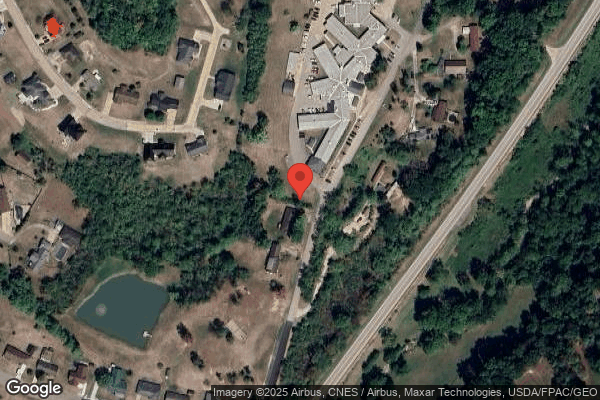
44565 SUNSET ROAD, CALDWELL, OH 43724 (740) 732-2364
For profit - Corporation 95 Beds ALTERCARE Data: November 2025 1 Immediate Jeopardy citation
Trust Grade
31/100
#553 of 913 in OH
Last Inspection: May 2025

Inspected within the last 6 months. Data reflects current conditions.

Overview

Summit Acres Nursing Home has received a Trust Grade of F, indicating significant concerns about their quality of care. They rank #553 out of 913 facilities in Ohio, placing them in the bottom half overall, but they are the only nursing home in Noble County. Unfortunately, the facility's performance is worsening, with the number of issues increasing from 10 in 2024 to 21 in 2025. Staffing ratings are average, with a turnover rate of 52%, which is close to the state average, but they do have good RN coverage, exceeding that of 85% of Ohio facilities. Recent inspections revealed serious concerns, including inadequate supervision of a cognitively impaired resident at risk of elopement and failures in infection control practices, which could jeopardize the health and safety of residents.

Trust Score
F
31/100
In Ohio
#553/913
Bottom 40%
Safety Record
High Risk
Review needed
Inspections
Getting Worse
10 → 21 violations
Staff Stability
⚠ Watch
52% turnover. Above average. Higher turnover means staff may not know residents' routines.
Penalties
✓ Good
$16,801 in fines. Lower than most Ohio facilities. Relatively clean record.
Skilled Nurses
✓ Good
Each resident gets 48 minutes of Registered Nurse (RN) attention daily — more than average for Ohio. RNs are trained to catch health problems early.
Violations
⚠ Watch
52 deficiencies on record. Higher than average. Multiple issues found across inspections.
★★★☆☆
3.0
Overall Rating
★★★☆☆
3.0
Staff Levels
★★★★★
5.0
Care Quality
★★☆☆☆
2.0
Inspection Score
Stable
2024: 10 issues
2025: 21 issues

The Good

  • 5-Star Quality Measures · Strong clinical quality outcomes
  • Full Sprinkler Coverage · Fire safety systems throughout facility
  • No fines on record

Facility shows strength in quality measures, fire safety.

The Bad

3-Star Overall Rating

Near Ohio average (3.2)

Meets federal standards, typical of most facilities

Staff Turnover: 52%

Near Ohio avg (46%)

Higher turnover may affect care consistency

Federal Fines: $16,801

Below median ($33,413)

Minor penalties assessed

Chain: ALTERCARE

Part of a multi-facility chain

Ask about local staffing decisions and management

The Ugly 52 deficiencies on record

1 life-threatening
May 2025 17 deficiencies
CONCERN (D)

Potential for Harm - no one hurt, but risky conditions existed

Resident Rights (Tag F0550)

Could have caused harm · This affected 1 resident

**NOTE- TERMS IN BRACKETS HAVE BEEN EDITED TO PROTECT CONFIDENTIALITY** 2 a.) On 05/18/25 11:58 A.M., an observation during the lunch meal service for the residents eating in their rooms on Unit 2 not...

Read full inspector narrative →
**NOTE- TERMS IN BRACKETS HAVE BEEN EDITED TO PROTECT CONFIDENTIALITY** 2 a.) On 05/18/25 11:58 A.M., an observation during the lunch meal service for the residents eating in their rooms on Unit 2 noted Certified Nursing Assistant (CNA) #187 to be feeding Resident #36, while the resident was in her bed. CNA #187 was standing at the side of the bed while feeding the resident. She was not noted to be sitting in a chair at the bedside to provide the resident with a dignified dining experience. 2 b.) On 05/18/25 at 12:00 P.M., an observation during the lunch meal service for the residents eating in their rooms on Unit 2 noted CNA #500 to be feeding Resident #57, while the resident was in her bed. CNA #500 was standing at the side of the bed while feeding the resident. She was not noted to be sitting in a chair at the bedside to provide the resident with a dignified dining experience. On 05/18/25 at 12:10 P.M., an interview with CNA #187 and CNA #500 confirmed they did feed Resident #36 and #57 in bed, while they stood at the residents' bedside. CNA #187 stated they stood while feeding the residents because it was easier for them to feed the residents while standing. They denied they were standing while feeding those residents for any reason that was beneficial to the residents. When asked why they were not sitting at the side of the bed to feed the residents to promote a more dignified eating experience, CNA #187 reported they were not trained that way to do so. They acknowledged it was considered a dignity issue to stand over a resident while feeding them. They further acknowledged they should be sitting in a chair beside the bed at the resident's eye level to promote a more dignified dining experience. CNA #187 was noted to leave Unit 2 returning a short time later with a folding chair. She provided the folding chair to CNA #500, so CNA #500 could continue to assist Resident #57 with her meal while in a seated position. Review of the facility's policy on Meal Service updated 05/01/25 revealed it was the facility's policy to serve nutritional meals promptly and to provide meal assistance as needed. Residents requiring feeding assistance would be provided assistance at the time they received their meal. Staff providing assistance would be seated next to the resident and engaging in conversation with the resident or offering cueing during the meal. Based on observation, interview, self reported incident review, and record review the facility failed to treat residents in a dignified manner as evidenced by one resident being told to stay in her damn room and two residents being assisted with their meals by Certified Nursing Assistants who were standing above them. This affected three of six residents (#33, #36 and #57) reviewed for dignity. The facility census was 84. Findings include: 1. Review of Resident #33's medical record revealed an admission date of 11/12/24 and diagnoses including Wernicke's encephalopathy, hyperlipidemia, anxiety, major depressive disorder, and alcohol abuse in remission. Review of Resident #33's quarterly Minimum Data Set (MDS) assessment dated [DATE] revealed a Brief Interview for Mental Status (BIMS) score of zero indicating severe cognitive impairment and wandering behavior for one to three days of the review period. Further review revealed Resident #33 was independent with ambulation and transfers. Review of Resident #33's behavior plan of care revealed Resident #33 exhibited the behavioral symptoms of verbal aggression, wandering- wandering into other resident rooms, cursing at staff, taking other resident's food and drinks, aggravating other residents, not leaving other resident's personal items alone, rummaging, tearful, and unplugging equipment. Interventions for Resident #33 include redirecting her from other resident's rooms, removing her from overly stimulating situations, taking her for a walk in the facility, and offering to take her to smoke at scheduled smoke break times. Review of the facility self-reported incident investigation started on 02/03/25 at 6:36 P.M. revealed that on 02/03/25 at 6:00 P.M. Certified Nursing Assistant (CNA) #307 was witnessed to have one hand on Resident #33's back and one hand on her arm and was pushing/guiding her fast, almost like running from another resident's room to her room across the hall. CNA #307 stated to Resident #33 stay in your damn room and slammed the door shut. This was witnessed by Licensed Practical Nurse (LPN) #126 and CNA #309. LPN #126 reported the incident to the administrator and CNA #307 was suspended pending investigation. A head-to-toe assessment was completed of Resident #33 and no concerns were noted. Resident #33 did not remember the incident and did not appear to have any harm or distress. Observation of Resident #33 throughout the survey revealed the resident was moving about the secure unit and interacting with the facility staff and her peers. Resident #33 showed no signs of fear or distress. In an interview on 05/20/25 at 2:12 P.M. LPN #126 stated on 02/03/25 she was working on the secure unit and had stepped off the unit to fax something and was returning when she saw CNA #307 with her hand on Resident #33's arm and her other hand on her back pushing her out of another resident's room and across the hall to her own room. Once Resident #33 was in the room CNA #307 told the resident to stay in her damn room. She immediately sent CNA #307 home and notified the administrator of the incident. LPN #126 assessed Resident #33 and found no physical injuries. LPN #126 stated that Resident #33 has dementia and is not really aware of what happened and was not upset by the incident. LPN #126 stated that Resident #33 did not change from her baseline. LPN #126 further stated that an alert resident would have been very upset with the treatment Resident #33 received from CNA #307. LPN #126 did not feel Resident #33 was treated with dignity and respect in the situation. She would have been upset if she was spoken to that way or if it had been her family member who was spoken to that way. LPN #126 stated she wants the residents she cares for to be cared for like she would want her family to be cared for. In an interview on 05/20/25 at 2:49 P.M. Speret Hall Program Director LPN #178 revealed she did not feel Resident #33 had been treated with dignity during the 02/03/25 incident when CNA #307 told her to stay in her damn room. She would not have wanted to be treated that way if it was her.
CONCERN (D)

Potential for Harm - no one hurt, but risky conditions existed

Free from Abuse/Neglect (Tag F0600)

Could have caused harm · This affected 1 resident

**NOTE- TERMS IN BRACKETS HAVE BEEN EDITED TO PROTECT CONFIDENTIALITY** Based on review of self-reported incident (SRI), review of the facility's investigation, interviews, and policy review the facil...

Read full inspector narrative →
**NOTE- TERMS IN BRACKETS HAVE BEEN EDITED TO PROTECT CONFIDENTIALITY** Based on review of self-reported incident (SRI), review of the facility's investigation, interviews, and policy review the facility failed to prevent resident neglect. This affected one resident (#73) of one resident reviewed for abuse. Findings included: Record review revealed Resident #73 was admitted to the facility on [DATE] with diagnoses including cardiac arrhythmia, heart failure, muscle weakness, abnormalities of gait and mobility, weakness, retention of urine, right knee pain, benign prostatic hyperplasia without lower urinary tract symptoms, obstructive and reflux uropathy, and reduced mobility. Review of Resident #73's quarterly Minimum Data Set (MDS) dated [DATE] revealed the resident's Brief Interview for Mental Status (BIMS) was 11. The resident was dependent for toiling. He required partial to moderate assistance for personal hygiene, dependent for sitting to lying, lying to sitting, sitting to stand, chair to bed, toilet, and shower transfer. He required substantial/maximal assist to roll left to right. He was always incontinent of urine and bowel. He was not on a toileting program. No rejection of care noted. Review of Resident #73's urinary incontinence plan of care dated 05/29/24 revealed to check and provide incontinence care as needed. Maintain dignity when checking/providing incontinence care for the resident. Review of the facility investigation SRI #258993 revealed Resident #73 was interviewed by the Administrator on 04/04/25. The resident reported he had trouble getting someone to answer his call light. The first female (staff) hit the button but did not change him as asked. She said she would be right back but never returned to his room. Another female (staff) and a co-worker changed his wet under pad sometime around 4:00 P.M. He told the Administrator he pushed his call light three times to get help. The Administrator asked if he had a sore bottom or butt area and the resident said no. The Nurse completed a physical assessment on the resident with no excoriation places or pain. Review of a handwritten sheet authored by the Administrator undated revealed Agency Certified Nursing Aide (CNA) #303 name and phone number was on the top of the paper. The first question asked was who she had worked with on Thursday (04/03/25), and the CNA responded CNA #102. The second question asked was why she went in and shut the resident's call light off. The response was he (the resident) was a two person assist. The third question was not answered. Question four asked was why did you go out to your car for an extended amount of time. The answer was she was on the phone Grandpa- surgery. Question five was asked why she was seen by various employees hanging out in the activity room. The answer was a number 1. Question six was not answered. Review of CNA #102's written statement dated 04/03/25 revealed at about 4:45 P.M., she went into Resident #73's room, and he told her a blonde girl came into his room and shut off the call light three times when he told her he needed to be changed. When the CNA changed his brief it nearly disintegrated and he was brinking on a major blowout. The only blonde girl we had was the Agency CNA #303 and she was barely doing anything all night. Review of handwritten sheet authored by the Administrator undated revealed CNA #102's name and number was on the top of the sheet of questions. CNA #102 reported the Agency CNA #303 told her she had turned off Resident #73's call light without providing care to the resident. CNA #102 reported to Licensed Practical Nurse (LPN) #129 that the Agency CNA didn't do anything all night around 9:45 P.M. She had witnessed CNA #303 loafing in the activity room for 30 minutes. There were additional comments on the bottom of the sheet that the CNA #303 walked past call lights and went to others, took 1.5-to-two-hour break, would tell her to do things and she would give attitude. It was too late for LPN #129 to talk to her. Review CNA #193's written statement dated 04/03/25 revealed she witnessed CNA #303 standing in the activities room from 7:45 P.M. till 9:30 P.M., then proceeded to continue outside for 15 minutes. Review of CNA#184's written statement dated 04/03/25 revealed CNA #303 was on Home B. There was multiple instances of her walking past lights, walking past people yelling out the door, telling residents that she would be back to help them and turning their lights off and then not coming back, staying in the activity room for very long periods of time. Just overall acts of neglecting residents. We ended up leaving without all residents in bed because we did not have the help we would expect from having another aide on staff. Review of the Administrator's handwritten letter undated revealed CNA #184's name and number was on top of the letter and phone number. CNA #184 reported CNA #303 had walked past Resident #73's and #17's call light and she dropped Resident #35 hard. CNA #303 told Resident #73 she would be back. When asked which residents were neglected there was an arrow and comment to see statement. Three residents were left up and night shift took out the trash. The CNA reported the incident to LPN #129 and Registered Nurse (RN) #170. Review of the Administrator's handwritten letter undated revealed LPN #129's name and phone number was on the top of the letter. The LPN reported that all three staff reported the incident to him around 9:45 P.M. The LPN reported he was not aware CNA #303 was walking pass call lights, and she was off the unit most of the shift and he told her late in the shift. CNA #184 did not use the term neglect when reporting CNA #303's poor job performance and he was unaware the staff thought it was neglect. The LPN reported he had staff write statements but never read them and gave them to someone else to pass on to the Administrator. The LPN never said anything to CNA #303 due to it being late in the shift and he was not aware of the neglect. Review of an email from the agency staffing company dated 04/04/25 at 1:06 P.M. revealed the staffing company was thankful for the information and was going to suspend the CNA (#303). Further review of the investigation revealed there was a copy of Resident #73's face sheet, a progress note from 04/04/25 at 3:07 A.M. that revealed episodes of incontinence reported last night. Follow up this morning with skin check. No areas noted. Resident stated that his bottom feels fine. Incontinence care provided. Resident resting in recliner. Call light and fluids remain in reach. There was a follow note dated 05/07/25 that indicated a follow up from the SRI (04/04/25) regarding call light being turned off. Resident reported there were no further issues or concerns related to his call light being turned off and he notes that it is being answered timely. He was satisfied with resolution. Resident's wife in room and agrees. There was no documented evidence that the additional resident mentioned in the SRI was interviewed or assessed. There was no statement from RN #170 who staff indicated they reported the incident to and there was no evidence residents on Home B, the unit the CNA was assigned to, were interviewed or assessed. Interview on 05/19/25 at 3:29 P.M. with Resident #73, revealed call lights not answered timely was still an issue on second shift. Sometimes he has to wait up to an hour for someone to answer his call light. Interview on 05/19/25 at 3:40 P.M., with the Administrator confirmed the surveyor had the complete investigation for Resident 73's SRI and there was no additional information. The surveyor reviewed the information in the folder with the Administrator. The Administrator confirmed he did not interview other residents on the unit or residents' staff had mentioned during the investigation to ensure they were not affected. The Administrator reported he was just focused on Resident #73 because he was upset about the incident. The Administrator could not recall why he wrote Resident #35 was dropped hard. The Agency CNA #303 confirmed she was outside for extended period of time but had permission due she was outside on the phone because her grandfather had surgery. The Administrator reported that the CNA was in the activity room watching residents play pool, however the resident didn't require supervision, and she should have been on the floor assisting residents. The Administrator confirmed he notified the staffing agency to ensure she was not providing care to other facility residents during the investigation. Interview on 05/02/25 at 1:58 P.M., with Resident #73 and his daughter revealed he felt he was neglected when the agency staff member left him in a saturated depends (incontinence brief) and didn't return to provide incontinence care timely. Follow up interview on 05/21/25 at 7:54 A.M., with the Administrator to confirm timeline of events on 04/03/25 revealed the Agency CNA (#303) worked 2:00 P.M. to 10:00 P.M. on 04/03/25. The resident reported he started to ring his light around 4:00 P.M. The Agency CNA answered the call light three times, however, didn't communicate the need of two people to provide the care and it frustrated the resident. The Administrator reported he was unsure of the time the two CNAs ended up providing care to the resident. The Administrator was not sure of the times the Agency CNA was off the floor for lunch, when she went to her car, or when she was in the activity room. The Agency CNA confirmed she was off the floor for extended amounts of time because she was worried about her grandfather, however he explained to her she still had job duties to perform. Interview on 05/21/25 at 10:19 A.M., with CNA #184 and #102 via phone revealed they felt the Agency CNA #303 had neglect Resident #73. The surveyor reviewed the facility's definition of neglect with the CNAs, and they agreed the Agency CNA did not provide a good or service to the resident by turning off his call light several times and not returning to provide care, which resulted in mental anguish to the resident. The CNA's reported the resident usually doesn't get upset and he was upset that night and feared staff would not return to provide care. CNA #102 reported she tried to reassure the resident she would return. CNA #102 reported that she worked 2-10 P.M., on 04/03/25 and there were several residents upset about the care they received or didn't receive from Agency CNA #303. She had gone to Resident #73's room between 4:30 P.M. to 5:00 P.M. and he was upset. Resident #73 reported Agency CNA #303 had come in his room [ROOM NUMBER]-4 times and turned his call light out and never provided incontinence care. The CNA reported she explained to the resident she was going to get help, and she would be right back. The resident was upset and was afraid she was going to leave him like the other aide did. The CNA reported she provided him with reassurance and left the room to get the lift and CNA #184 to help. When she removed the resident depends (incontinence product) it was almost disengaged. CNA #102 reported she had confronted Agency CNA #303, and she confirmed she had turned out Resident #73's call light several times and reported she forgot because she was pulled to another room. The CNA (#102) reported she tried to explain to the CNA (#303) about prioritizing. CNA #102 confirmed the Agency CNA never asked her for help. The Agency CNA continued to answer other residents call lights and did not address their needs or she would walk past call lights and not answer them. The CNA's reported they didn't realize the significant of the concerns until they started to assist residents with nighttime care and the residents were mad. CNA #102 confirmed she used the word Neglect in her written statement because she felt the Agency CNA had neglected Resident #73. Resident #73's depends/incontinence product was like jelly. It was upsetting to her as well as the resident. The CNA felt the Agency CNA #303 had neglected other residents as well by not providing care to them timely. CNA #184 reported she felt the Agency CNA (#303) had neglected to provide care to several residents that evening. Resident #35 was crying as well. Resident #35 has a history of crying, but when she went to check on the resident she found her crying. Resident #35 reported the Agency CNA #303 had dropped her when she was assisting her on the toilet and she hit her back on the toilet seat. The resident had a pink mark on her back, but no bruising was noted. The CNA reported she had checked on the resident several times during her shift. She had reported the incident to the nurse. Review of the facility's policy titled Abuse, Mistreatment, Neglect, Misappropriation of Resident Property, and Exploitation (dated 2016) revealed it was the facility's policy to investigate all allegations, suspicions and incidents of Abuse, Neglect, Misappropriation of Resident Property and Exploitation, as well as injuries sustained by its residents. Neglect was defined as the failure of the facility, its employees or facility service providers to provide good and services to a resident necessary to avoid physical harm, pain, mental anguish, or emotional distress. Prevention and identification included the deployment of staff on each shift in sufficient numbers to meet the needs of the residents and ensure that the staff assigned have knowledge of the individual residents' care needs. The supervision of staff to identify inappropriate behaviors, such as ignoring residents while giving care, derogatory language, rough handling, and directing resident who need toileting assistance to urinate or defecate in their beds. The assessment, care planning, and monitoring of resident with needs and behaviors which might lead to conflict or neglect. The social service department should be notified of the incident so that it may take appropriate interventions to care for eh psychosocial needs of any involved resident. All incidents and allegation of abuse must be reported immediately to the Administrator or designee. The incident or allegation should be reported to state department of health as soon as possible but not later than 24 hours form the time of the incident/allegation was made known to the staff member. Investigation protocol included the person investigating the incident should generally take the following action: Interview the resident, the accused, and all witnesses. Witnesses generally include anyone who: witnessed or heard of the incident; came in close contact with the resident the day of the incident; and employees who worked closely with the accused employee and/or alleged victim the day of the incident. Obtain written statement form the resident, if possible, the accused, and each witness. Obtain all medical reports and statement from the physician and or hospital Review the resident medical records. Document of the investigation.
CONCERN (D)

Potential for Harm - no one hurt, but risky conditions existed

Deficiency F0645 (Tag F0645)

Could have caused harm · This affected 1 resident

Based on interview and medical record review the facility failed to ensure Preadmission Screening and Resident Review (PASARR) was completed accurately on admission. This affected one resident (#78) o...

Read full inspector narrative →
Based on interview and medical record review the facility failed to ensure Preadmission Screening and Resident Review (PASARR) was completed accurately on admission. This affected one resident (#78) of one resident reviewed for PASARR. The facility census was 84. Findings include: Review of Resident #78's medical record revealed an admission date of 02/28/25 with diagnoses including acute and chronic respiratory failure with hypoxia, type 2 diabetes, bipolar disorder, depression, post-traumatic stress disorder, adjustment disorder with depressed mood, and attention-deficit hyperactivity disorder. Review of Resident #78's PASARR, dated 02/28/25, did not include the diagnosis of Post traumatic stress disorder (PTSD) or identify psychotropic medications prescribed. Interview on 05/20/25 at 3:20 P.M. with Social Worker #158 including PASARR review verified the PASARR did not include the PTSD diagnosis. Review of the DSM-5 PTSD is classified as a trauma and stressor related disorders. Interview on 05/21/25 at 9:17 A.M. with regional director of SS and activities #306 verified inaccuracy of the PASARR as it did not include residents' diagnosis of PTSD or psychotropic medications.
CONCERN (D)

Potential for Harm - no one hurt, but risky conditions existed

Comprehensive Care Plan (Tag F0656)

Could have caused harm · This affected 1 resident

**NOTE- TERMS IN BRACKETS HAVE BEEN EDITED TO PROTECT CONFIDENTIALITY** Based on record review, observation, interview, and policy review, the facility failed to ensure dental services were provided t...

Read full inspector narrative →
**NOTE- TERMS IN BRACKETS HAVE BEEN EDITED TO PROTECT CONFIDENTIALITY** Based on record review, observation, interview, and policy review, the facility failed to ensure dental services were provided to Resident #32 and pressure ulcer prevention interventions were implemented for Resident #64 as per the plan of care. This affected three residents (Resident #32 and #64) of 27 residents reviewed for care plans.Findings include:1. Review of Resident #32's medical record revealed he was admitted to the facility on [DATE]. His diagnoses included moderate protein-calorie malnutrition, stroke without residual deficits, adult failure to thrive, and legal blindness.Review of Resident #32's payer status in the electronic medical record revealed the resident was admitted to the facility on [DATE] under Ohio Medicaid (MCD). His payer status did not change until 04/18/25, when he was changed to Hospice MCD. Review of Resident #32's clinical admission documentation dated 01/10/25 revealed the resident had the use of an upper denture that was in fair condition and was missing one tooth. He was indicated to have lower dentures, but did not wear them and they weren't brought to facility with him. Review of Resident #32's significant change Minimum Data Set (MDS) assessment dated [DATE] revealed the resident did not have any communication issues and was cognitively intact. He required set up or clean up assistance with his oral hygiene. He was assessed on the MDS as being edentulous and there was no indication that he had any broken dentures.Review of Resident #32's care plans revealed he had a care plan in place for an alteration in dental/ oral status related to not having any natural teeth and wearing upper dentures as he chooses. The goal was for the resident to be free of dental/ oral discomfort and to have proper fitting dentures in good repair. The interventions included the need for a dentist to evaluate and treat as needed (prn). If the resident wore dentures, they were to observe the condition and proper fit. They were to report any chips, cracks, or rough edges and to notify the dentist prn. Review of Resident #32's ancillary services consent form dated 05/09/25 revealed the resident was not known to have declined any of the ancillary services. He was to receive dental services per his request. Resident #32's electronic medical record (EMR) was absent for any evidence of the resident having been seen by a dentist since his admission to the facility on [DATE]. Progress notes were absent for any attempts to arrange dental services for the resident to replace his current dentures. Review of a dental list showing when the facility's contracted dentist had last visited the facility revealed the contracted dentist had last visited the facility on 03/19/25. Resident #32 was not one of the 22 residents who had been seen on that date. On 05/19/25 at 8:45 A.M., an interview with Resident #32 revealed he did not have his lower denture plate at the facility due to them being broken. He had the same set of dentures for the past 34 years. He was interested in being seen by a dentist to get a new set of dentures. On 05/20/25 at 9:52 A.M., an interview with Certified Nursing Assistant (CNA) #212 revealed he was not aware of Resident #32 wearing dentures and was not sure if he even had them. He was not aware the resident had the use of full upper dentures, or that he did not have his lower dentures with him due to them being broken and left at home. On 05/20/25 at 10:20 A.M., an interview with the Director of Nursing (DON) confirmed Resident #32 had not received any dental services while in the facility. She further confirmed the resident had consented to receive ancillary services when he was most recently asked on 05/09/25. She alleged the resident did not go under MCD until 03/19/25, and it was retroactive to 01/10/25. She was not able to provide any documentation to support that or to dispute the EMR showing he had been covered under MCD since 01/10/25, as was indicated under the census tab of the EMR. 2. Review of Resident #64's medical record revealed he was admitted to the facility on [DATE]. His diagnoses included a history of a stroke, muscle weakness, need for assistance of personal care, difficulty walking, and age related physical debility. Review of Resident #64's annual MDS assessment dated [DATE] revealed the resident's cognition was moderately impaired. He was not known to reject any care. He was dependent on staff for bed mobility and transfers. The MDS identified him as being at risk for pressure ulcers, but did not have any unhealed pressure ulcers at the time the assessment was completed. Review of Resident #64's active care plans revealed the resident was at risk for skin breakdown related to impaired mobility, impaired cognition, and poor sensory perception. The goal was for the resident not to develop skin breakdown. The interventions included the need to encourage/assist the resident to float heels as tolerated. That intervention was added on 05/20/24. Review of Resident #64's nurses' progress notes for the past 30 days revealed no evidence of the resident not allowing the facility staff to offload his heels when in bed. He was also not indicated to remove any pillows or other devices that were being used to offload his heels. On 05/18/25 at 3:40 P.M., an observation of Resident #64 noted him to be lying in bed on an air mattress. His feet were not offloaded as his heels were noted to be in direct contact with the mattress. On 05/19/25 at 1:30 P.M. and again on 05/20/25 at 8:30 A.M., further observations of Resident #64 noted him to be lying in bed without his heels being offloaded. His heels remained in direct contact with the mattress and there was no evidence of any pillows or other offloading devices being used to elevate his heels off the mattress. On 05/20/25 at 11:19 A.M., an interview with CNA #212 revealed Resident #64 has had a recent decline in his condition and did not want out of bed. The resident was not one who wanted up even before his decline in condition that occurred over the past several weeks. He denied the resident had any current pressure ulcers, but was at risk due to his limited mobility. He was questioned about the resident's skin prevention interventions that were in place to prevent the development of his pressure ulcers. He stated the facility staff would use heels up (device to offload heels) or would use pillows to offload a resident's heels, if it was ordered by the physician. They did not offload any residents' heels, unless the physician said to. They had access to the resident's care plans in the computer kiosk. He verified Resident #64's care plans did include the need to encourage/ assist the resident to offload his heels. He was asked to accompany the surveyor back to the resident's room. He verified the resident was in bed without his heels offloaded on a pillow or other offloading device on 05/20/25 at 11:26 A.M. He was aware the resident was to have pillows to his sides, but he denied they were using pillows under the heels in an effort to offload the resident's heels. He stated he worked that unit five days a week during the day shift and had never tried putting pillows under the resident's heels. On 05/23/25 at 11:32 A.M., an interview with LPN #132 revealed Resident #64 did not have any pressure ulcers at present. She would consider him to be at risk for pressure ulcers. She denied she was aware of the resident removing any pillows that they used for positioning. She verified the resident's active care plans for being at risk for an alteration in skin integrity included the need to encourage the resident to off-load heels, as part of his skin prevention interventions. She informed CNA #212, who accompanied the survey to the nurses' station, that Resident #64 should have his heels up on a pillow from what she was able to determine.
CONCERN (D)

Potential for Harm - no one hurt, but risky conditions existed

Deficiency F0657 (Tag F0657)

Could have caused harm · This affected 1 resident

**NOTE- TERMS IN BRACKETS HAVE BEEN EDITED TO PROTECT CONFIDENTIALITY** Based on observation, record review, interview, and policy review, the facility failed to ensure care conferences were completed...

Read full inspector narrative →
**NOTE- TERMS IN BRACKETS HAVE BEEN EDITED TO PROTECT CONFIDENTIALITY** Based on observation, record review, interview, and policy review, the facility failed to ensure care conferences were completed timely following a resident's significant change Minimum Data Set (MDS) assessment and care plans were revised in the areas of dental status and to reflect a resident's reported non-compliance with non-pressure skin impairment interventions. This affected one resident (#32) of two residents reviewed for care conferences and two residents (#7 and #16) of 22 residents reviewed for care plans. Findings include: 1. Review of Resident #7's medical record revealed she was admitted to the facility on [DATE]. Her diagnoses included reduced mobility, difficulty walking, and the need for assistance with personal care. Review of Resident #7's dental consults revealed the resident was seen on 03/23/22 and was indicated to have partial dentition. The resident informed the dentist that she had a dentist in a local community that was going to extract all her remaining teeth. Further review of Resident #7's dental consults revealed the resident was seen again by the dentist on on 09/25/24. The dentist referenced dentures the resident had that was about one year old. The dentist adjusted the lower left denture around the #18 tooth. The dentures were indicated to fit well and the resident was satisfied with them. Review of Resident #7's quarterly MDS assessment dated [DATE] revealed the resident did not have any communication issues and was cognitively intact. She was not identified on the MDS assessment as having any dental issues. Review of Resident #7's active care plans revealed the resident had a care plan in place for being edentulous (without any natural teeth) and did not wear dentures. The care plan was initiated on 09/14/22 and was not revised to reflect the resident had since received dentures. On 05/20/25 at 3:33 P.M., an interview with Aide in Training #177 revealed she thought Resident #7 had her own teeth. She denied the resident had the use of any dentures. On 05/20/25 at 3:35 P.M., an interview with Resident #7 confirmed she had full upper and lower dentures. She stated the staff assisted her with brushing and soaking her dentures at night. On 05/20/25 at 3:37 P.M., an interview with Licensed Practical Nurse (LPN) #132 revealed she was not sure if Resident #7 had dentures or her own teeth. She did not want to say without checking the resident's electronic medical record (EMR) first. She reported the resident's dental care plan indicated she was edentulous. She was informed the resident had full upper and lower dentures and there was a dental consult note that indicated the resident has had dentures since 2023. 2. Review of Resident #32's medical record revealed the resident was admitted to the facility on [DATE]. The resident's diagnoses included unspecified glaucoma, bilateral blindness, anxiety, depression, congestive heart failure, adult failure to thrive, chronic obstructive pulmonary disease, and cognitive communication deficit. Review of Resident #32's face sheet revealed his contacts included his father as his resident representative. Review of Resident #32's completed MDS assessments revealed the resident's latest MDS assessment was a significant change MDS assessment that was completed on 04/24/25. His prior MDS assessment was an admission MDS completed on 01/17/25. The significant change MDS assessment completed on 04/24/25 identified the resident as not having any communication issues and being cognitively intact. Review of Resident #32's care conferences revealed the resident had his initial care conference completed on 01/14/25. There was no evidence of any other care conferences being held on the resident's behalf since the initial care conference was completed. Review of Resident #32's nurses' progress notes from 04/21/25 to 05/20/25 revealed no evidence of the facility attempting to set up a care conference for the resident around the time of the completion of Resident #32's significant change MDS assessment on 04/24/25. There was not a progress note until 05/12/25 that indicated a phone call was placed to the resident's representative on that date to schedule a care conference meeting. The note indicated that a care conference was scheduled and agreed upon for 05/20/25 at 2:30 P.M. On 05/19/25 at 8:43 A.M., an interview with Resident #32 revealed he did not recall being part of any care conference since he had been in the facility. He did not recall the initial care conference that was held on 01/14/25 and denied being aware of any care conferences being held since. On 05/20/25 at 8:13 A.M., an interview with Social Service Director #158 revealed she had been the facility's social worker since 04/29/25. She reported she was the employee in charge of scheduling care conferences. She stated care conferences were to be completed upon admission and then quarterly thereafter. If an initial care conference had been done on 01/14/25, a quarterly care conference should have been completed during the month of April 2025. She stated she tried to keep them on an every three month schedule. She was not sure why a care conference had not been completed for Resident #32 in April 2025, when he had a significant change MDS assessment completed. She confirmed they had one scheduled for the resident that was to be completed that day (05/20/25) at 2:30 P.M. She reported she was trying to get everything together and was still trying to get the initial care conferences completed for those residents that had been admitted since she took over. She had not been able to get to anything that was outstanding prior to her taking over as the social service director. She was asked what prompted her to schedule a care conference for the resident on that day. She stated it was just in her May 2025 folder for her to do. Review of the facility's policy on Comprehensive Care Planning updated 05/01/25 revealed the facility's interdisciplinary team (IDT) was responsible for the development of an individualized comprehensive care plan for each resident. The comprehensive care plan would be updated by a member of the IDT team as changes in the resident's condition occurred. The comprehensive care plan would be reviewed by the IDT at least quarterly or when a significant change in condition occurred, in which a MDS assessment was completed. The resident and the resident's representative would be invited to care conferences in which the resident's comprehensive care plans would be reviewed. 3. Review of Resident #16's medical record revealed an admission date of 08/26/24 with diagnosis including chronic kidney disease, stage 4 (severe), weakness, dysphagia, pharyngeal phase, acute respiratory failure with hypoxia, and unspecified diastolic (congestive) heart failure. Review of Resident #16's medical record revealed a history of skin tears on 01/26/25, 02/14/25, 02/27/25, 04/15/25, 05/10/25, 05/15/25 and 05/17/25. Review of Resident #16's care plan revised 05/12/25 revealed intervention for geri-sleeves to both arms. The non-adherence care plan revised 04/28/25 revealed no non-compliance interventions for geri-sleeves. Observations of Resident #16 on 05/27/25 2:51 P.M. revealed no geri-sleeves in place. Interview on 05/28/25 at 12:08 P.M. certified nurse aide (CNA) #219,stated Resident #16 was previously getting geri-sleeves but refused, so they removed the task from the charting. Interview on 05/28/25 at 1:00 P.M. with Regional Nurse #301 confirmed the care plan was not revised to address the non-compliance, the MDS nurse revises the care plans annually and quarterly.
CONCERN (D) 📢 Someone Reported This

A family member, employee, or ombudsman was alarmed enough to file a formal complaint

Potential for Harm - no one hurt, but risky conditions existed

ADL Care (Tag F0677)

Could have caused harm · This affected 1 resident

**NOTE- TERMS IN BRACKETS HAVE BEEN EDITED TO PROTECT CONFIDENTIALITY** Based on observation, interview and record review the facility failed to provide timely incontinence care for a resident and fai...

Read full inspector narrative →
**NOTE- TERMS IN BRACKETS HAVE BEEN EDITED TO PROTECT CONFIDENTIALITY** Based on observation, interview and record review the facility failed to provide timely incontinence care for a resident and failed to provide timely nail care for a resident. This affected two residents (#2 and #14) of seven residents reviewed for activities of daily living. Findings include: 1. Review of Resident #2's medical record revealed an admission date of 03/08/23 and diagnoses including dementia, dysphagia, diabetes, chronic obstructive pulmonary disease, epilepsy, and schizoaffective disorder. Review of Resident #2's quarterly Minimum Data Set (MDS) assessment dated [DATE] revealed a Brief Interview for Mental Status (BIMS) score of four indicating severe cognitive impairment. Further review of the MDS revealed Resident #2 required setup assist with toilet hygiene and supervision with toilet transfer and was frequently incontinent of urine. An observation on 05/19/25 at 2:14 P.M. revealed Resident #2 seated at a dining room table on the secure unit. Resident #2 was observed to urinate while seated in the chair and a large puddle of urine formed under the chair. Certified Nursing Assistant (CNA) #162 assisted Resident #2 to the bathroom for incontinence care. In an interview on 05/19/25 at 2:22 P.M. CNA #162 stated it was normal for Resident #2 to sit and sleep in a chair. CNA #162 stated Resident #2 uses a pullup style incontinence product and will frequently urinate enough to overflow the incontinence product. CNA #162 stated Resident #2 was to be changed after meals and when needed. An observation on 05/20/25 from 2:30 P.M. to 4:00 P.M. revealed the resident in bed during the observation with no staff interaction. An observation on 05/21/25 at 2:31 P.M. revealed Resident #2 to be resting in bed on her left side, dressed in brown pants and a pink and white shirt, with her back and buttocks toward the door. A dark, wet-appearing stain was observed on the resident's pants covering her buttocks area. An observation on 05/21/25 at 3:24 P.M. revealed the dark, wet-appearing stain, remained on the resident's pants. In an interview on 05/27/25 at 11:10 A.M. CNA #221 revealed CNAs were to check incontinent residents at least every two hours or more often if needed. CNA #221 stated Resident #2 prefers to use a pullup style incontinence product because the resident will sometimes take herself to the bathroom and this style is easier for her to manage. CNA #221 stated that Resident #2 seems to be incontinent more frequently now than in the past and stated Resident #2 can be difficult to get to go to the bathroom at times. An observation on 05/27/25 at 12:41 P.M. revealed Resident #2 seated at a dining room table on the secure unit. An observation on 05/27/25 at 2:42 P.M. revealed Resident #2 remained seated at a dining room table on the secure unit. An observation on 05/27/25 at 3:11 P.M. revealed Resident#2 was assisted with toileting tasks at this time. An interview at the same time with Speret Hall Program Director Licensed Practical Nurse (LPN) #178 revealed Resident #2 was previously assisted with toileting tasks at around 12:30 P.M. Review of the policy titled Routine Resident Checks updated 10/20/22 revealed a resident check would be completed at least every two hours by nursing personnel and involved entering the resident's room to determine if the resident had needs, such as assist with toileting or incontinence care, that needed to be met. 2. Record review revealed Resident #14 was admitted to the facility on [DATE] with diagnoses including Parkinson disease, weakness, fibromyalgia, and need for assistance with personal care. Review of Resident #14's quarterly minimal data set (MDS) dated [DATE] revealed the resident required partial/moderate assistance with personal hygiene. Review of Resident #14's profile dated 05/16/25 revealed Resident #14 was dependent on staff for nailcare. Observation on 05/18/25 at 10:20 A.M., of Resident #14 revealed the resident had one nail broken half the way off and a brown substance was under all her nails. The resident reported her nails looked awful and needed cleaned and the broken nail had been like that for a few days. Interview on 05/18/25 at 10:20 A.M., with hospitality aide (HA) #164 confirmed the resident had one nail half broken off and she had brown substance under her nails. Certified Nurse's Aide (CNA) #196 approached the resident during the interview and reported she saw Resident #14's broken nail this morning but didn't feel comfortable cutting it due to it was broke back into the quick of the nail. CNA #196 reported she would tell the nurse and help the resident clean her nails. The CNA went to the resident room and obtained a bush and warm soapy water and started soaking the resident nails. Review of the facility's policy and procedure titled Nail Care Finger/Toe undated 05/01/25 revealed it was the facility's policy to clean, trim, and maintain nail care to enhance the resident state of well-being. This deficiency represents non-compliance investigated under Complaint Number OH00165414.
CONCERN (D)

Potential for Harm - no one hurt, but risky conditions existed

Quality of Care (Tag F0684)

Could have caused harm · This affected 1 resident

**NOTE- TERMS IN BRACKETS HAVE BEEN EDITED TO PROTECT CONFIDENTIALITY** Based on observations, medical record review, staff interview, and policy review, the facility failed to comprehensively assess ...

Read full inspector narrative →
**NOTE- TERMS IN BRACKETS HAVE BEEN EDITED TO PROTECT CONFIDENTIALITY** Based on observations, medical record review, staff interview, and policy review, the facility failed to comprehensively assess and provide treatment to skin integrity concerns. This affected one resident (#73) of two reviewed for non-pressure skin impairments. The facility census was 84. Findings include: Record review revealed Resident #73 was admitted to the facility on [DATE] with diagnoses including cardiac arrhythmia, heart failure, muscle weakness, abnormality of gait and mobility, weakness, retention of urine, right knee pain, benign prostatic hyperplasia without lower urinary tract symptoms, obstructive and reflux uropathy, and reduced mobility. Review of Resident #73's quarterly Minimum Data Set, dated [DATE] revealed the residents Brief Interview for Mental Status (BIMS) was 11. The resident had no behaviors or rejection of care. The resident required set up for meals, dependent on staff for toileting, bathing, lower body dressing, and putting on and taking off footwear, and partial to moderate assist with personal and oral hygiene. The resident was dependent of staff for mobility. He had no skin alteration but was at risk for pressure ulcers. a. Review of Resident #73's progress note dated 05/08/25 revealed the Certified Nursing Aide (CNA) reported that when she was transferring the resident from recliner to wheelchair, the resident bumped his left arm on causing a skin tear. The skin tear was cleansed with normal saline, patted dry, applied xeroform and covered with a dry dressing. Review of Resident #73's alteration of skin integrity plan of care dated 05/09/25 revealed the resident had a skin tear to left arm. The plan of care was updated on 05/19/25 to include callus to left and right heel and right arm. Intervention included observe alteration in skin integrity for redness, swelling, drainage, increased or onset of pain and notify physician or Nurse Practitioner (NP), observe and change dressing(s) if soiled, saturated, or not adhering complications, and observe resident for any complaints of pain related to the alteration in skin integrity. Inform physician, NP and medicate after non pharmalogical approaches were / are not successful. Perform treatment(s) as per physician order see TAR. Review of Resident #73's progress note dated 05/17/25 at 2:20 A.M., and edited on 05/18/25 at 2:23 A.M., revealed weekly skin check completed no new areas noted. Continue treatment to right arm as ordered. (There was no evidence the facility had initiated an order to the right arm until 05/19/25). Review of Resident #73's progress note dated 05/19/25 revealed skin tear noted to right elbow; dressing applied. Wound nurse notified and confirmed with measurements during rounds. Resident representative notified. Observation on 05/18/25 at 10:49 A.M., of Resident #73 revealed the resident had two foam dressings on bilateral arms dated 05/17/25. The resident was not able to answer what happened to his arms at that time. Observation on 05/19/25 at 9:18 A.M., of Resident #73 with the Assistant Director of Nursing (ADON) #171 and Corporate Registered Nurse (CRN) #302 revealed the dressing on the left arm was dated 05/17/25, however the dressing on the right arm was undated. CRN #302 reported he would assume both dressing were changed on 05/17/25 due to the date on the left arm dressing. Review of Resident #73's orders dated 05/01/25 to 05/19/25 revealed no evidence of an order for a dressing to the right arm until 05/19/25 when a new order was entered on 05/19/25 to cleanse skin tear to right arm with normal saline, pat dry, apply Xeroform. Cover with dry clean dressing every third day and as needed. Review of Resident #73's events and observation documentation dated 05/01/25 to 05/19/25 revealed no evidence of skin assessment to the right arm, however there was a skin tear assessment for the left arm dated 05/08/25. Interview on 05/20/25 at 1:58 P.M., with Resident #73 and his daughter revealed her dad frequently had skin tears. She didn't know if it was related to the sit to stand lift and it was a tight squeeze to get through the bathroom door or how he was acquiring so many skin tears. The daughter confirmed the resident was dependent on staff for care. Interview on at 05/20/25 at 4:52 P.M. with the Director of Nursing (DON) revealed the facility was not aware of the skin tear to the right arm until 05/19/25 (even though a progress note dated 05/17/25 indicated continue treatment to right arm and surveyor observed a dressing on the right arm on 05/18/25). The DON had the nurse complete a statement form indicating she had interviewed the resident on 05/19/25 and he reported the skin tear to the right elbow was a result of catching his arm on the wheelchair rest. b. Review of Resident #73's medical record revealed no evidence of skin alteration to the left or right heels. Observation on 05/19/25 at 9:18 A.M., of Resident #73 with the Assistant Director of Nursing (ADON) #171 and Corporate Registered Nurse (CRN) #302 revealed the resident had two skin alteration on the left and right outer heel. The areas were pea size and slightly raised. The ADON reported the areas appeared to calluses. The resident reported they were painful to touch. The ADON reported he was not sure how the resident acquired the areas, and he was no longer being seen by the visiting wound Nurse Practitioner. The ADON confirmed the wounds were not comprehensively assessed or documented in the medical record due to calluses were not required to be monitored. An additional observation on 05/20/25 at 2:16 P.M. of Resident #73's feet with the ADON #171 and CRN #303 revealed the skin on the left outer heel was starting to flake off. The area on the right outer heel was still intact. The ADON reported he was not aware of the callus areas until yesterday and he had the visiting wound nurse look at them. The ADON reported staff would not normally document or complete a skin grid for a callus, nor did he document his assessment or the visiting wound NP assessment that was completed yesterday (05/19/25). The resident voiced complaints of pain during the exam when touching the heels and up the back of the heel. Interview on 05/20/25 at 1:58 P.M., with Resident #73 and his daughter revealed the areas on the left and right-outer heels developed about the first of February (2025). The resident has never had skin alteration on the outer side of the heels in the past. The daughter reported she had just left a care conference with the facility and had concerns regarding her father's heel pain and treatment. The daughter reported she doesn't feel the facility was being aggressive enough. The family had requested he see the podiatrist. Review of Resident #73's visiting wound NP note dated 05/19/25 revealed she was asked by the wound nurse to assess areas to bilateral feet. The resident had one callused area to the left outer heel that was dry and flaky and an order was given for skin prep to the area twice daily. The resident had a small flat callused area to the right heel that was dry. Skin prep twice daily was ordered. Both areas were closed, and wound nurse will follow areas. Will see on wound rounds as necessary. Review of Resident #73's orders dated 05/2025 revealed skin prep to bilateral heels twice a day for prevention since 05/30/24. The order was updated on 05/19/25 to include special instructions callus. Review of the facility's policy titled Skin abrasion, Skin tears dated 05/01/25 revealed the facility's policy of care for alteration in skin integrity was using professional standards of practice. The guidelines included verifying that there was a physician order for the procedure. Review the residents' care plan, for any special needs,. The policy didn't include document assessment of the wound.
CONCERN (D) 📢 Someone Reported This

A family member, employee, or ombudsman was alarmed enough to file a formal complaint

Potential for Harm - no one hurt, but risky conditions existed

Pressure Ulcer Prevention (Tag F0686)

Could have caused harm · This affected 1 resident

**NOTE- TERMS IN BRACKETS HAVE BEEN EDITED TO PROTECT CONFIDENTIALITY** Based on record review, observation, staff interview, and policy review, the facility failed to ensure skin prevention intervent...

Read full inspector narrative →
**NOTE- TERMS IN BRACKETS HAVE BEEN EDITED TO PROTECT CONFIDENTIALITY** Based on record review, observation, staff interview, and policy review, the facility failed to ensure skin prevention interventions were implemented for residents at risk for or having had pressure ulcers and also failed to ensure a resident's pressure ulcer was comprehensively assessed weekly to monitor for wound healing. This affected three residents (#16, #64, and #73) of four residents reviewed for pressure ulcers. Findings include: 1. Review of Resident #16's medical record revealed the resident was admitted to the facility on [DATE]. She was re-admitted to the facility on [DATE] following a multiple day hospitalization stay. Her diagnoses included hemiplegia (paralysis) and hemiparesis (weakness) following a stroke affecting her left dominant side, peripheral vascular disease, adult onset diabetes mellitus, reduced mobility, muscle weakness, and dependence on a wheelchair. Review of Resident #16's significant change Minimum Data Set (MDS) assessment dated [DATE] revealed the resident had adequate hearing and clear speech. She was usually able to make herself understood and was usually able to understand others. Her cognition was severely impaired and the resident was dependent on staff for bed mobility and transfers. She was identified as being at risk for pressure ulcers and was also identified as having an unhealed pressure ulcer that was a Stage III Pressure ulcer (full thickness skin loss, where subcutaneous fat was visible, but bone, tendon, or muscle was not) that was present upon admission. Review of Resident #16's active care plans revealed the resident had a care plan in place for having a pressure ulcer/ injury to the right heel. The goal was for the resident's pressure ulcer to show progressive signs of healing. The interventions included the need to observe the wound for any redness, warmth, drainage, odor, and report to physician as needed. They were also to perform the current treatment as ordered and to observe the treatment for effectiveness. Review of Resident #16's physician's orders revealed the resident had an order in place to cleanse the resident's right heel with normal saline, pat dry, apply skin prep, cover and protect with foam dressing changing every other day. That treatment order had been in place since 04/28/25. The special instructions included with that order indicated the treatment was for a Stage II pressure ulcer (partial thickness loss of dermis presenting as a shallow open ulcer with a red/ pink wound bed, without slough) to the right heel. Review of Resident #16's weekly wound grid observations that the facility used to assess and document the wound evaluation revealed the pressure ulcer to the right heel was identified on 04/23/25 and was initially classified as a suspected deep tissue injury (purple or maroon localized area of discolored intact skin or blood-filled blister due to damage of underlying soft tissue from pressure and/ or shear). The pressure ulcer was indicated to have been present upon the resident's re-admission to the facility and measured 2 centimeters (cm) x 1.5 cm. Review of Resident #16's subsequent weekly wound grid observations revealed on 04/28/25 the pressure ulcer was classified as a Stage III pressure ulcer to the right heel. Measurements obtained as part of the weekly wound evaluation revealed the length was 2 cm and the width was 1.5 cm. There was no depth recorded despite it being an open wound and classified as a Stage III pressure ulcer. There was no indication of any slough being present or any other reason to explain why the depth of the wound bed was not measured. Review of the resident's weekly wound grid observations for 05/05/25 and 05/12/25 revealed the resident's pressure ulcer to the right heel remained a Stage III pressure ulcer. Measurements were obtained that included a length and width, but again there were no depths recorded. The assessment on 05/05/25 included comments that indicated half of the open area was a closed blister and the wound healing progress was declining. The assessment on 05/12/25 did not mention anything in the comments about the open area being covered or partially covered with a closed blister. It indicated that the wound was noted to have a light growth of serosanguineous exudate (drainage) when assessed and documented as improving. Review of the last two weekly wound grid observations for 05/19/25 and 05/26/25 revealed the weekly assessment did not include a staging of the pressure ulcer. Measurements of a length and width was obtained and the wound was not indicated to have any exudate. Tissue type indicated the wound bed was closed/ resurfaced, but the wound healing status indicating it was improving, not healed or resolved. On 05/28/25 at 9:55 A.M., an interview with Registered Nurse (RN) #171 revealed he was the facility's wound nurse that assessed pressure ulcers weekly. He indicated he was not wound certified at the time, but it was his intention to become wound certified, after he finished the infection preventionist training/ testing. Due to him not being wound certified, the facility had a visiting nurse practitioner that was assessing their wounds weekly. He completed rounds with her and used her information, as part of his weekly wound evaluations, until he became wound certified. He confirmed Resident #16 returned to the facility from the hospital on [DATE], with a SDTI to her right heel. It then became a Stage III pressure ulcer. He acknowledged the weekly wound assessments were identifying the pressure ulcer as a Stage III pressure ulcer, but his measurements did not include a depth of the wound. He acknowledged if a wound was a Stage III pressure ulcer, a depth should be able to be recorded as part of their wound assessment/ evaluation. He further acknowledged the last two weekly wound assessments completed did not include a stage of the pressure ulcer. He acknowledged part of a comprehensive weekly wound assessment should include a staging of the pressure ulcer. He reported the nurse practitioner that was following the resident's pressure ulcer initially classified it as a Stage II, after it had opened from originally being a SDTI. He knew it could not be a Stage II pressure ulcer since it had previously been identified as a SDTI, which included the involvement of deep tissue being affected. 2. Review of Resident #64's medical record revealed he was admitted to the facility on [DATE]. His diagnoses included a history of a stroke, muscle weakness, need for assistance of personal care, difficulty walking, and age related physical debility. Review of Resident #64's annual MDS assessment dated [DATE] revealed the resident's cognition was moderately impaired. He was not known to reject any care. He was dependent on staff for bed mobility and transfers. The MDS identified him as being at risk for pressure ulcers, but did not have any unhealed pressure ulcers at the time the assessment was completed. Review of Resident #64's active care plans revealed the resident was at risk for skin breakdown related to impaired mobility, impaired cognition, and poor sensory perception. The goal was for the resident not to develop skin breakdown. The interventions included the need to encourage/assist the resident to float heels as tolerated. That intervention was added on 05/20/24. Review of Resident #64's nurses' progress notes for the past 30 days revealed no evidence of the resident not allowing the facility staff to offload his heels when in bed. He was also not indicated to remove any pillows or other devices that were being used to offload his heels. On 05/18/25 at 3:40 P.M., an observation of Resident #64 noted him to be lying in bed on an air mattress. His feet were not offloaded as his heels were noted to be in direct contact with the mattress. On 05/19/25 at 1:30 P.M. and again on 05/20/25 at 8:30 A.M., further observations of Resident #64 noted him to be lying in bed without his heels being offloaded. His heels remained in direct contact with the mattress and there was no evidence of any pillows or other offloading devices being used to elevate his heels off the mattress. On 05/20/25 at 11:19 A.M., an interview with Certified Nurse Aide (CNA) #212 revealed Resident #64 has had a recent decline in his condition and did not want out of bed. The resident was not one who wanted up even before his decline in condition that occurred over the past several weeks. He denied the resident had any current pressure ulcers, but was at risk due to his limited mobility. He was questioned about the resident's skin prevention interventions that were in place to prevent the development of his pressure ulcers. He stated the facility staff would use heels up (device to offload heels) or would use pillows to offload a resident's heels, if it was ordered by the physician. They did not offload any residents' heels, unless the physician said to. They had access to the resident's care plans in the computer kiosk. He verified Resident #64's care plans did include the need to encourage/ assist the resident to offload his heels. He was asked to accompany the surveyor back to the resident's room. He verified the resident was in bed without his heels offloaded on a pillow or other offloading device on 05/20/25 at 11:26 A.M. He was aware the resident was to have pillows to his sides, but he denied they were using pillows under the heels in an effort to offload the resident's heels. He stated he worked that unit five days a week during the day shift and had never tried putting pillows under the resident's heels. On 05/23/25 at 11:32 A.M., an interview with LPN #132 revealed Resident #64 did not have any pressure ulcers at present. She would consider him to be at risk for pressure ulcers. She denied she was aware of the resident removing any pillows that they used for positioning. She verified the resident's active care plans for being at risk for an alteration in skin integrity included the need to encourage the resident to off-load heels, as part of his skin prevention interventions. She informed CNA #212, who accompanied the survey to the nurses' station, that Resident #64 should have his heels up on a pillow from what she was able to determine. Review of the facility's policy on Pressure Ulcers: Assessment, Prevention, and Treatment updated 05/01/25 revealed it was the facility's policy to identify residents at risk for developing pressure injuries, implement interventions to prevent the development of pressure injuries, and provide care for existing pressure injuries. Interventions and preventative measures as indicated based on resident risk factors included floating heels and keeping heels off of the bed. 3. Record review revealed Resident #73 was admitted to the facility on [DATE] with diagnoses including cardiac arrhythmia, heart failure, muscle weakness, abnormality of gait and mobility, weakness, retention of urine, right knee pain, benign prostatic hyperplasia without lower urinary tract symptoms, obstructive and reflux uropathy, and reduced mobility. Review of Resident #73's observation report dated 03/11/25 and 05/19/25 revealed the resident was at high risk for pressure ulcer/skin breakdown and his treatment plan included pressure reducing device for bed and chair. Review of Resident #73's pressure ulcer plan of care related to incontinence, impaired mobility, cancer, poor nutritional intake, low protein, anemia, friction concerns, shearing concerns, and behaviors of crossing legs and feet dated 05/20/24 revealed the resident's intervention included pressure re-distribution cushion to chair and heelzup cushion when in bed. Review of Resident #73's quarterly Minimum Data Set (MDS) dated [DATE] revealed the resident had pressure relieving devices to bed and chair. Review of Resident #73's care conference note dated 05/20/25 at 1:31 P.M., revealed the family had requested staff to prompt the resident to put socks on at night and continue to put cream on his feet. The family had also requested that a soft type of barrier/mat be placed by his feet at night as well. Consent for Podiatry signed as well per request. Interview on 05/20/25 at 1:58 P.M., with Resident #73 and his daughter revealed the daughter just had a care conference with the facility and she was not too confident the facility was being aggressive enough in treating her father's sore heels. The family had offered to buy sheep skin to lay at the bottom of the bed because they felt the sheets were rough. The resident and daughter reported the facility was currently using pillows to prop up the heels off the bed, however the staff were not consistently putting the pillows under his feet. The only other intervention the facility was utilizing for the resident feet was cream and the daughter didn't feel that was sufficient due to the resident having a history of pressure ulcer on his heels shortly after he was admitted to the facility. The daughter reported she didn't want that to happen again. The resident reported he spends most of his time in his recliner. Observation during the interview revealed no evidence of heelzup cushion in the room or a pressure relieving device in the recliner/chair. Interview and observation on 05/20/25 at 3:12 P.M., with the Assistant Director of Nursing (ADON) #171 and Corporate Registered Nurse (CRN) #302 confirmed the resident didn't have heelzup cushion in the room nor a pressure relieving cushion in his recliner. CRN #302 reported that the plan of care doesn't specify which chair required the pressure relieving cushion, however the specialized wheelchair seat was a pressure-relieving cushion and would not require an additional pressure relieving cushion to be placed on it. The CRN also reported maybe the heelzup cushion was in the laundry room. The resident had reported pain in the heel region upon touch and up the back of the foot when the ADON and CRN had touched his heels and questioned the resident about the location of the pain. The ADON and surveyor went to the laundry room and there was a shelf where several pressure relieving devices were stored on the shelf. There was no indication/identification to confirm if any of the devices were from Resident #73's room. Interview on 05/21/25 at 7:13 A.M., with Certified Nursing Aide (CNA) confirmed Resident #73 sits in his recliner most of the time. The resident only uses the specialized wheelchair only at lunch time when he goes to his wife's room for lunch. Review and the facility's pressure ulcer policy and procedure dated 05/01/25 revealed it was the facility's policy to identify residents at risk for developing pressure injuries, implement interventions to prevent development of pressure injuries and provide care for existing pressure injuries. A pressure ulcer injury risk assessment would be completed upon admission, quarterly, annually and with significant change. Interventions and prevention measure as indicated based on risk factors. Float heels-keep heels off of the bed. Use pillows, wedges, and/or other devices for positioning. This deficiency represents non-compliance investigated under Complaint Number OH00165414.
CONCERN (D)

Potential for Harm - no one hurt, but risky conditions existed

Deficiency F0688 (Tag F0688)

Could have caused harm · This affected 1 resident

Based on observation, record review and staff interviews, the facility failed to provide timely contracture management. This affected one resident (#56) of one resident reviewed for contractures. Faci...

Read full inspector narrative →
Based on observation, record review and staff interviews, the facility failed to provide timely contracture management. This affected one resident (#56) of one resident reviewed for contractures. Facility census was 84. Findings include: Review of the medical record for Resident #56 revealed an admission date of 02/28/23 with diagnosis including hemiplegia and hemiparesis following cerebral infarction affecting left non-dominant side, weakness, dysphagia following cerebral infarction, difficulty in walking, pain, and adult failure to thrive. Review of a quarterly Minimum Data Set (MDS) assessment completed 04/23/25 revealed range of motion limitation to one side. The resident was dependent upon staff for transfers. Review of occupational therapy discharge summary revealed Resident #56 received occupational therapy from 04/15/25 to 04/23/25. It stated the patient will be further assessed for splinting and palm pad during treatment. Upon discharge from occupational therapy, the resident was tolerating the trial of palm guard, and he demonstrated good rehab potential. No recommendations were made for a restorative nursing program for range of motion at discharge from therapy. Interview on 05/21/25 at 12:45 P.M. with Occupational Therapy (OT) #305 revealed the resident was trialed with palm pad which he did tolerate it. He does refuse most care. Therapy discharged due to not having a palm guard which was to be ordered. Interview on 05/21/25 at 1:21 P.M. with Environmental Services Coordinator #204 stated the palm guard was ordered and verified via shipping invoice dated 04/23/25. Interview on 05/21/25 at 3:00 P.M. with Therapy Director #304 confirmed therapy discharged Resident #56 and no restorative program was ordered, palm guard was ordered and therapy did not reevaluate the resident.
CONCERN (D)

Potential for Harm - no one hurt, but risky conditions existed

Deficiency F0698 (Tag F0698)

Could have caused harm · This affected 1 resident

**NOTE- TERMS IN BRACKETS HAVE BEEN EDITED TO PROTECT CONFIDENTIALITY** Based on record review, staff interview, and policy review, the facility failed to ensure there was consistent communication bet...

Read full inspector narrative →
**NOTE- TERMS IN BRACKETS HAVE BEEN EDITED TO PROTECT CONFIDENTIALITY** Based on record review, staff interview, and policy review, the facility failed to ensure there was consistent communication between the facility and the dialysis center on the days a resident went out for hemodialysis treatments. This affected one resident (#62) of one resident reviewed for dialysis. Findings include: Review of Resident #62's medical record revealed he was admitted to the facility on [DATE] with the diagnoses of end stage renal disease, chronic kidney disease- Stage V, status post nephrectomy (removal of a kidney) in 2022, and dependence on hemodialysis. Review of Resident #62's physician's orders revealed the resident had an order in place to receive dialysis every Monday, Wednesday, and Friday. His chair times varied depending on the day of the week. His chair time was 10:30 A.M. every Monday and Friday. His chair time for Wednesday was 8:00 A.M. Review of Resident #62's active care plans revealed the resident had a care plan in place for an alteration in renal function as the resident received renal dialysis related to end stage renal disease. The goal was for the resident to receive renal dialysis without complications in coordination with the dialysis center and the facility. The interventions included the resident going to dialysis center three days per week on Monday, Wednesday, and Friday. They were to encourage the dialysis center to forward the dialysis treatment notes to the facility. Review of Resident #62's dialysis schedule for the past 30 days (04/27/25- 05/27/25) revealed the resident received dialysis treatments 13 times in that 30 day period. Review of the dialysis treatment sheets revealed there were only dialysis treatment sheets for six of those 13 visits. Seven of the 13 dialysis visits did not have a dialysis treatment sheet for. No dialysis treatment sheets were found for dialysis visits on 05/02/25, 05/05, 05/07, 05/09, 05/12, 05/16, or 05/21/25. Of the six that were found, only two (05/19/25 and 05/26/25) indicated what medications were given during his dialysis treatment. Four were left blank and did not indicate whether the resident had been given any medications during that visit. Of the six that were found, four (04/28/25, 04/30/25, 05/14/25, and 05/23/25) did not indicate if any new orders had been given and five (04/28/25, 04/30/25, 05/14/25, 05/19/25, and 05/23/25) of the six did not indicate if any problems occurred during the dialysis treatments. The dialysis treatment sheet was left blanks in those areas. On 05/27/25 at 3:47 P.M., an interview with Registered Nurse (RN) #112 revealed Resident #62 did go to dialysis every Monday, Wednesday, and Friday. She reported the dialysis center was not good about sending any paperwork (dialysis treatment sheets) with the resident anymore. The dialysis center's staff were to complete the dialysis treatment sheet and send it back with the resident. She stated if they received anything back, it was usually just the resident's pre and post-dialysis weights and vital signs. They usually did not bother to fill out the sections on the dialysis treatment sheet to show if the resident received any medications or how he tolerated the treatment. They would find the dialysis treatment sheets in the resident's bag or in his pocket, if they were even sent back at all. They would have to search through his bag to find it, and if one was not sent back, then they were expected to call the dialysis center to get it faxed over. She assumed the dialysis center would communicate with them, if there were any new orders, or if there had been any changes in his condition that they should be made aware of. She felt the communication with the dialysis center could be better and denied the dialysis center ever called the facility with any kind of report. Review of the facility's policy on dialysis updated 05/01/25 revealed it was the policy of the facility that all residents utilizing renal dialysis receive comprehensive interdisciplinary monitoring to ensure resident safety and support of dialysis services. The facility should initiate and maintain a professional relationship with the dialysis center for any resident admitted requiring renal dialysis. The dialysis center was to send reports from the resident's dialysis treatments to the facility after each visit.
CONCERN (D)

Potential for Harm - no one hurt, but risky conditions existed

Deficiency F0699 (Tag F0699)

Could have caused harm · This affected 1 resident

**NOTE- TERMS IN BRACKETS HAVE BEEN EDITED TO PROTECT CONFIDENTIALITY** Based on record review and staff interview, the facility failed to provide services to prevent Resident #78 from experiencing tr...

Read full inspector narrative →
**NOTE- TERMS IN BRACKETS HAVE BEEN EDITED TO PROTECT CONFIDENTIALITY** Based on record review and staff interview, the facility failed to provide services to prevent Resident #78 from experiencing triggers related to post traumatic stress disorder (PTSD). This affected one resident (#78) of one resident reviewed for PTSD. The facility census was 84. Findings include: Record review revealed Resident #78 was admitted on [DATE] with diagnoses including acute and chronic respiratory failure with hypoxia, type 2 diabetes, bipolar disorder, depression, post-traumatic stress disorder (PTSD), adjustment disorder with depressed mood, and attention-deficit hyperactivity disorder. Review of Resident #78's comprehensive care plan revealed no care plan or interventions regarding PTSD. Interview on 05/19/25 at 3:26 P.M. with Resident #78 reports she continues to have triggers to loud noises and has flashbacks due to a car accident at age of 16. Interview on 05/19/25 at 2:16 P.M. with Social Services #158 and Regional Director of Social Services and Activities #306, on admission a trauma informed care observation is completed by the social worker. During the observation the resident is asked about triggers. The care plan will reflect what answers the resident provides. Social Services #306 confirmed no trauma informed care observation was completed on admission due to the Resident #78 was discharged home in December of 2024 and readmitted in February of 2025. The previous social worker entered a progress note. Social Services #158 was not aware of Resident #78's diagnosis due to no trauma informed care observation being completed for the most recent admission.
CONCERN (D)

Potential for Harm - no one hurt, but risky conditions existed

Deficiency F0740 (Tag F0740)

Could have caused harm · This affected 1 resident

**NOTE- TERMS IN BRACKETS HAVE BEEN EDITED TO PROTECT CONFIDENTIALITY** Based on record review, staff interview, review of a drug reference resource, and policy review, the facility failed to ensure a...

Read full inspector narrative →
**NOTE- TERMS IN BRACKETS HAVE BEEN EDITED TO PROTECT CONFIDENTIALITY** Based on record review, staff interview, review of a drug reference resource, and policy review, the facility failed to ensure a resident received a short acting anti-anxiety medication in accordance with their physician's orders to adequately manage anxiety. This affected one resident (#48) of five residents reviewed for behavioral-emotional care. Findings include: Review of Resident #48's medical record revealed the resident was admitted to the facility on [DATE]. His diagnoses included anxiety disorder and major depressive disorder. Review of Resident #48's physician's orders revealed the resident had an order to receive Xanax (a benzodiazepine used in the treatment of anxiety disorders) 0.5 milligrams (mg) by mouth (po) four times a day (QID). The order originated on 04/23/25 and included specific times for administration that included 8:00 A.M., 1:00 P.M., 5:00 P.M., and 9:00 P.M. Review of Resident #48's medication administration history from 05/01/25 through 05/21/25 revealed the Xanax 0.5 mg po QID was for anxiety as evidenced by excessive worry. The medication administration history showed the Xanax was scheduled for administration at 8:00 A.M., 1:00 P.M., 5:00 P.M., and 9:00 P.M. as was indicated in the physician's orders. The nurses initialed the box to indicate the medication had been administered. 20 of the 82 doses administered during that time had an asterisk added in the box with the nurse's initials. The legend on the medication administration history indicated an asterisk meant a comment in reasons/ comments was added. Review of the comments included under the reasons/ comments revealed those 20 doses had been administered late. Dates where the nurses added an asterisk in the boxes with their initials was for the 8:00 A.M. doses on 05/01/25, 05/03, 05/06, 05/07, 05/08, 05/09, 05/14, 05/15, 05/16, 05/19, and 05/21/25; 1:00 P.M. doses on 05/12/25, 05/16, and 05/20/25; 5:00 P.M. doses on 05/20/25; and 9:00 P.M. doses on 05/08/25, 05/12, 05/17, and 05/18/25. The reasons/ comments added for those dates indicated the medication was administered late. The reasons/ comments added for those dates included columns for the scheduled date and time the Xanax was to be administered, the charted date and time, the reasons/ comments pertaining to that particular medication administration, and the name of the nurse creating the reasons/ comments for each scheduled administration. The Xanax was indicated to have been administered outside the hour window the nurses had to administer the medication for that scheduled time. The Xanax was noted to have been administered as late as 11:36 A.M. for the 8:00 A.M. dose, 2:28 P.M. for the 1:00 P.M. dose, 7:26 P.M. for the 5:00 P.M. dose, and as late as 10:35 P.M. for the 9:00 P.M. dose. On 05/18/25 at 4:13 P.M., an interview with Resident #48 revealed he did not feel he was receiving his Xanax as he should be. He reported his doses of Xanax were scheduled, but he received them at inconsistent times and often late. He reported he became anxious, as a result of his medication not being given on time, and felt like he could go off on someone when it was given to him a couple hours late. He did not know what the nurses were not giving him his Xanax when they were due. On 05/20/25 at 2:20 P.M., an interview with Licensed Practical Nurse (LPN) #147 confirmed she did not administer Resident #48's Xanax that was scheduled to be given at 8:00 A.M. that morning until around 10:30 A.M. She reported it should have been given sooner, but it was late. She indicated the time documented on the medication administration history was the time the medication was given and not just when it had been charted. She was not sure how long they had to administer a scheduled medication to a resident. She was not aware of the hour window they had before or after the scheduled time. She reported she was not over on the resident's unit to pass medications that much and was still trying to get her routine down. She was also responsible for passing medications on the residents on the assisted living unit. She passed them first and then passed her medications to the residents on Unit 2, where Resident #48 resided. She did not start the morning medication pass until after she was done with report. That was generally anywhere between 7:20 A.M. and 7:30 A.M. She did not feel she would have trouble passing the medications more timely once she got her routine down. Review of medication information on Xanax from Drugs.com revealed Xanax was used to treat anxiety disorders and anxiety caused by depression. Xanax was to be taken exactly as prescribed by the physician. The times of administration should be distributed as evenly as possible throughout the waking hours. Review of the facility's policy on Medication Administration - General Guidelines dated May 2020 revealed medications were to be administered within 60 minutes of the scheduled time. Unless otherwise specified by the prescriber, routine medications were administered according to the established medication administration schedule for the facility. Review of the facility's policy on Med Pass updated 05/01/25 revealed medications that were not every day (qd), twice a day (BID), or three times a day (TID) would require a specific time order by the physician.
CONCERN (D)

Potential for Harm - no one hurt, but risky conditions existed

Deficiency F0757 (Tag F0757)

Could have caused harm · This affected 1 resident

**NOTE- TERMS IN BRACKETS HAVE BEEN EDITED TO PROTECT CONFIDENTIALITY** Based on medical record review, review of pharmacy recommendation, and interviews the facility failed to implement pharmacy reco...

Read full inspector narrative →
**NOTE- TERMS IN BRACKETS HAVE BEEN EDITED TO PROTECT CONFIDENTIALITY** Based on medical record review, review of pharmacy recommendation, and interviews the facility failed to implement pharmacy recommendation and physician orders. This affected one resident (#14) of five residents reviewed for unnecessary medication review. Findings include: Medical record review revealed Resident #14 was admitted to the facility on [DATE] with diagnoses including iron deficiency anemia, weakness, fibromyalgia, and Parkinson's disease. Review of Resident #14's pharmacy recommendation undated revealed the resident had received ferrous sulfate 325 milligrams (mg) daily since 2023. Her complete blood count (CBC) was within normal limits on 04/28/25. Recommendation to discontinue ferrous sulfate. On 05/16/25 the physician checked the agree box and wrote an additional comment under the other box to discontinue the monthly CBC. Further review revealed there was a handwritten not authored by the Director of Nursing (DON) dated 05/18/25 that indicated the resident doesn't have monthly CBC and would readdress. Review of Resident #14's orders and medication administration records dated 05/2025 revealed the ferrous sulfate was not discontinued and the resident was still receiving and ordered ferrous sulfate 325 mg daily for anemia. Further review of Resident #14's orders revealed since 09/15/23 the resident CBC's have been ordered the first Wednesday in June and December. Review of Resident #14 Physician note dated 05/16/25 revealed to monitor CBC periodically to monitor the resident's iron deficiency anemia. Interview on 05/21/25 at 1:02 P.M., with the Physician revealed he had spoken to the DON regarding several pharmacy reviews on Friday and he could not remember the exact order but his initial gut feeling was he discontinued the ferrous sulfate and wanted to monitor the CBC periodically. Interview on 05/21/25 at 4:14 P.M., with the DON revealed the Physician did not relay to her to discontinue the ferrous sulfate and she had interpreted the pharmacy recommendation as the physician agreed to discontinue monthly CBC, however the DON confirmed the resident was not ordered monthly CBC, nor was discontinuing monthly CBC a recommendation the pharmacist had made.
CONCERN (D)

Potential for Harm - no one hurt, but risky conditions existed

Deficiency F0761 (Tag F0761)

Could have caused harm · This affected 1 resident

Based on observation, interview and facility policy review, the facility failed to ensure insulin pens were dated when opened. This affected three residents (#26, #49 and #192) of three residents revi...

Read full inspector narrative →
Based on observation, interview and facility policy review, the facility failed to ensure insulin pens were dated when opened. This affected three residents (#26, #49 and #192) of three residents reviewed for insulin use. Findings include: Observation on 05/19/25 at 8:15 A.M. of the unit short B medication cart revealed opened insulin containers with no open dates for the following medications: Resident #49 one Lantus long-acting insulin pen with the dispensed date of 05/06/25, Resident #192 one Lantus long-acting insulin pen with the dispensed date of 05/04/25. Interview on 05/19/25 at 8:15 A.M. with Licensed Practical Nurse (LPN) #186 verified insulin pens were not dated when opened in the unit short B medication cart. Observation on 05/19/25 at 8:32 A.M. of the unit 2 medication cart revealed opened insulin pens with no opened dates for the following medications: Resident #26 one Lantus long-acting insulin pen with the dispensed date of 03/27/25 and Resident #26 one Insulin Lispro pen with the dispensed date of 11/27/24. Interview on 05/19/25 at 8:32 A.M. with Registered Nurse (RN) #188 verified insulin pens were not dated when opened in the unit 2 medication cart. Review of the facility policy titled Medication Storage in the facility last revised May 2020 revealed the nurse shall place a date opened sticker on the medication and enter the date opened.
CONCERN (D)

Potential for Harm - no one hurt, but risky conditions existed

Dental Services (Tag F0791)

Could have caused harm · This affected 1 resident

**NOTE- TERMS IN BRACKETS HAVE BEEN EDITED TO PROTECT CONFIDENTIALITY** Based on record review, review of the facility's contracted dental company's visit list, resident interview, and staff interview...

Read full inspector narrative →
**NOTE- TERMS IN BRACKETS HAVE BEEN EDITED TO PROTECT CONFIDENTIALITY** Based on record review, review of the facility's contracted dental company's visit list, resident interview, and staff interview, the facility failed to ensure a resident, who consented to receive dental services while in the facility, received those services to replace a broken lower denture plate. This affected one resident (#32) of three residents reviewed for dental services. Findings include: Review of Resident #32's medical record revealed he was admitted to the facility on [DATE]. His diagnoses included moderate protein-calorie malnutrition, stroke without residual deficits, adult failure to thrive, and legal blindness. Review of Resident #32's payer status in the electronic medical record revealed the resident was admitted to the facility on [DATE] under Ohio Medicaid (MCD). His payer status did not change until 04/18/25, when he was changed to Hospice MCD. Review of Resident #32's clinical admission documentation dated 01/10/25 revealed the resident had the use of an upper denture that was in fair condition and was missing one tooth. He was indicated to have lower dentures, but did not wear them and they weren't brought to facility with him. Review of Resident #32's significant change Minimum Data Set (MDS) assessment dated [DATE] revealed the resident did not have any communication issues and was cognitively intact. He required set up or clean up assistance with his oral hygiene. He was assessed on the MDS as being edentulous and there was no indication that he had any broken dentures. Review of Resident #32's care plans revealed he had a care plan in place for an alteration in dental/ oral status related to not having any natural teeth and wearing upper dentures as he chooses. The goal was for the resident to be free of dental/ oral discomfort and to have proper fitting dentures in good repair. The interventions included the need for a dentist to evaluate and treat as needed (prn). If the resident wore dentures, they were to observe the condition and proper fit. They were to report any chips, cracks, or rough edges and to notify the dentist prn. Review of Resident #32's ancillary services consent form dated 05/09/25 revealed the resident was not known to have declined any of the ancillary services. He was to receive dental services per his request. Resident #32's electronic medical record (EMR) was absent for any evidence of the resident having been seen by a dentist since his admission to the facility on [DATE]. Progress notes were absent for any attempts to arrange dental services for the resident to replace his current dentures. Review of a dental list showing when the facility's contracted dentist had last visited the facility revealed the contracted dentist had last visited the facility on 03/19/25. Resident #32 was not one of the 22 residents who had been seen on that date. On 05/19/25 at 8:45 A.M., an interview with Resident #32 revealed he did not have his lower denture plate at the facility due to them being broken. He had the same set of dentures for the past 34 years. He was interested in being seen by a dentist to get a new set of dentures. On 05/20/25 at 9:52 A.M., an interview with Certified Nursing Assistant (CNA) #212 revealed he was not aware of Resident #32 wearing dentures and was not sure if he even had them. He was not aware the resident had the use of full upper dentures, or that he did not have his lower dentures with him due to them being broken and left at home. On 05/20/25 at 10:20 A.M., an interview with the Director of Nursing (DON) confirmed Resident #32 had not received any dental services while in the facility. She further confirmed the resident had consented to receive ancillary services when he was most recently asked on 05/09/25. She alleged the resident did not go under MCD until 03/19/25, and it was retroactive to 01/10/25. She was not able to provide any documentation to support that or to dispute the EMR showing he had been covered under MCD since 01/10/25, as was indicated under the census tab of the EMR.
CONCERN (D)

Potential for Harm - no one hurt, but risky conditions existed

Antibiotic Stewardship (Tag F0881)

Could have caused harm · This affected 1 resident

Based on review of the facility's infection control log, staff interview, and policy review, the facility failed to ensure residents were not treated with antibiotics for urinary tract infections, unl...

Read full inspector narrative →
Based on review of the facility's infection control log, staff interview, and policy review, the facility failed to ensure residents were not treated with antibiotics for urinary tract infections, unless the residents met criteria for treatment. This affected two residents (#63 and #91), who were noted on the monthly infection control logs for the past three months to receive antibiotics without meeting criteria for treatment. Findings include: 1. Review of the facility's infection control log for March 2025 revealed Resident #63 received treatment for a urinary tract infection (UTI) between 03/07/25 and 03/13/25. She was ordered to receive Levofloxacin (an antibiotic used to treat various bacterial infections to include UTI's. The infection control log included columns to indicate if a McGeer's criteria (a set of standardized definitions used for surveillance of healthcare associated infections in long term care facilities and could be used retrospectively to assess the appropriateness of antibiotic prescribing) was completed and if the resident met criteria for treatment. The infection control log revealed a McGeer's had been completed, but the resident did not meet criteria for treatment. No urinalysis with a culture and sensitivity was indicated to have been completed to determine if the resident had a UTI. There was no indication of the antibiotic having been discontinued, after it was determined she did not meet criteria for treatment. On 05/28/25 at 1:50 P.M., an interview with the facility's Director of Nursing (DON), who also served as their Infection Preventionist, confirmed Resident #63 had been treated for a UTI, when she did not meet criteria for treatment. She reviewed the infection control log and noted resident's antibiotic was ordered by her urologist. She reported the resident had issues with chronic UTI's and no urinalysis with a culture and sensitivity was collected. The urologist typically just did urine dips that would not show what type of organism was the cause of her infection, if she did in fact have one. She denied anyone questioning the need for the antibiotic, since it was indicated she did not meet criteria for treatment. She stated the facility's nurse practitioner did not usually question another physician's order for an antibiotic. She denied the resident's attending physician addressed it either. She provided her rationale for continuing the antibiotic by giving a copy of a nurse's progress note she wrote from a conversation she had with the nurse practitioner dated 03/07/25. The progress note from the DON indicated the nurse practitioner was aware of the resident's antibiotic order for a UTI from her urologist and the resident not meeting criteria. The DON indicated the nurse practitioner stated to continue the antibiotic as ordered, even though the resident did not meet criteria for treatment. 2. Review of the infection control log for March 2025 for the facility's memory care unit revealed Resident #91 was documented as having received treatment for a UTI between 03/03/25 and 03/09/25. The resident was ordered and had received Macrobid (an antibiotic used in the treatment of UTI's). The infection control log indicated a McGeer's had been completed, but the resident did not meet criteria for treatment. A urinalysis with a culture and sensitivity was not completed, therefore it was not able to be confirmed if the resident had a UTI. It was also not able to be confirmed if the antibiotic ordered would have even been effective in treating the UTI, since the organism that may have caused a UTI was not determined. There was no evidence on the log of the antibiotic being discontinued when it was determined the resident did not meet criteria for treatment. The resident received a full seven day course of the antibiotic treatment, after it was initiated. On 05/28/25 at 1:50 P.M., an interview with the facility's Director of Nursing (DON), who also served as their Infection Preventionist, confirmed Resident #91 did receive treatment for a suspected UTI, when he did not meet criteria for treatment. She reported the resident was having urinary retention and had an indwelling urinary catheter placed, in addition to the start of the antibiotic. She acknowledged symptoms such as urinary retention could be caused by other medical problems and did not necessarily mean that a UTI was present. She denied the resident had any other symptoms and the symptoms were resolved with the placement of an indwelling urinary catheter. She was asked to provide a rationale as to why the resident was treated with an antibiotic when he did not meet criteria for treatment and no urinalysis had been performed to even indicate he had one. She was not able to provide any supporting documentation to show why the antibiotic was necessary. She again stated the facility's nurse practitioner did not like to discontinue antibiotics that were ordered by another advanced level provider. She provided a copy of a nurse's progress note she wrote that indicated the nurse practitioner was aware of an antibiotic that had been ordered for the resident that did not meet McGeer's criteria. The note further indicated the nurse practitioner stated to continue the antibiotic. Review of the facility's policy on the Antibiotic Stewardship Program updated November 2019 revealed the facility would establish a multi-disciplinary antimicrobial stewardship program that defined and provided guidance for optimal antimicrobial use. The facility's medical director was to set standards for antimicrobial prescribing. The procedure indicated when a facility staff member suspected that a resident had an infection, the nurse was to perform and document an assessment of the resident using established and accepted Loeb assessment (criteria designed to guide the initiation of antibiotics in long-term care facilities, focusing on clinical signs and symptoms suggestive of infection) protocols to determine if the resident's status met minimum criteria for initiating antimicrobials prior to calling the physician. When prescribing antimicrobials, the physician/ prescriber should determine if an antimicrobial was needed based on documented Loeb assessment information provided by facility staff. If possible, cultures should be obtained before starting antimicrobial therapy. Of note, prior antimicrobial therapy may interfere with bacterial growth.
CONCERN (E)

Potential for Harm - no one hurt, but risky conditions existed

Infection Control (Tag F0880)

Could have caused harm · This affected multiple residents

**NOTE- TERMS IN BRACKETS HAVE BEEN EDITED TO PROTECT CONFIDENTIALITY** Based on record review, review of the facility's infection control tracking logs, observation, interview, and policy review, the...

Read full inspector narrative →
**NOTE- TERMS IN BRACKETS HAVE BEEN EDITED TO PROTECT CONFIDENTIALITY** Based on record review, review of the facility's infection control tracking logs, observation, interview, and policy review, the facility failed to ensure all infections that occurred in the facility was included on their monthly infection control tracking log, trends/ patterns were identified by the infection preventionist when they occurred, and a resident with wounds was placed on enhanced barrier precautions as required. This affected one resident (#14) of five residents reviewed for unnecessary medications, one resident (#22) of four residents reviewed for pressure ulcers, and had the potential to affect all other residents residing in the facility. The facility's census was 84. Findings include: 1. Review of the facility's infection control tracking log for Unit 2 in March 2025 revealed there were five separate residents that were identified as having had infections on that unit during that month. Three of the five infections involved the organism of Methicillin-Resistant Staphylococcus Aureus (MRSA). The three MRSA infections identified included the following: 1 a.) Resident #24 was indicated to have been treated with an antibiotic for conjunctivitis (pink eye) between 03/03/25 and 03/13/25. A culture of the eye drainage was obtained and was positive for MRSA. The infection was identified as being healthcare associated (infections acquired in a healthcare facility such as a nursing home) as opposed to being community acquired (contracted outside of healthcare settings). 1 b.) Resident #79 was indicated to have been treated with an antibiotic for an abscess between 03/18/25 and 03/27/25. A culture was obtained of the drainage from the abscess and was positive for MRSA. His infection was identified as being a healthcare associated infection and not community acquired. 1 c.) Resident #64 was indicated to have been treated with an antibiotic for a wound infection between 03/26/25 and 04/04/25. A culture was obtained of the wound drainage and was found to be positive for MRSA. His infection was also indicated to be a healthcare associated infection and not community acquired. On 05/28/25 at 1:50 P.M., an interview with the facility's Director of Nursing (DON), who was also their Infection Preventionist revealed she did not identify any trends or patterns when tracking infections on Unit 2 for the month of March 2025. She was asked, if three of the five infections occurring involved MRSA, would that not indicate a trend/ pattern had occurred. The first documented MRSA infection was with a resident who had conjunctivitis with eye drainage that tested positive for MRSA. The other two residents that tested positive for MRSA on that unit had MRSA that were in wounds. All three residents were identified as having healthcare associated infections and none of the three were community acquired. The three residents were also indicated to have been placed in contact isolation precautions when their infections were noted to have involved MRSA. She denied she identified that as a trend/ pattern and did not provide any education to the staff working that unit on hand hygiene, wound care, or following appropriate contact isolation precautions. She acknowledged, with half of the infections recorded that month on that unit involving the same multi-drug resistant organism (MDRO) a trend/ pattern should have been identified and education provided to the staff to try to limit the spread to the other residents residing on that unit. Review of the facility's policy on Infection Surveillance and Monitoring Program updated November 2019 revealed it was the facility's policy for the infection surveillance program to determine baseline information about the frequency and type of healthcare associated infections (HAI) and ensure the standards in accordance with State regulations were followed. The procedure included reviewing the tracking and trending of infections. 2. Medical record review revealed Resident #14 was admitted to the facility on [DATE] with diagnoses including urinary tract infection (UTI), fibromyalgia, and need for assistance with personal care. Review of Resident #14 nursing note dated 03/17/25 revealed Resident #14's urine was noted to be foul smelling and dark amber in color. The Nurse Practitioner (NP) was notified and new orders received for urinalysis (UA) and culture and sensitivity (C&S). On 03/18/25 the resident was straight cathed for UA and C&S. On 03/20/25 the UA and C&S results received. The NP ordered Ceftriaxone (antibiotic) one gram intramuscular (IM) daily for three days. Review of Resident #14's event report dated 03/20/25 revealed the resident had a urine culture that grew proteus mirabilis and the resident was placed on antibiotics. Review of Resident #14's observation report for McGeer's criteria dated 03/20/25 revealed the resident had a UTI and was treated with Ceftriaxone as evidenced by new or marked increase of urgency and frequency and at least 100 colony-forming unit (cfu)/milliliter (ml) of any number of organism in a specimen collected by in-and-out catheter. Review of Resident #14's C&S results dated 03/20/25 revealed the resident grew greater than 100 cfu/ml of proteus mirabilis and Ceftriaxone was sensitive to the organism. Review of the infection control log dated 03/2025 revealed no documented evidence Resident #14 was listed on the infection control log. Interview on 05/21/25 at 10:10 A.M., with the Director of Nursing (DON) confirmed Resident #14 had a UTI and was treated with antibiotic (Ceftriaxone), however she did not document the infection on the control log. 3. Review of the medical record for Resident #22 revealed admission date of 02/26/25 with diagnoses including acute diastolic (congestive) heart failure, need for assistance with personal care, depression, weakness, lack of physical exercise, other reduced mobility, chronic obstructive pulmonary disease, chronic respiratory failure with hypoxia, hyperlipidemia, non-ST elevation (NSTEMI) myocardial infarction, type 2 diabetes mellitus without complications. Review of physician's orders dated 05/19/25 included wound care instructions for the left and right buttocks cleanse with soap and water, pat dry, apply triad paste and leave open to air. Review of the wound nurse practitioner note dated 05/19/25, wound measurements 1 centimeter (cm) length by 1cm width x 0.1cm depth with bloody exudate. The adhesive border dressing was discontinued on 05/19/25. Review of Resident #22's care plan revealed no care plan for enhanced barrier precautions. Observation on 05/20/25 at 9:24 A.M. revealed wound care being performed on Resident #22 by Registered Nurse (RN) #112. During the procedure, RN #112 confirmed that the wounds on the resident's buttocks were open and that the skin was not intact. RN #112 acknowledged that Enhanced Barrier Precautions were not followed, as required by CDC guidance. Review of facility policy titled Enhanced Barrier Precautions dated 05/01/25, states for procedures staff will wear gloves and a gown when performing high contact resident care activities. Review of CDC guidance dated 04/02/24 titled Implementation of Personal Protective Equipment (PPE) Use in Nursing Homes to Prevent Spread of Multidrug-resistant Organisms (MDROs) states Examples of high-contact resident care activities requiring gown and glove use for Enhanced Barrier Precautions include: Wound care: any skin opening requiring a dressing.
Jan 2025 4 deficiencies
CONCERN (D) 📢 Someone Reported This

A family member, employee, or ombudsman was alarmed enough to file a formal complaint

Potential for Harm - no one hurt, but risky conditions existed

Free from Abuse/Neglect (Tag F0600)

Could have caused harm · This affected 1 resident

**NOTE- TERMS IN BRACKETS HAVE BEEN EDITED TO PROTECT CONFIDENTIALITY** Based on record review, review of the facility's related investigation, observation, staff interview, employee file review, and ...

Read full inspector narrative →
**NOTE- TERMS IN BRACKETS HAVE BEEN EDITED TO PROTECT CONFIDENTIALITY** Based on record review, review of the facility's related investigation, observation, staff interview, employee file review, and policy review, the facility failed to ensure a resident was free from staff to resident sexual abuse and another resident was free from neglect when the resident was left on a bed pan for fourteen (14) hours. This affected two residents (#44 and #46) of four residents reviewed for abuse/ neglect. Findings include: 1. Review of Resident #44's medical record revealed he was admitted to the facility on [DATE]. His diagnoses included a traumatic brain injury, dementia with behavioral disturbances, pseudobulbar affect, restlessness and agitation, mood disorder, hemiplegia and hemiparesis affecting his right dominant side, contractures of the right upper extremity, abnormalities of gait and mobility, and need for assistance with personal care. Review of Resident #44's annual Minimum Data Set (MDS) assessment completed on 01/08/25 revealed the resident had adequate hearing and unclear speech. He was rarely/ never able to make himself understood and was rarely/ never able to understand others. He had highly impaired vision, without the use of any corrective lenses. Short and long term memory impairment was noted and his cognitive skills for daily decision making was severely impaired. He was known to display physical behaviors and verbal behaviors directed at others. He was also known to display other behaviors not directed at others. He had a functional limitation in his range of motion (ROM) on one side of his upper and lower extremities. He was dependent on staff for all his activities of daily living (ADL's). Review of Resident #44's active care plans revealed he had a care plan in place for being known to exhibit behaviors that included physical aggression towards staff (kicking, pinching, grabbing, scratching, biting, slapping, and punching). He also was known to have inappropriate touching of female staff. The care plan had been in place since 02/01/23. The goal was for the resident to not harm himself or others during daily care. The interventions included the need for the staff to approach the resident in a calm manner and offer a different time of his choice when refusing care; when the resident was physically abusive towards staff, they were to attempt to redirect the resident, or allow time for resident to calm down and attempt at a later time; they were to maintain a calm environment and provide a consistent approach with the resident as able; they were to observe for behaviors that endangered the resident and/or others; staff to carefully intervene to promote safety; obtain a psychiatric consult/ psychosocial therapy/ psychiatric therapy as ordered by the physician; staff were to observe for any activity or events that trigger the resident's behavior and re-direct/ divert his attention to prevent exacerbation; when the resident was exhibiting behaviors, staff were to keep the resident and others safe. Review of Resident #44's physician's orders revealed the resident had orders in place to receive Remeron 7.5 milligrams (mg) by mouth every night at bedtime for depression. He also received Vistaril 25 mg by mouth twice a day for agitation. He was not receiving any other psychoactive medications or any other medications to reduce any inappropriate sexual behaviors. Review of Resident #44's nurses' progress notes revealed a nurse's note dated 11/03/24 at 8:00 A.M. that indicated the resident was noted to grab when the staff provided care and attempted to bite, pinch, and hit with his left hand. His right hand and arm were noted to be contracted and the resident held it closely to his body. None of the progress notes documented anything about any known sexually related behaviors. On 01/27/25 at 1:32 P.M., an interview with Certified Nursing Assistant (CNA) #127 revealed she had not personally witnessed any sexually inappropriate behavior involving Resident #44, but had heard three different trainees say the same thing about CNA #114 (who mentored them) that CNA #114 allowed Resident #44 to fondle her breasts. She identified Aide #148 as one of the aides that trained under CNA #114 that had knowledge of that and who took it to the Administrator to report it. She stated she accompanied Aide #148 to the Administrator's office, when the aide reported it. She was not sure if the Administrator had done anything about it or not. She further identified a second aide (Hospitality Aide #187) that was also trained by CNA #114 and was told by her trainer that allowing Resident #44 to touch their breasts was okay. She identified a third aide (CNA #188), as being another aide that had heard CNA #114 say, while in the Unit 2 dining room, she had allowed Resident #44 to touch her breast until he became erect. On 01/28/25 at 9:45 A.M., an interview with Aide #148 confirmed she was trained by CNA #114. She recalled providing care to Resident #44, with CNA #114, when the resident tried touching her (Aide #148's) breasts. She stated she stepped back and was told by CNA #114 that it would be fine if she allowed the resident to do that. She (CNA #114) rationalized that sexually inappropriate behavior by saying it was the only excitement the resident got during the day. She reported she had also heard from another aide CNA #114 had told them the same thing. She identified that other aide as Hospitality Aide #187. She described the resident's action as him knowing what he was doing and it was not an accidental touching of her breasts. She then reported the two of them then went up to the front of the unit by the dining room where CNA #114 told the staff that were up there that she had allowed Resident #44 touch her until he got hard, meaning an erection. She reported the incident happened about a week or two ago. She knew at the time it was inappropriate behavior and knew if her mentor was allowing the resident to do that to her, then the resident would think he could do that to others. She reported everyone (her coworkers) were saying that was sexual abuse and she felt the same. She stated the whole incident made her feel uncomfortable, especially hearing CNA #114 joke about that. She confirmed she reported it to the facility's Administrator the next day, with CNA #127 accompanying her. She claimed she had told the Administrator what had happened. CNA #127 added that it was not right that CNA #114 was training new aides and telling them that was okay. They were concerned that CNA #114 was also training younger aides that were only [AGE] years old. The Administrator told her he was glad they said something about that and that it was horrible. He then told them not to talk about it to anyone and he would handle it. She had not seen any evidence that it had been handled, as CNA #114 had been back to work, and nothing seemed to have changed. On 01/28/25 at 11:49 A.M., an interview with Hospitality Aide #187 revealed she received her training back in August 2024. She was trained by CNA #114 and was trained on Unit 2, where Resident #44 resided. She was familiar with the resident and knew he had behaviors that needed to be redirected. His behaviors included him trying to touch them with his hands and he went for the chest area. She recalled the first day she worked with CNA #114 Resident #44 had his hands on CNA #114's breasts. The resident's left hand was on the CNA's breast and CNA #114 made no attempt to redirect his behavior or remove his hand. She (CNA #114) made some comment about that (Resident #44 touching her breast) calming him down for a second and it allowed them to get what they needed done so they could leave. She denied CNA #114 had ever told her to allow the resident to do that to her. She felt what she witnessed was inappropriate and felt that it may have been considered sexual abuse. She denied that she reported it to anyone at the time. She knew it had since been reported by someone else. She denied she was one of the staff members that were present when CNA #114 allegedly told staff in the dining area of Unit 2 that she allowed Resident #44 touch her until he got an erection. She knew any concerns about potential abuse should be reported to the facility's Administrator. She stated the incident she was talking about happened within the first five minutes of her working at the facility and she did not know who to report that to at the time and was shocked by what happened. On 01/28/25 at 3:25 P.M., an interview with CNA #188 revealed Resident #44 was known to have behaviors. He did not like to be bothered and would scream and yell at them. One side of his extremities was contracted, but he had the use of his left side. The resident was known to get touchy feely with the staff. They would tell him it was inappropriate behavior and he would just grin. She did not work with CNA #114 that often, as the other aide worked days, and she was on afternoons. They both worked Unit 2 where the resident resided. She had not witnessed any inappropriate interactions between CNA #114 and the resident, but recalled one time during report, CNA #114 told them what she allowed Resident #44 to do. CNA #114 rationalized allowing the resident to do that (touching/fondling her breast), as he was not able to do anything throughout the day, and that was something that made him happy. She described what she heard as something out of the norm when she heard that. She had never heard anyone talk like that before. She kind of knew CNA #114 and did not think she would hurt anyone. CNA #188 then stated she kind of agreed and saw where CNA #114 was coming from, when saying the resident was not able to do anything and that made him happy. She commented that she would not do that personally. CNA #188 was asked specifically what CNA #114 had said she allowed Resident #44 to do. She reported the aide commented about allowing Resident #44 to touch her breasts until he got hard. She was uncertain if allowing a resident to touch her breast was sexual abuse or not. She stated she knew there was a fine line. She then said it would never be appropriate to engage in that type of behavior with a resident. The incident where she heard CNA #114 say what she allowed the resident to do happened about a month ago. She denied that she personally reported it to anyone. On 01/28/25 at 4:45 P.M., an interview with the facility's Administrator revealed he was the facility's abuse coordinator and was the one that investigated and reported allegations of abuse. The staff were taught to notify their supervisor immediately, at the time of the alleged abuse. It would then need to be reported to him. They followed the State regulations when it came to investigating and reporting. Any allegation of physical abuse or something that was dangerous to the resident, they notified the State within two hours. They had five working days excluding weekends and holidays to complete their investigation and submit their final report. In the past 30 days, he reported he had a couple resident to resident abuse allegations, misappropriation of money (which was found in laundry), but no residents who were on the receiving end that he had been made aware of. He reported there had been an issue that Aide #148 and CNA #127 came to him about. He was told by Aide #148 that a male resident touched her breast and the aide felt that was inappropriate. He asked who was with her and was told CNA #114. He claimed it was reported to him that the male resident brushed against the aide's breast. He informed the aide that was not appropriate and she needed to redirect the resident with that inappropriate behavior. He informed Aide #148 that the behavior was not acceptable or condoned in the facility. He discussed residents with certain behaviors based on their diagnoses that made them act in different ways and she needed to know how to respond to the behaviors. He denied he had spoken with CNA #114 following that reported incident. He was not real familiar with Resident #44, but advised the staff they needed to use caution with any resident. The facility's DON was not there on that day, so he told the staff he would follow up with her (DON) when she came back. He believed the staff members came to him to talk about that, due to the facility's DON not being there at the time. None of the behaviors they described to him was done towards Resident #44, as it was done towards the staff member. He talked with the two aides for about 10-15 minutes with both present at the same time. He denied that he had any other employees sit in during the meeting as a witness. He left it (the concern) open ended for nursing to follow up with because it was a resident initiated behavior. He did not feel the resident was abused or neglected, which would have been reportable. He denied that the two staff members he talked with mentioned anything about any comments CNA#114 made to them about allowing Resident #44 to touch them or that CNA #114 allowed him to touch her breasts until he got an erection. He denied that he had instructed the aides not to talk about that with anyone. He did report he told them he would handle it. He denied he had submitted any self reporting incidents or completed an investigation pertaining what was reported to him. On 01/29/25 at 9:15 A.M., a follow up interview with CNA #127 reconfirmed she was present when Aide #148 talked to the Administrator about what took place with Resident #44. She indicated the meeting with the Administrator occurred on 01/13/25. She was in the office when Aide #148 reported to the Administrator what had taken place. She denied Aide #148 only told the Administrator about the resident brushing up against her (Aide #148's) breasts. They informed him that CNA #114 was saying that she allowed Resident #44 to touch her breast. She reported the word fondled was used when they told the Administrator about the comment CNA #114 made about allowing the resident to fondle her until he got a hard on. She denied the discussion was about the resident brushing against Aide #148's breast. It was about the resident grabbing and holding CNA #114's breasts. She further confirmed the Administrator told them not to talk about it with anyone and that he would handle it. On 01/29/25 at 3:18 P.M., an interview with Aide #325 revealed she had heard Aide #148 say that Resident #44 had tried touching her breasts, but she did not allow him to. She also heard, when the two (CNA #114 and Aide #48) left the resident's room, CNA #114 was telling Aide #148 that it was okay to allow him to do that because she (CNA #114) let him. Aide #148 then told her and another aide that CNA #114 allowed the resident to get an erection. She denied she had witnessed anything personally between CNA #114 and Resident #44. The only knowledge she had was what Aide #148 had told her. She instructed Aide #148 to tell CNA #127. It was then communicated to Licensed Practical Nurse (LPN) #174, who informed them that they needed to tell the Administrator. She denied she or Aide #148 were asked to write any statements. She thought that was odd that they did not ask her to do that, as she knew that was typically done with any investigation. She was told Hospitality Aide #187 had witnessed inappropriate things between CNA #114 and Resident #44 too. She identified another aide (CNA #213), who reportedly witnessed CNA #114 allow Resident #44 to touch her breasts. She felt that something needed to be done about it and did not feel they were. On 01/29/25 at 4:02 P.M., an interview with CNA #213 revealed he worked often with CNA #114 on day shift and on Unit 2. He was only aware of one incident that involved anything happening between CNA #114 and Resident #44. He recalled they (him and CNA #114) were giving Resident #44 a bed bath. They were about done when the resident reached out and grabbed CNA #114's breast. He intervened and told the resident that that was not appropriate behavior. He denied CNA #114 had attempted to redirect the resident's behavior or to remove his hand. He removed the resident's hand off the other aides breast and then they rolled the resident towards him. His hand was only on her breast for a few seconds. CNA #114 made a comment that the resident did that all the time. While rolling the resident over towards him, he noticed the resident was aroused. When asked to explain what he meant by the resident being aroused, he stated the resident was hard (meaning an erection). He denied there was any indication the other aide allowed that to occur. It was just her comment that he (Resident #44) did it all the time that he took as her allowing the resident to do that. He felt she (CNA #114) allowed that behavior from Resident #44, so she could do care on him, as he could be a difficult resident. During the complaint survey, attempts to interview Resident #44 were unsuccessful as the resident was not able to answer questions appropriately due to the resident's cognitive status. The surveyor was not able to interview CNA #114 during the complaint survey as the employee had called off work. Review of the facility's self reporting incidents (SRI's) that had been submitted in the past three months revealed there had been four SRI's submitted during that time. None of the SRI's submitted involved an allegation of sexual abuse pertaining to Resident #44 and involving CNA #114. Review of the facility's abuse policy (not dated) revealed it was the policy of the facility not to tolerate mistreatment, abuse, neglect, or misappropriation of it's residents by anyone. It was also the policy of the facility to investigate all allegations, suspicions, and incidents of abuse, neglect, and injuries sustained by its residents. Facility staff should report all such allegations to the Administrator and the Ohio Department of Health (ODH) in accordance with the procedures in this policy. While the policy provided general guidelines, it was not meant to to overrule clinical judgement where such judgement was appropriate. The definition of abuse was willful infliction of injury, unreasonable confinement, intimidation, or punishment with resulting physical harm, pain, or mental anguish. It did not define sexual abuse. Training of staff was to be completed upon orientation and periodically thereafter regarding the facility's policy concerning abuse. Those training sessions were to include how to identify abuse and how staff should report their knowledge related to the allegations. Response to allegations or suspicions of abuse included the need for staff to report all incidents immediately to their direct supervisors. All allegations of abuse must be reported immediately to both the Administrator and to ODH. For purposes of that policy, immediately meant as soon as possible, but ought not to exceed 24 hours after the incident. Once the Administrator and ODH were notified, an investigation of the allegation or suspicion would be conducted. The investigation was to be completed within five working days (excluding weekends or legal holidays). 2. Review of Resident #46's medical record revealed he was admitted to the facility on [DATE]. His diagnoses included Lewy Body dementia, Alzheimer's disease, metabolic encephalopathy, abnormalities of gait and mobility, and need for assistance with personal care. Review of Resident #46's admission MDS assessment dated [DATE] revealed the resident had clear speech and adequate hearing. He was sometimes able to make himself understood and was sometimes able to understand others. His vision was highly impaired without the use of any corrective devices. His cognition was severely impaired and he was known to display behaviors that included hallucinations and physical behaviors directed at others. He was not indicated to have rejected any care during his assessment period. He was dependent on staff for toileting hygiene, bed mobility, and transfers. He was coded as always being incontinent of his bowel and bladder and was at risk for pressure ulcers, but did not have any pressure ulcers at the time of the assessment. Review of Resident #46's active care plans revealed the resident had a care plan in place for being incontinent of his bladder. Interventions included the need to check and provide incontinence care as needed. They were to provide physical support/ assist for toileting safety as indicated for the resident. Further review of Resident #46's care plans revealed he had a care plan in place for being at risk for skin breakdown related to impaired mobility, impaired cognition, and bladder and bowel incontinence. The goal was for the resident to not develop any skin breakdown. The interventions included assisting the resident as needed with turning and positioning frequently when in bed; observe resident for any incontinence episodes and provide incontinence care as needed; and apply protective barrier after each incontinent episode. Review of Resident #46's nurses' progress notes revealed a nurse's note dated 12/28/24 at 4:07 A.M. that revealed staff reported excoriation to the resident's buttocks. The physician was notified and a treatment was initiated for cleansing the area with normal saline and apply Triad cream to the resident's buttocks. A nurse's progress note dated 12/30/24 at 11:36 A.M. revealed an initial review was completed for a wound the resident had to his left buttocks. Treatment had been initiated as per the 12/28/24 note, but also specified it was to be completed twice a day and as needed (prn) and it was to be left open to air. Review of Resident #46's physician's orders revealed a treatment was put in place for an area to the left buttock beginning on 12/30/24. The treatment initiated was the same treatment indicated in the nurse's note dated 12/30/24. A physician's order was given on 12/31/24 for treatment to an area on the resident's right buttock. The treatment initiated was the same treatment that had been in place for the left buttock. Review of Resident #46's wound observation reports under the electronic medical record (EMR) revealed a wound observation dated 12/30/24 that indicated the resident was observed to have a Stage I pressure ulcer (intact skin with localized area of non-blanchable redness) to the right buttock. The date the wound was identified was on 12/30/24. It measured 12 centimeters (cm) x 6 cm at date of onset. There was no wound observation report for any wound observations for an area on the resident's left buttock. Subsequent wound observations for Resident #46's Stage I pressure ulcer to the right buttock revealed the wound further deteriorated to a Stage II pressure ulcer (partial thickness loss of skin with exposed dermis) on 01/06/25 and remained as a Stage II pressure ulcer when it was last assessed on 01/27/25. Upon it's last assessment, the Stage II pressure ulcer to the right buttock measured 0.8 cm x 0.2 cm x 0.1 cm. The wound was closed- resurfaced and had no exudate (drainage). On 01/27/25 at 1:32 P.M., an interview with CNA #127 revealed Resident #46 was known to have a sore on his buttocks from being left on a bed pan. She was not there at the time, but was told the resident was left on the bedpan for about 14 hours. There was an actual ring on his buttocks caused by the bedpan. She could not recall exactly when that occurred, but stated the resident was placed on the bedpan during the afternoon shift and was not taken off until sometime during the night shift. The resident still had an imprint of the bedpan on his legs and buttocks and currently had an open area that was closing up. On 01/27/25 at 1:46 P.M., an interview with CNA #223 revealed the incident with Resident #46 being left on the bedpan happened when she was on vacation. When she returned to work, the areas to his buttocks were there. She had heard the skin issue was the result of the resident being left on a bedpan. She stated you could tell the area was caused by a bedpan based on the marks it left on his skin. He currently had areas on both his buttocks. She did not feel the resident being left on the bedpan was intentional, but should not have happened. On 01/27/25 at 1:57 P.M., an interview with LPN #174 revealed Resident #46 did have skin issues, but she was not sure if they were being classified as pressure ulcers or not. She confirmed the areas were on his buttocks. She was asked how he got those areas and replied the resident was left on a bedpan for an extended period of time. She reported he was placed on a bedpan during the afternoon shift and remained on it into the night shift. She was not certain when that took place, but felt it was likely the end of December 2024. She saw the areas after it was first noted. He had an impression of a bedpan on his buttocks and upper, posterior legs. She denied it was open at it's onset, but did eventually open up. She reported the facility did investigate the concern. She was not sure what staff were involved in the incident. They continued to monitor the resident's buttocks and the area was looking better. The left buttock was also indicated to have been healed. She did not feel leaving the resident on the bedpan was intentional. She had heard he was on the bedpan up until around 4:00 A.M. She could not explain why the resident would not have been found on the bedpan earlier than he was. She confirmed the resident should have been checked and changed every two hours. She recalled being there when the day shift aides informed the afternoon shift aides at shift change (2:00 P.M.) that the resident was on the bedpan and would need assistance getting off. She would have assumed rounds did not get done on the afternoon shift or during the first part of the night shift, as he was not found on the bedpan until 4:00 A.M. that following morning. Review of the facility's self reporting incidents (SRI's) revealed there was no SRI that had been submitted to the State survey agency (ODH) that pertained to any allegations of neglect. They had two SRI's that were pending next onsite review. One pertained to an allegation of physical and verbal/ emotional abuse and the other pertained to sexual abuse involving one resident inappropriately touching another resident. There were two others that had been provided by the facility involving a misappropriation or property and a resident to resident altercation that had been closed with no action necessary. None of the SRI's pertained to an allegation of neglect for Resident #46. During the survey, the facility's corporate support staff (Corporate Nurse #225 and Corporate Nurse #300) was asked to provide any investigation the facility had done on behalf of Resident #46 and the issue where he had reportedly been left on a bedpan for an extended amount of time. The facility's Director of Nursing (DON) had previously provided a file with an investigation pertaining to Resident #46's development of his pressure ulcer that was the result of him being left on the bedpan for an extended amount of time. It did not address the potential neglect of the resident for being left on a bedpan for an extended period of time, which resulted in the development of a pressure ulcer. When asked if they submitted a SRI for neglect of Resident #46, they provided a second file they had that addressed the neglect of the resident. The DON confirmed a SRI had not been completed for an allegation of neglect, but provided the second file as evidence that the concern had been investigated. Review of the facility's investigation file pertaining to Resident #46 and him being left on the bedpan revealed it included an established timeline of the events, statements obtained from four staff directly involved in the incident, a body assessment that had been performed on Resident #46, evidence of a whole house skin sweep of all residents, education provided to staff, and audits that had been completed by the facility since the incident occurred. Review of the timeline that was included as part of the facility's investigation revealed Resident #46 was noted to have a skin assessment completed on 12/28/24 by two separate nurses beginning at 4:00 A.M. On-call physician's service was contacted and treatment was initiated for a reported skin area. Review of Resident #46's skin assessment that was completed on 12/30/24 revealed the assessment was documented using a body diagram form. It documented wounds the resident was noted to have after being left on the bedpan for an extended period of time. The body diagram described the areas where red lines were noted. The resident was noted to have a red outline from the bedpan that started at the lower back, upper buttock area midway over the left buttock. It was a slightly diagonal line that was shaped like a backwards L with the base of the L slightly higher than the start of it ending about 3/4 of the way above the right buttock/ flank area. The base of the L then extended down to the upper part of the right buttock. A curved line shaped like a backwards C then extended from the end of the base of the L down the resident's right outer buttock ending below his gluteal fold near the inner, upper, posterior leg. The diagram indicated the red outline was blanchable. Review of a written statement by Hospitality Aide #187 dated 12/30/24 revealed she came in to work (on 12/27/24) at 5:00 P.M. She indicated she was aware Resident #46 was dependent on staff and claimed she had informed the other aide (Aide #335) whom she was working with of the same. She was also aware he (Resident#46) needed to be checked and changed. She took responsibility for not checking him (Resident #46). She was watching another resident, but stated that was no reason. Review of a written statement by Registered Nurse (RN) #117 dated 12/30/24 revealed she had given Resident #46 his medications the evening of 12/27/24. She stated the resident did not appear to be on a bedpan at that time. A staff member (Hospitality Aide #187) summoned her back to the resident's room approximately at 4:00 A.M. on 12/28/24 to look at the resident. Upon entering the resident's room, Aide #335 was assisting the resident with care and a bedpan was noted on the floor. A body assessment was completed with a dark purple outline from the bedpan being noted to the resident's right buttocks. The aides informed the nurse that previous rounds were not completed on the resident due to him sleeping. The nurse immediately disciplined the two aides on duty for the incident and not providing care to the resident the majority of their shift. Review of a written statement by Aide #335 dated 12/31/24 revealed when they got around to their check and changes it was extremely late, due to behaviors. When the other aide had helped her in Resident #46's room, they discovered he had been put on a bedpan. They notified the nurse when they found him and she came back to assess him. He had a ring around his bottom from the amount of time he had been left on the bedpan. Review of a written statement by CNA #171 dated 12/31/24 revealed she worked day shift (12/27/24) on Unit 2 before working on the memory care unit on the 2:00 P.M. to 10:00 P.M. shift. She indicated one of the girls (aides) was walking down the hall giving CNA #131 report and told her Resident #46 was on the bedpan. The day shift girls stated they told them he was on the bedpan, but she could not remember. When report was over, she started to give showers and taking residents in the dining room to the restroom. Hospitality Aide #187 stated she would do Resident #46's bed bath, since she did the others. Hospitality Aide #187 also fed the resident dinner. She (CNA #171) took all the residents in the dining room to the bathroom (after dinner) and changed them, but she did not go down the hall that evening except to pick up trays. Review of the education provided to the nursing staff following the incident involving Resident #46 being left on the bedpan revealed the facility's DON educated the nursing staff (aides and nurses) on the need for residents to be checked and changed every two hours. They were also informed that residents should only be left on the bedpan for five to 10 minutes. Staff were also educated on the definition of d[TRUNCATED]
CONCERN (D) 📢 Someone Reported This

A family member, employee, or ombudsman was alarmed enough to file a formal complaint

Potential for Harm - no one hurt, but risky conditions existed

Report Alleged Abuse (Tag F0609)

Could have caused harm · This affected 1 resident

**NOTE- TERMS IN BRACKETS HAVE BEEN EDITED TO PROTECT CONFIDENTIALITY** Based on record review, review of the facility's related investigation, observation, staff interview, review of employee files, ...

Read full inspector narrative →
**NOTE- TERMS IN BRACKETS HAVE BEEN EDITED TO PROTECT CONFIDENTIALITY** Based on record review, review of the facility's related investigation, observation, staff interview, review of employee files, and policy review, the facility failed to ensure allegations of staff to resident sexual abuse and resident neglect were reported to the State survey agency as required. This affected two residents (#44 and #46) of four residents reviewed for abuse/ neglect. Findings include: 1. Review of Resident #44's medical record revealed he was admitted to the facility on [DATE]. His diagnoses included a traumatic brain injury, dementia with behavioral disturbances, pseudobulbar affect, restlessness and agitation, mood disorder, hemiplegia and hemiparesis affecting his right dominant side, contractures of the right upper extremity, abnormalities of gait and mobility, and need for assistance with personal care. Review of Resident #44's annual Minimum Data Set (MDS) assessment completed on 01/08/25 revealed the resident had adequate hearing and unclear speech. He was rarely/ never able to make himself understood and was rarely/ never able to understand others. He had highly impaired vision, without the use of any corrective lenses. Short and long term memory impairment was noted and his cognitive skills for daily decision making was severely impaired. He was known to display physical behaviors and verbal behaviors directed at others. He was also known to display other behaviors not directed at others. He had a functional limitation in his range of motion (ROM) on one side of his upper and lower extremities. He was dependent on staff for all his activities of daily living (ADL's). Review of Resident #44's active care plans revealed he had a care plan in place for being known to exhibit behaviors that included physical aggression towards staff (kicking, pinching, grabbing, scratching, biting, slapping, and punching). He also was known to have inappropriate touching of female staff. The care plan had been in place since 02/01/23. The goal was for the resident to not harm himself or others during daily care. The interventions included the need for the staff to approach the resident in a calm manner and offer a different time of his choice when refusing care; when the resident was physically abusive towards staff, they were to attempt to redirect the resident, or allow time for resident to calm down and attempt at a later time; they were to maintain a calm environment and provide a consistent approach with the resident as able; they were to observe for behaviors that endangered the resident and/or others; staff to carefully intervene to promote safety; obtain a psychiatric consult/ psychosocial therapy/ psychiatric therapy as ordered by the physician; staff were to observe for any activity or events that trigger the resident's behavior and re-direct/ divert his attention to prevent exacerbation; when the resident was exhibiting behaviors, staff were to keep the resident and others safe. Review of Resident #44's physician's orders revealed the resident had orders in place to receive Remeron 7.5 milligrams (mg) by mouth every night at bedtime for depression. He also received Vistaril 25 mg by mouth twice a day for agitation. He was not receiving any other psychoactive medications or any other medications to reduce any inappropriate sexual behaviors. Review of Resident #44's nurses' progress notes revealed a nurse's note dated 11/03/24 at 8:00 A.M. that indicated the resident was noted to grab when the staff provided care and attempted to bite, pinch, and hit with his left hand. His right hand and arm were noted to be contracted and the resident held it closely to his body. None of the progress notes documented anything about any known sexually related behaviors. On 01/27/25 at 1:32 P.M., an interview with Certified Nursing Assistant (CNA) #127 revealed she had not personally witnessed any sexually inappropriate behavior involving Resident #44, but had heard three different trainees say the same thing about CNA #114 (who mentored them) that CNA #114 allowed Resident #44 to fondle her breasts. She identified Aide #148 as one of the aides that trained under CNA #114 that had knowledge of that and who took it to the Administrator to report it. She stated she accompanied Aide #148 to the Administrator's office, when the aide reported it. She was not sure if the Administrator had done anything about it or not. She further identified a second aide (Hospitality Aide #187) that was also trained by CNA #114 and was told by her trainer that allowing Resident #44 to touch their breasts was okay. She identified a third aide (CNA #188), as being another aide that had heard CNA #114 say, while in the Unit 2 dining room, she had allowed Resident #44 to touch her breast until he became erect. On 01/28/25 at 9:45 A.M., an interview with Aide #148 confirmed she was trained by CNA #114. She recalled providing care to Resident #44, with CNA #114, when the resident tried touching her (Aide #148's) breasts. She stated she stepped back and was told by CNA #114 that it would be fine if she allowed the resident to do that. She (CNA #114) rationalized that sexually inappropriate behavior by saying it was the only excitement the resident got during the day. She reported she had also heard from another aide CNA #114 had told them the same thing. She identified that other aide as Hospitality Aide #187. She described the resident's action as him knowing what he was doing and it was not an accidental touching of her breasts. She then reported the two of them then went up to the front of the unit by the dining room where CNA #114 told the staff that were up there that she had allowed Resident #44 touch her until he got hard, meaning an erection. She reported the incident happened about a week or two ago. She knew at the time it was inappropriate behavior and knew if her mentor was allowing the resident to do that to her, then the resident would think he could do that to others. She reported everyone (her coworkers) were saying that was sexual abuse and she felt the same. She stated the whole incident made her feel uncomfortable, especially hearing CNA #114 joke about that. She confirmed she reported it to the facility's Administrator the next day, with CNA #127 accompanying her. She claimed she had told the Administrator what had happened. CNA #127 added that it was not right that CNA #114 was training new aides and telling them that was okay. They were concerned that CNA #114 was also training younger aides that were only [AGE] years old. The Administrator told her he was glad they said something about that and that it was horrible. He then told them not to talk about it to anyone and he would handle it. She had not seen any evidence that it had been handled, as CNA #114 had been back to work, and nothing seemed to have changed. On 01/28/25 at 11:49 A.M., an interview with Hospitality Aide #187 revealed she received her training back in August 2024. She was trained by CNA #114 and was trained on Unit 2, where Resident #44 resided. She was familiar with the resident and knew he had behaviors that needed to be redirected. His behaviors included him trying to touch them with his hands and he went for the chest area. She recalled the first day she worked with CNA #114 Resident #44 had his hands on CNA #114's breasts. The resident's left hand was on the CNA's breast and CNA #114 made no attempt to redirect his behavior or remove his hand. She (CNA #114) made some comment about that calming him down for a second and it allowed them to get what they needed done so they could leave. She denied CNA #114 had ever told her to allow the resident to do that to her. She felt what she witnessed was inappropriate and felt that it may have been considered sexual abuse. She denied that she reported it to anyone at the time. She knew it had since been reported by someone else. She denied she was one of the staff members that were present when CNA #114 allegedly told staff in the dining area of Unit 2 that she allowed Resident #44 touch her until he got an erection. She knew any concerns about potential abuse should be reported to the facility's Administrator. She stated the incident she was talking about happened within the first five minutes of her working at the facility and she did not know who to report that to at the time and was shocked by what happened. On 01/28/25 at 3:25 P.M., an interview with CNA #188 revealed Resident #44 was known to have behaviors. He did not like to be bothered and would scream and yell at them. One side of his extremities was contracted, but he had the use of his left side. The resident was known to get touchy feely with the staff. They would tell him it was inappropriate behavior and he would just grin. She did not work with CNA #114 that often, as the other aide worked days, and she was on afternoons. They both worked Unit 2 where the resident resided. She had not witnessed any inappropriate interactions between CNA #114 and the resident, but recalled one time during report, CNA #114 told them what she allowed Resident #44 to do. CNA #114 rationalized allowing the resident to do that, as he was not able to do anything throughout the day, and that was something that made him happy. She described what she heard as something out of the norm when she heard that. She had never heard anyone talk like that before. She kind of knew CNA #114 and did not think she would hurt anyone. She then stated she kind of agreed and seen where CNA #114 was coming from, when saying the resident was not able to do anything and that made him happy. She commented that she would not do that personally. She was asked specifically what CNA #114 had said she allowed Resident #44 to do. She reported the aide commented about allowing Resident #44 to touch her breasts until he got hard. CNA #188 was uncertain if allowing a resident to touch her breast was sexual abuse or not. She stated she knew there was a fine line. She then said it would never be appropriate to engage in that type of behavior with a resident. The incident where she heard CNA #114 say what she allowed the resident to do happened about a month ago. She denied that she personally reported it to anyone. On 01/28/25 at 4:45 P.M., an interview with the facility's Administrator revealed he was the facility's abuse coordinator and was the one that investigated and reported allegations of abuse. The staff were taught to notify their supervisor immediately, at the time of the alleged abuse. It would then need to be reported to him. They followed the State regulations when it came to investigating and reporting. Any allegation of physical abuse or something that was dangerous to the resident, they notified the State within two hours. They had five working days excluding weekends and holidays to complete their investigation and submit their final report. In the past 30 days, he reported he had a couple resident to resident abuse allegations, misappropriation of money (which was found in laundry), but no residents who were on the receiving end that he had been made aware of. He reported there had been an issue that Aide #148 and CNA #127 came to him about. He was told by Aide #148 that a male resident touched her breast and the aide felt that was inappropriate. He asked who was with her and was told CNA #114. He claimed it was reported to him that the male resident brushed against the aide's breast. He informed the aide that was not appropriate and she needed to redirect the resident with that inappropriate behavior. He informed Aide #148 that the behavior was not acceptable or condoned in the facility. He discussed residents with certain behaviors based on their diagnoses that made them act in different ways and she needed to know how to respond to the behaviors. He denied he had spoken with CNA #114 following that reported incident. He was not real familiar with Resident #44, but advised the staff they needed to use caution with any resident. The facility's DON was not there on that day, so he told the staff he would follow up with her (DON) when she came back. He believed the staff members came to him to talk about that, due to the facility's DON not being there at the time. None of the behaviors they described to him was done towards Resident #44, as it was done towards the staff member. He talked with the two aides for about 10-15 minutes with both present at the same time. He denied that he had any other employees sit in during the meeting as a witness. He left it (the concern) open ended for nursing to follow up with because it was a resident initiated behavior. He did not feel the resident was abused or neglected, which would have been reportable. He denied that the two staff members he talked with mentioned anything about any comments CNA#114 made to them about allowing Resident #44 to touch them or that CNA #114 allowed him to touch her breasts until he got an erection. He denied that he had instructed the aides not to talk about that with anyone. He did report he told them he would handle it. He denied he had submitted any self reporting incidents or completed an investigation pertaining what was reported to him. On 01/29/25 at 9:15 A.M., a follow up interview with CNA #127 reconfirmed she was present when Aide #148 talked to the Administrator about what took place with Resident #44. She indicated the meeting with the Administrator occurred on 01/13/25. She was in the office when Aide #148 reported to the Administrator what had taken place. She denied Aide #148 only told the Administrator about the resident brushing up against her (Aide #148's) breasts. They informed him that CNA #114 was saying that she allowed Resident #44 to touch her breast. She reported the word fondled was used when they told the Administrator about the comment CNA #114 made about allowing the resident to fondle her until he got a hard on. She denied the discussion was about the resident brushing against Aide #148's breast. It was about the resident grabbing and holding CNA #114's breasts. She further confirmed the Administrator told them not to talk about it with anyone and that he would handle it. On 01/29/25 at 3:18 P.M., an interview with Aide #325 revealed she had heard Aide #148 say that Resident #44 had tried touching her breasts, but she did not allow him to. She also heard, when the two (CNA #114 and Aide #48) left the resident's room, CNA #114 was telling Aide #148 that it was okay to allow him to do that because she (CNA #114) let him. Aide #148 then told her and another aide that CNA #114 allowed the resident to get an erection. She denied she had witnessed anything personally between CNA #114 and Resident #44. The only knowledge she had was what Aide #148 had told her. She instructed Aide #148 to tell CNA #127. It was then communicated to LPN #174, who informed them that they needed to tell the Administrator. She denied she or Aide #148 were asked to write any statements. She thought that was odd that they did not ask her to do that, as she knew that was typically done with any investigation. She was told Hospitality Aide #187 had witnessed inappropriate things between CNA #114 and Resident #44 too. She identified another aide (CNA #213), who reportedly witnessed CNA #114 allow Resident #44 to touch her breasts. She felt that something needed to be done about it and did not feel they were. On 01/29/25 at 4:02 P.M., an interview with CNA #213 revealed he worked often with CNA #114 on day shift and on Unit 2. He was only aware of one incident that involved anything happening between CNA #114 and Resident #44. He recalled they (him and CNA #114) were giving Resident #44 a bed bath. They were about done when the resident reached out and grabbed CNA #114's breast. He intervened and told the resident that that was not appropriate behavior. He denied CNA #114 had attempted to redirect the resident's behavior or to remove his hand. He removed the resident's hand off the other aides breast and then they rolled the resident towards him. His hand was only on her breast for a few seconds. CNA #114 made a comment that the resident did that all the time. While rolling the resident over towards him, he noticed the resident was aroused. When asked to explain what he meant by the resident being aroused, he stated the resident was hard (meaning an erection). He denied there was any indication the other aide allowed that to occur. It was just her comment that he (Resident #44) did it all the time that he took as her allowing the resident to do that. He felt she (CNA #114) allowed that behavior from Resident #44, so she could do care on him, as he could be a difficult resident. Review of the facility's self reporting incidents (SRI's) that had been submitted in the past three months revealed there had been four SRI's submitted during that time. None of the SRI's submitted involved an allegation of sexual abuse pertaining to Resident #44 and involving CNA #114. Review of the facility's abuse policy (not dated) revealed it was the policy of the facility not to tolerate mistreatment, abuse, neglect, or misappropriation of it's residents by anyone. It was also the policy of the facility to investigate all allegations, suspicions, and incidents of abuse, neglect, and injuries sustained by its residents. Facility staff should report all such allegations to the Administrator and the Ohio Department of Health (ODH) in accordance with the procedures in this policy. While the policy provided general guidelines, it was not meant to to overrule clinical judgement where such judgement was appropriate. The definition of abuse was willful infliction of injury, unreasonable confinement, intimidation, or punishment with resulting physical harm, pain, or mental anguish. It did not define sexual abuse. Training of staff was to be completed upon orientation and periodically thereafter regarding the facility's policy concerning abuse. Those training sessions were to include how to identify abuse and how staff should report their knowledge related to the allegations. Response to allegations or suspicions of abuse included the need for staff to report all incidents immediately to their direct supervisors. All allegations of abuse must be reported immediately to both the Administrator and to ODH. For purposes of that policy, immediately meant as soon as possible, but ought not to exceed 24 hours after the incident. Once the Administrator and ODH were notified, an investigation of the allegation or suspicion would be conducted. The investigation was to be completed within five working days (excluding weekends or legal holidays). 2. Review of Resident #46's medical record revealed he was admitted to the facility on [DATE]. His diagnoses included Lewy Body dementia, Alzheimer's disease, metabolic encephalopathy, abnormalities of gait and mobility, and need for assistance with personal care. Review of Resident #46's admission MDS assessment dated [DATE] revealed the resident had clear speech and adequate hearing. He was sometimes able to make himself understood and was sometimes able to understand others. His vision was highly impaired without the use of any corrective devices. His cognition was severely impaired and he was known to display behaviors that included hallucinations and physical behaviors directed at others. He was not indicated to have rejected any care during his assessment period. He was dependent on staff for toileting hygiene, bed mobility, and transfers. He was coded as always being incontinent of his bowel and bladder and was at risk for pressure ulcers, but not have any pressure ulcers at the time of the assessment. Review of Resident #46's active care plans revealed the resident had a care plan in place for being incontinent of his bladder. Interventions included the need to check and provide incontinence care as needed. They were to provide physical support/ assist for toileting safety as indicated for the resident. Further review of Resident #46's care plans revealed he had a care plan in place for being at risk for skin breakdown related to impaired mobility, impaired cognition, and bladder and bowel incontinence. The goal was for the resident to not develop any skin breakdown. The interventions included assisting the resident as needed with turning and positioning frequently when in bed; observe resident for any incontinence episodes and provide incontinence care as needed; and apply protective barrier after each incontinent episode. Review of Resident #46's nurses' progress notes revealed a nurse's noted dated 12/28/24 at 4:07 A.M. that revealed staff reported excoriation to the resident's buttocks. The physician was notified and a treatment was initiated for cleansing the area with normal saline and apply Triad cream to the resident's buttocks. A nurse's progress note dated 12/30/24 at 11:36 A.M. revealed an initial review was completed for a wound the resident had to his left buttocks. Treatment had been initiated as per the 12/28/24 note, but also specified it was to be completed twice a day and prn and it was to be left open to air. Review of Resident #46's physician's orders revealed a treatment was put in place for an area to the left buttock beginning on 12/30/24. The treatment initiated was the same treatment indicated in the nurse's note dated 12/30/24. A physician's order was given on 12/31/24 for treatment to an area on the resident's right buttock. The treatment initiated was the same treatment that had been in place for the left buttock. Review of Resident #46's wound observation reports under the electronic medical record (EMR) revealed a wound observation dated 12/30/24 that indicated the resident was observed to have a Stage I pressure ulcer (intact skin with localized area of non-blanchable redness) to the right buttock. The date the wound was identified was on 12/30/24. It measured 12 centimeters (cm) x 6 cm at date of onset. There was no wound observation report for any wound observations for an area on the resident's left buttock. Subsequent wound observations for Resident #46's Stage I pressure ulcer to the right buttock revealed the wound further deteriorated to a Stage II pressure ulcer (partial thickness loss of skin with exposed dermis) on 01/06/25 and remained as a Stage II pressure ulcer when it was last assessed on 01/27/25. Upon it's last assessment, the Stage II pressure ulcer to the right buttock measured 0.8 cm x 0.2 cm x 0.1 cm. The wound was closed- resurfaced and had not exudate (drainage). On 01/27/25 at 1:32 P.M., an interview with CNA #127 revealed Resident #46 was known to have a sore on his buttocks from being left on a bed pan. She was not there at the time, but was told the resident was left on the bedpan for about 14 hours. There was an actual ring on his buttocks caused by the bedpan. She could not recall exactly when that occurred, but stated the resident was placed on the bedpan during the afternoon shift and was not taken off until sometime during the night shift. The resident still had an imprint of the bedpan on his legs and buttocks and currently had an open area that was closing up. On 01/27/25 at 1:46 P.M., an interview with CNA #223 revealed the incident with Resident #46 being left on the bedpan happened when she was on vacation. When she returned to work, the areas to his buttocks were there. She had heard the skin issue was the result of the resident being left on a bedpan. She stated you could tell the area was caused by a bedpan based on the marks it left on his skin. He currently had areas on both his buttocks. She did not feel the resident being left on the bedpan was intentional, but should not have happened. On 01/27/25 at 1:57 P.M., an interview with Licensed Practical Nurse (LPN) #174 revealed Resident #46 did have skin issues, but she was not sure if they were being classified as pressure ulcers or not. She confirmed the areas were on his buttocks. She was asked how he got those areas and replied the resident was left on a bedpan for an extended period of time. She reported he was placed on a bedpan during the afternoon shift and remained on it into the night shift. She was not certain when that took place, but felt it was likely the end of December 2024. She seen the areas after it was first noted. He had an impression of a bedpan on his buttocks and upper, posterior legs. She denied it was open at it's onset, but did eventually open up. She reported the facility did investigate the concern. She was not sure what staff were involved in the incident. They continued to monitor the resident's buttocks and the area was looking better. The left buttock was also indicated to have been healed. She did not feel leaving the resident on the bedpan was intentional. She had heard he was on the bedpan up until around 4:00 A.M. She could not explain why the resident would not have been found on the bedpan earlier than he was. She confirmed the resident should have been checked and changed every two hours. She recalled being there when the day shift aides informed the afternoon shift aides at shift change (2:00 P.M.) that the resident was on the bedpan and would need assistance getting off. She would have assumed rounds did not get done on the afternoon shift or during the first part of the night shift, as he was not found on the bedpan until 4:00 A.M. that following morning. Review of the facility's self reporting incidents (SRI's) revealed there was no SRI that had been submitted to the State survey agency (ODH) that pertained to any allegations of neglect. They had two SRI's that were pending next onsite review. One pertained to an allegation of physical and verbal/ emotional abuse and the other pertained to sexual abuse involving one resident inappropriately touching another resident. There were two others that had been provided by the facility involving a misappropriation or property and a resident to resident altercation that had been closed with no action necessary. None of the SRI's pertained to an allegation of neglect for Resident #46. During the survey, the facility's corporate support staff (Corporate Nurse #225 and Corporate Nurse #300) was asked to provide any investigation the facility had done on behalf of Resident #46 and the issue where he had reportedly been left on a bedpan for an extended amount of time. The facility's Director of Nursing (DON) had previously provided a file with an investigation pertaining to Resident #46's development of his pressure ulcer that was the result of him being left on the bedpan for an extended amount of time. It did not address the potential neglect of the resident for being left on a bedpan for an extended period of time, which resulted in the development of a pressure ulcer. When asked if they submitted an SRI for neglect of Resident #46, they provided a second file they had that addressed the neglect of the resident. The DON confirmed a SRI had not been completed for an allegation of neglect, but provided the second file as evidence that the concern had been investigated. Review of the facility's investigation file pertaining to Resident #46 and him being left on the bedpan revealed it included an established timeline of the events, statements obtained from four staff directly involved in the incident, a body assessment that had been performed on Resident #46, evidence of a whole house skin sweep of all residents, education provided to staff, and audits that had been completed by the facility since the incident occurred. Review of the timeline that was included as part of the facility's investigation revealed Resident #46 was noted to have a skin assessment completed on 12/28/24 by two separate nurses beginning at 4:00 A.M. On-call physician's service was contacted and treatment was initiated for a reported skin area. Review of Resident #46's skin assessment that was completed on 12/30/24 revealed the assessment was documented using a body diagram form. It documented wounds the resident was noted to have after being left on the bedpan for an extended period of time. The body diagram described the areas where red lines were noted. The resident was noted to have a red outline from the bedpan that started at the lower back, upper buttock area midway over the left buttock. It was a slightly diagonal line that was shaped like a backwards L with the base of the L slightly higher than the start of it ending about 3/4 of the way above the right buttock/ flank area. The base of the L then extended down to the upper part of the right buttock. A curved line shaped like a backwards C then extended from the end of the base of the L down the resident's right outer buttock ending below his gluteal fold near the inner, upper, posterior leg. The diagram indicated the red outline was blanchable. Review of a written statement by Hospitality Aide #187 dated 12/30/24 revealed she came in to work (on 12/27/24) at 5:00 P.M. She indicated she was aware Resident #46 was dependent on staff and claimed she had informed the other aide (Aide #335) whom she was working with of the same. She was also aware he (Resident#46) needed to be checked and changed. She took responsibility for not checking him (Resident #46). She was watching another resident, but stated that was no reason. Review of a written statement by Registered Nurse (RN) #117 dated 12/30/24 revealed she had given Resident #46 his medications the evening of 12/27/24. She stated the resident did not appear to be on a bedpan at that time. A staff member (Hospitality Aide #187) summoned her back to the resident's room approximately at 4:00 A.M. on 12/28/24 to look at the resident. Upon entering the resident's room, Aide #335 was assisting the resident with care and a bedpan was noted on the floor. A body assessment was completed with a dark purple outline from the bedpan being noted to the resident's right buttocks. The aides informed the nurse that previous rounds were not completed on the resident due to him sleeping. The nurse immediately disciplined the two aides on duty for the incident and not providing care to the resident the majority of their shift. Review of a written statement by Aide #335 dated 12/31/24 revealed when they got around to their check and changes it was extremely late, due to behaviors. When the other aide had helped her in Resident #46's room, they discovered he had been put on a bedpan. They notified the nurse when they found him and she came back to assess him. He had a ring around his bottom from the amount of time he had been left on the bedpan. Review of a written statement by CNA #171 dated 12/31/24 revealed she worked day shift (12/27/24) on Unit 2 before working on the memory care unit on the 2:00 P.M. to 10:00 P.M. shift. She indicated one of the girls (aides) was walking down the hall giving CNA #131 report and told her Resident #46 was on the bedpan. The day shift girls stated they told them he was on the bedpan, but she could not remember. When report was over, she started to give showers and taking residents in the dining room to the restroom. Hospitality Aide #187 stated she would do Resident #46's bed bath, since she did the others. Hospitality Aide #187 also fed the resident dinner. She (CNA #171) took all the residents in the dining room to the bathroom (after dinner) and changed them, but she did not go down the hall that evening except to pick up trays. Review of the education provided to the nursing staff following the incident involving Resident #46 being left on the bedpan revealed the facility's DON educated the nursing staff (aides and nurses) on the need for residents to be checked and changed every two hours. They were also informed that residents should only be left on the bedpan for five to 10 minutes. Staff were also educated on the definition of dependent residents and the facility's incontinence care policy and procedures. On 01/27/25 at 3:09 P.M., an observation of Resident #46's skin revealed the resident had four separate areas on his buttocks (two on the left buttock and two on the right buttock). Both sides of his buttocks had open areas present that were superficial and presented as Stage II pressure ulcers. He still had red marks on his skin that ran verti[TRUNCATED]
CONCERN (D) 📢 Someone Reported This

A family member, employee, or ombudsman was alarmed enough to file a formal complaint

Potential for Harm - no one hurt, but risky conditions existed

Investigate Abuse (Tag F0610)

Could have caused harm · This affected 1 resident

**NOTE- TERMS IN BRACKETS HAVE BEEN EDITED TO PROTECT CONFIDENTIALITY** Based on record review, review of the facility's related investigation, staff interview, and policy review, the facility failed ...

Read full inspector narrative →
**NOTE- TERMS IN BRACKETS HAVE BEEN EDITED TO PROTECT CONFIDENTIALITY** Based on record review, review of the facility's related investigation, staff interview, and policy review, the facility failed to ensure an allegation of sexually inappropriate behavior between a resident and a staff member was recognized as possible sexual abuse and investigated as required. This affected one resident (#44) of four residents reviewed for abuse/ neglect. Findings include: Review of Resident #44's medical record revealed he was admitted to the facility on [DATE]. His diagnoses included a traumatic brain injury, dementia with behavioral disturbances, pseudobulbar affect, restlessness and agitation, mood disorder, hemiplegia and hemiparesis affecting his right dominant side, contractures of the right upper extremity, abnormalities of gait and mobility, and need for assistance with personal care. Review of Resident #44's annual Minimum Data Set (MDS) assessment completed on 01/08/25 revealed the resident had adequate hearing and unclear speech. He was rarely/ never able to make himself understood and was rarely/ never able to understand others. He had highly impaired vision, without the use of any corrective lenses. Short and long term memory impairment was noted and his cognitive skills for daily decision making was severely impaired. He was known to display physical behaviors and verbal behaviors directed at others. He was also known to display other behaviors not directed at others. He had a functional limitation in his range of motion (ROM) on one side of his upper and lower extremities. He was dependent on staff for all his activities of daily living (ADL's). Review of Resident #44's active care plans revealed he had a care plan in place for being known to exhibit behaviors that included physical aggression towards staff (kicking, pinching, grabbing, scratching, biting, slapping, and punching). He also was known to have inappropriate touching of female staff. The care plan had been in place since 02/01/23. The goal was for the resident to not harm himself or others during daily care. The interventions included the need for the staff to approach the resident in a calm manner and offer a different time of his choice when refusing care; when the resident was physically abusive towards staff, they were to attempt to redirect the resident, or allow time for resident to calm down and attempt at a later time; they were to maintain a calm environment and provide a consistent approach with the resident as able; they were to observe for behaviors that endangered the resident and/or others; staff to carefully intervene to promote safety; obtain a psychiatric consult/ psychosocial therapy/ psychiatric therapy as ordered by the physician; staff were to observe for any activity or events that trigger the resident's behavior and re-direct/ divert his attention to prevent exacerbation; when the resident was exhibiting behaviors, staff were to keep the resident and others safe. Review of Resident #44's physician's orders revealed the resident had orders in place to receive Remeron 7.5 milligrams (mg) by mouth every night at bedtime for depression. He also received Vistaril 25 mg by mouth twice a day for agitation. He was not receiving any other psychoactive medications or any other medications to reduce any inappropriate sexual behaviors. Review of Resident #44's nurses' progress notes revealed a nurse's note dated 11/03/24 at 8:00 A.M. that indicated the resident was noted to grab when the staff provided care and attempted to bite, pinch, and hit with his left hand. His right hand and arm were noted to be contracted and the resident held it closely to his body. None of the progress notes documented anything about any known sexually related behaviors. On 01/27/25 at 1:32 P.M., an interview with Certified Nursing Assistant (CNA) #127 revealed she had not personally witnessed any sexually inappropriate behavior involving Resident #44, but had heard three different trainees say the same thing about CNA #114 (who mentored them) that CNA #114 allowed Resident #44 to fondle her breasts. She identified Aide #148 as one of the aides that trained under CNA #114 that had knowledge of that and who took it to the Administrator to report it. She stated she accompanied Aide #148 to the Administrator's office, when the aide reported it. She was not sure if the Administrator had done anything about it or not. She further identified a second aide (Hospitality Aide #187) that was also trained by CNA #114 and was told by her trainer that allowing Resident #44 to touch their breasts was okay. She identified a third aide (CNA #188), as being another aide that had heard CNA #114 say, while in the Unit 2 dining room, she had allowed Resident #44 to touch her breast until he became erect. On 01/28/25 at 9:45 A.M., an interview with Aide #148 confirmed she was trained by CNA #114. She recalled providing care to Resident #44, with CNA #114, when the resident tried touching her (Aide #148's) breasts. She stated she stepped back and was told by CNA #114 that it would be fine if she allowed the resident to do that. She (CNA #114) rationalized that sexually inappropriate behavior by saying it was the only excitement the resident got during the day. She reported she had also heard from another aide CNA #114 had told them the same thing. She identified that other aide as Hospitality Aide #187. She described the resident's action as him knowing what he was doing and it was not an accidental touching of her breasts. She then reported the two of them then went up to the front of the unit by the dining room where CNA #114 told the staff that were up there that she had allowed Resident #44 touch her until he got hard, meaning an erection. She reported the incident happened about a week or two ago. She knew at the time it was inappropriate behavior and knew if her mentor was allowing the resident to do that to her, then the resident would think he could do that to others. She reported everyone (her coworkers) were saying that was sexual abuse and she felt the same. She stated the whole incident made her feel uncomfortable, especially hearing CNA #114 joke about that. She confirmed she reported it to the facility's Administrator the next day, with CNA #127 accompanying her. She claimed she had told the Administrator what had happened. CNA #127 added that it was not right that CNA #114 was training new aides and telling them that was okay. They were concerned that CNA #114 was also training younger aides that were only [AGE] years old. The Administrator told her he was glad they said something about that and that it was horrible. He then told them not to talk about it to anyone and he would handle it. She had not seen any evidence that it had been handled, as CNA #114 had been back to work, and nothing seemed to have changed. On 01/28/25 at 11:49 A.M., an interview with Hospitality Aide #187 revealed she received her training back in August 2024. She was trained by CNA #114 and was trained on Unit 2, where Resident #44 resided. She was familiar with the resident and knew he had behaviors that needed to be redirected. His behaviors included him trying to touch them with his hands and he went for the chest area. She recalled the first day she worked with CNA #114 Resident #44 had his hands on CNA #114's breasts. The resident's left hand was on the CNA's breast and CNA #114 made no attempt to redirect his behavior or remove his hand. She (CNA #114) made some comment about that calming him down for a second and it allowed them to get what they needed done so they could leave. She denied CNA #114 had ever told her to allow the resident to do that to her. She felt what she witnessed was inappropriate and felt that it may have been considered sexual abuse. She denied that she reported it to anyone at the time. She knew it had since been reported by someone else. She denied she was one of the staff members that were present when CNA #114 allegedly told staff in the dining area of Unit 2 that she allowed Resident #44 touch her until he got an erection. She knew any concerns about potential abuse should be reported to the facility's Administrator. She stated the incident she was talking about happened within the first five minutes of her working at the facility and she did not know who to report that to at the time and was shocked by what happened. On 01/28/25 at 3:25 P.M., an interview with CNA #188 revealed Resident #44 was known to have behaviors. He did not like to be bothered and would scream and yell at them. One side of his extremities was contracted, but he had the use of his left side. The resident was known to get touchy feely with the staff. They would tell him it was inappropriate behavior and he would just grin. She did not work with CNA #114 that often, as the other aide worked days, and she was on afternoons. They both worked Unit 2 where the resident resided. She had not witnessed any inappropriate interactions between CNA #114 and the resident, but recalled one time during report, CNA #114 told them what she allowed Resident #44 to do. CNA #114 rationalized allowing the resident to do that, as he was not able to do anything throughout the day, and that was something that made him happy. She described what she heard as something out of the norm when she heard that. She had never heard anyone talk like that before. She kind of knew CNA #114 and did not think she would hurt anyone. She then stated she kind of agreed and seen where CNA #114 was coming from, when saying the resident was not able to do anything and that made him happy. She commented that she would not do that personally. She was asked specifically what CNA #114 had said she allowed Resident #44 to do. She reported the aide commented about allowing Resident #44 to touch her breasts until he got hard. She was uncertain if allowing a resident to touch her breast was sexual abuse or not. She stated she knew there was a fine line. She then said it would never be appropriate to engage in that type of behavior with a resident. The incident where she heard CNA #114 say what she allowed the resident to do happened about a month ago. She denied that she personally reported it to anyone. On 01/28/25 at 4:45 P.M., an interview with the facility's Administrator revealed he was the facility's abuse coordinator and was the one that investigated and reported allegations of abuse. The staff were taught to notify their supervisor immediately, at the time of the alleged abuse. It would then need to be reported to him. They followed the State regulations when it came to investigating and reporting. Any allegation of physical abuse or something that was dangerous to the resident, they notified the State within two hours. They had five working days excluding weekends and holidays to complete their investigation and submit their final report. In the past 30 days, he reported he had a couple resident to resident abuse allegations, misappropriation of money (which was found in laundry), but no residents who were on the receiving end that he had been made aware of. He reported there had been an issue that Aide #148 and CNA #127 came to him about. He was told by Aide #148 that a male resident touched her breast and the aide felt that was inappropriate. He asked who was with her and was told CNA #114. He claimed it was reported to him that the male resident brushed against the aide's breast. He informed the aide that was not appropriate and she needed to redirect the resident with that inappropriate behavior. He informed Aide #148 that the behavior was not acceptable or condoned in the facility. He discussed residents with certain behaviors based on their diagnoses that made them act in different ways and she needed to know how to respond to the behaviors. He denied he had spoken with CNA #114 following that reported incident. He was not real familiar with Resident #44, but advised the staff they needed to use caution with any resident. The facility's DON was not there on that day, so he told the staff he would follow up with her (DON) when she came back. He believed the staff members came to him to talk about that, due to the facility's DON not being there at the time. None of the behaviors they described to him was done towards Resident #44, as it was done towards the staff member. He talked with the two aides for about 10-15 minutes with both present at the same time. He denied that he had any other employees sit in during the meeting as a witness. He left it (the concern) open ended for nursing to follow up with because it was a resident initiated behavior. He did not feel the resident was abused or neglected, which would have been reportable. He denied that the two staff members he talked with mentioned anything about any comments CNA#114 made to them about allowing Resident #44 to touch them or that CNA #114 allowed him to touch her breasts until he got an erection. He denied that he had instructed the aides not to talk about that with anyone. He did report he told them he would handle it. He denied he had submitted any self reporting incidents or completed an investigation pertaining what was reported to him. On 01/29/25 at 9:15 A.M., a follow up interview with CNA #127 reconfirmed she was present when Aide #148 talked to the Administrator about what took place with Resident #44. She indicated the meeting with the Administrator occurred on 01/13/25. She was in the office when Aide #148 reported to the Administrator what had taken place. She denied Aide #148 only told the Administrator about the resident brushing up against her (Aide #148's) breasts. They informed him that CNA #114 was saying that she allowed Resident #44 to touch her breast. She reported the word fondled was used when they told the Administrator about the comment CNA #114 made about allowing the resident to fondle her until he got a hard on. She denied the discussion was about the resident brushing against Aide #148's breast. It was about the resident grabbing and holding CNA #114's breasts. She further confirmed the Administrator told them not to talk about it with anyone and that he would handle it. On 01/29/25 at 3:18 P.M., an interview with Aide #325 revealed she had heard Aide #148 say that Resident #44 had tried touching her breasts, but she did not allow him to. She also heard, when the two (CNA #114 and Aide #48) left the resident's room, CNA #114 was telling Aide #148 that it was okay to allow him to do that because she (CNA #114) let him. Aide #148 then told her and another aide that CNA #114 allowed the resident to get an erection. She denied she had witnessed anything personally between CNA #114 and Resident #44. The only knowledge she had was what Aide #148 had told her. She instructed Aide #148 to tell CNA #127. It was then communicated to LPN #174, who informed them that they needed to tell the Administrator. She denied she or Aide #148 were asked to write any statements. She thought that was odd that they did not ask her to do that, as she knew that was typically done with any investigation. She was told Hospitality Aide #187 had witnessed inappropriate things between CNA #114 and Resident #44 too. She identified another aide (CNA #213), who reportedly witnessed CNA #114 allow Resident #44 to touch her breasts. She felt that something needed to be done about it and did not feel they were. On 01/29/25 at 4:02 P.M., an interview with CNA #213 revealed he worked often with CNA #114 on day shift and on Unit 2. He was only aware of one incident that involved anything happening between CNA #114 and Resident #44. He recalled they (him and CNA #114) were giving Resident #44 a bed bath. They were about done when the resident reached out and grabbed CNA #114's breast. He intervened and told the resident that that was not appropriate behavior. He denied CNA #114 had attempted to redirect the resident's behavior or to remove his hand. He removed the resident's hand off the other aides breast and then they rolled the resident towards him. His hand was only on her breast for a few seconds. CNA #114 made a comment that the resident did that all the time. While rolling the resident over towards him, he noticed the resident was aroused. When asked to explain what he meant by the resident being aroused, he stated the resident was hard (meaning an erection). He denied there was any indication the other aide allowed that to occur. It was just her comment that he (Resident #44) did it all the time that he took as her allowing the resident to do that. He felt she (CNA #114) allowed that behavior from Resident #44, so she could do care on him, as he could be a difficult resident. Review of the facility's self reporting incidents (SRI's) that had been submitted in the past three months revealed there had been four SRI's submitted during that time. None of the SRI's submitted involved an allegation of sexual abuse pertaining to Resident #44 and involving CNA #114. Review of the facility's abuse policy (not dated) revealed it was the policy of the facility not to tolerate mistreatment, abuse, neglect, or misappropriation of it's residents by anyone. It was also the policy of the facility to investigate all allegations, suspicions, and incidents of abuse, neglect, and injuries sustained by its residents. Facility staff should report all such allegations to the Administrator and the Ohio Department of Health (ODH) in accordance with the procedures in this policy. While the policy provided general guidelines, it was not meant to to overrule clinical judgement where such judgement was appropriate. The definition of abuse was willful infliction of injury, unreasonable confinement, intimidation, or punishment with resulting physical harm, pain, or mental anguish. It did not define sexual abuse. Training of staff was to be completed upon orientation and periodically thereafter regarding the facility's policy concerning abuse. Those training sessions were to include how to identify abuse and how staff should report their knowledge related to the allegations. Response to allegations or suspicions of abuse included the need for staff to report all incidents immediately to their direct supervisors. All allegations of abuse must be reported immediately to both the Administrator and to ODH. For purposes of that policy, immediately meant as soon as possible, but ought not to exceed 24 hours after the incident. Once the Administrator and ODH were notified, an investigation of the allegation or suspicion would be conducted. The investigation was to be completed within five working days (excluding weekends or legal holidays). This deficiency represents non-compliance investigated under Complaint Number OH00161702.
CONCERN (D) 📢 Someone Reported This

A family member, employee, or ombudsman was alarmed enough to file a formal complaint

Potential for Harm - no one hurt, but risky conditions existed

Pressure Ulcer Prevention (Tag F0686)

Could have caused harm · This affected 1 resident

**NOTE- TERMS IN BRACKETS HAVE BEEN EDITED TO PROTECT CONFIDENTIALITY** THE FOLLOWING DEFICIENCY REPRESENTS AN INCIDENT OF PAST NON-COMPLIANCE THAT WAS SUBSEQUENTLY CORRECTED PRIOR TO THIS SURVEY Base...

Read full inspector narrative →
**NOTE- TERMS IN BRACKETS HAVE BEEN EDITED TO PROTECT CONFIDENTIALITY** THE FOLLOWING DEFICIENCY REPRESENTS AN INCIDENT OF PAST NON-COMPLIANCE THAT WAS SUBSEQUENTLY CORRECTED PRIOR TO THIS SURVEY Based on record review, review of the facility's related investigation, observation, staff interview, and policy review, the facility failed to ensure a resident who entered the facility without any skin breakdown received the care and services to prevent an avoidable pressure ulcer from developing. This affected one resident (#46) of two residents reviewed for pressure ulcers. Findings include: Review of Resident #46's medical record revealed he was admitted to the facility on [DATE]. His diagnoses included Lewy Body dementia, Alzheimer's disease, metabolic encephalopathy, abnormalities of gait and mobility, and need for assistance with personal care. Review of Resident #46's admission MDS assessment dated [DATE] revealed the resident had clear speech and adequate hearing. He was sometimes able to make himself understood and was sometimes able to understand others. His vision was highly impaired without the use of any corrective devices. His cognition was severely impaired and he was known to display behaviors that included hallucinations and physical behaviors directed at others. He was not indicated to have rejected any care during his assessment period. He was dependent on staff for toileting hygiene, bed mobility, and transfers. He was coded as always being incontinent of his bowel and bladder and was at risk for pressure ulcers, but did not have any pressure ulcers at the time of the assessment. Review of Resident #46's active care plans revealed the resident had a care plan in place for being incontinent of his bladder. Interventions included the need to check and provide incontinence care as needed. They were to provide physical support/ assist for toileting safety as indicated for the resident. Further review of Resident #46's care plans revealed he had a care plan in place for being at risk for skin breakdown related to impaired mobility, impaired cognition, and bladder and bowel incontinence. The goal was for the resident to not develop any skin breakdown. The interventions included assisting the resident as needed with turning and positioning frequently when in bed; observe resident for any incontinence episodes and provide incontinence care as needed; and apply protective barrier after each incontinent episode. Review of Resident #46's nurses' progress notes revealed a nurse's note dated 12/28/24 at 4:07 A.M. that revealed staff reported excoriation to the resident's buttocks. The physician was notified and a treatment was initiated for cleansing the area with normal saline and apply Triad cream to the resident's buttocks. A nurse's progress note dated 12/30/24 at 11:36 A.M. revealed an initial review was completed for a wound the resident had to his left buttocks. Treatment had been initiated as per the 12/28/24 note, but also specified it was to be completed twice a day and as needed (prn) and it was to be left open to air. Review of Resident #46's physician's orders revealed a treatment was put in place for an area on the left buttock beginning on 12/30/24. Treatment initiated was same treatment indicated in the nurse's note dated 12/30/24. A physician's order was given on 12/31/24 for treatment to an area on the resident's right buttock. The treatment initiated was the same treatment that had been in place for the left buttock. Review of Resident #46's wound observation reports under the electronic medical record (EMR) revealed a wound observation dated 12/30/24 that indicated the resident was observed to have a Stage I pressure ulcer (intact skin with localized area of non-blanchable redness) to the right buttock. The date the wound was identified was on 12/30/24. It measured 12 centimeters (cm) x 6 cm at date of onset. Subsequent wound observations for Resident #46's Stage I pressure ulcer to the right buttock revealed the wound further deteriorated to a Stage II pressure ulcer (partial thickness loss of skin with exposed dermis) on 01/06/25 and remained as a Stage II pressure ulcer when it was last assessed on 01/27/25. Upon it's last assessment, the Stage II pressure ulcer to the right buttock measured 0.8 cm x 0.2 cm x 0.1 cm. The wound was closed- resurfaced and had no exudate (drainage). There were no current wound observations for any areas the resident had on his left buttock due to reports the left buttock wound had resolved. On 01/27/25 at 1:32 P.M., an interview with Certified Nursing Assistant (CNA) #127 revealed Resident #46 was known to have a sore on his buttocks from being left on a bed pan. She was told the resident was left on the bedpan for about 14 hours, which resulted in the sore on his buttock. There was an actual ring on his buttocks from the bedpan. She could not recall exactly when that occurred, but stated the resident was placed on the bedpan during the afternoon shift and was not taken off until sometime during the night shift. The resident still had an imprint of the bedpan on his legs and buttocks and currently had an open area that was starting to close up. On 01/27/25 at 1:46 P.M., an interview with CNA #223 revealed the incident with Resident #46 being left on the bed pan happened when she was on vacation. When she returned to work, the areas to his buttocks were there. She had heard the skin issue was the result of him being left on a bedpan. She stated you could tell the area was caused by a bedpan based on the marks it left on his skin. He currently had areas on both his buttocks. She did not feel the resident being left on the bedpan was intentional, but she stated it should not have happened. On 01/27/25 at 1:57 P.M., an interview with Licensed Practical Nurse (LPN) #174 revealed Resident #46 did have skin issues, but she was not sure if they were being classified as pressure ulcers or not. She confirmed the areas were on his buttocks. She was asked how he got that area and replied the resident was left on a bedpan for an extended period of time. She reported he was placed on a bedpan during the afternoon shift and remained on it into the night shift. She was not certain when that took place, but felt it was likely the end of December 2024. She saw the areas after it was first noted. He had an impression of a bedpan on his buttocks and on his upper, posterior legs. She denied it was open at it's onset, but did eventually open. She reported the facility did investigate the concern. She was not sure what staff were involved in the incident. They continued to monitor the resident's buttocks and the area was looking better. The left buttock was also indicated to have been healed. She had heard the resident was left on the bedpan until around 4:00 A.M. She could not explain why the resident would not have been found on the bedpan earlier than he was. She confirmed the resident should have been a check and change every two hours. She recalled being there when the day shift aides informed the afternoon shift aides at shift change (2:00 P.M.) that the resident was on the bed pan and would need assistance getting off. She would have assumed rounds did not get done on the afternoon shift or during the first part of the night shift, as he was not found still on the bedpan until 4:00 A.M. that following morning. On 01/27/25 at 3:09 P.M., an observation of Resident #46's skin revealed the resident had four separate areas on his buttocks (two on the left buttock and two on the right buttock). Both sides of his buttocks had open areas present that were superficial and presented as Stage II pressure ulcers. He still had red marks on his skin that ran vertically on his left buttock and horizontally on his right buttock. There was a small red mark that ran vertically from the end of the horizontal line on his right buttock down about four inches. On 01/27/25 at 3:38 P.M., an interview with RN #117 revealed she was the night shift nurse working on the memory care unit on 12/27/24 into 12/28/24, when Resident #46 was found to have the areas on his buttocks that was related to being left on a bedpan. She recalled the aides came up to her desk at around 4:00 A.M. and reported the resident had new skin areas. She and another nurse went and assessed the resident's skin. The resident had the whole bedpan ring imprinted on his buttocks that was more significant on the right side of his buttocks. The ring was a purple indentation that was blanchable at the time. She didn't know at the time, but was informed in the morning, when she called the DON, that a day shift aide working 12/28/24 said they had put the resident on the bedpan at the request of the resident's daughter the day before. That was how she was able to determine how long he had been on the bedpan before he was found. She denied that it was likely the resident had been taken off the bedpan and then put back on at some point during the afternoon shift, as he was not one to use the bedpan. He did not know when he had to go. She reported the aides that worked the afternoon shift on 12/27/24 would have been Hospitality Aide #187 and CNA #171. She confirmed Hospitality Aide #187 came in later in the shift, around 5:00 P.M. and CNA #131 was there with CNA #171, until Hospital Aide #187 came in. CNA #131 then went to work on another unit. She reported when she went to the office to talk to the DON about what happened, the DON was on the phone with CNA #171 and Hospitality Aide #187 was in the office talking about it too. She confirmed she gave a written statement on what had happened as part of a facility investigation. She denied she talked with the three afternoon shift aides to see if they had done anything with the resident during the evening of 12/27/24. Hospitality Aide #187 and Aide #335 worked the night shift from 10:00 P.M. to 6:00 A.M. going from 12/27/24 into 12/28/24. She did ask those aides if they had done anything with the resident that night before finding him still on the bedpan at 4:00 A.M. They told her they had been in his room before that, but he was sleeping, so they did not want to bother him. She stated the resident was one that the staff should have been checking every two hours and assisting him with incontinence care as needed. She felt the aides should have realized he was on the bedpan before 4:00 A.M., if they were checking him how they should have been. On 01/29/25 at 11:49 A.M., an interview with Hospitality Aide #187 confirmed she arrived to work on 12/27/24 at 5:00 P.M. and worked on the memory care unit. She recalled it was around supper time that she arrived. Resident #46 was in bed being fed by CNA #131. She denied she had any interactions with the resident between 5:00 P.M. on 12/27/24 until 4:00 A.M. on 12/28/24. She verified the resident was known to be incontinent and would have been one they needed to check and change every two hours. He was not able to inform the staff when he needed to go to the bathroom. To her knowledge CNA #171 went in the resident's room, but she guessed the aide must not have. She denied she had seen CNA #171 provide any care to Resident #46, after she came in to work at 5:00 P.M. She confirmed she was in the lounge/ dining area, so she may not have seen who went in or out of the resident's room. The resident was the only two person assist they had on that unit. They did not normally do rounds together. She stated she knew she should have went in to assist with the resident's care, since he was a two person assist. She confirmed she continued to work over into the night shift and worked the entire night shift. She denied that she went into the resident's room until they went in at 4:00 A.M. They seen that the resident was sleeping earlier in the night, so they did not want to bother him. They found him still on the bedpan when they went into his room at 4:00 A.M. They immediately notified the nurse when they found the resident still on his bedpan. The nurse came back and checked the resident. She was in the room at the time the nurse checked her and saw there were red marks on the resident's buttocks caused by the impression from the bedpan. She stated she was not sure how long the resident was on the bedpan. She was unaware he was on the bedpan when she came in at 5:00 P.M. She never saw him on a bedpan prior to finding him at 4:00 A.M. She confirmed she was given education on neglect, the need to do check and change rounds every two hours, and not to leave a resident on the bedpan longer than five to 10 minutes. Review of the facility's investigation file pertaining to Resident #46 and him being left on the bedpan revealed it included an established timeline of the events, statements obtained from four staff directly involved in the incident, a body assessment that had been performed on Resident #46, evidence of a whole house skin sweep of all residents, education provided to staff, and audits that had been completed by the facility since the incident occurred. Review of the timeline that was included as part of the facility's investigation revealed Resident #46 was noted to have a skin assessment completed on 12/28/24 by two separate nurses at 4:00 A.M. and again at 4:05 A.M. On-call physician's service was contacted and treatment was initiated for a reported skin area. Review of Resident #46's skin assessment that was completed on 12/30/24, as part of the facility's investigation, revealed the assessment was documented using a body diagram form. It documented wounds the resident was noted to have, after being left on the bedpan for an extended period of time. The body diagram showed the areas where red lines were noted. The resident was noted to have a red outline from the bedpan that started at the lower back/ upper buttock area midway over the left buttock. It was a slightly diagonal line that was shaped like a backwards L with the base of the L slightly higher than the start of it ending about 3/4 of the way above the right buttock/ flank area. The base of the L then extended down into the upper part of the right buttock. A curved line shaped like a backwards C then extended from the end of the base of the backwards L down the resident's right outer buttock ending below his gluteal fold near the inner, upper, posterior leg. The diagram indicated the red outline was blanchable. Review of a written statement by Hospitality Aide #187 dated 12/30/24 revealed she came in to work (on 12/27/24) at 5:00 P.M. She indicated she was aware Resident #46 was dependent on staff and claimed she had informed the other aide (Aide #335) that she was working with of the same. She was also aware he needed to be checked and changed. She wrote that she took responsibility for not checking him (Resident #46). She was watching another resident, but stated that was no reason. Review of a written statement by RN #117 dated 12/30/24 revealed she had given Resident #46 his medications the evening of 12/27/24. She stated he did not appear to be on a bedpan at that time. A staff member (Hospitality Aide #187) summoned her back to the resident's room approximately at 4:00 A.M. on 12/28/24 to look at the resident. Upon entering the resident's room, Aide #335 was assisting the resident with care and a bedpan was noted on the floor. A body assessment was completed with a dark purple outline from the bedpan being noted to the resident's right buttocks. The aides informed the nurse that previous rounds were not completed on the resident due to him sleeping. The nurse indicated in her statement that she immediately disciplined the two aides on duty for the incident and not providing care to the resident the majority of their shift. Review of a written statement by Aide #335 dated 12/31/24 revealed when they got around to their check and changes it was extremely late, due to behaviors. When the other aide had helped her in Resident #46's room, they discovered he had been put on a bedpan. They notified the nurse when they found him and she came back to assess him. He had a ring around his bottom from the amount of time he had been on the bedpan. Review of a written statement by CNA #171 dated 12/31/24 revealed she worked day shift (12/27/24) on Unit 2 and then worked on memory care unit on the 2:00 P.M. to 10:00 P.M. shift. She indicated one of the girls (aides) was walking down the hall giving CNA #131 report and told her the Resident #46 was on the bedpan. The day shift girls stated they told them he was on the bedpan, but she could not remember. When report was over, she started to give showers and taking residents in the dining room to the restroom. Hospitality Aide #187 stated she would do Resident #46's bed bath, since she did the others. Hospitality Aide #187 also fed the resident dinner. She (CNA #171) took all the residents in the dining room to the bathroom (after dinner) and changed them, but she did not go down the hall that evening except to pick up trays. Review of the education provided to the nursing staff following the incident involving Resident #46 being left on the bedpan revealed the facility's DON educated the nursing staff (aides and nurses) on the need to be checked and changed every two hours. They were also informed that residents should only be left on the bedpan for five to 10 minutes. Staff were also educated on the definition of dependent residents. Review of the employee file for Hospitality Aide #187 revealed she had a personnel action form in her file pertaining to the incident involving a resident (Resident #46) being left on a bedpan for an extended period of time causing skin injury. It was indicated to have been an official discipline. The DON followed up with the CNA on 12/30/24 and reviewed the disciplinary action with her and informed her that was her first offense. Review of the employee file for CNA #171 revealed she had a personnel action form that revealed she was given a third offense violation on 12/30/24 for failing to complete check and change on a resident (Resident #46) for a whole shift. She was given in report that the resident was on a bedpan, but did not check on him. Review of the facility's policy on Routine Resident Checks (updated 10/20/22) revealed it was the facility's policy that routine resident checks should be made to ensure that the resident's safety and weel-being were maintained. To ensure the safety and well-being of the resident's, a resident check would be completed at least every two hours throughout each 24-hour shift by nursing service personnel. Routine resident checks involve entering the resident's room to determine if the resident had needs that needed to be met, such as a change in the resident's condition, if the resident needed toileted or changed, if the resident needed turned and repositioned etc. The deficient practice was corrected on 12/30/24 when the facility implemented the following corrective actions: • On 12/28/24 at 4:05 A.M., a skin assessment was completed on Resident #46 by two nurses to identify areas of skin impairment. • On 12/28/24 at 4:07 A.M., the on-call physician's service was notified and treatment was initiated. • On 12/28/24, RN Supervisor provided one on one immediate education to two CNA's that were on duty at the time on completing every two hour checks. • On 12/28/24 at 7:00 A.M., Resident #46's resident representative was notified of skin impairment and the treatment initiated. • On 12/30/24, a whole house skin sweep was completed by the DON with no skin integrity issues noted. • By 12/30/24, an education was completed by the DON for all nurses and CNA's on routine resident checks policy and procedure, meaning of a dependent resident, not leaving residents on the bedpan for more than five to 10 minutes, and incontinence care. • Beginning 12/30/24, the DON or designee will complete random audits 3 x's/ week x 4 weeks and prn to ensure residents were checked and changed every two hours with results of those audits to be reviewed in Ad Hoc QAPI. • On 01/28/25 at 10:10 A.M., 01/28/25 at 10:17 A.M., and 01/29/25 at 11:49 A.M., surveyor interviews were conducted with CNA #223, LPN #174, and Hospital Aide #187 respectively and confirmed they were provided education on the facility's abuse/ neglect policy, incontinence care, need to complete check and change rounds every two hours, and not to leave a resident on a bedpan for longer than five to 10 minutes. • On 01/28/25 review of the facility audits revealed no concerns. This deficiency represents non-compliance investigated under Master Complaint Number OH00161816.
Sept 2024 1 deficiency
CONCERN (D) 📢 Someone Reported This

A family member, employee, or ombudsman was alarmed enough to file a formal complaint

Potential for Harm - no one hurt, but risky conditions existed

ADL Care (Tag F0677)

Could have caused harm · This affected 1 resident

**NOTE- TERMS IN BRACKETS HAVE BEEN EDITED TO PROTECT CONFIDENTIALITY** Based on medical record review, review of the shower/bathing schedule, review of shower sheets, review of concern log, interview...

Read full inspector narrative →
**NOTE- TERMS IN BRACKETS HAVE BEEN EDITED TO PROTECT CONFIDENTIALITY** Based on medical record review, review of the shower/bathing schedule, review of shower sheets, review of concern log, interviews, and policy review the facility failed to ensure dependent residents received showers per preference. This affected three residents (#17, #52, and #70) of four residents reviewed for showers. Findings include: 1. Medical record review revealed Resident #17 was admitted to the facility on [DATE] with diagnoses including end stage renal disease, muscle weakness, unsteadiness on feet, diabetes, diabetic neuropathy, anemia, history of falling, and amputation of 4th toe. Review of Resident #17's five-day Minimum Data Set (MDS) dated [DATE] revealed the resident was dependent on staff for showers/bathing. Review of the shower/bath schedule (undated) revealed Resident #17 was scheduled for a shower/bath on 6:00 A.M. to 2:00 P.M. shift on Tuesday, Thursday, and Saturday. Review of Resident #17's shower sheets dated 08/09/24 to 09/09/24 revealed the resident had a complete bed bath on 08/30/24 and 09/03/24. The resident was not available on 09/05/24. There was no evidence Resident #17 received a shower/bath on 08/10/24, 08/13/24, 08/15/24, 08/17/24, 08/20/24, 08/22/24, 08/24/24, 08/27/24, 08/29/24, 08/31/24, or 09/07/24. Review of Resident #17's electronic medical record dated 08/09/24 to 09/09/24 revealed the resident received one partial bath on 08/18/24. There was no documented evidence the resident received a complete bed bath on 08/10/24, 08/13/24, 08/15/24, 08/17/24, 08/20/24, 08/22/24, 08/24/24, 08/27/24, 08/29/24, 08/31/24, 09/05/24, or 09/07/24. Interview on 09/09/24 at 8:36 A.M., with Resident #17 revealed he has only been a resident on the skilled nursing unit for three weeks. Prior to that he resided in the independent living unit, which was in the same building complex. During his three weeks stay on the skilled nursing unit he has only had two bed baths, and one was because his mom threw a fit and demanded he get a bed bath. The resident reported he was unable to shower because of wounds on his feet and he had a port in his chest for dialysis. He indicated he would like a bed bath at least twice a week. Interview on 09/09/24 at 12:50 A.M., with the Director of Nursing (DON) confirmed there was no documented evidence the resident received a complete bed bath on 08/10/24, 08/13/24, 08/15/24, 08/17/24, 08/20/24, 08/22/24, 08/24/24, 08/27/24, 08/29/24, 08/31/24, 09/05/24, or 09/07/24. The DON reported the facility had some turn around in staff recently and doesn't know if that was the cause. The facility did an in-service on showers in July and August and an in-service on 09/05/24 for documenting in the electronic medical record. 2. Medical record review revealed Resident #70 was admitted to the facility on [DATE] with diagnoses including fracture of right lower leg, subsequent encounter for closed fracture with routine healing right ankle/foot, need assistance with personal care, weakness, abnormal posture, other abnormalities of gait and mobility, spondylosis without myelopathy or radiculopathy, cervical region, elevated white blood cell count, retention of urine, elevation of levels of liver transaminase levels, concussion without loss of consciousness, subsequent encounter, other fracture of fourth lumbar vertebra, subsequent encounter for fracture with routine healing, unspecified displaced fracture of seventh cervical vertebra, subsequent encounter for fracture with routine healing, traumatic arthropathy, left knee, contusion of unspecified part of neck, subsequent encounter, unspecified fracture of sternum, subsequent encounter for fracture with routine healing right side of sternum, multiple fractures of ribs, right side, subsequent encounter for fracture with routine healing right ribs, person injured in unspecified motor-vehicle accident, traffic, laceration without foreign body of abdominal wall, left lower quadrant without penetration into peritoneal cavity, subsequent encounter-left lower abdomen laceration, fracture of fourth lumbar vertebra, fracture of right ilium, subsequent encounter for fracture with routine healing-right posterior iliac crest, unspecified fracture of left ilium, subsequent encounter for fracture with routine healing-left iliac bone, other specified injuries of abdomen, subsequent encounter-right lower d quad wall hernia, other specified injuries of abdomen, subsequent encounter-seat belt trauma, laceration without foreign body of left middle finger without damage to nail, and subsequent encounter-left middle finger laceration. Review of Resident #70's five-day MDS dated [DATE] revealed the resident was dependent on staff for shower/bathing. Review of the concern log dated 07/2024 revealed Resident #70 had concerns regarding showers/bath. On 07/30/24 Resident #70 reported she was not receiving baths, not even bed baths, due to staff were telling her they didn't have enough people working. The resolution was to talk to staff to remind them not to say things like that to resident and try to figure out another day and time to correct the problem. Review of the concern log dated 08/2024 revealed Resident #70 had concerns again regarding showers. The resident reports she was still not receiving showers. Staff were telling her they were short (staffed) since she has been admitted . Therapy has given her one shower and washed her hair. The resolution was to have first shift provide shower, audits, and staff education. Review of the shower schedule (undated) revealed Resident #70 was scheduled for showers/baths on Tuesday, Thursday and Saturday. Review of Resident #70's shower sheets dated 07/11/24 to 09/09/24 revealed the resident received a shower on 08/02/24, 08/13/24, 08/22/24, 08/28/24, an undated date between 08/29/24 to 09/07/24. Review of therapy notes dated 09/04/24 revealed the resident completed her own sponge bath. Review of Resident #70 electronic medical record dated 07/11/24 to 09/09/24 revealed the resident received one shower on 08/20/24. Review of audits sheet completed 08/06/24, 08/08/24, 08/10/24, 08/13/24, 08/15/24, 08/17/24, and 08/20/24 by the Assistant Director of Nursing (ADON) #136 indicated Resident #70 had received showers those given days. Interview on 09/09/24 at 10:00 A.M., with Resident #70 confirmed she had voiced concerns to the facility due she wasn't receiving showers per preference. The facility staff told her they were short staffed, or they can't do her shower because they have 10 others to do, or it was too close to the end of their shift. The resident reported she may have had five showers in the last month. Interview on 09/09/24 at 12:53 P.M., with the DON confirmed there was no documented evidence the resident received a shower from 07/11/24 to 08/01/24 and no evidence the resident received a shower/bath on 08/03/24, 08/06/24, 08/08/24, 08/10/24, 08/15/24, 08/17/24, 08/24/24, 08/27/24, 08/31/24, 09/03/24, or 09/05/24. The DON confirmed the audits the ADON completed on 08/06/14 were inaccurate due to there was no shower sheets that indicated a shower was provided, on 08/08/24 the resident received a bed bath not a shower, there was no shower sheet completed for 08/10/24, on 08/15/24 the shower sheet indicated the resident received a bed bath, not a shower, there was no shower sheet for 08/17/24, and on 08/20/24 the resident received a bed bath not a shower. 3. Medical record review revealed Resident #52 was admitted to the facility on [DATE] with diagnoses including heart failure, obesity, difficulty walking, respiratory failure, diabetes, and diabetic neuropathy. Review of the shower sheet (undated) revealed Resident #52's shower/bath days were Tuesday and Saturday. Review of Resident #52's shower sheets dated 08/01/24 to 09/09/24 revealed the resident refused a shower on 08/06/24, on 08/14/24 received a shower, refused on 08/20/24, received a shower on 08/24/24, 08/31/24, and 09/02/24. There was no documented evidence the resident received a shower on 08/01/24, 08/08/24, 08/13/24, 08/15/24, 08/22/24, 08/27/24, 08/29/24, 09/03/24, or 09/05/24. Review of Resident #52's electronic medical record dated 08/01/24 to 09/09/24 revealed the resident only received one shower on 08/31/24 and required physical help in part of the bathing. Interview on 09/09/24 at 12:16 P.M. with Resident #52 revealed she doesn't receive showers per preference. The resident reported the staff would come in and offer and say they will be back to get her, and no one returns. The resident showed the surveyor a stack of linens and bath towels lying on the bed that have been there for two days now. The resident pointed to her shampoo that was in her basket on her walker for two days now as well. The resident reported she requires staff to go in shower room with her due to her oxygen. The resident reported she hasn't had a shower for 3 to 4 days now. Interview on 09/09/24 at 12:59 P.M., with the DON confirmed there was no documented evidence the resident has received a shower on 08/01/24, 08/08/24, 08/13/24, 08/15/24, 08/22/24, 08/27/24, 08/29/24, 09/03/24, or 09/05/24. Review of the facility policy titled Shower/Tub Bath (dated 04/18/24) revealed it's the facility's policy to promote cleanliness, provide comfort to the resident and to observe the condition of the resident's skin. Encourage the resident to participate in the bath. Stay with resident throughout the bath. Never leave the resident unattended in the tub or shower. The following information should be recorded on the resident's bath sheet: date the shower/tub bath was performed, if the resident refused, name of individuals assists, and any skin observation noted. This deficiency represents non-compliance investigated under Complaint Number OH00157392.
Apr 2024 9 deficiencies 1 IJ
CRITICAL (J)

Immediate Jeopardy (IJ) - the most serious Medicare violation

Accident Prevention (Tag F0689)

Someone could have died · This affected 1 resident

**NOTE- TERMS IN BRACKETS HAVE BEEN EDITED TO PROTECT CONFIDENTIALITY** THE FOLLOWING DEFICIENCY REPRESENTS AN INCIDENT OF PAST NON-COMPLIANCE THAT WAS SUBSEQUENTLY CORRECTED PRIOR TO THIS SURVEY. Bas...

Read full inspector narrative →
**NOTE- TERMS IN BRACKETS HAVE BEEN EDITED TO PROTECT CONFIDENTIALITY** THE FOLLOWING DEFICIENCY REPRESENTS AN INCIDENT OF PAST NON-COMPLIANCE THAT WAS SUBSEQUENTLY CORRECTED PRIOR TO THIS SURVEY. Based on record review, review of the facility incident and accident log and corresponding investigation, review of the Facility Assessment, review of the Elopement Risk Assessment Policy and Procedure and staff, family and resident interviews, the facility failed to provide adequate supervision to Resident #74, who was actively exit seeking, cognitively impaired (with a Brief Interview Memory Score of six indicating severe cognitive impairment), identified as an elopement risk and resided on the secured unit, to prevent the resident from exiting the secured unit and the facility unsupervised. This resulted in Immediate Jeopardy and the potential for serious, life-threatening harm, injuries and/or death on 03/14/24 at approximately 5:50 P.M. when Resident #74 was granted access through the secured unit door by [NAME] #99 (who was unaware if the individual was a resident or visitor), passed by Licensed Practical Nurse #106 (who was unsure if the individual was a resident or visitor) and was then granted access through the secured facility main entrance by Receptionist #400 who had no knowledge if the individual was a resident or visitor. At the time of the investigation, it was unknown who located the resident, the time the resident was located and the actual whereabouts of the resident due to the lack of a thorough investigation by the facility but it was believed the resident was either located by an (unidentified) female visitor/individual on or near a road in front of the facility or at the State Route located approximately 100 yards from the facility, at the bottom of a wooded, downhill, paved road. The resident was noted with a skin tear and bruising thought to have occurred during a fall, on the facility main entrance/ exit ramp. This affected one resident (#74) of two residents reviewed for accidents and/or supervision. The facility identified 21 residents at risk for elopement (Resident #1, #7, #11, #22, #29, #30, #42, #46, #47, #48, #56, #60, #68, #70, #72, #74, #76, #138, #180, #181, and Resident #184). The facility census was 85. On 04/18/24 at 4:38 P.M., the Licensed Nursing Home Administrator (LNHA), Regional Nurse Consultant (RNC) #151 and Regional Nurse Consultant #375 were notified Immediate Jeopardy began on 03/14/24 at approximately 5:50 P.M. when the facility failed to follow proper protocols permitting Resident 74 to exit the secured unit and secured facility main entrance with assistance of staff (Cook #99, LPN #106 and Receptionist #400). Staff working on the secured care unit on 03/14/24 were unaware the resident, who was identified at risk for elopement, was cognitively impaired and had actively been exit seeking since admission to the facility, had exited the facility. At around 6:12 P.M. an unidentified female/visitor observed Resident #74 unsupervised, outside of the facility with the exact location unknown. The unidentified female notified Receptionist #400 an individual who she thought may be a resident, was outside of the facility, without staff knowledge. The Immediate Jeopardy was removed and subsequently corrected on 03/28/24 when the facility implemented the following corrective actions: • On 03/14/24 at 6:12 P.M., Resident #74 was returned to his room and assessed by Licensed Practical Nurse (LPN)/Program Director (PD) #128 (the director of the secured unit, also known as Speret Hall). A head-to-toe skin assessment, vital signs, range of motion, and neurological checks were completed. An Elopement Observation form was completed, and frequent checks for the next 24 hours were initiated. Certified Nurse Practitioner (CNP) #200 was notified at approximately 6:20 PM. Resident #74's Responsible Party (RP) #250 was notified at 6:49 P.M. and 6:58 P.M. regarding the resident's elopement. This was completed by LPN/PD #128. • On 03/14/24 at 6:12 P.M. the Director of Nursing (DON) was notified of the elopement and the Licensed Nursing Home Administrator (LNHA) was notified at 6:15 P.M. An investigation was initiated. During the investigation, the LNHA and DON attempted to determine who the individual was who alerted the receptionist of Resident #74 being outside during the staff interviews with LPN #106, LPN/PD #128, Receptionist #400, and State Tested Nursing Assistant (STNA)# 82. No one was able to identify the unknown female. • On 03/14/24 (no identified time) the DON instructed LPN/PD #128 to obtain statements from the three staff directly involved with Resident #74's elopement, LPN #106, Receptionist #400 and [NAME] #99 before the end of their shift on 03/14/24. • On 03/14/24 at 7:00 P.M. a facility head count was completed by Registered Nurse (RN) #146 and #84, LPN #106, LPN/PD #128 and all 76 residents were verified to be in the facility. • On 03/15/24 at 9:00 A.M. the LNHA and DON reviewed the statements from [NAME] #99, LPN #106 and Receptionist #400 and determined the root cause of the elopement was the fact that three staff members did not know Resident #74 was a facility resident and not a visitor. [NAME] #99 allowed the resident to exit the secured unit without verifying if the individual was a resident or visitor. LPN #106 allowed the resident to exit Unit 2 (the unit outside of the secured unit) thinking Resident #74 was a visitor and Receptionist #400 allowed the resident to exit the facility without verifying whether he was a resident or a visitor. • On 03/15/24 at approximately 10:00 A.M. the LNHA and DON provided LPN #106, Receptionist #400 and [NAME] #99 with one-to-one education regarding the Elopement Policy, and to ensure they distinguished the actual identity of the person as a resident or visitor prior to allowing the individual to exit the secured unit or facility. • On 03/15/24 at 10:00 A.M. the LNHA, DON, and Staff Coordinator (SC) #100 began mandatory in-services for all staff via OnShift Alert (Scheduling software that the facility utilizes to communicate with all staff members. Staff received their schedules and notifications through this software), 1:1 verbal education and handouts related to a new entry and exit process for Speret Hall (when management becomes aware that visitors know the codes to either enter or exit Speret Hall, the LNHA or DON will have Maintenance Coordinator #110 change the codes to keep the unit as safe as possible), visitor badge process (visitor badges will be provided or encouraged to Speret Hall visitors by the receptionist upon arrival for visitation), and the Elopement Policy. Education continued through 03/28/24 with a plan for any staff educated as of this time to be addressed. • On 3/15/24 at 12:00 P.M. Maintenance Coordinator #110 completed an audit of all facility magnetic door locks (15 locks) to ensure they were functioning appropriately. Observational audits of door locks continued four times weekly for four weeks and as needed. • On 03/15/24 at 3:20 P.M. Maintenance Coordinator #110 completed an elopement drill. A plan was also implemented to conducted one drill per shift, weekly, for four weeks and as needed was completed. • On 03/15/24 at 3:47 P.M. elopement risk assessments (observations) were completed for all 76 residents currently in the facility by the DON, RN #84 and RN #146 and LPN/PD #128. Changes in elopement risk scores were addressed through initiation of care plans and/or adding photos and information to the elopement binder. The facility identified 21 residents at risk for elopement (Resident #1, #7, #11, #22, #29, #30, #42, #46, #47, #48, #56, #60, #68, #70, #72, #74, #76, #138, #180, #181, and Resident #184). • On 03/15/24 at 4:15 P.M. LPN #116 reviewed and updated four elopement binders to include photographs and the resident identification information form. Information for Resident #74 and all residents who were at moderate to high risk for elopement. One binder was located at Home B Nurses station, one at Unit 2 Nurses station, one at Speret Hall nurses' station and one at the reception desk. The Elopement scores were also discussed during the Clinical Meeting for any new admissions, readmissions and when a Minimum Data Set (MDS) is completed. The DON, Assistant Director of Nursing (ADON) #72, ADON #132 or MDS Nurse #87 were responsible for auditing the Elopement score. The Elopement binders would be updated by LPN #116, or the DON, Assistant Director of Nursing (ADON) #72, ADON #132 or MDS Nurse #87 with any change in a resident's Elopement Risk score. The Clinical Meeting is held Monday through Friday at 9:00 A.M. • On 03/15/24 at 5:00 P.M. the facility implemented a plan all newly admitted residents' photos would be posted at the receptionist desk for one week and completed by Lead Receptionist #81. The lead receptionist/designee was responsible for posting the pictures of the new admissions at the front desk. The Designee could be any staff member working as the receptionist for that day. The LNHA and DON were responsible to verify this was being completed and have verified all new admission photos have been posted since implementation. • On 03/18/24 at 4:00 P.M. 76 resident care plans were reviewed by MDS Nurse #87 to ensure care plans were accurate for residents at risk for elopement. A care plan for Resident #74 was created this date. • On 03/19/24 the LNHA sent a letter via the United States Postal Service to responsible parties/families of residents residing on Speret Hall, providing education on the facility visitor badge protocol. • On 03/19/22 at 9:30 A.M. an AD HOC Quality Assurance/Performance Improvement meeting was held with Medical Director #600, LNHA, DON, MDS Nurse #87, LPN #116, Dietary Coordinator #68, Intake Coordinator #61, Environmental Services Coordinator #123, and Lead Receptionist #81 to review the incident investigation and prevention plan. The LNHA would then refer adverse audit findings to the QAPI committee for review as needed and at monthly scheduled meetings. • On 03/20/24, the LNHA and DON began audits to ensure visitor badges were in place or encouraged, three times weekly for four weeks and as needed. • On 03/20/24 (no time identified), audits were implemented to ensure the doors to the smoking patio were secured with the alarm turned on three times a week for four weeks and as needed. (The door alarm to the smoking patio on Unit 2 was turned off at the time of the elopement). The LNHA, DON and/or Lead Receptionist #81 were responsible for completing the audits. • On 03/20/24, the LNHA and/or DON initiated audits to validate the Speret Hall residents had their identifier wrist band on, or the Refused Wristband care plan was in place. The audits were completed once per week for four weeks and as needed. • As of 03/28/24, 98 of 106 employees had received facility education. The remaining eight employees were identified as [NAME] #142, Housekeeping #139, STNA #56, #57, #66, #82 and #96 and LPN #63. STNA #57 and STNA #66 were currently on leave and would be educated upon return to work. The remaining six staff (Cook #142, Housekeeping #139, STNA #56, #82 and #96; LPN #63) work as needed and were removed from the scheduled effective 03/28/24 due to not receiving the education despite communication the education was required for continued employment. If the staff were not educated by 05/01/24, their employment with the facility would be terminated due to lack of participation. Findings include: Review of the medical record revealed Resident #74 was admitted to the facility on [DATE] with diagnoses including Alzheimer's disease, anxiety, and depression. Resident #74 was admitted to the facility Speret Hall, a secure unit that required a code to enter and exit the unit. Clinical admission documentation dated 02/28/24 at 3:25 P.M. authored by Licensed Practical Nurse (LPN)/Program Director (PD) #128 revealed Resident #74 had short and long-term memory impairment and no mobility limitations. Resident #74's gait and balance were normal. The assessment revealed Resident #74 was not at risk for falls but was at high risk for elopement. An elopement risk observation form dated 02/28/24 authored by LPN/PD #128 revealed Resident #74 was able to ambulate, had a diagnosis of dementia, noted to be staying near windows or exit doors, was searching, and made verbal statements of needing to leave. The elopement risk observation form revealed Resident #74 was at high risk for elopement. Review of Secure Unit Pre-admission assessment dated [DATE] revealed Resident #74 had cognitive impairment and exhibited poor safety awareness within the past three months. Resident #74 had resided in a private home and had wandered off and was unable to find his way back home. The history of mood/behavior revealed Resident #74 was easily confused and was recently at the emergency room after wandering out of his apartment. The pre-admission assessment revealed Resident #74 was compatible with admission criteria for secured unit. Further review of the medical record revealed Resident #74 did not have a care plan for his identified high risk for elopement identified on admission to the facility. Review of a nursing note dated 02/29/24 at 3:30 P.M. authored by Registered Nurse (RN) #450 revealed Resident #74 walked up and down the hallway. Resident #74 did go to the front and back door and tried to open the doors. No intervention was documented. Review of a nursing note dated 03/01/24 at 2:57 P.M. authored by LPN/PD #128 revealed Resident #74 had been trying to get out the door nearest the end of the building. No intervention was documented. Review of a nursing note dated 03/03/24 at 10:37 A.M. authored by LPN/Supervisor #130 revealed Resident #74 continued to walk throughout the unit wandering from room to room and to the exit doors and asking to go home to Cambridge. No intervention was documented. Review of a nursing note dated 03/04/24 at 6:39 P.M. authored by LPN/PD #128 revealed Resident #74 continued to walk up and down the hall and asked if the doors could be opened. No intervention was documented. Review of a nursing note dated 03/05/24 at 3:11 P.M. authored by LPN/PD #128 revealed Resident #74 had been wandering around and asked three times if he could get out. Redirection helped for short periods of time. Review of a nursing note dated 03/06/24 at 5:54 P.M. authored by LPN/PD #128 revealed Resident #74 had tried to exit the building. The note indicated Resident #74 would be redirected to his apartment but would return to the day area. Resident #74's admission Minimum Data Set (MDS) assessment dated [DATE] revealed Resident #74 had severe cognitive impairment and wandering behavior that was not at significant risk for getting to a potentially dangerous place. Review of a nursing note dated 03/08/24 at 2:17 P.M. authored by LPN/PD #128 revealed Resident #74 had been walking up and down the hall. Resident #74 continued to go to the door and try to open the door. No intervention was documented. Review of a nursing note dated 03/12/24 at 1:18 P.M. authored by LPN/PD #128 revealed Resident #74 had been on the unit for two weeks. Resident #74 continued to go to the outside doors. Resident #74 tried to open the doors and would ask staff to let him out. Staff redirected the resident without problems. Review of a nursing note dated 03/14/24 at 5:50 P.M. authored by LPN/PD #128 revealed LPN/PD#128 was called to the lobby to get Resident #74. When LPN/PD #128 asked how Resident #74 got to the front lobby, LPN/PD #128 was told Resident #74 was mistaken as a visitor and allowed to exit Speret Hall and the facility. Staff were educated not to let anyone out of Speret Hall without asking. LPN/PD#128 noticed Resident #74 had a skin tear to the right wrist that measured one centimeter (cm) long, 0.5 cm wide, and 0.1 cm deep. It was also noted Resident #74 had a bruise to the right elbow and left hand near the thumb. Another resident reported Resident #74 fell outside on the sidewalk. (The progress note did not identify who the other resident was). Review of the incident and accident log revealed on 03/14/24 at 5:50 P.M. Resident #74 eloped from the facility. Review of the facility safety event report-fall with injury event dated 03/14/24 at 7:40 P.M. authored by LPN/PD #128 revealed an (unidentified) visitor found Resident #74 on the ground on the ramp in front of the facility (however, this visitor was not identified by the facility or interviewed as part of the facility investigation to determine the time the resident was located, the location of the resident or any additional information pertinent to the investigation). State Tested Nursing Assistant (STNA) #82 assisted Resident #74 to stand (later interview with STNA #82 and Resident #6, who witnessed the fall, said Resident #74 was already standing or stood up by himself and brought Resident #74 into the facility. A skin tear was noted on Resident #74's right wrist that measured one cm long, 0.5 cm wide and less than 0.1 cm deep. Resident #74 also had a bruise to the right elbow and near the left thumb. Interventions put in place included frequent checks for 24 hours. The incident was documented as occurring on the sidewalk. Fall interventions included staff education about residents on the secure unit. Further review of the safety event report-fall with injury event revealed no information related to Resident #6's interview/statement (Resident #6 witnessed the Resident's fall on 03/14/24). An elopement risk observation form dated 03/14/24 at 8:04 P.M. authored by LPN/PD #128 revealed Resident #74 was at high risk for elopement. A written statement dated 03/14/24 (no time) by LPN/PD #128, revealed at 5:30 P.M. Resident #74 was observed sitting at the table in the day area eating dinner. LPN/PD #128 gave Resident #74 medication at this time. After Resident #74 finished dinner, Resident #74 went down the hallway and then back to the day area to the exit door and tried to open the door. LPN/PD #128 redirected Resident #74 and told Resident #74 he had an apartment down the hall. Resident #74 went down the hall like he was going to his room. [NAME] #99 came down the hall with a bowl of food and LPN/PD #128 was administering medication to another resident. The statement indicated at 5:50 P.M. LPN/PD #128 was called to the front lobby to get Resident #74. A written statement dated 03/14/24 (no time) by [NAME] #99 revealed on 03/14/24 at approximately 5:50 P.M. [NAME] #99 walked past a room on Speret Hall and saw a man leaning over a bed and it looked like the man was talking to someone. [NAME] #99 assumed the man was a visitor. When [NAME] #99 got closer to the door (coded exit door leading off of Speret Hall onto Unit 2) the man (Resident #74) said there we go. [NAME] #99 put the code in to unlock the door while Resident #74 was standing at the doorway to a resident room. When [NAME] #99 opened the door, Resident #74 zoomed out (of the secured unit). [NAME] #99 asked Resident #74 if he was allowed out and Resident #74 said yes. [NAME] #99 wrote if I had closed the door, it would have hit Resident #74. [NAME] #99 thought Resident #74 was a visitor. A written statement dated 03/14/24 (no time) by LPN #106 revealed on 03/14/24 at approximately 5:50 P.M. Resident #74 stated he needed to come through the door as he exited the door from Speret (secure) Hall. [NAME] #99 was coming off Speret Hall at the same time. Resident #74 seemed like a visitor, walking full stride with a steady gait and at a fast pace. The statement revealed LPN #106 had not seen or dealt with Resident #74 before. A written statement dated 03/14/24 (no time) by State Tested Nursing Assistant (STNA) #82 revealed STNA #82 was sitting at the assisted living desk (the unit located near the main entrance) when a woman walked into the building and was talking to Receptionist #400. STNA #82 overheard the woman say there was possibly a resident outside. STNA #82 walked over to the door and saw Resident #74 outside. STNA #82 walked outside to see if it was one of the residents from the facility. Resident #74 was bleeding from his right arm and had told the unidentified lady that he needed a ride to Cambridge. STNA #82 asked Resident #74 if he would walk back into the building to have his arm checked out. STNA #82 asked STNA #90 if Resident #74 was one of the residents on Speret Hall. A written statement dated 03/14/24 (no time) by STNA #90 revealed STNA #90 went to the kitchen to get a cup of juice for LPN/PD #128. STNA #82 asked STNA #90 what unit they were working on and asked if any residents were missing from Speret Hall. STNA #90 stated they were working on Speret Hall, and no residents were missing. STNA #82 said the man (that was outside) stated his name was (not his name). STNA #90 then walked closer to see the man STNA #82 was talking about. STNA #90 stated it was Resident #74. STNA #82 said someone found Resident #74 in the road. STNA #90 asked how Resident #74 got off the unit. STNA #82 stated a girl from the kitchen thought Resident #74 was a visitor and allowed Resident #74 to leave Speret Hall. Receptionist #400 called LPN/PD #128 to come get Resident #74. LPN/PD #128 made phone calls to the Director of Nursing and Administrator and asked staff to do a head count. A written statement dated 03/14/24 (no time) by Receptionist #400 revealed a man (Resident #74) walked from Unit 2 onto the smoker's patio. Resident #74 entered the front lobby from the smoking patio. Resident #74 then walked to the main entrance door and stood inside for a minute. Receptionist #400 thought Resident #74 had paused to look at the cats on the smoking patio. Resident #74 then started walking to the main entrance door without any questions or hesitation. Resident #74 looked like other visitors, so Receptionist #400 did not question Resident #74 and had no way of knowing Resident #74 was a resident. After Resident #74 exited the building, a visitor then came inside and said there was an older man outside asking for a ride to Cambridge. The visitor stated the man (Resident #74) did not seem familiar with where he was. STNA #82 came to the receptionist desk and spoke to the woman and then went outside to talk to Resident #74. STNA #82 brought Resident #74 back in and Receptionist #400 called LPN/PD #128. A written statement dated 03/14/24 (no time) that was signed by Resident #6 revealed Resident #6 observed a man (Resident #74) fall onto the concrete at the bottom of the ramp. Resident #74 was able to get up unassisted. The statement was received from the resident by LPN #106. The facility investigation of an elopement dated 03/14/24 revealed Resident #74 exited the secure unit onto Unit 2. Resident #74 went through the Unit 2 smoking patio door then walked through the smoking patio area and through the door into the front lobby. Resident #74 then exited the facility out the front lobby door. A new dietary aide (Cook) #99 thought Resident #74 was a visitor and allowed Resident #74 to exit Speret Hall. Resident #74 walked past LPN #106 on Unit 2. LPN #106 also thought Resident #74 was a visitor. Resident #74 then entered the lobby and exited out the lobby door where Resident #74 was seen by Receptionist #400 who also thought Resident #74 was a visitor. Resident #74 was last seen by [NAME] #99 at 5:50 P.M. Resident #74 left the unit at approximately 5:50 P.M. Director of Nursing (DON) received a call from LPN #128 at 6:12 P.M. It was believed Resident #74 was out of the facility for no longer than 15-20 minutes. Resident #74 got 77 feet away from the facility (this cannot be confirmed through staff statements or interviews because no staff could report the resident's exact location when discovered by the unidentified female individual as she was not interviewed for this information). Resident #74 was wearing blue jeans, a long sleeve plaid shirt, and shoes. The earliest Resident #74 exited the facility was at 5:50 P.M. The DON was called at 6:12 P.M. and the LHNA was called at 6:15 P.M. The temperature at 6:00 P.M. was 70 degrees Fahrenheit. A plan of care dated 03/18/24 (not initiated until four days after the elopement) revealed Resident #74 was at risk of eloping related to the resident's ability to self-propel (resident ambulated independently), Alzheimer's/dementia, history of alcoholism, express delusions, express hallucinations, near windows/exit, searching, verbal statements about leaving, and a history of elopement. Interventions included to check Resident #74 frequently and re-direct from exit doors as needed, inform facility staff including the interdisciplinary team and receptionist of the potential for elopement, complete the resident identification sheet due to risk factors, staff to report immediately to the nurses any statements by the resident of needing to leave, encourage activity involvement, attempt to determine what Resident #74 wanted or was searching for and try to convince Resident #74 that there is no need to look outside, notify family of the potential for elopement and encourage their help keeping Resident #74 safe, redirect to outside only with one-on-one staff supervision and instruction of the nurse, and educate/encourage family/friends to inform staff prior to Resident #74 leaving the facility with them. Interview on 04/17/24 at 2:49 P.M. with LNHA revealed a dietary staff member (Cook#99) was going down the hall and Resident #74 followed the staff member out the door from Speret Hall. [NAME] #99 thought Resident #74 was a visitor. Resident #74 went through a door on Unit 2 to the smoking patio and then through another door to the main lobby. Resident #74 told Receptionist #400 he was ready to go home. Receptionist #400 unlocked the front door to let Resident #74 out of the facility. A visitor talked to Resident #74 outside and thought Resident #74 seemed confused and notified Receptionist #400 there was a possible resident outside. Resident #74 had a skin tear and some bruises from a fall that occurred outside the facility. The LNHA revealed he was notified of the elopement at 6:15 P.M. by LPN/PD #128. The LNHA verified Resident #74's information had not been placed in the elopement binders located at the nurse's station and receptionist desk. The LNHA also verified the doors to the smoking patio were to alarm when opened on Unit 2 and the main lobby. However, the doors were not alarmed at the time Resident #74 went out the door to the smoking area. LNHA also verified the time of elopement and time Resident #74 was found were both listed as 5:50 P.M. on some information. During the interview, the LNHA could not verify how long Resident #74 was off the secure unit, how long Resident #74 was outside of the facility, exactly where Resident #74 was found or had been, and/or who the visitor was that reported finding Resident #74 outside of the facility. The LNHA also verified he was unaware of the resident's location when the resident was discovered by the unidentified female. He verified this information should have been clarified during the investigation and that the inconsistencies were not identified until this interview. Interview on 04/18/24 at 3:03 P.M. with [NAME] #99 revealed upon hire [NAME] #99 had been educated about not letting residents off Speret Hall. [NAME] #99 stated Resident #74 was walking without difficulty and was nicely dressed and had his shirt tucked in. [NAME] #99 thought Resident #74 was a visitor and asked Resident #74 if they were permitted off the unit. Resident #74 stated he was permitted to leave. [NAME] #99 stated LPN #106 was asked if she recognized Resident #74. LPN #106 stated she did not know Resident #74. Interview on 04/18/24 at 3:30 P.M. with Regional Nurse #151 verified the elopement care plan was initiated after Resident #74 eloped from the facility despite the resident being identified as an elopement risk on admission and displaying frequent exit seeking behaviors prior to his elopement. Interview on 04/22/24 at 10:20 A.M. with STNA #90 revealed Resident #74 always wandered. STNA #90 stated she was working Speret Hall and was not aware Resident #74 had left the unit until STNA #82 asked if anyone was missing from Speret Hall. STNA #90 saw Resident #74 standing at the front desk. LPN/PD #128 was notified and assisted Resident #74 back to Speret Hall. Interview on 04/22/24 at 10:27 A.M. with Responsible Party #250 of Resident #74 revealed she was notified a new kitchen staff member had let Resident #74 off the secure unit and Resident #74 had fallen outside the facility. Resident #74's Responsible Party #250 was not sure where Resident #74 fell but stated it was possibly on the smoking patio. LPN/PD #128 called Resident #74's daughter and stated Resident #74 was found on State Route (SR) 78 (a two-lane road with no sidewalks and speed limits of 55 miles per hour mph), trying to hitchhike to Cambridge (a town approximately 20 miles from the facility). A lady stopped on SR 78 and brought Resident #74 to the facility to see if Resident #74 resided there. The daughter stated Resident #74 was admitted to the facility because he kept wandering away from home and trying to hitch hike. Interview on 04/22/24 at 10:34 A.M. with LPN/PD #128 revealed [NAME] #99 let Resident #74 off Speret Hall. LPN #106 was working on Unit 2 and was not aware Resident #74 was from Speret Hall. LPN #106 did not stop Resident #74 from leaving Speret Hall or Unit 2. LPN/PD #128 was not aware Resident #74 was missing until Receptionist #400 called stating Resident #74 was in the main lobby. LPN/PD #128 stated Resident #74 was not found near SR 78 but found on the road in front of the facility, near the parking lot and the ramp from the main entrance. Further interview revealed Receptionist #400 reported to her the resident was on the roadway, in front of the facility. The LPN also stated she was unsure why the resident's information was not in the elopement binder but LPN/PD #128 usually verbally informed medical records when a resident was identified at risk for elopement because the medical records staff (LPN #116) was usually working. LPN/PD #128 verified she did not know who located the resident while he was outside of the facility. Interview on 04/22/24 at 10:51 A.M. with Resident #6 revealed he saw Resident #74 fall on the ramp in front of the facility. Resident #74 got up unassisted. Resident #6 stated he reported to LPN/Supervisor #106 someone had fallen outside. Resident #6 provided no additional information related to the incident. Interview on 04/22/24 at 11:00 A.M. LPN/Medical Records #116 revealed the nurses would notify Medical Records #116 if a resident was an elopement risk. Medical Records #116 would then take the resident's picture, complete the Resident Identification Form, and place the information in the elopement binder. Medical Records #116 did not know why Resident #74 did not have information in the elopement binder. Medical Records #116 verified she was not aware Resident #74 was at high risk for elopement and Resident #74's information was not in the elopement binder at the time Resident #74 had exited the facility without staff knowledge. Interview on 04[TRUNCATED]
CONCERN (D)

Potential for Harm - no one hurt, but risky conditions existed

Deficiency F0558 (Tag F0558)

Could have caused harm · This affected 1 resident

**NOTE- TERMS IN BRACKETS HAVE BEEN EDITED TO PROTECT CONFIDENTIALITY** Based on observation, medical record review, electronic mail (email) communication review, interviews, and review of the facilit...

Read full inspector narrative →
**NOTE- TERMS IN BRACKETS HAVE BEEN EDITED TO PROTECT CONFIDENTIALITY** Based on observation, medical record review, electronic mail (email) communication review, interviews, and review of the facility policy, the facility failed to reasonably accommodate the request of Resident #72's family/responsible party to install an electronic monitoring device (camera of choice) in Resident #72's room. This affected one resident (#72) of five residents reviewed for unnecessary medication use. The facility census was 85. Findings include: Review of the medical record revealed Resident #72 was admitted to the facility on [DATE] with diagnoses that included dementia, hypertension, cardiac arrhythmia, anxiety, and depression. Review of the demographics sheet for Resident #72 revealed Resident Representative (RR) #500 was power of attorney (POA) and health care decision maker for Resident #72. Review of POA documents for Resident #72 revealed RR #500 was designated as POA on 11/20/15. Review of the care plan dated 02/09/24 revealed Resident #72 had cognitive loss/dementia with trouble sleeping or sleeping too much. Interventions include to observe/report any changes in mental status or behavior to physician and keep RR informed of Resident #72's status. A care plan for psychotropic medications for agitation and restlessness dated 02/21/24 revealed interventions included to encourage resident/family to ask questions about medication and encourage Resident #72 to voice any concerns with encounters. Review of the significant change Minimum Data Set (MDS) dated [DATE] revealed Resident #72 was cognitively impaired and had behaviors. The behaviors interfered with care and activities, intruded on others, disrupted care or living environment, and Resident #72 wandered into others' space. A social service note dated 04/12/24 at 2:25 P.M. revealed Social Service met with the Administrator and RR #500 on this date. RR #500 requested a camera in Resident #72's room to monitor how well Resident #72 was sleeping. The Administrator reviewed the corporate policy with RR #500 about a camera being placed in Resident #72's room. Observation on 04/15/24 at 10:57 A.M. revealed Resident #72 was in a double occupancy room but did not have a roommate. No camera was observed in the resident's room. Interview on 04/15/24 at 1:02 P.M. with the Administrator revealed RR #500 voiced concerns Resident #72 was being chemically restrained. RR #500 had visited on 04/08/24 and had difficulty waking Resident #72. Interview on 04/16/24 at 10:26 A.M. with the Ombudsman revealed they were only aware of one camera being installed in any of the facilities owned by the corporation that owned Summit Acres. The corporation only allowed their specific cameras and only permitted the cameras to be installed by a company the facility chose. The Ombudsman stated it appeared the corporation put many obstacles in place to deter families from installing cameras in any of their facilities. Interview on 04/17/24 at 7:33 A.M. with RR #500 revealed they were concerned about Resident #72 being overmedicated and sleeping too much. RR #500 had asked about a camera being put in Resident #72's room so they could monitor how much Resident #72 was sleeping. RR #500 stated the administrator said it would cost around $800 for a camera to be installed in Resident #72's room. RR #500 stated they had to purchase a specific camera and had to have it installed by someone the facility had chosen. RR #500 stated they understood that there were certain guidelines for cameras to be placed in a resident's room but felt that the cost was absorbate. RR #500 stated they had decided to not pursue the installation of a camera due to the cost. Interview on 04/17/24 at 1:14 P.M. with Regional Nurse Consultant #151 revealed the corporation picked a particular camera due to it met all the requirements in the facility policy. A typed statement by the Administrator dated 04/17/24 revealed they discussed with RR #500 the cost of purchasing a camera and the cost of installation for a camera in Resident #72's room. RR #500 was provided the approved camera type to be ordered by the facility information technology (IT) department. The Administrator explained to RR #500 the estimated cost would be $700.00 to $900.00. RR #500 expressed concerns over the cost and stated RR #500 would be in touch with an attorney and would let the Administrator know if RR #500 wanted to proceed with a camera being placed in Resident #72's room. On 04/22/24 at 2:33 P.M. a call was placed by this surveyor to the company used by the corporation for camera installation. The ABC representative stated a salesperson could come to the facility and provide a quote for the installation. The representative stated a quote could not be given without a salesperson assessing what the installation would entail. Email correspondence on 04/22/24 at 2:54 P.M. with the Administrator verified an estimate for Resident #72 had not been done by ABC. The Administrator indicated RR #500 stated they were going to check with other family (sisters) and an attorney due to the cost of a camera and installation. RR #500 had not indicated if they wanted to proceed with installing a camera in Resident #72's room. The Administrator indicated if RR #500 wanted to proceed with the installation of a camera, the administrator would contact the corporate IT department and they would contact ABC. An additional email from Administrator on 04/22/24 at 2:59 P.M. revealed the cost of the camera was between $50 and $55. The installation would be between $700 and $900 based on a camera being installed in a sister facility. Interview on 04/22/24 at 3:40 P.M. with the Administrator revealed the facility corporation was located in [NAME], Ohio. The facility corporation used ABC, also located in [NAME], Ohio, for installation of cameras in all their buildings throughout Ohio. The Administrator indicated he was not aware there was mark up on the costs and stated the facility did not make money off the installation of cameras. Interview on 04/22/24 at 4:32 P.M. with the Administrator verified residents and guests were permitted to use internet service throughout the facility. Review of the facility Electronic Monitoring in Resident Rooms policy and procedure dated November 2022 revealed an electronic monitoring device was a surveillance instrument with a fixed position video camera or an audio recording device, or a combination of the two, that was installed in a resident's room and broadcasts or records activities or sounds occurring n the room. The facility had an approved device that Authorized Persons may use. An authorized person who wished to conduct electronic monitoring must complete a Facility's standard Authorization for Electronic Monitoring in Resident Room. The facility would verify whether the form had been signed by an Authorized Person. The facility had an approved device that meets all the criteria of the law and can be installed at the request of an Authorized Person. Only authorized facility personnel were permitted to install electronic monitoring devices in resident rooms. The Authorized Person was responsible for all costs of the electronic monitoring device, including installation, maintenance, and removal of the device. The facility would be responsible only for the cost of procuring electricity to the electronic monitoring device.
CONCERN (D)

Potential for Harm - no one hurt, but risky conditions existed

Deficiency F0583 (Tag F0583)

Could have caused harm · This affected 1 resident

Based on observation, interview, and policy review, the facility failed to ensure Resident #16's medical record was maintained in a secure and confidential manner. This affected one (Resident #16) of ...

Read full inspector narrative →
Based on observation, interview, and policy review, the facility failed to ensure Resident #16's medical record was maintained in a secure and confidential manner. This affected one (Resident #16) of one resident reviewed for confidentiality of medical records. The facility census was 85. Findings include: Observation on 04/17/24 at 10:05 A.M. revealed a computer monitor, located on the top of a medication cart, displaying Resident #16's confidential health information. There was no staff member utilizing the medication cart at the time of the observation. During interview on 04/17/24 at 10:13 A.M., Regional Director of Nursing (DON) #151 confirmed the computer monitor was displaying confidential medical records and should not be. Regional DON #151 locked the screen to ensure privacy. Review of the facility's policy titled, Medical Record Policy and Procedure, dated 08/16/10, revealed it is the facility's policy to utilize an electronic medical records system. The facility maintains resident and facility privacy and promotes the protection of clinical information within and above the Health Insurance Portability and Accountability Act (HIPAA) program requirements.
CONCERN (D)

Potential for Harm - no one hurt, but risky conditions existed

Investigate Abuse (Tag F0610)

Could have caused harm · This affected 1 resident

**NOTE- TERMS IN BRACKETS HAVE BEEN EDITED TO PROTECT CONFIDENTIALITY** Based on record review, facility investigation review, interview and policy review the facility failed to ensure a thorough inve...

Read full inspector narrative →
**NOTE- TERMS IN BRACKETS HAVE BEEN EDITED TO PROTECT CONFIDENTIALITY** Based on record review, facility investigation review, interview and policy review the facility failed to ensure a thorough investigation was completed regarding a resident elopement. This affected one resident (Resident #74) of two residents reviewed for accidents. The facility census was 85. Findings include: Review of the medical record revealed Resident #74 was admitted to the facility on [DATE] with diagnoses including Alzheimer's disease, anxiety, and depression. Resident #74 was admitted to the facility Speret Hall, a secure unit that required a code to enter and exit the unit. Clinical admission documentation dated 02/28/24 at 3:25 P.M. authored by Licensed Practical Nurse (LPN)/Program Director (PD) #128 revealed Resident #74 had short and long-term memory impairment and no mobility limitations. Resident #74's gait and balance were normal. The assessment revealed Resident #74 was not at risk for falls but was at high risk for elopement. An elopement risk observation form dated 02/28/24 authored by LPN/PD #128 revealed Resident #74 was able to ambulate, had a diagnosis of dementia, noted to be staying near windows or exit doors, was searching, and made verbal statements of needing to leave. The elopement risk observation form revealed Resident #74 was at high risk for elopement. Review of Secure Unit Pre-admission assessment dated [DATE] revealed Resident #74 had cognitive impairment and exhibited poor safety awareness within the past three months. Resident #74 had resided in a private home and had wandered off and was unable to find his way back home. The history of mood/behavior revealed Resident #74 was easily confused and was recently at the emergency room after wandering out of his apartment. The pre-admission assessment revealed Resident #74 was compatible with admission criteria for secured unit. Review of a nursing note dated 03/14/24 at 5:50 P.M. authored by LPN/PD #128 revealed LPN/PD#128 was called to the lobby to get Resident #74. When LPN/PD #128 asked how Resident #74 got to the front lobby, LPN/PD #128 was told Resident #74 was mistaken as a visitor and allowed to exit Speret Hall and the facility. Staff were educated not to let anyone out of Speret Hall without asking. LPN/PD#128 noticed Resident #74 had a skin tear to the right wrist that measured one centimeter (cm) long, 0.5 cm wide, and 0.1 cm deep. It was also noted Resident #74 had a bruise to the right elbow and left hand near the thumb. Another resident reported Resident #74 fell outside on the sidewalk. (The progress note did not identify who the other resident was). Review of the incident and accident log revealed on 03/14/24 at 5:50 P.M. Resident #74 eloped from the facility. Review of the facility safety event report-fall with injury event dated 03/14/24 at 7:40 P.M. authored by LPN/PD #128 revealed an (unidentified) visitor found Resident #74 on the ground on the ramp in front of the facility (however, this visitor was not identified by the facility or interviewed as part of the facility investigation to determine the time the resident was located, the location of the resident or any additional information pertinent to the investigation). State Tested Nursing Assistant (STNA) #82 assisted Resident #74 to stand (later interview with STNA #82 and Resident #6, who witnessed the fall, said Resident #74 was already standing or stood up by himself and brought Resident #74 into the facility. A skin tear was noted on Resident #74's right wrist that measured one cm long, 0.5 cm wide and less than 0.1 cm deep. Resident #74 also had a bruise to the right elbow and near the left thumb. Interventions put in place included frequent checks for 24 hours. The incident was documented as occurring on the sidewalk. Fall interventions included staff education about residents on the secure unit. Further review of the safety event report-fall with injury event revealed no information related to Resident #6's interview/statement (Resident #6 witnessed the Resident's fall on 03/14/24). A written statement dated 03/14/24 (no time) by LPN/PD #128, revealed at 5:30 P.M. Resident #74 was observed sitting at the table in the day area eating dinner. LPN/PD #128 gave Resident #74 medication at this time. After Resident #74 finished dinner, Resident #74 went down the hallway and then back to the day area to the exit door and tried to open the door. LPN/PD #128 redirected Resident #74 and told Resident #74 he had an apartment down the hall. Resident #74 went down the hall like he was going to his room. [NAME] #99 came down the hall with a bowl of food and LPN/PD #128 was administering medication to another resident. The statement indicated at 5:50 P.M. LPN/PD #128 was called to the front lobby to get Resident #74. A written statement dated 03/14/24 (no time) by [NAME] #99 revealed on 03/14/24 at approximately 5:50 P.M. [NAME] #99 walked past a room on Speret Hall and saw a man leaning over a bed and it looked like the man was talking to someone. [NAME] #99 assumed the man was a visitor. When [NAME] #99 got closer to the door (coded exit door leading off of Speret Hall onto Unit 2) the man (Resident #74) said there we go. [NAME] #99 put the code in to unlock the door while Resident #74 was standing at the doorway to a resident room. When [NAME] #99 opened the door, Resident #74 zoomed out (of the secured unit). [NAME] #99 asked Resident #74 if he was allowed out and Resident #74 said yes. [NAME] #99 wrote if I had closed the door, it would have hit Resident #74. [NAME] #99 thought Resident #74 was a visitor. A written statement dated 03/14/24 (no time) by LPN #106 revealed on 03/14/24 at approximately 5:50 P.M. Resident #74 stated he needed to come through the door as he exited the door from Speret (secure) Hall. [NAME] #99 was coming off Speret Hall at the same time. Resident #74 seemed like a visitor, walking full stride with a steady gait and at a fast pace. The statement revealed LPN #106 had not seen or dealt with Resident #74 before. A written statement dated 03/14/24 (no time) by State Tested Nursing Assistant (STNA) #82 revealed STNA #82 was sitting at the assisted living desk (the unit located near the main entrance) when a woman walked into the building and was talking to Receptionist #400. STNA #82 overheard the woman say there was possibly a resident outside. STNA #82 walked over to the door and saw Resident #74 outside. STNA #82 walked outside to see if it was one of the residents from the facility. Resident #74 was bleeding from his right arm and had told the unidentified lady that he needed a ride to Cambridge. STNA #82 asked Resident #74 if he would walk back into the building to have his arm checked out. STNA #82 asked STNA #90 if Resident #74 was one of the residents on Speret Hall. A written statement dated 03/14/24 (no time) by STNA #90 revealed STNA #90 went to the kitchen to get a cup of juice for LPN/PD #128. STNA #82 asked STNA #90 what unit they were working on and asked if any residents were missing from Speret Hall. STNA #90 stated they were working on Speret Hall, and no residents were missing. STNA #82 said the man (that was outside) stated his name was (not his name). STNA #90 then walked closer to see the man STNA #82 was talking about. STNA #90 stated it was Resident #74. STNA #82 said someone found Resident #74 in the road. STNA #90 asked how Resident #74 got off the unit. STNA #82 stated a girl from the kitchen thought Resident #74 was a visitor and allowed Resident #74 to leave Speret Hall. Receptionist #400 called LPN/PD #128 to come get Resident #74. LPN/PD #128 made phone calls to the Director of Nursing and Administrator and asked staff to do a head count. A written statement dated 03/14/24 (no time) by Receptionist #400 revealed a man (Resident #74) walked from Unit 2 onto the smoker's patio. Resident #74 entered the front lobby from the smoking patio. Resident #74 then walked to the main entrance door and stood inside for a minute. Receptionist #400 thought Resident #74 had paused to look at the cats on the smoking patio. Resident #74 then started walking to the main entrance door without any questions or hesitation. Resident #74 looked like other visitors, so Receptionist #400 did not question Resident #74 and had no way of knowing Resident #74 was a resident. After Resident #74 exited the building, a visitor then came inside and said there was an older man outside asking for a ride to Cambridge. The visitor stated the man (Resident #74) did not seem familiar with where he was. STNA #82 came to the receptionist desk and spoke to the woman and then went outside to talk to Resident #74. STNA #82 brought Resident #74 back in and Receptionist #400 called LPN/PD #128. A written statement dated 03/14/24 (no time) that was signed by Resident #6 revealed Resident #6 observed a man (Resident #74) fall onto the concrete at the bottom of the ramp. Resident #74 was able to get up unassisted. The statement was received from the resident by LPN #106. The facility investigation of an elopement dated 03/14/24 revealed Resident #74 exited the secure unit onto Unit 2. Resident #74 went through the Unit 2 smoking patio door then walked through the smoking patio area and through the door into the front lobby. Resident #74 then exited the facility out the front lobby door. A new dietary aide (Cook) #99 thought Resident #74 was a visitor and allowed Resident #74 to exit Speret Hall. Resident #74 walked past LPN #106 on Unit 2. LPN #106 also thought Resident #74 was a visitor. Resident #74 then entered the lobby and exited out the lobby door where Resident #74 was seen by Receptionist #400 who also thought Resident #74 was a visitor. Resident #74 was last seen by [NAME] #99 at 5:50 P.M. Resident #74 left the unit at approximately 5:50 P.M. Director of Nursing (DON) received a call from LPN #128 at 6:12 P.M. It was believed Resident #74 was out of the facility for no longer than 15-20 minutes. Resident #74 got 77 feet away from the facility (this cannot be confirmed through staff statements or interviews because no staff could report the resident's exact location when discovered by the unidentified female individual as she was not interviewed for this information). Resident #74 was wearing blue jeans, a long sleeve plaid shirt, and shoes. The earliest Resident #74 exited the facility was at 5:50 P.M. The DON was called at 6:12 P.M. and the LHNA was called at 6:15 P.M. The temperature at 6:00 P.M. was 70 degrees Fahrenheit. Review of the facility removal plan for the Immediate Jeopary issued for the elopement revealed on 03/15/24 at 9:00 A.M. the LNHA and DON reviewed the statements from [NAME] #99, LPN #106 and Receptionist #400 and determined the root cause of the elopement was the fact that three staff members did not know Resident #74 was a facility resident and not a visitor. [NAME] #99 allowed the resident to exit the secured unit without verifying if the individual was a resident or visitor. LPN #106 allowed the resident to exit Unit 2 (the unit outside of the secured unit) thinking Resident #74 was a visitor and Receptionist #400 allowed the resident to exit the facility without verifying whether he was a resident or a visitor. Interview on 04/17/24 at 2:49 P.M. with LNHA revealed a dietary staff member (Cook#99) was going down the hall and Resident #74 followed the staff member out the door from Speret Hall. [NAME] #99 thought Resident #74 was a visitor. Resident #74 went through a door on Unit 2 to the smoking patio and then through another door to the main lobby. Resident #74 told Receptionist #400 he was ready to go home. Receptionist #400 unlocked the front door to let Resident #74 out of the facility. A visitor talked to Resident #74 outside and thought Resident #74 seemed confused and notified Receptionist #400 there was a possible resident outside. Resident #74 had a skin tear and some bruises from a fall that occurred outside the facility. The LNHA revealed he was notified of the elopement at 6:15 P.M. by LPN/PD #128. The LNHA verified Resident #74's information had not been placed in the elopement binders located at the nurse's station and receptionist desk. The LNHA also verified the doors to the smoking patio were to alarm when opened on Unit 2 and the main lobby. However, the doors were not alarmed at the time Resident #74 went out the door to the smoking area. LNHA also verified the time of elopement and time Resident #74 was found were both listed as 5:50 P.M. on some information. During the interview, the LNHA could not verify how long Resident #74 was off the secure unit, how long Resident #74 was outside of the facility, exactly where Resident #74 was found or had been, and/or who the visitor was that reported finding Resident #74 outside of the facility. The LNHA also verified he was unaware of the resident's location when the resident was discovered by the unidentified female. He verified this information should have been clarified during the investigation and that the inconsistencies were not identified until this interview. Interview on 04/18/24 at 3:03 P.M. with [NAME] #99 revealed upon hire [NAME] #99 had been educated about not letting residents off Speret Hall. [NAME] #99 stated Resident #74 was walking without difficulty and was nicely dressed and had his shirt tucked in. [NAME] #99 thought Resident #74 was a visitor and asked Resident #74 if they were permitted off the unit. Resident #74 stated he was permitted to leave. [NAME] #99 stated LPN #106 was asked if she recognized Resident #74. LPN #106 stated she did not know Resident #74. Interview on 04/22/24 at 10:20 A.M. with STNA #90 revealed Resident #74 always wandered. STNA #90 stated she was working Speret Hall and was not aware Resident #74 had left the unit until STNA #82 asked if anyone was missing from Speret Hall. STNA #90 saw Resident #74 standing at the front desk. LPN/PD #128 was notified and assisted Resident #74 back to Speret Hall. Interview on 04/22/24 at 10:27 A.M. with Responsible Party #250 of Resident #74 revealed she was notified a new kitchen staff member had let Resident #74 off the secure unit and Resident #74 had fallen outside the facility. Resident #74's Responsible Party #250 was not sure where Resident #74 fell but stated it was possibly on the smoking patio. LPN/PD #128 called Resident #74's daughter and stated Resident #74 was found on State Route (SR) 78 (a two-lane road with no sidewalks and speed limits of 55 miles per hour), trying to hitchhike to Cambridge (a town approximately 20 miles from the facility). A lady stopped on SR 78 and brought Resident #74 to the facility to see if Resident #74 resided there. The daughter stated Resident #74 was admitted to the facility because he kept wandering away from home and trying to hitch hike. Interview on 04/22/24 at 10:34 A.M. with LPN/PD #128 revealed [NAME] #99 let Resident #74 off Speret Hall. LPN #106 was working on Unit 2 and was not aware Resident #74 was from Speret Hall. LPN #106 did not stop Resident #74 from leaving Speret Hall or Unit 2. LPN/PD #128 was not aware Resident #74 was missing until Receptionist #400 called stating Resident #74 was in the main lobby. LPN/PD #128 stated Resident #74 was not found near SR 78 but found on the road in front of the facility, near the parking lot and the ramp from the main entrance. Further interview revealed Receptionist #400 reported to her the resident was on the roadway, in front of the facility. The LPN also stated she was unsure why the resident's information was not in the elopement binder but LPN/PD #128 usually verbally informed medical records when a resident was identified at risk for elopement because the medical records staff (LPN #116) was usually working. LPN/PD #128 verified she did not know who located the resident while he was outside of the facility. Interview on 04/22/24 at 10:51 A.M. with Resident #6 revealed he saw Resident #74 fall on the ramp in front of the facility. Resident #74 got up unassisted. Resident #6 stated he reported to LPN/Supervisor #106 someone had fallen outside. Resident #6 provided no additional information related to the incident. Interview on 04/22/24 at 12:44 P.M. with STNA #82 revealed she did not witness Resident #74 exit the facility. A female entered the facility and reported she was driving up the hill to the facility and saw a man walking past the independent living apartments. (The apartments are attached to the right side of the skilled facility located at the end where the road goes down a steep hill to SR 78.) STNA #82 went outside and found Resident #74 at the bottom of the ramp leading from the front door of the facility. STNA #82 stated she did not recognize Resident #74 but brought Resident #74 back into the facility. Interview on 04/22/24 at 12:49 P.M. with Receptionist #400 revealed she thought Resident #74 was a visitor and let Resident #74 exit the facility. Receptionist #400 stated Resident #74 was outside the facility for approximately 10 to 15 minutes. Receptionist #400 stated the female visitor who reported Resident #74 was outside was someone who frequented the facility, but Receptionist #400 did not know the visitor's name or who they were visiting. (Receptionist #400 also shared she would recognize the unidentified female if she saw her face but resigned her position at the facility after the incident occurred). Receptionist #400 stated it was reported Resident #74 was located at the bottom of the ramp leading from the main entrance when the female entered the facility. Receptionist #400 verified residents at risk for elopement was discussed upon hire but did not feel the education was thorough enough. Review of an email correspondence with LNHA on 04/23/24 at 4:21 P.M. revealed neither the LNHA nor DON went to the facility after being notified Resident #74 had eloped from the facility. The LNHA revealed LPN/PD #128, who was the coordinator for Speret Hall, was at the facility when the event occurred. Interview on 04/23/24 at 4:30 P.M. LPN/PD #128 revealed she was called to the front desk to get Resident #74. LPN/PD #128 stated she only spoke to Receptionist #400 when she went to the lobby and did not get the whole story about where Resident #74 was found and who found Resident #74. LPN/PD #128 stated she was only told Resident #74 was out in front of the facility. LPN/PD had a head count done to ensure all residents were still at the facility and had neurological checks started for Resident #74 since it appeared Resident #74 had an unwitnessed fall. Review of an email correspondence with Regional Nurse #151 on 04/23/24 at 5:02 P.M. regarding clarification of the intervention of frequent checks of Resident #74 for the next 24 hours indicated on the safety event report-fall with injury event form dated 03/14/24 at 7:40 P.M. safety checks for Resident #74 were done with neurological checks. The neurological checks were started on 03/14/24 at 6:00 P.M. and were done every 15 minutes for two hours. The neurological checks were then done every 30 minutes for two hours, then every hour for four hours, and then every eight hours until 03/17/24 at 5:15 P.M. During the annual and extended survey, multiple attempts were made to reach LPN #106. Voicemail messages were left, and no return call was provided. During the annual and extended survey, multiple attempts were made to reach Medical Director (MD) #200. Voicemail messages were left, and no return call was provided. Review of the facility Abuse, Mistreatment, Neglect, Misappropriation of Resident Property and Exploitation Policy dated 2016 revealed Neglect was the failure of the facility, its employees or facility service providers to provide goods and services to a resident necessary to avoid physical harm, pain, mental anguish, or emotional distress.The person investigating the incident should generally take the following actions: interview the resident, the accused, and all witnesses. Witnesses generally include anyone who witnessed or heard the incident, came in close contact with the resident the day of the incident (including other residents, family members); and employees who worked closely with the accused employee(s) and alleged victim the day of the incident. If there are no direct witnesses, then the interviews may be expanded. For example, to cover all employees on the unit, or, as appropriate, the shift. Obtain written statements from the resident, if possible, the accused and each witness.
CONCERN (D)

Potential for Harm - no one hurt, but risky conditions existed

ADL Care (Tag F0677)

Could have caused harm · This affected 1 resident

**NOTE- TERMS IN BRACKETS HAVE BEEN EDITED TO PROTECT CONFIDENTIALITY** 3. Review of the medical record revealed Resident #41 was admitted on [DATE] with diagnoses that included acute respiratory fail...

Read full inspector narrative →
**NOTE- TERMS IN BRACKETS HAVE BEEN EDITED TO PROTECT CONFIDENTIALITY** 3. Review of the medical record revealed Resident #41 was admitted on [DATE] with diagnoses that included acute respiratory failure, dementia, schizophrenia, psychosis, and major depressive disorder. The quarterly MDS dated [DATE] revealed Resident #41 had cognitive impairment. Review of the bathing schedule revealed Resident #41 was to be bathed on Sundays and Thursdays between 2:00 P.M. and 10:00 P.M. Review of the bathing documentation revealed Resident #41 was bathed and had finger nails cleaned and trimmed as necessary on 03/17/24, 03/21/24, 03/24/24, 03/28/24, 03/31/24, 04/07/24, 04/11/24, and 04/14/24. Observation on 04/15/24 at 10:17 A.M. revealed Resident #41 had long jagged fingernails with a dark substance under some of the fingernails. Observation and interview on 04/17/24 at 8:53 A.M. revealed Resident #41 had long jagged fingernails with a dark substance under some of the fingernails. Medical Records #116 verified Resident #41 had long jagged fingernails with a dark substance under some of the fingernails. Medical Records #116 asked Resident #41 if Medical Records #116 could clean and cut Resident #41's fingernails. Resident #41 replied yes. Based on record review, review of shower schedules, observation, resident interview, staff interview, and policy review, the facility failed to ensure residents, who were dependent on staff for personal care, were provided the assistance they required for showers and nail care. This affected three (Resident #26, #41, and #236) of five residents received for activities of daily living (ADL). Findings include: 1. Review of Resident #26's medical record revealed the resident was admitted to the facility on [DATE]. Her diagnoses include the need for assistance with personal care, weakness, reduced mobility, abnormalities of gait and mobility, cerebral palsy, and adult-onset diabetes mellitus. Review of Resident #26's quarterly Minimum Data Set (MDS) assessment dated [DATE] revealed the resident had clear speech and adequate hearing. She was able to make herself understood and was usually able to understand others. She was cognitively intact and was not known to display any behaviors. Review of Resident #26's care plans revealed she required therapy services related to a decline in her prior level of mobility and ADL's. Her goal was to improve in ADL. The interventions included providing encouragement as needed to participate with ADL's and to provide assistance as needed with ADL. Review of the shower scheduled for Resident #26's unit revealed she was scheduled to receive showers every Sunday and Wednesday. The showers were to be completed on the 6:00 A.M. to 2:00 P.M. shift. Review of Resident #26's shower documentation revealed her last documented bathing activity occurred on 04/17/24. The resident was documented as having been given a complete bed bath. The resident was indicated to have had her fingernails cleaned/ trimmed as indicated by the aide circling a Y for yes on the form. On 04/15/24 at 11:07 A.M., an observation of Resident #26 noted her to have fingernails that extended past the end of her digit by about a half an inch. An interview with the resident revealed she preferred to keep her nails trimmed short and they were longer than she wanted them to be. 04/17/24 at 8:25 A.M., the resident was observed lying in bed with the head of the bed (HOB) up. Her breakfast tray was on her bedside table in front of her. The resident was sleeping and not eating the meal that was in front of her. She aroused when spoken to and was encouraged to eat her eggs before they got cold. Further observation of Resident #26 on 04/18/24 at 11:13 A.M. noted the resident to still have long fingernails that were in need of being trimmed. The fingernails were clean under the nails, but continued to extend a half an inch longer than the end of her fingers on both hands. On 04/18/24 at 11:15 A.M., an interview with State Tested Nursing Assistant (STNA) #140 revealed Resident #26 was dependent on staff for her ADL's. She verified the resident's fingernails were long and in need of being trimmed. She stated she would have to check with the nurse to see if the resident was a diabetic. They had someone come in to trim them, if the resident was in fact a diabetic. She would let the nurse know, if the resident was a diabetic, so the resident could be put on that list. On 04/18/24 at 11:19 A.M., an interview with RN #146 revealed the nurses trimmed fingernails of those residents who were diabetic. She stated the facility had someone who did the toenails for diabetic residents, but the nurses took care of the fingernails when they needed trimmed. She indicated she would add the resident to her list and would trim her fingernails for her later that shift. A review of the facility's policy on the Care of Fingernails/ Toenails undated revealed it was the facility's policy to keep nails trimmed. Nail care was to include the cleaning and trimming of the nails as needed. 2. Review of Resident #236's medical record revealed the resident was admitted to the facility on [DATE]. Her diagnoses included hemiplegia (paralysis) and hemiparesis (weakness) affecting her left non-dominant side, muscle weakness, abnormalities of gait and mobility, morbid obesity, reduced mobility, arthritis, and age related debility. Review of Resident #236's admission MDS dated [DATE] revealed the resident did not have any communication issues and her cognition was moderately impaired. She was not known to display any behaviors nor was she known to reject care. She was dependent on staff for showers/ bathing. Review of Resident #236's care plans revealed she needed therapy services related to a decline in her ADL's. Her interventions included allowing as much independence with ADL as possible while still maintaining safety, providing encouragement as needed to participate with ADL daily and offer praise for resident efforts, and to provide assistance as needed with ADL. Review of the shower schedule for Resident #236's unit revealed the resident was scheduled to receive showers every Tuesday and Thursday. The showers were to be completed on the 2:00 P.M. to 10:00 P.M. shift. Review of Resident #236's shower documentation revealed the resident was provided a shower on 04/09/24. A bed bath had been given to the resident on 04/03/24. No other bathing activities had been documented as having been completed. The resident was not documented as having been provided a shower or any other type of bathing activity on 03/28/24, 04/02/24, 04/04/24, or 04/11/24, which were all her scheduled shower days. On 04/16/24 at 3:45 P.M., an interview with ADON #132 revealed the STNA's documented showers on the paper shower sheets (bathing/ skin tool) kept in binders at the nurses' stations. She was told they would keep three months worth in the binder. Any bathing activity that had been provided and not found in the binder may have been pulled and given to medical records. She went to medical records to see if they had any additional documentation to show showers or other types of a bathing activity had been provided to the resident since her admission to the facility on [DATE]. She confirmed the only documented shower given to the resident was on 04/09/24 with the only other bathing activity being a bed bath given on 04/03/24. No additional bathing activity documentation had been found in medical records. On 04/16/24 at 3:50 P.M., an interview with Resident #236 confirmed she had only been given one shower since she had been admitted to the facility. She reported she received two other bed baths during her time in the facility and they were provided to her upon her request. She asked for a bed bath on the evening of 03/26/24 when she was admitted to the facility. She requested another bathing activity on 04/03/24 when it was documented as having been provided to her. She denied that she requested any specific type of bathing activity on that day and just wanted bathed. The facility's administrator denied they had a facility policy specific to bathing activities.
CONCERN (D)

Potential for Harm - no one hurt, but risky conditions existed

Deficiency F0685 (Tag F0685)

Could have caused harm · This affected 1 resident

**NOTE- TERMS IN BRACKETS HAVE BEEN EDITED TO PROTECT CONFIDENTIALITY** Based on record review, review of audiology visit reports, resident interview, and staff interview, the facility failed to ensur...

Read full inspector narrative →
**NOTE- TERMS IN BRACKETS HAVE BEEN EDITED TO PROTECT CONFIDENTIALITY** Based on record review, review of audiology visit reports, resident interview, and staff interview, the facility failed to ensure a resident was seen by an audiologist as requested by the resident and/ or her resident representative. This affected one (Resident #26) of two residents reviewed for ancillary services. The facility census was 85. Findings include: Review of Resident #26's medical record revealed she was admitted to the facility on [DATE]. Her diagnoses included cerebral palsy and adult- onset diabetes mellitus. Her payer status was private insurance when she was first admitted and was Medicaid (MCD) effective 12/22/23. Review of Resident #26's ancillary service consent form through 360 Care revealed the resident's niece signed the bottom of the consent form under where residents without MCD had the option to consent or decline those services. The consent form was signed on 09/29/23, but the boxes were not checked to indicate whether the niece wanted the resident to receive those services or not. Review of Resident #26's quarterly Minimum Data Set (MDS) assessment revealed the resident had adequate hearing without the use of a hearing aid and clear speech. She was able to make herself understood and was usually able to understand others. She was cognitively intact and no behaviors were indicated to have occurred. Review of Resident #26's care plans revealed she had an impaired ability to express and comprehend verbal communication. The care plan was not marked to reflect what her impaired ability was related to including being hard of hearing. Interventions included approaching the resident slowly and talk while facing the resident. They were to obtain audiologist consults as needed/ordered. Review of Resident #26's progress notes revealed a nurse's note dated 10/22/23 that indicated the resident's family expressed concerns about the resident's hearing. The family member reported the resident could hear fine until she came off of the ventilator while at hospital and now, she could not hear. The family reported they wanted the resident seen by an audiologist as soon as possible. Medical was indicated to have been notified for a referral to audiologist. Further review of Resident #26's medical record revealed it was absent for any evidence of the resident being seen by an audiologist. There had not been any further progress notes that addressed her hearing complaint or evidence she was seen by an audiologist. The medical record was also absent for an audiology consult report to show she had been seen by an audiologist. Review of an audiology visit lists by the facility's contracted audiologist's revealed visits were made to the facility on [DATE] and again on 03/13/24. Resident #26 was not one of the 31 residents seen on both those dates. The next scheduled audiology visit was to be held on 07/29/24. A list of residents to be seen on that day had not been generated yet. On 04/15/24 at 11:06 A.M., an interview with Resident #26 revealed she does having hearing problems and wanted a hearing test. She stated she had Medicaid now but had not been seen. She would like to be seen to see if she needed hearing aids On 04/18/24 at 3:15 P.M., an interview with Licensed Social Worker (LSW) #97 revealed she could not find any evidence of Resident #26 being seen by an audiologist, after her family had requested that she be seen as soon as possible on 10/22/23. She indicated the resident had been in and out of the hospital several times after she first came to the facility. She confirmed the resident was in the facility when the audiologist was there on 12/19/23 and again on 03/13/24 but the resident was not seen. She would place the resident on the visit list for 07/29/24. She later returned and indicated they made an appointment for the resident to be seen the following day with an outside audiologist.
CONCERN (D)

Potential for Harm - no one hurt, but risky conditions existed

Deficiency F0687 (Tag F0687)

Could have caused harm · This affected 1 resident

**NOTE- TERMS IN BRACKETS HAVE BEEN EDITED TO PROTECT CONFIDENTIALITY** Based on observation, record review, interview, and policy review, the facility failed to ensure residents received routine, pre...

Read full inspector narrative →
**NOTE- TERMS IN BRACKETS HAVE BEEN EDITED TO PROTECT CONFIDENTIALITY** Based on observation, record review, interview, and policy review, the facility failed to ensure residents received routine, preventative foot care. This affected one resident (#2) of two residents reviewed for ancillary services. The facility census was 85. Findings include: Medical record review revealed Resident #2 was admitted to the facility on [DATE] with diagnoses including chronic obstructive pulmonary disease, heart disease, vascular disease, diabetes mellitus, morbid obesity, and weakness. Review of the care plan, initiated on 05/06/21, revealed the resident had an alteration in blood glucose related to the diagnosis of insulin dependent diabetes mellitus with an intervention to observe the feet for potential ulcer formation. Further review of the care plan, initiated on 04/10/24, revealed the resident had an infection of the right great toe. Further review of the medical record revealed Resident #2's last podiatry examination was on 09/14/23. Review of the podiatry progress note dated 09/14/23 revealed Resident #2 received treatment for thick/mycotic (brittle and possibly affected by a fungus) nails. The nails were trimmed, and all remaining non-mycotic or dystrophic nails were trimmed to prevent pain, ingrown nails, or trauma. Review of podiatry Not Seen Visit Report, dated 01/18/24 and 04/05/24, revealed both appointments were canceled due to time constraints. Review of the Minimum Data Set (MDS) quarterly assessment, dated 03/20/24, revealed a Brief Interview for Mental Status (BIM) score of 13, which indicated Resident #2 was cognitively intact. The MDS further revealed Resident #2 was dependent on staff for assistance with dressing, toileting, showering/bathing. The resident required substantial/maximal assistance for personal hygiene. Review of a nursing progress note dated 04/09/24 at 12:53 P.M. revealed the resident complained that his right, great toe was painful, red, and irritated. An antibiotic, Keflex 500 milligrams (mg) was ordered, every eight hours for ten days, for an infected right, great toe. Review of the Medication Administration Record, dated April 2024, reflected the order for Keflex 500 mg, one tablet, every eight hours for ten days, for infection of right, great toe initiated on 04/09/24. During an interview on 04/17/24 at 3:00 P.M., Resident #2 stated he had asked staff repeatedly to clip his toenails and was told he would have to wait until podiatry comes in. Resident #2 stated his right toe was very painful and infected. Observation on 04/17/24 at 3:02 P.M. revealed the resident's toenails were thick and overgrown. Each toenail protruded beyond the end of the toe, approximately 1.5 centimeters (cm). Observation of the right, great toe revealed redness and swelling of the tissue adjoining the nail. There was no drainage observed. During an interview on 04/17/24 at 3:11 P.M. Regional Director of Nursing (DON) #375 confirmed Resident #2 had not received podiatry services since 09/14/23. Regional DON #375 stated the podiatrist was scheduled to come in tomorrow and she would make sure the resident was seen due to his infection. During an interview on 04/19/24 at 8:54 A.M., RN #87 stated he and Social Services Director (SSD) #88 schedule the podiatry appointment. RN #87 confirmed Resident #2 should have been seen as recommended by the physician, and his last podiatry appointment was on 09/14/23. RN #87 stated Resident #2's last two appointments were canceled due to physician time constraints. RN #87 stated although the resident does have a history of refusing care at times, there was no documentation in the medical record indicating the resident refused podiatry services. During an interview on 04/18/24 at 11:05 A.M., Physician #432 stated that she has provided podiatry services at the facility since January 2024 and had not examined or treated Resident #2 prior to today. Physician #432 confirmed the resident should be examined every nine to ten weeks due to his diagnosis of diabetes mellitus. Physician #432 confirmed Resident #2 had an ingrown toenail and infection of the right, great toe and stated the cause was most likely due to having untrimmed toenails. Physician #432 stated some negative outcomes of untrimmed toenails were infection and ingrown toenails. Review of the facility's policy titled, Ancillary Services, dated July 2017, revealed the Social Services Department would ensure any resident's need for any ancillary service was met to maintain a full continuum of medical care and services and would assist and/or oversee the process of referral. The Social Services Coordinator and/or facility staff designee would schedule resident initial and routine ancillary services visits, as indicated.
CONCERN (D)

Potential for Harm - no one hurt, but risky conditions existed

Respiratory Care (Tag F0695)

Could have caused harm · This affected 1 resident

**NOTE- TERMS IN BRACKETS HAVE BEEN EDITED TO PROTECT CONFIDENTIALITY** Based on observation, record review, resident and staff interviews, review of the facility policy, and review of manufacture ins...

Read full inspector narrative →
**NOTE- TERMS IN BRACKETS HAVE BEEN EDITED TO PROTECT CONFIDENTIALITY** Based on observation, record review, resident and staff interviews, review of the facility policy, and review of manufacture instructions, the facility failed to ensure Resident #8's continuous positive airway pressure (CPAP) mask was properly cleaned. This affected one (Resident #8) out of three residents reviewed for respiratory care. The facility census was 85. Findings include: Review of the medical record revealed Resident #8 was admitted on [DATE] with diagnoses that included acute respiratory failure, diabetes mellitus, chronic obstructive pulmonary disease (COPD) with exacerbation, emphysema, sleep apnea, and anxiety disorder. Review of a plan of care dated 12/28/21 revealed Resident #8 had the potential for impaired gas exchange related to diagnoses of sleep apnea and the use of CPAP (a form of positive airway pressure that is continuously applied to the upper airway collapse, as occurs in sleep apnea and is highly effective in treating sleep apnea) equipment. Interventions for cleaning CPAP equipment included filters to be cleaned monthly. The quarterly Minimum Data Set (MDS) dated [DATE] revealed Resident #8 was cognitively intact. Interview on 04/15/24 at 9:56 A.M. with Resident #8 revealed their CPAP mask was dirty and not cleaned. Observation of the CPAP mask revealed dried substances on the inside of the mask where Resident #8's nose and mouth would be when Resident #8 was wearing the mask. Interview on 04/17/24 at 9:18 A.M. with Licensed Practical Nurse (LPN) #106 revealed CPAP equipment was to be cleaned by the night shift nurses. On 04/17/24 at 9:23 A.M. LPN #106 verified Resident #8's CPAP mask had dried substance on the inside of the mask. Interview on 04/17/24 at 12:12 P.M. Regional Nurse #375 verified there was not any documentation of CPAP mask being cleaned as recommended by the manufacture. Review of the medication administration records and treatment administration records for March and April 2024 for Resident #8 revealed the only documentation regarding usage or care for the CPAP equipment was Resident #8 to have full face mask on at bedtime. Review of the CPAP support policy and procedure (no date) revealed it was the facility's policy to improve arterial oxygenation in residents with respiratory insufficiency, obstructive sleep apnea, or restrictive/obstructive lung disease. The procedures included to review and follow the manufacturer instructions for machine setup and oxygen delivery. Review of the manufacture instructions, provided by the facility, revealed daily and after each use, the mask should be disassembled and the frame, elbow, and cushion should be rinsed under running water and cleaned with a soft brush until dirt is removed. The components should soak in warm water with a mild liquid detergent for up to ten minutes and then shaken vigorously in the water for at least one minute. The moving parts of the elbow, around the vent holes, the frame where the arms connect and inside and outside of the frame where the elbow connects, should be brushed. The components should be rinsed under running water. The components should be air dried and the arms of the frame squeezed to ensure that excess water was removed. Weekly care instructions included to disassemble the mask, handwash the headgear in warm water with mild liquid detergent, rinse under running water, squeeze the headgear to remove excess water, and leave the headgear to air dry.
CONCERN (D)

Potential for Harm - no one hurt, but risky conditions existed

Medication Errors (Tag F0758)

Could have caused harm · This affected 1 resident

**NOTE- TERMS IN BRACKETS HAVE BEEN EDITED TO PROTECT CONFIDENTIALITY** Based on record review, pharmacy review, and interview the facility failed to ensure physician orders were implemented after a p...

Read full inspector narrative →
**NOTE- TERMS IN BRACKETS HAVE BEEN EDITED TO PROTECT CONFIDENTIALITY** Based on record review, pharmacy review, and interview the facility failed to ensure physician orders were implemented after a pharmacy recommendation and failed to provide rationale for extending as needed psychotropic medication beyond 14 days. This affected one resident (Resident #62) of five residents reviewed for unnecessary medications. The facility census was 85. Findings include: a. Review of the medical record revealed Resident #62 was admitted on [DATE] with diagnoses that included dementia, alcohol abuse, and anxiety disorder. The quarterly Minimum Data Set (MDS) dated [DATE] revealed Resident #62 had severely impaired cognition and behaviors (verbal/disruptive sounds) towards others. Review of the monthly pharmacy recommendation dated 08/04/23 revealed a recommendation for Resident #62 to have a gradual dose reduction. The physician wrote an order (no date) on the pharmacy recommendation for Zyprexa (antipsychotic) 2.5 milligram (mg) twice a day to be decreased to 2.5 mg once a day for 14 days and then discontinued. Further review of the medical record revealed the resident was currently receiving the medication, Zyprexa. On 04/18/24 at 1:38 P.M. Regional Nurse #375 verified the physician order for Resident #62's Zyprexa to be decreased and discontinued was not implemented. b. Review of the medical record revealed Resident #62 was admitted on [DATE] with diagnoses that included dementia, alcohol abuse, and anxiety disorder. The quarterly Minimum Data Set (MDS) dated [DATE] revealed Resident #62 had severely impaired cognition and behaviors (verbal/disruptive sounds) towards others. A pharmacy note to the physician dated 04/04/24 revealed Resident #62 was currently receiving Xanax (psychotropic) 0.25 mg every six hours as needed. The duration of treatment with such medications on an as needed basis should be limited to 14 days. However, a new order may be written to extend the duration beyond 14 days if the prescriber believes it is appropriate. If it is to be extended, document the rationale for the extended time period in the medical record and indicate a specific duration. The physician marked the form as disagree and extend for 90 days. On 04/18/24 at 1:38 P.M. Regional Nurse Consultant #375 verified the physician did not document a rationale for the extended time period of the as needed Xanax.
Dec 2023 2 deficiencies
CONCERN (D) 📢 Someone Reported This

A family member, employee, or ombudsman was alarmed enough to file a formal complaint

Potential for Harm - no one hurt, but risky conditions existed

Deficiency F0602 (Tag F0602)

Could have caused harm · This affected 1 resident

**NOTE- TERMS IN BRACKETS HAVE BEEN EDITED TO PROTECT CONFIDENTIALITY** Based on record review, review of a self- reported incident (SRI), facility policy review, and interview, the facility failed to...

Read full inspector narrative →
**NOTE- TERMS IN BRACKETS HAVE BEEN EDITED TO PROTECT CONFIDENTIALITY** Based on record review, review of a self- reported incident (SRI), facility policy review, and interview, the facility failed to ensure resident medications were not misappropriated by facility staff. This affected one resident (#13) of four residents reviewed for abuse. The facility census was 82. Findings included: Record review revealed Resident #13 was admitted to the facility on [DATE] with diagnoses including Alzheimer's disease, hypertension, Raynaud's syndrome without gangrene, supraventricular tachycardia, atherosclerotic heart disease of native coronary artery without angina pectoris, insomnia, senile degeneration of the brain, hallucinations, unspecified mood affective disorder, major depressive disorder, anxiety disorder, and tinea unguium. Review of an annual minimum data set (MDS) assessment completed on 10/13/23 revealed Resident #13 had severely impaired cognition. Review of orders revealed Resident #13 was ordered ativan 0.5 milligrams (mg) twice a day for anxiety on 09/06/23, norco 5-325 mg as needed for pain every four hours on 06/14/23, and norco 5-325 mg three times a day for pain on 08/29/23. Review of the medication administration record (MAR) from October 2023 revealed Resident #13 did not receive scheduled norco on 10/14/23 at 4:39 P.M. due to refusing medication, 12/15/23 at 8:17 A.M. and 1:35 P.M. due to drug not being available, 10/15/23 evening shift, and 10/16/23 at 9:39 A.M. due to awaiting arrival of medication from pharmacy. Review of a self-reported incident (SRI), reference number 240221, dated 10/16/23 revealed for Resident #13 a card that had 11 tablets of norco on it had gone missing. Facility conducted an investigation including staff interviews and a search of all medication carts and medication rooms, and shred boxes with no results. The facility did have nursing staff, Registered Nurse (RN) #127 and Licensed Practical Nurse (LPN) #179, take drug tests which were negative. Statements from RN #127 and LPN #179 revealed they had counted the medications on the morning on 10/15/23 and the count was accurate. LPN #179 was passing medications to Resident #13 at approximately 10 A.M. when she realized a card with 11 tablets of norco was missing. LPN #179 did not report missing medication until approximately 7:00 P.M. due to hoping it would turn up and not having enough time to search for the medication herself. The facility was unable to find evidence that either nurse had taken the medication. Review of controlled medication counts for the memory care unit from 10/13/23 through 10/17/23 revealed the following errors with the medication counts: • On 10/14/23 the starting count of cards of controlled medications was 38, during the day, two cards were emptied, which would have left 36 cards. Due to the missing medication, the end of day count was 35 cards of medications. The 36 was struck out and 35 was written above it. • On 10/16/23 the starting count for the day was 35 cards of medication. Throughout the day, one card was added and two were emptied which would have left 34 cards of medication. The count read 33, but then was struck out and 34 was penciled in over top. During evening shift when counted, 33 cards of medications were on the cart. • On 10/17/23 the morning shift count started out at 37 after three cards were added. The count remained at 37 throughout the day. On the evening shift count, there were 36 cards to start the shift. None were removed or added and at the end of the day, 37 cards were remaining on the cart, with a 36 that had been struck out due to an error. Review of additional controlled medication counts revealed the count sheets were not labeled and missing dates. Interview on 12/19/23 at 10:27 A.M. with LPN #179 revealed the date the medication went missing (10/15/23) was on a Sunday and she was responsible for passing medications on two units which was difficult due to the amount of residents. LPN #179 reported when medication count was completed the morning of 10/15/23, she and RN #127 were rushing and she remembered pausing because something was strange but I just went with it and did not think much about it until she realized the medication was missing. LPN #179 stated when she realized the medication was not accounted for, she searched shred bins, trash cans, other medication carts and could not find it. LPN #129 did request two nurses from other units to come and count with her to make sure she was counting correctly but they also could not find the medication. LPN #179 stated another nurse texted RN #127 but did not hear back from her. LPN #179 stated she was very busy and did not have time to stop working the whole day. LPN #179 reported Resident #13 was not in pain and slept most of the day. She stated when RN #127 reported back to work that evening, they contacted the Director of Nursing (DON) to inform her of the missing medication and DON requested they keep their phones handy so they could be reached during the investigation. LPN #179 stated her keys stay in her right pocket and she does not believe anyone else has a set of keys. LPN #179 stated she was really trying to get medication pass done and she did not have help so she was unable to report the medication missing at 10 A.M. when she noticed it. Interview on 12/19/23 at 11:04 A.M. with LPN #131 revealed she was working on another unit when LPN #179 requested help to look for missing medication. LPN #131 reported she assisted in searching the medication cart, the narcotic box, the medication room, and looked through expired medications that were waiting to be wasted out. LPN #131 stated she instructed LPN #179 to call the DON. Interview on 12/19/23 at 12:05 P.M. with DON revealed the missing medication should have been reported within two hours of staff noticing it was gone. Education was provided only to the nurse who was working the memory care cart regarding reporting missing medications and pulling from the emergency kit, which does require an authorization from the pharmacy to pull. The DON confirmed norco is available on the emergency kit and LPN #179 should have tried to get an authorization to pull the appropriate medication for Resident #13. DON stated multiple searches for missing medications were conducted with no results. Multiple interviews revealed Resident #13 was comfortable throughout the day. DON confirmed the medication counts for the memory care unit medication cart was off on 10/14/23 but she was not made aware until 10/15/23. DON also confirmed the counts were incorrect on 10/16/23 and 10/17/23, she was not made aware of the counts being off and she did not review the medication counts after the initial medications were reported missing on 10/15/23. Interview with the DON on 12/19/23 at 2:40 P.M. revealed the nurse who worked on 10/16/23 was working on getting an authorization for Resident #13 to receive medication to be pulled from the emergency kit which took a while to receive from the pharmacy which is why Resident #13 missed her morning dose. The DON also reported she had reviewed the documentation from 10/13/23 through 10/17/23 regarding the controlled drugs count for memory care unit and there were four lines of medication counts documentation under 10/14/23 and the last two were meant to be 10/15/23 so the count was not incorrect until 10/15/23. Review of a policy titled Medication Administration- General Guidelines revealed medications should be administered in accordance with good nursing principles and practices, the facility should have sufficient staff and a medication distribution system to ensure safe administration of medications without unnecessary interruptions. Facility staff should respect the five rights of medication pass to residents which include right resident, right drug, right dose, right route, and right time. The policy also stated if a medication with an active order cannot be located in the medication cart/drawer, other areas of the medication cart, medication room, and facility (e.g. other units) are searched if possible. If the medication cannot be located after further investigation, the pharmacy is contacted, or medication removed from the starter box (emergency kit). This deficiency represents an incidental finding of non-compliance investigated under Complaint Number OH00147879.
CONCERN (D) 📢 Someone Reported This

A family member, employee, or ombudsman was alarmed enough to file a formal complaint

Potential for Harm - no one hurt, but risky conditions existed

Pharmacy Services (Tag F0755)

Could have caused harm · This affected 1 resident

**NOTE- TERMS IN BRACKETS HAVE BEEN EDITED TO PROTECT CONFIDENTIALITY** Based on record review and interview, the facility failed to utilize the starter box from the pharmacy to administer the correct...

Read full inspector narrative →
**NOTE- TERMS IN BRACKETS HAVE BEEN EDITED TO PROTECT CONFIDENTIALITY** Based on record review and interview, the facility failed to utilize the starter box from the pharmacy to administer the correct medication to a resident when their medication was not able to be located. This affected one resident (#13) of one resident reviewed for medications. The facility census was 82. Findings included: Record review revealed Resident #13 was admitted to the facility on [DATE] with diagnoses including Alzheimer's disease, hypertension, Raynaud's syndrome without gangrene, supraventricular tachycardia, atherosclerotic heart disease of native coronary artery without angina pectoris, insomnia, senile degeneration of the brain, hallucinations, unspecified mood affective disorder, major depressive disorder, anxiety disorder, and tinea unguium. Review of an annual minimum data set (MDS) assessment completed on 10/13/23 revealed Resident #13 had severely impaired cognition. Review of orders revealed Resident #13 was ordered ativan 0.5 milligrams (mg) twice a day for anxiety on 09/06/23, norco 5-325 mg as needed for pain every four hours on 06/14/23, and norco 5-325 mg three times a day for pain on 08/29/23. Review of medication administration record (MAR) from October 2023 revealed Resident #13 did not receive scheduled norco on 10/14/23 at 4:39 P.M. due to refusing medication, 12/15/23 at 8:17 A.M. and 1:35 P.M. due to drug not being available, 10/15/23 evening shift, and 10/16/23 at 9:39 A.M. due to awaiting arrival of medication from pharmacy. Review of a self-reported incident (SRI), reference number 240221, dated 10/16/23 revealed a card that had 11 tablets of norco on it had gone missing for Resident #13. The facility conducted an investigation including staff interviews and a search of all medication carts and medication rooms, and shred boxes with no results. The facility did have nursing staff, Registered Nurse (RN) #127 and Licensed Practical Nurse (LPN) #179, take drug tests which were negative. Statements from RN #127 and LPN #179 revealed they had counted the medications on the morning on 10/15/23 and the count was accurate. LPN #179 was passing medications to Resident #13 at approximately 10:00 A.M. when she realized a card with 11 tablets of norco was missing. LPN #179 did not report missing medication until approximately 7:00 P.M. due to hoping it would turn up and not having enough time to search for the medication herself. The facility was unable to find evidence that either nurse had taken the medication. Interview on 12/19/23 at 12:05 P.M. with the DON confirmed LPN #179 did administer as needed Tylenol to Resident #13 in place of her ordered norco. The DON confirmed norco is available on the emergency kit and LPN #179 should have tried to get an authorization to pull the appropriate medication for Resident #13. DON stated multiple searches for missing medications were conducted with no results. Multiple interviews revealed Resident #13 was comfortable throughout the day. Interview with the DON on 12/19/23 at 2:40 P.M. revealed the nurse who worked on 10/16/23 was working on getting an authorization for Resident #13 to receive medication to be pulled from the emergency kit which took a while to receive from the pharmacy which is why Resident #13 missed her morning dose. Review of a policy titled Medication Administration- General Guidelines revealed medications should be administered in accordance with good nursing principles and practices, the facility should have sufficient staff and a medication distribution system to ensure safe administration of medications without unnecessary interruptions. Facility staff should respect the five rights of medication pass to residents which include right resident, right drug, right dose, right route, and right time. The policy also stated if a medication with an active order cannot be located in the medication cart/drawer, other areas of the medication cart, medication room, and facility (e.g. other units) are searched if possible. If the medication cannot be located after further investigation, the pharmacy is contacted, or medication removed from the starter box (emergency kit). This deficiency represents an incidental finding of non-compliance investigated under Complaint Number OH00147879.
Oct 2023 1 deficiency
CONCERN (D) 📢 Someone Reported This

A family member, employee, or ombudsman was alarmed enough to file a formal complaint

Potential for Harm - no one hurt, but risky conditions existed

Respiratory Care (Tag F0695)

Could have caused harm · This affected 1 resident

**NOTE- TERMS IN BRACKETS HAVE BEEN EDITED TO PROTECT CONFIDENTIALITY** Based on observation, interview, record review and policy review the facility failed to provide oxygen as ordered by the physici...

Read full inspector narrative →
**NOTE- TERMS IN BRACKETS HAVE BEEN EDITED TO PROTECT CONFIDENTIALITY** Based on observation, interview, record review and policy review the facility failed to provide oxygen as ordered by the physician. This affected two Residents (#2 and #26) of three reviewed for oxygen. The facility census was 86. Findings included: 1. Review of Resident #2's medical record revealed she was admitted to the facility on [DATE] with diagnoses including multiple myeloma not having achieved remission, generalized muscle weakness, shortness of breath, acute respiratory failure with hypoxia, and pleural effusion in other conditions classified elsewhere. Review of Resident #2's admission Minimum Data Set (MDS) 3.0 assessment, dated 08/18/23, revealed she was cognitively intact and had an active diagnosis of respiratory failure. Further review revealed she received oxygen therapy while not a resident and while a resident. Review of Resident #2's physician order dated, 08/29/23, identified she was to have continuous oxygen at two liters/minute per nasal cannula. The staff were to check placement and record oxygen saturation every shift. Observation on 10/02/23 at 10:05 A.M. of Resident #2 with oxygen running at four liters/minute via a nasal cannula. The date on the tubing is 09/25/23. Observation on 10/02/23 at 11:05 A.M. of Resident #2 with oxygen running at four liters/minute via a nasal cannula. The date on the tubing is 09/25/23. Observation on 10/02/23 at 11:21 A.M. of Resident #2 with oxygen running at four liters/minute via a nasal cannula with Licensed Practical Nurse (LPN) #193. LPN #193 verified Resident #2's oxygen was running at four liters/minute via a nasal cannula. Interview on 10/02/23 at 11:27 A.M. with LPN #193 verified Resident #2's oxygen was not running at the correct dosage, and it should be running at two liters/minute via her nasal cannula. 2. Review of Resident #26's medical record revealed she was admitted to the facility on [DATE] with diagnoses including chronic obstructive pulmonary disease (COPD), unspecified, dependence on supplemental oxygen, and shortness of breath. Review of Resident #26's significant change MDS 3.0 assessment, dated 09/14/23, revealed she was cognitively intact and had an active diagnosis of asthma, COPD, or chronic lung disease. Further review revealed she received oxygen therapy while a resident. Review of Resident #26's physician order, dated 04/28/23, identified she was to have continuous oxygen at four liters/minute per nasal cannula. The staff were to check placement and record oxygen saturation every shift. Observation on 10/02/23 at 10:03 A.M. of Resident #26 with oxygen running at five liters/minute via a nasal cannula. There was no date on the tubing. Observation on 10/02/23 at 11:03 A.M. of Resident #26 with oxygen running at five liters/minute via a nasal cannula. There was no date on the tubing. Observation on 10/02/23 at 11:18 A.M. of Resident #26 with oxygen running at five liters/minute via a nasal cannula with Licensed Practical Nurse (LPN) #193. LPN #193 verified Resident #26's oxygen was running at five liters/minute via a nasal cannula. An interview at the time with LPN #193 revealed the oxygen tubing is changed weekly by the company who takes care of their oxygen. Interview on 10/02/23 at 11:25 A.M. with LPN #193 verified Resident #26's oxygen was not running at the correct dosage, and it should be running at four liters/minute via her nasal cannula. She also verified Resident #26 had an active diagnosis of Chronic Obstructive Pulmonary Disease (COPD) and residents with COPD's drive to breath is a lower oxygen level. She verified it was detrimental for a COPD resident to be on oxygen at five liters/minute. Interview on 10/02/23 at 12:00 P.M. with Resident #26 revealed she turned her oxygen up to five liters/minute on 10/01/23 and no nursing staff had looked at her machine to see what her oxygen was running at since she changed it. Interview on 10/02/23 at 12:35 P.M. with the Director of Nursing verified residents' oxygen should run as ordered by the physician and residents who have a COPD diagnosis should not have oxygen running at five liters/minute per nasal cannula. Review of facility policy titled, O2 - Facility Utilization, undated, revealed it was the facility policy that O2 will be provided to Residents with a physician order. Further review revealed the facility will assess the clinical need of the resident and obtain a physician order. This deficiency represents non-compliance investigated under Complaint Number OH00146607.
Aug 2023 1 deficiency
CONCERN (D) 📢 Someone Reported This

A family member, employee, or ombudsman was alarmed enough to file a formal complaint

Potential for Harm - no one hurt, but risky conditions existed

Medical Records (Tag F0842)

Could have caused harm · This affected 1 resident

**NOTE- TERMS IN BRACKETS HAVE BEEN EDITED TO PROTECT CONFIDENTIALITY** Based on record review and staff interview, the facility failed to maintain an accurate medical record related to skin wounds. T...

Read full inspector narrative →
**NOTE- TERMS IN BRACKETS HAVE BEEN EDITED TO PROTECT CONFIDENTIALITY** Based on record review and staff interview, the facility failed to maintain an accurate medical record related to skin wounds. This affected two residents (#62 and #67) of three residents reviewed. Findings include: Interview 08/30/23 at 11:31 A.M. with the Administrator revealed the facility had an incident when two residents developed maggots in their skin wounds. Record review for Resident #67 revealed the resident was admitted to the facility on [DATE] and a 08/28/23 readmission with diagnoses including acute osteomyelitis of the right femur, paraplegia, weakness, abnormal posture, dysphasia, need for assistance with personal care, osteomyelitis of the sacrum, schizophrenia, bipolar disorder, unspecified psychosis, muscular dysfunction of bladder, reduce mobility, hypertension, insomnia, colostomy, abscess of the left testicle, irritable bowel syndrome with diarrhea, indwelling urinary catheter nephrostomy, delusional disorder, paranoid disorder, and acute kidney failure. Review of the 07/17/23 quarterly Minimum Data Set Assessment (MDS) assessment revealed the resident was moderately impaired for daily decision making, experienced daily rejection of care, delusions, verbal and physical behaviors. The resident required extensive assist of two for bed mobility, transfers, dressing, toilet use, bathing and personal hygiene. The resident had one Stage 3 pressure ulcer and one Stage 4 pressure ulcer. Review of the treatment administration records (TAR) revealed the resident had an order for a right ischium dressing cleanse with normal saline, pat dry, cover with foam dressing once a day for wound care. The resident refused a dressing change on 08/11/23 through 08/14/23. Interview on 08/28/23 at 2:03 P.M. with Registered Nurse (RN) #80 revealed while passing medications on 08/15/23 she saw a maggot on the bedding of Resident #67. She removed it with a washcloth and took it to management. They joined her in the room and when she pulled back the covers she saw approximately 10 more on the bedding. When she removed the dressing to Resident #67's right ischium there may have been 100 maggots. The nurse practitioner happened to be in the building and gave orders for a hibiclens shower. The nurse practitioner consulted with the wound consultant and then ordered a Dakin's dressing also. The resident allowed the shower but refused the Dakins dressing. No other maggot activity has been found on Resident #67. Review of the progress notes revealed the 08/15/23 at 2:44 P.M. a nurse note written by the Director of Nursing (DON) stated the nurse practitioner was notified of concerns regarding right ischium and right hip fistulas. The nurse practitioner assessed and new orders were written. Review of the Med One nurse practitioner note dated 08/15/23 included the resident has refused wound care to the point of grossly contaminated wounds from his refusal. Review of the first wound nurse practitioner dated 08/21/23 after the discovery of the maggots revealed no mention that the wound contained maggots earlier that week. 2. Review of the medical record for Resident #62 revealed a 03/13/23 admission and 07/20/23 readmission. The resident had diagnoses including peripheral vascular disease, muscle weakness, need for assistance with personal care, acquired absence of right below knee amputation, alcohol dependence, and anemia. Review of the 07/28/23 quarterly MDS revealed the resident was independent for daily decision making, required extensive assist of two for bed mobility, extensive assist of one for transfer, independent for ambulation, extensive assist of one for bathing and toileting. The resident had five venous arterial ulcers. The resident had a left anterior ankle/distal shin arterial ulcer. A physician order dated 07/25/23 to cleanse with saline, pat dry, apply betadine, and leave open to air. Interview on 08/30/23 at 6:17 P.M. with Registered Nurse (RN) #81 revealed she was called to the resident room when a nurse found two larvae on the perimeter of the resident's left lower shin arterial ulcer that had been left open to air. The wound bed was covered with eschar and fibrin tissue. They received an order for a hibiclens wash and Dakins dressing times one. The Dakins dressing was applied on 08/22/23. When the dressing was changed, the next day several maggots were in the dressing per RN #81. They asked the wound consultant to come and debride the eschar to ensure there were none embedded under the eschar. The wound consultant did the debridement on 08/24/23 and according to RN #81 no more maggots were found. Review of the resident progress notes included a nurse note dated 08/22/23 at 6:21 P.M. which included concerns with wound noted during treatment. Nurse practitioner was notified with new treatment orders received, Resident #62 updated on wound condition with no questions or concerns voiced at this time. On 08/23/23 a 2:56 P.M. a note included wound noted with change in condition. Nurse Practitioner notified with new treatment orders. Resident #62 updated on new treatment orders with no questions or concerns voiced at this time. Review of the 08/24/23 Wound Nurse Practitioner note included the left anterior ankle distal shin non pressure ulcer, arterial ulcer was necrotic. The note continued by stating nursing staff phoned to report that the wound was looking red and they were worried about possible infection. The wound nurse debrided eschar and fibrin slough. There was no evidence of staff documenting they discovered maggots in the wound. Interview on 08/30/23 at 1:24 P.M. with RN #80 included she discovered the maggots on 08/15/23 on Resident #67's wound. She asked the DON what she should document and the DON told her she would document. Interview on 08/30/23 at 3:06 P.M. with the DON included they just charted a change in condition and did not say what the change was. The DON stated she did not know they had to document what happened to the wound. The facility did not provide a policy on how to document on non pressure skin issues. Interview on 08/30/23 at 5:25 P.M. with the Administrator included they did not want to put in the resident records they had maggots due to wanting to preserve the residents dignity. He included it is a small town and things spread. He did not want the maggots to have an effect on their reputation. The Administrator verified there was not an accurate comprehensive description of the wounds. This deficiency is cited as an incidental finding to Complaint Number OH00145840.
Aug 2023 1 deficiency
CONCERN (E) 📢 Someone Reported This

A family member, employee, or ombudsman was alarmed enough to file a formal complaint

Potential for Harm - no one hurt, but risky conditions existed

Infection Control (Tag F0880)

Could have caused harm · This affected multiple residents

**NOTE- TERMS IN BRACKETS HAVE BEEN EDITED TO PROTECT CONFIDENTIALITY** Based on observation, record review, review of inservice records, staff interview, and policy review, the facility failed to ens...

Read full inspector narrative →
**NOTE- TERMS IN BRACKETS HAVE BEEN EDITED TO PROTECT CONFIDENTIALITY** Based on observation, record review, review of inservice records, staff interview, and policy review, the facility failed to ensure appropriate infection control standards and practices were followed regarding the use of personal protective equipment (PPE) to help prevent the spread of Covid-19 within the facility. This had the potential to affect all 81 residents that resided in the facility except 22 residents (Resident #2, #5, #11, #13, #20, #23, #26, #29, #30, #31, #32, #50, #51, #55, #60, #62, #68, #70, #71, #74, #75, and #81) who the facility identified as having or have had Covid-19 since their most recent Covid-19 outbreak began on 07/27/23. Findings include: 1. On 08/10/23 at 7:44 A.M., a random observation during the initial tour of the facility noted State Tested Nursing Assistant (STNA) #196 walking in the hallway near room [ROOM NUMBER]. She had a surgical mask with the ear loops behind her ears and the mask portion over her chin. STNA #196's mouth and nose were visible due to not having a mask over them. On 08/10/23 at 7:44 A.M., an interview with STNA #196 at the time of the observation verified she was not wearing her surgical mask appropriately for source control. She confirmed there were residents in the facility who had an active diagnosis of COVID-19. A review of the facility's Covid-19 Protocol updated 05/11/23 revealed, during an outbreak, staff would wear a well fitting mask in the facility excluding the times when a N-95 mask was required. Staff may only remove masks in non-patient care areas. Patient care areas were described as areas in the facility that a staff member was likely to come into contact with a resident. Masks could only be removed in non-patient care areas, when social distancing was able to be achieved from other staff members, which included break rooms, bathrooms, closed offices, or outside. 2. On 08/10/23 at 9:52 A.M., a random observation noted STNA #174 to don PPE prior to entering the room of Resident #26. Resident #26 was identified as being in airborne precautions, as evidenced by a sign on the wall outside his room and a PPE cart next to the door. STNA # 174 donned a gown, N-95 mask, and gloves before entering the room. He was not observed to put on any eye protection to include eye glasses that were noted to be available in the PPE cart. He entered the room and shut the resident's door while he assisted the resident with care. He left the room a few minutes later after disposing of his PPE inside the resident's room. On 08/10/23 at 9:52 A.M., an interview with STNA #174 at the time of the observation confirmed he entered Resident #26's room, who was Covid-19 positive, to assist him with care. He reported the resident needed assistance while in the bathroom. He confirmed he did not don any eye protection before entering the room. He stated he had forgot to put them on and should have worn them when in the room as part of the required PPE to protect him from exposure to the Covid-19 virus. A review of Resident #26's medical record revealed he was admitted to the facility on [DATE]. His diagnoses included unspecified dementia with behavioral disturbances and Covid-19 infection. A review of Resident #26's Covid-19 test completed on 07/31/23 revealed a nasal swab was obtained for testing. The test results were positive for Covid-19. A review of Resident #26's physician's orders revealed he was placed in Airborne precautions related to Covid-19. The order originated on 08/03/23. A review of the facility's Covid-19 Protocol revealed staff were directed to wear eye protection when in quarantine or isolation rooms. The Covid-19 Protocol was revised on 05/11/23. 3. On 08/10/23 at 10:01 A.M., a random observation noted two staff members enter the room of Resident #13 and #23. Both residents were identified as being in airborne precautions for Covid-19 infections. The two staff members donned PPE (gown, gloves, N-95 masks, and eye protection) before entering the room. One of the two staff members (Hospitality Aide #124) had removed her surgical mask she was wearing as part of source control throughout the building and placed it on top of the PPE cart that was outside the room, when she donned her N-95 mask. She left the surgical mask on top of the PPE cart without a barrier, while she went into the room to assist the residents with care. After several minutes, she was observed to come out of the room with all her PPE off. She grabbed the surgical mask that she had previously worn and sat on top of the PPE cart while she was in the residents' room and put the surgical mask back on her face covering her mouth and nose. She proceeded down the hall while wearing the old surgical mask. On 08/10/23 at 10:15 A.M., an interview with Hospitality Aide #124 revealed she had only been working at the facility for about three weeks now. She confirmed Resident #13 and #23 were both in airborne precautions for Covid-19 and she had entered their room with another staff member to provide care. She also confirmed that she removed the surgical mask she was previously wearing before donning a N-95 mask and stored it on top of the PPE cart when she went into the isolation room. She confirmed she reapplied the same surgical mask that she was previously wearing when she came out of the isolation room and had disposed of her N-95 mask. She acknowledged the surgical mask she removed should have been discarded when she put the N-95 mask on. She further acknowledged she should have donned a new surgical mask after she removed the N-95 mask instead of putting the old surgical mask back on that could have potentially been contaminated when sat on top of the PPE cart without a barrier and out of her view. She stated she placed her surgical mask on top of the PPE cart, before she entered the room, due to not having a trash can or any other type of receptacle to dispose of it. She acknowledged new surgical masks were readily accessible in the PPE cart for use before proceeding on to other areas of the facility. The facility was asked to provide a policy that directed the staff on the care of residents with Covid-19 and the donning and doffing procedures when entering and exiting those isolation rooms. Instead, they provided a policy with outdated guidance regarding Optimizing PPE in Extended Use Situations that was updated 10/10/22. On 08/10/23 at 3:30 P.M., an interview with the Director of Nursing confirmed staff should be properly wearing PPE to help reduce the spread of Covid-19 within the facility. She acknowledged STNA #196 should have had her surgical mask covering her mouth and nose when walking in the hall where residents were known to have Covid-19, STNA #174 should have had eye protection on when entering the room of a resident in airborne precautions for Covid-19, and Hospitality Aide #124 should have donned a new surgical mask, upon leaving the room of a resident with Covid-19, after doffing her N-95 mask, and before moving on to other areas of the facility. This deficiency represents non-compliance investigated under Complaint Number OH00145285.
Jul 2023 3 deficiencies
CONCERN (D) 📢 Someone Reported This

A family member, employee, or ombudsman was alarmed enough to file a formal complaint

Potential for Harm - no one hurt, but risky conditions existed

Deficiency F0604 (Tag F0604)

Could have caused harm · This affected 1 resident

Based on observation, interview, and facility policy review, the facility failed to ensure Resident #2 was free from physical restraint. This affected one Resident (#2) of three residents reviewed for...

Read full inspector narrative →
Based on observation, interview, and facility policy review, the facility failed to ensure Resident #2 was free from physical restraint. This affected one Resident (#2) of three residents reviewed for falls. The facility census was 85. Findings included: Review of Resident #2's medical record revealed an admission date of 05/26/23 with diagnoses including alcohol dependence with withdrawal, uncomplicated, repeated falls, generalized muscle weakness, and essential hypertension. Review of Resident #2's quarterly Minimum Data Set (MDS) assessment, dated 06/19/23, revealed the resident was rarely/never understood and had long and short term memory problems. The resident needed extensive assistance of two for bed mobility, transfers and toileting. Ambulation in the room only occurred once or twice and he needed extensive assistance of two staff. The assessment also revealed he rejected care 1-3 days during the look-back period. Review of Resident #2's current physician orders revealed no order for a wedge to be placed under the mattress. Review of Resident #2's consents revealed no consent for a wedge to be placed under the mattress. Observation on 07/06/23 at 7:48 A.M. revealed Resident #2 lying in his bed which had a concave mattress with a wedge under the mattress on the side not against the wall. The bed was in its lowest position. There were three mats on the floor beside his bed. Resident #2 was not able to remove himself from the bed. Observation for over one minute were made of Resident #2 attempting to get out of bed unsuccessfully. Observation on 07/06/23 at 8:10 A.M. revealed the wedge was removed from Resident #2's bed. An interview at the time with Registered Nurse (RN) #194 revealed Resident #2 had alcohol induced dementia and has a history of falling a lot. She reported she did not see the wedge under the mattress but believed if there was one, it was put there so he couldn't get out of bed. Interview on 07/06/23 at 8:17 A.M. with State Tested Nursing Assistant (STNA) #114 revealed she found the wedge under Resident #2's mattress and removed it this morning. She reported she did not know who put the wedge under the mattress. Interview on 07/06/23 at 8:34 A.M. with STNA #114 verified Resident #2 was not able to remove himself from the bed due to the wedge rolling him toward the side of the bed which was against the wall. This surveyor asked STNA #114, What crossed your mind when you saw the wedge under the mattress? and STNA #114 responded, I thought it was a restraint and I didn't like it. Review of the facility policy titled, Restraints - Physical, undated, revealed it is the facility's policy that restraints shall only be used for the safety and well-being of the resident(s) and only after other alternatives have been tried unsuccessfully. Further review revealed restraints shall only be used upon the written order of a physician and after obtaining consent from the resident and/or representative (sponsor). This deficiency is cited as an incidental finding to Master Complaint Number OH00144099.
CONCERN (D) 📢 Someone Reported This

A family member, employee, or ombudsman was alarmed enough to file a formal complaint

Potential for Harm - no one hurt, but risky conditions existed

Accident Prevention (Tag F0689)

Could have caused harm · This affected 1 resident

Based on observation, interview, record review and policy review, the facility failed to ensure fall prevention interventions were in place and fall investigations were completed timely. This affected...

Read full inspector narrative →
Based on observation, interview, record review and policy review, the facility failed to ensure fall prevention interventions were in place and fall investigations were completed timely. This affected two residents (#2 and #64) of three residents reviewed for falls. The facility census was 85. Findings included: 1. Review of Resident #2's medical record revealed an admission date of 05/26/23 with diagnoses including alcohol dependence with withdrawal, uncomplicated, repeated falls, generalized muscle weakness, and essential hypertension. Review of Resident #2's quarterly Minimum Data Set (MDS) assessment, dated 06/19/23, revealed the resident was rarely/never understood and had long and short term memory problems. The resident needed extensive assistance of two for bed mobility, transfers and toileting. Ambulation in the room only occurred once or twice and he needed extensive assistance of two staff. The assessment also revealed he rejected care 1-3 days during the look-back period. Review of Resident #2's admission fall risk assessment, dated 05/26/23, revealed a score of 13.0 and he was at high risk for falls. Review of Resident #2's quarterly fall risk assessment, dated 06/19/23, revealed a score of 21.0 and he was at high risk for falls. Review of Resident #2's progress note, dated 06/24/23 and timed for 2:35 P.M., revealed while Licensed Practical Nurse (LPN) #128 was at the nurse station, another resident stated Resident #2 was getting up. LPN #128 looked up to see Resident #2 standing next to his Geri chair. LPN #128 got up to assist Resident #2, but he attempted to sit before the nurse could get to him and the chair slid out from under him. When LPN #128 got to Resident #2, he was on the ground on his stomach trying to stand up. Review of Resident #2's fall investigations (fall events) revealed he had no fall investigation for the fall which occurred on 06/24/23. Interview on 07/06/23 at 10:41 A.M. with the Director of Nursing (DON) verified there was no fall investigation for Resident #2's fall on 06/24/23. She believed it was due to no fall event form being completed and therefore the fall was not investigated. The DON verified all falls should be investigated. Interview on 07/06/23 at 11:00 A.M. with the DON verified fall investigations should be done with each fall because the interdisciplinary team needs to meet and come up with ideas and interventions to put in place to prevent further falls. She reported a fall risk assessment is completed upon admission, quarterly and with any significant change of condition. She reported that fall risk assessments are not completed with each fall. Review of the facility policy titled, Fall Investigation, revised 06/03/19, revealed it is the facility's policy to provide guidelines for assessing a resident after a fall and to assist staff in identifying cause of the fall. Further review revealed after a fall a Fall Event will be completed for resident fall. It also revealed a root cause analysis will be conducted by a member of the interdisciplinary team. 2. Review of Resident #64's medical record revealed an admission date of 10/30/22 with diagnoses including encephalopathy, myasthenia gravis without acute exacerbation, generalized muscle weakness and essential hypertension. Review of Resident #64's quarterly Minimum Data Set (MDS) assessment, dated 06/22/23, revealed the resident was severely cognitively impaired. The resident needed extensive assistance of two for bed mobility, transfers, walking in room, dressing and toileting. The MDS revealed Resident #64 had a history of rejection to care one to three days during the look-back period. Review of Resident #64's quarterly fall risk assessment, dated 06/12/23, revealed the resident had a fall score of 17.0 and remained high risk for falls. Review of Resident #64's plan of care dated, dated 11/09/22, revealed the resident was at risk for falls due to behavior - refused non-skid socks at times, confusion, poor vision, history of falls, incontinence of bowel and bladder. Interventions included non-slip grip socks added on 06/19/23. Review of Resident #64's physician order, dated 06/05/23, identified order for extensive assistant times one for grooming and dressing. Observation on 07/06/23 at 8:00 A.M. of Resident #64 sitting in the common area of Home B unit in his wheelchair. He did not have any socks, slippers or shoes on his feet. He was bare footed. Observation on 07/06/23 at 8:30 A.M. of Resident #64 sitting in the common area of Home B unit in his wheelchair. He remained bare footed. Observation on 07/06/23 at 9:00 A.M. of Resident #64 sitting in the common area of Home B unit in his wheelchair. He remained bare footed. Observation on 07/06/23 at 9:30 A.M. of Registered Nurse (RN) #135 providing Resident #64 medications. She observed he was barefoot and questioned him about it. He reported he couldn't get his socks on this morning. Interview on 07/06/23 at 9:31 A.M. with Resident #64 revealed his gripper socks were not put on him during AM care. Observation on 07/06/23 at 9:39 A.M. of State Tested Nursing Assistant (STNA) #175 putting gripper socks on Resident #64. Interview on 07/06/23 at 12:24 P.M. with STNA #175 revealed she assisted Resident #64 this A.M. She reported Resident #64 did not reject putting his gripper socks on this morning. STNA #64 reported she left his gripper socks off to see if the nurses were going to wrap his legs with ace wraps. She verified Resident #64 should have had his gripper socks on to prevent falls. This deficiency represents non-compliance investigated under Complaint Number OH00143881.
CONCERN (D) 📢 Someone Reported This

A family member, employee, or ombudsman was alarmed enough to file a formal complaint

Potential for Harm - no one hurt, but risky conditions existed

Deficiency F0887 (Tag F0887)

Could have caused harm · This affected 1 resident

Based on record review, interview, and facility policy review, the facility failed to ensure a resident who signed a consent for a COVID-19 booster received it. This affected one resident (#64) of fiv...

Read full inspector narrative →
Based on record review, interview, and facility policy review, the facility failed to ensure a resident who signed a consent for a COVID-19 booster received it. This affected one resident (#64) of five residents reviewed for vaccinations. The facility census was 85. Findings included: Review of Resident #64's medical record revealed an admission date of 10/30/22 with diagnoses including encephalopathy, myasthenia gravis without acute exacerbation, generalized muscle weakness and essential hypertension. Review of Resident #64's quarterly Minimum Data Set (MDS) assessment, dated 06/22/23, revealed the resident was severely cognitively impaired. Review of Resident #64's preventative healthcare section of his medical record revealed he had received COVID-19 Moderna vaccinations on 01/30/21 and 02/27/21. Review of Resident #64's medical record revealed a signed telephone consent by Resident #64's family member, dated 10/31/22, for him to receive the COVID-19 vaccination Additional Dose/Booster. Review of Resident #64's preventative healthcare section of his medical record revealed no administration of the COVID-19 vaccination consented on 10/31/22. Interview on 07/06/23 at 3:08 P.M. with the DON verified Resident #64's representative did give consent for a COVID-19 booster on 10/31/22 and the resident did not receive the booster. Review of the facility policy titled, COVID-19 Vaccination, updated 06/13/23, revealed the policy of the facility is to offer COVID-19 vaccinations to all residents and employees unless contraindicated to reduce the risk of illness associated with COVID-19. Further review revealed COVID-19 vaccinations will be offered to all residents (or their representative if they cannot make health care decisions) unless such immunizations is medically contraindicated, the individual has already been immunized or the individual refused to receive the vaccine. Residents (resident representative) will complete an authorization form to be administered the vaccination. This deficiency represents non-compliance investigated under Master Complaint Number OH00144099.
Nov 2022 3 deficiencies
CONCERN (D) 📢 Someone Reported This

A family member, employee, or ombudsman was alarmed enough to file a formal complaint

Potential for Harm - no one hurt, but risky conditions existed

Deficiency F0578 (Tag F0578)

Could have caused harm · This affected 1 resident

**NOTE- TERMS IN BRACKETS HAVE BEEN EDITED TO PROTECT CONFIDENTIALITY** Based on closed record review, interview, and facility policy review the facility failed to ensure Resident #94's advanced direc...

Read full inspector narrative →
**NOTE- TERMS IN BRACKETS HAVE BEEN EDITED TO PROTECT CONFIDENTIALITY** Based on closed record review, interview, and facility policy review the facility failed to ensure Resident #94's advanced directives were readily available and followed during a medical emergency. This affected one resident (#94) of three residents reviewed for advance directives. Findings Include: Review of Resident #94's closed medical record revealed the resident was admitted to the facility on [DATE] and expired in the facility on [DATE]. Resident #94 had diagnoses including myocardial infarction, pneumonia, acute respiratory failure with hypoxia, acute bronchitis, sepsis, muscle weakness, diabetes mellitus, and atherosclerotic heart disease. Review of the resident's advance directives including a Do Not Resuscitate (DNR) form, dated [DATE], indicated the resident's code status was a DNR Comfort Care (DNRCC), do not initiate cardiopulmonary resuscitation if breathing stops or the heart stops beating. Review of the Clinical admission Documentation Report, dated [DATE] at 1:00 P.M., revealed the resident was admitted to the facility from the hospital. The hospitalization was related to myocardial infarction (MI). The assessment revealed the resident was alert and oriented to person, place, and time. The resident's heart rate was regular and his lung sounds were diminished throughout. Oxygen was infusing at 4 liters (L)/min per nasal cannula, and the resident's oxygen saturation level was 91%. The resident denied pain and was continent of bowel and bladder. The resident required assistance with ambulation. Review of the Baseline Care Plan revealed the resident would have no signs and symptoms of respiratory distress with interventions including to provide oxygen therapy as ordered and to report any shortness of breath to the physician or nurse practitioner. Review of a nursing progress note, dated [DATE] at 7:02 A.M. and authored by Licensed Practical Nurse (LPN) #32 revealed LPN #99 asked this nurse for assistance. Resident #94 was unresponsive at 5:30 A.M. Cardiopulmonary Resuscitation (CPR) was started. Emergency medical services (EMS) was called. EMS arrived to the facility and continued CPR. EMS pronounced the resident deceased at 5:43 A.M. Review of a nursing progress note, dated [DATE] at 7:09 A.M. and authored by LPN #99 revealed she went to check on the resident and noted the resident to be pale white and not breathing at approximately 5:30 A.M. The nurse yelled out for help. CPR was started by this nurse and the other nurse on duty. EMS was called by another nurse working in the facility. The chart was checked for a code status. EMS arrived to the facility and continued CPR. The time of death was called by the paramedics at 5:43 A.M. The Director of Nursing (DON), physician, and the resident's daughter were notified. Review of the EMS narrative, dated [DATE], revealed EMS was notified on [DATE] at 5:35 A.M. and arrived to the nursing facility at 5:39 A.M. Upon arrival to the facility the resident was lying on the floor of his room. Nursing staff was performing CPR and administering high flow oxygen. Nursing staff stated the resident was a DNR but that they did not have a copy of the DNR. Defibrillation pads were applied to the patient for analysis and the heart monitor indicated asystole (no heart contractions). The time of death was called at 5:43 A.M. On [DATE] at 11:03 A.M. interview with Registered Nurse (RN) #117 revealed she was Resident #94's nurse when he was admitted on [DATE] and she was responsible for completing his admission paperwork. RN #117 revealed that on admission there was not a DNR form to her knowledge and it was her understanding that Resident #94 was a full code. On [DATE] at 11:25 A.M. interview with LPN #75 revealed the paper copy of the resident's advance directives could not be located at the time of the emergent situation, therefore cardiopulmonary resuscitation (CPR) was initiated despite the fact the resident's advance directive wishes were DNRCC. LPN #75 stated when she was unable to locate advance directives in the resident's chart, she contacted the DON and was instructed to assume Resident #94 was a full code. LPN #75 verified it is the facility's procedure to keep advance directive forms in a red envelope sleeve, on the top, and in the first section of the medical chart. LPN #75 verified after the resident was pronounced dead, she was able to find a DNR form located with his admission paperwork, however, it was not in the designated location in Resident #94's medical chart. On [DATE] at 8:49 A.M., during interview, the DON confirmed the DNR form was not initially located when Resident #94 was found to be unresponsive and without a pulse. The DON confirmed the nursing staff initiated and performed CPR, which is the facility's policy if a DNR form is not present in the medical chart. The DON confirmed Resident #94's advance directives, which indicated the resident was a DNR, were later found with the admission paperwork. Review of facility policy titled, Cardiopulmonary Resuscitation, dated [DATE], revealed the policy was to ensure facility staff provided CPR in accordance with the American Heart Association guidelines, to resident's who experience respiratory and/or cardiac arrest, unless the resident has a current, valid DNR order. DNR orders are to be maintained in the resident's medical record. This deficiency is cited as an incidental finding to Complaint Number OH00137580.
CONCERN (D) 📢 Someone Reported This

A family member, employee, or ombudsman was alarmed enough to file a formal complaint

Potential for Harm - no one hurt, but risky conditions existed

Respiratory Care (Tag F0695)

Could have caused harm · This affected 1 resident

**NOTE- TERMS IN BRACKETS HAVE BEEN EDITED TO PROTECT CONFIDENTIALITY** Based on closed record review, interview, and policy review, the facility failed to ensure there was a physician order for Resid...

Read full inspector narrative →
**NOTE- TERMS IN BRACKETS HAVE BEEN EDITED TO PROTECT CONFIDENTIALITY** Based on closed record review, interview, and policy review, the facility failed to ensure there was a physician order for Resident #94's oxygen therapy. This affected one (Resident #94) of three residents reviewed for death. Findings Include: Review of Resident #94's closed medical record revealed the resident was admitted to the facility on [DATE] with diagnoses including myocardial infarction, pneumonia, acute respiratory failure with hypoxia, acute bronchitis, sepsis, muscle weakness, diabetes mellitus, and atherosclerotic heart disease. Review of Resident #94's physician orders, dated November 2022, did not reveal an order for oxygen therapy. Review of Resident #94's Clinical admission Documentation Report, dated 11/11/22 at 1:00 P.M., revealed oxygen was infusing at 4 liters (L)/minute per nasal cannula. On 11/17/22 at 11:03 A.M. interview with Registered Nurse (RN) #117 revealed when Resident #94 was admitted to the facility via ambulance, his oxygen was infusing at 4 L/min per nasal cannula. RN #117 confirmed she did not obtain a physician order to continue oxygen therapy upon admission to the facility. On 11/17/22 at 11:05 A.M. interview with Licensed Practical Nurse (LPN) #99 revealed she was Resident #94's nurse on 11/11/21 beginning at 7:00 P.M. and his oxygen continued to infuse at 4 L/min per nasal cannula. LPN #99 confirmed she did not confirm that there was a physician order for oxygen therapy. On 11/17/22 at 12:57 P.M., the Director of Nursing (DON) confirmed Resident #94 did not have a physician order for oxygen therapy. Review of facility policy titled, Respiratory Treatment Oxygen, dated 05/19/21, revealed the policy was to ensure the provision of supplementary oxygen to the respiratory system through oxygen therapy with the oxygen level set to liters ordered by the physician. This deficiency is cited as an incidental finding to Complaint Number OH00137580.
CONCERN (D) 📢 Someone Reported This

A family member, employee, or ombudsman was alarmed enough to file a formal complaint

Potential for Harm - no one hurt, but risky conditions existed

Medical Records (Tag F0842)

Could have caused harm · This affected 1 resident

Based on observation, interview, record review, and policy review the facility failed to ensure medical record documentation was accurate in regard to pressure ulcers. This affected one (Resident #70)...

Read full inspector narrative →
Based on observation, interview, record review, and policy review the facility failed to ensure medical record documentation was accurate in regard to pressure ulcers. This affected one (Resident #70) of three residents reviewed for pressure ulcers. The facility identified seven residents with pressure ulcers. Findings include: Review of the medical record for Resident #70 revealed an admission date of 01/18/21. Diagnoses included dementia, anemia, dysphagia, weakness, pneumonia, and diabetes mellitus. Review of the quarterly Minimum Data Set (MDS) assessment, dated 10/21/22, revealed the resident had impaired cognition. The resident required extensive assistance of two staff for bed mobility, transfers, toileting, and dressing. The assessment indicated the resident had no unhealed pressure ulcers. The MDS identified the resident to be at risk for developing pressure ulcers. Review of the plan of care dated 11/08/22 revealed the resident had a pressure ulcer related to impaired mobility, impaired cognition, anemia, incontinence, and poor sensory concerns. Interventions included to observe wound for any redness, warmth, drainage, odor, and to report to physician as needed and to perform current treatment as ordered. Review of physician orders for November 2022 identified orders for an air mattress, nutritional protein supplementation, and admission to palliative care. Review of the Wound Grid Assessment, dated 11/17/22, revealed the resident had a pressure ulcer, Stage 2, located on the right posterior thigh. The wound measured 0.5 centimeters (cm) length by 0.5 cm width by an undetermined depth. The wound bed was described as red around the edge with a light tan/yellow center. There was no exudate and no odor. Review of physician orders dated 11/19/22 revealed an order to cleanse the right posterior thigh with normal saline, pat dry, apply Medi-honey to wound bed, and cover with a foam dressing daily. Observation on 11/21/22 at 10:59 A.M. with Assistant Director of Nursing (ADON) #101 and State Tested Nurse Aide (STNA) #118 of the treatment to Resident #70's pressure ulcer revealed the actual pressure wound was located on the left, posterior thigh and not the right, posterior thigh as documented on the wound assessment and physician order. There were no additional concerns noted during the dressing change observation. Interview on 11/21/22 at 11:05 A.M., ADON #118 confirmed the wound assessment, dated 11/17/22, was inaccurate and Resident #70's pressure ulcer was located on the left, posterior thigh and not the right, posterior thigh as documented. Review of the facility's undated policy, Pressure Injures: Assessment, Prevention, and Treatment, revealed it is the facility's policy to identify residents at risk for developing pressure injuries, implement interventions to prevent the development of pressure injuries and provide care for existing pressure injuries. This deficiency is cited as an incidental finding to Complaint Number OH00137580.
Sept 2022 10 deficiencies
CONCERN (D)

Potential for Harm - no one hurt, but risky conditions existed

Resident Rights (Tag F0550)

Could have caused harm · This affected 1 resident

**NOTE- TERMS IN BRACKETS HAVE BEEN EDITED TO PROTECT CONFIDENTIALITY** Based on observation, open and closed record review, interview, resident handbook review and facility policy and procedure revie...

Read full inspector narrative →
**NOTE- TERMS IN BRACKETS HAVE BEEN EDITED TO PROTECT CONFIDENTIALITY** Based on observation, open and closed record review, interview, resident handbook review and facility policy and procedure review the facility failed to ensure residents were provided the opportunity to exercise their right to smoke according to the facility smoking policy and failed to ensure new admissions were notified of the facility new smoking procedures upon admission. This affected two residents (#12 and #284) of two residents reviewed for smoking. The facility identified seven residents who smoke. The census was 78. Findings include: 1. Review of Resident #12's medical record revealed an admission date of 05/17/21 with diagnoses including malignant neoplasm of the esophagus, gastroesophageal reflux disease, anxiety, protein calorie malnutrition and depression. Review of the plan of care, dated 04/19/22 revealed the resident was unable to smoke without supervision due to Hospice diagnosis, anxiety, depression, nausea and vomiting. Interventions included all smoking materials would be locked up in a designated location when not in use, physical assistance by staff would be offered to ensure the safety of the resident, resident must follow facility smoking policy and adhere to safety rules. The plan revealed the resident would have supervision by facility designated person throughout the smoking period and resident would smoke in the facility designated areas. Review of the physician orders revealed an order, dated 04/20/22 for Hospice services related to cancer of the esophagus. The resident also had an order, dated 05/09/22 indicating if the resident was a smoker, it's supervised. Review of the annual Minimum Data Set (MDS) 3.0 assessment, dated 07/03/22 revealed the resident was cognitively intact and required supervision with bed mobility and locomotion. The assessment revealed the resident was independent with other activities of daily living. Review of the Annual Smoking Risk Observation, dated 07/13/22 revealed the resident was a safe smoker and understood the resident smoking policy. There were no problems with smoking in unauthorized areas or carelessness with smoking materials. The resident was capable to follow safe smoking policy and procedures. Review of a progress note, dated 08/28/22 at 6:36 P.M. revealed the resident was complaining of the smoking rules and not being able to go outside without staff being present. The note indicated the resident had a flat affect. On 09/21/22 at 6:20 P.M. interview with Resident #12 revealed he used to be able to sign himself out and smoke during non-supervised smoking times but stated he was no longer permitted to do this and could only smoke during the facility supervised smoking times. The resident stated nursing staff have told him no when he has asked for his smoking materials and he had to wait until the supervised smoking times set by the facility. The resident stated the supervised smoking times were 7:00 A.M., 10:00 A.M., 3:00 P.M. and 7:00 P.M. On 09/21/22 at 7:00 P.M. interview with State Tested Nursing Assistant (STNA) #225 verified Resident #12 has asked to smoke during non-smoking times but stated she told him it was not the permitted smoking time and to come back when the time was approved. She stated the resident was typically upset (regarding this) and goes back to his room. On 09/21/22 at 7:06 P.M. Resident #12 was observed outside in the designated smoking area smoking during the facility supervised time. No concerns with the smoking observation were identified. On 09/26/22 at 1:07 P.M. interview with the Administrator revealed the resident would be able to sign himself out of the facility if he wanted to smoke and indicated this was reflected in the facility smoking policy. The Administrator revealed staff should not be telling the resident no since they could not tell him he was unable to leave the facility. The Administrator revealed the smoking policy indicated the resident was able to smoke during off times (non planned facility smoking times) and indicated the smoking policy provided to the survey team was the facility's current smoking policy for residents. Review of the Resident Smoking Policy, dated 12/2017 revealed it was the policy of the facility to provide an environment to allow those residents, who wished to smoke, the opportunity to do so an environment that provided optimal safety for all residents, visitors and volunteers. Residents would be informed of the written smoking policy prior to or at the time of admission. The smoking policy would be posted in a designated area such as on a bulletin board located in a common or high traffic area. Smoking would be permitted in the designated area only and at the designated smoking times. A 15 minute smoking session would be provided at each designated smoking time. The designated smoking area would be posted with proper signage designating the area as a smoking area and include the designated smoking times to enable nonsmokers to avoid the area during the posted times. Residents who wished to smoke at times other than the designated smoking times may do so by signing themselves out of the facility. The resident would be provided smoking materials prior to exiting the facility. The resident was responsible to turn over all smoking materials to the nurse upon return to the facility. Licensed nursing staff or designee would conduct a smoking assessment for residents wishing to smoke, upon admission, re-admission, with a significant change in condition and at minimum, quarterly. Smoking restrictions or required devices would be addressed in the resident centered care plan. All residents would be provided supervision by a staff member in the designated smoking area. In addition, residents who required protective smoking devices such as aprons, holders, etc. shall be provided them while smoking. Review of the current Resident Handbook, dated 12/2016 on Page two revealed to please speak with your building administrator regarding the smoking policy Review of the Resident Handbook on Page 17 revealed residents have the right to use tobacco at the resident's own expense under the home's safety rules and under applicable laws and rules of the state unless not medically advisable as documented in the resident's medical record by the attending physician or unless contradictory to written admissions policies. 2. Review of Resident #284's closed medical record revealed an admission date of 09/15/22 with diagnoses including fusion of the spine, sacral and sacrococcygeal region, obesity and bipolar disorder. Review of the admission Assessment, dated 09/15/22 revealed the resident had current tobacco use. The admission physician orders revealed the resident was a smoker. Review of a progress note, dated 09/15/22 at 6:13 P.M. revealed the resident arrived to the facility via personal vehicle and was brought in (to the facility) via wheel chair. The note documented the resident was a current smoker. Further review of the progress notes revealed a note, dated 09/16/22 at 10:11 A.M. in which the social worker was notified the resident wanted to discharge. When the social worker arrived to the resident's room, the resident stated she already had someone coming to pick her up. The resident stated she did not plan on needing rehab after her surgery and she had her dogs at home. The resident also expressed frustration due to not being able to smoke. The note indicated the resident's ride arrived and she signed out against medical advice. On 09/19/22 at 10:00 A.M. a notice was observed posted on the front entrance door of the facility that read as of 08/26/22, the facility is a non-smoking facility to all new residents. No residents admitting on or after 08/26/22 will be permitted to possess any type of smoking materials nor will they be permitted to smoke on the property. For existing residents, all current smoking policies will remain in place until further notice. If you have any questions, please feel free to ask. Thank you. On 09/19/22 at 4:17 P.M. interview with Licensed Practical Nurse (LPN) #121 revealed residents were to be informed prior to admission that the facility was non-smoking. The LPN revealed she admitted Resident #284 to the facility and stated she believed information related to the facility smoking policy should have been discussed with the resident by staff at the discharging hospital as part of their discharge process. The LPN revealed she did not discuss this information with the resident upon admission to the facility. On 09/21/22 at 3:00 P.M. interview with Admissions Coordinator (AC) #127 revealed Resident #284 was admitted later in the evening on 09/15/22 and stated the facility would have planned to complete the resident's admission paperwork on 09/16/22. The AC revealed the only document the resident signed on admission [DATE]) was a consent to treat. There was no evidence the resident received or had the resident hand book provided or discussed with her or any acknowledgement of facility policies, including the facility smoking policy. On 09/21/22 at 6:40 P.M. interview with State Tested Nursing Assistant (STNA) #136 revealed she did not remember Resident #284 but revealed new admission residents were not permitted to smoke and if they arrived to the facility with smoking materials, the materials would be taken, locked at the reception area and not provided to the resident. On 09/21/22 at 7:15 P.M. interview with Receptionist #144 revealed she remembered Resident #284 but only had minimal interaction with the resident due to her admission on [DATE] in the evening and the resident leaving on 09/16/22 which Receptionist #144 revealed was related to the resident being unable to smoke. The receptionist revealed the resident's cigarettes and lighter were locked at the receptionist desk and Receptionist #144 indicated she gave the materials to the resident when she left. The receptionist verified the resident was not permitted to smoke during the facility supervised smoking times or to sign herself out to smoke on the facility property because any new admission (admitted after 08/26/22) was prohibited from smoking anywhere on facility grounds. Receptionist #144 revealed only residents admitted prior to that date were grandfathered in and permitted to smoke. On 09/26/22 at 10:11 A.M. telephone interview with Resident #284 revealed the facility asked for her cigarettes and lighter on admission but stated no one from the facility ever discussed or told her smoking was prohibited. The resident denied hospital staff communicating to her the facility was a non-smoking facility and stated if they had, she would not have come to this facility. Further interview revealed the resident went to the nurses' station the morning of 09/16/22 and asked about her cigarettes and lighter and was informed they were located in the reception area. The resident stated she saw a sign posted about the smoking times and knew it was almost time for a smoking break so she went to the reception area and asked for her cigarettes and lighter. The resident stated the person in charge of the smoking materials told her she could not smoke and only residents grandfathered in could smoke. The resident denied receiving the resident handbook or seeing any information stating she would be unable to smoke at the facility. Lastly, the resident stated she signed out against medical advice because no one told her she would be unable to smoke while she resided at the facility. On 09/26/22 at 2:00 P.M. interview with the Administrator verified the only information about new admissions not being permitted to smoke after 08/26/22 was posted on the door at the front entrance of the facility. The Administrator indicated the admission coordinators at the hospitals were to inform any prospective residents of this. The Administrator verified the facility smoking policy and resident hand book had not been updated to reflect the new procedure related to new admissions and the grandfathering of residents admitted prior to 08/26/22. The Administrator verified residents coming in to the facility from hospitals may not see the sign on the front door when entering the facility and verified residents don't sign an acknowledgement of this new procedure upon admission. On 09/26/22 at 2:45 P.M. interview with the Director of Nursing verified Resident #284's medical record did not contain evidence the resident was notified prior to or at the time of admission, she would not be permitted to smoke while residing in the facility. This deficiency substantiates Complaint Number OH00135937.
CONCERN (D)

Potential for Harm - no one hurt, but risky conditions existed

Deficiency F0657 (Tag F0657)

Could have caused harm · This affected 1 resident

**NOTE- TERMS IN BRACKETS HAVE BEEN EDITED TO PROTECT CONFIDENTIALITY** Based on record review and interview the facility failed to revise a comprehensive person-centered care plan following a fall fo...

Read full inspector narrative →
**NOTE- TERMS IN BRACKETS HAVE BEEN EDITED TO PROTECT CONFIDENTIALITY** Based on record review and interview the facility failed to revise a comprehensive person-centered care plan following a fall for Resident #38. This affected one resident (#38) of three residents reviewed for falls. Findings include: Medical record review revealed Resident #38 was admitted to the facility on [DATE] with diagnoses including dementia, muscle weakness, repeated falls, diabetes mellitus, and Parkinson's disease. Review of Resident #38's Fall with Injury Event, dated 02/19/22, revealed on 02/19/22 at 7:00 A.M., the resident stated he fell in the bathroom and hit his face on the bathroom sink. The fall was unwitnessed. There was swelling and bruising noted to the resident's right cheek, and pain and swelling of the right shin. The resident was transferred to the emergency room for evaluation. Review of Resident #38's care plan revealed no documentation of fall interventions initiated following the fall on 02/19/22. Review of the Minimum Data Set (MDS) 3.0 quarterly assessment, dated 08/10/22 revealed a Brief Interview for Mental Status (BIMS) score of 08, which indicated moderately impaired cognition. The MDS further revealed Resident #38 required extensive, two-person assistance with dressing, toileting, bed mobility, and transfers. The assessment reflected the resident had two or more falls with injury since the last MDS assessment. On 09/26/22 at 4:05 P.M. interview with the Director of Nursing (DON) verified following the fall on 02/19/22, Resident #38's care plan did not include an update or revision of fall interventions.
CONCERN (D)

Potential for Harm - no one hurt, but risky conditions existed

ADL Care (Tag F0677)

Could have caused harm · This affected 1 resident

**NOTE- TERMS IN BRACKETS HAVE BEEN EDITED TO PROTECT CONFIDENTIALITY** Based on observation, record review and interview the facility failed to ensure Resident #59, who required staff assistance with...

Read full inspector narrative →
**NOTE- TERMS IN BRACKETS HAVE BEEN EDITED TO PROTECT CONFIDENTIALITY** Based on observation, record review and interview the facility failed to ensure Resident #59, who required staff assistance with activity of daily living (ADL) care received timely and adequate assistance with nail care to maintain good hygiene/grooming. This affected one resident (#59) of three residents reviewed for ADL care. Findings include: Medical record review revealed Resident #59 was admitted to the facility on [DATE] with diagnoses including chronic obstructive pulmonary disease, weakness, heart failure, need for assistance with personal care, abnormalities of gait and mobility, onychomycosis, and anxiety. Review of the plan of care, initiated 12/01/20 revealed staff would provide ADL assistance as needed to the resident. On 08/16/22 record review revealed a consent to receive podiatry services. Review of the Minimum Data Set (MDS) 3.0 quarterly assessment, dated 08/23/22 revealed a Brief Interview for Mental Status (BIMS) score of 12, which indicated Resident #59 was mildly cognitively impaired. The MDS further revealed Resident #59 required limited, one-person assistance with dressing and personal hygiene and total staff assistance with bathing. On 09/20/22 at 2:51 P.M. observation of Resident #59 revealed the resident's toenails were thick, overgrown, and protruded beyond the end of each toe. On 09/20/22 at 2:52 P.M. interview with Resident #59 revealed he would like to have his toenails clipped and stated he had asked staff repeatedly to clip them but had been told the facility's nail clippers were not big enough. On 09/20/22 at 3:00 P.M. interview with Licensed Practical Nurse (LPN) #120 confirmed Resident #59's toenails were long and needed trimmed. LPN #120 revealed nursing staff should trim the toenails as needed for any resident who was not diabetic. LPN #120 revealed she did not know why Resident #59's toenails had not been trimmed by staff as the resident was not diabetic. On 09/21/22 at 4:05 P.M. interview with Social Services Director (SSD) #202 revealed podiatry services were provided in the facility quarterly and the last podiatry visit occurred on 09/08/22. SSD #202 confirmed Resident #59 was not on the list of residents to be seen by podiatry on 09/08/22, even though consent for treatment had been obtained on 08/16/22. This deficiency substantiates Complaint Number OH00135937 and Complaint Number OH00135826.
CONCERN (D)

Potential for Harm - no one hurt, but risky conditions existed

Pressure Ulcer Prevention (Tag F0686)

Could have caused harm · This affected 1 resident

**NOTE- TERMS IN BRACKETS HAVE BEEN EDITED TO PROTECT CONFIDENTIALITY** Based on observation, record review, facility policy and procedure review and interview, the facility failed to ensure a pressur...

Read full inspector narrative →
**NOTE- TERMS IN BRACKETS HAVE BEEN EDITED TO PROTECT CONFIDENTIALITY** Based on observation, record review, facility policy and procedure review and interview, the facility failed to ensure a pressure ulcer treatment was provided as ordered for Resident #50. This affected one resident (#50) of two residents reviewed for pressure ulcers. Findings include: Medical record review revealed Resident #50 was admitted on [DATE] with diagnoses including schizoaffective disorder, dementia, diabetes mellitus, atherosclerotic heart disease, and history of falling. Record review revealed the resident's skin was intact on admission. Review of the Minimum Data Set (MDS) 3.0 assessment dated [DATE] revealed Resident #50's Brief Interview for Mental Status (BIMS) score was 99, which indicated the interview was not attempted as the resident was rarely/never understood. There were no behaviors or rejection of care identified on the assessment. The MDS assessment revealed the resident required extensive, two-person assistance with bed mobility, transfers, dressing, eating and toileting. The MDS revealed there were no unhealed pressure wounds on admission. Review of Resident #50's Braden Skin assessment dated [DATE] revealed the resident was assessed to be at high risk for the development of a pressure ulcer with an assessment score of 12. The assessment noted the resident's risk was associated with his diagnosis of dementia and noted the resident had no wounds/ulcers present on admission. On 08/30/22 a physician order was noted for an air mattress to the resident's bed and a pressure redistribution cushion to the chair. Record review revealed on 09/01/22 an order was obtained for the resident to receive Hospice services related to a diagnosis of senile degeneration of the brain. On 09/01/22 a physician's order was noted for the resident to be out of bed to a specialized (Broda) chair for comfort and safety. Record review revealed the resident had no physician's order(s) for any type of pressure reduction for his heels/feet. The resident had no order for off-loading boots to be utilized. Review of a Wound Grid Documentation Report dated 09/19/22 at 11:22 A.M. revealed the resident was identified to have an in-house unstageable pressure ulcer, located on the right Achilles, with an onset date of 09/19/22. The wound measured 2.1 centimeters (cm) length by 1.0 cm width with an undetermined depth. The ulcer was assessed to be pink with 25% eschar tissue, a small amount of serous exudate and no odor. The wound treatment was to clean the right Achilles with normal saline/wound wash, apply Medi-honey, and cover with a foam dressing. Record review revealed no corresponding nursing progress note related to the development or identification of the unstageable pressure ulcer was completed on 09/19/22. Review of the physician's orders revealed an order, dated 09/20/22 to cleanse the right Achilles with normal saline, gently pat dry, apply Medi-honey to wound bed and cover with foam dressing, every other day and as needed for soiling or dislodgement. Review of the care plan initiated 09/20/22 revealed the resident had a right Achilles/right lateral foot pressure ulcer/injury related to impaired mobility, impaired cognition, diabetes mellitus, urinary and bowel incontinence, poor nutritional intake, poor sensory perception, friction and shearing concerns. Interventions included the use of off-loading boots while in bed (with a start date of 09/21/22), pressure redistribution cushion to care, air mattress to bed, observation of wound for any redness, warmth, drainage, odor, and report to physician as needed, and nutritional assessment as needed. Record review revealed no Hospice documentation related to the development of the unstageable pressure ulcer to the resident's right Achilles. On 09/21/22 at 11:45 A.M., observation with Licensed Practical Nurse (LPN) #203 revealed no dressing was in place to Resident #50's right Achilles pressure wound at that time. The resident was observed seated in the Broda chair in the common area on the secured unit at the time of the observation. At the time of the interview, interview with LPN #203 verified the pressure ulcer was first identified to the resident's right Achilles on 09/19/22. On 09/21/22 at 11:50 A.M. interview with Unit Manager/Licensed Practical Nurse (LPN) #203 confirmed there was no foam dressing applied to Resident #50's right Achilles pressure wound and indicated there should have been a foam dressing applied. On 09/21/22 at 12:05 P.M. interview with Regional Registered Nurse (RN) #204 verified Resident #50's pressure ulcer was first identified on the resident's right Achilles on 09/19/22. On 09/21/22 at 3:10 P.M. interview with the Director of Nursing (DON) confirmed Resident #50's pressure wound located on the right Achilles should have been covered with a foam dressing as ordered by the physician. During the annual recertification survey, the facility failed to provide evidence to determine the development of the right Achilles unstageable pressure ulcer was unavoidable or that comprehensive and individualized interventions were being provided for the resident to prevent the development of the unstageable pressure ulcer. Continued random observations of the resident during the annual recertification survey and interviews with direct care staff revealed the resident spent the majority of his time out of bed and in the Broda chair in the common area of the unit. The resident was not observed with off-loading boots in place when seated in the Broda chair. Review of the facility undated policy titled Pressure Injures: Assessment, Prevention, and Treatment, revealed it was the facility policy to identify residents at risk for developing pressure injuries, implement interventions to prevent the development of pressure injuries and provide care for existing pressure injuries. This deficiency substantiates Complaint Number OH00135937 and Complaint Number OH00135826.
CONCERN (D)

Potential for Harm - no one hurt, but risky conditions existed

Deficiency F0688 (Tag F0688)

Could have caused harm · This affected 1 resident

**NOTE- TERMS IN BRACKETS HAVE BEEN EDITED TO PROTECT CONFIDENTIALITY** Based on observation, record review and interview the facility failed to ensure Resident #51, who had a limitation in range of m...

Read full inspector narrative →
**NOTE- TERMS IN BRACKETS HAVE BEEN EDITED TO PROTECT CONFIDENTIALITY** Based on observation, record review and interview the facility failed to ensure Resident #51, who had a limitation in range of motion/contracture to the left hand was provided a hand roll as ordered by the physician. This affected one resident (#51) of one resident reviewed for range of motion. Findings include: A review of Resident #51's medical record revealed the resident was admitted to the facility on [DATE] with diagnoses including contracture of bilateral hands, Alzheimer's disease, dementia without behavioral disturbances, osteoarthritis, and rheumatoid arthritis. A review of Resident #51's physician's orders revealed the resident had a order (initiated 07/01/19) to cleanse her left hand with soap and water, dry well, and place a rolled washcloth in the hand every morning. The order indicated for staff to remove the rolled washcloth every night at bedtime. A review of Resident #51's annual Minimum Data Set (MDS) 3.0 assessment, dated 08/12/22 revealed the resident had highly impaired hearing and no speech, was rarely/ never able to understand others and was rarely/ never able to make herself understood. The assessment revealed the resident had short and long term memory impairment and her cognitive skills for daily decision making were severely impaired. The assessment indicated the resident required extensive assistance to total dependence from staff for most of activities of daily living, including extensive assistance from two staff for dressing. The MDS assessment was inaccurately coded as the resident not having any functional limitations in her range of motion despite having a contracture to the left hand. The MDS did indicate the resident was receiving a restorative nursing program for range of motion and brace/ splint assistance. A review of Resident #51's care plans revealed a plan of care had been developed related to the resident's contracture. Interventions included applying and removing (device) per plan/order and duration of restorative splint/brace program. The plan of care revealed staff were to encourage/ assist the resident with left palm guard/elbow splint, on at bedtime and off in the morning, applying it 4-7 days/week for 15 minutes/day. The care plan did not include the use of a rolled washcloth to the left hand between the morning and night time when the splint/brace was not in use. A review of Resident #51's Treatment Administration Record (TAR) for September 2022 revealed nursing staff were documenting (by initialing) they were completing the treatment to the resident's contracture of the left hand that included washing it with soap and water, dry well, and application of a rolled washcloth every morning and removing every night at bedtime. A review of Resident #51's nursing progress notes revealed no documented evidence the resident was known to refuse the treatment to the left hand contracture. There was no documentation to indicate the resident was non-compliant with the use of a rolled washcloth in the palm of her left hand during the day when her splint/ brace was not in use. Observations of Resident #51 on 09/20/22 at 10:27 A.M., 2:46 P.M. and 5:05 P.M. revealed the resident did not have a rolled washcloth in the palm of her left hand. The resident's left hand was observed to be contracted and in a clenched fist. On 09/20/22 at 5:10 P.M. interview with Licensed Practical Nurse (LPN) #120 revealed she did not work Resident #51's unit that often and would have to check to see what restrictions in range of motion the resident had. The LPN checked the resident's active physician's orders and confirmed the resident was supposed to have a splint/brace to her left hand during the night and was supposed to have a rolled washcloth in place to her left hand during the day when the splint/brace was not in place. The LPN revealed the nursing assistant staff were to perform the ordered treatment to the resident's left hand including to cleanse it with soap and water and application of the rolled washcloth and the licensed nurse was responsible to sign/document the completion of the treatment on the TAR to show that it had been done. The LPN revealed if the resident had refused to allow staff to place the rolled washcloth in her left hand contracture, the aides would tell the nurse the resident had refused. The LPN revealed if she had not heard from the staff the resident had refused then she just assumed the treatment was provided and the rolled washcloth was put in place. The LPN denied she had been told the resident refused the treatment and confirmed the resident did not have a rolled washcloth in her left hand as ordered by the physician at this time. In addition, the LPN was not able to find a washcloth in the resident's bed to support that it might have been in place but fell out or was removed by the resident. On 09/20/22 at 5:14 P.M. interview with State Tested Nursing Assistant (STNA) #189 revealed she was aware Resident #51 had a contracture to her left hand. She reported the resident had a washcloth that staff put in her hand when her splint/brace was not in place. Per the STNA, the resident was known to be cooperative with the use of the washcloth. The STNA revealed she worked the afternoon shift (2:00 P.M. to 10:00 P.M.) and it was the day shift aides who washed the resident's left hand with soap and water and applied the rolled washcloth to the left hand contracture. STNA #189 revealed afternoon shift staff just check to make sure it (the washcloth) remained in place. The STNA stated she thought the rolled washcloth was in place on this date, but denied she had physically checked to ensure that it was. This deficiency substantiates Complaint Number OH00135937 and Complaint Number OH00135826.
CONCERN (D)

Potential for Harm - no one hurt, but risky conditions existed

Accident Prevention (Tag F0689)

Could have caused harm · This affected 1 resident

**NOTE- TERMS IN BRACKETS HAVE BEEN EDITED TO PROTECT CONFIDENTIALITY** 2. Review of Resident #285's closed medical record revealed an admission date of 11/04/21 with diagnoses including depression, d...

Read full inspector narrative →
**NOTE- TERMS IN BRACKETS HAVE BEEN EDITED TO PROTECT CONFIDENTIALITY** 2. Review of Resident #285's closed medical record revealed an admission date of 11/04/21 with diagnoses including depression, dementia, anxiety and hypertension. Review of the admission assessment, dated 11/04/21 revealed the resident was at low elopement risk. The resident had no physician order or assessments identifying the need to reside on a secured unit. Review of a progress note, dated 12/08/21 at 12:52 A.M. revealed the facility revealed a call from an employee who was at her (the employee's) home stating she thought one of the facility residents was knocking on the door to her home. All units were immediately notified to do a bed check/head count and a staff member was sent to the employee's house. While doing unit checks, the secured unit staff identified Resident #285's window was up and the screen knocked out. The staff member who drove to the employee's house and was able to get Resident #285 from the home and into the car. The county police were also present. The resident was fully dressed with two blankets draped across his shoulders. The resident was assisted back to the facility with much encouragement. One on one supervision was implemented while maintenance secured the resident's window. The Administrator, Director of Nursing (DON), family and physician were notified. Review of a statement from Previous Administrator #250 revealed she was informed the resident was alleged to have exited the building through his room window. The resident was last seen at 11:45 P.M. in the dining room and stated to staff he was going to bed. Staff observed the resident to enter his room. At 12:30 A.M. the staff were doing rounds and observed the resident was no longer in his room. The window was observed open and the screen was pushed out. A search and head count was initiated. The nurse reported she had received a call stating an employee who lived down the street contacted the facility and stated a resident was knocking on her door at 12:30 A.M. A staff member drove to the home (0.03) miles from the facility and observed Resident #285 at the home of the employee. The employee (not identified and did not provide a statement) stated the resident said he was attempting to reach his home in Cambridge (Ohio). The resident agreed to get in the car. The police were on location and escorted the vehicle back to the facility. The resident was fully dressed, had shoes and socks on, a black long sleeve shirt, flannel bottoms and two blankets. A head to toe assessment was completed and no new areas were noted. The resident was placed on one to one supervision upon return to the facility (while maintenance secured the window) and every 15 minute checks. Maintenance staff came to the facility and secured the window with an L bracket to prevent the window from opening beyond six inches. At the time of the incident, It was verified that all other windows in the facility would not open beyond six inches. The temperature outside was noted to be 33 degrees Fahrenheit at the time of the incident. When interviewed the following day the resident went back and forth between denying any attempt to leave the facility to stating he was attempting to return home to his wife. The resident had no previous elopement attempts prior to this incident. A plan of care, initiated 12/08/21 revealed the resident had been assessed/observed for elopement with the resident having the following factors that increase elopement risk : dementia, altered mental status, exit seeking behaviors, making exit seeking statements, successful elopements, searching, looking in other resident's rooms, making statements about getting out and going to Greece. Interventions included check resident frequently, re-direct from exit doors as needed and encourage activity involvement. Review of a progress note, dated 12/24/21 at 8:31 A.M. revealed the resident was alert but disoriented as per his usual. The resident had been pacing on the unit, going to exit doors and shaking the handle or knocking on it loudly. The resident stated he had his bags packed and was ready to go home. The resident was argumentative, staff were unable to redirect and when the staff made attempts, the resident raised his voice louder. The resident stated he wanted to go back to Greece. The resident was encouraged to go to his room as he was upsetting the other residents when he raised his voice. The resident was agreeable to going to his room. On 12/24/21 at 11:38 A.M. the resident was knocking loudly on the exit doors stating, I want my wallet, it is in Cambridge and I want it! Staff offered to assist the resident with making a phone call to his wife and he gets even more upset and yelling. The resident was concerned about documents in his wallet. The resident was ambulating quickly back down the hall to the day area, continuously voicing concerns about his wallet and using foul language. Refused his morning medications, encouragement and importance explained without effect. On 12/24/21 at 11:46 A.M. the nurse was summoned to the secured unit. The resident was noted to be agitated and demanding to leave. The resident was pounding on the door and upsetting the other residents. Staff attempted to re-direct the resident to his room but the resident was un-cooperative and continued to yell loudly. Staff tried conversation, one on one and other diversional techniques that were ineffective. The physician was contacted and staff received a new order for Ativan (anti-anxiety medication) one milligram orally once now and 0.5 milligrams up to four times a day as needed for 14 days. Review of a progress note, dated 01/02/22 at 2:04 P.M. revealed the resident was pacing the unit, asking how he can get out of here. States I didn't do anything bad. I didn't do anything like [NAME] a bank to have to be here. I told my wife to get a lawyer so I can get out of here. Reassurance provided without effect. Phone call to wife ineffective, refuses activity with staff. Ativan 0.5 milligrams given by mouth. Review of a progress note, dated 01/03/22 at 6:50 P.M. revealed an STNA came to the secured unit stating a nurse received a phone call from a neighbor stating they had just seen a man run across their yard and wanted to let the facility know. An immediate head count was initiated and all other residents accounted for. Upon entering Resident #285's room it was noted the blinds were raised up and the resident's bedroom window was pulled in and laid down with a red blanket laying on top of it (the window pulled forward). The nurse immediately exited the building to search the perimeter. The police were called by another staff member. As the nurse was walking down the road outside the facility calling out the resident's name, the police pulled up and had the resident in their cruiser (at 7:04 P.M.) The resident walked into the facility apologizing to the nurse and thanking the police officers. There were no injuries. The resident had on brown shoes, gray sweat pants, black long sleeve shirt and a green plaid outer long sleeve shirt/jacket. The Administrator, DON and physician were notified. Maintenance came in and secured the resident window and 15 minute checks continued. Review of Previous Administrator #275's statement, dated 01/03/22 revealed on this date she received a call from the facility alerting that Resident #285 had exited the secured unit. The nurse, RN #280 had contacted police and exited the facility looking for the resident. She stated she was calling his name and a neighbor asked if she was looking for a resident. RN #280 indicated she was. Shortly thereafter the resident was returned to the facility by law enforcement. The RN told the Administrator the resident was appropriately dressed in heavy clothes and shoes. The RN showed the Administrator the resident's room and the window the resident had exited from. The window was bolted so it would not open vertically but the resident was able to tilt the window in allowing an exit path. It was explained to the Administrator that the resident had exited the window a short time prior and the bolted window was an intervention put in place at that time. All of the other windows were examined and bolted in the same fashion. The resident was carrying a bag of clothes with him and he seemed appropriately dressed for the weather. The resident was placed on 15 minute checks. The Administrator spoke with Resident #285 and asked what had occurred. The resident denied any attempts to leave the facility and stated his wife was making things up in an attempt to keep him from returning home. The Administrator asked the resident if he was harmed or had any pains of any sort and the resident proceeded to show her what good shape he was in. Currently all windows in the facility were being secured so they would not tilt in. On 09/26/22 at 4:22 P.M. interview with the DON verified Resident #285 was displaying exit seeking behaviors and making statements of wanting to leave prior to the second successful elopement out of the window in his room in January 2022. The DON verified no new interventions or changes to the resident's supervision level were made when he began expressing his desire to leave. The DON verified the second time he eloped from the facility he pulled the lower window sash towards him and exited through the open window since the windows were double hung and went up and could be pulled in as well. The DON verified securing the window with the L bracket in December 2021 prevented the window from being raised but allowed it to be tilted in like the resident did to exit the building a second time. The DON also verified the resident was to be admitted to the secure unit from his hospital stay, but the facility did not complete an assessment as to why the resident needed the secured unit. Lastly, the DON verified the investigation regarding the second elopement was not thorough as it did not indicate how far the resident got from the facility and no interview with the neighbor who contacted the facility regarding the resident running through their yard. The resident was discharged from the facility on 01/07/22. A review of the Elopement Risk Assessment Policy and Procedure, updated 02/23/18 revealed it was the facility policy to establish a resident's elopement risk, and develop and interdisciplinary approach to the risk factors. The definition of an elopement was to leave the facility without knowledge or supervision of a responsible person. Procedures included residents who were assessed to be a low risk would be monitored daily with care and reassessed with a significant change in their condition. Based on closed record review, facility investigation review, facility policy and procedure review and interview the facility failed to provide adequate and appropriate supervision/interventions to prevent resident elopements and failed to ensure comprehensive elopement investigations were completed to potentially prevent reoccurrence. This affected two residents (#82 and #285) of two residents reviewed for elopement. Findings include: 1. A review of Resident #82's closed medical record revealed the resident was admitted to the facility on [DATE] with diagnoses including dementia with behavioral disturbances, adjustment disorder with mixed anxiety and depressed mood, generalized anxiety disorder, toxic encephalopathy, chronic obstructive pulmonary disease (COPD), muscle weakness, difficulty walking, history of falling, osteoporosis, and dependence on supplemental oxygen. A review of Resident #82's Elopement Risk Observation, dated 06/07/22 revealed the resident was considered a low risk for elopement. Risk factors included being able to ambulate and/ or propel herself in her wheelchair and she was identified as having the diagnosis of dementia. She was not noted to be standing near windows or exit doors and was not noted to be searching. She was not known to make any verbal statements of needing to leave and was not known to have a history of eloping in the past three months. A low risk was anyone with a score of 5 or less, a moderate risk was a score between 6-9, and a high risk was 10 and above. A review of Resident #82's nurses' progress notes revealed she had a care conference note dated 06/17/22 that revealed the resident's daughter reported the resident was having more confusion. The resident had asking for her husband and told the daughter she would like to see him. A review of Resident #82's quarterly Minimum Data Set (MDS) 3.0 assessment, dated 06/24/22 revealed the resident had adequate vision, her hearing was moderately impaired, and her speech was clear. She was usually able to make herself understood and was usually able to understand others. She had both short and long term memory impairment and her cognitive skills for daily decision making was moderately impaired. The resident was known to have physical/ verbal behaviors directed at others and also had other behaviors not directed at others. Wandering behaviors were known to have occurred. The resident required a limited assist of one staff for transfers, extensive assist of one staff was needed for ambulation in her room and locomotion on the unit and supervision with the assist of one staff was needed for ambulation in the hall. Locomotion off the unit was not indicated to have occurred. A nursing progress note, dated 06/26/22 at 9:21 P.M. by Registered Nurse (RN) #500 revealed Resident #82's daughter and physician had been updated about an incident that had occurred involving the resident on that date. The progress note did not include any specifics as to what incident had occurred. The only note that indicated what the incident may have been was a subsequent nurse's note dated 06/27/22 at 2:29 P.M. that revealed the nurse documented the resident made no attempts of elopement that shift. A review of a facility investigation pertaining to Resident #82 on 06/26/22 confirmed Resident #82 had eloped from the facility on that date. The facility's investigation included written statements from staff on duty at the time of the resident's elopement from the facility. The investigation only included the written statements from those employees and did not include an incident report or any other document that would provide the specifics as to the circumstances of the resident's elopement. Statements were obtained from RN #500, STNA #128, STNA #163, and Maintenance Director #135. A review of the written statement by RN #500, dated 06/26/22 revealed on the evening of 06/26/22 at approximately 7:00 P.M., the nurse was asked by STNA #128, if she had seen Resident #82 recently. RN #500 denied that she had seen the resident and reported she was in another resident's room for the last hour. She asked STNA #128 what happened. STNA #128 reported the resident had her call light on and when responding to the room to check on her the resident was not able to be found. STNA #128 and RN #500 searched throughout Resident #82's unit (Home B), Unit 1, Unit 2, and the assisted living unit. After 12 minutes of searching, they went outside of the building where they found Resident #82 by the staff entrance walking back into the building. She was noted to be wearing only one shoe at the time she was found. They immediately sat the resident down and checked her oxygen saturation level, which was 72% (92-100% normal). They then assisted the resident to the dining room and re-applied her oxygen. The resident was given an Albuterol aerosol treatment and her oxygen saturation level rose to 90%. A head to toe assessment was completed and noted the resident to have an abrasion to the back of her right calf. RN #500 had reported she last seen Resident #82 in her room in a recliner with her eyes closed. RN #500 and STNA #128 went to the resident's room to investigate how she exited the building. They found her missing shoe on the floor by her window. There was a space between the air conditioner and the side of the window where a foam piece had been placed. The foam piece had been pushed out and it was there the resident was thought to have crawled out and exited the building. The air conditioner was indicated to have not been moved from it's original position and the window remained screwed into position so that no one could lift the window any higher than what was allowed to fit the air conditioning unit in it. RN #500 indicated maintenance was to come in and removed the air conditioner immediately. A written statement from STNA #128, dated 06/26/22 revealed (after she finished helping STNA #163 with another resident) she went to answer Resident #82's call light. Resident #82 was not in her room at that time. The STNA noticed that the foam piece to the side of the air conditioning window unit was knocked out and one of the resident's slippers were on the floor under the window. She asked RN #500 if she had seen her and the nurse reported she had been with a different resident. After searching the building, they (STNA #128 and RN #500) went outside to search. They saw the resident walking into the staff entrance door without her oxygen on and one shoe off. The resident told her she was dreaming about going out a window. A written statement by Maintenance Director #135 dated 06/26/22 revealed on 06/26/22 at approximately 8:00 P.M. he came to the facility and removed the air conditioner in the resident's room. He then screwed the window shut so that it would not open. A written statement by STNA #163 dated 06/27/22 revealed the last time she saw Resident #82 (prior to her elopement) was when she had laid the resident down in bed after supper. The resident stated she was tired (around 6:30 P.M. to 6:45 P.M.) so she put her in bed. The STNA then went down the short hall and started P.M. care for other residents. Resident #82 had previously told staff earlier that same day she wanted out of that place. STNA #163 also reported in her statement that Resident #82 had packed up all her clothes and placed them on her walker in her doorway waiting on someone to come get her. That occurred on 06/25/22 (day before her elopement). A review of Resident #82's initial care plans revealed she did not have a care plan in place that identified her as an elopement risk prior to her elopement. An at risk for elopement care plan was not initiated until 06/27/22. Resident #82's closed medical record was absent for any documented evidence the nurse or management staff were notified when Resident #82 displayed behaviors or wanting to leave when packing up her belongings on 06/25/22 or when making statements of wanting out of that place on 06/26/22, prior to her elopement occurring. On 09/22/22 at 5:15 P.M. interview with Maintenance Director #135 revealed the staff entrance where Resident #82 was found was the staff entrance door that was in the back of the building that led into the activity room. The staff entrance was between Resident #82's hall and the assisted living hall. He reported the door to the staff entrance and at the end of the Home B (Resident #82's unit) were equipped with a mag lock delayed egress system. The doors could be opened but someone would have to push on it for 15 seconds before it released and would sound an audible alarm. He confirmed he did come into the facility on [DATE], when Resident #82 eloped, to remove the air conditioner from her window. He reported the window air conditioner had a plastic accordion panel on each side, but they were not wide enough to reach the edges of the windows on both sides. He stated they used a piece of foam to fill in the gap that was not blocked by the plastic accordion panel. He could not recall the exact position of the air conditioner in Resident #82's window to be able to say if it was in the center of the window or off to the side. He did note the foam that had been placed to fill the gap was pushed out of the window and the plastic accordion panel had been pushed over towards the air conditioner to allow more space to get through. He was not sure if the resident would have been able to get through the space that had been created, but confirmed that was how the nursing staff believed she was able to get out. The foam piece had been pushed out and there was a shoe found under the window, which was why they felt that was how she exited the building. He denied the resident would have been able to get out of the exit door at the end of Home B or through the staff entrance door at the back of the building without an alarm sounding. On 09/26/22 at 8:30 A.M., an interview with the Director of Nursing (DON) revealed Resident #82 used to reside on the facility assisted living unit. They placed her on Home B (in the nursing home) when she returned from a hospital stay. She stated the resident's family was adamant the resident was not placed on a secured unit even with the resident having a diagnosis of dementia and known confusion. She stated when the resident first returned from the hospital she was not overly confused. The resident was not aware of them discussing the possibility of moving her to the secured unit, after they held the care conference on 06/17/22, and the family mentioned she seemed to be more confused. She again stated the family did not want the resident placed on the secured unit. She confirmed the management team was not made aware of the resident's behaviors when she packed up her belongings to leave on 06/25/22 or when making statements of wanting to get out of this place on 06/26/22 before she eloped. She also confirmed there was nothing documented in the nursing progress notes to show STNA #163 had informed the nurses either of the resident's behaviors. The DON revealed it was not until they received the written statement from STNA #163 on 06/27/22 that the information of the resident's behaviors were made known to them. The DON reported, at the least, she would have expected the aides to report such things to the nurse when they occurred. On 09/26/22 at 8:33 A.M. interview with the Administrator and Maintenance Director #135 revealed no one considered the use of the foam pad being used to fill in the space between the sides of the window and the plastic accordion panel of the air conditioner would potentially allow a resident to use that to elope from the facility. Maintenance Director #135 reported (after the elopement occurred) they added screws to each side of the window air conditioning units to prevent them from being moved from one side or the other. The Administrator reported they were now using wood in place of the foam padding to fill in any gaps that remained between the edges of the window and the plastic accordion panels. He reported the use of the wood panels made it more secure and could not be easily pushed out as the foam pads ended up being. On 09/26/22 at 9:23 A.M. interview with Resident #82's daughter confirmed it was at the request of the family that the resident have a window air conditioner placed. The resident had breathing issues and could not tolerate warm temperatures in her room. She also confirmed it was her request that the resident not be placed on the secured unit, if at all possible. The daughter revealed she did have some concerns with the manner in which the facility installed the window air conditioner unit. She did not feel the use of the foam piece was very secure. She would have liked to have seen them do something else to prevent the foam filler piece from being pushed out. She denied the resident packing up her belongings and making comments about wanting to leave was anything new. The resident always had her belongings packed and ready to go. She also made frequent comments about wanting to leave the facility. A review of the Elopement Risk Assessment Policy and Procedure, updated 02/23/18 revealed it was the facility policy to establish a resident's elopement risk, and develop and interdisciplinary approach to the risk factors. The definition of an elopement was to leave the facility without knowledge or supervision of a responsible person. Procedures included residents who were assessed to be a low risk would be monitored daily with care and reassessed with a significant change in their condition.
CONCERN (D)

Potential for Harm - no one hurt, but risky conditions existed

Incontinence Care (Tag F0690)

Could have caused harm · This affected 1 resident

**NOTE- TERMS IN BRACKETS HAVE BEEN EDITED TO PROTECT CONFIDENTIALITY** Based on observation, record review, facility policy and procedure review and interview the facility failed to provide appropria...

Read full inspector narrative →
**NOTE- TERMS IN BRACKETS HAVE BEEN EDITED TO PROTECT CONFIDENTIALITY** Based on observation, record review, facility policy and procedure review and interview the facility failed to provide appropriate care in a manner to decrease the risk of Resident #78 developing a urinary tract infection. This affected one resident (#78) of one resident observed for incontinence care. Findings include: Review of Resident #78's medical record revealed diagnoses including history of kidney infection and urinary tract infection, bilateral primary osteoarthritis of knees, and cognitive communication deficit. A quarterly Minimum Data Set (MDS) 3.0 assessment, dated 08/28/22 revealed Resident #78 required extensive assistance from staff for toilet use and was frequently incontinent of bowel and bladder. A urologist note, dated 09/12/22 revealed an order for the antibiotic, Macrobid 100 milligrams (mg) twice a day for urinary tract infection prophylaxis. The note indicated associated diagnoses for use of the Macrobid were kidney stone, right ureteral stone, and retained ureteral stent. On 09/22/22 between 10:15 A.M. and 10/35 A.M. Resident #78 was observed receiving incontinence care. Before Nursing Assistant (NA) #130 started providing the incontinence care, she opened two plastic bags and placed them directly on the floor. During the incontinence care, one of the bags was picked up and placed in the bed with Resident #78. After cleaning Resident #78's peri-anal area, Nursing Assistant #130 and Regional Nurse #205 turned the resident onto her side and Nursing Assistant #130 cleaned the resident's buttocks/rectal area. The resident was observed to have been incontinent of stool with stool noted on the toilet paper and the washcloth used to clean her. The NA was observed to change her gloves, however no hand hygiene was performed between glove changes and before Resident #78 was returned to her back lying position and her peri-[NAME] area was rinsed. After incontinence care was provided, the NA used her same gloved hands to adjust covers. Once the covers were adjusted, Nursing Assistant #130 removed her gloves and handled the bed controls without hand hygiene being performed. On 09/22/22 at 10:35 A.M. interview with Nursing Assistant #130 verified she had not performed hand hygiene after cleansing stool, before rinsing Resident #78's peri-anal area although she had changed gloves. On 09/22/22 at 10:43 A.M. Regional Nurse #205 who was present during the incontinence care, verified inadequate hand washing had been completed by the nursing assistant. Regional Nurse #205 verified prior to starting incontinence care, Nursing Assistant #130 had been observed opening two trash bags and placing them at the foot of the bed on the floor. Regional Nurse #205 verified after incontinence care had been initiated, Nursing Assistant #130 picked one of the bags up off the floor and placed it in the bed for use. Regional Nurse #205 also verified after finishing incontinence care and adjusting covers, Nursing Assistant #130 removed her gloves and proceeded to handle the bed control without first performing hand hygiene. Review of the facility Hand Washing/Hand Hygiene policy, updated November 2020 revealed the use of gloves did not replace hand washing. Review of the facility Perineal Care policy, updated November 2019 revealed when providing incontinence care to a female resident the perineal area was to be cleaned, rinsed and dried from front to back before turning the resident on her side and washing the rectal area. This deficiency substantiates Complaint Number OH00135826.
CONCERN (D)

Potential for Harm - no one hurt, but risky conditions existed

Antibiotic Stewardship (Tag F0881)

Could have caused harm · This affected 1 resident

**NOTE- TERMS IN BRACKETS HAVE BEEN EDITED TO PROTECT CONFIDENTIALITY** Based on record review, facility policy and procedure review and interview the facility failed to ensure Resident #9 did not rec...

Read full inspector narrative →
**NOTE- TERMS IN BRACKETS HAVE BEEN EDITED TO PROTECT CONFIDENTIALITY** Based on record review, facility policy and procedure review and interview the facility failed to ensure Resident #9 did not receive an antibiotic without an adequate indication for use and meeting criteria for the treatment of a urinary tract infection (UTI). This affected one resident (#9) of five residents reviewed for unnecessary medication use. Findings include: A review of Resident #9's medical record revealed the resident was admitted to the facility on [DATE] with diagnoses included dementia, unspecified psychosis, and schizo-affective disorder of the depressive type. The resident was hospitalized between 08/30/22 and 09/02/22. A review of Resident #9's hospital records for her hospitalization between 08/30/22 and 09/02/22 revealed the reason for her hospitalization was bipolar affective disorder. Record review revealed the resident had been started on an antibiotic, Cephalexin (Keflex) 500 milligrams (mg) three times a day beginning 08/30/22. A copy of laboratory testing completed at the hospital included a urinalysis with a culture and sensitivity collected on 08/30/22. The preliminary and final report received on 09/01/22 revealed no growth of any bacterium/ organisms were identified showing the resident did not have a UTI. Discharge instructions from the hospital included the continued use of Cephalexin 500 mg by mouth every eight hours for a total of six days. The indication for use was a simple infection of the urinary tract. A review of Resident #9's physician's orders revealed she was re-admitted to the facility on [DATE] with the order to receive Cephalexin 500 mg by mouth every eight hours for six days. The antibiotic was to be completed on 09/06/22. A review of Resident #9's medication administration record (MAR) for September 2022 revealed the resident was given the full course of the Cephalexin that had been ordered three times a day for six days for the treatment of a UTI. The last dose was given on 09/06/22 at 7:00 A.M. when the six day order had ended. A review of Resident #9's nursing progress notes revealed a nurse's note, dated 09/06/22 at 11:55 A.M. that indicated the certified nurse practitioner (CNP) was notified of the resident being on Cephalexin due to a UTI. The note indicated the CNP was informed the final culture and sensitivity (C&S) on the urinalysis returned with no growth. A new order was given at that time to discontinue the Cephalexin, even though the six day order had already been completed. On 09/21/22 at 4:25 P.M. interview with the Director of Nursing (DON) confirmed Resident #9 was started on Cephalexin (Keflex) 500 mg three times a day while she was in the hospital for the treatment of a UTI. She acknowledged the urinalysis done at the hospital, on 08/30/22 did not show evidence of the resident having a UTI, as no growth was noted with the preliminary and final report. She confirmed the facility's nursing staff should be reviewing antibiotics ordered upon a resident's admission or re-admission into the facility. She stated the resident was admitted on [DATE] (Friday) at 6:55 P.M. She provided the copy of the progress note, dated 09/06/22 (Tuesday) at 11:55 A.M. that showed the CNP was updated of the resident being on Keflex due to a UTI but the final C&S with the urinalysis returned with no growth. She verified a new order was received to discontinue the Keflex but it was received after the course of the antibiotic treatment had already been completed. She confirmed the admitting nurse should be reviewing antibiotics upon a resident's admission into the facility to ensure they had an adequate indication for use. The DON indicated if staff did not have the labs to support an infection was present, they should reach out to the physician to get it discontinued. A review of the facility policy on the Establishment of an Antibiotic Stewardship Program, updated November 2019 revealed the facility would establish a multidisciplinary antimicrobial stewardship program that defined and provided guidance for optimal antimicrobial use. The facility would take steps to implement an antimicrobial stewardship program to promote the appropriate use of antimicrobials and minimize the risk of antibiotic overuse and resistance. When a resident was admitted to the nursing facility from another care facility, the nursing facility staff should request current antimicrobial orders with the documented prescribing elements from the discharge care facility. When a C&S had been ordered,it should be performed before the initiation of the antimicrobial. They were to communicate the results of the C&S to the physician as soon as available to determine if the current ordered antimicrobial was to be continued, modified, or discontinued.
CONCERN (D)

Potential for Harm - no one hurt, but risky conditions existed

Deficiency F0883 (Tag F0883)

Could have caused harm · This affected 1 resident

Based on record review, facility policy and procedure review and interview, the facility failed to develop and implement a comprehensive and individualized immunization program to ensure influenza and...

Read full inspector narrative →
Based on record review, facility policy and procedure review and interview, the facility failed to develop and implement a comprehensive and individualized immunization program to ensure influenza and/or pneumococcal immunizations were provided to Resident #68 and Resident #231 when indicated. This affected two residents (#68 and #231) of six residents reviewed for influenza and pneumococcal immunizations. Findings include: 1. Review of Resident #68's medical record revealed diagnoses including traumatic brain injury and history of pneumonia. Resident #68's date of birth was 10/26/61. Review of vaccination information indicated Resident #68 received an influenza vaccination in 2017 and 2018. In addition, Resident #68 had received the PCV-13 pneumonia vaccine on 01/31/19 and the PPSV 23 pneumonia vaccine on 01/06/17. A form for acknowledgement of vaccine information included a notation dated 11/09/21 indicating staff spoke with Resident #68's representative to request consent to administer the influenza and pneumonia vaccine and was told the representative would think about it and return a call. The form indicated no return call was received as of 11/12/21. There was no indication the facility followed up and contacted Resident #68's representative to determine if the representative had made a decision following this date. On 09/22/22 at 3:20 P.M. interview with the Director of Nursing (DON) revealed she was unable to find evidence staff had re-addressed vaccine administration with Resident #68's representative after 11/12/21. Review of the facility Pneumococcal Vaccine policy, updated 2022 revealed administration of the pneumococcal vaccination or revaccination would be made in accordance with current Centers for Disease Control and Prevention (CDC) recommendation at the time of the vaccination. Review of the CDC guidelines for pneumococcal vaccinations for adults ages 19 to 64 revealed incremental public health benefits of providing PCV 15 or PCV 20 to adults who had recorded PCV 13 and PPSV23 had not been evaluated. Review of the facility Vaccination of Resident policy, updated November 2016 revealed because long term care residents were prone to developing serious complications when they contracted flu, all residents would be offered the influenza vaccine beginning October of each year unless medically contraindicated or the resident had already been vaccinated. The resident or resident's authorized representative could decline vaccinations for any reason. The policy did not specifically address actions/follow up to be conducted if a resident or resident representative wanted to think about the vaccinations prior to agreeing to administration. 2. Review of the medical record for Resident #231 revealed an admission date of 08/22/22 with diagnoses including bipolar disorder, dementia with behavioral disturbance, diabetes mellitus, chronic obstructive pulmonary disease, emphysema, atherosclerotic heart disease, epilepsy, and anxiety. Review of the Minimum Data Set (MDS) 3.0 admission assessment, dated 09/03/22 revealed Resident #231's Brief Interview for Mental Status (BIMS) score was 99, which indicated the interview was not attempted as the resident was rarely/never understood. There were physical and verbal behaviors and wandering noted. Review of Resident #231's Vaccine Information Sheet revealed there was documentation of the resident's representative consenting on 09/07/22 via telephone, for the resident to receive a pneumococcal (PCV20) vaccine. Review of the medical record revealed Resident #231 had not received a pneumococcal immunization. Interview on 09/26/22 at 1:20 P.M. with the DON confirmed Resident #231 had not received a pneumococcal immunization as of this date. The DON confirmed the resident should have received the vaccination following admission. Review of the facility Pneumococcal Vaccine policy, dated 2022 revealed it was the facility policy that all residents would be offered the pneumococcal vaccine to aid in preventing pneumococcal infections. Administration of the pneumococcal vaccination or revaccinations will be made in accordance with current CDC recommendations at the time of the vaccination.
CONCERN (F)

Potential for Harm - no one hurt, but risky conditions existed

Food Safety (Tag F0812)

Could have caused harm · This affected most or all residents

Based on observation, facility policy and procedure review and interview the facility failed to ensure cold foods were held and served at appropriate temperatures. This had the potential to affect all...

Read full inspector narrative →
Based on observation, facility policy and procedure review and interview the facility failed to ensure cold foods were held and served at appropriate temperatures. This had the potential to affect all 78 residents residing in the facility. Findings include: On 09/19/22 at 10:45 A.M. initial tour of the kitchen revealed a walk in cooler containing cold food items including milk and juice. Temperature monitoring was noted to be completed twice a day and documented on a temperature log. No discrepancies were identified and for the month of September 2022, the cooler temperature was documented as less than 41 degrees Fahrenheit. Upon observation, the thermometer in the walk-in cooler was 32-34 degrees Fahrenheit. The facility kitchen provided meal service for residents who resided in the skilled nursing facility and the residential care facility, which were physically located in the same building. On 09/21/22 at 10:30 A.M. observation of the kitchen revealed staff were preparing for the lunch meal. Dietary staff working included [NAME] #147, Dietary Aide #171, [NAME] #112 and Dietary Manager (DM) #124. On 09/21/22 11:32 A.M. [NAME] #147 began to obtain holding temperatures for the lunch meal which included glazed pork, mashed potatoes and gravy, green beans, pineapple for dessert and beverages including milk and assorted juices. The hot food items were within appropriate range for meal service. On 09/21/22 at 11:35 A.M. the meal cart for the 200 hall of the nursing home was observed in the doorway between the food storage/cooler area and the food preparation area. The cart was set up for service and included cold food items and service ware. The cart was approximately six feet tall and held cold and hot food items. Hot food items were covered with a plate lid and the tray would hold the meal for each resident including drinks, desserts and the main course. There was no way to keep hot and cold foods at the appropriate temperature separately. On 09/21/22 at 11:38 A.M. [NAME] #112 removed a carton of 2% milk and grape juice from the walk-in cooler. [NAME] #147 assessed the temperature of the milk carton and the thermometer read 47 degrees. The grape juice also read 47 degrees. [NAME] #112 removed a cranberry juice from the cooler and [NAME] #147 checked the holding temperature for the juice, which was also 47 degrees. On 09/21/22 at 11:40 A.M. DM #124 removed a second carton of milk from the walk in cooler and stated it was held further back in the cooler. [NAME] #147 checked the temperature and it was noted to be 45 degrees. The pineapple for dessert was 44.1 degrees. Interview with [NAME] #147 verified the temperatures. [NAME] #147 revealed the cold food items should be under 41 degrees for serving. On 09/21/22 at 11:43 A.M. observation of the walk in cooler thermometer revealed the cooler temperature was 49 degrees. Interview with the DM at the time of the observation verified the cooler temperature. The DM revealed the cooler goes in to defrost mode any time ice was sensed on the cooler fans. The DM pointed to the lines from the fans and stated the white frost indicated ice on the line and the cooler would be in defrost mode. On 09/21/22 at 11:48 A.M. staff continued to plate the food items for the lunch meal and the milk, juice and pineapple remained on the 200 hall cart. Interview with the DM verified when the carts were set up and prepared for the meal, the staff start at the top of the cart and move down. The top tray on the cart would be the first one placed on the cart for meal service. On 09/21/22 at 11:52 A.M. [NAME] #112 verified the first meal cart for 200 hall was ready to go to the hall and she pushed the cart out to 200 hall. The staff immediately began to pass trays to the residents on the unit. On 09/21/22 at 12:04 P.M. Registered Nurse (RN) #300 pulled the meal tray for Resident #51 from the meal cart which was one of the top shelf meal trays in the cart. The tray contained a carton of milk in addition to her meal selections. The DM was present with a food thermometer and was asked to check the holding temperature of the milk since only resident trays who required assistance with eating remained on the meal cart. The temperature of the milk was 55.1 degrees Fahrenheit. The DM and the surveyor approached the nurse's station and the DM poured the milk into two separate plastic cups. The surveyor tasted the milk which was slightly cool but not a preferred temperature of milk. The DM also drank the milk and verified this was not a milk temperature she would drink and indicated she would send the milk back if it was provided to her at that temperature. On 09/21/22 at 12:10 P.M. interview with [NAME] #112 revealed the meal cart was prepared at approximately 10:30 A.M. and contained all cold food items. Once the cart was prepared, it was placed back into the cooler and removed at 11:30 A.M. for the lunch meal. [NAME] #112 verified the cart contained both hot and cold food items when served and the drinks were on the cart at the time of meal service. On 09/21/22 at 3:48 P.M. interview with DM #124 and the Administrator revealed the cooler had a fan that needed repaired and stated it was currently being repaired. An additional interview with the Administrator at 5:00 P.M. revealed he was aware the milk wasn't chilled but was unaware the milk was 49 degrees when it was sent on the unit to the residents and 55.1 degrees after setting on the meal cart for service. The Administrator verified milk should not be served if it exceeded a 41 degree holding temperature and the milk should not have been served for the lunch meal on 09/21/22 due to the temperature in which it was from the cooler and the temperature from the meal cart. Review of the facility undated refrigerated storage policy revealed refrigerated food shall be stored in a manner that optimizes food safety and quality. This policy was specific to refrigerated storage for the nursing facility food and did not apply to residents' personal refrigerators. Refrigerators shall be maintained at temperatures 41 degrees Fahrenheit or below. A thermometer shall be present inside the refrigerator. Temperatures shall be documented twice daily at minimum. Review of facility undated Tray line Food Temperatures and Guidelines revealed all food shall be held on the serving line at proper temperatures to promote optimum palatability to ensure food safety and prevent food borne illness. Acceptable serving line temperatures for milk and juice were less than 41 degrees Fahrenheit and the following methods shall be utilized in retaining temperatures of cold food items during meal service: Items shall be placed on ice or kept under refrigeration during service; Milk, juice and other cold food and beverages (where quality would not be affected) may be placed in the freezer 30-45 minutes prior to meal service.
Understanding Severity Codes (click to expand)
Life-Threatening (Immediate Jeopardy)
J - Isolated K - Pattern L - Widespread
Actual Harm
G - Isolated H - Pattern I - Widespread
Potential for Harm
D - Isolated E - Pattern F - Widespread
No Harm (Minor)
A - Isolated B - Pattern C - Widespread

Questions to Ask on Your Visit

  • "What changes have you made since the serious inspection findings?"
  • "What safeguards are in place to prevent abuse and neglect?"
  • "Can I speak with families of current residents?"
  • "What's your RN coverage like on weekends and overnight?"

Our Honest Assessment

Strengths
  • • Licensed and certified facility. Meets minimum state requirements.
Concerns
  • • Multiple safety concerns identified: Federal abuse finding, 1 life-threatening violation(s). Review inspection reports carefully.
  • • 52 deficiencies on record, including 1 critical (life-threatening) violation. These warrant careful review before choosing this facility.
  • • $16,801 in fines. Above average for Ohio. Some compliance problems on record.
  • • Grade F (31/100). Below average facility with significant concerns.
Bottom line: This facility has a substantiated abuse finding. Extreme caution advised. Explore alternatives.

About This Facility

What is Summit Acres's CMS Rating?

CMS assigns SUMMIT ACRES NURSING HOME an overall rating of 3 out of 5 stars, which is considered average nationally. Within Ohio, this rating places the facility higher than 0% of the state's 100 nursing homes. This mid-range rating indicates the facility meets federal standards but may have areas for improvement.
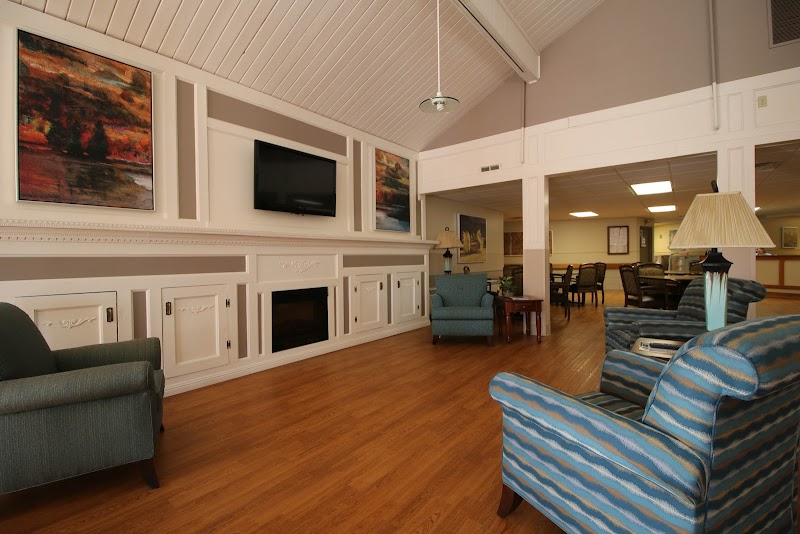
How is Summit Acres Staffed?

CMS rates SUMMIT ACRES NURSING HOME's staffing level at 3 out of 5 stars, which is average compared to other nursing homes. Staff turnover is 52%, compared to the Ohio average of 46%.

What Have Inspectors Found at Summit Acres?

State health inspectors documented 52 deficiencies at SUMMIT ACRES NURSING HOME during 2022 to 2025. These included: 1 Immediate Jeopardy (the most serious level, indicating potential for serious harm or death) and 51 with potential for harm. Immediate Jeopardy findings are rare and represent the most serious regulatory concerns. They require immediate corrective action.
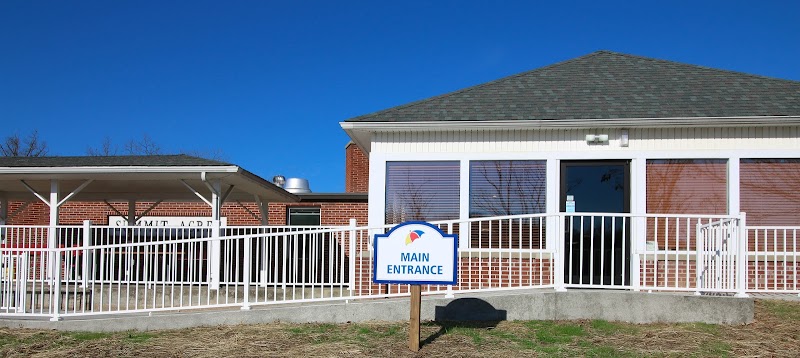
Who Owns and Operates Summit Acres?

SUMMIT ACRES NURSING HOME is owned by a for-profit company. For-profit facilities operate as businesses with obligations to shareholders or private owners. The facility is operated by ALTERCARE, a chain that manages multiple nursing homes. With 95 certified beds and approximately 85 residents (about 89% occupancy), it is a smaller facility located in CALDWELL, Ohio.
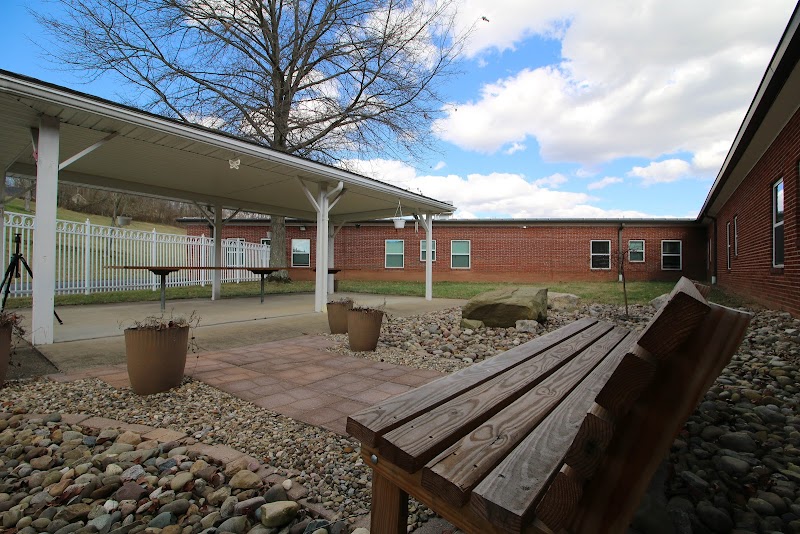
How Does Summit Acres Compare to Other Ohio Nursing Homes?

Compared to the 100 nursing homes in Ohio, SUMMIT ACRES NURSING HOME's overall rating (3 stars) is below the state average of 3.2, staff turnover (52%) is near the state average of 46%, and health inspection rating (2 stars) is below the national benchmark.

What Should Families Ask When Visiting Summit Acres?

Based on this facility's data, families visiting should ask: "What changes have been made since the serious inspection findings, and how are you preventing similar issues?" "What safeguards and monitoring systems are in place to protect residents from abuse or neglect?" "Can I visit during a mealtime to observe dining assistance and food quality?" "How do you handle medical emergencies, and what is your hospital transfer rate?" These questions are particularly relevant given the facility's Immediate Jeopardy citations and the substantiated abuse finding on record.

Is Summit Acres Safe?

Based on CMS inspection data, SUMMIT ACRES NURSING HOME has documented safety concerns. The facility has 1 substantiated abuse finding (meaning confirmed case of resident harm by staff or other residents). Inspectors have issued 1 Immediate Jeopardy citation (the most serious violation level indicating risk of serious injury or death). The facility has a 3-star overall rating and ranks #100 of 100 nursing homes in Ohio. Families considering this facility should ask detailed questions about what corrective actions have been taken since these incidents.

Do Nurses at Summit Acres Stick Around?

SUMMIT ACRES NURSING HOME has a staff turnover rate of 52%, which is 6 percentage points above the Ohio average of 46%. Moderate turnover is common in nursing homes, but families should still ask about staff tenure and how the facility maintains care continuity when employees leave.

Was Summit Acres Ever Fined?

SUMMIT ACRES NURSING HOME has been fined $16,801 across 1 penalty action. This is below the Ohio average of $33,247. While any fine indicates a compliance issue, fines under $50,000 are relatively common and typically reflect isolated problems that were subsequently corrected. Families should ask what specific issues led to these fines and confirm they've been resolved.

Is Summit Acres on Any Federal Watch List?

SUMMIT ACRES NURSING HOME is not on any federal watch list. The most significant is the Special Focus Facility (SFF) program, which identifies the bottom 1% of nursing homes nationally based on persistent, serious quality problems. Not being on this list means the facility has avoided the pattern of deficiencies that triggers enhanced federal oversight. This is a positive indicator, though families should still review the facility's inspection history directly.