ALTERCARE CAMBRIDGE INC.
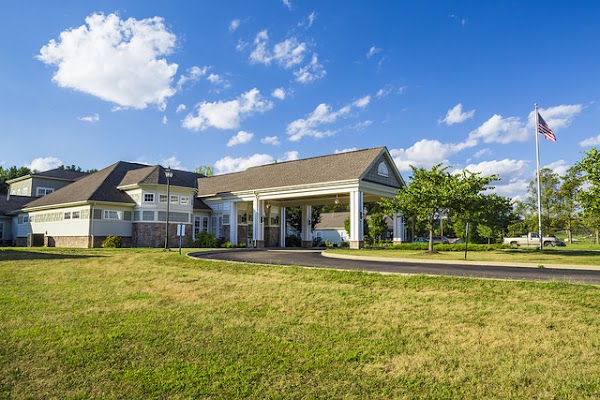
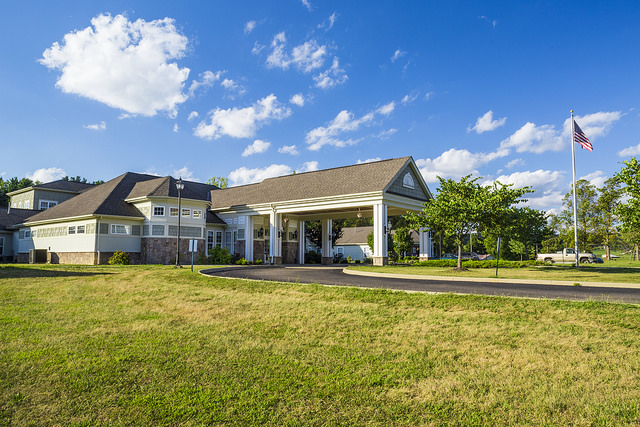
66731 OLD TWENTY-ONE ROAD, CAMBRIDGE, OH 43725 (740) 432-7717
For profit - Corporation 50 Beds ALTERCARE Data: November 2025
Trust Grade
83/100
#8 of 913 in OH
Last Inspection: September 2024

Within standard 12-15 month inspection cycle. Federal law requires annual inspections.

Overview

Altercare Cambridge Inc. has a Trust Grade of B+, which means it is above average and generally recommended. It ranks #8 out of 913 nursing homes in Ohio, placing it in the top half of facilities, and is the best option among three in Guernsey County. The facility is improving, with issues decreasing from 10 in 2024 to just 2 in 2025. Staffing is a weakness, rated only 2 out of 5 stars, although the turnover rate is a relatively low 27%, indicating that many staff members stay long-term. Notably, there have been no fines, and RN coverage is better than 79% of other facilities, which is a strength because registered nurses can spot problems that other staff might miss. However, there have been specific concerns such as staff members being found asleep while on duty and a failure to maintain kitchen cleanliness, which could affect residents' health and safety. For instance, the kitchen had unclean ice machines and dusty vents, while there were issues with the proper administration of medications. Overall, while the facility has strong points like high-quality measures and good RN coverage, families should be aware of these serious concerns when considering this nursing home.

Trust Score
B+
83/100
In Ohio
#8/913
Top 1%
Safety Record
Low Risk
No red flags
Inspections
Getting Better
10 → 2 violations
Staff Stability
✓ Good
27% annual turnover. Excellent stability, 21 points below Ohio's 48% average. Staff who stay learn residents' needs.
Penalties
✓ Good
No fines on record. Clean compliance history, better than most Ohio facilities.
Skilled Nurses
✓ Good
Each resident gets 43 minutes of Registered Nurse (RN) attention daily — more than average for Ohio. RNs are trained to catch health problems early.
Violations
⚠ Watch
32 deficiencies on record. Higher than average. Multiple issues found across inspections.
★★★★★
5.0
Overall Rating
★★☆☆☆
2.0
Staff Levels
★★★★★
5.0
Care Quality
★★★★☆
4.0
Inspection Score
Stable
2024: 10 issues
2025: 2 issues

The Good

  • 5-Star Quality Measures · Strong clinical quality outcomes
  • Low Staff Turnover (27%) · Staff stability means consistent care
  • Full Sprinkler Coverage · Fire safety systems throughout facility
  • No fines on record
  • Staff turnover is low (27%)

    21 points below Ohio average of 48%

Facility shows strength in quality measures, staff retention, fire safety.

The Bad

Chain: ALTERCARE

Part of a multi-facility chain

Ask about local staffing decisions and management

The Ugly 32 deficiencies on record

Aug 2025 2 deficiencies
CONCERN (D) 📢 Someone Reported This

A family member, employee, or ombudsman was alarmed enough to file a formal complaint

Potential for Harm - no one hurt, but risky conditions existed

Deficiency F0697 (Tag F0697)

Could have caused harm · This affected 1 resident

**NOTE- TERMS IN BRACKETS HAVE BEEN EDITED TO PROTECT CONFIDENTIALITY** Based on interview and record review the facility failed to ensure residents received timely pain management. This affected one ...

Read full inspector narrative →
**NOTE- TERMS IN BRACKETS HAVE BEEN EDITED TO PROTECT CONFIDENTIALITY** Based on interview and record review the facility failed to ensure residents received timely pain management. This affected one (Resident #50) of three residents reviewed for pain management. The census was 48. Findings include: Record review revealed Resident #50 admitted to the facility on [DATE] with diagnoses including anemia, hypertension, thyroid atrophy, hypomagnesemia, anxiety, and femur fracture with surgical intervention.Review of Resident #50 admission Minimum Data Set (MDS) section C for cognition revealed a Brief Interview for Mental Status Score of 15, indicating Resident #50 was cognitively intact.Review of MDS section J for health conditions revealed Resident #50 was receiving a scheduled pain medication regimen, and received as needed (PRN) pain medication.Review of Resident #50 care plan completed on 06/11/25 revealed Resident #50 has a left hip surgical wound. Goals include resident will have controlled pain and a level of comfort maintained daily. Interventions include to administer pain medications per physicians orders, remind the resident that reporting pain early may improve effectiveness of pain medication, try non medication relief measures such as repositioning pillows, pad, support, diversion, and observe and report if resident is experiencing breakthrough pain with current medication.Review of Resident #50 orders revealed an order starting 06/19/25 and ending on 06/23/25 for Oxycodone tablet 5 milligrams (mg) orally (PO) every four hours (q.4h) PRN.Review of grievance filed by Resident #50 on 06/23/25 with the Director of Nursing (DON) revealed Resident #50 wanted her pain medications more frequently.Review of event statement form completed on 06/24/25 by physical therapy assistant (PTA) #999 revealed Resident #50 had reported to her on the night of 06/22/25 into 06/23/25 she had waiting six hours for pain medicationReview of Resident #50 Narcotic log sheet for Oxycodone 5mg PO q.4h PRN starting 06/20/25 at 4:00 A.M. revealed from 06/20/25 until 06/22/25 Resident #50 received pain medication approximately every four hours for pain, until 06/22/25 when there was a six and a half hour time without medication from 1:13 P.M. until 7:47 P.M. and an eight and a half hour time from 7:47 P.M. until 5:21 A.M. on 06/23/25.Review of Resident #50 Medication Administration Record (MAR) for June of 2025 revealed Oxycodone 5mg PO q.4h PRN administered on 06/22/25 at 12:32 A.M., 4:28 A.M., 9:09 A.M., 1:13 P.M., and 7:47 P.M Resident #50 pain medication was given q.4h until 1:13 P.M. when there was a six and a half hour time between doses.Review of Resident #50 progress notes revealed a note dated 06/22/25 at 8:00 P.M. authored by assistant director of nursing (ADON) stating certified nurse ' s aides (CNA ' s) alerted this nurse that resident was upset, upon entering room Resident #50 demanded a pain pill stating it was due several hours ago. Let the resident know she was just then due to be able to get her PRN dose.Review of Resident #50 Narcotic log, MAR, and progress notes revealed they were due for their PRN dose on 06/22/25 at 5:13 P.M., not 8:00 P.M Review of Resident #50 Narcotic log sheet for Oxycodone 5mg PO q.4h PRN starting 06/20/25 at 4:00 A.M. revealed from 06/20/25 until 06/22/25 Resident #50 received pain medication approximately every four hours for pain, until 06/22/25 when there was a six and a half hour time without medication from 1:13 P.M. until 7:47 P.M Record review revealed no documentation of non-pharmacological pain interventions attempted or implemented to address Resident #50 pain between the hours of 1:13 P.M. 7:47 P.M. on 06/22/25.Review of Resident #50 June 2025 MAR revealed Oxycodone 5mg PO q.4h PRN was given on 06/22/25 at 7:47 P.M. and was not administer again until eight and a half hours later on 06/23/25 at 9 and a half hours later at 5:21 A.M.Review of Resident #50 Narcotic log sheet for Oxycodone 5mg PO q.4h PRN starting 06/20/25 at 4:00 A.M. revealed from 06/20/25 until 06/22/25 Resident #50 received pain medication approximately every four hours for pain, until 06/22/25 when there was an eight and a half hour time without pain medication from 7:47 P.M. until 5:21 A.M. on 06/23/25. After this time Resident #50 began receiving her pain medication every four hours as previous until discontinuation of the order. Record review revealed no documentation of non pharmacological pain interventions attempted or implemented to address Resident #50 pain between the hours of 7:13 P.M. on 06/22/25 and 5:21 A.M. on 06/23/25. Interview on 08/25/25 at 9:25 A.M. with certified nursing assistant (CNA) #888 revealed staff was telling Resident #50 her pain medication was due every eight hours however Resident #50 pain medication was due every four hours at that time. CNA #888 stated on 06/22/25 on night shift into 06/23/25 Resident #50 was upset because she had asked for pain medication several hours prior and still had not received any.Interview on 08/26/25 at 8:41 A.M. with ADON revealed Resident #50 wanted pain medication on 06/22/25, stated Resident #50 is very consistent with timing of her pain medication and knows when they are due.Interview on 08/26/25 at 12:36 P.M. with Resident #50 revealed on 06/22/25 on night shift she had requested pain medication, she had fell and broke something and had surgery on a couple weeks prior so she had been in a lot of pain. Resident #50 stated she requested the pain medication on night shift on 06/22/25, she waited several hours and no one brought her pain medication. Their pain continued to get worse as she waited and it got pretty bad due to how long they had been waiting. Resident #50 stated it was not until early morning sometime on 06/23/25 that she received her pain medication.Interview on 08/26/25 at 12:40 P.M. with ADON revealed on 06/22/25 at 8:00 P.M. she authored a note which stated Resident #50 pain medication was just then due. ADON confirmed on 06/22/25 Resident #50 pain medication was actually due at 5:13 P.M. approximately three hours prior to the resident being told it was due. ADON stated she did not get to the building until about 7:00 P.M. on 06/22/25. ADON confirmed after Resident #50 received pain medication from her on 06/22/25 at 7:47 P.M. Resident #50 did not receive pain medication again until 06/23/25 at 5:21 A.M., ADON stated she was not on the floor the entire night shift of 06/22/25. ADON stated Resident #50 was very on top of her pain medication, she always knew when it was due, and she took it right when it was due.Interview on 08/26/25 at 12:55 P.M. with PTA #999 revealed PTA #999 was assisting Resident #50 with therapy on 06/24/25 when Resident #50 had stated on the night of 06/22/25 into 06/23/25 she requested pain medication and had been waiting a long time, at least six hours. PTA #999 stated she immediately went to administration and filed a statement reporting what she had been told by resident #50.Review of Facility policy named Pain Medication Administration revised 05/21/25 revealed It is the facilities policy to administer pain medications in accordance with professional standards of practice. Review the residence care plan to assess for any special needs of the resident. The residents ' experience of pain is highly individual and subjective. Pain is whatever the resident says it is. Intense pain can result from even minor procedures or surgery. Not attempt nonpharmacological interventions as per the residence plan of care prior to administering pharmacological interventions if possible. Administer as needed pain medication as ordered.This deficiency represents non-compliance investigated under Complaint Numbers 2568688, 1274323, 1274309, and 1274308.
CONCERN (F) 📢 Someone Reported This

A family member, employee, or ombudsman was alarmed enough to file a formal complaint

Potential for Harm - no one hurt, but risky conditions existed

Administration (Tag F0835)

Could have caused harm · This affected most or all residents

Based on review of the job descriptions, review of the employee handbook, review of a self-reported incident investigation, review of timed stamped and dated photographs, review of Centers for Disease...

Read full inspector narrative →
Based on review of the job descriptions, review of the employee handbook, review of a self-reported incident investigation, review of timed stamped and dated photographs, review of Centers for Disease Control (CDC) and the National Institute for Occupational Safety and Health (NIOSH) report, review of the facility assessment, review of time sheets, interviews, and policy review the facility failed to have systems in place to ensure it was administered in a manner that enabled it to use its resources effectively and efficiently to prevent staff sleeping while on duty and monitor to ensure licensed staff do not pre-pour medications for residents prior to administration. This had the potential to affect all 48 residents residing in the facility. Findings include: 1. Review of Licensed Practical Nurse (LPN) #133's timecard dated 11/06/25 and 11/07/24 revealed LPN #133 clocked in at 11:54 P.M. on 11/06/25 and clocked out at 6:12 P.M. on 11/07/24. The LPN worked 17.75 hours.Review of photographs dated 11/07/24 at 4:33 A.M., revealed LPN #133 standing in front of medication cart with the card drawer open. There were approximately nine medication cups with several loose pills in the cups and five clear cups set up in a line with no medication in them yet were on top of the medication cart. Interview on 08/25/26 at 9:25 A.M., with Certified Nursing Assistant (CNA) #888 confirmed LPN #133 pre-pouring medication and groups medication administration times (morning and afternoon medication times) together so she only has one medication pass. Residents will question their medication and LPN #133 would tell residents the medication was correct and just take them. Administration staff were aware, and several staff had reported LPN #133, but nothing was addressed and the nurse continued to pre-pour medications. Several staff ended up resigning due to the nurse's negligence. Interview on 08/25/25 at 1:06 P.M., with LPN #133 and the Director of Nursing (DON) revealed LPN #133 confirmed she was the nurse in the photo dated 11/07/24 at 4:33 A.M. pre-pouring medications for administration. The LPN reported she had occasionally pre-poured medication to get a jump start on the day. The DON reported she was not aware the LPN was pre-pouring medications and staff should not be pre-pouring medications (for a later administration). Interview and review of LPN #133's timecard on 08/26/25 at 11:16 A.M., with Registered Nurse (RN) #100 verified the nurse worked 17.75 hours on 11/07/24.Review of LPN #133's job description dated 09/19/23 revealed the LPN would administer scheduled medications to residents in a timely manner, ensuring proper and correct dosages were given. Properly records administration on the Medication Administration Records (MAR). Follows the facility's policy and procedures for administrating medications. Review of the facility's policy titled Medication Administration-General Guideline dated 05/2020 revealed when medications are administered by mobile cart the cart is taken to the resident location and administered at the time they are prepared. Medication is not pre-poured either in advance of the medication pass or for more than one resident at a time. 2. Review of a photograph of a Facebook post dated 06/23/25 revealed Resident #50 had posted two pictures of LPN #133 asleep on the couch in the common area. The post indicated this was the dayshift nurse (nurses name posted) at (facility's name posted) sleeping on night shift at 3:30 A.M. The nurse picks up all the hours, now we know how she does it. Feel sorry for the residents that need help, like me. I have been waiting for my pain medication for almost six hours. Review of pictures/videos dated 06/23/25 at 1.38 A.M, 1:45 A.M., 2:29 A.M., and 4:03 A.M., revealed LPN #133 on the couch in the common area, asleep. Review of Self-Reported Incident (SRI) Tracking Number 261941, dated 06/23/25, revealed Resident #50 alleges she went too long without pain medication. Review of the investigation revealed a statement authored by Registered Nurse (RN) #152 that indicated on 06/22/25 into 06/23/25 she had walked over to the other unit approximately midnight to get medication and asked the Assistant Director of Nursing (ADON) for the medication room keys. The ADON stated she had given the keys to LPN #133. RN #152 went to ask LPN #133 for the medication keys, and she was observed on the couch in the day area covered up with a blanket, sleeping. RN #152 woke her up and she stated she didn't have the keys and went back to sleep. RN #152 told the ADON that LPN #133 stated she didn't have the keys. The ADON stated LPN #133 had the keys and they just had counted the narcotic drawer. RN #152 stated she returned to her unit and thought she would get the medication she needed later. The lab technician came over at approximately 3:30 A.M. and asked if there were labs on the other unit due to there being no log and the nurse was asleep, and she could not wake her. Both CNAs were present during the conversation. RN #152 had gone back to LPN #133's unit at 5:30 A.M. to get medication out of the medication room and LPN #133 had asked if lab had been there. LPN #133 reported she was unable to print the labs off the computer. RN #152 told LPN #133 she could have called her over and she could have printed them. LPN #133 stated I'm allowed to take a break. RN #152 returned to her unit. Review of a statement authored by Physical Therapist (PT) #999 dated 06/24/25 revealed Resident #50 had reported to PT #999 that LPN #133 had been sleeping for six hours, and she had to wait on her pain medication. Review of a statement authored by the Administrator via phone with CNA #503 on 06/25/25 at 12:14 P.M., revealed CNA #503 was called over to the 200 unit by CNA #888 to help with resident care around 3:00 A.M., on 06/23/25 and she had seen LPN #133 on the couch. CNA #503 returned to her unit. Sometime around 3:30 A.M. the lab tech reported to CNA #503 and #888 she saw someone sleeping on the couch and a resident was taking pictures. Review of CNA #144's statement dated 06/25/25 revealed the CNA had come in early around 1:30 A.M., the RN went over to the other unit to get some medication and reported she couldn't get LPN #133 up and the CNA had asked for help to pull a couple resident up because she couldn't get the LPN awake. Around 3:00 A.M., the lab tech asked if there were any labs because the nurse was asleep and she could not wake her up and there was a resident on the unit taking pictures. The CNA went back over to see what was going on. Review of LPN #133's timecard dated 05/25/25 to 08/25/25 revealed the LPN worked 10.75 hours on 05/26/25, 3.75 hours on 05/27/28, 9.5 hours on 05/28/25, 17.25 hours on 05/29/25, 17.25 hours on 05/30/25, and 05/31/25 2.25 hours. The LPN has no hours record on 06/01/25, 9.0 hours on 06/02/25, 7.5 hours on 06/03/25, 17.00 hours on 06/05/25 and 16.5 hours 06/06/25, 11.75 hours on 06/07/25, 15.5 hours on 06/08/25, 0.0 hours on 06/09/25, 10.75 hours on 06/10/25, 0.0 on 06/11/25, 17.25 hours on 06/12/25, 14.25 hours on 06/13/25, 5.5 on 06/14/25, 6.0 hours on 06/15/25, 17.0 hours on 06/16/25, 0.0 hours on 06/17/25 and 06/18/25, 18.0 hours on 06/19/25, 12.75 hours on 06/20/25, 17.58 hours on 06/21/25, 11.75 hours on 06/22/25, 10.0 hours on 06/23/25. Interview on 08/25/25 at 1:06 P.M., with LPN #133 and the Director of Nursing (DON) revealed LPN #133 confirmed she was the nurse in the photos dated 06/23/25 at 1.38 A.M, 1:45 A.M., 2:29 A.M., and 4:03 A.M. LPN #133 reported she took her break from 3:30 A.M. to 4:00 A.M. The LPN #133 reported staff don't lock out for their 30-minute break. The time clock just asked if you took a break when you clock out and you enter yes or no. Interview on 08/26/25 at 6:43 A.M., with Licensed Practical Nurse (LPN) #148 revealed about four or five months ago she had observed LPN #133 sleeping on the unit. Interview on 08/26/25 at 12:06 P.M., with Assisting Director of Nursing (ADON) #131 confirmed LPN #133 had confirmed LPN #133 had worked over 16 hours on 05/29/25, 05/30/25, 06/05/25, 06/06/25, 06/12/25, 06/16/25, 06/19/25, and 06/21/25.3. Review of the staffing schedule dated, and time sheets dated 08/14/25 to 08/25/25 revealed 08/14/25 LPN #133 worked 12.25 hours, 08/15/25 6.0 hours, 08/16/25 12.75 hours, 08/17/25 11.5 hours, 08/18/25 5.75 hours, 08/20/25 4.75 hours, 08/21/25 15.75 hours, 08/22/25 15.75 hours, 08/23/25 15.50 hours, 08/24/25 15.5 hours, and was scheduled 16 hours (6:00 A.M. to 10:00 P.M.) on 08/25/25. Interview on 08/25/25 at 1:33 P.M., with the DON, revealed staff don't always communicate with administration changes in schedule but LPN #133 picks up a lot of shifts. There was one other incident 7-8 months ago staff had reported LPN #133 sleeping, however she was not able to verify, nor did she document the incident or investigation. After the incident in June staff are not permitted to work over 16 hours. The DON confirmed LPN #133 had worked several 16-hour shifts in the last few days. The DON confirmed several staff had resigned due to the incident in June. Interview on 08/28/27 at 2:11 P.M., with Registered Nurse (RN) #600 revealed LPN #133 had been reported numerous times to Administration staff for sleeping, not administering medication as ordered, and not assessing residents. RN#600 reported she had a text message from a nurse who reached out to the DON due to LPN #133 had forgot to administer a Xanax and during reconciliation LPN #133 popped the pill out of the bubble card and threw it in the sharps container and then signed the medication off. The nurse texted the concern to the DON and she asked the nurse to call her. The DON didn't want anything in writing. RN #600 shared she had personally reported LPN #133 and wrote a statement and the DON gave the written statement directly to LPN #133. Residents have voiced and reported concerns. LPN #133 was bragging a few months ago because she worked 154 hours in two weeks and her check with bonuses and over time was $7,000.00. The DON and ADON tolerate her behavior because LPN #133 comes into work, so they don't have to. There was another time LPN #133 was working as the aid on her hall and was asleep and snoring at the nurse's station. The RN reached out to the Administration, and they asked if she was answering call lights and she responded yes and that was it nothing was done. Every time someone reports her sleeping they say its her break times. The DON and Administrator have been good to her, and she thought they were good people but covering up neglect was the last straw. RN #600 reported she had called the Administrator regarding her concerns before she gave her notice. The DON is related to LPN #133 and reported she doesn't show favoritism, but they are always together. Review of the employee handbook dated 01/2018 revealed employees were expected to act as a neighborhood watch for the compliance program. Therefore, if you observe any conduct that you suspect may be a violation of the Code of Conduct, you are required to report that conduct to your immediate supervisor. The potential violation would be investigated and action taken. Review of the job description of the Licensed Nursing Home Administrator dated 10/16/23 revealed the administrator would be responsible for the overall management and leadership of the facility. Ensures that the services offered meet or exceed federal, state, local, and company standards. Operation profitably within corporate budgetary guidelines. The Administrator would manage and evaluate designated departments leaders through ongoing performance management, timely constructive feedback, and professional development plans. Promotes positive employee relations by facilitating an atmosphere of open communication and problem-solving. Effective use of Employee Satisfaction surveys to action plan addresses any employee concerns. Review of the job description of the Director of Nursing (DON) dated 10/17/23 revealed the DON required the professional knowledge, skills necessary to plan, organize, develop, and direct the overall operation of the Nursing Department in accordance with current state and federal standards to ensure the highest degree of quality of care was maintained at all times. The DON ensures the nursing department awareness of potential hazards and unsafe conditions to the appropriate department to maintain a safe environment for residents, visitors, and staff. The DON maintains effective and appropriate staffing within as required by facility policy/procedure and regulatory guidelines. Adjust employees ' hours of work and assignments as necessary. Monitors resident care on regular basis to determine quality and customer service was maintained. Ensures medication and treatments were administered and documented as ordered by the physician. Review of the CDC and NIOSH risk associated with shift work and long work hours for nurses dated 03/31/20 revealed research indicated shift work and long work hours were associated with somewhat higher risks for errors and injuries. Getting less sleep than needed is called sleep deprivation. Not only do people feel tired and sleepy when they are sleep deprived, but they can show declines on tests of brain function such as response rate, thinking, remembering, and concentration. Sleep deprivation influences work performance and while driving home. Both short-term recall and working memory decline. Thus, it becomes difficult for you to perform tasks that require information to be accurately held in memory for brief periods such as remembering a drug dose from chart to medication room or remembering a list of tasks when interrupted, or dialing a phone number you just looked up. Your learning is impaired, reducing information retained during activities such as patient handovers and in-service training. Sleep deprivation impairs your performance. Divergent thinking, innovation, and insight decrease. Risk assessment is poor and risk-taking behaviors increase. As sleep deprivation increases, activities judged to be nonessential are neglected because awareness of surroundings and circumstances decreases. For example, you may misjudge how much time has passed or may not recognize signs that a patient's condition was deteriorating. Communication skills decrease. You may fumble for the right word, say the wrong word, or misinterpret another person's words. People often think the effects of sleep deprivation can be overcome through motivation, professionalism, training, or experience. However, recent research provided evidence against this idea. Several studies show similarities between fatigue-related impairment in cognitive and physiological functioning, and impairments due to alcohol intoxication were similar. Being awake for 17 hours is similar to having a blood alcohol concentration (BAC) of 0.05%, which is the legal intoxication for purpose of driving as a BAC of 0.08%. However, driving impairments are seen at a BAC of 0.05%. Nurses are at risk for making a very serious mistake, and as a nurse this could be fatal. Evidence is growing that long work hours are linked to patient care errors and dissatisfaction. Shifts greater than 13 hours were linked to patient dissatisfaction. Specifically, patients reported that their nurses were not communicating well, their pain was not controlled, and they did not get help as soon as they wanted. Studies showed nurses had over three times the odds of making an error when working 12 or more hours, compared to 8.5 hours shifts. Employers and workers have been penalized when a fatigue-related error led to a person's death. Shift work and long work hours can reduce productivity, increase work errors, increase absenteeism, increase turnover, increase healthcare cost, and loss of nurses who leave the job. Review of LPN #133 job description dated 09/19/23 revealed the LPN would ensure quality resident care. Review of the facility assessment undated revealed the average daily census was 47.3. The facility provides care and services to individuals with certain medical and cognitive disabilities. The facility care team reviews all referrals prior to admission to determine needed staff, equipment and supply resources to care for the potential admission. The facility's daily staffing was based on the resident's population and acuity taking into consideration staffing needs for each resident unit and shift. The facility has the following personnel (Administration staff, nursing services, food and nutrition, therapy, physician services, pharmacy services, support staff) available to provide care and services to residents. This deficiency represents non-compliance investigated under Complaint Numbers 2568688, 1274323, 1274309, and 1274308.
Dec 2024 2 deficiencies
CONCERN (D) 📢 Someone Reported This

A family member, employee, or ombudsman was alarmed enough to file a formal complaint

Potential for Harm - no one hurt, but risky conditions existed

Deficiency F0557 (Tag F0557)

Could have caused harm · This affected 1 resident

**NOTE- TERMS IN BRACKETS HAVE BEEN EDITED TO PROTECT CONFIDENTIALITY** Based on observation, medical record review, policy review and interview, the facility failed to maintain resident dignity for R...

Read full inspector narrative →
**NOTE- TERMS IN BRACKETS HAVE BEEN EDITED TO PROTECT CONFIDENTIALITY** Based on observation, medical record review, policy review and interview, the facility failed to maintain resident dignity for Resident #100. This affected one resident (#100) of three sampled residents. The facility census was 49. Findings include: Medical record review revealed Resident #100 was admitted to the facility on [DATE] with a history of urinary tract infections and discharged to the hospital on [DATE]. The resident returned to the facility on [DATE] with diagnoses including neurocognitive disorder with Lewy bodies, dementia, prostate cancer, obstructive uropathy, and an indwelling urinary catheter. Review of the 5-day Minimum Data Set (MDS) 3.0 assessment dated [DATE] revealed Resident #100 was cognitively intact for daily decision-making and utilized an indwelling urinary catheter. Review of the Physician Orders dated 12/30/24 revealed Resident #100 was ordered a suprapubic catheter to straight drainage. On 12/30/24 at 9:19 A.M., observation revealed Resident #100 and Resident #83 were sitting in wheelchairs in the lobby/TV area across from the nursing station. The resident's indwelling urinary catheter tubing was observed lying on the floor without a barrier under the resident's wheelchair. Yellow urine was observed in the uncovered collection drainage bag. Assistant Director of Nursing (ADON) #200 verified the above at the time of the observation and stated the drainage bag should be covered. Review of the policy titled Resident Rights, revised October 2016, revealed employees shall treat all residents with kindness, respect, and dignity. This deficiency is an incidental finding investigated under Complaint Number OH00160178.
MINOR (C) 📢 Someone Reported This

A family member, employee, or ombudsman was alarmed enough to file a formal complaint

Minor Issue - procedural, no safety impact

Staffing Information (Tag F0732)

Minor procedural issue · This affected most or all residents

Based on observation, BIPA (Benefits Improvement and Protection Act) Report review, daily census report review, and interview, the facility failed to post accurate nurse staffing information as requir...

Read full inspector narrative →
Based on observation, BIPA (Benefits Improvement and Protection Act) Report review, daily census report review, and interview, the facility failed to post accurate nurse staffing information as required. This had the potential to affect all 49 residents residing within the facility. Findings include: On 12/30/24 at 9:07 A.M., observation of the reception area revealed a BIPA Report dated 12/30/24 indicating the current census was 46. At 9:09 A.M., an interview with the Administrator stated he would need to double-check the census as the BIPA Report could change due to, he received this report from the corporate office. The Administrator stated the BIPA report currently posted had been printed out on 12/27/24 to cover through the weekend, including this one. BIPA Report postings were observed at the reception desk and both nursing stations. On 12/30/24 at 4:15 P.M. observation of the posted BIPA Reports dated 12/30/24 at two nursing stations and the reception area revealed the facility census was 46. Review of the Daily Census Report dated 12/30/24 revealed the facility census was 49. On 12/31/24 at 7:30 A.M., observation of the reception area revealed the posted BIPA Report was dated 12/30/24 with a census of 46. On 12/31/24 at 7:30 A.M., interview with Receptionist #215 verified the above posting. On 12/31/24 at 9:05 A.M., the interview with the Administrator verified the facility census on 12/30/24 was 49 and the BIPA Reports posted did not accurately reflect the daily census. This deficiency is an incidental finding investigated under Complaint Number OH00160178.
Sept 2024 4 deficiencies
CONCERN (D)

Potential for Harm - no one hurt, but risky conditions existed

PASARR Coordination (Tag F0644)

Could have caused harm · This affected 1 resident

**NOTE- TERMS IN BRACKETS HAVE BEEN EDITED TO PROTECT CONFIDENTIALITY** Based on medical record review and staff interview, the facility failed to ensure a Pre-admission Screening and Resident Review ...

Read full inspector narrative →
**NOTE- TERMS IN BRACKETS HAVE BEEN EDITED TO PROTECT CONFIDENTIALITY** Based on medical record review and staff interview, the facility failed to ensure a Pre-admission Screening and Resident Review (PASRR) document accurately reflected medications and a psychiatric hospitalization. This affected one (Resident #37) of four residents reviewed for PASRR documents. The census was 46. Findings Include: Medical record review revealed Resident #37 was admitted to the facility on [DATE] with diagnoses including metabolic encephalopathy, Alzheimer's disease, major depressive disorder, delusional disorder, dementia with psychotic disturbance, and panic disorder. Review of the annual Minimum Data Set (MDS) 3.0 assessment, dated 07/19/24, revealed the resident was severely cognitively impaired and received an anti-anxiety medication. Review of Resident #37's PASRR document, dated 08/26/24, revealed under Section E, no anti-anxiety medication. Review of the resident's physician orders, dated 03/29/24, revealed the order for Xanax 0.5 milligrams (mg) to be administered three times per day. Review of the medication administration record (MAR), dated August 2024, revealed the resident received this medication as ordered. Further review of the PASRR document under Section E, incorrectly indicated the resident had not been hospitalized for inpatient psychiatry. Review of Resident #37's medical record revealed the resident was hospitalized on [DATE] due to increased confusion, paranoia, believing he was breaking up a prostitution ring, making sexual comments to staff, delusions, grandiosity, and having trouble sleeping. During interview on 09/03/24 at 4:41 P.M., Social Services Designee (SSD) #194 confirmed Resident #37's PASRR document was not accurate and did not indicate the use of an anti-anxiety medication nor the inpatient psychiatric hospitalization on 03/11/24.
CONCERN (D)

Potential for Harm - no one hurt, but risky conditions existed

Respiratory Care (Tag F0695)

Could have caused harm · This affected 1 resident

Based on observation, resident interview, record review, policy review and staff interview, the facility failed to ensure oxygen tubing was changed weekly and documented as administered in the medical...

Read full inspector narrative →
Based on observation, resident interview, record review, policy review and staff interview, the facility failed to ensure oxygen tubing was changed weekly and documented as administered in the medical record. This affected one (Resident #8) of two residents reviewed for supplemental oxygen use. The facility census was 46. Findings include: Observations of Resident #8 on 09/03/24 at 9:26 A.M. revealed the resident lying in bed. Supplemental oxygen was supplied by an oxygen concentrator (machine that separates nitrogen from atmospheric air delivering 95% pure oxygen) via a nasal cannula. No evidence of any date to the tubing and nasal cannula was observed. Additional observations of Resident #8 on 09/03/24 at 3:58 P.M., 09/04/24 at 7:38 A.M. and 09/04/24 at 12:05 P.M. revealed supplemental oxygen in use by Resident #8 with no date on the tubing. Observation on 09/05/24 at 9:50 A.M. revealed Resident #8 sitting in her recliner and supplemental oxygen lying on her bed with the tubing undated. Interview with Resident #8 on 09/05/24 at 9:50 A.M. revealed that she uses the supplemental oxygen when in bed every day. She could not recall when the oxygen tubing was replaced. Review of Resident #8's medical record revealed an admission date of 01/15/24 with diagnoses that included chronic obstructive pulmonary disease, Parkinson's disease and cerebrovascular accident. Further review of the medical record including Minimum Data Set (MDS) 3.0 significant change assessment with a reference date of 08/09/24 indicated Resident #8 had an independent and intact cognition level and used supplemental oxygen therapy. Physician's orders for Resident #8 indicated on 08/03/24 an order for two liters of supplemental oxygen as needed for a blood oxygen saturation level lower than 89%. No order was found related to replacing the oxygen tubing routinely. Progress notes revealed as needed supplemental oxygen was utilized by Resident #8 on 08/03/24, 08/05/24, 08/06/24, 08/07/24, 08/11/24, 08/12/24, 08/18/24, 08/20/24, 08/24/24, 08/25/24, 08/26/24, 08/27/24, 08/30/24 and 09/02/24. An additional progress note dated 08/11/24 indicated Resident #8 uses the supplemental oxygen every night while sleeping. No evidence of changing the oxygen tubing was found in the progress notes. Review of the Medication Administration Record (MAR) revealed documentation of supplemental oxygen administered as ordered on 08/03/24, 08/05/24, 08/17/24 and 09/01/24. No evidence of changing oxygen tubing was found on the MAR. On 09/03/24 at 3:20 P.M. interview with Licensed Practical Nurse (LPN) #133 indicated residents on supplemental oxygen therapy have tubing changed weekly on Fridays by a contracted oxygen supply company. On 09/05/24 at 9:55 A.M. interview with the Director of Nursing verified Resident #8's oxygen tubing and nasal cannula were not dated and unknown when last replaced. The DON also verified supplemental oxygen use was not consistently documented as administered on the MAR. Review of the facility policy titled Respiratory Treatment Oxygen dated 05/19/21 indicated to change oxygen tubing, nasal cannula every seven days.
CONCERN (D)

Potential for Harm - no one hurt, but risky conditions existed

Deficiency F0698 (Tag F0698)

Could have caused harm · This affected 1 resident

**NOTE- TERMS IN BRACKETS HAVE BEEN EDITED TO PROTECT CONFIDENTIALITY** Based on record review, review of a meal ticket, observation, resident interview, staff interview, and policy review, the facili...

Read full inspector narrative →
**NOTE- TERMS IN BRACKETS HAVE BEEN EDITED TO PROTECT CONFIDENTIALITY** Based on record review, review of a meal ticket, observation, resident interview, staff interview, and policy review, the facility failed to ensure there was consistent communication between the facility and the dialysis center regarding a resident's hemodialysis treatments. They also failed to ensure the medical record accurately reflected the resident's current order for a fluid restriction and staff were knowledgeable about the resident's need for a fluid restriction as ordered for end stage renal disease. This affected one (Resident #19) of one resident reviewed for dialysis. Findings include: 1 a.) Review of Resident #19's medical record revealed the resident was admitted to the facility on [DATE]. Her diagnoses included end stage renal disease, dependence on renal dialysis, pulmonary hypertension, and congestive heart failure. Review of Resident #19's physician's orders revealed the resident had an order for dialysis treatments every Monday, Wednesday, and Friday. The order originated on 08/19/23. Review of Resident #19's active care plans revealed she had a care plan in place for an alteration in renal function, as the resident was receiving renal dialysis. The care plan was initiated on 06/28/23 and indicated the facility was to encourage the dialysis center to forward dialysis treatment notes to the facility. Review of Resident #19's medical record revealed it was absent for most of the dialysis visit notes for the resident's dialysis treatments she received in the past 30 days. Out of the 14 times the resident was sent out of the facility for a dialysis treatment, 13 of those visits did not have a dialysis visit note to indicate what the resident's pre-weight and dry weight (weight after dialysis) were, what her vital signs were, what medications she had been given, and how the resident tolerated the dialysis treatment during each visit. On 09/03/24 at 2:22 P.M. an interview with Resident #19 revealed she did not believe the facility was sending her to the dialysis center with any paperwork. She also denied the dialysis center had sent her back to the facility with any dialysis visit notes. She did not feel the facility and the dialysis center were communicating as well as they should. On 09/04/24 at 3:02 P.M., an interview with LPN #133 revealed the facility's nurses completed dialysis observation assessments on Resident #19 before and after she had her dialysis treatments. She denied those dialysis observation forms that were completed were sent with the resident to dialysis. She further denied the resident was sent back to the facility with any dialysis visit notes. Any communication made between the dialysis center and the facility would be done by the dialysis center calling them. She indicated they may get a call from the dialysis center on occasion, if there was a new order or a change in the resident's condition. She denied the facility would know what the resident's weights and vital signs were pre and post-dialysis. They would also not know what medications the resident received while at dialysis, or how she tolerated the treatment. On 09/05/24 at 10:10 A.M., findings were verified by the Director of Nursing (DON) and RN #220 that Resident #19's electronic medical record (EMR) did not show evidence of consistent and adequate communication occurring between the facility and the resident's dialysis center. They acknowledged the dialysis center was not sending a dialysis visit note for the resident that let them know what the resident's pre-weight and dry weight was when the resident received hemodialysis. There was also no communication of any medications that may have been administered to the resident or how she tolerated the dialysis treatment while there. They acknowledged their policy and the resident's plan of care indicated the facility was to receive a dialysis visit note from the dialysis center when the resident received her treatments three days a week. The facility's dialysis policy updated 2024 was reviewed and revealed it was the policy of the facility that all residents utilizing renal dialysis receive comprehensive interdisciplinary monitoring to ensure resident safety and support of dialysis services. The dialysis center would send reports from the resident's dialysis treatments to the facility after each visit. 1 b.) Review of Resident #19's medical record revealed the resident was admitted to the facility on [DATE]. Her diagnoses included end stage renal disease (ESRD), dependence on renal dialysis, pulmonary hypertension, and congestive heart failure. Review of Resident #19's physician's orders revealed the resident had an order in place for a 1,500 milliliter (ml)/ day fluid restriction with directions for dietary to provide 1,000 ml and nursing to provide 500 ml to equal the 1,500 ml/ day. The 500 ml allotted to nursing was further broke down to 250 ml on the day shift and 250 ml on the night shift. The order had been in place since 04/26/24. Review of Resident #19's active care plans revealed the resident had a care plan in place for an alteration in renal function, as the resident was receiving renal dialysis for ESRD. The care plan was initiated on 06/28/23 and indicated the resident was on a 1,200 ml/ day fluid restriction with nursing and dietary dividing fluids with meals and daily care including medication passes. The care plan intervention was not consistent with what was specified in the physician's orders. That intervention for the 1,200 ml/ day fluid restriction had been in place since 06/28/23. Further review of Resident #19's care plans revealed she had another care plan in place for being at risk for altered nutrition related to ESRD and being on hemodialysis. That care plan indicated the resident was on a 1,500 ml/ day fluid restriction, which was not consistent with what was indicated on the alteration in renal function care plan. The care plan for the resident's risk for altered nutrition was last revised on 08/15/24. Review of Resident #19's meal ticket for 09/05/24 revealed the resident was identified as being on a 1,200 ml fluid restriction. It did not break it down on the meal ticket to specify how much fluid the resident should be given for each meal. On 09/03/24 at 2:22 P.M. an observation of Resident #19 noted her to be in her room. She was noted to have a can of pop in her room and a full Styrofoam cup of water. The resident was not sure if she was on a fluid restriction or not for her dialysis. On 09/05/24 at 8:06 A.M., an interview with State Tested Nursing Assistant (STNA) #144 revealed she was not aware of Resident #19 being on a fluid restriction. She indicated they gave the resident the same amount of water in her Styrofoam cup as the other residents received. She indicated the resident usually did not drink all of what was given to her in her Styrofoam cup and thought she only drank about 240 ml from it. She usually did drink what they sent on her meal trays. She then indicated, since the resident was on dialysis, she likely was on a fluid restriction, as most of them were. She did not know what amount of fluids the resident could have, if she was on a fluid restriction. She felt the resident probably drank what she was able to, but did not know for sure, as they did not know what she drank when out of the facility with her family. On 09/05/24 at 10:10 A.M., findings were verified by the DON and RN #220 that Resident #19's care plans, physician's orders, and meal ticket were unclear on the amount of the fluid restriction the resident was to be on. They acknowledged the discrepancy in the amount of fluids that the resident could have as documented on her two care plans, physician's orders, and meal ticket. They confirmed the resident's current order was for a 1,500 ml/ day fluid restriction and the care plans and meal ticket should all reflect such. They further acknowledged the STNA interviewed, who was caring for Resident #19, was unaware she was on a fluid restriction and was providing the resident water in a Styrofoam cup just like they did with all the other residents.
CONCERN (D)

Potential for Harm - no one hurt, but risky conditions existed

Infection Control (Tag F0880)

Could have caused harm · This affected 1 resident

Based on observation, medical record review and staff interview, the facility failed to follow appropriate transmission based precautions for a resident on contact precautions. The affected one (Resid...

Read full inspector narrative →
Based on observation, medical record review and staff interview, the facility failed to follow appropriate transmission based precautions for a resident on contact precautions. The affected one (Resident #253) of two residents identified on transmission based precautions. The facility census was 46. Findings include: Review of Resident #253's medical record revealed an admission date of 08/30/24 with diagnoses that included enterocolitis due to clostridium difficile, sepsis, pneumonia and chronic obstructive pulmonary disease. Physician's orders upon admission indicated Resident #253 required contact transmission based precautions and resident to remain in his room related to signs of symptoms of a highly transmissible disease or epidemiologically significant pathogen. Observation on 09/04/24 at 2:20 P.M. revealed Activity Coordinator (AC) #192 in Resident #253's room. A sign was posted on Resident #253's door frame indicating he was on contact precautions and a cart containing personal protective supplies was noted below the sign and outside the resident's room door. AC #192 was sitting on the edge of Resident #253's bed and was wearing a protective gown and gloves. The gown was tied twice in the back but was open with approximately a three to four inch opening with AC #192's pants contacting the linens of Resident #253's bed. Resident #253 was observed sitting in a recliner next to the bed. Resident #253 was observed in the bed earlier in the day. On 09/04/24 at 2:22 P.M. interview with AC #192 indicated she was completing an activity assessment for Resident #253. She verified the resident had contact precautions in place for C-Diff and should not have been sitting on the residents bed with her personal clothing exposed and contacting the bed linens. On 09/04/24 at 2:40 P.M. AC #192 indicated she changed into new nursing scrubs after informing the Director of Nursing and Administrator of the incident.
Apr 2024 3 deficiencies
CONCERN (D) 📢 Someone Reported This

A family member, employee, or ombudsman was alarmed enough to file a formal complaint

Potential for Harm - no one hurt, but risky conditions existed

Deficiency F0583 (Tag F0583)

Could have caused harm · This affected 1 resident

**NOTE- TERMS IN BRACKETS HAVE BEEN EDITED TO PROTECT CONFIDENTIALITY** Based on observation , review of the medical record and interview with the staff the facility failed to ensure that private iden...

Read full inspector narrative →
**NOTE- TERMS IN BRACKETS HAVE BEEN EDITED TO PROTECT CONFIDENTIALITY** Based on observation , review of the medical record and interview with the staff the facility failed to ensure that private identifiable medical information for Resident #10 was not visible on the computer screen and left unattended by staff. This affected one resident ( Resident #40) of four residents observed for medication administration. The facility census was 49. Findings included: Review of the medical record revealed Resident #40 was admitted to the facility on [DATE]. Diagnoses included muscle weakness, chronic obstructive pulmonary disease, diabetes, hypertension, rheumatoid arthritis, major depressive disorder, anxiety disorder, respiratory failure, polyneuropathy, glaucoma, vitamin D deficiency, congestive heart failure, low back pain, irritable bowel syndrome, ulcerative colitis, diverticulitis, intervertebral disc degeneration, chronic pain syndrome, and adult failure to thrive. Observation on 04/16/24 at 7:22 A.M. revealed the facility medication cart was sitting outside room [ROOM NUMBER] with resident information for Resident #40 up on the screen unattended and where any passerby could view the information. On 04/16/24 at 7:25 A.M. an interview with Registered Nurse #110 came out of the room [ROOM NUMBER] and verified she had left Resident #40's private health information up on her computer screen while she went into the resident's room. Review of the undated facility policy titled, HIPAA, revealed protected health information may not be used or disclosed for reasons other than treatment, payment, or health care operations without resident authorization. Do not leave written documents with resident health information in a location that could be seen by unauthorized individuals and keep unattended medical records behind the nurse's station. This deficiency represents noncompliance identified as an incidental finding during the investigation of Complaint Number OH00152284.
CONCERN (D) 📢 Someone Reported This

A family member, employee, or ombudsman was alarmed enough to file a formal complaint

Potential for Harm - no one hurt, but risky conditions existed

Deficiency F0761 (Tag F0761)

Could have caused harm · This affected 1 resident

**NOTE- TERMS IN BRACKETS HAVE BEEN EDITED TO PROTECT CONFIDENTIALITY** Based on observation, review of the medical record and interview with staff the facility failed to ensure medications were not l...

Read full inspector narrative →
**NOTE- TERMS IN BRACKETS HAVE BEEN EDITED TO PROTECT CONFIDENTIALITY** Based on observation, review of the medical record and interview with staff the facility failed to ensure medications were not left unattended on top of the medication cart and failed to ensure the medication cart was locked while unattended. This had the potential to affect three residents ( Resident #33, #41, and #43) out of 21 who were cognitively impaired and independently mobile on the Rodeo Unit. The facility census was 49. Findings included: Observation on 04/16/24 at 7:22 A.M. revealed the facility medication cart was sitting outside room [ROOM NUMBER] unlocked and with a plastic medicine cup with 12 tablets in it on the top of the cart. The medication in the medication cup was for Resident #40 and contained; one tablet of aspirin (analgesic) 81 mg, one tablet of Buspar (anti-anxiety) 15 mg, one tablet of Carafate (gastrointestinal agent) 1 gram, one tablet of vitamin D 3 ( vitamin) 5000 units, one tablet of Dicyclomine (anti-cholinergic) 20 mg, one tablet of Duloxetine (anti-depressant) 60 mg, one tablet of Hydroxychloroquine (immune-suppressant) 200 mg, one tablet of Lasix (diuretic) 20 mg, one tablet of Leflunomide (immunosuppressant) 20 mg, one tablet of Lyrica (pain medication) 75 mg, one tablet of Pantoprazole heartburn medication) 40 mg, and one tablet of Sulfasalazine (amino acid) 500 mg. On 04/16/24 at 7:25 A.M. an interview with Registered Nurse #110 came out of the room [ROOM NUMBER] and verified she had left the cart unlocked and left medication unattended on the top of her medication cart. She stated the resident wanted to take the medication after she ate. Review of the facility policy titled, Medication Administration, dated 05/20 revealed during medication administration the medication cart was to be kept closed and locked when out of sight of the medication nurse or aide. No medication was to be kept on top of the cart . In addition, privacy was to be maintained for all resident information when not in use. This deficiency identified noncompliance as an incidental finding during the investigation of Complaint Number OH00152284.
CONCERN (D) 📢 Someone Reported This

A family member, employee, or ombudsman was alarmed enough to file a formal complaint

Potential for Harm - no one hurt, but risky conditions existed

Infection Control (Tag F0880)

Could have caused harm · This affected 1 resident

Based on observations, interview with staff, and review of facility policy the facility failed to ensure staff preformed proper hand hygiene during medication administration. This affected two residen...

Read full inspector narrative →
Based on observations, interview with staff, and review of facility policy the facility failed to ensure staff preformed proper hand hygiene during medication administration. This affected two resident ( Resident #34 and #45) out of four observed for medication administration. The facility census was 49. Findings included: Observation on 04/16/24 at 7:27 A.M. revealed Registered Nurse #110 administered medication to Resident #39 then proceeded to return to the medication cart without washing her hands and prepared medication for Resident #34. At 7:33 A.M. RN #110 administered those medication to Resident #34. She then returned to the medication cart without washing her hands. At 7:45 A.M. RN #110 prepared and administered medications for Resident #45 without washing her hands prior however she did wash her hands after she administered the medication. On 04/16/24 at 7:50 A.M. an interview with RN #110 revealed she had not washed her hands after administering medication to Resident #39, before and after administering medication to Resident #34 and prior to administration of medication to Resident #44. Review of the hand washing policy titled, Hand washing/Hand hygiene, dated 11/20 revealed it was the facility policy to provide guidelines to employees for proper and appropriate hand washing and hygiene techniques that would aide in the prevention of the transmission of infections. Hands were to be washed before preparing or handling medications. Review of the facility policy titled, Medication Administration, dated 05/20 revealed the person administering medication adheres to food hand hygiene which included washing hands thoroughly per policy, before beginning a medication pass, prior to handling any medications, and after coming into direct contact with a resident. This deficiency represents noncompliance as an incidental finding identified during the investigation of Complaint Number OH00152284.
Jan 2024 1 deficiency
CONCERN (D) 📢 Someone Reported This

A family member, employee, or ombudsman was alarmed enough to file a formal complaint

Potential for Harm - no one hurt, but risky conditions existed

Tube Feeding (Tag F0693)

Could have caused harm · This affected 1 resident

**NOTE- TERMS IN BRACKETS HAVE BEEN EDITED TO PROTECT CONFIDENTIALITY** Based on record review, review of a facility investigation, review of operating instructions of an enteral feeding pump, residen...

Read full inspector narrative →
**NOTE- TERMS IN BRACKETS HAVE BEEN EDITED TO PROTECT CONFIDENTIALITY** Based on record review, review of a facility investigation, review of operating instructions of an enteral feeding pump, resident interview, and staff interview, the facility failed to ensure a resident received an enteral tube feeding at the rate ordered by the physician and staff adequately monitored the flow rate of the enteral feeding when assessing the resident for complications associated with his peg tube. This affected one resident (#15) of one resident reviewed for enteral tube feedings. Findings include: A review of Resident #15's medical record revealed he was admitted to the facility on [DATE]. His diagnoses included dysphagia and gastrostomy status. A review of Resident #15's physician's orders revealed he had an order to receive an enteral feeding (nutritional supplement that was provided through a feeding tube directly into the stomach that was surgically placed through the abdominal wall) of Isosource 1.5 cal at 55 milliliters/ hour (ml/ hr) on a continuous basis. The order was initiated on 01/15/24 upon the resident's admission into the facility. A review of Resident #15's progress notes noted a nurse's note dated 01/15/24 at 11:36 P.M. by Registered Nurse (RN) #100 revealed the resident utilized his call light for nurse assistance at approximately 6:45 P.M. complaining of bleeding at his peg tube insertion site. His peg tube was indicated to have recently been inserted on 01/13/24. The infusion pump was indicated to be operational and running continuous tube feeding. At approximately 9:00 P.M., the resident had been assessed and found to have fully saturated another dressing around his peg tube insertion site. After replacing the dressing, the resident began to complain of intense nausea and exhibited pale skin and diaphoresis (moist skin). Due to the nausea, the nurse clamped the peg tube continuous feeding and noticed the continuous infusion pump had been set to dispense 295 ml/ hr as opposed to the resident's prescribed 55 mL/hr of tube feed. The resident was suspected as having received 295 mL/hr since his arrival to the facility at around 3:00 P.M. when the tube feed was initiated by the previous shift nurse. The resident's abdomen was noted to be distended and the resident began dry heaving into a wash basin. Due to excessive bleeding of surgical site, nausea and vomiting, abdominal distention, and gross over feeding of the resident, the nurse immediately called an ambulance to transport the resident to the emergency room (ER) for an evaluation. The facility's Director of Nursing (DON) was indicated to have been notified. A review of Resident #15's ER report revealed the resident was seen in the ER on [DATE] at 10:34 P.M. The ER notes indicated the resident was sent by the nursing facility following a recent placement of a peg tube and the nursing facility was reportedly infusing the tube feeding at an accelerated rate. He had bleeding at his peg tube insertion site and abdominal complaints. He had complaints of nausea, while in the ER, and his abdomen was soft, non-tender, and round. He had bowel sounds present. His peg tube was not found to have had any drainage when checked in the ER. He was discharged back to the nursing facility. A review of a nurse's progress note dated 01/16/24 at 12:26 A.M. by RN #100 revealed Resident #15 arrived back to facility with no new orders from the ER. The nurse contacted the on-call physicians service and received an order to hold the resident's tube feeding for the duration of the shift and continue to monitor for bleeding. They were to notify the in-house provider in the morning for further orders. The resident was assessed by the facility's nurse practitioner and gave orders to resume his enteral tube feeding at 55 ml/ hour on a continuous basis as was previously ordered when the resident had no further complaints of nausea. A review of Resident #15's admission Minimum Data Set (MDS) assessment dated [DATE] revealed he did not have any communication issues and was cognitively intact. He was not known to display any behaviors and was not known to reject care. A review of Resident #15's care plans revealed the resident had a feeding tube and received tube feeding as his primary source of nutrition related to dysphagia. The care plan was initiated on 01/18/24. The care plan specified he was to receive Isosource 1.5 at 55 ml/ hour. The goal included the resident would tolerate tube feeding and be free from signs and symptoms of gastrointestinal distress. The interventions included the need to administer the tube feeding per the physician's orders. A review of the facility's investigation into the incident that occurred on 01/15/24 pertaining to Resident #15's enteral feeding revealed statements were obtained by the DON from RN #100, RN #140, and LPN #125. The statement from RN #100 obtained on 01/15/24 revealed the nurse had called the DON at 1:00 A.M. and notified her that at some point Resident #15's enteral feeding pump had started running at 295 ml/ hour. The nurse informed the DON that she had sent the resident to the ER due to nausea, vomiting, abdominal distention and other acute findings. He returned to the facility shortly after with no new orders. The nurse then contacted the facility's on-call physician's service and received an order to keep the resident NPO (nothing by mouth) and nothing by peg tube until he was evaluated by the facility's nurse practitioner (NP). She asked the nurse to provide her with some images of the enteral feeding pump via phone so she could see the settings and the amount that had been infused. She asked the nurse if she had received in report when the resident had been hooked up to the enteral feeding pump and was told by the nurse that she had not been made aware. Images of the enteral feeding pump that was sent to the DON as requested showed the pump settings read 295 ml/ hour and 290 ml volume infused. The nurse did state at some point before sending the resident out that she cleared the volume infused and she was unable to recall the amount that was listed when she cleared the pump. She also was not able to recall how much was left in the enteral feeding bag before discarding it after the resident was sent to the hospital. The nurse was unable to confirm if the 290 ml volume infused was the total volume he received while in the facility or not, as the nurse believed she may have cleared the enteral feeding pump, but could not be sure she did. The statement obtained from RN #140 by the DON on 01/16/24 revealed Resident #15 was set up with his tube feeding as ordered sometime around 5:30 P.M. to 5:45 P.M. She reported she was the one who had set up the enteral feeding pump system as ordered, but was unable to recall just exactly what the order was. She was able to recall that it was 50 something and that he also had water flush orders. She recalled his peg tube site had been bleeding slightly since his admission, but was not able to provide any more information than that. A statement obtained from LPN #125 by the DON on 01/16/24 confirmed Resident #15's enteral tube feeding was set up as ordered around 5:30 P.M. to 5:45 P. M by RN #140, who was in training with her. She too recalled the peg tube site had been bleeding slightly since his admission, but did not notice an increase in the amount of bleeding or any complaints of nausea or vomiting. She was unable to recall much more about the incident than that. The facility's investigation did include the image of Resident #15's enteral feeding pump that had been sent to the DON by RN #100. The image showed the infusion rate was set at 295 ml/ hr and the volume delivered was indicated to be 290 ml. The image was a Xerox copy and had a hand written note on it that indicated it had been sent from RN #100. A review of the operator instructions for EntraFlo Nutrition Delivery System from Medline revealed there were directions on how to modify pump settings. The operating instructions for changing the rate or dose limit indicated the person making changes had to press run/ pause to stop the pump before being able to make any changes. They then had to select new flow/ infusion rate by pressing + or - buttons on the face of the pump. They then had to select new dose limit by pressing set dose limit and then press the + or - button within the next three seconds. They could press reset to clear volume delivered if desired and then press the run/ pause button to restart the pump. On 01/31/24 at 2:08 P.M., an interview with State Tested Nursing Assistant (STNA) #200 revealed she had worked the afternoon shift on 01/15/24 when Resident #15 was admitted . She was assigned to his unit and assisted him with care. She recalled being in his room around 6:00 P.M. to assist the resident with changing his gown as he had blood on it due to bleeding around his peg tube site. She notified RN #100, who intervened and assisted the resident with changing his dressing around the peg tube site. She was in his room again around 8:30 P.M. when the resident was complaining of feeling sick. She described him as being pale and was having difficulty keeping his eyes open. She reported the resident's complaints to RN #100 again and RN #100 had her go to the resident's room to see what his enteral feeding pump was running at. She remembered the pump read 295 on the left side of the pump and had a one on the right side of it. She was not sure what the numbers meant but relayed it back to RN #100, who was checking to see what the pump should have been set at. RN #100 commented that the enteral feeding pump was running six times the amount that the resident should have been getting. The nurse then checked the resident and sent him out to the hospital after she was unable to reach the resident's family. She was not able to give any specific times when things occurred after the 8:30 P.M. time she mentioned, but stated the resident was still in the facility when her shift ended at 10:00 P.M. She had not talked to the DON or any other administrative staff as part of the facility's investigation into the incident. On 01/31/24 at 5:05 P.M., an interview with Resident #15 revealed he did not recall much about what occurred on 01/15/24 as he indicated he was a little out of it after his transfer from Columbus. He did recall there being an issue with the amount of enteral feeding he received but thought it was from the hospital he came from infusing it at a higher rate than he should have received. He was not aware that the enteral feeding was not set up until after he arrived at the facility. He was asked if it would have been possible that he may have changed the settings on the pump by pushing the buttons on the front of it. He denied that he knew anything at all about the pump and would not know how to even work it. On 01/31/24 at 5:15 P.M., an interview with the DON confirmed there had been a problem with Resident #15's enteral tube feeding on 01/15/24. She had been notified of the issue by RN #100 on 01/16/24 around 1:00 A.M. She investigated it like a medication error and it was difficult for her to ascertain exactly what happened. From what she could determine, Resident #15's enteral feeding was set up by the day shift nurses (RN #140 and LPN #125)They claimed they had set it up and it was running as ordered at the time their shift had ended around 6:00 P.M. RN #100 reported she had found the enteral feeding pump infusing at 295 ml/ hour instead of the 55 ml/ hr it was ordered at. RN #100 was not able to say how long it had infused at that rate as she did not look at the pump early in her shift when she was assessing the resident when it was reported he had bleeding from his peg tube site. It was not until after 8:30 P.M. that RN #100 had found the pump infusing at 295 ml/ hour. RN #100 was also not able to tell her how much had been infused since it had been initiated as the nurse was unsure if she had cleared the infused volume amount when responding to the pump's sounding alarm. The nurse had told her that she did not touch the pump but then stated she may have reset the infused volume, which would have required her to touch the pump. The nurse was also unable to tell her what the amount was that was remaining in the enteral feeding bag when she had discarded it after the resident had went to the hospital and the feeding was put on hold. She indicated RN #100 was worked up about the resident's bleeding he was having from his peg tube site. She felt the nurse was not responding to the situation in the manner she should have as she did not check to see what rate the feeding was being infused at when she was in the room assessing the problems with his peg tube site. She confirmed she had the nurse take a picture of the pump to send her to show what the infusion rate was set at. She confirmed it was reading 295 ml/ hr, more than what was ordered for the resident to receive. The nurse was telling her that over a 1,000 ml of enteral feeding had been infused but she told the nurse that would not have been possible unless she added more to the enteral feeding bag, which the nurse did not. She suspected the resident received about the approximate amount he should have based on the volume infused amount that was showing considering the flow rate and what time the other nurses reported the feeding had been initiated. She was not able to determine how long the resident received the accelerated amount of enteral tube feeding that was showing on the pump. As a result of that incident, she changed the way in which the nurses took report at shift change. They were now required to do a standing report in the room of any resident on an enteral feeding to verify the amount infusing was what was ordered by the physician. She also had RN #100 do a competency to ensure she knew how to properly operate the enteral feeding pump. This deficiency represents non-compliance investigated under Complaint Number OH00150213.
Aug 2022 8 deficiencies
CONCERN (D)

Potential for Harm - no one hurt, but risky conditions existed

Deficiency F0657 (Tag F0657)

Could have caused harm · This affected 1 resident

**NOTE- TERMS IN BRACKETS HAVE BEEN EDITED TO PROTECT CONFIDENTIALITY** Based on record review, observation, and staff interview, the facility failed to ensure care plans were revised to reflect new f...

Read full inspector narrative →
**NOTE- TERMS IN BRACKETS HAVE BEEN EDITED TO PROTECT CONFIDENTIALITY** Based on record review, observation, and staff interview, the facility failed to ensure care plans were revised to reflect new fall prevention interventions added after falls occurred. This affected two (Resident #5 and #28) of four residents reviewed for falls. Findings include: 1. A review of Resident #5's medical record revealed the resident was admitted to the facility on [DATE]. His diagnoses included seizure disorder, congestive heart failure, history of a stroke with hemiparesis (weakness) and hemiplegia (paralysis) affecting the right dominant side, dementia with behavioral disturbances, muscle weakness, abnormalities of gait and mobility, difficulty walking, unsteadiness on feet, need for assistance with personal care, abnormal posture and repeated falls. A review of Resident #5's quarterly Minimum Data Set (MDS) assessment completed on 04/19/22 revealed the resident did not have any communication issues and his cognition was moderately impaired. He was not known to have any behaviors but was known to reject care one to three days of the seven day assessment period. He required an extensive assist of two for bed mobility, transfers, dressing and toilet use. Balance issues were noted during transitions and walking and he was only able to stabilize himself with staff assistance. He was not indicated to have had any falls since his admission or prior assessment and was not known to have any falls prior to his admission. A review of Resident #5's care plans revealed he had a care plan for being at risk for falls related to behaviors, confusion, history of falls, incontinence, impaired gait stability and medications that increased the risk of falls. The care plan was initiated on 07/25/22. Interventions to prevent the falls from occurring included providing therapy as per plan, encouraging the resident to use call lights for transfers/ ambulation assistance, identifying non-compliance with safety issues and report to the physician as needed, and observe the resident in his room for safety needs when passing the room and re-directing for safety as needed. The resident also had a care plan for behaviors that included non-adherent with care/ services. He displayed behaviors of self transferring and was non-compliant with allowing assistance from staff. A review of the resident's fall events revealed he had had nine falls in the past four months with two falls occurring in April, four falls in May and three falls in June 2022. His last fall was on 06/18/22. All falls were the result of unassisted transfers. He did not sustain any major injuries as a result of those falls. Two of the falls (05/07/22 and 06/18/22) revealed immediate safety approaches taken after the fall included the use of non-skid strips to the floor. With the fall on 05/07/22, non-skid strips were to be added to the floor by his bed. With the fall on 06/18/22, non-skid strips were to be applied to the floor in front of the toilet in his bathroom. On 08/02/22 at 3:10 P.M., an observation of Resident #5's room revealed he did not have any non-skid strips applied to the floor by his bed or in front of the toilet in his bathroom. Findings were verified by Registered Nurse (RN) #37. On 08/02/22 at 3:12 P.M., an interview with RN #37 revealed Resident #37 used to reside on the 200 hall before he was moved to his current room on the 100 hall. He was moved to the 100 hall during the facility's Covid-19 outbreak following his exposure to someone with Covid-19. Further review of Resident #5's medical record confirmed he had been moved from room [ROOM NUMBER]-1 to his current room on the 100 hall on 07/24/22. His fall prevention interventions for the use of non-skid strips to the floor by the bed and on the floor in front of the toilet was not carried over to his new room when he was moved on 07/24/22. His at risk for falls care plan was not revised to reflect the addition of non-skid strips to his floor as a fall prevention intervention following the falls that occurred on 05/07/22 and 06/18/22. On 08/03/22 at 12:00 P.M., an interview with RN #45 confirmed the resident's fall prevention interventions were to include the use of non-skid strips to the floor by the bed and in front of the toilet. She acknowledged he did not have any non-skid strips on his floor by the bed or in front of his toilet in his current room. She confirmed the use of the non-skid strips were added as fall prevention interventions following the falls occurring on 05/07/22 and 06/18/22. She also confirmed the resident did have a recent room change and those fall prevention interventions for the use of non-skid strips did not get carried over to his new room. 2. Review of Resident #28's medical record revealed a 12/28/21 admission with diagnoses including intestinal obstruction, intestinal bypass and anastomosis status, Muscle weakness, Abnormal posture, need for assistance with personal care, Chronic obstructive pulmonary disease with (acute) exacerbation, acute and chronic respiratory failure, unspecified whether with hypoxia or hypercapnia, paroxysmal atrial fibrillation, anemia, unspecified, dysphagia oral phase, emphysema, mild intermittent asthma with status asthmatics, hyperlipidemia, hypothyroidism, vitamin D deficiency, vitamin B deficiency, major depressive disorder, generalized anxiety disorder, anorexia, osteoarthritis, osteoporosis, dementia without behavioral disturbance, hypokalemia, and Gastro-esophageal reflux disease. Review of the 10/26/21 Risk for Falls/Injury related to history of falls, incontinence of bowel and urine, anxiolytic, antidepressant, antihistamine, antihypertensive, laxative and narcotic medications plan of care revealed the 06/08/22 intervention to place a sign as a reminder to ask for assistance was not included as an intervention on the plan of care. Review of the 06/08/22 Fall with Injury Event included the resident was out of bed ambulating without assistance, fell and fractured her wrist. The immediate safety approach was to place sign as a reminder to ask for assistance. Review of the 06/14/22 Quarterly Minimum Data Set Assessment (MDS) revealed the resident was moderately impaired for daily decision making, had little interest or pleasure in doing things, feeling down, depressed, hopeless, feeling tired with little energy, poor appetite, hallucinations, extensive assist of one for bed mobility, transfers, dressing, personal hygiene, limited assist of one for walking in room, and extensive assist of two for toilet. The resident had one fall with major injury since last assessment. The resident was on antidepressant, antianxiety, and opiod medications. The resident was at risk for pressure ulcers and had a skin tear. She utilized pressure reducing devices for bed and chair, application of non surgical dressing and application of ointments and medications. On 08/03/22 the intervention sign in room to remind resident to ask for assistance was added to the plan of care. Interview 08/03/22 at 11:03 A.M. with Registered Nurse (RN) #45 revealed the facility started a quality assurance and performance improvement plan (QAPI) 08/02/22 after the surveyors found fall interventions not in place. They identified Resident #28's signage in the room which was the intervention for the 06/08/22 fall was not on the plan of care. It was added 08/03/22. Review of the facility's Fall Investigation policy dated 06/03/19 included an immediate safety intervention will be implemented. A Change in Plan of Care Communication Form will be initiated.
CONCERN (D)

Potential for Harm - no one hurt, but risky conditions existed

Quality of Care (Tag F0684)

Could have caused harm · This affected 1 resident

Based on observation, record review and interview, the facility failed to ensure timely intervention for constipation and assessment and treatment orders for a leg wound. This affected three (Resident...

Read full inspector narrative →
Based on observation, record review and interview, the facility failed to ensure timely intervention for constipation and assessment and treatment orders for a leg wound. This affected three (Resident's #16, #19 and #28) of 15 residents reviewed. Findings include: 1. Review of Resident #16's medical record revealed a 10/29/21 admission with diagnoses including cachexia, hypertension, hypothyroidism, gastro-esophageal reflux disease, vitamin D deficiency, osteoarthritis, diverticulitis, slow transit constipation, mild protein calorie malnutrition, and altered mental status. Review of a 11/19/21 plan of care for constipation related to medications and decreased mobility included the resident will have a soft formed bowel movement at least every three days. Interventions included to administer medications as ordered and observe for bowel movement every three days. Review of the 05/16/22 Significant Change MDS revealed the resident was moderately impaired for daily decision making, extensive assist of two for bed mobility, transfer, did not walk, extensive assist of one for dressing, toilet use, personal hygiene, and totally dependent of one for bathing. The resident was on hospice care. Interview 08/01/22 at 3:24 P.M. with Resident #16 included she has been having constipation issues since arrival and doesn't go very often. She would like to sit on toilet but they said I can't since I can't stand on one leg. Review of the physician orders included as needed orders dated 11/21/21 for Milk of Magnesia, a laxative, 400 milligrams (mg)/5 milliliter (ml) give 30 ml oral once a day as needed for constipation, Miralax, a laxative, 17 Grams (GM) daily as needed for constipation was ordered 05/11/22, a 06/06/22 order for Bisacodyl, a laxative, delayed release delayed release (DR)/enteric coated (EC) 5 milligrams (mg)/ give 10 mg daily as needed for constipation and a 06/29/22 order for Bisacodyl 10 milligram (mg) suppository rectally give daily as needed for constipation. Review of the Point of Care bowel movement record and progress notes revealed the resident had a large bowel movement on 06/07/22. There was no evidence of another bowel movement until 06/20/22, 13 days later, when the resident had a small bowel movement. Review of the as needed medications revealed as needed medication for constipation was not administered when the resident went 13 days without a bowel movement (06/07/22-06/20/22). There was not a bowel movement documented between 06/20/22 and 06/30/22. On 06/20/22 the resident had a small bowel movement. On the seventh day of no bowel movement 06/27/22 the resident received Bisacodyl 5 mg tablet without result. On 06/29/22 Bisacodyl 5 mg was administered. The resident had a small bowel movement 06/30/22 resulting in three bowel movements in the 23 day period. The resident had a small bowel movement 07/29/22. There was no evidence of a bowel movement between 07/29/22 and 08/05/22. On 08/03/22, the fifth day without a bowel movement, Bisacodyl was administered without effect. Interview 08/03/22 at 5:29 P.M. with Registered Nurse (RN) #45 revealed the facility does not have a bowel protocol. The nurses were to call the physician if an intervention was needed but they did not have a policy on what day without a bowel movement the doctor was to be called. Interview 08/04/22 at 2:30 P.M. with RN #45 revealed she did not find any documentation of the resident having a bowel movement on days that were not documented in the bowel movement record. She verified there was no evidence in the seven, 10 and 13 days without a bowel movement of intervention on the fourth day. RN #45 included the expectation would be to intervene after three days without a bowel movement. 2. Review of Resident #19's medical record revealed a 06/27/21 admission date with diagnoses including peripheral vascular disease, diabetes, and anemia. Review of the 05/31/22 annual MDS revealed the resident was independent for daily decision making, required extensive assist of one for bed mobility, transfer, toileting, personal hygiene and did not walk. The resident received ointment to areas other than feet. Observation 08/01/22 at 11:31 A.M. with Resident #19 revealed the resident had an undated dressing to left shin. Observation of Resident #19 on 08/02/22 at 2:01 P.M. revealed an open area to her left shin without a dressing. Review of Resident #19's record revealed there was not an order for a dressing to the left shin. There was not an assessment of the wound to the left shin. Interview on 08/02/22 at 2:03 P.M. with State Tested Nurse Aides (STNA) #1 and #46 revealed the resident was dressed when they arrived. They said she did not have a dressing on her shin this morning. Interview on 08/02/22 at 2:05 P.M. with RN #43 verified there was an open area on the resident's left shin without a dressing. She said she did not know about it. Review of the progress notes revealed on 08/02/22 at 3:09 P.M. the state nurse pointed out an open area on the left shin of Resident #19. The area was covered with a dry clean dressing and a message left for the nurse practitioner. On 08/02/22 the facility obtained an order to cleanse left shin with normal saline, pat dry, apply xeroform gauze and secure with dry dressing daily and as needed for loose or soiled dressing. A plan of care was initiated 08/02/22 for a diabetic ulcer to left shin. Review of a 08/04/22 progress note included a venous ulcer to left anterior shin. No signs of infection. No edema. Vascular staining to bilateral lower extremities. Wound margins are irregular. Fibrinous tissue noted to wound bed. Wound periphery intact with minimal localized erythema. No warmth. No drainage. Continue wound care as ordered. An albumin and pre-albumin ordered. Interview 08/04/22 at 11:42 A.M. with RN #45 verified Resident #19's record had no mention of a wound area on the shin or dressing application. RN #45 does not know who put a bandage on without documenting the area or getting a dressing order. 3. Review of Resident #28's medical record revealed a 12/28/21 readmission with diagnoses including intestinal obstruction, intestinal bypass and anastomosis status, muscle weakness, abnormal posture, need for assistance with personal care, chronic obstructive pulmonary disease with (acute) exacerbation, acute and chronic respiratory failure, unspecified whether with hypoxia or hypercapnia, paroxysmal atrial fibrillation, anemia, unspecified, dysphagia oral phase, emphysema, mild intermittent asthma with status asthmatics, hyperlipidemia, hypothyroidism, vitamin D deficiency, vitamin B deficiency, major depressive disorder, generalized anxiety disorder, anorexia, osteoarthritis, osteoporosis, dementia without behavioral disturbance, hypokalemia, and gastro-esophageal reflux disease. Review of a 10/26/21 plan of care for constipation related to medications and decreased mobility included the resident will have a soft formed bowel movement at least every three days. Interventions included to administer medications as ordered and observe for bowel movement every three days. Review of the 06/14/22 Quarterly Minimum Data Set Assessment (MDS) revealed the resident was moderately impaired for daily decision making, had little interest or pleasure in doing things, feeling down, depressed, hopeless, feeling tired with little energy, poor appetite, hallucinations, extensive assist of one for bed mobility, transfers, dressing, personal hygiene, limited assist of one for walking in room, and extensive assist of two for toilet. The resident had one fall with major injury since last assessment. The resident was on antidepressant, antianxiety, and opiod medications. The resident was at risk for pressure ulcers and had a skin tear. She utilized pressure reducing devices for bed and chair, application of non surgical dressing and application of ointments and medications. Review of the physician orders included orders dated 01/07/22 for Senna Plus, a stool softener, 8.5/50 mg twice a day for chronic constipation, 02/03/23 for Colace, a stool softener, 100 mg twice a day for constipation and a 05/05/22 order for Bisacodyl a laxative, delayed release delayed release (DR)/enteric coated (EC) 5 milligrams (mg) daily as needed for constipation. Review of the Point of Care bowel movement record and progress notes revealed the resident a large bowel movement on 06/07/22. There was no evidence of another bowel movement until 06/13/22, six days later, when the resident had a small bowel movement. Review of the as needed medications revealed as needed medication for constipation was not administered when the resident went six days without a bowel movement. Email notification on 08/09/22 at 9:18 A.M. with the Administrator provided no evidence of a bowel movement or as needed medication for constipation between 06/07/22 and 06/13/22. There was no evidence of intervention after three days without a bowel movement.
CONCERN (D)

Potential for Harm - no one hurt, but risky conditions existed

Pressure Ulcer Prevention (Tag F0686)

Could have caused harm · This affected 1 resident

**NOTE- TERMS IN BRACKETS HAVE BEEN EDITED TO PROTECT CONFIDENTIALITY** Based on record review, observation, staff interview, and policy review, the facility failed to ensure pressure ulcers were adeq...

Read full inspector narrative →
**NOTE- TERMS IN BRACKETS HAVE BEEN EDITED TO PROTECT CONFIDENTIALITY** Based on record review, observation, staff interview, and policy review, the facility failed to ensure pressure ulcers were adequately assessed to identify the correct staging of the pressure ulcer, failed to ensure a laboratory test and supplements recommended by the wound physician were implemented for wound healing, and a resident identified as being at risk for pressure ulcers had appropriate skin prevention interventions in place to help reduce the risk of pressure ulcers from developing. This affected two (Resident #35 and #93) of three residents reviewed for pressure ulcers. Findings include: 1. A review of Resident #35's medical record revealed the resident was admitted to the facility on [DATE]. Her diagnoses included a fracture of the right femur at the femoral neck, a history of a stroke with hemiparesis and hemiplegia of the right dominant side, muscle weakness, and difficulty walking. The resident was admitted to the facility with a stage II pressure ulcer (a pressure ulcer that presents as a shallow open crater or a fluid filled blister) on her coccyx. A review of a wound grid observation dated 06/24/22 revealed Resident #35 was indicated to have a stage II pressure ulcer on her coccyx that measured 3 centimeters (cm) x 3 cm with a depth unable to be determined. A description of the wound surface revealed there was a dark area to the coccyx that was not open. The wound was assessed by Licensed Practical Nurse (LPN) #13. A subsequent assessment of the coccyx wound was completed on 06/27/22 that indicated the wound had been resolved/ healed. A review of a wound grid observation dated 07/14/22 revealed Resident #35 was again noted to have a stage II pressure ulcer to her coccyx that originated on that date. The wound measurements were 1.4 cm x 2 cm x 0.1 cm. The wound surface description indicated the wound bed had 75% slough (dead tissue that is found in a full thickness wound and usually a cream or yellow color) and 25% eschar (necrotic tissue that is dryer than slough and tan, brown or black in color) despite a depth of 0.1 cm being recorded for the pressure ulcer. A wound grid observation dated 07/18/22 revealed Resident #35's pressure ulcer to her coccyx was assessed as being a stage III pressure ulcer (full thickness skin loss in which adipose tissue was visible in the ulcer and granulation tissue and rolled wound edges were often present; if slough or eschar obscured the extent of tissue loss, that was an unstageable pressure ulcer). The pressure ulcer measured 1.4 cm x 1.6 cm with a depth not able to be determined. The wound bed was indicated to have been covered with 50% slough. Subsequent assessments of the resident's pressure ulcer on her coccyx completed on 07/25/22 and 08/01/22 continued to classify the wound as a stage III pressure ulcer despite no depth being able to be recorded. Those assessments indicated the wound surface had 20% slough present. A review of an initial wound evaluation and management summary revealed Resident #35 was seen by a wound physician on 07/25/22. The wound physician recommended the resident have a pre-albumin level (a blood test that measures protein levels in your blood to determine malnutrition and the need for protein supplementation) drawn, and to receive a multivitamin (MVI) once daily, Vitamin C 500 milligrams (mg) twice a day, and Zinc Sulfate 220 mg by mouth once daily for 14 days. A review of Resident #35's physician's orders revealed no evidence of the resident being placed on a MVI, Vitamin C or Zinc Sulfate as recommended by the wound physician on 07/25/22 to help promote wound healing. The medical record also provided no documented evidence of the resident's pre-albumin level being checked as recommended by the wound physician. A review of Resident #35's medication administration record (MAR) for July and August 2022 confirmed there was no evidence of the resident receiving a MVI, Vitamin C or Zinc Sulfate x 14 days as recommended by the wound physician that evaluated her pressure ulcer on 07/25/22. Findings were verified by the Director of Nursing (DON). On 08/04/22 at 2:45 P.M., an interview with the DON revealed the facility's wound nurse was not working that day. She was asked to review Resident #35's wound grid observations for her pressure ulcer to the coccyx from 06/24/22- 06/27/22 and 07/14/22 to present. She confirmed the resident's pressure ulcer that she had upon admission did resolve and re-opened on 07/14/22. She acknowledged the pressure ulcer was not adequately assessed on 06/24/22, when it was classified as a stage II pressure ulcer. She confirmed the wound surface description indicated there was a dark area to the coccyx that was not open. She stated based on that, the pressure ulcer should have been classified as a suspected deep tissue injury and not a stage II pressure ulcer. She then acknowledged the wound assessment dated [DATE] was not accurate as the pressure was classified as a stage II pressure ulcer with a depth of 0.1 cm. while the wound surface description indicated there was 75% slough and 25% eschar present. She agreed, based on the description of the wound bed, the pressure ulcer should have been considered an unstageable pressure ulcer at that time. She was then asked about the assessment completed on 07/18/22 that identified the wound as a stage III pressure ulcer with a depth of the wound not able to be determined. The wound surface was indicated to have been filled with 50% slough. She acknowledged, if the wound bed was covered with 50% slough and a depth was not able to be determined, the wound should have still been classified as an unstageable pressure ulcer. The assessment on 07/25/22 considered the wound to be a stage III pressure ulcer that had 20% slough and 80% epithelization. The depth of the wound was indicated not to be able to be determined. She agreed based on the wound assessment the wound should have been assessed as an unstageable pressure ulcer due to the 20% slough present causing them not to be able to determine the depth of the wound bed. She confirmed she was the nurse who assessed the resident's wound on 07/25/22. The wound physician had looked at it and she only documented what he was reporting. She confirmed, with where the 20% slough was located in the wound bed, they were not able to determine the full depth of the wound. Based on that, she stated it should have been an unstageable pressure ulcer. They could not determine if it was a stage III or stage IV pressure ulcer under the area covered by slough as they could not tell if adipose tissue was present or if bone, tendon, or muscle could be seen. The DON also confirmed the recommendation made by the wound physician (when he visited on 07/25/22) was not carried through with. A pre-albumin level had not been checked and the resident was not started on those medications recommended to help promote wound healing. On 08/04/22 at 4:30 P.M., an interview with Registered Nurse (RN) #45 revealed the facility's DON usually made rounds with the visiting wound physician. She stated the physician would have informed her of any recommendations made as a result of his visit. She reported the wound physician did not share those recommendations verbally with the DON. The recommendations were included on his visit report that they would have received the same day. A nurse should have recognized those recommendations were made in that report and should have written them as orders to be carried out. 2. A review of Resident #93's medical record revealed he was admitted to the facility on [DATE]. His diagnoses included Parkinson's disease, dementia, peripheral vascular disease (PVD) and muscle weakness. A review of Resident #93's admission assessment completed 07/20/22 revealed a Braden risk assessment was completed as part of the assessment and identified him as being at risk for pressure ulcers. Risk factors included his skin occasionally being moist from exposure to urine, being chair fast, having very limited mobility, and the potential for friction and shearing. He was also known to have PVD and edema. He had calluses at the time of his admission but was not noted to have any known pressure ulcers present upon admission. A review of Resident #93's admission Minimum Data Set (MDS) assessment completed on 07/27/22 revealed the resident did not have any communication issues and was cognitively intact. He was not known to display any behaviors nor was he known to reject care. He required an extensive assist of two for bed mobility, transfers and ambulation in her room. He was identified as being at risk for pressure ulcers but did not have any unhealed pressure ulcers at the time the assessment was completed. Skin and ulcer treatments indicated to have been implemented was the use of pressure reduction devices for his bed and chair. A review of Resident #93's care plans revealed he had a care plan in place for being at risk for skin breakdown related to impaired mobility, impaired cognition, PVD, and friction/ shearing concerns. The goal was for him not to develop skin breakdown. The interventions included the use of a pressure re-distribution cushion. The care plan and the use of the pressure reduction cushion was initiated on 08/02/22. On 08/01/22 at 3:01 P.M., an observation of Resident #93 noted him to be sitting up in his wheelchair in his room. He was a little restless in his chair and reported his buttocks was sore. He was not noted to have a cushion under him while sitting in the wheelchair. On 08/02/22 at 1:35 P.M. and again on 08/03/22 at 10:44 A.M., observations of Resident #93 noted him to again be sitting up in his wheelchair in his room without any pressure reduction cushions in place under his buttocks. He continued to report his buttocks were sore. On 08/08/22 at 4:07 P.M., an interview with Licensed Practical Nurse (LPN) #13 revealed she did not consider Resident #93 to be at risk for pressure ulcers despite his Braden risk assessment identifying him as being at risk. She denied he had any current pressure ulcers and was known to get up and moved around. She reported the resident had the use of a pressure reduction cushion when up in his wheelchair. She confirmed he was either in bed or up in his wheelchair when she was there. On 08/08/22 at 4:10 P.M., an interview with State Tested Nursing Assistant (STNA) #11 revealed she usually seen Resident #93 up in his wheelchair in the afternoons when she was there. She denied he was ever on a pressure reduction cushion when she seen him up in his wheelchair. They did offer to put a pillow behind his back but he usually declined. On 08/08/22 at 4:15 P.M., Registered Nurse (RN) #37 was asked to assess Resident #93's buttocks due to him complaining of it being sore when he was sitting up in his wheelchair. She observed his bilateral inner buttocks to be reddened but was still blanchable. She confirmed the resident was considered to be at risk for pressure ulcers. He was known to go back and forth between his bed and wheelchair. She was not aware of the resident was supposed to have a pressure reduction cushion under his buttocks when up in his wheelchair as part of his skin prevention interventions. She verified he did not have a pressure reduction cushion present in his wheelchair or anywhere else in his room. She acknowledged his at risk for pressure ulcer care plan did include the use of a pressure reduction cushion to his chair. She questioned why that was on his care plan as one of his skin prevention intervention even though he was considered to be at risk for the development of pressure ulcers, sat up in his wheelchair during the day and had limited mobility. She stated the facility's offsite MDS nurse added that to his care plan but she did not know why. She acknowledged the resident verbalized his buttocks were sore when sitting in his wheelchair and the pressure reduction cushion would be beneficial for added padding.
CONCERN (D)

Potential for Harm - no one hurt, but risky conditions existed

Accident Prevention (Tag F0689)

Could have caused harm · This affected 1 resident

**NOTE- TERMS IN BRACKETS HAVE BEEN EDITED TO PROTECT CONFIDENTIALITY** 3. A review of Resident #5's medical record revealed the resident was admitted to the facility on [DATE]. His diagnoses included...

Read full inspector narrative →
**NOTE- TERMS IN BRACKETS HAVE BEEN EDITED TO PROTECT CONFIDENTIALITY** 3. A review of Resident #5's medical record revealed the resident was admitted to the facility on [DATE]. His diagnoses included seizure disorder, congestive heart failure, history of a stroke with hemiparesis (weakness) and hemiplegia (paralysis) affecting the right dominant side, dementia with behavioral disturbances, muscle weakness, abnormalities of gait and mobility, difficulty walking, unsteadiness on feet, need for assistance with personal care, abnormal posture and repeated falls. A review of Resident #5's quarterly Minimum Data Set (MDS) assessment completed on 04/19/22 revealed the resident did not have any communication issues and his cognition was moderately impaired. He was not known to have any behaviors but was known to reject care one to three days of the seven day assessment period. He required an extensive assist of two for bed mobility, transfers, dressing and toilet use. Balance issues were noted during transitions and walking and he was only able to stabilize himself with staff assistance. He was not indicated to have had any falls since his admission or prior assessment and was not known to have any falls prior to his admission. A review of Resident #5's care plans revealed he had a care plan for being at risk for falls related to behaviors, confusion, history of falls, incontinence, impaired gait stability and medications that increased the risk of falls. The care plan was initiated on 07/25/22. Interventions to prevent the falls from occurring included providing therapy as per plan, encouraging the resident to use call lights for transfers/ ambulation assistance, identifying non-compliance with safety issues and report to the physician as needed, and observe the resident in his room for safety needs when passing the room and re-directing for safety as needed. The resident also had a care plan for behaviors that included non-adherent with care/ services. He displayed behaviors of self transferring and was non-compliant with allowing assistance from staff. A review of Resident #5's fall events revealed he had had nine falls in the past four months with two falls occurring in April, four falls in May and three falls in June 2022. His last fall was on 06/18/22. All falls were the result of unassisted transfers. He did not sustain any major injuries as a result of those falls. Two of the falls (05/07/22 and 06/18/22) revealed immediate safety approaches taken after the fall included the use of non-skid strips to the floor. With the fall on 05/07/22, non-skid strips were to be added to the floor by his bed. With the fall on 06/18/22, non-skid strips were to be applied to the floor in front of the toilet in his bathroom. On 08/02/22 at 3:10 P.M., an observation of Resident #5's room revealed he did not have any non-skid strips applied to the floor by his bed or in front of the toilet in his bathroom. Findings were verified by Registered Nurse (RN) #37. On 08/02/22 at 3:12 P.M., an interview with RN #37 revealed Resident #5 used to reside on the 200 hall before he was moved to his current room on the 100 hall. He was moved to the 100 hall during the facility's Covid-19 outbreak following his exposure to someone with Covid-19. Further review of Resident #5's medical record confirmed he had been moved from room [ROOM NUMBER]-1 to his current room on the 100 hall on 07/24/22. His fall prevention interventions for the use of non-skid strips to the floor by the bed and on the floor in front of the toilet was not carried over to his new room when he was moved on 07/24/22. His at risk for falls care plan was not revised to reflect the addition of non-skid strips to his floor as a fall prevention intervention following the falls that occurred on 05/07/22 and 06/18/22. On 08/03/22 at 12:00 P.M., an interview with RN #45 confirmed the resident's fall prevention interventions were to include the use of non-skid strips to the floor by the bed and in front of the toilet. She acknowledged he did not have any non-skid strips on his floor by the bed or in front of his toilet in his current room. She confirmed the use of the non-skid strips were added as fall prevention interventions following the falls occurring on 05/07/22 and 06/18/22. She also confirmed the resident did have a recent room change and those fall prevention interventions for the use of non-skid strips did not get carried over to his new room. Based on observation, record review, policy review, and staff interview, the facility failed to have fall interventions in place. This affected three residents (#5, #10 and #28) of four residents reviewed for falls. Findings include: 1. Review of Resident #10's medical record revealed a 09/18/21 admission with diagnoses including metabolic encephalopathy, syncope and collapse, acute respiratory disease, muscle weakness, difficulty in walking, muscle wasting and atrophy, Type 2 diabetes mellitus with hyperglycemia, cardiac arrhythmia's, hypertension, Vitamin D deficiency, hypocalcemia, benign prostatic hyperplasia, emphysema, major depressive disorder, anxiety disorder, diverticulosis of intestine, and irritable bowel syndrome. The resident had a 10/12/21 risk for fall plan of care related to behaviors, history of falls, medications including anxiolytic's, antidepressants, antihypertensive's, and diabetes. Interventions included on 02/14/22 to place a sign in room to remind to get assistance with footwear, 06/12/22 to place a sign in the bathroom to ask for assistance with transfers, and 07/16/22 to place sign in room to use call light for assistance with transfers. Review of the medical record for Resident #10 revealed falls on 10/29/21, 01/03/22, 01/23/22, 02/01/22, 02/13/22, 02/19/22, 03/21/22, 04/06/22 (resulting in a fractured elbow), 06/12/22, and 07/16/22. Review of the 05/03/22 quarterly MDS revealed the resident was independent for daily decision making, required extensive assist of two for bed mobility and transfer, supervision of two to walk in room, did not walk in corridor, and had one fall with major injury and one fall with no injury since the last assessment. Resident #10 was moved to a private room [ROOM NUMBER]/22/22 after testing positive for COVID-19. Observation 08/02/22 at 10:26 A.M. revealed Resident #10 did not have any signage in his room or bathroom related to fall safety measures. Observation of Resident #10's prior room revealed a sign to ring for call light, and please ask a staff member to help you with footwear. The bathroom did not have a sign related to safety. Interview 08/02/22 at 3:27 P.M. with the Director of Nursing (DON) and Registered Nurse (RN) #45 verified there was no signage in the room with Resident #10 after he was moved to a private room as care planned. 2. Review of Resident #28's medical record revealed a 12/28/21 admission with diagnoses including intestinal obstruction, intestinal bypass and anastomosis status, Muscle weakness, Abnormal posture, need for assistance with personal care, chronic obstructive pulmonary disease with (acute) exacerbation, acute and chronic respiratory failure, unspecified whether with hypoxia or hypercapnia, paroxysmal atrial fibrillation, anemia, unspecified, dysphagia oral phase, emphysema, mild intermittent asthma with status asthmatics, hyperlipidemia, hypothyroidism, vitamin D deficiency, vitamin B deficiency, major depressive disorder, generalized anxiety disorder, anorexia, osteoarthritis, osteoporosis, dementia without behavioral disturbance, hypokalemia, and Gastro-esophageal reflux disease. Review of Resident #28's 10/26/21 Risk for Falls/Injury related to history of falls, incontinence of bowel and urine, anxiolytic, antidepressant, antihistamine, antihypertensive, laxative and narcotic medications plan of care revealed the 06/08/22 intervention to place a sign as a reminder to ask for assistance was not included as an intervention on the plan of care. Review of the 06/08/22 Fall with Injury Event included Resident #28 was out of bed ambulating without assistance, fell and fractured her wrist. The immediate safety approach was to place sign as a reminder to ask for assistance. Review of the 06/14/22 Quarterly Minimum Data Set Assessment (MDS) revealed the resident was moderately impaired for daily decision making, had little interest or pleasure in doing things, feeling down, depressed, hopeless, feeling tired with little energy, poor appetite, hallucinations. Resident #28 required extensive assist of one for bed mobility, transfers, dressing, personal hygiene, limited assist of one for walking in room, and extensive assist of two for toilet. The resident had one fall with major injury since last assessment. The resident was on antidepressant, antianxiety, and opiod medications. The resident was at risk for pressure ulcers and had a skin tear. She utilized pressure reducing devices for bed and chair, application of non surgical dressing and application of ointments and medications. Observation 08/01/22 at 2:56 P.M. of Resident #28's room revealed no signage related to safety posted. On 08/03/22 at 8:31 A.M. interview with Resident #28 revealed someone put a sign up in her room that morning to please ask for assistance. Observation revealed a sign in the room and bathroom to ask for assistance. Interview 08/03/22 at 11:03 A.M. with Registered Nurse (RN) #45 revealed the facility started a quality assurance and performance improvement plan (QAPI) 08/02/22 after the surveyors found fall interventions not in place. They identified the signage in the room which was the intervention for the 06/08/22 fall was not on the plan of care. The intervention was added to the plan of care 08/03/22. She did not know who put the signs up. The signs were not there on 08/01/22 and the resident said the signs were hung that morning. Review of the facility's Fall Investigation policy dated 06/03/19 included an immediate safety intervention will be implemented. A Change in Plan of Care Communication Form will be initiated.
CONCERN (D)

Potential for Harm - no one hurt, but risky conditions existed

Deficiency F0757 (Tag F0757)

Could have caused harm · This affected 1 resident

Based on record review and staff interview, the facility failed to obtain laboratory testing as ordered to monitor medication use. This affected two Residents (#19 and #31) of five residents reviewed ...

Read full inspector narrative →
Based on record review and staff interview, the facility failed to obtain laboratory testing as ordered to monitor medication use. This affected two Residents (#19 and #31) of five residents reviewed for unnecessary medication. Findings include: 1. Review of Resident #19's medical record revealed a 06/27/21 admission date with diagnoses including peripheral vascular disease, diabetes, and anemia. Physician orders included atorvastatin 40 mg daily for high cholesterol and magnesium oxide 400 mg twice a day, both ordered 06/27/21. Review of a 01/04/22 pharmacy recommendation included to add a lipid panel, Vitamin D level and Magnesium yearly. The recommendation was accepted on 01/06/22 to add the orders to the February, 2022 laboratory draw with the HGBA1C. Review of the physician orders revealed the order was entered 01/06/22 for a lipid profile, Vitamin D level and Magnesium on the second monday of every 12th month. Review of the 05/31/22 annual MDS revealed the resident was independent for daily decision making, required extensive assist of one for bed mobility, transfer, toileting, personal hygiene and did not walk. The resident received ointment to areas other than feet. The resident received antianxiety, antidepressant, and insulin medications. Review of the laboratory reports revealed no evidence of the lipid, Vitamin D and magnesium levels being drawn in February, 2022 per physician accepted pharmacy recommendation. Review of a 07/28/22 physician progress note included the lipid level was to be monitored for hyperlipidemia. On 08/08/22 at 5:07 P.M. the Administrator acknowledged the facility had not obtained Resident #19's lipid, magnesium and Vitamin D levels laboratory testing. 2. Review of Resident #31's medical record revealed a 09/05/19 admission with diagnoses including multiple sclerosis, diabetes, hyperlipidemia, anxiety disorder, hypertension, Schizoaffective disorder, and osteoarthritis. Physician orders included a 06/10/20 order for atorvastatin 10 mg daily for high cholesterol, 07/10/20 order for magnesium oxide 400 mg once a day, and a 10/21/21 lipid profile and magnesium order on the second monday of the 12th month. Review of Resident #31's 07/12/22 annual MDS revealed the resident was independent for daily decision making, little interest, feels down, trouble sleeping, little energy, poor appetite, hallucinations and delusions, receives scheduled pain medication, and as needed. The resident took antipsychotic, antianxiety, antidepressant, anticoagulant, antibiotic, diuretic, and opiod medications. On 02/08/22 the physician documented gradual dose reduction was clinically contraindicated. Review of Resident #31's medical record revealed no evidence of the lipid profile or magnesium level testing as ordered. On 08/10/22 at 9:35 A.M. , during interview the Administrator acknowledged the facility had not obtained the lipid profile and magnesium level as ordered Resident #31.
CONCERN (D)

Potential for Harm - no one hurt, but risky conditions existed

Deficiency F0883 (Tag F0883)

Could have caused harm · This affected 1 resident

**NOTE- TERMS IN BRACKETS HAVE BEEN EDITED TO PROTECT CONFIDENTIALITY** Based on record review, policy review, and interview, the facility failed to ensure flu and pneumococcal vaccinations were offer...

Read full inspector narrative →
**NOTE- TERMS IN BRACKETS HAVE BEEN EDITED TO PROTECT CONFIDENTIALITY** Based on record review, policy review, and interview, the facility failed to ensure flu and pneumococcal vaccinations were offered. This affected one resident (Resident #19) of five residents reviewed for vaccines. Findings include: Review of Resident #19's medical record revealed a 06/27/21 admission date with diagnoses including peripheral vascular disease, diabetes, and anemia. Review of Resident #19's 05/31/22 annual MDS revealed the resident was independent for daily decision making, required extensive assist of one for bed mobility, transfer, toileting, personal hygiene and did not walk. The resident received ointment to areas other than feet. Review of Resident #19's Preventative Health Care included the resident had a flu vaccine prior to admission [DATE]. There was no evidence the facility offered a flu vaccine after the 06/27/21 admission. The facility had no information for Resident #19 on a past history of receiving the pneumococcal vaccine. There was no evidence the facility offered a pneumococcal vaccine when admitted . On 08/09/22 at 9:55 A.M. during interview, the Administrator affirmed the facility could not locate a consent for acceptance or decline of the flu or pneumonia vaccine for Resident #19 since admission. Review of the facility's Influenza protocol (dated 11/2019) included the facility will offer an annual flu vaccine to the residents and staff between October and March of each year. The facility shall provide pertinent information about the significant risk and benefits of the vaccines to the staff, residents and residents authorized representatives. We will utilize the Vaccine Authorization Form and it will be filed in our medical records. All residents will be offered the flu vaccine annually. Current vaccine information given to the resident or authorized representation and acknowledgment of receipt completed annually. If residents have declined in prior years continue to offer the flu vaccine annually. Review of the facility's Pneumococcal vaccine policy (updated in 2022) revealed all residents will be offered pneumococcal vaccine to aid in preventing pneumococcal infections. Prior to admission residents will be assessed for eligibility to receive the pneumococcal vaccine PCV15, PCV20 and the pneumococcal PPSV23. Before receiving the pneumococcal vaccination the resident or authorized representative shall receive information, education regarding the benefit of an potential side effects of the pneumococcal vaccine. Residents and authorized representatives have the right to refuse the vaccine. If refused appropriate entries will be documented in the resident medical records indicating the date of refusal of the pneumococcal vaccine. If the resident or authorized representative refuses upon admission the facility will offer the vaccine on an annual basis.
CONCERN (F)

Potential for Harm - no one hurt, but risky conditions existed

Food Safety (Tag F0812)

Could have caused harm · This affected most or all residents

Based on observation and interview, the facility failed to maintain the kitchen in a sanitary condition. This had the potential to affect all the residents in the facility except Residents #29 and #93...

Read full inspector narrative →
Based on observation and interview, the facility failed to maintain the kitchen in a sanitary condition. This had the potential to affect all the residents in the facility except Residents #29 and #93 who did not receive nutrition from the kitchen. The facility census was 43. Findings include: Initial tour of the kitchen 08/01/22 at 8:45 A.M. revealed the following; 1. The ice machine had brown slimy film on the lip of the shoot. The slimy film wiped off with a paper towel. There was dried white debris around the door seal and lid. 2. In the dry storage, breadcrumbs were opened and not dated. 3. The vents above the range top and grill were dusty. There were grease traps on each side of the vents. The trap on the left had blowing dust stringing out an inch long. 4. The ansel system above the rangetop and griddle had dust going up the piping and on the red spray covers. 5. The lights above the griddle and range cooking surface were dusty. 6. The tops of the convention oven and the steamer were dusty, with a greasy texture and crumbs. 7. The reach in refrigerator had six rusty shelves. The top left shelf was peeling white paint. Interview 08/01/22 at 9:07 A.M. with Dietary Coordinator #9 verified the dust on the vents, grease trap, lights, convection oven, and steamer. Further interview verified the rusty and peeling shelves in the reach in refrigerator and undated bread crumbs.
CONCERN (F)

Potential for Harm - no one hurt, but risky conditions existed

Infection Control (Tag F0880)

Could have caused harm · This affected most or all residents

**NOTE- TERMS IN BRACKETS HAVE BEEN EDITED TO PROTECT CONFIDENTIALITY** 3. A review of Resident #92's medical record revealed he was admitted to the facility on [DATE]. His diagnoses included chronic ...

Read full inspector narrative →
**NOTE- TERMS IN BRACKETS HAVE BEEN EDITED TO PROTECT CONFIDENTIALITY** 3. A review of Resident #92's medical record revealed he was admitted to the facility on [DATE]. His diagnoses included chronic urinary retention and a history of a malignant neoplasm of the kidney status post partial nephrectomy (removal of the kidney). A review of Resident #92's physician's orders revealed the use of a 16 french indwelling urinary catheter to straight drain for the diagnosis of retention. They were to change the urinary drainage bag on the 15 th of every month and as needed. Urinary output was to be measured three times a day. A review of Resident #92's Minimum Data Set (MDS) assessments revealed his 5 day/ admission MDS assessment was still in progress. His baseline care plans were established as part of the clinical admission documentation assessment completed on 07/21/22. The section that addressed his genitourinary status revealed the resident was known to have an indwelling urinary catheter. The care plan section of the assessment revealed the use of an internal urinary catheter (Foley). Urinary catheter approaches included the need for staff to keep the urinary drainage bag covered per policy, below the level of his bladder and off the floor. On 08/01/22 at 4:35 P.M., an observation of Resident #92 revealed he was sitting up in his recliner by the bed. His indwelling urinary catheter drainage bag was noted to be sitting on the floor in between the recliner and the resident's bed. On 08/02/22 at 2:45 P.M., a follow up observation of Resident #92 noted him to be lying in bed in a supine position. His indwelling urinary catheter's drainage bag was on the right side of the bed towards the window. The drainage bag was noted to be in direct contact with the floor. Findings were verified by Registered Nurse (RN) #37. She was overheard advising Resident #92 that his indwelling urinary catheter's drainage bag could not be touching the floor. She asked the resident if he knew how the drainage bag got on the floor and he denied any knowledge of how it got there. She acknowledged indwelling urinary catheter drainage bags should not be placed on the floor to reduce the risk of urinary tract infections. She secured it up off the floor by hooking it to the resident's bed frame at the end of his bed. On 08/02/22 at 2:50 P.M., an interview with Resident #92 revealed he did not put himself in bed after being in his recliner as he was unable to do so. He stated he always asked for help when needing to get into and out of his bed. He reported a male staff member had helped him into bed and denied he transferred himself or placed his indwelling urinary catheter's drainage bag directly onto the floor. A review of the facility's urinary catheter care policy updated November 2019 revealed the staff were instructed to be sure the catheter tubing and drainage bag were kept off the floor. Based on observation, policy and interview, the facility failed to ensure personal protective equipment (PPE) and surfaces were sanitized when leaving isolation rooms, isolation linens and personals were washed in a sanitary manner, and a urinary collection bag was maintained off the floor. This affected Residents #17, #25, #28, #34, and #92. This had the potential to affect all the residents in the facility. Findings include: 1. Observation 08/01/22 12:05 PM of the lunch meal revealed State Tested Nurse Aide (STNA) #46 gowned, gloved and had an N-95 mask and goggles on when she delivered a tray to Resident #28 (this resident was in quarantine for exposure to COVID-19). Upon exiting the room, STNA #46 removed the PPE, except for goggles. STNA #46 used hand sanitizer and donned another N-95 mask, walked down the hall, and turned right down the hall. STNA #46 did not sanitize her goggles after leaving the quarantine room. Interview 08/01/22 at 12:09 P.M. with STNA #46 verified she did not clean her goggles when she exited the quarantine room. On 08/01/22 at 12:12 P.M. observation revealed STNA #12 exited Resident #34's room (this resident was positive for COVID-19). STNA #12 set her goggles on the isolation bin outside the room, donned a N-95 mask, picked up the goggles, and cleaned them with an alcohol pad. Once STNA #12 donned the goggles, she was leaving the area without cleaning the top of the isolation bin where she had set the potentially contaminated goggles. On 08/01/22 at 12:15 P.M. interview with STNA #12 verified she did not clean the top of the isolation bin after setting her goggles on it when she exited the room. On 08/01/22 at 12:17 P.M. observation revealed STNA #46 donned PPE gown, gloves and already had on a N-95 mask and goggles. STNA #46 took a lunch tray into the quarantine room of Residents #17 and #25 (these residents were in quarantine due to being unvaccinated and the facility being in outbreak mode for positive cases). STNA #46 exited the room with PPE doffed and set her goggles on the isolation bin outside the room, donned a N-95 mask, picked up the goggles and cleaned them with an alcohol pad. Once STNA #46 donned the goggles, she was leaving the area without cleaning the top of the isolation bin where she had set the potentially contaminated goggles. On 08/01/22 at 12:20 P.M. during interview, STNA #46 verified she did not clean the top of the isolation bin after setting her goggles on it when she exited the room. Review of the facility's Coronavirus (COVID-19) Protocol dated 06/22/22 included eye protection will be cleaned when exiting a residents room when in quarantine/isolation room; recommend supply care givers with two sets of eye protection and paper bags, doff and clean eye protection when exiting the room and place in bag, don the second pair of eye protection, and rotate between the two pieces of eye protection each time exiting a resident room. 2. Observation and interview 08/10/22 at 1:14 P.M. with Laundry Worker #2 included builder break, emulsifier detergent, stainer, cl de-iron, and softener were the products used for washing. Laundry Worker #2 revealed for isolation linen she uses cycle 2/1 (the linens cycle) and isolation personals on cycle 2/3 (no bleach). Observation revealed the Intercon wall sign, indicating which cycle to use for specific types of laundry, indicated cycle 2/7 was to be used for isolation. The first number was the washer program and second number the pump program. Laundry Worker #2 indicated she did not use the cycle 2/7 listed for isolation. She stated she had not been taught to use the cycle. Interview 08/10/22 at 2:57 P.M. with Intercon Employee #47 revealed cycle 2/7 for isolation had a boat load of chemicals: 4.5 ounces of Break, 1.5 ounces of emulsifier detergent, 4.5 ounces of bleach and 0.8 ounces of both neutralizer and softener. For COVID-19 and isolation much heavier chemicals are used. The cycle 2/1 was 3.0 ounces of Break which breaks down linens for better suds, 3.0 ounces of detergent, 3.0 ounces of bleach, 1.5 ounces of both neutralizer and softener. On 08/10/22 at 3:42 P. M . during interview Intercon Employee #47 indicated there were no kill rates for the laundry products with no indication of what they kill. Review of the facility's water temperature sheet for August of 2022 indicated the water temperature at the riser which feeds the laundry was 120 degrees Fahrenheit. Interview 08/10/22 at 3:55 P. M with Maintenance #35 revealed the laundry did not have a water temperature booster. Interview 08/10/22 at 4:59 P.M. with Laundry Worker #2 included she receives the isolation linens and personals from a red bin left outside. The bin is lined with a clear bag. It is filled with individual clear bags of linen or personals. She indicated staff wheel the bins outside instead of through the building and leave it next to the transport van. She periodically looks outside to see if there is a red bin. She indicated the bin would be located 20-30 feet from the door in the parking lot. She did not know of any safety measures to prevent someone from opening the bin outside. Review of Center for Medicare regulation includes the facility should be using the fabric manufacturer's recommended laundry cycles, water temperatures and chemical detergent products: - Recommendations for laundry processed in hot water temperatures is 160ºFahrenheit (71ºCelsius) for 25 minutes; and - For laundry that is not hot water compatible, low temperature washing at 71 to 77 ºF (22-25 ºC) plus a 125-part-per-million (ppm) chlorine bleach rinse has been found to be effective and comparable to high temperature wash cycles. Review of the facility's Departmental (Environmental Services)-Laundry and Linen policy (updated 11/2020) included it is the facility's policy to provide a process for the safe and clean handling washing and storage of linen. To minimize possible contamination of the environment use individualized red plastic bags when gathering linens from the residents with infections or colonization with multi drug resistant organisms such as methicillin-resistant staphylococcal aureus or vancomycin-resistant enterococci as necessary per Center for Disease Control guidelines including laundry/linen removed from an isolation room. Wash linen in water that is at least 140 degrees Fahrenheit for at least 25 minutes. Sodium hypochlorite, bleach, should be used on all colorfast loads in the amount of at least 1000 mL of a 1% solution for every 100 pounds of linen except in facilities that utilize the ozone system.
Oct 2019 12 deficiencies
CONCERN (D)

Potential for Harm - no one hurt, but risky conditions existed

Deficiency F0552 (Tag F0552)

Could have caused harm · This affected 1 resident

**NOTE- TERMS IN BRACKETS HAVE BEEN EDITED TO PROTECT CONFIDENTIALITY** Based on observation, record review and interview the facility failed to ensure Resident #6 had the right to participate in her ...

Read full inspector narrative →
**NOTE- TERMS IN BRACKETS HAVE BEEN EDITED TO PROTECT CONFIDENTIALITY** Based on observation, record review and interview the facility failed to ensure Resident #6 had the right to participate in her care/treated and was provided the right to choose alternative treatment to a fluid restriction. This affected one resident (#6) of two residents reviewed for hydration. Findings include: Review of Resident #6's medical record revealed an admission on [DATE] with diagnoses including spinal stenosis, abnormal posture, morbid (severe) obesity due to excess calories, age-related osteoporosis without current pathological fracture, lymphedema, Type 2 diabetes mellitus with hyperglycemia, chronic respiratory failure with hypoxia, contracture right hip/left hip of muscle, right ankle and foot, spondylosis with myelopathy, cervical region, cervicalgia, depressive disorder, bipolar disorder, manic without psychotic features and rheumatoid arthritis of multiple sites. Review of the 07/10/19 quarterly Minimum Data Set (MDS) 3.0 assessment revealed the resident was independent for daily decision making and independent for eating. Review of the current physician's orders revealed an order, initiated 06/25/19 for a 2000 milliliter (ml) fluid restriction; 480 ml at breakfast, lunch and dinner and 280 ml for nursing day and night shifts. Interview on 10/15/19 at 12:50 P.M. with Resident #6 revealed she was on a fluid restriction. During the interview the resident stated she wanted the fluids the way she wanted them and not the way the doctor wanted it. The resident voiced concerns that when you tell staff it's your right (to have what you want) some of the staff used to bring a little glass of fluid in the past but not anymore. She said she had no toothettes to keep her mouth wet or chap stick. Observation on 10/15/19 at 12:50 P.M. revealed the resident had no water or fluids at the bedside. There were no toothettes or chap stick to keep her mouth and lips moist. Observation on 10/15/19 at 1:21 P.M. revealed the resident asked the Director of Nursing (DON) for water. The Director of Nursing told the resident the doctor wanted her on the fluid restriction because she gets short of breath and overloaded (fluid). The resident stated she still wanted water and a toothettes for her dry mouth. Observation on 10/15/19 at 2:10 P.M. revealed as of this time, staff had not provided the resident any water or a toothette as requested. Observation on 10/15/19 at 5:58 P.M. revealed the resident did not have water. There were toothettes on her overbed table. However, the resident said the toothettes were dry. Staff had not provided her a cup with some water to dip the toothettes in. Observation on 10/16/19 at 2:55 P.M. revealed the resident had no fluids at her bedside. Interview on 10/16/19 at 5:04 P.M. with State Tested Nursing Assistant (STNA) #30 revealed the resident asks for water and root beer floats and he tells the nurse because he knows the resident is on a fluid restriction. Review of the 10/2016 Resident Rights policy revealed, Residents were entitled to exercise their rights and privileges to the fullest extent possible. Interview on 10/16/19 at 6:40 P.M. with the DON verified she did not provide water to the resident when the resident asked for water. The DON verified it was the resident's right to go against her fluid restriction.
CONCERN (D)

Potential for Harm - no one hurt, but risky conditions existed

Deficiency F0578 (Tag F0578)

Could have caused harm · This affected 1 resident

**NOTE- TERMS IN BRACKETS HAVE BEEN EDITED TO PROTECT CONFIDENTIALITY** Based on record review and interview the facility failed to ensure advance directives formulated for Resident #12 were noted in ...

Read full inspector narrative →
**NOTE- TERMS IN BRACKETS HAVE BEEN EDITED TO PROTECT CONFIDENTIALITY** Based on record review and interview the facility failed to ensure advance directives formulated for Resident #12 were noted in the resident's medical record to ensure all staff were aware of the resident's directives surrounding end of life care. This affected one resident (#12) of 16 residents reviewed for advanced directives. Findings include: Review of Resident #12's medical record revealed the resident was admitted to the facility on [DATE] with current diagnoses including schizoaffective disorder, anxiety and diabetes. Review of the electronic physician's orders revealed there was no evidence of advance directives/a code status. Review of the advance directive tab in the medical record revealed there was no documentation under the tab. Interview on 10/15/19 at 2:56 P.M. with Registered Nurse (RN) #20 revealed if there was nothing under the Advanced Directive tab in the resident's medical record, it indicated the resident was a Full Code (cardiopulmonary resuscitation was to be performed). The RN revealed the facility did not utilize any type of paperwork to designate a full code status for a resident and does not include an order for a full code in the physician's orders or electronic record. Record review revealed Hospice information contained in the resident's medical record which included a cover sheet for when to call Hospice. The information also included the resident had advance directives including a Do Not Resuscitate (DNR) status stating DNR-Comfort Care (Comfort Care-no life saving measures). Further interview on 10/15/19 at 2:58 P.M. with Registered Nurse (RN) #20 revealed if there was nothing under the Advanced Directive tab that meant the resident was a Full Code. The staff would provide resuscitative measures and indicated the resident was a Full Code since the Advance Directives tab was empty. RN #20 revealed as far as she knew the resident's family wanted the resident to be a Full Code and was not ready to change the advance directives as of this time. Interview on 10/15/19 at 3:28 P.M. with RN #50 revealed Resident #12 had a physician signed DNRCC dated 07/31/19 that was with her Hospice paperwork. RN #50 stated staff were to look in the advance directive tab to see the resident's code status. RN #50 said maybe the resident's daughters' had changed their mind and wanted her to be a Full Code and staff pulled the DNRCC paper out of the advance directives. Interview on 10/16/19 at 11:32 A.M. with RN #50 revealed the facility called the resident's daughters' and they indicated they wanted the resident to have a DNR code status. RN #50 verified if the staff opened her record to the Advance Directive tab per policy they would have thought she was a Full Code when she was to be a DNRCC. Review of the undated Cardiopulmonary Resuscitation policy revealed Do Not Resuscitate orders were to be maintained in the resident's medical record. (Please refer to the Advanced Directives tab in the medical record).
CONCERN (D)

Potential for Harm - no one hurt, but risky conditions existed

Deficiency F0657 (Tag F0657)

Could have caused harm · This affected 1 resident

**NOTE- TERMS IN BRACKETS HAVE BEEN EDITED TO PROTECT CONFIDENTIALITY** Based on record review and interview the facility failed to ensure quarterly care conferences were held for Resident #1 and the ...

Read full inspector narrative →
**NOTE- TERMS IN BRACKETS HAVE BEEN EDITED TO PROTECT CONFIDENTIALITY** Based on record review and interview the facility failed to ensure quarterly care conferences were held for Resident #1 and the resident was invited to attend. This affected one resident (#1) of one resident reviewed for care plan conferences. Findings include: A review of Resident #1's medical record revealed the resident was admitted to the facility on [DATE] with diagnoses including adult onset diabetes mellitus, hypertension, chronic peripheral venous insufficiency, vascular ulcers to the lower extremities, chronic kidney disease, depressive disorder, anxiety disorder, and borderline personality disorder. A review of Resident #1's observation reports in the electronic health record revealed an initial resident care conference had been held on 05/29/19. The meeting had taken place in the resident's room. The resident and two family members were in attendance for that meeting. The summary note indicated the resident was working on reapplying for Medicaid and may need discharge options like a senior apartment. There was no documented evidence of another care conference meeting being held after the initial care conference meeting had been completed. A review of Resident #1's latest quarterly Minimum Data Set (MDS) assessment, an assessment tool used by the facility to identify a resident's level of care for reimbursement purposes, dated 09/28/19 revealed the resident had adequate hearing and clear speech. He was able to make himself understood, was able to understand others and was cognitively intact. He was not known to have any behaviors nor was he known to reject care. On 10/15/19 at 1:17 P.M., an interview with Resident #1 revealed he had not been invited to attend any care conferences lately. He stated they may have had one when he first came but denied a quarterly care conference being held on his behalf since then. He stated the only time the facility met with him was after he called a complaint into the Ombudsman and she called back in to discuss his concerns. He denied it was to discuss his goals or review his plan of care as they only discussed the concerns he had voiced. On 10/16/19 at 1:10 P.M., an interview with the Administrator revealed the social worker was the one who was responsible for scheduling and documenting care conference meetings. The care conferences would be documented in the computer or on paper if done. She stated their social worker was on a temporary leave. During her absence, the activity director and nursing were responsible for arranging and holding care conference meetings. On 10/16/19 at 1:49 P.M., a follow up interview with the Administrator revealed she was not able to find evidence of a quarterly care conference being held for Resident #1 after his initial care conference was held on 05/29/19. She provided a copy of a meeting held with the Ombudsman on 10/01/19 to discuss some of the resident's concerns. A review of the facility undated policy on care conferences revealed the social service department would coordinate the completion of the resident care conference observation. The procedure was for staff to open the resident care conference observation form in Matrix. Staff were to complete the observation description and put quarterly care conference. Staff were then to print the last page of the observation (attendee signature form) and take it to the care conference meeting asking all participants to sign. Staff were to complete all social services areas of the observation without leaving any blanks. Staff were to coordinate with other interdisciplinary team members to complete their sections of the observations. When completing all areas of the observation, complete the document. The task could be assigned to the department lastly completing the observation. The policy did not specify time frames for when the quarterly care conference meetings should be held.
CONCERN (D)

Potential for Harm - no one hurt, but risky conditions existed

Deficiency F0661 (Tag F0661)

Could have caused harm · This affected 1 resident

**NOTE- TERMS IN BRACKETS HAVE BEEN EDITED TO PROTECT CONFIDENTIALITY** Based on closed record review and staff interview the facility failed to ensure a comprehensive discharge summary was completed ...

Read full inspector narrative →
**NOTE- TERMS IN BRACKETS HAVE BEEN EDITED TO PROTECT CONFIDENTIALITY** Based on closed record review and staff interview the facility failed to ensure a comprehensive discharge summary was completed upon Resident #35's discharge from the facility. This affected one resident (#35) of two residents reviewed for discharge. Findings include: Closed record review revealed Resident #35 was admitted to the facility on [DATE] with diagnoses including end stage renal disease, atherosclerotic heart disease, rheumatoid arthritis, erosive arthritis, polyneuropathy, anemia, hypothyroidism, diabetes type two, hyperlipidemia, major depression, transient cerebral ischemic attack, atrial fibrillation, constipation, cellulitis, fracture of the pelvis, dependence on renal dialysis, altered mental status, and muscle weakness. Record review revealed the resident was going to an outside dialysis center three times weekly for dialysis. Resident #35 was discharged to an assisting living facility on 07/26/19. Review of Resident #35's medical record revealed she had laboratory testing completed on 07/15/19 and received physical and occupational therapy from 07/12/19 to 07/25/19. The resident did not meet her goals for physical therapy prior to discharge. Review of Resident #35's therapy notes dated 07/12/19 to 07/25/19 indicated the resident used a wheelchair and wheeled walker for ambulation and required assistance with activities of daily living. The resident had left lower leg prosthesis related to left lower leg amputation and she reported she was blind in the right eye and had vision impairment in the left eye. Review of Resident #35's discharge summary started on 07/22/19 and completed on 07/26/19 revealed there was no evidence the discharge was comprehensive for the resident's needs following her discharge. The summary did not include the location of the dialysis center, on what days she was to receive treatments, or her chair time. The area for therapy services received at the facility was left blank. There was no evidence of laboratory results, no evidence of the resident's code status (advance directive), and there was no evidence of resident representative information. The resident had a diagnosis of major depressive disorder and was receiving Celexa 20 milligrams (mg) daily for sad mood, withdrawn, and tearfulness, however the discharge summary care plan indicated the resident had no psychiatric diagnosis, behaviors, or medication. Further review of the summary revealed the plan of care goals were not resident specific goals but rather just a generic check mark box system. The care needs section (walking, bathing, dressing, etc.) was left blank as well as the special equipment needs (walker, wheelchair, side rails, etc.). There was no evidence of the left lower leg amputation, prosthesis, or vision impairment noted on the diagnoses list. Interview on 10/16/19 at 9:21 A.M. and 9:58 A.M., with Registered Nurse (RN) #20 confirmed the discharge summary did not include all the required components. RN #20 verified the resident received occupational and physical therapy during her stay at the facility. She reported the dialysis center had obtained laboratory testing on 07/15/19 and sent the copy to the facility. She confirmed the resident's code status, and representative information were not included on the discharge summary. The RN confirmed the resident was on Celexa for major depression and the sections for care needs and special equipment were left blank.
CONCERN (D)

Potential for Harm - no one hurt, but risky conditions existed

Quality of Care (Tag F0684)

Could have caused harm · This affected 1 resident

**NOTE- TERMS IN BRACKETS HAVE BEEN EDITED TO PROTECT CONFIDENTIALITY** Based on observation, record review and interview the facility failed to provide the necessary care and treatment to address Res...

Read full inspector narrative →
**NOTE- TERMS IN BRACKETS HAVE BEEN EDITED TO PROTECT CONFIDENTIALITY** Based on observation, record review and interview the facility failed to provide the necessary care and treatment to address Resident #6's edematous extremities. This affected one resident (#6) of one resident reviewed for edema. Findings include: Review of Resident #6's medical record revealed the resident was admitted to the facility on [DATE] with diagnoses including spinal stenosis, abnormal posture, morbid (severe) obesity due to excess calories, age-related osteoporosis without current pathological fracture, lymphedema, Type 2 diabetes mellitus with hyperglycemia, chronic respiratory failure with hypoxia, contracture right hip/left hip of muscle, right ankle and foot, spondylosis with myelopathy, cervical region, cervicalgia, depressive disorder, Bipolar disorder, manic without psychotic features and rheumatoid arthritis of multiple sites. Record review revealed a plan of care, dated 05/14/19 related to Dehydration/Fluid Maintenance. The plan reflected the resident's edema, diuretic use and fluid restriction with an intervention to evaluate edema. Record review revealed a plan of care, dated 05/29/19 related to cardiac impairment. The plan of care reflected the resident had congestive heart failure. Interventions included to observe for any edema (swelling) pedal and lower extremities. Apply support (TED) hose; on in AM and off in PM. A 05/29/19 pressure ulcer plan of care included to encourage/assist resident to float heels as tolerated. Review of the 07/10/19 quarterly Minimum Data Set (MDS) 3.0 assessment revealed the resident was independent for daily decision making, required extensive assistance from two staff for bed mobility, toileting and personal hygiene. Review of a physician progress note, dated 09/27/19 revealed the resident was assessed to have one plus edema (when pressure applied indents 1-2 millimeters and rebounds immediately) to lower extremities. On 10/15/19 at 11:05 A.M., 12:02 P.M. and 12:37 P.M. Resident #6 was observed in bed with the head of the bed elevated. The resident's bilateral lower extremities were edematous and lying flat on the mattress. The foot of the bed was not elevated. The feet were not floating on a pillow. Observation on 10/15/19 at 1:19 P.M. of Resident #6 revealed she was in bed with edema of the bilateral feet and ankles. Her legs were flat on the mattress. There was no evidence of a second pillow in the room to use to elevate her swollen feet. Interview with the resident at the time of the observation revealed staff used to put support hose on but now staff did not. She said she had about three pair and she didn't know what happened to them. She said her legs occasionally get elevated on pillows but not very often. Continued observations on 10/15/19 at 02:10 P.M., 05:58 P.M. and 10/16/19 at 2:55 P.M. and 4:05 P.M. revealed Resident #6 did not have the foot of her bed elevated, did not have a pillow under her feet and did not have support hose on. Bilateral edema remained to the resident's lower extremities. Review of the nursing progress notes for this time period revealed no documentation or assessment of the bilateral edema of lower extremities. Interview on 10/16/19 at 05:04 P.M. with State Tested Nursing Assistant (STNA) #30 revealed he put a pillow under the resident's feet once (date not provided) and she said she liked it. He said he told the nurse. Interview on 10/16/19 at 5:33 P.M. with Registered Nurse (RN) #30 verified the resident did have edematous bilateral lower extremities without interventions in place as care planned. RN #30 verified there was no evidence of any nursing assessment or documentation related to the edema. RN #30 verified the resident's lower extremities were not elevated to promote comfort and decrease of edema. RN #30 verified TED hose were not on as care planned. RN #30 revealed the resident went to the hospital on [DATE] and returned on 06/21/19 without the order for the TED hose. RN #30 indicated the TED hose remained on the plan of care and the doctor needed notified to clarify if he wanted them ordered or not.
CONCERN (D)

Potential for Harm - no one hurt, but risky conditions existed

Pressure Ulcer Prevention (Tag F0686)

Could have caused harm · This affected 1 resident

**NOTE- TERMS IN BRACKETS HAVE BEEN EDITED TO PROTECT CONFIDENTIALITY** Based on observation, record review and interview the facility failed to timely identify and treat a new unstageable pressure ul...

Read full inspector narrative →
**NOTE- TERMS IN BRACKETS HAVE BEEN EDITED TO PROTECT CONFIDENTIALITY** Based on observation, record review and interview the facility failed to timely identify and treat a new unstageable pressure ulcer (obscured full-thickness skin and tissue loss) for Resident #29 and failed to provide treatment as ordered for a previously identified Stage IV pressure ulcer (full thickness skin and tissue loss with exposed or directly palpable fascia, muscle, tendon, ligament, cartilage, or bone in the ulcer). This affected one resident (#29) two residents reviewed for pressure ulcers. Findings include: Record review revealed Resident #29 was originally admitted to the facility on [DATE] and readmitted on [DATE] with diagnoses including osteomyelitis of vertebra, sacral and sacrococcygeal region, multiple sclerosis, pressure ulcer of sacral region (Stage IV), venous thrombosis and embolism, diabetes, hydronephrosis with renal and urethral calculus obstruction, neuromuscular dysfunction of bladder, retention of urine, and indwelling catheter. a. Observation on 10/17/19 at 10:00 A.M., with the Director of Nursing (DON) and Registered Nurse (RN) #20 revealed the resident had an unstageable pressure ulcer noted above her left knee on the inner thigh. The resident reported last week her indwelling catheter tubing had rubbed the area on her leg that resulted in a blister area. The blister then ruptured and left a dark scabbed area on her inner thigh. There was no evidence the resident had a leg strap in place for the catheter tubing to prevent it from rubbing. Interview on 10/17/19 at 10:15 A.M., with the DON and RN #20 both confirmed they were not aware of the new area on the resident's thigh nor was there any supportive documentation in the medical record regarding the new area. The area measured one centimeter (cm) by 5 cm per RN #20. The RN reported she would complete a skin assessment and notify the physician for new orders. Review of the undated catheter care policy revealed to ensure the catheter remained secured with a leg strap to reduce friction and movement at the insertion site. Report unsecured catheters to the charge nurse and be observant of skin irritation. b. Review of Resident #29's nursing progress notes dated 10/07/19 revealed the resident returned to the facility from the hospital with intravenous antibiotics and wound vac for osteomyelitis. The physician gave verbal orders for wet to dry dressing to the coccyx wound until the wound vac arrived. Review of Resident #29's medication and treatment administration records and orders dated 10/2019 revealed no evidence the telephone order dated 10/07/19 per the progress note to apply a wet to dry dressing to the coccyx wound until the wound vac arrived was in place. The administration records indicated the wound vac was not applied on 10/09/19 and 10/11/19. The first documented treatment to the coccyx on the administration records was not recorded until 10/14/19 to irrigate the wound with normal saline, window pane to wound, fill wound with green foam and drape with transparent dressing on Monday, Wednesday, and Friday. Wound vac setting at 150 millimeters of Mercury (mm/hg). Interview on 10/17/19 at 10:00 A.M. and 10:57 A.M., with the DON, RN #20, and RN #50 verified the verbal orders for the wet to dry dressing received on 10/07/19 were not entered in the electronic medical record nor was it noted on the medication or treatment administration records. The nurses verified the medication and treatment administration record indicated there was no evidence a treatment was performed to the coccyx wound from 10/07/19 to 10/13/19. RN #50 reported on 10/09/19 there was a nursing progress note that indicated the wound vac was applied even though the administration records indicated it was not performed. The nurses confirmed there was no documented evidence a treatment was applied to the coccyx on 10/07/19 and 10/08/19, or 10/11/19. Review of the undated pressure injuries policy and procedure revealed it was the facility's policy to identify residents at risk for developing pressure injuries, implement interventions to prevent the development of pressure injuries, and provide care for existing pressure injuries. Interventions and preventive measure included to avoid placing residents on tubing and change positions every two hours.
CONCERN (D)

Potential for Harm - no one hurt, but risky conditions existed

Incontinence Care (Tag F0690)

Could have caused harm · This affected 1 resident

**NOTE- TERMS IN BRACKETS HAVE BEEN EDITED TO PROTECT CONFIDENTIALITY** Based on observation, record review and interview the facility failed to ensure indwelling urinary catheter care was provided as...

Read full inspector narrative →
**NOTE- TERMS IN BRACKETS HAVE BEEN EDITED TO PROTECT CONFIDENTIALITY** Based on observation, record review and interview the facility failed to ensure indwelling urinary catheter care was provided as per Resident #25's plan of care and per facility policy, failed to ensure the resident's indwelling urinary catheter bag was positioned below the level of the bladder and failed to ensure adequate infection control measures were implemented during catheter care to prevent the spread of infection. This affected one resident (#25) of two residents reviewed for urinary tract infections (UTI)/catheters. Findings include: Record review revealed Resident #25 was admitted to the facility on [DATE] with diagnoses including cellulitis of the penis, diabetes, Parkinson's disease, obstructive and reflux uropathy, urinary tract infections, benign prostatic hyperplasia, hematuria, and indwelling urinary catheter. The diagnoses list revealed the resident required assistance with personal care. Review of Resident #25's urinary catheter plan of care revealed the resident would receive catheter care every shift and drainage bag would be kept below the bladder and off the floor. During an interview on 10/15/19 at 1:25 P.M. with Resident #25, the resident voiced concerns the staff had not been cleaning his indwelling urinary catheter properly which resulted in a hospitalization and treatment for cellulitis of the penis. The resident reported the staff would not provide catheter care unless he requested it to be performed. After the hospitalization he stated he still had to request for staff to provide the care twice a day. He reported he did not want to get cellulitis in his penis again and the hospital reported the cause of the cellulitis was from poor catheter care. Observation on 10/16/19 at 10:49 A.M. revealed Resident #25's urinary catheter drainage collection bag was hanging from his enabler bar on his bed and the resident was sitting in his recliner. The urinary catheter bag was noted to be above the level of his bladder. The resident reported staff had assisted him into the recliner and he did not notice they had placed the bag on the enabler bar. Confirmed findings during observation with admission Staff #3 and Licensed Practical Nurse (LPN) #37. On 10/17/19 at 1:50 P.M. State Tested Nursing Assistant (STNA) #44, the Director of Nursing, and Registered Nurse (RN) #25 were observed providing catheter care for Resident #25. STNA #44 washed her hands and applied non-sterile gloves. She filled the water basin with warm water and returned the basin to the bedside table. The STNA lifted the resident's feet up to pull the covers over the bottom half of his body. She used the bed controller and raised his bed up and lower the head of the bed down. The resident pulled his own brief and pants down below his buttocks. The STNA placed a bath blanket over the resident and pulled the blanket down enough to expose the genital area. The STNA did not change her gloves, which had become contaminated by touching the items above before she proceed to clean, rinse and dry the resident's genital area. She did not push back the resident's foreskin on the penis to clean, rinse or dry. With the same contaminated gloves, she covered the resident back up with his blanket, used the bed controller to put his bed back into the low position and raised his bed back up. She then removed her gloves and washed her hands. The DON confirmed the STNA should have washed her hands and applied clean gloves before providing care because she had touched the water faucet, bed lines, and bed controller before providing care. She confirmed the STNA did not push back the foreskin on the resident's penis to ensure it was clean, rinsed and dried. She also verified the STNA touched the resident's bed controller and blankets with her contaminated gloves after she had provided care and should have removed them and washed her hands before touching those items. The resident reported to the DON during the observation that staff were not providing catheter care like they should have been which caused his infections. He reported to the DON he had to request catheter care to be done or it didn't get done. Interview on 10/17/19 at 1:20 P.M., with Registered Nurse (RN) #50 revealed urinary catheter care was part of the standard of care of practice and it was the facility policy not to document the care. The RN confirmed there was no documented evidence from 09/22/19 to 10/17/2019 that urinary catheter care was performed for Resident #25 every shift, however staff had documented the care from 09/01/19 to 09/21/19 of catheter care was being performed twice a day. The RN reported staff should have not been documenting the care was performed form 09/01/19 to 09/21/19 because it was not the facility policy to document this care. Review of Resident #25's hospital notes, dated 09/23/19 revealed the resident was admitted on [DATE] with scrotal cellulitis. The resident reported he had erythema with mild pain of the scrotum and penis for the past two days. The hospital physician requested the resident's urinary catheter be changed by urology. The resident reported the nursing home had difficulty with catheter replacement a few weeks ago and required complex catheter placement by the emergency room on [DATE]. Hibiclens wash and intravenous antibiotics orders continued. Review of the infection control log dated 09/2019 to 10/2019 revealed from 09/12/19 to 09/16/19 Resident #25 was treated with the antibiotic, Cipro for a UTI, from 09/25/19 to 10/09/19 he was treated with the antibiotic, Clindamycin for cellulitis of his penis and from 10/01/19 to 10/08/19 he was treated with Miconazole for a yeast infection on his scotoma. Review of the undated catheter care policy revealed the urinary bag must always be held or positioned lower than the bladder to prevent the urine in the tubing and draining bag from flowing back into the urinary bladder. When providing catheter care place clean equipment on the bedside stand and arrange the supplies so they can be easily reached. Wash and dry hands thoroughly. Fill the wash basin with warm water and place on the bedside stand. Assist the resident in a safe position. Apply gloves and place bed protection under the resident. For the male resident use a washcloth with warm water and soap to cleanse around the meatus. Return the foreskin to normal position. Use a clean wash cloth with warm water and soap to cleanse and rinse the catheter from the insertion site to approximately four inches outward. Pour wash water down the commode and flush. Place the soiled linen into designated container. Remove gloves and wash hands. Cover the resident with a sheet, reposition, and replace call light.
CONCERN (D)

Potential for Harm - no one hurt, but risky conditions existed

Deficiency F0757 (Tag F0757)

Could have caused harm · This affected 1 resident

**NOTE- TERMS IN BRACKETS HAVE BEEN EDITED TO PROTECT CONFIDENTIALITY** Based on record review and interview the facility failed to ensure the justified use of pain medications, failed to ensure the a...

Read full inspector narrative →
**NOTE- TERMS IN BRACKETS HAVE BEEN EDITED TO PROTECT CONFIDENTIALITY** Based on record review and interview the facility failed to ensure the justified use of pain medications, failed to ensure the administration of the medication followed the prescribed indication and failed to ensure non pharmacological interventions were attempted prior to the administration of the medication. This affected two residents (#6 and #12) of five residents reviewed for unnecessary medication use. Findings include: 1. Review of Resident #6's medical record revealed an admission to the facility on [DATE] with diagnoses including spinal stenosis, abnormal posture, morbid (severe) obesity due to excess calories, Age-related osteoporosis without current pathological fracture, lymphedema, Type 2 diabetes mellitus with hyperglycemia, chronic respiratory failure with hypoxia, contracture right hip/left hip of muscle, right ankle and foot, spondylosis with myelopathy, cervical region, cervicalgia, depressive disorder, bipolar disorder, manic without psychotic features and rheumatoid arthritis of multiple sites. Review of a 05/29/19 Alteration in Comfort plan of care included interventions to assess pain for possible location, cause and duration, assist resident to maintain most comfortable positions, attempt alternate relief measures and encourage discussion of feelings and pain management. Record review revealed the resident had physician medication orders which included an 06/21/19 order for Acetaminophen 325 mg every four hours for elevated temperature. And Percocet 5-325 milligrams (mg) one half tablet that was ordered every six hours as needed from 08/10/19 to 08/17/19. Review of the 07/10/19 quarterly Minimum Data Set (MDS) 3.0 assessment revealed the resident was independent for daily decision making, had little interest or pleasure in doing things, feeling down, depressed, or hopeless, trouble falling asleep, feeling tired or having little energy, had poor appetite or overeating and was feeling bad about herself. The assessment revealed the resident required extensive assist of two staff for bed mobility, toileting and personal hygiene. The assessment also revealed the resident received routine pain medication and as needed pain medication with almost constant pain that makes it difficult to sleep, rated at a 10, on a 0-10 scale with 10 being the worse pain. Review of the Medication Administration Record (MAR) revealed a Percocet was administered 08/17/19 at 5:01 A.M. for back pain, rated a five on a 0-10 pain scale with 10 being the worse. The result was a pain level of zero. There was no documentation of the characteristic of the pain or the use of non pharmacological interventions prior to the administration of pain medication. Review of the Medication Administration Record revealed Acetaminophen 325 mg was administered 10/04/19 at 11:41 A.M. for pain, a temperature of 97.6 degrees Fahrenheit with an effective result. There was no indication of an elevated temperature in which the order was written for. The MAR indicated the reason for the administration was pain. There was no documentation of the characteristic or location of pain. There was no evidence of the use of non pharmacological interventions prior to the administration of a medication for pain. Interview on 10/16/19 at 5:49 P.M. with Registered Nurse #50 verified there were no non pharmacological interventions documented prior to the administration of the Percocet and Tylenol on the dates noted above. The characteristic of the pain was not documented with the administration of Percocet. Verification occurred the location, characteristic and intensity of the pain was not documented with the administration of Tylenol. Tylenol was ordered as needed for elevated temperature. The temperature was documented as 97.6 degrees Fahrenheit and was not elevated. Review of the medical record revealed no evidence of an elevated temperature. Review of the undated Pain Medications Administration policy revealed to ask the resident what alleviating factors help reduce the pain. Evaluate the effectiveness of non pharmacological interventions. Encourage the resident to use adjectives to describe the quality of pain. 2. Review of Resident #12's medical record revealed the resident was admitted to the facility on [DATE] with current diagnoses including schizoaffective disorder, anxiety, osteoarthritis, generalized weakness and diabetes. Review of the physician medication orders revealed an order dated 08/02/19 for Tramadol 50 mg every eight hours as needed for moderate to severe pain. Review of the 08/07/19 Significant Change MDS 3.0 assessment revealed the resident was moderately impaired for daily decision. The assessment revealed the resident received antipsychotic, antianxiety, antidepressants and anticoagulant medications. Review of the Medication Administration Record revealed Tramadol 50 mg was administered on 09/02/19, 09/20/19 and 09/23/19 without any evidence of non pharmacological interventions or the quality/characteristic of pain the resident was exhibiting to justify the need for the medication. Interview on 10/17/19 at 9:12 A.M. with Registered Nurse #20 verified there was no evidence of non pharmacological interventions being attempted prior to the administration of pain medication. The RN also verified the pain assessments were not comprehensive to ensure the justified use of the medication. Review of the undated Pain Medications Administration policy revealed to ask the resident what alleviating factors help reduce the pain. Evaluate the effectiveness of non pharmacological interventions. Encourage the resident to use adjectives to describe the quality of pain.
CONCERN (D)

Potential for Harm - no one hurt, but risky conditions existed

Unnecessary Medications (Tag F0759)

Could have caused harm · This affected 1 resident

**NOTE- TERMS IN BRACKETS HAVE BEEN EDITED TO PROTECT CONFIDENTIALITY** Based on observation, record review and interview the facility failed to maintain a medication error rate of less than five perc...

Read full inspector narrative →
**NOTE- TERMS IN BRACKETS HAVE BEEN EDITED TO PROTECT CONFIDENTIALITY** Based on observation, record review and interview the facility failed to maintain a medication error rate of less than five percent (%). The medication error rate was calculated to be 15.38% and included four medication errors out of 26 medication administration opportunities. This affected one resident (#86) of two residents observed for medication administration. Findings include: A review of Resident #86's medical record revealed the resident was admitted to the facility on [DATE]. Her diagnoses included chronic obstructive pulmonary disease (COPD) and anemia. A review of Resident #86's active physician's orders revealed the resident was to receive Breo Ellipta (a corticosteriod medication in inhalation form for the treatment of COPD) 100-25 micrograms/ dose with instructions to inhale one puff twice a day. She also had orders to receive Protonix 40 milligrams (mg) by mouth (po) once a day, Vitamin B-12 1000 micrograms (mcg) po once a day, and Magnesium 250 mg po once daily. On 10/16/19 at 7:20 A.M., a medication administration observation revealed Licensed Practical Nurse (LPN) #52 was passing Resident #86 her morning medications. The nurse was observed to give Resident #86 her Breo Ellipta inhaler first before giving the resident her other oral medications. The resident was handed her Breo Ellipta inhaler, in which she took one full inhalation, without the nurse providing her any instruction on the need to rinse her mouth with water and spit. The nurse then handed the resident the rest of her morning medications which she swallowed with water. Among the medications given was Protonix 20 mg, Vitamin B-12 200 mcg and Magnesium Oxide 400 mg. A reconciliation of Resident #86's medications she had been given, after the medication administration observation was made, revealed the resident should have received Protonix 40 mg po as ordered once a day, Vitamin B-12 1000 mcg as ordered once daily, and Magnesium 250 mg as ordered once daily. Findings were verified by LPN #52. A review of the package insert for the Breo Ellipta revealed it included instructions for use. Among the instructions were the need to rinse your mouth with water after using the inhaler and spit the water out. They were instructed not to swallow the water they used to rinse their mouth. Not rinsing and spitting after use could cause oral thrush to occur. On 10/16/19 at 8:20 A.M., an interview with LPN #52 confirmed she did not instruct Resident #86 to rinse her mouth out with water and spit the contents out after she used her Breo Ellipta inhaler. She also confirmed she only administered the resident half of the ordered dose of Protonix. A review of the medication administration cart revealed the resident had two blister cards that contained the Protonix, one was for 20 mg and the other had 40 mg tablets in it. The order had recently been changed from 20 mg to 40 mg but the 20 mg tablets were not removed when the 40 mg tablets came in. She also confirmed she did not give the resident enough Vitamin B-12 as 1000 mcg was ordered and she only gave two 100 mcg tablets that equaled 200 mcg. She verified she gave more of the Magnesium than what was ordered giving the resident Magnesium Oxide 400 mg from a stock bottle instead of the Magnesium 250 mg she had available in the cart in a blister pack.
CONCERN (D)

Potential for Harm - no one hurt, but risky conditions existed

Infection Control (Tag F0880)

Could have caused harm · This affected 1 resident

**NOTE- TERMS IN BRACKETS HAVE BEEN EDITED TO PROTECT CONFIDENTIALITY** Based on observation, record review and interview the facility failed to maintain appropriate infection control practices during...

Read full inspector narrative →
**NOTE- TERMS IN BRACKETS HAVE BEEN EDITED TO PROTECT CONFIDENTIALITY** Based on observation, record review and interview the facility failed to maintain appropriate infection control practices during a pressure ulcer dressing change for Resident #33. This affected one resident (#33) of one resident reviewed for dressing changes. Findings include: A review of Resident #33's medical record revealed the resident was admitted to the facility on [DATE] with diagnoses including an unstageable pressure ulcer to the left buttock and a suspected deep tissue injury to the right heel. A review of Resident #33's active physician's orders revealed she was to have Santyl (an autolytic debrider in an ointment form used to remove slough and necrotic tissue from a wound bed without the need for surgical debridement) 250 units/ gram applied to the unstageable pressure ulcer to the left buttock. The instructions were to apply a nickel sized layer of the Santyl after the wound had been irrigated with normal saline. Then to cover it with a Allevyn dressing changing it once daily. On 10/16/19 at 12:34 P.M., a treatment observation was completed for the treatment to Resident #33's left buttock. The treatment was provided by Registered Nurse (RN) #20 and she was being assisted by the Director of Nursing (DON) and Licensed Practical Nurse (LPN) #52. The DON was assisting with holding the resident over on her side during the treatment and LPN #52 was handing RN #20 the supplies to perform the treatment. RN #20 was observed to wash her hands and apply gloves. She removed the old dressing from the unstageable pressure ulcer to the left buttock and discarded it into the trash. She did not remove her gloves, after she removed the old dressing, before she preceded to clean the wound with a normal saline moistened 4 x 4 gauze. It was not until after she wiped the wound with the moistened gauze to clean it and patted it dry with another 4 x 4, when she removed her gloves and washed her hands. She then applied another pair of gloves to apply the Santyl ointment and cover it with the Allevyn dressing. Findings were verified by RN #20. A review of the undated facility wound care policy revealed the steps in the procedure included the need for the nurse performing the treatment to wash hands and apply exam gloves to loosen and remove the old dressing. Staff were then to pull the glove over the dressing and discard it into an appropriate receptacle. Staff were to wash and dry their hands thoroughly or use antibacterial gel and apply a new pair of gloves using while using a no touch technique with sterile blades and applicators to remove ointments and creams from their containers. Staff were then to cleanse the wound and apply the appropriate ointments as ordered followed by the appropriate dressing. On 10/16/19 at 1:15 P.M., an interview with RN #20 confirmed she did not change her gloves after she removed the old soiled dressing before cleansing the wound. She acknowledged her gloved hands were contaminated when she handled the old soiled dressing to remove it and then she handled the clean dressing moistened with normal saline to clean it potentially contaminating the wound. She stated she was thinking dirty to dirty and clean to to clean when she was doing the treatment and thought cleaning the wound was part of the dirty portion of the treatment.
CONCERN (E)

Potential for Harm - no one hurt, but risky conditions existed

Deficiency F0800 (Tag F0800)

Could have caused harm · This affected multiple residents

Based on observation, menu spreadsheet review and staff interview the facility failed to ensure residents who were ordered a low concentrated sweet (LCS) diet received the dietician recommended servin...

Read full inspector narrative →
Based on observation, menu spreadsheet review and staff interview the facility failed to ensure residents who were ordered a low concentrated sweet (LCS) diet received the dietician recommended serving size during the supper meal on 10/16/19. This had the potential to affect six of six residents (#1, #5, #6, #9, #29 and #86) who were ordered a LCS diet. The facility census was 34. Findings include: On 10/16/19 at 4:15 P.M. observation of the supper tray line with [NAME] #13 and Corporate Dietary Manager (CDM) #51 revealed while serving the scalloped potatoes for a Low Concentrated Sweet (LCS) diet a four ounce serving was provided by [NAME] #13. A four ounce scoop was the only utensil in the potatoes. Review of the dietician signed spreadsheet for the supper meal (Wednesday of Week 3) revealed the portion size for the scalloped potatoes was three ounces for a LCS diet. Interview on 10/16/19 at 4:22 P.M. with [NAME] #13 and CDM #51 verified the serving size of the scalloped potatoes for the cholesterol control /low concentrated sweets diet was to be three ounces and the cook provided four ounces. Resident #1, #5, #6, #9, #29 and #86 were ordered LCS diets and the larger portion size could affect their blood sugar.
CONCERN (F)

Potential for Harm - no one hurt, but risky conditions existed

Antibiotic Stewardship (Tag F0881)

Could have caused harm · This affected most or all residents

**NOTE- TERMS IN BRACKETS HAVE BEEN EDITED TO PROTECT CONFIDENTIALITY** Based on record review and interview facility failed to implement a comprehensive antibiotic stewardship program to monitor and ...

Read full inspector narrative →
**NOTE- TERMS IN BRACKETS HAVE BEEN EDITED TO PROTECT CONFIDENTIALITY** Based on record review and interview facility failed to implement a comprehensive antibiotic stewardship program to monitor and prevent unnecessary/inappropriate use of antibiotics. This affected one resident (#21) and had the potential to affect all 34 residents residing at the facility. Findings include: 1. Review of the facility antibiotic stewardship program dated 12/2018 to 10/2019 revealed the facility was only using Loeb criteria for residents with lower respiratory tract infections, urinary tract infections, and skin and soft tissue infection. Residents with any other type of infections were not checked against Loeb or any other type of criteria to ensure they met criteria for infections or appropriate use of antibiotics. Review of the program revealed residents admitted to the facility on antibiotics were not checked against any type of criteria to ensure appropriate treatment of antibiotics. Further review of the antibiotic stewardship program log dated 08/2019 to 10/2019 revealed the following: a. In 08/2019 on [NAME] Hall two of the three community acquired infections (chronic obstructive pulmonary disease and urinary tract infection) were not reviewed to ensure criteria was met and one of the three in-house acquired sepsis was treated with antibiotics and the residents urine and blood cultures were negative. On Rodeo hall the log documented a resident met criteria for oral antibiotic treatment prior to eye surgery, however there was no evidence what criteria she met. b. In 09/2019 there were two community acquired infections (UTI and post op surgery) on Rodeo hall that were treated for antibiotics, however no evidence they met criteria. There was a line marked through the box indicating if they met criteria. There was one respiratory infection treated with antibiotics that did not met criteria. On [NAME] Hall there were seven out of ten infections that did not indicate if criteria were met or not and the residents were treated with antibiotics. There were lines marked through the box indicating if they met criteria or not. c. In 10/2019 there was one resident treated on [NAME] hall with an antibiotic however the diagnosis box was blank and if they met criteria, culture, and the organism had a blank line in the box. On Rodeo Hall there was two infections that did not indicate if they met criteria or not and received antibiotic treatments. Interview on 10/17/19 at 3:03 P.M. and 3:40 P.M., with the Director of Nursing (DON), Registered Nurse (RN) #20 and RN #50 verified not all infections were checked against the criteria or identified that all infections met the criteria for antibiotic treatment. It was also verified that the facility was only using Loeb criteria for residents with lower respiratory tract infections, urinary tract infections, and skin and soft tissue infection. The DON and RN #20 confirmed they were not ensuring residents admitted to the facility with antibiotics met criteria for infection and treatments. The DON reported she kept a separate binder with the criteria sheets completed. The surveyor requested to see the binder, however it was not provided to the survey team during the onsite survey. Review of the undated antibiotic stewardship program policy revealed the facility would take steps to implement an antimicrobial stewardship program to promote the appropriate use of antimicrobials and minimize the risk of antibiotic over use and resistance. When the facility staff suspects a resident had an infection, the nurse performs and documents an assessment of the resident using established and accepted Loeb assessment protocol to determine if the resident's status meets minimum criteria for initiating antimicrobial prior to calling the physician. When a culture and sensitivity was ordered, it should be performed before the initiation of an antimicrobial. 2. A review of Resident #21's medical record revealed the resident was admitted to the facility on [DATE]. She had a transfer to the hospital on [DATE] and was readmitted to the facility on [DATE]. Her diagnoses included unspecified dementia with behavioral disturbances, psychotic disorder and hallucinations. A review of Resident #21's nurses' progress notes revealed she was transferred to the hospital on [DATE] for an altered mental status. She was admitted to the hospital with a urinary tract infection (UTI). She returned to the facility on [DATE] and was indicated to have had the diagnosis of pneumonia. She returned with an order to receive the antibiotic, Levaquin 500 milligrams (mg) by mouth (po) once daily for six days. A review of Resident #21's hospital records that were scanned into the electronic health record revealed there was a History and Physical (H&P) included in the records that had been sent. The H&P confirmed Resident #21 was sent to the hospital for an altered mental status. She was also having aggressive behaviors and was refusing to eat and take her medications. A urinalysis was collected and indicated to have been consistent with an infection. She was started on Rocephin while in the hospital. A chest x-ray done at the hospital showed the resident had minimal bilateral atelecstatis versus pneumonia and equivocal pulmonary edema. Her diagnoses given at the hospital included acute metabolic encephalopathy, acute kidney injury superimposed by chronic kidney disease, dehydration, UTI, acute delirium and dementia. The hospital records did not include a copy of the actual chest x-ray report. It only included the impression of the x-ray after it had been read. A referral for continuity of care from the hospital to the extended care facility revealed medication added included Levaquin 500 mg po every day for six days. She was to start the medication on 10/09/19 and continue it for six days. Her readmission orders upon her return to the facility on [DATE] included the use of Levaquin 500 mg po every day through 10/15/19. A review of Resident #21's medication administration record (MAR) for October 2019 revealed the resident received the Levaquin 500 mg as ordered daily from 10/09/19 through 10/15/19. A review of the facility's criteria sheet for the treatment of a lower respiratory tract infection revealed they used the Loeb criteria when determining whether or not an infection met criteria for treatment. The Loeb criteria sheet for Resident #21's lower respiratory tract infection revealed it was marked indicating the resident had a new infiltrate on a chest x-ray to represent pneumonia even though the impression from the hospital's chest x-ray only indicated minimal right basilar atelecstatis versus pneumonia. There was no mention of infiltrates being present on the chest x-ray report which would have indicated pneumonia was present. The Loeb criteria sheet for a lower respiratory tract infection indicated, in addition to the presence of a new infiltrate, the resident needed to have at least one of the following: fever greater than 100 degrees Fahrenheit (F.) or 2.4 degrees F. above the baseline, a respiratory rate greater than 25 respirations per minute or a productive cough. The resident was not marked as having had any of those three symptoms that would have been required to meet criteria for the treatment of a lower respiratory tract infection. On 10/17/19 at 11:05 A.M., an interview with the Director of Nursing (DON) confirmed the hospital records they received did not include an actual copy of the chest x-ray that had been completed at the hospital to see what the findings were. She stated she would get a copy of that report to see what it showed. She was able to obtain a copy of the chest x-ray and verified the findings did not show evidence of infiltrates being present that would be indicative of pneumonia. She confirmed the x-ray report was inconclusive and only indicated the resident had right basilar atelecstatis versus pneumonia. She also confirmed Resident #21 did not have any of the other symptoms of a lower respiratory tract infection such as an elevated temperature, increased respiratory rate or a cough that was needed for the resident to meet criteria based on the Loeb criteria sheet to justify treating the questionable infection. She stated she had provided all the information to the physician and he wanted to continue to treat it due to her altered mental status. She acknowledged as part of the antibiotic stewardship program they should be reviewing all residents that returned from the hospital on antibiotics to ensure any labs obtained supported the need for an antibiotic. They should also ensure the residents had supporting symptoms listed on the criteria sheets they used to determine whether or not the criteria was met for the appropriate treatment of an infection with antibiotics.
Understanding Severity Codes (click to expand)
Life-Threatening (Immediate Jeopardy)
J - Isolated K - Pattern L - Widespread
Actual Harm
G - Isolated H - Pattern I - Widespread
Potential for Harm
D - Isolated E - Pattern F - Widespread
No Harm (Minor)
A - Isolated B - Pattern C - Widespread

Questions to Ask on Your Visit

  • "Can I speak with families of current residents?"
  • "What's your RN coverage like on weekends and overnight?"

Our Honest Assessment

Strengths
  • • Grade B+ (83/100). Above average facility, better than most options in Ohio.
  • • No major safety red flags. No abuse findings, life-threatening violations, or SFF status.
  • • No fines on record. Clean compliance history, better than most Ohio facilities.
  • • 27% annual turnover. Excellent stability, 21 points below Ohio's 48% average. Staff who stay learn residents' needs.
Concerns
  • • 32 deficiencies on record. Higher than average. Multiple issues found across inspections.
Bottom line: Generally positive indicators. Standard due diligence and a personal visit recommended.

About This Facility

What is Altercare Cambridge Inc.'s CMS Rating?

CMS assigns ALTERCARE CAMBRIDGE INC. an overall rating of 5 out of 5 stars, which is considered much above average nationally. Within Ohio, this rating places the facility higher than 99% of the state's 100 nursing homes. This rating reflects solid performance across the metrics CMS uses to evaluate nursing home quality.
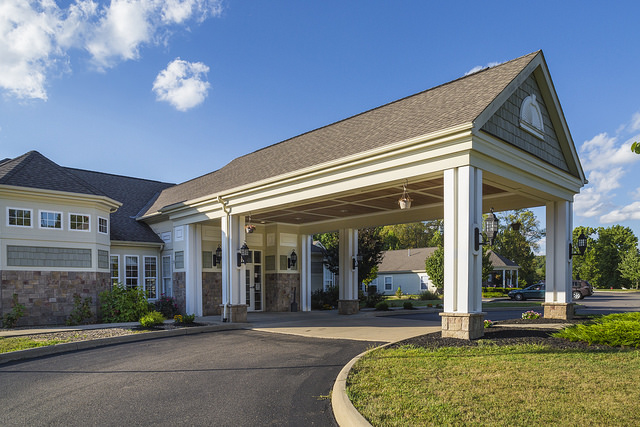
How is Altercare Cambridge Inc. Staffed?

CMS rates ALTERCARE CAMBRIDGE INC.'s staffing level at 2 out of 5 stars, which is below average compared to other nursing homes. Staff turnover is 27%, compared to the Ohio average of 46%. This relatively stable workforce can support continuity of care.

What Have Inspectors Found at Altercare Cambridge Inc.?

State health inspectors documented 32 deficiencies at ALTERCARE CAMBRIDGE INC. during 2019 to 2025. These included: 31 with potential for harm and 1 minor or isolated issues.
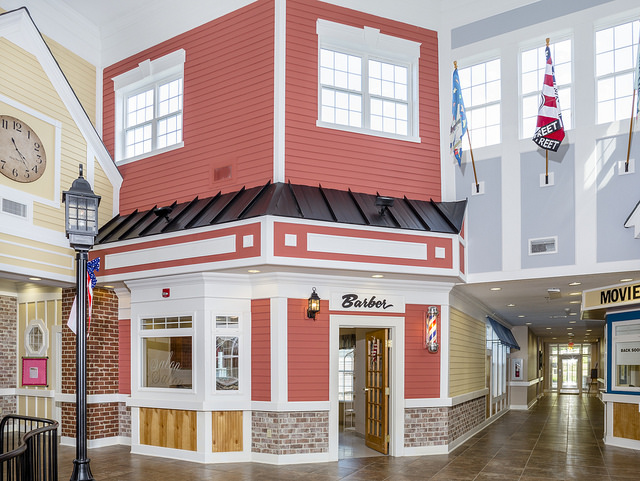
Who Owns and Operates Altercare Cambridge Inc.?

ALTERCARE CAMBRIDGE INC. is owned by a for-profit company. For-profit facilities operate as businesses with obligations to shareholders or private owners. The facility is operated by ALTERCARE, a chain that manages multiple nursing homes. With 50 certified beds and approximately 47 residents (about 94% occupancy), it is a smaller facility located in CAMBRIDGE, Ohio.
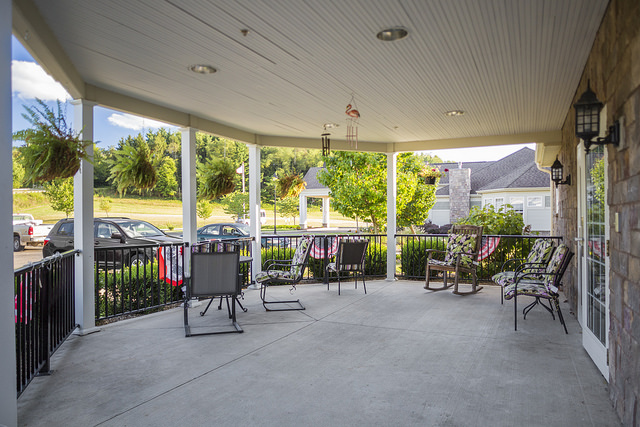
How Does Altercare Cambridge Inc. Compare to Other Ohio Nursing Homes?

Compared to the 100 nursing homes in Ohio, ALTERCARE CAMBRIDGE INC.'s overall rating (5 stars) is above the state average of 3.2, staff turnover (27%) is significantly lower than the state average of 46%, and health inspection rating (4 stars) is above the national benchmark.

What Should Families Ask When Visiting Altercare Cambridge Inc.?

Based on this facility's data, families visiting should ask: "Can you walk me through typical staffing levels on day, evening, and night shifts?" "Can I visit during a mealtime to observe dining assistance and food quality?" "How do you handle medical emergencies, and what is your hospital transfer rate?" "Can I speak with family members of current residents about their experience?" These questions are particularly relevant given the below-average staffing rating.

Is Altercare Cambridge Inc. Safe?

Based on CMS inspection data, ALTERCARE CAMBRIDGE INC. has a clean safety record: no substantiated abuse findings (meaning no confirmed cases of resident harm), no Immediate Jeopardy citations (the most serious violation level indicating risk of serious injury or death), and is not on the Special Focus Facility watch list (a federal program monitoring the lowest-performing 1% of nursing homes). The facility has a 5-star overall rating and ranks #1 of 100 nursing homes in Ohio. While no facility is perfect, families should still ask about staff-to-resident ratios and recent inspection results during their visit.

Do Nurses at Altercare Cambridge Inc. Stick Around?

Staff at ALTERCARE CAMBRIDGE INC. tend to stick around. With a turnover rate of 27%, the facility is 19 percentage points below the Ohio average of 46%. Low turnover is a positive sign. It means caregivers have time to learn each resident's needs, medications, and personal preferences. Consistent staff also notice subtle changes in a resident's condition more quickly. Registered Nurse turnover is also low at 25%, meaning experienced RNs are available to handle complex medical needs.

Was Altercare Cambridge Inc. Ever Fined?

ALTERCARE CAMBRIDGE INC. has no federal fines on record. CMS issues fines when nursing homes fail to meet care standards or don't correct problems found during inspections. The absence of fines suggests the facility has either maintained compliance or corrected any issues before penalties were assessed. This is a positive indicator, though families should still review recent inspection reports for the full picture.

Is Altercare Cambridge Inc. on Any Federal Watch List?

ALTERCARE CAMBRIDGE INC. is not on any federal watch list. The most significant is the Special Focus Facility (SFF) program, which identifies the bottom 1% of nursing homes nationally based on persistent, serious quality problems. Not being on this list means the facility has avoided the pattern of deficiencies that triggers enhanced federal oversight. This is a positive indicator, though families should still review the facility's inspection history directly.