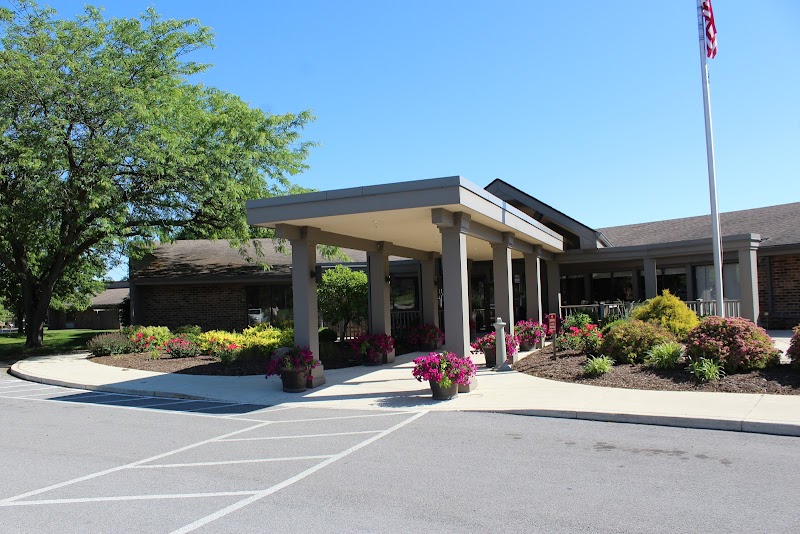
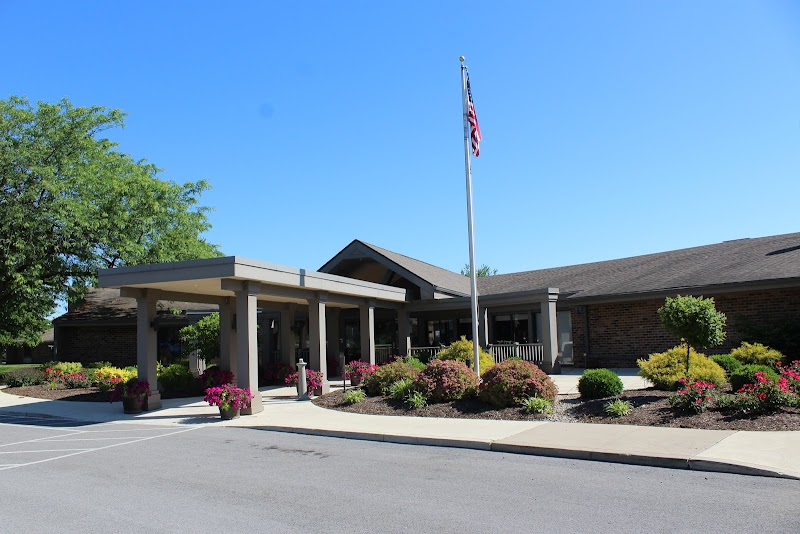
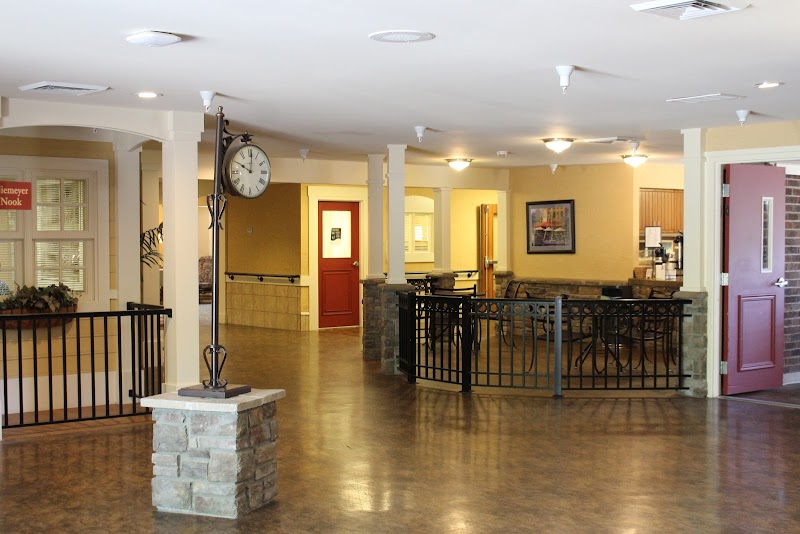
CELINA MANOR

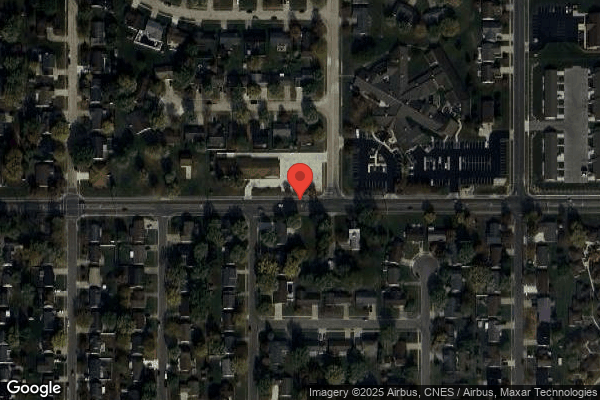
1001 MYERS ROAD, CELINA, OH 45822 (419) 586-6645
For profit - Corporation 75 Beds HCF MANAGEMENT Data: November 2025
Trust Grade
70/100
#238 of 913 in OH
Last Inspection: May 2023

Over 2 years since last inspection. Current conditions may differ from available data.

Overview

Celina Manor has a Trust Grade of B, indicating it is a good choice for families looking for care, though there might be better options available. It ranks #238 out of 913 facilities in Ohio, placing it in the top half, and #2 out of 6 in Mercer County, meaning only one other local facility is rated higher. However, the facility is experiencing a worsening trend, with the number of issues increasing from 5 in 2019 to 6 in 2023. Staffing is rated average with a turnover rate of 41%, which is below the state average, suggesting that staff generally remain in their positions. Notably, there are no fines recorded, which is a positive sign, and the facility has average RN coverage, meaning they have sufficient registered nurses to monitor care. However, there are some concerns; for example, a staff member failed to wash their hands after delivering a meal tray, which poses a risk for infection. Additionally, medications were not stored securely, potentially affecting residents with confusion. Lastly, there was a failure to accurately assess a resident’s need for dialysis, indicating lapses in care planning. Overall, while the nursing home has strengths, particularly in staffing stability and absence of fines, there are critical areas that need improvement to ensure quality care.

Trust Score
B
70/100
In Ohio
#238/913
Top 26%
Safety Record
Low Risk
No red flags
Inspections
Getting Worse
5 → 6 violations
Staff Stability
○ Average
41% turnover. Near Ohio's 48% average. Typical for the industry.
Penalties
✓ Good
No fines on record. Clean compliance history, better than most Ohio facilities.
Skilled Nurses
○ Average
Each resident gets 30 minutes of Registered Nurse (RN) attention daily — about average for Ohio. RNs are the most trained staff who monitor for health changes.
Violations
⚠ Watch
21 deficiencies on record. Higher than average. Multiple issues found across inspections.
★★★★☆
4.0
Overall Rating
★★★☆☆
3.0
Staff Levels
★★★★☆
4.0
Care Quality
★★★★☆
4.0
Inspection Score
Stable
2019: 5 issues
2023: 6 issues

The Good

  • 4-Star Quality Measures · Strong clinical quality outcomes
  • Full Sprinkler Coverage · Fire safety systems throughout facility
  • No fines on record
  • Staff turnover below average (41%)

    7 points below Ohio average of 48%

Facility shows strength in quality measures, fire safety.

The Bad

Staff Turnover: 41%

Near Ohio avg (46%)

Typical for the industry

Chain: HCF MANAGEMENT

Part of a multi-facility chain

Ask about local staffing decisions and management

The Ugly 21 deficiencies on record

May 2023 6 deficiencies
CONCERN (D)

Potential for Harm - no one hurt, but risky conditions existed

Comprehensive Care Plan (Tag F0656)

Could have caused harm · This affected 1 resident

**NOTE- TERMS IN BRACKETS HAVE BEEN EDITED TO PROTECT CONFIDENTIALITY** Based on medical record review, resident and staff interviews, and policy review, the facility failed to develop a comprehensive...

Read full inspector narrative →
**NOTE- TERMS IN BRACKETS HAVE BEEN EDITED TO PROTECT CONFIDENTIALITY** Based on medical record review, resident and staff interviews, and policy review, the facility failed to develop a comprehensive plan of care for Resident #59. This affected one (#59) of three resident reviewed for plan of cares. The facility census was 66. Findings include: Medical record review for Resident #59 revealed an admission on [DATE]. Diagnoses included wedge compression fracture of thoracic vertebra, hypertension, hypokalemia, fracture of thoracic vertebra 11-12, blindness, dehydration, fall, and tachycardia. Review of the Minimum Data Set (MDS) assessment dated [DATE] revealed Resident #59 had intact cognition. Review of the hospital discharge documentation dated 12/11/22 revealed Resident #59 had difficulty swallowing foods and weight loss of 15 pounds since 11/04/22. Review of the facility's speech therapy note dated 12/14/22 revealed Resident #59 was on a regular diet. Resident #59 reported being on a pureed diet at home and was requesting a dietary downgrade. Resident #59 reported oral surgery on 10/20/22 to remove an infected tooth. Therapy assessment noted severed mandibular range of motion deficits. Speech therapist notified the physician's assistant and an order to follow up with the oral surgeon was ordered. Review of the nursing progress notes dated 12/14/22 revealed Resident #59 was not able to open her mouth fully since her tooth extraction in October 2022. The physician assistant was notified and new orders to follow up with oral surgeon. Review of the plan of care for Resident #59 revealed it was silent for the inability to open her mouth adequately to consume a regular diet related to decreased mandibular range of motion. Interview on 05/07/23 11:00 A.M. with Resident #59 stated she went to a dentist in October 2022 and had a infected tooth pulled and the jaw just stopped working after that. Resident #59 stated she was no longer able to open her mouth to eat solid food due to inability to chew it. Interview with 05/08/23 at 4:20 P.M. with Corporate Registered Nurse (RN) #98 verified Resident #59's care plan did not include the inability of the resident to open her jaw due to severe mandibular range of motion resulting in an altered diet. RN #98 verified this should have been included in the care plan. Review of the facility policy titled Resident Assessment dated 11/02/16 revealed a comprehensive plan of care must be developed within seven days after the completion of the comprehensive MDS.
CONCERN (D)

Potential for Harm - no one hurt, but risky conditions existed

ADL Care (Tag F0677)

Could have caused harm · This affected 1 resident

**NOTE- TERMS IN BRACKETS HAVE BEEN EDITED TO PROTECT CONFIDENTIALITY** Based on medical record review, observation, resident and staff interview, and policy review, the facility failed to ensure a re...

Read full inspector narrative →
**NOTE- TERMS IN BRACKETS HAVE BEEN EDITED TO PROTECT CONFIDENTIALITY** Based on medical record review, observation, resident and staff interview, and policy review, the facility failed to ensure a resident that required assistance from staff with dressing was provided adequate care and services with changing her clothes routinely. This affected one (#316) of two residents reviewed for activities of daily living. The facility identified 65 residents who required assistance from staff with dressing. The facility census was 66. Findings include: Medical record review for Resident #316 revealed an admission on [DATE]. Diagnoses included fracture of metatarsal bone in left foot, respiratory failure, hemiplegia, and hemiparesis affecting left side, osteoarthritis, left knee pain, and osteoarthritis. Review of the plan of care revealed Resident #316 had an activity of daily self-care performance deficit related to recent hospitalization, need for assistance, and multiple fractures. Interventions include physical and occupational evaluation and treatment as per physician orders. Review of the State Tested Nursing Assistants (STNA) documentation dated 05/04/23 through 05/20/23 revealed no documentation was completed for the dressing activities of daily living for Resident #316 Observation and interview on 05/07/23 at 1:35 P.M. revealed Resident #316 was sitting in bed with a light purple blouse on. The light purple blouse had multiple stains on the upper chest area and food crumbs. Resident #316 stated she ate her lunch in bed and spilt her coffee and the crumbs were from lunch also. Resident #316 stated she had been wearing the shirt since Friday and needed to change it. Subsequent observation and interview on 05/08/23 at 11:45 A.M. revealed Resident #316 was wearing the same light purple blouse with stains on it. There were additional stains on the bottom front of the shirt. Resident #316 stated she slept in her shirt because no one asked her to change it. She had pajamas available to wear, but she was not changed by staff last evening (05/07/23). Interview on 05/09/23 at 2:13 P.M. with State Tested Nursing Assistant (STNA) #97 stated she worked on 05/07/23 from 2:00 P.M. to 6:00 P.M. after being moved from another unit and again on 05/08/23 from 7:00 A.M. to 7:00 P.M. STNA #97 stated Resident #316 complained that her shirt was not changed since Friday, and she wanted to have it changed today. STNA #97 verified Resident #313 was wearing the same light purple shirt on three consecutive days, 05/07/23, 05/08/23, and 05/09/23. STNA #97 stated she gave Resident #316 a shower on 05/08/23. Review of the facility policy titled Quality of Care, dated 04/29/16 revealed a resident that is unable to carryout activities of daily living receives the necessary services to maintain good nutrition, grooming personal and oral hygiene.
CONCERN (D)

Potential for Harm - no one hurt, but risky conditions existed

Drug Regimen Review (Tag F0756)

Could have caused harm · This affected 1 resident

**NOTE- TERMS IN BRACKETS HAVE BEEN EDITED TO PROTECT CONFIDENTIALITY** Based on record review, review of facility policy, and staff interview, the facility failed to respond to the pharmacy's medicat...

Read full inspector narrative →
**NOTE- TERMS IN BRACKETS HAVE BEEN EDITED TO PROTECT CONFIDENTIALITY** Based on record review, review of facility policy, and staff interview, the facility failed to respond to the pharmacy's medication regimen review recommendations in a timely manner. This affected one (Resident #53) of five residents reviewed for unnecessary medications. The facility census was 66. Findings include: Review of the medical record for Resident #53 revealed an admission date 03/28/22. Diagnoses included dementia, Parkinson's disease, and major depressive disorder. Review of the quarterly Minimum Data Set (MDS) assessment dated [DATE] revealed Resident #53 had impaired cognition. Review of the Summary of Monthly Recommendations dated 12/22/22 revealed Resident #53 was receiving the following medication with psychotropic properties: Depakote Delayed Release (DR) 125 milligram (mg) by mouth twice daily. Please review the resident's medication regimen and indicate your professional opinion on further use of the medication listed (check all that apply): 1) A dose reduction will be attempted. See new order below. 2) Medication regimen at this time appears appropriate and consistent with diagnosis. Resident is at optimal dose and is stable. No need for weaning at this point. 3) Discontinuation likely will be harmful to resident and/or others or it will disrupt their provision of care. 4) Resident's target symptoms returned/worsened after the most recent attempt of gradual dose reduction (GDR). 5) Target symptoms continue to persist in this resident. Reduction is clinically contraindicated as a result. There was no response from the physician in the medical record or on the Summary of Monthly Recommendations form. Interview on 05/09/23 at 2:32 P.M. with the Director of Nursing (DON) verified the physician did not address Resident #53's pharmacy recommendations timely. The DON verified the physician has not responded to Resident #53's pharmacy recommendation made on 12/22/22. Subsequent interview on 05/09/23 at 4:10 P.M. with the DON verified the pharmacy recommendation should have been addressed within 30 days. Review of the facility policy titled Medications Regiment Review and Recommendation, dated 03/20/18, revealed when a recommendation is made: Non-emergent recommendations are to addressed within the next 30 days.
CONCERN (D)

Potential for Harm - no one hurt, but risky conditions existed

Deficiency F0773 (Tag F0773)

Could have caused harm · This affected 1 resident

**NOTE- TERMS IN BRACKETS HAVE BEEN EDITED TO PROTECT CONFIDENTIALITY** Based on medical record review, staff interview, and policy review, the facility failed to promptly notify the physician of an a...

Read full inspector narrative →
**NOTE- TERMS IN BRACKETS HAVE BEEN EDITED TO PROTECT CONFIDENTIALITY** Based on medical record review, staff interview, and policy review, the facility failed to promptly notify the physician of an abnormal urinalysis result which indicated the resident had a urinary tract infection (UTI). This affected one (Resident #316) of two residents reviewed for laboratory values. The facility census was 66. Findings include: Medical record review for Resident #316 revealed an admission on [DATE]. Diagnoses included fracture of metatarsal bone in left foot, hemiplegia, and hemiparesis affecting left side. Review of the plan of care revealed Resident #36 had incontinence of bladder related to weakness. Interventions include encourage fluids, monitor for decline in urine output or signs and symptoms of urinary tract infections (UTI), monitor lab results as ordered and report any abnormal laboratory results to physician. Review of the physician orders for Resident #316 revealed an order dated 05/02/23 for urinalysis with reflex culture and sensitivity. Review of the laboratory results dated [DATE] and reported to the facility on [DATE] for Resident #316 revealed a urine culture result indicating a UTI from the bacteria proteus vulgaris. There was nothing in the medical record to indicate the physician was notified of the urine culture result indicating a UTI. Interview on 05/09/23 at 1:19 P.M. with Licensed Practical Nurse (LPN) #140 stated she was unable to locate any communication or documentation that the physician was notified of the abnormal results indicating Resident #316 had a UTI. Subsequent interview on 05/09/23 at 4:10 P.M. with LPN #140 verified the physician was not notified on 05/06/23 and LPN #140 notified the physician that day (three days later on 05/09/23) and an antibiotic (Bactrim double strength tablet 800/160 milligrams (mg) one tablet by mouth for five days) was ordered for the treatment of a UTI for Resident #316. Interview on 05/10/23 at 2:10 P.M. with the Director of Nursing (DON) stated the laboratory company usually sends a fax to the facility and the physician was notified. The DON was unable to determine why the physician was not notified as he should have been on 05/06/23 further stating the facility was unable to locate the fax from the laboratory. Review of the facility policy titled Notification of Changes Policy, dated 11/02/16, revealed the facility must inform the resident, physician and the resident representative when an change occurs resulting in an altered treatment plan.
CONCERN (D)

Potential for Harm - no one hurt, but risky conditions existed

Infection Control (Tag F0880)

Could have caused harm · This affected 1 resident

**NOTE- TERMS IN BRACKETS HAVE BEEN EDITED TO PROTECT CONFIDENTIALITY** 2. Medical record review for Resident #36 revealed an admission on [DATE]. Diagnoses included schizophrenia, quadriplegia, bladd...

Read full inspector narrative →
**NOTE- TERMS IN BRACKETS HAVE BEEN EDITED TO PROTECT CONFIDENTIALITY** 2. Medical record review for Resident #36 revealed an admission on [DATE]. Diagnoses included schizophrenia, quadriplegia, bladder dysfunction, and psychotic disorder with delusions. Review of the Minimum Data Set (MDS) assessment dated [DATE] revealed Resident #36 had intact cognition. Resident #36 required extensive assistance with two staff members for toileting and total assistance from staff for transfers. Resident #36 had a suprapubic urinary catheter. Review of the plan of care for Resident #36 reviewed has a suprapubic catheter due to neuromuscular dysfunction of the bladder secondary to spinal stenosis from quadriplegia. Interventions included catheter care every shift, change catheter per physician's order, and monitor for signs/symptoms of urinary tract infection. Review of the physician orders for Resident #36 revealed an order for the use of EBP due to a multi-drug resistant organism (MDRO) and an indwelling medical device. Observation on 05/09/23 09:48 AM with State Tested Nursing Aide (STNA) #120 revealed the STNA provided morning care (including bathing, incontinent care, and catheter care) for Resident #36. STNA #120 failed to don a gown while providing care and services for Resident #36. A bin with gowns was present at the entrance of Resident #36's room entrance and a receptacle for used gowns was present inside Resident #36's room. Interview on 05/09/23 at 12:10 P.M. with STNA #120 confirmed that she had not donned a gown while providing morning care for Resident #36. STNA #120 confirmed a sign was posted on the door read to use EBP for high resident care activities and that transferring. bathing, and incontinent care was on a list that was considered a high contact resident care activity. STNA #120 stated she did not see the sign on the door and just missed it. Review of the facility's policy titled Enhance Barrier Precautions dated August 2022 revealed it is the intent of the facility to use EBP in addition to standard precautions for residents to prevent transmission of MDROs in their care community. All personnel must wear gloves when high-contact resident care activities are being performed. All personnel should wear gowns when high-contact resident care activities are being performed. Shared resident care equipment should be clean and disinfected. High contact resident care activities listed were dressing, bathing/showering, transferring, providing hygiene, changing linens, changing attends or assisting with toileting, device care or use: central line, urinary catheter, feeding tube, tracheostomy/ventilator, wound care: any skin opening requiring a dressing. Based on medical record review, observation, review of facility policy, and staff interview, the facility failed to ensure staff followed physician ordered enhanced barrier precautions (EBP) for high resident care activities. This affected two (Residents #28 and #36) of six residents reviewed for infection control. The facility census was 66. Findings include: 1. Review of Resident #28's medical record revealed an admission date of 01/10/20. Diagnoses included end stage renal disease, chronic kidney disease, hemiplegia, presence of vascular graft, and dependence on renal dialysis. Review of the quarterly Minimum Data Set (MDS) assessment dated [DATE] revealed Resident #28 was cognitively intact. Resident #28 was totally dependent on staff for toilet use and transfer. Resident #28 received dialysis services. Further review of the medical record revealed Resident #28 received peritoneal dialysis through a dialysis catheter at the facility. Review of the physician orders dated 08/24/22 revealed an order indicating Resident #28 required the use of EBP to to an indwelling medical device. Observation on 05/09/23 at 11:57 A.M. revealed State Tested Nursing Assistant (STNA) #114 and STNA #103 entering Resident #28's room with a Hoyer (mechanical) lift. STNA #114 and STNA #103 proceeded to transfer Resident #28 from a recliner into his bed and repositioned him in bed. Neither STNA #114 or STNA #103 donned any gloves or gown while transferring and caring for Resident #28. A bin with gowns was present at Resident #28's room entrance and a receptacle for used gowns was present inside Resident #28's room. Interview on 05/09/23 at 12:01 P.M. with STNA #114 confirmed STNA #103 and #114 had not donned gloves and gown while transferring and caring for Resident #28. STNA #114 confirmed a sign posted on the door read to use EBP for high resident care activities and that transferring was on a list that was considered a high contact resident care activity.
CONCERN (E)

Potential for Harm - no one hurt, but risky conditions existed

Deficiency F0761 (Tag F0761)

Could have caused harm · This affected multiple residents

**NOTE- TERMS IN BRACKETS HAVE BEEN EDITED TO PROTECT CONFIDENTIALITY** Based on record review, observation, staff interview, and policy review, the facility failed to store prescribed medications app...

Read full inspector narrative →
**NOTE- TERMS IN BRACKETS HAVE BEEN EDITED TO PROTECT CONFIDENTIALITY** Based on record review, observation, staff interview, and policy review, the facility failed to store prescribed medications appropriately and securely. This affected Resident #36 and had the potential to affect four residents (#29, #38, #58, and #266) who the facility identified to be confused and independently ambulatory. The facility census was 66. Findings include: 1. Medical record review for Resident #36 revealed an admission on [DATE]. Diagnoses included schizophrenia, psoriasis, anxiety, and psychotic disorder with delusions. Review of the Minimum Data Set (MDS) assessment dated [DATE] revealed Resident #36 had intact cognition. Observation on 05/08/23 at 9:19 A.M. of Resident #36's dresser in room revealed a tube of Nystatin-Triamcinolone Cream (a skin treatment) was unsecured with prescription label on it for Resident #36. Interview on 05/08/23 at 9:25 A.M. with Registered Nurse (RN) #102 verified the tube was for Resident #36 and the tube should not have been left in the room unattended. RN #102 stated the treatment was done on the previous shift and left in the room by mistake. 2. Observation on 05/09/23 at 8:41 A.M. of an unlocked and unsupervised treatment cart located outside of the restorative nursing office. The treatment cart contained povidone iodine swab sticks and povidone bottles with warning label to contact poison control if accidental ingestion, tubes of miconazole nitrate house stock tube if swallowed get medical help and contact poison control and a bottle of peroxide with label stating chemical danger causes skin irritation and serious eye damage and shortness of breath with ingestion. Contact poison control if ingested. Interview with Register Nurse (RN) #161 on 05/09/23 at 8:45 A.M. verified the treatment cart was unlocked and not under direct supervision of a licensed nurse. RN #161 proceeded to walk away from the unlocked treatment cart stating the wound nurse was in the facility using it. Review of the facility's list of residents who were confused and independently ambulatory revealed Residents #58, #29, #38, and #266) were confused and independently ambulatory around the facility. Review of the facility policy titled Medication Storage in the Facility, dated 03/1996, stated medications and biologicals are stored safely and securely following manufactures recommendations. Medication/treatment carts are to be locked or attended by persons with authorized access.
Dec 2019 5 deficiencies
CONCERN (D)

Potential for Harm - no one hurt, but risky conditions existed

Safe Environment (Tag F0584)

Could have caused harm · This affected 1 resident

Based on observation, resident interview and staff interview the facility failed to maintain a homelike environment when they stored dialysis solution in resident rooms. This affected one, (Resident #...

Read full inspector narrative →
Based on observation, resident interview and staff interview the facility failed to maintain a homelike environment when they stored dialysis solution in resident rooms. This affected one, (Resident #31) during a random observation. The facility identified three Residents (#31, #54 and #58) as having dialysis solution stored in residents rooms. The facility census was 85. Findings include: Interview on 12/16/19 at 10:19 A.M. with Resident #31 revealed the facility stored the dialysis solution in her room. Resident #31 stated she was slightly claustrophobic and all of the boxes made her anxious. She added there was no place in her room for visitors to sit. Observation on 12/16/19 at 10:40 A.M. of Resident #31's room revealed a wooden pallet, on the floor to the left of the doorway, with approximately 40 boxes labeled dialysis solution in various strengths. On the extra bed, which had been pushed against the wall, were more boxes. Interview at the time of the observation with Housekeeper #603 revealed visitors had commented on all of the boxes stored in the room. Interview on 12/17/19 at 3:39 P.M. with the Administrator revealed Resident #31 had indicated on 12/15/19 her desire to have the dialysis solution not stored in her room, yet no plan had been activated to date to correct the issue. The Administrator stated the facility had no policy regarding maintaining a homelike environment.
CONCERN (D)

Potential for Harm - no one hurt, but risky conditions existed

Transfer Notice (Tag F0623)

Could have caused harm · This affected 1 resident

Based on closed medical record review, staff interview and facility policy review the facility failed to ensure residents received discharge notices timely. This affected one (Resident #84) of one rev...

Read full inspector narrative →
Based on closed medical record review, staff interview and facility policy review the facility failed to ensure residents received discharge notices timely. This affected one (Resident #84) of one reviewed for hospitalization. The facility census was 85. Findings include: Review of the closed medical record of Resident #84 revealed an admission date of 09/24/19. Diagnosis included malignant neoplasm of bladder unspecified. Review of the progress notes dated 10/17/19 revealed Resident #84 went to a scheduled doctors appointment with his daughter. He was sent to the emergency department and was admitted to the hospital related to multiple blood clots in both legs. The medical record was silent for any discharge notice being sent to the resident and/or family. Interview on 12/19/19 at 4:05 P.M. with the Director of Nursing verified no transfer notice had been sent to Resident #84 or his family. Review of the facility policy titled Admission, Transfer and Discharge Rights dated 02/2018 revealed a notice of transfer or discharge will be given to the resident and sent certified mail to the resident's sponsor, family or guardian, if known.
CONCERN (D)

Potential for Harm - no one hurt, but risky conditions existed

Deficiency F0625 (Tag F0625)

Could have caused harm · This affected 1 resident

Based on closed record review, staff interview and facility policy review the facility failed to provide one resident, #84, with a bed hold notice upon discharge to the hospital. The facility census w...

Read full inspector narrative →
Based on closed record review, staff interview and facility policy review the facility failed to provide one resident, #84, with a bed hold notice upon discharge to the hospital. The facility census was 85. Findings include: Review of the closed medical record of Resident #84 revealed an admission date of 09/24/19. Diagnosis included malignant neoplasm of bladder unspecified. Review of the progress notes dated 10/17/19 revealed Resident #84 went to a scheduled doctors appointment with his daughter. He was sent to the emergency department and was admitted to the hospital related to multiple blood clots in both legs. The record was silent for any bed hold notice having been sent to the resident and/or family. Interview on 12/19/19 at 4:05 P.M. with Office Manager #700 provided verified no transfer notice was sent to Resident #84 or his family. Review of the facility document titled Bed Holds and Leave of Absence dated 03/2017 revealed the Medicaid program will pay for the costs of holding your bed at the facility. so long as the number of bed hold days has not been exceeded.
CONCERN (D)

Potential for Harm - no one hurt, but risky conditions existed

Pharmacy Services (Tag F0755)

Could have caused harm · This affected 1 resident

**NOTE- TERMS IN BRACKETS HAVE BEEN EDITED TO PROTECT CONFIDENTIALITY** Based on medical record review, resident interview, staff interview, review of pharmacy recommendations and review of facility p...

Read full inspector narrative →
**NOTE- TERMS IN BRACKETS HAVE BEEN EDITED TO PROTECT CONFIDENTIALITY** Based on medical record review, resident interview, staff interview, review of pharmacy recommendations and review of facility policy, the facility failed to ensure respiratory medications were available from the pharmacy. This affected one (Resident #36) of one resident reviewed. The facility identified four residents who received rescue respiratory medications. The census was 85. Findings include: Review of the medical record for Resident #36 revealed an admission date of 01/12/18 with a re-entry dated of 06/13/18. Diagnoses included acute and chronic respiratory failure with hypoxia, mild intermittent asthma, chronic obstructive pulmonary disease (COPD), acute bronchitis and emphysema. Review of the Minimum Data Set (MDS) dated [DATE] revealed Resident #36 was cognitively intact with the need for oxygen. Review of the plan of care dated 12/20/18 revealed the resident had Asthma and COPD and could become short of breath if laying flat. Intervention included to give aerosol or bronchodilators as ordered. Monitor and document any side effects and effectiveness Review of the physician's order dated 07/05/19 revealed Ventolin (bronchodiliator) 200 microgram (mcg) to give one inhalation every four hours as needed (PRN) and resident may keep at bedside. An order for Budesonide Formoterol Fumarate aerosol 160 mcg- 4.5 mcg to give two puff via inhalation orally twice a day (BID) related to COPD. Review of the Medication Administration Record (MAR) for 12/2019 revealed Budesonide Formoterol Fumarate aerosol 160 mcg- 4.5 mcg was not given on 12/13/19 at bed time (HS), 12/16/19 and 12/17/19 upon rising. Review of the pharmacy delivery route packing slip dated 12/17/19 at 12:06 P.M. revealed the facility received Resident #36's Budesonide Formoterol Fumarate Aerosol 160 mcg- 4.5 mcg. Interview with Resident #36 on 12/18/19 at 9:27 A.M. revealed he had issue about not being allowed to keep his rescue inhaler in his room. He stated he preferred to keep his rescue inhaler in the room due to he didn't want to have to wait for the nurse to get if for him. Follow up interview with Resident #36 on 12/19/19 at 10:25 A.M. revealed he still did not have his rescue inhaler at his bedside. He stated he had asked staff to keep it and they told him he was not allowed. Observation on 12/19/19 at 10:30 A.M. of the medication cart for C-Hall with Licensed Practical Nurse (LPN) #208 revealed Resident #36 did not have Ventolin 200 mcg inhaler in the cart Interview during the observation with LPN #208 revealed she looked at the order for Ventolin 200 mcg which indicated may be kept at bedside, but it was documented as other. She explained this medication probably was never received by the pharmacy due to the order was put in wrong. LPN #208 revealed it should have indicated pharmacy in this area Interview with the Director of Nursing (DON) on 12/19/19 at 10:45 A.M. revealed pharmacy had not sent Resident #36's Ventolin rescue inhaler due to it did not indicate pharmacy on the order in point click care. Interview with Registered Nurse (RN) #307 on 12/19/19 at 2:00 P.M. verified she did not know why the Budesonide Formoterol Fumarate was not given on 12/13/19 at HS and 12/16/17 and 12/17/19 at rising. Review of the facility policy Pharmaceutical Service dated 1020/03 revealed the manor must provide routine and emergency drugs and biologicals to it's residents by providing pharmaceutical services including procedure that assure the accurate acquiring, receiving and dispensing of all drugs to meet the needs of each resident.
CONCERN (D)

Potential for Harm - no one hurt, but risky conditions existed

Deficiency F0761 (Tag F0761)

Could have caused harm · This affected 1 resident

**NOTE- TERMS IN BRACKETS HAVE BEEN EDITED TO PROTECT CONFIDENTIALITY** Based on medical record review, observation, staff interview and facility policy review the facility failed to ensure staff witn...

Read full inspector narrative →
**NOTE- TERMS IN BRACKETS HAVE BEEN EDITED TO PROTECT CONFIDENTIALITY** Based on medical record review, observation, staff interview and facility policy review the facility failed to ensure staff witnessed residents take their medications. This affected one (Resident #58) of one resident observed during a random observation. The facility identified 17 Residents (#5, #10, #19, #20, #32, #33, #56, #57, #58, #60, #62, #69, #73, #75, #78, #80, and #81 who resided on the B Hall. The facility further failed to ensure the glucose control solution was dated once opened to ensure potency and accuracy. This had the potential to affect three Residents (#2, #4 and #44) residing in the E hall who had blood glucose monitoring. The facility census was 85. Findings include: 1. Review of the medical record of Resident #58 revealed an admission date of 02/14/18. Diagnoses included end stage renal disease chronic kidney disease stage five, abnormalities of breathing, gastro-esophageal reflux disease and essential hypertension. Review of the quarterly minimum data set assessment dated [DATE] revealed Resident #58 was cognitively intact. Observation on 12/19/19 at 10:15 A.M. revealed Resident #58 seated in a wheelchair at a table in the dining room of B hall. Nine various medication tablets were lying on the table in a small pile. Resident #58 was holding a four-ounce plastic cup that contained a clear liquid. Resident #58 took two large tablets and this surveyor asked him to stop until a staff member was present. The surveyor asked an unidentified State Tested Nursing Assistant (STNA) to enter a nearby room and ask Corporate Registered Nurse (CRN) #900 to come and assist. CRN #900 arrived at the table and verified the remaining seven medications and observed Resident #58 ingest the remaining seven tablets. CRN #900 encouraged him to drink all of the water. Review of the medication administration record for 12/19/19 revealed Registered Nurse (RN) #302 documented she had administered the resident the following medications: azathioprine (an immunosuppressant) 50 milligrams (mg) two tablets; B complex C with folic acid (vitamin supplement) one mg; cholecalciferol (a vitamin supplement) 2000 units; Fibercon (a laxative) 625 mg; Miralax (a laxative) 17 grams; Montelukast sodium (for abnormal breathing) 10 mg; Protonix (for reflux), 40 mg; Coreg (for hypertension) 12.5 mg; and Sevelamer carbonate (for elevated phosphorous level) 800 mg. Interview on 12/19/19 at 10:20 A.M. with RN #302 revealed she had thought it was acceptable to allow Resident #58 to ingest his medications unsupervised as he was alert and oriented. She further identified the liquid in the four-ounce plastic cup to contain Miralax. Review of the facility policy titled Medication Storage in the Facility dated 09/2017 revealed medications are stored safely and securely and accessible only to licensed nursing personnel authorized to administer medications. 2. Observation on 12/19/19 at 9:30 A.M. with Licensed Piratical Nurse (LPN) #202 revealed an opened and undated box containing two vials of glucose control solution. Each of the vials had the words discard three months after opening on them. Interview at the time of the observation with LPN #202 verified the vials of glucose control solution was opened and undated.
Oct 2018 10 deficiencies
CONCERN (D)

Potential for Harm - no one hurt, but risky conditions existed

Deficiency F0558 (Tag F0558)

Could have caused harm · This affected 1 resident

**NOTE- TERMS IN BRACKETS HAVE BEEN EDITED TO PROTECT CONFIDENTIALITY** Based on medical record review, observation, and staff interview, the facility failed to ensure a call light was within reach at...

Read full inspector narrative →
**NOTE- TERMS IN BRACKETS HAVE BEEN EDITED TO PROTECT CONFIDENTIALITY** Based on medical record review, observation, and staff interview, the facility failed to ensure a call light was within reach at all times. This affected one (#35) of 24 residents observed during the initial pool. The facility census was 77. Findings include: Review of Resident #35's medical record revealed an admission date of 04/20/17, with diagnoses of vascular dementia without behavioral disturbances, difficulty in walking, and displaced right intertrochanteric fracture (right hip). Review of the quarterly minimum data set (MDS) assessment dated [DATE], identified the resident as having severe cognitive impairment as indicated by a brief interview for mental status score of 04. Review of the at risk for falls care plan, revised 07/18/18, with an intervention to keep the call light within reach. Observation on 10/15/18 at 10:22 A.M. revealed Resident #35 was sitting up in her recliner in her room beside her bed. Resident #35's call light was observed to be lying over the front of her bed, and not within reach of the resident. On 10/15/18 at 1:12 P.M., Resident #35 was observed to be sitting up in her recliner in her room, and her call light was not observed to be within reach. On 10/15/18 at 4:14 P.M., revealed Resident #35 was sitting up in her recliner in her room, and her call light was observed to be located at the end of her bed, and not within reach of the resident. Interview with State Tested Nurse Aide (STNA) #405 on 10/15/18 at 4:16 P.M., revealed Resident #35 is able to use her call light for assistance. She confirmed Resident #35's call light was not within reach of the resident.
CONCERN (D)

Potential for Harm - no one hurt, but risky conditions existed

Notification of Changes (Tag F0580)

Could have caused harm · This affected 1 resident

**NOTE- TERMS IN BRACKETS HAVE BEEN EDITED TO PROTECT CONFIDENTIALITY** Based on medical record review and staff interview, the facility failed to ensure the physician was notified of a seven pound we...

Read full inspector narrative →
**NOTE- TERMS IN BRACKETS HAVE BEEN EDITED TO PROTECT CONFIDENTIALITY** Based on medical record review and staff interview, the facility failed to ensure the physician was notified of a seven pound weight gain in a week per orders. This affected one (#72) of five residents reviewed for unnecessary medications. The facility census was 77. Findings include: Review of Resident #72's medical record revealed an admission date of 08/06/18, with diagnoses of chronic obstructive pulmonary disease, shortness of breath, and hypertension (high blood pressure). Review of the admission minimum data set (MDS) assessment dated [DATE] identified the resident as being cognitively intact as indicated by a brief interview for mental status score of 14. Review of the physician's order dated 09/11/18 revealed an order for a weekly weight and to notify the physician if a five pound weight increase was noted over a one week period. Review of Resident #72's weights revealed her weight on 09/19/18 was 271 and on 09/26/18 her weight was 278. Review of the progress notes from 09/19/18-09/27/18 revealed no indication the physician was notified regarding the weight gain of greater than five pounds. Interview with Licensed Practical Nurse (LPN) #400 on 10/17/18 at 3:32 P.M., confirmed Resident #72 had an order for the physician to be notified if there is a weight gain of five pounds in one week. LPN #400 confirmed there was no evidence the physician was notified when Resident #72 had a seven pound weight gain in one week.
CONCERN (D)

Potential for Harm - no one hurt, but risky conditions existed

Deficiency F0582 (Tag F0582)

Could have caused harm · This affected 1 resident

Based on medical record review, skilled nursing protection notification review, staff interview and review of policy and procedures, the facility failed to provide skilled nursing facility (SNF) advan...

Read full inspector narrative →
Based on medical record review, skilled nursing protection notification review, staff interview and review of policy and procedures, the facility failed to provide skilled nursing facility (SNF) advance beneficiary notices (ABN) to residents as required. This affected two (#58 and #72) of two residents reviewed for receiving appropriate ABN who remained in the facility after being cut from Medicare part A services. The facility census was 77. Findings include: 1) Review of medical record for Resident #58 revealed and admission date of 08/29/18, with diagnoses including fracture of the right neck femur, hypertension, overactive bladder, major depressive disorder, muscle weakness and constipation. Review of skilled beneficiary protection notification review for Resident #58 revealed she started Medicare part A service on 08/29/18 and her last covered day was 10/13/18 due to Resident #58 meeting her max potential. She was issued her last cover day notice called notice of Notice of Medicare Non-coverage on 10/10/18. Further review documented the resident remained in the facility and never received a SNF ABN as required by Medicare notifying her of the cost to remain in the facility and the right to request a demand bill to continue therapy if she so desired. 2) Review of medical record for Resident #72 revealed an admission date of 08/06/18, with diagnoses including confusional arousal, muscle weakness, anemia, left leg below the knee amputee, type two diabetes, hypertension and shortness of breath. Review of skilled beneficiary protection notification review for Resident #72 revealed she started Medicare part A service on 08/06/18 and her last covered day was 10/05/18 due to Resident #72 meeting her max potential. She was issued her last cover day notice called notice of Notice of Medicare Non-coverage on 10/03/18. Further review documented the resident remained in the facility and never received a SNF ABN as required by Medicare notifying her of the cost to remain in the facility and the right to request a demand bill to continue therapy if she so desired. Interview on 10/17/18 at 12:20 P.M., with Case Manager Registered Nurse #500 verified she did not provide Resident #58 and Resident #72 with a Skilled Nursing Facility Advanced Beneficiary Notice as required. She stated after review of the form she should have gave this notice to them when it was determined they were staying in the facility long term. Review of undated policy titled SNF-beneficiary notice requirements documented the facility is to provide the resident in writing the financially liability and the option for appeal rights if they want to continue therapy while a demand bill is submitted the Medicare for review. This is for residents who decide stay long term and were cut from Medicare part A services.
CONCERN (D)

Potential for Harm - no one hurt, but risky conditions existed

Comprehensive Care Plan (Tag F0656)

Could have caused harm · This affected 1 resident

**NOTE- TERMS IN BRACKETS HAVE BEEN EDITED TO PROTECT CONFIDENTIALITY** Based on medical record review and staff interview, the facility failed to ensure a care plan was initiated for the use of a diu...

Read full inspector narrative →
**NOTE- TERMS IN BRACKETS HAVE BEEN EDITED TO PROTECT CONFIDENTIALITY** Based on medical record review and staff interview, the facility failed to ensure a care plan was initiated for the use of a diuretic. This affected one (#72) of five residents reviewed for unnecessary medications. The facility census was 77. Findings include: Review of Resident #72's medical record revealed an admission date of 08/06/18, with diagnoses of chronic obstructive pulmonary disease, shortness of breath, and hypertension (high blood pressure). Review of the admission minimum data set (MDS) assessment dated [DATE], identified the resident as being cognitively intact as indicated by a brief interview for mental status score of 14. The assessment identified the resident as receiving a diuretic (water pill) seven out of the seven day look back period. Review of Resident #72's physician's orders revealed the resident was receiving Bumex (diuretic) 3 milligrams two times a day. On 10/15/18, the ordered Bumex was changed to 3 mg three times a day. Review of Resident #72's care plan's failed to reveal a care plan was initiated for the use of a diuretic. Interview with Registered Nurse (RN) #320 on 10/17/18 at 3:18 P.M.,confirmed there was no care plan for the use of a diuretic and there should have been.
CONCERN (D)

Potential for Harm - no one hurt, but risky conditions existed

ADL Care (Tag F0677)

Could have caused harm · This affected 1 resident

Based on observation, medical record review and staff interview, the facility failed to provide resident who was unable to carry out activities of daily living with the necessary services to maintain ...

Read full inspector narrative →
Based on observation, medical record review and staff interview, the facility failed to provide resident who was unable to carry out activities of daily living with the necessary services to maintain good grooming. This affected one (#9) of one resident reviewed for the provision of activities of daily living. The total facility census was 77. Findings included: Medical record review for Resident #9 revealed an admission date of 06/30/16, with diagnoses: chronic kidney disease Stage 4, dysphagia, major depressive disorder, symbolic dysfunctions, muscle weakness, mild cognitive impairment, adjustment disorder with depressed mood, atrial fibrillation, hypokalemia, insomnia, presence of cardiac pacemaker, sick sinus syndrome, syncope and collapse. Observation on 10/15/18 at 11:24 A.M., in the dining room, Resident #9 had unshaven facial hair that appeared to be more than one day's growth. State Tested Nurse Aide (STNA) #318 stated at that time, that Resident #9 was unable to shave himself. Observation on 10/16/18 at 07:10 AM, revealed Resident #9 was observed to be up and dressed, eating breakfast in the dining room, still unshaven. Observation on 10/16/18 at 12:26 PM, Resident #9 was observed to be unshaven. STNA #316 was asked by surveyor if the resident was combative or uncooperative with activities of daily living and she replied No, he always cooperates. Resident #9 stated I can't shave myself. STNA #316 stated she would assist the resident at that time. She verified that she had not completed his care that morning, and he had not been shaved for several days. Review of the annual minimum data set (MDS) assessment of 07/04/18, noted the resident was cognitively impaired. The assessment reflected the resident required the extensive assist of one staff to complete personal hygiene tasks, including the task of shaving. Review of the care plan for Resident #9 documented the resident with an activities of daily living (ADL) self care performance deficit with a goal which stated resident would be clean and well groomed daily. Planned interventions included 1-2 staff assist to participate with personal hygiene, including shaving. The facility had no policy to address daily shaving of male residents.
CONCERN (D)

Potential for Harm - no one hurt, but risky conditions existed

Deficiency F0757 (Tag F0757)

Could have caused harm · This affected 1 resident

**NOTE- TERMS IN BRACKETS HAVE BEEN EDITED TO PROTECT CONFIDENTIALITY** Based on medical record review, staff interview and review of antibiotic stewardship program policy, the facility failed ensure ...

Read full inspector narrative →
**NOTE- TERMS IN BRACKETS HAVE BEEN EDITED TO PROTECT CONFIDENTIALITY** Based on medical record review, staff interview and review of antibiotic stewardship program policy, the facility failed ensure unnecessary antibiotic was reviewed and discontinued as required. This affected one (#30) of five residents reviewed for unnecessary medication use. The facility census was 77. Findings include: Review of medical record for Resident #30 revealed an admission date of 05/29/18 with diagnosis including dementia with behavioral disturbances, hypertension, major depression, overactive bladder, polyarthritis, altered mental status, constipation, insomnia, weakness and anxiety disorder. Review of Hospital record dated 07/01/18 documented was admitted to the hospital on [DATE]. Resident #30 was found to have a urinary tract infection (UTI) and the culture and sensitivity resulted in an extended spectrum beta-lactamase (ESBL) which is a multi-drug resistant organism (MDRO). She was then started on Augmentin 875/125 milligrams twice a day by mouth for 10 days. Further review of culture an sensitivity report documented Ciprofloxacin was resistance to the UTI organism ESBL. Review of physicians order dated 07/04/18 documented Resident #30 was ordered Augmentin 875/125 milligrams twice a day by mouth for a remainder of eight days for a UTI which was documented as sensitive to the organism growth of ESBL. Review of nursing note dated 07/06/18 documented the resident was readmitted to the facility on [DATE] with orders to continue antibiotic Augmentin 875/125 milligrams twice a day by mouth for a remainder of eight days for a UTI. Review of monthly medication administration record (MAR) sheet dated documented Resident #30 received 6 days Augmentin 875/125 milligrams twice a day by mouth starting on 07/04/18 through 07/09/18. Review of nursing notes dated 07/10/18 documented the physician was in to see Resident #30 due to allergic reaction to the current use of an antibiotic Augmentin. At this time he order a new antibiotic ciprofloxacin 500 milligrams twice a day to be given by mouth for seven days for an UTI which was resistant to the organism growth of ESBL. Review of physician order dated 07/10/18 documented an order for ciprofloxacin 500 milligrams to be given twice a day by mouth for seven days. Review of MAR documented Resident #30 received seven days of ciprofloxacin 500 milligrams twice a day from 07/10/18 through 07/16/18. Review of antibiotic stewardship tracking log was started on Augmentin for UTI which was appropriate. Further review documented on the same line the change to Ciprofloxacin on 07/10/18 for seven days. Interview on 10/16/18 at 12:39 P.M., with Infection Control Nurse/Licensed Practical Nurse #400 verified she must have missed the part of being ciprofloxacin resistant to the organism as part of her antibiotic stewardship program review. She further verified it should have been discontinued when the physician ordered it because it wasn't necessary antibiotic/medication use since the organism was resistance to the ciprofloxacin ordered. Review of policy titled Antibiotic Stewardship dated 10/17/18, documented the facility staff including work in collaboration to prevent the unnecessary use of antibiotics. Further review documented care community will review antibiotics appropriateness and suggest alternatives in consideration with the physician and the pharmacist.
CONCERN (D)

Potential for Harm - no one hurt, but risky conditions existed

Dental Services (Tag F0791)

Could have caused harm · This affected 1 resident

**NOTE- TERMS IN BRACKETS HAVE BEEN EDITED TO PROTECT CONFIDENTIALITY** Based on medical record review, family and staff interviews, the facility failed to obtain from an outside source, routine denta...

Read full inspector narrative →
**NOTE- TERMS IN BRACKETS HAVE BEEN EDITED TO PROTECT CONFIDENTIALITY** Based on medical record review, family and staff interviews, the facility failed to obtain from an outside source, routine dental services to meet the dental needs of a resident. This affected one (#61) of two residents reviewed for dental needs. The total resident census was 77. Findings include: Medical record review for Resident #61 found an admission date of 02/28/14, with diagnoses: vascular dementia with behavioral disturbances, borderline personality disorder, hemiplegia affecting left non-dominant side, allergic rhinitis, restlessness and agitation, dry eye syndrome, anemia, dementia with behavioral disturbance, schizoaffective disorder, major depressive disorder recurrent severe with psychotic symptoms, anxiety disorder, mental disorder not otherwise specified, cortical age related cataract, blindness both eyes, hypertension, heart failure, tachycardia, dysphagia, and cerebrovascular disease. Review of the an annual minimum data set assessment dated [DATE], identified Resident #61 with broken natural teeth. The care area assessment reflected that Dental was triggered with a decision to care plan. The care plan was reviewed and covered broken, missing teeth with the necessity for staff to do all oral care for him. Interview on 10/15/18 at 10:52 A.M., with a family member of Resident #61, found the resident to have 7-9 bad, broken teeth. The family member stated the resident saw a dentist earlier in the year, but the teeth need to be pulled and that dentist could not do it. The family member stated he needed to have the teeth pulled by an oral surgeon that would accept Medicaid payment and the facility had not source to do this. Medical record review found documentation that indicated the resident was seen by a general dentist on 04/19/18 who made a referral to the Ohio State college of dentistry for oral surgery. Review of a progress note by Resident Services Coordinator (RSC) #317, dated 04/19/18, reflected the resident returned from office visit at local dentist at 4:10 P.M., with no signs or symptoms of distress noted. Resident received referral for oral surgeon at Ohio State college of dentistry for removal of broken teeth, several broken teeth are causing pain. Resident's mother updated on visit and referral. Information passed to case manager to set up appointment and transportation. No further action was taken at that time. Review of the resident services coordinator progress notes dated 06/04/18 stated the staff member followed up with the local dental center regarding referral to oral surgeon at Ohio State college of dentistry. Staff member stated that referral was made to Ohio State college of dentistry because of the amount of broken teeth and pain resident has, the dentist felt that Ohio State college of dentistry has best equipment and expertise to assist resident. RSC #317 left message with Ohio State college of dentistry oral surgery department checking on the status of referral. On 06/08/18, the Ohio State college of dentistry oral surgery department stated they denied the referral for the resident due to not taking any new patients at this time. RSC #317 contacted the local Dental Center to request a new referral for a different oral surgeon. Interview on 10/16/18 at 11:52 A.M., with RSC #317, stated she called the local dental office and they still have not found an oral surgeon to refer resident to. She verified the facility has not attempted to find an oral surgeon for resident. The facility had no policy to address referrals for dental care.
CONCERN (D)

Potential for Harm - no one hurt, but risky conditions existed

Antibiotic Stewardship (Tag F0881)

Could have caused harm · This affected 1 resident

**NOTE- TERMS IN BRACKETS HAVE BEEN EDITED TO PROTECT CONFIDENTIALITY** Based on medical record, review staff interview and review of antibiotic stewardship program policy, the facility failed ensure ...

Read full inspector narrative →
**NOTE- TERMS IN BRACKETS HAVE BEEN EDITED TO PROTECT CONFIDENTIALITY** Based on medical record, review staff interview and review of antibiotic stewardship program policy, the facility failed ensure an antibiotic was assessed and reviewed as required through the facility antibiotic stewardship program to ensure unnecessary use of antibiotic. This affected one (#30) of four residents reviewed for antibiotic use. The facility census was 77. Findings Include: Review of medical record for Resident #30 revealed an admission date of 05/29/18 with diagnosis including dementia with behavioral disturbances, hypertension, major depression, overactive bladder, polyarthritis, altered mental status, constipation, insomnia, weakness and anxiety disorder. Review of Hospital record dated 07/01/18 documented was admitted to the hospital on [DATE]. Resident #30 was found to have a urinary tract infection (UTI) and the culture and sensitivity resulted in an extended spectrum beta-lactamase (ESBL)which is a multi-drug resistant organism (MDRO). She was then started on Augmentin 875/125 milligrams twice a day by mouth for 10 days. Further review of culture an sensitivity report documented Ciprofloxacin was resistance to the UTI organism ESBL. Review of physicians order dated 07/04/18 documented Resident #30 was ordered Augmentin 875/125 milligrams twice a day by mouth for a remainder of eight days for a UTI which was documented as sensitive to the organism growth of ESBL. Review of nursing note dated 07/06/18 documented the resident was readmitted to the facility on [DATE] with orders to continue antibiotic Augmentin 875/125 milligrams twice a day by mouth for a remainder of eight days for a UTI. Review of monthly medication administration record (MAR) sheet dated documented Resident #30 received 6 days Augmentin 875/125 milligrams twice a day by mouth starting on 07/04/18 through 07/09/18. Review of nursing notes dated 07/10/18 documented the physician was in to see Resident #30 due to allergic reaction to the current use of an antibiotic Augmentin. At this time he order a new antibiotic ciprofloxacin 500 milligrams twice a day to be given by mouth for seven days for an UTI which was resistant to the organism growth of ESBL. Review of physician order dated 07/10/18 documented an order for ciprofloxacin 500 milligrams to be given twice a day by mouth for seven days. Review of MAR documented Resident #30 received seven days of ciprofloxacin 500 milligrams twice a day from 07/10/18 through 07/16/18. Review of antibiotic stewardship tracking log was started on Augmentin for UTI which was appropriate. Further review documented on the same line the change to Ciprofloxacin on 07/10/18 for seven days. Interview on 10/16/18 at 12:39 P.M., with Infection Control Nurse/Licensed Practical Nurse #400, verified she must have missed the part of being ciprofloxacin resistant to the organism as part of her antibiotic stewardship program review. She further verified it should have been discontinued when the physician ordered it because it wasn't necessary antibiotic/medication use since the organism was resistance to the ciprofloxacin ordered. Review of policy titled Antibiotic Stewardship dated 10/17/18 documented the facility staff including work in collaboration to prevent the unnecessary use of antibiotics. Further review documented care community will review antibiotics appropriateness and suggest alternatives in consideration with the physician and the pharmacist.
CONCERN (E)

Potential for Harm - no one hurt, but risky conditions existed

Assessment Accuracy (Tag F0641)

Could have caused harm · This affected multiple residents

**NOTE- TERMS IN BRACKETS HAVE BEEN EDITED TO PROTECT CONFIDENTIALITY** 3.) Review of the medical record for Resident #77 revealed the resident was admitted to the facility on [DATE]. Diagnoses includ...

Read full inspector narrative →
**NOTE- TERMS IN BRACKETS HAVE BEEN EDITED TO PROTECT CONFIDENTIALITY** 3.) Review of the medical record for Resident #77 revealed the resident was admitted to the facility on [DATE]. Diagnoses include chronic kidney disease, dependence on renal dialysis, type two diabetes mellitus, protein calorie malnutrition, atrial fibrillation, hypertension, visual loss, and peripheral vascular disease. Review of a care plan revision date 10/11/18, revealed Resident #77 needed hemodialysis related to end stage renal disease. Review of the physician order dated 10/08/18, revealed the resident was to receive hemodialysis at a local dialysis center every Monday, Wednesday, and Friday. Review of the five day MDS assessment dated [DATE], revealed no assessment of resident receiving dialysis. Interview on 10/17/18 at 3:21 P.M., MDS nurse #320 revealed Resident #77 received dialysis three times a week. MDS nurse #320 verified the five day MDS assessment dated [DATE] for Resident #77 was not accurate. 2.) Review of Resident #15's medical record revealed an admission date of 02/05/17, with diagnoses of congestive heart failure, anxiety disorder, and type two diabetes mellitus. Review of the significant change MDS assessment dated [DATE], identified the resident as being cognitively intact as indicated by a brief interview for mental status score of 15. The MDS failed to identify the resident was receiving hospice services. Review of the physician's orders revealed an order dated 07/06/18, to admit to local Hospice services for congestive heart failure. Interview with MDS nurse #320 on 10/17/18 at 4:32 P.M., confirmed the significant change MDS was coded inaccuracy and did not reflect the resident receiving hospice services. Based on medical record review and staff interview, the facility failed ensure minimum data set (MDS) assessments were code accurately based upon the resident assessment information. This effected three (#15,#30, and #77) of 21 resident's MDS assessments reviewed. The facility census was 77. Findings include: 1.) Review of medical record for Resident #30 revealed an admission date of 05/29/18, with diagnoses including dementia with behavioral disturbances, hypertension, major depression, overactive bladder, polyarthritis, altered mental status, constipation, insomnia, weakness and anxiety disorder. Review of Hospital record dated 07/01/18, documented the resident was admitted to the hospital on [DATE]. Resident #30 was found to have a urinary tract infection (UTI) with extended spectrum beta-lactamase (ESBL) which is a multi-drug resistant organism (MDRO). She was then started on Augmentin 875/125 milligrams twice a day by mouth for 10 days. Review of nursing note dated 07/06/18, documented the resident was readmitted to the facility on [DATE] with orders to continue antibiotic Augmentin 875/125 milligrams twice a day by mouth for a remainder of eight days for a UTI. Review of review of quarterly MDS, with an assessment reference date of 08/03/18, for Resident #30 lacked documentation of her being assessed as having a (UTI) in the last 30 days. Interview on 10/16/18 at 2:32 P.M., with MDS Nurse #320 verified the MDS was coded in error and should have reflected Resident #30's UTI. She stated she would complete a correction of that assessment.
CONCERN (F)

Potential for Harm - no one hurt, but risky conditions existed

Infection Control (Tag F0880)

Could have caused harm · This affected most or all residents

**NOTE- TERMS IN BRACKETS HAVE BEEN EDITED TO PROTECT CONFIDENTIALITY** 2) Observation on 10/16/18 at 11:40 A.M., of meal trays being delivered to resident rooms revealed State Tested Nurse Assistant ...

Read full inspector narrative →
**NOTE- TERMS IN BRACKETS HAVE BEEN EDITED TO PROTECT CONFIDENTIALITY** 2) Observation on 10/16/18 at 11:40 A.M., of meal trays being delivered to resident rooms revealed State Tested Nurse Assistant (STNA) #315 was to deliver a meal tray to Resident #77. STNA #315 obtained the lunch tray from the B hall kitchenette and walked to the residents room. The STNA knocked on the resident's door, walked in the room, and place the meal tray on the bedside table of Resident #77. With ungloved hands, STNA #315 moved the bedside table, leaned towards the resident, and touched Resident #77 on the shoulder several times in attempt to wake the resident. Continued observation revealed Resident #77 requested to eat the meal at a later time. STNA #315 picked up the meal tray and exited the residents room without washing hands or placing the meal tray in a bag. The STNA then carried the meal tray through B hall dining room to the kitchenette and handed the tray to the dietary manager, with the meal tray passing over the food serving area which contained the food being used for resident afternoon meals. Review of the medical record for Resident #77 revealed the resident was admitted to the facility on [DATE]. Diagnoses include chronic kidney disease, dependence on renal dialysis, type two diabetes mellitus, protein calorie malnutrition, atrial fibrillation, hypertension, visual loss, and peripheral vascular disease. Review of a laboratory result dated 09/30/18 revealed Resident #77 had positive test results for clostridium difficile. Review of the physician orders revealed the resident was being treated for the clostridium difficile with the glycopeptides medication vancomycin. Interview on 10/16/18 at 11:45 A.M., with STNA #315 revealed the STNA was aware staff were to utilize contact precautions when providing care for Resident #77. STNA #315 verified he/she did not don gloves or any other personal protective equipment prior to making contact with Resident #77. The STNA further verified he/she did not bag the meal tray or wash hands prior to leaving the residents room. STNA #315 revealed he/she did not know the proper procedure for handling a meal tray that was removed from an isolation room. Review of a policy titled, Transmission Based Precautions General Principles undated, revealed trays to residents on transmission based precautions are delivered last. Nursing personnel will wear appropriate protective apparel when taking tray service in to the room. The meal tray is to be bagged prior to leaving the residents room. Bagged trays are to return to the kitchen and washed last. The policy further revealed employees should wear gloves when handling dirty dishes. Based on observations, medical record review, review of facility Legionella risk assessment, review of facility's policies, review of form A 0010 and staff interviews, the facility failed to provide appropriate monitoring to reduce the risk of Legionella exposure as required for long term health care facility's. In addition the facility failed to follow appropriate infection control policy and procedure related to handling residents who are on contact isolation for communicable diseases. This had the potential to effect all 77 of 77 residents residing in the facility. Findings include 1.) Review of the facility risk assessment dated [DATE], documented the facility should have a water management program for the hot and cold water distribution to reduce the risk of Legionella growth and spread. Review of Form A-0010 documented on 05/15/18 and 08/04/18, all areas assessed as a risk were not being monitored as required per the facility's Appendix B Legionella management plan for control and prevention. There were some temperatures completed these months but without weekly documentation as described in the facilities policy. There was also quarterly chlorine testing but it was only documented for the hot and cold water heaters. Interview on 10/17/18 at 9:35 A.M., with Environmental Service Supervisor #510 verified he was not doing the monitoring as it was required per the facilities risk assessment and policy. He verified he was only monitoring the entry point to the building and at the end point in the building. He stated this is what it said at the bottom of his monitoring sheet. he also revealed quarterly chlorine testing was completed but only at the cold and hot water heaters. He further verified he was not aware he should have been conducting monitoring at all the point on Appendix B as required per the facility assessment and policy but will be starting to monitor them from now on. Review of the facility policy titled Legionella policy-environmental date 02/17/16, documented the facility will implement control measure to reduce the potential growth and spreading of Legionella. Further review documented Appendix B Legionella management plan for control and prevention will identify the control measures that included quarterly testing for chlorine levels at the cold distribution for central shower/circulation tub and the hot distribution chlorine levels kitchen of the kitchen appliances and central shower/circulation tub. Further review also indication weekly water temperatures will be completed for water heaters, mixing valves, sinks and showers in residents rooms, central shower/circulation tub and kitchen appliances. All the other areas will be visually monitored for evidence of debris and or biofilm which cause contamination. The policy identifies to document this on form A-0010.
Understanding Severity Codes (click to expand)
Life-Threatening (Immediate Jeopardy)
J - Isolated K - Pattern L - Widespread
Actual Harm
G - Isolated H - Pattern I - Widespread
Potential for Harm
D - Isolated E - Pattern F - Widespread
No Harm (Minor)
A - Isolated B - Pattern C - Widespread

Questions to Ask on Your Visit

  • "Can I speak with families of current residents?"
  • "What's your RN coverage like on weekends and overnight?"

Our Honest Assessment

Strengths
  • • No major safety red flags. No abuse findings, life-threatening violations, or SFF status.
  • • No fines on record. Clean compliance history, better than most Ohio facilities.
  • • 41% turnover. Below Ohio's 48% average. Good staff retention means consistent care.
Concerns
  • • 21 deficiencies on record. Higher than average. Multiple issues found across inspections.
Bottom line: Mixed indicators with Trust Score of 70/100. Visit in person and ask pointed questions.

About This Facility

What is Celina Manor's CMS Rating?

CMS assigns CELINA MANOR an overall rating of 4 out of 5 stars, which is considered above average nationally. Within Ohio, this rating places the facility higher than 99% of the state's 100 nursing homes. This rating reflects solid performance across the metrics CMS uses to evaluate nursing home quality.

How is Celina Manor Staffed?

CMS rates CELINA MANOR's staffing level at 3 out of 5 stars, which is average compared to other nursing homes. Staff turnover is 41%, compared to the Ohio average of 46%. This relatively stable workforce can support continuity of care. RN turnover specifically is 58%, which is notably high. RNs provide skilled clinical oversight, so turnover in this role can affect medical care quality.

What Have Inspectors Found at Celina Manor?

State health inspectors documented 21 deficiencies at CELINA MANOR during 2018 to 2023. These included: 21 with potential for harm.

Who Owns and Operates Celina Manor?

CELINA MANOR is owned by a for-profit company. For-profit facilities operate as businesses with obligations to shareholders or private owners. The facility is operated by HCF MANAGEMENT, a chain that manages multiple nursing homes. With 75 certified beds and approximately 70 residents (about 93% occupancy), it is a smaller facility located in CELINA, Ohio.

How Does Celina Manor Compare to Other Ohio Nursing Homes?

Compared to the 100 nursing homes in Ohio, CELINA MANOR's overall rating (4 stars) is above the state average of 3.2, staff turnover (41%) is near the state average of 46%, and health inspection rating (4 stars) is above the national benchmark.

What Should Families Ask When Visiting Celina Manor?

Based on this facility's data, families visiting should ask: "Can I visit during a mealtime to observe dining assistance and food quality?" "How do you handle medical emergencies, and what is your hospital transfer rate?" "Can I speak with family members of current residents about their experience?"

Is Celina Manor Safe?

Based on CMS inspection data, CELINA MANOR has a clean safety record: no substantiated abuse findings (meaning no confirmed cases of resident harm), no Immediate Jeopardy citations (the most serious violation level indicating risk of serious injury or death), and is not on the Special Focus Facility watch list (a federal program monitoring the lowest-performing 1% of nursing homes). The facility has a 4-star overall rating and ranks #1 of 100 nursing homes in Ohio. While no facility is perfect, families should still ask about staff-to-resident ratios and recent inspection results during their visit.

Do Nurses at Celina Manor Stick Around?

CELINA MANOR has a staff turnover rate of 41%, which is about average for Ohio nursing homes (state average: 46%). Moderate turnover is common in nursing homes, but families should still ask about staff tenure and how the facility maintains care continuity when employees leave.

Was Celina Manor Ever Fined?

CELINA MANOR has no federal fines on record. CMS issues fines when nursing homes fail to meet care standards or don't correct problems found during inspections. The absence of fines suggests the facility has either maintained compliance or corrected any issues before penalties were assessed. This is a positive indicator, though families should still review recent inspection reports for the full picture.

Is Celina Manor on Any Federal Watch List?

CELINA MANOR is not on any federal watch list. The most significant is the Special Focus Facility (SFF) program, which identifies the bottom 1% of nursing homes nationally based on persistent, serious quality problems. Not being on this list means the facility has avoided the pattern of deficiencies that triggers enhanced federal oversight. This is a positive indicator, though families should still review the facility's inspection history directly.