GARDENS AT CELINA

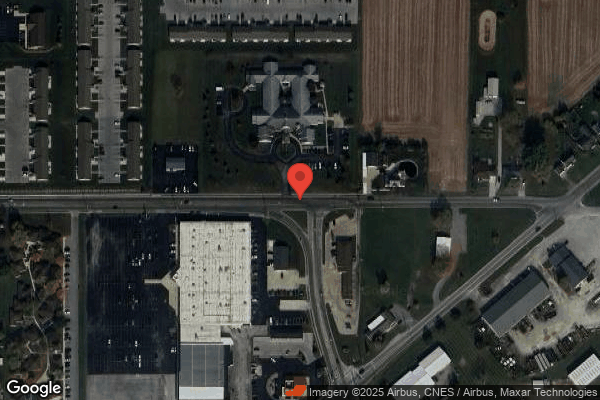
1301 MYERS ROAD, CELINA, OH 45822 (419) 584-0100
For profit - Corporation 25 Beds LIONSTONE CARE Data: November 2025
Trust Grade
53/100
#465 of 913 in OH
Last Inspection: November 2022

Over 2 years since last inspection. Current conditions may differ from available data.

Overview

The Gardens at Celina has a Trust Grade of C, which means it is average compared to other nursing homes. It ranks #465 out of 913 facilities in Ohio, placing it in the bottom half, and #4 out of 6 in Mercer County, indicating that only one other local option is better. The facility is improving, having reduced issues from 12 in 2022 to just 1 in 2024. Staffing is a concern, with a rating of 2 out of 5 stars and a turnover rate of 62%, which is higher than the Ohio average. Additionally, the facility has faced $9,750 in fines, higher than 81% of homes in the state, suggesting persistent compliance problems. On the positive side, it has strong RN coverage, better than 83% of Ohio facilities, meaning residents receive good oversight. However, there have been serious concerns, including a lack of RN coverage for eight hours on two consecutive days and inadequate measures to prevent the spread of infections among residents. Families should weigh these strengths and weaknesses when considering care for their loved ones.

Trust Score
C
53/100
In Ohio
#465/913
Top 50%
Safety Record
Low Risk
No red flags
Inspections
Getting Better
12 → 1 violations
Staff Stability
⚠ Watch
62% turnover. Above average. Higher turnover means staff may not know residents' routines.
Penalties
○ Average
$9,750 in fines. Higher than 75% of Ohio facilities. Some compliance issues.
Skilled Nurses
✓ Good
Each resident gets 44 minutes of Registered Nurse (RN) attention daily — more than average for Ohio. RNs are trained to catch health problems early.
Violations
⚠ Watch
22 deficiencies on record. Higher than average. Multiple issues found across inspections.
★★★☆☆
3.0
Overall Rating
★★☆☆☆
2.0
Staff Levels
★★★★★
5.0
Care Quality
★★☆☆☆
2.0
Inspection Score
Stable
2022: 12 issues
2024: 1 issues

The Good

  • 5-Star Quality Measures · Strong clinical quality outcomes
  • Full Sprinkler Coverage · Fire safety systems throughout facility
  • No fines on record

Facility shows strength in quality measures, fire safety.

The Bad

3-Star Overall Rating

Near Ohio average (3.2)

Meets federal standards, typical of most facilities

Staff Turnover: 62%

16pts above Ohio avg (46%)

Frequent staff changes - ask about care continuity

Federal Fines: $9,750

Below median ($33,413)

Minor penalties assessed

Chain: LIONSTONE CARE

Part of a multi-facility chain

Ask about local staffing decisions and management

Staff turnover is elevated (62%)

14 points above Ohio average of 48%

The Ugly 22 deficiencies on record

Nov 2024 1 deficiency
CONCERN (E) 📢 Someone Reported This

A family member, employee, or ombudsman was alarmed enough to file a formal complaint

Potential for Harm - no one hurt, but risky conditions existed

Infection Control (Tag F0880)

Could have caused harm · This affected multiple residents

Based on observation, staff interview, and facility policy review, the facility failed to ensure medications were handled in a hygienic manner. This affected five residents (#01, #02, #13, #14, and #2...

Read full inspector narrative →
Based on observation, staff interview, and facility policy review, the facility failed to ensure medications were handled in a hygienic manner. This affected five residents (#01, #02, #13, #14, and #25) of five reviewed for medication administration. The facility census was 25. Findings include: Observation on 11/05/24 from 7:10 A.M. to 7:45 A.M. revealed Registered Nurse (RN) #100 administering medications to facility residents. RN #100 obtained the medications for Resident #01 to include Calcium (supplement) 600 milligrams (mg) with Vitamin D3 (vitamin) tablet, Acidophilus (probiotic) capsule, and Iron (supplement) 325 mg tablet. RN #100 opened the Acidophilus capsule with ungloved hands and poured the powder into a dish of applesauce and administered the medications to Resident #01. RN #100 returned to the medication cart did not perform hand hygiene and prepared medications for Resident #14 which consisted of Iron 325 mg, Metoprolol (used to lower blood pressure) 25 mg, and Keppra (anticonvulsant) 750 mg, touching the medications with ungloved hands. RN #100 the administered the medications to Resident #14 and returned to the medication cart without performing hand hygiene. RN #100 prepared medications for Resident #02 which consisted of Vitamin B12 (vitamin) 500 mg two tablets and Tramadol (opiate) 25 mg. RN #100 handled the medications with ungloved hands and administered the medications to Resident #02. RN #100 returned to the medication cart, without performing hand hygiene and began to prepare medications for Resident #25 consisting of two Acetaminophen (analgesic) 325 mg tablets, Amiodarone (antiarrhythmic) 200 mg, Amlodipine (used to lower blood pressure) 10 mg, Vitamin C (vitamin) 500 mg, Vitamin D 1000 international units, Eliquis (anticoagulant) 2.5 mg, Ocular vitamin, Lasix (diuretic) 40 mg, and Lisinopril (used to lower blood pressure) 2.5 mg, touching many of the medications with ungloved hands, and administered the medications to Resident #25. RN #100 returned to the medication cart, without performing hand hygiene and began preparing medications for Resident #13 consisting of Acidophilus, Aspirin (non-steroidal anti inflammatory) 81 mg, Calcium 600 mg with Vitamin D3, Multivitamin, Acetaminophen 500 mg two tablets, Pantoprazole (proton pump inhibitor) 40 mg, Zyvox (antibiotic) 600 mg, and Losartan (used to lower blood pressure) 100 mg, touching many of the medications with ungloved hands, and administered the medications to Resident #14. Interview immediately after the observation, RN #100 verified she had not performed hand hygiene and had touched many of the medications with ungloved unwashed hands prior to administering the medications to the residents. Review of the policy titled Hand Hygiene undated, revealed staff will perform hand hygiene when indicated, using proper technique consistent with accepted standards of practice.
Nov 2022 12 deficiencies
CONCERN (D)

Potential for Harm - no one hurt, but risky conditions existed

Notification of Changes (Tag F0580)

Could have caused harm · This affected 1 resident

**NOTE- TERMS IN BRACKETS HAVE BEEN EDITED TO PROTECT CONFIDENTIALITY** Based on observations, staff interviews, record reviews, and review of the facility policy, the facility failed to notify the ph...

Read full inspector narrative →
**NOTE- TERMS IN BRACKETS HAVE BEEN EDITED TO PROTECT CONFIDENTIALITY** Based on observations, staff interviews, record reviews, and review of the facility policy, the facility failed to notify the physician or the non-physician practitioner (NPP) and failed to notify the residents representative when a change of conditions occurred. This affected two residents (Resident #14 and #6) of two residents reviewed for a change in condition. The facility census was 22. Findings include: 1. Review of the medical record for Resident #14 revealed an admission date of 10/19/22 and a readmission date of 11/21/22 with medical diagnoses of a fracture of her left ankle, type two diabetes mellitus, congestive heart failure (CHF), acute and subacute hepatic failure, hyperkalemia, acute kidney failure, and anxiety disorder. Review of the comprehensive Minimum Data Set (MDS) assessment dated [DATE] revealed Resident #14 had impaired cognition, required extensive assistance of two people for bed mobility, transfers, dressing, and toileting, extensive assistance of one person for hygiene, and supervision with setup help only for eating. Review of Resident #14's care plan revealed a care area for activities of daily life (ADL) deficits was initiated 11/17/22 and included a goal for Resident #14 to maintain her ability to feed herself. Review of a progress note dated 11/20/22 revealed Resident #14 went to the emergency room at 8:58 P.M. for complaints of chest pain. Review of a progress note dated 11/21/22 revealed Resident #14 returned from the hospital at 5:35 A.M. Interview on 11/21/22 at 10:22 A.M. with Resident #14 revealed she was unable to stay awake long enough to complete an interview with the surveyor. Observations on 11/21/22 from 11:23 A.M. to 11:50 P.M. revealed Resident #14 was unable to stay alert long enough to consume her noon meal. Interview on 11/21/22 at 12:05 P.M. with Physical Therapist #245 revealed Resident #14 usually ate her meals independently and this level of fatigue was unusual. Observation on 11/22/22 at 8:23 A.M. revealed Resident #14 sleeping with her breakfast tray in front of her. Continued observation at that time revealed State Tested Nurse's Aide (STNA) #209 entered Resident #14's room and offered to assist with her breakfast meal. Interview on 11/22/22 at 9:09 A.M. with STNA #209 revealed she fed Resident #14 her breakfast. STNA #209 further revealed Resident #14 was often tired the morning after dialysis. Interview on 11/22/22 at 9:38 A.M. with Registered Nurse (RN) #216 revealed staff had not reported any changes in condition to her about Resident #14. Observation on 11/22/22 at 11:56 A.M. revealed STNA #217 removing Resident #14's noon meal tray from her room. Interview at that time revealed STNA #217 fed Resident #14 her lunch, and stated it was unusual for Resident #14 to require assistance with eating. Interview on 11/22/22 at 3:43 P.M. with RN #216 revealed she was unable to safely administer Resident #14's afternoon medications because Resident #14 could not stay awake long enough to swallow them. Further interview revealed no staff reported a change in condition to RN #216 regarding Resident #14. Continued interview revealed Resident #14 was able to feed herself the previous week. Review of progress notes dated 11/22/22 at 3:44 P.M. and 4:11 P.M. revealed Resident #14 did not receive three afternoon medications as they were unable to be given safely. Interview on 11/23/22 at 8:15 A.M. with RN #216 revealed she did not report Resident #14's inability to take her medications on 11/22/22 but waited until the morning of 11/23/22 to notify the Nurse Practitioner when she was in the facility. 2. Review of the medical record for Resident #6 revealed an admission date of 11/16/18 with medical diagnoses of hemiplegia affecting left nondominant side, nontraumatic intracerebral hemorrhage, and contracture of the left hand. Review of the quarterly MDS dated [DATE] revealed Resident #6 had impaired cognition and required extensive assistance of two people for bed mobility, dressing, and toileting, extensive assistance of one person for eating, and total dependence of two people for transfers. Review of a progress note dated 11/04/22 revealed Resident #6 had a reddened area on her coccyx with top layer of skin sloughing off. Further review revealed the resident's representative was not notified of the change in condition. Review of a progress note dated 11/09/22 revealed Resident #6's reddened area on her coccyx opened. Further review revealed the resident's representative was not notified. Review of a skin assessment dated [DATE] revealed Resident #6 had a stage two pressure (partial thickness loss of dermis) ulcer to her coccyx. Interview on 11/23/22 at 8:10 A.M. with the Regional Nurse Consultant #240 confirmed the record revealed no indication Resident #6's representative was notified when the reddened area on her coccyx appeared on 11/04/22, or when it worsened to a stage two on 11/09/22. Review of the undated facility policy titled Notification of Changes revealed the facility would consult with the resident's physician and notify the resident representative when there is a significant change in the resident's physical, mental, or psychosocial status, and when there is a need to alter treatment or commence a new form of treatment.
CONCERN (D)

Potential for Harm - no one hurt, but risky conditions existed

Investigate Abuse (Tag F0610)

Could have caused harm · This affected 1 resident

**NOTE- TERMS IN BRACKETS HAVE BEEN EDITED TO PROTECT CONFIDENTIALITY** Based on record review and staff interview, the facility failed to investigate an injury of unknown origin. This affected one re...

Read full inspector narrative →
**NOTE- TERMS IN BRACKETS HAVE BEEN EDITED TO PROTECT CONFIDENTIALITY** Based on record review and staff interview, the facility failed to investigate an injury of unknown origin. This affected one resident (#6) of twelve records reviewed. The facility census was 22. Findings include: Review of the medical record for Resident #6 revealed an admission date of 11/16/18 with medical diagnoses of hemiplegia affecting left nondominant side, nontraumatic intracerebral hemorrhage, and contracture of the left hand. Review of the quarterly Minimum Data Set (MDS) assessment dated [DATE] revealed Resident #6 had impaired cognition and required extensive assistance of two people for bed mobility, dressing, and toileting, extensive assistance of one person for eating, and total dependence of two people for transfers. Review of a progress note dated 11/09/22 revealed Resident #6 had a bruise and abrasion to right lower leg. Review of the active physician orders for Resident #6 revealed no treatment orders for resident's left lower leg. Review of the facility's self-reported incidents (SRIs) revealed no incident reported for Resident #6's bruise and abrasion noted on 11/09/22. Interview on 11/23/22 at 8:10 A.M. with the Regional Nurse Consultant #240 revealed the facility could not determine the origin of Resident #6's bruise and abrasion to her left lower leg. Further interview confirmed the facility did not investigate the origin of the bruise and abrasion. Review of undated facility policy titled Abuse revealed the facility would investigate all injuries of unknown sources.
CONCERN (D)

Potential for Harm - no one hurt, but risky conditions existed

Deficiency F0655 (Tag F0655)

Could have caused harm · This affected 1 resident

**NOTE- TERMS IN BRACKETS HAVE BEEN EDITED TO PROTECT CONFIDENTIALITY** Based on staff interview, record review, and review of the facility policy, the facility failed to accurately complete baseline ...

Read full inspector narrative →
**NOTE- TERMS IN BRACKETS HAVE BEEN EDITED TO PROTECT CONFIDENTIALITY** Based on staff interview, record review, and review of the facility policy, the facility failed to accurately complete baseline care plans. This affected two residents (#14, and #175) of the four residents review for baseline care plans. Facility also failed to complete baseline care plans for residents. This affected one resident (#126) of four records reviewed for baseline care plans. The facility census was 22. Findings include: 1. Review of the medical record for Resident #14 revealed an admission date of 10/19/22 and a readmission date of 11/21/22 with medical diagnoses of a fracture of her left ankle, type two diabetes mellitus, congestive heart failure (CHF), acute and subacute hepatic failure, hyperkalemia, acute kidney failure, and anxiety disorder. Review of the comprehensive Minimum Data Set (MDS) assessment dated [DATE], revealed Resident #14 had impaired cognition and required extensive assistance of two people for bed mobility, transfers, dressing, and toileting, extensive assistance of one person for hygiene, and supervision with setup help only for eating. Review of the baseline care plan for Resident #14 revealed it was undated. Review of the comprehensive care plan for Resident #14 revealed it was initiated 10/24/22. Interview on 11/22/22 at 10:12 A.M. with Licensed Practical Nurse (LPN) #204 confirmed Resident #14's baseline care plan was undated and therefore could not verify if it was completed within 48 hours of admission. 2. Review of the medical record for Resident #175 revealed an admission date of 11/07/22, with medical diagnoses of pulmonary hypertension, anemia, hypoosmolality and hyponatremia, hypothyroidism, chronic atrial fibrillation, anorexia, and irritable bowel syndrome. Review of the MDS assessment dated [DATE], revealed Resident #175 had impaired cognition and required extensive assistance of two people for bed mobility, transfers, walking, and toileting, and required extensive assistance of one person for dressing and hygiene. Review of the baseline care plan for Resident #175 revealed it was undated. Review of the comprehensive care plan for Resident #175 revealed it was initiated 11/11/22. Interview on 11/22/22 at 4:10 P.M. with the Social Services Director #205 confirmed Resident #175's baseline care plan was undated and therefore could not verify if it was completed within 48 hours of admission. 3. Review of the medical record of Resident #126 revealed an admission date of 11/19/22. Diagnoses include benign prostatic hypertrophy, atrial fibrillation, heart failure, and hypertension. The MDS assessment had not been completed. Review of the medical record for Resident #126 revealed the baseline care plan had not been completed as of 11/23/22. Interview on 11/23/22 at 10:00 A.M. with LPN #204 provided verification no baseline care plan had not been completed to date. Review of the undated facility policy titled Baseline Care Plan revealed the facility would develop a baseline care plan within 48 hours of a resident's admission.
CONCERN (D)

Potential for Harm - no one hurt, but risky conditions existed

ADL Care (Tag F0677)

Could have caused harm · This affected 1 resident

Based on observation, staff interview, medical record review, and review of a facility policy, the facility failed to ensure finger nail care was provided to a resident that was dependent on staff for...

Read full inspector narrative →
Based on observation, staff interview, medical record review, and review of a facility policy, the facility failed to ensure finger nail care was provided to a resident that was dependent on staff for personal hygiene. This affected one resident (#5) of two residents reviewed for activities of daily living (ADLs). The census was 22. Findings include: Review of Resident #5's medical record revealed an admission date of 08/10/20. Diagnoses included other specified intracranial injury, duodenal ulcer, gastrostomy status, adjustment disorder with depressed mood, post traumatic seizures, and hyperlipidemia. Review of the most recently completed Minimum Data Set (MDS) assessment completed 10/02/22, revealed Resident #5 had severely impaired cognitive skills for daily decision making and required total dependence with two-plus persons physical assistance with personal hygiene, and was assessed with no rejection of care. Review of an ADLs deficit care plan dated 10/27/20, revealed Resident #5 needed hands on assistance with most ADLs tasks due to having uncoordinated muscle movements. Observation on 11/22/22 at 9:12 A.M., revealed Resident #5 sitting in his wheelchair in his room with his arms and hands folded over his lap. Observation of Resident #5's right hand revealed the thumb nail was nearly one-half inch long and was partially torn from left to right. Resident #5's left hand had finger nail length between one-fourth and one-half inch on the thumb, fourth, and fifth fingers. Interview on 11/22/22 at 9:15 A.M., with Registered Nurse (RN) #216 stated sometimes Resident #5's family complained to her about Resident #5's finger nails being too long and then the staff would cut them. RN #216 stated usually the night shift staff get Resident #5 up for the day and perform his personal hygiene. Observation of Resident #5's long finger nails on 11/22/22 at 9:15 A.M., during interview with RN #216 verified Resident #5's finger nails needed trimmed and stated it appeared some of Resident #216's finger nails were not trimmed for a long time. Review of an undated ADLs policy revealed a resident who is unable to carry out activities of daily living will receive the necessary services to maintain good nutrition, grooming, and personal and oral hygiene.
CONCERN (D)

Potential for Harm - no one hurt, but risky conditions existed

Quality of Care (Tag F0684)

Could have caused harm · This affected 1 resident

**NOTE- TERMS IN BRACKETS HAVE BEEN EDITED TO PROTECT CONFIDENTIALITY** 2. Review of the medical record of Resident #13 revealed an admission date of 09/02/20. Diagnoses include chronic peripheral ven...

Read full inspector narrative →
**NOTE- TERMS IN BRACKETS HAVE BEEN EDITED TO PROTECT CONFIDENTIALITY** 2. Review of the medical record of Resident #13 revealed an admission date of 09/02/20. Diagnoses include chronic peripheral venous insufficiency, low back pain, essential hypertension, osteoarthritis, and major depressive disorder. Review of the quarterly MDS assessment dated [DATE] revealed Resident #13 was cognitively intact. Resident #13 required extensive assistance of two staff for bed mobility, dressing and personal hygiene and was totally dependent on staff for transfers. Review of the care plan initiated 09/18/20 for Resident #13 revealed a potential for pressure ulcer development related to disease process and immobility. Interventions include to apply a cream every shift and turn and reposition every two hours. Review of the general surgeon consult note dated 11/22/22 for Resident #13 revealed resident was diagnosed with a fistula, was ordered Augmentin (antibiotic) 875 milligrams (mg) twice daily for 14 days and a sitz bath (a warm water bath you sit in to relieve discomfort in the perineal region) to be given twice daily. Review of the physician orders for Resident #13 revealed an order for the Augmentin but orders were silent for sitz baths being ordered. Interview on 11/23/22 at 8:40 A.M. with State Tested Nursing Assistant #209 revealed she had been told about the sitz bath but not how to complete them. STNA #209 added the facility did not have a bathtub so they could not do sitz baths. Interview on 11/23/22 at 8:45 A.M. with Registered Nurse (RN) #216 verified the general surgeon had ordered for Resident #13 to receive sitz baths and verified the sitz baths had not been ordered. RN #216 stated the facility did not have bathtub and therefore could not do sitz baths. RN #216 stated Resident #13 was unable to sit due to poor trunk control. RN #213 indicated she was going to discuss with the Certified Nurse Practitioner (CNP), on how to best accomplish sitz baths. Based on observations, interviews with staff and resident's representative, and medical record review, the facility failed to ensure physician orders were followed to treat edema. This affected one resident (#4) of the one resident reviewed with edema. Facility also failed to initiate interventions for treatment of a fistula (an abnormal connection between two body parts). This affected one resident (#13) of the four residents reviewed with wounds. The census was 22. Findings include: 1. Review of Resident #4's medical record revealed an admission date of 04/08/22. Diagnoses included congestive heart failure, mild cognitive impairment, anxiety, metabolic syndrome, major depression, unspecified psychosis, and unspecified dementia with mild mood disturbance. Review of the most recent Minimum Data Set (MDS) assessment completed 10/19/22 revealed Resident #4 was assessed with severely impaired cognitive skills for daily decision making, was not assessed to reject care, and required extensive one-person physical assistance with dressing and personal hygiene. Review of a physician order dated 04/08/22 revealed Resident #4 was ordered compression stockings to bilateral legs to be applied in the morning and off at night for edema. Interview on 11/21/22 at 12:40 P.M. with Resident #4's representative, they stated Resident #4 was supposed to have on compression stockings during the day and the facility was not putting them on consistently. Resident #4's representative stated resident was in the facility on 11/19/22 and Resident #4 did not have on compression stockings. Observation 11/21/22 at 3:50 P.M., on 11/22/22 at 8:01 A.M., at 9:59 A.M., at 11:07 A.M., and at 2:07 P.M. revealed Resident #4 was not wearing compression stockings. Interview on 11/22/22 at 2:09 P.M. with Registered Nurse (RN) #216 stated no one reported to her that Resident #4 refused any care on 11/22/22. Observation on 11/22/22 at 2:15 P.M. with RN #216 revealed Resident #4 standing in her bedroom at the bedside. RN #216 had Resident #4 sit down in her reclining chair and lifted both of her pant legs revealing no compression stockings on Resident #4's legs. Resident #4's bilateral ankles were noted to be slightly swollen with no indentation or weeping noted. Interview on 11/22/22 at 2:19 P.M. with RN #216 stated Resident #4 was usually dressed in the mornings before she got to work, and no one told her she did not have the compression stockings on. Interview on 11/23/22 at 11:17 A.M. with Regional Nurse Consultant (RNC) #240 stated the facility did not have a policy for treatment of edema.
CONCERN (D)

Potential for Harm - no one hurt, but risky conditions existed

Tube Feeding (Tag F0693)

Could have caused harm · This affected 1 resident

Based on observation, staff interview, and medical record review, the facility failed to ensure a gastrostomy tube stoma (insertion site of gastrostomy tube) dressing was in place as ordered. This aff...

Read full inspector narrative →
Based on observation, staff interview, and medical record review, the facility failed to ensure a gastrostomy tube stoma (insertion site of gastrostomy tube) dressing was in place as ordered. This affected one resident (#5) of one resident reviewed with g-tubes tubes. Resident #5 was the only resident in the facility with a gastrostomy tube. The census was 22. Findings include: Review of Resident #5's medical record revealed an admission date of 08/10/20. Diagnoses included other specified intracranial injury, duodenal ulcer, gastrostomy status, adjustment disorder with depressed mood, post traumatic seizures, and hyperlipidemia. Review of the most recently completed Minimum Data Set (MDS) assessment completed 10/02/22 revealed Resident #5 had severely impaired cognitive skills for daily decision making, was assessed with a feeding tube, and was assessed with no rejection of care. Review of a nutritional risk care plan dated 08/17/20 revealed an intervention to provide Resident #5's feeding tube site care per physician orders. Review of a physician order dated 10/07/22 revealed Resident #5 was to have his feeding tube site cleansed with soap and water, rinsed, patted dry, and a dressing applied two times daily. Observation on 11/22/22 at 9:04 A.M. revealed Registered Nurse (RN) #216 removed Resident #5's abdominal binder to administer his scheduled supplemental nutrition through his feeding tube. Further observation revealed no dressing was in place at the feeding tube site. Resident #5's feeding tube site was free from redness and drainage. Interview on 11/22/22 at 9:05 A.M. with RN #216 stated Resident #5 was supposed to have a dressing around the feeding tube insertion site and verified it was not in place. RN #216 stated no one told her Resident #5 did not have a dressing on feeding tube site. Interview on 11/23/22 at 11:17 A.M. with Regional Nurse Consultant (RNC) #240 stated the facility did not have a policy related to treatments for feeding tubes.
CONCERN (D)

Potential for Harm - no one hurt, but risky conditions existed

Medication Errors (Tag F0758)

Could have caused harm · This affected 1 resident

**NOTE- TERMS IN BRACKETS HAVE BEEN EDITED TO PROTECT CONFIDENTIALITY** 2. Review of the medical record for Resident #14 revealed an admission date of 10/19/22 and a readmission date of 11/21/22 with ...

Read full inspector narrative →
**NOTE- TERMS IN BRACKETS HAVE BEEN EDITED TO PROTECT CONFIDENTIALITY** 2. Review of the medical record for Resident #14 revealed an admission date of 10/19/22 and a readmission date of 11/21/22 with medical diagnoses of a fracture of her left ankle, type two diabetes mellitus, congestive heart failure, acute and subacute hepatic failure, hyperkalemia, acute kidney failure, and anxiety disorder. Review of the comprehensive minimum data set (MDS) dated [DATE] revealed Resident #14 had impaired cognition and required extensive assistance of two people for bed mobility, transfers, dressing, and toileting, extensive assistance of one person for hygiene, and supervision with setup help only for eating. Review of a physician order dated 11/15/22 revealed Resident #14 was prescribed Mirtazapine (anti-depressant) tablet 7.5 milligrams, one tablet by mouth at bedtime for anxiety. Interview on 11/23/22 at 9:47 A.M. with the Regional Nurse Consultant #240 confirmed the treatment diagnosis of anxiety was an inappropriate indication for Mirtazapine for Resident #14. Review of the product label for Mirtazapine, available at (https://www.accessdata.fda.gov/drugsatfda_docs/label/2010/020415s023s024.pdf), accessed 11/25/22, revealed it was indicated for the treatment of major depressive disorder. Review of the facility policy titled Psychotropic Medications revealed all orders for psychoactive medications will include an appropriate diagnosis. Based on medical record review and staff interview the facility failed to have accurate diagnoses for psychotropic medications. This affected two residents (#14, and #124) of five reviewed for unnecessary medications. The facility census was 22. Findings include: 1. Review of the medical record of Resident #124 revealed an admission date of 11/17/22. Diagnoses include acute respiratory failure, atrial fibrillation, hypertension chronic kidney disease osteoarthritis, type II diabetes mellitus, polyneuropathy, hyperlipidemia, major depressive disorder, and gastroesophageal reflux disease. The record was silent for any diagnosis for anxiety. Review of the physician orders for Resident #124 revealed an order for Buspar (an anti-anxiety) five milligrams (mgs) twice daily for depression. An order for Hydralazine (vasodilator) 10 mg three times daily for anxiety. Interview on 11/23/22 at 10:20 A.M. with Regional Director of Nursing (R-DON) #240 provided verification of the incorrect diagnoses for the Buspar and Hydralazine.
CONCERN (D)

Potential for Harm - no one hurt, but risky conditions existed

Infection Control (Tag F0880)

Could have caused harm · This affected 1 resident

Based on observations, staff interview and review of online resources from the Centers for Disease Control (CDC) guidelines, the facility failed to ensure appropriate infection control techniques were...

Read full inspector narrative →
Based on observations, staff interview and review of online resources from the Centers for Disease Control (CDC) guidelines, the facility failed to ensure appropriate infection control techniques were performed during wound care. This affected one resident (#124) of the three residents reviewed for wounds. Facility census was 22. Findings included: Review of the medical record of Resident #124 revealed an admission date of 11/17/22. Diagnoses include acute respiratory failure, atrial fibrillation, hypertension chronic kidney disease osteoarthritis, type II diabetes mellitus, polyneuropathy, hyperlipidemia, major depressive disorder, and gastroesophageal reflux disease. The minimum data set assessment had not been completed. Review of the baseline care plan, undated, revealed resident had a coccyx pressure injury with a goal to heal the injury. Interventions included resident to have a specialty mattress and perform wound care as ordered. Review of the admission assessment for Resident #124 revealed resident had an open area to the coccyx measuring one centimeter (cm) by one cm without any description as to color, depth, odor, or drainage. Review of the physician orders for Resident #124 revealed an order dated 11/17/22 for collagenase ointment (used to remove damaged tissue from chronic skin ulcers) 250 units per gram to be applied to resident's coccyx wound daily for wound healing and cover wound with Mepilex. Observation on 11/22/22 at 3:20 P.M. revealed Registered Nurse (RN) #216 prepared supplies to complete wound care for Resident #124. RN #216 washed her hands, applied gloves, and asked Resident #124 to stand from her recliner. RN #216 pulled Resident #124's pants down to her knees and removed the contaminated Mepilex dressing from the resident's coccyx wound. RN #216 opened a three-milliliter (mL) vial of normal saline, moistened a four by four (4x4) gauze, and cleaned resident's coccyx wound with normal saline. Continued observation revealed RN #216 applied a small amount of collagenase ointment to her contaminated gloved finger and spread it on and around the resident's coccyx wound. RN #216 opened a new Mepilex dressing and applied it over the coccyx wound. RN #216 assisted Resident #124 to pull her pants back up and sit down in recliner. RN #216 removed gloves and washed her hands. Interview on 11/22/22 at 3:40 P.M. with RN #216 verified the above wound care techniques. RN #216 verified she did not change gloves and perform hand hygiene when she removed the contaminated dressing and before she applied collagenase ointment with her contaminated gloves and applied the new dressing. Review of CDC website titled Hand Hygiene Guidance (https://www.cdc.gov/handhygiene/providers/guideline.html) dated 01/30/20, revealed the core infection prevention and control practices for safe care delivery in all healthcare settings recommends healthcare personnel should use an alcohol based hand rub or wash with soap and water before moving from soiled body site to a clean body site on the same patient.
CONCERN (D)

Potential for Harm - no one hurt, but risky conditions existed

Deficiency F0883 (Tag F0883)

Could have caused harm · This affected 1 resident

**NOTE- TERMS IN BRACKETS HAVE BEEN EDITED TO PROTECT CONFIDENTIALITY** Based on medical record review, staff interview, and review of a facility policy, the facility failed to ensure resident's recei...

Read full inspector narrative →
**NOTE- TERMS IN BRACKETS HAVE BEEN EDITED TO PROTECT CONFIDENTIALITY** Based on medical record review, staff interview, and review of a facility policy, the facility failed to ensure resident's received influenza vaccinations upon request and failed to offer pneumococcal vaccinations per the facility policy. This affected two residents (#14 and #127) of five residents reviewed for vaccinations. The census was 22. Findings include: Review of Resident #127's medical record revealed an admission date of 11/08/22. Diagnoses included unstable angina, heart failure, chronic kidney disease, essential hypertension, and generalized anxiety. Review of influenza documentation in the medical record revealed Resident #127 last received the influenza vaccine on 09/29/21. Review of a document titled, Influenza Flu Vaccine Risk/Benefits and Consent, dated December 2016, revealed Resident #127 indicated she would like the influenza vaccine to be administered and signed the document on 11/09/22. An unidentified Licensed Practical Nurse (LPN) signed the document as a witness with a date of 11/09/22. Review of physician orders, medication administration records, and treatment administration records from November 2022 revealed no documentation Resident #127 received an order to administer the vaccine or any documentation the vaccine was administered. Interview on 11/23/22 at 9:38 A.M. with Regional Nurse Consultant (RNC) #240 verified Resident #127 signed an influenza consent form on 11/09/22 indicating she wanted the influenza vaccination and there was no documentation Resident #127 received the influenza. RNC #240 stated the influenza vaccine was available in the facility on 10/03/22 and could be administered right away. 2. Review of Resident #14's medical record revealed an original admission date of 10/19/22 and a most recent admission date of 11/21/22. Diagnoses included chronic kidney disease, diabetes mellitus type II, congestive heart failure, anxiety, and hyperkalemia. Review of Resident #14's face sheet dated 11/21/22 revealed a date of birth [DATE] ([AGE] years old). Review of Resident #14's immunization history revealed no documentation of a pneumococcal vaccination. Review of Resident #14's medical record revealed no documentation of Resident #14 being offered the pneumococcal vaccination upon admission or receiving the vaccination during her stay in the facility. Interview on 11/23/22 at 10:01 A.M. RNC #240 verified residents should be offered pneumococcal vaccinations on admission and verified there was no documentation Resident #14 previously received the pneumococcal vaccine or was offered the vaccination in the facility. Review of a facility policy titled, Influenza and Pneumococcal Vaccine Policy, revised 07/25/07, revealed all newly admitted residents will be assessed for pneumococcal vaccine status upon admission. Residents without proof of previous pneumococcal vaccination should receive one dose of pneumonia vaccine per CDC (Centers for Disease Control and Prevention) guidelines if consent and physician orders are obtained. Educational material will be provided to resident/representative so that informed decision can be made. Influenza immunization must be offered annually beginning in the fall if vaccine is available.
CONCERN (E)

Potential for Harm - no one hurt, but risky conditions existed

Food Safety (Tag F0812)

Could have caused harm · This affected multiple residents

Based on observations, staff interviews, and review of the facility policies, the facility failed to store and prepare food in a sanitary manner, failed to completely cover hair during meal service, a...

Read full inspector narrative →
Based on observations, staff interviews, and review of the facility policies, the facility failed to store and prepare food in a sanitary manner, failed to completely cover hair during meal service, and failed to accurately monitor sanitizer levels in the sanitation buckets used to clean the kitchen. This had the potential to affect all residents in the facility except one (#5) who was identified as receiving no food by mouth. The facility census was 22. Findings include: 1. Observations during the initial tour of the kitchen on 11/21/22 at 8:07 A.M. revealed unsealed ham, unsealed hotdogs, an undated opened package of ham, and pizza sauce dated 11/02/22 in the walk-in refrigerator. Further observation revealed omelets open to the air in the freezer. Concurrent interview with the Dietary Manager #237 confirmed the observations. Further interview revealed food should be labeled with a date and sealed. Observation on 11/22/22 at 10:20 A.M. of the refrigerator designated for residents' food revealed a package of pepperoni with a fuzzy appearance on it consistent with mold, an unlabeled, thawed commercially prepared meal with instructions to keep frozen, an undated quart-size container of thickened cranberry juice, approximately ¼ full, and an undated, unlabeled frozen meal encrusted with ice. Concurrent interview with STNA #209 confirmed the findings. Observation of meal service on 11/22/22 beginning at 10:52 A.M. revealed the [NAME] #212 wearing plastic gloves on both hands while preparing meal trays. Further observation revealed she opened the oven, opened the refrigerator, used the sink, used the food processor, and used serving utensils to serve the meal. Continued observation revealed she prepared a grilled cheese sandwich and placed her gloved hand on the left side of the sandwich to hold it in place while she used the spatula to cut the sandwich. Interview at that time with the [NAME] #212 stated the last time she changed her gloves was before the surveyor entered the kitchen at 10:52 A.M. Continued observation at that time revealed the [NAME] #212 continued to prepare meal trays. Subsequently, the [NAME] #212 began to prepare a deli turkey sandwich and asked the surveyor if she should change her gloves again. 2. Observation during meal service on 11/22/22 beginning at 10:52 A.M. revealed the cook wearing a hairnet with her bangs exposed. Further observation at that time revealed the Director of Environmental Services #223 walking in the immediate vicinity of food service wearing a hairnet with his ponytail coming out from underneath. Concurrent interview on 11/22/22 at approximately 11:15 A.M. with the Dietary Manager #237 confirmed both staff were wearing hairnets in a way that did not cover all of their hair while standing near food being plated for residents. 3. Observation on 11/22/22 at 1:22 P.M. of the Dietary Manager #237 testing the sanitation level in the sanitizer buckets revealed she used pH (a quantitative measure of the acidity or basicity of aqueous or other liquid solutions) strips rather than testing for parts per million (PPM) which tests the solute load of solution. Concurrent interview with the Regional Dietary Manager (RDM) #241 confirmed the strips were pH strips. Interview on 11/22/22 at 2:59 P.M. with the RDM #241 confirmed the facility used the wrong test strips for the sanitation buckets. Further interview revealed she spoke with the chemical company who would send PPM strips the following day. Review of the undated facility policy titled Food Storage Cold revealed refrigerated items will be labeled and dated. Review of the undated facility policy titled Food Safety and Sanitation Review revealed open foods are sealed, labeled, and dated in storage areas, all foods are covered, labeled, and dated, proper hand washing practices are followed, gloves are used when handling ready to serve items, and employees are to have hair restrained appropriately during their shift.
CONCERN (F)

Potential for Harm - no one hurt, but risky conditions existed

Deficiency F0727 (Tag F0727)

Could have caused harm · This affected most or all residents

Based on review of staffing tool and staff interview, the facility failed to have a Registered Nurse (RN) on duty for eight consecutive hours daily. This affected all 22 residents residing in the faci...

Read full inspector narrative →
Based on review of staffing tool and staff interview, the facility failed to have a Registered Nurse (RN) on duty for eight consecutive hours daily. This affected all 22 residents residing in the facility. Findings include: Review of the staffing tool from 11/06/22 to 11/12/22 revealed on 11/11/22 (Friday) the facility had an RN on duty for only one hour and on 11/12/22 (Saturday) the facility had an RN on duty for only six hours and 15 minutes. Interview on 11/23/22 at 11:55 A.M. with Administrator provided verification of the lack of RN coverage on the two days. Administrator additionally indicated the DON worked 16 hours on 11/10/22 (Thursday) and DON did not work any hours on 11/11/22.
CONCERN (F)

Potential for Harm - no one hurt, but risky conditions existed

QAPI Program (Tag F0867)

Could have caused harm · This affected most or all residents

Based on staff interview, record review, and review of the Certification and Survey Provider Enhanced Reporting system (CASPER), the facility failed to have an effective quality assurance program to a...

Read full inspector narrative →
Based on staff interview, record review, and review of the Certification and Survey Provider Enhanced Reporting system (CASPER), the facility failed to have an effective quality assurance program to address repeated concerns identified during three consecutive annual surveys. This affected all residents in the facility. The facility census was 22. Findings include: Review of the Certification and Survey Provider Enhanced Reporting system (CASPER) report dated 10/28/22 revealed the facility received a deficiency for failing to be free from unnecessary psychotropic medications during the annual surveys completed in October 2018 and November 2019. Review of the medical records during the annual survey conducted 11/21/22 through 11/23/22 for three residents (#14, #124, and #126) revealed the facility failed to have appropriate diagnoses in place for psychotropic medications. Interviews on 11/23/22 at 9:47 A.M. and 10:20 A.M. with Regional Nurse Consultant #240 confirmed the diagnoses for psychotropic medications for Resident #14, Resident #124, and Resident #126 were in appropriate.
Nov 2019 6 deficiencies
CONCERN (D)

Potential for Harm - no one hurt, but risky conditions existed

Deficiency F0561 (Tag F0561)

Could have caused harm · This affected 1 resident

Based on record review, observation, resident interview, staff interview and review of the facility policy, the facility failed to ensure the resident had the right to have her personal care products ...

Read full inspector narrative →
Based on record review, observation, resident interview, staff interview and review of the facility policy, the facility failed to ensure the resident had the right to have her personal care products close at hand in her bathroom. This affected one (Resident #20) of one resident reviewed for choices. The facility census was 23. Findings included: Review of the medical record for Resident #20 revealed an admission date of 10/23/19. Diagnoses included benign paroxysmal vertigo, anxiety disorder and diabetes mellitus. Review of the Minimum Data Set (MDS) assessment, dated 11/04/19, revealed Resident #20 was assessed as being cognitively intact, with the need for extensive assistance of one-person physical assistance and frequently incontinent of bladder. Review of the plan of care, dated 11/18/19, revealed a plan for activity of daily living deficit related to becoming easily fatigued. The interventions included for toileting management, to encourage as independent a level of functioning as possible within the confines of the disease process and to provide hands on assistance as needed. Observations on 11/19/19 at 11:03 A.M. in the room of Resident #8 revealed the personals were in a stand, by the door which was on the other side of the room. The resident was in a semi private room without a roommate currently. Interview with Resident #20 on 11/18/19 at 10:02 A.M. revealed the facility staff took her pads and pull ups out of her bathroom because they said the State (Survey State Agency) was coming. She said she didn't want these items taken out of her bathroom because once she gets in the bathroom, she didn't want to come out into her room with a bare bottom to get her personal items. Interview on 11/19/19 at 11:07 A.M. with Registered Nurse #21 verified Resident #8 has her personals which included perineal pads and depends in the closet. If she had a private room, there would be a cabinet underneath the sink where they can put them in, but if not in private room, they can call for staff to take it in there for them. They could have pouches on their walker, but she does not have that but cannot keep those in her bathroom. Interview on 11/19/19 at 11:24 A.M. with the Director of Nursing (DON) revealed the residents were not allowed to just keep pads or depends in the bathroom due to infection control. They need to be stored in the closet and she (Resident #8) can call for help to take them to the bathroom when she needs it. She has discussed this with her about not leaving her personal items in there because she had a roommate up until one week and half ago. The DON said she was not allowed to store her items in the bathroom in case another resident in moved into the room. She said the resident has been deemed independent by therapy and will be going home on Friday. She then said the staff were taking her to the bathroom, and they would take the products in when they went in there and again re-iterated, she just became independent with mobility in the last week. Review of the facility's policy titled Peregrine Health Services, Inc; Residents Rights Policy, dated 02/2015, revealed the standard is to assure that the resident's dignity, well-being, and self-determination is maintained to assure that residents are knowledgeable to their rights and responsibilities in this regard.
CONCERN (D)

Potential for Harm - no one hurt, but risky conditions existed

Pharmacy Services (Tag F0755)

Could have caused harm · This affected 1 resident

Based on record review, observation, staff interview and policy review, the facility failed to ensure Resident #4 ingested her physician ordered medication in the presence of the administering nurse a...

Read full inspector narrative →
Based on record review, observation, staff interview and policy review, the facility failed to ensure Resident #4 ingested her physician ordered medication in the presence of the administering nurse and failed to ensure medications were secured when not in the presence of a nurse. The facility identified two residents, #22 and #123, as being independently mobile and confused. The facility census was 23. Findings include: 1. Review of the medical record of Resident #4 revealed an admission date of 06/04/12 and re-admission date of 03/26/19. Diagnoses included fracture of neck of right femur, absence of right hip, anxiety disorder, insomnia, hypothyroidism, atherosclerotic heart disease of native coronary artery without angina pectoris, heart failure, elevated blood pressure reading without diagnosis of hypertension, squamous cell carcinoma of right lower leg and anemia. Review of the medication administration record for 11/2019 revealed Resident #4 was scheduled to receive two tablets of acetaminophen (treats minor aches and pains) 500 milligrams (mg.), one capsule of acidophilus (supplement), one tablet of Norvasc (treats high blood pressure) 10 mg., one tablet of Allegra (treats allergies) 180 mg., one tablet of Lasix (diuretic) 20 mg., one tablet of iron 325 mg. (supplement), one tablet of Ocuvite (supplement), one tablet of Lopressor (treats high blood pressure) 100 mg., one tablet of Protonix. (treats gastroesophageal reflux disease) 40 mg., one tablet of potassium chloride (supplement) 20 milliequivalent (mEq.), one tablet of Mirapex (treats Parkinson's disease) 0.5 mg., one tablet of Pravachol (cholesterol lowering medication) 80 mg., one tablet of Requip (treats Parkinson's disease) two mg., one tablet of Senna (stool softener 8.6 mg., one half tablet of Vitamin B-12 (supplement) 100 mcg., and one tablet of Augmentin (antibiotic) 875 mg. by mouth. Observation on 11/20/19 at 7:30 A.M. revealed a small, clear, plastic cup with numerous medications, sitting on the bedside table in the private room of Resident #4. Interview on 11/20/19 at 7:30 A.M. with Licensed Practical Nurse (LPN) #210 verified she had left the medications in the room of Resident #4 that morning. 2. Observation on 11/20/19 at 2:45 P.M. revealed a vial of tuberculin purified protein derivative (a diagnostic antimicrobial) was left, unattended, on top of the medication cart. The medication cart was located at the west end of the nurse's station. Interview on 11/20/19 at 2:45 P.M. with Director of Nursing and Clinical Resource Nurse #247 provided verification of the unattended vial of tuberculin purified protein derivative on the medication cart. The facility identified two residents, #22 and #123, as being independently mobile and confused. Review of the facility's policy titled Medication Storage in the Facility, dated 08/2014, revealed medications and biologicals are to be stored safely, securely, and properly and accessible only to licensed personnel.
CONCERN (D)

Potential for Harm - no one hurt, but risky conditions existed

Medication Errors (Tag F0758)

Could have caused harm · This affected 1 resident

Based on medical record review, staff interview and review of the facility's policy, the facility failed to ensure the as needed anti-anxiety medications were given the required stop date. This affect...

Read full inspector narrative →
Based on medical record review, staff interview and review of the facility's policy, the facility failed to ensure the as needed anti-anxiety medications were given the required stop date. This affected one (Resident #8) of five residents reviewed for unnecessary medications. This had the potential to affect three residents the facility identified as using as needed anti-anxiety medications. The facility's census was 23. Findings include: Review of the medical record for Resident # 8 revealed an admission date of 06/19/19. Diagnoses included anxiety disorder. Review of the Minimum Data Set (MDS) assessment, dated 10/01/19, revealed the resident was severely cognitively impaired and he received anti-anxiety medications seven days a week. Review of the plan of care, dated 07/31/19, revealed a plan for use of anti-anxiety medications for the anxiety disorder with an intervention which included to give anti-anxiety medications ordered by the physician. Review of the physician's orders, dated 08/24/19, revealed an order for Ativan (anti-anxiety medication) 0.5 milligrams (mg.) one tablet to be give three times daily as needed (PRN) was discontinued and the new order was for Ativan 0.5 mg. one tablet to be given four times a day PRN without a stop date and continues to be the current order on the physician's orders dated 11/19/19. Review of the pharmacist's monthly report, dated 09/05/19, revealed Resident #8 currently had a PRN order for Ativan. It stated according to the new Centers for Medicare and Medicaid Services (CMS) guidelines regarding as needed psychotropic, the medication can only be written for 14 days initially. The medication may be extended if documentation is provided with reasoning and a time frame is specified. No exceptions are made for hospice patients. Please provide supportive documentation for continued use or consider discontinuing this medication if you feel it appropriate. The doctor responded, on 09/17/19, with the response to continue the use with re-evaluation in two months. The discontinuation of the PRN Lorazepam has the potential to negatively impact functional and cognitive function. Anxiety exacerbations may present themselves as agitation and care refusal. Interview with the Director of Nursing (DON) on 11/20/19 at 9:30 A.M. verified Resident #8's physician order for Ativan 0.5 mg. to be given one tablet four times a day PRN did not have a stop date. The DON verified the doctor did respond to the pharmacist's request and did put a reason with the need to re-evaluate in two months but did not put a stop date on the order for Ativan for Resident #8. Review of the facility's policy titled Psychotropic Medications Policy, dated 11/2017, revealed residents who have not used psychotropic drugs are not given these drugs unless the medication is necessary to treat a specific condition. When an emergency or acute condition occurs, the previous criteria needs met and all of the following, acute treatment is 14 days or less.
CONCERN (D)

Potential for Harm - no one hurt, but risky conditions existed

Unnecessary Medications (Tag F0759)

Could have caused harm · This affected 1 resident

Based on medical record review, observation, staff interview and policy review, the facility failed to ensure the medication error rate was less than five percent. There were five medication errors ou...

Read full inspector narrative →
Based on medical record review, observation, staff interview and policy review, the facility failed to ensure the medication error rate was less than five percent. There were five medication errors out of 25 opportunities resulting in a 20 percent medication error rate. This affected two (Resident #9 and #20) of two residents observed for medication administration. The facility census was 23. Findings include: 1. Review of the medical record of Resident #9 revealed an admission date of 03/28/17 and a re-admission date of 10/02/19. Diagnoses included vitamin D deficiency, hyperlipidemia, atherosclerotic heart disease of the native coronary artery without angina pectoris, nonrheumatic mitral valve stenosis, longstanding persistent atrial fibrillation, acute on chronic systolic heart failure, venous insufficiency, type two diabetes mellitus without complications, essential hypertension and anemia. Observation on 11/20//19 at 7:40 A.M. of medication administration to Resident #9 revealed Licensed Practical Nurse (LPN) #210 administered one tablet of Protonix (a proton pump inhibitor) 40 milligrams (mg), one tablet of Cardizem (an antiarrhythmic) 120 mg, one tablet of Bumex (a diuretic) one mg., one-half tablet of Lopressor (an antihypertensive) 25 mg. and one capsule of potassium chloride (supplement) 10 milliequivalents (mEq.) by mouth. Subsequent review of the physician orders for Resident #9 revealed an order for iron (a supplement) 65 mg. and Cholecalciferol (a supplement) 25 micrograms (mcg.) by mouth. Review of the medication administration record (MAR) for 11/2019 revealed the iron 65 mg. had not been added to the record after receiving the order on 11/18/19. During the medication administration, LPN #210 picked up the bottle of Cholecalciferol and read the dosage as 1,000 international units (I.U.) LPN #210 stated this one was not the right dosage and did not prepare to administer the medication. 2. Review of the medical record of Resident #20 revealed an admission date of 10/23/19. Diagnoses included acute cystitis with hematuria, benign paroxysmal vertigo, hypothyroidism, anxiety, anemia, type two Diabetes Mellitus without complications, hyperlipidemia, major depressive disorder, essential hypertension, atherosclerotic heart disease of native coronary artery without angina pectoris, old myocardial infarction, unspecified atrial fibrillation, and acute on chronic diastolic (congestive) heart failure. Observation on 11/20/19 at 7:45 A.M. revealed LPN #210 prepared and administered one tablet of aspirin (antiplatelet) 81 mg., one tablet of calcium 600 mg. with 400 I.U. of vitamin D3 (a supplement), one tablet of Aricept (for dementia)10 mg., one capsule of Prozac (an antidepressant) 10 mg., one tablet of Lasix (a diuretic) 40 mg., one tablet of iron (a supplement) 65 mg., one tablet of Imdur (for angina) 60 mg., one tablet of Lopressor (an antihypertensive) 50 mg., one tablet of Protonix (a proton pump inhibitor) 40 mg., one tablet of potassium chloride (a supplement) 10 mEq., two capsules of Preservision (a supplement), one tablet of Senna plus (a stool softener) 8.6-50 mg., one tablet multivitamin (a supplement), one tablet vitamin B12 (a supplement) 1000 mcg, one tablet Atorvastatin (lipid lowering agent) 20 mg., one tablet cranberry (supplement), one chewable tablet of vitamin D (supplement) 500 mg and one chewable tablet vitamin C (supplement) 240 mg to Resident #20. Review of the resident's physician order, dated 11/2019, revealed an order for one tablet calcium 500 mg. with vitamin D3 400 I.U. and two tablets of vitamin B12 1000 mg. to be administered orally. The physician orders were silent for an order for calcium 500 mg. Interview on 11/20/19 at 8:06 A.M. with LPN #210 provided verification of Resident #9 not receiving iron 65 milligrams (mg.) and one tablet of Cholecalciferol 25 mcg. LPN #210 stated she was unaware 25 mcg. was equivalent to 1000 I.U. LPN #210 further verified Resident #20 did not receive the two tablets of Vitamin B12 1000 mg. as ordered. LPN #210 further verified the calcium 600 mg. with vitamin D3 400 I.U. was not the ordered dose of calcium 500 mg. with vitamin D3 400 I.U. LPN #210 verified there was no order for calcium 500 mg. Review of the facility's policy titled Preparation and General Guidelines; Medication Administration-General Guidelines, dated 08/2014, revealed the five rights (right resident, right drug, right dose, right route, and right time) are to be applied prior to medication being administered. The MAR was to be employed during medication administration. The MAR should be compared to the medication label.
CONCERN (D)

Potential for Harm - no one hurt, but risky conditions existed

Food Safety (Tag F0812)

Could have caused harm · This affected 1 resident

Based on observation, staff interview and review of the facility's policy, the facility failed to ensure proper sanitary measures were being used during the making of pureed meals by removing soiled g...

Read full inspector narrative →
Based on observation, staff interview and review of the facility's policy, the facility failed to ensure proper sanitary measures were being used during the making of pureed meals by removing soiled gloves before touching food. This had the potential to affect three residents (#1, #10 and #124) who eat pureed diets. Furthermore, the facility failed to ensure foods were transported throughout the facility in a sanitary manner. This had the potential to affect six residents who were being served a room tray (#1, #12, #13, #16, #20 and #123). The facility census was 23. Findings included: 1. Observation of [NAME] #1 preparing pureed diets on 11/20/19 at 10:54 A.M. revealed she had washed her hands and donned gloves. She took the meat and gravy out of the oven and used the tongs to get the meat out of the container, put the pureed meats in a container then placed the container back into the oven. She then took the mashed potatoes out of the oven, took the temperature, then placed it back into the oven. The cook did not change her gloves. She then opened the bag which contained angel food cake, and with her contaminated gloves pulled out two large pieces and broke it up into the blender. The cook verified she should have changed her gloves after every time she touched something different. The facility identified three residents (#1, #10 and #124) who receive a pureed diet from the kitchen. Review of the facility's undated policy Disposable Gloves revealed disposable gloves shall be worn to prevent cross-contamination. Gloved hands are considered a food contact surface that can become contaminated. Disposable gloves shall be changed between tasks and as often as hands need to be washed. 2. Observation on 11/18/19 at 11:26 A.M. revealed State Tested Nursing Assistant (STNA) #212 pushing a metal, open cart down the hallway. The cart contained six trays with covered plates and bowls, and the trays also held uncovered glasses and cups, filled with liquids. The trays were intended for Residents #1, #12, #13, #16, #20 and #123. Interview on 11/18/19 at 12:50 A.M. with STNA #212 verified the uncovered glasses and cups on the tray in the hallway. Review of the facility's undated policy titled Food Transport Safety revealed food shall always be covered when in transit.
CONCERN (F)

Potential for Harm - no one hurt, but risky conditions existed

Infection Control (Tag F0880)

Could have caused harm · This affected most or all residents

Based on record review, observation, staff interview, family interview, review of Centers for Disease Control and Infection guidelines and facility policy review, the facility failed to decrease the r...

Read full inspector narrative →
Based on record review, observation, staff interview, family interview, review of Centers for Disease Control and Infection guidelines and facility policy review, the facility failed to decrease the risk of the spread of an infection when staff and family members failed to wear personal protective equipment when entering the room and providing care to Resident #13. This affected one (#13) of one resident reviewed for transmission based precautions and had the potential to affect all the residents residing in the facility. The facility census was 23. Findings include: 1. Review of the medical record of Resident #13 revealed an admission date of 07/02/19. Diagnoses included cerebral infarction, essential hypertension, anxiety disorder, rheumatoid arthritis with rheumatoid factor, major depressive disorder, peripheral vascular disease, repeated falls and altered mental status. A diagnosis of Methicillin resistant Staphylococcus aureus (MRSA) was documented on a physician order dated 11/07/19. Review of the quarterly Minimum Data Set (MDS) assessment, dated 10/12/19, revealed Resident #13 was cognitively intact, required limited assistance of one staff for bed mobility, transfers, toileting and personal hygiene. Review of the medical revealed Resident #13 was in contact isolation related to MRSA infection to the right gluteal fold. Observation on 11/18/19 at 11:45 A.M. revealed Registered Nurse (RN) #201, State Tested Nursing Assistant (STNA) #212 and Physical Therapy Assistant (PTA) #248 went into the room of Resident #13 and no one had on personal protective equipment (PPE), gloves or gown. PTA #248 was seated on the unmade bed of Resident #13 atop of the used incontinence protective pad. RN #201 used an automatic blood pressure cuff to obtain the blood pressure. After obtaining the reading, RN #201 placed the device in the pocket of her uniform top. STNA #212 was assisting Resident #13 with getting seated in the recliner for lunch. None of the staff members had on disposable gloves or protective gowns. A family member was also in the room and was not utilizing PPE. Interview on 11/18/19 at 11:55 A.M. with Director of Nursing (DON), Clinical Resource Nurse (CRN) #247 and RN #201 provided verification of the staff and family member not utilizing PPE when in the room of Resident #13. RN #201 verified she had not cleaned the blood pressure cuff prior to placing the device in her pocket, contaminating her pocket. RN #201 was under the assumption that as long as the wound was covered, PPE was not required. Interview on 11/18/19 at 1:20 P.M. with two of Resident #13's daughters revealed they were informed no PPE was required as the wound was covered. Review of the Centers for Disease Control and Infection (CDC), dated 01/07/16, revealed contact precautions included to wear PPE, including gloves and gown, when in contact with the resident and/or the resident's environment. It also stated to clean and disinfect dedicated resident equipment, including a blood pressure cuff. 2. Observation on 11/19/19 at 9:55 A.M. of the dressing change completed on Resident #13 by Licensed Practical Nurse (LPN) #226 revealed LPN #226 and CRN #247 donned gown and gloves and entered the room of Resident #13. CRN #247 was only assisting Resident #13 with positioning. LPN #226 removed the soiled dressing from the right gluteal fold of Resident #13 and placed the dressing in the clear trash bag-lined bin beside the recliner. LPN #226 proceeded to cleanse the wound using sterile water, patted the wound dry and placed the gauze into a red-biohazard lined trash bin. LPN #226 then applied the ordered ointment to the wound and placed a clean dressing on the wound. LPN #226 removed the red biohazard trash bag from the room, leaving the soiled dressing in the clear bag beside Resident #13's recliner. Interview on 11/19/19 at 10:15 A.M. with CRN #247 and LPN #226 provided verification of the soiled dressing having been placed into a clear trash bag and not into the biohazard bag. The soiled dressing remained in the room. Review of the facility's Nursing Skills Checklist, dated 07/2018, revealed dressings will be discarded of appropriately.
Oct 2018 3 deficiencies
CONCERN (D)

Potential for Harm - no one hurt, but risky conditions existed

Medication Errors (Tag F0758)

Could have caused harm · This affected 1 resident

Based on medical record review, staff interview and policy review, the facility failed to ensure residents received non-pharmacological interventions prior to the administration of as necessary anti-a...

Read full inspector narrative →
Based on medical record review, staff interview and policy review, the facility failed to ensure residents received non-pharmacological interventions prior to the administration of as necessary anti-anxiety medication. This affected one (#22) of five residents reviewed for unnecessary medications. The total facility census was 24. Findings Include: Medical record review for Resident #22 found an admission date of 08/29/18 with diagnoses: unspecified nondisplaced fracture of cervical vertebra, dysphagia, dementia with behavior , other symbolic dysfunction, muscle weakness, osteoarthritis, and anxiety. Review of physician orders reveled on 09/10/18 the physician ordered an anti-anxiety medication (Xanax 0.25 milligrams 1/2 tablet) twice daily as necessary for anxiety. Review of the medication administration record for September 2018 reflected the resident received this medication 29 times from 09/11/18 to 09/30/18. The nurses marked each entry as having been effective. Review of nursing progress notes revealed sporadically, nurses charted the medication was given for anxiety, but were silent to any non-pharmacological interventions having been attempted prior to the administration of the medication. Review of the Behavior Tracking Form for the month of September 2018 for Resident #22 revealed eight times the resident was noted to yell out as the reason for receiving the medication. The flow sheet tracking form contained no documentation of non-pharmacological interventions being attempted prior to being given the psychoactive medication. Review of the care plan for Resident #22 reflected the resident had anxiety with orders to receive an an anti-anxiety medication. Interventions included provide nonpharmacological intervention, prior to administration of as needed medication, record the effectiveness of the intervention. If ineffective, administer as needed medication. Review of a facility policy dated November 2017 and titled Psychotropic Medication Policy was conducted. This policy stated Residents who have not used psychotropic drugs are not given these drugs unless the medication is necessary to treat a specific condition. On 10/10/18 at 3:26 PM an interview with the Director of Nursing (DON) indicated nurses chart interventions in nursing notes or on the behavior tacking and intervention flow sheet. During the interview, Staff Nurse #78 stated interventions should be documented on the behavior flow sheet. The DON verified that nurses were not documenting interventions attempted prior to the administration of the as needed anti-anxiety mediation in September 2018.
CONCERN (F)

Potential for Harm - no one hurt, but risky conditions existed

Infection Control (Tag F0880)

Could have caused harm · This affected most or all residents

**NOTE- TERMS IN BRACKETS HAVE BEEN EDITED TO PROTECT CONFIDENTIALITY** Based on medical record review, observation, staff interview, and review of policy, the facility failed to minimize the risk of ...

Read full inspector narrative →
**NOTE- TERMS IN BRACKETS HAVE BEEN EDITED TO PROTECT CONFIDENTIALITY** Based on medical record review, observation, staff interview, and review of policy, the facility failed to minimize the risk of transmission of Methicillin Resistant Staphylococcus Aureus (MRSA), a multi drug resistant organism. This affected one (#18) of two residents reviewed with contact precautions. This had the potential to affect all residents residing in the facility. The facility census was 24. Findings include: Review of the medical record revealed Resident #18 was admitted to the facility on [DATE] with diagnoses that included Alzheimer's disease, heart failure, dementia with behavioral disturbance, peripheral vascular disease, type II diabetes mellitus, and major depressive disorder. Review of the quarterly minimum data set (MDS), dated [DATE], revealed a brief interview for mental status (BIMS) of four indicating cognitive impairment. Further review revealed the resident required extensive staff assist with all activities of daily living. Review of the medical record revealed Resident #18 had a wound culture of drainage from the left great toe completed 10/01/18. The report, dated 10/03/18, revealed heavy growth of MRSA, a multi drug resistant organism. Review of physician orders, dated 10/03/18, reveled Resident #18 was prescribed Doxycycline (antibiotic) 100 milligrams every 12 hours times 10 days for MRSA in the left toe. Further review revealed an order for contact isolation precautions times 10 days. Review of certified nurse practitioner (CNP) progress notes, dated 09/25/18, revealed recommendation to leave the left great toe wound open to air. Review of the note, dated 10/01/18, revealed to continue the current wound care. Observation on 10/10/18 at 2:22 P.M. revealed Resident #18 was outside of her room, in the hallway by a table and chairs, visiting with her son. Further observation revealed the resident was wearing bilateral moon boots, however all toes remained open to air. Interview on 10/10/18 at 2:22 P.M. with Registered Nurse (RN) #78 confirmed the resident's left great toe was uncovered and exposed. Observation on 10/10/18 at 3:50 P.M. of RN #78 change Resident #18's dressing revealed appropriate practices with infection control. Observation of the resident's left great toe was red and swollen. The area around the nail bed was yellow and crusty. There was an area underneath the toe nail that appeared to be eschar (dry, dark, scabbed) and measured 1.5 centimeter (cm) length by 1 cm width. Observation on 10/11/18 at 10:40 A.M. revealed Resident #18 was outside of her room, in the hallway by the nurse station. Further observation revealed the resident's lap was covered by a large blue blanket, however the resident's toes on her left foot were uncovered and exposed. Observation on 10/11/18 at 11:53 A.M. revealed Resident #18 was outside of her room, sitting at the dining room table, with her wheelchair pedals adjacent to another resident. Further observation revealed her left great toe was uncovered and exposed. Interview on 10/11/18 at 11:53 A.M. with the Director of Nursing (DON) confirmed the residents's left great toe was uncovered and in close proximity of other residents during the meal service. The facility confirmed this had the potential to affect all other residents residing in the facility. Review of the undated facility policy titled Contact Precautions revealed when the resident leaves the room, precautions should be maintained to minimize the risk of transmission of microorganisms to other residents and contamination of environmental surfaces or equipment.
MINOR (C)

Minor Issue - procedural, no safety impact

Deficiency F0868 (Tag F0868)

Minor procedural issue · This affected most or all residents

Based on review of the quality assessment and assurance (QAA) sign-in sheets, staff interview, and policy review, the facility failed to ensure the medical director attended the quarterly QAA meetings...

Read full inspector narrative →
Based on review of the quality assessment and assurance (QAA) sign-in sheets, staff interview, and policy review, the facility failed to ensure the medical director attended the quarterly QAA meetings. This had the potential to affect all 24 residents residing at the facility. Facility census was 77. Findings include: Review of the QAA sign-in sheets revealed no documentation of the Medical Director having attended the committee meetings during the first quarter of 2018. Interview on 10/09/18 at 2:26 P.M. with the Administrator revealed there was no documentation to verify the Medial Director was present at the first quarter meeting held in 2018. The Administrator reported the medical director usually attended the meetings. Review of the policy dated October 2017 and titled Quality Assurance Committee Policy was conducted. The policy stated the QAA Committee shall consist of the Director of Nursing (DON), the Medical Director or his/her designee, at least three other members of facility staff, at least one of who must be the Administrator. The policy also stated the QAA committee shall meet at least quarterly and as needed to coordinate and evaluate activities under the QAPI Program as identified in the Quality Assurance Performance Improvement Policy and the QAPI Plan.
Understanding Severity Codes (click to expand)
Life-Threatening (Immediate Jeopardy)
J - Isolated K - Pattern L - Widespread
Actual Harm
G - Isolated H - Pattern I - Widespread
Potential for Harm
D - Isolated E - Pattern F - Widespread
No Harm (Minor)
A - Isolated B - Pattern C - Widespread

Questions to Ask on Your Visit

  • "Why is there high staff turnover? How do you retain staff?"
  • "Can I speak with families of current residents?"
  • "What's your RN coverage like on weekends and overnight?"

Our Honest Assessment

Strengths
  • • No major safety red flags. No abuse findings, life-threatening violations, or SFF status.
Concerns
  • • 22 deficiencies on record. Higher than average. Multiple issues found across inspections.
  • • Grade C (53/100). Below average facility with significant concerns.
  • • 62% turnover. Above average. Higher turnover means staff may not know residents' routines.
Bottom line: Mixed indicators with Trust Score of 53/100. Visit in person and ask pointed questions.

About This Facility

What is Gardens At Celina's CMS Rating?

CMS assigns GARDENS AT CELINA an overall rating of 3 out of 5 stars, which is considered average nationally. Within Ohio, this rating places the facility higher than 0% of the state's 100 nursing homes. This mid-range rating indicates the facility meets federal standards but may have areas for improvement.

How is Gardens At Celina Staffed?

CMS rates GARDENS AT CELINA's staffing level at 2 out of 5 stars, which is below average compared to other nursing homes. Staff turnover is 62%, which is 16 percentage points above the Ohio average of 46%. High turnover can affect care consistency as new staff learn residents' individual needs. RN turnover specifically is 67%, which is notably high. RNs provide skilled clinical oversight, so turnover in this role can affect medical care quality.

What Have Inspectors Found at Gardens At Celina?

State health inspectors documented 22 deficiencies at GARDENS AT CELINA during 2018 to 2024. These included: 21 with potential for harm and 1 minor or isolated issues.

Who Owns and Operates Gardens At Celina?

GARDENS AT CELINA is owned by a for-profit company. For-profit facilities operate as businesses with obligations to shareholders or private owners. The facility is operated by LIONSTONE CARE, a chain that manages multiple nursing homes. With 25 certified beds and approximately 24 residents (about 96% occupancy), it is a smaller facility located in CELINA, Ohio.

How Does Gardens At Celina Compare to Other Ohio Nursing Homes?

Compared to the 100 nursing homes in Ohio, GARDENS AT CELINA's overall rating (3 stars) is below the state average of 3.2, staff turnover (62%) is significantly higher than the state average of 46%, and health inspection rating (2 stars) is below the national benchmark.

What Should Families Ask When Visiting Gardens At Celina?

Based on this facility's data, families visiting should ask: "How do you ensure continuity of care given staff turnover, and what is your staff retention strategy?" "Can you walk me through typical staffing levels on day, evening, and night shifts?" "Can I visit during a mealtime to observe dining assistance and food quality?" "How do you handle medical emergencies, and what is your hospital transfer rate?" These questions are particularly relevant given the facility's high staff turnover rate and the below-average staffing rating.

Is Gardens At Celina Safe?

Based on CMS inspection data, GARDENS AT CELINA has a clean safety record: no substantiated abuse findings (meaning no confirmed cases of resident harm), no Immediate Jeopardy citations (the most serious violation level indicating risk of serious injury or death), and is not on the Special Focus Facility watch list (a federal program monitoring the lowest-performing 1% of nursing homes). The facility has a 3-star overall rating and ranks #100 of 100 nursing homes in Ohio. While no facility is perfect, families should still ask about staff-to-resident ratios and recent inspection results during their visit.

Do Nurses at Gardens At Celina Stick Around?

Staff turnover at GARDENS AT CELINA is high. At 62%, the facility is 16 percentage points above the Ohio average of 46%. Registered Nurse turnover is particularly concerning at 67%. RNs handle complex medical decisions and coordinate care — frequent RN changes can directly impact care quality. High turnover means new staff may not know residents' individual needs, medications, or preferences. It can also be disorienting for residents, especially those with dementia who rely on familiar faces. Families should ask: What is causing the turnover? What retention programs are in place? How do you ensure care continuity during staff transitions?

Was Gardens At Celina Ever Fined?

GARDENS AT CELINA has been fined $9,750 across 1 penalty action. This is below the Ohio average of $33,176. While any fine indicates a compliance issue, fines under $50,000 are relatively common and typically reflect isolated problems that were subsequently corrected. Families should ask what specific issues led to these fines and confirm they've been resolved.

Is Gardens At Celina on Any Federal Watch List?

GARDENS AT CELINA is not on any federal watch list. The most significant is the Special Focus Facility (SFF) program, which identifies the bottom 1% of nursing homes nationally based on persistent, serious quality problems. Not being on this list means the facility has avoided the pattern of deficiencies that triggers enhanced federal oversight. This is a positive indicator, though families should still review the facility's inspection history directly.