CIRCLEVILLE POST-ACUTE
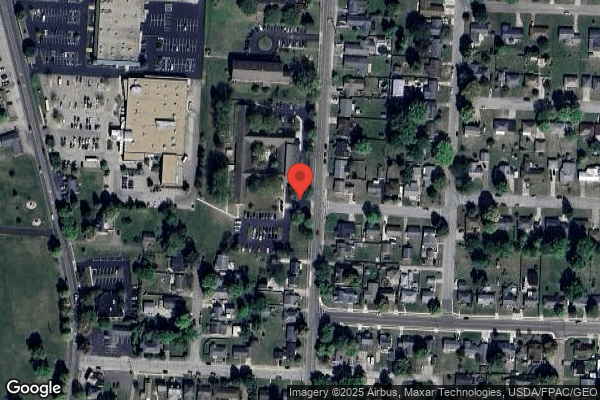
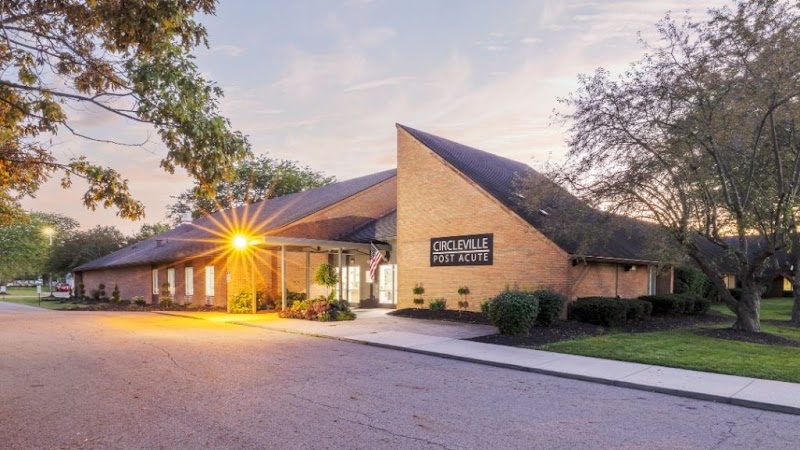
1155 ATWATER AVENUE, CIRCLEVILLE, OH 43113 (740) 477-1695
For profit - Limited Liability company 97 Beds PACS GROUP Data: November 2025
Trust Grade
75/100
#241 of 913 in OH
Last Inspection: April 2025

Within standard 12-15 month inspection cycle. Federal law requires annual inspections.

Overview

Circleville Post-Acute has a Trust Grade of B, which means it is a solid choice for families considering care options, falling within the good range. It ranks #241 out of 913 nursing homes in Ohio, placing it in the top half of facilities in the state, and #2 out of 4 in Pickaway County, indicating that only one local option is superior. The facility is improving, with the number of identified issues decreasing from 8 in 2022 to 5 in 2025. However, staffing is a weakness, rated at 2 out of 5 stars, with a 45% turnover rate, which is better than the state average but still indicates some instability among staff. While there have been no fines, which is a positive aspect, there are concerning incidents documented. For example, staff failed to use gloves while handling food, which could lead to contamination, and a resident at risk of falls did not have the necessary safety interventions in place. Additionally, a nurse used inappropriate cleaning supplies on a glucose monitor, which could risk infection for several residents. Overall, Circleville Post-Acute has strengths in its overall quality and lack of fines, but families should be aware of the staffing issues and specific incidents that may impact resident safety.

Trust Score
B
75/100
In Ohio
#241/913
Top 26%
Safety Record
Low Risk
No red flags
Inspections
Getting Better
8 → 5 violations
Staff Stability
⚠ Watch
45% turnover. Above average. Higher turnover means staff may not know residents' routines.
Penalties
✓ Good
No fines on record. Clean compliance history, better than most Ohio facilities.
Skilled Nurses
○ Average
Each resident gets 33 minutes of Registered Nurse (RN) attention daily — about average for Ohio. RNs are the most trained staff who monitor for health changes.
Violations
⚠ Watch
16 deficiencies on record. Higher than average. Multiple issues found across inspections.
★★★★☆
4.0
Overall Rating
★★☆☆☆
2.0
Staff Levels
★★★★☆
4.0
Care Quality
★★★★☆
4.0
Inspection Score
Stable
2022: 8 issues
2025: 5 issues

The Good

  • 4-Star Quality Measures · Strong clinical quality outcomes
  • Full Sprinkler Coverage · Fire safety systems throughout facility
  • No fines on record

Facility shows strength in quality measures, fire safety.

The Bad

Staff Turnover: 45%

Near Ohio avg (46%)

Higher turnover may affect care consistency

Chain: PACS GROUP

Part of a multi-facility chain

Ask about local staffing decisions and management

The Ugly 16 deficiencies on record

Apr 2025 5 deficiencies
CONCERN (D)

Potential for Harm - no one hurt, but risky conditions existed

Accident Prevention (Tag F0689)

Could have caused harm · This affected 1 resident

**NOTE- TERMS IN BRACKETS HAVE BEEN EDITED TO PROTECT CONFIDENTIALITY** Based on observation, staff interview, and record review, the facility failed to ensure fall interventions were in place for a r...

Read full inspector narrative →
**NOTE- TERMS IN BRACKETS HAVE BEEN EDITED TO PROTECT CONFIDENTIALITY** Based on observation, staff interview, and record review, the facility failed to ensure fall interventions were in place for a resident who was at risk for falls and had a history of falls. This affected one (Resident #2) of five residents reviewed for falls. The facility census was 82. Findings include: Review of the medical record for Resident #2 revealed an admission date of 07/03/07. Diagnoses included dementia, osteoarthritis, and a history of falls. Review of the quarterly Minimum Data Set (MDS) 3.0 assessment dated [DATE] revealed Resident #2 had cognitive impairment. Resident #2 had impairments on both sides of the upper extremities (UE) and on one side of the lower extremities (LE). Resident #2 required moderate to maximum assistance with all activities of daily living (ADLs). Review of Resident #2's care plan revealed Resident #2 was at risk for falls and had a history of falls. Multiple fall prevention interventions were listed including the use of Dycem on the wheelchair cushion, initiated on 05/09/21. Review of Resident #2's physician orders dated 09/12/24 revealed an active order for Dycem to the wheelchair. Observation on 04/15/25 at 2:01 P.M. revealed Resident #2 was seated in her wheelchair without Dycem on the seat cushion. Interview on 04/15/25 at 2:03 P.M. with Licensed Practical Nurse (LPN) #206 confirmed Resident #2 was seated in her wheelchair without the Dycem in place.
CONCERN (D)

Potential for Harm - no one hurt, but risky conditions existed

Medication Errors (Tag F0758)

Could have caused harm · This affected 1 resident

**NOTE- TERMS IN BRACKETS HAVE BEEN EDITED TO PROTECT CONFIDENTIALITY** Based on record review, policy review, and staff interview, the facility failed to monitor for mood and behaviors including targ...

Read full inspector narrative →
**NOTE- TERMS IN BRACKETS HAVE BEEN EDITED TO PROTECT CONFIDENTIALITY** Based on record review, policy review, and staff interview, the facility failed to monitor for mood and behaviors including target behaviors for a resident receiving antianxiety, antidepressants, and antipyshcotic medications. This affected one (Resident #44) of five residents reviewed for unnecessary medications. The facility census was 82. Findings include: Review of Resident #44's medical record revealed Resident #44 was admitted on [DATE]. Diagnoses included vascular dementia, anxiety disorder, restlessness and agitation, schizoaffective disorder - bipolar type, homicidal ideations, psychotic disorder with delusions, and major depressive disorder. Review of the quarterly Minimum Data Set (MDS) 3.0 assessment dated [DATE] revealed Resident #44 was severely cognitively impaired with no signs of psychosis or behaviors noted. Resident #44 received antipsychotic, antianxiety, and antidepressant medications. Review of the active orders for April 2025 revealed Resident #44 was receiving the following medications: Lorazepam oral concentrate two milligrams per milliliter with the dose of 0.25 milliliters every four hours as needed for anxiety or restlessness for 14 days starting 04/10/25. Risperidone 0.25 milligrams (mg) by mouth twice a day for vascular dementia and psychotic behaviors. Lexapro five mg by mouth one time a day for anxiety. Mirtazapine 15 mg at bedtime for depression. Ativan 0.5 mg by mouth twice a day for anxiety. Review of the care plan for Resident #44 revealed there should be monitoring of mood and behavior including target behaviors of hallucinations, agitation, incoherent speech, delusional thoughts, and disorganized thinking. Resident #44's medical record did not include Resident #44's mood and behavior were being monitored routinely. Interview 04/16/25 at 8:20 A.M. with the Director of Nursing (DON) confirmed they were not monitoring and tracking mood and behaviors including target behaviors for Resident #44 as indicated in Resident #44's plan of care. Review of the Medication Therapy policy dated April 2007 revealed a process to prescribe and monitor medications for residents that included monitoring for potential or suspected side effects of the medications prescribed.
CONCERN (D)

Potential for Harm - no one hurt, but risky conditions existed

Deficiency F0806 (Tag F0806)

Could have caused harm · This affected 1 resident

**NOTE- TERMS IN BRACKETS HAVE BEEN EDITED TO PROTECT CONFIDENTIALITY** Based on record review, observation, resident and staff interview, and policy review, the facility failed to honor the resident'...

Read full inspector narrative →
**NOTE- TERMS IN BRACKETS HAVE BEEN EDITED TO PROTECT CONFIDENTIALITY** Based on record review, observation, resident and staff interview, and policy review, the facility failed to honor the resident's food requests or preferences and ensure residents received food substitutions for foods they dislike. This affected two (Resident #51 and #72) of three residents reviewed for food preferences. The facility census was 82. Findings include: 1. Review of the medical record for Resident #51 revealed an admission date of 05/06/22 with diagnoses including but not limited to Alzheimer's disease, dementia, congestive heart failure, and chronic kidney disease. Review of the quarterly Minimum Data Set (MDS) assessment dated [DATE] revealed Resident #51 was moderate cognitive deficit. Review of Resident #51's diet order worksheet revealed Resident #51 disliked peas and carrots. Observation and interview on 04/15/25 from 12:40 P.M. to 12:46 P.M. of Resident #51's lunch plate revealed there was not a vegetable on her plate. Resident #51's lunch ticket on 04/15/25 at 12:40 P.M. revealed she dislikes carrots and peas. Dietician #444 stated if a vegetable being served was on the resident's dislikes list the facility would serve an alternative like a can of green beans. Dietician #444 stated the resident should receive a vegetable on the plate. Dietary Director #151 stated if the facility was serving a vegetable the resident doesn't like, they would get an alternative vegetable like a vegetable juice. Dietician #444 confirmed Resident #51 did not get a vegetable on her lunch tray. Resident #51 stated she would like green beans. 2. Review of the medical record for Resident #72 revealed an admission date of 01/09/24. Review of the quarterly Minimum Data Set (MDS) assessment dated [DATE] revealed Resident #72 was cognitively intact. Review of Resident #72 diet order worksheet revealed Resident #72 disliked bacon, bananas, raisins, ham, corn, nuts, and seeds. Interview on 04/14/25 at 4:12 P.M. with Resident #72 stated she did not like the food at the facility and the staff do not pay attention to your likes and dislikes and they will serve you whatever food they have on hand. The staff were not taking food restrictions into account Observation and interview on 04/17/25 at 12:44 P.M. revealed Resident #72 was served corn on her lunch plate. Resident #72's lunch ticket revealed she dislikes corn. Certified Nursing Assistant (CNA) #269 verified Resident #72 received corn on her lunch plate and stated Resident #72 should not have received corn. Interview on 04/17/25 at 12:49 P.M. with Assistant Dietary Director #165 stated Resident #72 should not have received corn. Assistant Dietary Director #165 revealed the cook and aide serving at that time should be checking the ticket and meal. Review of the Therapeutic Diets policy dated 2001 revealed the diet will be determined in accordance with the resident's informed choices, preferences, and treatment goals.
CONCERN (D)

Potential for Harm - no one hurt, but risky conditions existed

Safe Environment (Tag F0921)

Could have caused harm · This affected 1 resident

Based on observations, staff and resident interview, and policy review, the facility failed to ensure the resident's hand sinks were working in the resident's room. This affected one (Resident #26) of...

Read full inspector narrative →
Based on observations, staff and resident interview, and policy review, the facility failed to ensure the resident's hand sinks were working in the resident's room. This affected one (Resident #26) of 25 residents reviewed for physical environment. The facility census was 82. Findings include: Interview and observation on 04/14/25 at 4:24 P.M. with Resident #26 stated he did not have hot or cold water at his hand sink. Resident #26 stated he has not had water at his hand sink for three months and he can only get hot water if he turns on a valve underneath the hand sink. Observation of Resident #26's hand sink revealed there was no water coming from the hand sink. Observation and interview on 04/17/25 at 9:23 A.M. with Maintenance Director #209 confirmed Resident #26's hand sink was not returning hot or cold water. Maintenance Director #209 stated the stim was busted in the sink and he does not have any work orders for this issue. Interview on 04/17/25 at 9:30 A.M. with Certified Nursing Assistant (CNA) #286 confirmed Resident #26's hand sink was not working and it has been an issue for probably a month. CNA #286 stated she has told a nurse, and they put in the work orders. Review of the Maintenance Service policy dated December 2009 revealed the maintenance department is responsible for maintaining the buildings, grounds, and equipment in a safe and operable manner at all times. Functions of maintenance personnel include but are not limited to: maintaining the heat/cooling system, plumbing fixtures, wiring, etc., in good working order.
CONCERN (F)

Potential for Harm - no one hurt, but risky conditions existed

Food Safety (Tag F0812)

Could have caused harm · This affected most or all residents

Based on observation, staff interview, and policy review, the facility failed to ensure food was protected from contamination. This had the potential to affect all residents in the facility who receiv...

Read full inspector narrative →
Based on observation, staff interview, and policy review, the facility failed to ensure food was protected from contamination. This had the potential to affect all residents in the facility who receive food from the kitchen except for Resident #192 who received nothing by mouth. The facility census was 82. Findings include: Observation and interview on 04/15/25 at 11:50 A.M. revealed [NAME] #185 putting bread into the puree machine with her bare hands. [NAME] #185 was also crumpling the bread in the puree machine with her bare hands. [NAME] #185 stated she doesn't know if she needs to wear gloves. Dietician #444 verified [NAME] #185 should be wearing gloves when touching ready to eat food items. Interview on 04/15/25 at 11:51 A.M. with Assistant Dietary Director #165 stated the puree bread does not go through a cooking process and was served at room temperature. Observation and interview on 04/15/25 at 12:34 P.M. revealed [NAME] #185 was putting together a hamburger on a bun with her bare hands. [NAME] #185 confirmed she grabbed the burger buns with her bare hands to assemble the hamburger. Review of the Preventing Foodborne Illness - Employee Hygiene and Sanitary Practices policy dated November 2022 revealed food and nutrition services employees follow appropriate hygiene and sanitary procedures to prevent the spread of foodborne illness. Contact between food and bare (ungloved) hands is prohibited. Gloves are worn when directly touching ready-to-eat foods. Review of the Food Preparation and Service policy dated 2001 revealed bare hand contact with food is prohibited. Gloves are worn when handling food directly and changed between tasks.
Sept 2022 8 deficiencies
CONCERN (D)

Potential for Harm - no one hurt, but risky conditions existed

PASARR Coordination (Tag F0644)

Could have caused harm · This affected 1 resident

**NOTE- TERMS IN BRACKETS HAVE BEEN EDITED TO PROTECT CONFIDENTIALITY** 3. Record review for Resident #80 revealed this resident was admitted to the facility on [DATE], with diagnoses including schizo...

Read full inspector narrative →
**NOTE- TERMS IN BRACKETS HAVE BEEN EDITED TO PROTECT CONFIDENTIALITY** 3. Record review for Resident #80 revealed this resident was admitted to the facility on [DATE], with diagnoses including schizophrenia, bipolar disorder, phobic anxiety, major depressive disorder, and insomnia. Review of the admission Minimum Data Set (MDS) assessment, dated 09/04/22, revealed this resident had intact cognition evidenced by a Brief Interview for Mental Status (BIMS) assessment score of 13. This resident was assessed to require extensive assistance from one staff member for toileting, bed mobility, and transfers and supervision with setup help only for eating. Review of the Preadmission Screening and Resident Review (PASARR) Identification Screen, dated 09/07/22, revealed the assessment was not accurately completed as the box for Schizophrenia had not been marked. Interview with Business Office Assistant #27 on 09/20/22 at 2:40 P.M., verified schizophrenia had not been marked on the PASARR completed on 09/07/22. Based on record review and staff interview, the facility failed to update the pre-admission screening and resident review (PASARR) for Residents. This affected three (#70, #72, and #80) of five residents reviewed for PASARR. The facility census was 85. Findings include: 1. Record review of Resident #70 revealed an admission date of 10/23/19, with diagnoses including: congestive heart failure, atherosclerotic heart disease, cerebral infarction, dementia, chronic kidney disease, major depressive disorder, bipolar disorder, anxiety disorder, schizophrenia, history of falling, personal history of COVID 19, dysphagia following other cerebrovascular disease, muscle weakness, abnormal posture, need for assistance with personal care, periapical abscess without sinus, disorder of muscle, Parkinson's disease, seizures, anemia, generalized edema, osteoarthritis, idiopathic normal pressure hydrocephalus, functional urinary incontinence, overactive bladder, hypertension, hypothyroidism, burn of second degree of head face neck. Review of the 08/17/22 annual Minimum Data Set (MDS) assessment revealed the resident was severely cognitively impaired and required total dependence for transfer, locomotion on and off unit, toilet use, and bathing. The resident requires extensive assistance for personal hygiene, eating, dressing, and bed mobility. Review of Resident #70 medical record on 09/20/22 at 10:27 A.M., revealed no current PASARR. The only one in medical record was a hospital 30 day exemption from 10/23/19. Interview with the Director of Nursing (DON) on 09/20/22 at 10:40 A.M., verified there was no current PASARR available in the medical record. 2. Record review of Resident #72 revealed an admission date of 08/29/19, with diagnoses including: dementia, severe protein-calorie malnutrition, adult failure to thrive, personal history of COVID-19, schizoid disorder, anxiety disorder, gastrostomy status, difficulty in walking, muscle weakness, major depressive disorder, constipation, generalized anxiety disorder, contact with exposure to other viral communicable disease, dysphagia, hyperlipidimia, atherosclerotic heart disease of native coronary artery, vitamin D deficiency, hypotension, and ventricular tachycardia. Review of the 08/18/22 quarterly Minimum Data Set (MDS) assessment revealed the resident is severely cognitively impaired and requires total dependence for bed mobility, transfer, locomotion on and off unit, dressing, eating, toilet use, and bathing. The resident uses a wheelchair to aid in mobility and is frequently incontinent of bladder and always incontinent of bowel. Review of the Resident #72 medical record on 09/20/22 at 10:30 A.M., revealed there was no PASARR in the record. Interview with the Administrator on 09/20/22 at 12:15 P.M., verified there was no PASARR for Resident #72 in the medical record.
CONCERN (D)

Potential for Harm - no one hurt, but risky conditions existed

Quality of Care (Tag F0684)

Could have caused harm · This affected 1 resident

**NOTE- TERMS IN BRACKETS HAVE BEEN EDITED TO PROTECT CONFIDENTIALITY** Based on observation, record review, resident and staff interviews, the facility failed to ensure a physician ordered treatment ...

Read full inspector narrative →
**NOTE- TERMS IN BRACKETS HAVE BEEN EDITED TO PROTECT CONFIDENTIALITY** Based on observation, record review, resident and staff interviews, the facility failed to ensure a physician ordered treatment was clarified and obtained for a resident with a diabetic ulcer. This affected one (#286) of one resident reviewed for non pressure ulcer. The facility census was 85. Findings include: Review of Resident #286's medical record revealed an admission date of 09/05/22, with diagnoses including: osteomyelitis, cellulitis of the left lower limb, type two diabetes mellitus, morbid obesity, and osteoarthritis. Review of the admission Minimum Data Set (MDS) assessment dated [DATE], revealed the resident had intact cognition. The resident was assessed to require extensive assistance from one staff member for toileting, supervision for bed mobility and transfers, and to be independent with setup help only for eating. The resident was assessed to have a diabetic ulcer of the foot. Review of the active care plans revealed there was not a care plan in place for the diabetic ulcer to the resident's foot. Review of the hospital Discharge summary, dated [DATE], revealed orders to continue treatments with wound vacuum to the left lower extremity. Review of facility admission Assessment, dated 09/05/22, revealed the presence of a diabetic ulcer to left lateral foot with treatment orders in place. Review of the physician's orders, revealed an order for wound care treatment to the diabetic ulcer of the foot was not in place until 09/08/22, three days after the resident was admitted to the facility. Review of the active physicians order, dated 09/08/22, revealed an order to cleanse the wound to the left outer foot with wound cleanser and place a wound vacuum every Monday, Wednesday, and Friday. Interview on 09/20/22 at 10:27 A.M., with Resident #286 revealed the resident had been admitted to the facility on Monday 09/05/22 and had not had a wound care treatment completed to the diabetic foot ulcer on his left foot until Friday 09/08/22. Observation on 09/20/22 at 10:27 A.M., revealed Resident #286 had an ace wrap located on his left foot and left lower leg which had drainage seeping through from the resident's diabetic foot ulcer. Interview on 09/20/22 at 2:15 P.M., with the Director of Nursing (DON) verified there had been no treatment orders in place for the diabetic foot ulcer on the left foot of Resident #286 from 09/05/22 through 09/08/22. The DON verified the hospital Discharge summary, dated [DATE], contained instruction to continue treatment with wound vacuum to the left lower extremity.
CONCERN (D)

Potential for Harm - no one hurt, but risky conditions existed

Deficiency F0685 (Tag F0685)

Could have caused harm · This affected 1 resident

Based on record review, resident and staff interview, the facility failed to assist the resident in making appointments for hearing aides. This affected one (#38) of three residents reviewed for ancil...

Read full inspector narrative →
Based on record review, resident and staff interview, the facility failed to assist the resident in making appointments for hearing aides. This affected one (#38) of three residents reviewed for ancillary services. The facility census was 85. Findings include: Review of Resident #38's medical record revealed an admission date of 05/20/10 and re-admission date of 06/18/14. Diagnoses for Resident #38 included: chronic obstructive pulmonary disease, contact with and exposure to COVID-19, respiratory failure, morbid obesity, obstructive sleep apnea, type two diabetes mellitus, symbolic dysfunction, heart failure, carcinoma of bronchus and lung, protein calorie malnutrition, dysphagia phase, abnormal posture, staphylococcus, acute ischemic heart disease, gout, anxiety disorder, pneumonia, unsteadiness on feet, encephalopathy, peritoneal abscess, muscle weakness, allergic rhinitis, hypokalemia, diabetes mellitus type two with diabetic neuropathy, sepsis, abnormal weight loss, acute and chronic respiratory failure with hypercapnia, hyperlipidemia, insomnia, osteoarthritis, major depressive disorder, and hypertension. Review of the 09/09/22 annual Minimum Data Set (MDS) assessment revealed the resident is cognitively intact and requires total dependence for transfer, locomotion on unit, and bathing. The resident requires extensive assistance for bed mobility, personal hygiene, and toilet use. The resident uses a wheelchair to aid in mobility and is occasionally incontinent of bladder and frequently incontinent of bowel. Interview on 09/19/22 at 3:13 P.M., with Resident #38 revealed the resident received a prescription for a hearing aide in 2021 and never heard anything else about it. Review of Resident #38 medical record on 09/20/22 revealed she had hearing aide consult on 08/24/21, indicating she was medically evaluated and is considered a candidate for a hearing aide. Review of the Progress Notes dated 04/14/22 at 8:00 A.M., revealed Resident #38 refused to go to scheduled appointment times three. Risk and benefits explained and she voiced understanding. Medical records notified of refusal and need to reschedule appointment. Review of Resident #38 medical record revealed no follow up appointment was documented after the 04/14/22 appointment. Review of the Progress Notes dated 09/21/22 at 10:00 A.M., revealed the resident has an audiology appointment scheduled for hearing test on 12/16/22 at 2:00 P.M. Interview with the Director of Nursing on 09/21/22 at 1:48 P.M., verified the facility just rescheduled Resident #38 hearing aide appointment today after the surveyor brought it to their attention there was not a follow up appointment scheduled.
CONCERN (D)

Potential for Harm - no one hurt, but risky conditions existed

Accident Prevention (Tag F0689)

Could have caused harm · This affected 1 resident

Based on record review, resident and staff interviews, the facility failed to ensure the shower chair brakes were locked for a resident who required assistance, resulting in a fall. This affected one ...

Read full inspector narrative →
Based on record review, resident and staff interviews, the facility failed to ensure the shower chair brakes were locked for a resident who required assistance, resulting in a fall. This affected one (#52) of two residents reviewed for falls. The facility census was 85. Findings include: Review of Resident #52s medical record revealed an admission date of 01/30/22, with diagnoses of: acute respiratory failure, chronic respiratory failure, chronic pulmonary disease, morbid obesity, type two diabetes mellitus with diabetic neuropathy, acute upper respiratory infection, history of COVID-19, cellulitis of limb, dysphagia pharyngeal, cardiomyopathy, osteopenia and congestive heart failure. Review of the 05/06/22 quarterly assessment revealed the Resident is moderately cognitively impaired and required extensive assistance for toilet use and limited assistance for personal hygiene, dressing, bed mobility and transfer. The resident required physical help in bathing and one person physical assist. The Resident uses a walker and wheelchair to aid in mobility and is occasionally incontinent of bladder and always continent of bowel. Balance during transition was labeled as not steady but able to stabilize without staff assistance. Review of a fall investigation dated 05/25/22 revealed Resident #52 had a fall in the shower and the shower chair wheels were not locked and the resident fell from the chair and suffered a compression fracture. Interview with Resident #52 on 09/19/22 at 2:07 P.M., revealed he had a fall in the shower a few months ago. Resident #52 stated he was not really hurt just felt some discomfort. Interview with the Director of Nursing (DON) on 09/21/22 at 10:49 A.M., verified the shower chair brakes were not locked, when Resident #52 had a fall on 05/25/22 and the only corrective action was the staff member was written up.
CONCERN (D)

Potential for Harm - no one hurt, but risky conditions existed

Pharmacy Services (Tag F0755)

Could have caused harm · This affected 1 resident

**NOTE- TERMS IN BRACKETS HAVE BEEN EDITED TO PROTECT CONFIDENTIALITY** Based on observations, staff interviews, and record reviews, the facility failed to ensure medication was available and administ...

Read full inspector narrative →
**NOTE- TERMS IN BRACKETS HAVE BEEN EDITED TO PROTECT CONFIDENTIALITY** Based on observations, staff interviews, and record reviews, the facility failed to ensure medication was available and administered as ordered by the physician. This affected one (#42) of five residents reviewed for unnecessary medications. The facility census was 85. Findings include: Record review for Resident #42 revealed this resident was admitted to the facility on [DATE] and had diagnoses including hypertension, schizoid disorder, unspecified dementia with behavioral disturbances, anxiety disorder, mood disorder, and unspecified psychosis. Review of the quarterly Minimum Data Set (MDS) assessment, dated 07/22/22, revealed the resident had moderately impaired cognition. The resident was assessed to require extensive assistance from one staff member for bed mobility, transfers, and toileting, and supervision for eating. Review of the physician's order, dated 07/25/22, revealed an order to administer 7.5 milligram (mg) tablet and one mg of Olanzapine (an antipsychotic medication) once a day for schizoid disorder. There was a pharmacy warning indicating Dosage Check present. Review of the Order Audit Report for the physician ordered of Olanzapine, one mg tablet revealed the medication had been on order from the pharmacy since 07/25/22 and no deliveries of the medication had been sent. Review of the Medication Administration Records for July, August and September 2022, revealed the resident was only receiving Olanzapine 7.5 mg daily. Review of the progress notes July, August and September 2022, revealed the resident was not displaying any increase in behaviors. Observation on 09/21/22 at 4:00 P.M., revealed the medication Olanzapine one mg tablet was not available for administration on the 400- hall medication cart. Interview on 09/21/22 at 4:00 P.M., with Licensed Practical Nurse (LPN) #145 verified the medication Olanzapine one mg tablets were not available for administration to Resident #42. Observation on 09/21/22 at 4:50 P.M., revealed Olanzapine one mg tablets were not available in the facility Omnicell (emergency medication box) to be pulled for administration to Resident #42. Olanzapine was only available for administration in the dosage amount of 2.5 mg or 5 mg from the Omnicell. Interview on 09/21/22 at 4:50 P.M., with Registered Nurse (RN) #92 verified Olanzapine one mg tablets were not available for administration to Resident #42 from the facility Omnicell. Interview with the Director of Nursing (DON) on 09/22/22 at 10:05 A.M., verified the facility had no record to indicate the medication Olanzapine one mg tablet had been available in the facility to administer to Resident #42 since 07/25/22.
CONCERN (D)

Potential for Harm - no one hurt, but risky conditions existed

Unnecessary Medications (Tag F0759)

Could have caused harm · This affected 1 resident

Based on medical record reviews, observations, and staff interviews, the facility failed to ensure the medication error rate was less than five percent, as evidence by six medication errors out of 26 ...

Read full inspector narrative →
Based on medical record reviews, observations, and staff interviews, the facility failed to ensure the medication error rate was less than five percent, as evidence by six medication errors out of 26 opportunities observed, resulting in 23.07 % (percent) medication error rate. This affected two (#57 and #77) of three residents observed for medication administration. The facility census was 85. Findings include: 1. Review of Resident #77's medical record revealed an admission date of 04/03/15, with diagnoses including: chronic congestive heart failure, venous insufficiency, conjunctivitis, atrial fibrillation, and history of COVID-19. Review of a Physician Order for Resident #77 dated 02/08/21, revealed an order for Artificial Tears Solution 1.4 % (Polyvinyl Alcohol), instill two drops in both eyes three times a day for dry eyes. Observation on 09/21/22 at 7:45 A.M. , of the medication administration pass with Certified Medicine Aide (CMA) #1 revealed Resident #77 received medications including: amiodarone, colace, eliquis, lasix, gabapentin, losartan, metoprolol, multi-vitamin, and prilosec. Resident #77 was not observed to receive artificial tears eye drops. CMA #1 verified at the time of the administration, this was all of Resident #77 medications and she had not given any medicine earlier. Interview on 09/21/22 at 8:07 A.M., with CMA #1 verified Resident #77 did not receive his artificial tears eye drops with morning during the medication pass as ordered. 2. Review of Resident #57's medical record revealed an admission date of 05/24/22, with diagnoses including: multiple sclerosis, schizophrenia, hypertension, anxiety disorder, major depressive disorder, urinary tract infection, constipation, and anemia. Review of the Physician Order for 09/01/22 to 09/30/22 revealed medications including: aripiprazole (abilify) tablet five milligrams (mgs) give one tablet by mouth in the morning for schizoaffective; glycoLax powder (Miralax) give 17 gram by mouth one time a day for constipation; Leflunomide tablet 20 mgs give one tablet by mouth in the morning for Rheumatoid Arthritis; Venlafaxine (Effexor) Tablet 100 mgs give two tablets by mouth one time a day for depression, and stress plus zinc tablet give one tablet by mouth in the morning for supplement. Observation on 09/21/22 at 8:25 A.M., revealed CMA #90 passing medications to Resident #57 including: baclofen, biotin, eliquis, fluconazole, oxybutyn, senna, thiamine, vitamin E, and metoprolol. Resident #57 was not observed to receive her abilify, Miralax, Leflunomide, Effexor, and stress tab plus zinc. CMA #90 verified at the time of the administration this was all of Resident #57 medications and she did not give any medicine earlier. Interview with CMA #90 on 09/21/22 at 9:10 A.M., verified Resident #57 did not receive her abilify, Miralax, Leflunomide, Effexor, and stress tab plus zinc as ordered. This deficiency substantiates Complaint Numbers OH00135754 and OH00135753.
CONCERN (D)

Potential for Harm - no one hurt, but risky conditions existed

Medical Records (Tag F0842)

Could have caused harm · This affected 1 resident

**NOTE- TERMS IN BRACKETS HAVE BEEN EDITED TO PROTECT CONFIDENTIALITY** Based on observation, staff interviews, record review, and review of facility policy, the facility failed to ensure accurate doc...

Read full inspector narrative →
**NOTE- TERMS IN BRACKETS HAVE BEEN EDITED TO PROTECT CONFIDENTIALITY** Based on observation, staff interviews, record review, and review of facility policy, the facility failed to ensure accurate documentation of medication administration. This affected one (#42) of five residents whose medications were reviewed during the annual survey. The facility census was 85. Findings include: Record review for Resident #42 revealed this resident was admitted to the facility on [DATE] and had diagnoses including hypertension, schizoid disorder, unspecified dementia with behavioral disturbances, anxiety disorder, mood disorder, and unspecified psychosis. Review of the quarterly Minimum Data Set (MDS) assessment, dated 07/22/22, revealed the resident had moderately impaired cognition. The resident was assessed to require extensive assistance from one staff member for bed mobility, transfers, and toileting, and supervision for eating. Review of the physician's order, dated 07/25/22, revealed an order to administer 7.5 milligram (mg) tablet and one mg of Olanzapine (an antipsychotic medication) once a day for schizoid disorder. There was a pharmacy warning indicating Dosage Check present. Review of the Order Audit Report for the physician ordered of Olanzapine, one mg tablet revealed the medication had been on order from the pharmacy since 07/25/22 and no deliveries of the medication had been sent. Review of the Medication Administration Record (MAR), dated 07/26/22 through 09/22/22, revealed the medication Olanzapine one mg tablet had been documented as being administered every day as ordered by the physician. Observation on 09/21/22 at 4:00 P.M., revealed the medication Olanzapine one mg tablet was not available for administration on the 400- hall medication cart. Interview on 09/21/22 at 4:00 P.M., with Licensed Practical Nurse (LPN) #145 verified the medication Olanzapine one mg tablets were not available for administration to Resident #42. Observation on 09/21/22 at 4:50 P.M., revealed Olanzapine one mg tablets were not available in the facility Omnicell (emergency medication box) to be pulled for administration to Resident #42. Olanzapine was only available for administration in the dosage amount of 2.5 mg or 5 mg from the Omnicell. Interview on 09/21/22 at 4:50 P.M., with Registered Nurse (RN) #92 verified Olanzapine one mg tablets were not available for administration to Resident #42 from the facility Omnicell. Interview with the Director of Nursing (DON) on 09/22/22 at 10:05 A.M., verified the facility had no record to indicate the medication Olanzapine one mg tablet had been available in the facility to administer to Resident #42 since 07/25/22. The DON verified the MAR contained documentation Olanzapine one mg tablet had been administered every day from 07/26/22 through 09/22/22 as ordered by the physician despite the facility not having the medication available for administration. Review of the policy titled Documentation of Medication Administration, revised 04/2007, revealed a Nurse or Certified Medication Aide shall document all medications administered to each resident on the resident's MAR. The administration of medication must be documented immediately after it is given. Documentation must include, as a minimum, the reason why a medication was not administered.
CONCERN (E)

Potential for Harm - no one hurt, but risky conditions existed

Infection Control (Tag F0880)

Could have caused harm · This affected multiple residents

2. Observation on 09/21/22 at 3:50 P.M., revealed Licensed Practical Nurse (LPN) #145 performed blood glucose monitoring for Resident #67. LPN #145 then took the glucometer used for the testing back t...

Read full inspector narrative →
2. Observation on 09/21/22 at 3:50 P.M., revealed Licensed Practical Nurse (LPN) #145 performed blood glucose monitoring for Resident #67. LPN #145 then took the glucometer used for the testing back to the nurses station and cleansed it using Lysol brand wipes from a container located on the 400 hall medication cart. LPN #145 then placed the glucometer into the medication cart. Interview on 09/21/22 at 4:00 P.M., with LPN #145 verified she had used Lysol brand wipes to clean the glucometer after blood glucose testing. Interview on 09/21/22 at 4:20 P.M., with Corporate Nurse #200 revealed bleach wipes or Sani-Wipes were to be used to clean glucometers after blood glucose testing was performed and Lysol brand wipes were not to be used. Corporate Nurse #200 identified four residents (#13, #33, #59, and #67) who resided on the 400 hall and had blood glucose testing performed. Review of the policy titled Blood Sampling - Capillary (Finger Sticks), revised 09/2014, revealed clean and disinfect reusable equipment after each use following manufacturer's instructions. Based on observation, medical record review, review of physician note, staff interviews, and review of facility policy, the facility failed to ensure staff were wearing appropriate personal protective equipment (PPE) when entering a COVID-19 positive Resident #1's room. The facility also failed to ensure appropriate cleaning of a glucometer after blood glucose testing was performed. This had the potential to affect the four residents (#13, #33, #59, and #67) who resided on the 400 hall and had blood glucose testing performed. The facility census was 85. Findings include: 1. Review of Resident #1 medical record revealed an admission date of 05/31/22, with diagnoses including: chronic obstructive pulmonary disease, anemia, multiple sclerosis, and COVID-19. Review of Resident #1 medical record revealed a Physician order dated 09/15/22 for Droplet isolation precautions related to COVID positive every day and night shift until 09/23/22. Observation on 09/21/22 at 8:35 A.M., revealed State Tested Nurse Aide (STNA) #73 going into Resident #1's room. STNA #73 donned a gown and gloves and was wearing a pair of goggles and a surgical facemask. STNA #73 walked into Resident #1's room and grabbed the tray and walked out of the room with her gown and gloves still on and grabbed the door handle of the dining cart which was approximately six feet outside the room. STNA #73 placed the tray in the cart and proceeded to go to the doorway and remove her gloves and gown. STNA #73 was observed not to wear a N95 in the room or remove her surgical mask or clean her eyewear. Interview on 09/21/22 at 8:35 A.M., with STNA #73 revealed she has a doctor note to not wear a N-95 mask. STNA #73 verified she collected the meal tray from Resident #1 and wore her gloves, gown, out into the hallway and touched the dining cart with her gloved hands. STNA #73 verified she did not change her surgical mask after leaving Resident #1 room. STNA #73 was touching her surgical mask with her hands during the interview. STNA #73 again stated she has a doctor's note stating she can wear a surgical mask. Review of a document from Physician #2 dated 12/27/21, revealed to please allow STNA #73 to wear a regular surgical grade mask with a full face shield or alternatively a powered air purifying respirator (PAPR) as opposed to N95, while caring for patients who are not COVID positive. Physician #2 stated he recommend an N95 and full face mask while caring for patients who are COVID positive during the normal isolation period. Interview on 09/21/22 at 3:15 P.M., with the Administrator revealed they do not have a policy for when staff members who can only wear surgical masks providing care during COVID outbreak. So the facility did training on 09/21/22 and those staff should not enter isolation rooms.
Jan 2020 3 deficiencies
CONCERN (D)

Potential for Harm - no one hurt, but risky conditions existed

Deficiency F0582 (Tag F0582)

Could have caused harm · This affected 1 resident

Based on record review and staff interview, the facility failed to provide an Advanced Beneficiary Notice of Non-Coverage (ABN) for one resident (#46) of three reviewed who was discharged from Medicar...

Read full inspector narrative →
Based on record review and staff interview, the facility failed to provide an Advanced Beneficiary Notice of Non-Coverage (ABN) for one resident (#46) of three reviewed who was discharged from Medicare Part A services and remained in the facility. The facility census was 69. Findings include: Review of the Beneficiary Notices for Resident #46 revealed the resident was discharged from Medicare Part A services on 09/10/19, remained in the facility, and an ABN was not completed, explained, or provided to the resident. Interview with Corporate Nurse #183 on 12/31/19 at 2:14 P.M. confirmed an ABN was not completed for Resident #46. Corporate Nurse #183 confirmed an ABN should have bee provided to the resident upon discharge from Medicare Part A services.
CONCERN (D)

Potential for Harm - no one hurt, but risky conditions existed

Deficiency F0687 (Tag F0687)

Could have caused harm · This affected 1 resident

**NOTE- TERMS IN BRACKETS HAVE BEEN EDITED TO PROTECT CONFIDENTIALITY** Based on medical record review, resident and staff interview, the facility failed to ensure residents received proper treatment ...

Read full inspector narrative →
**NOTE- TERMS IN BRACKETS HAVE BEEN EDITED TO PROTECT CONFIDENTIALITY** Based on medical record review, resident and staff interview, the facility failed to ensure residents received proper treatment and care for foot health when they failed to timely transcribe and implement treatment and medication orders for one resident (#56) of three reviewed for skin conditions. The facility census was 68. Findings include: Medical record review revealed Resident #56 was admitted to the facility on [DATE] with diagnoses including type two diabetes mellitus, and foot ulcer. Interview with Resident #56 on 12/30/19 at 11:05 A.M. revealed she seen the foot doctor this morning. Review of the medical record on 01/02/2020 at 11:05 A.M. revealed a consult order dated 12/30/19 from the foot doctor with orders to apply triple antibiotic ointment and a band aid to the left great toe and change every day for ten days. The second order stated to give doxycycline (an antibiotic)100 milligrams (mg) one tab by mouth, every day for ten days. There was no evidence a physician order had been completed in the medical record or the electronic record for the triple antibiotic ointment and a band aid to the left great toe, or for the Doxycycline ordered. Interview with the Director of Nursing (DON) on 01/02/2020 at 1:34 P.M. verified there was no orders in the medical record for the medication and treatment for Resident #56 for when she saw the foot doctor on 12/30/19. The DON verified Resident #56 was not getting the treatments and medication since the order was not put into the electronic physician orders.
CONCERN (D)

Potential for Harm - no one hurt, but risky conditions existed

Deficiency F0688 (Tag F0688)

Could have caused harm · This affected 1 resident

**NOTE- TERMS IN BRACKETS HAVE BEEN EDITED TO PROTECT CONFIDENTIALITY** Based on medical record review, observation, and staff interview, the facility failed to provide a physician ordered splint for ...

Read full inspector narrative →
**NOTE- TERMS IN BRACKETS HAVE BEEN EDITED TO PROTECT CONFIDENTIALITY** Based on medical record review, observation, and staff interview, the facility failed to provide a physician ordered splint for a resident with contractures. This affected one resident (#57) of four reviewed for contractures with splints. The facility census was 68. Findings include: Review of the medical record for Resident #57 revealed an admission date of 06/05/15 with diagnoses including hemiplegia and hemiparesis following cerebral infarction left non dominant side, contracture of left hand, and mood disorder. Review of significant change minimum data set assessment dated [DATE] revealed Resident #57 had no cognitive deficits, and had impairment in range of motion to one side upper and lower extremities. Review of physician orders for Resident #57 dated December 2019 revealed an order for a left hand resting splint to be worn two hours on, then two hours off daily, as tolerated, and may remove for activities of daily living. Review of the care plan revealed Resident #57 had self care deficits related to weakness, cerebral vascular accident with hemiplegia and hemiparesis and included intervention of the left hand splint, as ordered. Review of the medical record including behavior monitoring revealed no documentation that Resident #57 had refused to wear left hand splint on 12/30/19, 12/31/19, or 01/02/2020. Review of the treatment administration record (TAR) dated 01/02/2020 revealed the nurse documented Resident #57 was wearing left hand splint on 01/02/19. Observations of Resident #57 on 12/30/19 at 12:34 P.M. and 4:29 P.M., on 12/31/19 at 11:50 A.M. and on 01/02/19 at 9:10 A.M., at 1:14 P.M., and at 1:45 P.M. revealed the resident did not have a splint in place to his left hand. Interview on 01/02/19 at 1:14 P.M. with State Tested Nursing Assistant (STNA) #155 revealed she was unaware Resident #57 was to have a left hand splint on. Interview on 01/02/19 at 1:41 P.M. with Resident #57 and his mother who was at his bedside both revealed he had not had a splint on his left hand ever. Resident #57 stated he would wear one because his overall goal was to be able to open up his left hand. Interview on 01/02/19 at 1:45 P.M. with the Director of Nursing (DON) verified Resident #57 had orders for a left hand splint to be on two hours, off two hours, and he did not have left hand splint on, even though the nurse had documented one was in place.
Understanding Severity Codes (click to expand)
Life-Threatening (Immediate Jeopardy)
J - Isolated K - Pattern L - Widespread
Actual Harm
G - Isolated H - Pattern I - Widespread
Potential for Harm
D - Isolated E - Pattern F - Widespread
No Harm (Minor)
A - Isolated B - Pattern C - Widespread

Questions to Ask on Your Visit

  • "Can I speak with families of current residents?"
  • "What's your RN coverage like on weekends and overnight?"

Our Honest Assessment

Strengths
  • • No major safety red flags. No abuse findings, life-threatening violations, or SFF status.
  • • No fines on record. Clean compliance history, better than most Ohio facilities.
Concerns
  • • 16 deficiencies on record. Higher than average. Multiple issues found across inspections.
Bottom line: Generally positive indicators. Standard due diligence and a personal visit recommended.

About This Facility

What is Circleville Post-Acute's CMS Rating?

CMS assigns CIRCLEVILLE POST-ACUTE an overall rating of 4 out of 5 stars, which is considered above average nationally. Within Ohio, this rating places the facility higher than 99% of the state's 100 nursing homes. This rating reflects solid performance across the metrics CMS uses to evaluate nursing home quality.

How is Circleville Post-Acute Staffed?

CMS rates CIRCLEVILLE POST-ACUTE's staffing level at 2 out of 5 stars, which is below average compared to other nursing homes. Staff turnover is 45%, compared to the Ohio average of 46%. This relatively stable workforce can support continuity of care.

What Have Inspectors Found at Circleville Post-Acute?

State health inspectors documented 16 deficiencies at CIRCLEVILLE POST-ACUTE during 2020 to 2025. These included: 16 with potential for harm.

Who Owns and Operates Circleville Post-Acute?

CIRCLEVILLE POST-ACUTE is owned by a for-profit company. For-profit facilities operate as businesses with obligations to shareholders or private owners. The facility is operated by PACS GROUP, a chain that manages multiple nursing homes. With 97 certified beds and approximately 85 residents (about 88% occupancy), it is a smaller facility located in CIRCLEVILLE, Ohio.
How Does Circleville Post-Acute Compare to Other Ohio Nursing Homes?

Compared to the 100 nursing homes in Ohio, CIRCLEVILLE POST-ACUTE's overall rating (4 stars) is above the state average of 3.2, staff turnover (45%) is near the state average of 46%, and health inspection rating (4 stars) is above the national benchmark.

What Should Families Ask When Visiting Circleville Post-Acute?

Based on this facility's data, families visiting should ask: "Can you walk me through typical staffing levels on day, evening, and night shifts?" "Can I visit during a mealtime to observe dining assistance and food quality?" "How do you handle medical emergencies, and what is your hospital transfer rate?" "Can I speak with family members of current residents about their experience?" These questions are particularly relevant given the below-average staffing rating.

Is Circleville Post-Acute Safe?

Based on CMS inspection data, CIRCLEVILLE POST-ACUTE has a clean safety record: no substantiated abuse findings (meaning no confirmed cases of resident harm), no Immediate Jeopardy citations (the most serious violation level indicating risk of serious injury or death), and is not on the Special Focus Facility watch list (a federal program monitoring the lowest-performing 1% of nursing homes). The facility has a 4-star overall rating and ranks #1 of 100 nursing homes in Ohio. While no facility is perfect, families should still ask about staff-to-resident ratios and recent inspection results during their visit.

Do Nurses at Circleville Post-Acute Stick Around?

CIRCLEVILLE POST-ACUTE has a staff turnover rate of 45%, which is about average for Ohio nursing homes (state average: 46%). Moderate turnover is common in nursing homes, but families should still ask about staff tenure and how the facility maintains care continuity when employees leave.

Was Circleville Post-Acute Ever Fined?

CIRCLEVILLE POST-ACUTE has no federal fines on record. CMS issues fines when nursing homes fail to meet care standards or don't correct problems found during inspections. The absence of fines suggests the facility has either maintained compliance or corrected any issues before penalties were assessed. This is a positive indicator, though families should still review recent inspection reports for the full picture.

Is Circleville Post-Acute on Any Federal Watch List?

CIRCLEVILLE POST-ACUTE is not on any federal watch list. The most significant is the Special Focus Facility (SFF) program, which identifies the bottom 1% of nursing homes nationally based on persistent, serious quality problems. Not being on this list means the facility has avoided the pattern of deficiencies that triggers enhanced federal oversight. This is a positive indicator, though families should still review the facility's inspection history directly.