Majestic Care of Clyde
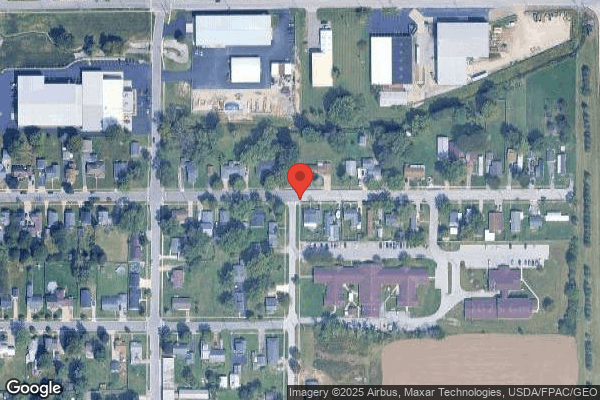
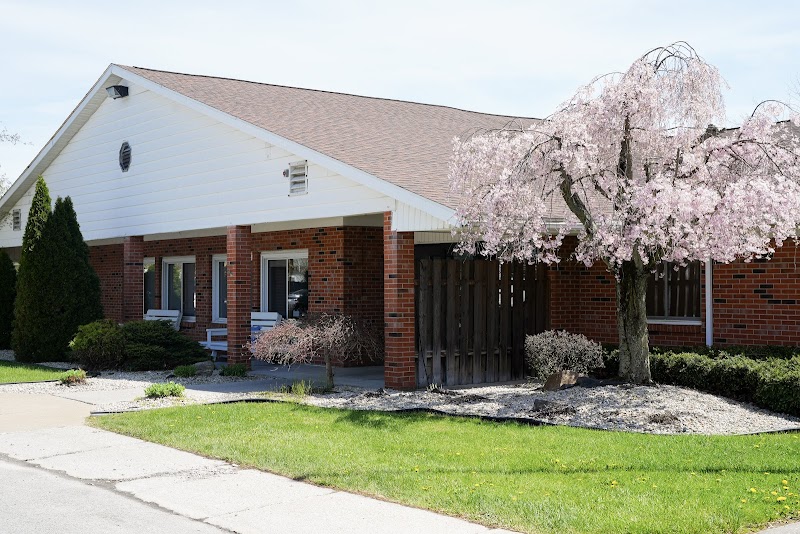
700 HELEN STREET, CLYDE, OH 43410 (419) 547-9595
For profit - Limited Liability company 74 Beds MAJESTIC CARE Data: November 2025
Trust Grade
55/100
#512 of 913 in OH
Last Inspection: November 2024

Within standard 12-15 month inspection cycle. Federal law requires annual inspections.

Overview

Majestic Care of Clyde has a Trust Grade of C, which means it is average among nursing homes. It ranks #512 out of 913 facilities in Ohio, placing it in the bottom half, but is #4 out of 9 in Sandusky County, indicating that only three local options are better. The facility is improving, with issues decreasing from 14 in 2024 to 10 in 2025. While it has good RN coverage, exceeding 82% of Ohio facilities, staffing is a concern with a turnover rate of 63%, significantly higher than the state average. Notably, there have been incidents where the home failed to provide required RN coverage on several days, impacting resident care, and there were also complaints about mail delivery not reaching residents on Saturdays. Overall, while the facility has strengths in RN coverage and is showing signs of improvement, concerns about staffing and compliance issues should be carefully considered.
Trust Score
C
55/100
In Ohio
#512/913
Bottom 44%
Safety Record
Low Risk
No red flags
Inspections
Getting Better
14 → 10 violations
Staff Stability
⚠ Watch
63% turnover. Above average. Higher turnover means staff may not know residents' routines.
Penalties
✓ Good
No fines on record. Clean compliance history, better than most Ohio facilities.
Skilled Nurses
✓ Good
Each resident gets 42 minutes of Registered Nurse (RN) attention daily — more than average for Ohio. RNs are trained to catch health problems early.
Violations
⚠ Watch
46 deficiencies on record. Higher than average. Multiple issues found across inspections.
★★★☆☆
3.0
Overall Rating
★★☆☆☆
2.0
Staff Levels
★★★★★
5.0
Care Quality
★★☆☆☆
2.0
Inspection Score
Stable
2024: 14 issues
2025: 10 issues

The Good

  • 5-Star Quality Measures · Strong clinical quality outcomes
  • Full Sprinkler Coverage · Fire safety systems throughout facility
  • No fines on record

Facility shows strength in quality measures, fire safety.

The Bad

3-Star Overall Rating

Near Ohio average (3.2)

Meets federal standards, typical of most facilities

Staff Turnover: 63%

17pts above Ohio avg (46%)

Frequent staff changes - ask about care continuity

Chain: MAJESTIC CARE

Part of a multi-facility chain

Ask about local staffing decisions and management

Staff turnover is elevated (63%)

15 points above Ohio average of 48%

The Ugly 46 deficiencies on record

Jun 2025 3 deficiencies
CONCERN (D) 📢 Someone Reported This

A family member, employee, or ombudsman was alarmed enough to file a formal complaint

Potential for Harm - no one hurt, but risky conditions existed

Free from Abuse/Neglect (Tag F0600)

Could have caused harm · This affected 1 resident

**NOTE- TERMS IN BRACKETS HAVE BEEN EDITED TO PROTECT CONFIDENTIALITY** Based on medical record review, resident interview, staff interview, review of self reported incident, review of facility invest...

Read full inspector narrative →
**NOTE- TERMS IN BRACKETS HAVE BEEN EDITED TO PROTECT CONFIDENTIALITY** Based on medical record review, resident interview, staff interview, review of self reported incident, review of facility investigation, and review of facility policy, the facility failed to prevent sexual abuse. This affected three (#12, #15, and #25) of four residents reviewed for abuse. The facility census was 57. Findings include: 1. Review of the medical record revealed Resident #25 was admitted on [DATE]. Diagnoses included atherosclerotic heart disease of native coronary artery without angina pectoris, diabetes mellitus due to underlying condition with hyperglycemia, essential hypertension, hemiplegia affecting right dominant side, schizoaffective disorder, major depressive disorder, and cognitive communication deficit. Review of the Minimum Data Set (MDS) assessment, dated 04/21/25, revealed the resident was moderately cognitively impaired. Review of the medical record revealed Resident #25 had a guardian. Review of care plan, revised on 06/10/25, revealed Resident #25 had a history of aggressive/inappropriate behavior. Resident #25 has thrown chairs, urinated in the dining room, presented with verbal or physical aggression, acted impulsively, exposed himself, masturbated in public areas, wandered into female rooms and exposed himself, and moved to the secure unit for increased engagement. Review of care plan, revised on 06/17/25, revealed Resident #25 demonstrated cognitive impairment related to impaired decision making, poor logic, poor ability to understand cause and effect, and sexually inappropriate at times. Review of nursing progress note, dated 05/26/25 at 1:51 P.M., revealed Resident #25 was wandering in and out of female resident rooms. Resident #25 was found in Resident #12's room and when asked why he was in there, resident response was that he wanted to have sex. Resident #25 immediately removed and went to activities. Review of nursing progress note, dated 05/26/25 at 9:18 P.M., revealed Resident #25 was found in Resident #12's room, standing over the bed with his penis exposed. Resident was immediately removed and taken to the activities lounge. Review of Self-Reported Incident (SRI) #260924, dated 05/28/25, revealed during a clinical review it was noted in a progress note on 05/26/25 nursing staff found Resident #25 had been in Resident #12's room standing over the bed with his penis exposed. Staff interviews conducted revealed staff reporting they discovered Resident #25 feeling Resident #12's breasts over her clothing and his penis was exposed. Residents had been immediately separated and redirected with increased monitoring provided throughout the night. Staff reported the residents were upset about being separated but no behaviors were noted after the incident. Skin evaluations were conducted with no areas of concern. Resident #12's room was moved further from Resident #25's room to keep him from wandering into her room. Psychiatric services were consulted with medication review with recommendations. Both residents present with moderate impairment. All resident's observed on the secured unit were interviewed/observed with no concerns of abuse identified. Psychosocial support provided by contracted services and staff were educated. Review of witness statements, dated 05/28/25, revealed Certified Nursing Assistant (CNA) #108 verified she found Resident #25 in Resident #12's room. Resident #25's pants were down and he was facing towards Resident #12's bed. Review of witness statements, dated 05/28/25, revealed CNA #131 verified Resident #25 was next to the residents bed with his penis exposed. Resident #25 and Resident #12 were holding hands, looking at each other smiling. Resident #12 had her brief on and was laying in the bed while Resident #25 was touching her breast. When the residents were separated Resident #12 was upset stating that she liked it when he touched her. Review of nursing progress note, dated 06/09/25, revealed Resident #25 was observed touching himself in front of another resident (Resident #15). Resident #25 was calm before the incident, no other behaviors were observed. Resident effected was not harmed nor exhibited any behaviors before or after the incident. All necessary parties were notified. Interview on 06/17/25 at 9:43 A.M. with Licensed Practical Nurse (LPN) #109 verified Resident #25 has touched his penis under his clothing in front of other residents. Interview on 06/17/25 at 10:52 A.M. with Registered Nurse (RN) #128 verified Resident #25 has exposed himself during night shift. RN #128 stated she has not observed him expose himself but has observed him in the lounge with his hands in his pants masturbating. 2. Review of the medical record revealed Resident #12 was admitted on [DATE]. Diagnoses included spontaneous rupture of extensor tendons right ankle and foot, unspecified dementia, and obsessive compulsive disorder. Review of the MDS assessment, dated 06/02/25, revealed the resident was moderately cognitively impaired. Review of the medical record revealed Resident #12 had a guardian. Review of the facility SRI #260924, dated 05/28/25, revealed during a clinical review it was noted in a progress note on 05/26/25 nursing staff found Resident #25 had been in Resident #12's room standing over the bed with his penis exposed. Staff interviews conducted revealed staff reporting they discovered Resident #25 feeling Resident #12's breasts over her clothing and his penis was exposed. Residents had been immediately separated and redirected with increased monitoring provided throughout the night. Staff reported the residents were upset about being separated but no behaviors were noted after the incident. revealed Resident #12 will lay in bed naked in view of others and refuses to don clothes. Interview on 06/17/25 at 12:50 P.M. with Resident #12 states she does not remember the incident and states she feels safe at the facility. 3. Review of the medical record revealed Resident #15 was admitted on [DATE]. Diagnoses included vascular dementia, major depressive disorder recurrent severe with psychotic symptoms, age related osteoporosis, essential hypertension, and muscle weakness. Review of the MDS assessment, dated 03/28/25, revealed the resident is rarely understood. Review of the medical record revealed Resident #15 had a guardian. Review of the care plan, initiated on 06/12/25, revealed Resident #15 exhibits behavior of inappropriate touching (attempting to rub another person's back, reaching for a leg, shoulder rubbing or bumping into others). History of making crude, sexually oriented profane, or suggestive remarks. Interview on 06/17/25 at 9:43 A.M. with Licensed Practical Nurse (LPN) #109 verified Resident #25 has touched his penis under his clothing in front of other residents. Interview on 06/17/25 at 9:59 A.M. with CNA #120 verified Resident #25 stood in front of Resident #15 and exposed his penis. Interview on 06/17/25 at 10:25 A.M. with CNA #200 verified Resident #25 has stood in front of Resident #15 and touch his penis under his shorts or expose himself to the resident. Interview on 06/18/25 at 3:15 P.M. with the DON verified the unidentified resident in Resident #15's nursing progress note date 06/09/25 was in reference to Resident #25 touching himself in front of Resident #15. Review of policy, Abuse, Mistreatment, Neglect, Exploitation, and Misappropriation, dated 09/06/24, verified residents have the right to be free from abuse, neglect, exploitation, and misappropriation of resident property. This includes sexual abuse. Sexual abuse is a non-consensual sexual contact of any type with a resident. This deficiency represents non-compliance investigated under Master Complaint Number OH00166360.
CONCERN (D) 📢 Someone Reported This

A family member, employee, or ombudsman was alarmed enough to file a formal complaint

Potential for Harm - no one hurt, but risky conditions existed

Report Alleged Abuse (Tag F0609)

Could have caused harm · This affected 1 resident

**NOTE- TERMS IN BRACKETS HAVE BEEN EDITED TO PROTECT CONFIDENTIALITY** Based on medical record review, staff interview, review of self reported incidents, and review of facility policy the facility f...

Read full inspector narrative →
**NOTE- TERMS IN BRACKETS HAVE BEEN EDITED TO PROTECT CONFIDENTIALITY** Based on medical record review, staff interview, review of self reported incidents, and review of facility policy the facility failed ensure all allegations of abuse were reported and reported timely. This affected three (#12, #15, and #25) of four residents reviewed for abuse. The facility census was 57. Findings include: 1. Review of Self-Reported Incident (SRI) #260924, dated 05/28/25, revealed during a clinical review it was noted in a progress note on 05/26/25 nursing staff found Resident #25 had been in Resident #12's room standing over the bed with his penis exposed. Staff interviews conducted revealed staff reporting they discovered Resident #25 feeling Resident #12's breasts over her clothing and his penis was exposed. Residents had been immediately separated and redirected with increased monitoring provided throughout the night. Staff reported the residents were upset about being separated but no behaviors were noted after the incident. Skin evaluations were conducted on involved and like residents with no areas of concern. Resident #12's room was moved further from Resident #25's room to keep him from wandering into her room. Psychiatric services were consulted with medication review with recommendations. Both residents present with moderate impairment. All resident's observed on the secured unit were interviewed/observed with no concerns of abuse identified. Psychosocial support provided by contracted services and staff were educated. Review of the medical record revealed Resident #25 was admitted on [DATE]. Diagnoses included atherosclerotic heart disease of native coronary artery without angina pectoris, diabetes mellitus due to underlying condition with hyperglycemia, essential hypertension, hemiplegia affecting right dominant side, schizoaffective disorder, major depressive disorder, and cognitive communication deficit. Review of the Minimum Data Set (MDS) assessment, dated 04/21/25, revealed the resident was moderately cognitively impaired. Review of nursing progress note, dated 05/26/25 at 9:18 P.M., revealed Resident #25 was found in Resident #12's room, standing over the bed with his penis exposed. Resident was immediately removed and taken to the activities lounge. Review of the medical record revealed Resident #12 was admitted on [DATE]. Diagnoses included spontaneous rupture of extensor tendons right ankle and foot, unspecified dementia, obsessive compulsive disorder. Review of the MDS assessment, dated 06/02/25, revealed the resident was moderately cognitively impaired. Interview on 06/18/25 at 2:20 P.M. with the Director of Nursing (DON) verified SRI #260924 was not reported timely. The DON verified the incident occurred on 05/26/25 and was not reported until it was discovered on 05/27/25 after a clinical review meeting. 2. Review of nursing progress note, dated 06/09/25, revealed Resident #25 was observed touching himself in front of another resident. Resident #25 was calm before the incident, no other behaviors were observed. Resident effected was not harmed nor exhibited any behaviors before or after the incident. All necessary parties were notified. Review of the medical record revealed Resident #15 was admitted on [DATE]. Diagnoses included vascular dementia, major depressive disorder recurrent severe with psychotic symptoms, age related osteoporosis, essential hypertension, and muscle weakness. Review of the MDS assessment, dated 03/28/25, revealed the resident is rarely understood. Review of SRI's, dated June 2025, revealed there was no report of alleged abuse with Resident #25 and Resident #15. Interview on 06/17/25 at 9:59 A.M. with CNA #120 verified Resident #25 stood in front of Resident #15 and exposed his penis. Interview on 06/17/25 at 10:25 A.M. with CNA #200 verified Resident #25 has stood in front of Resident #15 and touch his penis under his shorts or expose himself to the resident. Interview on 06/17/25 at 12:07 P.M. with the DON verified an allegation of abuse was not reported as a SRI for all allegations of abuse including the incident on 06/09/25 when Resident #25 was observed touching himself in front if another resident as indicated in the progress note. Interview on 06/18/25 at 3:15 P.M. with the DON verified the unidentified resident in Resident #15's nursing progress note date 06/09/25 was in reference to Resident #25 touching himself in front of Resident #15. Review of policy, Abuse, Mistreatment, Neglect, Exploitation, and Misappropriation, dated 09/06/24, verified the care team members should immediately report all allegations to the Administrator and to the Department of Health in accordance with the procedures in this policy. All incidents and allegations of abuse must be reported immediately to the Administrator or designee. If abuse is alleged the Administrator or designee will notify the Department of Health immediately but not later than two hours after the allegation is made. This deficiency represents non-compliance investigated under Master Complaint Number OH00166360.
CONCERN (D) 📢 Someone Reported This

A family member, employee, or ombudsman was alarmed enough to file a formal complaint

Potential for Harm - no one hurt, but risky conditions existed

Investigate Abuse (Tag F0610)

Could have caused harm · This affected 1 resident

**NOTE- TERMS IN BRACKETS HAVE BEEN EDITED TO PROTECT CONFIDENTIALITY** Based on medical record review, staff interview, review of self reported incidents, and review of facility policy the facility f...

Read full inspector narrative →
**NOTE- TERMS IN BRACKETS HAVE BEEN EDITED TO PROTECT CONFIDENTIALITY** Based on medical record review, staff interview, review of self reported incidents, and review of facility policy the facility failed ensure all allegations of abuse were investigated and thoroughly investigated. This affected three (#12, #15, and #25) of four residents reviewed for abuse. The facility census was 57. Findings include: 1. Review of Self-Reported Incident (SRI) #260924, dated 05/28/25, revealed during a clinical review it was noted in a progress note on 05/26/25 nursing staff found Resident #25 had been in Resident #12's room standing over the bed with his penis exposed. Staff interviews conducted revealed staff reporting they discovered Resident #25 feeling Resident #12's breasts over her clothing and his penis was exposed. Residents had been immediately separated and redirected with increased monitoring provided throughout the night. Staff reported the residents were upset about being separated but no behaviors were noted after the incident. Skin evaluations were conducted on involved and like residents with no areas of concern. Resident #12's room was moved further from Resident #25's room to keep him from wandering into her room. Psychiatric services were consulted with medication review with recommendations. Both residents present with moderate impairment. All resident's observed on the secured unit were interviewed/observed with no concerns of abuse identified. Psychosocial support provided by contracted services and staff were educated. Review of the medical record revealed Resident #25 was admitted on [DATE]. Diagnoses included atherosclerotic heart disease of native coronary artery without angina pectoris, diabetes mellitus due to underlying condition with hyperglycemia, essential hypertension, hemiplegia affecting right dominant side, schizoaffective disorder, major depressive disorder, and cognitive communication deficit. Review of the Minimum Data Set (MDS) assessment, dated 04/21/25, revealed the resident was moderately cognitively impaired. Review of nursing progress note, dated 05/26/25 at 9:18 P.M., revealed Resident #25 was found in Resident #12's room, standing over the bed with his penis exposed. Resident was immediately removed and taken to the activities lounge. Review of nursing progress note, dated 06/09/25, revealed Resident #25 was observed touching himself in front of another resident (Resident #15). Resident #25 was calm before the incident, no other behaviors were observed. Resident effected was not harmed nor exhibited any behaviors before or after the incident. All necessary parties were notified. Review of the medical record revealed Resident #12 was admitted on [DATE]. Diagnoses included spontaneous rupture of extensor tendon right ankle and foot, unspecified dementia, and obsessive compulsive disorder. Review of the MDS assessment, dated 06/02/25, revealed the resident was moderately cognitively impaired. Interview on 06/17/25 at 2:09 P.M. with the Director of Nursing (DON) verified the police were not notified of the alleged abuse involving Resident #12 and Resident #25 in SRI #260924. 2. Review of the medical record revealed Resident #15 was admitted on [DATE]. Diagnoses included vascular dementia, major depressive disorder recurrent severe with psychotic symptoms, age related osteoporosis, essential hypertension, and muscle weakness. Review of the MDS assessment, dated 03/28/25, revealed the resident is rarely understood. Interview on 06/17/25 at 9:59 A.M. with CNA #120 verified Resident #25 stood in front of Resident #15 and exposed his penis. Interview on 06/17/25 at 10:25 A.M. with CNA #200 verified Resident #25 has stood in front of Resident #15 and touch his penis under his shorts or expose himself to the resident. Interview on 06/17/25 at 12:07 P.M. with the DON verified an investigation was not conducted for an allegation of abuse related to the incident described in a progress note on 06/09/25 affecting Resident #15 and Resident #25. Review of policy, Abuse, Mistreatment, Neglect, Exploitation, and Misappropriation, dated 09/06/24, verified once the Administrator and the Department of Health are notified, an investigation of the allegation violation will be conducted. This deficiency represents non-compliance investigated under Master Complaint Number OH00166360.
Mar 2025 6 deficiencies
CONCERN (D) 📢 Someone Reported This

A family member, employee, or ombudsman was alarmed enough to file a formal complaint

Potential for Harm - no one hurt, but risky conditions existed

Notification of Changes (Tag F0580)

Could have caused harm · This affected 1 resident

**NOTE- TERMS IN BRACKETS HAVE BEEN EDITED TO PROTECT CONFIDENTIALITY** Based on review of the medical record, interview, and policy review, the facility failed to notify the physician of medications ...

Read full inspector narrative →
**NOTE- TERMS IN BRACKETS HAVE BEEN EDITED TO PROTECT CONFIDENTIALITY** Based on review of the medical record, interview, and policy review, the facility failed to notify the physician of medications not administered. This affected one resident (#42) of five residents reviewed for a change in condition. The facility census was 56. Findings include: Review of the medical record for Resident #42 revealed an admission date of 07/27/09. Diagnoses included type two diabetes mellitus, hypertension, and chronic obstructive pulmonary disease. Review of the quarterly Minimum Data Set (MDS) dated [DATE] revealed the resident had intact cognition. Review of a physician order dated 03/08/24 revealed the resident was ordered Ozempic (two milligram/dose) subcutaneous solution pen-injector eight milligrams/three milliliters, inject two mg subcutaneously one time a day every Friday for diabetes mellitus. Review of the medication administration record (MAR) dated 01/01/25 through 02/28/25 revealed Resident #42 was not administered the medication on 01/10/25, 01/17/25, 01/24/25, 01/31/25, 02/07/25, and 02/22/25 per physician orders. Review of the electronic medication administration record notes revealed the Ozempic was not available 01/10/25, 01/17/25, 01/24/25, 01/31/25, 02/07/25, and 02/22/25. The physician was not notified when the medication was not administered on 01/10/25, 01/24/25, 02/07/25, and 02/22/25. Interview on 03/13/25 at 8:50 A.M., the Director of Nursing (DON) verified Resident #42 was not administered the weekly Ozempic injections on 01/10/25, 01/17/25, 01/24/25, 01/31/25, 02/07/25, and 02/22/25. The DON verified the physician was not notified the medication was not administered on 01/10/25, 01/24/25, 02/07/25, and 02/22/25. Interview on 03/13/25 at 1:14 P.M., Resident #42 revealed she was aware the facility had not administered her weekly injections of Ozempic but they never told her why. Review of the facility policy Medication Administration, dated 01/02/24, revealed medications would be administered as ordered by the physician in accordance with professional standards of practice. The physician would be notified timely of medication omissions. Review of the facility policy Change in Condition Physician Notification, dated 01/02/24, revealed the nursing staff would notify the physician or nurse practitioner of medication omissions/errors. Notifications would be made within 24 hours and the nurse would document notifications.
CONCERN (D) 📢 Someone Reported This

A family member, employee, or ombudsman was alarmed enough to file a formal complaint

Potential for Harm - no one hurt, but risky conditions existed

Report Alleged Abuse (Tag F0609)

Could have caused harm · This affected 1 resident

**NOTE- TERMS IN BRACKETS HAVE BEEN EDITED TO PROTECT CONFIDENTIALITY** Based on review of the medical record, review of documented staff interviews, review of self-reported incidents, interview, and ...

Read full inspector narrative →
**NOTE- TERMS IN BRACKETS HAVE BEEN EDITED TO PROTECT CONFIDENTIALITY** Based on review of the medical record, review of documented staff interviews, review of self-reported incidents, interview, and policy review, the facility failed to report and thoroughly investigate an allegation of abuse and immediately protect residents by removing the alleged perpetrator. This affected Resident #22 and had the potential to affect 22 resident residing on the memory care unit. Additionally, the facility failed to report and thoroughly investigate al allegation of misappropriation of the medication Ozempic. This affected three residents (#42, #39, #49) of five residents reviewed for misappropriation of medication. The facility identified five residents as receiving the medication Ozempic. The facility census was 56. Findings include: 1. Review of the medical record for Resident #22 revealed an admission date of 10/14/24. Diagnoses included hemiplegia and hemiparesis following cerebral infarction, atrial fibrillation, hypertension, and anxiety. Review of the quarterly Minimum Data Set (MDS) assessment dated [DATE] revealed the resident had mild cognitive impairment. Review of the care plan initiated 10/19/24 revealed the resident had cognitive impairment and would yell out for assistance instead of using the call light. Further review of the care plan noted no behavioral symptoms of physical aggression or rejection of care. An intervention was revised on 02/25/25 if the resident was agitated during care then back off and try to calm the resident with soothing word. If the resident remained agitated then inform him care would be provided when he was feeling better. Assure the resident he was safe and protected. Review of an Investigation Collection Form, dated 01/19/25 revealed Certified Nurse Aide (CNA) #450 reported Alleged Perpetrator Certified Nursing Assistant (APCNA) #566 physically abused Resident #22 in his room on 01/19/25 around 4:30 A.M. APCNA #566 was suspended on 01/21/25. Review of the facility self-reported incidents revealed the allegation of abuse was not reported to the state agency. Review of the medical record including review of nurse progress notes dated 01/19/25 revealed no documentation of the incident or immediate assessment of the resident after the alleged incident. There was no documentation the resident was assessed for injuries until two days after the alleged incident. Review of a skin assessment dated [DATE] revealed the Director of Nursing (DON) completed a skin assessment for Resident #22 with no abnormal findings. Review of an interview statement dated 01/21/25, CNA #450 revealed Resident #22 began hitting APCNA #566 during care but not hard. APCNA #566 then grabbed Resident #22's arm and wrist and brought them up against his chest and threatened the resident. CNA #450 told APCNA #566 to leave the room. APCNA #566 then swore at the resident then walked back into the room and did the same thing to the resident's ankles. CNA #450 stated APCNA #566 and herself took the linen down and trash out and APCNA #566 kept following her so she told him she had to leave to speak to another nursing assistant then went and told Licensed Practical Nurse (LPN) #425 on the other unit what happened. LPN #425 then called and told LPN #455 to come down to the other unit and told her what happened. LPN #455 and CNA #450 then called the Administrator and reported the incident. Review of an interview statement dated 01/21/25 by APCNA #566 revealed Resident #22 freaked out about him coming in the room with the nurse. APCNA #566 revealed he was changing the resident and pushed the resident's arms away because he was swinging at him. APCNA #566 revealed he had not put the resident in a hold and had not sworn at the resident. Review of an interview statement dated 01/24/25 by the Administrator revealed on 01/19/25 at 4:42 A.M. CNA #450 reported APCNA #566 responded inappropriately to a combative resident by grabbing his arms and pushing them into the bed. CNA #450 was asked if this was abuse or the aide had overresponded. CNA #450 responded APCNA #566 had overreacted. CNA #450 was informed the Administrator would speak with APCNA #566 regarding his behavior. The Administrator revealed she followed up with the nurse of the unit (LPN #455) who reported Resident #22 was aggravated stating those two kept coming in all night. The nurse reported Resident #22 denied pain and no bruising or red marks were noted and the resident was comfortable. Review of an interview statement dated 01/24/25 LPN #455 revealed Resident #22 had denied pain. LPN revealed she was not looking for marks but had not seen any bruises or red marks. Further review of LPN #455's statement revealed no documentation when she was notified of the incident or what action was taken. Review of an interview statement on 01/24/25 with LPN #425 revealed no documentation if she was notified of the incident, when the incident occurred or the follow up actions taken if any. Review of a corrective action form dated 02/25/25 revealed the Administrator received coaching action for failure to report to the state board of health for an incident in January involving a nursing assistant and a resident. The nursing assistant was physically abusive to the resident and this allegation was not reported to the state board of health nor was a complete investigation done. The Administrator was educated on reporting guidelines by the regional nurse consultant to immediately notify supervisors of the occurrence of any unusual incident. Review of the employee timecard for APCNA #566 revealed the employee clocked in on Saturday 1/18/25 at 4:38 P.M. and clocked out on 01/19/25 Sunday at 5:07 A.M. APCNA #566 had not worked again and was terminated from the facility on 01/28/25 for violation of code of conduct and not performing job duties. Interview on 03/12/25 at 7:54 A.M., Resident #22 revealed the resident had confusion and was not oriented to time, date, or place. Resident #22 denied mistreatment by staff. Resident #22 had no recollection of the incident on 01/19/25. Interview on 03/12/25 at 10:29 A.M., the Administrator revealed CNA #450 reported on 01/19/25 Resident #22 was combative and APCNA #566 had grabbed his arms and put him on the bed. The Administrator revealed APCNA #566 denied the allegation. The Administrator revealed Resident #22 had no bruises and no red marks and no recollection of the event. The Administrator verified the incident alleging abuse was not reported to the state agency and a thorough investigation had not been completed timely. Interview on 03/13/25 at 12:45 P.M., the Regional Director of Operations (RDO) #700 verified the Administrator had failed to report and thoroughly investigate the allegation of physical abuse. Interview on 03/13/25 at 2:21 P.M., CNA #450 revealed she was working with APCNA #566 on 01/19/25 to care for Resident #22 around 4:00 A.M. and provided incontinence care for the resident. CNA #450 revealed a little later the resident was yelling out and she had asked APCNA #566 to check the resident. APCNA #566 reported the resident legs were hanging out of the bed like he was trying to get up. CNA #450 revealed they went around 4:25 A.M. or 4:30 A.M. to reposition the resident and the resident was calling APCNA #566 names and then hitting APCNA #566. CNA #450 told APCNA #566 he could leave and she would finish up with the resident. CNA #450 revealed APCNA #566 then grabbed Resident #22's arms and wrists with his hands, crossed the resident's arms over his chest and was pushing and pulling the resident up and down in the bed like he was trying to shake him. CNA #450 revealed she went around to the other side of the bed to stop APCNA #566 but he let go of the resident. CNA #450 told APCNA #566 to get out of the room now and she opened the door for him to leave. CNA #450 revealed APCNA #566 then went back to Resident #22 and grabbed the residents legs by the ankles with his hands and was pushing and pulling the resident's legs while holding his ankles. CNA #450 revealed she started yelling at APCNA #566 and he let go of the resident before she got to him. CNA #450 revealed she told APCNA #566 to get the expletive out of the room now. CNA #450 asked Resident #22 if he was okay. CNA #450 stated as APCNA #566 was leaving the room he was swearing at the resident and threatening him. CNA #450 revealed she apologized to Resident #22 for the APCNA #566's behavior and went to the nurses station where APCNA #566 was with the nurse. CNA #450 revealed she was trying to figure out how to report the incident since APCNA #566 was with the nurse. CNA #450 revealed she left the memory care unit and went and reported the incident to LPN 425. LPN #425 then called LPN #455 to come out of the unit. CNA #450 revealed we then called the Administrator to report the incident. CNA #450 verified APCNA #566 was left alone in the memory care unit with the vulnerable residents while they were on the phone with the Administrator around 4:45 P.M. reporting the abuse. CNA #450 revealed the Administrator felt APCNA #566 had just overreacted, provided no instruction on what to do or for APCNA #566 to leave the facility. CNA #450 revealed the Administrator never asked her to write a statement. Interview on 03/13/25 at 3:50 P.M., the Director of Nursing (DON) revealed Resident #22 was not assessed for injuries until 01/21/25 at which time no injuries were observed. The DON revealed APCNA #566 was not interviewed until 01/21/25 and claimed he was not rough with the resident. The DON revealed the witness CNA #450 was also not interviewed until 01/21/25. The DON revealed residents on the memory care unit had not received skin assessments for signs of abuse until 02/12/25 and were not interviewed until 02/26/25. The DON revealed she had not been notified of the incident until 01/20/25. The DON revealed she felt abuse occurred and told the Administrator she thought abuse occurred. The DON revealed the Administrator thought staff were embellishing the incident as they had not liked APCNA #566 as he could not care for the female residents. The DON revealed the Administrator thought it was a customer service concern and the staff needed education. The DON revealed she told the Administrator the incident needed reported and APCNA #566 needed suspended. The DON verified the residents in the memory care unit should not have been left unprotected in the care of APCNA #566 while LPN #455 and CNA #450 left the memory care unit to report the incident. Interviews by telephone on 03/13/25 at 10:28 A.M. and on 03/16/25 at 3:44 P.M. were attempted with APCNA #566. Interviews by telephone on 03/13/25 at 2:10 P.M. and on 03/16/25 at 3:38 P.M. were attempted with LPN #455. 2. Review of the medical record for Resident #42 revealed an admission date of 07/27/09. Diagnoses included type two diabetes mellitus, hypertension, peripheral vascular disease, and chronic obstructive pulmonary disease. Review of the quarterly MDS assessment dated [DATE] revealed the resident had intact cognition. Review of a physician order dated 03/08/24 revealed the resident was ordered Ozempic (two milligram (mg)/dose) subcutaneous solution pen-injector eight mg/three milliliters (ml), inject two mg subcutaneously one time a day every Friday for diabetes mellitus. Review of a pharmacy receipt dated 01/02/25 revealed the facility received Ozempic two mg/dose (eight mg/three ml pen) for Resident #42. Each pen supplied one two mg dose per week for four weeks. Review of the medication administration record (MAR) revealed the resident was administered one dose of the medication on 01/03/25. The resident should have had three remaining doses from the pen. The resident was never administered the medication on 01/10/25, 01/17/25, and 01/24/25 and 01/31/25, and 02/07/25. The medication was noted as unavailable. Review of a pharmacy receipt dated 02/14/25 revealed the facility received Ozempic two mg/dose (eight mg/three ml pen) for Resident #42. Review of the MAR revealed Resident #42 was administered one dose on 02/15/25 with three remaining doses in the pen. Resident #42 was not administered the Ozempic on 02/22/25. Review of an administration note dated 02/22/25 at 11:18 A.M. revealed the box in the refrigerator was empty and the pen could not be found and delivery was on 02/14/25. Review of the medical record for Resident #39 revealed an admission date of 02/05/18 and a readmission date of 07/03/23. Diagnoses included chronic obstructive pulmonary disease, type two diabetes mellitus, hypertension, and chronic kidney disease. Review of the quarterly Minimum Data Set (MDS) assessment dated [DATE] revealed the resident had intact cognition. Review of physician orders dated 05/22/24 revealed the resident was ordered Ozempic eight mg/three ml solution pen-injector, two mg/dose, inject two mg weekly on Wednesdays. Review of a pharmacy receipt dated 02/08/25 revealed the facility received Ozempic two mg/dose (eight mg/three ml pen). Each pen supplied one two mg dose per week for four weeks. Review of the MAR revealed the resident was administered Ozempic on 02/12/25 and 02/19/25. There should have been two remaining doses left in the pen. Review of the medical record for Resident #49 revealed an admission date of 05/13/21. Diagnoses included type two diabetes mellitus, chronic obstructive pulmonary disease, and atrial fibrillation. Review of the quarterly MDS assessment dated [DATE] revealed the resident had intact cognition. Review of a pharmacy invoice dated 02/01/25 revealed the facility received Ozempic four mg/three ml for Resident #49. Review of the physician orders dated 02/03/25 revealed an order for Ozempic (one mg/dose) subcutaneous solution pen-injector four mg/three ml, inject one mg subcutaneously one time a day every Friday related to type two diabetes mellitus. Review of the MAR revealed the resident was administered one dose on 02/07/25, and 02/14/25, and 02/21/25. There should have been one dose remaining in the pen. Review of an electronic communication dated 02/24/25 at 1:13 P.M. revealed the facility paid to replace one pen each for Resident #39 and Resident #42. The facility provided no documentation Resident #42 was reimbursed for the missing pen in January or Resident #49 was reimbursed for the one remaining dose left in the pen on 02/22/25 later found missing on 02/24/25. Interview on 03/12/25 beginning at 10:29 A.M., the Administrator revealed a nurse went to administer Ozempic for a resident and the resident's Ozempic pen was missing and later three Ozempic pens were discovered as missing. The Administrator revealed the facility paid to replace two Ozempic pens. The Administrator revealed the Director of Nursing (DON) handled the investigation with pharmacy. The Administrator revealed a self-report incident was not submitted to the state agency for the missing medications. Review of the facility self-reported incidents revealed the missing Ozempic pens were not reported. Interview on 03/12/25 at 2:33 P.M., Registered Nurse (RN) #434 revealed on 02/22/25 Licensed Practical Nurse (LPN) #427 reported Resident #42's Ozempic pen was missing and just the box was in the refrigerator. RN #434 revealed LPN #427 checked the Ozempic pens for four additional residents and the pens were present in the refrigerator on 02/22/25. RN #427 revealed she reported the missing Ozempic pen to the Director of Nursing on 02/22/25. RN #427 revealed when she returned to work on 02/24/25 two more Ozempic pens were missing for Resident #39 and Resident #49 and the empty boxes were in the refrigerator. RN #427 revealed three of five Ozempic pens were missing for three of the five residents with orders for Ozempic and the DON was notified again on 02/24/25 of the additional missing pens. RN #427 revealed none of the five residents were not scheduled for administration of Ozempic from 02/22/25 through 02/24/25. RN #427 revealed each pen administers four doses (one dose weekly.) RN #427 also revealed she had reported Resident #42 was missing her Ozempic pen in January. RN #427 revealed only the nurses and unit managers had keys to access the medication room refrigerator. RN #434 revealed all Ozempic pens and doses administered were now recorded and counted each shift. Interview on 03/12/25 at 03:29 P.M., LPN #427 revealed on 02/22/25 Resident #42's Ozempic pen and needles were missing but the empty box was in the refrigerator. LPN #427 revealed she checked the other boxes of Ozempic to see if the medication had been misplaced but the other boxes contained Ozempic pens on 02/22/25. LPN #427 revealed she notified RN #434 of the missing Ozempic pen and told her she thought someone took the Ozempic. LPN #427 revealed all Ozempic pens were now counted each shift. Interview on 03/13/25 at 8:50 A.M. and 3:50 P.M. the DON revealed she had no documentation of staff statements or interviews conducted with the nursing staff regarding the missing Ozempic pens. The DON revealed she had spoken with four nurses and had left a voicemail with a fifth nurse. The DON revealed she had not completed a thorough investigation and had not interviewed all the nurses as another abuse investigation was taking place at the same time. The DON revealed the nurses who were interviewed had no knowledge of the missing pens. The DON revealed she investigated as if someone took the pens but was not wanting to accuse anyone without concrete evidence. The DON revealed the missing Ozempic pens were reported to herself and the Administrator on 02/22/24 and 02/24/24. The DON could not recall with certainty but said it was possible RN #434 had reported Resident #42's Ozempic pen missing in January. Interview on 03/13/25 at 12:45 P.M., the Regional Director of Operations (RDO) #700 revealed the Administrator should have reported the missing Ozempic pens to the state agency. RDO #700 revealed it was not company practice to not report and moving forward the Administrator was educated to inform regional of what was going on in the building. Review of the facility policy Abuse, Mistreatment, Neglect, Exploitation and Misappropriation, last revised 09/06/24 revealed all allegations involving neglect, exploitation, and misappropriation of resident property would be reported to the Department of Health immediately with the submission on an online Self-Reported Incident form, but no later than 24 hours from the time the incident/allegation was made known to the care team member. If the facility suspects a crime had been committed, it would report the suspicion to law enforcement. The nurse would perform an initial assessment of the resident including range of motion, full body assessment for signs of injury and vital signs. If a care team member was accused or suspected, the facility should immediately remove the care team member from the facility and the schedule pending the outcome of the investigation. Documentation in the nurses' notes should include the results of the resident's assessment, notification of the physician and resident representative and any treatment provided. Once the Administrator and Department of Health were notified, an investigation of the allegation would be conducted and completed within five working days and submitted to the Department of Health. The investigation should include interviews with the resident, the accused, and all witnesses and expanded to include care team members on the shift and residents on the unit. This violation represents non-compliance investigated under Complaint Number OH00162176.
CONCERN (D) 📢 Someone Reported This

A family member, employee, or ombudsman was alarmed enough to file a formal complaint

Potential for Harm - no one hurt, but risky conditions existed

ADL Care (Tag F0677)

Could have caused harm · This affected 1 resident

Based on observation, record review, staff interviews, and policy review the facility failed to provide adequate grooming care for a dependent resident (#45). This had the ability to affect all reside...

Read full inspector narrative →
Based on observation, record review, staff interviews, and policy review the facility failed to provide adequate grooming care for a dependent resident (#45). This had the ability to affect all residents. The facility census was 56. Findings include: Review of Resident #45's medical record revealed an admission date of 03/15/11. Diagnosis included Parkinson's disease, bipolar disorder, peripheral vascular disease, and chronic obstructive pulmonary disease. Review of Resident #45's Minimum Data Set (MDS) regarding a significant change dated 02/28/25 revealed the resident had an intact cognitive function, was dependent on staff for activities of daily living, and was under hospice care. Review of Resident #45's most recent care plan revealed she had an activity of daily living self-care performance deficit related to Parkinson's disease and required a one person assist with all personal hygiene and care. Observation of Resident #45's toenails on 03/12/25 at 4:05 P.M. with Licensed Practical Nurse #427 revealed the residents right foot contained a long toenail on her second toe. The nail curved down around the top of her toe. Observation of Resident #45's left foot revealed all toenails except the small toe were long and in need of trimming. The large toenail grew straight out, the second, third, and fourth toe nails were curved around the tops of her toes. Interview with LPN #427 on 03/12/25 at 4:05 P.M. verified the resident was in need of a nail trim and that the care should have been completed on shower days. LPN #427 stated the resident was not diabetic. Interview with Resident #45 on 03/12/25 at 4:07 P.M. revealed she was in need of getting the toenails trimmed, and staff had failed to do so. Resident #45 also stated her daughter would attempt to complete nail trimming when she visited. Review of the facility policy titled Activities of Daily Living dated 01/02/24 revealed care and services would be provided for grooming. A resident who was unable to carryout the activities of daily living will receive the necessary services to maintain good nutrition, grooming, and personal and oral hygiene. This violation represents non-compliance investigated under Complaint Numbers OH00162562.
CONCERN (D) 📢 Someone Reported This

A family member, employee, or ombudsman was alarmed enough to file a formal complaint

Potential for Harm - no one hurt, but risky conditions existed

Deficiency F0760 (Tag F0760)

Could have caused harm · This affected 1 resident

**NOTE- TERMS IN BRACKETS HAVE BEEN EDITED TO PROTECT CONFIDENTIALITY** Based on review of the medical record, staff and resident interview, and policy review, the facility failed to timely clarify in...

Read full inspector narrative →
**NOTE- TERMS IN BRACKETS HAVE BEEN EDITED TO PROTECT CONFIDENTIALITY** Based on review of the medical record, staff and resident interview, and policy review, the facility failed to timely clarify incorrect medication orders before administration and failed to ensure medications were administered per physician orders. This affected two residents (#64 and #42) of five residents reviewed for medications. The facility census was 56. Findings include 1. Review of the medical record for Resident #64 revealed an admission date of 06/06/24. Diagnoses included type two diabetes mellitus, hypertension, and hyperlipidemia. Review of the quarterly Minimum Data Set (MDS) assessment dated [DATE] revealed the resident had mild cognitive impairment. Review of the care plan last revised 01/21/25 revealed the resident had diabetes mellitus with an intervention to administer diabetes medication as ordered by the physician. Monitor/document side effects and monitor for effectiveness. Review of the physician orders dated 01/16/25 revealed an order for Ozempic (0.25 milligrams (mg) or 0.5 mg/dose) subcutaneous solution pen-injector two mg/three milliliter (ml), inject 0.25 mg subcutaneous one time a day every Saturday for diabetes mellitus for four weeks and inject 0.5 mg subcutaneously one time a day following four weeks of the 0.25 mg for diabetes mellitus. The order was incorrectly entered as a daily injection instead of a weekly injection. Review of the medication administration record (MAR) for 02/2025 revealed Resident #64 was administered Ozempic (0.25 or 0.5 mg/dose) subcutaneous solution Pen-Injector two mg/three ml, inject 0.5 mg subcutaneous one time a day for diabetes mellitus on 02/15/25, 02/16/25, 02/17/25, and 02/18/25. Review of an incident report dated 02/18/25 at 10:20 A.M. revealed the physician order for the Ozempic was put in daily instead of weekly. Resident stated, yeah I've been given that shot the last couple of days. The physician was notified and ordered for Ozempic to be administered weekly. Due to resident not having any side effects or other issues related to the medication, the physician gave no further orders. Review of an interdisciplinary (IDT) progress note dated 02/19/25 at 9:33 A.M. revealed the IDT team met to discuss event on 02/18/25. New orders from physician to change medication to once a week and not one a day. No new orders from the physician as he would see the resident when he came into the facility. Resident was evaluated and no signs or symptoms of side effect or adverse reactions to the medication. The resident and responsible party were notified. Interview on 03/12/25 at 2:42 P.M., Registered Nurse (RN) #434 revealed after checking the resident's order for Ozempic, realized the order had been entered into the electronic record as a daily injection instead of a weekly injection. RN #434 revealed she notified the physician and no new orders were given. Interview on 03/13/25 at 9:12 A.M., the Director of Nursing (DON) verified Resident #64 was administered daily doses of Ozempic instead of once a week injections. The DON revealed the pharmacy also had not questioned the daily dose. 2. Review of the medical record for Resident #42 revealed an admission date of 07/27/09. Diagnoses included type two diabetes mellitus, hypertension, and chronic obstructive pulmonary disease. Review of the quarterly Minimum Data Set (MDS) dated [DATE] revealed the resident had intact cognition. Review of the care plan last revised 01/21/25 revealed the resident had diabetes mellitus with an intervention to administer diabetes medication as ordered by the physician. Monitor/document side effects and monitor for effectiveness. Review of a physician order dated 03/08/24 revealed the resident was ordered Ozempic (two milligram/dose) subcutaneous solution pen-injector eight milligrams/three milliliters, inject two mg subcutaneously one time a day every Friday for diabetes mellitus. Review of the medication administration record (MAR) dated 01/01/25 through 02/28/25 revealed Resident #42 was administered Ozempic on 01/03/25, 01/15/25, and 02/14/25. The resident was not administered the medication on 01/10/25, 01/17/25, 01/24/25, 01/31/25, 02/07/25, and 02/22/25 per physician orders. Review of the electronic medication administration record notes revealed the Ozempic was not available 01/10/25, 01/17/25, 01/24/25, 01/31/25, 02/07/25, and 02/22/25. The physician was notified the resident was not administered the medication on 01/10/25, 01/24/25, 02/07/25, and 02/22/25. Interview on 03/13/25 at 8:50 A.M., the Director of Nursing (DON) verified Resident #42 was not administered the weekly Ozempic injections on 01/10/25, 01/17/25, 01/24/25, 01/31/25, 02/07/25, and 02/22/25. The DON verified the physician was not notified the medication was not administered on 01/10/25, 01/24/25, 02/07/25, and 02/22/25. Interview on 03/13/25 at 1:14 P.M., Resident #42 revealed she was aware the facility had not administered her weekly injections of Ozempic but they never told her why. Review of the facility policy Medication Administration, dated 01/02/24, revealed medications would be administered as ordered by the physician in accordance with professional standards of practice. The physician would be notified timely of medication omissions.
CONCERN (E) 📢 Someone Reported This

A family member, employee, or ombudsman was alarmed enough to file a formal complaint

Potential for Harm - no one hurt, but risky conditions existed

Safe Environment (Tag F0584)

Could have caused harm · This affected multiple residents

Based on observation, staff interviews, and policy review revealed the facility failed to maintain a clean and sanitary environment for residents. This had the ability to affect all residents (#36, #3...

Read full inspector narrative →
Based on observation, staff interviews, and policy review revealed the facility failed to maintain a clean and sanitary environment for residents. This had the ability to affect all residents (#36, #37, #38, #39, #40, #41, #42, #43, #44, #45, #46, #47, #48, #49, #50, #51, #52, #53, #54, #55, #56, #57, #58, #59, #60, #61, #62, #63, #64, #65) who resided on the west unit. The facility census was 56. Findings include: Observation of the west shower room on 03/12/25 at 11:22 A.M. with Certified Nurses Aide (CNA) #458 revealed the shower room was very hot and humid with a musty odor. Continued observation revealed the west wall, right side shower stall where the wall and ceiling joined, both the wall and ceiling had a black irregular shaped area with moist spots (on white wall) approximately two feet long and two inches wide. The spots resembled black dust. Interview with CNA #458 at the time of observation verified the musty odor, and the black irregular shaped area on the white wall and ceiling of the west shower room. Observation of the west shower room on 03/12/25 at 2:35 P.M. with Maintenance Director #469 verified the black irregular shaped area on the white wall and ceiling of the west shower room, in addition, a dinner plate size black stain on the ceiling near the window and also along the wall/ceiling area on the north wall of the shower room was identified. Maintenance Director #469 verified moisture was observed on all areas of the west shower room and he verified no knowledge of the mold, stating staff had failed to notify him. In verifying the findings, Maintenance Director #469 stated there failed to be an exhaust fan in the room which may have lead to the mold in addition to the left side shower on the west wall having constantly running water due to the inability of the water to be shut off. Review of the facility Infection Control information dated 01/01/25 through 03/12/25 revealed there was one respiratory illnesses in the facility which was diagnosed as pneumonia. Review of the facility policy titled Safe and Homelike Environment dated 01/02/24 revealed housekeeping and maintenance services will be provided as necessary to maintain a sanitary, orderly and comfortable environment. This violation represents non-compliance investigated under Complaint Numbers OH00163559 and OH00162562.
CONCERN (E) 📢 Someone Reported This

A family member, employee, or ombudsman was alarmed enough to file a formal complaint

Potential for Harm - no one hurt, but risky conditions existed

Investigate Abuse (Tag F0610)

Could have caused harm · This affected multiple residents

**NOTE- TERMS IN BRACKETS HAVE BEEN EDITED TO PROTECT CONFIDENTIALITY** Based on review of the medical record, review of documented staff interviews, review of self-reported incidents, interview, and ...

Read full inspector narrative →
**NOTE- TERMS IN BRACKETS HAVE BEEN EDITED TO PROTECT CONFIDENTIALITY** Based on review of the medical record, review of documented staff interviews, review of self-reported incidents, interview, and policy review, the facility failed to report and thoroughly investigate an allegation of abuse and immediately protect residents by removing the alleged perpetrator. This affected Resident #22 and had the potential to affect 22 resident residing on the memory care unit. Additionally, the facility failed to report and thoroughly investigate al allegation of misappropriation of the medication Ozempic. This affected three residents (#42, #39, #49) of five residents reviewed for misappropriation of medication. The facility identified five residents as receiving the medication Ozempic. The facility census was 56. Findings include: 1. Review of the medical record for Resident #22 revealed an admission date of 10/14/24. Diagnoses included hemiplegia and hemiparesis following cerebral infarction, atrial fibrillation, hypertension, and anxiety. Review of the quarterly Minimum Data Set (MDS) assessment dated [DATE] revealed the resident had mild cognitive impairment. Review of the care plan initiated 10/19/24 revealed the resident had cognitive impairment and would yell out for assistance instead of using the call light. Further review of the care plan noted no behavioral symptoms of physical aggression or rejection of care. An intervention was revised on 02/25/25 if the resident was agitated during care then back off and try to calm the resident with soothing word. If the resident remained agitated then inform him care would be provided when he was feeling better. Assure the resident he was safe and protected. Review of an Investigation Collection Form, dated 01/19/25 revealed Certified Nurse Aide (CNA) #450 reported Alleged Perpetrator Certified Nursing Assistant (APCNA) #566 physically abused Resident #22 in his room on 01/19/25 around 4:30 A.M. APCNA #566 was suspended on 01/21/25. Review of the facility self-reported incidents revealed the allegation of abuse was not reported to the state agency. Review of the medical record including review of nurse progress notes dated 01/19/25 revealed no documentation of the incident or immediate assessment of the resident after the alleged incident. There was no documentation the resident was assessed for injuries until two days after the alleged incident. Review of a skin assessment dated [DATE] revealed the Director of Nursing (DON) completed a skin assessment for Resident #22 with no abnormal findings. Review of an interview statement dated 01/21/25, CNA #450 revealed Resident #22 began hitting APCNA #566 during care but not hard. APCNA #566 then grabbed Resident #22's arm and wrist and brought them up against his chest and threatened the resident. CNA #450 told APCNA #566 to leave the room. APCNA #566 then swore at the resident then walked back into the room and did the same thing to the resident's ankles. CNA #450 stated APCNA #566 and herself took the linen down and trash out and APCNA #566 kept following her so she told him she had to leave to speak to another nursing assistant then went and told Licensed Practical Nurse (LPN) #425 on the other unit what happened. LPN #425 then called and told LPN #455 to come down to the other unit and told her what happened. LPN #455 and CNA #450 then called the Administrator and reported the incident. Review of an interview statement dated 01/21/25 by APCNA #566 revealed Resident #22 freaked out about him coming in the room with the nurse. APCNA #566 revealed he was changing the resident and pushed the resident's arms away because he was swinging at him. APCNA #566 revealed he had not put the resident in a hold and had not sworn at the resident. Review of an interview statement dated 01/24/25 by the Administrator revealed on 01/19/25 at 4:42 A.M. CNA #450 reported APCNA #566 responded inappropriately to a combative resident by grabbing his arms and pushing them into the bed. CNA #450 was asked if this was abuse or the aide had overresponded. CNA #450 responded APCNA #566 had overreacted. CNA #450 was informed the Administrator would speak with APCNA #566 regarding his behavior. The Administrator revealed she followed up with the nurse of the unit (LPN #455) who reported Resident #22 was aggravated stating those two kept coming in all night. The nurse reported Resident #22 denied pain and no bruising or red marks were noted and the resident was comfortable. Review of an interview statement dated 01/24/25 LPN #455 revealed Resident #22 had denied pain. LPN revealed she was not looking for marks but had not seen any bruises or red marks. Further review of LPN #455's statement revealed no documentation when she was notified of the incident or what action was taken. Review of an interview statement on 01/24/25 with LPN #425 revealed no documentation if she was notified of the incident, when the incident occurred or the follow up actions taken if any. Review of a corrective action form dated 02/25/25 revealed the Administrator received coaching action for failure to report to the state board of health for an incident in January involving a nursing assistant and a resident. The nursing assistant was physically abusive to the resident and this allegation was not reported to the state board of health nor was a complete investigation done. The Administrator was educated on reporting guidelines by the regional nurse consultant to immediately notify supervisors of the occurrence of any unusual incident. Review of the employee timecard for APCNA #566 revealed the employee clocked in on Saturday 1/18/25 at 4:38 P.M. and clocked out on 01/19/25 Sunday at 5:07 A.M. APCNA #566 had not worked again and was terminated from the facility on 01/28/25 for violation of code of conduct and not performing job duties. Interview on 03/12/25 at 7:54 A.M., Resident #22 revealed the resident had confusion and was not oriented to time, date, or place. Resident #22 denied mistreatment by staff. Resident #22 had no recollection of the incident on 01/19/25. Interview on 03/12/25 at 10:29 A.M., the Administrator revealed CNA #450 reported on 01/19/25 Resident #22 was combative and APCNA #566 had grabbed his arms and put him on the bed. The Administrator revealed APCNA #566 denied the allegation. The Administrator revealed Resident #22 had no bruises and no red marks and no recollection of the event. The Administrator verified the incident alleging abuse was not reported to the state agency and a thorough investigation had not been completed timely. Interview on 03/13/25 at 12:45 P.M., the Regional Director of Operations (RDO) #700 verified the Administrator had failed to report and thoroughly investigate the allegation of physical abuse. Interview on 03/13/25 at 2:21 P.M., CNA #450 revealed she was working with APCNA #566 on 01/19/25 to care for Resident #22 around 4:00 A.M. and provided incontinence care for the resident. CNA #450 revealed a little later the resident was yelling out and she had asked APCNA #566 to check the resident. APCNA #566 reported the resident legs were hanging out of the bed like he was trying to get up. CNA #450 revealed they went around 4:25 A.M. or 4:30 A.M. to reposition the resident and the resident was calling APCNA #566 names and then hitting APCNA #566. CNA #450 told APCNA #566 he could leave and she would finish up with the resident. CNA #450 revealed APCNA #566 then grabbed Resident #22's arms and wrists with his hands, crossed the resident's arms over his chest and was pushing and pulling the resident up and down in the bed like he was trying to shake him. CNA #450 revealed she went around to the other side of the bed to stop APCNA #566 but he let go of the resident. CNA #450 told APCNA #566 to get out of the room now and she opened the door for him to leave. CNA #450 revealed APCNA #566 then went back to Resident #22 and grabbed the residents legs by the ankles with his hands and was pushing and pulling the resident's legs while holding his ankles. CNA #450 revealed she started yelling at APCNA #566 and he let go of the resident before she got to him. CNA #450 revealed she told APCNA #566 to get the expletive out of the room now. CNA #450 asked Resident #22 if he was okay. CNA #450 stated as APCNA #566 was leaving the room he was swearing at the resident and threatening him. CNA #450 revealed she apologized to Resident #22 for the APCNA #566's behavior and went to the nurses station where APCNA #566 was with the nurse. CNA #450 revealed she was trying to figure out how to report the incident since APCNA #566 was with the nurse. CNA #450 revealed she left the memory care unit and went and reported the incident to LPN 425. LPN #425 then called LPN #455 to come out of the unit. CNA #450 revealed we then called the Administrator to report the incident. CNA #450 verified APCNA #566 was left alone in the memory care unit with the vulnerable residents while they were on the phone with the Administrator around 4:45 P.M. reporting the abuse. CNA #450 revealed the Administrator felt APCNA #566 had just overreacted, provided no instruction on what to do or for APCNA #566 to leave the facility. CNA #450 revealed the Administrator never asked her to write a statement. Interview on 03/13/25 at 3:50 P.M., the Director of Nursing (DON) revealed Resident #22 was not assessed for injuries until 01/21/25 at which time no injuries were observed. The DON revealed APCNA #566 was not interviewed until 01/21/25 and claimed he was not rough with the resident. The DON revealed the witness CNA #450 was also not interviewed until 01/21/25. The DON revealed residents on the memory care unit had not received skin assessments for signs of abuse until 02/12/25 and were not interviewed until 02/26/25. The DON revealed she had not been notified of the incident until 01/20/25. The DON revealed she felt abuse occurred and told the Administrator she thought abuse occurred. The DON revealed the Administrator thought staff were embellishing the incident as they had not liked APCNA #566 as he could not care for the female residents. The DON revealed the Administrator thought it was a customer service concern and the staff needed education. The DON revealed she told the Administrator the incident needed reported and APCNA #566 needed suspended. The DON verified the residents in the memory care unit should not have been left unprotected in the care of APCNA #566 while LPN #455 and CNA #450 left the memory care unit to report the incident. Interviews by telephone on 03/13/25 at 10:28 A.M. and on 03/16/25 at 3:44 P.M. were attempted with APCNA #566. Interviews by telephone on 03/13/25 at 2:10 P.M. and on 03/16/25 at 3:38 P.M. were attempted with LPN #455. 2. Review of the medical record for Resident #42 revealed an admission date of 07/27/09. Diagnoses included type two diabetes mellitus, hypertension, peripheral vascular disease, and chronic obstructive pulmonary disease. Review of the quarterly MDS assessment dated [DATE] revealed the resident had intact cognition. Review of a physician order dated 03/08/24 revealed the resident was ordered Ozempic (two milligram (mg)/dose) subcutaneous solution pen-injector eight mg/three milliliters (ml), inject two mg subcutaneously one time a day every Friday for diabetes mellitus. Review of a pharmacy receipt dated 01/02/25 revealed the facility received Ozempic two mg/dose (eight mg/three ml pen) for Resident #42. Each pen supplied one two mg dose per week for four weeks. Review of the medication administration record (MAR) revealed the resident was administered one dose of the medication on 01/03/25. The resident should have had three remaining doses from the pen. The resident was never administered the medication on 01/10/25, 01/17/25, and 01/24/25 and 01/31/25, and 02/07/25. The medication was noted as unavailable. Review of a pharmacy receipt dated 02/14/25 revealed the facility received Ozempic two mg/dose (eight mg/three ml pen) for Resident #42. Review of the MAR revealed Resident #42 was administered one dose on 02/15/25 with three remaining doses in the pen. Resident #42 was not administered the Ozempic on 02/22/25. Review of an administration note dated 02/22/25 at 11:18 A.M. revealed the box in the refrigerator was empty and the pen could not be found and delivery was on 02/14/25. Review of the medical record for Resident #39 revealed an admission date of 02/05/18 and a readmission date of 07/03/23. Diagnoses included chronic obstructive pulmonary disease, type two diabetes mellitus, hypertension, and chronic kidney disease. Review of the quarterly Minimum Data Set (MDS) assessment dated [DATE] revealed the resident had intact cognition. Review of physician orders dated 05/22/24 revealed the resident was ordered Ozempic eight mg/three ml solution pen-injector, two mg/dose, inject two mg weekly on Wednesdays. Review of a pharmacy receipt dated 02/08/25 revealed the facility received Ozempic two mg/dose (eight mg/three ml pen). Each pen supplied one two mg dose per week for four weeks. Review of the MAR revealed the resident was administered Ozempic on 02/12/25 and 02/19/25. There should have been two remaining doses left in the pen. Review of the medical record for Resident #49 revealed an admission date of 05/13/21. Diagnoses included type two diabetes mellitus, chronic obstructive pulmonary disease, and atrial fibrillation. Review of the quarterly MDS assessment dated [DATE] revealed the resident had intact cognition. Review of a pharmacy invoice dated 02/01/25 revealed the facility received Ozempic four mg/three ml for Resident #49. Review of the physician orders dated 02/03/25 revealed an order for Ozempic (one mg/dose) subcutaneous solution pen-injector four mg/three ml, inject one mg subcutaneously one time a day every Friday related to type two diabetes mellitus. Review of the MAR revealed the resident was administered one dose on 02/07/25, and 02/14/25, and 02/21/25. There should have been one dose remaining in the pen. Review of an electronic communication dated 02/24/25 at 1:13 P.M. revealed the facility paid to replace one pen each for Resident #39 and Resident #42. The facility provided no documentation Resident #42 was reimbursed for the missing pen in January or Resident #49 was reimbursed for the one remaining dose left in the pen on 02/22/25 later found missing on 02/24/25. Interview on 03/12/25 beginning at 10:29 A.M., the Administrator revealed a nurse went to administer Ozempic for a resident and the resident's Ozempic pen was missing and later three Ozempic pens were discovered as missing. The Administrator revealed the facility paid to replace two Ozempic pens. The Administrator revealed the Director of Nursing (DON) handled the investigation with pharmacy. The Administrator revealed a self-report incident was not submitted to the state agency for the missing medications. Review of the facility self-reported incidents revealed the missing Ozempic pens were not reported. Interview on 03/12/25 at 2:33 P.M., Registered Nurse (RN) #434 revealed on 02/22/25 Licensed Practical Nurse (LPN) #427 reported Resident #42's Ozempic pen was missing and just the box was in the refrigerator. RN #434 revealed LPN #427 checked the Ozempic pens for four additional residents and the pens were present in the refrigerator on 02/22/25. RN #427 revealed she reported the missing Ozempic pen to the Director of Nursing on 02/22/25. RN #427 revealed when she returned to work on 02/24/25 two more Ozempic pens were missing for Resident #39 and Resident #49 and the empty boxes were in the refrigerator. RN #427 revealed three of five Ozempic pens were missing for three of the five residents with orders for Ozempic and the DON was notified again on 02/24/25 of the additional missing pens. RN #427 revealed none of the five residents were not scheduled for administration of Ozempic from 02/22/25 through 02/24/25. RN #427 revealed each pen administers four doses (one dose weekly.) RN #427 also revealed she had reported Resident #42 was missing her Ozempic pen in January. RN #427 revealed only the nurses and unit managers had keys to access the medication room refrigerator. RN #434 revealed all Ozempic pens and doses administered were now recorded and counted each shift. Interview on 03/12/25 at 03:29 P.M., LPN #427 revealed on 02/22/25 Resident #42's Ozempic pen and needles were missing but the empty box was in the refrigerator. LPN #427 revealed she checked the other boxes of Ozempic to see if the medication had been misplaced but the other boxes contained Ozempic pens on 02/22/25. LPN #427 revealed she notified RN #434 of the missing Ozempic pen and told her she thought someone took the Ozempic. LPN #427 revealed all Ozempic pens were now counted each shift. Interview on 03/13/25 at 8:50 A.M. and 3:50 P.M. the DON revealed she had no documentation of staff statements or interviews conducted with the nursing staff regarding the missing Ozempic pens. The DON revealed she had spoken with four nurses and had left a voicemail with a fifth nurse. The DON revealed she had not completed a thorough investigation and had not interviewed all the nurses as another abuse investigation was taking place at the same time. The DON revealed the nurses who were interviewed had no knowledge of the missing pens. The DON revealed she investigated as if someone took the pens but was not wanting to accuse anyone without concrete evidence. The DON revealed the missing Ozempic pens were reported to herself and the Administrator on 02/22/24 and 02/24/24. The DON could not recall with certainty but said it was possible RN #434 had reported Resident #42's Ozempic pen missing in January. Interview on 03/13/25 at 12:45 P.M., the Regional Director of Operations (RDO) #700 revealed the Administrator should have reported the missing Ozempic pens to the state agency. RDO #700 revealed it was not company practice to not report and moving forward the Administrator was educated to inform regional of what was going on in the building. Review of the facility policy Abuse, Mistreatment, Neglect, Exploitation and Misappropriation, last revised 09/06/24 revealed all allegations involving neglect, exploitation, and misappropriation of resident property would be reported to the Department of Health immediately with the submission on an online Self-Reported Incident form, but no later than 24 hours from the time the incident/allegation was made known to the care team member. If the facility suspects a crime had been committed, it would report the suspicion to law enforcement. The nurse would perform an initial assessment of the resident including range of motion, full body assessment for signs of injury and vital signs. If a care team member was accused or suspected, the facility should immediately remove the care team member from the facility and the schedule pending the outcome of the investigation. Documentation in the nurses' notes should include the results of the resident's assessment, notification of the physician and resident representative and any treatment provided. Once the Administrator and Department of Health were notified, an investigation of the allegation would be conducted and completed within five working days and submitted to the Department of Health. The investigation should include interviews with the resident, the accused, and all witnesses and expanded to include care team members on the shift and residents on the unit. This violation represents non-compliance investigated under Complaint Number OH00162176.
Jan 2025 1 deficiency
CONCERN (E) 📢 Someone Reported This

A family member, employee, or ombudsman was alarmed enough to file a formal complaint

Potential for Harm - no one hurt, but risky conditions existed

Deficiency F0804 (Tag F0804)

Could have caused harm · This affected multiple residents

Based on food sample, resident interview, staff interview, and policy review the facility failed to assure residents were served food at an acceptable temperature. This affected 20 residents (#32, #34...

Read full inspector narrative →
Based on food sample, resident interview, staff interview, and policy review the facility failed to assure residents were served food at an acceptable temperature. This affected 20 residents (#32, #34, #35, #37, #38, #39, #40, #42, #43, #44, #46, #47, #50, #51, #52, #53, #56, #58, #61, and #62) who received meal trays on the 200 hall. The facility census was 53. Findings include: Interview with Residents #13 and #15 on 01/21/25 between 11:28 A.M. to 1:35 P.M. revealed meals on the hall trays were served cold at times. The residents stated sometimes they would ask staff to reheat the food, or they ate just ate the food cold. Observation of meal tray service on 01/21/25 on the 200 hall revealed the food cart arrived to the hall at 11:42 A.M. Staff began to serve the trays to residents within two minutes. A test tray was checked for food temperature at 11:51 A.M. with Dietary Assistant #535. The shrimp temperature was 100 degrees Fahrenheit and the french fries were 118 degrees Fahrenheit. The food tasted cold and the shrimp had no flavor. Interview with Director of Nutritional and Food Services #540 on 01/21/25 at 11:53 A.M. verified the food temperatures and acknowledged the food temperatures were below required temperatures for serving. Review of the facility policy titled Food Production dated 01/02/24 revealed food items will be prepared to conserve maximum nutritive value, develop and enhance flavor and to be free of injurious organisms and substances. This violation represents non-compliance investigated under Complaint Number OH00160861.
Nov 2024 6 deficiencies
CONCERN (D)

Potential for Harm - no one hurt, but risky conditions existed

Deficiency F0558 (Tag F0558)

Could have caused harm · This affected 1 resident

**NOTE- TERMS IN BRACKETS HAVE BEEN EDITED TO PROTECT CONFIDENTIALITY** 3. Review of the medical record revealed Resident #21 had an admission date of 04/15/20. Diagnoses included hemiplegia and hemip...

Read full inspector narrative →
**NOTE- TERMS IN BRACKETS HAVE BEEN EDITED TO PROTECT CONFIDENTIALITY** 3. Review of the medical record revealed Resident #21 had an admission date of 04/15/20. Diagnoses included hemiplegia and hemiparesis following cerebral infarction affecting left non dominant side, chronic obstructive pulmonary disease, anxiety disorder, type two diabetes mellitus with diabetic neuropathy, dementia, and hypertension. Review of the MDS assessment dated [DATE], revealed the resident had severe cognitive impairment. The resident had impairment to one side of the body and was dependent for toileting. Review of the care plan dated 04/19/23 revealed Resident #21 was at risk for falls and had a self-care performance deficit for activities of daily living (ADL). Interventions included for staff to ensure the call light was within reach and encourage Resident #21 to use it when assistance was needed. Observation on 11/05/24 at 7:18 A.M. revealed Resident #21's call light was out of reach positioned between the bed rail and mattress. Interview on 11/05/24 at 7:18 A.M., State Tested Nursing Assistant (STNA) #151 and STNA #163 verified the call light was not in reach. Review of the undated policy, Answering the Call Light, revealed to ensure when a resident was in bed or confined to a chair to be sure the call light was within easy reach of the resident. Based on observation, resident interview, staff interview, and review of facility policy, the facility failed to ensure residents had access to their call lights. This affected three residents (#21, #40, and #42) in a facility with a census of 54. Findings include: 1. Review of the electronic medical record for Resident #40 revealed an admission date of 12/27/24 with diagnoses of chronic obstructive pulmonary disease, type two diabetes mellitus, hypertension, atherosclerotic heart disease, bipolar disorder, retention of urine, anemia, anxiety, insomnia, and major depressive disorder. Review of the most recent quarterly Minimum Data Set (MDS) assessment dated [DATE] revealed a Brief Interview for Mental Status (BIMS) score of 14, indicating Resident #17 was cognitively intact. Resident #40 required assistance with her functional abilities and ambulated with a walker. Observation on 11/04/24 at 8:42 A.M. revealed Resident #40 needed to use the restroom and needed to use the call light to request assistance from facility staff, but was unable to locate her call light that was located out of her reach. Interview on 11/04/24 at 8:42 A.M. with Resident #40 revealed she did not know where her call light was, and it was frequently out of her reach. Interview on 11/04/24 at 8:45 A.M. with Administrative Staff #161 verified Resident #40's call light was out of her reach and Resident #40 was unable to locate it. 2. Review of the electronic medical record for Resident #42 revealed an admission date of 08/03/24 with diagnoses of sepsis, osteomyelitis, acute kidney failure, chronic obstructive pulmonary disease, type two diabetes mellitus, osteoarthritis, constipation, depression, anxiety, hyperlipidemia, and hypotension. Review of the most recent quarterly MDS assessment dated [DATE] revealed a BIMS score of 08, indicating Resident #42 was moderately cognitively impaired. Resident #42 required partial to moderate assistance with his functional abilities and utilized a wheelchair. Observation on 11/04/24 at 8:36 A.M. revealed Resident #42's call light was not able to be located visually. Interview on 11/04/24 at 8:36 A.M. with Resident #42 revealed he was unable to locate his call light in his room. Interview on 11/04/24 at 8:40 A.M. with Administrative Staff #161 verified Resident #42 did not know where his call light was located in his room. Further interview on 11/04/24 at 8:40 A.M. with Administrative Staff #161 revealed the call light for Resident #42 was located out of his reach in his room.
CONCERN (D)

Potential for Harm - no one hurt, but risky conditions existed

ADL Care (Tag F0677)

Could have caused harm · This affected 1 resident

**NOTE- TERMS IN BRACKETS HAVE BEEN EDITED TO PROTECT CONFIDENTIALITY** Based on record review, observation, staff interview, and review of facility policy, the facility failed to ensure residents rec...

Read full inspector narrative →
**NOTE- TERMS IN BRACKETS HAVE BEEN EDITED TO PROTECT CONFIDENTIALITY** Based on record review, observation, staff interview, and review of facility policy, the facility failed to ensure residents received adequate hygiene and personal care. This affected one (#43) of six residents reviewed for Activities of Daily Living (ADLs). The facility census was 54. Findings include: Review of Resident #43's medical record revealed an admission date of 01/19/23. Diagnoses included vascular dementia, hypertension, and peripheral vascular disease. Review of Resident #43's quarterly Minimum Data Set (MDS) assessment dated [DATE], revealed the resident had severe cognitive impairment and required setup assistance with personal hygiene and oral care. Observation on 11/04/24 at 9:24 A.M. revealed Resident #43's bottom teeth were caked with a white residue. Observation on 11/05/24 at 7:26 A.M. revealed Resident #43's teeth were still had a white buildup of residue. Interview on 11/05/24 at 7:26 A.M., State Tested Nursing Assistant (STNA) #163 verified the buildup on the resident's bottom dentures. STNA #163 stated the resident's teeth should get cleaned twice a day. Further interview with STNA #163 revealed she obtained oral care supplies for the resident. Interview on 11/06/24 at 7:59 A.M., STNA #176 revealed Resident #43 sometimes would refuse care and would have to approached again for care later. STNA #176 revealed if the resident refused care multiple times, then the nurse would be notified. STNA #176 revealed staff cleaned Resident #43's dentures for him. Review of Resident #43's progress notes revealed no documentation of Resident #43 refusing oral care or denture care. Review of policy, Personal Care, revised 01/2021, revealed staff were to assist residents with oral care including brushing teeth (or cleaning dentures) as needed. Some residents may need their mouth swabbed with a mouth swab.
CONCERN (D)

Potential for Harm - no one hurt, but risky conditions existed

Pharmacy Services (Tag F0755)

Could have caused harm · This affected 1 resident

**NOTE- TERMS IN BRACKETS HAVE BEEN EDITED TO PROTECT CONFIDENTIALITY** Based on observation, resident interview, staff interview, review of facility records, and review of facility policy, the facili...

Read full inspector narrative →
**NOTE- TERMS IN BRACKETS HAVE BEEN EDITED TO PROTECT CONFIDENTIALITY** Based on observation, resident interview, staff interview, review of facility records, and review of facility policy, the facility failed to ensure medications were available for administration. This affected affected two (Residents #22 and #56) of two residents reviewed for availability of medications. The facility census was 54. Findings include: Review of the facility electronic medical record for Resident #22 revealed an admission date of 11/14/24 with diagnoses of delusional disorders, hypertension, depression, cognitive communication deficit, muscle weakness, other abnormalities of gait and mobility, paranoid schizophrenia, insomnia, constipation, and anxiety. Review of Resident #22's most recent annual Minimum Data Set (MDS) assessment dated [DATE] revealed a Brief Interview of Mental Status (BIMS) score of 13, indicating Resident #22 was cognitively intact. Observation on 11/05/24 at 6:35 A.M. of medication administration for Resident #22 by Licensed Practical Nurse (LPN) #168 revealed the facility did not have the PRN (as needed) Excedrin that was ordered for Resident #22. At the time of this discovery, LPN #168 ordered more Excedrin for Resident #22. Interview on 11/05/24 at 7:55 AM with LPN #168 revealed Resident #22 takes Excedrin routinely as needed, however it was last documented as administered on 10/31/24. Concurrent interview on 11/05/24 at 7:55 A.M. with LPN #168 revealed Excedrin was last ordered for Resident #22 on 10/15/24. Review on 11/05/24 at 8:10 A.M. of facility medication procurement records revealed the facility received 30 Excedrin for Resident #22 on 10/15/24. Interview on 11/05/24 at 1:11 P.M. with Resident #22 revealed the facility had not had her Excedrin in approximately one week. Resident #22 revealed she had spoken to multiple staff members regarding the facility not having her Excedrin available and requested they obtain this medication for her utilization as this medication is what helps when she has severe migraine headaches. Review of facility electronic Medication Administration Records (eMAR) for 10/24 and 11/24 revealed Resident #22 has received 12 doses of Excedrin since the most recent shipment of this medication was received on 10/15/24. Interview on 11/05/24 at 1:26 P.M. with the Assistant Director of Nursing (ADON) verified the facility received 30 Excedrin for Resident #22 on 10/15/24. The ADON verified Resident #22 had only received 12 doses of Excedrin between the dates of 10/15/24 and 11/05/24 and Resident #22 received no doses of Excedrin in 11/24. Further interview on 11/05/24 at 1:26 P.M. with the ADON revealed she was unsure where the 18 missing Excedrin tables for Resident #22 were located. Interview on 11/06/24 at 7:24 A.M. with the Director of Nursing (DON) verified Resident #22 had received 12 doses of Excedrin between the dates of 10/15/24 and 11/15/24 and Resident #22 received no doses of Excedrin in 11/24. The DON revealed she was unsure where the 18 missing Excedrin tablets for Resident #22 were located. Review of facility policy titled, Administration and Documentation of Medications, revised 10/22, revealed medications must be ordered in a timely manner. A 3-day supply should always be available within the facility to allow for unexpected delivery problems. 2. Review of the medical record revealed Resident #56 had an admission date of 09/30/24. Diagnoses included Parkinsonism, bipolar disorder, depressive disorder, and type two diabetes mellitus. Review of the admission MDS assessment dated [DATE] revealed Resident #56 had intact cognition. Review of discharge medication orders from the resident's previous facility revealed the resident had an order dated 04/20/24 for Risperdal Consta 37.5 milligrams (mg)/two milliliters (ml) intramuscularly on Tuesdays every two weeks. The medication was last administered on 09/24/24. Review of a physician order dated 10/01/24 revealed an order for Risperdal Consta Intramuscular Suspension Reconstituted Extended Release 37.5 mg, inject two ml intramuscularly in the morning every 14 days for schizoaffective disorder for 14 days. There were no orders to discontinue the medication. Review of the medication administration record dated 10/01/24 through 11/04/24 revealed the medication was not administered. Review of a nurse's electronic medication administration note dated 10/01/24 at 9:34 A.M. revealed the pharmacy would be contacted for the arrival date of the medication. Review of an untimed pharmacy invoice dated 10/01/24 revealed the medication was received on 10/01/24. Review of a physician progress note dated 10/01/24 at 12:34 P.M. revealed a medication reconciliation was completed including current medication and post discharge medication. The physician noted to continue home medications. There was no documentation in the medical record the physician was notified the medication was not administered to the resident. Interview on 11/04/24 at 8:44 A.M., Resident #56 revealed prior to admission to the facility she had been taking a shot of Risperdal every two weeks to help even her out. Resident #56 revealed she had not received the medication since her admission to the facility. Interview on 11/05/24 at 1:28 P.M., Registered Nurse (RN) #143 revealed on 11/05/24, the physician had renewed the order for the medication to be given every 14 days for bipolar disorder. Interview on 11/06/24 at 7:20 A.M., the Director of Nursing (DON) verified the medication was not administered per physician orders. The DON revealed there was no documentation the physician was notified the medication was not available. The DON also revealed the physician should have been contacted for clarification of the stop date on the order as the resident had been on the medication long-term. Review of the policy Administration and Documentation of Medications, revised 10/2022, revealed residents would receive medications as prescribed by the physician.
CONCERN (D)

Potential for Harm - no one hurt, but risky conditions existed

Dental Services (Tag F0791)

Could have caused harm · This affected 1 resident

**NOTE- TERMS IN BRACKETS HAVE BEEN EDITED TO PROTECT CONFIDENTIALITY** Based on observation, resident interview, staff interview, record review, and review of facility policy, the facility failed to ...

Read full inspector narrative →
**NOTE- TERMS IN BRACKETS HAVE BEEN EDITED TO PROTECT CONFIDENTIALITY** Based on observation, resident interview, staff interview, record review, and review of facility policy, the facility failed to assist residents in obtaining routine and 24-hour emergency dental care. This affected one (Resident #17) of four residents reviewed for dental care. The facility census was 54. Findings include: Review of the electronic medical record for Resident #17 revealed an admission date of 12/27/24 with diagnoses of chronic obstructive pulmonary disease, type two diabetes mellitus, mild protein-calorie malnutrition, hypertension, atherosclerotic heart disease, bipolar disorder, retention of urine, anemia, anxiety, insomnia, and major depressive disorder. Review of the most recent quarterly Minimum Data Set (MDS) assessment dated [DATE] revealed a Brief Interview for Mental Status (BIMS) score of 14, indicating Resident #17 was cognitively intact. Review of the care plan for Resident #17 revealed the facility will coordinate arrangements for dental care, transportation as needed/as ordered. Interview on 11/04/24 at 10:51 A.M. with Resident #17 revealed he needs to have hip surgery, but cannot have the surgery until he sees an oral surgeon for dental extractions. Review of a physician progress note dated 08/28/24, Medical Doctor (MD) #197 revealed, we need to work on getting his teeth removed and then we can fix his hip. Interview on 11/06/24 at 8:26 A.M. with Social Services Designee (SSD) #121 revealed there have been no oral surgeons or dentists contacted for this resident. Concurrent interview on 11/06/24 at 8:26 A.M. with SSD #121 revealed Resident #17 has signed up for ancillary services, but has not been evaluated by a dentist since his admission on [DATE]. SSD #121 stated the dentist comes to the facility quarterly and on an as-needed basis. Review on 11/06/24 at 2:00 P.M. of the facility provided list of dates that the dentist has been at the facility in the previous one year revealed that since Resident #17's admission on [DATE], the dentist has been at the facility five times (01/16/24, 04/19/24, 04/26/24, 06/04/24, and 08/23/24). Review of the facility policy titled, Resident Healthcare Appointments/Ancillary Services, revised 02/22, revealed upon admission each medical record will be reviewed for indications of need to schedule follow-up appointments or transportation for scheduled healthcare appointments.
CONCERN (E)

Potential for Harm - no one hurt, but risky conditions existed

Deficiency F0804 (Tag F0804)

Could have caused harm · This affected multiple residents

Based on observation, resident interview, staff interview, and facility policy, the facility failed to serve reasonably palatable food. This affected all residents who received spaghetti with the lunc...

Read full inspector narrative →
Based on observation, resident interview, staff interview, and facility policy, the facility failed to serve reasonably palatable food. This affected all residents who received spaghetti with the lunch meal. The facility identified 11 (#3, #10, #14, #17, #22, #29, #30, #31, #41, #46, and #50) residents who did not receive spaghetti. The facility census was 54. Findings include: Interviews on 11/04/24 between 8:33 A.M. and 3:29 P.M. with Residents #17, #18, #26, #31, #35, #42, #50, and #55 revealed concerns for food palatability. Observation on 11/05/24 at 12:03 P.M. revealed the lunch meal test tray included a four ounce spoodle of spaghetti noodles with marinara sauce. The spaghetti appeared appetizing but tasted sour and was gummy in texture. Interview on 11/05/24 with Corporate Dietary Manager #198 verified the spaghetti tasted acidity. Interview on 11/05/24 from 12:07 P.M. with Resident #1 revealed the spaghetti sauce was not good and could not eat it. Interview on 11/05/24 at 12:08 P.M. with Resident #9 revealed the spaghetti was yuck. Interview on 11/05/24 at 12:11 P.M. with Resident #16 reports the spaghetti was not good and mushy adding that it tasted like it came from a can. Interview on 11/05/24 at 12:13 P.M. with Resident #47 revealed the spaghetti did not taste good. Review of the policy, Palatability and Nutritive Value, dated 06/27/23, revealed food will be prepared, held, and served in a manner that preserves nutritive value and palatability. Food service staff will monitor palatability of food at point of service by periodic test tray evaluation and review of resident council concerns.
CONCERN (E)

Potential for Harm - no one hurt, but risky conditions existed

Safe Environment (Tag F0921)

Could have caused harm · This affected multiple residents

**NOTE- TERMS IN BRACKETS HAVE BEEN EDITED TO PROTECT CONFIDENTIALITY** Based on review of the medical record, observation, and interviews, the facility failed to ensure the memory care unit was maint...

Read full inspector narrative →
**NOTE- TERMS IN BRACKETS HAVE BEEN EDITED TO PROTECT CONFIDENTIALITY** Based on review of the medical record, observation, and interviews, the facility failed to ensure the memory care unit was maintained in good condition. This affected six (#43, #56, #44, #55, #21, #28,) of seven residents reviewed for environment and had the potential to affect all residents residing in the memory care unit. The facility census was 54. Findings include: 1. Review of the medical record for Resident #44 revealed an admission date of 10/11/23. Diagnoses included dementia, hypertension, and retinal disorder. Review of the annual Minimum Data Set (MDS) assessment dated [DATE] revealed Resident #44 had moderate cognitive impairment. Observation on 11/04/24 at 8:13 A.M. revealed there was an approximate ten inch wide by five inch tall spider web in the resident's window between the window and the screen. Interview on 11/06/24 at 8:54 A.M., the Director of Housekeeping (DOH) #158 verified the spider web in the window. 2. Review of the medical record for Resident #55 revealed an admission date of 08/28/24. Diagnoses included dementia, Alzheimer's disease, hypertension, and depressive disorder. Review of the admission MDS dated [DATE] revealed Resident #55 had severe cognitive impairment. Observation on 11/04/24 at 8:16 A.M., revealed the resident had a buildup of dust on the bathroom fan. Interview on 11/06/24 at 9:04 A.M., the DOH #158 verified the dust build up on the resident's bathroom fan. 3. Review of the medical record for Resident #56 revealed an admission date of 09/30/24. Diagnoses included Parkinsonism, chronic obstructive pulmonary disease, bipolar disorder, and type two diabetes mellitus. Review of the admission MDS assessment dated [DATE] revealed Resident #56 had intact cognition. Observation on 11/04/24 at 8:34 A.M. revealed there was large scrapes in the wall next to the window. There was also patched areas on the bathroom door left not sanded or finished. Interview on 11/04/24 at 8:34 A.M., Resident #56 revealed the scrapes on the wall and patches on the bathroom door had been there since she moved into the room. Interview on 11/06/24 at 8:52 A.M., the Director of Maintenance (DOM) #107 and DOH #158 verified the scraped area on the walls and unfinished patches on the bathroom door. DOM #107 stated he had been out of paint for a long time. DOM #107 stated he thought paint had been ordered but was not sure when it would be received. 4. Review of the medical record for Resident #21 revealed an admission date of 04/15/20 and a readmission date of 11/09/21. Diagnoses included dementia, hemiplegia and hemiparesis following cerebral infarction, chronic obstructive pulmonary disease, and type two diabetes mellitus. Review of the quarterly MDS assessment dated [DATE] revealed Resident #21 had severe cognitive impairment. Observation on 11/04/24 at 8:50 A.M. revealed the resident had a build up of dust on his bathroom fan. Interview on 11/06/24 at 8:56 A.M. with the DOH #158 verified the dust buildup on the bathroom fan. 5. Review of the medical record for Resident #28 revealed an admission date of 01/27/21. Diagnoses included vascular dementia and type two diabetes mellitus. Review of the quarterly MDS assessment dated [DATE] revealed Resident #28 had severe cognitive impairment. Observation on 11/04/24 at 8:55 A.M. revealed there was a build up of dust on the resident's bathroom fan. Interview on 11/06/24 at 9:04 A.M., DOH #158 verified the build up of dust on the bathroom fan. 6. Review of the medical record for Resident #43 revealed an admission date of 01/19/23. Diagnoses included vascular dementia, hypertension, peripheral vascular disease and depressive disorder. Review of the quarterly Minimum Data Set (MDS) assessment dated [DATE] revealed Resident #43 had severe cognitive impairment. The resident required set-up assistance/clean up assistance for toileting hygiene. Observation on 11/04/24 at 8:58 A.M. revealed there was a large puddle of urine on the bathroom floor and a brown substance smeared on the toilet. Interview on 11/04/24 at 8:58 A.M. State Tested Nursing Assistant (STNA) #133 verified the puddle of urine and the brown substance on the toilet lid. STNA #133 revealed the prior shift should have cleaned up the area. 7. Observation on 11/04/24 at 8:59 A.M. revealed the floors in the dining room in the memory care unit were sticky and not clean. Interview on 11/04/24 at 8:59 A.M., Administrative Staff (AS) #161 verified the floors were sticky and not clean. Observation on 11/06/24 at 8:59 A.M., revealed the floor in the dining room felt tacky when walked on. Interview on 11/06/24 at 8:59 A.M., DOH #158 verified the floor was tacky. DOH #158 stated some peoples shoes stick to the floor and some do not. Review of the policy, Housekeeping, dated 04/2018, revealed resident rooms and common area would be cleaned and maintained.
Oct 2024 2 deficiencies
CONCERN (D) 📢 Someone Reported This

A family member, employee, or ombudsman was alarmed enough to file a formal complaint

Potential for Harm - no one hurt, but risky conditions existed

Report Alleged Abuse (Tag F0609)

Could have caused harm · This affected 1 resident

**NOTE- TERMS IN BRACKETS HAVE BEEN EDITED TO PROTECT CONFIDENTIALITY** Based on medical record review, observations, staff interview, and policy review, the facility failed to report an injury of unk...

Read full inspector narrative →
**NOTE- TERMS IN BRACKETS HAVE BEEN EDITED TO PROTECT CONFIDENTIALITY** Based on medical record review, observations, staff interview, and policy review, the facility failed to report an injury of unknown origin. This affected one (#22) of three residents reviewed for injury of unknown origin. The facility census was 57. Findings include: Review of Resident #22's medical record revealed an admission date of 08/01/22. Diagnoses included Parkinson's disease, neurocognitive disorder with lewy bodies, vascular dementia, and major depressive disorder. Review of the Minimum Data Set Assessment (MDS), dated [DATE], revealed the resident was severely cognitively impaired and dependent for all activities of daily living. Review of the skin check assessment, dated 09/29/24, revealed Resident #22 had bruising on the left side of the neck. Review of the physician note, dated 09/30/24, revealed staff noticed a bruise on the left side of his neck and thought was a pustule that drained white material in the center of it. Review of the facility self-reported incidents, dated 09/28/24 through 10/01/24, revealed no self reported incidents were submitted for injury of unknown origin for Resident #22. Observation on 10/01/24 at 11:20 A.M., of Resident #22 revealed a purple bruise like area to the left side of the neck. The purple area looked like a [NAME] Mouse head with the center of the bruise larger than a fifty cent coin and with two area above approximately the size of a nickel. The center had no bruising. Resident #22 was unable to provide information regarding the skin condition. Interview on 10/01/24 at approximately 11:30 A.M., with Licensed Practical Nurse (LPN) #300 revealed she had assessed the bruised area on 09/30/24 and reported there was a pustule in the center and another nurse had reported to her it drained white pus. LPN #300 verified the interdisciplinary team met and determined the bruising was from the pustule. Interview on 10/01/24 at 12:11 P.M., with Physician #500 stated he had assessed Resident #22 on 09/30/24 and staff had reported white pus had drained from the area on the neck. Physician #500 stated he did not see an open area, only bruising and does not know what could have caused the bruising. Interview on 10/01/24 at 4:00 P.M., with Wound Physician #501 stated no knowledge of Resident #22. Wound Physician #501 verified bruising would be distinct and an boil or ingrown hair would have an infected red appearance. Observation on 10/01/24 at 4:42 P.M., with Wound Physician #501 assessing Resident #22's neck verified there was no open area or pustule present. Wound Physician #501 stated the area appears to be bruising. Review of policy titled, Abuse, Mistreatment, Neglect, Exploitation, and Misappropriation of Resident Property, dated October 2022, stated an injury of unknown source is when the source of the injury was not observed by any person, the source of the injury could not be explained by the resident, and the injury is suspicious because of the extend of the injury, the location of the injury, the number of injuries observed at one particular point in time, or the incident of injuries over time. All incidents of unknown source must be reportedly immediately to the Administrator/designee and will be reported to the Ohio Department of Health immediately, but in no event later than 24 hours from the time the incident/allegation was made known to the staff member. This deficiency represents non-compliance investigated under Complaint Number OH00157863.
CONCERN (D) 📢 Someone Reported This

A family member, employee, or ombudsman was alarmed enough to file a formal complaint

Potential for Harm - no one hurt, but risky conditions existed

Investigate Abuse (Tag F0610)

Could have caused harm · This affected 1 resident

**NOTE- TERMS IN BRACKETS HAVE BEEN EDITED TO PROTECT CONFIDENTIALITY** Based on medical record review, observations, staff interview, and policy review, the facility failed to investigate an injury o...

Read full inspector narrative →
**NOTE- TERMS IN BRACKETS HAVE BEEN EDITED TO PROTECT CONFIDENTIALITY** Based on medical record review, observations, staff interview, and policy review, the facility failed to investigate an injury of unknown origin. This affected one (#22) of three residents reviewed for injury of unknown origin. The facility census was 57. Findings include: Review of Resident #22's medical record revealed an admission date of 08/01/22. Diagnoses included Parkinson's disease, neurocognitive disorder with lewy bodies, vascular dementia, and major depressive disorder. Review of the Minimum Data Set Assessment (MDS), dated [DATE], revealed the resident was severely cognitively impaired and dependent for all activities of daily living. Review of the skin check assessment, dated 09/29/24, revealed Resident #22 had bruising on the left side of the neck. Review of the physician note, dated 09/30/24, revealed staff noticed a bruise on the left side of his neck and thought was a pustule that drained white material in the center of it. Review of the facility self-reported incidents, dated 09/28/24 through 10/01/24, revealed no self reported incidents were submitted for injury of unknown origin for Resident #22. Observation on 10/01/24 at 11:20 A.M., of Resident #22 revealed a purple bruise like area to the left side of the neck. The purple area looked like a [NAME] Mouse head with the center of the bruise larger than a fifty cent coin and with two area above approximately the size of a nickel. The center had no bruising. Resident #22 was unable to provide information regarding the skin condition. Interview on 10/01/24 at approximately 11:30 A.M., with Licensed Practical Nurse (LPN) #300 revealed she had assessed the bruised area on 09/30/24 and reported there was a pustule in the center and another nurse had reported to her it drained white pus. LPN #300 verified the interdisciplinary team met and determined the bruising was from the pustule. Interview on 10/01/24 at 12:11 P.M., with Physician #500 stated he had assessed Resident #22 on 09/30/24 and staff had reported white pus had drained from the area on the neck. Physician #500 stated he did not see an open area, only bruising and does not know what could have caused the bruising. Interview on 10/01/24 at 4:00 P.M., with Wound Physician #501 stated no knowledge of Resident #22. Wound Physician #501 verified bruising would be distinct and an boil or ingrown hair would have an infected red appearance. Observation on 10/01/24 at 4:42 P.M., with Wound Physician #501 assessing Resident #22's neck verified there was no open area or pustule present. Wound Physician #501 stated the area appears to be bruising. Review of policy titled, Abuse, Mistreatment, Neglect, Exploitation, and Misappropriation of Resident Property, dated October 2022, stated an injury of unknown source is when the source of the injury was not observed by any person, the source of the injury could not be explained by the resident, and the injury is suspicious because of the extend of the injury, the location of the injury, the number of injuries observed at one particular point in time, or the incident of injuries over time. It is the facility's policy to investigate all alleged violations of Abuse, Mistreatment, Neglect, Exploitation, and Misappropriation of Resident Property, Exploitation and Mistreatment, including Injuries of Unknown Source, in accordance with this policy. This deficiency represents non-compliance investigated under Complaint Number OH00157863.
Jun 2024 5 deficiencies
CONCERN (D) 📢 Someone Reported This

A family member, employee, or ombudsman was alarmed enough to file a formal complaint

Potential for Harm - no one hurt, but risky conditions existed

ADL Care (Tag F0677)

Could have caused harm · This affected 1 resident

**NOTE- TERMS IN BRACKETS HAVE BEEN EDITED TO PROTECT CONFIDENTIALITY** Based on medical record review, staff interviews, resident interviews, and facility policy, the facility failed to provide showe...

Read full inspector narrative →
**NOTE- TERMS IN BRACKETS HAVE BEEN EDITED TO PROTECT CONFIDENTIALITY** Based on medical record review, staff interviews, resident interviews, and facility policy, the facility failed to provide showers to residents dependent upon staff for assistance. This affected three ( #33, #58, and #22) of three residents reviewed for activities of daily living. The facility census was 48. Findings include: 1. Review of the medical record revealed Resident #33 was initially admitted on [DATE] with re-admission on [DATE]. Diagnoses included other secondary parkinsonism, peripheral vascular disease, chronic obstructive pulmonary disease, bipolar disorder, major depressive disorder, cognitive communication deficit, other idiopathic peripheral autonomic neuropathy. Review of the Minimum Data Set (MDS) assessment dated [DATE] revealed the resident was moderately cognitively impaired and required substantial/maximal assistance with showers/bathing. Review of the most recent care plan revealed Resident #33 requires substantial/max assistance with one staff with showering and to offer a sponge bath when a full bath or shower cannot be tolerated. Review of the shower sheets for the last thirty days revealed on 06/13/24 Resident #33 had a shower. There were no other showers listed. Review of the shower task documentation completed the last thirty days revealed 06/24/24 was the only day Resident #33 had a shower. There was no documentation Resident #33 refused. Interview on 06/26/24 at 11:46 A.M. with Resident #33 initially reported zero recent showers recently. STNA #113 reminded the resident she had a shower a couple of days ago and Resident #33 reported before that she went two weeks without a shower. 2. Review of the medical record review revealed Resident #58 was initially admitted on [DATE] with re-entry on 07/22/23. Diagnoses included pneumonia, chronic obstructive pulmonary disease, systemic lupus, type two diabetes mellitus, rheumatoid arthritis, chronic respiratory failure, Crohn's disease, dorsalgia, hyperlipidemia, peripheral vascular disease, major depressive disorder, and schizoaffective disorder. Review of the MDS assessment dated [DATE] revealed the resident was cognitively intact. Resident #58 required partial/moderate assistance with showering/bathing. Review of the census history revealed Resident #58 was hospitalized from [DATE] to 06/16/24. Review of the most recent care plan revealed Resident #58 preferred showers on night shift and during bathing check nail length and trim and clean on bath day and as necessary. Review of the shower sheets for the last thirty days revealed on 06/20/24 Resident #58 had a shower. No other showers were documented. Review of the shower task documentation completed the last thirty days revealed Resident #58 had not had a shower. Interview on 06/26/24 at 11:50 A.M. with Resident #58 revealed he has always been a clean person and would like to shower every day if it were possible. Resident #58 reports the staff do not have time to provide a shower and he rarely receives one. Resident #58 reported the only time he refused a shower was the day after he returned from the hospital (returned on 06/16/24) because he was so tired. Interview on 06/26/24 at 12:00 P.M. with Corporate Registered Nurse #200 and the Director of Nursing verified Resident #33 and #58 did not receive showers as scheduled. 3. Review of the medical record review revealed the Resident #22 was admitted on [DATE]. Diagnoses included other speech and language deficits following other cerebrovascular disease, vascular dementia, hypertensive chronic kidney disease, essential hypertension, atherosclerotic heart disease of native coronary artery without angina pectoris, major depressive disorder recurrent severe with psychotic symptoms. Review of the Minimum Data Set (MDS) assessment dated [DATE] revealed the resident was rarely understood and was dependent for showers. Review of the most recent care plan revealed Resident #22 was dependent on staff for bathing, complete showers per schedule and as needed. Resident #22 often refused and staff should offer a sponge bath when a full bath or shower cannot be tolerated or refused. Review of the shower sheets for the last thirty days revealed 06/10/24 Resident #22 had a shower. here were no other showers documented. Review of the shower task documentation completed the last thirty days revealed 06/24/24 was the only day Resident #22 had a shower. Interview on 06/26/24 at 12:00 P.M. with Corporate Registered Nurse #200 and the Director of Nursing verified Resident #22 did not receive showers as scheduled but believed she had more showers than were documented. Review of the policy Activities of Daily Living (ADL), revised January 2022, verified resident bathing/shower and other ADL will be factored into daily activities as much as possible for each resident. This deficiency represents non-compliance investigated under Complaint Number OH00154290.
CONCERN (D) 📢 Someone Reported This

A family member, employee, or ombudsman was alarmed enough to file a formal complaint

Potential for Harm - no one hurt, but risky conditions existed

Deficiency F0725 (Tag F0725)

Could have caused harm · This affected 1 resident

**NOTE- TERMS IN BRACKETS HAVE BEEN EDITED TO PROTECT CONFIDENTIALITY** Based on medical record review, staff interview, resident interview, and facility policy, the facility failed to have adequate s...

Read full inspector narrative →
**NOTE- TERMS IN BRACKETS HAVE BEEN EDITED TO PROTECT CONFIDENTIALITY** Based on medical record review, staff interview, resident interview, and facility policy, the facility failed to have adequate staffing to meet the needs of residents. This affected three (#22, #33, and #58) of three residents reviewed for staffing and activities of daily living. The facility census was 48. Findings include: 1. Review of the medical record review revealed the Resident #22 was admitted on [DATE]. Diagnoses included other speech and language deficits following other cerebrovascular disease, vascular dementia, hypertensive chronic kidney disease, essential hypertension, atherosclerotic heart disease of native coronary artery without angina pectoris, major depressive disorder recurrent severe with psychotic symptoms. Review of the Minimum Data Set (MDS) assessment dated [DATE] revealed the resident was rarely understood and was dependent for showers. Review of the most recent care plan revealed Resident #22 was dependent on staff for bathing, complete showers per schedule and as needed. Resident #22 often refused and staff should offer a sponge bath when a full bath or shower cannot be tolerated or refused. Review of the shower sheets for the last thirty days revealed 06/10/24 Resident #22 had a shower. Review of the shower task documentation completed the last thirty days revealed 06/24/24 was the only day Resident #22 had a shower. There was no documentation Resident #22 refused. 2. Review of the medical record review revealed Resident #33 was initially admitted on [DATE] with re-admission on [DATE]. Diagnoses included other secondary parkinsonism, peripheral vascular disease, chronic obstructive pulmonary disease, bipolar disorder, major depressive disorder, cognitive communication deficit, other idiopathic peripheral autonomic neuropathy. Review of the MDS assessment dated [DATE] revealed the resident was moderately cognitively impaired and required substantial/maximal assistance with showers/bathing. Review of the most recent care plan revealed Resident #33 requires substantial/max assistance with one staff with showering and to offer a sponge bath when a full bath or shower cannot be tolerated. Review of the shower sheets for the last thirty days revealed 06/13/24 Resident #33 had a shower. Review of the shower task documentation completed the last thirty days revealed 06/24/24 was the only day Resident #33 had a shower. There was no documentation Resident #33 refused. Interview on 06/26/24 at 11:46 A.M. with Resident #33 initially reported zero recent showers recently. STNA #113 reminded the resident she had a shower a couple of days ago and Resident #33 reported before that she went two weeks without a shower. 3. Review of the medical record review revealed Resident #58 was initially admitted on [DATE] with re-entry on 07/22/23. Diagnoses included pneumonia, chronic obstructive pulmonary disease, systemic lupus, type two diabetes mellitus, rheumatoid arthritis, chronic respiratory failure, Crohn's disease, dorsalgia, hyperlipidemia, peripheral vascular disease, major depressive disorder, and schizoaffective disorder. Review of the MDS assessment dated [DATE] revealed the resident was cognitively intact. Resident # required partial/moderate assistance with showering/bathing. Review of the census history revealed Resident #58 was hospitalized from [DATE] to 06/16/24. Review of the most recent care plan revealed Resident #58 preferred showers on night shift, during bathing check nail length and trim and clean on bath day and as necessary. Review of the shower sheets for the last thirty days revealed 06/20/24 Resident #58 had a shower. Review of the shower task documentation completed the last thirty days revealed Resident #58 had not had a shower. Interview on 06/25/24 at 10:45 A.M. with Resident #57 revealed there are not enough staff, many days with no showers. Interview on 06/25/24 at 11:07 A.M. with Resident #51 revealed the staff are very overworked and the resident is concerned about good staff leaving. Interview on 06/25/24 at 12:39 P.M. with Resident #38 revealed there are not enough staff to help everyone and showers are not completed for everyone. Interview on 06/25/24 at 3:06 P.M. with State Tested Nursing Assistant (STNA) #163 revealed there are often call offs and no one wants to come in. Interview on 06/25/24 at 3:39 P.M. with Licensed Practical Nurse (LPN) #151 reports at times there are not enough staff and residents do not get their showers. Interview on 06/25/25 at 5:32 P.M. with Registered Nurse (RN) #172 reports there are days staffing is so bad that resident care is delayed and residents do not receive their showers. Interview on 06/26/24 at 8:29 A.M. with Receptionist/Scheduler #105 revealed there has not been enough staff to fill the schedule and not everyone will pick-up extra shifts. Licensed and state tested Administrative staff will often work direct care. Interview on 06/26/24 at 11:50 A.M. with Resident #58 revealed he has always been a clean person and would like to shower every day if possible. Resident #58 reports the staff do not have time to provide a shower and rarely receives one. Resident #58 reported the only time he refused a shower was the day after he returned from the hospital (returned on 06/16/24) because he was so tired. Review of staffing schedules for multiple days in June 2023 revealed one to two calls off per shift with no replacements. This deficiency represents non-compliance investigated under Master Complaint Number OH00154702 and Complaint Number OH00154290.
CONCERN (D) 📢 Someone Reported This

A family member, employee, or ombudsman was alarmed enough to file a formal complaint

Potential for Harm - no one hurt, but risky conditions existed

Deficiency F0806 (Tag F0806)

Could have caused harm · This affected 1 resident

Based on observation, resident interviews, staff interviews, review of the food substitution list, and facility policy, the facility failed to ensure desired meal substitutions were available. This af...

Read full inspector narrative →
Based on observation, resident interviews, staff interviews, review of the food substitution list, and facility policy, the facility failed to ensure desired meal substitutions were available. This affected one (#12) of one residents reviewed for preferences. The facility census was 48. Findings include: Observation on 06/25/24 at 5:43 P.M. revealed State Tested Nursing Assistant (STNA) #174 calling the kitchen for Resident #12 who had requested a burger instead of the dinner meal. The unknown kitchen staff on the phone was overheard stating there were no burgers but could offer a peanut butter sandwich. No other alternates were offered. Interview on 06/25/24 at 5:55 P.M. with Resident #12 revealed she does not like tacos and had requested a burger but was offered a peanut butter sandwich instead. Resident #12 stated she did not want a peanut butter sandwich and would skip dinner. Observation of the meal tray revealed Resident #12 did not eat any of the food. Interview on 06/25/24 at 6:30 P.M. with Dietary Manager #162 reported the facility was out of hamburger meat and no hamburgers were made. Additional interview on 06/25/24 at 12:39 P.M. with Resident #38 revealed meal substitutions are not always available. Review of the Always Available Menu revealed the following substitutions were always available: cheeseburger on a bun, deli sandwich, roasted chicken breast, side salad, chef salad, peanut butter and jelly sandwich, and grilled cheese sandwich. Review of the policy Menu Alternates, revised 05/31/21, revealed nutritionally comparable menu items shall be available to accommodate resident food preferences. By request or always available menu will be written and available in all resident service areas. This was an incidental finding found over the course of the complaint investigation.
CONCERN (E) 📢 Someone Reported This

A family member, employee, or ombudsman was alarmed enough to file a formal complaint

Potential for Harm - no one hurt, but risky conditions existed

Deficiency F0804 (Tag F0804)

Could have caused harm · This affected multiple residents

Based on observation, resident interviews, staff interviews, review of the menu, and facility policy, the facility failed to serve palatable meals. This affected 33 (#10, #12, #13, #18, #20, #21, #23,...

Read full inspector narrative →
Based on observation, resident interviews, staff interviews, review of the menu, and facility policy, the facility failed to serve palatable meals. This affected 33 (#10, #12, #13, #18, #20, #21, #23, #27, #28, #29, #30, #31, #32, #33, #34, #35, #37, #38, #40, #41, #42, #43, #45, #47, #48, #49, #50, #51, #53, #54, #55, #56, #58) residents who received the dinner vegetable and one (#10) resident who received the chicken breast. The facility census was 48. Findings include: 1. Review of the dinner menu dated 06/25/24 revealed the meal included two beef tacos in a soft shell, cilantro lime rice, Mexican corn, and seedless watermelon wedge. Observation on 06/25/24 at 5:47 P.M. revealed the Mexican corn was not cooked well and felt tough while chewing. Interview on 06/25/24 at 5:49 P.M. with Corporate Dietary Manager #201 verified the corn was not to palatability standards. 2. Interview on 06/25/24 at 6:17 P.M. with Resident #10 revealed she was so upset because the kitchen provided her a large tough chicken breast for dinner that she could not even stick a fork into. Resident #10 reported she ate chocolate for dinner instead. Observation on 06/25/24 at 6:26 P.M. of Resident #10's discarded meal tray revealed the meal had not been consumed. Interview on 06/25/24 at 6:27 P.M. with Dietary Manager #162 verified the chicken breast served was very tough to cut with a fork and knife. Interview on 06/25/24 at 11:07 A.M. with Resident #51 revealed the meals are not edible and eats a peanut butter and jelly sandwich most meals. Interview on 06/25/24 at 11:45 A.M. with Resident #40 reports the food at the facility is bad stating the vegetables and pasta are either over or under cooked. Interview on 06/25/24 at 12:39 P.M. with Resident #38 revealed the food at the facility is bad and made a gagging motion. Review of policy Palatability and Nutritive Value, reviewed June 2023, verified food will be prepared, held, and served in a manner that preserves nutritive value and palatability. This was an incidental finding found over the course of the complaint investigation.
CONCERN (F) 📢 Someone Reported This

A family member, employee, or ombudsman was alarmed enough to file a formal complaint

Potential for Harm - no one hurt, but risky conditions existed

Deficiency F0727 (Tag F0727)

Could have caused harm · This affected most or all residents

Based on staff interviews, review of the staffing schedule, and review of Benefits Improvement and Protection Act (BIPA) documentation, the facility failed to ensure required Registered Nurse (RN) cov...

Read full inspector narrative →
Based on staff interviews, review of the staffing schedule, and review of Benefits Improvement and Protection Act (BIPA) documentation, the facility failed to ensure required Registered Nurse (RN) coverage. This had the potential to affect all 48 residents. Findings include: Review of the staff schedules dated 05/05/24, 05/18/24, 05/19/24, and 05/25/24, revealed there was not a RN working in the facility. Review of the BIPA staffing forms dated 05/05/24, 05/18/24, 05/19/24, and 05/25/24, revealed there was not a RN working in the facility. Interview on 06/26/24 at 7:45 A.M. with the Director of Nursing (DON) verified there was no RN working on 05/05/24, 05/18/24, 05/19/24, and 05/25/24. The DON reported there is typically no RN coverage every other weekend. This deficiency represents non-compliance investigated under Master Complaint Number OH00154702 and Complaint Number OH00154290.
Feb 2024 1 deficiency
CONCERN (E) 📢 Someone Reported This

A family member, employee, or ombudsman was alarmed enough to file a formal complaint

Potential for Harm - no one hurt, but risky conditions existed

Safe Environment (Tag F0584)

Could have caused harm · This affected multiple residents

Based on observation, resident interview, and staff interview, the facility failed to ensure the resident's environment was kept clean, sanitary, and homelike. This affected eight (#01, #02, #03, #04,...

Read full inspector narrative →
Based on observation, resident interview, and staff interview, the facility failed to ensure the resident's environment was kept clean, sanitary, and homelike. This affected eight (#01, #02, #03, #04, #05, #06, #07, and #09) of 10 residents reviewed for environment. The facility census was 48. Findings include: Observations on 02/06/24 at 10:04 A.M. and on 02/07/24 at 11:31 A.M. of the resident bathroom shared between Resident #01 and Resident #02, revealed the bathroom floor had a black/brown substance on the floor surrounding the toilet bowl. A brown/black substance was also built up inside the toilet bowl. Observations on 02/06/24 at 10:08 A.M. and on 02/07/24 at 11:29 A.M. of the resident bathroom shared between Resident #03 and Resident #09, revealed the bathroom floor had a brown substance on the floor surrounding the toilet bowl. A brown substance was also built up inside the toilet bowl. During an interview on 02/06/24 at 10:10 A.M., Resident #03 reported housekeeping staff cleaned resident rooms on a daily basis, but did not always clean the toilet in the bathroom. Observations on 02/06/24 at 10:30 A.M. and on 02/07/24 at 11:36 A.M. of the resident bathroom shared between Resident #04, Resident #05, Resident #06, and Resident #07, revealed a foul odor was present immediately upon entering the bathroom. The bathroom floor had a brown substance on the floor surrounding the toilet bowl. A black substance was also built up inside he toilet bowl and a dark-colored line was coming down from where the toilet flush handle was located. During an interview on 02/06/24 at 11:13 A.M., Housekeeper #405 reported all resident rooms were cleaned daily, which was to include cleaning of resident bathrooms and toilets. During an interview on 02/07/24 at 8:17 A.M., Licensed Practical Nurse (LPN) #302 reported housekeeping staff cleaned resident rooms on a daily basis, but resident rooms including bathrooms were often not as clean as they should be. A walk-through tour and interview was completed with Housekeeper #410 on 02/07/24 beginning at 11:38 A.M. During this time, Housekeeper #410 confirmed responsibility for cleaning the bathrooms for Resident #01, Resident #02, Resident #03, Resident #04, Resident #05, Resident #06, Resident #07, and Resident #09, and verified each bathroom had already been cleaned that day. During the tour, Housekeeper #410 confirmed each of the aforementioned observations in the resident bathrooms. Housekeeper #410 reported the floor surrounding the toilet bowls appeared to be stained along with some buildup, and the dark line on the toilet tank was a crack that would not come off. This deficiency represents non-compliance investigated under Complaint Number OH00150441.
Aug 2023 3 deficiencies
CONCERN (D) 📢 Someone Reported This

A family member, employee, or ombudsman was alarmed enough to file a formal complaint

Potential for Harm - no one hurt, but risky conditions existed

Free from Abuse/Neglect (Tag F0600)

Could have caused harm · This affected 1 resident

**NOTE- TERMS IN BRACKETS HAVE BEEN EDITED TO PROTECT CONFIDENTIALITY** Based on medical record review, staff interview, review of the facility's Self-Reported Incidents (SRIs), review of the incident...

Read full inspector narrative →
**NOTE- TERMS IN BRACKETS HAVE BEEN EDITED TO PROTECT CONFIDENTIALITY** Based on medical record review, staff interview, review of the facility's Self-Reported Incidents (SRIs), review of the incident log, and review of the facility policy for abuse, the facility failed to ensure residents were free from abuse. This affected two (#1 and #3) of three residents reviewed for physical abuse. The facility census was 53. Findings include: 1. Closed record review for Resident #2 revealed an admission date of 03/07/22. Diagnoses included heart disease, dementia, schizoaffective disorder, anxiety, depression, and cognitive communication deficit. Review of the quarterly Minimum Data Set (MDS) 3.0 assessment, dated 05/04/23, revealed Resident #2 was cognitively impaired and did not exhibit physical or verbal behaviors directed toward others. Review of the plan of care, initiated on 07/14/22 and revised on 05/19/23 and 07/20/23, revealed Resident #2 had the potential to be physically aggressive related to dementia, poor impulse control, and has put hands on other residents. Interventions included if resident showed signs of agitation, intervening before it escalated, redirecting resident, and monitoring for signs/symptoms of agitation. Review of Resident #2's nursing progress notes dated 06/20/23 and timed 10:24 A.M., revealed a loud smacking sound was heard by an state tested nursing aide (STNA). Resident #2 was standing over his roommate (Resident #3) and stated he went after me. The roommate (Resident #3) was sitting on the bed crying out and blood dripping from his nose. Review of Resident #3's medical record revealed an initial admission date of 05/01/15. Diagnoses included bipolar disorder, schizoaffective disorder, anxiety, depression, and cognitive communication deficit. Review of the quarterly MDS 3.0 assessment, dated 07/01/23, revealed Resident #3 had severe cognitive impairment. Review of Resident #3's nursing progress notes, dated 06/20/23 and timed 1:35 P.M., revealed the nurse and STNA heard a loud smack and the resident was crying out. Resident #3 was sitting on his roommate's (Resident #2) bed and Resident #3's nose was bleeding. Resident #2 was standing over Resident #3 and was moved to his own bed. A cold cloth was applied to stop the bleeding and the physician was updated. Review of the physician's note dated 06/20/23, revealed Resident #2 had an altercation with his roommate. Resident #2 struck his roommate in the face and caused his nose to bleed. There were no other injuries and Resident #2 was not struck or injured. Staff reported the other resident was in good spirits and not aggressive. No staff members witnessed the incident. Review of the incident log dated 05/10/23 to 08/10/23 revealed Resident #2 was documented under the Resident to resident altercation incidents section on 06/20/23. Review of the facility's SRI dated 06/21/23 and timed 11:51 A.M. and the corresponding investigation, revealed the incident was reported and investigated. The facility did not substantiate the allegation of physical abuse and stated it was believed Resident #3 was wandering and went into Resident #2's room, went on Resident #2's side of the room and too close to Resident #2, and Resident #2 became combative not knowing Resident #3 was wandering. Interview on 08/10/23 at 3:48 P.M. with the Administrator verified the incident with Resident #2 hitting Resident #3 causing Resident #3 to cry and have a bleeding nose. 2. Review of the medical record for Resident #1, revealed the resident was admitted to the facility on [DATE]. Diagnoses included depression, vascular dementia, anxiety, wandering, and dysphagia. Review of the quarterly Minimum Data Set (MDS) 3.0 assessment, dated 04/01/23, revealed Resident #1 was cognitively impaired with no exhibited behaviors. Review of Resident #1's weekly skin assessment dated [DATE], identified no new skin concerns. Review of Resident #1's nursing progress notes dated 07/31/23 and timed 9:55 A.M., revealed Licensed Practical Nurse (LPN) #225 noted dark purple/red bruising to both ears with a laceration behind the right ear, smaller bruises on face and head, and bruises to left back along rib cage. When asked what happened, the resident stated the guy next door came in and was fighting him. He stated it was at night the night before last. Three people spoke with the resident separately at various times and his recollection remained the same. The Administrator, physician, and guardian were updated. Review of the head-to-toe assessment dated [DATE], identified deep purple/red bruising and laceration behind right ear, left ear bruising, multiple small bruises across face and head, and left back, rib cage area bruises. Review of Resident #1's physician orders, identified an order dated 07/31/23 to monitor bruising to head and left post ribs every shift until resolved. Review of the incident log dated 05/10/23 to 08/10/23 revealed Resident #2 was documented under the Resident to resident altercation incidents section on 07/31/23. Review of the facility's SRI, dated 07/31/23 and timed 2:53 P.M., revealed LPN #225 noted dark purple/red bruising behind both of Resident #1's ears. Upon closer inspection, smaller bruises were on his face and head and laceration behind right ear. The resident asked if the nurse wanted to see his back, lifted up his shirt, and more bruises were on his left back. The resident stated the man next door (Resident #2) came in his room and they fought. Review of the facility's investigation, revealed the facility determined the allegation of physical abuse was not verified due to the residents having no prior incidents, and it was believed Resident #2 woke up in the middle of the night to use the shared bathroom and Resident #1's side of the door was open which alarmed Resident #2 and caused him to act out. Review of Resident #1's weekly skin assessment dated [DATE], revealed bruising continued to head and back. Interviews on 08/10/23 from 8:35 A.M. to 12:00 P.M. with Licensed Practical Nurse (LPN) #617, State Tested Nurse Aide (STNA) #473, and STNA #482, revealed staff were informed that during the night that Resident #2 went into the room of Resident #1 and beat him up. Staff reported they were not present when the incident occurred. Interview on 08/10/23 at 3:48 P.M. with the Administrator verified the incident with Resident #2 hitting Resident #1 causing bruising on his face and head a laceration behind his right ear. Review of the facility policy titled Abuse, Mistreatment, Neglect, Exploitation and Misappropriation of Resident Property, dated October 2022, revealed residents had the right to be free from abuse. Abuse was defined as the willful infliction of injury, unreasonable confinement, intimidation, or punishment with resulting physical harm, pain, or mental anguish. This deficiency represents non-compliance investigated under Control Number OH00145376.
CONCERN (D) 📢 Someone Reported This

A family member, employee, or ombudsman was alarmed enough to file a formal complaint

Potential for Harm - no one hurt, but risky conditions existed

Report Alleged Abuse (Tag F0609)

Could have caused harm · This affected 1 resident

**NOTE- TERMS IN BRACKETS HAVE BEEN EDITED TO PROTECT CONFIDENTIALITY** Based on review of the facility's Self-Reported Incidents (SRI), staff interview, medical record review, and review of the facil...

Read full inspector narrative →
**NOTE- TERMS IN BRACKETS HAVE BEEN EDITED TO PROTECT CONFIDENTIALITY** Based on review of the facility's Self-Reported Incidents (SRI), staff interview, medical record review, and review of the facility policy for abuse, the facility failed to timely report allegations of physical abuse of residents to the State Survey Agency, Ohio Department of Health (ODH). This affected two (Resident #1 and #3) of three residents reviewed for abuse. The facility census was 53. Findings include: 1. Closed record review for Resident #2 revealed an admission date of 03/07/22. Diagnoses included heart disease, dementia, schizoaffective disorder, anxiety, depression, and cognitive communication deficit. Review of Resident #2's nursing progress notes dated 06/20/23 and timed 10:24 A.M., revealed a loud smacking sound was heard by an state tested nursing aide (STNA). Resident #2 was standing over his roommate (Resident #3) and stated he went after me. The roommate (Resident #3) was sitting on the bed crying out and blood dripping from his nose. Review of Resident #3's medical record revealed an initial admission date of 05/01/15. Diagnoses included bipolar disorder, schizoaffective disorder, anxiety, depression, and cognitive communication deficit. Review of Resident #3's nursing progress notes, dated 06/20/23 and timed 1:35 P.M., revealed the nurse and STNA heard a loud smack and the resident was crying out. Resident #3 was sitting on his roommate's (Resident #2) bed and Resident #3's nose was bleeding. Resident #2 was standing over Resident #3 and was moved to his own bed. Review of the facility's SRI dated 06/21/23 and timed 11:51 A.M. and the corresponding investigation, revealed the incident was reported and investigated. Interview on 08/10/23 at 3:48 P.M. with the Administrator confirmed physical abuse was alleged on 06/20/23 at 10:24 A.M. and the facility did not initiate the SRI until 06/21/23 at 11:51 A.M. 2. Review of the medical record for Resident #1, revealed the resident was admitted to the facility on [DATE]. Diagnoses included depression, vascular dementia, anxiety, and wandering. Review of Resident #1's nursing progress notes dated 07/31/23 and timed 9:55 A.M., revealed Licensed Practical Nurse (LPN) #225 noted dark purple/red bruising to both ears with a laceration behind the right ear, smaller bruises on face and head, and bruises to left back along rib cage. When asked what happened, the resident stated the guy next door came in and was fighting him. He stated it was at night; the night before last. Review of the facility's SRI, dated 07/31/23 and timed 2:53 P.M., revealed LPN #225 noted dark purple/red bruising behind both of Resident #1's ears. Upon closer inspection, smaller bruises were on his face and head and laceration behind right ear. The resident asked if the nurse wanted to see his back, lifted up his shirt, and more bruises were on his left back. The resident stated the man next door (Resident #2) came in his room and they fought. Interview on 08/10/23 at 3:48 P.M. with the Administrator confirmed physical abuse was alleged for Resident #1 on 07/31/23 at 9:55 A.M., and the facility did not initiate the SRI until 07/31/23 at 2:53 P.M. Review of the facility policy titled Abuse, Mistreatment, Neglect, Exploitation and Misappropriation of Resident Property, dated October 2022, revealed residents had the right to be free from abuse. Abuse was defined as the willful infliction of injury, unreasonable confinement, intimidation, or punishment with resulting physical harm, pain, or mental anguish. The policy also stated when abuse was alleged, the Administrator and/or his/her designee would notify the Ohio Department of Health (ODH) immediately, but no later than two hours after the allegation was made. This deficiency represents non-compliance investigated under Control Number OH00145376.
CONCERN (D) 📢 Someone Reported This

A family member, employee, or ombudsman was alarmed enough to file a formal complaint

Potential for Harm - no one hurt, but risky conditions existed

Investigate Abuse (Tag F0610)

Could have caused harm · This affected 1 resident

**NOTE- TERMS IN BRACKETS HAVE BEEN EDITED TO PROTECT CONFIDENTIALITY** Based on medical record review, staff interview, review of the Self-Reported Incident (SRI), review of the facility investigatio...

Read full inspector narrative →
**NOTE- TERMS IN BRACKETS HAVE BEEN EDITED TO PROTECT CONFIDENTIALITY** Based on medical record review, staff interview, review of the Self-Reported Incident (SRI), review of the facility investigation, and review of the facility policy for abuse, the facility failed to complete a thorough investigation related to an allegation of physical abuse to a resident. This affected one (#1) of three residents reviewed for abuse. The facility census was 53. Findings include: Review of the medical record for Resident #1, revealed the resident was admitted to the facility on [DATE]. Diagnoses included depression, vascular dementia, anxiety, and wandering. Review of the quarterly Minimum Data Set (MDS) 3.0 assessment, dated 04/01/23, revealed Resident #1 was cognitively impaired with no exhibited behaviors. Review of Resident #1's nursing progress notes dated 07/31/23 and timed 9:55 A.M., revealed Licensed Practical Nurse (LPN) #225 noted dark purple/red bruising to both ears with a laceration behind the right ear, smaller bruises on face and head, and bruises to left back along rib cage. When asked what happened, the resident stated the guy next door came in and was fighting him. He stated it was at night the night before last. Three people spoke with the resident separately at various times and his recollection remained the same. The head-to-toe assessment dated [DATE], identified deep purple/red bruising and laceration behind right ear, left ear bruising, multiple small bruises across face and head, and left back, rib cage area bruises. Review of the facility's SRI, dated 07/31/23, revealed LPN #225 noted dark purple/red bruising behind both of Resident #1's ears. Upon closer inspection, smaller bruises were on his face and head and laceration behind right ear. The resident asked if the nurse wanted to see his back, lifted up his shirt, and more bruises were on his left back. The resident stated the man next door (Resident #2) came in his room and they fought. Review of the facility investigation, revealed the facility determined the allegation of physical abuse was not verified due to the residents having no prior incidents, and it was believed Resident #2 woke up in the middle of the night to use the shared bathroom and Resident #1's side of the door was open which alarmed Resident #2 and caused him to act out. A written statement provided by LPN #225, revealed the resident reported the incident occurred on the night of 07/29/23 to 07/30/23. The investigative documentation contained no evidence the staff working the night of or the day or night following the alleged occurrence were interviewed. Interview on 08/10/23 at 12:17 P.M. with LPN #540, revealed LPN #540 was the nurse on duty the night of the alleged incident. LPN #540 confirmed she was never interviewed or asked to provide a statement regarding the alleged incident. Interview on 08/10/23 at 3:48 P.M. with the Administrator, verified interviews were not documented for all staff who were working the night of, or the day or night after the alleged incident. Review of the facility policy titled Abuse, Mistreatment, Neglect, Exploitation and Misappropriation of Resident Property, dated October 2022, revealed residents had the right to be free from abuse. Abuse was defined as the willful infliction of injury, unreasonable confinement, intimidation, or punishment with resulting physical harm, pain, or mental anguish. The policy further stated the person investigating an incident would generally interview all witnesses including those who came in close contact with the resident the day of the incident and employees who worked closely with the alleged victim the day of the incident. This deficiency represents non-compliance investigated under Control Number OH00145376.
Jun 2022 9 deficiencies
CONCERN (D)

Potential for Harm - no one hurt, but risky conditions existed

Deficiency F0578 (Tag F0578)

Could have caused harm · This affected 1 resident

**NOTE- TERMS IN BRACKETS HAVE BEEN EDITED TO PROTECT CONFIDENTIALITY** Based on record review and interview, the facility failed to ensure accurate advance directive information was present throughou...

Read full inspector narrative →
**NOTE- TERMS IN BRACKETS HAVE BEEN EDITED TO PROTECT CONFIDENTIALITY** Based on record review and interview, the facility failed to ensure accurate advance directive information was present throughout the medical record for Resident #13. This affected one (Resident #13) of nine residents reviewed for advance directives. The facility census was 55. Findings include: Review of the medical record revealed Resident #13 was admitted to the facility on [DATE] with diagnoses including depression, anxiety, schizoaffective disorder, and dementia. Review of the annual Minimum Data Set (MDS) 3.0 assessment, dated [DATE], revealed Resident #13 had severe cognitive impairment and required the extensive assistance of two staff for dressing, toileting, and personal hygiene. Review of the physician orders located in the electronic medical record for Resident #13 revealed an ordered dated [DATE] for Do Not Resuscitate Comfort Care (DNRCC) code status signifying cardiopulmonary resuscitative (CPR) measures were not to be conducted in case of cardiac or respiratory arrest. Review of Resident #13's paper medical record revealed a Do Not Resuscitate Comfort Care-Arrest (DNRCC-A) code status form dated [DATE] indicating providers will treat patient as any other without a DNR order until the point of cardiac or respiratory arrest at which point all interventions will cease and the DNR comfort care protocol will be implemented. The Director of Nursing #367 verified the inconsistent advance directives during an interview on [DATE] at 4:41 P.M. Review of the facility policy titled Code Status Policy, dated [DATE], revealed In accordance with the state of Ohio DNR Comfort Care Protocol the facility will ensure a resident's wishes are carried out as they desire.
CONCERN (D)

Potential for Harm - no one hurt, but risky conditions existed

Deficiency F0698 (Tag F0698)

Could have caused harm · This affected 1 resident

**NOTE- TERMS IN BRACKETS HAVE BEEN EDITED TO PROTECT CONFIDENTIALITY** Based on record review and staff interview, the facility failed to monitor a resident's hemodialysis port. This affected one (Re...

Read full inspector narrative →
**NOTE- TERMS IN BRACKETS HAVE BEEN EDITED TO PROTECT CONFIDENTIALITY** Based on record review and staff interview, the facility failed to monitor a resident's hemodialysis port. This affected one (Resident #40) of one resident reviewed for hemodialysis. The facility census was 55. Findings include: Record review revealed Resident #40 was admitted on [DATE] and a readmitted on [DATE]. Diagnoses included end stage renal disease, enterocolitis due to clostridium difficile, recurrent, and metabolic encephalopathy. Resident #40 had no physician order related to care of the hemodialysis port. Review of a progress note dated 03/01/22 revealed Resident #40 received a new hemodialysis port to her left chest. Review of the current care plan revealed Resident #40 required hemodialysis, due to end stage renal disease, three times weekly. Interventions included monitoring the hemodialysis access site for redness, swelling, warmth or drainage. Review of the Pre/Post Dialysis Evaluation assessments from 04/01/22 through 04/30/22 revealed the facility did not evaluate Resident #40's hemodialysis port on 04/01/22, 04/02/22, 04/03/22, 04/05/22, 04/07/22, 04/08/22, 04/09/22, 04/10/22, 04/11/22, 04/12/22, 04/14/22, 04/15/22, 04/16/22, 04/17/22, 04/19/22, 04/21/22, 04/23/22, 04/24/22, 04/26/22, 04/27/22, 04/28/22, 04/29/22, and 04/30/22. Review of the Pre/Post Dialysis Evaluations from 05/01/22 through 05/31/22 revealed the facility did not evaluate Resident #40's hemodialysis port on 05/01/22, 05/03/22, 05/04/22, 05/07/22, 05/08/22, 05/10/22, 05/11/22, 05/12/22, 05/13/22, 05/14/22, 05/15/22, 05/17/22, 05/18/22, 05/19/22, 05/20/22, 05/21/22, 05/22/22, 05/24/22, 05/26/22, 05/27/22, 05/28/22, 05/29/22, and 05/31/22. During interview on 06/02/22 at 3:33 P.M., Regional Nurse #378 confirmed that an hemodialysis port should be checked once daily. Regional Nurse #378 stated Resident #40's Pre/Post Dialysis Evaluations were only scheduled to be completed on hemodialysis days (three times weekly) but were not completed on all the days in April and May 2022 when Resident #40 received hemodialysis.
CONCERN (D)

Potential for Harm - no one hurt, but risky conditions existed

Deficiency F0883 (Tag F0883)

Could have caused harm · This affected 1 resident

**NOTE- TERMS IN BRACKETS HAVE BEEN EDITED TO PROTECT CONFIDENTIALITY** Based on record review, interview and policy review, the facility failed to ensure residents were offered the influenza and pneu...

Read full inspector narrative →
**NOTE- TERMS IN BRACKETS HAVE BEEN EDITED TO PROTECT CONFIDENTIALITY** Based on record review, interview and policy review, the facility failed to ensure residents were offered the influenza and pneumococcal immunizations upon admission. This affected three (Residents #1, #36 and #50) of five residents reviewed for influenza and pneumococcal immunizations. The facility census was 55. Findings include: 1. Record review revealed Resident #1 had an admission date of 02/18/22. Review of the quarterly Minimum Data Set (MDS) assessment dated [DATE] revealed Resident #1 was not offered the influenza or pneumococcal immunizations. Review of Resident #1's medical record revealed no documentation the resident had been offered or had refused the influenza or pneumococcal immunizations. 2. Medical record review revealed Resident #36 had an admission date of 03/28/22. Review of the admission MDS dated [DATE] revealed Resident #36 had not been offered the influenza or pneumococcal immunizations. Review of Resident #36's medical record revealed no documentation the resident had been offered or had refused the influenza or pneumococcal immunizations. 3. Medical record review revealed Resident #50 had an admission date of 03/23/22. Review of the admission MDS dated [DATE] revealed the resident had not been offered the influenza or pneumococcal immunizations. Review of the medical record revealed no documentation Resident #50 had been offered or had refused the influenza or pneumococcal immunizations. During interview on 06/02/22 at 11:58 A.M., Licensed Practical Nurse (LPN ) #328 verified there was no documentation the three residents above were offered or had refused the influenza and pneumococcal immunizations. Review of the facility policy Influenza Vaccine, dated 2018, revealed all residents and employees who have no medical contraindications to the vaccine would be offered the influenza vaccine annually between October 1st and March 31st each year. Further review of the policy revealed for those receiving the vaccine, the date of vaccination, lot number, expiration date, person administering, and the site of vaccination would be documented in the resident's record. Also, a resident's refusal of the vaccine would also be documented in the resident's medical record. Review of the facility policy Pneumococcal Vaccine, dated 04/2018, revealed all residents would be offered pneumococcal vaccines to aid in preventing pneumonia/pneumococcal infections. Residents would be offered the vaccine series within 30 days of admission to the facility unless medically contraindicated or the resident had already been vaccinated. For residents receiving the vaccine, the dates of vaccination, lot number, expiration date, person administering and the site of vaccination would be documented in the resident's medical record. Vaccine refusals, including the date of the refusal, would also be documented in the resident's medical record.
CONCERN (E)

Potential for Harm - no one hurt, but risky conditions existed

Deficiency F0679 (Tag F0679)

Could have caused harm · This affected multiple residents

Based on observation, interview and record review, the facility failed to ensure residents on the secured memory care unit, were provided activities to meet their interests and meet their psychosocial...

Read full inspector narrative →
Based on observation, interview and record review, the facility failed to ensure residents on the secured memory care unit, were provided activities to meet their interests and meet their psychosocial needs. This affected all 22 (Residents #1, #2, #5, #7, #10, #11, #12, #13, #14, #15, #17, #19, #23, #24, #25, #27, #30, #32, #36, #48, #49, and #257) who resided on the secured memory care unit. The facility census was 55. Findings include: Review of Resident #1, #13, and #19's current activity assessments and corresponding documentation revealed residents were not receiving individualized activities. Review of the May 2022 participation logs revealed no evidence any of the residents participated in any type of activity, including individual or group activities. Observations made from 05/31/22 through 06/02/22 during the annual survey, revealed no organized activities nor any type of individual activities available for any of the residents on the memory care unit. During interview on 06/01/22 at 1:41 P.M., State Tested Nurse Aide (STNA) #343 stated activities staff rarely came to the memory care unit and stated between two and three residents would attend bingo on the non-secured unit. STNA #343 stated residents residing on the memory care unit needed more activities. During interview on 06/01/22 at 3:57 P.M., Licensed Practical Nurse (LPN) #346 stated there were no scheduled activities for residents residing on the memory care unit. LPN #346 stated the non-secured unit had regularly scheduled activities, and stated only about three residents left the memory care unit to attend those. LPN #346 stated residents residing on the memory care unit needed to have activities on the unit. During interview on 06/02/22 at 4:48 P.M., Activities Director #377 verified there were no activities scheduled on the memory care unit for the months of May 2022 or June 2022. Activities Director #377 reported an activities staff member went to the memory care unit during shift change Monday through Friday and facilitated an activity, and aside from that all activities took place on the non-secured unit. Review of activities calendars for May 2022 and June 2022, revealed there were no scheduled activities on the memory care unit. Review of the facility policy titled Activities Policy, revised August 2021, revealed The center strives to provide meaningful experiences through activities across all ages regardless of the resident's cognitive abilities and physical limitations. Review of the facility policy titled Resident's Rights, dated December 2020, revealed Each resident has the right to participate in social, religious and community activities that do not interfere with the rights of the other residents in the facility.
CONCERN (E)

Potential for Harm - no one hurt, but risky conditions existed

Drug Regimen Review (Tag F0756)

Could have caused harm · This affected multiple residents

**NOTE- TERMS IN BRACKETS HAVE BEEN EDITED TO PROTECT CONFIDENTIALITY** 5. Record review revealed Resident #19 was admitted to the facility on [DATE] with diagnoses including anxiety, panic disorder, ...

Read full inspector narrative →
**NOTE- TERMS IN BRACKETS HAVE BEEN EDITED TO PROTECT CONFIDENTIALITY** 5. Record review revealed Resident #19 was admitted to the facility on [DATE] with diagnoses including anxiety, panic disorder, bipolar disorder, schizoaffective disorder, dementia, chronic kidney disease, anemia, insomnia, hyperlipidemia, and hypertension. Review of the quarterly MDS assessment, dated 04/04/22, revealed Resident #19 had severe cognitive impairment and required the extensive assistance of two staff for bed mobility, transfers, dressing, toileting, and personal hygiene. Review of Resident #19's prescribed medications list dated May 2022 revealed the resident was ordered to receive Escitalopram 20 mg once per day; Melatonin 10 mg once per day; and Metoprolol Tartrate 25 mg, twice per day. Review of the electronic and paper medical records revealed no evidence of monthly medication regimen reviews and/or physician responses to pharmacist recommendations. During interview on 06/01/22 at 3:00 P.M., the Administrator and Director of Nursing (DON) stated there was no documentation in the resident's medical records from the pharmacist regarding the monthly medication reviews. The DON stated the pharmacist verbally gave recommendations and did not document in the medical records. During interview on 06/02/22 at 8:45 A.M., the Administrator and DON verified the pharmacist and the physician had not documented the medication regimen reviews and the physician responses in the resident's medical charts. The DON stated there was no evidence of the pharmacist's medication reviews in Resident #19, #36, #37, #50 and #51's medical charts. Review of the facility policy titled, 'Medication (drug) Regimen Review' dated 01/2021 revealed the pharmacist will review the resident's medication regimen monthly and document the findings in the resident's active medical record. Based on record review, interview and policy review, the facility failed to document pharmacy medication regimen reviews in the resident's medical records. This affected five (Residents #19, #36, #37, #50, and #51) of five residents reviewed for medications. The current census is 55. Findings include: 1. Record review revealed Resident #50 was admitted to the facility on [DATE]. Diagnoses included brief psychotic disorder, breast cancer, diverticulosis, depression, cognitive deficit, and alcohol dependence. Review of Resident #50's care plans dated 03/2022 revealed a focus for psychotropic medication use. Interventions included the resident will receive the lowest therapeutic medication dosage to facilitate maximum functioning and well being, assess for side effects, attempt gradual dose reduction every six months per protocol, carry out the medication management regimen as prescribed, report changes, complications to the doctor. Review of the comprehensive Minimum Data Set, (MDS) assessment dated [DATE] revealed the resident had impaired cognition and had no behaviors during the assessment period. Review of Resident #50's prescribed medications revealed the resident was ordered to receive Propranolol 40 milligrams (mg), three times a day for tremors; Abilify 2 mg daily for schizoaffective disorder; Lidocaine Patch 5 %, apply to lower back topically one time a day for pain and remove topically one time a day;, Hydrocodone-Acetaminophen 5-325 mg, every 6 hours as needed for compression fracture pain; Mirtazapine 15 mg daily for depression; Melatonin 6 mg daily for sleep aid; Furosemide 20 mg daily for edema; Fentanyl Patch 72 Hour 12 micrograms (mcg) per hour, apply 1 patch transdermal one time a day every 3 days for pain and remove per schedule; Femara 2.5 mg daily for breast cancer and Duloxetine Sprinkle 30 mg daily for depression. Review of Resident #50's electronic medical chart and paper chart revealed no documentation from the pharmacist or the physician in regards to any medication regimen reviews being completed. 2. Record review revealed Resident #51 was admitted to the facility on [DATE]. Diagnoses included pancreatitis, diabetes, depression, bipolar disorder, and muscle weakness. Review of Resident #51's care plans dated March 2022 revealed a focus for psychotropic medication use. Interventions included the resident will receive the lowest therapeutic medication dosage to facilitate maximum functioning and well being, assess for side effects, attempt gradual dose reduction every 6 months per protocol, carry out the medication management regimen as prescribed, report changes, complications to the doctor. Review of the MDS assessments dated 05/04/22, 03/31/22, 01/03/22, and 12/27/21 revealed Resident #51 did receive anti-psychotropics for seven days during each of the review periods. The assessments documented no gradual dose reduction of medications attempted during any of the assessment periods. There were no physician documented clinical contraindication to a gradual dose reduction during the assessment period. Review of Resident #51's prescribed medications list dated May 2022 revealed the resident was ordered to receive Lyrica 150 milligrams (mg) twice a day; Oxycodone 5 mg three times a day; Buspirone 10 mg three times a day; Duloxetine 60 mg daily; Seroquel 25 mg daily; and Seroquel 150 mg at bedtime. Review of Resident #51's electronic medical chart and paper chart revealed no documentation from the pharmacist or the physician in regards to any medication regimen reviews being completed. 3. Record review revealed Resident #36 was admitted on [DATE]. Diagnoses included vascular dementia, Alzheimer's disease, anxiety, schizoaffective disorder, restlessness and agitation. Review of the admission MDS assessment, dated 04/19/22, revealed the resident had impaired cognition. The resident had received antipsychotic, antianxiety, and antidepressant medications. Review of the resident's medical record revealed no documentation the resident's medications were reviewed monthly by the pharmacist. 4. Record review revealed Resident #37 was admitted on [DATE]. Diagnoses included paranoid schizophrenia, auditory hallucinations, pseudobulbar affect, major depressive disorder, anxiety disorder, type two diabetes mellitus, hypothyroidism and hypertension. Review of the quarterly MDS assessment, dated 04/20/22, revealed Resident #37 had impaired cognition. Resident #37 had received antipsychotic, antianxiety, antidepressant, anticoagulant and diuretic medications. Review of the medical record revealed no documentation the resident's medications were reviewed monthly by the pharmacist.
CONCERN (F)

Potential for Harm - no one hurt, but risky conditions existed

Deficiency F0576 (Tag F0576)

Could have caused harm · This affected most or all residents

Based on resident and staff interview, the facility failed to ensure mail was delivered to residents on Saturdays. This affected five (Residents #22, #31, #34, #39 and #48) and had the potential to af...

Read full inspector narrative →
Based on resident and staff interview, the facility failed to ensure mail was delivered to residents on Saturdays. This affected five (Residents #22, #31, #34, #39 and #48) and had the potential to affect all 55 residents residing in the facility. Findings include: During the resident council meeting on 06/01/22 at 3:30 P.M., Resident #22, #31, #34, #39 and #48 stated they were not receiving mail on Saturdays. During interview on 06/01/22 at 4:48 P.M., Activities Director #377 stated activity department staff were in charge of passing out mail on the days they worked. The activity staff worked every other Saturday. Resident mail was not always delivered on Saturdays and sometimes there was mail to be passed out on Monday mornings.
CONCERN (F)

Potential for Harm - no one hurt, but risky conditions existed

Deficiency F0727 (Tag F0727)

Could have caused harm · This affected most or all residents

Based on record review and interview, the facility failed to have Registered Nurse (RN) coverage of eight hours per day, seven days per week. This affected all residents in the facility. The facility ...

Read full inspector narrative →
Based on record review and interview, the facility failed to have Registered Nurse (RN) coverage of eight hours per day, seven days per week. This affected all residents in the facility. The facility census was 55. Findings include: Review of the staff schedule from 05/01/22 through 05/31/22 revealed there was no RN coverage on 05/16/22, 05/21/22, 05/27/22, 05/29/22, 05/30/22. The RN coverage was less than eight hours per day on 05/08/22, 05/13/22, 05/15/22, and 05/22/22. During interview on 06/02/22 at 7:54 A.M., the Director of Nursing confirmed there was inadequate RN coverage on the above dates.
CONCERN (F)

Potential for Harm - no one hurt, but risky conditions existed

Food Safety (Tag F0812)

Could have caused harm · This affected most or all residents

Based on observation, interview and policy review, the facility failed to thaw food in a safe manner. This had the potential to affect all 53 residents who received food from the kitchen. The facility...

Read full inspector narrative →
Based on observation, interview and policy review, the facility failed to thaw food in a safe manner. This had the potential to affect all 53 residents who received food from the kitchen. The facility identified two residents who did not receive food from the kitchen. The facility census was 55. Findings include: During observation on 06/01/22 from 7:26 A.M. through 8:25 A.M., a strainer containing raw diced pork in clear plastic packaging was in the sink with warm water running over it. During interview on 06/01/22 at 8:31 A.M., Dietary Manager #316 stated raw meat was normally thawed in a refrigerator but staff had forgotten about the pork and were running it under warm water to expedite the thawing process. Review of the facility policy titled Food Safety, dated September 2019, revealed staff would be aware of proper food handling and storage procedures and thawing would be completed by refrigeration, in a microwave oven, during the cooking process, or under cold running potable water.
MINOR (C)

Minor Issue - procedural, no safety impact

Staffing Information (Tag F0732)

Minor procedural issue · This affected most or all residents

Based on observation and staff interview, the facility failed to ensure the daily posted nursing staff information was updated. This had the potential to affect all 55 residents residing in the facili...

Read full inspector narrative →
Based on observation and staff interview, the facility failed to ensure the daily posted nursing staff information was updated. This had the potential to affect all 55 residents residing in the facility. Findings include: Observation of the daily posted nursing staff information on 05/31/22 at 8:13 A.M. revealed the posted information including the facility name, the census, and the total number and actual hours worked by licensed and unlicensed nursing staff for resident care each shift was dated 05/26/22. During interview on 05/31/22 at 8:18 A.M., Receptionist #302 verified the daily posted nursing staff information was not up to date.
Jul 2019 10 deficiencies
CONCERN (D)

Potential for Harm - no one hurt, but risky conditions existed

Deficiency F0552 (Tag F0552)

Could have caused harm · This affected 1 resident

**NOTE- TERMS IN BRACKETS HAVE BEEN EDITED TO PROTECT CONFIDENTIALITY** Based on medical record review, resident and staff interviews, the facility failed to ensure a resident a resident was afforded ...

Read full inspector narrative →
**NOTE- TERMS IN BRACKETS HAVE BEEN EDITED TO PROTECT CONFIDENTIALITY** Based on medical record review, resident and staff interviews, the facility failed to ensure a resident a resident was afforded the right to choose an appropriate time to receive baths. This affected one (Resident #39) of one residents reviewed for activities of daily living (ADLs). The facility census was 59. Findings include: Review of Resident #39's medical record revealed the resident was admitted to the facility on [DATE] with medical diagnoses included cirrhosis of liver, chronic pain and anxiety. Review of the comprehensive Minimum Data Set (MDS) assessment, dated 05/15/19, identified Resident #39 was cognitively intact and required assistance of one person for personal hygiene. Review of the facility shower schedule for the west unit identified Resident #39 was scheduled on the night shift 5:00 P.M. to 5:00 A.M. on Wednesdays and Saturdays. Review of the facility bathing records for 06/2019 revealed staff offered Resident #39 bed baths on 07/01/19 at 1:12 A.M., 06/29/19 at 3:11 A.M., 06/24/19 at 4:59 A.M., 06/20/19 at 3:12 A.M. and 06/16/19 at 2:12 A.M. The records confirmed Resident #39 did refuse each one of these bed baths. Interview with Resident #39 on 06/30/19 at 1:36 P.M. stated he only wants bed bathing at this time but that staff were only offering this in the middle of the night. Resident #39 stated he was refusing when offered. Interview with the Director of Nursing (DON) on 07/02/19 at 9:14 A.M. and confirmed the staff should not be asking to do bed bathing for Resident #39 in the middle of the night time.
CONCERN (D)

Potential for Harm - no one hurt, but risky conditions existed

Deficiency F0578 (Tag F0578)

Could have caused harm · This affected 1 resident

**NOTE- TERMS IN BRACKETS HAVE BEEN EDITED TO PROTECT CONFIDENTIALITY** 2. Review of Resident #54's medical record revealed the resident was admitted to the facility on [DATE]. Diagnoses included chro...

Read full inspector narrative →
**NOTE- TERMS IN BRACKETS HAVE BEEN EDITED TO PROTECT CONFIDENTIALITY** 2. Review of Resident #54's medical record revealed the resident was admitted to the facility on [DATE]. Diagnoses included chronic lymphocytic leukemia of B-cell type, multiple myeloma, and atherosclerotic heart disease. Review of the resident's physician orders, dated [DATE], revealed the resident's advanced directive was to be a full code status. Review of the resident's paper medical record revealed a sticker on the exterior cover of Resident #54's chart and stated the resident was a full code. There was a signed Do Not Resuscitate Comfort Care Arrest (DNR-CCA) (the resident wanted to permit the use of life-saving measures (such as powerful heart or blood pressure medications) before a person's heart or breathing stopped. At a time where the heart stopped beating or breathing stopped, no CPR was to be performed.) form, dated [DATE], inside the paper medical record. Interview on [DATE] at 11:30 A.M. with Registered Nurse (RN) #330 verified Resident #54's physician order stated the resident's advanced directive wish was to be a full code. However, RN #330 verified the resident changed his advanced directive wish and signed a DNR-CCA on [DATE]. RN #330 verified the resident's orders were never updated to reflect the new wishes of the resident. Based on medical record review and staff interviews, the facility failed to ensure the resident's advance directives were accurate in the medical record. This affected two (Resident #19 and #54) of 18 residents reviewed for advance directives. The facility census was 59. Findings include: 1. Review of Resident #19's medical record revealed the resident was admitted to the facility on [DATE] with medical diagnosis including diabetes mellitus. The admission records identified Resident #19 wished to have a full code status (the use of all life-saving measures if a person's heart or breathing stopped, including cardiopulmonary resuscitation (CPR) resuscitation measures). The record further revealed on [DATE], Resident #19 changed his code status Do Note Resuscitate (DNR). Review of the paper medical chart, on [DATE], revealed the outside of the chart included a Full Code sticker. The physician orders, dated [DATE], continued to state full code status and did not have Resident #19's updated advance directives of DNR. The electronic record incorrectly identified Resident #19's code status to be full code. Interview with the Director of Nursing (DON) on [DATE] at 8:07 A.M. confirmed Resident #19's advanced directives, currently in the paper and electronic records, were not accurate with the resident's advance directives when they were changed on [DATE]. The DON verified the resident's code status was DNR.
CONCERN (D)

Potential for Harm - no one hurt, but risky conditions existed

Transfer Notice (Tag F0623)

Could have caused harm · This affected 1 resident

Based on medical record review and staff interview, the facility failed to notify a resident and/or resident's representative in writing of the reason for the transfer to the hospital. This affected o...

Read full inspector narrative →
Based on medical record review and staff interview, the facility failed to notify a resident and/or resident's representative in writing of the reason for the transfer to the hospital. This affected one (Resident #60) of one resident reviewed for hospitalization. The facility identified eight residents who were transferred or discharged to the hospital in the last three months. The facility census was 59. Findings include: Review of Resident #60's medical record revealed an admission date of 01/20/19, and a re-admission date of 03/10/19. Diagnoses included atrial flutter, protein-calorie malnutrition, hemiplegia and hemiparesis, acute kidney failure, anxiety, and sepsis. Review of a nursing progress note, dated 03/01/19, revealed Resident #60 was transferred to the hospital due to a change in condition. Further review of a nursing progress note, dated 03/10/19, revealed Resident #60 returned to the facility. Resident #60 was discharged on 04/13/19. Review of the medical record revealed no documentation of a transfer notice being provided to Resident #60 or to the resident's representative. Interview on 07/02/19 at 2:17 P.M. with Chief Nursing Officer #1 verified a notice of transfer was not provided to Resident #60 or resident's representative at the time of transfer.
CONCERN (D)

Potential for Harm - no one hurt, but risky conditions existed

Deficiency F0655 (Tag F0655)

Could have caused harm · This affected 1 resident

**NOTE- TERMS IN BRACKETS HAVE BEEN EDITED TO PROTECT CONFIDENTIALITY** Based on medical record review and staff interview, the facility failed to initiate a baseline dialysis care plan within in 48 h...

Read full inspector narrative →
**NOTE- TERMS IN BRACKETS HAVE BEEN EDITED TO PROTECT CONFIDENTIALITY** Based on medical record review and staff interview, the facility failed to initiate a baseline dialysis care plan within in 48 hours of admission for a resident who was admitted receiving dialysis services. This affected one (Resident #208) of one resident reviewed for dialysis. The facility identified Resident #208 as the only resident in the facility receiving dialysis services. The facility census was 59. Findings include: Review of Resident #208's medical record revealed an admission date of 06/14/19 with diagnoses including acute kidney failure with tubular necrosis, hyperkalemia, diabetes mellitus type II, and dependence on renal dialysis. Resident #208 was sent to the hospital on an emergency transfer on 06/15/19 and returned to the facility on [DATE]. Review of daily nursing assessments, dated 06/15/19 and 06/26/19, revealed Resident #208 was admitted to the facility and was receiving dialysis services. Review an initial care plan, dated 06/26/19, revealed no care plan was initiated to include Resident #208 receiving dialysis services. Review of a comprehensive care plan, dated 06/23/19, revealed no care plan for dialysis was initiated for Resident #208. Interview on 07/02/19 at 9:25 A.M. with Licensed Practical Nurse (LPN) #475 verified Resident #208 received dialysis services on admission, and verified no baseline dialysis care plan was initiated.
CONCERN (D)

Potential for Harm - no one hurt, but risky conditions existed

Pressure Ulcer Prevention (Tag F0686)

Could have caused harm · This affected 1 resident

**NOTE- TERMS IN BRACKETS HAVE BEEN EDITED TO PROTECT CONFIDENTIALITY** Based on observations, medical record review, air mattress manufactures instructions and staff interviews, the facility failed t...

Read full inspector narrative →
**NOTE- TERMS IN BRACKETS HAVE BEEN EDITED TO PROTECT CONFIDENTIALITY** Based on observations, medical record review, air mattress manufactures instructions and staff interviews, the facility failed to ensure a resident had interventions in place to treat a pressure ulcer. This affected one (Resident #39) of two residents reviewed for pressure ulcers. The facility identified three residents with pressure ulcers. The facility census was 59. Findings include: Review of Resident #39's medical record revealed the resident was admitted to the facility on [DATE]. Diagnoses included cirrhosis of liver, fractured right femur and chronic pain. The record identified Resident #39 developed a pressure ulcer to the right heel following surgical intervention from a fractured hip occurring in October 2018. The record identified Resident #39 was to have an alternating air mattress as an intervention and treatment for the pressure area. Observation of Resident #39's air mattress occurred on 06/30/19 at 1:36 P.M. and during the wound treatment on 06/30/19 at 3:47 P.M. The mattress was noted to be on static setting during those observations. Further observations of the air mattress on 07/01/19 at 7:31 A.M. and 10:11 A.M. revealed the air mattress was on static setting. Observation and interview with Registered Nurse (RN) #400 on 07/01/19 at 11:50 A.M. confirmed Resident #39's air mattress was set in the static position and should be on the alternating setting. RN #400 did change the setting to alternating for Resident #39 at that time. Review of the manufactures instructions for the air advance mattress identified on the control unit included a static button, which allows for the alternating pressure functionality to be turned off. The air pressure management was to assist in the prevention and treatment of up to stage IV pressure ulcers. Alternating pressure provides 10, 15, 20 and 25 minute loading and unloading cycles designed to maintain low interface pressures throughout the mattress, to redistribute peak interface pressures during the cycle.
CONCERN (D)

Potential for Harm - no one hurt, but risky conditions existed

Deficiency F0697 (Tag F0697)

Could have caused harm · This affected 1 resident

**NOTE- TERMS IN BRACKETS HAVE BEEN EDITED TO PROTECT CONFIDENTIALITY** Based on medical record review, physician, resident and staff interviews, the facility failed to assess and effectively treat a ...

Read full inspector narrative →
**NOTE- TERMS IN BRACKETS HAVE BEEN EDITED TO PROTECT CONFIDENTIALITY** Based on medical record review, physician, resident and staff interviews, the facility failed to assess and effectively treat a resident's continuous pain. This affected one (Resident #39) of three residents reviewed for concerns with pain. The facility identified 57 residents on a pain management program. The facility census was 59. Findings include: Review of Resident #39's medical record revealed the resident was admitted to the facility on [DATE]. Diagnoses included cirrhosis of liver, fractured right femur and chronic pain. Review of the annual Minimum Data Set (MDS) assessment, dated 05/15/19, revealed Resident #39 was cognitively intact and had constant pain. The assessment identified Resident #39 revealed his pain makes it hard to sleep at night. Review of the daily skilled nursing assessments, dated 06/21/19, 06/22/19 and 06/23/19, revealed the resident's pain assessment only identified he was receiving scheduled pain medications. The assessment did not have any evidence of an actual evaluation of Resident #39's pain and/or his perception of pain at those times. Interview with Resident #39 on 06/30/19 at 1:49 P.M. stated he had on-going issues with pain control. Resident #39 identified his scheduled medications do not control his pain and stated his stomach hurts all the time. Interview with Licensed Practical Nurse (LPN) #475 on 07/02/19 at 8:52 A.M. confirmed every time Resident #39 was asked regarding his pain level, he identified it was a level nine, on a scale of one through 10, with 10 being the worst pain. The LPN confirmed Resident #39 was on scheduled Oxycodone 5/325 milligrams (mg.) four times a day. The LPN stated the resident frequently asks for the medication early. LPN #475 confirmed Resident #39 received his medication around 6:00 A.M. this morning and around 9:15 A.M. and the medication was noted be not effective. Interview with the Director of Nursing (DON) on 07/02/19 at 8:33 A.M. confirmed she could not locate any pain re-evaluations for Resident #39 following receiving his scheduled pain medications. The DON confirmed Resident #39 was documented with pain levels of six through nine at each time he received his scheduled pain medication for 06/2019. A telephone interview was completed with Resident #39's physician on 07/02/19 at 1:45 P.M. The interview revealed he believed Resident #39 was just drug seeking and had addiction issues in the past. The physician confirmed Resident #39 does frequently complain of pain when he was evaluated. The physician further confirmed Resident #39 does have a cancer diagnosis and cirrhosis of the liver and was evaluated for hospice services but declined wanting those services. The physician denied knowledge of any other non-pharmacological interventions that may have been attempted for Resident #39 pain issues, since he did not believe in providing any further narcotic medications for Resident #39.
CONCERN (D)

Potential for Harm - no one hurt, but risky conditions existed

Deficiency F0773 (Tag F0773)

Could have caused harm · This affected 1 resident

**NOTE- TERMS IN BRACKETS HAVE BEEN EDITED TO PROTECT CONFIDENTIALITY** Based on medical record review and staff interview, the facility failed to obtain a physician ordered laboratory test for a resi...

Read full inspector narrative →
**NOTE- TERMS IN BRACKETS HAVE BEEN EDITED TO PROTECT CONFIDENTIALITY** Based on medical record review and staff interview, the facility failed to obtain a physician ordered laboratory test for a resident. This affected one (Resident #19) of five residents reviewed for unnecessary medications. The facility census was 59. Findings include: Review of Resident #19's medical record revealed the resident was admitted to the facility on [DATE] with medical diagnoses including diabetes mellitus and atrial fibrillation. The record revealed Resident #19 was receiving the blood thinning medication, Coumadin three milligrams (mg.) daily. Review of the laboratory testing records, dated 05/21/19, revealed a Protime (PT) and International Normalized Ratio (INR) level test (used to monitor therapeutic levels of blood clotting) was completed. The PT/INR results were reviewed by the physician on 05/21/19 with a new order, written on the bottom of the test, to repeat the PT/INR testing in one week. Further review of the record identified no evidence the PT/INR was completed again until 06/11/19. Interview with Licensed Practical Nurse #475 on 07/01/19 at 8:22 A.M. confirmed the PT/INR order from the 05/21/19 laboratory testing was never carried forward and therefore the test was not conducted as ordered by the physician.
CONCERN (E)

Potential for Harm - no one hurt, but risky conditions existed

Deficiency F0565 (Tag F0565)

Could have caused harm · This affected multiple residents

**NOTE- TERMS IN BRACKETS HAVE BEEN EDITED TO PROTECT CONFIDENTIALITY** Based on observations, record review, resident council meeting minutes, resident and staff interviews. the facility failed to en...

Read full inspector narrative →
**NOTE- TERMS IN BRACKETS HAVE BEEN EDITED TO PROTECT CONFIDENTIALITY** Based on observations, record review, resident council meeting minutes, resident and staff interviews. the facility failed to ensure prompt resolution of nine resident council members (Resident #10, #19, #27, #29, #35, #38, #47, #53 and #108), concerns of missing clothing. The facility census was 59. Findings include: Review of the resident council meeting minutes, dated 06/18/19, identified concerns by residents of missing clothing. The residents who attended this meeting included Resident #10, #19, #27, #29, #35, #38, #47, #53 and #108. The response form, dated 06/24/19, completed by the Laundry Supervisor (LS) #430 identified the personal resident laundry back up has been caused by increase in isolation rooms. The form identified they were working on getting personals delivered back to the residents. Review of Resident #38's medical record revealed the resident was admitted to the facility on [DATE]. Diagnoses included morbid obesity, seizures, insomnia and urinary obstruction. Review of the annual Minimum Data Set (MDS) assessment, dated 11/08/18, revealed the resident was cognitively intact. Interview with Resident #38 on 06/30/19 at 10:25 A.M. stated she does not have many clothing items and what she has was in the laundry and has not been returned. Resident #38 stated they (the residents) have made complaints about this and nothing has changed. Interview with LS #430 on 07/01/19 at 10:54 A.M. stated the facility had to clean all of the personal clothing of a few residents, therefore the personal laundry was backed up. The interview confirmed she was aware the council had complaints of the missing personal clothing. Observation of the laundry room on 07/01/19 at 10:54 A.M. with LS #430 revealed there was a large wheeled basket of resident personal laundry items and a large amount of personal laundry hanging in the room. The observation revealed the laundry personal had already left for the day. The observation also identified a large wheeled basket full of personal resident laundry that had not been claimed. The LS confirmed this basket was unidentified residents laundry. The LS stated the facility schedules missing items meetings for residents to claim those items. LS said it has been since 01/30/19 the last time this was completed.
MINOR (B)

Minor Issue - procedural, no safety impact

Menu Adequacy (Tag F0803)

Minor procedural issue · This affected multiple residents

Based on observation, review of a planned menu and spreadsheet, and staff interview, the facility failed to include all food items to residents during meals as listed on the menu. This affected 15 (#1...

Read full inspector narrative →
Based on observation, review of a planned menu and spreadsheet, and staff interview, the facility failed to include all food items to residents during meals as listed on the menu. This affected 15 (#1, #3, #8, #18, #25, #29, #31, #32, #38, #42, #47, #53, #55, #109 and #208) residents who received meals on hall trays who resided on the [NAME] Hall of the facility. The facility census was 59. Findings include: Review of a planned menu and spreadsheet for the Spring/Summer cycle, Week One, Day Two revealed the lunch time meal consisted of fish sticks, garden rice, parsley carrots, whole wheat roll, lemon cake, and choice of milk. Observation on 07/01/19 at approximately 11:20 A.M. revealed Dietary Manager #250 and [NAME] #700 plating food items for residents in the kitchen for the lunch time meal. Observation of food items being served to residents included baked fish sticks, rice, and cooked carrots served on a ceramic plate, a small bowl containing a piece of lemon cake, eating utensils, a napkin and various cups and beverages placed on meal trays for resident consumption. Further observation revealed no dinner rolls located on the trays and no dinner roll was placed on the plates during service by Dietary Manager #250 or [NAME] #700. In total, 16 meal trays were placed on a wheeled cart containing lunch meals for the residents who eat meals on the [NAME] Hall in their rooms. Of the 16 meal trays located on the cart, only one resident (#51) received a pureed diet and did receive a pureed dinner roll on the plate. At approximately 11:35 A.M., a dietary aide took the [NAME] Hall meal trays out of the kitchen to deliver them to the residents on the [NAME] Hall who eat meals in their rooms. Interview on 07/01/19 at 11:36 A.M. with Dietary Manager #250 verified none of the other 15 residents (#1, #3, #8, #18, #25, #29, #31, #32, #38, #42, #47, #53, #55, #109, and #208) who received regular diets on the [NAME] Hall received dinner rolls on their meal trays during the lunch meal.
MINOR (C)

Minor Issue - procedural, no safety impact

Staffing Information (Tag F0732)

Minor procedural issue · This affected most or all residents

Based on observation and staff interview, the facility failed to ensure staffing was posted daily as required. This had the potential to affect all 59 residents residing in the facility. Findings inc...

Read full inspector narrative →
Based on observation and staff interview, the facility failed to ensure staffing was posted daily as required. This had the potential to affect all 59 residents residing in the facility. Findings include: Observation of the facility on 06/30/19 at 8:54 A.M. revealed the posted facility staffing was located at the reception area located just in the front door of the facility and was dated 06/24/19. Interview with the Administrator on 06/30/19 at 9:08 A.M. confirmed the posted staffing had not been updated since 06/24/19.
Understanding Severity Codes (click to expand)
Life-Threatening (Immediate Jeopardy)
J - Isolated K - Pattern L - Widespread
Actual Harm
G - Isolated H - Pattern I - Widespread
Potential for Harm
D - Isolated E - Pattern F - Widespread
No Harm (Minor)
A - Isolated B - Pattern C - Widespread

Questions to Ask on Your Visit

  • "Why is there high staff turnover? How do you retain staff?"
  • "Can I speak with families of current residents?"
  • "What's your RN coverage like on weekends and overnight?"

Our Honest Assessment

Strengths
  • • No major safety red flags. No abuse findings, life-threatening violations, or SFF status.
  • • No fines on record. Clean compliance history, better than most Ohio facilities.
Concerns
  • • 46 deficiencies on record. Higher than average. Multiple issues found across inspections.
  • • Grade C (55/100). Below average facility with significant concerns.
  • • 63% turnover. Above average. Higher turnover means staff may not know residents' routines.
Bottom line: Mixed indicators with Trust Score of 55/100. Visit in person and ask pointed questions.

About This Facility

What is Majestic Care Of Clyde's CMS Rating?

CMS assigns Majestic Care of Clyde an overall rating of 3 out of 5 stars, which is considered average nationally. Within Ohio, this rating places the facility higher than 0% of the state's 100 nursing homes. This mid-range rating indicates the facility meets federal standards but may have areas for improvement.
How is Majestic Care Of Clyde Staffed?

CMS rates Majestic Care of Clyde's staffing level at 2 out of 5 stars, which is below average compared to other nursing homes. Staff turnover is 63%, which is 17 percentage points above the Ohio average of 46%. High turnover can affect care consistency as new staff learn residents' individual needs. RN turnover specifically is 57%, which is notably high. RNs provide skilled clinical oversight, so turnover in this role can affect medical care quality.

What Have Inspectors Found at Majestic Care Of Clyde?

State health inspectors documented 46 deficiencies at Majestic Care of Clyde during 2019 to 2025. These included: 43 with potential for harm and 3 minor or isolated issues.
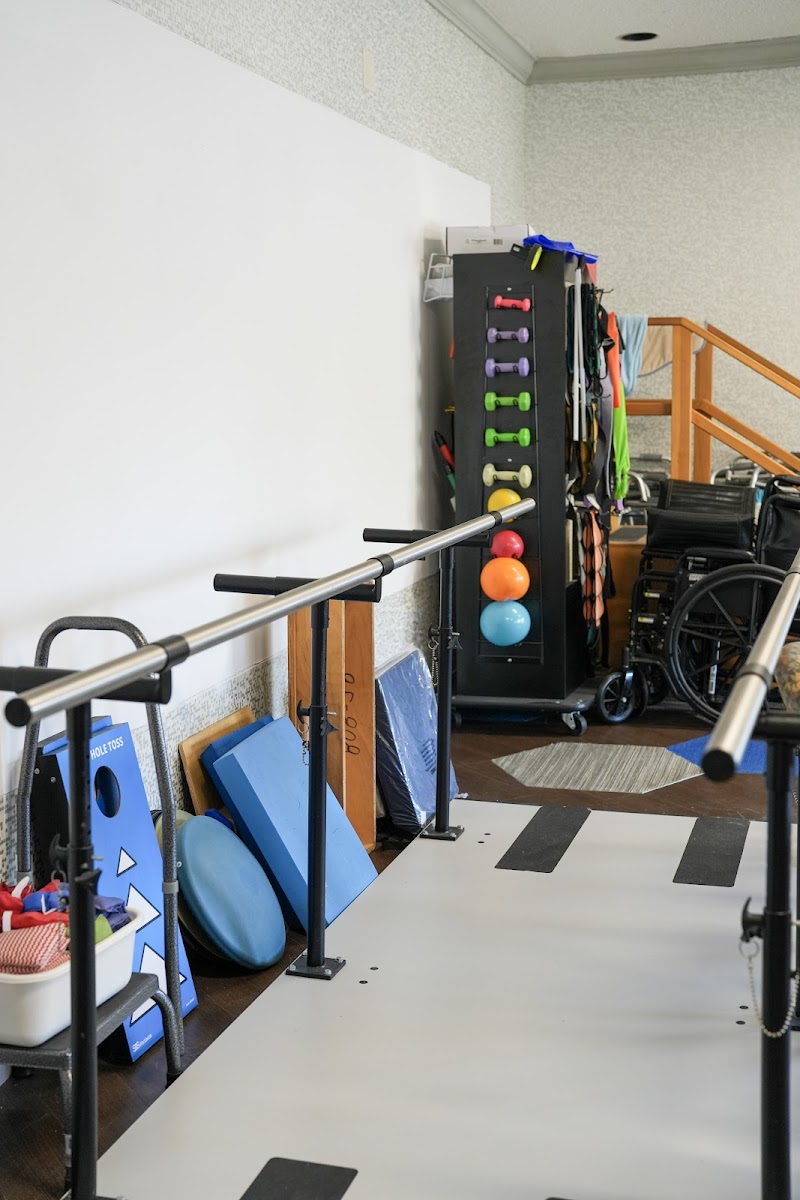
Who Owns and Operates Majestic Care Of Clyde?

Majestic Care of Clyde is owned by a for-profit company. For-profit facilities operate as businesses with obligations to shareholders or private owners. The facility is operated by MAJESTIC CARE, a chain that manages multiple nursing homes. With 74 certified beds and approximately 56 residents (about 76% occupancy), it is a smaller facility located in CLYDE, Ohio.

How Does Majestic Care Of Clyde Compare to Other Ohio Nursing Homes?

Compared to the 100 nursing homes in Ohio, Majestic Care of Clyde's overall rating (3 stars) is below the state average of 3.2, staff turnover (63%) is significantly higher than the state average of 46%, and health inspection rating (2 stars) is below the national benchmark.

What Should Families Ask When Visiting Majestic Care Of Clyde?

Based on this facility's data, families visiting should ask: "How do you ensure continuity of care given staff turnover, and what is your staff retention strategy?" "Can you walk me through typical staffing levels on day, evening, and night shifts?" "Can I visit during a mealtime to observe dining assistance and food quality?" "How do you handle medical emergencies, and what is your hospital transfer rate?" These questions are particularly relevant given the facility's high staff turnover rate and the below-average staffing rating.

Is Majestic Care Of Clyde Safe?

Based on CMS inspection data, Majestic Care of Clyde has a clean safety record: no substantiated abuse findings (meaning no confirmed cases of resident harm), no Immediate Jeopardy citations (the most serious violation level indicating risk of serious injury or death), and is not on the Special Focus Facility watch list (a federal program monitoring the lowest-performing 1% of nursing homes). The facility has a 3-star overall rating and ranks #100 of 100 nursing homes in Ohio. While no facility is perfect, families should still ask about staff-to-resident ratios and recent inspection results during their visit.

Do Nurses at Majestic Care Of Clyde Stick Around?

Staff turnover at Majestic Care of Clyde is high. At 63%, the facility is 17 percentage points above the Ohio average of 46%. Registered Nurse turnover is particularly concerning at 57%. RNs handle complex medical decisions and coordinate care — frequent RN changes can directly impact care quality. High turnover means new staff may not know residents' individual needs, medications, or preferences. It can also be disorienting for residents, especially those with dementia who rely on familiar faces. Families should ask: What is causing the turnover? What retention programs are in place? How do you ensure care continuity during staff transitions?

Was Majestic Care Of Clyde Ever Fined?

Majestic Care of Clyde has no federal fines on record. CMS issues fines when nursing homes fail to meet care standards or don't correct problems found during inspections. The absence of fines suggests the facility has either maintained compliance or corrected any issues before penalties were assessed. This is a positive indicator, though families should still review recent inspection reports for the full picture.

Is Majestic Care Of Clyde on Any Federal Watch List?

Majestic Care of Clyde is not on any federal watch list. The most significant is the Special Focus Facility (SFF) program, which identifies the bottom 1% of nursing homes nationally based on persistent, serious quality problems. Not being on this list means the facility has avoided the pattern of deficiencies that triggers enhanced federal oversight. This is a positive indicator, though families should still review the facility's inspection history directly.