CRYSTAL CARE OF COAL GROVE
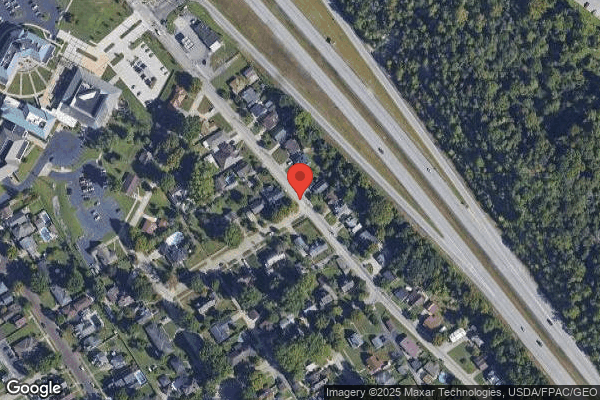

813 1/2 MARION PIKE, COAL GROVE, OH 45638 (740) 532-0449
For profit - Corporation 57 Beds HILLSTONE HEALTHCARE Data: November 2025 1 Immediate Jeopardy citation
Trust Grade
28/100
#448 of 913 in OH
Last Inspection: October 2023

Over 2 years since last inspection. Current conditions may differ from available data.

Overview

Crystal Care of Coal Grove has a Trust Grade of F, which indicates significant concerns about the facility's overall quality and care. It ranks #448 out of 913 facilities in Ohio, placing it in the top half, but it is #3 out of 4 in Lawrence County, suggesting only one local option is better. The facility is showing improvement, with issues decreasing from 9 in 2023 to 3 in 2024, although it still faces challenges, especially in staffing with a poor rating of 1 out of 5 stars and a high turnover rate of 61%. The facility has also accrued $159,708 in fines, which is concerning as it is higher than 98% of Ohio facilities, indicating repeated compliance problems. Specific incidents include failing to provide timely care for a resident whose condition declined, risking serious health outcomes, and not ensuring appropriate antibiotic treatments for infections, which could affect all residents. Overall, while there are some strengths, such as average RN coverage, the weaknesses highlighted in care and staffing may be significant for families considering this facility.

Trust Score
F
28/100
In Ohio
#448/913
Top 49%
Safety Record
High Risk
Review needed
Inspections
Getting Better
9 → 3 violations
Staff Stability
⚠ Watch
61% turnover. Above average. Higher turnover means staff may not know residents' routines.
Penalties
○ Average
$159,708 in fines. Higher than 73% of Ohio facilities. Some compliance issues.
Skilled Nurses
⚠ Watch
Each resident gets only 26 minutes of Registered Nurse (RN) attention daily — below average for Ohio. Fewer RN minutes means fewer trained eyes watching for problems.
Violations
⚠ Watch
27 deficiencies on record. Higher than average. Multiple issues found across inspections.
★★★☆☆
3.0
Overall Rating
★☆☆☆☆
1.0
Staff Levels
★★★★★
5.0
Care Quality
★★★☆☆
3.0
Inspection Score
Stable
2023: 9 issues
2024: 3 issues

The Good

  • 5-Star Quality Measures · Strong clinical quality outcomes
  • Full Sprinkler Coverage · Fire safety systems throughout facility
  • No fines on record

Facility shows strength in quality measures, fire safety.

The Bad

3-Star Overall Rating

Near Ohio average (3.2)

Meets federal standards, typical of most facilities

Staff Turnover: 61%

15pts above Ohio avg (46%)

Frequent staff changes - ask about care continuity

Federal Fines: $159,708

Well above median ($33,413)

Significant penalties indicating serious issues

Chain: HILLSTONE HEALTHCARE

Part of a multi-facility chain

Ask about local staffing decisions and management

Staff turnover is elevated (61%)

13 points above Ohio average of 48%

The Ugly 27 deficiencies on record

1 life-threatening
Mar 2024 2 deficiencies
CONCERN (D) 📢 Someone Reported This

A family member, employee, or ombudsman was alarmed enough to file a formal complaint

Potential for Harm - no one hurt, but risky conditions existed

ADL Care (Tag F0677)

Could have caused harm · This affected 1 resident

Based on record review, staff interview, observation, resident interview, and review of facility policy, the facility failed to ensure dependent residents received assistance with incontinence care an...

Read full inspector narrative →
Based on record review, staff interview, observation, resident interview, and review of facility policy, the facility failed to ensure dependent residents received assistance with incontinence care and eating. This affected three (Residents #23, #47, #53) of 37 facility-identified incontinent residents and affected one (Resident #53) of five facility-identified residents who required physical assistance with meal consumption. The facility census was 52. Findings include: Review of the lists provided by the facility revealed there were 37 residents (#1 #3, #4, #5, #8, #9, #10, #11, #15, #16, #17, #18, #19, #21, #22, #23, #27, #28, #30, #32, #34, #35, #36, #37, #38, #39, #41, #42, #44, #45, #46, #47, #49, #51, and #52) identified as being incontinent of bowel and/or bladder and five residents (#4, #47, #53, #44, and #49) who required physical assistance from staff for eating. 1. Review of the medical record for Resident #53 revealed an admission date of 01/30/24 with diagnoses including depression, hypertension, anxiety, and age-related cognitive decline. Review of the Minimum Data Set (MDS) assessment for Resident #53 dated 01/30/24 revealed the resident was severely cognitively impaired and was always incontinent of bowel and bladder. Review of the care plan for Resident #53 dated 02/16/24 revealed the resident had an activities of daily living (ADL) care deficit related to memory impairment and decreased mobility. Interventions included the staff should provide assistance with toileting and personal hygiene. Observation on 03/25/24 at 8:45 A.M. revealed Resident #53 was lying in bed and was wearing a urine-saturated brief. Interview on 03/25/24 at 8:45 A.M. with STNA #100 confirmed Resident #53 wearing a urine-saturated brief on and had not been provided incontinence care since prior to the beginning of the shift which began at 6:00 A.M. 2. Observation on 03/25/24 at 8:55 A.M. revealed Resident #47 was walking down the hallway with a soiled brief which caused the resident's pants to sag and to be wet with urine. Interview on 03/25/24 at 8:55 A.M. with STNA #100 confirmed Resident #47 was wearing a urine-saturated brief and had not been provided incontinence care since prior to the beginning of the shift which began at 6:00 A.M. 3. Review of the medical record for Resident #23 revealed an admission date of 12/12/23 with diagnoses including Parkinson's disease, muscle weakness, and abnormal posture. Review of the MDS assessment for Resident #23 dated 12/19/23 revealed the resident had mildly impaired cognition and was occasionally incontinent of bowel and bladder. Review of the care plan for Resident #23 dated 12/13/23 revealed the resident was incontinent of bladder. Interventions included staff should check for incontinence as needed and provide peri-care after each incontinence episode. Interview on 03/25/24 at 9:10 A.M with Resident #23 confirmed staff did not consistently provide incontinence care every two hours, and sometimes it was several hours between incontinence changes. Observation on 03/25/24 at 9:20 A.M. revealed STNA #400 entered Resident #23's room to provide incontinence care. STNA #400 pulled Resident #23's gown up which revealed the resident was wearing two incontinence briefs. STNA #400 removed the briefs and there was a large amount of light brown urine on the brief closest to the resident's skin which emitted a strong urine odor. STNA #400 proceeded to cleanse and dry the resident's perineum and buttocks and then placed one clean incontinence brief on the resident. Interview on 03/25/24 at 9:25 A.M. with STNA #400 confirmed Resident #23 had been wearing two incontinence briefs. STNA #400 confirmed residents were only supposed to wear only one incontinence brief at a time. STNA #400 further confirmed her shift had begun at 6:00 A.M. and she had not provided incontinence care to Resident #23 prior to the observation on 03/25/24 at 9:20 A.M. STNA #400 confirmed incontinence care should be provided every two hours. Interview on 03/25/24 at 9:27 A.M with Resident #23 confirmed she had not received incontinence care on 03/25/24 on dayshift until 9:20 A.M. and the shift began at 6:00 A.M. Resident #23 further confirmed night shift staff sometimes applied two incontinence briefs at once but was unsure as to why they did this. 4. Observation on 03/25/24 at 12:27 P.M. revealed the cart containing the residents' lunch meals arrived on the secured unit. At 12:30 P.M. STNA #100 began preparing the meal trays and serve them to residents. Review of the MDS assessment for Resident #53 dated 01/30/24 revealed the resident was severely cognitively impaired and required substantial to moderate assistance of staff with eating. Review of the care plan for Resident #53 dated 02/16/24 revealed the resident had an ADL deficit related to memory impairment and decreased mobility. Interventions included the staff should provide assistance with eating and bed mobility. Observation on 03/25/24 at 12:45 P.M. revealed State Tested Nursing Assistant (STNA) #100 set up Resident #53's lunch tray on the resident's overbed table and awakened the resident and raised the head of the bed. STNA #100 then exited the room and left the resident unattended with the lunch meals. Observation on 03/25/24 at 1:01 P.M. revealed STNA #100 removed the last lunch meal tray from the cart and took it to a resident. Observation on 03/25/24 at 1:07 P.M. revealed Resident #53 was slumped over to the left side with her head resting against the wall. The resident held a roll in her hand which she was attempting to eat. The remainder of the resident's lunch meal was on the overbed table but was out of the resident's reach. The resident was unable to reposition herself in the bed. Interview on 03/25/24 at 1:11 P.M. with STNA #100 confirmed Resident #53 was slumped over in bed unable to reach her lunch meal tray as she was unable to reposition herself. STNA #100 further confirmed Resident #53 required assistance with eating and she had not provided assistance to the resident. Review of the facility policy titled Incontinence Management Standard of Care undated revealed the facility would promote intact skin, maintain dryness, and respect the resident's standard and individualized interventions and right to dignity by implementing appropriate interventions. Interventions included routine rounding every two hours with turning and repositioning, provision of personal hygiene and skin care after each incontinence episode, and evaluation for and implementation and the proper use of incontinence products. Review of the facility policy titled Assisting the Resident with In-Room Meals dated December 2013 revealed for meal consumption residents should be positioned so their head and upper body are as upright as possible with the head tipped slightly forward. If the resident was served their meal in bed staff should use wedges and pillows to achieve a nearly upright position. Staff should assist the resident with eating as necessary. This deficiency represents noncompliance investigated under Complaint Number OH00152025.
CONCERN (D) 📢 Someone Reported This

A family member, employee, or ombudsman was alarmed enough to file a formal complaint

Potential for Harm - no one hurt, but risky conditions existed

Deficiency F0725 (Tag F0725)

Could have caused harm · This affected 1 resident

Based on record review, staff interview, observation, resident interview, and review of facility policy, the facility failed to ensure there were sufficient staff present to provide care and services ...

Read full inspector narrative →
Based on record review, staff interview, observation, resident interview, and review of facility policy, the facility failed to ensure there were sufficient staff present to provide care and services to residents. This affected three (Residents #23, #47, #53) of 37 facility-identified incontinent residents and affected one (Resident #53) of five facility-identified residents who required physical assistance with meal consumption. The facility census was 52. Findings include: Review of the lists provided by the facility revealed there were 37 residents (#1 #3, #4, #5, #8, #9, #10, #11, #15, #16, #17, #18, #19, #21, #22, #23, #27, #28, #30, #32, #34, #35, #36, #37, #38, #39, #41, #42, #44, #45, #46, #47, #49, #51, and #52) identified as being incontinent of bowel and/or bladder and five residents (#4, #47, #53, #44, and #49) who required physical assistance from staff for eating. Observation on 03/25/24 at 8:25 A.M. revealed there were two licensed nurses and three State Tested Nursing Assistants (STNAs) present in the facility to provide care for 52 residents. Interview on 03/25/24 at 8:27 A.M with Registered Nurse (RN) #600 confirmed there were only three STNAs working due to one STNA calling off work for the day. RN #600 confirmed the nurses were busy administering medications to residents and did not have time to help the STNAs provide personal care. RN #600 confirmed it was hard to provide needed care and services to residents present in the facility when there were only three STNAs. Interview on 03/25/23 at 8:35 A.M. with STNA #100 confirmed they were the only employee currently present on the secured unit of the facility. The two nurses and two other STNAs were providing care to the residents outside of the secured unit. STNA #100 confirmed some of the residents on the secured unit required assistance from two staff members with activities of daily living (ADLs) due to behaviors and their physical needs. STNA #100 confirmed some residents on the secured unit were currently soiled with urine as there had not been time to complete incontinence care for any residents on the unit since the shift had begun at 6:00 A.M. on 03/25/24. 1. Review of the medical record for Resident #53 revealed an admission date of 01/30/24 with diagnoses including depression, hypertension, anxiety, and age-related cognitive decline. Review of the Minimum Data Set (MDS) assessment for Resident #53 dated 01/30/24 revealed the resident was severely cognitively impaired and was always incontinent of bowel and bladder. Review of the care plan for Resident #53 dated 02/16/24 revealed the resident had an activities of daily living (ADL) care deficit related to memory impairment and decreased mobility. Interventions included the staff should provide assistance with toileting and personal hygiene. Observation on 03/25/24 at 8:45 A.M. revealed Resident #53 was lying in bed and was wearing a urine-saturated brief. Interview on 03/25/24 at 8:45 A.M. with STNA #100 confirmed Resident #53 wearing a urine-saturated brief on and had not been provided incontinence care since prior to the beginning of the shift which began at 6:00 A.M. because there were not enough staff. 2. Observation on 03/25/24 at 8:55 A.M. revealed Resident #47 was walking down the hallway with a soiled brief which caused the resident's pants to sag and to be wet with urine. Interview on 03/25/24 at 8:55 A.M. with STNA #100 confirmed Resident #47 had not been provided incontinence care since prior to the beginning of the shift which began at 6:00 A.M. because there were not enough staff. Interview on 03/25/24 at 9:05 A.M. with STNA #300 confirmed they were working on the middle unit of the facility (outside of the secured unit) and they were not able to help the STNA on the secured unit because there were not enough staff. 3. Review of the medical record for Resident #23 revealed an admission date of 12/12/23 with diagnoses including Parkinson's disease, muscle weakness, and abnormal posture. Review of the MDS assessment for Resident #23 dated 12/19/23 revealed the resident had mildly impaired cognition and was occasionally incontinent of bowel and bladder. Review of the care plan for Resident #23 dated 12/13/23 revealed the resident was incontinent of bladder. Interventions included staff should check for incontinence as needed and provide peri-care after each incontinence episode. Interview on 03/25/24 at 9:10 A.M with Resident #23 confirmed staff did not consistently provide incontinence care every two hours, and sometimes it was several hours between incontinence changes. Observation on 03/25/24 at 9:20 A.M. revealed STNA #400 entered Resident #23's room to provide incontinence care. STNA #400 pulled Resident #23's gown up which revealed the resident was wearing two incontinence briefs. STNA #400 removed the briefs and there was a large amount of light brown urine on the brief closest to the resident's skin which emitted a strong urine odor. STNA #400 proceeded to cleanse and dry the resident's perineum and buttocks and then placed one clean incontinence brief on the resident. Interview on 03/25/24 at 9:25 A.M. with STNA #400 confirmed Resident #23 had been wearing two incontinence briefs. STNA #400 confirmed residents were only supposed to wear only one incontinence brief at a time. STNA #400 further confirmed her shift had begun at 6:00 A.M. and she had not provided incontinence care to Resident #23 prior to the observation on 03/25/24 at 9:20 A.M. STNA #400 confirmed incontinence care should be provided every two hours. Interview on 03/25/24 at 9:27 A.M with Resident #23 confirmed she had not received incontinence care on 03/25/24 on dayshift until 9:20 A.M. and the shift began at 6:00 A.M. Resident #23 further confirmed night shift staff sometimes applied two incontinence briefs at once but was unsure as to why they did this. Interview with STNA #300 on 03/25/24 at 11:01 A.M. confirmed there were a lot of residents who were incontinent and had behaviors and it was hard to provide care timely when there were only three STNAs present. STNA #300 stated two night shift STNAs had stayed over until approximately 8:30 A.M. and helped pass out breakfast trays but did provide any residents with incontinence care between 6:00 A.M. and 8:30 A.M. before they left. Interview with STNA #200 on 03/25/24 at 12:10 P.M. confirmed incontinence care was to be provided every two hours but there were times when there were not enough staff present to do so. 4. Observation on 03/25/24 at 12:27 P.M. revealed the cart containing the residents' lunch meals arrived on the secured unit. At 12:30 P.M. STNA #100 began preparing the meal trays and serve them to residents. Review of the MDS assessment for Resident #53 dated 01/30/24 revealed the resident required substantial to moderate assistance of staff with eating. Review of the care plan for Resident #53 dated 02/16/24 revealed the resident had an ADL deficit related to memory impairment and decreased mobility. Interventions included the staff should provide assistance with eating and bed mobility. Observation on 03/25/24 at 12:45 P.M. revealed State Tested Nursing Assistant (STNA) #100 set up Resident #53's lunch tray on the resident's overbed table and awakened the resident and raised the head of the bed. STNA #100 then exited the room and left the resident unattended with the lunch meals. Observation on 03/25/24 at 1:01 P.M. revealed STNA #100 removed the last lunch meal tray from the cart and took it to a resident. Observation on 03/25/24 at 1:07 P.M. revealed Resident #53 was slumped over to the left side with her head resting against the wall. The resident held a roll in her hand which she was attempting to eat. The remainder of the resident's lunch meal was on the overbed table but was out of the resident's reach. The resident was unable to reposition herself in the bed. Interview on 03/25/24 at 1:11 P.M. with STNA #100 confirmed Resident #53 was slumped over in bed unable to reach her lunch meal tray as she was unable to reposition herself. STNA #100 further confirmed Resident #53 required assistance with eating and she had not provided assistance to the resident. STNA #100 confirmed there was not enough staff available to timely deliver residents' meals and remain with residents who needed assistance with meal consumption. Interview with Licensed Practical Nurse (LPN) #500 on 03/25/24 at 2:10 P.M. confirmed nurses typically did not have time to assist the STNAs in providing resident care due to being busy administering medications and performing other tasks. Interview with Resident #30 on 03/26/24 at 8:25 A.M. confirmed there was often an extended wait time for staff to provide care and assistance and incontinence care was not routinely provided every two hours. Interview with Resident #28 on 03/26/24 at 8:34 A.M. confirmed the facility needed more staff as it sometimes took a long period of time to receive needed care. Review of the facility policy titled Staffing dated 09/202 revealed the facility should provide sufficient and competent staff to meet the care and service needs of all residents. This deficiency represents noncompliance investigated under Complaint Number OH00151811.
Mar 2024 1 deficiency 1 IJ
CRITICAL (J) 📢 Someone Reported This

A family member, employee, or ombudsman was alarmed enough to file a formal complaint

Immediate Jeopardy (IJ) - the most serious Medicare violation

Quality of Care (Tag F0684)

Someone could have died · This affected 1 resident

**NOTE- TERMS IN BRACKETS HAVE BEEN EDITED TO PROTECT CONFIDENTIALITY** Based on closed medical record review, review of the hospital records, review of laboratory test requisitions, review of the fac...

Read full inspector narrative →
**NOTE- TERMS IN BRACKETS HAVE BEEN EDITED TO PROTECT CONFIDENTIALITY** Based on closed medical record review, review of the hospital records, review of laboratory test requisitions, review of the facility's laboratory contract, staff interviews, and review of the facility policy, the facility failed to ensure timely and appropriate care and services were provided for Resident #60 following a change in condition. This resulted in Immediate Jeopardy and the potential for serious life-threatening injuries, negative health outcome and/or death on [DATE] at 10:29 A.M. when Resident #60 experienced a decline in condition. Nurse Practitioner (NP) #500 was notified of Resident #60's decline and provided new orders to obtain STAT (urgent) laboratory tests. The ordered laboratory tests were never obtained, and neither the physician nor the NP were notified of the laboratory tests not being obtained. On [DATE] at 8:40 A.M., Resident #60 further declined with pale, clammy skin and diminished breath sounds and the facility did not notify the physician nor the NP of Resident #60's decline in condition. Resident #60's condition was not monitored from 8:40 A.M. until Resident #60 was found deceased at 1:30 P.M. This affected one resident (#60) of the three residents reviewed for care and services following a change in condition. The facility census was 54. On [DATE] at 10:07 A.M., the Licensed Nursing Home Administrator (LNHA) and Director of Nursing (DON) were notified Immediate Jeopardy began on [DATE] at approximately 10:30 A.M. when STAT laboratory tests were ordered for Resident #60 following a change in condition. NP #500 ordered the STAT laboratory tests because the resident had a recent life-threatening potassium level of 9.8 milliequivalents per liter (mEq/L) (normal level is 3.5 to 5.0 mEq/L) requiring admission to the intensive care unit and urgent hemodialysis treatments (ICU) on [DATE]. The laboratory tests were never obtained, and there was no notification to NP #500 or the physician that the laboratory tests were not obtained. Resident #60 continued to decline on [DATE] at 8:40 A.M. when the resident was assessed to have diminished breath sounds with pale, clammy skin and there was no notification to NP #500 or the physician of Resident #60's decline. NP #500 stated she would have transferred Resident #60 to the hospital if she had known the STAT laboratory values were not obtained and if she had been made aware of Resident #60's further decline on [DATE] at 8:40 A.M. There was no evidence the facility monitored Resident #60 from 8:40 A.M. until 1:30 P.M. when Resident #60 was found deceased in her room. The Immediate Jeopardy was removed on [DATE] when the facility implemented the following corrective actions: • On [DATE], Regional Director of Clinical Operations (RDCO) #600 provided education to the LNHA and DON on how to correctly enter laboratory tests into the e-med lab system (the electronic entering of physician ordered laboratory tests that goes to the facility's contracted laboratory services), abuse and neglect training, how to complete whole house audits for laboratory values, and for changes in condition. • On [DATE], the DON educated all 16 licensed nurses on how to correctly enter laboratory tests into the e-med lab system. The licensed nurses were educated in-person or by telephone. • On [DATE], the DON and LNHA educated all 70 staff members on abuse and neglect. All staff were educated in-person or by telephone. • On [DATE], the DON completed an audit of all 54 residents currently residing in the facility to ensure all laboratory orders were entered into the e-med lab system correctly. The audit revealed there were no incorrect laboratory tests entered into e-med lab system. • On [DATE], the DON completed an audit of all 54 residents to ensure no other residents had changes in condition that were not being addressed by the facility. There were two residents (Residents #1 and #2) observed to have a change in condition during the audit process. Residents #1 and #2 were assessed, the physician was notified, and new physician orders were obtained to treat the changes in conditions. Residents #1 and #2 will be closely monitored and any additional changes will be reported to the physician or NP. • On [DATE], RDCO #600 educated the DON on the morning meeting process to ensure all treatments and physician's orders are being covered during the meeting, specifically related to the monitoring of physician's orders and the entering of laboratory tests. • On [DATE], an ad hoc Quality Assurance Performance Improvement (QAPI) meeting was completed with the Administrator, DON, and Medical Director #700 to discuss the self-inducted plan of correction (SIPOC) and all the steps taken toward an abatement plan. • On [DATE], RDCO #600 educated the LNHA and DON, and Assistant Director of Nursing (ADON) #800 on the process for identifying a change in condition and the timely reporting of a change in condition to the physician. • On [DATE], the LNHA and DON educated all 70 staff members to report any residents showing signs and symptoms of a change in condition. All staff were educated in-person or by telephone. • On [DATE], the DON educated all 16 licenses nurses on how to address a resident's change in condition and the timely reporting of a change in condition to the physician. All nurses were educated in-person or by telephone. • Beginning on [DATE], the DON or designee will complete audits for changes in condition and physician notification. These audits will be completed five times weekly for four weeks. The DON or designee will audit laboratory tests indefinitely. If any concerns are identified, the staff member will be educated at that time. • On [DATE], Regional [NAME] President #888 reviewed and modified the facility's policy titled Lab and Diagnostic Test Result to address the procedure to be followed when ordered labs are not drawn, ensuring labs orders are drawn, and how nursing is to monitor the lab draw status and results. • On [DATE], RDCO #600 educated the DON on the revised Lab and Diagnostic Test Result policy and change in condition and physician notification policy. On [DATE] at 10:07 A.M., the DON educated all 16 nurses by telephone or in-person on the revised Lab and Diagnostic Test Result policy and all 70 staff members were educated on the responsibility of all staff to report any residents showing signs or symptoms of a change in condition. Although the Immediate Jeopardy was removed on [DATE], the facility remained out of compliance at Severity Level 2 (no actual harm with potential for more than minimal harm that is not Immediate Jeopardy) as the facility is in the process of implementing their corrective actions and monitoring to ensure on-going compliance. Findings include: Review of the closed medical record for Resident #60 revealed the resident was admitted to the facility on [DATE]. Resident #60 had diagnoses including atrial fibrillation, muscle weakness, epilepsy, and multiple sclerosis. Review of the hospital records dated [DATE] revealed Resident #60 was under hospice care services for a stroke prior to the hospitalization. Resident #60 improved under hospice care and wanted to receive rehabilitation care so was discharged from hospice services. Resident #60 was discharged from the hospital on [DATE] and admitted to the skilled nursing facility with orders to treat a urinary tract infection with intravenous antibiotics. Review of the nursing progress note, dated [DATE], revealed Resident #60 vomited large amounts of green bile, was diaphoretic (sweating), exhibited increased confusion, had liquid stool in colostomy bag, was lethargic, and slow to respond. The NP was notified with new orders to send Resident #60 to the emergency department for evaluation and treatment. Review of the hospital progress notes, dated [DATE] through [DATE], revealed Resident #60 was admitted to the hospital on [DATE] with a life-threatening potassium level of 9.8 mEq/L requiring admission to the intensive care unit and urgent hemodialysis treatments (ICU) on [DATE]. The resident was stabilized while in the hospital and was transferred back to the facility on [DATE]. Resident #60 exhibited high levels of motivation to participate in rehabilitation and expressed she wanted to walk again. Review of the Minimum Data Set (MDS) assessment, dated [DATE], revealed Resident #60 was assessed to have mildly impaired cognition evidenced by a Brief Interview for Mental Status (BIMS) assessment score of 11 (out of 15). Resident #60 was assessed to be dependent upon staff for bed mobility and toileting. Review of the nursing progress notes dated [DATE] through [DATE] revealed no documented evidence staff identified any changes in condition for the resident during this time period. The nursing progress note, dated [DATE] at 10:29 A.M., revealed Resident #60 had a slight increase in confusion, a decrease in appetite, and weight loss. The NP was notified, and new orders were obtained for STAT laboratory testing to be completed. Review of the physician's order, dated [DATE], revealed an order for a Comprehensive Metabolic Panel (CMP), renal panel including Glomerular Filtration Rate (GFR), Complete Blood Count (CBC) with differential, and a B-Natriuretic Peptide (BNP) to be completed STAT due to increased confusion. Review of the requisition for laboratory testing, dated [DATE], revealed orders for a CMP, renal panel including GFR, CBC with differential, and a BNP were entered as routine rather than STAT as ordered by the NP. There were no results of the ordered laboratory tests available for review. There was no evidence the physician or NP were notified the laboratory tests were not completed and no reason was noted in the medical record as to why the laboratory tests were not completed. Record review revealed there were no nursing progress notes completed for Resident #60 between the note on [DATE] at 10:29 A.M. and a note on [DATE] at 8:40 A.M. There was no evidence the resident's overall health status was being monitored or assessed during this time period. The nursing progress note, dated [DATE] at 8:40 A.M., revealed Resident #60 had pale, cool, clammy skin to touch. The resident's breath sounds were diminished in the lower lobes bilaterally. There was no evidence the NP or physician were updated on Resident #60's change in condition at this time. There were no evidence additional assessments or monitoring of the resident completed until 1:30 P.M. The nursing progress note, dated [DATE] at 1:30 P.M., revealed ADON #800 and RN #300 verified Resident #60 had no respirations and no heart rate noted. The physician was notified Resident #60 was deceased . Review of the death certificate revealed Resident #60's immediate cause of death was atrial fibrillation. Interview with the DON on [DATE] at 12:15 P.M. confirmed NP #500 ordered laboratory testing to be completed STAT on [DATE] for Resident #60. The DON verified the STAT laboratory tests were not drawn and therefore there were no results available for review. Telephone interview with NP #500 on [DATE] at 12:53 P.M. confirmed she had ordered STAT laboratory testing to be completed for Resident #60 on [DATE] due to reports of increased confusion and a recent history of critically high potassium levels, which had required hospitalization and were life-threatening. NP #500 stated she would expect STAT laboratory tests to be completed within two to three hours of the physician's order. NP #500 additionally confirmed she had not been notified by the facility the laboratory testing had not been completed for Resident #60 as ordered and had not been notified of the assessment of the resident having diminished breath sounds and cool, clammy, pale skin on [DATE]. NP #500 stated if she had been notified of either situation, she would have ordered the resident be sent to the hospital for evaluation and treatment. Interview with the LNHA and DON on [DATE] at 1:55 P.M. revealed facility management was not aware the STAT laboratory tests had not been obtained for Resident #60 until the morning of [DATE]. The Administrator and DON confirmed the facility did not notify the NP or physician of the ordered laboratory tests not being obtained or of the resident being assessed to have diminished breath sounds and cool, clammy, pale skin on [DATE]. The LNHA and DON stated they were notified during the clinical morning meeting, which was held between 9:00 A.M. and 10:00 A.M. on [DATE], that the laboratory tests were not drawn for Resident #60 because the laboratory company who the facility had a contract with did not have enough staff to come draw the physician ordered laboratory tests. The DON and LNHA stated they did not update the physician or NP of the resident's current condition and the fact the laboratory tests were not drawn because Resident #60 had another change in condition that morning. The Administrator and DON confirmed the facility did not complete an investigation related to the laboratory tests not being drawn for Resident #60 when they were ordered STAT and did not investigate Resident #60's change in condition until [DATE]. Interview with RN #250 on [DATE] at 8:50 A.M. confirmed she had received the order from NP #500 to obtain STAT laboratory tests and had entered the order with the laboratory company the facility contracted with. RN #250 stated she could not recall if she entered the order as STAT or routine. Telephone interview with RN #300 on [DATE] at 9:00 A.M. confirmed Resident #60 did not appear to be well on the morning of [DATE] and had diminished breath sounds and cool, clammy, pale skin. RN #300 stated she did not report the resident's condition to the NP or physician, as she was not familiar with Resident #60 and was told by State Tested Nursing Assistants (STNAs) who worked more frequently with the resident she was not acting far from her baseline. RN #300 stated the DON was questioning whether laboratory testing had been ordered for Resident #60 the day before ([DATE]) as the results could not be located. Interview with STNA #133 on [DATE] at 11:40 A.M. confirmed Resident #60 appeared sick on [DATE]. STNA #133 stated she entered the room around lunch time to check on the resident and the resident did not appear to be breathing. STNA #133 stated she informed the nurse who confirmed the resident had expired. STNA #133 stated the resident's death was unexpected. Interview with the DON on [DATE] at 1:28 P.M. confirmed the orders for STAT laboratory testing to be completed for Resident #60 had been entered as routine instead of STAT as ordered. Telephone interview with NP #500 on [DATE] at 1:52 P.M. confirmed the nurse practitioner would have typically expected follow up laboratory tests to be conducted for a resident admitted to the hospital with a potassium level of 9.8 within one week following the resident's return to the facility. NP #500 stated she could not recall the exact discussion she had with facility staff following Resident #60's return or whether she provided orders for the laboratory tests to be drawn. Review of the facility's contract with Laboratory Company #99 dated [DATE] revealed the laboratory company provided 24 hours per day, 365 days per year STAT (life-threatening situation) services. The STAT testing was to be reported within five hours. The facility agreed to provide completed requisitions that reflect a physician or other practitioner's order for the services. The facility shall ensure that all requisitions are completed accurately with all the information needed for the laboratory company. Review of the facility policy titled Lab and Diagnostic Test Results - Clinical Protocol, revised 11/2018, revealed the physician would identify and order diagnostic and lab testing based on the resident's diagnostic and monitoring needs. The staff would process test requisitions and arrange for tests. Staff would use daily logs to ensure lab orders were in place for each shift. The laboratory, diagnostic radiology provider, and or other testing source would report test results to the facility. If a STAT order had not been drawn within four to six hours, physician notification should take place and further direction given. Review of the facility's undated policy titled Change in Condition and Physician Notification Policy revealed the facility was to promptly identify, respond to, and report changes in resident condition to the resident's physician/NP/physician assistant (PA) and resident/resident's representative. A significant change was a major decline or improvement of the resident's status. The nurse would document timely regarding the change in resident's condition, interventions, and notifications. This deficiency represents non-compliance investigated under Complaint Number OH00150811.
Oct 2023 9 deficiencies
CONCERN (D)

Potential for Harm - no one hurt, but risky conditions existed

Comprehensive Care Plan (Tag F0656)

Could have caused harm · This affected 1 resident

**NOTE- TERMS IN BRACKETS HAVE BEEN EDITED TO PROTECT CONFIDENTIALITY** 3. Record review for Resident #32 revealed this resident was admitted to the facility on [DATE] and had diagnoses including acqu...

Read full inspector narrative →
**NOTE- TERMS IN BRACKETS HAVE BEEN EDITED TO PROTECT CONFIDENTIALITY** 3. Record review for Resident #32 revealed this resident was admitted to the facility on [DATE] and had diagnoses including acquired absence of the right leg below the knee, nicotine dependence, and viral hepatitis C. Review of the quarterly Minimum Data Set (MDS) assessment, dated 08/05/23, revealed this resident had intact cognition evidenced by a Brief Interview for Mental Status (BIMS) assessment score of 15. This resident was assessed to require supervision for bed mobility, transfers, toileting, and eating. Review of the care plan, most recently revised on 05/10/23, revealed this resident was at risk for impaired skin integrity related to a left below the knee amputation and prosthetic leg left extremity. Interventions included to monitor skin to stump for redness, edema, and abrasions and to inspect skin during routine daily care. Interview with Resident #32 on 10/17/23 at 2:30 P.M. revealed the resident had undergone an amputation of the right leg below the knee. Observation on 10/17/23 at 2:30 P.M. revealed Resident #32 had a right below the knee amputation and had a prosthesis for the right lower extremity. Resident #32 did not have a left leg amputation or prosthetic. Interview with the Director of Nursing (DON) on 10/18/23 at 2:05 P.M. verified Resident #32 had a right below the knee amputation and right lower leg prosthetic and the care plan was incorrect as it identified the resident as having a left below the knee amputation and left leg prothesis. Based on observation, interview and record review the facility failed to ensure the comprehensive plan of care was developed and implemented based on the residents preferences and needs and the plan of care was not person centered. This affected three residents (#28, #29 and #32) of 12 residents reviewed for plan of care. The facility census was 41. Findings include: 1. Review of the medical record for Resident #28 revealed an admission date of 03/12/22 with diagnoses including dementia with behavioral disturbances, type two diabetes mellitus, metabolic encephalopathy, major depressive disorder and anxiety. Review of the quarterly Minimum Data Set (MDS) dated [DATE] revealed Resident #28 had severe cognitive impairment with inattention. Resident #28 required extensive assistance of one person for transfers and supervision with mobility due to unsteady balance and gait. Review of the activity assessment dated [DATE] for Resident #28 revealed Resident #28 preferred self initiated activities in her room such as word search puzzles, activity packs and music. Review of the plan of care revised on 05/24/23 revealed Resident #28 had the potential for activity deficit related to cognitive impairment and decreased mobility. The interventions included to assist Resident #28 to activities, encourage to come to group activities (in common area of the locked unit), provide Resident #28 with access to an activity calendar, staff to provide one on one as needed. Review of the plan of care revised on 03/06/23 revealed Resident #28 had impaired cognition and thought process related to atrophy and vascular dementia with behaviors. The interventions included administer medications as ordered, observe the resident for decline in cognition and notify the physician, staff to anticipate the resident needs, and residents family to come in to the facility and sit with the resident. Observations made on 10/16/23 at 10:10 A.M., 1:07 P.M., on 10/17/23 at 9:14 A.M., 10/18/23 10:05 A.M. found Resident #28 sleeping in her room with no self initiated activities such as word search puzzles, activity packs or music available and no interaction with Resident #28. An interview on 10/19/23 at 2:20 P.M. with the Director of Nursing (DON) confirmed the activity plan of care was not personalized to meet Resident #28 needs. 2. Review of the medical record for Resident #29 revealed an admission date of 07/01/21 with diagnoses including vascular dementia with behavioral disturbances, psychotic disorder with delusions, major depression, anxiety disorder and neuralgia. Review of the quarterly Minimum Data Set (MDS) dated [DATE] revealed Resident #29 was severely cognitively impaired with inattention and disorganized thinking. Resident #29 required assistance with activities of daily living. Review of the activity assessment dated [DATE] revealed Resident #29 attended and enjoyed group activities. Resident #29 enjoyed watching television, listening to music, bingo, arts and crafts, seek and find objects, her baby doll, and sitting outside. Review of the plan of care for Resident #29 revealed Resident #29 had the potential for activity deficit related to cognitive impairment, decreased mobility and behavior problems. The interventions included to assist Resident #29 to group activities, provide an activity calendar and provide one on one attention. Observations on 10/16/23 at 12:06 P.M. and on 10/17/23 at 9:18 A.M. of Resident #29 revealed Resident #29 was lying in her bed with eyes closed. An interview on 10/19/23 at 2:20 P.M. with the Director of Nursing (DON) confirmed the activity plan of care was not personalized to meet Resident #29's needs.
CONCERN (D)

Potential for Harm - no one hurt, but risky conditions existed

Quality of Care (Tag F0684)

Could have caused harm · This affected 1 resident

**NOTE- TERMS IN BRACKETS HAVE BEEN EDITED TO PROTECT CONFIDENTIALITY** Based on observations, interviews, and record reviews, the facility failed to ensure monitoring of a resident's skin after post ...

Read full inspector narrative →
**NOTE- TERMS IN BRACKETS HAVE BEEN EDITED TO PROTECT CONFIDENTIALITY** Based on observations, interviews, and record reviews, the facility failed to ensure monitoring of a resident's skin after post surgical intervention. This affected one resident (#32) of the two residents reviewed for skin conditions during the annual survey. The facility census was 41. Findings include: Record review for Resident #32 revealed this resident was admitted to the facility on [DATE] and had diagnoses including acquired absence of the right leg below the knee, nicotine dependence, and viral hepatitis C. Review of the quarterly Minimum Data Set (MDS) assessment, dated 08/05/23, revealed this resident had intact cognition evidenced by a Brief Interview for Mental Status (BIMS) assessment score of 15. This resident was assessed to require supervision for bed mobility, transfers, toileting, and eating. Review of the care plan, most recently revised on 05/10/23, revealed this resident was at risk for impaired skin integrity related to a left below the knee amputation and prosthetic leg left extremity (this was in error as the resident had a right below the knee amputation, not left). Interventions included to monitor skin to stump for redness, edema, and abrasions and to inspect skin during routine daily care. Review of the active physicians order, dated 05/22/23, revealed an order to monitor stump to left leg lower extremity for redness, edema, abrasions, and notify physician. Review of the resident's medical record revealed no documented evidence the resident's skin to the right stump was being monitored for redness, edema, and abrasions. Review of the nurse's progress note, dated 10/18/23, revealed this nurse went to check on the resident. The resident had reddened area to right stump. The Nurse Practitioner was notified and new orders were obtained to change Lidocaine patch to once daily, on for 12 hours then remove, and to change the strength of the Lidocaine patch to four percent. There was no evidence any treatment was ordered and/or provided to the resident's red, irritated skin. Interview with Resident #32 on 10/17/23 at 2:30 P.M. revealed the resident had undergone an amputation of the right leg below the knee and had been asking staff members for cream for the right stump due to irritation. During interview with Resident #32, he stated they were not monitoring the stump at all. Observation on 10/17/23 at 2:30 P.M. revealed Resident #32 had a right below the knee amputation and had a prosthesis for the right lower extremity. The skin to the right stump area was observed to be red and irritated. Interview with the Director of Nursing (DON) on 10/18/23 at 2:05 P.M. verified the order to monitor the skin to the left stump area was incorrect as the resident actually had a right stump and prosthesis following a right below the knee amputation. The DON verified there was no documented evidence the resident's skin at the right stump area was being monitored by staff and the area was red and irritated.
CONCERN (D)

Potential for Harm - no one hurt, but risky conditions existed

Accident Prevention (Tag F0689)

Could have caused harm · This affected 1 resident

**NOTE- TERMS IN BRACKETS HAVE BEEN EDITED TO PROTECT CONFIDENTIALITY** Based on observations, interviews, record reviews, and review of facility policy, the facility failed to ensure adequate care an...

Read full inspector narrative →
**NOTE- TERMS IN BRACKETS HAVE BEEN EDITED TO PROTECT CONFIDENTIALITY** Based on observations, interviews, record reviews, and review of facility policy, the facility failed to ensure adequate care and services were provided to identify residents at risk for elopement and prevent elopement. This affected two residents (#4 and #43) out of the five residents residents reviewed for accidents during the annual survey. The facility census was 41. Findings include: 1. Record review for Resident #4 revealed this resident was admitted to the facility on [DATE] and had diagnoses including anxiety disorder, schizophrenia, mood disorder, and bipolar disorder. Review of the quarterly Minimum Data Set (MDS) assessment, dated 07/14/23, revealed this resident was rarely/never understood evidenced by a Brief Interview for Mental Status (BIMS) assessment score of 99. This resident was assessed to require extensive assistance from two staff members for bed mobility, transfers, and toileting and to require supervision for eating. This resident was assessed to use a wander/elopement alarm daily. Review of the care plan, dated 09/15/21, revealed this resident was at risk for elopement. Interventions included wanderguard as ordered and follow facility elopement procedures. Review of the active physician orders for Resident #4 revealed no orders were in place for the monitoring or placement of a wanderguard. Observation on 10/19/23 at 8:30 A.M. revealed Resident #4 was observed lying in bed and had a wanderguard in place to the right ankle. The resident refused to allow observation of the wanderguard for expiration date. Interview with Licensed Practical Nurse (LPN) #84 on 10/19/23 at 8:35 A.M. revealed residents had wanderguard in place as ordered by the physician and the wanderguards were checked for placement and function according to the physicians orders. LPN #84 verified Resident #4 had a wanderguard in place to the right ankle but did not have orders for the wanderguard to be in place or to check the function of the wanderguard. Interview with the Administrator on 10/19/23 at 9:30 A.M. revealed the facility did not have policies or procedures addressing the use and monitoring of wanderguards for residents. Review of the facility policy titled Elopement Prevention, not dated, revealed residents would be assessed for elopement risk and if identified as being at risk, an individualized care plan would be implemented to prevent elopement. The residents care plan would indicate if the resident was at risk for elopement and interventions to promote safety. 2. Record review for Resident #43 revealed this resident was admitted to the facility on [DATE] and had diagnoses including insomnia, dementia, and anxiety disorder. Review of the admission MDS assessment, dated 08/24/23, revealed this resident had severely impaired cognition evidenced by a BIMS assessment score of 00. This resident was assessed to require extensive assistance from one staff member for bed mobility, transfers, toileting. Review of the care plan, dated 08/28/23, revealed this resident was at risk for elopement related to impaired memory, sits/stands by doors, and exits. Interventions included to apply wanderguard and check per facility policy. Review of the physicians order, dated 08/19/23, revealed an order for a wanderguard to be in place as ordered two times a day for wandering. There were no orders present to check the function or placement of the wanderguard. Observation on 10/18/23 at 10:31 A.M. revealed Resident #43 was observed to have a wanderguard in place to the right ankle with an expiration date of 07/2026. The resident was observed to independently get up from his seat and begin wandering down the hallway. Interview with the DON on 10/18/23 at 2:05 P.M. verified Resident #43 had a wanderguard in place but did not have orders to check the function or placement of the wanderguard. Interview with LPN #84 on 10/19/23 at 8:35 A.M. revealed residents had wanderguards in place as ordered by the physician and the wanderguards were checked for placement and function according to the physicians orders. Interview with the Administrator on 10/19/23 at 9:30 A.M. revealed the facility did not have policies or procedures addressing the use and monitoring of wanderguards for residents. Review of the facility policy titled Elopement Prevention, not dated, revealed residents would be assessed for elopement risk and if identified as being at risk, an individualized care plan would be implemented to prevent elopement. The residents care plan would indicate if the resident was at risk for elopement and interventions to promote safety.
CONCERN (D)

Potential for Harm - no one hurt, but risky conditions existed

Deficiency F0692 (Tag F0692)

Could have caused harm · This affected 1 resident

**NOTE- TERMS IN BRACKETS HAVE BEEN EDITED TO PROTECT CONFIDENTIALITY** Based on observation, interview, record review and facility policy review revealed the facility failed to implement dietary reco...

Read full inspector narrative →
**NOTE- TERMS IN BRACKETS HAVE BEEN EDITED TO PROTECT CONFIDENTIALITY** Based on observation, interview, record review and facility policy review revealed the facility failed to implement dietary recommendations timely. This affected one resident (#29) of four residents reviewed for nutrition. The facility census was 41. Findings include: Review of the medical record for Resident #29 revealed an admission date of 07/01/21 with diagnoses including vascular dementia with behavioral disturbances, psychotic disorder with delusions, major depression, anxiety disorder, type two diabetes mellitus, and chronic obstructive pulmonary disorder. Review of the quarterly Minimum Data Set (MDS) dated [DATE] revealed Resident #29 was severely cognitively impaired with inattention disorder, disorganized thinking and problems with appetite. Resident #29 required staff assistance with eating. Resident #29 weighed 159 pounds with no weight loss, or dental problems. Review of the physician orders for October 2023 revealed Resident #29 was on a regular diet, puree texture and thin liquids. Resident #29 did not have an order for a dietary supplement. Review of the dietitian documentation dated 09/07/23 at 11:38 A.M. revealed Resident #29 had experienced a moderate weight loss of seven pound in 90 days with a current weight of 159 pound. Resident #29 remained in the obese class with a BMI of 30. Resident #29 was ordered a regular diet, puree texture, thin liquids and an appetite stimulant. The intake record indicated Resident #29 had been eating 50-75% of meals over the past seven days. The Registered Dietitian (RD) recommended offering a magic cup one time daily. The RD will continue to monitor. Review of the dietitian documentation dated 10/09/23 at 2:11 P.M. revealed Resident #29's weight continued to decline with current body weight of 154 pounds. The weight history indicated Resident #29 had experienced moderate weight loss of five and one half pounds (3.4%) in 30 days. Current body mass index (BMI) was 29.0 and resident was within ideal BMI for her age. Resident #29 received a regular diet, puree texture with thin liquids. Resident #29 received an appetite stimulant. The staff reported Resident #29 oral intake was fair to poor, and she required more assistance with eating her meals. The Registered Dietitian (RD) recommended a magic cup (dietary supplement) daily on 09/07/23 but it was not ordered. RD recommended offering magic cup once daily if available or medpass 2.0 of 60 milliliters (ml) by mouth two times daily if magic cup is not available. The RD will continue to monitor. Review of Resident #29 weights revealed on 06/16/23 weighed 167 pounds, refused weight in 07/23 and 08/23, on 09/04/23 weighed 159 pound, and on 10/04/23 weight 154 pounds. Review of the plan of care revised on 12/02/22 for Resident #29 revealed Resident #29 had a potential for a nutritional problem related to a BMI greater than 30, modified texture, diagnosis of dementia and weight fluctuation related to edema, medications and diagnosis. The interventions included administer medications as ordered, allow the resident to make choices or preferences of food as able, dietary consult as needed, observe the resident for coughing, choking, chewing problems or pocketing food, obtain lab work as ordered, obtain weights as ordered, provide diet as ordered, provide supplements as ordered, and speech therapy screen as needed. Review of the meal intake documentation for October 2023 revealed Resident #29 consumed 75-100% of all meals. Observations on 10/16/23 at 12:50 P.M. and 10/18/23 at 12:40 P.M. of Resident #29 revealed Resident #29 was eating her lunch at bedside. Resident #29 was feeding herself and eating bites from all the food provided. There was not a magic cup provided on the meal tray. An interview on 10/19/23 at 12:53 P.M. with the Director of Nursing (DON) revealed the procedure for the RD recommendations was the DON received the recommendations via email. The DON would then notify the physician for approval, write the order, put the order in the electronic health record, and complete a dietary ticket for the kitchen. The DON confirmed the RD recommendation on 09/07/23 for Resident #29 to receive a magic cup once daily was not confirmed, written or implemented. Review of the facility provided policy titled Dietary: Diet Changes and Reports with no date revealed nursing services was responsible for notifying the dietary department of any changes in the resident's diet.
CONCERN (D)

Potential for Harm - no one hurt, but risky conditions existed

Drug Regimen Review (Tag F0756)

Could have caused harm · This affected 1 resident

**NOTE- TERMS IN BRACKETS HAVE BEEN EDITED TO PROTECT CONFIDENTIALITY** Based on record reviews, interviews, and review of facility policy, the facility failed to ensure pharmacy recommendations were ...

Read full inspector narrative →
**NOTE- TERMS IN BRACKETS HAVE BEEN EDITED TO PROTECT CONFIDENTIALITY** Based on record reviews, interviews, and review of facility policy, the facility failed to ensure pharmacy recommendations were reviewed and implemented timely. Additionally, the facility failed to ensure the policy for pharmacy recommendations addressed actions to be taken for urgent pharmacy recommendations. This affected three residents (#28, #38, and #43) of the five residents reviewed for unnecessary medications during the annual survey. The facility census was 41. Findings include: 1. Record review for Resident #38 revealed this resident was admitted to the facility on [DATE] and had diagnoses including Alzheimer's disease, dementia without behavioral disturbances, and generalized anxiety disorder. Review of the quarterly Minimum Data Set (MDS) assessment, dated 09/15/23, revealed this resident was assessed to be rarely/never understood evidenced by a Brief Interview for Mental Status (BIMS) assessment score of 99. This resident was assessed to be dependent upon two staff members for transfers and toileting and to require extensive assistance from two staff members for bed mobility. Review of the pharmacy recommendation, dated 03/09/23, revealed a recommendation to consider adding Take apical pulse before giving, if less than 50 beats per minute (bpm), hold and notify prescriber to the residents order for the administration of Metoprolol (an anti-hypertensive medication). The recommendation did not contain a response or signature by the physician. Review of the active physicians order for the administration of Metoprolol, dated 01/12/23, revealed the order did not contain instructions to take apical pulse before giving, and if less than 50 bpm, hold and notify prescriber. Review of the pharmacy recommendation, dated 08/31/23, revealed a recommendation to evaluate the medication Citalopram (an antidepressant medication) for continued use. The recommendation did not contain a response by the physician and was signed and dated 10/07/23 (37 days after the recommendation was made). Review of the active physicians order, dated 01/12/23, revealed an order for 20 milligrams of Citalopram to be administered once daily for generalized anxiety disorder. The order had not been modified since being implemented on 01/12/23. Interview with the Director of Nursing (DON) on 10/18/23 at 2:05 P.M. verified the pharmacy recommendation dated 03/09/23 did not contain a response or signature from the physician and the order for the administration of Metoprolol did not contain the recommendation from the pharmacy. The DON further verified the pharmacy recommendation dated 08/31/23 did not contain a response from the physician and had been signed as being reviewed by the physician on 10/07/23, 37 days after the recommendation had been made. Interview with the Administrator on 10/19/23 at 10:15 A.M. verified the facility policy for addressing pharmacy recommendations did not contain instructions for actions to be taken for urgent pharmacy recommendations. Review of the facility policy titled Pharmacy Recommendations, revised 01/2020, revealed resident-specific irregularities and/or clinically significant risks resulting from or associated with medications are documented and reported to the Director of Nursing, prescriber, and Medical Director. The Director of Nursing, or Assistant Director of Nursing, will review the recommendations with the Physician and Medical Director as soon as practicable but no later than 30 days. The Director of Nursing will track recommendations and ensure any changes are implemented into the medical record. The policy did not contain instructions for actions to be taken for urgent pharmacy recommendations. 2. Record review for Resident #43 revealed this resident was admitted to the facility on [DATE] and had diagnoses including hypertension, abnormal glucose, anxiety disorder, insomnia, and dementia. Review of the admission MDS assessment, dated 08/24/23, revealed this resident had severely impaired cognition evidenced by a BIMS assessment score of 00. This resident was assessed to require extensive assistance from one staff member for bed mobility, transfers, and toileting. Review of the pharmacy recommendation, dated 09/05/23, revealed a recommendation to provide a diagnosis for the use of Seroquel (an anti-psychotic medication) or consider titrating off the medication. The pharmacy recommendation did not contain a response by the physician and was signed and dated by the physician on 10/13/23 (38 days after the recommendation was made). Review of the active physicians order, dated 08/19/23, revealed an order for 25 mg of Seroquel to be administered three times a day. The order had not been titrated or changed since being implemented on 08/19/23 and continued to not provide a diagnosis as recommended by the pharmacist. Interview with the DON on 10/18/23 at 2:05 P.M. verified the pharmacy recommendation dated 09/05/23 did not contain a response from the physician and had been signed by the physician on 10/13/23, 38 days after the recommendation had been made. Interview with the Administrator on 10/19/23 at 10:15 A.M. verified the facility policy for addressing pharmacy recommendations did not contain instructions for actions to be taken for urgent recommendations. Review of the facility policy titled Pharmacy Recommendations, revised 01/2020, revealed resident-specific irregularities and/or clinically significant risks resulting from or associated with medications are documented and reported to the Director of Nursing, prescriber, and Medical Director. The Director of Nursing, or Assistant Director of Nursing, will review the recommendations with the Physician and Medical Director as soon as practicable but no later than 30 days. The Director of Nursing will track recommendations and ensure any changes are implemented into the medical record. The policy did not contain instructions for actions to be taken for urgent pharmacy recommendations. 3. Review of the medical record for Resident #28 revealed an admission date of 03/12/22 with diagnoses of dementia with behavioral disturbances, type two diabetes mellitus, metabolic encephalopathy, major depressive disorder, anxiety disorder. Review of the quarterly Minimum Data Set (MDS) dated [DATE] revealed Resident #28 was severely cognitively impaired with inattention, verbal behaviors directed towards others and rejection of care. Resident #28 required extensive assistance of one for activities of daily living. Resident #28 received an antipsychotic, antianxiety and antidepressant medication seven of the seven days in the look back period. Antipsychotic medications were reviewed, however no Gradual Dose Reduction (GDR) had been attempted. On 07/14/23 the physician had documented a GDR was contraindicated. Review of the monthly pharmacy recommendations from 10/01/22 through 09/30/23 for Resident #28 revealed the pharmacist recommendation dated 10/09/22 to evaluate the antipsychotic medication Quetiapine for continued use and the recommendation dated 03/09/23 to reviewed the antidepressant medication Trazadone for reduction were not addressed or implemented timely. Review of the plan of care for Resident #28 revised on 08/14/23 revealed Resident #28 received antipsychotic and antidepressant medications related to dementia with behaviors, anxiety and depression. The interventions included administer medications as ordered, observe for side effects of antianxiety, antidepressant and antipsychotic medications, review medications as needed, notify the physician as needed, labs as needed and psychiatric counseling services as needed. An interview on 10/18/23 at 2:25 P.M. with the Director of Nursing (DON) confirmed the pharmacy recommendations were not reviewed in a timely manner or implemented. Review of the facility policy titled Pharmacy Recommendations, revised 01/2020, revealed resident-specific irregularities and/or clinically significant risks resulting from or associated with medications are documented and reported to the Director of Nursing, prescriber, and Medical Director. The Director of Nursing, or Assistant Director of Nursing, will review the recommendations with the Physician and Medical Director as soon as practicable but no later than 30 days. The Director of Nursing will track recommendations and ensure any changes are implemented into the medical record. The policy did not contain instructions for actions to be taken for urgent pharmacy recommendations.
CONCERN (D)

Potential for Harm - no one hurt, but risky conditions existed

Deficiency F0757 (Tag F0757)

Could have caused harm · This affected 1 resident

**NOTE- TERMS IN BRACKETS HAVE BEEN EDITED TO PROTECT CONFIDENTIALITY** Based on record review and staff interview, the facility failed to ensure adequate instructions and indications for the use of t...

Read full inspector narrative →
**NOTE- TERMS IN BRACKETS HAVE BEEN EDITED TO PROTECT CONFIDENTIALITY** Based on record review and staff interview, the facility failed to ensure adequate instructions and indications for the use of topical medications. This affected one resident (#43) out of the five residents reviewed for unnecessary medications during the annual survey. The facility census was 41. Findings include: Record review for Resident #43 revealed this resident was admitted to the facility on [DATE] and had diagnoses including hypertension, abnormal glucose, anxiety disorder, insomnia, and dementia. Review of the admission Minimum Data Set (MDS) assessment, dated 08/24/23, revealed this resident had severely impaired cognition evidenced by a BIMS assessment score of 00. This resident was assessed to require extensive assistance from one staff member for bed mobility, transfers, and toileting. Review of the active physicians order, dated 08/18/23, revealed an order to apply Nystatin External Cream 100,000 units per gram topically to affected areas every eight hours as needed. The order did not contain instructions on where to apply the topical medication, how much of the topical medication to apply, or an indication for the application of the medication. Review of the active physicians order, dated 08/18/23, revealed an order to apply one percent strength Hydrocortisone External Cream topically to affected areas every eight hours as needed. The order did not contain instructions on where to apply the topical medication, how much of the topical medication to apply, or an indication for the application of the medication. Review of the active physicians order, dated 08/18/23, revealed an order to apply 0.44 - 20.6 percent strength Calmoseptine External Ointment topically to affected area two times a day for irritation. The order did not contain instructions on where to apply the topical medication or how much of the topical medication to apply. Interview with the Director of Nursing (DON) on 10/18/23 at 2:05 P.M. verified the orders for the topical application of Calmoseptine External Ointment, Hydrocortisone External Cream, and Nystatin External Cream did not contain information as to where the affected areas were or how much of the medication to apply. The DON further verified the orders for the topical application of Nystatin External Ointment and Hydrocortisone External Cream did not contain an indication for the use of the medication.
CONCERN (E)

Potential for Harm - no one hurt, but risky conditions existed

Medication Errors (Tag F0758)

Could have caused harm · This affected multiple residents

**NOTE- TERMS IN BRACKETS HAVE BEEN EDITED TO PROTECT CONFIDENTIALITY** 5. Record review for Resident #38 revealed this resident was admitted to the facility on [DATE] and had diagnoses including Alzh...

Read full inspector narrative →
**NOTE- TERMS IN BRACKETS HAVE BEEN EDITED TO PROTECT CONFIDENTIALITY** 5. Record review for Resident #38 revealed this resident was admitted to the facility on [DATE] and had diagnoses including Alzheimer's disease, dementia without behavioral disturbances, and generalized anxiety disorder. Review of the quarterly Minimum Data Set (MDS) assessment, dated 09/15/23, revealed this resident was assessed to be rarely/never understood evidenced by a Brief Interview for Mental Status (BIMS) assessment score of 99. This resident was assessed to be dependent upon two staff members for transfers and toileting and to require extensive assistance from two staff members for bed mobility. Review of the active physicians order, dated 09/07/23, revealed an order for the administration of 50 milligrams (mg) of Seroquel (an anti-psychotic medication) at bedtime for delirium due to known physiological condition. Review of the pharmacy recommendation, dated 09/29/23, revealed the resident was currently on the drug Quetiapine (the generic name for Seroquel) with the diagnosis of delirium due to known physiological condition. According to new guidelines, appropriate diagnosis for antipsychotic medications in the long term care setting include: Schizophrenia, Psychosis, Bipolar Disorder with Mania, or Dementia with Delusions or Psychosis. Please consider changing to an appropriate diagnosis or titrating off this medication. The recommendation was signed by the physician on 10/07/23 but did not contain a response to the recommendation. Interview with the Director of Nursing (DON) on 10/18/23 at 2:05 P.M. verified Resident #38 continued to be prescribed the medication Seroquel with a diagnosis of delirium due to known physiological condition and that the resident did not have any of the diagnoses listed on the pharmacy recommendation. 6. Record review for Resident #43 revealed this resident was admitted to the facility on [DATE] and had diagnoses including hypertension, abnormal glucose, anxiety disorder, insomnia, and dementia. Review of the admission MDS assessment, dated 08/24/23, revealed this resident had severely impaired cognition evidenced by a BIMS assessment score of 00. This resident was assessed to require extensive assistance from one staff member for bed mobility, transfers, and toileting. Review of the active physicians order, dated 08/19/23, revealed an order for 25 mg of Seroquel to be administered three times a day. The order did not contain a diagnosis or indication for the use of the medication. Review of the pharmacy recommendation, dated 09/05/23, revealed a recommendation to provide a diagnosis for the use of Seroquel (an anti-psychotic medication) or consider titrating off the medication. The pharmacy recommendation did not contain a response by the physician. Interview with the DON on 10/18/23 at 2:05 P.M. verified Resident #43 continued to be prescribed the medication Seroquel without a diagnosis or indication for the use of the medication. Based on interview, record review and facility policy review the facility failed to ensure target behaviors were identified and appropriate indications for use of antipsychotic medications. This affected six residents (#16, #28, #30, #36, #38 and #43) of seven reviewed for unnecessary medications. The facility census was 41. Findings include: 1. Review of the medical record for Resident #16 revealed an admission date of 12/21/18 with diagnoses including hypertension, psychosis and major depressive disorder. Review of the physician orders for October 2023 revealed Resident #16 was ordered clonazepam (antianxiety medications) 0.5 milligrams (mg) by mouth three times a day for unspecified psychosis, risperidone (antipsychotic medications) four mg by mouth two times daily for unspecified psychosis and citalopram hydrobromide (antidepressant medication) 40 mg by mouth daily for inappropriate sexual behaviors. Review of the quarterly Minimum Data Set (MDS) dated [DATE] revealed Resident #16 was severely cognitively impaired with physical and verbal behaviors directed towards others that interfered with care, rejected care and wandered. Resident #16 received an antipsychotic, antidepressant and antianxiety medications seven of seven days during the look back period. Review of the Medication Administration Record (MAR) and Treatment Administration Record (TAR) dated August, September, and October 2023 revealed no identified target behaviors were identified for monitoring for the indication of use of the antipsychotic, antidepressant and antianxiety medications. Review of Activities of Daily Living (ADL) documentation for August, September, and October 2023 revealed no identified target behaviors or documentation. Interview on 10/17/23 at 3:17 P.M. with Registered Nurse (RN) #77 revealed behaviors were not identified and monitored each shift. Interview on 10/18/23 at 2:25 P.M. with the Director of Nursing (DON) confirmed target behaviors were not identified for staff to monitor and or document each shift in the electronic medical record. The DON also confirmed the diagnosis for the use of the antianxiety medication clonazepam was not appropriate for Resident #16. 2. Review of the medical record for Resident #28 revealed an admission date of 03/12/22 with diagnoses including dementia with behavioral disturbances, metabolic encephalopathy, anxiety disorder and major depressive disorder. Review of the physician orders dated October 2023 for Resident #28 revealed Resident #28 was ordered quetiapine fumarate 50 milligrams (mg) by mouth two times daily for vascular dementia with behavioral disturbances, and mirtazapine 15 mg by mouth at bedtime for insomnia. Review of the quarterly MDS dated [DATE] for Resident #28 revealed Resident #28 was severely cognitively impaired with inattention, verbal behaviors towards others, rejection of care and wandered. Resident #28 received the antipsychotic and antidepressant medications seven of seven days of the look back period. The antipsychotic medications were reviewed with no Gradual Dose Reduction (GDR) attempted. The physician documented on 07/14/23 a GDR was contraindicated. Review of the Medication Administration Record (MAR) and Treatment Administration Record (TAR) dated August, September, October 2023 revealed no identified target behaviors were identified for monitoring for the indication of use of the antipsychotic and antidepressant medications. Review of Activities of Daily Living (ADL) documentation for August, September, and October 2023 revealed no target behaviors or documentation. Interview on 10/17/23 at 3:17 P.M. with Registered Nurse (RN) #77 revealed behaviors were not identified and monitored each shift. Interview on 10/18/23 at 2:25 P.M. with the Director of Nursing (DON) confirmed target behaviors were not identified for staff to monitor and or document each shift in the electronic medical record. The DON also confirmed the diagnosis for the use of the antipsychotic medication quetiapine fumarate and antidepressant medication mirtazapine was not appropriate for Resident #28. 3. Review of the medical record for Resident #30 revealed an admission date of 08/03/23 with diagnoses including bipolar disorder, schizophrenia, schizoaffective disorder, dementia and intellectual disability. Review of the physician orders dated October 2023 for Resident #30 revealed Resident #30 was ordered haloperidol (antipsychotic medication) 1 mg by mouth two times daily for agitation and lorazapam (antianxiety medication) 1 mg by mouth three times daily for agitation. Review of the Medication Administration Record (MAR) and Treatment Administration Record (TAR) dated August, September, and October 2023 for Resident #30 revealed no identified target behaviors were identified for monitoring for the indication of use of the antipsychotic and antianxiety medications. Review of the significant change MDS dated [DATE] revealed Resident #30 was moderately impaired cognitively impairment. with physical and verbal behaviors directed towards others. Resident #30 required assistance with ADLs. Resident received antipsychotic and antianxiety medication and no GDR attempted. Review of the plan of care for Resident #30 revealed Resident #30 took psychotropic medications and antianxiety medications for anxiety, bipolar disorder and depression. Interventions included medications as ordered, observe for side effects of the the medication, review medications as needed, labs as ordered and psychiatric/counseling services as needed. Review of Activities of Daily Living (ADL) documentation for August, September, and October 2023 revealed no identified target behaviors or documentation. Interview on 10/17/23 at 3:17 P.M. with Registered Nurse (RN) #77 revealed behaviors were not identified and monitored each shift. Interview on 10/18/23 at 2:25 P.M. with the Director of Nursing (DON) confirmed target behaviors were not identified for staff to monitor and or document each shift in the electronic medical record. The DON also confirmed the diagnosis for the use of the antipsychotic and antianxiety medication was not appropriate for Resident #30. 4. Review of the medical record for Resident #36 revealed an admission date of 12/14/22 with diagnoses including alcohol abuse with psychotic disorder, psychoactive substance abuse, type two diabetes mellitus and chronic kidney disease. Review of the physician orders dated October 2023 revealed Resident #36 received risperdal 1 mg by mouth two times daily for polysubstance abuse. Review of the Medication Administration Record (MAR) and Treatment Administration Record (TAR) dated August, September, October 2023 for Resident #36 revealed no identified target behaviors were identified for monitoring for the indication of use of the antipsychotic medication. Review of the quarterly MDS dated [DATE] revealed Resident #36 was moderately cognitively impaired with rejection of care and wandering. Resident #36 required supervision with activities of daily living. Resident #36 received antipsychotic medication with no GDR attempted. Review of the plan of care dated 12/29/22 revalued Resident #36 received psychotropic medication related to behaviors and history of substance abuse. Interventions included medications as ordered, observe for side effects of antipsychotic medication, medication review as needed, labs as ordered and psychiatric/counseling services as needed. Review of Activities of Daily Living (ADL) documentation for August, September, and October 2023 revealed no identified target behaviors or documentation. Interview on 10/17/23 at 3:17 P.M. with Registered Nurse (RN) #77 revealed behaviors were not identified and monitored each shift. Interview on 10/18/23 at 2:25 P.M. with the Director of Nursing (DON) confirmed target behaviors were not identified for staff to monitor and or document each shift in the electronic medical record. The DON also confirmed the diagnosis for the use of the antipsychotic was not appropriate for Resident #36.
CONCERN (E)

Potential for Harm - no one hurt, but risky conditions existed

Antibiotic Stewardship (Tag F0881)

Could have caused harm · This affected multiple residents

Based on review of the infection/antibiotic stewardship log, interview, and policy review the facility failed to ensure all prescribed antibiotics were appropriate. This had the potential to affect al...

Read full inspector narrative →
Based on review of the infection/antibiotic stewardship log, interview, and policy review the facility failed to ensure all prescribed antibiotics were appropriate. This had the potential to affect all 41 residents residing in the facility. Findings include: Review of the infection control log dated 01/2023 to 09/2023 revealed there was no evidence in February, March, April, May, June and September 2023 the facility identified the organism of the infection and ensured the antibiotic met the criteria for treatment. Further review of the log revealed in February 2023 there was six urinary tract infections (UTI), two gastrointestinal (GI), one skin, and three lower respiratory infections identified. All the infections were treated with antibiotics and did not meet the criteria for antibiotic treatment. Further review of the log revealed in March 2023 there was two upper respiratory infections (URI), two lower respiratory infection, two GI infections, three skin infections, and five UTI's identified. All the infections were treated with antibiotics and did not meet the criteria for antibiotic treatment. Further review of the log revealed in April 2023 there was two respiratory infections, one UTI and one wound infection identified. All the infections were treated with antibiotics and did not meet the criteria for antibiotic treatment. Further review of the log revealed in May 2023 there was two wound infections, two upper respiratory infections and two UTI's identified. All the infections were treated with antibiotics and did not meet the criteria for antibiotic treatment. Further review of the log revealed in June 2023 there was two upper respiratory infections, two UTI's, two lower respiratory infections and one skin infection denitrified. All the infections were treated with antibiotics and did not meet the criteria for antibiotic treatment. Further review of the log revealed in September 2023 there was five UTI's, one lower respiratory infection, one wound and one skin infection identified. All the infections were treated with antibiotics and did not meet the criteria for antibiotic treatment. Interview on 09/19/23 at 3:45 P.M. with the Assistant Director of Nursing (ADON) and the Director of Nursing (DON) confirmed the infection and antibiotic stewardship log was not comprehensive to include all the organism, and ensuring the antibiotics met the criteria for treatment of the infection. The ADON (the infection preventionist) stated she was not checking the correct criteria for infections. The ADON stated she used the McGreer form provided by the facility and was not aware she needed to have a culture for urine and skin. Review of the facility policy title Antibiotic Stewardship, with no date, revealed it was the policy of the facility to maintain an antibiotic stewardship program with the mission of promoting the appropriate use of antibiotics to treat infections and reduce possible adverse events associated with antibiotic use.
CONCERN (E)

Potential for Harm - no one hurt, but risky conditions existed

Deficiency F0883 (Tag F0883)

Could have caused harm · This affected multiple residents

Based on interview, record review, and review of the facility policy revealed the facility failed to ensure adequate monitoring, screening and offering of pneumonia vaccine. This affected four residen...

Read full inspector narrative →
Based on interview, record review, and review of the facility policy revealed the facility failed to ensure adequate monitoring, screening and offering of pneumonia vaccine. This affected four residents (#28, #29, #30 and #36) of five reviewed for immunizations. The facility census was 41. Findings include: Review of the medical record for Resident #28, #29, #30 and #36 revealed the residents did not receive the appropriate pneumonia vaccination based on the Centers of Disease Control and Prevention (CDC) guidelines. Interview on 10/19/23 at 3:40 P.M. with the Director of Nursing and the Assistant Director of Nursing confirmed Resident #28, #29 #30 and #36 did not receive the appropriate pneumonia vaccination as recommended by the CDC. Review of the facility policy titled Pneumococcal Vaccine, with no date, indicated prior to admission, residents will be assessed for eligibility to receive the pneumococcal vaccine series and when indicated, will be offered the vaccine series within thirty days of the admission to the facility unless medically contraindicated or the resident has already been vaccinated.
Dec 2021 8 deficiencies
CONCERN (D)

Potential for Harm - no one hurt, but risky conditions existed

Pressure Ulcer Prevention (Tag F0686)

Could have caused harm · This affected 1 resident

Based on record review, facility policy and procedure review and interview the facility failed provide necessary care and services, including dressing changes and antibiotic administration for Residen...

Read full inspector narrative →
Based on record review, facility policy and procedure review and interview the facility failed provide necessary care and services, including dressing changes and antibiotic administration for Resident #41 who had three Stage IV pressure ulcers to promote wound healing. This affected one resident (#41) of two residents reviewed for pressure ulcers. Findings Include: Review of Resident #41's medical record revealed the resident had medical diagnoses including multiple sclerosis (MS), major depressive disorder, panic disorder, quadriplegia, Type II diabetes mellitus without complications, pressure ulcer of unspecified site (Stage IV), and generalized anxiety disorder. Review of the quarterly Minimum Data Set (MDS) 3.0 assessment, dated 11/12/21 revealed the resident had intact cognition with a Brief Interview for Mental Status (BIMS) score of 15. The assessment revealed the resident had three Stage IV pressure ulcers that were present at the time of admission. Interventions listed included pressure reducing devices for her chair and bed, turning/repositioning program, nutrition or hydration interventions to manage skin problems, pressure ulcer care, application of nonsurgical dressings, and application of ointments/medications other than to feet. The assessment revealed the resident received intravenous (IV) medications within the last 14 days. Review of the care plan for Resident #41 (initiated 09/27/19) and revised on 11/24/21 revealed the resident had an alteration in skin integrity with pressure ulcers to left gluteal fold, right gluteal fold and coccyx present on admission. Interventions included physical therapy screen as needed for wheelchair mobility, resident to wear brief to contain drainage that leaks from dressing over wounds, specialty mattress to bed as ordered, assess for pain prior to treatment and medicate per physician's orders, consult with dietitian as needed, consults with infectious disease as needed, educate resident and family on importance of turning and repositioning while in bed and wheelchair, encourage fluids as tolerated, encourage resident to comply with dressing changes and explain risks/benefits, encourage resident to turn and reposition frequently, treatment per physician orders, donut cushion to wheelchair for pressure ulcer prevention, encourage resident to limit time in wheelchair as much as possible and offload heels while in bed. Review of the physician's orders for November 2021 revealed Resident #41 had an order for Cefepime Hydrochloride (HCl) Solution (an antibiotic) two grams/100 milliliters with instructions to give two grams intravenously (IV) every 12 hours for wounds until 12/17/21. The order had a start date of 11/23/21. The resident also had an order for Dakins (1/4 strength) Solution 0.125% (Sodium Hypochlorite) with instructions to apply to each of the three Stage IV pressure ulcer areas on the coccyx, right gluteal fold, and left gluteal fold two times daily, clean wound, pat dry, and pack wounds with Dakins soaked gauze and cover with a clean dry dressing. The dressing orders had a start date of 07/13/21. a. Review of the Medication Administration Record (MAR) for November 2021 revealed the antibiotic, Cefepime HCl, was scheduled to be administered to Resident #41 at 9:00 A.M. and 9:00 P.M. with a start date of 11/23/21. The night dose on 11/23/21 was coded as other-see nurse notes. On 11/24/21, the morning dose was marked refused and the night dose was marked as administered. Both doses on 11/25/21 were marked as administered. Both doses on 11/26/21 and 11/27/21 were coded other-see nurse notes. Both doses were administered on 11/28/21 and 11/29/21. The morning dose on 11/30/21 was administered and the night dose were marked as refused. Review of the electronic Medication Administration Record (eMAR) notes, from 11/23/21 to current, revealed on 11/23/21 at 8:58 P.M., 11/26/21 at 11:42 A.M. and 9:02 P.M., and 11/27/21 at 9:41 A.M., Cefepime HCl Solution was not available. On 11/28/21 at 1:01 A.M., Cefepime HCl solution medication was not available. The pharmacy was contacted to send immediately (STAT). On 11/28/21 at 2:13 A.M., a staff person spoke to the pharmacy. The pharmacy stated they did not have an order for the medication. The order was faxed to the pharmacy at 1:00 A.M. on 11/28/21 and medication was to be sent immediately to the facility. Review of the nurse's notes revealed on 11/16/21 at 8:36 P.M. the resident had an appointment with wound care (scheduled for) 11/22/21. There were no additional notes related to the Cefepime HCl Solution medication, communication with the pharmacy, or communication with the physician related to the medication not being available, administered or delivered to the facility. Review of the pharmacy delivery statement, dated 11/28/21 confirmed Cefepime HCl two gram vial was delivered at 12:50 A.M. On 11/29/21 at 3:33 P.M. interview with Resident #41 revealed the resident was supposed to receive Cefepime antibiotic twice daily to help heal an infection in her wound. The resident stated staff were marking it like it was being given but it wasn't even in the facility. The resident stated she received the first does of the medication on 11/28/21. On 12/02/21 at 1:45 P.M. interview with Assistant Director of Nursing (ADON) #250 confirmed Resident #41 did have an order to start Cefepime antibiotic on 11/23/21. The nurse stated she faxed the order to the pharmacy but the pharmacy stated they did not receive the order. The nurse stated she called the pharmacy each night, requesting the antibiotic order but confirmed there was no documentation of the follow up in the medical record. The order was received by the pharmacy on 11/27/21 and the antibiotic was received at the facility on 11/28/21. The ADON confirmed any doses prior to 11/28/21 that were marked as refused or administered on the MAR must have been done in error because that medication was not in the facility until 11/28/21. Review of the facility policy titled Wound Care, revised 12/2020 revealed it was the policy of this facility to provide therapeutic treatment to heal wounds. Document the assessments, care and treatments administered. b. Review of the Treatment Administration Record (TAR) for November 2021 revealed there were no dressing changes completed for any of the three wounds on 11/15/21, 11/20/21, 11/21/21, 11/25/21, 11/27/21 or 11/30/21. The dressings were changed once a day on 11/09/21, 11/12/21, 11/13/21, 11/14/21, 11/16/21, 11/17/21, 11/22/21, 11/23/21, 11/26/21, 11/28/21, and 11/29/21. There were not any refusals indicated. Review of the nursing progress notes, from 11/01/21 through 11/29/21 revealed there were no notes related to Resident #41's dressing changes not being completed. On 11/29/21 at 3:33 P.M. interview with Resident #41 revealed she was supposed to have wound dressings changed on three separate pressure ulcer areas twice a day but they were often only changed once a day or not changed at all. On 12/02/21 at 12:50 P.M. interview with the Director of Nursing (DON) confirmed Resident #41's dressing changes were not marked as completed on the resident's MAR or the Treatment Administration Record (TAR) as noted above. At the time of the interview, the DON revealed she believed it was a documentation issue, not a care issue. And indicated the nurse forgets to go to that TAR. Review of the facility policy titled Wound Care, revised 12/2020 revealed it was the policy of this facility to provide therapeutic treatment to heal wounds. Document the assessments, care and treatments administered.
CONCERN (D)

Potential for Harm - no one hurt, but risky conditions existed

Accident Prevention (Tag F0689)

Could have caused harm · This affected 1 resident

Based on observation, record review and interview the facility failed to ensure fall interventions were in place as care planned for Resident #16 who had a history of falls and was assessed to be at r...

Read full inspector narrative →
Based on observation, record review and interview the facility failed to ensure fall interventions were in place as care planned for Resident #16 who had a history of falls and was assessed to be at risk for falls. This affected one resident (#16) of one resident reviewed for falls. Findings Include: Review of the medical record for Resident #16 revealed an admission date of 04/17/21 with medical diagnoses including unspecified dementia with behavioral disturbance, generalized anxiety disorder, abnormalities of gait and mobility, muscle weakness and Alzheimer's Disease. Review of the plan of care, dated 04/19/21 revealed Resident #16 was at risk for falls. Interventions included bed in lowest position except when providing direct care. Review of the quarterly Minimum Data Set (MDS) 3.0 assessment, dated 10/04/21 revealed the resident had severely impaired cognition with a Brief Interview of Mental Status (BIMS) score of three. The assessment revealed the resident required limited assistance from one staff with bed mobility, ambulation and transfers. The assessment revealed the resident had not had any falls at the time of the assessment. Review of the nurse's notes from 08/01/21 through current revealed the resident experienced falls on 08/15/21, 11/01/21 and 11/09/21. On 12/01/21 at 10:33 A.M. and 3:15 P.M. observation of Resident #16 revealed the resident was laying in bed in her room. The bed was not in the lowest position and the resident was not receiving any direct care at the times of the observations. Observation and interview on 12/01/21 at 3:21 P.M. with State Tested Nursing Assistant (STNA) #266 confirmed Resident #16's bed was not in the lowest position. The STNA used the bed remote control to lower the resident's bed at the time of the observation/interview. Review of the facility policy titled Falls Policy, revised 10/2018 revealed it was the policy of this facility to complete a review of resident fall risk and implementation of interventions to attempt to prevent or reduce falls/accidents and injuries related to falls. Furthermore, current interventions would be reviewed, and a new intervention implemented to reduce the risk of a fall.
CONCERN (D)

Potential for Harm - no one hurt, but risky conditions existed

Deficiency F0692 (Tag F0692)

Could have caused harm · This affected 1 resident

**NOTE- TERMS IN BRACKETS HAVE BEEN EDITED TO PROTECT CONFIDENTIALITY** Based on record review and staff interview the facility failed to ensure Resident #1, who was identified as having had a signifi...

Read full inspector narrative →
**NOTE- TERMS IN BRACKETS HAVE BEEN EDITED TO PROTECT CONFIDENTIALITY** Based on record review and staff interview the facility failed to ensure Resident #1, who was identified as having had a significant weight loss, had documented evidence of substitutes being offered when the resident ate less than 50% of her meal as per her plan of care. This affected one resident (#1) of four residents reviewed for nutrition. Findings Include: A review of Resident #1's medical record revealed the resident was admitted to the facility on [DATE] with diagnoses including Alzheimer's disease, schizophrenia, schizo-affective disorder, unspecified psychosis, major depressive disorder and a malignant carcinoid tumor of the bronchus and lung. A review of Resident #1's quarterly Minimum Data Set (MDS) 3.0 assessment, dated 11/09/21 revealed the resident did not have any communication issues and was cognitively intact. No behaviors or rejection of care was noted. The resident required supervision with set up help for eating. Her height was 68 inches and her weight was 209 pounds. She was noted to have had a significant weight loss while not on a physician prescribed weight loss program. A review of Resident #1's care plans revealed she had a care plan in place for an alteration in nutrition related to multiple chronic health issues and weight changes. Interventions included offering the resident a substitution if she ate 50% or less of her meal. A review of Resident #1's nutrition assessment dated [DATE] for a quarterly review revealed the resident's meal intakes were between 25 and 50%. The assessment confirmed she was known to have a loss of 5% or more in the past month or a 10% or more loss in the last 6 months. The resident was reported to have had a 12% or 30 pound loss in six months. A review of Resident #1's current meal intakes on a tracking form revealed the resident was known to eat 50% or less 79 out of 90 meals that were provided. The meal tracking form did not provide any documented evidence of Resident #1 being offered a substitute when she ate 50% or less of her meal. The meal intake tracking form included a space for the staff to document substitutes when offered and the percentage of the substitute taken. The staff were recording fluid amounts in that space instead of documenting a substitute being offered or the percentage taken. On 12/01/21 at 8:21 A.M., an interview with State Tested Nursing Assistant (STNA) #262 revealed Resident #1 typically did not eat much for breakfast but did better with lunch and supper. She stated staff were supposed to offer a substitute if the resident ate 50% or less of her meal. She acknowledged the resident's meal intake tracking form had a place to document when substitutes had been offered when the resident ate 50% or less. Staff were to indicate the number offered and percentage taken. She verified the resident's meal intake tracking form was being marked incorrectly as it had fluid amounts recorded in the space where they should be recording the percentage of a substitute that was consumed by the resident. She acknowledged there were multiple days where the resident was noted to eat 50% or less with no documented evidence of a substitute being offered. On 12/01/21 at 2:10 P.M., an interview with the Director of Nursing (DON) confirmed Resident #1 had a significant weight loss over the past six months and was not on a physician prescribed weight loss program. The DON was asked about the meal intake tracking form including fluid amounts where the staff should have been documenting substitutes being offered and the percentage of that substitute that had been accepted. She initially thought the numbers added were the milliliters (mls) of a supplement that had been given as a substitute, but when verifying the amounts entered (as high as 720 ml) she agreed it appeared to be the amount of fluids consumed during the meals. She stated if it was a supplement amount taken it would be either 120 mls or 240 mls. The DON acknowledged, in order for the facility to show adequate monitoring of Resident #1's nutritional status, they should have documented evidence of the percentage of any substitutes that may have been offered when the resident ate 50% or less of her meal. She also acknowledged that documentation was needed to show staff were offering substitutes to help maintain her nutrition when she ate 50% or less of her meal served.
CONCERN (D)

Potential for Harm - no one hurt, but risky conditions existed

Pharmacy Services (Tag F0755)

Could have caused harm · This affected 1 resident

**NOTE- TERMS IN BRACKETS HAVE BEEN EDITED TO PROTECT CONFIDENTIALITY** Based on observation, record review, review of pharmacy re-order slips, facility policy review and staff interview the facility ...

Read full inspector narrative →
**NOTE- TERMS IN BRACKETS HAVE BEEN EDITED TO PROTECT CONFIDENTIALITY** Based on observation, record review, review of pharmacy re-order slips, facility policy review and staff interview the facility failed to ensure medications were available from the contracted pharmacy to be administered to residents as ordered by the physician. This affected two residents (#30 and #31) of two residents reviewed for medication administration. Findings Include: 1. A review of Resident #30's medical record revealed the resident was admitted to the facility on [DATE] with diagnoses including bipolar disorder and generalized anxiety disorder. A review of Resident #30's physician's orders revealed the resident was to receive Citalopram Hydrobromide (Celexa) 10 milligrams (mg) by mouth (po) every morning for bipolar disorder. The resident was also to receive Hydroxyzine Pamoate (Vistaril) 25 mg po twice daily for generalized anxiety disorder and Magnesium Oxide 250 mg by mouth every morning as a supplement. On 11/30/21 at 8:42 A.M., a medication administration observation was completed for Resident #30 for the morning medications. Medications were observed being administered by Licensed Practical Nurse (LPN) #293. At the time of the observation, Resident #30 was not given Citalopram Hydrobromide 10 mg, Hydroxyzine Pamoate 25 mg or Magnesium Oxide as ordered by the physician. Observation revealed the facility medication administration cart included Magnesium Oxide 400 mg in a stock bottle but did contain Magnesium Oxide 250 mg available in a stock bottle to be able to give as ordered. Citalopram Hydrobromide and Hydroxyzine Pamoate would have come in their own blister card for the resident provided by the facility contracted pharmacy. A review of Resident #30's nurses' progress notes revealed LPN #293 documented an order had been received to hold the Citalopram Hydrobromide 10 mg, Hydroxyzine Pamoate 25 mg and Magnesium Oxide 250 mg. The medications were to be held until they were available for administration. On 11/30/21 at 9:13 A.M., interview with LPN #293 confirmed she did not have Citalopram Hydrobromide 10 mg, Hydroxyzine Pamoate 25 mg or Magnesium Oxide 250 mg to be able to give to Resident #30 as ordered when she administered the morning medications on 11/30/21. She stated the Citalopram Hydrobromide and the Hydroxyzine Pamoate were not available to be given and they only had Magnesium Oxide 400 mg tablets available and not the 250 mg Resident #30 was ordered to receive. She contacted the facility's nurse practitioner and received an order to hold those medications until they were available from the pharmacy. The LPN did not provide any additional information as to why they had not been received timely from the pharmacy. 2. A review of Resident #31's medical record revealed the resident was admitted to the facility on [DATE] with diagnoses including bipolar disorder with psychotic features, schizo-affective disorder, paranoid schizophrenia and adult onset diabetes mellitus. A review of Resident #31's physician's orders revealed the resident had orders to receive Glipizide Extended Release (ER), an oral hypoglycemic used to lower blood sugar levels, 10 mg two tablets (20 mg) po once daily for diabetes mellitus. The resident also had an order to receive Olanzapine (Zyprexa) 2.5 mg po every morning for psychosis and Lantus 60 units subcutaneously (SQ) twice a day for diabetes mellitus. On 11/30/21 at 8:42 A.M., a medication administration observation for Resident #31 revealed her morning medications were administered by Registered Nurse (RN) #276. Among the medications given to Resident #31, Lantus 60 units SQ was not one of the medications the resident received. The nurse acknowledged she was not giving Resident #31 her Lantus as ordered explaining that it was not available in order for her to be able to give it. She was informed Resident #31's physician's orders would be checked and if there was any questions as to what was or wasn't given a follow up interview would be completed. A reconciliation of the medications Resident #31 was observed to be given on 11/30/21 at 8:42 A.M. was completed and checked against the physician's orders and medication administration record (MARs) to ensure she received all the medications that were ordered for her. It was noted Resident #31 should have also received Glipizide ER 20 mg po as ordered daily and Olanzapine 2.5 mg po as ordered every morning. Neither of the two medications were administered with the resident's other morning medications. The MAR for November 2021 was marked with a 9 in the box where RN #276 was supposed to document her initials showing the Glipizide, Olanzapine and Lantus had been given. The legend on the MAR indicated a 9 referenced other/ see nurses notes. A review of Resident #31's nurses' progress notes revealed RN #276 documented in a nurse's progress note the resident was not given her Lantus, Olanzapine or Glipizide ER as ordered on 11/30/21. The nurse's progress note indicated the three medications were not available to be given. Prior nurses' progress notes revealed the Olanzapine and Glipizide were also not available for administration on 11/27/21 or again on 11/28/21. A review of Resident #31's pharmacy re-order sheets revealed the resident's Olanzapine was last ordered for a refill on 10/25/21. Her Lantus was last ordered for a refill on 11/11/21 and her Glipizide ER was last ordered for a refill on 11/26/21. On 11/30/21 at 9:48 A.M., an interview with RN #276 confirmed Resident #31 did not receive her scheduled doses of Lantus, Glipizide and Olanzapine on 11/30/21 at 8:42 A.M. due to the medications not being refilled timely by their contracted pharmacy company. She reported the Glipizide and the Olanzapine had not been available for over a week now as she had contacted the pharmacy herself about needing those medications refilled. She stated the pharmacy had told her they were on the truck but they were not received when the delivery was made. She reported the facility had been having issues with their contracted pharmacy sending medications when needed. As a result, the facility was planning on switching pharmacies at the beginning of next year. On 11/30/21 at 11:15 A.M., interview with the Director of Nursing (DON) confirmed the facility was having problems with the pharmacy they contracted with to provide pharmacy services to the residents. She confirmed they were planning on switching pharmacies after the first of the year. She reported Lantus was available in the facility contingency medication supply from their emergency box in the refrigerator but denied they had Glipizide on hand at the dose ordered for Resident #31 or the Olanzapine. A review of the facility policy on Medication Orders and Receipt Record, revised April 2007 revealed the facility should document all medications that were ordered and received. The DON would designate individuals to be responsible for completing medication order/ receipt forms. Medications should be ordered in advance, based on the dispensing pharmacy's required lead time.
CONCERN (D)

Potential for Harm - no one hurt, but risky conditions existed

Drug Regimen Review (Tag F0756)

Could have caused harm · This affected 1 resident

Based on record review, review of pharmacy recommendations, facility policy and procedure review and staff interview the facility failed to implement pharmacy recommendations timely for Resident #3, R...

Read full inspector narrative →
Based on record review, review of pharmacy recommendations, facility policy and procedure review and staff interview the facility failed to implement pharmacy recommendations timely for Resident #3, Resident #23 and Resident #24. This affected three residents (#3, #23 and #24) of five residents reviewed for unnecessary medication use. Findings Include: 1. Review of the medical record for Resident #3 revealed the resident had medical diagnoses including Alzheimer's Disease, Wernicke's encephalopathy, pseudobulbar affect, dementia in other diseases classified elsewhere with behavioral disturbance, anxiety disorder, altered mental status, major depressive disorder, unspecified mood (affective) disorder and alcohol abuse with alcohol-induced psychotic disorder with hallucinations. Review of the plan of care, dated 11/04/17 for Resident #3 revealed the resident was at risk for adverse reactions related to dementia with behaviors and at risk for adverse effects related to anxiolytic drug use related to the diagnoses of anxiety and mood disorder. Interventions included pharmacy reviews per facility policy and Gradual Dose Reductions (GDR) per facility policy and administer medications as ordered. Review of the quarterly Minimum Data Set (MDS) 3.0 assessment, dated 08/24/21 revealed Resident #3 was rarely or never understood. Per staff assessment, Resident #3 had severely impaired cognition. Resident #3 exhibited wandering behavior daily. No other behaviors were noted. Resident #3 required extensive assistance from one to two staff to complete Activities of Daily Living (ADLs). Review of current physician's orders for Resident #3 revealed the resident had an order dated 08/18/21 for Depakote Sprinkles Capsule Delayed Release Sprinkle 125 milligrams (mg) with instructions to give one capsule orally two times daily for behaviors. The resident also had an order for Depakote Tablet Delayed Release 250 mg with instructions to give one capsule orally at bedtime for behaviors also dated 08/18/21. Review of the pharmacy recommendation, dated 11/10/21 noted Resident #3 had orders for Depakote Delayed Release tablet 250 mg at bedtime and also took Depakote Sprinkles 125 mg twice a day in the morning and midday. The pharmacist recommended to change the Depakote Delayed Release tablet to Sprinkles at 250 mg at bedtime if medications were crushed. The Certified Nurse Practitioner (CNP) agreed to the recommendation on 11/19/21 however, the recommendation was not implemented. On 12/02/21 at 2:37 P.M. interview with the Director of Nursing (DON) confirmed the pharmacy recommendation was agreed to by the CNP on 11/19/21 but the Depakote Delayed Release tablet had not been discontinued and replaced with Depakote Sprinkles 250 mg at bedtime as of this time. 2. Review of the medical record for Resident #23 revealed an admission date on 07/01/21 with medical diagnoses included chronic obstructive pulmonary disease (COPD), psychotic disorder with delusions due to a known physiological condition, major depressive disorder, vascular dementia with behavioral disturbance, generalized anxiety disorder, cognitive communication disorder and insomnia. Review of the plan of care, dated 07/19/21 for Resident #23 revealed the resident took psychotropic medication related to antianxiety medication and antidepressant medication due to diagnoses of anxiety, depression, and insomnia. Interventions included obtain lab work as ordered and notify the physician of abnormal labs. Review of the quarterly MDS 3.0 assessment, dated 10/09/21 revealed Resident #23 had severely impaired cognition with a Brief Interview for Mental Status (BIMS) assessment of zero. The resident exhibited wandering behavior daily. Review of the current physician's orders for Resident #23 revealed the only order for labs was dated 07/02/21 and included an order for a CBC, CMP, B12, A1c, and lipid panel on the next lab day. There was no order to draw labs to check for Vitamin D, Depakote, or CBC after 07/02/21. Review of the pharmacy recommendation, dated 10/05/21 revealed a recommendation to check Resident #23's Vitamin D level and Depakote levels due to the resident was taking these medications. The recommendation was agreed to by the CNP on 11/11/21 with an order to check Vitamin D, Depakote, and CBC labs however, the order had not been implemented as of this date. On 12/02/21 at 2:37 P.M. interview with the Director of Nursing (DON) confirmed the recommendation for laboratory testing (Vitamin D, Depakote, and CBC) had not been implemented for Resident #23 as of this date. 3. Record review of Resident #24 revealed an admission date of 10/14/21 with diagnoses including sepsis, muscle weakness, cerebral infarction, epilepsy, anxiety disorder, hypertensive heart disease with heart failure, gastrointestinal mucositis, type two diabetes mellitus, multiple sclerosis, heart failure, atrial fibrillation, asthma, schizophrenia, blindness left eye, pain and depression. Review of the 10/26/21 admission Minimum Data Set (MDS) 3.0 assessment revealed the Resident was cognitively intact and required limited assistance for all activities of daily living and supervision for personal hygiene, bathing and eating. Review of the 11/10/21 pharmacy recommendation revealed Resident #24 had an order for Advair (an inhaler). The recommendation revealed to please add instructions to rinse mouth and spit after use. The nurse practitioner approved the recommendation and signed it 11/19/21. Review of the Resident #24's medical record revealed the recommendation to rinse mouth and spit after Advair use had not been implemented as of 12/01/21. On 12/01/21 at 11:13 A.M. interview with the Director of Nursing (DON) on 12/01/21 at 11:13 A.M. verified the Advair rinse mouth and spit recommendation was not implemented as per the nurse practitioner order. There was another recommendation for an Abnormal Involuntary Movement Scale from the same dates that had been completed.
CONCERN (D)

Potential for Harm - no one hurt, but risky conditions existed

Unnecessary Medications (Tag F0759)

Could have caused harm · This affected 1 resident

**NOTE- TERMS IN BRACKETS HAVE BEEN EDITED TO PROTECT CONFIDENTIALITY** Based on observation, record review, review of the facility's contingency medication supply list, review of facility meal times,...

Read full inspector narrative →
**NOTE- TERMS IN BRACKETS HAVE BEEN EDITED TO PROTECT CONFIDENTIALITY** Based on observation, record review, review of the facility's contingency medication supply list, review of facility meal times, policy review and staff interview the facility failed to maintain a medication error rate of less than five (5) percent (%). The medication error rate was calculated to be 10% and included three medication errors of 30 medication administration opportunities. This affected one resident (#31) of two residents observed for medication administration. Findings Include: A review of Resident #31's medical record revealed the resident was admitted to the facility on [DATE] with diagnoses including gastro-esophageal reflux disease (GERD) and adult onset diabetes mellitus. A review of Resident #31's physician's orders revealed Resident #31 was to receive Humalog insulin subcutaneously (SQ) before meals (AC) and at bedtime (HS) per sliding scale. The resident also had an order to receive Lantus insulin 60 units SQ twice daily for her diabetes mellitus and Carafate 1 gram (gm) by mouth AC and HS for GERD. A review of Resident #31's medication administration record (MAR) for November 2021 revealed Resident #31's Lantus was scheduled to be given upon rising. Her Humalog and Carafate were scheduled to be given at 8:00 A.M. On 11/30/21 at 8:42 A.M., a medication administration observation was completed for Resident #31. The resident was administered her morning medications by Registered Nurse (RN) #276. Resident #31 was administered Carafate 1 gram and Humalog 6 units SQ per sliding scale for a blood sugar of 274 milligrams (mg)/ deciliter (dl). At the time of the above observation, Resident #31 had already received her breakfast meal prior to receiving her medications. The resident's breakfast tray had already been removed from the table in the dining room where Resident #31 ate the meal. The resident informed the nurse at the time of her medication administration she had pancakes for breakfast. Continued observation revealed Resident #31 was not administered the scheduled Lantus 60 units. RN #276 searched for Resident #276's Lantus in the medication administration cart and could not find it. She then checked the medication refrigerator in the medication storage room on the secured unit to see if Resident #31 had an extra vial of Lantus insulin that had been sent from the pharmacy but could not find it. A review of Resident #31's nurses' progress notes revealed a nurse's note dated 11/30/21 at 8:36 A.M. revealed the resident's Lantus was not given at that time as it was not available. A review of the facility contingency supply list revealed Lantus insulin was available for use from the emergency supply box in the medication refrigerator. A review of the facility's meal times revealed the dining room where Resident #31 ate was to be served breakfast at 7:15 A.M. On 11/30/21 at 9:48 A.M., an interview with RN #276 confirmed Resident #31 received both her Carafate and Humalog insulin after she ate her breakfast. She verified Resident #31's physician's orders were specific for her to receive both of the medications before her meal. She denied having Lantus insulin available to give Resident #31 and stated she did not think to check the facility's contingency medication supply to see if it was available in the emergency box. On 11/30/21 at 11:15 A.M. the Director of Nursing (DON) was informed the facility medication error rate was above 5%. The DON confirmed the facility had Lantus insulin available in their emergency supply box in the refrigerator. She stated all the nurse would have had to do was to pull it out of the refrigerator and sign the slip to indicate who it was used for. She also acknowledged Resident #31 was to receive her Carafate and Humalog insulin before she ate her breakfast as ordered by the physician but revealed the administration times on the MAR were set up for 8:00 A.M. and the dining room where Resident #31 ate was served breakfast at 7:15 A.M. She agreed it did not make sense to check Resident #31's blood sugar after she ate requiring her to be covered with extra units of Humalog insulin. She confirmed Carafate was to be given before meals to help coat stomach ulcers and protect them from acids, enzymes and bile salts that were generated when eating. A review of the facility policy on Medication Administration- General Guidelines, revised 11/2018 revealed medications were to be administered as prescribed. If a medication with a current, active order could not be located in the medication administration cart, other areas of the medication cart, medication room and facility should be searched, if possible. Medications were to be administered in accordance with written orders of the prescriber. Medications were to be administered within 60 minutes of the scheduled time, except before, with or after meal orders, which were administered based on mealtimes.
CONCERN (D)

Potential for Harm - no one hurt, but risky conditions existed

Deficiency F0805 (Tag F0805)

Could have caused harm · This affected 1 resident

**NOTE- TERMS IN BRACKETS HAVE BEEN EDITED TO PROTECT CONFIDENTIALITY** Based on record review, review of the facility's menu, meal ticket review and staff interview the facility failed to ensure a re...

Read full inspector narrative →
**NOTE- TERMS IN BRACKETS HAVE BEEN EDITED TO PROTECT CONFIDENTIALITY** Based on record review, review of the facility's menu, meal ticket review and staff interview the facility failed to ensure a resident received the appropriate diet in the form that was required by the resident and ordered by the physician. This affected one (Resident #1) of four residents reviewed for nutrition. Findings include: A review of Resident #1's medical record revealed the resident was admitted to the facility on [DATE] with diagnoses including Alzheimer's disease, history of a stroke and dysphagia. A review of Resident #1's speech therapy discharge summary for dates of service 06/18/21 through 07/06/21 revealed the resident was seen by speech therapy for dysphagia. Discharge recommendations included the use of a mechanical soft diet with chopped textures. She had previously been on a pureed diet but was thought to be safe for an upgrade in her diet as she was not showing any signs or symptoms of aspiration. A review of Resident #1's active physician's orders revealed the resident was ordered to receive a regular diet with a mechanical soft texture. The order had been in place since 10/31/21. A review of Resident #1's quarterly Minimum Data Set (MDS) 3.0 assessment, dated 11/09/21 revealed the resident did not have any communication issues and was cognitively intact. She required supervision with set up help for eating. A review of Resident #1's care plans revealed she had a care plan in place for the potential for an alteration in nutrition related to the use of a mechanical soft diet. The interventions included providing the resident with the diet as ordered. On 12/01/21 at 8:00 A.M. an observation of Resident #1 revealed she was sitting up in bed with the head of her bed elevated. The resident had her eyes closed but aroused easily when spoken to. Her breakfast tray remained on her over bed table that was still in front of her. The resident was noted to have been given a sausage patty for breakfast without the sausage patty being chopped up as ordered. A review of Resident #1's meal ticket that was on her breakfast tray revealed she was to receive a mechanical soft diet with ground meats. Findings were verified by State Tested Nursing Assistant #262. A review of the facility's spreadsheet for the breakfast meal on the Day 4 cycle menu revealed residents on a mechanical soft diet were to receive ground sausage links. They were to be given a #8 scoop with two ounces of gravy instead of two sausage links that a resident on a regular diet should have been given. The spreadsheet for the breakfast meal for the Day 3 cycle menu revealed sausage patties were served on that day. The residents on a mechanical soft diet were to receive a #30 scoop of the ground sausage patty with two ounces of gravy. Residents on a regular diet were to get one sausage patty as Resident #1 was noted to receive. On 12/01/21 at 8:21 A.M., an interview with STNA #262 revealed Resident #1 should have had a sausage patty that was chopped up and not a whole patty as she received. She indicated the last time she worked Resident #1 did receive ground meats but was not sure why she did not receive that for breakfast that morning. She confirmed Resident #1 took a couple bites of her sausage patty and left the rest on her tray. She denied she questioned the resident receiving a sausage patty even though her meal ticket clearly indicated she was to receive ground meats.
MINOR (C)

Minor Issue - procedural, no safety impact

Staffing Information (Tag F0732)

Minor procedural issue · This affected most or all residents

Based on record review and interview the facility failed to ensure the daily staffing posted information included hours worked for Registered Nurses (RN), Licensed Practical Nurses (LPN) and State Tes...

Read full inspector narrative →
Based on record review and interview the facility failed to ensure the daily staffing posted information included hours worked for Registered Nurses (RN), Licensed Practical Nurses (LPN) and State Tested Nursing Assistants (STNA) and the number of RNs working. In addition, the staffing information sheets contained extraneous information that made the posting unclear and hard to understand. This had the potential to affect all 43 residents residing in the facility. Findings Include: Review of the Direct Care Staffing Sheets revealed from 11/16/21 to 11/30/21 there were 12 times when the number of Registered Nurses working only had a checkmark placed in the staffing column area instead of the actual number. The Direct Care Staffing Sheets did not show the actual number of hours worked for RNs, LPNs or STNAs for each date reviewed. The Direct Care Staffing Sheet also had eight employees names who were not RNs, LPNs or STNAs written on the bottom of the postings as providing direct and indirect care to all residents. On 12/02/21 at 12:43 P.M. interview with the Director of Nursing (DON) verified the RN section was not labeled with the number of staff and the facility did not list the actual hours worked for RNs, LPNs or STNAs daily. The DON also verified eight employees names were listed on the bottom of the sheet that were not RNs, LPNs or STNAs.
Jun 2021 7 deficiencies
CONCERN (D)

Potential for Harm - no one hurt, but risky conditions existed

Deficiency F0561 (Tag F0561)

Could have caused harm · This affected 1 resident

**NOTE- TERMS IN BRACKETS HAVE BEEN EDITED TO PROTECT CONFIDENTIALITY** Based on observation, record review and interview the facility failed to ensure Resident #6 was assisted out of bed per preferen...

Read full inspector narrative →
**NOTE- TERMS IN BRACKETS HAVE BEEN EDITED TO PROTECT CONFIDENTIALITY** Based on observation, record review and interview the facility failed to ensure Resident #6 was assisted out of bed per preference and prior to a scheduled smoking time to ensure the resident was able to attend the 10:30 A.M. smoking activity. This affected one resident (#6) of one resident reviewed for choices. Findings Include: Review of Resident #6's medical record revealed an original admission date of 12/30/16 with the latest readmission of 04/03/20 and admitting diagnoses including diabetes mellitus, multiple sclerosis, COVID-19, major depressive disorder and anxiety disorder. Review of the resident's quarterly Minimum Data Set (MDS) 3.0 assessment dated [DATE] revealed the resident had clear speech, understood others, made himself understood and had no cognitive deficit as indicated by a Brief Mental Status Score (BIMS) score of 15. The resident was dependent on two staff for bed mobility, transfers, toileting and was non-ambulatory. Review of the resident's preferences for everyday living inventory (PELI), dated 10/16/20 revealed it was somewhat important to choose when to get up in the morning. However, no time was actually specified for when the resident preferred to get up each day. On 06/14/21 at 11:24 A.M. interview with Resident #6 revealed she wanted to attend the 10:30 A.M. smoking break, however the staff does not always get her up to attend. On 06/17/21 at 10:20 A.M. Resident #6 was observed in her room in bed. At the time of the observation, the resident reported she had ask at 10:00 A.M. to get up so she wouldn't miss the smoking break however was not gotten up. On 06/17/21 at 10:25 A.M. interview with the Director of Nursing (DON) verified the resident was not assisted out of bed at her preferred time in the morning to be able to attend the 10:30 A.M. scheduled smoking time.
CONCERN (D)

Potential for Harm - no one hurt, but risky conditions existed

Quality of Care (Tag F0684)

Could have caused harm · This affected 1 resident

Based on observation, medical record review and interview the facility failed to identify, assess and monitor edema to Resident #140's bilateral hands. This affected one resident (#140) of two residen...

Read full inspector narrative →
Based on observation, medical record review and interview the facility failed to identify, assess and monitor edema to Resident #140's bilateral hands. This affected one resident (#140) of two residents reviewed for edema. Findings Include: Review of Resident #140's medical record revealed an admission date of 05/27/21 with the admitting diagnoses of diabetes mellitus, dysphagia, cerebrovascular accident, epilepsy, viral hepatitis and chronic hepatitis C. Review of the resident's admission Nursing Observation, dated 05/28/21 revealed the resident was admitted to the facility with no edema. Review of the resident's comprehensive Minimum Data Set (MDS) 3.0 assessment, dated 06/07/21 revealed the resident had clear speech, understands others, makes himself understood and had no cognitive deficit as indicated by a Brief Interview for Mental Status (BIMS) score of 14. On 06/15/21 at 3:30 P.M. observation of the resident revealed her hands were notably edematous. On 06/16/21 at 1:45 PM observation of the resident revealed her hands remained edematous. Review of the medical record revealed no identification, assessment or monitoring of the resident's edema to her hands. On 06/16/21 at 4:00 P.M. interview with the Director of Nursing (DON) revealed she was unaware of the resident's edema and verified staff had not previously identified, assessed or monitored the edema.
CONCERN (D)

Potential for Harm - no one hurt, but risky conditions existed

Accident Prevention (Tag F0689)

Could have caused harm · This affected 1 resident

**NOTE- TERMS IN BRACKETS HAVE BEEN EDITED TO PROTECT CONFIDENTIALITY** Based on observation, medical record review, interview and facility policy and procedure review the facility failed to ensure fa...

Read full inspector narrative →
**NOTE- TERMS IN BRACKETS HAVE BEEN EDITED TO PROTECT CONFIDENTIALITY** Based on observation, medical record review, interview and facility policy and procedure review the facility failed to ensure fall precautions were in place for Resident #23 and failed to ensure placement of Resident #28's wanderguard was checked as ordered. This affected two residents (#23 and #28) of two residents reviewed for accidents. Findings Include: 1. Review of Resident #23's medical record revealed an original admission date of 04/19/16 with the latest readmission of 02/19/21 with admitting diagnoses of Alzheimer's disease, chronic obstructive pulmonary disease, fracture of shaft of humerus, psychosis and anxiety. Review of the resident's fall risk assessment, dated 01/04/21 revealed a score of 13 indicating the resident was at moderate risk for falls. Review of the resident's significant change Minimum Data Set (MDS) 3.0 assessment dated [DATE] revealed the resident had unclear speech, usually understood others, usually made herself understood and had a severe cognitive impairment. Review of the mood and behavior section of the MDS revealed the resident wandered on a daily basis. The resident was dependent on two staff for bed mobility, transfers and was non-ambulatory. The assessment indicated the resident had two or more falls with no injury. Review of the plan of care dated 04/15/21 revealed the resident was at risk for falls related to decreased mobility, medications, memory impairment and history of falls. Interventions included scoop mattress from hospice, bed against the wall, keep bed in lowest position, keep call light within reach, mat to floor next to bed, staff to anticipate resident needs, therapy screen as needed and treat acute conditions. Review of the resident's physician orders identified an order, dated 04/15/21 for floor mats to floor at bedside and 05/01/21 for a scoop mattress when available. On 06/14/21 at 10:41 A.M. observation of the resident revealed the resident's bed was in high position, the mat was under the resident's bed and the resident's call light was not within reach. The resident's wheelchair was sitting across the room. On 06/14/21 at 10:47 A.M. interview with the Assistant Director of Nursing (ADON) verified the fall precautions were not in place at the time of the observation. Review of the facility policy titled, Falls Policy, dated 10/2018 revealed it was the policy of the facility to complete a review of resident fall risk and implementation of interventions to attempt to prevent or reduce falls, accidents and injuries related to falls. 2. Record review revealed Resident #28 had an admission date of 06/11/20 with diagnoses of acute respiratory failure with hypoxia, chronic obstructive pulmonary disease, chronic bronchitis, restlessness and agitation, anxiety disorder, hyperlipidemia, expressive language disorder, aphasia, abnormalities of gait and mobility, muscle weakness, pneumonitis due to inhalation of food and vomit, Alzheimer's disease with early onset. Review of the 05/08/21 significant change MDS 3.0 assessment revealed the resident was rarely understood, required extensive assistance for bed mobility, transfers and dressing and was totally dependent on staff for toilet use and personal hygiene. The resident required limited assistance for walking in room and corridor and locomotion on and off unit. The assessment revealed the resident was always incontinent of bowel and bladder, used no mobility devices and had wandering behaviors four to six times a week. Review of the 06/01/21 to 06/30/21 physician's orders revealed an order, dated 11/11/20 to check wanderguard placement every shift. Review of the 03/01/21 to 03/31/21 treatment administration record revealed no evidence the wanderguard placement was checked for 16 shifts. Review of the 04/01/21 to 04/30/21 treatment administration record revealed no evidence the wanderguard placement was checked for five shifts. Review of the 05/01/21 to 05/31/21 treatment administration record revealed no evidence the wanderguard placement was checked for 16 shifts. On 06/16/21 at 1:06 P.M. interview with the Director of Nursing (DON) verified Resident #28's treatment administration record to check wanderguard placement was not completed as ordered 16 times in March 2021, five times in April 2021 and 16 times in May 2021.
CONCERN (D)

Potential for Harm - no one hurt, but risky conditions existed

Deficiency F0757 (Tag F0757)

Could have caused harm · This affected 1 resident

Based on medical record review and staff interview the facility failed to ensure Resident #20's blood pressure (BP) was obtained prior to the administration of the antihypertensive medication, Losarta...

Read full inspector narrative →
Based on medical record review and staff interview the facility failed to ensure Resident #20's blood pressure (BP) was obtained prior to the administration of the antihypertensive medication, Losartan to ensure the medication was administered only when necessary. Additionally, the facility failed to hold the Losartan medication when Resident #20's BP was below the specified ordered parameters. This affected one resident (#20) of five residents reviewed for unnecessary medication use. Findings Include: Review of Resident #20's medical record revealed an original admission date of 04/06/17 with the latest readmission of 12/28/20 with admitting diagnoses including diabetes mellitus, hypertension, chronic obstructive pulmonary disease and chronic kidney failure. Review of the resident's plan of care, dated 05/24/17 revealed the resident had cardiac symptoms related to hypertension. Interventions included to administer medications as ordered, monitor for side effects of cardiac medications: vital sign changes and rest periods as needed. Review of the resident's quarterly Minimum Data Set (MDS) 3.0 assessment, dated 05/01/21 revealed the resident had clear speech, understood others, made himself understood and had no cognitive deficit as indicated by a Brief Interview for Mental Status (BIMS) score of 15. Review of the resident's monthly physician's orders for June 2021 revealed an order, initiated 02/02/21 for Losartan 25 milligrams (mg) by mouth daily with the special instructions to hold the medication if the resident's BP was less than 120/80. Review of the resident's March 2021 Medication Administration Record (MAR) revealed the resident's BP was not obtained prior to the administration of the medication Losartan during the month of March and the resident was administered the medication. Review of the resident's April 2021 MAR revealed the resident's BP was not obtained prior to the administration of the medication Losartan on 04/04/21, 04/06/21, 04/11/21, 04/12/21, 04/27/21 or 04/28/21. Additionally, the resident was administered the Losartan on 04/02/21, 04/03/21, 04/05/21, 04/07/21, 04/08/21, 04/09/21, 04/10/21, 04/13/21, 04/14/21, 04/15/21, 04/16/21, 04/17/21, 04/18/21, 04/20/21, 04/22/21, 04/23/21, 04/24/21, 04/25/21, 04/26/21, 04/29/21 and 04/30/21 when the resident's BP was below the physician ordered parameters. On 06/15/21 at 1:12 P.M. interview with Registered Nurse (RN) #140 verified the lack of BP monitoring prior to the administration of the medication Losartan and the lack of holding the medication when the resident's BP was below the specified parameter 120/80 as noted above.
CONCERN (D)

Potential for Harm - no one hurt, but risky conditions existed

Infection Control (Tag F0880)

Could have caused harm · This affected 1 resident

Based on observation, medical record review, review of facility policy and procedure and staff interview the facility failed to maintain acceptable infection control practices during a pressure ulcer ...

Read full inspector narrative →
Based on observation, medical record review, review of facility policy and procedure and staff interview the facility failed to maintain acceptable infection control practices during a pressure ulcer dressing change for Resident #6 to prevent the spread of infection. This affected one resident (#6) of two residents reviewed for pressure ulcers. The facility identified four residents with pressure ulcers. The facility census was 45. Findings include: Review of Resident #6's medical record revealed an original admission date of 12/30/16 with the latest readmission of 04/03/20 and admitting diagnoses of multiple Stage IV pressure ulcers, diabetes mellitus, chronic obstructive pulmonary disease, multiple sclerosis (MS) and quadriplegia. Review of the plan of care, dated 05/15/19 revealed the resident has an alteration in skin integrity as evidenced by pressure ulcers to left gluteal fold, right gluteal fold, and coccyx present on admission, history of non-compliance with turning, positioning, follow up appointments at wound care centers, dressing changes and quadriplegia due to MS. Interventions included to assess for pain prior to treatment and medicate per physician's orders, consult with dietitian as needed, consult with infectious disease as needed, educate resident and family regarding the importance of turning and repositioning while in bed/wheelchair, encourage fluids as tolerated, encourage resident to comply with dressing changes and explain risks/benefits, encourage resident to turn and reposition frequently, treatment per physician's orders, donut cushion to wheelchair for pressure ulcer prevention, encourage resident to limit time in wheelchair as much as possible, offload heels while in bed and specialty mattress to bed as ordered. Review of the resident's Braden Scale, dated 01/04/21 revealed a score of 12 indicating the resident was at a high risk for skin breakdown. Review of the resident's quarterly Minimum Data Set (MDS) 3.0 assessment, dated 03/31/21 revealed the resident had clear speech, understood others, made himself understood and had no cognitive deficit as indicated by a Brief Interview for Mental Status (BIMS) score of 15. The resident was dependent on two staff for bed mobility, transfers, toileting and was non-ambulatory. The resident was assessed as being at risk for skin breakdown and had four unhealed pressure ulcers present on admission. The facility implemented interventions including a pressure reducing device to bed/chair, nutrition/hydration intervention and pressure injury care. Review of the resident's monthly physician's orders revealed an order, dated 06/15/21 to cleanse wounds to coccyx, right and left gluteal folds and right hip with wound cleanser, pack with wet to dry normal saline and cover with border foam dressing twice daily. On 06/17/21 at 10:30 A.M. Registered Nurse (RN) #119 and Licensed Practical Nurse (LPN) #135 were observed providing the physician ordered treatment to the resident's Stage IV (full thickness tissue loss with exposed bone, tendon or muscle. Slough or eschar may be present on some parts of the wound bed. Often includes undermining and tunneling) pressure ulcers located on her coccyx, right gluteal fold, left gluteal fold and right hip. LPN #135 sanitized her hands and applied/donned a pair of disposable gloves. RN #119 applied/donned a pair of disposable gloves and assisted the LPN with positioning the resident onto her right side. The RN then pulled the trash can closer to the bed and changed her gloves without first sanitizing her hands. RN #119 removed an undated soiled dressings from the resident's pressure ulcers to the coccyx, right gluteal fold and left gluteal fold and disposed of them in the trash can. She then changed her gloves without first sanitizing her hands. She sprayed the coccyx wound with wound cleanser, placed a four by four (4x4) dressing in the wound and used a Q-tip to push the dressing in the wound and cleansed the wound in a circular motion. She then sprayed the right gluteal fold with wound cleanser and cleansed the wound with a 4X4, she then moved to the left gluteal fold and cleansed the wound with wound cleanser and a 4X4. She then obtained an unopened 4X4 package with a measuring tool printed on the package and measured the coccyx at 1.2 centimeters (cm) by 1.2 cm by 0.1 cm. She then measured the left gluteal fold at 6.8 cm by 2.7 cm by 1.9 cm using the same 4X4 package. She then moved to the right gluteal fold and obtained the measurements of 8.9 cm by 2.2 cm by 2.3 cm. The RN then changed her gloves and placed normal saline (NS) soaked 4X4 in the coccyx wound and covered with a bordered gauze. She then changed her gloves and placed NS soaked 4X4 in the left gluteal fold wound and covered with a bordered gauze. The RN then changed her gloves and placed NS soaked 4X4 in the right gluteal fold wound and covered with a bordered gauze. On 06/16/21 at 10:55 A.M. interview with RN #119 verified she had not sanitized her hands when gloves were changed and did not separate and complete the physician ordered treatments to each pressure ulcer separately but rather completed all of the wound care and dressings at the same time (to the coccyx, left gluteal fold and right gluteal fold). Review of the facility policy titled, Hand Washing Guidelines, dated 07/09/20 revealed it was the policy of the facility that staff washed their hands on a regular basis, including before and after providing care for a resident, when visible soiling was present, before and after the use of gloves and as needed to ensure clean hands.
CONCERN (E)

Potential for Harm - no one hurt, but risky conditions existed

Food Safety (Tag F0812)

Could have caused harm · This affected multiple residents

Based on observation and staff interview the facility failed to properly wash and sanitize a food processor after use and before next use when the low temperature chemical dish washer did not get up t...

Read full inspector narrative →
Based on observation and staff interview the facility failed to properly wash and sanitize a food processor after use and before next use when the low temperature chemical dish washer did not get up to the appropriate temperature of 120 degrees Fahrenheit for washing and rinsing. This had the potential to affect five residents (#19, #22, #23, #32 and #33) who received pureed diets. The facility census was 45. Findings include: On 06/16/21 at 11:00 A.M. observation revealed Dietary Manager (DM) #150 preparing pureed green beans. DM #150 completed the pureeing of the green beans and washed the black and decker food processor container. DM #150 took the food processor container to the dishwasher and ran it through the dishwasher. The temperature on the low temperature chemical dish washer only got up to 112 degrees Fahrenheit for wash and rinse cycle and the minimum written on the machine was 120 degrees for wash and rinse cycle. Interview with DM #150 on 06/16/21 at 11:14 A.M. verified the dish washer did not get up to 120 degrees Fahrenheit for wash and rinse. Interview with DM #150 on 06/16/21 at 1:30 P.M. verified the dish machine stated minimum water temperature of 120 degrees Fahrenheit for rinse and 120 degrees Fahrenheit for wash. The facility identified five residents, Resident #19, #22, #23, #32 and #33 who received pureed diets.
CONCERN (E)

Potential for Harm - no one hurt, but risky conditions existed

Safe Environment (Tag F0921)

Could have caused harm · This affected multiple residents

Based on observation and staff interview the facility failed to ensure the resident environment was maintained in a sanitary, comfortable and odor free manner. This had the potential to affect all res...

Read full inspector narrative →
Based on observation and staff interview the facility failed to ensure the resident environment was maintained in a sanitary, comfortable and odor free manner. This had the potential to affect all residents residing on two (the front and middle) of three hallways in the facility. The facility census was 45. Findings Include: On 06/14/21 at 8:30 A.M. upon entrance to the facility for the biannual survey an overwhelming odor of urine and feces was noted. On 06/14/21 at 1:10 P.M. observations made on the front and middle hallways of the facility revealed the overwhelming pungent odor of urine and feces remained. On 06/15/21 at 8:12 A.M. upon entrance to the facility an overwhelming pungent odor of urine and feces was noted. On 06/15/21 at 11:20 A.M. observations made on the front and middle hallways of the facility revealed the overwhelming pungent odor of urine and feces remained. On 06/15/21 at 11:45 A.M. interview with the Administrator and Director of Nursing (DON) verified the presence of the overwhelming pungent urine and feces odors. The administrative staff indicated they believed the source of the odors involved Resident #5 and Resident #7.
Understanding Severity Codes (click to expand)
Life-Threatening (Immediate Jeopardy)
J - Isolated K - Pattern L - Widespread
Actual Harm
G - Isolated H - Pattern I - Widespread
Potential for Harm
D - Isolated E - Pattern F - Widespread
No Harm (Minor)
A - Isolated B - Pattern C - Widespread

Questions to Ask on Your Visit

  • "What changes have you made since the serious inspection findings?"
  • "Why is there high staff turnover? How do you retain staff?"
  • "Can I speak with families of current residents?"
  • "What's your RN coverage like on weekends and overnight?"

Our Honest Assessment

Strengths
  • • Licensed and certified facility. Meets minimum state requirements.
Concerns
  • • Multiple safety concerns identified: 1 life-threatening violation(s), $159,708 in fines, Payment denial on record. Review inspection reports carefully.
  • • 27 deficiencies on record, including 1 critical (life-threatening) violation. These warrant careful review before choosing this facility.
  • • $159,708 in fines. Extremely high, among the most fined facilities in Ohio. Major compliance failures.
  • • Grade F (28/100). Below average facility with significant concerns.
Bottom line: Trust Score of 28/100 indicates significant concerns. Thoroughly evaluate alternatives.

About This Facility

What is Crystal Care Of Coal Grove's CMS Rating?

CMS assigns CRYSTAL CARE OF COAL GROVE an overall rating of 3 out of 5 stars, which is considered average nationally. Within Ohio, this rating places the facility higher than 0% of the state's 100 nursing homes. This mid-range rating indicates the facility meets federal standards but may have areas for improvement.

How is Crystal Care Of Coal Grove Staffed?

CMS rates CRYSTAL CARE OF COAL GROVE's staffing level at 1 out of 5 stars, which is much below average compared to other nursing homes. Staff turnover is 61%, which is 15 percentage points above the Ohio average of 46%. High turnover can affect care consistency as new staff learn residents' individual needs. RN turnover specifically is 75%, which is notably high. RNs provide skilled clinical oversight, so turnover in this role can affect medical care quality.

What Have Inspectors Found at Crystal Care Of Coal Grove?

State health inspectors documented 27 deficiencies at CRYSTAL CARE OF COAL GROVE during 2021 to 2024. These included: 1 Immediate Jeopardy (the most serious level, indicating potential for serious harm or death), 25 with potential for harm, and 1 minor or isolated issues. Immediate Jeopardy findings are rare and represent the most serious regulatory concerns. They require immediate corrective action.

Who Owns and Operates Crystal Care Of Coal Grove?

CRYSTAL CARE OF COAL GROVE is owned by a for-profit company. For-profit facilities operate as businesses with obligations to shareholders or private owners. The facility is operated by HILLSTONE HEALTHCARE, a chain that manages multiple nursing homes. With 57 certified beds and approximately 52 residents (about 91% occupancy), it is a smaller facility located in COAL GROVE, Ohio.

How Does Crystal Care Of Coal Grove Compare to Other Ohio Nursing Homes?

Compared to the 100 nursing homes in Ohio, CRYSTAL CARE OF COAL GROVE's overall rating (3 stars) is below the state average of 3.2, staff turnover (61%) is significantly higher than the state average of 46%, and health inspection rating (3 stars) is at the national benchmark.

What Should Families Ask When Visiting Crystal Care Of Coal Grove?

Based on this facility's data, families visiting should ask: "What changes have been made since the serious inspection findings, and how are you preventing similar issues?" "How do you ensure continuity of care given staff turnover, and what is your staff retention strategy?" "Can you walk me through typical staffing levels on day, evening, and night shifts?" "Can I visit during a mealtime to observe dining assistance and food quality?" These questions are particularly relevant given the facility's Immediate Jeopardy citations, the facility's high staff turnover rate, and the below-average staffing rating.

Is Crystal Care Of Coal Grove Safe?

Based on CMS inspection data, CRYSTAL CARE OF COAL GROVE has documented safety concerns. Inspectors have issued 1 Immediate Jeopardy citation (the most serious violation level indicating risk of serious injury or death). The facility has a 3-star overall rating and ranks #100 of 100 nursing homes in Ohio. Families considering this facility should ask detailed questions about what corrective actions have been taken since these incidents.

Do Nurses at Crystal Care Of Coal Grove Stick Around?

Staff turnover at CRYSTAL CARE OF COAL GROVE is high. At 61%, the facility is 15 percentage points above the Ohio average of 46%. Registered Nurse turnover is particularly concerning at 75%. RNs handle complex medical decisions and coordinate care — frequent RN changes can directly impact care quality. High turnover means new staff may not know residents' individual needs, medications, or preferences. It can also be disorienting for residents, especially those with dementia who rely on familiar faces. Families should ask: What is causing the turnover? What retention programs are in place? How do you ensure care continuity during staff transitions?

Was Crystal Care Of Coal Grove Ever Fined?

CRYSTAL CARE OF COAL GROVE has been fined $159,708 across 1 penalty action. This is 4.6x the Ohio average of $34,676. Fines at this level are uncommon and typically indicate a pattern of serious deficiencies, repeated violations, or failure to correct problems promptly. CMS reserves penalties of this magnitude for facilities that pose significant, documented risk to resident health or safety. Families should request specific documentation of what issues led to these fines and what systemic changes have been implemented.

Is Crystal Care Of Coal Grove on Any Federal Watch List?

CRYSTAL CARE OF COAL GROVE is not on any federal watch list. The most significant is the Special Focus Facility (SFF) program, which identifies the bottom 1% of nursing homes nationally based on persistent, serious quality problems. Not being on this list means the facility has avoided the pattern of deficiencies that triggers enhanced federal oversight. This is a positive indicator, though families should still review the facility's inspection history directly.