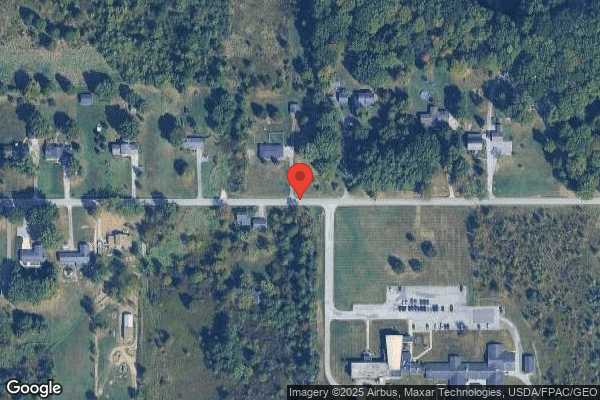
ST MARY'S ALZHEIMER'S CENTER

1899 GARFIELD RD, COLUMBIANA, OH 44408 (330) 549-9259
For profit - Corporation 90 Beds WINDSOR HOUSE, INC. Data: November 2025 3 Immediate Jeopardy citations
Trust Grade
0/100
#787 of 913 in OH
Last Inspection: October 2024

Within standard 12-15 month inspection cycle. Federal law requires annual inspections.

Overview

St. Mary's Alzheimer's Center has received a Trust Grade of F, indicating significant concerns about its care quality. It ranks #787 out of 913 facilities in Ohio, placing it in the bottom half of options available, and #24 out of 29 in Mahoning County, meaning only a few local facilities are worse. The facility is worsening, with issues increasing from 1 in 2023 to 4 in 2024, highlighting a troubling trend. Staffing is a relative strength, with a 4 out of 5 star rating and a 34% turnover rate, which is better than the state average, suggesting staff consistency. However, the facility has concerning fines totaling $66,973, higher than 87% of Ohio facilities, pointing to repeated compliance issues. Specific incidents include a serious breach of privacy where a staff member recorded a resident during personal care and posted it on social media, which raises significant concerns about staff behavior and resident safety. Additionally, another critical finding indicated the failure to protect a cognitively impaired resident from emotional abuse, as the facility inadequately recognized and acted on the incident. Overall, while there are some strengths in staffing, the serious issues and trends in care quality are alarming for families considering this facility.

Trust Score
F
0/100
In Ohio
#787/913
Bottom 14%
Safety Record
High Risk
Review needed
Inspections
Getting Worse
1 → 4 violations
Staff Stability
○ Average
34% turnover. Near Ohio's 48% average. Typical for the industry.
Penalties
✓ Good
$66,973 in fines. Lower than most Ohio facilities. Relatively clean record.
Skilled Nurses
○ Average
Each resident gets 31 minutes of Registered Nurse (RN) attention daily — about average for Ohio. RNs are the most trained staff who monitor for health changes.
Violations
⚠ Watch
11 deficiencies on record. Higher than average. Multiple issues found across inspections.
★★☆☆☆
2.0
Overall Rating
★★★★☆
4.0
Staff Levels
★★★★★
5.0
Care Quality
★☆☆☆☆
1.0
Inspection Score
Stable
2023: 1 issues
2024: 4 issues

The Good

  • 4-Star Staffing Rating · Above-average nurse staffing levels
  • 5-Star Quality Measures · Strong clinical quality outcomes
  • Full Sprinkler Coverage · Fire safety systems throughout facility
  • No fines on record
  • Staff turnover below average (34%)

    14 points below Ohio average of 48%

Facility shows strength in staffing levels, quality measures, fire safety.

The Bad

2-Star Overall Rating

Below Ohio average (3.2)

Below average - review inspection findings carefully

Staff Turnover: 34%

11pts below Ohio avg (46%)

Typical for the industry

Federal Fines: $66,973

Well above median ($33,413)

Moderate penalties - review what triggered them

Chain: WINDSOR HOUSE, INC.

Part of a multi-facility chain

Ask about local staffing decisions and management

The Ugly 11 deficiencies on record

3 life-threatening
Dec 2024 3 deficiencies 3 IJ
CRITICAL (J) 📢 Someone Reported This

A family member, employee, or ombudsman was alarmed enough to file a formal complaint

Immediate Jeopardy (IJ) - the most serious Medicare violation

Deficiency F0583 (Tag F0583)

Someone could have died · This affected 1 resident

Based on record review, review of a facility self-reported incident (SRI), review of a social media post, review of the facility's policies on personal cell phone use and social media, and interviews ...

Read full inspector narrative →
Based on record review, review of a facility self-reported incident (SRI), review of a social media post, review of the facility's policies on personal cell phone use and social media, and interviews the facility failed to protect the privacy of Resident #28 during personal care. This resulted in Immediate Jeopardy on 11/27/24 when Certified Nursing Assistant (CNA) #500 made a cell phone recording of Resident #28, who was observed in the video slouched in a shower chair with her pants around her ankles and her shirt pulled up above her breasts exposing her bare body from her breasts down to just above her ankles. There was a large amount of fecal matter on the floor under Resident #28 and the video panned around the shower room to show more fecal matter in another area of the room. CNA #500 posted the video to Snapchat (a social media website) and the text overlay on the video read bruh with a loudly crying face emoji. Resident #28 had a diagnosis of Alzheimer's disease and based on the reasonable person concept, a reasonable person would have suffered serious mental/emotional harm from a video of this nature being taken and then posted on social media for an undetermined number of people to access. Based on the reasonable person concept, Resident #28 suffered humiliation through the social media post. This affected one resident (#28) of four residents reviewed for privacy/confidentiality. The facility census was 83. On 12/09/24 at 10:45 A.M., the facility's Administrator, Director of Nursing (DON), and Regional Quality Assurance (QA) Nurse #503 were notified Immediate Jeopardy began on 11/27/24 when CNA #500 took a video of Resident #28, a violation of the resident's right and in a manner that would demean and humiliate the resident. After taking the video, CNA #500 posted the video to social media which had the potential to be viewed by an unlimited number of people via the social media platform and/or electronic communications without the resident's knowledge and/or consent. The Immediate Jeopardy was removed on 12/10/24 when the facility implemented the following corrective actions: • On 11/27/24 at 6:50 P.M., Registered Nurse (RN) #502 and Licensed Practical Nurse (LPN) #506 spoke with Certified Nursing Assistant (CNA) #500 advising her of the allegation received that she posted a video on snapchat and that they needed to see her phone. RN #502 reviewed the contents of the phone and observed the video of Resident #28. The nurses required CNA #500 to delete the video from the camera roll and the recently deleted section of her phone. • On 11/27/24 at 6:50 P.M., RN #502 informed CNA #500 that she was suspended, and CNA #500 was escorted from the building. • On 11/27/24, RN #502 assessed Resident #28. Resident #28's physician was notified of increased lethargy and loose stools and new orders to hold medications and monitor vital signs was obtained and family was updated. Resident #28 family was notified. • On 11/27/24 at 7:45 P.M., the Administrator began re-education of staff in the facility regarding the social media policy, which included protecting the privacy of others, and personal cell phone use. She also interviewed staff at this time to determine if they have witnessed or were aware of any staff taking pictures or videos of residents on their phones. As of 12/05/24, there were approximately 22 as needed (PRN) staff who had not received education with a plan for staff to continue as PRN staff arrive on-site for their scheduled shifts. • On 11/27/24, the Administrator asked CNA #500 if she had taken pictures prior or posted any videos of residents in the past. The CNA denied taking any other photos or videos of residents and no other pictures or videos involving other residents were noted on the employee's phone. • On 11/27/24 at 9:00 P.M., the Administrator sent text messages to approximately 77 employees (all staff members for which the Administrator had cell phone numbers, out of 118 staff) in regards to the facility social media policy, which included protecting the privacy of others, and then re-educated all employees again as they came into the facility per their schedule. Many employees worked PRN or worked one to two days a month and still required education. • On 11/28/24, RN #511 provided re-education to 33 staff who arrived for their scheduled shift on this day on the facility social media policy, which included protecting the privacy of others, and personal cell phone. • On 11/29/24, the Administrator began to complete audits during rounds for cell phone use. The Administrator made observations of staff on the units to ensure staff did not have cell phones out, were maintaining privacy and confidentiality during hands on care, and reviewed the cell phone audit sheets, which were completed by the floor nurses twice on each shift to monitor for staff cell phone use. The audit sheets included the date, time, unit location, whether cell phone use was observed, who was observed using their cell phone (if applicable), what corrective action was taken, and the initials of the nurse completing the form. • On 11/29/24, Medical Director #512 was notified by Regional Quality Assurance (QA) Nurse #503 of the incident involving Resident #28. • On 12/02/24 at 12:30 P.M., a meeting was held with Regional QA Nurse #503, Clinical Director #513 and Medical Director #512 to discuss the incident, actions being taken by the facility, and how continued re-education and auditing/monitoring of staff cell phone use while on duty and privacy/confidentiality during care would continue daily at this time. • On 12/02/24, CNA #500's employment was terminated. • On 12/09/24, an AD HOC meeting via telephone conference with Medical Director #512, Director of Nursing (DON), the Administrator, and Regional QA Nurse #503 to notify Medical Director #512 of the State agency survey and Immediate Jeopardy situation. A discussion occurred related to on-going education of all staff, and the continuation of monitoring staff cell phone use and resident privacy/confidentiality during care. • On 12/09/24, signs were posted in resident care areas which included: no cell phone usage on the floor. • On 12/10/24 all residents with a Brief Interview for Mental Status (BIMS) score of eight or higher (Residents #8, #24, #36, #43, #54, #67, #71, #72, and #73), were interviewed by Bookkeeper #515 revealed to Privacy/Confidentiality. • The facility implemented a plan to continue to monitor/audit for cell phone use on the unit and ensure residents privacy was maintained during care. Audits/monitoring would be completed by the DON and/or designee by observation on the units for personal cell phone use and observation of privacy being maintained during resident care three times per day for five days a week on various shifts/times for three weeks and then three times per day on various shifts/times for three times a week for three weeks. All audits would be reviewed by the Quality Assurance and Performance Improvement (QAPI) committee to determine the need for continuation of audits. In addition, the DON and/or designee would interview five staff members every week for eight weeks on various shifts and in various departments on abuse policies, definitions, reporting and understanding of the facility abuse policy and social media policy. Interviews would be reviewed by the QAPI committee to determine the need for continued education. Although the Immediate Jeopardy was removed on 12/10/24, the facility remained out of compliance at Severity Level 2 (no actual harm with the potential for more than minimal harm that was not Immediate Jeopardy) as the facility was in the process of implementing their corrective action and monitoring to ensure on-going compliance. Findings include: Review of the medical record for Resident #28 revealed an admission date of 01/09/24 with diagnoses including Alzheimer's disease, dementia, major depressive disorder, generalized anxiety disorder, disorientation, and altered mental status. The resident passed away at the facility on 12/06/24. Review of the quarterly Minimum Data Set (MDS) assessment, dated 11/08/24, revealed Resident #28 had severe cognitive impairment, was always incontinent of urine and bowel, and was dependent on staff for toilet transfers, toileting hygiene, shower transfers, and showering self. Review of the care plan, revised 11/13/24, revealed Resident #28 had an activities of daily living (ADL) self-care deficit requiring maximum to total assistance to complete tasks due to confusion, dementia, difficulty sequencing, incomplete performance, cognitive loss, and functional loss. Interventions included shower one to two times per week with total assistance by one staff for showering, total assistance by two staff for toilet use, dependent on two staff to transfer between surfaces, and encourage resident participation to the fullest extent possible with each interaction. Review of a progress note dated 11/27/24 at 11:28 A.M. revealed Resident #28 complained of lower abdominal discomfort, the resident's abdomen was soft when palpated and non-distended, bowel sounds were active, and a medium bowel movement was reported. Review of a progress note dated 11/27/24 at 5:15 P.M. revealed Resident #28 had a large loose bowel movement and was continuously moving bowels, vital signs were taken indicating an abnormal blood pressure of 80/68 (hypotensive) and blood oxygen saturation of 93%. The physician was notified and gave new orders to hold all oral medications and retake vital signs in one hour. A note dated 11/27/24 at 6:15 P.M. revealed Resident #28's vital signs were taken indicating an abnormal blood pressure of 82/52 (hypotensive). The physician was notified and gave new orders to discontinue medications and obtain a hospice consult due to end stage Alzheimer's disease. Review of an undated video with a time stamp in the corner of 6:40 (did not indicate whether it was A.M. or P.M.), shared to Snapchat (a social media website) by CNA #500, revealed Resident #28 was seen slouched in a shower chair with her pants around her ankles and her shirt pulled up above her breasts exposing her bare body from her breasts down to just above her ankles. There was a large amount of fecal matter on the floor under Resident #28 and the video panned around the shower room to show more fecal matter in another area of the room. The text overlay on the video reads bruh with the loudly crying face emoji. Review of a facility Self-Reported Incident (SRI), tracking number 254554, dated 11/27/24 and timed 7:21 P.M., revealed on 11/27/24 at 6:42 P.M. the Administrator was notified by Licensed Practical Nurse (LPN) #506 that the facility received an anonymous phone call reporting CNA #500 posted a video of a woman (identified to be Resident #28) after a shower to Snapchat (a social media platform). The Administrator instructed LPN #506 and Registered Nurse (RN) #502 to question CNA #500. Both LPN #506 and RN #502 saw the video of Resident #28 on CNA #500's phone, and CNA #500 was immediately suspended. As a result of an investigation, the facility unsubstantiated an allegation of abuse and included: The facility has determined that emotional abuse did not occur, Resident was unaware of the incident. The STNA was suspended pending outcome of investigation and terminated on 12/02/24 based on violation of facility social media policy. On 12/05/24 at 10:08 A.M., an observation of Resident #28 revealed the resident was laying in bed with her eyes closed, resting peacefully, and a blanket covered the resident's torso and legs. Resident #28 was not responsive at this time. On 12/05/24 at 10:14 A.M., an interview with Regional QA Nurse #503 confirmed a CNA (CNA #500) took a video of a resident (Resident #28) on her cell phone and then posted the video to Snapchat on the day before Thanksgiving (Wednesday, 11/27/24). Regional QA Nurse #503 said the CNA's cousin called the facility to report the video, the nurse on duty identified the video on the CNA's cell phone, the video was deleted from the CNA's cell phone, and the CNA was escorted out of the facility. On 12/05/24 at 11:10 A.M., an interview with Resident #28's representative revealed they received a call the evening before Thanksgiving to notify them that one of the (facility) aides took a video of Resident #28 and posted it to social media. Resident #28's representative stated they had not seen the video and they did not know whether the video was taken to make fun of someone who was dying or to be funny. Resident #28's representative said the situation was not funny and voiced they were absolutely livid about the incident. On 12/05/24 at 11:24 A.M., an interview with CNA #500 confirmed she took a video of Resident #28. The CNA claimed the video was taken out of concern to show the nurse the amount of feces the resident had. CNA #500 revealed she posted the video to a Snapchat story that was shared with four individuals. CNA #500 was unable to provide an explanation for posting the video on Snapchat and she stated the video was removed from Snapchat 15 to 20 minutes later when one of her friends told her it was inappropriate to post the video. CNA #500 confirmed she was escorted out of the facility and her employment was terminated (as a result of the incident). On 12/05/24 at 12:04 P.M., an interview with RN #502 revealed Resident #28 had a large loose stool that was not easy to clean, and Resident #28 was taken to the shower room to clean her up following bowel incontinence. Following the incident of the video post of Resident #28, RN #502 said she was instructed by the Administrator to talk to CNA #500 with LPN #506 to find out what happened. RN #502 said CNA #500 offered to show her phone to RN #502 and LPN #506. RN #502 said upon reviewing CNA #500's phone, there were two copies of a video of Resident #28 in CNA #500's saved Snapchat videos. RN #502 further stated Resident #28 was not wearing any pants in the video, her bottom half was completely exposed, and there was feces shown in the video. RN #502 said the videos were deleted from CNA #500's phone at that time and CNA #500 was escorted out of the facility. On 12/05/24 at 12:24 P.M., an interview with LPN #506 revealed Resident #28 had been ill around dinner time and RN #502 assisted with Resident #28 in the shower room. LPN #506 said she answered the facility's phone around 6:45 P.M. and was informed by an anonymous caller that CNA #500 added a post to Snapchat that showed a naked resident (identified to be Resident #28) in the facility. LPN #506 said she immediately notified the Administrator and after a few minutes, the Administrator instructed LPN #506 to question CNA #500 with RN #502. She stated at that time, a third nurse in the facility was on the phone with someone else who alleged the same incident as the first anonymous caller. LPN #506 said while she and RN #502 were questioning CNA #500 about the incident, they found the video of Resident #28 on CNA #500's phone in the album for saved Snapchat videos. LPN #506 said she watched as CNA #500 deleted the video from her cell phone. RN #502 educated CNA #500 on the Health Insurance Portability and Accountability Act (HIPAA) and explained that this incident was a HIPAA violation. LPN #506 said she escorted CNA #500 out of the building and watched until CNA #500 left the premises. On 12/05/24 at 12:37 P.M., an interview with LPN #505 revealed she was the third nurse who answered the phone when a second call was received. LPN #505 stated a lady called the facility to report an incident that she saw on social media (involving a resident at the facility). LPN #505 said while she was on the phone, LPN #506 approached from another hall and was already aware of the incident due to receiving the first phone call. LPN #505 said CNA #500 was the assigned shower aide for the day of the incident and she had given a lot of residents' showers. LPN #505 denied any additional involvement in the incident or the facility's internal investigation of the incident. On 12/05/24 at 12:55 P.M., an interview with CNA #507 revealed she was aware of a video taken of a resident who was naked, but she denied any involvement in the incident or the facility's internal investigation of the incident. On 12/05/24 at 1:42 P.M., an interview with CNA #508 revealed she was assigned to complete showers with CNA #500 on 11/27/24. CNA #508 said Resident #28 had multiple episodes of bowel incontinence and explosive diarrhea, which was cleaned up after each episode, and the resident was assessed by RN #502. While providing care, CNA #508 said Resident #28 was positioned over the toilet in the shower chair due to the frequency of her incontinence. CNA #508 said there was feces all over the floor and she began cleaning it up. CNA #508 stated while she was cleaning up the floor, she looked over at CNA #500 and noticed she was recording on her phone. CNA #508 said she asked CNA #500 why she was recording because that was a HIPAA violation and CNA #500 responded I know, but it's funny. CNA #508 said Resident #28 was cleaned up and taken back to her room, then a few minutes later the nurses came and got CNA #500 from the shower room. On 12/05/24 at 3:35 P.M., an interview with CNA #509 revealed on 11/27/24 she was working on Resident #28's unit with CNA #510. CNA #509 stated Resident #28 had multiple episodes of bowel incontinence after dinner that required multiple showers to clean the resident. CNA #509 stated CNA #500 was on her phone in the shower room and that was nothing new because CNA #500 was always on her phone texting people. CNA #509 said she tried to get Resident #28 dressed, but the resident was hard to position in the shower chair and she could not get Resident #28's clothes on all the way. CNA #509 stated Resident #28's shirt was not all the way down, leaving her breasts exposed, and she had no pants on. CNA #509 stated once Resident #28 was cleaned up and dressed, she was taken back to her room and put in bed by CNA #509 and CNA #510. CNA #509 said a few minutes after all that occurred, she heard RN #502 tell CNA #500 that she needed to speak with her and needed to see her cell phone. CNA #509 said she was unaware that a video was taken until RN #502 asked to see CNA #500's phone. CNA #509 further stated she did not see the video on Snapchat the day the video was taken, but stated she did see the video shared to a local Facebook page a few days after the incident occurred. CNA #509 reported the video shared to Facebook had since been removed. On 12/05/24 at 3:50 P.M., an interview with CNA #510 revealed on 11/27/24 Resident #28 was incontinent and had feces under her chair. CNA #510 said it was easier to clean Resident #28 up in the shower. CNA #510 said CNA #509 assisted with cleaning the floor in the hallway and CNA #508 assisted with showering Resident #28 after multiple episodes of incontinence in the shower room. CNA #510 stated CNA #500 was on her phone in the shower room but that was nothing new because CNA #500 was always on her phone texting while at work. Review of the facility's policy on personal telephone use, dated January 2009, indicated cell phones that were not provided by the company were not to be permitted to be ON in the building during working hours and they should not be on an employee's person. On 12/05/24 at 4:45 P.M., an interview with the Administrator, DON, and Regional QA Nurse #503 revealed facility staff were permitted to use their phones at the nurse's stations to contact medical practitioners and resident family members, but staff should not have their personal cell phones in resident care areas or while providing personal care. On 12/09/24 at 9:10 A.M., an interview with the Administrator confirmed the facility's personal phone policy indicated non-company cell phones were to be turned off during working hours and staff should not have their personal cell phones on them while at work. The Administrator further stated that was an outdated policy that needed revision because facility staff utilized their personal cell phones to communicate with practitioners and staffing agencies while working in the facility. Review of the facility's policy on social media use, dated January 2021, indicated staff members should exercise care when participating in social media, follow the same behavioral standards online that they would while engaging in personal and professional interactions, and staff members were accountable for anything they posted to social media about the facility and its staff or residents. The definition of social media, as defined in the facility's policy, included all forms of public, web-based communication, whether existing at the time of this policy's adoption or created at a future date, including but not limited to the following: social networking sites (e.g. Facebook, LinkedIn), video and photo-sharing websites (e.g. Instagram, YouTube), micro-blogging sites (e.g. Twitter, Snapchat, TikTok), blogs (e.g. corporate blogs, personal blogs, media-hosted blogs), forums and discussion boards (e.g. Yahoo! groups, Google groups), and collaborative publishing (e.g. Wikipedia). The policy indicated the privacy of others should be protected and staff members were not permitted to post any photographs or videos of facility residents without permission from those individuals and the Administrator. This deficiency represents non-compliance investigated under Complaint Number OH00160397 and Complaint Number OH00160368.
CRITICAL (J) 📢 Someone Reported This

A family member, employee, or ombudsman was alarmed enough to file a formal complaint

Immediate Jeopardy (IJ) - the most serious Medicare violation

Free from Abuse/Neglect (Tag F0600)

Someone could have died · This affected 1 resident

Based on observation, record review, review of a facility self-reported incident (SRI), review of a social media post, review of the facility's policies on personal cell phone use, social media, and a...

Read full inspector narrative →
Based on observation, record review, review of a facility self-reported incident (SRI), review of a social media post, review of the facility's policies on personal cell phone use, social media, and abuse, and interview, the facility failed to ensure Resident #28, who was assessed to be cognitively impaired, was free from staff to resident mental/emotional abuse when Certified Nursing Assistant (CNA) #500 took a video of Resident #28 during personal care on her personal cell phone and posted the video to the social media platform Snapchat. This resulted in Immediate Jeopardy on 11/27/24 when CNA #500 made a cell phone recording of Resident #28, who was seen slouched in a shower chair with her pants around her ankles and her shirt pulled up above her breasts exposing her bare body from her breasts down to just above her ankles. There was a large amount of fecal matter on the floor under Resident #28 and the video panned around the shower room to show more fecal matter in another area of the room. The text overlay on the video read bruh with a loudly crying face emoji. Resident #28 had a diagnosis of Alzheimer's disease and based on the reasonable person concept, any reasonable person would have suffered serious mental/emotional harm from a video of this nature being taken and then posted on social media for an undetermined number of people to access. Based on the reasonable person concept, Resident #28 suffered humiliation through the social media post. In addition, the content of the video and condition of the resident portrayed an incident of neglect (the lack of timely and necessary care and services by staff to meet the resident's total care needs resulting in mental anguish/emotional distress determined by the reasonable person concept) by the facility staff responsible for providing care to Resident #28. This affected one resident (#28) of four residents reviewed for abuse. The facility census was 83. On 12/09/24 at 10:45 A.M., the facility's Administrator, Director of Nursing (DON), and Regional Quality Assurance (QA) Nurse #503 were notified Immediate Jeopardy began on 11/27/24 when CNA #500 took a video of Resident #28 in a manner that would demean and humiliate the resident constituting a situation of abuse and then CNA #500 posted the video to social media which had the potential to be viewed by an unlimited number of people via the social media platform and/or electronic communications without the resident's knowledge and/or consent. The Immediate Jeopardy was removed on 12/10/24 when the facility implemented the following corrective actions: • On 11/27/24 at 6:50 P.M., Registered Nurse (RN) #502 and Licensed Practical Nurse (LPN) #506 spoke with Certified Nursing Assistant (CNA) #500 advising her of the allegation received that she posted something on snapchat and that they need to see her phone. RN #502 reviewed the contents of the phone and observed the video of the resident. The nurses made CNA #500 delete the video from the camera roll and the recently deleted section of her phone. • On 11/27/24 at 6:50 P.M., RN #502 informed CNA #500 that she was suspended, and CNA #500 was escorted from the building. • On 11/27/24, RN #502 assessed Resident #28. Resident #28's physician was notified of increased lethargy and loose stools and new orders to hold medications and monitor vital signs was obtained and family was updated. Resident #28's family was notified. • On 11/27/24 at 7:45 P.M., the Administrator began re-education of staff in the facility regarding the social media policy, which included protecting the privacy of others, and personal cell phone use. She also interviewed staff at this time to determine if they had witnessed or were aware of any staff taking pictures or videos of residents on their phones. As of 12/05/24, there were approximately 22 as needed (PRN) staff who had not received education. Education remained ongoing at this time for PRN staff as they arrive on-site for their scheduled shifts. • On 11/27/24, the Administrator asked CNA #500 if she had taken pictures prior or posted any videos of residents in the past and she denied stating this was her first time. No other pictures or videos involving other residents were noted on the phone. • On 11/27/24 at 9:00 P.M., the Administrator sent text messages to approximately 77 employees (all staff members for which the Administrator had cell phone numbers, out of 118 staff) in regards to social media policy, which included protecting the privacy of others, and then re-educated all employees again as they came into the facility per their schedule as many employees were PRN or work one to two days a month. • On 11/28/24 RN #511 provided re-education to 33 staff who arrived for their scheduled shift on the social media policy, which included protecting the privacy of others, and personal cell phone use. • On 11/29/24, the Administrator began to complete audits during rounds for cell phone use. The Administrator made observations of staff on the units to ensure staff did not have cell phones out, were maintaining privacy and confidentiality during hands on care, and reviewed the cell phone audit sheets, which were completed by the floor nurses twice on each shift to monitor for staff cell phone use. The audit sheets included the date, time, unit location, whether cell phone use was observed, who was observed using their cell phone (if applicable), what corrective action was taken, and the initials of the nurse completing the form. • On 11/29/24, Medical Director #512 was notified by Regional QA Nurse #503 of the incident involving Resident #28. • On 12/02/24 at 12:30 P.M. a meeting was held with Regional QA Nurse #503, Clinical Director #513 and Medical Director #512 to discuss the incident, actions being taken by the facility, and how continued re-education and auditing/monitoring of staff cell phone use while on duty and privacy/confidentiality during care would continue daily at this time. • On 12/02/24, CNA #500's employment was terminated. • On 12/09/24, an AD HOC meeting via telephone conference with Medical Director #512, Director of Nursing (DON), the Administrator, and Regional QA Nurse #503 to notify Medical Director #512 of the State agency Immediate Jeopardy. A discussion was held regarding education of all staff, and the continuation of monitoring staff cell phone use and resident privacy/confidentiality during care. • On 12/09/24, signs were posted in resident care areas that stated: no cell phone usage on the floor. • On 12/09/24 and 12/10/24 staff re-education was provided on the facility abuse policy and the relation to the social media policy in-person or via phone conversation by facility department heads. • On 12/10/24 all residents with a Brief Interview for Mental Status (BIMS) score of eight or higher, (Residents #8, #24, #36, #43, #54, #67, #71, #72, and #73) were interviewed by Bookkeeper #515 related to Privacy/Confidentiality. • On 12/10/24 Corporate QA Director #514 re-educated the Administrator on the facility abuse policy and the reasonable person concept. The reasonable person concept would be utilized for future investigations. At this time, the DON was also knowledgeable of the reasonable person concept and verbalized understanding of reporting requirements to the State agency. The facility implemented a plan for Corporate QA office staff to monitor abuse allegations on an on-going basis. • On 12/10/24, Regional QA Nurse #503 added an addendum to the facility SRI to reflect the incident/allegation was substantiated. • The facility implemented a plan to monitor/audit for cell phone use on the unit and ensure all residents privacy was maintained during care. Audits/monitoring would be completed by the DON and/or designee by observation on the units for personal cell phone use and observation of privacy being maintained during resident care three times per day for five days a week on various shifts/times for three weeks and then three times per day on various shifts/times for three times a week for three weeks. All audits would be reviewed by the Quality Assurance and Performance Improvement (QAPI) committee to determine the need for continuation of audits. In addition, the DON and/or designee would interview five staff members every week for eight weeks on various shifts and in various departments on abuse policies, definitions, reporting and understanding of the facility abuse policy and social media policy. Interviews would be reviewed by the QAPI committee to determine the need for continued education. Although the Immediate Jeopardy was removed on 12/10/24, the facility remained out of compliance at Severity Level 2 (no actual harm with the potential for more than minimal harm that was not Immediate Jeopardy) as the facility was in the process of implementing their corrective action and monitoring to ensure on-going compliance. Findings include: Review of the medical record for Resident #28 revealed an admission date of 01/09/24 with diagnoses including Alzheimer's disease, dementia, major depressive disorder, generalized anxiety disorder, disorientation, and altered mental status. Resident #28 passed away at the facility on 12/06/24. Review of the quarterly Minimum Data Set (MDS) assessment, dated 11/08/24, revealed Resident #28 had severe cognitive impairment, was always incontinent of urine and bowel, and was dependent on staff for toilet transfers, toileting hygiene, shower transfers, and showering self. Review of the care plan, revised 11/13/24, revealed Resident #28 had an activities of daily living (ADL) self-care deficit requiring maximum to total assistance to complete tasks due to confusion, dementia, difficulty sequencing, incomplete performance, cognitive loss, and functional loss. Interventions included shower one to two times per week with total assistance by one staff for showering, total assistance by two staff for toilet use, dependent on two staff to transfer between surfaces, and encourage resident participation to the fullest extent possible with each interaction. Review of a progress note dated 11/27/24 at 11:28 A.M. revealed Resident #28 complained of lower abdominal discomfort, the resident's abdomen was soft when palpated and non-distended, bowel sounds were active, and a medium bowel movement was reported. Review of a progress note dated 11/27/24 at 5:15 P.M. revealed Resident #28 had a large loose bowel movement and was continuously moving bowels, vital signs were taken indicating an abnormal blood pressure of 80/68 (hypotensive) and blood oxygen saturation of 93%. The physician was notified and gave new orders to hold all oral medications and retake vital signs in one hour. A note dated 11/27/24 at 6:15 P.M. revealed Resident #28's vital signs were taken indicating an abnormal blood pressure of 82/52 (hypotensive). The physician was notified and gave new orders to discontinue medications and obtain a hospice consult due to end stage Alzheimer's disease. Review of an undated video with a time stamp in the corner of 6:40 (did not indicate whether it was A.M. or P.M.), shared to Snapchat (a social media website) by CNA #500, revealed Resident #28 was seen slouched in a shower chair with her pants around her ankles and her shirt pulled up above her breasts exposing her bare body from her breasts down to just above her ankles. There was a large amount of fecal matter on the floor under Resident #28 and the video panned around the shower room to show more fecal matter in another area of the room. The text overlay on the video reads bruh with the loudly crying face emoji. Review of a facility Self-Reported Incident (SRI), tracking number 254554, dated 11/27/24 and timed 7:21 P.M., revealed on 11/27/24 at 6:42 P.M. the Administrator was notified by Licensed Practical Nurse (LPN) #506 that the facility received an anonymous phone call reporting CNA #500 posted a video of a woman (identified to be Resident #28) after a shower to Snapchat (a social media platform). The Administrator instructed LPN #506 and Registered Nurse (RN) #502 to question CNA #500. Both LPN #506 and RN #502 saw the video of Resident #28 on CNA #500's phone, and CNA #500 was immediately suspended. As a result of an investigation, the facility unsubstantiated an allegation of abuse and included: The facility has determined that emotional abuse did not occur, Resident was unaware of the incident. The STNA was suspended pending outcome of investigation and terminated on 12/02/24 based on violation of facility social media policy. On 12/05/24 at 10:08 A.M., an observation of Resident #28 revealed the resident was laying in bed with her eyes closed, resting peacefully, and a blanket covered the resident's torso and legs. Resident #28 was not responsive at this time. On 12/05/24 at 10:14 A.M., an interview with Regional QA Nurse #503 confirmed a CNA (CNA #500) took a video of a resident (Resident #28) on their cell phone and then posted the video to Snapchat on the day before Thanksgiving (Wednesday, 11/27/24). Regional QA Nurse #503 said the CNA's cousin called the facility to report the video, the nurse on duty identified the video on the CNA's cell phone, the video was deleted from the CNA's cell phone, and the CNA was escorted out of the facility. On 12/05/24 at 11:10 A.M., an interview with Resident #28's representative revealed they received a call the evening before Thanksgiving to notify them that one of the (facility) aides took a video of Resident #28 and posted it to social media. Resident #28's representative stated they had not seen the video and they did not know whether the video was taken to make fun of someone who was dying or to be funny. Resident #28's representative said the situation was not funny and voiced they were absolutely livid about the incident. On 12/05/24 at 11:24 A.M., an interview with CNA #500 confirmed she took a video of Resident #28. The CNA claimed the video was taken out of concern to show the nurse the amount of feces the resident had. CNA #500 revealed she posted the video to a Snapchat story that was shared with four individuals. CNA #500 was unable to provide an explanation for posting the video on Snapchat and she stated the video was removed from Snapchat 15 to 20 minutes later when one of her friends told her it was inappropriate to post the video. CNA #500 confirmed she was escorted out of the facility and her employment was terminated (as a result of the incident). On 12/05/24 at 12:04 P.M., an interview with RN #502 revealed on 11/27/24 Resident #28 had a large loose stool that was not easy to clean, and Resident #28 was taken to the shower room to clean her up following bowel incontinence. RN #502 stated CNA #500 refused to shower Resident #28 because she stated she had given Resident #28 a shower the previous day. RN #502 said CNA #509 and CNA #510 agreed to shower Resident #28 and began preparing Resident #28 for a shower at that time. RN #502 stated Resident #28 had been assessed earlier in the day due to unresponsiveness and Resident #28's family was considering hospice at that time and did not want Resident #28 sent to the hospital. Following the incident of the video post of Resident #28, RN #502 said she was instructed by the Administrator to talk to CNA #500 with LPN #506 to find out what happened. RN #502 said CNA #500 offered to show her phone to RN #502 and LPN #506. RN #502 said upon reviewing CNA #500's phone, there were two copies of a video of Resident #28 in CNA #500's saved Snapchat videos. RN #502 further stated Resident #28 was not wearing any pants in the video, her bottom half was completely exposed, and there was feces shown in the video. RN #502 said the videos were deleted from CNA #500's phone at that time and CNA #500 was escorted out of the facility. On 12/05/24 at 12:24 P.M., an interview with LPN #506 revealed on 11/27/24 Resident #28 had been ill around dinner time and RN #502 assisted with Resident #28 in the shower room. LPN #506 said she answered the facility's phone around 6:45 P.M. and was informed by an anonymous caller that CNA #500 added a post to Snapchat that showed a naked resident (identified to be Resident #28) in the facility. LPN #506 said she immediately notified the Administrator and after a few minutes, the Administrator instructed LPN #506 to question CNA #500 with RN #502. She stated at that time, a third nurse in the facility was on the phone with someone else who alleged the same incident as the first anonymous caller. LPN #506 said while she and RN #502 were questioning CNA #500 about the incident, they found the video of Resident #28 on CNA #500's phone in the album for saved Snapchat videos. LPN #506 said she watched as CNA #500 deleted the video from her cell phone. RN #502 educated CNA #500 on the Health Insurance Portability and Accountability Act (HIPAA) and explained that this incident was a HIPAA violation. LPN #506 said she escorted CNA #500 out of the building and watched until CNA #500 left the premises. On 12/05/24 at 12:37 P.M., an interview with LPN #505 revealed she was the third nurse who answered the phone when a second call was received. LPN #505 stated a lady called the facility to report an incident that she saw on social media (involving a resident at the facility). LPN #505 said while she was on the phone, LPN #506 approached from another hall and was already aware of the incident due to receiving the first phone call. LPN #505 said CNA #500 was the assigned shower aide for the day of the incident and she had given a lot of resident's showers. LPN #505 denied any additional involvement in the incident or the facility's internal investigation of the incident. On 12/05/24 at 12:55 P.M., an interview with CNA #507 revealed she was aware of a video taken of a resident who was naked, but she denied any involvement in the incident or the facility's internal investigation of the incident. On 12/05/24 at 1:42 P.M., an interview with CNA #508 revealed on 11/27/24 she was assigned to complete showers with CNA #500 on 11/27/24. She said CNA #509 and CNA #510 brought Resident #28 to the shower room to clean her up after incontinence and CNA #500 refused the shower because Resident #28 was showered the prior day. CNA #508 said she offered to assist CNA #509 and CNA #510 with the shower as soon as she finished assisting another resident. CNA #508 stated there was a large amount of liquid feces when they removed Resident #28's clothing. CNA #508 stated that she, along with CNA #509 and CNA #510, assisted Resident #28 in getting cleaned up and then Resident #28 was incontinent again, which required her to be cleaned up again. CNA #508 said Resident #28 had explosive diarrhea, was cleaned up again, and was assessed by RN #502. CNA #508 said Resident #28 was positioned over the toilet in the shower chair due to the frequency of her incontinence. CNA #508 said there was feces all over the floor and she began cleaning it up. CNA #508 stated while she was cleaning up the floor, she looked over at CNA #500 and noticed she was recording on her phone. CNA #508 said she asked CNA #500 why she was recording because that was a HIPAA violation and CNA #500 responded I know, but it's funny. CNA #508 said Resident #28 was cleaned up and taken back to her room, then a few minutes later the nurses came and got CNA #500 from the shower room. On 12/05/24 at 3:35 P.M., an interview with CNA #509 revealed on 11/27/24 she was working on Resident #28's unit with CNA #510. CNA #509 stated Resident #28 had an episode of incontinence after dinner that required a shower to clean the resident. CNA #509 said Resident #28 was taken to the shower room, where CNA #500 refused to complete the shower because Resident #28 had been showered the day before. CNA #509 said she was in and out of the shower room cleaning up the hallway from where they transported Resident #28 to the shower room. CNA #509 said CNA #500, CNA #508, and CNA #510 were in the shower room with Resident #28. CNA #509 stated CNA #500 was on her phone in the shower room and that was nothing new because CNA #500 was always on her phone texting people. CNA #509 said Resident #28 kept having diarrhea and had to be showered again. CNA #509 said she tried to get Resident #28 dressed, but the resident was hard to position in the shower chair and she could not get Resident #28's clothes on all the way. CNA #509 stated Resident #28's shirt was not all the way down, leaving her breasts exposed, and she had no pants on. CNA #509 stated once Resident #28 was cleaned up and dressed, she was taken back to her room and put in bed by CNA #509 and CNA #510. CNA #509 said CNA #500 and CNA #508 continued giving showers. CNA #509 said a few minutes after all that occurred, she heard RN #502 tell CNA #500 that she needed to speak with her and needed to see her cell phone. CNA #509 said she was unaware that a video was taken until RN #502 asked to see CNA #500's phone. CNA #509 further stated she did not see the video on Snapchat the day the video was taken, but stated she did see the video shared to a local Facebook page a few days after the incident occurred. CNA #509 reported the video shared to Facebook had since been removed. On 12/05/24 at 3:50 P.M., an interview with CNA #510 revealed on 11/27/24 Resident #28 was incontinent and had feces under her chair. CNA #510 said it was easier to clean Resident #28 up in the shower. CNA #510 said CNA #509 assisted with cleaning the floor in the hallway and CNA #508 assisted with showering Resident #28 after multiple episodes of incontinence in the shower room. CNA #510 stated CNA #500 was on her phone in the shower room and that was nothing new because CNA #500 was always on her phone texting while at work. Review of the facility's policy on personal telephone use, dated January 2009, indicated cell phones that were not provided by the company were not to be permitted to be ON in the building during working hours and they should not be on an employee's person. On 12/05/24 at 4:45 P.M., an interview with the Administrator, DON, and Regional QA Nurse #503 revealed facility staff were permitted to use their phones at the nurse's stations to contact medical practitioners and resident family members, but staff should not have their personal cell phones in resident care areas or while providing personal care. On 12/09/24 at 9:10 A.M., an interview with the Administrator confirmed the facility's personal phone policy indicated non-company cell phones were to be turned off during working hours and staff should not have their personal cell phones on them while at work. The Administrator further stated that was an outdated policy that needed revision because facility staff utilized their personal cell phones to communicate with practitioners and staffing agencies while working in the facility. Review of the facility's policy on social media use, dated January 2021, indicated staff members should exercise care when participating in social media, follow the same behavioral standards online that they would while engaging in personal and professional interactions, and staff members were accountable for anything they posted to social media about the facility and its staff or residents. The definition of social media, as defined in the facility's policy, included all forms of public, web-based communication, whether existing at the time of this policy's adoption or created at a future date, including but not limited to the following: social networking sites (e.g. Facebook, LinkedIn), video and photo-sharing websites (e.g. Instagram, YouTube), micro-blogging sites (e.g. Twitter, Snapchat, TikTok), blogs (e.g. corporate blogs, personal blogs, media-hosted blogs), forums and discussion boards (e.g. Yahoo! groups, Google groups), and collaborative publishing (e.g. Wikipedia). The policy indicated staff members were responsible for anything they posted online, must be respectful to the facility and its staff and residents, ensure communications or postings do not violate any of the facility's policies including HIPAA, must not express pornographic or indecent content, never post anything to a social media site or on the internet that interferes with resident obligations, and remember everything written online can be traced back to its author. Violations of this policy would result in discipline up to and including discharge. Review of the facility's policy on abuse prevention, dated 03/2023, indicated the facility would protect all residents from verbal, mental, physical, emotional, or financial abuse by staff, families, residents, visitors or outside ancillary service employees or in any situation that would be harmful to the resident. The definition of mental abuse, as defined in the facility's policy, included nursing home staff taking or using photographs or recordings in any manner that would demean or humiliate a resident. The definition of neglect, as defined in the facility's policy, included failures of the facility, its employees or service providers to provide a resident with goods and services necessary to avoid physical harm, pain, mental anguish or emotional distress. This deficiency represents non-compliance investigated under Complaint Number OH00160397 and Complaint Number OH00160368.

CRITICAL (J) 📢 Someone Reported This

A family member, employee, or ombudsman was alarmed enough to file a formal complaint

Immediate Jeopardy (IJ) - the most serious Medicare violation

Abuse Prevention Policies (Tag F0607)

Someone could have died · This affected 1 resident

Based on observation, record review, review of a facility self-reported incident (SRI), review of a social media post, review of the facility's policies on personal cell phone use, social media, and a...

Read full inspector narrative →
Based on observation, record review, review of a facility self-reported incident (SRI), review of a social media post, review of the facility's policies on personal cell phone use, social media, and abuse, and interview, the facility failed to effectively implement their abuse policy to prevent staff to resident abuse and to appropriately recognize the incident as abuse. This resulted in Immediate Jeopardy on 11/27/24 when Certified Nursing Assistant (CNA) #500 took a video of Resident #28 during personal care, in which the resident's bare body was from her breasts down to just above the ankles with a substantial amount of fecal matter on the floor around the resident, on her personal cell phone and posted the video to the social media platform Snapchat with a text overlay that read bruh with a loudly crying face emoji. While the facility did report the incident to the State agency, the facility concluded the incident of abuse was unsubstantiated based on the resident being unaware of the incident. Resident #28 had a diagnosis of Alzheimer's disease and based on the reasonable person concept, any reasonable person would have suffered serious mental/emotional harm from a video of this nature being taken and then posted on social media for an undetermined number of people to access. Based on the reasonable person concept, Resident #28 suffered humiliation through the social media post. This affected one resident (#28) of four residents reviewed for abuse. The facility census was 83. On 12/09/24 at 10:45 A.M., the facility's Administrator, Director of Nursing (DON), and Regional Quality Assurance (QA) Nurse #503 were notified Immediate Jeopardy began on 11/27/24 when CNA #500 took a video of Resident #28 in a manner that would demean and humiliate the resident constituting a situation of abuse, then CNA #500 posted the video to social media which had the potential to be viewed by an unlimited number of people via the social media platform and/or electronic communications without the resident's knowledge and/or consent. In addition, the facility failed to recognize this incident as a situation of abuse when their investigation concluded the allegation of abuse was unsubstantiated. The Immediate Jeopardy was removed on 12/10/24 when the facility implemented the following corrective actions: • On 11/27 /24 at 6:50 P.M., Registered Nurse (RN) #502 and Licensed Practical Nurse (LPN) #506 spoke with Certified Nursing Assistant (CNA) #500 advising her of the allegation received that she posted something on snapchat and that they need to see her phone. RN #502 reviewed the contents of the phone and observed the video of Resident #28. The nurses made CNA #500 delete the video from the camera roll and the recently deleted section of her phone. • On 11/27/24 at 6:50 P.M., RN #502 informed CNA #500 she was suspended, and CNA #500 was escorted from the building. • On 11/27/24, RN #502 assessed Resident #28. Resident #28's physician was notified of increased lethargy and loose stools and new orders to hold medications and monitor vital signs was obtained and family was updated. Resident #28's family was notified. • On 11/27/24 at 7:45 P.M., the Administrator began re-education of staff in the facility regarding the social media policy, which included protecting the privacy of others, and personal cell phone use. She also interviewed staff at this time to determine if they have witnessed or were aware of any staff taking pictures or videos of residents on their phones. As of 12/05/24, there were approximately 22 as needed (PRN) staff who had not received education with education on-going as PRN staff arrived on-site for their scheduled shifts. • On 11/27/24, the Administrator asked CNA #500 if she had taken pictures prior or posted any videos of residents in the past. The CNA denied taking other pictures or posting videos of other residents. No other pictures or videos involving other residents were noted on the phone. • On 11/27/24 at 9:00 P.M., the Administrator sent text messages to approximately 77 employees (all staff members for which the Administrator had cell phone numbers, out of 118 staff) in regards to social media policy, which included protecting the privacy of others, and then re-educated all employees again as they came into the facility per their schedule. PRN staff and staff who worked one to two days a month would be educated as they arrived to work. • On 11/28/24 RN #511 provided re-education to 33 staff who arrived for their scheduled shift related to the facility social media policy, which included protecting the privacy of others, and personal cell phone use. • On 11/29/24, the Administrator began to complete audits during rounds for cell phone use. The Administrator made observations of staff on the units to ensure staff did not have cell phones out, were maintaining privacy and confidentiality during hands on care, and reviewed the cell phone audit sheets, which were completed by the floor nurses twice on each shift to monitor for staff cell phone use. The audit sheets included the date, time, unit location, whether cell phone use was observed, who was observed using their cell phone (if applicable), what corrective action was taken, and the initials of the nurse completing the form. • On 11/29/24, Medical Director #512 was notified by Regional QA Nurse #503 of the incident involving Resident #28. • On 12/02/24 at 12:30 P.M. a meeting was held with Regional QA Nurse #503, Clinical Director #513 and Medical Director #512 to discuss the incident, actions being taken by the facility, and how continued re-education and auditing/monitoring of staff cell phone use while on duty and privacy/confidentiality during care would continue daily at this time. • On 12/02/24, CNA #500's employment was terminated. • On 12/09/24, an AD HOC meeting via telephone conference with Medical Director #512, Director of Nursing (DON), the Administrator, and Regional QA Nurse #503 was held to notify Medical Director #512 of the State agency Immediate Jeopardy. A discussion was held regarding on-going education of all staff, and the continuation of monitoring staff cell phone use and resident privacy/confidentiality during care. • On 12/09/24, signs were posted in resident care areas which stated: no cell phone usage on the floor. • On 12/09/24 and 12/10/24 re-education on the facility abuse policy and the relation to the social media policy was completed with all staff in-person or via phone conversation by facility department heads. • On 12/10/24 all residents with a Brief Interview for Mental Status (BIMS) score of eight or higher, Residents #8, #24, #36, #43, #54, #67, #71, #72, and #73, were interviewed by Bookkeeper #515 related to Privacy/Confidentiality. • On 12/10/24 Corporate QA #514 re-educated the Administrator on the facility abuse policy and reasonable person concept. The reasonable person concept would be utilized for future investigations. The DON was also knowledgeable of the reasonable person concept and verbalized understanding if she was required to report an SRI. The facility implemented a plan for Corporate QA office staff to monitor abuse allegations on an on-going basis. • On 12/10/24 Regional QA Nurse #503 completed an addendum for the facility SRI involving the incident with Resident #28 on 11/27/24. The addendum noted the allegation of abuse was substantiated. • The facility implemented a plan to monitor/audit for cell phone use on the unit and ensure residents privacy was maintained during care. Audits/monitoring would be completed by the DON and/or designee by observation on the units for personal cell phone use and observation of privacy being maintained during resident care three times per day for five days a week on various shifts/times for three weeks and then three times per day on various shifts/times for three times a week for three weeks. All audits would be reviewed by the Quality Assurance and Performance Improvement (QAPI) committee to determine the need for continuation of audits. In addition, the DON and/or designee would interview five staff members every week for eight weeks on various shifts and in various departments on abuse policies, definitions, reporting and understanding of the facility abuse policy and social media policy. Interviews would be reviewed by the QAPI committee to determine the need for continued education. Although the Immediate Jeopardy was removed on 12/10/24, the facility remained out of compliance at Severity Level 2 (no actual harm with the potential for more than minimal harm that was not Immediate Jeopardy) as the facility was in the process of implementing their corrective action and monitoring to ensure on-going compliance. Findings include: Review of the medical record for Resident #28 revealed an admission date of 01/09/24 with diagnoses including Alzheimer's disease, dementia, major depressive disorder, generalized anxiety disorder, disorientation, and altered mental status. The resident passed away at the facility on 12/06/24. Review of the quarterly Minimum Data Set (MDS) assessment, dated 11/08/24, revealed Resident #28 had severe cognitive impairment, was always incontinent of urine and bowel, and was dependent on staff for toilet transfers, toileting hygiene, shower transfers, and showering self. Review of the care plan, revised 11/13/24, revealed Resident #28 had an activities of daily living (ADL) self-care deficit requiring maximum to total assistance to complete tasks due to confusion, dementia, difficulty sequencing, incomplete performance, cognitive loss, and functional loss. Interventions included shower one to two times per week with total assistance by one staff for showering, total assistance by two staff for toilet use, dependent on two staff to transfer between surfaces, and encourage resident participation to the fullest extent possible with each interaction. Review of a progress note dated 11/27/24 at 11:28 A.M. revealed Resident #28 complained of lower abdominal discomfort, the resident's abdomen was soft when palpated and non-distended, bowel sounds were active, and a medium bowel movement was reported. Review of a progress note dated 11/27/24 at 5:15 P.M. revealed Resident #28 had a large loose bowel movement and was continuously moving bowels, vital signs were taken indicating an abnormal blood pressure of 80/68 (hypotensive) and blood oxygen saturation of 93%. The physician was notified and gave new orders to hold all oral medications and retake vital signs in one hour. A note dated 11/27/24 at 6:15 P.M. revealed Resident #28's vital signs were taken indicating an abnormal blood pressure of 82/52 (hypotensive). The physician was notified and gave new orders to discontinue medications and obtain a hospice consult due to end stage Alzheimer's disease. Review of an undated video with a time stamp in the corner of 6:40 (did not indicate whether it was A.M. or P.M.), shared to Snapchat (a social media website) by CNA #500, revealed Resident #28 was seen slouched in a shower chair with her pants around her ankles and her shirt pulled up above her breasts exposing her bare body from her breasts down to just above her ankles. There was a large amount of fecal matter on the floor under Resident #28 and the video panned around the shower room to show more fecal matter in another area of the room. The text overlay on the video reads bruh with the loudly crying face emoji. Review of a facility Self-Reported Incident (SRI), tracking number 254554, dated 11/27/24 and timed 7:21 P.M., revealed on 11/27/24 at 6:42 P.M. the Administrator was notified by Licensed Practical Nurse (LPN) #506 that the facility received an anonymous phone call reporting CNA #500 posted a video of a woman (identified to be Resident #28) after a shower to Snapchat (a social media platform). The Administrator instructed LPN #506 and Registered Nurse (RN) #502 to question CNA #500. Both LPN #506 and RN #502 saw the video of Resident #28 on CNA #500's phone, and CNA #500 was immediately suspended. As a result of an investigation, the facility unsubstantiated an allegation of abuse and included: The facility has determined that emotional abuse did not occur, Resident was unaware of the incident. The STNA was suspended pending outcome of investigation and terminated on 12/02/24 based on violation of facility social media policy. On 12/05/24 at 10:08 A.M., an observation of Resident #28 revealed the resident was laying in bed with her eyes closed, resting peacefully, and a blanket covered the resident's torso and legs. Resident #28 was not responsive at this time. On 12/05/24 at 10:14 A.M., an interview with Regional QA Nurse #503 confirmed a CNA (CNA #500) took a video of a resident (Resident #28) on her cell phone and then posted the video to Snapchat on the day before Thanksgiving (Wednesday, 11/27/24). Regional QA Nurse #503 said the CNA's cousin called the facility to report the video, the nurse on duty identified the video on the CNA's cell phone, the video was deleted from the CNA's cell phone, and the CNA was escorted out of the facility. On 12/05/24 at 11:10 A.M., an interview with Resident #28's representative revealed they received a call the evening before Thanksgiving to notify them that one of the (facility) aides took a video of Resident #28 and posted it to social media. Resident #28's representative stated they had not seen the video and they did not know whether the video was taken to make fun of someone who was dying or to be funny. Resident #28's representative said the situation was not funny and voiced they were absolutely livid about the incident. On 12/05/24 at 11:24 A.M., an interview with CNA #500 confirmed she took a video of Resident #28. The CNA claimed the video was taken out of concern to show the nurse the amount of feces the resident had. CNA #500 revealed she posted the video to a Snapchat story that was shared with four individuals. CNA #500 was unable to provide an explanation for posting the video on Snapchat and she stated the video was removed from Snapchat 15 to 20 minutes later when one of her friends told her it was inappropriate to post the video. CNA #500 confirmed she was escorted out of the facility and her employment was terminated (as a result of the incident). On 12/05/24 at 12:04 P.M., an interview with RN #502 revealed on 11/27/24 Resident #28 had a large loose stool that was not easy to clean, and Resident #28 was taken to the shower room to clean her up following bowel incontinence. RN #502 stated CNA #500 refused to shower Resident #28 because she stated she had given Resident #28 a shower the previous day. RN #502 said CNA #509 and CNA #510 agreed to shower Resident #28 and began preparing Resident #28 for a shower at that time. RN #502 stated Resident #28 had been assessed earlier in the day due to unresponsiveness and Resident #28's family was considering hospice at that time and did not want Resident #28 sent to the hospital. Following the incident of the video post of Resident #28, RN #502 said she was instructed by the Administrator to talk to CNA #500 with LPN #506 to find out what happened. RN #502 said CNA #500 offered to show her phone to RN #502 and LPN #506. RN #502 said upon reviewing CNA #500's phone, there were two copies of a video of Resident #28 in CNA #500's saved Snapchat videos. RN #502 further stated Resident #28 was not wearing any pants in the video, her bottom half was completely exposed, and there was feces shown in the video. RN #502 said the videos were deleted from CNA #500's phone at that time and CNA #500 was escorted out of the facility. On 12/05/24 at 12:24 P.M., an interview with LPN #506 revealed on 11/27/24 Resident #28 had been ill around dinner time and RN #502 assisted with Resident #28 in the shower room. LPN #506 said she answered the facility's phone around 6:45 P.M. and was informed by an anonymous caller that CNA #500 added a post to Snapchat that showed a naked resident (identified to be Resident #28) in the facility. LPN #506 said she immediately notified the Administrator and after a few minutes, the Administrator instructed LPN #506 to question CNA #500 with RN #502. She stated at that time, a third nurse in the facility was on the phone with someone else who alleged the same incident as the first anonymous caller. LPN #506 said while she and RN #502 were questioning CNA #500 about the incident, they found the video of Resident #28 on CNA #500's phone in the album for saved Snapchat videos. LPN #506 said she watched as CNA #500 deleted the video from her cell phone. RN #502 educated CNA #500 on the Health Insurance Portability and Accountability Act (HIPAA) and explained that this incident was a HIPAA violation. LPN #506 said she escorted CNA #500 out of the building and watched until CNA #500 left the premises. On 12/05/24 at 12:37 P.M., an interview with LPN #505 revealed on 11/27/24 she was the third nurse who answered the phone when a second call was received. LPN #505 stated a lady called the facility to report an incident that she saw on social media (involving a resident at the facility). LPN #505 said while she was on the phone, LPN #506 approached from another hall and was already aware of the incident due to receiving the first phone call. LPN #505 said CNA #500 was the assigned shower aide for the day of the incident and she had given a lot of resident's showers. LPN #505 denied any additional involvement in the incident or the facility's internal investigation of the incident. On 12/05/24 at 12:55 P.M., an interview with CNA #507 revealed she was aware of a video taken of a resident who was naked, but she denied any involvement in the incident or the facility's internal investigation of the incident. On 12/05/24 at 1:42 P.M., an interview with CNA #508 revealed on 11/27/24 she was assigned to complete showers with CNA #500 on 11/27/24. She said CNA #509 and CNA #510 brought Resident #28 to the shower room to clean her up after incontinence and CNA #500 refused the shower because Resident #28 was showered the prior day. CNA #508 said she offered to assist CNA #509 and CNA #510 with the shower as soon as she finished assisting another resident. CNA #508 stated there was a large amount of liquid feces when they removed Resident #28's clothing. CNA #508 stated that she, along with CNA #509 and CNA #510, assisted Resident #28 in getting cleaned up and then Resident #28 was incontinent again, which required her to be cleaned up again. CNA #508 said Resident #28 had explosive diarrhea, was cleaned up again, and was assessed by RN #502. CNA #508 said Resident #28 was positioned over the toilet in the shower chair due to the frequency of her incontinence. CNA #508 said there was feces all over the floor and she began cleaning it up. CNA #508 stated while she was cleaning up the floor, she looked over at CNA #500 and noticed she was recording on her phone. CNA #508 said she asked CNA #500 why she was recording because that was a HIPAA violation and CNA #500 responded I know, but it's funny. CNA #508 said Resident #28 was cleaned up and taken back to her room, then a few minutes later the nurses came and got CNA #500 from the shower room. On 12/05/24 at 3:35 P.M., an interview with CNA #509 revealed on 11/27/24 she was working on Resident #28's unit with CNA #510. CNA #509 stated Resident #28 had an episode of incontinence after dinner that required a shower to clean the resident. CNA #509 said Resident #28 was taken to the shower room, where CNA #500 refused to complete the shower because Resident #28 had been showered the day before. CNA #509 said she was in and out of the shower room cleaning up the hallway from where they transported Resident #28 to the shower room. CNA #509 said CNA #500, CNA #508, and CNA #510 were in the shower room with Resident #28. CNA #509 stated CNA #500 was on her phone in the shower room and that was nothing new because CNA #500 was always on her phone texting people. CNA #509 said Resident #28 kept having diarrhea and had to be showered again. CNA #509 said she tried to get Resident #28 dressed, but the resident was hard to position in the shower chair and she could not get Resident #28's clothes on all the way. CNA #509 stated Resident #28's shirt was not all the way down, leaving her breasts exposed, and she had no pants on. CNA #509 stated once Resident #28 was cleaned up and dressed, she was taken back to her room and put in bed by CNA #509 and CNA #510. CNA #509 said CNA #500 and CNA #508 continued giving showers. CNA #509 said a few minutes after all that occurred, she heard RN #502 tell CNA #500 that she needed to speak with her and needed to see her cell phone. CNA #509 said she was unaware that a video was taken until RN #502 asked to see CNA #500's phone. CNA #509 further stated she did not see the video on Snapchat the day the video was taken, but stated she did see the video shared to a local Facebook page a few days after the incident occurred. CNA #509 reported the video shared to Facebook had since been removed. On 12/05/24 at 3:50 P.M., an interview with CNA #510 revealed on 11/27/24 Resident #28 was incontinent and had feces under her chair. CNA #510 said it was easier to clean Resident #28 up in the shower. CNA #510 said CNA #509 assisted with cleaning the floor in the hallway and CNA #508 assisted with showering Resident #28 after multiple episodes of incontinence in the shower room. CNA #510 stated CNA #500 was on her phone in the shower room but that was nothing new because CNA #500 was always on her phone texting while at work. Review of the facility's policy on personal telephone use, dated January 2009, indicated cell phones that were not provided by the company were not to be permitted to be ON in the building during working hours and they should not be on an employee's person. On 12/05/24 at 4:45 P.M., an interview with the Administrator, DON, and Regional QA Nurse #503 revealed facility staff were permitted to use their phones at the nurse's stations to contact medical practitioners and resident family members, but staff should not have their personal cell phones in resident care areas or while providing personal care. On 12/09/24 at 9:10 A.M., an interview with the Administrator confirmed the facility's personal phone policy indicated non-company cell phones were to be turned off during working hours and staff should not have their personal cell phones on them while at work. The Administrator further stated that was an outdated policy that needed revision because facility staff utilized their personal cell phones to communicate with practitioners and staffing agencies while working in the facility. On 12/09/24 at 10:50 A.M., an interview with Regional QA Nurse #503 verified the facility investigated the incident involving Resident #28 and initially determined the allegation of abuse was unsubstantiated. Regional QA Nurse #503 further stated she did not think there was any harm to Resident #28 because staff believed the resident was unaware of the incident. On 12/10/24 at 8:00 A.M., an interview with Regional QA Nurse #503 revealed the facility had abuse prevention policies in place and staff were educated on those policies. Regional QA Nurse #503 said it was not the facility's fault that CNA #500 chose not to follow the facility's abuse prevention policy. During a follow-up interview on 12/10/24 at 10:10 A.M., Regional QA Nurse #503 confirmed the incident involving Resident #28 could be considered abuse based on the reasonable person concept. Review of the facility's policy on social media use, dated January 2021, indicated staff members should exercise care when participating in social media, follow the same behavioral standards online that they would while engaging in personal and professional interactions, and staff members were accountable for anything they posted to social media about the facility and its staff or residents. The definition of social media, as defined in the facility's policy, included all forms of public, web-based communication, whether existing at the time of this policy's adoption or created at a future date, including but not limited to the following: social networking sites (e.g. Facebook, LinkedIn), video and photo-sharing websites (e.g. Instagram, YouTube), micro-blogging sites (e.g. Twitter, Snapchat, TikTok), blogs (e.g. corporate blogs, personal blogs, media-hosted blogs), forums and discussion boards (e.g. Yahoo! groups, Google groups), and collaborative publishing (e.g. Wikipedia). The policy indicated staff members were responsible for anything they posted online, must be respectful to the facility and its staff and residents, ensure communications or postings do not violate any of the facility's policies including HIPAA, must not express pornographic or indecent content, never post anything to a social media site or on the internet that interferes with resident obligations, and remember everything written online can be traced back to its author. Violations of this policy would result in discipline up to and including discharge. Review of the facility's policy on abuse prevention, dated 03/2023, indicated the facility would protect all residents from verbal, mental, physical, emotional, or financial abuse by staff, families, residents, visitors or outside ancillary service employees or in any situation that would be harmful to the resident. The definition of mental abuse, as defined in the facility's policy, included nursing home staff taking or using photographs or recordings in any manner that would demean or humiliate a resident. The definition of neglect, as defined in the facility's policy, included failures of the facility, its employees or service providers to provide a resident with goods and services necessary to avoid physical harm, pain, mental anguish or emotional distress. The policy also indicated all alleged, suspected, or observed abuse, neglect, and/or mistreatment of a resident would be thoroughly investigated by the Administrator and DON until a determination could be made as to whether abuse had occurred. If an employee was suspected of abuse, neglect, or mistreatment of a resident, they would be suspended of their duties until the investigation was complete. Review of the facility's policy on abuse allegation investigations, dated 05/2024, indicated the facility would immediately investigate and report any allegation of abuse. The facility Administrator and/or designee would ensure steps were taken to protect the resident from further abuse during the investigation, ensure a physical assessment of the resident was completed to determine if any injury or trauma occurred, ensure the alleged perpetrator was immediately suspended (facility staff) or requested to leave the building (visitor), ensure the allegation was reported to the State Agency, report the incident to local law enforcement if the allegation/incident was a suspected crime, interview the resident about the alleged incident as soon as possible, observe and assess if the resident had any changes as a result of the alleged incident, notify the resident's attending physician and the resident's legal representative of the alleged incident, document the date and time of the alleged incident as well as the location of the alleged incident, interview all staff and potential witnesses, secure staff witness statements, interview and assess (as applicable) other residents that may be at-risk, interview the alleged perpetrator and obtain a statement, ensure all interviews with staff and residents are witnessed and documented, review the employee file of the alleged perpetrator (if applicable), complete the investigation and document the determination if the alleged incident is verified/not verified or if the evidence was inconclusive. All allegations of abuse and investigations would be reviewed by the facility's quality assurance committee to determine if additional measures were necessary. This deficiency represents non-compliance investigated under Complaint Number OH00160397 and Complaint Number OH00160368.

Oct 2024 1 deficiency
CONCERN (E)

Potential for Harm - no one hurt, but risky conditions existed

Safe Environment (Tag F0921)

Could have caused harm · This affected multiple residents

**NOTE- TERMS IN BRACKETS HAVE BEEN EDITED TO PROTECT CONFIDENTIALITY** Based on observation, staff interviews, review of safety data sheets, and review of the facility policy, the facility failed to ...

Read full inspector narrative →
**NOTE- TERMS IN BRACKETS HAVE BEEN EDITED TO PROTECT CONFIDENTIALITY** Based on observation, staff interviews, review of safety data sheets, and review of the facility policy, the facility failed to ensure harmful cleaning chemicals were not accessible to severely cognitively impaired residents. This had the potential to affect 36 residents (#1, #7, #8,#11, #13, #12, #14, #19, #20, #21, #22, #25, #26, #34, #35, #39, #40, #41, #44, #45, #47, #49, #51, #52, #54, #58, #59, #60, #63, #64, #65, #67, #69, #74, #76, #180) identified by the facility as being both mobile and severely impaired cognitively. The facility census was 76. Findings include: Observation on 10/23/24 from 10:53 A.M. to 10:57 A.M. revealed there were four spray bottles of chemicals sitting in an open pocket of a floor technician's cart sitting unattended in the hallway as Floor Technician #431 was cleaning resident room [ROOM NUMBER]. Observation on 10/23/24 at 10:59 A.M of the floor technician's cart with Floor Technician #431 confirmed there was one spray bottle labeled Crew Restroom & Surface SC Non-Acid Disinfectant Cleaner, one spray bottle labeled Virex two 256 One-Step Disinfectant Cleaner, one spray bottle labeled Fantasik, and one spray labeled Clorox Germicidal Bleach in the open pocket of the floor technician cart he had been using. At the time of the observation, Housekeeper #431 confirmed he had just finished cleaning resident rooms numbered 11 and 14 and left his cart in the hallway as he cleaned the rooms. Interview on 10/23/24 at 11:29 A.M. with Housekeeping/Laundry Supervisor #429 revealed the floor technician's cart should not have had the chemical cleaners on it, and all chemicals should be locked. Review of the safety data sheet for Virex two 256 One-Step Disinfectant Cleaner and Deodorant; Quat Based Disinfectant, revised on 04/30/20, revealed the product caused severe skin burns and serious eye damage, was harmful if swallowed, and may cause damage to organs through prolong or repeated exposure. The product should be stored locked up. Review of the safety data sheet for Crew Restroom & Surface SC Non-Acid Disinfectant Cleaner, revised 07/31/24, revealed the product caused severe skin burns and serious eye damage, was harmful if swallowed, and may cause damage to organs through prolonged or repeated exposure. The product should be stored locked up. Review of the safety data sheet for Fantasik Multi-Surface Disinfectant Degreaser, revised 10/02/19, revealed the product should be stored out of reach of children and pets and contact with skin, eyes, and clothing should be avoided. Review of the safety data sheet for Clorox Healthcare Bleach Germicidal Cleaner, dated 01/05/15, revealed contact with eyes should be avoided since it may cause eye irritation. Review of the facility policy titled Housekeeping Services, revised January 2024, revealed all cleaning agents would be secured in a housekeeping cart when not in use.
Mar 2023 1 deficiency
CONCERN (D) 📢 Someone Reported This

A family member, employee, or ombudsman was alarmed enough to file a formal complaint

Potential for Harm - no one hurt, but risky conditions existed

Incontinence Care (Tag F0690)

Could have caused harm · This affected 1 resident

**NOTE- TERMS IN BRACKETS HAVE BEEN EDITED TO PROTECT CONFIDENTIALITY** Based on observation, record review and interview, the facility failed to ensure Resident #21 was provided timely incontinence c...

Read full inspector narrative →
**NOTE- TERMS IN BRACKETS HAVE BEEN EDITED TO PROTECT CONFIDENTIALITY** Based on observation, record review and interview, the facility failed to ensure Resident #21 was provided timely incontinence care. This finding affected one (Resident #21) of three residents reviewed for incontinence care. Findings include: Review of Resident #21's medical record revealed he was admitted to the facility on [DATE] with diagnoses including Alzheimer's disease, muscle weakness and need for assistance with personal care. Review of Resident #21's Minimum Data Set (MDS) 3.0 assessment dated [DATE] revealed he exhibited severe cognitive impairment, required limited two person assist for toileting, was frequently incontinent of urine and always incontinent of bowel. Review of Resident #21's physician orders revealed an order dated 02/02/23 for incontinence checks every two hours and as needed. Observation on 03/21/23 from 7:47 A.M. through 11:40 A.M. revealed Resident #21 remained in common areas and the dining room, and was not offered incontinence care. Observation at 12:03 P.M. with Restorative Registered Nurse (RN) Supervisor #816, State Tested Nursing Assistant (STNA) #849 and STNA #878 of Resident #21's incontinence care revealed the resident's pants were visibly wet on the posterior portion of the pants and when the pants were pulled down to change the resident, the adult incontinence brief was saturated with urine. The bottom portion of Resident #21's shirt also appeared to be wet. While the staff provided incontinence care to the resident's backside, he also had a small bowel movement. The pad in the resident's wheelchair appeared to be saturated with urine. Interview on 03/21/23 at 12:10 P.M. with STNA #878 indicated she had peeked at Resident #21's incontinence brief after breakfast and he appeared to be dry. When questioned, she indicated peeked meant she visually observed the resident and he was dry of urine. She stated the nightshift got the resident up for the day and put him in his wheelchair. When questioned, she stated she arrived in the facility for her shift at 7:00 A.M. and he was already up and placed in the wheelchair. She confirmed he was not provided incontinence care from 7:00 A.M. to 12:03 P.M. and at that time, his adult incontinence brief and clothing were saturated with urine. Review of the Incontinence Care policy revised 01/2017 indicated the purpose was to cleanse the perineum, prevent infection and maintain resident comfort. This deficiency represents non-compliance investigated under Complaint Number OH00140784.
Aug 2022 2 deficiencies
CONCERN (D)

Potential for Harm - no one hurt, but risky conditions existed

Quality of Care (Tag F0684)

Could have caused harm · This affected 1 resident

**NOTE- TERMS IN BRACKETS HAVE BEEN EDITED TO PROTECT CONFIDENTIALITY** Based on observation, record review, and interview the facility failed to ensure Resident #27's skin interventions for edema wer...

Read full inspector narrative →
**NOTE- TERMS IN BRACKETS HAVE BEEN EDITED TO PROTECT CONFIDENTIALITY** Based on observation, record review, and interview the facility failed to ensure Resident #27's skin interventions for edema were completed as ordered. This finding affected one (Resident #27) of one resident reviewed for non-pressure skin conditions. The facility census was 74. Findings include: Review of Resident #27's medical record revealed he was admitted to the facility on [DATE] with diagnoses including Alzheimer's disease, Parkinson's disease, and difficulty in walking. Review of Resident #27's Quarterly Minimum Data Set (MDS) 3.0 assessment dated [DATE] revealed he exhibited severe cognitive impairment. Review of Resident #27's physician orders revealed an order dated 11/09/21 for bilateral TED hose (anti-embolism stockings) on in the morning and off at night every shift for bilateral lower extremity edema. Review of Resident #27's care plan dated 10/21/21 indicated the resident had impaired circulation related to dependent edema and an intervention was implemented dated 11/10/21 for bilateral knee hi TED hose on the morning and off at bedtime. Review of Resident #27's medication administration records (MAR) and treatment administration records (TAR) from 08/01/22 to 08/18/22 revealed the bilateral TED hose were implemented per the order. Observation on 08/18/22 at 9:05 A.M. with Licensed Practical Nurse (LPN) #801 revealed the left heel wound care treatment was completed and Resident #27 was sitting up in his room in a modified Broda (specialty chair) with a table across his lap. Resident #27 was in his room watching television at the time of the observation. The bilateral TED hose were not implemented at the time of the observation; however, the TED hose were signed off as completed on the MAR and TAR. Interview on 08/18/2 at 9:20 A.M. with Unit Manager Registered Nurse (RN) #802 confirmed Resident #27's bilateral TED hose were not implemented as ordered; however, the TED hose were signed off on the MAR and TAR on 08/18/22 as completed.
CONCERN (D)

Potential for Harm - no one hurt, but risky conditions existed

Pressure Ulcer Prevention (Tag F0686)

Could have caused harm · This affected 1 resident

**NOTE- TERMS IN BRACKETS HAVE BEEN EDITED TO PROTECT CONFIDENTIALITY** Based on observation, record review, interview, and Pressure Ulcer Prevention and Care Protocol review the facility failed to en...

Read full inspector narrative →
**NOTE- TERMS IN BRACKETS HAVE BEEN EDITED TO PROTECT CONFIDENTIALITY** Based on observation, record review, interview, and Pressure Ulcer Prevention and Care Protocol review the facility failed to ensure Resident #27's pressure ulcer wound care interventions were implemented as ordered. This finding affected one (Resident #27) of two residents reviewed for pressure ulcer wounds. The facility census was 74. Findings include: Review of Resident #27's medical record revealed he was admitted to the facility on [DATE] with diagnoses including Alzheimer's disease, Parkinson's disease, and difficulty in walking. Review of Resident #27's Quarterly Minimum Data Set (MDS) 3.0 assessment dated [DATE] revealed he exhibited severe cognitive impairment. Review of Resident #27's Weekly Pressure Ulcer Tracking and Assessment Form dated 08/15/22 revealed he had a stage 2 pressure ulcer (partial thickness loss of dermis presenting as a shallow open ulcer with a red pink wound bed, without slough, may also present as an intact or open/ruptured serum filled blister) wound measuring three centimeters length, 4.5 cm (centimeters) width and less than 0.1 cm depth with a small amount of drainage and the pressure ulcer wound was acquired 07/07/22. Review of Resident #27's physician orders revealed an order dated 07/08/22 to cleanse the left heel pressure wound with betadine (antiseptic), cover with an abdominal pad, and wrap with Kling gauze wrap daily; and an order dated 07/08/22 for a HEELMEDIX boot (soft foam boot) to the left heel pressure wound at all times every shift. Review of Resident #27's Care Plan dated 07/08/22 revealed he had a stage 2 pressure ulcer to the left heel related to decreased mobility, confusion, and dementia with an intervention dated 07/08/22 for a HEELMEDIX boot to the left foot at all times. Review of Resident #27's medication administration records (MAR) and treatment administration records (TAR) from 08/01/22 to 08/18/22 revealed the left HEELMEDIX boot was signed off as administered on 08/18/22. Observation on 08/18/22 at 9:05 A.M. with Licensed Practical Nurse (LPN) #801 revealed the left heel wound care treatment was completed and Resident #27 was sitting up in his room in a modified Broda (specialty chair) with a flat table across his lap. Resident #27 was in his room watching television at the time of the observation. The HEELMEDIX left heel pressure boot was not implemented at the time of the observation; however, the boot was signed off as completed on the MAR and TAR. Interview on 08/18/2 at 9:20 A.M. with Unit Manager Registered Nurse (RN) #802 confirmed Resident #27's HEELMEDIX boot was not implemented to the left heel as ordered; however, the treatment was signed off on the MAR and TAR on 08/18/22 as completed. Review of the Pressure Ulcer Prevention and Care Protocol, revised 06/22, revealed the plan of care protocol for protection against pressure, friction, and shear included to manage tissue load through pressure reducing/redistribution devices.
Aug 2019 4 deficiencies
CONCERN (D)

Potential for Harm - no one hurt, but risky conditions existed

Investigate Abuse (Tag F0610)

Could have caused harm · This affected 1 resident

**NOTE- TERMS IN BRACKETS HAVE BEEN EDITED TO PROTECT CONFIDENTIALITY** Based on medical record review, staff interview and review of the facility's abuse policy the facility failed to thoroughly inve...

Read full inspector narrative →
**NOTE- TERMS IN BRACKETS HAVE BEEN EDITED TO PROTECT CONFIDENTIALITY** Based on medical record review, staff interview and review of the facility's abuse policy the facility failed to thoroughly investigate resident to resident abuse. This affected one (Resident #19) of six residents reviewed for resident to resident abuse. Findings included: 1. Review of the medial record revealed Resident #19 was admitted to the facility on [DATE] with diagnoses of dementia with behavioral disturbance, Alzheimer's disease, pseudobulbar, hypertension, muscle weakness, urinary tract infections and bipolar schizophrenic disorder. Review of the quarterly Minimum Data Set assessment dated [DATE] revealed Resident #19 had severely impaired cognition and wandering behaviors. Review of discontinued orders revealed Resident #19 had a discontinued order dated 06/12/19 for 15 minutes checks for one week, an order dated 06/13/19 for a urinalysis and culture and sensitivity (C&S), and an order discontinued on 11/09/18 for Haldol (antipsychotic) five milligram (mg) at 4:00 P.M. and start 2 mg daily. Review of a physician's telephone order dated 01/13/19 revealed to hold Resident #19's Nuedexta (mood stabilizer) until available, an ordered dated 02/17/19 to hold the Nuedexta until it was available from the pharmacy. The Neudexta was discontinued on 02/21/19. Review of progress notes dated 04/10/19 at 10:36 P.M. revealed Resident #19 and another resident were seen in south hallway slapping each other with open hands in the arms and shoulders. The residents were separated, and their safety maintained. Resident #19 stated she was slapped on the right cheek. She had no apparent injuries and denied pain. The Power of Attorney (POA) was unable to be reached because he did not have an answering machine set up. A message was left at an alternate contact. Review of a progress note dated 04/26/19 at 11:30 A.M. revealed Resident #19 was observed by a staff member pushing another resident in their wheelchair, when the other resident asked Resident #19 to stop pushing her Resident #19 slapped the other resident on the right side of the face. The residents were separated, and their safety was maintained. Resident #19 was brought to the south nurse's station. Review of a progress note dated 04/26/19 at 5:05 P.M. revealed Resident #19 and another resident grabbed onto each other's hands squeezing aggressively facing each other. The residents were separated to maintained safety. Review of the progress note dated 06/13/19 at 11:50 A.M. revealed Resident #19 walked up to another female resident, who was sitting in a wheelchair. The resident screamed and Resident #19 struck the seated resident on the left cheek with open hand. The residents were immediately separated without difficulty. Review of a progress note dated 06/13/19 at 1:42 P.M. revealed the physician was updated regarding Resident #19's behavioral issues and he was updated on most recent encounter with another resident. The physician ordered to obtain a urine for culture and sensitivity (C&S). The son was unable to be reach because he had no voicemail set up. Review of a progress notes dated 06/30/19 at 6:15 P.M. revealed Resident #19 was observed by staff hitting another resident in the face with an open hand. The residents were separated, and their safety was maintained. There were no apparent injuries. The POA for Resident #19 was updated. Review on a progress note dated 06/30/19 at 9:54 P.M. revealed Resident #19 walked over to another resident who was sitting in a chair and smacked the resident on the hand. The residents were separated, and their safety was maintained. The family and physician were notified. Review of a progress note dated 07/15/19 at 2:36 P.M. revealed Resident #19 was pushing another resident in her wheelchair and the other resident told the resident to stop and she would not. The residents began swinging at each other and Resident #19 hit the other resident on top of the head. The residents were separated, and their safety was maintained. A message was left for the POA and the physician was notified. Review of a progress note dated 07/16/19 at 11:21 A.M. revealed Resident #19 had a new order for Depakote (mood stabilizer) 125 milligrams three times a day. Review of physician orders revealed Resident #19 had an order dated 07/16/19 for Depakote sprinkles 125 mg three times a day for dementia with behavioral disturbance. Review of the Physician's progress note dated 07/21/19 revealed during the last week Resident #19 was having episodes of aggressive behavior towards others, slapping. At this time, she is very docile. She has no evidence of a urinary tract infection. She was on Depakote 125 mg and we will check her level soon. Haldol was to be continue. Review on a Plan of Care dated 07/22/19 revealed Resident #19 had a potential to be physically aggressive towards other residents due to her dementia. The resident had altercations with other residents. Interventions included: 15 minutes checks; administer medications as ordered; analyze times of day, places, circumstances, triggers, and what de-escalates behavior and document; assess and anticipate resident's needs; provide physical and verbal cues to alleviate anxiety; give positive feedback; assist verbalization of the source of the agitation; assist to set goals for more pleasant behavior; encourage seeking out of staff member when agitated; give the resident as many choices as possible about care and activities; monitor and document observed behavior and attempted interventions in behavior log; and when the resident becomes agitated intervene before agitation escalates, guide the resident away from the source of distress, engage calmly in conversation and if the response was aggressive the staff was to calmly walk away and re-approach later. Review of a progress note dated 07/22/19 at 1:19 P.M. revealed Resident #19 was observed by staff standing over another female resident in main dining room, who was in a wheelchair. Resident #19 was slapping the other female resident repeatedly on both sides of her face and head. There were no visible signs of injury to either resident. The residents were separated, and their safety was maintained. The resident's POA and physician were notified. The physician ordered for Resident #19 to have 15-minute checks due to her behaviors. Review of physician orders revealed an order dated 07/23/19 for 15-minutes checks. Review of a progress note dated 07/25/19 at 10:49 A.M. revealed the physician was updated on the incident between Resident #19 and another resident. New orders were received to increase her Haldol dosage to twice daily. The son does not give consent for psychiatric services. A message was left for the son to update him on the new orders. Review of a progress note dated 07/25/19 at 1:01 P.M. revealed Resident #19 slapped another resident and there were no injuries to either resident. Review of physician orders dated 07/25/19 revealed an order for Haldol two mg twice daily. Review of a progress note dated 07/28/19 at 5:56 P.M. revealed Resident #19 was seen coming out of another resident's room with another resident. Resident #19 was punching the other resident repeatedly in the back. The residents were separated. There were no apparent injuries to Resident #19 and Resident #19 denied pain. When the resident was asked what happened the resident replied, she pounded on me, so I pounded on her. A message was left for the resident's POA. Review of a progress note dated 07/29/19 at 4:25 P.M. revealed Resident #19 walked up to another female resident who was sitting in a chair and slapped the resident in the face. The residents were separated, and their safety maintained. There were no injuries to either residents. Review on a behavior note dated 08/01/19 at 5:31 P.M. revealed Resident #19 slapped another resident on the hand, the resident's hand was sitting on the table. The residents were separated, and safety was maintained. The interventions were effective. A message was left for the POA and the physician was notified. Review of the behavior note dated 08/07/19 at 7:05 P.M. revealed Resident #19 had physical aggression towards other residents. Interventions attempted were redirection and one on one which were slightly effective. The physician was notified, and a message was left for the resident's POA to return the call to the facility. Review of a progress note dated 08/07/19 at 10:13 P.M. revealed Resident #19 had a new order for Nuedexta 20/10 mg every day. Review of physician orders dated 08/07/19 revealed an order for Nuedexta 20/10 mg at bedtime related to dementia with behavioral disturbance. Review of the progress note dated 08/08/19 at 11:15 A.M. revealed the son of Resident #19 reported he has had some significant health problems and was in hospital for several weeks. He was updated on the incidents that had occurred over the last couple months and the resident's new orders. The facility requested consideration for psychiatric services due to her ongoing behaviors. The son indicated he wished to consult with the physician before approving any psychiatric consult. Review of progress notes dated 08/14/19 at 1:36 P.M. revealed the son of Resident #19 had not reached the physician about psychiatric services and would try again tomorrow. An interview on 08/20/19 at 2:48 P.M. with Licensed Practical Nurse (LPN) #806 indicated there were no witness statements of any of the incidents with Resident #19. An interview on 08/22/19 at 2:15 P.M. with State Tested Nursing Assistant (STNA) #800 indicated one-minute Resident #19 could be so sweet then the next minute she would be beating you. The resident would kick and hit with care. STNA #800 said Resident #19 had hit other residents. They would remove her from the situation and take her to the nurse. She indicated Resident #19 was on 15-minute checks. An interview on 08/22/19 at 2:18 P.M. with STNA #802 indicated Resident #19 was physically aggressive towards the staff and other residents. She indicated they had two behavior technicians who worked a couple times a week and they would redirect her. An interview on 08/22/19 at 2:20 P.M. with STNA #804 indicated Resident #19 had aggressive behaviors towards staff and other residents and was not easily redirected. The staff attempted one on one with her when she was being aggressive. She indicated she had witnessed Resident #19 hit other residents. Review on the facility policy, Resident Abuse Prevention Practices, dated October 2017 revealed it was the policy of the company to protect all residents from mistreatment, neglect, abuse, and misappropriation of resident property. This included protection of all residents from verbal, mental, physical, emotional, or financial abuse by staff, families, visitors or outside ancillary service employees or in any situation that would be harmful to the resident. This also included protection against corporal punishment, involuntary seclusion, or exploitation of residents. Abuse was defined as knowingly causing physical harm or recklessly causing physical harm to a resident by use of physical contact with the resident or chemical restraint, medication, or isolation as punishment, for staff convenience, excessively, as a substitute for treatment, or in amounts that preclude habilitation and treatment. Abuse was also defined as the willful infliction of injury, unreasonable confinement, intimidation, or punishment with resulting physical harm, mental anguish, or deprivation by an individual, including a caretaker, of goods or services necessary to attain physical, mental, and psychosocial well-being. (Willful: the individual must have acted deliberately, not that the individual must have intended to inflict injury or harm). The assessment and care plan process would identify and address residents with needs and behaviors which may lead to conflict or abuse. Abuse could be identified through reviewing and monitoring unusual incidents, bruising, skin tears, or behavior changes and monitoring events for patterns or trends such as shift, staff assignment, unit/location, etc. Monitoring staff for signs of stress, burnout, personal problems, or the inability to manage stress. Alleged, suspected, or observed abuse, neglect, and/or mistreatment of a resident and/or their belongings would be thoroughly investigated by the Administrator and the Director of Nursing or the designee. Alleged and suspected violations were to be reported immediately to the Department of Health using the Enhanced Information Dissemination Collection (EIDC) for on-line submission of self-reported incident and to the Corporate Quality Assurance Performance and Improvement department and/or the Corporate Attorney. In the case of any employee being suspected of allegedly abusing, neglecting, or mistreating a resident, the Administrator, Director of Nursing, Assistant Director of Nursing (where applicable), or Nursing Supervisor, in that order would suspend that individual of his/her duties until the investigation was complete. The investigation would begin immediately after receiving a complaint of abuse. The resident would be examined for injury at the time of complaint, and appropriate medical attention given as necessary. Written statements would be taken from anyone involved or witnessing the event. A plan of support for the resident would be initiated. The residents and/or their representative would be notified of the allegation and would be updated on the investigation and the final results of the investigation.
CONCERN (E)

Potential for Harm - no one hurt, but risky conditions existed

Free from Abuse/Neglect (Tag F0600)

Could have caused harm · This affected multiple residents

**NOTE- TERMS IN BRACKETS HAVE BEEN EDITED TO PROTECT CONFIDENTIALITY** 2. Record review revealed Resident #12 was admitted to the facility on [DATE] with diagnoses including Alzheimer's disease, Park...

Read full inspector narrative →
**NOTE- TERMS IN BRACKETS HAVE BEEN EDITED TO PROTECT CONFIDENTIALITY** 2. Record review revealed Resident #12 was admitted to the facility on [DATE] with diagnoses including Alzheimer's disease, Parkinson's disease, anxiety disorder and psychotic disorder with hallucinations. The Minimum Data Set assessment dated [DATE] revealed Resident #12 had severe cognitive impairment and physically aggressive behaviors towards others. He required limited assistance by staff for bed mobility, transfers and extensive assistance by staff for dressing, toileting and hygiene. Review of the Progress Notes from 01/05/19 to 07/13/19 revealed Resident #12 had acted out aggressively toward his room mate on 01/05/19 by putting a blanket over his head; on 02/24/19 he made statements he was going to kill someone; on 03/07/19 he was looking to fight someone; 03/21/19 showed aggression toward others; and on 06/27/19 he was sent to a psychiatric hospital for punching Resident #59 in the face with a closed fist ejecting her glasses from her face causing abrasions, discoloration and facial pain. Resident #12 returned to the facility on [DATE] with an order to be on every 15 minute checks. On 07/12/19 he made verbal threats to hit another resident and on 07/13/19 he made statements he was going to kill others. Record review was conducted for Resident #59 who was admitted to the facility on [DATE] with diagnoses including vascular dementia with behavioral disturbance. The Minimum Data Set assessment dated [DATE] revealed Resident #59 had severe cognitive impairment and needed extensive assistance by staff for bed mobility, transfers and toileting and total staff assistance for hygiene. An interview on 08/22/19 at 1:33 P.M. with Licensed Practical Nurse (LPN) #965 verified Resident #12 was on every 15 minute checks due to known physical aggression towards staff and other residents. LPN #965 indicated Resident #12 had a history of physically attacking other residents but had not done so for several weeks. Review of a Progress Note dated 06/25/19 authored by LPN #967 at 10:10 A.M. revealed Resident #59 was punched in the face by a closed fist of Resident #12 resulting in swelling and dark discoloration area measuring four centimeters (cm) by two cm and a one cm by one cm abrasion to the bridge of her nose where glasses were ejected from her face. Review of a Progress Note dated 06/25/19 at 5:31 P.M. authored by LPN #967 revealed Resident #59 was experiencing pain during manipulation of her head for an x-ray and was medicated with Tylenol. Review of a Progress Noted dated 06/25/19 at 10:32 P.M. authored by LPN #967 revealed Resident #39's x-rays of nasal and facial bones were negative for fractures. Review of the facility document titled Summary Report, dated 06/26/19, authored by LPN #806 revealed at 10:10 A.M. it was noted Resident #12 was involved in a resident to resident altercation with a female resident (Resident #59) where he drew his arm back and struck Resident #59 in the face with a closed fist. Review of the document titled Resident Abuse Prevention Practices, dated October 2017 revealed it was the policy of the company to protect all residents from mistreatment, neglect, abuse, and misappropriation of property. Based on medical record review, staff interview and review of the facility's abuse policy and procedure the facility failed ensure residents were free from resident to resident abuse. This affected 11 of 99 facility residents, Residents #59, #84, #78, #89, #70, #38, #66, #62 and three unidentified residents. Findings include: 1. Review of the medial record revealed Resident #19 was admitted to the facility on [DATE] with diagnoses of dementia with behavioral disturbance, Alzheimer's disease, pseudobulbar, hypertension, muscle weakness, urinary tract infections and bipolar schizophrenic disorder. Review of the quarterly Minimum Data Set assessment dated [DATE] revealed Resident #19 had severely impaired cognition and wandering behaviors. Review of discontinued orders revealed Resident #19 had a discontinued order dated 06/12/19 for 15 minutes checks for one week, an order dated 06/13/19 for a urinalysis and culture and sensitivity (C&S), and an order discontinued on 11/09/18 for Haldol (antipsychotic) five milligram (mg) at 4:00 P.M. and start 2 mg daily. Review of a physician's telephone order dated 01/13/19 revealed to hold Resident #19's Nuedexta (mood stabilizer) until available, an ordered dated 02/17/19 to hold the Nuedexta until it was available from the pharmacy. The Neudexta was discontinued on 02/21/19. Review of progress notes dated 04/10/19 at 10:36 P.M. revealed Resident #19 and Resident #84 were seen in south hallway slapping each other with open hands in the arms and shoulders. The residents were separated, and their safety maintained. Resident #19 stated she was slapped on the right cheek. She had no apparent injuries and denied pain. The Power of Attorney (POA) was unable to be reached because he did not have an answering machine set up. A message was left at an alternate contact. Review of a progress note dated 04/26/19 at 11:30 A.M. revealed Resident #19 was observed by a staff member pushing another unidentified resident in their wheelchair, when the other resident asked Resident #19 to stop pushing her Resident #19 slapped the other resident on the right side of the face. The residents were separated, and their safety was maintained. Resident #19 was brought to the south nurse's station. Review of the progress note dated 06/13/19 at 11:50 A.M. revealed Resident #19 walked up to Resident #78, who was sitting in a wheelchair. Resident #78 screamed and Resident #19 struck the seated resident on the left cheek with open hand. The residents were immediately separated without difficulty. Review of a progress note dated 06/13/19 at 1:42 P.M. revealed the physician was updated regarding Resident #19's behavioral issues and he was updated on most recent encounter with another resident. The physician ordered to obtain a urine for culture and sensitivity (C&S). The son was unable to be reach because he had no voicemail set up. Review of a progress notes dated 06/30/19 at 6:15 P.M. revealed Resident #19 was observed by staff hitting Resident #89 in the face with an open hand. The residents were separated, and their safety was maintained. There were no apparent injuries. The POA for Resident #19 was updated. Review of a progress note dated 06/30/19 at 9:54 P.M. revealed Resident #19 walked over to another unidentified resident who was sitting in a chair and smacked the resident on the hand. The residents were separated, and their safety was maintained. The family and physician were notified. Review of a progress note dated 07/15/19 at 2:36 P.M. revealed Resident #19 was pushing another unidentified resident in her wheelchair and the other resident told the resident to stop and she would not. The residents began swinging at each other and Resident #19 hit the other resident on top of the head. The residents were separated, and their safety was maintained. A message was left for the POA and the physician was notified. Review of a progress note dated 07/16/19 at 11:21 A.M. revealed Resident #19 had a new order for Depakote (mood stabilizer) 125 milligrams three times a day. Review of physician orders revealed Resident #19 had an order dated 07/16/19 for Depakote sprinkles 125 mg three times a day for dementia with behavioral disturbance. Review of the Physician's progress note dated 07/21/19 revealed during the last week Resident #19 was having episodes of aggressive behavior towards others, slapping. At this time, she is very docile. She has no evidence of a urinary tract infection. She was on Depakote 125 mg and we will check her level soon. Haldol was to be continued. Review of a Plan of Care dated 07/22/19 revealed Resident #19 had a potential to be physically aggressive towards other residents due to her dementia. The resident had altercations with other residents. Interventions included: 15 minutes checks; administer medications as ordered; analyze times of day, places, circumstances, triggers, and what de-escalates behavior and document; assess and anticipate resident's needs; provide physical and verbal cues to alleviate anxiety; give positive feedback; assist verbalization of the source of the agitation; assist to set goals for more pleasant behavior; encourage seeking out of staff member when agitated; give the resident as many choices as possible about care and activities; monitor and document observed behavior and attempted interventions in behavior log; and when the resident becomes agitated intervene before agitation escalates, guide the resident away from the source of distress, engage calmly in conversation and if the response was aggressive the staff was to calmly walk away and re-approach later. Review of a progress note dated 07/22/19 at 1:19 P.M. revealed Resident #19 was observed by staff standing over Resident #70 in main dining room, who was in a wheelchair. Resident #19 was slapping Resident #70 repeatedly on both sides of her face and head. There were no visible signs of injury to either resident. The residents were separated, and their safety was maintained. The resident's POA and physician were notified. The physician ordered for Resident #19 to have 15-minute checks due to her behaviors. Review of physician orders revealed an order dated 07/23/19 for 15-minutes checks. Review of a progress note dated 07/25/19 at 10:49 A.M. revealed the physician was updated on the incident between Resident #19 and another resident. New orders were received to increase her Haldol dosage to twice daily. The son does not give consent for psychiatric services. A message was left for the son to update him on the new orders. Review of a progress note dated 07/25/19 at 1:01 P.M. revealed Resident #19 slapped another unidentified resident and there were no injuries to either resident. Review of physician orders dated 07/25/19 revealed an order for Haldol two mg twice daily. Review of a progress note dated 07/28/19 at 5:56 P.M. revealed Resident #19 was seen coming out of Resident #38 ' s room with Resident #38. Resident #19 was punching Resident #38 repeatedly in the back. The residents were separated. There were no apparent injuries to Resident #19 and Resident #19 denied pain. When the resident was asked what happened the resident replied, she pounded on me, so I pounded on her. A message was left for the resident's POA. Review of a progress note dated 07/29/19 at 4:25 P.M. revealed Resident #19 walked up Resident #66 who was sitting in a chair and slapped the resident in the face. The residents were separated, and their safety maintained. There were no injuries to either residents. Review on a behavior note dated 08/01/19 at 5:31 P.M. revealed Resident #19 slapped Resident #62 on the hand, the resident's hand was sitting on the table. The residents were separated, and safety was maintained. The interventions were effective. A message was left for the POA and the physician was notified. Review of the behavior note dated 08/07/19 at 7:05 P.M. revealed Resident #19 had physical aggression towards other residents. Interventions attempted were redirection and one on one which were slightly effective. The physician was notified, and a message was left for the resident's POA to return the call to the facility. Review of a progress note dated 08/07/19 at 10:13 P.M. revealed Resident #19 had a new order for Nuedexta 20/10 mg every day. Review of physician orders dated 08/07/19 revealed an order for Nuedexta 20/10 mg at bedtime related to dementia with behavioral disturbance. Review of the progress note dated 08/08/19 at 11:15 A.M. revealed the son of Resident #19 reported he has had some significant health problems and was in hospital for several weeks. He was updated on the incidents that had occurred over the last couple months and the resident's new orders. The facility requested consideration for psychiatric services due to her ongoing behaviors. The son indicated he wished to consult with the physician before approving any psychiatric consult. Review of progress notes dated 08/14/19 at 1:36 P.M. revealed the son of Resident #19 had not reached the physician about psychiatric services and would try again tomorrow. An interview on 08/20/19 at 2:48 P.M. with Licensed Practical Nurse (LPN) #806 indicated there were no witness statements of any of the incidents with Resident #19. An interview on 08/22/19 at 2:15 P.M. with State Tested Nursing Assistant (STNA) #800 indicated one-minute Resident #19 could be so sweet then the next minute she would be beating you. The resident would kick and hit with care. STNA #800 said Resident #19 had hit other residents. They would remove her from the situation and take her to the nurse. She indicated Resident #19 was on 15-minute checks. An interview on 08/22/19 at 2:18 P.M. with STNA #802 indicated Resident #19 was physically aggressive towards the staff and other residents. She indicated they had two behavior technicians who worked a couple times a week and they would redirect her. An interview on 08/22/19 at 2:20 P.M. with STNA #804 indicated Resident #19 had aggressive behaviors towards staff and other residents and was not easily redirected. The staff attempted one on one with her when she was being aggressive. She indicated she had witnessed Resident #19 hit other residents. Review on the facility policy, Resident Abuse Prevention Practices, dated October 2017 revealed it was the policy of the company to protect all residents from mistreatment, neglect, abuse, and misappropriation of resident property. This included protection of all residents from verbal, mental, physical, emotional, or financial abuse by staff, families, visitors or outside ancillary service employees or in any situation that would be harmful to the resident. This also included protection against corporal punishment, involuntary seclusion, or exploitation of residents. Abuse was defined as knowingly causing physical harm or recklessly causing physical harm to a resident by use of physical contact with the resident or chemical restraint, medication, or isolation as punishment, for staff convenience, excessively, as a substitute for treatment, or in amounts that preclude habilitation and treatment. Abuse was also defined as the willful infliction of injury, unreasonable confinement, intimidation, or punishment with resulting physical harm, mental anguish, or deprivation by an individual, including a caretaker, of goods or services necessary to attain physical, mental, and psychosocial well-being. (Willful: the individual must have acted deliberately, not that the individual must have intended to inflict injury or harm). The assessment and care plan process would identify and address residents with needs and behaviors which may lead to conflict or abuse. Abuse could be identified through reviewing and monitoring unusual incidents, bruising, skin tears, or behavior changes and monitoring events for patterns or trends such as shift, staff assignment, unit/location, etc. Monitoring staff for signs of stress, burnout, personal problems, or the inability to manage stress. Alleged, suspected, or observed abuse, neglect, and/or mistreatment of a resident and/or their belongings would be thoroughly investigated by the Administrator and the Director of Nursing or the designee. Alleged and suspected violations were to be reported immediately to the Department of Health using the Enhanced Information Dissemination Collection (EIDC) for on-line submission of self-reported incident and to the Corporate Quality Assurance Performance and Improvement department and/or the Corporate Attorney. In the case of any employee being suspected of allegedly abusing, neglecting, or mistreating a resident, the Administrator, Director of Nursing, Assistant Director of Nursing (where applicable), or Nursing Supervisor, in that order would suspend that individual of his/her duties until the investigation was complete. The investigation would begin immediately after receiving a complaint of abuse. The resident would be examined for injury at the time of complaint, and appropriate medical attention given as necessary. Written statements would be taken from anyone involved or witnessing the event. A plan of support for the resident would be initiated. The residents and/or their representative would be notified of the allegation and would be updated on the investigation and the final results of the investigation.
CONCERN (E)

Potential for Harm - no one hurt, but risky conditions existed

Abuse Prevention Policies (Tag F0607)

Could have caused harm · This affected multiple residents

**NOTE- TERMS IN BRACKETS HAVE BEEN EDITED TO PROTECT CONFIDENTIALITY** 3. Record review revealed Resident #3 was admitted on [DATE] with diagnoses including but not limited to dysphasia, delusional d...

Read full inspector narrative →
**NOTE- TERMS IN BRACKETS HAVE BEEN EDITED TO PROTECT CONFIDENTIALITY** 3. Record review revealed Resident #3 was admitted on [DATE] with diagnoses including but not limited to dysphasia, delusional disorder, generalized anxiety disorder, Alzheimer's disease and major depressive disorder. Review of the Minimum Data Set (MDS) 3.0 assessment dated [DATE] revealed the resident was severely cognitively impaired with no behaviors, required extensive assist of two for activities of daily living and supervision only for ambulation. Review of the progress note of 03/19/19 revealed Resident #3 was found by staff on the hallway by the south unit shower room hitting another female resident (Resident #54) repeatedly in the head. When staff tried to intervene, the other resident hit Resident #3 in the face. Staff separated the residents. Neither resident sustained any injury. Review of the progress note dated 04/26/19 revealed Resident #3 was in the south hallway with her arms around another resident squeezing the other resident's hand aggressively and yelling. There was no injury to the other resident. Review of the progress note dated 04/30/19 revealed Resident #3 was found yelling in the south hallway and being verbally and physically aggressive with staff and another resident (Resident #78). Resident #3 scratched the other resident. Review of the care plan dated 08/12/19 revealed care areas for behaviors, wandering, and communication problem due to cognitive loss. Interview on 08/22/19 at 1:20 P.M. with Registered Nurse #120, the director of nursing and the administrator revealed the corporate policy was not to report resident to resident altercations between dementia residents. The facility staff did an internal incident report on altercations but was under the impression they did not need to be reported as a self-reported incident since the dementia residents were not capable of willful actions due to their cognitive status. Review of the document titled Resident Abuse Prevention Practices, dated October 2017 revealed it was the policy of the company to protect all residents from mistreatment, neglect, abuse, and misappropriation of property. This document stated, under section V-Investigation, alleged, suspected, or observed, and/or mistreatment of a resident and or their belongings are thoroughly investigated by the Administrator and the Director of Nursing or the designee. Alleged and suspected violations are reported immediately to the Department of Health using EIDC (Enhanced Information and Dissemination and Collection) for on-line submission of self-reported incidents (SRI). Review of the Department of Health website for on-line submission of a SRI was silent to any evidence of the alleged abuse related to Resident #3 and the three identified events of physical altercations and resident to resident abuse. 2. Record review revealed Resident #12 was admitted to the facility on [DATE] with diagnoses including Alzheimer's disease, Parkinson's disease, anxiety disorder and psychotic disorder with hallucinations. The Minimum Data Set assessment dated [DATE] revealed Resident #12 had severe cognitive impairment and physically aggressive behaviors towards others. He required limited assistance by staff for bed mobility, transfers and extensive assistance by staff for dressing, toileting and hygiene. Review of the Progress Notes from 01/05/19 to 07/13/19 revealed Resident #12 had acted out aggressively toward his room mate on 01/05/19 by putting a blanket over his head; on 02/24/19 he made statements he was going to kill someone; on 03/07/19 he was looking to fight someone; 03/21/19 showed aggression toward others; and on 06/27/19 he was sent to a psychiatric hospital for punching Resident #59 in the face with a closed fist ejecting her glasses from her face causing abrasions, discoloration and facial pain. Resident #12 returned to the facility on [DATE] with an order to be on every 15 minute checks. On 07/12/19 he made verbal threats to hit another resident and on 07/13/19 he made statements he was going to kill others. Record review was conducted for Resident #59 who was admitted to the facility on [DATE] with diagnoses including vascular dementia with behavioral disturbance. The Minimum Data Set assessment dated [DATE] revealed Resident #59 had severe cognitive impairment and needed extensive assistance by staff for bed mobility, transfers and toileting and total staff assistance for hygiene. An interview on 08/22/19 at 1:33 P.M. with Licensed Practical Nurse (LPN) #965 verified Resident #12 was on every 15 minute checks due to known physical aggression towards staff and other residents. LPN #965 indicated Resident #12 had a history of physically attacking other residents but had not done so for several weeks. Review of a Progress Note dated 06/25/19 authored by LPN #967 at 10:10 A.M. revealed Resident #59 was punched in the face by a closed fist of Resident #12 resulting in swelling and dark discoloration area measuring four centimeters (cm) by two cm and a one cm by one cm abrasion to the bridge of her nose where glasses were ejected from her face. Review of a Progress Note dated 06/25/19 at 5:31 P.M. authored by LPN #967 revealed Resident #59 was experiencing pain during manipulation of her head for an x-ray and was medicated with Tylenol. Review of a Progress Noted dated 06/25/19 at 10:32 P.M. authored by LPN #967 revealed Resident #39's x-rays of nasal and facial bones were negative for fractures. Interview on 08/22/19 at 1:20 P.M. with Registered Nurse #120, the director of nursing and the administrator revealed the corporate policy was not to report resident to resident altercations between dementia residents. The facility staff did an internal incident report on altercations but was under the impression they did not need to be reported as a self-reported incident since the dementia residents were not capable of willful actions due to their cognitive status. Review of the facility document titled Summary Report, dated 06/26/19, authored by LPN #806 revealed at 10:10 A.M. it was noted Resident #12 was involved in a resident to resident altercation with a female resident (Resident #59) where he drew his arm back and struck Resident #59 in the face with a closed fist. Review of the document titled Resident Abuse Prevention Practices, dated October 2017 revealed it was the policy of the company to protect all residents from mistreatment, neglect, abuse, and misappropriation of property. Based on medical record review, staff interviews and facility policy review the facility failed to follow their abuse policy and procedure in relation to reporting incidents of resident to resident abuse to the State agency. This affected four (Residents #3 #12, #19, and #80) of six residents reviewed for resident to resident abuse. Findings include: 1. Review of the medial record revealed Resident #19 was admitted to the facility on [DATE] with diagnoses of dementia with behavioral disturbance, Alzheimer's disease, pseudobulbar, hypertension, muscle weakness, urinary tract infections and bipolar schizophrenic disorder. Review of the quarterly Minimum Data Set assessment dated [DATE] revealed Resident #19 had severely impaired cognition and wandering behaviors. Review of discontinued orders revealed Resident #19 had a discontinued order dated 06/12/19 for 15 minutes checks for one week, an order dated 06/13/19 for a urinalysis and culture and sensitivity (C&S), and an order discontinued on 11/09/18 for Haldol (antipsychotic) five milligram (mg) at 4:00 P.M. and start 2 mg daily. Review of a physician's telephone order dated 01/13/19 revealed to hold Resident #19's Nuedexta (mood stabilizer) until available, an ordered dated 02/17/19 to hold the Nuedexta until it was available from the pharmacy. The Neudexta was discontinued on 02/21/19. Review of progress notes dated 04/10/19 at 10:36 P.M. revealed Resident #19 and another resident were seen in south hallway slapping each other with open hands in the arms and shoulders. The residents were separated, and their safety maintained. Resident #19 stated she was slapped on the right cheek. She had no apparent injuries and denied pain. The Power of Attorney (POA) was unable to be reached because he did not have an answering machine set up. A message was left at an alternate contact. Review of a progress note dated 04/26/19 at 11:30 A.M. revealed Resident #19 was observed by a staff member pushing another resident in their wheelchair, when the other resident asked Resident #19 to stop pushing her Resident #19 slapped the other resident on the right side of the face. The residents were separated, and their safety was maintained. Resident #19 was brought to the south nurse's station. Review of a progress note dated 04/26/19 at 5:05 P.M. revealed Resident #19 and another resident grabbed onto each other's hands squeezing aggressively facing each other. The residents were separated to maintained safety. Review of the progress note dated 06/13/19 at 11:50 A.M. revealed Resident #19 walked up to another female resident, who was sitting in a wheelchair. The resident screamed and Resident #19 struck the seated resident on the left cheek with open hand. The residents were immediately separated without difficulty. Review of a progress note dated 06/13/19 at 1:42 P.M. revealed the physician was updated regarding Resident #19's behavioral issues and he was updated on most recent encounter with another resident. The physician ordered to obtain a urine for culture and sensitivity (C&S). The son was unable to be reach because he had no voicemail set up. Review of a progress notes dated 06/30/19 at 6:15 P.M. revealed Resident #19 was observed by staff hitting another resident in the face with an open hand. The residents were separated, and their safety was maintained. There were no apparent injuries. The POA for Resident #19 was updated. Review on a progress note dated 06/30/19 at 9:54 P.M. revealed Resident #19 walked over to another resident who was sitting in a chair and smacked the resident on the hand. The residents were separated, and their safety was maintained. The family and physician were notified. Review of a progress note dated 07/15/19 at 2:36 P.M. revealed Resident #19 was pushing another resident in her wheelchair and the other resident told the resident to stop and she would not. The residents began swinging at each other and Resident #19 hit the other resident on top of the head. The residents were separated, and their safety was maintained. A message was left for the POA and the physician was notified. Review of a progress note dated 07/16/19 at 11:21 A.M. revealed Resident #19 had a new order for Depakote (mood stabilizer) 125 milligrams three times a day. Review of physician orders revealed Resident #19 had an order dated 07/16/19 for Depakote sprinkles 125 mg three times a day for dementia with behavioral disturbance. Review of the Physician's progress note dated 07/21/19 revealed during the last week Resident #19 was having episodes of aggressive behavior towards others, slapping. At this time, she is very docile. She has no evidence of a urinary tract infection. She was on Depakote 125 mg and we will check her level soon. Haldol was to be continue. Review on a Plan of Care dated 07/22/19 revealed Resident #19 had a potential to be physically aggressive towards other residents due to her dementia. The resident had altercations with other residents. Interventions included: 15 minutes checks; administer medications as ordered; analyze times of day, places, circumstances, triggers, and what de-escalates behavior and document; assess and anticipate resident's needs; provide physical and verbal cues to alleviate anxiety; give positive feedback; assist verbalization of the source of the agitation; assist to set goals for more pleasant behavior; encourage seeking out of staff member when agitated; give the resident as many choices as possible about care and activities; monitor and document observed behavior and attempted interventions in behavior log; and when the resident becomes agitated intervene before agitation escalates, guide the resident away from the source of distress, engage calmly in conversation and if the response was aggressive the staff was to calmly walk away and re-approach later. Review of a progress note dated 07/22/19 at 1:19 P.M. revealed Resident #19 was observed by staff standing over another female resident in main dining room, who was in a wheelchair. Resident #19 was slapping the other female resident repeatedly on both sides of her face and head. There were no visible signs of injury to either resident. The residents were separated, and their safety was maintained. The resident's POA and physician were notified. The physician ordered for Resident #19 to have 15-minute checks due to her behaviors. Review of physician orders revealed an order dated 07/23/19 for 15-minutes checks. Review of a progress note dated 07/25/19 at 10:49 A.M. revealed the physician was updated on the incident between Resident #19 and another resident. New orders were received to increase her Haldol dosage to twice daily. The son does not give consent for psychiatric services. A message was left for the son to update him on the new orders. Review of a progress note dated 07/25/19 at 1:01 P.M. revealed Resident #19 slapped another resident and there were no injuries to either resident. Review of physician orders dated 07/25/19 revealed an order for Haldol two mg twice daily. Review of a progress note dated 07/28/19 at 5:56 P.M. revealed Resident #19 was seen coming out of another resident's room with another resident. Resident #19 was punching the other resident repeatedly in the back. The residents were separated. There were no apparent injuries to Resident #19 and Resident #19 denied pain. When the resident was asked what happened the resident replied, she pounded on me, so I pounded on her. A message was left for the resident's POA. Review of a progress note dated 07/29/19 at 4:25 P.M. revealed Resident #19 walked up to another female resident who was sitting in a chair and slapped the resident in the face. The residents were separated, and their safety maintained. There were no injuries to either residents. Review on a behavior note dated 08/01/19 at 5:31 P.M. revealed Resident #19 slapped another resident on the hand, the resident's hand was sitting on the table. The residents were separated, and safety was maintained. The interventions were effective. A message was left for the POA and the physician was notified. Review of the behavior note dated 08/07/19 at 7:05 P.M. revealed Resident #19 had physical aggression towards other residents. Interventions attempted were redirection and one on one which were slightly effective. The physician was notified, and a message was left for the resident's POA to return the call to the facility. Review of a progress note dated 08/07/19 at 10:13 P.M. revealed Resident #19 had a new order for Nuedexta 20/10 mg every day. Review of physician orders dated 08/07/19 revealed an order for Nuedexta 20/10 mg at bedtime related to dementia with behavioral disturbance. Review of the progress note dated 08/08/19 at 11:15 A.M. revealed the son of Resident #19 reported he has had some significant health problems and was in hospital for several weeks. He was updated on the incidents that had occurred over the last couple months and the resident's new orders. The facility requested consideration for psychiatric services due to her ongoing behaviors. The son indicated he wished to consult with the physician before approving any psychiatric consult. Review of progress notes dated 08/14/19 at 1:36 P.M. revealed the son of Resident #19 had not reached the physician about psychiatric services and would try again tomorrow. An interview on 08/20/19 at 1:23 P.M. with the Administrator indicated she did not file any Self-Reported (SRI) incidents related Resident #19's physical abuse of other residents. An interview on 08/20/19 at 2:06 P.M. with Registered Nurse #810 indicated there were not any SRIs completed because the residents all had dementia and there were no injuries. An interview on 08/20/19 at 2:48 P.M. with Licensed Practical Nurse (LPN) #806 indicated there were no witness statements of any of the incidents and she did not believe any SRIs were completed on any of the incidents with Resident #19. An interview on 08/22/19 at 2:15 P.M. with State Tested Nursing Assistant (STNA) #800 indicated one-minute Resident #19 could be so sweet then the next minute she would be beating you. The resident would kick and hit with care. STNA #800 said Resident #19 had hit other residents. They would remove her from the situation and take her to the nurse. She indicated Resident #19 was on 15-minute checks. An interview on 08/22/19 at 2:18 P.M. with STNA #802 indicated Resident #19 was physically aggressive towards the staff and other residents. She indicated they had two behavior technicians who worked a couple times a week and they would redirect her. An interview on 08/22/19 at 2:20 P.M. with STNA #804 indicated Resident #19 had aggressive behaviors towards staff and other residents and was not easily redirected. The staff attempted one on one with her when she was being aggressive. She indicated she had witnessed Resident #19 hit other residents. Interview on 08/22/19 at 1:20 P.M. with Registered Nurse #120, the director of nursing and the administrator revealed the corporate policy was not to report resident to resident altercations between dementia residents. The facility staff did an internal incident report on altercations but was under the impression they did not need to be reported as a self-reported incident since the dementia residents were not capable of willful actions due to their cognitive status. Review on the facility policy, Resident Abuse Prevention Practices, dated October 2017 revealed it was the policy of the company to protect all residents from mistreatment, neglect, abuse, and misappropriation of resident property. This included protection of all residents from verbal, mental, physical, emotional, or financial abuse by staff, families, visitors or outside ancillary service employees or in any situation that would be harmful to the resident. This also included protection against corporal punishment, involuntary seclusion, or exploitation of residents. Abuse was defined as knowingly causing physical harm or recklessly causing physical harm to a resident by use of physical contact with the resident or chemical restraint, medication, or isolation as punishment, for staff convenience, excessively, as a substitute for treatment, or in amounts that preclude habilitation and treatment. Abuse was also defined as the willful infliction of injury, unreasonable confinement, intimidation, or punishment with resulting physical harm, mental anguish, or deprivation by an individual, including a caretaker, of goods or services necessary to attain physical, mental, and psychosocial well-being. (Willful: the individual must have acted deliberately, not that the individual must have intended to inflict injury or harm). The assessment and care plan process would identify and address residents with needs and behaviors which may lead to conflict or abuse. Abuse could be identified through reviewing and monitoring unusual incidents, bruising, skin tears, or behavior changes and monitoring events for patterns or trends such as shift, staff assignment, unit/location, etc. Monitoring staff for signs of stress, burnout, personal problems, or the inability to manage stress. Alleged, suspected, or observed abuse, neglect, and/or mistreatment of a resident and/or their belongings would be thoroughly investigated by the Administrator and the Director of Nursing or the designee. Alleged and suspected violations were to be reported immediately to the Department of Health using the Enhanced Information Dissemination Collection (EIDC) for on-line submission of self-reported incident and to the Corporate Quality Assurance Performance and Improvement department and/or the Corporate Attorney. In the case of any employee being suspected of allegedly abusing, neglecting, or mistreating a resident, the Administrator, Director of Nursing, Assistant Director of Nursing (where applicable), or Nursing Supervisor, in that order would suspend that individual of his/her duties until the investigation was complete. The investigation would begin immediately after receiving a complaint of abuse. The resident would be examined for injury at the time of complaint, and appropriate medical attention given as necessary. Written statements would be taken from anyone involved or witnessing the event. A plan of support for the resident would be initiated. The residents and/or their representative would be notified of the allegation and would be updated on the investigation and the final results of the investigation. 4. Record review revealed Resident #80 was admitted to the facility on 11/05/. The primary diagnosis for admission was vascular dementia with behavioral disturbances. The comprehensive assessment dated [DATE] had a brief interview for mental status score of 02 of a possible 15 and indicating severe cognitive impairment. Review of the medical record for Resident #80 revealed a nursing note dated 06/25/19 stating Resident #80 had grabbed another resident by the back of the shirt and pulled the resident to the ground. The staff separated the residents for safety reasons. No injuries were sustained by either resident and psychology consults were placed with medication adjustments made and urine samples obtained to rule out a urinary tract infection. Review of a nursing note dated 07/26/19 revealed Resident #80 was involved in an altercation with another resident while seated at the dining room table, both residents were slapping at each other. No injuries were sustained by either resident and the physician was notified. Review of the document titled Resident Abuse Prevention Practices, last revised 10/2017 revealed it was the policy of the company to protect all residents from mistreatment, neglect, abuse, and misappropriation of property. This document stated, under section V-Investigation, alleged, suspected, or observed, and/or mistreatment of a resident and or their belongings are thoroughly investigated by the Administrator and the Director of Nursing or the designee. Alleged and suspected violations are reported immediately to the Department of Health using EIDC (Enhanced Information and Dissemination and Collection) for on-line submission of self-reported incidents (SRI). Review of the Department of Health website for on-line submission was silent to evidence the facility had completed the SRI on-line submission for the two identified incidents of physical altercations involving Resident #80 and evidenced non-compliance with the policy of reporting all allegations of alleged, suspected or observed mistreatment of a resident. Interview on 08/22/19 at 1:20 P.M. with Registered Nurse #120, the director of nursing and the administrator revealed the corporate policy was not to report resident to resident altercations between dementia residents. The facility staff did an internal incident report on altercations but was under the impression they did not need to be reported as a self-reported incident since the dementia residents were not capable of willful actions due to their cognitive status.
CONCERN (E)

Potential for Harm - no one hurt, but risky conditions existed

Report Alleged Abuse (Tag F0609)

Could have caused harm · This affected multiple residents

**NOTE- TERMS IN BRACKETS HAVE BEEN EDITED TO PROTECT CONFIDENTIALITY** 3. Record review revealed Resident #3 was admitted on [DATE] with diagnoses including but not limited to dysphasia, delusional d...

Read full inspector narrative →
**NOTE- TERMS IN BRACKETS HAVE BEEN EDITED TO PROTECT CONFIDENTIALITY** 3. Record review revealed Resident #3 was admitted on [DATE] with diagnoses including but not limited to dysphasia, delusional disorder, generalized anxiety disorder, Alzheimer's disease and major depressive disorder. Review of the Minimum Data Set (MDS) 3.0 assessment dated [DATE] revealed the resident was severely cognitively impaired with no behaviors, required extensive assist of two for activities of daily living and supervision only for ambulation. Review of the progress note of 03/19/19 revealed Resident #3 was found by staff on the hallway by the south unit shower room hitting another female resident (Resident #54) repeatedly in the head. When staff tried to intervene, the other resident hit Resident #3 in the face. Staff separated the residents. Neither resident sustained any injury. Review of the progress note dated 04/26/19 revealed Resident #3 was in the south hallway with her arms around another resident squeezing the other resident's hand aggressively and yelling. There was no injury to the other resident. Review of the progress note dated 04/30/19 revealed Resident #3 was found yelling in the south hallway and being verbally and physically aggressive with staff and another resident (Resident #78). Resident #3 scratched the other resident. Review of the care plan dated 08/12/19 revealed care areas for behaviors, wandering, and communication problem due to cognitive loss. Interview on 08/22/19 at 1:20 P.M. with Registered Nurse #120, the director of nursing and the administrator revealed the corporate policy was not to report resident to resident altercations between dementia residents. The facility staff did an internal incident report on altercations but was under the impression they did not need to be reported as a self-reported incident since the dementia residents were not capable of willful actions due to their cognitive status. Review of the document titled Resident Abuse Prevention Practices, dated October 2017 revealed it was the policy of the company to protect all residents from mistreatment, neglect, abuse, and misappropriation of property. This document stated, under section V-Investigation, alleged, suspected, or observed, and/or mistreatment of a resident and or their belongings are thoroughly investigated by the Administrator and the Director of Nursing or the designee. Alleged and suspected violations are reported immediately to the Department of Health using EIDC (Enhanced Information and Dissemination and Collection) for on-line submission of self-reported incidents (SRI). Review of the Department of Health website for on-line submission of a SRI was silent to any evidence of the alleged abuse related to Resident #3 and the three identified events of physical altercations and resident to resident abuse. 2. Record review revealed Resident #12 was admitted to the facility on [DATE] with diagnoses including Alzheimer's disease, Parkinson's disease, anxiety disorder and psychotic disorder with hallucinations. The Minimum Data Set assessment dated [DATE] revealed Resident #12 had severe cognitive impairment and physically aggressive behaviors towards others. He required limited assistance by staff for bed mobility, transfers and extensive assistance by staff for dressing, toileting and hygiene. Review of the Progress Notes from 01/05/19 to 07/13/19 revealed Resident #12 had acted out aggressively toward his room mate on 01/05/19 by putting a blanket over his head; on 02/24/19 he made statements he was going to kill someone; on 03/07/19 he was looking to fight someone; 03/21/19 showed aggression toward others; and on 06/27/19 he was sent to a psychiatric hospital for punching Resident #59 in the face with a closed fist ejecting her glasses from her face causing abrasions, discoloration and facial pain. Resident #12 returned to the facility on [DATE] with an order to be on every 15 minute checks. On 07/12/19 he made verbal threats to hit another resident and on 07/13/19 he made statements he was going to kill others. Record review revealed Resident #59 was admitted to the facility on [DATE] with diagnoses including vascular dementia with behavioral disturbance. The Minimum Data Set assessment dated [DATE] revealed Resident #59 had severe cognitive impairment and needed extensive assistance by staff for bed mobility, transfers and toileting and total staff assistance for hygiene. An interview on 08/22/19 at 1:33 P.M. with Licensed Practical Nurse (LPN) #965 verified Resident #12 was on every 15 minute checks due to known physical aggression towards staff and other residents. LPN #965 indicated Resident #12 had a history of physically attacking other residents but had not done so for several weeks. Review of a Progress Note dated 06/25/19 authored by LPN #967 at 10:10 A.M. revealed Resident #59 was punched in the face by a closed fist of Resident #12 resulting in swelling and dark discoloration area measuring four centimeters (cm) by two cm and a one cm by one cm abrasion to the bridge of her nose where glasses were ejected from her face. Review of a Progress Note dated 06/25/19 at 5:31 P.M. authored by LPN #967 revealed Resident #59 was experiencing pain during manipulation of her head for an x-ray and was medicated with Tylenol. Review of a Progress Noted dated 06/25/19 at 10:32 P.M. authored by LPN #967 revealed Resident #39's x-rays of nasal and facial bones were negative for fractures. An interview on 08/22/19 at 1:24 P.M. with Registered Nurse (RN) #810 revealed the facility had not considered physical attacks as reportable incidents due to the nature of dementia and the facility did not consider it willful physical aggression. RN #810 verified Resident #59 had been punched in the face by Resident #12 and did sustain injuries requiring head x-rays and pain medication. Review of the facility document titled Summary Report, dated 06/26/19, authored by LPN #806 revealed at 10:10 A.M. it was noted Resident #12 was involved in a resident to resident altercation with a female resident (Resident #59) where he drew his arm back and struck Resident #59 in the face with a closed fist. Review of the document titled Resident Abuse Prevention Practices, dated October 2017 revealed it was the policy of the company to protect all residents from mistreatment, neglect, abuse, and misappropriation of property. Based on medical record review, staff interviews and review of the facility's abuse policy the facility failed to report incidents of resident to resident abuse to the State agency. This affected four (Residents #3, #12, #19, and #80) of six residents reviewed for resident to resident abuse. Findings include: 1. Review of the medial record revealed Resident #19 was admitted to the facility on [DATE] with diagnoses of dementia with behavioral disturbance, Alzheimer's disease, pseudobulbar, hypertension, muscle weakness, urinary tract infections and bipolar schizophrenic disorder. Review of the quarterly Minimum Data Set assessment dated [DATE] revealed Resident #19 had severely impaired cognition and wandering behaviors. Review of discontinued orders revealed Resident #19 had a discontinued order dated 06/12/19 for 15 minutes checks for one week, an order dated 06/13/19 for a urinalysis and culture and sensitivity (C&S), and an order discontinued on 11/09/18 for Haldol (antipsychotic) five milligram (mg) at 4:00 P.M. and start 2 mg daily. Review of a physician's telephone order dated 01/13/19 revealed to hold Resident #19's Nuedexta (mood stabilizer) until available, an ordered dated 02/17/19 to hold the Nuedexta until it was available from the pharmacy. The Neudexta was discontinued on 02/21/19. Review of progress notes dated 04/10/19 at 10:36 P.M. revealed Resident #19 and another resident were seen in south hallway slapping each other with open hands in the arms and shoulders. The residents were separated, and their safety maintained. Resident #19 stated she was slapped on the right cheek. She had no apparent injuries and denied pain. The Power of Attorney (POA) was unable to be reached because he did not have an answering machine set up. A message was left at an alternate contact. Review of a progress note dated 04/26/19 at 11:30 A.M. revealed Resident #19 was observed by a staff member pushing another resident in their wheelchair, when the other resident asked Resident #19 to stop pushing her Resident #19 slapped the other resident on the right side of the face. The residents were separated, and their safety was maintained. Resident #19 was brought to the south nurse's station. Review of a progress note dated 04/26/19 at 5:05 P.M. revealed Resident #19 and another resident grabbed onto each other's hands squeezing aggressively facing each other. The residents were separated to maintained safety. Review of the progress note dated 06/13/19 at 11:50 A.M. revealed Resident #19 walked up to another female resident, who was sitting in a wheelchair. The resident screamed and Resident #19 struck the seated resident on the left cheek with open hand. The residents were immediately separated without difficulty. Review of a progress note dated 06/13/19 at 1:42 P.M. revealed the physician was updated regarding Resident #19's behavioral issues and he was updated on most recent encounter with another resident. The physician ordered to obtain a urine for culture and sensitivity (C&S). The son was unable to be reach because he had no voicemail set up. Review of a progress notes dated 06/30/19 at 6:15 P.M. revealed Resident #19 was observed by staff hitting another resident in the face with an open hand. The residents were separated, and their safety was maintained. There were no apparent injuries. The POA for Resident #19 was updated. Review on a progress note dated 06/30/19 at 9:54 P.M. revealed Resident #19 walked over to another resident who was sitting in a chair and smacked the resident on the hand. The residents were separated, and their safety was maintained. The family and physician were notified. Review of a progress note dated 07/15/19 at 2:36 P.M. revealed Resident #19 was pushing another resident in her wheelchair and the other resident told the resident to stop and she would not. The residents began swinging at each other and Resident #19 hit the other resident on top of the head. The residents were separated, and their safety was maintained. A message was left for the POA and the physician was notified. Review of a progress note dated 07/16/19 at 11:21 A.M. revealed Resident #19 had a new order for Depakote (mood stabilizer) 125 milligrams three times a day. Review of physician orders revealed Resident #19 had an order dated 07/16/19 for Depakote sprinkles 125 mg three times a day for dementia with behavioral disturbance. Review of the Physician's progress note dated 07/21/19 revealed during the last week Resident #19 was having episodes of aggressive behavior towards others, slapping. At this time, she is very docile. She has no evidence of a urinary tract infection. She was on Depakote 125 mg and we will check her level soon. Haldol was to be continue. Review on a Plan of Care dated 07/22/19 revealed Resident #19 had a potential to be physically aggressive towards other residents due to her dementia. The resident had altercations with other residents. Interventions included: 15 minutes checks; administer medications as ordered; analyze times of day, places, circumstances, triggers, and what de-escalates behavior and document; assess and anticipate resident's needs; provide physical and verbal cues to alleviate anxiety; give positive feedback; assist verbalization of the source of the agitation; assist to set goals for more pleasant behavior; encourage seeking out of staff member when agitated; give the resident as many choices as possible about care and activities; monitor and document observed behavior and attempted interventions in behavior log; and when the resident becomes agitated intervene before agitation escalates, guide the resident away from the source of distress, engage calmly in conversation and if the response was aggressive the staff was to calmly walk away and re-approach later. Review of a progress note dated 07/22/19 at 1:19 P.M. revealed Resident #19 was observed by staff standing over another female resident in main dining room, who was in a wheelchair. Resident #19 was slapping the other female resident repeatedly on both sides of her face and head. There were no visible signs of injury to either resident. The residents were separated, and their safety was maintained. The resident's POA and physician were notified. The physician ordered for Resident #19 to have 15-minute checks due to her behaviors. Review of physician orders revealed an order dated 07/23/19 for 15-minutes checks. Review of a progress note dated 07/25/19 at 10:49 A.M. revealed the physician was updated on the incident between Resident #19 and another resident. New orders were received to increase her Haldol dosage to twice daily. The son does not give consent for psychiatric services. A message was left for the son to update him on the new orders. Review of a progress note dated 07/25/19 at 1:01 P.M. revealed Resident #19 slapped another resident and there were no injuries to either resident. Review of physician orders dated 07/25/19 revealed an order for Haldol two mg twice daily. Review of a progress note dated 07/28/19 at 5:56 P.M. revealed Resident #19 was seen coming out of another resident's room with another resident. Resident #19 was punching the other resident repeatedly in the back. The residents were separated. There were no apparent injuries to Resident #19 and Resident #19 denied pain. When the resident was asked what happened the resident replied, she pounded on me, so I pounded on her. A message was left for the resident's POA. Review of a progress note dated 07/29/19 at 4:25 P.M. revealed Resident #19 walked up to another female resident who was sitting in a chair and slapped the resident in the face. The residents were separated, and their safety maintained. There were no injuries to either residents. Review on a behavior note dated 08/01/19 at 5:31 P.M. revealed Resident #19 slapped another resident on the hand, the resident's hand was sitting on the table. The residents were separated, and safety was maintained. The interventions were effective. A message was left for the POA and the physician was notified. Review of the behavior note dated 08/07/19 at 7:05 P.M. revealed Resident #19 had physical aggression towards other residents. Interventions attempted were redirection and one on one which were slightly effective. The physician was notified, and a message was left for the resident's POA to return the call to the facility. Review of a progress note dated 08/07/19 at 10:13 P.M. revealed Resident #19 had a new order for Nuedexta 20/10 mg every day. Review of physician orders dated 08/07/19 revealed an order for Nuedexta 20/10 mg at bedtime related to dementia with behavioral disturbance. Review of the progress note dated 08/08/19 at 11:15 A.M. revealed the son of Resident #19 reported he has had some significant health problems and was in hospital for several weeks. He was updated on the incidents that had occurred over the last couple months and the resident's new orders. The facility requested consideration for psychiatric services due to her ongoing behaviors. The son indicated he wished to consult with the physician before approving any psychiatric consult. Review of progress notes dated 08/14/19 at 1:36 P.M. revealed the son of Resident #19 had not reached the physician about psychiatric services and would try again tomorrow. An interview on 08/20/19 at 1:23 P.M. with the Administrator indicated she did not file any Self-Reported (SRI) incidents related Resident #19's physical abuse of other residents. An interview on 08/20/19 at 2:06 P.M. with Registered Nurse #810 indicated there were not any SRIs completed because the residents all had dementia and there were no injuries. An interview on 08/20/19 at 2:48 P.M. with Licensed Practical Nurse (LPN) #806 indicated there were no witness statements for any of the incidents and she did not believe any SRIs were completed on any of the incidents with Resident #19. An interview on 08/22/19 at 2:15 P.M. with State Tested Nursing Assistant (STNA) #800 indicated one-minute Resident #19 could be so sweet then the next minute she would be beating you. The resident would kick and hit with care. STNA #800 said Resident #19 had hit other residents. They would remove her from the situation and take her to the nurse. She indicated Resident #19 was on 15-minute checks. An interview on 08/22/19 at 2:18 P.M. with STNA #802 indicated Resident #19 was physically aggressive towards the staff and other residents. She indicated they had two behavior technicians who worked a couple times a week and they would redirect her. An interview on 08/22/19 at 2:20 P.M. with STNA #804 indicated Resident #19 had aggressive behaviors towards staff and other residents and was not easily redirected. The staff attempted one on one with her when she was being aggressive. She indicated she had witnessed Resident #19 hit other residents. Review on the facility policy, Resident Abuse Prevention Practices, dated October 2017 revealed it was the policy of the company to protect all residents from mistreatment, neglect, abuse, and misappropriation of resident property. This included protection of all residents from verbal, mental, physical, emotional, or financial abuse by staff, families, visitors or outside ancillary service employees or in any situation that would be harmful to the resident. This also included protection against corporal punishment, involuntary seclusion, or exploitation of residents. Abuse was defined as knowingly causing physical harm or recklessly causing physical harm to a resident by use of physical contact with the resident or chemical restraint, medication, or isolation as punishment, for staff convenience, excessively, as a substitute for treatment, or in amounts that preclude habilitation and treatment. Abuse was also defined as the willful infliction of injury, unreasonable confinement, intimidation, or punishment with resulting physical harm, mental anguish, or deprivation by an individual, including a caretaker, of goods or services necessary to attain physical, mental, and psychosocial well-being. (Willful: the individual must have acted deliberately, not that the individual must have intended to inflict injury or harm). The assessment and care plan process would identify and address residents with needs and behaviors which may lead to conflict or abuse. Abuse could be identified through reviewing and monitoring unusual incidents, bruising, skin tears, or behavior changes and monitoring events for patterns or trends such as shift, staff assignment, unit/location, etc. Monitoring staff for signs of stress, burnout, personal problems, or the inability to manage stress. Alleged, suspected, or observed abuse, neglect, and/or mistreatment of a resident and/or their belongings would be thoroughly investigated by the Administrator and the Director of Nursing or the designee. Alleged and suspected violations were to be reported immediately to the Department of Health using the Enhanced Information Dissemination Collection (EIDC) for on-line submission of self-reported incident and to the Corporate Quality Assurance Performance and Improvement department and/or the Corporate Attorney. In the case of any employee being suspected of allegedly abusing, neglecting, or mistreating a resident, the Administrator, Director of Nursing, Assistant Director of Nursing (where applicable), or Nursing Supervisor, in that order would suspend that individual of his/her duties until the investigation was complete. The investigation would begin immediately after receiving a complaint of abuse. The resident would be examined for injury at the time of complaint, and appropriate medical attention given as necessary. Written statements would be taken from anyone involved or witnessing the event. A plan of support for the resident would be initiated. The residents and/or their representative would be notified of the allegation and would be updated on the investigation and the final results of the investigation. 4. Record review revealed Resident #80 was admitted to the facility on 11/05/. The primary diagnosis for admission was vascular dementia with behavioral disturbances. The comprehensive assessment dated [DATE] had a brief interview for mental status score of 02 of a possible 15 and indicating severe cognitive impairment. Review of the medical record for Resident #80 revealed a nursing note dated 06/25/19 stating Resident #80 had grabbed another resident by the back of the shirt and pulled the resident to the ground. The staff separated the residents for safety reasons. No injuries were sustained by either resident and psychology consults were placed with medication adjustments made and urine samples obtained to rule out a urinary tract infection. Review of a nursing note dated 07/26/19 revealed Resident #80 was involved in an altercation with another resident while seated at the dining room table, both residents were slapping at each other. No injuries were sustained by either resident and the physician was notified. Review of the document titled Resident Abuse Prevention Practices, last revised 10/2017 revealed it was the policy of the company to protect all residents from mistreatment, neglect, abuse, and misappropriation of property. This document stated, under section V-Investigation, alleged, suspected, or observed, and/or mistreatment of a resident and or their belongings are thoroughly investigated by the Administrator and the Director of Nursing or the designee. Alleged and suspected violations are reported immediately to the Department of Health using EIDC (Enhanced Information and Dissemination and Collection) for on-line submission of self-reported incidents (SRI). Review of the Department of Health website for on-line submission was silent to evidence the facility had completed the SRI on-line submission for the two identified incidents of physical altercations involving Resident #80 and evidenced non-compliance with the policy of reporting all allegations of alleged, suspected or observed mistreatment of a resident. Interview on 08/22/19 at 1:20 P.M. with Registered Nurse #120, the director of nursing and the administrator revealed the corporate policy was not to report resident to resident altercations between dementia residents. The facility staff did an internal incident report on altercations but was under the impression they did not need to be reported as a self-reported incident since the dementia residents were not capable of willful actions due to their cognitive status.
Understanding Severity Codes (click to expand)
Life-Threatening (Immediate Jeopardy)
J - Isolated K - Pattern L - Widespread
Actual Harm
G - Isolated H - Pattern I - Widespread
Potential for Harm
D - Isolated E - Pattern F - Widespread
No Harm (Minor)
A - Isolated B - Pattern C - Widespread

Questions to Ask on Your Visit

  • "What changes have you made since the serious inspection findings?"
  • "What safeguards are in place to prevent abuse and neglect?"
  • "Can I speak with families of current residents?"
  • "What's your RN coverage like on weekends and overnight?"

Our Honest Assessment

Strengths
  • • 34% turnover. Below Ohio's 48% average. Good staff retention means consistent care.
Concerns
  • • Multiple safety concerns identified: Federal abuse finding, 3 life-threatening violation(s), $66,973 in fines. Review inspection reports carefully.
  • • 11 deficiencies on record, including 3 critical (life-threatening) violations. These warrant careful review before choosing this facility.
  • • $66,973 in fines. Extremely high, among the most fined facilities in Ohio. Major compliance failures.
  • • Grade F (0/100). Below average facility with significant concerns.
Bottom line: This facility has a substantiated abuse finding. Extreme caution advised. Explore alternatives.

About This Facility

What is St Mary'S Alzheimer'S Center's CMS Rating?

CMS assigns ST MARY'S ALZHEIMER'S CENTER an overall rating of 2 out of 5 stars, which is considered below average nationally. Within Ohio, this rating places the facility higher than 0% of the state's 100 nursing homes. A rating at this level reflects concerns identified through health inspections, staffing assessments, or quality measures that families should carefully consider.

How is St Mary'S Alzheimer'S Center Staffed?

CMS rates ST MARY'S ALZHEIMER'S CENTER's staffing level at 4 out of 5 stars, which is above average compared to other nursing homes. Staff turnover is 34%, compared to the Ohio average of 46%. This relatively stable workforce can support continuity of care.

What Have Inspectors Found at St Mary'S Alzheimer'S Center?

State health inspectors documented 11 deficiencies at ST MARY'S ALZHEIMER'S CENTER during 2019 to 2024. These included: 3 Immediate Jeopardy (the most serious level, indicating potential for serious harm or death) and 8 with potential for harm. Immediate Jeopardy findings are rare and represent the most serious regulatory concerns. They require immediate corrective action.

Who Owns and Operates St Mary'S Alzheimer'S Center?

ST MARY'S ALZHEIMER'S CENTER is owned by a for-profit company. For-profit facilities operate as businesses with obligations to shareholders or private owners. The facility is operated by WINDSOR HOUSE, INC., a chain that manages multiple nursing homes. With 90 certified beds and approximately 85 residents (about 94% occupancy), it is a smaller facility located in COLUMBIANA, Ohio.

How Does St Mary'S Alzheimer'S Center Compare to Other Ohio Nursing Homes?

Compared to the 100 nursing homes in Ohio, ST MARY'S ALZHEIMER'S CENTER's overall rating (2 stars) is below the state average of 3.2, staff turnover (34%) is significantly lower than the state average of 46%, and health inspection rating (1 stars) is much below the national benchmark.

What Should Families Ask When Visiting St Mary'S Alzheimer'S Center?

Based on this facility's data, families visiting should ask: "What changes have been made since the serious inspection findings, and how are you preventing similar issues?" "What safeguards and monitoring systems are in place to protect residents from abuse or neglect?" "Can I visit during a mealtime to observe dining assistance and food quality?" "How do you handle medical emergencies, and what is your hospital transfer rate?" These questions are particularly relevant given the facility's Immediate Jeopardy citations and the substantiated abuse finding on record.

Is St Mary'S Alzheimer'S Center Safe?

Based on CMS inspection data, ST MARY'S ALZHEIMER'S CENTER has documented safety concerns. The facility has 1 substantiated abuse finding (meaning confirmed case of resident harm by staff or other residents). Inspectors have issued 3 Immediate Jeopardy citations (the most serious violation level indicating risk of serious injury or death). The facility has a 2-star overall rating and ranks #100 of 100 nursing homes in Ohio. Families considering this facility should ask detailed questions about what corrective actions have been taken since these incidents.

Do Nurses at St Mary'S Alzheimer'S Center Stick Around?

ST MARY'S ALZHEIMER'S CENTER has a staff turnover rate of 34%, which is about average for Ohio nursing homes (state average: 46%). Moderate turnover is common in nursing homes, but families should still ask about staff tenure and how the facility maintains care continuity when employees leave.

Was St Mary'S Alzheimer'S Center Ever Fined?

ST MARY'S ALZHEIMER'S CENTER has been fined $66,973 across 1 penalty action. This is above the Ohio average of $33,749. Fines in this range indicate compliance issues significant enough for CMS to impose meaningful financial consequences. Common causes include delayed correction of deficiencies, repeat violations, or care failures affecting resident safety. Families should ask facility leadership what changes have been made since these penalties.

Is St Mary'S Alzheimer'S Center on Any Federal Watch List?

ST MARY'S ALZHEIMER'S CENTER is not on any federal watch list. The most significant is the Special Focus Facility (SFF) program, which identifies the bottom 1% of nursing homes nationally based on persistent, serious quality problems. Not being on this list means the facility has avoided the pattern of deficiencies that triggers enhanced federal oversight. This is a positive indicator, though families should still review the facility's inspection history directly.