WESTERWOOD REHABILITATION
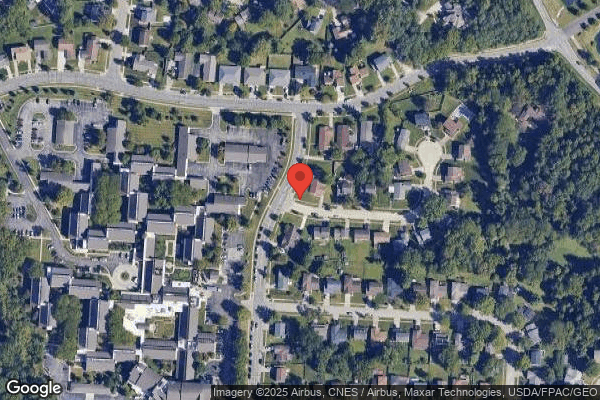
5757 PONDEROSA DRIVE, COLUMBUS, OH 43231 (614) 890-8282
Non profit - Corporation 75 Beds Independent Data: November 2025
Trust Grade
85/100
#196 of 913 in OH
Last Inspection: April 2024

Within standard 12-15 month inspection cycle. Federal law requires annual inspections.

Overview

Westerwood Rehabilitation in Columbus, Ohio holds a Trust Grade of B+, indicating it is above average in quality and care, making it a recommended choice for families. With a state rank of #196 out of 913 facilities, they are positioned in the top half of Ohio nursing homes, and at #7 of 56 in Franklin County, they are one of the better local options. The facility is on an improving trend, having reduced reported issues from 8 in 2024 to just 1 in 2025. Staffing is a strong point with a 4/5 star rating and a turnover rate of 44%, which is below the Ohio average, indicating stability among the staff. While there are strengths, there are also some concerns. For instance, the facility failed to prepare altered textured food items properly, which could lead to contamination for residents on special diets, and there was an incident where a resident was not transferred safely as required, posing a fall risk. On a positive note, the facility has not incurred any fines, and it provides more RN coverage than 83% of Ohio facilities, which helps ensure a higher standard of care. Overall, Westerwood Rehabilitation shows promise but families should be aware of the specific areas needing attention.

Trust Score
B+
85/100
In Ohio
#196/913
Top 21%
Safety Record
Low Risk
No red flags
Inspections
Getting Better
8 → 1 violations
Staff Stability
○ Average
44% turnover. Near Ohio's 48% average. Typical for the industry.
Penalties
✓ Good
No fines on record. Clean compliance history, better than most Ohio facilities.
Skilled Nurses
✓ Good
Each resident gets 57 minutes of Registered Nurse (RN) attention daily — more than average for Ohio. RNs are trained to catch health problems early.
Violations
⚠ Watch
16 deficiencies on record. Higher than average. Multiple issues found across inspections.
★★★★★
5.0
Overall Rating
★★★★☆
4.0
Staff Levels
★★★★★
5.0
Care Quality
★★★★☆
4.0
Inspection Score
Stable
2024: 8 issues
2025: 1 issues

The Good

  • 4-Star Staffing Rating · Above-average nurse staffing levels
  • 5-Star Quality Measures · Strong clinical quality outcomes
  • Full Sprinkler Coverage · Fire safety systems throughout facility
  • No fines on record
  • Staff turnover below average (44%)

    4 points below Ohio average of 48%

Facility shows strength in staffing levels, quality measures, fire safety.

The Bad

Staff Turnover: 44%

Near Ohio avg (46%)

Typical for the industry

The Ugly 16 deficiencies on record

May 2025 1 deficiency
CONCERN (D) 📢 Someone Reported This

A family member, employee, or ombudsman was alarmed enough to file a formal complaint

Potential for Harm - no one hurt, but risky conditions existed

Quality of Care (Tag F0684)

Could have caused harm · This affected 1 resident

**NOTE- TERMS IN BRACKETS HAVE BEEN EDITED TO PROTECT CONFIDENTIALITY** Based on interview, record review and facility policy, the facility failed to have a treatment order in place for a burn abrasio...

Read full inspector narrative →
**NOTE- TERMS IN BRACKETS HAVE BEEN EDITED TO PROTECT CONFIDENTIALITY** Based on interview, record review and facility policy, the facility failed to have a treatment order in place for a burn abrasion for one resident (#10) out of three residents reviewed for treatment orders for skin alterations on admission. The facility census was 61. Findings include: Review of the medical record for Resident #10, revealed an admission date of 04/19/25 and a transfer to the hospital date of 05/03/25. Diagnoses included but were not limited to inflammatory polyarthropathy, muscle weakness, need for assistance with personal care, adult failure to thrive, lower back pain and burn of unspecified degree of upper back, subsequent encounter. Review of the most recent Minimum Data Set (MDS) 3.0 assessment dated [DATE] revealed a Brief Interview for Mental Status (BIMS) of 14. The resident was assessed to require supervision or touching assistance with toilet hygiene, partial/moderate assistance with shower/bathe self, and transfers with independent with bed mobility. Review of the plan of care dated 04/21/25 for Resident #10 revealed the resident to have impaired skin integrity due to a burn with an intervention including but not limited to perform and document skin treatments as ordered. Review of the admission skin assessment dated [DATE] for Resident #10 revealed a left scapula open area abrasion. Review of the wound rounds summary dated 04/20/25 for Resident #10 revealed an upper left back active abrasion measured 9 centimeters (cm) x 4 cm x 0 with scant serosanguinous drainage. Review of the physician orders from 04/19/25 to 04/21/25 at 12:26 P.M. for Resident #10 revealed no treatment order for the burn abrasion on the left back/scapula area. Interview on 05/30/25 at 11:54 A.M. with the Assistant Director of Nursing verified Resident #10 did not have an order for treatment for the burn abrasion on the left back/scapula area from 04/19/25 until 04/21/25 at 12:26 P.M. when he entered the order. Also verified the nurse who admitted the resident should have obtained an order for a treatment as the resident was admitted over a weekend. Review of the facility policy titled Skin Integrity at Risk Program no date, revealed residents receive care and necessary treatments to promote healing and a physician is notified of a skin alteration and treatment is initiated as ordered. This deficiency represents non-compliance investigated under Complaint Number OH00165558.
May 2024 1 deficiency
CONCERN (D) 📢 Someone Reported This

A family member, employee, or ombudsman was alarmed enough to file a formal complaint

Potential for Harm - no one hurt, but risky conditions existed

Accident Prevention (Tag F0689)

Could have caused harm · This affected 1 resident

**NOTE- TERMS IN BRACKETS HAVE BEEN EDITED TO PROTECT CONFIDENTIALITY** THE FOLLOWING DEFICIENCY REPRESENTS AN INCIDENT OF PAST NONCOMPLIANCE THAT WAS SUBSEQUENTLY CORRECTED PRIOR TO THIS SURVEY. Base...

Read full inspector narrative →
**NOTE- TERMS IN BRACKETS HAVE BEEN EDITED TO PROTECT CONFIDENTIALITY** THE FOLLOWING DEFICIENCY REPRESENTS AN INCIDENT OF PAST NONCOMPLIANCE THAT WAS SUBSEQUENTLY CORRECTED PRIOR TO THIS SURVEY. Based on medical record review, interview and facility policy review, the facility failed to ensure Resident #10 was transferred in a safe manner and as per the resident's plan of care and facility policy with two staff via a mechanical (Hoyer) lift to prevent a potential accident. This affected one resident (#10) of four residents reviewed for accident hazards. The facility census was 59. Findings include: Review of the medical record for Resident #10 revealed an admission date of 07/12/2023 with diagnoses including chronic obstructive pulmonary disease, spinal stenosis lumbar region, and dementia. Review of the plan of care dated 07/26/2023 revealed Resident #10 had an activity of daily living (ADL), self-care performance deficit related to decreased mobility, weakness, memory loss/confusion, and required assistance for ADLs and mobility needs. Interventions included providing two staff assist with transfers using a Hoyer (mechanical) lift. Review of Resident #10's quarterly Minimum Data Set (MDS) 3.0 assessment dated [DATE] revealed a Brief Interview for Mental Status (BIMS) score of 08 out of 15 indicating a moderately impaired cognition for daily decision-making abilities. Resident #10 was noted to be free from bilateral upper and/or lower extremity impairment and required a wheelchair for mobility. The assessment noted the resident was dependent on staff with all transfers. Review of the Fall Risk Assessment completed for Resident #10 dated 04/28/2024 revealed resident was alert only with one to two falls in the past three months. Resident #10 was noted to be chair bound and was noted to require the use of assistive devices for gait and balance. Interview on 05/08/2024 at 2:00 P.M. with the Administrator revealed there was a staff member, State Tested Nursing Assistant (STNA) #335 who was still in training who transferred Resident #10 (on 05/06/24) by himself with the use of a mechanical lift. The Administrator revealed the management team was made aware of the incident by Resident #8's daughter. Interview on 05/08/24 at 4:30 P.M. with the daughter of Resident #8 revealed she was concerned an STNA (STNA #335) was transferring Resident #10 via a Hoyer lift by himself, without a second person present on 05/06/24. The daughter indicated she asked the STNA if he needed a spotter since she stated she was aware he was a new employee. The daughter indicated the STNA replied to her he had 25 years experience, knew what he was doing, was very strong and didn't need help. The daughter indicated the STNA also reported everyone was busy right now. The daughter indicated she reported the situation to staff but continued to have concerns related to the safety of the resident without a second staff person present for the transfer with the Hoyer lift. Attempts to reach STNA #335 during the investigation on 05/08/24 at 3:10 P.M. and 05/20/24 at 11:40 A.M. were unsuccessful. Record review/review of Resident #10's medical record revealed no written documentation of the incident/transfer on 05/06/24. There was no written statement from STNA #335 available or provided to review during the survey. Review of an undated facility policy titled Hoyer (Sling) Lift Transfer, revealed at least two staff members were needed when using a mechanical lift. The deficiency was corrected on 05/07/24 when the facility implemented the following corrective actions: Review of requested documents related to education and corrective action taken by the facility related to this incident revealed the facility provided a Hoyer (Sling) Lift Transfer policy and procedure and a re-training document (dated 05/07/24) for STNA #335 and all staff related to the incident that occurred on 05/06/2024. The facility implemented a plan to audit resident transfers to ensure residents who required a Hoyer lift were transferred with two staff. Following this incident on 05/06/24, no additional incidents had occurred related to a staff member completing a single mechanical lift transfer. This deficiency represents non-compliance investigated under Complaint Number OH00153624.
Apr 2024 5 deficiencies
CONCERN (D)

Potential for Harm - no one hurt, but risky conditions existed

Deficiency F0679 (Tag F0679)

Could have caused harm · This affected 1 resident

Based on medical record review, resident and staff interview, and observation, the facility failed to ensure residents were provided with activities to meet their needs. This affected one resident (Re...

Read full inspector narrative →
Based on medical record review, resident and staff interview, and observation, the facility failed to ensure residents were provided with activities to meet their needs. This affected one resident (Resident #32) of four residents reviewed for activities. The facility census was 62. Findings include: Review of medical record for Resident #32 revealed an admission date of 07/10/23 with diagnoses which included nuerolyptic parkinsonism, dementia, depression, bipolar II disorder, anxiety disorder, benign prostatic hyperplasia, cognitive communication deficit, drug induced movement disorder, and dorsalgia (back pain). Review of the quarterly Minimum Data Set (MDS) 3.0 assessment, dated 01/18/24, revealed Resident #32 had intact cognition and scored a 15 out of 15 on the Brief Interview for Mental Status assessment. Resident #32 required a varied amount of assistance which ranged from minimal to total dependence on staff to complete Activities of Daily Living. Review of Resident #32's Activities Assessment, dated 02/09/24, revealed the resident enjoys watching the news, watching Cleveland Browns football on television, spending time with family, spending time outside hiking, ham radio, reading, and listening to music. Resident #32 liked to do research and activity staff have been giving him a tablet to work on. Resident #32 was to receive one-to-one visits. Review of Resident #32's Activities Log from 02/01/24 to 03/31/24 revealed the activities that were documented as having been completed for Resident #32 included reading on 20 out of 60 days, watching television on 45 out of 60 days, This Day in History & Puzzles on 40 out of 60 days, catholic communion and other religious activities on 02/06/24, 02/13/24, 02/20/24, 03/03/24, 03/05/24, 03/10/24, 03/12/24 and 03/19/24, family or friends visits on 02/06/24, 02/14/24, 02/26/24, and 03/01/24 and electronics use (Kindle which is a mobile reading device) on 13 out of 60 days. The activities log documented one to one visits occurred on 02/07/24, 02/20/24, 02/23/24, 02/25/24, 02/26/24, 03/04/24, 03/07/24, 03/11/24, 03/13/24, 03/18/24, 03/22/24, 03/24/24, and 03/27/24 with documentation which indicated the one on one visits consisted of dropping off a Kindle to Resident #32. Review of Resident #32's Care Plan, completed on 03/26/24, revealed Resident #32 needed to maintain social interaction and stimulation, and his interests included watching the news, watching Cleveland Browns football on television, spending time with family, spending time outside hiking, ham radio, reading, and listening to music. Interventions for Resident #32 included assessing Resident #32 for response to activities and adjusting the plan, assisting the resident to the activity area per his choice, introducing Resident #32 to peers, and providing an activity calendar. Interview on 04/01/24 at 11:03 A.M. with Resident #32 revealed he does not like to participate in group activities. Resident #32 stated he has a hard time speaking and was tired all the time. Resident #32 stated he does not really watch television and would like more things to do. Interview on 04/02/24 at 3:25 P.M. with Resident #32 revealed he does not watch television and wished he had his computer but it was a desktop computer and he had nowhere to put it. Resident #32 stated he liked listening to music too but did not have a radio. Observations on 04/01/24 at 3:09 P.M., on 04/02/24 at 3:25 P.M. and on 04/03/24 at 10:42 A.M., revealed Resident #32 was sitting up in his chair with no reading materials, no music, and the television was off. Resident #32 was not actively engaged in any activities. Interview on 04/04/24 at 11:42 A.M. with State Tested Nurse Aide (STNA) #217 revealed Resident #32 liked to stay in his room and read, visit with family or listen to music. STNA #217 confirmed there was no radio or reading materials in Resident #32's room. Interview on 04/04/24 at 1:47 P.M. with Community Life Coordinator (CLC) #192 confirmed CLC #192 was aware of Resident #32's preferred activities which included reading and listening to music. CLC #192 confirmed Resident #32 did not have a radio or reading device in his room and stated Resident #32 would be provided a radio or Kindle, but it was expected that he ask for it. CLC #192 indicated Resident #32 used to have a radio however it broke and the facility did not have enough radios available to give each resident their own radio. CLC #192 stated staff are supposed to check in every morning to ask if residents want anything but do not document requests or refusals. CLC #192 indicated the actitivity titled This Day in History & Puzzles on the activity log meant staff dropped off a packet to the resident.
CONCERN (D)

Potential for Harm - no one hurt, but risky conditions existed

Quality of Care (Tag F0684)

Could have caused harm · This affected 1 resident

Based on medical record review, observation, and staff interview, the facility failed to obtain a physician order for a right arm sling prior to use. This affected one (Resident #116) out of two resid...

Read full inspector narrative →
Based on medical record review, observation, and staff interview, the facility failed to obtain a physician order for a right arm sling prior to use. This affected one (Resident #116) out of two residents reviewed for limited mobility. The facility census was 62. Findings include: Review of the medical record for Resident #116 revealed an initial admission date of 05/16/23 and a readmission date of 03/19/24. Resident #116's medical diagnoses included fracture of shaft of right humerus, laceration of part of head, difficulty in walking, lack of coordination, cognitive communication deficit, and history of falling. Review of the admission Minimum Data Set 3.0 assessment, dated 03/26/24, revealed Resident #116 had intact cognition and scored a 15 out of 15 on the Brief Interview for Mental Status (BIMS) assessment. Resident #116 had an impairment on one side of her upper extremity (shoulder, elbow, wrist, hand). Resident #116 required setup or clean-up assistance with eating and hygiene, and required partial to substantial assistance from staff to complete all other activities of daily living. Resident #116's active diagnoses included fractures and other multiple trauma. Review of Resident #116's physician orders dated April 2024 revealed there was no order for a right arm sling. Observation on 04/01/24 at 3:00 P.M. revealed Resident #116 was in her room, laying in bed, wearing a sling on her right arm. Interview on 04/02/24 at 2:45 P.M. with the Assistant Director of Nursing (ADON) #229 confirmed there was no a physician order in place for Resident #116's right arm sling and stated there should be an order for it. ADON #229 stated Resident #116 fractured her right humerus bone and was wearing the sling while the bone healed.
CONCERN (D)

Potential for Harm - no one hurt, but risky conditions existed

Deficiency F0790 (Tag F0790)

Could have caused harm · This affected 1 resident

Based on medical record review, resident and staff interviews, and facility policy review, the facility failed to ensure residents were provided with timely dental services. This affected one (Residen...

Read full inspector narrative →
Based on medical record review, resident and staff interviews, and facility policy review, the facility failed to ensure residents were provided with timely dental services. This affected one (Resident #116) out of one resident reviewed for dental services. The facility census was 62. Findings include: Review of the medical record for Resident #116 revealed an initial admission date of 05/16/23 and a readmission date of 03/19/24. Resident #116's medical diagnoses included fracture of shaft of right humerus, laceration of part of head, difficulty in walking, lack of coordination, cognitive communication deficit, and history of falling. Review of a progress note, dated 03/06/24 at 8:00 A.M., revealed Resident #116 had a Medicare payer source. Review of the admission Evaluation, dated 03/19/24, revealed Resident #116 had broken or loosely fitting full or partial denture (chipped, cracked, uncleanable, or loose). Review of Resident #116's plan of care, dated 03/20/24, revealed there were no dental or denture concerns addressed in the resident's care plan. Review of the admission Minimum Data Set 3.0 assessment, dated 03/26/24, revealed Resident #116 had intact cognition and scored a 15 out of 15 on the Brief Interview for Mental Status assessment. The assessment did not note any dental issues. Review of Resident #116's physician orders, dated April 2024, revealed Resident #116 had an order for a regular, mechanical soft diet per the resident's request. The order was dated 03/28/24 at 2:24 P.M. Review of a dietary progress note, dated 03/28/24 at 2:26 P.M., by Dietitian #327 revealed an oral exam showed Resident #116 had broken or loosely fitting full or partial dentures (chipped, cracked, uncleanable, or loose). The note stated, dentures do not fit. Furthermore, Resident #116 reported the dentures have caused a sore and that it is effecting her ability to eat with dentures in. Resident #116 agreed to downgrade her diet to mechanical soft until the sore healed. The diet change would allow Resident #116 to eat without dentures in at meal time and allow the gums to heal. Review of the list of residents seen by the dentist, dated 03/28/24, revealed Resident #116 had not been seen by the dentist. Review of a progress note, dated 03/29/24 at 6:57 A.M., by Assistant Director of Nursing (ADON) #229 revealed a new order was implemented for a mechanical soft diet per Resident #116's request related to a sore from Resident #116's dentures. The start date of the new diet was 03/28/24. Interviews on 04/02/23 at 11:18 A.M. and on 04/03/24 at 4:40 P.M. with Resident #116 revealed the resident reported her dentures did not fit and she had sore gums. Resident #116 stated she had a canker sore on her right upper gum. The resident attempted to raise her upper lip to show the sore to this surveyor but stated, I don't think you can see it. Resident #116 placed her finger on the outside of her upper lip just under her right nostril and stated, it's right there. Resident #116 stated when she had to bite into harder foods her upper denture rubbed against the canker sore and caused pain so she had been leaving her dentures out during meals. This surveyor observed both her upper and lower dentures to be sitting on the bed side table next to the resident's bed. Resident #116 stated she had an appointment with an outside dentist scheduled in June 2024 but would like to be seen by a dentist sooner. Resident #116 stated she had not been informed of an in-facility dentist or any dental services offered by the facility. Interview on 04/03/24 at 6:08 P.M. with Ancillary Specialist (AS) #141 revealed the facility did offer dental services to residents. The services were offered to both Medicare and Medicaid residents. AS #141 stated when a resident was admitted to the facility, ancillary services were part of the admission packet that was reviewed with the resident. A consent form was reviewed with the resident and the resident signed the form indicating whether the resident wanted to accept or decline ancillary services. AS #141 reviewed the admission packets and notified providers of the residents who wished to receive services. AS #141 confirmed the dentist visited the facility on 03/28/24 and Resident #116 was not seen at that time. AS #141 reviewed Resident #116's admission packet and ancillary services consent form and confirmed neither had been completed. AS #141 stated Dietitian #327 informed her of Resident #116's ill-fitting dentures after the dentist's visit to the facility. AS #141 stated she had not been told Resident #116 was experiencing any pain. Interview on 04/03/24 at 6:27 P.M. with Admissions Coordinator (AC) #319 revealed he reviewed admission packets and ancillary services consent forms with new admissions to the facility. AC #319 stated the admission packet and consent forms should be completed within 72 hours of admission. AC #319 confirmed the admissions packet or ancillary services consent form for Resident #116 had not been completed yet. AC #319 stated he had not been able to connect with the resident yet in order to complete the paperwork. Review of the facility policy titled Dental Services, undated, revealed the policy stated, it was the policy of the facility to assist residents in obtaining routine (to the extent covered under the State plan) and emergency dental care. The dental needs of each resident are identified through the physical assessment and MDS assessment processes, and are addressed in each resident's plan of care. Referrals to dietitian, speech therapist, physician, or dental provider shall be made as appropriate. In the case of an acute dental condition, the facility will take measures to ensure residents are still able to eat and drink while awaiting dental services including: notifying physician of pain or other needs, modifying diet consistency, referring to dietitian for food preferences during the interim, and referral to speech therapist for chewing or swallowing problems.
CONCERN (D) 📢 Someone Reported This

A family member, employee, or ombudsman was alarmed enough to file a formal complaint

Potential for Harm - no one hurt, but risky conditions existed

Deficiency F0806 (Tag F0806)

Could have caused harm · This affected 1 resident

Based on medical record review, review of a lunch tray ticket, observation, and staff interview, the facility failed to ensure was provided meals as preferred. This affected one resident (#4) of five ...

Read full inspector narrative →
Based on medical record review, review of a lunch tray ticket, observation, and staff interview, the facility failed to ensure was provided meals as preferred. This affected one resident (#4) of five residents reviewed for nutrition. The facility census was 62. Findings include: Review of the medical record for Resident #4 revealed an admission date of 10/21/23 with diagnoses including Alzheimer's disease, Parkinson's disease, severe protein-calorie malnutrition, vascular dementia, acquired absence of right and left leg above knee, type two diabetes mellitus, unspecified mood disorder, dysphagia, adult failure to thrive, and constipation. Review of Resident #4's Plan of Care, dated 02/07/24, revealed Resident #4 had the potential for nutrition or hydration issues related to her diagnoses, need for mechanically altered diet, dysphagia, pocketing food, severe protein calorie malnutrition, being underweight, and increased nutrient needs related to her wound. Interventions included a consistent carbohydrate and pureed diet, offering alternates if intake is poor, assisting with meals, providing supplements as ordered, encouraging intake of meals and fluids, and per the resident's preference and daughters request the resident was to be given a bite of food with or dipped in frozen nutritional treat. Review of Resident #4's quarterly Minimum Data Set (MDS) assessment, dated 03/21/24, revealed Resident #4 had severely impaired cognition. Resident #4 weighed 72 pounds, had no significant weight changes, and was on a mechanically altered and therapeutic diet. Review of Resident #4's physician order, dated 04/02/24, revealed Resident #4 was to receive a frozen nutritional treat with meals. Review of the lunch tray ticket, dated 04/04/24, revealed Resident #4 was to receive pureed cornflake chicken breast, pureed squash, carrots, and green beans, and a vanilla frozen nutritional treat. Observation on 04/04/24 from 1:00 P.M. to 1:15 P.M. revealed STNA #77 was assisting Resident #4 with her meal. There was a plate which included two pureed foods and no supplements on Resident #4's bedside table. STNA #77 was observed feeding Resident #4 bites of pureed food and the bites of pureed food were not mixed with or dipped in frozen nutritional treat as indicated on Resident #4's care plan. The observation further revealed there was a refrigerator in Resident #4's room which contained one frozen nutritional treat and two house shakes. STNA #77 indicated he would call the kitchen to find out if Resident #4 was supposed to receive a nutritional supplement. STNA #77 verified with the kitchen that Resident #4 was supposed to receive a frozen nutritional treat with the lunch meal and the kitchen staff agreed to deliver a nutritional treat to the residents room. STNA #77 did not mix any bites of pureed food with a nutritional treat or dip the bites in a nutritional treat at any point prior to the kitchen staff bringing the nutritional treat to Resident #4's room. Interview on 04/04/24 from 1:00 P.M. to 1:15 P.M. with STNA #77 verified there was no nutritional treat on Resident #4's bedside table or with Resident #4's meal tray. He additionally reported Resident #4 had not eaten a nutritional treat or supplement prior to the beginning of the observation and he was unsure what supplements Resident #4 was supposed to be receiving as she had just returned to the facility. STNA #77 verified the tray ticket indicated Resident #4 was to receive a frozen nutritional treat and he called the kitchen to ensure one was sent to the room. STNA #77 reported the facility staff was not supposed to take things from the refrigerator in the residents room. This deficiency represents non-compliance investigated under Master Complaint Number OH00152690 and Complaint Number OH00152366.
CONCERN (D) 📢 Someone Reported This

A family member, employee, or ombudsman was alarmed enough to file a formal complaint

Potential for Harm - no one hurt, but risky conditions existed

Infection Control (Tag F0880)

Could have caused harm · This affected 1 resident

**NOTE- TERMS IN BRACKETS HAVE BEEN EDITED TO PROTECT CONFIDENTIALITY** Based on medical record review, review of hospital records, observation, staff interview, facility policy review, and review of ...

Read full inspector narrative →
**NOTE- TERMS IN BRACKETS HAVE BEEN EDITED TO PROTECT CONFIDENTIALITY** Based on medical record review, review of hospital records, observation, staff interview, facility policy review, and review of Centers for Disease Control and Prevention guidance, the facility failed to staff practiced proper infection control practices while assisting residents with meals. This affected one (Resident #4) out of three residents reviewed for transmission based precautions. The facility census was 62. Findings include: Review of Resident #4's medical record revealed an initial admission date of 08/08/23 and a readmission date of 10/21/23. Resident #4's diagnoses included but were not limited to Alzheimer's disease, Parkinson's disease without dyskinesia (uncontrolled, involuntary muscle movement), severe protein-calorie malnutrition, adult failure to thrive, type two diabetes mellitus, and colonized clostridium difficile (C. Diff) colitis. Review of the quarterly Minimum Data Set 3.0 assessment, dated 03/21/24, revealed Resident #4 had severely impaired cognition and was unable to complete the Brief Interview for Mental Status assessment. Resident #4 required total dependence on staff to complete all activities of daily living. Review of Resident #4's census revealed the resident was hospitalized from [DATE] to 04/02/24. Review of hospital records, dated 04/02/24, revealed Resident #4 tested positive for Clostridium difficile (C. Diff) at the hospital on [DATE]. However, the hospital records indicated the second step of the test was negative which was indicative of a colonized infection and not an active infection. Resident #4 was noted to have watery stool on 03/28/24 and was placed under contact transmission-based precautions (TBP) during her hospitalization. Review of a progress note dated 04/02/24 at 9:36 A.M., revealed Resident #4 ' s daughter was contacted to inform her Resident #4 ' s discharge date and time had been confirmed as today at 2:00 P.M. Resident #4's daughter was informed that Resident #4 would be readmitted to a private room due to isolation needs. Observation on 04/04/24 from 12:45 P.M. to 1:12 P.M. of Resident #4 during lunch meal service with State-Tested Nurse Aide (STNA) #77 revealed Resident #4 was in a private room and was under contact TBP. STNA #77 was observed in the room wearing an isolation gown and gloves. Resident #4's meal tray was observed on the bedside table on the right side of the resident's bed. The resident's meal ticket was observed laying on the floor next to the bedside table. There was no nutritional supplement observed on Resident #4's meal tray and STNA #77 stated he would call the kitchen to find out if Resident #4 was supposed to receive a nutritional supplement because prior to the resident's hospitalization, she did receive a frozen nutritional treat with meals. STNA #77 walked over to corded phone in room that was sitting on the floor and picked it up with gloves on and called the kitchen. STNA #77 verified with the kitchen Resident #4 was supposed to receive a frozen nutritional treat with the resident's lunch meal and agreed to deliver one to the resident's room. STNA #77 hung up the phone and placed it back onto the floor. STNA #77 walked back over to Resident #4's bedside table where Resident #4's meal tray was sitting, picked up the spoon (with the same gloves on) and began attempting to feed the resident again. STNA #77 put the spoon up to Resident #4's lips and encouraged the resident to open her mouth. Resident #4 opened her mouth slightly and took a very small amount of food into her mouth before shutting it again. STNA #77 looked down at the floor and noticed the resident's meal ticket was laying on the floor. STNA #77 picked up the resident's meal ticket from the floor with the same gloves on and handed it to this surveyor. STNA #77 did not change gloves or complete any hand hygiene. STNA #77 walked back over to Resident #4 and lifted the resident's covers to reveal the resident's abdominal binder with his gloved hands. STNA #77 replaced the resident's covers with the same gloves on. Kitchen staff arrived at Resident #4's room with a frozen nutritional treat. STNA #77 answered the knock at the door with the same gloves on and accepted the nutritional treat from the kitchen staff. STNA #77 did not change gloves or complete any hand hygiene. STNA #77 returned to the resident's bed side table and opened the frozen nutritional treat with the same gloves in place, picked up the resident's spoon again and began mixing the nutritional treat with the resident's pureed foods. STNA #77 again put the spoon to Resident #4's lips and encouraged her to open her mouth. Resident #4 opened her mouth and accepted bites of food. STNA #77 continued feeding Resident #4 without changing his gloves or completing any hand hygiene during the observation. Interview on 04/04/24 at 2:05 P.M. with STNA #77 confirmed the above observations. STNA #77 confirmed he had not changed his gloves or completed any hand hygiene after picking up items from the floor or answering the resident's door with gloves on and continued feeding Resident #4. STNA #77 stated Resident #4 ate approximately 25 percent of her meal at lunch and drank approximately 120 milliliters (mL) of fluids. STNA #77 stated he was not told why Resident #4 was under contact TBP and he did not ask anyone. STNA #77 stated he was not aware Resident #4 had colonized C. Diff with possible symptoms (water stools) of an active C. Diff infection. Review of the facility policy titled Handwashing/Hand Hygiene Policy, undated, revealed the facility policy stated, it was the policy of the facility that hand washing/hand hygiene be regarded as the single most important means of preventative measures in the spread of infectious disease. When to wash hands: before serving food, before and after the use of gloves, gowns, and masks, before and after caring for a resident in an isolation area, after contact with work surfaces potentially contaminated with a resident's blood, excretions, or secretions, and when in doubt, wash. The use of gloves does not replace hand washing. Review of the Centers for Disease Control and Prevention guidance titled Your Risk of C. diff, last reviewed 06/27/22, revealed the guidance under the section, What is Colonization? stated, someone who is colonized has no signs or symptoms. If you are colonized with C. diff, you can spread the infection to others. Once your body is colonized with C. diff, you can remain colonized for several months. It is more common to become infected with C. diff in healthcare settings, such as hospitals and nursing homes. In a healthcare setting, while caring for you and other patients with C. diff, healthcare professionals will use certain precautions, such as wearing a gown and gloves, to prevent the spread of C. diff to themselves and to other patients. In addition to Standard Precautions, use Transmission-Based Precautions for patients with documented or suspected infection or colonization with highly transmissible or epidemiologically-important pathogens for which additional precautions are needed to prevent transmission. This deficiency represents non-compliance investigated under Complaint Number OH00152366.
Jan 2024 2 deficiencies
CONCERN (D) 📢 Someone Reported This

A family member, employee, or ombudsman was alarmed enough to file a formal complaint

Potential for Harm - no one hurt, but risky conditions existed

Quality of Care (Tag F0684)

Could have caused harm · This affected 1 resident

**NOTE- TERMS IN BRACKETS HAVE BEEN EDITED TO PROTECT CONFIDENTIALITY** Based on record review, resident representative and staff interviews, review of the hospice contract, and facility policy review...

Read full inspector narrative →
**NOTE- TERMS IN BRACKETS HAVE BEEN EDITED TO PROTECT CONFIDENTIALITY** Based on record review, resident representative and staff interviews, review of the hospice contract, and facility policy review, the facility failed to ensure hospice communication notes were available and a part of the medical record for one resident (Resident #59). The facility also failed to timely notify the hospice provider of medication changes for one resident (Resident #59). This affected one resident (Resident #59) of three reviewed for hospice services. The facility census was 61. Findings Include: Review of the closed medical record for Resident #59 revealed an admission date on [DATE] and a discharge date on [DATE] due to the resident passing away. Medical diagnoses included Parkinson's Disease with dyskinesia (uncontrolled, involuntary muscle movement), dementia with psychotic disturbance and anxiety, epilepsy (seizures), anxiety disorder, supraventricular tachycardia (a faster than normal heart rate beginning above the heart's two lower chambers), cognitive communication deficit, presence of neurotransmitter, and dystonia (involuntary muscle contractions that cause repetitive or twisting movements). Review of Resident #59's census revealed the resident was admitted under a hospice payer. Review of the Patient Information Report from the hospice provider date [DATE] revealed Resident #59 was admitted to hospice on [DATE] (prior to the resident's admission to the facility). Review of the physician orders for Resident #59 revealed the resident had the following orders: Hospice-Transitions Hospice (dated [DATE] and discontinued [DATE]), Hospice-Transitions Hospice (dated [DATE] and discontinued [DATE] with reason to add a diagnosis), Hospice-Transitions Hospice with diagnosis Parkinson's Disease (dated [DATE] and discontinued [DATE] with no reason indicated), Hospice-Transitions Hospice with diagnosis Parkinson's Disease (dated [DATE] and discontinued [DATE]), and Hospice-Transitions Hospice with diagnosis Parkinson's Disease (dated [DATE] and discontinued [DATE] due to the resident being deceased ). Further review of the physician orders for Resident #59 revealed the resident had the following medication orders: Quetiapine Fumarate (Seroquel) (an antipsychotic medication) 50 milligrams (mg) with instructions to give one tablet every eight hours as needed for severe agitation dated [DATE] and discontinued [DATE], Quetiapine Fumarate 50 mg with instructions to give one tablet twice a day (BID) dated [DATE] and discontinued [DATE], Seroquel 50 mg with instructions to give one tablet in the evening for dementia with behaviors dated [DATE] and discontinued [DATE], Seroquel 100 mg with instructions to give one tablet daily for dementia with behaviors dated [DATE] and discontinued [DATE], Quetiapine Fumarate 25 mg with instructions to give one tablet in the evening for one week dated [DATE] and discontinued [DATE], Quetiapine Fumarate 50 mg with instructions to give one tablet in the morning for one week dated [DATE] and discontinued [DATE], and Quetiapine Fumarate 25 mg with instructions to give one tablet in the morning dated [DATE] and discontinued [DATE] due to hospice. Additionally, Resident #59 had an order for Trazodone Hydrochloride (HCl) 50 mg with instructions to give 25 mg by mouth at bedtime for insomnia dated [DATE] and discontinued [DATE] per the hospice Certified Nurse Practitioner (CNP). Review of the admission Minimum Data Set (MDS) 3.0 assessment dated [DATE] revealed Resident #59 had severely impaired cognition and scored a zero out of 15 on the Brief Interview for Mental Status (BIMS) assessment. Resident #59 was dependent on facility staff to complete Activities of Daily Living (ADLs). Review of the progress notes dated from [DATE] to [DATE] revealed on [DATE] at 4:41 P.M., Resident #59 admitted to the facility and was transported by the family. Vital signs were within normal limits. There was no indication of the resident receiving hospice services upon admission. The first progress note which mentioned contact with hospice was dated [DATE] (seven days after admission) at 7:32 P.M., Certified Nurse Practitioner (CNP) was notified of x-ray results. The nurse also left a voicemail with hospice. No new orders at this time. Resident denied pain. Power of Attorney (POA) aware. Further review of the progress notes dated from [DATE] to [DATE] revealed on [DATE] at 11:02 A.M. and 11:03 A.M., notification of order change notes stated Resident #59 and the resident's representative were updated on new orders. Risk/Benefits were explained for Trazodone HCl 50 mg with instructions to give 25 mg by mouth at bedtime for insomnia, Seroquel tablet 100 mg with instructions to give one tablet by mouth daily, and Seroquel 50 mg with instructions to give one tablet in the evening for dementia with behaviors. The start dates for the medication were [DATE] and [DATE]. Resident #59 and the resident's Power of Attorney (POA) were made aware. There was no indication the resident's hospice provider was notified of the medication changes. Review of the care plan dated [DATE] revealed Resident #59 had a terminal prognosis related to hospice services for Parkinson's Disease with declines in condition expected. Interventions included Capital City Hospice, all care must be preauthorized: all new medications-call before contacting contracted company, all new treatments-medical equipment, labs, diagnostic tests, x-rays, transport from the facility, condition change, hospice will call the resident's physician unless other arrangements are made with hospice staff. The interventions were resolved on [DATE]. On [DATE], interventions included Transitions Hospice was initiated. Additional intervention included coordinate all care with hospice and work cooperatively with hospice team to ensure the resident's spiritual, emotional, intellectual, physical and social needs are met (dated [DATE]). Review of the Encounter Summary-Progress Note completed by the facility's Certified Nurse Practitioner (CNP), CNP #150, dated [DATE] at 1:47 P.M. revealed Resident #59 was seen for an acute visit due to behaviors including restlessness, impulsivity, yelling out during the day and night, and difficulty with redirecting the resident. CNP #150 planned to increase Seroquel to 100 mg daily at bedtime and add Trazodone 25 mg daily at bedtime to address dementia with psychotic disturbances. The resident's instructions included the same and to continue to follow with hospice. There was no indication the hospice provider was notified of the medication changes. Review of Plan of Care Conference, dated [DATE] (nine days after medication changes), revealed Resident #59's POA/spouse, the resident's daughter and son-in-law, Hospice Executive Director ([NAME]) #105, Licensed Social Worker (LSW) #112, and the Director of Nursing (DON) attended the care conference. Nursing Services noted the current plan of care, behaviors, falls, and interventions were reviewed. Nursing agreed with the current plan and medication education was provided. Resident #59's family reported medication tweaks and environmental adjustments were still occurring. The care conference did not indicate what medications were reviewed or what medications the resident's family received educated about. Further review of the medical record for Resident #59 revealed there were not any hospice communication notes included in the medical record. Interview on [DATE] at 1:08 P.M. via telephone with CNP #103 revealed she was the on-call CNP for Resident #59's hospice provider. CNP #103 stated the facility's CNP (CNP #150) increased Resident #59's Seroquel shortly after the resident was admitted and thinks CNP #150 also adjusted or added some other medication as well that she was not notified of until she attended a care conference via telephone to discuss Resident #59 on [DATE] and reviewed Resident #59's medications. CNP #103 recommended Resident #59's antipsychotic medication be reduced again at that time. CNP #150 stated she did not attend a care conference on [DATE] for Resident #59. Interview on [DATE] at 10:21 A.M. via telephone with [NAME] #105 revealed the facility's CNP (CNP #150) adjusted Resident #59's medications, including Seroquel, without notifying the hospice provider/hospice CNP (CNP #103). [NAME] #105 stated CNP #103 became aware of the medication adjustments/changes on [DATE] when CNP #103 attended a care conference via telephone to discuss Resident #59 and she reviewed the resident's medications. CNP #103 requested to have the medications reduced again at the time of the care conference. [NAME] #105 denied medications were discussed during the care conference held on [DATE]. Interview on [DATE] at 11:12 A.M. with the DON confirmed there were some communication issues between the facility and the hospice provider for Resident #59. The DON stated the facility conducted two care conferences for Resident #59 during her stay at the facility. The DON stated one was completed in November and the other was completed in [DATE]. The DON stated a hospice representative attended both care conferences and the resident's medications would have been reviewed at each care conference. The DON confirmed there was no documentation the hospice provider was notified of any medication changes for Resident #59 prior to [DATE] (nine days later). Further interview on [DATE] at 11:52 A.M. with the Director of Nursing (DON) confirmed Resident #59's medical record only included plans of care from the hospice provider and did not include any progress/visit notes from the hospice provider. Interview on [DATE] at 2:10 P.M. with LSW #112 confirmed a care conference was completed on [DATE] for Resident #59 (nine days after the medication changes). LSW #112 stated she was not able to remember exactly what was discussed during the care conference but the resident's medications would have been reviewed as that was standard procedure for all care conferences. LSW #112 confirmed [NAME] #105 attended the care conference on [DATE] via telephone but CNP #103 did not attend. LSW #112 stated there was a family meeting held on [DATE] per the family's request as well but she was not able to attend that meeting and was not aware what occurred during that meeting. Review of the facility policy, Hospice Program, undated, revealed the policy stated, The hospice agency retains overall professional management responsibility for directing the implementation of the plan of care related to the terminal illness and related conditions. All hospice services are provided under contractual arrangement. Complete details outlining the responsibilities of the facility and the hospice agency are contained in this agreement. Review of the hospice contract, dated [DATE], revealed the contract stated, Nursing Facility and Transitions will each maintain and make available to each other for inspection and copying, detailed clinical records concerning each Transitions Hospice Patient in accordance with good professional practice, federal and state laws and regulations, and applicable Medicare and Medicaid guidelines. The contract also revealed 3.3 Notification Agreement. The facility will immediately notify the hospice about the following: significant change in the patient's physical, mental, social, or emotional status. Clinical complications that suggest a need to alter the plan of care. This deficiency represents non-compliance investigated under Complaint Number OH00149558.
CONCERN (D) 📢 Someone Reported This

A family member, employee, or ombudsman was alarmed enough to file a formal complaint

Potential for Harm - no one hurt, but risky conditions existed

Deficiency F0849 (Tag F0849)

Could have caused harm · This affected 1 resident

**NOTE- TERMS IN BRACKETS HAVE BEEN EDITED TO PROTECT CONFIDENTIALITY** Based on record review, staff interviews, review of the hospice contract, and facility policy review, the facility failed to fol...

Read full inspector narrative →
**NOTE- TERMS IN BRACKETS HAVE BEEN EDITED TO PROTECT CONFIDENTIALITY** Based on record review, staff interviews, review of the hospice contract, and facility policy review, the facility failed to follow the hospice agreement in place for one resident's (Resident #59) hospice provider. This affected one (Resident #59) of three residents reviewed for hospice services. The facility census was 61. Findings Include: Review of the closed medical record for Resident #59 revealed an admission date on [DATE] and a discharge date on [DATE] due to the resident passing away. Medical diagnoses included Parkinson's Disease with dyskinesia (uncontrolled, involuntary muscle movement), dementia with psychotic disturbance and anxiety, epilepsy (seizures), anxiety disorder, supraventricular tachycardia (a faster than normal heart rate beginning above the heart's two lower chambers), cognitive communication deficit, presence of neurotransmitter, and dystonia (involuntary muscle contractions that cause repetitive or twisting movements). Review of Resident #59's census revealed the resident was admitted under a hospice payer. Review of the Patient Information Report from the hospice provider date [DATE] revealed Resident #59 was admitted to hospice on [DATE] (prior to the resident's admission to the facility). Review of the physician orders for Resident #59 revealed the resident had the following hospice orders: Hospice-Transitions Hospice (dated [DATE] and discontinued [DATE]), Hospice-Transitions Hospice (dated [DATE] and discontinued [DATE] with reason to add a diagnosis), Hospice-Transitions Hospice with diagnosis Parkinson's Disease (dated [DATE] and discontinued [DATE] with no reason indicated), Hospice-Transitions Hospice with diagnosis Parkinson's Disease (dated [DATE] and discontinued [DATE]), and Hospice-Transitions Hospice with diagnosis Parkinson's Disease (dated [DATE] and discontinued [DATE] due to the resident being deceased ). Review of the physician orders for Resident #59 revealed the resident had the following medication orders: Quetiapine Fumarate (Seroquel) (an antipsychotic medication) 50 milligrams (mg) with instructions to give one tablet every eight hours as needed for severe agitation dated [DATE] and discontinued [DATE], Quetiapine Fumarate 50 mg with instructions to give one tablet twice a day (BID) dated [DATE] and discontinued [DATE], Seroquel 50 mg with instructions to give one tablet in the evening for dementia with behaviors dated [DATE] and discontinued [DATE], Seroquel 100 mg with instructions to give one tablet daily for dementia with behaviors dated [DATE] and discontinued [DATE], Quetiapine Fumarate 25 mg with instructions to give one tablet in the evening for one week dated [DATE] and discontinued [DATE], Quetiapine Fumarate 50 mg with instructions to give one tablet in the morning for one week dated [DATE] and discontinued [DATE], and Quetiapine Fumarate 25 mg with instructions to give one tablet in the morning dated [DATE] and discontinued [DATE] due to hospice. Additionally, Resident #59 had an order for Trazodone Hydrochloride (HCl) 50 mg with instructions to give 25 mg by mouth at bedtime for insomnia dated [DATE] and discontinued [DATE] per the hospice Certified Nurse Practitioner (CNP). Review of the admission Minimum Data Set (MDS) 3.0 assessment dated [DATE] revealed Resident #59 had severely impaired cognition and scored a zero out of 15 on the Brief Interview for Mental Status (BIMS) assessment. Resident #59 was dependent on facility staff to complete Activities of Daily Living (ADLs). Review of the progress notes dated from [DATE] to [DATE] revealed on [DATE] at 11:02 A.M. and 11:03 A.M., notification of order change notes stated Resident #59 and the resident's representative were updated on new orders. Risk/Benefits were explained for Trazodone HCl 50 mg with instructions to give 25 mg by mouth at bedtime for insomnia, Seroquel tablet 100 mg with instructions to give one tablet by mouth daily, and Seroquel 50 mg with instructions to give one tablet in the evening for dementia with behaviors . The start dates for the medication were [DATE] and [DATE]. Resident #59 and the resident's Power of Attorney (POA) were made aware. There was no indication the resident's hospice provider was notified of the medication changes. Review of the care plan dated [DATE] revealed Resident #59 had a terminal prognosis related to hospice services for Parkinson's Disease with declines in condition expected. Interventions included Capital City Hospice, all care must be preauthorized: all new medications-call before contacting contracted company, all new treatments-medical equipment, labs, diagnostic tests, x-rays, transport from the facility, condition change, hospice will call the resident's physician unless other arrangements are made with hospice staff. The interventions were resolved on [DATE]. On [DATE], interventions included Transitions Hospice was initiated. Additional intervention included coordinate all care with hospice and work cooperatively with hospice team to ensure the resident's spiritual, emotional, intellectual, physical and social needs are met (dated [DATE]). Review of the Encounter Summary-Progress Note completed by the facility's Certified Nurse Practitioner (CNP), CNP #150, dated [DATE] at 1:47 P.M. revealed Resident #59 was seen for an acute visit due to behaviors including restlessness, impulsivity, yelling out during the day and night, and difficulty with redirecting the resident. CNP #150 planned to increase Seroquel to 100 mg daily at bedtime and add Trazodone 25 mg daily at bedtime to address dementia with psychotic disturbances. The resident's instructions included the same and to continue to follow with hospice. There was no indication the hospice provider was notified of the medication changes. Review of Plan of Care Conference, dated [DATE] (nine days after medication changes), revealed Resident #59's POA/spouse, the resident's daughter and son-in-law, Hospice Executive Director ([NAME]) #105, Licensed Social Worker (LSW) #112, and the Director of Nursing (DON) attended the care conference. Nursing Services noted the current plan of care, behaviors, falls, and interventions were reviewed. Nursing agreed with the current plan and medication education was provided. Resident #59's family reported medication tweaks and environmental adjustments were still occurring. The care conference did not indicate what medications were reviewed or what medications the resident's family were educated on. Interview on [DATE] at 1:08 P.M. via telephone with CNP #103 revealed she was the on-call CNP for Resident #59's hospice provider. CNP #103 stated the facility's CNP (CNP #150) increased Resident #59's Seroquel shortly after the resident was admitted and thinks CNP #150 also adjusted or added some other medication as well that she was not notified of until she attended a care conference via telephone to discuss Resident #59 on [DATE] and reviewed Resident #59's medications. CNP #103 recommended Resident #59's antipsychotic medication be reduced again at that time. CNP #150 stated she did not attend a care conference on [DATE] for Resident #59. Interview on [DATE] at 10:21 A.M. via telephone with [NAME] #105 revealed the facility's CNP (CNP #150) adjusted Resident #59's medications, including Seroquel, without notifying the hospice provider/hospice CNP (CNP #103). [NAME] #105 stated CNP #103 became aware of the medication adjustments/changes on [DATE] when CNP #103 attended a care conference via telephone to discuss Resident #59 and she reviewed the resident's medications. CNP #103 requested to have the medications reduced again at the time of the care conference. [NAME] #105 denied medications were discussed during the care conference held on [DATE]. Interview on [DATE] at 11:12 A.M. with the DON confirmed there were some communication issues between the facility and the hospice provider for Resident #59. The DON stated the facility conducted two care conferences for Resident #59 during her stay at the facility. The DON stated one was completed in November and the other was completed in [DATE]. The DON stated a hospice representative attended both care conferences and the resident's medications would have been reviewed at each care conference. The DON confirmed there was no documentation the hospice provider was notified of any medication changes for Resident #59 prior to [DATE] (nine days later). Interview on [DATE] at 2:10 P.M. with Licensed Social Worker (LSW) #112 confirmed a care conference was completed on [DATE] for Resident #59 (nine days after the medication changes). LSW #112 stated she was not able to remember exactly what was discussed during the care conference but the resident's medications would have been reviewed as that was standard procedure for all care conferences. LSW #112 confirmed [NAME] #105 attended the care conference on [DATE] via telephone but CNP #103 did not attend. LSW #112 stated there was a family meeting held on [DATE] per the family's request as well but she was not able to attend that meeting and was not aware what occurred during that meeting. Review of the facility policy, Hospice Program, undated, revealed the policy stated, The hospice agency retains overall professional management responsibility for directing the implementation of the plan of care related to the terminal illness and related conditions. All hospice services are provided under contractual arrangement. Complete details outlining the responsibilities of the facility and the hospice agency are contained in this agreement. Review of the hospice contract, dated [DATE], revealed the contract stated, 3.3 Notification Agreement. The facility will immediately notify the hospice about the following: significant change in the patient's physical, mental, social, or emotional status. Clinical complications that suggest a need to alter the plan of care. This deficiency revealed non-compliance during the investigation of Complaint Number OH00149558.
Dec 2023 1 deficiency
CONCERN (D) 📢 Someone Reported This

A family member, employee, or ombudsman was alarmed enough to file a formal complaint

Potential for Harm - no one hurt, but risky conditions existed

Report Alleged Abuse (Tag F0609)

Could have caused harm · This affected 1 resident

**NOTE- TERMS IN BRACKETS HAVE BEEN EDITED TO PROTECT CONFIDENTIALITY** Based on medical record review, interview, and facility policy review, the facility failed to report an allegation of abuse to t...

Read full inspector narrative →
**NOTE- TERMS IN BRACKETS HAVE BEEN EDITED TO PROTECT CONFIDENTIALITY** Based on medical record review, interview, and facility policy review, the facility failed to report an allegation of abuse to the state agency as required for one resident (#65). This affected one (Resident #65) of one resident reviewed for abuse. The facility census was 63. Findings Include: Review of the medical record for the Resident #65 revealed an initial admission date of 11/07/23 with diagnoses including fracture of shaft of humerus, left arm, anemia, chronic kidney disease, obstructive sleep apnea, diabetes mellitus, hypertension, hyperlipidemia, gastro-esophageal reflux disease, dysphagia, generalized muscle weakness, history of falling, pain and secondary hyperparathyroidism of renal origin. The resident discharged against medical advice (AMA) on 11/11/23. Review of the resident's discharge Minimum Data Set (MDS) assessment dated [DATE] revealed the resident's cognition was not assessed. Review of the mood and behavior revealed the resident displayed verbal behaviors directed towards others and rejected care. The resident was dependent on toileting and required substantial assistance with bed mobility, bathing, and personal hygiene. Review of the progress note dated 11/11/23 at 2:13 A.M. revealed the resident was heard yelling and the nurse went into his room to find out what was going on. Two aides were in the room trying to change the pads under the resident but the resident was verbally abusive. The nurse instructed the aides to leave the room and the resident reported he wet himself because a urinal was placed between his legs with the lid on. The nurse explained spills do occur while using a urinal in bed and offered to change the resident and also provide care for him the rest of the night. The resident refused to be changed and called his family to come and get him. The resident's family arrived at the facility at 1:30 A.M. An AMA form was given to the family to sign but they refused to sign and wrote complaints on the form. The resident and his family left the facility at 1:45 A.M. The Certified Nurse Practitioner (CNP) was notified as well as the on call nurse manager. Review of the resident's AMA Form dated 11/11/23 revealed the resident's signature and a hand written note stating Leaving due to patient abuse. Would not come when light was on to urinate, put urinal on didn't take the lid off, urinated in bed. Insulted with smart comments and was made fun of. Two nights of abuse, had enough. Review of the facility's Self-Reported Incidents (SRI) revealed no incident related to the allegation of abuse. On 12/05/23 at 2:00 P.M., interview with the Director of Nursing (DON) verified no SRI was filed for the allegation of abuse documented by Resident #65 on the AMA form. Review of the facility policy titled, Abuse Prevention Policy, dated 08/16/21 revealed an initial investigation will be conducted and submitted to the Ohio Department of Health (ODH) immediately.
Apr 2022 2 deficiencies
CONCERN (D)

Potential for Harm - no one hurt, but risky conditions existed

Infection Control (Tag F0880)

Could have caused harm · This affected 1 resident

Based on observation, facility policy and procedure review, facility Infection Control Program review and interview the facility failed to maintain adequate infection control practices when checking r...

Read full inspector narrative →
Based on observation, facility policy and procedure review, facility Infection Control Program review and interview the facility failed to maintain adequate infection control practices when checking resident blood sugars using a shared glucose meter (glucometer) including proper handwashing and disinfecting of the glucometer to prevent the spread of infection. This affected one resident (#31) and had the potential to affect one additional resident (#18) who received blood glucose monitoring using the shared glucometer on the unit. Findings include: On 04/06/22 at 11:40 A.M. Licensed Practical Nurse (LPN) #141 was observed checking Resident #31's blood sugar using a shared glucometer. LPN #141 applied gloves and gathered the necessary equipment. After repositioning Resident #31 in the chair, the LPN removed her gloves and applied new gloves without first washing her hands. LPN #141 then obtained a blood sample and removed her gloves. However, the LPN had to obtain a new test strip for the glucometer as the first test did not register. LPN #141 applied a new pair of gloves without first washing her hands/performing hand hygiene and obtained another blood specimen from the resident. Following the procedure, LPN #141 was observed to place the glucometer in a cup that contained a disinfectant wipe but failed to properly clean the meter. On 04/06/22 at 11:57 A.M. interview with LPN #141 verified she had not washed her hands between glove changes and verified she had not properly disinfected the glucometer after use with Resident #31. The facility identified two residents, Resident #18 and Resident #31 who resided on the unit who required blood glucose monitoring using the shared glucometer. Review of the Glucometer Disinfection policy, dated 09/07/17 revealed all external surfaces of the glucometer must be cleaned and disinfected with the facility validated disinfectant after each patient use, whenever it was visibly soiled or contaminated and prior to docking. Staff were to reapply gloves, retrieve disinfectant wipe from the container and cleanse the glucometer with a disinfectant wipe by ensuring a four minute dwell time. Review of the facility Infection Prevention and Control Program, dated 08/2017 revealed the hand hygiene protocol included staff to use hand hygiene when coming on duty, between resident contacts, after handling contaminated objects, after personal protective equipment (PPE) removal, before/after eating, before/after toileting and before going off duty. Staff should use hand hygiene before and after performing resident care procedures and hands shall be washed in accordance with the facilities established hand washing procedure.
CONCERN (E)

Potential for Harm - no one hurt, but risky conditions existed

Food Safety (Tag F0812)

Could have caused harm · This affected multiple residents

Based on observation, facility policy and procedure review and interview the facility failed to ensure altered textured food items were prepared in accordance with professional standards for food serv...

Read full inspector narrative →
Based on observation, facility policy and procedure review and interview the facility failed to ensure altered textured food items were prepared in accordance with professional standards for food service safety to prevent contamination and/or food borne illness. This affected 16 residents (#2, #4, #5, #9, #21, #23, #28, #30, #31, #32, #36, #40, #44, #51, #115 and #210) of 16 residents identified to receive altered textured diets in the facility. The facility census was 56. Findings include: On 04/06/22 from 10:00 A.M. to 10:10 A.M. [NAME] #142 was observed during preparation of the lunch meal. [NAME] #142 was observed preparing altered texture food items. The cook was wearing gloves and placed turkey ala king into the blender. After blending one pan to a puree texture and three pans to a ground texture, [NAME] #142 gave the blender container to Dining Services Director #263 to be washed. [NAME] #142 then grabbed the sanitizing bucket, put her hand in the sanitizer to grab a wash cloth, wiped the blender base with the sanitizing cloth, threw a piece of turkey from the counter into the trash can, and changed the page on the food preparation manual. This was all done wearing the same gloves. [NAME] #142 did not change gloves or perform any hand hygiene during this process. Dining Services Director #263 then brought the blender container back to [NAME] #142 to prepare pureed texture minestrone soup. Wearing the same gloves as above, [NAME] #142 placed the soup in the blender, prepared it to the proper texture and poured it into a clean pan. While pouring the pureed soup into the clean plan, she placed a gloved hand on the top of the blending blade. After pouring all the soup into the clean pan, she cleaned the blender base with the sanitizing cloth. After doing this, [NAME] #142 then removed her gloves. On 04/06/22 at 10:13 A.M. interview with [NAME] #142 confirmed she did not change her gloves between preparing the altered food texture of the turkey ala king and minestrone soup. [NAME] #142 revealed staff typically do not change their gloves when preparing food textures until they change food types; so she did not change her gloves (perform hand hygiene) between the turkey ala king and minestrone soup because both foods contained turkey in them even though they were completely different food items. [NAME] #142 confirmed she did use the sanitizing cloth, threw a piece of turkey in the trash, touched the top of the blending blade, and changed pages in the food preparation manual prior to starting the process of blending the minestrone soup wearing the same gloves. The facility identified 16 residents, Resident #2, #4, #5, #9, #21, #23, #28, #30, #31, #32, #36, #40, #44, #51, #115 and #210 who received altered textured diets in the facility. Review of the undated facility Kitchen Hand Hygiene Policy revealed dietary employees shall clean their hands and exposed portions of their arms immediately before engaging in food preparation including working with exposed food, clean equipment and utensils and unwrapped single service and single use articles and also in the following situations: after hands had touched anything unsanitary, after handling chemicals and before beginning to work with food, while preparing food, as often as necessary to remove soil and contamination and to prevent cross contamination when changing tasks, before applying (donning) gloves for working with food and after removing gloves. The policy indicated for use of gloves- gloves should be changed when handling soiled trays and dishes, during food preparation, as often as necessary to remove soil and contamination and to prevent cross contamination when changing tasks and anytime a contaminated surface was touched.
Nov 2019 4 deficiencies
CONCERN (D)

Potential for Harm - no one hurt, but risky conditions existed

Comprehensive Care Plan (Tag F0656)

Could have caused harm · This affected 1 resident

Based on record review and interview the facility failed to ensure Resident #42's plan of care was accurate to reflect the resident's shower needs. This affected one resident (#42) of 17 residents who...

Read full inspector narrative →
Based on record review and interview the facility failed to ensure Resident #42's plan of care was accurate to reflect the resident's shower needs. This affected one resident (#42) of 17 residents whose care plans were reviewed. Findings include: Review of medical record for Resident 42 revealed admission date of 05/10/19. The resident was admitted with diagnoses including acute osteomyelitis, chronic osteomyelitis, methicillin resistant, kidney disease and heart disease. The resident was assessed to be alert and oriented to person, place and time with no signs of cognitive deficits. Review of Resident #42's plan of care, updated on 08/02/19 revealed an intervention for the resident to have two staff to assist when receiving a shower. On 11/07/19 at 11:25 A.M. interview with Resident #42 and her family member revealed she was concerned about her care on 11/06/19 when getting a shower. She revealed during her shower her colostomy bag was removed and cleaned and reapplied by State tested nursing assistant (STNA) #205. During the cleaning of her colostomy bag STNA #42 was having problems reapplying the bag and caused the area to be sprayed with the shower head. During the interview the resident indicated STNA #42 was the only STNA in the shower room with her and indicated she had never had two STNAs assisting her with a shower. On 11/07/19 at 3:25 P.M. interview and review of Resident #42's care plan with the Director of Nursing (DON) verified the resident's current plan of care revealed Resident #42 required two people assist with showers. However, the DON revealed there were no residents in the facility who required two people to assist when getting a shower. The DON revealed Resident #42's care plan should indicate the resident was a two person assist with transfers and one person assist with showers.
CONCERN (D)

Potential for Harm - no one hurt, but risky conditions existed

Deficiency F0761 (Tag F0761)

Could have caused harm · This affected 1 resident

**NOTE- TERMS IN BRACKETS HAVE BEEN EDITED TO PROTECT CONFIDENTIALITY** Based on observation, record review and interview the facility failed to ensure medications were properly secured prior to admin...

Read full inspector narrative →
**NOTE- TERMS IN BRACKETS HAVE BEEN EDITED TO PROTECT CONFIDENTIALITY** Based on observation, record review and interview the facility failed to ensure medications were properly secured prior to administration. This affected one resident (#7) of five residents reviewed for medication administration. Findings include Review of medical record revealed Resident #7 was initially admitted to the facility on [DATE] and readmitted on [DATE]. Diagnoses included heart failure, hypertension, type two diabetes, and lymphedema. Review of the comprehensive Minimum Data Set (MDS) 3.0 assessment dated [DATE] revealed the resident was cognitively intact. Resident #7 required extensive to total assistance to for activities of daily living. Observation on 11/04/19 at 10:21 A.M. revealed medications for Resident #7 were observed in a medication cup in the resident's room on the bedside table. There were no staff present in the room at the time of the observation. Interview on 11/04/19 at 10:54 A.M. with Resident #7 revealed the nurse would leave medications with the resident every day. The resident did not want to take all medications at the same time so staff would leave the medications to take when the resident was ready to do so. Interview on 11/04/19 at 11:14 A.M. with Licensed Practical Nurse (LPN) #200 verified medication had been left unattended by facility staff at bedside of Resident #7. Interview on 11/06/19 at 3:22 P.M. with Resident #7 revealed the resident received a lot of medications in the morning plus vitamins and supplements. The resident wanted to wait to take the vitamins and supplements. Interview on 11/06/19 at 4:41 P.M. with the Director of Nursing (DON) revealed Resident #7 was adamant the medications needed to be spaced. The resident wanted to piece meal on medications throughout day. The resident was alert and oriented, so capable of self-administering medications. Record review revealed a a self-administration assessment was completed on 11/04/19. The physician had been called for input and/or orders on the resident's medications. Interview on 11/06/19 at 5:19 P.M. with the DON revealed a return call was received from certified nurse practitioner with approval to give the resident's potassium supplement three times a day instead of three capsules at the same time each day.
MINOR (C)

Minor Issue - procedural, no safety impact

Transfer Notice (Tag F0623)

Minor procedural issue · This affected most or all residents

**NOTE- TERMS IN BRACKETS HAVE BEEN EDITED TO PROTECT CONFIDENTIALITY** Based on record review and interview the facility failed to ensure transfer notices were given to residents upon being transferr...

Read full inspector narrative →
**NOTE- TERMS IN BRACKETS HAVE BEEN EDITED TO PROTECT CONFIDENTIALITY** Based on record review and interview the facility failed to ensure transfer notices were given to residents upon being transferred to the hospital. This affected one resident (#26) and had the potential to affect all 67 residents residing in the facility. Findings include: Review of the medical record for Resident #26 revealed an admission date of 08/27/19 with diagnoses including depression, pneumonia, and dementia. Further review of the medical record revealed the resident was admitted to the hospital on [DATE] and returned to the facility from the hospital on [DATE]. Review of the medical record revealed no evidence a transfer notice was provided to Resident #26 or her representative upon being transferred to the hospital on [DATE]. Interview with the Administrator on 11/07/19 at 11:34 A.M. verified no transfer notice was provided to Resident #26 or her representative when Resident #26 was transferred to the hospital on [DATE]. Review of the facility policy titled Resident Discharge, revised April 2019 revealed for emergency transfers/discharges, the facility would complete and send with the resident a transfer form which documented the residents status including baseline and current mental, behavioral, and functional status as well as recent vital signs.
MINOR (C)

Minor Issue - procedural, no safety impact

Deficiency F0625 (Tag F0625)

Minor procedural issue · This affected most or all residents

**NOTE- TERMS IN BRACKETS HAVE BEEN EDITED TO PROTECT CONFIDENTIALITY** 3. Review of the medical record for Resident #26 revealed an admission date of 08/27/19 with diagnoses including depression, pne...

Read full inspector narrative →
**NOTE- TERMS IN BRACKETS HAVE BEEN EDITED TO PROTECT CONFIDENTIALITY** 3. Review of the medical record for Resident #26 revealed an admission date of 08/27/19 with diagnoses including depression, pneumonia, and dementia. Review of the medical record for Resident #26 revealed she was admitted to the hospital on [DATE] and returned to the facility from the hospital on [DATE]. Review of the medical record revealed no evidence of a bed hold notice having been provided to Resident #26 or her representative for the hospital stay from 09/29/19 through 10/18/19. Interview with the Administrator on 11/07/19 at 11:41 A.M. verified no bed hold notice was provided to Resident #26 or her representative when she was transferred to the hospital on [DATE]. Review of the facility policy titled Resident Discharge revised 04/2019 revealed the facility would provide a notice of the resident's bed hold policy to the resident and representative at the time of the transfer but not later than 24 hours of the transfer. Based on record review and interview the facility failed to ensure bed hold notices were provided as required for residents at the time of transfer. This affected three residents (#12, #25 and #26) and had the potential to affect all 67 residents residing in the facility. Findings include: 1. Review of medical record revealed Resident #12 was initially admitted to the facility on [DATE] and readmitted on [DATE]. Diagnoses included heart failure, vascular dementia without behavioral disturbance, obstructive and reflux uropathy, and hypertension. Review of a progress note, dated 05/29/19 at 9:50 P.M. revealed Resident #12 had blood in the urine. The certified nurse practitioner (CNP) was notified and ordered a urinalysis, culture, and sensitivity and blood work. Resident #12 refused to have to laboratory work done and insisted on going to the emergency room. The CNP gave the order for the resident to be transported. Resident #12 returned to the facility on [DATE]. Review of the medical record revealed a transfer/discharge notice with appeal rights was given to the resident and the Ombudsman was notified. However, a bed hold notice was not given to the resident. Interview on 11/05/19 at 05:30 P.M. with the Administrator verified a bed hold notice was not given to Resident #12. 2. Review of the medical record revealed Resident #25 was admitted to the facility on [DATE]. Diagnoses included vascular dementia with behavioral disturbance, heart failure and hypertension. Review of the comprehensive assessment dated [DATE] revealed the resident was unable to complete the mental status interview. Staff assessment revealed the resident had both long term and short term memory problems. Resident #25 was receiving Hospice care. Review of progress notes dated 06/25/19 revealed a urine specimen had been obtained. On 06/28/19 Resident #25 was started on an antibiotic for 14 days for a urinary tract infection. On 06/29/29 the resident had an elevated temperature, vomiting and decreased oxygen saturation. The resident was started on supplemental oxygen and given a fever reducing medication. The resident representative was contacted as the resident needed immediate evaluation. The family requested the resident be sent to the hospital. Resident #25 returned to the facility on [DATE]. Interview on 11/05/19 at 5:31 P.M. with the Administrator revealed the resident was private pay so no bed hold notice was needed and verified no bed hold notice was given.
Understanding Severity Codes (click to expand)
Life-Threatening (Immediate Jeopardy)
J - Isolated K - Pattern L - Widespread
Actual Harm
G - Isolated H - Pattern I - Widespread
Potential for Harm
D - Isolated E - Pattern F - Widespread
No Harm (Minor)
A - Isolated B - Pattern C - Widespread

Questions to Ask on Your Visit

  • "Can I speak with families of current residents?"
  • "What's your RN coverage like on weekends and overnight?"

Our Honest Assessment

Strengths
  • • Grade B+ (85/100). Above average facility, better than most options in Ohio.
  • • No major safety red flags. No abuse findings, life-threatening violations, or SFF status.
  • • No fines on record. Clean compliance history, better than most Ohio facilities.
  • • 44% turnover. Below Ohio's 48% average. Good staff retention means consistent care.
Concerns
  • • 16 deficiencies on record. Higher than average. Multiple issues found across inspections.
Bottom line: Generally positive indicators. Standard due diligence and a personal visit recommended.

About This Facility

What is Westerwood Rehabilitation's CMS Rating?

CMS assigns WESTERWOOD REHABILITATION an overall rating of 5 out of 5 stars, which is considered much above average nationally. Within Ohio, this rating places the facility higher than 99% of the state's 100 nursing homes. This rating reflects solid performance across the metrics CMS uses to evaluate nursing home quality.

How is Westerwood Rehabilitation Staffed?

CMS rates WESTERWOOD REHABILITATION's staffing level at 4 out of 5 stars, which is above average compared to other nursing homes. Staff turnover is 44%, compared to the Ohio average of 46%. This relatively stable workforce can support continuity of care.

What Have Inspectors Found at Westerwood Rehabilitation?

State health inspectors documented 16 deficiencies at WESTERWOOD REHABILITATION during 2019 to 2025. These included: 14 with potential for harm and 2 minor or isolated issues.

Who Owns and Operates Westerwood Rehabilitation?

WESTERWOOD REHABILITATION is owned by a non-profit organization. Non-profit facilities reinvest revenue into operations rather than distributing to shareholders. The facility operates independently rather than as part of a larger chain. With 75 certified beds and approximately 59 residents (about 79% occupancy), it is a smaller facility located in COLUMBUS, Ohio.

How Does Westerwood Rehabilitation Compare to Other Ohio Nursing Homes?

Compared to the 100 nursing homes in Ohio, WESTERWOOD REHABILITATION's overall rating (5 stars) is above the state average of 3.2, staff turnover (44%) is near the state average of 46%, and health inspection rating (4 stars) is above the national benchmark.

What Should Families Ask When Visiting Westerwood Rehabilitation?

Based on this facility's data, families visiting should ask: "Can I visit during a mealtime to observe dining assistance and food quality?" "How do you handle medical emergencies, and what is your hospital transfer rate?" "Can I speak with family members of current residents about their experience?"

Is Westerwood Rehabilitation Safe?

Based on CMS inspection data, WESTERWOOD REHABILITATION has a clean safety record: no substantiated abuse findings (meaning no confirmed cases of resident harm), no Immediate Jeopardy citations (the most serious violation level indicating risk of serious injury or death), and is not on the Special Focus Facility watch list (a federal program monitoring the lowest-performing 1% of nursing homes). The facility has a 5-star overall rating and ranks #1 of 100 nursing homes in Ohio. While no facility is perfect, families should still ask about staff-to-resident ratios and recent inspection results during their visit.

Do Nurses at Westerwood Rehabilitation Stick Around?

WESTERWOOD REHABILITATION has a staff turnover rate of 44%, which is about average for Ohio nursing homes (state average: 46%). Moderate turnover is common in nursing homes, but families should still ask about staff tenure and how the facility maintains care continuity when employees leave.

Was Westerwood Rehabilitation Ever Fined?

WESTERWOOD REHABILITATION has no federal fines on record. CMS issues fines when nursing homes fail to meet care standards or don't correct problems found during inspections. The absence of fines suggests the facility has either maintained compliance or corrected any issues before penalties were assessed. This is a positive indicator, though families should still review recent inspection reports for the full picture.

Is Westerwood Rehabilitation on Any Federal Watch List?

WESTERWOOD REHABILITATION is not on any federal watch list. The most significant is the Special Focus Facility (SFF) program, which identifies the bottom 1% of nursing homes nationally based on persistent, serious quality problems. Not being on this list means the facility has avoided the pattern of deficiencies that triggers enhanced federal oversight. This is a positive indicator, though families should still review the facility's inspection history directly.