CONCORD VILLAGE SKILLED NURSING & REHABILITATION
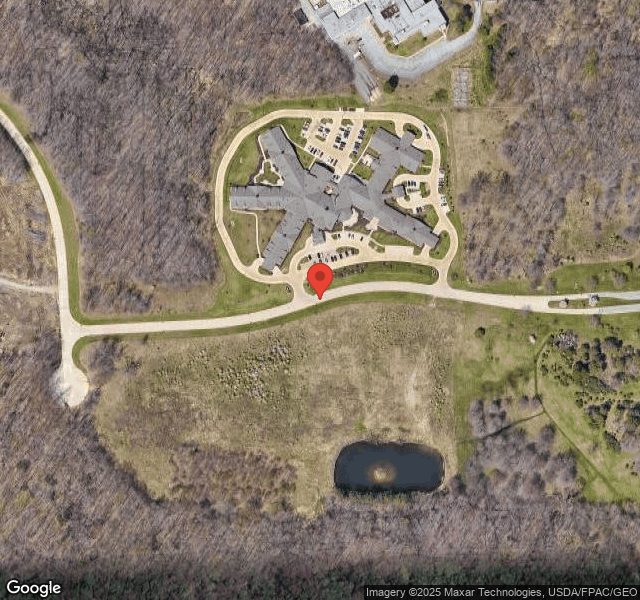
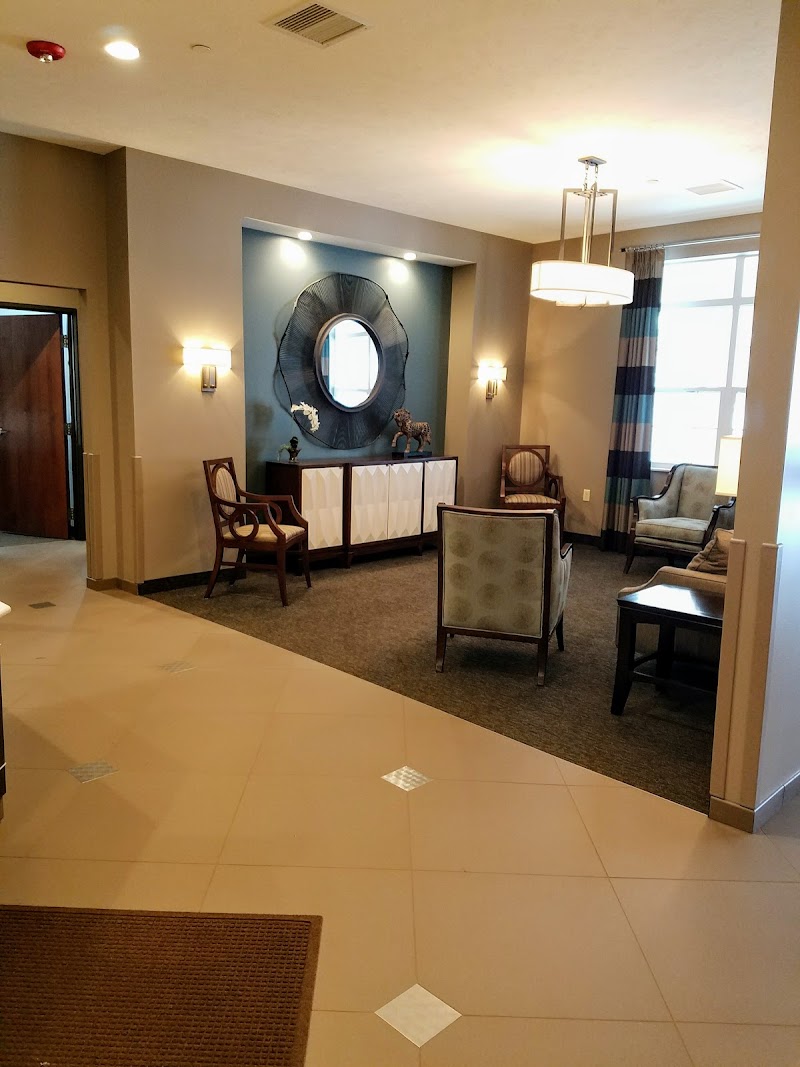
10955 CAPITAL PARKWAY, CONCORD, OH 44077 (330) 920-6472
For profit - Individual 72 Beds VRC MANAGEMENT Data: November 2025
Trust Grade
75/100
#43 of 913 in OH
Last Inspection: January 2023

Over 2 years since last inspection. Current conditions may differ from available data.

Overview

Concord Village Skilled Nursing & Rehabilitation has a trust grade of B, which means it is a good choice, solidly in the middle range of nursing homes. It ranks #43 out of 913 facilities in Ohio, placing it in the top half, and is the best option among 14 facilities in Lake County. However, the facility is experiencing a concerning trend, worsening from one issue in 2023 to two in 2024, and has a high staff turnover rate of 79%, significantly above the Ohio average of 49%. On a positive note, there have been no fines, which is a good sign, and while RN coverage is average, more oversight could help improve care. Some specific incidents noted in inspections include failures to track infections properly, which could affect resident health, and a lack of proper signage for residents using oxygen, which poses safety risks. Overall, while there are strengths in the facility, families should weigh these concerns carefully.

Trust Score
B
75/100
In Ohio
#43/913
Top 4%
Safety Record
Low Risk
No red flags
Inspections
Getting Worse
1 → 2 violations
Staff Stability
⚠ Watch
79% turnover. Very high, 31 points above average. Constant new faces learning your loved one's needs.
Penalties
✓ Good
No fines on record. Clean compliance history, better than most Ohio facilities.
Skilled Nurses
○ Average
Each resident gets 41 minutes of Registered Nurse (RN) attention daily — about average for Ohio. RNs are the most trained staff who monitor for health changes.
Violations
⚠ Watch
16 deficiencies on record. Higher than average. Multiple issues found across inspections.
★★★★★
5.0
Overall Rating
★★★☆☆
3.0
Staff Levels
★★★★★
5.0
Care Quality
★★★★☆
4.0
Inspection Score
Stable
2023: 1 issues
2024: 2 issues

The Good

  • 5-Star Quality Measures · Strong clinical quality outcomes
  • Full Sprinkler Coverage · Fire safety systems throughout facility
  • No fines on record

Facility shows strength in quality measures, fire safety.

The Bad

Staff Turnover: 79%

32pts above Ohio avg (46%)

Frequent staff changes - ask about care continuity

Chain: VRC MANAGEMENT

Part of a multi-facility chain

Ask about local staffing decisions and management

Staff turnover is very high (79%)

31 points above Ohio average of 48%

The Ugly 16 deficiencies on record

May 2024 1 deficiency
CONCERN (D) 📢 Someone Reported This

A family member, employee, or ombudsman was alarmed enough to file a formal complaint

Potential for Harm - no one hurt, but risky conditions existed

Respiratory Care (Tag F0695)

Could have caused harm · This affected 1 resident

**NOTE- TERMS IN BRACKETS HAVE BEEN EDITED TO PROTECT CONFIDENTIALITY** Based on observation, interview, medical record review, and review of facility policy, the facility failed to ensure oxygen was ...

Read full inspector narrative →
**NOTE- TERMS IN BRACKETS HAVE BEEN EDITED TO PROTECT CONFIDENTIALITY** Based on observation, interview, medical record review, and review of facility policy, the facility failed to ensure oxygen was administered according to physician orders. This affected one resident (Resident #2) out of three residents reviewed for oxygen. The facility census was 70. Findings include: Review of the medical record for Resident #2 revealed an admission date of 01/18/24 with diagnoses including pleural effusion, long term use of anticoagulants, atrial fibrillation, anemia, moderate protein-calorie malnutrition, hyperlipidemia, heart failure, essential (primary) hypertension, type two diabetes mellitus, osteoarthritis, cataract extraction status, stage four chronic kidney disease, and neuromuscular dysfunction of the bladder. Review of the quarterly Minimum Data Set (MDS) assessment dated [DATE] revealed Resident #2 had intact cognition. The MDS further revealed Resident #2 had a history of respiratory failure and was receiving oxygen therapy. Review of the care plan dated 04/19/24 revealed Resident #2 was at risk for respiratory distress related to congestive heart failure (CHF), pleural effusion, history of COVID-19, and respiratory failure. Interventions included administering oxygen as ordered. Review of the physician orders revealed an order dated 04/05/24 for oxygen to run at two liters per minute via nasal cannula (NC) continuously every shift for shortness of breath (SOB). Review of the progress notes revealed a respiratory therapy assessment dated [DATE]. Further review of the note revealed Resident #2 was on four liters of oxygen at the time of the assessment on 04/12/24 and the respiratory therapist recommendation was to place an order for oxygen weaning. Observation on 05/22/24 at 11:10 A.M. of Resident #2 revealed she was asleep with oxygen running via NC through an oxygen concentrator set at four liters. Interview on 05/22/24 at 12:15 P.M. with Resident #2 confirmed she was on four liters of oxygen. Another observation at this time revealed the oxygen setting on the oxygen concentrator was four liters per minute. Observation on 05/22/24 at 4:05 P.M. of Resident #2 in the activity room revealed her oxygen was running via NC from a portable oxygen tank set to four liters per minute. Interview on 05/22/24 at 4:15 P.M. with the Director of Nursing (DON) confirmed Resident #2's oxygen was running at four liters per minute. Further interview at 4:17 P.M. confirmed Resident #2's order was for the oxygen rate to be two liters per minute. Interview on 05/22/24 at 4:20 P.M. with Registered Nurse (RN) #301 confirmed Resident #2 had an order for oxygen to run at two liters per minute. Review of the policy titled Oxygen Administration revised 2010 revealed staff were to make sure the proper flow of oxygen was being delivered per administration orders. This deficiency represents non-compliance investigated under Complaint Number OH00153664.
Jan 2024 1 deficiency
CONCERN (E) 📢 Someone Reported This

A family member, employee, or ombudsman was alarmed enough to file a formal complaint

Potential for Harm - no one hurt, but risky conditions existed

Respiratory Care (Tag F0695)

Could have caused harm · This affected multiple residents

**NOTE- TERMS IN BRACKETS HAVE BEEN EDITED TO PROTECT CONFIDENTIALITY** Based on observation, interview, record review, and facility policy review, the facility failed to post oxygen in use signs per ...

Read full inspector narrative →
**NOTE- TERMS IN BRACKETS HAVE BEEN EDITED TO PROTECT CONFIDENTIALITY** Based on observation, interview, record review, and facility policy review, the facility failed to post oxygen in use signs per acceptable standards of nursing practice for Residents #10, #21, #22, #34, #47, #48 and #64. This affected seven residents (#10, #21, #22, #34, #47, #48 and #64) of 27 residents reviewed for respiratory care. The census was 67. Findings include: 1. Record review revealed Resident #10 was admitted on [DATE]. Diagnoses included pneumonia due to methicillin resistant staphylococcus aureus (MRSA), acute respiratory failure with hypoxia, and chronic bronchitis. The physician order dated 01/27/24 indicated oxygen continuous at 2 LPM (liters per minute) via nasal cannula. 2. Record review revealed Resident #21 was admitted on [DATE]. Diagnoses included unspecified bacterial pneumonia, pulmonary hypertension, acute respiratory failure with hypoxia, chronic atrial fibrillation, congestive heart failure (CHF), and chronic obstructive pulmonary disease (COPD). The physician order dated 01/30/24 indicated oxygen at 2 LPM as needed to maintain oxygen saturation above 92 percent every shift. 3. Record review revealed Resident #22 was admitted on [DATE]. Diagnoses included pneumonia, sleep apnea and asthma. The physician order dated 01/28/24 indicated oxygen at 2 LPM via nasal cannula every shift. 4. Record review revealed Resident #34 was admitted on [DATE]. Diagnoses included pneumonia due to MRSA, acute and chronic respiratory failure with hypercapnia and hypoxia, shortness of breath, and COPD. The physician order dated 01/16/24 indicated oxygen at 3 LPM via nasal cannula continuous every shift. 5. Record review revealed Resident #47 was admitted on [DATE]. Diagnoses included atrial fibrillation, chronic bronchitis, CHF, and COPD. The physician order dated 01/27/24 indicated oxygen at 3 LPM every shift. 6. Record review revealed Resident #48 was admitted on [DATE]. Diagnoses included bronchitis, CHF, acute pulmonary edema, and acute respiratory failure with hypoxia. The physician order dated 10/23/24 indicated oxygen at 2 LPM via nasal cannula as needed. 7. Record review revealed Resident #64 was admitted on [DATE]. Diagnoses included pneumonia, acute and chronic respiratory failure, heart failure, COPD, and obstructive sleep apnea. The physician order dated 01/19/24 indicated oxygen at 4 LPM via nasal cannula every shift. Observation on 01/30/23 at 8:50 A.M. revealed the following: - Resident #10 was in the room with a nasal cannula in place and the oxygen concentrator was turned on and set to 2 LPM. There was no oxygen in use safety sign posted on the entrance room door. - Resident #21 was in the room with a nasal cannula in place and the oxygen concentrator was turned on and set to 2 LPM. There was no oxygen in use safety sign posted on the entrance room door. - Resident #34 was in the room with a nasal cannula in place and the oxygen concentrator was turned on and set to 3 LPM. There was no oxygen in use safety sign posted on the entrance room door. - Resident #47 was in the room with a nasal cannula in place and the oxygen concentrator was turned on and set to 3 LPM. There was no oxygen in use safety sign posted on the entrance room door. - Resident #48 was in the room with an oxygen concentrator and nasal cannula setting on top of the concentrator which was not turned on. There was no oxygen in use safety sign posted on the entrance room door. - Resident #64 was in the room with a nasal cannula in place and the oxygen concentrator was turned on and set to 4 LPM. There was no oxygen in use safety sign posted on the entrance room door. Interview at the time of the observation with Registered Nurse #301 verified there were no oxygen in use safety signs posted on the entrance room doors for Residents #10, #21, #34, #47, #48 and #64. Observation on 01/30/24 at 8:53 A.M. revealed Resident #22 was in the room with a nasal cannula in place and the oxygen concentrator which was turned on and set to 2 LPM. There was no oxygen in use safety sign posted on the entrance room door. Interview at the time of the observation with State Tested Nursing Assistant #377 verified there was no oxygen in use safety sign posted on the entrance room door for Resident #22. Interview on 01/30/24 at 9:01 A.M. with Director of Nursing (DON) confirmed oxygen in use safety signs were required to be posted at the entrance room doors for all residents with oxygen equipment. Interview on 01/30/24 at 9:16 A.M. with DON indicated after surveyor identification of the missing oxygen in use safety signs during the survey, additional signs were obtained and now applied to the entrance room doors for Residents #10, #21, #22, #34, #47, #48 and #64. Review of facility policy, Oxygen Administration, revised October 2010, revealed to place an oxygen in use sign on the outside of the room entrance door.
Mar 2023 1 deficiency
CONCERN (D) 📢 Someone Reported This

A family member, employee, or ombudsman was alarmed enough to file a formal complaint

Potential for Harm - no one hurt, but risky conditions existed

Assessment Accuracy (Tag F0641)

Could have caused harm · This affected 1 resident

**NOTE- TERMS IN BRACKETS HAVE BEEN EDITED TO PROTECT CONFIDENTIALITY** Based on interview, closed record review, and Centers for Medicare & Medicaid Services guidelines, the facility failed to ensure...

Read full inspector narrative →
**NOTE- TERMS IN BRACKETS HAVE BEEN EDITED TO PROTECT CONFIDENTIALITY** Based on interview, closed record review, and Centers for Medicare & Medicaid Services guidelines, the facility failed to ensure Resident #40's Minimum Data Set (MDS) assessment accurately documented the stage of a pressure ulcer injury. This affected one resident (Resident #40) of three residents reviewed for pressure ulcers. Findings include: Review of the closed medical record for Resident #40 revealed an admission date of 11/22/22 and a discharge date of 11/26/22. Diagnoses included surgical aftercare, dementia, diabetes mellitus, heart disease, and hypertension. Review of the surgical Discharge summary dated [DATE], revealed Resident #40 was at risk for post-surgical infection due to gangrenous gallbladder and pressure injury. Orders for treatment included therapeutic services, wound treatment per physician order, gait training and activities of daily living (ADL). Review of Resident #40's transfer/discharge report faxed to the facility on [DATE] at 2:30 P.M., revealed the resident had an unstageable left ischium pressure ulcer at time of transfer to the facility. Review of the facility admission assessment dated [DATE], revealed the type of Resident #40's wound was a pressure ulcer, wound measurements were recorded as 12.0 cm (centimeters) long by 12.0 cm wide, by 0.1 cm deep, red non-blanchable. No additional information was available to indicate the stage of resident's pressure injury at the time of admission. Review of the physician orders dated 11/23/22 at 7:10 A.M., revealed pressure ulcer wound treatment to cleanse coccyx with normal saline solution, apply skin prep and allow to dry, apply foam dressing once daily as needed. Review of the entry Minimum Data Set (MDS) assessment, dated 11/24/22, revealed the resident had impaired cognition. Review of the discharge MDS assessment, dated 11/26/22 revealed Resident #40's pressure ulcer was documented as Stage I (non-blanchable erythema of intact skin) at the time of discharge. Interview on 03/27/23 at 5:20 P.M. with MDS Nurse #960 confirmed she had not reviewed orders for the staging of Resident #40's pressure injury and answered the MDS question using the documented admission assessment description of pressure injury red non-blanchable. MDS Nurse #960 confirmed the pressure ulcer was coded incorrectly on the MDS. Interview on 03/28/23 at 3:20 P.M. with Nurse Practitioner (NP) #950 revealed recommendations for wound assessments were to come from the transfer/discharge orders for the type and stage of a pressure injury. Interview on 03/27/23 at 4:20 P.M. with Director of Nursing (DON) verified she had not assessed Resident #40's pressure injury and confirmed the facility did not identify the stage of pressure injury at admission or discharge. Review of the Nursing admission Completion/Audit Tool, revealed the facility was to perform a wound/skin care management assessment and to include orders relative to the residents condition/needs, for example wounds. The policy stated if appropriate orders are not included, you must inquire with the physician regarding missing orders. Review of the Centers for Medicare & Medicaid Services (CMS) guidelines for pressure injuries dated 11/2017, when assessing the pressure injury itself, it is important that documentation addresses type of injury (pressure-related versus non-pressure-related) because interventions may vary depending on the specific type of injury and to include pressure injury stage and a description of the pressure injury characteristics.
Jan 2020 10 deficiencies
CONCERN (D)

Potential for Harm - no one hurt, but risky conditions existed

Pressure Ulcer Prevention (Tag F0686)

Could have caused harm · This affected 1 resident

**NOTE- TERMS IN BRACKETS HAVE BEEN EDITED TO PROTECT CONFIDENTIALITY** Based on observation, interview and record review, the facility failed to provide the physician ordered pressure ulcer treatment...

Read full inspector narrative →
**NOTE- TERMS IN BRACKETS HAVE BEEN EDITED TO PROTECT CONFIDENTIALITY** Based on observation, interview and record review, the facility failed to provide the physician ordered pressure ulcer treatment and failed to complete the dressing change in a manner to prevent contamination for Resident #20. This affected one of two residents reviewed for pressure ulcers. The facility census was 61. Findings include: Record review for Resident #20 revealed he was admitted to the facility on [DATE] with diagnoses including congestive heart failure, cellulitis and osteoarthritis causing pain in the right hip. Review of the most recent annual Minimum Data Set (MDS) assessment dated [DATE] revealed Resident #20 was alert, oriented, cognitively intact, had no behaviors and required the extensive assistance of one staff member for bed mobility, toileting and hygiene and was totally dependent on staff for bathing. He was continent of bladder but incontinent of bowel. Review of Resident #20's nursing notes revealed he was found with an area of impaired skin to his right lateral (outer) foot on 11/30/19. Review of the skin assessment completed on 12/03/19 revealed the area was an unstageable pressure area that measured 2.0 centimeters (cm) by 1.3 cm. An unstageable pressure ulcer is an ulcer with slough (yellowish/tan/greenish non-viable tissue) or eschar (black/brown dead or dying tissue) covering the ulcer and in which the wound bed is not able to be visualized for proper staging. A treatment was ordered and the wound nurse was consulted. The physician order dated 12/03/19 was written for Medi-honey (a treatment that helps clean a wound by facilitating the removal of debris/dead tissue from the wound) to be applied after cleansing the wound, with a foam dressing. On 12/31/19, the dressing order was changed to Gentamycin ointment to the wound twice daily for 14 days with a foam dressing as the resident's white blood cell count was increased slightly and a wound culture was positive for Staphylococcus Aureus, a bacterial infection. Review of a wound nurse note dated 01/14/20 revealed the wound treatment was changed to hydrogel with silver (a treatment that protects the wound bed and provides a moist environment with antimicrobial ingredients) and calcium alginate (an absorbent dressing that promotes healing and the formation of healthy, granulation tissue) and cover with a foam dressing every day. Review of the most recent wound nurse note available for review, dated 01/21/20, indicated the pressure ulcer was a full thickness ulcer measuring 2.5 centimeters (cm) long by 2.5 cm wide by 0.1 cm deep. Observation of the treatment with the wound nurse, Registered Nurse (RN) #300, and the Assistant Director of Nursing, and RN #301 assisting, was completed on 01/23/20 at 9:10 A.M. RN #300 prepared supplies in the hall on the treatment cart, including putting a substance which she identified as Medi-honey in a small plastic cup. She also had a foam dressing and an opened package of calcium alginate. She stated they just tear a piece of the calcium alginate off to fit the pressure ulcer. Resident #20 was turned on his left side. RN #300 removed the old dressing, cleansed and measured the wound appropriately. She then washed her hands and applied new gloves. Resident #20 had relaxed onto his back during this time, so when RN #300 returned to the bedside, both nurses assisted him to turn again to his left side. His back was red and RN #300 indicated it was a fungal infection. She used her clean, gloved hands to assist him to roll back over, touching his back. As RN #301 held him to the side, RN #300 first applied the Medi-honey in the small cup with a cotton swab. She then obtained the package with the foam dressing from the night stand table and was observed to tear a piece of the calcium alginate from the opened package on the table and held it in her right gloved hand. She transferred the calcium alginate material to her left hand to open the foam dressing. Then she obtained a pen from her pocket and dated the foam dressing with the pen. She then held the calcium alginate in her right hand and applied it to the surface of the pressure ulcer. She applied the foam dressing over the calcium alginate. They then completed incontinence care and left the room. An interview with RN #300 on 01/23/20 at 9:44 A.M. verified Resident #20 had a fungal infection on his back and she had touched Resident #20's back with her gloved hands after washing her hands and applying new gloves. She also verified she then touched the outside of the packages of the calcium alginate and the foam dressing, as well as her pen with her right hand, then used her right hand to apply the calcium alginate directly to the pressure ulcer wound bed. Interview with RN #300 on 01/23/20 at 10:28 A.M. verified the Medi-honey was the previous dressing order and the physician order had changed on 01/14/20 to hydrogel silver and calcium alginate. She stated she had forgotten the dressing order had changed and had applied the wrong treatment to Resident #20's pressure ulcer. An interview with the Director of Nursing on 01/23/20 at 4:50 P.M. confirmed clean gloves should be used to apply a dressing directly to a wound and skin areas with any type of infection (fungal infection on Resident #20's back) should not be touched with the same gloves and then used on other areas of the body. Review of the facility policy on dressing changes, dated 12/17/13, revealed the nurse should verify the physician order for the dressing change and check the treatment record for the treatment orders. This policy also indicated clean dressings should be opened after removing the old dressing and washing hands, then clean gloves should be used to apply the clean, ordered dressing.
CONCERN (D)

Potential for Harm - no one hurt, but risky conditions existed

Accident Prevention (Tag F0689)

Could have caused harm · This affected 1 resident

**NOTE- TERMS IN BRACKETS HAVE BEEN EDITED TO PROTECT CONFIDENTIALITY** Based on observation, interview, and record review the facility failed to ensure fall interventions were in place for Residents ...

Read full inspector narrative →
**NOTE- TERMS IN BRACKETS HAVE BEEN EDITED TO PROTECT CONFIDENTIALITY** Based on observation, interview, and record review the facility failed to ensure fall interventions were in place for Residents #4 and #12 and failed to thoroughly investigate a fall for Resident #12. This affected two residents of four residents reviewed for falls. Findings include: 1. Record review of Resident #4 revealed an admission date of 03/28/19. Diagnoses included wedge compression fracture of the thoracic vertebra, osteoarthritis, and a history of falling. Review of the current physician orders revealed an active order dated 08/17/19 for Resident #4 to use a low bed and have floor mats to both sides of the bed while in bed. Staff were to check for and verify placement every shift. Review of the fall care plan initiated on 03/28/19 revealed Resident #4 was at risk of falls. Interventions revised on 08/18/19 included the implementation of a low bed with mats to the floor next to the bed. The quarterly Minimum Data Set (MDS) 3.0 assessment dated [DATE] revealed Resident #4 had impaired cognition, required extensive assistance of one staff for bed mobility, transfers, and toilet use, and had a fall with injury since admission, entry/re-entry or the prior assessment. Observation on 01/21/20 at 10:23 A.M., revealed Resident #4 in bed, in a low position with a perimeter mattress. There were no floor mats on the floor on either side of the bed, however there were three floor mats leaning against the wall behind the wardrobe in an upright position. Observation on 01/23/20 at 07:38 A.M. revealed Resident #4 in bed and the floor mats up against the wall behind the wardrobe in an upright position. Observation on 01/23/20 at 7:40 A.M. with Registered Nurse (RN) #300 verified the floor mats were not on the floor next to Resident #4's bed. RN #300 verified Resident #4 had a physician order for floor mats on the floor on both sides of the bed while the resident was in bed. Review of the facility policy titled, Fall Reporting, Investigation, and Documentation, dated 07/25/19, revealed appropriate interventions would be taken to prevent future falls. 2. Record review for Resident #12 revealed she was admitted to the facility on [DATE] with diagnoses including high blood pressure, spinal stenosis, breast cancer and a history of leukemia. Review of the care plan for falls dated 07/08/19 revealed Resident #12 was at risk for falls due to decreased safety awareness. Interventions included for staff to keep frequently used items within her reach. An intervention for the bedside table to be placed on the window side of the bed when she was in her bed was dated 09/18/19. Review of the MDS assessment dated [DATE] revealed Resident #12 was cognitively impaired and she needed limited to extensive assist from staff for activities of daily living. This assessment indicated she had two falls with no injury since the last assessment. Review of the nursing notes dated 11/04/19 at 7:30 P.M. revealed Resident #12 was found on the floor. She stated she was trying to take her pants off and get into bed. She was assisted to bed by staff. The intervention was to reinforce use of her call light for assistance. Review of a nursing note dated 11/04/19 at 11:30 P.M. revealed at 11:15 P.M. that night, Resident #12 had been found in bed with several injuries. She had a large knot with a developing hematoma at the center top of her forehead, swollen with a developing bruising on the bridge of her nose, dried blood in her mouth, a small swollen area at the center of her bottom lip with a small split in the skin and a large skin tear observed on her right wrist area. The note said Resident #12 asked staff to, help me off the floor, although the note also indicated she was lying in her bed. The resident was sent to the hospital and returned according to a nursing note on 11/05/19 at 1:45 A.M. There was no documentation to indicate Resident #12 received any stitches or any specific care. Review of the fall investigation for 11/04/19 at 11:15 P.M. revealed the resident was lying in bed on her left side facing the window and stated she fell and hit her head on the floor, trying to, shut the alarm off. Review of interventions to prevent future falls indicted the resident was to wear non-skid socks prior to attempting to transfer, as well as have staff obtain orthostatic blood pressures and place a mat to the floor by the bed. Review of the care plan revealed updated interventions dated 11/05/19 including dycem (a non-slip material) to her wheelchair seat and a low bed with floor mats. Review of her most recent quarterly MDS assessment dated [DATE] revealed Resident #12 was cognitively impaired, required the extensive assistance of one to two staff for her activities of daily living and had a history of falls with minor injury since the last MDS assessment. An interview with the Director of Nursing (DON) on 01/21/20 at 2:20 P.M. verified the interventions indicated for the falls on 11/04/19. She verified the resident was found with injuries on 11/04/19 at 11:15 P.M. in bed, nearly four hours after her first fall. Another interview with the DON on 01/23/20 at 4:19 P.M. revealed the facility investigation had not concluded the resident had fallen out of bed or attempted to self-transfer to cause the injuries she sustained. She stated the facility thought an alarm sounded, which was most likely from the hall way, and Resident #12 thought it was going off in her room and she had obtained the injuries while in bed, when she hit her face, head and arm as she tried to turn off an alarm clock that she thought was on her night stand table. The DON stated the facility had concluded the resident would not have been able to get herself up from the floor if she had fallen and the injuries had to have come while she was in bed. The DON verified the investigation did not indicate this possible scenario and that the interventions indicated for the fall were related to the resident changing position and falling to the floor, including the non-skid socks, orthostatic blood pressures and low bed with mat to the floor. The DON verified Resident #12's record and investigation did not contain evidence that blood was found on any surface to verify the theory and did not contain interventions to address the scenario that the resident had caused the injury to herself while in bed.
CONCERN (D)

Potential for Harm - no one hurt, but risky conditions existed

Deficiency F0692 (Tag F0692)

Could have caused harm · This affected 1 resident

**NOTE- TERMS IN BRACKETS HAVE BEEN EDITED TO PROTECT CONFIDENTIALITY** Based on interview and record review, the facility failed to ensure interventions to address weight losses/gains were monitored...

Read full inspector narrative →
**NOTE- TERMS IN BRACKETS HAVE BEEN EDITED TO PROTECT CONFIDENTIALITY** Based on interview and record review, the facility failed to ensure interventions to address weight losses/gains were monitored and addressed promptly for Resident #48. This affected one of three residents reviewed for nutrition. Findings include: Review of the record revealed Resident #48 was admitted to the facility on [DATE] with diagnoses including sepsis, malnutrition and anxiety. She was sent to the hospital on [DATE] for shortness of breath and returned 12/13/19. She was sent to the hospital again for chest pain on 12/17/20 and returned on 12/26/19. Review of Resident #48's care plan dated 12/17/19 revealed she was at nutritional risk due to congestive heart failure, chronic kidney disease, diabetes, malnutrition, sepsis, anorexia and weight loss. Interventions included for staff to assist her with meals as needed, monitor intake of meals, provide alternatives as needed and monitor labs and weights. These interventions were all dated 12/17/19. An additional intervention dated 12/27/19 indicated supplements were to be given as ordered. Review of her most recent Minimum Data Set (MDS) assessment dated [DATE] revealed Resident #48 was moderately cognitively impaired and required extensive to limited assistance from staff for her activities of daily living. Review of the resident's current physician orders revealed she was ordered a regular diet on admission. Review of weights revealed she weighed 148.2 pounds on 11/27/19 and 141.6 pounds on 12/27/19. Review of the dietary section of the care conference held on 12/31/19 only listed Resident #48's diet orders which was a regular diet with thin liquids. There was no documentation reflecting her 6.6 pound weight loss in one month. An order on 12/31/19 revealed she was ordered Boost, a nutritional supplement, three times a day to be given with meals. Resident #48's weight on 01/01/20 was down to 137.2 pounds, revealing a loss of 4.4 pounds since 12/31/19. The resident was assessed by Registered Dietician (RD) #400 on 01/03/20 and a note indicated Boost supplement had been started. The RD note indicated Resident #48 reported having nausea, vomiting and diarrhea, but said it had been improving. The RD indicated the resident would have weekly weights and acknowledged the weight loss of 4.4 pounds. The note indicated meals and supplement intake would be monitored. On 01/07/20, Resident #48's weight had decreased by 13.4 pounds and she now weighted 123.8 pounds. The physician order dated 01/07/20 revealed Resident #48 was ordered Remeron, an appetite stimulant, to be given daily. A note by RD #400 on 01/08/20 revealed Resident #48 had a 12.6 % weight loss and the physician had started Remeron for depression and as an appetite stimulant. The note also indicated staff were encouraged to push the supplement. The resident's weight on 01/14/20 was 121 pounds, a loss of 2.8 pounds in seven days. There were no documented notes regarding the decrease in weight noted on 01/14/20. No other weight had not been obtained as of the initial day of the survey, 01/21/20, and Resident #48 was to be weighted weekly. On 01/22/20, Resident #48 weight was 127.6, an increase of 6.6 pounds. Another weight was obtained on 01/23/20 and was 127.2 pounds. Review of the resident's meal intakes from 12/27/19 through 01/23/20 revealed she took 75% for most meals. Meals marked 50% or less only numbered 18 and she took 41 meals at 75% or greater. One meal was marked as refused and eight meals were not marked at all. Review of the resident's intake of the Boost revealed she took 100% of the supplement 15 times out of 24 opportunities between 01/01/20 and 01/08/20. She took 50% or less of the supplement only 9 times. Additional review of the Boost intake documentation from 01/09/20 through 01/14/20 revealed the resident took 100% of the Boost only four times out of 24 opportunities. She was marked as refusing the supplement for the other opportunities. From 01/15/20 through 01/20/20, the supplement documentation revealed Resident #48 took the supplement 100% only six times out of 24 opportunities, with the other opportunities marked as refused. Review of a note dated 01/21/20 at 11:13 A.M., written by RD #400, revealed the resident did not like the Boost supplement because it tasted too sweet. The Boost supplement was discontinued and an order was given for a different nutritional supplement, a Magic cup, to be given twice a day with lunch and dinner. An interview with RD #400 on 01/22/20 at 3:46 P.M. confirmed the resident's weight had decreased when weighed on 01/07/20 and he indicated he encouraged staff to push the Boost supplement, as evidenced in his note on 01/08/20. He verified Resident #48's weight had decreased again when weighed on 01/14/20 by 2.8 pounds. He verified there was no note in the record to address the continuing weight loss. He stated the team had discussed the weight loss in the nutrition risk meeting but verified there was no note in the chart to verify the weight loss was discussed and no new interventions were implemented. He further verified the resident had started refusing the Boost supplement more frequently after 01/08/20, when staff started to encourage or push the supplement. He verified there was no evidence in the record to reflect an investigation for the decrease with the intake of the Boost or that any alternate supplements were offered to Resident #48. This was not investigated until the note on 01/21/20, after the survey investigation began. He indicated they also implemented daily weights, starting on 01/23/20, due to the sudden weight gain on 01/22/20, which was significant due to the resident's history of congestive heart failure.
CONCERN (D)

Potential for Harm - no one hurt, but risky conditions existed

Deficiency F0711 (Tag F0711)

Could have caused harm · This affected 1 resident

Based on record review and staff interview the facility failed to ensure monthly physician orders were signed and dated in a timely manner for Residents #7, #10, and #22. This affected three of 25 res...

Read full inspector narrative →
Based on record review and staff interview the facility failed to ensure monthly physician orders were signed and dated in a timely manner for Residents #7, #10, and #22. This affected three of 25 resident records reviewed for physician orders. The facility census was 61. 1. Review of the hard medical chart for Resident #7 revealed the monthly physician's order sheets for September 2019, October 2019, November 2019, December 2019 and January 2020 were not signed and dated by the physician as required. On 01/23/20 at 10:29 A.M., the Director of Nursing (DON) reviewed and verified this concern. 2. Review of the hard medical chart for Resident #10 revealed the monthly physician's order sheets for November 2019, December 2019 and January 2020 were not signed and dated by the physician as required. On 01/23/20 at 10:29 A.M., the DON reviewed and verified this concern. 3. Review of the hard medical chart for Resident #22 revealed the monthly physician's order sheets for August 2019, September 2019, October 2019, November 2019, December 2019 and January 2020 were not signed and dated by the physician as required. On 01/23/20 at 10:29 A.M., the DON reviewed and verified this concern.
CONCERN (D)

Potential for Harm - no one hurt, but risky conditions existed

Deficiency F0742 (Tag F0742)

Could have caused harm · This affected 1 resident

**NOTE- TERMS IN BRACKETS HAVE BEEN EDITED TO PROTECT CONFIDENTIALITY** Based on observation, interview and record review, the facility failed to ensure on-going psychiatric services and coordination ...

Read full inspector narrative →
**NOTE- TERMS IN BRACKETS HAVE BEEN EDITED TO PROTECT CONFIDENTIALITY** Based on observation, interview and record review, the facility failed to ensure on-going psychiatric services and coordination of care for Resident #20. This affected one of five residents reviewed for unnecessary medications. The facility census was 61. Findings include: Review of the record for Resident #20 revealed he was admitted to the facility on [DATE] with diagnoses including persistent depressive disorder, mild neuro-cognitive disorder, depression with anxiety, congestive heart failure, cellulitis and osteoarthritis. Review of the most recent annual Minimum Data Set (MDS) assessment dated [DATE] revealed Resident #20 was cognitively intact, had no behaviors and required the extensive assistance of one staff member for bed mobility, toileting and hygiene and was totally dependent on staff for bathing. He was continent of bladder, but incontinent of bowel. Review of the resident's care plans revealed a care plan dated 11/30/18 for memory problems realted to cognition and psychiatric issues. Interventions included staff to reorient as needed and provide a calm environment. There were no other care plans related to anxiety, depression or psychiatric concerns. According to the medical record, Resident #20 had been followed by a consulting psychiatric service and was seen on 11/07/19. The note by the psychiatric nurse practioner indicted Resident #20's mood had been stable and he was not having agitation or irritability. The note indicated the Seroquel, an anti-psychotic medication, would be discontinued. There was also an order given to start Buspar, an anti-anxiety medication, to be given as needed up to two times a day, for 30 days, then discontinued. The note indicated the nurse practitioner had attempted to contact Resident #20's daughter to discuss the medication changes but was unable to contact her. The nurse practicitioner indicated the medication changes were discuees with Physician Assistant (PA) #410. The staff were to monitor for changes and report if behavioral changes occurred. Review of the physician orders dated 11/07/19 revealed the resident's dose of Seroquel was discontinued for a gradual dose reduction and Buspar was ordered at a dose of 5 milligrams, up to twice a day, as needed for 30 days and then it was to be discontinued. Review of the note written by PA #410 on 11/07/19 revealed Resident #20 was seen by the psychiatric nurse practioner on that day, and she indicated the resident's Seroquel had been discontinued with the Buspar added. However, this note indicated the order for the Buspar was a routine medication to be given twice a day, and not just as needed for 30 days. Review of the note dated 11/22/19, labeled, Termination note, indicated psychiatry services had been discontinued as the resident's insurance plan would not cover their services and previous service payments had gone unpaid. Review of a monthly medication review by the pharmacist dated 11/25/19 revealed Resident #20 had a physician order written on 11/07/19 for Buspar to be given at a dose of 5 milligrams twice a day as needed for 30 days, then the medication was to be stopped. The pharmacist indicated the order was entered as a scheduled order without a stop date and it was to be given regularly and was not entered as an needed medication with a stop date. The monthly review by the pharmacist did not have any indication the concern was addressed or investigated by the physician or any other member of the facility staff. Review of a note on 12/18/19 at 4:49 P.M. revealed a care conference had been held. The note indicated the resident had a visit from psychiatric services. A nursing note on 12/26/19 at 3:24 P.M. revealed Resident #20 continued with confusion and the nurse practioner was notified. There was no prior mention of confusion in the nursing notes or medical record. The record also did not contain any other information or follow-up regarding the discontinuation of the Seroquel, initiation of Buspar or any behavior monitoring after the psychiatric note on 11/07/19. Review of the next note from PA #410 dated 12/26/19 revealed the resident had had a change in mental status and was seeing pictures on the walls and ceiling and next to his television that look like a brick city. The note indicted testing would be completed to rule out a source of infection as a possible reason for his change in mental status. If no other reason for the changes could be found, the note said they may need to consider restarting the Seroquel to improve his psychosis. A note from PA #410 on 12/27/19 revealed staff had indicated the resident did not seem himself the last few days and a phone call was placed to the psychiatric nurse practitioner to update her to the patient condition, as they had seen the resident previously and his Seroquel had been discontinued sometime in November. The note indicated she was awaiting a call back, but would restart the resident on the Seroquel once a day with a psychiatric consult and requested them to follow-up on his psychosis. A note from PA #410 on 12/30/19 indicated the resident's visual hallucinations had improved after restarting the Seroquel medication and that psychiatric services were to follow-up with the resident. The note indicated the resident indicated he was doing much better and nursing staff indicated his confusion had improved. The notes from PA #410 dated 12/26/19, 12/27/19, 12/30/19 and 12/31/19 all acknowledged the resident was taking the Buspar medication routinely, twice a day. An interview with Resident #20 on 01/21/20 at 11:37 A.M. revealed him in bed. He denied concerns with care or with his current medications. He stated he did not leave his room or bed but that was his preference. An interview with the Director of Nursing on 01/23/20 at 5:10 P.M. confirmed the Buspar medication was not given as written and verified this concern was identified by the pharmacist on 11/25/19 and it had not been addressed or clarified by the physician. She further verified the resident was still receiving the routine dose of the Buspar twice a day, although the record did not contain a written physician order for the medication. She stated she had spoken with the resident's physician and obtained an order for the routine dose of the medication on 01/23/20. She verified she had not had time to investigate how the medication had been transcribed incorrectly as a routine medication instead of an as needed medication with a 30 day stop date. An interview with Social Service Designee (SSD) #405 on 01/23/20 at 5:30 P.M. revealed she knew the resident was not being seen by the psychiatric service but assumed it was because he was stable, doing well and no longer needed the services. She stated she did not know until 01/23/20, when the surveyor requested psychiatric nurse practioner notes, that the facility received a termination notice for psychiatric services for Resident #20 and that he had not been seen due to insurance concerns. An interview with the PA #410, by phone on 01/23/20 at 6:00 P.M., revealed she knew the resident's Seroquel had been discontinued as a gradual dose reduction attempt. She stated she assumed the Buspar was ordered to help the resident if he had any symptoms of anxiety. She stated she did not routinely review handwritten orders in the chart, but did look at the printed orders or the orders in the computer, which should be current and accurate. She said she saw the order in the computer for the Buspar, but knowing the psychiatric service had followed the resident, just recopied the order as written into her progress notes. She said when the facility staff notified her on 12/26/19 about the change in mental status for Resident #20, she assumed the psychiatric service would manage that behavior and tried to contact them. She said when she finally reached the nurse practioner, she was told they were no longer following the resident. She stated she was unaware the resident had been dropped due to insurance concerns. An interview with the Director of Nursing (DON) on 01/23/20 at 6:45 P.M. confirmed the facility had been unaware of the termination of psychiatric services for Resident #20, as indicated in the notification on 11/22/20. She verified the resident had been given Buspar routinely since 11/07/19, although the order was written for the medicaiton to be given only as neededfor 30 days, then should have been stopped. The DON verified the resident had a change in mental status on 12/26/19 with a need for the Seroquel to be restarted, but members of the interdisciplinary team had been unaware of the reason psychiatric services had been discontinued and did not assess the need for or provide for alternate, on-going monitoring of the resident's psychiatric condition.
CONCERN (D)

Potential for Harm - no one hurt, but risky conditions existed

Drug Regimen Review (Tag F0756)

Could have caused harm · This affected 1 resident

**NOTE- TERMS IN BRACKETS HAVE BEEN EDITED TO PROTECT CONFIDENTIALITY** Based on observation, interview and record review, the facility failed to ensure monthly pharmacy recommendation/irregularity re...

Read full inspector narrative →
**NOTE- TERMS IN BRACKETS HAVE BEEN EDITED TO PROTECT CONFIDENTIALITY** Based on observation, interview and record review, the facility failed to ensure monthly pharmacy recommendation/irregularity reports were acted upon in a timely manner. This affected Resident #20, one of five residents were reviewed for unnecessary medications. The facility census was 61. Findings include: Record review for Resident #20 revealed he was admitted to the facility on [DATE] with diagnoses including persistent depressive disorder, mild neuro-cognitive disorder, depression with anxiety, congestive heart failure, cellulitis and osteoarthritis. Review of the most recent annual Minimum Data Set (MDS) assessment dated [DATE] revealed the resident was cognitively intact, had no behaviors and required the extensive assistance of one staff member for bed mobility, toileting and hygiene and was totally dependent on staff for bathing. Review of a monthly review by the pharmacist dated 10/24/19 revealed Resident #20 had an active order for Lipitor, a medication to treat high cholesterol. The pharmacist asked if it would be appropriate for a lipid panel and liver function testing (laboratory testing) to be drawn to monitor for side effects and efficacy of the medication. Review of the form revealed the physician signed it on 11/01/19 and agreed with the recommendation. Review of the record did not reveal the recommended testing had been completed. Review of the physician orders dated 11/07/19 revealed the resident's dose of Seroquel was discontinued for a gradual dose reduction (GDR) and Buspar was ordered at a dose of 5 milligrams, up to twice a day, only as needed for 30 days then it was to be discontinued. Review of a monthly review by the pharmacist dated 11/25/19 revealed the resident had an order written on 11/07/19 for Buspar (an anti-anxiety medication) to be given at a dose of 5 milligrams twice a day as needed for 30 days, then the medication was to be stopped. The pharmacist indicated the order was entered as a scheduled order, not as needed and it had no stop date. Review of the resident's physician orders did not reveal an order after 11/07/19 for Buspar as a routine medication however, Resident #20 was receiving the medication, according to the medication administration record, as a routine dose twice a day since it was originally ordered. The monthly review by the pharmacist did not have any indication the concern was addressed or investigated by the physician or any other member of the facility staff. An interview with the Director of Nursing (DON) on 01/23/20 at 5:10 P.M. confirmed the facility had not acted upon the recommendation of the pharmacist concerning the requested laboratory testing which was approved by the physician to obtain the testing. She indicated the laboratory testing was now ordered. The DON also verified the concern identified by the pharmacist regarding the dosing of Buspar on 11/25/19 had not been addressed or clarified by the physician. She further verified the resident was still receiving the routine dose of the Buspar, although the record did not contain a written physician order for the medication.
CONCERN (D)

Potential for Harm - no one hurt, but risky conditions existed

Medication Errors (Tag F0758)

Could have caused harm · This affected 1 resident

**NOTE- TERMS IN BRACKETS HAVE BEEN EDITED TO PROTECT CONFIDENTIALITY** Based on interview and record review the facility failed to ensure non-pharmacological interventions were attempted prior to the...

Read full inspector narrative →
**NOTE- TERMS IN BRACKETS HAVE BEEN EDITED TO PROTECT CONFIDENTIALITY** Based on interview and record review the facility failed to ensure non-pharmacological interventions were attempted prior to the use of an as needed anti-anxiety medication for Resident #48 and failed to ensure Resident #20 was free from unnecessary medications. This affected two of five residents reviewed for unnecessary medications. The facility census was 61. Findings include: 1. Resident #48 was admitted to the facility on [DATE] and diagnoses included anxiety disorder, altered mental status, and type two diabetes. Review of the Minimum Data Set 3.0 assessment dated [DATE] revealed Resident #48 had moderate cognitive impairment, scoring a 10 on the Brief Interview for Mental Status (BIMS), with scores of 10 to 12 indicating moderate cognitive impairment. Review of the electronic medical record revealed Resident #48 did not have a current care plan to address non-pharmacological interventions related to psychotropic drug use. Review of the physician orders revealed an order for Ativan, an anti-anxiety medication, 0.5 milligrams (mg), by mouth every twelve hours as needed for anxiety to be used until 02/04/20. Review of the January 2020 Medication Administration Record (MAR) revealed on 01/01/20 at 9:24 A.M., 01/02/20 at 9:00 A.M., 01/04/20 at 12:21 A.M., 01/07/20 at 10:02 A.M., 01/07/20 at 9:12 P.M., 01/08/20 at 10:01 A.M., 01/09/20 at 10:34 A.M., 01/22/20 at 10:15 P.M., and 01/23/20 at 9:34 A.M. Resident #48 received Ativan, 0.5 mg by mouth. There was no evidence any non-pharmacological interventions were not attempted prior to administering the as needed anti-anxiety medication. Review of Resident #48's progress notes from 01/01/20 through 01/23/20 revealed no evidence that any non-pharmacological interventions had been attempted prior to administering the as needed anti-anxiety medication, Ativan. Interview on 01/23/20 at 1:00 P.M. with the Director of Nursing (DON) verified the above findings. 2. Review of the record for Resident #20 revealed he was admitted to the facility on [DATE] with diagnoses including persistent depressive disorder, mild neuro-cognitive disorder, depression with anxiety, congestive heart failure, cellulitis and osteoarthritis. Review of the most recent annual Minimum Data Set (MDS) assessment dated [DATE] revealed Resident #20 was cognitively intact and had no behaviors. According to the medical record, Resident #20 had been followed by a consulting psychiatric service and was seen on 11/07/19. The note by the psychiatric nurse practioner indicted Resident #20's mood had been stable and he was not having agitation or irritability. The note indicated the Seroquel, an anti-psychotic medication, would be discontinued. There was also an order given to start Buspar, an anti-anxiety medication, to be given as needed up to two times a day, for 30 days, then discontinued. The note indicated the nurse practioner had attempted to contact the Director of Nursing to discuss the medication changes but was unable to contact her. The nurse practitioner indicated the medication changes were discussed with Physician Assistant (PA) #410. The staff were to monitor for changes and report if behavioral changes occurred. Review of the physician orders dated 11/07/19 revealed the resident's dose of Seroquel was discontinued for a gradual dose reduction and Buspar was ordered at a dose of 5 milligrams, up to twice a day, as needed for 30 days and then it was to be discontinued. Review of the note written by PA #410 on 11/07/19 revealed Resident #20 was seen by the psychiatric nurse practioner on that day, and she indicated the resident's Seroquel had been discontinued with the Buspar added. However, this note indicated the order for the Buspar was a routine medication to be given twice a day, and not just as needed for 30 days. Review of a monthly medication review by the pharmacist dated 11/25/19 revealed Resident #20 had a physician order written on 11/07/19 for Buspar to be given at a dose of 5 milligrams twice a day as needed for 30 days, then the medication was to be stopped. The pharmacist indicated the order was entered as a scheduled order without a stop date and it was to be given regularly and was not entered as an needed medication with a stop date. The monthly review by the pharmacist did not have any indication the concern was addressed or investigated by the physician or any other member of the facility staff. The notes from PA #410 dated 12/26/19, 12/27/19, 12/30/19 and 12/31/19 all acknowledged the resident was taking the Buspar medication routinely, twice a day. An interview with the DON on 01/23/20 at 5:10 P.M. confirmed the Buspar medication was transcribed incorrectly and was not administered as per the original order. The DON verified the concern identified by the pharmacist on 11/25/19 had not been addressed or clarified by the physician. She further verified the resident was still receiving the routine dose of the Buspar twice a day, which was started 11/07/19, although the record did not contain a written physician order for the medication. She verified she had not had time to investigate how the medication had been transcribed incorrectly as a routine medication instead of an as needed medication with a 30 day stop date. An interview with the PA #410, by phone on 01/23/20 at 6:00 P.M., revealed she knew the resident's Seroquel had been discontinued as a gradual dose reduction attempt. She stated she assumed the Buspar was ordered to help the resident if he had any symptoms of anxiety. She stated she did not routinely review handwritten orders in the chart, but did look at the printed orders or the orders in the computer, which should be current and accurate. She said she saw the order in the computer and just recopied the order as written into her progress notes.
CONCERN (D)

Potential for Harm - no one hurt, but risky conditions existed

Unnecessary Medications (Tag F0759)

Could have caused harm · This affected 1 resident

**NOTE- TERMS IN BRACKETS HAVE BEEN EDITED TO PROTECT CONFIDENTIALITY** Based on observation, interview, and medical record review the facility failed to administer medications with a medication admin...

Read full inspector narrative →
**NOTE- TERMS IN BRACKETS HAVE BEEN EDITED TO PROTECT CONFIDENTIALITY** Based on observation, interview, and medical record review the facility failed to administer medications with a medication administration error rate of less than five percent. This affected one (Resident #7) of six residents observed during medication administration in the facility. There were two medication errors in 38 opportunities resulting in a 5.26% error rate. The facility census was 61. Finding include: Review of the medical record for Resident #7 revealed she was admitted to the facility on [DATE] with diagnoses that included bipolar disorder, depression, chronic lung disease, hypothyroidism, hypertension, and osteoporosis. Review of the medical record for Resident #7 revealed a physician order dated 09/25/19 for biotin, 500 micrograms (mcg), one tablet daily. An additional physician order, dated 03/19/19, revealed Resident #7 was to receive Cholecalciferol (vitamin D), 1000 units, one tablet daily. Registered Nurse (RN) #305 was observed on 01/23/20 at 8:33 A.M. preparing medications to administer to Resident #7. RN #305 placed biotin, 5000 mcg, one tablet, into the medication cup. RN #305 was observed at that time also placing one tablet of vitamin D, 400 units, into the medication cup. Observation of the bottle of vitamin D at that time revealed 1000 had been hand-written on the top of the bottle. The medication cup contained a total of 18 pills. Resident #7 was observed taking the medications in the medication cup into Resident #7. Registered Nurse #305 was interviewed on 01/23/20 at 10:40 A.M. and verified the incorrect dose of biotin and vitamin D had been administered to Resident #7.
CONCERN (D)

Potential for Harm - no one hurt, but risky conditions existed

Infection Control (Tag F0880)

Could have caused harm · This affected 1 resident

**NOTE- TERMS IN BRACKETS HAVE BEEN EDITED TO PROTECT CONFIDENTIALITY** Based on observation, interview and record review, the facility failed to ensure the application of a treatment/cream was provid...

Read full inspector narrative →
**NOTE- TERMS IN BRACKETS HAVE BEEN EDITED TO PROTECT CONFIDENTIALITY** Based on observation, interview and record review, the facility failed to ensure the application of a treatment/cream was provided in a sanitary manner to minimize the spread of infection. This affected Resident #20, one of two residents, who were reviewed for wound/pressure ulcer care. The facility census was 61. Findings include: Record review for Resident #20 revealed he was admitted to the facility on [DATE] with diagnoses including congestive heart failure, cellulitis and osteoarthritis. Review of the most recent annual Minimum Data Set (MDS) assessment dated [DATE] revealed the resident was cognitively intact, had no behaviors and required the extensive assistance of one staff member for bed mobility, toileting and hygiene and was totally dependent on staff for bathing. He was continent of bladder but incontinent of bowel. Review of his physician orders revealed Resident #20 was ordered an anti-fungal cream to his back on 12/03/19 for redness. He also had an order on 12/17/19 for nystatin powder, an antifungal powder, to be applied to his abdominal folds and groin every shift and as needed for redness. Review of his nursing notes revealed he was found with with an impaired skin area to his right lateral (outer) foot on 11/30/19. Observation of the treatment with the wound nurse, Registered Nurse (RN) #300, and the assistant director of nursing, who was assisted by RN #301, was completed on 01/23/20 at 9:10 A.M. After entering the room and moving Resident #20 to his left side, RN #300 noted he had been incontinent of stool when she assisted to turn him to the side and indicated she would clean his perineal area after she completed the dressing change for his wound. RN #300 completed the dressing to his foot and then removed her gloves and washed her hands, and left the room, She returned with the anti-fungal cream for his back and a pad that would go under him after the incontinence care. She applied gloves, assisted the resident to roll over, and used a wash cloth to wash his back, which was reddened. She used a different wash cloth to wash his buttocks area of the fecal matter. She manipulated the washcloth several times to get a clean area to cleanse his buttocks. She then used the same contaminated gloves to open the tube of anti-fungal cream and applied it to his back. An interview with RN #300 on 01/23/20 at 9:44 A.M. verified Resident #20 had a fungal infection/impaired skin on his back. She verified she applied gloves, rolled the resident over, touching the impaired skin area on his back, then cleaned his back and buttock area of stool, open the tube of anti-fungal cream and then applied the anti-fungal cream to his back using the same contaminated gloves. An interview with the Director of Nursing on 01/23/20 at 4:50 P.M. confirmed clean gloves should be used to apply a treatment and staff should not be touch other areas of the body with soiled gloves.
CONCERN (F)

Potential for Harm - no one hurt, but risky conditions existed

Antibiotic Stewardship (Tag F0881)

Could have caused harm · This affected most or all residents

Based on interview and record review, the facility failed to ensure an antibiotic stewardship program was in place as required. This had the potential to affect all 61 residents who reside in the faci...

Read full inspector narrative →
Based on interview and record review, the facility failed to ensure an antibiotic stewardship program was in place as required. This had the potential to affect all 61 residents who reside in the facility. Findings include: Review of the facility infection control program revealed monthly tracking of infections in a log type format. Categories tracked included resident name, body source (of infection), name of antibiotic ordered with start and end date, whether the infection was acquired in the community or from the hospital, dates of labs and results, dates of x-ray and results and date the infection resolved. Review of the tracking log revealed not all areas were completed for each resident/infection logged. Review of monthly infection control tracking revealed totals of numbers of nosocomial (acquired in the facility) infections, community acquired infections by unit, and types of infections, including categories such as wound infections, cellulitis, pneumonia, bronchitis, eye, ear or mouth infections, or urinary tract infections, as well as several other categories. Review of the facility policy for Antibiotic Stewardship, dated 11/19/17, revealed the facility would develop and maintain an antibiotic stewardship program to promote the appropriate use of antibiotics with a system of monitoring to improve resident outcomes and reduce antibiotic resistance. The policy indicated a core element was to track measures of antibiotic uses in the facility. The policy indicated a clinician, an Infection Preventionist, would be assigned to implement the program and the clinician would be responsible for ensure antibiotics were appropriately prescribed for the infection based on culture and sensitivity results, that doses were correct with correct directions, with appropriate durations and stop dates, and would use the services of the consulting pharmacist and the pharmacy website to access information regarding numbers and percentages of antibiotic use by drug class. An interview with the infection control nurse, Registered Nurse (RN) #300, on 01/23/20 at 12:36 P.M. revealed she had completed a course in June 2019 and was certified as an Infection Preventionist. She stated she kept track of infections by monitoring them daily, looking for patterns and trends. She stated she checked labs and made sure the culture and sensitivity results were reported to physicians. She also indicated she kept track of all infections in the facility on the log. Review of the antibiotic stewardship program policy with RN #300 revealed she talked with physicians at times about the orders for antibiotics but did not confer with pharmacy. She indicated the facility utilized Centers for Disease Control (CDC) guidelines for it's infection control guidelines, but verified she had no other policies or protocols regarding the monitoring of antibiotics, written antibiotic use protocols or protocols to review clinical signs, symptoms and laboratory results to determine if an antibiotic is indicated. She also verified there was no process in place for periodic review of antibiotic use by prescribing practioners with a system of feedback reports for providers. RN #300 confirmed the information in the monthly tracking logs and the monthly tracking summary was the only information she compiled. She stated she had no written documentation of her monitoring activities regarding antibiotics, other than the information reviewed and verified there was no evidence of a program to ensure antibiotic stewardship.
Dec 2018 3 deficiencies
CONCERN (D)

Potential for Harm - no one hurt, but risky conditions existed

Notification of Changes (Tag F0580)

Could have caused harm · This affected 1 resident

Based on interview and record review the facility failed to notify Resident #199's physician when her blood sugar was above 401 per her physician order. This affected one resident (Resident #199) out ...

Read full inspector narrative →
Based on interview and record review the facility failed to notify Resident #199's physician when her blood sugar was above 401 per her physician order. This affected one resident (Resident #199) out of 13 residents that received blood sugar monitoring. The facility census was 51. Findings included: Record review for Resident #199 revealed an admission date of 11/30/18 and diagnoses included type one diabetes mellitus with diabetic retinopathy. Review of the physician order dated 11/30/18 for Resident #199 revealed she was to receive insulin Lispro (anti-diabetic) solution subcutaneously before meals and at bedtime per sliding scale: if blood sugar 70 to 100 she was to receive no insulin, 101 to 150 she was to receive four units, 151-200 she was to receive six units, 201 to 250 she was to receive six units, 251 to 300 she was to receive seven units, 301 to 350 she was to receive seven units, 351 to 400 she was to receive eight units, and 401 and above she was to receive nine units and the nurse was to call the physician for further orders. Review of December 2018 medication administration record (MAR) for Resident #199 revealed on 12/01/18 at 7:30 A.M. her blood sugar was 587 and she received Lispo insulin solution nine units subcutaneously. On 12/01/18 at 11:30 A.M. the MAR revealed Resident #199 had a blood sugar of 422 and received Lispo insulin solution nine units subcutaneously. Review of nursing notes dated 12/01/18 for Resident #199 revealed no documentation that the physician was notified on 12/01/18 at 7:30 A.M. of Resident #199's blood sugar of 587 and 12/01/18 at 11:30 A.M. of Resident #199's blood sugar of 422. Interview on 12/06/18 at 9:32 A.M. with the Director of Nursing verified that on 12/01/18 the physician was not notified of Resident #199's blood sugar of 587 at 7:30 A.M. and blood sugar of 422 at 11:30 A.M. The Director of Nursing verified that Resident #199's physician order revealed to call the physician if her blood sugar was above 401 for further orders. Review of facility policy titled, Change in Resident's Condition or Status, dated 11/19/09, revealed it is the policy to promptly notify the resident, their attending physician and representative of changes in the resident's medical status.
CONCERN (E)

Potential for Harm - no one hurt, but risky conditions existed

Deficiency F0761 (Tag F0761)

Could have caused harm · This affected multiple residents

Based on observation, record review, and interview, the facility failed to ensure expired medications were discarded from medication administration carts. This affected one of three medication carts, ...

Read full inspector narrative →
Based on observation, record review, and interview, the facility failed to ensure expired medications were discarded from medication administration carts. This affected one of three medication carts, and had the potential to affect any of the 21 residents living on the 100 hall. The total census was 51. Findings include: Observation of medication storage areas with the Director of Nursing (DON) on 12/05/18 at 10:44 A.M. revealed the following medications in the 100 hall cart to have an expiration date of 10/2018: Fiber-laxative supplements, calcium 500 milligrams (mg) with vitamin D-3 400 units per pill, vitamin D 400 units per pill, vitamin B-1 100 mg per pill, and calcium 200 mg per pill. These medications had stickers identifying them as being close to their expiration date, but were otherwise not distinguished or stored differently than the other resident medications. Interview with the DON on 12/05/18 at 11:20 A.M. confirmed the observations. Review of the facility's Medication Storage Policy, dated 06/21/17, revealed outdated medications were to be immediately removed from stock and disposed of.
CONCERN (F)

Potential for Harm - no one hurt, but risky conditions existed

Food Safety (Tag F0812)

Could have caused harm · This affected most or all residents

Based on observation and interview the facility did not ensure out-dated packaged food items were pulled from use properly in accordance with professional standards for food service. This had the pote...

Read full inspector narrative →
Based on observation and interview the facility did not ensure out-dated packaged food items were pulled from use properly in accordance with professional standards for food service. This had the potential to affect the 48 residents allowed bread on their diets. The facility census was 51. Findings Include: On 12/03/18 at 10:42 A.M. seventeen loaves of bread dated 11/28/18 were found on the bread racks in the kitchen. On 12/03/18 at 10:42 A.M. Certified Dietary Manager (CDM) #101 verified the bread should have been rotated and the outdated loaves returned to the bread company. Three residents (Resident #3, Resident #7, and Resident #36) were not allowed bread on there diets and would not have been affected.
Understanding Severity Codes (click to expand)
Life-Threatening (Immediate Jeopardy)
J - Isolated K - Pattern L - Widespread
Actual Harm
G - Isolated H - Pattern I - Widespread
Potential for Harm
D - Isolated E - Pattern F - Widespread
No Harm (Minor)
A - Isolated B - Pattern C - Widespread

Questions to Ask on Your Visit

  • "Why is there high staff turnover? How do you retain staff?"
  • "Can I speak with families of current residents?"
  • "What's your RN coverage like on weekends and overnight?"

Our Honest Assessment

Strengths
  • • No major safety red flags. No abuse findings, life-threatening violations, or SFF status.
  • • No fines on record. Clean compliance history, better than most Ohio facilities.
Concerns
  • • 16 deficiencies on record. Higher than average. Multiple issues found across inspections.
  • • 79% turnover. Very high, 31 points above average. Constant new faces learning your loved one's needs.
Bottom line: Generally positive indicators. Standard due diligence and a personal visit recommended.

About This Facility

What is Concord Village Skilled Nursing & Rehabilitation's CMS Rating?

CMS assigns CONCORD VILLAGE SKILLED NURSING & REHABILITATION an overall rating of 5 out of 5 stars, which is considered much above average nationally. Within Ohio, this rating places the facility higher than 99% of the state's 100 nursing homes. This rating reflects solid performance across the metrics CMS uses to evaluate nursing home quality.
How is Concord Village Skilled Nursing & Rehabilitation Staffed?

CMS rates CONCORD VILLAGE SKILLED NURSING & REHABILITATION's staffing level at 3 out of 5 stars, which is average compared to other nursing homes. Staff turnover is 79%, which is 32 percentage points above the Ohio average of 46%. High turnover can affect care consistency as new staff learn residents' individual needs.

What Have Inspectors Found at Concord Village Skilled Nursing & Rehabilitation?

State health inspectors documented 16 deficiencies at CONCORD VILLAGE SKILLED NURSING & REHABILITATION during 2018 to 2024. These included: 16 with potential for harm.

Who Owns and Operates Concord Village Skilled Nursing & Rehabilitation?

CONCORD VILLAGE SKILLED NURSING & REHABILITATION is owned by a for-profit company. For-profit facilities operate as businesses with obligations to shareholders or private owners. The facility is operated by VRC MANAGEMENT, a chain that manages multiple nursing homes. With 72 certified beds and approximately 60 residents (about 83% occupancy), it is a smaller facility located in CONCORD, Ohio.

How Does Concord Village Skilled Nursing & Rehabilitation Compare to Other Ohio Nursing Homes?

Compared to the 100 nursing homes in Ohio, CONCORD VILLAGE SKILLED NURSING & REHABILITATION's overall rating (5 stars) is above the state average of 3.2, staff turnover (79%) is significantly higher than the state average of 46%, and health inspection rating (4 stars) is above the national benchmark.

What Should Families Ask When Visiting Concord Village Skilled Nursing & Rehabilitation?

Based on this facility's data, families visiting should ask: "How do you ensure continuity of care given staff turnover, and what is your staff retention strategy?" "Can I visit during a mealtime to observe dining assistance and food quality?" "How do you handle medical emergencies, and what is your hospital transfer rate?" "Can I speak with family members of current residents about their experience?" These questions are particularly relevant given the facility's high staff turnover rate.

Is Concord Village Skilled Nursing & Rehabilitation Safe?

Based on CMS inspection data, CONCORD VILLAGE SKILLED NURSING & REHABILITATION has a clean safety record: no substantiated abuse findings (meaning no confirmed cases of resident harm), no Immediate Jeopardy citations (the most serious violation level indicating risk of serious injury or death), and is not on the Special Focus Facility watch list (a federal program monitoring the lowest-performing 1% of nursing homes). The facility has a 5-star overall rating and ranks #1 of 100 nursing homes in Ohio. While no facility is perfect, families should still ask about staff-to-resident ratios and recent inspection results during their visit.

Do Nurses at Concord Village Skilled Nursing & Rehabilitation Stick Around?

Staff turnover at CONCORD VILLAGE SKILLED NURSING & REHABILITATION is high. At 79%, the facility is 32 percentage points above the Ohio average of 46%. High turnover means new staff may not know residents' individual needs, medications, or preferences. It can also be disorienting for residents, especially those with dementia who rely on familiar faces. Families should ask: What is causing the turnover? What retention programs are in place? How do you ensure care continuity during staff transitions?

Was Concord Village Skilled Nursing & Rehabilitation Ever Fined?

CONCORD VILLAGE SKILLED NURSING & REHABILITATION has no federal fines on record. CMS issues fines when nursing homes fail to meet care standards or don't correct problems found during inspections. The absence of fines suggests the facility has either maintained compliance or corrected any issues before penalties were assessed. This is a positive indicator, though families should still review recent inspection reports for the full picture.

Is Concord Village Skilled Nursing & Rehabilitation on Any Federal Watch List?

CONCORD VILLAGE SKILLED NURSING & REHABILITATION is not on any federal watch list. The most significant is the Special Focus Facility (SFF) program, which identifies the bottom 1% of nursing homes nationally based on persistent, serious quality problems. Not being on this list means the facility has avoided the pattern of deficiencies that triggers enhanced federal oversight. This is a positive indicator, though families should still review the facility's inspection history directly.