OHIO LIVING LAKE VISTA
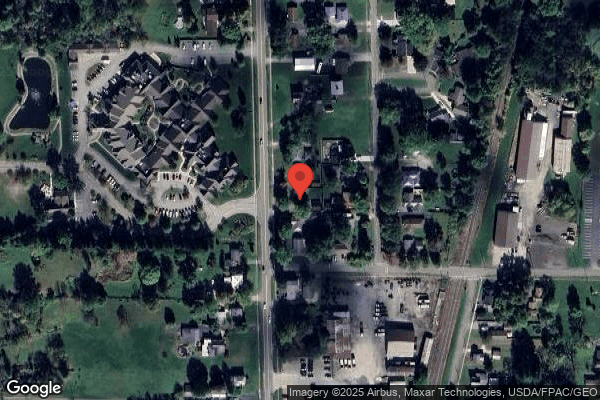
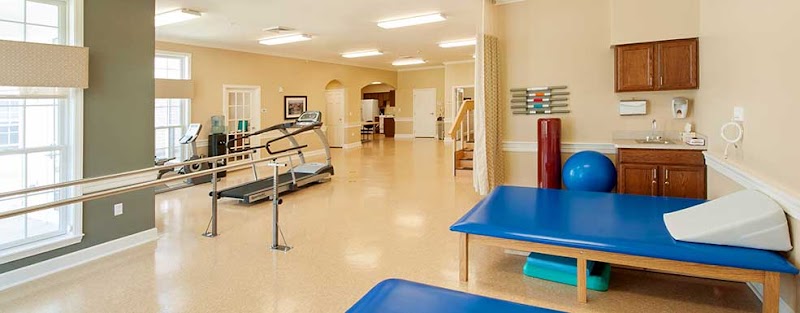
303 NORTH MECCA STREET, CORTLAND, OH 44410 (330) 638-2420
Non profit - Other 39 Beds OHIO LIVING COMMUNITIES Data: November 2025
Trust Grade
90/100
#129 of 913 in OH
Last Inspection: September 2024

Within standard 12-15 month inspection cycle. Federal law requires annual inspections.

Overview

Ohio Living Lake Vista in Cortland has received an impressive Trust Grade of A, indicating excellent quality and a highly recommended facility. It ranks #129 out of 913 nursing homes in Ohio, placing it in the top half, and #3 out of 17 in Trumbull County, meaning there are only two local options that are better. However, the facility is experiencing a worsening trend, having increased from 1 issue in 2023 to 2 in 2024, which raises some concerns. Staffing is a strength with a 5-star rating, although the turnover rate is 54%, slightly above the state average of 49%. Notably, there have been no fines recorded, and the nursing coverage is better than 80% of facilities in Ohio, ensuring that residents receive attentive care. On the downside, there have been specific incidents that families should be aware of. For example, there was a failure to ensure proper communication regarding dialysis treatment for a resident, which could lead to complications. Additionally, a resident reported verbal abuse from staff, highlighting potential issues with staff behavior that need addressing. Overall, while the facility boasts many strengths, families should consider these weaknesses carefully in their research.

Trust Score
A
90/100
In Ohio
#129/913
Top 14%
Safety Record
Low Risk
No red flags
Inspections
Getting Worse
1 → 2 violations
Staff Stability
⚠ Watch
54% turnover. Above average. Higher turnover means staff may not know residents' routines.
Penalties
✓ Good
No fines on record. Clean compliance history, better than most Ohio facilities.
Skilled Nurses
✓ Good
Each resident gets 64 minutes of Registered Nurse (RN) attention daily — more than 97% of Ohio nursing homes. RNs are the most trained staff who catch health problems before they become serious.
Violations
✓ Good
Only 5 deficiencies on record. Cleaner than most facilities. Minor issues only.
★★★★★
5.0
Overall Rating
★★★★★
5.0
Staff Levels
★★★★★
5.0
Care Quality
★★★★★
5.0
Inspection Score
Stable
2023: 1 issues
2024: 2 issues

The Good

  • 5-Star Staffing Rating · Excellent nurse staffing levels
  • 5-Star Quality Measures · Strong clinical quality outcomes
  • Full Sprinkler Coverage · Fire safety systems throughout facility
  • No fines on record

Facility shows strength in staffing levels, quality measures, fire safety.

The Bad

Staff Turnover: 54%

Near Ohio avg (46%)

Higher turnover may affect care consistency

Chain: OHIO LIVING COMMUNITIES

Part of a multi-facility chain

Ask about local staffing decisions and management

The Ugly 5 deficiencies on record

Sept 2024 2 deficiencies
CONCERN (D)

Potential for Harm - no one hurt, but risky conditions existed

Quality of Care (Tag F0684)

Could have caused harm · This affected 1 resident

**NOTE- TERMS IN BRACKETS HAVE BEEN EDITED TO PROTECT CONFIDENTIALITY** THE FOLLOWING DEFICIENCY REPRESENTS AN INCIDENT OF PAST NON-COMPLIANCE THAT WAS SUBSEQUENTLY CORRECTED PRIOR TO THIS SURVEY. Bas...

Read full inspector narrative →
**NOTE- TERMS IN BRACKETS HAVE BEEN EDITED TO PROTECT CONFIDENTIALITY** THE FOLLOWING DEFICIENCY REPRESENTS AN INCIDENT OF PAST NON-COMPLIANCE THAT WAS SUBSEQUENTLY CORRECTED PRIOR TO THIS SURVEY. Based on interview, record review, review of facility policy, review of the Ohio Board of Nursing Registered Nurse scope of practice, and review of facility investigation the facility failed to ensure staff provided care and services according to professional standards of practice/within their scope of practice. This affected one (#146) of five residents (#8, #15, #46, #142, #145) reviewed for medication errors. The facility census was 39. Findings include: Review of the medical record for Resident #146 revealed an admission date of [DATE] and a discharge date of [DATE]. Resident #146 was receiving hospice services and expired in the facility. Diagnoses included chronic obstructive pulmonary disease, bipolar disorder, and dysphagia (difficulty swallowing). Resident #146 had no known allergies. Review of the care plan dated [DATE] revealed Resident #146 was at risk for cardiovascular complications related to her disease process. Interventions included to administer medications as ordered and to monitor vital signs. Review of the quarterly Minimum Data Set (MDS) assessment dated [DATE] revealed Resident #146 had severe cognitive impairment and required extensive assistance with all activities of daily living. Review of nursing progress notes dated [DATE] timed at 4:56 A.M. authored by Registered Nurse (RN) #500 revealed the following. • On [DATE] at 7:45 P.M. Resident #146 took pills with whole thin liquids. Resident #146 was conversant. • On [DATE] at 8:45 P.M. the aide informed the nurse Resident #146 could not breathe, and her lips were blue. • On [DATE] at 8:46 P.M. the aide obtain equipment to obtain vital signs and the nurse stayed with Resident #146. • On [DATE] at 8:50 P.M. vital signs were Blood pressure 150/83, Oxygen level 92% on six liters of oxygen, respirations 33, pulse 112. RN #500 attempted to contact Resident #146's family because Resident #146 had an advance directive of Do Not Resuscitate Comfort Care (DNRCC). • On [DATE] at 8:55 P.M., RN #500 called Resident #146's son with no answer. • On [DATE] at 9:00 P.M., RN #500 called emergency services (911). Resident #146 was struggling more to breath and had hemoptysis (spitting up blood or blood stained mucous). RN #500 made a clinical decision to administer 1 milligram of Morphine. RN #146 obtained the Morphine that was prescribed for another resident, Resident #145. • On [DATE] at 9:05 P.M., RN #500 called the daughter who asked RN #500 to hold off sending Resident #146 to the hospital until speaking with her brother the power of attorney (POA). The daughter successfully called her brother on three way conference call. The son was notified of Resident #146's condition and that Morphine was given because RN #500 had no other options to keep Resident #146 comfortable. The ambulance squad spoke to the son, and he decided Resident #146 should be sent to the hospital. Resident #146 was sent to the emergency room via squad and admitted to the hospital intensive care unit with a diagnosis of hypoxia related to pneumonia. Review of Self-Reported Incident (SRI) dated [DATE] revealed Resident #145's Morphine was administered to another resident (Resident #146). Review of the controlled medication flowsheet confirmed that on [DATE], one milligram of Morphine was taken from Resident #145 and administered to another resident. Review of the witness statement dated [DATE] timed 9:00 P.M. from RN #500 confirmed RN #500 gave Resident #146 Morphine that belonged to Resident #145 without checking Resident #146's orders or calling the physician. RN #146 indicated she was called to Resident #146's room and found Resident #146 with blue lips struggling to breath. RN #500 assessed Resident #146's vital signs and placed her on six liters of oxygen via nasal cannula. Resident #146's vital signs were stable, but she was struggling to breath. They assessed her code status and learned she was a DNRCC. RN #500 assumed this meant the resident was receiving hospice services so she was unsure if she should call the medics. RN #500 attempted to reach Resident #146's son with no answer. RN #500 then decided to call 911 and made the independent clinical decision to administer Morphine 1 mg by mouth to Resident #146 to help with her breathing because she was a DNRCC, and she assumed the resident had an order for medication. Resident #146 began coughing up blood, so she administered the dose sublingually. The family did reach back out at the time the emergency squad arrived, and RN #500 informed the family of the situation and that she administered Morphine without an order. The family decided to send Resident #146 to the hospital. Later, that evening she received a call from the hospital informing her Resident #146 was pleasantly confused and being admitted to the hospital for hypoxia. Review of the hospital Discharge summary dated [DATE] revealed Resident #146 was discharged with a diagnosis of hypoxia related to pneumonia and an order for a palliative care consult was placed. Review of the nursing progress note dated [DATE] revealed Resident #146's family decided to place Resident #146 under hospice care and an order for Morphine was obtained at that time. Interview on [DATE] at 3:30 P.M. with the Director of Nursing (DON) confirmed Resident #146 was administered Morphine without a physician's order. The DON said the incident was investigated and reported to the State Agency and RN #500, who was an agency nurse, was reported the Board of Nursing and placed on the do not return list. All staff were educated regarding misappropriation, following physician orders and not administering medications without a physician order. In addition follow up auditing was completed to ensure no medication was administered without a valid physician order. Review of the employee file for RN #500 confirmed she was employed by a staffing agency contracted by the facility. RN #500 had a current nursing license at the time of the incident and background screening had been completed. Documentation validated RN #500 received training on abuse and neglect and medication administration. Review of the Ohio Department of Health Scopes of Practice: Registered Nurses (RN) and Licensed Practical Nurses (LPN) dated [DATE] revealed the following. Registered Nurses Section 4723.01(B), ORC, defines the scope of RN practice as: Providing to individuals and groups nursing care requiring specialized knowledge, judgment, and skill derived from the principles of biological, physical, behavioral, social, and nursing sciences. Such nursing care includes: (1) Identifying patterns of human responses to actual or potential health problems amenable to a nursing regimen; (2) Executing a nursing regimen through the selection, performance, management, and evaluation of nursing actions; (3) Assessing health status for the purpose of providing nursing care; (4) Providing health counseling and health teaching; (5) Administering medications, treatments, and executing regimens authorized by an individual who is authorized to practice in this state and is acting within the course of the individual's professional practice; (6) Teaching, administering, supervising, delegating, and evaluating nursing practice. RNs have independent licensed authority to engage in all aspects of practice specified in Section 4723.01(B), ORC, except that, when providing nursing care pursuant to Section 4723.01(B)(5), ORC, the RN must have an order from an individual who is authorized to practice in this state and is acting within the course of the individual's professional practice for administration of medication or treatments or for the regimen that is to be executed. Rule 4723-4-03(D), OAC. Review of the facility's undated Safe Medication Administration Practices, Long-Term Care policy revealed you must check the resident's medical record to make sure that all required documents, medication information, sensitivities, history and physical examination findings, diagnoses, and laboratory results are present and current. The deficient practice was corrected on [DATE] when the facility implemented the following corrective actions: • On [DATE] all medication carts were audited for any missing narcotic medications. • On [DATE] the DON reported the incident to the contracted staffing agency and RN #500 was placed on the do not return list. • On [DATE] the DON reported RN #500 to the Ohio Board of Nursing. • On [DATE] all staff were educated on the abuse and misappropriation policies and procedures. • On [DATE] Resident #145's Morphine was replaced. • On [DATE] and [DATE] all staff were educated on medication administration and that there was on call physician coverage 24-hours a day and they were not to administer medications without an order. • Audits were completed twice weekly regarding change of condition and calling the physician as appropriate for direction/orders and to ensure there was no misappropriation of resident medication for the weeks of [DATE] and [DATE], then monthly for three months on [DATE], [DATE], and [DATE]. No additional concerns were noted. • Review of the quality assurance and performance improvement (QAPI) during the annual survey revealed the committee was involved in the development of the corrective action plan and ongoing compliance.
CONCERN (D)

Potential for Harm - no one hurt, but risky conditions existed

Deficiency F0698 (Tag F0698)

Could have caused harm · This affected 1 resident

**NOTE- TERMS IN BRACKETS HAVE BEEN EDITED TO PROTECT CONFIDENTIALITY** Based on interview, record review, and review of facility policies the facility failed to ensure appropriate and consistent comm...

Read full inspector narrative →
**NOTE- TERMS IN BRACKETS HAVE BEEN EDITED TO PROTECT CONFIDENTIALITY** Based on interview, record review, and review of facility policies the facility failed to ensure appropriate and consistent communication regarding dialysis treatment provided and the resident's response, complications, reactions, or recommendations. This affected Resident #15 who was identified as the only resident receiving dialysis in the facility. The facility census was 39. Findings include: Review of the medical record for Resident #15 revealed an admission date of 02/16/21. Diagnoses included end stage renal disease, acute and chronic respiratory failure with hypoxia, and congestive heart failure. Review of the physician's order dated 02/16/21 revealed Resident #15 was to receive dialysis every Monday, Wednesday, and Friday from 10:00 A.M. to 1:15 P.M. at an outside dialysis center. Review of the care plan dated 06/28/22 revealed Resident #15 had end stage renal disease and received dialysis every Monday, Wednesday, and Friday at an outside dialysis center. Interventions included to have no trauma to the access site, Resident #15 would maintain her dry weight, and the facility was to communicate with dialysis facility as needed regarding resident dialysis care issues. Review of the annual Minimum Data Set (MDS) assessment dated [DATE] revealed Resident #15 had intact cognition and required assistance with all activities of daily living. Review of the nursing progress note dated 08/28/24 at 2:30 P.M. revealed Resident #15's son called the facility to notify them that Resident #15 had issues at dialysis and was returning to the facility. He reported the dialysis center scheduled a treatment for the next day and the family would provide the transportation. The nurse notified the physician. Interview on 09/04/24 at 10:00 A.M. with the Director of Nursing (DON) revealed the facility communicated with the dialysis center on an as needed basis. They did not communicate with every treatment and maybe only monthly if a problem arose. The DON confirmed on 08/28/24 the family notified the facility of Resident #15's trouble at dialysis and the added treatment not the dialysis center. Review of the facility's policies and procedures related to dialysis revealed the policies did not address a communication process with the dialysis providers to include how the communication would occur, who was responsible for communication, and where the communication and responses would be documented in the medical record.
May 2023 1 deficiency
CONCERN (D) 📢 Someone Reported This

A family member, employee, or ombudsman was alarmed enough to file a formal complaint

Potential for Harm - no one hurt, but risky conditions existed

Free from Abuse/Neglect (Tag F0600)

Could have caused harm · This affected 1 resident

**NOTE- TERMS IN BRACKETS HAVE BEEN EDITED TO PROTECT CONFIDENTIALITY** Based on record review, interview, review of the facility self-reported incident (SRI), and facility policy and procedure review...

Read full inspector narrative →
**NOTE- TERMS IN BRACKETS HAVE BEEN EDITED TO PROTECT CONFIDENTIALITY** Based on record review, interview, review of the facility self-reported incident (SRI), and facility policy and procedure review the facility failed to ensure Resident #22 was free from an incident of staff to resident verbal abuse. This affected one resident (#22) of three residents reviewed for abuse. The facility census was 39. Findings include: Review of the medical record for Resident #22 revealed an admission date of 06/10/22. Diagnoses included dementia, anxiety, and vitamin deficiency. Review of the quarterly Minimum Data Set (MDS) assessment dated [DATE] revealed Resident #22 had moderately impaired cognition. She required extensive assistance from one person for bed mobility, transfers, dressing, toilet use, and personal hygiene. She had no behaviors noted. Review of the facility SRI tracking number 230485 dated 12/26/22 and timed 1:52 P.M. revealed Resident #22 reported State Tested Nurse's Aide (STNA) #204 told her to shut up. Review of the facility investigation completed on 12/27/23 revealed STNA #204 was suspended pending investigation. Staff working at the time of the incident were interviewed and confirmed hearing STNA #204 telling Resident #22 to shut up. STNA #20 was terminated from her employment. Interview on 05/02/23 at 12:21 P.M. with the Director of Nursing (DON) and Registered Nurse (RN) #205 confirmed the investigation led to finding of verbal abuse by STNA #204 and her subsequent termination. Review of the facility policy titled Abuse, Neglect, Misappropriation, and Crime Reporting, dated 01/18/21, revealed the facility would take measures to prevent abuse.
May 2022 1 deficiency
MINOR (C)

Minor Issue - procedural, no safety impact

Transfer Notice (Tag F0623)

Minor procedural issue · This affected most or all residents

**NOTE- TERMS IN BRACKETS HAVE BEEN EDITED TO PROTECT CONFIDENTIALITY** Based on record review and interview the facility failed to ensure the Ombudsman was notified of resident transfers and discharg...

Read full inspector narrative →
**NOTE- TERMS IN BRACKETS HAVE BEEN EDITED TO PROTECT CONFIDENTIALITY** Based on record review and interview the facility failed to ensure the Ombudsman was notified of resident transfers and discharges to the hospital. This affected three (Residents #45, #46, and #10) of four residents reviewed for transfer and discharge to the hospital. The facility census was 54. Findings include: 1. Resident #45 was admitted to the facility on [DATE] with diagnoses including acute and chronic respiratory failure. Resident #45 was hospitalized from [DATE] through 03/22/22. Review of physicians orders dated April 2022 revealed orders for nursing staff to obtain a full set of vitals including pulse, respirations, blood pressure, temperature, and blood oxygen level twice a day and as needed, oxygen at three liters per min (LPM) via nasal cannula (NC) continuously, and the head of her bed was to be elevated to alleviate shortness of breath. Review of the quarterly Minimum Data Set 3.0 (MDS) assessment dated [DATE] revealed Resident #46 was cognitively intact. Review of the care plan dated 03/23/22 revealed she was at cardiopulmonary risk related to a diagnosis of acute and chronic respiratory failure. Nursing staff were to encourage the resident to cough and deep breath frequently, monitor respiratory rate, blood oxygen saturation, and lungs sounds every shift. The resident was to wear her oxygen at 3 LPM continuously. Review of nurses notes dated 03/13/22 at 8:59 P.M. revealed Resident #45 was in respiratory distress with a blood oxygen level of 79 percent (%) on 3 LPM, a non-rebreather oxygen mask was applied, and her oxygen was increased to 4 LPM, her blood oxygen level increased to 89%. Resident #45's daughter was at the bedside and kept informed of the resident's condition. Resident #45's physician was updated and gave an order to send the resident to the emergency room where she was admitted for respiratory failure. Review of nurses notes dated 03/14/22 revealed Social Worker (SW) #143 mailed out the resident's bed hold letter to the representative but did not notify or document notification to the Ombudsman. 2. Resident #46 was admitted to the facility on [DATE] with diagnoses which included Coronavirus 19 infection, generalized muscle weakness, atrial fibrillation and chronic obstructive pulmonary disease. Review of the admission MDS dated [DATE] revealed Resident #46 was cognitively intact and required extensive assist of one staff for bed mobility, transfers, toileting, and dressing. The MDS assessment dated [DATE] revealed Resident #46 was discharged , return not anticipated. Review of nurses notes revealed Resident #46 was sent to the hospital on [DATE] per physician orders due to a change in mental status and being short of breath. Resident #46 was admitted to the hospital with diagnoses of hypotension and peripheral edema and did not return to the facility after hospitalization. 3. Resident #10 was admitted to the facility on [DATE] with diagnoses including subarachnoid hemorrhage secondary to a fall at home, left sixth rib fracture, right distal radius fracture, hypertension and hypothyroidism. Review of the quarterly MDS assessment dated [DATE] revealed Resident #10 was severely cognitively impaired and required extensive assist of one staff for bed mobility, transfers, toileting, and dressing. Review of nurses notes revealed Resident #10 was sent to the hospital on [DATE] per physician orders for evaluation and treatment after a fall and was admitted with a left femur fracture. Nurses notes dated 03/07/22 revealed SW #143 mailed out the resident's bed hold letter to the representative but was absent documentation of any notification to the Ombudsman. Nurses notes dated 03/08/22 revealed Resident #10 returned to the facility. Interview on 05/04/22 at 2:00 P.M. with the Administrator confirmed the facility did not notify the Ombudsman of transfers or discharges of residents. The Administrator stated he was aware that the facility had to notify the Ombudsman of resident transfers/discharges to the hospital but could not say why it was not being done. He stated one years' worth of discharge notifications had been sent to the Ombudsman as of today 05/04/22. Interview on 05/04/22 at 2:01 P.M. with the Director of Nursing (DON) also confirmed they did not notify the Ombudsman of resident transfers or discharges. Interview on 05/05/22 at 9:43 A.M. with the Ombudsman confirmed the office had not received notifications of resident transfers or discharges from the facility. The Ombudsman confirmed she received emails last night (05/04/22) and this morning (05/05/22) of all the transfers and discharges for March, April and May 2022. Review of facility policy titled Discharge, Transfer of Resident dated 05/03 revealed the facility was to in situations where the facility has decided to discharge the resident while the resident is still hospitalized , the facility must send a notice of discharge to the resident and resident representative and must also send a copy of the discharge notice to a representative of the Office of the State Long Term Care Ombudsman. Notice to the Office of the State Long Term Care (LTC) Ombudsman must occur at the same time the notice of discharge is provided to the resident and resident representative, even though, at the time of initial emergency transfer, sending a copy of the transfer notice to the ombudsman only needed to occur as soon as practicable as described below. For any other types of facility-initiated discharges, the facility must provide notice of discharge to the resident and resident representative along with a copy of the notice to the Office of the State LTC Ombudsman at least 30 days prior to the discharge or as soon as possible. The copy of the notice to the ombudsman must be sent at the same time notice is provided to the resident and resident representative.
Apr 2019 1 deficiency
CONCERN (D)

Potential for Harm - no one hurt, but risky conditions existed

Deficiency F0810 (Tag F0810)

Could have caused harm · This affected 1 resident

**NOTE- TERMS IN BRACKETS HAVE BEEN EDITED TO PROTECT CONFIDENTIALITY** Based on observation, interview and record review the facility failed to ensure Resident #43 drank from a two handled cup with l...

Read full inspector narrative →
**NOTE- TERMS IN BRACKETS HAVE BEEN EDITED TO PROTECT CONFIDENTIALITY** Based on observation, interview and record review the facility failed to ensure Resident #43 drank from a two handled cup with lid without a straw per physician order. This affected one resident (Resident #43) out of three residents reviewed for nutritional needs and use of assistive devices. The facility census was 45 residents. Finding include: Record review for Resident #43 revealed an admission date of 10/22/15 and diagnoses included dysphagia, muscle weakness, and multiple sclerosis. Review of a physician order for Resident #43 dated 10/26/17 revealed she was to use a two handled cup with lid and no straw for drinking. Review of Resident #43's Speech Therapy Discharge summary dated [DATE] completed by Speech Therapist #600 revealed she had dysphagia with risk of aspiration on liquids. She recommended a spouted cup with no straw with encouragement of small sips. Review of Resident #43's annual Minimum Data Set (MDS) 3.0 assessment, dated 04/01/19, revealed she was cognitively impaired and required extensive assistance of one person with eating. Observation on 04/16/19 at 7:45 A.M. revealed Licensed Practical Nurse (LPN) #601 administered Resident #43's MiraLAX (medication used to treat constipation) 17 grams mixed in approximately four ounces of water in a plastic disposable cup. LPN #601 held the plastic cup while Resident #43 drank the MiraLAX from a straw. Interview on 04/16/19 at 9:13 A.M. with LPN #601 verified Resident #43 had a physician order to receive liquids from a two handled cup with a lid without a straw. She revealed she had always given Resident #43's MiraLAX in water in a plastic disposable cup with a straw. Interview on 04/18/19 at 8:27 A.M. with Speech Therapist #600 revealed she had treated Resident #43 from 12/20/18 to 01/03/19 for dysphagia. She revealed a straw placed liquid farther back into the mouth and caused an increased risk of aspiration for Resident #43. She recommended a spouted sipper cup without a straw to decrease the risk of aspiration when drinking liquids.
Understanding Severity Codes (click to expand)
Life-Threatening (Immediate Jeopardy)
J - Isolated K - Pattern L - Widespread
Actual Harm
G - Isolated H - Pattern I - Widespread
Potential for Harm
D - Isolated E - Pattern F - Widespread
No Harm (Minor)
A - Isolated B - Pattern C - Widespread

Questions to Ask on Your Visit

  • "Can I speak with families of current residents?"
  • "What's your RN coverage like on weekends and overnight?"

Our Honest Assessment

Strengths
  • • Grade A (90/100). Above average facility, better than most options in Ohio.
  • • No major safety red flags. No abuse findings, life-threatening violations, or SFF status.
  • • No fines on record. Clean compliance history, better than most Ohio facilities.
  • • Only 5 deficiencies on record. Cleaner than most facilities. Minor issues only.
Concerns
  • • No significant concerns identified. This facility shows no red flags across CMS ratings, staff turnover, or federal penalties.
Bottom line: Generally positive indicators. Standard due diligence and a personal visit recommended.

About This Facility

What is Ohio Living Lake Vista's CMS Rating?

CMS assigns OHIO LIVING LAKE VISTA an overall rating of 5 out of 5 stars, which is considered much above average nationally. Within Ohio, this rating places the facility higher than 99% of the state's 100 nursing homes. This rating reflects solid performance across the metrics CMS uses to evaluate nursing home quality.
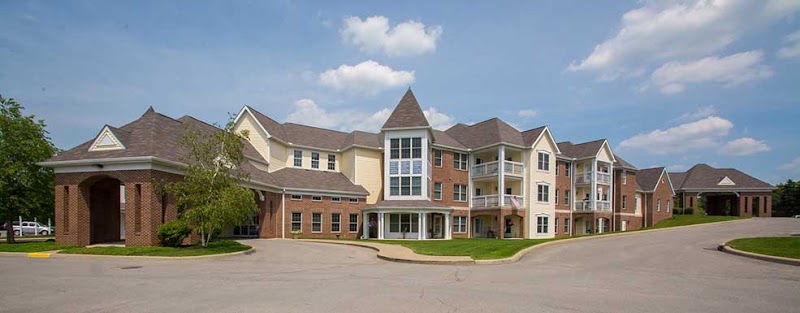
How is Ohio Living Lake Vista Staffed?

CMS rates OHIO LIVING LAKE VISTA's staffing level at 5 out of 5 stars, which is much above average compared to other nursing homes. Staff turnover is 54%, compared to the Ohio average of 46%.

What Have Inspectors Found at Ohio Living Lake Vista?

State health inspectors documented 5 deficiencies at OHIO LIVING LAKE VISTA during 2019 to 2024. These included: 4 with potential for harm and 1 minor or isolated issues.
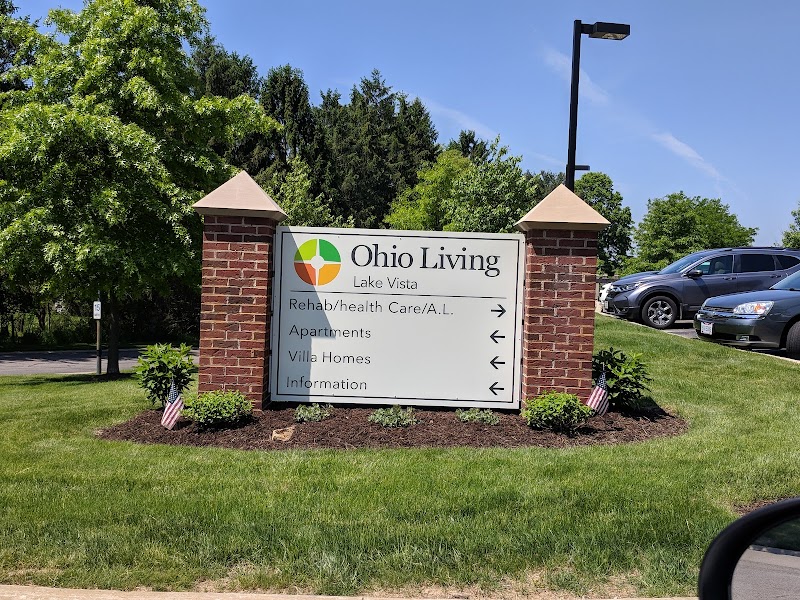
Who Owns and Operates Ohio Living Lake Vista?

OHIO LIVING LAKE VISTA is owned by a non-profit organization. Non-profit facilities reinvest revenue into operations rather than distributing to shareholders. The facility is operated by OHIO LIVING COMMUNITIES, a chain that manages multiple nursing homes. With 39 certified beds and approximately 35 residents (about 90% occupancy), it is a smaller facility located in CORTLAND, Ohio.
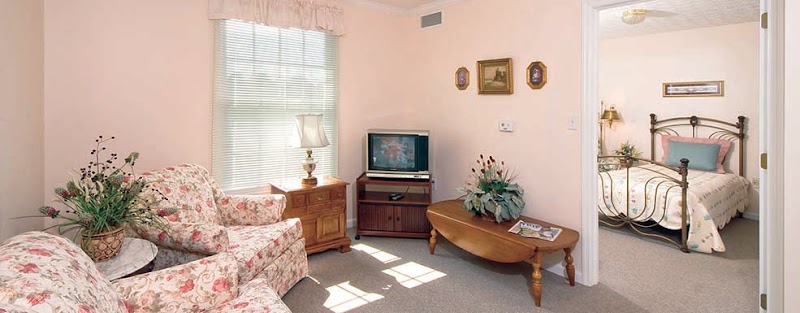
How Does Ohio Living Lake Vista Compare to Other Ohio Nursing Homes?

Compared to the 100 nursing homes in Ohio, OHIO LIVING LAKE VISTA's overall rating (5 stars) is above the state average of 3.2, staff turnover (54%) is near the state average of 46%, and health inspection rating (5 stars) is much above the national benchmark.

What Should Families Ask When Visiting Ohio Living Lake Vista?

Based on this facility's data, families visiting should ask: "Can I visit during a mealtime to observe dining assistance and food quality?" "How do you handle medical emergencies, and what is your hospital transfer rate?" "Can I speak with family members of current residents about their experience?"

Is Ohio Living Lake Vista Safe?

Based on CMS inspection data, OHIO LIVING LAKE VISTA has a clean safety record: no substantiated abuse findings (meaning no confirmed cases of resident harm), no Immediate Jeopardy citations (the most serious violation level indicating risk of serious injury or death), and is not on the Special Focus Facility watch list (a federal program monitoring the lowest-performing 1% of nursing homes). The facility has a 5-star overall rating and ranks #1 of 100 nursing homes in Ohio. While no facility is perfect, families should still ask about staff-to-resident ratios and recent inspection results during their visit.

Do Nurses at Ohio Living Lake Vista Stick Around?

OHIO LIVING LAKE VISTA has a staff turnover rate of 54%, which is 8 percentage points above the Ohio average of 46%. Moderate turnover is common in nursing homes, but families should still ask about staff tenure and how the facility maintains care continuity when employees leave.

Was Ohio Living Lake Vista Ever Fined?

OHIO LIVING LAKE VISTA has no federal fines on record. CMS issues fines when nursing homes fail to meet care standards or don't correct problems found during inspections. The absence of fines suggests the facility has either maintained compliance or corrected any issues before penalties were assessed. This is a positive indicator, though families should still review recent inspection reports for the full picture.

Is Ohio Living Lake Vista on Any Federal Watch List?

OHIO LIVING LAKE VISTA is not on any federal watch list. The most significant is the Special Focus Facility (SFF) program, which identifies the bottom 1% of nursing homes nationally based on persistent, serious quality problems. Not being on this list means the facility has avoided the pattern of deficiencies that triggers enhanced federal oversight. This is a positive indicator, though families should still review the facility's inspection history directly.