ALTERCARE COSHOCTON INC.
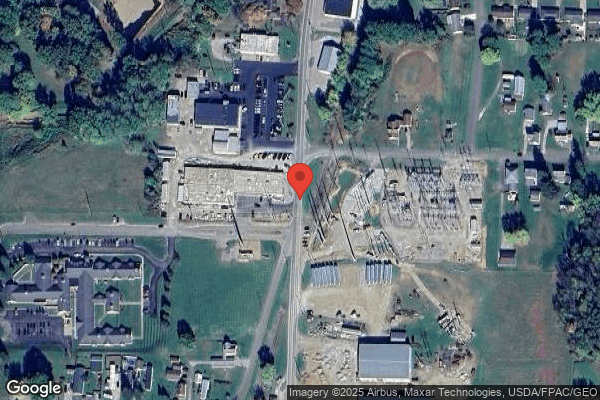
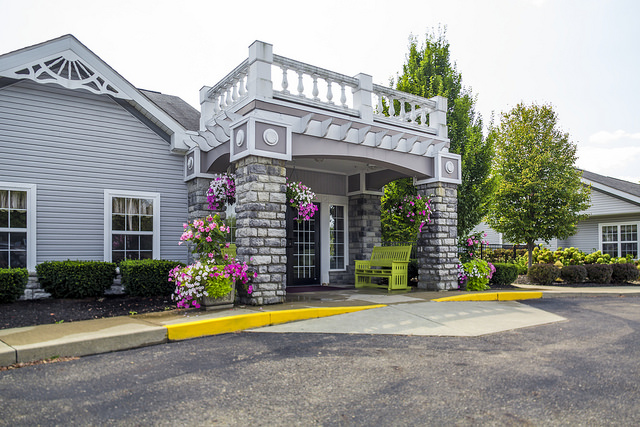
1991 OTSEGO AVENUE, COSHOCTON, OH 43812 (740) 622-2074
For profit - Corporation 74 Beds ALTERCARE Data: November 2025
Trust Grade
85/100
#9 of 913 in OH
Last Inspection: July 2024

Within standard 12-15 month inspection cycle. Federal law requires annual inspections.

Overview

Altercare Coshocton Inc. has earned a Trust Grade of B+, indicating it is above average and recommended for families seeking care. It ranks #9 out of 913 nursing homes in Ohio, placing it in the top half, and is the best option among the three facilities in Coshocton County. The facility is improving, having reduced its issues from five in 2023 to two in 2024. While staffing received a low rating of 2 out of 5 stars, indicating below-average performance, the lack of fines and average RN coverage are positive aspects. However, there are some concerns, such as the failure to properly label and store food, which could affect resident safety. For instance, expired food items were found in the kitchen, and issues with food storage were noted that could lead to contamination, highlighting areas that need attention.

Trust Score
B+
85/100
In Ohio
#9/913
Top 1%
Safety Record
Low Risk
No red flags
Inspections
Getting Better
5 → 2 violations
Staff Stability
⚠ Watch
52% turnover. Above average. Higher turnover means staff may not know residents' routines.
Penalties
✓ Good
No fines on record. Clean compliance history, better than most Ohio facilities.
Skilled Nurses
○ Average
Each resident gets 41 minutes of Registered Nurse (RN) attention daily — about average for Ohio. RNs are the most trained staff who monitor for health changes.
Violations
⚠ Watch
14 deficiencies on record. Higher than average. Multiple issues found across inspections.
★★★★★
5.0
Overall Rating
★★☆☆☆
2.0
Staff Levels
★★★★★
5.0
Care Quality
★★★★☆
4.0
Inspection Score
Stable
2023: 5 issues
2024: 2 issues

The Good

  • 5-Star Quality Measures · Strong clinical quality outcomes
  • Full Sprinkler Coverage · Fire safety systems throughout facility
  • No fines on record

Facility shows strength in quality measures, fire safety.

The Bad

Staff Turnover: 52%

Near Ohio avg (46%)

Higher turnover may affect care consistency

Chain: ALTERCARE

Part of a multi-facility chain

Ask about local staffing decisions and management

The Ugly 14 deficiencies on record

Jul 2024 2 deficiencies
CONCERN (D)

Potential for Harm - no one hurt, but risky conditions existed

Deficiency F0692 (Tag F0692)

Could have caused harm · This affected 1 resident

**NOTE- TERMS IN BRACKETS HAVE BEEN EDITED TO PROTECT CONFIDENTIALITY** Based on record review and interview the facility failed to ensure Resident #6, who had a history of weight loss, was provided s...

Read full inspector narrative →
**NOTE- TERMS IN BRACKETS HAVE BEEN EDITED TO PROTECT CONFIDENTIALITY** Based on record review and interview the facility failed to ensure Resident #6, who had a history of weight loss, was provided supplements as ordered. This affected one resident (#6) of two residents reviewed for nutrition. The facility census was 65. Findings include: Review of the medical record for Resident #6 revealed an admission date of [DATE] with diagnoses including cerebral atherosclerosis, flaccid hemiplegia affecting left nondominant side, personal history of traumatic brain injury, chronic respiratory failure, hemiplegia affecting right dominant side, obstructive and reflux uropathy, major depressive disorder, unspecified systolic heart failure, epilepsy, dysphagia. Review of Resident #6's physician order dated [DATE] revealed he was on a no added salt and puree textured diet. He was to receive double portions, a divided plate, cups with lids and handles, and a Dycem (prevents sliding) mat under his plate. Review of Resident #6's physician order dated [DATE] revealed an order for house supplement four ounces by mouth three times a day for supplement. Review of Resident #6 comprehensive Minimum Data Set (MDS) 3.0 assessment dated [DATE] revealed a severe cognitive impairment. The resident was 72 inches tall and weighed 164 pounds. The resident was on a mechanically altered and therapeutic diet. Review of Resident #6's plan of care dated [DATE] revealed he was at risk for altered nutrition related to diagnoses and as of [DATE] the resident had 7.8% weight loss over three months, and he was stable for the last two months. Interventions included no tube feeding or alternative means of nutrition, nutrition education as needed, adaptive equipment as ordered (divided plate, cups with lids and handles, Dycem mat), offering menu alternatives as needed, providing diet as ordered (No added salt and pureed) and supplements as ordered. Review of Resident #6's Medication Administration Record (MAR) from [DATE] to [DATE] revealed Resident #6 consumed 100% of the house supplement from [DATE] to [DATE]. The supplement was marked as drug or item unavailable once on [DATE], once on [DATE], once on [DATE], once on [DATE], three times on [DATE], twice on [DATE], once on [DATE], once on [DATE], three times on [DATE], and once on [DATE]. Twice on [DATE] it was noted it was not administered as the kitchen reported none was available. The resident was marked as consuming none of his supplement twice on [DATE], twice on [DATE], twice on [DATE], and twice on [DATE] by Registered Nurse (RN) Supervisor #363. Review of Resident #6's progress notes from [DATE] to [DATE] revealed no documentation related to the house supplement being unavailable. Additionally, there was no documentation the physician or dietitian were notified. Review of the Dietitian #404's progress note dated [DATE] revealed the resident had been noted to have lost a significant amount of weight over three months and he had been stable for the last two months. He had variable intake of meals. He was provided with four ounces of house supplements three times a day with good acceptance. There was no indication of the house supplement being unavailable. Interview on [DATE] at 3:38 P.M. with Dietitian #401 revealed the facilities dietitian (#404) was on vacation and she was covering for the week. She reported Dietitian #404 worked part time remotely for the facility. Dietitian #401 indicated she would expect to be notified of the house supplement being unavailable/out. She reported the company was recently having problems getting the house supplement (ReadyCare Shake plus) and were substituting it with ReadyCare 2.0. Interview on [DATE] at 3:58 P.M. with Assistant Director of Dietary #400 reported the facility dietary manager was on vacation. He verified the facility had problems getting the house supplement (ReadyCare Shake Plus) and were supposed to substitute it with ReadyCare 2.0, however, for two weeks the shipments they received of that product were expired. He reported they then substituted with a fortified ice cream and fortified pudding. He was unsure how this was communicated to the nursing staff but reported Dietitian #404 was aware. Assistant Director of Dietary #400 reported the first shipment of expired product was on [DATE] and they had probably had some leftovers in the facility at that time. Interview on [DATE] at 4:10 P.M. and [DATE] at 10:34 A.M. and 10:43 A.M. with Regional Nurse Consultant #402 verified the supplements were documented as not available. She additionally reported she was unsure if RN Supervisor #363 was marking 0% because the supplement was unavailable or because the resident did not consume an alternative. RN Supervisor #363 was on vacation. Regional Nurse Consultant #402 reported the facility had no relevant policies to provide for review.
CONCERN (F)

Potential for Harm - no one hurt, but risky conditions existed

Food Safety (Tag F0812)

Could have caused harm · This affected most or all residents

Based on observation, interview, and policy review, revealed the facility failed to ensure foods were labeled and not kept past the expiration date. Additionally, the facility failed to ensure unit re...

Read full inspector narrative →
Based on observation, interview, and policy review, revealed the facility failed to ensure foods were labeled and not kept past the expiration date. Additionally, the facility failed to ensure unit refrigerators, containing resident food, were kept clean. This had the potential to affect all 63 of 63 residents who consumed food. The facility identified two residents (#10 and #35) who received nothing by mouth. The facility census was 65. Findings include: 1. Observation on 07/22/24 from 8:35 A.M. to 8:52 A.M. of the kitchen walk-in refrigerator revealed an opened bag of bologna with a used by date of 07/18/24, an opened bag of ham with a use by date of 07/22/24, and an opened unlabeled bag of deli turkey or chicken with a use by date 07/13/24. Additionally, there was a large pan of uncooked grilled cheese with a use by date of 07/20/24. Interview on 07/22/24 from 8:35 A.M. to 8:52 A.M. with [NAME] #206 verified the observation and the [NAME] threw the items away. 2. Observation on 07/22/24 from 8:35 A.M. to 8:52 A.M. of the memory care refrigerator revealed food debris, splatters, and what looked like hair on the internal surfaces of the fridges and freezer. Interview on 07/22/24 from 8:35 A.M. to 8:52 A.M. with [NAME] #206 verified the observation. She reported she was unsure who was responsible to clean the unit refrigerators. Observation on 07/22/24 from 9:00 A.M. to 9:07 A.M. of the 200 hall unit refrigerator revealed the bottom of the refrigerator and the shelves in the door appeared sticky with some food debris. Interview on 07/22/24 from 9:00 A.M. to 9:07 A.M. with Registered Nurse (RN) Supervisor #306 verified the observation and that resident food was in the refrigerator. RN Supervisor #306 reported she was unsure who was responsible to clean the unit refrigerators. Observation on 07/22/24 from 9:00 A.M. to 9:07 A.M. of the 100 hall unit refrigerator revealed the bottom and doors of the refrigerator had food stains and debris. Interview on 07/22/24 from 9:00 A.M. to 9:07 A.M. with Hospitality Aide #315 verified the observation and that resident food was in the refrigerator. She reported that she was unsure who was supposed to clean the refrigerators but that a nurse should know. Interview on 07/24/24 at 11:00 A.M. with Assistant Director of Dietary #400 revealed he had educated staff on the unit refrigerators and the dietary staff would be cleaning them in the future. He reported that it seemed as though they all thought they someone else was completing it. Review of the facility policy 'Food Brought to Residents by Family and Visitors' dated 11/01/17, revealed separate food storage (refrigerator and freezer) and microwave were designated for use for food brought in from outside source. Cleaning procedures for the food storage and microwave areas and monitoring of food items for expiration was to be completed by designated staff.
Apr 2023 3 deficiencies
CONCERN (E)

Potential for Harm - no one hurt, but risky conditions existed

Deficiency F0569 (Tag F0569)

Could have caused harm · This affected multiple residents

Based on record review and staff interview the facility failed to notify residents and/or resident representatives when individual resident funds accounts reached two hundred dollars less than the all...

Read full inspector narrative →
Based on record review and staff interview the facility failed to notify residents and/or resident representatives when individual resident funds accounts reached two hundred dollars less than the allotted Medicaid resource limit. This affected seven residents (#2, #4, #5, #6, #14, #21, and #42) of 41 residents with resident fund accounts. The facility census was sixty-seven. Findings include: The allotted resource limit is $2,000.00 per one person and all seven residents received Medicaid funds. 1. Review of the banking records dated 04/06/23 revealed Resident #2 had a current balance of $2,742.61. 2. Review of the banking records dated 04/06/23 revealed Resident #4 revealed a current balance of $5,716.24. 3. Review of the banking records dated 04/06/23 revealed Resident #5 revealed a current balance of $3.219.54. 4. Review of the banking records dated 04/06/23 revealed Resident #6 revealed a current balance of $2,247.49. 5. Review of the banking records dated 04/06/23 revealed Resident #14 revealed a current balance of $2,137.59. 6. Review of the banking records dated 04/06/23 revealed Resident #21 revealed a current balance of $2,381.36. 7. Review of the banking records dated 04/06/23 revealed Resident #42 revealed a current balance of $2,110.01. Interview on 04/06/23 at 11:15 A.M. with Receptionist #202 verified she talks to residents and/or resident representatives instead of sending spend down letters for notification regarding the amount in the resident funds. Receptionist #202 verified there was no evidence or documentation regarding her verbal communication with the residents and/or their representatives.
CONCERN (F)

Potential for Harm - no one hurt, but risky conditions existed

Food Safety (Tag F0812)

Could have caused harm · This affected most or all residents

Based on observation, staff interview and policy review the facility failed to ensure appropriate food storage was maintained to prevent contamination. This had the potential to affect 65 of 67 reside...

Read full inspector narrative →
Based on observation, staff interview and policy review the facility failed to ensure appropriate food storage was maintained to prevent contamination. This had the potential to affect 65 of 67 residents residing in the facility. The facility identified two residents (Residents #11 and #52) who received nothing by mouth. Findings include: During the initial tour of the kitchen on 04/03/23 at 8:40 A.M. to 9:00 A.M. with Dietary Manager (DM) #205, observations revealed there was ice buildup on a three-tiered cart located in the walk-in freezer, under the freezer cooling unit. The ice buildup was on all three shelves which stored a container of pepperoni, macaroni and cheese, beef stew, chili, and a box of pork loin. A box of frozen cupcakes was also observed, opened but not dated. Interview at time of observation with DM #205 stated that maintenance knew of the problem with the freezer and the cart should not have been stored for water to leak and freeze on the shelves. The DM also verified food should be dated when opened. Review of the facility policies and procedures dated 01/2020 with a revision date of 03/2022, titled, Dating Foods revealed all food products received, stored, prepared and held in cooler or refrigerator or freezer or storeroom, shall be clearly labeled to indicate the date for: received date, and/or open and expiration date and food item name.
MINOR (C)

Minor Issue - procedural, no safety impact

Deficiency F0680 (Tag F0680)

Minor procedural issue · This affected most or all residents

Based on personnel record review, job description review and staff interview, the facility failed to employ a qualified Activity Director. This had the potential to affect all 67 residents residing in...

Read full inspector narrative →
Based on personnel record review, job description review and staff interview, the facility failed to employ a qualified Activity Director. This had the potential to affect all 67 residents residing in the facility. Findings include: Review of the Activities Coordinator/Director #200's personnel file revealed she was hired on 01/23/23 as the facility Activity Coordinator. The Activities Coordinator (Director) had one year of experience as an activity assistant at her previous job with no other activity experience noted. Interview on 04/06/23 at 12:29 P.M. with Regional Staffing Coordinator #201 and Activity Coordinator #200 verified Activity Coordinator #200 did not have the training or experience to satisfy the requirement. Review of the facility job description for Activities Coordinator dated 12/01/12 revealed the facility required a high school diploma. College desirable but not necessary.
Jan 2023 2 deficiencies
CONCERN (D) 📢 Someone Reported This

A family member, employee, or ombudsman was alarmed enough to file a formal complaint

Potential for Harm - no one hurt, but risky conditions existed

Free from Abuse/Neglect (Tag F0600)

Could have caused harm · This affected 1 resident

Based on medical record review, facility Self Reported Incident (SRI) review, staff interview and policy review the facility failed to ensure residents were free from verbal abuse from staff members. ...

Read full inspector narrative →
Based on medical record review, facility Self Reported Incident (SRI) review, staff interview and policy review the facility failed to ensure residents were free from verbal abuse from staff members. This affected one (Resident #1) of three residents reviewed for abuse and one of six SRIs reviewed. The facility census was 72. Findings include: Review of Resident #1's medical record revealed an admission date of 08/07/19 with admission diagnoses including dementia, chronic obstructive pulmonary disease, diabetes mellitus and obsessive compulsive disorder. Review of the quarterly Minimum Data Set (MDS) 3.0 assessment with a reference date of 12/15/22 revealed Resident #1 had a moderately impaired cognition level. Additional review of the medical record revealed no documented concerns related to abuse or mistreatment. Review of SRI #229930 revealed a verbal abuse allegation incident involving Resident #1 and Licensed Practical Nurse (LPN) #115. On 12/04/22, LPN #115 instructed Resident #1 to go to the [expletive] bathroom. Further review of the SRI and facility investigation revealed two staff members, State Tested Nursing Assistant (STNA) #105 and STNA #107, witnessed and verified LPN #115 directed this cursing direction to Resident #1. Phone interview with LPN #109 on 01/03/23 at 11:25 A.M. verified on 12/08/22 she overheard STNA #105 indicate she had witnessed LPN #115 verbally abuse Resident #1 when she told him to go to the [expletive] bathroom a few days earlier. LPN #109 indicated she immediately alerted the Director of Nursing of the incident. Interview with the facility Administrator on 01/03/23 at 11:35 A.M. verified Resident #1 was verbally abused by LPN #115 on 12/04/22. Review of the facility abuse policy and procedure titled, Abuse, Mistreatment, Neglect, Misappropriation of Resident Property and Exploitation, dated 2016, indicated the facility would not tolerate abuse, neglect, misappropriation of resident property or exploitation of the residents. This policy also indicated staff should report all allegations/incidents immediately to the administrator or designee. This deficiency represents non-compliance investigated under Complaint Number OH00138483.
CONCERN (D) 📢 Someone Reported This

A family member, employee, or ombudsman was alarmed enough to file a formal complaint

Potential for Harm - no one hurt, but risky conditions existed

Report Alleged Abuse (Tag F0609)

Could have caused harm · This affected 1 resident

Based on medical record review, facility Self Reported Incident (SRI) review, staff interview and policy review the facility failed to ensure staff members immediately reported abuse incidents immedia...

Read full inspector narrative →
Based on medical record review, facility Self Reported Incident (SRI) review, staff interview and policy review the facility failed to ensure staff members immediately reported abuse incidents immediately to the facility administrator or designee This affected one (Resident #1) of three residents reviewed for abuse and one of six SRIs reviewed. The facility census was 72. Findings include: Review of Resident #1's medical record revealed an admission date of 08/07/19 with admission diagnoses including dementia, chronic obstructive pulmonary disease, diabetes mellitus and obsessive compulsive disorder. Review of the quarterly Minimum Data Set (MDS) 3.0 assessment with a reference date of 12/15/22 revealed Resident #1 had a moderately impaired cognition level. Additional review of the medical record revealed no documented concerns related to abuse or mistreatment. Review of SRI #229930 revealed a verbal abuse allegation incident involving Resident #1 and Licensed Practical Nurse (LPN) #115. On 12/04/22, LPN #115 instructed Resident #1 to go to the [expletive] bathroom. Further review of the SRI and facility investigation revealed two staff members, State Tested Nursing Assistant (STNA) #105 and STNA #107, witnessed and verified LPN #115 directed this cursing direction to Resident #1. The facility indicated the incident occurred on 12/04/22 and the facility notification and investigation was not started until 12/08/22 when the Director of Nursing (DON) was informed by LPN #109. Phone interview with LPN #109 on 01/03/23 at 11:25 A.M. verified on 12/08/22 she overheard STNA #105 indicate she had witnessed LPN #115 verbally abuse Resident #1 when she told him to go to the [expletive] bathroom a few days earlier. LPN #109 indicated she immediately alerted the DON of the incident. Interview with the facility Administrator on 01/03/23 at 11:35 A.M. verified Resident #1 was verbally abused by LPN #115 on 12/04/22 and the incident was not reported by staff members immediately. The Administrator verified it was not reported until LPN #109 reported the incident to the DON on 12/08/22 when she overheard STNA #105 talking about the incident. Review of the facility abuse policy and procedure titled, Abuse, Mistreatment, Neglect, Misappropriation of Resident Property and Exploitation, dated 2016, indicated the facility would not tolerate abuse, neglect, misappropriation of resident property or exploitation of the residents. This policy also indicated staff should report all allegations/incidents immediately to the administrator or designee. This deficiency represents non-compliance investigated under Complaint Number OH00138483.
Jun 2021 7 deficiencies
CONCERN (D)

Potential for Harm - no one hurt, but risky conditions existed

Deficiency F0578 (Tag F0578)

Could have caused harm · This affected 1 resident

**NOTE- TERMS IN BRACKETS HAVE BEEN EDITED TO PROTECT CONFIDENTIALITY** Based on record review, review of facility policy and procedure and interview the facility failed to ensure advance directives f...

Read full inspector narrative →
**NOTE- TERMS IN BRACKETS HAVE BEEN EDITED TO PROTECT CONFIDENTIALITY** Based on record review, review of facility policy and procedure and interview the facility failed to ensure advance directives for Resident #163 were current and accurate based on the resident's wishes and accessible to all staff in a timely manner. This affected one resident (#163) of 24 residents reviewed for advanced directives. Findings Include: Review of the medical record for Resident #163 revealed an admission date of [DATE]. Resident #163 was admitted from the hospital and had diagnoses of anxiety, congestive heart failure, chronic kidney disease stage three, depression, diabetes mellitus type two and non-pressure ulcer of the foot. Review of the care plan revealed no documented evidence related to advance directives or resident code status. In addition, review of the resident's medical record revealed no documentation of the resident's code status/advance directives. On [DATE] at 9:06 A.M. interview with Licensed Practical Nurse (LPN) #27 and Assistant Director of Nursing (ADON) #40 revealed no information for resident advance directives was maintained in the electronic medical record. ADON #40 revealed each resident had a hard chart and the hard chart should contain a green full-code paper if the resident was a full code or a Do Not Resuscitate (DNR) form if the resident wished to be a DNR. At the time of the interview, ADON #40 revealed she thought Resident #163 was a full code from the hospital, but she couldn't be sure. At the time of the interview review of Resident #163's medical record with ADON #40 revealed the resident had neither form (green or DNR) in her hard chart, she had no papers in her chart whatsoever as it was an empty binder with her room number on it. At that time LPN #27 was searching through hospital records on the computer chart and was unable to find any information related to advance directives during the time the surveyor was present and interviewing the two staff. Review of the undated facility policy titled Cardiopulmonary Resuscitation (CPR) revealed the facility would provide cardiopulmonary resuscitation (CPR) to residents who experience respiratory or cardiac arrest, unless the resident had a current, valid DNR order. DNR order were to be maintained in the resident's medical record.
CONCERN (D)

Potential for Harm - no one hurt, but risky conditions existed

Deficiency F0679 (Tag F0679)

Could have caused harm · This affected 1 resident

**NOTE- TERMS IN BRACKETS HAVE BEEN EDITED TO PROTECT CONFIDENTIALITY** Based on observation, record review, review of facility activity calendars and interview the facility failed to develop and impl...

Read full inspector narrative →
**NOTE- TERMS IN BRACKETS HAVE BEEN EDITED TO PROTECT CONFIDENTIALITY** Based on observation, record review, review of facility activity calendars and interview the facility failed to develop and implement an individualized and comprehensive activities program to ensure Resident #57 was offered to attend activities per preferences and plan of care. This affected one resident (#57) of two residents reviewed for activities. Findings Include: Record review revealed Resident #57 was admitted to the facility on [DATE] with diagnoses including hemiplegia and hemiparesis following cerebral infarction and weakness. Review of Resident #57's activities plan of care dated 02/17/21 revealed the resident was not currently able to function at previous level. The resident needs encouragement to engage in structured leisure pursuits. Her family was supportive through regular visits. The resident's goal was she would accept involvement in three out of the room activities of interest per week and would self-initiate involvement in independent leisure activity pursuits. Interventions included to invite, encourage, and assist resident to activities of interest including but not limited to musical programs and small chat groups. The resident indicated it was important to her to listen to music, be around animals, keep up with the news, watch television, and go outside to get fresh air. The resident did not indicate that participating in religious services or practices was important to her. Review of Resident #57's activity documentation dated 03/2021 to 06/2021 revealed the resident watched television daily. In March 2021 she had one social visit and one family visit. In April 2021 she had one day of activities on 04/16/21 that included resident to resident interactions, social and spiritual visit. In May 2021 she had three activities including one beauty shop and two social visits. In June 2021 she had one visitor outside. On 06/14/21 at 1:05 P.M. Resident #57 was observed in her room in bed. Interview with the resident at the time of the observation revealed she was not offered to attend activities, however if she was, she would attend them. On 06/16/21 at 12:48 P.M. Resident #57 was observed in her room watching television. Interview with the resident at the time of the observation revealed she had not attended any activities since 06/14/21 at 1:05 P.M. The resident then asked what activities were being offered on this date and stated she could not see the activities calendar that was posted on the other side of the room on the wall. The resident reported she really liked bingo and would like to attend the bingo activity at 2:00 P.M. On 06/16/21 at 1:28 P.M. interview with Activities Director (AD) #17 revealed Resident #57 was admitted to the facility during the COVID pandemic. The resident was a Hoyer lift for transfers, so the activities department depended on nursing staff to bring the resident down for activities. The AD reported even during the pandemic the activities department offered group activities. The AD reported she had done one on one visits with the resident and the resident had attended a church service. The resident's son also visited now that visitation had opened back up. On 06/17/21 at 9:55 A.M. and 10:20 A.M. interview with the Director of Nursing (DON) revealed the facility did not have any documented evidence Resident #57 was receiving activities per preference of plan of care. There was no evidence the resident was refusing activities. The DON reported the facility only had two staff (AD #17 and one assistant) working in the activities department since the pandemic. Review of the activity calendars dated 03/2021 to 06/2021 revealed the facility had offered crafts, trivia, social visits, bingo, games, church, manicures, exercises, scrap booking, painting, trivia, music, outside visits with animals, gardening and outdoor activities during this time period.
CONCERN (D)

Potential for Harm - no one hurt, but risky conditions existed

Quality of Care (Tag F0684)

Could have caused harm · This affected 1 resident

**NOTE- TERMS IN BRACKETS HAVE BEEN EDITED TO PROTECT CONFIDENTIALITY** Based on record review and interview the facility failed to timely address/monitor and investigate a change in condition involvi...

Read full inspector narrative →
**NOTE- TERMS IN BRACKETS HAVE BEEN EDITED TO PROTECT CONFIDENTIALITY** Based on record review and interview the facility failed to timely address/monitor and investigate a change in condition involving Resident #4. This affected one resident (#4) of one resident reviewed change of condition. Finding Include: Record review revealed Resident #4 was admitted to the facility on [DATE] with diagnoses including acute kidney failure, anxiety, schizoaffective disorder, vascular dementia, seasonal affective disorder, chronic kidney disease, heart failure, and chronic atrial fibrillation. Review of Resident #4's nursing progress notes, dated 06/05/21 to 06/17/21 revealed on 06/05/21 at 5:30 A.M., the nurse was called to the resident's room by the State Tested Nursing Assistant (STNA) who indicated the resident had a large amount of bloody discharge in her brief. Upon assessment, the nurse noted frank red blood with mucous that appeared to come from the resident's vaginal area. No bloody drainage was noted around the rectal area. The resident was assessed to be swollen in her pubic area and labia. There was no signs and symptoms of increased pain or discomfort noted at this time. At 8:06 A.M., the nurse notified the nurse at Hospice regarding the resident's vaginal bleeding. There was no documented evidence the resident's family or the resident's primary physician was notified nor was there any evidence of follow assessments for the resident. On 06/17/21 at 9:49 A.M. and 2:00 P.M. interview with the Director of Nursing (DON) revealed she had a phone interview with the nurse (who cared for the resident on 06/05/21) and determined there resident's condition was not associated with any type of abuse. However, no investigation was initiated related to the swelling/bleeding. The DON revealed the nurse felt the labia swelling was related to the way the resident was positioned in bed. The nurse did not document, however verbally reported to the DON there was no trauma noted to the vaginal area. The nurse also failed to document the family was notified, however she verbally reported the family was notified to the DON. The resident was not interviewable and had episodes of hallucinations. The DON confirmed there was no evidence the primary care physician was notified of the vaginal bleeding and swelling. Hospice was only seeing the resident for her congestive heart failure and the resident still had a primary care physician. The Hospice nurse saw the resident on 06/10/21 however there was no evidence he assessed the resident's vaginal area. The DON reported she called Hospice on this date (06/17/21) to ensure the nurse practitioner (NP) was made aware of the incident. The NP had not documented a note but sent over a general message stating on 06/05/21 she was aware the resident had bright red blood coming from the vagina area and would continue to monitor. On 06/17/21 at 11:58 A.M. interview with Resident #4's primary care physician revealed he was asked to see the resident today related to vaginal bleeding. The resident had some fresh blood noted during his exam today and swelling on the vulvar area. He did not see any signs of trauma. The source of the bleeding and swelling was unknown and the physician indicated not common for a person of her age. Since the resident was on Hospice, the physician indicated he was going to stop the the resident's Eliquis (blood thinner) and start her on Aspirin 81 milligrams (mg). Review of Resident #4's progress note, dated 06/17/21 revealed the resident was seen for an acute visit for vulvar bleeding on at least two occasions. The vulvar had minimal swelling, no signs of trauma, but moist blood noted to the area. The resident is on Eliquis for atrial fibrillation but due to the resident receiving Hospice services/decline and the presence of bleeding of uncertain etiology the physician indicated he would discontinue the Eliquis and change the resident to an Aspirin 81 mg daily.
CONCERN (D)

Potential for Harm - no one hurt, but risky conditions existed

Incontinence Care (Tag F0690)

Could have caused harm · This affected 1 resident

**NOTE- TERMS IN BRACKETS HAVE BEEN EDITED TO PROTECT CONFIDENTIALITY** 2. Review of the medical record for Resident #46 revealed an admission date of 01/16/21 with diagnoses including urinary tract i...

Read full inspector narrative →
**NOTE- TERMS IN BRACKETS HAVE BEEN EDITED TO PROTECT CONFIDENTIALITY** 2. Review of the medical record for Resident #46 revealed an admission date of 01/16/21 with diagnoses including urinary tract infections (UTI), muscle weakness and urine retention. The care plan, dated 01/21/21 revealed the resident was incontinent of bladder and was at risk for skin breakdown, altered dignity and UTIs with interventions to provide incontinence care as needed. Review of the Minimum Data Set (MDS) 3.0 assessment, dated 05/12/21 revealed the resident had a Brief Interview of Mental Status (BIMS) score of 14 and she required extensive one staff assistance for bed mobility, toilet use and personal hygiene. The assessment revealed the resident was frequently incontinent or urine and frequently incontinent of bowel. An observation on 06/16/21 at 11:10 A.M. revealed State Tested Nurse Assistant (STNA) #75 and STNA #76 completed incontinence care for Resident #46. During incontinence care, STNA #75 washed her hands, applied clean gloves, washed, rinsed and dried the residents peri-area, washed, rinsed and dried her buttocks, disposed of the old soiled attend (incontinence product), applied a clean attend, adjusted the resident in bed, pulled down her shirt, pulled up her pants, pulled the blanket over the resident, adjusted her bed with bedside remote, cleaned up her area, removed her gloves and washed her hands. Interview on 06/16/21 at 11:16 A.M. with STNA #75 confirmed she did not remove her contaminated gloves before touching the resident's clean attend, clothes, blankets and bedside remote and she didn't wash her hands during the procedure, only before and after. Review of the policy titled Perineal Care, dated November 2019 revealed the facility policy was to provide cleanliness and comfort to the resident. It further revealed the staff should remove and discard gloves after completion of care, wash hands thoroughly, then reposition the bed covers and make the resident comfortable and wash hands again. Based on observation, record review, facility policy and procedure review and interview the facility failed to ensure Resident #60 was treated timely for a urinary tract infection (UTI) and failed to ensure Resident #46, who had a history of urinary tract infections (UTIs) received adequate and proper incontinence care to prevent additional UTIs from occurring. This affected two residents (#46 and #60) of two residents reviewed for UTIs. Findings Include: 1. Record review revealed Resident #60 was admitted to the facility on [DATE] with diagnoses including dementia, chronic kidney disease, and neuromuscular dysfunction of bladder. Review of Resident #60's progress note, dated 12/17/20 revealed the Hospice nurse practitioner contacted the facility to inform the facility the resident's urinalysis that was sent out on 12/09/20 was positive for a UTI with growth of E-Coli greater than 100,000. New orders received for the antibiotic, Cipro 500 milligrams twice daily. Review of Resident #60's urinalysis results, dated 12/09/20 revealed the resident's urine was collected on 12/09/20 and the culture returned on 12/12/20. The culture indicated the resident's urine had heavy growth of E. Coli and was sensitive to Cipro. There was a handwritten note dated 12/17/20 to start Cipro 500 milligrams twice daily for seven days. On 06/16/21 at 8:42 A.M. interview with the Director of Nursing (DON) confirmed Resident #60's urinalysis results were completed on 12/12/20, however was not addressed until 12/17/20 for treatment.
CONCERN (D)

Potential for Harm - no one hurt, but risky conditions existed

Antibiotic Stewardship (Tag F0881)

Could have caused harm · This affected 1 resident

**NOTE- TERMS IN BRACKETS HAVE BEEN EDITED TO PROTECT CONFIDENTIALITY** Based on record review, review of the McGeer criteria, facility policy and procedure review and interview the facility failed to...

Read full inspector narrative →
**NOTE- TERMS IN BRACKETS HAVE BEEN EDITED TO PROTECT CONFIDENTIALITY** Based on record review, review of the McGeer criteria, facility policy and procedure review and interview the facility failed to implement an effective antibiotic stewardship program to ensure the appropriate use of antibiotics for Resident #60. This affected one resident (#60) of two residents reviewed for urinary tract infections (UTIs). Findings Include: Record review revealed Resident #60 was admitted to the facility on [DATE] with diagnoses including dementia, stage three chronic kidney disease, and neuromuscular dysfunction of the bladder. Review of Resident #60's physician's orders and progress notes, dated 06/15/20 revealed Resident #60 was ordered the antibiotic, Cipro 500 milligrams (mg) twice a day for seven days. The resident had noted increased confusion. On 06/18/20 the Cipro was discontinued and Macrobid 100 mg twice a day for seven days was ordered due to the urine culture indicating the organism was resistant to the Cipro. Review of Resident #60's urinalysis results dated 06/15/20 revealed the urine was collected on 06/15/20 and the culture results were resulted on 06/18/20. The urine culture indicated the organism was Escherichia coli (E. coli) and it was resistant to Cipro. Review of Resident #60's McGeer's criteria form completed on 06/29/20 revealed the resident did not meet criteria for treatment. Under part for B for indwelling catheter the facility checked the resident had either acute change in mental status/functional decline/with no alternate site of infection. Under section C for non-indwelling catheter the facility checked gross hematuria. Criteria 2 regarding the urine specimen culture was left blank for both sections. Review of Resident #60's progress notes, dated 05/16/21 revealed the physician ordered Cipro 250 mg twice daily for five days for UTI. The resident's son had noted increased facial grimacing and urine odor. Review of Resident #60's physician's orders, dated 05/16/21 revealed the resident was ordered Cipro 250 mg twice daily for five days. On 05/21/21 the Cipro was discontinued and Macrobid 100 mg twice a day for seven days was ordered due to the urine culture indicting the organism (E. coli) was resistant to the Cipro. Review of Resident #60's urinalysis results dated 05/17/21 revealed the urine was not collected until 05/17/21 and the culture results were resulted on 05/21/21. The urine culture indicated the organism was E. coli and it was resistant to Cipro. Review of Resident #60's McGeer's Criteria completed on 06/13/21 revealed the resident met part of criteria 1. Criteria b, c, and d were left blank. The resident met criteria part two. There was no evidence the resident met or did not meet criteria. Review of McGeer criteria for UTI without indwelling Foley catheter revealed the resident must meet criteria one and two. In criteria one the resident must have one of the following: acute dysuria, fever, and if absent of fever or leukocytosis they must have at least two of the following: suprapubic pain, gross hematuria, new or increased urinary incontinence, urgency, or frequency. The second criteria that must be meet was the urine culture must no show more than two species of a microorganism and a least 100, 000 cfu/ml. Review of the antibiotic stewardship program policy dated 11/2019 revealed the facility would take steps to implement an antimicrobial stewardship program to promote the appropriate use of antimicrobial's and to minimize the risk of antibiotic over use and resistance. When a culture and sensitivity (C&S) was ordered, it should be performed before the initiation of any antimicrobial. On 06/16/21 at 8:42 A.M. interview with the Director of Nursing (DON) verified Resident #60 was started on Cipro on 06/15/20 and 05/19/21 before the urine cultures were available and both times the Cipro had to be discontinued as it was resistant to E. coli. The DON confirmed she had no documentation indicating the Cipro needed to be started prior to the return of the urine culture results. The DON confirmed the McGeer criteria forms were not completed accurately.
CONCERN (D)

Potential for Harm - no one hurt, but risky conditions existed

Deficiency F0883 (Tag F0883)

Could have caused harm · This affected 1 resident

**NOTE- TERMS IN BRACKETS HAVE BEEN EDITED TO PROTECT CONFIDENTIALITY** 2. Review of the medical record for Resident #163 revealed an admission date of 06/09/21 with diagnoses of diabetes mellitus typ...

Read full inspector narrative →
**NOTE- TERMS IN BRACKETS HAVE BEEN EDITED TO PROTECT CONFIDENTIALITY** 2. Review of the medical record for Resident #163 revealed an admission date of 06/09/21 with diagnoses of diabetes mellitus type two, anxiety and depression. The resident's sister was her responsible party. Review of a Vaccination Authorization Form revealed on 06/16/21 Resident #163 was unable to recall when her last pneumococcal vaccines (Pneumovax 23 (PPSV23) and Prevnar 13 (PCV13)) were received. The medical record revealed no documented evidence of responsible party interviews regarding the resident's vaccine status. On 06/17/21 at 1:29 P.M. interview with the DON revealed if a resident was unable to recall a vaccine, they would follow up with the family on the vaccine status. She confirmed the absence of a follow up/follow through with Resident #163's pneumonia vaccine status. 3. Review of the medical record for Resident #46 revealed an admission date of 01/16/21 with diagnoses of depression, dementia, Alzheimer's disease, head injury and cerebral infarction. The resident's husband was her responsible party. Review of a Vaccination Authorization Form revealed on 01/16/21 Resident #46 was unable to recall when her last Pneumovax 23 (PPSV23) was received. There was nothing documented regarding the Prevnar 13 (PCV13) vaccine, as in if she had received the vaccine in the past or if she was unable to recall. The comments section of the form stated the resident unable to recall vaccine. The medical record revealed no documented evidence of responsible party interview regarding vaccine status. On 06/17/21 at 1:29 P.M. interview with the DON revealed if a resident was unable to recall a vaccine, they would follow up with the family on the vaccine status. She confirmed the absence of a follow up/follow through with Resident #46's pneumonia vaccines. Review of the Centers for Disease Control and Prevention (CDC) information titled Pneumococcal Vaccination, dated 09/01/20, revealed Pneumococcal conjugate vaccine (PCV13) and Pneumococcal polysaccharide vaccine (PPSV23) are both used to protect against severe pneumococcal diseases which often require treatment in the hospital and may be deadly. Review of the facility policy titled Vaccination of Resident, dated November 2019 revealed all new residents shall be assessed for pneumococcal vaccine status upon admission. They should be offered one dose of Pneumovax (pneumococcal vaccine). Before receiving the Pneumovax vaccination the resident or authorized representative shall receive information and education regarding the benefits and potential side effects of the pneumococcal vaccine. Provisions of such education shall be documented in the resident's medical record. If a vaccination was declined, the declination shall be documented in the resident's medical record and they should be offered annually. The policy revealed it was the facilities policy that all residents would be offered vaccinations that aide in preventing infectious diseases unless the vaccine was medically contraindicated or the resident had already been vaccinated. Based on record review, facility policy and procedure review and interview the facility failed to ensure residents received and/or follow up was completed related to pneumococcal vaccinations. This affected three residents (#4, #46, and #163) of five residents reviewed for immunizations. Findings Include: 1. Record review revealed Resident #4 was admitted to the facility on [DATE] with diagnoses including heart disease and stage three kidney failure. Review of Resident #4's immunization records revealed no evidence of pneumococcal vaccine administration or refusal of the vaccination. On 06/7/21 at 1:10 P.M. interview with the Director of Nursing (DON) revealed the facility did not have any evidence Resident #4 had received the pneumococcal vaccine since admission, nor could she find a consent for the vaccination. The DON reported she had found a hospital record dated 02/24/19 that indicated the resident had a history of receiving a pneumococcal vaccine, however it did not include the date or type of pneumococcal vaccine the resident had a history of receiving.
CONCERN (E)

Potential for Harm - no one hurt, but risky conditions existed

Accident Prevention (Tag F0689)

Could have caused harm · This affected multiple residents

**NOTE- TERMS IN BRACKETS HAVE BEEN EDITED TO PROTECT CONFIDENTIALITY** 2. Review of the electronic medical record for Resident #21 revealed the resident was admitted to the facility on [DATE] with me...

Read full inspector narrative →
**NOTE- TERMS IN BRACKETS HAVE BEEN EDITED TO PROTECT CONFIDENTIALITY** 2. Review of the electronic medical record for Resident #21 revealed the resident was admitted to the facility on [DATE] with medical diagnoses that included a fracture of the neck of the right femur, dysphagia, muscle weakness, difficulty in walking, unsteadiness on feet, unspecified atrial fibrillation, age-related osteoporosis with a current pathological fracture, Alzheimer's disease, generalized anxiety disorder and major depressive disorder. Review of the significant change Minimum Data Set (MDS) 3.0 assessment for Resident #21 dated 04/19/21 revealed the resident had moderately impaired cognition per staff assessment and required extensive assistance from two staff to complete activities of daily living (ADLs). The resident had a major surgical procedure, hip replacement, during a prior in-patient hospital stay. Review of the care plan for Resident #21 (dated 03/05/21) and last revised on 06/15/21 revealed the resident was at risk for falls and injury due to cognitive deficits, poor vision, a history of falls, incontinence of bowel and bladder, use of anxiolytic, antidepressant, laxative, narcotic medications and impaired gait stability. The resident's fall interventions included anti-rollbacks to wheelchair (added 04/04/21), scoop mattress (added 04/04/21), dumped seat wheelchair (added 04/07/21), hipsters as tolerated (added 04/09/21), transfer to a dining room chair for meals as resident allowed (added 04/13/21), mat to floor at bedside (added 04/16/21) and scoop mattress replaced (added 06/14/21). On 06/15/21 at 12:15 P.M., 06/16/21 at 2:45 P.M. and 06/17/21 at 10:00 A.M. observations of Resident #21's room revealed the resident had a regular mattress in place and not a scoop mattress per the resident's plan of care. On 06/17/21 at 12:05 P.M. observation of Resident #21's room with the Assistant Director Of Nursing (ADON) confirmed the resident's mattress was a regular mattress and was not a scoop mattress. The ADON confirmed the resident should have a scoop mattress in place and stated, thank you for letting me know. On 06/17/21 at 1:48 P.M. interview with the Director of Nursing (DON) confirmed Resident #21 should have a scoop mattress in place. The DON confirmed the scoop mattress was added as a fall intervention in April 2021 following a resident fall. The DON revealed therapy staff had difficulty getting Resident #21 in and out of the scoop mattress in order to work with her so the scoop mattress was removed. However, the care plan was not updated to reflect the change. The DON revealed the scoop mattress was re-introduced as a fall intervention following the resident's most recent fall on 06/14/21 and should have been in place at the time of the above observations. Based on observation, record review, review of facility policy and procedure and interview the facility failed to ensure hot water temperatures in resident rooms and the unlocked public bathrooms did not exceed 120 degrees Fahrenheit (F) to prevent the risk of accidents/burns and failed to ensure fall risk interventions were in place for Resident #21 as care planned to prevent falls. This affected one resident (#21) of three residents reviewed for falls and had the potential affected all residents residing in the facility with access to hot water with the exception of Resident #2, #19, #27, #28, #30, #48, #50, and #53. The facility census was 64. Findings Include: 1. On 06/14/21 at 11:10 A.M. an observation of the unlocked public bathroom was made. At the time of the observation, the water from the sink felt hot to touch. The water temperature was obtained using a thermometer and was noted to be 130 degrees Fahrenheit (F). On 06/14/21 beginning at 11:31 A.M observation of the facility hot water tanks and water temperatures in random resident rooms with the Maintenance Director (MD) revealed: The water temperature in the public bathroom, which was assessable to residents was 131 degrees F. The hot water tank for the public bathroom, kitchen, staff lounge, and memory care dining room was set at 160 degrees F. The water temperature in room [ROOM NUMBER] was 128.5 degrees F. The water temperature in room [ROOM NUMBER] was 122.6 degrees F. The water temperature in room [ROOM NUMBER] was 122.6 degrees F. The hot water tank for rooms on the 100 hall and room [ROOM NUMBER] and room [ROOM NUMBER] was set at 143 degrees F. The water temperature in room [ROOM NUMBER] was 127 degrees F. The water temperature in room room [ROOM NUMBER] was 127.5 degrees F. The water temperature in room [ROOM NUMBER] was 121.6. The hot water tank for Rooms 203-215 and the 300 hall was set at 145 degrees F. The water temperature in room [ROOM NUMBER] was 123.1 degrees F. The water temperature in room [ROOM NUMBER] was 120.1 degrees F. The hot water tanks for the 500 halls (secure unit) was set at 145 degrees F. On 06/14/21 at 11:53 A.M., interview with the MD confirmed the above findings. He reported the temperatures should not have exceeded 120 degrees F. On 06/14/21 at 12:02 P.M., interview with the Director of Nursing (DON) revealed she was not aware of any resident injuries related to elevated hot water temperatures. On 06/16/21 at 9:38 A.M. interview with the covering Administrator revealed the facility did not have an actual policy on water temperatures, however the water temperature logs indicated the water temperatures should be between 105-120 degrees F. The facility had mixing valves installed in the public bathroom and adjusted the hot water tanks following the above observations.
Understanding Severity Codes (click to expand)
Life-Threatening (Immediate Jeopardy)
J - Isolated K - Pattern L - Widespread
Actual Harm
G - Isolated H - Pattern I - Widespread
Potential for Harm
D - Isolated E - Pattern F - Widespread
No Harm (Minor)
A - Isolated B - Pattern C - Widespread

Questions to Ask on Your Visit

  • "Can I speak with families of current residents?"
  • "What's your RN coverage like on weekends and overnight?"

Our Honest Assessment

Strengths
  • • Grade B+ (85/100). Above average facility, better than most options in Ohio.
  • • No major safety red flags. No abuse findings, life-threatening violations, or SFF status.
  • • No fines on record. Clean compliance history, better than most Ohio facilities.
Concerns
  • • 14 deficiencies on record. Higher than average. Multiple issues found across inspections.
Bottom line: Generally positive indicators. Standard due diligence and a personal visit recommended.

About This Facility

What is Altercare Coshocton Inc.'s CMS Rating?

CMS assigns ALTERCARE COSHOCTON INC. an overall rating of 5 out of 5 stars, which is considered much above average nationally. Within Ohio, this rating places the facility higher than 99% of the state's 100 nursing homes. This rating reflects solid performance across the metrics CMS uses to evaluate nursing home quality.
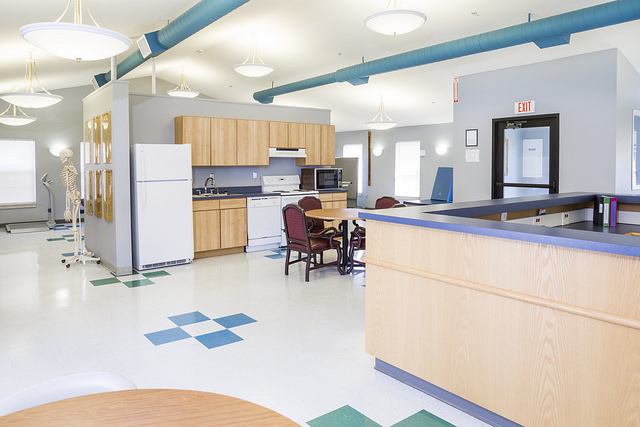
How is Altercare Coshocton Inc. Staffed?

CMS rates ALTERCARE COSHOCTON INC.'s staffing level at 2 out of 5 stars, which is below average compared to other nursing homes. Staff turnover is 52%, compared to the Ohio average of 46%.

What Have Inspectors Found at Altercare Coshocton Inc.?

State health inspectors documented 14 deficiencies at ALTERCARE COSHOCTON INC. during 2021 to 2024. These included: 13 with potential for harm and 1 minor or isolated issues.
Who Owns and Operates Altercare Coshocton Inc.?

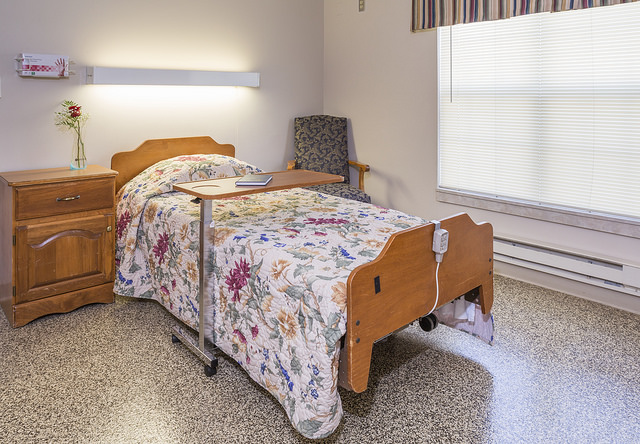
ALTERCARE COSHOCTON INC. is owned by a for-profit company. For-profit facilities operate as businesses with obligations to shareholders or private owners. The facility is operated by ALTERCARE, a chain that manages multiple nursing homes. With 74 certified beds and approximately 67 residents (about 91% occupancy), it is a smaller facility located in COSHOCTON, Ohio.

How Does Altercare Coshocton Inc. Compare to Other Ohio Nursing Homes?

Compared to the 100 nursing homes in Ohio, ALTERCARE COSHOCTON INC.'s overall rating (5 stars) is above the state average of 3.2, staff turnover (52%) is near the state average of 46%, and health inspection rating (4 stars) is above the national benchmark.

What Should Families Ask When Visiting Altercare Coshocton Inc.?

Based on this facility's data, families visiting should ask: "Can you walk me through typical staffing levels on day, evening, and night shifts?" "Can I visit during a mealtime to observe dining assistance and food quality?" "How do you handle medical emergencies, and what is your hospital transfer rate?" "Can I speak with family members of current residents about their experience?" These questions are particularly relevant given the below-average staffing rating.

Is Altercare Coshocton Inc. Safe?

Based on CMS inspection data, ALTERCARE COSHOCTON INC. has a clean safety record: no substantiated abuse findings (meaning no confirmed cases of resident harm), no Immediate Jeopardy citations (the most serious violation level indicating risk of serious injury or death), and is not on the Special Focus Facility watch list (a federal program monitoring the lowest-performing 1% of nursing homes). The facility has a 5-star overall rating and ranks #1 of 100 nursing homes in Ohio. While no facility is perfect, families should still ask about staff-to-resident ratios and recent inspection results during their visit.

Do Nurses at Altercare Coshocton Inc. Stick Around?

ALTERCARE COSHOCTON INC. has a staff turnover rate of 52%, which is 6 percentage points above the Ohio average of 46%. Moderate turnover is common in nursing homes, but families should still ask about staff tenure and how the facility maintains care continuity when employees leave.

Was Altercare Coshocton Inc. Ever Fined?

ALTERCARE COSHOCTON INC. has no federal fines on record. CMS issues fines when nursing homes fail to meet care standards or don't correct problems found during inspections. The absence of fines suggests the facility has either maintained compliance or corrected any issues before penalties were assessed. This is a positive indicator, though families should still review recent inspection reports for the full picture.

Is Altercare Coshocton Inc. on Any Federal Watch List?

ALTERCARE COSHOCTON INC. is not on any federal watch list. The most significant is the Special Focus Facility (SFF) program, which identifies the bottom 1% of nursing homes nationally based on persistent, serious quality problems. Not being on this list means the facility has avoided the pattern of deficiencies that triggers enhanced federal oversight. This is a positive indicator, though families should still review the facility's inspection history directly.