SIGNATURE HEALTHCARE OF COSHOCTON
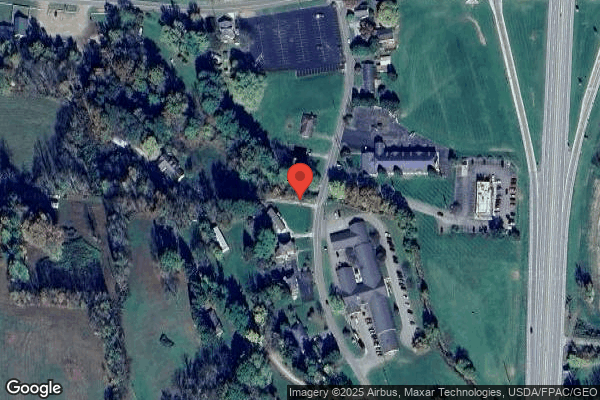
100 SOUTH WHITEWOMAN STREET, COSHOCTON, OH 43812 (740) 622-1220
For profit - Corporation 72 Beds SIGNATURE HEALTHCARE Data: November 2025 1 Immediate Jeopardy citation
Trust Grade
23/100
#779 of 913 in OH
Last Inspection: October 2024

Within standard 12-15 month inspection cycle. Federal law requires annual inspections.

Overview

Signature Healthcare of Coshocton has received a Trust Grade of F, indicating significant concerns and a poor overall performance. Ranking #779 out of 913 facilities in Ohio puts them in the bottom half, and they are the lowest-ranked option in Coshocton County. Although the facility's trend is improving, with a decrease in issues from 18 in 2024 to just 2 in 2025, they still face serious challenges. Staffing is a critical weakness, with a low rating of 1 out of 5 stars and a high turnover rate of 61%, which is concerning compared to the Ohio average of 49%. Additionally, the facility has incurred $60,645 in fines, indicating compliance problems, and there are alarming incidents, such as a resident being physically assaulted by another resident due to inadequate supervision and concerns about food safety practices in the kitchen. On the positive side, they provide more RN coverage than 90% of Ohio facilities, which helps catch issues that other staff might miss.

Trust Score
F
23/100
In Ohio
#779/913
Bottom 15%
Safety Record
High Risk
Review needed
Inspections
Getting Better
18 → 2 violations
Staff Stability
⚠ Watch
61% turnover. Above average. Higher turnover means staff may not know residents' routines.
Penalties
○ Average
$60,645 in fines. Higher than 50% of Ohio facilities. Some compliance issues.
Skilled Nurses
○ Average
Each resident gets 40 minutes of Registered Nurse (RN) attention daily — about average for Ohio. RNs are the most trained staff who monitor for health changes.
Violations
⚠ Watch
38 deficiencies on record. Higher than average. Multiple issues found across inspections.
★★☆☆☆
2.0
Overall Rating
★☆☆☆☆
1.0
Staff Levels
★★★★★
5.0
Care Quality
★★☆☆☆
2.0
Inspection Score
Stable
2024: 18 issues
2025: 2 issues

The Good

  • 5-Star Quality Measures · Strong clinical quality outcomes
  • Full Sprinkler Coverage · Fire safety systems throughout facility
  • No fines on record

Facility shows strength in quality measures, fire safety.

The Bad

2-Star Overall Rating

Below Ohio average (3.2)

Below average - review inspection findings carefully

Staff Turnover: 61%

15pts above Ohio avg (46%)

Frequent staff changes - ask about care continuity

Federal Fines: $60,645

Above median ($33,413)

Moderate penalties - review what triggered them

Chain: SIGNATURE HEALTHCARE

Part of a multi-facility chain

Ask about local staffing decisions and management

Staff turnover is elevated (61%)

13 points above Ohio average of 48%

The Ugly 38 deficiencies on record

1 life-threatening
Jun 2025 1 deficiency
CONCERN (F) 📢 Someone Reported This

A family member, employee, or ombudsman was alarmed enough to file a formal complaint

Potential for Harm - no one hurt, but risky conditions existed

Food Safety (Tag F0812)

Could have caused harm · This affected most or all residents

**NOTE- TERMS IN BRACKETS HAVE BEEN EDITED TO PROTECT CONFIDENTIALITY** Based on medical record review, observations, staff interviews, and facility policy review the facility failed to maintain sanit...

Read full inspector narrative →
**NOTE- TERMS IN BRACKETS HAVE BEEN EDITED TO PROTECT CONFIDENTIALITY** Based on medical record review, observations, staff interviews, and facility policy review the facility failed to maintain sanitary conditions in the kitchen during meal service by not wearing facial hair covering and handling food with bare hands. This affected one resident (Resident #5) and had the potential to affect all residents residing in the facility. The facility census was 54. Findings Include: A review of the medical record for Resident #5 revealed an admission on [DATE] with diagnoses including but not limited to dementia, weakness, and indigestion. Resident #5 required assistance from staff to complete activities of daily living (ADL) tasks and was independent with eating. A review of Resident #5's physician orders revealed an order dated 05/15/25 for a regular, mechanical soft texture, thin liquids consistency diet and preferred small portions. A review of Resident #5's admission Minimum Data Set (MDS) assessment dated [DATE] revealed Section K - Swallowing/Nutritional Status was marked as receiving a mechanically altered diet. A review of Resident #5's plan of care dated 05/21/25 revealed Resident #5's dental status as having no teeth requiring soft textured foods and mechanically altered textured foods. Observation on 06/12/25 at 11:30 A.M. revealed [NAME] #222 preparing Resident #5 a cheeseburger for the lunch meal. [NAME] #222 placed a slice of bread on the plate using bare fingers. [NAME] #222 placed a scoop of ground meat onto the slice of bread using a serving scoop and then picked up a slice of cheese with bare fingers and placed the cheese on top of the ground meat. [NAME] #222 finished preparing the sandwich by placing the other slice of bread on top of the cheese with bare fingers. An interview on 06/12/25 at 11:40 A.M. with [NAME] #357 confirmed [NAME] #222 did not use gloves or utensils to handle the slices of bread and the cheese while preparing Resident #5's cheeseburger during service of the lunch meal. An observation during the lunch meal service tray line on 06/12/25 from 11:20 A.M. to 11:50 A.M. revealed [NAME] #222 and [NAME] #351 were standing behind the steam table preparing trays and serving food. Both [NAME] #222 and [NAME] #351 had facial hair that was not covered by a beard covering. An interview on 06/12/25 at 11:40 A.M. with [NAME] #357 confirmed both [NAME] #222 and [NAME] #351 had uncovered facial hair while preparing meal trays and serving food. An interview on 06/12/25 at 11:50 A.M. with the Dietary Manager (DM) #246 revealed [NAME] #222 should have used gloves or a utensil while preparing Resident #5's cheeseburger when handling the slices of bread and the slice of cheese. DM #246 also stated facial hair should be covered while preparing and serving food and there were beard covers available for use in the kitchen. A review of the facility's food handling policy dated 09/01/21 revealed food would be stored, prepared, handled and served so that the risk of foodborne illness was minimized. Review of the resident diet list provided by the facility revealed all residents received food prepared in the kitchen. This deficiency represents non-compliance investigated under Complaint Number OH00166119.
Apr 2025 1 deficiency
CONCERN (D) 📢 Someone Reported This

A family member, employee, or ombudsman was alarmed enough to file a formal complaint

Potential for Harm - no one hurt, but risky conditions existed

Pressure Ulcer Prevention (Tag F0686)

Could have caused harm · This affected 1 resident

Based on medical record review and staff interview the facility failed to ensure weekly skin inspections were completed as indicated in the resident's comprehensive care plan. This affected one (Resid...

Read full inspector narrative →
Based on medical record review and staff interview the facility failed to ensure weekly skin inspections were completed as indicated in the resident's comprehensive care plan. This affected one (Resident #54) of three residents reviewed for skin impairment. The facility census was 53. Findings include: Review of the Resident #54's closed medical record revealed an admission date of 01/07/25 with diagnoses that included fall with nasal fracture, influenza A, cerebrovascular accident and traumatic brain injury. Further review of the medical record including weekly skin inspections revealed inspections completed upon admission and again on 01/15/25. No further skin inspections were completed. Resident #54 discharged home from the facility on 02/01/25. Review of the care plan titled potential for altered skin integrity indicated an intervention of weekly skin inspections to be completed. On 04/07/25 at 1:10 P.M. interview with the Director of Nursing verified weekly skin inspections were not completed for Resident #54 on 01/22/25 and 01/29/25 as indicated in the care plan. This deficiency represents non-compliance investigated under Complaint Number OH00162463.
Oct 2024 12 deficiencies
CONCERN (D)

Potential for Harm - no one hurt, but risky conditions existed

Report Alleged Abuse (Tag F0609)

Could have caused harm · This affected 1 resident

Based on self-reported incident review, medical record review, interview and policy review the facility failed to ensure allegations of abuse were reported to the state survey agency in a timely manne...

Read full inspector narrative →
Based on self-reported incident review, medical record review, interview and policy review the facility failed to ensure allegations of abuse were reported to the state survey agency in a timely manner. This affected one (Resident #26) of one residents reviewed for abuse. The facility census was 57. Findings include: Review of Resident #26's medical record revealed an admission date of 03/29/22 with admission diagnoses that included anoxic brain injury, schizoaffective disorder and bipolar disorder. Review of Resident #26's Minimum Data Set (MDS) 3.0 assessment with a reference date of 08/28/24 revealed the resident had an independent and intact cognition level. Review of the facility on-line self reported incidents (SRI) revealed on 09/30/24 the facility created an SRI for Resident #26 for an allegation of physical abuse. Review of the facility investigation revealed the abuse allegation was reported to staff by Resident #26 on 09/27/24. Review of progress notes for Resident #26 revealed on 09/27/24 the resident made an allegation of physical abuse related to her family hitting her in the face. Resident #26 was assessed at that time and no findings of injury or abuse was found. On 10/09/24 at 2:50 P.M. interview with the Director of Nursing and Administrator verified the allegation of abuse was reported on 09/27/24 and the SRI report not created until 09/30/24. Review of the facility policy Abuse, Neglect and Misappropriation of Property with a revision date of 07/06/22 indicated facility reporting guidelines, any abuse allegation must be reported to state (survey agency) within two hours from the time the allegation was received.
CONCERN (D)

Potential for Harm - no one hurt, but risky conditions existed

Assessment Accuracy (Tag F0641)

Could have caused harm · This affected 1 resident

**NOTE- TERMS IN BRACKETS HAVE BEEN EDITED TO PROTECT CONFIDENTIALITY** Based on medical record review and interview, the facility failed to ensure the Minimum Data Set (MDS) assessment accurately ref...

Read full inspector narrative →
**NOTE- TERMS IN BRACKETS HAVE BEEN EDITED TO PROTECT CONFIDENTIALITY** Based on medical record review and interview, the facility failed to ensure the Minimum Data Set (MDS) assessment accurately reflected medication and pertinent diagnosis. This affected two residents (#6 and #9) of five residents reviewed for unnecessary medications. Findings include: 1. Review of the medical record revealed Resident #6 was admitted to the facility on [DATE]. Diagnoses included schizoaffective disorder, dysphagia, chronic kidney disease, low back pain, and muscle wasting and atrophy. Review of a physician order, dated 07/30/24, revealed the order for Tramadol 50 milligrams (mg), one tablet every six hours, as needed for pain. Review of the August and September 2024 Medication Administration Records (MAR) revealed Resident #6 received Tramadol 50 mg, one tablet, on 08/30/24, 09/02/24, and 09/03/24. Review of the quarterly Minimum Data Set (MDS) assessment, dated 09/05/24, revealed that Resident #6 received an opioid for zero days during the seven day look-back period. Interview on 10/08/24 at 3:24 P.M. with MDS/Registered Nurse (RN) #190 verified the MDS assessment, dated 09/05/24, contained an inaccurate assessment of Resident #6's opioid use. 2. Record review revealed Resident #9 was admitted to the facility on [DATE]. The resident's current diagnoses included schizoaffective disorder, major depressive, general anxiety, intellectual disabilities, and lack of expected normal physiological development disorder. Review of a psychiatry progress note dated 05/23/24 revealed the staff were to monitor anxiety and schizophrenia. Review of Resident #9's physician note dated 05/31/24 revealed the resident's diagnoses included schizophrenia, bipolar disorder, major depression, and anxiety. Review of Minimum Data Set (MDS) 3.0 dated 06/05/24 revealed no evidence of an active diagnosis of anxiety. Interview on 10/09/24 at 9:00 A.M., with Registered Nurse (RN) #190 confirmed the MDS dated [DATE] did not include an active diagnosis of anxiety.
CONCERN (D)

Potential for Harm - no one hurt, but risky conditions existed

PASARR Coordination (Tag F0644)

Could have caused harm · This affected 1 resident

**NOTE- TERMS IN BRACKETS HAVE BEEN EDITED TO PROTECT CONFIDENTIALITY** Based on medical record review and staff interview, the facility failed to ensure a Pre-admission Screening and Resident Review ...

Read full inspector narrative →
**NOTE- TERMS IN BRACKETS HAVE BEEN EDITED TO PROTECT CONFIDENTIALITY** Based on medical record review and staff interview, the facility failed to ensure a Pre-admission Screening and Resident Review (PASRR) document accurately reflected diagnoses. This affected two (Resident #6 and Resident #9) of three residents reviewed for PASRR documents. The census was 57. Findings Include: 1. Review of the medical record revealed Resident #6 was admitted to the facility on [DATE]. Diagnoses included schizoaffective disorder, dysphagia, chronic kidney disease, low back pain, and muscle wasting and atrophy. Review of the quarterly Minimum Data Set (MDS) assessment, dated 09/05/24, revealed the resident had intact cognition and a diagnosis of anxiety disorder. Review of Resident #6's PASRR document, dated 08/24/23, revealed under Section E, there was no check mark selected to indicate the diagnosis of anxiety. Review of the resident's diagnosis list revealed the diagnosis of anxiety on 08/13/20. Review of a physician order, dated 01/03/24, revealed the order for Clonazepam 0.5 milligrams (mg), every night, for anxiety. Interview on 10/08/24 at 11:05 A.M. with Social Services Director #132 confirmed Resident #6's PASRR document was not accurate and did not indicate the diagnosis of anxiety. 2. Record review revealed Resident #9 was admitted to the facility on [DATE]. The resident current diagnoses included schizoaffective disorder (10/12/18), bipolar disorder (10/12/18), major depressive disorder (10/12/18), general anxiety (10/12/18), intellectual disabilities (10/12/18), lack of expected normal physiological developmentof disorder (10/12/18). Review of Resident #9 Preadmission Screening and Resident Review (PASRR) dated 10/08/18 revealed no evidence any type of mental illness or intellectual disability. There was no evidence a PASRR was completed after 10/08/18. Review of Resident #9 Minimum Data Set (MDS) 3.0 dated 06/05/24 revealed the resident was not currently considered by the state level II PASRR process to have serious mental illness/and or intellectual disability or a related condition. The resident's active diagnoses included schizophrenia and intellectual disabilities. There was no evidence of an active diagnoses of bipolar type schizophrenia or general anxiety. Review of Resident #9's physician note dated 05/31/24 revealed the resident's diagnoses included schizophrenia, bipolar disorder, major depression, and anxiety. Review of psychiatry progress noted dated 05/23/24 revealed the staff were to monitor anxiety and schizophrenia. Review of Resident #9's current orders dated 10/20/24 revealed the resident was ordered Paliperidone 6 milligrams (mg) daily (anti-psychotic), and Trazodone (anti-depressant) 25 mg at bedtime. Review of Resident #9's plan of care for schizophrenia/schizo-affective bi-polar type dated 12/13/23 and last reviewed 09/18/24 revealed the resident exhibits concerning behaviors, such as reporting hearing voices and seeing individuals in his room. Reports they argue loudly amongst themselves. Reports they do not speak to him but if he tells them to shut up then they do yell at him. Approach included: Psychosis: Observe for/report any signs and symptoms of psychosis: confusion, disorientation, delusions, hallucinations, impulsivity, inappropriate social behavior, obsessions, phobias, suspiciousness, and ritual behavior Depression: Observe for/report any signs and symptoms of depression i.e. sadness, tearfulness, hopelessness, anger, loss of interest in preferred activities, sleep disturbance, overwhelming fatigue, increased/decreased appetite, increased complaints of pain, and isolation Anxiety: Observe / Report signs and symptoms of anxiety: restlessness, pacing, and poor impulse control. Interview on 10/08/24 at 9:32 A.M., with Social Worker (SW) #132 confirmed Resident #9's last PASRR was completed 10/08/18 and did not include his mental or intellectual disability. The SW confirmed the resident would trip for a screening for level II services with his current diagnoses. Review of the facility's policy and procedure tilted PASRR dated 09/15/23 revealed a PASRR was a federal requirement to help ensure that individuals are not inappropriate placed in nursing homes for long term care. The initial pre-screening would be completed prior to admission to the nursing facility. If a significant change in status assessment occurs for an individual condition a referral for a PASRR level evaluation. A referral should be made as soon as the criteria indicating such are evident.
CONCERN (D)

Potential for Harm - no one hurt, but risky conditions existed

Deficiency F0698 (Tag F0698)

Could have caused harm · This affected 1 resident

Based on record review, and staff interview, the facility failed to ensure there was consistent communication between the facility and the dialysis center regarding a resident's hemodialysis treatment...

Read full inspector narrative →
Based on record review, and staff interview, the facility failed to ensure there was consistent communication between the facility and the dialysis center regarding a resident's hemodialysis treatments. This affected one (Resident #52) of one resident reviewed for dialysis. Resident #52 was the only resident in the facility receiving dialysis treatments. The facility census was 57. Findings include: Review of the medical record for Resident #52 revealed an admission date of 07/12/24. Diagnoses included end stage renal disease, essential hypertension, and type two diabetes mellitus with diabetic nephropathy. Review of Resident #52's October 2024 Physician orders revealed orders for the resident to receive outpatient dialysis on Monday, Wednesday and Friday every weekly. The resident has been receiving dialysis three times a week since his admission to the facility. Review of Resident #52's Care Plan dated 08/30/24 revealed the resident has a diagnosis of chronic renal failure and has the potential for complications from hemodialysis. Interventions included outpatient dialysis on Monday, Wednesday, and Friday, and communicate with dialysis center regarding medication, diet, and lab results. Review of Resident # 52 dialysis communication log from August, September, and October 2024 revealed missing communication logs from 09/04/24, 09/09/24, 09/13/24, 09/27/24, and 09/30/24. The logs contain information such as the residents code status, transfer time, allergies, mental status, medications, skin issues, bruit and thrill (bruit is the sound of bloodflow that is heard with a stethoscope and caused by the sound of blood flowing through a vessel and thrill is the vibration caused by blood flowing through the fistula and can be felt by placing your fingers just above the incision line. The indicate a dialysis fistula is working), infection, vitals and pre and post dialysis weights. Interview on 10/09/24 on 2:18 P.M. the Administrator confirmed the facility could not locate Resident #52's dialysis communication logs from 09/04/24, 09/09/24, 09/13/24, 09/27/24, and 09/30/24.
CONCERN (D)

Potential for Harm - no one hurt, but risky conditions existed

Deficiency F0757 (Tag F0757)

Could have caused harm · This affected 1 resident

Based on interview, record review, and pharmacy recommendations the facility failed to timely address pharmacy recommendation related to Resident #3's pain medication and lab work. This affected one (...

Read full inspector narrative →
Based on interview, record review, and pharmacy recommendations the facility failed to timely address pharmacy recommendation related to Resident #3's pain medication and lab work. This affected one (#3) of five residents reviewed for unnecessary medications. The facility census was 57. Findings include: Review of the medical record for Resident #3 revealed an admission date of 07/20/22. Diagnoses included type two diabetes mellitus, pain in left hip, and non-pressure chronic ulcer of other part of left foot. Review of Resident #3's Pharmacy Recommendation dated 01/05/24 stated to please evaluate the following as needed medications and assess proper parameters (i.e. pain scale 1-10) to identify which medication to administer or consider discontinuation of one of the agents. The agents listed were acetaminophen 325 mg take two every six hours as needed for pain and tramadol 50 mg as need for pain. Review of Resident #3's Pharmacy Recommendation dated 08/04/24 stated to please be sure the following lab results are posted in the chart as they were unavailable during the of review. The lab listed was for a Hemoglobin A1C (HbA1c) (blood test that measures a person's average blood sugar) every three months. Review of Resident #3's October 2024 physician orders revealed orders for tramadol 50 milligrams (mg) every six hours as needed for pain, acetaminophen 1000 mg as needed three times a day and insulin glargine solution eight units subcutaneous daily before bedtime. The resident's tramadol and acetaminophen did not have pain parameters listed. Review of Resident #3's lab work revealed the facility had not obtained a HbA1c. Interview on 10/10/24 at 8:55 A.M. Regional Care Consultant # 189 verified Resident #3's tramadol and acetaminophen did not have pain parameters in place as requested in the pharmacy recommendation. Interview on 10/10/24 at 1:07 P.M. the facility's DON confirmed the facility missed the pharmacy recommendation stating to obtain a HbA1c every three months. She verified the lab was not completed.
CONCERN (D)

Potential for Harm - no one hurt, but risky conditions existed

Deficiency F0760 (Tag F0760)

Could have caused harm · This affected 1 resident

**NOTE- TERMS IN BRACKETS HAVE BEEN EDITED TO PROTECT CONFIDENTIALITY** Based on medical record review, interview and policy review the facility failed to ensure residents were free of significant med...

Read full inspector narrative →
**NOTE- TERMS IN BRACKETS HAVE BEEN EDITED TO PROTECT CONFIDENTIALITY** Based on medical record review, interview and policy review the facility failed to ensure residents were free of significant medication errors. This affected one resident (Resident #13) of five residents reviewed for unnecessary medication use. The facility census was 57. Findings included: Medical record review revealed Resident #13 was admitted to the facility on [DATE] with diagnoses including infection and inflammatory reaction due to other internal orthopedic prosthetic devices, implants and grafts, subsequent encounter, acute Infection, infection following a procedure, other surgical site, subsequent encounter, and pain. 1. Review of Resident #13's admission orders dated 08/21/24 revealed the resident was ordered vancomycin 2,000 milligrams (mg) intravenous (IV) twice daily for a spinal surgical wound infection. The wound culture grew Enterococcus Faecalis, Candida Albicans, and Staph Haemolyticus . Additional orders for the central line (special access to administer intravenous medication) included to change dressing weekly and as needed, may obtain blood draws from central line, change IV tubing daily, flush with 10 milliliters of normal saline before and after medication administration and blood draws, and to monitor site for signs and symptoms of infection every shift. Review of Resident #13's medication administration record (MAR) dated 08/2024 revealed the resident didn't receive the second dose of vancomycin 2,000 mg on 08/21/24 (first scheduled dose after admission to the facility) or the first scheduled dose of the day on 08/22/24. The resident also did not receive the first scheduled dose of the day on 08/27/24 due to it was not available. Review of Resident #13's progress note dated 08/22/2024 revealed the resident had not received IV antibiotics due to not being available in the emergency medication kit. The medication was requested to be drop shipped this morning around 7:00 A.M. This nurse called again as medication was still not here by 12:00 P.M. Pharmacy stated medication were just going out the door when the writer called around 1:00 P.M. There was no documented evidence the infectious disease physician or the facility's physician was notified. Review of Resident #13's progress note dated 08/27/24 revealed the nurse went in to to administer the morning dose of vancomycin and there were no doses left (for administration). The nurse called pharmacy to get the doses drop shipped. Medications came around 3:00 P.M., so the morning dose was not given. Nurse Practitioner was in house and aware. There was no documented evidence the infectious disease doctor was notified until 08/28/24. 2. Review of Resident #13's progress note dated 09/05/24 revealed the infectious disease pharmacist called regarding Resident #13's laboratory results (to monitor the antibiotic levels in the resident's blood). The pharmacist was advised the facility's pharmacy had re-dosed the vancomycin from 2 grams (gram) to 1.7 grams (documentation error the vancomycin was decreased to 1.75 grams on 09/03/24 by the facility's pharmacist). The infectious disease pharmacist advised (the nurse) to hold the night (dose on 09/05/24) and morning dose (on 09/06/24) of vancomycin and re-draw trough level (vancomycin level). Review of Resident #13's MAR dated 09/2024 revealed no evidence the vancomycin was held on 09/05/26 for the P.M. dose or the A.M. dose on 09/06/24 perthe infectious disease pharmacist recommendation on 09/05/24. Review of Resident #13's progress note dated 09/06/24 revealed the infectious disease pharmacist returned the nurse's call regarding laboratory results. The pharmacist asked if the doses were held as previously ordered. Upon investigation the vancomycin was not held and no orders were written to hold. New orders were received to hold tonight's vancomycin dose and to start 1.25 mg every 12 hours and re-draw labs on Monday (09/07/24). The pharmacist continued to state the infectious disease pharmacist would like to take care of the vancomycin dosing because they do it a little differently than the facility's pharmacist. The nurse voiced understanding, and the pharmacist gave the nurse his contact information and fax number to send the laboratory results to. Interview on 10/10/24 at 12:03 P.M., with the Director of Nursing (DON) verified the infectious disease pharmacist was not notified the resident didn't receive the vancomycin on the night of 08/21/24 or the morning of 08/22/24. The DON confirmed the resident didn't receive the morning dose on 08/27/24 and the P.M. dose was not held on 09/05/24 or the morning dose on 09/06/24 per verbal orders from the infection preventionist pharmacist. Review of the facility's policy titled Medication Administration dated 09/2018 revealed to administer medication in accordance to written orders per the prescriber.
CONCERN (D)

Potential for Harm - no one hurt, but risky conditions existed

Deficiency F0761 (Tag F0761)

Could have caused harm · This affected 1 resident

2. Observation 10/08/24 at 7:40 A.M. revealed the facility's Director of Nursing (DON) administered medication to Resident #7. While in the room, whom she shares with Resident #35, a pill cup with sev...

Read full inspector narrative →
2. Observation 10/08/24 at 7:40 A.M. revealed the facility's Director of Nursing (DON) administered medication to Resident #7. While in the room, whom she shares with Resident #35, a pill cup with several pills on Resident #35's bedside table. The DON asked the resident what the pills were doing there, and the resident responded that the nurse gave them to her earlier, but she liked to take them with her breakfast, so they were left on her bedside table. The DON removed the cup of pills and stated she would bring them back when she was ready for them. Review of Resident #35's morning medication revealed she was to receive aspirin 81 milligrams (mg), budesonide 3 mg, cholecalciferol 125 micrograms (mcg), clopidogrel 75 mg, cyclobenzaprine 5 mg, folic acid 1 mg, furosemide 20 mg, losartan 25 mg, metoprolol succinate 25 mg, omeprazole 20 mg, oystershell calcium 500 mg, potassium chloride 10 mcg, preservation 250-90-40-1mg, ropinirole 0.25 mg, and metoclopramide HCL 5 mg. Interview on 10/08/24 at 7:40 A.M. with the DON revealed the night shift nurse got Resident #35's medication ready and left them on her nightstand to take. She confirmed medication is not supposed to be left unattended and the nurse should have verified the resident #35 took all her medications at the time of administration. Review of the facility policy Medication Administration General Guidelines dated 09/18 revealed medications must be administered at the time they are prepared. Based on medical record review, observation, interview, and policy review revealed the facility failed to ensure medications were stored appropriately. This had the potential to affect all 57 residing in facility. Findings included: 1. Observation on 10/07/24 at 2:04 P.M. revealed the Sycamore Valley medication cart was left unlocked and unattended. The nurse (Licensed Practical Nurse (LPN) #158) was observed in a room with a resident, which was at the other end of the hall. Interview on 10/07/24 at 2:04 P.M., with State Tested Nurse's Aide (STNA) #162 confirmed the medication cart was unlocked and unattended. Review of the facility's policy tilted Medication Administration dated 09/2018 revealed the medication cart is kept closed and locked when out of sight of the medication nurse.
CONCERN (D)

Potential for Harm - no one hurt, but risky conditions existed

Dental Services (Tag F0791)

Could have caused harm · This affected 1 resident

**NOTE- TERMS IN BRACKETS HAVE BEEN EDITED TO PROTECT CONFIDENTIALITY** Based on medical record review, observation, interview, and policy review the facility failed to ensure a resident received dent...

Read full inspector narrative →
**NOTE- TERMS IN BRACKETS HAVE BEEN EDITED TO PROTECT CONFIDENTIALITY** Based on medical record review, observation, interview, and policy review the facility failed to ensure a resident received dental services timely. This affected one (Resident #11) of one reviewed for dental services. Findings included: Record review revealed Resident #11 was admitted to the facility on [DATE] with hemiplegia and hemiparesis following cerebral infarction affecting left non-dominant side, gastro-esophageal reflux disease without esophagitis, and need for assistance with personal care. Review of Resident #11's face sheet revealed the resident's primary insurance was Medicaid. Review of Resident #11's progress notes revealed on 09/04/24 the Social Worker (SW) #132 was notified Resident #11 needed to see a dentist related to losing a bottom right filling. Review of Resident #11's progress note dated 09/05/24 revealed the resident had voiced complaints of right-sided mouth pain due to a filling lost from a tooth. The resident requested as needed Tylenol. The medication was administered and effective. Review of Resident #11's progress note dated 09/14/24 revealed the resident had voiced complaints of right-sided mouth pain. As needed Tylenol was administered. The resident stated it was his tooth on the bottom right side of his mouth due to the filling came out. Review of Resident #11's progress note dated 09/17/24 revealed the nurse entered the resident's room and the resident requested Tylenol and stated his mouth was hurting. As needed Tylenol administered. The resident asked when this was going to get taken care of. The nurse told resident to ask the day team in the morning. Review of Resident #11's progress note dated 09/18/24 revealed the resident had complaints of tooth pain this morning. Tylenol given for pain relief, left message with the SW #132 for update on getting the resident into a dentist. Review of Resident #11's progress note dated 09/22/24 revealed the resident had voiced complaints of right bottom tooth pain, the resident had requested as needed Tylenol at night stating it helps to take the edge off so he could sleep. Tylenol administered and effective. Review of Resident #11's progress note dated 09/29/24 revealed the resident complained of tooth pain rated a five out of ten (on a 0-10 pain scale with 0 being no pain and 10 being the worst pain). Tylenol given per order and pain decreased to 3/10. Review of Resident #11's medical record revealed no evidence a dental appointment was made. Review of Resident #11's care plan revealed no evidence of a dental plan of care. Interview on 10/07/24 at 9:54 A.M., with Resident #11 revealed he was having mouth pain due to a filling had fallen out of his right back tooth. The resident reported he requested to see a dentist but was told he would have to wait until the facility dentist visited again. The resident reported he has been taking Tylenol for the pain. Interview on 10/09/24 at 8:32 A.M., interview with SW #132 revealed he was aware the resident had dental issues, but he had spoken to the resident and explained to the resident he would have to wait longer to get into a local dentist because he was not an established patient anywhere local, and it would be faster to see the facility's dentist on 12/17/24. The SW reported he didn't complete an emergency referral form with the facility's dentist because he didn't think the resident would have meet criteria to have an emergency visit due to, he did not have an infection, fever, nor was on antibiotics. The SW confirmed he didn't attempt to get the resident an appointment without an outside dentist either. Interview on 10/09/24 at 8:58 A.M., with Resident #11 confirmed it hurt to chew on the right back side of his tooth due to the pain. The resident reported he must chew on his front teeth. The resident wanted the surveyor to see the tooth, but it was hard to visualize. The gums around the back three teeth on the right were white and the other surrounding gums were pink. The resident reported he doesn't think the gums were swollen. Interview on 10/09/24 at 10:10 A.M., with SW #132 reported he called a local dental office today and they would see the resident today. The SW reported he was unaware until today the local dentist office would see Medicaid resident and they told him they would see any resident as soon as possible. Review of dental policy and procedure dated 03/28/24 revealed the facility would assist residents in obtaining routine and emergency dental care as needed. The facility would assist in getting emergency dental services for each resident as needed.
CONCERN (D)

Potential for Harm - no one hurt, but risky conditions existed

Deficiency F0810 (Tag F0810)

Could have caused harm · This affected 1 resident

**NOTE- TERMS IN BRACKETS HAVE BEEN EDITED TO PROTECT CONFIDENTIALITY** Based on observation, record review, and interview, the facility failed to provide an appropriate assistive device to maintain/i...

Read full inspector narrative →
**NOTE- TERMS IN BRACKETS HAVE BEEN EDITED TO PROTECT CONFIDENTIALITY** Based on observation, record review, and interview, the facility failed to provide an appropriate assistive device to maintain/improve the ability to eat independently. This affected one (Resident #5) of two residents reviewed for mobility/restorative. Findings include: Review of the medical record revealed Resident #5 was admitted to the facility on [DATE] with diagnoses including hemiplegia and hemiparesis following cerebral infarction affecting left nondominant side, muscle wasting and atrophy, lack of coordination, and cognitive communication deficit. Review of the Minimum Data Set (MDS) assessment, dated 08/21/24, revealed Resident #5 was cognitively intact. There were no behaviors or rejection of care. The resident was receiving hospice services. Review of the Care Plan, dated 01/30/24, revealed Resident #5 was limited in ability to eat and drink related to weakness, cerebral infarction with left-sided hemiplegia, and dysphagia with interventions including to provide diet as ordered and eating assistance. Review of physician order, dated 07/25/24, revealed the diet order with instructions for a small maroon spoon with meals. Observation on 10/08/24 at 8:16 A.M. revealed Resident #5 sitting in bed eating breakfast, which included oatmeal. Resident #5 was observed using a regular spoon and not a small maroon spoon (assistive device) as ordered by the physician. Interview on 10/08/24 at 8:22 A.M. with Regional Registered Nurse (RN) Consultant #189 confirmed Resident #5 did not have a small maroon spoon (assistive device) available as ordered by the physician. Interview on 10/08/24 at 8:40 A.M. with Dietary Manager #121 confirmed Resident #5's current diet order included a small maroon spoon to be provided with meals.
CONCERN (D)

Potential for Harm - no one hurt, but risky conditions existed

Infection Control (Tag F0880)

Could have caused harm · This affected 1 resident

**NOTE- TERMS IN BRACKETS HAVE BEEN EDITED TO PROTECT CONFIDENTIALITY** Based on observation, interview, record review, and policy review the facility failed to ensure Enhanced Barrier Precautions (EB...

Read full inspector narrative →
**NOTE- TERMS IN BRACKETS HAVE BEEN EDITED TO PROTECT CONFIDENTIALITY** Based on observation, interview, record review, and policy review the facility failed to ensure Enhanced Barrier Precautions (EBP) were in place for Resident #261 who was admitted with a chronic venous ulcer. This affected one (Resident #261) of one residents reviewed for wounds. The facility census was 57. Finding include: Review of the medical record for Resident #261 revealed an admission date of 09/11/24. Diagnoses included unspecified venous ulcer, cellulitis, morbid obesity, and peripheral vascular disease. Review of Resident #261 wound assessment dated [DATE] revealed the resident had a right ankle unspecified venous ulcer measuring three centimeters (cm) length by three cm width and 0.1 cm deep. The wound was noted to have light exudate of serosanguineous (pale red to pink, thin and watery) drainage. Review of Resident #261 October 2024 physician orders revealed the resident did not have an order in place for EBP. Observations on 10/07/24 at 9:29 A.M. and 03:43 P.M. revealed the Resident #261 did not have a EBP sign on the door or available Personal Protective Equipment (PPE) close to the resident's door. Interview on 10/07/24 at 3:43 P.M. the facility's Director of Nursing verified Resident #261 was admitted with a venous ulcer and EBP should be in place. Review of the facility policy, Enhanced Barrier Precaution Policy dated 03/25/24 revealed the policy is intended to facilitate maintaining a safe, sanitary, and comfortable environment and to help and manage transmission of diseases and infection. EBP are indicated for residents who have chronic wounds and or indwelling medical devices regardless of MDRO status.
CONCERN (F)

Potential for Harm - no one hurt, but risky conditions existed

Menu Adequacy (Tag F0803)

Could have caused harm · This affected most or all residents

Based on review of invoices, review of alternative menu, review of the contract, observation, and interviews the facility failed to ensure alternate menu items were available. This had the potential t...

Read full inspector narrative →
Based on review of invoices, review of alternative menu, review of the contract, observation, and interviews the facility failed to ensure alternate menu items were available. This had the potential to affect all 57 residents residing in the facility. Findings included 1. Interview on 10/07/24 at 9:45 A.M., with Resident #24 revealed the facility doesn't honor food alternatives ordered. Interview on 10/07/24 at 1:17 P.M., with Resident #46 revealed the facility was always out of menu and alternative food items. The other day the facility was out of lettuce and orange juice. The facility quit providing cottage cheese as well, which was on the alternative menu. Interview and observation on 10/08/24 at 8:48 A.M., with Resident #20 revealed he was told the facility was no longer providing residents with cottage cheese and he would have to buy his own. The resident reported he loved cottage cheese and had been purchasing his own. Interview on 10/08/24 at 8:48 A.M. with State Tested Nurse's Aide (STNA) #176 revealed he was told the facility was out of cottage cheese last week, but he was unaware the facility was no longer providing cottage cheese. Review of the alternative menu undated revealed tossed salad and cottage cheese were listed on the menu. Review of the last three months of food invoices revealed the last time cottage cheese was ordered was 09/17/24. Interview on 10/09/24 at 12:12 P.M., with District Manager #129 revealed the dietary department was contracted out with her company. Per the contract her company only provided items based on the approved menu. She was not aware cottage cheese was on the alternative menu, and she would have the dietary manger order it. She doesn't recommend the facility to purchase food from the local stores when they run out and encourage the staff to ask residents if they would like an alternative. She recommended staff to ask residents if they were at home and didn't have what they wanted to eat, what would they eat instead of what they wanted. Review of the food service contract dated 04/25/21 revealed all food and supplies would be prepared and served by the contracted company four-week menu and alternative menu. Resident choice meals are included and should be items in line with normal menu offering. Items that exceed normal meal budget such as prime rib and steak are not available as choice of meal and would be consider and exclusion. The always available menu includes side salad and fruit and cottage cheese plate. 2. Interview with Resident #56 on 10/07/24 at 2:07 P.M. revealed alternate food items are not always available, including cottage cheese. Review of Resident #56's medical record revealed an admission date of 09/10/24 with diagnoses that included endocarditis, diabetes mellitus, and sepsis. Further review of the medical record including Minimum Data Set (MDS) 3.0 admission assessment with a reference date of 09/16/24 indicated the resident had an intact and independent cognition level. Review of the facility food delivery invoices revealed that cottage cheese was last delivered on 09/17/24. Review of the facility alternate food item list revealed cottage cheese was available per resident request. Interview with the facility certified dietary manager (DM) #121 on 10/09/24 at 10:25 A.M., verifies last cottage cheese ordered and received was on 09/17/24, facility does not have any cottage cheese at this time and it is on the alternate item menu.
CONCERN (F)

Potential for Harm - no one hurt, but risky conditions existed

Food Safety (Tag F0812)

Could have caused harm · This affected most or all residents

Based on observation and interview the facility failed to ensure the ice machine was maintained and cold air-vents were cleaned. This had the potential to affect all 57-resident residing in the facili...

Read full inspector narrative →
Based on observation and interview the facility failed to ensure the ice machine was maintained and cold air-vents were cleaned. This had the potential to affect all 57-resident residing in the facility. Findings included Observation on 10/09/24 at 12:12 P.M., of the kitchen with revealed the three cold air ducts and one duct no longer used were visibly dusty. Additional observations revealed the bottom drainpipe for the ice machine was running into the floor drainpipe. There was no gap between the ice machine drainpipe and floor drainpipe. The floor drainpipe was clogged and filled with stagnant water filling, backing into the ice machine drainpipe. Findings confirmed during observation with District Manager #129. Review of the food service contract 04/25/21 revealed the contracted company was responsible for providing labor to perform menu and recipes development, procuring, handling, inventorying and storing food and related supplies, preparing, staging, and transporting meals to resident dining areas, and cleaning and sanitizing.
Jun 2024 3 deficiencies
CONCERN (D) 📢 Someone Reported This

A family member, employee, or ombudsman was alarmed enough to file a formal complaint

Potential for Harm - no one hurt, but risky conditions existed

Deficiency F0757 (Tag F0757)

Could have caused harm · This affected 1 resident

**NOTE- TERMS IN BRACKETS HAVE BEEN EDITED TO PROTECT CONFIDENTIALITY** Based on review of the medial record, review of the facility investigation, interview with the staff, and facility policy review...

Read full inspector narrative →
**NOTE- TERMS IN BRACKETS HAVE BEEN EDITED TO PROTECT CONFIDENTIALITY** Based on review of the medial record, review of the facility investigation, interview with the staff, and facility policy review the facility failed to ensure Resident #58 was administered the correct medication. This affected one resident (#58) of three residents reviewed for medication errors. The facility census was 54. Findings include: Review of the medical record revealed Resident #58 was admitted to the facility on [DATE]. Diagnoses include cellulitis of the left upper limb, urinary tract infection, cognitive communication deficit, dysphagia, hypertension, dementia, atherosclerotic heart disease, chronic kidney disease, and atrial fibrillation with pacemaker. She was discharged against medical advice on 06/23/24. Further review of the medical record revealed Resident #58 was allergic to caffeine, chocolate flavoring, codeine sulfate, and meclizine. There was no Minimum Data Set information available. Review of the vital signs for Resident #58 revealed on 06/12/24 her baseline vital signs were blood pressure 130/68, respirations 16, heart rate 72, and oxygen saturation level 96 percent on room air. Review of the progress note dated 06/13/24 at 9:40 A.M. revealed at 8:28 A.M. the nurse reported a medication error. The medication error occurred at approximately 7:37 A.M. The nurse on the floor notified the family. The Nurse Practitioner (NP) was contacted with orders to give Narcan as needed if respirations were lower than 10 per minute and does not improve with arousal, and if the Narcan was given to send the resident to the emergency room. Do vital signs every 30 minutes until 1:00 P.M., then every hour until 5:00 P.M., then every two hours until 1:00 A.M. then every four hours until 1:00 P.M. then discontinue, one liter of normal saline running at 75 milliliters an hour until completed one bag, hepatic and kidney function test to be drawn on 6/14/24, then again on 6/17/24, and monitor for respiratory distress (shallow respirations, rapid breathing, fast heart rate). The pharmacy was called and updated on the medication error and additional side effects facility needed to monitor for. This nurse relayed orders given from NP, and per the pharmacy, the orders were appropriate. Review of the post incident vital signs on 06/13/24 at 10:10 A.M. revealed the vital signs for Resident #58 were, blood pressure 135/68 respiration 18, heart rate 85, and oxygen saturation level 91 percent on room air. Review of the facility event report dated 06/13/24 at 6:20 P.M. revealed at 8:28 A.M. Resident #58 was given another resident's medication. The post event assessment revealed Resident #58 was lethargic/drowsy. She received new orders to give Narcan as needed if respirations are lower than 10 per minute and does not improve with arousal, and if the Narcan was given to send the resident to the emergency room. Do vital signs every 30 minutes until 1:00 P.M., then every hour until 5:00 P.M., then every two hours until 1:00 A.M. then every four hours until 1:00 P.M. then discontinue, one liter of normal saline running at 75 milliliters an hour until completed one bag, hepatic and kidney function test to be drawn on 6/14/24, then again on 6/17/24, and monitor for respiratory distress (shallow respirations, rapid breathing, fast heart rate). She was administered mycophenolate 500 milligrams (mg) (organ rejection medication), Cyclosporine 50 mg (organ rejection medication), Famotidine 10 mg (heartburn medication), Ativan 0.5 mg (antianxiety medication), Magnesium oxide 400 mg (supplement), Morphine 60 mg (narcotic pain medication), Nystatin 100,000 units swish and swallow (antifungal), and Prednisone 5 mg one (steroid) in error. Review of the facility investigation revealed on 06/13/24 at approximately 8:28 A.M. revealed Nurse #100 reported she gave the wrong medication to Resident #58 at 7:37 A.M. The medications were reviewed by the NP, and she ordered to give Narcan as needed if respirations are lower than 10 per minute and does not improve with arousal, and if the Narcan was given to send the resident to the emergency room. Do vital signs every 30 minutes until 1:00 P.M., then every hour until 5:00 P.M., then every two hours until 1:00 A.M. then every four hours until 1:00 P.M. then discontinue, one liter of normal saline running at 75 milliliters an hour until completed one bag, hepatic and kidney function test to be drawn on 6/14/24, then again on 6/17/24, and monitor for respiratory distress (shallow respirations, rapid breathing, fast heart rate). The family was updated on the medication error. After thorough investigation the root cause was determined to be Nurse #100 did not practice the six rights to medication administration. Review of the progress note dated 06/15/24 at 10:50 A.M. revealed Resident #58 (only assessment documented on incident) continues to be lethargic but responsive with no respiratory distress noted. Her vital signs continue to be monitored. Review of the June 2023 physician's orders revealed Resident #58 had orders to give Narcan as needed if respirations are lower than 10 per minute and do not improve with arousal, and if the Narcan was given to send the resident to the emergency room. Do vital signs every 30 minutes until 1:00 P.M., then every hour until 5:00 P.M., then every two hours until 1:00 A.M. then every four hours until 1:00 P.M. then discontinue, one liter of normal saline running at 75 milliliters an hour until completed one bag, hepatic and kidney function test to be drawn on 6/14/24, then again on 6/17/24, and monitor for respiratory distress (shallow respirations, rapid breathing, fast heart rate) dated 06/13/24. Review of the June 2023 medication administration records (MAR) revealed Resident #58 never had to be administered the Narcan. On 06/29/24 at 1:10 P.M. an interview with the Director of Nursing (DON) confirmed Resident #58 received the wrong medication. She stated they did not have to give her the Narcan, and the only change in her condition was her oxygen level dropping a little. Review of the facility policy titled, Medication Discrepancies, dated 11/06/19, revealed medication discrepancies were documented and reported to the resident's attending physician. Director of Nursing, responsible party and Performance Improvement Committee. In addition to reporting discrepancies that resulted in the resident receiving an incorrect medication, medication discrepancies that have the potential for but do not actually result in the resident receiving an incorrect medication were documented and report. This deficiency represents non-compliance investigated under Complaint Number OH00154888.
CONCERN (D) 📢 Someone Reported This

A family member, employee, or ombudsman was alarmed enough to file a formal complaint

Potential for Harm - no one hurt, but risky conditions existed

Infection Control (Tag F0880)

Could have caused harm · This affected 1 resident

Based on observations and interview with staff the facility to ensure staff used proper hand hygiene during medication administration. This affected three residents (#25, #51, and #54) of eight reside...

Read full inspector narrative →
Based on observations and interview with staff the facility to ensure staff used proper hand hygiene during medication administration. This affected three residents (#25, #51, and #54) of eight residents reviewed for medication administration. The facility census was 54. Findings include: Observations of medication administration on 06/29/24 at 11:07 A.M. revealed Nurse #101 administered medication to Resident #51, left her room, went to the medication cart in the hallway, and hugged a visitor in the hallway. She went down the hall to another unit, and she stopped at a resident's room and shook hands with a resident's family member then she went out to the medication cart and started to set up medication for Resident #54 without washing her hands. She removed a capsule of gabapentin from the card with her bare hand and put it into the medication cup and started to walk towards the resident's room. She was stopped by the surveyor to administer a new capsule of gabapentin. Nurse #101 stated she did not even realize she used her hands to pop the capsule out of the medication card. She administered a new gabapentin to Resident #54. She left the room of Resident #54 and went back out into the hallway to the medication cart and proceeded to set up medication for Resident #25 without washing her hands. She administered the medication to Resident #25 and went back out into the hallway and then went into the restroom by the nurse's station and washed her hands. On 06/29/24 at 11:41 A.M. an interview with Nurse #101 confirmed she had not washed her hands while administering medications to Residents #25, #51 and #54. This deficiency was an incidental finding identified during the complaint investigation.
CONCERN (E) 📢 Someone Reported This

A family member, employee, or ombudsman was alarmed enough to file a formal complaint

Potential for Harm - no one hurt, but risky conditions existed

Deficiency F0761 (Tag F0761)

Could have caused harm · This affected multiple residents

Based on observation, interview with staff, and review of the facility policy the facility failed to ensure three medication carts were locked when unattended. This had the potential to affect 12 resi...

Read full inspector narrative →
Based on observation, interview with staff, and review of the facility policy the facility failed to ensure three medication carts were locked when unattended. This had the potential to affect 12 residents (#1, #5, #18, #22, #24, #32, #33, #42, #46, #51, #55, and #56) who were cognitively impaired and independently mobile residents. The facility census was 54. Findings include: Observation of the Buckeye Unit on 06/29/24 at 7:50 A.M. revealed three medication carts (#2, #3 and #4) were sitting outside the nurse's station unlocked and unattended. On 06/29/24 at 8:05 A.M. an interview with Nurse #101 confirmed she had left the medication carts unlocked while she went to the restroom. Review of the facility policy titled, Medication Storage-Storage of Medication, dated 01/23, revealed medications and biologicals were stored properly, following manufacturers or providers pharmacy recommendations, to maintain their integrity and to support safe effective drug administrations. The medication supply would be accessible only to licensed nursing personnel, pharmacy personnel or staff members lawfully authorized to administer medications. To limit access to prescription medication, only licensed nurses, pharmacy staff and those lawfully authorized to administer medications were allowed access to medication cats. Medication rooms, cabinets and medication supplies should remain locked when not in use or attended to by persons with authorized access. This deficiency was an incidental finding identified during the complaint investigation.
May 2024 3 deficiencies 1 IJ
CRITICAL (J) 📢 Someone Reported This

A family member, employee, or ombudsman was alarmed enough to file a formal complaint

Immediate Jeopardy (IJ) - the most serious Medicare violation

Free from Abuse/Neglect (Tag F0600)

Someone could have died · This affected 1 resident

**NOTE- TERMS IN BRACKETS HAVE BEEN EDITED TO PROTECT CONFIDENTIALITY** Based on observation, medical record review, review of a facility Self-Reported Incident (SRI) and investigation, review of the ...

Read full inspector narrative →
**NOTE- TERMS IN BRACKETS HAVE BEEN EDITED TO PROTECT CONFIDENTIALITY** Based on observation, medical record review, review of a facility Self-Reported Incident (SRI) and investigation, review of the facility's abuse policy titled Abuse, Neglect and Misappropriation of Property, and interviews with staff, residents and the authorities, the facility failed to ensure Resident #2 was free from an incident of resident-to-resident abuse. This resulted in Immediate Jeopardy and physical and psychosocial harm on 04/21/24 at approximately 7:45 A.M., when Resident #2, was physically abused/assaulted by Resident #3. Resident #3 struck Resident #2 multiple times resulting in two facial lacerations with bleeding, a laceration to the lower lip, and multiple hematomas (bruises) to the resident's bilateral arms, upper portion of her breasts, and upper chest wall. The incident occurred in the dining room where there were no staff present. Resident #2 also sustained psychosocial harm as a result of the incident, verbalizing her fear of reoccurrence, asking for her room to be inspected for the presence of Resident #3, with no evidence of psychosocial support following the incident resulting in Resident #2 isolating herself from attending preferred activities and meals. Following the incident, Resident #2 was not provided timely medical/hospital evaluation and the facility failed to notify the physician, failed to timely notify the authorities, and failed to ensure appropriate interventions were implemented to ensure resident safety. This affected one resident (#2) of six residents reviewed for abuse. The facility census was 58. On 05/02/24 at 3:56 P.M. the Administrator, Director of Nursing (DON), Regional DON #702, and [NAME] President of Clinical Operations #703 were notified Immediate Jeopardy began on 04/21/24 when Resident #3 initiated a physical altercation with Resident #2, striking Resident #2 multiple times resulting in two facial lacerations with bleeding, a laceration to the lower lip, and multiple hematomas (bruises) to the resident's bilateral arms, upper portion of her breasts, and upper chest wall. The incident occurred in the dining room where there were no staff present. The facility failed to provide appropriate interventions to prevent further verbal and/or physical interactions between other residents and Resident #3, failed to make any staffing changes related to staffing/supervision of cognitively impair residents and/or residents with physical/verbal behaviors while in the dining room prior to breakfast and failed to ensure Resident #2 received timely and appropriate aftercare following the resident-to-resident physical abuse. The Immediate Jeopardy was removed on 05/02/24 when the facility implemented the following corrective actions: • On 05/02/24 at 11:20 A.M. 1:1 supervision was initiated for Resident #3 with one staff member assigned for supervision of the resident. Additional staff were added to the shifts (as needed) to ensure monitoring occurred until the resident's discharge. The following staff provided 1:1 supervision through discharge on [DATE]: State Tested Nursing Assistant (STNA) #130, #148, #160, and Activities Staff #160. • On 05/02/24 at 11:30 A.M. an Ad-Hoc Quality Assurance Performance Improvement (QAPI) meeting was held. Regional DON #702 and VPCO #703 educated the Administrator, DON, Medical Director #701, Business Office Manager (BOM) #96, Therapy Manager #95, SSD #100, the ADON, LPN #132, Dietary Manager (DM) #92, Plant Operations (PO) #90, Activities Director #91 on the facility abuse policy, Centers for Medicare and Medicaid abuse reporting guidelines, future expectations with reporting abuse and completing investigations. Topics also discussed during the meeting were resident behaviors and care planned interventions as well as the facility removal plan. QAPI committee meetings would be held weekly for weeks, beginning 05/02/24 then monthly for recommendations and further follow-up regarding the removal plan based upon evaluation of audits and observations. Audits would continue to be submitted to the QAPI committee for review and to ensure compliance goals. QAPI committee reserved the right to modify or extend monitoring times according to outcomes. The Administrator was responsible for the oversight of this plan to ensure ongoing compliance. Any issues identified thru the audits would be reviewed and revised thru the facility QAPI process. • On 05/02/24 at approximately 12:00 P.M. the DON and Licensed Practical Nurse (LPN) #132 completed a record review for all 57 residents (the current census on 05/02/24) for behavioral diagnosis including but not limited to traumatic brain injury (TBI), dementia and schizophrenia with no newly identified residents at risk for resident-to-resident abuse through diagnoses. • On 05/02/24 at 12:00 P.M. LPN #132 reviewed residents (Residents #51, #27, #49, #20, #60, #9, #17, #35, #32, #36, #13, #2, #8, #29, #38, #23, #64, #6, #54, and #58) determined to be at risk for potential aggressive behaviors to ensure care planned interventions were appropriate. • On 05/02/24 at 12:11 P.M. Resident #3 was placed in a private room by Plant Director #158 and Medical Records #126. • On 05/02/24 at approximately 1:00 P.M. the Director of Nursing spoke with Resident #6 (the resident who witnessed the incident between Resident #3 and Resident #2) to offer emotional/psychosocial support, but the resident declined. • On 05/02/24 at approximately 4:30 P.M. facility resident profiles for residents at risk for potential aggressive behaviors (Residents #51, #27, #49, #20, #60, #9, #17, #35, #32, #36, #13, #2, #8, #29, #38, #23, #64, #6, #54, and #58) were updated to reflect care planned interventions to be followed when caring for a resident with a behavioral care plan by SSD #100, LPN #132 and/or the ADON. • On 05/02/24 at 5:15 P.M. Resident #2 was evaluated by Physician #810 regarding the incident with Resident #3 via telehealth. The provider's 05/02/24 progress note indicated there were no lasting effects (as of this date) from the incident. There were no current updates made to the resident's care plan and no new orders were received. • On 05/02/24 by 7:00 P.M. all 82 staff (17 nurses, 23 STNA, two Activity Aides, 14 Department Managers, two Agency Nurses, 12 therapy, seven dietary and five housekeeping/laundry) were educated by the Administrator, DON or ADON either in-person or by phone regarding the facility abuse policy and reporting abuse to the Administrator (the facility abuse coordinator). • On 05/02/24 by 7:00 P.M. all nursing staff (17 nurses, 23 STNA and two agency nurses) were educated either in person or via phone on access to resident care plans by SSD #100, LPN #132, the DON, or the Assistant Director of Nursing (ADON). A hand-out was also provided regarding how to access the information and the staff who received education via phone will receive the hand-out on their next scheduled shift. Staff will also be required to show a return demonstration or recite the process on their next scheduled shift. The resident profiles are in the electronic medical record (EMR). • Beginning 05/02/24 the facility implemented a plan that any facility initiated Self Reportable Incident(s) and facility investigation(s) would be escalated to regional support, Regional DON #702, and [NAME] President of Clinical Operations (VPCO) #703 for review to ensure the facility policy was followed. • Beginning 05/02/24, a plan for Social Services Designee (SSD) #100 to conduct weekly psychosocial follow-up with Resident #2 was implemented to ensure no lingering effects from the incident had occurred. Follow up would be completed for four weeks. • Beginning 05/02/24 the DON, ADON, and/or LPN #132 would review all new admissions for behavior risks. Auditing would be completed by the Director of Nursing/Assistant Director of Nursing and/or LPN #132 five days a week for the next eight weeks then three times a week for four weeks for all residents, which includes all new admissions. • Beginning 05/02/24, the Director of Nursing, ADON and/or LPN #132 would review/audit all nursing staff documentation including progress notes, events, observations, and Care Assist documentation to ensure all residents with behaviors have care planned interventions to ensure safety. Auditing would be completed on all current residents five days a week for eight weeks, then three times a week for four weeks. • On 05/03/24 at 4:45 P.M. Resident #3 was discharged to a sister facility related to the resident's behavioral health needs. • On 05/06/24 at approximately 12:00 P.M. the Administrator, DON, Medical Director #701, Business Office Manager (BOM) #96, Therapy Manager #95, SSD #100, the ADON, LPN #132, Dietary Manager (DM) #92, Plant Operations (PO) #90, and Activities Director #91 conducted an audit (questionnaire) of current interviewable residents, whose Brief Interview for Mental Status (BIMS) score was eight and higher with no reported incidents of abuse and the residents interviewed indicated they felt safe within the facility. Non-interviewable residents (#27, #71, #47, #9 and #58), received a skin assessment on 05/02/24. Although the Immediate Jeopardy was removed on 05/02/24, the facility remained out of compliance at a Severity Level 2 (no actual harm with potential for more than minimal harm that is not Immediate Jeopardy) as the facility was in the process of implementing their corrective action plan and monitoring to ensure on-going compliance. Findings include: Review of the medical record for Resident #2 revealed an admission date of 02/23/15 with diagnoses including schizoaffective disorder, bipolar type, anxiety, major depressive disorder, personality disorder, cognitive communication disorder, dysphagia (difficulty swallowing), heart failure, muscle weakness, and seizure disorder. Review of the care plan dated 08/07/20 revealed Resident #2 had verbal behaviors including making disruptive noises that were sometimes directed toward others, screaming at others, cursing, and yelling out Mary and moaning or humming. Interventions included sitting with the resident and diverting attention away from disruptive noises/screaming and supervising/monitoring at all meals due to the resident's poor self-monitoring and impulsivity with eating. Review of the quarterly Minimum Data Set (MDS) assessment dated [DATE] revealed Resident #2 had a Brief Interview for Mental Status (BIMS) score of 09 of 15, indicating the resident had moderately impaired cognition. The MDS assessment revealed the resident had no psychosis or rejection of care. The assessment also indicated the resident had daily behavioral symptoms not directed toward others (examples given included verbal/vocal symptoms like screaming and disruptive sounds. Review of Resident #2's nursing progress note dated 04/21/24 at 7:45 A.M. (recorded as a late entry on 04/23/24 at 11:55 A.M.), authored by the DON, revealed STNA #102 brought Resident #2 up to her in a wheelchair and her assessment revealed bright red blood on the resident's face, hands, mouth, and clothes. The resident stated, I didn't do anything, Resident #3 attacked me. An abrasion was noted to the left cheek measuring approximately 2.0 centimeters (cm) by 0.5 cm by 0.1 cm and an abrasion was noted to the left side of the nose measuring approximately 1.0 cm by 0.5 cm x 0.1 cm. Areas were cleansed with wound cleanser and steri-strips were applied. Resident #2 was noted to be visibly upset after the altercation and requested to eat lunch in her room. The resident complained of pain and as needed (prn) medication was administered. Review of the Medication Administration Record (MAR) for April 2024 revealed Resident #2 was administered Tramadol 50 milligrams one tablet on 04/21/24 at 4:51 P.M. (somewhat effective) and again at 9:16 P.M. (effective). There was no mention of the pain medication administration in the nursing progress notes. Review of the MAR for April 2024 revealed the resident was administered Tramadol 50 mg on 04/22/24 at 7:45 A.M. (no assessment of the resident's pain) and no documentation of the resident's Tylenol administration on the MAR. Review of Resident #2's nursing progress note dated 04/22/24 at 12:56 P.M., authored by LPN #152, revealed Resident #2 was noted to have increased pain and did not want to go to the dining room for lunch. Tramadol prn was given this morning and Tylenol prn was given at noon. Review of Resident #2's nursing progress note dated 04/22/24 at 5:50 P.M. (recorded as a late entry on 04/23/24 at 2:59 P.M.), authored by LPN #152, revealed STNA alerted the nurse to come into Resident #2's room where scattered bruising was noted to the bilateral forearms and chest, related to the previous incident. The note indicated there were no complaints of pain or discomfort. Review of Resident #2's nursing progress note dated 04/22/24 at 8:45 P.M. (recorded as a late entry on 04/23/24 at 1:27 A.M.), authored by RN #110, revealed this RN was alerted by Nurse Practitioner (NP) #700 of Resident #2 having multiple injuries during an altercation with Resident #3. During assessment with NP #700, a scratch was noted to the left cheek, measuring approximately 12 cm and another scratch beside of it, measured approximately 4 cm, a laceration of the left side of the lip, two distinct fingerprint bruises to the right forearm, two bruises to the left forearm, two bruises to the left upper breast and two bruises to the left breast, a bruise to the left, flank area. Order received from NP #700 to cleanse the scratches and lip laceration and to apply triple antibiotic ointment to those areas daily and prn. An order was also received to obtain x-rays of the face and chest. The police were called due to resident-to-resident altercation and a police officer came and interviewed the residents. Review of Resident #2's progress note dated 04/22/24 at 9:00 P.M. (recorded as late entry on 04/23/24 at 1:13 A.M.), authored by NP #700, revealed Resident #2 was seen for a routine/regular visit. During assessment, Resident #2 was observed to have two scratches on her face, measuring approximately two to three inches in length with dried blood noted. Bruising to the bilateral arms and anterior chest, and a laceration to the inside of the bottom, left, lateral lip was noted. Resident #2 stated she was in a fight with another resident at the facility on the morning of 04/21/24. Resident disclosures and injuries were reported to the facility RN and DON. Injuries and skin assessment performed with RN #110. Attempted to notify attending physician/medical director #701 with message left requesting a call back. New treatment orders for an x-ray of the facial bones due to trauma/visible injury, a chest x-ray due to visible injury and pain, wound care to abrasions/scratches to face with wound cleanser and antibiotic ointment to be applied. Review of the medical record for Resident #3 revealed an admission date of 12/13/22 with diagnoses including diffuse traumatic brain injury (TBI) with loss of consciousness, major depressive disorder, and mood disorder, anxiety disorder, and muscle weakness. Review of the care plan dated 12/13/22 revealed Resident #3 had a diagnosis of anxiety and depression and experienced instances of feelings of dread/apprehension, little interest or pleasure in doing things, behavioral symptoms such as yelling/cursing at others, manipulation and making inappropriate comments. Interventions included to monitor/report signs and symptoms of anxiety, restlessness, pacing, poor impulse control, and fear/apprehension. Review of the care plan dated 12/20/22 revealed the resident had a memory/recall problem related to cognitive loss, history of TBI, experienced behavioral symptoms, and will yell/curse at others. Interventions included redirecting resident when entering unsafe areas. Review of the care plan dated 12/27/22 revealed the resident had behavior problems related to attention seeking, was non-compliant with the smoking policy and protocols, had physically burned another person during a smoke break, hid cigarettes on her person, was verbally aggressive at times with other residents and staff, made false statements regarding staff and other residents, and was not easily directed. Interventions included to observe for triggers of inappropriate behaviors and alter environment as needed. Review of the quarterly Minimum Data Set (MDS) assessment dated [DATE] revealed Resident #3 had a Brief Interview for Mental Status (BIMS) score of 14 of 15, indicating intact cognition. The MDS assessment revealed the resident had no psychosis or rejection of care. Record review revealed Resident #3 had a history of behaviors, including the following incidents: On 01/21/23 (recorded as late entry on 01/22/23 at 7:15 P.M.), authored by RN #110, revealed this nurse was alerted by two residents there was an incident out in the smoking area. Upon investigation, Resident #3 became angry and verbally abusive to Resident #13 and STNA #169. Resident #3 continued to cuss at both individuals and then ultimately tried to burn Resident #13 with a cigarette, when STNA #169 tried to protect Resident #13, Resident #3 burned STNA #169 numerous times on purpose. Resident #3 confirmed she was trying to hurt both individuals and stated she was cussing and trying to burn people with her cigarette because she was mad at them for telling her to move out of the doorway as other residents were trying to go back inside to get out of the cold weather. Review of Resident #3's nursing progress note, dated 04/15/24 at 5:18 A.M., authored by RN #131, revealed when STNA went into room to check the resident and tried to get the resident up, when Resident #3 started swinging and kicking at the STNA. STNA came and got this nurse to assist. Resident #3 kept kicking and yelling that she don't give a {expletive} if she was wet and was not getting up. The resident was not laying in a wet bed but continued to fight. The resident's roommate was awakened by her yelling. Review of Resident #3's nursing progress note, dated 04/21/24 at 2:11 P.M. (recorded as late entry on 04/23/24 at 1:13 P.M., authored by the DON, revealed the resident was noted to be sitting in the lobby discussing the altercation with other residents. This nurse redirected the resident, and the re-direction was unsuccessful. The note indicated will continue to monitor. Review of Resident #3's nursing progress note, dated 04/22/24 at 9:56 P.M. (recorded as late entry on 04/23/24 at 6:34 P.M.), authored by RN #110, revealed NP #700 asked this RN to go with her to see Resident #3 and interview her related to the altercation with Resident #2. Resident #3 admitted to grabbing, hitting, and scratching Resident #2 because she was upset with her. Resident #3 stated Resident #2 smacked her in the left eye twice, however, no injuries were observed. Review of a facility Self-Reported Incident (SRI), tracking number 24658, with a discovery and submission date of 04/21/24, revealed an allegation/suspicion of physical abuse, with the initial source of the allegation being a resident victim and a resident witness, was reported to the State Survey Agency. The SRI indicated on 04/21/24 at 7:45 A.M. in the dining room, Resident #2 alleged Resident #3 attacked her. There were no staff present during the alleged attack. The only witness was Resident #6. Facility interview with Resident #3 revealed Resident #2 attacked her by pulling her oxygen off and saying, I'm gonna kill you, {expletive}. Facility interview with Resident #2 revealed she didn't do anything, and Resident #2 attacked her. The SRI indicated the initial skin inspection of Resident #2 revealed scratches to the left cheek and left side of her nose, with no other injuries noted. The following day, on 04/22/24, bruises to the chest and bilateral forearms were noted. Resident #2 requested to eat lunch in her room on the day of the allegation due to being fearful of another attack by Resident #3. Facility staff walked with Resident #2 to the dining room daily to ensure she felt safe. The SRI noted a 72-hour psychosocial evaluation was completed (the facility was unable to provide evidence this was completed), and Resident #2 showed no signs or symptoms of adverse reactions related to the event unless she was reminded of the allegation; when this happened, she would state that she was scared, but showed no signs of uneasiness, fearfulness, tearfulness, and attempts to walk to the dining room with staff accompanying her. The facility investigator was listed as the DON. Review of Resident #6's witness statement, dated 04/21/24 (without the time documented), indicated the statement was verbally given to the DON and the ADON and revealed Resident #2 came over and sat down and started moaning when Resident #6 and Resident #3 asked her to stop. Resident #2 said, you're not my boss. Resident #3 went over to Resident #2 and Resident #2 said, I'm gonna kill you (expletive) and took Resident #3's oxygen off. Resident #3 then scratched Resident #2. Review of Resident #2's witness statement, dated 04/21/24 (without the time documented), indicated the statement was verbally given to the DON and the ADON and revealed Resident #2 stated that she did not do anything, and Resident #3 attacked her. Review of Resident #3's witness statement, dated 04/21/24 (without the time documented), indicated the statement was verbally given to the DON and the ADON and revealed Resident #2 told Resident #3, I'm gonna kill you {expletive}. No other information was provided regarding the investigation. Interview on 04/29/24 at 1:50 P.M. with STNA #101 revealed she was assigned to care for Resident #2 on the next day (on 04/22/24) following the resident-to-resident altercation. STNA #101 stated after she toileted Resident #2, she noticed several bruises on the resident's chest and breast, and immediately notified LPN #152, who took pictures of the bruises and reported the bruising to the DON. STNA #101 further stated that following the incident with Resident #3, Resident #2 had cried and verbalized fear of going to the dining room or common areas alone. She shared the resident verbalized her fear the following day and her fear continued. STNA #101 stated that following the incident, Resident #2 mainly eats meals in her room and would only eat in the dining room if staff stays with her the entire time. Observation of Resident #2 on 04/29/24 at 1:54 P.M. with STNA #101, revealed seven greenish/purple-colored bruises, varying in size, located on the bilateral chest wall and upper breast area were noted on Resident #2. There was a hematoma noted on the right forearm, and scattered bruising noted to both forearms. Two separate lacerations were observed, one on the left side of the resident's nose, and the other on the left cheek. At the time of the observation, interview with Resident #2 revealed the resident voiced she did not feel safe leaving her room because she was afraid to get hit again by Resident #3. Resident #2 was tearful and stated to the surveyor, I'm scared. On 04/30/24 at 11:05 A.M., an interview with the DON revealed she was administering medications on the morning of 04/21/24 at approximately 7:45 A.M. (she was working as a floor nurse due to staffing needs) when STNA #102 brought Resident #2 to her from the dining room. The DON revealed she observed a scratch on Resident #2's left cheek and the side of her nose. The DON stated Resident #2 told her that Resident #3 attacked her and that she didn't know why, because she didn't do anything. The DON stated Resident #2 often moans and the moaning probably bothered Resident #3. The DON stated no staff were present in the dining room because breakfast had not been served yet. The DON confirmed several residents including Resident #2 and Resident #3 often go to the dining room before breakfast and were typically unsupervised until breakfast was served. The DON stated, this is their home, we can't stop the residents from going to the dining room. The DON confirmed she did not obtain a witness statement from STNA #102 and was unsure of what happened following the altercation between the residents and prior to Resident #2 being brought to her in a wheelchair by STNA #102. The DON stated following the incident, she notified the on-call physician, but could not recall the provider's name, and did not document the notification in the resident's medical record. The DON stated her skin assessment on 04/21/24 of Resident #2 following the altercation did not include any bruising of the resident's arms, chest, or breasts, or lip laceration and only indicated two scratches on the resident's face. The DON stated when she was later informed of the bruising and lip laceration, she attributed the injuries to the altercation between Resident #2 and Resident #3 and did not believe them to be injuries of unknown origin. On 04/30/24 at 11:30 A.M., interview with Resident #6 revealed he was waiting for breakfast along with Resident #2 and Resident #3 on the morning of 04/21/24. Resident #6 stated Resident #2 was moaning when Resident #3 told her to shut up. Resident #2 replied, make me. Resident #3 went around the table toward Resident #2 and continued telling her to shut up. Resident #3 swung and missed at first, and then Resident #2 tried to pull Resident #3's oxygen off, when Resident #3 scratched Resident #2's face and hit her. Resident #6 revealed there were no staff present in the dining room and Resident #2 went to the kitchen for help because her face was bleeding, and she was crying. The resident could not recall which staff responded to the incident. On 04/30/24 at 2:24 P.M., an interview with Social Services Director (SSD) #100 confirmed he had not followed-up or interviewed Resident #2 or Resident #3 following the incident that occurred on 04/21/24. SSD #100 further stated he had not followed up with either resident because the DON reported to him that she had followed up with both residents. SSD #100 stated Resident #2 came up to him in the hallway (he was unable to recall when this occurred) and showed him her mouth and stated he told the resident, That's terrible, however, there was not a direct conversation about the altercation at that time. On 04/30/24 at 3:34 P.M., interview with the DON revealed on 04/22/24 NP #700 freaked out when she saw Resident #2's bruises and then reported them to RN #110. The DON stated RN #110 took it upon herself to obtain witness statements from all the employees who were working in the facility on the evening of 04/22/24. The DON stated she didn't know why RN #110 obtained the witness statements when the employees were not working at the time of the incident and did not witness the incident between Resident #2 and Resident #3. The DON further revealed NP #700 was no longer working for the facility because she resigned a couple of days following the incident. The DON confirmed the only investigation documentation of the incident was the SRI investigation and report submitted to the State agency. The DON revealed her investigation concluded that abuse did not occur. The DON stated she did not consider the incident to be abuse because she did not think Resident #3 acted willfully and did not intend to injure or hurt Resident #2. The DON further confirmed following the incident, the only resident interviews obtained were from the two residents involved in the altercation and the resident witness. The DON confirmed she did not conduct any additional resident interviews regarding abuse, and other than the skin assessments completed for Resident #2 and Resident #3, no additional skin assessments were completed for non-interviewable residents, and other than the staff interviews obtained by RN #110, no additional staff had been interviewed regarding abuse or the incident. The DON further confirmed Resident #2 and Resident #3's psychiatric providers had not been notified of the altercation and there had been no follow-up from psychiatry for either resident following the incident. On 04/30/24 at 3:35 P.M., an interview with Resident #3 revealed she was in the dining room when Resident #2 was running her mouth and tried to hit her but didn't. Resident #3 stated she told Resident #2 she would make her shut up and then hit her. Resident #3 stated Resident #2 started crying and was bleeding, and then went to the kitchen and told them what had happened. Resident #3 stated a staff member asked her what happened during the incident, but she was unable to recall who had asked. On 04/30/24 at 3:45 P.M., an interview with Dietary Worker (DW) #191 revealed she and DW #190 were getting ready to serve breakfast when Resident #2 came to the kitchen door with blood dripping from her face. DW #191 stated she got a towel for the resident and Dietary Worker #190 went to get a nurse. DW #191 asked Resident #2 what happened, and she said, she hit me and beat me up. When DW #191 asked the resident who beat her up, she pointed to Resident #3. DW #191 then asked Resident #3 what had happened, and Resident #3 said, I hit her because she tried to hit me. DW #191 stated she didn't believe Resident #3, and thought Resident #2 probably irritated Resident #3, and then she hit her and scratched Resident #2. DW #191 stated she has heard Resident #3 tell Resident #2 to shut up before. DW #191 verified when she came out of the kitchen into the dining area, there were no staff present. DW #191 further stated the residents were usually in the dining room without staff until the food was ready to be served, and then staff comes to serve the trays. DW #191 stated every morning the residents come to sit in the dining room, often for one to two hours. DW #191 stated Resident #2 would often get bored and come to the kitchen and ask for coffee, and this calmed her down and helped with her moaning. DW #191 revealed STNA #102 was the aide who came following the incident and helped and cleaned Resident #2. DW #191 revealed Resident #2 would not come to the dining room by herself anymore since the incident happened, and told her, That lady is out there, and I'm scared she will hit me. DW #191 stated Resident #2 would only come to the dining room if an aide was with her but would sit away from the other residents. DW #191 stated, It's sad because she's scared to come alone now. DW #191 shared Resident #2 had enjoyed coming to the dining room every day. On 05/01/24 at 8:40 A.M., an interview with DW #190 revealed she was working in the kitchen on the morning of the incident. DW #190 stated she had heard Resident #3 tell Resident #2 on multiple occasions to shut up and be quiet because of her moaning. On 05/01/24 at 9:40 A.M., an interview with the Administrator confirmed the facility's investigation should have included staff interviews, and all residents should have been interviewed regarding abuse and any resident who could not be interviewed should have had a skin assessment completed. The Administrator further confirmed residents were unsupervised in the dining room when the altercation occurred between Resident #2 and Resident #3. On 05/01/24 at 2:20 P.M., an interview with Resident #14 revealed she often sits
CONCERN (D) 📢 Someone Reported This

A family member, employee, or ombudsman was alarmed enough to file a formal complaint

Potential for Harm - no one hurt, but risky conditions existed

Investigate Abuse (Tag F0610)

Could have caused harm · This affected 1 resident

Based on review of a facility Self-Reported Incident (SRI) and investigation, review of the facility's abuse policy titled, Abuse, Neglect, and Misappropriation of Property, and interviews the facilit...

Read full inspector narrative →
Based on review of a facility Self-Reported Incident (SRI) and investigation, review of the facility's abuse policy titled, Abuse, Neglect, and Misappropriation of Property, and interviews the facility failed to ensure a complete and thorough investigation following an allegation of physical abuse. This affected one (Resident #2) of six residents reviewed for abuse. The facility census was 58. Findings include: Review of the facility Self-Reported Incident (SRI), tracking number 24658, discovery and submission date of 04/21/24, revealed an allegation/suspicion of physical abuse with the initial source of the allegation being a resident victim and a resident witness. The SRI indicated on 04/21/24 at 7:45 A.M. in the dining room, Resident #2 alleged Resident #3 attacked her. There were no staff present during the alleged attack. The only witness was Resident #6. Facility interview with Resident #3 revealed Resident #2 attacked her by pulling her oxygen off and saying, I'm gonna kill you {expletive}. Facility interview with Resident #2 revealed she didn't do anything, and Resident #2 attacked her. Facility interview with Resident #6 revealed Resident #2 was groaning out loud and was told to be quiet and then she threatened Resident #3 and tried to pull her oxygen tubing off, when Resident #3 tried to defend herself by hitting Resident #2. The SRI revealed the initial skin inspection of Resident #2 revealed scratches to the left cheek and left side of nose, with no other injuries noted. The following day, on 04/22/24, bruises to the chest and bilateral forearms were noted. Resident #2 requested to eat lunch in her room on the day of the allegation due to being fearful of another attack by Resident #3. Facility staff walked with Resident #2 to the dining room daily to ensure she felt safe. Resident #3 stated she felt safe in the facility. Resident #3's skin inspection revealed no injuries or concerns. A 72-hour psychosocial evaluation was completed (the facility was unable to provide evidence this intervention was completed), and Resident #2 showed no signs or symptoms of adverse reactions related to the event unless she was reminded of the allegation; when this happens, she will state that she is scared, but shows no signs of uneasiness, fearfulness, tearfulness, and attempts to walk to the dining room with staff accompanying her. The facility's conclusion following investigation revealed the allegation was unsubstantiated and abuse was not suspected. The facility investigator was listed as the Director of Nursing (DON). Review of Resident #6's Witness Statement, dated 04/21/24 (without the time documented), indicated the statement was verbally given to the DON and the ADON and revealed Resident #2 came over and sat down and started moaning when Resident #6 and Resident #3 asked her to stop. Resident #2 said, you're not my boss. Resident #3 went over to Resident #2 and Resident #2 said, I'm gonna kill you {expletive} and took Resident #3's oxygen off. Resident #3 then scratched Resident #2. Review of Resident #2's Witness Statement, dated 04/21/24 (without the time documented), indicated the statement was verbally given to the DON and the ADON and revealed Resident #2 stated that she did not do anything, and Resident #3 attacked her. Review of Resident #3's Witness Statement, dated 04/21/24 (without the time documented), indicated the statement was verbally given to the DON and the ADON and revealed Resident #2 told Resident #3, I'm gonna kill you {expletive}. The facility investigation provided to the surveyor only consisted of the SRI and the statements from Resident #2, #3 and #6. Observation of Resident #2 on 04/29/24 at 1:54 P.M. with STNA #101, revealed seven greenish/purple-colored bruises, varying in size, located on the bilateral chest wall and upper breast area were noted on Resident #2. There was a hematoma noted on the right forearm, and scattered bruising noted to both forearms. Two separate lacerations were observed, one on the left side of the resident's nose, and the other on the left cheek. At the time of the observation, interview with Resident #2 revealed the resident voiced she did not feel safe leaving her room because she was afraid to get hit again by Resident #3. Resident #2 was tearful and stated to the surveyor, I'm scared. On 04/30/24 at 11:05 A.M., an interview with the DON revealed she was administering medications on the morning of 04/21/24 at approximately 7:45 A.M (she was working as a floor nurse due to staffing needs) when STNA #102 brought Resident #2 to her from the dining room. The DON revealed she observed a scratch on Resident #2's left cheek and the side of her nose. The DON stated Resident #2 told her that Resident #3 attacked her and that she didn't know why, because she didn't do anything. The DON stated Resident #2 often moans and the moaning probably bothered Resident #3. The DON stated no staff were present in the dining room because breakfast had not been served yet. The DON confirmed several residents including Resident #2 and Resident #3 often go to the dining room before breakfast and were typically unsupervised until breakfast was served. The DON stated, this is their home, we can't stop the residents from going to the dining room. The DON confirmed she did not obtain a witness statement from STNA #102 and was unsure of what happened following the altercation between the residents and prior to Resident #2 being brought to her in a wheelchair by STNA #102. The DON stated following the incident, she notified the on-call physician, but could not recall the provider's name, and did not document the notification in the resident's medical record. The DON stated her skin assessment on 04/21/24 of Resident #2 following the altercation did not include any bruising of the resident's arms, chest, or breasts, or lip laceration and only indicated two scratches on the resident's face. The DON stated when she was later informed of the bruising and lip laceration, she attributed the injuries to the altercation between Resident #2 and Resident #3 and did not believe them to be injuries of unknown origin. On 04/30/24 at 2:24 P.M., an interview with Social Services Director (SSD) #100 confirmed he had not followed-up or interviewed Resident #2 or Resident #3 following the incident that occurred on 04/21/24. SSD #100 further stated he had not followed up with either resident because the DON reported to him that she had followed up with both residents. SSD #100 stated Resident #2 came up to him in the hallway (he was unable to recall when this occurred) and showed him her mouth and stated he told the resident, That's terrible, however, there was not a direct conversation about the altercation at that time. On 04/30/24 at 3:34 P.M., interview with the DON revealed on 04/22/24 NP #700 freaked out when she saw Resident #2's bruises and then reported them to RN #110. The DON stated RN #110 took it upon herself to obtain witness statements from all the employees who were working in the facility on the evening of 04/22/24. The DON stated she didn't know why RN #110 obtained the witness statements when the employees were not working at the time of the incident and did not witness the incident between Resident #2 and Resident #3. The DON further revealed NP #700 was no longer working for the facility because she resigned a couple of days following the incident. The DON confirmed the only investigation documentation of the incident was the SRI investigation and report submitted to the State agency. The DON revealed her investigation concluded that abuse did not occur. The DON stated she did not consider the incident to be abuse because she did not think Resident #3 acted willfully and did not intend to injure or hurt Resident #2. The DON further confirmed following the incident, the only resident interviews obtained were from the two residents involved in the altercation and the resident witness. The DON confirmed she did not conduct any additional resident interviews regarding abuse, and other than the skin assessments completed for Resident #2 and Resident #3, no additional skin assessments were completed for non-interviewable residents, and other than the staff interviews obtained by RN #110, no additional staff had been interviewed regarding abuse or the incident. The DON further confirmed Resident #2 and Resident #3's psychiatric providers had not been notified of the altercation and there had been no follow-up from psychiatry for either resident following the incident. On 04/30/24 at 3:35 P.M., an interview with Resident #3 revealed she was in the dining room when Resident #2 was running her mouth and tried to hit her but didn't. Resident #3 stated she told Resident #2 she would make her shut up and then hit her. Resident #3 stated Resident #2 started crying and was bleeding, and then went to the kitchen and told them what had happened. Resident #3 stated a staff member asked her what happened during the incident, but she was unable to recall who had asked. On 04/30/24 at 3:45 P.M., an interview with Dietary Worker (DW) #191 revealed she and DW #190 were getting ready to serve breakfast when Resident #2 came to the kitchen door with blood dripping from her face. DW #191 stated she got a towel for the resident and Dietary Worker #190 went to get a nurse. DW #191 asked Resident #2 what happened, and she said, she hit me and beat me up. When DW #191 asked the resident who beat her up, she pointed to Resident #3. DW #191 then asked Resident #3 what had happened, and Resident #3 said, I hit her because she tried to hit me. DW #191 stated she didn't believe Resident #3, and thought Resident #2 probably irritated Resident #3, and then she hit her and scratched Resident #2. DW #191 stated she has heard Resident #3 tell Resident #2 to shut up before. DW #191 verified when she came out of the kitchen into the dining area, there were no staff present. DW #191 further stated the residents were usually in the dining room without staff until the food was ready to be served, and then staff comes to serve the trays. DW #191 stated every morning the residents come to sit in the dining room, often for one to two hours. DW #191 stated Resident #2 would often get bored and come to kitchen and ask for coffee, and this calmed her down and helped with her moaning. DW #191 revealed STNA #102 was the aide who came following the incident and helped and cleaned Resident #2. DW #191 revealed Resident #2 would not come to the dining room by herself anymore since the incident happened, and told her, That lady is out there, and I'm scared she will hit me. DW #191 stated Resident #2 would only come to the dining room if an aide was with her but would sit away from the other residents. DW #191 stated, It's sad because she's scared to come alone now. DW #191 shared Resident #2 had enjoyed coming to the dining room every day. On 05/01/24 at 8:40 A.M., an interview with DW #190 revealed she was working in the kitchen on the morning of the incident. DW #190 stated she had heard Resident #3 tell Resident #2 on multiple occasions to shut up and be quiet because of her moaning. On 05/01/24 at 9:40 A.M., an interview with the Administrator confirmed the facility's investigation should have included staff interviews, and all residents should have been interviewed regarding abuse and any resident who could not be interviewed should have had a skin assessment completed. The Administrator further confirmed residents were unsupervised in the dining room when the altercation occurred between Resident #2 and Resident #3. On 05/01/24 at 2:38 P.M., an interview with NP #700 revealed on the evening of 04/22/24, she went into Resident #2's room for a scheduled, routine visit. NP #700 revealed after she turned the light on, she immediately noticed lacerations on the resident's cheek and nose, both with dry, crusted blood, and a swollen left lip. Resident #2 reported to her that she had gotten into a fight with Resident #3. NP #700 stated the resident also had a handprint on the right arm and multiple bruises on her arms, chest, and upper breast area. NP #700 stated she notified RN #110 of the injuries, and they proceeded to do a complete skin assessment. NP #700 stated RN #110 then notified the police and obtained staff witness statements. NP #700 stated there was no documentation in the medical record regarding the altercation or of any injuries. NP #700 stated she ordered x-rays of the resident's chest and face due to the trauma; and ordered a wound treatment for the lacerations. NP #700 stated RN #110 called the DON and placed her on speaker phone. The DON stated she had notified the State agency of the incident but had not called for treatment orders or notified the physician of the incident. NP #700 asked the DON why she had not been notified and the DON stated, because I have worked seven days in a row. NP #700 stated she called Resident #2's attending physician, who was also the medical director, to ask if he had been notified of the incident and he stated that he had not. NP #700 further confirmed she checked the on-call log for Sunday, 04/21/24, and there was no documentation of a phone call being made by the DON or from the facility staff regarding the incident and there was no documentation of the incident in the red physician communication binder kept at the nursing station. NP #700 stated if she had not seen Resident #2 for a routine visit, she would have not known about the incident or injuries. NP #700 stated two (unidentified) STNAs thanked her for doing something for Resident #2. NP #700 stated she did not believe the DON handled the incident correctly. Interview on 05/02/24 at 12:58 P.M. with STNA #107 revealed she was assigned to care for Resident #2 on 04/21/24 and the resident had deep scratches on her face and multiple bruises on her arms, chest, and breasts. STNA #107 stated Resident #2 was awake all night because she said that she was afraid to go to sleep and she was scared that Resident #3 would come into her room during the night. Lastly, the STNA shared the resident requested her room be searched to ensure Resident #3 was not hiding in her room. On 05/10/24 at 2:52 P.M. a telephone interview with RN #110 revealed she had worked on another unit the night of 04/22/24 however, NP #700 came to her unit and asked if she would assist the NP. Resident #2 was observed in bed with dried blood on her face and injuries to her body including the flank area. She decided to contact the police as she stated this was what you would do in a situation like this. She did not provide wound care to the resident until the police came and talked with the resident and took photographs. She further stated she was unaware of any situation that had occurred, and it looked like the resident had been pushed so hard in the chest, it also caused bruising to the flank area. RN #110 immediately began getting statements from staff. She said RN #131 was assigned to care for the resident and was unaware of the situation until RN #110 had been made aware as well. RN #131 said the DON informed her later the situation was being addressed but RN #110 stated nothing had been documented in the medical record regarding an altercation and she wanted to ensure it was addressed as she was also the nurse in charge. The RN also stated Resident #2 was very fearful for her life and the facility wouldn't allow Resident #2 in the dining room unless staff were with her, due to the incident that was almost assault by Resident #3. Lastly, RN #110 verified the resident had been scared, fearful and traumatized by the incident as she really enjoyed going to the dining room and waving to others as they entered and also saying hello but she doesn't do that anymore and can't go to the dining room until she was ready to be served and could be accompanied by staff. On 05/10/24 at 6:57 P.M., a telephone interview with STNA #102 revealed her normal morning routine was to wake Resident #2 and Resident #104 and then send them to the dining room. STNA #102 revealed she was passing trays on Sunday morning 04/21/24 when DW #190 came running down the hall saying Resident #2 was bleeding and needed help. STNA #102 stated she ran to the kitchen and Resident #2 was standing with her walker with blood covering her face and dripping everywhere. STNA #102 stated Resident #2 had bruises on her arms and chest. Resident #2 stated Resident #3 scratched and hit her. STNA #102 stated there were only two other residents in the dining room at the time, Resident #3 and Resident #6. At this point, the nurse came (unable to recall her name) and tried to apply a dressing to the wounds on Resident #2's face, but the dressing wouldn't stay in place because the nurse couldn't get the bleeding to stop. STNA #102 stated because of the bleeding, she got a wheelchair and wheeled the resident down the hallway to the DON. STNA #102 stated the nurse took Resident #2 to clean her up and she and the DON went to the dining room. STNA #102 stated the DON questioned Resident #3 and she told her what happened and then immediately questioned Resident #6 who repeated the same answers. STNA #102 stated she doesn't know if Resident #6 just repeated the same answers as Resident #3 or if those answers were really what happened. STNA #102 stated she doesn't believe Resident #2 instigated the altercation by saying she was going to kill Resident #3 because Resident #2 was very soft spoken, and she had never witnessed any behavior like that from the resident. STNA #102 stated following the incident, Resident #2 was scared and crying. STNA #102 revealed the DON told her to keep Resident #2 in her room, but on the second day of this, STNA #102 stated she told the DON something has got to give, this is not fair and she was told Resident #2 could leave her room, but only with staff with her. Review of facility policy titled Abuse, Neglect and Misappropriation of Property, dated 09/15/23, revealed abuse is defined as the willful infliction of injury, unreasonable confinement, intimidation, or punishment with resulting physical harm, pain, or mental anguish. Abuse also includes the deprivation by an individual, including a caretaker, of goods or services that are necessary to attain or maintain physical, mental, and psychosocial well-being. Instances of abuse of all residents, includes verbal abuse, sexual abuse, physical abuse, and mental abuse including abuse facilitated or enabled through the use of technology. Physical abuse includes, but is not limited to, hitting, slapping, pinching, kicking, controlling behavior through corporal punishment, or any similar touching of a resident that does not have an appropriate therapeutic purpose and that is not reasonably related to the appropriate provision of ordered care and services. Identification of occurrences of abuse is an ongoing process and responsibility of all persons defined within the facility. Prevention: establishing a safe environment that supports, to the extent possible, a resident's safety; identifying, correcting, and intervening in situations in which abuse, neglect, exploitation, and/or misappropriation of resident property is more likely to occur; ensuring residents are free from neglect by having the structures and processes to provide needed care and services to all residents; the identification, ongoing assessment, care planning for appropriate interventions, and monitoring of residents with needs and behaviors which might lead to conflict or neglect. Investigation Guidelines: the facility Administrator will investigate all allegations, reports, grievances, and incidents that potentially could constitute allegations of abuse. The Administrator may delegate some or all of the investigation as appropriate, but the Administrator retains the ultimate responsibility to oversee and complete the investigation, and to draw conclusions regarding the nature of the incident. The investigation should include interviews of involved persons, including the alleged victim, alleged perpetrator, witnesses, and others who might have knowledge of the allegations; to the extent possible and applicable, provide complete and thorough documentation of the investigations. The Administrator will make reasonable efforts to determine the root cause of the alleged violation and will implement corrective action consistent with the investigation findings and take steps to eliminate any ongoing danger to the resident or residents; any affected resident's physician and family/responsible party will be informed of the result of the investigation. This deficiency represents non-compliance investigated under Complaint Number OH00153265.
CONCERN (F) 📢 Someone Reported This

A family member, employee, or ombudsman was alarmed enough to file a formal complaint

Potential for Harm - no one hurt, but risky conditions existed

Administration (Tag F0835)

Could have caused harm · This affected most or all residents

Based on record review, review of the Administrator and Director of Nursing (DON) Job Descriptions, review of a facility self-reported incident (SRI) and investigation, and interviews the facility fai...

Read full inspector narrative →
Based on record review, review of the Administrator and Director of Nursing (DON) Job Descriptions, review of a facility self-reported incident (SRI) and investigation, and interviews the facility failed to maintain effective administrative services to provide a comprehensive abuse prohibition program to prevent, timely identify and investigate situations of resident-to-resident physical abuse. This affected one resident (#2) and had the potential to affect all residents residing in the facility. The census was 58. Findings include: Review of the Administrator Job Description, Version 03.2021 revealed the position was to lead and direct the overall operations of the facility in accordance with customer needs, government regulations and Company policies, with focus on maintaining excellent care for the residents while achieving the facility's business objectives. Review of the Director of Nursing (DON) Job Description, version 03.21, revealed the position was to manage the overall operations of the Nursing Department in accordance with Company policies, standards of nursing practices and governmental regulations so as to maintain excellent care of all residents' needs. The DON would spend their time including by not limited to: Plan, develop, organize, implement, evaluate and direct the nursing services department, as well as its programs and activities, in accordance with current rules, regulations, and guidelines that govern the long-term care facility; Assume administrative authority, responsibility and accountability for all functions, activities, and training of the nursing department; Organize, develop, and direct the administration and resident care of the nursing service department; Inform state of any reportable incidents within appropriate time frames. Complete investigative analysis as required; Regularly inspect the facility and nursing practices for compliance with federal, state, and local standards and regulations; Assure residents a comfortable, clean, orderly and safe environment. Review of a facility Self-Reported Incident (SRI), tracking number 24658, with a discovery and submission date of 04/21/24, revealed an allegation/suspicion of physical abuse, with the initial source of the allegation being a resident victim and a resident witness, was reported to the State Survey Agency. The SRI indicated on 04/21/24 at 7:45 A.M. in the dining room, Resident #2 alleged Resident #3 attacked her. There were no staff present during the alleged attack. The only witness was Resident #6. Facility interview with Resident #3 revealed Resident #2 attacked her by pulling her oxygen off and saying, I'm gonna kill you, {expletive}. Facility interview with Resident #2 revealed she didn't do anything, and Resident #2 attacked her. The SRI indicated the initial skin inspection of Resident #2 revealed scratches to the left cheek and left side of her nose, with no other injuries noted. The following day, on 04/22/24, bruises to the chest and bilateral forearms were noted. Resident #2 requested to eat lunch in her room on the day of the allegation due to being fearful of another attack by Resident #3. Facility staff walked with Resident #2 to the dining room daily to ensure she felt safe. The SRI noted a 72-hour psychosocial evaluation was completed (the facility was unable to provide evidence this was completed), and Resident #2 showed no signs or symptoms of adverse reactions related to the event unless she was reminded of the allegation; when this happened, she would state that she was scared, but showed no signs of uneasiness, fearfulness, tearfulness, and attempts to walk to the dining room with staff accompanying her. The facility investigator was listed as the DON. Review of Resident #6's witness statement, dated 04/21/24 (without the time documented), indicated the statement was verbally given to the DON and the ADON and revealed Resident #2 came over and sat down and started moaning when Resident #6 and Resident #3 asked her to stop. Resident #2 said, you're not my boss. Resident #3 went over to Resident #2 and Resident #2 said, I'm gonna kill you (expletive) and took Resident #3's oxygen off. Resident #3 then scratched Resident #2. Review of Resident #2's witness statement, dated 04/21/24 (without the time documented), indicated the statement was verbally given to the DON and the ADON and revealed Resident #2 stated that she did not do anything, and Resident #3 attacked her. Review of Resident #3's witness statement, dated 04/21/24 (without the time documented), indicated the statement was verbally given to the DON and the ADON and revealed Resident #2 told Resident #3, I'm gonna kill you {expletive}. No other information was provided regarding the investigation, including staff statements and/or interviews. On 04/30/24 at 11:05 A.M., an interview with the DON revealed she was administering medications on the morning of 04/21/24 at approximately 7:45 A.M (she was working as a floor nurse due to staffing needs) when STNA #102 brought Resident #2 to her from the dining room. The DON revealed she observed a scratch on Resident #2's left cheek and the side of her nose. The DON stated Resident #2 told her that Resident #3 attacked her and that she didn't know why, because she didn't do anything. The DON stated Resident #2 often moans and the moaning probably bothered Resident #3. The DON stated no staff were present in the dining room because breakfast had not been served yet. The DON confirmed several residents including Resident #2 and Resident #3 often go to the dining room before breakfast and were typically unsupervised until breakfast was served. The DON stated, this is their home, we can't stop the residents from going to the dining room. The DON confirmed she did not obtain a witness statement from STNA #102 and was unsure of what happened following the altercation between the residents and prior to Resident #2 being brought to her in a wheelchair by STNA #102. The DON stated following the incident, she notified the on-call physician, but could not recall the provider's name, and did not document the notification in the resident's medical record. The DON stated her skin assessment on 04/21/24 of Resident #2 following the altercation did not include any bruising of the resident's arms, chest, or breasts, or lip laceration and only indicated two scratches on the resident's face. The DON stated when she was later informed of the bruising and lip laceration, she attributed the injuries to the altercation between Resident #2 and Resident #3 and did not believe them to be injuries of unknown origin. Lastly, the DON verified no interventions were implemented following the incident as she did not feel there was willful intent from Resident #3 to harm Resident #2. On 04/30/24 at 3:34 P.M., interview with the DON revealed on 04/22/24 NP #700 freaked out when she saw Resident #2's bruises and then reported them to RN #110. The DON stated RN #110 took it upon herself to obtain witness statements from all the employees who were working in the facility on the evening of 04/22/24. The DON stated she didn't know why RN #110 obtained the witness statements when the employees were not working at the time of the incident and did not witness the incident between Resident #2 and Resident #3. The DON confirmed the only investigation documentation of the incident was the SRI investigation and report submitted to the State agency. The DON revealed her investigation concluded that abuse did not occur. The DON stated she did not consider the incident to be abuse because she did not think Resident #3 acted willfully and did not intend to injure or hurt Resident #2. The DON further confirmed following the incident, the only resident interviews obtained were from the two residents involved in the altercation and the resident witness. The DON confirmed she did not conduct any additional resident interviews regarding abuse, and other than the skin assessments completed for Resident #2 and Resident #3, no additional skin assessments were completed for non-interviewable residents, and other than the staff interviews obtained by RN #110, no additional staff had been interviewed regarding abuse or the incident. The DON further confirmed Resident #2 and Resident #3's psychiatric providers had not been notified of the altercation and there had been no follow-up from psychiatry for either resident following the incident. On 05/01/24 at 9:40 A.M., an interview with the Administrator confirmed the facility's investigation should have included staff interviews, and all residents should have been interviewed regarding abuse and any resident who could not be interviewed should have had a skin assessment completed. The Administrator further confirmed residents were unsupervised in the dining room when the altercation occurred between Resident #2 and Resident #3. The Administrator verified she was the facility Abuse Coordinator and, according to facility policy, renders her responsible to ensure a thorough investigation is completed. On 05/01/24 at 2:38 P.M., an interview with NP #700 revealed on the evening of 04/22/24, she went into Resident #2's room for a scheduled, routine visit. NP #700 revealed after she turned the light on, she immediately noticed lacerations on the resident's cheek and nose, both with dry, crusted blood, and a swollen left lip. Resident #2 reported to her that she had gotten into a fight with Resident #3. NP #700 stated the resident also had a handprint on the right arm and multiple bruises on her arms, chest, and upper breast area. NP #700 stated she notified RN #110 of the injuries, and they proceeded to do a complete skin assessment. NP #700 stated RN #110 then notified the police and obtained staff witness statements. NP #700 stated there was no documentation in the medical record regarding the altercation or of any injuries. NP #700 stated she ordered x-rays of the resident's chest and face due to the trauma; and ordered a wound treatment for the lacerations. NP #700 stated RN #110 called the DON and placed her on speaker phone. The DON stated she had notified the State agency of the incident but had not called for treatment orders or notified the physician of the incident. NP #700 asked the DON why she had not been notified and the DON stated, because I have worked seven days in a row. NP #700 stated she called Resident #2's attending physician, who was also the medical director, to ask if he had been notified of the incident and he stated that he had not. NP #700 further confirmed she checked the on-call log for Sunday, 04/21/24, and there was no documentation of a phone call being made by the DON or from the facility staff regarding the incident and there was no documentation of the incident in the red physician communication binder kept at the nursing station. NP #700 stated if she had not seen Resident #2 for a routine visit, she would have not known about the incident or injuries. NP #700 stated two (unidentified) STNAs thanked her for doing something for Resident #2. NP #700 stated she did not believe the DON handled the incident correctly. During the onsite State agency investigation, it was identified other residents had heard Resident #3 make statements to Resident #2, telling her to shut up or that she was going to hit her prior to this incident. Staff that were involved after the altercation were not asked to provide a statement and there was no staff interview information to determine the root cause of the altercation. No preventative interventions were implemented because of the altercation. The DON did not identify this incident as abuse, resulting in the facility failing to ensure corrective actions were implemented to prevent reoccurrence and to provide the other residents with a safe environment, resulting in potential for recurrence. The Administration also did not identify the need for psychosocial support for Resident #2 following the incident despite verbalizations to staff, asking for them to inspect her room to ensure Resident #3 was not hiding in her room, Resident #2 was isolating herself from preferred activities such as attending the dining room for meals and follow-up psychosocial assessments were not completed as indicated in the SRI. The DON also did not notify Resident #2's physician resulting in delay of treatment and she did not send the resident to the hospital for an emergent evaluation and lastly, did not contact the authorities for involvement. The Administrator was identified as the facility Abuse Coordinator in the facility Abuse Policy and retained the ultimate responsibility to oversee and complete the investigation, and to draw conclusions regarding the nature of the incident. Review of facility policy titled Abuse, Neglect and Misappropriation of Property, dated 09/15/23, revealed abuse was defined as the willful infliction of injury, unreasonable confinement, intimidation, or punishment with resulting physical harm, pain, or mental anguish. Abuse also included the deprivation by an individual, including a caretaker, of goods or services that were necessary to attain or maintain physical, mental, and psychosocial well-being. Instances of abuse of all residents, included verbal abuse, sexual abuse, physical abuse, and mental abuse including abuse facilitated or enabled through the use of technology. Physical abuse included, but was not limited to, hitting, slapping, pinching, kicking, controlling behavior through corporal punishment, or any similar touching of a resident that does not have an appropriate therapeutic purpose and that was not reasonably related to the appropriate provision of ordered care and services. Identification of occurrences of abuse was an ongoing process and responsibility of all persons defined within the facility. Training: Identifying what constituted abuse, neglect, exploitation, and misappropriation of resident property, such as physical or psychological indicators; understanding behavioral symptoms of residents that may increase the risk of abuse and neglect and how to respond. These symptoms include, but were not limited to, the following: aggressive/or catastrophic reactions of residents, wandering or elopement-type behaviors, resistance to care, outbursts or yelling out, and difficulty in adjusting to new routines or stakeholder. Prevention: Establishing a safe environment that supports, to the extent possible, a resident's safety; identifying, correcting, and intervening in situations in which abuse, neglect, exploitation, and/or misappropriation of resident property was more likely to occur; ensuring residents were free from neglect by having the structures and processes to provide needed care and services to all residents; the identification, ongoing assessment, care planning for appropriate interventions, and monitoring of residents with needs and behaviors which might lead to conflict or neglect. Investigation Guidelines: the facility Administrator would investigate all allegations, reports, grievances, and incidents that potentially could constitute allegations of abuse. The Administrator may delegate some or all of the investigation as appropriate, but the Administrator retained the ultimate responsibility to oversee and complete the investigation, and to draw conclusions regarding the nature of the incident. The investigation should include interviews of involved persons, including the alleged victim, alleged perpetrator, witnesses, and others who might have knowledge of the allegations; to the extent possible and applicable, provide complete and thorough documentation of the investigations. The Administrator would make reasonable efforts to determine the root cause of the alleged violation and would implement corrective action consistent with the investigation findings and take steps to eliminate any ongoing danger to the resident or residents; any affected resident's physician and family/responsible party would be informed of the result of the investigation. This deficiency represents non-compliance investigated under Master Complaint Number OH00153408 and Complaint Number OH00153265.
Jul 2023 11 deficiencies
CONCERN (D)

Potential for Harm - no one hurt, but risky conditions existed

Free from Abuse/Neglect (Tag F0600)

Could have caused harm · This affected 1 resident

Based on record review, policy review, and interview, the facility failed to implement interventions to prevent further potential abuse after allegations of staff being rough and making inappropriate ...

Read full inspector narrative →
Based on record review, policy review, and interview, the facility failed to implement interventions to prevent further potential abuse after allegations of staff being rough and making inappropriate comments were reported to staff. This affected one resident (Resident #7) of 11 residents interviewed regarding abuse. The census was 41. Findings include: Review of Resident #7's medical record revealed diagnoses including major depressive disorder, multiple sclerosis, contractures of both hands, generalized anxiety disorder, lupus anticoagulant syndrome, asthma, emphysema, panic disorder, spondylolisthesis of the lumbar region, and intervertebral disc disorders of the thoracic region. Review of a nursing note dated 01/01/23 at 5:12 P.M. revealed Resident #7's daughter spoke to Registered Nurse (RN) #18. Resident #7 had informed her daughter a STNA told Resident #7 she needed to be repositioned in bed for safety. Resident #7 reported when she refused the STNA said well fall on the floor then. RN #18 documented she explained all care was provided by two staff at all times. Resident #7's daughter requested the STNA not care for Resident #7. RN #18 assigned another STNA to care for Resident #7 for the remainder of the shift. The Director of Nursing (DON) was made aware. There was no documentation indicating any further investigation or action was taken to investigate the voiced concerns or to protect Resident #7. Review of a nursing note dated 01/02/23 at 1:31 A.M., a nurse documented during the bedtime medication pass, Resident #7 stated she did not want day shift staff to get her out of bed in the future because they were mean and rough with her. When asked to explain, Resident #7 stated they were just mean and nasty to her. There was no evidence the allegation was reported or investigated to provide protection to the resident or determine if additional education needed provided to staff. During an interview on 07/24/23 at 9:49 A.M., Resident #7 stated State Tested Nursing Assistant (STNA) #1 was very rough and rude. Resident #7 stated she had reported her concerns to staff (not specified) twice but no action was taken. On 07/25/23 at 2:45 P.M., Assistant Director of Nursing (ADON) #35 stated she could locate no evidence of an investigation into the allegations made by Resident #7's daughter. On 07/25/23 at 2:45 P.M., Assistant Director of Nursing (ADON) #35 stated she could locate no evidence of the nurse reporting the allegations so an investigation was not completed. Review of the facility's Abuse, Neglect and Misappropriation of Property policy, last revised 10/17/22, revealed it was the organization's intention to prevent the occurrence of abuse, neglect, exploitation, injuries of unknown origin and misappropriation of resident property and to assure that all alleged violations of federal or state laws which involved abuse, neglect, exploitation, injuries of unknown origin and misappropriation of resident property were investigated and reported immediately to the facility Administrator, the State Survey Agency, and other appropriate State and local agencies in accordance with Federal and State law. The organization's policy was that the Facility Administrator, or his designee, would conduct a reasonable investigation of each such alleged violation, unless he or she had a conflict of interest or was implicated in the alleged violation. The Facility Administrator was responsible for reporting all investigations' results to applicable State agencies as required by Federal and State law. Misappropriation of resident property was defined as the deliberate misplacement, exploitation, or wrongful, temporary or permanent use of a resident's belongings or money without the resident's consent. Mental abuse included, but was not limited to, humiliation, harassment, threats of punishment or deprivation, withholding of goods or services, or any other statements a reasonable person would consider to be humiliating, demeaning or threatening to a resident. Physical abuse included, but was not limited to, hitting, slapping, pinching, kicking, controlling behavior through corporal punishment, or any similar touching of a resident that did not have an appropriate therapeutic purpose, and that was not reasonably related to the appropriate provision of ordered care and services. Verbal abuse was defined as the use of any oral, written or gestured language that included any threat, or any frightening disparaging or derogatory language, to residents or their families or within their hearing distance, regardless of age, ability to comprehend or disability. An allegation of abuse meant a report, complaint, grievance, statement, incident or other facts that a reasonable person would understand to mean that abuse was occurring, had occurred or plausibly might have occurred. All alleged violations involving abuse, neglect, exploitation or mistreatment were required to be reported immediately, but no later than two hours after the allegation was made. The Administrator was responsible for investigating all allegations, reports, grievances and incidents that potentially could constitute allegations of abuse. The Administrator might delegate some of all of the investigation as appropriate but the Administrator retained the ultimate responsibility to oversee and complete the investigation and to draw conclusions regarding the nature of the incident. Complete and thorough documentation of the investigation was to be provided to the extent possible. Every Stakeholder must immediately report any allegation of abuse or suspicion of crime. If the suspected perpetrator was a Stakeholder, they would be immediately removed from the resident care areas and suspended while the matter was investigated. If a suspected perpetrator was anyone other than a Stakeholder, the Administrator or designee would immediately take all appropriate measures to secure the safety and well-being of the affected resident. Any abuse allegation must be reported to State within two hours from the time the allegation was received. Any allegation of neglect, exploitation, mistreatment or misappropriation of resident property must be reported to the State Regulatory Agency within 24 hours.
CONCERN (D)

Potential for Harm - no one hurt, but risky conditions existed

Report Alleged Abuse (Tag F0609)

Could have caused harm · This affected 1 resident

Based on record review, policy review, and interview, the facility failed to report allegations of rough handling by staff, inappropriate intimidating remarks made to residents, and allegations of mis...

Read full inspector narrative →
Based on record review, policy review, and interview, the facility failed to report allegations of rough handling by staff, inappropriate intimidating remarks made to residents, and allegations of misappropriation of property. This affected one resident (Resident #7) of 11 residents interviewed regarding abuse and missing items. The census was 41. Findings include: Review of Resident #7's medical record revealed diagnoses including major depressive disorder, multiple sclerosis, contractures of both hands, generalized anxiety disorder, lupus anticoagulant syndrome, asthma, emphysema, panic disorder, spondylolisthesis of the lumbar region, and intervertebral disc disorders of the thoracic region. Review of a nursing note dated 01/01/23 at 5:12 P.M. revealed Resident #7's daughter spoke to Registered Nurse (RN) #18. Resident #7 had informed her daughter a STNA told Resident #7 she needed to be repositioned in bed for safety. Resident #7 reported when she refused the STNA said well fall on the floor then. RN #18 documented she explained all care was provided by two staff at all times. Resident #7's daughter requested the STNA not care for Resident #7. RN #18 assigned another STNA to care for Resident #7 for the remainder of the shift. The Director of Nursing (DON) was made aware. There was no documentation indicating the allegations were reported to the State agency. Review of a nursing note dated 01/02/23 at 1:31 A.M., a nurse documented during the bedtime medication pass, Resident #7 stated she did not want day shift staff to get her out of bed in the future because they were mean and rough with her. When asked to explain, Resident #7 stated they were just mean and nasty to her. There was no evidence the allegation was reported to the Administrator or the State agency. During an interview on 07/24/23 at 9:49 A.M., Resident #7 stated State Tested Nursing Assistant (STNA) #1 was very rough and rude. Resident #7 stated she had reported her concerns to staff (not specified) twice but no action was taken. On 07/24/23 at 9:52 A.M., Resident #7 reported her soda came up missing and she believed night shift was taking it without her permission. Resident #7 stated she had reported her suspicions but the sodas kept coming up missing. On 07/25/23 at 10:59 A.M., Social Service Director #19 stated when residents complained of missing items he filed a grievance report. At 11:21 A.M., Social Service Director #19 reported Resident #7 had reported a missing ring on 07/24/23 which had been located. Social Service Director #19 stated he was unaware of Resident #7 reporting other items missing or of allegations of misappropriation of her soda. Social Service Director #19 stated he would report the allegations to the Administrator. On 07/25/23 at 2:45 P.M., Assistant Director of Nursing (ADON) #35 stated she could locate no evidence of the allegations being reported to the State agency. On 07/25/23 at 2:45 P.M., Assistant Director of Nursing (ADON) #35 stated she could locate no evidence of the nurse reporting the allegations so an investigation was not completed. Review of the information the facility submitted to the Ohio Department of Health revealed no report of allegations of misappropriation of Resident #7's personal property. On 07/26/23 at 1:07 P.M., Social Service Director #19 stated he did discuss the missing soda with Resident #7 and she was very adamant someone was taking her sodas and the information was reported to the Administrator. An internal complaint/grievance report was completed. Social Service Director #19 had no knowledge as to whether the Administrator had submitted the allegation of theft (misappropriation) to the Ohio Department of Health as required. Review of a complaint/grievance report initiated by Social Service Director #19 indicated Resident #7 reported she only drank one can of soda a day and two cases had been used so there was a lot missing. The mom of a mother and daughter staff that worked at the facility was who she suspected of taking a few cans. This happened at night time. The report indicated Resident #7 stated she believed it happened a couple weeks ago. Resident #7 stated she was not sharing her drinks and she kept ending up with less and less. Other than the report being initiated there was no evidence of action taken to prevent further misappropriation. Review of the system used for facilities to report misappropriation to the Ohio Department of Health revealed the allegation of misappropriation had not been reported. On 07/26/23 at 1:16 P.M., the Administrator verified he was aware of allegations that somebody was taking Resident #7's sodas without her permission. The Administrator verified it had not been reported to the State agency because he did not realize it was a reportable incident. The Administrator was also interviewed about the allegations made against staff on 01/01/23 and 01/02/23 as recorded in nursing notes with no evidence of reporting. The Administrator was unable to provide additional information. On 07/26/23 at 4:30 P.M., Corporate Registered Nurse (RN) #63 acknowledged nurses were documenting allegations made by Resident #7 but there was no evidence the allegations were reported. Review of the facility's Abuse, Neglect and Misappropriation of Property policy, last revised 10/17/22, revealed it was the organization's intention to prevent the occurrence of abuse, neglect, exploitation, injuries of unknown origin and misappropriation of resident property and to assure that all alleged violations of federal or state laws which involved abuse, neglect, exploitation, injuries of unknown origin and misappropriation of resident property were investigated and reported immediately to the facility Administrator, the State Survey Agency, and other appropriate State and local agencies in accordance with Federal and State law. The Facility Administrator was responsible for reporting all investigations' results to applicable State agencies as required by Federal and State law. Misappropriation of resident property was defined as the deliberate misplacement, exploitation, or wrongful, temporary or permanent use of a resident's belongings or money without the resident's consent. Mental abuse included, but was not limited to, humiliation, harassment, threats of punishment or deprivation, withholding of goods or services, or any other statements a reasonable person would consider to be humiliating, demeaning or threatening to a resident. Physical abuse included, but was not limited to, hitting, slapping, pinching, kicking, controlling behavior through corporal punishment, or any similar touching of a resident that did not have an appropriate therapeutic purpose, and that was not reasonably related to the appropriate provision of ordered care and services. Verbal abuse was defined as the use of any oral, written or gestured language that included any threat, or any frightening disparaging or derogatory language, to residents or their families or within their hearing distance, regardless of age, ability to comprehend or disability. An allegation of abuse meant a report, complaint, grievance, statement, incident or other facts that a reasonable person would understand to mean that abuse was occurring, had occurred or plausibly might have occurred. All alleged violations involving abuse, neglect, exploitation or mistreatment were required to be reported immediately, but no later than two hours after the allegation was made. Every Stakeholder must immediately report any allegation of abuse or suspicion of crime. Any abuse allegation must be reported to State within two hours from the time the allegation was received. Any allegation of neglect, exploitation, mistreatment or misappropriation of resident property must be reported to the State Regulatory Agency within 24 hours.
CONCERN (D)

Potential for Harm - no one hurt, but risky conditions existed

Investigate Abuse (Tag F0610)

Could have caused harm · This affected 1 resident

Based on record review, policy review, and interview, the facility failed to investigate allegations of staff being rough and making inappropriate comments toward residents. This affected one resident...

Read full inspector narrative →
Based on record review, policy review, and interview, the facility failed to investigate allegations of staff being rough and making inappropriate comments toward residents. This affected one resident (#7) of 11 residents interviewed regarding abuse. The census was 41. Findings include: Review of Resident #7's medical record revealed diagnoses including major depressive disorder, multiple sclerosis, contractures of both hands, generalized anxiety disorder, lupus anticoagulant syndrome, asthma, emphysema, panic disorder, spondylolisthesis of the lumbar region, and intervertebral disc disorders of the thoracic region. Review of a nursing note dated 01/01/23 at 5:12 P.M. revealed Resident #7's daughter spoke to Registered Nurse (RN) #18. Resident #7 had informed her daughter a STNA told Resident #7 she needed to be repositioned in bed for safety. Resident #7 reported when she refused the STNA said well fall on the floor then. RN #18 documented she explained all care was provided by two staff at all times. Resident #7's daughter requested the STNA not care for Resident #7. RN #18 assigned another STNA to care for Resident #7 for the remainder of the shift. The Director of Nursing (DON) was made aware. There was no documentation indicating an investigation was completed regarding the allegation. Review of a nursing note dated 01/02/23 at 1:31 A.M., a nurse documented during the bedtime medication pass, Resident #7 stated she did not want day shift staff to get her out of bed in the future because they were mean and rough with her. When asked to explain, Resident #7 stated they were just mean and nasty to her. There was no evidence the allegation was investigated. During an interview on 07/24/23 at 9:49 A.M., Resident #7 stated State Tested Nursing Assistant (STNA) #1 was very rough and rude. Resident #7 stated she had reported her concerns to staff (not specified) twice but no action was taken. On 07/25/23 at 2:45 P.M., Assistant Director of Nursing (ADON) #35 stated she could locate no evidence of an investigation into the allegations made by Resident #7's daughter. On 07/25/23 at 2:45 P.M., Assistant Director of Nursing (ADON) #35 stated she could locate no evidence of the nurse reporting the allegations so an investigation was not completed. On 07/26/23 at 1:16 P.M., the Administrator was interviewed about the allegations made against staff on 01/01/23 and 01/02/23 as recorded in nursing notes with no evidence of a thorough investigation being completed. The Administrator was unable to provide additional information. On 07/26/23 at 4:30 P.M., Corporate Registered Nurse (RN) #63 acknowledged nurses were documenting allegations made by Resident #7 but there was no evidence the allegations were investigated. Review of the facility's Abuse, Neglect and Misappropriation of Property policy, last revised 10/17/22, revealed it was the organization's intention to prevent the occurrence of abuse, neglect, exploitation, injuries of unknown origin and misappropriation of resident property and to assure that all alleged violations of federal or state laws which involved abuse, neglect, exploitation, injuries of unknown origin and misappropriation of resident property were investigated and reported immediately to the facility Administrator, the State Survey Agency, and other appropriate State and local agencies in accordance with Federal and State law. The organization's policy was that the Facility Administrator, or his designee, would conduct a reasonable investigation of each such alleged violation, unless he or she had a conflict of interest or was implicated in the alleged violation. Mental abuse included, but was not limited to, humiliation, harassment, threats of punishment or deprivation, withholding of goods or services, or any other statements a reasonable person would consider to be humiliating, demeaning or threatening to a resident. Physical abuse included, but was not limited to, hitting, slapping, pinching, kicking, controlling behavior through corporal punishment, or any similar touching of a resident that did not have an appropriate therapeutic purpose, and that was not reasonably related to the appropriate provision of ordered care and services. Verbal abuse was defined as the use of any oral, written or gestured language that included any threat, or any frightening disparaging or derogatory language, to residents or their families or within their hearing distance, regardless of age, ability to comprehend or disability. An allegation of abuse meant a report, complaint, grievance, statement, incident or other facts that a reasonable person would understand to mean that abuse was occurring, had occurred or plausibly might have occurred. The Administrator was responsible for investigating all allegations, reports, grievances and incidents that potentially could constitute allegations of abuse. The Administrator might delegate some or all of the investigation as appropriate but the Administrator retained the ultimate responsibility to oversee and complete the investigation and to draw conclusions regarding the nature of the incident. Complete and thorough documentation of the investigation was to be provided to the extent possible.
CONCERN (D)

Potential for Harm - no one hurt, but risky conditions existed

Assessment Accuracy (Tag F0641)

Could have caused harm · This affected 1 resident

**NOTE- TERMS IN BRACKETS HAVE BEEN EDITED TO PROTECT CONFIDENTIALITY** Based on medical record review and interview, the facility failed to ensure the Minimum Data Set (MDS) assessment accurately ref...

Read full inspector narrative →
**NOTE- TERMS IN BRACKETS HAVE BEEN EDITED TO PROTECT CONFIDENTIALITY** Based on medical record review and interview, the facility failed to ensure the Minimum Data Set (MDS) assessment accurately reflected opioid medication use and significant weight loss. This affected two residents (#28 and #29) of five residents reviewed for unnecessary medications. Findings include: 1. Review of the medical record revealed Resident #29 was admitted to the facility on [DATE]. Diagnoses included unspecified open wound of vagina and vulva, colostomy, chronic obstructive pulmonary disease, muscle wasting and atrophy, chronic pain. Review of the admission Minimum Data Set (MDS) assessment, dated 06/30/23, inaccurately revealed that Resident #29 received opioid medication for zero days during the look-back period. Review of a physician order, dated 06/28/23, revealed an order for Dilaudid (opioid pain medication) eight milligrams (mg), one tablet every four hours, as needed for pain. Review of a physician order, dated 06/24/34, revealed an order for Methadone (opioid pain medication) 10 mg, one tablet every eight hours. Review of the June 2023 Medication Administration Record (MAR) revealed Resident #29 received Dilaudid 8 mg, one tablet, on 06/30/23 and received Methadone 10 mg, one tablet, from 06/24/23 through 06/30/23. Interview on 06/25/23 at 4:00 P.M. with MDS/Licensed Practical Nurse (LPN) #22 verified the MDS assessment, dated 06/30/23, contained an inaccurate assessment of Resident #29's opioid use. 2. Review of Resident #28's medical record revealed an admission date of 05/07/19 with diagnoses that included Parkinson's disease, adult failure to thrive, diabetes mellitus type II and chronic obstructive pulmonary disease. Review of the quarterly Minimum Data Set (MDS) 3.0 assessment with a reference date of 04/16/23 indicated Resident #28 had a significant weight loss. Further review of the medical record including Resident #28's weights revealed no evidence of a significant weight loss over a one month period or six month period. Weight records revealed on 04/07/23 Resident #28 weighed 168.0 pounds. The month prior on 03/07/23 Resident #28 weighed 174.8 pounds. A 3.89 % weight loss was noted between April 2023 weight and March 2023 weight. On 10/03/22 Resident #28 weighed 180.2 pounds. A weight gain was noted between October 2022 and April 2023 . On 07/25/23 at 9:45 A.M. interview with Registered Dietician (RD) #62 verified no significant weight loss over the month between March and April 2023 or the prior 6 months of October 2022 and April 2023 as reported in the quarterly MDS assessment with a reference date of 04/16/23. On 07/25/23 at 9:55 A.M. interview with Licensed Practical Nurse (LPN) #22 verifies Resident #28's Quarterly MDS with a reference date of 04/16/23 was inaccurate and indicated Resident #28 had a significant weight loss and there is no evidence of a significant weight loss.
CONCERN (D)

Potential for Harm - no one hurt, but risky conditions existed

PASARR Coordination (Tag F0644)

Could have caused harm · This affected 1 resident

**NOTE- TERMS IN BRACKETS HAVE BEEN EDITED TO PROTECT CONFIDENTIALITY** Based on medical record review and staff interview, the facility failed to ensure all resident Pre-admission Screening and Resid...

Read full inspector narrative →
**NOTE- TERMS IN BRACKETS HAVE BEEN EDITED TO PROTECT CONFIDENTIALITY** Based on medical record review and staff interview, the facility failed to ensure all resident Pre-admission Screening and Resident Review (PASARR) documents were accurate to resident current conditions and diagnoses. This affected two residents (Resident #35 and #40) of three residents reviewed for PASARR documents. The census was 41. Findings Include: 1. Medical record review revealed Resident #40 was admitted to the facility on [DATE] with diagnoses including sepsis, pressure ulcers, depression, bipolar disorder, and paraplegia. Review of Resident #40's PASARR document, dated 05/30/23, revealed under Section E, there were no diagnosis listed. Review of the resident's diagnoses list revealed bipolar disorder and depression were added on 06/09/23. Review of the Minimum Data Set (MDS) 3.0 assessment, dated 06/15/23, revealed the resident was cognitively intact, and had diagnoses of depression and bipolar disorder. During interview on 07/25/23 at 11:25 A.M., Social Services Director (SSD) #19 confirmed the resident's PASARR document did not indicate any mood disorders and should have been updated with the diagnoses of depression and bipolar disorder. During interview on 07/25/23 at 11:50 A.M., the Assistant Director of Nursing (ADON) confirmed the SSD is responsible for checking PASARR for accuracy and referring the resident for a Level II PASARR (evaluates and determines whether nursing facility services and specialized services are needed) if indicated. The ADON confirmed Resident #40 had not been evaluated by psychiatry since his admission on [DATE], but had an upcoming psychiatry evaluation scheduled for 07/27/23. 2. Review of Resident #35's medical record revealed an admission date of 05/13/22 with admission diagnoses that included major depression, anxiety disorder and bipolar disorder. On 05/15/23 a new diagnosis of schizophrenia was added by Resident #28's physician. Review of Preadmission Screening and Resident Review (PASARR) revealed no evidence of PASARR resubmitted after a new serious mental health diagnosis of schizophrenia was added to Resident #35's diagnosis list. 07/25/22 at 11:50 A.M. interview with Social Services Designee (SSD) #19, verified the facility did not resubmit a new PASARR after new diagnosis of schizophrenia was added on 05/15/23 for Resident #35.
CONCERN (D)

Potential for Harm - no one hurt, but risky conditions existed

Deficiency F0657 (Tag F0657)

Could have caused harm · This affected 1 resident

**NOTE- TERMS IN BRACKETS HAVE BEEN EDITED TO PROTECT CONFIDENTIALITY** Based on record review, policy review, and interview, the facility failed to ensure Resident #7 and/or her representative was pr...

Read full inspector narrative →
**NOTE- TERMS IN BRACKETS HAVE BEEN EDITED TO PROTECT CONFIDENTIALITY** Based on record review, policy review, and interview, the facility failed to ensure Resident #7 and/or her representative was provided an opportunity to participate in the development and revisions of the plan of care. This affected one resident (Resident #7) of 11 residents interviewed regarding participation in planning care. The census was 41. Findings include: Review of Resident #7's medical record revealed diagnoses including multiple sclerosis, chronic obstructive pulmonary disease, major depressive disorder, generalized anxiety disorder, lupus anticoagulant syndrome, asthma, emphysema, panic disorder neuromuscular dysfunction of the bladder, and insomnia. A quarterly Minimum Data Set (MDS) 3.0 assessment dated [DATE] indicated Resident #7 was able to make herself understood and was able to understand others. Resident #7 was assessed as cognitively intact. There was no documentation indicating Resident #7 nor her family were invited to participate in the care planning process or review of the care plan for possible revisions that might be needed. During an interview on 07/24/23 at 9:57 A.M., Resident #7 was asked about her participation in the development of and revision of her plan of care. Resident #7 stated she was unable to recall when was last offered a care conference. Resident #7 stated she had reported some concerns but had not observed any changes. Resident #7 did not recall she or her family being informed of or invited to care conferences. On 07/25/23 at 2:22 P.M., Social Services Director #19 stated he arranged care conferences when there was a significant change in a resident's condition, if a resident was pending discharge, or upon request. On 07/25/23 at 2:22 P.M., Social Services Director #19 verified he could find no documentation that indicated Resident #7 had been offered or had a care conference. Social Services Director #19 stated he received input from residents as he was completing the portions of the MDS he was assigned to complete. Otherwise, the resident was involved by providing day to day input. During an interview on 07/27/23 at 8:07 A.M., Corporate Registered Nurse (RN) #64 stated when residents were admitted the 48 hour care plan was completed and discussed with residents. A comprehensive care plan was completed with comprehensive assessments. The care plan was reviewed quarterly and updated daily with changes. Letters were sent to responsible parties to invite them to care conferences to provide input into residents care. Care plan meeting were conducted at bedside of residents a minimum of quarterly. On 07/27/23 at 10:33 A.M., Corporate RN #64 verified she was unable to locate any documentation regarding a care conference for Resident #7. Review of the facility's policy, Comprehensive Care Plans, last reviewed 04/14/21, revealed the nurse/Interdisciplinary Team (IDT) developed and maintained a comprehensive care plan for each resident that identified the highest level of functioning the resident might be expected to attain. The comprehensive care plan would be developed with participation from the resident, resident's family or resident representative as indicated. Each resident had the right to participate in choosing treatment options and would be given the opportunity to participate in the development, review and revision of their care plan. The comprehensive care plan was prepared by an IDT including at least the attending physician or nurse practitioner/physician assistant, registered nurse who shared responsibility for the resident, member of the food and nutrition services team, and the resident and the resident representative would participate to the extent practicable. Care plans were ongoing and revised as information about the resident and the resident's condition change. When and if a resident refused to participate in the development of his/her care plan and medical and nursing treatments, appropriate documentation would be entered into the resident's medical record.
CONCERN (D)

Potential for Harm - no one hurt, but risky conditions existed

Respiratory Care (Tag F0695)

Could have caused harm · This affected 1 resident

Based on observation, record review and interview the facility failed to maintain Resident #7's respiratory equipment in a clean manner and ensure the equipment was inspected and air filter exchanged ...

Read full inspector narrative →
Based on observation, record review and interview the facility failed to maintain Resident #7's respiratory equipment in a clean manner and ensure the equipment was inspected and air filter exchanged annually as appropriate. This affected one (Resident #7) of one residents reviewed for environmental concerns. The facility identified six residents (Residents #5, #7, #13, #22, #23 and #25) currently utilizing oxygen concentrators. The census was 41. Findings include: Review of Resident #7's medical record revealed an admission date of 12/14/22 with diagnoses that included chronic obstructive pulmonary disease, diabetes mellitus type II and lupus. Further review of Resident #7's medical record revealed a quarterly Minimum Data Set (MDS) 3.0 assessment with a reference date of 06/16/23 which indicated the resident had an intact cognition level. Physician's orders indicated Resident #7 was to utilize supplemental oxygen at two liters per minute (lpm) by nasal cannula. Interview with Resident #7 on 07/24/23 at 9:58 A.M. revealed that her oxygen machine needed cleaned. On 07/26/23 at 10:10 A.M. observation of Resident #7's oxygen concentrator with the facility Maintenance Director (MD) #53 revealed an inspection sticker with inspection date of 02/08/22 and next inspection due date of 02/08/23. The air filter revealed a moderate amount of dirt within the filter. Interview with MD #53 on 07/26/23 at 10:15 A.M. verified the oxygen concentrator had not been inspected since 02/08/22 and should have been inspected on 02/08/23 with the air filter changed at that time.
CONCERN (D)

Potential for Harm - no one hurt, but risky conditions existed

Antibiotic Stewardship (Tag F0881)

Could have caused harm · This affected 1 resident

Based on medical record review, staff interview and policy review the facility failed to ensure antibiotics were assessed for appropriate indication for use prior to initiating antibiotic therapy. Thi...

Read full inspector narrative →
Based on medical record review, staff interview and policy review the facility failed to ensure antibiotics were assessed for appropriate indication for use prior to initiating antibiotic therapy. This affected one resident (Resident #4) of five residents reviewed for medication use. The facility census was 41. Findings include: Review of Resident #4's medical records revealed an admission date of 04/21/23 with diagnoses that included dementia, atrial fibrillation, hypertension and chronic obstructive pulmonary disease. Further review of the medical record including nursing notes revealed on 06/14/23 at 2:22 P.M. Resident #4 advised nursing staff he was having trouble breathing with coughing and white sputum. The nurse notified the physician at this time who orders Pro-BNP (lab test to determine congestive heart failure (CHF)) and a chest x-ray. Results of the chest x-ray revealed patchy modest bilateral airspace disease. Pneumonia should be considered in the appropriate clinical setting. Recommend follow-up examination to confirm resolution of findings. On 06/15/23 at 7:06 A.M. the Certified Nurse Practitioner (CNP) was notified of the chest x-ray results. At this time the CNP ordered Levaquin (oral antibiotic) 500 milligram (mg) every day for 10 days for treatment of pneumonia. On 06/15/23 results of the blood revealed a Pro-BNP level of 1,794 picogram per milliliter (pg/ml) normal value is 0 to 450 pg/ml. On 06/15/23 at 8:32 A.M. the CNP was updated on the elevated Pro-BNP level and staff reviewed the resident's symptoms with the CNP at which time the CNP indicated to continue with the Levaquin use. Further review of the medical record revealed on 06/16/23 the interdisciplinary team met to review Resident #28's status including a four-pound weight gain in one week, shortness of breath and elevated Pro-BNP level which could indicate possible congestive heart failure rather than pneumonia. Further review of the medical record found no evidence of any antibiotic assessment completed prior to initiating the use of an antibiotic. Interview with Assistant Director of Nursing (ADON) #35 verified no assessment was completed to ensure appropriate use for the antibiotic. ADON #35 added herself and the Director of Nursing felt the antibiotic was not appropriate due to Resident #28's weight gain, cough and poor lungs sounds, possibly being CHF issues. Review of the facility policy Antibiotic Stewardship with a revision date of 11/07/18 indicated treatment recommendations will be consistent with national guidelines. For indication of the use of antibiotics such as urinary tract infections, pneumonia, skin and soft tissue infections; the recommendations may be optimized with treatment consistent with local susceptibilities. The Licensed Health Profession (LHP) and licensed nurses will use the McGeer's Criteria for infections. Our facility will utilize standards of practice for the assessment of the resident suspected of having an infection using evidence-based guidance. The facility and LHP will utilize diagnostic tests combined with best practices to differentiated asymptomatic bacteria and symptomatic bacteria for reduction in inappropriate antibiotic use. Our facility approves the use of McGeer's Criteria for infections.
MINOR (C)

Minor Issue - procedural, no safety impact

Deficiency F0582 (Tag F0582)

Minor procedural issue · This affected most or all residents

**NOTE- TERMS IN BRACKETS HAVE BEEN EDITED TO PROTECT CONFIDENTIALITY** Based on medical record review and staff interview, the facility failed to adequately inform/specify in writing, skilled service...

Read full inspector narrative →
**NOTE- TERMS IN BRACKETS HAVE BEEN EDITED TO PROTECT CONFIDENTIALITY** Based on medical record review and staff interview, the facility failed to adequately inform/specify in writing, skilled services that would be discontinued. This affected three residents (#6, #203, and #204) of three residents reviewed for beneficiary notices. The census was 41. Findings Include: 1. Medical record review revealed Resident #6 was admitted to the facility on [DATE] with diagnoses including diabetes mellitus, partial intestinal obstruction, chronic obstructive pulmonary disease, and chronic kidney disease. Review of Resident #6's Notice of Medicare Non-Coverage (NOMNC) form, dated 02/10/23, revealed services would discontinue on 02/14/23. The NOMNC form did not specify which services would be discontinued. The form stated, the effective date coverage of your current skilled nursing facility will end: 02/14/23. 2. Medical record review revealed Resident #203 was admitted to the facility on [DATE] with diagnoses including acute respiratory disease, multiple sclerosis, muscle wasting, and contractures. Review of Resident #203's Notice of Medicare Non-Coverage (NOMNC) form, dated 02/10/23, revealed services would discontinue on 02/12/23. The NOMNC form did not specify which services would be discontinued. The form stated, the effective date coverage of your current skilled nursing facility will end: 02/12/23. 3. Medical record review revealed Resident #204 was admitted to the facility on [DATE] with diagnoses including sepsis, phlebitis of the lower, left extremity, muscle wasting and atrophy, and atrial fibrillation. Review of Resident #204's Notice of Medicare Non-Coverage (NOMNC) form, dated 02/10/23, revealed services would discontinue on 02/15/23. The NOMNC form did not specify which services would be discontinued. The form stated, the effective date coverage of your current skilled nursing facility will end: 02/15/23. During interview on 07/26/23 at 3:46 P.M., Business Office Manager #17 confirmed that the NOMNC forms for Resident #6, Resident #203, and Resident #204 did not specify which type of skilled services would be ending and only indicated the ending date of services.
MINOR (C)

Minor Issue - procedural, no safety impact

Transfer Notice (Tag F0623)

Minor procedural issue · This affected most or all residents

**NOTE- TERMS IN BRACKETS HAVE BEEN EDITED TO PROTECT CONFIDENTIALITY** Based on record review and interview the facility failed to ensure residents and/or resident representatives were provided with ...

Read full inspector narrative →
**NOTE- TERMS IN BRACKETS HAVE BEEN EDITED TO PROTECT CONFIDENTIALITY** Based on record review and interview the facility failed to ensure residents and/or resident representatives were provided with transfer notices following hospital transfers. This affected three residents (#46, #49, and #7) of three residents reviewed for hospitalization and discharge and had the potential to affect all 41 residents residing in the facility. The census was 41. Findings include: 1. Medical record review revealed Resident #46 was admitted to the facility on [DATE] with diagnoses including cellulitis of corpus cavernosum and penis, retention of urine, acute kidney failure, and muscle wasting and atrophy. The resident was hospitalized from [DATE] to 06/23/23 for diagnoses of acute kidney injury. Further review of the resident's medical record revealed no evidence that a transfer/discharge form was completed and given or sent to the resident/resident representative. During interview on 07/26/23 at 2:47 P.M., Social Services Director (SSD) #19 confirmed there was no evidence that a transfer form was completed and was given to the resident/resident representative in writing when the resident was transferred to the hospital on [DATE]. 2. Review of Resident #49's medical record revealed an admission date of 05/16/23 with diagnoses that included bowel perforation, acute respiratory failure, tracheostomy and alcoholic cirrhosis of the liver. Further review of the medical record, including nursing notes and physician orders, revealed Resident #49 was transferred to the hospital and admitted on [DATE] due to abdominal abscesses. No evidence of transfer notification for the hospital transfer was found within the medical record. On 07/25/23 at 2:45 P.M. interview with Assistant Director of Nursing #35 verified the facility did not provide the resident or the resident's family written notice of transfer. 3. Review of Resident #7's medical record revealed diagnoses including multiple sclerosis and neuromuscular dysfunction of the bladder. A nursing note dated 05/30/23 at 5:50 P.M. indicated Resident #7's urine was dark, blood-tinged and cloudy. Resident #7's face was flushed and Resident #7 complained of not feeling well. An order was received to start Levaquin (antibiotic) 500 milligrams (mg) orally every day for seven days for a urinary tract infection (UTI). A nursing note dated 05/31/23 at 11:59 P.M. indicated a few hours after receiving medications ordered at bedtime Resident #7 requested she be sent to the hospital because she did not feel well. An order was received to send Resident #7 to the hospital for evaluation and treatment. A nursing note dated 06/01/23 at 3:20 A.M. indicated the hospital notified the facility Resident #7 was admitted to the hospital with a UTI and sepsis (sepsis is the body ' s extreme response to an infection. It is a life-threatening medical emergency. Sepsis happens when an infection you already have triggers a chain reaction throughout your body.). There was no documentation of a written transfer notice being provided to Resident #7 or her legal representative. During an interview on 07/24/23 at 10:08 A.M., Resident #7 verified she had been hospitalized for a UTI. Resident #7 stated she did not recall receiving a transfer notice. During an interview on 07/25/23 at 2:45 P.M., Assistant Director of Nursing (ADON) #35 reported no residents had received a transfer/discharge notice since December 2022. Review of the facility's Transfer/Discharge Notice policy, last revised 11/01/22, indicated residents who were sent emergently to the hospital were considered facility-initiated transfers because the resident's return was generally expected. In the event of a facility initiated transfer/discharge the facility was to notify the resident/resident representative in writing of the reason the facility had initiated the transfer to another legally responsible institutional or non-institutional setting, the effective date of the transfer or discharge, the location to which the resident was transferred or discharged , the resident's right to appeal the decision, and how to contact the State Long Term Care Ombudsman.
MINOR (C)

Minor Issue - procedural, no safety impact

Deficiency F0625 (Tag F0625)

Minor procedural issue · This affected most or all residents

**NOTE- TERMS IN BRACKETS HAVE BEEN EDITED TO PROTECT CONFIDENTIALITY** Based on record review and interview the facility failed to ensure residents and/or resident representatives were provided with ...

Read full inspector narrative →
**NOTE- TERMS IN BRACKETS HAVE BEEN EDITED TO PROTECT CONFIDENTIALITY** Based on record review and interview the facility failed to ensure residents and/or resident representatives were provided with bed hold notices following hospital transfers. This affected three residents (#46, #49, and #7) of three residents reviewed for hospitalization and discharge and had the potential to affect all 41 residents residing in the facility. Findings include: 1. Medical record review revealed Resident #46 was admitted to the facility on [DATE] with diagnoses including cellulitis of corpus cavernosum and penis, retention of urine, acute kidney failure, and muscle wasting and atrophy. The resident was hospitalized from [DATE] to 06/23/23 for diagnoses of acute kidney injury. Further review of the resident's medical record revealed no evidence that a bed hold notice was completed and given or sent to the resident/resident representative. During interview on 07/26/23 at 2:47 P.M., Social Services Director (SSD) #19 confirmed there was no evidence that a bed hold notice was completed and given to the resident/resident representative in writing when the resident was transferred to the hospital on [DATE]. 2. Review of Resident #49's medical record revealed an admission date of 05/16/23 with diagnoses that included bowel perforation, acute respiratory failure, tracheostomy and alcoholic cirrhosis of the liver. Further review of the medical record including nursing notes and physician orders revealed Resident #49 was transferred to the hospital and admitted on [DATE] due to abdominal abscesses. No evidence of resident or resident family notification of bed hold days remaining once hospitalized was found within the medical record. On 07/25/23 at 2:45 P.M. interview with Assistant Director of Nursing (ADON) #35 verified the facility did not provide the resident or the resident's family notification of remaining bed hold days once admitted to the hospital. 3. Review of Resident #7's medical record revealed diagnoses including multiple sclerosis and neuromuscular dysfunction of the bladder. A nursing note dated 05/30/23 at 5:50 P.M. indicated Resident #7's urine was dark, blood-tinged and cloudy. Resident #7's face was flushed and Resident #7 complained of not feeling well. An order was received to start Levaquin (antibiotic) 500 milligrams (mg) orally every day for seven days for a urinary tract infection (UTI). A nursing note dated 05/31/23 at 11:59 P.M. indicated a few hours after receiving medications ordered at bedtime Resident #7 requested she be sent to the hospital because she did not feel well. An order was received to send Resident #7 to the hospital for evaluation and treatment. A nursing note dated 06/01/23 at 3:20 A.M. indicated the hospital notified the facility Resident #7 was admitted to the hospital with a UTI and sepsis (sepsis is the body ' s extreme response to an infection. It is a life-threatening medical emergency. Sepsis happens when an infection you already have triggers a chain reaction throughout your body.). There was no documentation of a written bed hold notice being provided to Resident #7 or her legal representative. During an interview on 07/24/23 at 10:08 A.M., Resident #7 verified she had been hospitalized for a UTI. Resident #7 stated she did not recall receiving a bed hold notice. During an interview on 07/25/23 at 2:45 P.M., Assistant Director of Nursing (ADON) #35 reported no residents had received a bed hold notice since December 2022. Review of the Facility Bedhold policy, last revised 11/12/18, revealed the facility was to provide written notices of the bed hold and re-admission policies before a resident's transfer to the hospital and include it in the resident's transfer packet. The facility's Social Worker or Licensed Nurse were to document verbal and written notification in the medical record. In an emergency, time of admission or time of transfer might mean up to 24 hours. The facility's written bed hold information would include the duration of the facility's bed hold policy.
May 2023 2 deficiencies
CONCERN (D) 📢 Someone Reported This

A family member, employee, or ombudsman was alarmed enough to file a formal complaint

Potential for Harm - no one hurt, but risky conditions existed

Notification of Changes (Tag F0580)

Could have caused harm · This affected 1 resident

**NOTE- TERMS IN BRACKETS HAVE BEEN EDITED TO PROTECT CONFIDENTIALITY** Based on medical record review, staff and family interview, the facility failed to notify the family of new physician orders. Th...

Read full inspector narrative →
**NOTE- TERMS IN BRACKETS HAVE BEEN EDITED TO PROTECT CONFIDENTIALITY** Based on medical record review, staff and family interview, the facility failed to notify the family of new physician orders. This affected one resident (Resident #43) of three medical records reviewed. The census was 44. Findings include: Review of the Resident #43's medical record revealed he was admitted to the facility on [DATE]. Diagnoses included traumatic brain injury, seizures, high blood pressure, depression, insomnia, pain, and history of falls. Review of the quarterly minimum data set (MDS) assessment dated [DATE] revealed his cognition was intact. He required supervision of one staff member for dressing, personal hygiene, and extensive assistance of one staff member for toilet use. No behaviors exhibited. Review of progress notes dated 04/24/2023 11:57 A.M. revealed staff entered the resident's room and the bathroom door was shut. Resident #43 responded verbally. Staff opened the bathroom and door per resident request, and he is sitting on the floor between the toilet and wall. Resident #43 was giggling. The Resident was asked what happened, he continued to giggle and stated, I missed. Resident appears under the influence. Denies pain or discomfort. He was assisted up with extensive two assist. No injuries noted. The Assistant Director of Nursing (ADON), Certified Nurse Practitioner and son were notified of the above. New order for urinalysis C&S (urinalysis Culture and Sensitivity), and urine drug screen. Further review of the medical record revealed no evidence the resident's son was notified of the physician orders. On 05/23/23 at 10:56 A.M., an interview with Resident #43's son revealed he was unaware of the order for the drug screen until the ADON called him with the results. He was in around Christmas, and saw he was in a better place, so the son started visiting more. He had the previous Social Worker have the physician evaluate him and he was declared incompetent, so he (the son) applied for guardianship. He revealed he would be the one to be notified. On 05/23/23 at 11:10 A.M. an interview with Licensed Practical Nurse (LPN) #304 verified the resident was notified of the orders for the drug screen and urinalysis since he was his own responsible party. The LPN denied notifying the resident's son but stated he should have been notified if the resident was incompetent. This deficiency represent non-compliance investigated under master Complaint OH00142765.
CONCERN (D) 📢 Someone Reported This

A family member, employee, or ombudsman was alarmed enough to file a formal complaint

Potential for Harm - no one hurt, but risky conditions existed

Transfer Requirements (Tag F0622)

Could have caused harm · This affected 1 resident

**NOTE- TERMS IN BRACKETS HAVE BEEN EDITED TO PROTECT CONFIDENTIALITY** Based on medical record review, staff and family interview and policy and procedure review, the facility failed to ensure a comp...

Read full inspector narrative →
**NOTE- TERMS IN BRACKETS HAVE BEEN EDITED TO PROTECT CONFIDENTIALITY** Based on medical record review, staff and family interview and policy and procedure review, the facility failed to ensure a comprehensive discharge plan was implemented and included the resident and/or responsible party prior to attempts to discharge a resident. This affected one resident (Resident #43) of three sampled residents. The census was 44. Findings include: Review of Resident #43's medical record revealed the resident was admitted to the facility on [DATE]. Diagnoses included traumatic brain injury, seizures, high blood pressure, depression, insomnia, pain, and history of falls. Review of the quarterly minimum data set (MDS) assessment dated [DATE] revealed his cognition was intact. He required supervision of one staff member for dressing, personal hygiene, and extensive assistance of one staff member for toilet use. No behaviors were exhibited. Review of Resident #43's medical record revealed no evidence of a discharge care plan for the resident. Review of the progress notes for 01/07/23 at 4:21 P.M. revealed the Director of Nursing (DON) called this nurse and stated the County Sheriff's Office needed to be called to search the resident and resident belongings. Peer resident in facility reported to the DON and staff that said resident had a marijuana vape pen in his room that he had taken a hit of and realized it was not a nicotine vape as he had thought. This nurse called the sheriff's office and spoke with the dispatcher. This nurse explained the situation to the dispatcher and the dispatcher stated she would send an officer to the facility. A deputy arrived to the facility. This nurse explained to the officer that another resident in facility had reported the resident to have a marijuana pen on his person. This nurse explained to the officer that it is not allowed in the facility. This nurse directs the officer to the resident's room. Officer talks with the resident. Officer reports to this nurse that he asked the resident if he had anything on him. The resident stated he did not. The officer told the nurse that he is not going to search the resident or resident belongings for said marijuana vape pen. This nurse thanked the officer for the visit. This nurse notified the DON of the current situation and discussion between officer and resident, and officer and this nurse. Review of the progress notes for 01/09/23 at 12:38 P.M. revealed the DON and Chief Executive Officer (CEO) went down to the resident's room and questioned him about the marijuana vape pen. At first, he denied having the pen, but one the DON and CEO confronted the resident, he did admit to having the vape pen but said his cartridge was empty. He also denied giving other residents said vape pen, even after being confronted. The DON asked if she and the CEO could go through his personal belongings and the resident gave permission to do so. The marijuana vape pen was in his top dresser drawer, but the cartridge was empty. Nothing else was found upon going through his personal belongings. The resident gave permission for the DON to go through his pockets on his jacket and pants he was wearing. Upon going through all of the resident's belongings there was no more drug paraphernalia found. He was given his 30-day notice. He stated that he did not have anywhere we could discharge him to, but at the same time expressed interests in going to a different area because a couple of his children lived down there. The DON asked if his family would take him. He stated no that they just think he is money bags. The DON and CEO explained that if the nursing facilities do not accept his referral that the first nursing home that DOES accept, he will be discharged to. Again, DON asked if there was anywhere he preferred outside of where his children lived, he again said no. The CEO contacted the Ombudsman and left a message regarding the current situation. Licensed Social Worker (LSW) #300 is working on locating nursing facilities in the requested area and then going to expand his search. The resident was not discharged from the facility. Review of the competency evaluation dated 02/01/23 revealed the resident was deemed medically incompetent by the medical director. Review of the progress notes revealed on 03/12/23 at 7:35 P.M. revealed the nurse went to the residents' room to retrieve another resident to assist the other resident to bed per residents request. The Nurse approached the residents' room, knocking loudly on door due to loud talking among other residents in the room. This nurse enters the room upon being invited although this nurse was unable to identify who invited her into the room, upon entering room the nurse observed the resident with a vape in his hand. The nurse stated she was there to assist the other resident. The other residents did not respond to the nurse as all the residents sat staring at this nurse. This Nurse then addressed the residents having vape in hand and began to review the smoking policy, residents' voices understanding smoking policy and agreement and prior agreement to policy. This Nurse then retrieves vape from residents' hand so vape can be securely stored in residents locked medication room door per policy. While retrieving vape this nurse continued to review smoking policy and explained to the resident that taking of the vape that this is per policy that the vape is to be secured behind locked door as policy due to safety concerns, while acknowledging that this is resident private property and ensuring resident it will be kept safely. The nurse exited the room and notified the DON and Administrator that resident is non-compliant with the smoking policy. Review of the progress notes on 03/12/23 at 8:00 P.M. the nurse was in chestnut hallway at the medication cart when the resident wheeled himself up to the Nurse , the resident approached in his wheel chair, screaming and yelling I want my (expletive) vape back, resident then calling the Nurse a (expletive). Peer nurse approached and attempted to calm resident with one on one and redirect, intervention fails as resident continued to yell out and name call, the resident then forcefully rammed his wheelchair into the nurse's legs and continued to kick and hit at the nurse. The resident then threatens to call the police on the nurse for placing his vape in a secure area. Peer Nurse asked resident to return to his hall/ room. Peer Nurse offered to walk beside the resident while encouraging resident to voice when the resident was upset as to attempt to provide an intervention to please the resident other than returning of the vape. This nurse does exit area and returns back to unit/room. The resident continued to yell and be verbally abusive to the staff all the way down hallway. Approximately 20-25 minutes later the deputy arrived at the facility per resident calling to report this nurse confiscated vape from resident per policy. Sheriff deputy conducted interview with the Nurse in regard to resident complaint, this nurse reviewed with deputy that resident was verbally and physically aggressive with this Nurse, reported that resident did physically assault this nurse by ramming into her legs with his wheelchair while kicking and attempting to hit with closed fist. Resident in hall screaming and yelling while this Nurse was speaking to the deputy. The resident remained aggressive causing safety concerns in the facility. Once the deputy was complete with conducting this nurse interview, this nurse offered a private area for resident to speak with the deputy , but the resident did not acknowledge this nurse and continued to speak with deputy while other residents present in the lobby area. This nurse exited from the area to provide resident privacy at least from accused Nurse. The resident continued to speak loudly with deputy in front lobby. The deputy completed interview with the resident and approached this nurse. The deputy sought clarification on the smoking policy and this nurse reviewed the smoking policy and offered a copy of the policy to the deputy; the deputy denied a need for the policy and voiced clear understanding of the policy. After completion of interviews the deputy reported back to this nurse that he reviewed the smoking policy with the resident and he did not agree to following the smoking policy resident. The resident continued to be loud and verbally aggressive even with deputy. The deputy explained attempted assaults and aggressive behaviors continues towards staff members that staff members do have the right to press charges. At this time the deputy felt as though the situation is resolved, and that the DON and Administrator will take further action as needed with the resident and ensured the resident of the ability to speak with DON or Administrator privately at any time. The Deputy inquired if this Nurse would like to press charges due to prior assault, this Nurse declines at this time. Deputy exited the facility and the nurse remained in her work area and the resident returns to his room. Review of the Involuntary Discharge Notice dated 03/13/23 revealed a notice was provided to the resident and/or guardian. The reason for discharge revealed the discharge is necessary for your welfare and your needs cannot be met in the facility. Review of the progress notes on 04/26/2023 at 3:23 P.M. revealed the medical director was in with new orders for the resident to discharged from his care, and to discontinue tramadol and fluoxetine. Resident and family aware of same. At 7:37 P.M. the medical director went into the resident's room to discuss positive toxicology screen (obtained after a fall). The resident became verbally aggressive and fired the Medical Director. The Administrator updated legal, regional, and corporate and was directed to issue an immediate involuntary discharge notice due to his needs cannot be met by the facility by not having a physician overseeing care and treatment as well as his continued use of illegal drugs which violates our company policy which he agreed to follow upon admission as well as the federal/state laws. This issue also risks the safety and welfare of himself and others due to noncompliance. The Medical Director was contacted, and order given to send one week of medications home with resident. The administrator and Director of Nursing gave notice to the residents explaining that an immediate discharge as taking place. The resident was going to be discharged safely to his son's home. Review of the Involuntary Discharge Notice dated 04/26/23 revealed a notice was provided to the resident and/or guardian. The reason for discharge revealed the discharge is necessary for your welfare and your needs cannot be met in the facility. The facility rescinded the involuntary discharge on [DATE]. Review of the progress notes revealed 04/28/2023 at 6:04 P.M. [Recorded as Late Entry on 04/28/2023 6:23 P.M.] The Administrator arrived at the building to give immediate discharge notice to the resident to be sent to the hospital. The Resident accepted the immediate discharge. The Administrator called a cab to transport the resident. The resident then refused to go stating that he talked to his son and was advised against going to the hospital. This writer called the Sheriff's department for assistance. The resident's son arrived at the facility along with the sheriff's department. The resident son continued to state that he was unable to provide care for the resident at his residence and did not want his father to go to the hospital. This writer talked about enforcing the discharge notice to the deputies and their supervisor who in turn had a conversation with the county prosecutor. The sheriff's department does not assist in the removal of residents. Review of the Involuntary Discharge Notice dated 04/27/23 revealed a notice was provided to the resident. The reason for discharge revealed the discharge is necessary for your welfare and your needs cannot be met in the facility. On 05/11/23 at 11:40 A.M. Interview with the resident revealed they have issued him four discharge notices. They made me out to be the bad guy. The stuff the counselor said that I was going to go after three staff members that work here when I leave here is not true. I said I was going after three people that owe me money when I get out of here, except there is one nurse that barged in my room and there were three other residents in here with me, she yelled weed party and took my vape pen. They said I chased her down and ran my wheelchair into her, not true I would have hit her with my good hand if I had gone after her. They did a drug test on me and said it was positive for marijuana, all I took was my CBD gummiest. The ADON and social service are working hard trying to find me a place. On 05/11/23 at 10:55 A.M. interview of the Assistant Director of Nursing (ADON) revealed the resident was issued an involuntary discharge notice due to non-compliance with smoking policy. He had tested positive for marijuana. He had an order for CBD for the vape pen and got one that contained THC. He was caught in his room with other residents sharing this with them. On 05/11/23 at 12:07 P.M. interview of the Administrator revealed the resident doesn't belong here, he is non-compliant, shares his vape pen with other residents, we wanted to send him to his son's home, but he refused, then we were going to send him a behavioral unit. He fired his physician and made threats to the Counselor about harming three staff. Lastly he stated the facility was working to find the resident another place to discharge to but not one would accept him. On 05/23/23 9:04 A.M. interview with LSW #300 revealed the facility found another facility to accept transfer on 05/26/23 but he was still waiting for additional contact from the facility. Social Services verified he was new to the facility and was unable to locate a discharge plan of care. On 05/23/23 at 10:05 A.M. an interview with the DON revealed on admission, a discharge plan of care should be completed and verified she could not find one for the resident in the medical record. The DON verified this should have been created for the facility to follow regarding the resident's plan to discharge. On 05/23/23 at 10:56 A.M. telephone interview with the resident's son revealed he had not been updated on the facility's attempts to discharge the resident until he was contacted by the resident. The son also stated he was not included in a discharge plan to find alternate placement for his father and his father had been deemed medically incompetent in February and he was the next of kin to be notified. The son stated a court hearing was scheduled in June for him to be awarded guardianship of his father. Review of facility policy titled Transfer/Discharge dated 11/01/22, revealed the facility may not transfer or discharge the resident while the appeal a transfer or discharge notice from the facility unless the failure to discharge or transfer would endanger the health and safety of the resident or other individuals in the facility. The facility should document the danger that failure to transfer, or discharge would pose in the medical record. In the event of a facility initiated transfer the facility will notify the resident/resident representative in writing of the reason for the transfer to ANOTHER legally responsible institutional or non-institutional setting. This deficiency represents non-compliance investigated under Master Complaint Number OH00142765 and Complaint Number OH00142517.
Apr 2023 3 deficiencies
CONCERN (D) 📢 Someone Reported This

A family member, employee, or ombudsman was alarmed enough to file a formal complaint

Potential for Harm - no one hurt, but risky conditions existed

Deficiency F0760 (Tag F0760)

Could have caused harm · This affected 1 resident

**NOTE- TERMS IN BRACKETS HAVE BEEN EDITED TO PROTECT CONFIDENTIALITY** Based on record review and interview, the facility failed to ensure residents were free from significant medication errors when ...

Read full inspector narrative →
**NOTE- TERMS IN BRACKETS HAVE BEEN EDITED TO PROTECT CONFIDENTIALITY** Based on record review and interview, the facility failed to ensure residents were free from significant medication errors when a resident was given double the dose of a narcotic pain medication. This affected one (Resident #47) of one resident identified on medication errors incident report. The census was 44. Findings include: Record review revealed Resident #47's was admitted on [DATE] and readmitted [DATE] with diagnoses including sepsis, Alzheimer's disease, metabolic encephalopathy, pneumonia and acute respiratory failure with hypoxia. Resident #47 was admitted to hospice care on [DATE] and expired on [DATE]. The resident was end of life and received a new order dated [DATE] to increase oxycodone, a narcotic pain medication, from five milligrams (mg) to 10 mg by mouth every four hours routine and every four hours as needed. The resident had five mg tablets available. Review of the Controlled Drug Receipt Record revealed 10 mg tablets were sent from the pharmacy when the order was changed. On [DATE] at 12:35 PM, Registered Nurse (RN) #58 gave Oxycodone two 10 mg tablets, for a total of 20 mg, a routine dose. At 1:46 PM, RN #58 gave an as needed dose of Oxycodone and again administered 20 mg. At 3:30 P.M., Resident #47 was again given Oxycodone 20 mg as a routine dose. This dose was not due until 4:15 PM. Review of a Medication Incident Report dated [DATE] revealed Resident #47 was administered three extra doses of oxycodone in error. During interview [DATE] at 6:34 P.M., the Director of Nursing (DON) verified Resident #47 was administered the incorrect does of oxycodone in error. This deficiency represents non-compliance investigated under Complaint Number OH00142056.
CONCERN (D) 📢 Someone Reported This

A family member, employee, or ombudsman was alarmed enough to file a formal complaint

Potential for Harm - no one hurt, but risky conditions existed

Infection Control (Tag F0880)

Could have caused harm · This affected 1 resident

Based on observation, interview and policy review, the facility failed to ensure staff washed hands between residents during medication administration. This affected five (Residents #3, #13, #19, #28 ...

Read full inspector narrative →
Based on observation, interview and policy review, the facility failed to ensure staff washed hands between residents during medication administration. This affected five (Residents #3, #13, #19, #28 and #30) of five residents reviewed for medication administration. The census was 44. Findings include: Observation of medication administration 04/25/23 starting at 4:07 P.M. with Registered Nurse (RN) #58 revealed she prepared a medication for Resident #5 by unlocking the medication cart with keys, opening the drawer, and dispensing the medication. She then closed the drawer, locked the cart and went into the resident room, administered the medication and returned to the medication cart without washing her hands or hand sanitizing. At 4:17 P.M. RN #58 moved on and administered medications to Resident #30. She did not wash or sanitize her hands. At 4:22 P.M., RN #58 removed a glucometer from the medication cart. She donned gloves and performed a finger stick glucose test on Resident #28. She removed her gloves, returned the medication cart and sanitized the glucometer. She then drew up insulin, donned gloves and administered the insulin to Resident #28. She returned to the cart, disposed of the syringe and removed her gloves. She never washed or sanitized her hands. At 4:28 PM, RN #58 again removed the glucometer from the medication cart. She donned gloves and performed a finger stick glucose test on Resident #19. She returned to the cart, removed her gloves and sanitized the glucometer. She then drew up insulin, donned gloves and administered the insulin to Resident #19. She returned to the cart, disposed of the syringe and removed her gloves. She never washed or sanitized her hands. At 4:40 P.M. RN #58 removed the glucometer from the medication cart. She donned gloves and performed a finger stick glucose test on Resident #13. She returned to the cart, removed her gloves and sanitized the glucometer. She then drew up insulin, donned gloves and administered the insulin to Resident #139. She returned to the cart, disposed of the syringe and removed her gloves. She never washed or sanitized her hands. At 4:46 PM, RN #58 RN #58 removed the glucometer from the medication cart. She donned gloves and performed a finger stick glucose test on Resident #13. She returned to the cart, removed her gloves and sanitized the glucometer. She never washed or sanitized her hands. During interview at 4:50 P.M., RN #58 verified she administered medications and did three finger stick glucose tests and never washed her hands. She said she knew she was supposed to wash her hands, but got nervous and forgot. Review of the facility policy titled Medication Administration, effective 12/01/18 included use of proper infection control measures related to medication and route, hand sanitizer may be used in place of hand washing and when hands are not visibly soiled. After each medication administration, use proper infection control procedure (hand washing or hand sanitizer). This was an incidental finding discovered during the course of this complaint investigation.
CONCERN (F) 📢 Someone Reported This

A family member, employee, or ombudsman was alarmed enough to file a formal complaint

Potential for Harm - no one hurt, but risky conditions existed

Menu Adequacy (Tag F0803)

Could have caused harm · This affected most or all residents

**NOTE- TERMS IN BRACKETS HAVE BEEN EDITED TO PROTECT CONFIDENTIALITY** Based on record review, observation and interview, the facility failed to prepare meals according to the menu. This had the pote...

Read full inspector narrative →
**NOTE- TERMS IN BRACKETS HAVE BEEN EDITED TO PROTECT CONFIDENTIALITY** Based on record review, observation and interview, the facility failed to prepare meals according to the menu. This had the potential to affect all residents in the facility. The census was 44. Findings include: Review of the menu revealed the lunch meal for 04/25/23 was marinated chicken thigh, sugar snap peas, oven browned potatoes, dinner roll and a chocolate chip cookie. During observation of the lunch meal on 04/25/23 at 12:01 P.M., residents received a [NAME] dog, tater tots and a brownie. There was no vegetable substituted for the peas. The tray cards stated the meal was chicken, a vegetable and a potato as stated on the menu. During interview on 04/25/23 at 12:31 P.M., Dietary Manager #101 revealed they just started the Spring/Summer menu this week and he did not get foods from the supplier that were needed to serve what was on the menu. The facility has been having problems getting the correct food items. He stated sausage and gravy was served for breakfast. He verified the lunch served to residents was not as listed on the menu. Review of the tray card for breakfast on 04/25/23 stated the menu was a baked cheese omelet. Review of the menu revealed the supper meal meal for 04/25/23 was thin crust cheese pizza, roasted zucchini, italian herb dinner roll and chilled peach parfait. During observation of the dinner meal on 04/25/23 at 4:50 P.M., residents received cheese pizza, peas, mashed potatoes and gravy, peach parfait, and a regular dinner roll. The tray cards stated the meal was pizza , a vegetable, dinner roll and fruit as stated on the menu. This deficiency represents non-compliance investigated under Complaint Number OH00142056.
Aug 2021 2 deficiencies
CONCERN (D)

Potential for Harm - no one hurt, but risky conditions existed

Notification of Changes (Tag F0580)

Could have caused harm · This affected 1 resident

Based on record review and interview, the facility failed to notify Resident #41's physician and responsible party of significantly elevated blood sugar levels. This affected one of five residents rev...

Read full inspector narrative →
Based on record review and interview, the facility failed to notify Resident #41's physician and responsible party of significantly elevated blood sugar levels. This affected one of five residents reviewed for unnecessary medications. Findings include: Review of Resident #41's medical record identified admission to the facility occurred on 07/09/21 with medical diagnoses including sternal osteomyelitis (bone infection), bipolar disorder, pulmonary edema and diabetes. Review of the admission physician's orders included daily fasting blood sugars were to be completed. Review of the July and August 2021 medication administration records (MARs) revealed daily fasting blood sugar levels were completed from 07/09/21 through 08/09/21. Normal blood sugars generally range from 80-120. There were numerous blood sugars documented which were elevated. On 07/28/21 it was 313, on 07/30/21 it was 308, on 08/01/21 it was 262, on 08/02/21 it was 358, on 08/03/21 it was 248, on 08/04/21 it was 289, on 08/05/21 it was 370, on 08/06/21 it was 546, on 08/07/21 it was 420, and on 08/08/21 it was 308. Review of the medical record revealed no evidence the physician was notified of these elevated blood sugars for medical treatment. There was no documentation Resident #41's responsible party was notified of these elevated blood sugars. Review of the facility's electronic medical records system (Matrix) revealed blood sugar levels greater than 400 are outside of the acceptable range and staff should be notified. Interview with the Director of Nursing (DON) on 08/11/21 at 7:44 A.M. confirmed there was no documented notification to Resident #41's physician or family of these elevated blood sugars. The DON verified nursing staff should have notified the physician and family. Review of the facility Blood Glucose Monitoring policy, dated 05/24/18, revealed upon diagnosis of hyperglycemia (elevated blood sugar), insulin coverage shall be given upon the order of the physician. Review of the policy and procedure titled, Change in Condition, dated 11/06/19, revealed the facility staff were to evaluate and document changes in health and report this information to the physician where there is a need to alter treatment. This policy also indicated staff should the resident's representative of changes in condition.
CONCERN (D)

Potential for Harm - no one hurt, but risky conditions existed

Deficiency F0887 (Tag F0887)

Could have caused harm · This affected 1 resident

**NOTE- TERMS IN BRACKETS HAVE BEEN EDITED TO PROTECT CONFIDENTIALITY** Based on record review and interview the facility failed to ensure new admissions were screened, offered and educated regarding ...

Read full inspector narrative →
**NOTE- TERMS IN BRACKETS HAVE BEEN EDITED TO PROTECT CONFIDENTIALITY** Based on record review and interview the facility failed to ensure new admissions were screened, offered and educated regarding the COVID-19 vaccine upon admission. This affected three residents (Resident #12, #16 and #195) of eleven newly admitted residents reviewed. Findings include: 1. Review of the medical record revealed Resident #16 was admitted to the facility on [DATE] with the diagnoses of congestive heart failure, chronic kidney disease, acute respiratory failure, atrial fibrillation, hypertension, peripheral vascular disease, major depressive disorder, and absence of the left leg, below the knee. Review of the admission Minimum Data Set 3.0 assessment dated [DATE] revealed Resident #16 had intact cognition. Interview on 08/09/21 at 3:30 P.M. with Resident #16 indicated she had not been offered the COVID-19 vaccination. Review of the medical record revealed no documentation the COVID-19 vaccine had been offered, was refused or that facility staff provided education to Resident #16 or the resident's representative regarding the COVID-19 vaccine. Interview on 08/12/21 at 10:00 A.M. with Corporate Director of Nursing (DON) #500 verified this concern. Review of the facility policy, Resident COVID-19 Vaccine Documentation Requirements, dated 05/17/21, revealed the resident and the resident representative would complete the Resident COVID-19 Vaccine Education Acknowledgement, electronically via DocuSign upon admission. This form stated they had received the Emergency Use Authorization for each of the 3 COVID-19 vaccines available. They would decide if they wanted to be vaccinated, decline vaccination or indicated if they had already been vaccinated in which they agreed to provide proof of vaccination to the facility. For vaccine declination the facility designee would document the required information in the Preventative Health Care section of the medical record. It would include the information that education was provided on the vaccine benefits, potential risks, and potential side effects. 2. Review of the medical record revealed Resident #12 was admitted to the facility on [DATE] with the diagnoses of atrial fibrillation, cellulitis, cardiomegaly, pleural effusion, hypertension, atherosclerotic heart disease, major depressive disorder, and vascular dementia. Review of the admission Minimum Data Set 3.0 assessment dated [DATE] revealed Resident #12 had moderately impaired cognition. Interview on 08/10/21 at 10:15 A.M. with Resident #12 revealed he did not remember being offered the COVID-19 vaccination. Review of the medical record revealed no documentation the COVID-19 vaccine had been offered, was refused or that facility staff provided education to Resident #12 or the resident's representative regarding the COVID-19 vaccine. Interview on 08/12/21 at 10:00 A.M. with Corporate Director of Nursing (DON) #500 verified this concern. Review of the facility policy, Resident COVID-19 Vaccine Documentation Requirements, dated 05/17/21, revealed the resident and the resident representative would complete the Resident COVID-19 Vaccine Education Acknowledgement, electronically via DocuSign upon admission. This form stated they had received the Emergency Use Authorization for each of the 3 COVID-19 vaccines available. They would decide if they wanted to be vaccinated, decline vaccination or indicated if they had already been vaccinated in which they agreed to provide proof of vaccination to the facility. For vaccine declination the facility designee would document the required information in the Preventative Health Care section of the medical record. It would include the information that education was provided on the vaccine benefits, potential risks, and potential side effects. 3. Review of the medical record revealed Resident #195 was admitted to the facility on [DATE] with the diagnoses of fracture of the fracture of the left trochanter (hip joint), chronic obstructive pulmonary disease, chronic respiratory failure, pneumonia, diabetes, atherosclerotic heart disease, peripheral vascular disease, and dementia. Review of the admission Minimum Data Set 3.0 assessment dated [DATE] revealed Resident #195 had severely impaired cognition. Review of the medical record revealed no documentation the COVID-19 vaccine had been offered, was refused or that facility staff provided education to Resident #195 or the resident's representative regarding the COVID-19 vaccine. Interview on 08/12/21 at 10:00 A.M. with Corporate Director of Nursing (DON) #500 verified this concern. Review of the facility policy, Resident COVID-19 Vaccine Documentation Requirements, dated 05/17/21, revealed the resident and the resident representative would complete the Resident COVID-19 Vaccine Education Acknowledgement, electronically via DocuSign upon admission. This form stated they had received the Emergency Use Authorization for each of the 3 COVID-19 vaccines available. They would decide if they wanted to be vaccinated, decline vaccination or indicated if they had already been vaccinated in which they agreed to provide proof of vaccination to the facility. For vaccine declination the facility designee would document the required information in the Preventative Health Care section of the medical record. It would include the information that education was provided on the vaccine benefits, potential risks, and potential side effects.
Understanding Severity Codes (click to expand)
Life-Threatening (Immediate Jeopardy)
J - Isolated K - Pattern L - Widespread
Actual Harm
G - Isolated H - Pattern I - Widespread
Potential for Harm
D - Isolated E - Pattern F - Widespread
No Harm (Minor)
A - Isolated B - Pattern C - Widespread

Questions to Ask on Your Visit

  • "What changes have you made since the serious inspection findings?"
  • "Why is there high staff turnover? How do you retain staff?"
  • "Can I speak with families of current residents?"
  • "What's your RN coverage like on weekends and overnight?"

Our Honest Assessment

Strengths
  • • Licensed and certified facility. Meets minimum state requirements.
Concerns
  • • Multiple safety concerns identified: 1 life-threatening violation(s), $60,645 in fines. Review inspection reports carefully.
  • • 38 deficiencies on record, including 1 critical (life-threatening) violation. These warrant careful review before choosing this facility.
  • • $60,645 in fines. Extremely high, among the most fined facilities in Ohio. Major compliance failures.
  • • Grade F (23/100). Below average facility with significant concerns.
Bottom line: Trust Score of 23/100 indicates significant concerns. Thoroughly evaluate alternatives.

About This Facility

What is Signature Healthcare Of Coshocton's CMS Rating?

CMS assigns SIGNATURE HEALTHCARE OF COSHOCTON an overall rating of 2 out of 5 stars, which is considered below average nationally. Within Ohio, this rating places the facility higher than 0% of the state's 100 nursing homes. A rating at this level reflects concerns identified through health inspections, staffing assessments, or quality measures that families should carefully consider.

How is Signature Healthcare Of Coshocton Staffed?

CMS rates SIGNATURE HEALTHCARE OF COSHOCTON's staffing level at 1 out of 5 stars, which is much below average compared to other nursing homes. Staff turnover is 61%, which is 15 percentage points above the Ohio average of 46%. High turnover can affect care consistency as new staff learn residents' individual needs. RN turnover specifically is 60%, which is notably high. RNs provide skilled clinical oversight, so turnover in this role can affect medical care quality.

What Have Inspectors Found at Signature Healthcare Of Coshocton?

State health inspectors documented 38 deficiencies at SIGNATURE HEALTHCARE OF COSHOCTON during 2021 to 2025. These included: 1 Immediate Jeopardy (the most serious level, indicating potential for serious harm or death), 34 with potential for harm, and 3 minor or isolated issues. Immediate Jeopardy findings are rare and represent the most serious regulatory concerns. They require immediate corrective action.
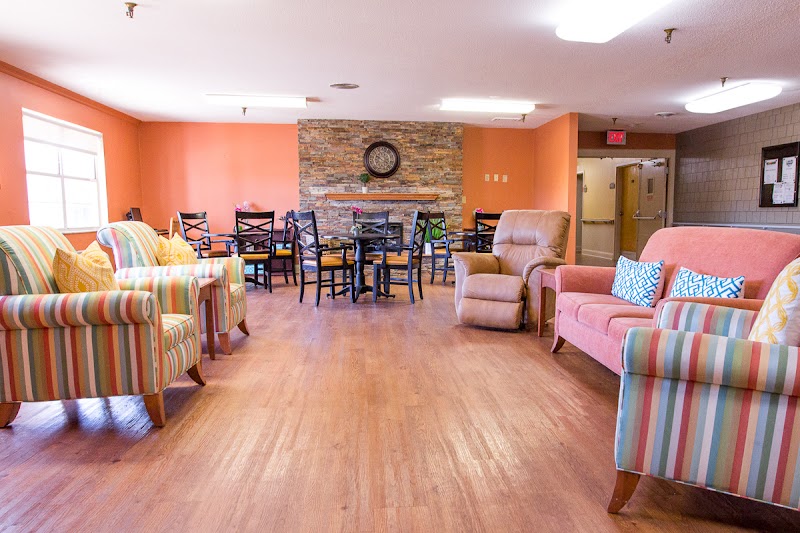
Who Owns and Operates Signature Healthcare Of Coshocton?

SIGNATURE HEALTHCARE OF COSHOCTON is owned by a for-profit company. For-profit facilities operate as businesses with obligations to shareholders or private owners. The facility is operated by SIGNATURE HEALTHCARE, a chain that manages multiple nursing homes. With 72 certified beds and approximately 56 residents (about 78% occupancy), it is a smaller facility located in COSHOCTON, Ohio.
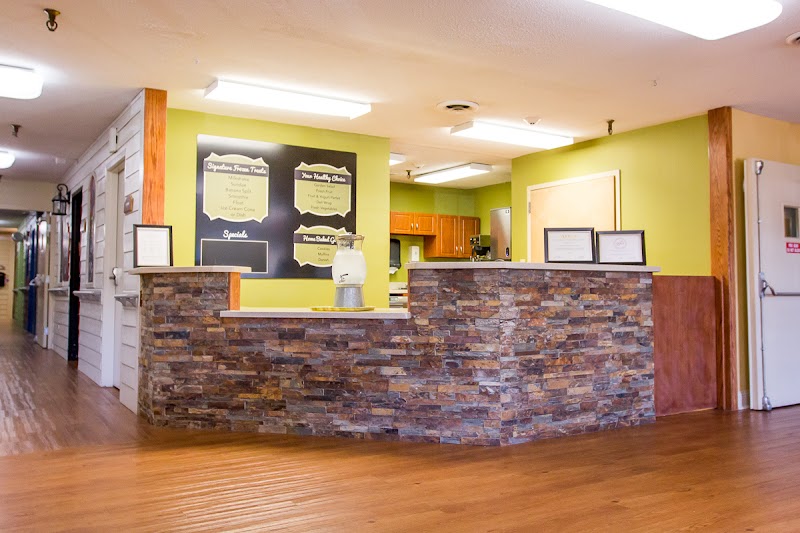
How Does Signature Healthcare Of Coshocton Compare to Other Ohio Nursing Homes?

Compared to the 100 nursing homes in Ohio, SIGNATURE HEALTHCARE OF COSHOCTON's overall rating (2 stars) is below the state average of 3.2, staff turnover (61%) is significantly higher than the state average of 46%, and health inspection rating (2 stars) is below the national benchmark.

What Should Families Ask When Visiting Signature Healthcare Of Coshocton?

Based on this facility's data, families visiting should ask: "What changes have been made since the serious inspection findings, and how are you preventing similar issues?" "How do you ensure continuity of care given staff turnover, and what is your staff retention strategy?" "Can you walk me through typical staffing levels on day, evening, and night shifts?" "Can I visit during a mealtime to observe dining assistance and food quality?" These questions are particularly relevant given the facility's Immediate Jeopardy citations, the facility's high staff turnover rate, and the below-average staffing rating.

Is Signature Healthcare Of Coshocton Safe?

Based on CMS inspection data, SIGNATURE HEALTHCARE OF COSHOCTON has documented safety concerns. Inspectors have issued 1 Immediate Jeopardy citation (the most serious violation level indicating risk of serious injury or death). The facility has a 2-star overall rating and ranks #100 of 100 nursing homes in Ohio. Families considering this facility should ask detailed questions about what corrective actions have been taken since these incidents.

Do Nurses at Signature Healthcare Of Coshocton Stick Around?

Staff turnover at SIGNATURE HEALTHCARE OF COSHOCTON is high. At 61%, the facility is 15 percentage points above the Ohio average of 46%. Registered Nurse turnover is particularly concerning at 60%. RNs handle complex medical decisions and coordinate care — frequent RN changes can directly impact care quality. High turnover means new staff may not know residents' individual needs, medications, or preferences. It can also be disorienting for residents, especially those with dementia who rely on familiar faces. Families should ask: What is causing the turnover? What retention programs are in place? How do you ensure care continuity during staff transitions?

Was Signature Healthcare Of Coshocton Ever Fined?

SIGNATURE HEALTHCARE OF COSHOCTON has been fined $60,645 across 1 penalty action. This is above the Ohio average of $33,685. Fines in this range indicate compliance issues significant enough for CMS to impose meaningful financial consequences. Common causes include delayed correction of deficiencies, repeat violations, or care failures affecting resident safety. Families should ask facility leadership what changes have been made since these penalties.

Is Signature Healthcare Of Coshocton on Any Federal Watch List?

SIGNATURE HEALTHCARE OF COSHOCTON is not on any federal watch list. The most significant is the Special Focus Facility (SFF) program, which identifies the bottom 1% of nursing homes nationally based on persistent, serious quality problems. Not being on this list means the facility has avoided the pattern of deficiencies that triggers enhanced federal oversight. This is a positive indicator, though families should still review the facility's inspection history directly.