CRESTLINE REHABILITATION AND NURSING CENTER
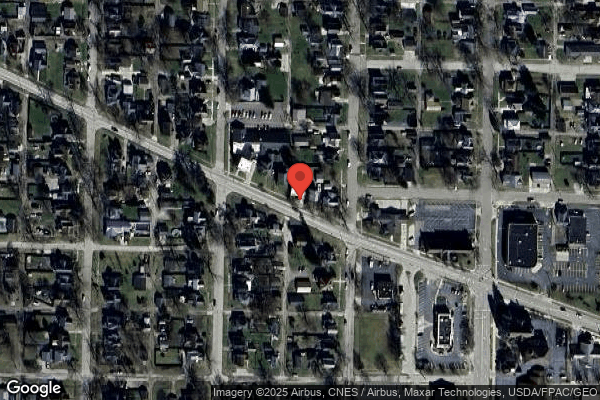
327 WEST MAIN STREET, CRESTLINE, OH 44827 (419) 683-3255
For profit - Corporation 30 Beds NORTHWOOD HEALTHCARE GROUP Data: November 2025
Trust Grade
85/100
#52 of 913 in OH
Last Inspection: August 2022

Over 2 years since last inspection. Current conditions may differ from available data.

Overview

Crestline Rehabilitation and Nursing Center has a Trust Grade of B+, indicating it is above average and recommended for families considering care options. It ranks #52 out of 913 facilities in Ohio, placing it in the top half, and it is the top-ranked facility in Crawford County. However, the facility is experiencing a worsening trend, with issues increasing from 2 in 2023 to 3 in 2024. While staffing has a rating of 2 out of 5 stars, with a turnover rate of 38% that is below the state average, the RN coverage is good, surpassing 83% of Ohio facilities, which is crucial for catching potential problems. On a concerning note, recent inspections revealed issues such as not following approved menus, which could affect residents' nutrition, and a lack of consistent RN coverage on certain days, highlighting areas that need improvement despite the absence of fines.

Trust Score
B+
85/100
In Ohio
#52/913
Top 5%
Safety Record
Low Risk
No red flags
Inspections
Getting Worse
2 → 3 violations
Staff Stability
○ Average
38% turnover. Near Ohio's 48% average. Typical for the industry.
Penalties
✓ Good
No fines on record. Clean compliance history, better than most Ohio facilities.
Skilled Nurses
✓ Good
Each resident gets 48 minutes of Registered Nurse (RN) attention daily — more than average for Ohio. RNs are trained to catch health problems early.
Violations
⚠ Watch
18 deficiencies on record. Higher than average. Multiple issues found across inspections.
★★★★★
5.0
Overall Rating
★★☆☆☆
2.0
Staff Levels
★★★★★
5.0
Care Quality
★★★★☆
4.0
Inspection Score
Stable
2023: 2 issues
2024: 3 issues

The Good

  • 5-Star Quality Measures · Strong clinical quality outcomes
  • Full Sprinkler Coverage · Fire safety systems throughout facility
  • No fines on record
  • Staff turnover below average (38%)

    10 points below Ohio average of 48%

Facility shows strength in quality measures, fire safety.

The Bad

Staff Turnover: 38%

Near Ohio avg (46%)

Typical for the industry

Chain: NORTHWOOD HEALTHCARE GROUP

Part of a multi-facility chain

Ask about local staffing decisions and management

The Ugly 18 deficiencies on record

May 2024 2 deficiencies
CONCERN (D) 📢 Someone Reported This

A family member, employee, or ombudsman was alarmed enough to file a formal complaint

Potential for Harm - no one hurt, but risky conditions existed

Deficiency F0761 (Tag F0761)

Could have caused harm · This affected 1 resident

Based on observation, medical record review, resident and staff interview, and facility policy review, the facility failed to ensure medications were not left unattended and unsecured in resident room...

Read full inspector narrative →
Based on observation, medical record review, resident and staff interview, and facility policy review, the facility failed to ensure medications were not left unattended and unsecured in resident rooms. This affected one (#2) of three resident rooms observed. The facility census was 22. Findings include: Review of Resident #2's medical record identified her admission to the facility occurred on 12/19/20 with medical diagnosis including malnutrition, depression, pancreatic tumor, and esophageal stricture. The most recent comprehensive assessment completed on 03/04/24 identified Resident #2 was completely cognitively intact. Observation and interview with Resident #2 on 05/03/24 at 10:41 A.M. revealed a full cup of oral medications sitting on the resident's bedside stand with a cup of pudding. Interview with Resident #2 at that time confirmed the nursing staff usually set her medications down and leave them with her, and stated sometimes she just throws them in the trash. Review of Resident #2's medication administration record (MAR) for May 2024 revealed the residents morning medications for 05/03/24 were signed off as administered even though they were observed sitting on her bedside table and had not consumed them. Observation and interview with the Director of Nursing (DON) on 05/03/24 at 10:50 A.M. revealed Resident #2's oral medications sitting on her bedside stand. The DON confirmed the medication sitting on Resident #2's bedside stand at that time and stated no medications should be left in resident rooms unattended. Review of the facility policy titled, Administering Medications, dated December 2012, revealed the individual administering the medications must initial the medication administration record (MAR) on the appropriate line after giving the resident the medication and before administering the next one. This deficiency was based on an incidental finding discovered during the course of complaint investigation.
CONCERN (E) 📢 Someone Reported This

A family member, employee, or ombudsman was alarmed enough to file a formal complaint

Potential for Harm - no one hurt, but risky conditions existed

Menu Adequacy (Tag F0803)

Could have caused harm · This affected multiple residents

Based on observation, review of facility menus, and staff interview, the facility failed to ensure menus were followed. This affected all 19 (#1, #2, #3, #4, #5, #6, #7, #8, #9, #10, #12, #13, #14, #1...

Read full inspector narrative →
Based on observation, review of facility menus, and staff interview, the facility failed to ensure menus were followed. This affected all 19 (#1, #2, #3, #4, #5, #6, #7, #8, #9, #10, #12, #13, #14, #15, #16, #17, #18, #19, and #22) residents who the facility identified as receiving meals from the kitchen. The facility census is 22. Findings include: Review of the lunch menu for Friday, 05/03/24, identified baked fish, macaroni and cheese, creamy coleslaw, bread and butter, and Jello poke cake were planned to be served. Observation of the kitchen meal service on 05/03/24 at 11:50 A.M. revealed [NAME] #5 was observed to plate resident meals with fish, macaroni and cheese, creamy coleslaw, and Jello. The observation identified meal cart #1 left the kitchen on 05/03/24 at 12:00 P.M. and none of the trays included bread and butter as listed on the menu. Interview with Cooperate Dietary Manager #10 was completed on 05/03/24 at 12:05 P.M. in the hallway as the staff started delivering meal trays to the residents. Corporate Dietary Manager #10 confirmed the meal trays did not include bread and butter as per the menu. The interview confirmed [NAME] #5 did not follow the dietician approved menus by not serving the bread and butter. This deficiency represents non-compliance investigated under Complaint Number OH00153014.
Mar 2024 1 deficiency
CONCERN (F) 📢 Someone Reported This

A family member, employee, or ombudsman was alarmed enough to file a formal complaint

Potential for Harm - no one hurt, but risky conditions existed

Menu Adequacy (Tag F0803)

Could have caused harm · This affected most or all residents

Based on observations, staff interview, and review of the menu and whiteboard, the facility failed to follow the prepared menus and failed to ensure the changes to the menu were approved by a qualifie...

Read full inspector narrative →
Based on observations, staff interview, and review of the menu and whiteboard, the facility failed to follow the prepared menus and failed to ensure the changes to the menu were approved by a qualified clinical nutrition professional for nutritional adequacy. This affected four of four meals reviewed during the survey. This had the potential to affect the 22 residents who received meals from the kitchen. The facility census was 24. Finding include: Review of the facility's menu for Fall and Winter 2023 to 2024 revealed they menu was signed but it was unknown who the person was because it was not the Registered Dietitian (RD) for the facility. The lunch menu for Wednesday 03/13/24 was chicken barbeque, macaroni and cheese, baked beans, and a peanut butter bar. The white board (located in the hallway near the residents' rooms) revealed the residents would be receiving hamburger gravy, mashed potatoes, green beans, and pudding. The dinner menu for Wednesday 03/13/24 was taco salad, refried bean, lettuce and tomato, crackers, and cream pie. The white board revealed the residents were to receive barbeque chicken nuggets, baked beans, mixed vegetables, and fruit. The lunch menu for Thursday 03/14/24 was baked ziti, garlic bread, green beans, and fruit salad. The white board revealed the residents were to receive breaded chicken with gravy, macaroni and cheese, bean and carrot medley, and apple pie. The dinner menu for Thursday 03/14/24 was pork riblet, creamed corn vegetable medley, dinner roll, and sherbert. The white board revealed the residents would receive stuffed pepper soup, grilled cheese, and fruit. Observations on 03/13/24 and 03/14/24 at lunch and dinner revealed the residents were served the meals which were noted on the whiteboard and not what listed in the menu for these days. Interview with [NAME] #600 on 03/13/24 at 12:01 P.M. verified he did switch the lunch and dinner menu for this day. [NAME] #600 was unsure if the RD was aware of changes made to the menu, because he does not notify anyone of the changes. [NAME] #600 stated he does not do the ordering and it was the dietary manager who does the ordering. When he makes changes to the menu, he writes it on the whiteboard first thing in the morning for the residents to see and if they may want a substitution. Interview with Dietary Manager (DM) #700 on 03/14/24 at 9:15 A.M. verified he usually works on Wednesday and was completing the menu for Wednesday. DM #700 did not want to serve the residents the taco salad due to the residents having received salad on Monday when he changed the menu from pork loin to chili because he did not have the pork loin. DM #700 stated he was sick and had corporate make out the food order. DM #700 said the facility did not receive the pork loin. DM #700 verified he substitutes for other foods because he does not have time to look through all the search through the facility's online food order guide. The residents do not like pork riblets, so another pork item was substituted. DM #700 does not know if the RD was aware of the changes and he does try to substitute meat for meat and a potato for potato, like fries because the residents do not like them. DM #700 does not speak to the RD and does not report to anyone when he makes changes to the menu. DM #700 stated he did not know why the cook yesterday substituted the lunch and supper meals because the food for those meals was here. DM #700 does not document the food substitutions. Telephone interview on 03/14/24 at 10:33 A.M. with RD #800 verified she does not review the menus or approve the menus. The menus were approved in the the corporate office. Interview with Director of Culinary for Ohio #900 on 03/14/24 at 1:29 P.M. verified Food Contract Company #750 develops the menus and the RD at the Food Contract Company approves the menus. Director of Culinary for Ohio #900 said there should be a substitution log and the RD should be aware of changes to the menu and be approved by the RD. This deficiency represents non-compliance investigated under Complaint Number OH00151649.
Jun 2023 2 deficiencies
CONCERN (D) 📢 Someone Reported This

A family member, employee, or ombudsman was alarmed enough to file a formal complaint

Potential for Harm - no one hurt, but risky conditions existed

Resident Rights (Tag F0550)

Could have caused harm · This affected 1 resident

**NOTE- TERMS IN BRACKETS HAVE BEEN EDITED TO PROTECT CONFIDENTIALITY** Based on medical record review, resident interview, and staff interview, the facility failed to treat Resident #17 with dignity ...

Read full inspector narrative →
**NOTE- TERMS IN BRACKETS HAVE BEEN EDITED TO PROTECT CONFIDENTIALITY** Based on medical record review, resident interview, and staff interview, the facility failed to treat Resident #17 with dignity and respect by completing a urinary drug test without consent or physician's orders. This affected one (Resident #17) of three residents reviewed for dignity and respect. The facility census was 25. Findings included: Review of Resident #17's medical record revealed an admission date of 04/25/23. Diagnoses included paraplegia, chronic obstructive pulmonary disease, bipolar disease, and diabetes mellitus. Review of Resident #17's admission Minimum Data Set (MDS) assessment dated [DATE] revealed the resident was cognitively intact. She required extensive assistance for bed mobility, dressing, toilet use, and personal hygiene, and was totally dependent upon staff for transfers. Review of Resident #17's most recent care plan revealed the resident was prescribed antidepressant medications. There was no care plan regarding drug addiction. Further review of Resident #17's medical record revealed a urine drug test was completed on 05/17/23 by the Director of Nursing (DON). The test was recorded on a hand-written form and revealed the resident tested positive for amphetamines, cocaine, and opiates. Review of Resident #17's physician's orders revealed there was no order for the urine drug test completed on 05/17/23. Review of the urine drug test form dated 05/17/23 revealed the DON completed the form that came with the test kit. The resident information and results were handwritten, which included being positive for amphetamines, cocaine, and opiates. The urine sample was taken from a Foley catheter bag and was between 90 and 100 degrees Fahrenheit. The drug test was completed due to Resident #17's behavior was very tired, snoring, and difficult to arouse. Review of Resident #17's medical record revealed a serum blood drug test was ordered by the physician per the resident's request. Review of the serum blood drug test dated 05/18/23 revealed the results were negative for drugs. Review of the blood serum drug test completed on 05/18/23 revealed the physician ordered test was negative for drugs. Interview on 06/22/23 at 8:56 A.M. with Resident #17 revealed on 05/17/23, the DON informed the resident that a urine test was needed and drew a urine sample out of the resident's Foley catheter bag. The DON failed to ask permission to run the test nor informed the resident the urine was being tested for drugs. The resident revealed on 05/17/23, the local police arrived at the facility after being called by the DON. The police searched the resident's husband in front of staff and other residents. Resident #17 stated the action was humiliating and embarrassing. She stated she cried for several days after. In addition, Resident #17 was awaiting a court case and was on parole. She stated the DON also notified the parole officer who visited the facility, but the resident was able to prove she was drug free by showing the parole officer the negative blood test results. Interviews on 06/22/23 at 10:24 A.M. and 2:02 P.M. with the DON verified she completed a urine drug test for Resident #17 without a physician's order. She ran the test due to being suspicious of the resident's actions due to going outside frequently with her husband. On the afternoon of 05/17/23, Resident #17 was observed being tired, sleeping, and was difficult to arouse, which she decided to complete a drug test. This deficiency represents non-compliance investigated under Complaint Numbers OH00143403 and OH00143388.
CONCERN (D) 📢 Someone Reported This

A family member, employee, or ombudsman was alarmed enough to file a formal complaint

Potential for Harm - no one hurt, but risky conditions existed

Deficiency F0773 (Tag F0773)

Could have caused harm · This affected 1 resident

**NOTE- TERMS IN BRACKETS HAVE BEEN EDITED TO PROTECT CONFIDENTIALITY** Based on record review, resident interview, staff interview, and review of facility policy, the facility failed to obtain a phys...

Read full inspector narrative →
**NOTE- TERMS IN BRACKETS HAVE BEEN EDITED TO PROTECT CONFIDENTIALITY** Based on record review, resident interview, staff interview, and review of facility policy, the facility failed to obtain a physician's order prior to completing a urine test. This affected one (Resident #17) of one resident reviewed for laboratory orders. The facility census was 25. Findings included: Review of Resident #17's medical record revealed an admission date of 04/25/23. Diagnoses included paraplegia, chronic obstructive pulmonary disease, bipolar disease, and diabetes mellitus. Review of Resident #17's admission Minimum Data Set (MDS) assessment dated [DATE] revealed the resident was cognitively intact. She required extensive assistance for bed mobility, dressing, toilet use, and personal hygiene and was totally dependent on staff for transfers. Review of Resident #17's medical record revealed a urine drug test was completed on 05/17/23 by the Director of Nursing (DON). The test was recorded on a hand-written form and revealed the resident tested positive for amphetamines, cocaine, and opiates. Review of Resident #17's physician orders revealed no orders for the urinary drug test completed on 05/17/23. Interview with Resident #17 on 06/22/23 at 8:56 A.M. revealed on 05/17/23 the DON informed the resident a urine test was needed and drew a urine sample out of the resident's Foley catheter bag. Interview with the DON on 06/22/23 at 10:24 A.M. and 2:02 P.M. verified she completed a urine drug test for Resident #17 without a physician's order. Review of the facility policy titled, Request For Diagnostic Services, revised April 2007 revealed all requests for diagnostic services must be ordered by the resident's attending physician. This deficiency is based on incidental findings discovered during the course of the investigation.
Aug 2022 7 deficiencies
CONCERN (D)

Potential for Harm - no one hurt, but risky conditions existed

Report Alleged Abuse (Tag F0609)

Could have caused harm · This affected 1 resident

**NOTE- TERMS IN BRACKETS HAVE BEEN EDITED TO PROTECT CONFIDENTIALITY** Based on medical record review, resident interview, staff interviews, review of Self-Reported Incidents (SRIs), and review of fa...

Read full inspector narrative →
**NOTE- TERMS IN BRACKETS HAVE BEEN EDITED TO PROTECT CONFIDENTIALITY** Based on medical record review, resident interview, staff interviews, review of Self-Reported Incidents (SRIs), and review of facility policy, the facility failed to report an allegation of resident-to-resident verbal abuse. This affected one (Resident #8) of two residents reviewed for abuse. The facility census was 20. Findings include: Medical record review revealed Resident #8 admitted to the facility on [DATE] and was cognitively intact. Review of the progress note dated 05/29/22 at 11:51 A.M. revealed Resident #8's roommate (Resident #10) was upset, cursing, and using racial slurs toward Resident #8 due to Resident #8's television (TV) volume. The nurse entered the room and Resident #10 reported he could not sleep due to Resident #8's TV volume. Resident #10 told the nurse, You're not doing me any good, so just get out. The nurse informed the residents she was unable to leave due to the altercation and for the safety of all parties. Resident #10 then turned over to go to sleep. The Director of Nursing (DON) was notified. Review of the progress note dated 08/25/22 at 8:02 A.M. revealed a nurse entered Resident #8's room with Resident #10, so Resident #10 could apologize to Resident #8 for using the 'N' word. Resident #8 said, He is never allowed to speak to me and I am not going to accept his apologies . F*** him in the A**. Interview on 08/25/22 at 8:02 A.M. with Resident #8 revealed the resident was alert and oriented and able to answer questions. Resident #8 reported Resident #10 called him a racial slur during an argument. When Resident #8 was asked if he felt this was abusive he stated, Absolutely, wouldn't you? Resident #8 verified he was not offered to move rooms until several weeks later. Resident #8 reported he moved rooms and enjoyed his current roommate. Interview on 08/23/22 at 1:42 P.M. the DON verified nurses overheard Resident #8 and Resident #10 yelling at each other on 05/29/22. The DON reported Resident #10 used a racial slur toward Resident #8, calling him the 'N' word. The DON stated the incident was reported to the Administrator. Interview on 08/25/22 at 9:45 A.M. the Administrator reported he was on vacation during the incident between Resident #8 and Resident #10 and verified the incident/allegation was not reported to the state agency. Review of the facility's Self-Reported Incidents (SRIs) for May and June 2022 revealed the incident between Resident #8 and Resident #10 was not reported. Review of the facility policy titled, Abuse Investigation and Reporting dated 07/2017 revealed all reports or resident abuse would be reported.
CONCERN (D)

Potential for Harm - no one hurt, but risky conditions existed

Investigate Abuse (Tag F0610)

Could have caused harm · This affected 1 resident

**NOTE- TERMS IN BRACKETS HAVE BEEN EDITED TO PROTECT CONFIDENTIALITY** Based on medical record review, resident interview, staff interviews, and review of facility policy, the facility failed to comp...

Read full inspector narrative →
**NOTE- TERMS IN BRACKETS HAVE BEEN EDITED TO PROTECT CONFIDENTIALITY** Based on medical record review, resident interview, staff interviews, and review of facility policy, the facility failed to complete a thorough investigation of an allegation of resident-to-resident verbal abuse. This affected one (Resident #8) of two residents reviewed for abuse. The facility census was 20. Findings include: Medical record review revealed Resident #8 admitted to the facility on [DATE] and was cognitively intact. Review of the progress note dated 05/29/22 at 11:51 A.M. revealed Resident #8's roommate (Resident #10) was upset, cursing, and using racial slurs toward Resident #8 due to Resident #8's television (TV) volume. The nurse entered the room and Resident #10 reported he could not sleep due to Resident #8's TV volume. Resident #10 told the nurse, You're not doing me any good, so just get out. The nurse informed the residents she was unable to leave due to the altercation and for the safety of all parties. Resident #10 then turned over to go to sleep. The Director of Nursing (DON) was notified. Review of the progress note dated 08/25/22 at 8:02 A.M. revealed a nurse entered Resident #8's room with Resident #10, so Resident #10 could apologize to Resident #8 for using the 'N' word. Resident #8 said, He is never allowed to speak to me and I am not going to accept his apologies . F*** him in the A**. Interview on 08/25/22 at 8:02 A.M. with Resident #8 revealed the resident was alert and oriented and able to answer questions. Resident #8 reported Resident #10 called him a racial slur during an argument. When Resident #8 was asked if he felt this was abusive he stated, Absolutely, wouldn't you? Resident #8 verified he was not offered to move rooms until several weeks later. Resident #8 reported he moved rooms and enjoyed his current roommate. Interview on 08/23/22 at 1:42 P.M. the DON verified nurses overheard Resident #8 and Resident #10 yelling at each other on 05/29/22. The DON reported Resident #10 used a racial slur toward Resident #8, calling him the 'N' word. The DON stated the incident was reported to the Administrator. Interview on 08/25/22 at 9:45 A.M. the Administrator reported he was on vacation during the incident between Resident #8 and Resident #10. The Administrator verified there was no evidence of an investigation being completed, nor was there evidence staff interviewed residents to ensure they felt safe. Review of the facility policy titled, Abuse Investigation and Reporting dated 07/2017 revealed all reports of resident abuse would be thoroughly investigated by facility management.
CONCERN (D)

Potential for Harm - no one hurt, but risky conditions existed

Deficiency F0688 (Tag F0688)

Could have caused harm · This affected 1 resident

Based on medical record review, observations, and staff interviews, the facility failed to ensure services were put into place to potentially prevent a decline in range of motion (ROM). This affected ...

Read full inspector narrative →
Based on medical record review, observations, and staff interviews, the facility failed to ensure services were put into place to potentially prevent a decline in range of motion (ROM). This affected one (Resident #7) of one resident reviewed for ROM. The facility census was 20. Findings include: Review of Resident #7's medical record revealed an admission dated on 12/17/17 with a diagnosis of stroke. Review of the Minimum Data Set (MDS) assessments dated 04/04/22 and 07/01/22 revealed Resident #7 had limitations in ROM to one side of her body and required a restorative program and use of a splint. Review of the occupational therapy discharge instructions dated 04/04/22 identified a new splint was ordered for Resident #7's left hand and left ankle to assist with prevention of a decline in ROM. The starting goal was to wear the splints for 40 minutes a day. Observations on 08/22/22 at 8:32 A.M., 9:56 A.M., 12:19 P.M., and 3:22 P.M. revealed Resident #7's splint device for her left hand remained on a stand across the room. Resident #7 was not observed wearing the splint. Observations on 08/23/22 at 7:14 A.M. and 7:45 A.M. revealed Resident #7's splint device for her left hand remained on a stand across the room. The splint device appeared untouched from the previous day as it was in the same position on the same stand. Interview on 08/23/22 at 12:19 P.M. with State Testing Nurse Aide (STNA) #64 and #67 and Registered Nurse (RN) #31 revealed staff were unaware if Resident #7 had any splint devices ordered. Interview on 08/24/22 at 8:12 A.M. with Restorative RN #63 revealed Resident #7 was ordered splint devices on 04/04/22 by therapy staff to treat ROM concerns with the resident's left side. Restorative RN #63 confirmed the original order recommended the splints be worn for a short period of time (40 minutes per day). Restorative RN #63 verified she had not completed monthly or quarterly evaluations for Resident #7 to determine the resident's status of ROM or to assess if splint use should be increased. Ongoing evaluations of ROM services should be completed, including staff education to ensure staff members are aware of the program and services residents required. Restorative RN #63 reported she should have increased the amount of time Resident #7 wore her splints.
CONCERN (D)

Potential for Harm - no one hurt, but risky conditions existed

Deficiency F0757 (Tag F0757)

Could have caused harm · This affected 1 resident

Based on medical record review and staff interview, the facility failed to ensure blood pressure medication parameters were followed as ordered. Additionally, the facility failed to complete labs as f...

Read full inspector narrative →
Based on medical record review and staff interview, the facility failed to ensure blood pressure medication parameters were followed as ordered. Additionally, the facility failed to complete labs as for monitoring Coumadin use. This affected one (Resident #18) of give residents reviewed for unnecessary medication. The facility census was 20. Findings include: Review of Resident #18's medical record identified an admission date of 05/22/19 with medical diagnoses including atrial fibrillation, obesity, congestive heart failure and diabetes. Review of Resident #18's physician orders for August 2022 revealed an order for Lisinopril (medication used to treat blood pressure and heart failure) 30 milligrams (mg), twice a day (BID). There were parameters in place to hold the Lisinopril if the resident's systolic blood pressure was less than 120. Review of Resident #18's August 2022 medication regime included Lisinopril 30 mg BID (twice a day). The physician order for the Lisinopril had parameters to hold for a systolic blood pressure (top number of the blood pressure) less than 120. Additionally, there was an order for Coumadin (blood thinner) with alternating doses of 4 mg and 6 mg. Continued review revealed no current lab orders for PT/INR (a test to measure how long it takes for a clot to form in a blood sample). Further review of the medical record revealed the last PT/INR completed was on 07/11/22, which showed no concerns. Review of Resident #18's Medication Administration Record (MAR) for August 2022 revealed on 08/06/22, 08/07/22, 08/08/22, 08/13/22, 08/14/22, 08/16/22, 08/19/22 and twice on 08/23/22, Resident #18's systolic blood pressure was less than 120 and the Lisinopril was still administered to the resident. Interview on 08/24/22 at 7:56 A.M. with the Director of Nursing (DON) verified Resident #18's Lisinopril was administered on 08/06/22, 08/07/22, 08/08/22, 08/13/22, 08/14/22, 08/16/22, 08/19/22 and twice on 08/23/22 when Resident #18's systolic blood pressure was less than 120, which was outside ordered parameters. The DON also verified Resident #18 was ordered Coumadin and was ordered a PT/INR on 08/11/22, but it was missed and there were no updated/current orders for a PT/INR to be completed for August 2022.
CONCERN (D)

Potential for Harm - no one hurt, but risky conditions existed

Deficiency F0760 (Tag F0760)

Could have caused harm · This affected 1 resident

Based on medical record review, observation, staff interview, and review of medication information, the facility failed to ensure ordered antipsychotic medication was available for Resident #19. This ...

Read full inspector narrative →
Based on medical record review, observation, staff interview, and review of medication information, the facility failed to ensure ordered antipsychotic medication was available for Resident #19. This affected one (Resident #19) of four residents reviewed for medication administration. The facility census was 20. Findings include: Review of Resident #19's medical record revealed an admission date of 08/01/22 with medical diagnoses including bipolar disorder, adjustment disorder, lymphedema, obesity and chronic respiratory failure. The record identified Resident #19 had physician ordered Abilify 5 mg tablets twice a day for treatment of psychiatric disorders. Review of Resident #19's physician orders for August 2022 revealed an order for Abilify (antipsychotic) 5 milligrams (mg), twice per day for treatment of psychiatric disorders. Observation, interview, and record review of medication administration on 08/23/22 at 8:15 A.M. revealed Registered Nurse (RN) #31 was preparing medications for Resident #19. RN #31 reported Resident #19's Abilify was not available in the medication cart. RN #31 reviewed the resident's Medication Administration Record (MAR) and verified Resident #19 had not received Abilify since 08/19/22, missing nine doses. RN #31 reported she would call the pharmacy to obtain the medication. Review of Abilify.com revealed stopping Abilify may cause withdrawal. Abilify withdrawal symptoms included anxiety, panic attacks and sweating.
CONCERN (E)

Potential for Harm - no one hurt, but risky conditions existed

Deficiency F0801 (Tag F0801)

Could have caused harm · This affected multiple residents

Based on review of personnel files and staff interview, the facility failed to ensure the dietary manager met required qualifications to manage the dietary department. This affected 19 of 20 residents...

Read full inspector narrative →
Based on review of personnel files and staff interview, the facility failed to ensure the dietary manager met required qualifications to manage the dietary department. This affected 19 of 20 residents who received food from the kitchen. The facility census was 20. Findings include: Review of the personnel file for Dietary Manager (DM) #36 revealed a hire date of 12/01/21. Further review of the file revealed no evidence DM #36 was a certified dietary manager, certified food service manager, or had similar national certification for food service management and safety, or had an associates or higher degree in food service management. Interview on 08/24/22 at 11:26 A.M. with the Business Office Manager (BOM) #37 verified DM #36 did not have any required training or certifications for the dietary manager position. Interview on 08/24/22 at 9:46 A.M. with Registered Dietician (RD) #69 revealed she worked at the facility 32 hours per month. Interview on 08/24/22 at 12:03 P.M. with DM #36 confirmed he previously worked in a restaurant prior to being hired at the facility in December 2021. DM #36 verified he had not received any formal dietary management training nor certification. DM #36 stated he was unaware he needed formal training for this position and was never told what the requirements were. Interview on 08/24/22 at 1:52 P.M. with the Director of Nursing (DON) revealed RD #69 worked for the facility only 32 hours per month (indicating RD #700 did not work for the facility full-time). Interview on 08/24/22 at 1:06 P.M. with Minimum Data Set Registered Nurse (MDS RN) #63 reported a dietary manager for a sister facility (facility owned by the same corporation) provided some initial training to DM #36, however DM #36 never completed certified training.
CONCERN (E)

Potential for Harm - no one hurt, but risky conditions existed

Menu Adequacy (Tag F0803)

Could have caused harm · This affected multiple residents

Based on observation, resident interview, staff interview, review of facility menu, and review of food order invoice, the facility failed to follow the planned menu and failed to ensure alternatives w...

Read full inspector narrative →
Based on observation, resident interview, staff interview, review of facility menu, and review of food order invoice, the facility failed to follow the planned menu and failed to ensure alternatives were listed and approved by the dietician. This had the potential to affect 19 residents who received food from the kitchen. The facility's census was 20. Findings include: Interview on 08/22/22 at 8:48 A.M. Resident #14 reported residents were not given menus to see what was served for meals to determine if they wanted the meal served or an alternative. Resident #14 stated if she was served a meal she did not like, she would order an alternative and have to wait until the meal was served to all residents before alternatives could be made. Alternatives were typically cold meat sandwiches. Review of the menu for 08/22/22 revealed lunch to be served was crispy baked chicken with sweet potatoes. Observation on 08/22/22 at 12:05 P.M. of Resident #14's lunch revealed mashed potatoes and diced chicken mixed with gravy was served, rather than the crispy baked chicken with sweet potatoes as listed on the menu. Interview on 08/24/22 at 9:36 A.M. with Registered Dietitian (RD) #69 revealed she comes to the facility every other week for eight hours. Observation on 08/24/22 at 11:45 A.M. revealed [NAME] #53 plating the lunch meal. [NAME] #53 verified he did not use the approved menu and/or recipe when preparing lunch. [NAME] #53 reported the menu had the following listed: pork roasted with rosemary, red bliss potatoes, escalloped corn, and apple slices, but [NAME] #53 did not have rosemary, so the pork was seasoned with a different (unknown) seasoning, and he was serving mashed potatoes, creamed corn, and canned spiced apples. Interview on 08/24/22 at 12:03 P.M. with Dietary Manager (DM) #36 revealed residents do not get a menu to choose their meal or see what is being served and stated if a resident did not like what was served, they could request an alternative, which would be provided following the end of regular meal service. DM #36 confirmed there was no specific food alternate list. The alternates were usually a deli meat sandwich, grilled cheese sandwich, or a peanut butter and jelly sandwich with chicken noodle, tomato, or vegetable soup. DM #36 did not have record of when and what substitutes had been made to the menus since he started working for the facility in December 2021. DM #36 further verified the lunch modifications were not logged on the menu or documented. Interview on 08/24/22 at 1:52 P.M. with the Director of Nursing (DON) verified RD #69 was supposed to review the foodservice menus. Interview on 08/25/22 at 7:37 A.M. with DM #36 verified he did not order the listed menu items for crispy chicken, sweet potatoes, or red bliss potatoes and used alternatives instead. Review of the facility food order invoice dated 08/10/22 revealed sweet potatoes, red skin potatoes, and crispy chicken were not ordered.
Aug 2019 5 deficiencies
CONCERN (D)

Potential for Harm - no one hurt, but risky conditions existed

Quality of Care (Tag F0684)

Could have caused harm · This affected 1 resident

**NOTE- TERMS IN BRACKETS HAVE BEEN EDITED TO PROTECT CONFIDENTIALITY** Based on medical record review, staff interview and review of facility protocol, the facility failed to provide appropriate trea...

Read full inspector narrative →
**NOTE- TERMS IN BRACKETS HAVE BEEN EDITED TO PROTECT CONFIDENTIALITY** Based on medical record review, staff interview and review of facility protocol, the facility failed to provide appropriate treatment according to the bowel protocol for a resident. This affected one (Resident #18) of one resident reviewed for constipation. The facility census was 25. Findings include: Record review for Resident #18 revealed the resident was admitted to the facility on [DATE] with diagnoses including severe intellectual disabilities, major depressive disorder and insomnia . Review of the quarterly Minimum Data Set (MDS) assessment, dated 06/03/19, revealed the resident had severe cognitive impairments. She required total assistance of one person for toilet use. She was always incontinent of bowel and bladder. Review of the plan of care, last updated 07/08/19, revealed Resident #18 had bowel incontinence due to immobility, severe intellectual disabilities and a history of constipation. The interventions included checking the resident frequently and assisting with personal hygiene as needed and provide perineum care after each incontinent episode. There were no interventions mentioned in the plan of care regarding the resident's constipation. Review of the nursing progress notes, dated 08/07/19 at 6:00 P.M., revealed an state tested nursing assistant (STNA) came and informed the nurse that the resident was in the bed laying on her left side and could not have a bowel movement. The nurse manually dis-impacted a large amount of hard stool rectally using one digit. No blood was noted. The nurses progress notes were silent to physician notification of the manual removal of hard stool. Interview with License Practical Nurse (LPN) #100 on 08/21/19 at 2:00 P.M. stated the facility's bowel protocol was to give Milk of Magnesia (MOM) if the resident not had a bowel movement in three days, then wait 24 hours. If the MOM was not effective the the nurse was to give the resident a suppository and wait 12 hours . If the suppository was ineffective, the nurse was to give an enema. She verified the nurses were not to manually remove the stool . She verified if the resident was having constipation and was using MOM and suppositories, the physician should be notified. Review of the facility's undated Bowel Movement Protocol, signed by the Medical Director , stated if no bowel movement in three days start MOM and wait 24 hour. If MOM was ineffective give a suppository and wait 12 hours. If the suppository was ineffective give an enema. Document the interventions in the progress note, reason for administration and update the doctor of each interventions. This is an example of continued non-compliance from the survey dated 08/04/19.
CONCERN (D)

Potential for Harm - no one hurt, but risky conditions existed

Pharmacy Services (Tag F0755)

Could have caused harm · This affected 1 resident

**NOTE- TERMS IN BRACKETS HAVE BEEN EDITED TO PROTECT CONFIDENTIALITY** Based on medical record review and staff interview, the facility failed to follow physicians orders to decrease the dosage of an...

Read full inspector narrative →
**NOTE- TERMS IN BRACKETS HAVE BEEN EDITED TO PROTECT CONFIDENTIALITY** Based on medical record review and staff interview, the facility failed to follow physicians orders to decrease the dosage of an antianxiety and antipsychotic medication resulting in an unobserved medication errors for Resident #1 and #5. This affected two (#1 and #5) of six residents reviewed for unnecessary medications. The facility census was 25. Findings include: 1. Record review for Resident #1 revealed the resident was admitted to the facility on [DATE]. Diagnoses included dementia without behavioral disturbances, delirium and major depressive disorder. Review of the quarterly Minimum Data Set (MDS) assessment, dated 07/08/19, the resident has short and long term memory loss. There was no psychosis, rejection of care, behaviors or psychotic diagnoses documented on the MDS. Review of the plan of care, dated 03/12/19, stated the resident uses psychotropic medications Risperdal (antipsychotic) due to diagnosis of dementia/delirium. The interventions include monitoring, documenting and reporting adverse reactions of the medications. Monitor and record occurrence of target behavior symptoms such as being uncooperative or aggressiveness with care. Review of the physician telephone order, dated 07/26/19, revealed an order to decrease Risperdal to 0.25 mg. twice a day. Review of the August 2019 monthly summary of physician orders revealed an order stating Risperdal 0.5 milligrams (mg.) give 0.25 mg. by mouth in the morning related to unspecified dementia with behavioral disturbances and delirium due to known physiological condition, 0.5 mg. in the morning and 0.25 mg. at bedtime. Review of the Medication Administration Record (MAR) dated August 2019 revealed the resident received Risperdal 0.5 mg in the morning and 0.25 mg at bedtime from 08/01/19 through 08/21/19. Interview with Licensed Practical Nurse (LPN) #100 on 08/21/19 at 1:40 P.M. stated the physicians order for Risperdal was unclear if the resident was to receive 0.25 mg. or 0.5 mg in the morning. She stated she does not give the morning Risperdal because it was given at 6:00 A.M. by the night nurse. LPN #100 pulled the Risperdal medication cards from the medication cart containing a card for Risperdal 0.5 mg (rust color pill) with a label stating to administer Risperdal 0.5 mg. tablet every morning. She removed a second card containing Risperdal 0.25 mg. (yellow tablet) stating to administer 0.25 mg at bedtime. LPN #100 verified both medication cards were being used. She verified based on the medication cards and the unclear order she felt the resident was receiving Risperdal 0.5 mg. in the morning and 0.25 mg. at bedtime. 2. Record review for Resident #5 revealed the resident was admitted to the facility on [DATE]. Diagnoses included dementia and anxiety. Review of the annual Minimum Data Set (MDS) assessment, dated 04/12/19, revealed the resident had severe cognitive deficit. The resident did no exhibit any behaviors during the assessment reference period. Review of the pharmacy recommendation Note to Attending Physician / Prescriber, dated 06/16/19, revealed the resident was currently receiving Xanax 0.125 mg. in the morning and 25 mg. at bedtime. The pharmacy recommendation was to decrease the dosage of Xanax . On 07/03/19, the physician agreed with the recommendation to decrease the dose of Xanax. He wrote to decrease Xanax to 0.125 mg. twice a day. Review of the Medication Administration Record (MAR), dated 07/2019, revealed the resident has received Xanax 0.125 mg. everyday at 9:00 A.M. and Xanax .25 mg everyday at 8:00 P.M. The MAR, 08/2019, revealed the resident had received Xanax 0.125 mg everyday at 9:00 A.M. and Xanax .25 mg everyday at 8:00 P.M. from 08/01/19 through 08/19/19. Review of the August 2019 monthly summary physician orders revealed an order for Xanax (anti-anxiety) 0.125 mg. in the morning and Xanax 0.25 mg. at bedtime with a start date of 12/21/18 for general anxiety. On 08/20/19 at 2:45 P.M., an interview with the Director of Nursing verified the Xanax dosage was not decreased as ordered by the physician on 07/03/19.
CONCERN (D)

Potential for Harm - no one hurt, but risky conditions existed

Medication Errors (Tag F0758)

Could have caused harm · This affected 1 resident

**NOTE- TERMS IN BRACKETS HAVE BEEN EDITED TO PROTECT CONFIDENTIALITY** Based on medical record review, observation and staff interview, the facility failed to have a specific diagnoses or documented ...

Read full inspector narrative →
**NOTE- TERMS IN BRACKETS HAVE BEEN EDITED TO PROTECT CONFIDENTIALITY** Based on medical record review, observation and staff interview, the facility failed to have a specific diagnoses or documented condition for the use of an antipsychotic medication for a resident. This affected one (Resident #1) of six residents reviewed for unnecessary medications. The facility identified seven residents as receiving antipsychotic medication. The facility census was 25. Findings include: Record review for Resident #1 revealed the resident was admitted to the facility on [DATE]. Diagnoses included dementia without behavioral disturbances, delirium and major depressive disorder. Review of the quarterly Minimum Data Set (MDS) assessment, dated 07/08/19, revealed the resident had short and long term memory loss. No psychosis, rejection of care, behaviors or psychotic diagnoses were documented on the MDS. Review of the plan of care, dated 03/12/19, stated the resident used psychotropic medication Risperdal (antipsychotic) due to diagnosis of dementia/delirium. The interventions included monitoring, documenting and reporting adverse reactions of the medications. Monitor and record occurrence of target behavior symptoms, uncooperative or aggressiveness with care. Review of the August 2019 monthly physician orders revealed the resident was receiving Risperdal 0.5 milligrams (mg.) in A.M. and 0.25 mg. at bedtime related to unspecified dementia without behavioral disturbances and delirium due to known physiological condition. Review of the August 2019 Medication Administration Record revealed the resident was not having any behaviors. Observation of the Resident #1 on 08/19/19, 08/20/19 and 08/21/19 between 8:30 A.M. and 5:00 P.M. revealed the resident was non-verbal with her eyes closed most of the time expect during meals. Interview with Licensed Practical Nurse (LPN) #100 on 08/21/19 at 2:00 P.M. stated the resident does not have any behaviors that she was aware of. Interview with State Tested Nursing Assistant (STNA) #200 on 08/21/19 at 2:15 P.M. stated the resident does not have any behaviors or rejection of care. Interview with STNA #210 on 08/21/19 at 2:30 P.M. stated the resident does not have any behaviors or rejection of care. Interview with the Director of Nursing on 08/21/19 at 3:30 P.M. verified he did not know what the diagnosis or condition was which warranted the use of an antipsychotic for Resident #1. He did not know the physiological condition associated with the resident's diagnosis of delirium.
CONCERN (D)

Potential for Harm - no one hurt, but risky conditions existed

Antibiotic Stewardship (Tag F0881)

Could have caused harm · This affected 1 resident

**NOTE- TERMS IN BRACKETS HAVE BEEN EDITED TO PROTECT CONFIDENTIALITY** Based on medical record review, facility policy review and staff interview, the facility failed to implement antibiotic stewards...

Read full inspector narrative →
**NOTE- TERMS IN BRACKETS HAVE BEEN EDITED TO PROTECT CONFIDENTIALITY** Based on medical record review, facility policy review and staff interview, the facility failed to implement antibiotic stewardship protocols for Resident #1 and #24 receiving long term use of prophylactic antibiotics. This affected two (#1 and #24) of six residents reviewed for unnecessary medication. The facility census was 25. Findings include: 1. Record review for Resident #1 revealed the resident was admitted to the facility on [DATE] with diagnoses including dementia without behavioral disturbances. Review of the quarterly Minimum Data Set (MDS) assessment, dated 07/08/19, revealed the resident has short and long term memory loss. Review of the plan of care, last revised on 06/07/19, stated Resident #1 has a history of frequent urinary tract infections with long term use of antibiotics. The goal was for the resident to be free of urinary tract infections. The interventions included giving the antibiotic as ordered to prevent urinary tract infections and monitor any change. Review of the monthly physician orders for August 2019 revealed an order for Macrodantin (antibiotic) 50 milligrams (mg.) one tablet daily for Vitamin B deficiency. The start date for the Macrodantin was 02/26/19 with no stop date. Interview with the Director of Nursing (DON) verified on 08/21/19 at 2:30 P.M. the Macrodantin was being used as a prophylaxis to prevent urinary tract infection. Interview with the Medical Director #175 on 08/21/19 at 3:00 P.M. stated he does not like to use prophylaxis antibiotics. He stated he would rather use probiotics and cranberry juice for the prevention of urinary tract infections. He verified Macrodantin was not used for Vitamin B deficiency. Interview with DON on 08/21/19 at 3:30 P.M. stated the pharmacy reviews all of the resident's medications and makes recommendations to the physician to discontinue or decrease the dose of medication. He verified there was no recommendations from the pharmacist to the doctor concerning the use of the prophylactic antibiotic for Resident #1. He verified there was no documentation regarding the long term use of Macrodantin as a prophylactic antibiotic for Resident #1. 2. Record review for Resident #24 revealed the resident was admitted to the facility on [DATE] with diagnoses including chronic obstructive pulmonary disease. Review of the quarterly Minimum Data Set (MDS) assessment, dated 09/09/19, revealed the resident has short and long term memory deficits. She does not have any genitourinary diagnoses or infections documented in Section I of the MDS. The MDS stated she was received antibiotics three days of the seven day assessment period. Review of the plan of care, last revision date 02/14/19, stated the resident was incontinent of bladder due to immobility, cerebral vascular accident, and history of a urinary tract infection. The interventions included to provide perineum care after each incontinence episode and check and change the resident frequently. Review of the laboratory results found in the medical record revealed no laboratory results indicating the resident has had a urinary tract infection in the past year. Review of the August 2019 monthly physicians orders revealed an order for Bactrim (antibiotic) 400-80 mg. one tablet every Monday, Wednesday and Friday for a history of urinary tract infections. The start date for the Bactrim was 03/22/19 with no end date. Interview with the Director of Nursing on 08/21/19 at 3:15 P.M. stated the pharmacist had reviewed the use of the prophylactic antibiotic with him but did not want to request the antibiotic be discontinued because of the resident's age. He verified there was no documentation regarding the continued use of the long term antibiotic for the resident. He verified the facility policy for antibiotic stewardship does not address the long term use of antibiotics for prophylaxis. Review of the facility's policy titled Antibiotic Stewardship, last revised 12/2016, revealed the policy did not address the use of long term prophylactic antibiotic use.
MINOR (C)

Minor Issue - procedural, no safety impact

Deficiency F0577 (Tag F0577)

Minor procedural issue · This affected most or all residents

Based on resident interview, observation, and staff interview, the facility failed to place the recent survey results in an accessible place for resident and visitors to review without asking for staf...

Read full inspector narrative →
Based on resident interview, observation, and staff interview, the facility failed to place the recent survey results in an accessible place for resident and visitors to review without asking for staff assistance. This had the potential to affect all 25 residents residing in the facility. Findings include: On 08/20/19 at 3:37 P.M., interview with eight residents (#9, #10, #14, #15, #17, #18, #19 and #25) attending the Resident Council Meeting did not know where the state survey results were located in the facility. Resident #14 stated he would have to ask the nurse where the survey results were if he wanted to read them. Observation of the common areas on 08/20/19 at 3:50 P.M. revealed there was no survey results or any information indicating where the results were located. Interview with Licensed Practical Nurse (LPN) #120 on 08/20/19 at 3:51 P.M. stated he did not know where the inspection reports were. Interview with Activity Director #13 on 08/20/19 at 3:55 P.M. stated the inspection results were kept in a blue binder at the nurses station. Observation at this time revealed the survey results were found behind the nurses station on a rack with the medical records. Interview with LPN #120 on 08/20/19 at 3:57 P.M. verified the residents and visitors would have to ask the nurse to review the inspection results. Interview with Corporate Nurse #150 on 08/20/19 at 4:00 P.M. verified the survey results were on the medical record rack behind the nurses station not accessible to residents and visitors.
Jul 2018 1 deficiency
CONCERN (F)

Potential for Harm - no one hurt, but risky conditions existed

Deficiency F0727 (Tag F0727)

Could have caused harm · This affected most or all residents

Based on review of facility staffing schedules and staff interview, the facility failed to ensure a Registered Nurse (RN) was working at least eight consecutive hours seven days a week. This had the p...

Read full inspector narrative →
Based on review of facility staffing schedules and staff interview, the facility failed to ensure a Registered Nurse (RN) was working at least eight consecutive hours seven days a week. This had the potential to affect all 23 residents residing in the facility. Findings include: Review of the facility staffing schedule revealed there was no RN working eight consecutive hours on 06/24/18 and 06/30/18. Interview on 07/02/18 at 12:30 P.M. with the Director of Nursing confirmed there was no RN working eight consecutive hours on 06/24/18 and 06/30/18.
Understanding Severity Codes (click to expand)
Life-Threatening (Immediate Jeopardy)
J - Isolated K - Pattern L - Widespread
Actual Harm
G - Isolated H - Pattern I - Widespread
Potential for Harm
D - Isolated E - Pattern F - Widespread
No Harm (Minor)
A - Isolated B - Pattern C - Widespread

Questions to Ask on Your Visit

  • "Can I speak with families of current residents?"
  • "What's your RN coverage like on weekends and overnight?"

Our Honest Assessment

Strengths
  • • Grade B+ (85/100). Above average facility, better than most options in Ohio.
  • • No major safety red flags. No abuse findings, life-threatening violations, or SFF status.
  • • No fines on record. Clean compliance history, better than most Ohio facilities.
  • • 38% turnover. Below Ohio's 48% average. Good staff retention means consistent care.
Concerns
  • • 18 deficiencies on record. Higher than average. Multiple issues found across inspections.
Bottom line: Generally positive indicators. Standard due diligence and a personal visit recommended.

About This Facility

What is Crestline Rehabilitation And Nursing Center's CMS Rating?

CMS assigns CRESTLINE REHABILITATION AND NURSING CENTER an overall rating of 5 out of 5 stars, which is considered much above average nationally. Within Ohio, this rating places the facility higher than 99% of the state's 100 nursing homes. This rating reflects solid performance across the metrics CMS uses to evaluate nursing home quality.

How is Crestline Rehabilitation And Nursing Center Staffed?

CMS rates CRESTLINE REHABILITATION AND NURSING CENTER's staffing level at 2 out of 5 stars, which is below average compared to other nursing homes. Staff turnover is 38%, compared to the Ohio average of 46%. This relatively stable workforce can support continuity of care.

What Have Inspectors Found at Crestline Rehabilitation And Nursing Center?

State health inspectors documented 18 deficiencies at CRESTLINE REHABILITATION AND NURSING CENTER during 2018 to 2024. These included: 17 with potential for harm and 1 minor or isolated issues.

Who Owns and Operates Crestline Rehabilitation And Nursing Center?

CRESTLINE REHABILITATION AND NURSING CENTER is owned by a for-profit company. For-profit facilities operate as businesses with obligations to shareholders or private owners. The facility is operated by NORTHWOOD HEALTHCARE GROUP, a chain that manages multiple nursing homes. With 30 certified beds and approximately 23 residents (about 77% occupancy), it is a smaller facility located in CRESTLINE, Ohio.

How Does Crestline Rehabilitation And Nursing Center Compare to Other Ohio Nursing Homes?

Compared to the 100 nursing homes in Ohio, CRESTLINE REHABILITATION AND NURSING CENTER's overall rating (5 stars) is above the state average of 3.2, staff turnover (38%) is near the state average of 46%, and health inspection rating (4 stars) is above the national benchmark.

What Should Families Ask When Visiting Crestline Rehabilitation And Nursing Center?

Based on this facility's data, families visiting should ask: "Can you walk me through typical staffing levels on day, evening, and night shifts?" "Can I visit during a mealtime to observe dining assistance and food quality?" "How do you handle medical emergencies, and what is your hospital transfer rate?" "Can I speak with family members of current residents about their experience?" These questions are particularly relevant given the below-average staffing rating.

Is Crestline Rehabilitation And Nursing Center Safe?

Based on CMS inspection data, CRESTLINE REHABILITATION AND NURSING CENTER has a clean safety record: no substantiated abuse findings (meaning no confirmed cases of resident harm), no Immediate Jeopardy citations (the most serious violation level indicating risk of serious injury or death), and is not on the Special Focus Facility watch list (a federal program monitoring the lowest-performing 1% of nursing homes). The facility has a 5-star overall rating and ranks #1 of 100 nursing homes in Ohio. While no facility is perfect, families should still ask about staff-to-resident ratios and recent inspection results during their visit.

Do Nurses at Crestline Rehabilitation And Nursing Center Stick Around?

CRESTLINE REHABILITATION AND NURSING CENTER has a staff turnover rate of 38%, which is about average for Ohio nursing homes (state average: 46%). Moderate turnover is common in nursing homes, but families should still ask about staff tenure and how the facility maintains care continuity when employees leave.

Was Crestline Rehabilitation And Nursing Center Ever Fined?

CRESTLINE REHABILITATION AND NURSING CENTER has no federal fines on record. CMS issues fines when nursing homes fail to meet care standards or don't correct problems found during inspections. The absence of fines suggests the facility has either maintained compliance or corrected any issues before penalties were assessed. This is a positive indicator, though families should still review recent inspection reports for the full picture.

Is Crestline Rehabilitation And Nursing Center on Any Federal Watch List?

CRESTLINE REHABILITATION AND NURSING CENTER is not on any federal watch list. The most significant is the Special Focus Facility (SFF) program, which identifies the bottom 1% of nursing homes nationally based on persistent, serious quality problems. Not being on this list means the facility has avoided the pattern of deficiencies that triggers enhanced federal oversight. This is a positive indicator, though families should still review the facility's inspection history directly.