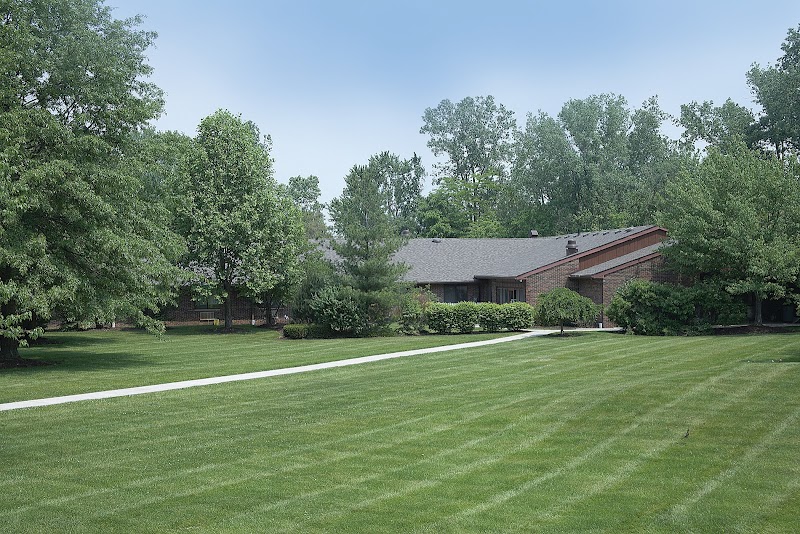
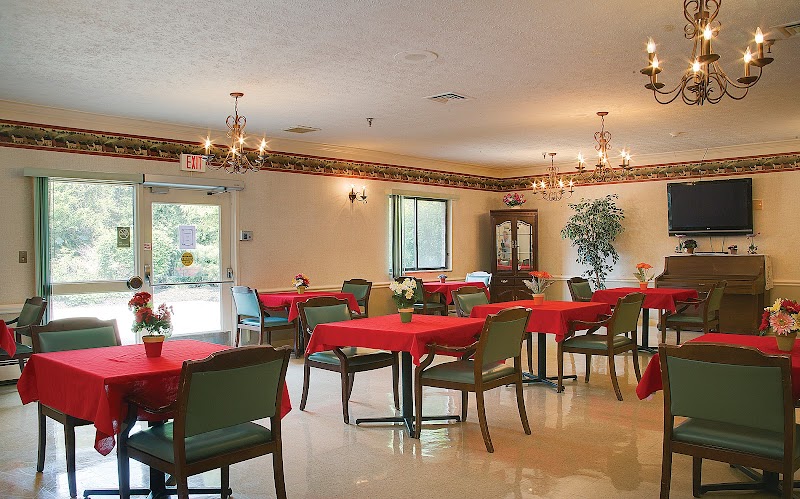
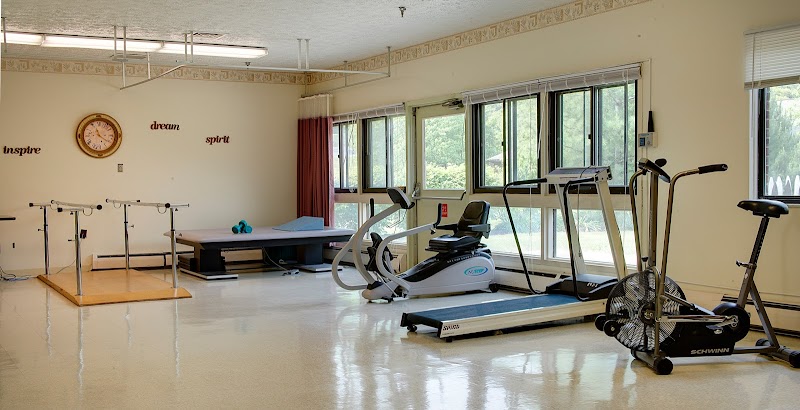
ARBORS AT DELAWARE

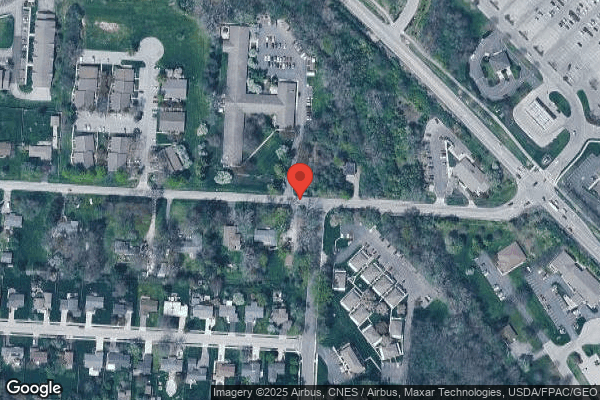
2270 WARRENSBURG ROAD, DELAWARE, OH 43015 (740) 369-9614
For profit - Corporation 99 Beds ARBORS AT OHIO Data: November 2025
Trust Grade
55/100
#393 of 913 in OH
Last Inspection: December 2023

Within standard 12-15 month inspection cycle. Federal law requires annual inspections.

Overview

The Arbors at Delaware has a Trust Grade of C, which means it is average and falls in the middle of the pack among nursing homes. It ranks #393 out of 913 facilities in Ohio, placing it in the top half, but it is #7 out of 8 in Delaware County, indicating limited local options. Unfortunately, the facility is worsening, with issues increasing from 14 in 2023 to 16 in 2024. Staffing is a concern, with a rating of 2 out of 5 stars and a turnover rate of 67%, significantly higher than the state average. Although the facility has no fines, which is a positive aspect, there have been serious concerns regarding cleanliness and food service, such as cold meals being served and unclean refrigerators, which could impact resident health.

Trust Score
C
55/100
In Ohio
#393/913
Top 43%
Safety Record
Low Risk
No red flags
Inspections
Getting Worse
14 → 16 violations
Staff Stability
⚠ Watch
67% turnover. Above average. Higher turnover means staff may not know residents' routines.
Penalties
✓ Good
No fines on record. Clean compliance history, better than most Ohio facilities.
Skilled Nurses
○ Average
Each resident gets 34 minutes of Registered Nurse (RN) attention daily — about average for Ohio. RNs are the most trained staff who monitor for health changes.
Violations
⚠ Watch
48 deficiencies on record. Higher than average. Multiple issues found across inspections.
★★★☆☆
3.0
Overall Rating
★★☆☆☆
2.0
Staff Levels
★★★★★
5.0
Care Quality
★★☆☆☆
2.0
Inspection Score
Stable
2023: 14 issues
2024: 16 issues

The Good

  • 5-Star Quality Measures · Strong clinical quality outcomes
  • Full Sprinkler Coverage · Fire safety systems throughout facility
  • No fines on record

Facility shows strength in quality measures, fire safety.

The Bad

3-Star Overall Rating

Near Ohio average (3.2)

Meets federal standards, typical of most facilities

Staff Turnover: 67%

21pts above Ohio avg (46%)

Frequent staff changes - ask about care continuity

Chain: ARBORS AT OHIO

Part of a multi-facility chain

Ask about local staffing decisions and management

Staff turnover is elevated (67%)

19 points above Ohio average of 48%

The Ugly 48 deficiencies on record

Sept 2024 1 deficiency
CONCERN (D) 📢 Someone Reported This

A family member, employee, or ombudsman was alarmed enough to file a formal complaint

Potential for Harm - no one hurt, but risky conditions existed

Resident Rights (Tag F0550)

Could have caused harm · This affected 1 resident

**NOTE- TERMS IN BRACKETS HAVE BEEN EDITED TO PROTECT CONFIDENTIALITY** Based on medical record review, review of facility investigation, review of personnel files, review of inservice logs, resident ...

Read full inspector narrative →
**NOTE- TERMS IN BRACKETS HAVE BEEN EDITED TO PROTECT CONFIDENTIALITY** Based on medical record review, review of facility investigation, review of personnel files, review of inservice logs, resident and family interiews, and staff interview, the facility failed to ensure residents were treated with dignity and respect. This affected two (#83 and #75) residents of six residents reviewed for respect and dignity. The facility census was 84. Findings include: 1. Record review of Resident #83 revealed an admission on [DATE]. Diagnoses included congestive heart failure, obstructive sleep apnea, type II diabetes, and morbid obesity. Review of the Minimum Data Set (MDS) assessment dated [DATE], revealed Resident #83 had intact cognition. Review of the physician's orders dated 09/05/24 revealed Resident #83 can receive diphenhydramine (Benadryl) 50 milligrams (mg) orally every six hours as needed (prn) and oxycodone 10 mg orally every six hours prn for pain relief. Review of Licensed Practical Nurse (LPN) #138's personnel record revealed Performance Improvement Form dated 08/05/24 for LPN #138 with expectations LPN #138 will conducte herself in a professional manner with residents and family members. LPN #138 will not slam items. Review of an inservice log dated 08/13/24 revealed LPN #138 attended inservice education regarding customer service. Review of the Quality Assurance Form dated 08/26/24 revealed Resident #83 reported LPN #177 was rude. LPN #18 was terminated. Review of the facility investigation related to an allegation of poor resident customer service, created by the facility on 08/31/24 and 09/06/24, revealed Resident #83 stated LPN #138 exhibited poor customer service while providing morning care and medication administration upon the request of the resident. Other residents on the same unit were interviewed and Resident #75 stated LPN #138 could be rude at times. Review of the investigation revealed an interview dated 09/06/24 with Resident #83 who stated LPN #138 was harsh, caused her to be upset, uncomfortable, and spoke to her disrespectfully. Review of investigation revealed a Disciplinary Action Form within the 09/06/24 facility investigation, dated 09/06/24, which revealed LPN #138 received a final written warning for poor customer service with verbal and body language appearing rude to residents. Improvement needed was noted to be LPN #138 needed to work on her customer service and had been educated two times previously. She needed to watch her tone with the residents as well as her body language. Interview on 09/09/24 at 12:04 P.M. with Resident #83 revealed the past weekend the resident had placed her light on and the state tested nurse aide (STNA) came in a timely manner and asked of her request. Resident #83 told the STNA she wanted to have pain medication and a Benadryl, which are prn orders. The STNA stated she would deliver the request to the nurse on duty, LPN #138. The nurse came in with the pain pill and acted really snotty. Resident #83 stated She really had an attitude. Resident #83 asked her if she could give her the Benadryl table as well and the nurse got huffy and stormed out of the room slamming the door. In the mean time she received a call from a family member and the nurse came back in with the Benadryl tablet. The resident stated she verbalized in a civil tone her displeasure with the nurse's rude behaviors and the nurse stated Do you want the pill or not? so the resident took the tablet from her and requested she leave my room. When she left, she slammed the door again. Interview on 09/09/24 at 1:28 P.M. with the family of Resident #83 revealed on 08/31/24 at approximately 1:30 AM, the family member was on the phone with her sister, Resident #83, talking to her about her inability to sleep and having some pain. The family member advised her to request some pain medications. While still on the phone, Resident #83 put on the call light and a State Tested Nurse Aide (STNA) arrived to receive Resident #83's request for pain meds, which she has as prn orders to have. Resident #83 requested a pain pill and a Benadryl for sleep assistance. The STNA verified the request and stated she would report this to the nurse. While still on the phone with Resident #83, the nurse, LPN #138, came in the room with very strong attitude about having to get the medications, slamming the door when she left the room. When the nurse came back she was very disrespectful and rude to the family member's sister. When Resident #83 asked about the Benadryl, the nurse seemed to get angry and left the room again slamming the door. The nurse returned to the room and Resident #83 addressed the way the nurse was making her feel as disrespectful and rude. The nurse was overheard stating Are you going to take this or not? Resident #83 stated Yes I will take the pill and then you can leave my room. When the nurse left the room, she slammed the door a third time. Resident #83 then stated to the family member she was upset with the treatment from the nurse and was hesitant on turning her call light on for other requests in fear the same nurse will come back and mistreat her again. Interview on 09/10/24 at 10:00 A.M. with the Director of Nursing (DON) revealed there were two staff identified for being rude with poor customer service. This included a prior incident with LPN #177 who's employment was terminated and LPN #138 who was disciplined with a final written warning. Both staff members were trained upon hire and received continuous education along with quarterly meetings/trainings which have included customer service. The DON stated she had one report of a resident treated poorly since they let go of LPN #177. This new report happened the prior week when a resident's family member called in a complaint, which they addressed. The DON stated there have been no other resident's complaining to their daily care consultants at this point. The DON stated LPN #138 had just received an in-service on customer service and resident rights on 08/13/24. Additional interview on 09/10/24 at 2:15 P.M. with Resident #83 revealed LPN #138 comes in and behaves as if she is too busy to help them, storms around huffing and puffing and slamming doors. The resident stated both times the LPN had to come in and assist her she had to ask her to leave because of the way she was making her feel which she does not get from any other nurse at the facility. 2. Record review revealed Resident #75 was initially admitted to the facility on [DATE]. Diagnoses included diabetes with neuropathy, frequent falls, bladder neuropathies, muscle weakness, heart disease, morbid obesity and major depressive disorder. Review of Resident #75's MDS assessment, dated 06/23/24, revealed the resident had intact cognition. Interview on 09/09/24 at 10:20 A M with Resident #75 revealed most of the staff will answer call lights in a timely fashion and it all depends on who is working. One nurse, LPN #138, has a bit of an attitude. Resident #75 stated LPN #138 doesn't treat her abusively or neglectfully but carries around an attitude and was just not nice to her. Resident #75 stated if she knows LPN #138 is on duty, she will refuse to use her call light because she don't feel she needs to be disrespected by a nurse. Resident #75 stated she has reported this to the DON. Interview on 09/10/24 at 10:00 A.M. with the Administrator confirmed she was unaware of any other reports of poor customer service from staff, including LPN #138, to any other resident as there were no other interviews completed other than daily caring partner visits. The Administrator explained LPN #138 was recently in-serviced on 08/31/24 on customer service. Interview on 09/10/24 at 10:00 A.M. the DON stated she was unaware of Resident #75 having a report of LPN #138 being mean or rude. The non-compliance substantiates Complaint Number OH00157666.
Aug 2024 8 deficiencies
CONCERN (D) 📢 Someone Reported This

A family member, employee, or ombudsman was alarmed enough to file a formal complaint

Potential for Harm - no one hurt, but risky conditions existed

Notification of Changes (Tag F0580)

Could have caused harm · This affected 1 resident

Based on medical record review, staff interview, and policy review, the facility failed to notify a physician of change in resident's status. This affected one (#88) out of three residents reviewed fo...

Read full inspector narrative →
Based on medical record review, staff interview, and policy review, the facility failed to notify a physician of change in resident's status. This affected one (#88) out of three residents reviewed for catheter care. The facility census was 85. Findings include: Review of the medical record for Resident #88 revealed an admission date of 06/07/24 with medical diagnoses of congestive heart failure (CHF), diabetes mellitus (DM), hypertensive heart disease, atherosclerosis heart disease (ASHD), cerebral infarction, and obstructive uropathy, Review of the medical record for Resident #88 revealed a discharge date of 07/31/24. Review of the medical record revealed Resident #88 received Hospice services effective 06/27/24. Review of the medical record for Resident #88 revealed an admission Minimum Data Set (MDS) assessment, dated 07/02/24, which indicated Resident #88 had moderate cognitive impairment and required set-up assistance for eating and was dependent for toilet hygiene, bathing, bed mobility and transfers. The MDS indicated Resident #88 had an indwelling catheter. Review of the medical record for Resident #88 revealed a physician order dated 06/27/24 for hospice services for terminal diagnosis of hypertensive heart disease with heart failure and an order dated 07/03/24 to change indwelling catheter size to 16 French with 10 cubic centimeter (CC) balloon as needed. Review of the medical record for Resident #88 revealed a nurse's note dated 07/03/24 at 8:04 A.M. with stated the State Tested Nursing Assistant (STNA) informed the nurse that Resident #88 had pulled out his indwelling catheter with the balloon still inflated. The note stated Resident #88 refused to allow facility staff to insert a new indwelling catheter. The note continued to state the nurse reported to the incident to the next nurse and that nurse was to notify hospice about the situation. Review of the medical record for Resident #88 revealed no documentation to support the facility staff notified the hospice provider or Resident #88's physician that Resident #88 pulled out his indwelling catheter and refused to have a new catheter inserted. Review of the medical record for Resident #88 revealed a Hospice note dated 07/03/24 by Hospice nurse #180 which stated upon arrival Resident #88's abdomen was soft, nontender and slight rigid prior to reinsertion of indwelling catheter. The note stated the facility staff had not notified the hospice provider that Resident #88 had pulled out his indwelling catheter earlier that morning. The note continued to state Hospice nurse #180 spoke with the facility nurse, aides, and Director of Nursing (DON) related to concerns that facility staff had not notified the hospice provider that Resident #88 had pulled out his indwelling catheter and that Resident #88 was found sitting in blood. Interview on 08/20/24 at 1:41 P.M. with Hospice nurse #180 stated the hospice provider was not notified by the facility staff that Resident #88 had pulled out his indwelling catheter on 07/03/24. Hospice nurse #88 stated she visited Resident #88 on 07/03/24 and found the resident sitting in bed with blood on his sheet and noticed he did not have an indwelling catheter inserted. Hospice nurse #180 stated upon questioning the facility staff they informed her Resident #88 had pulled out his catheter about six hours prior to her visit. Hospice nurse #180 stated upon arrival Resident #88's abdomen was distended, and she was able to reinsert the indwelling catheter with minimal blood. Hospice nurse #180 stated Resident #88 had two liters of urine output upon insertion of indwelling catheter. Interview on 08/22/24 at 9:27 A.M. with the DON confirmed the medical record for Resident #88 did not contain documentation to support the facility staff notified the hospice provider or Resident #88's physician that Resident #88 pulled out his indwelling catheter and refused to have the catheter reinserted. Review of the facility policy titled, Notification of changes, revised 01/01/22, stated the facility would promptly inform the resident, consult the resident's physician, and notify, consistent with his/her authority, resident representative when there is change requiring notification. The policy stated circumstances requiring notification included circumstances that require a need to alter treatment or a significant change in the resident's physician, mental or psychosocial condition such as clinical complications. This deficiency represents non-compliance investigated under Complaint Number OH00156464.
CONCERN (D) 📢 Someone Reported This

A family member, employee, or ombudsman was alarmed enough to file a formal complaint

Potential for Harm - no one hurt, but risky conditions existed

Safe Environment (Tag F0584)

Could have caused harm · This affected 1 resident

Based on observations, staff and resident interviews, and policy review, the facility failed to maintain a clean and homelike environment. This affected three (#24, #4, and #8) of three residents revi...

Read full inspector narrative →
Based on observations, staff and resident interviews, and policy review, the facility failed to maintain a clean and homelike environment. This affected three (#24, #4, and #8) of three residents reviewed for the physical environment. The facility census was 85. Findings include: 1. Observation on 08/19/24 at of privacy curtain in middle of room for Resident #4 revealed curtain had small brown streaks scattered over the curtain. 2. Observation on 08/19/24 at 11:75 A.M. of the curtains in Resident #24's room revealed a brown streak on the middle of the curtain midway up, with black streaks and spots scattered along the bottom of the curtain. 3. Observation on 08/20/24 at 8:37 A.M. of privacy curtain for Resident #8 revealed curtain dirty with white spots and brown streaks scattered on the curtain. Interview on 08/20/24 at 8:37 A.M. with Resident #8 confirmed curtain in room was dirty with white spots and streaks of brown scattered across the privacy curtain. Resident #8 confirmed if they were at home they would not allow their curtains to look like that and they would clean them. Interview on 08/19/24 at 1:37 P.M. with Housekeeping Supervisor #185 confirmed brown smudge on curtains in the room of Resident #4 and a brown streak midway up in the middle of the curtains for Resident #24 and scattered black streaks along the bottom of the curtain. Housekeeping Supervisor #185 stated they had just transferred to this building and is unsure when the curtains were last cleaned. Housekeeping Supervisor #185 revealed the curtains should be cleaned during a deep clean of the room and as needed when they are dirty. Interview on 08/19/24 at 2:32 P.M. with State Tested Nursing Assistant (STNA) #111 revealed they are unaware of when privacy curtains get cleaned but does not think they have extras to be able to take them down to clean them. Review of Healthcare Services Group, Inc. Housekeeping In-service dated 01/01/2000 revealed curtains should be checked with every room clean, and staff should report any soiled or damaged curtains to the housekeeping supervisor. This deficiency represents non-compliance investigated under Complaint Number OH00156859.
CONCERN (D) 📢 Someone Reported This

A family member, employee, or ombudsman was alarmed enough to file a formal complaint

Potential for Harm - no one hurt, but risky conditions existed

Deficiency F0657 (Tag F0657)

Could have caused harm · This affected 1 resident

Based on medical record review, staff interviews, Hospice nurse interview, and review of the Resident Assessment Instrument (RAI) manual 3.0, the facility failed to ensure care plan was updated to inc...

Read full inspector narrative →
Based on medical record review, staff interviews, Hospice nurse interview, and review of the Resident Assessment Instrument (RAI) manual 3.0, the facility failed to ensure care plan was updated to include accurate Activities of Daily Living (ADL) information. This affected one (#88) out of the three residents reviewed for feeding assistance. The facility census was 85. Findings include: Review of the medical record for Resident #88 revealed an admission date of 06/07/24 with medical diagnoses of congestive heart failure (CHF), diabetes mellitus (DM), hypertensive heart disease, atherosclerosis heart disease (ASHD), cerebral infarction, and obstructive uropathy, Review of the medical record for Resident #88 revealed a discharge date of 07/31/24. Review of the medical record revealed Resident #88 received Hospice services effective 06/27/24. Review of the medical record for Resident #88 revealed an admission Minimum Data Set (MDS) assessment, dated 07/02/24, which indicated Resident #88 had moderate cognitive impairment and required set-up assistance for eating and was dependent for toilet hygiene, bathing, bed mobility and transfers. The MDS indicated Resident #88 had an indwelling catheter. Review of the medical record for Resident #88 revealed an Activities of Daily Living (ADL) care plan, dated 06/07/24, which indicated Resident #88 required supervision with eating and to offer assistance with meal set-up as needed. Review of the medical record for Resident #88 revealed a Hospice note dated 07/01/24 by the Hospice nurse that Resident #88 was noted to have food in his mouth upon her arrival and informed the facility nurse that Resident #88 was to be a feed assist and diet was changed to pureed diet. Further review of the Hospice notes revealed a note dated 07/26/24 by the Hospice Social Worker which stated upon arrival Resident #88 appeared disheveled with pieces of food on himself and his bed. The note stated the Hospice Social Worker asked Resident #88 if staff fed him his meals and Resident #88 stated no. Interview on 08/20/24 at 1:41 P.M. with Hospice Nurse #180 stated on multiple visits to Resident #88 after 07/01/24 for she would find his meal trays sitting on his bedside table set-up, but the meal was untouched. Hospice Nurse #88 stated staff had not provided feeding assistance as instructed on 07/01/24. Interview on 08/21/24 at 11:43 A.M. with State Tested Nursing Assistant (STNA) #111 confirmed she took care of Resident #88 when he was at the facility until he discharged . STNA #111 stated she would bring Resident #88's meal trays to his room and set-up his tray on the bedside table. STNA #111 stated at times she would assist Resident #88 with his meals but not all the time and stated she was not aware Resident #88 required staff to assist with feeding. Interview on 08/22/24 at 9:27 A.M. with Director of Nursing (DON) confirmed the medical record for Resident #88 did not contain documentation to support the facility staff provided assistance with feeding Resident #88 his meals as recommended by Hospice on 07/01/24. DON also confirmed Resident #88's care plan did not contain documentation to support Resident #88 required extensive to dependent staff assistance for feeding of meals. Review of the RAI manual, page 2-44, stated the facility Interdisciplinary Team (IDT) must evaluate the information gained to develop a care plan that addresses the resident's foals, preferences, strengths, problems, and needs. The manual also stated the care plan would need to be revised based on changing goals, preferences, and needs of the resident. This deficiency represents non-compliance investigated under Complaint Number OH00156464.
CONCERN (D) 📢 Someone Reported This

A family member, employee, or ombudsman was alarmed enough to file a formal complaint

Potential for Harm - no one hurt, but risky conditions existed

ADL Care (Tag F0677)

Could have caused harm · This affected 1 resident

Based on medical record review, staff interviews, Hospice nurse interview, and policy review, the facility failed to ensure activity of daily living (ADL) assistance was provided for dependent residen...

Read full inspector narrative →
Based on medical record review, staff interviews, Hospice nurse interview, and policy review, the facility failed to ensure activity of daily living (ADL) assistance was provided for dependent resident. This affected one (#88) out of the three residents reviewed for feeding assistance. The facility census was 85. Findings include: Review of the medical record for Resident #88 revealed an admission date of 06/07/24 with medical diagnoses of congestive heart failure (CHF), diabetes mellitus (DM), hypertensive heart disease, atherosclerosis heart disease (ASHD), cerebral infarction, and obstructive uropathy, Review of the medical record for Resident #88 revealed a discharge date of 07/31/24. Review of the medical record revealed Resident #88 received Hospice services effective 06/27/24. Review of the medical record for Resident #88 revealed an admission Minimum Data Set (MDS) assessment, dated 07/02/24, which indicated Resident #88 had moderate cognitive impairment and required set-up assistance for eating and was dependent for toilet hygiene, bathing, bed mobility and transfers. The MDS indicated Resident #88 had an indwelling catheter. Review of the medical record for Resident #88 revealed an Activities of Daily Living (ADL) care plan, dated 06/07/24, which indicated Resident #88 required supervision with eating and to offer assistance with meal set-up as needed. Review of the medical record for Resident #88 revealed a physician order dated 07/01/24 for regular diet, pureed texture, thin liquids. Review of the medical record for Resident #88 revealed a Hospice note dated 06/21/24 which stated upon the Hospice Social Workers arrival resident's breakfast tray was observed on bedside tablet despite it being almost lunchtime. The note stated the plate had a few scoops of eggs and oatmeal off of the tray however, the eggs were noted on Resident #88's tray and the oatmeal was on the bedside table. The note continued to state Resident #88's fork was on the floor beside the bed. Review of the Hospice notes revealed a note dated 07/01/24 by the Hospice nurse that Resident #88 was noted to have food in his mouth upon her arrival and informed the facility nurse that Resident #88 was to be a feed assist and diet was changed to pureed diet. Further review of the Hospice notes revealed a note dated 07/26/24 by the Hospice Social Worker which stated upon arrival Resident #88 appeared disheveled with pieces of food on himself and his bed. The note stated the Hospice Social Worker asked Resident #88 if staff fed him his meals and Resident #88 stated no. Review of the medical record for Resident #88 revealed ADL documentation from 07/22/24-07/31/24 that staff provided set-up to supervision for all meals except for lunch on 07/28/24. Interview on 08/20/24 at 1:41 P.M. with Hospice Nurse #180 stated on multiple visits to Resident #88 after 07/01/24 for she would find his meal trays sitting on his bedside table set-up, but the meal was untouched. Hospice Nurse #88 stated staff had not provided feeding assistance as instructed on 07/01/24. Interview on 08/21/24 at 11:43 A.M. with State Tested Nursing Assistant (STNA) #111 confirmed she took care of Resident #88 when he was at the facility until he discharged . STNA #111 stated she would bring Resident #88's meal trays to his room and set-up his tray on the bedside table. STNA #111 stated at times she would assist Resident #88 with his meals but not all the time and stated she was not aware Resident #88 required staff to assist with feeding. Interview on 08/22/24 at 9:27 A.M. with Director of Nursing (DON) confirmed the medical record for Resident #88 did not contain documentation to support the facility staff provided assistance with feeding Resident #88 his meals as recommended by Hospice on 07/01/24. DON also confirmed Resident #88's care plan did not contain documentation to support Resident #88 required extensive to dependent staff assistance for feeding of meals. Review of the facility policy titled, Activities of Daily Living, revised 12/28/23, stated a resident who is unable to carry out ADL's receive the necessary services to maintain good nutrition, grooming, personal and oral hygiene. This deficiency represents non-compliance investigated under Complaint Number OH00156464.
CONCERN (D) 📢 Someone Reported This

A family member, employee, or ombudsman was alarmed enough to file a formal complaint

Potential for Harm - no one hurt, but risky conditions existed

Quality of Care (Tag F0684)

Could have caused harm · This affected 1 resident

Based on medical record review, staff interviews, Hospice nurse interview, and policy review, the facility failed to properly assess and treat a resident's skin breakdown. This affected one (#88) out ...

Read full inspector narrative →
Based on medical record review, staff interviews, Hospice nurse interview, and policy review, the facility failed to properly assess and treat a resident's skin breakdown. This affected one (#88) out of three residents reviewed for skin breakdown. The facility census was 85. Findings include: Review of the medical record for Resident #88 revealed an admission date of 06/07/24 with medical diagnoses of congestive heart failure (CHF), diabetes mellitus (DM), hypertensive heart disease, atherosclerosis heart disease (ASHD), cerebral infarction, and obstructive uropathy, Review of the medical record for Resident #88 revealed a discharge date of 07/31/24. Review of the medical record revealed Resident #88 received Hospice services effective 06/27/24. Review of the medical record for Resident #88 revealed an admission Minimum Data Set (MDS) assessment, dated 07/02/24, which indicated Resident #88 had moderate cognitive impairment and required set-up assistance for eating and was dependent for toilet hygiene, bathing, bed mobility and transfers. The MDS indicated Resident #88 had an indwelling catheter. The MDS indicated Resident #88 was at risk for skin breakdown, did not have any skin issues, and application of dressing and ointments were done. Review of the medial record for Resident #88 revealed an impaired skin integrity care plan, dated 07/05/24, which stated Resident #88 had moisture associated skin damage (MASD) and an intervention of treatment as ordered. Review of the medical record for Resident #88 revealed no other impaired skin integrity care plans. Review of the medical record for Resident #88 revealed a physician order dated 07/06/24 for sacral wound to cleanse with normal saline, pat dry, apply triad paste, and cover with foam dressing. The order was discontinued on 07/08/24. Review of the medical record revealed an order dated 07/09/24 for weekly skin assessments. Review of the medical record for Resident #88 revealed no documentation to support any other wound/skin breakdown treatments were ordered. Review of the medical record for Resident #88 revealed weekly skin assessments completed as ordered and no skin issues were noted. Review of the medical record for Resident #88 revealed no documentation to support any wound/skin breakdown measurements were completed by the facility staff. Review of the medical record for Resident #88 revealed a hospice nurse note dated 07/01/24 which stated Resident #88 was observed to have skin tear to top of coccyx about the size of a dime and the facility nurse was notified. Further review of hospice nurse notes revealed a note dated 07/03/24 that stated Resident #88 has a small wound on coccyx which was 1-1.5 centimeters (cm) in length, open, no tunneling, blanchable and the facility nurse was notified. Review of a hospice nurse note dated 07/05/24 stated Resident #88 had a small skin tear to top of coccyx and was being treated appropriately. A hospice nurse note dated 07/09/24 stated the area to Resident #88's coccyx was healing, closed, blanchable and dressing was in place. Review of a hospice nurse note dated 07/26/24 stated that Resident #88 was noted to have a dark purple, non-blanchable area to coccyx which measured 1 cm by 1.5 cm and a dressing was applied. The note also stated Resident #88 had skin tear to three toes on right foot and the facility nurse was updated on skin breakdown. Further review of the medical record revealed a hospice nurse note dated 07/31/24 which stated Hospice nurse #180 provided incontinence care for Resident #88 and at the time of the care Resident #88 was noted to have the same dressing in place to his coccyx that was applied on 07/26/24 by Hospice nurse #180. The note stated upon removal of the old dressing the coccyx wound was noted to be larger, wet and deep and another pressure ulcer was noted. The note stated the hospice staff expedited Resident #88's transfer from the facility to another facility due to concerns related to care. The note did not contain documentation to support wound measurements were completed while at the facility. Interview on 08/20/24 at 1:41 P.M. with Hospice nurse #180 stated Resident #88 was noted to have a area to his coccyx on 07/26/24 and a treatment was applied and the facility nurse was updated on the area and the treatment orders. Interview with Hospice nurse #180 stated she visited Resident #88 on 07/31/24 and when assisted the hospice aide with incontinence care for Resident #88 noted the same dressing was in place to his coccyx that she had placed on 07/26/24. Hospice nurse #180 stated she had dated the dressing on 07/26/24 and that was how she knew the dressing had not been changed. Hospice nurse #180 stated upon removal of the coccyx dressing there was an odor to the wound, it had opened, and had tunneling. Hospice nurse #180 stated the wound was not measured because the hospice staff started working on transferring Resident #88 to another facility. Hospice nurse #180 stated Resident #88 discharged to another facility on 07/31/24. Interview on 08/21/24 at 11:35 A.M. with Licensed Practical Nurse (LPN) #114 stated she completed a skin assessment on Resident #88 on 07/30/24 and did not see any skin issues. Interview on 08/22/24 at 9:27 A.M. with Director of Nursing (DON) confirmed the medical record for Resident #88 did not contain documentation to support the facility had not assessed, documented, or obtained treatment orders for the skin breakdown noted by the hospice provider on 07/01/24, 07/03/24, 07/05/24, and 07/26/24. Review of the facility policy titled, Pressure ulcer/skin breakdown protocol, revised 03/20/24 stated all pressure ulcers or other skin related issues are measured and documented in the medical record. The policy stated the staff would notify physician and RR of all new and/or non-healing/worsening pressure ulcers and the physician would authorize pertinent orders related to wound treatments. This deficiency represents non-compliance investigated under Complaint Number OH00156464.
CONCERN (D) 📢 Someone Reported This

A family member, employee, or ombudsman was alarmed enough to file a formal complaint

Potential for Harm - no one hurt, but risky conditions existed

Deficiency F0760 (Tag F0760)

Could have caused harm · This affected 1 resident

**NOTE- TERMS IN BRACKETS HAVE BEEN EDITED TO PROTECT CONFIDENTIALITY** 1. Review of medical chart for Resident #85 revealed and admission date of 07/19/24. Diagnoses include Parkinson's, cerebral inf...

Read full inspector narrative →
**NOTE- TERMS IN BRACKETS HAVE BEEN EDITED TO PROTECT CONFIDENTIALITY** 1. Review of medical chart for Resident #85 revealed and admission date of 07/19/24. Diagnoses include Parkinson's, cerebral infarction, atrial fibrillation, hypertension, abdominal aortic aneurysm, and anemia. Review of the Minimum Data Set (MDS) dated [DATE] for Resident #85 revealed resident cognitively impaired. MDS for Resident #85 indicates resident requires extensive assistance with transfers, eating, toileting, and bed mobility. Review of orders for Resident #85 revealed orders including an order dated 07/19/24 for lisinopril oral tablet 20 milligrams (mg), give one tablet by mouth one time a day related to essential hypertension. Hold for systolic blood pressure less than 110. Review of blood pressure (BP) readings for Resident #85 revealed resident's blood pressure recorded on 08/11/24 was 97/61 at 11:55 A.M. Review of medication administration record (MAR) for August revealed resident dose of lisinopril scheduled for 9:00 A.M. administration. Review of MAR shows resident received lisinopril every day in August, including on 08/11/24. Interview on 08/21/24 at 12:20 P.M. with the Director of Nursing (DON) confirmed Resident #85 has an order to hold the lisinopril if the systolic blood pressure is less than 110. The DON confirmed Resident #85 received the lisinopril on 08/11/24 despite the residents blood pressure being 97/61. 2. Review of medical chart for Resident #20 revealed an admission dated of 01/21/22. Diagnoses include atherosclerotic heart disease, hemiplegia and hemiparesis following cerebral infarction, hypertension, and hyperlipidemia. Review of the MDS dated [DATE] for Resident #20 revealed resident cognitively intact. MDS for Resident #20 revealed resident dependent for toileting, dressing, and transferring. Review of order for Resident #20 revealed orders include an order date 11/14/22 for lisinopril tablet 30 milligrams mg give one tablet by mouth one time a day related to hypertension. Hold for systolic less than 110, an order date 11/14/22 for metoprolol succinate extended-release tablet 24-hour 100 mg give one tablet by mouth one time a day for beta blocker related to hypertension. Hold for systolic lower than 110 or heart rate lower than 55, and order dated 08/02/24 metoprolol succinate extended release 24-hour 50 mg give one tablet by mouth one time a day for beta blocker related to hypertension Review of blood pressure (BP) documentation for Resident #20 revealed BP reading of 108/66 on 08/14/24 and 106/66 on 08/21/24. Review of August Medication Administration Record (MAR) for Resident #20 revealed administration of lisinopril 30 mg tablet administered every day on August, including on 08/14/24 and 08/21/24. Review of August MAR for Resident #20 revealed administration of metoprolol succinate extended release 24 hours 100 mg administered every day in August, including 08/14/24 and 08/21/24. Interview on 08/21/24 at 12:20 P.M. with the DON confirmed Resident #20 received their blood pressure medications on 08/14/24 and 08/21/24 despite the residents blood pressure being out of the physician orders parameters to hold the medication. Review of Medication Administration policy dated 10/30/2020 revised 1/17/2023 revealed medications will be administered as ordered by the physician and in accordance with professional standards or practice. This deficiency represents non-compliance investigated under Complaint Number OH00156464. This deficiency represents ongoing noncompliance from the complaint surveys completed 06/26/24 and 07/24/24. Based on medical record reviews, staff interviews, and policy review, the facility failed to ensure residents were from significant med errors. This affected two (#20 and #85) residents out of the six residents reviewed for medication administration. The facility census was 85. Findings include:
CONCERN (D) 📢 Someone Reported This

A family member, employee, or ombudsman was alarmed enough to file a formal complaint

Potential for Harm - no one hurt, but risky conditions existed

Deficiency F0849 (Tag F0849)

Could have caused harm · This affected 1 resident

Based on medical record review, staff interview, Hospice nurse interview, and policy review, the facility failed to ensure coordination of care and services with the Hospice provider. This affected on...

Read full inspector narrative →
Based on medical record review, staff interview, Hospice nurse interview, and policy review, the facility failed to ensure coordination of care and services with the Hospice provider. This affected one (#88) out of the three residents reviewed for catheter care. The facility census was 85. Findings include: Review of the medical record for Resident #88 revealed an admission date of 06/07/24 with medical diagnoses of congestive heart failure (CHF), diabetes mellitus (DM), hypertensive heart disease, atherosclerosis heart disease (ASHD), cerebral infarction, and obstructive uropathy, Review of the medical record for Resident #88 revealed a discharge date of 07/31/24. Review of the medical record revealed Resident #88 received Hospice services effective 06/27/24. Review of the medical record for Resident #88 revealed an admission Minimum Data Set (MDS) assessment, dated 07/02/24, which indicated Resident #88 had moderate cognitive impairment and required set-up assistance for eating and was dependent for toilet hygiene, bathing, bed mobility and transfers. The MDS indicated Resident #88 had an indwelling catheter. Review of the medical record for Resident #88 revealed a physician order dated 06/27/24 for hospice services for terminal diagnosis of hypertensive heart disease with heart failure and an order dated 07/03/24 to change indwelling catheter size to 16 French with 10 cubic centimeter (CC) balloon as needed. Review of the medical record for Resident #88 revealed a nurse's note dated 07/03/24 at 8:04 A.M. with stated the State Tested Nursing Assistant (STNA) informed the nurse that Resident #88 had pulled out his indwelling catheter with the balloon still inflated. The note stated Resident #88 refused to allow facility staff to insert a new indwelling catheter. The note continued to state the nurse reported to the incident to the next nurse and that nurse was to notify hospice about the situation. Review of the medical record for Resident #88 revealed no documentation to support the facility staff notified the hospice provider or Resident #88's physician that Resident #88 pulled out his indwelling catheter and refused to have a new catheter inserted. Review of the medical record for Resident #88 revealed a Hospice note dated 07/03/24 by Hospice nurse #180 which stated upon arrival Resident #88's abdomen was soft, nontender and slight rigid prior to reinsertion of indwelling catheter. The note stated the facility staff had not notified the hospice provider that Resident #88 had pulled out his indwelling catheter earlier that morning. The note continued to state Hospice nurse #180 spoke with the facility nurse, aides, and Director of Nursing (DON) related to concerns that facility staff had not notified the hospice provider that Resident #88 had pulled out his indwelling catheter and that Resident #88 was found sitting in blood. Interview on 08/20/24 at 1:41 P.M. with Hospice nurse #180 stated the hospice provider was not notified by the facility staff that Resident #88 had pulled out his indwelling catheter on 07/03/24. Hospice nurse #88 stated she visited Resident #88 on 07/03/24 and found the resident sitting in bed with blood on his sheet and noticed he did not have an indwelling catheter inserted. Hospice nurse #180 stated upon questioning the facility staff they informed her Resident #88 had pulled out his catheter about six hours prior to her visit. Hospice nurse #180 stated upon arrival Resident #88's abdomen was distended, and she was able to reinsert the indwelling catheter with minimal blood. Hospice nurse #180 stated Resident #88 had two liters of urine output upon insertion of indwelling catheter. Interview on 08/22/24 at 9:27 A.M. with the DON confirmed the medical record for Resident #88 did not contain documentation to support the facility staff notified the hospice provider or Resident #88's physician that Resident #88 pulled out his indwelling catheter and refused to have the catheter reinserted. Review of the facility policy titled, Hospice, revised 10/26/23 stated when a resident chooses to receive Hospice care and services, the facility would coordinate and provide in cooperation with hospice staff in order to promote the resident's highest practicable physical, mental, and psychosocial well-being. The policy stated the facility would immediately contact and communicate with the hospice staff, attending physician/practitioner, and family resident representative regarding any significant changes in the resident's status, clinical complications or emergent situations. This deficiency represents non-compliance investigated under Complaint Number OH00156464.
CONCERN (D) 📢 Someone Reported This

A family member, employee, or ombudsman was alarmed enough to file a formal complaint

Potential for Harm - no one hurt, but risky conditions existed

Deficiency F0925 (Tag F0925)

Could have caused harm · This affected 1 resident

Based on observations, staff and resident interviews, and policy review, the facility failed to maintain pest control in hallways and resident rooms. This affected two (#4 and #24) of three residents ...

Read full inspector narrative →
Based on observations, staff and resident interviews, and policy review, the facility failed to maintain pest control in hallways and resident rooms. This affected two (#4 and #24) of three residents reviewed for the effective pest control. The facility census was 85. Findings included: 1. Observation and interview on 08/19/24 at 11:48 A.M. with Resident #4 revealed a lot of flies and a few gnats in the room especially around the privacy curtain in the middle of the room. Resident #4 confirmed the flies really bothered them and they want them gone from the room. 2. Observation and interview on 08/19/24 at 11:57 A.M. with Resident #24 revealed some flies and gnats in the room, especially by the privacy curtain in the middle of the room. Resident #24 said the flies drive them crazy and they have to sleep with a blanket over their head to keep the flies off of them. Resident #24 revealed they had asked staff to please get them a fly strip to get rid of the flies. Interview on 08/19/24 at 2:32 P.M. with State Tested Nursing Assistant (STNA) #111 confirmed the presence of flies and gnats in hallway and Resident #24 and #4's rooms. STNA #111 revealed when flies and gnats are noted they let housekeeping know and try to go into rooms and look for food and trash and clean up the room. If cleaning doesn't help, then it is reported to maintenance through a facility communication system. Interview on 08/19/24 at 1:37 P.M. with Housekeeping Supervisor confirmed the presence of flies in the room of Resident #24 and #4. Interview on 08/19/24 at 2:20 P.M. with Maintenance #163 confirmed the presence of flies in the hallway and rooms for Resident #24 and Resident #4. Maintenance #163 revealed Pest Control Company #9 comes once a month per their contract with the facility but would come more often if needed. Maintenance #163 revealed if they can fix the pest issue then they will, but if they cannot they contact Pest Control Company #9. Staff put report in the facility communication system and that tells him what he need to take care of. Review of facility policy titled Pest Control Program, dated 08/14/20, revealed it is the facility policy to maintain an effective pest control program that eradicates and contains common household pests and rodents. This deficiency represents non-compliance investigated under Complaint Number OH00156859.
Jul 2024 1 deficiency
CONCERN (D) 📢 Someone Reported This

A family member, employee, or ombudsman was alarmed enough to file a formal complaint

Potential for Harm - no one hurt, but risky conditions existed

Deficiency F0760 (Tag F0760)

Could have caused harm · This affected 1 resident

Based on observations, staff interviews, resident interview, family interview, medical record reviews, and policy reviews, the facility failed to ensure residents were free from significant medication...

Read full inspector narrative →
Based on observations, staff interviews, resident interview, family interview, medical record reviews, and policy reviews, the facility failed to ensure residents were free from significant medication errors. This affected two (#85 and #14) of six residents reviewed for medication administration. The facility census was 86. Findings include: 1. Review of the medical record for Resident #85 revealed an admission date of 12/05/23. Medical diagnoses included neurocognitive disorder with lewy bodies, dementia, hypertension, and bradycardia (low heart rate of less than 60 beats per minute). Review of Resident #85's Minimum Data Set (MDS) quarterly assessment, dated 06/13/24, revealed the resident had a Brief Interview for Mental Status (BIMS) score of 09 indicating moderately impaired cognition. Review of Resident #85's physicians orders revealed an order dated 07/19/24, for metoprolol tartrate (an antihypertensive medication used to lower blood pressure and/or heart rate) 25 milligrams (mg) by oral route twice daily. The order specified to hold the medication for a systolic blood pressure less than 100 and/or a heart rate less than 60. Review of Resident #85's Medication Administration Record (MAR) for July 2024 revealed the medication has been administered twice daily since it was ordered on 07/19/24. The MAR contained no corresponding blood pressure and heart rate levels recorded to reflect the resident's vital signs at the time of the metoprolol administration. An observation on 07/23/24 at 7:56 A.M. revealed Registered Nurse (RN) #200 prepared Resident #85's morning medications. RN #200 retrieved Resident # 85's medication out of the medication cart and checked the medications against the order's on the resident's MAR. RN #200 stated the resident's medication regimen included an order for one tablet of metoprolol tartrate 25 mg. RN #200, who was looking directly at Resident #85's MAR, stated the resident's metoprolol had no vital sign parameters or instructions on when to give or not give the medication. RN #200 retrieved the card of metoprolol 25 mg and identified the resident's metoprolol were in half-tablet doses (12.5 mg each). RN #200 removed two half-tablets of metoprolol and placed them in the cup with Resident #85's other morning medications. RN #200 then retrieved her automatic blood pressure cuff and stated she would check Resident #85's blood pressure as a good nursing practice prior to giving the resident all of his morning medications. RN #200 entered Resident #85's medications where the resident was lying in bed. RN #200 gently awakened the resident and informed him she was checking his blood pressure. RN #200 applied her automatic blood pressure cuff to the resident's right arm, and obtained a blood pressure of 99/57 mg/deciliter (a low reading; a normal reading is around 120/80 mg/deciliter) and a heart rate of 53 beats per minute (a low reading; a normal value is between 60-100 beats per minute). RN #200 stated the blood pressure reading could not be correct and re-applied the blood pressure cuff to the resident's left arm and obtained a reading of 81/46 mg/deciliter (indicating a low reading) and a heart rate of 53 beats per minute. RN #200 again stated this could not be possible and exited the resident's room, retrieved a manual blood pressure cuff and stethoscope, and returned to Resident #85's room. RN #200 proceeded to rechecked Resident #85's blood pressure and reported the result was 110/60 and confirmed the heart rate was still 53 beats per minute. RN #200 administered the resident's morning oral medication, including the morning dose of metoprolol. Interview on 07/23/24 at 8:25 A.M., with RN #200 following Resident #85's medication administration confirmed she made an error and administered the resident's metoprolol when she should not have. RN #200 stated the heart rate was too low and the medication should not have been administered. RN #200 obtained a finger pulse oximeter (used to measure oxygen saturation level and heart rate) and returned to the resident's room. RN #200 obtained a heart rate reading of 48 beats per minute and stated again that she should not have administered the medication and would need to call the provider. Interview on 07/23/24 at 9:13 A.M., with Regional Director of Clinical Operations (RDCO) #410 confirmed she was aware of the medication error RN #200 made with Resident #85's morning metoprolol administration. RDCO #410 reported RN #200 contacted the provider and family, was monitoring the resident, and would be re-educated. 2. Review of the medical record for Resident #14 revealed an admission date of 06/21/24. Medical diagnoses included type II diabetes mellitus with diabetic neuropathy. Review of Resident #14's MDS admission assessment, dated 06/28/24, revealed the resident had a BIMS score of 11, indicating moderately impaired cognition. Resident #14 had no recorded behaviors or rejection of care. Review of Resident #14's physician's orders revealed an order dated 06/21/24, for Trulicity (a hypoglycemic medication to lower blood sugar) 0.75 mg administered by subcutaneous injection once weekly on Mondays. Review of Resident #14's MAR for July 2024 revealed the resident's Trulicity was not recorded as administered on 07/08/24 and 07/15/24. On those two dates, a MAR entry indicated chart code 09 which indicated other/see progress notes. Review of Resident #14's interdisciplinary progress notes revealed an entry dated 07/08/24 at 10:30 A.M., which stated the Trulicity was pending delivery. An additional note dated 07/15/24 at 10:38 A.M., revealed the Trulicity medication was on order. There were no notes indicating the pharmacy or provider had been contacted to inform of the missing doses. Interview on 07/23/24 at 6:39 A.M., with Resident #14 revealed her lying in bed. The resident was awake and alert and answered questions appropriately. Resident #14 stated she had difficulty getting all of her regular medications at the facility, specifically her once-weekly injection of Trulicity. Resident #14 stated she was supposed to get the medication on Mondays but missed multiple doses since arriving at the facility and was not sure why. Interview on 07/23/24 at 9:24 A.M., with a family member of Resident #14, via telephone, revealed the resident went without her ordered Trulicity on 07/08/24 and 07/15/24, and was unsure why. The family member indicated they had provided the facility with one of Resident #14's home doses of Trulicity when Resident #14 first admitted to the facility, so she would not have to go without her ordered medication. The family member was unsure why the facility was unable to obtain this medication. Interview on 07/23/24 at 9:48 A.M., with RDCO #410 verified Resident #14's Trulicity was not recorded as administered on 07/08/24 and 07/15/24. RDCO #410 additionally confirmed the resident's record contained no evidence the pharmacy or provider was contacted regarding the missing doses of medications. Review of the policy titled, Medication Errors, dated 01/24/24, revealed to ensure residents receive care and services safely in an environment free from significant medication errors. The facility shall ensure medications will be administered according to physician's orders. The facility will consider factors indicating errors in medication administration which include medications administered not in accordance with the prescriber's order which can include an incorrect dose, route of administration, dosage form, time of administration, medication omission, or incorrect medication. Adverse drug reactions and significant medication errors will be reported to the prescriber, director of nursing, and pharmacy. These events will be reviewed as part of the facility QAPI committee for further recommendations as indicated. Review of the policy titled, Medication Administration, dated 01/17/23, revealed medications are to be administered as ordered by the physician and in accordance with professional standards of practice. The policy indicated to obtain and record vital signs when applicable or per physician's orders. When applicable, hold medication for those vial signs outside the physician's prescribed parameters. This deficiency represents non-compliance investigated under OH00155540 and is a recite to the survey dated 06/26/24.
Jun 2024 2 deficiencies
CONCERN (D) 📢 Someone Reported This

A family member, employee, or ombudsman was alarmed enough to file a formal complaint

Potential for Harm - no one hurt, but risky conditions existed

Deficiency F0691 (Tag F0691)

Could have caused harm · This affected 1 resident

**NOTE- TERMS IN BRACKETS HAVE BEEN EDITED TO PROTECT CONFIDENTIALITY** Based on observation, record review, resident and staff interview, and policy review, the facility failed to provide comprehensi...

Read full inspector narrative →
**NOTE- TERMS IN BRACKETS HAVE BEEN EDITED TO PROTECT CONFIDENTIALITY** Based on observation, record review, resident and staff interview, and policy review, the facility failed to provide comprehensive urostomy care for one (#40) of four residents reviewed for indwelling urinary drainage device. The facility identified one resident (#40) who had a urostomy used in his care. The facility census was 85. Findings Include: Review of the medical record for Resident # 40, revealed the resident was admitted to the facility on [DATE]. Diagnoses included unspecified hydronephrosis, perinephric abscess and diabetes mellitus type two. Review of the quarterly Minimum Data Set (MDS) assessment dated [DATE], revealed Resident #40 was cognitively intact and was to have an indwelling catheter for his urinary elimination. Observation of Resident #40 on 06/24/24 at 2:40 P.M. revealed the resident had a bath basin lying on the floor on the left side of his bed that had a nephrostomy drainage bag lying on the bottom of the basin covered in liquid. The resident had a nephrostomy drainage bag anchored to the right side of his bed frame with a bath basin sitting on the floor under the drainage bag with a small amount of reddish liquid in the bath basin. Interview with Resident #40 at the same time, revealed his nephrostomy tubes were leaking and he had to go to an outside appointment to get them replaced. The resident stated the right bag had been leaking for a week and the left bag had been leaking for three weeks Observation and interview on 06/24/24 at 2:44 P.M. with the Director of Nursing (DON) in Resident #40's room confirmed the nephrostomy bags should not be leaking/draining into bath basins on the floor. The DON verified the left nephrostomy bag was lying in urine in the bath basin and should not be stored in that manner. The DON stated the facility had replacement nephrostomy bags that were delivered last week and available to use. The DON stated the right drainage bag did not have the stopper correctly in place and she corrected its placement and the bag stopped leaking. Review of the facility policy titled Nephrostomy and Cystostomy Tube Care and Maintenance revised on 01/01/22, revealed residents with nephrostomy or cystostomy tubes will receive care consistent with professional standards of practice, the comprehensive person-centered care plan and the resident's goals and preferences. The care and maintenance of nephrostomy/cystostomy tubes shall be in accordance with physician orders. Review of facility policy titled Catheter Care Procedure-Urinary revised on 12/28/23 revealed, the facility is to provide catheter care to all residents that have an indwelling catheter in an effort to reduce bladder and kidney infections, while maintaining their dignity and privacy. This deficiency represents non-compliance investigated under Complaint Number OH00154952.
CONCERN (D) 📢 Someone Reported This

A family member, employee, or ombudsman was alarmed enough to file a formal complaint

Potential for Harm - no one hurt, but risky conditions existed

Deficiency F0760 (Tag F0760)

Could have caused harm · This affected 1 resident

**NOTE- TERMS IN BRACKETS HAVE BEEN EDITED TO PROTECT CONFIDENTIALITY** Based on record review, observation, staff interview, and policy review the facility failed to ensure residents were free from s...

Read full inspector narrative →
**NOTE- TERMS IN BRACKETS HAVE BEEN EDITED TO PROTECT CONFIDENTIALITY** Based on record review, observation, staff interview, and policy review the facility failed to ensure residents were free from significant medication errors. This affected one (#29) of the six residents observed for medication administration. The facility census was 85. Findings Include: Review of the medical record for Resident #29's revealed the resident was admitted on [DATE]. Diagnoses included diabetes mellitus, dementia, cerebrovascular accident (CVA/stroke) and coronary artery disease. Review of the Minimum Data Set (MDS) assessment dated [DATE], Revealed Resident #29 was cognitively intact. Review of a physician's order dated [DATE], revealed Resident #29 was ordered to receive Regular Insulin (short acting insulin) 100 units/milliliter (mL) per sliding scale subcutaneously before meals and at bedtime for diabetes. If finger stick blood glucose (FSBG) is 151 milligrams per deciliter (mg/dL) to 200 mg/dL give two units; 201 mg/dL to 250 mg/dL give four units; 251 mg/dL to 300 mg/dL give six units; 301 mg/dL to 350 mg/dL give eight units; 351 mg/dL to 400 mg/dL give 10 units; 401 mg/dL to 450 mg/dL give 12 units and 451 mg/dL to 500 mg/dL give 14 units. Observation of a finger stick blood glucose (FSBG) accucheck for Resident #29 on [DATE] at 7:58 A.M. and completed by LPN #484 revealed a reading of 436 mg/dL. Observation of medication pass for Resident #29 on [DATE] at 8:00 A.M. revealed Licensed Practical Nurse (LPN) #484, removed a bag with a label affixed for Resident #29 which contained a vial of Aspart (rapid acting insulin) insulin. LPN #484 extracted 12 units of the insulin from the vial into an insulin syringe. Further inspection of the vial of insulin revealed the insulin belonged to Resident #40 and was Insulin Lispro (a short acting insulin). The vial was dated as being opened on [DATE]. LPN #484 was observed to proceed to Resident #29's door, knock on the door and announce she had the resident's insulin to administer. Upon entering the room, the surveyor stopped LPN #484 to question the insulin. Observation of the insulin vial on [DATE] at 8:02 A.M. revealed, LPN #484 verified the insulin vial she prepared for Resident #29 belonged to Resident #40 and was dated as being opened on [DATE]. LPN #484 verified the insulin was the wrong resident's insulin, and the insulin was expired. Review of a facility policy titled Medication Administration Subcutaneous Insulin revised on 01/0123 revealed, the facility would administer subcutaneous insulin as ordered and in a safe, accurate and effective manner. The facility staff would check the prescriber's order for insulin, obtain the insulin, check the expiration date, and the date of vial after first use. Review of the facility policy titled Medication Administration revised on [DATE] revealed, medications are administered by license nurses or other staff who are legally authorized to do so in this state, as ordered by the physician and in accordance with professional standards of practice, in a manner to prevent contamination or infection. Review the medication administration record (MAR) to identify medication to be administered, compare the medication source with MAR to verify the resident's name, medication name, form, dose, route, and time of administration. This deficiency represents non-compliance investigated under Complaint Number OH00154994 and OH00154453.
Apr 2024 4 deficiencies
CONCERN (D) 📢 Someone Reported This

A family member, employee, or ombudsman was alarmed enough to file a formal complaint

Potential for Harm - no one hurt, but risky conditions existed

Grievances (Tag F0585)

Could have caused harm · This affected 1 resident

**NOTE- TERMS IN BRACKETS HAVE BEEN EDITED TO PROTECT CONFIDENTIALITY** Based on record review, resident interview, staff interview, and policy review, the facility failed to ensure resident complaint...

Read full inspector narrative →
**NOTE- TERMS IN BRACKETS HAVE BEEN EDITED TO PROTECT CONFIDENTIALITY** Based on record review, resident interview, staff interview, and policy review, the facility failed to ensure resident complaints and concerns were documented and followed up on in a timely manner. This affected two (Residents #103 and #222) of three residents reviewed for follow up on resident concerns. The census was 82. Findings: Review of the resident council meeting minutes dated 02/08/24 documented residents complained of laundry not being returned in a timely manner. 1. Review of the medical record for Resident #222 revealed an admission date of 09/23/22, with diagnoses including atrial fibrillation, chronic obstructive pulmonary disease, morbid obesity, diabetes mellitus type 2, obstructive sleep apnea, major depressive disorder, and chronic lymphocytic leukemia of B cell. Review of the quarterly Minimum Data Set (MDS) assessment dated [DATE] revealed for Resident #222 a Brief Interview Mental Status (BIMS) score of 14. She requires substantial/maximal assistance for upper body dressing and was dependent for shower/bathe, toilet hygiene and lower body dressing. Review of the March 2024 grievance log revealed a documented concern dated 03/15/24 from Resident #222 regarding missing bras, jeans, leggings, tee shirt dress, pajama pants, tee shirt and socks. The resolution was documented as ongoing. Some items were found and returned, and others were still being searched for. There was no date listed stating when Resident #222 was notified of the resolution. Review of document titled Quality Assistance Form dated 03/15/24, documented Resident #222 communicated to the Administrator missing 4 Playtex bras (50DD white), 4 pair jeans (size 24-26), wine leggings (3x), yellow tee shirt dress (3x), 1 plaid (red/black) men' pajama pants (4x), black sweatpants (3x), tee shirts different colors (4x) and socks with different characters. Further revealing a documented resolution was provided in person to Resident #222 from staff on 04/01/24 (first day of summary), as all items were found, returned to Resident #222 and Resident #222 is happy to have clothing back. Interview on 04/01/24 at approximately 3:30 P.M., with Administrator confirmed that all complaints and concerns were documented on the grievance form and should be addressed promptly. Further revealing that complaints of missing personal clothing items were completed on 04/01/24 (first day of survey) with all items documented as returned to Resident #222. Interview on 04/02/24 at approximately 10:30 A.M., with Resident #222 confirmed she had reported to staff on multiple occasions personal clothing missing and not being returned from laundry. Resident #222 confirmed personal items including four Playtex bras, jeans, tee shirts, a dress and pants were still missing. Resident #222 confirmed no communication was provided to her by staff on the status of her missing personal clothing items and items were still not returned to her. Review of document titled Quality Assistance Form dated 03/15/24, documented Resident #222 communicated to the Administrator missing 4 Playtex bras (50DD white), 4 pair jeans (size 24-26), wine leggings (3x), yellow tee shirt dress (3x), 1 plaid (red/black) men' pajama pants (4x), black sweatpants (3x), tee shirts different colors (4x) and socks with different characters. Further revealing a documented resolution was provided in person to Resident #222 from staff on 04/01/24 (first day of summary), as all items were found, returned to Resident #222 and Resident #222 is happy to have clothing back. Interview on 04/02/24 approximately 11:00 A.M., with Laundry Staff #784 confirmed Resident #222 has on multiple occasions complained about missing personal clothing items and was unaware if any items were located. with Laundry Staff #784 stated many residents' pieces of clothing go missing because of not being appropriately labeled by staff with each resident's name. Interview on 04/03/24 at approximately 9:20 A.M., with Social Services #14, confirmed the facility had multiple complaints of missing clothing items not being returned from laundry. Social Service #14 stated Resident #222 had voiced on different occasions complaints about missing personal items of clothing. 2. Review of the medical record for Resident #103 revealed an admission date of 12/11/23 with diagnosis including but not limited to Chronic obstructive pulmonary disease, diabetes mellitus type 2, obesity, hypothyroid, major depressive disorder, Review of the quarterly Minimum Data Set (MDS) dated [DATE] revealed Resident #103 had a Brief Interview Mental Status (BIMS) score of 13. She requires Supervision or touching assistance for eating, oral hygiene, toilet hygiene, shower/bathe, upper body dressing and personal hygiene. Review of the March 2024 grievance log revealed a documented concern from Resident #103, on 03/18/24 for missing clothes, dress pants, stretchy pants, and diabetic socks. Documentation of resolution revealed, ongoing some items found and returned, others still being searched for, and date complaint notified was blank. Review of document titled Quality Assistance Form dated 03/18/24, documented Resident #103 communicated to the Director of Nursing missing 2 black dress pants, 1 pair of stretch black pants, 1 pair of gray stretchy pants, 1 pair of blue stretchy pants and 7 pair of diabetic socks. Further revealing a documented resolution was provided in person to Resident #103 from staff on 04/01/24 (first day of survey), as all items were found except diabetic socks and administration to purchase. Interview on 04/01/24 at approximately 3:30 P.M., with Administrator confirmed that all complaints and concerns were documented on the grievance form and should be addressed promptly. Further revealing that complaints of missing personal clothing items were completed on 04/01/24 (first day of survey) with all items documented as returned to Resident #103 except for diabetic socks. Interview on 04/02/24 approximately 11:00 A.M., with Laundry Staff #784, confirmed Resident #103 complained about missing personal clothing items and was unaware if any items were located. Laundry Staff #784 stated many residents' pieces of clothing go missing because of not being appropriately labeled by staff with each resident's name. Further gesturing to a container of socks located under the folding area containing many socks that were unmatched and or missing matches and were yet to be gone though. Interview on 04/02/24 at approximately 11:30 A.M., with Resident #103 confirmed she had reported to staff on multiple occasions personal clothing missing and not being returned from laundry. Resident #103 confirmed dissatisfaction with the length of the time that had taken place since she had filed the grievance and the lack of communication regarding the resolution to the complaint. Further detailing the high-risk nature of being diabetic and not having appropriate fitting socks that could lead to diabetic foot issues confirming she was still missing items and diabetic socks had not been replaced by the facility. Interview on 04/03/24 at approximately 9:20 A.M., with Social Services #14, confirmed the facility had received multiple complaints of missing clothing items not being returned from laundry promptly. Confirming Resident #103 had voiced complaints about missing personal items of clothing. Review of the policy titled, Quality Assistance Procedure revised date of 10/30/23, revealed the resident or person filing the quality assistance form on behalf of the resident, will be informed of the findings of the investigation and the actions that will be taken to correct any identified problems. This deficiency represents non-compliance investigated under Complaint Number OH00152122 and OH00152055.
CONCERN (D) 📢 Someone Reported This

A family member, employee, or ombudsman was alarmed enough to file a formal complaint

Potential for Harm - no one hurt, but risky conditions existed

Deficiency F0745 (Tag F0745)

Could have caused harm · This affected 1 resident

**NOTE- TERMS IN BRACKETS HAVE BEEN EDITED TO PROTECT CONFIDENTIALITY** Based on record review, resident interview, staff interviews, and interview with Oncology Social Services staff, the facility fa...

Read full inspector narrative →
**NOTE- TERMS IN BRACKETS HAVE BEEN EDITED TO PROTECT CONFIDENTIALITY** Based on record review, resident interview, staff interviews, and interview with Oncology Social Services staff, the facility failed to ensure a resident was provided assistance to and arrange transportation to medical appointments, when the resident required supplement oxygen, resulting in the resident missing physician appointments a medical treatments and not having supplemental oxygen available. This affected one (#200) of three residents reviewed for assistance with outside medical services. The facility census was 82. Finding include: Review of medical record for Resident #200 revealed admission date of 02/01/24. Medical diagnoses included chronic obstructive pulmonary disease, secondary malignant neoplasm of lung, atrial fibrillation, hypothyroidism, pulmonary hypertension, major depression, weakness, need for assistance with personal care, abnormalities of gait and mobility, muscle weakness, low back pain, bipolar disorder, and alcohol abuse. Review of the admission Minimum Data Set (MDS) dated [DATE] revealed for Resident #200 a Brief Interview Mental Status (BIMS) score of 14 indicating intact cognition. He required supervision or touch assistance for toileting, shower/bathe, putting on or taking off footwear, and setup or clean up assistance with upper body and lower body dressing and oral hygiene. Further revealing, no behaviors, rejection of care or wandering and continence of bowel and bladder was indicated on MDS. Review of Resident #200's plan of care dated 02/02/24, revealed the resident was relative risk of episodes of bladder/bowel incontinence related to cancer, depression, and pain to revealed individualized interventions to assist resident with toileting needs with measurable goals. Resident #200 identified risk of impaired pulmonary/respiratory status related to having emphysema and chronic obstructive pulmonary disease with interventions of activity level as tolerated, observe for increase anxiety associated with shortness of breath; provide reassurance, and observer for signs/symptoms of respiratory distress and report to physician. Review of the physician orders dated 02/02/24 for Resident #200 revealed 4 liters of oxygen per nasal cannula continuous. Review of Resident #200's assessment for physician certification of medical necessity for oxygen dated 02/02/24 documented oxygen saturation of 88% on room air, with oxygen needs of 4 liters of oxygen 24 hours a day for lifetime. Interview on 04/01/24 at 9:20 A.M. with Scheduling Staff (SS) #87 revealed Resident #200, was homeless prior to coming into the facility and had managed transportation and appointment on his own. Resident #200 has also done that on occasion at the facility. SS #87 stated Resident #200 had oxygen and could manage the oxygen per self. SS #87 was unaware if any education on the instruction on utilization of oxygen had been provided. SS #87 was unaware if there was a policy for the public transport system assistance level with oxygen during the transport. SS #87 revealed the facility utilizes the public transport though the county for many of the residents' appointments. The Delaware County transportation will take residents anywhere in the county, including physician appointments and drop them off. Further stated the Delaware County transportation bus is wheelchair accessible, and they will only pick up in the front entry and drop off at the front entry, they do not accompany residents to an office, or push them inside of the building, or make sure they arrived at the correct office or make sure they are at the correct location. Interview on 04/01/24 at 10:30 A.M., with SS #2 stated anyone who is independent with activities of daily living goes to appointments by themselves. Further revealing that no staff was scheduled to go to any appointment with Resident #200. Interview on 04/02/24 at 8:56 A.M., with Oncology Social Services ([NAME]) #1 at Ohio Health Delaware Health Center revealed Resident #200 had appointments on 02/29/24 for MRI, 03/07/24, 03/08/24, 03/14/24 for chemotherapy and physician appointments and were documented as no shows to those appointments. [NAME] #1 stated when Resident #200 does come to scheduled appointments, for example on 03/22/24, he came alone with no personal assistance, he was soiled with urine, was out of oxygen and very short of breath and required nursing assistance was required to assist with oxygen saturation levels. [NAME] #1 stated Resident #200 needs personal care assistance during their visits and during his visits been placed on supplemental oxygen during the appointments, so he does not run out of oxygen in his tank. [NAME] #1 stated the staff have communicated their concerns to the facility with no avail. Interview with on 04/02/24 at approximately 9:15 A.M., with SS #87 revealed that anyone who requires assistance with activities of daily living, needs assistance when going to outside appointments, with pushing wheelchair, medical equipment, toileting assistance and or information gathering will be provided assistance to their appointment. SS #87 stated Resident #200 has never had assistance when going on his appointment including appointments on 02/06/24 and 03/22/24. SS #87 stated Resident #200 is transported to appointments in Delaware County by public transportation including Delaware County Transit. SS #87 confirmed Resident #200 had missed appointments and had been rescheduled. Interview and observation on 04/02/24 at approximately 10:20 A.M., with Resident #200 stated he wears 4 liters of oxygen continuously. Further confirming he gets short of breath when propelling in a wheelchair for distances out of his room. Resident #200 stated that on multiple occasions he has run out of oxygen when attending appointments because the portable oxygen tanks do not last long enough when he has to wait for public transportation. Resident #200 further revealed that he has had accidents of urine because of needing personal assistance when he is out of breath and not having it available. Observations revealed Resident #200 became winded during the interview from talking. Resident #200 revealed that he has missed appointments because of transportation not being available. Appointments he missed that had to be rescheduled included an MRI, cancer doctor and or chemotherapy appointment visits because the facility refused to believe he had an appointment and was told they could not get transportation. Resident #200 stated they refused to call the physician office to verify even after explaining or having documents containing the appointment information. Interview on 04/03/24 at approximately 2:30 P.M., with Director of Nursing confirmed staff had to bring an oxygen tank to Resident #200 during an appointment after he had run out. This deficiency represents non-compliance investigated under Complaint Number OH00152301.
CONCERN (E) 📢 Someone Reported This

A family member, employee, or ombudsman was alarmed enough to file a formal complaint

Potential for Harm - no one hurt, but risky conditions existed

Deficiency F0679 (Tag F0679)

Could have caused harm · This affected multiple residents

**NOTE- TERMS IN BRACKETS HAVE BEEN EDITED TO PROTECT CONFIDENTIALITY** Based on observations, medical record review, activity calendar review, resident interview, family interview, staff interview, a...

Read full inspector narrative →
**NOTE- TERMS IN BRACKETS HAVE BEEN EDITED TO PROTECT CONFIDENTIALITY** Based on observations, medical record review, activity calendar review, resident interview, family interview, staff interview, and review of policy, the facility failed to ensure residents were provided with activities to meet the needs and interests of the residents. This affected five (#100, #300, #400, #500, and #600) of five residents reviewed for activities. The census was 82. Findings: Review of the April 2024 activity calendar provided by the facility revealed there was a lack of variety of activities scheduled. The daily calendar included: 9:00 A.M. Daily Chronicle (IR), 10:00 A.M. Exercise (A), 10:30 A.M. Hit 21 (A), 1:30 P.M. UNO (A), 3:00 P.M. Bingo (DR), and 6:30 P.M. Resident Led Cards (A). Observation on 04/01/24 at 8:10 A.M., on the locked memory care unit, in the common area/dining room found 7 Residents of which 5 of which were sitting in wheelchairs, and 2 in a strait back chair all faced towards a large wall of plastic with holes and a zipper open to an area under construction, with no music or television or active interaction from staff. Further observation of a stack of approximately 7 boxes labeled puzzles stacked on top of and in a small side table. In a small corner of the room was table that had pieces of wood missing from the edges, a green felt like material with numerous holes with puzzle pieces partially sticking out of the holes in the material and a broken portion of the table laying partially off to the side of the table. Interview on 04/01/24 at approximately 8:20 A.M., with State Tested Nurse Aid, (STNA) #35 confirmed the lack of individualized interventions on the associated task/[NAME] information for area of psychosocial/ activities. STNA #35 stated the scheduled activities are the same for everyone in the locked memory care unit. Observation on 04/01/24 at approximately 8:25 A.M., observed Resident #500 sitting at dining table with other residents. The all-dining tables were clear of any objects or decor. The dining room had one large happy easter flag attached to one wall, all other walls were clear of décor, no music, no menus were observed. Resident #500 sat at the table with eyes closed and her head back position. Interview on 04/01/24 at approximately 8:30 A.M., with Resident #500, while sitting at a table, Resident stated she had been waiting for breakfast and was tired of waiting. Observation on 04/01/24 at approximately 8:45 A.M., observed Resident #400 sitting at dining table with other residents. The all-dining tables were clear of any objects or decor. The dining room had one large happy easter flag attached to one wall, all other walls were clear of décor, no music, no menus were observed. On 04/01/24 at approximately 8:50 A.M., an attempt to interview Resident #400, while sitting at a table but was unable or unwilling to communicate needs or verbalize understanding of questions. Observation on 04/01/24 from approximately 9:00 A.M. to 10:00 A.M., on memory care unit found no calendar of activity or events posted in common area and no planned activity taking place, no television program being displayed and no music playing. Interview on 04/01/24, at approximately 10:00 A.M., with License Practical Nurse (LPN) #11 confirmed that no planned activity was provided to the residents from 9:00 A.M. to 10:00 A.M., as per the activity schedule and was unable to find a posted activity calendar in common areas. Observation on 04/02/24 at approximately 2:35 P.M., observed Resident #500 to be sleeping in a chair in the common area along with 3 other residents. The common area was free from music, television, décor, or psychosocial stimulation. Interview on 04/02/24 at approximately 2:40 P.M., with STNA #44, confirmed that no planned activities had taken place on the memory care unit for that day. Interview on 04/03/24 at approximately 2:50 P.M., with Activities Director #71, confirmed no formal activities were provided as per the calendar schedule on the memory care unit on 04/01/24 or 04/02/24. 1. Review of medical record for Resident #100 revealed admission date of 08/30/23. Medical diagnoses included hypertensive heart disease, chronic obstructive pulmonary disease, mood disorder, Alzheimer's, adjustment disorder with mixed disturbance of emotional conduct, anxiety, cognitive communication deficit, mental and behavioral disorders, chronic pain, bipolar disorder, major depressive disorder recurrent with severe with psychotic symptoms and insomnia. Review of the quarterly Minimum Data Set (MDS) assessment dated [DATE] revealed for Resident #100 a Brief Interview Mental Status (BIMS) score of 11 indicating mild cognitive impairment. She required supervision or touching assistance for eating, toilet hygiene, shower/bathe, upper and lower body dressing, and personal hygiene. Indicated hallucinations and delusions with physical, verbal, and other behavioral symptoms occurring one to three days. Further indicating rejection of care and wandering occurring one to three days. Review of Resident #100's quarterly activity assessment date 11/21/23 revealed there was no interest listed for the resident. The assessment indicated the resident's interest and participation were unchanged. Review of the care plan dated 09/20/23 for Resident #100 revealed a relative to at risk for altered activity patterns/pursuits related to anxiety, confusion, depression, and disinterest interventions of: allow and encourage hallway activities, encourage resident to participate in small group to promote a sense of ease/belonging and to decrease the potential for anxiety encourage to participate in leisure interest throughout the day. Provide, when possible based on interest (internet access, preferred radio programs audiobooks, library books, word puzzles, magazines) for in room use with measurable goals maintain their current level of activity and socialization though next review. Review of Resident #100 record of planned activities attendance from 03/02/24-04/01/24 was silent for attendance or refusals of any planned activities. Interview and observation on 04/01/24 at approximately 1:15 P.M., revealed Resident #100 in room lying in bed, Resident #100 stated there was nothing to do at the facility and that the activities staff did not interact with her. Resident #100 gestures to the activities calendar on the wall, stating the activities are the same thing every day. Interview on 04/02/24 at 8:50 A.M., with Resident #100's family states Resident #100 has not been provided with activities, 1 on 1 activities, invited to group activities she just sits in her bed. Further stating that Resident #100 has behaviors but many of them could be controlled, or not even happen if she something to do throughout the day, evening and at night. Further stated suggestions, ideas and insight have been provided to multiple different staff on what activities Resident #100 would like to do or had previously enjoyed but none have been provided. Interview on 04/03/24 at approximately 2:50 P.M., with Activities Director #71 confirmed the documentation of Resident #100's attendance or refusal of planned activities was blank indicating no evidence of activities being provided from 03/02/24-04/01/24. 2. Review of medical record for Resident #600 revealed admission date of 05/08/20. Medical diagnoses included transient cerebral ischemic attack, cerebral arteritis, essential primary hypertension, vascular dementia, psoriasis, weakness, pain, muscle weakness. Review of the quarterly MDS assessment dated [DATE] revealed for Resident #600 a Brief Interview Mental Status (BIMS) score of 13. She required substantial/maximal assistance for lower body dressing, personal hygiene, shower/bathe, and toileting. Partial/moderate assistance for upper body dressing and oral hygiene. Resident #600's MDS indicated no behavior symptoms, no rejection of care, no wandering and utilization of a wheelchair and or walker for mobility. Further indicated frequently incontinent of bowel and always incontinent of bladder. Review of Resident #600's quarterly activity assessment date 03/26/24, revealed there was no interest listed for the resident. The assessment stated Resident #600 will gather with friends thorough out the day. The assessment indicated the resident's interest and participation were unchanged. Review of Resident #600 care plan dated 08/16/2023 relative to at risk for altered activity patterns/ pursuits related to anxiety depression and disinterest revealed interventions in place of: allow and encourage hallway activities as able, encourage resident to participate in small group to promote a sense of ease/belonging and to decrease the potential for anxiety encourage to participate in leisure interest throughout the day. Provide, when possible based on interest (internet access, preferred radio programs audiobooks, library books, word puzzles, magazines) for in room use. with measurable goals. Review of Resident #600's record of planned activities attendance from 03/02/24-04/01/24 was silent for attendance or refusals of any planned activities. Interview on 04/02/24 at approximately 1:50 P.M., with Resident #600 stated she was bored, she had never been invited to any scheduled activities, staff did not bring her 1 on 1 activities or crafts to complete. Interview on 04/02/24 at 11:49 A.M., with Resident #600 family revealed they have voiced concerns regarding Resident #600's lack of social interactions or being provided with psychosocial activities throughout the day. Further stating, Resident #600 has mental health issues, that were worse because of not having activities/psychosocial interactions to help reduce or control them. Interview on 04/03/24 at approximately 2:50 P.M., with Activities Director #71 confirmed that documentation of Resident #600's attendance or refusal of planned activities was blank indicating activities had not been provided from 03/02/24-04/01/24. 3. Review of medical record for Resident #300 revealed admission date of 11/16/22. Medical diagnoses included moderate dementia with other behavioral disturbances, post-traumatic stress disorder, diabetes mellitus, insomnia, major depressive disorder, dysphagia, and amnesia. Review of the quarterly MDS dated [DATE] revealed for Resident #300 a Brief Interview Mental Status (BIMS) score of 09 indicating cognitive impairment. He required supervision or touching assistance for eating and oral care, substantial or maximal assistance for toileting, shower/bathe, personal hygiene, and lower body dressing. Review of activities annual evaluation dated 11/20/23 for Resident #300 revealed he enjoyed exercise or sports, cooking or baking, family or friend visits, pet visits, found strength in faith or religion and preferred activities in own room or 1 on 1. Review of Resident #300 plan of care dated 09/09/2023, at risk for altered activity patterns/pursuits related to confusion, dementia, depression and disinterest with interventions of: allow and encourage hallway activities, encourage resident to participate in small group to promote a sense of ease/belonging and to decrease the potential for anxiety, encourage to participate in leisure interest throughout the day, provide, when possible based on interest (internet access, preferred radio programs audiobooks, library books, word puzzles, magazines) for in room use with measurable goals maintain their current level of activity and socialization though next review. Review of Resident #300's record of planned activities attendance from 03/02/24-04/01/24 was silent for attendance or refusals of any planned activities. Interview on 04/03/24 at approximately 2:50 P.M., with Activities Director #71 confirmed that documentation of Resident #300's attendance or refusal of planned activities was blank indicating activities had not been provided from 03/02/24-04/01/24. 4. Review of medical record for Resident #400 revealed admission date of 05/30/19. Medical diagnoses included traumatic subdural hemorrhage, age related osteoporosis, general anxiety, edema, hypertension, chronic obstructive pulmonary disease, severe dementia with anxiety, cognitive communication deficit, dysphagia, and abnormalities of gait and mobility. Review of the significant change MDS dated [DATE] revealed for Resident #400 a Brief Interview Mental Status (BIMS) score of 05 indicating severe cognitive impairment. She required supervision or touch assistance for eating partial/moderate assistance oral hygiene, dependent for personal hygiene, shower/bathe, toileting, substantial/maximal assistance lower body dressing. Further review of MDS revealed very important to be around animals, somewhat important to do favorite activities, and very important to go outside and get fresh air. No behaviors or rejection of care with indications of wandered 1 to 3 days. Review of the activities evaluation dated 01/11/24 for Resident #400 revealed the resident enjoys art and crafts, beauty shop, computer, cooking/baking, exercise/sports, family/friend visits, community outings or shopping, religious activities, walking, pet visits, parties, or social events. In small groups in the day or activity room. Review of the care plan dated 08/09/23 for Resident #400 revealed a relative to at risk for altered activity patterns/pursuits related to anxiety, dementia, and depression with interventions of: allow and encourage hallway activities, encourage resident to participate in small group to promote a sense of ease/belonging and to decrease the potential for anxiety encourage to participate in leisure interest throughout the day. Provide, when possible based on interest (internet access, preferred radio programs audiobooks, library books, word puzzles, magazines) for in room use with measurable goals maintain their current level of activity and socialization though next review. Review of Resident #400's record of planned activities attendance from 03/02/24-04/01/24 was silent for attendance or refusals of any planned activities. Interview on 04/03/24 at approximately 2:50 P.M., with Activities Director #71 confirmed that documentation of Resident #400's attendance or refusal of planned activities was blank indicating activities had not been provided from 03/02/24-04/01/24. 5. Review of medical record for Resident #500 revealed admission date of 03/13/23. Medical diagnoses included Alzheimer disease, chronic obstructive pulmonary disease, major depressive disorder, bilateral primary osteoarthritis, repeated falls, bilateral hearing loss, bladder disorder, sciatica, abnormalities of gait and mobility, and cognitive communication deficit. The annual Minimum Data Set (MDS) dated [DATE] for Resident #500 a Brief Interview Mental Status (BIMS) score of 08 indicating cognitive impairment. She required supervision or touch assistance for eating and oral hygiene and partial/moderate assistance for toileting hygiene, shower/bathing, upper body dressing and personal hygiene. Resident #500 MDS further indicated somewhat important to do things with groups of people and to go outside to get fresh air when weather is good. Review of the 03/13/24 activities evaluation Resident #500 revealed, enjoys community outing/shopping, computer, exercise/sports, family/friend visits, walking, volunteering/ helping others, pet visits, reading/writing, preferred activity setting of small groups and one on one. Review of the care plan dated 08/09/23 for Resident #500 revealed a relative to at risk for altered activity patterns/pursuits related to dementia with interventions of: allow and encourage hallway activities, encourage resident to participate in small group to promote a sense of ease/belonging and to decrease the potential for anxiety encourage to participate in leisure interest throughout the day. Provide, when possible based on interest (internet access, preferred radio programs audiobooks, library books, word puzzles, magazines) for in room use with measurable goals maintain their current level of activity and socialization though next review. Review of Resident #500 record of planned activities attendance from 03/02/24-04/01/24 identified attendance on 03/12/24 and 03/18/24, with no further documented refusals of any planned activities or attendance. Interview on 04/03/24 at approximately 2:50 P.M., with Activities Director #71 confirmed that documentation of Resident #500's attendance was correct and there was no refusal of planned activities was blank indicating activities had not been provided from 03/02/24-04/01/24. Review of the policy titled, Activities with a revision date of 10/30/23, states activities will be designed with the intent to enhance the resident's sense of wellbeing, belonging and usefulness, promote or enhance physical activity, cognition, emotional health, self-esteem, dignity, pleasure, comfort, education, creativity, success, and independence. Special consideration will be made for developing meaningful activities for residents with dementia including residents who exhibit unusual amounts of energy or walking without a purpose, who engage in behaviors not conductive with therapeutic home like environment and who lack awareness of personal safety. Scheduled activities are posted in the resident room and in prominent place in the facility. This deficiency represents non-compliance investigated under Complaint Number OH00152385.
CONCERN (E) 📢 Someone Reported This

A family member, employee, or ombudsman was alarmed enough to file a formal complaint

Potential for Harm - no one hurt, but risky conditions existed

Accident Prevention (Tag F0689)

Could have caused harm · This affected multiple residents

Based on observations, resident interviews, and staff interviews, the facility failed to provide an environment free from potential hazards of unsecured chemicals and sharps in a construction area. Th...

Read full inspector narrative →
Based on observations, resident interviews, and staff interviews, the facility failed to provide an environment free from potential hazards of unsecured chemicals and sharps in a construction area. This had potential to affect 21 confused and independently mobile resident (#112, #113, #114, #300, #115, #116, #117, #118, #119, #120, #121, #122, #124, #125, #126, #127, #128, #129, #130, #131 and #400) of 23 residents who resided on the memory care unit. The facility census was 82. Findings include: Observation on 04/01/24 at 8:02 A.M., on the locked memory care unit, revealed a doorway that opened to a common area with a doorway that connected to a dining room. Seven residents, of which five were sitting in wheelchairs, on the left side of the common area. The five residents were facing a falling down piece of clear plastic that was attempting to cover the entire wall. The large piece of plastic was taped with blue tape on the fluorescent ceiling lights at the left side of the zipper. The bottom portion of the plastic was taped into the walking path of the common area into the entry of the dining room. The bottom of the plastic was taped to the floor and had multiple rips/holes and shoe prints where people walked across the plastic. The clear plastic had an open red zipper about halfway down the sheet of plastic creating an open doorway into the kitchenette area. Then after the zippered area the sheet of plastic hung down off the ceiling causing the plastic to bunch up onto the floor into the walking path to the dining room. The partially hanging plastic allowed a view and access to the construction area of the kitchenette. Staff were randomly observed to be walking in and out of the common areas as they were getting residents up for the day. Observation from the opening of the hanging plastic, looking into the kitchenette, revealed a large black wheeled trash can with a piece of drywall on top and screws coming out of the drywall; two spray bottle sitting on the counter; a large blower fan; electrical cords across the floor, an open ladder, a wet floor sign, different tools, rolls of tape, a drop cloth, screws laying on the floor, 6 long pieces of metal, a black banana peel, wrappers and a fine white powdery residue covering the entire area. Upon walking though, the accessible unzipped portion of the plastic, the spray bottles. One was labeled: Hard surface sanitizer, with the precautionary label of danger causes severe skin burns and eye damage, harmful if inhaled, harmful if swallowed. The other spray bottle was labeled: Peroxide multi surface cleaner and disinfectant with a precautionary label stating keep out of reach of children. Further observations revealed 6 electrical outlet covers laying on the floor along with sharp metal pieces of laying against the wall protruding out of the left side of the plastic, a fire extinguisher, and a large metal drywall taping knife laying on the floor near the trash can. Walking though the open zippered area into the common area revealed no observable signs, caution, or hazardous storage signs were observed. Further observation revealed more residents in wheelchairs beginning to gather in the common area, one wheeled over the falling bunched plastic causing it to get caught on her wheelchair, while others attempted to avoid the plastic, while others walked or wheeled though. Observation of Resident #116 attempting to maneuver his wheelchair though 5 stacked large boxes labeled: 4 foot led high output lights led, and Resident #116 was noted to hit the boxes several times attempting to find an area to sit at the table. Interview on 04/01/24 at 8:07 A.M., with Resident #116, stated the boxes made it difficult to get to his seat for breakfast. Resident #116 stated the boxes had been stored there for a long time. Interview on 04/01/24 at 8:15 A.M., with Resident #121, revealed she gestured to the large piece of plastic and stated she had about fell the other day on the plastic. Further gesturing to the area, stating, construction had been going on for a long time and was not sure when it would be done, but would be happy when it was completed. Resident #121 pointed to the cabinets and fridge, then requested a boost drink located in the fridge. Interview on 04/01/24 at 8:17 A.M., with State Tested Nurse Aid (STNA) #81 stated the plastic on the floor was a dangerous trip hazard, referencing the resident who was wheeling into the dining room and plastic getting caught on her wheelchair. Further stated that residents pull on the plastic all the time or wheel over the plastic causing it to fall. STNA #81 verbalizing the difficulty to keep cognitively impaired residents safe during weeks of slow construction with equipment, noise, and drywall dust that has disrupted their home. Interview on 04/01/24 at 8:20 A.M., with STNA #35 confirmed the difficulty Resident #116 was having getting to the table and hazards of having 5 stacked 4-foot boxes of lights in the dining area with severely cognitively impaired mobile residents. Interview on 04/01/24 at 8:38 A.M., with License Practical Nurse (LPN) #11, stated residents pull on the plastic causing it to fall. LPN #11 confirmed the open zipper in the plastic was supposed to be closed so residents would not enter the construction hazardous area. LPN #11 verified the two spray bottles of cleaner needed to be stored in a locked area and the large drywall knife, needed to be removed from the area because of the potential risk associated with cognitively impaired residents. Interview on 04/01/24 approximately 3:30 P.M., with Administrator stated the memory care unit had been undergoing some renovations for several weeks and would be completed soon. The Administrator verified the memory care unit provided care for residents with impaired cognition increases the need for safety precautions. Interview on 04/04/24 at approximately 9:00 A.M., with Administrator provided a list or resident on the memory care unit consisting of two residents who were unable to propel self, confirming all other 21 residents were independently mobile and cognitively impaired. This deficiency represents non-compliance investigated under Complaint Number OH00152122.
Dec 2023 11 deficiencies
CONCERN (D) 📢 Someone Reported This

A family member, employee, or ombudsman was alarmed enough to file a formal complaint

Potential for Harm - no one hurt, but risky conditions existed

Notification of Changes (Tag F0580)

Could have caused harm · This affected 1 resident

Based on medical record review, facility policy, and staff interviews, the facility failed to notify a resident's representative of weight loss and start of a medication. This affected one (#25) of th...

Read full inspector narrative →
Based on medical record review, facility policy, and staff interviews, the facility failed to notify a resident's representative of weight loss and start of a medication. This affected one (#25) of three residents reviewed for notification of change in condition. The facility census 79. Findings include: Review of Resident #25's medical record identified admission to the facility occurred on 05/08/20 with medical diagnoses including high blood pressure, pain, mini stroke, previous hip fracture (08/30/22) and weakness. Further review of the medical record revealed Resident #25's daughter was listed as the resident's Power of Attorney (POA). Review of the nursing note dated 11/15/23 at 1:00 P.M. identified Resident #25's daughter requested an immediate care conference in regards to her concerns regarding her mother's care. Resident #25's daughter revealed she does not believe her Power of Attorney (POA) is being honored. She identified in previous discussions she had asked for her mother not to be placed on any medications. The notes identified Resident #25 did identify she wanted her daughter consulted on all things related to her care. Review of the nursing note dated 06/07/23 at 10:21 A.M. identified Certified Nurse Practitioner (CNP) #300 started Resident #25 on Remeron 7.5 milligrams (mg) every night for weight loss. The notes identified Resident #25 was aware of the medication addition, however there was no evidence Resident #25's family was notified of the medication change or weight loss. Review of Resident #25's physician orders revealed an order dated 06/08/23 for a new medication of Remeron 7.5 mg every day. Interview with the Director of Nursing (DON) on 12/06/23 at 7:08 A.M. confirmed there was no evidence of notification of weight loss or start of Remeron to Resident #25's representative. Review of the facility notification of change policy dated 10/30/20 was completed. The policy identified notification of residents and there representative would occur when there is a need to alter treatment including stopped or starting medications. This deficiency represents non-compliance investigated under Complaint Number OH00148419.
CONCERN (D)

Potential for Harm - no one hurt, but risky conditions existed

Quality of Care (Tag F0684)

Could have caused harm · This affected 1 resident

**NOTE- TERMS IN BRACKETS HAVE BEEN EDITED TO PROTECT CONFIDENTIALITY** Based on observations, medical record reviews, and staff interviews, the facility failed to ensure a resident had geri-sleeves a...

Read full inspector narrative →
**NOTE- TERMS IN BRACKETS HAVE BEEN EDITED TO PROTECT CONFIDENTIALITY** Based on observations, medical record reviews, and staff interviews, the facility failed to ensure a resident had geri-sleeves applied as ordered. This affected one (Resident #2) of one resident observed for use of Geri-sleeves. Additionally, the facility failed to complete daily weights as ordered. This affected one (Resident #9) of one resident reviewed for weight monitoring. The facility census was 79. Findings include: 1. Review of Resident #2's medical record identified admission to the facility occurred on 01/15/13 with diagnoses including stroke, high blood pressure, dementia and anemia. Review of Resident #2's most recent Minimum Data Set (MDS) assessment dated [DATE] revealed he had fragile skin with no current skin tears. Resident #2 was dependent upon staff for dressing. Review of Resident #2's December physician orders identified an order dated 04/06/23 for Resident #2 to have Geri-sleeves (sleeves that provide protection to sensitive skin) on at all times. Observation of Resident #2 on 12/05/23 at 7:14 A.M. revealed he was sitting in his wheelchair near the main nursing station and did not have any Geri-sleeves applied at this time. Observation on 12/05/23 at 7:41 A.M. Resident #2 was in the main dining room, in his wheelchair, and remains without Geri-sleeves on. Observation of Resident #2 on 12/06/23 at 7:03 A.M. revealed the resident sitting in the television room, next to the nursing station. Resident #2 did not have any Geri-sleeves on at this time. Interview and observation with the Director of Nursing (DON) on 12/06/23 at 7:05 A.M. confirmed Resident #2 did not have Geri-sleeves on, and he had a current physician order for Geri-sleeves to be applied at all times. The DON further verified Resident #2's skin was fragile and Geri-sleeves were used in an attempt to prevent skin tears. Observation of Resident #2 on 12/07/23 at 8:15 A.M. and again at 8:44 A.M. revealed Resident #2 did not have Geri-sleeves on. Interview and observation with the DON on 12/07/23 at 8:44 A.M. verified Resident #2 did not have Geri-sleeves on. 2. Review of Resident #9's medical record identified admission to the facility occurred on 08/30/23 with medical diagnoses including heart disease, aortic stenosis, chronic obstructive pulmonary disease (COPD), mood disorder, Alzheimer's, Herpes viral infection, anxiety, and major depression. Review of Resident #9's physician orders revealed an order dated 10/12/23 to obtain a daily weight, with instructions to call the cardiologist if weight gain greater than three pounds overnight or five pounds in a week. Review of Resident #9's weights listed in her medical record revealed only four weights taken from October 2023 to November 2023. On 10/18/23, Resident #9 weighed 165.5 pounds (lbs.). On 10/28/23, Resident #9 weighed 163.7 lbs. On 11/01/23, Resident #9 weighed 163.8 lbs. On 11/10/23, Resident #9 weighed 164.6 lbs. Daily weights were not documented. Interview on 12/06/23 at 1:37 P.M. with Unit Manager (UM) #75 verified Resident #9's daily weight was not being obtained as ordered.
CONCERN (D) 📢 Someone Reported This

A family member, employee, or ombudsman was alarmed enough to file a formal complaint

Potential for Harm - no one hurt, but risky conditions existed

Pharmacy Services (Tag F0755)

Could have caused harm · This affected 1 resident

Based on medical record review and staff interview, the facility failed to gain clarification on a medication order. This affected one (Resident #235) of five residents observed for medication adminis...

Read full inspector narrative →
Based on medical record review and staff interview, the facility failed to gain clarification on a medication order. This affected one (Resident #235) of five residents observed for medication administration. The facility census was 79. Findings include: Observation on 12/06/23 at 7:30 A.M. of Licensed Practical Nurse (LPN) #26 gathering medications for Resident #235 revealed a total of six pills were pulled for administration. LPN#26 administered the six pills to Resident #235, which included one Guaifenesin Mucinex 400 milligrams (mg) tablet. Review of Resident #235's physician order dated 11/24/23 identified Guaifenesin Oral Liquid (Guaifenesin) Give 1200 ml by mouth two times a day for productive cough. Interview on 12/06/23 at 7:37 A.M. with Licensed Practical Nurse (LPN) #235 confirmed the physician's order for Guaifenesin 1200 ml (over a liter of fluid) was a large amount of fluid and verified no one had clarified the physicians order.
CONCERN (D)

Potential for Harm - no one hurt, but risky conditions existed

Deficiency F0761 (Tag F0761)

Could have caused harm · This affected 1 resident

Based on medical record review, observation, staff interview, and review of policy, the facility failed to ensure medications were appropriately stored and secured. This affected one (Resident #14) of...

Read full inspector narrative →
Based on medical record review, observation, staff interview, and review of policy, the facility failed to ensure medications were appropriately stored and secured. This affected one (Resident #14) of one observed with medications unattended at the bedside. The facility census was 79. Findings include: Review of the medical record revealed Resident #14 had an admission date of 12/27/18. Diagnoses included quadriplegia, cerebrovascular disease, benign, prostatic hyperplasia, contracture of muscle, chronic pain syndrome, idiopathic progressive neuropathy, and dysphagia. Observation on 12/04/23 at 12:10 P.M. in Resident #14's room revealed there was one small clear plastic cup containing five pills next to the resident on a tray table. Interview with Resident #14 verified staff sometimes leave his pills for him. Interview on 12/04/23 at 12:57 P.M. with Assistant Director of Nursing (ADON) #75 verified medications were left at Resident #14's bedside. ADON #75 verified leaving pills at bedside is not part of their protocol. Review of the policy, Medication Administration, dated 01/01/22, stated staff would observe resident consumption of medication.
CONCERN (D)

Potential for Harm - no one hurt, but risky conditions existed

Laboratory Services (Tag F0770)

Could have caused harm · This affected 1 resident

Based on medical record review, staff interview and review of facility policy, the facility failed to obtain physician ordered laboratory (lab) testing for one (#19) of five residents reviewed for unn...

Read full inspector narrative →
Based on medical record review, staff interview and review of facility policy, the facility failed to obtain physician ordered laboratory (lab) testing for one (#19) of five residents reviewed for unnecessary medications. The facility census was 79. Findings include: Review of Resident #19's medical record revealed an admission date of 10/23/14. Diagnoses included seizures, high blood pressure, anemia, trouble swallowing, muscle weakness and reduced mobility. Review of the quarterly Minimum Data Set (MDS) assessment, dated 11/08/23, revealed Resident #19 was severely cognitively impaired. Review of a physician order dated 10/02/23 revealed Resident #19 was to have lab testing every six months, in April and October, to include basic metabolic panel (BMP - used to evaluate kidney function, body fluid balance and electrolyte levels), Keppra level (medication used to treat seizures), lipid panel (measures cholesterol and other fats in the blood), and HgBA1C (measures average blood sugar levels over the previous three months). Additional review of the medical record revealed no evidence of lab testing for Resident #19 in October 2023. Interview on 12/07/23 at 10:02 A.M. with the Assistant Director of Nursing (ADON) #75 verified lab testing had not been completed as ordered for Resident #19. Additionally, ADON #75, after reviewing the medical record and online lab system, confirmed no lab testing had been completed since June 2023, when the resident was in the hospital. At that time, only a BMP was completed. ADON #75 verified the physician ordered lab testing was not completed in October 2023 and the last full set of labs were done in April 2023. Review of facility policy titled Laboratory and Diagnostic Guidelines, revised 10/26/23, revealed routine laboratory or diagnostic test may be placed on a calendar or schedule, or other mechanism. The mechanism should allow for ease of the facility staff to recognize upcoming lab and diagnostic tests.
CONCERN (D)

Potential for Harm - no one hurt, but risky conditions existed

Deficiency F0773 (Tag F0773)

Could have caused harm · This affected 1 resident

Based on medical record review, staff interview, and review of facility policy, the facility failed to ensure timely physician notification of laboratory (lab) results for Resident #33, which required...

Read full inspector narrative →
Based on medical record review, staff interview, and review of facility policy, the facility failed to ensure timely physician notification of laboratory (lab) results for Resident #33, which required a change in treatment, and critical lab results for Resident #37. This affected two (#33 and #37) of five residents reviewed for unnecessary medications. The facility census was 79. Findings include: 1. Review of Resident #33's medical record revealed an admission date of 03/13/23. Diagnoses included depression, Alzheimer's disease and chronic obstructive pulmonary disease (COPD). Review of a nursing note dated 11/30/23 at 10:38 A.M. revealed Resident #33 had a low grade fever, increased incontinence episodes and confusion. Certified Nurse Practitioner (CNP) #300 was notified regarding the change in condition and ordered Augmentin 875 milligrams (mg) twice daily for five days and a urine swab test. Review of a lab report, dated 11/30/23, revealed Resident #33's urine sample was received by the lab on 12/01/23 and resulted on 12/02/23. Further review revealed Resident #33 had a urinary tract infection (UTI) due to Escherichia coli (E.coli) and Bactrim should be the antibiotic used to treat the infection. Further review of Resident #33's medical record revealed no evidence the physician or CNP were notified of the lab results until 12/04/23 (two days following receipt of the results). Review of a progress note dated 12/04/23 revealed CNP #300 reviewed Resident #33's lab results and changed the antibiotic treatment from Augmentin to Bactrim due to the urine culture sensitivity. Interview on 12/07/23 at 2:24 P.M. with Assistant Director of Nursing (ADON) #75 confirmed Resident #33's lab results were noted as received by the facility on 12/02/23 and not reported to CNP #300 until 12/04/23. ADON #75 verified Resident #33's lab results required a change in the antibiotic treatment due to the bacteria identified in the lab results and staff should have notified the physician/CNP on 12/02/23 and not waited until 12/04/23. 2. Review of Resident #37's medical record revealed an admission date of 01/13/19. Diagnoses included diabetes, chronic pain, high cholesterol, insomnia and asthma. Review of physician orders revealed Resident #37 was ordered atorvastatin (cholesterol lowering medication) 40 milligrams (mg). Additionally, Resident #37 had an order for a lipid panel (measures cholesterol and other fats in the blood) every six months. Review of Resident #37's lab results, dated 10/19/23, revealed a critical result for triglycerides. Further review revealed Resident #37's triglyceride result was 563 and a normal level was less than 150. Review of Resident #37's nursing notes, dated 10/20/23 at 12:21 A.M., revealed laboratory results were received, no critical values noted, and the results were left on the clipboard for the Certified Nurse Practitioner (CNP)/physician to review. The note was silent for CNP or physician notification of critical lab values at the time the lab results were received. Interview on 12/07/23 at 12:48 P.M., via telephone, with CNP #300 revealed the facility should immediately call the CNP or physician with any critical lab values. CNP #300 verified she was not immediately notified of Resident #37's critical triglyceride levels. Review of facility policy titled Laboratory and Diagnostic Guidelines, revised 10/26/23, revealed critical lab results and urgent diagnostic should be called to the physician upon receipt. Non-critical or non-urgent test results that are abnormal should have physician notification within 24 hours unless the physician has provided specific notification parameters.
CONCERN (E) 📢 Someone Reported This

A family member, employee, or ombudsman was alarmed enough to file a formal complaint

Potential for Harm - no one hurt, but risky conditions existed

Accident Prevention (Tag F0689)

Could have caused harm · This affected multiple residents

**NOTE- TERMS IN BRACKETS HAVE BEEN EDITED TO PROTECT CONFIDENTIALITY** 3. Review of Resident #181's medical record identified admission to the facility on [DATE] with medical diagnoses including disp...

Read full inspector narrative →
**NOTE- TERMS IN BRACKETS HAVE BEEN EDITED TO PROTECT CONFIDENTIALITY** 3. Review of Resident #181's medical record identified admission to the facility on [DATE] with medical diagnoses including displaced avulsion fracture of the right ilium, dementia, psychotic disturbances, major depression disorder, and repeated falls. Review of Resident #181's MDS assessment dated [DATE] revealed the resident had severe cognitive impairment. Resident #181 had a fall on 11/27/23 and was diagnosed with a right ilium fracture. Review of Resident #181's care plan updated 09/25/23 revealed Resident #181 was to have anti-tippers to her wheelchair. After her fall on 11/27/23, she was to wear hipsters while in her wheelchair. Review of Resident #181's SOC meeting-fall- V2 dated 11/28/23 revealed the resident had a fall and there was no time documented for when the fall occurred. The section identified as 'Review' which identified the who, what, when, why, and root cause analysis of the fall revealed resident room was listed. There were no other details or a root cause analysis documented. Observation on 12/06/23 at 11:46 A.M. with Registered Nurse (RN) #82 revealed Resident #181 was sitting in her wheelchair with no anti-tippers applies to the wheelchair and the resident was not wearing hipsters. RN #82 verified fall interventions were not in place for Resident #181. Observation on 12/07/23 at 9:28 A.M. with Unit Manager (UM) #75 revealed Resident #181 seated in her wheelchair with no anti-tippers and the resident was not wearing hipsters. UM #75 verified Resident #181's fall interventions were not in place. Interview on 12/07/23 at 11:30 A.M. with the DON confirmed the root cause analysis for Resident #181's fall on 11/28/23 was not completed. The DON also confirmed there was no time documented for the fall and no effective information to help determine proper interventions to put into place to potentially prevent future falls. Review of the Fall-Clinical Protocol Policy dated 11/02/23 revealed a fall re-evaluation should be completed in the medical record, to determine if there are new additional risk factors and address as appropriate. Analysis of the causative factors and rationale for interventions developed and implemented should be documented in the standards of care notes. Further review revealed as part of an initial and ongoing resident assessment, the staff will help identify individuals with history of falls and risk factors for subsequent falling. Interventions should be developed and implemented per the assessed needs , and monitor and document the individual's response to interventions intended to reduce falling or the consequences of falling. 4. Review of Resident #37's medical record identified admission to the facility occurred on 01/13/19 with medical diagnoses including fractured femur (04/08/23), diabetes, chronic pain, insomnia, and asthma. Review of Resident #37's care plan revealed interventions in place for falls including apply side rails to the bed to aide in repositioning, self-releasing seatbelt, and transfer assist device ¼ bilateral assist bars to bed. Review of Resident #37's December 2023 physician orders revealed an order dated 08/29/23 for bilateral ¼ assist rails and an order dated 04/17/23 for a trapeze for bed mobility. Review of the nursing note dated 10/15/23 at 4:30 A.M. revealed Resident #37 was yelling out for help in the morning after he slid out of bed. He was trying to get into his wheelchair. The resident hit his face and had a small laceration on the inside nasal area near his eye resulting in a black eye and a wound that seeped and needed cleaned frequently until it scabbed over. The resident also had a scratch on his right shoulder blade. Resident #37 was weak and needed assistance with getting in and out of his chair and was reminded to use his call light. Review of the nursing note dated 10/25/23 at 5:30 A.M. revealed Resident #37 was found on the floor beside his bed. The resident was lying on right side with left arm extended and holding on to mattress. Resident stated he was attempting to sit up on the side of the bed and slid off the edge to the floor. The resident had a laceration to his interior eye at bridge of nose. Review of Resident #37's Interdisciplinary Progress Note (IDT) dated 11/21/23 at 2:00 P.M. revealed the care plan was updated to reflect the resident was at high risk for falls with a history of falls and self-transfers with impaired cognition and decreased safety awareness. Observation and interview with Resident #37 on 12/07/23 at 10:38 A.M. revealed Resident #37 did not have assistance bars applies to his bed. Resident #37 reported he would use assistive bars to help reposition himself if they were available. Resident #37 further verified his wheelchair had a seat belt, which he did not use, and his bed did not have a trapeze bar, which he felt he wouldn't use. Observation and interview on 12/07/23 at 11:11 A.M. with Assistance Director or Nursing (ADON) #75 verified Resident #37's bed did not have assistive bars applied and there was no trapeze bar above the bed as ordered. ADON #75 was unaware Resident #37 did not utilize the wheelchair seatbelt and that it was listed as an intervention on his care plan. This deficiency represents non-compliance investigated under Complaint Number OH00148339. Based on medical record review and staff interview, the facility failed to complete thorough root cause analysis following falls. This affected three (Residents #16, #19, and #181) of five residents reviewed for falls. Additionally, the facility failed to have fall interventions in place as ordered. This affected three (Residents #16, #181, and #37) of five residents reviewed for falls. The facility census was 79. Findings include: 1. Review of Resident #19's medical record identified admission to the facility on [DATE] with medical diagnoses including high blood pressure, anemia, trouble swallowing, muscle weakness and reduced mobility. Review of Resident #19's Minimum Data Set (MDS) assessment dated [DATE] revealed the resident had severe cognitive impairment. Further review of Resident #19's medical record revealed he suffered a fall with femur fracture on 06/08/23 and was at high risk for further falls. Review of Resident #19's December 2023 physician orders for fall interventions revealed orders for non-skid strips in front of the commode, 1/4 left side assist bar to bed frame, fall mat on floor to left side of the bed, raised toilet seat, and nonskid strips near bed. Review of Resident #19's care plan revealed interventions in place to prevent falls including apply side rails to aide in repositioning and scoop mattress. Review of Resident #19's SOC meeting-fall dated 09/17/23 revealed the resident had a fall and there was no time documented for when the fall occurred. The section identified as 'Review' which identified the who, what, when, why, and root cause analysis of the fall revealed resident room was listed. There were no other details or a root cause analysis documented. Review of Resident #19's SOC meeting-fall dated 09/29/23 revealed the resident had a fall and there was no time documented for when the fall occurred. The section identified as 'Review' which identified the who, what, when, why, and root cause analysis of the fall revealed resident room was listed. There were no other details or a root cause analysis documented. Review of Resident #19's SOC meeting-fall dated 10/07/23 revealed the resident had a fall and there was no time documented for when the fall occurred. The section identified as 'Review' which identified the who, what, when, why, and root cause analysis of the fall revealed resident room was listed. There were no other details or a root cause analysis documented. Review of the nursing note dated 10/07/23 at 7:30 P.M. revealed Resident #19 was found sitting on the floor with a mat beside the bed. Resident #19 was unable to explain what happened. The resident had no visible injuries and voiced no complaints of pain. The bed was in the low position and the call light was in the resident's bed. A perimeter (scoop) mattress was added to the care plan and ordered, and would be delivered that evening. Further review of the medical record revealed the resident did not have injuries documented with any of the falls. Observation of Resident #19 and his room on 12/04/23 at 11:50 A.M. revealed there was no raised toilet seat or non-skid strips in the bathroom. Further observation revealed Resident #19's bed did not have assistive bars and there were no non-skid strips near the bed. Observation on 12/06/23 at 7:06 A.M. with the Director of Nursing (DON) verified Resident #19 did not have a raised toilet seat, non-skid strips in the bathroom or near the bed, and no assistive bars applied to the bed. The bed was observed with an air mattress and not a scoop mattress as ordered. Interview with the DON on 12/06/23 at 7:06 A.M. confirmed the root cause analysis for Resident #19's falls on 09/17/23, 09/29/23, and 10/07/23 was not completed. The DON also confirmed there was no time documented for each fall and no effective information to help determine proper interventions to put into place to potentially prevent future falls. 2. Review of Resident #16's medical record identified admission to the facility on [DATE] with medical diagnoses including cerebral atherosclerosis, multiple sclerosis, asthma, cerebral infarction, and dementia. Review of Resident #16's MDS assessment dated [DATE] revealed the resident had severe cognitive impairment. Further review of Resident #16's medical record revealed she had a fall on 11/26/23. Review of Resident #16's SOC meeting-fall dated 11/28/23 revealed the section identified as 'Review' which identified the who, what, when, why, and root cause analysis of the fall revealed resident room was listed. There were no other details or a root cause analysis documented. Interview with the DON on 12/07/23 at 11:30 A.M. verified the root cause analysis was not completed for Resident #16's fall on 11/28/23.
CONCERN (E)

Potential for Harm - no one hurt, but risky conditions existed

Drug Regimen Review (Tag F0756)

Could have caused harm · This affected multiple residents

**NOTE- TERMS IN BRACKETS HAVE BEEN EDITED TO PROTECT CONFIDENTIALITY** Based on medical record review and staff interviews, the facility failed to ensure pharmacy recommendations approved by the Cert...

Read full inspector narrative →
**NOTE- TERMS IN BRACKETS HAVE BEEN EDITED TO PROTECT CONFIDENTIALITY** Based on medical record review and staff interviews, the facility failed to ensure pharmacy recommendations approved by the Certified Nurse Practitioner (CNP) were acted upon in a timely manner. This affected two (Residents #19 and #37) of five reviewed for unnecessary medications. The facility census was 79. Findings include: 1. Review of Resident #19's medical record identified admission to the facility on [DATE] with medical diagnoses including high blood pressure, anemia, trouble swallowing, muscle weakness, and reduced mobility. Review of Resident #19's most recent Minimum Data Set (MDS) assessment dated [DATE] revealed the resident had severe cognitive impairment. Review of the Pharmacy Medication Regimen Review dated 08/11/23 revealed a recommendation to change Resident #19's Namenda (medication to slow progression of Alzheimer's) from 10 milligrams (mg) to 5 mg, because the manufacturer's guidelines identified any doses greater than 5 mg should be divided into two doses. The pharmacy recommendation was reviewed by CNP #300 on 08/14/23, at which time she agreed with the pharmacy recommendation to change the order to Namenda 5 mg twice a day. Review of Resident #19's Medication Administration Records (MAR) and physician orders for 08/23, 09/23, 10/23 and 11/23 confirmed the pharmacy recommendation was not put into place until 11/20/23. Interview with the Director of Nursing (DON) on 12/07/23 at 1:05 P.M. verified the pharmacy recommendation from 08/14/23 to change Namenda to 5 mg was not put into place until 11/20/23. 2. Review of Resident #37's medical record identified admission to the facility occurred on 01/13/19 with medical diagnoses including fractured femur, diabetes, chronic pain, insomnia, and asthma. Review of the Pharmacy Medication Regimen Review dated 08/11/23 revealed Resident #37 had been receiving Trazodone (anti-depressant) 25 mg since 05/17/23 and that a quarterly dose reduction trial must be attempted to minimize or discontinue medications that are unnecessary. CNP #300 reviewed the recommendation and agree to discontinue the Trazodone on 08/14/23. Review of Resident #37's MAR and physician orders for 08/23, 09/23, 10/23 and 11/23 revealed Resident #37 remained on the Trazodone until 11/19/23, when it was discontinued. Interview with the DON on 12/07/23 at 11:58 A.M. verified CNP #300 agreed to discontinue Resident #37's Trazodone on 08/14/23 and it was not discontinued until 11/19/23.
CONCERN (E) 📢 Someone Reported This

A family member, employee, or ombudsman was alarmed enough to file a formal complaint

Potential for Harm - no one hurt, but risky conditions existed

Unnecessary Medications (Tag F0759)

Could have caused harm · This affected multiple residents

Based on medication administration observations, staff interviews, and review of facility policy, the facility failed to ensure medications were administered as ordered resulting in three medication e...

Read full inspector narrative →
Based on medication administration observations, staff interviews, and review of facility policy, the facility failed to ensure medications were administered as ordered resulting in three medication errors out of 26 opportunities or a 11.5 percent (%) medication error rate. This affected three (Resident #18, #82, #79) of five residents observed for medication administration. The facility census was 79. Findings include: 1. Observation on 12/06/23 at 7:56 A.M. revealed Licensed Practical Nurse (LPN) #18 gathering medications for Resident #54. LPN #18 gathered Paxlovid 150 milligrams (mg) and Zinc 50 mg and headed to Resident #54's room. LPN #18 was stopped before entering the room and asked to re-check the physician orders. LPN #18 confirmed the order for Resident #54's Zinc was 220 mg and confirmed she had a 50 mg tablet. LPN #18 confirmed she does not have Zinc available to administer the ordered 220 mg. LPN #18 would have to get the order clarified to be able to give the medication to Resident #54. 2. Observation on 12/06/23 at 8:23 A.M. revealed Registered Nurse (RN) #82 gathered six tablets of medication to give to Resident #63. RN #82 administered the six medications to Resident #82, which included Aspirin 81 mg. Review of Resident #82's physician orders identified Aspirin 325 mg twice a day for heart disease. Interview with RN #82 on 12/06/23 at 8:34 A.M. upon returning to the medication cart, confirmed Resident #82's physician order was for Aspirin 325 mg and she gave 81 mg. RN #82 confirmed she was not paying close enough attention to the medication administration record and physician ordered dose of the Aspirin. 3. Observation on 12/06/23 at 9:24 A.M. revealed RN #79 gathered seven pills and a Lidocaine 4 percent (%) pain patch for Resident #74. RN #79 was observed to administer Resident #74's pills without incident. RN #79 went to place the Lidocaine patch on Resident #74's back. RN #79 removed the previous patch, which was dated 12/03/23 with the initials of Medication Technician #67. The observation identified there were no other pain patches applied to Resident #74's back. Review of Resident #74's Medication Administration Record (MAR) revealed Medication Technician #67 worked on 12/03/23. The MAR identified LPN #30 worked on 12/04/23 and 12/05/23 and signed off that he placed the Lidocaine Patch on Resident #74. There was a discrepancy between the MAR and the pain patch observed on Resident #74's back dated 12/03/23, indicating LPN #30 did not apply the pain patches as documented. Interview on 12/06/23 with RN #79 verified the pain patch she removed from Resident #74 was dated 12/03/23, and the pain patch was ordered to be changed daily. RN #79 verified a new pain patch was not applied on 12/04/23 and 12/05/23 as ordered. RN #79 reported LPN #30 worked on 12/04/23 and 12/05/23 and initialed he applied the pain back, but he had not. RN #69 further verified the pain patch should be removed within 23 hours of application, and it had not been removed. Review of the facility's Medication Administration policy dated 01/01/22 revealed staff are to review the MAR to identify medications to be administered. The policy identified compare medication source with MAR to verify resident name, medication name, dose, route, and time of administration. The policy identified to sign the MAR after administration of the medications. This deficiency represents non-compliance investigated under Complaint Number OH00148419.
CONCERN (F)

Potential for Harm - no one hurt, but risky conditions existed

Deficiency F0804 (Tag F0804)

Could have caused harm · This affected most or all residents

Based on observation, resident interview, staff interview and review of facility policy, the facility failed to ensure foods were maintained at preferred temperatures during serving. This had the pote...

Read full inspector narrative →
Based on observation, resident interview, staff interview and review of facility policy, the facility failed to ensure foods were maintained at preferred temperatures during serving. This had the potential to affect all 79 residents of the facility. The facility census was 79. Findings include: Interview on 12/04/23 at 10:18 A.M. with Resident #25 revealed the facility food was cold when served and breakfast was exceptionally bad. Interview on 12/04/23 at 2:23 P.M. with Resident #37 revealed the facility food was cold when served. Observation on 12/07/23 at 8:06 A.M. with District Manager (DM) #94 and Food Director (FD) #95 of the breakfast tray line revealed all hot breakfast foods, including sausage, biscuits and gravy, and eggs, were of an appropriate temperature of 135 degrees Fahrenheit (F) or warmer. Continued observation on 12/07/23 at 8:28 A.M. of the breakfast tray line revealed the 400 Hall tray cart left the kitchen for distribution to residents. Additional observation at 8:46 A.M., with DM #94 and FD #95, revealed the last tray removed from the 400 Hall cart was a test tray. Observation of the test tray revealed the temperature of each of the food items was as follows: sausage was 90 degrees F, biscuits and gravy was 99 F, and the eggs were 96 F. FD #95 verified the food temperatures at the time of the observation. Further observation of the test tray revealed each of the food items were cold when tasted. Interview on 12/07/23 at 8:53 A.M. with DM #94 revealed 135 F was the ideal temperature for food to be served to residents; however, 100 F would be acceptable based on taste. DM #94 confirmed the temperatures from the breakfast test tray were not of an acceptable temperature for serving to residents. Review of facility policy titled Meal Distribution, dated 09/01/21, revealed all food items would be transported promptly for appropriate temperature maintenance.
CONCERN (F) 📢 Someone Reported This

A family member, employee, or ombudsman was alarmed enough to file a formal complaint

Potential for Harm - no one hurt, but risky conditions existed

Food Safety (Tag F0812)

Could have caused harm · This affected most or all residents

Based on observation and staff interview, the facility failed to maintain the activity room refrigerator and freezer in a clean and sanitary manner. This had the potential to affect all 79 residents o...

Read full inspector narrative →
Based on observation and staff interview, the facility failed to maintain the activity room refrigerator and freezer in a clean and sanitary manner. This had the potential to affect all 79 residents of the facility. The facility census was 79. Findings include: Observation on 12/05/23 at 12:27 P.M. of the activity room refrigerator and freezer combination unit revealed the refrigerator compartment was dirty, with food debris and a black and brown substance in the corners. Beverages, assorted syrups, and sprinkles were stored in the refrigerator. The freezer compartment had an abundance of ice growing on the top and sides. Ice cream was stored in the freezer. Interview on 12/05/23 at 12:27 P.M. with Activities Director (AD) #54 verified the items stored in the refrigerator/freezer unit were for resident use. Additionally, AD #54 confirmed the unit needed cleaned, including defrosting the freezer. AD #54 stated she had been employed by the facility for nearly a year and the refrigerator and freezer had not been cleaned in that time. Interview on 12/07/23 at 2:35 P.M. with the Administrator revealed that the facility did not have a policy related to cleaning the activity room refrigerator and freezer. This deficiency represents non-compliance investigated under Complaint Number OH00148419.
Oct 2023 1 deficiency
CONCERN (F) 📢 Someone Reported This

A family member, employee, or ombudsman was alarmed enough to file a formal complaint

Potential for Harm - no one hurt, but risky conditions existed

Safe Environment (Tag F0921)

Could have caused harm · This affected most or all residents

Based on observation and staff interview, the facility failed to ensure the 300-hall central bath, 400-hall central bath, common areas, and resident rooms were maintained in a clean and safe manner. T...

Read full inspector narrative →
Based on observation and staff interview, the facility failed to ensure the 300-hall central bath, 400-hall central bath, common areas, and resident rooms were maintained in a clean and safe manner. This affected Resident #60 and had the potential to affect all 84 residents. The facility census was 84. Findings include: 1. Observation on 10/26/23 at 10:30 A.M. in Resident #60's room revealed a large two-foot hole in the wall at the head of the Resident #60's bed with insulation showing through in the center. Additionally, the positioning bar on the right-hand side of Resident #60's bed was not secure at both ends and would move/swing away from the bed when pressure was applied by Resident #60. Interview on 10/26/23 at 2:50 P.M. with the Administrator verified the positioning bar on Resident #60's bed was not properly secured. Additionally, the Administrator verified there was a hole in the wall above Resident #60's bed 2. Observation on 10/31/23 at 5:15 A.M. of the 300-hall central bath revealed there was a black substance on the grout where the wall meets the floor along the entire back wall of the shower stall. Additionally, there was a black substance in the toilet bowl along the water line and the room smelled musty and damp. The observation was verified with Licensed Practical Nurse (LPN) #210 at the time of the observation. 3. Observation on 10/31/23 at 5:45 A.M. in the 400-hall central bath revealed the room smelled musty and there was a black substance along the back wall tile where the wall meets the floor in the shower stall. The toilet in the room was dirty with brown material in the bowl and on the seat. The observation was confirmed with Nurse Aide #200 who stated the black substance looked like mold and the brown material on the toilet was probably feces. Nurse Aide #200 stated no one had been in the room since their shift started at 7:00 P.M. 4. Observation on 10/31/23 at 6:00 A.M. in the central hallway revealed there was dust and small pieces of trash on the floor outside of the Director of Nursing office (where med carts sit when not in use). Additionally, there were broken and missing tiles on the floor around the entrance to the electrical room as well as the entrance to the janitor closet. The observation was verified with LPN #250 at the time of observation. Observation and interview on 10/31/23 at 7:40 A.M. with the Administrator verified the broken and missing tile on the floor near the entrance to the electrical room and the janitor closet. Additionally, the interview verified there was a black substance on the toilet at the water line and on the caulking where the wall tile meets the floor tile in the 300-hall central bath. The Administrator agreed the 300-hall central bath smelled musty. The interview further verified there was a dirty toilet as well as a black substance along the back wall of the shower stall caulking where the wall tile meets the floor tile in the 400-hall central bath. This deficiency represents non-compliance investigated under Complaint Number OH00146393 and OH00147397.
Jan 2023 2 deficiencies
CONCERN (E) 📢 Someone Reported This

A family member, employee, or ombudsman was alarmed enough to file a formal complaint

Potential for Harm - no one hurt, but risky conditions existed

ADL Care (Tag F0677)

Could have caused harm · This affected multiple residents

Based on medical record review, resident interview, and staff interview, the facility failed to ensure showers and bed baths were provided as scheduled to residents who were dependent on staff assista...

Read full inspector narrative →
Based on medical record review, resident interview, and staff interview, the facility failed to ensure showers and bed baths were provided as scheduled to residents who were dependent on staff assistance. This affected four (Residents #7, #13, #18, and #32) out of four residents reviewed for showers. The facility census was 80. Findings include: 1. Review of the medical record for Resident #7 revealed an admission date of 12/07/22. Resident #7's medical diagnoses included diabetes mellitus with other skin ulcer, other reduced mobility, unspecified lack of coordination, and generalized weakness. Review of the Medicare Five Day Minimum Data Set (MDS) assessment, dated 12/14/22, revealed Resident #7 had intact cognition. Resident #7 required extensive assistance from two staff to complete Activities of Daily Living (ADLs) and was totally dependent on staff for bathing. Review of Resident #7's nurse's notes revealed there were no notes related to Resident #7 refusing showers or bed baths. Review of Resident #7's plan of care, revised 12/20/22, revealed Resident #7 needed assistance for ADLs. Interventions included provide sponge bath when a full bath or shower cannot be tolerated and Resident #7 required total dependence with two or more staff to complete the bathing task. Review of the shower schedule revealed Resident #7 was scheduled to receive showers on Tuesdays and Thursdays. Review of Resident #7's shower sheets dated from 12/20/22 through 12/28/22 revealed there was no evidence Resident #7 received or was offered any showers or bed baths from 12/20/22 through 12/28/22. Interview on 01/17/23 between 3:50 P.M. to 4:15 P.M. with Resident #7 revealed he/she did not always receive showers as scheduled. 2. Review of the medical record for Resident #13 revealed an admission date of 09/09/20 and a readmission date of 01/18/23. Resident #13's medical diagnoses included cerebral infarction (stroke), epilepsy, unspecified dementia, and muscle weakness. Review of Resident #13's quarterly MDS assessment, dated 12/15/22, revealed Resident #13 had impaired cognition. Resident #13 required extensive assistance with one staff to complete ADLs. Review of Resident #13's nurse's notes revealed there were no notes related to Resident #13 refusing showers or bed baths. Review of Resident #13's care plan, revised 12/07/22, revealed Resident #13 needed assistance with ADLs. Interventions included Resident #13 required assistance from one staff to complete the bathing task. Review of the shower schedule revealed Resident #13 was scheduled to receive showers on Wednesdays and Saturdays. Review of Resident #13's shower sheets from 01/11/23 through 01/19/23 revealed there was no evidence Resident #13 received or was offered a shower or bed bath from 01/11/23 through 01/19/23. 3. Review of the medical record for Resident #18 revealed an admission date of 06/04/20. Resident #18's medical diagnoses included myocardial infarction (heart attack), chronic respiratory failure, weakness, and legal blindness. Review of Resident #18's quarterly MDS assessment, dated 12/16/22, revealed Resident #18 had intact cognition. Resident #18 required extensive assistance from two or more staff to complete ADL's including bathing. Review of Resident #18's nurse's notes revealed there were no notes related to Resident #18 refusing showers or bed baths. Review of Resident #18's care plan revised on 01/03/23 revealed Resident #18 required assistance to complete ADLs. Interventions included Resident #18 required physical help from two or more staff for bathing. There was nothing in the care plan related to Resident #18 refusing care. Review of the shower schedule revealed Resident #18 was scheduled to receive showers on Mondays and Thursdays. Review of Resident #18's shower sheets dated 12/19/22 through 12/26/22 revealed there was no evidence Resident #18 received or was offered a shower between 12/19/22 and 12/26/22. Interview on 01/17/23 at 4:07 P.M. with Resident #18 revealed she did not always receive showers or bed baths as scheduled due to the facility being understaffed. Resident #18 stated she sometimes goes a long time without getting a bed bath or shower. 4. Review of the medical record for Resident #32 revealed an admission date of 01/27/20. Resident #32's medical diagnoses included cerebral infarction (stroke), chronic obstructive pulmonary disorder, congestive heart failure. Review of Resident #32's quarterly MDS assessment for Resident #32, dated 11/18/22, revealed Resident #32 had intact cognition. The assessment indicated Resident #32 required extensive assistance from two staff to complete ADLs including bathing. Review of the plan of care for Resident #32 revealed Resident #32 had an ADL self-care performance deficit. Interventions included Resident #32 preferred showers twice a week and bed baths five times a week. Resident #32 required assistance from one to two staff for bathing and showering. Review of Resident #32's nursing progress notes from 11/17/22 through 01/17/23, revealed there were no notes related to Resident #32 refusing showers or bed baths. Review of the shower schedule revealed Resident #32 was scheduled to receive showers on Mondays and Thursdays. Review of Resident #32's shower sheets from 12/17/22 through 01/17/23 revealed there was no evidence Resident #32 was offered or received a shower or bed bath from 12/19/22 through 12/26/22. Additionally, there was no evidence Resident #32 received a bed bath five days a week per preference between 12/17/22 and 01/17/23. Interviews on 01/18/23 from 1:49 P.M. to 3:28 P.M. with Licensed Practical Nurse (LPN) #146 and State Tested Nurse Aide (STNA) #133 revealed showers do not always get completed as scheduled. Interviews on 01/19/23 at 10:01 A.M. and 10:24 A.M. with STNA #141 and STNA #123 revealed they were not always able to get all the scheduled showers completed. Interview on 01/21/23 at 9:45 A.M. with STNA #125 revealed residents do not always receive showers or bed baths as scheduled. Interview on 01/21/23 at 10:53 A.M. via telephone with the Administrator revealed if a resident refused a shower, the facility staff honor their refusal. The Administrator stated if the resident was a skilled resident that was not known as well by the staff, another staff person would offer a shower again either later in the shift or on another day but if the resident was well-known to the staff as a long-term resident and refused, then staff should document the refusal as well as each attempt made to offer a shower or bed bath to the resident. Interview on 01/21/23 at 2:58 P.M. via telephone with the Administrator confirmed there was no evidence that Residents #7, #13, #18, and #32 received showers twice a week as scheduled. The interview further confirmed there was no evidence Resident #32 received bed baths on all non-scheduled shower days as preferred and indicated in Resident #32's care plan. This deficiency represents non-compliance investigated under Master Complaint Number OH00138795.
CONCERN (E) 📢 Someone Reported This

A family member, employee, or ombudsman was alarmed enough to file a formal complaint

Potential for Harm - no one hurt, but risky conditions existed

Deficiency F0725 (Tag F0725)

Could have caused harm · This affected multiple residents

Based on medical record review, resident and staff interviews, and facility policy review, the facility failed to ensure sufficient staffing to meet the resident needs. This affected four (Residents #...

Read full inspector narrative →
Based on medical record review, resident and staff interviews, and facility policy review, the facility failed to ensure sufficient staffing to meet the resident needs. This affected four (Residents #7, #13, #18, and #32) out of four residents reviewed for showers. The facility census was 80. Findings include: 1. Review of the medical record for Resident #7 revealed an admission date of 12/07/22. Resident #7's medical diagnoses included diabetes mellitus with other skin ulcer, other reduced mobility, unspecified lack of coordination, and generalized weakness. Review of the Medicare Five Day Minimum Data Set (MDS) assessment, dated 12/14/22, revealed Resident #7 had intact cognition. Resident #7 required extensive assistance from two staff to complete Activities of Daily Living (ADLs) and was totally dependent on staff for bathing. Review of Resident #7's nurse's notes revealed there were no notes related to Resident #7 refusing showers or bed baths. Review of Resident #7's plan of care, revised 12/20/22, revealed Resident #7 needed assistance for ADLs. Interventions included provide sponge bath when a full bath or shower cannot be tolerated and Resident #7 required total dependence with two or more staff to complete the bathing task. Review of the shower schedule revealed Resident #7 was scheduled to receive showers on Tuesdays and Thursdays. Review of Resident #7's shower sheets dated from 12/20/22 through 12/28/22 revealed there was no evidence Resident #7 received or was offered any showers or bed baths from 12/20/22 through 12/28/22. Interview on 01/17/23 between 3:50 P.M. to 4:15 P.M. with Resident #7 revealed the facility was short-staffed. Resident #7 reported he/she did not always receive showers as scheduled. 2. Review of the medical record for Resident #13 revealed an admission date of 09/09/20 and a readmission date of 01/18/23. Resident #13's medical diagnoses included cerebral infarction (stroke), epilepsy, unspecified dementia, and muscle weakness. Review of Resident #13's quarterly MDS assessment, dated 12/15/22, revealed Resident #13 had impaired cognition. Resident #13 required extensive assistance with one staff to complete ADLs. Review of Resident #13's nurse's notes revealed there were no notes related to Resident #13 refusing showers or bed baths. Review of Resident #13's care plan, revised 12/07/22, revealed Resident #13 needed assistance with ADLs. Interventions included Resident #13 required assistance from one staff to complete the bathing task. Review of the shower schedule revealed Resident #13 was scheduled to receive showers on Wednesdays and Saturdays. Review of Resident #13's shower sheets from 01/11/23 through 01/19/23 revealed there was no evidence Resident #13 received or was offered a shower or bed bath from 01/11/23 through 01/19/23. 3. Review of the medical record for Resident #18 revealed an admission date of 06/04/20. Resident #18's medical diagnoses included myocardial infarction (heart attack), chronic respiratory failure, weakness, and legal blindness. Review of Resident #18's quarterly MDS assessment, dated 12/16/22, revealed Resident #18 had intact cognition. Resident #18 required extensive assistance from two or more staff to complete ADL's including bathing. Review of Resident #18's nurse's notes revealed there were no notes related to Resident #18 refusing showers or bed baths. Review of Resident #18's care plan revised on 01/03/23 revealed Resident #18 required assistance to complete ADLs. Interventions included Resident #18 required physical help from two or more staff for bathing. There was nothing in the care plan related to Resident #18 refusing care. Review of the shower schedule revealed Resident #18 was scheduled to receive showers on Mondays and Thursdays. Review of Resident #18's shower sheets dated 12/19/22 through 12/26/22 revealed there was no evidence Resident #18 received or was offered a shower between 12/19/22 and 12/26/22. Interview on 01/17/23 at 4:07 P.M. with Resident #18 revealed she did not always receive showers or bed baths as scheduled due to the facility being understaffed. Resident #18 stated she sometimes goes a long time without getting a bed bath or shower. 4. Review of the medical record for Resident #32 revealed an admission date of 01/27/20. Resident #32's medical diagnoses included cerebral infarction (stroke), chronic obstructive pulmonary disorder, congestive heart failure. Review of Resident #32's quarterly MDS assessment for Resident #32, dated 11/18/22, revealed Resident #32 had intact cognition. The assessment indicated Resident #32 required extensive assistance from two staff to complete ADLs including bathing. Review of the plan of care for Resident #32 revealed Resident #32 had an ADL self-care performance deficit. Interventions included Resident #32 preferred showers twice a week and bed baths five times a week. Resident #32 required assistance from one to two staff for bathing and showering. Review of Resident #32's nursing progress notes from 11/17/22 through 01/17/23, revealed there were no notes related to Resident #32 refusing showers or bed baths. Review of the shower schedule revealed Resident #32 was scheduled to receive showers on Mondays and Thursdays. Review of Resident #32's shower sheets from 12/17/22 through 01/17/23 revealed there was no evidence Resident #32 was offered or received a shower or bed bath from 12/19/22 through 12/26/22. Additionally, there was no evidence Resident #32 received a bed bath five days a week per preference between 12/17/22 and 01/17/23. Interviews on 01/18/23 from 1:49 P.M. to 3:28 P.M. with Licensed Practical Nurse (LPN) #146 and State Tested Nurse Aide (STNA) #133 revealed showers do not always get completed as scheduled due to the facility being understaffed. The staff reported a lot of the time there will only be one aide scheduled to a hall/unit so if the resident required more than one aide for bathing, the shower may not get completed. Interviews on 01/19/23 at 10:01 A.M. and 10:24 A.M. with STNA #141 and STNA #123 revealed they were not always able to get all the scheduled showers completed due to the need to prioritize resident care during shifts such as making sure residents are fed and kept dry. Interview on 01/21/23 at 9:45 A.M. with STNA #125 revealed residents do not always receive showers or bed baths as scheduled due to low staffing. Interview on 01/21/23 at 10:53 P.M. via telephone with the Administrator revealed there was a time in the last month when the facility was short staffed due to several staff being off due to COVID-19 symptoms. The facility was staffed according to the census and resident needs. The facility utilized hospitality aides but confirmed these aides were not permitted to provide any direct care to the residents. The Administrator stated any open shifts would be covered by asking staff to work longer shifts, calling in staff who were scheduled off that day, offering staff to pick up an extra shift, or management would cover the shift. Review of facility policy titled Nursing Services & Sufficient Staff, dated 01/01/21, revealed the policy stated, it is the policy of the facility to provide sufficient staff with appropriate competencies and skill sets to assure resident safety and attain or maintain the highest practicable physical, mental, and psychosocial well-being of each resident. The facility will supply services by sufficient numbers of each of the following personnel types on a 24 hour basis to provide nursing care to all residents in accordance with resident care plans: except when waived, licensed nurses and other nursing personnel, including but not limited to nurse aides. This deficiency represents non-compliance investigated under Master Complaint Number OH00138795 and Complaint Number OH00137937.
Nov 2022 1 deficiency
CONCERN (E) 📢 Someone Reported This

A family member, employee, or ombudsman was alarmed enough to file a formal complaint

Potential for Harm - no one hurt, but risky conditions existed

Safe Environment (Tag F0584)

Could have caused harm · This affected multiple residents

Based on observation and staff interview, the facility failed to maintain a safe, sanitary home like environment when the central bath on the 300 hallway was observed unclean. This had the potential t...

Read full inspector narrative →
Based on observation and staff interview, the facility failed to maintain a safe, sanitary home like environment when the central bath on the 300 hallway was observed unclean. This had the potential to affect 24 residents who resided on the 300 hallway. In addition, the facility failed to ensure resident rooms had hot water. This affected two residents (#45 and #46) out of three reviewed for environment. The facility census was 76. Findings Include: 1. Observation of the 300-hall central bath on 11/28/22 at 8:40 A.M. revealed an approximate six inch area of black substance around the base of the toilet on the floor tiles, and the shower stall had a black and orange substance visible where the floor tile meets the wall tile around the base of the shower stall. The right side of the shower stall area had a black substance on the floor tiles. A wall tile in the center back of the shower stall on the bottom row of the wall tiles had an orange substance covering the tile. The ceiling of the shower stall had scattered areas of a black substance on the ceiling covering approximately 25 percent of the ceiling. Observation and interview of the 300-hall shower room with State Tested Nursing Assistant (STNA) #101 on 11/28/22 at 8:45 A.M. verified there was an approximate six inch area of black substance around the base of the toilet on the floor tiles, and the shower stall had a black and orange substance visible where the floor tile meets the wall tile around the base of the shower stall. The right side of the shower stall area had a black substance on the floor tiles. A wall tile in the center back of the shower stall on the bottom row of the wall tiles had an orange substance covering the tile. The ceiling of the shower stall had scattered areas of a black substance on the ceiling covering approximately 25 percent of the ceiling. The STNA #101 said I'm going with the substances being mold. 2. Observation on 11/28/22 at 9:35 A.M. of the sink in Resident #45 and #46's room revealed when the hot water handle was turned to the on position no water came out of the faucet. The cold water side of the faucet had water. Observation of the sink in Resident #45 and #46's room on 11/28/22 at 9:37 A.M. with Licensed Practical Nurse (LPN) #103 verified there was no hot water to the sink. The LPN #103 stated she was unaware the sink had no hot water and did not know if any other sinks on the hall were without hot water. The LPN #103 said no staff had told her there was not hot water to the sink in this room. Interview with the Administrator on 11/28/22 at 3:00 P.M., verified the hot water was not functioning in Resident #45 and #46's room. The Administrator stated when she tested the water and it had not worked she went to speak with the maintenance worker and they were working on the faucet. The Administrator was not aware when the hot water was turned off and stated the maintenance man did something under the sink and the water came on and was hot, but the sink faucet was leaking and needs a new faucet which is why the worker had the water off. The Administrator could not say how long the sink had been without hot water and verified there was no communication of the water having been shut off to the sink. This deficiency represents non-compliance investigated under Complaint Number OH00137196.
Sept 2021 12 deficiencies
CONCERN (D)

Potential for Harm - no one hurt, but risky conditions existed

Resident Rights (Tag F0550)

Could have caused harm · This affected 1 resident

Based on observation, resident and staff interviews, and facility policy review, the facility failed to ensure Resident #43's dignity was maintained at all times. This affected one resident (Resident ...

Read full inspector narrative →
Based on observation, resident and staff interviews, and facility policy review, the facility failed to ensure Resident #43's dignity was maintained at all times. This affected one resident (Resident #43) of one resident reviewed for respect and dignity. Findings include: Observation on 09/01/21 at 9:45 A.M. revealed Resident #43 was sitting at the nurse's stations in his wheelchair. He had a T-shirt and pink and brown plaid pajamas pants on. His pants were halfway down exposing his brief from the backside and the sides of his wheelchair. Interview on 09/01/21 at 9:50 A.M. with Activity Director #250 verified Resident #43 was sitting in the common area in his wheelchair with his pants not pulled up correctly in the back, exposing his incontinence brief covering his buttocks. Interview on 09/01/21 at 10:30 A.M. with Resident #43 revealed he was embarrassed his brief was showing. Review of the facility policy titled, Promoting/Maintaining Resident Dignity, dated 01/01/21, revealed the practice of this facility was to protect and promote resident rights and treat each resident with respect and dignity as well as care for each resident in a manner and in an environment, that maintains or enhances resident's quality of life by recognizing each resident individually. All staff members providing care to resident's were to promote and maintain resident dignity and respect resident rights.
CONCERN (D)

Potential for Harm - no one hurt, but risky conditions existed

Deficiency F0558 (Tag F0558)

Could have caused harm · This affected 1 resident

Based on record review, staff and resident interviews, and facility policy review, the facility failed to ensure Resident #16 received showers per his preference. This affected one resident (Resident ...

Read full inspector narrative →
Based on record review, staff and resident interviews, and facility policy review, the facility failed to ensure Resident #16 received showers per his preference. This affected one resident (Resident #16) of three residents reviewed for showers. Findings include: Review of the medical record for Resident #16 revealed an admission date of 12/27/18. Diagnosis included quadriplegia, brown-sequard syndrome, need assistance with personal care, generalized anxiety disorder, contracture, chronic pain, constipation, post-traumatic stress disorder, major depressive disorder, and tobacco use. Review of Resident #16's quarterly Minimum Data Set (MDS) assessment, dated 06/28/21, revealed the resident was cognitively intact. He required extensive assistance with two- person assistance for bed mobility, transfers, dressing, toileting, and personal hygiene. He was supervision with one person assistance with eating and bathing. He had limited range of motion and was impaired on both sides for upper and lower extremities. It was very important to the resident to choose between tub bath, shower, bed bath or sponge bath. Review of Resident #16's care plan, dated 12/27/18, revealed the resident needed assistance related to osteoarthritis, head injury, spondylosis, quadriplegia muscle weakness, reduced mobility, abnormal posture, lack of coordination, unsteadiness, and difficulty walking, with interventions including bathing/showering to provide a sponge bath when a full bath or shower cannot be tolerated. Review of Resident #16's nursing notes from 08/01/21 through 08/30/21 revealed there were no notes related to showers not being tolerated. Review of the shower tasks within the Point of Care electronic system, dated 08/01/21 through 08/31/21, revealed Resident #16 was to receive showers every Tuesdays and Fridays on second shift with bed baths daily on non-shower days. Resident #16 did not receive showers on 08/06/21, 08/13/21, 08/17/21, 08/27/21 and 08/31/21. The resident received bed baths on 08/04/21, 08/07/21, 08/08/21, 08/11/21, 08/12/21, 08/14/21, 08/15/21, 08/18/21, 08/19/21, 08/23/21, 08/24/21, 08/28/21, 08/29/21 and 08/30/21. Review of the shower sheets for Resident #16 revealed he received a shower on 08/03/21 and declined a shower on 08/24/21. Interview on 09/01/21 at 2:14 P.M. with STNA #207, revealed showers were not being completed as per resident preferences. She further verified residents were receiving bed baths instead of showers to save time. Interview on 09/01/21 at 2:16 P.M. with LPN #203 revealed residents should be offered a shower on their shower days and if they declined, they were to be offered a bed bath. Interview on 09/01/21 at 2:18 P.M. with Resident #16 revealed he prefers to have a shower twice a week, but staff give him mainly bed baths. He stated having a shower makes him feel cleaner than a bed bath. Interview on 09/01/21 at 2:20 P.M. with the Assistant Director of Nursing (ADON) revealed shower preferences were located on the daily shower schedule. She revealed she completed an audit on showers in 07/2021 and revealed residents were not getting showers as preferred. Showers were to be marked off on the Point of Care shower sheet, and a declination was to be marked on the shower sheet. If a resident declined a shower, the nurse was to educate the resident. The ADON did not complete additional follow-up audits of showers. Review of the Quality Assistance Forms, dated 01/01/20 through 08/26/21, revealed STNA's were not providing residents showers or giving bed baths daily. Staff were educated on care and offering baths and sign off sheets for Resident Daily Care was initiated, and residents were to sign care had been completed. Review of the facility policy titled, Activities of Daily Living, dated 01/01/21, revealed the facility would ensure a resident's abilities in Activities of Daily Living do not deteriorate unless deterioration was unavoidable. This included the resident's ability to bathe, dress, grooming, transfers, ambulate, toileting, eating and use of speech. Language or other functional communication systems. A resident who was unable to carry out activities of daily living would receive the necessary services to maintain good nutrition, grooming, and personal and oral hygiene.
CONCERN (D)

Potential for Harm - no one hurt, but risky conditions existed

Deficiency F0608 (Tag F0608)

Could have caused harm · This affected 1 resident

Based on review of facility Self-Reported Incidents, review of facility investigations, staff interviews, and facility policy review, the facility failed to report potential crimes to law enforcement....

Read full inspector narrative →
Based on review of facility Self-Reported Incidents, review of facility investigations, staff interviews, and facility policy review, the facility failed to report potential crimes to law enforcement. This affected four residents (Residents #75, #76, #77, and #78) of 20 residents reviewed for allegations of abuse, neglect, misappropriation, and exploitation. Findings Include: Review of facility Self-Reported Incident (SRI) history revealed the following: Review of SRI number 189760, dated 03/09/20, revealed Resident #75 family made an allegation that he had $100 taken from his wallet while it was in the facility. Review of SRI number 173478, dated 05/14/19, revealed Resident #76 made a sexual abuse allegation against a facility staff member. Review of SRI number 196649, dated 09/10/20, revealed Resident #77 made a sexual abuse allegation against an unknown male while in the facility. Review of SRI number 183714, dated 11/12/19, revealed Resident #78 made an allegation that someone took $52 from him while in the facility. While the facility reported these allegations through SRI's to the state agency and completed a thorough investigation, they did not report them to law enforcement. Each investigation summary stated they did not report them to local law enforcement because they did not feel they were crimes. Interview with Administrator on 09/02/21 at 1:25 P.M. confirmed that they did not report the SRI's to law enforcement because the facility did not feel they were crimes at the time they received the allegations nor during the time that they completed the investigations. Review of facility Abuse Prevention Program policy (undated) revealed the residents have the right to be free from abuse, neglect, misappropriation of resident property, exploitation, corporal punishment, and involuntary seclusion and any physical or chemical restraint not required to treat the resident's symptoms. When there is reasonable that a crime occurred the facility Administrator, Director of Nursing (DON), or individuals designated will immediately (not to exceed 24 hours if the suspicion does not result in serious bodily injury. No later than two hours if there is serious bodily injury) notify law enforcement. Timing for reporting is not based on when the event occurred, but when during the investigation you form a reasonable suspicion. A reasonable suspicion must include specific, objective facts which would lead a reasonable person, in the same situation to conclude that a crime has been committed.
CONCERN (D)

Potential for Harm - no one hurt, but risky conditions existed

Deficiency F0625 (Tag F0625)

Could have caused harm · This affected 1 resident

**NOTE- TERMS IN BRACKETS HAVE BEEN EDITED TO PROTECT CONFIDENTIALITY** Based on medical record review and staff interview, the facility failed to provide Resident #73 a bed hold notification. This af...

Read full inspector narrative →
**NOTE- TERMS IN BRACKETS HAVE BEEN EDITED TO PROTECT CONFIDENTIALITY** Based on medical record review and staff interview, the facility failed to provide Resident #73 a bed hold notification. This affected one resident (Resident #73) of two residents reviewed for bed hold notifications when discharged to the hospital. Findings include: Review of Resident #73's medical record identified admission to the facility occurred on 04/22/21. Resident #73's payor source was Medicare. Resident #73 was discharged to the hospital on [DATE]. The record identified on upon admission Resident #73 signed a form identifying in the event of a hospitalization he did not want the facility to place a hold on his bed. The record however had no evidence Resident #73 was provided the facility bed hold notice at the time of the 06/14/21 hospitalization. Interview with SSD #200 occurred on 08/31/21 at 2:37 P.M. confirmed the business office does the bed hold letters but there was not one completed for Resident #73 at the time of the hospitalization. The facility believed since he signed a request at admission to not hold his bed that it would not be required.
CONCERN (D)

Potential for Harm - no one hurt, but risky conditions existed

Deficiency F0660 (Tag F0660)

Could have caused harm · This affected 1 resident

Based on medical record review and staff interviews, the facility failed to provide Resident #130 assistance with transportation when discharging to home, when they were leaving against medical advice...

Read full inspector narrative →
Based on medical record review and staff interviews, the facility failed to provide Resident #130 assistance with transportation when discharging to home, when they were leaving against medical advice (AMA). This affected one resident (Resident #130) of four residents reviewed for discharge. Findings include: Review of Resident #130's medical record identified admission occurred on 02/15/20 with medical diagnosis including perforation and abscess or large intestine, peritonitis, dysphagia and anxiety. The record identified on 03/04/20 Resident #130 and her family requested assistance with transportation home for 03/06/20. Review of the social services progress notes dated 03/04/20 identified Resident #130 and spouse wanted an ambulance to transport her home due to needing assistance into her house and to her bed. SSD explained that since it is against medical advice (AMA), the facility would not provide assistance with transportation. Interview with SSD #200 on 08/31/21 at 2:38 P.M. confirmed she was not working in the facility in 2020. SSD #200 confirmed she would assist any resident or family with transportation in the event they were leaving the facility weather or not they were choosing to leave AMA. This deficiency substantiates Complaint Number OH00110798.
CONCERN (D)

Potential for Harm - no one hurt, but risky conditions existed

Quality of Care (Tag F0684)

Could have caused harm · This affected 1 resident

Based on medical record review, interview, and policy and procedures review, the facility failed to provide Resident #19 constipation treatment when not having bowel movements. This affected one resid...

Read full inspector narrative →
Based on medical record review, interview, and policy and procedures review, the facility failed to provide Resident #19 constipation treatment when not having bowel movements. This affected one resident (Resident #19) out of one resident reviewed for constipation. Findings include: Review of medical record for Resident #19 revealed admission an date of 09/25/20 with minimal cognitive deficits. The resident was admitted with diagnoses of type two diabetes, absence of left leg below the knee, chronic kidney disease, depression, and constipation. Review of Resident #19's Plan of Care revealed Resident #19 would have a normal bowel movement at least every three days. Interventions included the facility would administer medications as ordered, would follow the facility bowel protocol for bowel management, would monitor medications for side effects of constipation, and would keep the physician informed of any problems. Review of Resident #19's August 2021 physician orders, revealed the resident was ordered Lactulose Solution 10 GM/15ML, give 30 milliliters (ml) by mouth every 24 hours as needed for no bowel movement greater than 72 hours related to constipation. She was also ordered Bisacodyl Suppository, insert 1 application rectally every 24 as needed for constipation, and Fleet Enema 7-19 GM/118ML (Sodium Phosphates), insert 1 application rectally every 24 hours as needed for constipation. Review of the task documentation located in Resident #19's electronic chart revealed Resident #19 did not have a bowel movement from 08/04/21 to 08/10/21 and from 08/26/21 to 08/29/21. Review of Resident #19's Medication Administration Record (MAR) and Treatment Administration Record (TAR) for August 2021 revealed Resident #19 did not receive any medication or treatment from 08/04/21 to 08/10/21 and from 08/26/21 to 08/29/21 for no bowel movements. Review of Resident #19 nurses progress notes from 08/01/21 to 08/31/21 revealed no indication she received any medication or treatment for constipation. On 08/31/21, at 2:47 P.M. interview with Resident #19 revealed she has an ongoing problem with her bowels. She was lucky if she had a bowel movement one time a week. On 08/31/21, at 3:30 P.M. interview with the Assistant Director of Nursing revealed they do not have a facility protocol for bowel management. On 09/01/21, at 9:15 A.M. interview with Resident #19 who appeared to be in pain, was on her side gripping her stomach. She reported she was in pain and had not had a bowel movement in three days and had told the nurse. Resident #19 revealed this happened all the time, and she would go several days without moving her bowels and treatment was not given. On 09/01/21 at 10:00 A.M. interview with Director of Nursing confirmed Resident #19 did not receive any medication or treatment from 08/04/21 to 08/10/21 and from 08/26/21 to 08/29/21 for no bowel movements.
CONCERN (D)

Potential for Harm - no one hurt, but risky conditions existed

Deficiency F0694 (Tag F0694)

Could have caused harm · This affected 1 resident

Based on medical record review, staff interview, and review of facility policy, the facility failed to ensure physician orders were obtained to provide appropriate care and services to manage Resident...

Read full inspector narrative →
Based on medical record review, staff interview, and review of facility policy, the facility failed to ensure physician orders were obtained to provide appropriate care and services to manage Resident #42's Intravenous (IV) Peripherally Inserted Central Catheter (PICC). This affected one resident (Resident #42) of two residents reviewed for management of PICC lines. Findings Include: Review of Resident #42's medical record revealed an admission date of 01/03/19 with diagnoses including urinary tract infection (UTI), obstructive and reflux uropathy, urethral fistula, chronic kidney disease. Review of the quarterly Minimum Data Set (MDS) assessment, dated 07/28/21, revealed Resident #42 had no cognitive impairment and required limited assistance with bed mobility, transfers, extensive assistance with dressing and personal hygiene, and supervision with eating and locomotion using wheelchair. Review of Resident #42's physician orders revealed on 08/28/21 an order for a Peripherally Inserted Central Catheter (PICC) line to be placed and Cefepime HCL solution (antibiotic) 1 gram (GM)/ 50 milliliters (ml), for urinary tract infection. Administer 250 milligrams (mg) every 24 hours for 14 days via PICC line. Further review of the physician orders revealed no orders for dressing changes to the PICC line insertion site. Review of Resident #42's August 2021 Medication Administration Record (MAR) and Treatment Administration record (TAR) revealed no instructions/orders for dressing changes to the PICC line insertion site on the residents left upper arm. Interview on 09/01/21 at 10:30 A.M. with the Assistant Director of Nursing (ADON), Registered Nurse (RN) #201, confirmed there were no physician orders for the dressing change to Resident #42's PICC line insertion site. The ADON stated the dressing should be changed weekly, and as needed. Review of the facility policy titled, Peripheral IV and Midline Dressing Changes, revised 11/18/2010. revealed the purpose of this procedure was to prevent catheter-related infections associated with contaminated, loosened or soiled catheter-site dressings. Guidelines included replace gauze dressings every two days (48) hours and transparent dressings every three to seven days (in accordance with facility policy).
CONCERN (D)

Potential for Harm - no one hurt, but risky conditions existed

Deficiency F0698 (Tag F0698)

Could have caused harm · This affected 1 resident

**NOTE- TERMS IN BRACKETS HAVE BEEN EDITED TO PROTECT CONFIDENTIALITY** Based on interview, medical record review, and facility policy review of the facility policy, the facility failed to ensure Resi...

Read full inspector narrative →
**NOTE- TERMS IN BRACKETS HAVE BEEN EDITED TO PROTECT CONFIDENTIALITY** Based on interview, medical record review, and facility policy review of the facility policy, the facility failed to ensure Resident #30 received lunch on scheduled dialysis treatment days. The affected one resident (Resident #30) out of one resident reviewed for dialysis. Findings include: Medical Record Review revealed Resident #30 was admitted on [DATE] with diagnosis included infection of amputation stump, right lower extremity, type two diabetes mellitus with other specified complication, methicillin resistant staphylococcus aureus (MRSA) infection, chronic systolic congestive heart failure, other forms of systemic lupus erythematosus, osteomyelitis, atrial fibrillation, essential hypertension, and end stage renal disease. Review of the admission Minimal Data Set (MDS), dated [DATE], revealed the resident had intact cognition. The resident required supervision setup help only for eating. The resident had a therapeutic diet. Review of Dietary Progress notes dated 08/19/21 at 10:38 A.M. revealed the facility spoke with Resident's #30 son, and notified him that his mother wanted to be on a regular diet. He was on board with giving her a regular diet at her request. Recommendation were forth to change to change her diet to regular. Review of physician orders dated 08/25/21 revealed Resident #30 had dialysis Monday, Wednesday, and Friday. The resident would be picked up at 11:30 A.M. by bus and would start dialysis at 12:00 P.M. Interview on 09/01/21 at 08:29 A.M. Resident #30 stated she took some crackers with her on dialysis treatment days for lunch. Resident #30 stated the dialysis center did not provide lunch. She further stated the facility brought lunch to her at the facility a couple of times before she left for dialysis. Interview on 09/01/21 at 08:32 A.M. Licensed Practical Nurse (LPN) #230 stated if the resident wanted lunch, all she had to do was tell us. Interview on 09/01/21 at 08:50 A.M. the Assistant Director of Nursing (ADON) verified Resident #30 did not have lunch provided on scheduled dialysis treatment days. She stated there should have been an order for lunch to be provided before dialysis. Interview on 09/01/21 at 11:32 A.M. Registered Dietitian stated the resident needed 76 to 95 grams (gms) of protein. He stated the resident ate well and had snacks in her room. He further stated Resident #30 meals provided 84 to 97 gms protein. He stated she should have received a packed lunch and should receive a packed lunch moving forward on her dialysis treatment days. Review of the facility policy titled Care Planning Special Needs-Dialysis, revised date 10/30/20, revealed interventions would include, but were not limited to: nutrition and hydration, including the provision of meals and snacks on treatment days.
CONCERN (D)

Potential for Harm - no one hurt, but risky conditions existed

Pharmacy Services (Tag F0755)

Could have caused harm · This affected 1 resident

**NOTE- TERMS IN BRACKETS HAVE BEEN EDITED TO PROTECT CONFIDENTIALITY** Based on medical record review, observation, staff interview, and facility policy and procedure, the facility failed to administ...

Read full inspector narrative →
**NOTE- TERMS IN BRACKETS HAVE BEEN EDITED TO PROTECT CONFIDENTIALITY** Based on medical record review, observation, staff interview, and facility policy and procedure, the facility failed to administer medications routinely. This affected one resident (Resident #11) out of 19 residents observed in the survey sample. Findings include: Medical record review for Resident #11 revealed an admission date of 09/12/19 and the diagnoses of peripheral vascular disease, benign prostatic hypertension (BPH), hemiplegia, atherosclerotic heart disease, hyperlipedemia, high blood pressure, chronic pain, diabetes type two, and gastro esophageal reflux disease (GERD). Review of Resident #11's Minimum Data Set (MDS) assessment dated [DATE] revealed the resident's cognition was intact, required extensive one staff assistance for bed mobility, limited assistance of one staff for transfers, and supervision with eating. Review of Resident #11's physician orders for September 2021 revealed the resident was to receive three Sodium Chloride 1 gram tablets for hypo-osmolality and hyponatremia, Gabapentin 300 milligrams (mg) at night for diabetes with diabetic neuropathy, Metformin 1000 mg at night for diabetes, Famotidine 20 mg at night for GERD, Lisinorpil 10 mg at night for high blood pressure, Atorvastatin 40 mg at night for atherosclerotic heart disease, and Tamsulosin 60 mg at night for BPH. Observation and interview on 09/02/21 at 9:32 A.M. revealed medications in a medication cup sitting on Resident #11's bedside table. The observation was confirmed with Liscensed Practical Nurse (LPN) #233 who stated they weren't left there by her, they were left by night shift. She identified the medications to be three Sodium Chloride 1 gram tablets, Gabapentin 300 mg, Metformin 1000 mg, Famotidine 20 mg, Lisinorpil 10 mg, Atorvastatin 40 mg, and Tamsulosin 60 mg. Review of the medication administration record revealed the above medications were to be administered together at night time. Review of the policy and procedure titled, Medication Storage, dated 10/30/20, revealed during medication pass, medications must be under the direct observation of the person administering medications or locked in the medication storage area/cart. Review of the policy and procedure titled, Medication Administration, dated 10/30/20, revealed staff administering the medication should observe resident consumption of medication.
CONCERN (E)

Potential for Harm - no one hurt, but risky conditions existed

Deficiency F0761 (Tag F0761)

Could have caused harm · This affected multiple residents

**NOTE- TERMS IN BRACKETS HAVE BEEN EDITED TO PROTECT CONFIDENTIALITY** Based on medical record review, observation, staff interview and facility policy and procedure, the facility failed to appropria...

Read full inspector narrative →
**NOTE- TERMS IN BRACKETS HAVE BEEN EDITED TO PROTECT CONFIDENTIALITY** Based on medical record review, observation, staff interview and facility policy and procedure, the facility failed to appropriately store and dispense medications. This affected eight residents (Resident #11, #12, #30, #31, #43, #47, #57, and #523) of eight residents reviewed for medication storage. Findings include: 1. Medical record review for Resident #31 revealed an admission date of 06/04/20 and the diagnoses of morbid obesity, myocardial infarction, tremors, atrial fibrillation, and high blood pressure. Review of the Minimum Data Set (MDS) assessment dated [DATE] revealed the resident's cognition was intact, required extensive assistance of two staff for bed mobility, total dependence of two staff for transfers, and locomotion via wheelchair. Review of Resident #31's physician orders for August 2021 revealed the resident was ordered Atorvastatin 40 milligrams (mg) daily for hyperlipedemia, Carbidopa-Levodopa 25-250 mg daily for tremors, Lisinopril 5 mg daily for high blood pressure, and Primidone 50 mg daily for extrapyramidal side effects. Observation and interview on 08/31/21 at 12:24 P.M. of the 200 hall cart with Licensed Practical Nurse (LPN) #230 revealed four medications loose in the cart. The medications were identified to be Lisinopril 5 mg, Atorvastatin 40 mg, Primidone 50 mg, and a half tablet of Carbadopa-Levadopa 25-250 mg. They were also identified by LPN #230 to be Resident #31's medications. 2. Medical record review for Resident #47 revealed an admission date of 07/01/21 and the diagnosis of depression. Review of the Minimum Data Set (MDS) assessment dated [DATE] revealed the resident's cognition was intact, required limited assistance of one staff for bed mobility, extensive one staff for transfers, and supervision with locomotion. Review of Resident #47's physician orders for August 2021 revealed the resident was ordered Duloxetine 60 milligrams (mg) daily for depression. Medical record review for Resident #12 revealed an admission date of 10/24/17 and the diagnoses of Alzheimer's disease and dementia. Review of the Minimum Data Set (MDS) assessment dated [DATE] revealed the resident's cognition was intact, and required supervision of one staff for bed mobility, transfers, and locomotion. Review of Resident #47's physician orders for August 2021 revealed the resident was ordered Donepazil 10 mg daily for dementia. Observation and interview on 08/31/21 at 12:32 P.M. of the 300 hall cart with Licensed Practical Nurse (LPN) #231 revealed and confirmed two medications loose in the cart. The medications were identified to be Donepazil 10 mg and Duloxetine 60 mg. The Donepazil was identified by LPN #231 to be Resident #12, and the Duloxetine was identified by LPN #231 to be Resident #47. 3. Medical record review for Resident #11 revealed an admission date of 09/12/19 and the diagnoses of peripheral vascular disease, benign prostatic hypertension (BPH), hemiplegia, atherosclerotic heart disease, hyperlipedemia, high blood pressure, chronic pain, diabetes type two, and gastro esophageal reflux disease (GERD). Review of Resident #11's Minimum Data Set (MDS) assessment dated [DATE] revealed the resident's cognition was intact, required extensive one staff assistance for bed mobility, limited assistance of one staff for transfers, and supervision with eating. Review of Resident #11's physician orders for September 2021 revealed the resident was to receive three Sodium Chloride 1 gram tablets for hypo-osmolality and hyponatremia, Gabapentin 300 milligrams (mg) at night for diabetes with diabetic neuropathy, Metformin 1000 mg at night for diabetes, Famotidine 20 mg at night for GERD, Lisinorpil 10 mg at night for high blood pressure, Atorvastatin 40 mg at night for atherosclerotic heart disease, and Tamsulosin 60 mg at night for BPH. Observation and interview on 09/02/21 at 9:32 A.M. revealed medications in a medication cup sitting on Resident #11's bedside table. The observation was confirmed with Licensed Practical Nurse (LPN) #233 who stated they weren't left there by her, they were left by night shift. She identified the medications to be three Sodium Chloride 1 gram tablets, Gabapentin 300 mg, Metformin 1000 mg, Famotidine 20 mg, Lisinorpil 10 mg, Atorvastatin 40 mg, and Tamsulosin 60 mg. Review of the medication administration record revealed the above medications were to be administered together at night time. Review of the policy and procedure titled, Medication Storage, dated 10/30/20, revealed during medication pass, medications must be under the direct observation of the person administering medications or locked in the medication storage area/cart. Review of the policy and procedure titled, Medication Administration, dated 10/30/20, revealed staff administering the medication should observe resident consumption of medication. 4. Observation on 09/02/21 at 9:32 A.M. with Licensed Practical Nurse (LPN) #233 revealed four medications cups, with medications in them, with resident room numbers written on them, stacked on top of each other on the medication cart. Interview on 09/02/21 at 9:32 A.M. with LPN #233 confirmed pre-pulling medications was not a standard of practice and confirmed the morning medications that were pre-pulled were for Resident #30, #43, #57, and #523.
CONCERN (E)

Potential for Harm - no one hurt, but risky conditions existed

Deficiency F0804 (Tag F0804)

Could have caused harm · This affected multiple residents

Based on observation, staff interviews, and policy and procedure review, the facility failed to prepare pureed foods per the recipe. This had the potential to affect seven residents (Resident #25, Res...

Read full inspector narrative →
Based on observation, staff interviews, and policy and procedure review, the facility failed to prepare pureed foods per the recipe. This had the potential to affect seven residents (Resident #25, Resident #34, Resident #41, Resident #58, Resident #60, Resident #66,and Resident #69) out of seven resident who were on a pureed diet. Findings include: Observation on 08/31/21 at 3:43 P.M. of Dietary Worker #310 preparing pureed dinner items revealed she took seven garlic rolls and placed them in the food processor and added four pieces of white bread. She then added eight cups of chicken broth to puree the rolls. Realizing she did not obtain a correct texture, she added three scoops of thickener. A taste test revealed the garlic rolls tasted like chicken broth cubes and were very sticky in texture. It stuck to the roof of the mouth of the taster. Further observation revealed the vegetable for the dinner was baked Italian zucchini, and the zucchini was portioned for seven servings and placed in the food processor for puree. Dietary worker #310 put two pieces of white bread in blender with the vegetable and added milk. The mixture became too thin, and scoops of thickener were added. Review of the Dinner roll, Italian Herbed (white) recipe revealed dinner rolls were to be pureed no other form of starch was to be added to the recipe. The number of desired servings is placed in the food processor and blended until smooth. Add liquid if product needs thinning. Add commercial thickener if product needs thickening. Review of the Zucchini Parmesan Baked (fresh) recipe revealed for puree, measure the desired number of servings into food processor. Blend until smooth. Follow directions of food thickener guidelines of specific product used in your facility for liquid and thickener measurements. Review of the resident diet list provided by the facility revealed Resident #25, Resident #34, Resident #41, Resident #58, Resident #60, Resident #66,and Resident #69 were on a pureed diet. Interview on 08/31/21 at 4:25 P.M. with the Dietary Manager #300 revealed they use a powder like substance to thicken food. Dietary Worker #310 confirmed she did not follow the recipe and the texture was not correct to be served. Review of the Therapeutic Diet Policy and Procedures (09/2017) revealed Therapeutic Diet was defined as a diet ordered by a physician, or delegated registered or licensed dietitian as part of the treatment for a disease or clinical condition. The purpose of a therapeutic diet was to eliminate or decrease specific nutrients in the diet (eg,sodium), or to increase specific nutrients in the diet (e.g.potassium), or to provide that a resident was able to eat (e.g.mechanically altered diet). This deficiency substantiates Complaint Number OH00110798.
CONCERN (F)

Potential for Harm - no one hurt, but risky conditions existed

Deficiency F0725 (Tag F0725)

Could have caused harm · This affected most or all residents

**NOTE- TERMS IN BRACKETS HAVE BEEN EDITED TO PROTECT CONFIDENTIALITY** Based on medical record review, staff and resident interviews, facility assessment review, licensure staffing tool, and facility...

Read full inspector narrative →
**NOTE- TERMS IN BRACKETS HAVE BEEN EDITED TO PROTECT CONFIDENTIALITY** Based on medical record review, staff and resident interviews, facility assessment review, licensure staffing tool, and facility policy review, the facility failed to ensure sufficient staffing was in place to meet resident needs. This had the potential to affect all 73 residents that resided in the facility. Findings include: 1. Review of the medical record for Resident #16 revealed an admission date of 12/27/18. Diagnosis included quadriplegia, brown-Sequard syndrome, need assistance with personal care, generalized anxiety disorder, contracture, chronic pain, constipation, post-traumatic stress disorder, major depressive disorder, and tobacco use. Review of the quarterly minimum data set (MDS) assessment dated [DATE] revealed the resident was cognitively intact. He required extensive assistance with two- person assistance for bed mobility, transfers, dressing, toileting, and personal hygiene. He was supervision with one person assistance with eating and bathing. He had limited range of motion and was impaired on both sides for upper and lower extremities. Review of Resident #16's care plan, dated 12/27/18, revealed the resident needed assistance related to osteoarthritis, head injury, spondylosis, quadriplegia muscle weakness, reduced mobility, abnormal posture, lack of coordination, unsteadiness, and difficulty walking, with interventions including bathing/showering to provide a sponge bath when a full bath or shower cannot be tolerated. Review of Resident #16's nursing notes from 08/01/21 through 08/30/21 revealed there were no notes related to showers not being tolerated. Review of the shower tasks within the Point of Care electronic system, dated 08/01/21 through 08/31/21, revealed Resident #16 was to receive showers every Tuesdays and Fridays on second shift with bed baths daily on non-shower days. Resident #16 did not receive showers on 08/06/21, 08/13/21, 08/17/21, 08/27/21 and 08/31/21. The resident received bed baths on 08/04/21, 08/07/21, 08/08/21, 08/11/21, 08/12/21, 08/14/21, 08/15/21, 08/18/21, 08/19/21, 08/23/21, 08/24/21, 08/28/21, 08/29/21 and 08/30/21. Review of the shower sheets for Resident #16 revealed he received a shower on 08/03/21 and declined a shower on 08/24/21. Interview on 08/30/21 at 12:07 P.M. with Resident #16 revealed staffing was always short. He was not receiving showers as preferred and would have to wait for long periods of time for staff to assist to the restroom. Interview on 09/01/21 at 2:14 P.M. with STNA #207, revealed there was not sufficient staffing for the facility. She was unable to complete her job daily. She revealed charting, accurately monitoring resident's multiple times a day, and showers were not being completed per resident preferences. Most times residents were receiving a bed bath as a shower substitute. Interview on 09/01/21 at 2:16 P.M. with LPN #203 revealed residents should be offered a shower on their shower days and if they declined, they were to be offered a bed bath. Interview on 09/01/21 at 2:18 P.M. with Resident #16 revealed he prefers to have a shower twice a week, but staff give him mainly bed baths. He stated having a shower makes him feel cleaner than a bed bath. Interview on 09/01/21 at 2:20 P.M. with the Assistant Director of Nursing (ADON) revealed shower preferences were located on the daily shower schedule. She revealed she completed an audit on showers in 07/2021 and revealed residents were not getting showers as preferred. Showers were to be marked off on the Point of Care shower sheet, and a declination was to be marked on the shower sheet. If a resident declined a shower, the nurse was to educate the resident. The ADON did not complete additional follow-up audits of showers. Review of the Quality Assistance Forms, dated 01/01/20 through 08/26/21, revealed STNA's were not providing residents showers or giving bed baths daily. Staff were educated on care and offering baths and sign off sheets for Resident Daily Care was initiated, and residents were to sign care had been completed. 2. Interview on 08/30/21 at 11:13 A.M. with Resident #29 revealed staffing was an issue all day and at night. There was not enough staff to take good care of the residents. Interview on 08/30/21 at 11:24 A.M. with Resident #46 revealed staffing takes a while to attend to needs. She was not receiving showers as preferred twice a week. There was no difference in the staffing on days, nights or weekends; there just was not enough. Observation on 08/30/21 at 12:00 P.M. revealed residents were eating in their rooms. No residents were observed eating in the dining room. Interviews on 08/30/21 at 12:08 P.M. with the Administrator and Administrator in Training (AIT) revealed residents were not going to the dining room for meals due to low staffing. The facility would contact the ADON to confirm if residents would go to the dining room for one meal the next day, if staffing was adequate. Interview on 09/01/21 at 2:30 P.M. with STNA #206 revealed she was to assist with weights and meals and was usually pulled from those duties to assist on the floor. Many times, she could not finish gathering weights of the residents. 3. Review of the Facility Assessment, revised 11/2020 revealed the average direct care hours per resident was 2.923 hours per day. Review of the staffing tool dated 08/24/21 through 08/30/21 revealed the facility did not exceed the daily direct care state licensure requirement of 2.50 hours per resident. The facilities level on 08/28/21 was 2.41 hours per resident and on 08/29/21 was 2.40 hours per resident. Interview on 09/01/21 at 2:20 P.M. with the Director of Nursing (DON) revealed the standards for the number of staff per hallway was based on acuity. She further verified the acuity number was low on 08/28/21 and 08/29/21 and an agency person did not call off or show up for duty. She was unaware there was a call off until 08/30/21 when she arrived to the facility. She further stated she did not receive a call from the facility to notify her there was a call off. The DON revealed the facility was still utilizing agency staff and was in contact with them daily for their needs. Review of the facility policy titled Staffing to Acuity and Resident Needs Policy and Procedure, undated, revealed staffing needs for direct care nursing were individualized based on the facility's specific population, and tolls were utilized which take into account the resident's individual needs and rely on more than ranges and fixed staffing models, staff to resident ratios, or prescribed resident formulas. Facility leaders should review resident's acuity as a primary determinant of the number of staff by job type and related deployment of staff. Other factors to be considered included but were not limited to staff competencies, system efficiencies, staff productivity and turnover. The policy continued that the facility assessment was acuity based. The intent of the facility assessment was for the facility to evaluate its resident population and identify the direct care staffing resources needed to provide the necessary person-center care and services the residents require in both day-to-day operations and emergencies. The facility-wide assessment shall address the facility's resident population. This deficiency substantiates Complaint Number OH00115776, Complaint Number OH00112157, Complaint Number OH00111494, Complaint Number OH00111174, and Complaint Number OH00110798.
Apr 2019 5 deficiencies
CONCERN (D)

Potential for Harm - no one hurt, but risky conditions existed

Deficiency F0558 (Tag F0558)

Could have caused harm · This affected 1 resident

Based on observations, record review and resident and staff interviews, the facility failed provide a bedside commode to accommodate the residents' elimination needs. This affected one (Resident #35) ...

Read full inspector narrative →
Based on observations, record review and resident and staff interviews, the facility failed provide a bedside commode to accommodate the residents' elimination needs. This affected one (Resident #35) of two residents reviewed for dignity. The facility census was 83. Findings include: Review of the medical record for Resident #35 revealed an admission date of 03/07/17. Diagnoses included chronic kidney disease, chronic respiratory failure with hypercapnia, retention of urine, muscle weakness, pain in right knee, osteoarthritis of the knee, functional urinary incontinence, anxiety disorder, dyspnea, irritable bowel syndrome and morbid obesity. Review of the annual Minimum Data Set (MDS) assessment, dated 01/16/19, revealed the resident to have slightly impaired cognition. The resident required extensive assistance of two or more persons and was incontinent of bladder but continent of bowel. Review of the fall investigation report, dated 02/02/19, revealed Resident #35 to have fallen off the side of his bed while using the bedpan. He was found on the floor with a bedpan full of stool next to him. The fall investigation, dated 03/08/19, revealed Resident #35 fell while being helped into the bathroom to have a bowel movement. Review of the care plan for Resident #35, dated 03/06/19, revealed a self-care performance deficit related to limited mobility and obesity. Interventions included assistance for toileting by two staff. The resident was also care planned for limited physical mobility related to weakness. Interventions included providing supportive care and assistance with mobility as needed. Resident #35 was also care planned for falls. Interventions included a bedside commode. Review of the physician's orders for Resident #35 revealed an order dated 03/09/19, for a bedside commode. Review of the Treatment Administration Record (TAR), dated 04/01/19 through 04/17/19, revealed a treatment ordered for Resident #35 for a bedside commode. The treatment start date was 03/08/19. On 04/15/19 at 10:28 A.M., an interview with Resident #35 stated he fell trying to get into the bathroom to have a bowel movement. He stated he had to use a bedpan to have a bowel movement. The resident stated no one had ever offered to let him use a bedside commode. On 04/15/19 at 10:29 A.M., observation of Resident #35's bathroom and room revealed no bed side commode in the room. Observation on 04/16/19 at 6:48 P.M. revealed no bedside commode in Resident #35's room. On 04/16/19 at 6:19 P.M., an interview with State Tested Nurse Aide (STNA) #118 verified there were not a bedside commode in Resident #35's room. STNA #118 stated he had asked approximately three times for a bedside commode for Resident #35. He stated he was told there were none, therefore he had to place Resident #35 on a bedpan to have a bowel movement. On 04/17/19 at 7:49 A.M., an interview with Licensed Practical Nurse (LPN) #107 stated bedside commodes come from the facility's ancillary supply. She stated she has always gotten one when needed. On 04/17/19 at 8:52 A.M., an interview with Assistant Director of Nursing (ADON) #131 confirmed there was no bedside commode in Resident #35's room or bathroom. On 04/18/19 at 8:28 A.M., an interview with the Director of Nursing (DON) verified no bedside commode had been placed in Resident #35's room. On 04/18/19 at 11:00 A.M. after surveyor intervention, a bedside commode was observed in Resident #35's bathroom. On 04/18/19 at 11:11 A.M.,another interview with Resident #35 stated he now has a bedside commode but had not had the opportunity to use it yet. However, he stated he thinks it will help him a lot. Review of the facility's policy titled Fall - Clinical Protocol dated 06/2018, revealed interventions should be developed and implemented per the assessed needs.
CONCERN (D)

Potential for Harm - no one hurt, but risky conditions existed

Accident Prevention (Tag F0689)

Could have caused harm · This affected 1 resident

**NOTE- TERMS IN BRACKETS HAVE BEEN EDITED TO PROTECT CONFIDENTIALITY** Based on observations, medical record review, resident and staff interviews and review of facility policy, the facility failed t...

Read full inspector narrative →
**NOTE- TERMS IN BRACKETS HAVE BEEN EDITED TO PROTECT CONFIDENTIALITY** Based on observations, medical record review, resident and staff interviews and review of facility policy, the facility failed to implement fall precautions as ordered. This affected two (Resident #35 and #61) of three residents reviewed for falls. The facility census was 83. Findings include: 1. Review of the medical record for Resident #35 revealed an admission date of 03/07/17. Diagnoses included chronic kidney disease, chronic respiratory failure with hypercapnia, retention of urine, muscle weakness, pain in right knee, osteoarthritis of the knee, obstructive sleep apnea, functional urinary incontinence, anxiety disorder, dyspnea, irritable bowel syndrome and morbid obesity. Review of the annual Minimum Data Set (MDS) assessment, dated 01/16/19, revealed the resident to have slightly impaired cognition. Resident #35 required extensive assistance of two or more persons, has a history of falls and was incontinent of bladder. Review of the accident incident log, dated 04/01/18 through 04/16/19, revealed Resident #35 had sustained a fall on 07/24/18, 12/31/18, 01/03/19, 02/02/19, 02/03/19 and 03/08/19. Review of the fall assessments, dated 02/02/19, 02/03/19, 02/12/19 and 03/08/19, revealed Resident #35 to be at a high risk for fall and interventions were required. Review of the physician's current orders for Resident #35 revealed an order, dated 07/24/17, for non-skid strips in his bathroom and in front of his recliner. In addition, an order, dated 03/09/19, was documented for a bedside commode. Review of the fall investigation report, dated 02/02/19, revealed Resident #35 to have fallen off the side of his bed while using the bedpan. He was found on the floor with a bedpan full of stool next to him. The fall investigation, dated 03/08/19, revealed Resident #35 fell while being helped into the bathroom to have a bowel movement. Review of the care plan for Resident #35, dated 03/06/19, revealed a self-care performance deficit related to limited mobility and obesity. Interventions included assistance for toileting by two staff. The resident was also care planned for limited physical mobility related to weakness. Interventions included providing supportive care and assistance with mobility as needed. Resident #35 was also care planned for falls. Interventions included a bedside commode, follow facility fall protocol, use of non-skid footwear when out of bed and non-skid strips in from of his recliner and in his bathroom. Review of the Treatment Administration Record (TAR) dated 04/01/19 through 04/17/19, revealed a treatment ordered for Resident #35 for a bedside commode. The treatment start date was 03/08/19. On 04/15/19 at 10:28 A.M., an interview with Resident #35 stated he fell trying to get into the bathroom. He stated he didn't injure himself. On 04/15/19 at 10:29 A.M., an observation of Resident #35's bathroom revealed no non-skid stripping in front of his toilet or a bed side commode in the room. On 04/16/19 at 6:48 P.M., a subsequent observation of the resident's bathroom and room revealed no nonskid strips in Resident #35's bathroom or a bedside commode in the room. On 04/16/19 at 6:19 P.M., an interview with State Tested Nurse Aide (STNA) #118 verified there were no non-skid strips in front of Resident #35's toilet nor a bedside commode in the room. He stated non-skid strips would be a good idea. STNA #118 stated he had asked approximately three times for a bedside commode for Resident #35. He stated he was told there were none. On 04/17/19 at 8:52 A.M., an interview with Assistant Director of Nursing (ADON) #131 confirmed there was no bedside commode in Resident #35's room or bathroom. Observation at the same time with the ADON revealed three non-skid strips in front of the toilet. She stated she did not know if they were new or not. On 04/18/19 at 8:28 A.M., an interview with the Director of Nursing (DON) verified there was no bedside commode had been placed in Resident #35's room. Review of the facility's policy titled Fall - Clinical Protocol, dated 06/2018, revealed interventions should be developed and implemented per the assessed needs. 2. Review of the medical record for Resident #61 revealed the resident had an admission date of 05/11/16. Diagnoses included major depressive disorder with psychotic symptoms, dementia with behavioral disturbances, Alzheimer's disease, Obsessive-Compulsive Disorder and history of traumatic brain injury. Review of the significant change Minimum Data Set (MDS) assessment, dated 03/06/19, revealed the resident was moderately cognitively impaired. Review of the care plan, dated 11/12/18, revealed the resident was at risk for falls related unaware of safety needs mats to floor on each side of her bed. Review of the fall risk assessment dated [DATE] for Resident #61 revealed a score of 14 and the need for interventions were required. Review of the progress notes, dated 01/31/19 at 8:15 A.M., revealed Resident #61 was lying on the floor beside bed stated she was having a dream and rolled out of bed. Neurological checks and a skin assessment was completed. The resident had a hematoma on her forehead measuring five centimeters (cm.) by two cm. with vital signs within normal limits, and no complaints of pain at this time. The staff was education to make sure two fall mats were on the floor, placed on both sides of her bed. Review of the fall investigation on 01/31/19 at 8:10 A.M. for Resident #61 revealed the call light was within reach, resident did not use her call light, the resident said she had a dream and rolled out of bed. The resident was noted to fall out of bed on the side without the floor mat in place. The injury was a hematoma on her forehead. Safety intervention in use at the time were a floor mat and a low bed. Recommendations and interventions were staff education for two fall mats be implemented. Interview with the Director of Nursing on 04/18/19 at 10:20 A.M. verified the fall investigation for Resident #61 was accurate and there was only one fall mat beside the bed, but there should have been two fall mats, placed on both sides of the bed. This deficiency substantiates Complaint Number OH00103732.
CONCERN (E)

Potential for Harm - no one hurt, but risky conditions existed

Deficiency F0805 (Tag F0805)

Could have caused harm · This affected multiple residents

**NOTE- TERMS IN BRACKETS HAVE BEEN EDITED TO PROTECT CONFIDENTIALITY** Based on observation, record review, facility's job description, and family and staff interview, the facility failed to prepare ...

Read full inspector narrative →
**NOTE- TERMS IN BRACKETS HAVE BEEN EDITED TO PROTECT CONFIDENTIALITY** Based on observation, record review, facility's job description, and family and staff interview, the facility failed to prepare Resident #52's mechanical soft diet in the proper manner for the resident to be able to eat. This affected one (Resident #52) of seven residents reviewed for nutrition. The facility identified eleven residents (#7, #29, #30, #44, #49, #52, #64, #66, #71, #73 and #229) placed on a mechanical soft diet. The facility census was 83. Findings include: Record review Resident #52 was admitted to the facility on [DATE] with a diagnosis of vascular dementia with behavioral disturbance, cough and type II diabetes. Review of the Minimum Data Set (MDS) assessment, dated 04/01/19, revealed Resident #52 has extensive cognitive impairment. Review of the Speech Therapy notes, dated 03/13/19, revealed Resident #52 had a decline in swallow function, with severe signs and symptoms of aspiration/penetration during thin liquid intake and regular solid intake. Review of the physician orders, dated 03/28/19, revealed Resident #52 was ordered a national dysphagia level two diet, mechanical soft texture, and nectar thick consistency. Interview on 04/15/19 at 2:00 P.M. with Resident #52's wife revealed the facility did not always go by the mechanical soft diet as ordered by the physician. She revealed she was concerned this was a choking hazard. Observation of the meal tray on 04/16/19 at 5:15 P.M. revealed Resident #52 was to receive a mechanical soft diet with nectar thickened liquids. Observation of his meal tray revealed an approximate, four inch by four inch, piece of thin crust pizza, shredded lettuce salad with dressing, a dinner roll and a peanut butter brownie. He also received a house shake and frozen nutritional treat. During the observation, the resident's wife tried to cut the pizza in strips and was unable to cut the pizza, due to the crust being too hard. Resident #52's wife then scraped the toppings off the top of the pizza and the resident began eating the pizza toppings. Review of the dietary spread sheet, dated 04/16/19, revealed the thin crust pizza was acceptable for a mechanical soft diet. Interview with Staff #183 and District Supervisor #184 on 04/16/19 at 5:45 P.M. confirmed the pizza crust was too hard for Resident #52 to eat. Observation on 04/17/19 at 5:35 P.M. revealed Resident #52 received Mexican corn at dinner. Interview with Dietary Manager on 04/17/19 at 5:36 P.M. verified Resident #52's diet order says no corn and Resident #52 received Mexican corn at dinner. Interview with the Speech Therapist (ST) #185 on 04/18/19 at 9:30 A.M. confirmed mechanical soft means ground up, cut up or in bite size pieces. She revealed the pizza crust and corn would not be acceptable and stated even crackers were not acceptable. ST #185 revealed she has often questioned what the facility gives on their modified diets. She also revealed she will take the diet the facility provides and then write an order not to give certain food items. Interview with Dietitian #187 on 04/18/19 at 9:45 A.M. revealed she had just been hired in February of this year and she was not the one that signed off on the dietary spread sheet. Review of the facility's list of residents on a mechanical soft diet revealed Resident #7, #29, #30, #44, #49, #52, #64, #66, #71, #73 and #229 were on a mechanical soft diet. Review of the Dietitian's job description, undated, revealed it was her responsibility to review therapeutic and regular diet plans and menus to ensure that they are in compliance with the physician's orders.
CONCERN (E)

Potential for Harm - no one hurt, but risky conditions existed

Infection Control (Tag F0880)

Could have caused harm · This affected multiple residents

**NOTE- TERMS IN BRACKETS HAVE BEEN EDITED TO PROTECT CONFIDENTIALITY** Based on observation, review of manufacturer guidelines, policy review and staff interview, the facility failed to ensure the pr...

Read full inspector narrative →
**NOTE- TERMS IN BRACKETS HAVE BEEN EDITED TO PROTECT CONFIDENTIALITY** Based on observation, review of manufacturer guidelines, policy review and staff interview, the facility failed to ensure the proper sanitization of glucometers after each use. This affected two (Residents #25 and #47) of two residents observed for glucometer use. The facility identified six residents (#4, #8, #53, #25, #41 and #47) for use of glucometers on the 200 hallway. In addition, the facility failed to ensure isolation precautions were put into place, in a timely manner for Resident #12. This affected one (Resident #12) of one resident reviewed for isolation precautions. The facility census was 83. Findings include: 1. On 04/17/19 at 10:52 A.M., during the medication administration observation, Licensed Practical Nurse (LPN) #113 was observed using a glucometer (device used to measure blood sugar) on Resident #25. She then was observed to clean the glucometer by wiping it with a two by two alcohol prep pad for five seconds. At 11:05 A.M., LPN #113 was again observed using a glucometer on Resident #47 and then clean the used glucometer with an alcohol prep pad, wiping it for less than five seconds. On 04/17/18 at 3:00 P.M., an interview with the Director of Nursing (DON) confirmed glucometers should be sanitized according to the manufacturer's glucometer instructions. The DON stated the glucometers were to be sanitized between resident use with bleach wipes. The DON stated the facility provided bleach wipes for the sanitization of glucometers. Interview with LPN #113 on 04/18/19 at 10:15 A.M. revealed six residents (#4, #8, #53, #25, #41 and #47) on the 200 hallway that would need the use of a glucometer. Review of the manufacturer's cleaning instructions for the facility's glucometer revealed glucometers were to be sanitized using a one to ten part solution of bleach. The device is to be wiped thoroughly until wet and left to air dry. 2. Review of Resident #12's medical record revealed the resident was admitted to the facility on [DATE] with diagnoses including chronic kidney disease and diabetes mellitus. Review of a comprehensive Minimum Data Set (MD) assessment, dated 01/08/18, revealed Resident #12 was cognitively intact and able to make his own decisions. The assessment further identified Resident #12 was frequently incontinent of bowel and bladder and was dependent on staff for toileting. Review of progress notes, dated 04/14/19 at 4:27 P.M., revealed Resident #12 continued with loose, watery, mucous stool times three days, foul odor noted, order put in to collect stool sample to send to lab for clostridium difficile colitis (C-Diff) analysis. The progress note, dated 04/16/19 at 2:30 P.M., revealed Resident #12's stool culture was positive for C-Diff and isolation was initiated per policy. Observation of Resident #12 occurred on 04/15/19 at 8:57 A.M. and 11:54 A.M. Resident #12 was residing in a private room, but did not have any contact precautions in place. Resident #12 was observed on 04/16/19 at 3:00 P.M., and was noted to be in contact isolation at this time. Resident #12's room was noted with a sign located on the outside of the door that identified visitors please go to the nurse before entering room. Interview with Resident #12 on 04/16/19 at 8:57 A.M. stated he has been having massive diarrhea for several days and knows the facility sent a sample to the laboratory for testing. Resident #12 confirmed he has no been placed on any isolation precautions as of this time. Interview with Registered Nurse (RN) #101 on 04/16/19 at 5:36 P.M. confirmed she was the facilities infection control nurse at the facility. The interview further confirmed Resident #12 was suspected to possibly have C-Diff on 04/14/19 and should have been placed on isolation precaution when they suspected possible C-Diff and was not. Review of the facilities isolation policy, dated 02/2011, revealed the appropriate precautions shall be used for individuals whom are documented or suspected to have infection of communicable disease that can be transmitted to others. The policy additionally identified contact precautions shall be initiated for known and/or suspected with microorganisms that can be transmitted by direct contact with the resident or indirect contact with environmental surfaces or resident care items in the residents environment. The policy identified an example of infection requiring contact precautions include diarrhea associated with C-Diff.
MINOR (C)

Minor Issue - procedural, no safety impact

Deficiency F0576 (Tag F0576)

Minor procedural issue · This affected most or all residents

Based on resident and staff interviews, the facility failed to ensure mail was delivered to residents on Saturdays. This had the potential to affect all 83 residents whom resided in the facility at th...

Read full inspector narrative →
Based on resident and staff interviews, the facility failed to ensure mail was delivered to residents on Saturdays. This had the potential to affect all 83 residents whom resided in the facility at the time of the annual survey completed on 04/18/19. Findings include: Interview with the facility resident council was conducted on 04/17/19 at 2:00 P.M. The residents identified they do not receive mail on Saturdays as no staff were in the building to distribute the mail. Interview with the Business Office Manager (BOM) #133 was conducted on 04/17/19 at 2:53 P.M. The interview confirmed the postal service delivers mail to the facility on Saturdays, but there was no staff available to go through the mail to pull the resident's mail out to be delivered.
Understanding Severity Codes (click to expand)
Life-Threatening (Immediate Jeopardy)
J - Isolated K - Pattern L - Widespread
Actual Harm
G - Isolated H - Pattern I - Widespread
Potential for Harm
D - Isolated E - Pattern F - Widespread
No Harm (Minor)
A - Isolated B - Pattern C - Widespread

Questions to Ask on Your Visit

  • "Why is there high staff turnover? How do you retain staff?"
  • "Can I speak with families of current residents?"
  • "What's your RN coverage like on weekends and overnight?"

Our Honest Assessment

Strengths
  • • No fines on record. Clean compliance history, better than most Ohio facilities.
Concerns
  • • 48 deficiencies on record. Higher than average. Multiple issues found across inspections.
  • • Grade C (55/100). Below average facility with significant concerns.
  • • 67% turnover. Above average. Higher turnover means staff may not know residents' routines.
Bottom line: Mixed indicators with Trust Score of 55/100. Visit in person and ask pointed questions.

About This Facility

What is Arbors At Delaware's CMS Rating?

CMS assigns ARBORS AT DELAWARE an overall rating of 3 out of 5 stars, which is considered average nationally. Within Ohio, this rating places the facility higher than 0% of the state's 100 nursing homes. This mid-range rating indicates the facility meets federal standards but may have areas for improvement.

How is Arbors At Delaware Staffed?

CMS rates ARBORS AT DELAWARE's staffing level at 2 out of 5 stars, which is below average compared to other nursing homes. Staff turnover is 67%, which is 21 percentage points above the Ohio average of 46%. High turnover can affect care consistency as new staff learn residents' individual needs. RN turnover specifically is 57%, which is notably high. RNs provide skilled clinical oversight, so turnover in this role can affect medical care quality.

What Have Inspectors Found at Arbors At Delaware?

State health inspectors documented 48 deficiencies at ARBORS AT DELAWARE during 2019 to 2024. These included: 47 with potential for harm and 1 minor or isolated issues.

Who Owns and Operates Arbors At Delaware?

ARBORS AT DELAWARE is owned by a for-profit company. For-profit facilities operate as businesses with obligations to shareholders or private owners. The facility is operated by ARBORS AT OHIO, a chain that manages multiple nursing homes. With 99 certified beds and approximately 86 residents (about 87% occupancy), it is a smaller facility located in DELAWARE, Ohio.

How Does Arbors At Delaware Compare to Other Ohio Nursing Homes?

Compared to the 100 nursing homes in Ohio, ARBORS AT DELAWARE's overall rating (3 stars) is below the state average of 3.2, staff turnover (67%) is significantly higher than the state average of 46%, and health inspection rating (2 stars) is below the national benchmark.

What Should Families Ask When Visiting Arbors At Delaware?

Based on this facility's data, families visiting should ask: "How do you ensure continuity of care given staff turnover, and what is your staff retention strategy?" "Can you walk me through typical staffing levels on day, evening, and night shifts?" "Can I visit during a mealtime to observe dining assistance and food quality?" "How do you handle medical emergencies, and what is your hospital transfer rate?" These questions are particularly relevant given the facility's high staff turnover rate and the below-average staffing rating.

Is Arbors At Delaware Safe?

Based on CMS inspection data, ARBORS AT DELAWARE has a clean safety record: no substantiated abuse findings (meaning no confirmed cases of resident harm), no Immediate Jeopardy citations (the most serious violation level indicating risk of serious injury or death), and is not on the Special Focus Facility watch list (a federal program monitoring the lowest-performing 1% of nursing homes). The facility has a 3-star overall rating and ranks #100 of 100 nursing homes in Ohio. While no facility is perfect, families should still ask about staff-to-resident ratios and recent inspection results during their visit.

Do Nurses at Arbors At Delaware Stick Around?

Staff turnover at ARBORS AT DELAWARE is high. At 67%, the facility is 21 percentage points above the Ohio average of 46%. Registered Nurse turnover is particularly concerning at 57%. RNs handle complex medical decisions and coordinate care — frequent RN changes can directly impact care quality. High turnover means new staff may not know residents' individual needs, medications, or preferences. It can also be disorienting for residents, especially those with dementia who rely on familiar faces. Families should ask: What is causing the turnover? What retention programs are in place? How do you ensure care continuity during staff transitions?

Was Arbors At Delaware Ever Fined?

ARBORS AT DELAWARE has no federal fines on record. CMS issues fines when nursing homes fail to meet care standards or don't correct problems found during inspections. The absence of fines suggests the facility has either maintained compliance or corrected any issues before penalties were assessed. This is a positive indicator, though families should still review recent inspection reports for the full picture.

Is Arbors At Delaware on Any Federal Watch List?

ARBORS AT DELAWARE is not on any federal watch list. The most significant is the Special Focus Facility (SFF) program, which identifies the bottom 1% of nursing homes nationally based on persistent, serious quality problems. Not being on this list means the facility has avoided the pattern of deficiencies that triggers enhanced federal oversight. This is a positive indicator, though families should still review the facility's inspection history directly.