DELAWARE COURT HEALTH CARE CENTER
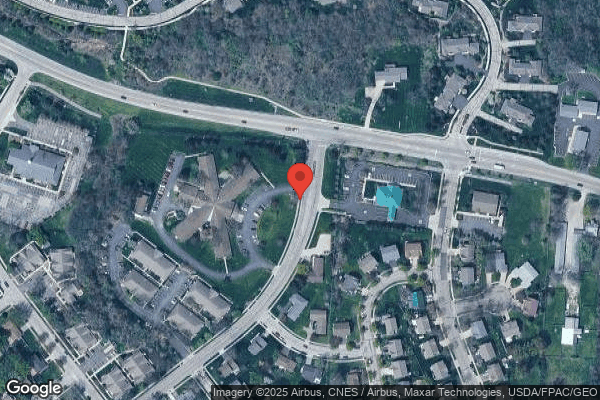
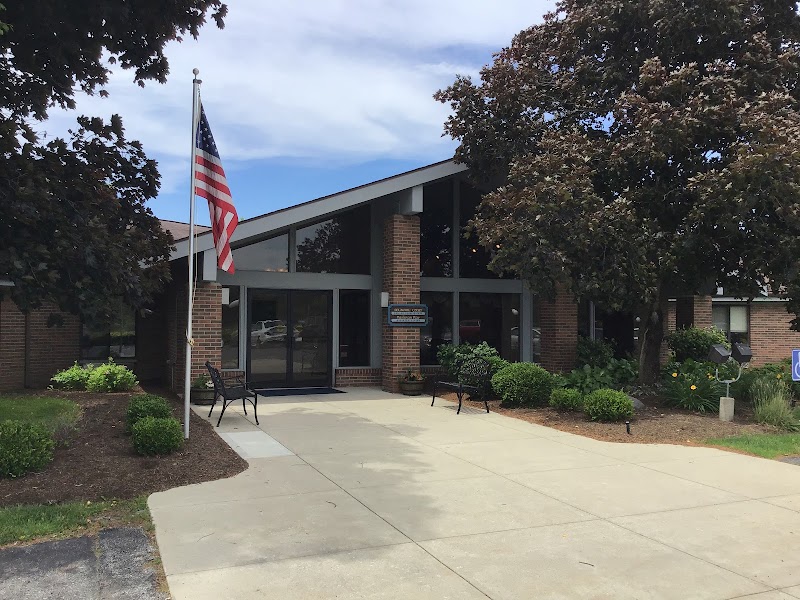
4 NEW MARKET DR, DELAWARE, OH 43015 (740) 369-6400
For profit - Corporation 75 Beds Independent Data: November 2025
Trust Grade
50/100
#656 of 913 in OH
Last Inspection: October 2023

Over 2 years since last inspection. Current conditions may differ from available data.

Overview

Delaware Court Health Care Center receives a Trust Grade of C, indicating it is average compared to other facilities, neither particularly good nor bad. It ranks #656 out of 913 in Ohio, placing it in the bottom half of the state, and #8 out of 8 in Delaware County, meaning it is the least favorable option locally. The facility shows an improving trend, with serious issues decreasing from 20 in 2023 to just 2 in 2024, which is a positive sign. Staffing is rated at 3 out of 5, with a turnover rate of 42%, slightly below the state average, suggesting that staff tend to stay longer and know the residents well. However, there are some concerning incidents; for example, the Administrator was found to be practicing with an expired license, and the facility lacked a proper infection surveillance plan, which could jeopardize resident safety. Additionally, there were plumbing issues in the kitchen that could affect meal safety for residents. Overall, while there are some strengths in staffing and a positive trend in improving conditions, these incidents highlight areas that need attention.

Trust Score
C
50/100
In Ohio
#656/913
Bottom 29%
Safety Record
Low Risk
No red flags
Inspections
Getting Better
20 → 2 violations
Staff Stability
○ Average
42% turnover. Near Ohio's 48% average. Typical for the industry.
Penalties
✓ Good
No fines on record. Clean compliance history, better than most Ohio facilities.
Skilled Nurses
○ Average
Each resident gets 32 minutes of Registered Nurse (RN) attention daily — about average for Ohio. RNs are the most trained staff who monitor for health changes.
Violations
⚠ Watch
28 deficiencies on record. Higher than average. Multiple issues found across inspections.
★★☆☆☆
2.0
Overall Rating
★★★☆☆
3.0
Staff Levels
★★★★☆
4.0
Care Quality
★★☆☆☆
2.0
Inspection Score
Stable
2023: 20 issues
2024: 2 issues

The Good

  • 4-Star Quality Measures · Strong clinical quality outcomes
  • Full Sprinkler Coverage · Fire safety systems throughout facility
  • No fines on record
  • Staff turnover below average (42%)

    6 points below Ohio average of 48%

Facility shows strength in quality measures, fire safety.

The Bad

2-Star Overall Rating

Below Ohio average (3.2)

Below average - review inspection findings carefully

Staff Turnover: 42%

Near Ohio avg (46%)

Typical for the industry

The Ugly 28 deficiencies on record

Nov 2024 1 deficiency
CONCERN (E) 📢 Someone Reported This

A family member, employee, or ombudsman was alarmed enough to file a formal complaint

Potential for Harm - no one hurt, but risky conditions existed

Safe Environment (Tag F0921)

Could have caused harm · This affected multiple residents

Based on observation and staff interview, the facility failed to ensure that the shower rooms were maintained in a clean and sanitary condition. This was noted in all four of the facility's shower roo...

Read full inspector narrative →
Based on observation and staff interview, the facility failed to ensure that the shower rooms were maintained in a clean and sanitary condition. This was noted in all four of the facility's shower rooms and impacted all residents who used them (Residents #1, #2, #3, #4, #5, #6, #7, #8, #10, #11, #12, #13, #14, #15, #16, #17, #18, #19, #20, #21, #22, #24, #25, #26, #27, #28, #29, #30, #31, #33, #34, #35, #36, #37, #39, #41, #42, #43, #44, #45, #46, #47, #48, #49, #50, #51, #52, #53, and #54). The facility census was 54. Findings include: Observation on 11/14/24 at 8:55 A.M. revealed the 300's shower room contained black-spotted substances along the grout lines and tile, specifically at the bottom of the wall beneath the shower head and in the corners. Observation on 11/14/24 at 8:58 A.M. revealed the 100's shower room showed black-spotted substances along the grout lines and tile at the bottom of the wall under the shower head and in the corners. The shower chair had deteriorating fabric, with black-spotted substances and long, twisted hairs between the legs and base of the chair. Observation on 11/14/24 at 9:01 A.M. revealed the 200's hallway shower room had a black-spotted substance along the grout lines and tile, particularly at the bottom of the wall under the shower head and in the corners. Observation on 11/14/24 at 9:04 A.M. revealed the 400's hallway shower room had a black-spotted substance along the grout lines and tile, particularly at the bottom of the wall under the shower head and in the corners. Observation on 11/14/24 at 11:47 A.M. revealed the 300's hallway shower room had not been cleaned, with black-spotted substances along the grout lines and tile, and unknown black substances and hair on the shower chair. Observation on 11/14/24 at 11:54 A.M. revealed the 100's hallway shower room had not been cleaned, with black-spotted substances along the grout lines and tile. Observation on 11/14/24 at 12:01 P.M. revealed the 200's hallway shower room had not been cleaned, with black-spotted substances along the grout lines and tile. Observation on 11/14/24 at 12:04 P.M. revealed the 400's hallway shower room had not been cleaned, with black-spotted substances along the grout lines and tile. Observation on 11/14/24 between 3:01 P.M. and 3:15 P.M. revealed that the showers had remained uncleaned. Interview on 11/14/24 at 3:17 P.M. with Housekeeper #114 confirmed the shower areas should be cleaned weekly and as needed, Housekeeper #114 was unsure if it had been cleaned this week. The surveyor requested a log for evidence of staff cleaning the restroom as required; however, the facility was unable to provide documentation to confirm that cleaning had been completed weekly. Review of the shower cleaning policy, undated, revealed that shower grout should be cleaned weekly and as needed. This deficiency represents non-compliance investigated under Complaint Number OH00158584.
Jan 2024 1 deficiency
CONCERN (D) 📢 Someone Reported This

A family member, employee, or ombudsman was alarmed enough to file a formal complaint

Potential for Harm - no one hurt, but risky conditions existed

Pressure Ulcer Prevention (Tag F0686)

Could have caused harm · This affected 1 resident

**NOTE- TERMS IN BRACKETS HAVE BEEN EDITED TO PROTECT CONFIDENTIALITY** Based on medical record review, staff interview, and review of facility policy, the facility failed to ensure wound care was com...

Read full inspector narrative →
**NOTE- TERMS IN BRACKETS HAVE BEEN EDITED TO PROTECT CONFIDENTIALITY** Based on medical record review, staff interview, and review of facility policy, the facility failed to ensure wound care was completed per physician orders. This affected one (#10) of three residents reviewed for wound care. The facility census was 46. Findings Include: Review of resident #10's medical record revealed and admission date of 01/23/18. Diagnoses included hemiplegia and hemiparesis following cerebral infarction affecting left non dominant side, cardiomyopathy, chronic systolic congestive heart failure, hypertension, osteoarthritis of knee, abnormalities of gait and mobility, weakness, and atrial fibrillation with long term use of anticoagulants. Resident #10 was discharged to the hospital on [DATE] per her request. Review of the discharge, return anticipated Minimum Data Set (MDS) assessment, dated 12/08/23, revealed Resident #10 had one facility acquired, unstageable pressure ulcer. Review of a Certified Nurse Practitioner (CNP) wound progress note, dated 08/08/23, revealed Resident #10 had a new right heel pressure wound, measuring 5.5 centimeters (cm) length by 7.5 cm width, with dark brown to black eschar covering the wound bed. Wound edges were pink and no wound drainage was noted. The note indicated the wound was caused by a brace/boot ordered by the orthopedic physician following an ankle fracture while out with family on 06/17/23. Review of Resident #10's right heel wound treatment orders revealed the following: • From 08/08/23 to 09/09/23, apply clean dry dressing to the right heel then wrap with gauze at bedtime. • From 08/09/23 to 11/27/23, apply Marathon (skin protectant) to right heel every 72 hours. • From 09/13/23 to 10/11/23, cleanse right heal with normal saline, apply betadine to the edge and apply foam dressing every day. Do not wrap with Kerlix (gauze roll). • From 10/12/23 to 11/15/23, cleanse with acetic acid then rinse, apply Santyl (debridement agent) ointment to the edge of the wound with Q-tip sparingly and cover with a foam dressing every night and as needed at bedtime. • From 11/15/23 to 11/23/23, cleanse with acetic acid then rinse, apply Santyl ointment to the edge of the wound with a Q-tip sparingly and cover with a foam dressing twice daily and as needed. • Beginning 11/23/23, cleanse with Dakin's ¼ strength, apply Santyl ointment and cover with saline moistened gauze, NOT soaked, and secure with a dry dressing every day and as needed. Review of the Treatment Administration Records (TAR) from October 2023 and November 2023 revealed Resident #10 did not receive the ordered right heel wound treatment on 10/13/23, 11/01/23, 11/08/23, 11/10/23, the evening treatment on 11/16/20 and the morning treatment on 11/22/23. Further review revealed Resident #10 did not receive the Marathon treatment to the right heel on 10/11/23, 11/10/23 and 11/16/23. Review of nursing progress notes from October 2023 through November 2023 revealed no documentation Resident #10 refused wound care treatments on the dates identified on the TAR as not completed. Additionally, there was no documentation indicating why treatments had not been completed as ordered. Interview on 01/04/24 at 1:45 P.M. with Licensed Practical Nurse (LPN) #333 verified Resident #10's right heal wound treatments were not completed as ordered on 10/11/23, 10/13/23, 11/01/23, 11/08/23, 11/10/23, 11/16/23, and 11/22/23. Review of facility policy titled Delaware Court Skin Care Policy, undated, revealed the facility will provide comprehensive assessment and care to skin in an effort to prevent and/or treat skin breakdown through a process of identification, daily monitoring, treatment, and re-evaluation that is based on the resident's individual assessment. Additionally, for treatment, nursing will follow the Delaware Court Wound Care protocols with the physician's approval or a treatment regimen as directed by the physician. This deficiency represents non-compliance investigated under Complaint Number OH00149221.
Oct 2023 19 deficiencies
CONCERN (D)

Potential for Harm - no one hurt, but risky conditions existed

Deficiency F0569 (Tag F0569)

Could have caused harm · This affected 1 resident

Based on financial record reviews and staff interview, the facility failed to ensure residents who are insured by Medicaid do not exceed $2,000.00 in their personal care needs accounts. This affected ...

Read full inspector narrative →
Based on financial record reviews and staff interview, the facility failed to ensure residents who are insured by Medicaid do not exceed $2,000.00 in their personal care needs accounts. This affected three Medicaid residents (#7, #11 and #36) of three accounts reviewed with funds above the $2,000.00 limit. The census was 52. Findings include: Review of Resident #7's Checking Account Bank Statement and excel sheet revealed a balance of $5,140.52 as of 10/11/23. A notification of spend letter was not available. Review of Resident #11's Checking Account Bank Statement and excel sheet revealed a balance of $4,008.79. as of 10/11/23. A notification of spend letter was not available. Review of Resident #36's Checking Account Bank Statement and excel sheet revealed a balance of $4,777.46 as of 10/3/23. A Spin Down notification letter was sent to Resident #36 representative on 04/05/23. Interview on 10/16/23 at 2:30 P.M., with Business Office Manager #159 stated the families or guardians have been notified of the account balances, however, the balances remain above the Medicaid amount. She was not aware Residents #7, #11 and #36 could be ineligible for their Medicaid benefits because of their account balances for Resident #7 and #11.
CONCERN (D)

Potential for Harm - no one hurt, but risky conditions existed

Deficiency F0578 (Tag F0578)

Could have caused harm · This affected 1 resident

**NOTE- TERMS IN BRACKETS HAVE BEEN EDITED TO PROTECT CONFIDENTIALITY** Based on record review, policy review and staff interview, the facility failed to ensure a residents code status was accurately ...

Read full inspector narrative →
**NOTE- TERMS IN BRACKETS HAVE BEEN EDITED TO PROTECT CONFIDENTIALITY** Based on record review, policy review and staff interview, the facility failed to ensure a residents code status was accurately reflected in the medical record. This affected one (#10) of two residents reviewed for advanced directives. The facility census was 52. Findings include Review of the medical record for the Resident #10 revealed an admission date of 03/03/18. Diagnoses included chronic atrial fibrillation, cerebral infarction, cognitive deficit, and dysphagia. Review of the Minimum Data Set (MDS) assessment dated [DATE] revealed Resident #10 was cognitively impaired with a BIMS of 3 and required extensive assistance of one to two staff members for bed mobility and transfers. Review of the code status sheet signed by the physician dated 03/02/18 revealed Resident #10 was code status DNRCC-A. This was documented in the paper medical record. Review of physician orders dated 03/14/22 identified orders for resident code status of DNRCC in the electronic medical record. Review of the plan of care dated 04/05/23 revealed Resident #10 had a code status of DNRCC-Arrest which includes providing care up until the point of a cardiac arrest. Interview on 10/16/23 at 5:47 P.M., with the Director of Nursing (DON) confirmed Resident #10's electronic medical record had DNRCC listed as active code status. DON also confirmed Resident #10's paper chart had DNRCC-A listed as the code status and included the signed DNR paperwork from the physician stating code status was DNRCC-A. DON reviewed paper record and electronic record and revealed it switched some time from March 2022 to September 2022 according to the documentation and mention in notes, orders, and care conferences. Review of the undated policy titled, Advanced Directives, revealed advanced directives were legal documents to protect the rights of the residents. The policy revealed the chart would include evidence of code status if they were on file.
CONCERN (D)

Potential for Harm - no one hurt, but risky conditions existed

Deficiency F0582 (Tag F0582)

Could have caused harm · This affected 1 resident

**NOTE- TERMS IN BRACKETS HAVE BEEN EDITED TO PROTECT CONFIDENTIALITY** Based on staff interview, record review and policy review, the facility failed to ensure beneficiary notices were provided prior...

Read full inspector narrative →
**NOTE- TERMS IN BRACKETS HAVE BEEN EDITED TO PROTECT CONFIDENTIALITY** Based on staff interview, record review and policy review, the facility failed to ensure beneficiary notices were provided prior to a reduction of skilled services. This affected one (#206) of two residents reviewed for beneficiary notices. The facility census was 52. Findings include 1. Review of the medical record for the Resident #206 revealed an admission date of 06/10/23 and discharge on [DATE]. Diagnoses included surgical aftercare, diabetes, heart failure, arthritis and dyspnea. Review of the Minimum Data Set (MDS) assessment dated [DATE] revealed Resident #206 was cognitively intact and required supervision assist with mobility and transfers. Interview on 10/17/23 at 1:25 P.M., with Social Services #120 revealed Resident #206 went to a physician appointment and was informed his skilled services could end. Resident #206 was not provided with Notice of Medicare noncoverage (NOMNC) prior to discharge in case he wanted to appeal the decrease in services. The facility was unable to provide evidence this was a resident initiated discharge and was unable to provide evidence this notice was provided timely. Review of the undated policy titled, Advanced Beneficiary Notice of Non-coverage (ABN), revealed facility was required to provide ABN when Medicare was not likely to provide coverage in specific areas. The policy explained what ABN's were and how to fill them out. The policy did not cover the Notice of medicare non-coverage (NOMNC).
CONCERN (D)

Potential for Harm - no one hurt, but risky conditions existed

Report Alleged Abuse (Tag F0609)

Could have caused harm · This affected 1 resident

**NOTE- TERMS IN BRACKETS HAVE BEEN EDITED TO PROTECT CONFIDENTIALITY** Based on medical record review, resident interview, staff interview, statement reviews, and policy review, the facility failed t...

Read full inspector narrative →
**NOTE- TERMS IN BRACKETS HAVE BEEN EDITED TO PROTECT CONFIDENTIALITY** Based on medical record review, resident interview, staff interview, statement reviews, and policy review, the facility failed to report an alleged allegation of abuse, neglect, and misappropriation to the state agency. This affected one (#21) of one resident reviewed for abuse/neglect. The facility census was 52. Findings include: Review of the medical record for Resident #21 revealed an admission date of 09/21/22. Diagnoses included end stage renal disease, diabetes, legal blindness, cerebral infarct, weakness, vascular disease. Review of the Minimum Data Set (MDS) assessment dated [DATE] revealed Resident #21 was cognitively intact with a BIMS of 15 and required extensive assistance of two staff members for bed mobility and was totally dependent for transfers. Review of the plan of care dated 06/22/23 revealed Resident #21 had an activities of daily living (ADL) self-care performance deficit and required assistance for bathing and transfers. Residents care plan did not include any evidence of behaviors or making accusatory towards staff. Review of the incident investigation dated 07/31/23 revealed Resident #21 was being transferred by two staff using the Hoyer lift for a shower and the resident sustained a skin tear that started to bleed. The nurse was notified and assessed the area of impairment. The report revealed that the incident occurred on 07/31/23 around 4:20-4:30 P.M. Review of skin assessment dated [DATE] revealed the resident was found to have a skin tear measuring six inches to the right outer lower extremity. The skin tear was cleansed with normal saline and covered with dry ABD pad. Review of a statement from State Tested Nurse Aide (STNA) #111 dated 07/31/23 revealed she was getting Resident #21 ready for a shower and when she rolled in bed to apply the for the Hoyer sling, STNA #111 saw the resident had a skin tear. Review of a statement from Resident #21 dated 08/01/23 revealed Resident #21 reported concerns rough care during a transfer with the Hoyer for shower care. Resident #21 reported, her leg started hurting and stated ouch that hurts, and they kept going, Resident #21 reported her leg was bleeding and even bled onto her bedding that needed changed later that night. Resident #21 reported they should stop letting her work with people, she is rough and hurts and pays no attention. Resident #21 revealed she did not feel it occurred on purpose, but STNA #111 had hurt her three times, in separate incidents with the lift. Review of an undated statement from STNA #143 revealed she never saw roughness and did not hear the resident say stop. STNA #143 revealed STNA #111 noted the skin tear and informed her and Resident #21. STNA #143 denied STNA #111, or any staff were rough with care. Interview on 10/16/23 at 10:45 A.M., with Resident #21, when asked about abuse and neglect, Resident #21 reported an incident that occurred from rough care several weeks ago. She reported staff were rough with transfers and it resulted to a wound on her leg. Resident #21 revealed she told management she did not want STNA (#111) working with her anymore and confirmed facility honored her wishes. Interview on 10/16/23 at 5:40 P.M., with the Director of Nursing (DON) revealed Resident #21 obtained a skin tear during a Hoyer transfer. Interview on 10/17/23 at 1:43 P.M., with DON confirmed no Self-Reported Incident was filed to the state reporting agency for abuse neglect or rough care as they completed their own internal investigation over the next few days and determined it was not abuse and staff denied being rough with care. Review of the undated policy titled Policy and Procedure on Abuse, Neglect, Exploitation and Misappropriation of Resident Property, revealed the facility Administrator or designee shall report all allegations of abuse or neglect to the Ohio Department of Health. It revealed Residents can come anytime to staff with concerns related to abuse, neglect, or concerns about a resident's injury.
CONCERN (D)

Potential for Harm - no one hurt, but risky conditions existed

Investigate Abuse (Tag F0610)

Could have caused harm · This affected 1 resident

**NOTE- TERMS IN BRACKETS HAVE BEEN EDITED TO PROTECT CONFIDENTIALITY** Based on record review, resident interview, statement review, staff interview and review policy, the facility failed to complete...

Read full inspector narrative →
**NOTE- TERMS IN BRACKETS HAVE BEEN EDITED TO PROTECT CONFIDENTIALITY** Based on record review, resident interview, statement review, staff interview and review policy, the facility failed to complete a thorough investigation for an alleged allegation of abuse, neglect, and misappropriation. This affected one (#21) of one resident reviewed for abuse/neglect. The facility census was 52. Findings include: Review of the medical record for Resident #21 revealed an admission date of 09/21/22. Diagnoses included end stage renal disease, diabetes, legal blindness, cerebral infarct, weakness, vascular disease. Review of the Minimum Data Set (MDS) assessment dated [DATE] revealed Resident #21 was cognitively intact with a BIMS of 15 and required extensive assistance of two staff members for bed mobility and was totally dependent for transfers. Review of the plan of care dated 06/22/23 revealed Resident #21 had an activities of daily living (ADL) self-care performance deficit and required assistance for bathing and transfers. Residents care plan did not include any evidence of behaviors or making accusatory towards staff. Review of the incident investigation dated 07/31/23 revealed Resident #21 was being transferred by two staff using the Hoyer lift for a shower and the resident sustained a skin tear that started to bleed. The nurse was notified and assessed the area of impairment. The report revealed that the incident occurred on 07/31/23 around 4:20-4:30 P.M. Review of skin assessment dated [DATE] revealed the resident was found to have a skin tear measuring six inches to the right outer lower extremity. The skin tear was cleansed with normal saline and covered with dry ABD pad. Review of a statement from State Tested Nurse Aide (STNA) #111 dated 07/31/23 revealed she was getting Resident #21 ready for a shower and when she rolled in bed to apply the for the Hoyer sling, STNA #111 saw the resident had a skin tear. Review of a statement from Resident #21 dated 08/01/23 revealed Resident #21 reported concerns rough care during a transfer with the Hoyer for shower care. Resident #21 reported, her leg started hurting and stated ouch that hurts, and they kept going, Resident #21 reported her leg was bleeding and even bled onto her bedding that needed changed later that night. Resident #21 reported they should stop letting her work with people, she is rough and hurts and pays no attention. Resident #21 revealed she did not feel it occurred on purpose, but STNA #111 had hurt her three times, in separate incidents with the lift. Review of an undated statement from STNA #143 revealed she never saw roughness and did not hear the resident say stop. STNA #143 revealed STNA #111 noted the skin tear and informed her and Resident #21. STNA #143 denied STNA #111, or any staff were rough with care. Review of a statement dated 07/31/23 from seven residents revealed no concerns. One resident mentioned STNA #111 talks loudly to her but thought it may be because her mind was slipping. Review of abuse/neglect allegation investigation revealed the incident occurred on 07/31/23. STNA #111 was interviewed regarding the incident (injury) on 07/31/23 and seven other residents were interviewed about care from STNA #111. Resident #21 reported the allegation of abuse/rough care on 08/01/23 and staff completed a resident statement that was unsigned by Resident #21. STNA #143 had an undated and unsigned statement related to the incident. The investigation did not include evidence of what questions were asked of the additional residents on the hall and did not include skin assessments of residents or education on the abuse and neglect policy and procedures and/or safety during Hoyer transfers for either staff involved. Interview on 10/16/23 at 10:45 A.M., with Resident #21, when asked about abuse and neglect, Resident #21 reported an incident that occurred from rough care several weeks ago. She reported staff were rough with transfers and it resulted to a wound on her leg. Resident #21 revealed she told management she did not want STNA (#111) working with her anymore and confirmed facility honored her wishes. Interview on 10/16/23 at 5:40 P.M., with the Director of Nursing (DON) revealed Resident #21 obtained a skin tear during a Hoyer transfer. Interview on 10/17/23 at 1:43 P.M., with DON confirmed no Self-Reported Incident was filed to the state reporting agency for abuse neglect or rough care as they completed their own internal investigation over the next few days and determined it was not abuse and staff denied being rough with care. The DON confirmed facility completed their own internal investigation over the next few days and determined it was not abuse and revealed staff denied being rough with care. Interview on 10/17/23 at 5:35 P.M., with DON revealed STNA #111 was sent home after the incident occurred around 4:45 P.M. and was asked not to work the next day. She revealed the date of 08/01/23 on Resident #21's interview may have been an error as they started the investigation on 07/31/23. Interview on 10/17/23 at 5:40 P.M., with Licensed Practical Nursing (LPN) #127 who completed the interviews revealed the date/time on Resident #21's interview (08/01/23 at 9:45 A.M.) was incorrect as she interviewed Resident #21 and the additional residents on the same day as the incident. LPN #127 revealed staff timecard showed STNA #111 was present for the entirety of the shift on 07/31/23 and on 08/01/23 and 08/02/23. LPN #127 was unsure why the timecard had her clocked in for full days. Interview on 10/17/23 at 6:18 P.M., with DON revealed she spoke with STNA #111 and confirmed STNA #111 completed her whole shift on 07/31/23 and Resident #21 made the allegation on 08/01/23 morning shift and that was when the investigation began. She revealed STNA #111 came in that day and was sent home prior to clocking in and was told to be off with pay on 08/01/23 and 08/02/23. DON also revealed she spoke with LPN #127 and revealed her interviews actually occurred on 08/01/23 and were incorrectly dated. DON confirmed she did not have a second interview statement from STNA #111 after the allegation of rough care was made. Interview on 10/18/23 at 4:47 P.M., with STNA #111 revealed she arrived to work on 08/01/23 and was informed of the allegation and informed she needed to take off 08/01/23 and 08/02/23 and revealed she was not asked to provide an updated statement related to resident's allegations. Staff also revealed she was not educated on safety transfers, Hoyer lifts, or abuse and neglect after the incident occurred. Review of the undated policy titled Policy and Procedure on Abuse, Neglect, Exploitation and Misappropriation of Resident Property, revealed the facility shall investigate all alleged violations. It revealed Residents can come at any time to staff with concerns related to abuse, neglect, or concerns about a resident's injury. The policy revealed facility shall prevent and identify abuse including inappropriate behaviors such as rough handling of residents. The policy revealed all allegations should be investigated thoroughly. Residents and involved staff should provide witness statements, observation of staff and resident behaviors during the investigation, and environmental considerations.
CONCERN (D)

Potential for Harm - no one hurt, but risky conditions existed

Transfer Notice (Tag F0623)

Could have caused harm · This affected 1 resident

**NOTE- TERMS IN BRACKETS HAVE BEEN EDITED TO PROTECT CONFIDENTIALITY** Based on medical record review, review of facility communication emails, review of policy, and staff interview, the facility fai...

Read full inspector narrative →
**NOTE- TERMS IN BRACKETS HAVE BEEN EDITED TO PROTECT CONFIDENTIALITY** Based on medical record review, review of facility communication emails, review of policy, and staff interview, the facility failed to notify the Ombudsman when residents were transferred/discharged from the facility. This affected two (#52 and #53) of two residents reviewed for discharge home. The facility census was 52. Findings include: 1. Review of the medical record for Resident # 52 revealed an admission date of 04/14/23, with no cognitive deficits. Diagnoses included seizures, aortic stenosis. hyperlipidemia and chronic pulmonary embolism. Resident #52 was discharged home on [DATE]. 2. Review of the medical record for Resident #53 revealed an admission date of 05/17/23 with no cognitive deficits. Diagnoses include chronic anemia, hiatal hernia, deep vein thrombosis and atrial fibrillation. Resident #53 was discharged to a long term care facility on 08/25/23. Review of the Social Service Designee #120 notification emails to the Ombudsman Office from 10/01/22 to 10/17/23, revealed the Ombudsman Office was not notified when Resident #52 was discharged home and when Resident #53 was transferred to a long new term care center. Interview on 10/18/23 at 1:59 P.M., with the Social Service Designee #120 confirmed she did not notify the Ombudsman Office of the discharge home for Resident #52 and the transfer of Resident #53. Review of the undated policy titled, Discharge Plan of Care revealed the policy did not include information to notify the Ombudsman Office of discharges or transfers of residents.
CONCERN (D)

Potential for Harm - no one hurt, but risky conditions existed

Comprehensive Care Plan (Tag F0656)

Could have caused harm · This affected 1 resident

**NOTE- TERMS IN BRACKETS HAVE BEEN EDITED TO PROTECT CONFIDENTIALITY** Based on medical record review and staff interview, the facility failed to have a care plan for a psychotropic medication. This ...

Read full inspector narrative →
**NOTE- TERMS IN BRACKETS HAVE BEEN EDITED TO PROTECT CONFIDENTIALITY** Based on medical record review and staff interview, the facility failed to have a care plan for a psychotropic medication. This affected one (#305) of five residents reviewed for unnecessary medications. The facility census was 52. Findings include: Review of Resident #305's medical record revealed he was admitted to the facility on [DATE], with a diagnoses of hemiplegia and hemiparesis following nontraumatic intracerebral hemorrhage affecting right dominant side, aphasia and dysphasia following cerebral hemorrhage, atrial fibrillation, encounter for attention to gastrostomy. Review of the Minimal Data Set (MDS) assessment dated [DATE] revealed Resident #305 was cognitively impaired and required extensive assistance of one to two staff for all activities of daily living. Review of the physician orders for October 2023 revealed Resident #305 was ordered an antidepressant Prozac HCl Capsule 10 milligrams (mg), give one capsule via Percutaneous Endoscopic Gastrostomy (peg-tube) in the evening for depression. Physician ordered Lorazepam Solution (Ativan) mg/milliliters (ml), inject 0.5 ml intramuscularly as needed for seizures, call on call doctor when used for further instructions. Review of Resident #305's care plans dated 07/25/23 revealed no plan of care for the use of psychotropic medication. Interview on 10/18/23 at 10:00 A.M., with the Director of Nursing (DON) confirmed there was no care plan for psychotropic medication in Resident #305's plans of care.
CONCERN (D)

Potential for Harm - no one hurt, but risky conditions existed

Deficiency F0661 (Tag F0661)

Could have caused harm · This affected 1 resident

**NOTE- TERMS IN BRACKETS HAVE BEEN EDITED TO PROTECT CONFIDENTIALITY** Based on medical record review, staff interviews and policy review, the facility failed to ensure a recapitulation of the reside...

Read full inspector narrative →
**NOTE- TERMS IN BRACKETS HAVE BEEN EDITED TO PROTECT CONFIDENTIALITY** Based on medical record review, staff interviews and policy review, the facility failed to ensure a recapitulation of the resident's stay was provided when residents were discharge from the facility This affected two (#52 and #53) of two residents reviewed for discharged . The census was 52. Findings include: 1. Review of the medical record for Resident #52 revealed an admission date of 04/14/23, with no cognitive deficits. Diagnoses included seizures, aortic stenosis, hyperlipidemia and chronic pulmonary embolism. Resident #52 was discharged home on [DATE]. Review of Resident #52's Discharge Summary Sheet (one page) revealed no recapitulation of Resident #52 care at the facility. There were two pages to a Discharge Summary Report, Resident #52 did not receive a complete Discharge Summary Report when Resident #52 was discharged home on [DATE]. Interview on 10/17/23 at 11: 37 A.M., with Social Service Designee #120 confirmed the facility does not have evidence of a Discharge Summary Report or a recapitulation for Residents # 52. 2. Review of the medical record for Resident #53 revealed an admission date of 05/17/23, with no cognitive deficits. Diagnoses include chronic anemia, hiatal hernia, deep vein thrombosis and atrial fibrillation. Resident #53 was discharged to a long term care facility on 08/25/23. Review of Resident #53's Discharge Summary Report 08/25/23 revealed an incomplete report. The report did not indicate the name of the facility or contact information the resident was transferred to, diet order was unclear. The medications, treatments and wound care sections stated see attached. There were no evidence of documents being attached. Resident #53 did not sign her discharge summary report. Interview on 10/17/23 at 11: 37 A.M., with Social Service Designee #120 verified Resident #53 or her representative did not sign the Discharge Summary report upon transfer to another facility on 08/25/23. Social Service Designee #120 also verified the discharge summary was incomplete. Review of the undated policy titled, Discharge Policy and Procedure, revealed all relevant resident information will be incorporated into the discharge plan to facilitate its implementation and to avoid unnecessary delays in the residents discharge or transfer. Upon discharge, the resident will be given a discharge summary that includes a recapitulation of the residents stay in the facility that includes diagnoses, course of illness/treatment, therapy, lab, radiology, and consultations report. final summary of resident status, medication reports. A final summary of resident status, medication reconciliation, and a post -discharge plan of care developed with the resident and resident representative.
CONCERN (D)

Potential for Harm - no one hurt, but risky conditions existed

Drug Regimen Review (Tag F0756)

Could have caused harm · This affected 1 resident

**NOTE- TERMS IN BRACKETS HAVE BEEN EDITED TO PROTECT CONFIDENTIALITY** Based on record review and staff interview, the facility failed to ensure pharmacy recommendations were reviewed timely by a phy...

Read full inspector narrative →
**NOTE- TERMS IN BRACKETS HAVE BEEN EDITED TO PROTECT CONFIDENTIALITY** Based on record review and staff interview, the facility failed to ensure pharmacy recommendations were reviewed timely by a physician and also failed to ensure recommendations reviewed had the recommendations acted upon as agreed upon by the physician. This affected two (#36 and #38) of five residents reviewed for pharmacy recommendations. Facility census was 52. Findings include: 1. Review of the medical record for the Resident #38 revealed an admission date of 07/14/22. Diagnoses included depression, hypertension, dementia, anxiety, cognitive communication deficit and unsteadiness. Review of the Minimum Data Set (MDS) assessment dated [DATE] revealed Resident #38 was cognitively impaired and with a BIMS of 9 and required extensive assistance of one for bed mobility and supervision for transfers. Review of physician orders dated 02/28/23 for Abilify 5 milligram (mg) revealed no attempts to complete a dose reduction for this medication. Physician order for oxybutynin ER 5 mg revealed on 09/21/23, an order was discontinued. An order for Myrbetriq 25 mg was started on 09/21/23 in replacement. Review of the progress notes dated 11/08/22, 01/10/23, 05/16/23, 08/15/23 and 09/12/23 revealed pharmacy reviewed the medications and made a recommendation. Continued review of the medical record revealed no evidence of pharmacy reviews from 11/08/22 to 01/10/23. Upon request the facility was unable to provide evidence of the pharmacy recommendations for 11/08/22 and 01/10/23. They had no evidence of what the recommendation were, that a physician reviewed it and what follow up was done. Review of physician orders dated 02/28/23 for Abilify 5 milligram (mg) daily. Review of psychiatric provider note dated 05/15/23 revealed Resident #38 had medications reviewed with no recommendation for a pharmacy dose reduction. This provider note was dated prior to when the recommendation was made and was not in response to the recommendation. Review of the pharmacy recommendation dated 05/16/23 revealed a recommendation for a gradual dose reduction of Abilify. There was no evidence of a physician acknowledging the recommendation and providing any reasoning as to agree or why not to agree. Review of the pharmacy recommendation dated 08/15/23 was to change oxybutynin ER 5 mg daily to Myrbetriq 25 mg daily. It was accepted and signed by the physician on 09/20/23 and medication was changed the next day. Review of physician order for oxybutynin ER 5 mg revealed on 09/21/23, an order was discontinued. An order for Myrbetriq 25 mg was started on 09/21/23 in replacement. Review of the policy titled, Medication Regimen Review (MRR) dated 11/28/16, revealed a pharmacist would review medications and resident records monthly and would make recommendations. The facility should encourage physician to act upon the recommendations in the MRR. The policy also revealed the attending physician should document in the residents medical record that the recommendation has been reviewed, the decision to accept or decline it and reasoning for the decision. Facility should inform the medical director if recommendations were not answered in a timely manner. 2. Review of the medical record for Resident #36 revealed an admission date of 11/02/21, with diagnoses of acute and chronic diastolic congestive heart failure, hypertension, hyperlipidemia, type II diabetes mellitus with hyperglycemia, chronic obstructive pulmonary disease, atrial fibrillation, major depressive and anxiety disorders. Review of the quarterly Minimal Data Set (MDS) assessment dated [DATE] revealed Resident #36 was cognitively intact. Her functional status is listed as extensive one person assists for all activities of daily living. The MDS also revealed Resident #36 is frequently incontinent of urine and occasionally incontinent of bowel. Review of the monthly pharmacy reviews revealed five dates (01/11/23, 02/07/23, 04/11/23, 05/16/23, 07/11/23) the pharmacy documented see report for any noted irregularities and/or recommendations. Interview on 10/19/23 at 11:00 A.M., with the Director of Nursing (DON) confirmed she could not find the pharmacy recommendations for the above dates and could not confirm the recommendations were acted upon.
CONCERN (D)

Potential for Harm - no one hurt, but risky conditions existed

Deficiency F0757 (Tag F0757)

Could have caused harm · This affected 1 resident

**NOTE- TERMS IN BRACKETS HAVE BEEN EDITED TO PROTECT CONFIDENTIALITY** Based on record review and staff interview, the facility failed to ensure a resident was free from unnecessary medication. This ...

Read full inspector narrative →
**NOTE- TERMS IN BRACKETS HAVE BEEN EDITED TO PROTECT CONFIDENTIALITY** Based on record review and staff interview, the facility failed to ensure a resident was free from unnecessary medication. This affected one (#3) of six residents reviewed for unnecessary medication. The facility census was 52. Findings include: Review of the medical record for the Resident #3 revealed an admission date of 05/12/21. Diagnoses included encephalopathy, heart disease, diabetes, osteoarthritis and hypertension. Review of the Minimum Data Set (MDS) assessment dated [DATE] revealed Resident #3 was cognitively impaired and required extensive assistance of one to two staff members for bed mobility and transfers. Review of physician orders for 04/16/22 identified orders for gentamicin 0/3% eye drop with instructions to administer 1-2 drops into eye for pink eye. Review of the medical record found no evidence of resident being diagnosed or seen for pink eye. Review of Medication Administration Record dated April 2022 to July 2022 revealed the resident had a new order for gentamicin eye drops in April 2022 and had no record of it being administered. Review of Medication Administration Record dated August 2022 revealed the resident received one dose of gentamicin eye drops on 08/06/22. Review of Medication Administration Record dated September 2022 to February 2023 revealed the resident did not receive any doses for gentamicin eye drops. Review of Medication Administration Record dated March 2023 revealed the resident received one dose of gentamicin eye drops on 03/08/23. Review of Medication Administration Record dated April 2023 revealed the resident received two dose of gentamicin eye drops on 04/25/23 and one dose on 04/26/23 Review of Medication Administration Record dated June 2023 revealed the resident received one dose of gentamicin eye drops on 06/09/23 and one dose on 06/13/23. Review of Medication Administration Record dated May 2023, July 2023 to October 2023 revealed the resident did not receive any doses for gentamicin eye drops. Interview on 10/18/23 at 12:07 P.M., with Licensed Practical Nurse (LPN) #144 confirmed Resident #3 had an order for antibiotic gentamicin for pink eye. LPN #144 revealed the resident had not had pink eye from what she could remember. LPN #144 reviewed the order and confirmed it was started April 2022 and was not given after being initially ordered. LPN #144 confirmed getting one dose at a time or two doses then none for weeks would not be enough to treat an infection as it was ordered every four hours as needed for a reason. LPN #144 confirmed staff were likely administering it for dry eyes or redness and revealed facility had regular artificial tear available that could have been ordered for resident.
CONCERN (D)

Potential for Harm - no one hurt, but risky conditions existed

Deficiency F0805 (Tag F0805)

Could have caused harm · This affected 1 resident

**NOTE- TERMS IN BRACKETS HAVE BEEN EDITED TO PROTECT CONFIDENTIALITY** Based on observations, policy review and staff interviews, the facility failed to ensure the texture of a modified diet was prov...

Read full inspector narrative →
**NOTE- TERMS IN BRACKETS HAVE BEEN EDITED TO PROTECT CONFIDENTIALITY** Based on observations, policy review and staff interviews, the facility failed to ensure the texture of a modified diet was provided to the physician ordered consistency. This affected (#3) one of one residents reviewed for a modified diet. The census was 52. Findings include: Review of the medical record for Resident #3 revealed an admission date of 05/12/21. Diagnoses included encephalopathy, heart disease, diabetes, osteoarthritis, and hypertension. Review of the Minimum Data Set (MDS) assessment dated [DATE] revealed Resident #3 was cognitively impaired and required extensive assistance of one to two staff members for bed mobility and transfers. Review of Resident #3 physician orders for October 2023 revealed Resident #3 is on a puree diet. Interview on 10/18/23 at 11:18 A.M., with Dietary Aid #151 revealed there was only one resident who received a puree diet. The menu for lunch included corn beef briquet, green beans and Italian potatoes. Observation of Dietary Aid #151 on 10/18/23 from 11:18 A.M. to 11:42 A.M., revealed 2 portions of green beans placed in the Robo cube, with no liquid. He processed the food and presented it to the surveyor as finished. Surveyor taste test revealed the beans were in small chucks and grainy texture. After survey intervention, Dietary Aid #151 freely added beef broth liquid. After two more times in the Robo cube the green beans were pureed. Dietary Aid #151 cleaned the Robo Cube and proceeded to place two portions of corn beef in the cube, added a little of beef broth and presented it to the surveyor for a taste test. The corn beef was stringy and not at a puree texture. The surveyor asked Dietary Aid #151 to taste the beef. Interview with Dietary Aide #151 stated he was not able to determine if the beef was appropriate to serve. He added additional beef broth and determined it was ready to serve. The surveyor asked Dietary Manager #122 to taste the corn beef. Interview with Dietary Manager #122 agreed it was not ready to serve. With assistance from Dietary Manager #122 the corn beef was pureed properly. Review of the undated policy titled, Puree Diet revealed the puree diet is designed for individuals who cannot chew foods of the dental soft (mechanical soft) consistency and /or difficulty in swallowing. All foods are prepared in a food processor to the appropriate consistency (pudding and mashed potatoes).
CONCERN (D)

Potential for Harm - no one hurt, but risky conditions existed

Deficiency F0919 (Tag F0919)

Could have caused harm · This affected 1 resident

**NOTE- TERMS IN BRACKETS HAVE BEEN EDITED TO PROTECT CONFIDENTIALITY** Based on observation, medical record review, resident interview, and staff interviews, the facility failed to ensure call lights...

Read full inspector narrative →
**NOTE- TERMS IN BRACKETS HAVE BEEN EDITED TO PROTECT CONFIDENTIALITY** Based on observation, medical record review, resident interview, and staff interviews, the facility failed to ensure call lights were in proper working order. This affected one (#5) of one resident reviewed for environment. Facility census was #52. Findings include: Review of the medical record for the Resident #5 revealed an admission date of 10/31/19. Diagnoses included diabetes, encephalopathy, heart disease, epilepsy, alcoholic cirrhosis, muscle weakness, hemiplegia and hemiparesis, and chronic obstructive pulmonary disease. Review of the Minimum Data Set (MDS) assessment dated [DATE] revealed Resident #5 was cognitively impaired and required extensive assistance of two staff members for bed mobility and transfers. The MDS revealed resident had impairment to one side including the upper and lower extremity. Review of the plan of care dated 07/25/23 revealed Resident #5 had an Activity of Daily Living (ADL) self care deficit with interventions to support his left side during transfers and staff to set up equipment and assist as needed. Resident had alteration in self mobility and was at risk for a fall related injury with interventions to keep call light in reach of his right hand and encourage him to use it for assistance. Interview and observation on 10/16/23 at 10:27 A.M., with Resident #5 revealed staff do not respond to his call light for assistance. Resident#5's call light was activated to check its functioning and it lit up with a red light showing it had activated. Continuous observation of resident's room with the call light activated occurred until 10:55 A.M., when through surveyor intervention staff responded to the call light. Interview and observation on 10/16/23 at 10:55 A.M., with State Tested Nurse Assistant (STNA) #166 revealed she was not aware of Resident #5's call light being activated. Upon observation of the call light sensor on Resident #5's wall STNA #16 confirmed it was activated. STNA #166 reviewed the pager and revealed the alert never came through to the pager STNA #166 was carrying. STNA #166 turned off the call light and reactivated and confirmed the call light again did not transmit over to STNA's pager. Interview on 10/16/23 around 3:00 P.M., with Maintenance Staff #1 revealed Resident #5's call light was fixed and just needed a battery replacement.
CONCERN (E)

Potential for Harm - no one hurt, but risky conditions existed

Deficiency F0567 (Tag F0567)

Could have caused harm · This affected multiple residents

Based on financial records, Personal Needs Account Procedures review and staff interviews the facility failed to ensure resident care needs account was in an interest-bearing account. In addition, non...

Read full inspector narrative →
Based on financial records, Personal Needs Account Procedures review and staff interviews the facility failed to ensure resident care needs account was in an interest-bearing account. In addition, none of the 12 residents or their representatives signed an authorization form for the facility to handle their personal care need accounts. This affected all 12 (#36, #11, #5, #29, #7, #15, #14, #13, #42, #44, #34 and #33) residents personal care need accounts which the facility is representative payee. The census was 52. Findings include: Review of Resident #36, #11 and #7's monthly bank statements for their personal care needs account revealed the accounts are in a checking account with a local bank. The account does not bear any interest. Interview on 10/16/23 at 2:30 P.M., with Business Office Manager #159 confirmed all 12 personal care need accounts (#36, #11, #5, #29, #7, #15, #14, #13, #42, #44, #34 and #33) are at the local bank, in a checking account that does not bear interest. She confirmed she does not have a personal care need account authorization form signed by each resident or their representatives. Interview on 10/17/23 at 9:00 A.M., with the Administrator confirmed the 12 resident accounts that they are payee representatives for are in a checking account and was unaware the accounts were not bearing interest. Review of the undated procedure titled Personal Needs Account Procedures, revealed no information about interest bearing accounts.
CONCERN (E)

Potential for Harm - no one hurt, but risky conditions existed

Deficiency F0568 (Tag F0568)

Could have caused harm · This affected multiple residents

Based on financial record reviews, resident interviews and staff interviews, the facility failed to ensure residents receive a quarterly statement for their personal care need account. This affected 1...

Read full inspector narrative →
Based on financial record reviews, resident interviews and staff interviews, the facility failed to ensure residents receive a quarterly statement for their personal care need account. This affected 12 (#36, #11, #5, #29, #7, #15, #14, #13, #42, #44, #34 and #33) of 12 residents with personal care need accounts. The census was 52. Findings include: Interview on 10/15/23 from 10:00 A.M. to 10:15 A.M., with with Resident #13 and Resident #14 revealed they do not receive a statement for her personal care need account. Review of the excel sheet from 10/23/22 to 10/03/23 for Resident #7, #11, #33, #36, and #44 revealed it is not an official statement for the personal care need account or a bank statement for each resident. The excel sheet does not have the resident's name or account number, or interest earned on it. Interview on 10/16/23 at 2:30 P.M., with Business Office Manager #159 confirmed the facility receives monthly checking account statements for Resident (#36, #11, #5, #29, #7, #15, #14, #13, #42, #44, #34 and #33) personal care needs accounts and the statements are filed in the business office. Business Office Manager #159 stated the statements are reviewed and transforms the information from the bank statement onto an excel sheet for easy review. Business Office Manager #159 stated she gives the resident a copy of the excel sheets every two months.
CONCERN (E)

Potential for Harm - no one hurt, but risky conditions existed

Deficiency F0790 (Tag F0790)

Could have caused harm · This affected multiple residents

Based on observations, medical record reviews, dentist roster review, Dental Mobile Office Representative interview, resident interview and staff interviews, the facility failed to offer dental servic...

Read full inspector narrative →
Based on observations, medical record reviews, dentist roster review, Dental Mobile Office Representative interview, resident interview and staff interviews, the facility failed to offer dental services to residents. This affected one (#13) of one resident reviewed for dental services. This had the potential to affect 20 (#1, #3, #5, #36, #8, #10, #11, #13, #14, #15, #16, #17, #22, #24, #26, #27, #29, #34, #36, #42 and #46) additional resident who consented to see the dentist. The census was 52. Findings include: Review of the medical record for the Resident #13 revealed an admission date of 09/16/22. Diagnoses included chronic obstructive pulmonary disease , chronic pulmonary edema, and chronic respiratory failure with hypoxia. Resident #13 obtained Medicaid benefits on 10/06/22 . Observation on 10/16/23 at 3:34 P.M., with Resident #13 revealed she is without teeth and without dentures. Interview at the time of the observation revealed Resident #13 revealed she would like to have dentures. She requested them in the past and no one has spoken to her about seeing a dentist. Interview on 10/17/23 at 11:00 A.M., with the Social Service Designee #120 revealed the dentist services had not been in the building for at least a year. Social Service Designee #120 reported the dentist office has not contacted her with details of a visit for the residents and denied contacting the dental office herself. Interview on 10/18/23 at 11:03 A.M., with the Dental Mobile Office Representative #500 revealed the last visit to the facility was 09/19/22 and are due to come in for this year's visit. A visit has not been arranged because the facility failed to submit an updated resident roster that was requested on 04/16/23, 08/09/23 and 08/17/23. This request would determine how many residents to see on the next scheduled visit. The representative stated it is the designated facility staff member's responsibility to notify the practice of any new patients and any immediate dental services. Review of Resident #13's medical record revealed dental services were not offered to Resident #13 until after surveyor intervention. Consent to see the dentist was signed on 10/18/23. Review of the dentist roster list for 03/31/23 revealed 20 (#1, #3, #5, #36, #8, #10, #11, #14, #15, #16, #17, #22, #24, #26, #27, #29, #34, #36, #42 and #46) residents were waiting to see the dentist. Resident #13 was not on the list. Interviews on 10/16/23 from 10:15 A.M. to 10:45 A.M., with Resident #14 and #27 denied seeing the dentist in the past year.
CONCERN (E)

Potential for Harm - no one hurt, but risky conditions existed

Antibiotic Stewardship (Tag F0881)

Could have caused harm · This affected multiple residents

**NOTE- TERMS IN BRACKETS HAVE BEEN EDITED TO PROTECT CONFIDENTIALITY** Based on record review, staff interview, email communication review and policy review, the facility failed to ensure antibiotics...

Read full inspector narrative →
**NOTE- TERMS IN BRACKETS HAVE BEEN EDITED TO PROTECT CONFIDENTIALITY** Based on record review, staff interview, email communication review and policy review, the facility failed to ensure antibiotics were ordered and used appropriately for residents with potential infections. This affected four (#21, #35, #37, #47) of four residents reviewed for antibiotic stewardship. Facility census was 52. Findings include: 1. Review of the medical record for the Resident #21 revealed an admission date of 09/08/21. Diagnoses included end stage renal disease, diabetes, anxiety, blindness, and hypothyroidism. Review of the Minimum Data Set (MDS) assessment dated [DATE] revealed Resident #21 was cognitively intact and required extensive assistance of two staff members for bed mobility and was totally dependent for transfers. Review of the plan of care revealed no mention of infection or treatment of infection, besides COVID infections. Review of the physician order dated 08/10/23 revealed orders for wound care to cleanse right leg with warm soapy water and use 0.9 normal saline flush over, apply wound gel and cover with foam dressing. Order dated 08/15/23 revealed order for Meropenem Intravenous solution reconstituted 500 milligram (mg) with instructions to be given in the afternoon for infection until 08/19/23. On 09/09/23, Resident #21 had order for doxycycline hyclate tablet 100 mg to be given twice daily for left lower extremity wound for seven days. Review of progress note dated 09/09/23 revealed upon arrival from dialysis, the emergency medical technicians that provided transport revealed the resident had an open area that looked infected. The area was the right lateral lower extremity and was warm to touch and had green oozing fluid coming from wound. New orders in place for wound care and antibiotic. Review of the infection log for August 2023 revealed Resident #21 had right leg cellulitis identified on 08/17/23. Review of the infection log for September 2023 revealed Resident #21 had a left lower extremity wound identified on 09/09/23 and cellulitis identified on 09/28/23. There was no evidence of McGreer's or any other evidence based practice assessment completed to determine appropriate course of action for Resident #21. There was no evidence of laboratory results, cultures and sensitivities that were completed. Interview on 10/19/23 at 12:25 P.M., with DON and Licensed Practical Nurse (LPN) #127 revealed they use the McGreer's assessment but only for urinary tract infections and only if they complete urinalysis. They revealed facility did not use any assessment or check list to determine appropriateness of antibiotics and revealed they tray to get cultures and sensitivities for other infections. DON revealed if they had a resident get an infection (ie) pneumonia and another resident nearby or has had contact with the infected resident, they will ask the doctor to start the same antibiotics as the primary resident was receiving. They revealed at times dialysis or hospice will initiate antibiotics and they do not have a process to follow those for appropriateness of treatment. Interview on 10/19/23 at 3:00 P.M., with DON and LPN #127 revealed they wound need to look for evidence of labs, cultures and sensitivities and McGreer's as they only could find at time McGreer's from 2020 and 2021. DON and LPN #127 acknowledged the importance of antibiotic stewardship to ensure residents get timely and appropriate treatment and prevent residents from developing resistance to certain antibiotics and infections for the future. Review of an email communication dated 10/20/23 at 4:01 P.M., from the Director of Nursing (DON) revealed resident #21 had chronic cellulitis. On 09/09/23, she was prescribed Doxycycline 100 mg for left lower extremity wound infection, with signs and symptoms of redness, warm to touch, and scant drainage. On 09/28/23, the resident received prescription for Bactrim DS 800/160 mg for cellulitis of right toe which was recommended by the dialysis provider. 2. Review of the medical record for the Resident #35 revealed an admission date of 09/16/22. Diagnoses included hemiplegia and hemiparesis following cerebral infarction, nontoxic single thyroid nodule, paroxysmal atrial fibrillation. Review of the Minimum Data Set (MDS) assessment dated [DATE] revealed Resident #35 was cognitively impaired and required assistance of two staff and assist with toileting. Resident was incontinent of bowel and bladder. Review of the plan of care revealed no mention of infection or treatment of infection. Review of physician orders for 09/18/23 revealed a urinalysis with culture and sensitivity was ordered due to pain, and increased frequency in urination. Order dated 09/19/23 for Macrobid oral capsule (nitrofurantoin Monohyd Macro) 100 mg with instructions to give one capsule by mouth daily for urinary tract infection (UTI) for seven days. Orders dated 09/25/23 for Ceftin 250 mg twice daily for seven days and pyridium three time daily for three days. Review of the progress notes dated 09/19/23 revealed staff received laboratory results from urinalysis for Resident #35 and sent to the certified nurse practitioner (CNP). Received order to begin Macrobid 100 mg by mouth twice a day for 14 doses for signs and symptoms pending culture and sensitivity at this time. Progress note dated 09/25/23 revealed CNP was notified of results of the culture and sensitivity. Resident continued to have burning upon urination, increased frequency and increased irritability. New orders for ceftin and pyridium provided by CNP and pyridium not yet available. Review of the infection log for September 2023 revealed Resident #35 had a urinary tract infection (UTI) identified on 09/19/23, and a UTI identified on 09/25/23. There was no evidence of McGreer's or any other evidence based practice assessment were completed to determine appropriate course of action for Resident #35. There was no evidence of laboratory results, cultures and sensitivities that were completed. Review of an email communication dated 10/20/23 at 4:01 P.M., from DON revealed resident #35 had chronic cellulitis. On 09/19/23 she complained of burning and frequency. DON mentioned McGreer's noted a UTI and laboratory result was positive for UTI and culture/sensitivity was positive with prescription for Macrobid. On 09/25/23 the Macrobid was discontinued and cefuroxime was ordered for better susceptibility. 3. Review of the medical record for the Resident #37 revealed an admission date of 08/25/23. Diagnoses included aftercare for joint replacement and depression. Review of the Minimum Data Set (MDS) assessment dated [DATE] revealed Resident #37 was cognitively impaired and required extensive assistance of one staff members to was totally dependent. Resident was incontinent of bowel and bladder and had no skin issues. Review of the plan of care revealed no mention of infection or treatment of infection. Review of physician orders for 09/09/23 to 09/15/23 for Macrobid oral capsule (nitrofurantoin Monohyd Macro) 100 mg, with instructions to give one capsule by mouth daily for UTI for seven days. Order dated 09/13/23, for Bactrim DS oral tablet 800-160 mg (sulfamethoxazole-trimethoprim) with instructions to give one tablet twice daily for 14 days (28 total doses). Order dated 09/15/23 for Keflex oral capsule 500 MG (cephalexin) with instructions to give one capsule by mouth four times daily for infection. Review of the progress notes dated 09/07/23 revealed Resident #37 was complaining of pain in peri area with urination. Order for a urinalysis with culture and sensitivity obtained to be sent to laboratory. Note dated 09/13/23 revealed outpatient surgery follow-up provider ordered Bactrim for wound under stomach area and a later note revealed system identified a possible drug allergy for Bactrim. Progress note dated 09/15/23 revealed resident continued antibiotics for right hip infection. Review of the infection log for September 2023 revealed Resident #37 had a urinary tract infection (UTI) identified on 09/09/23, a bacterial infection identified on 09/13/23 and a bacterial infection identified on 09/14/23. There was no evidence of McGreer's or any other evidence based practice assessment were completed to determine appropriate course of action for Resident #37. There was no evidence of laboratory results, cultures and sensitivities that were completed. Review of emailed communication dated 10/20/23 at 4:01 P.M., from DON revealed Resident #37 had a history of aseptic necrosis of right femur after joint replacement a with a hip revision. On 09/09/23 resident had a fever with complaints of dysuria. McGreer's was positive and urinalysis was positive and culture and sensitivity was positive. A prescription for Macrobid was given for UTI. On 09/13/23 resident went to outpatient appointment with the joint revision surgeon who noticed an area starting to get an infection evidenced by pain, redness and warmth. Bactrim was ordered and was found to have an allergy and antibiotic was changed to Keflex. 4. Review of the medical record for the Resident #47 revealed an admission date of 03/08/22. Diagnoses included hemiplegia and hemiparesis following intracerebral hemorrhage affecting right dominant side, aphagia following non traumatic intracerebral hemorrhage, atrial fibrillation, need for assistance with personal care and attention to gastrostomy. Review of the Minimum Data Set (MDS) assessment dated [DATE] revealed Resident #47 was cognitively impaired and required extensive assistance to total dependence. Resident was incontinence of urine and bowel and had no skin issues. Review of the plan of care revealed no mention of infections or treating infections. Review of physician orders dated 08/30/23 identified orders for Ciprofloxacin HCl tablet 500 mg with instruction to give one tablet twice daily for infection/UTI for seven days (14 doses) Review of the progress notes dated 08/27/23 revealed at 3:00 A.M., the resident was seen moaning and rubbing stomach area with left hand. Resident was assessed and given a docusate sodium. At 4:00 A.M., resident reported stomach was still hurting Zofran given. At 5:00 A.M., resident moaning on occasion, Tylenol given for 4/10 pain with partially effectiveness at 6:00 A.M. with pain down to 2/10. Note at 7:45 A.M., revealed resident was screaming in pain abdomen distended and tender to touch. Resident had large bowel movement at 7:30 A.M. Nurse contacted emergency serves for transport to hospital and resident left facility at 8:15 A.M. Note at 11:49 A.M. revealed hospital contacted nursing staff informed resident to be admitted for urolithiasis. Review of the infection log for August 2023 revealed Resident #47 had a urinary tract infection (UTI) identified on 08/30/23. There was no evidence of McGreer's or any other evidence based practice assessment were completed to determine appropriate course of action for Resident #47. There was no evidence of laboratory results, cultures and sensitivities that were completed. Review of emailed communication dated 10/20/23 at 4:01 P.M., from DON revealed Resident #47 was sent to the hospital on [DATE] and found to have a urinary tract infection with renal stones and renal mass. On 08/27/23, he was sent to the hospital for abdominal distension and pain and returned with diagnosis on urolithiasis with no antibiotics ordered. On 08/31/23, sent to hospital with pain and nausea and vomiting with diagnosis of cystitis and was given a prescription for cipro for pseudomonal UTI and ureterolithiasis. Review of the policy titled, Infection Control Policy and Procedure dated 11/20/17 revealed facility would maintain an infection control program to prevent development and transmission of disease and infection. The policy did not include any language of using McGreer's or another evidence based practice assessment or check off to ensure treatments are appropriate and the correct antibiotic was initiated timely.
CONCERN (F)

Potential for Harm - no one hurt, but risky conditions existed

Deficiency F0837 (Tag F0837)

Could have caused harm · This affected most or all residents

**NOTE- TERMS IN BRACKETS HAVE BEEN EDITED TO PROTECT CONFIDENTIALITY** Based on Board of Executives of Long-Term Services and Supports (BELTS) website review review and staff interview, and BELTS Rep...

Read full inspector narrative →
**NOTE- TERMS IN BRACKETS HAVE BEEN EDITED TO PROTECT CONFIDENTIALITY** Based on Board of Executives of Long-Term Services and Supports (BELTS) website review review and staff interview, and BELTS Representative interview, the facility failed to ensure the Administrator had an active license. This affected all 52 residents in the facility during the annual survey. The census was 52. Findings include: Review of the Board of Executives of Long-Term Services and Supports (BELTS) website on [DATE] revealed the facility's Administrator's license had expired on [DATE]. Interview on [DATE] at 11:55 A.M., with the Administrator revealed he was unaware his license had expired until surveyor notification during the annual survey. Interview on [DATE] at 11:30 A.M., with the Board of Executives of Long-Term Services and Supports Representative confirmed the Administrator had been practicing for six months with an expired license and would be receiving disciplinary action from the board. She revealed the Administrator did not apply for renewal of licensing until [DATE].
CONCERN (F)

Potential for Harm - no one hurt, but risky conditions existed

Infection Control (Tag F0880)

Could have caused harm · This affected most or all residents

Based on record review, policy review and staff interviews, the facility failed to ensure an infection surveillance plan was in place for identifying, tracking, and monitoring outbreaks. This had the ...

Read full inspector narrative →
Based on record review, policy review and staff interviews, the facility failed to ensure an infection surveillance plan was in place for identifying, tracking, and monitoring outbreaks. This had the potential to affect all 52 residents. Facility census was 52. Findings include: Review of the infection control tracking logs revealed resident infections were monitored for location with a facility map, but signs symptoms, labs and cultures were not included. There was no evidence of the use of evidence-based surveillance criteria to define infections and determine appropriateness of treatment options. There was no evidence the facility determined percentage of nosocomial (community based infections) for facility each month as a tracking tool. There was no evidence that notes, cultures, labs, treatments and multi-drug-resistant organism statuses were tracked upon transfer to and from acute care hospitals. Interview on 10/19/23 at 12:25 P.M., with the Director of Nursing (DON) and Licensed Practical Nurse (LPN) #127 revealed if a resident has signs of infection they will talk with the physician and begin an antibiotic and monitor residents with close contacts to that individual and if they have similar symptoms they will begin the same treatment. Interview on 10/19/23 at 3:00 P.M., with DON and LPN #127 revealed they have sections of their infection control tracking logs not completed such as percentage of infection, the organism, signs and symptoms, labs and cultures. Review of the policy titled, infection Control Policy and Procedure dated 11/20/17 revealed the facility would maintain and infection control program to prevent development and transmission of disease and infection. The policy revealed the facility would monitor nosocomial and community acquired infections and their manner of spreading. The facility shall keep a log with the dates of the infection, causative agent, origin site and describe cautionary measures taken to prevent spread.
CONCERN (F)

Potential for Harm - no one hurt, but risky conditions existed

Room Equipment (Tag F0908)

Could have caused harm · This affected most or all residents

Based on observation and staff interviews, the facility failed to ensure the plumbing equipment was maintained in a safe and sanitary conditions . This had the potential to affect 50 of 50 residents w...

Read full inspector narrative →
Based on observation and staff interviews, the facility failed to ensure the plumbing equipment was maintained in a safe and sanitary conditions . This had the potential to affect 50 of 50 residents who receive meals from the kitchen. excluding two (#3 and #305) residents who recive tube feeding. The faciltiy census was 52. Findings include: Tour of the kitchen on 10/16/23 at 9:30 A.M., revealed a red plastic coffee can under the three compartments sink on the right side. The pipe had a slow drip. Observations on 10/18/23 from 11:18 A.M. to 11:45 A.M., while observing puree food preparation, the kitchen floor became flooded, instantly water appeared from the floor under the three compartments sink to the far right under the oven and to the far left of the walk in freezer. The water was approximately one quarter inch deep. Employees were observed walking through the water unaware of how the water appeared. Observation of the area under the three compartment sink revealed the drain and tiles around it under the sink were raised. No water was draining into the drain. The red plastic coffee can to the right of the sink was full of dark brown water. Dietary Aide #138 removed the plastic can and emptied it. Dietary Manager #122 placed three white blankets on the floor to soak up the water. Attempts to locate the maintenance manager failed. The Administrator arrived and assessed the situation. Interview at the time of the observation, with the Administrator and Dietary Manager #122 verified there was water backed up from the walk in freezer, under the three compartment sink, under the clean workstation in the middle of the kitchen and to the far right under the oven and gas stove.
Mar 2023 1 deficiency
CONCERN (D) 📢 Someone Reported This

A family member, employee, or ombudsman was alarmed enough to file a formal complaint

Potential for Harm - no one hurt, but risky conditions existed

Deficiency F0685 (Tag F0685)

Could have caused harm · This affected 1 resident

**NOTE- TERMS IN BRACKETS HAVE BEEN EDITED TO PROTECT CONFIDENTIALITY** Based on medical record review, staff, resident and ophthalmologist staff interview and review of an outside ophthalmologist vis...

Read full inspector narrative →
**NOTE- TERMS IN BRACKETS HAVE BEEN EDITED TO PROTECT CONFIDENTIALITY** Based on medical record review, staff, resident and ophthalmologist staff interview and review of an outside ophthalmologist visit note, the facility failed to ensure ophthalmologist consult orders were implemented to ensure a resident received optical treatment. This affected one resident (#10) out of three residents reviewed for consultation appointments. The facility census was 54. Findings Include: Review of medical record for Resident #10 revealed an admission date of 01/23/28. Diagnoses included atrial fibrillation, congestive heart failure and hypertension. Review of the minimum data set (MDS) assessment dated [DATE] revealed Resident #10 was cognitively intact. She required two-person physical assistance with Activities of Daily Living, cues for eating and used a wheelchair throughout the facility. A care plan relative to her rehabilitation goals revealed individualized interventions with measurable goals to meet her psychological and medical needs. Interview with the Director of Nursing (DON) on 03/07/23 at 9:30 A.M., revealed when a resident went out to a physician appointment the resident would bring any documentation from the appointment. The nurse would review the information and transcribe any new orders in the resident's electronic medical record. Interview on 03//07/23 at 10:10 A.M., with Resident #10 revealed she recently had laser surgery on her eyes. She revealed she had seen the eye doctor a couple of times. She confirmed she had not received her eye drops after her first visit but received all her medications now. Interview on 03/07/23 at 11:10 A.M., with the Ophthalmologist Scheduler #165 confirmed when Resident #10 saw the eye doctor on 12/14/22 a prescription order was called into the pharmacy and a paper prescription was given to Resident #10. The order was for latanoprost (a medication to treat high pressure in the eye) 0.005% eye drops one drop at night to both eyes. Interview on 03/07/23 at 12:55 P.M., with Licensed Practical Nurse (LPN) #113 who worked on 12/14/22 could not recall if Resident #10 had a new order for eye drops. Review of the nurses progress notes dated 12/14/23 revealed no indication Resident #10 received new orders from her Ophthalmologist consultation. Review of the Ophthalmologist visit note dated 12/14/22 revealed Resident #10 was to start latanoprost 0.005% eye medication one drop in both eyes at night. The interoccular pressure (IOP) of the right eye was 21 millimeter (mm) and the left eye was 20 mm. Review of the Ophthalmologist visit note dated 02/16/23 revealed Resident #10 had not started her latanoprost drops because the nursing home told her they had not received an order for latanoprost. The plan was now latanoprost 0.005% eye drops one drop at night in both eyes. Start timolol maleate (an eye medication to decrease pressure) 0.5% eye drops one drop twice daily to both eyes. The IOP of both eyes were 26 mm. The surgical procedure was scheduled without concerns. Review of Resident #10's Medication and Treatment Administration Records (MARS and TARS) from 12/14/23 to 2/15/23 revealed no eye drops were documented as ordered and/or given. The DON verified on 03/07/23 at 2:00 P.M., the MARS and TARS had no documentation of eye drops ordered by the consulting ophthalmologist. This deficiency represent non-compliance related to allegations in Complaint Number OH00140396.
Aug 2021 4 deficiencies
CONCERN (D)

Potential for Harm - no one hurt, but risky conditions existed

Deficiency F0578 (Tag F0578)

Could have caused harm · This affected 1 resident

**NOTE- TERMS IN BRACKETS HAVE BEEN EDITED TO PROTECT CONFIDENTIALITY** Based on record review, staff interview, and review of the facility policy, the facility failed to ensure advanced directives fo...

Read full inspector narrative →
**NOTE- TERMS IN BRACKETS HAVE BEEN EDITED TO PROTECT CONFIDENTIALITY** Based on record review, staff interview, and review of the facility policy, the facility failed to ensure advanced directives for the code status were signed by the physician. This affected two (#7 and #20) residents reviewed for code status in a total facility census of 47. Findings include: 1. Review of the record for Resident #20 revealed the resident was admitted on [DATE]. Diagnosis included atherosclerotic heart disease, dementia with behavioral disturbance, major depressive disorder, anxiety disorder, hypertension, macular degeneration and glaucoma. Review of the admission minimum data set (MDS) assessment dated [DATE], revealed a brief interview of mental status score of three, indicating impaired cognition. Review of undated document titled, DNR (Do Not Resuscitate) Comfort Care DNR Identification Form, revealed an unsigned copy of an advanced directive for code status by the physician. The document was signed by the Power of Attorney (POA). Review of document titled, DNR Comfort Care DNR Identification Form, revealed the advanced directive was signed by the Clinical Nurse Practitioner (CNP)/Medical Doctor (MD) on 08/02/21 for DNRCC-A. The facsimile was time stamped on 08/02/21 at 5:28 P.M., and an additional time stamp on 08/02/21 at 6:13 P.M., revealed CNP/Medical Doctor signed and returned the form. Interview on 08/02/21 at 5:25 P.M. with Minimum Data Set (MDS) Nurse #115, revealed there was an unsigned copy of the advanced directive for the code status in Resident #20's chart. No other physician signed forms for the code status were located in the chart at that time. After searching through the physical chart and the electronic medical record for evidence of a physician signed advanced directive, no signed copy of the advance directive for code status was found. Interview on 08/02/21 at 5:47 P.M. with Admissions Coordinator #132, verified there were no physician signed copies of the advanced directive for code status since this resident's admission to the facility. Interview on 08/02/21 at 5:47 P.M. of MDS Nurse #115 and Admissions Coordinator #132, revealed the employees searched in medical records for the overflow files for advanced directives for Resident #20 and found an old copy from 05/19/21, which was prior to admission to this nursing home indicating DNRCCA, however, there were no physician signed copies of the advanced directives for code status since admission to this nursing facility. Interview on 08/02/21 at 6:00 P.M. with MDS nurse #115, verified there was no physician signed advanced directives for Resident #20. Interview on 08/03/21 at 8:33 A.M. with MDS Nurse #115, verified Clinical Nurse Practitioner (CNP) #200 signed the Advanced Directive for code status last night. 2. Review of the record for Resident #7 revealed the resident was admitted to the facility on [DATE]. Diagnoses included rheumatoid arthritis, severe protein-calorie malnutrition, dementia without behavioral disturbance, generalized intra-abdominal and pelvic swelling, mass and adult failure to thrive. Review of the MDS dated [DATE], revealed the resident as having extensive cognitive impairment. Her functional status was listed as extensive one to two person assist for all activities of daily living. Review of the care plan dated 05/04/21, revealed the resident as having a Do Not Resuscitate Comfort Care (DNRCC) status. Further review of the record revealed the electronic record and the paper record matched for a DNRCC. However, the record did not contain a physician signature on the DNRCC and the resident had been in the facility since 05/2020. Interview with MDS Nurse #115 on 08/02/21 at 6:00 P.M., verified there was no physician signature on the DNRCC form. Review of undated facility policy titled, Advance Directives, revealed Advance Directives were legal documents which can protect the right of the resident to refuse medical care in the event the resident was no longer able to mentally or physically communicate this right. The policy addressed to check with the resident or resident's sponsor about Advance Directives at the time of admission. The plans for Advance Directives were placed in the resident's medical chart and a copy of same in the financial chart. These include choice for resuscitation, choice for transport, living will, or POA (Power of Attorney) for health care. The front of the resident's chart will have labels indicating code status, (DNRCC, DNR-Arrest or Full Code) and if Advance Directives (living will, POA for health care) were in the file. It was the responsibility of the admissions coordinator, social services, and nursing to assure Directives were in place for each resident.
CONCERN (D)

Potential for Harm - no one hurt, but risky conditions existed

Deficiency F0582 (Tag F0582)

Could have caused harm · This affected 1 resident

**NOTE- TERMS IN BRACKETS HAVE BEEN EDITED TO PROTECT CONFIDENTIALITY** Based on record review, staff interview and review of an undated form titled, Form Instructions for the Notice of Medicare Non-C...

Read full inspector narrative →
**NOTE- TERMS IN BRACKETS HAVE BEEN EDITED TO PROTECT CONFIDENTIALITY** Based on record review, staff interview and review of an undated form titled, Form Instructions for the Notice of Medicare Non-Coverage (NOMNC) CMS-10123, the facility failed to ensure appropriate beneficiary notices were provided to residents. This affected one (#295) of three residents reviewed for provision of beneficiary notices. The facility census was 47. Findings include: Review of the record for Resident #295 revealed an admission on [DATE] and discharged to the hospital on [DATE]. Resident #285 did not return to the facility. Diagnosis included orthopedic aftercare, discitis lumbar region, fusion of spine, urinary tract infection, history transient ischemic heart attack, cerebral infarction due to unspecified occlusion or stenosis of right middle cerebral artery and history of COVID-19. Review of the discharge return not anticipated minimum data set (MDS) assessment dated [DATE], revealed a planned discharge to the community with a discharge date of 04/28/21. Resident #295 had a Medicare-covered stay since the most recent entry and the most recent Medicare stay end date was 04/28/21. Review of a document titled, Skilled Nursing Facility (SNF)) Beneficiary Protection Notification Review, dated 01/2018, revealed Resident #295's Medicare Part A skilled services episode start date of 03/02/21. The facility/provider initiated the discharge from Medicare Part A services when benefit days were not exhausted. The required NOMNC (Notice of Medicare Non-coverage) form CMS-10123 was not provided to the resident with an explanation documented with the following, I was busy and slipped my mind. Interview on 08/04/21 at 9:45 A.M. with Admissions Coordinator #132, verified the required NOMNC notice for Resident #295 was not completed. Review of an undated form titled, Form Instructions for the Notice of Medicare Non-Coverage (NOMNC) CMS-10123, revealed a Medicare provider or health plan must deliver a completed copy of the Notice of Medicare Non-Coverage (NOMNC) to beneficiaries/enrollees receiving covered skilled nursing, home health, comprehensive outpatient rehabilitation facility, and hospice services. The NOMNC must be delivered at least two calendar days before Medicare covered services end or the second to last day of service if care was not being provided daily.
CONCERN (D)

Potential for Harm - no one hurt, but risky conditions existed

Deficiency F0657 (Tag F0657)

Could have caused harm · This affected 1 resident

**NOTE- TERMS IN BRACKETS HAVE BEEN EDITED TO PROTECT CONFIDENTIALITY** Based on record review, interviews with staff and residents, and review of the facility policy's, the facility failed to ensure ...

Read full inspector narrative →
**NOTE- TERMS IN BRACKETS HAVE BEEN EDITED TO PROTECT CONFIDENTIALITY** Based on record review, interviews with staff and residents, and review of the facility policy's, the facility failed to ensure care plans were revised to include an accurate code status, updated fall interventions, and updated dental concerns. This affected three (#9, #16 and #37) of sixteen residents reviewed for revision of care plans. Additionally, the facility failed to ensure care conferences were conducted. This affected one (#10) of one resident reviewed for care conferences. The facility census was 47. Findings include: 1. Review of medical record for Resident #9 revealed an admission date of 04/21/21. Diagnosis included encephalopathy, anemia, heart disease, hypertension, Type II diabetes, major depression disorder single episode, retention of urine, hemorrhoids, history of malignant neoplasm of prostate, unsteadiness on feet and pain in right shoulder. Review of the Admission/Medicare 5-day Minimum Data Assessment (MDS) dated [DATE], revealed a brief interview for mental status score (BIMS) of five, indicating severely impaired cognition. Resident #9 required extensive assistance of two or more persons physical assist for bed mobility, transfers and toilet use. Resident #9 required supervision of two or more persons physical assistance for walking in room. Resident #9 had one fall since admission/entry or reentry or the prior assessment, whichever was more recent. Resident #9 did not exhibit rejection of care. Review of fall risk screens dated 07/21/21 and 08/04/21, revealed Resident #9 was a high risk for falls. Review of the current physician orders revealed orders were in place for a mat to the floor with a start date of 07/23/21. Review of the care plan dated 04/26/21, revealed an editable care plan. No other care plans were available for review. The care plan revealed Resident #9 had an alteration in self-mobility and was at risk for a fall-related injury related to impaired cognition, impaired balance, weakness, unsteady gait, use of medications that put him at risk for falls and a recent fall while trying to go to the bathroom. Interventions on the care plan did not include the physician ordered mat to the floor beside the bed for safety that was initiated on 07/23/21. Interview on 08/05/21 at 8:53 A.M. with the Director of Nursing (DON), verified the 07/23/21 telephone order for the mat on the floor beside bed for safety was a current order. Interview on 08/05/21 at 9:22 A.M. with the DON verified Resident #9's current care plan was not updated for the mat on the floor beside the bed for safety. 2. Review of medical record for Resident #37 revealed an admission date of 12/24/21. Diagnosis included hypotension, chronic obstructive pulmonary disease, chronic respiratory failure, atrial fibrillation, hyperlipidemia, chronic kidney disease, encephalopathy, gastrointestinal bleed and history of COVID-19. Review of the quarterly Minimum Data Set assessment dated [DATE], revealed a brief interview for mental status (BIMS) score of ten, indicating moderately impaired cognition. Review of document titled, Do Not Resuscitate (DNR) Order Form, dated 01/13/21, revealed a signed copy of an advanced directive for DNRCCA. Review of care plan dated 07/13/21, revealed an advanced directive for a status of full code. Interview on 08/03/21 at 2:32 P.M. with Minimum Data Set (MDS) Nurse #115, confirmed the electronic medical record care plan indicated Resident #37 was a full code. Interview on 08/03/21 at 3:03 P.M. with Licensed Practical Nurse (LPN) #149, revealed Resident #37 had a history of full code status that was changed to DNRCCA on 01/13/21. Interview on 08/03/21 at 3:11 P.M. with MDS Nurse #115, confirmed she updated the code status for Resident #37 and now reflected the DNRCCA status. MDS Nurse #115 reviewed the electronic medical record and confirmed the 07/13/21 care plan, reflected full code when Resident #37 should have been DNRCCA. 3. Review of medical record for Resident #16 revealed admission date of 05/04/16 with cognitive deficits. The resident was admitted with diagnoses including Alzheimer's disease , unspecified dementia anxiety, aphasia and dental caries . The minimum data set (MDS) revealed Resident #16 has her own teeth. Review of Resident #16's medical record revealed on 11/6/19 to 02/2/21, the resident had a tooth infection with antibiotic treatment on 11/06/2019. Arrangements had been made for the root of the tooth to be removed, however, family declined the appointment. On 06/25/20, Resident #16 was seen by the dentist and recorded several broken down teeth were observed. On 02/02/21, Resident #16 was seen by the dentist. Review of the dentist visit note revealed a hospital referral was to be made if Resident #16 becomes symptomatic of pain or any sign of mouth infection. On 08/04/21 at 8:30 A.M., interview with LPN #151, revealed they were aware of Resident #16's teeth, and dental services had been scheduled in the past, however, the residents spouse declined. On 08/05/21 at 10:45 A.M., MDS Coordinator #115 verified Resident #16's care plan does not include interventions for tooth pain. 4. Review of the medical record for Resident #10 revealed an admission date of 04/15/21. Diagnoses included cerebral infarction, diabetes mellitus Type II, and end stage renal disease. Review of the quarterly minimum data set assessment dated [DATE], revealed Resident #10 was cognitively intact. Review of the medical record revealed no evidence Resident #10 had a care conference since admission to the facility on [DATE]. Interview with Resident #10 on 08/02/21 at 9:43 A.M., revealed she has not had a care conference since she admitted to the facility on [DATE]. Interview with MDS Coordinator #115 on 08/04/21 at 9:58 A.M., revealed care conferences were held upon admission, quarterly, and as needed. The interview revealed Resident #10 was missed and had no care conferences since admission to the facility on [DATE]. Review of the undated policy titled, Plan of Care Policy, revealed plan of care meetings will be held and the plan of care reviewed and updated on a quarterly basis and if a significant change occurs in the resident's condition. The plan of care will be revised as identified by the medical record. Changes to the plan of care will be indicated by using a highlighter, dating, and initialing the entry. Family conferences with the resident and their representatives will be held the week following the assessment completion date. Reasonable efforts will be made to accomodate those who were unable to attend the scheduled day. A plan of care conference summary will be signed by those attending and kept with the plan of care to be used by nursing staff as a communication tool to implement care. Review of facility policy titled, Fall Prevention and Management Policy and Procedure, revision date 02/2018, revealed a plan of care based on identified risk factors will be implemented. The purpose was to identify those residents at risk for falls and the creation of an individualized plan of care to reduce the risk of injuries from falls. Procedures included the fall risk assessment which indicated a total score of ten or greater was considered at high risk for potential falls and preventative interventions should be initiated and documented on the plan of care. Procedures for fall management when a fall occurs included to plan and initiate new fall prevention intervention. The interdisciplinary team would review the investigation of the fall and the preventative intervention that was put into place. The result of the review will be documented on the post incident evaluation and the approved intervention will be placed on the resident's comprehensive plan of care and added to the tasks on the resident's point of care [NAME].
CONCERN (D)

Potential for Harm - no one hurt, but risky conditions existed

Accident Prevention (Tag F0689)

Could have caused harm · This affected 1 resident

**NOTE- TERMS IN BRACKETS HAVE BEEN EDITED TO PROTECT CONFIDENTIALITY** Based on record review, observations, staff interview, and review of the facility policy, the facility failed to ensure fall int...

Read full inspector narrative →
**NOTE- TERMS IN BRACKETS HAVE BEEN EDITED TO PROTECT CONFIDENTIALITY** Based on record review, observations, staff interview, and review of the facility policy, the facility failed to ensure fall interventions were implemented. This affected one (#9) of two residents reviewed for implementation of fall interventions. The facility census was 47. Findings include: Review of medical record for Resident #9 revealed an admission date of 04/21/21. Diagnosis included encephalopathy, anemia, heart disease, hypertension, Type Two diabetes, major depression disorder single episode, retention of urine, hemorrhoids, history of malignant neoplasm of prostate, unsteadiness on feet and pain in right shoulder. Review of Admission/Medicare 5-day Minimum Data Assessment (MDS) dated [DATE], revealed a brief interview for mental status score (BIMS) of five, indicating severely impaired cognition. Resident #9 required extensive assistance of two or more persons physical assist for bed mobility, transfers and toilet use. Resident #9 required supervision of two or more persons physical assistance for walking in room. Resident #9 had one fall since admission/entry or reentry or the prior assessment whichever was more recent. Resident #9 did not exhibit rejection of care. Review of current physician orders revealed orders were in place for a mat to the floor with a start date of 07/23/21. Review of the treatment administration record (TAR) for 08/2021, revealed the mat on the floor was not on the record. Review of the current care plan dated 04/26/21, revealed an editable care plan. No previous care plans were available. The care plan revealed Resident #9 had an alteration in self-mobility and was at risk for a fall-related injury related to impaired cognition, impaired balance, weakness, unsteady gait, use of medications that put him at risk for falls and a recent fall while trying to go to the bathroom. Interventions did not include the intervention for a mat to the floor beside the bed for safety that was initiated on the physician orders on 07/23/21. Review of the full care plan revealed mats to the floor beside the bed were not on the care plan. Review of fall risk screens dated 07/21/21 and 08/04/21, revealed Resident #9 was a high risk for falls. Review of nursing progress notes revealed Resident #9 had a fall on 07/23/21 and 08/04/21, with no major injuries. On 07/23/21, Resident #9 was found lying on his right side in front of his dresser. On 08/04/21, Resident #9 was found on the floor, sitting on buttocks on the right side of the bed at 1:18 A.M., with no apparent injuries. Observations on 08/03/21 from 3:50 P.M. through 08/05/21 at 8:55 A.M. of Resident #9, revealed Resident #9 was in his room with no mat on the floor beside the bed, including when Resident #9 was in the bed. Interview on 08/05/21 at 8:53 A.M. with the Director of Nursing (DON) revealed the mat on the floor beside the bed for safety would be documented on the TAR. The DON verified the 07/23/21 telephone order for the mat on the floor beside the bed for safety was a current order. Interview on 08/05/21 at 9:05 A.M. with admission Coordinator #132, verified there were no mats on the floor of any kind in Resident #9's room. Interview on 08/05/21 at 9:07 A.M. with Minimum Data Set (MDS) Nurse #115, verified there were no mats on the floor and no mats present in Resident #9's room. Interview on 08/05/21 at 9:22 A.M. with the DON verified Resident #9's current care plan was not updated for the mat on the floor beside the bed for safety. The DON revealed she was going to go put a mat on the floor now. Interview on 08/05/21 at 1:52 P.M. with Licensed Practical Nurse (LPN) #149, revealed Resident #9 has had some falls and most recently a couple days ago he slid on the edge of the bed. Review of facility policy titled, Fall Prevention and Management Policy and Procedure, revision date 02/2018 revealed each resident will be assessed for fall risk during the admission process. A plan of care based on identified risk factors will be implemented. The purpose was to identify those residents at risk for falls and the creation of an individualized plan of care to reduce the risk of injuries from falls. Procedures included the fall risk assessment which indicated a total score of ten or greater was considered at high risk for potential falls and preventative interventions should be initiated and documented on the plan of care. Procedures for fall management when a fall occurs included to plan and initiate new fall prevention intervention. The interdisciplinary team would review the investigation of the fall and the preventative intervention hat was put into place. The result of the review will be documented on the post incident evaluation and the approved intervention will be placed on the resident's comprehensive plan of care and added to the tasks on the resident's point of care [NAME].
Feb 2019 2 deficiencies
CONCERN (D)

Potential for Harm - no one hurt, but risky conditions existed

Deficiency F0567 (Tag F0567)

Could have caused harm · This affected 1 resident

Based on resident personal needs accounts reviews and staff interview, the facility failed to ensure the authorization to maintain funds was completed. This affected one (#35) of five residents review...

Read full inspector narrative →
Based on resident personal needs accounts reviews and staff interview, the facility failed to ensure the authorization to maintain funds was completed. This affected one (#35) of five residents reviewed for new funds accounts opened in the past year. The facility census was 47. Findings include: Review of the resident personal needs accounts (PNA) revealed Resident #35 was identified as newly established PNA accounts in the past 12 months. Review of the facilities resident personal funds authorization papers identified Resident #35 did not have written authorization to maintain her funds. Interview with the Business Office Manager #200 on 02/28/19 at 10:39 A.M. confirmed there was a lack of written authorization for Resident #35. The interview confirmed upon admission the family/resident did not want their funds managed and then later changed their minds, but did not complete an authorization to care for the resident funds.
CONCERN (D)

Potential for Harm - no one hurt, but risky conditions existed

Deficiency F0772 (Tag F0772)

Could have caused harm · This affected 1 resident

**NOTE- TERMS IN BRACKETS HAVE BEEN EDITED TO PROTECT CONFIDENTIALITY** Based on medical record record review and staff interview, the facility failed to obtain laboratory studies as ordered by the ph...

Read full inspector narrative →
**NOTE- TERMS IN BRACKETS HAVE BEEN EDITED TO PROTECT CONFIDENTIALITY** Based on medical record record review and staff interview, the facility failed to obtain laboratory studies as ordered by the physician. This affected one (#30) of 20 residents reviewed for laboratory studies. The facility census was 47. Findings include: Review of Resident #30's medical record revealed the resident was admitted to the facility on [DATE]. Diagnoses included diabetes mellitus,chronic obstructive pulmonary disease, major depressive disorder, hypertension, peripheral venous insufficiency, anxiety disorder, and cardiomegaly (enlarged heart). Review of the monthly physician's signed orders revealed orders for thyroid stimulating hormone (TSH) to be drawn every year, basic metabolic panel (BMP) to be drawn every six months, and hemoglobin A1C (average blood sugar over a three month period of time) to be drawn every three months. Review of the laboratory results found in the medical record revealed results for a TSH which was completed on 01/03/18, a BMP completed on 07/05/18, and a hemoglobin A1C completed on 10/11/18. There were no laboratory results for the month of January 2019. Interview with Registered Nurse (RN) #230 on 02/27/19 at 10:40 A.M. verified the TSH, BMP, and hemoglobin A1C were to be drawn in January 2019 according to the physicians order. She verified no laboratory tests were not done in January or February for Resident #30.
Understanding Severity Codes (click to expand)
Life-Threatening (Immediate Jeopardy)
J - Isolated K - Pattern L - Widespread
Actual Harm
G - Isolated H - Pattern I - Widespread
Potential for Harm
D - Isolated E - Pattern F - Widespread
No Harm (Minor)
A - Isolated B - Pattern C - Widespread

Questions to Ask on Your Visit

  • "Can I speak with families of current residents?"
  • "What's your RN coverage like on weekends and overnight?"

Our Honest Assessment

Strengths
  • • No major safety red flags. No abuse findings, life-threatening violations, or SFF status.
  • • No fines on record. Clean compliance history, better than most Ohio facilities.
  • • 42% turnover. Below Ohio's 48% average. Good staff retention means consistent care.
Concerns
  • • 28 deficiencies on record. Higher than average. Multiple issues found across inspections.
  • • Grade C (50/100). Below average facility with significant concerns.
Bottom line: Mixed indicators with Trust Score of 50/100. Visit in person and ask pointed questions.

About This Facility

What is Delaware Court Health's CMS Rating?

CMS assigns DELAWARE COURT HEALTH CARE CENTER an overall rating of 2 out of 5 stars, which is considered below average nationally. Within Ohio, this rating places the facility higher than 0% of the state's 100 nursing homes. A rating at this level reflects concerns identified through health inspections, staffing assessments, or quality measures that families should carefully consider.

How is Delaware Court Health Staffed?

CMS rates DELAWARE COURT HEALTH CARE CENTER's staffing level at 3 out of 5 stars, which is average compared to other nursing homes. Staff turnover is 42%, compared to the Ohio average of 46%. This relatively stable workforce can support continuity of care.

What Have Inspectors Found at Delaware Court Health?

State health inspectors documented 28 deficiencies at DELAWARE COURT HEALTH CARE CENTER during 2019 to 2024. These included: 28 with potential for harm.

Who Owns and Operates Delaware Court Health?

DELAWARE COURT HEALTH CARE CENTER is owned by a for-profit company. For-profit facilities operate as businesses with obligations to shareholders or private owners. The facility operates independently rather than as part of a larger chain. With 75 certified beds and approximately 57 residents (about 76% occupancy), it is a smaller facility located in DELAWARE, Ohio.

How Does Delaware Court Health Compare to Other Ohio Nursing Homes?

Compared to the 100 nursing homes in Ohio, DELAWARE COURT HEALTH CARE CENTER's overall rating (2 stars) is below the state average of 3.2, staff turnover (42%) is near the state average of 46%, and health inspection rating (2 stars) is below the national benchmark.

What Should Families Ask When Visiting Delaware Court Health?

Based on this facility's data, families visiting should ask: "Can I visit during a mealtime to observe dining assistance and food quality?" "How do you handle medical emergencies, and what is your hospital transfer rate?" "Can I speak with family members of current residents about their experience?"

Is Delaware Court Health Safe?

Based on CMS inspection data, DELAWARE COURT HEALTH CARE CENTER has a clean safety record: no substantiated abuse findings (meaning no confirmed cases of resident harm), no Immediate Jeopardy citations (the most serious violation level indicating risk of serious injury or death), and is not on the Special Focus Facility watch list (a federal program monitoring the lowest-performing 1% of nursing homes). The facility has a 2-star overall rating and ranks #100 of 100 nursing homes in Ohio. While no facility is perfect, families should still ask about staff-to-resident ratios and recent inspection results during their visit.

Do Nurses at Delaware Court Health Stick Around?

DELAWARE COURT HEALTH CARE CENTER has a staff turnover rate of 42%, which is about average for Ohio nursing homes (state average: 46%). Moderate turnover is common in nursing homes, but families should still ask about staff tenure and how the facility maintains care continuity when employees leave.

Was Delaware Court Health Ever Fined?

DELAWARE COURT HEALTH CARE CENTER has no federal fines on record. CMS issues fines when nursing homes fail to meet care standards or don't correct problems found during inspections. The absence of fines suggests the facility has either maintained compliance or corrected any issues before penalties were assessed. This is a positive indicator, though families should still review recent inspection reports for the full picture.

Is Delaware Court Health on Any Federal Watch List?

DELAWARE COURT HEALTH CARE CENTER is not on any federal watch list. The most significant is the Special Focus Facility (SFF) program, which identifies the bottom 1% of nursing homes nationally based on persistent, serious quality problems. Not being on this list means the facility has avoided the pattern of deficiencies that triggers enhanced federal oversight. This is a positive indicator, though families should still review the facility's inspection history directly.