COVINGTON SKILLED NURSING & REHAB CENTER
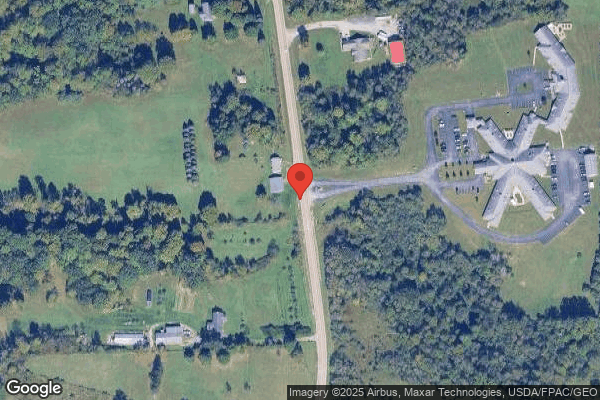
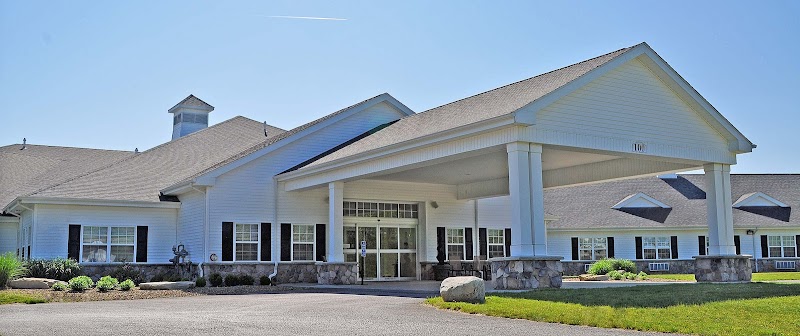
100 COVINGTON DRIVE, EAST PALESTINE, OH 44413 (330) 426-2920
For profit - Corporation 65 Beds MICHAEL SLYK Data: November 2025
Trust Grade
80/100
#50 of 913 in OH
Last Inspection: May 2025

Inspected within the last 6 months. Data reflects current conditions.

Overview

Covington Skilled Nursing & Rehab Center has a Trust Grade of B+, indicating it is above average and generally recommended for families seeking care. It ranks #50 out of 913 facilities in Ohio, placing it in the top half, and is the best option out of 11 facilities in Columbiana County. However, the facility's trend is worsening, with issues increasing from 2 in 2023 to 4 in 2025, which is a concern. Staffing is rated below average at 2 out of 5 stars, although turnover is relatively low at 35%, indicating some staff stability; however, the average RN coverage may mean that not enough registered nurses are available to monitor residents effectively. While the facility has no fines and has received excellent scores for overall care and quality measures, there have been significant concerns regarding infection control and background checks for staff. For example, there was an incident where eye drops were administered unsafely, risking infection, and the facility failed to ensure all staff had proper background checks, which could put residents at risk. Overall, while there are strengths in care quality and staffing stability, potential families should weigh these against the recent increase in issues and specific incidents noted in inspections.

Trust Score
B+
80/100
In Ohio
#50/913
Top 5%
Safety Record
Low Risk
No red flags
Inspections
Getting Worse
2 → 4 violations
Staff Stability
○ Average
35% turnover. Near Ohio's 48% average. Typical for the industry.
Penalties
✓ Good
No fines on record. Clean compliance history, better than most Ohio facilities.
Skilled Nurses
○ Average
Each resident gets 39 minutes of Registered Nurse (RN) attention daily — about average for Ohio. RNs are the most trained staff who monitor for health changes.
Violations
⚠ Watch
24 deficiencies on record. Higher than average. Multiple issues found across inspections.
★★★★★
5.0
Overall Rating
★★☆☆☆
2.0
Staff Levels
★★★★★
5.0
Care Quality
★★★★☆
4.0
Inspection Score
Stable
2023: 2 issues
2025: 4 issues

The Good

  • 5-Star Quality Measures · Strong clinical quality outcomes
  • Full Sprinkler Coverage · Fire safety systems throughout facility
  • No fines on record
  • Staff turnover below average (35%)

    13 points below Ohio average of 48%

Facility shows strength in quality measures, fire safety.

The Bad

Staff Turnover: 35%

11pts below Ohio avg (46%)

Typical for the industry

Chain: MICHAEL SLYK

Part of a multi-facility chain

Ask about local staffing decisions and management

The Ugly 24 deficiencies on record

May 2025 4 deficiencies
CONCERN (D)

Potential for Harm - no one hurt, but risky conditions existed

Deficiency F0559 (Tag F0559)

Could have caused harm · This affected 1 resident

**NOTE- TERMS IN BRACKETS HAVE BEEN EDITED TO PROTECT CONFIDENTIALITY** Based on record review and interview, the facility failed to ensure residents and or responsible parties received room change no...

Read full inspector narrative →
**NOTE- TERMS IN BRACKETS HAVE BEEN EDITED TO PROTECT CONFIDENTIALITY** Based on record review and interview, the facility failed to ensure residents and or responsible parties received room change notifications in writing. This affected three residents (Resident #4, Resident #17, Resident #18) of six residents reviewed for room change notifications. The census was 56. Findings include: 1. Review of the medical record for Resident #4 revealed an admission date of 01/10/25 with the diagnoses of adult failure to thrive, diabetes and spinal stenosis. Review of the quarterly Minimum Data Set (MDS) assessment dated [DATE] revealed the resident was cognitively intact. Review of Resident #4's medical record revealed a progress note dated 03/28/25 and 04/01/25 that the resident moved rooms. There was no indication the resident and/or representative received the notification in writing. Review of Resident #4's Room Change Notification Forms revealed the resident moved 03/28/25 and 04/10/25. There was no indication the resident and/or representative received the notification in writing. Interview on 04/28/25 at 10:26 A.M. with Resident #4 during initial screening revealed she had been in three different rooms since being at the facility and was not sure why she had been moved. Interview on 04/30/25 at 5:04 P.M. with Social Service Designee (SSD) #504 revealed she notified residents verbally of any room changes and put a note in the chart. She was not aware of any form that was completed or that notification should be in writing. 2. Review of the medical record for Resident #17 revealed an admission date of 08/30/23 with the diagnoses of ventricular fibrillation, dementia and acute kidney failure. Review of Resident #17's Room Change Notification form revealed the resident moved rooms on 10/11/24. There was no indication the resident and/or representative received the notification in writing. Review of the quarterly MDS dated [DATE] revealed Resident #17's had cognitive impairment. Interview on 05/01/25 at 11:15 A.M. with Resident #17's son revealed the facility left a phone message but he did not receive anything in writing about a room notification. Interview on 04/30/25 at 5:04 P.M. with SSD #504 revealed she notified residents verbally of any room changes and put a note in the chart. She was not aware of any form that was completed or that notification should be in writing. 3. Review of the medical record for Resident #18 revealed an admission date of 01/11/24 with the diagnoses of heart failure, diabetes and osteoarthritis. Review of the annual MDS dated [DATE] revealed the resident was cognitively intact. Review of Resident #18's medical record revealed no evidence Resident #18 received written notice of a new roommate. Review of Resident #16's Room Change Notification form revealed the resident moved into Resident #18's room on 04/02/25. Interview on 05/01/25 at 11:23 A.M. with Resident #18 revealed she was not notified in writing when receiving a new roommate, Resident #16. Interview on 04/30/25 at 5:04 P.M. with SSD #504 revealed she notified residents verbally of any room changes and put a note in the chart. She was not aware of any form that was completed or that notification should be in writing. Interview on 04/30/25 at 5:46 P.M. with Regional Nurse (REG) #599 revealed room notifications were in the progress notes. Interview on 04/20/25 at 6:06 P.M. with REG #599 revealed a copy of a blank room notification form and revealed nursing completed the form. REG #599 was not sure were the completed forms were kept. Interviews on 04/30/25 from 6:10 P.M. to 6:17 P.M. with floor nurses, Licensed Practical Nurse (LPN) #529, LPN #531 and LPN #560 revealed they were unaware of what the room change process was and denied completing any form for room notification. Interview on 04/30/25 at 7:09 P.M. with Assistant Director of Nursing (ADON) #501 revealed the team discussed room changes at their morning or afternoon meetings. She stated SSD #504 placed the phone call to responsible parties for notification of room changes. ADON #501 stated she gave her opinions on room changes but did not have anything else to do with it. She stated she thought SSD #504 kept the forms and believed SSD #504 started them during the morning or afternoon meetings. Interview on 04/30/25 7:15 P.M. at with SSD #504 revealed she had seen the form before after being shown a room notification form stating she thought the Director of Nursing (DON) and ADON filled them out. Interview on 05/01/25 at 12:40 P.M. with DON revealed prospective roommates were informed verbally. Review of policy titled Transfers, Room to Room, revised December 20216 revealed no mention of written notification to the resident. Under the area of documentation it indicated the room change should be documented in the resident chart.
CONCERN (D)

Potential for Harm - no one hurt, but risky conditions existed

Respiratory Care (Tag F0695)

Could have caused harm · This affected 1 resident

**NOTE- TERMS IN BRACKETS HAVE BEEN EDITED TO PROTECT CONFIDENTIALITY** Based on record review, observation and interview, the facility failed to ensure a physician's order for oxygen was in place for...

Read full inspector narrative →
**NOTE- TERMS IN BRACKETS HAVE BEEN EDITED TO PROTECT CONFIDENTIALITY** Based on record review, observation and interview, the facility failed to ensure a physician's order for oxygen was in place for Resident #37. This affected one (Resident #37) of one resident reviewed for oxygen use. The facility had a total of nine residents who were on oxygen. The facility census was 56. Findings include: Review of the medical record for Resident #37 revealed an admission date of 12/16/21 with diagnoses including respiratory failure, hypertension and diabetes mellitus. Review of the care plan dated 12/17/21 for Resident #37 revealed she had an alteration in respiratory function related to respiratory failure with hypoxia and oxygen use. Review of the quarterly Minimum Data Set (MDS) 3.0 assessment dated [DATE] revealed Resident #37 had oxygen therapy. Review of the physician's orders for April 2025 for Resident #37 revealed there were no oxygen orders in place after 04/22/25. There was an order for staff to change the oxygen tubing/cannula every week on night shift dated 02/29/24. Review of the nursing progress note dated 04/22/25 at 8:39 A.M. revealed Resident #37's oxygen saturation was stable with oxygen and the nurse practitioner provided an order to discontinue every shift checks of oxygen and to monitor oxygen monthly with routine vital signs. Observation on 04/28/25 at 12:54 P.M. of Resident #37 revealed she had oxygen on via nasal cannula at 2.5 liters. Observation on 04/29/25 at 9:19 A.M. revealed Resident #37 was wearing a nasal cannula, however, her oxygen concentrator was turned off. Observation on 04/29/25 at 9:22 A.M. with the Director of Nursing (DON) verified Resident #37 was ordered oxygen and the oxygen concentrator should be turned on. The DON stated Resident #37 would turn off the oxygen at times. Interview on 04/29/25 at 9:29 A.M. with the DON verified Resident #37 should have had an oxygen order in place for 2.5 liters via nasal cannula. She stated on 04/22/25 the nurse practitioner had discontinued oxygen saturation checks daily and ordered the checks monthly. The DON stated on 04/22/25 when the nursing staff discontinued the order for oxygen saturation checks, they also discontinued the oxygen order. Review of the facility policy titled, Oxygen Administration, revised October 2010, revealed the staff should verify there was a physician's order in place
MINOR (C)

Minor Issue - procedural, no safety impact

Deficiency F0680 (Tag F0680)

Minor procedural issue · This affected most or all residents

Based on review of the personnel files and interview with staff the facility failed to ensure the activities program was directed by a qualified professional. This had the potential to affect all 56 r...

Read full inspector narrative →
Based on review of the personnel files and interview with staff the facility failed to ensure the activities program was directed by a qualified professional. This had the potential to affect all 56 residents. Findings include: Review of the personnel file for Activity Director (AD) #505 revealed no evidence to support AD #505 had the appropriate qualifications for holding the position of activity director. AD #505 was hired as an activity assistant on 04/20/23 and was promoted to AD on 02/01/25. AD #505 signed the job description on 02/01/25. The checklist in the personnel file revealed AD #505 had a 90 day evaluation due for the Activity Director position on 05/01/25. Interview and record review on 04/30/25 at 4:07 P.M. with AD #505 and Administrator revealed AD #505 was initially hired as an activity assistant on 04/20/23. AD #505 stated she had no prior experience in an activity position. She was promoted to the activity director position on 02/01/25 after the position was unexpectedly vacated. Administrator stated Director of Clinical Services/Registered Nurse (DCS/RN) #592 oversaw the activity calendars and program. AD #505 stated she recently went to a training called Activity Director Bootcamp in March for 13.5 continuing education hours and provided the certificate. When asked what the requirements for an activity director were they could not provide the information except to say she had almost two years experience under a certified activity director. They verified AD #505 was not enrolled in any program to obtain her certification. Interview on 05/01/25 at 10:53 A.M. with DCS/RN #592 revealed she had been overseeing the activity programming since 2021 and communicated with AD #505 weekly. DCS/RN #592 verified she was not a certified activity director stating she had 30 years experience in healthcare field with about one and half years experience in an activity position years ago. When asked if AD #505 was enrolled in a program, DCS/RN #592 stated she needed to look up the information. She responded over an hour later by forwarding an email at 11:58 A.M. showing an email dated 05/01/25 and timed at 11:49 A.M. from Ohio Health Care Association (OHCA) acknowledging enrollment in a program. Interview on 05/01/25 at 12:25 P.M. with the OHCA representative in above email revealed she was not sure when the facility signed up for the certification program but it was either 04/30/25 or 05/01/25. She verified AD #505 was enrolled in the self-pace program which could be started immediately. She stated it consisted of 90 hours of training. She stated most people take the classes then take an exam to become certified. The OHCA representative stated the bootcamp training already done by AD #505 would not go toward the certification. Review of the job description for Activity Director dated 10/2017 revealed the applicant must be certified through an accredited source.
MINOR (C)

Minor Issue - procedural, no safety impact

Deficiency F0838 (Tag F0838)

Minor procedural issue · This affected most or all residents

**NOTE- TERMS IN BRACKETS HAVE BEEN EDITED TO PROTECT CONFIDENTIALITY** Based on record review and interview, the facility failed to ensure the facility assessment was accurately completed. This had t...

Read full inspector narrative →
**NOTE- TERMS IN BRACKETS HAVE BEEN EDITED TO PROTECT CONFIDENTIALITY** Based on record review and interview, the facility failed to ensure the facility assessment was accurately completed. This had the potential to affect all 56 residents residing in the facility. Findings include: Review of the facility assessment dated [DATE] and signed by the Administrator, Regional Director of Operations #591 and the Director of Nursing (DON) revealed it was reviewed at the Quality Assurance Agency (QAA) in January 2025. The facility assessment did not have the facility's capacity or average daily census included in the assessment. Interview on 04/30/25 at 2:10 P.M. with the Administrator verified she had provided the facility assessment as noted above on 04/30/25 and this assessment was in the emergency preparedness book since the QAA meeting in January 2025. She verified the assessment did not have the capacity and average daily census listed. She stated the facility assessment she had provided was not the correct version. The Administrator then provided a second facility assessment dated [DATE] that was unsigned and did not match the original facility assessment. She verified she had just printed off the correct version.
Feb 2023 2 deficiencies
CONCERN (D) 📢 Someone Reported This

A family member, employee, or ombudsman was alarmed enough to file a formal complaint

Potential for Harm - no one hurt, but risky conditions existed

Pressure Ulcer Prevention (Tag F0686)

Could have caused harm · This affected 1 resident

Based on interview, record review, and policy review, the facility failed to ensure wound treatment for a pressure ulcer was completed as ordered by the physician. This affected one (Resident #1) of t...

Read full inspector narrative →
Based on interview, record review, and policy review, the facility failed to ensure wound treatment for a pressure ulcer was completed as ordered by the physician. This affected one (Resident #1) of three residents reviewed for pressure ulcers. The facility identified seven residents with pressure ulcers. Findings include: Review of the medical record for Resident #1 revealed an admission date of 02/21/22. Diagnoses included diabetes mellitus, history of cerebral vascular accident (CVA), cognitive social or emotional disorder following CVA, Stage 4 pressure ulcer, major depressive disorder, anxiety, muscle weakness, and dysphagia. Review of the quarterly Minimum Data Set (MDS) assessment, dated 11/08/22, revealed the resident had intact cognition. The resident required extensive assistance of two staff for bed mobility, dressing, and personal hygiene. The resident was totally dependent on the assistance of two staff for transfers, toileting, and bathing. The resident required supervision and set-up assistance for eating. The assessment indicated the resident had a Stage 4 pressure ulcer (defined as full-thickness skin and tissue loss with exposed or directly palpable fascia, muscle, tendon, ligament, cartilage or bone in the ulcer) on admission. The resident had a urinary catheter and was always incontinent of bowel. Review of the plan of care, dated 03/30/22, revealed the resident had a pressure ulcer and often declined wound treatments. Interventions included to provide treatments as ordered, pressure relieving interventions as ordered, and to provide nutritional interventions as ordered. Review of physician orders, dated February 2023, revealed a treatment to cleanse sacrum with 0.25% acetic acetic acid cleanse, pat dry, fill the wound cavity with 0.25% acetic acid moistened gauze, and cover with an ABD pad twice daily and as needed every day and night shift for wound care. Review of the Skid Grid Pressure 3.0 assessment, dated 01/30/23, revealed the resident had a Stage 4 pressure ulcer located on the sacrum. The wound measured 3.3 centimeters (cm) length by 2.5 cm width by 1.5 cm depth. The wound was described as an irregular, ovoid shaped full thickness wound with a base comprised of 1% bone centrally and 99% pink granulation tissue; mild biofilm noted, edges are defined and unattached. The wound was present on admission to the facility. Review of a facility investigation, dated 01/02/23, included a signed witness statement authored by the Director of Nursing (DON) and dated 01/02/23. The witness statement revealed an investigation was initiated concerning Resident #1's wound treatment, after it was brought to the DON's attention by the wound care nurse, that the wrong treatment was found in the resident's wound bed during rounds with the wound physician. Resident #1 told the physician her friend, Friend #1 came into the building and changed her dressing the night before. Upon discussion with the staff, Licensed Practical Nurse (LPN) #40 stated that the resident told him Friend #1 completed her pressure ulcer wound treatment, so he signed off the treatment administration record (TAR). Immediate education was provided to remind LPN #40 that only the treatments he completed should be signed off as such. LPN #40 was also educated to notify the DON if a non-staff member performs wound care. LPN #40 verbalized understanding. Review of Resident #1's TAR, dated January 2023, indicated on 01/01/23, LPN #40 completed the treatment to Resident #1's sacral pressure ulcer. During interview on 01/31/23 at 12:58 P.M., Friend #1 revealed that she did complete Resident #1's sacral pressure ulcer dressing change on 01/01/23. Review of Resident #1's Skid Grid Pressure 3.0 assessment, dated 01/02/23, revealed no decline or worsening of the sacral wound following Friend #1's wound treatment on 01/01/23. During interview on 02/01/23 at 10:03 A.M., the DON confirmed the incorrect wound treatment was observed in Resident #1's wound bed by the wound nurse and wound physician in 01/01/23. During interview 02/01/23 at 10:07 A.M., the Administrator confirmed once the facility received information of an incorrect dressing change, an investigation was initiated, and it was determined that Friend #1 had completed the wound care for Resident #1 and not LPN #40. LPN #40 and the nursing staff were in-serviced on proper wound care following the incident. Review of facility policy titled, Wound Care, dated October 2010, revealed the purpose of the procedure is to provide guidelines for the care of wounds to promote healing. The following information should be recorded in the resident's medical record as indicated: the type of wound care given, the date and time the wound care was given, the position in which the resident was placed, the name and title of the individual performing the wound care, any change in the resident's condition, all assessment date obtained when inspecting the wound, how the resident tolerated the procedure, any problems or complaints made by the resident related to the procedure, if the resident refused the treatment and the reason why, and the signature and title of the person recording the data. Notify the supervisor if the resident refuses the wound care and report other information in accordance with the facility policy and professional standards of practice. This deficiency represents non-compliance investigated under Complaint Number OH00139397 and OH00139389.
CONCERN (D) 📢 Someone Reported This

A family member, employee, or ombudsman was alarmed enough to file a formal complaint

Potential for Harm - no one hurt, but risky conditions existed

Medical Records (Tag F0842)

Could have caused harm · This affected 1 resident

Based on interview, record review, and policy review, the facility failed to ensure Resident #1's medical record was accurate regarding documentation of a wound treatment for a pressure ulcer. This af...

Read full inspector narrative →
Based on interview, record review, and policy review, the facility failed to ensure Resident #1's medical record was accurate regarding documentation of a wound treatment for a pressure ulcer. This affected one (Resident #1) of three residents reviewed for pressure wounds. The facility identified seven residents with pressure ulcers. Findings include: Review of the medical record for Resident #1 revealed an admission date of 02/21/22. Diagnoses included diabetes mellitus, history of cerebral vascular accident (CVA), cognitive social or emotional disorder following CVA, stage 4 pressure ulcer, major depressive disorder, anxiety, muscle weakness, and dysphagia. Review of the quarterly Minimum Data Set (MDS) assessment, dated 11/08/23, revealed the resident had intact cognition. The resident required extensive assistance of two staff for bed mobility, dressing. and personal hygiene. The resident was totally dependent on the assistance of two staff for transfers, toileting, and bathing. The resident required supervision and set-up assistance for eating. The assessment indicated the resident had a Stage 4 pressure ulcer on admission. The resident had a urinary catheter and was always incontinent of bowel. Review of the plan of care, dated 03/30/22, revealed the resident had a pressure ulcer and often declined wound treatments. Interventions included to provide treatments as ordered, pressure relieving interventions as ordered, and to provide nutritional interventions as ordered. Review of physician orders, dated February 2023, revealed a treatment to cleanse sacrum with 0.25% acetic acetic acid cleanse, pat dry, fill the wound cavity with 0.25% acetic acid moistened gauze, and cover with an ABD pad twice daily and as needed every day and night shift for wound care. Review of the Skid Grid Pressure 3.0 assessment, dated 01/30/23, revealed the resident had a Stage 4 pressure ulcer located on the sacrum. The wound measured 3.3 centimeters (cm) length by 2.5 cm width by 1.5 cm depth. The wound was described as an irregular, ovoid shaped full thickness wound with a base comprised of 1% bone centrally and 99% pink granulation tissue; mild biofilm noted, edges are defined and unattached. The wound was present on admission to the facility. Review of a facility investigation, dated 01/02/23, included a signed witness statement authored by the Director of Nursing (DON) and dated 01/02/23. The witness statement revealed an investigation was initiated concerning Resident #1's wound treatment, after it was brought to the DON's attention by the wound care nurse, that the wrong treatment was found in the resident's wound bed during rounds with the wound physician. Resident #1 told the physician her friend, Friend #1 came into the building and changed her dressing the night before. Upon discussion with the staff, Licensed Practical Nurse (LPN) #40 stated that the resident told him Friend #1 completed her pressure ulcer wound treatment, so he signed off the treatment administration record (TAR). Immediate education was provided to remind LPN #40 that only the treatments he completed should be signed off as such. LPN #40 was also educated to notify the DON if a non-staff member performs wound care. LPN #40 verbalized understanding. Review of Resident #1's TAR, dated January 2023, indicated on 01/01/23, LPN #40 completed the treatment to Resident #1's sacral pressure ulcer. During interview on 01/31/23 at 12:58 P.M., Friend #1 revealed that she did complete Resident #1's sacral pressure ulcer dressing change on 01/01/23. Review of Resident #1's Skid Grid Pressure 3.0 assessment, dated 01/02/23, revealed no decline or worsening of the sacral wound following Friend #1's wound treatment on 01/01/23. During interview on 02/01/23 at 10:03 A.M., the DON confirmed LPN #40 did not complete Resident #1's sacral pressure ulcer wound care on 01/01/23, however, his documentation on the TAR indicated that he had completed the wound care. During interview 02/01/23 at 10:07 A.M., the Administrator confirmed once the facility received information of an incorrect dressing change, an investigation was initiated, and it was determined that Friend #1 had completed the wound care and not LPN #40. LPN #40 and the nursing staff were in-serviced on proper wound care following the incident. Review of facility policy titled, Wound Care, dated October 2010, revealed the purpose of the procedure is to provide guidelines for the care of wounds to promote healing. The following information should be recorded in the resident's medical record as indicated: the type of wound care given, the date and time the wound care was given, the position in which the resident was placed, the name and title of the individual performing the wound care, any change in the resident's condition, all assessment date obtained when inspecting the wound, how the resident tolerated the procedure, any problems or complaints made by the resident related to the procedure, if the resident refused the treatment and the reason why, and the signature and title of the person recording the data. Notify the supervisor if the resident refuses the wound care and report other information in accordance with the facility policy and professional standards of practice. This deficiency represents non-compliance investigated under Complaint Number OH00139389.
Aug 2022 7 deficiencies
CONCERN (D)

Potential for Harm - no one hurt, but risky conditions existed

Deficiency F0569 (Tag F0569)

Could have caused harm · This affected 1 resident

**NOTE- TERMS IN BRACKETS HAVE BEEN EDITED TO PROTECT CONFIDENTIALITY** 2. Review of medical record for Resident #261 revealed an admission date of 01/15/21 and a discharge date of 11/02/21. Diagnoses...

Read full inspector narrative →
**NOTE- TERMS IN BRACKETS HAVE BEEN EDITED TO PROTECT CONFIDENTIALITY** 2. Review of medical record for Resident #261 revealed an admission date of 01/15/21 and a discharge date of 11/02/21. Diagnoses included psychotic disorder, unspecified dementia, type two diabetes mellitus, and atrial fibrillation. Review of the facility business records for Resident #261 revealed Resident #261 had $1,459.55 in his facility account. A check numbered 1940 for $1459.55 was written to Resident #261's son on 02/09/22. Interview on 08/08/22 at 10:55 A.M. with the Administrator and Regional Director of Operations #671 verified Resident #261 was discharged on 11/02/21 and Resident #261's funds were conveyed outside of the required timeframe of 30 days. This deficiency substantiates Master Complaint Number OH00133633. Based on interview and record review, the facility failed to ensure closed resident accounts were refunded within 30 days. This affected two (Resident's #145 and #261) of two residents reviewed for closed accounts. The facility census was 44. Findings include: 1. Review of the medical record for Resident #145 revealed the resident was admitted on [DATE] and discharged [DATE]. Diagnoses include Alzheimer's disease, essential hypertension, type II diabetes with diabetic neuropathy, muscle weakness, malignant neoplasm of breast, major depressive disorder, and presence of cardiac pacemaker. Review of the Discharge Minimum Data Summary (MDS) 3.0 assessment dated [DATE] revealed Resident #145 was moderately cognitively impaired, required limited assistance for activities of daily living (ADL). Review of Resident #145's care plan dated 02/15/22 revealed care areas for nutrition, pacemaker, alteration/potential alteration in cardia output, breast cancer, and discharge planning to return home to live with her son. Review of the census for Resident #145 revealed the resident's payer source was Medicare until 05/11/22 when the resident became private pay. She was transferred from a private to a semi-private room on 05/24/22. Review of the 06/01/22 monthly statement for Resident #145 revealed statement for 06/01/22 with charges for May 11-31, 2022, for $6,930- and 30-days room and board July 1-30, 2022, for $9,900, totaling $16,830. Review of the 07/01/22 statement for Resident #145 revealed new charges of $3,960 and $2,070, payments of $16,830, credits for $6,930, $910, and $6,000 with an ending credit balance (overpayment) of $7,810. Interview on 08/03/22 at 9:25 A.M. with Business Office Manager (BOM) #650 verified if a resident or their representative paid for a private room and then was transferred to dual occupancy room, they would be due a refund. She reported no knowledge of any instances of this happening since she started in her position in November 2021. When asked about the Resident #145, she verified the resident was due a refund and stated the facility was waiting for all insurance claims to be processed, despite the resident being private pay. She could not specify a time frame for when the refund would be issued. Review of the Review of Ohio 2019 admission Agreement revealed if an over payment has occurred, the amount of overpayment would be refunded within 30 days. Interview with the Administrator on 08/03/22 at 11:45 A.M. verified the refund should have been processed within 30 days, per the facility policy.
CONCERN (D)

Potential for Harm - no one hurt, but risky conditions existed

MDS Data Transmission (Tag F0640)

Could have caused harm · This affected 1 resident

**NOTE- TERMS IN BRACKETS HAVE BEEN EDITED TO PROTECT CONFIDENTIALITY** Based on record review and interview, the facility failed to ensure Resident #9's annual assessment was submitted within 14 days...

Read full inspector narrative →
**NOTE- TERMS IN BRACKETS HAVE BEEN EDITED TO PROTECT CONFIDENTIALITY** Based on record review and interview, the facility failed to ensure Resident #9's annual assessment was submitted within 14 days after completion. This affected one (Resident #9) of one resident reviewed for assessments. The facility census was 44. Findings include: Review of the medical record for Resident #9 revealed an admission date of 12/16/18. Medical diagnoses included hemiplegia and hemiparesis following cerebral infarction affecting the right dominant side, generalized muscle weakness, difficulty walking, and COVID-19. An Annual Minimum Data Set (MDS) 3.0 assessment was completed with an assessment reference date of 06/05/22. Review of the facility batch status report dated 08/04/22 revealed the Annual assessment dated [DATE] was submitted and accepted on 08/04/22. Interview on 08/04/22 at 11:22 A.M. with Licensed Practical Nurse (LPN) #669 verified Resident #9's Annual MDS 3.0 assessment dated [DATE] was not submitted until 08/04/22, which was not within the required timeframe.
CONCERN (D)

Potential for Harm - no one hurt, but risky conditions existed

Deficiency F0685 (Tag F0685)

Could have caused harm · This affected 1 resident

**NOTE- TERMS IN BRACKETS HAVE BEEN EDITED TO PROTECT CONFIDENTIALITY** Based on observation, interview, and record review the facility failed to ensure Resident #28's hearing aid was replaced in a ti...

Read full inspector narrative →
**NOTE- TERMS IN BRACKETS HAVE BEEN EDITED TO PROTECT CONFIDENTIALITY** Based on observation, interview, and record review the facility failed to ensure Resident #28's hearing aid was replaced in a timely manner. This affected one (Resident #28) of one resident reviewed for hearing. The facility census was 44. Findings include: Review of the medical record revealed Resident #28 was admitted on [DATE] with diagnoses including muscle weakness, osteoarthritis, spinal stenosis, major depressive disorder, and a history of COVID-19. Review of the significant change Minimum Data Set (MDS) 3.0 assessment dated [DATE] revealed Resident #28 had moderate difficulty hearing and wore hearing aids, required extensive assist of two staff for activities of daily living (ADL), use of a wheelchair for mobility and was on hospice. Review of Resident #28's care plan of 08/03/22 revealed care areas included communication deficit related to a hearing deficit as evidenced by highly impaired hearing and requiring two hearing aids. Interventions included audiology consult as needed, monitoring effectiveness of communication strategies and hearing aids and monitoring/documenting/reporting hearing impairment. Review of the nursing progress note of 06/03/22 at 10:03 A.M. revealed per midnight report- residents hearing aid shattered last evening. Called son to inquire about who Resident #28 sees for audiology. Resident #28's son stated he hasn't seen anyone in Ohio since he got the hearing aids in Tennessee. This nurse then asked if residents son had a preference as to whom his father sees for hearing aid replacement- he stated he does not have a preference. Information communicated to scheduling to have resident set up with an audiologist. Observations on 08/02/22 at 8:45 A.M., 08/03/22 at 8:59 A.M. and 08/03/22 at 2:40 P.M. revealed Resident #28 was very hard to engage in conversation and was not wearing hearing aids. He had difficulty hearing accurately, and understanding simple phrases and commands, even at a loud volume. The facility provided an appointment sheet dated 06/06/22 appointment as soon as possible (ASAP) with audiologist for broken hearing aide, spoke with resident's son; states he is waiting for audiology apt visit with 360. Interview on 08/04/22 at 10:05 A.M. with Resident #28' son reported it was reported to him when his father's hearing aid was crushed, over eight weeks ago, and it seemed to be taking a pretty long period of time to get it replaced. Not having the hearing aid makes it difficult to communicate when he and his family visit, which is about three times a week. He tried to put the other hearing aid in, but his father's hearing loss required both hearing aids for effective communication. The son reported the care was good, but some of the appointments, like for a replacement hearing aid, could have been handled better. He was told the facility would schedule an audiology appointment to replace the hearing aid. He verified no other options were discussed with him and his father had not received a replacement hearing aid. Interview on 08/04/22 at 10:43 A.M. with State Tested Nursing Assistant (STNA) #626 revealed as he was getting Resident #28 up on 06/03/22, he found the hearing aid in pieces on the floor, next to the bed. It appeared that it was either crushed by the mechanical lift or stepped on. The STNA immediately reported it to the nurse and called the resident's son who said he would like to get the hearing aid replaced. Review of the February 2018 policy Hearing Impaired Resident, Care of revealed staff will help residents who have lost or damaged hearing devices in obtaining services to replace a hearing aid. Review of the audiologist list for 08/16/22 revealed Resident #28 was on the list to be seen on that date. This deficiency substantiates Complaint Number OH00131608.
CONCERN (D)

Potential for Harm - no one hurt, but risky conditions existed

Medical Records (Tag F0842)

Could have caused harm · This affected 1 resident

**NOTE- TERMS IN BRACKETS HAVE BEEN EDITED TO PROTECT CONFIDENTIALITY** Based on interview and record review the facility failed to provide documented evidence indwelling urinary catheter care was pro...

Read full inspector narrative →
**NOTE- TERMS IN BRACKETS HAVE BEEN EDITED TO PROTECT CONFIDENTIALITY** Based on interview and record review the facility failed to provide documented evidence indwelling urinary catheter care was provided to Resident #22. This affected one (Resident #22) of two (Resident's #5 and #22) the facility identified as having an indwelling urinary catheter. The facility census was 44. Findings include: Review of the medical record for Resident #22 revealed an admission date of 01/14/22 with diagnoses including hemiplegia and hemiparesis following cerebral infarction affecting right dominant side, neuromuscular dysfunction of the bladder, and type two diabetes mellitus. Review of the quarterly Minimum Data Set (MDS) 3.0 assessment dated [DATE] revealed Resident #22 had moderate cognitive impairment. Resident #22 required extensive one-staff physical assistance for bed mobility, transfers, dressing, toileting, and personal hygiene; and supervision with set-up help only for eating. Resident #22 had an indwelling urinary catheter (a flexible tube that passes through the urethra and into the bladder to drain urine) was always incontinent of bowel. Review of the physician's orders for Resident #22 dated 06/03/22 revealed an order to maintain a 16 French 10 milliliter urinary catheter every shift. Another order dated 06/03/22 stated to provide indwelling urinary catheter care every day at bedtime for infection prevention. Review of the treatment administration record (TAR) for Resident #22 for June 2022 revealed no documented evidence indwelling urinary catheter care was provided on 06/03/22, 06/04/22, 06/05/22, 06/06/22, 06/07/22, 06/08/22, 06/09/22, 06/10/22, 06/11/22, and 06/12/22. Interview on 08/02/22 at 2:00 P.M. with Corporate Nurse #668 confirmed there was no documented evidence of indwelling urinary catheter care from 06/03/22 to 06/12/22. Corporate Nurse #668 also confirmed Resident #22 was sent to the hospital on [DATE] and was admitted on [DATE] with a diagnosis of urinary tract infection with sepsis. Interview on 08/01/22 at 10:29 A.M. with Resident #22 revealed he was unsure if any care was done to his catheter.
CONCERN (E)

Potential for Harm - no one hurt, but risky conditions existed

Investigate Abuse (Tag F0610)

Could have caused harm · This affected multiple residents

**NOTE- TERMS IN BRACKETS HAVE BEEN EDITED TO PROTECT CONFIDENTIALITY** Based on interview and record review the facility failed substantiate self-reported incident (SRI) tracking number (#)223300 dat...

Read full inspector narrative →
**NOTE- TERMS IN BRACKETS HAVE BEEN EDITED TO PROTECT CONFIDENTIALITY** Based on interview and record review the facility failed substantiate self-reported incident (SRI) tracking number (#)223300 dated 06/27/22 after resident personal checks written to the facility were compromised. This affected six (Residents #5, #19, #22, #27, #29, and #44) of six residents reviewed for misappropriation. The facility census was 44. Findings include: Review of the medical record for Resident #5 revealed an admission date of 03/20/22. Diagnoses included major depressive disorder, dysphagia following cerebral infarction, and type two diabetes mellitus. Review of the medical record for Resident #19 revealed an admission date of 11/19/21. Diagnoses included chronic systolic heart failure, type two diabetes mellitus, and dementia with Lewy bodies. Review of the medical record for Resident #22 revealed an admission date of 01/14/22. Diagnoses included hemiplegia and hemiparesis following cerebral infarction affecting right dominant side, neuromuscular dysfunction of the bladder, and type two diabetes mellitus. Review of the medical record for Resident #27 revealed an admission date of 09/30/20. Diagnoses included hypertension, dementia, and Alzheimer's disease. Review of the medical record for Resident #29 revealed an admission date of 12/16/21. Diagnoses included osteoarthritis, peripheral vascular disease, type two diabetes mellitus. Review of the closed medical record for Resident #44 revealed an admission date of 02/01/22 and a discharge date of 07/03/22. Diagnoses included chronic kidney disease, paranoid schizophrenia, and psychosis. Review of the facility SRI tracking #223300 dated 06/27/22 revealed the investigation of misappropriation the incident was unsubstantiated due to Resident's #5, #19, #22, #27, #29, and #44 not losing any money. Interview on 08/01/22 at 10:29 A.M. with Resident #22 revealed he did remember his checking account being compromised. He was unsure of the details but reported he did not lose any money because the bank refunded it all. Interview on 08/03/22 at 1:30 P.M. with the Administrator revealed Resident #5's family member came forward on 06/27/22 and reported a personal check that was written to the facility was compromised after it cleared the bank. The check information was altered to only leave the signature and banking information. That check was then rewritten to a new payee and made out for a larger amount of money. The family member reported the bank caught the fraud and stopped payment on the check. He also had to open a new checking account. The Administrator revealed they then learned of five other residents affected. She reported all family members filed police reports and all opened new checking accounts with their own personal banks. The Administrator reported since the bank stopped all payments on the fraudulent checks and no residents lost money the allegation was unsubstantiated. Interview on 08/02/22 at 2:40 P.M. with Resident #19's Power of Attorney (POA) reported she did make a payment to the facility from her sister's joint account on 05/27/22. She reported in June 2022 she heard from the bank that 14 checks had been attempted to be cashed from the one check written to the facility on [DATE]. She revealed each check was written over 1,000 dollars. She confirmed the bank did stop all payments on those checks, and a new account was opened. She also confirmed she did file a police report. Resident #19's POA reported she now purchases cashier's checks for eight dollars apiece to pay for her sister's room and board because she does not want the facility knowing her sister's new checking account number. Interview on 08/03/22 at 2:52 P.M. with Resident #44's guardian reported her bank notified her in June of 2022 that Resident #44's personal checking account had insufficient funds. When she reached out to the bank, she was told three checks each written over 2,500 dollars had been attempted to be withdrawn from his account. Resident #44's guardian reported the bank pinpointed the check as being copied from the original check written to the facility in May 2022. She confirmed the bank did refund all the money and a new account was opened. She did file a police report. Interview on 08/03/22 at 3:35 P.M. with Resident #27's daughter and POA revealed she checks Resident #27's bank account daily. She reported one morning she went on to check and found it was overdrawn 800 dollars. She immediately called the bank, and they reported multiple checks had been attempted to be withdrawn for over 2,700 dollars. The bank confirmed the checks were copied from the original check written to the facility. She also confirmed the bank did stop all payments and a new account was opened. Resident #27's daughter reported she did file a police report. She also reported she does not want her mother to know that her checking account was compromised because it would cause her too much anxiety. Interview on 08/03/22 at 3:49 P.M. with Resident #29's son-in-law and POA revealed scammers got a copy of the check written to the facility and copied it 11 times in the amount of 29,400 dollars total. He reported the bank caught it immediately and reversed all the charges. The bank confirmed the 11 copied checks were from a check written to the facility. He also confirmed a new account was opened and a police report was filed. Resident #29's son-in-law also reported he now makes all payments electronically to the facility to protect his banking account information. Interview on 08/04/22 at 10:19 A.M. with Chief of Police #670 confirmed all six families of residents affected did file police reports and an investigation was ongoing. Interview on 08/04/22 at 10:30 A.M. with Resident #5's son confirmed he did hear his father tell him something about his checking account being compromised and a new account was opened but his father had since passed away.
CONCERN (E)

Potential for Harm - no one hurt, but risky conditions existed

Transfer Notice (Tag F0623)

Could have caused harm · This affected multiple residents

**NOTE- TERMS IN BRACKETS HAVE BEEN EDITED TO PROTECT CONFIDENTIALITY** Based on record review and interview, the facility failed to ensure a representative of the Office of the State Long-Term Care O...

Read full inspector narrative →
**NOTE- TERMS IN BRACKETS HAVE BEEN EDITED TO PROTECT CONFIDENTIALITY** Based on record review and interview, the facility failed to ensure a representative of the Office of the State Long-Term Care Ombudsman was notified of facility initiated discharges. This affected 19 residents (Residents #35, #46, #244, #245, #246, #247, #248, #249, #250, #251, #252, #253, #254, #255, #256, #257, #258, #259 and #260). The facility census was 44. Findings include: 1. Review of the medical record for Resident #46 revealed an admission date of 05/23/22 and discharge date of 06/13/22. Diagnoses included traumatic subdural hemorrhage without loss of consciousness, fall, dementia with behavioral disturbance, essential primary hypertension, and closed fracture of unspecified part of neck of right femur. Review of the Discharge Minimum Data Set (MDS) 3.0 assessment dated [DATE] revealed Resident #46 was discharged with return not anticipated. Review of nursing progress notes dated 06/13/22 revealed Resident #46 was transported to the hospital for a change in condition, and then admitted . Interview on 08/03/22 at 8:44 A.M. with Administrator verified the facility did not timely notify a representative of the Office of the State Long-Term Care Ombudsman of the facility initiated discharge of Resident #46 on 06/13/22. The Administrator provided a folder and a facility admission/discharge report dated 08/03/22 for review. 2. Review of the facility admission/discharge report, dated 08/03/22, for residents discharged from 02/01/22 to 08/03/22 revealed the following residents received a facility-initiated discharge to a hospital: • Resident #36 was discharged on 07/26/22 • Resident #255 was discharged on 04/24/22 • Resident #256 was discharged on 04/29/22 • Resident #257 was discharged on 06/19/22 • Resident #258 was discharged on 06/20/22 • Resident #259 was discharged on 07/01/22 • Resident #260 was discharged on 07/05/22 Attached to the admission/discharge report was a fax confirmation report of pages received, dated 08/03/22 at 7:73 A.M. to the ombudsman office regarding discharge notices. Review of the folder contained a facility admission/discharge report, dated 02/17/22, for residents discharged from 01/01/21 to 12/31/21 revealed the following residents received a facility-initiated discharge to a hospital: • Resident #254 was discharged on 05/01/21 • Resident #244 was discharged on 05/22/21 and again on 06/12/21 • Resident #245 was discharged on 06/19/21 • Resident #246 was discharged on 04/06/21 • Resident #247 was discharged on 05/10/21 • Resident #248 was discharged on 01/01/21 • Resident #249 was discharged on 01/14/21 • Resident #250 was discharged on 01/30/21 • Resident #251 was discharged on 01/31/21 • Resident #252 was discharged on 07/25/21 • Resident #253 was discharged on 01/09/22 Attached to the admission/discharge report was a fax confirmation report of pages received, dated 02/22/22 at 1:17 P.M. to a representative of the Office of the State Long-Term Care Ombudsman regarding discharges. Interview on 08/03/22 at 8:52 A.M. with Administrator verified the above reports were sent to the representative of the Office of the State Long-Term Care Ombudsman for the facility initiated discharges for the year 2021 on 02/22/22 and for discharges from 02/01/22 through the current date on 08/03/22. Administrator confirmed it was not timely notification as required. This deficiency substantiates Complaint Number OH00131608.
CONCERN (E)

Potential for Harm - no one hurt, but risky conditions existed

Deficiency F0761 (Tag F0761)

Could have caused harm · This affected multiple residents

**NOTE- TERMS IN BRACKETS HAVE BEEN EDITED TO PROTECT CONFIDENTIALITY** Based on observation, record review, interview, drug manufacture review, and facility policy review the facility failed to ensur...

Read full inspector narrative →
**NOTE- TERMS IN BRACKETS HAVE BEEN EDITED TO PROTECT CONFIDENTIALITY** Based on observation, record review, interview, drug manufacture review, and facility policy review the facility failed to ensure drugs in the medication storage room refrigerator were stored at the proper temperatures and dated when opened. This affected eight (Resident's #1, #4, #10, #23, #36, #40, #41, #194) and had the potential to affect all 44 residents residing in the facility. Findings include: Observation during the tour of the facility's medication storage room on 08/04/22 at 8:30 A.M. with Licensed Practical Nurse (LPN) #605 and Director of Clinical Services #668 revealed the medication room refrigerator's internal thermometer read 31 degrees Fahrenheit (F). Stored inside the refrigerator was one Glargine (Lantus) insulin pen for Resident #1, one Glargine (Lantus) insulin pen for Resident #4, one Humalog insulin pen for Resident #10, one Glargine (Lantus) insulin pen for Resident #23, one unopened vial of Lispro insulin for Resident #36, three boxes of house stock Acetaminophen suppositories, one opened and undated vial of Tubersol (used to test for tuberculosis), and one unopened vial of Tubersol. Interview at the time of observation of the medication storage refrigerator with LPN #605 confirmed the vial of Tubersol was undated and opened, and the Acetaminophen suppositories were inadvertently put in the refrigerator. Record review revealed Resident #1 was admitted on [DATE]. Diagnoses included type two diabetes mellitus, hypertension, and Alzheimer's disease. Physician order dated 05/04/22 revealed an order for a Lantus Solostar (insulin) 100 unit/milliliter (ml) pen injector. Record review revealed Resident #4 was admitted on [DATE]. Diagnoses included type two diabetes mellitus, anxiety, essential HTN, and schizophrenia. Physician order dated 07/14/22 revealed an order for Glargine (insulin) 100 unit/ml solution pen-injector. Record review revealed Resident #10 was admitted on [DATE]. Diagnoses included type two diabetes mellitus, acute and chronic respiratory failure with hypoxia, and chronic kidney failure. Physician order dated 07/13/22 revealed an order for Humalog Kwikpen (insulin) solution pen injector 100 unit/ml. Record review revealed Resident #23 was admitted on [DATE]. Diagnoses included type two diabetes mellitus, major depressive disorder, schizophrenia, and unspecified dementia. Physician order dated 10/19/20 revealed an order for Lantus Solostar (insulin) solution pen injector 100 unit/ml. Record review revealed Resident #36 was admitted on [DATE]. Diagnoses included type two diabetes, rib fracture, and malignant neoplasm of pyloric [NAME] (opening between the stomach and the small intestine). Physician order dated 08/01/22 revealed an order for Lispro (insulin) solution. Record review revealed Resident #40 was admitted on [DATE]. Diagnoses included dysarthria (unclear speech), hemiplegia and hemiparesis following cerebral infarction, and unspecified atrial fibrillation. Physician order dated 07/01/22 revealed an order to administer step one Mantoux (test for tuberculosis). Physician order dated 07/08/22 revealed an order to administer step two Mantoux. Record review revealed Resident #41 was admitted on [DATE]. Diagnoses included pneumonia, congestive heart failure, and hypertension. Physician order dated 07/21/22 revealed an order to administer step one Mantoux. Physician order dated 07/28/22 revealed an order to administer step two Mantoux. Record review revealed Resident #194 was readmitted on [DATE]. Diagnoses included multiple fractures of ribs, wedge compression fracture of vertebra, and pneumothorax. Physician order dated 07/19/22 revealed an order to administer step one Mantoux on 07/19/22. Review of facility document titled Refrigerator Temp Log revealed the refrigerator in the medication room from 07/01/22 through 07/31/22 had temperature readings between 30 degrees (F) and 34 degrees (F) and from 08/01/22 through 08/04/22 had temperature readings between 30 degrees (F) and 32 degrees (F). Review of the drug manufacturing packaging for Tubersol indicated to store between 35 degrees (F) and 46 degrees (F). Review of the drug manufacturing packaging for Acetaminophen suppositories indicated to store between 68 degrees (F) and 78 degrees (F). Review of the drug manufacturing packaging for insulin Lispro solution indicated to store between 36 degrees (F) and 46 degrees (F) until first use. Interview on 08/04/22 at 9:28 A.M. with Director of Clinical Services #660 confirmed the medications stored in the medication room refrigerator were not stored under the proper temperature range of 36 degrees (F) and 45 degrees (F). Review of the facility policy titled Storage of Medications, revised April 2019, revealed drugs are to be stored under proper temperatures.
Aug 2019 11 deficiencies
CONCERN (D)

Potential for Harm - no one hurt, but risky conditions existed

Comprehensive Assessments (Tag F0636)

Could have caused harm · This affected 1 resident

**NOTE- TERMS IN BRACKETS HAVE BEEN EDITED TO PROTECT CONFIDENTIALITY** Based on medical record review and interview, the facility failed to complete comprehensive resident assessments a minimum of ev...

Read full inspector narrative →
**NOTE- TERMS IN BRACKETS HAVE BEEN EDITED TO PROTECT CONFIDENTIALITY** Based on medical record review and interview, the facility failed to complete comprehensive resident assessments a minimum of every 12 months. This affected two (Residents #1 and #10) of four residents reviewed for resident assessments. The facility census was 54. Findings include: 1. Review of Resident #1's medical record revealed diagnoses including Alzheimer's disease and depression. Resident #1 had a 14-day Minimum Data Set (MDS) 3.0 assessment dated [DATE]. Resident #1 had an annual MDS with an assessment reference date (ARD) of 07/19/19 which was still in progress. On 08/29/19 at 2:50 P.M., MDS Coordinator #643 verified Resident #1's annual MDS with an ARD of 07/19/19 had not been completed. MDS Coordinator #643 stated the annual MDS should have been submitted 08/12/19. 2. Review of Resident #10's medical record revealed diagnoses including stroke, chronic respiratory failure, anemia, hypertension and severe contractures. Resident #10 had a significant change MDS with an ARD of 08/14/18. An annual MDS with an ARD of 08/05/19 was still in progress. On 08/29/19 at 2:50 P.M., MDS Coordinator #643 verified Resident #10's annual MDS with an ARD of 08/05/19 was not completed in a timely manner, stating it was due 08/19/19.
CONCERN (D)

Potential for Harm - no one hurt, but risky conditions existed

Deficiency F0638 (Tag F0638)

Could have caused harm · This affected 1 resident

Based on medical record review and interview, the facility failed to complete quarterly Minimum Data Set (MDS) assessments a minimum of every three months. This affected one (Resident #9) of four resi...

Read full inspector narrative →
Based on medical record review and interview, the facility failed to complete quarterly Minimum Data Set (MDS) assessments a minimum of every three months. This affected one (Resident #9) of four residents reviewed for MDS assessments. Findings include: Review of Resident #9's medical record revealed diagnoses including anxiety, hypertension, depression, chronic kidney disease, and hyperlipidemia. Resident #9's most recent completed MDS had an assessment reference date (ARD) of 04/29/19. A quarterly MDS with an ARD of 07/30/19 was still in progress. On 08/29/19 at 2:50 P.M., MDS Coordinator #643 verified Resident #9's quarterly MDS with an ARD of 07/30/19 had not been completed in a timely manner. The MDS should have been submitted 08/13/19.
CONCERN (D)

Potential for Harm - no one hurt, but risky conditions existed

MDS Data Transmission (Tag F0640)

Could have caused harm · This affected 1 resident

Based on medical record review and interview, the facility failed to transmit a Minimum Data Set (MDS) assessment in a timely manner. This affected one (Resident #3) of four residents whose resident a...

Read full inspector narrative →
Based on medical record review and interview, the facility failed to transmit a Minimum Data Set (MDS) assessment in a timely manner. This affected one (Resident #3) of four residents whose resident assessments were reviewed. Findings include: Review of Resident #3's medical record revealed diagnoses including hypertension, thyroid disorder, osteoporosis and anxiety disorder. Resident #3's quarterly MDS completed 04/25/19 was submitted 06/08/19. On 08/29/19 at 3:20 P.M. MDS Coordinator #643 stated Resident #3's quarterly MDS with an assessment reference date (ARD) date of 04/11/19 was not completed timely and not accepted until 06/08/19.
CONCERN (D)

Potential for Harm - no one hurt, but risky conditions existed

Comprehensive Care Plan (Tag F0656)

Could have caused harm · This affected 1 resident

**NOTE- TERMS IN BRACKETS HAVE BEEN EDITED TO PROTECT CONFIDENTIALITY** Based on observation, interview and record review, the facility failed to adequately care plan and monitor behavior for Residen...

Read full inspector narrative →
**NOTE- TERMS IN BRACKETS HAVE BEEN EDITED TO PROTECT CONFIDENTIALITY** Based on observation, interview and record review, the facility failed to adequately care plan and monitor behavior for Resident #21. This affected one of one resident reviewed for behavior. Findings include: Review of the medical record revealed Resident #21 was admitted on [DATE] with diagnoses including gastrointestinal hemorrhage, atrial fibrillation, mitral valve disorder and chronic obstructive pulmonary disease (COPD). A diagnosis of metabolic encephalopathy as added on [DATE] when Resident #21 was sent to the emergency room for delusions and paranoia for psychiatric evaluation. Review of the Elopement Risk assessment dated [DATE] revealed the resident had a history of elopement behavior. The Minimum Data Set (MDS) 3.0 assessment dated [DATE] revealed the resident was cognitively intact with verbal behaviors towards others, wandering, was on oxygen therapy, required supervision only for most activities of daily living, used a wheelchair and wore a WanderGuard (a device that alerts staff when a resident is trying to exit the facility) due to wandering behavior. Review of the physician progress note dated [DATE] revealed Resident #21 was yelling that some man placed a bomb in his room. The physician wrote this was a major change where he was delirious and completely confused, calling everybody liars and all against him. Review of the progress note of [DATE] revealed Resident #21 had a cigarette lighter and was flicking it in the proximity of residents on oxygen. Resident #21 was not using oxygen at the time. When staff asked the resident for the lighter, the resident threatened to hurt and burn staff. The resident proceeded to attempt to burn a nurse's arm and shirt before throwing the lighter. The resident stated he had more lighters in his room. A search of Resident #21's room yielded $330 cash, $340 in unscratched lottery tickets, scissors, 75 Ibuprofen tablets and seven prescription narcotic tablets (marked IP 115). The physician and the resident's son were notified and in agreement to send the resident to the hospital for geriatric psychiatry. Review of the progress note of [DATE] revealed Resident #21 was placed on one to one (1:1) staffing, cursed at and attempted to hit staff, wandered across the hall to another resident's bathroom, sat on the toilet, continued to curse and yell and threatening to [NAME] feces from the toilet at staff. The physician was contacted and ordered 1 milligram (mg) of Haldol (an antipsychotic medication) intramuscularly, and transfer to the hospital for a psychiatric evaluation. Review of the hospital discharge paperwork dated [DATE] revealed the reason for the admission was a gastrointestinal bleed and congestive heart failure. There was no mention of any psychiatric evaluation or treatment. Review of care plan dated [DATE] revealed care areas for poor decision making and refusal of care related to anxiety, cognitive impairment, alteration in mood related to depression and requiring antidepressant to manage (added [DATE]) and alteration in mood and behavior related to metabolic encephalopathy and COPD as evidenced by delusional thinking (added [DATE]). Review of the psychiatric progress notes from [DATE] to [DATE] revealed Resident #21 was seen for depression and anxiety at the facility. Review of physician's progress notes from [DATE] and [DATE] revealed Resident #21 reported a number of hallucinations including the handles of the drawers in his room turning into snakes, and his wife (deceased ) disappearing into the wall. Observations of Resident #21 on [DATE] at 9:25 A.M. and 1:26 P.M., [DATE] at 1:28 P.M. and [DATE] at 8:50 A.M. revealed the resident appeared calm but confused, rummaging in his room and wandering. No verbal or physical behaviors were observed. Interview with Resident #21 on [DATE] at 1:28 P.M. revealed the resident was missing his wallet and thought his roommate had taken it. Interview on [DATE] at 9:10 A.M. with State Tested Nursing Aide (STNA) #672 revealed the resident was usually delusional, with repetitive themes. Interview on [DATE] at 12:55 P.M. with Registered Nurse (RN) #700 revealed after Resident #21 exhibited delusional behavior in April of 2019 and was sent to the hospital , the resident was diagnosed with metabolic encephalopathy which the RN and the physician attributed as the cause of his delusions, hallucinations and aggressive behavior. The RN stated it was not determined how Resident #21 obtained the lighter, pills and scissors. It was thought the resident got them when he left the facility with his son. The RN was not aware of the resident leaving the facility after the lighter incident, and there were no further searches of the resident's room. Interview on [DATE] 1:20 PM with the Director of Nursing (DON) verified Resident #21's care plan was silent to the behaviors of [DATE] and [DATE]. The care plan did not adequately address Resident #21's behaviors, including baseline behaviors and safety concerns. Interview on [DATE] 1:35 P.M. with Resident #21's son revealed Resident #21 likely got the pills, lighter and scissors when the son took him to his old house. The son stated the items may have been in the pockets of jackets brought to the facility from the home. The son stated he had taken Resident #21 out of the facility a couple times since the incident. Due to Resident #21's weakened condition, the resident did not leave the son's car. They would go for a ride, and the son would stop and get some lottery scratch offs while the resident waited in the car. The son was confident that Resident #21 could not have received any additional lighters or potentially harmful items. Review of the sign out log for Resident #21 verified the resident left the faciity on [DATE] and [DATE] with his son.
CONCERN (D)

Potential for Harm - no one hurt, but risky conditions existed

Quality of Care (Tag F0684)

Could have caused harm · This affected 1 resident

**NOTE- TERMS IN BRACKETS HAVE BEEN EDITED TO PROTECT CONFIDENTIALITY** Based on medical record review and interview, the facility failed to implement a resident's bowel protocol. This affected one (R...

Read full inspector narrative →
**NOTE- TERMS IN BRACKETS HAVE BEEN EDITED TO PROTECT CONFIDENTIALITY** Based on medical record review and interview, the facility failed to implement a resident's bowel protocol. This affected one (Resident #23) of five residents whose records were reviewed for medication use. Findings include: Review of Resident #23's medical record revealed diagnoses including Alzheimer's disease, depression, and abnormalities of gait and mobility. A plan of care initiated 07/08/15 indicated Resident #23 had chronic constipation with hard stools and frequent refusals of routine constipation medications and bowel protocol placing Resident #23 at risk for impaction and injury related to constipation. Interventions included administering medications as ordered and implementing the bowel program as indicated. Physician's orders dated 05/06/19 revealed 30 milliliters (ml) of Milk of Magnesia (MOM), laxative, was to be administered as needed for constipation if Resident #23 had no bowel movement for three days, a 10 milligram (mg) Bisacodyl-evac suppository, laxative, as needed for constipation for no results eight hours following MOM administration, and one enema as needed for constipation for no result eight hours following the suppository. A quarterly Minimum Data Set (MDS) assessment dated [DATE] revealed Resident #23 required extensive assistance with toilet use. Review of bowel movement (BM) records and Medication Administration Records (MAR) from 06/01/19 through 08/27/19 revealed the following: No BM was recorded 06/06/19 to 06/10/19. The June 2019 MAR revealed no initiation of Resident #23's bowel protocol during that time frame. No BM was recorded 06/14/19 to 06/17/19. The June 2019 MAR revealed no initiation of Resident #23's bowel protocol during that time frame. No BM was recorded 06/28/19 to 07/04/19. The June 2019 and July 2019 MAR revealed no initiation of Resident #23's bowel protocol. A progress note dated 07/01/19 at 6:31 P.M. indicated Resident #23 refused MOM. There were no further documented attempts to initiate the bowel protocol. On 08/28/19 at 11:32 A.M., Corporate Registered Nurse (RN) #700 provided a form titled Bowel Protocol and Monitoring Tool dated June 2010 which indicated Resident #23 received MOM and had a BM. RN #700 verified the bowel protocol should have been initiated after three full days with no BM on 06/09/19. On 08/29/19 at 9:13 A.M., Corporate RN #700 verified Resident #23's physician orders regarding her bowel protocol when she had no BM in three days were not implemented consistently.
CONCERN (D)

Potential for Harm - no one hurt, but risky conditions existed

Tube Feeding (Tag F0693)

Could have caused harm · This affected 1 resident

**NOTE- TERMS IN BRACKETS HAVE BEEN EDITED TO PROTECT CONFIDENTIALITY** Based on observation, medical record review, policy review, and interview, the facility failed to administer nutritional formula...

Read full inspector narrative →
**NOTE- TERMS IN BRACKETS HAVE BEEN EDITED TO PROTECT CONFIDENTIALITY** Based on observation, medical record review, policy review, and interview, the facility failed to administer nutritional formula through a feeding tube in a manner to prevent microbial growth. This affected one (Resident #10) of one resident reviewed for feeding tubes. The facility identified three residents receiving tube feedings. Findings include: Review of Resident #10's medical record revealed diagnoses including cachexia (loss of weight, muscle atrophy, fatigue, weakness and significant loss of appetite in someone who is not actively trying to lose weight), aphasia (inability to comprehend or formulate language because of damage to specific brain regions) following a stroke, chronic respiratory failure, anemia, and severe contractures. Resident #10 had physician orders for nothing by mouth. A physician order dated 07/11/19 revealed Resident #10 was to receive Jevity 1.5 (supplement) via a feeding tube at 60 milliliters per hour (ml/hr) with 75 milliliters (ml) of water flush every hour. On 08/26/19 at 9:41 A.M., Resident #10 was observed with a tube feeding pole beside her bed. The pole had a kangaroo bag (bag in which tube feed formula is placed for administration) with approximately 800 ml of formula. The bag had two dates written on it, one was dated 8/25 (no year) and the other was dated 8/26. The label indicated Resident #10 was receiving Jevity 1.5 at 60 ml/hr. The tube feed pump was set at 60 ml/hr with a flush of 75 ml of water every hour. At 4:25 P.M., the kangaroo bag contained approximately 500 ml of formula. On 08/27/19 at 8:20 A.M., Resident #10's kangaroo bag was labeled Jevity (not 1.5) and was dated 08/27/19 at 1:00 A.M. Approximately 800 ml of formula was in the bag. At 11:54 A.M., approximately 600 ml of formula remained in the bag. At 2:20 P.M. between 400 and 500 ml of formula remained in the bag. On 08/28/19 at 9:11 A.M., Resident #10's kangaroo bag was labeled Jevity 1.5 and was dated 08/27/19 at 10:00 P.M. There was between 700 and 800 ml of formula in the bag. On 08/28/19 at 9:21 A.M., Registered Nurse (RN) #702, an agency nurse, stated he had not added any formula to the kangaroo bag since his shift began. RN #702 stated if he had to add formula he would indicate what was added and the time on the bag. RN #702 stated the kangaroo bags were only good for 24 hours. RN #702 stated if he had to add formula it would be no more than two briks (carton) so it lasted about eight hours. On 8/28/19 at 9:39 A.M., Licensed Practical Nurse (LPN) #606 provided a brik of Jevity 1.5 which contained 237 ml of formula stating it was what was used to fill Resident #10's kangaroo bag. LPN #606 verified the manufacturer was [NAME] labs. LPN #606 verified the bag hanging indicated it was hung at 10:00 P.M. on 08/27/19 and had between 700 and 800 ml of formula remaining in it. Concerns were shared with LPN #606 regarding the amount of time the formula was hanging. At 9:50 A.M., LPN #606 provided a ready to hang bag of Jevity 1.5 stating she had been incorrect and hospice provided the tube feed in the ready to hang canisters but did not provide the spikes to access it so the canisters were opened and poured into the kangaroo bags. On 08/28/19 at 9:55 A.M., [NAME] Company Representative #710 verified when pouring the tube feed formula from its original container into another container (such as a kangaroo bag) it should hang no greater than eight to twelve hours as long as clean technique was used during the preparation. On 08/28/19 at 10:15 A.M. the information obtained for [NAME] Company Representative #710 was shared with LPN #606. LPN #606 stated she had a call out to the night shift nurse to see if she added any extra formula to the bag prior to leaving and forgot to mark the bag. LPN #606 reported she received a call back during the conversation. After speaking to the night shift nurse, no additional information was provided. Review of the facility's policy, Enteral Tube Feeding via Continuous Pump (revised November 2018), revealed the policy referred to facility procedures for hang times and administration set changes. When requested, no additional policies regarding hang times were provided.
CONCERN (D)

Potential for Harm - no one hurt, but risky conditions existed

Deficiency F0757 (Tag F0757)

Could have caused harm · This affected 1 resident

**NOTE- TERMS IN BRACKETS HAVE BEEN EDITED TO PROTECT CONFIDENTIALITY** Based on record review, staff interview and Medscape website review, the facility failed to ensure Resident #4's laboratory resu...

Read full inspector narrative →
**NOTE- TERMS IN BRACKETS HAVE BEEN EDITED TO PROTECT CONFIDENTIALITY** Based on record review, staff interview and Medscape website review, the facility failed to ensure Resident #4's laboratory results were addressed timely. This affected one resident (Resident #4) of five residents reviewed for unnecessary medications. Findings include: Review of a medical record revealed Resident #4 was admitted to the facility on [DATE] with diagnoses including atrial fibrillation, syncope and collapse, muscle weakness, gout, dementia, diabetes, hypertension and tremor. Review of the 14-day Minimum Data Set (MDS) 3.0 assessment dated [DATE] revealed Resident #4 had severely impaired cognition and received an anticoagulant. Review of a physician's order dated 06/14/19 revealed Resident #4 had an order for 7.5 milligrams of Coumadin (anticoagulant) for atrial fibrillation and an order dated 06/12/19 for a laboratory test, protime (PT) and International Normalized Ratio (INR) to be done every Monday and Thursday. Review of the Anticoagulation Record for Resident #4 revealed the resident had a PT and INR completed on 07/04/19 with results of: PT of 19.3 and an INR 1.8. The physician was not notified until 07/05/19 and ordered an extra one milligram only with the residents usual dose of 7.5 milligrams. Review of a physician's order dated 07/05/19 revealed an order for one milligram of Coumadin one time daily for a low INR, give in addition to the scheduled Coumadin. Review of laboratory results dated [DATE] revealed Resident #4 had a PT of 19.3 and a INR of 1.8 with a hand written order by the nurse practitioner to give an extra one milligram of Coumadin today then resume as ordered and continue PT and INR's as ordered. Review of the website Medscape revealed the INR target range for atrial fibrillation was 2.0-3.0. An interview on 08/29/19 at 3:25 P.M. Corporate Registered Nurse #700 verified the Coumadin order should have been addressed on 07/04/19.
CONCERN (E)

Potential for Harm - no one hurt, but risky conditions existed

Deficiency F0565 (Tag F0565)

Could have caused harm · This affected multiple residents

2. Interview on 08/27/19 at 3:30 P.M. with Resident #3, Resident #6 and Resident #9 revealed it sometimes took 45 minutes or longer for staff to answer call lights. This usually occurred on the weeken...

Read full inspector narrative →
2. Interview on 08/27/19 at 3:30 P.M. with Resident #3, Resident #6 and Resident #9 revealed it sometimes took 45 minutes or longer for staff to answer call lights. This usually occurred on the weekend night shift (6:00 P.M. to 6:00 A.M.). The Residents reported they had expressed their concern more than once, but the call light response time continued to be too long. Based on review of resident council meeting minutes, review of resident grievance/concern logs and associated forms and interview, the facility failed to adequately address resident concerns regarding call light response times. This had the potential to affect all 54 residents. Findings include: 1. Review of the facility's Guest Satisfaction Concern/Suggestion Tracking Logs from August 2018 through August 2019 revealed three entries on the September 2018 log regarding wait time and one concern in October 2018 regarding call light response times. Starting in November 2018 the concern logs only indicated what department the concern involved. A random sample of concerns were chosen for review. Review of Resident Council Meeting Minutes dated 02/13/19 revealed 12 residents attended the meeting. The list of attendees included residents who had dementia. The minutes revealed there were no group concerns, but individual concerns regarding call light response times were addressed on social service concern forms and forwarded to the Director of Nursing (DON). The minutes did not reveal how many alert and oriented residents shared concerns regarding call light response time. Review of Resident Council Meeting Minutes dated 03/13/19 revealed 11 residents attended. The list of attendees included residents who had dementia. The minutes indicated there were no group concerns, but individual concerns on call light response times were addressed. A member of the nursing staff was present to address concerns, and social services would review call light times on individuals. The minutes did not reveal how many alert and oriented residents shared concerns regarding call light response time. A concern form dated 06/27/19 revealed Resident #46 reported it takes forever when using the call light. The concern was referred to the DON/Adm. (was not clear if Administrator or administrative staff). An in-service dated 06/27/19 signed by 13 staff members revealed there had been numerous concerns/complaints regarding call lights not being answered for more than ten minutes. The in-service indicated nurses and aides needed to be observant of the call lights. The form indicated the facility was able to audit call light response daily, and the system recorded exactly how long a call light was on. A concern form dated 07/10/19 revealed Resident #50 reported waiting 45 minutes for her call light to be answered. The concern was referred to the DON. An in-service report dated 07/10/19 was signed by 15 staff members. The in-service form indicated recent complaints and call log reports supported that staff had failed to answer residents' needs in a timely manner. All staff were required to assist in answering lights and with care if it was under the employee's scope of practice. A concern form dated 08/09/19 revealed Resident #254 indicated he waited one hour and ten minutes for call light response that morning. His oxygen tubing had water in it and he was having difficulty breathing. The concern was referred to the DON. A response indicated all staff were educated regarding answering call lights in a timely manner. There were no in-service records attached. During confidential resident interviews conducted on 08/26/19 and 08/27/19, eight of 12 residents interviewed reported concerns regarding staffing and time it took to get call lights and requests responded to. Among the concerns reported were staff turning call lights off without addressing resident requests and not returning, not getting assistance with toilet use in a timely manner resulting in incontinence, and not receiving medication in a timely manner. Six of the residents stated they had waited greater than 30 minutes for assistance. One State Tested Nursing Assistant (STNA) who requested anonymity due to fear of retaliation stated the 200 hall had many residents who required two assists for activities of daily living. There were times when only one nursing assistant was scheduled to work the 200 hall. Due to the nursing assistant working 200 hall needing to stop and wait for assistance from another staff member, there were times residents had to wait. The STNA also reported there were times at meals when there was only one nursing assistant on the floor to deliver trays and respond to call lights and requests, making it difficult to respond to call lights/requests in a timely manner. The STNA reported there were times when showers were not able to be provided as scheduled related to staffing. On 08/29/19 at 9:31 A.M., Personal Care Attendant (PCA) #648 reported part of her job responsibilities included answering call lights. Sometimes residents' requests were of a nature she was unable to address. In those instances, PCA #648 would inform the nursing assistants. However, sometimes nursing assistants were assisting another resident and could not respond right away. Residents would put their call lights on again. On 08/29/19 at 12:52 P.M., the DON was asked for the second time about providing call light response logs and stated the facility recently switched computer systems and could not access the website to get the logs. The DON verified when reviewing grievances she did find call lights were not being responded to timely and educated staff working the day/time of the grievance but had never done full staff education. The DON indicated she only audited the call light response times for specific complaints/grievances.
CONCERN (E)

Potential for Harm - no one hurt, but risky conditions existed

Deficiency F0582 (Tag F0582)

Could have caused harm · This affected multiple residents

Based on review of the Beneficiary Notice worksheet, review of Skilled Nursing Facility (SNF) Beneficiary Protection Notification Review forms, review of a Notice of Medicare Non-Coverage (NOMNC) form...

Read full inspector narrative →
Based on review of the Beneficiary Notice worksheet, review of Skilled Nursing Facility (SNF) Beneficiary Protection Notification Review forms, review of a Notice of Medicare Non-Coverage (NOMNC) form and interview, the facility failed to provide residents with the correct forms when their services were no longer covered under Medicare. This affected three (Resident #49, Resident #152 and Resident #153) of three residents reviewed for provision of beneficiary notices. The facility census was 54. Findings include: 1. Review of the Beneficiary Notice worksheet revealed Resident #49 was discharged from Medicare A services on 08/05/19 and remained in the facility. Review of Resident #49's SNF Beneficiary Protection Notification Review form revealed Resident #49's Medicare Part A skilled services began 07/10/19. Resident #49's last covered day of Part A services was 08/05/19. The facility initiated the discharge from Medicare Part A services when benefit days were not exhausted. An Advanced Beneficiary Notice (ABN) was not provided. A NOMNC was provided. On 08/07/19 at 3:58 P.M., Business Office Manager #630 verified Resident #49 was discharged from Medicare A skilled services on 08/05/19 and remained in the facility. However, Resident #49 was not provided with the required ABN notice. 2. Review of the Beneficiary Notice worksheet revealed Resident #152 was discharged from Medicare A services on 05/30/19 and remained in the facility. Review of Resident #152's SNF Beneficiary Protection Notification Review form revealed Resident #152's Medicare Part A skilled services began 03/30/19. Resident #152's last covered day of Part A services was 05/30/19. The facility initiated the discharge from Medicare Part A services when benefit days were not exhausted. Resident #152 was not provided with a NOMNC or ABN notice. On 08/07/19 at 3:58 P.M., Business Office Manager #630 verified Resident #152 was discharged from Medicare A skilled services on 05/30/19 and remained in the facility. However, Resident #152 was not provided with the required beneficiary notices. 3. Review of the Beneficiary Notice worksheet revealed Resident #153 was discharged home 03/20/19. Review of Resident #153's SNF Beneficiary Protection Notification Review form revealed Resident #153's Medicare Part A skilled services began 02/01/19. Resident #153's last covered day of Part A services was 03/19/19. The form did not indicated if the services were terminated voluntarily of initiated by the facility. The form did not indicate Resident #153 was provided with a NOMNC but did indicate a ABN notice was not provided. On 08/07/19 at 3:58 P.M., Business Office Manager #630 stated Resident #153's discharge was initiated by the facility. No NOMNC was provided.
CONCERN (F)

Potential for Harm - no one hurt, but risky conditions existed

Abuse Prevention Policies (Tag F0607)

Could have caused harm · This affected most or all residents

Based on review of personnel files, review of the facility's criminal background check log, review of the abuse prohibition policy and interview, the facility failed to implement the abuse policy to e...

Read full inspector narrative →
Based on review of personnel files, review of the facility's criminal background check log, review of the abuse prohibition policy and interview, the facility failed to implement the abuse policy to ensure all potential employees had criminal background checks and reference checks completed upon hire. This affected one (Licensed Nursing Home Administer) of eight personnel files reviewed. This had the potential to affect all 54 residents. Findings include: Review of the Administrator's personnel file with Business Office Manager (BOM) #630 revealed a hire date of 04/16/19. On 08/29/19 at 4:00 P.M., BOM #630 stated the Administrator had worked at the facility before in 2015 and returned on an interim basis 02/29/19. BOM #630 stated the Administrator provided a notice from the United States Department of Justice dated 11/13/18 which indicated a Federal Bureau of Investigations (FBI) background check was done and the Administrator had no prior arrest data at the FBI. The form indicated it did not preclude further criminal history at the state or local level. The notice also indicated the results were only effective for the date the submission was originally completed. BOM #630 verified the Administrator did not have a criminal background check completed on hire. When asked for reference checks, BOM #630 provided emails between the Administrator and staff of the management company. One email dated 04/06/19 indicated one person indicated it was nice having the Administrator back and informed the Administrator to let his request to become the full time Administrator be known to the appropriate staff. An email dated 04/17/19 congratulated the Administrator. BOM #630 stated she considered the emails a reference. Review of the facility's Criminal Background Check Log indicated the Administrator applied on 02/28/19 and was hired 02/28/19. The log indicated fingerprint records were submitted to the Bureau of Criminal Investigation/Federal Bureau of Investigations on 02/18/15 with results received 03/18/15. On 08/29/19 at 4:00 P.M., BOM #630 revealed the information was placed on the log when the Administrator returned to work on an interim basis but again verified no new criminal background check was conducted. Review of the facility's Abuse Prohibition policy (dated April 2019) revealed as part of the screening process, at a minimum, the facility would check the applicant's references from prior employers and conduct a criminal background check in accordance with Ohio law.
CONCERN (F)

Potential for Harm - no one hurt, but risky conditions existed

Infection Control (Tag F0880)

Could have caused harm · This affected most or all residents

**NOTE- TERMS IN BRACKETS HAVE BEEN EDITED TO PROTECT CONFIDENTIALITY** Based on observation, medical record review, Infection Control Log review and staff interview, the facility failed to administer...

Read full inspector narrative →
**NOTE- TERMS IN BRACKETS HAVE BEEN EDITED TO PROTECT CONFIDENTIALITY** Based on observation, medical record review, Infection Control Log review and staff interview, the facility failed to administer eye drops to in a sanitary manner and failed to maintain a comprehensive Infection Control Log indicating the pathogens for residents who had urinary tract infections. This affected one resident (Resident #7) of seven observed for medication administration and five residents (Resident #32, Resident #152, Resident #17, Resident #31 and Resident #257) with urinary tract infections but had the potential to affected all 54 residents in the facility. Findings include: 1. An observation of an eye drop administration on 08/27/19 at 11:26 A.M. Registered Nurse (RN) #601 administered eye drops to Resident #7. RN #601 placed the cap for the residents artificial tears directly on the bedside stand, the open end touching the table with no barrier. An interview at this time with RN #601 verified she should not have place the eye drop cap directly on the bedside stand without a barrier. 2. Review of the Infection Control log dated June 2019 revealed Resident #32 had a urinary tract infection (UTI) with an onset date of 06/06/19 with no pathogen listed. Review of the laboratory test dated 06/05/19 revealed Resident #32 had escherichia coli in her urine. 3. Review of the Infection Control log dated June 2019 revealed Resident #152 had a UTI with an onset date of 06/07/19 with no pathogen listed. Review of the laboratory test dated 06/10/19 revealed Resident #152 had Klebsiella pneumoniae in her urine. 4. Review of the Infection Control Log dated June 2019 revealed Resident #17 had a UTI with an onset dated of 06/07/19 with no pathogen listed. Review of the laboratory test dated 06/10/19 revealed Resident #17 had escherichia coli in her urine. 5. Review of the Infection Control Log revealed Resident #31 had a UTI with an onset date of 06/12/19 with no pathogen listed. Review of the laboratory test dated 06/10/19 revealed Resident #31 had escherichia coli in her urine. 6. Review of the Infection Control Log for August 2019 revealed Resident #257 was admitted on [DATE] with a UTI. There was no pathogen documented on the log. Review of the laboratory report dated 08/09/19 indicated a [NAME] species was the pathogen. An interview on 8/29/19 at 5:07 P.M. the Director of Nursing verified the Infection Control Log was incomplete and had not been updated with the pathogen and therefore would not identify pattern or trend in the facility.
Understanding Severity Codes (click to expand)
Life-Threatening (Immediate Jeopardy)
J - Isolated K - Pattern L - Widespread
Actual Harm
G - Isolated H - Pattern I - Widespread
Potential for Harm
D - Isolated E - Pattern F - Widespread
No Harm (Minor)
A - Isolated B - Pattern C - Widespread

Questions to Ask on Your Visit

  • "Can I speak with families of current residents?"
  • "What's your RN coverage like on weekends and overnight?"

Our Honest Assessment

Strengths
  • • Grade B+ (80/100). Above average facility, better than most options in Ohio.
  • • No major safety red flags. No abuse findings, life-threatening violations, or SFF status.
  • • No fines on record. Clean compliance history, better than most Ohio facilities.
  • • 35% turnover. Below Ohio's 48% average. Good staff retention means consistent care.
Concerns
  • • 24 deficiencies on record. Higher than average. Multiple issues found across inspections.
Bottom line: Generally positive indicators. Standard due diligence and a personal visit recommended.

About This Facility

What is Covington Skilled Nursing & Rehab Center's CMS Rating?

CMS assigns COVINGTON SKILLED NURSING & REHAB CENTER an overall rating of 5 out of 5 stars, which is considered much above average nationally. Within Ohio, this rating places the facility higher than 99% of the state's 100 nursing homes. This rating reflects solid performance across the metrics CMS uses to evaluate nursing home quality.

How is Covington Skilled Nursing & Rehab Center Staffed?

CMS rates COVINGTON SKILLED NURSING & REHAB CENTER's staffing level at 2 out of 5 stars, which is below average compared to other nursing homes. Staff turnover is 35%, compared to the Ohio average of 46%. This relatively stable workforce can support continuity of care.

What Have Inspectors Found at Covington Skilled Nursing & Rehab Center?

State health inspectors documented 24 deficiencies at COVINGTON SKILLED NURSING & REHAB CENTER during 2019 to 2025. These included: 22 with potential for harm and 2 minor or isolated issues.

Who Owns and Operates Covington Skilled Nursing & Rehab Center?

COVINGTON SKILLED NURSING & REHAB CENTER is owned by a for-profit company. For-profit facilities operate as businesses with obligations to shareholders or private owners. The facility is operated by MICHAEL SLYK, a chain that manages multiple nursing homes. With 65 certified beds and approximately 53 residents (about 82% occupancy), it is a smaller facility located in EAST PALESTINE, Ohio.

How Does Covington Skilled Nursing & Rehab Center Compare to Other Ohio Nursing Homes?

Compared to the 100 nursing homes in Ohio, COVINGTON SKILLED NURSING & REHAB CENTER's overall rating (5 stars) is above the state average of 3.2, staff turnover (35%) is significantly lower than the state average of 46%, and health inspection rating (4 stars) is above the national benchmark.

What Should Families Ask When Visiting Covington Skilled Nursing & Rehab Center?

Based on this facility's data, families visiting should ask: "Can you walk me through typical staffing levels on day, evening, and night shifts?" "Can I visit during a mealtime to observe dining assistance and food quality?" "How do you handle medical emergencies, and what is your hospital transfer rate?" "Can I speak with family members of current residents about their experience?" These questions are particularly relevant given the below-average staffing rating.

Is Covington Skilled Nursing & Rehab Center Safe?

Based on CMS inspection data, COVINGTON SKILLED NURSING & REHAB CENTER has a clean safety record: no substantiated abuse findings (meaning no confirmed cases of resident harm), no Immediate Jeopardy citations (the most serious violation level indicating risk of serious injury or death), and is not on the Special Focus Facility watch list (a federal program monitoring the lowest-performing 1% of nursing homes). The facility has a 5-star overall rating and ranks #1 of 100 nursing homes in Ohio. While no facility is perfect, families should still ask about staff-to-resident ratios and recent inspection results during their visit.

Do Nurses at Covington Skilled Nursing & Rehab Center Stick Around?

COVINGTON SKILLED NURSING & REHAB CENTER has a staff turnover rate of 35%, which is about average for Ohio nursing homes (state average: 46%). Moderate turnover is common in nursing homes, but families should still ask about staff tenure and how the facility maintains care continuity when employees leave.

Was Covington Skilled Nursing & Rehab Center Ever Fined?

COVINGTON SKILLED NURSING & REHAB CENTER has no federal fines on record. CMS issues fines when nursing homes fail to meet care standards or don't correct problems found during inspections. The absence of fines suggests the facility has either maintained compliance or corrected any issues before penalties were assessed. This is a positive indicator, though families should still review recent inspection reports for the full picture.

Is Covington Skilled Nursing & Rehab Center on Any Federal Watch List?

COVINGTON SKILLED NURSING & REHAB CENTER is not on any federal watch list. The most significant is the Special Focus Facility (SFF) program, which identifies the bottom 1% of nursing homes nationally based on persistent, serious quality problems. Not being on this list means the facility has avoided the pattern of deficiencies that triggers enhanced federal oversight. This is a positive indicator, though families should still review the facility's inspection history directly.