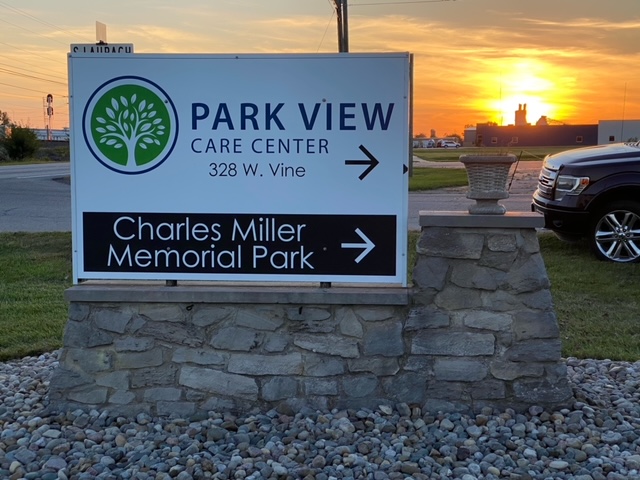
PARK VIEW CARE CENTER
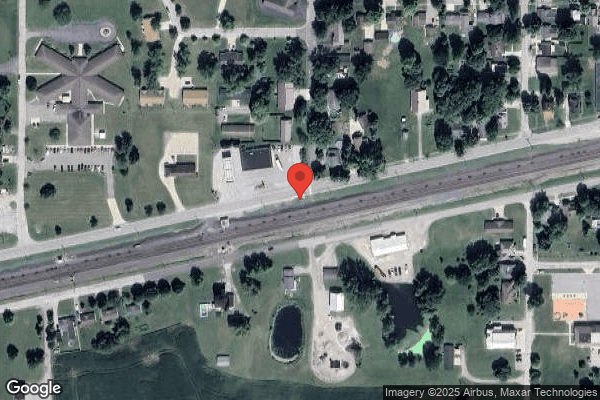
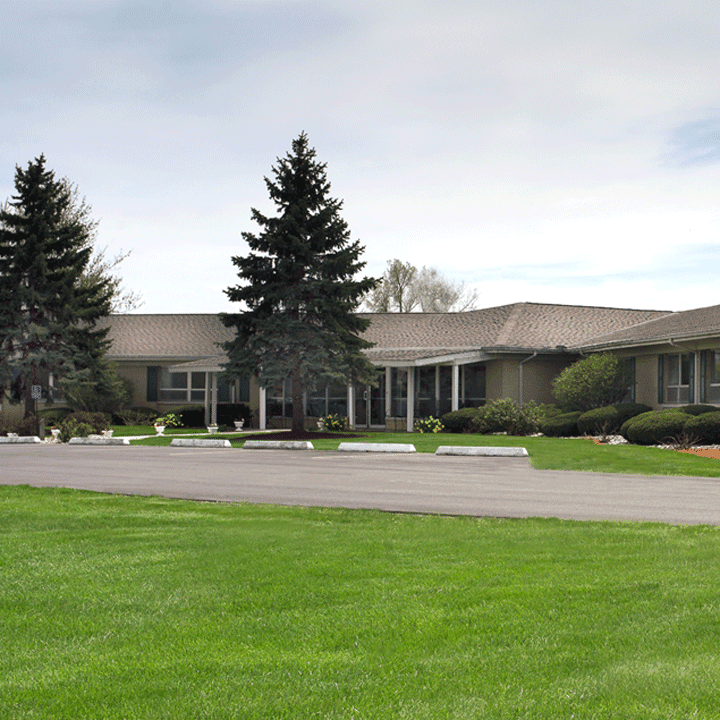
328 WEST VINE STREET, EDGERTON, OH 43517 (419) 298-2321
For profit - Corporation 74 Beds EXCEPTIONAL LIVING CENTERS Data: November 2025
Trust Grade
85/100
#143 of 913 in OH
Last Inspection: May 2023

Over 2 years since last inspection. Current conditions may differ from available data.

Overview

Park View Care Center in Edgerton, Ohio has a Trust Grade of B+, meaning it is recommended and above average in quality. It ranks #143 out of 913 facilities in Ohio, placing it in the top half, and is the best option in Williams County out of four local facilities. The facility is improving, having reduced its issues from 12 in 2023 to just 2 in 2024. Staffing is a concern, with a rating of 2 out of 5 stars and a turnover rate of 41%, which is better than the state average but still indicates some instability. Although there have been no fines, the facility has less RN coverage than 93% of others in Ohio, which could impact the level of care residents receive. However, there are notable weaknesses as well. Recent inspections revealed issues such as flies in resident areas, indicating a failure to maintain effective pest control, and concerns about timely notification for residents regarding their personal funds, which can be crucial for financial management. Additionally, the facility did not conduct thorough investigations into multiple allegations of abuse, which raises serious concerns about resident safety and care quality. Families should weigh these strengths and weaknesses carefully when considering this nursing home for their loved ones.

Trust Score
B+
85/100
In Ohio
#143/913
Top 15%
Safety Record
Low Risk
No red flags
Inspections
Getting Better
12 → 2 violations
Staff Stability
○ Average
41% turnover. Near Ohio's 48% average. Typical for the industry.
Penalties
✓ Good
No fines on record. Clean compliance history, better than most Ohio facilities.
Skilled Nurses
⚠ Watch
Each resident gets only 20 minutes of Registered Nurse (RN) attention daily — below average for Ohio. Fewer RN minutes means fewer trained eyes watching for problems.
Violations
⚠ Watch
18 deficiencies on record. Higher than average. Multiple issues found across inspections.
★★★★★
5.0
Overall Rating
★★☆☆☆
2.0
Staff Levels
★★★★★
5.0
Care Quality
★★★★☆
4.0
Inspection Score
Stable
2023: 12 issues
2024: 2 issues

The Good

  • 5-Star Quality Measures · Strong clinical quality outcomes
  • Full Sprinkler Coverage · Fire safety systems throughout facility
  • No fines on record
  • Staff turnover below average (41%)

    7 points below Ohio average of 48%

Facility shows strength in quality measures, fire safety.

The Bad

Staff Turnover: 41%

Near Ohio avg (46%)

Typical for the industry

Chain: EXCEPTIONAL LIVING CENTERS

Part of a multi-facility chain

Ask about local staffing decisions and management

The Ugly 18 deficiencies on record

Jul 2024 2 deficiencies
CONCERN (D) 📢 Someone Reported This

A family member, employee, or ombudsman was alarmed enough to file a formal complaint

Potential for Harm - no one hurt, but risky conditions existed

Safe Environment (Tag F0921)

Could have caused harm · This affected 1 resident

**NOTE- TERMS IN BRACKETS HAVE BEEN EDITED TO PROTECT CONFIDENTIALITY** Based on medical record review, observation, staff interview, and facility policy, the facility failed to ensure a resident's ba...

Read full inspector narrative →
**NOTE- TERMS IN BRACKETS HAVE BEEN EDITED TO PROTECT CONFIDENTIALITY** Based on medical record review, observation, staff interview, and facility policy, the facility failed to ensure a resident's bathroom was adequately maintained and in a sanitary condition. This affected one (#29) of four residents reviewed. The facility census was 53. Findings include: Review of the medical record revealed Resident #29 was admitted on [DATE]. Diagnoses included unspecified dementia severe with agitation, chronic kidney disease, chronic obstructive pulmonary disease, type two diabetes mellitus without complications, schizophrenia, and bipolar disorder. Review of the Minimum Data Set (MDS) assessment dated [DATE] revealed the resident was severely cognitively impaired. The resident required supervision assistance with toileting and was frequently incontinent of bowel and bladder. Review of the most recent care plan revealed Resident #29 had potential for bowel and bladder incontinence, frequently or almost always urinates on the floor in the bathroom, misses the toilet or does not even attempt to sit on the toilet to urinate and urine goes all over the floor. One intervention states for staff to frequently check bathroom floor for urine on the floor. Observation on 07/29/24 at 11:00 A.M. revealed a strong malodorous odor from the hallway. Upon further investigation Resident #29's resident bathroom was observed to have a substantial amount of liquid on the floor. The tile floor was stained, discolored, and warped. The area around the toilet was black in color and the wood like bathroom cabinet appeared to be warped on the bottom left side. Interview on 07/29/24 at 11:21 A.M. with Registered Nurse (RN) #202 verified Resident #29's bathroom was unclean, unsanitary, and not in a good state of repair. RN #202 reported Resident #29 often urinated on the bathroom floor. Review of policy, Quality of Life- Homelike Environment, revised May 2017, verified the facility staff and management shall maximize, to the extent possible, the characteristics of the facility that reflect a homelike setting including a clean, sanitary, and orderly environment. This deficiency represents non-compliance investigated under Complaint Number OH00155509.
CONCERN (E) 📢 Someone Reported This

A family member, employee, or ombudsman was alarmed enough to file a formal complaint

Potential for Harm - no one hurt, but risky conditions existed

Deficiency F0925 (Tag F0925)

Could have caused harm · This affected multiple residents

Based on observation, resident interviews, staff interviews, and facility policy, the failed to maintain an effective pest control program. This affected all 17 (#14, #17, #21, #23, #25, #27, #29, #32...

Read full inspector narrative →
Based on observation, resident interviews, staff interviews, and facility policy, the failed to maintain an effective pest control program. This affected all 17 (#14, #17, #21, #23, #25, #27, #29, #32, #33, #36, #38, #45, #47, #53, #57, #58, and #60) residents on the Pathways locked unit. The facility census was 53. Findings include: Observation on 07/29/24 at 10:56 A.M. of the Pathways locked unit revealed flies in the resident hall. Interview on 07/29/24 at 11:06 A.M. with Housekeeping #210 and #211 verified there were flies in the hall. Observation on 07/29/24 at 11:11 A.M. of Resident #21's room revealed a fly near the window. Subsequent interview with Resident #21 revealed there are always flies in her room. Interview on 07/29/24 at 11:13 A.M. with State Tested Nursing Assistant (STNA) #203 verified the fly in Resident #21's room. Interview on 07/29/24 at 11:21 A.M. with Registered Nurse (RN) #202 verified there are flies in the facility including the hallway, common area, and resident rooms. RN #202 reports she walked around with a fly swatter earlier and tried to kill them. Observation on 07/29/24 at 11:30 A.M. revealed the dining area with the resident's eating lunch. Three flies were observed in the dining room. Interview on 07/29/24 at 11:37 A.M. with Resident #25 revealed there are always a lot of flies and it bothers her. Interview on 07/29/24 at 11:40 A.M. with Resident #40 revealed there are always flies in the dining room and it really bothers her. Interview on 07/29/24 at 3:46 P.M. with STNA #205 and STNA #206 revealed there are always a lot of flies and gnats in the facility. Review of policy, Pest Control, revised May 2008 revealed the facility maintains an on-going pest control program to ensure the building is kept free of insects and rodents. This deficiency represents non-compliance investigated under Complaint Number OH00155509.
May 2023 7 deficiencies
CONCERN (D)

Potential for Harm - no one hurt, but risky conditions existed

Deficiency F0558 (Tag F0558)

Could have caused harm · This affected 1 resident

**NOTE- TERMS IN BRACKETS HAVE BEEN EDITED TO PROTECT CONFIDENTIALITY** Based on observation, resident interview, staff interview and review of facility policy the facility failed to ensure the call l...

Read full inspector narrative →
**NOTE- TERMS IN BRACKETS HAVE BEEN EDITED TO PROTECT CONFIDENTIALITY** Based on observation, resident interview, staff interview and review of facility policy the facility failed to ensure the call light and bed controllers were within reach for one resident (Resident #10) dependent for incontinence care. The facility census was 58. Findings include: Review of the medical record for Resident #10 revealed an admission date of 03/08/18. Diagnoses included depressive disorder, Parkinson's disease, encephalopathy, basal cell carcinoma of skin, muscle wasting, mood disorder, insomnia, hypertension, rheumatoid arthritis, vitamin D deficiency and vitamin B deficiency. Review of the quarterly Minimum Data Set (MDS) dated [DATE] revealed Resident #10 was cognitively intact, required the extensive assistance of two staff for bed mobility, transfers, locomotion, dressing, toilet use and personal hygiene and was always incontinent urine and frequently incontinent of bowel. Review of the care plan dated 07/08/22 revealed Resident required assistance for activities of daily living with an intervention to encourage the resident to call for assistance and the call light was to be kept within reach of the resident. Interview on 05/01/23 at 9:05 A.M. with Resident #10 revealed the resident had been incontinent and needed staff assistance and could not find the call light. Observation at the time of interview revealed the call light was sitting on the wheelchair which was to the left of the bed, outside the reach of Resident #10. The bed controller also noted to be on the floor under the left side of the bed. Continuous observation on 05/01/23 from 9:05 A.M. to 9:24 A.M. revealed Resident #10 was moaning and yelling out for help. State Tested Nursing Assistant (STNA) #331 entered the room of Resident #10 at 9:24 A.M. to provide water and ice. Interview on 05/01/23 at 9:25 A.M. with STNA #331 verified the call light was outside the reach of Resident #10 sitting on the wheelchair to the left of the resident. STNA #331 further verified the bed controller was under the bed and out of the reach of the resident. Review of facility policy titled Answering the Call Light, dated September 2022, stated the call light is accessible to the resident when in bed, from the toilet, from the shower or bathing facility and from the floor to ensure timely responses to the resident's request and needs.
CONCERN (D)

Potential for Harm - no one hurt, but risky conditions existed

Deficiency F0567 (Tag F0567)

Could have caused harm · This affected 1 resident

Based on staff interview, record review, review of personnal fund accounts, and review of the facility policy, the facility failed to ensure authorizations to open a Resident Trust account were signed...

Read full inspector narrative →
Based on staff interview, record review, review of personnal fund accounts, and review of the facility policy, the facility failed to ensure authorizations to open a Resident Trust account were signed by the resident. This affected two (Resident #3 and Resident #25) of six residents reviewed for Resident Trust accounts. The facility census was 58. Findings include: 1. Review of the medical record for Resident #3 revealed an admission date of 02/25/20. Review of the Resident Fund Management Service Authorization revealed Resident #3's authorization to open a Resident Trust account was not signed by the resident, but was signed by a previous administrator of the facility on 10/20/20. 2. Review of the medical record for Resident #25 revealed a readmission date of 07/16/22. Review of the Resident Fund Management Service Authorization revealed Resident #25's authorization to open a resident trust account was not signed by the resident, but was signed by a previous administrator of the facility on 10/20/20. Interview on 05/03/23 at 3:55 P.M. with Business Office Manager (BOM) #332 confirmed the Resident Trust agreements were signed by a former administrator at the facility and no resident signature was on the form. Review of the undated Resident Trust Fund Policy and Procedure Manual revealed all residents that wish to have a resident fund must sign a Resident Personal Funds Authorization to be kept on file.
CONCERN (D)

Potential for Harm - no one hurt, but risky conditions existed

Incontinence Care (Tag F0690)

Could have caused harm · This affected 1 resident

**NOTE- TERMS IN BRACKETS HAVE BEEN EDITED TO PROTECT CONFIDENTIALITY** Based on observation, resident interview, staff interview and review of facility policy, the facility failed to provide timely i...

Read full inspector narrative →
**NOTE- TERMS IN BRACKETS HAVE BEEN EDITED TO PROTECT CONFIDENTIALITY** Based on observation, resident interview, staff interview and review of facility policy, the facility failed to provide timely incontinence care to one resident (Resident #10) dependent for incontinence care. The facility identified 33 residents incontinent of bladder and 19 residents incontinent of bowel. The facility census was 58. Findings include: Review of the medical record for Resident #10 revealed an admission date of 03/08/18. Diagnoses included depressive disorder, Parkinson's disease, encephalopathy, basal cell carcinoma of skin, muscle wasting, mood disorder, insomnia, hypertension, rheumatoid arthritis, vitamin D deficiency and vitamin B deficiency. Review of the quarterly Minimum Data Set (MDS) dated [DATE] revealed Resident #10 was cognitively intact, required the extensive assistance of two staff for bed mobility, transfers, locomotion, dressing, toilet use and personal hygiene and was always incontinent urine and frequently incontinent of bowel. Review of the care plan dated 03/28/18 revealed Resident #10 had episodes of bowel incontinence related to cognitive deficit and impaired mobility with an an intervention that included peri care to be provided following episode of bowel incontinence. The care plan updated on 07/08/22 revealed Resident #10 required assistance for activities of daily living (ADL) related to weakness and a diagnoses of Parkinson's disease interventions included for staff to provide assistance to complete ADL tasks, encourage the resident to call for assistance and allow time for the staff to respond, and for staff to provide assistance as needed with bed mobility, transfers, eating and toilet use and the call light was to be kept within reach of the resident. Review of the current physician orders revealed an order dated 09/09/21 for Resident #10 to be turned and repositioned every two hours. Observation on 05/01/23 at 9:03 A.M. revealed a foul odor on Hallway B. The odor became stronger the further one progressed down the hallway. Resident #10 was observed in the room moaning and yelling out. Interview on 05/01/23 at 9:05 A.M. with Resident #10 revealed the resident had been incontinent and needed staff assistance and could not find the call light. Observation at the time of interview revealed the call light was outside the reach of Resident #10 sitting on the wheelchair to the left of the bed. The foul odor noted in the hallway became more pungent upon entering Resident #10's room. Observation of incontinence care for Resident #10 on 05/01/23 at 9:28 A.M. performed by State Tested Nursing Assistants (STNA) #315 and STNA #331 revealed the bedding for Resident #10 was saturated. A large dried brown area was noted on the bottom sheet and surrounded Resident #10 from the resident's shoulders to knees. Resident #10 had a dark brown substance down the legs, between the legs and in the groin and a dried dark substance on their stomach. Resident #10 was cleansed from the front to the back, rolled onto the right side, with additional skin care provided to remove brown substances. STNA #357 entered the room at 9:34 A.M. to assist with transferring the resident. During the continued observation Resident #10 was assisted to a standing position by STNA #357 and STNA #331, at which time a brown soft substance was observed dripping from Resident #10's buttocks, down the resident's legs and onto the floor. STNA #315 cleansed the skin of Resident #10 and wrapped the resident in a sheet while STNA #357 and STNA #331 assisted Resident #10 onto a wheeled shower chair. STNA #331 assisted Resident #10 into the shower. STNA #315 removed the linen from Resident #10's bed and cleansed the mattress with disposable wipes. Interview on 05/01/23 at 9:40 A.M., STNA #315 stated care had not been provided to Resident #10 since the start of the shift at 6:00 A.M. Interview on 05/01/23 at 9:40 A.M. with STNA #331 verified Resident #10 was saturated in feces and further stated no care had been provided to Resident #10 since the beginning of the shift at 6:00 A.M. Interview on 05/01/23 at 9:40 with STNA #357 verified no care had been provided to Resident #10 since the beginning of the shift at 6:00 A.M. Additional observation on 05/02/23 at 8:16 A.M. of Resident #10 laying in bed with a brown half moon shape of brown discoloration to the bottom sheet. The brown discoloration extended off side of the mattress and was visible from the hallway. A foul odor was noted. Interview with STNA #315 on 05/02/23 at 8:16 A.M. verified the brown discoloration of the sheets and the foul odor. STNA #315 stated care had not been provided since the beginning of the shift at 6:00 A.M. Review of the facility policy titled Activities of Daily Living, Supporting, dated March 2018, stated residents will be provided with care, treatment and services as appropriate to maintain or improve their ability to carry out activities of daily living. Resident who are unable to carry out activities of daily living independently will receive the services necessary to maintain good nutrition, grooming and personal and oral hygiene. Review of the facility policy titled Perineal Care, dated February 2018, stated care is provided for cleanliness and resident comfort, to prevent infections and skin irritation, and to observe the resident's skin condition. The supervisor is to be notified if the resident refused perineal care.
CONCERN (D)

Potential for Harm - no one hurt, but risky conditions existed

Respiratory Care (Tag F0695)

Could have caused harm · This affected 1 resident

Based on medical record review, observation, resident interview, staff interview and review of facility policy, the facility failed to ensure oxygen supplies were dated when initiated. This affected o...

Read full inspector narrative →
Based on medical record review, observation, resident interview, staff interview and review of facility policy, the facility failed to ensure oxygen supplies were dated when initiated. This affected one resident (#20) of two residents reviewed for oxygen therapy. The facility census was 58. Findings Include: Review of Resident #20's medical record revealed an admission date of 10/23/20. Diagnoses included cognitive communication deficit, personal history of COVID-19, peripheral vascular disease, heart disease, anxiety disorder, psychosis, major depressive disorder, and paranoid schizophrenia. Review of Resident #20's Minimum Data Set (MDS) 04/09/23 revealed Resident #20's cognitive skills were moderately impaired. Resident #20 was receiving oxygen therapy at the time of the review. Review of Resident #20's physician orders revealed an order dated 04/24/23 for oxygen at zero to five liters via nasal cannula related to shortness of breath and hypoxia. May titrate oxygen settings to lowest oxygen to maintain oxygen saturation greater than 90%. An order dated 04/30/23 included to change oxygen tubing every Sunday on night shift. Observation on 05/01/23 at 9:30 A.M. of Resident #20's oxygen tubing and humidifier found it undated as to when it was last changed. The tubing was noted to be long. Interview on 05/01/23 at 9:32 A.M. with Resident #20 stated she was not sure when the last time her tubing was changed. She stated she moves herself around the room and verified her tubing was long and dragged around on the floor. Interview on 05/01/23 at 9:33 A.M. with Licensed Practical Nurse (LPN) #340 verified Resident #20's oxygen tubing and humidifier were not dated. LPN #340 reported Resident #20's oxygen tubing was supposed to be changed every Sunday and the date was to be put on the tubing to show when it was changed. Observation on 05/02/23 at 3:00 P.M. found Resident #20's oxygen tubing and humidifier continued to be undated. Resident #20 was observed walking with her walker and rolling over her tubing and dragging it around on the floor. Interview on 05/02/23 at 3:02 P.M. with LPN #340 verified Resident #20's oxygen tubing and humidifier continued to be undated and Resident #20 continued to roll over it with her walker and drag it around on the floor. LPN #340 stated the tubing was most likely changed on Sunday. Observation on 05/03/23 at 8:28 A.M. of Resident #20 found her lying in bed. Her oxygen was connected and continued to not be dated or labeled. Observation on 05/04/23 at 11:01 A.M. of Resident #20 found her lying sideways in her bed. Resident #20 was dressed and her oxygen was connected. Her tubing and humidifier continued to be undated. Review of the facility policy titled Oxygen Administration, revised 04/14/20, revealed the staff were to assure the humidifier and oxygen tubing was changed every seven days.
CONCERN (D)

Potential for Harm - no one hurt, but risky conditions existed

Deficiency F0804 (Tag F0804)

Could have caused harm · This affected 1 resident

Based on resident interview, observation, staff interview and completion of the a lunch meal test tray revealed the facility failed to ensure residents received palatable food that was properly cooked...

Read full inspector narrative →
Based on resident interview, observation, staff interview and completion of the a lunch meal test tray revealed the facility failed to ensure residents received palatable food that was properly cooked. This affected three residents (#28, #38, and #22) of four residents reviewed for food palatability. The facility census was 58. Findings include: 1. Review of Resident #28's medical record revealed an admission date of 07/20/18. Diagnoses included dysphagia, Parkinson's disease, cognitive communication deficit, type II diabetes, dementia, morbid obesity, schizoaffective disorder, mood disorder, major depressive disorder, impulse disorder, and osteoarthritis. Review of Resident #28's Minimum Data Set (MDS) assessment, dated 04/03/23, revealed Resident #28 was moderately cognitive impaired. Resident #28 received a mechanically altered diet at the time of the review. Review of Resident #28's care plan revised 02/01/23 revealed potential for nutritional risk related to therapeutic and mechanically altered diet. Review of Resident #28's physician orders revealed an order dated 01/31/23 for a controlled carbohydrate diet with ground meat texture and thin consistency. Interview on 05/01/23 at 9:52 A.M. with Resident #28 revealed he was alert and aware. Resident #28 reported about three times a week the food was not good. He reported at times the vegetables and fruits were not cooked well enough and they were too hard for him to chew. 2. Review of Resident #38's medical record revealed an admission date of 02/13/23. Diagnoses included dysphagia, type II diabetes, and cognitive communication deficit. Review of Resident #38's MDS assessment, dated 02/20/23, revealed Resident #38 was cognitively intact. Resident #38 received a mechanically altered therapeutic diet at the time of the review. Review of Resident #38's care plan revised 03/01/23 revealed supports and interventions for nutritional risk related to mechanically altered diet texture and significant weight gain. Review of Resident #38's dietary evaluation dated 10/24/22 revealed Resident #38 was to be on a regular diet with dysphagia advanced consistency (mechanical soft) and thin liquids. Review of Resident #38's physician orders revealed an order dated 04/27/23 and discontinued 05/02/23 for consistent carbohydrate diet, mechanical soft texture and thin consistency. An order dated 05/02/23 for a consistent carbohydrate diet with regular texture and thin consistency. Observation on 05/01/23 at 11:46 A.M. found Resident #38 was seated in the main dining room and was provided his lunch meal. Resident #38 was provided the chicken pot pie with corn and carrots in it and after taking a couple bites Resident #38 was observed telling the staff in the dining room that the carrots were too hard and he was not able to chew them. The staff was observed verifying with Resident #38 the carrots were too hard for Resident #38 and they offered to get him something else. The noon meal was observed to consist of either chicken pot pie with corn or chicken pot pie without corn, both of which contained carrots. Completion of a test tray on 05/01/23 at 11:53 A.M., which included both the chicken pot pie with the corn and carrots found the carrots in the chicken pot pie were firm and slightly under done. It was noted the carrots would be hard to chew for someone on a modified texture diet. 3. Review of the medical record for Resident #22 revealed an admission date of 12/10/15 with diagnoses of vitamin deficiency and type 2 diabetes mellitus. Review of the quarterly MDS assessment, dated 04/04/23, revealed Resident #22 had slightly impaired cognition and required supervision with setup help only for eating. Review of the physician's order dated 08/10/21 revealed Resident #22 was on a controlled carbohydrate diet with regular textures and thin liquids. Interview on 05/01/23 at 9:42 A.M. with Resident #22 revealed he did not like the food because it had little taste. Completion of a test tray on 05/01/23 at 11:53 A.M., which included both the chicken pot pie with the corn and the chicken pot pie without the corn, found both pot pies to be very warm but underseasoned and bland tasting.
CONCERN (D)

Potential for Harm - no one hurt, but risky conditions existed

Antibiotic Stewardship (Tag F0881)

Could have caused harm · This affected 1 resident

Based on medical record review, staff interview, review of the infection surveillance log, and review of facility policy, the facility failed to ensure residents receiving an ongoing prophylactic anti...

Read full inspector narrative →
Based on medical record review, staff interview, review of the infection surveillance log, and review of facility policy, the facility failed to ensure residents receiving an ongoing prophylactic antibiotic had a reason for continued use. This affected one (Resident #2) of six residents reviewed for unnecessary medications. The facility census was 58. Findings include: Review of Resident #2's medical record revealed an admission date of 07/03/18 and a readmission date of 03/14/22. Diagnoses included neuromuscular dysfunction of the bladder, history of COVID-19, bipolar disorder, morbid obesity, retention of urine, intellectual disabilities, mood disorder, anxiety disorder, schizoaffective disorder, and major depressive disorder. Review of Resident #2's Minimum Data Set (MDS) assessment, dated 01/20/23, revealed Resident #2 was moderately cognitively impaired. Review of Resident #2's care plan revised 05/02/23 revealed supports and interventions for potential for urinary tract infections and indwelling Foley catheter related to urinary retention. Interventions for potential for urinary tract infections included administering medications as ordered, monitor for signs and symptoms of urinary tract infections, and to continue on antibiotic therapy as ordered. Review of Resident #2's physician orders revealed a current order initiated on 12/18/21 for the antibiotic trimethroprim 50 milligrams (mg) one time a day for personal history of urinary tract infection. Review of Resident #2's Medication Administration Record (MAR) for February 2023, March 2023, April 2023, and May 2023 revealed Resident #2 received the antibiotic trimethoprim 50 mg daily. Review of Resident #2's Pharmacy Recommendations revealed on 03/08/22 the pharmacist recommended the physician consider discontinuing the trimethoprim 100 mg one time daily for urinary tract infection (UTI) prophylaxis due to the urine culture dated 01/12/22 showing Staphylococcus aureus was resistant to trimethoprim. The physician responded on 03/29/22 disagreeing with the recommendation stating it would prevent other pathogens. No further reasoning for continued use was found. Review of the Infection Prevention and Antibiotic Stewardship log for February 2023, March 2023, and April 2023 revealed Resident #2 was on trimethoprim from 12/19/21 indefinitely. Review of Resident #2's 12/16/22 urinalysis results revealed Resident #2 had a urinary tract infection with the organism enterococcus faecalis that was sensitive to ampicillin, nitrofurantoin, penicillin, tetracycline, and vancomycin. Review of Resident #2's 03/15/23 urinalysis results stated mixed skin flora was found and no sensitivity was completed. Review of Resident #2's 04/26/23 urinalysis completed at the hospital revealed Resident #2 had no urinary tract infection. Review of Resident #2's Infection Screening Evaluations dated 10/20/22, 12/15/22, 02/13/23, 03/15/23 and 04/21/23 revealed Resident #2 had no infectious disease concerns. Resident #2 had no active diagnosis of infection at the time of the reviews. Resident #2 also did not have any signs or symptoms of infection and did not meet infection criteria. Interview on 05/04/23 at 1:49 P.M., Infection Preventionist (IP) #356 revealed she was not sure why Resident #2 was still receiving trimethoprim. IP #356 verified there was no reason for the continued use of trimethoprim as Resident #2 had no history of infectious disease involvement, no signs or symptoms of of infection and no current monitoring for urinary tract infections (UTI) signs and symptoms being completed. IP #356 verified all Resident #2's infection screening evaluations reflected no infections. IP #356 reported all prophylactic antibiotic used was reviewed at the Quality Assurance meetings. IP #356 reported the physician discontinued all the other prophylactic antibiotics and she was not sure why Resident #2's were not discontinued. Interview on 05/04/23 with Registered Nurse (RN) #365 revealed Resident #2 last saw the urologist in November of 2021 and was scheduled to see the urologist again 05/11/23 at 10:40 A.M. RN #365 reported she spoke with Resident #2's physician and he indicated he wanted to continue the use of the prophylactic antibiotic for Resident #2. RN #365 verified there was no written documentation supporting the continued justification of need. Review of the facility policy titled Antibiotic Stewardship, revised October 2018, revealed prescribers were to document the dose, duration, and indication for all antibiotic prescriptions. The facility was to track, monitor antibiotic prescribing, use, and resistance.
CONCERN (E)

Potential for Harm - no one hurt, but risky conditions existed

Deficiency F0569 (Tag F0569)

Could have caused harm · This affected multiple residents

**NOTE- TERMS IN BRACKETS HAVE BEEN EDITED TO PROTECT CONFIDENTIALITY** Based on staff interview, record review, review of personnal fund accounts, and review of the facility policy, the facility fail...

Read full inspector narrative →
**NOTE- TERMS IN BRACKETS HAVE BEEN EDITED TO PROTECT CONFIDENTIALITY** Based on staff interview, record review, review of personnal fund accounts, and review of the facility policy, the facility failed to ensure residents were notified when their personal funds account balance was within $200.00 of the Medicaid resource limit. This affected three (#1, #3 and #25) of six residents reviewed for personal funds. Further, the facility failed to ensure resident funds were disbursed in a timely manner after discharge from the facility. This affected two (#161 and #162) of six residents reviewed for resident trust accounts. The facility census was 58. Findings include: 1. Review of the medical record for Resident #1 revealed an admission date of [DATE] and a readmission date of [DATE] with a payer source of Medicaid. Review of the Resident Statement (bank statement) dated [DATE] through [DATE] revealed Resident #1 consistently carried a balance exceeding $3000.00. The account balance on [DATE] was $4005.35 after monthly care costs were withdrawn for [DATE]. There was no evidence the resident was notified when the personal fund account balance was within $200.00 of the Medicaid resource limit. 2. Review of the medical record for Resident #3 revealed an admission date of [DATE] with a payer of Medicaid. Review of the Resident Statement dated [DATE] through [DATE] revealed Resident #1 consistently carried a balance exceeding $3000.00. The account balance on [DATE] was $5068.80 after monthly care costs were withdrawn for [DATE]. There was no evidence the resident was notified when the personal fund account balance was within $200.00 of the Medicaid resource limit. 3. Review of the medical record for Resident #25 revealed a readmission date of [DATE] with a payer source of Medicaid. Review of the Resident Statement dated [DATE] through [DATE] revealed Resident #25 consistently carried a balance exceeding $3000.00. The account balance on [DATE] was $4586.94 after monthly care costs were withdrawn for [DATE]. There was no evidence the resident was notified when the personal fund account balance was within $200.00 of the Medicaid resource limit. Interview on [DATE] at 2:55 P.M. with the Business Office Manager (BOM) #332 confirmed Resident #1, Resident #3, and Resident #25 all received Medicaid funding and were subject to Medicaid's resource limit of $2000.00. Further interview revealed the BOM #332 did not issue notifications to Resident #1, Resident #3, and Resident #25 regarding the excess money in their accounts. Review of the undated policy titled Resident Trust Fund Policy and Procedure Manual revealed the facility was required to notify residents when personal funds reached $200.00 less than the maximum allowed limit to qualify for Medicaid. The maximum is $2000.00 for the State of Ohio. A letter is to be issued to the resident or responsible party, notifying them that a spend-down of funds is necessary to maintain eligibility. 4. Review of the medical record for Resident #161 revealed an admission date of [DATE] and expired under the care of hospice on [DATE]. Review of the payer source for Resident #161 revealed he was covered by Hospice Private Pay. Review of the Resident Fund Management Service (RFMS) Resident Statement revealed Resident #161 had an account balance of $2,746.65 on [DATE]. Further review revealed Resident #161's account accrued $21.12 in interest between [DATE] and [DATE] for a total balance of $2,767.77 on [DATE]. 5. Review of the medical record for Resident #162 revealed an admission date of [DATE]. Resident #162 expired on [DATE] under the care of hospice. Review of the payer source for Resident #162 revealed she was covered by Hospice Medicaid. Review of the RFMS Resident Statement revealed Resident #162 had an account balance of $3,708.02 on [DATE]. Further review revealed Resident #162's account accrued $34.75 in interest between [DATE] and [DATE] for a total balance of $2,767.77 on [DATE]. Interview on [DATE] at 2:55 P.M. with BOM #332 confirmed the Resident Trust accounts for Resident #161 and Resident #162 were not disbursed timely and BOM #332 further confirmed she requested checks for disbursement for both accounts on [DATE]. Review of the undated policy titled Resident Trust Fund Policy and Procedure Manual provided no guidance regarding the timely disbursement of resident funds upon discharge from the facility.
Mar 2023 1 deficiency
CONCERN (D) 📢 Someone Reported This

A family member, employee, or ombudsman was alarmed enough to file a formal complaint

Potential for Harm - no one hurt, but risky conditions existed

Deficiency F0625 (Tag F0625)

Could have caused harm · This affected 1 resident

**NOTE- TERMS IN BRACKETS HAVE BEEN EDITED TO PROTECT CONFIDENTIALITY** Based on medical record review and staff interview, the facility failed to provide written bed hold notification at the time of ...

Read full inspector narrative →
**NOTE- TERMS IN BRACKETS HAVE BEEN EDITED TO PROTECT CONFIDENTIALITY** Based on medical record review and staff interview, the facility failed to provide written bed hold notification at the time of hospitalization. This affected one (Former Resident #9) of three residents reviewed. The facility census was 58. Findings include: Review of the medical record revealed Former Resident #9 was admitted on [DATE] and was discharged on 01/11/23. Diagnoses included pneumothorax, traumatic hemothorax, multiple fractures of pelvis with stable disruption of pelvic ring, displaced intertrochanteric fracture of right femur, fracture of sacrum, chronic pulmonary insufficiency following surgery, multiple fractures of ribs left side, methicillin resistant staphylococcus aureus , nondisplaced fracture of greater trochanter of left femur, and fracture of lumbar vertebra. Review of the Minimum Data Set (MDS) assessment, dated 01/11/23, revealed Former Resident #9 was cognitively intact. Review of physician order, dated 01/11/23, revealed an order for left ankle surgical debridement scheduled for 01/11/23 at 6:00 A.M. Review of nurse's progress note, dated 01/11/23, revealed nonemergency transfer medical services arrived to transfer the resident to an appointment. Former Resident #9 was a four-assist slide transfer to stretcher. Former Resident #9's cell phone and charger was sent with the resident. The record revealed the resident did not return to the facility following the appointment on 01/11/23. Review of the Former Resident #9's medical record was silent of bed hold notification or attempts of notification. Interview on 03/20/23 at 11:34 A.M. with Social Services #201 revealed Former Resident #9 went to the hospital for outpatient surgery and she was admitted for 20 days. Former Resident #9 had a change in condition and the facility was not able to accept her back. Interview on 03/20/23 at 12:10 P.M. with the Administrator and Social Services #201 reported initially upon leaving the facility on 01/11/23 the resident had planned to return the same day but there were complications and she was hospitalized . The Administrator and Social Services #201 verified Former Resident #9 did not receive a bed hold notice once she was admitted to the hospital. This represents non-compliance investigated under Complaint Number OH00140419.
Feb 2023 4 deficiencies
CONCERN (D) 📢 Someone Reported This

A family member, employee, or ombudsman was alarmed enough to file a formal complaint

Potential for Harm - no one hurt, but risky conditions existed

Accident Prevention (Tag F0689)

Could have caused harm · This affected 1 resident

**NOTE- TERMS IN BRACKETS HAVE BEEN EDITED TO PROTECT CONFIDENTIALITY** Based on observation, staff interview, record review, and review of the facility policy, the facility failed to ensure fall inte...

Read full inspector narrative →
**NOTE- TERMS IN BRACKETS HAVE BEEN EDITED TO PROTECT CONFIDENTIALITY** Based on observation, staff interview, record review, and review of the facility policy, the facility failed to ensure fall interventions were in place as care-planned. This affected one (Resident #13) of three residents reviewed for falls. The facility census was 58. Findings include: Review of the medical record for Resident #13 revealed an admission date of 11/05/15 with diagnoses of violent behavior, myocardial infarction, Alzheimer's disease, and lack of coordination. Review of the Minimum Data Set (MDS) assessments, dated 12/07/23 and 12/31/22, revealed Resident #13's cognition was not assessed. Resident #13 required extensive assistance of two people for bed mobility, transfers, dressing, toileting, and hygiene. Further review revealed Resident #13 did not fall since the previous assessment. Review of the medical record for Resident #13 revealed she fell on [DATE] when attempting to get up from the toilet. An intervention was developed, and added to the care plan, for staff to maintain direct visualization of Resident #13 while she was using the bathroom. Continued review of the medical record for Resident #13 revealed she fell on [DATE]. Resident #13 stated she fell when attempting to ambulate to the bathroom. An intervention was developed, and added to the care plan, to place a floor mat next to her bed. Review of the current care plan for Resident #13 revealed she was at risk for falls. Interventions included applying a mat on the floor beside the bed while the resident was in bed, updated 01/23/23. Observation on 02/13/23 at 11:47 A.M. revealed Resident #13 was not in her room, and no floor mat was observed in her room or bathroom. Observation on 02/13/23 at 3:13 P.M. with the Administrator revealed Resident #13 lying in bed. No floor mat was next to the bed. Interview with the Administrator at the time of the observation on 02/13/23 at 3:13 P.M. verified Resident #13 did not have a floor mat by the bed. Review of the facility policy titled Falls and Fall Risk, Managing, revised March 2018, revealed the staff will implement a resident-centered fall prevention plan to reduce the specific risk factor of falls for each resident at risk or with a history of falls. This deficiency represents non-compliance investigated under Complaint Number OH00139929.
CONCERN (D) 📢 Someone Reported This

A family member, employee, or ombudsman was alarmed enough to file a formal complaint

Potential for Harm - no one hurt, but risky conditions existed

Respiratory Care (Tag F0695)

Could have caused harm · This affected 1 resident

Based on observation, staff interview, review of the medical record, and review of the facility policy, the facility failed to ensure oxygen was provided per the physician's order. This affected one (...

Read full inspector narrative →
Based on observation, staff interview, review of the medical record, and review of the facility policy, the facility failed to ensure oxygen was provided per the physician's order. This affected one (Resident #16) of three residents reviewed for oxygen use. The facility census was 58. Findings include: Review of the medical record for Resident #16 revealed an admission date of 01/11/23 with diagnoses of heart failure, morbid obesity, and need for assistance with personal care. Review of the comprehensive Minimum Data Set assessment, dated 01/18/23, revealed Resident #16 had intact cognition and received oxygen. Review of a physician order dated 01/12/23 revealed Resident #16 should receive oxygen at four liters via nasal cannula every shift. Review of the current care plan revealed Resident #16 had shortness of breath related to voicing, related to congestive heart failure and fluid retention. Interventions included applying oxygen as ordered. Observation on 02/13/23 at 8:40 A.M. revealed Resident #16 sitting in a wheelchair with a nasal cannula in place. Further observation revealed Resident #16's oxygen concentrator had a scale from zero to five, and Resident #16's concentrator was set above five (liters per minute). Interview at that time with Resident #16 revealed no concerns regarding respiratory care or the oxygen settings on her concentrator. Observation on 02/13/23 at 3:14 P.M. revealed Resident #16 lying in bed with a nasal cannula in place. Further observation revealed her oxygen concentrator was set at five liters. Observation and interview with the Interim Administrator on 02/13/23 at 3:14 P.M. confirmed Resident #16's oxygen concentrator was set at five liters. Interview on 02/14/23 at 9:26 A.M. with Licensed Practical Nurse #202, who cared for Resident #16 on 02/13/23, revealed she did not know why Resident #16's oxygen concentrator was set at five liters and it should not have been set at that rate. Review of facility policy titled Oxygen Administration, revised October 2010, revealed the facility should review the physician's order for oxygen administration prior to administering oxygen. This deficiency represents non-compliance investigated under Complaint Number OH00139929.
CONCERN (E) 📢 Someone Reported This

A family member, employee, or ombudsman was alarmed enough to file a formal complaint

Potential for Harm - no one hurt, but risky conditions existed

Investigate Abuse (Tag F0610)

Could have caused harm · This affected multiple residents

Based on staff interview review of the Self-Reported Incidents (SRI), and review of facility policy, the facility failed to complete a thorough investigation into allegations of abuse. This affected s...

Read full inspector narrative →
Based on staff interview review of the Self-Reported Incidents (SRI), and review of facility policy, the facility failed to complete a thorough investigation into allegations of abuse. This affected seven (#29, #53, #55, #61, #64, #72, and #73 of nine residents reviewed in SRIs for abuse. The facility census was 58. Findings include: Review of the facility's SRI revealed incident #227710 involved alleged physical abuse between Resident #53 and Resident #72. Review of the facility's SRI revealed incident #227569 involved alleged verbal abuse by Resident #53 toward Resident #61. Review of the facility's SRI revealed incident #226377 involved alleged physical abuse between Resident #64 and Resident #72. Review of the facility's SRI revealed incident #225771 involved alleged physical abuse between Resident #53 and Resident #73. Review of the facility's SRI revealed incident #225657 involved alleged physical abuse between Resident #53, Resident #55, and Resident #73. Review of the facility's SRI revealed incident #224976 involved alleged verbal abuse between staff and Resident #29. Interview on 02/14/23 at 1:53 P.M. with the Interim Administrator revealed the facility could not provide evidence, beyond what was uploaded into the OHAL Certification and Licensure website, of a thorough investigation into six SRIs (#227710, #227569, #226377, #225771, #225657, and #224976). Review of the undated facility policy titled Freedom from Abuse and Neglect Policy revealed under the heading Investigation at Bullet Point #2 the facility will thoroughly investigate all alleged violations and take appropriate actions. Bullet Point #3 revealed investigations will be prompt, comprehensive and responsive to the situation and contain founded conclusions. The investigation will include, but is not limited to the following: All material and documentation of the pertinent data to the investigation is collected, maintained, and safeguarded by the facility. This was an incidental finding during the complaint investigation completed on 02/14/23.
MINOR (C) 📢 Someone Reported This

A family member, employee, or ombudsman was alarmed enough to file a formal complaint

Minor Issue - procedural, no safety impact

Resident Rights (Tag F0550)

Minor procedural issue · This affected most or all residents

Based on observation, resident interview, observation of resident phone call logs, and staff interview, the facility failed to ensure the phone was answered in a timely manner. This affected all resid...

Read full inspector narrative →
Based on observation, resident interview, observation of resident phone call logs, and staff interview, the facility failed to ensure the phone was answered in a timely manner. This affected all residents in the facility. The facility census was 58. Findings include: Observation on 02/13/23 at approximately 7:50 A.M. revealed the facility front door was locked and no staff were visible through the door. The surveyor called the facility at 7:51 A.M. The phone rang four times and then went to voicemail. The surveyor called the facility at 7:52 A.M. The phone rang four times and the surveyor left a message. Observation during that time revealed an unidentified staff walking through the front lobby, not answering the phone. The surveyor called the facility at 7:53 A.M. and the phone rang four times and the surveyor left a message. As the surveyor was leaving the message, a staff member unlocked the door and allowed entrance to the facility. The staff member responded after the third ringing of the front doorbell by the surveyor. Interview on 02/13/23 at 8:22 A.M. with the Director of Nursing (DON) revealed the surveyor attempted to enter the facility during a medication pass time, which may have accounted for the lack of response to the phone. Interview on 02/13/23 at 4:13 P.M. with Resident #43 revealed he called the front desk twice on 02/09/23 at 10:46 P.M. in an attempt to get assistance for a resident across the hall who said she fell. Concurrent observation of his recent calls on his cell phone confirmed two calls were placed to the facility at that time. He stated staff answered the phone the second time he called. Interview on 02/14/23 at 10:00 A.M. with the DON confirmed the surveyor's voicemails from 02/13/23 were transmitted to her email in real-time. The DON stated staff do not take the portable phone with them when away from the desk because residents use the portable phone to make calls. Interview on 02/14/23 at 10:27 A.M. with the husband of Resident #71 revealed he attempted to call the facility on 02/11/23 and was unable to reach staff. He stated he did not leave a message. He intended to update the facility on Resident #71's status as she was being admitted to the hospital. Interview on 02/14/23 at 10:36 A.M. with the DON revealed voicemails left on the facility phone become audible emails sent to administrative staff. The DON verified a voicemail was left on 02/11/23 at 4:31 P.M. by Resident #15's husband. This deficiency represents non-compliance investigated under Complaint Number OH00135668.
Dec 2019 2 deficiencies
CONCERN (D)

Potential for Harm - no one hurt, but risky conditions existed

Transfer Notice (Tag F0623)

Could have caused harm · This affected 1 resident

**NOTE- TERMS IN BRACKETS HAVE BEEN EDITED TO PROTECT CONFIDENTIALITY** Based on medical record review, staff interview and review of facility policy the facility failed to ensure residents and respon...

Read full inspector narrative →
**NOTE- TERMS IN BRACKETS HAVE BEEN EDITED TO PROTECT CONFIDENTIALITY** Based on medical record review, staff interview and review of facility policy the facility failed to ensure residents and responsible parties were provided with a written notice of transfer upon transfer/discharge from the facility. This affected one (Resident #38) of one resident reviewed for hospitalizations. The facility identified four residents transferred to the hospital in the last 60 days. The facility census was 57. Findings include: Review of the medical record for Resident #38 revealed the resident was admitted to the facility on [DATE] and was re-admitted on [DATE]. Diagnoses include schizoaffective disorder, bipolar type, moderate intellectual disabilities, convulsions, vitamin D deficiency, bacteriuria, chronic respiratory failure, heart failure, hypertension, hyperlipidemia, vitamin B deficiency, osteoarthritis, legally blind, depression, insomnia, restless and agitation, auditory hallucinations, paranoid personality disorder, post-traumatic stress disorder, anxiety and conversion disorder with seizures or convulsions. Review of a comprehensive significant change Minimum Data Set 3.0 assessment dated [DATE] revealed the resident had severe cognitive deficits , delusions and fluctuating periods of inattention and disorganized thinking. Review of physician orders dated 09/03/19 and 10/24/19 revealed the resident was sent to the hospital on two separate occasions. Further review of the medical record revealed no documentation was present to indicate the resident and/or responsible party were provided with a written notice of transfer for either transfer. Review of a Transfer Notice dated 09/03/19 revealed the resident was sent to the hospital. There was no documentation of who the form was provided to. Review of a Transfer Notice dated 10/25/19 revealed the resident was sent to the hospital. There was no documentation of who the form was provided to. Interview with Business Office Manager #300 on 12/03/19 at 10:20 A.M. verified the facility did not provide residents and families with a written notice of transfer when the residents were transferred to the hospital. Review of facility policy Skilled Nursing Facility Transfer and discharge Required Notices Policy dated 02/2018 revealed the facility was to provide a transfer notice that provided appeal right to the resident and representative at the time of transfer or as soon as practicable, if the resident was transferred to the hospital for an inpatient stay.
CONCERN (D)

Potential for Harm - no one hurt, but risky conditions existed

Drug Regimen Review (Tag F0756)

Could have caused harm · This affected 1 resident

**NOTE- TERMS IN BRACKETS HAVE BEEN EDITED TO PROTECT CONFIDENTIALITY** Based on medical record review, staff interview, and review of a facility policy, the facility failed to ensure pharmacy recomme...

Read full inspector narrative →
**NOTE- TERMS IN BRACKETS HAVE BEEN EDITED TO PROTECT CONFIDENTIALITY** Based on medical record review, staff interview, and review of a facility policy, the facility failed to ensure pharmacy recommendations were responded to in a timely manner. This affected two (Resident's #36 and #41) of five residents reviewed for unnecessary medications. he facility census was 57. Findings include: 1. Review of Resident #36's medical record revealed an admission date of 08/01/18. Diagnoses included dementia with behavioral disturbance, anxiety disorder, hypertension, major depressive disorder, and neuropathy. Review of Resident #36's Minimum Data Set (MDS) dated [DATE] revealed the resident was moderately cognitively impaired. Resident #36 required supervision for bed mobility, transfer, walking, locomotion, dressing, toilet use, and personal hygiene. Resident #36 had delusions during the review period and Resident #36 had mood concerns of being fidgety or restless two to six days during the review period. Review of Resident #36's care plan revised 10/28/19 revealed supports and interventions for potential for alterations in skin integrity, nutritional and dehydration risk, antidepressant medication use with risk for adverse reaction, fluctuating cognitive state, potential for difficulty for expressing thoughts, potential for verbal aggression, risk for falls, pain, risk for side effect or adverse effects related to antianxiety medications, risk for decline in mobility, risk for elopement, psychosocial wellbeing problem, risk for changes in mood, and self-care deficit. Review of Resident #36's Gradual Dose Reduction (GDR) recommendations from the pharmacist revealed a recommendation dated 06/25/19 where the pharmacist recommended the physician review Resident #36's use of hydroxyzine for the treatment of insomnia and anxiety. The pharmacist indicated a review was recommended due to this medication noted to not be utilized for insomnia and anxiety in geriatric patients due to its strong anticholinergic properties leading to falls, urinary retention and confusion. The pharmacist requested the physician to please consider switching to a low-dose zolpidem 5 milligrams (mg) or trazodone 12.5 to 25 mg as an alternative. No physician response was found. An unsigned note on the bottom of the recommendation form indicated on 09/12/19 Resident #36's hydroxyzine was discontinued. On 10/22/19 the pharmacist recommended the physician consider GDR discontinuing or changing Resident #36's tramodol to another pain medication due to Resident #36 taking Duloxetine 30 mg with Tramadol 50 mg. It was noted the co-administration of the medications could potentiate the risk of serotonin syndrome and increase the risk of seizures. The physician responded on 12/03/19 and agreed with the recommendation. The physician discontinued Resident #36's Tramadol on 12/03/19. The physician review came 42 days following the 10/22/19 recommendation from the pharmacist. Interview on 12/03/19 at 2:58 P.M. with the Administrator and Director of Nursing (DON) verified the pharmacy recommendations made on 06/25/19 and 10/22/19 were not followed up with by the physician in a timely manner. 2. Review of the medical record for Resident #41 revealed the resident was admitted to the facility on [DATE]. Diagnoses included dementia, cognitive communication deficit, chronic obstructive pulmonary disease, muscle wasting, major depression, hypercholesterolemia, hypertension, anxiety, folate deficiency, vitamin D deficiency, difficulty walking, paranoid schizophrenia, bipolar disorder, gastro-esophageal reflux disease, diabetes mellitus type II ad chronic kidney disease. Review of a quarterly MDS 3.0 assessment dated [DATE] revealed the resident had no cognitive deficits or abnormal behaviors. Extensive assistance was required for bed mobility, transfers, dressing, toileting and hygiene, with supervision required for walking, locomotion and eating. The resident was incontinent of bowel and bladder and had no pain. The resident had one fall but no injuries. The assessment further revealed the resident received antipsychotics on a routine basis only as well as insulin and antidepressants Review of physician orders for 12/2018 revealed the resident received Prozac (anti-depressant medication) 20 mg by mouth twice daily as well as Chlorpromazine (anti-psychotic medication) 100 mg by mouth twice daily. Review of a Physician Recommendation form dated 02/26/19 revealed the pharmacist had informed the physician it was time for a GDR for the continued use of Chlorpromazine. The form was signed by Certified Nurse Practitioner (CNP) #400 on 06/20/19 with a disagreement of the recommendation. Review of an additional Physician Recommendation form dated 02/26/19 revealed the pharmacist had informed the physician it was time for a semi annual review for Prozac. The form was signed by CNP #400 on 06/20/19 with a disagreement of the recommendation. Review of a Physician Recommendation form dated 03/25/19 revealed the pharmacist had informed the physician it was time for a semi annual review for the continued use of Topiramate. The form was signed by CNP #400 on 06/20/19 with a disagreement of the recommendation. Interview with Regional Nurse #500 on 12/03/19 at 9:45 A.M. verified the Physician Recommendation forms had been missed and were not signed by the physician or delegate in a timely manner as required. Review of an undated facility policy Medication Regimen Review revealed the consultant pharmacist was to perform a monthly medication regimen review for each resident to determine if irregularities existed. A report was to be provided to the DON of all irregularities and the attending physician was to act upon those recommendations as required by Federal and State guidelines.
Nov 2018 2 deficiencies
CONCERN (D)

Potential for Harm - no one hurt, but risky conditions existed

Deficiency F0726 (Tag F0726)

Could have caused harm · This affected 1 resident

Based on review of employee files, staff interview, and review of facility policy the facility failed to provide training to a new employee upon hire. This affected one employee file State Tested Nurs...

Read full inspector narrative →
Based on review of employee files, staff interview, and review of facility policy the facility failed to provide training to a new employee upon hire. This affected one employee file State Tested Nursing Assistant (STNA) #50 of five employee files reviewed. The facility identified eight employees were hired in the last 60 days. This had the potential to affect all 53 residents. Findings include: Review of employee file for STNA #50 revealed the employee was hired on 08/13/18. Further review revealed the employee had previously worked at the facility and had terminated her employment on 03/08/18. The file did not include any training on resident rights, transfer/discharge, Advocate information or fire and disaster training from the time of re-hire. Interview with Human Resource Manager #55 on 11/15/18 at 2:30 P.M. revealed no training was provided to STNA #55 upon re-hire to the facility. Review of facility policy Orientation Policy dated 10/2016 revealed all newly hired staff members from every department would be given an orientation to the facility, including introductions, job responsibilities, work rules, policies and procedures. Orientation was to include safety and emergency policy and procedure including fire and disaster, accident prevention, infection control and resident rights.
CONCERN (D)

Potential for Harm - no one hurt, but risky conditions existed

Deficiency F0790 (Tag F0790)

Could have caused harm · This affected 1 resident

**NOTE- TERMS IN BRACKETS HAVE BEEN EDITED TO PROTECT CONFIDENTIALITY** Based on record review, resident and staff interview and policy review the facility failed to ensure residents who requested be ...

Read full inspector narrative →
**NOTE- TERMS IN BRACKETS HAVE BEEN EDITED TO PROTECT CONFIDENTIALITY** Based on record review, resident and staff interview and policy review the facility failed to ensure residents who requested be seen by a dentist received the ancillary service of the dentist. This affected one resident, (#39), out of two residents reviewed for ancillary services. The current census was 53. Findings include: Review of Resident #39's medical record revealed the resident was admitted to the facility on [DATE]. Diagnoses included schizophrenia, bipolar disorder, weakness, Alzheimer's disease, and dementia. Review of the Minimum Data Set, (MDS), comprehensive assessment dated [DATE] revealed Resident #39 had impaired cognition. Review of Resident #39's Health Service Consent Form revealed the resident's guardian consented for the resident to be seen by the dentistry services on 01/23/18. Review of Resident #39's care plans dated 02/14/18 revealed a focus for care deficit pertaining to teeth as evidence by broken/chipped or missing teeth related to impaired cognition. Interventions included to complete an oral assessment quarterly. Interview on 11/13/18 at 2:45 P.M. with Resident #39 revealed the resident wanted to be seen by a dentist to decide if he could get partial dentures. Per Resident #39 he had not been treated or seen by a dentist since his admission in 01/2018. Interview on 11/15/18 at 10:30 A.M. with Social Services Designee, (SSD) #1 revealed the facility's contracted dentist came to the facility and treated residents every three months. Per SSD #1 the dentist rotated which residents were to be seen by the dentist so each resident on the list may be seen at least once per year. SSD #1 verified Resident #39 was not on any list to be seen by the dentist since the resident's admission. Per SSD #1 the resident's guardian signed the consent to be seen upon admission for dental services. SSD #1 verified Resident #39 had no been seen by the dentist since his admission in 01/2018. SSD #1 stated the resident would be added to the list of residents to be seen by the dentist for the next visit. SSD #1 stated the dentist was scheduled to visit the facility in 01/2019. Review of the facility policy titled, Ancillary Services, dated 03/2015 revealed the Social Services Designee will review the ancillary service provider's list of residents to be seen and make necessary changes/additions to the schedule in advance of the visit.
Understanding Severity Codes (click to expand)
Life-Threatening (Immediate Jeopardy)
J - Isolated K - Pattern L - Widespread
Actual Harm
G - Isolated H - Pattern I - Widespread
Potential for Harm
D - Isolated E - Pattern F - Widespread
No Harm (Minor)
A - Isolated B - Pattern C - Widespread

Questions to Ask on Your Visit

  • "Can I speak with families of current residents?"
  • "What's your RN coverage like on weekends and overnight?"

Our Honest Assessment

Strengths
  • • Grade B+ (85/100). Above average facility, better than most options in Ohio.
  • • No major safety red flags. No abuse findings, life-threatening violations, or SFF status.
  • • No fines on record. Clean compliance history, better than most Ohio facilities.
  • • 41% turnover. Below Ohio's 48% average. Good staff retention means consistent care.
Concerns
  • • 18 deficiencies on record. Higher than average. Multiple issues found across inspections.
Bottom line: Generally positive indicators. Standard due diligence and a personal visit recommended.

About This Facility

What is Park View's CMS Rating?

CMS assigns PARK VIEW CARE CENTER an overall rating of 5 out of 5 stars, which is considered much above average nationally. Within Ohio, this rating places the facility higher than 99% of the state's 100 nursing homes. This rating reflects solid performance across the metrics CMS uses to evaluate nursing home quality.
How is Park View Staffed?

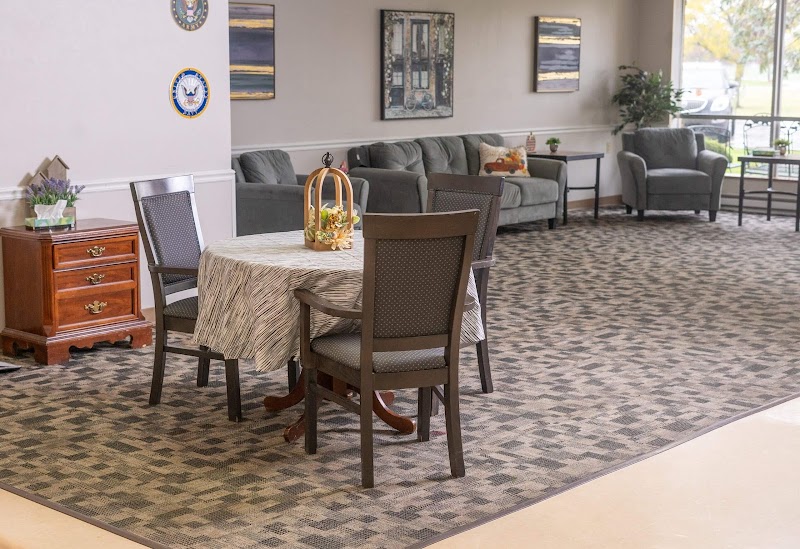
CMS rates PARK VIEW CARE CENTER's staffing level at 2 out of 5 stars, which is below average compared to other nursing homes. Staff turnover is 41%, compared to the Ohio average of 46%. This relatively stable workforce can support continuity of care. RN turnover specifically is 64%, which is notably high. RNs provide skilled clinical oversight, so turnover in this role can affect medical care quality.

What Have Inspectors Found at Park View?

State health inspectors documented 18 deficiencies at PARK VIEW CARE CENTER during 2018 to 2024. These included: 17 with potential for harm and 1 minor or isolated issues.
Who Owns and Operates Park View?

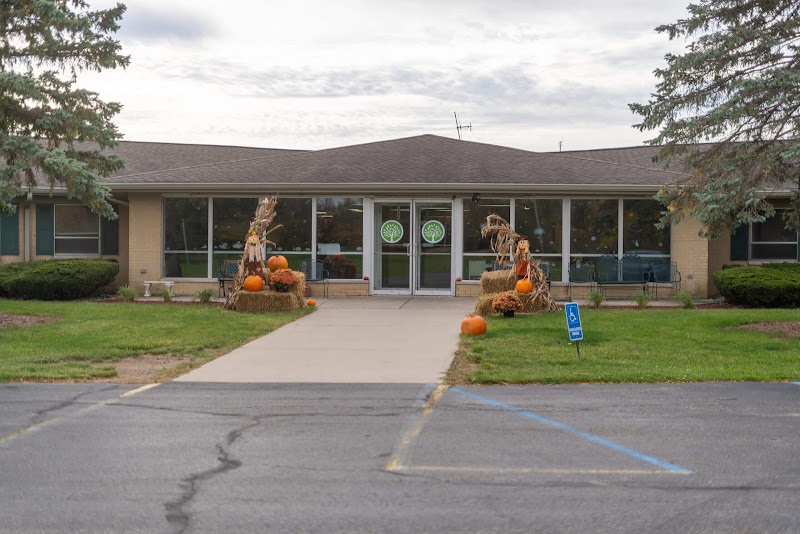
PARK VIEW CARE CENTER is owned by a for-profit company. For-profit facilities operate as businesses with obligations to shareholders or private owners. The facility is operated by EXCEPTIONAL LIVING CENTERS, a chain that manages multiple nursing homes. With 74 certified beds and approximately 59 residents (about 80% occupancy), it is a smaller facility located in EDGERTON, Ohio.
How Does Park View Compare to Other Ohio Nursing Homes?

Compared to the 100 nursing homes in Ohio, PARK VIEW CARE CENTER's overall rating (5 stars) is above the state average of 3.2, staff turnover (41%) is near the state average of 46%, and health inspection rating (4 stars) is above the national benchmark.

What Should Families Ask When Visiting Park View?

Based on this facility's data, families visiting should ask: "Can you walk me through typical staffing levels on day, evening, and night shifts?" "Can I visit during a mealtime to observe dining assistance and food quality?" "How do you handle medical emergencies, and what is your hospital transfer rate?" "Can I speak with family members of current residents about their experience?" These questions are particularly relevant given the below-average staffing rating.

Is Park View Safe?

Based on CMS inspection data, PARK VIEW CARE CENTER has a clean safety record: no substantiated abuse findings (meaning no confirmed cases of resident harm), no Immediate Jeopardy citations (the most serious violation level indicating risk of serious injury or death), and is not on the Special Focus Facility watch list (a federal program monitoring the lowest-performing 1% of nursing homes). The facility has a 5-star overall rating and ranks #1 of 100 nursing homes in Ohio. While no facility is perfect, families should still ask about staff-to-resident ratios and recent inspection results during their visit.

Do Nurses at Park View Stick Around?

PARK VIEW CARE CENTER has a staff turnover rate of 41%, which is about average for Ohio nursing homes (state average: 46%). Moderate turnover is common in nursing homes, but families should still ask about staff tenure and how the facility maintains care continuity when employees leave.

Was Park View Ever Fined?

PARK VIEW CARE CENTER has no federal fines on record. CMS issues fines when nursing homes fail to meet care standards or don't correct problems found during inspections. The absence of fines suggests the facility has either maintained compliance or corrected any issues before penalties were assessed. This is a positive indicator, though families should still review recent inspection reports for the full picture.

Is Park View on Any Federal Watch List?

PARK VIEW CARE CENTER is not on any federal watch list. The most significant is the Special Focus Facility (SFF) program, which identifies the bottom 1% of nursing homes nationally based on persistent, serious quality problems. Not being on this list means the facility has avoided the pattern of deficiencies that triggers enhanced federal oversight. This is a positive indicator, though families should still review the facility's inspection history directly.