DAYSPRING OF MIAMI VALLEY HLTH CARE CENTER & REHAB


8001 DAYTON SPRINGFIELD ROAD, FAIRBORN, OH 45324 (937) 864-2595
For profit - Corporation 144 Beds CARESPRING Data: November 2025
Trust Grade
85/100
#56 of 913 in OH
Last Inspection: September 2024

Within standard 12-15 month inspection cycle. Federal law requires annual inspections.

Overview

Dayspring of Miami Valley Health Care Center & Rehab in Fairborn, Ohio, has a Trust Grade of B+, indicating it is above average and recommended for families considering care options. It ranks #56 of 913 nursing homes in Ohio, placing it in the top half, and is the top-rated facility out of 13 in Clark County, suggesting it is the best local choice. However, the facility is experiencing a worsening trend, with issues increasing from 2 in 2023 to 8 in 2024. Staffing is average with a 3/5 rating and a turnover rate of 51%, which is similar to the state average. Notably, the facility has no fines on record, which is a positive sign. However, there are notable concerns: a recent inspection revealed that food was improperly stored, risking sanitation for nearly all residents, and medications were not securely stored, which could potentially harm residents with cognitive decline. While the facility offers strong overall quality measures and has no critical or serious issues, these specific incidents highlight areas that need improvement. Families should weigh these strengths and weaknesses when considering this nursing home for their loved ones.

Trust Score
B+
85/100
In Ohio
#56/913
Top 6%
Safety Record
Low Risk
No red flags
Inspections
Getting Worse
2 → 8 violations
Staff Stability
⚠ Watch
51% turnover. Above average. Higher turnover means staff may not know residents' routines.
Penalties
✓ Good
No fines on record. Clean compliance history, better than most Ohio facilities.
Skilled Nurses
○ Average
Each resident gets 38 minutes of Registered Nurse (RN) attention daily — about average for Ohio. RNs are the most trained staff who monitor for health changes.
Violations
⚠ Watch
14 deficiencies on record. Higher than average. Multiple issues found across inspections.
★★★★★
5.0
Overall Rating
★★★☆☆
3.0
Staff Levels
★★★★★
5.0
Care Quality
★★★★☆
4.0
Inspection Score
Stable
2023: 2 issues
2024: 8 issues

The Good

  • 5-Star Quality Measures · Strong clinical quality outcomes
  • Full Sprinkler Coverage · Fire safety systems throughout facility
  • No fines on record

Facility shows strength in quality measures, fire safety.

The Bad

Staff Turnover: 51%

Near Ohio avg (46%)

Higher turnover may affect care consistency

Chain: CARESPRING

Part of a multi-facility chain

Ask about local staffing decisions and management

The Ugly 14 deficiencies on record

Dec 2024 1 deficiency
CONCERN (E) 📢 Someone Reported This

A family member, employee, or ombudsman was alarmed enough to file a formal complaint

Potential for Harm - no one hurt, but risky conditions existed

Deficiency F0761 (Tag F0761)

Could have caused harm · This affected multiple residents

Based on observation, staff interviews, and policy review, the facility failed to ensure medications were securely stored in location inaccessible by the residents. This had the potential to affect 23...

Read full inspector narrative →
Based on observation, staff interviews, and policy review, the facility failed to ensure medications were securely stored in location inaccessible by the residents. This had the potential to affect 23 residents who were ambulatory with cognitive decline on the Healthcare II unit. The facility census was 119. Findings include: Observation on 12/15/24 at 3:54 P.M. of treatment cart on 1200 A Hall revealed a Humalog Pen with a covered needle intact, with 220 units of Humalog insulin remaining in the pen, laying on top of treatment cart unattended. Interview on 12/15/24 at 3:56 P.M. with Registered Nurse (RN) #260 confirmed a Humalog Pen with covered needle intact, with 220 units of Humalog insulin remaining in the pen, was laying on top of treatment cart unattended. Registered Nurse (RN) #260 reported she thought she placed it inside of the glove box. Interview on 12/15/24 at 3:57 P.M. with Registered Nurse (RN) Unit Manager #289 confirmed a Humalog Pen with covered needle intact, with 220 units of Humalog insulin remaining in the pen, was laying on top of treatment cart unattended. Interview also confirmed a glove box on top of cart is not an appropriate place to store an insulin pen. Review of the Medication Storage policy dated 12/2021 revealed facility ensures medications and biologicals, including treatment items are securely stored in a locked cabinet, cart or locked medication room that is inaccessible by the residents and visitors. This deficiency represents non-compliance investigated under Master Complaint Number OH00160536.
Nov 2024 2 deficiencies
CONCERN (D) 📢 Someone Reported This

A family member, employee, or ombudsman was alarmed enough to file a formal complaint

Potential for Harm - no one hurt, but risky conditions existed

Accident Prevention (Tag F0689)

Could have caused harm · This affected 1 resident

**NOTE- TERMS IN BRACKETS HAVE BEEN EDITED TO PROTECT CONFIDENTIALITY** Based on observations, staff interview, review of the facility policy, and record review, the facility failed to ensure fall int...

Read full inspector narrative →
**NOTE- TERMS IN BRACKETS HAVE BEEN EDITED TO PROTECT CONFIDENTIALITY** Based on observations, staff interview, review of the facility policy, and record review, the facility failed to ensure fall interventions were in place for a resident who had a history of falls and was at a fall risk. This affected one (Resident #84) of three residents reviewed for falls. The facility census was 125. Findings include: Review of the medical record for Resident #84 revealed an admission date of 06/23/21. Diagnoses included senile degeneration of the brain, chronic obstructive pulmonary disease, respiratory failure dementia and cognitive communication deficit. Review of the care plan dated 08/08/24 revealed Resident #84 was at risk for falls with interventions to assist resident as needed, ensure wheelchair was locked and bed was stable prior to transferring, keep floor free of clutter, use tilt dump wheelchair seat, low bed, non-skid socks, encourage to be in common areas, visual cues to bedside (added 10/21/24), and fall mats to bedside (added 10/21/24). Review of the Minimum Data Set (MDS) assessment dated [DATE] revealed Resident #84 had significant cognitive impairment and required partial moderate assistance for bed mobility and transfers. Resident #84 had two or more recent falls during the review period. Review of the quarterly fall risk scale dated 09/18/24 revealed Resident #84 three or more falls in previous 90 days and score a 20 on the fall risk assessment indicating increased risk for falls (over 10 was considered at risk) Review of the progress notes dated 10/18/24 revealed Resident #84 had a fall from her bed that was unwitnessed. The facility initiated interventions of fall mats by the bed and visual cues. Review of the fall investigation dated 10/21/24 revealed Resident #84 had a fall on 10/18/24. Resident #84 was found on the floor by staff laying next to her bed with pillow and blanket. New interventions included a visual cue to bedside and fall mats to bedside. Review of the physician orders dated 10/21/24 revealed an order for fall mats to bedside and a second order dated 10/21/24 for visual cues to bedside (for call light reminder). Observation on 11/05/24 at 4:53 P.M. revealed Resident #84 was sitting in her wheelchair in her room. A black rug-like object was on resident's floor. There was no fall mat in Resident #84's room. Observation on 11/06/24 at 9:17 A.M. revealed Resident #84 was lying in bed and there was a black rug like object on resident's floor. No fall mats were observed and no visual cues (for call light reminder) were observed to be on resident's half of the room. Observation and interview on 11/06/24 at 9:20 A.M. with State Tested Nursing Aide (STNA) #44 revealed facility fall mats were a thick padded mat and pointed to a red one laying on the floor in a nearby resident room. STNA #44 confirmed Resident #84 did not have any fall mats next to her bed and was unsure what the black rug-like object was. She confirmed it did not have any padding on it for softer fall. She also confirmed Resident #84 did not have any visual cues hanging up for reminders to use the call light as per the care plan. Observation and interview on 11/06/24 at 9:29 A.M. with the Director of Nursing (DON) stated she was unsure why Resident #84's fall interventions were not in place. The DON stated at times, Resident #84 was independent with mobility and possibly a fall mat would be a hazard. Observation on 11/06/24 around 1:00 P.M. revealed Resident #84 had newly placed red fall mat identical to the ones identified by STNA #44 previously as well as a newly placed visual cue reminder to use the call light in resident's room. Review of the facility policy titled Fall and Accident Management, dated 06/2019, revealed facility shall identify patients at risk of falls and interventions shall be implemented and evaluated to reduce risk of injuries, falls or other accidents. The facility would work to identify, evaluate and analyze hazards, implement interventions and monitor for effectiveness of interventions when necessary. This deficiency represents non-compliance investigated under Complaint Number OH00159021.
CONCERN (D) 📢 Someone Reported This

A family member, employee, or ombudsman was alarmed enough to file a formal complaint

Potential for Harm - no one hurt, but risky conditions existed

Deficiency F0805 (Tag F0805)

Could have caused harm · This affected 1 resident

**NOTE- TERMS IN BRACKETS HAVE BEEN EDITED TO PROTECT CONFIDENTIALITY** Based on observations, staff interview, review of the facility policy, and record review, the facility failed to ensure a reside...

Read full inspector narrative →
**NOTE- TERMS IN BRACKETS HAVE BEEN EDITED TO PROTECT CONFIDENTIALITY** Based on observations, staff interview, review of the facility policy, and record review, the facility failed to ensure a resident was served a therapeutic meal as physician ordered. This affected one (Resident #84) of three residents reviewed for therapeutic diets. The facility census was 125. Findings include Review of the medical record for Resident #84 revealed an admission date of 06/23/21. Diagnoses included diabetes mellitus, malnutrition, and dementia. Review of Resident #84's physician orders dated 06/13/24 revealed an order for finger foods with regular texture. Review of the Minimum Data Set (MDS) assessment dated [DATE] revealed Resident #84 had significant cognitive impairment and required supervision or touching assistance from staff with meals. Review of the care plan dated 10/10/24 revealed Resident #84 had a nutritional problem and was at risk for malnutrition. Interventions included to monitor weight and make recommendations, provide/serve diet as ordered, and speech therapy to follow for chewing/swallowing issues. Review of Resident #84's meal ticket for dinner on 11/05/24 revealed she was to receive finger foods with regular texture. According to the meal ticket, Resident #84 was to receive one pot roast sandwich, brown gravy on the side, one baked sweet potato, four ounces of Brussels sprouts, and a two-by-two size slice of caramel applesauce cake. Review of the menu spreadsheet dated 11/05/24 revealed the residents on a finger food diet were to receive pot roast on bread in sandwich form and shall not receive a dinner roll, a sweet potato, Brussels sprouts, and cake. Observation 11/05/24 at 5:51 P.M. revealed Resident #84 had her tray in front of her in the dining room. Resident #84's plate contained chopped/shredded pot roast with gravy poured on top, diced sweet potato and brussels sprouts and no roll. The meat was not in sandwich form. Interview and observation on 11/05/24 at 5:53 P.M. with Regional Kitchen Manager (RKM) #77 confirmed Resident #84 did not receive the meal according to the spreadsheet guidance for specialized/therapeutic diets. He looked up the meal ticket as one was not provided to Resident #84 and confirmed the meal ticket also stated residents diet order for finger foods with regular texture. Interview on 11/05/24 at 5:55 P.M. with Dietician #66 confirmed Resident #84's plate did not match the physician order nor the spreadsheet and was unsure why the resident was not provided the correct texture diet. Discussions on 11/05/24 from 5:50 to 6:00 P.M. with RKM #77 and Dietician #66 with numerous State Tested Nursing Aides (STNAs) and nursing staff present revealed no knowledge of why the diet or food options were not provided according to physician order. Both RKM #77 and Dietician #66 searched for the meal ticket and discussed with STNAs and nursing staff with surveyor present without any information provided related to Resident #84's provided meal being different than the ordered meal type. Interview on 11/05/24 at 6:10 P.M. with RKM #77 confirmed the facility made an error and confirmed it was difficult to get young new staff to read the tickets. He confirmed Resident #84's food was chopped and appeared to be mechanically soft texture and not regular and confirmed the resident was not provided a sandwich and no bread for finger food. Review of the facility policy titled Diet Orders and Selective Menu, dated 11/2019, revealed the facility shall provide physician prescribed diet orders. Diet orders shall be entered in the medical record and the menu software and changes by the dietician will be changed in the diet menu. This deficiency represents non-compliance investigated under Complaint Number OH00159360.
Sept 2024 5 deficiencies
CONCERN (D)

Potential for Harm - no one hurt, but risky conditions existed

ADL Care (Tag F0677)

Could have caused harm · This affected 1 resident

**NOTE- TERMS IN BRACKETS HAVE BEEN EDITED TO PROTECT CONFIDENTIALITY** Based on observation, resident interview, staff interviews and record review, facility failed to ensure a resident received adeq...

Read full inspector narrative →
**NOTE- TERMS IN BRACKETS HAVE BEEN EDITED TO PROTECT CONFIDENTIALITY** Based on observation, resident interview, staff interviews and record review, facility failed to ensure a resident received adequate Activities of Daily Living (ADLs) care. This affected one resident (#27) of one reviewed for personal care. Facility census was 125. Findings include Review of the medical record for Resident #27 revealed an admission date of 11/18/19. Diagnoses included contracture of left hand, monoplegia of left upper extremity, anxiety, and bipolar disorder. Review of the Minimum Data Set (MDS) assessment dated [DATE] revealed Resident #27 had intact cognition and was dependent on staff for showering and bathing as well as personal hygiene and stated, helper does all of the effort, resident does none of the effort to complete the activity. Review of the plan of care dated 07/29/24 revealed Resident #27 had a self care performance deficit related to contracture of the left hand, impaired mobility and limited range of motion, confusion and non compliance with behaviors with interventions of bathing and showering total dependence of two staff, encourage resident to participate in ADLs to the fullest extent possible, trim and clean finger nails on bath day and as necessary, contracture of left hand to provide skin care every shift and use of palm protector at all times. The care plan revealed resident had a behavioral problem including irritability, mood swings and delusions with interventions to anticipate needs. Review of shower sheets revealed resident did not refuse any showers in 08/2024 or 09/2024. Resident had nail care and hair washed checked off on 08/30/24 and 09/06/24 and documentation of bed baths given with no hair washing or nail care marked on 09/04/24 and 09/10/24. Observation and interview on 09/09/24 at 11:35 A.M. of Resident #27 revealed long fingernails with about 1/4 inch to 1/2 inch growth from the nail bed. Resident had a black/brownish dirt substance under all nails. Resident revealed a staff member trimmed a hangnail a few days ago, but reported they did not trim or clean her nails at that time. She revealed her nails had looked dirty for a few weeks. Residents left hand had a contracture with a splint in place and nails on her contracted hand were also very long with dirt and grime underneath them. Resident also reported she wanted her hair washed and revealed staff have not provided hygiene and bathing for several weeks. Resident revealed she felt dirty and felt her hair was greasy and matted. Residents hair appeared greasy and was stringy from scalp to the ends and her hair also appeared matted and knotted in the back. When resident lifted her head off the pillow or turned her head from side to side during discussion, her hair stayed in place and had no flow or movement. Observations on 09/10/24 from 9:00 A.M. to 4:45 P.M. revealed residents nails and hair appeared in the same condition as observation on 09/09/24. Observations on 09/11/24 from 8:15 A.M. to 5:45 P.M. revealed residents nails and hair appeared in the same condition as observation on 09/09/24. Observation and interview on 09/12/24 at 8:42 A.M. with Resident #27 revealed residents nails and hair appeared in the same condition as observation on 09/09/24. Resident stated she had not received any shower or bath and had not had hair washing or nail trimming in the past week. Resident nails remained dirty with a black/brown substance and were long 1/4 inch to 1/2 inch growth from the nail bed. Resident stated she wanted to get cleaned up and was agreeable to nail care and shower being performed. Interview and observation on 09/12/24 at 8:48 A.M. Licensed Practical Nurse (LPN) #308 and LPN #354 confirmed Resident #27 had long and dirty nails. They revealed they would provide care shortly. They also acknowledged the resident's hair appeared greasy and stated the resident had an ointment placed on her scalp that can make it look greasy. They confirmed hair should not look matted and knotted and were present when resident stated another unknown staff member told her, her hair looked greasy. LPN's verified resident should have hygiene maintained and stated that she refused showers and care frequently. Facility provided no evidence of refusals since 07/2024. Review of facility policy titled, Activities of Daily Living (ADL Care), dated 08/2024 revealed staff shall ensure residents who were unable to carry out activities of daily living receive the necessary services to maintain good grooming and personal hygiene. These activities include bathing and grooming.
CONCERN (D)

Potential for Harm - no one hurt, but risky conditions existed

Quality of Care (Tag F0684)

Could have caused harm · This affected 1 resident

**NOTE- TERMS IN BRACKETS HAVE BEEN EDITED TO PROTECT CONFIDENTIALITY** Based on observation, record review, interviews, and review of facility policy, the facility failed to send one (Resident #39) t...

Read full inspector narrative →
**NOTE- TERMS IN BRACKETS HAVE BEEN EDITED TO PROTECT CONFIDENTIALITY** Based on observation, record review, interviews, and review of facility policy, the facility failed to send one (Resident #39) to an ophthalmologist appointment timely and the facility failed to identify and treat dry, scaly skin for one (Resident #474). This affected two (Resident #39 and Resident #474) of two residents reviewed for appointments and skin care. The facility census was 125. Findings include: 1. Review of the medical record for Resident #39 revealed an admission date of 03/08/24 with diagnoses of chronic obstructive pulmonary disease with (acute) exacerbation, chronic respiratory failure with hypercapnia, and unspecified conjunctivitis. Review of the quarterly Minimum Data Set (MDS) assessment dated [DATE] revealed the resident was cognitively intact. Resident #39 was independent with eating, required set-up assistance with oral hygiene and personal hygiene, required partial assistance with bed mobility, transfers, and wheelchair mobility, required substantial assistance with dressing, and was dependent on staff assistance with toileting hygiene and bathing. Review also revealed the resident was on an antibiotic when the MDS was completed. Review of the physician orders revealed an order dated 03/08/24 for Erythromycin Ophthalmic Ointment 5 milligrams/gram (mg/gm), instill 1 application in left eye four times a day for unspecified conjunctivitis. Review of the Infection Control Log for March 2024 revealed Resident #39 admitted with order for Erythromycin Ophthalmic Ointment 5 mg/gm, 1 application left eye four times daily. With no culture available. Review of the Pharmacy Review dated 06/02/24 revealed the physician reviewed the pharmacy recommendation on 06/07/24 and advised Erythromycin Ophthalmic Ointment 5 mg/gm, instill 1 application in left eye four times a day for unspecified conjunctivitis to continue until follow up with Retinal Clinic. Review of the Pharmacy Review dated 07/02/24 revealed the physician reviewed the pharmacy recommendation on 07/03/24 and wrote, Patient needs to follow up with ophthalmologist for stop date. Staff Registered Nurse (RN) documented on form, Orders received to continue through 07/15/24 follow up appointment from ophthalmology. Further review of the medical record revealed no documentation showing Resident #39 went to an ophthalmology appointment. Interview on 09/12/24 at 1:17 P.M. with Assistant Director of Nursing #438 confirmed resident continued on the Erythromycin Ophthalmic Ointment 5 mg/gm 1 drop four times daily since admission. Interview on 09/12/24 at 2:32 P.M. with Social Service Designee #368 confirmed an appointment was scheduled for Resident #39 to see an ophthalmologist on 06/25/24 and the appointment was canceled along with transportation, but the facility is not sure who canceled it or why. Interview also confirmed the facility has not rescheduled another ophthalmologist appointment. 2. Review of medical record for Resident #474 revealed an admission date of 08/19/24 with diagnoses including but not limited to fracture of one rib left side, strain of muscle fascia and tendon of lower back, anxiety, depression, and edema. Review of the MDS assessment dated [DATE] revealed the resident was cognitively intact. No skin issues were noted. Review of the care plan dated 08/19/24 revealed the resident had the potential for skin impairment related to impaired mobility, incontinence, fragile skin, and non compliance with bathing. Interventions included but not limited to keep skin clean and dry. Use lotion on dry skin. Review of current physician orders revealed no treatment order for dry, scaly skin to lower extremities. Review of skin assessments revealed no mention of dry/scaly skin to bilateral lower extremities. Observation on 09/09/24 at 10:27 A.M. revealed the resident had very dry, scaly skin to bilateral lower extremities. Observation on 09/10/24 at 3:18 P.M. revealed the resident continued to have dry, scaly skin to bilateral lower extremities. Interview on 09/09/24 at 10:24 A.M. with Resident #474 revealed the resident stated that her legs hurt and the resident felt they were swollen. Observation at the time of the interview revealed the residents nurse entered the room and pushed on the residents legs to check for edema. The residents legs did not appear swollen but they were very dry. The nurse stated she would have the Nurse Practitioner look at them today. Interview on 09/11/24 at 3:30 P.M. with Resident #474 revealed the resident stated that her legs continued to hurt and continued to be dry and itchy. Resident #474 denied that any staff had put any lotion on her legs. Observation at the time of the interview revealed the residents legs were dry and scaly. Small red area noted on right lower shin. Interview on 09/11/24 at 3:35 P.M. with Registered Nurse (RN) #365 verified the resident did not have any order for a treatment to dry skin to bilateral lower extremities. RN #365 verified the residents legs were very dry and that the resident was scratching at her skin due to itching. RN #365 stated she would contact the Nurse Practitioner to get an order for a treatment for the residents lower extremities. Review of the policy titled, Skin Integrity Team (SIT)- Skin Monitoring Process, dated 06/2023 revealed there will be monthly head to toe skin assessments by the skin assessment nurse or other designee.
CONCERN (D)

Potential for Harm - no one hurt, but risky conditions existed

Accident Prevention (Tag F0689)

Could have caused harm · This affected 1 resident

**NOTE- TERMS IN BRACKETS HAVE BEEN EDITED TO PROTECT CONFIDENTIALITY** Based on staff interview, review of facility fall investigation, and record review, the facility failed to ensure a safe hoyer t...

Read full inspector narrative →
**NOTE- TERMS IN BRACKETS HAVE BEEN EDITED TO PROTECT CONFIDENTIALITY** Based on staff interview, review of facility fall investigation, and record review, the facility failed to ensure a safe hoyer transfer was completed for one resident (#36) of three reviewed for falls. Facility census was 125. Findings include Review of the medical record for Resident #36 revealed an admission date of 11/21/22. Diagnoses included hypothyroidism, dysphagia, dementia, repeated falls, spinal stenosis and osteoporosis. Review of the Minimum Data Set (MDS) assessment dated [DATE] revealed Resident #36 had significant cognitively impairment and required extensive assistance of staff members for mobility and transfers with several activities not completed due to medical condition or safety concerns. Review of the plan of care undated revealed resident had a self care deficit and required total dependence of two staff for transfers, required mechanical lift hoyer with two staff assistance, and assistance with positioning as needed to help maintain proper body alignment. Review of the Fall Investigation dated 08/28/24 revealed the resident was at risk for falls due to a history of multiple falls, osteoporosis, cognitive decline and stated resident had confusion at baseline with poor safety awareness. The investigations stated the State Tested Nursing Aide (STNA) informed the nurse of resident being on the ground. When the nurse arrived, resident was lying on the floor on her back in front of the hoyer lift with her legs stretched out in front of her. The hoyer pad was noted to be positioned incorrectly causing the STNA to lower the resident to the floor via hoyer to prevent resident slipping off hoyer pad. The new intervention included education on hoyer lift transfers and positioning of the hoyer pad completed by nurse and therapy. Interview on 09/12/24 at 12:20 P.M. with Assistant Director of Nursing (ADON) #438 revealed Resident #36 was on the chair and the resident was slid to the floor from the chair by STNA #399 using the hoyer pad. ADON stated the resident was never hooked up to the hoyer machine and stated the investigation was misworded. ADON confirmed two staff should complete a hoyer transfer and revealed only one staff was present due to resident falling while she was being prepped for the transfer. ADON #438 revealed the resident went from requiring one person assist to two person assist for chair and bed mobility. ADON #438 verified the resident had no injuries from the incident. Interview on 09/12/24 at 12:28 P.M. with STNA #399 verified she was getting the resident ready for a transfer from the chair to the bed. She confirmed the resident was hooked up to the hoyer lift machine and using the hoyer lift machine went to the ground. She also verified the language in the fall investigation was accurate. She confirmed a second staff member was not present during the transfer of the fall. STNA #399 verified the resident had no injuries resulting from the incident. Review of facility policy titled, Mechanical lifts, dated 12/2018 revealed the facility would use mechanical lifts to promote safety from one resting surface to another. The care plan assessment determines if more than one staff was required. Review of facility policy titled, Fall and Accident Management, dated 06/2019 revealed the facility interventions would be implemented to prevent falls and reduce risk of injuries. After a fall occurs, the nurse shall assess for clues as to what happened and complete an investigation.
CONCERN (D)

Potential for Harm - no one hurt, but risky conditions existed

Deficiency F0757 (Tag F0757)

Could have caused harm · This affected 1 resident

**NOTE- TERMS IN BRACKETS HAVE BEEN EDITED TO PROTECT CONFIDENTIALITY** Based on record review and staff interviews the facility failed to ensure residents did not receive antibiotic for an excessive ...

Read full inspector narrative →
**NOTE- TERMS IN BRACKETS HAVE BEEN EDITED TO PROTECT CONFIDENTIALITY** Based on record review and staff interviews the facility failed to ensure residents did not receive antibiotic for an excessive amount of time. This affected one (Resident #39) out of one resident assessed for antibiotic use. The facility census was 125. Findings include: Review of the medical record for Resident #39 revealed an admission date of 03/08/24 with diagnoses of chronic obstructive pulmonary disease with (acute) exacerbation, chronic respiratory failure with hypercapnia, and unspecified conjunctivitis. Review of the quarterly Minimum Data Set (MDS) assessment dated [DATE] revealed the resident was cognitively intact. Resident #39 was independent with eating, required set-up assistance with oral hygiene and personal hygiene, required partial assistance with bed mobility, transfers, and wheelchair mobility, required substantial assistance with dressing, and was dependent on staff assistance with toileting hygiene, and bathing. Review also revealed the resident was on an antibiotic when the MDS was completed. Review of the physician orders revealed an order dated 03/08/24 for Erythromycin Ophthalmic Ointment 5 milligrams/gram (mg/gm), instill 1 application in left eye four times a day for unspecified conjunctivitis. Review of the Infection Control Log for March 2024 revealed Resident #39 admitted with order for Erythromycin Ophthalmic Ointment 5 mg/gm, 1 application left eye four times daily. With no culture available. Review of the Infection Control Log for April 2024 revealed Resident #39 not listed on the log. Review of the Infection Control Log for May 2024 revealed Resident #39 not listed on the log. Review of the Infection Control Log for June 2024 revealed Resident #39 not listed on the log. Review of the Pharmacy Review dated 06/02/24 revealed the physician reviewed the pharmacy recommendation on 06/07/24 and advised Erythromycin Ophthalmic Ointment 5 mg/gm, instill 1 application in left eye four times a day for unspecified conjunctivitis to continue until follow up with Retinal Clinic. Review of the Pharmacy Review dated 07/02/24 revealed the physician reviewed the pharmacy recommendation on 07/03/24 and wrote, Patient needs to follow up with ophthalmologist for stop date. Staff Registered Nurse (RN) documented on form, Orders received to continue through 07/15/24 follow up appointment from ophthalmology. Review of the Infection Control Log for July 2024 revealed Resident #39 listed on 07/03/24 for in-house acquired infection for ocular laceration with no culture completed, order for Moxifloxacin 0.5% one drop in left eye four times daily for 7 days, listed as resolved. Review of the Infection Control Log for August 2024 revealed Resident #39 not listed on the log. Further review of the medical record revealed no evidence the resident went to an ophthalmology appointment. Interview on 09/12/24 at 1:17 P.M. with Assistant Director of Nursing #438 confirmed the resident continued on the Erythromycin Ophthalmic Ointment 5 mg/gm 1 drop four daily since admission. Interview on 09/12/24 at 2:32 P.M. with Social Service Designee #368 confirmed an appointment was scheduled for Resident #39 to see an ophthalmologist on 06/25/24 and the appointment was canceled along with transportation, but the facility was not sure who canceled it or why. Interview also confirmed the facility has not rescheduled another ophthalmologist appointment.
CONCERN (F)

Potential for Harm - no one hurt, but risky conditions existed

Food Safety (Tag F0812)

Could have caused harm · This affected most or all residents

Based on observation, staff interview, and record review, the facility failed to store foods in a sanitary manner. This had the potential to affect 124 residents who received food from the kitchen. Th...

Read full inspector narrative →
Based on observation, staff interview, and record review, the facility failed to store foods in a sanitary manner. This had the potential to affect 124 residents who received food from the kitchen. The census was 125. Findings Include: Observation on 09/09/24 at approximately 8:40 A.M. of the dry storage area revealed a bag of lemonade mix, wrapped in plastic wrap, with no label nor date. Observation of the dry storage area revealed a half bag of dry macaroni noodles and a half bag of dry pasta noodles each closed with a twist tie and unwrapped, with no label and no date Interview at the same time as the observations with Chef #394 verified the lemonade mix, dry macaroni, and dry pasta noodles were not labeled nor dated. Observation on 09/09/24 at approximately 8:45 A.M. of the walk-in cooler revealed five, five-pound containers of yogurt, dated 09/02/24, and a cart, containing five pans, each containing eight round portions of what appeared to be raw pancakes or dough. The cart of pans was uncovered and not labeled nor dated. Observation of the walk-in cooler revealed pickle chips, stored in a metal bowl and covered loosely with plastic kling wrap, with a use by date 08/27/24, and loose lettuce leaves stored in a metal bowl and covered loosely with plastic kling wrap, with a use by date 08/29/24. Interview at the same time as the observation with Chef #394 verified the five containers of yogurt were expired and the cart of pans of what appeared to be pancakes or dough was not covered, labeled, nor dated. Chef #394 stated she was unsure what was on the pans on the cart. Review of the facility's policy titled, Food Storage, dated 01/19 revealed all opened food items will be labeled, dated, covered, and discarded within 7 days.
May 2023 1 deficiency
CONCERN (D) 📢 Someone Reported This

A family member, employee, or ombudsman was alarmed enough to file a formal complaint

Potential for Harm - no one hurt, but risky conditions existed

Medication Errors (Tag F0758)

Could have caused harm · This affected 1 resident

Based on medical record review, staff interview, policy review, and review of the medication information from Medscape, the facility failed to ensure a resident was free from unnecessary psychotropic ...

Read full inspector narrative →
Based on medical record review, staff interview, policy review, and review of the medication information from Medscape, the facility failed to ensure a resident was free from unnecessary psychotropic medication usages when the facility failed to have an adequate indication of use for an antipsychotic medication. This affected one (#132) out of three residents reviewed for psychotropic medication usage. Facility census was 129. Findings include: Review of the medical record for Resident #132 revealed an admission date of 05/03/23. Diagnoses include unspecified head injury, concussion, repeated falls, hypertensive chronic kidney disease, depression, and restless leg syndrome (RLS). The medical record revealed Resident #132 was discharged on 05/16/23. Review of the medical record for Resident #132 revealed an admission Minimum Data Set (MDS) 3.0, dated 05/10/23, which indicated Resident #132 had severe cognitive impairment and required limited assistance with bed mobility, toileting, and transfers. The MDS indicated Resident #132 received an antipsychotic medication routinely. Review of medical record for Resident #132 revealed a physician order dated 05/05/23 for haloperidol (antipsychotic medication) 10 milligram (mg) by mouth daily at bedtime routinely for agitation. Review of medical record for Resident #132 revealed a medication administration record (MAR) for May 2023 which revealed Resident #132 received haloperidol 10 mg daily at bedtime routinely from 05/06/23 to 05/16/23 for agitation. Review of the medical record for Resident #132 revealed a behavior monitoring assessment, dated 05/06/23 at 11:28 P.M., which stated Resident #132 was agitated, anxious, had continued pacing, fighting, restless and wandering. The assessment stated staff provided one on one supervision, changed positions, removed the resident from the environment, toileted resident, and redirected resident which were all ineffective. Further review of the assessment revealed the documentation was initiated on 05/06/23 but was not completed until 05/26/23. Review of the medical record for Resident #132 revealed a nursing progress note dated 05/06/23 at 11:28 P.M., which stated Resident #132 was ordered haloperidol 10 mg by mouth daily at bedtime routinely due to agitation. Interview on 05/31/23 at 1:00 P.M. with Registered Nurse (RN) #335 stated she was the nurse who took care of Resident #132 on the evening of 05/05/23. RN #335 stated Resident #132 was very agitated, was attempting to elope and was hitting, kicking, and spitting staff. RN #335 confirmed Resident #132 did not have a diagnosis of schizophrenia, or a psychosis disorder and confirmed the haloperidol was ordered for Resident #132's agitation. Review of facility policy titled Psychotropic: Anti-psychotic Medication Management, revised October 2017, stated residents who have not used psychotropic drugs are not to be given these drugs unless the medication is necessary to treat a specific condition as diagnosed and documented in the clinical record. The policy also stated if an anti-psychotic medication is ordered, an appropriate diagnosis will be assigned to the medication and behavior monitoring will be initiated. Review of medication information from Medscape at https://reference.medscape.com/drug/haldol-decanoate-haloperidol-342974, revealed haloperidol (Haldol) is an antipsychotic medication and is used for schizophrenia, psychosis and Tourette Disorder. Haldol has a Black Box Warnings which indicates patients with dementia-related psychosis who are treated with antipsychotic drugs are at an increased risk for death, as shown in short-term controlled trials; deaths in trials appeared to be either cardiovascular (eg, heart failure, sudden death) or infectious (eg, pneumonia) in nature. Haldol is not approved for treatment of patients with dementia-related psychosis This deficiency represents non-compliance investigated under Complaint Number OH00143160.
Apr 2023 1 deficiency
CONCERN (D) 📢 Someone Reported This

A family member, employee, or ombudsman was alarmed enough to file a formal complaint

Potential for Harm - no one hurt, but risky conditions existed

Quality of Care (Tag F0684)

Could have caused harm · This affected 1 resident

**NOTE- TERMS IN BRACKETS HAVE BEEN EDITED TO PROTECT CONFIDENTIALITY** Based on medical record review, observation and staff and resident interview, the facility failed to ensure medications kept at ...

Read full inspector narrative →
**NOTE- TERMS IN BRACKETS HAVE BEEN EDITED TO PROTECT CONFIDENTIALITY** Based on medical record review, observation and staff and resident interview, the facility failed to ensure medications kept at the resident bedside were ordered by a physician. This affected three residents (#104, #112, #106) of eight residents reviewed for medications. The facility census was 126. Findings include: 1. Review of the medical record for Resident #104 revealed an admission date of 03/22/23. Diagnoses included Amyotrophic Lateral Sclerosis (ALS), depression and hypothyroidism. The admission Minimum Data Set (MDS) dated [DATE] revealed a Brief Interview Mental Status (BIMS) score of 15 indicating intact cognition. Resident #104 required extensive two person assistance for bed mobility, transfers, one person assistance for toilet use and supervision for eating. Observation on 04/23/23 at 8:54 A.M. revealed Resident #104 had a tube of Orasol (anesthetic gel) and Triamcinolone Acetonide Cream (corticosteroid cream) on her bedside table. This was verified with Licensed Practical Nurse (LPN) #12 who stated she believed it was a nighttime medication and she was not at the facility when it was administered. Review of the physician orders and a follow-up interview on 04/23/23 at 11:03 A.M., with LPN #12 verified there was no order for Orasol gel or Triamcinolone Acetonide Cream for Resident #104. 2. Review of the medical record for Resident #105 revealed admission date of 03/11/22. Diagnoses included alcoholic cirrhosis of the liver, kidney failure, diabetes type II, and depression. The quarterly MDS dated [DATE] revealed a BIMS score of 15 indicating intact cognition. Resident #105 required extensive two person assistance for bed mobility, toilet use and was independent for eating. Observation on 04/23/23 at 10:41 A.M. revealed Resident #105 appeared to be sleeping and there was a bottle of Antacids at the bedside. At 10:49 A.M., LPN #14 said she believed there was an order to keep the antacid medication at the bedside. Upon looking in the electronic medical record LPN #14 verified there was no order for the antacid medication for Resident #105. Interview on 04/23/23 at 1:48 P.M., with Resident #105 revealed she bought the antacids from another resident and had them for some time, but she usually kept them in her drawer. She got them out the previous evening because she needed to take some, and she forgot to put them away. 3. Review of medical record for Resident # 106 revealed admission date of 08/03/22. Diagnoses included diabetes type II, dependence on renal dialysis, congestive heart failure, depression, and anxiety. The quarterly MDS dated [DATE] revealed a BIMS score of 14 indicating intact cognition. Resident #106 required extensive two person assistance for bed mobility, toilet use and was dependent for transfers. Observation on 04/23/23 at 11:13 A.M. revealed a bottle of Vapo cool throat spray on Resident #106's bedside table. This was verified with LPN #12 who also said there was no physician order for the medication. Interview on 04/23/23 at 1:59 P.M., with Resident #106 revealed her husband brought in the throat spray awhile ago, she got it out earlier and had not put it away.
Dec 2022 1 deficiency
CONCERN (D) 📢 Someone Reported This

A family member, employee, or ombudsman was alarmed enough to file a formal complaint

Potential for Harm - no one hurt, but risky conditions existed

Deficiency F0657 (Tag F0657)

Could have caused harm · This affected 1 resident

**NOTE- TERMS IN BRACKETS HAVE BEEN EDITED TO PROTECT CONFIDENTIALITY** Based on medical record review, staff interview and policy review the facility failed to ensure all the care team members partic...

Read full inspector narrative →
**NOTE- TERMS IN BRACKETS HAVE BEEN EDITED TO PROTECT CONFIDENTIALITY** Based on medical record review, staff interview and policy review the facility failed to ensure all the care team members participated in a care conference conducted for Resident #1. This affected one (#1) of three residents reviewed for care conferences. The census was 118. Findings included: Medical record review for Resident #1 revealed an admission date of 09/29/22. Medical diagnoses included paroxysmal atrial fibrillation, coronary artery disease, deep vein thrombosis, respiratory failure, heart failure and hypertension. Review of progress note for a care conference for Resident #1 revealed the conference was set for 11:00 A.M. on 10/03/22 with family on speaker phone. Review of care conference dated 10/03/22 for Resident #1 revealed a nurse and social worker were present for initial care conference. The resident did not attend the conference. Current therapy interventions were skilled Physical and Occupational therapy. There was a note therapy was going to call family later this date. The form revealed the resident chose her bedtime, chose when to get up and chose her bath schedule. Review of the admission Minimum Data Set (MDS) dated [DATE] revealed she was cognitively intact. Her functional status was extensive assistance for bed mobility, transfers, and toilet use. She was supervision with eating with setup help only. Interview with Licensed Social Worker (LSW) #150 on 12/06/22 at 11:33 A.M. revealed Resident #1 chose not attend the care conference on 10/03/22, but she was invited to come. She confirmed the dietary manger wasn ' t there, and neither was Physical (PT) or Occupational Therapy (OT) or activities but that was rare. She said when they can ' t attend, they would follow up with the resident or family after the conference. She said she sent a text message to Physical Therapy Director (PTD) #290 on 10/03/22 and asked her to follow up with the family and to her knowledge she did. She said the dietician should have assessed the resident and also activities. Review of policy entitled Care Conference dated 02/01/15 revealed care conference shall be held routinely to review each patient's care plan using an interdisciplinary team approach. Patients and family members are encouraged to participate in this process. The patient's care plan; prognosis and goals will be reviewed with the patient and family at the initial care conference, quarterly thereafter, or as significant changes occurs. The interdisciplinary teat (IDT) is as follows but not limited to the following: Physician/NP, patient or patient's family or legal representative, a nurse with responsibility for the patient, activities, dietitian, therapists and Social Worker. This deficiency represents non-compliance investigated under Complaint Number OH00137441.
Jun 2021 1 deficiency
CONCERN (D)

Potential for Harm - no one hurt, but risky conditions existed

Safe Environment (Tag F0584)

Could have caused harm · This affected 1 resident

Based on observation, resident interview, staff interview, and review of facility policy, the facility failed to ensure a resident had clean bed linens. This affected one resident (#80) of three resid...

Read full inspector narrative →
Based on observation, resident interview, staff interview, and review of facility policy, the facility failed to ensure a resident had clean bed linens. This affected one resident (#80) of three residents reviewed for bed linens. The facility's census was 98. Findings include: Observation on 06/01/21 at 11:33 A.M. and 1:16 P.M. revealed Resident #80's bed linens had multiple brownish and reddish/brownish stains ranging from quarter to dime size located towards the top of his bed, near his pillow. Observation on 06/02/21 at 11:08 A.M. revealed Resident #80's bed linens had the same multiple brownish and reddish/brownish stains ranging from quarter to dime size located towards the top of his bed, near his pillow. Additionally, there was a large urine stain in the middle which took up the majority of the bed. Interview with Resident #80 at the time of the observation verified his bed linens were dirty and they had not been changed recently, nor could he recall the last time they had been changed. Resident #80 verified the urine stain and appeared embarrassed and stated he would like his bed linens changed. Resident #80 stated he hoped staff would change them soon because they did not change them often. Observation on 06/02/21 at 3:39 P.M. revealed Resident #80's bed linens still had not been changed. The bed linens had the same multiple brownish and reddish/brownish stains ranging from quarter to dime size located towards the top of his bed, near his pillow, the same stains observed earlier in the day and on 06/01/21. The urine stain was also still visible and there was a hint of urine smell. Interview on 06/02/21 at 3:52 P.M. with State Tested Nurse Aide (STNA) #118 revealed resident's bed linens were changed as needed, and on shower days. STNA #118 revealed she checked resident's linens daily during her shift to see if they needed changed. STNA #118 verified Resident #80's bed linens were dirty and he had asked for them to be changed earlier, however she had not changed them. Review of facility policy titled, Bathing and General Hygiene, revised May 2015 revealed bed linens would be changed weekly, and as needed.
Feb 2019 2 deficiencies
CONCERN (D)

Potential for Harm - no one hurt, but risky conditions existed

Incontinence Care (Tag F0690)

Could have caused harm · This affected 1 resident

Based on medical record review, observations, staff interview, and review of the facility policy, the facility failed to follow their policy for cleansing of a urinary indwelling catheter for one (#81...

Read full inspector narrative →
Based on medical record review, observations, staff interview, and review of the facility policy, the facility failed to follow their policy for cleansing of a urinary indwelling catheter for one (#81)out of two residents reviewed for indwelling urinary catheters. The facility census was 124. Findings included: Review of the medical record for Resident #81 revealed an admission date of 02/23/18, with a readmission date of 12/27/18. Diagnoses included but were not limited to urinary tract infection, sepsis due to Escherichia coli, elevated white blood cell count, adult failure to thrive, cystitis, end stage renal disease, polyneuropathy, osteomyelitis of the vertebra, sacral and sacrococcygeal region, type II diabetes mellitus, colostomy, and dependence on renal dialysis. Review of the 30-day Minimum Data Set (MDS) assessment, dated 01/22/19, revealed the resident to have no cognitive impairment. The resident also required extensive assistance of two or more staff for his activities of daily living (ADL). In addition, the resident was identified to have an indwelling urinary catheter. Review of the current physician's order sheet revealed an order for catheter care every shift, day and night, dated 12/27/18. Review of Resident #81's care plan, dated 12/28/18, revealed the resident had an indwelling urinary catheter related to wound healing, balanic hypospadias and a history of recurrent urinary tract infections. Interventions included catheter change as ordered, resident education, diagnostic tests as ordered, position the catheter bag below the level of the bladder and off the floor, monitor for signs and symptoms of infection and give catheter care every shift and as needed. Observation on 02/13/19 at 10:53 A.M. of Resident #81's catheter care given by State Tested Nurse Aide (STNA) #500 revealed the STNA used a soapy wash cloth to clean the penis and the catheter. She was observed to hold the urinary catheter approximately four inches away from the meatus of the penis. She was then observed to take the wash cloth, wrap the cloth around the catheter at the point of holding and wipe from her hand toward the penile meatus (the catheter insertion point). She was observed to wipe the catheter from her hand toward the penis several times. Interview on 02/13/19 at 10:58 A.M., STNA #500 confirmed she had used the soapy wash cloth from her hand, positioned about three to four inches from the penis, wiping the catheter from her hand toward the penis. Review of the nurse associate initial orientation skills checklist revealed peri care and catheter care are part of the initial orientation for STNAs. Review of the facility's policy titled Urinary Catheter Care, dated 01/2019, revealed a soapy wash cloth is used from the point of the catheters insertion in the penis, away from the penis, down the catheter tubing.
CONCERN (E)

Potential for Harm - no one hurt, but risky conditions existed

Infection Control (Tag F0880)

Could have caused harm · This affected multiple residents

**NOTE- TERMS IN BRACKETS HAVE BEEN EDITED TO PROTECT CONFIDENTIALITY** Based on record review, observations, resident interviews, staff interviews, and review of facility policies, the facility faile...

Read full inspector narrative →
**NOTE- TERMS IN BRACKETS HAVE BEEN EDITED TO PROTECT CONFIDENTIALITY** Based on record review, observations, resident interviews, staff interviews, and review of facility policies, the facility failed to follow proper isolation precautions and failed to ensure proper cleansing of the whirlpool tub for two (#7 and #81) out of three residents reviewed for isolation precautions. The facility census was 124. Findings include: 1. Record review for Resident #7 revealed the resident was admitted to the facility on [DATE]. Diagnoses includes dementia with behaviors iron deficiency, anemia, cervicalgia, diabetes type two, hypertension, staphylococcal arthritis of the knee, and cerebral infarction. Review of the comprehensive Minimum Data Set (MDS) assessment, dated 07/17/18, revealed Resident #7 had impaired cognition. Per the MDS assessment the resident had not been diagnosed with a urinary tract infection. Review of Resident #7's progress notes revealed on 01/29/19 the nurse notified the physician Resident #7 had increased confusion and a urine analysis and culture and sensitivity was ordered. Review of Resident #7's laboratory (lab) results revealed on 01/30/19 a urinary analysis showed and elevated white blood cell count and bacteria in the urine with a culture indicated from results. Review of the urine culture results dated 01/31/19 revealed Escherichia Coli with a count greater than 100,000 was present in the urine sample. Review of physician orders dated 02/01/19 revealed an order for Resident #7 to be placed in contact precautions, receive Augmentin antibiotic 500 milligrams orally twice a day for ten days, and to re-order a urinary analysis with a culture and sensitivity screen in two weeks. Observation on 02/12/19 at 9:13 A.M. of revealed a container with gloves, masks, trash bags, and gowns was located outside of the door to Resident #7's room. A red magnet was observed on the door frame which read See nurse before entering. Observation on 02/13/19 at 11:00 A.M. revealed State Tested Nurse Aide (STNA) #500 observed exiting the room next to Resident #7. This room contained a sign indicating isolation precautions were being followed for one of the residents in the room. STNA #500 entered Resident #7's room without putting on gloves, or putting on a gown before entering the room. Observation on 02/13/19 at 11:06 A.M. revealed Registered Nurse (RN) #600 was observed entering Resident #7's room, administering medications to the resident, and exiting Resident #7's room without any gloves or gown. Interview on 02/13/19 at 11:34 A.M., STNA #500 revealed the aide did not know which resident in Resident #7's room was ordered to be in isolation, or the type of isolation required. Interview on 02/13/19 at 11:38 A.M. , RN #600 revealed the nurse was unsure which resident in Resident #7's room required isolation precautions and what type of precaution was ordered. Interview on 02/14/19 at 8:30 A.M., the Administrator and the Infectious Control Designee/Assistant Director of Nursing (ADON) verified there were policies in place for isolation precautions and infection control procedures at the facility. Per the ADON the staff have been trained on the proper procedures for all infection preventions protocols. Review of the facility's policy titled Infection Control, Transmission Based Precautions (Airborne, Contact, Droplet) All Staff, dated 04/2015, revealed Transmission-based precautions should remain in effect while the risk of transmission of the infectious agent persists. Under section two, the policy stated, contact precautions is implemented for residents known to be, or are infected with microorganisms that can be transmitted by direct or indirect contact with that resident or with contact with the resident's environment. Precautions stated the use of Personal Protective Equipment (PPE). When entering the room, one is to wear gloves and gown for interactions that may involve contact with the resident or potentially contaminated areas in the resident's environment. PPE is to be put on upon entering the room and discarded prior to exiting. 2. Review of the medical record for Resident #81 revealed an admission date of 02/23/18, with a readmission date of 12/27/18. Diagnoses included pressure ulcer of the sacral region stage four, pressure ulcer of the right buttock, dysphagia, urinary tract infection, sepsis due to Escherichia Coli, elevated white blood cell count, adult failure to thrive, cystitis, end stage renal disease, polyneuropathy, osteomyelitis of the vertebra, sacral and sacrococcygeal region, resistance to Vancomycin related antibiotics, type II diabetes mellitus, major depressive disorder, anxiety disorder, peripheral vascular disease, colostomy, acquired absence of the right toe and left leg above the knee and dependence on renal dialysis. Review of the 30-day Minimum Data Set (MDS) assessment, dated 01/22/19, revealed Resident #81 to have no cognitive impairment. The resident required extensive assistance of two or more staff for his activities of daily living (ADL). In addition, the resident was identified to have an indwelling urinary catheter. Review of the current physician's order sheet revealed an order dated 02/08/19 for Resident #81 to be placed in contact precautions related to Extended-Spectrum Beta-Lactamases (ESBL) in his urine. Review of the Resident #81's care plan dated 02/08/19 revealed the resident to be in contact precautions related to a urinary tract infection and ESBL and pseudomonas aeruginosa in his urine. The resident had a multi-drug resistant organism (MDRO). Interventions included among other interventions bag and transport used linen according to facility protocol, educate the family, resident and caregivers regarding the importance of hand washing, mask and face shield to be worn during procedures with the risk of splashes or droplet contamination of bodily fluids. The staff was to follow contact precautions by placing soiled linens in bags marked biohazard. The linens are to be bagged and tightly closed before taking it to the laundry. Observation on 02/12/19 at 11:13 A.M. of Resident #81's room revealed a white three drawer unit with gloves, masks, trash bags, and gowns located outside of the room door. A red magnet was observed on the door frame which read See nurse before entering. Resident #81's room was observed to be located next to Resident #7's room. Interview on 02/12/19 at 1:09 P.M., RN #600 stated Resident #81 was in contact isolation for ESBL in his urine, and just received a new diagnosis of Carbapenem Resistant Pseudomonas (CRP). She stated staff were using full PPE to enter the resident's room. Interview on 02/13/19 at 10:04 A.M., Resident #81 stated some of the staff wear PPE when giving him care and some do not. Observation on 02/13/19 at 10:34 A.M. revealed STNA #500 to be carrying the food tray for Resident #81 out of his room. The STNA was observed not wearing any PPE, and the food tray was uncovered and held by ungloved hands. RN #600 was observed telling STNA #500 the food tray should be placed in a bag prior to exiting the isolation room. Interview on 02/13/19 at 10:35 P.M., RN #600 she confirmed items coming out of isolation rooms should be placed in bags before exiting the room. Observation on 02/13/19 at 10:36 P.M. revealed STNA #500 in Resident #81's room. She was observed to pick up the resident clothing and to straighten up the resident's area wearing only gloves. The clothing was observed touching the STNA's clothes. STNA #500 stated she had planned on giving Resident #81 his whirlpool bath today but instead would give a bed bath with catheter care. Observation of catheter care for Resident #81 on 02/13/19 at 10:53 P.M. revealed STNA #500 did not wear a gown while giving a bed bath and catheter care for Resident #81. The STNA was observed wearing only gloves. Observation on 02/13/19 at 11:00 A.M. revealed STNA #500 was leaving Resident #81's room not wearing any gown or gloves. STNA #500 was carrying two clear bags of soiled laundry. STNA #500 was observed throwing the soiled laundry into the soiled linen closet and then re-entering Resident #81's room without putting on any gown or gloves. STNA #500 was then observed exiting Resident #81's room and entering Resident #7's room without washing her hands. Observation on 02/13/19 at 11:06 A.M. revealed STNA #500 entering Resident #81's room without gown or gloves. The STNA was observed at the resident's bedside. Interview on 02/13/19 at 11:18 A.M., STNA #500 stated Resident #81 was not contagious. She denied knowing exactly what Resident #81 was in isolation for, but stated she was told it was in his urine. She stated if the urine didn't get splattered on you it was okay. STNA #500 stated she did not need a gown during Resident #81's care. Interview on 02/13/19 at 11:34 A.M., STNA #500 revealed the aide did not know which resident in Resident #81's room was ordered to be in isolation or which type of isolation was required. Interview on 02/13/19 at 12:49 P.M., the Administrator confirmed the facility policy indicated the staff needed to wear a gown and gloves when working directly with the area of infection. The Administrator confirmed if working with the penis and catheter with a resident who was in contact isolation for ESBL in his urine, then they should wear a gown and gloves during care. Telephone interview on 02/14/19 at 12:00 P.M., Medical Director #215 stated he expected the staff to adhere to the isolation precaution policy. He stated he did not necessarily want gowns to be worn when entering the room, but gloves and mask must be put on prior to entering a contact isolation room. He also stated items should never be carried outside of a contact isolation room. Additionally, review of the nursing notes for Resident #81 dated 01/13/19, documented Resident #81 having received a whirlpool bath. Interview on 02/13/19 at 3:49 P.M., the Director of Nursing (DON) stated whirlpool baths are disinfected between residents. She stated the surface is sprayed and rinsed off. The DON denied that the whirlpool is disinfected throughout the internal jet system. Interview on 02/13/19 at 4:02 P.M., Resident #81 stated he received whirlpool baths once to twice per week. Interview on 02/13/19 at 4:05 P.M. , Licensed Practical Nurse (LPN) #236 confirmed Resident #81 had been receiving whirlpool baths for approximately one month, once to twice per week. Interviews on 02/13/19 between 4:08 P.M. and 4:15 P.M., STNA #305 and STNA #363 confirmed they have given Resident #81 whirlpool baths. Both STNAs stated they sprayed disinfectant on the inner sides of the tub, then used water to rinse the tub. The STNAs denied using anything to disinfect the inner parts of the whirlpool bath. Interview on 02/13/19 at 4:29 P.M., ADON #298 confirmed Resident #81 had ESBL in a pressure ulcer wound located in his sacral region. She stated he was in contact precaution for this organism from 01/11/19 through 01/22/19. Interview on 02/14/19 at 2:54 P.M., Medical Director #214 stated she was unaware Resident #81 was receiving whirlpool baths. She confirmed whirlpool baths should be disinfected both internally and externally prior to use by a different resident. She stated she had conferred with Infectious Disease Specialist #425 and stated the concern with contact isolation is the consistent use of hand hygiene and glove use for any resident contact. Review of the facility's policy titled ARJO Tub and Lift Cleaning, dated 10/2009, revealed the ARJO tub cleaning procedure included: drain whirlpool, spray tub with hose labeled disinfectant, place ARJO tub lift in tub and spray the lift with the disinfectant, disinfect for three minutes, use a gloved hand and washcloth to scour debris from whirlpool as needed and spray tub and lift with water hose to rinse out the disinfectant. Review of the facility's policy titled Infection Prevention and Control Program (IPCP), dated 10/2018, noted the facility will provide a safe, sanitary and comfortable environment and to help prevent the development and transmission of communicable diseases and infections.
Understanding Severity Codes (click to expand)
Life-Threatening (Immediate Jeopardy)
J - Isolated K - Pattern L - Widespread
Actual Harm
G - Isolated H - Pattern I - Widespread
Potential for Harm
D - Isolated E - Pattern F - Widespread
No Harm (Minor)
A - Isolated B - Pattern C - Widespread

Questions to Ask on Your Visit

  • "Can I speak with families of current residents?"
  • "What's your RN coverage like on weekends and overnight?"

Our Honest Assessment

Strengths
  • • Grade B+ (85/100). Above average facility, better than most options in Ohio.
  • • No major safety red flags. No abuse findings, life-threatening violations, or SFF status.
  • • No fines on record. Clean compliance history, better than most Ohio facilities.
Concerns
  • • 14 deficiencies on record. Higher than average. Multiple issues found across inspections.
Bottom line: Generally positive indicators. Standard due diligence and a personal visit recommended.

About This Facility

What is Dayspring Of Miami Valley Hlth & Rehab's CMS Rating?

CMS assigns DAYSPRING OF MIAMI VALLEY HLTH CARE CENTER & REHAB an overall rating of 5 out of 5 stars, which is considered much above average nationally. Within Ohio, this rating places the facility higher than 99% of the state's 100 nursing homes. This rating reflects solid performance across the metrics CMS uses to evaluate nursing home quality.
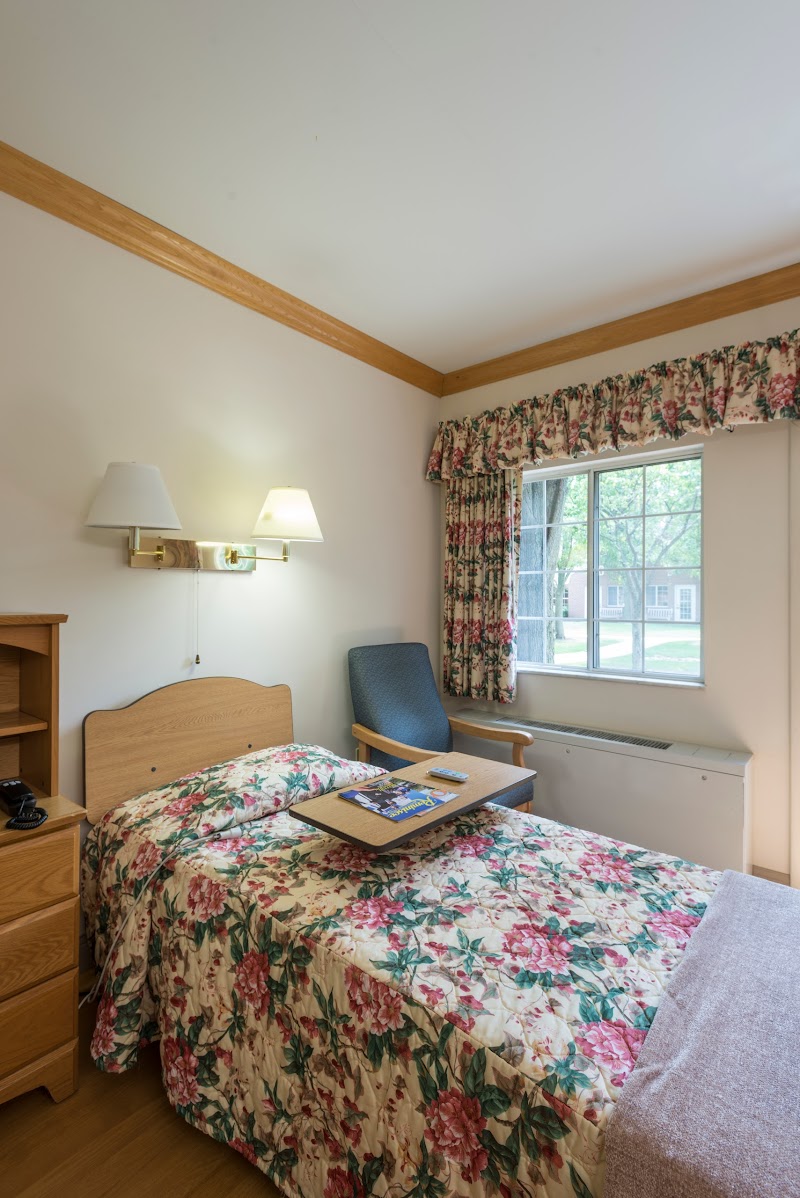
How is Dayspring Of Miami Valley Hlth & Rehab Staffed?

CMS rates DAYSPRING OF MIAMI VALLEY HLTH CARE CENTER & REHAB's staffing level at 3 out of 5 stars, which is average compared to other nursing homes. Staff turnover is 51%, compared to the Ohio average of 46%.

What Have Inspectors Found at Dayspring Of Miami Valley Hlth & Rehab?

State health inspectors documented 14 deficiencies at DAYSPRING OF MIAMI VALLEY HLTH CARE CENTER & REHAB during 2019 to 2024. These included: 14 with potential for harm.

Who Owns and Operates Dayspring Of Miami Valley Hlth & Rehab?

DAYSPRING OF MIAMI VALLEY HLTH CARE CENTER & REHAB is owned by a for-profit company. For-profit facilities operate as businesses with obligations to shareholders or private owners. The facility is operated by CARESPRING, a chain that manages multiple nursing homes. With 144 certified beds and approximately 121 residents (about 84% occupancy), it is a mid-sized facility located in FAIRBORN, Ohio.
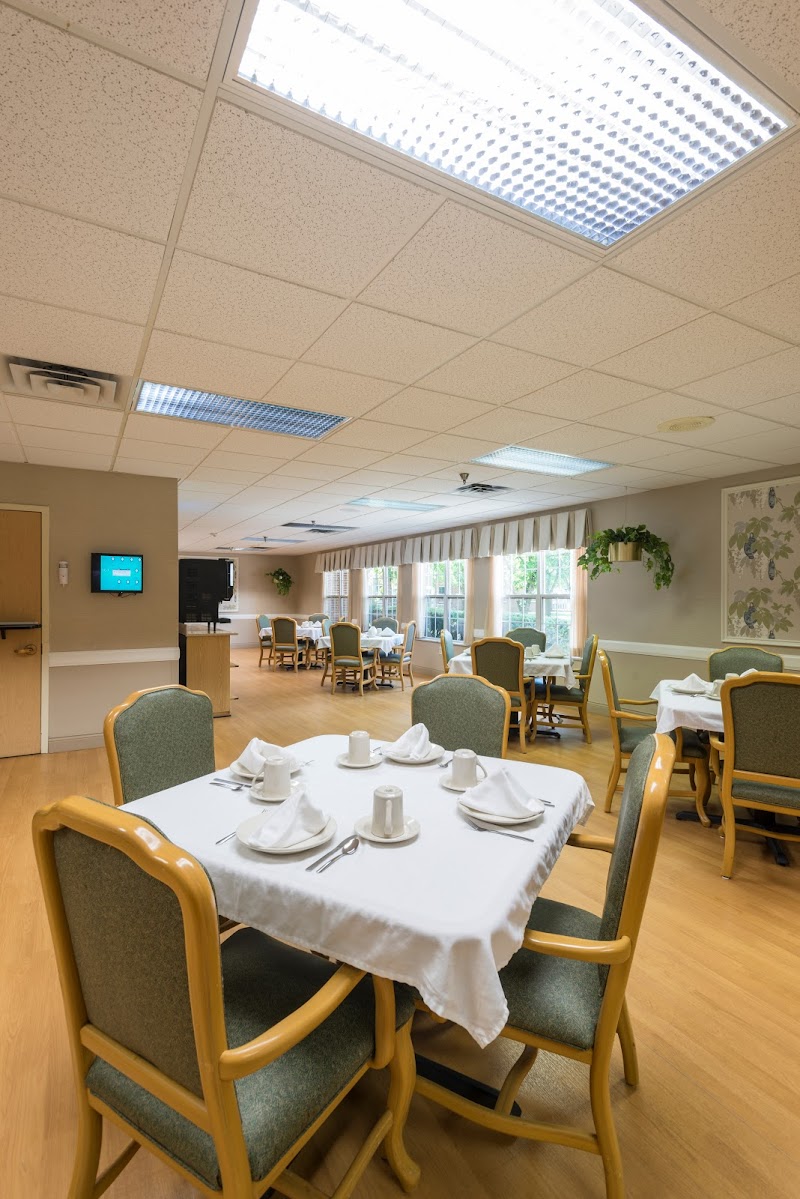
How Does Dayspring Of Miami Valley Hlth & Rehab Compare to Other Ohio Nursing Homes?

Compared to the 100 nursing homes in Ohio, DAYSPRING OF MIAMI VALLEY HLTH CARE CENTER & REHAB's overall rating (5 stars) is above the state average of 3.2, staff turnover (51%) is near the state average of 46%, and health inspection rating (4 stars) is above the national benchmark.

What Should Families Ask When Visiting Dayspring Of Miami Valley Hlth & Rehab?

Based on this facility's data, families visiting should ask: "Can I visit during a mealtime to observe dining assistance and food quality?" "How do you handle medical emergencies, and what is your hospital transfer rate?" "Can I speak with family members of current residents about their experience?"

Is Dayspring Of Miami Valley Hlth & Rehab Safe?

Based on CMS inspection data, DAYSPRING OF MIAMI VALLEY HLTH CARE CENTER & REHAB has a clean safety record: no substantiated abuse findings (meaning no confirmed cases of resident harm), no Immediate Jeopardy citations (the most serious violation level indicating risk of serious injury or death), and is not on the Special Focus Facility watch list (a federal program monitoring the lowest-performing 1% of nursing homes). The facility has a 5-star overall rating and ranks #1 of 100 nursing homes in Ohio. While no facility is perfect, families should still ask about staff-to-resident ratios and recent inspection results during their visit.

Do Nurses at Dayspring Of Miami Valley Hlth & Rehab Stick Around?

DAYSPRING OF MIAMI VALLEY HLTH CARE CENTER & REHAB has a staff turnover rate of 51%, which is about average for Ohio nursing homes (state average: 46%). Moderate turnover is common in nursing homes, but families should still ask about staff tenure and how the facility maintains care continuity when employees leave.

Was Dayspring Of Miami Valley Hlth & Rehab Ever Fined?

DAYSPRING OF MIAMI VALLEY HLTH CARE CENTER & REHAB has no federal fines on record. CMS issues fines when nursing homes fail to meet care standards or don't correct problems found during inspections. The absence of fines suggests the facility has either maintained compliance or corrected any issues before penalties were assessed. This is a positive indicator, though families should still review recent inspection reports for the full picture.

Is Dayspring Of Miami Valley Hlth & Rehab on Any Federal Watch List?

DAYSPRING OF MIAMI VALLEY HLTH CARE CENTER & REHAB is not on any federal watch list. The most significant is the Special Focus Facility (SFF) program, which identifies the bottom 1% of nursing homes nationally based on persistent, serious quality problems. Not being on this list means the facility has avoided the pattern of deficiencies that triggers enhanced federal oversight. This is a positive indicator, though families should still review the facility's inspection history directly.