TRINITY COMMUNITY AT FAIRBORN
789 STONEYBROOK TRAIL, FAIRBORN, OH 45324 (937) 878-0262
Non profit - Corporation 94 Beds UNITED CHURCH HOMES Data: November 2025
Trust Grade
70/100
#354 of 913 in OH
Last Inspection: February 2025

Within standard 12-15 month inspection cycle. Federal law requires annual inspections.

Overview

Trinity Community at Fairborn has a Trust Grade of B, indicating it is a good choice for families looking for a nursing home, but not the best option available. It ranks #354 out of 913 facilities in Ohio, placing it in the top half, and #3 out of 10 in Greene County, suggesting only two local facilities are rated higher. However, the facility has been worsening, with issues increasing from 4 in 2024 to 14 in 2025. Staffing is average with a 3/5 star rating and a turnover rate of 48%, which is slightly below the state average, indicating some staff stability. Notably, there were no fines, which is a positive sign, and the facility has average RN coverage. Specific incidents raised during inspections include failures in infection control procedures, such as not properly notifying the local Health Department about a gastrointestinal illness outbreak affecting 13 residents. There were also concerns about pest control not being effectively managed, impacting several residents. Additionally, the facility did not isolate residents properly during a COVID-19 outbreak, which could have led to further transmission risks. While there are strengths in ratings and no fines, these significant concerns highlight areas that need improvement.

Trust Score
B
70/100
In Ohio
#354/913
Top 38%
Safety Record
Low Risk
No red flags
Inspections
Getting Worse
4 → 14 violations
Staff Stability
⚠ Watch
48% turnover. Above average. Higher turnover means staff may not know residents' routines.
Penalties
✓ Good
No fines on record. Clean compliance history, better than most Ohio facilities.
Skilled Nurses
○ Average
Each resident gets 33 minutes of Registered Nurse (RN) attention daily — about average for Ohio. RNs are the most trained staff who monitor for health changes.
Violations
⚠ Watch
36 deficiencies on record. Higher than average. Multiple issues found across inspections.
★★★★☆
4.0
Overall Rating
★★★☆☆
3.0
Staff Levels
★★★★★
5.0
Care Quality
★★★☆☆
3.0
Inspection Score
Stable
2024: 4 issues
2025: 14 issues

The Good

  • 5-Star Quality Measures · Strong clinical quality outcomes
  • Full Sprinkler Coverage · Fire safety systems throughout facility
  • No fines on record

Facility shows strength in quality measures, fire safety.

The Bad

Staff Turnover: 48%

Near Ohio avg (46%)

Higher turnover may affect care consistency

Chain: UNITED CHURCH HOMES

Part of a multi-facility chain

Ask about local staffing decisions and management

The Ugly 36 deficiencies on record

Jul 2025 2 deficiencies
CONCERN (D) 📢 Someone Reported This

A family member, employee, or ombudsman was alarmed enough to file a formal complaint

Potential for Harm - no one hurt, but risky conditions existed

Deficiency F0698 (Tag F0698)

Could have caused harm · This affected 1 resident

**NOTE- TERMS IN BRACKETS HAVE BEEN EDITED TO PROTECT CONFIDENTIALITY** Based on medical record review, resident interview, staff interviews, and facility policy review, the facility failed to maintai...

Read full inspector narrative →
**NOTE- TERMS IN BRACKETS HAVE BEEN EDITED TO PROTECT CONFIDENTIALITY** Based on medical record review, resident interview, staff interviews, and facility policy review, the facility failed to maintain communication for dialysis services and failed to ensure post-dialysis assessments were completed. This affected Resident #62, the only resident at the facility who received dialysis services. The facility census was 84.Findings include:Review of the medical record revealed Resident #62 was admitted to the facility on [DATE]. Diagnoses included chronic obstructive pulmonary disease, type II diabetes, chronic combined congestive heart failure, end stage renal disease, unspecified dementia, and unspecified anxiety.Review of the most recent Minimum Data Set (MDS) 3.0 assessment dated [DATE] revealed the resident was cognitively intact, had no behaviors, did not reject care, and did not wander.Review of the care plan dated 07/01/24 revealed Resident #62 had renal insufficiency related to stage IV chronic kidney disease. Interventions included hemodialysis every Monday, Wednesday, and Friday at a community based dialysis center. Arrival time was 11:00 A.M. with chair time at 11:30 A.M. Pick up from dialysis was at 3:15 P.M. Resident #62's transportation was scheduled for every Monday, Wednesday, and Friday at10:37 A.M. and 3:15 P.M. each appointment time. Review of the medical record revealed Resident #62 had one communication from the dialysis center dated 03/05/25 which listed laboratory results from 02/07/25 to 03/05/25. During an interview on 07/31/25 at 12:40 P.M. the Director of Nursing (DON) stated the facility sent copies of the pre-dialysis assessment with the resident to the dialysis appointment. The papers had a section for the dialysis center to fill out and return, but they never did. The DON verified the only evidence of communication the facility had was a document regarding laboratory results dated [DATE]. During an interview on 07/31/25 at 12:52 P.M. Registered Nurse (RN) #105 verified the medical record had no documentation of nurses following up with dialysis center for treatment reports. During an interview on 07/31/25 at 4:10 P.M. Resident #62 stated the facility did not always send papers with him to dialysis and the dialysis center never sent papers back to the facility with him. The resident stated he was unaware of how the facility communicated with the dialysis center. Review of the medical record revealed Resident #62 had physician orders to complete pre- and post-dialysis evaluations under the assessment tab before and after each dialysis appointment. Review of the medical record revealed Resident #62 had no pre-dialysis or post dialysis assessments completed on 07/09/25. During an interview on 07/31/25 RN #105 verified there were no pre- or post-dialysis assessments completed on 07/09/25, and there was no nursing note regarding transportation issues that day. Review of the facility policy titled Hemodialysis dated 07/2015 revealed staff completed Hemodialysis Communication Form and sent the form with the resident to dialysis. Upon returning to the facility, nurses reviewed the notes from the dialysis service. If notes were absent upon the resident's return, the nurse called the dialysis center for report. The facility assessed weight and vital signs before treatments and assessed vital signs and access site after dialysis treatments.This deficiency represents noncompliance investigated under Compliant Number 2564248.
CONCERN (E) 📢 Someone Reported This

A family member, employee, or ombudsman was alarmed enough to file a formal complaint

Potential for Harm - no one hurt, but risky conditions existed

Deficiency F0925 (Tag F0925)

Could have caused harm · This affected multiple residents

**NOTE- TERMS IN BRACKETS HAVE BEEN EDITED TO PROTECT CONFIDENTIALITY** Based on observations, resident interviews, staff interviews, an interview with the pest control provider, review of pest contro...

Read full inspector narrative →
**NOTE- TERMS IN BRACKETS HAVE BEEN EDITED TO PROTECT CONFIDENTIALITY** Based on observations, resident interviews, staff interviews, an interview with the pest control provider, review of pest control invoices, and review of facility policy, the facility failed to maintain an effective pest control program. This affected three (Residents #62, #70, and #71) of six residents sampled for pest control and had the potential to affect all 21 residents living on the 400-Hall. The facility census was 84.Findings include: 1.Review of the medical record revealed Resident #62 was admitted to the facility on [DATE]. Diagnoses included chronic obstructive pulmonary disease, type II diabetes, chronic combined congestive heart failure, end stage renal disease, unspecified dementia, and unspecified anxiety. Review of the most recent Minimum Data Set (MDS) 3.0 assessment dated [DATE] revealed the resident was cognitively intact, had no behaviors, did not reject care, and did not wander. 2. Review of the medical record revealed Resident #70 was admitted to the facility on [DATE]. Diagnoses included hemiparesis and hemiplegia following cerebral infarction, morbid obesity, chronic combined congestive heart failure, major depressive disorder, and stage II chronic kidney disease. Review of the most recent Minimum Data Set (MDS) 3.0 assessment dated [DATE] revealed the resident was cognitively intact, had no behaviors, did not reject care, and did not wander. 3. Review of the medical record revealed Resident #71 was admitted to the facility on [DATE]. Diagnoses included Alzheimer's disease, unspecified anxiety disorder, unspecified depression, stage II chronic kidney disease, generalized weakness, and repeated falls. Review of the most recent Minimum Data Set (MDS) assessment dated [DATE] revealed Resident #71 had severely impaired cognition, did not reject care, had occasional self-directed behaviors, and wandered occasionally. Observation on 03/31/25 at 11:04 A.M. revealed Resident #70 was seated in her wheelchair at bedside watching television (T.V.) There were two small, winged insects flying near her head. There were two bags of apples on the top shelf of a cabinet located against the wall directly in front of the resident with five large black flies swarming around the fruit. During an interview on 07/31/25 at 11:04 A.M. Resident #70 stated she had gnats and flies in her room all the time, but she never saw the facility spray for pests. During an interview on 07/31/25 at 11:06 A.M. Medication Aide #125 verified Resident #71 had multiple winged insects in her room flying near her head and near stored fruit. The aide stated Residents #70 and #71 both kept fruit in their room that attracted pests. During an interview on 07/31/25 at 11:21 A.M. Director of Environmental Services (EVS) #95 stated they deep-cleaned Resident #70's room daily and sent letters to families asking them not to bring excessive amounts of perishable foods. The director stated they had routine pest control services monthly and additionally as needed. During a telephone interview on 07/31/25 at 1:56 P.M. Pest Control Technician #150 stated the pest control company did not spray for gnats or flies as this was not allowed in skilled nursing facilities, and stated these pests indicated either a water or sanitation problem. The pest company offered blue-light devices that were hung on the walls to attract and trap/kill flying insects. The company could order these, but the facility would need an electrician to install them. During an observation on 07/31/25 at 4:10 P.M. Resident #62 was observed to lay in bed supine with eyes open. Two winged insects were observed flying around the resident's head. During the concurrent interview, Resident #62 swatted repeatedly at the flying insects. Additional observation in the room revealed a small, winged insect crawling on the toilet seat. During an interview on 07/31/25 at 4:12 P.M. Resident #62 stated there were frequently flies in his room and they drove him crazy. During an interview on 07/31/25 at 4:15 P.M. Medication Aide #125 verified Resident #62 had flying insects in his room and bathroom. Observation on 07/31/25 at 4:18 P.M. revealed greater than twenty winged insects were seen in Resident #70 and #71's shared room flying around bags of apples, and crawling on the ceiling, walls, and privacy curtain. Resident #70 was not in the room. Resident #71 was standing at bedside with walker swatting at winged insects as they neared her face. During an interview on 07/31/25 at 4:18 P.M. Resident #71 indicated there were flying insects in her room all the time. During an interview on 07/31/25 at 4:20 P.M. Certified Nursing Assistant (CNA) #120 verified there were more than 20 flying insects in Resident #70 and #71's shared room. CNA #120 stated she had made numerous complaints to management about the flies on 400-Hall, but nothing was done. CNA #120 stated at times she brought an electric flyswatter to work to kill as many as she could, but the flies and gnats were always back the next time she worked. Review of pest control invoices dated 05/01/25, 05/27/25, 06/03/25, and 07/01/25 revealed the pest control company treated the facility for mice, ants, and cockroaches. Review of policy titled Pest Control, not dated, revealed the facility maintained an on-going pest control program to ensure that the building was kept free of insects. This deficiency represents noncompliance investigated under Complaint Number 1388109.
Jun 2025 2 deficiencies
CONCERN (D) 📢 Someone Reported This

A family member, employee, or ombudsman was alarmed enough to file a formal complaint

Potential for Harm - no one hurt, but risky conditions existed

Free from Abuse/Neglect (Tag F0600)

Could have caused harm · This affected 1 resident

THE FOLLOWING DEFICIENCY REPRESENTS AN INCIDENT OF PAST NONCOMPLIANCE THAT WAS SUBSEQUENTLY CORRECTED PRIOR TO THIS SURVEY. Based on medical record review, resident interview, staff interview, review...

Read full inspector narrative →
THE FOLLOWING DEFICIENCY REPRESENTS AN INCIDENT OF PAST NONCOMPLIANCE THAT WAS SUBSEQUENTLY CORRECTED PRIOR TO THIS SURVEY. Based on medical record review, resident interview, staff interview, review of facility Self-Reported Incidents (SRIs) and review of the facility policy, the facility failed to ensure residents were free were free from abuse. This affected one (Resident (#17) of three residents reviewed for abuse. The facility census was 84 residents. Findings include: Review of the medical record for Resident #17 revealed an admission date of 12/24/24 with diagnoses including chronic respiratory failure and failure to thrive. Review of the Minimum Data Set (MDS) assessment for Resident #17 dated 12/30/24 revealed the resident had intact cognition and was dependent on staff for bathing. Review of the care plan for Resident #17 dated 03/06/25 revealed the resident had an ADL (activities of daily living) deficit related to altered respiratory status, deconditioning, and decreased endurance and frequently refused showers. Interventions included permission to receive a shower at any time of choice. Review of the SRI for Resident #17 dated 03/03/25 revealed Resident #44 reported to the Director of Nursing (DON) that on nightshift on 02/28/25 Certified Nursing Assistant (CNA) #370 forced Resident #17 to take a shower. Resident #44 confirmed Resident #17 screamed in protest, but CNA #370 ignored the resident, transferred the resident into a shower chair using a Hoyer lift, and wheeled the resident to the shower room with the resident screaming as the aide pushed the resident down the hallway. Interview with Resident #17 confirmed on 02/28/25 on night shift she told CNA #370 she did not want a shower, that it was illegal for the aide to touch her against her will, but the aide forced her to take a shower. Interview with CNA #300 who was also assigned to the unit confirmed on 02/28/25 he heard yelling found Resident #17 up in the shower chair and very angry. Interview with Registered Nurse (RN) #305 confirmed she heard screaming and went to Resident #17's room and found CNA #370 attempting to get Resident #17 out of bed and into the shower chair while the resident loudly refused. RN #305 confirmed she told CNA #370 to lay the resident back down, but the aide said the resident was already up and the aide wanted to get the shower done. The facility substantiated the allegation of abuse and terminated CNA #370. Interview on 06/02/25 at 10:08 A.M. with Resident #44 confirmed her previous roommate Resident #17 was screaming at staff and refusing to take a shower a few nights ago. Resident #44 stated the aide forced Resident #17 to take a shower. Interview on 06/02/25 at 10:14 A.M. with Resident #17 confirmed CNA #370 had forced her to take a shower on 02/28/25 and she was very upset at the time and did not want to take a shower. Resident #17 further stated CNA #300 and RN #305 were present at the time, but were not listening to her, and did not stop CNA #370 from forcibly giving the shower. Interview on 06/02/25 at 12:08 PM with CNA #300 confirmed he was at the nurses' station on 02/28/25 when he heard yelling coming from Resident #17's room. CNA #300 and RN #305 went to see where the commotion was coming from and entered Resident #17's room. CNA #300 stated he saw Resident #17 in the Hoyer lift yelling at CNA #370 because she didn't want to take a shower. CNA #300 and RN #305 helped lower Resident #17 into the shower chair for safety and then left the room. CNA #300 confirmed he did not report the incident to management. Interview on 06/02/25 at 12:48 PM with RN #305 confirmed on 02/28/25 she heard yelling coming from Resident #17's room so she and CNA #300 went to the room and observed Resident #17 in the Hoyer lift yelling at CNA #370 because she did not want to take a shower. RN #305 stated did not intervene with the situation other than to help lower Resident #17 into the shower chair and then left the scene. RN #305 confirmed she did not report the incident to management. Interview on 06/02/25 at 3:05 PM with the Administrator confirmed Resident #44 notified the Assistant Director of Nursing (ADON) on 03/03/25 of an allegation of abuse towards Resident #17 per CNA #370 which had occurred on 02/28/25. The Administrator confirmed staff members should have reported the incident on 02/28/25 when it occurred. The Administrator confirmed the facility substantiated the allegation of abuse towards Resident #17 per CNA #370 and terminated the aides' employment. . Review of the facility policy titled Abuse, Mistreatment, Neglect, Exploitation and Misappropriation of Resident Property dated 01/25/25 revealed residents have the right to be free from abuse. Staff should immediately report all incidents/ allegations to the Administrator who should make notifications to appropriate state reporting agency. Review of the facility's corrective action plan, completed by the Administrator, revealed the following actions were implemented and the deficiency corrected as of 04/04/25: • There had been no other allegations of abuse per staff towards residents since the SRI dated 03/03/25. • On 03/03/25 the Administrator suspended CNA #370 pending investigation. • On 03/03/25 the Administrator and the DON terminated CNA #370's employment and was terminated on 03/03/25 and the facility reported CNA #370 to the nurse aide registry (NAR.) • On 03/03/25 the DON assessed Resident #17 for injury with none noted. The DON offered emotional support via Social Services/Spiritual Care and the resident declined. • On or before 03/05/25 the Social Services Director (SSD) interviewed all interviewable residents on Resident #17's hall to identify other care concerns with no concerns identified. • On or before 03/05/25, the DON and unit managers conducted skin assessments on all non-interviewable residents on or before 03/05/25 with no abnormal findings. • On or before 03/05/25 the DON/designee educated all staff on the abuse policy, including requirements for reporting abuse. • Starting on 03/05/25 the DON designee started conducting the following audits: Interview two staff members daily for two weeks, then twice weekly for two weeks regarding resident rights/abuse Interview two residents daily for two weeks, then twice weekly for two weeks about care concerns. Observe direct care being delivered twice daily for two weeks and then twice weekly for two weeks to ensure proper delivery. This deficiency represents noncompliance investigated under Complaint Number OH00163421 and Complaint Number OH00163350.
CONCERN (D) 📢 Someone Reported This

A family member, employee, or ombudsman was alarmed enough to file a formal complaint

Potential for Harm - no one hurt, but risky conditions existed

Report Alleged Abuse (Tag F0609)

Could have caused harm · This affected 1 resident

THE FOLLOWING DEFICIENCY REPRESENTS AN INCIDENT OF PAST NONCOMPLIANCE THAT WAS SUBSEQUENTLY CORRECTED PRIOR TO THIS SURVEY. Based on medical record review, resident interview, staff interview, review...

Read full inspector narrative →
THE FOLLOWING DEFICIENCY REPRESENTS AN INCIDENT OF PAST NONCOMPLIANCE THAT WAS SUBSEQUENTLY CORRECTED PRIOR TO THIS SURVEY. Based on medical record review, resident interview, staff interview, review of facility Self-Reported Incidents (SRIs) and review of the facility policy, the facility failed to ensure allegations of abuse were reported immediately to the state agency. This affected one (Resident (#17) of three residents reviewed for abuse. The facility census was 84 residents. Findings include: Review of the medical record for Resident #17 revealed an admission date of 12/24/24 with diagnoses including chronic respiratory failure and failure to thrive. Review of the Minimum Data Set (MDS) assessment for Resident #17 dated 12/30/24 revealed the resident had intact cognition and was dependent on staff for bathing. Review of the care plan for Resident #17 dated 03/06/25 revealed the resident had an ADL (activities of daily living) deficit related to altered respiratory status, deconditioning, and decreased endurance and frequently refused showers. Interventions included permission to receive a shower at any time of choice. Review of the SRI for Resident #17 dated 03/03/25 revealed Resident #44 reported to the Director of Nursing (DON) that on nightshift on 02/28/25 Certified Nursing Assistant (CNA) #370 forced Resident #17 to take a shower. Resident #44 confirmed Resident #17 screamed in protest, but CNA #370 ignored the resident, transferred the resident into a shower chair using a Hoyer lift, and wheeled the resident to the shower room with the resident screaming as the aide pushed the resident down the hallway. Interview with Resident #17 confirmed on 02/28/25 on night shift she told CNA #370 she did not want a shower, that it was illegal for the aide to touch her against her will, but the aide forced her to take a shower. Interview with CNA #300 who was also assigned to the unit confirmed on 02/28/25 he heard yelling found Resident #17 up in the shower chair and very angry. Interview with Registered Nurse (RN) #305 confirmed she heard screaming and went to Resident #17's room and found CNA #370 attempting to get Resident #17 out of bed and into the shower chair while the resident loudly refused. RN #305 confirmed she told CNA #370 to lay the resident back down, but the aide said the resident was already up and the aide wanted to get the shower done. The facility substantiated the allegation of abuse and terminated CNA #370. Interview on 06/02/25 at 10:08 A.M. with Resident #44 confirmed her previous roommate Resident #17 was screaming at staff and refusing to take a shower a few nights ago. Resident #44 stated the aide forced Resident #17 to take a shower. Interview on 06/02/25 at 10:14 A.M. with Resident #17 confirmed CNA #370 had forced her to take a shower on 02/28/25 and she was very upset at the time and did not want to take a shower. Resident #17 further stated CNA #300 and RN #305 were present at the time, but were not listening to her, and did not stop CNA #370 from forcibly giving the shower. Interview on 06/02/25 at 12:08 PM with CNA #300 confirmed he was at the nurses' station on 02/28/25 when he heard yelling coming from Resident #17's room. CNA #300 and RN #305 went to see where the commotion was coming from and entered Resident #17's room. CNA #300 stated he saw Resident #17 in the Hoyer lift yelling at CNA #370 because she didn't want to take a shower. CNA #300 and RN #305 helped lower Resident #17 into the shower chair for safety and then left the room. CNA #300 confirmed he did not report the incident to management. Interview on 06/02/25 at 12:48 PM with RN #305 confirmed on 02/28/25 she heard yelling coming from Resident #17's room so she and CNA #300 went to the room and observed Resident #17 in the Hoyer lift yelling at CNA #370 because she did not want to take a shower. RN #305 stated did not intervene with the situation other than to help lower Resident #17 into the shower chair and then left the scene. RN #305 confirmed she did not report the incident to management. Interview on 06/02/25 at 3:05 PM with the Administrator confirmed Resident #44 notified the Assistant Director of Nursing (ADON) on 03/03/25 of an allegation of abuse towards Resident #17 per CNA #370 which had occurred on 02/28/25. The Administrator confirmed staff members should have reported the incident on 02/28/25 when it occurred. The Administrator confirmed the facility substantiated the allegation of abuse towards Resident #17 per CNA #370 and terminated the aides' employment. . Review of the facility policy titled Abuse, Mistreatment, Neglect, Exploitation and Misappropriation of Resident Property dated 01/25/25 revealed residents have the right to be free from abuse. Staff should immediately report all incidents/ allegations to the Administrator who should make notifications to appropriate state reporting agency. Review of the facility's corrective action plan, completed by the Administrator, revealed the following actions were implemented and the deficiency corrected as of 04/04/25: • There had been no other allegations of abuse per staff towards residents since the SRI dated 03/03/25. • On 03/03/25 the Administrator suspended CNA #370 pending investigation • On 03/03/25 the Administrator and the DON terminated CNA #370's employment and was terminated on 03/03/25 and the facility reported CNA #370 to the nurse aide registry (NAR.) • On 03/03/25 the DON assessed Resident #17 for injury with none noted. The DON offered emotional support via Social Services/Spiritual Care and the resident declined. • On or before 03/05/25 the Social Services Director (SSD) interviewed all interviewable residents on Resident #17's hall to identify other care concerns with no concerns identified. • On or before 03/05/25, the DON and unit managers conducted skin assessments on all non-interviewable residents on or before 03/05/25 with no abnormal findings. • On or before 03/05/25 the DON/designee educated all staff on the abuse policy, including requirements for reporting abuse. • Starting on 03/05/25 the DON designee started conducting the following audits: Interview two staff members daily for two weeks, then twice weekly for two weeks regarding resident rights/abuse Interview two residents daily for two weeks, then twice weekly for two weeks about care concerns. Observe direct care being delivered twice daily for two weeks and then twice weekly for two weeks to ensure proper delivery. This deficiency represents noncompliance investigated under Complaint Number OH00163421 and Complaint Number OH00163350.
Feb 2025 10 deficiencies
CONCERN (D)

Potential for Harm - no one hurt, but risky conditions existed

Notification of Changes (Tag F0580)

Could have caused harm · This affected 1 resident

**NOTE- TERMS IN BRACKETS HAVE BEEN EDITED TO PROTECT CONFIDENTIALITY** Based on record review, staff interview, facility protocol, and review of facility policy, the facility failed to notify the phy...

Read full inspector narrative →
**NOTE- TERMS IN BRACKETS HAVE BEEN EDITED TO PROTECT CONFIDENTIALITY** Based on record review, staff interview, facility protocol, and review of facility policy, the facility failed to notify the physician or the non-physician practitioner (NPP) for residents with change in conditions. This affected three Residents (#05, #70, and #71) reviewed for changes in condition. The facility census was 88. Findings Included: 1) Review of medical record for Resident #05 revealed an admission date on 05/26/20. Diagnosis included obstructive hypertrophic cardiomyopathy, adult failure to thrive, Alzheimer's disease, chronic kidney disease stage two, orthostatic hypotension, essential hypertension, dementia, history of transient ischemic attack, and nonrheumatic aortic stenosis. Review of Resident #05's blood pressure monitoring revealed the following blood pressures documented: On 06/28/24 at 7:52 A.M., a blood pressure (B/P) reading of 185/77 (elevated) millimeters of mercury (mm/Hg) was recorded. On 06/28/24 at 7:52 A.M., a B/P 185/77 mm/Hg was recorded. On 07/15/24 at 8:41 A.M., a B/P 184/76 mm/Hg was recorded. On 09/02/24 at 8:00 A.M., a B /P 193/75 mm/Hg was recorded. On 09/08/24 at 9:48 A.M., a B/P 183/89 mm/Hg was recorded. On 09/24/24 at 7:28 A.M., a B/P 194/86 mm/Hg was recorded. On 09/29/24 at 7:17 A.M., a B/P 194/82 mm/Hg was recorded. On 09/30/24 at 7:18 A.M., a B/P 187/85 mm/Hg was recorded. On 10/11/24 at 8:30 A.M., a B/P 192/79 mm/Hg was recorded. On 10/14/24 at 7:21 A.M., a B/P 194/87 mm/Hg was recorded. Review of the nurse progress notes for Resident #05 from 06/28/24 through 10/14/24, revealed no documentation to support the physician or the NPP was notified when the resident's blood pressure was assessed to be elevated. Review of Quarterly Minimum Data Set (MDS) dated [DATE] revealed that Resident #05 had a Brief Interview of Mental Status (BIMS) of 01 which indicated severely cognitively impaired. Review of the plan of care dated 01/08/25 revealed that Resident #05 had altered cardiovascular status related to obstructive hypertrophic cardiomyopathy orthostatic hypotension, hypertension, and history of transient ischemic accident (TIA). Interventions included to monitor vital signs as needed, and notify the physician of significant abnormalities. Interview on 02/25/25 at 4:00 P.M. with Regional Clinical Nurse (RCN) #622, verified that there were no notifications to the physician or NPP when Resident #05's blood pressures were assessed to be elevated for aforementioned dates. Review of the facility protocol titled Standing Order Protocol dated November 204, revealed. If systolic blood pressure was above 180, staff should assess the resident for shortness of breath, chest pain, headaches, and visual changes and notify a physician. Review of facility policy titled Notification and Reporting of Changes in Health Status, Illness, Injury and Death of a Resident dated 12/27/23 revealed that if a resident had significant changes the provider, or its designees was to be notified no later than one business day. The provider was to be notified of significant change that may affect resident's service needs or safety, including any significant change in the individual's physical, mental, or emotional status. A notation of the change in health status and any interventions shall be documented in the medical record.
CONCERN (D)

Potential for Harm - no one hurt, but risky conditions existed

Deficiency F0582 (Tag F0582)

Could have caused harm · This affected 1 resident

Based on record review and staff interviews, the facility failed to issue an Advanced Beneficiary Notice (ABN) when a Notice of Medicare Non-Coverage (NOMNC) was issued to a resident under a Medicare ...

Read full inspector narrative →
Based on record review and staff interviews, the facility failed to issue an Advanced Beneficiary Notice (ABN) when a Notice of Medicare Non-Coverage (NOMNC) was issued to a resident under a Medicare stay and the resident did not discharge. This affected one Resident (#77) out of the three residents reviewed for ABN. The facility census was 88. Findings include: Review of the medical record for Resident #77 revealed an admission date of 12/18/24 with diagnoses of acute and chronic respiratory failure with hypercapnia, chronic obstructive pulmonary disease with acute exacerbation, and anemia. Review of the NOMNC indicated the last covered day was 01/07/25 and Resident #77 signed the NOMNC on 01/03/25. Review of the resident census information revealed Resident #77 was listed as private pay on 01/08/25 and 01/09/25. Review of the progress noted from 01/08/25 and 01/09/25 revealed no documentation that Resident #77 was notified of a last covered date (LCD) of 01/07/25 or the cost to remain in the facility. Review of the care plan for Resident #77 dated 01/13/25, revealed the resident planned to remain at the facility for long term care services and does not wish to be asked about returning to the community with every assessment. Interview on 02/24/25 at 9:03 A.M. with Business Office Manager (BOM) #592, confirmed Resident #77 received an LCD of 01/07/25 which was issued on 01/03/25 and an ABN or the cost to stay in the facility was not issued to Resident #77. BOM #592 stated the resident had initially planned to discharge home but then changed his mind. BOM #592 stated Resident #77 did end up being billed as private pay for 01/08/25 and 01/09/25 and then the resident applied for his veterans' benefits at that time. BOM #592 stated the facility does not have a policy on issuing an ABN.
CONCERN (D)

Potential for Harm - no one hurt, but risky conditions existed

Safe Environment (Tag F0584)

Could have caused harm · This affected 1 resident

**NOTE- TERMS IN BRACKETS HAVE BEEN EDITED TO PROTECT CONFIDENTIALITY** Based on observation, staff interviews, record review, and review of a facility policy, the facility failed to maintain a clean ...

Read full inspector narrative →
**NOTE- TERMS IN BRACKETS HAVE BEEN EDITED TO PROTECT CONFIDENTIALITY** Based on observation, staff interviews, record review, and review of a facility policy, the facility failed to maintain a clean and safe environment. This affected three Residents (#13, #64, and #08) out of three Residents reviewed for environment. The facility census was 88. Findings include: 1) Review of the medical record for Resident #13 revealed he was admitted to the facility on [DATE]. His diagnoses included anemia, heart failure, hypertension, ortho static hypertension, diabetes mellitus (DM), and aphasia. Review of the Minimum Data Set (MDS) assessment for Resident #13 dated 01/28/25, revealed he had impaired cognition. Resident #13 was dependent on staff for activities of daily living (ADLs). Observation of Resident #13's room on 02/18/25 at 12:05 P.M. with Certified Nursing Assistant (CNA) 598, revealed the resident's bed had soiled sheets with stains and food crumbs all over it. The center of the mattress dipped inward. CNA #598 pulled the corner of the sheet off the mattress to reveal a severely worn mattress and sunken in the middle. The light switch was broken with sharp pieces sticking out. Interview with CNA #598 at the same time, verified Resident #13's bed and the broken wall plate. Interview with Resident #13 on 02/20/25 at 2:45 P.M., revealed he needed a new mattress via communication with a wipe off board. Resident #13 motioned with his hand that he needed to be pulled up in the bed. Resident #13 stated he needed to be pulled up in the bed because he slid down in the middle of the bed. Observation of Resident #13's room on 02/20/25 at 2:50 P.M. with CNA #511 revealed the resident's bed had active gnats flying around the bed with food crumbs and the bed appeared soiled. CNA #511 verified Resident #13 was sunken in the middle of the mattress and needed to be pulled up in the bed. Observation also revealed the windowsill was dirty with an unknown brown and green sticky substance. CNA #511 verified the window seal had an unknown brown and green sticky substance. 2) Review of the medical record for Resident #64 revealed he was admitted to the facility on [DATE]. His diagnoses included dementia, schizoaffective disorder, depression, heart failure, gastro esophageal reflux disease (GERD), and essential primary hypertension. Review of the MDS assessment dated [DATE] for Resident #64 revealed he had mildly impaired cognition. Resident #64 was dependent on staff for ADLs. Observation of Resident #64's room on 02/18/25 at 10:23 A.M., revealed the bathroom floor had dust, other debris, an unknown brown chunky substance around the toilet and the floor appeared slippery. The toilet had a brown substance on/around the toilet. Interview at the same time with Resident #64, indicated he recently had a fall in his bathroom due to the floor being slick. Interview with Housekeeper (HK) 583 on 02/18/25 at 10:28 A.M., verified Resident #64's bathroom floor was dusty, soiled, slippery and had an unknown chunky brown substance around the toilet. HK #583 verified the toilet was dirty and stated she was not in the facility the previous day and could not say when it had late been cleaned. 3) Review of the medical record for Resident #08 revealed she was admitted to the facility on [DATE]. Her diagnoses included tachycardia, obstructive sleep apnea, epilepsy, impetigo, major depressive disorder, diffuse traumatic disorder, paraplegia, hereditary spastic paraplegia, anemia, chronic respiratory failure, and endometriosis. Review of MDS assessment, dated 11/01/25, revealed Resident#08 was cognitively intact and was dependent on staff for ADLs. Observation of Resident #08's room on 02/18/25 at 4:48 P.M. revealed a stick fly tray over her bed. Interview with Resident #08 at the same time revealed she asked the staff to hang the sticky fly strip on her ceiling over her bed several months ago because she had multiple large black flies swarming in her room. Interview with Licensed Practical Nurse (LPN) 564 on 02/18/25 at 5:30 P.M. verified the sticky fly strip hanging over Resident #08's with multiple large black flies stuck to it had been in place. Observation of Resident #08's room on 02/20/25 at 1:130 P.M. with Housekeeper (HK) #623 revealed the sticky flip strip with several dead large black flies remained hanging over Resident #08's bed. Interview with HK #623 verifed the stick fly trap was hanging over the residents bed. Review of the facility policy titled, Routine Housekeeping Policy, dated 06/16/20, confirmed it the policy of this community to provide routine cleaning and disinfection in order to provide a safe, sanitary environment.
CONCERN (D)

Potential for Harm - no one hurt, but risky conditions existed

PASARR Coordination (Tag F0644)

Could have caused harm · This affected 1 resident

**NOTE- TERMS IN BRACKETS HAVE BEEN EDITED TO PROTECT CONFIDENTIALITY** Based on record review and interview, the facility failed to complete a Pre admission Screening and Resident Review (PASRR) foll...

Read full inspector narrative →
**NOTE- TERMS IN BRACKETS HAVE BEEN EDITED TO PROTECT CONFIDENTIALITY** Based on record review and interview, the facility failed to complete a Pre admission Screening and Resident Review (PASRR) following a significant change in residents' condition. This affected two Residents (#10 and #41) out of two residents reviewed for a PASRR. The facility census was 88. Findings Include: 1) Review of the medical record for Resident #10 revealed she was admitted to 10/13/21. Her diagnoses included diabetes mellitus (DM), chronic obstructive pulmonary disease, hepatic failure, gastroparesis, contracture of muscle, schizophrenia, bipolar disorder, major depressive disorder, anxiety disorder, dementia, and pseudobulbar. Resident #10 was admitted to hospice care at the facility on 04/23/24. There was no correlating PASRR associated with the admission to Hospice. Review of the Minimum Data Set (MDS) dated [DATE], revealed Resident #10 is cognitively impaired. Interview with the Social Worker (SW) #523 on 02/19/24 at 3:15 P.M., verified the facility failed to complete a Significant Change PASRR on 04/23/24, when Resident #10 was admitted to Hospice. 2) Review of the medical record for Resident #41 revealed he was admitted to the facility on [DATE]. His diagnoses included, bradycardia, essential primary hypertension, atrial fibrillation, hyperlipidemia, obstructive sleep apnea, dementia, metabolic encephalopathy, and dysphagia. Resident #41 was admitted to hospice care at the facility on 11/05/24. There was no correlating PASRR associated with the admission to Hospice. Review of the MDS assessment, dated 02/05/25, revealed Resident #41 had impaired cognition. Interview with Regional Clinical Nurse (RCN) #622 on 02/20/25 at 4:47 P.M., verified the facility failed to complete a Significant Change PASRR review for Resident #41 when he was admitted to Hospice.
CONCERN (D)

Potential for Harm - no one hurt, but risky conditions existed

Deficiency F0657 (Tag F0657)

Could have caused harm · This affected 1 resident

**NOTE- TERMS IN BRACKETS HAVE BEEN EDITED TO PROTECT CONFIDENTIALITY** Based on observation, staff interviews, and record review, the facility failed to ensure residents were provided with quarterly ...

Read full inspector narrative →
**NOTE- TERMS IN BRACKETS HAVE BEEN EDITED TO PROTECT CONFIDENTIALITY** Based on observation, staff interviews, and record review, the facility failed to ensure residents were provided with quarterly care conferences. This affected two Residents (#08 and #64) out of the two residents reviewed for care conference. The facility census was 88. Findings include: 1) Review of the medical record for Resident #08 revealed she was admitted to the facility on [DATE]. Her diagnoses included tachycardia, obstructive sleep apnea, epilepsy, impetigo, major depressive disorder, diffuse traumatic disorder, anemia, chronic respiratory failure, and endometriosis. Review of the Inter Disciplinary Team (IDT) Care Conferences, revealed Resident #08 had care conferences on 09/13/24, and 01/21/25. The resident had no documented care conferences for the two remaining quarters of the past year. Review of Minimum Data Set (MDS) assessment, dated 11/01/25, revealed Resident #08 was cognitively intact and dependent on staff for activities of daily living (ADLs). Interview with Social Worker (SW) #523 on 02/19/25 at 2:40 P.M., verified Resident #08 did not have two of the four quarterly care conferences in the past year. 2) Review of the medical record for Resident #64 revealed he was admitted to the facility on [DATE]. His diagnoses included dementia, schizoaffective disorder, depression, heart failure, gastro esophageal reflux disease (GERD), and essential primary hypertension. Review of the IDT Care Conferences dated 09/24/24 at 1:32 P.M. and 12/20/24 at 10:31 A.M. revealed Resident #64 and/or his representative(s) did not attend the care conferences. Further review of Resident #64's chart revealed no other information documentation related to any other care conferences for the past year. Review of the MDS assessment dated [DATE] for Resident #64, revealed he had mildly impaired cognition and was dependent on staff for ADLs. Interview Resident #64 on 02/18/25 at 10:20 A.M. revealed he did not recall having any care conferences. Interview with the SW #523 on 02/19/25 at 2:40 P.M. verified Resident #64 did not have quarterly scheduled care conferences for the past year.
CONCERN (D)

Potential for Harm - no one hurt, but risky conditions existed

Incontinence Care (Tag F0690)

Could have caused harm · This affected 1 resident

Based on record review, staff interview, and review of facility policy, the facility failed to ensure a resident's suprapubic urinary catheter was changed according to physician orders. This affected ...

Read full inspector narrative →
Based on record review, staff interview, and review of facility policy, the facility failed to ensure a resident's suprapubic urinary catheter was changed according to physician orders. This affected one Resident (#79) of the three residents review for foley catheters. The facility census was 88. Findings include: Review of medical record for Resident #79 revealed an admission date on 10/30/24. Diagnoses included dementia, hydronephrosis with renal and urethral calculous obstruction, calculus of gall bladder without obstruction, and chronic kidney failure. Review of admission Minimum Data Set (MDS) for Resident #79 dated 11/06/23, revealed he was severely cognitively impaired. Review of Resident #79's care plan dated 10/31/24, revealed Resident #79 had a suprapubic catheter related to obstructive uropathy. Interventions were to monitor for signs and symptoms of infection and change catheter as ordered and as needed. Review of a physician order dated 12/18/24, revealed Resident #79 was ordered to have the suprapubic catheter 14 French with 10 milliliter (mL) balloon changed every four weeks and as needed related to obstructive uropathy. Review of the January 2024 Treatment Administration Record (TAR) for Resident #79, revealed Resident #79 had his suprapubic urinary foley catheter changed on 01/15/25. Interview with the Director of Nursing (DON) on 02/19/25 at 2:20 P.M., revealed Resident #79's suprapubic urinary foley catheter change was due on 02/14/25; however, a new foley was not placed. The DON stated the nurse did not change the suprapubic urinary foley catheter as ordered and the nurse did not give a reason as to why she did not place a new suprapubic urinary catheter in Resident #79. The DON stated Resident #79 was prone to infections. Review of the February 2025 TAR revealed Resident #79 was due to have his suprapubic urinary foley catheter changed on Friday 02/14/25. The date was marked with a 9 which indicated other- see nurses notes. There was no corresponding progress note related to this entry on 02/14/25. Interview with Acting Administrator #799 on 02/25/25 at 5:20 P.M. revealed there was no policy on following physician's orders related to catheter care and the expectation was to follow standard nursing practices.
CONCERN (D)

Potential for Harm - no one hurt, but risky conditions existed

Pharmacy Services (Tag F0755)

Could have caused harm · This affected 1 resident

Based on record reviews, staff interviews, review of facility policy, and review of facility standing orders, the facility failed to ensure residents received medications as ordered. This affected one...

Read full inspector narrative →
Based on record reviews, staff interviews, review of facility policy, and review of facility standing orders, the facility failed to ensure residents received medications as ordered. This affected one Resident (#05) of the five residents reviewed for medications. The facility census was 88. Findings include: Review of medical record for Resident #05 revealed an admission date on 05/26/20. Diagnosis included obstructive hypertrophic cardiomyopathy, adult failure to thrive, Alzheimer's disease, chronic kidney disease stage two, orthostatic hypotension, essential hypertension, dementia, history of transient ischemic attack, and nonrheumatic aortic stenosis. The resident was cognitively impaired. Review of a physician order for Resident #05 dated 09/04/24, revealed the resident was ordered Midodrine tablet five milligrams (mg) one tablet in the morning for hypotension (low blood pressure) and to hold for systolic blood pressure (B/P) above 120 millimeters of mercury (mm/Hg). The Midodrine was discontinued on 12/18/24. Review of plan of care dated 01/08/25, revealed that Resident #05 had altered cardiovascular status related to obstructive hypertrophic cardiomyopathy orthostatic hypotension, hypertension, and history of transient ischemic accident. Interventions included to administer medications as ordered, monitor vital signs as needed, and notify the physician of any significant abnormalities. Review of the April, May, June, July, August, September, October, November and December 2024 Medication Administration Records (MARs) for Resident #05 revealed the following: On 04/06/24, a B/P reading of 124/70 mm/Hg was recorded and Midodrine was administered. On 04/13/24, a B/P reading of 112/68 mm/Hg was recorded and Midodrine was held. On 04/14/24, a B/P reading of 116/68 mm/Hg was recorded and Midodrine was held. On 04/24/24, a B/P reading of 126/70 mm/Hg was recorded and Midodrine was administered. On 05/04/24, a B/P reading of 132/71 mm/Hg was recorded and Midodrine was administered. On 05/10/24, a B/P reading of 132/72 mm/Hg was recorded and Midodrine was administered. On 05/12/24, a B/P reading of 121/62 mm/Hg was recorded and Midodrine was administered. On 05/14/24, a B/P reading of 128/71 mm/Hg was recorded and Midodrine was administered. On 05/25/24, a B/P reading of 126/70 mm/Hg was recorded and Midodrine was administered. On 06/05/24, a B/P reading of 130/75 mm/Hg was recorded and Midodrine was administered. On 06/16/24, a B/P reading of 119/68 mm/Hg was recorded and Midodrine was held. On 07/13/24, a B/P reading of 153/68 mm/Hg was recorded and Midodrine was administered. On 08/01/24, a B/P reading of 118/65 mm/Hg was recorded and Midodrine was held. On 09/05/24, a B/P reading of 141/76 mm/Hg was recorded and Midodrine was administered. On 09/15/24, a B/P reading of 143/75 mm/Hg was recorded and Midodrine was administered. On 10/25/24, a B/P reading of 148/72 mm/Hg was recorded and Midodrine was administered. On 11/23/24, a B/P reading of 96/55 mm/Hg was recorded and Midodrine 5 mg was held. On 11/30/24, a B/P reading of 136/57 mm/Hg was recorded and Midodrine was administered. On 12/06/24, a B/P reading of 151/73 mm/Hg was recorded and Midodrine was administered. Interview with Regional Clinical Nurse (RCN) #622 on 02/25/25 at 3:40 P.M., verified Resident #05 did not receive Midodrine as ordered on the aforementioned dates. Review of the facility policy titled Long Term Care Facility Pharmacy Services and Procedures Manual dated 04/30/24 stated the facility staff should also refer to the facility policy regarding medication administration and should comply with applicable law and the state operations manual when administering medications. Review of the facility's standing orders titled Trinity Community Standing Orders dated 11/24, revealed Midodrine parameters were to hold the medication if systolic B/P was above 120 mm/Hg and to be administered if the systolic B/P was below 120 mm/Hg and if consistently held, the physician was to be notified.
CONCERN (D)

Potential for Harm - no one hurt, but risky conditions existed

Deficiency F0761 (Tag F0761)

Could have caused harm · This affected 1 resident

**NOTE- TERMS IN BRACKETS HAVE BEEN EDITED TO PROTECT CONFIDENTIALITY** Based on observation, record review, and staff interview, the facility failed to ensure residents' medications were stored prope...

Read full inspector narrative →
**NOTE- TERMS IN BRACKETS HAVE BEEN EDITED TO PROTECT CONFIDENTIALITY** Based on observation, record review, and staff interview, the facility failed to ensure residents' medications were stored properly. This affected one Resident (#26) out of the three residents reviewed. The facility census was 88. Findings include: Review of the medical record for Resident #26 revealed he was admitted to the facility on [DATE]. His diagnoses included, essential primary hypertension, gastro-esophageal reflux disease, diabetes mellitus (DM), obstructive sleep apnea, chronic kidney disease, bradycardia, depression, and obesity. Review of the Minimum Data Set (MDS) assessment for Resident #26, dated 01/31/25, revealed he was cognitively impaired, and the resident was dependent on staff for medication administration. Observation of Resident #26's room on 02/18/25 at 10:51 A.M. with Licensed Practical Nurse (LPN) #680 and Certified Nursing Assistant (CNA) 598, revealed a half full bottle or over the counter (OTC) bottle Pepto Bismol on the resident's table. LPN #680 verified the bottle of Pepto Bismol and stated the resident was required to have all medications administered by facility staff and was not permitted to have any medications at his bedside. Interview with Resident #26 on 02/18/25 at 2:00 P.M., revealed he had the Pepto Bismol at his bedside because he felt nauseated on 02/17/25.
CONCERN (D)

Potential for Harm - no one hurt, but risky conditions existed

Deficiency F0925 (Tag F0925)

Could have caused harm · This affected 1 resident

**NOTE- TERMS IN BRACKETS HAVE BEEN EDITED TO PROTECT CONFIDENTIALITY** Based on observation, staff interview, record review and review of facility policy, the facility failed to maintain an effective...

Read full inspector narrative →
**NOTE- TERMS IN BRACKETS HAVE BEEN EDITED TO PROTECT CONFIDENTIALITY** Based on observation, staff interview, record review and review of facility policy, the facility failed to maintain an effective pest control program. This affected Resident (#13) and had the potential to affect all 23 Residents living on the 200 unit. The facility census was 88. Findings include: 1) Review of the medical record for Resident #13 revealed he was admitted to the facility on [DATE]. His diagnoses included anemia, heart failure, hypertension, ortho static hypertension, diabetes mellitus (DM), and aphasia. Resident #13's room was located on the 200-hall. Review of the Minimum Data Set (MDS) assessment for Resident #13 dated 01/28/25, revealed the resident had impaired cognition. Observation of Resident #13's bed on 02/20/25 at 2:50 P.M. with Certified Nursing Assistant (CNA) #511 revealed the resident's bed had active gnats flying around the bed. Resident #13's bed had food crumbs, and the bed was soiled. Interview at the same time with CNA #511 verified the condition of Resident #13's bed. 2) Observation of the dining room on the 200-hallway on 02/18/25 at 12:00 P.M. with Licensed Practical Nurse (LPN) #564, revealed a breakfast tray sitting on the cabinet and two large juice containers in the sink and the cabinet area was soiled with food debris. The sink, faucet and cabinet area had multiple ants crawling around. Interview at the same time with LPN#564, verified the area was soiled with food debris and numerous ants crawling around the sink and cabinet area. Continued observation of dining room on the 200-hallway on 02/18/25 at 1:56 P.M., revealed the ants remained crawling on and around the sink. Observation of the dining room on the 200-hallway on 02/20/25 at 1:16 P.M. with Housekeeper (HK) #623, revealed a large amount of dead and live ants crawling on the sink, on the faucet, and on the cabinet next to the refrigerator. HK #623 stated maintenance was aware of the issue with the active ants. Interview with the Environmental Service Director (ESD) #625 on 02/20/25 02:32 P.M., revealed the facility has a pest control company that will treat the facility monthly. During the interview with ESD #625, he stated he was aware of the active ants, then laughed and exited the conference room without completing the interview. Review of the facility policy titled, Pest Control, dated 10/10, confirmed the facility will maintain an effective pest control program. Further review of the facility policy stated this facility maintained an on-going pest control program to ensure that the building was kept free of insects and rodents.
CONCERN (F)

Potential for Harm - no one hurt, but risky conditions existed

Infection Control (Tag F0880)

Could have caused harm · This affected most or all residents

Based on record review, observations, staff interviews, interview with the local Health Department staff, review of facility policies, review of the Center for Disease Control and Prevention (CDC) gui...

Read full inspector narrative →
Based on record review, observations, staff interviews, interview with the local Health Department staff, review of facility policies, review of the Center for Disease Control and Prevention (CDC) guidance, and review of Ohio Department of Health's (ODH) guidance for reporting infectious diseases, the facility failed to develop and implement effective infection control procedures which included when and to who potentially communicable diseases should be reported, failed to ensure the local Health Department was notified in a timely manner of a facility gastrointestinal illness (GI) outbreak and failed to track the residents and employees who developed GI related symptoms as part of their infection surveillance plan. This affected 13 Residents (#24, #22 #10, #35, #68, #66, #27, #02, #59, #07, #61, #237, #236, and #11) but had the potential to affect all residents at the facility. The facility census was 88. Findings include: Review of a list of residents with GI related symptoms provided by the Director of Nursing (DON) included the following: Resident #24 on 02/12/25, Resident #22 on 02/06/25, Resident #10 on 02/14/25, Resident #35 on 02/14/25, Resident #68 on 02/15/25, Resident #66 on 02/15/25, Resident #27 on 02/17/25, Resident #2 on 02/17/25, Resident #59 on 02/17/25, Resident #7 on 02/17/25, Resident #61 on 02/17/25, Resident #237 on 02/17/25, Resident #236 on 02/18/25, and Resident #11 on 02/14/25. Review of the staff schedules dated from 02/13/25 through 02/18/25 revealed the following 20 staff members called off related to illnesses: Licensed Practical Nurses (LPNs) #922, #535, and #500. Certified Nursing Assistants (CNAs) #573, #575, #560, #593, #546, #559, #563, #576, #509, #507, #548, #598,#524, #530, #675, and #539. Interview with Infection Control Preventionist (ICP) #549 on 02/18/25 at 2:28 P.M verified Residents #24, #22 #10, #35, #68, #66, #27, #02, #59, #07, #61, #237, #236, and #11 developed GI related symptoms starting on 02/12/25 and they were not recorded on the infection control surveillance log. ICP #549 verified 20 employees called off for illness and she was not tracking the surveillance for the GI symptoms by the employees when they called off sick. Interview with Director of Nursing (DON) on 02/18/25 at 2:30 P.M., verified Residents #24, #22 #10, #35, #68, #66, #27, #02, #59, #07, #61, #237, #236, and #11 developed GI related symptoms starting on 02/12/25 and the residents were not being tracked as part of their infection control surveillance plan. The DON stated they could not keep track of the residents who had symptoms. The DON also verified the aforementioned 20 employees called off for illness and they were not being tracked according to their infection control surveillance plan. Interview with Scheduler #660 on 02/19/25 at 11:25 A.M., revealed employees were supposed to call off every day when they were sick. Scheduler #660 stated a nurse, or manager placed the employee call-offs in the On-Call Shift Application and a description of the call off. Scheduler #660 stated the DON informed her about the employees calling off due to GI related symptoms. Interview with County Health Department Nurse #880 on 02/19/25 at 3:51 P.M., revealed their department had not received any information related to the facility of having a GI virus outbreak. Interview with Nurse Practitioner (NP) #770 on 02/19/25 at 4:40 P.M. revealed she was first notified on 02/14/25, when Resident #35 developed GI related symptoms. NP #770 stated she was notified again on Monday 02/17/25 of additional Residents #02, #07, #27, #59, and #68 with GI related symptoms. NP #770 stated she started the residents on a nausea, vomiting and diarrhea protocol on Monday 02/17/25. NP #770 stated if a resident had nausea or vomiting, the staff were to place an order for Zofran (anitiemetic) four milligrams (mg) every eight hours as needed and if a resident had diarrhea, staff were to place an order for Imodium (anti-diarrhea) to take two initial tablets, and then can take one tablet every hour, and up to six tablets in one 24 hours as needed. Interview with DON on 02/19/25 at 5:20 P.M., verified the facility didn't timely notify the local Health Department of the GI virus outbreak. The DON also noted they were notifying the resident's families of the GI virus outbreak. Review of the CDC guidance titled Guideline for the Prevention and Control of Norovirus Gastroenteritis Outbreaks in Healthcare Settings (2011), revealed as with all outbreaks, notify appropriate local and state health departments, as required by state and local public health regulations, if an outbreak of Norovirus gastroenteritis is suspected. The guidance further stated Personnel who work with, prepare or distribute food must be excluded from duty if they develop symptoms of acute gastroenteritis. Personnel should not return to these activities until a minimum of 48 hours after the resolution of symptoms or longer as required by local health regulations. Review of ODH guidance titled, Know Your ABCs: A Quick Guide to Reportable Infectious Diseases in Ohio, effective 08/01/19 revealed under the section Class C, facilities should report an outbreak, unusual incident or epidemic of other diseases by the end of the next business day. Review of the facility policy titled Infection Surveillance Policy dated 01/13/23 revealed a system of infection surveillance serves as a core activity of the facility's infection prevention and control program. Its purpose is to identify infections and to monitor adherence to recommend infection prevention and control practices in order to reduce infections and prevent the spread of infections. The Infection Preventionist serves as the leader in surveillance activities, maintains documentation of incidents, findings, and any corrective actions made by the facility and reports surveillance findings to facility's Quality Assessment and Performance Improvement (QAPI) Committee, and public health authorities when required. All residents' infection will be tracked. Separate, site-specific measures may be tracked as prioritized form the infection control risk assessment. Outbreaks will be investigated. Employee, volunteer, and contract employee infections will be tracked, as appropriate, such as influenza or gastrointestinal infection outbreaks.
Jun 2024 2 deficiencies
CONCERN (D) 📢 Someone Reported This

A family member, employee, or ombudsman was alarmed enough to file a formal complaint

Potential for Harm - no one hurt, but risky conditions existed

Abuse Prevention Policies (Tag F0607)

Could have caused harm · This affected 1 resident

**NOTE- TERMS IN BRACKETS HAVE BEEN EDITED TO PROTECT CONFIDENTIALITY** Based on observation, interview ,record review, facilities investigation review, and policy review, revealed the facility failed...

Read full inspector narrative →
**NOTE- TERMS IN BRACKETS HAVE BEEN EDITED TO PROTECT CONFIDENTIALITY** Based on observation, interview ,record review, facilities investigation review, and policy review, revealed the facility failed to implement abuse policies to report allegations of resident abuse. This affected one resident, (Resident #25) of three residents reviewed for reporting abuse . The total facility census was 86. Findings Include: Record review of alleged victim Resident #25 revealed the resident was admitted to the attached skilled living facility on 11/19/20. The resident had a legal guardian and resided on the skilled living unit. Diagnoses for Resident #25 included age related physical debility, diabetes, atrial fibrillation, morbid obesity, dementia, psychosis, communication deficit, depressive disorder, muscle weakness, intellectual disabilities, and cerebrovascular disease. Review of the Minimum Data Set, (MDS) comprehensive assessment dated [DATE] revealed the resident had severely impaired cognition and required maximum assistance of one for transfers and mobility. Review of the State Reportable Incident, (SRI) dated 06/06/24 revealed the facility was notified on 06/06/24 of an alleged kissing encounter between Resident #36, the perpetrator, residing on the attached residential care unit, and Resident #25, the alleged victim, residing on the skilled care unit. Record review of Resident #36 revealed the resident was admitted to the Residential Care unit of the facility on 05/25/24 and discharged to the attached skilled living unit on 06/06/24. The resident was his own responsible party. Diagnoses for Resident # 36 include dementia, behavioral disturbance on 06/07/24, communication deficit, aphagia, reduced mobility, tachycardia, chronic kidney disease, depression, and transient cerebral attack. Review of MDS dated [DATE], revealed Resident #36 had severely impaired cognition rating a three scored out of 15 on the Brief Interview Mental Status, (BIMS) exam. The resident was independent for walking and required supervision for personal hygiene. Review of the facility investigation of alleged sexual encounter of Resident #36 towards Resident #25, dated 06/06/24 revealed, the Administrator was notified by State Tested Nurse Aide, (STNA) #73 that STNA #60 witnessed male Resident #36 kissing female Resident #25 on 06/03/24. STNA #60 had not notified the Administrator of the incident of 06/03/24. Review of STNA #60 witness statement, dated 06/07/24, revealed on 06/03/24 at 2:30 A.M., Resident #25's roommate activated the call light. STNA #60 witnessed Resident #36 sitting on Resident #25's bed, leaning over kissing her. Review of STNA #70 statement revealed she responded after hearing STNA #60 state get off her get out of her bed. STNA #70 did not witness contact between the residents and did not hear STNA #60 report resident unwanted kissing contact to the Licensed Practical Nurses, (LPN), # 80, #90 and #50. Review of LPN #80, #90 and #50 witness statements revealed no report from STNA #60 of SR #36 contact with or kissing of Resident #25. Observation on 06/10/24 at 1:26 P.M. revealed Resident #25 on the skilled living unit in bed, in no apparent distress. Interview on 06/10/24 at 1:26 P.M. revealed Resident #25 denied having any unwanted male in her room and no male had kissed her. Observation on 06/010/24 at 2:17 P.M. revealed Resident #36 on the skilled unit in bed. Resident #36 appeared to be in no apparent distress. Interview on 06/10/24 at 2:17 P.M. with Resident #36 revealed he denied having contact with Resident #25. Interview on 06/10/24 at 2:47 P.M. STNA #60 verified she walked into Resident #25's room and witnessed Resident #36 sitting on her bed. Resident #36 was kissing Resident #25. STNA #60 revealed Resident #25 stated Resident #36 was kissing her, and the resident did not want Resident #36 in her room. STNA #60 stated she told LPN #80, #90 and #50 and STNA #70, Resident #36 was kissing Resident #25, but was not sure any staff heard her report, as there was no response from the nurses. STNA #60 stated she had received abuse reporting training, which included reporting abuse to the Administrator or Director of Nursing. STNA #60 stated she did not notify the Administrator or Director of Nursing Resident #36 was kissing Resident #25 on 06/03/24. Interview on 06/10/24 at 3:45 P.M., LPN # 50 stated on 06/03/24 at 3:00 A.M., she responded to call from STNA #60 of Resident #36 had fallen on way out of Resident #25's room. STNA #60 reported Resident #36 was previously sitting on Resident #25 bed. LPN #50 stated STNA #60 did not report physical contact between the two residents. Interview on 06/10/24 at 4:15 P.M. revealed LPN #90 responded to a call from STNA #60 of Resident #36 on floor outside of Resident #25 room. STNA #60 stated Resident #36 was trying to get into Resident #25's bed. LPN #90 interviewed Resident #25 who stated Resident #36 was pulling at her gown but denied any touching. LPN #90 denied STNA #60 reported kissing or physical contact between the residents. Interview on 06/11/24 at 1:32 P.M. the Administrator verified STNA #60 had not reported the alleged sexual abuse of Resident #36 towards Resident #25, as witnessed on 06/03/24. The Administrator verified the contact information for the Administrator and Director of Nursing was available to all staff, and the STNA #60 should have reported the incident on 06/03/24. Review of the facility policy titled, Abuse, Mistreatment, Neglect, Exploitation, Misappropriation of Resident Property dated 10/20/22, revealed community staff should immediately report all allegations to the Executive Director/Administrator. The community policy is to investigate all alleged violations and report to the state reporting agency. This deficiency represents non-compliance investigated under Complaint Number OH00154692.
CONCERN (D) 📢 Someone Reported This

A family member, employee, or ombudsman was alarmed enough to file a formal complaint

Potential for Harm - no one hurt, but risky conditions existed

Report Alleged Abuse (Tag F0609)

Could have caused harm · This affected 1 resident

**NOTE- TERMS IN BRACKETS HAVE BEEN EDITED TO PROTECT CONFIDENTIALITY** Based on observation, interviews, record review, facility investigation report, and policy review, revealed the facility failed ...

Read full inspector narrative →
**NOTE- TERMS IN BRACKETS HAVE BEEN EDITED TO PROTECT CONFIDENTIALITY** Based on observation, interviews, record review, facility investigation report, and policy review, revealed the facility failed to report allegations of abuse. This affected one resident, (Resident #25) of three residents reviewed for reporting abuse. The total facility census was 86. Findings Include: Record review of alleged victim Resident #25 revealed the resident was admitted to the attached skilled living facility on 11/19/20. The resident had a legal guardian and resided on the skilled living unit. Diagnoses for Resident #25 included age related physical debility, diabetes, atrial fibrillation, morbid obesity, dementia, psychosis, communication deficit, depressive disorder, muscle weakness, intellectual disabilities, and cerebrovascular disease. Review of the Minimum Data Set, (MDS) comprehensive assessment dated [DATE] revealed the resident had severely impaired cognition and required maximum assistance of one for transfers and mobility. Review of the State Reportable Incident, (SRI) dated 06/06/24 revealed the facility was notified on 06/06/24 of an alleged kissing encounter between Resident #36, the perpetrator, residing on the attached residential care unit, and Resident #25, the alleged victim, residing on the skilled care unit. Record review of Resident #36 revealed the resident was admitted to the Residential Care unit of the facility on 05/25/24 and discharged to the attached skilled living unit on 06/06/24. The resident was his own responsible party. Diagnoses for Resident # 36 include dementia, behavioral disturbance on 06/07/24, communication deficit, aphagia, reduced mobility, tachycardia, chronic kidney disease, depression, and transient cerebral attack. Review of the MDS dated [DATE], revealed Resident #36 had severely impaired cognition rating a three scored out of 15 on the Brief Interview Mental Status, (BIMS) exam. The resident was independent for walking and required supervision for personal hygiene. Review of the facility investigation of alleged sexual encounter of Resident #36 towards Resident #25, dated 06/06/24 revealed, the Administrator was notified by State Tested Nurse Aide, (STNA) #73 that STNA #60 witnessed male Resident #36 kissing female Resident #25 on 06/03/24. STNA #60 had not notified the Administrator of the incident of 06/03/24. Review of STNA #60 witness statement, dated 06/07/24, revealed on 06/03/24 at 2:30 A.M., Resident #25's roommate activated the call light. STNA #60 witnessed Resident #36 sitting on Resident #25's bed, leaning over kissing her. Review of STNA #70 statement revealed she responded after hearing STNA #60 state get off her get out of her bed. STNA #70 did not witness contact between the residents and did not hear STNA #60 report resident unwanted kissing contact to the Licensed Practical Nurses, (LPN), # 80, #90 and #50. Review of LPN #80, #90 and #50 witness statements revealed no report from STNA #60 of SR #36 contact with or kissing of Resident #25. Observation on 06/10/24 at 1:26 P.M. revealed Resident #25 on the skilled living unit in bed, in no apparent distress. Interview on 06/10/24 at 1:26 P.M. revealed Resident #25 denied having any unwanted male in her room and no male had kissed her. Observation on 06/010/24 at 2:17 P.M. revealed Resident #36 on the skilled unit in bed. Resident #36 appeared to be in no apparent distress. Interview on 06/10/24 at 2:17 P.M. with Resident #36 revealed he denied having contact with Resident #25. Interview on 06/10/24 at 2:47 P.M. STNA #60 verified she walked into Resident #25's room and witnessed Resident #36 sitting on her bed. Resident #36 was kissing Resident #25. STNA #60 revealed Resident #25 stated Resident #36 was kissing her, and the resident did not want Resident #36 in her room. STNA #60 stated she told LPN #80, #90 and #50 and STNA #70, Resident #36 was kissing Resident #25, but was not sure any staff heard her report, as there was no response from the nurses. STNA #60 stated she had received abuse reporting training, which included reporting abuse to the Administrator or Director of Nursing. STNA #60 stated she did not notify the Administrator or Director of Nursing Resident #36 was kissing Resident #25 on 06/03/24. Interview on 06/10/24 at 3:45 P.M., LPN # 50 stated on 06/03/24 at 3:00 A.M., she responded to call from STNA #60 of Resident #36 had fallen on way out of Resident #25's room. STNA #60 reported Resident #36 was previously sitting on Resident #25 bed. LPN #50 stated STNA #60 did not report physical contact between the two residents. Interview on 06/10/24 at 4:15 P.M. revealed LPN #90 responded to a call from STNA #60 of Resident #36 on floor outside of Resident #25 room. STNA #60 stated Resident #36 was trying to get into Resident #25's bed. LPN #90 interviewed Resident #25 who stated Resident #36 was pulling at her gown but denied any touching. LPN #90 denied STNA #60 reported kissing or physical contact between the residents. Interview on 06/11/24 at 1:32 P.M. the Administrator verified STNA #60 had not reported the alleged sexual abuse of Resident #36 towards Resident #25, as witnessed on 06/03/24. The Administrator verified the contact information for the Administrator and Director of Nursing was available to all staff, and the STNA #60 should have reported the incident on 06/03/24. Review of the facility policy titled, Abuse, Mistreatment, Neglect, Exploitation, Misappropriation of Resident Property dated 10/20/22, revealed community staff should immediately report all allegations to the Executive Director/Administrator. The community policy is to investigate all alleged violations and report to the state reporting agency. This deficiency represents non-compliance investigated under Complaint Number OH00154692.
Mar 2024 2 deficiencies
CONCERN (D) 📢 Someone Reported This

A family member, employee, or ombudsman was alarmed enough to file a formal complaint

Potential for Harm - no one hurt, but risky conditions existed

Notification of Changes (Tag F0580)

Could have caused harm · This affected 1 resident

**NOTE- TERMS IN BRACKETS HAVE BEEN EDITED TO PROTECT CONFIDENTIALITY** Based on record review, interview, and policy review, the facility failed to ensure a resident's representative was notified of ...

Read full inspector narrative →
**NOTE- TERMS IN BRACKETS HAVE BEEN EDITED TO PROTECT CONFIDENTIALITY** Based on record review, interview, and policy review, the facility failed to ensure a resident's representative was notified of medication changes. This affected one (Resident #84) of three residents reviewed for notifications. The facility census was 83. Findings include: Review of the medical record for Resident #84 revealed an admission date of 07/22/23 and discharge date of 08/24/23. Diagnoses including but not limited to lobar pneumonia, acute respiratory failure with hypoxia, dementia with behavioral disturbance, depression, and hyperlipidemia. Review of the Minimum Data Set (MDS) assessment dated [DATE] revealed Resident #84 had severe cognitive impairment. Resident #84 required extensive assistance for activities of daily living, supervision for ambulation, and was independent for eating. Review of physician orders revealed an order for Seroquel 25 milligrams (mg) at bedtime was decreased to seroquel 12.5 mg on 08/18/23 and Zoloft 25 mg was discontinued on 08/18/23. Review of the progress note dated 08/07/23 at 3:21 P.M. revealed a pharmacy gradual dose reduction was declined due to the resident not being appropriate at the time to decrease Seroquel. Resident #84 required one-time doses of Haldol during his stay for increased aggression and combativeness at nighttime. Review of the practitioner/physician note dated 08/17/23 revealed Resident #84 was very confused and required a lot of cues with activities of daily living. The resident required a lot of distractions to prevent the resident from falling. Resident #84 was restless and constantly wanting to be moving. On today's visit, would like to taper down Seroquel to 12.5 mg at bedtime and discontinue Zoloft since the resident is on Remeron. Left a message for the resident's wife to call to discuss code status. Further review of the progress notes revealed no documentation Resident #84's representative was notified of the decreased Seroquel or discontinuation of Zoloft. Interview on 03/04/24 at 2:05 P.M. with Director of Nursing (DON) #685 verified there was no documentation to indicate the resident's representative was notified of Zoloft being discontinued or Seroquel being decreased. Review of policy titled, Notification and reporting of changes in health status, illness, injury and death of a resident, dated 07/19/16 revealed the nursing home administrator or designee shall immediately inform the resident, consult with the resident's physician, and notify the resident's sponsor or authorized representative, with the resident's permission, and other proper authority, in accordance with state and local laws and regulations when there is a need to alter treatment significantly such as a need to discontinue an existing form of treatment due to adverse consequences, or to commence a new form of treatment. This deficiency represents non-compliance investigated under Complaint Number OH00151021.
CONCERN (D) 📢 Someone Reported This

A family member, employee, or ombudsman was alarmed enough to file a formal complaint

Potential for Harm - no one hurt, but risky conditions existed

Deficiency F0620 (Tag F0620)

Could have caused harm · This affected 1 resident

**NOTE- TERMS IN BRACKETS HAVE BEEN EDITED TO PROTECT CONFIDENTIALITY** Based on record review, interview, and policy review, the facility failed to ensure the admission agreement was signed or explai...

Read full inspector narrative →
**NOTE- TERMS IN BRACKETS HAVE BEEN EDITED TO PROTECT CONFIDENTIALITY** Based on record review, interview, and policy review, the facility failed to ensure the admission agreement was signed or explained to the resident or resident's representative. This affected one (Resident #84) of three residents reviewed for admission agreements. The facility census was 83. Findings include: Review of the medical record for Resident #84 revealed an admission date of 07/22/23 and discharge date of 08/24/23. Diagnoses including but not limited to lobar pneumonia, acute respiratory failure with hypoxia, dementia with behavioral disturbance, depression, and hyperlipidemia. Review of the Minimum Data Set (MDS) assessment dated [DATE] revealed Resident #84 had severe cognitive impairment. Resident #84 required extensive assistance for activities of daily living, supervision for ambulation, and was independent for eating. Review of the admission agreement for Resident #84 revealed the agreement was not signed by the resident or resident's representative. Interview on 03/04/24 at 12:41 P.M. with the Administrator verified Resident #84's admission agreement was not signed. The Administrator stated Admissions Coordinator (AC) #629 could not seem to get with the resident's representative to get the papers signed. Interview on 03/04/24 at 1:33 P.M. with AC #629 verified Resident #84 nor his representative did not sign the admission agreement and the admission packet was not completed. AC #629 could not remember if the resident and his representative were given the information or if the information was explained to them. Review of policy titled, admission Policy, revised 08/17 revealed resident requirements: sign admission agreement and agree to abide by all facility policies and procedures. admission process, the admission agreement, admission authorizations, notice of acknowledgements and other appropriate documents will be signed by the resident and, as applicable, a designated representative and uploaded by the admission coordinator into the electronic health record system. This deficiency represents non-compliance investigated under Complaint Number OH00151021.
Jan 2022 10 deficiencies
CONCERN (D)

Potential for Harm - no one hurt, but risky conditions existed

Transfer Notice (Tag F0623)

Could have caused harm · This affected 1 resident

**NOTE- TERMS IN BRACKETS HAVE BEEN EDITED TO PROTECT CONFIDENTIALITY** Based on medical record review, staff interview and policy review, the facility failed to notify the resident and the Ombudsman ...

Read full inspector narrative →
**NOTE- TERMS IN BRACKETS HAVE BEEN EDITED TO PROTECT CONFIDENTIALITY** Based on medical record review, staff interview and policy review, the facility failed to notify the resident and the Ombudsman of a transfer or discharge from the facility. This affected two (#79 and #330) out of two residents reviewed for discharge notification from the facility. The facility census was 81. Findings Include: Review of medical record for Resident #79 revealed he was admitted to the facility on [DATE] and discharged to the hospital on [DATE]. Diagnosis included metabolic encephalopathy, acute neurologic, rhabdomyolysis, pleural effusion, dementia with behavioral disturbance, essential primary hypertension, diabetes mellitus 2, atrial fibrillation, congestive heart failure and history of malignant neoplasm of prostate. Review of the five day admission Minimum Data Set (MDS) assessment, dated 11/15/21 revealed Resident #79's cognition was not assessed. Further review of the MDS assessment for Resident #79 revealed his assistance from staff was not assessed. Review of the Resident #79's nurse's progress notes revealed resident was admitted to the facility on [DATE] and found to be pacing while naked in the hallway at 1:28 A.M. on 11/15/21. Resident #79 was noted to be confused and combative. Resident #79 was discharged to the hospital on [DATE] at 8:47 A.M. related to a mental status change. Further review of Resident #79's chart review revealed the facility did not notify his family in writing of his discharge on [DATE] and there was no documentation the facility notified the Ombudsman of the residents discharge from the facility. 2. Review of the medical record for Resident #330 revealed an admission of 01/29/21. Diagnosis included dementia with behaviors, adult failure to thrive, depression, venous insufficiency, restlessness, and agitation. Resident #330 was discharged to the hospital on [DATE]. The quarterly MDS assessment dated [DATE] revealed Resident #330's cognition was not assessed with a Brief Interview Mental Status (BIMS) score. Further review of the MDS assessment revealed Resident #330 required supervision with bed mobility, transfers, eating toilet use and personal hygiene. Review of Resident #330's nursing progress notes revealed she was discharged to the hospital for assessment due to aggressive behaviors. Further review of Resident #79's chart review revealed the facility did not notify his family in writing of his discharge on [DATE] and there was no documentation the facility notified the Ombudsman of the residents discharge from the facility. Interview on 01/06/22 at 09:40 A.M. with the Social Service Director (SSD) #38 revealed the facility is not notifying the Ombudsman or the resident's families of discharges from the facility. SSD #38 stated he was not aware of the need for notification for discharge to the resident's or the Ombudsman. Interview on 01/06/22 at 10:30 A.M. with the Administrator confirmed the facility did not notify residents in writing for discharges from the facility. The Administrator confirmed the facility had not notified the Ombudsman of discharges from the facility. The Administrator stated the facility had been cited during previous surveys for failing to provide this information. The Administrator confirmed the facility failed to notify the resident/resident representative or Ombudsman of Resident #79 or Resident #330's discharge to the hospital. Review of the facility policy titled, Admission/Transfer/Discharge Criteria Policy, dated 11/01/16, revealed resident and/or resident representative will be notified of transfer/discharge and the reasons for the transfer/discharge in writing when applicable. The office of the State Long-Term Care Ombudsman will also receive a copy of the notice when applicable.
CONCERN (D)

Potential for Harm - no one hurt, but risky conditions existed

Deficiency F0625 (Tag F0625)

Could have caused harm · This affected 1 resident

**NOTE- TERMS IN BRACKETS HAVE BEEN EDITED TO PROTECT CONFIDENTIALITY** Based on medical record review, staff interview and facility policy review, the facility failed to notify residents of the facil...

Read full inspector narrative →
**NOTE- TERMS IN BRACKETS HAVE BEEN EDITED TO PROTECT CONFIDENTIALITY** Based on medical record review, staff interview and facility policy review, the facility failed to notify residents of the facility bed hold policy prior to discharge from the facility. This affected two (#77, # 330) out of two residents reviewed for the bed hold policy. Facility census was 81. Findings include: 1. Medical record review for Resident #79 revealed he was admitted to the facility on [DATE] and discharged to the hospital on [DATE]. Diagnosis included metabolic encephalopathy, acute neurologic, rhabdomyolysis, pleural effusion, dementia with behavioral disturbance, essential primary hypertension, diabetes mellitus 2, atrial fibrillation, congestive heart failure and history of malignant neoplasm of prostate. Review of the five day admission Minimum Data Set (MDS) assessment, dated 11/15/21 revealed Resident #79's cognition was not assessed. Further review of the MDS assessment for Resident #79 revealed his assistance from staff was not assessed. Review of the Resident #79's nurse's progress notes revealed resident was admitted to the facility on [DATE] and found to be pacing while naked in the hallway at 1:28 AM on 11/15/21. Resident #79 was noted to be confused and combative. Resident #79 was discharged to the hospital on [DATE] at 8:47 A.M. related to a mental status change. Further record review for Resident #79 revealed there was no evidence the resident or representative was provided the bed hold notice at the time of the hospitalization on 11/15/21. 2. Review of the medical record for Resident # 330 revealed an admission of 01/29/21. Diagnosis included dementia with behaviors, adult failure to thrive, depression, venous insufficiency, restlessness, and agitation. The resident was discharged to the hospital on [DATE]. The quarterly MDS assessment revealed Resident #330 's cognition was not assessed with a Brief Interview Mental Status (BIMS) score. Further review of the MDS assessment revealed Resident #330 required supervision with bed mobility, transfers, eating toilet use and personal hygiene. Review of Resident #330's nursing progress notes revealed she was discharged to the hospital for assessment due to aggressive behaviors on 09/08/21. Further record review for Resident #330 revealed there was no evidence the resident or representative was provided the bed hold notice at the time of the hospitalization on 09/08/21. Interview on 01/11/22 at 7:38 A.M. with the Administrator confirmed the facility did not notify Resident #79 or Resident #330 of a bed hold policy at the time of their discharge. Review of the facility policy titled, Admission/Transfer/Discharge Criteria Policy, dated 11/01/16, revealed resident and/or resident representative will be notified in writing of any Bed Hold duration and the reserve bed payment.
CONCERN (D)

Potential for Harm - no one hurt, but risky conditions existed

Deficiency F0645 (Tag F0645)

Could have caused harm · This affected 1 resident

**NOTE- TERMS IN BRACKETS HAVE BEEN EDITED TO PROTECT CONFIDENTIALITY** Based on medical record review, staff interview and policy review, the facility failed to ensure a Pre-admission Screen and Resi...

Read full inspector narrative →
**NOTE- TERMS IN BRACKETS HAVE BEEN EDITED TO PROTECT CONFIDENTIALITY** Based on medical record review, staff interview and policy review, the facility failed to ensure a Pre-admission Screen and Resident Review (PASARR) was in place for Resident #47 and #48. This affected two (#47 and #48) out of two residents reviewed for PASARR status. The facility census was 81. Findings include: 1. Record review revealed Resident #48 was admitted to the facility on [DATE]. Diagnoses included hyperkalemia, heart failure, pressure ulcer of left buttock, essential primary hypertension, hypothyroidism, anxiety disorder, and major depressive disorder. Review of Resident #48 quarterly minimum data sheet (MDS), dated [DATE], revealed resident scored a 13 on her brief interview for mental status (BIMS) indicating she has intact cognition. Further review of the MDS assessment revealed Resident #48 required extensive assistance from facility staff with bed mobility, transfers, dressing, toilet use, and personal hygiene. Resident #48 required supervision from staff with eating. However, Resident #48 was totally dependent on staff with bathing. Review of the PASARR determination from the Ohio Department of Mental Health, revealed Resident #48 did not have a PASARR. Further review of Resident #48 revealed her hospital exemption revealed she was approved for a 30 day stay at the facility and it had expired. A further stay beyond 30 days would require a new PASARR. Interview on [DATE] at 10:57 A.M. with Social Service Designee (SSD) #38 verified a PASARR for Resident #48 expired on [DATE] and no valid PASARR was in place for Resident #48's continued stay at the facility. 2. Medical record review for Resident #47 revealed an admission date of [DATE]. Diagnoses included epilepsy,bipolar disorder, schizophrenia, hyperlipidemia and anxiety. Review of the quarterly MDS dated [DATE] revealed Resident #47 was cognitively intact. Functional status was extensive assistance for bed mobility, transfers and toilet use. She was a supervision for eating. Review of the PASARR determination from the Ohio Department of Mental Health, revealed Resident #47 did not have a PASARR. Interview on [DATE] at 11:45 A.M. with SSD #38 revealed he didn't have a PASARR from the prior facility for Resident #47 and when he reached out to the prior facility they didn't send him one and he couldn't provide documentation of this. SSD #38 stated he called the Area Agency on Aging and they didn't have one for the resident either since it was so old. SSD #38 stated if he was to make up another one for the resident it would be illegal. Review of the facility policy titled, Preadmission, Screening, and Annual Resident Review (PASARR), dated [DATE], revealed the facility will participate in or complete the Level 1 screen for all potential admissions.
CONCERN (D)

Potential for Harm - no one hurt, but risky conditions existed

Comprehensive Care Plan (Tag F0656)

Could have caused harm · This affected 1 resident

**NOTE- TERMS IN BRACKETS HAVE BEEN EDITED TO PROTECT CONFIDENTIALITY** Based on medical record review, staff interview and policy review, the facility failed to develop a comprehensive care plan to a...

Read full inspector narrative →
**NOTE- TERMS IN BRACKETS HAVE BEEN EDITED TO PROTECT CONFIDENTIALITY** Based on medical record review, staff interview and policy review, the facility failed to develop a comprehensive care plan to address resident care needs including medical skin condition, a resident's medical diagnosis and a resident's smoking. This affected three (#15, #61 and #47) of twenty-three residents reviewed for care plans. The facility census was 81. Findings include: 1. Record review of the medical record for Resident #15 revealed an admission date of 01/12/21. Admitting diagnosis included atrial fibrillation, acute on chronic congestive heart failure, chronic kidney disease stage four, dementia with behaviors, unspecified psychosis, anxiety, depression and cerebral arthrosclerosis. The quarterly minimum data set (MDS) assessment for Resident #15 dated 10/13/21 revealed a brief interview mental status (BIMS) of three out of 15 indicating severely impaired cognition, no documentation of mental status change, inattention, or altered level of consciousness. There is documentation in section C of the MDS of disorganized thinking, which fluctuates and in section E of other behaviors not directed towards others was documented to have occurred four to six days. Resident #15 required extensive one person assistance with bed mobility, dressing, independent for eating was totally dependent for transfers and toileting. Record review of the care plan for Resident #15 contained no documentation for goals, interventions and objectives related to her dementia diagnosis. Interview on 01/10/22 at 2:16 P.M. with the MDS Coordinator #75 verified dementia was not addressed on the care plan for Resident #15. 2. Record review of medical record for Resident #61 revealed admission date of 01/03/21. Diagnoses included congestive heart failure, stage four (of four) kidney disease and of Bullous Pemphigoid (a rare skin condition that causes large, fluid-filled blisters). The quarterly MDS assessment for Resident #61 dated 12/21/21 revealed the resident had a BIMS score of 13 out of 15 indicating intact cognition. Resident #61 required extensive one person assist for bed mobility and toileting; extensive two assist for transfers; limited assist for dressing and supervision for eating. Documentation was noted on the skin area of the MDS for open lesions other than ulcers, rashes and cuts with the application of nonsurgical dressings, application of dressings to feet and the application of ointments/medication other than to feet. Record review of the care plan for Resident #61 contained no documentation regarding goals, interventions and objectives for skin care or related to the medical diagnosis of Bullous Pemphigoid (a rare skin condition that causes large, fluid-filled blisters). Review of Resident #61's physician orders revealed an order dated 10/14/21 for a treatment to the bilateral legs/bottom of feet: cleanse open areas with normal saline (NS), pat dry, apply Clobetasol gel to open areas, cover areas with non-adherent pad (start from toes) wrap legs and feet with kerlix and then ACE wraps. There was also an order for weekly skin assessment. Interview on 01/05/22 at 8:15 A.M. with MDS Coordinator #75 verified skin was not addressed on the care plan for Resident #61. MDS Coordinator #75 confirmed Resident #61 had the diagnosis Bullous Pemphigoid which caused the resident to have blistering of the skin. 3. Medical record review for Resident #47 revealed an admission date of 05/28/21. Diagnoses included epilepsy, bipolar disorder, schizophrenia, hyperlipidemia and anxiety. Review of the quarterly MDS assessment dated [DATE] revealed Resident #47 was cognitively intact. Functional status was extensive assistance for bed mobility, transfers and toilet use. She was a supervision for eating. Review of smoking assessment dated [DATE] revealed Resident #47 was a smoker and could smoke without supervision. Review of care plans for Resident #47 revealed there was no care plan for smoking. Interview with the Director of Nursing (DON) on 01/05/22 at 12:20 P.M. confirmed the care plan wasn't completed for smoking for Resident #47. The DON revealed the prior MDS nurse had not kept up with the care plans. Review of policy entitled Person Centered Care Planning Policy and Procedures dated 11/27/17 revealed Interdisciplinary Team (IDT) will develop and implement a comprehensive care plan in place of the baseline care plan. A comprehensive care plan must be developed within seven days of the comprehensive assessment (unless used as a baseline care plan-then within 48 hours).
CONCERN (D)

Potential for Harm - no one hurt, but risky conditions existed

Deficiency F0688 (Tag F0688)

Could have caused harm · This affected 1 resident

**NOTE- TERMS IN BRACKETS HAVE BEEN EDITED TO PROTECT CONFIDENTIALITY** Based on medical record review, observation and staff interview, the facility failed to ensure palm protectors were placed on a ...

Read full inspector narrative →
**NOTE- TERMS IN BRACKETS HAVE BEEN EDITED TO PROTECT CONFIDENTIALITY** Based on medical record review, observation and staff interview, the facility failed to ensure palm protectors were placed on a resident with limited range of motion per the physician order. This affected one (#21) of two reviewed for range of motion. Facility census was 81. Findings included: Medical record review for Resident #21 revealed an admission date of 03/02/12. Diagnoses included non-traumatic brain dysfunction, Alzheimer's Disease, aphasic, and paraplegic. Review of the quarterly Minimum Data Set (MDS) assessment dated [DATE] revealed Resident #21 was rarely/never understood. Resident #21's functional status was total dependence for bed mobility, transfers, eating and toilet use. Resident #21 had impairment on one side of her upper extremities. Review of Resident #21's physician orders dated 07/14/21 revealed to don palm protectors in the mornings and doff in the evenings. Review of the electronic charting from 09/01/21 through 01/05/22 revealed there was no charting regarding the palm protectors were being placed on Resident #21. Review of care plan for Resident #21 dated 12/28/21 revealed she had self care deficit related to weakness, decreased mobility and cognitive deficit. Resident #21 has decreased range of motion of upper extremities. Intervention was to wear [NAME] guards at all times except for hygiene and showers. Observation of Resident #21 on 01/05/22 at 10:30 A.M. revealed she didn't have palm protectors on her hands. Further observation in Resident #21's room revealed there was no palm protectors present in the room. Interview with Licensed Practical Nurse (LPN) #30 on 01/05/22 at 10:35 A.M. confirmed Resident #21 did not have on her palm protectors. LPN #30 looked in the room and couldn't find the protectors. LPN #30 said the order was put in wrong in the electronic charting and there was no documentation the palm protectors were being placed on Resident #21 daily.
CONCERN (D)

Potential for Harm - no one hurt, but risky conditions existed

Laboratory Services (Tag F0770)

Could have caused harm · This affected 1 resident

**NOTE- TERMS IN BRACKETS HAVE BEEN EDITED TO PROTECT CONFIDENTIALITY** Based on medical record review and staff interview, the facility failed to ensure the resident's laboratory (lab) work was compl...

Read full inspector narrative →
**NOTE- TERMS IN BRACKETS HAVE BEEN EDITED TO PROTECT CONFIDENTIALITY** Based on medical record review and staff interview, the facility failed to ensure the resident's laboratory (lab) work was completed per the physician orders. This affected one (#15) of six residents reviewed for unnecessary medication. The facility census was 81. Findings include: Review of Resident #15's medical record revealed an admission date of 01/12/21 with diagnoses which included dementia, atrial fibrillation, chronic kidney disease, chronic pulmonary edema, chronic respiratory failure, anemia, Barrett's esophagus, hypovolemia and cerebral atherosclerosis. Review of Resident #15's quarterly Minimum Data Set (MDS) assessment dated [DATE] revealed a Brief Interview Mental Status (BIMS) of three out of 15 which indicated severe cognitive decline. The MDS revealed the resident required total dependence with two assists for transfers, and total dependence with one assist for toileting. The resident required extensive one-person assistance for bed mobility personal hygiene and dressing. The resident was independent with set-up for eating. Further review of the MDS in section J revealed the resident received medications from the drug classes including antipsychotic, antidepressant, diuretics, anticoagulants, and opioids. Review of Resident #15's plan of care dated 10/21/21 revealed the resident received anticoagulants related to deep vein thrombosis prophylaxis. Interventions included to complete labs as orders. Further review of the resident's plan of care revealed the resident received diuretics and at risk for electrolyte imbalance. Interventions included to report pertinent lab results to the physician. Review of Resident #15's physician orders dated 01/12/21 revealed to obtain a complete metabolic profile (CMP) and a complete blood count (CBC) every night shift every three months starting on the fifth. Review of Resident #15's lab results revealed a basic metabolic profile (BMP), and CBC was completed on 10/29/21. The resident's electronic medical record contained no documentation regarding the CMP or no other CBC results. Interview on 01/10/22 at 3:17 P.M. with the Director of Nursing (DON) confirmed Resident #15 only had the BMP and CBC drawn once on 10/29/21. The DON confirmed a CMP was not completed and the CBC was only completed on 10/29/21. The DON confirmed the physician order had not been followed regarding Resident #15's lab orders.
CONCERN (D)

Potential for Harm - no one hurt, but risky conditions existed

Deficiency F0800 (Tag F0800)

Could have caused harm · This affected 1 resident

**NOTE- TERMS IN BRACKETS HAVE BEEN EDITED TO PROTECT CONFIDENTIALITY** Based on medical record review, observation, staff and resident interview and policy review, the facility failed to ensure a res...

Read full inspector narrative →
**NOTE- TERMS IN BRACKETS HAVE BEEN EDITED TO PROTECT CONFIDENTIALITY** Based on medical record review, observation, staff and resident interview and policy review, the facility failed to ensure a residents meal was provided per the residents order and meal ticket. This affected one (#26) of three residents reviewed during the lunch observation. The census was 81. Findings included: Medical record review for Resident #26 revealed an admission date of 07/01/19. Diagnoses included peripheral vascular disease, below the knee amputation, schizophrenia, atrial fibrillation, and diabetes. Review of quarterly Minimum Data Set (MDS) assessment dated [DATE] revealed Resident #26 was cognitively intact. Resident #26 functional status was extensive assistance for bed mobility and toilet use, total dependence for transfers, and supervision for eating. Resident #26 was coded for impairment to one side of upper and lower extremities. Review of physician orders dated 11/02/21 revealed Resident #26's revealed the resident diet was regular diet, mechanical soft, with ground meat textured, regular to thin consistency. Review of the lunch meal ticket for Resident #26 revealed he had macaroni and cheese, mashed potatoes, vanilla pudding, ice cream, and milk. Observation of the lunch meal service and interview on 01/03/22 at 11:59 A.M. Revealed resident #26 was delivered his meal and he said to the State Tested Nursing Aide (STNA) #107 he was missing his ice cream and his milk. STNA #107 stated he would get the two items from the kitchen for the resident. Interview with STNA #107 on 01/03/22 at 12:37 P.M. revealed the lunch meal service was completed and he confirmed he forgot to get the ice cream and milk for Resident #26. Review of policy entitled Food and Drink revised 12/17/18 revealed the community will provide each resident with a nourishing, palatable, well-balanced diet that meets his/her daily nutritional and special dietary needs, and drinks including water and other liquids to maintain resident hydration, taking into consideration the preferences of each resident.
CONCERN (D)

Potential for Harm - no one hurt, but risky conditions existed

Deficiency F0810 (Tag F0810)

Could have caused harm · This affected 1 resident

**NOTE- TERMS IN BRACKETS HAVE BEEN EDITED TO PROTECT CONFIDENTIALITY** Based on medical record review, observation, staff and resident interview, and policy review, the facility failed to ensure an a...

Read full inspector narrative →
**NOTE- TERMS IN BRACKETS HAVE BEEN EDITED TO PROTECT CONFIDENTIALITY** Based on medical record review, observation, staff and resident interview, and policy review, the facility failed to ensure an assistive device was provided to a resident during a meal. This affected one (#26) of three resident's reviewed for adaptive equipment during the annual survey. Facility census was 81. Findings included: Medical record review for Resident #26 revealed an admission date of 07/01/19. Diagnoses included peripheral vascular disease, below the knee amputation, schizophrenia, atrial fibrillation, and diabetes. Review of quarterly Minimum Data Set (MDS) assessment dated [DATE] revealed Resident #26 was cognitively intact. Resident #26 functional status was extensive assistance for bed mobility and toilet use, total dependence for transfers, and supervision for eating. Resident #26 was coded for impairment to one side of upper and lower extremities. Review of Resident #26's physician orders from 09/01/21 through 01/10/22 revealed there was no physician order for adaptive equipment. Review of the meal ticket for Resident #26 on 01/03/22 revealed he was supposed to receive his drinks in a mug with a handle on it. Observation of the lunch meal service and interview on 01/03/22 at 11:59 A.M. revealed Resident #26 was delivered his meal and he had Styrofoam cup of a drink on his tray. Resident #26 stated he was supposed to be served his drinks in mug with a handle on it since he had right-sided paralysis. Resident #26 stated the staff had not been giving him the mug with the handle on it and it was his preference. Interview with the [NAME] #85 on 01/03/22 at 12:40 P.M. confirmed the kitchen had not been placing a mug with a handle on the meal tray for Resident #26 due to the using Styrofoam for meals since the facility had an outbreak 12/24/21 but confirmed this resident didn't reside on the COVID-19 nest. Interview with Dining Services Supervisor (DSS) #96 on 01/10/22 at 3:07 P.M. revealed this was not a physician's order for Resident #26 to use a mug, but a communication form for diet requesting adaptive equipment and it was processed by the dietary staff to ensure the resident received the adaptive equipment with their meal. Review of the policy entitled Adaptive Equipment Policy revised on 05/01/10 revealed a resident requiring adaptive equipment at meals, snacks, or when out of the facility for meals will have the adaptive equipment needed. Residents with an identified need for adaptive equipment while eating will be referred to therapy for evaluation. Therapy will receive an order from the physician for any adaptive equipment needs. Orders for adaptive equipment will be communicated to the Dining Services Department with inclusion of type of equipment needed on the resident's tray slip. The adaptive equipment required for meal will be sent on the resident's meal tray.
CONCERN (D)

Potential for Harm - no one hurt, but risky conditions existed

Safe Environment (Tag F0921)

Could have caused harm · This affected 1 resident

**NOTE- TERMS IN BRACKETS HAVE BEEN EDITED TO PROTECT CONFIDENTIALITY** Based on medical record review, observations, staff interview and facility policy review, the facility failed to provide a clean...

Read full inspector narrative →
**NOTE- TERMS IN BRACKETS HAVE BEEN EDITED TO PROTECT CONFIDENTIALITY** Based on medical record review, observations, staff interview and facility policy review, the facility failed to provide a clean, comfortable, home-like environment. This affected one (#48) out of three residents reviewed for a clean environment. The facility census was 81. Findings include: Record review revealed Resident #48 was admitted to the facility on [DATE]. Diagnoses included hyperkalemia, heart failure, pressure ulcer of left buttock, essential primary hypertension, hypothyroidism, anxiety disorder, and major depressive disorder. Review of Resident #48 quarterly minimum data sheet (MDS), dated [DATE], revealed the resident scored a 13 out of 15 on her brief interview for mental status (BIMS) indicating she has intact cognition. Further review of the MDS assessment revealed Resident #48 required extensive assistance from facility staff with bed mobility, transfers, dressing, toilet use, and personal hygiene. Resident #48 required supervision from staff with eating. However, Resident #48 was totally dependent on staff with bathing. Review of Resident #48's current order summary revealed the resident did not require the need for oxygen. Observation on 01/03/22 at 11:53 A.M. revealed Resident #48's room continued to have oxygen concentrator near the bedside of Resident #48. Further observation of Resident #48's room revealed a soiled bedside tabletop. Observations revealed a pile of brown circular substance along the bottom of Resident #48's bedside table along with sticky, splattered stains of unknown substance. On 01/04/22 at 11:09 A.M. an interview with State Tested Nurse Aide (STNA) #107 confirmed an oxygen concentrator remained in front of Resident #48's bed. Resident #48's bedside tabletop was soiled. The bottom bar of Resident #48's bedside table contained a brown sticky substance and a circular pile of unknown brown substance. STNA #107 stated he was not aware of what the pile of brown substance was on the soiled bed side table. STNA #107 confirmed Resident #48 utilizes her bedside table as a table for her meals. Observation on 01/04/22 3:24 P.M. revealed Resident #48's room continued to have oxygen concentrator near the bedside of Resident #48. Further review of the Resident #48's room revealed a soiled bedside tabletop. Observations revealed a circular pile of brown substance along the bottom of Resident #48's bedside table along with dried, sticky unknown brown substance. Interview on 01/05/22 at 08:07 A.M. with Licensed Practical Nurse (LPN) #39 confirmed the oxygen concentrator remains in front of the Resident #48's bed. LPN #49 confirmed Resident #48's breakfast tray was on the top of her soiled bedside table. LPN #49 confirmed the splattered sticky substance on the bottom bar of the table and the circular brown pile of unknown substance remains on the bottom of the table. LPN #49 confirmed Resident #48 does not require the need for oxygen and believes the concentrator belongs to Resident #48's roommate. Review of the facility policy titled, Residents Rights, dated 01/10/19, revealed the resident has the right to an environment like a home that maximizes your comfort and provides you with assistance to be as independent as possible.
CONCERN (E)

Potential for Harm - no one hurt, but risky conditions existed

Infection Control (Tag F0880)

Could have caused harm · This affected multiple residents

**NOTE- TERMS IN BRACKETS HAVE BEEN EDITED TO PROTECT CONFIDENTIALITY** Based on medical record review, observation, staff and local health department personnel interview, review of the facility polic...

Read full inspector narrative →
**NOTE- TERMS IN BRACKETS HAVE BEEN EDITED TO PROTECT CONFIDENTIALITY** Based on medical record review, observation, staff and local health department personnel interview, review of the facility policy, and review of guidelines from the Centers for Disease Control and Prevention (CDC), the facility failed to properly isolate residents placed in transmission-based precautions (TBP) per CDC guidelines for Coronavirus Disease 2019 (COVID-19) infections to potentially prevent the spread of COVID-19. This affected four (#74, #68, #25, and #12) of eight residents reviewed for transmission-based precautions and infection control practices. The facility census was 81. Findings include: 1. Medical record review for Resident #62 revealed admission date 11/04/21. Resident #62 was fully vaccinated for COVID-19 and had received a COVID-19 booster vaccine on 11/18/21. Medical diagnosis included chronic diastolic heart failure, hemiplegia and hemiparesis, vascular dementia, chronic obstructive pulmonary disease, and COVID-19. Review of the quarterly Minimum Data Set (MDS) dated [DATE] revealed the resident had moderately impaired cognition. Review of Resident #62's medical record revealed a document titled Severe Acute Respiratory Syndrome (SARS) COVID-19 by Polymerase Chain Reaction (PCR) dated 12/30/21 which revealed positive test results. Review of Resident #62's plan of care dated 12/03/21 revealed the resident required isolation precautions related to COVID-19 infection. Interventions included ensure resident stayed in room, away from other people, droplet isolation, all treatments, meals, activities, and therapy services to be given in room. Resident #62 was relocated to a room on the designated COVID-19 unit on 01/03/22. Medical record review for Resident #25 revealed admission date 03/11/20. Resident #25 was fully vaccinated for COVID-19 and received a COVID-19 booster vaccine 10/13/21. Medical diagnosis included bipolar disorder, chronic kidney disease, history of transient ischemic attach and cerebral infarction without residual deficits and Diabetes Mellitus II. Review of the quarterly MDS dated [DATE] revealed the resident had intact cognition. Review of Resident #25's Coronavirus Testing Result Forms dated 12/29/21 and 01/06/22 revealed BinaxNOW negative test results. Review of the plan of care dated 10/28/21 revealed the resident was at risk for Coronavirus-19 Disease illness. Interventions included encourage to practice good infection control procedures such as hand hygiene, wearing a mask, and social distancing until otherwise instructed. Resident #25 shared a semi-private room with Resident #62 until 01/03/22. 2. Medical record review for Resident #65 revealed admission date 10/13/21. Resident #65 was fully vaccinated for COVID-19 and received a COVID-19 booster vaccine on 10/13/21. Medical diagnosis included acute appendicitis with perforation and localized peritonitis, without abscess, cerebral infarction due to unspecified occlusion of left middle cerebral artery, hemiplegia and hemiparesis following cerebral infarction affecting right dominant side, dysphagia, and COVID-19. Review of Resident #65's quarterly MDS dated [DATE] revealed a brief interview mental status (BIMS) score of 99 indicating the resident was unable to complete the interview. Further documentation revealed impaired short-term memory and modified independence for daily decision making. Review of Resident #65's medical record revealed a document titled SARS COVID-19 by PCR dated 12/30/21 which revealed a positive test result. Review of Resident #65's plan of care dated 12/09/21 revealed the resident required isolation precautions related to COVID-19 infection. Interventions included ensure resident stayed in room, away from other people, droplet isolation, all treatments, meals, activities, and therapy services to be given in room. Resident #65 was relocated to a room on the designated COVID-19 unit on 01/04/22. Medical record review for Resident #45 revealed admission date 08/28/19. Resident #45 was fully vaccinated for COVID-19 and received a COVID-19 booster vaccine on 10/13/21. Medical diagnosis included hypertensive heart disease, Diabetes Mellitus II, vascular dementia with behavioral disturbance, and transient cerebral ischemic attack. Review of the quarterly MDS dated [DATE] revealed the resident had moderately impaired cognition. Review of Coronavirus Testing Result Form Dated 12/29/21 and 01/06/22 revealed BinaxNOW negative test results. Resident #45 shared a semi-private room with Resident #65 until 01/04/22. 3. Medical record review for Resident #178 revealed admission date 12/08/21. Resident #78 was fully vaccinated for COVID-19 on 12/01/21. Medical diagnosis included spontaneous bacterial peritonitis, alcoholic cirrhosis of liver with ascites, moderate protein-calorie malnutrition, and COVID-19. Review of Resident #178's admission MDS assessment dated [DATE] revealed the resident had moderately impaired cognition. Review of Resident #178's medical record revealed a document titled SARS COVID-19 by PCR dated 12/31/21 which revealed positive test results. Review of Resident #178's plan of care dated 12/08/21 revealed the resident required care and isolation precautions related to COVID-19 infection. Interventions included ensure the stay in my room, away from other people, droplet isolation, all treatments, meals, activities, and therapy services to be given in room. Medical record review for Resident #74 revealed admission date 12/10/21. Resident #74 was fully vaccinated for COVID-19 on 05/01/21. Medical diagnosis included cellulitis right lower limb, chronic pulmonary obstructive disease, mild-protein calorie malnutrition, and chronic kidney disease stage three. The resident had intact cognition. Review of Resident #74's Coronavirus Testing Results dated 12/30/21 and 01/06/22 revealed BinaxNOW negative test results. Review of Resident #74's plan of care dated 12/13/21 revealed the resident was at risk for COVID-19 illness. Interventions included encourage the resident to continue to practice good infection control procedures such as hand hygiene, wearing a mask, and social distancing until instructed otherwise. Resident #74 was relocated to a semi-private room on 01/03/22. Resident #178 shared a semi-private room with Resident #74 until the room change on 01/03/22. 4. Medical record review for Resident #69 revealed admission date 12/14/21. Resident #69 resident was fully vaccinated for COVID-19 on 04/05/21. Medical diagnosis included cerebral infarction, severe-protein calorie malnutrition, dysphagia, malignant neoplasm of stomach, gastrostomy, malignant neoplasm of liver, and COVID-19. Review of Resident #69's admission MDS dated [DATE] revealed a BIMS score of 99 indicating the resident was unable to complete the interview. Further documentation revealed impaired short- and long-term memory problems and moderately impaired daily decision making. Review of Resident #69's medical record revealed a document titled SARS COVID-19 by PCR dated 12/31/21 which revealed positive test results. Review of Resident #69's plan of care dated 12/15/21 revealed the resident required care and isolation precautions related to COVID-19 infection. Interventions included ensure resident stays in his/her room, away from other people, droplet isolation, all treatments, meals, activities, and therapy services to be given in room. Medical record review for Resident #68 revealed admission date 12/06/21. Resident #68 was fully vaccinated for COVID-19 on 04/14/21. Medical diagnosis included displaced articular fracture of left femur, subsequent encounter for closed fracture with routine healing, diabetes mellitus type II, and chronic obstructive pulmonary disease (COPD). Review of Resident #68's admission MDS assessment dated [DATE] revealed the resident had intact cognition. Review of Resident #68's Coronavirus Testing results Form dated 12/20/21 and 01/06/22 revealed BinaxNOW negative test results. Review of Resident #68's plan of care dated 12/07/21 revealed the resident was at risk for COVID-19 illness. Interventions included encourage the resident to continue to practice good infection control procedures such as hand hygiene, wearing a mask, and social distancing until instructed otherwise. Resident #68 was relocated to a semi-private room on 01/03/22. Resident #68 shared a semi-private room with Resident #69 until the room change on 01/03/22. Interview on 01/03/22 at 9:43 A.M. the Administrator and Director of Nursing (DON) revealed the facility had resident's positive for the COVID-19 infection. The Administrator stated the facility had moved Resident #75, fully vaccinated for COVID-19, to a private room in the area designated as the nest because the resident had a positive COVID-19 test and was symptomatic. The Administrator revealed Resident #179, unvaccinated, tested positive for COVID-19 test, and was asymptomatic, was also in a private room. The Administrator further stated corporate office told them to keep the exposed negative residents in the semi-private rooms with the positive residents. The Administrator stated a staff member had tested positive on 12/24/21 and the facility started outbreak testing. The Administrator stated residents on the 100 and 600 halls were tested 12/24/21. The Administrator stated residents tested positive on 12/29/21 and on 12/30/21. The Administrator stated residents and families/representatives had been informed of the positive test results by use of one-call, in person conversation, and/or email. The Administrator stated the negative residents had been informed their roommates had tested positive for the virus. The Administrator stated the [NAME] County Public Health Department liaison had been notified by email. Interview on 01/03/22 at 10:46 A.M. the [NAME] County Public Health Department Liaison #9 stated she was not aware that the facility had negative and positive residents in the same room. [NAME] County Public Health Department Liaison #9 stated they always discussed moving positive cases to a private room or with another positive resident. [NAME] County Public Health Department Liaison #9 stated that had always been the practice in the past. [NAME] County Public Health Department Liaison #9 verified the facility had notified the health department of the testing results by email. Interview on 01/03/22 at 11:11 A.M. Registered Nurse (RN) #84, Infection Control Liaison, revealed the facility did not want to move the residents around when they started having residents test positive for COVID-19, since they had already been exposed. RN #84 stated Resident #75 was moved to the designated Nest and was symptomatic. RN #84 stated the roommate had tested negative. Interview on 01/03/22 at 12:04 P.M. the [NAME] County Public Health Department Liaison #9 stated she spoke with the facility Corporate Nurse and Administration. [NAME] County Public Health Department Liaison #9 stated she did not see the guidance as they had reviewed it. [NAME] County Public Health Department Liaison #9 stated she had recommended that the positive residents not share a room with the negative residents. [NAME] County Public Health Department Liaison #9 stated corporate had looked at it from the number of positive residents in the facility and the risk of exposing those with no exposure. [NAME] County Public Health Department Liaison #9 stated the facility stated fully vaccinated and boosted residents did not need to quarantine after exposure. [NAME] County Public Health Department Liaison #9 further stated corporate revealed they understood her interpretation and would follow up with the Administrator. Interview on 01/03/22 at 12:26 P.M. the Administrator stated the original plan from November 2020 was to designate the therapy room as the Nest. The facility soon realized the space would not accommodate enough residents. He stated six residents tested positive overnight and then three tested positive. The Administrator stated the facility made the determination, with how virulent Omicron was, the movement of residents posed a greater risk of further exposure. The Administrator stated contact tracing had the four negative residents in contact with the four positive residents with no personal protective equipment (PPE) or source control and felt it necessary to leave the residents in the room. The Administrator stated with the current guidance, boosted and vaccinated individuals did not have to be quarantined. The Administrator stated the residents were considered infected 48 hours prior to a positive test. The Administrator further stated, at the rate the residents were turning up positive and with twice weekly testing, rather than try to find open, semi-private beds, they decided to leave the residents in place. The Administrator confirmed four (#25, #45, #74 and #68) residents who were COVID-19 negative and vaccinated for COVID-19 continued residing in the same room with four (#62, #65, #178 and #69) COVID-19 positive residents. Interview on 01/03/22 at 1:00 P.M. the Administrator verified the facility did not notify the [NAME] County Health Department that the negative residents had not been moved from rooms with positive roommates. The Administrator stated he thought he had included that information, but on review, it was not included. Review of emails dated 12/24/21 though 01/03/22 verified the facility did notify the Health Department of positive test results, as well as vaccination status for staff and residents. Observation on 01/03/22 at 1:00 P.M. verified three semi-private rooms on the 100-hall identified with isolation precautions with PPE supply carts outside each of the three rooms. Two (#28 and #41) residents with COVID-19 positive test results resided in one room. The other two rooms each housed one resident with a negative and one resident with a positive COVID-19 test result. The 500-hall had two semi-private rooms with signage and PPE supply carts at the doors. Each of the rooms housed one resident with a negative and one resident with a positive COVID-19 test result. Resident #179, COVID-19 positive, unvaccinated, and asymptomatic, resided in one private room. Resident #75, COVID-19 positive, fully vaccinated, and symptomatic resided in the second private room. Observation on 01/03/22 at 6:40 P.M. staff members gathered cleaning supplies and PPE for resident room changes. Review of Centers for Disease Control and Prevention (CDC) Infection Control for Nursing Homes updated 09/10/21 recommend identifying space in the facility that could be dedicated to monitor and care for residents with confirmed severe acute respiratory syndrome Coronavirus (SARS-CoV-2). The location of the COVID-19 care unit should ideally be physically separated from other rooms or units housing residents without confirmed SARS-CoV-2 infection. Residents should only be placed in a COVID-19 care unit if they have confirmed SARS-CoV-2 infection. Recommended infection prevention and control (ICP) practices when caring for a resident with suspected or confirmed SARS-CoV-2 infection stated asymptomatic residents who have met the criteria for Transmission-Based Precautions (BBP) (quarantine) based on close contact with someone with severe acute respiratory syndrome Coronavirus (SARS-CoV-2) infection should not be cohorted (the practice of isolating multiple laboratory-confirmed COVID-19 cases together as a group or quarantining close contacts of a particular case together as a group). With residents with confirmed SARS-CoV-2 infection unless they are confirmed to have SARS-CoV-2 infection through testing. Review of facility policy titled COVID Positive Residents: Screening and Management, revised date 07/26/21 revealed residents on the COVID Unit who are confirmed to have COVID-19 through testing should not share a room with a symptomatic resident without a positive COVID-19 test. Discontinuation of Transmission-Based Precautions/NEST Unit (Asymptomatic Resident), COVID-19 positive resident who did not have/develop symptoms may leave the COVID Unit and/or transmission-based precautions in accordance with the following: time strategy, ten days since the date of their first positive COVID-19 diagnostic test, assuming they have not subsequently developed symptoms since their positive test.
May 2019 8 deficiencies
CONCERN (D)

Potential for Harm - no one hurt, but risky conditions existed

Notification of Changes (Tag F0580)

Could have caused harm · This affected 1 resident

Based on record review, policy review and staff interviews, the facility failed to ensure a physician received and responded to a resident medication not being available for administration. This invol...

Read full inspector narrative →
Based on record review, policy review and staff interviews, the facility failed to ensure a physician received and responded to a resident medication not being available for administration. This involved one (#12) of three sampled residents reviewed for physician notice. Facility census was 79. Findings included: Review of Resident #12's medical record revealed and admission date of 02/09/14, with diagnoses included: degenerative joint disease, hypertension, cerebral vascular accident, seizure disorder, dysphasia, chronic obstructive pulmonary disease, depression, paraplegia, anemia, neurogenic bladder, venous thrombosis and embolism. Review of the physician order, dated 04/02/19, revealed Resident #12 was to receive Lyrica 100 milligrams (mg) once a day for seven days. On the second week the Lyrica 100 mg was increased to twice a day, 8:00 A.M. and 4:00 P.M. for seven day. On 04/18/19 the Lyrica was to be increased to 150 mg and given three times a day, 8:00 A.M., 12:00 P.M. and 4:00 P.M., for the next seven days. On 04/26/19, the physician ordered the Lyrica to be increased to 200 mg three times a day: 8:00 A.M., 12:00 P.M. and 4:00 P.M. Review of the Medication Administration Record (MAR) indicated the Lyrica 100 mg was documented as being administered on 04/05-11/19 as ordered. Review of the MAR revealed the Lyrica 100 mg was increased to twice a day, 8:00 A.M. and 4:00 P.M. for seven days, was documented as being administered during those seven days as ordered on 04/12-18/19. Review of the MAR revealed on 04/18/19 the Lyrica was to be increased to 150 mg and given three times a day, 8:00 A.M., 12:00 P.M. and 4:00 P.M. for the next seven days. The MAR revealed that the Lyrica 150 mg was started on 04/18/19 at 4:00 P.M. The MAR documented the medication being administered at 8:00 A.M., 12:00 P.M. 4:00 P.M. on 04/19-24/19, as ordered. On 04/25/19 at 8:00 A.M. the Lyrica 150 mg was administered. Review of the MAR indicated the 12:00 P.M. and 4:00 P.M. doses were not administered. Review of the nurse's progress note dated 04/25/19 at 11:55 A.M., documented this nurse gave the last Lyrica in the cart, then called the pharmacy and filled the paperwork out to get the medication out of the emergency box. When the pharmacy was called back at 12:30 P.M., they refused to allow nurse to pull the Lyrica out of the emergency box. Supervisor and Medical Director notified. Review of the nurse's progress notes dated 04/25/19 at 6:52 P.M., documented: today, we ran out of Resident #12's Lyrica and he was angry that he missed both is noon and 4:00 P.M. doses. He and his wife are both wanting to know if you would consider a one time order for his tonight to help his pain. Something we have available in the emergency medication box. LPN #104 had asked pharmacy at noon and they denied access for this script as he is going to get a higher dosage tomorrow, please advise, sent to physician. Interview on 05/14/19 at 2:31 P.M. with Unit Manager Registered Nurse (RN) # 9 confirmed that LPN #104 did not follow up with this message to ensure the physician received the message, when she did not get a response back from the physician, as she should have per their policy. Interview on 05/15/19 at 8:00 A.M., with Licensed Practical Nurse (LPN) #104 revealed she was the nurse working on 04/15/19 and 04/25/19. A review of the narcotic sign out sheet for the Lyrica 150 mg three times a day was reviewed with LPN #104. The narcotic sign out sheet identified LPN #104 signed out the Lyrica 150 mg on 04/15/19 at 8:00 A.M. and 3:00 P.M. LPN# 104 revealed that on 04/15/19, Resident #12 was ordered to receive Lyrica 100 mg twice a day and she removed the 8:00 A.M. and 3:00 P.M. doses from the wrong card. She administered the 150 mg dose instead of the 100 mg dose. This caused Resident #12 to be short of her 150 mg doses on 04/25/19 at 12:00 P.M. and 4:00 P.M. and unable to receive the pain medication. LPN #104 also revealed that she later realized that she had removed the 12:00 P.M. and 4:00 P.M. doses on 04/15/19 from the wrong card. LPN #104 verified Resident #12 received the wrong dose of medication twice on 04/15/19 and did not receive two ordered doses on 04/25/19. LPN #104 revealed she did send a text message to the physician to ask if there was something else he could have for leg pain in order to get him thorough the night. LPN #104 revealed she sent the message after 6:00 P.M. and thought it was too late for an answer back. LPN #104 also revealed that her shift had ended and she left after sending the message to the physician so she was unaware if the physician ever responded or received the message. Review of facility policy titled Missed Medications dated October 2018 revealed the physician is to be notified as soon as possible when a resident misses a medication due to unavailability from the pharmacy. If a resident is out of a medication, it is the responsibility of the nurse on duty to reorder the medication immediately though the pharmacy, inform the physician as son of possible of the missed medications name and dose, document the notification the progress notes. If the pharmacy is unable to fill the medication, the family is to be notified in case they can assist in filling the prescription.
CONCERN (D)

Potential for Harm - no one hurt, but risky conditions existed

Deficiency F0582 (Tag F0582)

Could have caused harm · This affected 1 resident

**NOTE- TERMS IN BRACKETS HAVE BEEN EDITED TO PROTECT CONFIDENTIALITY** Based on record review and staff interview, the facility failed to ensure residents were issued Skilled Nursing Facility Advance...

Read full inspector narrative →
**NOTE- TERMS IN BRACKETS HAVE BEEN EDITED TO PROTECT CONFIDENTIALITY** Based on record review and staff interview, the facility failed to ensure residents were issued Skilled Nursing Facility Advanced Beneficiary Notice (SNF ABN) notices upon discharge from Medicare Part A Services with benefit days remaining when they continued to reside in the facility. This affected two (#67 and #68) of three residents reviewed for beneficiary protection notification. The facility census was 79. Findings include: 1. Medical record review revealed Resident #67 was admitted to the facility on [DATE], with a re-entry date of 04/07/19. Diagnoses included encephalopathy, urinary tract infection, pneumonia, congestive heart failure, and cerebral infarction. Review of 30 day Minimum Data Set (MDS) assessment dated [DATE] revealed severely impaired cognitive skills for daily decision making, extensive assistance was required with bed mobility, transfers, eating, toileting, and personal hygiene. Review of Notice of Medicare Non-coverage dated 05/06/19 revealed Medicare Part A Skilled Services would end on 05/08/19. The medical record did not contain a SNF ABN notice. 2. Medical record review revealed Resident #68 was admitted to the facility on [DATE], with diagnoses including right leg fracture and pneumonia. Review of 14 day MDS dated [DATE] revealed moderately impaired cognitive skills for daily decision making. Extensive assistance was required with all activities of daily living (ADLs) except for limited assistance with eating. Review of Notice of Medicare Non-coverage dated 04/30/19 revealed Medicare Part A Skilled Services would end on 05/02/19. The medical record did not contain a SNF ABN notice. Interview on 05/15/19 at 4:15 P.M., with Social Services #32 reported it was unclear at the time Medicare Part A Skilled Services ended for Residents #67 and #68 if they were going to remain in the facility or go home. As a result, SNF ABN notices were not issued and it was decided both residents would remain in the facility.
CONCERN (D)

Potential for Harm - no one hurt, but risky conditions existed

Abuse Prevention Policies (Tag F0607)

Could have caused harm · This affected 1 resident

**NOTE- TERMS IN BRACKETS HAVE BEEN EDITED TO PROTECT CONFIDENTIALITY** Based on observation, medical record review, review of facility submitted self reported incidents (SRIs), and review of facility...

Read full inspector narrative →
**NOTE- TERMS IN BRACKETS HAVE BEEN EDITED TO PROTECT CONFIDENTIALITY** Based on observation, medical record review, review of facility submitted self reported incidents (SRIs), and review of facility policy, resident and staff interview, the facility failed to implement the facility policy on reporting allegations of verbal abuse. This affected three (#16, #21, and #80) of three residents reviewed for abuse. The census was 79. Findings include: 1. Medical record review revealed Resident #16 was admitted to the facility on [DATE], with diagnosis including Alzheimer's disease. Review of quarterly Minimum Data Set (MDS) dated [DATE] revealed severely impaired cognitive skills for daily decision making, supervision was required with bed mobility, transfers, eating, and extensive assistance was required with toileting and personal hygiene. Resident #16 did not require any mobility devices. Review of care plan dated 11/04/15 revealed Resident #16 required a Alzheimer/dementia special care unit related to dementia. On 01/30/17, Resident #16 was moved to a behavior unit due to increased behaviors. Observation on 05/16/19 at 12:49 P.M., revealed Resident #16 was seated in the dining room eating independently. Resident #16 was calm with appropriate behavior but was unable to be interviewed due to a confused mental status. 2. Closed medical record review revealed Resident #80 was admitted to the facility on [DATE] and discharged on 04/24/19. Diagnosis included Alzheimer's disease. Review of quarterly MDS dated [DATE] revealed moderately impaired cognitive skills for daily decision making, extensive assistance was required with dressing, toileting, personal hygiene, supervision was required with bed mobility, transfers, and eating. Resident #80 did not utilize any mobility devices. Review of care plan initiated 08/26/16, revealed Resident #80 required a special care unit related to dementia and was moved to a secure behavior unit due to aggressive behaviors on 08/26/16. A care plan initiated 11/21/16 revealed Resident #80 liked to wander and explore. A care plan initiated 04/24/18 revealed Resident #80 could be impulsive and get a little physical when upset. Review of nursing progress note dated 03/24/19 at 1:19 P.M., revealed the resident was wandering all shift, cursing at staff and other residents, exit seeking, and entering other residents rooms. Redirection and distraction interventions were ineffective. 3. Medical record review revealed Resident #21 was admitted to the facility on [DATE] with a re-entry date of 05/29/15. Diagnosis included paranoid schizophrenia, obsessive compulsive disorder, and bipolar disorder. Review of quarterly MDS dated [DATE] revealed intact cognitive skills for daily decision making and supervision was required with all activities of daily living (ADLs) except for limited assistance with personal hygiene. A walker was utilized for mobility. Review of care plan dated 07/09/10 revealed Resident #21 displayed some inappropriate interactions with others. Review of care plan dated 01/29/18 revealed Resident #21 had trouble controlling impulses and anger could lead to altercations with others. Review of social service progress note dated 03/25/19 at 9:56 A.M., revealed the social services was being informed by nurse that Resident #21 had displayed escalating behaviors over the weekend. The resident displayed hypervigilance, fixation, and preemptive aggression to perceived threats from other residents. On 03/24/19, Sunday, Resident #21 threw an ice pitcher towards another resident and then subsequently responded aggressively toward the caregiver whom intervened. At breakfast this morning, Resident #21 was asked appropriately by another resident to move out of the way. Resident #21 became hostile, attempted to strike the two residents, required hands on physical containment, and continued to yell threats of harm to others and self. Review of nursing progress note dated 03/25/19 at 10:05 A.M., revealed during breakfast, Resident #21 was standing in the doorway with the breakfast cart behind the resident, blocking the doorway. Two residents attempted to squeeze behind Resident #21, to exit the dining room. One of the residents touches Resident #21 on the back and informed the resident they were just trying to get by. Resident #21 became irate, started screaming and attempted to hit both residents. The nurse immediately intervened and caught Resident #21's hands prior to them making contact with the residents. Resident #21 was screaming at the residents about how he hated them and to get away from him/her. Resident #21 continued to swing at the residents while attempting to break free from the nurse. Resident #21, whom still had medications in his/her mouth, spit medications out, picked up liquid medication located on the medication cart and threw it at the nurse. Resident #21 then screamed at the two residents if either of you go in my room, I'm going to beat the (explicative term) out of you. Resident #21 then proceeded to his/her bedroom and slammed the door. Interview on 05/13/19 at 5:03 P.M., with Resident #21 reported numerous altercations with other residents. Observation at the interview, revealed an alarm was on the bedroom door which chirped every time the door was opened. Observation on 05/14/19 at 3:18 P.M., revealed Resident #21 was awake in bed watching television. Resident #21 was in a semi private room but did not have a roommate. The residents bed was at the rear of the room, near the window. Resident #21 had a barricade surrounding his/her living area which included the privacy curtain pulled, a chair, and tray table from the bed to the opposite wall. Interview with Resident #21, at the time of the observation, reported the alarm to the door was to notify the resident of any intruders. Resident #21 reported he/she preferred to be alone and seldom left the bedroom because he/she didn't want to be around or even look at other people. The resident reported possibly getting kicked out of the dining room as he/she might have had to move a resident in a wheelchair who was in the way. Resident #21 reported staff had instructed him/her to ask for assistance and to get along with others. Interview on 05/15/19 at 2:36 P.M., with Licensed Practical Nurse (LPN) #74 reported on 03/25/19, Resident #21 was already irritated with Resident #80. Resident #80 would wander and enter Resident #21's room, which was the purpose of the alarm to Residents #21's bedroom door. Resident #21 was standing next to the medication cart, near the dining room entrance. Residents #16 and #80 attempted to squeeze by Resident #21 to exit the dining room. Resident #16 touched Resident #21 on the back and informed the resident they were trying to squeeze by when Resident #21 attempted to hit them. LPN #74 reported the ability to catch Resident #21's hands and prevent them from making contact with the residents. Resident #21 yelled at the residents to get away and that he/she hated them. The entire time Resident #21 was yelling, he/she was attempting to break free and get to them. Resident #21 was taking medications at the time of the incident, then became angry with LPN #74, spit and threw the medications at LPN #74. The resident then walked away, to his/her bedroom, and informed Residents #16 and #80 if they entered his/her room, they would be beat up. LPN #74 reported the Administrator and social services were notified immediately and Resident #21 was transferred to the hospital for further evaluation the following day. Interview on 05/15/19 at 4:17 P.M., with Social Services (SS) #32 reported the nurse had informed him/her that Resident #21 had thrown an ice pitcher in the direction of Resident #16 the previous weekend and then attempted to hit both Residents #16 and #80 on 03/25/19. Resident #21 was monitored until being transferred to the hospital on [DATE] for further evaluation. Review of facility SRIs revealed no submission was made for the above incident. Interview on 05/16/19 at 9:55 A.M., with the Administrator acknowledged Resident #21 verbally threatened both Resident #16 and #80 but reported a facility self reported incident was not submitted as Resident #21 only physically stuck a staff member, not a resident. Review of facility policy titled Abuse, Mistreatment, Neglect, Exploitation, Injuries of Unknown Source, and Misappropriation of Resident Property dated 03/30/12 revealed abuse included verbal abuse, sexual abuse, physical abuse, and mental abuse, including abuse facilitated or enabled through the use of technology. All incident and allegations of Abuse, Neglect, Exploitation, Mistreatment and Misappropriation of resident property and all Injuries of Unknown Source must be reported immediately to the Administrator or designee. The Administrator or designee will notify the State Department of Health of all alleged violations involving mistreatment, neglect, abuse, exploitation, misappropriation of resident property and injuries of unknown source as soon as possible, but in no even later that 24 hours from the time the incident/allegation was made known to the staff member.
CONCERN (D)

Potential for Harm - no one hurt, but risky conditions existed

Report Alleged Abuse (Tag F0609)

Could have caused harm · This affected 1 resident

**NOTE- TERMS IN BRACKETS HAVE BEEN EDITED TO PROTECT CONFIDENTIALITY** Based on observation, medical record review, review of facility submitted self reported incidents (SRIs), and review of facility...

Read full inspector narrative →
**NOTE- TERMS IN BRACKETS HAVE BEEN EDITED TO PROTECT CONFIDENTIALITY** Based on observation, medical record review, review of facility submitted self reported incidents (SRIs), and review of facility policy, resident and staff interview, the facility failed to report allegations of verbal abuse to the state agency. This affected three (#16, #21, and #80) of three residents reviewed for abuse. The census was 79. Findings include: 1. Medical record review revealed Resident #16 was admitted to the facility on [DATE], with diagnosis including Alzheimer's disease. Review of quarterly Minimum Data Set (MDS) dated [DATE] revealed severely impaired cognitive skills for daily decision making, supervision was required with bed mobility, transfers, eating, and extensive assistance was required with toileting and personal hygiene. Resident #16 did not require any mobility devices. Review of care plan dated 11/04/15 revealed Resident #16 required a Alzheimer/dementia special care unit related to dementia. On 01/30/17, Resident #16 was moved to a behavior unit due to increased behaviors. Observation on 05/16/19 at 12:49 P.M., revealed Resident #16 was seated in the dining room eating independently. Resident #16 was calm with appropriate behavior but was unable to be interviewed due to a confused mental status. 2. Closed medical record review revealed Resident #80 was admitted to the facility on [DATE] and discharged on 04/24/19. Diagnosis included Alzheimer's disease. Review of quarterly MDS dated [DATE] revealed moderately impaired cognitive skills for daily decision making, extensive assistance was required with dressing, toileting, personal hygiene, supervision was required with bed mobility, transfers, and eating. Resident #80 did not utilize any mobility devices. Review of care plan initiated 08/26/16, revealed Resident #80 required a special care unit related to dementia and was moved to a secure behavior unit due to aggressive behaviors on 08/26/16. A care plan initiated 11/21/16 revealed Resident #80 liked to wander and explore. A care plan initiated 04/24/18 revealed Resident #80 could be impulsive and get a little physical when upset. Review of nursing progress note dated 03/24/19 at 1:19 P.M., revealed the resident was wandering all shift, cursing at staff and other residents, exit seeking, and entering other residents rooms. Redirection and distraction interventions were ineffective. 3. Medical record review revealed Resident #21 was admitted to the facility on [DATE] with a re-entry date of 05/29/15. Diagnosis included paranoid schizophrenia, obsessive compulsive disorder, and bipolar disorder. Review of quarterly MDS dated [DATE] revealed intact cognitive skills for daily decision making and supervision was required with all activities of daily living (ADLs) except for limited assistance with personal hygiene. A walker was utilized for mobility. Review of care plan dated 07/09/10 revealed Resident #21 displayed some inappropriate interactions with others. Review of care plan dated 01/29/18 revealed Resident #21 had trouble controlling impulses and anger could lead to altercations with others. Review of social service progress note dated 03/25/19 at 9:56 A.M., revealed the social services was being informed by nurse that Resident #21 had displayed escalating behaviors over the weekend. The resident displayed hypervigilance, fixation, and preemptive aggression to perceived threats from other residents. On 03/24/19, Sunday, Resident #21 threw an ice pitcher towards another resident and then subsequently responded aggressively toward the caregiver whom intervened. At breakfast this morning, Resident #21 was asked appropriately by another resident to move out of the way. Resident #21 became hostile, attempted to strike the two residents, required hands on physical containment, and continued to yell threats of harm to others and self. Review of nursing progress note dated 03/25/19 at 10:05 A.M., revealed during breakfast, Resident #21 was standing in the doorway with the breakfast cart behind the resident, blocking the doorway. Two residents attempted to squeeze behind Resident #21, to exit the dining room. One of the residents touches Resident #21 on the back and informed the resident they were just trying to get by. Resident #21 became irate, started screaming and attempted to hit both residents. The nurse immediately intervened and caught Resident #21's hands prior to them making contact with the residents. Resident #21 was screaming at the residents about how he hated them and to get away from him/her. Resident #21 continued to swing at the residents while attempting to break free from the nurse. Resident #21, whom still had medications in his/her mouth, spit medications out, picked up liquid medication located on the medication cart and threw it at the nurse. Resident #21 then screamed at the two residents if either of you go in my room, I'm going to beat the (explicative term) out of you. Resident #21 then proceeded to his/her bedroom and slammed the door. Interview on 05/13/19 at 5:03 P.M., with Resident #21 reported numerous altercations with other residents. Observation at the interview, revealed an alarm was on the bedroom door which chirped every time the door was opened. Observation on 05/14/19 at 3:18 P.M., revealed Resident #21 was awake in bed watching television. Resident #21 was in a semi private room but did not have a roommate. The residents bed was at the rear of the room, near the window. Resident #21 had a barricade surrounding his/her living area which included the privacy curtain pulled, a chair, and tray table from the bed to the opposite wall. Interview with Resident #21, at the time of the observation, reported the alarm to the door was to notify the resident of any intruders. Resident #21 reported he/she preferred to be alone and seldom left the bedroom because he/she didn't want to be around or even look at other people. The resident reported possibly getting kicked out of the dining room as he/she might have had to move a resident in a wheelchair who was in the way. Resident #21 reported staff had instructed him/her to ask for assistance and to get along with others. Interview on 05/15/19 at 2:36 P.M., with Licensed Practical Nurse (LPN) #74 reported on 03/25/19, Resident #21 was already irritated with Resident #80. Resident #80 would wander and enter Resident #21's room, which was the purpose of the alarm to Residents #21's bedroom door. Resident #21 was standing next to the medication cart, near the dining room entrance. Residents #16 and #80 attempted to squeeze by Resident #21 to exit the dining room. Resident #16 touched Resident #21 on the back and informed the resident they were trying to squeeze by when Resident #21 attempted to hit them. LPN #74 reported the ability to catch Resident #21's hands and prevent them from making contact with the residents. Resident #21 yelled at the residents to get away and that he/she hated them. The entire time Resident #21 was yelling, he/she was attempting to break free and get to them. Resident #21 was taking medications at the time of the incident, then became angry with LPN #74, spit and threw the medications at LPN #74. The resident then walked away, to his/her bedroom, and informed Residents #16 and #80 if they entered his/her room, they would be beat up. LPN #74 reported the Administrator and social services were notified immediately and Resident #21 was transferred to the hospital for further evaluation the following day. Interview on 05/15/19 at 4:17 P.M., with Social Services (SS) #32 reported the nurse had informed him/her that Resident #21 had thrown an ice pitcher in the direction of Resident #16 the previous weekend and then attempted to hit both Residents #16 and #80 on 03/25/19. Resident #21 was monitored until being transferred to the hospital on [DATE] for further evaluation. Review of facility SRIs revealed no submission was made for the above incident. Interview on 05/16/19 at 9:55 A.M., with the Administrator acknowledged Resident #21 verbally threatened both Resident #16 and #80 but reported a facility self reported incident was not submitted as Resident #21 only physically stuck a staff member, not a resident. Review of facility policy titled Abuse, Mistreatment, Neglect, Exploitation, Injuries of Unknown Source, and Misappropriation of Resident Property dated 03/30/12 revealed abuse included verbal abuse, sexual abuse, physical abuse, and mental abuse, including abuse facilitated or enabled through the use of technology. All incident and allegations of Abuse, Neglect, Exploitation, Mistreatment and Misappropriation of resident property and all Injuries of Unknown Source must be reported immediately to the Administrator or designee. The Administrator or designee will notify the State Department of Health of all alleged violations involving mistreatment, neglect, abuse, exploitation, misappropriation of resident property and injuries of unknown source as soon as possible, but in no even later that 24 hours from the time the incident/allegation was made known to the staff member.
CONCERN (D)

Potential for Harm - no one hurt, but risky conditions existed

Deficiency F0625 (Tag F0625)

Could have caused harm · This affected 1 resident

**NOTE- TERMS IN BRACKETS HAVE BEEN EDITED TO PROTECT CONFIDENTIALITY** Based on record review and staff interview, the facility failed to ensure bed hold notices were provided timely upon hospitaliza...

Read full inspector narrative →
**NOTE- TERMS IN BRACKETS HAVE BEEN EDITED TO PROTECT CONFIDENTIALITY** Based on record review and staff interview, the facility failed to ensure bed hold notices were provided timely upon hospitalization. This affected two (#21 and #34) of four residents reviewed for hospitalization. The facility census was 79. Findings include: 1. Medical record review revealed Resident #21 was admitted to the facility on [DATE] with a re-entry date of 04/11/19. Diagnoses for Resident #21 included dementia and schizophrenia. Review of quarterly Minimum Data Set (MDS) assessment dated [DATE] revealed intact cognitive skills for daily decision making and supervision was required with all activities of daily living (ADLs) except for limited assistance with personal hygiene. Review of social service progress note dated 03/26/19 at 1:00 P.M., revealed Resident #21 was transported to the hospital for evaluation related to increased violent outbursts. Review of nursing progress note dated 04/11/19 at 7:59 P.M., revealed Resident #21 was readmitted to the facility. Review of notification of available bed hold days dated 03/27/19 revealed it was mailed to Resident #21's family on 04/28/19. Interview on 05/16/19 at 11:22 A.M., with admission Coordinator (AC) #37 reported Resident #21 was hospitalized [DATE] to 04/11/19. The notification of available bed hold days was created on 03/27/19, completed upon return to the facility to include accurate number of days remaining, and mailed to the family on 04/28/19. 2. Medical record review revealed Resident #34 was admitted to the facility on [DATE] with a re-entry date of 03/02/19. Diagnoses for Resident #34 included dementia with behavioral disturbance and cerebral infarction. Review of significant change MDS assessment dated [DATE] revealed moderately impaired cognitive skills for daily decision making, total dependence was required with transfers, toileting, personal hygiene, extensive assistance was required with bed mobility and eating. Review of nursing progress note dated 02/25/19 at 5:52 A.M., revealed Resident #34 was transferred to the hospital for a change in condition. Review of progress note dated 03/03/19 at 6:53 A.M., revealed Resident #34 was readmitted from the hospital on [DATE] and remained on antibiotics for pneumonia. Review of Notification of Available Bed Hold Days dated 03/24/19 revealed Resident #34 had 24 leave days available through 12/31/19. It was signed by Resident #34's responsible party on 04/30/19. Interview on 05/16/19 at 11:22 A.M., with AC #37 reported Resident #34 was hospitalized on [DATE]. The Notification of Available Bed Hold Days was initiated upon hospitalization, remaining days were filled in upon residents return to the facility, and the resident representative, whom visited regularly in the evenings, signed the form while at the facility on 04/03/19.
CONCERN (D)

Potential for Harm - no one hurt, but risky conditions existed

ADL Care (Tag F0677)

Could have caused harm · This affected 1 resident

**NOTE- TERMS IN BRACKETS HAVE BEEN EDITED TO PROTECT CONFIDENTIALITY** Based on observation, record review, resident representative and staff interviews, the facility failed to ensure a resident rece...

Read full inspector narrative →
**NOTE- TERMS IN BRACKETS HAVE BEEN EDITED TO PROTECT CONFIDENTIALITY** Based on observation, record review, resident representative and staff interviews, the facility failed to ensure a resident received needed assistance with activities of daily living (ADLs). This affected one (#34) of four residents reviewed for ADLs. The facility census was 79. Findings include: Medical record review revealed Resident #34 was admitted to the facility on [DATE] with a re-entry date of 10/01/17. Diagnoses for Resident #34 included dementia with behavioral disturbance, cerebral infarction, and contracture left hand. Review of significant change Minimum Data Set (MDS) assessment dated [DATE] revealed moderately impaired cognitive skills for daily decision making, total dependence was required with transfers, toileting, personal hygiene, extensive assistance was required with bed mobility and eating. Review of care plan dated 11/28/16 revealed Resident #34 required extensive assistance with daily care, mobility, and was developing a contracture to the left hand. Review of intervention initiated 11/21/17 revealed left palm guard splint to be worn at all times other than to wash. Review of physician order dated 03/20/19 revealed left palm guard at all times. Interview on 05/13/19 at 5:34 P.M., with Resident #34's representative reported Resident #34 had a contracted left hand and long finger nails. The facility did not apply the palm guard, which was located on the bedside table, and did not clean the contacted hand. Observation on 05/14/19 at 2:27 P.M., revealed Resident #34 was asleep in recliner chair. No device was in place to the left hand. Observation on 05/14/19 at 3:52 P.M., revealed Resident #34 was awake in recliner chair without any device in place to the left hand. Observation on 05/15/19 at 7:08 A.M., revealed Resident #34 was up in wheelchair in dining room without any device in place to the left hand. Interview on 05/15/19 at 9:26 A.M., with Licensed Practical Nurse (LPN) #93, during wound treatment to Resident #34, confirmed palm guard was not in place to the left hand. Observation of Resident #34's left hand revealed only the middle finger nail was visible as remaining fingers were curved into palm. The middle finger nail was long, untrimmed, approximately 0.5 centimeters (cm) beyond the base of the finger. LPN #74 reported nursing staff were responsible for cutting finger nails. Interview on 05/15/19 at 10:07 A.M., with State Tested Nursing Assistant (STNA) #87 reported typically Resident #34 would leave the palm guard in place once applied, but may remove the Velcro straps. STNA #87 reported the palm guard had to be applied quickly in the morning or Resident #34 could become combative and reported the palm guard was not applied this morning as STNA #87 didn't have anybody to assist with the application and STNA #87 could not apply it alone. Attempts to apply the palm guard now were unsuccessful as Resident #34 was resistant. Observation on 05/16/19 at 9:16 A.M., revealed Resident #34 was asleep in wheelchair in common area with palm guard in place to left hand. Interview with LPN #2 at the time of the observation, reported Resident #34 typically left the palm guard in place once applied and reported LPN #93 cut Resident #34's nails and applied the palm guard. Interview on 05/16/19 at 9:43 A.M., with LPN #93 reported Resident #34's nails were cut and palm guard applied without difficulty. STNA #87 was present and instructed on how to apply the palm guard. All of Resident #34's finger nails were cut and all nails on the left hand were long and extended approximately 0.5 cm beyond the tip of the finger. No skin abnormalities were noted to the palm of Resident #34's left hand.
CONCERN (D)

Potential for Harm - no one hurt, but risky conditions existed

Quality of Care (Tag F0684)

Could have caused harm · This affected 1 resident

**NOTE- TERMS IN BRACKETS HAVE BEEN EDITED TO PROTECT CONFIDENTIALITY** Based on observation, record review and staff interviews, the facility failed to ensure a resident received care and treatment t...

Read full inspector narrative →
**NOTE- TERMS IN BRACKETS HAVE BEEN EDITED TO PROTECT CONFIDENTIALITY** Based on observation, record review and staff interviews, the facility failed to ensure a resident received care and treatment to non-pressure skin condition. This affected one (#34) of two residents reviewed for non-pressure skin conditions. The facility census was 79. Findings include: Medical record review revealed Resident #34 was admitted to the facility on [DATE] with a re-entry date of 10/01/17. Diagnoses included dementia with behavioral disturbance, cerebral infarction, diabetes, skin cancer, and open scalp wound. Review of significant change Minimum Data Set (MDS) assessment dated [DATE] revealed moderately impaired cognitive skills for daily decision making, total dependence was required with transfers, toileting, personal hygiene, extensive assistance was required with bed mobility and eating. Review of care plan initiated 11/22/16 revealed Resident #34 was admitted with an open wound to the scalp from past surgery and frequently scratches and digs at the open wound and extremities. Interventions included geri sleeve to left leg at all times to prevent picking and keep area covered due to resident's picking behavior. Review of skin assessment dated [DATE] revealed Resident #34 had an open area to the top of the scalp, measuring 4.8 centimeters (cm) by 4.0 cm by 0.1 cm. Resident #34 also had an open areas to the left inner ankle, measuring 1.4 cm by 1.0 cm by 0.1 cm and a scab to the left inner ankle, measuring 2.4 cm by 0.7 cm by 0.1 cm. Review of physician order dated 04/11/19 revealed clean left lower extremity with normal saline. Apply melgisorb calcium alginate and cover with mepilex dressing every day and as needed. On 05/02/19, a physician order revealed clean scalp wound with normal saline, apply double layer of melgisorb calcium alginate to the wound bed, cover the entire wound with mepilex border, and wrap head with kerlex daily and as needed. Observation on 05/14/19 at 3:52 P.M., revealed Resident #34 was awake in recliner chair in bedroom with wound dressing in place to head and geri sleeve in place to left lower extremity. Observation on 05/15/19 at 7:08 A.M., revealed Resident #34 was up in wheelchair in the dining room with bandage to head dated 05/15/19. Resident #34 was attempting to scratch head through bandage and also picking at scabbed areas on top of the left hand. Observation on 05/15/19 at 9:01 A.M., revealed Resident #34 remained up in wheelchair in dinging room. No bandage or geri sleeve was in place to the left lower leg. Resident #34 was scratching at scab area to left lower leg and the area was actively bleeding with blood observed to left lower extremity, hand, and on the resident's clothing. Observation on 05/15/19 at 9:26 A.M., of wound treatment by Licensed Practical Nurses (LPNs) #74 and #93 revealed an approximate one inch diameter open pink area to the scalp on top of Resident #34's head. Upon request, treatment was also completed to the left lower leg which revealed, once the blood was cleaned away, an open dime sized area without any scab remaining. LPN #74 confirmed there wasn't a wound dressing in place and a wound dressing was not located anywhere in the dining room where Resident #34 had remained throughout the morning. LPN #74 reported Resident #34 must have removed the wound dressing during the night, it should have been identified during morning care and replaced, but LPN #74 reported he/she was not informed the wound dressing was not in place. No geri sleeve was placed on Resident #34's left lower leg. Observation on 05/15/19 at 9:57 A.M., revealed Resident #34 was seated in a wheelchair in the dining room with wound dressing to scalp pushed up on head and almost completely removed. At 10:02 A.M., the scalp dressing was completely removed and only the mepilex border remained in place. Resident #34 was attempting to pick at scalp area. At 10:07 A.M., State Tested Nursing Assistant (STNA) #87 transported Resident #34 back to his/her bedroom and informed LPN #74 about resident removing dressing to scalp. At 10:10 A.M., STNA #87 and LPN #93 attempted to apply palm guard to Resident #34's left hand unsuccessfully. Resident #34 was placed in recliner chair. Wound dressing to the scalp was not reapplied. On 05/15/19 at 11:41 A.M., Resident #34 remained in bedroom, seated in recliner. Resident continued to rub and scratch at scalp wound with only the border dressing in place. Observation of left lower leg revealed the wound dressing had been removed and geri sleeve was not in place. Observation on 05/15/19 at 11:45 A.M., revealed STNA #87 instructed Resident #34 to stop picking at head. Interview with STNA #87, at the time of the observation, confirmed the wound dressing had not yet been replaced since Resident #34 removed it earlier, but the nurse planned to replace it prior to the resident attending bingo activity. Observation on 05/15/19 at 12:18 P.M., revealed Resident #34 had removed the border dressing to the top of the head and now there wasn't anything in place to the scalp wound. Resident #34 was observed digging at wound with finger nails. No wound dressing or geri sleeve was in place to the left lower leg. Observation on 05/15/19 at 12:22 P.M., revealed LPN #93 entered Resident #34's room, repositioned resident for lunch, including elevating feet in recliner chair with left lower leg wound visible, and exited room without acknowledging misplaced wound dressings. Observation on 05/15/19 at 1:34 P.M., revealed wound dressings were in place to both head and left lower leg.
CONCERN (D)

Potential for Harm - no one hurt, but risky conditions existed

Pharmacy Services (Tag F0755)

Could have caused harm · This affected 1 resident

Based on record review and staff interview, the facility failed to ensure medications were administered in accordance to the physician's orders. This involved one (#12) of three sampled residents revi...

Read full inspector narrative →
Based on record review and staff interview, the facility failed to ensure medications were administered in accordance to the physician's orders. This involved one (#12) of three sampled residents reviewed for medication availability. Facility census was 79. Findings included: Review of Resident #12's medical record revealed and admission date of 02/09/14, with diagnoses included: degenerative joint disease, hypertension, cerebral vascular accident, seizure disorder, dysphasia, chronic obstructive pulmonary disease, depression, paraplegia, anemia, neurogenic bladder, venous thrombosis and embolism. Review of the physician order, dated 04/02/19, revealed Resident #12 was to receive Lyrica 100 milligrams (mg) once a day for seven days. On the second week the Lyrica 100 mg was increased to twice a day, 8:00 A.M. and 4:00 P.M. for seven day. On 04/18/19 the Lyrica was to be increased to 150 mg and given three times a day, 8:00 A.M., 12:00 P.M. and 4:00 P.M., for the next seven days. On 04/26/19, the physician ordered the Lyrica to be increased to 200 mg three times a day: 8:00 A.M., 12:00 P.M. and 4:00 P.M. Review of the Medication Administration Record (MAR) indicated the Lyrica 100 mg was documented as being administered on 04/05-11/19 as ordered. Review of the MAR revealed the Lyrica 100 mg was increased to twice a day, 8:00 A.M. and 4:00 P.M. for seven days, was documented as being administered during those seven days as ordered on 04/12-18/19. Review of the MAR revealed on 04/18/19 the Lyrica was to be increased to 150 mg and given three times a day, 8:00 A.M., 12:00 P.M. and 4:00 P.M. for the next seven days. The MAR revealed that the Lyrica 150 mg was started on 04/18/19 at 4:00 P.M. The MAR documented the medication being administered at 8:00 A.M., 12:00 P.M. 4:00 P.M. on 04/19-24/19, as ordered. On 04/25/19 at 8:00 A.M. the Lyrica 150 mg was administered. Review of the MAR indicated the 12:00 P.M. and 4:00 P.M. doses were not administered. Review of the nurse's progress note dated 04/25/19 at 11:55 A.M., documented this nurse gave the last Lyrica in the cart, then called the pharmacy and filled the paperwork out to get the medication out of the emergency box. When the pharmacy was called back at 12:30 P.M., they refused to allow nurse to pull the Lyrica out of the emergency box. Supervisor and Medical Director notified. Interview on 05/15/19 at 8:00 A.M., with Licensed Practical Nurse (LPN) #104 revealed she was the nurse working on 04/15/19 and 04/25/19. A review of the narcotic sign out sheet for the Lyrica 150 mg three times a day was reviewed with LPN #104. The narcotic sign out sheet identified LPN #104 signed out the Lyrica 150 mg on 04/15/19 at 8:00 A.M. and 3:00 P.M. LPN# 104 revealed that on 04/15/19, Resident #12 was ordered to receive Lyrica 100 mg twice a day and she removed the 8:00 A.M. and 3:00 P.M. doses from the wrong card. She administered the 150 mg dose instead of the 100 mg dose. This caused Resident #12 to be short of her 150 mg doses on 04/25/19 at 12:00 P.M. and 4:00 P.M. and unable to receive the pain medication. LPN #104 also revealed that she later realized that she had removed the 12:00 P.M. and 4:00 P.M. doses on 04/15/19 from the wrong card. LPN #104 verified Resident #12 received the wrong dose of medication twice on 04/15/19 and did not receive two ordered doses on 04/25/19. This deficiency substantiates Complaint Number OH00104015.
Understanding Severity Codes (click to expand)
Life-Threatening (Immediate Jeopardy)
J - Isolated K - Pattern L - Widespread
Actual Harm
G - Isolated H - Pattern I - Widespread
Potential for Harm
D - Isolated E - Pattern F - Widespread
No Harm (Minor)
A - Isolated B - Pattern C - Widespread

Questions to Ask on Your Visit

  • "Can I speak with families of current residents?"
  • "What's your RN coverage like on weekends and overnight?"

Our Honest Assessment

Strengths
  • • No major safety red flags. No abuse findings, life-threatening violations, or SFF status.
  • • No fines on record. Clean compliance history, better than most Ohio facilities.
Concerns
  • • 36 deficiencies on record. Higher than average. Multiple issues found across inspections.
Bottom line: Mixed indicators with Trust Score of 70/100. Visit in person and ask pointed questions.

About This Facility

What is Trinity Community At Fairborn's CMS Rating?

CMS assigns TRINITY COMMUNITY AT FAIRBORN an overall rating of 4 out of 5 stars, which is considered above average nationally. Within Ohio, this rating places the facility higher than 99% of the state's 100 nursing homes. This rating reflects solid performance across the metrics CMS uses to evaluate nursing home quality.
How is Trinity Community At Fairborn Staffed?

CMS rates TRINITY COMMUNITY AT FAIRBORN's staffing level at 3 out of 5 stars, which is average compared to other nursing homes. Staff turnover is 48%, compared to the Ohio average of 46%. RN turnover specifically is 59%, which is notably high. RNs provide skilled clinical oversight, so turnover in this role can affect medical care quality.

What Have Inspectors Found at Trinity Community At Fairborn?

State health inspectors documented 36 deficiencies at TRINITY COMMUNITY AT FAIRBORN during 2019 to 2025. These included: 36 with potential for harm.
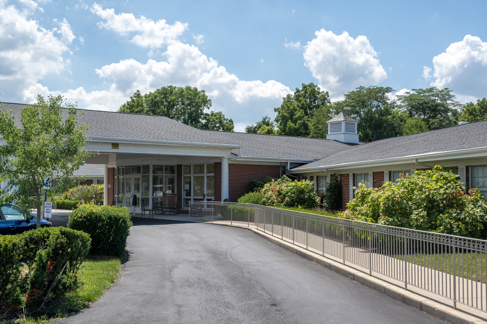
Who Owns and Operates Trinity Community At Fairborn?

TRINITY COMMUNITY AT FAIRBORN is owned by a non-profit organization. Non-profit facilities reinvest revenue into operations rather than distributing to shareholders. The facility is operated by UNITED CHURCH HOMES, a chain that manages multiple nursing homes. With 94 certified beds and approximately 83 residents (about 88% occupancy), it is a smaller facility located in FAIRBORN, Ohio.
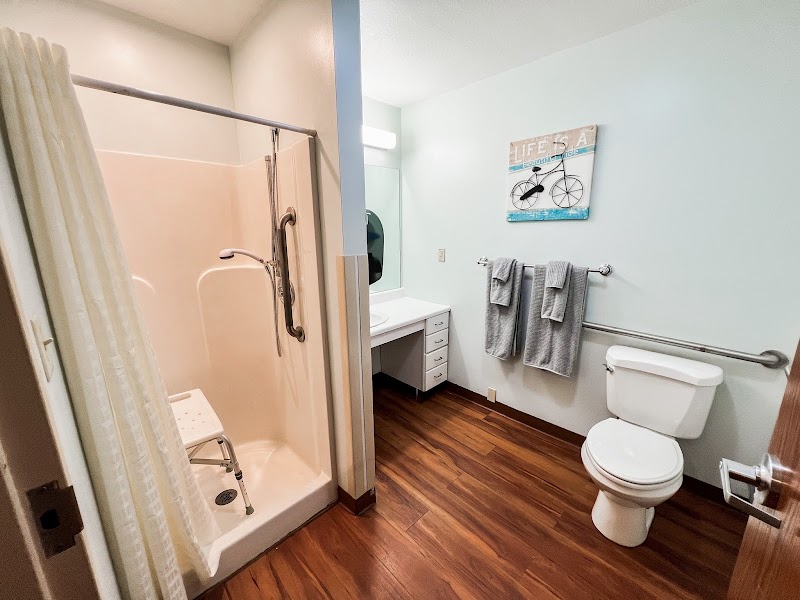
How Does Trinity Community At Fairborn Compare to Other Ohio Nursing Homes?

Compared to the 100 nursing homes in Ohio, TRINITY COMMUNITY AT FAIRBORN's overall rating (4 stars) is above the state average of 3.2, staff turnover (48%) is near the state average of 46%, and health inspection rating (3 stars) is at the national benchmark.

What Should Families Ask When Visiting Trinity Community At Fairborn?

Based on this facility's data, families visiting should ask: "Can I visit during a mealtime to observe dining assistance and food quality?" "How do you handle medical emergencies, and what is your hospital transfer rate?" "Can I speak with family members of current residents about their experience?"

Is Trinity Community At Fairborn Safe?

Based on CMS inspection data, TRINITY COMMUNITY AT FAIRBORN has a clean safety record: no substantiated abuse findings (meaning no confirmed cases of resident harm), no Immediate Jeopardy citations (the most serious violation level indicating risk of serious injury or death), and is not on the Special Focus Facility watch list (a federal program monitoring the lowest-performing 1% of nursing homes). The facility has a 4-star overall rating and ranks #1 of 100 nursing homes in Ohio. While no facility is perfect, families should still ask about staff-to-resident ratios and recent inspection results during their visit.

Do Nurses at Trinity Community At Fairborn Stick Around?

TRINITY COMMUNITY AT FAIRBORN has a staff turnover rate of 48%, which is about average for Ohio nursing homes (state average: 46%). Moderate turnover is common in nursing homes, but families should still ask about staff tenure and how the facility maintains care continuity when employees leave.

Was Trinity Community At Fairborn Ever Fined?

TRINITY COMMUNITY AT FAIRBORN has no federal fines on record. CMS issues fines when nursing homes fail to meet care standards or don't correct problems found during inspections. The absence of fines suggests the facility has either maintained compliance or corrected any issues before penalties were assessed. This is a positive indicator, though families should still review recent inspection reports for the full picture.

Is Trinity Community At Fairborn on Any Federal Watch List?

TRINITY COMMUNITY AT FAIRBORN is not on any federal watch list. The most significant is the Special Focus Facility (SFF) program, which identifies the bottom 1% of nursing homes nationally based on persistent, serious quality problems. Not being on this list means the facility has avoided the pattern of deficiencies that triggers enhanced federal oversight. This is a positive indicator, though families should still review the facility's inspection history directly.