BIRCHAVEN RETIREMENT VILLAGE
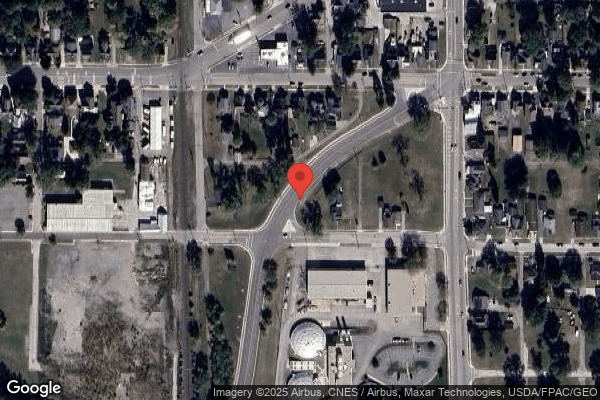
15100 BIRCHAVEN LANE, FINDLAY, OH 45840 (419) 424-3000
Non profit - Corporation 118 Beds Independent Data: November 2025
Trust Grade
80/100
#28 of 913 in OH
Last Inspection: January 2025

Within standard 12-15 month inspection cycle. Federal law requires annual inspections.

Overview

Birchaven Retirement Village has a Trust Grade of B+, which means it is above average and recommended for families considering care options. It ranks #28 out of 913 facilities in Ohio, placing it in the top half, and is the best option out of 6 in Hancock County. However, the facility is experiencing a worsening trend, with the number of issues increasing from 6 in 2022 to 13 in 2025. Staffing is a strong point, rated 5 out of 5 stars, with a turnover rate of 43%, which is below the state average. Notably, there have been no fines, and the facility offers more RN coverage than 90% of other Ohio facilities, which is excellent for catching potential problems. On the downside, recent inspections revealed concerns such as failure to serve food according to the menu, potentially affecting 29 residents, and issues with unlabeled and expired food items in refrigerators that could impact 45 residents. Additionally, staff were observed not wearing proper personal protective equipment while assisting a resident with a tracheostomy, which raises infection control concerns. Overall, while Birchaven has notable strengths in staffing and RN coverage, families should be aware of the recent increase in deficiencies that may impact resident care.

Trust Score
B+
80/100
In Ohio
#28/913
Top 3%
Safety Record
Low Risk
No red flags
Inspections
Getting Worse
6 → 13 violations
Staff Stability
○ Average
43% turnover. Near Ohio's 48% average. Typical for the industry.
Penalties
✓ Good
No fines on record. Clean compliance history, better than most Ohio facilities.
Skilled Nurses
✓ Good
Each resident gets 87 minutes of Registered Nurse (RN) attention daily — more than 97% of Ohio nursing homes. RNs are the most trained staff who catch health problems before they become serious.
Violations
⚠ Watch
24 deficiencies on record. Higher than average. Multiple issues found across inspections.
★★★★★
5.0
Overall Rating
★★★★★
5.0
Staff Levels
★★★★★
5.0
Care Quality
★★★☆☆
3.0
Inspection Score
Stable
2022: 6 issues
2025: 13 issues

The Good

  • 5-Star Staffing Rating · Excellent nurse staffing levels
  • 5-Star Quality Measures · Strong clinical quality outcomes
  • Full Sprinkler Coverage · Fire safety systems throughout facility
  • No fines on record
  • Staff turnover below average (43%)

    5 points below Ohio average of 48%

Facility shows strength in staffing levels, quality measures, fire safety.

The Bad

Staff Turnover: 43%

Near Ohio avg (46%)

Typical for the industry

The Ugly 24 deficiencies on record

Jan 2025 13 deficiencies
CONCERN (D)

Potential for Harm - no one hurt, but risky conditions existed

Resident Rights (Tag F0550)

Could have caused harm · This affected 1 resident

**NOTE- TERMS IN BRACKETS HAVE BEEN EDITED TO PROTECT CONFIDENTIALITY** Based on record review, observation, staff interview, and policy review, the facility failed to ensure residents were treated wi...

Read full inspector narrative →
**NOTE- TERMS IN BRACKETS HAVE BEEN EDITED TO PROTECT CONFIDENTIALITY** Based on record review, observation, staff interview, and policy review, the facility failed to ensure residents were treated with dignity and respect. This affected three (Residents #23, #57, and #64) of three residents reviewed for dignity and respect. The facility census was 90. Findings include: 1. Review of the medical record revealed Resident #23 was admitted to the facility on [DATE]. Diagnoses included muscle weakness, need for assistance with personal care, dependence on wheelchair, dysphagia, and cognitive communication deficit. Review of the quarterly Minimum Data Set (MDS) assessment revealed the resident was cognitively impaired. The resident required supervision or touching assistance for eating. An observation of the lunch meal on 01/06/25 beginning at approximately 11:30 A.M. revealed residents residing in the nursing facility and the assisted living facility shared the dining room located on the A-B Unit. Resident #23 was seated in the dining room for the lunch meal and was next to a resident who resided in the assisted living facility. Resident #23 and the assisted living resident each had a bedside table in front of them for dining. Continued observation on 01/06/25 at 11:56 A.M. revealed many residents had finished eating and left the dining room. Resident #23 had not yet received their lunch. On 01/06/25 at 12:13 P.M., the assisted living resident received their meal and began feeding himself. On 01/06/25 at 12:27 P.M., the assisted living resident had finished eating their meal and Resident #23 had still not been served. Resident #23 began lifting their hand up to their mouth and motioning as if they were eating. On 01/06/25 at 12:32 P.M., Resident #23 received their meal and began feeding himself. An interview on 01/06/25 with Hospitality Aide #497 confirmed Resident #23 had to wait to eat while many other residents had been served and finished their meals. 2. Review of the medical record for Resident #64 revealed an admission date of 07/28/24 with diagnosis of malignant neoplasm of appendix, cellulitis of right lower limb and atrial fibrillation. Review of the quarterly MDS assessment dated [DATE] for Resident #64 revealed he was cognitively intact. Observation on 01/06/25 at 11:52 A.M. revealed Resident #64 was sitting in the dining room eating lunch with another resident (#198) at the dining room table. Continued observation revealed Clinical Nurse Practitioner (CNP) #399 interrupted Resident #64's lunch and CNP #399 conducted a physical examination and auscultated (listened with stethoscope) Resident #64's lungs and his heart. Review of the progress note written by CNP #399 for Resident #64 dated 01/06/25 revealed the resident was seen and examined while in his wheelchair while in the dining room. 3. Review of the medical record for Resident #57 revealed an admission date of 11/29/24 with diagnosis of cellulitis of left lower extremity and neuropathy. Review of the admission MDS dated [DATE] for Resident #57 revealed he was cognitively intact. Observation on 01/06/25 at 11:53 A.M. revealed Resident #57 was sitting in the dining room eating lunch with two other residents (#43 and #67) at the dining table. Continued observation revealed CNP #399 interrupted Resident #57's lunch, he stopped eating, and CNP #399 conducted a physical examination and auscultated Resident #57's lungs and his heart. Review of the progress note written by CNP #399 for Resident #57 dated 01/06/25 revealed the resident was seen and examined while in his wheelchair while in the dining room. Interview on 01/06/25 at 11:57 A.M. with CNP #399 verified she completed a physical examination for both Resident #64 and Resident #57 while in the dining room with other residents seated at the dining room table. Further interview with CNP #399 stated she does not alter her rounding based on the schedule of the residents unless they are out of the building. Interview on 01/08/25 at 4:30 P.M. with the Director of Nursing (DON) stated the facility does not have a policy on dignity but abides by the residents rights. Review of the Residents Rights handbook provided for all residents, dated 2023 revealed a facility must treat each resident with respect and dignity and care for each resident in a manner and in an environment that promotes maintenance or enhancement of his or her quality of life, recognizing each resident's individuality.
CONCERN (D)

Potential for Harm - no one hurt, but risky conditions existed

Deficiency F0583 (Tag F0583)

Could have caused harm · This affected 1 resident

**NOTE- TERMS IN BRACKETS HAVE BEEN EDITED TO PROTECT CONFIDENTIALITY** Based on observation, staff interview, and review of facility policy, the facility to ensure privacy was maintained when residen...

Read full inspector narrative →
**NOTE- TERMS IN BRACKETS HAVE BEEN EDITED TO PROTECT CONFIDENTIALITY** Based on observation, staff interview, and review of facility policy, the facility to ensure privacy was maintained when resident medical conditions, treatments, and results of vital signs were discussed. This affected one resident (#57) of one resident reviewed for privacy. The facility census was 90. Findings include: Review of the medical record for Resident #57 revealed an admission date of 11/29/24 with diagnoses of cellulitis of left lower extremity and neuropathy. Review of the admission Minimum Data Set (MDS) assessment dated [DATE] for Resident #57 revealed he was cognitively intact and was being treated for pain. Review of the current physician orders for 01/25 for Resident #57 revealed he was prescribed tramadol 50 milligrams (mg) every 12 hours as needed for pain. Observation on 01/06/25 at 11:53 A.M. revealed Resident #57 was sitting in the dining room eating lunch with two other residents (#43 and #67) at the dining table. Continued observation revealed Clinical Nurse Practitioner (CNP) #399 discussed Resident #57's medical condition of pain, the treatment for the pain with the prescribed tramadol, and vital signs obtained from the nurse earlier in the day. Interview on 01/06/25 at 11:57 A.M. with CNP #399 verified she discussed with Resident #57 his medical condition of pain, his treatment of tramadol, and discussed the results of his vital signs obtained earlier in the day while at the dining room table with other residents seated adjacent to him at the table. Further interview with CNP #399 stated she does not alter her rounding based on the schedule of the residents unless they are out of the building. Review of the facility policy titled, Health Insurance Portability and Accountability Act (HIPPA), dated 12/24, revealed health information is personal and should be kept confidential. Associates must take necessary precautions to reduce the risk of incidentally disclosing Protected Health Information (PHI) to unauthorized individuals.
CONCERN (D)

Potential for Harm - no one hurt, but risky conditions existed

Report Alleged Abuse (Tag F0609)

Could have caused harm · This affected 1 resident

**NOTE- TERMS IN BRACKETS HAVE BEEN EDITED TO PROTECT CONFIDENTIALITY** Based on medical record review, staff interview, and review of the facility Self-Reported Incident (SRI), the facility failed to...

Read full inspector narrative →
**NOTE- TERMS IN BRACKETS HAVE BEEN EDITED TO PROTECT CONFIDENTIALITY** Based on medical record review, staff interview, and review of the facility Self-Reported Incident (SRI), the facility failed to ensure staff reported an injury of unknown origin and/or physical abuse to administration. This affected one (Resident #63) of four residents reviewed for abuse. The facility census was 90. Findings include: Review of the medical record revealed Resident #63 was admitted to the facility on [DATE]. Diagnoses included dysphagia, need for assistance with personal care, muscle weakness, cognitive communication deficit, and dementia. Review of the quarterly Minimum Data Set assessment dated [DATE] revealed Resident #63 was severely cognitively impaired. The resident required assistance from staff for all activities of daily living. Review of the facility SRI dated 08/07/24 and timed 2:40 P.M. revealed Resident #63's family member informed the Assisted Director of Nursing (ADON) that there was a bruise on Resident #63's lower right forearm. Resident #63's family member stated Resident #63 said someone did this to her. Review of the facility investigation revealed Certified Nursing Assistant (CNA) #598 noticed the bruising sometime prior to 6:00 A.M. on 08/07/24. There was no evidence CNA #598 reported the bruising to the nurse on duty or to any other staff on the morning of 08/07/24. In addition, there was no evidence facility management were aware of the bruising until reported by Resident #63's family on the afternoon of 08/07/24. Review of Resident #63's wound evaluation and photographs dated 08/07/24 and timed 2:27 P.M. revealed the resident had new, in-house acquired bruising to their right outer forearm. There were four total bruises, ranging between near the elbow and down onto the hand and near the wrist. An interview on 01/08/25 at 8:06 A.M. with the Director of Nursing (DON) revealed Resident #63's family informed management of Resident #63's bruising during the afternoon on 08/07/24. The DON verified CNA #598 had noticed the bruising prior to 6:00 A.M. on 08/07/24 and there was no evidence it was reported to anyone at that time. The DON verified CNAs were responsible for checking residents for new skin concerns while assisting with the activities of daily living, and should let the nurse on duty know of any new areas including bruising. An interview on 01/09/24 at 3:56 P.M. with the Administrator verified CNA #598 noticed Resident #63's bruising during their shift which occurred from 08/06/24 at 6:00 P.M. through 08/07/24 at 6:00 A.M. The Administrator verified there was no evidence CNA #598 reported the bruising to anyone at the facility until the investigation was initiated due to the bruising being reported by the resident's family. The Administrator also verified the facility had not initiated a SRI until the bruising was reported by the family on the afternoon of 08/07/24.
CONCERN (D) 📢 Someone Reported This

A family member, employee, or ombudsman was alarmed enough to file a formal complaint

Potential for Harm - no one hurt, but risky conditions existed

Investigate Abuse (Tag F0610)

Could have caused harm · This affected 1 resident

**NOTE- TERMS IN BRACKETS HAVE BEEN EDITED TO PROTECT CONFIDENTIALITY** Based on medical record review, review of the facility's self-reported incidents, staff interview, and review of the facility po...

Read full inspector narrative →
**NOTE- TERMS IN BRACKETS HAVE BEEN EDITED TO PROTECT CONFIDENTIALITY** Based on medical record review, review of the facility's self-reported incidents, staff interview, and review of the facility policy, the facility failed to complete thorough investigations for injuries of unknown origin. This affected two residents (#98 and #68) of five residents reviewed for injuries of unknown origin. The facility census was 90. Findings include: 1. Review of Resident #98's medical record revealed an admission date of 09/05/19 and a discharge date of 08/22/24. Diagnoses included Alzheimer's disease, major depressive disorder and polyneuropathy. Review of Resident #98's Minimum Data Set (MDS) dated [DATE] revealed a Brief Interview for Mental Status (BIMS) score of zero indicating Resident #98 was rarely or never understood. Resident #98 displayed no behaviors at the time of the review. Resident #98 was dependent on staff for activities of daily living. Review of the facility's Self-Reported Incident (SRI) completed 06/28/24 revealed Resident #98 was found to have bruising on her legs. Staff were interviewed, other residents were interviewed, and Resident #98 had a skin assessment completed. However, there was no evidence additional residents who resided on Resident #98's hall who were not able to be interviewed had skin assessments completed. A thorough investigation into Resident #98's bruising incident was not completed. Interview on 01/09/24 at 11:38 A.M. with the Administrator and Director of Nursing (DON) verified skin checks had not been completed on any residents other than Resident #98. 2. Review of Resident #68's medical record revealed an admission date of 12/20/23. Diagnoses included major depressive disorder, cognitive communication deficit, muscle weakness, dementia, and need for assistance with personal care. Review of Resident #68 Minimum Data Set (MDS) dated [DATE] revealed a Brief Interview for Mental Status (BIMS) score of 12 indicating Resident #68 was moderately cognitively impaired. Resident #68 required maximal assistance with activities of daily living. Resident #68 displayed no behaviors during the time of the review. Review of the facility's SRI completed 09/04/24 revealed Resident #68 was found to have new redness and swelling to her right hand. Resident #68 was interviewed and had reported it had been a cyst she had for years, which was not accurate for the newly developed redness and swelling. It was noted Resident #68 was often cooperative with care. Staff were interviewed, other residents were interviewed, and Resident #68 had a skin assessment completed. However, there was no evidence additional residents who resided on Resident #68's hall who were not able to be interviewed had skin assessments completed. A thorough investigation into Resident #68's right hand redness and swelling incident had not been completed. Interview on 01/09/24 at 11:48 A.M. with the Administrator and Director of Nursing (DON) verified skin checks had not been completed on any residents other than Resident #68. Review of the undated facility policy titled, Investigation of Injuries of Unknown Origin, revealed the facility would ensure injuries without obvious cause were investigated thoroughly.
CONCERN (D)

Potential for Harm - no one hurt, but risky conditions existed

Deficiency F0676 (Tag F0676)

Could have caused harm · This affected 1 resident

**NOTE- TERMS IN BRACKETS HAVE BEEN EDITED TO PROTECT CONFIDENTIALITY** Based on observation, medical record review, and staff interview, the facility failed to ensure alternative methods of communica...

Read full inspector narrative →
**NOTE- TERMS IN BRACKETS HAVE BEEN EDITED TO PROTECT CONFIDENTIALITY** Based on observation, medical record review, and staff interview, the facility failed to ensure alternative methods of communication were provided in accordance with physician orders. This affected one (Resident #48) of one resident reviewed for alternate methods of communication. The facility census was 90. Findings include: Review of the medical record revealed Resident #48 was admitted to the facility on [DATE]. Diagnoses included muscle weakness, dementia, cognitive communication deficit, and chronic kidney disease. Review of the admission Minimum Data Set assessment dated [DATE] revealed Resident #48 was cognitively impaired. Resident #48's primary language was Spanish and the resident needed/wanted an interpreter to communicate with a doctor or health care staff. Review of the Nurse Practitioner (NP) notes dated 12/09/24 revealed Resident #48 was examined. During the examination, the resident was awake and alert. Communication was hindered due to the resident only speaking Spanish. The nursing staff reported the resident ambulated independently, required prompting with bathing and dressing, and had a good appetite. Review of the physician visit/orders dated 12/09/24 and timed 2:42 P.M. identified a physician's order for a translator phone. Review of the active physician orders for January 2024 identified an order dated 12/09/24 for a translator phone. An interview on 01/07/25 at 12:13 P.M. with Resident #48's daughter revealed Resident #48's primary language was Spanish and facility staff were unable to fully communicate with the resident. Resident #48's daughter reported the facility posted some common phrases on the walls of the resident's room, but that did not encompass all day-to-day communication. Resident #48's daughter reported no knowledge of a translator phone or an interpreter. An observation on 01/07/25 at 12:20 P.M. of Resident #48's room revealed there was no translator phone or signage posted to instruct staff and/or visitors on how to reach an interpreter. An interview on 01/08/25 at 11:13 A.M. with CNA #551 revealed the staff member provided care to Resident #48 on a regular basis. CNA #551 reported staff attempted to use an application on their personal phones to communicate with Resident #48 but the application did not recognize or pick up Resident #48's voice to be able to interpret what the resident was saying. CNA #551 reported no knowledge of a translator phone or an interpreter that could be utilized. An interview on 01/09/24 at 9:01 A.M. with the Assistant Director of Nursing (ADON) verified Resident #48 did not have a translator phone as ordered. The ADON reported facility staff attempted to utilize an application on their personal phones and there was a tablet with an application that could be utilized. The ADON reported they were unsure of whether the application on the tablet was able to pick up what the resident was saying.
CONCERN (D)

Potential for Harm - no one hurt, but risky conditions existed

Quality of Care (Tag F0684)

Could have caused harm · This affected 1 resident

**NOTE- TERMS IN BRACKETS HAVE BEEN EDITED TO PROTECT CONFIDENTIALITY** Based on medical record review and staff interview, the facility failed to ensure residents were adequately monitored for bowel ...

Read full inspector narrative →
**NOTE- TERMS IN BRACKETS HAVE BEEN EDITED TO PROTECT CONFIDENTIALITY** Based on medical record review and staff interview, the facility failed to ensure residents were adequately monitored for bowel movements and interventions for constipation were implemented as ordered. This affected one (Resident #42) of one resident reviewed for constipation. The facility census was 90. Findings include: Review of the medical record revealed Resident #42 was admitted to the facility on [DATE]. Diagnoses included severe protein-calorie malnutrition, muscle weakness, lack of coordination, and need for assistance with personal care. Review of the quarterly Minimum Data Set assessment dated [DATE] revealed the resident was cognitively intact. Review of the plan of care dated 06/17/24 revealed Resident #42 was taking opioid medication with a high risk for adverse consequences. Interventions included monitoring and documenting bowel movements every shift. Review of the plan of care dated 06/17/24 revealed Resident #42 was at risk for constipation related to generalized weakness, deconditioning, imbalance, pain, medication side effects, nausea, vomiting, surgery on digestive system, gluteal abscess, diabetes, and kidney disease. Interventions included administering stool softeners and/or laxatives per physician orders and recording bowel movement patterns each day while describing the amount, color, and consistency. Review of Resident #42's active physician orders for January 2024 identified an order dated 05/28/24 for bowel management per protocol. The resident also had orders dated 08/20/24 for Miralax oral powder, one scoop by mouth as needed daily for constipation, and Colace oral capsule (100 milligrams) by mouth twice daily as needed for constipation. Review of Resident #42's Bowel and Bladder tracking for 12/10/24 through 01/07/25 revealed no documented bowel movements between 12/22/24 and 12/26/24, between 12/26/24 and 12/30/24, or between 01/02/25 and 01/06/25. There was also no documentation regarding the color of bowel movements occurring within this time period. Review of Resident #42's administration records for 12/01/24 through 01/07/24 revealed the Mirlax and/or Colace were not administered to the resident during this time period. An interview on 01/08/25 at 7:54 A.M. with the Director of Nursing (DON) verified Resident #42's bowel movement documentation did not include the color of each bowel movement per the plan of care. The DON also verified the facility's protocol was to offer ordered interventions if a resident had gone three days without a bowel movement and there was no evidence Resident #42 was administered medication to initiate a bowel movement.
CONCERN (D)

Potential for Harm - no one hurt, but risky conditions existed

Tube Feeding (Tag F0693)

Could have caused harm · This affected 1 resident

**NOTE- TERMS IN BRACKETS HAVE BEEN EDITED TO PROTECT CONFIDENTIALITY** Based on observation, staff interview, and medical record review, the facility failed to ensure interventions to prevent aspirat...

Read full inspector narrative →
**NOTE- TERMS IN BRACKETS HAVE BEEN EDITED TO PROTECT CONFIDENTIALITY** Based on observation, staff interview, and medical record review, the facility failed to ensure interventions to prevent aspiration were implemented for residents receiving enteral nutrition (tube feeding). This affected one (Resident #49) of one resident reviewed for tube feeding. The facility census was 90. Findings include: Review of the medical record revealed Resident #49 was initially admitted to the facility on [DATE]. Diagnoses included cognitive communication deficit, respiratory failure, chronic kidney disease, pneumonia, unsteadiness on feet, and dysphagia. Review of the quarterly Minimum Data Set assessment dated [DATE] revealed Resident #49 was severely cognitively impaired and was rarely or never understood. Resident #49 was dependent on assistance from staff for all activities of daily living. Review of the current plan of care dated 07/30/24 revealed Resident #49 required tube feeding related to dysphagia. Interventions included needing the head of their bed elevated 45 degrees during and thirty minutes after tube feeding. Review of Resident #49's active physician orders for January 2024 identified orders for no food by mouth, and Diabetisource (nutritional supplement) at 70 milliliters per hour continuously via enteral feed. Observation on 01/07/25 at 8:14 A.M. revealed Resident #49 was lying in bed on their back. The resident's tube feed was running with Diabetisource at 70 milliliters per hour. The head of the resident's bed was barely elevated. Continued observation while awaiting staff revealed the head of the bed was still not elevated to 45 degrees as of 01/07/25 at 8:44 A.M. An interview on 01/07/25 at 8:44 A.M. with Certified Nursing Assistant (CNA) #592 verified the head of Resident #49's bed was supposed to be elevated more while their tube feeding was being administered. An observation on 01/07/25 at 8:47 A.M. revealed CNA #592 went into the room of Resident #49 and slightly raised the head of the bed. The head of the bed was still not at 45 degrees and was barely raised. An interview on 01/07/25 at 9:03 A.M. with Licensed Practical Nurse (LPN) #419 verified the head of Resident #49's bed should have been elevated more than it currently was. LPN #419 reported they believed the head of the bed was supposed to be at 30 degrees and that it definitely was not. LPN #419 reported there was no way to determine how many degrees the head of the bed was elevated.
CONCERN (D)

Potential for Harm - no one hurt, but risky conditions existed

Respiratory Care (Tag F0695)

Could have caused harm · This affected 1 resident

**NOTE- TERMS IN BRACKETS HAVE BEEN EDITED TO PROTECT CONFIDENTIALITY** Based on observation, staff interview, and facility policy review, the facility failed to ensure oxygen was running per the phys...

Read full inspector narrative →
**NOTE- TERMS IN BRACKETS HAVE BEEN EDITED TO PROTECT CONFIDENTIALITY** Based on observation, staff interview, and facility policy review, the facility failed to ensure oxygen was running per the physician's order. This affected one resident (#53) reviewed for oxygen. The facility census was 90. Findings include: Review of the medical record for Resident #53 revealed an admission date of 12/08/24 with diagnosis of pneumonia. Review of the admission Minimum Data Set (MDS) dated [DATE] for Resident #53 revealed she was cognitively intact and required oxygen therapy. Review of the current physician orders for 01/25 for Resident #53 revealed she was ordered oxygen at two liter per minute per nasal cannula (nc). Observation on 01/06/25 at 1:24 P.M. of Resident #53 revealed her oxygen rate was set at four liter per minute. Observation on 01/06/25 at 3:15 P.M. of Resident #53 revealed her oxygen continued at the set rate of four per minute. Observation on 01/07/25 at 9:47 A.M. of Resident #53 revealed her oxygen continued at the set rate of four per minute. Interview on 01/07/25 at 9:48 A.M. with Registered Nurse (RN) #534 verified the physician order for Resident #53 is for oxygen two liters per minute and verified Resident #53's oxygen was set at four liters per minute. Review of the facility policy titled, Oxygen Administration, revised 10/10, revealed verify there is a physician's order for this procedure and review the physician's order for oxygen administration.
CONCERN (D)

Potential for Harm - no one hurt, but risky conditions existed

Deficiency F0883 (Tag F0883)

Could have caused harm · This affected 1 resident

Based on record review and staff interview, the facility failed to ensure one resident, #82, received the influenza vaccination after consenting. Furthermore, the facility failed to offer one resident...

Read full inspector narrative →
Based on record review and staff interview, the facility failed to ensure one resident, #82, received the influenza vaccination after consenting. Furthermore, the facility failed to offer one resident, #149, the information, consent or refusal of the influenza or the pneumococcal vaccine. The facility census was 90. Findings include: 1. Review of the medical record of Resident #82 revealed an admission date of 11/29/24. Diagnoses included metabolic encephalopathy, type II diabetes mellitus, anemia, obesity, cerebral infarction, and chronic obstructive pulmonary disease. Review of the facility form titled, Influenza and Pneumococcal Vaccine, revealed Resident #28 indicated acceptance of the influenza vaccine and signed the form on 11/29/24. Further review of the medical record revealed no evidence the vaccine was administered. 2. Review of the medical record of Resident #149 revealed an admission date of 12/24/24. Diagnoses included cystitis, atherosclerotic heart disease, chronic congestive heart failure, long-term use of anticoagulation therapy, hypertension, and chronic obstructive pulmonary disease. Review of the medical record revealed the form titled, Influenza and Pneumococcal Vaccine, was blank. Interview on 01/08/24 at 2:00 P.M. with the Director of Nursing revealed Resident #149 was cognitively impaired and unable to consent and her Power of Attorney has not been in to sign any documents. The DON did admit the facility could have received verbal phone consent and had not. Interview on 01/07/24 at 3:15 P.M. with the Director of Nursing revealed the influenza vaccine is offered October through March. The pneumococcal vaccine is offered upon admission and yearly.
CONCERN (E)

Potential for Harm - no one hurt, but risky conditions existed

Menu Adequacy (Tag F0803)

Could have caused harm · This affected multiple residents

Based on observation, staff interview, review of the menu and review of the dietary spreadsheet, the facility failed to ensure food was served per the facility menu and spreadsheet. This had the poten...

Read full inspector narrative →
Based on observation, staff interview, review of the menu and review of the dietary spreadsheet, the facility failed to ensure food was served per the facility menu and spreadsheet. This had the potential to affect 29 (#2, #6, #7, #11, #12, #14, #16, #17, #20, #25, #28, #29, #33, #36, #37, #41, #42, #43, #44, #52, #62, #63, #65, #66, #72, #74, #75, #76, and #149) residents who resided on the Cedar and Dogwood units. The facility census was 90. Findings include: Review of the weekly menu revealed the meal for lunch on 01/08/24 was a fried bologna sandwich and a relish plate with ranch dressing and scalloped corn or broccoli cheddar soup with an Italian beef sub. Review of the menu spreadsheet for lunch on 01/08/24 revealed broccoli cheddar soup would be served as a six-ounce portion. Observations on 01/08/24 beginning at approximately 11:30 A.M. of the meal service for the Cedar and Dogwood Unit, revealed Dietary Aide #474 was plating meals. Dietary Aide #474 was observed using a four-ounce ladle to serve the broccoli cheddar soup. Interview on 01/08/24 at 11:50 A.M. with Chef #441 confirmed the broccoli cheddar soup was being served using a four-ounce ladle and should have been served using a six-ounce ladle.
CONCERN (E)

Potential for Harm - no one hurt, but risky conditions existed

Food Safety (Tag F0812)

Could have caused harm · This affected multiple residents

Based on observation and staff interview, the facility failed to ensure food items stored in unit refrigerators were labeled and dated and further failed to ensure unit refrigerators did not contain e...

Read full inspector narrative →
Based on observation and staff interview, the facility failed to ensure food items stored in unit refrigerators were labeled and dated and further failed to ensure unit refrigerators did not contain expired food items. This had the potential to affect 45 (#1, #2, #5, #6, #7, #8, #9, #11, #12, #14, #16, #17, #19, #20, #22, #23, #25, #28, #29, #33, #36, #37, #41, #42, #43, #44, #45, #47, #48, #51, #52, #54, #55,#59, #61, #62, #63, #65, #66, #72, #74, #75, #76, #148, and #149) who resided on the Birch, Cedar, and Dogwood units. The facility census was 90. Findings include: 1. Observation on 01/09/24 at 11:25 A.M. of the unit refrigerator located on the Birch-hall revealed there was an unlabeled pack of two small sandwiches which stated to use by 10/07/24. An interview on 01/09/24 at 11:28 A.M. with Certified Nursing Assistant (CNA) #579 verified the items should have been disposed of. 2. Observation on 01/09/24 at 11:32 A.M. of the refrigerator located near the dining area for the Birch-hall revealed the following: • Three unlabeled and undated disposable plastic containers containing various unknown substances. • An unlabeled and undated glass jar containing an unknown red substance. • An unlabeled glass jar containing an unknown red substance, dated October 14th of an unknown year and to use by October 31st of an unknown year. • A grocery bag containing three unlabeled and undated disposable containers, one of which was leaking. An interview on 01/09/25 at 11:39 A.M. with Hospitality Aide #497 verified the above findings. 3. Observation on 01/09/25 at 11:43 A.M. of the unit refrigerator located on the Cedar-hall revealed the following: • An unlabeled and undated bag containing an unknown frozen substance. • An unlabeled and undated bag containing an unknown brown substance. An interview on 01/09/25 at 11:45 A.M. with Activities Staff Member #501 verified the items should have been disposed of. 4. Observation on 01/09/24 at 11:57 A.M. of the refrigerator located near the dining area for the Cedar and Dogwood halls revealed the following: • An unlabeled and undated clear-plastic bag containing an unknown food item.
CONCERN (E) 📢 Someone Reported This

A family member, employee, or ombudsman was alarmed enough to file a formal complaint

Potential for Harm - no one hurt, but risky conditions existed

Infection Control (Tag F0880)

Could have caused harm · This affected multiple residents

**NOTE- TERMS IN BRACKETS HAVE BEEN EDITED TO PROTECT CONFIDENTIALITY** 6. Review of the medical record of Resident #82 revealed an admission date of 11/29/24. Diagnoses included pneumonia, chronic ob...

Read full inspector narrative →
**NOTE- TERMS IN BRACKETS HAVE BEEN EDITED TO PROTECT CONFIDENTIALITY** 6. Review of the medical record of Resident #82 revealed an admission date of 11/29/24. Diagnoses included pneumonia, chronic obstructive pulmonary disease, chronic respiratory failure with hypercapnia, acute and chronic respiratory failure with hypoxia, tracheostomy, and gastrostomy. Observation on 01/06/24 at 10:20 A.M. revealed a small sign on the door of Resident #82's door indicating EBP were in place. Resident #82 was observed to have a tracheostomy. Interview on 01/06/24 at 10:20 A.M with Resident #82 and husband revealed the staff have not been wearing any PPE when assisting Resident #82. Resident #82 added she has a percutaneous gastrostomy feeding tube in place as well. The tube is flushed three times a day by nursing staff, and they do not wear any gown or mask, only gloves. Resident #82 stated the staff placed the gowns in the room this morning. Observation on 01/06/24 at 10:57 A.M. revealed Respiratory Therapist (RT) #530 entered the room of Resident #82 without donning any PPE and instructed Resident #82 on the use of an incentive spirometer, a device to increase the lung expansion capacity. The device will generally induce a cough. Interview at 11:05 A.M. with RT #530 provided verification of the lack of PPE. Review of the posted signage for Droplet Precautions and instructions for applying PPE revealed everyone must clean their hands, including before entering and when leaving the room. Staff were to make sure their eyes, nose and mouth were fully covered before room entry and were to remove face protection before room exit. PPE was to be applied after hand hygiene and included gown, mask, face shield, and gloves. PPE was to be removed with gowns first, wash hands, remove face shield and clean, mask off wash hands and exit room. Review of the posted signage for Contact Precautions revealed staff were to clean their hands before entering and when leaving the room. Staff were to put on gloves and gowns before entering the room and remove before exiting the room. A sign indicated gowns were to be used with all activities of daily living, dressing changes, and direct contact. Masks were to be used with dressing changes. Review of the posted signage for EBP and instructions for applying PPE revealed everyone must clean their hands, including before entering and when leaving the room. Staff were to wear gloves and a gown for high contact resident care activities which included dressing, bathing, transferring, changing linens, providing hygiene, changing briefs or assisting with toileting and device care for urinary catheters. Review of the facility's policy titled, Transmission Based Precautions, dated 04/03/24 from the Center for Disease Control (CDC) revealed residents with known or suspected infections that represent an increased risk for contact transmission. Use of PPE should be used appropriately including gloves and gowns for all interactions that may involve contact with the resident or resident's environment. Donning PPE upon room entry and properly discarding before exiting the room was done to contain pathogens. Droplet precautions for residents known or suspected to be infected with pathogens transmitted by respiratory droplets that were generated by a patient who is coughing, sneezing or talking should be used. This deficiency represents non-compliance investigated under Complaint Number OH00160996. 5. Review of the medical record revealed Resident #49 was initially admitted to the facility on [DATE]. Diagnoses included cognitive communication deficit, respiratory failure, chronic kidney disease, pneumonia, unsteadiness on feet, and dysphagia. Review of the quarterly MDS assessment dated [DATE] revealed Resident #49 was severely cognitively impaired and was rarely or never understood. Resident #49 was dependent on assistance from staff for all activities of daily living. Review of the plan of care dated 07/29/24 revealed Resident #49 required EBP related to chronic wounds and/or indwelling medical devices. Interventions included educating on the importance of hand washing, gowns and gloves to be stored within room, and washing hands before leaving room. Observation on 01/07/25 at 11:23 A.M. revealed signage was posted on Resident #49's door to indicate the resident was on EBP. The signage stated everyone must clean their hands before entering and when leaving the room. Resident #49 was sitting up in a recliner located in their room. CNA #542 was in the room and was wearing a disposable gown and gloves. CNA #542 doffed the gown and gloves and placed them in a bin located in the room. CNA #542 then retrieved a new pair of gloves which were on top of a cart containing PPE and located outside of the room and in the hallway. CNA #542 did not wash or sanitize their hands after doffing and disposing of their gown and gloves, before leaving the room, or before retrieving a new pair of gloves and entering the shared room of Resident #25 and #42. An interview on 01/07/25 at approximately 11:40 A.M. with CNA #542 verified staff were supposed to practice hand hygiene when leaving the rooms of residents on EBP. Based on observations, resident interview, staff interview, review of facility Transmission Based Precautions (TBP) and Enhanced Barrier Precautions (EBP) postings, and review of facility policy, the facility failed to ensure proper infection control practices were implemented related to Coronavirus Disease 2019 (COVID-19) and EBP. This affected six residents (#25, #14, #28, #72, #49, and #82) of eight residents reviewed for TBP and EBP. The facility census was 90. Findings include: 1. Review of Resident #25's medical record revealed an admission date of 10/21/24. Diagnoses included cognitive communication deficit, type II diabetes, dysphagia, end stage renal disease, dependence on renal dialysis, peripheral vascular disease, and heart failure. Review of Resident #25's Minimum Data Set (MDS) dated [DATE] revealed a Brief Interview for Mental Status (BIMS) score of eight indicating Resident #25 was moderately cognitively impaired. Resident #25 required maximal assistance with toilet use, bathing, dressing and moderate assistance with transfer and mobility. Resident #25 displayed verbal behavioral symptoms and rejection of care one to three days during the review period. Resident #25 was on dialysis at the time of the review. Review of Resident #25's care plan revised 01/03/25 revealed supports and interventions for COVID-19. Interventions included placing Resident #25 on strict COVID-19 isolation, keep door closed, wear all appropriate Personal Protective Equipment (PPE), all services to be provided in Resident #25's private room, and observe and assess for possible changes in condition due to COVID-19 positive. Review of Resident #25's physician orders revealed an order dated 01/02/25 with a scheduled end date of 01/12/25 for Resident #14 to be placed on strict COVID-19 isolation. Keep door closed. Wear all appropriate PPE. All services to be provided in resident's private room. Review of Resident #25's scanned documents revealed Resident #25 tested positive for COVID-19 on 01/02/25. It was noted Resident #25 was asymptomatic, but did have some congestion. Resident #25's physician was notified. COVID-19 protocol was added to Resident #25's orders. Observation on 01/06/25 at 9:53 A.M. found Resident #25 was out of the facility for dialysis. Resident #25's room door was open and there were no isolation signs or PPE available in or around Resident #25's room. Observation on 01/06/25 at 1:53 P.M. of Resident #25 found she had returned from dialysis. There continued to be no PPE or signage indicating Resident #25 was on isolation for COVID-19. Medication Aide (MA) #618 was observed assisting Resident #25 with adjusting her bed and sitting on the side of the bed. Certified Nurse Aide (CNA) #616 was observed to be wearing a surgical mask and no other PPE. Interview on 01/06/25 at 2:07 P.M. with CNA #561 and CNA #592 verified Resident #25 was COVID-19 positive, was on droplet isolation and there was no signage or PPE cart available outside her room. CNA #561 reported there was a lot of COVID-19 going around and the facility ran out of PPE carts. CNA #592 verified when entering Resident #25's room for any reason, full PPE was to be worn including masks, gloves, gowns, and face shields. CNA #592 also verified the face shields were shared and were to be wiped down with bleach wipes after each use. Bleach wipes were located in the storage room behind the nurses station and not on the PPE carts. Interview on 01/06/25 at 2:10 P.M. with Registered Nurse (RN) #509 verified Resident #25 tested positive for COVID on 01/02/25 and an isolation cart should be placed outside her door with a droplet isolation sign and appropriate PPE. All care provided should be done with an N95 mask, gown, gloves, and eye protection. 2. Review of Resident #28's medical record revealed an admission date of 03/15/24. Diagnoses included dysphagia, cognitive communication deficit, type II diabetes, muscle wasting, dementia, osteoarthritis, and cerebral infarction. Review of Resident #28's MDS dated [DATE] revealed a BIMS score of six indicating Resident #28 was severely cognitively impaired. Resident #28 required supervision with toilet use and moderate assistance with bathing. Resident #28 was independent with transfer and mobility. Resident #28 displayed no behaviors during the review period. Review of Resident #28's care plan revised 01/03/25 revealed supports and interventions for COVID-19. Interventions included placing Resident #28 on strict COVID-19 isolation, keep door closed, wear all appropriate PPE, all services to be provided in Resident #28's private room, and observe and assess for possible changes in condition due to COVID-19 positive. Review of Resident #28's physician orders revealed an order dated 01/02/25 with a scheduled end date of 01/12/25 for Resident #28 to be placed on strict COVID-19 isolation. Keep door closed. Wear all appropriate PPE. All services to be provided in resident's private room. Review of Resident #28's scanned documents revealed Resident #28 tested positive for COVID-19 on 01/02/25. Resident #28 was noted to have some congestion, with clear lung sounds. Resident #28's physician was notified. Observation on 01/06/25 at 10:09 A.M. of Resident #28 found the door to her room was open. There was no PPE cart or signage indicating Resident #28 was on droplet isolation precautions. A sign was on the door of the room indicating a resident was on EBP. Observation on 01/06/25 at 11:47 A.M. found a PPE cart with an droplet isolation sign on the cart with instructions for staff to wear N95s, gowns, glove, and eye protection when entering Resident #28's room. Hospitality Aide (HA) #529 was observed at the cart applying a gown, N95, gloves and a face shield prior to delivering Resident #28's and her roommates lunch trays. It was noted there was only one face shield available for use. Coinciding interview with HA #529 verified Resident #28's door was open and Resident #28 was positive for COVID-19. Observation on 01/06/25 at 11:50 A.M. of HA #529 found she exited Resident #28's COVID-19 isolation room with all her PPE in place. She removed the face shield from her face and placed it back on the cart. No cleaning wipes were found in the cart and HA #529 did not disinfect the face shield after it was used. HA #529 then removed her gown and gloves and folded them up against her. HA #529 walked down the hallway and placed the gowns and gloves in the small trash can by the medication cart. Coinciding interview with HA #529 verified there was no trash can in the room and she had to dispose of her used PPE from the room with COVID-19 positive residents in the trash can in the hallway. HA #529 reported the gowns were one time use but the face shields were shared as there was only one on the cart. HA #529 verified she placed the face shield back on the cart and it had not been disinfected. Interview on 01/06/25 at 2:07 P.M. with CNA #561 and CNA #592 also verified the face shields were shared and were to be wiped down with bleach wipes after each use. Bleach wipes were located in the storage room behind the nurses station and not on the PPE carts. 3. Review of Resident #14's medical record revealed an admission date of 10/01/13. Diagnoses included anorexia, dysphagia, major depressive disorder, osteoarthritis, cognitive communication deficit, and psychosis. Review of Resident #14's MDS dated [DATE] revealed a BIMS score of 15 indicating Resident #14 was cognitively intact. Resident #14 was independent with toilet use, bathing, dressing, transfer and mobility. Resident #14 displayed no behaviors during the review period. Review of Resident #14's care plan revised 01/02/25 revealed supports and interventions for potential for COVID-19. Interventions included placing Resident # 14 on strict COVID-19 isolation, keep door closed, wear all appropriate PPE, all services to be provided in Resident #14's private room, and observe and assess for possible changes in condition due to COVID-19 positive. Review of Resident #14's physician orders revealed an order dated 01/01/25 with a scheduled end date of 01/11/25 for Resident #14 to be placed on strict COVID-19 isolation. Keep door closed. Wear all appropriate PPE. All services to be provided in resident's private room. Review of Resident #14's scanned documents revealed Resident #14 tested positive for COVID-19 on 01/01/25. It was noted Resident #14 reported having a headache, nasal congestion, and sore throat. Resident #14 reported her headache started on Monday 12/30/24. Resident #14's physician was notified. Observation on 01/06/25 at 10:09 A.M. of Resident #14 found the door to her room was open. There was no PPE cart or signage indicating Resident #14 was on droplet isolation precautions. A sign was on the door indicating a resident was on EBP. Observation on 01/06/25 at 11:47 A.M. found a PPE cart with an droplet isolation sign on the cart with instructions to wear N95s, gowns, glove, and eye protection. HA #529 was observed at the cart applying a gown, N95, gloves and a face shield prior to delivering Resident #14 and her roommates lunch trays. It was noted there was only one face shield available for use. Coinciding interview with HA #529 verified Resident #14's door was open and Resident #14 was positive for COVID-19. Observation on 01/06/25 at 11:50 A.M. of HA #529 found she exited Resident #14's COVID-19 isolation room with all her PPE in place. She removed the face shield from her face and placed it back on the cart. HA #529 did not disinfect the face shield after it was used. HA #529 then removed her gown and gloves and folded them up against her. HA #529 walked down the hallway and placed the gowns and gloves in the small trash can by the medication cart. Coinciding interview with HA #529 verified there was no trash can in the room and she had to dispose of her used PPE in the trash can in the hallway. HA #529 reported the gowns were one time use but the face shields were shared as there was only one on the cart. HA #529 verified she placed the face shield back on the cart and it had not been disinfected. Interview on 01/06/25 at 2:07 P.M. with CNA #561 and CNA #592 also verified the face shields were shared and were to be wiped down with bleach wipes after each use. Bleach wipes were located in the storage room behind the nurses station and not on the PPE carts. Interview on 01/28/24 at 7:52 A.M. with Assistant Director of Nursing (ADON) #533 revealed she was the ADON for the C and D units. ADON #533 verified whenever a staff entered a COVID-19 positive room they were to wear full PPE including N95, gloves, gown, and face shield. ADON #533 reported things changed a lot with COVID-19 regulations, but their current practice was for droplet isolation for all COVID-19 residents including discarding used PPE before exiting the room. 4. Review of Resident #72's medical record revealed an admission date of 04/05/24. Diagnoses included dysphagia, cognitive communication deficit, muscle wasting and atrophy, type II diabetes, obstructive and reflux uropathy, and urinary tract infection. Review of Resident #72's MDS dated [DATE] revealed a BIMS score of 11 indicating Resident #72 was moderately cognitively impaired. Resident #72 was dependent for toilet use and parts of dressing. Resident #72 required maximal assistance with bathing, transfer and mobility. Resident #72 had an indwelling catheter and was frequently incontinent of bowel. Resident #72 displayed wandering behaviors one to three days during the review period. Review of Resident #72's care plan revised 10/25/24 revealed supports and interventions for EBP related to urinary catheter. Observation on 01/06/25 at 9:35 A.M. of Resident #72's room found a posted sign for EBP. The posting indicated everyone must perform handwashing and providers must wear gloves and a gown for high contact resident care activities which included dressing, bathing, transferring, changing linens, providing hygiene, changing briefs, or assisting with toileting and device care for urinary catheters. Observation on 01/09/25 at 9:30 A.M. of Resident #72 found his catheter care was provided by CNA #631, CNA #546, and CNA #516. Resident #72 was noted to have a sign above his bed indicating to staff Resident #72 was on EBP and gloves along with gowns were required for direct care including catheter care. A sign was also observed on the door of the room and a bin for disposal of used PPE/gowns and gloves was observed in the room. Staff provided catheter care and donned only gloves, no gowns were worn. Interview on 01/09/25 at 9:36 A.M. with CNA #516 verified none of the staff were wearing the appropriate PPE during the care of Resident #72's catheter. Interview on 01/28/24 at 7:52 A.M. with ADON #533 revealed for residents who were on EBP, PPE was only needed when coming in direct contact with the resident. PPE included wearing gloves and a gown.
CONCERN (E)

Potential for Harm - no one hurt, but risky conditions existed

Deficiency F0887 (Tag F0887)

Could have caused harm · This affected multiple residents

Based on record review and staff interview, the facility failed to ensure residents received education and provided consent for COVID-19 vaccinations prior to administration or refusal. This affected ...

Read full inspector narrative →
Based on record review and staff interview, the facility failed to ensure residents received education and provided consent for COVID-19 vaccinations prior to administration or refusal. This affected five resident (#28, #46, #82, #149, and #201) of five residents reviewed for COVID-19 vaccination. The facility census was 90. Findings include: 1. Review of the medical record of Resident #28 revealed an admission date of 03/15/24. Diagnoses included rhabdomyolysis, type II diabetes mellitus, obesity, cerebral infarction, and chronic obstructive pulmonary disease. Review of the medical record revealed no form to indicate Resident #28 was given any information on COVID-19 vaccination nor any consent or refusal of the vaccine. 2. Review of the medical record of Resident #46 revealed an admission date of 12/03/24. Diagnoses included spinal stenosis, anemia, hyperlipidemia, hypertension, cerebral infarction, and chronic obstructive pulmonary disease. Review of the medical record revealed no form to indicate Resident #46 was given any information on COVID-19 vaccination nor any consent or refusal of the vaccine. 3. Review of the medical record of Resident #82 revealed an admission date of 11/29/24. Diagnoses included metabolic encephalopathy, type II diabetes mellitus, anemia, obesity, cerebral infarction, and chronic obstructive pulmonary disease. Review of the medical record revealed no form to indicate Resident #82 was given any information on COVID-19 vaccination nor any consent or refusal of the vaccine. 4. Review of the medical record of Resident #149 revealed an admission date of 12/24/24. Diagnoses included cystitis, atherosclerotic heart disease, chronic congestive heart failure, long-term use of anticoagulation therapy, hypertension, and chronic obstructive pulmonary disease. Review of the medical record revealed no form to indicate Resident #149 was given any information on COVID-19 vaccination nor any consent or refusal of the vaccine. 5. Review of the medical record of Resident #201 revealed an admission date of 12/19/24. Diagnoses included metabolic encephalopathy, hypothyroidism, hypertension, and chronic kidney disease. Review of the medical record revealed no form to indicate Resident #201 was given any information on COVID-19 vaccination nor any consent or refusal of the vaccine. Interview on 01/07/24 at 3:15 P.M. with the Director of Nursing revealed the facility does not have a form for refusal or acceptance of the COVID-19 vaccine and the facility does not have a policy for offering the COVID-19 vaccine. The influenza vaccine is offered October through March. The pneumococcal and COVID-19 vaccines is offered anytime.
Nov 2022 6 deficiencies
CONCERN (D)

Potential for Harm - no one hurt, but risky conditions existed

Deficiency F0561 (Tag F0561)

Could have caused harm · This affected 1 resident

**NOTE- TERMS IN BRACKETS HAVE BEEN EDITED TO PROTECT CONFIDENTIALITY** Based on record review, observations, family interview, resident interview, staff interview, and review of the facility's meal t...

Read full inspector narrative →
**NOTE- TERMS IN BRACKETS HAVE BEEN EDITED TO PROTECT CONFIDENTIALITY** Based on record review, observations, family interview, resident interview, staff interview, and review of the facility's meal time policy, the facility failed to ensure residents were provided their meals in a timely manner and according to their preference. This affected one (Resident #54) of one resident reviewed for choices. The facility census was 76. Findings include: Review of Resident #54's medical record revealed an admission date of 06/03/22. Diagnoses included dementia, Parkinson's Disease, and COVID-19. Review of Resident #54's Minimum Data Set (MDS) assessment dated [DATE] revealed Resident #54 was cognitively intact. Resident #54 displayed no behaviors during the review period. Review of Resident #54's care plan 10/31/22 revealed supports and interventions for testing positive 10/26/22 for COVID-19, Parkinson's disease, and nutritional risk. Interventions for nutritional risks included the use of a plate guard and Kennedy cup (lightweight spillproof drinking cup) with meals, diet as ordered, monitor intakes, and staff to provide assistance with cutting up food when needed. Review of the physician orders dated 06/03/22 revealed Resident #54 was on a liberalized diabetic diet, regular texture, and thin regular liquids consistency. An order dated 06/24/22 from speech therapy revealed recommendations for a plate guard and a Kennedy cup during meals. Observations on 10/31/22 from 12:19 P.M. to 12:51 P.M. of the hallway lunch trays for Resident #54's hall revealed five meals were transported from the serving kitchen on an uncovered, non-insulated metal cart. At 12:32 P.M., an observation revealed the residents who ate in the dining room had completed their meals and were going back to their rooms. Five hall trays continued to be on an uncovered, non-insulated cart on Resident #54's hallway. At 12:35 P.M., observation of the open food cart on Resident #54's hallway revealed the food was on insulated bases with insulated covers. Resident #54's lunch was found to be on the cart. At 12:37 P.M., an aide was filling the resident's water pitchers but not passing out trays. Five resident meals, including Resident #54's lunch meal, continued to be on the meal cart in the hallway. At 12:42 P.M., five hall trays were undelivered and still on the cart. At 12:47 P.M., State Tested Nursing Assistant (STNA) #520 began to deliver hall trays to the residents. At 12:51 P.M., STNA #520 and Medication Aide (MA) #515 had distributed four of the five meal trays to the residents. Resident #54's tray remained on the cart. Interview on 10/31/22 at 12:54 P.M. with Resident #54 and her husband revealed they were not happy with how long it took to get Resident #54's meals. Resident #54's husband stated it had been that way for some time. He reported they told the staff she wanted to eat at a regular meal time like 12:00 P.M. noon, but nothing had changed and Resident #54 regularly received her meals an hour or more after everyone else. Resident #54 agreed with her husband and reported she was hungry and had not gotten her lunch yet. Resident #54 and her husband stated her meal was often cold by the time she got it. Observation on 10/31/22 at 1:01 P.M. of the meal cart revealed Resident #54's lunch continued to be the only lunch remaining on the cart. Interview on 10/31/22 at 1:08 P.M. with STNA #520 verified Resident #54 had not been provided her meal yet. STNA #520 did not provide Resident #54 her lunch and walked down the hallway away from the cart. Interview and observation on 10/31/22 at 1:12 P.M. with STNA #528 verified Resident #54's lunch was still on the hall cart and had not been delivered. STNA #528 applied personal protective equipment and entered Resident #54's room with the meal tray. STNA #528 asked Resident #54 if she wanted her to warm up the food. Resident #54 shook her head no saying she was hungry and it was fine. Interview on 10/31/22 at 3:27 P.M. with Resident #54 verified it was after 1:00 P.M. before she got her lunch and she had been very hungry. Resident #54 stated she didn't want to wait that long to get her meals but they were always that late or later. Observation on 11/01/22 at 12:39 P.M. revealed a meal cart was not used to deliver meals on Resident #54's hallway. Hospitality Aide (HA) #478 was observed delivering meals to resident rooms as they were plated from the serving kitchen. Observation on 11/01/22 at 1:18 P.M. revealed Resident #54 was provided her lunch meal tray. This was approximately 45 minutes after the first hall tray was delivered on Resident #54's hall and over an hour past Resident #54's preferred meal time. Review of the facility's policy titled Meal Times revealed lunch was to be served on Resident #54's hallway at 12:00 P.M. The policy stated meal times were open and were to follow the Person Centered Care Model.
CONCERN (D)

Potential for Harm - no one hurt, but risky conditions existed

Quality of Care (Tag F0684)

Could have caused harm · This affected 1 resident

**NOTE- TERMS IN BRACKETS HAVE BEEN EDITED TO PROTECT CONFIDENTIALITY** Based on observations, resident interview, medical record review, and staff interview, the facility failed to ensure timely and ...

Read full inspector narrative →
**NOTE- TERMS IN BRACKETS HAVE BEEN EDITED TO PROTECT CONFIDENTIALITY** Based on observations, resident interview, medical record review, and staff interview, the facility failed to ensure timely and adequate care was provided to a resident who was exhibiting symptoms of an eye irritation and/or infection. This affected one (Resident #60) of three residents reviewed for infections. The facility census was 76. Findings include: Review of Resident #60's medical record revealed an admission date of 03/29/18. Diagnoses included cerebral infarction, cognitive communication deficit, and peripheral vascular disease. Review of Resident #60's Minimum Data Set (MDS) assessment dated [DATE] revealed Resident #60 was cognitively intact. Resident #60 required extensive assistance from staff with dressing and personal hygiene. Resident #60 displayed no behaviors during the review period. Review of Resident #60's care plan revised 09/27/22 revealed Resident #60 had a potential to demonstrate verbally and physically aggressive behaviors and a behavior of picking at sores on his skin. Review of Resident #60's physician orders from 10/01/22 to 11/03/22 revealed no orders for eye drops or treatments. Observation on 10/31/22 at 10:02 of Resident #60 revealed his right eye was red, watering, and there was a dark yellow puss like build up in the corner of his eye. Interview on 10/31/22 at 10:06 A.M. with Resident #60 revealed he was alert and aware. Resident #60 reported he was having trouble seeing out of his eye, pointing to his right eye. Resident #60 stated it got 'goopy' stuff in it a lot. Observation on 11/01/22 at 8:42 A.M. of Resident #60 revealed he was dressed, clean and was seated up in his wheelchair in his room. Resident #60's right eye was red and watering but there was no puss or buildup noted. Observation on 11/01/22 at 11:43 A.M. of Resident #60 revealed he was seated in the dining room sitting at at table with one other resident. Resident #60 was observed closing his right eye while he fed himself. Observation on 11/01/22 at 12:42 P.M. of Resident #60 revealed an aide was assisting him back to his room after he was done with lunch. Resident #60's right eye was watering and red. Interview on 11/02/22 at 9:16 A.M. with Registered Nurse (RN) #543 verified Resident #60 had no current treatment for his eyes and had no eye infection she was aware of. RN #543 reported Resident #60 kept his eyes closed whenever she was in his room so she was not able comment on if there was any redness or signs of infection. Interview on 11/02/22 at 3:54 P.M. with State Tested Nursing Assistant (STNA) #526 verified Resident #60's eyes were red and irritated. STNA #526 reported Resident #60 would often scratch and pick all over his body. He would have dirt, skin, and feces under his fingernails and would refuse to clean his nails or wash his hands. He would then rub his eyes and they would get red and irritated. STNA #526 reported his eyes issues come and go and they would let nursing know so they could get eye drops. STNA #526 stated the nurses provided the eye drops and not the aides. Interview and observation on 11/03/22 at 10:19 A.M. with Resident #60 revealed he was alert and aware. Resident #60 stated his right eye had been red and watery for a couple months. He stated they were not giving him drops or anything. Observation of Resident #60's right eye revealed it was red. It was not draining and had no yellow buildup. Interview on 11/03/22 at 10:22 A.M. with Licensed Practical Nurse (LPN) #513 verified Resident #60 had no new orders for eye drops. LPN #513 went down to Resident #60's room and evaluated his eyes. LPN #513 verified Resident #60's right eye was red and irritated. Resident #60 told LPN #513 his eye had been draining and it itched a little bit. LPN #513 said she would let Resident #60's physician know and see if she would be able to get him some eye drops or something to help.
CONCERN (D)

Potential for Harm - no one hurt, but risky conditions existed

Pressure Ulcer Prevention (Tag F0686)

Could have caused harm · This affected 1 resident

Based on observation, medical record review, and staff interview, the facility failed to ensure physician orders were followed for Resident #55's wound care. This affected one resident (#55) of one re...

Read full inspector narrative →
Based on observation, medical record review, and staff interview, the facility failed to ensure physician orders were followed for Resident #55's wound care. This affected one resident (#55) of one resident reviewed for pressure ulcers. The facility identified three residents with pressure ulcers. The facility census was 76. Findings include: Review of the medical record for Resident #55 revealed an admission date of 12/10/11. Diagnoses included unstageable pressure ulcer (slough and/or eschar: known but not stageable due to coverage of wound bed by slough and/or eschar) on the right heel (dated 08/01/22), metabolic encephalopathy, fracture of right tibia and medial malleolus, and diabetic mellitus type II with diabetic neuropathy. Review of Resident #55's physician order dated 09/27/22 revealed to apply Dakin's (half strength) solution 0.25 % sodium hypochlorite to the wound every day shift. The order did not specify the location of the wound. Observation on 11/02/22 at 6:50 A.M. revealed Registered Nurse (RN) #632 held the right leg of Resident #55 while RN #543 removed the old dressing, using wound wash to loosen the old dressing. After removing the dressing, she removed the gloves and applied clean ones, without performing hand hygiene. RN #543 wiped the wound with betadine and then washed the wound with a soapy washcloth, rinsed with a clean wet washcloth and patted it dry with a dry towel. She applied a dry ABD pad and secured it in place with self-adherent cohesive bandage. Interview 11/02/22 at 7:15 A.M. with RN #543 revealed RN #543 reviewed the physician order in the electronic record and verified she had not followed the physician order. Subsequent review of the medical record revealed a progress note, written on 10/31/22 by the orthopedic surgeon, revealed to Continue with daily Dakin's wet to dry with ace wrap. Continue with off loading Prevalon Boot while at rest. Follow up in two weeks. There was no physician order to apply an ace wrap or the off loading Prevalon Boot. Interview on 11/02/22 at 1:38 P.M. with Assistant Director Of Nursing #481 verified the orthopedic surgeon's recommendations were not implemented and there were no physician orders to implement the ace wrap and off loading Prevalon Boot while at rest.
CONCERN (D)

Potential for Harm - no one hurt, but risky conditions existed

Medical Records (Tag F0842)

Could have caused harm · This affected 1 resident

Based on medical record review and staff interview, the facility failed to ensure accurate and complete medical records were kept for residents regarding injuries. This affected one (Resident #52) of ...

Read full inspector narrative →
Based on medical record review and staff interview, the facility failed to ensure accurate and complete medical records were kept for residents regarding injuries. This affected one (Resident #52) of 20 residents reviewed for medical record accuracy. The facility census was 76. Findings include: Review of the medical record for Resident #52 revealed an admission date of 12/04/19. Diagnoses included Alzheimer's disease. Review of a physician order dated 10/29/22 revealed Resident #52 required a daily dressing change to her left hand, including nine steri strips (a wound closure strip), a non-adherent pad, and tegaderm (a transparent bandage). Review of the progress notes for Resident #52 dated 10/29/22 revealed a family member was notified regarding a skin tear to Resident #52's left hand. Further review of the progress notes revealed no additional information regarding the circumstances surrounding the development of Resident #52's skin tear. Review of the Skin and Wound Evaluation document dated 10/29/22 revealed Resident #52 had an in-house acquired skin tear to her left dorsum measuring 4.5 centimeters (cm) in length and 0.7 cm in width. No information regarding the circumstances of the event leading to the skin tear were included in the document. Review of the Wound Evaluation dated 10/29/22 revealed a photograph and measurements of Resident #52's skin tear to her left dorsum. No additional information regarding the circumstances around the event were documented. Interview on 11/01/22 at 9:07 A.M. with the Assistant Director of Nursing (ADON) #480 confirmed the progress notes, Skin and Wound Evaluation document, and the Wound Evaluation did not include any documentation regarding the circumstances surrounding the development of Resident #52's skin tear.
CONCERN (D)

Potential for Harm - no one hurt, but risky conditions existed

Infection Control (Tag F0880)

Could have caused harm · This affected 1 resident

Based on observation, medical record review, review of the Centers for Disease Control and Prevention (CDC) guidance, and staff interview, the facility failed to ensure staff completed proper hand hyg...

Read full inspector narrative →
Based on observation, medical record review, review of the Centers for Disease Control and Prevention (CDC) guidance, and staff interview, the facility failed to ensure staff completed proper hand hygiene during a dressing change. This affected one resident (Resident #55) of one resident reviewed for wound care. The facility census was 76. Findings include: Review of the medical record for Resident #55 revealed an admission date of 12/10/11. Diagnoses included unstageable pressure ulcer (slough and/or eschar: known but not stageable due to coverage of wound bed by slough and/or eschar) on the right heel (dated 08/01/22), fracture of right tibia and medial malleolus, and diabetic mellitus type II with diabetic neuropathy. Review of the physician's order dated 09/27/22 revealed to apply Dakin's (half strength) solution 0.25 % sodium hypochlorite to the wound every day shift. The order did not specify the location of the wound. Observation on 11/02/22 at 6:50 A.M. revealed Registered Nurse (RN) #632 held the right leg of Resident #55 while RN #543 removed the old dressing, using wound wash to loosen the old dressing. After removing the dressing, she removed the gloves and applied clean ones, without performing hand hygiene. RN #543 wiped the wound with betadine and then washed the wound with a soapy washcloth, rinsed with a clean wet washcloth and patted it dry with a dry towel. She applied a dry ABD pad and secured it in place with self-adherent cohesive bandage. Interview on 11/02/22 at 7:08 A.M. with RN #543 verified she had not preformed hand hygiene between removing gloves and reapplying clean ones. Review of the CDC guidance titled Hand Hygiene Guidance, last reviewed 01/30/20, revealed the Core Infection Prevention and Control Practices for Safe Care Delivery in All Healthcare Settings recommendations of the Healthcare Infection Control Practices Advisory Committee (HICPAC) include the following strong recommendations for hand hygiene in healthcare settings. Healthcare personnel should use an alcohol-based hand rub or wash with soap and water for the following indications which included immediately after glove removal. Healthcare facilities should require healthcare personnel to perform hand hygiene in accordance with CDC recommendations.
MINOR (C)

Minor Issue - procedural, no safety impact

Staffing Information (Tag F0732)

Minor procedural issue · This affected most or all residents

Based on observation and staff interview, the facility failed to ensure the nursing staff information was posted daily in a prominent area and kept current, as required. This had the potential to affe...

Read full inspector narrative →
Based on observation and staff interview, the facility failed to ensure the nursing staff information was posted daily in a prominent area and kept current, as required. This had the potential to affect all 76 residents residing in the facility. Findings include: Observation on 10/31/22 at 1:33 P.M. with the Director of Nursing (DON), revealed the daily staff posting in the front entrance was dated 10/29/22. The DON verified the daily schedule staff posting was not current and stated each nurse's station has the current daily posting. Observation and interview on 10/31/22 at 1:35 P.M. with Registered Nurse (RN) #541 revealed the E and F hall daily staff posting was blank. RN #541 verified the daily staff posting was blank and said the night shift staff were in charge of filling the form in. Observation and interview on 10/31/22 at 1:38 P.M. with Licensed Practical Nurse (LPN) #564 revealed the G hall form for the nurse staff posting was lying on the desk, out of view of anyone looking for it. LPN #564 verified the nurse staff posting was not visible to the residents and families.
Dec 2019 5 deficiencies
CONCERN (D)

Potential for Harm - no one hurt, but risky conditions existed

Medication Errors (Tag F0758)

Could have caused harm · This affected 1 resident

Based on medical record review and staff interview, the facility failed to have a stop date for an as needed antipsychotic medication. This affected one resident (#44) of five reviewed for unnecessary...

Read full inspector narrative →
Based on medical record review and staff interview, the facility failed to have a stop date for an as needed antipsychotic medication. This affected one resident (#44) of five reviewed for unnecessary medications. The facility census was 116. Findings include: Review of the medical record for Resident #44 revealed an admission date of 07/30/19. Diagnoses included schizoaffective disorder, Alzheimer's disease, dementia without behavioral disturbance, and anxiety. Review of the annual Minimum Data Set (MDS) 3.0 assessment, dated 10/10/19, revealed Resident #44 had severe cognitive deficits, delusions, and was identified to have behaviors that were not directed towards others. Review of physician order dated 11/22/19 revealed an order for Haldol (antipsychotic) five milligrams (mg) tablet by mouth daily, as needed, for anxiety, agitation, or increased behaviors. The order was prescribed indefinitely with no stop date. Interview on 12/17/19 at 10:05 A.M. with Assistant Director of Nursing (ADON) #300 verified there was no stop date for the Haldol ordered for Resident #44 on 11/22/19.
CONCERN (D)

Potential for Harm - no one hurt, but risky conditions existed

Deficiency F0809 (Tag F0809)

Could have caused harm · This affected 1 resident

Based on observation, resident interview, staff interview, and review of scheduled meal times, the facility failed to timely provide a breakfast meal to a resident. This affected one (#96) of 17 resid...

Read full inspector narrative →
Based on observation, resident interview, staff interview, and review of scheduled meal times, the facility failed to timely provide a breakfast meal to a resident. This affected one (#96) of 17 residents on the Cedar Unit of the facility. The facility census was 116. Findings include: Interview on 12/17/19 at 9:35 A.M. with Resident #96 revealed he had not eaten breakfast yet. Resident #96 revealed he always ate in his room and did not know what was taking so long for his food to arrive. Observation on 12/17/19 at 10:12 A.M. revealed State Tested Nurse Aide (STNA) #760 brought Resident #96's breakfast tray to his room. Interview on 12/17/19 at 10:18 A.M. with STNA #760 stated she was not sure why Resident #96's breakfast was given to him so late, however she had to wait on the food from the kitchen. STNA #760 revealed she knew Resident #96 had been awake in bed since at least 6:00 A.M.and he had not eating anything she knew that day. STNA #760 stated hall trays for Cedar Unit are out between 9:00 A.M. and no later than 9:30 A.M., and verified Resident #96's breakfast tray was given too late. Review of an undated facility meal times schedule revealed breakfast carts left the kitchen for the Cedar Unit at 7:15 A.M. and breakfast was served on the Cedar Unit between 7:30 A.M. and 9:00 A.M.
CONCERN (D)

Potential for Harm - no one hurt, but risky conditions existed

Infection Control (Tag F0880)

Could have caused harm · This affected 1 resident

Based on medical record review, observation, and staff interview, the facility failed to ensure staff were wearing the proper personal protective equipment (PPE) for ordered isolation precautions. Thi...

Read full inspector narrative →
Based on medical record review, observation, and staff interview, the facility failed to ensure staff were wearing the proper personal protective equipment (PPE) for ordered isolation precautions. This affected one resident (#425) of two residents reviewed for transmission-based precautions. The facility census was 116. Findings include: Review of the medical record for Resident #425 revealed an admission date of 11/29/19. Diagnoses included chronic obstructive pulmonary disease, malignant neoplasm (cancer) of the lung, and respiratory failure. Review of the admission Minimum Data Set (MDS) assessment, dated 12/06/19, revealed Resident #425 had no cognitive impairment. The resident was also identified to have cancer and be receiving chemotherapy. Review of the physician orders dated 12/13/19 revealed an order for strict neutropenic precautions due to the high risk of infection related to chemotherapy. Observation on 12/17/19 at 10:22 A.M., revealed Housekeeping Aide (HKA) #250 was inside Resident #425's room wearing an isolation gown and gloves. There was no mask on the staff member while providing services in the resident's room. Interview on 12/17/19 at 10:31 A.M., with HKA #250 revealed the housekeeping staff was told when entering an isolation room, they should be wearing an isolation gown and gloves, and they did not need to wear the masks the nursing staff wears when caring for residents. Interview on 12/17/19 at 1:50 P.M., with Assistant Director of Nursing (ADON) #260 revealed Resident #425 had recently began a round of chemotherapy and was placed in neutropenic precautions for the high risk of infection the resident had due to the treatment. The oncology physician wrote the order asking for isolation gowns, masks, and gloves to be worn in the resident's room. ADON #260 further reported isolation precautions were discussed in unit huddle meetings which included nursing staff, however not ancillary staff such as housekeeping. Additionally, ADON #260 reported signs are placed on the door of resident's in isolation stating, see nurse before entering.
CONCERN (E)

Potential for Harm - no one hurt, but risky conditions existed

Deficiency F0761 (Tag F0761)

Could have caused harm · This affected multiple residents

Based on observation, staff interview, and review of facility policy, the facility failed to ensure medications carts were secure. This affected nine (#20, #27, #44, #57, #61, #79, #82, #87, and #121)...

Read full inspector narrative →
Based on observation, staff interview, and review of facility policy, the facility failed to ensure medications carts were secure. This affected nine (#20, #27, #44, #57, #61, #79, #82, #87, and #121) residents identified by the facility who were cognitively impaired and independently mobile on the Cedar and Dogwood Units. The facility census was 116. Findings include: Observation on 12/16/19 at 10:49 A.M. revealed the Cedar and Dogwood Unit medications carts were located in the common area outside the nurse station. The Cedar Unit medication cart was located on the left side of the common area at the hallway entrance to Cedar Unit, and the Dogwood medication cart was located on the right side of the common area at the hallway entrance to Dogwood Unit. Both medications carts were observed to be unlocked. Four residents (#54, #55, #112, and #121) were observed sitting in the common area near both carts with no staff members observed within eye sight of the unlocked medication carts. Observation on 12/16/19 at 10:53 A.M. revealed Licensed Practical Nurse (LPN) #340 walking up the Dogwood Unit hallway toward the common area where the unlocked medication carts were located. Interview on 12/16/19 at 10:54 A.M. with LPN #340 stated she was the nurse in charge of both Cedar and Dogwood Unit medications carts and verified both medications carts were unlocked with no staff member supervision. LPN #340 then locked both medication carts after verification. Interview on 12/18/19 at 11:19 A.M. with Assistance Director of Nursing (ADON) #300 verified Residents #20, #27, #44, #57, #61, #79, #82, #87, and #121 were cognitively impaired and independently mobile and resided on the Cedar and Dogwood Units. Review of an undated facility policy titled, Storage and Maintenance of Medication, revealed all medications, except those requiring refrigeration, shall be kept in locked medication carts and cabinets.
CONCERN (E)

Potential for Harm - no one hurt, but risky conditions existed

Deficiency F0920 (Tag F0920)

Could have caused harm · This affected multiple residents

Based on observation and staff interview, the facility failed to have the appropriate chair to table height during dining for five residents (#10, #33, #44, #87, and #95) of 27 residents reviewed for ...

Read full inspector narrative →
Based on observation and staff interview, the facility failed to have the appropriate chair to table height during dining for five residents (#10, #33, #44, #87, and #95) of 27 residents reviewed for dining in the Cedar/Dogwood dining area. The facility census was 116. Findings include: Observation on 12/15/19 at 11:58 A.M. in the Cedar Dogwood Dining room revealed six dining tables in the dining room. Observation of Resident #33 revealed the table she was sitting at was at her axilla (armpit). The resident was observed to be having difficulty feeding herself as she was sitting in her wheelchair and had to reach up over the table. Observation of four other residents (#10, #44, #87, and #95) revealed the table they were sitting at was the at the same height as Resident #33. All of the four residents had to reach up and over the table ledge to feed themselves. Interview on 12/15/19 at 12:18 P.M. with the Hospitality Aid (HA) #100 confirmed the tables were above the breast line of the five residents (#10, #33, #44, #87, and #95). The HA #100 confirmed it was hard for the residents to eat with the height of the table. Interview on 12/17/19 9:01 A.M. with the Assistant Director of Nursing (ADON) #300 confirmed the table was to high for Resident #33 and confirmed it would also be hard for Residents #10, #44, #87, and #95 to eat.
Understanding Severity Codes (click to expand)
Life-Threatening (Immediate Jeopardy)
J - Isolated K - Pattern L - Widespread
Actual Harm
G - Isolated H - Pattern I - Widespread
Potential for Harm
D - Isolated E - Pattern F - Widespread
No Harm (Minor)
A - Isolated B - Pattern C - Widespread

Questions to Ask on Your Visit

  • "Can I speak with families of current residents?"
  • "What's your RN coverage like on weekends and overnight?"

Our Honest Assessment

Strengths
  • • Grade B+ (80/100). Above average facility, better than most options in Ohio.
  • • No major safety red flags. No abuse findings, life-threatening violations, or SFF status.
  • • No fines on record. Clean compliance history, better than most Ohio facilities.
  • • 43% turnover. Below Ohio's 48% average. Good staff retention means consistent care.
Concerns
  • • 24 deficiencies on record. Higher than average. Multiple issues found across inspections.
Bottom line: Generally positive indicators. Standard due diligence and a personal visit recommended.

About This Facility

What is Birchaven Retirement Village's CMS Rating?

CMS assigns BIRCHAVEN RETIREMENT VILLAGE an overall rating of 5 out of 5 stars, which is considered much above average nationally. Within Ohio, this rating places the facility higher than 99% of the state's 100 nursing homes. This rating reflects solid performance across the metrics CMS uses to evaluate nursing home quality.
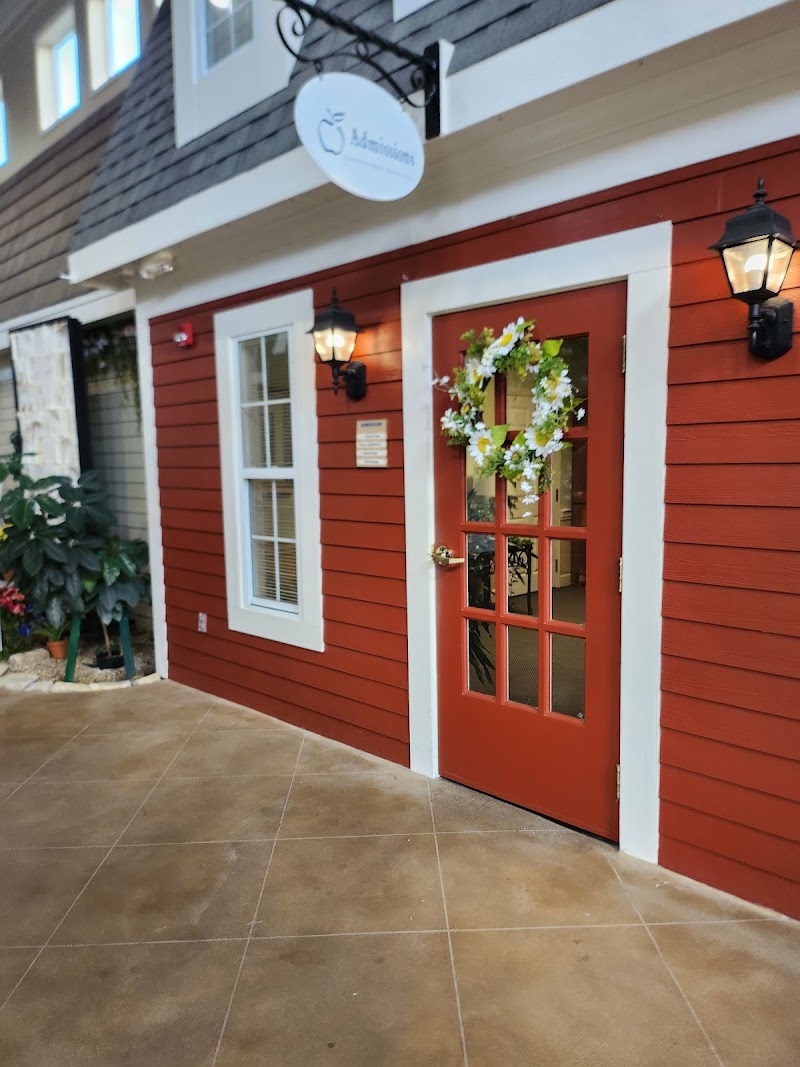
How is Birchaven Retirement Village Staffed?

CMS rates BIRCHAVEN RETIREMENT VILLAGE's staffing level at 5 out of 5 stars, which is much above average compared to other nursing homes. Staff turnover is 43%, compared to the Ohio average of 46%. This relatively stable workforce can support continuity of care.

What Have Inspectors Found at Birchaven Retirement Village?

State health inspectors documented 24 deficiencies at BIRCHAVEN RETIREMENT VILLAGE during 2019 to 2025. These included: 23 with potential for harm and 1 minor or isolated issues.
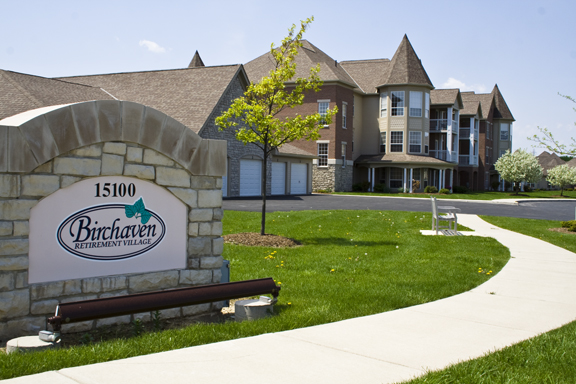
Who Owns and Operates Birchaven Retirement Village?

BIRCHAVEN RETIREMENT VILLAGE is owned by a non-profit organization. Non-profit facilities reinvest revenue into operations rather than distributing to shareholders. The facility operates independently rather than as part of a larger chain. With 118 certified beds and approximately 86 residents (about 73% occupancy), it is a mid-sized facility located in FINDLAY, Ohio.
How Does Birchaven Retirement Village Compare to Other Ohio Nursing Homes?

Compared to the 100 nursing homes in Ohio, BIRCHAVEN RETIREMENT VILLAGE's overall rating (5 stars) is above the state average of 3.2, staff turnover (43%) is near the state average of 46%, and health inspection rating (3 stars) is at the national benchmark.

What Should Families Ask When Visiting Birchaven Retirement Village?

Based on this facility's data, families visiting should ask: "Can I visit during a mealtime to observe dining assistance and food quality?" "How do you handle medical emergencies, and what is your hospital transfer rate?" "Can I speak with family members of current residents about their experience?"

Is Birchaven Retirement Village Safe?

Based on CMS inspection data, BIRCHAVEN RETIREMENT VILLAGE has a clean safety record: no substantiated abuse findings (meaning no confirmed cases of resident harm), no Immediate Jeopardy citations (the most serious violation level indicating risk of serious injury or death), and is not on the Special Focus Facility watch list (a federal program monitoring the lowest-performing 1% of nursing homes). The facility has a 5-star overall rating and ranks #1 of 100 nursing homes in Ohio. While no facility is perfect, families should still ask about staff-to-resident ratios and recent inspection results during their visit.

Do Nurses at Birchaven Retirement Village Stick Around?

BIRCHAVEN RETIREMENT VILLAGE has a staff turnover rate of 43%, which is about average for Ohio nursing homes (state average: 46%). Moderate turnover is common in nursing homes, but families should still ask about staff tenure and how the facility maintains care continuity when employees leave.

Was Birchaven Retirement Village Ever Fined?

BIRCHAVEN RETIREMENT VILLAGE has no federal fines on record. CMS issues fines when nursing homes fail to meet care standards or don't correct problems found during inspections. The absence of fines suggests the facility has either maintained compliance or corrected any issues before penalties were assessed. This is a positive indicator, though families should still review recent inspection reports for the full picture.

Is Birchaven Retirement Village on Any Federal Watch List?

BIRCHAVEN RETIREMENT VILLAGE is not on any federal watch list. The most significant is the Special Focus Facility (SFF) program, which identifies the bottom 1% of nursing homes nationally based on persistent, serious quality problems. Not being on this list means the facility has avoided the pattern of deficiencies that triggers enhanced federal oversight. This is a positive indicator, though families should still review the facility's inspection history directly.