BETHESDA CARE CENTER
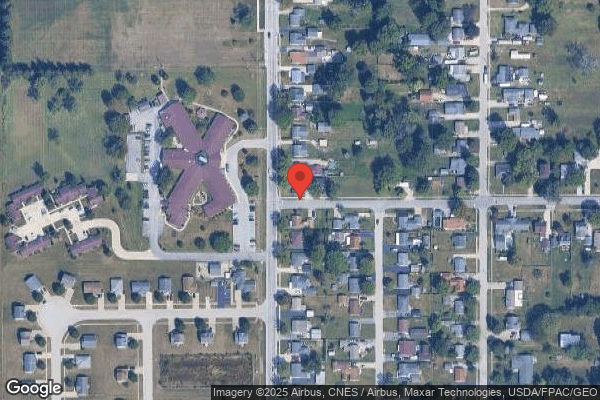
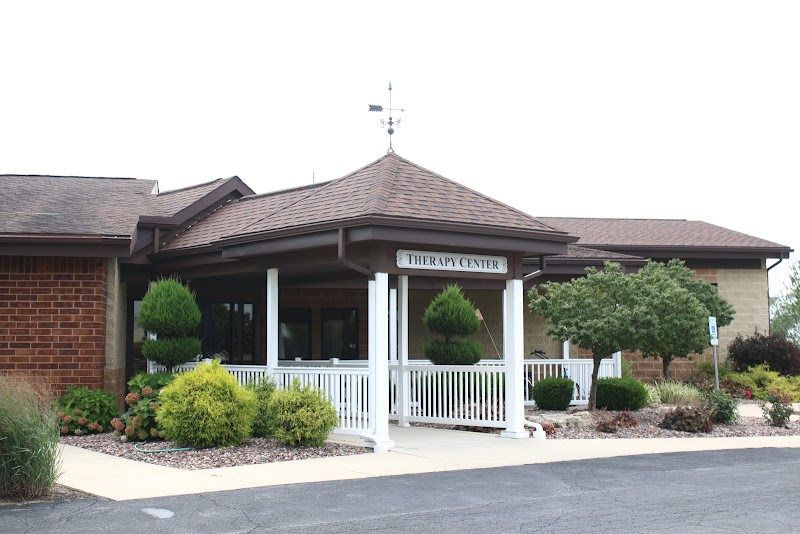
600 N BRUSH ST, FREMONT, OH 43420 (419) 334-9521
Non profit - Corporation 79 Beds GARDEN SPRINGS HEALTHCARE Data: November 2025 1 Immediate Jeopardy citation
Trust Grade
13/100
#841 of 913 in OH
Last Inspection: May 2024

Within standard 12-15 month inspection cycle. Federal law requires annual inspections.

Overview

Bethesda Care Center in Fremont, Ohio has received a Trust Grade of F, indicating significant concerns about the facility's quality of care. Ranking #841 out of 913 facilities in Ohio, they are in the bottom half, and #9 out of 9 in Sandusky County, meaning they are the least favorable option in the area. The facility's trend is worsening, with the number of reported issues increasing from 6 in 2023 to 11 in 2024. Staffing is a significant weakness, reflected in a poor rating of 1 out of 5 stars and a turnover rate of 68%, much higher than the Ohio average of 49%. On a concerning note, the facility has incurred $64,604 in fines, indicating compliance problems that are higher than 88% of other Ohio facilities. However, they do have good RN coverage, which is better than 78% of state facilities, indicating some level of strong oversight. Specific incidents highlight serious issues, including a failure to administer critical medications to a resident, leading to life-threatening seizures, and inadequate evaluations for nursing staff, which could affect the quality of care for all residents. Overall, while there are some strengths, the significant concerns about safety and staffing make this facility a risky choice.

Trust Score
F
13/100
In Ohio
#841/913
Bottom 8%
Safety Record
High Risk
Review needed
Inspections
Getting Worse
6 → 11 violations
Staff Stability
⚠ Watch
68% turnover. Above average. Higher turnover means staff may not know residents' routines.
Penalties
✓ Good
$64,604 in fines. Lower than most Ohio facilities. Relatively clean record.
Skilled Nurses
✓ Good
Each resident gets 49 minutes of Registered Nurse (RN) attention daily — more than average for Ohio. RNs are trained to catch health problems early.
Violations
⚠ Watch
21 deficiencies on record. Higher than average. Multiple issues found across inspections.
★☆☆☆☆
1.0
Overall Rating
★☆☆☆☆
1.0
Staff Levels
★★★★☆
4.0
Care Quality
★★☆☆☆
2.0
Inspection Score
Stable
2023: 6 issues
2024: 11 issues

The Good

  • 4-Star Quality Measures · Strong clinical quality outcomes
  • Full Sprinkler Coverage · Fire safety systems throughout facility
  • No fines on record

Facility shows strength in quality measures, fire safety.

The Bad

1-Star Overall Rating

Below Ohio average (3.2)

Significant quality concerns identified by CMS

Staff Turnover: 68%

22pts above Ohio avg (46%)

Frequent staff changes - ask about care continuity

Federal Fines: $64,604

Above median ($33,413)

Moderate penalties - review what triggered them

Chain: GARDEN SPRINGS HEALTHCARE

Part of a multi-facility chain

Ask about local staffing decisions and management

Staff turnover is elevated (68%)

20 points above Ohio average of 48%

The Ugly 21 deficiencies on record

1 life-threatening
Dec 2024 1 deficiency 1 IJ
CRITICAL (J) 📢 Someone Reported This

A family member, employee, or ombudsman was alarmed enough to file a formal complaint

Immediate Jeopardy (IJ) - the most serious Medicare violation

Quality of Care (Tag F0684)

Someone could have died · This affected 1 resident

**NOTE- TERMS IN BRACKETS HAVE BEEN EDITED TO PROTECT CONFIDENTIALITY** Based on review of electronic medical records, review of emergency medical squad report, review of hospital records, review of s...

Read full inspector narrative →
**NOTE- TERMS IN BRACKETS HAVE BEEN EDITED TO PROTECT CONFIDENTIALITY** Based on review of electronic medical records, review of emergency medical squad report, review of hospital records, review of staff education, staff interviews, review of text message review of facility policies, and resident family interview, the facility failed to ensure Resident #76 received medications to prevent seizure activity and notify the physician of resident not receiving medications and having seizure activity. This resulted in Immediate Jeopardy and serious life-threatening harm on 11/14/24 when, as a result of not having his prescribed medications, Resident #76 subsequently experienced continual tonic-clonic seizures (also known as a grand mal seizure - a type of seizure characterized by a sudden stiffening of the body muscles [tonic phase] followed by rapid jerking movements [clonic phase], usually causing loss of consciousness and violent muscle contractions throughout the body), requiring emergency Intramuscular (IM) and Intravenous (IV) administration of Versed (a medication used to treat severe seizures), was transferred to the emergency room with critical laboratory values and subsequently transferred to a tertiary care facility where he was admitted to the neurological intensive care unit (ICU). This affected one (#76) of six residents reviewed for receiving medications and treatment for change in condition. This facility identified six current residents (#05, #17, #21, #30, #42, and #48) who have seizure and convulsant disorders. The facility census was 75. On 11/26/24 at 1:15 P.M., the Administrator and Director of Nursing (DON) were notified Immediate Jeopardy began on 11/14/24 when Resident #76 was admitted to the facility with diagnoses including epilepsy with unspecified convulsions, did not receive his prescribed seizure medications as ordered and subsequently began having seizures, which ultimately resulted in Resident #76 having to be transported to the emergency room on [DATE] via emergency medical services (EMS), requiring 5 milligrams (mg) of IV Versed and 5 mg of IM Versed during this transportation. Upon arrival at the hospital, it was documented that Resident #76 had critically elevated laboratory (lab) test results from not receiving physician ordered medications and continually having untreated seizure activity. Review of the emergency department (ED) physician notes revealed the elevated lab values are due to Resident #76's persistent seizures. It is further documented that Resident #76's Valproic acid level (the laboratory test utilized to determine the therapeutic dosage range or blood, plasma, or serum concentration usually expected to achieve desired therapeutic effects) of Depakote (divalproex sodium) was 21 micrograms liters (mcg/l). The therapeutic level for Valproic acid is 50-100 mcg/l indicating that Resident #76's Depakote level was subtherapeutic (less than therapeutic). Upon evaluation of Resident 76's clinical presentation and laboratory findings, it was determined that Resident #76 needed to be transferred to another hospital where he would be admitted into the neurological ICU for further evaluation and treatment of his persistent tonic-clonic seizures. Immediate Jeopardy was removed on 11/26/24 when the facility implemented the following corrective actions: • On 11/16/24 at 1:40 A.M., Resident #76 was transferred to the hospital for seizure like activity. • On 11/19/24, upon review of the medical record, the DON identified that Resident #76 did not receive his scheduled Lyrica, lacosamide and Risperdal. A self-imposed plan of correction (SIPOC) was completed on this date. SIPOC included review of resident charts who had been admitted within the last 30 days by the DON/Designee, to ensure all physician's orders were transcribed correctly and are administered per order, and all resident medications are available to be administered at the facility. Facility nurses were educated by the DON/designee regarding medication order transcription as well as documentation of medication administration, including medications not available and on order from pharmacy, physician notification, and alternate medication administration and representative (RP) notifications. • On 11/19/24, the Medical Director was notified via AD Hoc Quality Assurance Review. Review of processes for medication transcription, medication administration and notification of medications not available to physicians and RP. The Medical Director found these items to be appropriate and to proceed with staff training. • On 11/19/24, the DON completed education to all licensed nurses regarding admission order transcription and obtaining medications from the pharmacy. • On 11/19/24, all residents admitted within the last 30 days were reviewed by the DON and/or the Assistant Director of Nursing (ADON), to ensure all orders were transcribed accurately and all medications were available for administration and no discrepancies were identified. • Beginning 11/19/24, the DON/Designee will complete a comprehensive medication order review of all admissions/readmissions within 24 hours to verify accuracy of order transcription and availability of medication for administration. Since 11/19/24, the facility has had three admissions (Resident #40, Resident #72, and Resident #75), and all medication orders were audited to be accurate and ensure medication availability. New admissions and readmissions will continue to be reviewed for transcription accuracy and availability of medications for 4 weeks and reviewed with Quality Assurance and Performance Improvement (QAPI) for compliance. • On 11/25/24, education was initiated by Staff Development Coordinator (SDC) #158 with licensed nurses on Seizures: Clinical Protocol, Assessment and Recognition. • On 11/26/24, an Ad hoc Policy Review was held with the Administrator, DON, Regional Director of Clinical Services (RDCS) #103, and the Medical Director to confirm the systems implemented and reviewed on 11/19/24 to ensure that residents receive medications as ordered by the physician and to meet their total care needs. Policies reviewed were admission Assessment and Follow Up: Role of the Nurse, Reconciliation of Medications on Admission, Administering Medications, Change in Resident's Condition or Status, and the procedure for obtaining medications from pharmacy if not available. No changes were made, and policies and processes remain appropriate. • On 11/26/24, the DON and the ADON verified all prescribed medications for current residents have been transcribed accurately. Current orders were verified for all residents with no discrepancies identified. • On 11/26/24, all residents were assessed by the DON, the ADON, and/or Infection Preventionist (IP) Registered Nurse (RN) # 176. Four residents were noted to have a change in condition and physicians/physician assistants were notified per policy and orders received as indicated. Seventy residents remained at their medical baselines. • On 11/26/24, all licensed nurses were re-educated by the DON and/or SDC #158 on the policies and procedures for admission Assessment and Follow Up: Role of the Nurse, Reconciliation of Medications on Admission, Administering Medications, Change in Resident's Condition or Status, and the procedure for obtaining medications from pharmacy if not available. Previously initiated seizure education was also completed at this time. Education to include 13 licensed nurses. Agency staff will be educated upon arrival for and prior to their scheduled shift. All newly hired licensed nurses will be educated at the time of orientation. • On 11/26/24, an Ad hoc Resident Council meeting was held with Activities Director #115 and the DON to review the process for obtaining medications and change in resident condition notification. Residents #04, #13, #09, #71, and #74 were in attendance. There were no concerns verbalized during the resident council meeting regarding policies shared and information reviewed, and residents were appreciative of the information. • Beginning on 11/26/24 the DON/Designee will complete a comprehensive medication order review of admission/readmission charts within 24 hours of admission/readmission. Medication orders will be verified for accurate transcription and implementation of medications, and proper medication administration of ordered medications. The DON/Designee will complete ongoing auditing of medical records to ensure changes in condition are reported per policy. Ad hoc education will be completed as indicated. • Beginning on 11/26/24, admission and readmission orders will be reviewed for transcription and receipt of medications from pharmacy for 4 weeks and reviewed by QAPI for continued compliance. Review of all resident medication availability and administration will continue 5 times/week for 4 weeks with QAPI review for compliance. • Interviews on 11/26/24 with Licensed Practical Nurse (LPN) #133 and LPN #143, revealed they had all been educated on medication borrowing, the procedure for new resident admissions, reconciling orders with the provider for new admissions, process and procedure for if a medication is not available, and medication misappropriation. • Review of facility education, dated 11/26/24, revealed all 13 licensed nurses were re-educated by the DON and/or SDC #158 on the policies and procedures for seizure assessment, admission Assessment and Follow Up: Role of the Nurse, Reconciliation of Medications on Admission, Administering Medications, Change in Resident's Condition or Status, and the procedure for obtaining medications from pharmacy if not available. Although the Immediate Jeopardy was removed on 11/26/24, the facility remained out of compliance at Severity Level 2 (no actual harm with potential for more than minimal harm that is not Immediate Jeopardy) as the facility is still in the process of implementing their corrective action plan and monitoring to ensure on-going compliance. Findings include: Review of the electronic medical record for Resident #76 revealed an admission date of 11/14/24 and a discharge date of 11/17/24. Diagnoses included epilepsy, athetoid cerebral palsy, thrombocytopenia, unspecified protein-calorie malnutrition, unspecified convulsions, hypothyroidism, obstructive sleep apnea (OSA), dysphagia, hypomagnesemia, personal history of other diseases of the nervous system and sense organs (eyes, ears, nose, tongue and skin), cervical idiopathic scoliosis, congenital non-neoplastic nevus, and constipation. Due to the short duration of admission for Resident #76, there was no Minimum Data Set (MDS) assessment data available. Review of the discharge paperwork from the hospital for Resident #76 dated 11/14/24 revealed discharge medications to treat seizure activity including: clobazam oral tablet 10 milligram (mg), 1 tablet by mouth two times a day, for seizures; carbamazepine extended release (ER) oral tablet 12-hour 100 mg, 3 tablets by mouth two times a day, for seizures; divalproex sodium ER oral tablet 24-hour 500 mg, give 1 tablet by mouth two times a day, for seizures; lacosamide oral tablet 200 mg, give 1 tablet by mouth two times a day, for seizures; levetiracetam oral tablet 500 mg, 3 tablets by mouth two times a day, for seizures; pregabalin oral capsule 200 mg, 1 capsule by mouth two times a day, for seizures; pregabalin oral capsule 300 mg, 1 capsule by mouth two times a day, for epilepsy and risperidone oral tablet 2 mg, 1 tablet by mouth in the morning, for personal history of other diseases of the nervous system and sense organs. Valtoco (diazepam) 15 mg dose nasal liquid therapy pack 7.5 mg/0.1 milliliter (ml) was discontinued upon discharge from the hospital. Review of the admitting physician orders dated 11/14/24 included medication orders for: lacosamide oral tablet 200 mg, give 1 tablet by mouth two times a day, for seizures; carbamazepine ER oral tablet extended release 12-hour 100 mg, give 1 tablet by mouth twice a day, for seizures; clobazam oral tablet 10 mg, give 1 tablet by mouth two times a day, for seizures; divalproex sodium ER oral tablet extended release 24-hour 500 mg, give 1 tablet by mouth two times a day, for seizures; levetiracetam oral tablet 500 mg, give 3 tablets by mouth two times a day; and lactulose solution 20 gram/30 milliliters gm/ml, give 30 ml by mouth before meals, for supplement. Review of physician orders dated 11/15/24 revealed medication orders for: Valtoco 15 mg dose nasal liquid therapy pack 7.5 mg/0.1 ml, 1 spray in each nostril as needed (PRN) for seizures; lacosamide oral tablet 200 mg, give 1 tablet by mouth two times a day, for seizures; carbamazepine ER oral tablet extended release 12-hour 100 mg, give 1 tablet by mouth twice a day, for seizures; risperidone oral tablet 2 mg, give 1 tablet by mouth in the morning, related to personal history of diseases of the nervous system and sense organs; pregabalin oral capsule 200 mg, give 1 capsule by mouth two times a day, related to epilepsy; pregabalin oral capsule 300 mg, give 1 capsule by mouth two times a day, related to epilepsy; valium oral tablet 5 mg, give 5 mg by mouth PRN for anxiety/agitation for 14 days at HS/PM (bedtime) daily. Review of the medication administration record (MAR) revealed the following medications were scheduled to be administered: • risperidone was scheduled to start on 11/16/24 at 7:00 A.M., and was discontinued on 11/17/24 at 2:54 P.M. There were no doses recorded as being administered. • lacosamide was scheduled to start on 11/14/24 at 3:00 P.M., and was discontinued on 11/15/24 at 6:59 A.M., with no doses administered. Another order for lacosamide was scheduled to start on 11/15/24 at 7:00 A.M., and was discontinued on 11/17/24 at 2:54 P.M. There were no recorded doses administered. • pregabalin 200 mg and the 300 mg doses were scheduled to start on 11/15/24 at 3:00 P.M., and were discontinued on 11/17/24 at 2:54 P.M. There were no recorded doses administered. • Valtoco 15 mg, administer 1 spray in each nostril as needed (PRN) for seizure was scheduled to start on 11/15/24 at 5:45 A.M., and was discontinued on 11/17/24 at 2:54 P.M. There were no recorded doses administered. • carbamazepine ER oral tablet extended release 12-hour 100 mg, 1 tablet by mouth two times a day, for seizures. Documented as being 100 mg being administered on 11/14/24 evening dose, and 11/15/24 morning and evening dose. • diazepam oral tablet 5 mg, give 5 mg by mouth as needed (PRN) for anxiety/agitation for 14 days at HS (bedtime)/PM daily. This order began on 11/15/24 at 5:30 P.M., and was discontinued on 11/17/24 at 2:54 P.M. There were no recorded doses administered. Review of the discharge paperwork for Resident #76 revealed an order for carbamazepine ER oral tablet extended release 12-hour 100 mg for three tablets (300 mg) to be taken by mouth two times a day, for seizures. Review of the progress note for Resident #76 dated 11/14/24 at 8:39 P.M., revealed the lacosamide oral tablet 200 mg was not available. Review of the progress note for Resident #76 dated 11/15/24 at 7:52 A.M., revealed the ergocalciferol oral tablet was not available and pharmacy will send out. Review of the progress note for Resident #76 dated 11/15/24 at 7:53 A.M. revealed the lacosamide oral tablet 200 mg was not available, the pharmacy was notified and will send out. Review of the progress note for Resident #76 dated 11/15/24 at 6:30 P.M., revealed the pregabalin oral capsule 300 mg was on order. Review of the progress note for Resident #76 dated 11/15/24 at 6:40 P.M., revealed the resident was up in the wheelchair 3 times this shift. Increased anxiety noted during the morning and afternoon. Co-nurse (unidentified nurse working in facility) called the resident's mother to inform her of the resident's increase in agitation and anxiety. The resident was moving and turning in the wheelchair and staff had to keep repositioning the resident several times this shift. The resident's mother brought in the resident's wheelchair from home which was better for the resident. The resident's mother stated the resident was having a seizure. The writer observed resident moving backward and forward in a slow but steady position. Review of a progress note dated 11/15/24 at 6:54 P.M., documented by LPN #100, revealed the nurse called the pharmacy to check on the resident's lacosamide, nasal spray for seizure and the spray has diazepam in it. The pharmacy stated they didn ' t have the order and needed a C2 form or prescription. The writer updated management of the resident's status and received the C2 form for Valtoco 7.5 mg/ 0.1 ml from the physician and also received a new order for diazepam 5 mg at HS or evening for agitation and anxiety for 14 days until he can be seen or evaluated by a neurologist. All forms were faxed to the pharmacy. Review of the progress note for Resident #76 dated 11/16/24 at 1:24 A.M., revealed a change of condition was noted with this resident and he was seizing. At this time the facility called the physician and received an order to send Resident #76 to the emergency room. Review of a progress note for Resident #76 dated 11/16/24 at 7:11 A.M., revealed Resident #76 was sent to the ER for seizure activity on the previous shift. Review a progress note dated 11/16/24 at 12:15 P.M., written by Registered Nurse (RN) #160, revealed Resident #76 was sent to the emergency room for seizure activity on the previous shift. Further review of the medical record revealed no evidence of the physician being notified of Resident #76 not receiving medications as ordered or seizure activity until 11/16/24 at 1:24 A.M. Review of the emergency medical squad (EMS) patient care record for Resident #76 dated 11/16/24, revealed the first contact documented between EMS and Resident #76 was at 12:51 A.M. At 12:52 A.M., oxygen 2 liters per minute (lpm) was applied to Resident #76 via a nasal cannula (a small, flexible tube that contains two open prongs intended to sit just inside the nostrils) and an intravenous (IV) was started in his right hand. At 12:54 A.M., 2.5 mgs of Versed (a medication used to stop a seizure that has gone too long or if many seizures occur in a short period of time) was administered intramuscular (IM). At 12:58 A.M., Resident #76 was secured to the stretcher for transport. At 1:01 A.M., 2.5 mg of Versed was administered IM. At 1:07 A.M., Resident #76 received 150 ml of normal saline (NS) through his IV. At 1:09 A.M., 2.5 mgs of Versed was administered IV to Resident #76. At 1:13 A.M., 2.5 mgs of Versed was administered IV to Resident #76. At 1:20 A.M., Resident #76 arrived at the emergency room via ambulance and was transferred from the ambulance to the hospital cot. Review of the emergency department (ED) physician notes dated 11/16/24 at 1:40 A.M., revealed Resident #76 continued to have tonic-clonic seizures upon arrival to the ED, despite the interventions provided by EMS. The facility indicated Resident #76 did not have his medications since arrival to the facility as they did not have access to his medications. Due to the condition of Resident #76, the ED physician requested staff to prepare for possible intubation (inserting a tube into the airway to establish an airway for mechanical ventilation). Review of the ED physician notes dated 11/16/24 at 2:20 A.M., revealed Resident #76 had a critically elevated Myoglobin level (test for muscle damage) of 745.7 micrograms per liter (mcg/l), with a normal value range of 5-70 mcg/l; a critically elevated creatine kinase (CK) level (test to evaluate muscle damage) of 544 units per liter (U/l) with normal value range of 24-204 U/l; an elevated Troponin I (test of a protein found in cardiac and skeletal muscles that help regulate calcium-mediated muscle contractions and relaxation) of 10 nanogram per milliliter (ng/ml) with normal value range of 0.0-0.4 ng/ml; and a critically elevated Lactate level (by product of the body's normal metabolism and exercise. Blood lactate can increase during intense physical activity) of 5.5 millimoles per liter (mmol/l) with normal value range of 0.5-1 mmol/l. These elevated lab values are due to Resident #76's persistent seizure. Resident #76's Valproic acid level (the laboratory test utilized to determine the therapeutic level of Depakote (divalproex sodium) was 21 mcg/l. The therapeutic level for Valproic acid is 50-100 mcg/l indicating Resident #76's Depakote level was subtherapeutic. Upon evaluation of Resident 76's clinical presentation and laboratory findings, it was determined Resident #76 needed to be transferred to another hospital where he would be admitted into the neurological ICU for further evaluation and treatment of his persistent tonic-clonic seizures. Review of the ED Physician Notes date 11/16/24 at 2:53 A.M., revealed the ED physician initiated a transfer to a tertiary care facility for admission to the neurological ICU for further care and treatment. Interview on 11/25/24 at 11:50 A.M. with the DON revealed the order for lacosamide was changed and not obtained because the physician had not sent the order to the pharmacy. The DON verified no doses of lacosamide was administered during Resident #76's admission. The DON verified Resident #76 did not receive any of the ordered pregabalin due to the orders were not entered immediately upon admission as it was on the third page of medication orders the facility received from hospital. The facility staff did not see the third page of orders until the morning of 11/15/24 during the 24-hour admission check and were subsequently entered at 7:26 A.M., with the first scheduled administration to occur on 11/16/24 at 7:00 A.M. The DON verified the Valtoco nasal spray was ordered to be restarted by the facility physician on 11/15/24 at the request of Resident #76's mother. The DON stated the physician, or facility should have faxed a prescription for this medication to the pharmacy at this time, but there is no record of the physician or facility faxing a prescription to the pharmacy for this medication. The DON verified the physician was not notified of pregabalin was not administered as ordered and not scheduled to be administered until 11/16/24. Interview on 11/25/24 at 1:32 P.M., with Resident #76's mother revealed she had been the primary care provided to Resident #76 for the entirety of his life, but his increasing care needs necessitated seeking a facility to provide the additional care he required. She stated on 11/14/24, upon his discharge from the hospital, she provided transportation to the facility via a private car. Upon arrival at the facility, she gave the admitting nurse a folder which contained a face sheet, Resident #76's discharge paperwork with orders, 12 tablets of clobazam 20 mg, and a bottle containing an unidentified quantity of carbamazepine 100 mg tablets. Resident #76's mother stated she spoke to the admitting nurse for approximately one hour to ensure that all items needed for admission were complete. Resident #76's mother stated she informed the facility she was willing to provide medication from home for Resident #76 to ensure that he had all necessary medications, but was assured by the facility that the pharmacy would have all of Resident #76's medications. Upon returning to the facility later in the evening on 11/14/24, Resident #76's mother asked the facility nurse if he had received all of his medication, and she was told he did. Resident #76's mother states that on the morning on 11/15/24, the facility called and asked her to provide Resident #76's personal wheelchair as he appeared to be uncomfortable in the facility wheelchair. Upon her arrival to the facility at approximately 1:30 P.M., she noted Resident #76 was seizing and appeared to have been up all night. At this time, Resident #76's mother notified facility staff. Upon noting Resident #76's seizure activity, his mother inquired from the nursing facility staff if he had received his seizure medications, and she was again assured that he had. At this time, she requested his PRN Valtoco nasal spray be administered. Per Resident #76's mother, the facility staff told her that the medication was not at the facility. Resident #76's mother stated she would go home and retrieve it from there and facility nursing staff replied that it would be faster if the facility pharmacy supplied it. Resident #76's mother stated she waited for the medication to arrive for one hour and at that time she left the facility and went home to obtain the medication. Upon returning to the facility with the Valtoco 15 mg Dose Nasal Liquid Therapy Pack 7.5 mg/0.1 ml, Resident #76's mother stated she administered it to him. Resident #76's mother stated she received a telephone call on 11/16/24 at approximately 1:10 A.M. from the facility and was told the facility had called 911 to transport Resident #76 to the emergency room (ER) due to Resident #76 seizing uncontrollably. She stated the facility told her they had administered two doses of Valium overnight on 11/15/24 into 11/16/24. She stated she arrived at the ER prior to the arrival of Resident #76 and was taken back to await his arrival. She stated that upon arrival to the ER, Resident #76 was seizing uncontrollably. Review of a text message dated 11/25/24 at 3:50 P.M. sent from LPN #100 to the DON stated: To whomever is concerned in regard to Resident #76's Valtoco, seizure medication was not available. This nurse called the pharmacy and inquired about medication. Pharmacy technician stated need C2 form. This nurse received a C2 form from the DON and faxed the order to the pharmacy. This nurse explained to the resident's mom that it would take a while before the pharmacy brings medication. Resident#76's mom stated that he had a dose or 2 at home and that she would bring it in. This nurse received a call from the receptionist stating that the resident's mom had returned with medication. This nurse spoke with Resident #76's mom, and she stated, this is Resident #76's last dose. Resident #76's mom gave resident the Valtoco medication, and resident was calm and up in his wheelchair for supper and no distress noted. The medication was effective. The pharmacy received an order, and the medication order was being prepared. Interview on 11/25/24 at 4:16 P.M. with the DON revealed Resident #76 received no doses of Risperidone during his admission. Concurrent interview with the DON revealed this medication order was not entered immediately upon admission as it was on the third page of medication orders the facility received from the hospital upon Resident #76's admission and it was missed by the facility until the morning of 11/15/24 during the 24-hour admission check and entered at 7:26 A.M. with the first scheduled administration to occur on 11/16/24 at 7:00 A.M. Further interview with the DON revealed Resident #76 received no doses of Risperidone during his admission. The DON stated that LPN #100 stated to her that the mother of Resident #76 brought in his Valtoco and administered it herself. Interview on 11/26/24 at 10:45 A.M. with the DON revealed she was not aware of any communication between the facility and the physician between the afternoon hours on 11/15/24 and approximately 1:00 A.M. regarding the change in condition of Resident #76. Interview on 11/27/24 at 7:32 A.M. with the DON verified the dose discrepancy for carbamazepine between the facility order for 100 mg by mouth twice a day, for seizures, and the hospital discharge order for three 100 mg (300 mg) by mouth twice a day for seizures. The DON verified Resident #76 did not receive the physician ordered amount of carbamazepine. Interview on 11/27/24 at 9:25 A.M. with the DON verified Resident #76 received no doses of diazepam during his admission. Review of the policy titled, Seizures and Epilepsy - Clinical Protocol, with a revision date of September 2018, revealed the physician and staff will help identify individuals who have a history of seizure or epilepsy. Seizures and epilepsy are not identical. Review of the policy titled, Delivery and Receipt of Routine Deliveries, dated 12/01/07, revealed the pharmacy and facility should coordinate to determine delivery day(s) and time(s) as soon as possible. Review of the policy titled, Change in a Resident's Condition or Status, revised May 2017, revealed the facility shall promptly notify the resident, his or her attending physician, and representative (sponsor) of changes in the resident's medical/mental condition and/or status. Review of the policy titled, admission Assessment and Follow Up: Role of the Nurse, revised September 2012, revealed the facility will reconcile the list of medications from the medication history, admitting orders, the previous MAR (if available), and the discharge summary from the previous institution, according to established procedures. Review of the policy titled, Administering Medications, revised April 2019, revealed medications are administered in a safe and timely manner. Medications are administered in accordance with prescriber orders, including any required time frame. This deficiency represents non-compliance investigated under Complaint Number OH001160040.
May 2024 10 deficiencies
CONCERN (D)

Potential for Harm - no one hurt, but risky conditions existed

Deficiency F0561 (Tag F0561)

Could have caused harm · This affected 1 resident

**NOTE- TERMS IN BRACKETS HAVE BEEN EDITED TO PROTECT CONFIDENTIALITY** 2. Review of the medical record for Resident #40 revealed an admission date of 06/01/22. Diagnoses included chronic diastolic (c...

Read full inspector narrative →
**NOTE- TERMS IN BRACKETS HAVE BEEN EDITED TO PROTECT CONFIDENTIALITY** 2. Review of the medical record for Resident #40 revealed an admission date of 06/01/22. Diagnoses included chronic diastolic (congestive) heart failure, type II diabetes mellitus with diabetic neuropathy, morbid (severe) obesity, unspecified osteoarthritis, restless leg syndrome, allergic rhinitis, other seborrheic dermatitis, chronic pain syndrome, hypertensive heart disease with heart failure, anxiety disorder, dependence on supplemental oxygen, encounter for palliative care, major depressive disorder and obstructive sleep apnea. Review of Resident #64's most recent BIMS assessment, dated 04/14/24, revealed Resident #40 was cognitively intact. Interview on 05/28/24 at 1:24 P.M. with Resident #40 found her to be alert and oriented. Resident #40 reported it was too hot for her in her room and she was not able to open her window or control the temperature. Resident #40 reported her oscillating fan was broken and no longer moved side to side, which did not help with the heat. She reported her hospice staff were working on getting her a new fan, but even with the fan, it was too hot in the room. Concurrent observation of the thermostat in the room found it was reading 77 F. Resident #40 reported she would not want it hotter than 68 F in her room. Interview on 05/28/24 at 1:31 P.M. with Hospice Aide (HA) #574 verified it was too hot and uncomfortable in Resident #40's room. HA #574 reported it had been mentioned to facility staff, but nothing had been done. HA #574 stated Resident #40's oxygen concentrator added heat to the room, as did keeping her door closed for privacy. HA #574 stated the fan was not effective in maintaining the room at Resident #40's preferred temperature and the window was not able to be opened. Interview on 05/28/24 at 1:36 P.M. with MS #573 verified residents were not able to control the temperatures of their room related to cooling. MS #573 verified the thermostat reading was 77 F in Resident #40's room. Observation of Resident #40's room temperature with MS #573 utilizing a portable thermometer gun revealed the resident's room was actually 79 degrees. MS #573 verified Resident #40's oxygen concentrator increased the temperature in the room and the window was not able to be opened. Review of the facility policy titled, Resident's [NAME] of Rights and Dignity Policy, revised 10/24/22 revealed the facility must treat each resident with respect and dignity and care for each resident in a manner and in an environment that promoted and maintained or enhanced their quality of life, recognizing each resident's individuality. Based on observation, resident interview, staff interview medical record review and review of facility policy, the facility failed to ensure resident preferences of room temperatures were honored. This affected two (#39 and #40) of three residents reviewed for choices. The facility census was 68. Findings Include: 1. Review of Resident #39's medical record revealed an admission date of 05/09/24. Diagnoses included type II diabetes, emphysema, chronic obstructive pulmonary disease, morbid obesity, and depression. Review of Resident #39's Minimum Data Set (MDS), dated [DATE], revealed a Brief Interview for Mental Status (BIMS) score of 15, indicating Resident #39 was cognitively intact. Resident #39 required limited assistance for transfers and two person physical assistance with toilet use. Resident #39 displayed no behaviors during the review period. Review of Resident #39's care plan, revised 05/09/24, revealed support and interventions for self-care deficit, altered nutrition, discharge plan for a short term stay, risk for falls and risk for altered psychosocial well-being. Interview on 05/28/24 at 9:36 A.M. with Resident #39 found her to be alert and oriented. Resident #39 reported it was too hot in her room and the dial on the wall did not control the temperature. Resident #39 stated the room was too hot and humid and when she asked for her room to be cooler she was told the law required the rooms to be maintained between 71 degrees Fahrenheit (F) and 81 F. Resident #39 stated 71 F was too warm for her and she wanted her room to be cooler, around 68 degrees. Coinciding observation of Resident #39's room found it to feel warmer than the temperature in the hallway. Interview on 05/28/24 at 1:41 P.M. with Maintenance Staff (MS) #573 verified residents were not able to control the temperatures of their room related to cooling. MS #573 reported the thermostats on the walls controlled the heat, but the cooling portion was controlled by an online temperature gauge for the whole building. MS #573 used a portable temperature gun and verified Resident #39's room was 74 F.
CONCERN (D)

Potential for Harm - no one hurt, but risky conditions existed

Deficiency F0685 (Tag F0685)

Could have caused harm · This affected 1 resident

Based on medical record review, observation, resident interview, staff interview and review of the facility and review of facility policy the facility failed to ensure appropriate and timely care and ...

Read full inspector narrative →
Based on medical record review, observation, resident interview, staff interview and review of the facility and review of facility policy the facility failed to ensure appropriate and timely care and services to assist with hearing. This affected one (#53) of three residents reviewed for hearing. The facility census was 68. Findings include: Review of the medical record for Resident #53 revealed an admission date of 08/26/22. Diagnoses included dementia, type II diabetes mellitus, morbid obesity, depression and hypertension. Review of the annual Minimum Data Set (MDS) assessment, dated 04/11/24, revealed Resident #53 had moderate cognitive impairment, and had highly impaired hearing with no hearing aid use. Resident #53 was usually understood and usually understood others. Review of the care plan, dated 09/07/22, revealed Resident #53 had maximum hearing difficulty. Interventions included to ask yes and no questions, decrease background noise, face resident when speaking, repeat phrases resident misunderstood, allow time for the resident to respond, and to refer for audiology evaluation. An update to the care plan on 04/17/23 included to observe for changes in hearing. Review of the audiology group visit summary dated 04/18/24 revealed Resident #53 required post cerumen (build up of earwax) management with a recommendation for a medical consult due to what appeared to be an occluded right ear canal. Interview on 05/28/24 at 2:56 P.M. with Resident #53 verified he had difficulty hearing, with the resident stating he was hard of hearing while pointing to his right ear. Throughout the interview, Resident #53 leaned forward and turned his left ear in the direction of the surveyor in an attempt to hear what was being said. Observation on 05/29/24 at 8:40 A.M. of Resident #53, while conversing with Licensed Practical Nurse (LPN) #536, revealed the resident asked What? several times and leaned forward with his head turned so the left ear was pointed in the direction of LPN #536. Interview on 05/30/24 at 11:23 A.M. with Activities Director (AD) #501 revealed she scheduled residents to be seen by audiology and followed-up on any recommendations made during the appointment. AD #501 denied knowledge of the medical consult recommendation for an occluded right ear canal made by the audiology group on 04/18/24 for Resident #53. AD #501 verified the recommendation for the medical consult had not yet been carried out. Review of the undated facility policy titled Other Diagnostic Services, revealed the community will provide services to meet the needs of residents and is responsible for the quality and timeliness of the services.
CONCERN (D)

Potential for Harm - no one hurt, but risky conditions existed

Accident Prevention (Tag F0689)

Could have caused harm · This affected 1 resident

**NOTE- TERMS IN BRACKETS HAVE BEEN EDITED TO PROTECT CONFIDENTIALITY** Based on medical record review, staff interview and review of facility policy, the facility failed to complete neurology checks ...

Read full inspector narrative →
**NOTE- TERMS IN BRACKETS HAVE BEEN EDITED TO PROTECT CONFIDENTIALITY** Based on medical record review, staff interview and review of facility policy, the facility failed to complete neurology checks on a resident with an unwitnessed fall per facility policy. This affected one (#29) of one resident reviewed for falls. The facility census was 68. Findings include: Review of the medical record for Resident #29 revealed an admission date of 09/16/22. Diagnoses included right femur fracture. Review of the quarterly Minimum Data Set (MDS), dated [DATE], revealed Resident #29 was cognitively intact. Resident #29 had one fall since the last comprehensive assessment, resulting in no injury. Review of a nursing progress note, dated 05/23/24 at 7:15 A.M., revealed Resident #29 had an unwitnessed fall. Review of the current care plan revealed, following Resident #29's fall on 05/23/24, a new intervention was initiated to have the resident in the common area after she gets up for more supervision. Further review of the medical record revealed no evidence neurology checks were completed following Resident #29's unwitnessed fall on 05/23/24. Interview on 05/30/24 at 1:06 P.M. with the Director of Nursing (DON) verified the neurology checks were not completed following Resident #29's fall on 05/23/24. Follow-up interview on 05/30/24 at 2:57 P.M. with the DON revealed the facility policies did not specify when neurology checks should be completed. Review of the facility policy titled Neurologic Assessment, Long-Term Care, revised February 2024, revealed a focused neurological assessment is necessary after a fall if the resident may have sustained a head injury.
CONCERN (D)

Potential for Harm - no one hurt, but risky conditions existed

Respiratory Care (Tag F0695)

Could have caused harm · This affected 1 resident

Based on observation, staff interview, and policy review the facility failed to ensure portable oxygen tanks were sufficiently supplied with available oxygen for resident use. This affected one reside...

Read full inspector narrative →
Based on observation, staff interview, and policy review the facility failed to ensure portable oxygen tanks were sufficiently supplied with available oxygen for resident use. This affected one resident (#267) reviewed for oxygen use. The facility identified 12 residents who were on oxygen therapy. The facility census was 68. Findings include: Review of the medical record for Resident #267 revealed an admission date of 05/06/24 with diagnoses of chronic respiratory failure and chronic obstructive pulmonary disease (COPD). Review of the admission Minimum Data Set (MDS) assessment, dated 05/10/24, revealed Resident #267 was cognitively impaired and required the use of oxygen. Review of the current physician orders revealed Resident #267 was ordered oxygen two to four liters per nasal cannula to maintain an oxygen reading of 90% or above. Review of the care plan, dated 05/06/24, revealed Resident #267 was care planned for respiratory disorders with chronic respiratory failure. Interventions included use of oxygen as ordered. Review of the Medication Administration Record (MAR) for May 2024 revealed oxygen saturation (measurement of appropriate oxygenation) ranged from 90% to 97% when receiving oxygen therapy per physician orders. Observation on 05/30/24 at 7:16 A.M. revealed Resident #267 sitting in common area with oxygen tubing applied via nasal cannula and the dial set at two liters of oxygen. Further observation revealed the portable tank gauge was on the red refill line, indicating no oxygen remained in the portable oxygen tank. Concurrent interview with the Director of Nursing (DON) verified the portable oxygen tank gauge was pointed to the red refill line and the portable oxygen tank was empty. Interview on 05/29/24 at 12:08 P.M. with Licensed Practical Nurse (LPN) #532 revealed Resident #267 preferred to be in the common area and all staff were to monitor the portable oxygen tank when they passed by. LPN #532 stated there are no alarms for portable oxygen tanks we all just must check it frequently. Review of the facility policy titled Oxygen Administration, long-term care revised 12/23 revealed oxygen tanks may need frequent replacement.
CONCERN (D)

Potential for Harm - no one hurt, but risky conditions existed

Deficiency F0698 (Tag F0698)

Could have caused harm · This affected 1 resident

**NOTE- TERMS IN BRACKETS HAVE BEEN EDITED TO PROTECT CONFIDENTIALITY** Based on medical record review, observation, resident interview, staff interview and review of facility policy, the facility fai...

Read full inspector narrative →
**NOTE- TERMS IN BRACKETS HAVE BEEN EDITED TO PROTECT CONFIDENTIALITY** Based on medical record review, observation, resident interview, staff interview and review of facility policy, the facility failed to maintain accurate physician orders and failed to accurately assess a dialysis access site. This affected one (#30) of one resident reviewed for dialysis. The facility identified six residents who received dialysis. The facility census was 68. Findings include: Review of the medical record for Resident #30 revealed an admission date of 03/22/17. Diagnoses included end stage renal disease with a dependence on renal dialysis, type II diabetes mellitus, major depressive disorder, primary glaucoma left and right eyes, legal blindness, hyperparathyroidism and peripheral vascular disease. Review of the quarterly Minimum Data Set (MDS) assessment dated [DATE] revealed Resident #30 was cognitively intact and received dialysis. Review of the care plan revealed Resident #30 had an alteration in health maintenance due to dialysis for end stage renal disease. Interventions included hemodialysis on Tuesday, Thursday, and Saturday, no blood draws from left arm, dialysis was responsible for blood draws unless otherwise directed, diet per physician order, fluid restriction 1800 milliliters (ml) in 24 hours, monitor intake and output each shift, weights per order, notify dialysis of all medication changes and observe vascular access for edema, drainage, redness. Review of the current physician orders revealed orders to collect dialysis binder from resident belongings upon return from dialysis and return the binder to the nurses station, check the binder to make sure there were no new orders from dialysis on dialysis days, complete pre and post dialysis data collection with each dialysis treatment, dialysis three times a week on Tuesday, Thursday and Saturday, fluid restriction of 1800 ml per 24 hours, check right upper extremity fistula twice a day for thrill and bruit, if thrill is not heard and bruit not felt the provider or dialysis was to be called, and no blood pressures in left arm for fistula each shift. Review of the Medication Administration Record (MAR) for May 2024 revealed nursing documented pre and post dialysis treatment communication and collection of the dialysis binder after each dialysis treatment for Resident #30. Review of the Treatment Administration Record (TAR) for May 2024 revealed Resident #30's left arm was not used for blood pressures, the thrill and bruit was checked each shift with documentation of both a thrill and bruit being present on 05/01/24 day shift, 05/10/24 on night shift and on both shifts on 05/14/24, 05/15/24, 05/16/24 and 05/17/24. Negative thrill and bruit documentation on all other dates and shifts except for 05/01/24 on nights, 05/08/24 and 05/09/24 where the thrill and bruit was marked non applicable and on 05/08/24 and 05/09/24 when the assessment of the thrill and bruit was not completed. Review of a Vascular Surgery progress note, dated 08/07/23, revealed Resident #30 had a past history of upper extremity fistula and was currently receiving hemodialysis through a permacatheter (used for dialysis treatment) in the left chest area due to issues with blood flow in the left upper extremity. Further review of the medical record from 08/07/23 through 05/29/24 revealed no evidence of Resident #30 having a left upper chest permacatheter for dialysis. The record was absent of any documentation of care or monitoring of a left upper chest permacatheter. Interview on 05/29/24 at 4:36 P.M. with Resident #30 revealed dialysis was being completed from a catheter in the left upper chest. Resident #30 stated neither the left or right arm fistula worked, adding the right arm fistula got infected and his left arm swelled when the fistula was used and, therefore, was no longer used. Concurrent observation revealed Resident #30 had a catheter to the left upper chest with a clean, dry and undated dressing in place covering the insertion site of the catheter. The left and right extremity fistulas were non functioning and without either a thrill or bruit. Interview on 05/29/24 at 4:59 P.M. with the Director of Nursing (DON) verified Resident #30 had a permacatheter in the left upper chest and had been receiving dialysis through the catheter since at least August 2023. The DON confirmed the medical record for Resident #30 contained no information on the permacatheter and further verified there were no physician orders to address the care and management of the permacatheter. The DON also verified the charting of the right upper extremity fistula being checked each shift for a thrill and bruit with no physician notification completed when a thrill could not be felt and bruit could not be heard as ordered Interview on 05/29/24 at 5:00 P.M. with Licensed Practical Nurse (LPN) #536 verified Resident #30 has a fistula in the left upper extremity, which was checked for thrill and bruit each shift. LPN #536 was unaware Resident #30 had a dialysis catheter in the left upper chest. Review of the undated facility policy titled Dialysis Program Guidelines revealed the purpose included providing quality care and treatment services to residents requiring dialysis including having a care plan to address the care of the access site including monitoring for infection and bleeding. Additionally, nursing was responsible for communication and coordination of care with each dialysis treatment including monitoring for complications post dialysis by assessing access sites, monitoring dressing and assessing for bleeding.
CONCERN (D)

Potential for Harm - no one hurt, but risky conditions existed

Deficiency F0740 (Tag F0740)

Could have caused harm · This affected 1 resident

Based on medical record review, observations, staff interview and review of the facility policy, the facility failed to ensure timely psychiatric follow-up for a resident experiencing an exacerbation ...

Read full inspector narrative →
Based on medical record review, observations, staff interview and review of the facility policy, the facility failed to ensure timely psychiatric follow-up for a resident experiencing an exacerbation of mood symptoms. This affected one (#33) of one residents reviewed for behavioral services. The facility census was 68. Findings include: Review of the medical record for Resident #33 revealed an original admission date of 04/05/20 and a readmission date of 02/16/24. Diagnoses included Parkinson's disease, dementia, morbid obesity, delusional disorders, heart failure, major depressive disorder, anxiety disorder, visual hallucinations, bipolar affective disorder and bipolar II disorder. Review of the annual Minimum Data Set (MDS) assessment, dated 04/23/24, revealed Resident #33 was cognitively intact with no functional impairment with a walker and wheelchair used for mobility. Resident #33 was independent with eating, oral care, and toilet hygiene, moderate assistance with bathing and personal hygiene, and maximal assistance with dressing. Active diagnosis included non Alzheimer's dementia, Alzheimer's, anxiety disorder, depression, and bipolar disorder. Review of the current physician orders for Resident #33 revealed orders for mental health to evaluate and treat, hydroxyzine pamoate (used to treat anxiety) 50 milligrams (mg) one capsule at bedtime and every six hours as needed, Zyprexa (antipsychotic medication) 5 mg one tablet every Tuesday, Thursday, Saturday and Sunday, Zyprexa 10 mg at bedtime, clonazepam (used to treat anxiety) 0.5 mg two tablets at bedtime, cannabidiol 0.5 ml solution every eight hours as needed and Lexapro (antidepressant) 10 mg one tablet one time a day. Review of the medication administration records for April 2024 and May 2024 revealed medications were administered as ordered with no as needed medications administered. Review of the care plan for Resident #33 revealed a history of socially inappropriate behaviors, feeling isolated and the use of psychotropic medications. Interventions included assessing for isolation, involve resident in meaningful activities, mental health services as per orders, medications to be administered as ordered, monitor for effectiveness and need for titration of psychotropic medications, encourage the resident to talk about situations and to evaluate changes in behavior, mood or anxiety. Review of an application for emergency admission, dated 01/29/24 and timed 1:30 P.M., revealed Resident #33 tried to leave facility to go to the road to kill self. Resident #33 also posed a danger to others by threatening others with increased paranoia. Review of a psychiatric note, dated 01/29/24, revealed Resident #33 had worsening hallucinations, delusions, and was making threatening statements to staff and throwing things. Resident #33 yelled they are trying to kill me, was being poisoned and made statements about blood in hair Review of a social services progress note, dated 01/30/24 and timed 2:40 P.M., revealed Resident #33 had a significant change in condition with inability to respond to questions and an inability to complete a cognitive assessment. Review of the acute hospital discharge transition record, dated 02/15/24 and timed 8:22 A.M., revealed Resident #33 was admitted to acute inpatient psychiatry from 01/30/24 to 02/16/24 for stabilization of behaviors. Resident #33 was given a primary diagnosis of bipolar II disorder. Review of the progress notes from 02/16/24 to 04/23/24 revealed no behaviors documented for Resident #33. Further review of the medical record revealed Resident #33 received counseling sessions on 02/20/24 with emotional support provided, on 02/27/24 the session focused on increasing social interactions, on 03/12/24 Resident #33 was noted to have a depressed mood, on 03/19/24, 03/26/25 and 04/16/24 Resident #33 was unwilling to engage in the therapy session and on 04/02/24 and 04/09/24 Resident #33 was in an activity and did not participate in the therapy session. Review of a social services note, dated 04/23/24 and timed 11:52 A.M., revealed Resident #33 mentioned getting his things ready to leave as the resident had been hearing mean things about not being welcome at the facility. Resident #33 stated he would be better off dead and the world would be better off without him. Resident #33 asked to see the counselor. Review of the Threats of Harm assessment, dated 04/24/24 and timed 11:25 A.M., revealed Resident #33 was at low to moderate risk of harming self and had no plan. Further review of the medical record revealed Resident #33 had no evidence of additional assessments, ongoing behavior monitoring or interventions put in place to address Resident #33's feeling of not being welcome at the facility and feeling the world would be better off without him until seen by mental health services on 05/15/24 (22 days after the resident made the statements and requested to see the counselor) for a a mental health visit and medication management. Observation on 05/29/24 at 12:47 P.M. found Resident #33 sitting in doorway of room in wheelchair, with arms crossed and resident looking down the hallway with an emotionless expression. Additional observations of Resident #33 on 05/29/24 at 2:14 P.M., on 05/30/24 at 9:05 A.M. and 11;18 A.M. found Resident #33 physically distant from other residents, non communicative with flat and emotionless affect. Resident #33 had no social interaction with others. Interview on 05/30/24 at 10:49 A.M. with Social Services Assistant (SSA) #571 verified the interview with Resident #33 on 04/23/24 occurred. SSA #571 verified Resident #33 did not have any updated care plan interventions implemented, increased monitoring or assessments completed until the resident was seen by psychiatric services on 05/15/24. Review of the facility titled Behavioral Health and Mental Health Services, dated December 2016 revealed based on assessment, the facility must ensure that a resident who displays or is diagnosed with a mental disorder receives the appropriate treatment and services to correct the assessed problem or to attain the highest practicable mental and psychosocial well-being. Additionally, behavioral and mental health will be care planned and updated as needed with on-going documentation in the medical record.
CONCERN (D)

Potential for Harm - no one hurt, but risky conditions existed

Deficiency F0761 (Tag F0761)

Could have caused harm · This affected 1 resident

**NOTE- TERMS IN BRACKETS HAVE BEEN EDITED TO PROTECT CONFIDENTIALITY** Based on observations of medication storage, medical record review, staff interview, review of the manufacturer's recommendation...

Read full inspector narrative →
**NOTE- TERMS IN BRACKETS HAVE BEEN EDITED TO PROTECT CONFIDENTIALITY** Based on observations of medication storage, medical record review, staff interview, review of the manufacturer's recommendations and policy reviews, the facility failed to ensure insulins were dated when opened and failed to ensure expired insulins were discarded. This affected three (#10, #20, and #267) of three residents medications observed for medication storage. The facility census was 68. Findings include: 1. Review of the medical record for Resident #267 revealed an admission date of [DATE], with diagnosis of diabetes mellitus type II. Review of the admission Minimum Data Set (MDS) assessment dated [DATE] for Resident #267 revealed he was cognitively impaired and required the use of insulin. Review of the current physician orders from [DATE] for Resident #267 revealed jardiance 10 milligrams (mg) and blood sugar monitoring before meals and at bedtime with Lispro insulin per sliding scale coverage 151-200=two units, 201-250=four units, 251-300=six units, 301-350=eight units, 351-400=10 units, greater than 400 call physician. Review of the care plan dated [DATE] for Resident #267 revealed he was care planned for diabetes with interventions to monitor blood sugars and physician orders. 2. Review of the medical record for Resident # 10 revealed an admission date of [DATE], with diagnoses of renal failure and diabetes screening. Review of the quarterly MDS assessment dated [DATE] for Resident #10 revealed he was cognitively intact and required the use of insulin. Review of the current physician orders date [DATE] for Resident #10 revealed blood sugar monitoring before meals and at bed time with Lispro insulin sliding scale coverage for a blood sugar of 150-200=three units, 201-250=six units, 251-300=nine units, 301-350=12 units, 351-400=15 units, greater than 400 call physician. Review of the care plan dated [DATE] for Resident #10 revealed he was care planned for elevated blood sugar levels, indicating possible diabetes with intervention for blood sugar monitoring according to physician orders. 3. Review of the medical record for Resident # 20 revealed an admission date of [DATE], with a diagnosis of diabetes mellitus type II. Review of the quarterly MDS assessment dated [DATE] for Resident #20 revealed he was cognitively intact and required the use of insulin. Review of the current physician orders dated [DATE] for Resident #20 revealed blood sugar monitoring before meals and at bed time with Lispro insulin sliding scale coverage of 131-180-eight units, 181-240=12 units, 241-300=16 units, 301-350=20 units, 351-400=24 units, and 401-999=28 units. Review of the care plan revised [DATE] for Resident #20 revealed he was care planned for diabetes with interventions to monitor blood sugar per physician orders. Observations on [DATE] at 8:07 A.M., during medication storage of the medication cart for the 100 hall revealed one insulin pen of Lispro for labeled for Resident #20 that was opened and undated and one multi-dose vial of Lispro labeled for Resident #267 that was opened and undated. Interview, at the time of observation, on [DATE] at 8:07 A.M., with Licensed Practical Nurse (LPN) #532 verified the insulin pen and the multi-dose insulin vial were both opened and undated. Observation on [DATE] at 9:08 A.M., during medication storage of the medication cart for the 200 hall revealed one Lispro insulin pen labeled for Resident #10 opened and dated [DATE]. Interview, at the time of the observation, LPN #536 verified the Lispro insulin was for Resident #10 and verified it was dated for [DATE] and was beyond the expiration date for the insulin pen. Review of the policy titled Storage and Expiration Dating of Medications, Biologicals dated [DATE] revealed if multi-dose vial of an injectable medication has been opened or accessed the vial should be dated and discarded within 18 days unless the manufacturer specified a different date for that opened vial. Facility staff should record the date opened on the primary medication container (vial, bottle, inhaler) when the medication has a shortened expiration date once opened. Facility staff may record the calculated expiration date based on the date opened. Review of the policy titled General Dose Preparation and Medication Administration revised [DATE] revealed facility staff should enter the opened on the label of medications with shortened expiration dates such as insulin. Review of the manufacturer's recommendations for Lispro insulin pen, revised [DATE] revealed the Lispro insulin pen should not be used beyond 28 days after opening.
CONCERN (D)

Potential for Harm - no one hurt, but risky conditions existed

Infection Control (Tag F0880)

Could have caused harm · This affected 1 resident

**NOTE- TERMS IN BRACKETS HAVE BEEN EDITED TO PROTECT CONFIDENTIALITY** Based on observation, resident interview, staff interview, and review of the policy, the facility failed to ensure used soiled b...

Read full inspector narrative →
**NOTE- TERMS IN BRACKETS HAVE BEEN EDITED TO PROTECT CONFIDENTIALITY** Based on observation, resident interview, staff interview, and review of the policy, the facility failed to ensure used soiled bed pans were stored appropriately in a shared bathroom. This affected one (#38) of one resident reviewed for used bed pan storage in a shared bathroom. The facility census was 68. Findings include: Review of the medical record for Resident #38 revealed an admission date of 02/22/24, with diagnoses of chronic obstructive pulmonary disease (COPD), diabetes mellitus type II, high blood pressure, dependence on oxygen, anxiety, and schizoaffective disorder, and bipolar disorder. Review of the admission Minimum Data Set (MDS) assessment dated [DATE] for Resident #38 revealed she is cognitively intact and is independent with transfers, ambulating, and requires moderate assistance with toileting. Review of the care plan dated 02/26/24 for Resident #38 revealed she is care planned for assistance with toileting. Interview on 05/28/24 at 8:58 A.M., with Resident #38 stated my roommate only uses bedpans, I only use the bathroom and the aides always leave the bed pans either on the floor, sometimes they leave them on the back of the toilet so when I sit down they fall on me, sometimes they are left upside down draining into the toilet, and sometimes they leave them in the sink. Resident #38 also stated she goes to the community bathroom to brush her teeth because the sink is used to clean the bed pan. Observation on 05/28/24 at 8:59 A.M., revealed in the bathroom for Resident #38 there were two bed pans on the floor and stacked on top of each other. Neither of the bed pans were labeled or in a plastic bag. The top bed pan had obvious signs of use of old fecal matter stains that were visible. Interview on 05/28/24 at 9:40 A.M., with State Tested Nursing Assistant (STNA) #549 verified used bedpans on the floor in the bathroom, verified the bedpans appeared to have been used, and uncovered. STNA #549 stated the facility policy is to keep the bed pans in a bag after the bed pan has been cleaned after use. Interview on 05/29/24 at 12:15 P.M., with Licensed Practical Nurse (LPN) #532 stated no complaints prior to today regarding bed pans left uncovered in the bathroom from Resident #38 but has seen them in the past when she worked as an STNA. Review of the policy titled Infection Prevention and Control Manual Resident Care, dated 2020, revealed all resident personal items will be appropriately labeled with the resident name and stored in bedside stands or other designated resident storage areas and cleaned and disinfected as indicated.
CONCERN (E)

Potential for Harm - no one hurt, but risky conditions existed

Safe Environment (Tag F0921)

Could have caused harm · This affected multiple residents

Based on observation, staff interview, census list review, and policy review, the facility failed to ensure the flooring was maintained in a clean and appropriate condition. This affected fifteen (#2,...

Read full inspector narrative →
Based on observation, staff interview, census list review, and policy review, the facility failed to ensure the flooring was maintained in a clean and appropriate condition. This affected fifteen (#2, #6, #9, #15, #25, #43, #45, #49, #56, #58, #60, #61, #62, #69, and #70) residents in the memory care unit. The census was 68. Findings include: Observation on 05/28/24 at 8:50 A.M., of flooring the hallway near the nurses station through the dining room revealed irregular areas of sticky yellowish residue on the linoleum floor. The affected area was sticky and covered with dust and debris. Staff, residents, and visitors were observed walking through the affected areas. Interview on 05/28/24 at 10:55 A.M., with Licensed Practical Nurse (LPN) #531 verified the floor was always sticky and does not come up. The dirt from the carpet or shoes gets stuck to the sticky areas of the floor, even with daily mopping. Interview on 05/28/24 at 11:21 A.M., with Housekeeping #524 verified the linoleum flooring had sticky areas that maybe from old wax residue. Housekeeping #524 reported the flooring needs to be treated with the auto-scrubber but they do not bring it down this hallway. Review of the census list identified fifteen (#2, #6, #9, #15, #25, #43, #45, #49, #56, #58, #60, #61, #62, #69, and #70) residents in the memory care unit. Review of policy titled, Safe Physical Environment, revised May 2023, revealed all residents have a right to safe, clean, comfortable, and homelike environment. Housekeeping and maintenance services will be completed to maintain a sanitary, orderly, and comfortable interior.
CONCERN (F)

Potential for Harm - no one hurt, but risky conditions existed

Deficiency F0730 (Tag F0730)

Could have caused harm · This affected most or all residents

Based on employee file review, staff interview and review of facility policy, the facility failed to ensure State Tested Nursing Assistants (STNAs) had evaluations completed as required. This had the ...

Read full inspector narrative →
Based on employee file review, staff interview and review of facility policy, the facility failed to ensure State Tested Nursing Assistants (STNAs) had evaluations completed as required. This had the potential to affect all 68 residents residing in the facility. The facility census was 68. Findings Include: Review of the employee file for State Tested Nursing Assistant (STNA) #555 revealed a hire date of 11/11/22. No annual performance evaluations were found. Review of the employee file for STNA #557 revealed a hire date of 12/18/23. A 90 day performance evaluation was not found. Interview on 05/30/24 at 8:57 A.M. with the Administrator verified State Tested Nursing Assistant (STNA) #555 did not have an annual evaluation completed and STNA #557 did not have her 90 day evaluation completed. He stated he would have the Director of Nursing (DON) follow-up to make sure the evaluations were not somewhere else and not yet put into the file. Interview on 05/30/24 at 1:28 P.M. with the DON verified the evaluations for STNAs #555 and #557 were not completed. Review of the facility policy titled Performance Review Guidelines, revised 07/01/12, revealed employee performance evaluations for all non-exempt staff would be reviewed prior to the 90th day of employment and annually.
Apr 2023 6 deficiencies
CONCERN (D)

Potential for Harm - no one hurt, but risky conditions existed

Resident Rights (Tag F0550)

Could have caused harm · This affected 1 resident

**NOTE- TERMS IN BRACKETS HAVE BEEN EDITED TO PROTECT CONFIDENTIALITY** Based on resident and staff interviews, review of a resident concern form, and review of facility policy, the facility failed to...

Read full inspector narrative →
**NOTE- TERMS IN BRACKETS HAVE BEEN EDITED TO PROTECT CONFIDENTIALITY** Based on resident and staff interviews, review of a resident concern form, and review of facility policy, the facility failed to ensure residents were treated with dignity and respect. This affected three (Residents #21, #28, and #42) of three reviewed for dignity. The facility census was 63. Findings include: 1. Review of Resident #21's medical record revealed an admission date of 12/21/22. Diagnoses included chronic obstructive pulmonary disease (COPD), emphysema, type II diabetes, history of falling, muscle weakness, obesity, displaced bimalleolar fracture of left lower leg, subsequent encounter for closed fracture with routine healing, dependence on supplemental oxygen, congestive heart failure (CHF), chronic kidney disease, depression, osteoporosis, atrial fibrillation, hypertension, Alzheimer's disease, and fibromyalgia. Review of the quarterly Minimum Data Set (MDS) assessment dated [DATE] revealed Resident #21 was cognitively intact and required extensive assistance with bed mobility, dressing, and toilet use and total dependence for transfers. Interview on 04/24/23 at 10:27 A.M. with Resident #21 revealed the facility had an agency State Tested Nurse Aide (STNA), she believed STNA #480, who worked over the weekend. Resident #21 stated STNA #480 was not kind and, if the resident requested assistance, STNA #480 would respond and state things like, I just changed you. Resident #21 stated STNA #480 would speak in an elevated tone. Although Resident #21 could not hear exactly what was being said, she stated STNA #480 was loud with another resident down the hall over the weekend. Resident #21 stated she did not like asking STNA #480 for help. 2. Review of Resident #28's medical record revealed an admission date of 02/25/22 and a readmission date of 04/21/23. Diagnoses included type II diabetes, acquired absence of right leg above knee, chronic obstructive pulmonary disease (COPD), encounter for orthopedic aftercare following surgical amputation, anxiety disorder, chronic kidney disease, dependence on renal dialysis, and congestive heart failure (CHF). Review of the quarterly MDS dated [DATE] revealed Resident #28 was cognitively intact and required extensive assistance with bed mobility, dressing, toilet use, and personal hygiene. Interview on 04/24/23 at 4:11 P.M. with Resident #28 revealed STNA #480 was sometimes rude and short with her. Resident #28 stated STNA #480 would say things like, What do you want? I was just in here. Resident #28 stated she did not like working with STNA #480. 3. Review of Resident #42's medical record revealed an admission date of 06/01/22. Diagnoses included congestive heart failure (CHF), type II diabetes, morbid obesity, osteoarthritis, anxiety disorder, major depressive disorder, and hypertension. Review of the quarterly MDS dated [DATE] revealed Resident #42 was cognitively intact and required extensive assistance with Activities of Daily Living (ADLs). Interview on 04/24/23 at 10:00 A.M. with Resident #42 revealed STNA #480 was not kind and did not treat residents well. Resident #42 stated on 04/21/23, she had been incontinent in her bed. Resident #42 stated STNA #480 responded to the call light and Resident #42 told her she was soaking wet. Resident #42 stated STNA #480 told her it was a little wet spot and she was not soaking wet. STNA #480 left the room, stating she was getting a witness that she provided care because Resident #42 was not going to accuse her of not changing her. Resident #42 stated STNA #480 was loud during the interaction. Resident #42 stated she did not want STNA #480 working with her. Interview on 04/24/23 at 10:43 A.M. with the Administrator and Director of Nursing (DON) revealed a resident had filed a grievance on 04/18/23 related to STNA #480's interactions with her. The Administrator stated he provided education to STNA #480 on 04/19/23 and he and the DON had not been made aware of any negative interactions over the weekend. Interview on 04/24/23 at 12:16 P.M. with STNA #480 confirmed she worked this past Friday and Saturday. STNA #480 stated she was an agency staff member who had been working at the facility for about one year. STNA #480 confirmed a resident had concerns related to her interactions with her. STNA #480 verified she had made statements such as What do you need? I was just in here and You are going to have to wait because I am in the middle of something. STNA #480 stated she never intentionally said anything to be mean or unkind to the residents. STNA #480 stated she did not recall anything specific to this past weekend. STNA #480 confirmed the Administrator did provide education on 04/19/23 related to her approach with residents. Review of a Grievance/Concern Form dated 04/18/23 revealed Resident #21 had several interactions with a particular STNA who had been short and dismissive. Resident #21 recalled a time when she activated her call light for personal hygiene and explained to the STNA what she needed. The STNA responded, I just changed you. Resident #21 stated she was not able to control the frequency of her bowel and bladder and that was an example of negative interactions. Resident #21 stated she avoided asking the STNA for assistance with care. Further review revealed the Administrator provided education to STNA #480 on 04/19/23. Review of facility policy titled, Resident's [NAME] of Rights and Dignity Policy, revised 10/24/22 revealed the facility must enforce and ensure resident rights are enforced, including the resident has the right to a dignified existence and the facility must treat each resident with respect and dignity and care for each resident in a manner and in an environment that promotes maintenance or enhancement of his/her quality of life, recognizing each resident's individuality.
CONCERN (D)

Potential for Harm - no one hurt, but risky conditions existed

Deficiency F0558 (Tag F0558)

Could have caused harm · This affected 1 resident

**NOTE- TERMS IN BRACKETS HAVE BEEN EDITED TO PROTECT CONFIDENTIALITY** Based on medical record review, observation, and interview, the facility failed to ensure bilateral grab bars were in place on a...

Read full inspector narrative →
**NOTE- TERMS IN BRACKETS HAVE BEEN EDITED TO PROTECT CONFIDENTIALITY** Based on medical record review, observation, and interview, the facility failed to ensure bilateral grab bars were in place on a resident's bed per physician orders. This affected one (Resident #25) of two residents reviewed for position and mobility. The facility census was 63. Findings include: Review of the medical record revealed Resident #25 had an admission date of 07/12/13. Diagnoses included Alzheimer's disease, dementia, and osteoarthritis. Review of the quarterly Minimum Data Set (MDS) assessment dated [DATE] revealed Resident #25 had impaired cognition. Resident #25 required the extensive assistance of one staff for bed mobility and transfers. Review of a physician order dated 05/04/22 revealed the resident had an order for bilateral grab/transfer bars to the bed to facilitate independence. Review of the most recent physical device data collection evaluation dated 04/18/23 revealed the left and right grab bar on the bed assisted the resident with independent repositioning in bed. Observations on 04/25/23 at 7:42 A.M. and 10:34 A.M. revealed there were no grab bars on Resident #25's bed. Interview on 04/25/23 at 7:42 A.M. Resident #25 revealed she wanted the grab bars to help her move around in the bed. Observation on 04/26/23 7:49 A.M. revealed there was one grab bar on right side of bed. Interview on 04/26/23 at 7:56 A.M. with State Tested Nursing Assistant (STNA) #481 verified there was one grab bar on the bed. Interview on 04/26/23 at 8:10 A.M., the Director of Nursing (DON) verified the resident had no grab bars on her bed until one grab bar was applied today. The DON verified the resident previously had bilateral grab bars. The DON revealed due to COVID, there had been several room changes. The DON further revealed maintenance was doing assessments on resident rooms and beds to ensure appropriate devices were back in place.
CONCERN (D)

Potential for Harm - no one hurt, but risky conditions existed

Deficiency F0582 (Tag F0582)

Could have caused harm · This affected 1 resident

Based on Beneficiary Protection Notification Review and staff interview, the facility failed to ensure Advanced Beneficiary of Non-Coverage (ABN) notifications were issued to residents who remained in...

Read full inspector narrative →
Based on Beneficiary Protection Notification Review and staff interview, the facility failed to ensure Advanced Beneficiary of Non-Coverage (ABN) notifications were issued to residents who remained in the facility following termination of Medicare Part A services. This affected two (Residents #21 and #40) of three residents reviewed for beneficiary notice protection. The facility census was 63. Findings include: 1. Review of Resident #21's Beneficiary Protection Notification revealed the resident's last covered day of Medicare Part A services was 03/03/23. The facility issued the Notice of Medicare Non-Coverage (NOMNC) on 02/28/23. A Advanced Beneficiary of Non-Coverage (ABN) was not issued by the facility, with a notation Resident #21 remained in the facility under Medicaid. 2. Review of Resident #40's Beneficiary Protection Notification revealed the resident's last covered day of Medicare Part A services was 04/07/23. The facility issued the NOMNC on 04/05/23. An ABN was not issued by the facility, with a notation Resident #40 remained in the facility under Medicaid. Interview on 04/25/23 at 2:01 P.M. of Business Office Manager (BOM) #426 confirmed she was responsible for issuing beneficiary notices. BOM #426 verified ABN notices were not provided to Residents #21 and #40, stating the residents were not incurring costs because Medicaid was paying for their stay after Medicare Part A services stopped. Review of facility policy titled, SNF ABN (Advanced Beneficiary Notice) Policy and Procedure, revised September 2022, revealed the ABN was issued before providing care or services that do not meet Medicare coverage criteria, for example, the resident was covered by Medicare Part A but is going to stay at the nursing home for custodial care.
CONCERN (D)

Potential for Harm - no one hurt, but risky conditions existed

Safe Environment (Tag F0584)

Could have caused harm · This affected 1 resident

**NOTE- TERMS IN BRACKETS HAVE BEEN EDITED TO PROTECT CONFIDENTIALITY** Based on medical record review, observation, staff interview, resident interview, and review of facility policy, the facility fa...

Read full inspector narrative →
**NOTE- TERMS IN BRACKETS HAVE BEEN EDITED TO PROTECT CONFIDENTIALITY** Based on medical record review, observation, staff interview, resident interview, and review of facility policy, the facility failed to ensure residents were provided an environment with comfortable sound levels. This affected one (Resident #22) of three reviewed for comfortable sound levels. The facility census was 63. Findings include: Review of Resident #22's medical record revealed an admission date of 10/24/19. Diagnoses included type II diabetes, cognitive communication deficit, legally blind, history of lung cancer, history of skin cancer, history of bladder cancer, major depressive disorder, mild cognitive impairment, and hearing loss. Review of Resident #22's Minimum Data Set (MDS) dated [DATE] revealed a Brief Interview for Mental Status (BIMS) score of eight, indicating Resident #22 was moderately cognitively impaired. Resident #22 was independent or required set up only with all of his activities of daily living. Resident #22 had moderate difficulty with hearing. Resident #22 was able to make himself understood and usually understood others. Review of Resident #22's care plan revised 02/20/23 revealed supports and interventions for hearing. Resident #22 had zero hearing in his right ear and was hard of hearing in his left ear. Review of Resident #22's census information revealed Resident #22 resided in one of the rooms closest to the laundry room. Observation throughout the day on 04/24/23 and 04/25/23 found Resident #22 seated in the central common area of the facility. Observation on 04/26/23 at 8:13 A.M. of the laundry room at the end of the 400 hallway found the two washing machines were running and making a very loud squealing noise which made it difficult to converse. Interview on 04/26/23 at 8:14 A.M. with Housekeeper (HK) #441 verified the washing machine squealing was very loud and it was difficult to hear. HK #441 reported they tried to keep the door closed when washing clothes to try not to bother the residents. Interview on 04/26/23 at 8:15 A.M. with HK #411 also verified the washing machines were loud when running. HK #411 reported they had a contracted maintenance company for washing machine repairs. HK #411 reported they had not been contacted for the washing machine's loud squealing sound. HK #411 reported Resident #22 was the only resident who had complained about the laundry room noises. HK #411 reported he had complained to them, maintenance, and the aides. Observation on 04/26/23 at 9:58 A.M. of Resident #22 found him seated in a wheelchair in the common area. Interview on 04/26/23 at 10:01 A.M. with Resident #22 verified the noise from the laundry room bothered him. Resident #22 reported he spent a lot of time in the common area to get away from the laundry room noise. Resident #22 reported it was not as bad if they closed the door, but he could still hear it. Resident #22 reported he was completely deaf in one ear and hard of hearing in the other so the sound had to be loud. Review of the facility policy titled, Resident's [NAME] of Rights, revised 10/24/22 revealed the facility must treat each resident with respect and dignity in an environment that promotes maintenance or enhancement of her or her quality of life.
CONCERN (D)

Potential for Harm - no one hurt, but risky conditions existed

Pressure Ulcer Prevention (Tag F0686)

Could have caused harm · This affected 1 resident

**NOTE- TERMS IN BRACKETS HAVE BEEN EDITED TO PROTECT CONFIDENTIALITY** Based on record review, interview, and review of facility policy, the facility failed to provide care and services to potential...

Read full inspector narrative →
**NOTE- TERMS IN BRACKETS HAVE BEEN EDITED TO PROTECT CONFIDENTIALITY** Based on record review, interview, and review of facility policy, the facility failed to provide care and services to potentially prevent additional and/or worsening pressure ulcers. This affected one (Resident #34) of two residents reviewed for pressure ulcers. The facility census was 63. Findings included: Review of the medical record for Resident #34 revealed an admission date of 01/18/23, diagnoses included heart failure, osteoarthritis, dementia, with mood disturbance, anxiety disorder, hypoxemia, iron deficiency anemia, hypertension, hearing loss, and diverticulosis. Review of the admission Minimum Data Set (MDS) assessment dated [DATE] revealed Resident #34 had impaired cognition, required the extensive assistance of two staff for bed mobility, transfers and toilet use, and the extensive assistance of one staff for walking, locomotion, dressing, and personal hygiene. Resident #34 used a wheelchair and walker for mobility. Resident #34 was occasionally incontinent of bowel and bladder, had no skin breakdown, and was identified as at risk for skin breakdown. Review of the comprehensive care plan dated 01/26/23 revealed Resident #34 had incontinence of bowel and bladder with a goal to have no skin breakdown related to moisture and incontinence. Interventions included protective and preventive skin care, monitoring incontinence and to provide assistance as needed for incontinence care every two to three hours around the clock. Review of the care plan updated 04/18/23 revealed Resident #34 had a stage II pressure ulcer to the sacrum, with a goal to have no complications related to altered skin integrity. Interventions included treatments as ordered, two assist for turning and repositioning to occur every two hours and as needed, incontinence management, pressure reducing device for chair and mattress, and weekly skin assessments. Review of the skin risk assessments from 01/18/23 to 04/11/23 revealed Resident #24 was a risk for skin breakdown due to limited mobility and occasional moisture. The skin assessment on 04/13/23 revealed Resident #34 had redness to the coccyx and was at high risk for skin breakdown due to very limited mobility, inadequate nutrition, and very moist skin condition. A skin assessment dated [DATE] revealed the reddened area on the coccyx was now open, with a measurement of 5.5 centimeters (cm) long by 3.5 cm wide by 0 depth. On 04/25/23, Resident #34 had a stage II pressure ulcer 2.5 cm long by 1.8 cm wide by 0.1 cm deep to the sacrum, a stage II pressure ulcer on the right buttock, 3.2 cm long by 1.8 cm wide by 0.1 cm deep, and a stage II pressure ulcer on the left buttock with measurements of 2.2 cm long, by 1.2 cm wide by 0.1 cm deep. Review of the physician orders for Resident #34 revealed an order dated 04/17/23 for an air mattress and orders written on 04/25/23 for the sacrum and left and right buttock to be washed with warm soap and water, dry, apply hydrophilic wound cream and foam dressing every Tuesday, Friday, and as needed. Observation on 04/24/23 at 3:26 P.M. of Resident #34 lying in bed on the right side, with an air mattress pump set at 180 millimeters of mercury (mmHG). The pump flashed between two lights, a red light (low pressure) and green light (normal pressure). Observation on 04/25/23 at 10:45 A.M. of Resident #34 lying on their back in bed with the air mattress pump lights flashing between red (low pressure) and green (normal pressure). Observation of wound care on 04/25/23 at 10:49 A.M. for Resident #34 completed by Registered Nurse (RN) #418, with the assistance of State Tested Nursing Assistant (STNA) #483, revealed three non-blanchable areas surrounded by redness on the sacrum, right buttock, and left buttock of Resident #34. The wounds were cleansed with soap and water, dried, hydrophilic wound cream applied followed by a foam dressing. Resident #34 was positioned onto the right side with two pillows. Interview on 04/25/23 at 10:55 A.M. with RN #418 verified the air mattress pump lights flashed between red and green. RN #418 stated she was unfamiliar with the pump, did not know what the alternating red and green meant. Observation on 04/25/23 at 2:44 P.M. of Resident #43 revealed the resident was in bed on the right side with head of bed elevated, the air mattress pump lights flashed between red and green. Interview on 04/25/23 at 2:46 P.M. with STNA #483 verified Resident #34 remained on the right side and STNA #483 revealed the resident had not been repositioned since 10:49 A.M. STNA #483 was unaware of what the alternating red and green lights on the air mattress pump indicated. Observations on 04/26/23 at 7:40 A.M. and 11:40 A.M. revealed the air mattress pump continued to flash between the red and green lights. Review of the facility policy titled, Quality of Care, dated 11/28/16 stated residents are provided the assistance required to attain and or maintain the highest practicable level of function. Review of the air mattress with digital pump procedure manual revealed the red light is a low pressure indicator when the air pressure is below the present level. The green light indicates the pump is functioning correctly and the present level of pressure is provided.
CONCERN (D)

Potential for Harm - no one hurt, but risky conditions existed

Respiratory Care (Tag F0695)

Could have caused harm · This affected 1 resident

**NOTE- TERMS IN BRACKETS HAVE BEEN EDITED TO PROTECT CONFIDENTIALITY** Based on medical record review, observation, resident interview, staff interview and review of facility policy, the facility fai...

Read full inspector narrative →
**NOTE- TERMS IN BRACKETS HAVE BEEN EDITED TO PROTECT CONFIDENTIALITY** Based on medical record review, observation, resident interview, staff interview and review of facility policy, the facility failed to ensure oxygen supplies were dated when initiated according to physician orders. This affected one resident (#42) of five residents reviewed for oxygen therapy. The facility census was 63. Findings include: Review of Resident #42's medical record revealed an admission date of 06/01/22. Diagnoses included congestive heart failure (CHF), type II diabetes, morbid obesity, osteoarthritis, anxiety disorder, major depressive disorder, hypertension. Review of Resident #42's Quarterly Minimum Data Set (MDS) dated [DATE] revealed Resident #42 was cognitively intact with a Brief Interview for Mental Status (BIMS) score of 15. Resident #42 required extensive assistance with bed mobility, dressing, toilet use, and personal hygiene. Resident #42 received oxygen therapy at the time of the review. Review of Resident #42's care plan revised 03/12/23 revealed supports and interventions for need for hospice services, self-care deficit, and respiratory diagnosis. Interventions for respiratory diagnosis included administer oxygen as ordered. Review of Resident #42's physician orders revealed an order dated 06/02/22 for Resident #42 to have oxygen at four liters continuously. An order dated 06/02/22 to change Resident #42's oxygen tubing, humidifier, wash filters on concentrator weekly and date and initial each piece on change. To be completed every Sunday. Observation on 04/24/23 at 10:19 A.M. found Resident #42's oxygen tubing and humidifier was not dated as to when it was changed. Coinciding interview with Resident #42 revealed the staff did not always change her humidifier when it was needed. She stated she ended up not breathing well because the water runs out and she needs the humidifier. Observation on 04/26/23 at 3:10 P.M. of Resident #42's oxygen tubing and humidifier found there continued to be no date. Observation on 04/27/23 at 9:12 A.M. of Resident #42's oxygen tubing and humidifier found there continued to be no date indicating when they were last changed. Coinciding interview with Resident #42 revealed she was aware her humidifier water was getting low and had not been changed. Resident #42 reported with her oxygen running at four liters continuously the humidifier needed to be changed twice a week or it ran out. Resident #42 reported the staff told her yesterday it was going to need to be changed soon. Observation of the humidifier found a very small amount of fluid in the bottom of the humidifier. Interview on 04/27/23 at 9:13 A.M. with Registered Nurse (RN) #418 verified Resident #42 oxygen tubing and humidifier had not been dated and the water level in the humidifier was close to empty. RN #418 stated she would get the supplies and replace and date both the tubing and the humidifier today. Review of the facility policy titled, Oxygen Administration, revised 11/28/22 revealed the facility staff was to verify the practitioner's order for oxygen therapy and documented the procedure completed.
Dec 2019 4 deficiencies
CONCERN (D)

Potential for Harm - no one hurt, but risky conditions existed

PASARR Coordination (Tag F0644)

Could have caused harm · This affected 1 resident

**NOTE- TERMS IN BRACKETS HAVE BEEN EDITED TO PROTECT CONFIDENTIALITY** Based on medical record review and staff interview, the facility failed ensure a Pre-admission Screening and Resident Review (PA...

Read full inspector narrative →
**NOTE- TERMS IN BRACKETS HAVE BEEN EDITED TO PROTECT CONFIDENTIALITY** Based on medical record review and staff interview, the facility failed ensure a Pre-admission Screening and Resident Review (PASARR) level 2 had been completed. This affected one (Resident #6) of one resident reviewed for PASARR screening. The facility census was 66. Findings include: Review of Resident #6's medical record revealed an admission date of 11/09/18. Diagnoses included multiple sclerosis, bipolar disorder, peripheral vascular disease, history of urinary tract infections, mood disorder, neuromuscular dysfunction of bladder, depressive disorder, and osteoarthritis. Review of Resident #6's annual minimum data set (MDS) assessment dated [DATE] revealed the resident had no cognitive deficits, and listed the resident as not having a serious mental illness. Further review of the assessment revealed a level 2 screen had not been completed. Review of Resident #6's PASARR screening dated 12/28/16 revealed the resident had no indications of serious mental illness. Review of Resident #6's diagnosis report revealed a diagnosis of bipolar disorder unspecified dated 07/18/18. Interview on 12/11/19 at 1:38 P.M. with Licensed Social Worker (LSW) #502 verified with Resident #6 did not have a level 2 PASARR completed after a diagnosis of bipolar disorder.
CONCERN (D)

Potential for Harm - no one hurt, but risky conditions existed

Pharmacy Services (Tag F0755)

Could have caused harm · This affected 1 resident

Based on observation, record review and policy review, the facility failed to ensure medications were not left at a resident's bedside. This affected one (Resident #32) resident but had the potential ...

Read full inspector narrative →
Based on observation, record review and policy review, the facility failed to ensure medications were not left at a resident's bedside. This affected one (Resident #32) resident but had the potential to affect six residents on 100 hall who were mobile and had cognitive impairment. The facility census was 66. Findings include: During observation on 12/09/19 at 9:40 A.M., Resident #32 had two medication cups filled with medications sitting on the bedside stand. The resident was doing an aerosol treatment. Interview on 12/09/19 at 9:45 A.M. with Registered Nurse (RN) #504 verified she had left Resident #32's morning medications in the room for the resident to take. Review of facility policy titled General Dose Preparation and Medication Administration, dated 01/01/13, revealed the resident will be observed for consumption of the medication(s).
CONCERN (D)

Potential for Harm - no one hurt, but risky conditions existed

Deficiency F0761 (Tag F0761)

Could have caused harm · This affected 1 resident

**NOTE- TERMS IN BRACKETS HAVE BEEN EDITED TO PROTECT CONFIDENTIALITY** Based on observation, interview, manufacturer's recommendations and facility policy review, the facility failed to ensure medica...

Read full inspector narrative →
**NOTE- TERMS IN BRACKETS HAVE BEEN EDITED TO PROTECT CONFIDENTIALITY** Based on observation, interview, manufacturer's recommendations and facility policy review, the facility failed to ensure medications were properly stored and labeled. This affected two (Residents #39 and #322) residents. The facility census was 66. Findings include: 1. Observation conducted on [DATE] at 8:42 A.M. of the 400-hall medication cart with Licensed Practical Nurse (LPN) #330 revealed the 400-hall medication cart contained one bottle of multivitamins with the expiration date rubbed off and unreadable and one bottle of prescription Latanoprost 0.005% for Resident #39, opened and undated Interview with LPN #330 at the time of the observation verified the above findings. 2. Observation conducted on [DATE] at 9:19 A.M. of the 100-hall medication cart with LPN #340 revealed the 100-hall medication cart contained one medication cup in the top drawer of the medication cart which contained seven unidentified pills. The number 108-1 was hand written on the outside of the cup. Interview with LPN #340 at the time of the observation she stated the medication cup belonged to Resident #322. LPN #340 verified the medications were not in their prescription package and had no identifying information regarding the medication names, doses, routes, time of administration or who they were prescribed to. Interview on [DATE] at 9:02 A.M. with Director of Nursing (DON) she verified all eye drops should be dated when opened. DON stated the policy was the medication expire after 28 days unless otherwise specified by manufacture's recommendations. Review of the manufacturer's recommendations for Latanoprost 0.005% revealed once a bottle is opened for use, it may be stored at room temperature for six weeks. Review of the facility policy titled Storage and Expiration Dating of Medications, Biologicals, Syringes and Needles, revised [DATE], revealed the facility should ensure that medications and biologicals that have expired are stored separately from other medications until they are destroyed or returned to the pharmacy or supplier. Once any medication or biological package is opened, the facility should follow manufacturer/supplier guidelines with respect to expiration dates for opened medications. Facility staff should record the date opened on the primary medication container when the medication has a shortened expiration date one it is opened.
CONCERN (F)

Potential for Harm - no one hurt, but risky conditions existed

Food Safety (Tag F0812)

Could have caused harm · This affected most or all residents

**NOTE- TERMS IN BRACKETS HAVE BEEN EDITED TO PROTECT CONFIDENTIALITY** Based on observation, staff interview, facility policy, and manufacturer instructions for use, the facility failed to ensure the...

Read full inspector narrative →
**NOTE- TERMS IN BRACKETS HAVE BEEN EDITED TO PROTECT CONFIDENTIALITY** Based on observation, staff interview, facility policy, and manufacturer instructions for use, the facility failed to ensure the appropriate low temperature dishwasher water temperature was reached to properly sanitize dishes and utensils. This had the potential to affect 66 residents identified by the facility to receive food from the facility kitchen. The census was of 66. During the initial kitchen tour on 12/09/19 from 8:40 A.M. to 8:59. A.M., the dishwasher cycle was observed. The dishwasher only reached 156 degrees Fahrenheit (F) for the wash cycle, and 90 degrees F for rinse cycle. The [NAME] manufacturer temperature sticker on the outside of the dishwasher revealed the wash and rinse temp needed to be at minimum of 120 degrees F. During interview at the time of the observation, Dietary Staff (DS) #320 verified the rinse temperature only reached 90 degrees F. DS #320 revealed the facility had a technician from [NAME] come out in the last couple of weeks and put new doors on the dishwasher and told them it would take a while for the rinse temp to maintain 120 degrees F. The technician would be back to fix the dishwasher with an additional part that needed to be ordered. DS #320 confirmed the dishwasher temps had not reached 120 degrees F in several weeks. Interview on 12/10/19 at 10:41 A.M. with Dietary Director (DD) #300 verified the technician from [NAME] was ordering the needed part to fix the dishwasher. DD #300 revealed the technician was not able to get the temperature to exceed 116 degrees F for the rinse cycle. DD #300 confirmed all 66 residents in the building eat from the kitchen. DD #300 revealed she had used paper products for a couple of weeks when she realized the temperature was not correct. On Thanksgiving she implemented going back to regular dishes and since 11/28/19 the facility has used dishes from the kitchen and the dishwasher has not reached the appropriate temperature during this time. Review of the facility policy titled Cleaning Dishes and Utensils-Dish Machine Operation, dated 2009, from the [NAME] Nutrition Management resource, revealed the low temperature using sanitizer should be 120 to 150 degrees F.
Understanding Severity Codes (click to expand)
Life-Threatening (Immediate Jeopardy)
J - Isolated K - Pattern L - Widespread
Actual Harm
G - Isolated H - Pattern I - Widespread
Potential for Harm
D - Isolated E - Pattern F - Widespread
No Harm (Minor)
A - Isolated B - Pattern C - Widespread

Questions to Ask on Your Visit

  • "What changes have you made since the serious inspection findings?"
  • "Why is there high staff turnover? How do you retain staff?"
  • "Can I speak with families of current residents?"
  • "What's your RN coverage like on weekends and overnight?"

Our Honest Assessment

Strengths
  • • Licensed and certified facility. Meets minimum state requirements.
Concerns
  • • Multiple safety concerns identified: 1 life-threatening violation(s), $64,604 in fines. Review inspection reports carefully.
  • • 21 deficiencies on record, including 1 critical (life-threatening) violation. These warrant careful review before choosing this facility.
  • • $64,604 in fines. Extremely high, among the most fined facilities in Ohio. Major compliance failures.
  • • Grade F (13/100). Below average facility with significant concerns.
Bottom line: Trust Score of 13/100 indicates significant concerns. Thoroughly evaluate alternatives.

About This Facility

What is Bethesda's CMS Rating?

CMS assigns BETHESDA CARE CENTER an overall rating of 1 out of 5 stars, which is considered much below average nationally. Within Ohio, this rating places the facility higher than 0% of the state's 100 nursing homes. A rating at this level reflects concerns identified through health inspections, staffing assessments, or quality measures that families should carefully consider.
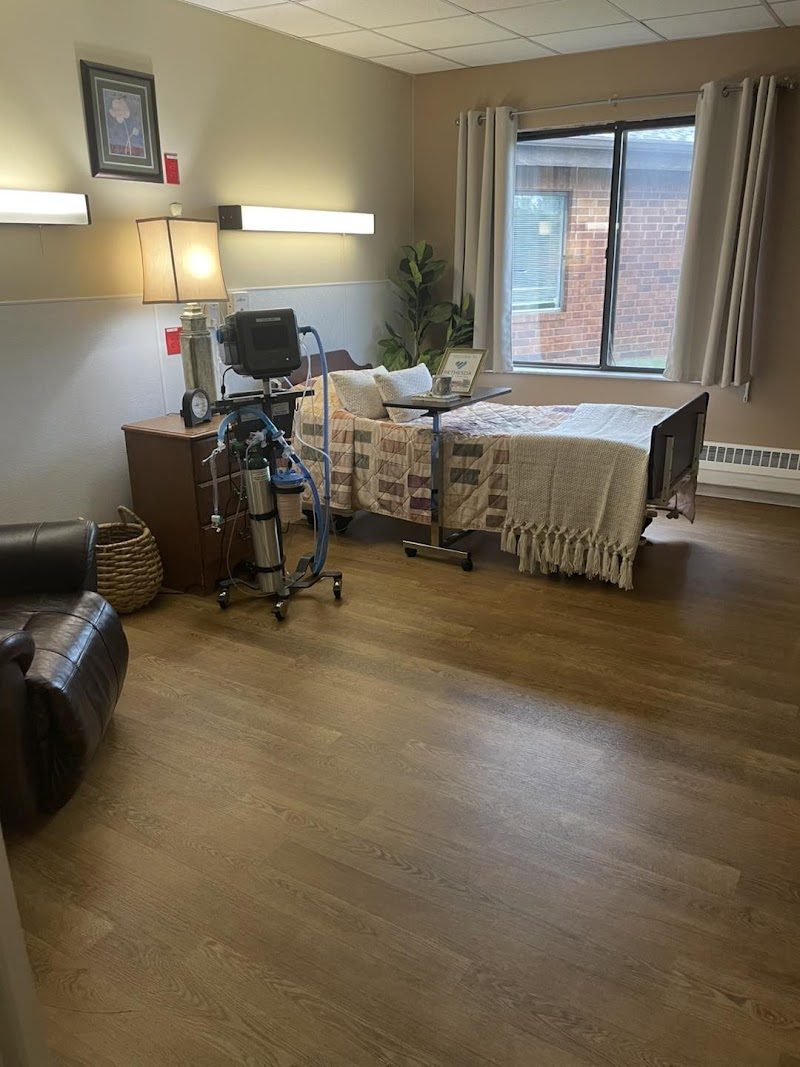
How is Bethesda Staffed?

CMS rates BETHESDA CARE CENTER's staffing level at 1 out of 5 stars, which is much below average compared to other nursing homes. Staff turnover is 68%, which is 22 percentage points above the Ohio average of 46%. High turnover can affect care consistency as new staff learn residents' individual needs. RN turnover specifically is 57%, which is notably high. RNs provide skilled clinical oversight, so turnover in this role can affect medical care quality.

What Have Inspectors Found at Bethesda?

State health inspectors documented 21 deficiencies at BETHESDA CARE CENTER during 2019 to 2024. These included: 1 Immediate Jeopardy (the most serious level, indicating potential for serious harm or death) and 20 with potential for harm. Immediate Jeopardy findings are rare and represent the most serious regulatory concerns. They require immediate corrective action.
Who Owns and Operates Bethesda?

BETHESDA CARE CENTER is owned by a non-profit organization. Non-profit facilities reinvest revenue into operations rather than distributing to shareholders. The facility is operated by GARDEN SPRINGS HEALTHCARE, a chain that manages multiple nursing homes. With 79 certified beds and approximately 66 residents (about 84% occupancy), it is a smaller facility located in FREMONT, Ohio.

How Does Bethesda Compare to Other Ohio Nursing Homes?

Compared to the 100 nursing homes in Ohio, BETHESDA CARE CENTER's overall rating (1 stars) is below the state average of 3.2, staff turnover (68%) is significantly higher than the state average of 46%, and health inspection rating (2 stars) is below the national benchmark.

What Should Families Ask When Visiting Bethesda?

Based on this facility's data, families visiting should ask: "What changes have been made since the serious inspection findings, and how are you preventing similar issues?" "How do you ensure continuity of care given staff turnover, and what is your staff retention strategy?" "Can you walk me through typical staffing levels on day, evening, and night shifts?" "Can I visit during a mealtime to observe dining assistance and food quality?" These questions are particularly relevant given the facility's Immediate Jeopardy citations, the facility's high staff turnover rate, and the below-average staffing rating.

Is Bethesda Safe?

Based on CMS inspection data, BETHESDA CARE CENTER has documented safety concerns. Inspectors have issued 1 Immediate Jeopardy citation (the most serious violation level indicating risk of serious injury or death). The facility has a 1-star overall rating and ranks #100 of 100 nursing homes in Ohio. Families considering this facility should ask detailed questions about what corrective actions have been taken since these incidents.

Do Nurses at Bethesda Stick Around?

Staff turnover at BETHESDA CARE CENTER is high. At 68%, the facility is 22 percentage points above the Ohio average of 46%. Registered Nurse turnover is particularly concerning at 57%. RNs handle complex medical decisions and coordinate care — frequent RN changes can directly impact care quality. High turnover means new staff may not know residents' individual needs, medications, or preferences. It can also be disorienting for residents, especially those with dementia who rely on familiar faces. Families should ask: What is causing the turnover? What retention programs are in place? How do you ensure care continuity during staff transitions?

Was Bethesda Ever Fined?

BETHESDA CARE CENTER has been fined $64,604 across 1 penalty action. This is above the Ohio average of $33,725. Fines in this range indicate compliance issues significant enough for CMS to impose meaningful financial consequences. Common causes include delayed correction of deficiencies, repeat violations, or care failures affecting resident safety. Families should ask facility leadership what changes have been made since these penalties.

Is Bethesda on Any Federal Watch List?

BETHESDA CARE CENTER is not on any federal watch list. The most significant is the Special Focus Facility (SFF) program, which identifies the bottom 1% of nursing homes nationally based on persistent, serious quality problems. Not being on this list means the facility has avoided the pattern of deficiencies that triggers enhanced federal oversight. This is a positive indicator, though families should still review the facility's inspection history directly.