COUNTRYSIDE MANOR NURSING AND REHABILITATION LLC
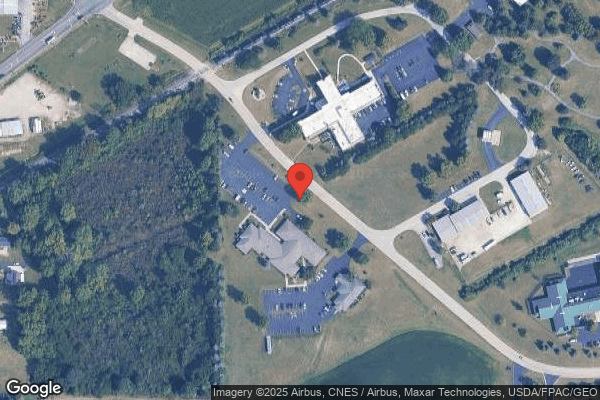
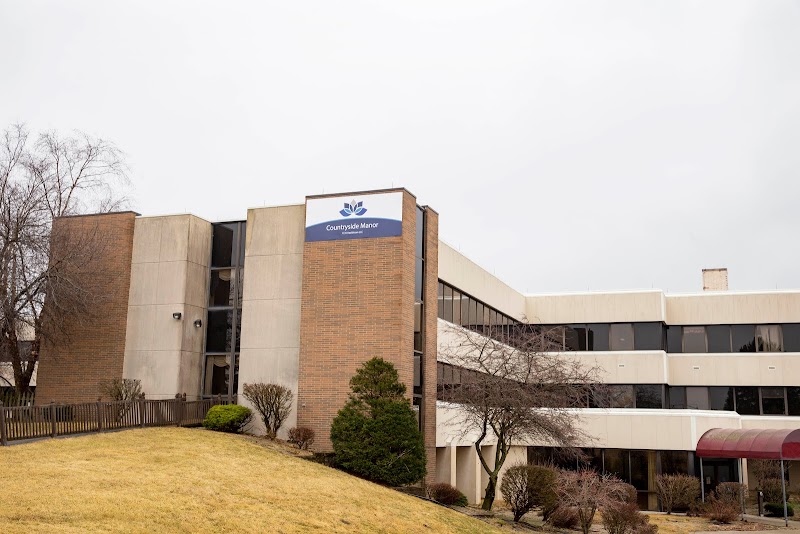
1865 COUNTRYSIDE DRIVE, FREMONT, OH 43420 (419) 334-2602
For profit - Limited Liability company 82 Beds CCH HEALTHCARE Data: November 2025 1 Immediate Jeopardy citation
Trust Grade
21/100
#651 of 913 in OH
Last Inspection: June 2025

Inspected within the last 6 months. Data reflects current conditions.

Overview

Countryside Manor Nursing and Rehabilitation LLC has a Trust Grade of F, which indicates significant concerns and is categorized as poor. It ranks #651 out of 913 facilities in Ohio, placing it in the bottom half, and #6 out of 9 in Sandusky County, suggesting only a few local options are better. The facility is worsening; the number of serious issues rose from 4 in 2024 to 11 in 2025. Staffing is average with a rating of 3 out of 5 stars, but a concerning 72% turnover rate indicates a lack of stability among staff. They have incurred $15,593 in fines, which is average for Ohio facilities, but this suggests ongoing compliance problems. On the positive side, the quality measures received a 4 out of 5 star rating, indicating good performance in some areas. However, there are several serious issues to consider. A critical incident occurred when a staff member used a personal lighter to remove a wound dressing, leading to serious burns for a resident. Additionally, a resident suffered a hip fracture due to being bathed by one staff member instead of the required two-person assist, highlighting concerns about adherence to care plans. Furthermore, there was a failure to store insulin safely for several residents, which raises questions about medication management. Overall, while there are some strengths, the significant deficiencies and critical incidents should be carefully weighed by families considering this facility.

Trust Score
F
21/100
In Ohio
#651/913
Bottom 29%
Safety Record
High Risk
Review needed
Inspections
Getting Worse
4 → 11 violations
Staff Stability
⚠ Watch
72% turnover. Very high, 24 points above average. Constant new faces learning your loved one's needs.
Penalties
✓ Good
$15,593 in fines. Lower than most Ohio facilities. Relatively clean record.
Skilled Nurses
○ Average
Each resident gets 35 minutes of Registered Nurse (RN) attention daily — about average for Ohio. RNs are the most trained staff who monitor for health changes.
Violations
⚠ Watch
33 deficiencies on record. Higher than average. Multiple issues found across inspections.
★★☆☆☆
2.0
Overall Rating
★★★☆☆
3.0
Staff Levels
★★★★☆
4.0
Care Quality
★★☆☆☆
2.0
Inspection Score
Stable
2024: 4 issues
2025: 11 issues

The Good

  • 4-Star Quality Measures · Strong clinical quality outcomes
  • Full Sprinkler Coverage · Fire safety systems throughout facility
  • No fines on record

Facility shows strength in quality measures, fire safety.

The Bad

2-Star Overall Rating

Below Ohio average (3.2)

Below average - review inspection findings carefully

Staff Turnover: 72%

25pts above Ohio avg (46%)

Frequent staff changes - ask about care continuity

Federal Fines: $15,593

Below median ($33,413)

Minor penalties assessed

Chain: CCH HEALTHCARE

Part of a multi-facility chain

Ask about local staffing decisions and management

Staff turnover is very high (72%)

24 points above Ohio average of 48%

The Ugly 33 deficiencies on record

1 life-threatening 1 actual harm
Jun 2025 11 deficiencies 1 Harm
SERIOUS (G)

Actual Harm - a resident was hurt due to facility failures

Accident Prevention (Tag F0689)

A resident was harmed · This affected 1 resident

**NOTE- TERMS IN BRACKETS HAVE BEEN EDITED TO PROTECT CONFIDENTIALITY** THE FOLLOWING DEFICIENCY REPRESENTS AN INCIDENT OF PAST NONCOMPLIANCE THAT WAS SUBSEQUENTLY CORRECTED PRIOR TO THIS SURVEY Based...

Read full inspector narrative →
**NOTE- TERMS IN BRACKETS HAVE BEEN EDITED TO PROTECT CONFIDENTIALITY** THE FOLLOWING DEFICIENCY REPRESENTS AN INCIDENT OF PAST NONCOMPLIANCE THAT WAS SUBSEQUENTLY CORRECTED PRIOR TO THIS SURVEY Based on medical record review, resident and staff interview, review of a facility investigation, review of hospital documentation, policy review, and review of facility corrective action documentation, the facility failed to ensure the appropriate level of care and assistance was utilized during resident bathing which resulted in an avoidable fall. Actual harm occurred when Resident #22 was being bathed by one staff member when the resident's care plan indicated the resident required a two-person assist for bathing and the resident's abilities were known to fluctuate. Resident #22 was rolled to her side while in bed and was rolled onto the floor which necessitated the resident to be sent to the hospital for an evaluation. Resident #22 was determined to have sustained a left hip fracture which required surgical intervention. This affected one (#22) of five residents reviewed for falls. The facility census was 69. Findings include: Review of Resident #22's medical record revealed an admission date of 02/27/20. Diagnoses include unspecified dementia, obstructive sleep apnea, severe protein-calorie malnutrition, chronic atrial fibrillation, anxiety, essential hypertension, corneal ulcer of the left eye, chronic pain, inflammatory spondylopathy of the lumbar region, chronic kidney disease, presence of a cardiac pacemaker, and neuromuscular dysfunction of the bladder. Review of the quarterly Minimum Data Set (MDS) 3.0 assessment dated [DATE] revealed Resident #22 was cognitively intact. The resident was dependent for bathing and required the assistance of two staff. Further review revealed the resident required extensive assistance of one to two staff for bed mobility. Review of the most recent quarterly MDS assessment dated [DATE] revealed Resident #22 had no falls since admission or the previous assessment. Review of a care plan initiated on 03/10/20, and revised on 05/18/21, revealed Resident #22 had an activities of daily living (ADLs) self-care performance deficit related to disease process. Resident #22 required staff assistance to complete daily ADLs and fluctuations in abilities were expected due to the resident's diagnoses. Review of an intervention initiated on 02/21/23 revealed Resident #22's need for assistance and additional staff support may fluctuate from day to day and hour to hour. Review of an intervention most recently revised on 10/18/23 revealed Resident #22 was dependent with assistance from two staff members for bathing and showers. Review of an additional intervention for bed mobility most recently revised on 10/18/23 revealed Resident #22 required extensive assistance of one to two staff members with her usual performance being dependent to roll from left to right. Review of the care plan dated 07/03/24 revealed Resident #22 was dependent and required two staff members to assist with bathing/bed baths. An intervention revealed Resident #22 required extensive assistance from one to two staff members for bed mobility. Review of the fall risk assessment dated [DATE] revealed Resident #22 was a high fall risk. Review of the fall risk assessment dated [DATE] revealed Resident #22 was a low fall risk. Review of Resident #22's nursing progress notes dated 09/01/24 revealed the resident slid out of bed while getting a bed bath early in the morning. Resident #22 indicated she hit her head. Vital signs were obtained, and neurological checks were completed. Resident #22 was sent to the emergency room (ER) due to facility policy since the resident hit her head. The provider was notified after Resident #22 was sent out to the hospital and the care team was updated. Review of the medical record for Resident #22 revealed she was admitted to the hospital on [DATE] and returned to the facility on [DATE]. Review of Resident #22's hospital documentation dated 09/02/24 revealed the resident reported she was receiving a bed bath while at the nursing facility and she fell off the end of the bed while they were putting powder on her back. The resident landed on her left side as well as hit her head with no loss of consciousness. Resident #22 was complaining of severe aching pain to the left hip that was worse with any type of motion, and she did not receive anything for the pain prior to arrival. An x-ray was completed on 09/01/24 and revealed a comminuted displaced proximal left femoral, likely intertrochanteric, fracture (left hip fracture). The fracture required surgery and Resident #22 underwent surgical repair for her left hip fracture on 09/02/24. Review of the fall risk assessment dated [DATE] revealed Resident #22 was a high fall risk. Interview on 05/27/25 at 10:51 A.M. with Resident #22 revealed she was receiving a bed bath given by one certified nurse aide (CNA), CNA #595, when CNA #595 turned Resident #22 to apply powder to her back and her legs went over the side of the bed causing her to fall onto the floor. Resident #22 confirmed she sustained a broken hip as a result. Review of the investigation conducted by the facility revealed a witness statement dated 09/01/24 from CNA #600 which revealed Resident #22 was getting a bed bath and during the turn the resident slipped out of bed. Further review of the witness statement revealed the incident happened in Resident #22's room and CNA #600 became aware of the situation when she was called to help by CNA #595. The witness statement revealed Resident #22 indicated she turned too far and slipped out of bed. Review of the witness statement dated 09/01/24 from CNA #595 revealed she was giving Resident #22 a bed bath and turned the resident on her side to put powder on her back. Resident #22's feet started to go down off the bed and CNA #595 tried to catch her, but she could not. CNA #595 indicated Resident #22 fell off and slid down the opposite side of the bed. Resident #22 indicated she rolled too far and slipped out of the bed. Interview on 05/28/25 at 3:45 P.M. with the Assistant Director of Nursing (ADON) verified it was not proper nursing care to roll a resident away from the caregiver when there was only one person completing a bed bath. Furthermore, the ADON confirmed Resident #22's care plan specified two caregivers were required to be present for bathing/showering and confirmed there was only one staff member providing the bed bath on 09/01/24 when the resident was rolled out of bed and sustained the hip fracture. Review of a facility policy titled, Falls-Clinical Protocol, revised September 2012, revealed based on preceding assessments of a resident's falls and fall risks, the staff and physician will identify pertinent interventions to try to prevent subsequent falls and to address risks of serious consequences of falling. If underlying causes cannot be readily identified or corrected, staff will try various relevant interventions, based on assessment of the nature category of falling, until falling reduces or stops, or until a reason is identified for its continuation. As a result of the incident, the facility implemented the following corrective actions to correct the deficient practice by 09/04/24: • On 09/01/24, Resident #22 was immediately assessed for pain, neurological impairment, skin integrity, and range of motion by Respiratory Therapist (RT)/LPN #557. • On 09/01/24, Resident #22 was transferred to the ER via emergency medical services upon assessment findings. The provider was notified on 09/01/24 by RT/LPN #557. • On 09/01/24, Resident #22's power of attorney (POA)/guardian was notified of the incident by RT/LPN #557. • On 09/01/24, all residents were assessed for the need for a bariatric bed based on their body shape by the ADON. Resident #1's fall risk care plan was updated on 09/01/24 to include an intervention for a bariatric bed. • Beginning on 09/02/24, the DON/designee audited two bariatric and immobile residents' bed baths to ensure bed baths were being completed properly per the protocol. The audits continued weekly for four weeks occurring on 09/06/24, 09/09/24, 09/13/24, 09/16/24, 09/20/24, 09/23/24, and 09/27/24 with no additional concerns identified. • On 09/03/24, a bariatric bed was ordered by Receptionist #553 for Resident #22 and was applied to the resident's bed. • On 09/03/24, all nursing staff were educated on bed mobility and bed positioning during bed baths by the ADON and subsequently, no staff were permitted to work on the floor prior to receiving the education. Review of the staff in-service sign-in sheets revealed all staff were trained by 09/03/24. • On 09/04/24, all residents who were bariatric and immobile had an occupational and physical therapy screening sent for bed mobility on various days. All resident screenings were completed by Therapy Director #590 on 09/04/24. • On 09/04/24, all residents who were bed-bound had their care plans reviewed and were updated by the ADON to require two people to assist when repositioning and for bed baths. • On 09/04/24, Resident #22's care plan was revised by the ADON to include an intervention for the resident to require two people to assist when repositioning and when providing bed baths. • On 05/29/25, four (#17, #42, #44, and #57) additional residents were reviewed for falls with no concerns identified. • On 05/29/25, interviews between 7:30 A.M. and 8:00 A.M. with CNA #582, CNA #547, LPN #516, and Transportation Aide #515 all verified they were provided education regarding residents who were bed-bound requiring a two person assist with bed mobility and bed baths and were able to demonstrate proficiency in the training. • On 05/29/25, the facility incident log was reviewed from January to May 2025 with no additional incidents of residents falling from the bed while being provided care by staff. There were no trends or patterns of incidents identified.
CONCERN (D)

Potential for Harm - no one hurt, but risky conditions existed

PASARR Coordination (Tag F0644)

Could have caused harm · This affected 1 resident

**NOTE- TERMS IN BRACKETS HAVE BEEN EDITED TO PROTECT CONFIDENTIALITY** Based on medical record review, staff interview, and review of the facility policy, the facility failed to ensure services requi...

Read full inspector narrative →
**NOTE- TERMS IN BRACKETS HAVE BEEN EDITED TO PROTECT CONFIDENTIALITY** Based on medical record review, staff interview, and review of the facility policy, the facility failed to ensure services required by the state-designated mental health authority were provided to residents. This affected one (#18) of two residents reviewed for pre-admission screening and resident review (PASARR) requirements. The facility census was 69. Findings include: Review of the medical record revealed Resident #18 was admitted to the facility on [DATE]. Diagnoses included anxiety, depression, bipolar disorder, and psychophysiologic insomnia. Review of Resident #18's PASARR results, dated 12/16/24, revealed the resident was referred for a level II evaluation. Review of Resident #18's PASARR level II evaluation results dated 01/13/25 revealed a determination was made that the resident was approved for a nursing facility with specialized services. The nursing facility was required to provide the resident with specialized behavioral health services including a comprehensive psychiatric assessment in order to identify behavioral health supports and services that would help mitigate psychiatric decompensation and improve quality of life, and was required to provide mental health counseling. Further review of the medical record revealed no evidence a psychiatric assessment was completed for Resident #18, until 04/03/25 in response to a resident-to-resident altercation and ongoing aggression. There was also no evidence Resident #18 was ever seen, assessed for, or referred to mental health counseling. Interview on 05/28/25 at 11:21 A.M. with the Director of Social Services (DSS) #558 verified there was no evidence Resident #18 had ever been seen for mental health counseling. DSS #558 was unaware of whether the resident ever had a comprehensive psychiatric assessment. A follow-up interview on 05/28/25 at 4:16 P.M. with the DSS #558 revealed Resident #18 did have a psychiatric assessment in April 2025 and verified it was in response to a resident-to-resident altercation and not due to the resident requiring specialized services as indicated by the resident's PASARR level II determination. Review of the facility policy titled, admission Criteria_PASARR_OH, revised April 2007, revealed all residents admitted to the facility were screened for mental disorders, intellectual disabilities, or related disorders. If a level I PASARR screening indicated a possible serious mental illness, a level II evaluation was required to be completed before admission to a nursing facility. Upon completion of the level II evaluation, the state PASARR representative determined if the individual had a physical or mental condition, what specialized or rehabilitative services were needed, and whether placement in the facility was appropriate. The state PASARR representative then provided a copy of the report to the facility. The interdisciplinary team then determined whether the facility was capable of meeting the needs and services of the potential resident as outlined in the evaluation.
CONCERN (D)

Potential for Harm - no one hurt, but risky conditions existed

ADL Care (Tag F0677)

Could have caused harm · This affected 1 resident

**NOTE- TERMS IN BRACKETS HAVE BEEN EDITED TO PROTECT CONFIDENTIALITY** Based on observation, resident and staff interview, medical record review, and review of a facility policy, the facility failed ...

Read full inspector narrative →
**NOTE- TERMS IN BRACKETS HAVE BEEN EDITED TO PROTECT CONFIDENTIALITY** Based on observation, resident and staff interview, medical record review, and review of a facility policy, the facility failed to to ensure residents who required staff assistance with activities of daily living received adequate and timely care to maintain appropriate personal hygiene including nail care. This affected one (#46) of four residents reviewed who required assistance with nail care and personal hygiene. The facility census was 69. Findings include: Review of Resident #46's medical record revealed an admission date of 10/27/21. Diagnoses included profound intellectual disability, cerebral palsy, seizures, scoliosis, lactose intolerance, and gluten sensitivity. Review of Resident #46's Minimum Data Set (MDS) assessment dated [DATE] revealed a Brief Interview for Mental Status (BIMS) score of 15 indicating Resident #46 was cognitively intact. Resident #46 required supervision or touching assistance with toilet use, bathing, dressing, and personal hygiene. Resident #46 displayed no behaviors during the review period. Review of Resident #46's care plan revised 04/07/25 revealed support and interventions for behavior problems, potential for verbal aggression, required a private room related to intellectual disabilities and psychosocial needs, and self-care deficit. Resident #46's supports for bathing included checking nail length and trim and clean on bath day and as necessary. Observation on 05/27/25 at 9:39 A.M. of Resident #46 found him to have long fingernails which were tinged brown on his left hand. Coinciding interview with Resident #46 revealed the staff members are who cut his fingernails and they had not cut them in a while. Observation on 05/28/25 at 8:08 A.M. of Resident #46 found him walking up and down the hallway. Resident #46's fingernails on his left hand appeared less brown but continued to be untrimmed. Interview on 05/28/25 at 8:51 A.M. with Certified Nurse Aide (CNA) #581 verified Resident #46 required staff assistance with trimming his fingernails and his nails were to be trimmed on shower days and as needed. Observation on 05/28/25 at 8:54 A.M. of Resident #46 found him in his room and his nails continued to be untrimmed. Coinciding interview with CNA #581 verified Resident #46's fingernails appeared to have not been trimmed for several weeks. CNA #581 stated Resident #46's nails would be trimmed that day. Review of the facility policy titled, Care of Fingernails/Toenails, revised October 2010, revealed the purposed of the policy was to clean resident nail beds, keep nails trimmed, and to prevent infections.
CONCERN (D)

Potential for Harm - no one hurt, but risky conditions existed

Deficiency F0679 (Tag F0679)

Could have caused harm · This affected 1 resident

**NOTE- TERMS IN BRACKETS HAVE BEEN EDITED TO PROTECT CONFIDENTIALITY** Based on observation, resident and interview, medical record review, review of a facility policy, and review of the Facility Ass...

Read full inspector narrative →
**NOTE- TERMS IN BRACKETS HAVE BEEN EDITED TO PROTECT CONFIDENTIALITY** Based on observation, resident and interview, medical record review, review of a facility policy, and review of the Facility Assessment, the facility failed to provide an individualized activity program designed to meet the interests and care needs of residents with intellectual disabilities. This affected one (#46) of one residents reviewed for activities. The facility census was 69. Findings include: Review of Resident #46's medical record revealed an admission date of 10/27/21. Diagnoses included profound intellectual disability, cerebral palsy, seizures, scoliosis, lactose intolerance, and gluten sensitivity. Review of Resident #46's Minimum Data Set (MDS) assessment dated [DATE] revealed a Brief Interview for Mental Status (BIMS) score of 15 indicating Resident #46 was cognitively intact. Resident #46 required supervision or touching assistance with toilet use, bathing, dressing, and personal hygiene. Resident #46 displayed no behaviors during the review period. Review of Resident #46's care plan revised 04/07/25 revealed support and interventions for behavior problems of yelling, screaming, cursing at staff, non-compliant with wearing appropriate footwear, taking office supplies, sitting on the floor, and forgetting to take his walker when ambulating. In addition, Resident #46 had supports and interventions for self-care deficit, potential for verbal aggression, resistance to care, impaired thought process, required a private room related to intellectual disabilities and psychosocial needs and was dependent on staff for meeting his emotional, intellectual, physical, and social needs. Interventions included assisting with arranging community activities and arranging transportation and to ensure activities Resident #46 was attending were compatible with his physical and mental capabilities. Interview on 05/27/25 at 9:39 A.M. with Resident #46 revealed he did not go anywhere and did not do anything. Resident #46 stated he wanted to go out and he wanted to make money. Observation on 05/27/25 at 10:23 A.M. of Resident #46 found him dressed in an off-white tank top, shorts, and thong sandals. Resident #46 was aimlessly walking up and down the hallways of the third floor. Observation on 05/27/25 at 12:18 P.M. of Resident #46 found him wandering around the main dining room with his walker. Staff and other residents directed him away from their tables and to his seat at the table on the left side of the room. Resident #46 continued to wander until 12:27 A.M. when his meal was placed at his table. Observation on 05/27/25 at 1:52 P.M. of Resident #46 found him wandering the halls on the third floor going in and out of his room. Observation on 05/28/25 at 8:06 A.M. of Resident #46 found him wearing the same clothes as he was observed wearing on 05/27/25 and wandering around the hallway. At 8:08 A.M., Resident #46 walked to the nurses cart for his medications. Interview on 05/28/25 at 8:11 A.M. with Registered Nurse (RN) #523 revealed Resident #46 had intellectual disabilities and did not attend any day program or workshop for individuals with intellectual disabilities. RN #523 stated Resident #46 would benefit from a work program or day program for individuals with intellectual disabilities. RN #523 she was not sure why he did not attend. RN #523 reported Resident #46 would wander the halls, go into others rooms, and hoard items. RN #523 reported Resident #46 could be redirected but verified Resident #46 appeared board and looking for something to do. Interview on 05/28/25 at 8:32 A.M. with Activities Director (AD) #562 revealed Resident #46 had intellectual disabilities and used to attend work shop prior to his admission to the facility. AD #562 reported she was not sure why he no longer attended, but reported Resident #46 had been admitted during the time of the COVID-19 pandemic and that may have had something to do with it. AD #562 stated Resident #46 attended some of the activities the facility provided and was driven by prizes for completion of the activities. Interviews on 05/28/25 at 1:34 P.M. with eight (#3, #4, #17, #41, #47, #51, #53, and #62) resident representatives of the Resident Council all reported concerns with Resident #46's and the facility not meeting his activity and involvement needs. The eight residents reported Resident #46 was left to wander and would often go into other resident's rooms and went through their things, stood over them while they were sleeping, and wandered into places like the kitchen. Review of the Facility Assessment, last reviewed on 12/20/24, revealed conditions the facility admitted and managed included residents who were diagnosed with cerebral palsy and seizures. The facility did not identify developmental disabilities as a diagnosis accepted and managed by the facility. The Facility Assessment indicated the facility was to support community integration if resident desired and provided opportunities for social activities and life enrichment including individual, small group and community. The Facility Assessment indicated new hire orientation topics included dementia care and dealing with behaviors but did not include working with individuals with intellectual disabilities. Review of the facility policy titled, Activities and Social Services, revised December 2006, revealed residents who wished to meet with or participate in activities of social, religious, and other community groups, at or away from the facility, would be encouraged to do so. As much as possible the facility would help the individual arrange to reach these outside activities but the facility may not necessarily provide the transportation.
CONCERN (D)

Potential for Harm - no one hurt, but risky conditions existed

Pressure Ulcer Prevention (Tag F0686)

Could have caused harm · This affected 1 resident

**NOTE- TERMS IN BRACKETS HAVE BEEN EDITED TO PROTECT CONFIDENTIALITY** Based on observation, medical record review, staff interview, and facility policy review, the facility failed to ensure pressure...

Read full inspector narrative →
**NOTE- TERMS IN BRACKETS HAVE BEEN EDITED TO PROTECT CONFIDENTIALITY** Based on observation, medical record review, staff interview, and facility policy review, the facility failed to ensure pressure ulcer prevention interventions were implemented as ordered by the physician. This affected one (#39) of three residents reviewed for pressure ulcer care and treatment in a facility census of 69. Findings include: Review of Resident #39's medical record revealed the resident admitted to the facility on [DATE] with the diagnoses including, Parkinson's disease with dyskinesia, transient ischemic attack, contracture of the right and left lower leg, vascular dementia, major depressive disorder, and normal pressure hydrocephalus. Review of the most current Minimum Data Set (MDS) assessment dated [DATE] revealed Resident #39 was assessed with severe cognitive impairment, had resistive behaviors interfering with care, was assessed with delusions and hallucinations, had bilateral upper and lower extremity range of motion impairment, was dependent on staff for the completion of activities of daily living, was incontinent of bowel and bladder, was at risk for pressure ulcer development with no skin breakdown, and received antianxiety, antidepressant, diuretic, antiplatelet, and anticonvulsant medications. Review of a nursing plan of care dated 07/31/24 revealed the plan of care was revised to address Resident #39's risk for developing complications secondary to potential or actual impairment to skin integrity related to fragile skin, incontinence, and dementia. Interventions included to avoid scratching and keep the resident's hands and body parts from excessive moisture, keep fingernails short, follow facility protocols for treatment of injury, identify and document potential causative factors and eliminate and resolve where possible, and use caution during transfers and bed mobility to prevent striking arms, legs, and hands against any sharp or hard surface. Review of an assessment dated [DATE] revealed Resident #39 was assessed at high risk for pressure ulcer development. Review of physician orders for Resident #39 revealed on 07/15/24 the resident was ordered to off load his heels while in bed as tolerated, every shift for pressure relief. On 01/08/25, weekly skin checks on Wednesday on day shift were ordered and for staff to document in the weekly skin assessment. Further review of the physician orders revealed on 04/04/25, Resident #39 was ordered barrier cream after each incontinence episode with instructions that certified nurse aides (CNAs) may apply the cream and keep it at the resident's bedside. Review of the medical record revealed the most recent documented skin assessment for Resident #39 was on 05/14/25 and no skin breakdown was identified. Observation on 05/27/25 at 10:51 A.M., and on 05/28/25 at 6:07 A.M., 7:39 A.M., 8:30 A.M., and 9:50 A.M. noted Resident #39 in bed on a standard pressure relief mattress (non-inflatable) with his heels and feet resting on the mattress and the bottoms of his feet against the bed foot board and an adult brief applied. The resident's heels were not off loaded. On 05/28/25 at 6:22 A.M., interview with CNA #538 revealed she assumed care of Resident #39 at 7:00 P.M. on 05/28/25 and was finishing her shift at 7:00 A.M. CNA #538 stated she provided a final bed check of Resident #39 for incontinence and repositioning at 5:00 A.M. On 05/28/25 at 8:09 A.M., interview with CNA #582 and CNA #602 noted they assumed care of Resident #39 at 7:00 A.M. and were unaware when Resident #39 was last checked and changed for incontinence or repositioning. On 05/28/25 at 8:30 A.M., surveyor inquiry noted Unit Manager Licensed Practical Nurse (LPN) #516 repositioned Resident #39 on his back and pulled him up in bed. Unit Manager LPN #516 checked the front of the resident's adult brief and stated the resident was dry. There was no heel or lower extremity elevation to off load them provided for Resident #39. Interview with CNA #582 on 05/28/25 at 11:25 A.M. revealed she attempted to check Resident #39 at approximately 10:15 A.M. but the resident was combative and she did not provide care. CNA #582 confirmed she did not notify the nurse (LPN #528) she was unable to provide care to Resident #39. CNA #582 proceeded to obtain wash cloths, a new adult brief, and towel. LPN #528 came to the room due to the call light accidentally being activated and proceeded to assist with positioning Resident #39. CNA #582 removed the front of the brief and provided incontinence care. LPN #528 positioned Resident #39 to the right side and discovered the resident to be heavily soil with urine extending through a folded bath blanket and a mattress top sheet onto the surface of the mattress. CNA #582 removed the back of the brief and Resident #39's buttock was assess with redden skin and his left heel was observed with redden skin. LPN #528 verified she did not observe Resident #39 with redden skin to the buttock or heels when assessed on 05/26/25. LPN #528 also confirmed she was not informed of Resident #39 refusal of care or combativeness. LPN #528 and CNA #582 proceeded to change Resident #39's bed linens and placed a new adult brief onto the resident. Additional interview with LPN #528 verified Resident #39's heels were not elevated to provide off loading and his feet were pressed against the foot board. CNA #582 was unaware Resident #39 required his feet to be elevated. LPN #528 obtained a heel elevation device and place it to the foot of the bed. On 05/29/25 at 9:55 A.M., interview during review of the medical record with the Assistant Director of Nursing (ADON) verified no documentation was available indicating a weekly skin assessment was completed since 05/14/25 for Resident #39. The ADON confirmed skin assessments were to be obtained on 05/21/25 and 05/28/25, and were not contained in the medical record. Review of the Prevention of Pressure Ulcer/Injuries policy, revised July 2017, revealed the purpose of the procedure was to provide information regarding identification of pressure ulcer/injury risk factors and interventions for specific risk factors. Staff are to review the resident's care plan and identify the risk factors as well as interventions designed to reduce or eliminate those considered modifiable. Staff were to assess the resident on admission for existing pressure/injury risk factors and repeat the risk assessment weekly and upon any changes in condition. Staff should inspect the skin daily when performing or assisting with personal care or activities of daily living (ADL) and reposition the resident as indicated on care plan. Staff should keep the skin clean and free of exposure to urine or fecal matter. and at least every hour, reposition residents who are chair-bound or bed-bound with the head of the bed elevated 30 degrees or more. At least every two hours, staff should reposition residents who are reclining and dependent on staff for repositioning. Staff should also provide support devices and assistance as needed.
CONCERN (D)

Potential for Harm - no one hurt, but risky conditions existed

Deficiency F0688 (Tag F0688)

Could have caused harm · This affected 1 resident

**NOTE- TERMS IN BRACKETS HAVE BEEN EDITED TO PROTECT CONFIDENTIALITY** Based on observation, resident and staff interview, medical record review, and review of therapy documentation, the facility fai...

Read full inspector narrative →
**NOTE- TERMS IN BRACKETS HAVE BEEN EDITED TO PROTECT CONFIDENTIALITY** Based on observation, resident and staff interview, medical record review, and review of therapy documentation, the facility failed to ensure an individualized restorative program was implemented to ensure residents maintained range of motion and mobility. This affected one (#35) of one residents reviewed for limited range of motion and mobility. The facility census was 69. Findings include: Review of the medical record revealed Resident #35 was admitted to the facility on [DATE]. Diagnoses included acute and chronic respiratory failure, acute on chronic diastolic (congestive) heart failure, depression, and hemiplegia and hemiparesis following unspecified cerebrovascular disease. Review of the quarterly Minimum Data Set (MDS) assessment dated [DATE], the quarterly MDS assessment dated [DATE], the quarterly MDS assessment dated [DATE], the significant change MDS assessment dated [DATE], and the quarterly MDS assessment dated [DATE], revealed Resident #35 had limited mobility on one side in both the upper and lower extremities. The resident did not receive physical therapy, occupational therapy, range of motion exercises, or restorative services. The resident also did not have splint/brace assistance. Review of the physician progress notes dated 07/28/24 revealed Resident #35 had a right-hand contracture. Review of Resident #35's current comprehensive plan of care revealed no evidence of a plan of care for limited range of motion/contractures. Review of Resident #35's current physician orders revealed no evidence the resident ever had an order for a splint, brace, or restorative therapy. Review of Resident #35's therapy documentation for 07/01/25 through 05/28/25 revealed no evidence the resident was seen, evaluated, or screened regarding limited mobility in the right extremity and/or the right-hand contracture. Interview and observation with Resident #35 on 05/27/25 at 1:06 P.M. revealed the resident's right hand was contracted. The resident demonstrated she was unable to open her right hand. Resident #35 stated she had not received therapy, splints, or any type of treatment or device to prevent her hand from getting worse while residing in the facility. An interview on 05/29/25 at 10:42 A.M. with the Director of Therapy Services verified there was no evidence Resident #35 had been screened or evaluated regarding limited mobility in her right upper and lower extremities and the contracture in her right hand from 07/01/24 through 05/28/25. The Director of Therapy Services reported the resident was screened on 06/21/24 and declined services at that time. The Director of Therapy Services confirmed if a resident refused services, they should be screened on a quarterly basis following the refusal.
CONCERN (D) 📢 Someone Reported This

A family member, employee, or ombudsman was alarmed enough to file a formal complaint

Potential for Harm - no one hurt, but risky conditions existed

Incontinence Care (Tag F0690)

Could have caused harm · This affected 1 resident

**NOTE- TERMS IN BRACKETS HAVE BEEN EDITED TO PROTECT CONFIDENTIALITY** Based on observation, medical record review, staff interview, and facility policy review, the facility failed to ensure timely i...

Read full inspector narrative →
**NOTE- TERMS IN BRACKETS HAVE BEEN EDITED TO PROTECT CONFIDENTIALITY** Based on observation, medical record review, staff interview, and facility policy review, the facility failed to ensure timely incontinence care was provided. This affected one (#39) of three residents reviewed for incontinence care and treatment in a facility census of 69. Findings include: Review of Resident #39's medical record revealed the resident was admitted to the facility on [DATE] with diagnoses including Parkinson's disease with dyskinesia, transient ischemic attack, contracture of the right and left lower leg, vascular dementia, major depressive disorder, and normal pressure hydrocephalus. Review of the most current Minimum Data Set (MDS) assessment dated [DATE] revealed Resident #39 was assessed with severe cognitive impairment, had resistive behaviors interfering with care, had delusions and hallucinations, had bilateral upper and lower extremity range of motion impairment, was dependent on staff for the completion of activities of daily living, was incontinent of bowel and bladder, was at risk for pressure ulcer development with no skin breakdown, and received antianxiety, antidepressant, diuretic, antiplatelet, and anticonvulsant medications. Review of a nursing plan of care dated 10/09/23 revealed the plan of care was revised to address Resident #39's bowel and bladder incontinence related to activity intolerance and dementia. Interventions included for Resident #39 to remain free from skin breakdown due to incontinence and brief use through the review date, the resident used adult disposable briefs for comfort and dignity, for staff to clean the resident's peri-area with each incontinence episode, staff to check as needed and required for incontinence and wash, rinse and dry perineum, staff to change clothing as needed after incontinence episodes, check the resident, during rounds and as required for incontinence, and utilize moisture barrier cream as ordered. Further review revealed no specific time frame for checking Resident #39 for incontinence was listed on the plan of care. Review of Resident #39's physician orders noted on 04/04/25 barrier cream was ordered to be used after each incontinence episode and noted certified nurse aides (CNAs) may apply the cream and keep it at the resident's bedside. Observations on 05/28/25 at 6:07 A.M., 7:39 A.M., 8:30 A.M., and 9:50 A.M. noted Resident #39 in bed on a standard pressure relief mattress (non-inflatable) with his heels and feet resting on the mattress with the bottom of his feet against the foot board and an adult brief applied. On 05/28/25 at 6:22 A.M. interview with CNA #538 revealed she assumed care of Resident #39 at 7:00 P.M. on 05/28/25 and was finishing her shift at 7:00 A.M. CNA #538 stated she provided a final bed check of Resident #39 for incontinence and repositioning at 5:00 A.M. On 05/28/25 at 8:09 A.M. interview with CNA #582 and CNA #602 noted they assumed care of Resident #39 at 7:00 A.M. and were unaware when Resident #39 was last checked and changed for incontinence or repositioning. On 05/28/25 at 8:30 A.M. surveyor inquiry noted Unit Manager Licensed Practical Nurse (LPN) #516 repositioned Resident #39 on his back and pulled him up in bed. Unit Manager LPN #516 checked the front of the resident's adult brief and stated the resident was dry. Interview with CNA #582 on 05/28/25 at 11:25 A.M. revealed she attempted to check Resident #39 at approximately 10:15 A.M. but the resident was combative and she did not provide care. CNA #582 confirmed she did not notify the nurse (LPN #528) she was unable to provide care to Resident #39. CNA #582 proceeded to obtain wash cloths, a new adult brief, and towel. LPN #528 came to the room due to the call light accidentally being activated and proceeded to assist with positioning Resident #39. CNA #582 removed the front of the resident's incontinence brief and provided incontinence care. LPN #528 positioned Resident #39 to the right side and discovered the resident to be heavily soil with urine extending through a folded bath blanket and mattress top sheet onto the surface of the mattress. CNA #582 removed the back of the brief and Resident #39's buttock was assess with reddened skin. LPN #528 verified she did not observe Resident #39 with red skin to the buttock when the resident was assessed on 05/26/25. LPN #528 also confirmed she was not informed of Resident #39's refusal of care or combativeness. LPN #528 and CNA #582 proceeded to change Resident #39's bed linens and placed a new adult brief onto the resident. Review of facility urinary incontinence clinical protocol, revised September 2012, revealed the staff will identify environmental interventions and assistive devices that facilitate toileting. This deficiency represents non-compliance investigated under Master Complaint Number OH00165012.
CONCERN (D)

Potential for Harm - no one hurt, but risky conditions existed

Deficiency F0698 (Tag F0698)

Could have caused harm · This affected 1 resident

**NOTE- TERMS IN BRACKETS HAVE BEEN EDITED TO PROTECT CONFIDENTIALITY** Based on observation, medical record review, staff interview, dialysis communication documentation, and facility policy, the fac...

Read full inspector narrative →
**NOTE- TERMS IN BRACKETS HAVE BEEN EDITED TO PROTECT CONFIDENTIALITY** Based on observation, medical record review, staff interview, dialysis communication documentation, and facility policy, the facility failed to ensure residents received physician ordered medication for residents receiving hemodialysis. This affected one (#38) of two residents reviewed for the administration of hemodialysis in a facility census of 69. Findings include: Review of Resident #38's medical record revealed the resident admitted to the facility on [DATE] with diagnoses including end stage renal disease, dependence on renal dialysis, chronic anemia, heart failure, hypotension, chronic pain, asthma, hypertension, and cardiac defibrillator. Review of the most current Minimum Data Set (MDS) assessment dated [DATE] assessed Resident #38 with intact cognition and required partial to moderate assistance with activities of daily living. Review of the nursing plan of care dated 07/25/24 revealed the plan of care was revised to address Resident #38's risk for developing complications secondary to needing hemodialysis related to end stage renal disease (ESRD). An intervention included on Monday, Wednesday, Friday the resident had out-patient dialysis. Further review of the nursing plan of care revealed it was revised on 07/25/24 to address Resident #38's potential for dehydration and fluid deficit related to diuretic use and ESRD with dialysis. Interventions included to administer medications as ordered and monitor/document for side effects and effectiveness. On 05/27/25 at 10:35 A.M., observation and interview with Resident #38 revealed the facility frequently runs out of her phosphate binder medication and do not notify the resident or dialysis center to re-order it. The resident stated she was currently not receiving the medication and when she does not receive the medication she felt nauseous and sick. Review of Resident #38's medical record revealed a physician order dated 01/13/25 for the medication used to reduce high levels of phosphorus in the blood Xphozah oral tablet 30 milligrams (mg) with instructions to give one tablet by mouth two times a day for a phosphate absorption inhibitor. Further revealed revealed the mail order pharmacy supplies in bottle in the cart and to please let the resident know when low on the medicine. On 05/28/25 at 10:38 A.M. interview with Licensed Practical Nurse (LPN) #528, during observation of the medication cart contents, discovered an empty medication bottle marked as Xphozah oral tablet 30 mg for Resident #38. Review of Resident #38's medical record at the time of the observation revealed no documentation indicating the dialysis center or Resident #38's nephrologist had been informed of the medication not being given or available for administration. Further review of the medical record noted Resident #38 had not received Xphozah 30 mg since 05/09/25. On 05/28/25 at 10:59 A.M., Resident #38 was observed to be returned to her room following dialysis. The resident stated she spoke with her nephrologist at dialysis and he was not aware the Xphozah 30 mg was not available or being provided as ordered. On 05/28/25 at 12:50 P.M. additional interview with LPN #528, during review of Resident #38's dialysis communication book and dialysis communication forms between 05/09/25 and 05/28/25, confirmed documentation did not indicate Resident #38 was lacking or needed Xphozah 30 mg to be reordered. Review of a care of a resident with ESRD policy, revised September 2010, revealed the residents comprehensive care plan will reflect the resident's needs related to ESRD/dialysis care. Review of the facility's administering medications policy, version 02/14/24, revealed medications are administered in a safe and timely manner, and as prescribed.
CONCERN (D) 📢 Someone Reported This

A family member, employee, or ombudsman was alarmed enough to file a formal complaint

Potential for Harm - no one hurt, but risky conditions existed

Deficiency F0825 (Tag F0825)

Could have caused harm · This affected 1 resident

**NOTE- TERMS IN BRACKETS HAVE BEEN EDITED TO PROTECT CONFIDENTIALITY** Based on medical record review, resident and staff interview, and therapy documentation review, the facility failed to ensure re...

Read full inspector narrative →
**NOTE- TERMS IN BRACKETS HAVE BEEN EDITED TO PROTECT CONFIDENTIALITY** Based on medical record review, resident and staff interview, and therapy documentation review, the facility failed to ensure residents received timely rehabilitation services. This affected one (#272) of three residents reviewed for rehabilitation services. The facility census was 69. Findings include: Review of the medical record for Resident #272 revealed an admission date of 05/15/25 with diagnoses of type II diabetes mellitus, bipolar disorder, and depression. Review of the comprehensive admission Minimum Data Set (MDS) assessment dated [DATE] revealed Resident #272 had intact cognition, had limited range of motion to both sides of her lower extremities, was dependent for transfers and toileting, and required partial/moderate assistance for bed mobility. Review of the physician order dated 05/15/25 revealed Resident #272 should receive a physical therapy (PT), occupational therapy (OT), and speech therapy (ST) evaluation and treatment as needed. Review of Resident #272's PT evaluation and plan of treatment dated 05/16/25 revealed PT was recommended three to five times per week for 29 days to address her ability to transfer, increase her lower extremity strength, and improve standing. Review of the current care plan for Resident #272 revealed a discharge care area, initiated 05/23/25, indicating Resident #272 was at the facility for short-term rehabilitation and would have a safe discharge to the community after completing rehabilitation with skilled nursing care and therapy. Interview and observation on 05/27/25 at 10:16 A.M. revealed Resident #272 was lying in bed. Resident #272 stated she wanted PT so she could walk and stated she had not seen therapy since she was admitted to the facility. Interview on 05/28/25 at 8:51 A.M. with Therapy Director (TD) #590 stated Resident #272 was evaluated by PT on 05/16/25 and treatment was recommended. TD #590 stated treatment was not started because Resident #272's insurance information was not accepted. TD #590 stated she referred the concern to the Business Office Manager. Interview on 05/28/25 at 9:03 A.M. with Business Office Manager (BOM) #554 confirmed the facility had difficulty confirming Resident #272's primary payor source was Medicaid, but attempted to bill for rehabilitation services through Resident #272's Medicare supplemental insurance. BOM #554 stated the facility did not have an accurate insurance member number to pursue billing for rehabilitation services. BOM #554 stated the facility asked Resident #272 if she had a copy of her insurance card and Resident #272 did not have a copy; therefore, the facility had not yet offered rehabilitation services despite the recommendation from physical therapy dated 05/16/25 for Resident #272 to receive treatment. Observation on 05/28/25 at approximately 2:00 P.M. revealed Resident #272 being wheeled via wheelchair by staff to the therapy gym. Resident #272 stated excitedly, I am going to therapy for the first time. Interview on 05/29/25 at 8:45 A.M. with BOM #554 stated the facility started rehabilitation services for Resident #272 by billing through Medicaid. Follow-up interview on 05/29/25 at 9:07 A.M. with BOM #554 stated the corporate office and the Administrator determined therapy could be billed through Medicaid for Resident #272. BOM #554 stated Resident #272 was very happy to receive therapy because Resident #272 said she was able to stand. This deficiency represents non-compliance investigated under Complaint Number OH00164093.
CONCERN (D)

Potential for Harm - no one hurt, but risky conditions existed

Antibiotic Stewardship (Tag F0881)

Could have caused harm · This affected 1 resident

Based on medical record review, staff interview, review of a McGeer criteria checklist, and policy review, the facility failed to ensure the facility's antibiotic stewardship program was appropriately...

Read full inspector narrative →
Based on medical record review, staff interview, review of a McGeer criteria checklist, and policy review, the facility failed to ensure the facility's antibiotic stewardship program was appropriately implemented with use of antibiotic medications. This affected two (#22 and #59) of three residents reviewed for antibiotic use. The facility census was 69. Findings include: 1. Review of the medical record for Resident #22 revealed an admission date of 02/27/20 with diagnoses of dementia, hypertension, and anxiety. Review of the quarterly Minimum Data Set (MDS) assessment, dated 04/18/25, revealed Resident #22 was cognitively intact. Review of the urine culture obtained on 03/19/25, and reported on 03/22/25, revealed Resident #22's urine was positive for 10-15,000 colony forming units (CFU) per milliliter (ml) of Pseudomonas aeruginosa and 10-15,000 CFU/ml of Enterococcus faecalis. Interview on 05/29/25 at 11:31 A.M. with the Assistant Director of Nursing (ADON) revealed Resident #22 received the antibiotic doxycyline to treat a urinary tract infection (UTI) identified on 03/19/25. Follow up interview on 05/29/25 at 12:43 P.M. with the ADON confirmed Resident #22 urine culture did not meet McGeer criteria (a set of standardized definitions used for surveillance of healthcare-associated infections (HAIs) in long-term care facilities) to define a UTI. The ADON confirmed the criteria indicated the number of organisms should have been at least 100,000 CFU/ml. The ADON stated she believed the criteria was met because two organisms were present in Resident #22's urine. 2. Review of the medical record for Resident #59 revealed an admission date of 01/12/25 with diagnoses of chronic respiratory failure, type II diabetes mellitus, and morbid obesity. Review of the quarterly MDS assessment completed 04/11/25 revealed Resident #59 had intact cognition, was dependent on staff for toileting, and was frequently incontinent of urine and bowel. Review of the urine culture obtained on 02/05/25, and reported on 02/07/25, revealed Resident #59's urine was positive for 70-99,000 CFU/ml of Escherichia coli and 50-60,000 CFU/ml of Proteus mirabilis. Review of the urine culture obtained on 03/26/25, and reported on 03/29/25, revealed Resident #59's urine was positive for 60-70,000 CFU/ml of Escherichia coli. Interview on 05/29/25 at 11:31 A.M. with the ADON revealed Resident #59 received Bactrim (an antibiotic) to treat the UTI identified on 02/07/25. Further, the ADON revealed Resident #59 received cefazolin (an antibiotic) to treat the UTI identified on 03/29/25. Follow up interview on 05/29/25 at 12:43 P.M. with the ADON confirmed Resident #59's urine cultures received 02/07/25 and 03/29/25 did not meet McGeer criteria to define a UTI. The ADON confirmed the criteria indicated the number of organisms should have been at least 100,000 CFU/ml before treating Resident #59 with an antibiotic. Review of the undated document titled, Revised McGeer Criteria for Infection Surveillance Checklist, used by the facility to monitor and document compliance with meeting criteria for antibiotic use in the facility, revealed residents without a urinary catheter must have reported and documented symptoms AND at least 100,000 CFU/ml of no more than two species of organisms in a voided urine sample or at least 100 CFU/ml of any organism in a specimen collected by an in-and-out catheter. Review of the policy titled, Antibiotic Stewardship, revised 2016, revealed no guidance regarding the implementation of any criteria to monitor the use of antibiotics.
CONCERN (E)

Potential for Harm - no one hurt, but risky conditions existed

Deficiency F0761 (Tag F0761)

Could have caused harm · This affected multiple residents

Based on observation, staff interview, review of pharmacy documentation, and facility policy review, the facility failed to store resident insulin in a safe and sanitary manner. This affected nine of ...

Read full inspector narrative →
Based on observation, staff interview, review of pharmacy documentation, and facility policy review, the facility failed to store resident insulin in a safe and sanitary manner. This affected nine of (#16, #22, #36, #41, #44, #53, #56, #59, and #272) 14 residents identified by the facility to receive insulin administration in a facility census of 69. Findings include: 1. Observation on 05/27/25 at 12:29 P.M. with Licensed Practical Nurse (LPN) #525 during review of medication storage of the third floor C medication cart discovered two insulin pens. One Lantus insulin pen prescribed to Resident #16 was open with no date when it was opened. A second insulin aspart pen prescribed for Resident #41 was marked as opened on 04/01/25. Interview with LPN #525 at the time of the observation identified pharmacy guidance documentation on the medication cart binder. The pharmacy guidance listed medications with shortened expiration dates. This included instructions indicating Lantus insulin and aspart insulin expired 28 days after opening or removing from refrigerator. LPN #525 confirmed the insulin for Resident #16 was not dated when it was opened and Resident #41's insulin remained in use after the opened expiration date. 2. On 05/27/25 at 12:57 P.M. observation with LPN #533 during review of the second floor A-C medication cart noted insulin storage contained on the cart. A vial of Lantus insulin prescribed to Resident #53 was opened with no date indicating when it was opened on the vial. A lispro insulin pen prescribed to Resident #272 was also discovered to be open with no date when opened. A vial of Semglee insulin dated 04/15 and a lispro pen dated 04/18 was prescribed to Resident #22. Interview with LPN #533 at the time of the observation identified pharmacy guidance documentation on the medication cart binder. The pharmacy guidance listed medications with shortened expiration dates. This included instructions indicating Lantus insulin, lispro insulin, and Semglee insulin expired 28 days after opening or removing from refrigerator. LPN #533 confirmed Resident #53 and Resident #272's insulin was not dated when it was opened and Resident #22's insulin remained in use after the opened expiration dates. 3. Observation with Registered Nurse (RN) #521 on 05/27/25 at 1:05 P.M. during review of medication storage of the Skilled medication cart revealed a lispro insulin pen opened without a date when it was opened prescribed for Resident #36. In addition, a vial of glargine insulin prescribed to Resident #56 was opened with a open date of 04/19/25 and a Lantus insulin pen prescribed to Resident #59 was opened without a date when it was opened. Interview with RN #521 at the time of the observation identified pharmacy guidance documentation on the medication cart binder. The pharmacy guidance listed medications with shortened expiration dates. This included instructions indicating Lantus/glargine insulin and lispro insulin expired 28 days after opening or removing from refrigerator. RN #521 confirmed Resident #36's insulin was not dated when it was opened and the insulins for Resident #59 were not dated when opened and also the glargine insulin was kept in use after the opened expiration date. Interview on 05/27/25 at 1:13 P.M. with the Director of Nursing (DON verified insulin vials and pens are to be marked when opened to ensure expired medications are not administered to residents. 4. Observation on 05/28/25 at 6:34 A.M. with Unit Manager LPN #516 during review of the third floor medication storage room discovered a vial of Lantus insulin prescribed to Resident #44 open with no open date on the vial. Interview with Unit Manager LPN #516 at the time of the observation verified the facility policy was to mark insulin vials and pens with the date open. Review of a storage of medication policy, revised April 2019, revealed the nursing staff was responsible for maintaining medication storage and preparation areas are clean, safe, and sanitary. Discontinued, outdated, or deteriorated drugs or biologicals are returned to the dispensing pharmacy or destroyed. Review of an administering medications policy, version 02/14/24, revealed the expiration/beyond use date on the medication label was to be checked prior to administering. When opening a multi-dose container, the date opened was to be recorded on the container.
May 2024 1 deficiency
CONCERN (D) 📢 Someone Reported This

A family member, employee, or ombudsman was alarmed enough to file a formal complaint

Potential for Harm - no one hurt, but risky conditions existed

Deficiency F0691 (Tag F0691)

Could have caused harm · This affected 1 resident

**NOTE- TERMS IN BRACKETS HAVE BEEN EDITED TO PROTECT CONFIDENTIALITY** Based on record review, facility staff interview, and policy review, the facility failed to provide comprehensive nephrostomy ca...

Read full inspector narrative →
**NOTE- TERMS IN BRACKETS HAVE BEEN EDITED TO PROTECT CONFIDENTIALITY** Based on record review, facility staff interview, and policy review, the facility failed to provide comprehensive nephrostomy care to a resident. This affected one (#47) of one resident reviewed for nephrostomy tubes. The facility identified one resident who had a nephrostomy tube used in his care at the facility. The facility census was 67. Findings include: Review of Resident #47's medical record revealed the resident was admitted to the facility on [DATE]. Diagnoses included hydronephrosis, mild protein calorie malnutrition, and acute kidney failure. Review of the admission Minimum Data Set (MDS)3.0 assessment dated [DATE] revealed Resident #47 had mild cognitive impairment with no behaviors, nephrostomy tubes and was always continent of bowel. Resident #47 required maximal assistance with toileting, lower body dressing, and chair to bed transfers, moderate assistance with showering, and supervision with personal hygiene and bed mobility. Review Resident #47's care plan revealed the resident had nephrostomy tubes dated 03/06/24. Interventions in the care of the nephrostomy tubes included: check tubing for kinks every two hours each shift, dated 03/06/24. Monitor and document intake and output as per facility policy, dated 03/06/24. Check stopcocks on nephrostomy tubes and ensure they are open as ordered, dated 04/30/24. Resident #47's care plan had no documented education provided to the resident to not handle the nephrostomy tubes or documentation regarding the resident being non compliant with the nephrostomy tubes. Review of April 2024 treatment administration record revealed the nephrostomy tubes had the following drainage amounts documented: On 04/25/24, night shift right tube: 50 cc; on 04/25/24, night shift left tube: zero cc; on 04/26/24, day shift right tube: 50 cc; on 04/26/24, day shift left tube: zero cc; on 04/26/24, night shift right tube: documentation was blank; and on 04/26/24, night shift left tube: documentation was blank Review of the progress note 04/26/24 at 2:16 P.M. revealed the nurse attempted to call the nephrologist in regards to nephrostomies. Right one patent and draining. Left one leaking at the site and no drainage was going into the bag. A message was left and waiting on a call back. Telehealth reference note dated 04/26/24 revealed the nurse reported late this evening that resident's left nephrostomy tube was not patent and urine was seeping out around the tube. There had been no urine noted in the drainage tube for a short time. Order given to send out to the emergency room to verify correct placement and possible replacement. Review of the emergency room documentation for Resident #47 dated 04/26/24 to 04/27/24 revealed the resident was brought in from the nursing home for evaluation of his left nephrostomy tube that was reported to not be draining. Nursing home staff state left nephrostomy tube had not been draining all day. Resident denied any other symptoms. Emergency department course note dated 04/27/24 at 1:06 A.M. revealed once three way stopcock was opened, the resident had clear drainage from his nephrostomy tube. Plan to discharge the resident with follow up to primary care physician. The progress note on 04/27/24 at 10:00 A.M. revealed the resident returned from the emergency department, and no new orders received. Reminded staff to check stop flow button on drainage tubes. Interview with the Director of Nursing (DON) on 05/15/24 at 1:51 P.M. confirmed Resident #47 was sent to the emergency room on [DATE] due to the left nephrostomy tube leaking and the drainage bag being empty. The DON confirmed the hospital documentation stated the stopcock was in the locked position and once the stopcock was opened, the nephrostomy tube drained clear drainage. The DON stated the resident had history of messing with his nephrostomy tubes and the staff would educate him not to touch them and allow staff to provide care to the tubes. Review of the facility policy titled Care of Nephrostomy Tube, last revised 10/2010, revealed the purpose of this procedure is to provide guidelines for the care of the resident with a percutaneous nephrostomy tube. The general guidelines included to check the placement of the tubing and integrity of the tape during assessments. Drainage should be below the level of the kidneys. Empty drainage bag once per shift and as needed. Measure output as follows: Initially every hour four hours; then every four hours for 24 hours; then every eight hours. This deficiency represents non-compliance investigated under Complaint Number OH00152975.
Mar 2024 3 deficiencies
CONCERN (D) 📢 Someone Reported This

A family member, employee, or ombudsman was alarmed enough to file a formal complaint

Potential for Harm - no one hurt, but risky conditions existed

Report Alleged Abuse (Tag F0609)

Could have caused harm · This affected 1 resident

**NOTE- TERMS IN BRACKETS HAVE BEEN EDITED TO PROTECT CONFIDENTIALITY** Based on medical record review, staff interview, review of written statements, review of self-reported incidents, and review of ...

Read full inspector narrative →
**NOTE- TERMS IN BRACKETS HAVE BEEN EDITED TO PROTECT CONFIDENTIALITY** Based on medical record review, staff interview, review of written statements, review of self-reported incidents, and review of a facility policy, the facility failed to report an allegation of potential abuse to the State Survey Agency as required. This affected one (#74) of three residents reviewed for abuse. The facility census was 73. Findings include: Review of Resident #74's medical record identified admission to the facility occurred on 02/14/24 with medical diagnoses including chronic obstructive pulmonary disease (COPD), emphysema, and history of methamphetamine withdraw. Review of Resident #74's medical record revealed on 02/28/24 at 6:17 P.M. the resident was noted with increased weakness and confusion. Further review of the progress notes 02/28/24 revealed Resident #74's confusion began on 02/27/24 following a fall. Resident #74 was sent to the hospital on [DATE] and was admitted with aspiration pneumonia. Resident #74 returned to the facility on [DATE], and review of hospital records revealed no evidence of the resident being provided medications he was not ordered. Thorough review of Resident #74's medical record revealed the resident had no order for the medication to treat narcotic dependence Suboxone. Interview with State Tested Nurse Aide (STNA) #98 on 03/04/24 at 12:51 P.M. stated, on the evening of 02/28/24, another STNA (#99) told her she gave Resident #74 Suboxone from STNA #99's own prescription. STNA #98 confirmed she reported the conversation with STNA #99 via text message to the Director of Nursing (DON) after she got home that evening. STNA #98 stated she was aware Resident #74 went to the hospital that evening and was worried it could have been the result of STNA #99 giving him Suboxone. STNA #98 confirmed she did not witness STNA #99 give Resident #74 any medications. Interview with the DON on 03/04/24 at 1:52 P.M. confirmed she received a text message from STNA #98 on 02/28/24 that she had a concern regarding STNA #99. The DON stated STNA #98 reported that STNA #99 told her she gave Resident #74 some of her Suboxone medication. The DON stated she contacted STNA #99 regarding the incident and indicated she did recommend Resident #74 get Suboxone because she thought the resident was going through withdrawals. The DON stated STNA #99 denied giving Resident #74 Suboxone on 02/28/24. The DON stated the facility started an investigation into the allegation made by STNA #98; however, the DON confirmed the allegation and investigation was not reported to the State Survey Agency. Review of a written statement from STNA #110 dated 03/01/24 revealed STNA #110 documented STNA #99 indicated she had Suboxone and the medication would help Resident #74 on 02/28/24. Interview with STNA #110 on 03/04/24 at 1:45 P.M. confirmed she was working with STNA #98 and STNA #99, and also provided care for Resident #74 on 02/28/24. STNA #110 stated Resident #74 was lethargic that day which was unusual for him, but stated she did not see STNA #99 give Resident #74 any medications. STNA #110 confirmed she was concerned STNA #99 may have given Resident #74 Suboxone because of the statement STNA #99 made on 02/28/24. Review of facility self-reported incidents from February to March 2023 confirmed the facility did not submit an allegation of potential abuse to the State Survey Agency regarding the allegation that Resident #74 was given Suboxone, which the resident had no order for, from a staff member. Review of the facility abuse policy dated 06/13/21 revealed abuse could have elements of misconduct identified as improper, egregious, potentially dangerous behavior, or gestures towards or in front of a resident. The policy identified an immediate investigation will be made and a copy of the findings of such investigation will be provided to the State Agency. This deficiency represents non-compliance investigated under Master Complaint Number OH00151470.
CONCERN (D) 📢 Someone Reported This

A family member, employee, or ombudsman was alarmed enough to file a formal complaint

Potential for Harm - no one hurt, but risky conditions existed

Accident Prevention (Tag F0689)

Could have caused harm · This affected 1 resident

**NOTE- TERMS IN BRACKETS HAVE BEEN EDITED TO PROTECT CONFIDENTIALITY** THE FOLLOWING DEFICIENCY REPRESENTS AN INCIDENT OF PAST NONCOMPLIANCE THAT WAS SUBSEQUENTLY CORRECTED PRIOR TO THIS SURVEY. Base...

Read full inspector narrative →
**NOTE- TERMS IN BRACKETS HAVE BEEN EDITED TO PROTECT CONFIDENTIALITY** THE FOLLOWING DEFICIENCY REPRESENTS AN INCIDENT OF PAST NONCOMPLIANCE THAT WAS SUBSEQUENTLY CORRECTED PRIOR TO THIS SURVEY. Based on medical record review, staff interview, policy review, and review of facility corrective action, the facility failed to provide adequate supervision to prevent a resident elopement. This affected one (#38) of three residents reviewed for elopement. The facility census was 73. Findings include: Review of Resident #38's medical record identified she was admitted to the facility on [DATE] with medical diagnoses including Alzheimer's disease, schizoaffective disorder, schizophrenia, emphysema, and vascular dementia. Review of Resident #38's plan of care dated 02/07/20 revealed the resident was at risk for elopement and had interventions in place to prevent elopement included admission to the secured unit on the third floor and an electronic alarming devise placed to the resident's ankle. Further review of the plan of care revealed Resident #38 was not cognitively capable of making safe decisions. Review of Resident #38's wandering/elopement risk assessments dated 07/31/23 and 12/24/23 revealed the resident was identified as a high risk for elopement. Review of a progress note dated 12/24/23 at 7:06 P.M. revealed a nurse was notified Resident #38 exited the facility and was found outside in the parking lot. Resident #38 was safely returned to the facility by staff and was assessed with no injuries and vitals signs were within normal limits. Resident #38's family was notified of the incident at that time by the Director of Nursing (DON). Interview with the DON on 03/05/24 at 8:18 A.M. confirmed the facility started an investigation and root cause analysis immediately following Resident #38 eloping from the third floor secured unit on 12/24/23. The DON stated the investigation included review of the video cameras located at the facility. The DON stated on 12/24/23 at 5:02 P.M., Resident #38 was observed entering the stairwell leaving the third floor. The investigation identified STNA #210 and STNA #230 were inside another room caring for a resident with the door shut at that time. The DON stated STNA #210 and STNA #230 heard an alarm ringing once they opened the door and began searching for Resident #38 on 12/24/23 at 5:10 P.M. The facility investigation identified at 5:19 P.M., Resident #38 was seen on camera walking around outside of the courtyard and heading toward the back parking lot. At 5:20 P.M., another STNA saw Resident #38 through the window walking in the parking lot. The DON stated the cameras showed Resident #38 was brought back into the facility at 5:22 P.M. on 12/24/23 with no injuries or incident. Review of the undated facility wandering policy revealed the facility will strive to prevent unsafe wandering while maintaining the least restrictive environment for residents who are at risk for elopement. Residents will be identified at risk based on assessments. The staff will assess at-risk individuals for potentially correctable risk factors related to unsafe wandering. The resident's care plan will indicate interventions to try and maintain safety. A missing resident is considered a facility-wide emergency. As a result of the deficient practice the facility has implemented corrective action as of 12/25/23 as follows: • A complete assessment of Resident #28 was completed on 12/24/23 at 5:40 P.M. by Licensed Practical Nurse (LPN) #310 with no concerns noted • Door to stair exits were monitored starting on 12/24/23 at 6:30 P.M. with no issues identified. • All door alarms were checked by the DON to ensure proper functioning on 12/24/23 by 8:00 P.M. with no issues identified. • All staff present on 12/24/23 were interviewed by the DON on 12/24/23 by 7:30 P.M. regarding the incident and an investigation was started. • A head count of the facility was completed on 12/24/23 by Registered Nurse (RN) #300, LPN #310, and LPN #320 with all residents accounted for. • Elopement drills were completed by the Administrator on 12/25/23 by 3:00 P.M. with no concerns identified. • Exit door alarms codes were changed on 12/25/23 by 3:00 P.M. by Maintenance Director (MD) #400 • New wandering risk assessments were completed on 12/25/23 by 5:00 P.M. by the DON for resident's at risk for wandering. • All residents care plans were reviewed and updated on 12/25/23 by 5:00 P.M. by Minimum Data Set (MDS) RN #330 • All staff members were educated on the elopement procedure on 12/25/23 by 5:00 P.M. by the DON/designee. • Beginning on 12/25/23, the DON/designee will conduct audits regarding wandering risk assessments to ensure completion weekly for four weeks then monthly for three months. The results will be reviewed in Quality Assurance/Performance Improvement (QAPI) meetings. The audits revealed no concerns. • Beginning on 12/25/23, MD #400/designee will audit door alarms three times per week for two weeks, then two times per week for two weeks, and then weekly for two months to ensure doors are alarmed and the entrance door is alarmed after hours. The results will be reviewed in QAPI meetings. The audits revealed no concerns. • Beginning on 12/25/23, MD #400/designee will audit to ensure the door alarms are answered immediately with the audits completed weekly for four weeks then monthly for three months. The results will be reviewed in QAPI meetings. The audits revealed no concerns. • Beginning on 12/25/23, MD #400 will change the door code weekly for four week then as needed thereafter. This deficiency represents non-compliance investigated under Master Complaint Number OH00151470.
MINOR (C) 📢 Someone Reported This

A family member, employee, or ombudsman was alarmed enough to file a formal complaint

Minor Issue - procedural, no safety impact

Staffing Information (Tag F0732)

Minor procedural issue · This affected most or all residents

Based on observation and staff interview, the facility failed to ensure nurse staffing information was posted daily as required. This had the potential to affect all 73 residents residing in the facil...

Read full inspector narrative →
Based on observation and staff interview, the facility failed to ensure nurse staffing information was posted daily as required. This had the potential to affect all 73 residents residing in the facility. The facility census was 73. Findings include: Observation of the facility on 03/04/24 at 6:30 A.M. revealed the facility consisted of three floors with a main lobby on the first floor. Further observation revealed the nurse staffing information was located at a desk on the first floor, and the posted nursing staff data was from 02/29/24. Interview with Human Resources (HR) #300 on 03/04/24 at 7:48 A.M. confirmed the nursing staffing information currently posted in the facility was dated 02/29/24. HR #300 confirmed she called off work on on 03/01/24, therefore, the posted nursing staffing information had not been updated since 02/29/24. This deficiency represents an incidental finding discovered during investigation under Master Complaint Number OH00151470.
Dec 2023 4 deficiencies 1 IJ
CRITICAL (J) 📢 Someone Reported This

A family member, employee, or ombudsman was alarmed enough to file a formal complaint

Immediate Jeopardy (IJ) - the most serious Medicare violation

Accident Prevention (Tag F0689)

Someone could have died · This affected 1 resident

**NOTE- TERMS IN BRACKETS HAVE BEEN EDITED TO PROTECT CONFIDENTIALITY** Based on medical record review, resident and staff interview, interview with Wound Care Nurse Practitioner (NP) #700, review of ...

Read full inspector narrative →
**NOTE- TERMS IN BRACKETS HAVE BEEN EDITED TO PROTECT CONFIDENTIALITY** Based on medical record review, resident and staff interview, interview with Wound Care Nurse Practitioner (NP) #700, review of hospital records, review of an incident report, review of a facility self-reported incident (SRI), review of the facility investigation, review of witness statements, and review of a policy, the facility failed to ensure a resident (#09) was free from avoidable burns inflicted by a staff member. This resulted in Immediate Jeopardy and the potential for serious life-threatening harm, injuries and/or death when on 12/05/23 at approximately 2:45 A.M., State Tested Nurse Aide (STNA) #195 used her personal lighter in an attempt to remove a diabetic wound dressing from Resident #09's right foot. Subsequently, Resident #09's wound dressing was set on fire, causing the resident and STNA #195 to catch fire, and Resident #09 was later hospitalized and treated for first-degree (top layer of skin) and second-degree (first two layer of skin) burns. This affected one (#09) of one resident reviewed for accidents. The facility census was 65. On 12/07/23 at 4:34 P.M., the Administrator and Regional Director of Operations #907 were notified Immediate Jeopardy began on 12/05/23 at approximately 2:45 A.M., when STNA #195 used her personal lighter in an attempt to remove a dressing on Resident #09's foot. STNA #195 took Resident #09 to the shower room for bathing where a diabetic wound dressing to Resident #09's right foot became wet and needed changed. STNA #195 attempted to independently remove the dressing but could not locate scissors to cut the dressing, so the nurse aide utilized a personal lighter to the wound dressing in an attempt to remove it from Resident #09's right foot. The flame from STNA #195's lighter ignited the wound dressing on Resident #09's right foot as well as STNA #195's left pant leg. Both fires to Resident #09 and STNA #195 were extinguished with staff intervention, and Resident #09 was sent to the hospitalized and treated for first and second-degree burns. The Immediate Jeopardy was removed on 12/06/23 when the facility implemented the following corrective actions: • On 12/05/23 at 2:45 A.M., STNA #201 entered the shower room and extinguished the fire to Resident #09's right foot dressing. • On 12/05/23 at 2:46 A.M., Agency Registered Nurse (RN) #488 was notified of the incident and assessed Resident #09. • On 12/05/23 at 2:50 A.M., Agency RN #488 notified the Director of Nursing (DON) of the incident. STNA #195 was interviewed and was immediately suspended pending investigation. STNA #195 had not worked since the suspension was initiated. • On 12/05/23 at 3:00 A.M., Agency RN #488 notified the on-call provider of the incident. • On 12/05/23 at 3:10 A.M., a treatment was ordered for Resident #09 for a burn wound caused by the fire and applied by Agency RN #488. • On 12/05/23 at 4:05 A.M., Agency RN #488 completed a pain assessment on Resident #09. • On 12/05/23 at 4:30 A.M., Agency RN #488 administered as-needed pain medication (acetaminophen) to Resident #09. • On 12/05/23 at 5:30 A.M., the DON assessed Resident #09. • On 12/05/23 at 9:30 A.M., Wound Care Nurse Practitioner (NP) #700 assessed Resident #09 with an increased area of concern noted to the burn wound. • On 12/05/23 at 10:00 A.M., the DON spoke with Resident #09 to discuss the occurrence and injury with family and the resident agreed. • On 12/05/23 at 10:15 A.M., Resident #09's family was notified of the incident. • On 12/05/23 at 10:30 A.M., Physician #704 was notified and new orders to administer a dose of oxycodone (narcotic pain medication) to Resident #09 and to send Resident #09 to the emergency department (ED) for evaluation and treatment were received by the DON. • On 12/05/23 at 10:37 A.M., new orders were received for additional routine and as-needed pain medication for Resident #09. • On 12/05/23 at 11:10 A.M., the Administrator submitted an SRI to the State Survey Agency to report the incident. • On 12/05/23 at 11:15 A.M., RN #489 administered pain medication to Resident #09 per the new physician order. • On 12/05/23 by 7:00 P.M., the Administrator, the DON, Director of Clinical Services #500, Director of Operations #505, Regional Nurse #510, and the Regional Director of Operations #907 reviewed and updated the STNA orientation checklist. • On 12/05/23 by 7:00 P.M., the Assistant Director of Nursing (ADON) performed skin assessments on all residents assigned to STNA #195. • On 12/05/23 by 7:00 P.M., the ADON and Unit Manager #912 assessed all residents with a dressing in place to ensure treatments were in place and no other injuries were noted. • On 12/05/23 by 7:00 P.M., the Administrator, the DON, and Regional Nurse #510 completed the interdisciplinary team investigation. • On 12/05/23 by 10:00 P.M., the DON/designee educated all staff that licensed nurses were the only individuals permitted to remove dressings, and also provided education on scope of practice, standards of practice, and reporting incidents. • On 12/05/23 by 10:00 P.M., the Administrator/designee educated all staff on the policy for abuse and neglect, and the facility's fire policy including use of lighters. • Beginning 12/06/23, the DON/designee would conduct audits related to dressings and protocol for removing dressings four times weekly for two weeks, followed by two times weekly for two months, and then as determined by the Quality Assurance Performance Improvement (QAPI) committee. • Beginning 12/06/23, the Administrator/designee would conduct random audits to ensure fire safety practices were being followed and that staff understood the fire safety policies three times weekly for four weeks, followed by two times weekly for two months, and then as determined by the QAPI committee. • Interviews on 12/11/23 between 11:49 A.M. and 2:10 P.M. with RN #489, STNA #347, STNA #900, and STNA #350, all verified education was provided by the Administrator/designee and DON/designee for all staff, and all possessed adequate knowledge of the education content. Although the Immediate Jeopardy was removed on 12/06/23, the deficiency remained at a Severity Level 2 (no actual harm with potential for more than minimal harm that was not Immediate Jeopardy) as the facility was still in the process of implementing their corrective action plan to ensure all residents at risk for staff removing wound dressings in an unsafe manner were monitored appropriately for on-going compliance. Findings include: Review of the medical record revealed Resident #09 was admitted to the facility on [DATE]. Diagnoses included type II diabetes mellitus with a foot ulcer, cellulitis, heart disease, dysphagia, arthritis, pain in left foot, and cognitive communication deficit. Review of the quarterly Minimum Data Set (MDS) 3.0 assessment, dated 10/18/23, revealed the resident was assessed as cognitively intact. The resident was dependent on staff assistance for toileting, bathing, dressing, and putting on and removing footwear. The resident was assessed with a diabetic foot ulcer with applications of ointments and medications and dressings to the feet. Review of the plan of care, revised 10/09/23, revealed Resident #09 had an actual impairment to skin integrity of the right heel to include a diabetic foot ulcer. The resident was followed by a wound team. Interventions included following facility protocols for treatment of the injury, monitoring the dressing to ensure it was intact and adhering, and providing treatment as ordered. Review of Resident #09's physician orders for November 2023 revealed an order to cleanse the right heel with Dakins solution, apply Dakins-moistened fluffed gauze, cover with ABD (absorbent pad), and wrap with rolled gauze. Instructions for the dressing included to date and time the dressing and change every day, and as needed, if the dressing was soiled, loose, or dislodged. Review of the incident report dated 12/05/23 and timed 2:45 A.M., revealed Resident #09 had a shower. After the shower, STNA #195 wanted to remove the dressing to the resident's right foot and did not have scissors. STNA #195 used her lighter to start to unravel the dressing; however, Resident #09's foot dressing caught fire and a second STNA extinguished the fire. Review of the nursing progress notes dated 12/05/23 and timed 3:00 A.M. revealed the DON received a call from Agency RN #488 indicating Resident #09 had altered skin integrity to his right foot. The nurse was advised to call the certified nurse practitioner (CNP) with her assessment. An order was received for a dressing to be applied to Resident #09's right foot. Review of the skin assessment dated [DATE] and timed 5:32 A.M., revealed Resident #09 had a burn to the top of right foot, which was four (4.0) centimeters (cm) long by eight (8.0) cm wide, a burn to the medial aspect of the right foot which was 10.0 cm long by 8.0 cm wide, and a blister to medial aspect of the right foot which was 5.5 cm long by 6.5 cm wide. Review of the nursing progress notes dated 12/05/23 and timed 5:36 A.M., revealed the DON assessed Resident #09's right foot and noted two areas to the top of the foot with the top layer of skin removed and a pink wound bed were present. There was an area to the medial right foot extending to the heel with the top layer of skin removed and pink wound bed also noted. There was also an intact blister to the lateral right heel and flesh-tone was noted. Review of the nursing progress notes dated 12/05/23 and timed 9:30 A.M. revealed the Wound Care NP #700 assessed Resident #09's wounds and changes were noted from an earlier assessment. The facility received new orders for care and treatment of Resident #09 at that time. Review of the wound care practitioner notes dated 12/05/23 and timed 10:42 A.M., revealed Resident #09 was seen for a right heal diabetic ulcer, a new skin tear to left hand from recent fall, and new skin breakdown to right foot reported per nursing staff. Per Resident #09's report, the resident's right wound dressing caught fire early that morning causing a burn to the right foot. The exact cause for this was being investigated per facility staff. A dressing was applied to the resident's right foot early that morning and found to be saturated at the time of assessment due to heavy drainage. The wound was noted as a right foot burn with treatment recommendations to cleanse with normal saline, apply Silvadene one percent (1%) cream followed by oil emulsion dressing to the base of the wound, secure with ABD and rolled gauze, and change twice per day and as needed. Review of the wound assessment report dated 12/05/23, revealed Resident #09 was seen for the diabetic foot ulcer, a new skin tear to the left hand, and new burns to the right foot. The burns were 16.0 cm long by 24.5 wide by 0.2 cm deep. Review of the health status notes dated 12/05/23 and timed 11:16 A.M., revealed the physician was called with a description of Resident #09's wounds. An order for pain medication and to send the resident to the ED was received. Review of the health status notes dated 12/05/23 and timed 11:36 A.M., revealed oxycodone was administered to Resident #09. The ED was notified of the resident's pending arrival, and was sent to the ED. The resident's family was contacted and updated. Review of the hospital records revealed Resident #09 was seen and admitted on [DATE] at 12:33 P.M. with a burn wound to the right foot. A nurse aide was trying to burn the dressing to remove it, and the dressing caught fire causing a burn to the dorsum (top) and plantar (bottom) aspects of the right foot. The resident had circumferential ulceration from the dorsum of the foot extending along the plantar vault and lateral aspects of the right foot and ankle from the burn wound. Review of radiographs of the right foot revealed osteomyelitis (bone infection) of the right calcaneus (heel bone) and the burn wound appeared to be mostly superficial without any exposure of deep structures. Selective debridement was performed on the burn wound to remove nonviable and sloughing (yellow, tan, gray green tissue that is usually moist and adhered to the wound bed) skin with a suture removal kit. The procedure was performed at the bedside down to the layer of the dermis (connective tissue layer) near the area of the burn wounds. The resident was prescribed vancomycin (antibiotic) 1,000 milligrams in sodium chloride intravenously every 24 hours and continued use of Silvadene to the burn wounds. Review of the hospitalist notes dated 12/06/23 revealed the burn was a first to second-degree burn. Review of the facility SRI dated 12/05/23 at 11:10 A.M., revealed the facility initiated a report of an incident involving a dressing to Resident #09's foot with an injury noted, and the resident was sent to the ED. Review of the facility investigative timeline, revealed Resident #09 received a shower on 12/05/23 between 2:30 A.M. and 2:45 A.M. At 2:45 A.M., the resident's wound dressing was lit on fire by STNA #195, and STNA #195 attempted to extinguish the fire and called for help. STNA #201 then entered the shower room and extinguished the fire. The nurse on duty was notified of the incident at 2:46 A.M. and assessed Resident #09 at 2:50 A.M. and notified the DON. The on-call provider was notified of the incident at 3:00 A.M. and new orders were received. The DON notified the Administrator at 3:10 A.M. and Agency RN #488 followed new wound care orders. At 3:30 A.M., the DON instructed STNA #195 to write a statement and leave the building. STNA #195 left the building at 4:00 A.M. At this time, Resident #09 was in his wheelchair, located in his room, and with no distress. The resident received acetaminophen at 4:05 A.M. The DON assessed the foot wound at 5:30 A.M. A wound care CNP assessed the wound at 9:30 A.M. and determined it had worsened. A new order for oxycodone was received at 10:37 A.M. The administrator submitted the SRI at 11:10 A.M. The physician was notified of the wound status and gave an order for pain medication and transfer to emergency department at 11:15 A.M. The DON called report to the emergency department and notified the resident's family at 11:30 A.M. Review of the written statement provided by STNA #195, dated 12/05/23, revealed STNA #195 assisted Resident #09 with his shower. Once finished, STNA #195 noticed the resident's bandages needed changed so she notified the nurse. The nurse asked STNA #195 to let her know once the resident was in bed so the nurse could perform wound care. STNA #195 finished caring for the resident and removed the bandage that was wet and peeling. STNA #195 started to finish removing what was already coming off. The tape had gotten stuck to the bandage and kept pulling. STNA #195 could not find any scissors, so she tried to burn the fringe to remove it. It immediately caught fire and the fire kept building like a forest fire. STNA #195 called the coworker who was closest to her (STNA #201), the staff members put out the fire, and notified the nurse immediately after. Review of the written statement provided by STNA #201, dated 12/05/23, revealed STNA #195 called STNA #201 into the shower room as STNA #201 was going to chart. STNA #201 saw that Resident #09's foot was on fire. STNA #201 took a towel and put the fire out. STNA #201 asked the resident if he was okay or if anything was burning or hurting. STNA #201 then asked STNA #195 if she was okay. After making sure everything was okay, STNA #201 went and retrieved the nurse. Review of the written statement provided by Agency RN #488, dated 12/05/23, revealed an STNA gave Resident #09 a shower at approximately 2:30 A.M. Agency RN #488 informed the STNA that Agency RN #488 would change the resident's dressing once he was in bed. At approximately 2:45 A.M., an STNA came and told the nurse Resident #09 had been injured from a burn to the right foot. Upon assessment of the right foot, the color was pink and top of the foot's epidermis (top layer of skin) was impaired. The resident denied pain and had full range of motion. First aide was given, and the foot was wrapped and dressed with Kerlix and ABD. The STNA indicated she was removing a bandage, and the threads began to pull. The STNA used a lighter to burn away threads and burned Resident #09's foot. During an interview on 12/07/23 at 12:59 P.M. with the Administrator, the Administrator reported early on the morning of 12/05/23, STNA #195 gave Resident #09 a shower. The resident's dressing was wet following the shower. The STNA informed the nurse the dressing needed to be changed, and the nurse stated she would change it soon. The STNA took it upon herself to take the dressing off. There was tape that was caught on the edges of the dressing, and the STNA did not have a pair of scissors, so she pulled a lighter out of her pocket and attempted to burn the edges of the dressing. The Administrator stated STNA #195 stated the entire thing lit up like a forest fire. The Administrator reported there were absolutely no open flames allowed in the building, so staff should never have lit a lighter. During an interview on 12/07/23 at 1:58 P.M. with STNA #195, the staff member reported assisting Resident #09 with a shower on the early morning of 12/05/23. Following the shower, the resident's bandages were almost all the way off due to the shower. STNA #195 notified the nurse on duty that the dressing needed to be changed. The nurse was busy at the time, so STNA #195 decided to remove the dressing. STNA #195 reported she began unraveling the dressing and it became stuck. STNA #195 could not find a pair of scissors, so she used her personal lighter to attempt to burn the fringe off around the bandage. Resident #09's dressing and STNA #195's entire left leg immediately caught fire. STNA #195 began to panic and rolled on the ground while yelling for help. STNA #201 entered the shower room and got both fires out using wet towels. Both STNAs then ran out of the shower room and informed the nurse of what had happened. The nurse immediately assessed the resident. STNA #195 reported she had not realized removing a dressing was considered wound care and realized she should not have used a lighter. During an interview on 12/07/23 at 7:12 P.M. with STNA #201, the staff member reported on 12/05/23 at approximately 2:45 A.M., she heard STNA #195 screaming her name from the shower room. STNA #201 ran into the shower room and saw that Resident #09's foot was on fire. STNA #201 grabbed a towel and smothered the fire. STNA #201 reported the bottom of a shower curtain was also on fire, so she yanked it down and the fire went out as the curtain fell into a bathtub. STNA #201 did not recall whether STNA #195 was also on fire. STNA #201 reported that STNA #195 stated she used a lighter in an attempt to remove Resident #09's dressing and it exploded into a fire. STNA #201 reported seeing the lighter and that it was a regular, standard lighter. During an interview on 12/07/23 at 7:31 P.M. with the DON, the DON reported assessing Resident #09's foot on the early morning of 12/05/23. The DON reported the areas on the resident's foot appeared pink with surface skin missing. When Wound Care NP #700 assessed the resident several hours later, the skin on the edges of the burns was peeling and the DON and Wound Care NP #700 were concerned since the wound was a burn it may have been worsening. The resident was subsequently sent to the ED for evaluation. Interview on 12/11/23 at 8:50 A.M. with Resident #09, revealed the resident recently returned from the hospital following an incident at the facility. Resident #09 reported a nurse aide assisted him with a shower and could not get his dressing off, so she used her lighter. Resident #09 reported his whole dressing caught on fire and the nurse aide's uniform caught on fire twice. During an interview on 12/11/23 at 2:06 P.M. with Wound Care NP #700, the NP reported she had previously been seeing Resident #09 for a diabetic foot ulcer. On 12/05/23, Wound Care NP #700 assessed Resident #09's foot for burns. Wound Care NP #700 and the DON discussed their assessments from that day and determined that the wound had worsened between assessments. Wound Care NP #700 reported this was due to the burns looking more reddish or pinkish during the DON's assessment, and when Wound Care NP #700 assessed the burn was starting to blister and draining heavily. Wound Care NP #700 reported originally documenting the burn as a third degree burn because it appeared full thickness. Upon review of hospital podiatry notes, the hospital only had to debride down to the dermis which was indicative of a second-degree burn. Review of a facility policy titled, Wound Care, revised October 2010, revealed the purpose of the procedure is to provide guidelines for the care of wounds by licensed nursing staff to promote healing. There was no mention of the use of a lighter to remove a wound dressing in the procedure. This deficiency represents non-compliance investigated under Complaint Master Number OH00148949.
CONCERN (D) 📢 Someone Reported This

A family member, employee, or ombudsman was alarmed enough to file a formal complaint

Potential for Harm - no one hurt, but risky conditions existed

Deficiency F0561 (Tag F0561)

Could have caused harm · This affected 1 resident

**NOTE- TERMS IN BRACKETS HAVE BEEN EDITED TO PROTECT CONFIDENTIALITY** Based on medical record review, resident and staff interview, review of a facility self-reported incident (SRI), and review of t...

Read full inspector narrative →
**NOTE- TERMS IN BRACKETS HAVE BEEN EDITED TO PROTECT CONFIDENTIALITY** Based on medical record review, resident and staff interview, review of a facility self-reported incident (SRI), and review of the facility investigation, the facility failed to ensure resident preferred bathing schedules were honored. This affected one (#09) of three residents reviewed for activities of daily living (ADLs). The facility census was 65. Findings include: Review of the medical record revealed Resident #09 was admitted to the facility on [DATE]. Diagnoses included type II diabetes mellitus with foot ulcer, cellulitis, heart disease, dysphagia, arthritis, pain in left foot, and cognitive communication deficit. Review of the quarterly Minimum Data Set (MDS) 3.0 assessment, dated 10/18/23, revealed Resident #09 was cognitively intact. The resident was dependent on staff assistance for toileting, bathing, dressing, and putting on/taking off footwear. The resident had a diabetic foot ulcer with applications of ointments/medications and dressings to feet. Review of the plan of care, revised 10/09/23, revealed Resident #09 had an ADL self-care performance deficit related to disease process. The resident required staff assistance to complete ADL tasks daily. Interventions included resident requiring extensive assistance of one staff with shower two times per week and as needed. Review of Resident #09's ADL report revealed the resident preferred bathing on day shift on Mondays and Thursdays. Further review revealed on Monday, 12/04/23, the ADL question for Resident #09 receiving a bath or shower was documented as both yes and not applicable. There was no bathing documentation for 12/05/23. Review of the facility SRI dated 12/05/23 at 11:10 A.M., and review of the corresponding investigation, revealed Resident #09 received a shower on 12/05/23 between 2:30 A.M. and 2:45 A.M. During an interview on 12/07/23 with State Tested Nurse Aide (STNA) #195, the staff member reported working from 7:00 P.M. on 12/04/23 through 7:00 A.M. on 12/05/23. STNA #195 reported that upon arriving for her shift, she was informed in report that Resident #09 had not received his scheduled shower on 12/04/23 due to staffing issues. When Resident #09 activated his call light sometime after 2:00 A.M. on 12/05/23 to request assistance to the bathroom, STNA #195 stated she knew the resident had not received his scheduled shower, so she offered to give him one. The resident agreed, and STNA #195 proceeded to give him a shower between 2:30 A.M. and 2:45 A.M. During an interview on 12/11/23 at 8:50 A.M. with Resident #09, the resident reported he had not received a shower on 12/04/23. The resident reported STNA #195 was trying to help out by giving him a shower later on in the night. Resident #09 reported it was not unusual to receive a shower late at night. This deficiency represents an incidental finding discovered during investigation under Complaint Number OH00148949.
CONCERN (D) 📢 Someone Reported This

A family member, employee, or ombudsman was alarmed enough to file a formal complaint

Potential for Harm - no one hurt, but risky conditions existed

Incontinence Care (Tag F0690)

Could have caused harm · This affected 1 resident

**NOTE- TERMS IN BRACKETS HAVE BEEN EDITED TO PROTECT CONFIDENTIALITY** THE FOLLOWING DEFICIENCY REPRESENTS AN INCIDENT OF PAST NON-COMPLIANCE THAT WAS SUBSEQUENTLY CORRECTED PRIOR TO THIS SURVEY. Bas...

Read full inspector narrative →
**NOTE- TERMS IN BRACKETS HAVE BEEN EDITED TO PROTECT CONFIDENTIALITY** THE FOLLOWING DEFICIENCY REPRESENTS AN INCIDENT OF PAST NON-COMPLIANCE THAT WAS SUBSEQUENTLY CORRECTED PRIOR TO THIS SURVEY. Based on medical record review, review of a facility self-reported incident (SRI), review of the facility investigation, review of the witness statements, review of nursing staff schedules, review of local law enforcement records, resident interview, staff interview, review of a facility policy, and review of facility corrective action, the facility failed to ensure a resident received assistance with incontinence care in a timely manner. This affected one (#05) of three residents reviewed for incontinence care. The facility census was 65. Findings include: Review of Resident #05's medical record revealed the resident was originally admitted to the facility on [DATE]. Diagnoses included permanent atrial fibrillation, hypertension, epilepsy, vertigo, heart failure, muscle weakness, anxiety, and end stage renal disease. Review of the comprehensive Minimum Data Set (MDS) 3.0 assessment, dated 10/03/23, revealed Resident #05 was cognitively intact. The resident was always incontinent of urine and occasionally incontinent of bowel. The resident was dependent on staff assistance for toileting and dressing. Review of the plan of care, revised 10/19/23, revealed Resident #05 had episodes of bowel incontinence. Interventions included checking resident every two hours and assisting with toileting as needed, and providing perineal care after each incontinent episode. Review of the incident report dated 11/19/23, revealed Resident #05 asked to be changed at approximately 6:30 P.M. on 11/18/23. A state tested nurse aide (STNA) told the resident she was finishing up another resident. When she returned at 6:40 P.M., the resident told the STNA she would have to wait just like he did. Shift change then occurred. There was one STNA on the floor. The resident asked to be changed a few times and the STNA asked him to hold on. The STNA later changed the resident. Once she left the room, the daughter was on the unit and the police arrived thereafter. Review of the facility SRI dated 11/19/23 and timed 7:53 A.M., revealed Resident #05 reported his incontinence brief had not been changed in over 10 hours. The resident called his daughter to complain, and his daughter called the local police to allege elder abuse. Review of the SRI narrative summary of incident and investigation, revealed on 11/19/23 at approximately 12:17 A.M., Resident #05's son-in-law called the local police department to allege the resident was a victim of elder abuse. The Administrator and Director of Nursing (DON) were notified of the allegation when the police arrived at the facility. The investigation revealed Resident #05 was changed at approximately 3:30 P.M. on 11/18/23. Staff offered to change the resident again around 6:45 P.M., and the resident refused at that time. The resident then asked an STNA to change him sometime after her shift started at 7:00 P.M. The STNA asked Resident #05 to wait until a second nurse aide arrived on shift. The STNA then became busy performing care for other residents and lost track of time. The STNA stated she remembered around midnight and approached Resident #05 to change him. She assisted him and then by the time she was leaving the room, the resident's daughter and son-in-law had arrived at the facility. Staffing was reviewed for the day in question and was in compliance with state minimums. Review of the local law enforcement records dated 11/19/23, revealed an officer responded to the facility regarding a complaint of elderly abuse. The person who called the police reported Resident #05 was being neglected and that his incontinence briefs had not been changed in over nine (9) hours. The officer spoke with Resident #05 who stated he was doing okay, but was frustrated with the lack of care provided. Review of the written statement provided by Resident #05, dated 11/19/23, revealed the resident started asking to be changed at approximately 3:00 P.M. on 11/18/23. The nurse aide who answered gave an excuse, left, and did not return. The resident put his call light on and asked three or four times and did not get changed. At 6:30 P.M., the nurse aide offered to change him, but he was watering his plants, so he asked her to come back. A nurse aide finally came to get him cleaned up, possibly around 10:50 P.M. or 11:50 P.M. on 11/18/23. The resident called his daughter at approximately 11:00 P.M. Review of the written statement provided by STNA #533, dated 11/20/23, revealed Resident #05 allowed staff to change him around 3:00 P.M. or 3:30 P.M. on 11/18/23. Sometime after supper, the resident asked to be changed. Staff were on their way to change someone else so asked Resident #05 to wait a minute. When staff returned, Resident #05 was watering his plants and stated since staff made him wait, the staff could now wait. Review of the written statement provided by STNA #900, dated 11/19/23, revealed Resident #05 stated he needed to be changed at approximately 6:30 P.M. on 11/18/23. STNA #900 informed the resident she was in the middle of providing care for another resident and would come to his room after. After finishing with the other resident, STNA #900 approached Resident #05 and asked if he was ready to be changed. The resident indicated because he had to wait, the staff could wait too. STNA #900 communicated the conversation with the oncoming shift during report. Review of the written statement provided by STNA #195, dated 11/19/23, revealed the staff member began her shift at 7:00 P.M. on 11/18/23. Shortly after, Resident #05 asked her to change him. STNA #195 asked the resident to wait until the second nurse aide came in. STNA #195 got busy doing other things and lost track of time. STNA #195 got to Resident #05 as soon as she remembered. When STNA #195 finished changing Resident #05, she walked out of the room and Resident #05's daughter was coming out of the elevator. When STNA #195 changed Resident #05, his incontinence brief was not saturated. Review of the undated timeline provided by Registered Nurse (RN) #423 revealed Resident #05's family arrived at the facility at approximately 12:00 A.M. on 11/19/23. Between approximately 12:30 A.M. and 1:00 A.M., the police arrived and stated they received a report of elder abuse. The police and family talked in the hallway regarding Resident #05 not being changed since 3:00 P.M. on 11/18/23. Resident #05's daughter wanted to speak with the Administrator. RN #423 called the DON, who spoke with the daughter. The family left around 1:00 A.M. and said they would be waiting for the Administrator's call. Review of the nursing staff schedules for 11/18/23 through 11/19/23, revealed there was one STNA working on the second floor from 7:00 P.M. to 7:00 A.M. Interview on 12/07/23 at 12:59 P.M. with the Administrator reported receiving a call in the early morning on 11/19/23 that the police were at the facility and Resident #05's family alleged Resident #05 had not been changed in possibly 11 hours. The Administrator reported it had not been 11 hours and the resident had refused to be changed when offered on one occasion. The Administrator reported Resident #05 was provided with incontinence care at approximately 3:15 P.M. on 11/18/23. The resident asked to be changed again at approximately 6:30 P.M. and the STNA was in the middle of caring for another resident. When the STNA returned at approximately 6:45 P.M. and offered to change Resident #05, the resident stated he because the nurse aide made him wait, the nurse aide would have to wait too, and was not changed. When the STNA who responded at 6:45 P.M.'s shift ended at 7:00 P.M., Resident #05 then asked the oncoming STNA (#195) to provide incontinence care at approximately 7:15 P.M. STNA #195 stated she would get a second nurse aide to help, got busy, and forgot. The Administrator verified the resident was changed at approximately 3:15 P.M., and Resident #05 asked to be changed at approximately 6:30 P.M. The resident refused at approximately 6:45 P.M. and asked to be changed again at 7:15 P.M. The nurse aide forgot until later on in the night. The Administrator reported the facility had a bad staffing night, as they normally had five STNAs in the building. That night, they scheduled six STNAs to be in the building, but three called off work. STNA #195 was the only nurse aide working to provide care for 26 residents. During an interview on 12/11/23 at 9:20 A.M. with Resident #05, the resident reported waiting prolonged periods of time for incontinence care to be provided on many occasions. The resident reported he had had enough on the particular day of 11/18/23 and called someone to tell them what had happened. During the interview, Resident #05 stated you should not have to go out on the floor to ask someone to come help. During an interview on 12/11/23 at 2:18 P.M. with STNA #195, STNA #195 reported she came into work on 11/18/23 at 7:00 P.M., Resident #05 approached her soon after and stated he had not been changes, and asked STNA #195 to assist him. STNA #195 stated he wanted to get shift report first, and then forgot to return to provide incontinence care to Resident #05. Resident #05 later again approached STNA #195 and asked to be changed. STNA #195 told Resident #05 she was working by herself, and could not change him at that time. STNA #195 reported she was the only nurse aide on the floor that night, and just did not have enough time to get to Resident #05. STNA #195 reported she finally remembered to change the resident, possibly around midnight, and went to his room and provided incontinence care. Upon finishing and leaving Resident's #05 room, STNA #195 saw Resident #05's daughter coming out of the elevator. Review of the facility policy titled, Perineal Care, revised October 2010, revealed the purpose of the procedure was to provide cleanliness and comfort to the resident, to prevent infections and skin irritation, and to observe the resident's skin condition. The deficiency was corrected on 11/20/23 after the facility implemented the following corrective actions: • On 11/19/23, the Assistant Director of Nursing (ADON) assessed Resident #05 with no concern noted. • On 11/19/23, the Administrator and Social Service Director #650 interviewed Resident #05. • On 11/19/23, the Administrator/designee interviewed all staff who may have worked with Resident #05 during the time period in question. • On 11/19/23, the Administrator/designee interviewed all residents residing in the facility with no additional concerns identified. • On 11/19/23, the nursing management team assessed all residents residing in the facility with no concerns identified. • On 11/19/23, the Administrator/designee educated all staff on informing their charge nurse immediately of any resident refusals in care. • On 11/19/23, the Administrator/designee educated all staff on working together to meet resident needs, nurses helping the nurse aides, pulling staff from other floors if necessary, and contacting the DON or Administrator for further guidance if needed. • On 11/19/23, the Administrator/Designee educated Scheduler #655 on staffing protocols. • Beginning on 11/19/23, the Administrator/DON conducted staffing audits once per shift on each shift for six shifts, followed by three times weekly for one week, followed by two times weekly for two weeks, and then as needed. No concerns with the audits were identified. • On 11/20/23, the Administrator/designee educated all staff on the abuse and neglect protocol. • On 11/20/23, the Regional Director of Operations #907 educated the Administrator and DON regarding staffing protocols. This deficiency represents non-compliance investigated under Complaint Number OH00148544.
CONCERN (D) 📢 Someone Reported This

A family member, employee, or ombudsman was alarmed enough to file a formal complaint

Potential for Harm - no one hurt, but risky conditions existed

Deficiency F0725 (Tag F0725)

Could have caused harm · This affected 1 resident

**NOTE- TERMS IN BRACKETS HAVE BEEN EDITED TO PROTECT CONFIDENTIALITY** Based on medical record review, resident and staff interview, review of a facility self-reported incident (SRI), and review of t...

Read full inspector narrative →
**NOTE- TERMS IN BRACKETS HAVE BEEN EDITED TO PROTECT CONFIDENTIALITY** Based on medical record review, resident and staff interview, review of a facility self-reported incident (SRI), and review of the facility investigation, the facility failed to maintain adequate staffing to ensure a resident's preferred bathing schedule was honored. This affected one (#09) of three residents reviewed for activities of daily living (ADLs). The facility census was 65. Findings include: Review of the medical record revealed Resident #09 was admitted to the facility on [DATE]. Diagnoses included type II diabetes mellitus with foot ulcer, cellulitis, heart disease, dysphagia, arthritis, pain in left foot, and cognitive communication deficit. Review of the quarterly Minimum Data Set (MDS) 3.0 assessment, dated 10/18/23, revealed Resident #09 was cognitively intact. The resident was dependent on staff assistance for toileting, bathing, dressing, and putting on/taking off footwear. The resident had a diabetic foot ulcer with applications of ointments/medications and dressings to feet. Review of the plan of care, revised 10/09/23, revealed Resident #09 had an ADL self-care performance deficit related to disease process. The resident required staff assistance to complete ADL tasks daily. Interventions included resident requiring extensive assistance of one staff with shower two times per week and as needed. Review of Resident #09's ADL report revealed the resident preferred bathing on day shift on Mondays and Thursdays. Further review revealed on Monday, 12/04/23, the ADL question for Resident #09 receiving a bath or shower was documented as both yes and not applicable. There was no bathing documentation for 12/05/23. Review of the facility SRI dated 12/05/23 at 11:10 A.M., and review of the corresponding investigation, revealed Resident #09 received a shower on 12/05/23 between 2:30 A.M. and 2:45 A.M. During an interview on 12/07/23 with State Tested Nurse Aide (STNA) #195, the staff member reported working from 7:00 P.M. on 12/04/23 through 7:00 A.M. on 12/05/23. STNA #195 confirmed upon arriving for her shift, she was informed in report that Resident #09 had not received his scheduled shower on 12/04/23 due to staffing issues. When Resident #09 activated his call light sometime after 2:00 A.M. on 12/05/23 to request assistance to the bathroom, STNA #195 stated she knew the resident had not received his scheduled shower, so she offered to give him one. The resident agreed, and STNA #195 proceeded to give him a shower between 2:30 A.M. and 2:45 A.M. During an interview on 12/11/23 at 8:50 A.M. with Resident #09, the resident reported he had not received a shower on 12/04/23. The resident reported STNA #195 was trying to help out by giving him a shower later on in the night. Resident #09 reported it was not unusual to receive a shower late at night. This deficiency represents an incidental finding discovered during investigation under Complaint Number OH00148949.
Feb 2023 10 deficiencies
CONCERN (D)

Potential for Harm - no one hurt, but risky conditions existed

Safe Environment (Tag F0584)

Could have caused harm · This affected 1 resident

Based on observation, resident and staff interview, and policy review, the facility failed to ensure resident rooms were maintained in good repair. This affected one resident (#17) out of 64 residents...

Read full inspector narrative →
Based on observation, resident and staff interview, and policy review, the facility failed to ensure resident rooms were maintained in good repair. This affected one resident (#17) out of 64 residents reviewed. The facility census was 64. Findings include: Observation on 02/21/23 at 10:44 A.M. of the wall behind Resident #17's bed revealed the base of the head of the bed was in the wall, inside crumbing plaster. There was no plaster or debris on the floor. Observation on 02/22/23 at 11:32 A.M. revealed the wall behind Resident #17's bed continued to be in disrepair with a large hole in the plaster. Subsequent interview with Resident #17 revealed she had been concerned for mice, rats, and bugs coming through the wall but had not seen or heard any. Resident #17 stated her wall had been repaired once a while ago but has now been damaged for an unknown amount of time with no repair. Interview on 02/22/23 at 11:34 A.M. with State Tested Nursing Assistant (STNA) #702 verified there was a large deep hole at the head of Resident #17's bed. STNA #702 verified there was no debris on the floor confirming this was not a brand new hole. Interview on 02/22/23 at 11:38 A.M. with Housekeeping #500 verified the hole in Resident #17's wall had been there for at least a month. Interview on 02/23/23 at 8:32 A.M. with Maintenance Director #199 verified he had not received a work order for the hole in Resident #17's room until yesterday and did not know how long the hole had been there. Review of the policy titled Quality of Life- Homelike Environment, revised May 2017 verified residents are provided with a clean, safe, comfortable and home environment.
CONCERN (D)

Potential for Harm - no one hurt, but risky conditions existed

Investigate Abuse (Tag F0610)

Could have caused harm · This affected 1 resident

**NOTE- TERMS IN BRACKETS HAVE BEEN EDITED TO PROTECT CONFIDENTIALITY** Based on family and staff interview, review of the medical record, review of the grievance log, review of the self reported inci...

Read full inspector narrative →
**NOTE- TERMS IN BRACKETS HAVE BEEN EDITED TO PROTECT CONFIDENTIALITY** Based on family and staff interview, review of the medical record, review of the grievance log, review of the self reported incidents, and policy review, the facility failed to investigate allegations of misappropriation. This affected one resident (#01) out of one resident reviewed for misappropriation. The facility census was 64. Findings include: Review of the medical record for Resident #01 revealed an admission date of 04/18/19 with diagnoses of cerebral palsy, chronic obstructive pulmonary disease, depression, and type II diabetes mellitus. Review of the comprehensive minimum data set (MDS) assessment dated [DATE] revealed Resident #01 had slightly impaired cognition and required extensive assistance of two people for bed mobility, dressing, toilet use, and hygiene, was totally dependent on two staff for transfers, and was totally dependent on one staff for eating. Review of a progress note dated 12/25/22 revealed Resident #01's family spoke with staff about missing items in Resident #01's room. Further review revealed family reported this was the third time an item had gone missing. The progress note revealed staff searched the room and was unable to locate the missing item. Review of the current care plan revealed no care area for personal items or the implementation of additional interventions. Review of the grievance log from October 2022 through February 2023 revealed no documentation of Resident #01 or her family reporting missing items. Interview on 02/21/23 at 4:00 P.M., with the Social Service Director (SSD) #605 revealed Resident #01's missing item was perfume. The SSD #605 further stated she had conversations with Resident #01's family and the facility offered to replace the item or reimburse the money. The SSD #605 stated the family was not interested in the facility replacing the item or reimbursing the money and therefore no grievance form or documentation of the incident was reported or investigated. Telephone interview on 02/21/23 at 4:08 P.M. with Resident #01's mother who reported she believed Resident #01's perfume was stolen at least four times. Further interview revealed Resident #01's mother only purchased perfume that cost at least $40.00 per bottle because Resident #01's skin was sensitive to less expensive perfumes. Resident #01's mother stated the facility offered to replace the perfume or reimburse her for the cost and she declined the offer. Interview on 02/23/23 at 4:04 P.M. with Licensed Practical Nurse (LPN) #307 verified on 12/25/22 Resident #01's family reported their concern of a new perfume bottle missing. LPN #307 stated she believed she reported the missing item to the Director of Nursing (DON). Interview on 02/27/23 at 2:52 P.M. with the DON revealed LPN #307 had not reported the missing perfume to her. Review of the facility's self-reported incidents revealed no investigation into Resident #01's missing perfume in December 2022. Review of the facility policy Abuse and Neglect Protocol, revised 06/13/21, revealed misappropriation of resident property was included in the definition of abuse. Further review revealed all incidents of abuse should be investigated.
CONCERN (D)

Potential for Harm - no one hurt, but risky conditions existed

Assessment Accuracy (Tag F0641)

Could have caused harm · This affected 1 resident

**NOTE- TERMS IN BRACKETS HAVE BEEN EDITED TO PROTECT CONFIDENTIALITY** Based on medical record review and staff interview, the facility failed to ensure resident assessments were accurate. This affec...

Read full inspector narrative →
**NOTE- TERMS IN BRACKETS HAVE BEEN EDITED TO PROTECT CONFIDENTIALITY** Based on medical record review and staff interview, the facility failed to ensure resident assessments were accurate. This affected three residents (#20, #57, and #61) out of 22 residents reviewed for accurate assessments. The facility census was 64. Findings include: 1. Review of the medical record revealed Resident #20 was admitted on [DATE]. Diagnoses included unspecified diastolic (congestive) heart failure, hypoxemia, malignant neoplasm of endometrium, acute respiratory failure with hypoxia, heart failure, hypertension, chronic pain, generalized anxiety disorder, hypothyroidism, benign neoplasm or uterine tubes and ligaments. Review of the Minimum Data Set (MDS) assessment dated [DATE] revealed the resident was cognitively intact. Review of Section O of the assessment revealed hospice was not selected as a current special treatment, procedure, or program. Review of the physician order dated 11/02/22 revealed an order for hospice to follow resident care. Interview on 02/23/23 at approximately 9:00 A.M., with Administrator verified Resident #20 had been on hospice since admission. 2. Review of the medical record revealed Resident #57 was admitted on [DATE]. Diagnoses included hemiplegia and hemiparesis following cerebral infarction affecting right dominant, acute respiratory failure with hypoxia, type one diabetes mellitus with ketoacidosis with coma, acute kidney failure, chronic kidney disease, rhabdomyolysis, rhabdomyolysis, encephalopathy, depression, type 1 diabetes mellitus with diabetic chronic kidney disease, osteoarthritis, hyperlipidemia, essential primary hypertension, chronic kidney disease stage three, gout, anxiety disorder. Review of the MDS assessment dated [DATE] revealed the resident was severely cognitively impaired. Review of Section O of the assessment revealed dialysis was not selected as a current special treatment, procedure, or program. Review of the physician order dated 12/15/22 revealed a physician order for dialysis to be conducted every Monday, Wednesday, and Friday. Interview on 02/23/23 at 12:50 P.M., with the Director of Nursing (DON) verified Resident #57 received dialysis and was not accurately coded for dialysis on the MDS assessment. 3. Review of the medical record revealed Former Resident #61 was admitted on [DATE] and discharged on 01/23/23. Diagnoses included diffuse traumatic brain injury with loss of consciousness of unspecified duration, hypertension, tracheostomy status, zygomatic fracture right side, fracture of right femur. Review of the MDS assessment dated [DATE] revealed the former resident was cognitively intact. Review of the discharge MDS assessment dated [DATE] revealed the resident's discharge was coded as unplanned. Review of the social service progress note dated 01/20/23 revealed social services discussed discharge planning and resident stated he planned to discharge on Monday 01/20/23 with the time to be determined. Discharge plans were reviewed with the resident. The resident would need a wheelchair, rolling walker, bedside commode and a home healthcare referral. Social services noted discharge arrangements would be made. Interview on 02/22/23 at approximately 9:30 A.M., with Social Services Director #605 revealed Resident #61 was a planned discharge home and went as planned. Interview on 02/22/23 at 9:45 A.M., with MDS Coordinator Licensed Practical Nurse (LPN) #318 verified Resident #61's discharged was miscoded as unplanned when it was a planned discharged .
CONCERN (D)

Potential for Harm - no one hurt, but risky conditions existed

Quality of Care (Tag F0684)

Could have caused harm · This affected 1 resident

**NOTE- TERMS IN BRACKETS HAVE BEEN EDITED TO PROTECT CONFIDENTIALITY** Based on observation, resident and staff interview, review of the medical record, and policy review, the facility failed to ensu...

Read full inspector narrative →
**NOTE- TERMS IN BRACKETS HAVE BEEN EDITED TO PROTECT CONFIDENTIALITY** Based on observation, resident and staff interview, review of the medical record, and policy review, the facility failed to ensure a wound dressing was completed per physician orders. This affected one resident (#22) out of six residents reviewed for wound care. The facility census was 64. Findings include: Review of the medical record for Resident #22 revealed an admission date of 02/27/20 with diagnoses of acute respiratory failure with hypoxia, anxiety disorder, chronic fatigue, and neuromuscular dysfunction of bladder. Review of the quarterly minimum data set (MDS) assessment dated [DATE] revealed Resident #22 had intact cognition and required extensive assistance of two people for bed mobility and dressing, extensive assistance of one person for hygiene, and was independent with setup help only for eating. Review of the a physician order dated 02/15/23 revealed Resident #22 should receive silvadene cream to open red areas on abdomen, and cover with bordered gauze dressing twice daily, once on each shift. Observation and interview on 02/22/23 at 2:18 P.M. with Resident #22 revealed her abdominal bandage was dated 02/21/22. Resident #22 stated the staff normally changed the dressing twice daily. Observation on 02/23/23 at 10:18 A.M. revealed Resident #22's abdominal bandage was dated 02/21/22. Observation on 02/23/23 at 12:01 P.M. revealed Resident #22's abdominal bandage was dated 02/21/22. Concurrent interview with Registered Nurse (RN) #311 confirmed the bandage was dated 2/21/23 and stated the Wound Care Nurse, who rounded on 02/21/23, was presumably the last person to change the dressing. Interview with Resident #22 at that time revealed the staff used to change her wound dressing twice daily, and now they appeared to be skipping whole days. Review of the facility policy Medication and Treatment Orders, revised July 2016 revealed medications shall be administered only upon the written order of a person duly licensed and authorized to prescribe such medications in this state and treatments completed as ordered.
CONCERN (D)

Potential for Harm - no one hurt, but risky conditions existed

Accident Prevention (Tag F0689)

Could have caused harm · This affected 1 resident

**NOTE- TERMS IN BRACKETS HAVE BEEN EDITED TO PROTECT CONFIDENTIALITY** Based on observation, staff interview, review of the medical record, and review of the facility in-service, the facility failed ...

Read full inspector narrative →
**NOTE- TERMS IN BRACKETS HAVE BEEN EDITED TO PROTECT CONFIDENTIALITY** Based on observation, staff interview, review of the medical record, and review of the facility in-service, the facility failed to ensure staff reheated food to a safe temperature to prevent burns. This affected one resident (#16) out of one resident reviewed for hazards. The facility census was 64. Findings include: Review of the medical record for Resident #16 revealed an admission date of 01/15/19 with diagnoses of congestive heart failure, difficulty in walking, and unspecified dementia. Review of the quarterly minimum data set (MDS) assessment dated [DATE] revealed Resident #16 had intact cognition and required extensive assistance of two people for bed mobility, transfers, dressing and toileting, extensive assistance of one person for hygiene, and was independent with setup help only for eating. Review of a physician order dated 12/16/22 revealed Resident #16 received a diet order of consistent carbohydrate and renal restrictions, mechanical soft textures, thin liquids, and chopped meats. Interview on 02/22/23 at 3:56 P.M. with the Director of Nursing (DON) revealed the facility completed an all-staff education on re-heating food in the microwave, including a directive to not exceed food temperatures of 165 degrees Fahrenheit (F). The DON stated thermometers and instructions were with each microwave on each resident floor. Observation on 02/22/23 at 4:02 P.M. of the second floor nutrition room revealed a microwave with a thermometer on it, and taped, highlighted instructions regarding goal reheating temperatures for microwaved foods. Observation with the Administrator on 02/22/23 at 4:08 P.M. in the nutrition room on the second floor, revealed State Tested Nurse Aide (STNA) #801 reheating leftovers for Resident #16 in the microwave. The STNA #801 reheated the food in a leftover styrofoam container for one minute and 40 seconds, stopping twice to remove the item from the microwave and stir the food. At no time did the STNA #801 use the thermometer to check the temperature of the food. Before the STNA #801 left the nutrition room, the Administrator asked the STNA #801 how she knew how hot the food was. The STNA #801 opened the styrofoam container and held her hand above the food and indicated it was not too hot. The STNA #801 then exited the nutrition room and took the microwaved food to Resident #16's room. Interview at that time with the Administrator confirmed the STNA #801 did not use a thermometer to monitor the temperature of the reheated food item. Further subsequent observation on 02/22/23 at approximately 4:10 P.M. revealed the Administrator instructing the STNA #801 to return to the nutrition room and use the thermometer to check the temperature of the food. The STNA #801 returned to the nutrition room, used the thermometer to check the temperature of the food, then took the food to Resident #16. Interview on 02/22/23 at 4:31 P.M. with the STNA #801 stated the temperature of the reheated food for Resident #16 was 155 degrees F. Review of the in-service provided 01/20/23 through 01/22/23 revealed staff were educated on the Food Reheating Policy. Review of the undated policy titled Food Safety Requirements revealed microwaved foods should reach a temperature of 165 degrees F.
CONCERN (D)

Potential for Harm - no one hurt, but risky conditions existed

Incontinence Care (Tag F0690)

Could have caused harm · This affected 1 resident

**NOTE- TERMS IN BRACKETS HAVE BEEN EDITED TO PROTECT CONFIDENTIALITY** Based on observation, medical record review, staff interview, and facility urinary catheter care policy, the facility failed to ...

Read full inspector narrative →
**NOTE- TERMS IN BRACKETS HAVE BEEN EDITED TO PROTECT CONFIDENTIALITY** Based on observation, medical record review, staff interview, and facility urinary catheter care policy, the facility failed to ensure appropriate technique was implemented to prevent cross contamination. This affected one resident (#22) out of three residents identified with an indwelling urinary catheter. The facility census 64. Findings include: Resident #22 admitted to the facility on [DATE] with diagnosis including acute respiratory failure with hypoxia, anxiety disorder, chronic fatigue, neuromuscular dysfunction of bladder and other specified abnormal findings of blood chemistry. According to the minimum data set assessment (MDS) dated [DATE] assessed Resident #22 with intact cognition and required extensive assistance of two people for bed mobility and dressing, extensive assistance of one person for hygiene, and was independent with setup help only for eating. Further review revealed Resident #22 had an indwelling catheter. On 04/20/20 the physician ordered indwelling urinary catheter (Foley catheter) care to be completed every shift. Review of the Foley catheter care plan implemented on 02/28/20 and revised on 05/14/22 noted interventions to include the following; resident will be/remain free from catheter-related trauma through review date. Resident will show no signs or symptoms of urinary infection through review date. Change catheter per policy. Complete catheter care per policy. Monitor/document for pain/discomfort due to catheter. Monitor/record/report to physician for signs or symptoms of urinary tract infection (UTI): pain, burning, blood tinged urine, cloudiness, no output, deepening of urine color, increased pulse, increased temp, Urinary frequency, foul smelling urine, fever. Observation on 02/23/23 at 10:18 A.M. noted State Tested Nurse Aide (STNA) #223 to obtain a warm basin of water and placed it at the bedside. STNA #223 proceeded to pour a small amount of the residents personal cleansing cream (Tena Cleansing Cream) into the basin. STNA #223 placed disposable gloves on and wet a washcloth inside the basin proceeding to cleanse the side of the residents perineum followed by the center changing areas of the washcloth with each swipe. No attempts to rinse the perineum were attempted and STNA #223 utilized a towel to dry the residents perineal region. STNA #223 obtained a second clean washcloth wet the washcloth in the same basin. Using the washcloth STNA #223 cleansed up and down the tubing from insertion site with wipes reintroducing potentially soiled contaminants to the insertion site. No attempt to thoroughly cleanse the insertion site with soapy water was attempted. No rinsing with a second washcloth was attempted and the tubing was dried with the same technique, cross contaminating the tubing multiple swipes. Interview with STNA #223 immediately following the procedure on 02/23/23 confirmed no approved cleanser was utilized, a sufficient amount of cleanser was not placed to the washcloths, no attempts to rinse the residents perineum or catheter tubing was attempted and cross contamination occurred when cleansing and drying the catheter tubing. Review of the facility policy titled Catheter Care, Urinary, revised September 2014, revealed with nondominant hand separate labia of the female resident. Maintain the position of this hand throughout the procedure. Use a washcloth with warm water and soap to cleanse the labia. Use one area of the washcloth for each downward cleansing stroke. Change the position of the washcloth with each downward stroke. Next, change the position of the wash cloth and cleanse around the urethral meatus. Do not allow the wash cloth to drag on the residents skin or bed linen. With a clean washcloth, rinse with warm water using the above technique. Use a clean washcloth with warm water and soap to cleanse and rinse the catheter from insertion site to approximately four inches outward. On 02/23/23 at 1:45 A.M. interview with the Director of Nursing verified facility catheter care policy indicates soap was to be used when cleansing the residents perineum and tubing. In addition, no attempts to rinse with clean water and cross contamination occurred during catheter care to Resident #22.
CONCERN (D)

Potential for Harm - no one hurt, but risky conditions existed

Medical Records (Tag F0842)

Could have caused harm · This affected 1 resident

**NOTE- TERMS IN BRACKETS HAVE BEEN EDITED TO PROTECT CONFIDENTIALITY** 2. Review of the medical record for Resident #22 revealed an admission date of 02/27/20 with diagnoses of acute respiratory fail...

Read full inspector narrative →
**NOTE- TERMS IN BRACKETS HAVE BEEN EDITED TO PROTECT CONFIDENTIALITY** 2. Review of the medical record for Resident #22 revealed an admission date of 02/27/20 with diagnoses of acute respiratory failure with hypoxia, anxiety disorder, chronic fatigue, neuromuscular dysfunction of bladder (added 6/3/20). Review of the quarterly MDS assessment dated [DATE] revealed Resident #22 had intact cognition and required extensive assistance of two people for bed mobility and dressing, extensive assistance of one person for hygiene, and was independent with setup help only for eating. Review of a physician order dated 02/15/23 revealed Resident #22 should receive silvadene cream to open red areas on abdomen, and cover with bordered gauze dressing twice daily, once on each shift. Review of the February 2023 treatment administration record (TAR) revealed Resident #22 received a dressing change on the second shift of 02/22/23. Interview on 02/22/23 at 2:18 P.M. with Resident #22 revealed the staff normally changed the dressing twice daily. Observation on 02/23/23 at 10:18 A.M. revealed Resident #22's abdominal bandage was dated 02/21/22. Observation on 02/23/23 at 12:01 P.M. revealed Resident #22's abdominal bandage was dated 02/21/22. Concurrent interview with Registered Nurse (RN) #311 confirmed the bandage was dated 2/21/23 and stated the Wound Care Nurse, who rounded on 02/21/23, was presumably the last person to change the dressing. Interview with Resident #22 at that time revealed the staff used to change her wound dressing twice daily, and now they appeared to be skipping whole days. Interview on 02/23/23 at 3:17 P.M. with the Regional Clinical Director #800 confirmed the February 2023 TAR for Resident #22 revealed an order for the wound dressing to be completed twice daily, and the TAR indicated the wound dressing was completed on 02/22/23. Based on observation, medical record review, and staff interview, the facility failed to provide accurate documentation of wound care completed in the medical record. This affect resident two residents (#19 and #22) out of six residents reviewed for wound care. The facility census was 64. Findings include: 1. Review of the medical record revealed Resident #19 was admitted on [DATE]. Diagnoses included cellulitis, COVID-19, paroxysmal atrial fibrillation, other forms of angina pectoris, visual hallucinations, chronic obstructive pulmonary disease, edema, hypertension, anxiety disorder, major depressive disorder, hyperlipidemia, and Barrett's esophagus with dysphasia. Review of the Minimum Data Set (MDS) assessment, dated 01/24/23, revealed the resident was cognitively intact. Resident #19 required limited assistance with toilet use, personal hygiene and dressing and extensive assistance with bed mobility and transfers. Resident #19 was frequently incontinent of bowel and bladder and had a stage four pressure ulcer. Review of physician order, dated 01/18/23 and updated 01/25/23, revealed to cleanse coccyx wound with one quarter strength dakins apply one quarter strength dakins moisten gauze and cover with border foam twice a day and as needed. Review of the Treatment Administrative Record (TAR), dated 02/21/23, revealed the treatment for the coccyx wound from 7:00 A.M., to 7:00 P.M. was completed with a code of nine indicating to see progress notes. The treatment scheduled for 7:00 P.M. to 7:00 A.M. was checked off as completed by Licensed Practical Nurse #704. Review of the wound care progress note, completed 02/21/23 at 3:41 P.M., revealed Resident #19 had a stage four pressure ulcer which the resident reports is more than seven years old (not facility acquired) and has an improved status. The current measurements were 2.04 centimeters (cm) by 0.7 (cm) by 0.4 (cm). Physician orders include to pack with dakins moistened gauze, cover with dry water resistant dressing, may cleanse with normal saline or wound cleanser and pack with calcium alginate if no dakins available and may use house available dakins. Ensure compliance with turning protocol, wheelchair cushion, and specialty bed. Observation on 02/22/23 at 3:05 P.M. with Registered Nurse (RN) #311 and LPN #310 revealed Resident #19's wound dressing change. The observation revealed the prior dressing was dated 02/21/23. Interview on 02/23/23 at 11:30 a.m. with the Director of Nursing (DON) verified the wound treatment was checked off as complete by LPN #704 when in fact it was not completed on that shift. The DON stated LPN #704 had reported she came in early at 3:00 P.M. for the 7:00 P.M. to 7:00 A.M. shift and was told the wound care was already completed by wound care for the day therefore marked it completed by herself for the 7:00 P.M. to 7:00 A.M. shift.
CONCERN (E)

Potential for Harm - no one hurt, but risky conditions existed

Comprehensive Care Plan (Tag F0656)

Could have caused harm · This affected multiple residents

**NOTE- TERMS IN BRACKETS HAVE BEEN EDITED TO PROTECT CONFIDENTIALITY** Based on medical record review, staff interview, and policy review, the facility failed to ensure care plans provided accurate a...

Read full inspector narrative →
**NOTE- TERMS IN BRACKETS HAVE BEEN EDITED TO PROTECT CONFIDENTIALITY** Based on medical record review, staff interview, and policy review, the facility failed to ensure care plans provided accurate activities of daily living (ADL) interventions. This affected four residents (#19, #39, #51, and #57) out of 16 resident care plans reviewed. The facility census was 64. Findings include: 1. Review of the medical record revealed Resident #19 was admitted on [DATE]. Diagnoses included cellulitis, COVID-19, paroxysmal atrial fibrillation, other forms of angina pectoris, visual hallucinations, chronic obstructive pulmonary disease, edema, chronic venous hypertension, anxiety disorder, major depressive disorder, hypertension, hyperlipidemia, and Barrett's esophagus with dysphasia. Review of the Minimum Data Set (MDS) assessment dated [DATE] revealed the resident was cognitively intact. Resident #19 was identified as requiring extensive two person assistance for bed mobility and transfers. Review of the care plan dated 01/21/23 revealed Resident #19 was care planned for having ADL self-care performance deficit due to disease process and required staff assistance to complete ADL tasks daily. Fluctuations are expected due to diagnosis and was at risk for decline in physical function. Interventions for the care plan identified bed mobility and transfers as requiring limited assistance with one person. Review of a note report dated 01/24/23 revealed per staff interview and documentation during the assessment reference date 01/18/23 to 01/24/23 extensive assist of two staff was proved for bed mobility, and transfer at least three times. Resident #19 was independent with set up assist for eating at least three times. Limited assist of one staff was provided for dressing, toilet use, and personal hygiene at least three times. 2. Review of the medical record revealed Resident #39 was admitted on [DATE]. Diagnoses included fracture of unspecified part of neck of right femur, subsequent encounter for closed fracture with routine healing, anemia, hypertension, atherosclerotic heart disease of native coronary artery without angina pectoris, ischemic cardiomyopathy, congestive heart failure, traumatic subdural hemorrhage, fracture of upper end of the ulna, subsequent encounter for closed fracture with routine healing. Review of the Minimum Data Set (MDS) assessment, dated 02/03/23, revealed the resident was cognitively intact. Resident #39 was identified as requiring extensive two person assistance for bed mobility and transfers, extensive one person assistance for dressing, toilet use, and personal hygiene, and total dependence for bathing. Review of the care plan, dated 01/30/23, revealed Resident #39 was care planned for having ADL self-care performance deficit due to disease process and required staff assistance to complete ADL tasks daily. Fluctuations are expected due to diagnosis and was at risk for decline in physical function. Interventions for the care plan identified the resident required limited assistance with one person for bed mobility, dressing, showering, personal hygiene, toileting and transfers. Review of note report dated 02/03/23 revealed per staff interview and documentation during the assessment reference date 01/28/23 to 02/03/23 extensive assist of two staff was provide for bed mobility and transfer at least three times. Extensive assist of one staff was provided for locomotion off unit, dressing, personal hygiene, and toile use at least three times. Resident was independent with setup for eating. Supervision with assist of one staff was provided for locomotion on unit at least three times. 3. Review of the medical record revealed Resident #51 was admitted on [DATE]. Diagnoses included Guillain-Barre Syndrome, muscle weakness, non-pressure chronic ulcer of other part of left foot, dependence on renal dialysis, and gastrostomy status. Review of the Minimum Data Set (MDS) assessment, dated 01/06/23, revealed the resident was cognitively intact. Resident #51 was identified as requiring total dependence for transferring and bathing and extensive two person assistance for bed mobility, dressing, and personal hygiene. Review of the care plan dated 01/04/23 revealed Resident #51 was care planned for having ADL self-care performance deficit due to disease process and required staff assistance to complete ADL tasks daily. Fluctuations are expected due to diagnosis and was at risk for decline in physical function. Interventions for the care plan identified the resident required limited assistance with one person for hygiene/grooming and extensive one person assistance for bed mobility, dressing, showering, toileting, and transfers. Review of a note report dated 01/06/23 revealed per staff interview and documentation during the assessment reference date 12/30/22/ to 01/06/23 the resident was provided extensive assist of two staff for bed mobility, dressing, toilet use, and personal hygiene at least three times. Extensive assist of one staff was provided for locomotion and eating at least three times. Resident was totally dependent on two staff for transfer at least three times. 4. Review of the medical record revealed Resident #57 was admitted on [DATE]. Diagnoses included hemiplegia and hemiparesis following cerebral infarction affecting right dominant, acute respiratory failure with hypoxia, type one diabetes mellitus with ketoacidosis with coma, acute kidney failure, chronic kidney disease, rhabdomyolysis, rhabdomyolysis, encephalopathy, depression, type I diabetes mellitus with diabetic chronic kidney disease, osteoarthritis, hyperlipidemia, essential primary hypertension, chronic kidney disease stage three, gout, anxiety disorder. Review of the Minimum Data Set (MDS) assessment, dated 12/20/22, revealed the resident was severely cognitively impaired. Resident #57 was identified as requiring extensive one person assistance for eating, dressing, toilet use, and personal hygiene, extensive two personal assistance for bed mobility and transfers, and total dependence with two persons for bathing. Review of the care plan dated 12/20/22 revealed Resident #57 was care planned for having ADL self-care performance deficit due to disease process and required staff assistance to complete ADL tasks daily. Fluctuations are expected due to diagnosis and was at risk for decline in physical function. Interventions for the care plan identified the resident required set up and supervision with eating, limited assistance with one person for hygiene/grooming, extensive one person assistance for showering, and total dependence with two staff for transfers. Review of a note report dated 12/20/23 revealed per staff interview and documentation during the assessment reference date 12/13/22 to 12/20/22 the resident was provided extensive assist of two staff for bed mobility and transfer at least three times. Resident #57 was provided extensive assist of one staff for dressing, eating, toilet use, and personal hygiene at least three times. The resident relied totally on two assist from staff for locomotion on unit. Interview on 02/23/23 at 12:50 P.M., with the Director of Nursing (DON) verified ADL care plan interventions did not match the identified MDS functional status for Residents #19, #39, #51, and #57. Review of facility policy titled Comprehensive Assessments, dated March 2022 verified comprehensive assessments are conducted to assist in developing person-centered care plans.
CONCERN (E)

Potential for Harm - no one hurt, but risky conditions existed

Food Safety (Tag F0812)

Could have caused harm · This affected multiple residents

Based on observation, staff interview, review of the facility's temperature logs, and review of the facility's posted guidance, the facility failed to ensure food items reached the appropriate interna...

Read full inspector narrative →
Based on observation, staff interview, review of the facility's temperature logs, and review of the facility's posted guidance, the facility failed to ensure food items reached the appropriate internal temperature before serving the items to residents. This affected 12 residents (#04, #14, #15, #16, #17, #18, #34, #36, #42, #54, #57, and #214) out of 64 residents receiving meals in the facility. The facility census was 64. Findings include: Observation on 02/22/23 at 11:20 A.M. revealed the Dietary [NAME] (DC) #402 taking temperatures of all food items on the tray line in preparation for meal service. The temperature of mechanical soft Salisbury steak was 150 degrees Fahrenheit (F) and the temperature of the reheated, leftover lasagna was 148 degrees F. Interview on 02/22/23 at approximately 11:25 A.M. with the Dietary Manager (DM) #01 revealed the mechanical soft meat should be at least 155 degrees F. The DC #402 acknowledged the information but did not reheat the mechanical soft Salisbury steak. Interview on 02/22/23 at approximately 11:27 A.M. with the DC #402 confirmed the lasagna was cooked the previous day and was reheated on 02/22/23 as a menu alternative. Observations during tray line on 02/22/23 between approximately 11:30 A.M. and approximately 12:30 P.M. revealed seven residents (#214, #54, #18, #16, #17, #15, and #36) received the mechanical soft Salisbury steak. Interviews on 02/22/23 at approximately 12:17 P.M. and 12:30 P.M. with the DC #402 revealed two residents (#4 and #42) received the lasagna. Continued interview at approximately 12:30 P.M. with the DC #402 confirmed she did not reheat the mechanical soft Salisbury steak after determining it did not meet the minimum internal temperature of 155 degrees F before serving it to residents. Interview on 02/22/23 at approximately 12:35 P.M. with the DM #01 confirmed the facility's guidance for cooked ground meats required a minimum internal temperature of 155 degrees F, and reheated, previously cooked and cooled food items, required a minimum internal temperature of 165 degrees F. Interview on 02/23/23 at 1:35 P.M. with the DM #01 and the DC #402 confirmed no temperature was taken of the Salisbury steak before it was ground into mechanical soft texture. The DC #402 stated she only took temperatures once food was in the steamtable on the tray line and did not take the temperature of food items upon completion of cooking. Review of the facility-provided list of residents on a mechanical soft diet included Resident #14, Resident #34, and Resident #57 in addition to the seven residents noted previously (#214, #54, #18, #16, #17, #15, and #36). Review of the food temperatures for the noon meal on 02/22/23 confirmed the documented temperature of the mechanical soft Salisbury steak was 150 degrees F, and the temperature of the spinach lasagna was 148 degrees F. Review of the Food Safety guidance posted in the kitchen revealed cooked ground meats should be cooked to an internal temperature of 155 degrees F. The guidance further revealed food items previously cooked, then cooled should be reheated to a minimum internal temperature of 165 degrees F.
MINOR (C)

Minor Issue - procedural, no safety impact

Staffing Information (Tag F0732)

Minor procedural issue · This affected most or all residents

Based on observation of the daily staff posting, staff interview, and review of the Facility Assessment, the facility failed to ensure the staff posting included the actual hours worked by nurses and ...

Read full inspector narrative →
Based on observation of the daily staff posting, staff interview, and review of the Facility Assessment, the facility failed to ensure the staff posting included the actual hours worked by nurses and aides in the facility. This had the potential to affect all residents in the facility. The facility census was 64. Findings include: Observation of the daily staff posting from 01/22/23 through 02/21/23 revealed the document included the date, the daily census, and the number of Registered Nurses (RN), Licensed Practical Nurses (LPN), and State Tested Nurse Aides (STNA). The staff posting did not include the actual total hours worked by the RNs, the LPNs or the STNAs. Review of the Facility Assessment, updated 02/21/23 revealed the facility required nurses to work 60 to 75 hours per day and STNAs to work 98 to 130 hours per day. Interview on 02/23/23 at 11:02 A.M. with the Medical Records #01 revealed the staff posting included only the number of staff scheduled that day.
Nov 2022 1 deficiency
CONCERN (D) 📢 Someone Reported This

A family member, employee, or ombudsman was alarmed enough to file a formal complaint

Potential for Harm - no one hurt, but risky conditions existed

Medical Records (Tag F0842)

Could have caused harm · This affected 1 resident

**NOTE- TERMS IN BRACKETS HAVE BEEN EDITED TO PROTECT CONFIDENTIALITY** Based on medical record review, staff interview, and review of facility policy the facility failed to ensure accurate and comple...

Read full inspector narrative →
**NOTE- TERMS IN BRACKETS HAVE BEEN EDITED TO PROTECT CONFIDENTIALITY** Based on medical record review, staff interview, and review of facility policy the facility failed to ensure accurate and complete medical records were maintained. This affected two (#2 and #63) of five medical records reviewed. The facility census was 58. Findings include: Review of Resident #2's medical record revealed an admission date of 01/15/19. Diagnoses included acute kidney failure, heart failure, chronic obstructive pulmonary disease, dementia, sleep apnea, osteoarthritis, major depressive disorder, and diabetes mellitus, type II. Review of Resident #2's Minimum Data Set (MDS) assessment dated [DATE] revealed Resident #2 was moderately cognitively impaired. Resident #2 required extensive assistance with bed mobility, transfer, locomotion, toilet use and personal hygiene. Review of Resident #2 task to record bowel movement and frequency daily from 10/10/22 to 11/08/22 revealed documentation on 10/11/22, 10/13/22, 10/18/22, 10/21/22, 10/24/22, 10/25/22, 10/26/22, 10/27/22, 10/28/22, 10/29/22, 10/30/22, 11/02/22, 11/03/22, 11/05/22 and 11/08/22. Interview on 11/08/22 at 10:11 A.M., with Licensed Practical Nurse (LPN) #102 after three days with no bowel movement, residents received prune juice and the provider is called for additional orders if no bowel movement occurred after the prune juice. This all should be in the medical record. Interview on 11/08/22 at 10:16 A.M., with State Tested Nursing Assistant (STNA) #100 stated if there is not a documented bowel movement in the electronic medical record for a resident in three days the electronic medical record provided a no bowel movement alert. Interview on 11/09/22 at 11:42 A.M., with Licensed Practical Nurse (LPN) #103 verified Resident #63 had a bowel movement on 10/20/22 and further verified the bowel movement had not been documented. Interview on 11/09/22 at 1:10 P.M., with the Director of Nursing (DON) verified staff are not consistently charting resident's bowel movement activity for Resident #2 from 10/10/22 to 11/08/22. 2. Review of Resident #63's medical record revealed an admission date of 10/11/18. Diagnoses included dementia, schizoaffective disorder, Parkinson's disease, anxiety disorder, major depressive disorder, osteoarthritis, and cognitive communication deficit. Review of Resident #63's MDS assessment dated [DATE] revealed Resident #63 was severely cognitively impaired. Resident #63 required extensive assistance with bed mobility, transfer, locomotion, eating, toilet use and personal hygiene. Review of Resident #63's progress notes from June 2022 to October 2022 revealed significant weight loss and issues with constipation. Review of monthly weights for Resident #63's revealed a weight of 138.3 pounds on 06/02/22, a weight of 131 pounds on 07/07/22, a weight of 124.5 on 08/01/22, a weight of 128.5 pounds on 09/01/22 and a weight of 117.7 pounds on 10/10/22. Review of Resident #63's medical record for documentation of bowel movements revealed no documented bowel movement from 10/10/22 through 10/26/22. Review of dietician notes remained silent until 10/25/22. Interview on 11/08/22 at 3:19 P.M., with Nurse Practitioner (NP) #105 revealed no knowledge of no documented bowel movements from 10/10/22 to 10/26/22 for Resident #63. Interview on 11/09/22 at 7:45 A.M., with Administrator verified a documentation issue related to bowel movement documentation for Resident #63. Interview on 11/09/22 at 11:42 A.M., with Licensed Practical Nurse (LPN) #103 verified Resident #63 had a bowel movement on 10/20/22 and further verified the bowel movement had not been documented. Interview with Diet Technician (DT) #106 on 11/09/22 at 9:30 A.M., verified no dietician notes had been entered in Resident #63's medical record between 04/07/22 and 10/25/22 and further verified the resident had significant weight loss during that period. The DT #106 stated she had seen the resident she just had not had a chance to put the notes on the medical record. Review of the undated policy titled Charting and Documentation stated all services provided to the resident, progress toward the care plan goals or changes in the resident's medical, physical, functional, or psychosocial condition shall be documented in the resident's medical record. The medical record should facilitate communication between the interdisciplinary team regarding the resident's condition and response to care. The documentation in the medical record will be objective, complete and accurate. This deficiency represents the noncompliance investigated under Complaint Number OH00137336.
Nov 2019 3 deficiencies
CONCERN (D)

Potential for Harm - no one hurt, but risky conditions existed

Deficiency F0578 (Tag F0578)

Could have caused harm · This affected 1 resident

Based on medical record review, staff interview, and review of facility policy, the facility failed to ensure advanced directives listed in the medical record were accurate. This had the potential to ...

Read full inspector narrative →
Based on medical record review, staff interview, and review of facility policy, the facility failed to ensure advanced directives listed in the medical record were accurate. This had the potential to affect two residents (#19 and #45) of three reviewed for advanced directives. The facility census was 54. Findings include: 1. Review of Resident #19's medical record revealed an admission date of 08/29/19 with diagnoses including pulmonary fibrosis, depressive disorder, epilepsy, chronic kidney disease, and pneumonia. Review of Resident #19's physician order dated 08/29/19 revealed an order for the resident to be a Full Code. Review of Resident #19's Do Not Resuscitate (DNR) identification form dated 09/18/19, revealed the resident was identified as having Do No Resuscitate Comfort Care (DNRCC). The DNRCC form was signed by the physician. Review of Resident #19's Medication Administration Record (MAR) dated November 2019 listed the resident as a Full Code. Review of Resident #19's information profile of the electronic medical record identified the resident's code status as full code. Interview on 11/25/19 at 9:09 A.M. with Director of Nursing (DON) verified Resident #19 MAR listed the resident as a Full Code and the physician had signed an order for the resident to be a DNRCC on 09/18/19. 2. Review of the medical record for Resident #45 revealed an admission date of 03/02/16 with diagnoses including major depression, dementia with behavioral disturbance and hyperlipidemia. Review of the face sheet located in Point Click Care (PCC) revealed Resident #45 was a Full Code status. Review of the physician orders dated 11/21/19 code status changed to DNR. Interview on 11/25/19 at 11:07 A.M. with Licensed Practical Nurse (LPN) #200 verified Resident #45's Advance Directives were located in the medical record hard chart as a DNR and in the computer (PCC) the code status was a Full Code. Review of facility policy tilted Do Not Resuscitate Order dated April 2017, revealed a Do Not Resuscitate (DNR) order form must be completed and signed by the attending physician and the resident (or resident's legal surrogate) and placed in the front of the resident's medical record.
CONCERN (D)

Potential for Harm - no one hurt, but risky conditions existed

Deficiency F0657 (Tag F0657)

Could have caused harm · This affected 1 resident

**NOTE- TERMS IN BRACKETS HAVE BEEN EDITED TO PROTECT CONFIDENTIALITY** Based on medical record review, resident interview, staff interview, and review of facility policy, the facility failed to ensur...

Read full inspector narrative →
**NOTE- TERMS IN BRACKETS HAVE BEEN EDITED TO PROTECT CONFIDENTIALITY** Based on medical record review, resident interview, staff interview, and review of facility policy, the facility failed to ensure all residents were given an opportunity to take part in the planning of his/her own care. This affected two residents (#22 and #39) of 25 residents reviewed. The facility census was 54. Findings include: 1. Medical record review revealed Resident #22 admitted to the facility on [DATE] with diagnoses including chronic ischemic heart disease, diabetes mellitus and hypertension. Further review revealed no documented evidence the resident was invited to attend and/or attended a care planning conference. Interview on 11/24/19 at 10:16 A.M., with Resident #22 revealed she had no recollection of being invited to or attending a care planning conference since her admission on [DATE]. Interview on 11/25/19 at 1:25 P.M., with the Social Service Director (SSD) #220 revealed she was responsible for scheduling care planning conferences with residents and/or resident's representatives. SSD #220 revealed she was not currently offering admission care planning conferences to any new resident unless they were a short stay rehabilitation patient. SSD #220 verified, to date, no care planning conference has been conducted for Resident #22. 2. Medical record review revealed resident #39 admitted to the facility on [DATE] with diagnoses including hypertension, hypothyroidism and hyponatremia. Further review revealed a care planning conference was held for the resident on 10/20/19. No other documented evidence any other care planning conference was held for the resident. Interview on 11/24/19 at 10:00 A.M., with Resident #39 revealed he could not remember attending a care planning conference other than the one that was held on 10/20/19. Interview on 11/25/19 at 1:25 P.M., with SSD #220 verified Resident #39 was invited to a care planning meeting on 10/20/19 and verified this was the first care planning meeting held for Resident #39. Review of a facility policy titled, Resident Participation-Assessment/Care Plans, most recent revision date 12/2016, revealed the resident and/or resident representative had the right to participate in the development and implementation of his or her plan of care. The care planning process was to facilitate the inclusion of the resident and/or resident representative.
CONCERN (D)

Potential for Harm - no one hurt, but risky conditions existed

Respiratory Care (Tag F0695)

Could have caused harm · This affected 1 resident

Based on medical record review, staff interview, and review of facility policy, the facility failed to ensure a resident's pulse oximetry levels were monitored as ordered by a physician. This affected...

Read full inspector narrative →
Based on medical record review, staff interview, and review of facility policy, the facility failed to ensure a resident's pulse oximetry levels were monitored as ordered by a physician. This affected one Resident (#19) of six reviewed who were ordered to monitor pulse oximetry levels. The facility census was 54. Findings include: Review of Resident #19's medical record revealed an admission date of 08/29/19 with diagnoses including pulmonary fibrosis, chronic kidney disease, and pneumonia. Review of Resident #19's care plan dated 09/10/19 revealed the resident had been addressed as having altered respiratory status/difficulty breathing related to pulmonary fibrosis. Interventions included to monitor for increased respirations, decreased pulse oximetry, and increased heart rate. Review of Resident #19's physician order dated 11/16/19 revealed an order to wean off oxygen and keep pulse oximetry above 92%. Review of Resident #19's Treatment Administration Record (TAR) dated November 2019 revealed no evidence of any pulse oximetry levels documented. Interview on 11/25/19 at 9:34 A.M. with Licensed Practical Nurse (LPN) #215 verified Resident #19's pulse oximetry levels had not been documented as being monitored as ordered by the physician. Review of facility policy titled Pulse Oximetry (Assessing Oxygen Saturation) dated October 2010, revealed the pulse oximetry flow sheet should be placed in the resident's medical record.
Understanding Severity Codes (click to expand)
Life-Threatening (Immediate Jeopardy)
J - Isolated K - Pattern L - Widespread
Actual Harm
G - Isolated H - Pattern I - Widespread
Potential for Harm
D - Isolated E - Pattern F - Widespread
No Harm (Minor)
A - Isolated B - Pattern C - Widespread

Questions to Ask on Your Visit

  • "What changes have you made since the serious inspection findings?"
  • "Why is there high staff turnover? How do you retain staff?"
  • "Can I speak with families of current residents?"
  • "What's your RN coverage like on weekends and overnight?"

Our Honest Assessment

Strengths
  • • Licensed and certified facility. Meets minimum state requirements.
Concerns
  • • Multiple safety concerns identified: 1 life-threatening violation(s), 1 harm violation(s). Review inspection reports carefully.
  • • 33 deficiencies on record, including 1 critical (life-threatening) violation. These warrant careful review before choosing this facility.
  • • $15,593 in fines. Above average for Ohio. Some compliance problems on record.
  • • Grade F (21/100). Below average facility with significant concerns.
Bottom line: Trust Score of 21/100 indicates significant concerns. Thoroughly evaluate alternatives.

About This Facility

What is Countryside Manor Nursing And Rehabilitation Llc's CMS Rating?

CMS assigns COUNTRYSIDE MANOR NURSING AND REHABILITATION LLC an overall rating of 2 out of 5 stars, which is considered below average nationally. Within Ohio, this rating places the facility higher than 0% of the state's 100 nursing homes. A rating at this level reflects concerns identified through health inspections, staffing assessments, or quality measures that families should carefully consider.
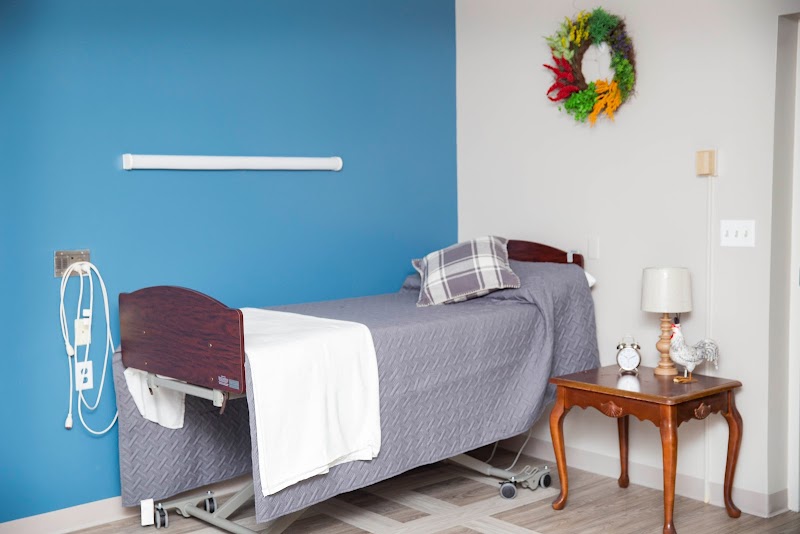
How is Countryside Manor Nursing And Rehabilitation Llc Staffed?

CMS rates COUNTRYSIDE MANOR NURSING AND REHABILITATION LLC's staffing level at 3 out of 5 stars, which is average compared to other nursing homes. Staff turnover is 72%, which is 25 percentage points above the Ohio average of 46%. High turnover can affect care consistency as new staff learn residents' individual needs.

What Have Inspectors Found at Countryside Manor Nursing And Rehabilitation Llc?

State health inspectors documented 33 deficiencies at COUNTRYSIDE MANOR NURSING AND REHABILITATION LLC during 2019 to 2025. These included: 1 Immediate Jeopardy (the most serious level, indicating potential for serious harm or death), 1 that caused actual resident harm, 29 with potential for harm, and 2 minor or isolated issues. Immediate Jeopardy findings are rare and represent the most serious regulatory concerns. They require immediate corrective action.
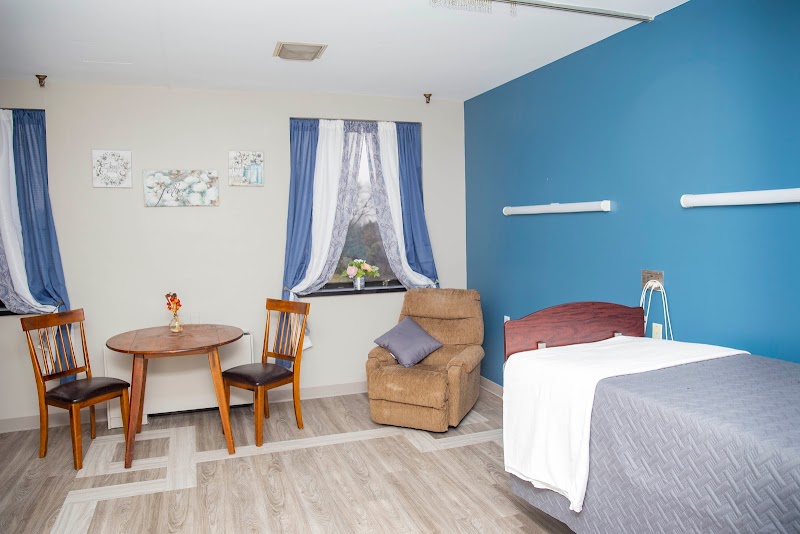
Who Owns and Operates Countryside Manor Nursing And Rehabilitation Llc?

COUNTRYSIDE MANOR NURSING AND REHABILITATION LLC is owned by a for-profit company. For-profit facilities operate as businesses with obligations to shareholders or private owners. The facility is operated by CCH HEALTHCARE, a chain that manages multiple nursing homes. With 82 certified beds and approximately 69 residents (about 84% occupancy), it is a smaller facility located in FREMONT, Ohio.
How Does Countryside Manor Nursing And Rehabilitation Llc Compare to Other Ohio Nursing Homes?

Compared to the 100 nursing homes in Ohio, COUNTRYSIDE MANOR NURSING AND REHABILITATION LLC's overall rating (2 stars) is below the state average of 3.2, staff turnover (72%) is significantly higher than the state average of 46%, and health inspection rating (2 stars) is below the national benchmark.

What Should Families Ask When Visiting Countryside Manor Nursing And Rehabilitation Llc?

Based on this facility's data, families visiting should ask: "What changes have been made since the serious inspection findings, and how are you preventing similar issues?" "How do you ensure continuity of care given staff turnover, and what is your staff retention strategy?" "Can I visit during a mealtime to observe dining assistance and food quality?" "How do you handle medical emergencies, and what is your hospital transfer rate?" These questions are particularly relevant given the facility's Immediate Jeopardy citations and the facility's high staff turnover rate.

Is Countryside Manor Nursing And Rehabilitation Llc Safe?

Based on CMS inspection data, COUNTRYSIDE MANOR NURSING AND REHABILITATION LLC has documented safety concerns. Inspectors have issued 1 Immediate Jeopardy citation (the most serious violation level indicating risk of serious injury or death). The facility has a 2-star overall rating and ranks #100 of 100 nursing homes in Ohio. Families considering this facility should ask detailed questions about what corrective actions have been taken since these incidents.

Do Nurses at Countryside Manor Nursing And Rehabilitation Llc Stick Around?

Staff turnover at COUNTRYSIDE MANOR NURSING AND REHABILITATION LLC is high. At 72%, the facility is 25 percentage points above the Ohio average of 46%. High turnover means new staff may not know residents' individual needs, medications, or preferences. It can also be disorienting for residents, especially those with dementia who rely on familiar faces. Families should ask: What is causing the turnover? What retention programs are in place? How do you ensure care continuity during staff transitions?

Was Countryside Manor Nursing And Rehabilitation Llc Ever Fined?

COUNTRYSIDE MANOR NURSING AND REHABILITATION LLC has been fined $15,593 across 1 penalty action. This is below the Ohio average of $33,235. While any fine indicates a compliance issue, fines under $50,000 are relatively common and typically reflect isolated problems that were subsequently corrected. Families should ask what specific issues led to these fines and confirm they've been resolved.

Is Countryside Manor Nursing And Rehabilitation Llc on Any Federal Watch List?

COUNTRYSIDE MANOR NURSING AND REHABILITATION LLC is not on any federal watch list. The most significant is the Special Focus Facility (SFF) program, which identifies the bottom 1% of nursing homes nationally based on persistent, serious quality problems. Not being on this list means the facility has avoided the pattern of deficiencies that triggers enhanced federal oversight. This is a positive indicator, though families should still review the facility's inspection history directly.