PARKVIEW CARE CENTER
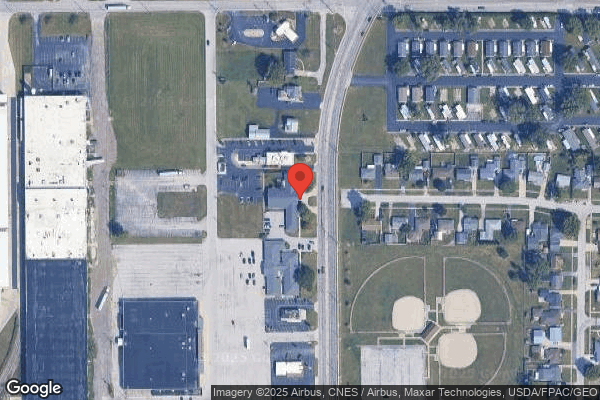

1406 OAK HARBOR RD, FREMONT, OH 43420 (419) 332-2589
For profit - Corporation 38 Beds AOM HEALTHCARE Data: November 2025 2 Immediate Jeopardy citations
Trust Grade
6/100
#759 of 913 in OH
Last Inspection: March 2025

Within standard 12-15 month inspection cycle. Federal law requires annual inspections.

Overview

Parkview Care Center in Fremont, Ohio has received a Trust Grade of F, indicating significant concerns and overall poor performance in providing care. Ranking #759 out of 913 facilities in Ohio places it in the bottom half, and it's #7 out of 9 in Sandusky County, suggesting limited better local options. Although the facility is improving, with issues decreasing from 11 in 2024 to 3 in 2025, the staff turnover rate is concerning at 74%, well above the state average of 49%, but they do have good RN coverage, exceeding 79% of Ohio facilities. However, the facility faced heavy fines totaling $91,637, which is higher than 97% of its peers, hinting at ongoing compliance issues. Specific incidents of concern include a failure to provide timely treatment for a resident with swallowing issues, leading to serious health risks, and a lack of adequate supervision that allowed a cognitively impaired resident to experience inappropriate interactions with others, highlighting both critical and serious lapses in care.

Trust Score
F
6/100
In Ohio
#759/913
Bottom 17%
Safety Record
High Risk
Review needed
Inspections
Getting Better
11 → 3 violations
Staff Stability
⚠ Watch
74% turnover. Very high, 26 points above average. Constant new faces learning your loved one's needs.
Penalties
○ Average
$91,637 in fines. Higher than 64% of Ohio facilities. Some compliance issues.
Skilled Nurses
○ Average
Each resident gets 39 minutes of Registered Nurse (RN) attention daily — about average for Ohio. RNs are the most trained staff who monitor for health changes.
Violations
⚠ Watch
37 deficiencies on record. Higher than average. Multiple issues found across inspections.
★★☆☆☆
2.0
Overall Rating
★★★☆☆
3.0
Staff Levels
★★★★★
5.0
Care Quality
★☆☆☆☆
1.0
Inspection Score
Stable
2024: 11 issues
2025: 3 issues

The Good

  • 5-Star Quality Measures · Strong clinical quality outcomes
  • Full Sprinkler Coverage · Fire safety systems throughout facility
  • No fines on record

Facility shows strength in quality measures, fire safety.

The Bad

2-Star Overall Rating

Below Ohio average (3.2)

Below average - review inspection findings carefully

Staff Turnover: 74%

27pts above Ohio avg (46%)

Frequent staff changes - ask about care continuity

Federal Fines: $91,637

Well above median ($33,413)

Moderate penalties - review what triggered them

Chain: AOM HEALTHCARE

Part of a multi-facility chain

Ask about local staffing decisions and management

Staff turnover is very high (74%)

26 points above Ohio average of 48%

The Ugly 37 deficiencies on record

2 life-threatening
Jul 2025 1 deficiency 1 IJ
CRITICAL (J) 📢 Someone Reported This

A family member, employee, or ombudsman was alarmed enough to file a formal complaint

Immediate Jeopardy (IJ) - the most serious Medicare violation

Quality of Care (Tag F0684)

Someone could have died · This affected 1 resident

**NOTE- TERMS IN BRACKETS HAVE BEEN EDITED TO PROTECT CONFIDENTIALITY** Based on closed medical record review, staff interviews, Emergency Medical Services (EMS) staff interview, Coroner investigator ...

Read full inspector narrative →
**NOTE- TERMS IN BRACKETS HAVE BEEN EDITED TO PROTECT CONFIDENTIALITY** Based on closed medical record review, staff interviews, Emergency Medical Services (EMS) staff interview, Coroner investigator interview, review of an EMS run report, review of hospital and emergency room (ER) documentation, review of an electronic mail (e-mail) document, review of a Coroner's report and Coroner's Report of Death document, and review of facility policies, the facility failed to ensure a resident (#50), with known swallowing issues, was provided with appropriate and timely treatment and services when the resident was assessed with changes in condition. This resulted in Immediate Jeopardy and serious life-threatening harm, negative health outcomes, and/or death when Resident #50 was sent to the hospital on [DATE] with altered mental status, dehydration, and hyperglycemia, and returned to the facility where a follow up speech therapy evaluation was completed and determined the resident was at risk for aspiration and her diet was downgraded. Resident #50 subsequently refused multiple meals and fluids or ate and drank minimal amounts during mealtimes over the proceeding days and had scheduled medications held for approximately 12 hours on 05/10/25 due to swallowing difficulties without the physician or nurse practitioner being notified and without the facility obtaining the resident's output to monitor hydration status. The lack of timely and appropriate treatment and services, and notification to the physician contributed to Resident #50's untimely death when she was obtunded (a state of reduced alertness and responsiveness, often due to decreased consciousness) in the days leading up to being found unresponsive with low blood pressure and heart rate by facility staff on 05/11/25 requiring assistance from EMS staff, and EMS staff assessing the resident as unresponsive to all stimuli, with dry eyes and dry and cracked lips, and abnormal vital signs. Resident #50 was transported to the ER where life-saving measures were attempted, but were not successful, and the resident subsequently died. This affected one (#50) of three residents reviewed for appropriate care and services. The facility census was 33. On 07/07/25 at 3:59 P.M., the Administrator, the Director of Nursing (DON), Regional Director of Operations (RDO) #01, and Quality Assurance (QA) Nurse #321 were notified Immediate Jeopardy began on 05/10/25 when staff failed to provide Resident #50 with appropriate and timely treatment and services after experiencing a change in condition. Resident #50 was noted by staff to be confused, and her evening medications were held due to increased swallowing difficulty with no notification made to the physician or nurse practitioner. Resident #50 remained in the facility without additional interventions implemented or additional services provided until a nurse was alerted to the resident's condition in the early morning of 05/11/25 and the nurse assessed Resident #50 to have low blood pressure and heart rate and was lethargic and responding slowly to verbal stimuli. EMS staff were called to the facility on [DATE] at 5:38 A.M. and assessed Resident #50 as unresponsive to all stimuli, with dry eyes and dry and cracked lips, and abnormal vital signs. Resident #50 was transported to the ER where life-saving measures were attempted, but were not successful, and the resident subsequently died on [DATE] at 6:48 A.M.The Immediate Jeopardy was removed on 07/09/25 when the facility implemented the following corrective actions: On 07/07/25 at 4:39 P.M., an ad hoc meeting was held with the interdisciplinary team (IDT) staff members and Physician #150 to discuss the incident in May 2025 involving Resident #50, the plan for removing the Immediate Jeopardy, the plan of correction (POC), education, quality assurance and performance improvement (QAPI) components to correction, and necessary audits. The meeting was organized and led by the Administrator and the DON. On 07/07/25 at 5:00 P.M., an investigation was initiated regarding the incident in May 2025 involving Resident #50 and the clinical actions taken. The investigation was completed by the Administrator and the DON and determined an agency nurse (Licensed Practical Nurse [LPN] #139) did not notify the physician for a change in condition. On 07/07/25 at 5:55 P.M., the DON/designee reviewed all nursing schedules to determine where the possible breakdown occurred as part of the investigation. It was determined an agency nurse, LPN #139, was the nurse in charge of Resident #50 when the resident experienced a change in condition on 05/10/25. The staffing agency was notified by the DON that a do not return (DNR) notice was issued to LPN #139 for not notifying the physician for Resident #50's change in condition. On 07/07/25 at 6:04 P.M., the Medical Director (MD) was notified by the DON of the incident regarding Resident #50 and was made aware of the potential deficient practice. On 07/07/25, the DON and Registered Nurse (RN) #130 provided education to all clinical nursing staff and all members of the IDT regarding notification of change in condition, physician notification, and hydrating residents. The training was completed for all staff in person, via telephone and text messages, through electronic applications (OnShift), and staffing tool with all staff requiring return acknowledgement of the education. All education was completed by 07/07/25. On 07/07/25, the DON/designee completed a full house audit for all residents to review dietary orders and residents with liquid diet orders to ensure all orders were appropriate. No revisions were needed, and no concerns were identified. All audits were completed on 07/07/25. On 07/07/25, the DON/designee assessed all residents for signs and symptoms of dehydration and changes in condition. Any concerns were addressed immediately, and notification was given to the provider. All assessments were completed on 07/07/25. On 07/07/25, the DON/designee reviewed all resident medical records to review for any missed medications in the preceding weeks. Notification of any resident that missed medications was promptly provided to the physician. All reviews were completed on 07/07/25. On 07/07/25, the DON began education for agency staff through creating an agency binder. The binder will ensure agency staff are informed of the facility policies, and the schedule will be updated to indicate agency staff need to review the binder contents, including the policies related to dehydration, change in condition, and notification of change. A sign-in/in-service sheet was implemented to audit each agency staff completing the in-service. The agency binder will be monitored daily by the DON to ensure all agency staff have signed the acknowledgement of reviewing the binder contents when they are working in the facility. On 07/07/25, the facility implemented daily audits to review residents for change in condition and notification of any changes to be discussed through the facility morning clinical meetings. The audit information will be collected by the Administrator or the DON/designee during clinical rounds, nursing huddles, chart review, observation, and during clinical IDT meetings every 24 hours. The clinical morning meetings are a daily meeting held Monday through Friday. On 07/07/25, a QAPI performance improvement project (PIP) was implemented to review and interpret all audit findings. All findings will be discussed at the weekly ad hoc quality assurance and assessment (QAA) meeting for a minimum of four weeks to ensure compliance is maintained. The project will be completed by the Administrator, the DON/designee, and IDT members including RDO #01, Maintenance Director #401, Therapy Director #105, RN #131, Physician #150, RN #130, Scheduler #129, Business Office Manager #402, Activities Director #403, Dietary Manager #405, and Housekeeper #410. On 07/07/25, two (#41 and #49) additional residents were reviewed for care and services provided, change in condition, and physician notifications with no concerns identified. On 07/08/25, the DON completed an audit of the agency binder and determined all agency staff working completed and signed the education provided by the facility. On 07/09/25, the DON completed an audit of one (#29) resident to review for hydration status concerns with no issues identified. On 07/09/25, the DON completed an audit of one (#32) resident to review for changes in condition with verification of a notification made to the physician.Although the Immediate Jeopardy was removed on 07/09/25, the facility remained out of compliance at Severity Level 2 (no actual harm with potential for more than minimal harm that is not Immediate Jeopardy) as the facility is still in the process of implementing their corrective action plan and monitoring to ensure on-going compliance. Findings include:Review of Resident #50's medical record revealed an admission date of 03/25/25. Diagnoses included bipolar disease with severe manic psychotic features, paranoid schizophrenia, suicidal ideation, diabetes mellitus, and moderate intellectual disabilities. Review of Resident #50's admission Minimum Data Set (MDS) assessment dated [DATE] revealed the resident had a moderately intact cognition. The resident was assessed with no behaviors, was independent with eating, and had no swallowing issues.Review of Resident #50's physician advanced directive order dated 03/25/25 revealed the resident was a full code (full life-saving measures in the event of cardiac or respiratory arrest).Review of Resident #50's care plan dated 03/26/25 revealed she was a full code with an intervention to adhere to the desired code status. Review of Resident #50's care plan dated 03/28/25 revealed the resident had a nutritional problem or potential nutritional problem related to bipolar and brief psychotic disorder. Interventions included to monitor, document, and report as needed any signs of dysphasia (difficulty swallowing) including pocketing, choking, coughing, drooling, holding food in the mouth, several attempts at swallowing, refusing to eat, and appearing concerned during meals.Review of Resident #50's most recent nutrition assessment dated [DATE] revealed the resident was alert and verbal, independent for feeding herself, and on a regular diet.Review of Resident #50's ER documentation dated 05/06/25 revealed the resident was sent to the ER for altered mental status, hyperglycemia (elevated blood glucose levels), and dehydration. The resident was diagnosed with mild dehydration and hyperglycemia and was treated with intravenous (IV) fluids and returned to the facility with no new orders.Review of Resident #50's Certified Nurse Practitioner (CNP) #135 progress note dated 05/06/25 revealed the resident was seen to follow-up and to reassess. It was reported that the resident was not participating in therapy and had an increase in overall physical weakness and lack of orientation. A neurological assessment was completed, and the resident was found to be unable to perform certain tasks. Resident #50 took two bites of food at lunch, and it took her 15 minutes to swallow. Due to this condition, the resident was sent to the local hospital. A head computed tomography (CT), urinalysis, and chest x-ray were completed and found to be negative. Laboratory values showed mild dehydration, and IV fluids were administered as well as insulin for a blood sugar of 400 milligrams per deciliter (mg/dL). Nursing was to continue with neurological checks with their assessments, obtain daily vital signs, and to continue with weights. Nursing was also informed to call the on-call provider for any changes in Resident #50's condition.Review of Speech Therapist (ST) #138's evaluation and treatment plan for Resident #50 dated 05/08/25 revealed a swallow study was completed that day. Due to physical impairments and associated functional deficits, Resident #50 was at risk for aspiration (inhalation of a substance [like food, liquid, or other foreign material] into the airway and lungs, instead of being swallowed into the esophagus) and further decline in function. It was recommended the resident begin a pureed consistency diet with thin liquids by cup. The resident must sit in an upright position during meals and upright posture for more than 30 minutes after meals.Review of Resident #50's intake documentation dated 05/08/25 at 10:50 A.M. (late entry) and on 05/08/25 at 5:34 P.M. revealed the resident refused food and drink for each meal and an alternate meal option was offered.Review of Resident #50's intake documentation dated 05/09/25 at 8:50 A.M., 3:03 P.M. (late entry), and 5:25 P.M., revealed the resident ate between zero (0) percent (%) and 25% of each of the three meals and the resident drank 120 milliliters (mL) for breakfast and 20 mL at both lunch and supper meals. The section for offering the resident an alternate meal option was documented as Not Applicable for all three meals on 05/09/25. Review of Resident #50's intake documentation dated 05/10/25 at 9:54 A.M. and 4:01 P.M. (late entry) revealed the resident refused food and drink at both meals and an alternate meal option was offered. Review of an intake documented 05/10/25 at 5:41 P.M. revealed Resident #50 ate between 76% and 100% of the meal and drank 240 mL of fluids with the meal. Review of a physician order dated 05/10/25 revealed Resident #50 was ordered a regular diet with pureed texture and nectar thickened consistency fluids.Review of Resident #50's May 2025 medication administration record (MAR) revealed on 05/10/25 at 10:00 P.M., the resident's blood glucose level was 202 mg/dL, and she was treated with four (4) units of rapid acting insulin. Further review of the May 2025 MAR revealed on 05/10/25 the resident did not receive the cholesterol-lowering medication rosuvastatin calcium, the antidepressant medications trazodone and sertraline (Zoloft), the antipsychotic Risperdal, nor the mood stabilizer lithium carbonate as ordered due to swallowing difficulties.Review of Resident #50's nursing progress notes dated 05/10/25 revealed the resident was unable to take her evening medication due to swallowing difficulties. Further review of a nursing progress note dated 05/10/25 at 10:45 P.M. revealed the resident was lying in bed with her eyes closed. The resident was alert with confusion, and her medications were held due to increased swallowing difficulty. Resident #50's lungs were clear to auscultation and bowel sounds were present in all four (abdominal quadrants). Further review of Resident #50's medical record dated 05/09/25 and 05/10/25 revealed the record was absent regarding notification to a physician or CNP regarding the resident's change of condition now having swallowing difficulties and refusing to eat. There were no documented observations of Resident #50 in the medical record until 05/11/25. Review of Resident #50's nursing progress notes on 05/11/25 at 7:12 A.M. revealed LPN #136 was called to Resident #50's room by a certified nurse aide (CNA) who stated the resident was unresponsive. The resident appeared to be lethargic and was responding slowly to verbal stimuli. The resident's blood pressure was 85/68 milligrams of mercury (mmHg), and pulse was 46 beats per minute. Resident #50 was transferred to the local hospital via stretcher with EMS at 5:59 A.M.Review of Resident #50's situation, background, appearance, and review (SBAR) communication form completed by the DON and dated 05/11/25 revealed the resident had an altered mental status which stayed the same and the condition had not happened before. The resident's blood pressure was 110/62 mmHg, pulse was 96 beats per minute with an apical heart rate of 80 beats per minute, respirations were 18 breaths per minute, temperature was 97.9 degrees Fahrenheit (F), and the most recent weight was 144 pounds on 05/05/25. Resident #50 had an altered level of consciousness, needed more assistance with activities of daily living, and had difficulty swallowing. The resident was unresponsive and was sent to the ER.Review of the EMS run report dated 05/11/25 revealed the unit received a call regarding Resident #50 at 5:38:54 A.M. for a diabetic problem related to Resident #50 and was dispatched at 5:39:49 A.M. Upon arrival to the facility at 5:45:09 A.M., Resident #50 was lying supine (flat on the back facing upward) in bed. At 5:48 A.M., an assessment was completed of Resident #50 by EMS staff, and the resident was noted to be unresponsive to all stimuli. The resident's eyes were dry, and her lips were dry and cracking. Dried vomit was noted on Resident #50's mouth and it was also agape (wide open). The resident's respirations were noted to be shallow and rapid with accessory muscles used. At 5:49 A.M., Resident #50 was unresponsive, and her pulse was 110 beats per minute, respirations were 27 breaths per minute, oxygen saturation was 65% on room air, blood glucose was 393 mg/dL, and EMS was not able to obtain a blood pressure. At 5:51 A.M., Resident #50's blood pressure was 40/26 mmHg, and the heart rate was 107 beats per minute. EMS staff continued to obtain Resident #50's vital signs through 6:09 A.M. and noted the resident's oxygen saturation rate improved with supplemental oxygen, respiration and heart rate were lowered, the resident's blood pressure improved to 75/45 mmHg, and the resident's temperature was obtained at 6:00 A.M. and found to be 103.7 degrees F. Resident #50 remained unresponsive throughout the entire time EMS was providing services. The facility staff stated her blood sugar was high and she was not really responding. The staff stated Resident #50 had been like this for the last two (2) days. The staff reported the resident was transferred to the ER on [DATE] and returned to the facility because everything was fine. The facility staff stated Resident #50 was not given her daily medications because she would not swallow. The staff could not tell the EMS staff how long Resident #50 had been unresponsive or the last time she was well. EMS staff transported Resident #50 to the hospital at 6:08:24 A.M. and arrived at the hospital at 6:20:00 A.M. Review of Resident #50's ER report dated 05/11/25 revealed the resident came from the nursing home facility with concerns of altered mental status. Per EMS, the resident was unresponsive for two days with gradually worsening mental status. Upon EMS arrival, Resident #50's oxygen level was saturated at 55% on room air. The resident initially responded to the supplemental oxygen but then lost respiratory effort shortly upon entering the ambulance, and they transported her with bag-valve-mask (BVM) ventilation. Upon arrival at the hospital, Resident #50 was unresponsive and was being ventilated with BVM. Resident #50 was chronically ill appearing, jaundiced (unnaturally yellowed skin complexion) and pale, and unresponsive. The resident was also noted with poor dentition, vomitous, and dried mucous membranes. Resident #50's pupils were three (3) millimeters (mm) in diameter and non-reactive bilaterally. The resident exhibited bradycardia (slow heartbeat) and bradypnea (abnormally slow breathing). The resident was noted to have an intraosseous (IO) device (a needle inserted into the bone marrow cavity to deliver fluids, medications, or blood products) in the left shin. Resident #50 arrived at the hospital with worsening altered mental status to the point of unresponsiveness starting 2 days ago. The resident arrived at the ER with poor respiratory effort requiring BVM ventilation. The resident was initially bradycardic in the 20s (heart beats per minute) on the monitor and quickly decompensated to asystole (no heartbeat). Cardiopulmonary resuscitation was in progress with medications and defibrillation per advanced cardiac life support (ACLS) protocol. The resident was intubated with a central line placed. Resident #50 received 36 minutes of critical care including medications and one shock without success and the resident was pronounced dead at 6:48 A.M. on 05/11/25. Further review of the hospital notes revealed on 05/11/25 at 7:08 A.M. the coroner's office was briefed on the case, and it was determined Resident #50's death would be a Coroner's case. Review of the County Coroner's office investigator's report dated 05/11/25 revealed Resident #50 expired in the local ER. The ER staff were unable to start intravenous (IV) access in the resident's left or right antecubital (the inner side of the elbow) due to dehydration. Resident #50's sclera (the white outer coating of the eye) in both eyes was dry, and her lips and mouth were dry. Review of the County Coroner's office Report of Death, with an investigation date of 05/11/25 and a submission date of 06/04/25, revealed EMS was summoned to the facility on [DATE] at 5:45 A.M. for an unresponsive female resident (#50). The EMS began their assessment at 5:49 A.M. and the resident was transferred to the local hospital and arrived at 6:20 A.M. Resident #50 was observed unresponsive by staff at the nursing home in the early morning hours of 05/11/25. The CNP ordered her to be transferred to the local hospital. The EMS found the resident to be breathing but unconscious on arrival. They also suspected septic shock. On transport to the local hospital, the resident went into cardiac arrest. The resident was pronounced dead at 6:48 A.M. on 05/11/25. Resident #50 had sores on her lips, her tongue and her mouth were very dry, and her sclera was dry. The resident's dentition and dental hygiene were poor. There was some smeared blood on the right anterior thigh from the insertion of a femoral vein IV. Interview by the County Coroner with the DON at the nursing home facility revealed, on 05/05/25, Resident #50 was sent to the local hospital, and she had a chest x-ray, CT scan, and laboratory draws, and returned to the nursing home without new orders. Further review revealed the facility nurses interviewed, which included the DON, revealed Resident #50's condition failed to improve. The DON stated Resident #50's blood glucose had risen to over 400 mg/dL at one point. The facility staff stated Resident #50's blood glucose levels were difficult to control even with new orders given by the CNP. It was reported the resident's food intake was below average. After consultation with the County Coroner and the ER physician, there was probable cause to believe that the acute care of Resident #50 may have been delayed, allowing a decline in her condition.Review of an email from a local County Coroner's office to County Coroner Investigator (CCI) #01, dated 07/01/25, revealed Resident #50 was obtunded (a dulled or reduced level of alertness or unconsciousness) for several days prior to her terminal admission to the hospital, which was consistent with acute pneumonia. Postmortem concentrations of sertraline (metabolite desmethylsertraline) are both elevated. Further the metabolite was much higher than would be expected relative to the concentration of the parent compound. The reason for that discrepancy (underlying metabolic problem, or abnormal metabolism because of her dehydration slash malnutrition state) was unknown. Additionally, interpretation was complicated because the medical records are unclear as to how long the medications (specifically sertraline) had been held prior to Resident #50's demise. It does appear her terminal events are related both to malnutrition/dehydration and perhaps also toxicity of sertraline, with her underlying developmental delay as an overarching problem. But the extent to which each of those factors contribute, and which factor(s) initiated the lethal sequences unknown. As such, the cause and manner of death are best classified as undetermined.Interview with CNA #122 on 07/02/25 at 6:55 A.M. revealed she did not take care of Resident #50 on 05/11/25, but she was working with other residents that night (05/10/25) when Resident #50's assigned CNA informed her the resident was barely breathing. CNA #122 stated the nurse aides reported this to the nurse, and she was aware Resident #50 had been declining for a couple days and was having trouble swallowing.Interview with CCI #01 on 07/02/25 at 9:16 A.M. revealed Resident #50's preliminary Coroner's report and result of death could not be determined. CCI #01 stated there was an elevated level of sertraline which may have been due to dehydration.Telephone interview with Physician #150 on 07/02/25 at 9:54 A.M. revealed Resident #50 was sent to the hospital several days prior to her death for dehydration and hyperglycemia but was sent back to the facility. Physician #150 stated he did not send her to the hospital on [DATE] and the facility had failed to inform him of her further decline between 05/09/25 and 05/11/25.Interview on 07/02/25 at 3:00 P.M. with local EMS Chief #222, EMS Lieutenant #224, and EMS Paramedic #225 revealed they were on scene when EMS was dispatched to the facility for Resident #50 in the early morning of 05/11/25. EMS Paramedic #225 stated the EMS staff were informed by the facility floor nurse that Resident #50's blood sugar was off and elevated, and she was not responding. The emergency responders asked how long the resident had been in that condition, and the facility staff were unable to answer. When the rescue team entered Resident #50's room her mouth was agape, and she was wearing a brief which appeared to be old, but it was dry. The staff gave them a packet of papers for the hospital. The lead nurse informed the paramedics Resident #50 had been unable to swallow for a couple of days and no medications had been administered. Vital signs were decreasing at the scene, so the paramedics began providing bagging (providing artificial breaths) the resident due to her being unresponsive and being unable to find a blood pressure or radial pulse. The paramedics began an IO infusion due to the resident being severely dehydrated, they were unable to access a vein. The paramedics reported Resident #50's mouth and tongue were very dry. EMS Lieutenant #224 stated Resident #50's eyes were so dry they were gel-like. EMS Lieutenant #224 continued that Resident #50 had labored respirations and had very little vascularity. Soon after EMS arrived at the local hospital from the facility Resident #50 died. EMS Chief #222 stated after receiving the report from his crew he immediately contacted Adult Protective Services to report the resident's condition.Telephone interview with LPN #136 on 07/07/25 at 9:37 A.M. revealed she worked on 05/10/25 at 11:00 P.M. and relieved an agency nurse that had worked from 7:00 P.M. to 11:00 P.M. LPN #136 stated the agency nurse cared for Resident #50 the previous four hours. LPN #136 revealed, during the nursing report, she was told Resident #50 had been declining for two days and was found to be moderately dehydrated and had an elevated blood sugar at the hospital on [DATE]. LPN #136 continued that at approximately 5:00 A.M. on 05/11/25, two CNAs informed her Resident #50 was unresponsive. LPN #136 stated she immediately went to the resident's room but could not obtain vital signs, then contacted the nurse manager who informed her to contact the DON. LPN #136 called for EMS, who quickly arrived, and transported the resident to the hospital. LPN #136 stated she had no idea the resident was unable to swallow and was not administered medications on the prior shift and stated she received a poor report from the agency nurse.Telephone interview with CNP #134 on 07/07/25 at 1:46 P.M. revealed she ordered sliding scale insulin for Resident #50 on 05/08/25 due to elevated blood sugars, and that was the last time she examined the resident prior to her death. CNP #134 stated, on 05/11/25 at approximately 6:00 A.M., she received a telephone call from LPN #136. The LPN was extremely upset and stated Resident #50 was sent to the hospital due to her being unresponsive. CNP #134 stated LPN 136 told her she was given a poor report from the off-going nurse on the previous shift about Resident #50 and had no idea the resident was declining so quickly. Further interview with CNP #134 revealed none of the facility staff informed her that Resident #50 was unable to swallow or having swallowing difficulties in the days before her death. Interview with the DON on 07/07/25 at 2:35 P.M. revealed the facility failed to keep track of Resident #50's intake and output because there was no physician order to do so even after returning from the hospital diagnosed with dehydration on 05/08/25. The DON subsequently provided intake records for Resident #50 but no output records. Review of the facility policy titled, Resident Hydration and Prevention of Dehydration, revised October 2017, revealed the facility will strive to provide adequate hydration and to prevent and treat dehydration. The dietitian will assess all residents for hydration as part of the comprehensive assessment, at least quarterly, and more often as necessary per resident need. Nurses will assess for signs and symptoms of dehydration during daily care. If potential inadequate intake and/or signs and symptoms of dehydration are observed, intake and output monitor will be initiated and incorporated into the care plan. Activities of Daily Living (ADLs) status, diagnosis, individual preference, habits, and cognitive and medical status will be considered in all interventions. The physician will be notified.Review of the facility policy titled, Change in a Residents Condition or Status, revised February 2021, revealed the facility promptly notifies the resident, his or her attending physician, and the residents' representative of changes in the resident's medical/mental condition and/or status. The nurse will notify the resident's attending physician or physician on call when there has been a significant change in the resident's physical/emotional/mental condition. A significant change of condition is a major decline or improvement in the resident's status that will not normally resolve itself without intervention by staff or implementing standard disease related clinical interventions.This deficiency represents non-compliance investigated under Master Complaint Number OH00166094 (iQIES Complaint Number 1356449).
Mar 2025 2 deficiencies
CONCERN (D)

Potential for Harm - no one hurt, but risky conditions existed

Deficiency F0679 (Tag F0679)

Could have caused harm · This affected 1 resident

**NOTE- TERMS IN BRACKETS HAVE BEEN EDITED TO PROTECT CONFIDENTIALITY** Based on medical record review, resident and staff interview, review of activities calendars, and policy review, the facility fa...

Read full inspector narrative →
**NOTE- TERMS IN BRACKETS HAVE BEEN EDITED TO PROTECT CONFIDENTIALITY** Based on medical record review, resident and staff interview, review of activities calendars, and policy review, the facility failed to provide activities of resident preference on evenings and weekends to support the physical, mental, and psychosocial well-being of the resident. This affected one (#18) of one residents reviewed for activities. The facility census was 34. Findings include: Review of Resident #18's medical record revealed the resident was admitted to the facility on [DATE] with diagnoses that included nontraumatic subdural hemorrhage, anxiety disorder, and alcohol abuse. Review of the most recent Minimum Data Set (MDS) assessment dated [DATE] revealed Resident #18 was cognitively intact and was independent with mobility and activities of daily living (ADLs). Interview with Resident #18 on 03/10/25 at 9:33 A.M. revealed the facility did not provide activities in the evening hours and lacked a variety of different activities that suited Resident #18's interest. Resident #18 also stated on weekends very little to no activities were organized. Review of the facility activities calendar of events for January, February, and March 2025 revealed after 3:00 P.M. there were no activities scheduled during the week or weekends with the exception of Bible study (on Tuesdays in January and February and Wednesdays in March) at 6:00 P.M. Interview with Activities Director (AD) #308 on 03/11/25 at 11:03 A.M. confirmed there were no organized activities in the evenings and on weekends. AD #308 further revealed the facility's certified nurse aides (CNAs) were expected to provide residents with activities and other stimulation on the weekends since the facility does not employ any other activities personnel. AD #308 also noted the census at the facility was younger and the facility was currently trying to figure out what variety of activities would appeal to a younger population. Review of a policy titled, Activities, dated 01/01/25, revealed the facility will conduct activities that are person appropriate and relevant to the specific needs, interests, culture, background, etc. for the resident they are developed for. Further review of the policy noted the facility will consider accommodations in schedules, supplies, and timing in order to optimize a resident's ability to participate in an activity of choice.
CONCERN (F)

Potential for Harm - no one hurt, but risky conditions existed

Infection Control (Tag F0880)

Could have caused harm · This affected most or all residents

Based on review of a the facility water management plan, staff interview, review of the Centers for Disease Control and Prevention (CDC) website, and policy review, the facility failed to implement a ...

Read full inspector narrative →
Based on review of a the facility water management plan, staff interview, review of the Centers for Disease Control and Prevention (CDC) website, and policy review, the facility failed to implement a complete water management program to prevent the growth of Legionella bacteria and failed to wear gloves during administration of an injected medication. This had the potential to affect all 34 residents residing in the facility. The census was 34. Findings include: 1. Review of the facility the facility's water management plan lacked any information about how the facility would intervene when control measures were not met and possible contamination with Legionella bacteria was suspected or address ongoing monitoring of the plan's effectiveness. Interview with the Administrator on 03/13/25 at 10:07 A.M. verified the facility's water management plan did not address how the facility would intervene if control measures were not met, what interventions the facility would implement if contamination of Legionella bacteria was suspected, or how the facility would monitor the plan's effectiveness on an ongoing basis. Review of the undated policy titled, Legionella Surveillance and Detection, revealed the facility was committed to the prevention, detection, and control of water-borne contaminants, including Legionella. Review of the CDC website at, https://www.cdc.gov/control-legionella/php/wmp/index.html, under the title, Overview of Water Management Programs, dated 03/15/24, revealed water management programs identify hazardous conditions and take steps to minimize the growth and transmission of Legionella and other waterborne pathogens in building water systems. Developing and maintaining a water management program was a multi-step process that required continuous review. Such programs are now an industry standard for many buildings in the United States. Further review of the website under the subsection titled, Key Elements, revealed there were seven key elements of a Legionella water management program which included to establish a water management program team, describe the building water systems using text and flow diagrams Burden of Waterborne Disease, identify areas where Legionella could grow and spread, decide where control measures should be applied and how to monitor them, establish ways to intervene when control limits are not met, make sure the program was running as designed (verification) and was effective (validation), and document and communicate all the activities. 2. Review of the medical record for Resident #31 revealed an admission date of 09/04/24 with a diagnosis of diabetes mellitus. Review of the current physician orders as of March 2025 for Resident #31 revealed he was prescribed Admelog Solostar insulin 36 units subcutaneously (SQ). Observation on 03/12/25 at 8:39 A.M. of Licensed Practical Nurse (LPN) #360 during medication administration revealed LPN #360 administered Admelog insulin SQ to Resident #31 without applying gloves prior to the administration of the insulin. Interview on 03/12/25 at 8:46 A.M. with LPN #360 verified she did not put on gloves prior to administration of the insulin to Resident #31. Review of the facility policy titled, Administering Medications, revised 12/02, revealed staff shall follow established infection control procedures (such as handwashing, antiseptic technique, gloves, and isolation precautions) for the administration of medications, as applicable.
Oct 2024 3 deficiencies
CONCERN (D) 📢 Someone Reported This

A family member, employee, or ombudsman was alarmed enough to file a formal complaint

Potential for Harm - no one hurt, but risky conditions existed

Safe Environment (Tag F0584)

Could have caused harm · This affected 1 resident

**NOTE- TERMS IN BRACKETS HAVE BEEN EDITED TO PROTECT CONFIDENTIALITY** Based on observation, and staff interview the facility failed to ensure resident heating and air conditioning equipment was oper...

Read full inspector narrative →
**NOTE- TERMS IN BRACKETS HAVE BEEN EDITED TO PROTECT CONFIDENTIALITY** Based on observation, and staff interview the facility failed to ensure resident heating and air conditioning equipment was operational inside resident rooms. This affected one (Resident #2) of four residents reviewed for environmental heating, ventilation and cooling in the facility. The total facility was census of 34. Findings include: Resident #2 admitted to the facility on [DATE] with the diagnoses including Alzheimer's disease, multiple sclerosis, dementia, mood disturbance, anxiety disorder, and hypertension. According to the minimum data set assessment dated [DATE] Resident #2 was assessed with intact cognition, required supervision and touch assistance with activities of daily living and utilized a wheelchair for mobility. Review of facility census information Resident #2 was moved to the current room on 09/03/24. According to physician orders on 10/21/24 Resident #2 was placed into SARS-CoV-2 (COVID-19) COVID isolation. Observation on 10/29/24 at 11:40 A.M. located Resident #2 inside a single occupancy room with the door closed. The ambient air temperature was recorded at 72 degrees Fahrenheit. Resident #2 was in bed covered with multiple blankets. No heating ventilation air conditioning (HVAC) duct work was installed inside the room. A Packaged Terminal Air Conditioner (PTAC) unit was identified as the single HVAC source. The PTAC unit was unplugged from the electrical outlet. Resident #2 stated heat and cooling was not operational since being placed into the room and at times requested additional blankets. On 10/29/24 at 1:10 P.M. interview with Maintenance Director (MD) #1 confirmed the PTAC unit inside Resident #2 room had not been operational for an undetermined time. The facility was attempting to obtain a replacement. MD #1 stated when room temperatures were obtained, readings included Resident #2 room and temperatures were recorded between 71-81 degrees Fahrenheit. MD#1 also verified Resident #2 would not be able to adjust the room temperature due to no additional source of heat or cooling installed inside the room. Observation on 10/30/24 at 9:20 A.M. noted Resident #2 remained in the room. The PTAC unit remained unplugged from the electrical outlet. Resident #2's room temperature was recorded at 73.2 degrees Fahrenheit. On 10/30/24 at 9:27 A.M. interview with the Administrator in person and Maintenance Director #1 via phone confirmed Resident #2's room was noted to be equipped with a PTAC unit as the sole source of heating and cooling. Maintenance Director #1 was unable to indicated the period of time the PTAC unit was not operational. The Administrator also confirmed facility COVID-19 infection control protocol is to keep resident room doors closed when in isolation. This deficiency represents non-compliance investigated under Complaint Number OH00157897.
CONCERN (D) 📢 Someone Reported This

A family member, employee, or ombudsman was alarmed enough to file a formal complaint

Potential for Harm - no one hurt, but risky conditions existed

Safe Environment (Tag F0921)

Could have caused harm · This affected 1 resident

Based on observation, and staff interview the facility failed to ensure the physical environment was maintained free of damage or hazardous conditions. This affected one (Resident #1) of four resident...

Read full inspector narrative →
Based on observation, and staff interview the facility failed to ensure the physical environment was maintained free of damage or hazardous conditions. This affected one (Resident #1) of four residents rooms observed for environmental conditions in the facility. The total facility census was 34. Findings include: On 10/29/24 at 9:13 A.M. observation discovered Resident #1 in bed with the bed located next to an exterior window. The window fixture was equipped with a single pane glass storm window containing two windows. One window pane was broken with three fractures in the glass extending across the entire pane. No additional windows were installed in the fixture to prevent exterior air movement from entering the room. Further tour of the room noted three electrical receptacles with electronic devices plugged to the outlets. The outlets were discovered to be extremely loose in the electrical junction boxes. One of the three outlets were discovered to be dislodged with approximately a one foot diameter section of drywall broken way from the wall. On 10/30/24 at 2:25 P.M. observation with Maintenance Director #1 confirmed the broken window, loosely installed electrical outlets and broken drywall. Maintenance Director #1 stated he was unaware of the environmental concerns identified in Resident #1 room. This deficiency represents non-compliance investigated under Master Complaint Number OH00158565 and Complaint Number OH00157897.
CONCERN (F) 📢 Someone Reported This

A family member, employee, or ombudsman was alarmed enough to file a formal complaint

Potential for Harm - no one hurt, but risky conditions existed

Infection Control (Tag F0880)

Could have caused harm · This affected most or all residents

Based on observation, and staff interview the facility failed to maintain medical equipment and supplies in a sanitary manner. This affected all 34 residents residing in the facility. Findings includ...

Read full inspector narrative →
Based on observation, and staff interview the facility failed to maintain medical equipment and supplies in a sanitary manner. This affected all 34 residents residing in the facility. Findings include: On 10/29/24 at 7:50 A.M. observation with Maintenance Director #1 during tour of the facility medical supply rooms located in the facility basement discovered the following: 1. Small medical storage room identified an open box containing 16 indwelling urinary catheter insertion trays soiled with a brown substance. Posted on the exterior of the catheter tray noted the instruction, Warning Avoid storage in direct sunlight/florescent lighting and keep area cool, dry, and well ventilated. Contents STERILE in unopened, undamaged package. 2. Small medical storage room noted a closed case of tracheostomy care kits containing 20 kits. The box was discovered with a yellow brown substance and moisture stain penetrating the box. 3. Located inside the large medical storage room noted heavy amount of debris on the floor including individual packages of incontinence briefs, open SARS-CoV-2 (COVID-19) test kits, specimen sample containers, wound treatment dressing packages. 4. Observation of large storage room shelving discovered individual boxes of latex exam/surgical/treatment gloves. Count revealed 96 boxes of medium latex gloves were fused together due to moisture infiltration. On 10/29/24 at 7:58 A.M. interview with Licensed Practical Nurse (LPN) #200 revealed nursing staff currently utilize the medical storage supplies located in the two basement medical storage rooms. On 10/29/24 at 8:25 A.M. interview with the Director of Nursing (DON) during tour of the two medical storage rooms confirmed the soiled and compromised medical supplies. DON confirmed no current procedure or policy was in place to ensure medical supplies were maintained and stored in a sanitary manner. The DON identified one resident (#3) with an indwelling urinary catheter and one resident (#4) with a tracheostomy. This deficiency represents non-compliance investigated under Complaint Number OH00157897.
May 2024 5 deficiencies 1 IJ
CRITICAL (J) 📢 Someone Reported This

A family member, employee, or ombudsman was alarmed enough to file a formal complaint

Immediate Jeopardy (IJ) - the most serious Medicare violation

Free from Abuse/Neglect (Tag F0600)

Someone could have died · This affected 1 resident

**NOTE- TERMS IN BRACKETS HAVE BEEN EDITED TO PROTECT CONFIDENTIALITY** Based on observation, review of medical records, review of self-reported incidents (SRI), review of witness statements, intervie...

Read full inspector narrative →
**NOTE- TERMS IN BRACKETS HAVE BEEN EDITED TO PROTECT CONFIDENTIALITY** Based on observation, review of medical records, review of self-reported incidents (SRI), review of witness statements, interviews with staff, residents, and family, and policy review, the facility failed to ensure one cognitively impaired resident (#03) was free from resident-to-resident sexual abuse. This resulted in Immediate Jeopardy and the potential for serious physical, mental and/or psychosocial negative outcomes for two residents (#03 and #21) when the facility failed to recognize and respond to Resident #02's increased sexual behavior. State Tested Nursing Assistant (STNA) #112 reported on 04/20/24, Resident #02 had pulled his genitalia out in front of Resident #03. STNA #112 reported the incident to a nurse. On 04/26/24, Resident #02 was found with Resident #21 with his pants unfastened and was putting away his genitalia. On 04/26/24, Licensed Practical Nurse (LPN) #230 was approached by staff stating Resident #02 had exposed himself to Resident #03 in the dining room. Resident #02's care plan was never updated to reflect his increased sexual behaviors towards other residents, nor any new interventions put in place for staff to implement to address these behaviors. The physician was notified and ordered a urinalysis, which was not completed due to the resident's refusal and no other interventions were put in place except increased monitoring. The facility failed to incorporate effective interventions to prevent further abuse from happening. On 04/29/24, Resident #02 was found with his hands down Resident #03's pants. Resident #03 was not physically assessed until six days later when a skin assessment was completed. The facility did not initiate one-on-one monitoring for Resident #02 until 05/06/24. Consequently, this continued inappropriate, unwanted sexual behavior/contact resulted in Resident #03 experiencing a change in condition and negative psychosocial outcomes manifested as self-isolation in her room, including eating her meals, expressions of fearfulness, and no longer attending many activities of interest, since the incidents. Additionally, a reasonable person in the resident's position would potentially have experienced severe psychosocial harm such as dehumanization as a negative outcome resulting from having been treated as an inanimate object or as having no emotions or feelings, and/or humiliation as a result of a feeling of shame due to being embarrassed, disgraced, or depreciated by being subjected to sexual abuse/assault. This affected two (#03 and #21) of four residents reviewed for abuse. The facility census was 28. On 05/07/24 at 2:44 P.M., the Administrator, the Director of Nursing (DON), Regional Director of Operations (RDO) #40, Senior Administrator (SA) #41, Administrator-In-Training (AIT) #42, and Quality Assurance Registered Nurse (QARN) #43 were notified Immediate Jeopardy began on 04/26/24 after STNA #112 stated around 04/20/24, Resident #02 pulled his genitalia out in front of Resident #03. STNA #112 reported the incident to Registered Nurse (RN) #200. On 04/26/24 around 12:28 A.M., Resident #02 was found in the dining room with Resident #21 with his pants unfastened and was putting away his genitalia. On 04/26/24 around 12:56 P.M., LPN #230 was approached by staff stating Resident #02 had exposed himself to Resident #03 in the dining room. Resident #02's care plan was never updated to reflect the increased sexual behaviors nor were any new interventions put in place for staff to implement to address those behaviors. The physician was notified and ordered a urinalysis which was not completed due to resident refusal and no other interventions were put in place except increased monitoring. The facility failed to incorporate effective interventions to prevent further abuse from happening. On 04/29/24, Resident #02 was found with his hands down Resident #03's pants. Resident #03 had no skin assessment until six days later. The facility did not initiate one-to-one staff monitoring for Resident #02 until 05/06/24. Since the incident, Resident #03, who used to attend many activities and was social, now self-isolates in her room, even to eat meals, and has expressed feeling scared to come out of her room and fearful of Resident #02. Resident #03 was no longer attending many activities of interest. The Immediate Jeopardy was removed on 05/08/24 when the facility implemented the following corrective actions: · On 05/07/24, Resident #03 was assessed by the DON for ill effects. Physician #400 was notified with a new order dated 05/07/24 for a psychiatric evaluation. Resident #03's care plan was updated by Regional Minimum Data Set Registered Nurse (RMDSRN) #49 on 05/07/24 with interventions for maintaining safety, a room change, and psychosocial well-being intervention to allow resident time to answer questions and to verbalize feelings, perceptions, and fears as indicated. · On 05/07/24, Resident #02's care plan was updated by RMDSRN #49 for sexually inappropriate behaviors with interventions including intervening as necessary to protect the rights and safety of others, divert attention and remove resident to alternative location as needed, and monitoring behavior episodes, determine cause, and document. Resident #02's intervention of one-to-one supervision was effective 05/06/24 pending psychiatric evaluation which is scheduled for 05/10/24. Resident #02's interventions include: psychiatric evaluation, one-to-one monitoring, urinalysis STAT (immediately) and urinalysis with culture and sensitivity ordered by Physician #400. · On 05/07/24, RMDSRN #49 updated the care plan for Resident #21 identified with sexually inappropriate behavior. · On 05/07/24, the DON and QARN #43 completed a facility-wide audit to ensure accuracy of residents at risk for abuse were safe with no issues. The DON to complete audits weekly during clinical rounds and morning clinical meetings. · On 05/07/24, the facility immediately implemented the following measures to assure this alleged deficiency does not recur: 1. On 05/07/24, the Administrator and DON provided the abuse policy education to all staff. 2. On 05/07/24, QARN #43 reviewed the policies and procedures related to abuse, documentation, and reporting. There was no revision to the policy made. 3. On 05/07/24, the DON provided an all-staff in-service on the policies and procedures stated above. 4. QARN #43 and RDO #40 provided education to the DON and Administrator on SRI reporting and immediate interventions. · On 05/07/24, QARN #43 and Regional Director of Clinical (RDC) #48 with other members of the Quality Assurance Performance Improvement (QAPI) team completed a Root Cause Analysis using a Fishbone diagram to review the alleged deficiency. The Medical Director Physician #400 was made aware by QARN #43 verbally of the Immediate Jeopardy and the systemic actions being implemented. · The DON will complete a random audit of potential for abuse weekly on three residents per week for the next four weeks to ensure compliance until 06/07/24 and randomly thereafter. · On 05/07/24, the first Ad-Hoc QAPI meeting was completed. The facility would discuss the results of the audits during a weekly Ad-Hoc QAPI meeting for the next four weeks to ensure compliance. · On 05/07/24, the DON completed a Self-Reported Incident (SRI) for the 04/20/24 and the 04/26/24 incidents. · On 05/07/24, the facility Administrator would be responsible for ensuring the plan was completed by 05/07/24. · Interviews on 05/08/24 from 8:04 A.M. through 8:16 A.M. revealed Dietary Staff (DS) #100, STNA #109, STNA #105, Housekeeper (HSKP) #70, HSKP #71, STNA #112, and RN #333 were knowledgeable regarding the abuse policy. Although the Immediate Jeopardy was removed on 05/08/24, the facility remained out of compliance at Severity Level 2 (no actual harm with potential for more than minimal harm that is not Immediate Jeopardy) as the facility is still in the process of implementing their corrective actions and monitoring to ensure on-going compliance. Findings include: Review of the medical record for Resident #21 revealed an admission date of 02/06/24. Diagnoses included malignant neoplasm of left breast, secondary malignant neoplasm of brain, secondary neoplasm of right lung, chronic obstructive pulmonary disease, bipolar disorder, anxiety disorder, and type two diabetes mellitus. Review of the admission Minimum Data Set (MDS) assessment dated [DATE] revealed the resident had intact cognition. The resident was not ambulating. Review of physician orders dated 03/30/24 revealed the resident was admitted to hospice for a terminal diagnosis of malignant neoplasm of breast. Review of the plan of care initiated 04/04/24 for Resident #21 revealed the resident had a behavior problem fidgeting with medical equipment and sexually inappropriate comments related to cognitive decline and confusion. Interventions included administering medications as ordered and monitoring of behavior episodes and attempting to determine underlying cause. Review of a nurse's note dated 04/26/24 at 12:28 A.M., revealed LPN #240 walked into the dining areas to give the resident medication and Resident #02 was standing to the left of the resident with his pants unfastened trying to put his genitals back in his pants. The nurse came around to the right side of the resident and asked what they were doing, and Resident #21 stated, being naughty. The residents were separated, and notification was made to the Assistant Director of Nursing (ADON) #55. Review of the medical record for Resident #02 revealed an admission date of 07/15/22. Diagnoses included dementia, hypertension, benign prostatic hyperplasia, and chronic kidney disease. Review of the quarterly MDS assessment dated [DATE] revealed the resident had impaired cognition. The resident was independent with transfers and ambulation. Review of the plan of care for Resident #02 revealed there was no care plan in place with interventions for sexual behaviors. Review of a nurse's note dated 04/26/24 at 12:32 A.M., LPN #240 went to administer medications for Resident #21 and Resident #02 was standing to the left of Resident #21 with his pants unfastened trying to put his genitals back in his pants. When asked what they were doing, Resident #21 stated they were being naughty. The residents were separated, and notification was made to ADON #55. Review of a crossed-out nurse's note dated 04/26/24 at 12:56 P.M. revealed LPN #230 was approached by staff stating Resident #02 exposed himself to Resident #03, a female resident. Resident #03 confirmed Resident #02 had exposed himself to her in the dining room. Resident #02 was asked if he exposed himself and he stated that he had not. The DON was notified. Review of an alert note dated 04/26/24 at 1:00 P.M. revealed the residents were separated and the facility's Nurse Practitioner (NP) #50 was notified of the incident. Review of a SBAR (Situation, Background, Assessment and Recommendation - a structured communication framework that can help teams share information about the condition of a patient) summary note dated 04/26/24 at 2:49 P.M. revealed Resident #02 was ordered a urinalysis or culture for behavioral symptoms. The resident refused the urinalysis on 04/26/24 and no additional interventions were put in place. Review of late entry nurse's notes dated 04/27/24 at 6:00 P.M. and 04/28/24 at 6:00 P.M. revealed no inappropriate behaviors were observed for Resident #02. The resident was monitored when not in room. Review of a nurse's note dated 04/29/24 at 8:28 P.M. revealed staff saw Resident #02 with his hands in Resident #03's pants. When Resident #02 saw staff, he quickly removed his hands and tried to move tables. When asked what was going on he said nothing. Resident #03 said Resident #02 was touching her private area. The residents were removed from around each other and asked to write statements. Resident #02 refused, saying he had not done anything he needs to write a statement for, so he was not going to write one. Residents separated from being on the same halls. Staff and residents asked to write statements. The residents' families, the unit manager, and the on-call administrator were contacted, awaiting a call back from the on-call. Review of a facility SRI dated 04/29/24 at 9:22 P.M. revealed on 04/29/24 around 8:20 P.M., Resident #02 was found to have his hand down Resident #03's pants outside of the pull up brief, as both were sitting in the dining room. Both residents had impaired cognition. Resident #02 stated he did not do anything, and Resident #03 stated he was touching her private area. Review of a staff statement dated 04/29/24 by STNA #161 revealed she walked into the dining area and caught Resident #02 with his hands on Resident #03's private area. As soon as the residents were asked what they were doing, Resident #02 moved. Resident #03 was redirected to the nurse's station. Resident #03 stated Resident #02 was touching her private area. Review of a staff statement dated 04/29/24 by LPN #250 revealed staff reported around 7:40 P.M. they observed Resident #02 with his hands down Resident #03's pants. Resident #03 reported to LPN #250 that Resident #02 had touched her private area and she had not told him that was okay. Resident #02 told LPN #250 he had not done anything. Resident #03 was shaking and looked scared and sat with staff until she calmed down. Resident #03's room was moved. Review of a nurse's note dated 04/30/24 at 6:37 A.M. revealed Resident #02 was wandering the hallways attempting to go inside resident rooms. Staff redirected the resident throughout the night. Review of a nurse's note dated 04/30/24 at 9:18 P.M. revealed a police officer arrived and asked to speak with Resident #02 about a situation that occurred yesterday between him and another resident. Resident #02 agreed to speak with the officer, and they spoke privately. The police officer stated Resident #02 had not remembered anything happening. Review of a nurses note dated 05/06/24 at 12:03 P.M. revealed Nurse Practitioner (NP) #50 was informed of Resident #02 being placed on one-on-one monitoring due to increased inappropriate behaviors. No new orders at this time. Review of the medical record for Resident #03 revealed an admission date of 07/19/18. Diagnoses included schizoaffective disorder, bipolar disorder, chronic kidney disease stage three, anxiety, major depressive disorder, type two diabetes mellitus, borderline intellectual functioning, obsessive compulsive disorder, and bilateral conductive hearing loss. Review of the quarterly MDS assessment dated [DATE] revealed the resident had impaired cognition. Resident #03 required supervision with transfers and ambulation. Review of the nurse's notes for Resident #03 revealed there was no nursing documentation of the incident with Resident #02 on 04/26/24. Review of a nurses note dated 04/29/24 at 8:20 P.M. revealed staff walked into the dining room and Resident #02's hands were down Resident #03's pants. Resident #03 stated the resident was touching her private area. All staff and residents were asked to make a statement. The resident's families were notified, and the on-call administrator was notified. Resident #02 and Resident #03 were separated. Resident #03 was moved to a room on another hall. Review of a nurse's note dated 04/30/24 at 9:05 P.M. revealed the police talked to Resident #03 about the incident yesterday and over the weekend with Resident #02. The nurse went with the officer to talk to the resident. Resident #03 told the police officer, the man put his hands down her pants and touched her and she asked him to stop. Resident #03 stated the man also pulled out his penis and asked her to touch it and she said no. Review of a police report revealed on 04/20/24 at 8:12 P.M., an employee from the facility called the police anonymously fearing retaliation from the facility. The anonymous employee reported on 04/25/24, Resident #02 placed his genitals in Resident #03's face in an attempt for oral sex while in the common area. The anonymous employee revealed no interventions were put in place and Resident #02 resided across the hall from Resident #03. The anonymous employee reported on 04/29/24 Resident #02 was caught by staff with his hand down Resident #03's pants and Resident #03 was anxious and upset. The anonymous employee reported the Director of Nursing was on vacation and the Assistant Director of Nursing called off today due to this incident believing she was attempting to sweep this incident under the rug. Further review of the police report revealed the officer responded to the facility and Licensed Practical Nurse (LPN) #250 was on duty. LPN #250 advised Resident #02 had displayed his genitals to multiple people at different occasions. LPN #250 reported Resident #03's room had been moved and she appeared upset. Resident #03 confirmed to Officer #77 she had not provided consent for Resident #02 to touch her, but he had placed his hands down her pants but had not penetrated her. Officer #77 also spoke with Resident #02 who was unsure what the officer was talking about. LPN #250 reported to Officer #77 that she believed Resident #02 knew what the officer was talking about. Review of a skin assessment dated [DATE] at 6:38 P.M. revealed the resident had no skin issues prior to the incident with Resident #02. Review of a skin assessment dated [DATE] at 2:46 P.M. revealed the resident had a rash to the bilateral lower legs and the top of the bilateral feet and a scab on the right scapula. Review of Resident #03's care plan revealed no psychosocial interventions had been initiated related to the incidents with Resident #02. Further review of the care plan revealed the resident was independent for meeting emotional, intellectual, physical, and social needs. The resident enjoyed puzzles, playing cards, reading, gardening, bingo and snack time. The resident had a membership at the YMCA for exercise and socialization. Further review of Resident #03's nurses notes from 02/01/24 through 05/06/24 revealed the resident used to participate in activities such socializing with other residents and playing cards, and since the incidents with Resident #02 there was documentation, the resident had only participated in one activity on 05/01/24. Observations on 05/06/24 at 8:22 A.M. revealed Resident #03 was in bed with her eyes closed. Observation on 10:23 A.M. revealed Resident #03 was in her room in bed. Observation on 05/06/24 at 2:41 P.M. revealed Resident #03 remained in her room in bed. Observation on 05/06/24 at 5:27 P.M. revealed the resident was eating dinner in her room. There were no observations of Resident #03 outside her room on 05/06/24. Interview on 05/06/24 at 9:05 A.M., Resident #02 denied exposing himself or touching another resident. Interview on 05/06/24 at 10:23 A.M., Resident #03 stated she had not wanted to talk about the incident with Resident #02. Resident #03 revealed she was scared to come out of her room, had not wanted to go to activities and had not wanted to go to the dining room. Further interview on 05/07/24 at 3:33 P.M., Resident #03 stated Resident #02 touched her skin under her brief in her private area and she told him to stop. Resident #03 looked fearful as she stated she was upset and scared of Resident #02. Interview on 05/06/24 at 11:03 A.M., the DON stated she was not notified of anything that happened over the weekend prior to the incident on 04/26/24 regarding Resident #02 and Resident #03. The DON verified no SRIs were submitted regarding the incidents with Resident #02, Resident #03, and Resident #21 that occurred on 04/26/24. Further interview at 3:19 P.M., the DON verified no resident interviews or skin assessments on cognitively impaired residents were completed for the incidents on 04/26/24. The DON revealed the nurses had not completed incident reports for the two incidents on 04/26/24 and the incident on 04/29/24. The DON revealed Resident #02, Resident #21, and Resident #03 were not followed up with after the incidents by the social worker because the social worker had resigned a week prior. The DON revealed the affected residents also had not been assessed by psychiatry since the incidents occurred. The DON believed the incident with Resident #21 and Resident #02 was an over exaggeration and nothing actually happened. The DON revealed a urinalysis was ordered for Resident #02, but he had refused. The DON revealed there were no further interventions put in place except increased monitoring. The DON revealed a skin check on Resident #03 was completed just before the incident on 04/29/24 and the resident's skin was not checked again until a routine weekly skin assessment was completed on 05/06/24. The DON revealed she was unaware if staff had notified the police regarding the incident between Resident #02 and Resident #21 on 04/26/24. Interview on 05/06/24 at 4:10 P.M., the DON revealed she had no witness statements for the incident a nursing assistant alleged had occurred around 04/20/24. The DON revealed Resident #02's sexual behaviors had not been reported to her until 04/26/24. Interview on 05/06/24 at 1:24 P.M., STNA #112 revealed around 04/20/24, she witnessed Resident #02 exposing himself to Resident #03. STNA #112 said she reported the incident to the nurse she thought was RN #200 or maybe another nurse. STNA #112 revealed she had heard of other times Resident #02 had been sexually inappropriate on night shift. STNA #112 revealed Resident #03 was no longer coming out of her room because she was just leery about it. STNA #112 revealed Resident #03 also does not participate in activities like she used to. Interview on 05/06/24 at 1:37 P.M., Resident #21 was confused, not oriented to date, time, or location. Resident #21 revealed another resident had exposed himself to her but was unable to name the resident. Interview on 05/06/24 at 1:46 P.M., STNA #161 revealed she witnessed Resident #02 touch Resident #03. STNA #161 revealed she had not asked the resident what happened. STNA #161 thought Resident #02 had touched Resident #03 on the outside of her pants. STNA #161 revealed she reported the incident to LPN #250. Interview on 05/06/24 at 2:01 P.M., LPN #250 revealed she worked on 04/29/24. LPN #250 revealed Resident #02 put his hands down Resident #03's pants. LPN #250 revealed she had not notified law enforcement. LPN #250 revealed there was no instructions from management except to move Resident #03 to a different room. LPN #250 revealed the resident later told the police Resident #02 had touched the skin in her private area. LPN #250 revealed she had not completed a skin assessment on Resident #03. LPN #250 revealed Resident #03 was really upset and shaking and wanted to stay at the nurse's station with the nurse. LPN #250 further revealed the following day the resident would not leave her room. LPN #250 revealed she was not aware of the previous incidents with Resident #02 exposing himself to Resident #03 and Resident #21 until she went to put in a nurse's note for Resident #03. LPN #250 confirmed there were no interventions in place for Resident #02 after the incidents. Interview on 05/06/24 at 2:32 P.M. with Resident #03's Family Member (FM) #500 revealed the facility notified her of the incident but the Administrator was supposed to call her back and had not. FM #500 revealed it was not Resident #03's normal behavior to stay in her room. FM #500 revealed she had not visited the resident since the incident occurred. FM #500 revealed Resident #03 liked to sleep longer in the morning, then have lunch and dinner in the dining room. FM #500 revealed the resident liked to go to bible study, play cards, bingo, and be social with other residents. Interview on 05/07/24 at 7:34 A.M., ADON #55 revealed staff witnessed inappropriate sexual behavior when Resident #02 had his hand in the pants of Resident #03. ADON #55 revealed she instructed the staff to get statements from other residents in the dining room, notify the family, the physician and to move Resident #03. ADON #55 revealed she called and notified the DON. ADON #55 revealed prior to this incident Resident #02 had sexual behaviors with Resident #21. ADON #55 revealed staff were also instructed to get statements regarding the incident. ADON #55 revealed Resident #02 and Resident #21's rooms were not near each other. ADON #55 revealed no other interventions were put in place. ADON #55 revealed the DON thought the sexual behavior between Resident #21 and Resident #02 was consensual. ADON #55 revealed per nursing judgement Resident #21 was not alert and oriented enough to provide consent as she had a significant decline since admission due to her condition. Interview on 05/07/24 at 8:05 A.M., RN #200 revealed she received in report from the prior shift nurse on 04/26/24 that Resident #02 was having sexual behaviors toward Resident #21. RN #200 revealed she notified hospice. RN #200 revealed Resident #21 was often confused and thought RN #200 was her daughter. RN #200 revealed Resident #21 was not aware of what was going on around her most of the time. Interview on 05/07/24 at 9:44 A.M., Nurse Practitioner (NP) #50 revealed she briefly talked to Resident #02 and Resident #03 after the incident on 04/29/24. NP #50 revealed she had not completed a skin assessment of Resident #03's perineal area. NP #50 further revealed neither resident recalled the incident. NP #50 verified she had not documented the encounter with the two residents. NP #50 revealed she gave an order on 05/06/24 for a psychiatric consult for Resident #02 and an order for one-on-one monitoring for Resident #02. Interview on 05/07/24 at 10:47 A.M., the DON stated the resident should have been placed on one-on-one after the incident with Resident #03. The DON stated psychiatric services had been contacted to see both residents. Interview on 05/07/24 at 12:13 P.M., LPN #230 revealed on 04/26/24 two housekeepers came and got her saying Resident #02 had exposed himself to Resident #03. LPN #230 revealed she asked Resident #03 if Resident #02 had exposed himself, and Resident #03 said yes. LPN #230 revealed Resident #02 denied the incident. LPN #230 revealed the DON and Administrator were in the office building next door. LPN #230 revealed texting the DON. LPN #230 revealed the DON asked her if Resident #21 was also out there because there was some kind of interaction with them the day prior. LPN #230 stated she gathered handwritten staff statements and put them in the DON's mailbox. LPN #230 revealed when she arrived at work on 04/26/24 and during report with the previous shift's nurse, she was informed Resident #02 had previous sexual behavior with Resident #21. LPN #230 revealed she put in a nurse's note regarding the incident, but the DON told her to cross out her nurse's note as nothing had happened. Interview on 05/07/24 at 2:55 P.M., Housekeeping Supervisor (HS) #70 revealed on 04/26/24 she was at the closet near the dining room with Housekeeper (HSKP) #71 who was looking into the dining room and watched Resident #02 undo his robe and undo his pants in front of Resident #03. HS #70 revealed they removed Resident #03 from the dining room. Resident #03 revealed Resident #02 had exposed himself to her. HS #70 revealed the incident was reported to the nurse. HS #70 revealed in the morning prior to this incident she heard Resident #02 had also been sexually inappropriate with Resident #21 in the dining room. Interview on 05/07/24 at 3:24 P.M., RN #200 revealed they were finally able to get Resident #03 to leave her room today. RN #200 revealed a reasonable person would not want another resident exposing themselves or touching themselves inappropriately. RN #200 revealed no staff had reported to her any incident between Resident #02 and Resident #03 occurring around 04/20/24. Interview on 05/07/24 at 3:27 P.M., STNA #160 revealed as a reasonable person she would feel traumatized, shocked, and humiliated if someone exposed themselves or put their hands down her pants. Interview on 05/07/24 at 3:29 P.M., STNA #161 revealed as a reasonable person she would be traumatized and humiliated if a man exposed himself to her or put his hands down her pants. STNA #160 stated Resident #02's behavior shocked her. Interview on 05/07/24 at 4:16 P.M., LPN #240 revealed on 04/26/24, she went to give Resident #21 medications in the dining room. LPN #240 revealed Resident #02 was on the left side of Resident #21 with his pants undone and was trying to put his genitals back in his pants. LPN #240 revealed Resident #21 stated being naughty when asked what they were doing. LPN #240 revealed Resident #02 and Resident #21 were separated. LPN #240 stated she kept Resident #21 by the nurse's station. LPN #240 revealed a nursing assistant would check on Resident #02 when completing rounds. LPN #240 was not aware of any interventions put in place for Resident #02. LPN #240 stated she was instructed by ADON #55 to get witness statements. LPN #240 stated she got witness statements from herself and two nursing assistants and placed them in the DON's mailbox. Interview on 05/07/24 at 5:19 P.M., the DON revealed she was unable to locate the original written statements for the incident on 04/26/24 with Resident #02 and Resident #21. Interview on 05/07/24 at 5:42 P.M., Law Enforcement Officer (Officer) #77 revealed he gathered from his interviews that on 04/29/24, Resident #02 had placed his hands down Resident #03's pants but had not penetrated. Officer #77 revealed prior to this incident Resident #02 had exposed his genitals to the face of Resident #03 and Resident #21. Officer #77 revealed when he spoke with Resident #03 on 04/30/24, the resident was shaking and scared. Officer #77 revealed Resident #02 seems to know nothing about the incident. Interview on 05/08/24 at 7:51 A.M., HSKP #71 revealed on 04/26/24 Resident #03 was in the dining room as was Resident #02. HSKP #71 revealed Resident #02 got up in front of Resident #03 and opened his robe and undid his pants. HSKP #71 revealed she went and removed Resident #03 and the resident told her Resident #02 had shown her his private area. Review of the policy, Residents Rights to Freedom for Abuse, Neglect, and Exploitation Policy and Procedure, dated 2020, revealed the facility would ensure residents were free from abuse, neglect, misappropriation of their property, and exploitation. Review of the policy, Abuse Investigation and Reporting, revised 07/2017, revealed the Administrator would ensure that any further potential abuse, neglect, exploitation, or mistreatment would be prevented. This deficiency represents non-compliance investigated under Complaint Number OH00153518.
CONCERN (D) 📢 Someone Reported This

A family member, employee, or ombudsman was alarmed enough to file a formal complaint

Potential for Harm - no one hurt, but risky conditions existed

Report Alleged Abuse (Tag F0609)

Could have caused harm · This affected 1 resident

**NOTE- TERMS IN BRACKETS HAVE BEEN EDITED TO PROTECT CONFIDENTIALITY** Based on review of Self-Reported Incidents (SRIs), review of the medical record, interview, and policy review, the facility fail...

Read full inspector narrative →
**NOTE- TERMS IN BRACKETS HAVE BEEN EDITED TO PROTECT CONFIDENTIALITY** Based on review of Self-Reported Incidents (SRIs), review of the medical record, interview, and policy review, the facility failed to report allegations of sexual abuse. This affected three (Residents #21, #02, #03) of four residents reviewed for abuse. The facility census was 28. Findings include: 1. Review of the medical record for Resident #21 revealed an admission date of 02/06/24. Diagnoses included malignant neoplasm of left breast, secondary malignant neoplasm of brain, secondary neoplasm of right lung, chronic obstructive pulmonary disease, bipolar disorder, anxiety disorder, and type two diabetes mellitus. Review of the admission Minimum Data Set (MDS) assessment dated [DATE] revealed the resident had intact cognition. The resident was not ambulating. Review of the plan of care initiated 04/04/24 for Resident #21 revealed the resident had a behavior problem fidgeting with medical equipment and sexually inappropriate comments related to cognitive decline and confusion. Interventions included administering medications as ordered and monitoring of behavior episodes and attempting to determine underlying cause. Review of physician orders dated 03/30/24 revealed the resident was admitted to hospice for a terminal diagnosis of malignant neoplasm of breast. Review of a nurse's note dated 04/26/24 at 12:28 A.M. revealed the nurse walked into dining areas to give the resident medication and Resident #02 was standing to the left of the resident with his pants unfastened trying to put his genitals back in his pants. The nurse came around to the right side of the resident and asked what they were doing and Resident #21 stated, being naughty. The residents were separated and notification was made to the assistant director of nursing. 2. Review of the medical record for Resident #02 revealed an admission date of 07/15/22. Diagnoses included dementia, hypertension, benign prostatic hyperplasia, and chronic kidney disease. Review of the quarterly MDS assessment dated [DATE] revealed the resident had impaired cognition. The resident was independent with transfers and ambulation. Review of a nurse's note dated 04/26/24 at 12:16 A.M. revealed the nurse went to administer medication for Resident #21 and Resident #02 was standing to the left of the resident with his pants unfastened trying to put his genitals back in his pants. When asked, Resident #21 stated they were being naughty. The residents were separated and notification was made to the assistant director of nursing. Review of a crossed-out nurse's note dated 04/26/24 at 12:56 P.M. revealed LPN #230 was approached by staff stating the resident exposed himself to Resident #03, a female resident. Resident #03 confirmed Resident #02 had exposed himself to her in the dining room. Resident #02 was asked if he exposed himself and he stated that he had not. The DON was notified. 3. Review of the medical record for Resident #03 revealed an admission date of 07/19/18. Diagnoses included schizoaffective disorder, bipolar disorder, chronic kidney disease stage three, anxiety, major depressive disorder, type two diabetes mellitus, borderline intellectual functioning, obsessive compulsive disorder, and bilateral conductive hearing loss. Review of the quarterly MDS assessment dated [DATE] revealed the resident had impaired cognition. Resident #03 required supervision with transfers and ambulation. Review of the nurse's notes for Resident #03 revealed there was no nursing documentation of the incident with Resident #02 on 04/26/24. Review of the facility's Self-Reported Incidents (SRIs) revealed the incidents on 04/26/24 between Resident #21 Resident #02 and Resident #03 and Resident #02 had not been reported. Interview on 05/06/24 at 9:05 A.M., Resident #02 denied exposing himself and denied touching another female resident. Interview on 05/06/24 at 1:37 P.M., Resident #21 was not aware of the current date, current time, or current location. The resident stated another resident had exposed himself to her but she could not recall the name of the resident. Interview on 05/07/24 at 11:03 A.M., the Director of Nursing (DON) revealed the incident with Resident #21 was blown out of proportion by an agency nurse. The DON verified SRIs were not filed with the state agency for the incidents on 04/26/24 with Resident #02 and Resident #03 and Resident #03 and Resident #21. The DON verified SRIs should have been filed due to the information provided at the time of the incident. The DON verified the incident was not investigated until beginning on 05/06/24 when she began gathering statements. Interview on 05/07/24 at 12:13 P.M., Licensed Practical Nurse (LPN) #230 revealed on 04/26/24 two housekeepers came and got her saying Resident #02 had exposed himself to Resident #03. LPN #230 revealed she asked Resident #03 if Resident #02 had exposed himself and Resident #03 said yes. LPN #230 revealed Resident #02 denied the incident. LPN #230 revealed the DON and Administrator were in the office building next door. LPN #230 revealed texting the DON. LPN #230 revealed the DON asked her if Resident #21 was also out there because there was some kind of interaction with them the day prior. LPN #230 stated she gathered handwritten staff statements and put them in the DON's mailbox. LPN #230 revealed when she arrived at work on 04/26/24, during report with the previous shift's nurse she was informed Resident #02 had a previous sexual behavior with Resident #21. LPN #230 revealed she put in a nurse's note regarding the incident but the DON told her to cross out her nurse's note as nothing had happened. Interview on 05/07/24 at 2:55 P.M. Housekeeping Supervisor (HSKP) #70 revealed on 04/26/24 she was at the closet near the dining room with HSKP #71 who was looking into the dining room and watched Resident #02 undo his robe and undo his pants in front of Resident #03. HSKP #70 revealed they removed Resident #03 from the dining room. Resident #03 revealed Resident #02 had exposed himself to her. HSKP #70 revealed the incident was reported to the nurse. HSKP #70 revealed in the morning prior to this incident she heard Resident #02 had also been sexually inappropriate with Resident #21 in the dining room. Interview on 05/08/24 at 7:51 A.M., HSKP #71 revealed on 04/26/24 Resident #03 was in the dining room as was Resident #02. HSKP #71 revealed Resident #02 got up and in front of Resident #03 and opened his robe and undid his pants, exposing himself. HSKP #71 revealed she went and removed Resident #03 and the resident told her Resident #02 had shown her his private area. Interview on 05/07/24 at 4:16 P.M., LPN #240 revealed on 04/26/24 she went to give Resident #21 medications in the dining room. LPN #240 revealed Resident #02 was on the left side of Resident #21 with his pants undone and was trying to put his genitals back in his pants. LPN #240 revealed Resident #21 stated being naughty when asked what they were doing. LPN #240 revealed Resident #02 and Resident #21 were separated. LPN #240 stated she kept Resident #21 by the nurse's station. LPN #240 revealed a nursing assistant would check on Resident #02 when completing rounds. LPN #240 was not aware of any interventions put in place for Resident #02. LPN #240 stated she was instructed by the Assistant Director of Nursing to get witness statements. LPN #240 stated she got witness statements from herself and two nursing assistants and placed them in the DON's mailbox. Review of the policy, Abuse Investigation and Reporting, last revised 07/2017 revealed all reports of resident abuse, neglect, exploitation, misappropriation of resident property, mistreatment and/or injuries of unknown source shall be promptly reported to local, state, and federal agencies and thoroughly investigated by facility management. Findings of abuse investigation would also be reported. This was an incidental finding found over the course of the complaint investigation.
CONCERN (D) 📢 Someone Reported This

A family member, employee, or ombudsman was alarmed enough to file a formal complaint

Potential for Harm - no one hurt, but risky conditions existed

Deficiency F0692 (Tag F0692)

Could have caused harm · This affected 1 resident

**NOTE- TERMS IN BRACKETS HAVE BEEN EDITED TO PROTECT CONFIDENTIALITY** Based on review of the medical record, observation, interview, and policy review, the facility failed to ensure nutritional supp...

Read full inspector narrative →
**NOTE- TERMS IN BRACKETS HAVE BEEN EDITED TO PROTECT CONFIDENTIALITY** Based on review of the medical record, observation, interview, and policy review, the facility failed to ensure nutritional supplements were provided per physician orders. This affected two (#25, #19) of three residents reviewed for nutrition. The facility census was 28. Findings include 1. Review of the medical record for Resident #25 revealed an admission date of 08/18/22. Diagnoses included bipolar disorder, dementia, diabetes mellitus type two, protein calorie malnutrition, chronic kidney disease, and hypertension. Review of the quarterly Minimum Data Set (MDS) assessment dated [DATE] revealed the resident had severe cognitive impairment, required set up assistance for meals, and had significant weight loss of five percent in one month or ten percent in six months. Review of the physician orders for Resident #25 revealed orders dated 08/23/22 for a regular diet, with regular texture and thin liquids. On 01/16/24, the resident was ordered a house shake twice daily related to protein-calorie malnutrition. On 03/29/24, the resident was ordered a magic cup nutritional supplement with meals. Review of the care plan revealed the resident had potential for nutritional problems related to advanced age, low BMI, significant weight loss, no teeth, weight fluctuations related to fluid shifts. The resident was noted with eating behaviors with many food preferences. The resident's family provided food weekly. Interventions included administering medication as ordered, provide, and serve supplements as ordered, serve diet as ordered and record intakes, dietician to evaluate and make diet changes recommendations as needed. Review of the Medication Administration Record (MAR) revealed the resident had varied supplement intakes. Observation on 05/06/24 at 12:05 P.M. revealed Resident #25 was in the dining room eating noodles for lunch. The resident was not provided the magic cup nutritional supplement as ordered. Interview on 05/06/24 at 12:10 P.M., Dietary Staff (DS) #100 verified the resident was not provided the magic cup and proceeded to get the resident a magic cup. 2. Review of the medical record for Resident #19 revealed an admission date of 10/27/23. Diagnoses included schizophrenia, adult failure to thrive, severe protein-calorie malnutrition, cachexia, anemia, history of malignant neoplasm of stomach and esophagus with history of partial stomach removal. Review of the quarterly Minimum Data Set (MDS) assessment dated [DATE] revealed the resident had impaired cognition. The resident was independent with eating meals. The resident had significant weight loss of five percent in the last month or ten percent in the last six months. Review of the physician orders revealed on 10/27/23 the resident was ordered a regular diet with regular texture and thin liquids. On 01/03/24, the resident was ordered a house shake three times a day for nutritional support, may have with meals. On 04/12/24, the resident was ordered megesterol acetate suspension 800 milligrams/20 milliliters twice daily for poor appetite related to adult failure to thrive and cachexia. Review of the care plan revealed the resident had potential for alteration in nutrition and hydration related to history of stomach cancer, partial stomach removal, history of protein calorie malnutrition, low body weight, history of fear of food and eating. Interventions included to encourage family to bring in favorite foods, honor food preferences, monitor intake, and provide supplements as ordered. Observation on 05/06/24 from 8:22 A.M. through 8:53 A.M. revealed the resident was not provided the nutritional shake supplement. Interview on 05/06/24 at 8:55 A.M., Registered Nurse (RN) #200 verified the resident was not provided the nutritional supplement and notified dietary staff who then provided the nutritional supplement for the resident. Review of the policy, Food and Nutrition Services, last revised 10/2017, revealed food and nutrition services staff would inspect food trays to ensure the correct meal was provided to each resident. This was an incidental finding found over the course of the complaint investigation.
CONCERN (E) 📢 Someone Reported This

A family member, employee, or ombudsman was alarmed enough to file a formal complaint

Potential for Harm - no one hurt, but risky conditions existed

Deficiency F0712 (Tag F0712)

Could have caused harm · This affected multiple residents

**NOTE- TERMS IN BRACKETS HAVE BEEN EDITED TO PROTECT CONFIDENTIALITY** Based on review of the medical record, review of nurse practitioner progress notes and physician progress notes, interview, and ...

Read full inspector narrative →
**NOTE- TERMS IN BRACKETS HAVE BEEN EDITED TO PROTECT CONFIDENTIALITY** Based on review of the medical record, review of nurse practitioner progress notes and physician progress notes, interview, and policy review, the facility failed to ensure the physician and nurse practitioner were alternating resident visits. This affected five (#17, #19, #03, #02, #11) of six residents reviewed for physician visits. The facility census was 28. Findings include 1. Review of the medical records revealed Resident #17 had an admission date of 10/27/21. Diagnoses included dementia, diabetes mellitus type two, epilepsy, hypertension, depressive disorder, and anxiety. Review of the quarterly Minimum Data Set (MDS) assessment dated [DATE] revealed the resident had intact cognition. Review of the Nurse Practitioner (NP) progress notes revealed the NP had visits with the resident on 02/21/23, 03/09/23, 04/11/23, 05/02/23, 05/04/23, 06/01/23, 07/07/23, 08/10/23, 08/24/23, 09/07/23, 10/12/23, 11/16/23, 12/07/23, 01/04/23, 03/14/23, 04/04/24, and 05/01/24. The NP electronically signed each progress note. Review of the physician progress notes revealed there was only one signed physician progress note dated 02/08/24 during the timeframe of 02/21/23 through 05/01/24. 2. Review of the medical record for Resident #19 revealed an admission date of 10/27/23. Diagnoses included schizophrenia, protein-calorie malnutrition, cachexia, anemia, and a history of malignant neoplasm of the stomach and esophagus. Review of the quarterly MDS assessment revealed Resident #19 had impaired cognition. Review of the NP progress notes revealed the NP had visited Resident #19 on 11/02/23, 11/09/23, 11/16/23, 11/22/23, 11/30/23, 12/07/23, 01/11/24, 01/25/24, 02/15/24, 02/22/24, 03/07/24, 04/04/24, 04/11/24, 04/25/24. The NP electronically signed each progress note. Review of the physician progress notes revealed there was only one signed physician progress note dated 10/28/23 from 10/28/23 through 04/25/24. 3. Review of the medical record for Resident #03 revealed an admission date of 07/19/18. Diagnoses included schizoaffective disorder, bipolar disorder, chronic kidney disease, anxiety, major depressive disorder, type two diabetes mellitus, and borderline intellectual functioning. Review of the quarterly MDS dated [DATE] revealed Resident #03 had impaired cognition. Review of the NP progress notes revealed a NP had visited Resident #03 on 02/09/23, 03/07/23, 03/23/23, 04/04/23, 05/02/23, 06/01/23, 06/13/23, 08/04/23, 09/07/23, 09/14/23, 10/12/23, 11/02/23, 12/14/23, 01/18/24, 03/14/24, 04/04/24, and 04/25/24. The NP electronically signed each note. Review of the physician progress notes revealed there was only one signed physician progress note dated 02/01/24 from 02/09/23 through 04/25/24. 4. Review of the medical record for Resident #02 revealed an admission dated of 07/15/22. Diagnoses included chronic obstructive pulmonary disease, dementia, hypertension, and chronic kidney disease. Review of the quarterly MDS assessment dated [DATE] revealed the resident had impaired cognition. Review of the NP progress notes revealed a NP had visited Resident #02 on 02/21/23, 04/13/23, 05/02/23, 06/06/23, 07/11/23, 08/03/23, 08/17/23, 09/07/23, 09/14/23, 10/19/23, 11/16/23, 12/28/23, 01/11/24, 03/21/24 and 04/04/24. The NP electronically signed each note. Review of the physician progress notes revealed there was only one signed physician progress note dated 02/01/24 from 02/21/23 through 04/04/24. 5. Review of the medical record for Resident #11 revealed an admission date of 12/03/20. Diagnoses included diabetes mellitus type two, schizoaffective disorder, chronic kidney disease, anxiety and depression. Review of the quarterly MDS completed on 03/15/24 revealed the resident had intact cognition. Review of the NP progress notes revealed a NP had visited Resident #11 on 03/14/23, 04/13/23, 04/18/23, 04/25/23, 05/18/23, 06/06/23, 06/23,23, 07/14/23, 07/25/23, 07/28/23, 08/10/23, 08/17/23, 10/05/23, 10/12/23, 11/30/23, 01/25/24, 03/14/24, 04/04/24, and 04/25/24. The NP had electronically signed each progress note. Review of the physician progress notes revealed there was only one signed physician progress note dated 04/04/23 from 03/14/23 through 04/25/24. Review of the NP notes for the residents revealed the NP writes on every note the resident was seen in collaboration with the physician. Interview on 05/08/24 at 8:31 A.M., Resident #11 revealed she had only seen the physician one time since she has been here. Interview on 05/08/24 at 2:12 P.M. the Director of Nursing (DON) verified there was one signed physician History and Physical (H&P) progress note for each of the five residents, indicating the physician and NP were not alternating visits. Review of the policy, Physician Services, last revised 04/2013, revealed the physician would visit the resident at appropriate intervals and ensure adequate alternative coverage. This was an incidental finding found over the course of the complaint investigation.
CONCERN (F) 📢 Someone Reported This

A family member, employee, or ombudsman was alarmed enough to file a formal complaint

Potential for Harm - no one hurt, but risky conditions existed

Deficiency F0868 (Tag F0868)

Could have caused harm · This affected most or all residents

Based of review of quarterly Quality Assessment and Assurance (QAA) meeting sign in sheets, interview, and policy review, the facility failed to ensure quarterly QAA meetings were completed as require...

Read full inspector narrative →
Based of review of quarterly Quality Assessment and Assurance (QAA) meeting sign in sheets, interview, and policy review, the facility failed to ensure quarterly QAA meetings were completed as required. This had the potential to affect all residents. The facility census was 28. Findings include Review of the quarterly QAA meeting sign in sheets revealed the facility had no documentation a quarterly QAA meeting was held with all the required members for the second and third quarter of 2023. Interview on 05/08/24 at 1:10 P.M., the Director of Nursing (DON) verified there were no sign in sheets for the quarterly meetings for the second quarter and third quarter of 2023. The DON revealed a former administrator was in charge of the sign in sheets. Review of the policy, Quality Assurance and Performance Improvement (QAPI), dated 2024, revealed the QAA committee would meet at least quarterly and as needed to coordinate and evaluate activities under the QAPI program. This was an incidental finding found over the course of the complaint investigation.
Mar 2024 2 deficiencies
CONCERN (D) 📢 Someone Reported This

A family member, employee, or ombudsman was alarmed enough to file a formal complaint

Potential for Harm - no one hurt, but risky conditions existed

Notification of Changes (Tag F0580)

Could have caused harm · This affected 1 resident

**NOTE- TERMS IN BRACKETS HAVE BEEN EDITED TO PROTECT CONFIDENTIALITY** Based on review of the medical record, staff interview, and review of facility policies, the facility failed to ensure a physici...

Read full inspector narrative →
**NOTE- TERMS IN BRACKETS HAVE BEEN EDITED TO PROTECT CONFIDENTIALITY** Based on review of the medical record, staff interview, and review of facility policies, the facility failed to ensure a physician was notified when the facility was unable to administer a resident's enteral nutrition as ordered. This affected one (#38) of two residents reviewed for tube feeding. The facility census was 28. Findings include: Review of the medical record revealed Resident #38 had an admission date of 02/12/24 and a discharge date of 02/20/24. Diagnoses included end stage renal disease, liver disease, autoimmune hepatitis, depression, generalized anxiety disorder, dysphagia, gastrostomy status, and liver transplant status. Review of the Minimum Data Set (MDS) five-day assessment dated [DATE] revealed Resident #38 had intact cognition. The resident required set-up assistance for meals and had a feeding tube. Review of hospital discharge orders dated 02/12/24 revealed Resident #38 had orders for Jevity 1.5 (nutritional formula) at 20 milliliters (ml) per hour by percutaneous endoscopic gastrostomy (PEG) tube. Review of a physician order dated 02/12/24 revealed Resident #38 had orders for enteral feed continuous Jevity 1.5 at 20 milliliters (ml) per hour. Review of Resident #38's medication administration record from 02/12/24 through 02/15/24 revealed there was no documentation that the resident received the Jevity 1.5 enteral feed. Review of Resident #38's nursing notes from 02/12/24 through 02/15/24 revealed no documentation the physician was notified the enteral feed was not administered. Review of a medication note dated 02/14/24 at 4:01 A.M. revealed the facility was awaiting delivery of feed and pump. Interview on 03/20/24 at 10:44 A.M., with Registered Nurse (RN) #124 revealed Resident #38 was admitted with orders for continuous PEG tube feeding. RN #124 revealed the resident's family brought in the nutritional formula for the tube feeding. RN #124 revealed the pump required to administer the tube feeding was not working and a new one was ordered. RN #124 was not sure when the new pump arrived. RN #124 further revealed she believed by the time the new pump arrived the resident had already been changed to bolus PEG tube feedings. Interview on 03/20/24 at 10:55 A.M., with the Director of Nursing (DON) verified Resident #38 had not received continuous tube feeding from 02/12/24 through 02/15/24. The DON revealed it could have been because the facility did not have the pump. The DON emailed and called the service provider for the pump delivery date but at the time of exit the DON had not heard back from the service provider. The DON verified the physician was not notified when the enteral feed pump was unavailable. The DON revealed the physician should have been notified for a new order for bolus feedings when the pump was not available. Review of the policy titled, Enteral Tube Feeding via Continuous Pump, revised 11/18, revealed to report complications promptly to the supervisor and attending physician. Review of the policy titled, Change in a Resident's Condition or Status, revised 02/21, revealed the nurse would notify the physician when there was a need to alter the resident's medical treatment significantly and the nurse would document in the resident's medical record information relative to changes in the resident's medical/mental condition or status.
CONCERN (D) 📢 Someone Reported This

A family member, employee, or ombudsman was alarmed enough to file a formal complaint

Potential for Harm - no one hurt, but risky conditions existed

Tube Feeding (Tag F0693)

Could have caused harm · This affected 1 resident

**NOTE- TERMS IN BRACKETS HAVE BEEN EDITED TO PROTECT CONFIDENTIALITY** Based on review of the medical record, staff interview, and policy review, the facility failed to ensure a resident received ent...

Read full inspector narrative →
**NOTE- TERMS IN BRACKETS HAVE BEEN EDITED TO PROTECT CONFIDENTIALITY** Based on review of the medical record, staff interview, and policy review, the facility failed to ensure a resident received enteral feedings per physician orders. This affected one (#38) of two residents reviewed for tube feedings. The facility census was 28. Findings include Review of the medical record revealed Resident #38 had an admission date of 02/12/24 and a discharge date of 02/20/24. Diagnoses included end stage renal disease, liver disease, autoimmune hepatitis, depression, generalized anxiety disorder, dysphagia, gastrostomy status, and liver transplant status. Review of the Minimum Data Set (MDS) five-day assessment dated [DATE] revealed Resident #38 had intact cognition. The resident required set-up assistance for meals and had a feeding tube. Review of hospital discharge orders dated 02/12/24 revealed Resident #38 had orders for Jevity 1.5 (nutritional formula) at 20 milliliters (ml) per hour by percutaneous endoscopic gastrostomy (PEG) tube. Review of a physician order dated 02/12/24 revealed Resident #38 had orders for enteral feed continuous Jevity 1.5 at 20 milliliters (ml) per hour. Further review of the physician orders revealed the resident was ordered a regular diet with regular texture and thin liquids with a 1500 ml fluid restriction. Review of Resident #38's medication administration record (MAR) from 02/12/24 through 02/15/24 revealed there was no documentation the resident received the enteral feed. Review of a physician order dated 02/16/24 revealed Resident #38's enteral feed order was changed. The resident was ordered an enteral feed every four hours as needed for tube feeding with a 100 ml bolus if less than 50 percent (%) a of meal was consumed. The type of nutritional formula was not specified in the order. The resident was also ordered 100 ml water flushes three times a day. Review of Resident #38's meal intake log from 02/16/24 through 02/20/24 revealed on 02/17/24 and 02/19/24 the resident consumed less than 50% of her lunch and dinner meals. Review of the MAR for 02/17/24 and 02/19/24 revealed Resident #38 was not administered the as needed bolus feedings when she consumed less than 50% of her lunch and dinner meals. Further review of the documentation revealed the resident had not refused the bolus feedings on 02/17/24 and 02/19/24. Interview on 03/20/24 at 10:44 A.M., with Registered Nurse (RN) #124 revealed Resident #38 was admitted with orders for continuous tube feeding. RN #124 revealed the resident's family brought in the nutritional formula for the tube feeding. RN #124 revealed the pump required to administer the tube feeding was not working and a new one was ordered. RN #124 was not sure when the new pump arrived. RN #124 further revealed she believed by the time the new pump arrived the Resident #38's enteral feeding order had already been changed to bolus feedings. Interview on 03/20/24 at 10:55 A.M., with the Director of Nursing (DON) verified there was no documentation that Resident #38 was administered enteral feedings from 02/12/24 through 02/15/24. The DON also verified there was no documentation the resident was administered the as needed bolus feedings on 02/17/24 and on 02/19/24 when Resident #38 consumed less than 50% of lunch and dinner meals on those days. The DON verified there was no documentation the resident refused the bolus feedings on 02/17/24 and 02/19/24. Review of the policy titled, Enteral Tube Feeding via Continuous Pump, and review of the policy titled, Enteral Tube Feeding via Syringe (Bolus), both policies revised on 11/18, revealed to verify physician orders before administering and document the amount of feeding and amount of water administered and if the resident refused the procedure the reason why along with all assessment data. This deficiency represents non-compliance investigated under Complaint Number OH00151342.
Feb 2024 1 deficiency
CONCERN (D) 📢 Someone Reported This

A family member, employee, or ombudsman was alarmed enough to file a formal complaint

Potential for Harm - no one hurt, but risky conditions existed

Deficiency F0602 (Tag F0602)

Could have caused harm · This affected 1 resident

**NOTE- TERMS IN BRACKETS HAVE BEEN EDITED TO PROTECT CONFIDENTIALITY** Based on review of the medical record, review of Self-Reported Incidents (SRI), agency staff interview, staff interview, and pol...

Read full inspector narrative →
**NOTE- TERMS IN BRACKETS HAVE BEEN EDITED TO PROTECT CONFIDENTIALITY** Based on review of the medical record, review of Self-Reported Incidents (SRI), agency staff interview, staff interview, and policy review, the facility failed to ensure a resident's narcotic medication was not misappropriated. This affected one (#25) of one resident reviewed for misappropriation. The facility census is 28. Findings include: Review of the medical record revealed Resident #25 was initially admitted on [DATE]. Diagnoses included chronic combined systolic (congestive) heart failure, unspecified cirrhosis of liver, type two diabetes mellitus without complications, type two diabetes mellitus with diabetic neuropathy, epilepsy, essential (primary) hypertension, chronic obstructive pulmonary disease with exacerbation, depression, bipolar disorder, and chronic pain syndrome. Review of the Minimum Data Set (MDS) assessment, dated 01/19/24, revealed the resident was cognitively intact and received antianxiety, antidepressant, and opioid medications. Review of physician orders, dated 07/26/23, revealed Resident #25 was prescribed oxycodone hydrochloride (HCL) oral tablet 5 milligrams (mg) with instructions to give one tablet by mouth three times a day for pain. Review of the Medication Administration Record (MAR), dated January 2023, revealed Resident #25 did not receive the order for oxycodone from 01/19/24 through evening medication on 01/22/24. Review of SRI Number 243319, dated 01/22/24, revealed a substantiated allegation of misappropriation when Resident #25 reported to the Director of Nursing (DON) she had not had her pain medication in a couple of days. The pain medication was reported as out of stock over the weekend and DON had informed the on-call nurse to educate staff regarding contacting the pharmacy for medication shipment. The DON and on-call nurse received no further information on medication shipment and delivery through the weekend. Follow-up revealed the pharmacy reported the medication was delivered on 01/17/24 as a card of 30 tablets. Resident #25 was assessed with no increased pain at that time. The pharmacy provided a signed manifest of agency Licensed Practical Nurse (LPN) #300 signing the electronic manifest receiving the medication on 01/17/24 at 9:12 P.M. The medication was not signed in to the narcotic county and packaging slip was not turned into the DON. A call was placed to pharmacy regarding drug diversion and for medication redelivery with billing to the facility. The local law enforcement was notified, and statements were provided, LPN #300 staffing agency was notified, and Ohio Board of Nursing was notified, all staff were educated on misappropriation and abuse, and narcotic audits were conducted. Interview on 02/06/24 at 12:55 P.M., with Agency Licensed Practical Nurse (LPN) #301 verified today was her first day at the facility and she had not received facility training specific to narcotic medications or misappropriation. Interview on 02/06/24 at 12:55 P.M. with the DON verified misappropriation of Resident #25's narcotic medication had occurred. Interview on 02/14/24 at 9:11 A.M., with the DON verified the facility had not offered training to agency staff related to the incident. The DON reported a training book was available at the nurse's station. The DON stated the training book was non-patient specific and had not been updated recently. The DON verified there was no specific information recently added related to narcotics or misappropriation. Review of the policy titled, Freedom from Abuse, Neglect, and Exploitation Policy and Procedure, dated 2020, stated the facility shall prohibit and prevent abuse, neglect, and exploitation of residents and misappropriation of property. This was an incidental deficiency discovered during the complaint investigation.
Dec 2023 1 deficiency
CONCERN (E) 📢 Someone Reported This

A family member, employee, or ombudsman was alarmed enough to file a formal complaint

Potential for Harm - no one hurt, but risky conditions existed

Food Safety (Tag F0812)

Could have caused harm · This affected multiple residents

Based on observation, staff interview, and policy review, the facility failed to store, prepare, distribute, and serve foods in accordance with professional standards for food service safety. This had...

Read full inspector narrative →
Based on observation, staff interview, and policy review, the facility failed to store, prepare, distribute, and serve foods in accordance with professional standards for food service safety. This had the ability to affect all 30 residents who received food from the kitchen. The facility census was 30. Findings included: Observation of the kitchen on 12/15/23 at 11:11 A.M. revealed Kitchen Aide #510 was observed preparing meal trays for the resident room service. Kitchen Aide #510 was observed to not be wearing a hairnet. Interview with [NAME] #500 on 12/15/23 at 11:13 A.M. verified Kitchen Aide #510 failed to wear the proper attire to prevent possible hair contamination in the food. Review of the facility policy titled Staff Attire revised on 09/2017 revealed all staff members will have their hair off the shoulders, confined in a hair net or cap and facial hair properly restrained.
Oct 2023 1 deficiency
CONCERN (D) 📢 Someone Reported This

A family member, employee, or ombudsman was alarmed enough to file a formal complaint

Potential for Harm - no one hurt, but risky conditions existed

Deficiency F0790 (Tag F0790)

Could have caused harm · This affected 1 resident

**NOTE- TERMS IN BRACKETS HAVE BEEN EDITED TO PROTECT CONFIDENTIALITY** Based on medical record review, observation, and staff interviews, the facility failed to provide timely dental services for a r...

Read full inspector narrative →
**NOTE- TERMS IN BRACKETS HAVE BEEN EDITED TO PROTECT CONFIDENTIALITY** Based on medical record review, observation, and staff interviews, the facility failed to provide timely dental services for a resident. This affected one (Resident #12) of three residents reviewed for dental services. The facility census was 33. Findings include: Review of Resident #12's medical record revealed Resident #12 was initially admitted to the facility on [DATE]. Diagnoses included schizophrenia, anxiety, major depressive disorder, heartburn, restlessness and agitation, other psychoactive substance abuse, and homelessness. Review of the significant change Minimum Data Set (MDS) assessment, dated 08/22/23, revealed Resident #12 was cognitively impaired with moderately severe depression. There were no behaviors or rejection of care. Resident #12 required supervision for a majority of the activities of daily living. Review of Resident #12's physician orders for October 2023 revealed an order dated 08/17/23 for dental as needed. Review of the nursing progress notes dated 08/19/23, revealed Resident #12 reported the left side of her front tooth broke off. Resident #12 reported it broke years ago and it was fixed back then. Resident #12 requested to see a dentist to get it fixed again. The nursing progress notes, dated 09/03/23, revealed Resident #12's grandmother was asking when Resident #12 would be seeing the dentist to get her tooth fixed. Review of the paper and electronic medical records for Resident #12, revealed no indication a dental appointment had been scheduled or offered for Resident #12, or that Resident #12's guardian had been contacted regarding the need for a dental appointment. Observation on 10/31/23 at 10:41 A.M. of Resident #12, revealed the resident was missing a large portion, if not all of her upper front left tooth. Interview on 10/31/23 at 10:48 A.M. with State Tested Nurse Aide (STNA) #241 stated the Previous Activities Director #101 had been responsible for scheduling dental appointments for residents. STNA #241 reported informing Previous Activities Director #101 that Resident #12 needed to see a dentist for a broken tooth but was not sure how far that went since Previous Activities Director #101 no longer worked at the facility. Interview on 10/31/23 at 10:58 A.M. with STNA #242 stated Resident #12 needed to see the dentist for a broken tooth but was unsure of whether an appointment had been scheduled. Interview on 10/31/23 at 11:35 A.M. with Licensed Practical Nurse (LPN) #400 stated LPN #400 was currently responsible for scheduling dental appointments for residents. LPN #400 verified an appointment had not been scheduled for Resident #12 to see a dentist. Interview on 10/31/23 at 1:55 P.M. with the Assistant Director of Nursing (ADON) #500 revealed the ADON had informed Previous Activities Director #101 that Resident #12 needed to see the dentist. ADON #500 verified Resident #12 had not been scheduled to see a dentist as of 10/31/23. This deficiency represents non-compliance investigated under Complaint Number OH00147082.
Oct 2023 1 deficiency
CONCERN (F) 📢 Someone Reported This

A family member, employee, or ombudsman was alarmed enough to file a formal complaint

Potential for Harm - no one hurt, but risky conditions existed

Safe Environment (Tag F0921)

Could have caused harm · This affected most or all residents

Based on observation, staff interviews, and review of policy, the facility failed to ensure a safe, comfortable, homelike environment by not ensuring the floors were maintained; showers were free from...

Read full inspector narrative →
Based on observation, staff interviews, and review of policy, the facility failed to ensure a safe, comfortable, homelike environment by not ensuring the floors were maintained; showers were free from disrepair and discolored grout. This affected all 31 residents in the facility. The facility census was 31. Findings include: Interview and observations on 10/03/23 beginning at 9:50 A.M., with Maintenance Director #500 revealed the flooring in the facility was planks of flooring approximately three feet long fitting together throughout the common areas. Continued observation revealed the planks in high-traveled common areas, except the dining room, were taped with duct tape and black tape, curved, buckling, warped, and poorly fitted. In some areas the planks were raised along the long edge as if they were put in too tight and were squeezed together and raised off the subfloor, and in other places gaps were noted between the short ends. Maintenance Director #500 confirmed all observations of poorly fitting and taped together flooring in the high-traveled areas, except the dining room. Additional observations during the tour with Maintenance Director #500 revealed three duct vents were uncovered along the walls, measuring approximately 12 inches wide by two inches deep, one in the main hallway and two near the dining area. Maintenance Director #500 stated they holes were uncovered duct work and had been uncovered for approximately two months due to expectations of the flooring being removed or repaired. Continued interview and observations with Maintenance Director #500 revealed a common shower in the main hallway of the building with three missing tiles on the wall under the faucet and two missing tiles in the flooring. Maintenance Director #500 stated he was unaware of the missing tiles. Continued interview and observations with Maintenance Director #500 revealed a common shower in the therapy room. At the threshold into the bathroom were missing tiles along the whole threshold exposing concrete debris and cloth, along with an additional 18 square tiles missing (measuring approximately two inches by two inches each). Inside the shower on the wall to the left of the wall with the faucet, were missing tiles about three rows up from the floor. Additionally observed were tiles with black grout in the corner between the wall with the faucet and the wall to its left. The black grout was between four tiles about halfway up the corner. Additionally, areas of black grout with black spots were noted on the wall with the faucet around six tiles approximately halfway up the tiled wall. Maintenance Director #500 confirmed the black grout and could not identify the cause of the blackness. Interview on 10/03/23 at 9:55 A.M.,with Regional Director of Operations (RDOC) #550 revealed the floor was installed in approximately September/October 2022 and issues (such as non-fitting) were observed beginning November 2022. RDOC #550 was personally involved with emailing the flooring contractor regarding repairs since January 2023 and repairs began in February 2023. RDOC #550 confirmed the repairs were not adequate to return the floors to good working condition as the floors continued to be poorly fitted and warped. Interview on 10/03/23 at 2:22 P.M., with Environmental Services Director (ESD) #300 stated housekeeping staff cleaned showers daily. Observation and interview with ESD #300 on 10/03/23 at approximately 2:25 P.M., of the black grout in the shower revealed she was aware staff had scrubbed the grout and she was unsure the source of the blackness in the grout or how to remove it. Review of the policy titled, Homelike Environment, revised February 2021, revealed the facility should reflect a homelike setting, including a clean, sanitary, and orderly environment. This deficiency represents non-compliance investigated under Master Complaint Number OH00146343 and Complaint Number OH00146317.
Oct 2022 13 deficiencies
CONCERN (D)

Potential for Harm - no one hurt, but risky conditions existed

Resident Rights (Tag F0550)

Could have caused harm · This affected 1 resident

**NOTE- TERMS IN BRACKETS HAVE BEEN EDITED TO PROTECT CONFIDENTIALITY** Based on record review, staff interview, and review of the facility's documents, the facility failed to allow residents to smoke...

Read full inspector narrative →
**NOTE- TERMS IN BRACKETS HAVE BEEN EDITED TO PROTECT CONFIDENTIALITY** Based on record review, staff interview, and review of the facility's documents, the facility failed to allow residents to smoke. This affected one (#4) of three residents reviewed for smoking. The facility census was 27. Findings include: Review of Resident #4's medical record revealed the resident was admitted to the facility on [DATE] with diagnoses including multiple sclerosis, depression, and hypertension. Review of the quarterly Minimum Data Set (MDS) 3.0 assessment, dated 09/28/22, revealed Resident #4 was cognitively intact and was independent for the activities of daily living. Review of the smoking assessment dated [DATE] revealed Resident #4 required supervision for smoking. Review of the nursing progress notes dated 09/26/22 at 1:12 P.M. revealed Resident #4 was a supervised smoker and lit up a cigarette and began to smoke stating she hated the rules about smoking. Resident #4 was reminded of the smoking contract she signed and continued to smoke her cigarette. Resident #4 was suspended from smoking per the contract time period. Review of the facility's smoking policy and contract signed by Resident #4 on 08/24/22, revealed supervised smokers would adhere to smoking based on their smoking assessment and would receive a verbal warning followed by disciplinary action including the loss of smoking privileges for a specified period of time. Interview on 10/17/22 at 4:06 P.M. with State Tested Nurse Aide (STNA) #204 revealed Resident #4 was on a 30-day suspension from smoking. Interview on 10/19/22 at 2:20 P.M. with the Administrator verified residents who smoked were required to sign a smoking contract and this infringed upon the resident's rights. Review of the facility's document for Resident Rights, not dated, revealed the residents had the right to be treated with dignity and respect, as well as participate in activities of choice.
CONCERN (D)

Potential for Harm - no one hurt, but risky conditions existed

ADL Care (Tag F0677)

Could have caused harm · This affected 1 resident

**NOTE- TERMS IN BRACKETS HAVE BEEN EDITED TO PROTECT CONFIDENTIALITY** Based on observation, medical record review, and resident and staff interview, the facility failed to ensure nail care and bathi...

Read full inspector narrative →
**NOTE- TERMS IN BRACKETS HAVE BEEN EDITED TO PROTECT CONFIDENTIALITY** Based on observation, medical record review, and resident and staff interview, the facility failed to ensure nail care and bathing was provided timely to a resident who required assistance from staff with activities of daily living. This affected one (Resident #11) of 16 residents observed for activities of daily living. The facility identified 19 residents who required assistance from staff with bathing and 20 residents who required assistance from staff with dressing. The facility census was 27. Findings include: Review of Resident #11's medical record revealed the resident was admitted to the facility on [DATE]. Diagnoses included chronic kidney disease, chronic obstructive pulmonary disease, psoriasis, polyneuropathy, candidiasis of skin and nail, peripheral vascular disease, and abnormal posture. Review of the Minimum Data Set (MDS) assessment dated [DATE] assessed Resident #11 had moderately impaired cognition. Resident #11 was dependent on staff for physical assistance of one person for the completion of activities of daily living (ADL) including bathing and hygiene. Review of the nursing plan of care dated 02/16/21 revealed Resident #11 was at risk for declines in ADL self-care performance. Interventions included the following: regarding bathing/showering, avoid scrubbing and pat dry sensitive skin; check nail length and trim and clean on bath day and as necessary. Report any changes to the nurse; and provide a sponge bath when a full bath or shower cannot be tolerated. Interview and observation on 10/17/22 at 10:16 A.M. with Resident #11 reported he had not been provided with a shower for past three weeks. Observation of Resident #11 revealed his hair appeared greasy and ungroomed with long finger nails to both hands. Interview with State Tested Nurse Aide (STNA) #204 on 10/17/22 at 3:03 P.M. revealed STNA #204 reviewed Resident #11's activity of daily living (ADL) tracking form from 10/01/22 to 10/16/22. STNA #204 verified there was no shower activity that occurred during this time. There was no refusal documented during this time. According to the shower schedule, Resident #11 was to receive showers on Mondays and Thursdays. Observation on 10/18/22 at 9:35 A.M. of Resident #11 with STNA #204 confirmed Resident #11 fingernails were long and jagged and Resident #11's hair was greasy and ungroomed. STNA #204 verified she did not offer to trim them following Resident #11's shower on 10/17/22. Interview on 10/18/22 at 10:30 A.M. with the Director of Nursing (DON) #203, during a review of Resident #11's shower documentation and ADL tracking forms, confirmed Resident #11 had no documented shower provided between 09/24/22 and 10/17/22. On 09/29/22, Resident #11 was noted to refuse. However, no further attempts were documented to provide Resident #11 with shower opportunities.
CONCERN (D)

Potential for Harm - no one hurt, but risky conditions existed

Quality of Care (Tag F0684)

Could have caused harm · This affected 1 resident

**NOTE- TERMS IN BRACKETS HAVE BEEN EDITED TO PROTECT CONFIDENTIALITY** Based on observation, medical record review, review of the facility's skin assessment policy, and resident and staff interview, ...

Read full inspector narrative →
**NOTE- TERMS IN BRACKETS HAVE BEEN EDITED TO PROTECT CONFIDENTIALITY** Based on observation, medical record review, review of the facility's skin assessment policy, and resident and staff interview, the facility failed to ensure a resident's skin was monitored routinely and the resident's skin impairments were reported to the nurse and physician timely. This affected one (Resident #11) of one residents reviewed for non-pressure related skin issues. The facility identified one resident with a rash related skin issue. The facility census was 27. Findings include: Review of Resident #11's medical record revealed the resident was admitted to the facility on [DATE]. Diagnoses included chronic kidney disease, chronic obstructive pulmonary disease, psoriasis, polyneuropathy, candidiasis of skin and nail, and peripheral vascular disease. Review of the Minimum Data Set (MDS) assessment dated [DATE] assessed Resident #11 had moderately impaired cognition. Resident #11 was dependent on staff for physical assistance of one person for the completion of activities of daily living (ADL) including bathing and toileting. Review of the nursing plan of care dated 02/16/21 revealed Resident #11 was at risk for declines in ADL self-care performance. Interventions included the following: regarding bathing/showering, avoid scrubbing and pat dry sensitive skin; Resident #11 required skin inspection with care. Observe for redness, open areas, scratches, cuts, bruises and report changes to the nurse; Resident #11 required extensive assistance by one staff for toileting; and monitor, document, and report as needed (PRN) any changes, any potential for improvement, reasons for self-care deficit, expected course, declines in function. Review of the monthly skin sweep documentation from 09/01/22 to 10/16/22 revealed no new or current skin concerns with Resident #11. There were no routine skin assessments completed on Resident #11. Interview on 10/17/22 at 10:16 A.M. with Resident #11 reported having a rash in the groin area that had no treatment provided for approximately three weeks. Observation on 10/17/22 at 3:27 P.M. with State Tested Nursing Aide (STNA) #204 revealed Resident #11's skin in the bilateral groin to have deep red inflamed tissue. Resident #11 stated he had a treatment applied previously, but the treatment had not been applied for weeks. STNA #204 stated the last time she saw this area was approximately two weeks ago and applied skin barrier. Interview on 10/17/22 at 3:35 P.M. with Assistant Director of Nursing (ADON) #205 verified there was no skin concerns identified on Resident #11 to be receiving a treatment or medication regarding a skin condition from 09/01/22 to 10/16/22. ADON #205 confirmed the facility was unaware Resident #11 had a rash or skin condition to the groin. Interview on 10/18/22 at 10:30 A.M. with the Director of Nursing (DON) #203 confirmed Resident #11 had no documentation in his medical record indicating Resident #11's skin was assessed weekly. Review of the facility's skin assessment policy, last revised February 2014, revealed the resident's skin should be assessed on a weekly basis for intactness; color; texture; and presence of bruises, pressure sores, redness,edema, rashes. Information should be recorded in the medical record including; the date and time assessment was performed. The name and title of the individual (s) who performed the assessment. Any new assessment data obtained during the procedure. The signature and title of the person recording the data. Reporting included notify the physician of any new abnormalities such as, but not limited to: wounds or rashes on the residents skin; and report other information in accordance with facility policy and professional standards of practice.
CONCERN (D)

Potential for Harm - no one hurt, but risky conditions existed

Pressure Ulcer Prevention (Tag F0686)

Could have caused harm · This affected 1 resident

**NOTE- TERMS IN BRACKETS HAVE BEEN EDITED TO PROTECT CONFIDENTIALITY** Based on medical record review, staff interview, and review of the facility's policy, the facility failed to ensure treatments w...

Read full inspector narrative →
**NOTE- TERMS IN BRACKETS HAVE BEEN EDITED TO PROTECT CONFIDENTIALITY** Based on medical record review, staff interview, and review of the facility's policy, the facility failed to ensure treatments were completed per physician order. This affected one (#5) of one resident reviewed for pressure ulcers. The facility identified three current residents with pressure ulcers residing in the facility. The facility census was 27. Findings Include: Review of Resident #5's medical record revealed the resident was admitted to the facility on [DATE]. Diagnoses included schizophrenia, bipolar disorder, anxiety, depression, psychotic disorder, hallucinations, irritability and anger, muscle weakness, pressure ulcer of left heel, pressure-induced deep tissue damage of right and left heels, non-pressure chronic ulcer of lower left and right legs, edema, chronic pain, and type II diabetes mellitus. Review of the quarterly Minimum Data Set (MDS) 3.0 assessment, dated 07/05/22, revealed Resident #5 was cognitively intact and was independent for activities of daily living. Resident #5 had two unstageable pressure injuries and five venous arterial ulcers present. Review of Resident #5's physician orders for October 2022, identified an order for treatment of right heel, cleanse with wound wash, apply calcium alginate to open moist area, skin prep perineal wound, cover with dry four-by-four, ABD, and kerlix, secure with tape, every day shift. Review of the treatment administration record (TAR) for October 2022 revealed Resident #5 did not receive the treatment on 10/18/22, 10/19/22, and 10/20/22. Review of Resident #5's physician orders for October 2022, identified an order for skin prep to bilateral heels daily every day shift for prevention. Review of the TAR for October 2022, revealed Resident #5 did not receive the treatment on 10/01/22, 10/02/22, 10/04/22, 10/05/22, 10/06/22, 10/07/22, 10/08/22, 10/10/22, 10/12/22, 10/15/22, and 10/16/22. Review of Resident #5's physician orders for September 2022 and October 2022, identified orders for cleanse with normal saline, pat dry, apply triad cream and cover with ABD, do not apply tape to skin every day shift for open areas (There was no specific area to treat). Review of Resident #5's TAR for September 2022 and October 2022, revealed the resident did not receive the treatment on 09/14/22, 09/15/22, 09/26/22, 09/28/22, 10/01/22, 10/02/22, 10/04/22, 10/05/22, 10/06/22, 10/07/22, 10/08/22, 10/10/22, 10/12/22, 10/14/22, 10/15/22, 10/16/22, and 10/17/22. Review of Resident #5's physician orders for September 2022 and October 2022, identified orders for cleanse with saline, apply silver cell, cover with four-by-four and wrap with kerlix every day shift for wound care. There was no specified area for where to apply the wound treatment. Review of Resident #5's TARs for September 2022 and October 2022, revealed the resident did not receive the treatment on 09/14/22, 09/15/22, 09/26/22, 09/28/22, 10/01/22, 10/02/22, 10/04/22, 10/05/22, 10/06/22, 10/07/22, 10/08/22, 10/10/22, 10/12/22, 10/14/22, 10/15/22, and 10/16/22. Interview on 10/19/22 at 12:07 P.M. with Regional Nurse #800 verified Resident #5's treatments were not documented as completed on the aforementioned dates. Review of the facility's policy titled Treatment Orders, revised 2016, revealed orders for treatments must be administered per physician order and if a resident refused treatment, it must be documented in the medical record.
CONCERN (D)

Potential for Harm - no one hurt, but risky conditions existed

Accident Prevention (Tag F0689)

Could have caused harm · This affected 1 resident

**NOTE- TERMS IN BRACKETS HAVE BEEN EDITED TO PROTECT CONFIDENTIALITY** Based on observation, medical record review, and resident and staff interview, the facility failed to ensure residents who requi...

Read full inspector narrative →
**NOTE- TERMS IN BRACKETS HAVE BEEN EDITED TO PROTECT CONFIDENTIALITY** Based on observation, medical record review, and resident and staff interview, the facility failed to ensure residents who required supervision were monitored during smoking. This affected one (Resident #10) of seven residents identified by the facility who required supervision while smoking. The facility census was 27. Findings include: Review of Resident #10's medical record revealed the resident was admitted to the facility on [DATE]. Diagnoses included cerebral infarction, glaucoma, anxiety disorder, dry eye syndrome, cataract let eye, psychosis, major depression, dementia, suicidal ideations, and pigmentary retinal dystrophy. Review of the Minimum Data Set (MDS) assessment dated [DATE] assessed Resident #10 was cognitively intact, had severely impaired vision, depressed mood, dependent on staff for the provision of hygiene and dressing, independent with bed mobility, and propels self in wheelchair. Review of the nursing plan of care, last revised on 08/03/22, revealed Resident #10 was a smoker and required supervision. Interventions included the following: Encourage the resident to limit time outside in adverse weather conditions. Instruct resident on smoking protocol. Keep smoking materials locked at nurse's station. Monitor for continued safe smoking. Provide designated area for residents. Redirect resident during non-smoking times. Safe smoking assessment on admission and quarterly. Review of a smoking assessment dated [DATE] revealed Resident #10 had a visual deficit, and was unable to light own cigarette. Resident #10 required a smoking apron and supervision during smoking. Observation on 10/17/22 at 10:30 A.M. revealed Resident #10 was noted with small burn holes to the front of their pants. On 10/17/22 at 4:01 P.M., Resident #10 was observed outside with staff smoking. Resident #10 was wearing an apron and staff lit the cigarette. Observation and interview on 10/18/22 at 10:48 A.M. revealed Resident #10 was seated in his room and seated in a wheelchair. Resident #10 was discovered with sweat pants with two small burn holes to the front. Resident #10 stated he was angry due to having to wear an apron when smoking due to the State (State Survey Agency) being in the facility. Observation on 10/18/22 at 1:15 P.M. revealed Resident #10 was observed outside with an apron on and STNA #210 outside with the supervised smoking residents. Both Resident #10 and STNA #210 stated the previous night at 9:00 P.M., Resident #10 was not monitored and was given a lighter from another resident that was to be supervised. Resident #10 was again noted with small burn holes in front of pants and coat. Interview on 10/18/22 at 1:30 P.M. with the Director of Nursing #203 confirmed Resident #10 was to be supervised during smoking and was unaware the resident was not monitored during the supervised smoking the previous night.
CONCERN (D)

Potential for Harm - no one hurt, but risky conditions existed

Incontinence Care (Tag F0690)

Could have caused harm · This affected 1 resident

**NOTE- TERMS IN BRACKETS HAVE BEEN EDITED TO PROTECT CONFIDENTIALITY** Based on observations, medical record review, staff interviews, and review of the facility's policy, the facility failed to ensu...

Read full inspector narrative →
**NOTE- TERMS IN BRACKETS HAVE BEEN EDITED TO PROTECT CONFIDENTIALITY** Based on observations, medical record review, staff interviews, and review of the facility's policy, the facility failed to ensure Resident #23 received appropriate treatment regarding the maintenance of a suprapubic indwelling urinary catheter and failed to ensure Resident #78 was provided with specific interventions to maintain urinary and bowel continence. This affected two of two residents (#23 and #78) reviewed for catheter care and incontinence care. The facility identified two residents with an indwelling or external catheter. The facility identified two residents on a urinary toileting program and three residents on bowel toileting program. The facility census was 27. Findings include: 1. Review of Resident #23's medical record revealed the resident was admitted to the facility on [DATE]. Diagnoses included major depression, dementia with behavioral and psychotic disturbance, delusional disorder, anxiety disorder, benign prostatic hyperplasia with lower urinary tract symptoms, urinary tract infection, urinary retention, supra pubic urinary catheter, coronary artery disease, hypertension, and chronic obstructive pulmonary disease. Review of the Minimum Data Set (MDS) assessment dated [DATE] revealed Resident #23 was assessed with severe cognitive impairment, dependent on staff for the completion of activities of daily living, utilized an indwelling urinary catheter, incontinent of bowel, had a urinary tract infection, and received an antibiotic medication daily during the assessment period. Review of the physician's orders dated 08/27/22 revealed Resident #23 had the following orders: suprapubic catheter 24 French (Fr), 10 milliliter (mL) balloon to continuous drainage related to diagnosis of urinary retention. Change every month and as needed every night shift starting on the 25th and ending on the 25th every month. Irrigate suprapubic catheter with 60 cubic centimeters (cc) saline daily to maintain patency. Suprapubic catheter care every shift and as needed (PRN). Review of the nursing plan of care dated 08/27/22, revaled Resident #23 had a suprapubic catheter related to urinary retention and history of urinary tract infections. Interventions included the following: change the catheter every month. Position the catheter bag and tubing below the level of the bladder and away from entrance room door. Check tubing for kinks with care each shift. Monitor and document intake and output as per facility policy. Monitor for signs and symptoms of discomfort on urination and frequency. Monitor/document for pain/discomfort due to catheter. Monitor/record/report to physician for signs and symptoms of urinary tract infection: pain, burning, blood tinged urine, cloudiness, no output, deepening of urine color, increased pulse, increased temperature, urinary frequency, foul smelling urine, fever, chills, altered mental status, change in behavior, and change in eating patterns. Review of the treatment administration record (TAR) dated October 2022 revealed the suprapubic catheter was irrigated 16 of the 19 days (opportunities). On 10/01/22, 10/05/22, and 10/07/22, there was no entry made indicating the order treatment was administered. Review of the TAR dated October 2022 revealed the suprapubic catheter care was to be completed during the day shift. The suprapubic catheter care was completed 16 of the 19 days (opportunities). On 10/06/22, 10/07/22, and 10/10/22, no entry was made indicating the order treatment was administered. Review of night shift TAR entries revealed 16 of 19 nights (opportunities) revealed catheter care was completed. On 10/01/22, 10/05/22, and 10/07/22, no entry was made indicating the ordered treatment was administered. Observations on 10/17/22 at 9:57 A.M. revealed Resident #23 was observed in bed with catheter tubing and drainage bag on the floor. On 10/17/22 at 2:36 P.M., Resident #23 was seated in a wheelchair in the dining room. The catheter bag was leaking contents to the floor. Observations on 10/18/22 at 6:18 A.M., revealed Resident #23 was in bed awake with the catheter bag on the floor to next the bed. At 10:54 A.M., Resident #23 was in the dining room seated in a wheelchair with the catheter drainage bag placed into a see through trash bag hanging from the seat back. At 2:13 P.M., Resident #23 was seated next to a bible study group of four visitors and three residents with see through garbage bag containing the drainage bag which was hanging from the back of the chair. Interview on 10/18/22 at 2:15 P.M. with State Tested Nurse Aide (STNA) #204 verified Resident #23's catheter drainage collection bag was to be in a privacy bag and not a clear bag. Interview on 10/18/22 at 2:18 P.M. with the Director of Nursing #203 confirmed the catheter drainage bag should be concealed to promote resident privacy and confidentiality. Observation on 10/19/22 at 6:15 A.M. revealed Resident #23 was observed in bed with the catheter drainage bag tucked under the mattress. Interview and observation on 10/19/22 at 6:35 A.M. with STNA #305 confirmed the placement of the catheter drainage bag for Resident #23. Observation on 10/19/22 at 7:09 A.M. revealed STNA #305 and STNA #210 were in Resident #23's room providing a bed bath to Resident #23. STNA #210 was noted to cleanse Resident #23's perineum and placed the washcloth back into a base with water. STNA #210 proceeded to obtain the same washcloth and expose Resident #23's suprapubic catheter insertion site. Approximately one inch of brown build-up was discovered on the tubing. STNA #210 cleansed the tubing using a back and forth motion to and from the insertion site. No cleanser was noted to be on the washcloth. STNA #305 and #210 then proceeded to place Resident #23 in an adult brief and pants. No interventions to secure the catheter tubing were implemented. STNAs #305 and #210 stood Resident #23 at the bedside with the catheter bag and tubing dragging on the floor. STNA #210 then placed the catheter bag to her waist band above the resident's waist and continued to transfer Resident #23 to the wheelchair. STNA #210 proceeded to place the catheter drainage collection bag into a see through plastic trash bag and hung the bag on the back of the wheelchair. Interview on 10/19/22 at 7:32 A.M., with STNA #305 and STNA #210 verified cross contamination occurred during catheter care and the lack of catheter care caused the extensive build-up at the catheter insertion site. The STNAs also confirmed the positioning of the drainage bag in an undignified or private manner to the back of the wheelchair. Interview on 10/19/22 at 7:50 A.M., with Registered Nurse (RN) #208 identified as a agency staff during a review of the record indicated the nurses document catheter care as provided. However, the nurses delegate the task to the STNAs. RN #208 confirmed no assessment of the catheter function or urinary drainage was recorded each shift as ordered. RN #208 went on to confirm when entries were made in the electronic medical record the initials were generic and do not identify the specific agency staff completing the documentation. RN #208 was unaware the Resident #23's suprapubic catheter site was heavily soiled with a build-up of a brown substance. Interview on 10/19/22 at 7:40 A.M., with the Assistant Director of Nursing (ADON) #205 verified the facility's policy and procedure were not followed during catheter care, storage and cross contamination occurred. ADON #205 also verified no specific assessments of the catheter were documented each shift as described in the facility policy. Review of the facility's policy titled Urinary Catheter Care, last revised September 2014, revealed the urinary bag must be held or positioned lower than the bladder at all times to prevent urine in the tubing and drainage bag from flowing back into the urinary bladder. Use standard precautions when handling or manipulating the drainage system. Observe the resident's urine level for noticeable increases or decreases. If the level stays the same, or increases rapidly, report to the physician or supervisor. Observe the resident for complications associated with urinary catheters. Observe for signs and symptoms of urinary tract infection or urinary retention. Report findings to the physician or supervisor immediately. Be sure the catheter tubing and drainage bag are kept off the floor. Ensure the catheter remains secured with a leg strap to reduce friction and movement at the insertion site. Catheter irrigation may be ordered to prevent obstruction if the residents at risk for obstruction. Use a washcloth with warm soap and water to cleanse resident perineum. Use a clean washcloth with warm soap and water to cleanse and rinse the catheter from the insertion site approximately four inches outward. Document the following information in the medical record: The date and time that catheter care was given. The name and title of the individual (s) giving catheter care. All assessment data obtained when giving catheter care. Character of urine such as color and odor. Any problems or complaints made by the resident related to the procedure. How the resident tolerated the procedure. If the resident refused the procedure, the reasons why and intervention taken. The signature and title of the person recording the data. 2. Review of Resident #78's medical record revealed the resident was admitted to the facility on [DATE]. Diagnoses included dementia, chronic obstructive pulmonary disease, overactive bladder, benign prostatic hyperplasia, stage III chronic kidney disease, and constipation. Review of the Minimum Data Set (MDS) assessment dated [DATE] assessed Resident #78 had severe cognitive impairment, independent with bed mobility, required extensive physical assistance of one staff for transfer, limited physical assistance of one staff with toilet use, always continent of bowel and bladder, and was at risk for pressure ulcer development with no skin breakdown. Review of a bowel and bladder assessment completed 10/13/22 revealed Resident #78 was continent of bowel and bladder. No interventions were listed or indicated to promote the resident's continence. Review of the nursing plan of care dated 10/13/22 revealed was implemented to address the resident's risk for incontinence of bowel and bladder related to constipation and benign prostatic hyperplasia. Interventions included the following: clean peri-area with each incontinence episode. Encourage fluids during the day to promote prompted voiding responses. Ensure the resident has has unobstructed path to the bathroom. Establish voiding patterns. Monitor and document intake and output as per facility policy. Monitor/document for signs and symptoms of urinary tract infection (UTI): pain, burning, blood tinged urine, cloudiness, no output, deepening of urine color, increased pulse,increased temp, Urinary frequency, foul smelling urine, fever, chills, altered mental status, change in behavior, change in eating patterns. Monitor/document/report as needed (PRN) any possible causes of incontinence: bladder infection, constipation, loss of bladder tone, weakening of control muscles, decreased bladder capacity, diabetes, Stroke, medication side effects. Observation on 10/17/22 at 10:20 A.M., revealed inside Resident #78's room, it was discovered a package of adult incontinence briefs. Interview on 10/18/22 at 2:15 P.M., with State Tested Nurse Aide (STNA) #204 revealed they last checked Resident #78 for continence at 11:30 A.M. At 2:21 P.M., STNA #204 proceeded into Resident #78's room and discovered Resident #78 to be incontinent of a moderate amount of urine contained in an adult brief. STNA #204 indicated no established frequency or toileting schedule had been provided. STNA #204 checked Resident #78 for incontinence approximately every three hours or so and Resident #78 will call out for assistance. Observation and interview on 10/19/22 at 10:20 A.M., revealed Resident #78 was in his room and staff assisted him to bathroom. Resident #78 was observed to be continent of bladder. At 10:30 A.M., an interview with STNA #210 revealed Resident #78 will notify staff when he needs to utilize the bathroom and he was typically continent. STNA #210 confirmed no specific schedule has been established to maintain the resident's continence status and verified Resident #78 has incidents of incontinence on occasion. Interview on 10/19/22 at 10:30 A.M., with the Assistant Director of Nursing Licensed Practical Nurse (LPN) #205 confirmed no established toileting pattern or frequency had been implemented to maintain Resident #78's bowel and bladder continence.
CONCERN (D)

Potential for Harm - no one hurt, but risky conditions existed

Drug Regimen Review (Tag F0756)

Could have caused harm · This affected 1 resident

**NOTE- TERMS IN BRACKETS HAVE BEEN EDITED TO PROTECT CONFIDENTIALITY** Based on record reviews, staff interview, and policy review, the facility failed to ensure pharmaceutical recommendations were r...

Read full inspector narrative →
**NOTE- TERMS IN BRACKETS HAVE BEEN EDITED TO PROTECT CONFIDENTIALITY** Based on record reviews, staff interview, and policy review, the facility failed to ensure pharmaceutical recommendations were reviewed by the physician. This affected three (#5, #6, and #10) of five residents reviewed for unnecessary medications. The facility census was 27. Findings include: 1. Review of Resident #5's medical record revealed the resident was admitted to the facility on [DATE]. Diagnoses included schizophrenia, bipolar disorder, anxiety, depression, psychotic disorder, hallucinations, irritability and anger, muscle weakness, pressure ulcer of left heel, pressure-induced deep tissue damage of right and left heels, non-pressure chronic ulcer of lower left and right legs, edema, chronic pain, and type II diabetes mellitus. Review of the quarterly Minimum Data Set (MDS) assessment, dated 07/05/22, revealed Resident #5 was cognitively intact and was independent for activities of daily living. Review of Resident #5's prescribed medications list for May 2022 through October 2022 identified a current order dated 05/18/22 for Diphenhydram (antihistamine) 60 milligrams (mg) every eight hours as needed, and an order dated 05/18/22 for Clonazepam (benzodiazepine anticonvulsant) 0.5 mg every eight hours as needed. The Clonazepam was discontinued on 08/19/22. Review of pharmaceutical recommendations made to the attending physician for Resident #5 on 05/31/22, 06/30/22, and 07/31/22, revealed the pharmacist recommended discontinuing as needed (PRN) use of Diphenhydramine and Clonazepam or reordering for a specific number of days. The recommendations were not reviewed or signed by the physician. Interview on 10/19/22 at 1:55 P.M., with Regional Nurse #800 verified there was no evidence the pharmaceutical recommendations for 05/31/22, 06/30/22, and 07/31/22 were reviewed or signed by the physician. Review of facility policy titled ActualMeds Inc dba Senior Care Consultant Group Medication Regiment Review-Medication Reconciliation, revised 11/01/21, revealed the pharmacist would report any irregularities to the attending physician, the Director of Nursing (DON), and the Medical Director, and all recommendations would be addressed within 30 days or per facility policy. 2. Review of Resident #6's medial record revealed an admission date of 06/15/19, with the diagnoses including: hypertension, chronic kidney disease, insomnia, major depression, bilateral cataract, bilateral drusen of macula, presbyopia, hearing loss right ear, anemia, coronary artery disease, atrial fibrillation, and intellectual disabilities. Review of the MDS assessment dated [DATE] assessed Resident #6 with intact cognition, independent with activities of daily living, independently ambulatory, continent of bowel and bladder, receives an antidepressant, anticoagulant and diuretic medication daily. Review of the form titled Consultant Pharmacist Recommendation to Physician dated 05/31/22 and 06/30/22, indicated Resident #6 had a chart review conducted for indications to support the use of patients medications. Please provide the proper indications to support the use of the following medications. Medications, lacking proper diagnosis could be considered unnecessary. For medications lacking an appropriate diagnosis, please consider discontinuing the medication, if the medication is no longer needed. The form indicated the medication Xarelto- not used for depression. No documentation indicated the physician responded to the recommendation. Review of the form titled Consultant Pharmacist Recommendation to Physician, dated 08/23/22, indicated Resident #6 was taking Bupropion 300 mg daily since 01/17/20 without a gradual dose reduction (GDR). Could a dose reduction be attempted - perhaps 150 mg once daily- at this time to verify this resident is on the lowest possible dose? If not, please indicate response below. No documentation indicated the physician responded to the recommendation. Review of the current physician orders revealed on 01/17/20, the resident was ordered Bupropion 300 mg given daily. Review of medication administration records (MAR) for October 2022 noted the medication Bupropion 300 milligrams mg administered as ordered once daily. 4. Review of Resident #10's medical record revealed and admission date of 03/25/22, with the diagnoses including: cerebral infarction, abnormal posture, dysphagia, glaucoma, anxiety disorder, benign prostatic hyperplasia, hypothyroidism, hypertension, dry eye syndrome, cataract let eye, psychosis, major depression, dementia, suicidal ideation's, coronary artery disease, type 2 diabetes mellitus, pigmentary retinal dystrophy, metabolic encephalopathy, trigeminal neuralgia, and vascular dementia. Review of the MDS assessment dated [DATE], assessed Resident #10 as cognitively intact, severely impaired vision, depressed mood, dependent on staff for the provision of hygiene and dressing, independent with bed mobility, propels self in wheelchair, continent of bowel and bladder, at risk for pressure ulcer development with no skin breakdown, receives an antipsychotic, antianxiety, antidepressant medication daily. Review of the form titled Consultant Pharmacist Recommendation to Physician, dated 08/23/22, indicated Resident #10 was taking Quetiapine 25 milligrams (mg) in the morning (A.M.) and 50 mg at bedtime (HS) since 05/18/22 without a gradual dose reduction (GDR). Could a dose reduction be attempted at this time- perhaps 25 mg twice daily (BID)- to verify this resident is on the lowest possible dose? No documentation indicated the physician responded to the recommendation. Review of the form titled Consultant Pharmacist Recommendation to Physician, dated 08/23/22, indicated Resident #10 was taking Alprazolam 0.5 milligrams (mg) BID since 05/12/22 without a gradual dose reduction (GDR). Could a dose reduction be attempted at this time- perhaps 0.25 mg twice daily (BID)- to verify this resident is on the lowest possible dose? No documentation indicated the physician responded to the recommendation. Review of the current physician orders revealed on 04/23/22, the resident was ordered Quetiapine 25 mg give two tablets at bedtime (HS) and give 1 tablet orally one time a day. Review of the current physician orders revealed on 05/12/22, the resident was ordered Alprazolam 0.5 mg give one tablet orally two times a day. Review of medication administration records (MAR) for October 2022 noted the medication Quetiapine 25 milligrams administered as ordered once daily and once at HS. Review of medication administration records (MAR) for October 2022 noted the medication Alprazolam 0.5 mg administered as ordered. Interview on 10/19/22 at 1:55 P.M., with Regional Nurse #800, during a review of Consultant Pharmacist Recommendations, verified no documentation was available indicating the physician responded to the Consultant Pharmacist Recommendations during the past year.
CONCERN (D)

Potential for Harm - no one hurt, but risky conditions existed

Deficiency F0800 (Tag F0800)

Could have caused harm · This affected 1 resident

**NOTE- TERMS IN BRACKETS HAVE BEEN EDITED TO PROTECT CONFIDENTIALITY** Based on medical record review, family and staff interview, and review of policy, the facility failed to ensure resident food pr...

Read full inspector narrative →
**NOTE- TERMS IN BRACKETS HAVE BEEN EDITED TO PROTECT CONFIDENTIALITY** Based on medical record review, family and staff interview, and review of policy, the facility failed to ensure resident food preferences were identified and subsequently honored. This affected one (#22) of two residents reviewed for food preferences. The facility census was 27. Findings include: Review of Resident #22's medical record revealed the resident was admitted to the facility on [DATE], with diagnoses including dementia, bipolar disorder, type II diabetes mellitus, vitamin D deficiency, and anemia. Review of Resident #22's admission Minimum Data Set (MDS) assessment dated [DATE], revealed the resident was identified as having severe cognitive impairment and was independent for bed mobility and eating. Review of Resident #22's electronic and paper medical records revealed no information pertaining to Resident #22's dietary preferences. Interview on 10/17/22 at 10:25 A.M., with Resident #22's family member stated Resident #22 had not been eating much because she did not like to eat American food. Resident #22's family member was unsure of whether the facility had ever inquired about Resident #22's food preferences. Interview on 10/18/22 at 7:36 A.M., with State Tested Nurse Aide (STNA) #204, revealed Resident #22 normally consumed between 50 and 75 percent of meals but when taken out by family for food she was accustomed to she eats a ton. Interview on 10/18/22 at 12:03 P.M., with Dietary Manager #300 revealed all residents were required to be interviewed within 24 hours of admission to identify food preferences including likes and dislikes. Dietary Manager #300 verified Resident #22's dietary preferences were never obtained by the facility. Review of the policy titled Dining and Food Preferences, revised September 2017, revealed individual dining, food, and beverage preferences would be identified for all residents, and residents or their representatives would be interviewed within the first 48 hours of admission to the facility to identify individual preferences.
CONCERN (E)

Potential for Harm - no one hurt, but risky conditions existed

Deficiency F0761 (Tag F0761)

Could have caused harm · This affected multiple residents

Based on observation, staff interview and policy review, the facility failed to ensure multiple use medication vials were stored and maintained to promote effectiveness. This affected one (#9) residen...

Read full inspector narrative →
Based on observation, staff interview and policy review, the facility failed to ensure multiple use medication vials were stored and maintained to promote effectiveness. This affected one (#9) resident receiving insulin and a undetermined number of residents regarding tuberculosis testing in a facility census of 27. Findings include: 1. Observation on 10/18/22 at 7:42 A.M., of the Front medication cart with Licensed Practical Nurse (LPN) #206 discovered an open multiple use vial of Lantus insulin. The vial was opened and did not contain a date opened. Interview with LPN #206, at the time of the observation, confirmed all multiple use medication vials are to be marked with an open date when first opened. Review of the policy tiled Insulin Administration Procedure, revised September 2014, instructs staff to check an expiration date, if drawing from a opened multi-dose vial. If opening a new vial, record expiration date and time on the vial. 2. Observation on 10/18/22 at 7:45 A.M., with LPN #206, of the facility medication storage room discovered two multiple use vials of tuberculin solution. The vials were open and no open date was marked on the vial. Interview with LPN #206, at the time of the observation, confirmed multiple use test solution vials are to be dated when opened. Interview on 10/20/22 at 9:06 A.M., with the Administrator verified multiple use medication vials are to be dated when opened.
CONCERN (E)

Potential for Harm - no one hurt, but risky conditions existed

Food Safety (Tag F0812)

Could have caused harm · This affected multiple residents

Based on observation, staff interview, and review of policy, the facility failed to distribute meals to residents in a safe and sanitary manner. This affected 15 (#4, #5, #9, #10, #11, #13, #14, #16, ...

Read full inspector narrative →
Based on observation, staff interview, and review of policy, the facility failed to distribute meals to residents in a safe and sanitary manner. This affected 15 (#4, #5, #9, #10, #11, #13, #14, #16, #19, #20, #22, #24, #25, #26, and #78) of 15 residents who received meal trays in their rooms. The facility census was 27. Findings include: Observations beginning on 10/17/22 at 11:44 A.M., revealed tray carts containing food trays for the lunch meal were not enclosed and contained saucers with frosted chocolate cake on them. The chocolate cake was not covered and was open-to-air. Meal trays containing uncovered chocolate cake were delivered to the rooms of Resident #4, #5, #9, #10, #11, #13, #14, #16, #19, #20, #22, #24, #25, #26, and #78. Interview with State Tested Nurse Aide (STNA) #204, at the time of observation, verified the chocolate cake was uncovered and open-to-air as it was transported throughout the facility. Interview on 10/18/22 at 11:40 A.M., with Dietary Manager #300 revealed food items contained on tray carts were required to be covered and verified the chocolate cake should have been covered. Review of the policy titled Meal Distribution, revised September 2017, revealed meals were transported to dining locations in a manner that protects against contamination and all food items transported to dining areas that were not adjacent to the kitchen would be covered.
CONCERN (F)

Potential for Harm - no one hurt, but risky conditions existed

Medical Records (Tag F0842)

Could have caused harm · This affected most or all residents

**NOTE- TERMS IN BRACKETS HAVE BEEN EDITED TO PROTECT CONFIDENTIALITY** Based on medical record review, staff interview, and policy review, the facility failed to ensure medical records contained accu...

Read full inspector narrative →
**NOTE- TERMS IN BRACKETS HAVE BEEN EDITED TO PROTECT CONFIDENTIALITY** Based on medical record review, staff interview, and policy review, the facility failed to ensure medical records contained accurate and identifiable entries by specified nursing staff. This affected four (#23, #6, #10 and #5) of four medical records reviewed for accuracy and had the potential to affect all 27 residents residing in the facility. The facility census was 27. Findings include: 1. Review of Resident #23's medical record revealed an admission date of 08/25/22, with the diagnoses including: major depression, dementia with behavioral and psychotic disturbance, delusional disorder, anxiety disorder, benign prostatic hyperplasia with lower urinary tract symptoms, urinary tract infection, urinary retention, supra pubic urinary catheter, coronary artery disease, hypertension, and chronic obstructive pulmonary disease. Review of the Minimum Data Set (MDS) assessment dated [DATE], revealed Resident #23 was assessed with severe cognitive impairment, dependent on staff for the completion of activities of daily living, utilizes an indwelling urinary catheter, incontinent of bowel, urinary tract infection, and received an antidepressant and antibiotic medication daily during the assessment period. Review of physician orders noted on 08/27/22 the physician ordered the following: Supra pubic Catheter 24 French (Fr), 10 milliliter (mL) balloon to continuous drainage related to diagnosis of urinary retention; change every month and as needed every night shift starting on the 25th and ending on the 25th every month. Irrigate urinary catheter with 60 cubic centimeters (cc) saline daily to maintain patency. Supra pubic catheter care every shift and as needed (PRN). Review of the October 2022 Treatment Administration Record (TAR) noted the supra pubic catheter irrigated 16 of 19 days (opportunities). On 10/01/22, 10/05/22 and 10/07/22, there were no entries made indicating the order treatment was administered. On 12 of the 16 times, the irrigation was administered the TAR noted the treatment initialed by a generic stamp that was not identifiable with a specific staff nurse name or title. Further review of the October 2022 TAR noted the supra pubic catheter care to be completed during the day shift 16 of 19 days (opportunities). On 10/06/22, 10/07/22 and 10/10/22, there were no entries made indicating the order treatment was administered. On 8 of the 16 times, the catheter care was completed during the day shift the TAR noted the treatment initialed by a generic stamp that was not identifiable with a specific staff nurse name or title. Review of night shift TAR entries noted the supra pubic catheter care to be completed 16 of 19 nights (opportunities). On 10/01/22, 10/05/22 and 10/07/22, there were no entries made indicating the ordered treatment was administered. On 12 of the 16 times, the catheter care was completed during the night shift, the TAR noted the treatment initialed by a generic stamp that was not identifiable with a specific staff nurse name or title. 2. Review of Resident #6's medical record revealed an admission date of 06/15/19, with the diagnoses including: hypertension, chronic kidney disease, insomnia, major depression, bilateral cataract, bilateral drusen of macula, presbyopia, hearing loss right ear, anemia, coronary artery disease, atrial fibrillation, and intellectual disabilities. Review of the MDS assessment dated [DATE] assessed Resident #6 with intact cognition, independent with activities of daily living, independently ambulatory, continent of bowel and bladder, receives an antidepressant, anticoagulant and diuretic medication daily. Review of the current physician orders revealed on 01/17/20, the resident was ordered Bupropion 300 milligrams (mg) given daily. Review of medication administration records (MAR) for October 2022 noted the medication Bupropion 300 mg administered as ordered once daily. Further review of the MAR noted the daily medication initialed by a generic stamp that was not identifiable with a specific staff nurse marked nine (8) times during the month as of 10/20/22. 3. Review of Resident #10's medical record revealed an admission date of 03/25/22, with the diagnoses including: cerebral infarction, abnormal posture, dysphagia, glaucoma, anxiety disorder, benign prostatic hyperplasia, hypothyroidism, hypertension, dry eye syndrome, cataract let eye, psychosis, major depression, dementia, suicidal ideation's, coronary artery disease, type 2 diabetes mellitus, pigmentary retinal dystrophy, metabolic encephalopathy, trigeminal neuralgia, and vascular dementia. Review of the MDS assessment dated [DATE] assessed Resident #10 as cognitively intact, severely impaired vision, depressed mood, dependent on staff for the provision of hygiene and dressing, independent with bed mobility, propels self in wheelchair, continent of bowel and bladder, at risk for pressure ulcer development with no skin breakdown, receives an antipsychotic, antianxiety, antidepressant medication daily. Review of the current physician orders revealed on 04/23/22, the resident was ordered Quetiapine 25 mg, give two tablets at bedtime (HS) and give 1 tablet orally one time a day. An order dated 05/12/22 revealed the resident was ordered Alprazolam 0.5 mg give one tablet orally two times a day. Review of the MAR for October 2022 noted the medication Quetiapine 25 milligrams administered as ordered once daily and once at HS. Further review of the MAR, noted the daily medication initialed by a generic stamp that was not identifiable with a specific staff nurse marked nine (9) times during the month. The HS dosage initialed by a generic stamp that was not identifiable with a specific staff nurse was marked 15 times during the month. Review of the MAR for October 2022 noted the medication Alprazolam 0.5 mg administered as ordered. Further review of the MAR noted the medication initialed by a generic stamp that was not identifiable with a specific staff nurse marked 24 times during the month. 4. Review of Resident #5's medical record revealed the resident was admitted to the facility on [DATE], with diagnoses including: schizophrenia, bipolar disorder, anxiety, depression, psychotic disorder, hallucinations, irritability and anger, muscle weakness, pressure ulcer of left heel, pressure-induced deep tissue damage of right and left heels, non-pressure chronic ulcer of lower left and right legs, edema, chronic pain, and type II diabetes mellitus. Review of the MDS) assessment, dated 07/05/22, revealed Resident #5 was cognitively intact and was independent for activities of daily living. Review of Resident #5's prescribed medication list for October 2022, identified orders for Luvox 25 mg once per day, Risperidone 0.5 mg once per day, Duloxetine 60 mg twice per day, Lithium [NAME] 150 mg twice per day, Quetiapine 400 mg twice per day, and Percocet 5-325 mg four times per day. Review of the MAR for October 2022, revealed the resident was administered one of the aforementioned medications by an unidentifiable agency nurse on 134 separate occasions. Review of Resident #5's physician orders for October 2022, identified an order for cleanse with normal saline, pat dry, apply triad cream and cover with an ABD (abdominal pad), do not apply tape to skin, every dayshift for open areas. Review of Resident #5's Treatment Administration Record (TAR) for October 2022, revealed the treatment was signed off by an unidentifiable agency nurse on three separate occasions. Further review of Resident #5's physician orders for October 2022, identified orders for: cleanse with saline, apply silver cell, cover with four-by four and wrap with kerlix every dayshift for wound care; treatment of coccyx with hydrogel, liquid skin prep to perineal wound, dry two-by-two gauze, secure with hypofix tape, change daily every dayshift for wound healing; skin prep to bilateral heels daily every dayshift for prevention. Review of Resident #5's TAR for October 2022, revealed the treatments were signed off by an unidentified agency nurse on four separate occasions. Review of Resident #5's electronic and paper medical records revealed no information regarding who the unidentified agency nurses were. Interview on 10/19/22 at 7:50 A.M., with Registered Nurse (RN) #208 confirmed working for an agency. RN #208 stated the agency nurses use the same identification badge to make entries in resident electronic record. RN #208 verified she does not place her specific initials or signature in the electronic record when signing care, medication, treatments or progress notes. Interview on 10/19/22 at 10:55 A.M., with Regional Nurse #800, during a review of the medical record, confirmed the facility frequently uses agency nursing to meet staffing needs. However, no specific agency staff identification is recorded in the electronic medical records when administering medications, treatments or progress notes. Regional Nurse #800 verified Resident #23, #6, #10 and #5's medical record had entries that utilized the generic stamp and the nurse who completed the entry was not identified. Review of the policy titled Wound Care, revised October 2010, revealed the name and title of the individual performing wound care would be documented in the resident's medical record. Review of the policy titled Administering Medications, revised April 2019, revealed the individual administering medication would record the signature and title of the person administering the drug.
MINOR (C)

Minor Issue - procedural, no safety impact

Staffing Information (Tag F0732)

Minor procedural issue · This affected most or all residents

Based on observation and staff interview, the facility failed to ensure the daily posted nursing staff information was updated timely as required. This had the potential to affect all 27 residents res...

Read full inspector narrative →
Based on observation and staff interview, the facility failed to ensure the daily posted nursing staff information was updated timely as required. This had the potential to affect all 27 residents residing in the facility. Findings include: Observation on 10/17/22 at 7:05 A.M., of the daily posted nursing staff information, revealed the posted information including the facility name, the census, and the total number and actual hours worked by licensed and unlicensed nursing staff for resident care each shift was dated 07/28/22. Interview and observation 10/17/22 at 7:10 A.M., with Business Office Manager #855 verified daily posted nursing staff information was not up-to-date and should have been.
MINOR (C)

Minor Issue - procedural, no safety impact

Deficiency F0838 (Tag F0838)

Minor procedural issue · This affected most or all residents

Based on record review and staff interview, the facility failed to ensure the assessment used to determine what resources were necessary to care for the residents competently during both day-to-day op...

Read full inspector narrative →
Based on record review and staff interview, the facility failed to ensure the assessment used to determine what resources were necessary to care for the residents competently during both day-to-day operations and emergencies was updated accurately. This had the potential to affect all 27 of 27 residents residing in the facility. Findings include: Review of the facility assessment tool, revised October 2022, revealed the assessment included within the tool was inaccurate due to the following: a. The assessment had the incorrect name listed for the Administrator, the Director of Nursing (DON), the Assistant Director of Nursing (ADON), the MDS Coordinator, and the Admissions Director. b. The assessment did not address the facility's use of contract (agency) nursing staff to provide services. Interview on 10/20/22 at 8:28 A.M. with the DON verified the facility assessment was not accurate.
Nov 2019 7 deficiencies
CONCERN (D)

Potential for Harm - no one hurt, but risky conditions existed

Deficiency F0568 (Tag F0568)

Could have caused harm · This affected 1 resident

**NOTE- TERMS IN BRACKETS HAVE BEEN EDITED TO PROTECT CONFIDENTIALITY** Based on a record review and family and staff interviews, the facility failed to provide resident's responsible party statements...

Read full inspector narrative →
**NOTE- TERMS IN BRACKETS HAVE BEEN EDITED TO PROTECT CONFIDENTIALITY** Based on a record review and family and staff interviews, the facility failed to provide resident's responsible party statements of residents trust accounts. This affected one (#8) of 18 residents reviewed during the initial pool process of the annual survey. The facility census was 29. Findings include: Medical record review revealed Resident #8 admitted to the facility on [DATE]. Review of the resident's most recent Minimum Data Sets assessment, dated 09/19/19, revealed the resident's cognition was severely impaired. Review of Resident #8's trust fund quarterly statements revealed a signature by Resident #8 verifying receipt. No other signature was observed. Phone interview on 11/12/19 at 11:19 A.M., with Resident #8's Power of Attorney (POA), revealed he was the responsible for the resident's medical and financial needs. The POA confirmed the resident had a resident trust account the facility managed but stated he did not know how much was in the account. The POA revealed he did not receive statements for the resident's account. Interview on 11/14/19, Business Office Manager (BOM) #306 confirmed Resident #8 had a trust account. BOM #306 revealed all resident's who had a resident trust account were supposed to receive a quarterly statement. BOM #306 further revealed Resident's responsible party, including a POA, were also supposed to receive a copy of the statement. BOM #306 was unable to provide evidence Resident #8's POA was provided any quarterly statements of the Resident's trust account.
CONCERN (D)

Potential for Harm - no one hurt, but risky conditions existed

Deficiency F0757 (Tag F0757)

Could have caused harm · This affected 1 resident

**NOTE- TERMS IN BRACKETS HAVE BEEN EDITED TO PROTECT CONFIDENTIALITY** Based on medical record review, staff interview and policy review, the facility failed to ensure a resident was free from unnece...

Read full inspector narrative →
**NOTE- TERMS IN BRACKETS HAVE BEEN EDITED TO PROTECT CONFIDENTIALITY** Based on medical record review, staff interview and policy review, the facility failed to ensure a resident was free from unnecessary medication when staff failed to monitor a resident's blood pressure and/or pulse rate prior to administering medications with physician ordered parameters. This affected one (#2) of five residents reviewed for unnecessary medications during the annual survey. The facility census was 29. Findings include: Medical record review revealed Resident #2 admitted to the facility on [DATE]. Diagnoses included chronic atrial fibrillation, hypertension and heart failure. Review of Resident #2's physician orders revealed the resident was ordered Coreg (mediation to treat high blood pressure and heart failure) 12.5 milligrams (mg) twice a day. Further review of the order revealed staff were supposed to hold the medication for a systolic blood pressure less than 110 millimeters of mercury (mm Hg) and/or a heart rate less than 50 beats per minute (bmp). Review of the resident's 10/2019 and 11/2019 Medication Administration Record (MAR) revealed on 10/12/19, 10/18/19, 10/19/19, 10/20/19, 10/21/19, 10/22/19, 10/25/19, 10/27/19, 10/28/19, 10/29/19, 10/30/19, 10/31/19, 11/02/19, 11/03/19 and 11/04/19 the resident received a dose of Coreg without a documented blood pressure and/or heart rate. Further review of Resident #2's physician orders revealed the resident was ordered Losartan (medication to treat high blood pressure) 50 mg twice a day. Staff were supposed to hold the medication for a systolic blood pressure less than 100 mm Hg and/or a heart rate less than 50 beats per minute (bmp). Further review of the resident's MAR revealed on 10/05/19, 10/06/19, 10/12/19, 10/13/19, 10/14/19, 10/19/19, 10/20/19, 10/21/19, 10/22/19, 10/23/19, 10/24/19, 10/25/19, 10/26/19, 10/27/19, 10/28/19, 10/29/19, 10/30/19, 10/31/19 and 11/01/19, 11/02/19, 11/03/19 and 11/04/19 the resident received a dose of Losartan without a documented blood pressure and/or heart rate. Interview on 11/13/19 at 4:00 P.M., the Director of Nursing confirmed Resident #2 had physician ordered parameters that directed staff to assess the resident's blood pressure and heart rate prior to administering Coreg and Losartan. The DON further confirmed the resident received Coreg and Losartan on the above listed dates without documentation the resident's blood pressure and/or heart rate were assessed prior to administration. Review of a facility policy titled, Administering Medications, most recent revision date 04/2019, revealed medications were supposed to be administered in a safe and timely manner and in accordance with the prescribed order.
CONCERN (D)

Potential for Harm - no one hurt, but risky conditions existed

Laboratory Services (Tag F0770)

Could have caused harm · This affected 1 resident

Based on medical record review, staff interview and policy review, the facility failed to ensure laboratory testing was completed per physician orders. This affected one (#24) of five residents review...

Read full inspector narrative →
Based on medical record review, staff interview and policy review, the facility failed to ensure laboratory testing was completed per physician orders. This affected one (#24) of five residents reviewed for unnecessary medications during the annual survey. The facility census was 29. Findings include Review of the medical record for Resident #24 revealed an admission date of 10/13/19. Diagnoses included atrial fibrillation, heart failure, hypertension and a history of a pulmonary embolism and deep vein thrombosis. Review of a physician order dated 10/13/19 revealed Resident #24 was ordered Coumadin (anticoagulant (blood thinning medication) to treat and/or prevent blood clots and pulmonary embolisms) nine milligrams (mg) daily. Further review of the order revealed Resident #24 was ordered laboratory testing to monitor prothrombin time (PT) (a test used to help detect and diagnose a bleeding disorder or excessive clotting disorder) and the international normalized ratio (INR) (a value calculated from a PT result and is used to monitor how well blood-thinning medication is working to prevent blood clots) every Monday and Thursday. Review of laboratory test results on 11/13/19 at 11:00 A.M., revealed the PT/INR laboratory test was completed on 10/17/19, 10/18/19 and 10/21/19. No further testing was observed. Review of Resident #24's Anticoagulant Flowsheet revealed the PT/INR laboratory test were completed on 10/17/19, 10/18/19 and 10/21/19. No other test results were observed. Review of the laboratory test revealed Resident #24's PT on 10/21/19 was 15.6 and the INR was 1.5. On 11/13/19 the facility obtained the ordered laboratory values and the resident's PT was 15.7 and the INR was 1.5. There was no evidence of increased bleeding/bruising. Interview on 11/13/19 at 3:22 P.M., Registered Nurse #305 revealed a PT/INR test was ordered by the physician this date. Interview on 11/13/19 at 5:00 P.M., the Director of Nursing confirmed Resident #24's PT/INR lab test were not completed, per physician's order, after 10/21/19 and until 11/13/19. Review of an undated facility policy titled, Lab and Diagnostics Test Results, revealed the physician would identify and order lab testing based on the resident's diagnostic and monitoring needs. Staff were supposed to process the requisitions and arrange for the lab test to be completed and report the results to the physician.
CONCERN (D)

Potential for Harm - no one hurt, but risky conditions existed

Deficiency F0883 (Tag F0883)

Could have caused harm · This affected 1 resident

**NOTE- TERMS IN BRACKETS HAVE BEEN EDITED TO PROTECT CONFIDENTIALITY** Based on medical record review, review of the influenza (flu) shot log, staff interview and policy review, the facility failed t...

Read full inspector narrative →
**NOTE- TERMS IN BRACKETS HAVE BEEN EDITED TO PROTECT CONFIDENTIALITY** Based on medical record review, review of the influenza (flu) shot log, staff interview and policy review, the facility failed to administer the appropriate influenza vaccination to Resident #122 and flailed to offer the appropriate pneumococcal vaccinations to Resident #8. This affected two (#8 and #122) of five residents reviewed for immunizations. The facility census was 29. Findings include: 1. Record review revealed the Resident #8 was admitted on [DATE] with diagnosis of chronic obstructive pulmonary disease, type two diabetes mellitus and muscle weakness. Review of the Resident #8's immunization record revealed the influenza vaccination was administered on 10/23/19 and documented on a two-sided informed consent for influenza and pneumococcal vaccinations. Further review of the Resident #8's immunization record revealed no documentation the pneumococcal vaccination was offered to the Resident #8 since September of 2018. Interview on 11/14/19 at 9:09 A.M. with the Director of Nursing (DON) revealed the facility could not provide evidence at the time of survey the Resident #8 was offered the pneumococcal vaccination. The DON verified if the consent was not signed the pneumococcal vaccination was not offered. 2. Record review revealed the Resident #122 was admitted on [DATE] with the diagnosis's of obesity, type two diabetes mellitus and anemia. Review of the physician order dated 10/11/19 revealed an order to administer a one time dose of influenza vaccination to be given intramuscularly (IM) in October 2019. Review of the Resident #122's immunization record revealed no documentation of administration or declination of the influenza vaccination. Review of a facility document titled Patient flu shots log 2019 revealed the Resident #122 was not administered the influenza vaccination. Further review of the Patient Flu shot log revealed all residents who received the vaccination received it in October of 2019. Review of the Resident #122's October medication administration record (MAR) revealed no documentation of administration for the Resident #122's ordered influenza vaccination. Interview on 11/14/19 at 9:11 A.M. with the Director of Nursing (DON) verified the facility did not offer or administer the influenza vaccination for Resident #122 per physician order. Review of the facility policies and procedures titled Pneumonia Vaccines, dated 11/30/14 and revised on 09/25/16, revealed residents admitted to the facility will be given the opportunity to receive the pneumococcal vaccine (PPSV23 and or the Prevnar 13 (PCV13) vaccine per physician order. Review of facility policies and procedures titled Influenza Vaccine-Resident Health Program, dated 11/30/14 revealed residents will be offered an influenza vaccine according to the local health department guidelines.
CONCERN (E)

Potential for Harm - no one hurt, but risky conditions existed

Deficiency F0679 (Tag F0679)

Could have caused harm · This affected multiple residents

**NOTE- TERMS IN BRACKETS HAVE BEEN EDITED TO PROTECT CONFIDENTIALITY** Based on medical record review, review of the facility activities calendars and staff and resident interview, the facility faile...

Read full inspector narrative →
**NOTE- TERMS IN BRACKETS HAVE BEEN EDITED TO PROTECT CONFIDENTIALITY** Based on medical record review, review of the facility activities calendars and staff and resident interview, the facility failed to provide scheduled group activities for the residents. This affected one (#16) out of two residents reviewed for activities and had the potential to affect 14 additional residents (#12, #127, #8, #17, #130, #2, #3, #4, #1, #25, #15, #14, #13, #9) identified by the facility who typically attended group activities. The facility census was 29. Findings include: Medical record review revealed Resident #16 admitted to the facility on [DATE]. Diagnoses included legal blindness, diabetes and heart failure. Review of Resident #16's most recent plan of care revealed the resident was depended on staff for activities due to his blindness, anxiety and depression. Interventions included to provide one to one activities and to invite the resident to scheduled activities. Interview on 11/12/19 at 9:43 A.M., Resident #16 stated he did not feel the facility provided enough group activities for residents, especially for evenings and weekends. Further review of the facility Activity Calendar for 09/2019 revealed on Tuesday evenings, at 5:30 P.M., a movie night group activity was scheduled. No other evening activities were scheduled for 09/2019. Review of scheduled weekend group activities revealed on every Saturday Board Games were scheduled at 10:30 A.M. and Yoga at 1:00 P.M. On Sundays church was scheduled at 10:30 A.M. and Coffee with Conversation was scheduled at 11:00 A.M. Review of the facility Activity Calendar for 10/2019 revealed on Tuesday evenings, at 5:30 P.M., a movie night group activity was scheduled. No other evening activities were scheduled for 09/2019. Review of scheduled weekend group activities revealed on every Saturday Brain Games were scheduled at 10:30 A.M. and Book Club at 1:00 P.M. On Sundays church was scheduled at 10:30 A.M. and Coffee with Conversation was scheduled at 11:00 A.M. Review of the facility Activity Calendar for 11/2019 revealed on Tuesday the fifth and 19th, a movie night group activity was scheduled and on Tuesday the 12th and 26th movie night was scheduled for 4:40 P.M. No other evening activities were scheduled for 11/2019. Further review revealed there were no weekend activities scheduled for the whole month of 11/2019. Interview on 11/13/19 at 3:30 P.M., Activity Director (AD) #303 confirmed the facility had only one scheduled group activity a week, during the evenings, for 09/2019, 10/2019 and 11/2019. AD #303 revealed scheduled weekend group activities were scheduled but did not take place during 09/2019 and 10/2019. AD #303 further revealed she did not schedule any weekend group activities for 11/2019. AD #303 stated there was only one evening activity scheduled weekly and that weekend activities were not available to residents due to there was not enough staff to run the activities. AD #303 revealed she was the only employee in the activity department. The facility confirmed this had the potential to affected 15 residents (#16, #12, #127, #8, #17, #130, #2, #3, #4, #1, #25, #15, #14, #13, #9) identified by the facility who typically attended group activities Interview on 11/14/19 at 2:33 P.M., the Administrator revealed the Quality Assessment and Assurance committee talked about hiring another activity staff member so the facility would be able to offer more evening and weekend group activities to the residents. The Administrator confirmed at the time of the survey, no person had been hired to work in the activity department.
CONCERN (F)

Potential for Harm - no one hurt, but risky conditions existed

Infection Control (Tag F0880)

Could have caused harm · This affected most or all residents

2. Review of the infection control surveillance log at the time of the annual survey revealed documentation from January 2019 to November 2019 which lacked supporting information for appropriate antib...

Read full inspector narrative →
2. Review of the infection control surveillance log at the time of the annual survey revealed documentation from January 2019 to November 2019 which lacked supporting information for appropriate antibiotic stewardship. The infection control surveillance log provided no evidence the facility had monitored the tracking and trending of infectious facility diseases. The infection control surveillance log did not contain any documentation of infectious organisms that would have been identified in the laboratory culture and sensitivity testing. The infection control surveillance log provided no documentation of the dates of onset of infections, and no monitoring of weather or not the antibiotic was started or completed. The infection control surveillance log provided no documentation on the dosage of the antibiotics or if the organism was susceptible to the ordered antibiotic. Interview on 11/14/19 at 10:30 A.M. with the Director of Nursing (DON) revealed the only documentation recorded was the location of the infection and the type of antibiotic. The DON verified the facility was not tracking and trending the infectious organisms or the rate of occurrence. The DON verified the antibiotic stewardship program was lacking the appropriate documentation to reveal the facility had effectively implemented an antibiotic stewardship program. The DON revealed she did not have any documentation from the last annual survey to January 2019. The facility confirmed this had the potential to affect all 29 residents residing in the facility. Review of the facility policy titled Infection Prevention and Control Program, from the Infection Control Policy and Procedure Manual, dated 2001 and revised October 2018; revealed the elements of the infection prevention and control program consist of coordination, oversight, policies, procedures, surveillance, data analysis, antibiotic stewardship, outbreak management, and the prevention of infections. Based on observation, review of a manufacture's instructions, review of the infection control surveillance log, staff interview and policy review, the facility failed to ensure glucometers were properly sanitized/disinfect prior to use on resident's. This had the potential to affect five residents (#1, #5, #8, #9, #25) who had orders for blood sugar monitoring on the C and D halls. Additionally, the facility failed to establish and implement an infection control program to ensure ongoing surveillance of infections to to prevent the spread of infections and ensure appropriate treatment of infections. This had the potential to affect all 29 residents. The facility census was 29. Findings include: 1. Observation on 11/12/19 at 4:28 P.M. Registered Nurse (RN) #305 obtained a glucometer and supplies from a medication cart and proceeded to Resident #25's room. RN #305 pricked the resident's index finger with a lancet device, expelled a drop of the resident's blood, and used the glucometer to obtain the drop of blood to obtain a blood sugar reading. RN #305 then returned to the medication cart. RN #305 obtained a Sani-Cloth bleach wipe and proceeded to wipe the glucometer for approximately 30 seconds. She then placed the glucometer into the top drawer of the medication cart. Observation on 11/12/19 at 4:36 P.M., RN #305 obtained the glucometer from the drawer of the medication cart and proceeded to Resident #9's room. RN #305 pricked the resident's index finger with a lancet device, expelled a drop of the resident's blood, and used the glucometer to obtain the drop of blood to obtain a blood sugar reading. RN #305 then returned to the medication cart. RN #305 obtained a Sani-Cloth bleach wipe and proceeded to wipe the glucometer for approximately 30 seconds. She then placed the glucometer into the top shelf of the medication cart. Interview on 11/12/19 at 4:42 P.M., RN #305 confirmed she used a disinfectant wipe to clean the glucometer after each use. RN #305 further confirmed she cleansed the glucometer continuously for 30 seconds and then allowed the glucometer to air dry. RN #305 revealed her understanding was 30 seconds of contact time was was required to sanitize the glucometer before using it for another resident. RN #305 confirmed the manufacture instructions required a four minute contact time to properly sanitize/disinfect the glucometer before using it for another resident. The facility confirmed this had the potential to affect five residents (#1, #5, #8, #9, #25) who had orders for blood sugar monitoring on the C and D halls and that shared a glucometer device. The facility confirmed the resident who shared the glucometer did not have any known blood-borne infections/pathogens. Review of the manufacture's instructions for Sani-Cloth Bleach Wipes revealed after use, staff were to thoroughly wipe the surface of the glucometer and the surface must remain wet for four minutes, and then be allowed to air dry, to effectively kill blood born pathogens, pathogenic fungi and tuberculosis.
CONCERN (F)

Potential for Harm - no one hurt, but risky conditions existed

Antibiotic Stewardship (Tag F0881)

Could have caused harm · This affected most or all residents

Based on review of the infection control surveillance log, staff interview and policy review the facility failed to implement an antibiotic stewardship program to prevent the spread and ensure appropr...

Read full inspector narrative →
Based on review of the infection control surveillance log, staff interview and policy review the facility failed to implement an antibiotic stewardship program to prevent the spread and ensure appropriate treatment of infections. This had the potential to affect all 29 residents. The facility census was 29. Findings include: Review of the infection control surveillance log at the time of the annual survey revealed documentation from January 2019 to November 2019 which lacked supporting information for appropriate antibiotic stewardship. The infection control surveillance log provided no evidence the facility had monitored the tracking and trending of infectious facility diseases. The infection control surveillance log did not contain any documentation of infectious organisms that would have been identified in the laboratory culture and sensitivity testing. The infection control surveillance log provided no documentation of the dates of onset of infections, and no monitoring of weather or not the antibiotic was started or completed. The infection control surveillance log provided no documentation on the dosage of the antibiotics or if the organism was susceptible to the ordered antibiotic. Interview on 11/14/19 at 10:30 A.M. with the Director of Nursing (DON) revealed the only documentation recorded was the location of the infection and the type of antibiotic. The DON verified the facility was not tracking and trending the infectious organisms or the rate of occurrence. The DON verified the antibiotic stewardship program was lacking the appropriate documentation to reveal the facility had effectively implemented an antibiotic stewardship program. The DON revealed she did not have any documentation from the last annual survey to January 2019. The facility confirmed this had the potential to affect all 29 residents residing in the facility. Review of the facility policy titled Infection Prevention and Control Program, from the Infection Control Policy and Procedure Manual, dated 2001 and revised October 2018; revealed the elements of the infection prevention and control program consist of coordination, oversight, policies, procedures, surveillance, data analysis, antibiotic stewardship, outbreak management, and the prevention of infections.
Understanding Severity Codes (click to expand)
Life-Threatening (Immediate Jeopardy)
J - Isolated K - Pattern L - Widespread
Actual Harm
G - Isolated H - Pattern I - Widespread
Potential for Harm
D - Isolated E - Pattern F - Widespread
No Harm (Minor)
A - Isolated B - Pattern C - Widespread

Questions to Ask on Your Visit

  • "What changes have you made since the serious inspection findings?"
  • "Why is there high staff turnover? How do you retain staff?"
  • "Can I speak with families of current residents?"
  • "What's your RN coverage like on weekends and overnight?"

Our Honest Assessment

Strengths
  • • Licensed and certified facility. Meets minimum state requirements.
Concerns
  • • Multiple safety concerns identified: 2 life-threatening violation(s), $91,637 in fines. Review inspection reports carefully.
  • • 37 deficiencies on record, including 2 critical (life-threatening) violations. These warrant careful review before choosing this facility.
  • • $91,637 in fines. Extremely high, among the most fined facilities in Ohio. Major compliance failures.
  • • Grade F (6/100). Below average facility with significant concerns.
Bottom line: Trust Score of 6/100 indicates significant concerns. Thoroughly evaluate alternatives.

About This Facility

What is Parkview's CMS Rating?

CMS assigns PARKVIEW CARE CENTER an overall rating of 2 out of 5 stars, which is considered below average nationally. Within Ohio, this rating places the facility higher than 0% of the state's 100 nursing homes. A rating at this level reflects concerns identified through health inspections, staffing assessments, or quality measures that families should carefully consider.

How is Parkview Staffed?

CMS rates PARKVIEW CARE CENTER's staffing level at 3 out of 5 stars, which is average compared to other nursing homes. Staff turnover is 74%, which is 27 percentage points above the Ohio average of 46%. High turnover can affect care consistency as new staff learn residents' individual needs. RN turnover specifically is 60%, which is notably high. RNs provide skilled clinical oversight, so turnover in this role can affect medical care quality.

What Have Inspectors Found at Parkview?

State health inspectors documented 37 deficiencies at PARKVIEW CARE CENTER during 2019 to 2025. These included: 2 Immediate Jeopardy (the most serious level, indicating potential for serious harm or death), 33 with potential for harm, and 2 minor or isolated issues. Immediate Jeopardy findings are rare and represent the most serious regulatory concerns. They require immediate corrective action.

Who Owns and Operates Parkview?

PARKVIEW CARE CENTER is owned by a for-profit company. For-profit facilities operate as businesses with obligations to shareholders or private owners. The facility is operated by AOM HEALTHCARE, a chain that manages multiple nursing homes. With 38 certified beds and approximately 34 residents (about 89% occupancy), it is a smaller facility located in FREMONT, Ohio.

How Does Parkview Compare to Other Ohio Nursing Homes?

Compared to the 100 nursing homes in Ohio, PARKVIEW CARE CENTER's overall rating (2 stars) is below the state average of 3.2, staff turnover (74%) is significantly higher than the state average of 46%, and health inspection rating (1 stars) is much below the national benchmark.

What Should Families Ask When Visiting Parkview?

Based on this facility's data, families visiting should ask: "What changes have been made since the serious inspection findings, and how are you preventing similar issues?" "How do you ensure continuity of care given staff turnover, and what is your staff retention strategy?" "Can I visit during a mealtime to observe dining assistance and food quality?" "How do you handle medical emergencies, and what is your hospital transfer rate?" These questions are particularly relevant given the facility's Immediate Jeopardy citations and the facility's high staff turnover rate.

Is Parkview Safe?

Based on CMS inspection data, PARKVIEW CARE CENTER has documented safety concerns. Inspectors have issued 2 Immediate Jeopardy citations (the most serious violation level indicating risk of serious injury or death). The facility has a 2-star overall rating and ranks #100 of 100 nursing homes in Ohio. Families considering this facility should ask detailed questions about what corrective actions have been taken since these incidents.

Do Nurses at Parkview Stick Around?

Staff turnover at PARKVIEW CARE CENTER is high. At 74%, the facility is 27 percentage points above the Ohio average of 46%. Registered Nurse turnover is particularly concerning at 60%. RNs handle complex medical decisions and coordinate care — frequent RN changes can directly impact care quality. High turnover means new staff may not know residents' individual needs, medications, or preferences. It can also be disorienting for residents, especially those with dementia who rely on familiar faces. Families should ask: What is causing the turnover? What retention programs are in place? How do you ensure care continuity during staff transitions?

Was Parkview Ever Fined?

PARKVIEW CARE CENTER has been fined $91,637 across 1 penalty action. This is above the Ohio average of $33,995. Fines in this range indicate compliance issues significant enough for CMS to impose meaningful financial consequences. Common causes include delayed correction of deficiencies, repeat violations, or care failures affecting resident safety. Families should ask facility leadership what changes have been made since these penalties.

Is Parkview on Any Federal Watch List?

PARKVIEW CARE CENTER is not on any federal watch list. The most significant is the Special Focus Facility (SFF) program, which identifies the bottom 1% of nursing homes nationally based on persistent, serious quality problems. Not being on this list means the facility has avoided the pattern of deficiencies that triggers enhanced federal oversight. This is a positive indicator, though families should still review the facility's inspection history directly.