VILLA GEORGETOWN REHABILITATION AND HEALTHCARE CEN
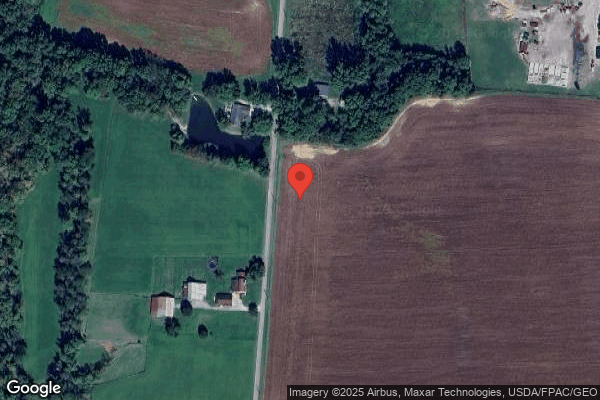

8065 DR FAUL ROAD, GEORGETOWN, OH 45121 (937) 378-4178
For profit - Corporation 100 Beds CROWN HEALTHCARE GROUP Data: November 2025
Trust Grade
60/100
#364 of 913 in OH
Last Inspection: June 2024

Within standard 12-15 month inspection cycle. Federal law requires annual inspections.

Overview

Villa Georgetown Rehabilitation and Healthcare Center has a Trust Grade of C+, indicating it is slightly above average but not without its shortcomings. It ranks #364 out of 913 facilities in Ohio, placing it in the top half, and #3 out of 4 in Brown County, meaning only one local option is rated higher. The facility shows an improving trend, with issues decreasing from 2 in 2024 to 1 in 2025. However, staffing is a concern, rated only 2 out of 5 stars, and with a turnover rate of 49%, which is concerning as it matches the state average and suggests staff may not be as consistent. While the facility has no fines on record, which is a positive sign, there have been serious incidents including a fall during a transfer that resulted in a resident sustaining a femur fracture, and another incident where a resident's pressure ulcer was not identified and treated properly, leading to advanced deterioration. Overall, while there are strengths in some areas, families should consider both the positive aspects and the areas needing improvement.

Trust Score
C+
60/100
In Ohio
#364/913
Top 39%
Safety Record
High Risk
Review needed
Inspections
Getting Better
2 → 1 violations
Staff Stability
⚠ Watch
49% turnover. Above average. Higher turnover means staff may not know residents' routines.
Penalties
✓ Good
No fines on record. Clean compliance history, better than most Ohio facilities.
Skilled Nurses
○ Average
Each resident gets 34 minutes of Registered Nurse (RN) attention daily — about average for Ohio. RNs are the most trained staff who monitor for health changes.
Violations
⚠ Watch
16 deficiencies on record. Higher than average. Multiple issues found across inspections.
★★★★☆
4.0
Overall Rating
★★☆☆☆
2.0
Staff Levels
★★★★☆
4.0
Care Quality
★★★★☆
4.0
Inspection Score
Stable
2024: 2 issues
2025: 1 issues

The Good

  • 4-Star Quality Measures · Strong clinical quality outcomes
  • Full Sprinkler Coverage · Fire safety systems throughout facility
  • No fines on record

Facility shows strength in quality measures, fire safety.

The Bad

Staff Turnover: 49%

Near Ohio avg (46%)

Higher turnover may affect care consistency

Chain: CROWN HEALTHCARE GROUP

Part of a multi-facility chain

Ask about local staffing decisions and management

The Ugly 16 deficiencies on record

3 actual harm
Feb 2025 1 deficiency 1 Harm
SERIOUS (G) 📢 Someone Reported This

A family member, employee, or ombudsman was alarmed enough to file a formal complaint

Actual Harm - a resident was hurt due to facility failures

Accident Prevention (Tag F0689)

A resident was harmed · This affected 1 resident

**NOTE- TERMS IN BRACKETS HAVE BEEN EDITED TO PROTECT CONFIDENTIALITY** THE FOLLOWING DEFICIENCY REPRESENTS AN INCIDENT OF PAST NON-COMPLIANCE THAT WAS SUBSEQUENTLY CORRECTED PRIOR TO THIS SURVEY. Bas...

Read full inspector narrative →
**NOTE- TERMS IN BRACKETS HAVE BEEN EDITED TO PROTECT CONFIDENTIALITY** THE FOLLOWING DEFICIENCY REPRESENTS AN INCIDENT OF PAST NON-COMPLIANCE THAT WAS SUBSEQUENTLY CORRECTED PRIOR TO THIS SURVEY. Based on medical record review, family interview, staff interview, review of the facility therapy to nursing communication form and review of facility policy, the facility failed to provide adequate staff assistance during transfers to prevent falls. This resulted in actual harm on 01/15/25 at approximately 12:25 P.M. to Resident #100 when Certified Nursing Assistant (CNA) #20 completed a hands-on transfer of the resident from the wheelchair to the bed without the assistance of additional staff. Resident #100 sustained a fall to the floor during the transfer, resulting in a left femur fracture. This affected one resident (#100) of three residents reviewed for falls. The facility census was 84. Findings include: Review of the medical record for Resident #100 revealed an admission date of 01/13/25. Diagnoses included cerebral infarction (stroke), spastic hemiplegia (causes muscle tightness and involuntary contractions on one side of the body), diabetes mellitus, epilepsy, seizures, depression, anxiety, foot drop (difficulty lifting the front part of the foot), and hypertension. Review of the Minimum Data Set (MDS) assessment for Resident #100 revealed no information for this resident due to the length of stay in the facility. Review of the care plan, dated 01/14/25, revealed Resident #100 had an activities of daily living (ADLs) self-performance deficit and required staff assistance related to hemiplegia, foot drop, cerebral infarction, and overall medical condition. Interventions included total staff dependence with transfers and the resident required the assistance of one or more staff with transfers. Review of the facility Therapy to Nursing Communication Form, dated 01/14/25 and completed by Physical Therapy Assistant (PTA) #40, revealed Resident #100 had left-sided hemiplegia due to a previous cerebral infarction and was evaluated to need two staff assistance for all transfers. Further review revealed Licensed Practical Nurse (LPN) #10 acknowledged the communication on 01/14/25. Review of a nursing progress note, dated 01/15/25 at 12:35 P.M., revealed LPN #30 immediately responded to the room of Resident #100 after hearing her screaming in pain. Upon arrival, she witnessed CNA #20 and Resident #100 both on the floor, after an attempted transfer. Further review revealed Resident #100 was screaming in excruciating left hip pain. LPN #30 documented she was unable to complete an assessment due to the position of both CNA #20 and Resident #100. In addition, the note documented Resident #100 stated that during the transfer, both of their legs (Resident #100 and CNA #20) had gotten tangled, causing them both to fall to the floor. Review of a nursing progress note, dated 01/15/25 at 4:25 P.M., revealed Resident #100's father reported to LPN #30 via telephone correspondence that the resident had a fractured left hip and would be awaiting an orthopedic consultation at the hospital. Review of the Fall Investigation note for Resident #100, dated 01/16/25, revealed Resident #100 had a fall with major injury related to staff assisting the resident and both falling to the floor when the resident's legs became entangled with CNA #20. It further stated the resident's left lower extremity range of motion was abnormal, as she was unable to move it due to extreme pain. Review of CNA #20's written statement, dated 01/16/25, revealed Resident #100 wanted to get into her bed from her wheelchair. Their legs became tangled during the transfer, which caused both of them to fall. Interview on 02/22/25 at 8:24 A.M. with Resident #100's family member revealed the resident sustained a fractured left hip, requiring the placement of a metal rod in her left leg, as a result of the fall on 01/15/25. He further added that the resident transferred to another facility following her hospitalization. A telephone interview on 02/22/25 at 10:40 A.M. with CNA #20 revealed she was seven months pregnant at the time of the incident with Resident #100. CNA #20 stated she was informed Resident #100 was a one-person staff assist for transfers, but did not confirm this information. CNA #20 stated during Resident #100's transfer, their legs become entangled, causing both of them to fall to the floor. She verified she was the only staff member in the room at the time of the fall and further confirmed Resident #100 began screaming in pain after the fall to the floor. CNA #20 denied knowledge of the therapy communication form, completed on 01/14/25, which indicated Resident #100 was to be a two-person staff assist with transfers. An interview on 02/22/25 at 11:50 A.M. with LPN #30 revealed she had responded to Resident #100's room on 01/15/25 when she heard the resident screaming in pain. LPN #30 verified Resident #100 had fallen after CNA #20 attempted to transfer her alone. An interview on 02/22/25 at 12:10 P.M. with the Director of Nursing (DON) confirmed the therapy communication form completed on 01/14/25 indicated Resident #100 required two-person staff assistance with transfers due to her medical conditions. The DON verified Resident #100's fall occurred after this assessment had been completed and acknowledged by LPN #10 and only one staff (CNA #20) assisted with the resident's transfer at the time of the fall on 01/15/25. The DON further confirmed the facility received report from the father of Resident #100 on 01/15/25 that the resident's left hip was fractured and required surgical intervention. The DON revealed the facility did not have hospital records related to the incident because the resident did not return to the facility. Review of the facility policy titled, Falls, dated September 2021, revealed, based on previous evaluations and current data, the staff will identify interventions related to the resident's specific risks and causes to try to prevent the resident from falling and to try to minimize complications from falling. Review of the undated facility policy titled, Activities of Daily Living (ADLs), revealed appropriate care and services would be provided for residents who were unable to carry out ADLs independently, with the consent of the resident and in accordance with the plan of care, including appropriate support and assistance with mobility (transfer and ambulation). The deficiency was corrected on 02/17/25 when the facility implemented the following corrective actions: • On 01/15/25 at approximately 12:25 P.M., LPN #30 assessed Resident #100, who was noted with pain and abnormal range of motion (ROM). Resident #100 was transferred to the hospital for further evaluation and treatment. • On 01/15/25, the DON or designee updated Resident #100's plan of care to include assistance of two-staff with transfers. • On 01/15/25, the DON or designee re-assessed Resident #100's fall risk and determined the resident remained at low risk for falls. • On 01/15/25, the DON or designee educated all licensed nursing staff on ensuring communication between therapy and matched the resident's care plan and [NAME] (system for organizing resident information). Review of the nursing in-service sign in sheets confirmed the education was provided. • On 01/21/25, the DON or designee reviewed the therapy evaluations for all residents to ensure the level of assistance recommended by the therapy department matched the resident's care plan and [NAME]. No discrepancies were identified. • Beginning on 01/24/25, the DON or designee will audit four residents weekly for four weeks to ensure therapy recommendations for assistance with transfers were communicated to the nursing department and matched the resident's care plan and [NAME]. The audits will be reviewed weekly by the Quality Assurance and Performance Improvement (QAPI) committee for trends and recommendations. • Telephone interview on 02/25/25 at 12:00 P.M. with LPN #10, LPN #110, and Registered Nurse (RN) #100 confirmed the facility provided mandatory education on ensuring therapy recommendations were properly communicated and documented. In addition, education was provided on proper transfers and utilizing the required staff assistance level identified for each resident. • Review of the facility audits from 01/24/25 through 02/17/25 revealed there were no further concerns identified. • Review of two (#12 and #74) additional open resident records revealed no related concerns. This deficiency represents non-compliance investigated under Complaint Number OH00162046.
Jun 2024 2 deficiencies
CONCERN (D)

Potential for Harm - no one hurt, but risky conditions existed

PASARR Coordination (Tag F0644)

Could have caused harm · This affected 1 resident

Based on medical record review and staff interview the facility failed to ensure resident Pre-admission Screening and Resident Review (PASARR) documents were accurate regarding resident current condit...

Read full inspector narrative →
Based on medical record review and staff interview the facility failed to ensure resident Pre-admission Screening and Resident Review (PASARR) documents were accurate regarding resident current conditions and diagnoses. This affected two (Residents #2 and #45) of three residents reviewed for PASARR documents. The facility census was 73 residents. Findings include: Review of the medical record for Resident #2 revealed an admission date of 09/26/11 with diagnoses including psychotic disorder with delusions, dementia without behaviors, major depressive disorder, and hypertension. Review of the PASARR for Resident #2 dated 10/17/11 revealed it did not include the diagnosis of psychotic disorder recorded on the document. Review of the annual Minimum Data Set (MDS) assessment for Resident #2 dated 06/04/24 revealed the resident was severely cognitively impaired, used a wheelchair to aid in mobility, and was always incontinent of bowel and bladder. Interview on 06/27/24 at 10:25 A.M with Director of Business Development (DOB) #142 confirmed Resident #2's PASARR did not include the resident's admitting diagnosis of psychotic disorder was not included and the PASARR needed to be updated. 2. Review of the medical record for Resident #45 revealed an admission date of 11/13/21 with diagnoses including cerebral infarction due to unspecified occlusion, type two diabetes mellitus with hyperglycemia, schizoaffective disorder bipolar type (added 11/11/22), dementia without behaviors, senile degeneration of brain, and anxiety disorder (added 01/19/21). Review of the PASARR for Resident #45 dated 01/24/22 revealed it did not include the diagnoses of schizoaffective disorder or anxiety disorder. Review of the quarterly MDS assessment for Resident #45 dated 04/01/24 revealed the resident was cognitively intact, used a wheelchair and walker to aid in mobility, and was frequently incontinent of bladder and always continent of bowel. Interview on 06/27/24 at 10:25 A.M with DOB #142 confirmed Resident #2's PASARR did not include the resident's diagnoses of schizoaffective disorder, and anxiety disorder and needed to be updated.
CONCERN (D)

Potential for Harm - no one hurt, but risky conditions existed

Deficiency F0688 (Tag F0688)

Could have caused harm · This affected 1 resident

Based on medical record review, observation, interviews, and staff interview. the facility failed to ensure care and services were implemented to prevent worsening of contractures. This affected one (...

Read full inspector narrative →
Based on medical record review, observation, interviews, and staff interview. the facility failed to ensure care and services were implemented to prevent worsening of contractures. This affected one (Resident #53) of four facility-identified residents with contractures. The facility census was 73 residents. Findings include: Review of the medical record for Resident #53 revealed an admission date of 02/08/24 with diagnoses including hemiplegia, dysarthria, and respiratory failure. Review of the quarterly Minimum Data Set (MDS) assessment for Resident #53 dated 05/13/24revealed the resident had mildly impaired cognition and had functional limitation in range of motion to one side of the upper extremities. Review of the active care plans for Resident #53 revealed there was no plan of care developed for contractures or splint/orthotic use. Review of the active physician's orders for Resident #53 revealed there were no orders for the application or removal of splints/orthotics. Review of the occupational therapy (OT) discharge summary for Resident #53 dated 05/02/24 revealed the discharge recommendations included the resident should use a right resting hand orthotic as tolerated. Observations on 06/24/24 at 1:17 P.M. and on 06/26/24 at 9:00 A.M. revealed Resident #53's right hand was contracted and there was no splint or other orthotic device in place. Interview on 06/27/24 at 10:40 A.M. with the Director of Nursing (DON) confirmed Resident #53's right hand was contracted and there had no physician orders or care plan initiated regarding the use of a right resting hand orthotic for the resident as recommended per OT.
Mar 2023 1 deficiency 1 Harm
SERIOUS (G) 📢 Someone Reported This

A family member, employee, or ombudsman was alarmed enough to file a formal complaint

Actual Harm - a resident was hurt due to facility failures

Pressure Ulcer Prevention (Tag F0686)

A resident was harmed · This affected 1 resident

**NOTE- TERMS IN BRACKETS HAVE BEEN EDITED TO PROTECT CONFIDENTIALITY** Based on record review, observation, staff interview, review of the facility policy, and review of guidelines from the National ...

Read full inspector narrative →
**NOTE- TERMS IN BRACKETS HAVE BEEN EDITED TO PROTECT CONFIDENTIALITY** Based on record review, observation, staff interview, review of the facility policy, and review of guidelines from the National Pressure Ulcer Advisory Panel (NPUAP), the facility failed to thoroughly assess the resident's skin, failed to timely identify a resident's pressure ulcer until it reached an advanced stage, and failed to ensure pressure ulcer prevention interventions were in place. This resulted in Actual Harm to Resident #67 who was at risk for pressure ulcers and the facility found Resident #67's pressure ulcer as an unstageable pressure ulcer (slough and/or eschar: known but not stageable due to coverage of wound bed by slough and/or eschar) to her coccyx and did not accurately assess the wound upon identification of the wound. This affected two (Residents #59 and #67) of three residents reviewed for pressure ulcers. The facility identified seven residents with pressure ulcers. The facility census was 81. Findings include: 1) Review of the medical record for Resident #67 revealed an admission date of 07/16/22. Diagnoses included pancreatitis, congestive heart failure (CHF), heart disease, atrial fibrillation, and major depressive disorder. Review of the care plan dated 12/20/22 revealed Resident #67 was at risk for impaired skin integrity related to edema, confined to a chair all or most of the time, impaired cognition, incontinent of bladder, incontinent of bowel, and slides down in bed. Interventions included the following: dietary supplement(s) as ordered, encourage good nutrition and hydration, assist as needed, encourage the resident to reposition self if able, notify physician of any new areas of impaired skin integrity, and a pressure reduction mattress to bed. Review of the Minimum Data Set (MDS) assessment dated [DATE] revealed Resident #67 was cognitively impaired and required extensive assistance of one staff with activities of daily living (ADLs). Review of the pressure ulcer risk assessment dated [DATE] revealed Resident #67 was at risk for the development of pressure ulcers. Review of the medical record revealed there were no skin issues identified until 02/03/23. The nursing progress note dated 02/03/23 revealed Resident #67 had a new wound to her coccyx which the nurse classified as a stage II pressure ulcer (Partial thickness loss of dermis presenting as a shallow open ulcer with a red-pink wound bed, without slough). The wound evaluation for Resident #67 dated 02/03/23 revealed the pressure ulcer to the resident's coccyx was 100% covered in slough and measured 1.0 cm in length by 0.6 cm in width by 0.2 cm in depth. The progress note did not classify the pressure ulcer correctly due to the wound evaluation stated there was 100% slough present in the wound. Review of the physician's orders dated 02/03/23 revealed to cleanse the wound with normal saline, pat dry, apply thin layer of Medihoney. Apply calcium alginate (cut to fit wound bed). Cover with foam dressing on day shift every other day. Review of the wound NP note for Resident #67 dated 02/07/23 revealed the pressure ulcer to the resident's coccyx was classified as an unstageable pressure ulcer and measured 1.0 cm in length by 1.6 cm in width by 0.4 cm in depth with a moderate amount of drainage and 100% slough to the wound bed. NP orders included to offload resident's heels per the facility protocol. The wound NP changed the treatment to cleanse the coccyx wound with a wound cleanser, pat dry, apply triad to wound bed and cover with foam dressing. Change daily on day shift and as needed. Review of the wound NP note for Resident #67 dated 02/28/23 revealed the unstageable pressure ulcer to resident's coccyx measured 1.6 cm in length by 1.1 cm in width by 0.5 cm in depth with a moderate amount of serosanguineous drainage noted which has no odor. The wound bed had 51-75% slough. Wound NP gave order again to offload heels per facility protocol. Observation on 03/06/23 at 9:41 A.M. revealed Resident #67 was resting on a pressure reduction mattress. Resident #67's heels were resting directly on the mattress and were not floated. Interview on 03/06/23 at 9:41 A.M. with Registered Nurse (RN) #545 confirmed Resident #67 had a pressure ulcer to her coccyx and she did not have any orders to float her heels or use any type of devices such as heel boots to relieve pressure to her heels. Interview on 03/06/23 at 2:38 P.M. with LPN #680 confirmed the nurse who identified the wound for Resident #67 had not correctly classified the wound when she called it a stage II pressure ulcer. LPN #680 confirmed the wound NP classified the wound as unstageable because of the presence of slough in the wound bed which was noted in the nurse's assessment on 02/03/23. LPN #680 further confirmed the wound for Resident #67 was not identified until it had reached an advanced stage. LPN #680 confirmed the resident was at risk for breakdown to her heels and her heels should be offloaded as recommended by the wound NP. LPN #680 confirmed Resident #67 had no orders to offload heels or use devices such as heel boots. Interview on 03/06/23 at 3:00 P.M. with the Director of Nursing (DON) confirmed Resident #67 did not have orders to offload heels, but she was at risk for further skin breakdown and should have interventions in place. The DON confirmed staff should inspect skin regularly during care and wounds should be identified before they reach an advanced stage. 2) Review of the medical record for Resident #59 revealed an admission date of 06/07/22. Diagnoses included protein calorie malnutrition, diabetes mellitus (DM), fracture of right femur, atherosclerotic heart disease, and acute kidney failure. Review of the pressure ulcer risk assessment dated [DATE] revealed Resident #59 was at high risk for the development of pressure ulcers. Review of the Minimum Data Set (MDS) assessment dated [DATE] revealed Resident #59 was cognitively impaired and required extensive assistance of two staff with activities of daily living (ADLs.) Resident #59 was coded as at risk for pressure ulcers and was coded for the presence of an unstageable pressure ulcer which was not present on admission. Review of the nurse progress note dated 12/31/22 revealed Resident #59 had a new pressure ulcer to the left heel. The nurse notified the nurse practitioner (NP) and initiated a treatment per standing orders. Review of the wound evaluation for Resident #59 dated 12/31/22 revealed the pressure ulcer to the resident's left heel measured five centimeters (cm) in length by 4.5 cm in width. The wound had no depth and no drainage. The nurse placed the wound evaluation in the facility wound care nurse's folder. The nurse classified the wound as a stage I pressure ulcer (skin is intact with red or discolored area). Review of the wound evaluation for Resident #59 dated 01/04/23 revealed the facility's wound care nurse, Licensed Practical Nurse (LPN) #680, assessed Resident #59's left heel wound. The resident's left heel measured 7.5 cm in length by 4.5 cm in width. LPN #680 classified the wound as a diabetic ulcer. Review of the wound NP note dated 01/05/23 revealed Resident #59 had a deep tissue injury (DTI) ulcer (Purple or [NAME] area of discolored intact skin due to damage of underlying soft tissue) to her left heel which measured 5.0 cm in length by 3.4 cm in width with no measurable depth. The wound was non-blanchable with deep red, maroon, and purple discoloration. Wound NP gave new orders for wound care which included to cleanse the wound with wound cleanser, pat dry, apply Betadine, and cover with border foam dressing once daily, offload heels per facility protocol. Review of the care plan, last updated 02/14/23, revealed Resident #59 had impaired skin integrity as evidenced by: pressure ulcer to the left heel related to confinement to a chair all or most of the time, impaired cognition, incontinent of bladder, incontinent of bowel, needs assistance with ADLs. Interventions included the following: assist the resident with turning and repositioning every two hours and as needed, skin inspection every seven days, notify nurse of any new areas of skin breakdown noted during bathing or daily care, notify physician or NP of noted worsening skin condition or any new areas of skin breakdown, float heels when in bed, and to have cushioned heel boots to bilateral feet. Review of the wound NP note for Resident #59 dated 02/28/23 revealed the wound to the left heel was now classified a stage III pressure ulcer (Full thickness tissue loss. Subcutaneous fat may be visible, but bone, tendon or muscle is not exposed.) which measured 2.2 cm in length by 0.9 cm in width by 0.3 cm in depth. There was a moderate amount of serosanguinous drainage noted which had no odor. The wound bed had 26-50 percent (%) slough. Wound NP gave order again to offload heels per facility protocol. Review of the monthly physician orders for March 2023 revealed Resident #59 had an order to float heels when in bed dated 06/17/22 and an order dated 06/24/22 for Resident #59 to have cushioned heel boots to bilateral feet. Review of the March 2023 Treatment Administration Record (TAR) for Resident #59 revealed the orders to float heels and wear cushioned heel boots were not included in TAR. Observation and interview on 03/06/23 at 9:45 A.M. with LPN #680 revealed Resident #59 was resting on a pressure reduction mattress. There was a dressing in place to the resident's left heel dated 03/05/23. Resident's heels were resting directly on the mattress and were not floated. LPN #680 confirmed Resident #59 had a stage III pressure ulcer to her left heel and the resident's left heel was resting directly on the mattress. LPN #680 confirmed Resident #59 was supposed to wear soft heel boots when she was in bed, and she wasn't sure why they were not in place. Observation of wound care with LPN #680 on 03/06/23 at 11:08 A.M. revealed Resident #59's heels were not floated. Resident #59 had a dime sized open wound to the left heel which had visible slough in the wound bed. Interview on 03/06/23 at 11:20 A.M. with LPN #680 confirmed Resident #59's heels were not floated. LPN #680 again confirmed Resident #59 was supposed to be wearing heel boots, but she couldn't find them. Interview on 03/06/23 at 2:38 P.M. with LPN #680 confirmed she first saw Resident #59's wound on 01/04/23 and it looked like a large purple fluid filled blister and she classified it as a diabetic ulcer. LPN #680 confirmed she was with the wound NP on 01/05/23 when the wound was reclassified as a deep tissue injury (DTI.) Interview on 03/06/23 at 3:00 P.M. with the Director of Nursing (DON) confirmed Resident #59 should be wearing heel boots or have her heels floated on pillows while in bed. Review of the undated facility's policy titled Pressure Reducing and Relieving Devices revealed the facility would implement appropriate pressure reducing and relieving devices for residents at risk of skin breakdown. Review of the facility's undated policy titled Skin and Wound Program Best Practice revealed the facility would ensure staff conduct a head to toe inspection of resident's skin every seven to 10 days. Review of the NPUAP guidelines dated 2014 pages 70-71 at https://npiap.com/general/custom.asp?page=2014Guidelines revealed facilities should educate health professionals on how to undertake a comprehensive skin assessment that includes the techniques for identifying blanching response, localized heat, edema, and induration. Ongoing assessment of the skin was necessary to detect early signs of pressure damage. Visual assessment for erythema (redness of the skin) was the first component of every skin inspection. Skin redness and tissue edema resulting from capillary occlusion was a response to pressure, especially over bony prominences. Staff should conduct a head-to-toe assessment with particular focus on skin overlying bony prominences including the sacrum, ischial tuberosities, greater trochanters and heels and each time the patient was repositioned was an opportunity to conduct a brief skin assessment. Review of the NPUAP guidelines dated 2014 page 115 revealed ideally, heels should be free of all pressure, a state sometimes called floating heels. Pressure can be relieved by elevating the lower leg and calf from the mattress by placing a pillow under the lower legs, or by using a heel suspension device that floats the heel. Consequently, the pressure will instead spread to the lower legs, and the heels will no longer be subjected to pressure. This deficiency represents non-compliance investigated under Complaint Number OH00140190.
Jul 2021 7 deficiencies
CONCERN (D)

Potential for Harm - no one hurt, but risky conditions existed

Deficiency F0553 (Tag F0553)

Could have caused harm · This affected 1 resident

**NOTE- TERMS IN BRACKETS HAVE BEEN EDITED TO PROTECT CONFIDENTIALITY** Based on medical record review, resident interview, and staff interview, the facility failed to ensure the resident was invited ...

Read full inspector narrative →
**NOTE- TERMS IN BRACKETS HAVE BEEN EDITED TO PROTECT CONFIDENTIALITY** Based on medical record review, resident interview, and staff interview, the facility failed to ensure the resident was invited to her care plan conference meetings to provide input to her plan of care. This affected one (#32) of three residents reviewed for participation in care planning. The facility census was 81. Findings include: Review of the medical record revealed Resident #32 was admitted on [DATE]. Diagnoses included chronic obstructive pulmonary disease, chronic kidney disease, major depressive disorder, and gastro-esophageal reflux disease. The resident was her own responsible party. Review of the annual Minimum Data Set (MDS) assessment, dated 06/07/21, revealed the resident had no impaired cognition for decisions. Record review revealed Resident #32 has not been offered to attend care conference meeting within the past 12 months. Interview on 07/19/21 at 2:10 P.M. with Resident #32 reported not attending a care plan meeting once since she was admitted and nothing after that. Interview on 07/21/21 at 9:33 A.M. with Director of Social Services (DSS) #7 stated before COVID-19, the facility mailed out invitations at the end of the month. Invitations were documented in the interdisciplinary (IDT) meetings. DSS #7 reported care conferences were probably not documented. DSS #7 verified no documentation of Resident #32 being invited to care conferences and denied having any letters for care plan meetings for Resident #32. Interview on 07/21/21 at 2:30 P.M., the Director of Nursing (DON) verified care conference was held for Resident #24 on 09/07/20 but unable to verify Resident #32's invitation or participation. DON denied having any documentation of attendance sheet or a letter inviting Resident #32 to care plan meetings in the past year. DON referred surveyor back to DSS #7.
CONCERN (D)

Potential for Harm - no one hurt, but risky conditions existed

Deficiency F0657 (Tag F0657)

Could have caused harm · This affected 1 resident

Based on observation, medical record review, and staff interview, the facility failed to ensure a revision was made to a resident' care plan for falls. This affected one (#53) of 19 residents reviewed...

Read full inspector narrative →
Based on observation, medical record review, and staff interview, the facility failed to ensure a revision was made to a resident' care plan for falls. This affected one (#53) of 19 residents reviewed for care plans. The facility census was 81. Findings include: Medical record review for Resident #53 revealed an admission date of 12/12/16. Diagnoses included arthropathy, muscle weakness, and atrial fibrillation. Review the annual Minimum Data Set (MDS) assessment, dated 07/01/21, revealed the resident was cognitively intact. Review of the care plan, dated 12/11/20, revealed the resident was at high risk for falls related to muscle weakness, diabetes, depression, heart disease, anemia, and chronic pain. Interventions included for staff to ensure the resident has slipper socks on when in bed, a floor mat by her bed, and non-skid socks always when not wearing shoes. Observations on 07/20/21 at 2:15 P.M. and on 07/21/21 at 1:15 P.M. revealed Resident #53 was in bed and had no fall mat in place and no non-skid socks on feet Observation on 07/21/21 at 1:24 P.M., revealed Licensed Practical Nurse (LPN) #78 and State Tested Nursing Aide (STNA) #108 witnessed Resident #53 getting out of bed with no non-skid socks on and no fall mat in place. The staff verified the findings. After surveyor intervention, STNA #108 took off the socks and placed non-skid socks on Resident #53. Interview on 07/21/21 at 1:25 P.M. with LPN #78 reported Resident #53's floor mat was supposed to be taken off the care plan due to the resident was self-ambulating out of bed without calling for assistance. LPN #78 reported Resident #53 was non-compliant with taking off her non-skid socks. Interview on 07/21/21 at 2:02 P.M. with Registered Nurse (RN) #19 reported Resident #53 was non-compliant with taking socks off or changing them while in bed. RN #19 was unable to provide a care plan for non-compliant with non-skid socks. RN #19 verified the care plan needed revised.
CONCERN (D)

Potential for Harm - no one hurt, but risky conditions existed

ADL Care (Tag F0677)

Could have caused harm · This affected 1 resident

**NOTE- TERMS IN BRACKETS HAVE BEEN EDITED TO PROTECT CONFIDENTIALITY** 3. Review of the medical record for Resident #277 revealed an admission date of 09/10/20. Diagnoses included cerebral infarction...

Read full inspector narrative →
**NOTE- TERMS IN BRACKETS HAVE BEEN EDITED TO PROTECT CONFIDENTIALITY** 3. Review of the medical record for Resident #277 revealed an admission date of 09/10/20. Diagnoses included cerebral infarction, syncope, chronic combine congestive heart failure, Alzheimer's disease, and atrial fibrillation. Review of the Minimum Data Set (MDS) 3.0 assessment, dated 09/10/20, revealed the resident was cognitively intact, had no behaviors, did not reject care, and did not wander. Resident #277 was a two-person physical assist and required extensive assistance for bathing. Review of the care plan, dated 09/10/21, revealed Resident #277 had a self-care deficit related to cerebrovascular accident, osteoarthritis, spinal stenosis, anemia, edema, cellulitis, hypertension, and coronary artery disease. Interventions included two-person assistance with bathing. Review of the task documentation, dated September 2020, revealed Resident #277 received one shower on 09/18/20 during her stay at the facility from 09/10/20 to 09/18/20. The facility did not provide paper shower sheets dated from 09/10/20 to 09/18/20. Interview on 07/20/21 at 3:55 P.M. with State Tested Nurse Aide (STNA) #59 verified there was one shower documented for Resident #277 on 09/18/2020 for her entire stay at the facility from 09/10/20 to 09/18/20. STNA #59 stated the residents were scheduled to receive two showers per week, and showers were assigned according to room and bed location. STNA #59 stated the showers were always documented under the shower task and were specified not to be documented in the personal hygiene task. This deficiency substantiates Complaint Numbers OH00115930, OH00115775, OH00115560, and OH00111010. 2. Review of Resident #16's medical record revealed an admission date of 10/23/13. Diagnoses included spastic quadriplegic cerebral palsy, cellulitis, insomnia, mood disorder, personality disorder, anxiety disorder, neuromuscular dysfunction of bladder, dysphagia, contracture of muscle and gastro-esophageal reflux disease. Review of the revised care plan, dated 11/22/19, revealed there were oral/dental health problems related to full dependency of oral care, poor salivary moistening/cleaning of mouth teeth, and lips. Interventions include for staff to routinely complete mouth inspections during shifts and provide care. Review of the Dental Summary Report for 360 care, dated 04/06/21, revealed Resident #21 was seen in his room, plague heavy, gingivitis and occlusal ware. The dentist requested for daily mouth care if possible. Resident #16 was to be brought to the dental clinic at the next visit. Review of the Minimum Data Set (MDS) 3.0 assessment, dated 05/10/21, revealed Resident #39 was moderately impaired and was total dependent on activity of daily living with one-person physical assist for dental/oral care. Review of Resident #16's electronic record from 07/01/21 to 07/20/21 revealed personal hygiene ,which also included brushing of the teeth were not completed on every shift. There were no documented initials on shifts from 2:00 P.M. to 10:00 P.M. for 07/01/21, 07/02/21, 07/04/21, 07/05/21, 07/06/21, 07/08/21, 07/12/21, 07/13/21, 07/14/21, 07/16/21, 07/17/21, 07/19/21, 07/20/21, and 07/21/21. For the shift 10:00 P.M. to 6:00 A.M. for 07/02/21, 07/05/21, 07/06/21, 07/07/21, 07/08/21, 07/10/21, 07/11/21, 07/13/21, 07/14/21, 07/16/21, 07/17/21, 07/19/21 and 07/20/21. Observations on 07/21/21 at 11:00 A.M. and on 07/22/21 at 10:15 A.M. revealed the resident was sleeping. His mouth was opened and his teeth had an abundance of white substance layered on them. Interview on 07/21/21 at 12:33 P.M. with State Tested Nursing Aide (STNA) #59 explained how to read the shower sheets and personal hygiene sheets. STNA #59 stated if there were no initials next to the residents' name them a shower or personal hygiene care was not given, but if there were initials next to resident's name then they received a shower that day. Interview on 07/22/21 at 10:30 A.M. with Licensed Practical Nurse (LPN) #66 reported the resident received her shower last night and her teeth were brushed. LPN #66 reported STNAs and nurses brush Resident #16's teeth three to four times a day. Observation on 07/22/21 at 10:35 A.M., revealed Resident #16's mouth was opened and his teeth had an abundance of white substance layered on them. On 07/22/21 at 11:45 A.M. with the Director of Nursing (DON) verified the findings with no initials on the personal hygiene sheet. Based on record review, observation, and resident and staff interviews, the facility failed to provide activities of daily living (ADL) for for residents who were dependent on staff for their care. This affected three (#16, #39, and #277) of seven residents reviewed for ADLs. The facility census was 81 residents. Findings include: 1. Record review for Resident #39 revealed the resident was re-admitted to the facility on [DATE]. Diagnoses included hemiplegia and hemiparesis following a cerebral infarction affecting the right dominant side, multiple sclerosis, aphasia, hallucinations, epilepsy, and dementia. Review of the ADL plan of care, dated 01/09/21, revealed the resident was a two-person physical assistance for bathing. Review of the five-day Minimum Data Set (MDS) assessment, dated 07/14/21, revealed the resident had severely impaired cognition and required an extensive assistance of one staff person for bathing. Review of the facility's bath record for Resident #39 revealed a shower was given on 07/14/21 since readmission on [DATE]. The resident had not received any other bath or shower from 07/09/21 to 07/18/21. Observations on 07/19/21 at 2:29 P.M. revealed Resident #39 had greasy and stringy hair. The resident was unable to state when the last bath had been given. Interview with the Director of Nursing (DON) on 07/22/21 at 12:00 P.M. confirmed Resident #39 received one shower since readmission on [DATE].
CONCERN (D)

Potential for Harm - no one hurt, but risky conditions existed

Respiratory Care (Tag F0695)

Could have caused harm · This affected 1 resident

**NOTE- TERMS IN BRACKETS HAVE BEEN EDITED TO PROTECT CONFIDENTIALITY** 2. Record review for Resident #12 revealed the resident was admitted to the facility on [DATE]. Diagnoses included transient isc...

Read full inspector narrative →
**NOTE- TERMS IN BRACKETS HAVE BEEN EDITED TO PROTECT CONFIDENTIALITY** 2. Record review for Resident #12 revealed the resident was admitted to the facility on [DATE]. Diagnoses included transient ischemic attack (TIA) and hypoxemia. Review of the annual Minimum Data Set (MDS) assessment, dated 05/01/21, revealed the resident had intact cognition. Review of the physicians' order, dated 10/06/20, revealed an order to change oxygen tubing every seven days on night shift and to initial and date all tubing. Observation on 07/19/21 at 9:10 A.M. of the oxygen tubing connected to the concentrator of Resident #12 revealed the tubing had a piece of tape which contained the date of 07/08/21 and no initials. The tubing was placed in the nose of Resident #12 and was on delivering oxygen. Interview with Registered Nurse (RN) #63 on 07/19/21 at 9:10 A.M. verified the oxygen tubing for Resident #12 contained the date of 07/08/21 and was not initialed. Based on observation, record review and staff interviews, the facility failed ensure resident oxygen tubing was changed per the physician orders. This affected two (#12 and #35) of three residents reviewed for respiratory care. The facility identified 15 residents who utilized oxygen. The facility census was 81. Findings include: 1. Medical record review revealed Resident #35 was admitted to the facility on [DATE] with diagnoses including Parkinson's disease, chronic respiratory failure with hypoxia, and other asthma. Review of the quarterly Minimum Data Set (MDS) assessment, dated 06/08/21, revealed the resident was moderately cognitively impaired. Review of the physician's order, dated 06/21/21, revealed Resident #35 was ordered to have his oxygen tubing changed weekly. Review of the Treatment Administration Record (TAR), dated July 2021, revealed Resident #35 was ordered to change his oxygen tubing weekly every night shift, every Thursday. Resident #35 had his oxygen tubing changed on 07/08/21 and 07/15/21 according to the TAR. Observation of Resident #35's oxygen tubing on 07/19/21 at 10:10 A.M. revealed the oxygen tubing to be dated 07/08/21. Subsequent observation of Resident #35's oxygen tubing on 07/21/21 at 2:43 P.M. revealed the oxygen tubing to be dated 07/08/21. Interview with the Director of Nursing (DON) on 07/21/21 at 2:43 P.M. verified Resident #35's oxygen tubing to be dated 07/08/21.
CONCERN (E)

Potential for Harm - no one hurt, but risky conditions existed

Comprehensive Care Plan (Tag F0656)

Could have caused harm · This affected multiple residents

**NOTE- TERMS IN BRACKETS HAVE BEEN EDITED TO PROTECT CONFIDENTIALITY** 5. Record review for Resident #4 revealed the resident was admitted to the facility on [DATE]. Diagnoses included chronic obstru...

Read full inspector narrative →
**NOTE- TERMS IN BRACKETS HAVE BEEN EDITED TO PROTECT CONFIDENTIALITY** 5. Record review for Resident #4 revealed the resident was admitted to the facility on [DATE]. Diagnoses included chronic obstructive pulmonary disease, emphysema, osteogenesis imperfecta, and protein-calorie malnutrition. Review of the quarterly Minimum Data Set (MDS) assessment, dated 07/19/21, revealed the resident had intact cognition. Review of the physicians' order for Resident #4, dated 03/19/21, revealed an order to admit the resident to hospice services. Review of the comprehensive care plan, last reviewed on 05/17/21, revealed no care plan for hospice services were in place. Interview on 07/22/21 at 10:20 A.M. with Registered Nurse (RN) #119 verified there was not an active hospice care plan in place for Resident #4. Review of the facility's policy titled Care Plan Documentation Guidelines, dated 2005, revealed staff developed a coordinated plan to provide appropriate care for each problem identified. 2. Review of the medical record for the Resident #8 revealed an admission date of 08/13/18. Diagnoses included congestive heart failure (CHF), chronic kidney disease (CKD), and hypertension. Review of the Minimum Data Set (MDS) 3.0 assessment, dated 02/01/21, revealed the resident was cognitively intact. Review of the physician orders, dated 10/26/20, revealed Resident #8 had a fluid restriction of 2,000 milliliter (ml.) total in 24 hours every shift for CHF which included 1,080 ml. for dietary, and 920 ml. for nursing departments. Review of the care plan, dated 05/04/21, revealed Resident #8 had altered cardiovascular status hypertension, CHF, CKD, and anxiety. Resident #8 was on diuretic therapy related to hypertension and CHF. Interventions included to administer diuretics as ordered and monitor for side effects and effectiveness, and gradual dose changes as needed. Resident #8 had altered nutrition and hydration related to hypertension, chronic bronchitis, arthritis, emphysema, pneumonia, chronic respiratory failure, asthma, hypotension, history of significant weight changes. Family brought outside food and resident was not complaint with diet. Interventions included diet as ordered, snacks/supplements as ordered, honor food/fluid preferences, monitor weight as ordered, notify the physician (MD) of significant weight changes, labs as ordered. There was no mention of the resident's fluid restriction in the care plans developed for Resident #8. 3. Medical record review for Resident #42 revealed the resident was admitted to the facility on [DATE]. Diagnoses included CKD unspecified heart failure, hypertension, and dementia without behavioral disturbance. Review of the MDS assessment, dated 06/19/21, revealed Resident #42 had moderately impaired cognition. Review of the care plan initiated on 03/03/20 revealed Resident #42 had CHF, hyperlipidemia, history of myocardial infarction, hypokalemia, and hypertension. Interventions included to check breath sounds, monitor for labored breathing, encourage adequate nutrition, give cardiac medications as ordered, monitor vital signs, monitor/document signs of malnutrition, and monitor/document/report signs and symptoms of CHF. There was no mention of the resident's fluid restriction in the care plans developed for Resident #42. Review of the physician orders, dated 09/22/20, revealed Resident #42 had a fluid restriction for 2,000 ml. total in 24 hours related to unspecified heart failure which included 1,080 ml. for dietary, and 920 ml. for nursing departments. 4. Medical record review for Resident #46 revealed the resident was admitted to the facility on [DATE]. Diagnoses included metabolic encephalopathy, chronic obstructive pulmonary disease (COPD), CHF, and CKD. Review of the MDS assessment, dated 06/27/21, revealed Resident #46 was cognitively intact. Review of the care plan, dated 03/18/19, revealed Resident #46 had altered cardiovascular status related to hypertension, CKD, CHF, and hypokalemia. Interventions included to administer medications as per order, assess for chest pain, encourage low salt/low fat diet, monitor and report abnormal vital signs/lung sounds, and educate resident/family regarding nature of disease and risk factors. There was no mention of the resident's fluid restriction in the care plans developed for Resident #46. Review of the physician orders, dated 06/30/20, revealed Resident #46 had a fluid restriction on 1,800 ml. total in 24 hours which included 960 ml. for dietary and 840 ml. for nursing departments. Interview on 07/20/2021 at 7:30 A.M. Registered Nurse (RN) #19 stated fluid restrictions were typically included in the dietary care plan which was updated by the dietician. RN #19 verified Resident #46, #42 and #8 had no interventions listed in the care plan which mentioned fluid restriction prior to the annual survey dated 07/19/21. The RN confirmed revisions were made to Resident #8s care plan for CHF on 07/19/21 for fluid restriction including history of resident non-compliance. On 07/20/21, RN #19 revised Resident #42 and #46's care plan to include fluid restriction interventions. Based on record review, review of the facility's policy, and resident and staff interviews, the facility failed to develop and implement care plans to address dental care, hospice care, and fluid restrictions. This affected five (#4, #8, #36, #42, and #46) of 19 residents reviewed for care planning. The facility census was 81. Findings include: 1. Medical record review for Resident #36 revealed the resident was admitted to the facility on [DATE]. Diagnoses included type two diabetes mellitus with hyperglycemia, chronic obstructive pulmonary disease, and personal history of coronavirus (COVID 19). Review of Resident #36's progress note, dated 04/06/21, revealed Resident #36 had seen the dentist briefly, but resident stated he was planning to discharge back to the community, and he wanted to see his own dentist. Review of Resident #36's annual Minimum Data Set (MDS) assessment, dated 06/09/21, revealed the resident was cognitively intact and required supervision with personal hygiene. Resident #36 was reported to have obvious or likely cavities or broken natural teeth. Review of Resident #36's care plan, dated 07/20/21, revealed the resident did not have a dental care plan. Interview with Resident #36 on 07/19/21 revealed he needed his top teeth pulled. Interview with Social Services (SS) #7 on 07/21/21 at 8:34 A.M. revealed Resident #36 refused dental services on 04/06/21 due to resident planning to discharge. Interview with the Director of Nursing (DON) on 07/22/21 at 8:26 A.M. verified Resident #36 did not have a dental care plan prior to 07/22/21.
CONCERN (F)

Potential for Harm - no one hurt, but risky conditions existed

Room Equipment (Tag F0908)

Could have caused harm · This affected most or all residents

Based on observations, staff interviews, and record review, the facility failed to maintain laundry dryers in a safe manner and prevent a build up of dryer lint in the facility dryers. This had the po...

Read full inspector narrative →
Based on observations, staff interviews, and record review, the facility failed to maintain laundry dryers in a safe manner and prevent a build up of dryer lint in the facility dryers. This had the potential to affect all 81 residents who resided in the facility. Findings include: Observation on 07/22/21 at 11:28 A.M. of Dryer #2 lint screen revealed lint hanging from the lint screen and balled up in the base of the dryer. Interview on 07/22/21 at 11:28 A.M. with Laundry #58 confirmed the lint had built up in the dryer. Laundry #58 stated the dryers were cleaned tree times a day of dryer lint. Observation on 07/22/21 at 11:40 A.M. with Maintenance Director #500 revealed a build up of lint in Dryer #1 with lint collected in soccer size balls under Dryer #1. Interview on 07/22/21 at 11:40 A.M. with the Maintenance Director #500 verified the large amount of lint collected until Dryer #1. He stated the lint trap should be cleaned after every three loads and stated the new linens the facility received gave off more lint than older linens. Review of the laundry staff lint trap signed out sheet revealed the staff signed once a day for dryer lint trap clean out. There was a noted on the sign out sheet stating the staff were to clean the dryer lint traps after every three loads.
MINOR (C)

Minor Issue - procedural, no safety impact

Deficiency F0680 (Tag F0680)

Minor procedural issue · This affected most or all residents

Based on staff interview, employee record review, and review of facility's job description, the facility failed to ensure the Activity Director was a qualified activity professional to direct the prov...

Read full inspector narrative →
Based on staff interview, employee record review, and review of facility's job description, the facility failed to ensure the Activity Director was a qualified activity professional to direct the provision of activities to the residents. This had the potential to affect all 81 residents residing in the facility. Findings include: Review of the employee record for the Activity Director (AD) #34 revealed her date of hire was 06/01/20. There were no qualifications of an activity director in her employee record. Interview on 07/22/21 at 08:46 A.M. with AD #34 revealed she did not have her certification as an Activity Director or meet the education requirements to be a certified Activity Director of a nursing facility. AD #34 stated she was currently enrolled in an activity director course and plans to finish the course by October 2021. Interview on 07/22/21 at 02:00 P.M. with the Human Resource Manager (HRM) #16 confirmed the facility does not have a certified Activity Director at the facility. Review of the facility's job description titled Job Description: Activity Director, dated April 2021, confirmed the Activities Director must be certified (or willing to obtain certification within six months of employment).
Mar 2020 5 deficiencies 1 Harm
SERIOUS (G)

Actual Harm - a resident was hurt due to facility failures

Pressure Ulcer Prevention (Tag F0686)

A resident was harmed · This affected 1 resident

Based on observation, medical record review, staff interview, review of the facility's policy and review of the information from the National Pressure Ulcer Advisory Panel (NPUAP), the facility failed...

Read full inspector narrative →
Based on observation, medical record review, staff interview, review of the facility's policy and review of the information from the National Pressure Ulcer Advisory Panel (NPUAP), the facility failed to ensure timely treatments, interventions, and assessments were done for a resident's pressure ulcers. This resulted in actual harm when Resident #226's pressure ulcers to his bilateral heels and sacrum deteriorated in condition and increased in size from the delay in treatment. This affected one (Resident #226) of two residents reviewed for pressure ulcers. The facility identified three residents with pressure ulcers. The facility census was 70. Findings include: Review of the medical record for Resident #226 revealed a re-admission date of 03/05/20. Diagnoses included dementia, anxiety, bipolar, hypertension and diabetes mellitus. Review of the nursing re-admission assessment, dated 03/05/20, revealed Resident #226 had two stage one pressure ulcers (intact skin with non-blanchable redness of a localized area) to the left and right buttocks and three unstageable pressure areas (full thickness tissue loss in which the base of the ulcer is covered by slough or eschar in the wound bed) to the left great toe and to the left and right heels. Review of the wound assessment, dated 03/05/20, revealed Resident #226 had an unstageable area to the left great toe upon re-admission described as reddened with no drainage and measured 1.2 centimeters (cm.) in length by 0.6 cm. in width. The resident had an unstageable area to her right heel described as dry with no drainage and measured 3.0 cm. in length by 1.4 cm. in width and had an unstageable area to her left heel described as dry with no drainage and measured 3.0 cm. in length by 2.0 cm. in width. The resident had a stage two pressure ulcer to his left buttock described as pink and dry with no drainage and measured 1.0 cm. in length by 0.6 cm. in width and 0.2 cm. in depth. There was a reddened area surrounding to her buttocks measuring 9.0 cm. by 2.0 cm. Review of the physician orders, dated March 2020, revealed on 03/05/20, there were orders to turn every two hours, house barrier ointment after each incontinent episode, and calmoseptine skin barrier to buttocks every shift for the pressure ulcer. On 03/06/20, there were orders to float the heels when in bed and a low air loss mattress for wound management when authorization approved. On 03/10/20, there were new orders for a low air loss mattress to the bed and to monitor both heels and apply skin prep every shift and leave open to air. There were no treatments for the heels upon readmission until five days later, on 03/10/20 and there were no treatments for the area to the left great toe. Review of the admission Minimum Data Set (MDS) assessment, dated 03/09/20, revealed Resident #226 had moderate cognitive deficits, had presence of stage two pressure ulcers (partial thickness loss of dermis presenting as a shallow open ulcer with a red-pink wound bed, and may present as an intact or open/ruptured blister) and two deep tissue injuries (classified as purple or maroon area of discolored intact skin due to damage of underlying soft tissue) that were all present upon readmission. The MDS assessment showed the resident had deteriorated to two stage two pressure ulcers versus the readmission nursing assessment and the initial wound assessment on 03/05/20, which stated two stage one pressure ulcers. Review of the treatment administration record (TAR), dated March 2020, revealed the nurses were not documenting any treatments or monitoring of any wound areas until 03/10/20. On 03/10/20, the nurse began to monitor both heels and apply skin prep every shift and began treatment of nystatin cream to buttocks every shift for wound healing. On 03/11/20, the nurse began to monitor the area to the left big toe and applied skin prep every shift for wound healing. Review of the certified nurse practitioner note, dated 03/10/20, revealed Resident #226 was admitted back to the facility with ulcerations to the bilateral heels and excoriation to the sacrum. He had unstageable areas to the left and right heels and a rash to the sacrum. There was no mention of an area to the left great toe. Review of the wound assessment, dated 03/10/20, revealed Resident #226 had unstageable area to the right heel described as necrotic tissue and black in color with measurements of 2.5 cm. in length by 4.5 cm. in width. The width had increased in size since the last measurement on 03/05/20 and now it was necrotic. The unstageable area to the left heel was described as necrotic and black in color and measured 3.0 cm. in length by 5.0 cm. width. The width was larger from 3.0 cm. on 03/05/20 and now was necrotic. The stage two pressure ulcer to the sacrum now had 25 percent slough to the wound bed. There were no measurements for the area to the left great toe. Observations on 03/10/20 at 9:47 A.M., at 3:32 P.M., and 5:51 P.M. of Resident #226 revealed he was resting in bed with his eyes closed. He had his feet laying directly on the bed and not elevated and there were no pillows to the foot of the bed or on the floor beside the bed. Interview and observation on 03/10/20 at 5:51 P.M. with Registered Nurse (RN) #130 verified Resident #226 did not have his feet elevated off his bed. He stated he may have kicked his pillows off. Observation of his heels with RN #130 revealed they were dark purple in color and his left great toe was reddish purple in color. He was laying on his bottom and there was no observation of his sacrum wound was done at this time. RN #130 stated he had just been in earlier to assess him and he needed to get him a different treatment and better positioning. Interview on 03/12/20 at 2:08 P.M. with the Director of Nursing (DON) stated Resident #226 had been sent out to the hospital that morning due to complications from his trach. He verified the treatments for his bilateral heels were not started until 03/10/20 because they were just to keep them elevated prior to the initiation of treatment because they were 'reabsorbing'. He verified there was no further documentation, treatment or assessment for the pressure ulcer to the left great toe stating he was under the understanding it was 'reabsorbing'. He verified the wound measurements for the pressure ulcers to his bilateral heels and sacrum had grown bigger and deteriorated in condition. He stated the nurse may have documented wrong upon admission because he was not a certified wound nurse. He verified the wound assessments for the bilateral heels were done on 03/10/20 and revealed they were necrotic, and the sacrum wound had the presence of slough. He stated he was seen by nurse practitioner on 03/10/20. Review of the facility's undated policy titled Best Practice Guidelines Skin Management Process Policy revealed residents identified having active skin issues will have a routine assessment and interdisciplinary team review and care plan implemented to maintain and or improve skin integrity. Review of the information from the NPUAP revealed a deep tissue pressure injury is intact or non-intact skin with localized area of persistent non-blanchable deep red, maroon, purple discoloration or epidermal separation revealing a dark wound bed or blood-filled blister. Pain and temperature change often precede skin color changes. Discoloration may appear differently in darkly pigmented skin. This injury results from intense and/or prolonged pressure and shear forces at the bone-muscle interface. The wound may evolve rapidly to reveal the actual extent of tissue injury or may resolve without tissue loss. If necrotic tissue, subcutaneous tissue, granulation tissue, fascia, muscle or other underlying structures are visible, this indicates a full thickness pressure injury (Unstageable, Stage Three or Stage Four). Do not use deep tissue pressure injury to describe vascular, traumatic, neuropathic, or dermatologic conditions. Further review of the NPUAP revealed staff should assess pressure points, such as the sacrum, coccyx, buttocks, heels, ischium, trochanters, elbows and beneath medical devices, implement interventions to ensure that the heels are free from the bed and use heel offloading devices or polyurethane foam dressings on individuals at high-risk for heel ulcers.
CONCERN (D)

Potential for Harm - no one hurt, but risky conditions existed

Deficiency F0567 (Tag F0567)

Could have caused harm · This affected 1 resident

Based on staff interview and record review, the facility failed to have written authorization to handle a resident's personal funds. This affected one (Resident #8) of five residents reviewed for resi...

Read full inspector narrative →
Based on staff interview and record review, the facility failed to have written authorization to handle a resident's personal funds. This affected one (Resident #8) of five residents reviewed for resident accounts. The facility identified 37 residents with personal funds account. The facility census was 70. Findings include: Review of Resident #8's medical record revealed an admission date of 12/11/18. Diagnoses included schizophrenia, and Alzheimer's disease. Review of the annual Minimum Data Set (MDS) assessment, dated 12/27/19, revealed the resident was severely cognitively impaired. Review of the undated 'Resident Fund Management' services form on 03/12/20 at 3:16 P.M. revealed there was not a signature for the facility to handle Resident #8's funds. Review of Resident #8's Resident Statement Landscape on 03/12/20 revealed her account was opened on 01/20/20 and had a current balance of $969.04. Interview with Business Office Worker #88 on 03/12/20 at 3:16 P.M. verified Resident #8's account was opened since 01/20/20 and the facility did not have a signed authorization to handle the funds.
CONCERN (D)

Potential for Harm - no one hurt, but risky conditions existed

Deficiency F0657 (Tag F0657)

Could have caused harm · This affected 1 resident

Based on medical record review, staff interview, and facilities policy review, the facility failed to update and revise a resident's care plans. This affected one (Resident #226) of 20 residents revie...

Read full inspector narrative →
Based on medical record review, staff interview, and facilities policy review, the facility failed to update and revise a resident's care plans. This affected one (Resident #226) of 20 residents reviewed for care plan accuracy. The facility census was 70. Findings include: Review of the medical record for Resident #226 revealed a re-admission date of 03/05/20. Diagnoses included dementia, anxiety, bipolar, hypertension and diabetes mellitus. Review of the nursing re-admission assessment, dated 03/05/20, revealed Resident #226 had two stage one pressure ulcers to the left and right buttock (intact skin with non-blanchable redness of a localized area), and three unstageable pressure areas (full thickness tissue loss in which the base of the ulcer is covered by slough or eschar in the wound bed) to the left great toe and to the left and right heels. Review of the wound assessment, dated 03/05/20, revealed Resident #226 had an unstageable area to the left great toe, an unstageable area to her right heel and had a stage two pressure ulcer to his left buttock. There was a reddened area surrounding to her buttocks measuring 9.0 cm. by 2.0 cm. Review of the admission Minimum Data Set (MDS) assessment, dated 03/09/20, revealed Resident #226 had moderate cognitive deficits, had presence of stage two pressure ulcers (partial thickness loss of dermis presenting as a shallow open ulcer with a red-pink wound bed, and may present as an intact or open/ruptured blister) and two deep tissue injuries (classified as purple or maroon area of discolored intact skin due to damage of underlying soft tissue) that were all present upon readmission. The MDS assessment showed the resident had deteriorated to two stage two pressure ulcers vs. the readmission nursing assessment and the initial wound assessment on 03/05/20 stated two stage one pressure ulcers. Review of the care plans revealed Resident #226 had a potential for impaired skin integrity related encephalopathy, alcohol dependence, hypertension, emphysema, malnutrition, and long term smoking. Resident #226 had a care plan in place for a skin tear to the left forearm and knee. There was no mention in the care plan of Resident #226 having actual skin breakdown with pressure ulcers noted. Interview on 03/12/20 at 3:22 P.M. with Registered Nurse (RN) #71 verified Resident #226's pressure ulcers were not care planned. Review of facilities Care Plan Policy, dated August 2014, revealed the resident's care plans are reviewed and revised by the interdisciplinary team quarterly, following completion of the MDS assessment, and following assessment for significant change. The care plan is individualized by identified resident problems, unique characteristics, strengths, and individual needs.
CONCERN (D)

Potential for Harm - no one hurt, but risky conditions existed

Pharmacy Services (Tag F0755)

Could have caused harm · This affected 1 resident

**NOTE- TERMS IN BRACKETS HAVE BEEN EDITED TO PROTECT CONFIDENTIALITY** Based on medical record review, observations, staff interview and policy review, the facility failed to timely dispose controlle...

Read full inspector narrative →
**NOTE- TERMS IN BRACKETS HAVE BEEN EDITED TO PROTECT CONFIDENTIALITY** Based on medical record review, observations, staff interview and policy review, the facility failed to timely dispose controlled substances after resident's were discharged . This affected two (#230 and #229) of three controlled substance medication administration records reviewed. Facility census was 70. Findings include: Review of Resident #230 medical record, revealed an admission date of [DATE]. Diagnoses include Alzheimer. Review of the physician orders revealed an order for tramadol. Further review of the record revealed Resident #230 on respite care and discharged to home on [DATE]. Review of discharged Resident #230 medication administration record (dated February 2020) on [DATE], revealed last documented dose of controlled substance on [DATE] at 9:10 A.M., leaving four tablets of tramadol in the blister pack. Review of Resident #229 medical record, revealed an admission date of [DATE]. Diagnoses include dementia, quadriplegia, cerebral infarction, and encephalopathy. Review of the physician orders revealed orders for ativan and morphine sulfate. Resident #229 passed away at facility on [DATE]. Review of discharge Resident #229 medication administration record (dated for February 2020) on [DATE], revealed last documented dose of controlled substance on [DATE] at 10:19 A.M., leaving approximately 26 milliliters (ml) of liquid morphine in the bottle. Observation of locked controlled substance drawer in East unit medication cart with Licensed Practical Nurse (LPN) #52 on [DATE] at 9:55 A.M., revealed Resident #230 blister pack of tramadol and Resident #229 liquid morphine was in drawer. Interview with LPN #52 on [DATE] at 9:55 A.M., verified both Resident #230 and Resident #229 no longer resided at facility. LPN #52 stated the nursing staff notify the Director of Nursing (DON) when residents are discharged with controlled medications requiring disposal. LPN #52 did not know if the DON had been notified of the discharged residents. Interview with DON on [DATE] at 10:21 A.M., verified that the nursing staff notifies her of resident discharge and controlled medication disposal. DON stated she wasn't aware of two (#229 and #230) residents with controlled substances requiring disposal. Interview with DON on [DATE] at 10:21 A.M., verified that the nursing staff notifies her of controlled medication requiring disposal. DON stated she wasn't aware of any residents with controlled substances requiring disposal. Review of facility policy titled Disposal/Destruction of Expired or Discontinued Medications dated [DATE], revealed controlled medications are not to be returned to the pharmacy, but disposed by a Registered Nurse and witness who holds a professional license, the controlled medication is to be signed-off and amount destroyed is to be documented on the MAR.
CONCERN (D)

Potential for Harm - no one hurt, but risky conditions existed

Drug Regimen Review (Tag F0756)

Could have caused harm · This affected 1 resident

Based on medical record review and staff interview, the facility failed to timely respond to monthly pharmacy recommendations. This affected two (#74 and #75) of five residents reviewed for pharmacy r...

Read full inspector narrative →
Based on medical record review and staff interview, the facility failed to timely respond to monthly pharmacy recommendations. This affected two (#74 and #75) of five residents reviewed for pharmacy recommendations. Facility census was 70. Findings include: 1. Record review of Resident #74 revealed an admission date of 11/11/19. Diagnoses include type two diabetes mellitus, hypertension, gastro-esophageal reflux disease, anemia, hyperlipidemia, major depressive disorder, congestive heart failure and anxiety disorder. Review of the 02/25/20 quarterly Minimum Data Set (MDS) revealed Resident #74 was cognitively intact and required total dependence for bed mobility, transfer, and toilet use, She required extensive assistance for personal hygiene, dressing and locomotion off unit. Review of the 12/13/19 Monthly Pharmacy Review revealed Resident #74 was prescribed Promethazine (an antiemetic drug) for treatment of nausea/vomiting. The drug is currently listed on beers list as an inappropriate drug to use in geriatric patients. The form was not seen by the physician until 02/26/20. and agreed to discontinue the medication. 2. Record review of Resident #75 revealed an admission date of 07/07/19. Diagnoses include fracture of left patella, type two diabetes mellitus, anxiety disorder, insomnia, unspecified dementia with behavioral disturbance, major depressive disorder, personal history of other malignant neoplasm of large intestine, long term use of insulin, and psychosis. Review of the the 01/27/20 quarterly MDS revealed the Resident #75 was severely cognitively impaired and required extensive assistance for bed mobility, transfer, dressing, personal hygiene and toilet use. Review of 12/13/19 Monthly Pharmacy Review revealed the Resident was due for a semi annual Zoloft (antidepressant) gradual dose reduction. The physician did not answer the recommendation until 02/26/20. Interview with the Director of Nursing (DON) on 03/12/20 at 10:27 A.M. verified the pharmacy recommendation for Resident #74 and #75 dated 12/13/19 was not addressed until with the physician until 02/26/20.
Understanding Severity Codes (click to expand)
Life-Threatening (Immediate Jeopardy)
J - Isolated K - Pattern L - Widespread
Actual Harm
G - Isolated H - Pattern I - Widespread
Potential for Harm
D - Isolated E - Pattern F - Widespread
No Harm (Minor)
A - Isolated B - Pattern C - Widespread

Questions to Ask on Your Visit

  • "Can I speak with families of current residents?"
  • "What's your RN coverage like on weekends and overnight?"

Our Honest Assessment

Strengths
  • • No fines on record. Clean compliance history, better than most Ohio facilities.
Concerns
  • • Multiple safety concerns identified: 3 harm violation(s). Review inspection reports carefully.
  • • 16 deficiencies on record, including 3 serious (caused harm) violations. Ask about corrective actions taken.
Bottom line: Mixed indicators with Trust Score of 60/100. Visit in person and ask pointed questions.

About This Facility

What is Villa Georgetown Rehabilitation And Healthcare Cen's CMS Rating?

CMS assigns VILLA GEORGETOWN REHABILITATION AND HEALTHCARE CEN an overall rating of 4 out of 5 stars, which is considered above average nationally. Within Ohio, this rating places the facility higher than 99% of the state's 100 nursing homes. This rating reflects solid performance across the metrics CMS uses to evaluate nursing home quality.

How is Villa Georgetown Rehabilitation And Healthcare Cen Staffed?

CMS rates VILLA GEORGETOWN REHABILITATION AND HEALTHCARE CEN's staffing level at 2 out of 5 stars, which is below average compared to other nursing homes. Staff turnover is 49%, compared to the Ohio average of 46%.

What Have Inspectors Found at Villa Georgetown Rehabilitation And Healthcare Cen?

State health inspectors documented 16 deficiencies at VILLA GEORGETOWN REHABILITATION AND HEALTHCARE CEN during 2020 to 2025. These included: 3 that caused actual resident harm, 12 with potential for harm, and 1 minor or isolated issues. Deficiencies causing actual harm indicate documented cases where residents experienced negative health consequences.
Who Owns and Operates Villa Georgetown Rehabilitation And Healthcare Cen?

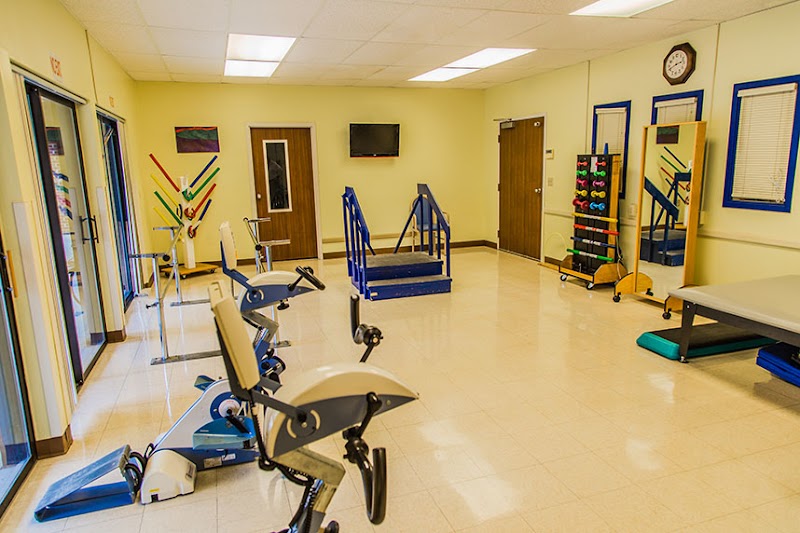
VILLA GEORGETOWN REHABILITATION AND HEALTHCARE CEN is owned by a for-profit company. For-profit facilities operate as businesses with obligations to shareholders or private owners. The facility is operated by CROWN HEALTHCARE GROUP, a chain that manages multiple nursing homes. With 100 certified beds and approximately 83 residents (about 83% occupancy), it is a mid-sized facility located in GEORGETOWN, Ohio.

How Does Villa Georgetown Rehabilitation And Healthcare Cen Compare to Other Ohio Nursing Homes?

Compared to the 100 nursing homes in Ohio, VILLA GEORGETOWN REHABILITATION AND HEALTHCARE CEN's overall rating (4 stars) is above the state average of 3.2, staff turnover (49%) is near the state average of 46%, and health inspection rating (4 stars) is above the national benchmark.

What Should Families Ask When Visiting Villa Georgetown Rehabilitation And Healthcare Cen?

Based on this facility's data, families visiting should ask: "Can you walk me through typical staffing levels on day, evening, and night shifts?" "Can I visit during a mealtime to observe dining assistance and food quality?" "How do you handle medical emergencies, and what is your hospital transfer rate?" "Can I speak with family members of current residents about their experience?" These questions are particularly relevant given the below-average staffing rating.

Is Villa Georgetown Rehabilitation And Healthcare Cen Safe?

Based on CMS inspection data, VILLA GEORGETOWN REHABILITATION AND HEALTHCARE CEN has a clean safety record: no substantiated abuse findings (meaning no confirmed cases of resident harm), no Immediate Jeopardy citations (the most serious violation level indicating risk of serious injury or death), and is not on the Special Focus Facility watch list (a federal program monitoring the lowest-performing 1% of nursing homes). The facility has a 4-star overall rating and ranks #1 of 100 nursing homes in Ohio. While no facility is perfect, families should still ask about staff-to-resident ratios and recent inspection results during their visit.

Do Nurses at Villa Georgetown Rehabilitation And Healthcare Cen Stick Around?

VILLA GEORGETOWN REHABILITATION AND HEALTHCARE CEN has a staff turnover rate of 49%, which is about average for Ohio nursing homes (state average: 46%). Moderate turnover is common in nursing homes, but families should still ask about staff tenure and how the facility maintains care continuity when employees leave.

Was Villa Georgetown Rehabilitation And Healthcare Cen Ever Fined?

VILLA GEORGETOWN REHABILITATION AND HEALTHCARE CEN has no federal fines on record. CMS issues fines when nursing homes fail to meet care standards or don't correct problems found during inspections. The absence of fines suggests the facility has either maintained compliance or corrected any issues before penalties were assessed. This is a positive indicator, though families should still review recent inspection reports for the full picture.

Is Villa Georgetown Rehabilitation And Healthcare Cen on Any Federal Watch List?

VILLA GEORGETOWN REHABILITATION AND HEALTHCARE CEN is not on any federal watch list. The most significant is the Special Focus Facility (SFF) program, which identifies the bottom 1% of nursing homes nationally based on persistent, serious quality problems. Not being on this list means the facility has avoided the pattern of deficiencies that triggers enhanced federal oversight. This is a positive indicator, though families should still review the facility's inspection history directly.