WINDSOR LANE HEALTHCARE CENTER
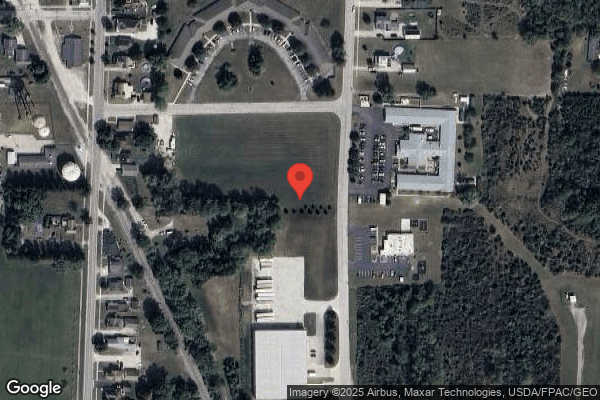
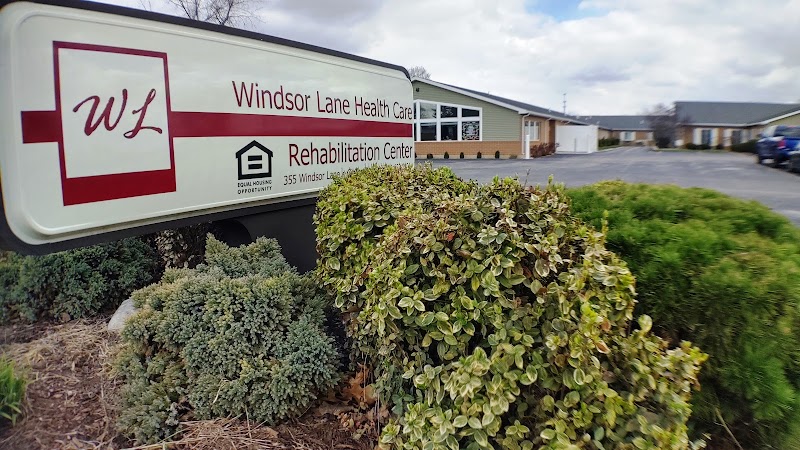
355 WINDSOR LANE, GIBSONBURG, OH 43431 (419) 637-2104
For profit - Limited Liability company 89 Beds Independent Data: November 2025
Trust Grade
30/100
#574 of 913 in OH
Last Inspection: July 2024

Within standard 12-15 month inspection cycle. Federal law requires annual inspections.

Overview

Windsor Lane Healthcare Center in Gibsonburg, Ohio, has received a Trust Grade of F, indicating significant concerns about the quality of care provided, which places it in the bottom tier of nursing homes. It ranks #574 out of 913 facilities statewide, meaning it is in the bottom half of Ohio's nursing homes, and #5 out of 9 in Sandusky County, suggesting only four local options are better. While the facility is showing an improving trend, reducing issues from 16 in 2024 to 3 in 2025, there are still serious concerns, including $37,501 in fines, which is higher than 82% of Ohio facilities, indicating possible compliance problems. Staffing is a mixed bag with a decent turnover rate of 35%, better than the state average, but the facility has less RN coverage than 93% of other facilities, meaning fewer registered nurses are available to catch potential problems. Notable incidents include a resident suffering serious injuries after falling from an improperly used chair and another resident experiencing a diabetic foot ulcer that led to amputation due to inadequate monitoring and care. Overall, while there are some strengths, families should weigh these serious concerns when considering this facility.

Trust Score
F
30/100
In Ohio
#574/913
Bottom 38%
Safety Record
High Risk
Review needed
Inspections
Getting Better
16 → 3 violations
Staff Stability
○ Average
35% turnover. Near Ohio's 48% average. Typical for the industry.
Penalties
✓ Good
$37,501 in fines. Lower than most Ohio facilities. Relatively clean record.
Skilled Nurses
⚠ Watch
Each resident gets only 24 minutes of Registered Nurse (RN) attention daily — below average for Ohio. Fewer RN minutes means fewer trained eyes watching for problems.
Violations
⚠ Watch
44 deficiencies on record. Higher than average. Multiple issues found across inspections.
★★★☆☆
3.0
Overall Rating
★★☆☆☆
2.0
Staff Levels
★★★★★
5.0
Care Quality
★★☆☆☆
2.0
Inspection Score
Stable
2024: 16 issues
2025: 3 issues

The Good

  • 5-Star Quality Measures · Strong clinical quality outcomes
  • Full Sprinkler Coverage · Fire safety systems throughout facility
  • No fines on record
  • Staff turnover below average (35%)

    13 points below Ohio average of 48%

Facility shows strength in quality measures, fire safety.

The Bad

3-Star Overall Rating

Near Ohio average (3.2)

Meets federal standards, typical of most facilities

Staff Turnover: 35%

11pts below Ohio avg (46%)

Typical for the industry

Federal Fines: $37,501

Above median ($33,413)

Moderate penalties - review what triggered them

The Ugly 44 deficiencies on record

2 actual harm
Sept 2025 3 deficiencies
CONCERN (D) 📢 Someone Reported This

A family member, employee, or ombudsman was alarmed enough to file a formal complaint

Potential for Harm - no one hurt, but risky conditions existed

Quality of Care (Tag F0684)

Could have caused harm · This affected 1 resident

Based on observation, resident interview, medical record review, staff interview, and review of facility policy, the facility failed to ensure skin treatments were completed per physician order. This ...

Read full inspector narrative →
Based on observation, resident interview, medical record review, staff interview, and review of facility policy, the facility failed to ensure skin treatments were completed per physician order. This affected one (#48) of three residents reviewed for wound treatments. The facility census was 71.Findings include:Review of the medical record for Resident #48 revealed an admission of 02/12/25. Diagnoses included morbid obesity, psoriasis vulgaris, seborrheic dermatitis, and Type I diabetes mellitus.Review of the quarterly Minimum Data Set (MDS) assessment, dated 07/09/25, revealed Resident #48 had intact cognition. Resident #48 required moderate assistance with Activities of Daily Living (ADLs). Review of the care plan dated 03/03/23 revealed Resident #48 was at risk for chronic cellulitis. Interventions included to cleanse areas daily with soap and water and dry thoroughly. Further review of the care plan revealed Resident #48 had actual ADL self-care performance deficits and was at risk for incontinence secondary to impaired mobility, generalized weakness, and fatigue. Interventions included monitoring skin during care. Additionally, Resident #48 was at risk for potential skin breakdown related to morbid obesity, lymphedema, and cellulitis. Resident #48 had a diagnosis of psoriasis vulgaris and seborrheic dermatitis. Interventions included documenting any refusals of treatment and completing treatments as ordered.Review of the physician orders revealed an order 02/29/25 for ketoconazole external cream 2%, apply to body topically every four days for psoriasis, apply small amount during shower. Further review revealed an order dated 03/03/25 for miconazole external powder 2% (anti-fungal), apply to folds and groin topically every day and evening shift for excoriation. Lastly, Resident #48 had an order dated 07/09/25 for triamcinolone acetonide external cream 0.1%, apply topically to affected areas every day and evening shift for plaque psoriasis.Review of the Treatment Administration Record (TAR) from 09/01/25 through 09/08/25 revealed Resident #48's ketoconazole external cream, miconazole external powder, and triamcinolone acetonide external cream were documented as administered as ordered. Interview on 09/08/25 at 2:29 P.M. with Resident #48 revealed she completed her own skin treatments, including ketoconazole external cream, miconazole external powder, and triamcinolone acetonide external cream. Resident #48 stated she had been out of the treatments for three days and had told nursing staff.Interview on 09/08/25 at 3:27 P.M. with Licensed Practical Nurse/Unit Manager (LPN/UM) #528 confirmed Resident #48 applied ketoconazole external cream, miconazole external powder, and triamcinolone acetonide external cream herself, and the treatments were left in the room. LPN/UM #528 verified that Resident #48 did not have an order to self-administer her treatments or keep treatments at bedside. LPN/UM #528 confirmed the treatments were signed off as completed on the TAR; however, LPN/UM #528 stated the treatments had not been available for a long time and were not available in the medication cart. Review of the facility policy titled, Medication Administration-General Guidelines, dated 03/20/18 revealed medications were administered in accordance with written orders of the attending physician.This deficiency represents non-compliance investigated under Complaint Number 1357196.
CONCERN (D) 📢 Someone Reported This

A family member, employee, or ombudsman was alarmed enough to file a formal complaint

Potential for Harm - no one hurt, but risky conditions existed

Deficiency F0761 (Tag F0761)

Could have caused harm · This affected 1 resident

Based on observation, staff interview, medical record review and review of the facility policy, the facility failed ensure medications were properly stored. This affected one (#48) of three residents ...

Read full inspector narrative →
Based on observation, staff interview, medical record review and review of the facility policy, the facility failed ensure medications were properly stored. This affected one (#48) of three residents reviewed for medication storage. The facility census was 71.Findings include:Review of the medical record for Resident #48 revealed an admission date of 02/12/25. Diagnoses included morbid obesity, chronic respiratory failure with hypoxia, and Type I diabetes mellitus. Review of the quarterly Minimum Data Set (MDS) assessment, dated 07/09/25, revealed Resident #48 had intact cognition. Resident #48 required moderate assistance with Activities of Daily Living (ADLs). Review of the care plan dated 03/03/23 revealed Resident #48 had chronic obstructive pulmonary disease (COPD), congestive heart failure (CHF), and a history of chronic respiratory failure with hypoxia. Interventions included monitoring for difficulty with breathing and give aerosol medication as ordered.Review of the physician orders revealed Resident #48 had an order dated 02/17/24 for fluticasone propionate nasal suspension 50 micrograms (mcg) per actuation (act), two sprays in both nostrils one time a day for allergies. Further review revealed Resident #48 did not have an order to self-administer medications or for medications to be left at bedside.Review of the Medication Administration Record (MAR) for 09/10/25 revealed Resident #48 received fluticasone propionate during morning medication administration.Interview on 09/08/25 at 2:29 P.M. with Resident #48 revealed nurses often left her medication on the bedside table.Observation on 09/10/25 at 8:58 A.M. of Resident #48's bedside table revealed a bottle of fluticasone propionate nasal suspension 50 mg/act with the prescription box next to the bottle. Further observation revealed the resident's name was on the box. Resident #48 was not in the room at the time of the observation. Interview on 09/10/25 at 8:59 A.M. with Licensed Practical Nurse (LPN) #704 revealed she administered Resident #48's morning medications. LPN #704 confirmed the fluticasone propionate was left on the bedside table, and further confirmed Resident #48 did not have a physician's order to self- administer medication or for medications to be left at bedside.Review of the facility policy titled, Medication Administration-General Guidelines, dated 03/20/18, revealed residents were allowed to self-administer medications when specifically authorized by the attending physician and in accordance with procedures for self-administration of medication. This deficiency represents non-compliance investigated under Master Complaint Number 1357285 (OH00167097) and Complaint Number 1357196 (OH00166824).
CONCERN (D) 📢 Someone Reported This

A family member, employee, or ombudsman was alarmed enough to file a formal complaint

Potential for Harm - no one hurt, but risky conditions existed

Medical Records (Tag F0842)

Could have caused harm · This affected 1 resident

Based on resident interview, staff interview, medical record review, and review of facility policy, the facility failed to ensure accurate Treatment Administration Records (TARs). This affected one (#...

Read full inspector narrative →
Based on resident interview, staff interview, medical record review, and review of facility policy, the facility failed to ensure accurate Treatment Administration Records (TARs). This affected one (#48) of three residents reviewed for accurate medical records. The facility census was 71.Findings include:Review of the medical record for Resident #48 revealed an admission of 02/12/25. Diagnoses included morbid obesity, psoriasis vulgaris, seborrheic dermatitis, and Type I diabetes mellitus.Review of the quarterly Minimum Data Set (MDS) assessment, dated 07/09/25, revealed Resident #48 had intact cognition. Resident #48 required moderate assistance with Activities of Daily Living (ADLs). Review of the care plan dated 03/03/23 revealed Resident #48 was at risk for chronic cellulitis. Interventions included to cleanse areas daily with soap and water and dry thoroughly. Further review of the care plan revealed Resident #48 had actual ADL self-care performance deficits and was at risk for incontinence secondary to impaired mobility, generalized weakness, and fatigue. Interventions included monitoring skin during care. Additionally, Resident #48 was at risk for potential skin breakdown related to morbid obesity, lymphedema, and cellulitis. Resident #48 had a diagnosis of psoriasis vulgaris and seborrheic dermatitis. Interventions included documenting any refusals of treatment and completing treatments as ordered.Review of the physician orders revealed an order dated 02/29/25 for ketoconazole external cream 2%, apply to body topically every four days for psoriasis, apply small amount during shower. Further review revealed an order dated 03/03/25 for miconazole external powder 2% (anti-fungal), apply to folds and groin topically every day and evening shift for excoriation. Lastly, Resident #48 had an order dated 07/09/25 for triamcinolone acetonide external cream 0.1%, apply topically to affected areas every day and evening shift for plaque psoriasis.Review of the Treatment Administration Record (TAR) from 09/01/25 through 09/08/25 revealed Resident #48's ketoconazole external cream, miconazole external powder, and triamcinolone acetonide external cream were documented as administered as ordered. Interview on 09/08/25 at 2:29 P.M. with Resident #48 revealed she completed her own skin treatments, including ketoconazole external cream, miconazole external powder, and triamcinolone acetonide external cream. Interview on 09/08/25 at 3:27 P.M. with Licensed Practical Nurse/Unit Manager (LPN/UM) #528 confirmed Resident #48 applied ketoconazole external cream, miconazole external powder, and triamcinolone acetonide external cream herself, and the treatments were left in the room. LPN/UM #528 verified that nursing staff did not know if the resident applied the treatments or not and did not have an order to self-administer her treatments or keep treatments at bedside. LPN/UM #528 confirmed the treatments were signed off by nursing staff as completed on the TAR, including today; however, LPN/UM #528 stated the treatments were not available in the medication cart. Review of the facility policy titled, Medication Administration - General Guidelines, revised 03/20/18, revealed topical medications used in treatments were listed on the TAR. Further review revealed the individual who administered the medication dose recorded the administration directly after the medication was given. This deficiency represents noncompliance investigated under Master Complaint Number 1357285 (OH00167097).
Dec 2024 1 deficiency 1 Harm
SERIOUS (G) 📢 Someone Reported This

A family member, employee, or ombudsman was alarmed enough to file a formal complaint

Actual Harm - a resident was hurt due to facility failures

Accident Prevention (Tag F0689)

A resident was harmed · This affected 1 resident

**NOTE- TERMS IN BRACKETS HAVE BEEN EDITED TO PROTECT CONFIDENTIALITY** Based on observation, medical record review, staff interview, review of a facility investigation including written statements, r...

Read full inspector narrative →
**NOTE- TERMS IN BRACKETS HAVE BEEN EDITED TO PROTECT CONFIDENTIALITY** Based on observation, medical record review, staff interview, review of a facility investigation including written statements, review of facility camera footage, hospital documentation review, review of a manufacture operating manual, and facility policy review, the facility failed to ensure specialized chairs were utilized in a safe and proper manner to prevent injuries. Actual Harm occurred when Resident #01 was placed in a Broda chair (a supportive positioning chair which allows residents to tilt and recline) equipped with caster type wheels and Resident #01 was left unattended while seated in the chair, which was not assessed for use, with the caster wheels unlocked. Resident #01 proceeded to lean forward and fell from the chair resulting in the resident sustaining serious injuries including a skin tear to the right forearm, a displaced fracture of the distal right femur, and a fracture through the proximal tibia metadiaphysis and fibular neck, subsequently requiring surgical repair. This deficient practice affected one (#01) of three sampled residents reviewed for fall prevention and assistive device use in a facility census of 69. Findings include: Review of the medical record revealed Resident #01 was admitted to the facility on [DATE]. Diagnoses included dementia, cataract, hypertension, congestive heart failure, cerebral infarction, major depressive disorder, atrial fibrillation, anxiety disorder, sick sinus syndrome, cardiac pacemaker, right femur fracture, left tibia fracture, muscular dystrophy, and rheumatoid arthritis. Review of the Minimum Data Set (MDS) assessment dated [DATE] revealed Resident #01 was assessed with severe cognitive impairment, was dependent on staff for the completion of activities of daily living (ADLs) including transfers, utilized a wheelchair for mobility propelled by staff, was incontinent of bowel and bladder, and had no recorded falls. Review of a fall risk assessment dated [DATE] revealed Resident #01 was at high risk for falling. Review of Resident #01's falls risk care plan dated 05/16/22 revealed Resident #01 was at risk for falls related to fall history, gait or balance, muscular dystrophy, and impaired cognition due to dementia. Interventions included staff education, therapy screening, staff to anticipate the resident's needs, place frequently used items in reach, apply nonskid footwear as the resident allows, provide assistance with ambulation, toileting, and transfers as needed, use an alarm while the resident was in a chair and check placement and function each shift, and use proper turning and transfer technique when assisting the resident. Further review revealed no intervention to include Resident #01 was able to utilize a Broda chair. Review of a nursing progress note dated 11/18/24 at 5:34 P.M. revealed Registered Nurse (RN) #300 was called by a certified nurse aide (CNA) from the memory care unit and was informed Resident #01 had an unwitnessed fall. RN #300 went to the memory care unit and saw the resident on the floor slightly on her side and the resident's head was supported by a CNA. RN #300 checked Resident #01's vital signs and obtained a blood pressure of 132/82 millimeters of mercury (mmHg), a pulse rate of 79 beats per minute, an oxygen saturation level of 97 percent (%), and a temperature of 97.3 degrees Fahrenheit (F). Resident #01 was asked if she had any pain and the resident verbalized pain to her head, hips, and bilateral lower extremities. The resident was moaning in pain. Resident #01 was observed with a skin tear on the right forearm with no other open wounds identified. RN #300 contacted a certified nurse practitioner (CNP) and ordered for Resident #01 to be sent to the emergency room (ER) for evaluation. Emergency medical services (EMS) were called and when EMS arrived the staff safely transferred Resident #01 from the floor to the stretcher. Resident #01's Durable Power of Attorney (DPOA) agreed for the resident to be sent to hospital and report was given to the ER. Review of Resident #01's hospital documentation dated 11/18/24 noted an was x-ray performed in the hospital and revealed a displaced fracture of the distal right femur (upper leg bone) and a fracture through the proximal tibia metadiaphysis and fibular neck (lower leg bones). On 11/19/24, Resident #01 underwent surgical repair which included left tibial surgical internal fixation and right femur intramedulary nail retrograde placement. Review of CNA #200's written statement dated 11/18/24 noted CNA #200 and CNA #201 were walking back after answering a call light when they saw Resident #01's chair tipping. CNA #201 rushed to Resident #01 while CNA #200 called the nurse. Review of CNA #201's written statement dated 11/18/24 revealed CNA #200 and CNA #201 were walking back to the main dining area on the memory care unit when they saw Resident #01's chair tipping. CNA #201 rushed to Resident #01 while CNA #200 called the nurse. On 12/11/24 at 8:17 A.M., interview with CNA #200 revealed on 11/18/24 she assumed care in memory unit at 3:00 P.M. Resident #01 was seated in a Broda chair with her feet elevated halfway up. At an unknown time, CNA #200 and CNA #201 went to a resident room located outside the view of the memory care unit dining room. The CNAs entered Resident #03's room located at the end of the hall. Both CNAs were in the room approximately four (4) minutes and when exiting with CNA #201, observed Resident #01 rocking and proceeded to tip the Broda chair forward. Both CNAs attempted to prevent the resident from falling forward, but were too late and Resident #01 fell to the floor. The Broda chair was tipped on the front two wheels and the footrest. Resident #01 was lying on her side on the floor. CNA #201 stayed with the resident while CNA #200 called the nurse (RN #300) for assistance. Observation and interview on 12/11/24 at 8:55 A.M. with the Director of Nursing (DON), during review of facility camera footage, revealed on 11/18/24 at 3:15 P.M. Resident #01 was seated in the memory care unit dining room. Resident #01 was seated in a Broda chair with the footrest partially lowered. At 3:52 P.M., CNA #200 and CNA #201 left the memory care unit dining room, and at 3:54:53 P.M. Resident #01 was noted to be alone and unattended in memory care dining room in the Broda chair. Resident #01 then leaned back and proceeded to lean forward over her legs. The Broda chair tipped forward and Resident #01 fell to the floor with the chair tipping onto footrest and front wheels. The DON verified the rear wheels were observed to be spinning and unlocked. Both CNAs were observed running into the dining room while the resident was falling forward. On 12/11/24 at 11:32 A.M. an additional interview with CNA #200, during observation of the Broda chair, noted the chair was equipped with four caster wheels with locking mechanisms. CNA #200 sat in the chair with the caster wheels unlocked and proceeded to move her upper body over her legs. The Broda chair was noted to tip forward and CNA #200 placed her foot to the floor to prevent tipping over. CNA #200 stated when Resident #01 was sitting in the Broda chair the wheels were unlocked due to concern of the chair being a restraint. On 12/11/24 at 11:40 A.M. an additional interview with the DON, during review of the Broda chair operating manual, confirmed there was no evidence contained in Resident #01's medical record indicating the Broda chair was assessed for proper use and the chair wheels where locked when Resident #01 was left unattended in the chair on 11/18/24. Review of an undated Broda chair operating manual revealed the resident's primary caregiver was responsible for ensuring that anyone who was unfamiliar with, unwilling, or unable to adhere to the safety and operating instructions, was not permitted to operate or move the chair. After a resident was transferred into the chair, assess the amount of tilt required. It was recommended that when a resident had been moved to their destination, the chair was placed where the resident cannot reach handrails or other objects, fixed or movable. This was to prevent the resident from pulling the chair over or pulling themselves off the seating surface and to prevent the resident from pulling movable objects onto the chair and themselves. It was recommended the chair be used in a supervised area to prevent untrained residents, caregivers, or third parties from unauthorized operation, movement, or unsafe actions such as sitting or leaning on the reclined back, elevated footrest, or the armrests. These actions, if not prevented, put the chair at risk of tipping or damage to the chair. The special casters found on the Broda chair have total lock brakes which prevent the wheels from turning and swiveling. The brakes must always be applied when the chair was not in use, the resident was being transferred (moved) into or out of the chair, and when the chair was not being moved by a caregiver. Review of facility fall management policy, revised 07/31/14, revealed qualified staff assess all residents for fall risk through the nursing assessment form upon admission, quarterly, and with a significant change. The fall risk assessment assists in identifying the appropriate preventative interventions, and that they are recorded on the resident's care plan. If a fall occurs qualified staff immediately investigate the reason and determine the intervention to prevent future falls. Review of the undated fall investigation policy revealed intervention and prevention to include staff training on fall prevention strategies and proper use of assistive devices. This deficiency represents non-compliance investigated under Complaint Number OH00160133.
Nov 2024 1 deficiency
CONCERN (D) 📢 Someone Reported This

A family member, employee, or ombudsman was alarmed enough to file a formal complaint

Potential for Harm - no one hurt, but risky conditions existed

Free from Abuse/Neglect (Tag F0600)

Could have caused harm · This affected 1 resident

**NOTE- TERMS IN BRACKETS HAVE BEEN EDITED TO PROTECT CONFIDENTIALITY** THE FOLLOWING DEFICIENCY REPRESENTS AN INCIDENT OF PAST NON-COMPLIANCE THAT WAS SUBSEQUENTLY CORRECTED PRIOR TO THIS SURVEY. Bas...

Read full inspector narrative →
**NOTE- TERMS IN BRACKETS HAVE BEEN EDITED TO PROTECT CONFIDENTIALITY** THE FOLLOWING DEFICIENCY REPRESENTS AN INCIDENT OF PAST NON-COMPLIANCE THAT WAS SUBSEQUENTLY CORRECTED PRIOR TO THIS SURVEY. Based on record review, staff interview, resident interview, and facility policy review, the facility failed to ensure a resident was free from physical abuse. This affected two residents (#2 and #3) of three reviewed for abuse. The facility census was 68. Findings include: 1. Review of Resident #2's medical record revealed an admission date of 06/01/22. Diagnoses included morbid obesity, lymphedema, and chronic pain. Review of Resident #2's quarterly Minimum Data Set (MDS) assessment dated [DATE] revealed intact cognition and the resident had no negative behaviors. Review of Resident #2's care plan revealed she was at risk for mood issues due to a diagnosis of depression and anxiety. Review of Resident #2's progress note dated 11/05/24 revealed an incident happened on 11/02/24 between approximately 12:30 P.M. to 1:30 P.M. The altercation was between two residents (#2 and #3) and unwitnessed by the nurse. When the writer saw the patient, she was wheeling herself inside the building. The nurse asked what happened and the resident verbalized, He called me a fat bitch, referring to the resident involved in the incident. The nurse asked if she did any physical harm to the other resident and she did not admit anything to the writer. The writer advised Resident #2 to stay away from Resident #3 in order to not escalate the situation furthermore. Resident #2 agreed and wheeled self away from the other resident. No further altercation happened within the whole shift. The nurse advised the resident to inform the nurse for any assistance needed. 2. Review of Resident #3's medical record revealed an admission date of 07/14/22. Diagnoses included morbid obesity, congestive heart failure, and pulmonary edema. Review of Resident #3's MDS assessment dated [DATE] revealed he had an intact cognition and no negative behaviors. Review of Resident #3's care plan revealed the resident was at risk for mood issues related to pain and being in a long term care facility. Review of Resident #3's progress note dated 11/05/24 revealed an altercation occurred between two residents (#2, #3) on 11/02/24 between approximately 12:30 P.M. and 1:30 P.M. The incident was unwitnessed by the nurse. When the nurse arrived to the area of the incident, the nurse asked Resident #3 what happened. Resident #3 explained to the nurse in an angry manner that it started when the materials for a party were placed on the dinner table without them knowing and it interrupted the area that they were using for lunch. Resident #3 informed the nurse that Resident #2 grabbed his left arm and ran her wheelchair into his left lower extremity. At that moment the nurse checked on the resident and no marks, bruises, or wounds were noted. At that time Resident #3 was offered and advised to stay away from the Resident #2 in order not to escalate the situation and he agreed. Resident #3 then wheeled himself inside the building to his room. The nurse offered him to be seen in the emergency room and call authorities, but he verbalized, No it is not needed, but next time I will if this happens again. Resident #3 was checked after an hour while sitting outside and verbalized, I'm feeling better. There was no discomfort at that time. Resident #3 was made aware to call the nurse for any assistance needed. The Certified Nurse Practitioner was made aware. Review of Resident #3's progress note dated 11/05/24 revealed the resident reported to nurse that he had an open area to left lower extremity. The site was assessed and pink drainage was noted. The resident explained that another resident had ran into him with her wheelchair. The site measured 1.5 centimeter (cm) by (x) 1 cm x less than 0.5 cm. The area was cleansed with normal saline, patted dry, and covered with a border dressing. The nurse updated the physician and a new order was received for treatment to cleanse the wound with normal saline, pat dry, and apply a dressing. The resident was made aware. Interview with Resident #2 on 11/22/24 at 8:20 A.M. revealed when she had a party, Resident #3 was bothered and had to make rude comments. She was planning a birthday party on 11/02/24 when Resident #3 became annoyed because the party supplies were on a dining room table which he normally sat at for lunch. He took pictures of the decorations and supplies. After hearing about his taking the photos, Resident #2 confronted Resident #3 outside. After having a verbal confrontation Resident #2 was leaving to return into the building when Resident #3 called her a fat (derogatory word). Resident #2 admitted to grabbing Resident #3's arm and warned him to not call her that again. Resident #3 told her he was going to punch her if she didn't let go of him. At that point staff intervened and requested she return into the facility. Interview with Resident #4 on 11/22/24 at 9:23 A.M. revealed he witnessed the altercation between Residents #2 and #3. He and Resident #2 were in the dining room and activities came in and put boxes on the table where the residents were sitting so they moved into the north dining room. Later he and Resident #3 were outside and Resident #2 came up and asked Resident #3 why he was always (explicit word) with her parties. Resident #3 told her to leave but she came back and ran her wheelchair into Resident #3 and grabbed his arm. The two residents continued to curse at each other. Once the staff came out, Resident #2 let go of Resident #3 and returned inside of the building. Interview with Certified Nurse Aide (CNA) #300 on 11/22/24 at 9:31 A.M. revealed she witnessed the incident between Residents #2 and #3 from inside the facility. She stated she heard a lot of yelling coming from the parking lot and saw the residents in a verbal altercation. Then Resident #2 grabbed Resident #3's arm and would not let go. Another CNA intervened and separated the residents. Management then arrived on the scene. Interview with Resident #3 on 11/22/24 at 10:03 A.M. stated he was outside and he saw saw a couple aides push a cart and one carrying party supplies into the facility for Resident #2. Those items were placed on the dining room table where he sat. Resident #2 was asked by activities to move to another table. The Resident Council rules state that nothing can be decorated during meal times. If there was a party or event the staff must wait until after a meal service to set up. Resident #3 then took a picture on his phone of the hot plates and supplies as it was before 1:00 P.M. After lunch he and Resident #4 went outside. Resident #2 came over to him and she was screaming and cussing. Resident #3 informed her to go back inside the building. Resident #2 then ran her motorized wheelchair into Resident #3's leg which took skin off the bottom of his leg. She grabbed his arm and she attempted to stand up. Resident #3 told her to remove her hands from him and she jerked his arm around. Resident #3 threatened to hit Resident #2 if she did not let go of him. Resident #2 scratched his arm in three places with her fingernails. After staff intervened, Resident #2 returned to the building. He was not going to report this to the police until Resident #2 posted statements regarding him on social media. Resident #3 then called the police and filed charges. Interview with Housekeeper #400 on 11/22/24 at 11:03 A.M. revealed she was in the parking lot taking trash out when she heard Resident #2 scream. Resident #2 then took her electric wheelchair and headed toward Resident #3, ran into his left leg, and grabbed his left arm. The CNA from the memory care unit came out and stopped the altercation. Interview with the Director of Nursing (DON) on 11/22/24 at 11:32 A.M. revealed interventions were put into place and both residents were educated on avoiding each other. The Ombudsman also stepped in and spoke to the resident. The physician ordered anger management classes for Resident #2. Daily monitoring, staff education, and resident assessments were completed. Care plans were updated regarding the potential to demonstrate verbal or physical behaviors. Interview with CNA #310 on 11/22/24 at 11:43 A.M. revealed she was working on the memory care unit, which has large windows, and heard the verbal altercation between Residents #2 and #3. The residents were swearing at each other. Resident #2 began leaving the area when Resident #3 called her a derogatory name. At that point Resident #2 ran her motorized wheelchair into Resident #3's left leg and grabbed his left arm. The CNA stated she attempted to get in between the residents and backed up Resident #2's wheelchair by using the joystick. At that time the DON came out to see what was happening and the CNA then moved away from the incident. Review of an email from the local police department dated 11/21/24 revealed there was no police report at that time because it was not completed. The county prosecutor had the information and was was reviewing the case. Review of the Self-Reported Incident (SRI) dated 11/04/24 revealed the facility substantiated abuse and Resident #3 wanted to press charges against Resident #2. Review of the facility policy titled, Abuse, Neglect, Exploitation and Misappropriation of Resident Property: dated 2016 revealed abuse was the willful infliction of injury, unreasonable confinement, intimidation, or punishment with resulting in physical harm, pain, or mental anguish. Windsor Lane Health Care and Rehabilitation Center will not tolerate Abuse, Neglect, Exploitation of it's residents or the Misappropriation of Resident property The deficient practice was corrected on 11/07/24 when the facility implemented the following corrective actions: • 11/02/24 Residents #2 and #3 were separated by the DON • 11/02/24 Residents were educated on the abuse policy by the DON • 11/05/24 Psychiatric Services provided for Resident #2 • 11/05/24 All staff educated on the abuse policy • 11/07/24 and 11/08/24 All resident care plans were updated regarding the potential to demonstrate verbal or physical behaviors This deficiency represents non-compliance investigated under Complaint Number OH00159726.
Jul 2024 13 deficiencies
CONCERN (D)

Potential for Harm - no one hurt, but risky conditions existed

Comprehensive Care Plan (Tag F0656)

Could have caused harm · This affected 1 resident

**NOTE- TERMS IN BRACKETS HAVE BEEN EDITED TO PROTECT CONFIDENTIALITY** 3. Review of the medical record for Resident #2 revealed an admission date of 05/20/24 with a diagnosis of dementia. Review of ...

Read full inspector narrative →
**NOTE- TERMS IN BRACKETS HAVE BEEN EDITED TO PROTECT CONFIDENTIALITY** 3. Review of the medical record for Resident #2 revealed an admission date of 05/20/24 with a diagnosis of dementia. Review of the five-day Minimum Data Set (MDS) assessment dated [DATE] revealed Resident #2 had impaired cognition and was dependent on staff for personal hygiene. Review of the current care plan revealed no care area for activities of daily life. Interview on 07/25/24 at 8:05 A.M. with the Director of Nursing (DON) confirmed Resident #2's comprehensive care plan was incomplete and verified there was no care plan in place for activities of life . The DON stated she had been having difficulty with the electronic medical record system, and care plans were not staying updated in resident records Based on record review and staff interview, the facility failed to ensure the resident's comprehensive care plan was completed and updated. This affected three (Resident #2 #12, and #25) of 17 residents reviewed for care plans. The facility census was 61. Findings include: 1. Review of Resident #12's medical record revealed an admission date of 11/07/23. Diagnoses included schizophrenia, psychosis, and congestive heart failure. Review of the quarterly Minimum Data Set (MDS) assessment dated [DATE] revealed Resident #12 was cognitively intact. He required a wheelchair in which he was independent on moving throughout the facility. Review of the Ohio Sex Offender Search revealed Resident #12 was a registered sex offender due to gross sexual imposition and sexual motivation. Review of Resident #12's most recent care plan revealed it was free from documentation regarding care and intervention of the sex offender. Interview on 07/25/24 at 8:05 A.M. with the Director of Nursing (DON) confirmed Resident #12's comprehensive care plan was incomplete and verified there was no care plan in place for the resident being a sex offender. 2. Review of Resident #25's medical record revealed an admission date of 05/07/21. Diagnoses included congestive heart failure, coronary artery disease, morbid obesity, and respiratory failure. Review of the quarterly Minimum Data Set (MDS) assessment dated [DATE] revealed Resident #25 was cognitively intact. The resident required the use of a wheelchair and was independent with care and mobility. Review of the Ohio Sex Offender Search revealed Resident #25 was a sex offender related to lewd and lascivious acts with a child 14 to [AGE] years old. Review of Resident #25's most recent care plan revealed it was free from documentation regarding care and interventions for a sexual offender. Interview on 07/25/24 at 8:05 A.M. with the Director of Nursing (DON) confirmed Resident #25's comprehensive care plan was incomplete and verified there was no care plan in place for the resident being a sex offender.
CONCERN (D)

Potential for Harm - no one hurt, but risky conditions existed

Deficiency F0657 (Tag F0657)

Could have caused harm · This affected 1 resident

**NOTE- TERMS IN BRACKETS HAVE BEEN EDITED TO PROTECT CONFIDENTIALITY** 2. Review of the medical record for Resident #5 revealed an admission date of 12/10/22 with a diagnosis of chronic respiratory f...

Read full inspector narrative →
**NOTE- TERMS IN BRACKETS HAVE BEEN EDITED TO PROTECT CONFIDENTIALITY** 2. Review of the medical record for Resident #5 revealed an admission date of 12/10/22 with a diagnosis of chronic respiratory failure. Review of the quarterly Minimum Data Set (MDS) assessment dated [DATE] revealed Resident #5 had intact cognition. Review of the Smoking assessment dated [DATE] revealed Resident #5 no longer smoked. The assessment did not clarify whether Resident #5 could smoke independently. Review of the current care plan for Resident #5 revealed no care area for smoking. Review of the list of residents who smoked provided by the facility on 07/22/24 revealed Resident #5 smoked. Interview on 07/22/24 at 2:44 P.M. with Resident #5 revealed she was going outside to smoke. Interview on 07/24/24 at 8:16 A.M. with the Director of Nursing (DON) confirmed Resident #5 had quit smoking, but started again in the last few months. Follow-up interview with the DON on 07/24/24 at 8:40 A.M. confirmed Resident #5's smoking assessment dated [DATE] did not reflect her current smoking status, and Resident #5's care plan did not include smoking. 3. Review of the medical record for Resident #10 revealed an admission date of 11/08/17 with a diagnosis of kidney failure (05/27/24). Review of the Brief Interview for Mental Status (BIMS) dated 05/31/24 revealed Resident #10 had moderately impaired cognition. Review of the current care plan revealed no indication Resident #10 received hemodialysis (HD). Interview on 07/22/24 at 11:30 A.M. with the Director of Nursing (DON) revealed Resident #10 was the only resident in the facility who received HD. Subsequent interview on 07/23/24 at 3:31 P.M. and 3:43 P.M. with the DON revealed Resident #10 began HD on 06/12/24. The DON confirmed Resident #10's care plan did not reflect he received HD. Based on record review and staff interview, the facility failed to ensure the resident care plans were timely updated. This affected three (Residents #5, #10, and #46) of 17 residents reviewed for care plan. The facility census was 61. Findings include: 1. Review of Resident #46's medical record revealed an admission date of 08/06/21. Diagnoses included morbid obesity and bariatric surgery on 05/23/24. Review of the quarterly Minimum Data Set (MDS) assessment dated [DATE] revealed Resident #46 had a high cognitive function. Review of the physician order dated 04/25/24 revealed Resident #46 had a order for high protein Slim Fast shakes or Ensure high protein nutrition shakes five times a day and a clear liquid diet. Review of Resident #46's care plan revealed he was at risk for non-compliance with his diet due to morbid obesity, diabetes mellitus, and hypertension. The care plan was absent of bariatric surgery nor requirement of a high protein diet. Interview with the Dietary Manager #237 on 07/23/24 at 4:32 P.M. revealed Resident #46 began to receive the high protein shakes post bariatric surgery in April 2024. Interview with the Assistant Director of Nursing (ADON) #208 on 07/24/24 at 2:03 P.M. verified the facility failed to update Resident #46's care plan regarding the physician's orders for high protein shakes nor the bariatric surgery.
CONCERN (D)

Potential for Harm - no one hurt, but risky conditions existed

Quality of Care (Tag F0684)

Could have caused harm · This affected 1 resident

**NOTE- TERMS IN BRACKETS HAVE BEEN EDITED TO PROTECT CONFIDENTIALITY** 2. Review of the medical record for Resident #50 revealed an admission date of 08/27/22. Diagnoses included chronic respiratory ...

Read full inspector narrative →
**NOTE- TERMS IN BRACKETS HAVE BEEN EDITED TO PROTECT CONFIDENTIALITY** 2. Review of the medical record for Resident #50 revealed an admission date of 08/27/22. Diagnoses included chronic respiratory failure, anxiety, and calculus of ureter. Review of the quarterly Minimum Data Set (MDS) assessment dated [DATE] revealed Resident #50 had intact cognition. Review of the consultant wound care note dated 06/19/24 revealed Resident #50 had a new wound to her right buttock identified as moisture-associated skin damage (MASD). Review of a nursing progress note dated 06/26/24 revealed the wound care nurse determined the left buttock was healed and identified a new area to the right buttocks. The wound care nurse began a treatment to the right buttock. Review of the Weekly Skin Observation assessments dated 07/05/24, 07/12/24, and 07/20/24 revealed Resident #50's skin had no wounds and her skin was clean, dry, and intact. Interview on 07/22/24 at 3:07 P.M. with Resident #50 revealed she had wounds on her bottom. Interview on 07/23/24 at 12:33 P.M. with the Director of Nursing (DON) confirmed weekly skin assessments should be completed for all skin concerns. Observation and interview on 07/24/24 at 7:45 A.M. with Wound Care Nurse Practitioner #291, while she performed wound care on Resident #50, confirmed Resident #50 had ongoing MASD on her right buttock. Interview on 07/24/24 at 12:16 P.M. with the DON confirmed no skin assessments were completed for Resident #50 since 06/26/24 to monitor the progress of the right buttock MASD. The DON further confirmed the Weekly Skin Observations indicating Resident #50's skin was clean, dry and intact did not reflect an accurate assessment of her skin. Review of the facility's undated Weekly Skin Assessment Policy revealed licensed nurses would complete skin assessments every seven days from start of admission to discharge. Nurses will observe any open areas, signs of infection, and any abnormalities. Nurses will ensure treatment is in place for any existing areas. Based on observation, record review, resident and staff interview, and policy review, the facility failed to assess and monitor the resident's skin conditions. This affected two (Residents #15 and #50) of two residents reviewed for skin conditions. The facility census was 61. Findings include: 1. Review of Resident #15's medical record revealed an admission date of 06/14/24. Diagnoses included muscular dystrophies, congestive heart failure, morbid obesity, and cerebral vascular accident. Review of the annual Minimum Data Set (MDS) assessment dated [DATE] revealed Resident #15's cognition was intact. The resident required substantial assistance to move from lying to sitting on the side of the bed. Review of Resident #15's most recent care plan revealed he was at risk for uncontrolled bleeding due to anticoagulant therapy and the potential for skin breakdown related to morbid obesity. Interventions included a weekly skin assessment and observation during care. Review of Resident #15's Weekly Skin Observation sheets dated 06/21/24, 06/28/24, 07/05/24, 07/13/24, and 07/19/24 revealed the resident's skin was clean, dry and intact. Observation of Resident #15's skin on 07/24/24 at 10:50 A.M. revealed the resident had a large red and scabbed area to the left lower shin. The affected area was approximately 12 inches long and four inches wide. It was dark red and had several rounded scabbed areas to the skin. Interview with Assistant Director of Nursing (ADON) #208 on 07/24/24 at 10:55 A.M. revealed Resident #15's medical record was absent of documentation regarding redness to the left lower extremity which included the Weekly Skin Observations. Interview with Resident #15 on 07/24/24 at 10:57 A.M. revealed the left lower extremity had been red and scabbed for a long time.
CONCERN (D)

Potential for Harm - no one hurt, but risky conditions existed

Accident Prevention (Tag F0689)

Could have caused harm · This affected 1 resident

**NOTE- TERMS IN BRACKETS HAVE BEEN EDITED TO PROTECT CONFIDENTIALITY** Based on resident and staff interview, observation, review of the medical record, and review of the facility policy, the facilit...

Read full inspector narrative →
**NOTE- TERMS IN BRACKETS HAVE BEEN EDITED TO PROTECT CONFIDENTIALITY** Based on resident and staff interview, observation, review of the medical record, and review of the facility policy, the facility failed to ensure residents wore smoking aprons as ordered by the physician. This affected one (#5) of two residents reviewed for smoking. The facility census was 61. Findings include: Review of the medical record for Resident #5 revealed an admission date of 12/10/22 with a diagnosis of chronic respiratory failure. Review of the quarterly Minimum Data Set (MDS) assessment dated [DATE] revealed Resident #5 had intact cognition. Review of a current physician order for 07/2024 revealed Resident #5 was required to wear a smoking apron while smoking, initiated on 03/23/23. Review of the most recent Smoking Assessment completed on 01/11/24 revealed Resident #5 no longer smoked. The assessment did not clarify whether Resident #5 could smoke independently. Review of a nursing progress note dated 05/01/24 revealed Resident #5 was reminded to wear a smoking apron when out smoking, Resident #5 was educated on the reasons the smoking apron was needed, and Resident #5 refused to wear a smoking apron. Review of the current care plan for Resident #5 revealed no care area for smoking. Review of the facilities list of residents who smoked provided on 07/22/24 revealed Resident #5 smoked. Interview on 07/22/24 at 2:44 P.M. with Resident #5 revealed she was going outside to smoke. Resident #5 stated she had quit smoking in the past while she was a resident at the facility, but had resumed smoking. Observation and interview on 07/24/24 at 7:23 A.M. with Resident #5 revealed she was getting ready to go outside to smoke. Resident #5 was wearing a blanket over her lap. Resident #5 stated the facility did not offer her a smoking apron, and further indicated she thought the order to wear a smoking apron had been canceled. Interview on 07/24/24 at 8:16 A.M. with the Director of Nursing (DON) confirmed Resident #5 had quit smoking, but started again in the last few months. Observation and interview on 07/24/24 at 10:59 A.M. with Transportation Scheduler #236 confirmed Resident #5 was smoking a cigarette and not wearing a smoking apron. Interview on 07/24/24 at 12:18 P.M. with the DON confirmed Resident #5's order to wear a smoking apron remained active; however, the DON stated the order should have been discontinued. Review of the facilities policy titled Smoking Policy, revised 04/24/24, revealed smoking evaluations would be completed for residents upon admission, change of condition, and annually.
CONCERN (D)

Potential for Harm - no one hurt, but risky conditions existed

Deficiency F0692 (Tag F0692)

Could have caused harm · This affected 1 resident

**NOTE- TERMS IN BRACKETS HAVE BEEN EDITED TO PROTECT CONFIDENTIALITY** Based on observation, record review, and staff and resident interview, the facility failed to ensure residents received high pro...

Read full inspector narrative →
**NOTE- TERMS IN BRACKETS HAVE BEEN EDITED TO PROTECT CONFIDENTIALITY** Based on observation, record review, and staff and resident interview, the facility failed to ensure residents received high protein nutritional supplementation per dietary's recommendations. This affected one (#16) of three residents reviewed for nutrition. The facility census was 61. Findings include: Review of the medical record for Resident #16 revealed an admission date of 08/03/19 with diagnoses of type II diabetes mellitus, morbid obesity, and irritable bowel syndrome. Review of the annual Minimum Data Set (MDS) assessment dated [DATE] revealed Resident #16 had intact cognition. Review of the current and discontinued orders dated 07/01/24 through 07/24/24 revealed no current or discontinued order for a high-protein nutrition supplement. Review of a nursing progress note dated 07/12/24 revealed Resident #16 received new orders to start a 1,200 kilocalorie (kcal) partial liquid diet. Review of a dietary progress note written by Dietary Manager (DM) #237, dated 07/15/24, revealed DM #237 clarified Resident #16's partial liquid diet order to include a high protein shake with fruit for breakfast, high protein shake with lunch and a yogurt. DM #237 recommended high protein shake, Ensure High Protein, could be substituted for the facility's in-house product, Premier Shake. Interview on 07/22/24 at 8:19 A.M. with Resident #16 revealed she was not receiving the Ensure High Protein shake that was recommended for her. Resident #16 stated she did not like the in-house shake and requested the Ensure High Protein shake from DM #237. Observation on 07/22/24 at 8:28 A.M. revealed Resident #16 received one yogurt on her breakfast tray and no additional food items. The yogurt label indicated it contained 60 kcal and four grams of protein. Interview on 07/23/24 at 4:23 P.M. with DM #237 stated she spoke with Resident #16 who stated she did not like the facility's in-house shake. DM #237 stated Resident #16 did not request an alternative high protein shake. DM #237 stated the kitchen continued to send the in-house high-protein shake to Resident #16. Interview on 07/24/24 at 9:16 A.M. with State Tested Nurse Aide (STNA) #250 stated she provided Resident #16 her breakfast tray the morning of 07/24/24 and confirmed the only items on her tray were a yogurt, a napkin and silverware. Observation and interview on 07/24/24 at 12:25 P.M. with STNA #214 revealed Resident #16 received a yogurt and an orange on her lunch tray. STNA #214 confirmed the yogurt label indicated it contained 60 kcals and four grams of protein. Interview and concurrent review of the electronic medical record on 07/24/24 at 12:11 P.M. with the Assistant Director of Nursing (ADON) #208 confirmed Resident #16 did not have an order for a nutrition supplement and confirmed the progress note dated 07/15/24 written by DM #273 indicated Resident #16 should have an order for a high-protein shake with breakfast and lunch meals.
CONCERN (D)

Potential for Harm - no one hurt, but risky conditions existed

Deficiency F0698 (Tag F0698)

Could have caused harm · This affected 1 resident

Based on record review, staff interview, and review of the facility policy, the facility failed to ensure the resident's nutritional and hydration needs were assessed and monitored after beginning on ...

Read full inspector narrative →
Based on record review, staff interview, and review of the facility policy, the facility failed to ensure the resident's nutritional and hydration needs were assessed and monitored after beginning on dialysis and collaborated with the hemodialysis center. This affected one (#10) of three residents reviewed for nutrition. The facility census was 61. Findings include: Review of the medical record for Resident #10 revealed an admission date of 11/08/17 with a diagnosis of kidney failure (05/27/24). Review of the Brief Interview for Mental Status (BIMS) dated 05/31/24 revealed Resident #10 had moderately impaired cognition. Review of a nutrition progress note dated 05/23/24 revealed Resident #10 was hospitalized to establish dialysis. Review of a nutrition progress note dated 05/29/24 revealed Resident #10 was readmitted to the facility. RD #290 recommended a no concentrated sweets (NCS), no added salt diet (NAS) and thickened liquids to continue. RD #290 did not indicate in his note whether Resident #10 should continue to receive double protein portions. No additional assessment or review of Resident #10's condition was documented. No further nutrition progress notes were documented regarding Resident #10 receiving hemodialysis (HD). Interviews on 07/22/24 at 11:30 A.M. with the Director of Nursing (DON) revealed Resident #10 was the only resident in the facility who received HD. On 07/23/24 at 3:31 P.M., the DON stated she called Resident #10's HD clinic to determine Resident #10 began HD on 06/12/24. Telephone interview on 07/24/24 at 12:46 P.M. with Registered Dietitian (RD) #290 revealed he was the RD for the facility for more than 12 years and was in the facility every few weeks. RD #290 confirmed the comprehensive nutrition assessments he completed were documented in the progress notes. RD #290 stated he reviewed each resident's medical record before making his assessment; however, RD #290 stated he only documented the pertinent information in his note. RD #290 confirmed residents who begin HD have altered nutritional needs. RD #290 confirmed he did not reassess Resident #10's estimated nutrition needs because RD #290 felt a NCS, NAS diet would meet Resident #10's needs after beginning HD. RD #290 stated he expected the double protein portions would continue although he did not specify they should in his progress note on 05/29/24. RD #290 revealed he coordinated care with the HD clinic solely by reviewing Resident #10's laboratory tests, and at the point of the interview, RD #290 had not received any laboratory tests from the HD clinic and therefore had not coordinated care with the HD clinic since Resident #10 began HD treatments 06/12/24. Review of the facility policy titled Nutrition Service Standards of Practice dated April 2004 revealed the Nutritional Service Coordinator (NSC)/Consult Dietician prepares a list of clinical recommendations at each visit and discusses with the Nutritional Service Director and/or Nursing. The NSC/Dietician Consult prepares a report for the Administrator at least monthly that outlines their activities, findings, and recommendations. The NSC/Dietician Consult reviews the items identified on the report with the Administrator and Nutrition Service Director in an exit interview. The Administrator and Nutrition Service Director acknowledge and/or act on the NSC recommendations as evidenced by a written response to the NSC report or notations to the original report.
CONCERN (D)

Potential for Harm - no one hurt, but risky conditions existed

Pharmacy Services (Tag F0755)

Could have caused harm · This affected 1 resident

**NOTE- TERMS IN BRACKETS HAVE BEEN EDITED TO PROTECT CONFIDENTIALITY** Based on resident interview, record review and staff interview, the facility failed to timely provide a cancer medication to a r...

Read full inspector narrative →
**NOTE- TERMS IN BRACKETS HAVE BEEN EDITED TO PROTECT CONFIDENTIALITY** Based on resident interview, record review and staff interview, the facility failed to timely provide a cancer medication to a resident who had a history of cancer. This affected one (#58) of six residents reviewed for medications. The facility census was 61. Findings include: Review of the medical record for Resident #58 revealed a readmission date of 07/11/24 with diagnoses of type II diabetes mellitus and obesity. Review of the Minimum Data Set (MDS) assessment dated [DATE] revealed Resident #58 had intact cognition. Review of the hospital paperwork dated 07/07/24, provided to the facility during Resident #58's referral for readmission, revealed Resident #58 had a past medical history of prostate cancer. Review of the fax transmission form dated 07/12/24 revealed a nurse identified as N. Nurse documented Resident #58 had a cancer medication at bedside and requested an order for the medication from the physician. Further review revealed the facility's Nurse Practitioner addressed the request 10 days later on 07/22/24. Review of a progress note dated 07/22/24 at 5:46 P.M. revealed the facility obtained an order for Resident #58 to be administered his home supply of medication. Interview on 07/22/24 at 8:24 A.M. with Resident #58 revealed he had a history of prostate cancer and was prescribed a long term anti-cancer medication prior to his admission. Resident #58 stated the medication was delivered to his house and he brought it to the facility upon readmission [DATE]. Resident #58 stated the facility took it from him and stated they would speak with the physician to obtain an order for him to receive it at the facility. Resident #58 had not received the medication since they removed it from his room shortly after readmission. Resident #58 then stated his wife planned to call the doctor who prescribed the medication later that day to have him send over a prescription. Subsequent interview on 07/24/24 at 7:51 A.M. with Resident #58 confirmed he was receiving his cancer medication. Resident #58 stated he was unhappy he had to wait to receive his medication since admission on [DATE] until 07/23/24. Interview on 07/24/24 at 3:00 P.M. with Assistant Director of Nursing (ADON) #208 confirmed the request for an order for Resident #58's prostate cancer medication dated 07/12/24 was not addressed until 07/22/24 and the order for Resident #58's medication order was initiated on 07/23/24.
CONCERN (D)

Potential for Harm - no one hurt, but risky conditions existed

Dental Services (Tag F0791)

Could have caused harm · This affected 1 resident

**NOTE- TERMS IN BRACKETS HAVE BEEN EDITED TO PROTECT CONFIDENTIALITY** Based on review of the medical record, resident and staff interview, and policy review, the facility failed to timely arrange de...

Read full inspector narrative →
**NOTE- TERMS IN BRACKETS HAVE BEEN EDITED TO PROTECT CONFIDENTIALITY** Based on review of the medical record, resident and staff interview, and policy review, the facility failed to timely arrange dental services for a resident. This affected one (#56) of three residents reviewed for dental services. The facility census was 61. Findings include Review of the medical record revealed Resident #56 had an admission date of 04/15/24. Diagnoses included morbid obesity with alveolar hypoventilation, atrial fibrillation, and chronic respiratory failure with hypoxia. Review of the quarterly Minimum Data Set (MDS) assessment dated [DATE] revealed Resident #56 had intact cognition. Review of the care plan initiated 04/27/23 revealed Resident #56 had dental problems related to poor oral hygiene. Interventions included to coordinate arrangements for dental care, transportation as needed/as ordered and provide mouth care as per the activities of daily living personal hygiene. Review of a dental note dated 06/28/24 revealed the resident needed extraction of two teeth and would need an oral surgeon to extract the teeth. Review of the medical record from 06/28/24 through 07/23/24 revealed no documentation an appointment was set up with the oral surgeon. Interview on 07/22/24 at 12:07 P.M. with Resident #56 revealed the dentist told her she needed two teeth pulled and needed an appointment with an oral surgeon but the facility had not made the appointment. Interview on 07/22/24 at 2:00 P.M. with the Director of Nursing (DON) verified an appointment had not been made for Resident #56. The DON revealed the facility had attempted to contact three dentists who could not accommodate the resident's size in their offices. The DON revealed the facility would probably need to contact a general surgeon to remove the teeth. Interview on 07/23/24 at 9:05 A.M. with Transportation Staff (TS) #236 stated she had called three oral surgeons who could not extract the resident's teeth. TS #236 verified she had not attempted to call a general surgeon. Review of the undated policy Dental Services revealed the facility would assist resident in obtaining routine and emergency dental care.
CONCERN (D)

Potential for Harm - no one hurt, but risky conditions existed

Deficiency F0800 (Tag F0800)

Could have caused harm · This affected 1 resident

**NOTE- TERMS IN BRACKETS HAVE BEEN EDITED TO PROTECT CONFIDENTIALITY** Based on review of the facility policy, observation, record review, and staff interview, the facility failed to ensure residents...

Read full inspector narrative →
**NOTE- TERMS IN BRACKETS HAVE BEEN EDITED TO PROTECT CONFIDENTIALITY** Based on review of the facility policy, observation, record review, and staff interview, the facility failed to ensure residents received diets as ordered and failed to provide diets as recommended by the registered dietitian. This affected three (#10, #17, and #26) of six residents reviewed for food. The facility census was 61. Findings include: 1. Review of the medical record for Resident #10 revealed an admission date of 11/08/17 with a diagnosis of kidney failure. Review of the Brief Interview for Mental Status (BIMS) dated 05/31/24 revealed Resident #10 had moderately impaired cognition. Review of a physician order dated 05/30/24 revealed Resident #10 received a no-added salt, no concentrated sweets diet with double protein, regular texture food with nectar thickened liquids. Observations in the kitchen on 07/23/24 beginning at 11:53 A.M. revealed [NAME] #227 plating meals. [NAME] #227 plated one scoop of spaghetti for residents who received standard portions. [NAME] #227 proceeded to plate Resident #10's plate and scooped one scoop of spaghetti onto the plate. [NAME] #227 handed the plate the dietary aide who covered the plate and began to place it in the tray cart. Interview with [NAME] #227 confirmed Resident #10 should receive double protein portions, and further confirmed she did not provide double protein portions to Resident #10. [NAME] #227 asked the dietary aide to put cheese on the tray for additional protein. 2. Review of the medical record for Resident #26 revealed an admission date of 08/07/21 with diagnoses of type II diabetes mellitus and dementia. Review of the annual Minimum Data Set (MDS) assessment dated [DATE] revealed Resident #26 had impaired cognition. Review of a physician order dated 08/20/21 revealed Resident #26 received a no-added salt, no concentrated sweets diet with high protein. Continuous observation during meal service on 07/22/24 beginning at 12:03 P.M. revealed STNA #286 removing meal trays from the tray cart and providing the trays to residents. STNA #286 provided two trays to residents before removing Resident #26's tray from the cart. Observation of all three trays revealed each resident received ham and potato casserole as the main dish. Resident #26 received ham and potato casserole as the main dish in the same portion as other residents. Resident #26's tray ticket indicated she should receive a double protein portion. Interview with STNA #286 during the observation confirmed the ticket indicated Resident #26 should receive a double protein portion and the portion on Resident #26's tray was the same size as the portion on the other residents' trays who did not receive double portions. 3. Review of Resident #17's medical record revealed an admission date of 12/28/22. Diagnoses included chronic respiratory failure, morbid obesity, atrial fibrillation, congestive heart failure, lymphedema, and congestive heart failure. Review of Resident #17's quarterly Minimum Data Set (MDS) assessment dated [DATE] revealed the resident was cognitively intact and required a therapeutic diet. Review of Resident #17's most recent care plan revealed the registered dietitian (RD) was to evaluate and adjust the diet as appropriate and therapeutic diet orders were to be completed due to being a nutritional risk related to diabetes and morbid obesity. Review of the RD's note dated 12/02/23 revealed the resident had a body mass index of 83 and required 100 to 110 grams of protein per day. Review of Resident #17's physician order dated 06/22/24 revealed she was on a fluid restrictive diet. The diet was to be no added salt and no concentrated sweets. The orders were absent of the required protein. Review of the Dietician Delayed Menu Cycle Nutritional Analysis revealed the residents received 588.7 grams of protein per week. Resident #17 had RD recommendations of 700 to 770 grams of protein per week. Telephone interview with RD #290 on 07/24/24 at 12:52 P.M. verified Resident #17 failed to receive the weekly amount of protein per her diet needs. Review of the facility policy titled Nutrition Service Standards of Practice dated April 2004 revealed the Nutritional Service Coordinator (NSC)/Consult Dietician prepares a list of clinical recommendations at each visit and discusses with the Nutritional Service Director and/or Nursing. The NSC/Dietician Consult prepares a report for the Administrator at least monthly that outlines their activities, findings, and recommendations. The NCS/Dietician Consult reviews the items identified on the report with the Administrator and Nutrition Service Director in an exit interview. The Administrator and Nutrition Service Director acknowledge and/or act on the NSD recommendations as evidenced by a written response to the NSC report or notations to the original report.
CONCERN (D)

Potential for Harm - no one hurt, but risky conditions existed

Deficiency F0805 (Tag F0805)

Could have caused harm · This affected 1 resident

Based on observation, resident and staff interviews, and record review, the facility failed to ensure residents received thickened fluids as physician ordered. This affected one (#10) of six residents...

Read full inspector narrative →
Based on observation, resident and staff interviews, and record review, the facility failed to ensure residents received thickened fluids as physician ordered. This affected one (#10) of six residents reviewed for food. The facility census was 61. Findings include: Review of the medical record for Resident #10 revealed an admission date of 11/08/17 with a diagnosis of kidney failure. Review of the Brief Interview for Mental Status (BIMS) dated 05/31/24 revealed Resident #10 had moderately impaired cognition. Review of a physician order dated 05/30/24 revealed Resident #10 received a no-added salt, no concentrated sweets diet with double protein, regular texture foods and nectar thickened liquids. Observation on 07/23/24 at 8:39 A.M. revealed Resident #10 eating breakfast in his room. Resident #10 had a carton of milk with his breakfast. The milk appeared to be unthickened. Additionally, a pitcher of water was on Resident #10's tray table and the water appeared unthickened. Resident #10 provided a tray card from his garbage can dated 07/20/24 for a breakfast meal. Review of the tray card revealed Resident #10 should receive nectar thickened liquids. Observation and interview on 07/23/24 at 12:17 P.M. with Speech Therapist (ST) #289 during Resident #10's noon meal revealed Resident #10 eating lunch in his room with his meal tray on his tray table. Resident #10 had a bottle of water that was approximately one-fourth full and a second pitcher of water with approximately 600 milliliters (ml) of water in it on the tray table. ST #289 confirmed both bottles of water were not thickened to nectar thick consistency and therefore were not appropriate for Resident #10. ST #289 confirmed she was familiar with Resident #10 and confirmed Resident #10 was at risk for choking with unthickened liquids. Concurrent interview with Resident #10 confirmed he drank some of the unthickened water.
MINOR (C)

Minor Issue - procedural, no safety impact

Abuse Prevention Policies (Tag F0607)

Minor procedural issue · This affected most or all residents

Based on review of personnel records, staff interview, and policy review, the facility failed to ensure employee reference checks were completed and failed to complete employee verification in the Ohi...

Read full inspector narrative →
Based on review of personnel records, staff interview, and policy review, the facility failed to ensure employee reference checks were completed and failed to complete employee verification in the Ohio Abuse Registry. This had the potential to affect all 61 residents residing in the facility. Findings include: Review of the personnel record for Activity Aide (AA) #211 revealed a hire date of 10/27/23. Further review of the personnel record revealed no verification the employee was checked in the Ohio Abuse Registry. Review of the personnel record for State Tested Nursing Assistant (STNA) #272 revealed a hire date of 10/10/23. Further review of the personnel record revealed no reference checks were completed. Review of the personnel record for STNA #214 revealed a hire date of 09/01/23. Further review of the personnel record revealed no reference checks were completed. Review of the personnel record for Housekeeper (HSK) #225 revealed a hire date of 03/21/24. Further review of the personnel record revealed no verification the employee was checked in the Ohio Abuse Registry. Review of the personnel record for Dietary Staff (DS) #264 revealed a hire date of 10/26/22. Further review of the personnel record revealed no verification the employee was checked in the Ohio Abuse Registry. Review of the personnel record for HSK #206 revealed a hire date of 08/14/23. Further review of the personnel record revealed no verification the employee was checked in the Ohio Abuse Registry and no reference checks were completed. Review of the personnel record for Maintenance Staff (MS) #201 revealed a hire date of 04/17/23. Further review of the personnel record revealed no verification the employee was checked in the Ohio Abuse Registry and no reference checks were completed. Review of the personnel record for Admissions Staff (AS) #248 revealed a hire date of 05/06/24. Further review of the personnel record revealed no verification the employee was checked in the Ohio Abuse Registry. Review of the personnel record for Registered Nurse (RN) #202 revealed a hire date of 01/04/24. Further review of the personnel record revealed no verification the employee was checked in the Ohio Abuse Registry. Interview on 07/25/24 at 7:17 A.M., Human Resource Staff (HRS) #212 verified AA #211, HSK #225, DS #264, HSK #206, DS #264, MS #201, AS #248, and RN #202 were not checked in the Ohio Abuse Registry. HRS #212 verified reference checks were not completed for STNA #272, STNA #214, and MS #201. Review of the policy titled Abuse, Neglect, Exploitation & Misappropriation of Resident Property, dated 2016, revealed no guidelines for completing employee reference checks. The facility would check with all applicable licensing and certification authorities to ensure that employees hold the requisite license and/or certification status to perform their job functions and do not have a disciplinary action in effect against his or her professional license by a state licensure agency as a result of a finding of abuse, neglect, exploitation or misappropriation of resident property.
MINOR (C)

Minor Issue - procedural, no safety impact

Deficiency F0922 (Tag F0922)

Minor procedural issue · This affected most or all residents

Based on record review and staff interview, the facility failed to follow their procedure to have an adequate emergency water supply for the facility. This had the potential to affect all residents. F...

Read full inspector narrative →
Based on record review and staff interview, the facility failed to follow their procedure to have an adequate emergency water supply for the facility. This had the potential to affect all residents. Facility census was 61. Findings include: Interview with the Director of Nursing and Director of Maintenance #500 on 07/24/24 at 3:36 P.M. verified the facility did not have an emergency water supply on site. The Director of Maintenance stated the emergency water supply was kept off site. Review of the facility's undated policy titled Emergency Water Supply revealed the facility would provide three days of food and water for staff or other persons which will stay at the facility during an emergency. Furthermore, the facility's policy stated the water would be stored in the old assembly hall supply closet.
MINOR (C)

Minor Issue - procedural, no safety impact

Deficiency F0947 (Tag F0947)

Minor procedural issue · This affected most or all residents

Based on review of personnel files, staff interview, and review of an employee job description, the facility failed to ensure State Tested Nursing Assistants (STNAs) received twelve hours of training ...

Read full inspector narrative →
Based on review of personnel files, staff interview, and review of an employee job description, the facility failed to ensure State Tested Nursing Assistants (STNAs) received twelve hours of training annually. This had the potential to affect all 61 residents residing in the facility. Findings include: Review of the personnel file for STNA #223 revealed a hire date of 03/29/21. There were no hours of education completed in the past year in the STNA's personnel file. Review of the personnel file for STNA #249 revealed a hire date of 12/15/20. There were no hours of education completed in the past year in the STNA's personnel file. Review of the personnel file for STNA #272 revealed a hire date of 10/10/23. There were no hours of education completed in the past year in the STNA's personnel file. Review of the personnel file for STNA #213 revealed a hire date of 09/01/23. There were no hours of education completed in the past year in the STNA's personnel file. Interview on 07/25/24 at 9:33 A.M. with Human Resources Staff (HRS) #212 revealed the nursing department kept track of the annual inservice hours for the STNAs. Interview on 07/25/24 at 10:54 A.M. with the Director of Nursing (DON) revealed there was no documentation of the annual inservice training hours for the STNAs. The DON revealed human resource department was to keep track of the annual training hours. Review of the job description State Tested Nursing Assistant, dated 06/01/05, revealed the position required a minimum of 12 hours of continuing education programs provided by the center in order to maintain certification.
Feb 2024 1 deficiency
CONCERN (D) 📢 Someone Reported This

A family member, employee, or ombudsman was alarmed enough to file a formal complaint

Potential for Harm - no one hurt, but risky conditions existed

Pharmacy Services (Tag F0755)

Could have caused harm · This affected 1 resident

**NOTE- TERMS IN BRACKETS HAVE BEEN EDITED TO PROTECT CONFIDENTIALITY** Based observation, medical record review, contingency medication box medication list review, staff interview, and review of a fa...

Read full inspector narrative →
**NOTE- TERMS IN BRACKETS HAVE BEEN EDITED TO PROTECT CONFIDENTIALITY** Based observation, medical record review, contingency medication box medication list review, staff interview, and review of a facility policy, the facility failed to ensure newly admitted residents had medications pulled from the contingency medication supply and administered the night of admission as ordered. This affected two (#11 and #67) of three residents reviewed for medications. The facility census was 63. Findings include: 1. Review of Resident #11's medical record revealed admission to the facility on [DATE] with medical diagnoses including morbid obesity, kidney failure, anxiety, and congestive heart failure (CHF). Review of Resident #11's hospital discharge medications list prior to admission included the muscle relaxant cyclobenzaprine five (5) milligrams and the pain medication Neurontin 600 mg were ordered for bedtime. Review of Resident #11's progress notes revealed the resident arrived to the facility on [DATE] at 6:45 P.M. Review of Resident #11's February 2024 medication administration record (MAR) revealed at bedtime on 02/02/24 the resident did not receive any of her ordered medications. Further review of the MAR identified the medications were not available. 2. Review of Resident #67's medical record revealed admission to the facility on [DATE] with diagnoses including respiratory failure, ventilator dependence, morbid obesity, and congestive heart failure (CHF). Review of Resident #67's hospital medication discharge list prior to admission included the diuretic Lasix 40 mg due at bedtime. The hospital records identified the last dose of Lasix given to Resident #67 occurred on 01/08/24 at 8:35 A.M. Review of Resident #67's January 2024 MAR revealed on 01/08/24 the Lasix 40 mg was not given at 8:00 P.M. as order as it was identified as not available. Observation of the facility's contingency medication box was completed on 02/27/24. The box was observed with a listing of all medications that were available to staff. Review of the medication list of what was available in the contingency medication box on 02/27/24 revealed the box contained cyclobenzaprine 5 mg, Neurontin 600 mg, and Lasix 40 mg which were available and could have been administered to Resident #11 and Resident #67 upon their admissions to the facility. Further review of the contingency medication box revealed no indication cyclobenzaprine 5 mg and Neurontin 600 mg where pulled for Resident #11 on 02/02/24 or Lasix 40 mg was pulled for Resident #67 on 01/08/24. Interview with the Director of Nursing (DON) on 02/27/24 at 9:40 A.M. confirmed staff should pull any medications not in the facility from the contingency medication box to administer to residents. The interview confirmed medications were not pulled from the contingency medication box upon admission for Resident #11 and Resident #67, and the DON confirmed Resident #11 and Resident #67 did not receive medications as ordered at bedtime on the day of each resident's admission to the facility. Review of the facility contingency cabinet medications policy, dated 01/17/24, revealed the purpose of the box was listed to ensure supply of commonly used medication are maintained in the facility by the pharmacy in order to initiate stat therapies until a regular supply of medication can be obtained. The box may include any medications deemed necessary by the facility pharmaceutical committee. This deficiency represents non-compliance investigated under Complaint Number OH00150756.
Aug 2023 2 deficiencies
CONCERN (D) 📢 Someone Reported This

A family member, employee, or ombudsman was alarmed enough to file a formal complaint

Potential for Harm - no one hurt, but risky conditions existed

Notification of Changes (Tag F0580)

Could have caused harm · This affected 1 resident

Based on medical record review, staff interview, and review of the facility policy, the facility failed to notify the physician of a significant weight change for Resident #34. This affected one (Resi...

Read full inspector narrative →
Based on medical record review, staff interview, and review of the facility policy, the facility failed to notify the physician of a significant weight change for Resident #34. This affected one (Resident #34) of three residents reviewed for notification of change. The facility census was 67. Findings include: Review of Resident #34's medical record revealed an admission date of 07/12/23. The resident was discharged from the facility on 08/22/23. Diagnoses included Alzheimer's disease, hypertension, and chronic kidney disease stage four. Review of the admission Minimum Data Set (MDS) assessment, dated 07/24/23, revealed Resident #34 was cognitively impaired. Review of Resident #34's physician orders, revealed an order for weekly weights, one time per day every four weeks on Wednesday. Review of Resident #34's plan of care dated 07/26/23, revealed the resident had altered cardiovascular status related to arrhythmia, mitral insufficiency, mitral prolapse, aortic valve stenosis, and hypertension, with a goal to remain free from signs/symptoms of complications. Interventions included monitoring/documenting/reporting to physician changes in lung sounds on auscultation, edema and changes in weight. Review of Resident #34's weight record revealed on 07/19/23, the resident weighed 158 pounds (lbs.). On 08/01/23, the resident weighed 171.8 lbs. which was a 8.73 % significant weight gain. Review of Resident #34's medical record, revealed no evidence the physician was notified of Resident #34's significant gain. Interviews on 08/24/23 from 9:07 A.M. to 11:15 A.M. with the Director of Nursing (DON) and the Assistant Director of Nursing (ADON) #500 verified the physician was not notified of Resident #34's weight gain and should have been. Review of the facility policy titled Monitoring of Weights, revised September 2012, revealed if there was an actual five-percent or more weight gain/loss in one month, the resident, family, physician, and Nutrition Services Director were to be notified by the nursing department. The date of such notification was to be documented on the weight sheet in the appropriate column. Review of the facility-provided document titled Federal and Ohio Resident Rights & Facility Responsibilities, revealed a facility must immediately inform the resident, consult with the resident's physician, and notify, consistent with his or her authority, the resident representative when there was a significant change in the resident's physical status. This deficiency represents non-compliance investigated under Complaint Number OH00145755.
CONCERN (D) 📢 Someone Reported This

A family member, employee, or ombudsman was alarmed enough to file a formal complaint

Potential for Harm - no one hurt, but risky conditions existed

Deficiency F0692 (Tag F0692)

Could have caused harm · This affected 1 resident

Based on medical record review and staff interview, the facility failed to follow physician orders to obtain weekly weights for Resident #34. This affected one (Resident #34) of three residents review...

Read full inspector narrative →
Based on medical record review and staff interview, the facility failed to follow physician orders to obtain weekly weights for Resident #34. This affected one (Resident #34) of three residents reviewed for weights. The facility census was 67. Findings include: Review of Resident #34's medical record revealed an admission date of 07/12/23. The resident was discharged from the facility on 08/22/23. Diagnoses included Alzheimer's disease, dementia, anemia, hypertension, and chronic kidney disease stage four. Review of the admission Minimum Data Set (MDS) assessment, dated 07/24/23, revealed Resident #34 was cognitively impaired and required extensive assistance of one staff for toileting and personal hygiene. Review of Resident #34's physician orders,dated 07/12/23, revealed an order for weekly weights, one time per day every four weeks on Wednesday. Review of Resident #34's plan of care dated 07/26/23, revealed the resident had altered cardiovascular status related to arrhythmia, mitral insufficiency, mitral prolapse, aortic valve stenosis, and hypertension, with a goal to remain free from signs/symptoms of complications. Interventions included monitoring/documenting/reporting to physician changes in lung sounds on auscultation, edema and changes in weight. Review of Resident #34's weight record revealed on 07/12/23, the resident weighed 154.3 pounds. No weight was documented for 07/26/23. The resident weighed 171.8 pounds on 08/01/23. Interviews on 08/24/23 from 9:07 A.M. to 11:15 A.M. with the Director of Nursing (DON) and the Assistant Director of Nursing (ADON) #500, revealed all residents were weighed weekly for at least three weeks upon admission. ADON #500 verified Resident #34's physician order was to weigh weekly and Resident #34 was not weighed weekly. ADON #500 stated the physician order was not put in correctly, resulting in the missed weight. The DON also verified Resident #34's weight was not obtained on 07/26/23 and it should have been. This deficiency represents non-compliance investigated under Complaint Number OH00145755.
Jan 2023 1 deficiency
CONCERN (D) 📢 Someone Reported This

A family member, employee, or ombudsman was alarmed enough to file a formal complaint

Potential for Harm - no one hurt, but risky conditions existed

Incontinence Care (Tag F0690)

Could have caused harm · This affected 1 resident

**NOTE- TERMS IN BRACKETS HAVE BEEN EDITED TO PROTECT CONFIDENTIALITY** Based on observation, medical record review, staff interview and policy review, the facility failed to ensure resident bladder s...

Read full inspector narrative →
**NOTE- TERMS IN BRACKETS HAVE BEEN EDITED TO PROTECT CONFIDENTIALITY** Based on observation, medical record review, staff interview and policy review, the facility failed to ensure resident bladder status was consistently monitored and timely urinary incontinence care was provided. This affected one resident (#02) out of three reviewed for bowel and bladder care. The facility census of 70. Findings include: Review of the medical record revealed Resident #02 admitted to the facility on [DATE] with the diagnosis including, chronic respiratory failure, morbid obesity, chronic obstructive pulmonary disease, type II diabetes mellitus, major depression, congestive heart failure, chronic kidney disease, tracheostomy, hypothyroidism, hypertension, anemia, coronary artery failure, lymphedema, and atrial fibrillation. Review of the minimum data set (MDS) assessment dated [DATE] assessed Resident #02 with intact cognition, dependent on two staff for the completion of activities of daily living, occasionally incontinent of bladder and continent of bowel, at risk for pressure ulcer development with no current skin breakdown, and receives oxygen and respiratory therapy. Review of the bowel and bladder evaluation dated 12/12/22 indicated Resident #02 was usually aware when needing to use the toilet, Not always voids appropriately without incontinence but at least daily and incontinent of bowel one to three times weekly. Review of the nursing of care plan dated 12/11/22 was initiated to address Resident #02s risk for alteration in skin integrity related to weakness and impaired mobility. Interventions included assist with bed mobility as needed, assist with incontinence care as needed, assist with toilet use as needed. On 12/11/22 an additional plan of care was developed to address the residents bladder incontinence. Interventions included assist with toilet use as needed, clean peri-area with each incontinence episode, provide incontinence care products as needed, and monitor voids and document if continent or incontinent. Review of the task charting for the past fourteen days was as follows; on 01/06/23 at 12:37 P.M. incontinent of bladder, no documentation regarding void status on 01/07/23, on 01/08/23 at 10:13 P.M. incontinent of bladder, 01/09/23 at 1:52 A.M., 2:44 P.M., and 8:17 P.M. incontinent of bladder, no documentation regarding void or bladder status on 01/10/23, on 01/11/23 1:52 A.M. continent of bladder at 12:56 P.M. incontinent of bladder, on 01/12/23 at 12:52 P.M. incontinent of bladder and at 9:50 P.M. continent of bladder, on 01/13/23 at 10:37 A.M. incontinent of bladder, no documentation regarding void or bladder status for 01/14/23, on 01/15/23 at 1:25 A.M. continent of bladder and at 2:05 P.M. and 9:22 P.M. incontinent of bladder, no documentation regarding bladder status or voiding on 01/16/23 or 01/17/23, on 01/18/23 at 2:58 P.M. incontinent of bladder. Observation on 01/18/23 at 7:07 A.M. with the State Tested Nurse Aide (STNA) #500 and STNA #501 noted Resident #02 in bed. STNA #500 obtained incontinence supplies and proceeded to provide peri-care to the resident. STNA #501 assisted the resident to the left side lying position and it was discovered Resident #02 was incontinent of a heavy amount of urine. Resident #02's skin to the buttocks was observed reddened with no open areas. Urine was observed on a heavily soiled adult brief, cloth urinary incontinence pad (chux) and on the fitted sheet. The urine was in the drying stage leaving a dark yellow ring to the edges. Interview with Resident #02 at the time revealed she had called out for toilet assistance at 4:00 A.M. and an unidentified staff member turned the light off without assisting with toilet use. The staff member did not return and the resident became incontinent. Interview with STNA #500 and STNA #501 indicated no knowledge of when the resident was last checked for continence or incontinence, as this was their first contact with the resident since reporting to the facility for the shift. The STNA's also confirmed the urine on the bed sheet, chux, and adult brief appeared to be drying and in place for an extended period of time. On 01/18/23 at 8:40 A.M., interview with the Director of Nursing (DON) verified Resident #02 was discovered incontinent of a heavy amount of urine. The residents brief, reusable incontinence pad and fitted sheet were observed soiled with urine. Observation of the residents skin integrity discovered the resident with reddened tissue to the buttocks. At 11:04 A.M., additional interview with the DON verified the resident had not received incontinence care when requested at approximately 4:00 A.M. on 01/18/23. On 01/19/23 at 10:49 A.M., a follow-up interview with the DON during review of the residents voiding documentation verified there was no consistent daily record maintained in the medical record as indicated in the plan of care. Review of the policy titled Perineal Care/Incontinence Care, dated 09/2003 staff will provide cleanliness of genitalia to avoid skin breakdown and infection. Staff will perform perineal/incontinent care with each bath and after each incontinent episode. This deficiency represents non-compliance investigated under Complaint Number OH00138616.
Dec 2022 4 deficiencies 1 Harm
SERIOUS (G) 📢 Someone Reported This

A family member, employee, or ombudsman was alarmed enough to file a formal complaint

Actual Harm - a resident was hurt due to facility failures

Deficiency F0687 (Tag F0687)

A resident was harmed · This affected 1 resident

**NOTE- TERMS IN BRACKETS HAVE BEEN EDITED TO PROTECT CONFIDENTIALITY** Based on medical record review, resident interview, staff interview, and review of facility policy, the facility failed to monit...

Read full inspector narrative →
**NOTE- TERMS IN BRACKETS HAVE BEEN EDITED TO PROTECT CONFIDENTIALITY** Based on medical record review, resident interview, staff interview, and review of facility policy, the facility failed to monitor skin as care planned, complete skin assessments, and monitor a resident's wound. This resulted in actual harm when a diabetic foot ulcer was discovered at an outside podiatrist appointment, which resulted in amputation of the right great toe, eleven days after discovery. This affected one (Resident #47) of three residents reviewed for non-pressure wounds. The facility census was 68. Findings include: Review of the medical record revealed Resident #47 was admitted on [DATE]. Diagnoses included encounter for orthopedic aftercare following surgical amputation, osteomyelitis, end stage renal disease, and type two diabetes mellitus with diabetic polyneuropathy and neuropathy. Review of the Minimum Data Set (MDS) assessment dated [DATE] revealed the resident was cognitively intact. Resident #47 required extensive assistance with dressing and toilet use. Resident #47 was totally dependent for transferring. Resident #47 was dependent for putting on and taking off footwear including socks and shoes, was unable to walk, and utilized a motorized wheelchair. Resident #47 had no skin ulcers, wounds, or other skin problems identified at the time of the assessment. Review of the Minimum Data Set (MDS) assessment dated [DATE] revealed no changes from the MDS assessment described above except Resident #47 required extensive two-person assistance for transfers instead of total dependence. Review of the care plan dated 03/02/22 revealed Resident #47 had diabetes mellitus and was at risk for diabetic related complications. Interventions included to inspect feet daily for open areas, sores, pressure areas, blisters, edema, or redness. Additional interventions included to monitor skin during care and weekly and wash feet daily with mild soap and water, dry thoroughly, may use a light dusting powder or lotion and to not apply lotion or powder between the toes. Further review of the care plan revealed no identification of behaviors or the resident refusing care. Further review of the medical record revealed no evidence daily foot care was completed as care planned. Review of the weekly skin assessments dated 04/28/22 to 07/14/22 and 07/28/22 revealed no skin concerns identified to Resident #47's right great toe. No weekly skin assessments were completed on 07/21/22 or after 07/28/22. Review of facility provided document revealed on 05/12/22 and 06/02/22 Resident #47 returned to the facility from podiatry appointments with no new orders related to the right great toe. Review of the nurse's progress note dated 08/11/22 revealed Resident #47 returned from a podiatry appointment with new orders for an antibiotic and treatment to a wound on the right great toe with a follow up appointment scheduled next week. Review of podiatry documentation dated 08/11/22 revealed Resident #47 had a wound to the right hallux (big toe) with an order to cleanse the wound with antibacterial soap and water then pat dry, apply Medi honey to ulcer and cover with 4x4 gauze, kerlix roll, and ace bandage or Band-Aid and change daily. Follow-up appointment scheduled the following week. Further review of the medical record revealed no documentation showing the wound was assessed or measured by facility staff after the wound was discovered at the 08/11/22 podiatry appointment. Review of the physician order dated 08/12/22 to 09/03/22 revealed an order for the right great toe to cleanse with antibacterial soap and water, pat dry, apply Medi honey to ulcer, cover with 4x4 gauze, kerlix roll, and ace bandage and to be changed daily. Review of the Treatment Administration Record (TAR) for August 2022 revealed the order for the right great toe was applied 08/12/22 through 08/18/22. After 08/19/22 the TAR indicated Resident #47 was hospitalized except for 08/22/22 and 08/23/22, which had no documentation. Review of the nurse's progress note dated 08/12/22 revealed Resident #47's dressing was removed, and skin looked like it was necrotic (dead tissue) on the lower side of the toe. New treatment was applied, and the podiatrist was aware. Review of the nurse's progress note dated 08/14/22 revealed treatment was completed to Resident #47's right great toe with foul odor and drainage noted to the wound bed. Review of the nurse's progress note dated 08/15/22 revealed necrotic tissue noted to the wound bed, no drainage or odor noted. Review of the nurse's progress note dated 08/18/22 revealed Resident #47 went to a podiatry appointment and was transferred to the local hospital to have the right great toe amputated. Review of the hospital notes dated 08/18/22 revealed Resident #47 was admitted to the hospital on [DATE]. Resident #47 was evaluated by podiatry and excisional debridement down to muscle, tendon, and periosteum (sheath outside bone) to the right great toe was completed and a culture was obtained. Resident #47 was admitted for intravenous (IV) antibiotics and magnetic resonance imaging (MRI) with possible amputation. Resident #47 had a culture that grew methicillin-resistant Staphylococcus aureus (MRSA). Further review revealed a full thickness wound with exposed tendon and capsular tissue to the right great toe measuring 3.3 centimeters (cm) by (x) 2.1 cm x 0.2 cm, which was approximately 100% fibrotic in nature. There was exposed periosteum, tendon, and muscle. There was mild to moderate edema and erythema. There was malodor and slight amount of purulent drainage noted. No proximal streaking lymphadenopathy, no pain on palpation secondary to neuropathy, and epicritic and protective sensation absent to the toes and foot. Assessment concluded the resident had an infected diabetic foot ulcer with necrosis of muscle to the right great toe. Review of the podiatry notes dated 08/19/22 revealed Resident #47 was admitted on [DATE] with a worsening diabetic foot ulcer to the right great toe. Resident #47 had presented to the podiatry office one week ago with a large wound to the right great toe secondary to likely pressure against the foot of the bed as Resident #47 was non-ambulatory with neuropathy. Resident #48 did not know he had the wound when he presented to the office one week ago for diabetic foot care and at that time was referred back to the physician for evaluation. When seen on 08/18/22 Resident #47 had significant necrotic tissue to the wound, great toe as well as redness, and swelling to the right great toe. Resident #47 was advised to go to the hospital for admission, IV antibiotics, and MRI and possible amputation of the right great toe. Infectious disease has been consulted and was on vancomycin and cefepime. Review of the hospital record dated 08/22/22 revealed Resident #47's right great toe was amputated. Interview on 11/30/22 at 9:05 A.M. with Resident #47 revealed approximately two months ago his right big toe was amputated. Resident #47 reported he cannot feel his feet and stated the facility was not checking on his feet like they were supposed to. It was reported staff did not have time or said someone else would do it. Resident #47 stated, it is water under the bridge now, and can still do the same things he could before the amputation. Interview on 11/30/22 at 1:36 P.M. with the Director of Nursing (DON) verified Resident #47 did not have weekly skin assessments completed on 07/21/22 or after 07/28/22. The DON verified there was no documentation Resident #47's wound was measured, assessed, and monitored after the wound was discovered at the podiatrist appointment on 08/11/22. The DON verified the resident had to go to the hospital and had his right great toe amputated. Interview on 12/01/22 at 12:43 P.M. with the DON verified there was no documentation of Resident #47's right great toe ulcer prior to the podiatry visits on 08/11/22. The DON acknowledged Resident #47's care plan interventions included to check and wash Resident #47's feet daily and stated the former MDS nurse did not add the intervention as a documented task. Review of the facility policy titled, Prevention of Skin Breakdown, dated April 2015 verified skin sweeps will be done weekly and if there are any skin issues, the doctor will be called, new orders/interventions received, and the resident will be referred to the wound care nurse. Open areas will be measured weekly by wound nurse or treatment nurse and will be documented on appropriate skin grids. Review of the facility policy, Wound Care Standards of Practice-Evaluation, dated September 2003 verified evaluations of wounds will be performed on admission, weekly, and on discovery. The evaluation is a formal process, and the evaluation components include location, measurements, appearance, drainage, odor, presence of undermining/tunneling, healing, state, pain, and edema. Review of the facility policy titled, Wound Care Standards of Practice- Wound Documentation, dated September 2003 verified documentation of wounds will be completed on admission and/or discovery and the clinician initiates the wound documentation process. This deficiency represents non-compliance investigated under Complaint Number OH00134135.
CONCERN (D) 📢 Someone Reported This

A family member, employee, or ombudsman was alarmed enough to file a formal complaint

Potential for Harm - no one hurt, but risky conditions existed

Deficiency F0604 (Tag F0604)

Could have caused harm · This affected 1 resident

**NOTE- TERMS IN BRACKETS HAVE BEEN EDITED TO PROTECT CONFIDENTIALITY** Based on medical record review, staff interview, review of facility Self-Reported Incident (SRI), review of facility investigati...

Read full inspector narrative →
**NOTE- TERMS IN BRACKETS HAVE BEEN EDITED TO PROTECT CONFIDENTIALITY** Based on medical record review, staff interview, review of facility Self-Reported Incident (SRI), review of facility investigation, and facility policy the facility failed to ensure residents were free from physical restraints. This affected one (Resident #59) of three residents reviewed for abuse. The facility census was 68. Findings include: Review of the medical record revealed Resident #59 was admitted on [DATE]. Diagnoses included other Alzheimer's disease, generalized anxiety, major depressive disorder, essential (primary) hypertension, abnormal posture, and muscle weakness. Review of the Minimum Data Set (MDS) assessment dated [DATE] revealed the resident was not assessed for cognitive impairment. Resident #59 was totally dependent for eating, toilet use, personal hygiene and bathing. Review of the Self-Report Incident (SRI) dated 10/30/22 at 6:57 P.M. revealed it was reported on 10/30/22, State Tested Nursing Assistant (STNA) #100 used a nightgown to tie Resident #59's hands down while providing a shower. STNA #100 reported the incident did not occur on this date but did occur one time prior. The SRI was substantiated for abuse. STNA #100 was suspended pending investigation on 10/30/22 at approximately 1:30 P.M. and during the phone call, STNA #100 resigned immediately. Review of SRI investigation dated 10/30/22 revealed on 10/30/22 at 1:10 P.M., Licensed Practical Nurse (LPN) #116 notified the Director of Nursing (DON) of an allegation of abuse involving STNA #100 and Resident #59. The Administrator was notified on 10/30/22 at 1:21 P.M. and the resident's representative was notified on 10/30/22 at 1:30 P.M. Resident #59 was unable to contribute to an interview due to cognitive deficits. All interviewed staff denied ever seeing staff tie a resident down in a shower chair. STNA #100 reported she was giving Resident #59 a shower when the resident had a bowel movement and the resident stuck her right hand into her stool. Resident #59 reportedly began rubbing the bowel movement into her hair and trying to eat it. STNA #100 reported she took a night gown and tied the resident's hand down. STNA #100 reported Resident #59 was still able to move her arm, stated the gown was not tight, and there were no marks on her wrist afterwards. STNA #100 estimated the gown was tied for approximately three minutes. All staff education provided regarding restraints and abuse. Review of an email dated 11/01/22 at 4:51 P.M., from STNA #100 revealed a couple of months ago she had provided a shower to Resident #59. After getting her into the shower chair, Resident #59 began to stick her right hand into her bottom while having a bowel movement and then was rubbing the bowel movement into her hair and trying to eat it. STNA #100 wrote that every time she would wash the resident's hands off, she would continue to play in her bottom, so STNA #100 reported she took a night gown and tied the resident's hand down. STNA #100 reported the resident was still able to move her arm, reporting it was not tight at all and there were no marks on her wrist afterwards. STNA #100 estimates Resident #59 was tied for approximately three minutes until she was washed and rinsed off. STNA #100 reported she checked her for marks or bruises and there were none. STNA #100 stated she did not feel it was sanitary for the resident to continue to eat her bowel movement and get it into her eyes. STNA #100 reported this was the only time she had done this and realized she soul not have done it and apologized stating she regrets it, and will not do it again. Review of LPN #116's statement dated 10/30/22 revealed STNA #153 reported STNA #100 tied down a resident's arm when giving her a shower. LPN #116 and LPN #176 interviewed STNA #100 to ask her if she had tied down Resident #59's arm while in the shower chair. STNA #100 verified she did tie Resident #59's arm loosely so she could not reach her bottom. STNA #100 stated she had tied her arm down for a short time and Resident #59 could still move her arm because she did not tie her arm down tight. Review of STNA #153's statement dated 10/30/22 revealed she had talked to STNA #100 about how hard it was to shower Resident #59. STNA #100 reported she would tie a gown to the shower chair and tie one arm to it. STNA #153 stated she told the nurse about the restraint. Interview on 11/30/22 at 10:25 A.M. with Licensed Practical Nurse (LPN) #116 revealed on 10/30/22 an aide had reported STNA #100 admitted to tying Resident #59's arm to a shower chair. LPN #116 stated she called the DON and STNA #100 was sent home. LPN #116 had not observed the allegation of abuse. Interview on 11/30/22 at 3:27 P.M. with LPN #176 verified she had worked on 10/30/22 and was called by LPN #116 stating an aide reported STNA #100 had previously tied Resident #59's arm while in the shower. LPN #176 verified completing an assessment on Resident #59 and interviewing STNA #100. STNA #100 admitted to previously tying Resident #59's arm to the shower chair for approximately one minute. LPN #176 stated STNA #100 was sent home but had stated she quit before she left the building. LPN #176 reported no other concerns of abuse or neglect. Interview on 12/01/22 at 12:45 P.M. with the Director of Nursing (DON) verified Resident #59 was physically restrained by STNA #100. Review of the facility policy titled, Abuse Neglect Exploitation and Misappropriation of Resident Property, revised 09/08/17 verified residents have the right to be free from abuse, neglect, exploitation, and misappropriation of residential property. This includes freedom from corporal punishment, involuntary seclusion, and any physical or chemical restraint that is not required to treat the resident's medical symptoms. Physical restraint is defined as any manual method or physical or mechanical device, material, or equipment attached to adjacent to the resident's body that the individual cannot remove easily which restricts freedom of movement or normal access to one's body (e.g. leg restraints, arm restraints, hand mitts, soft ties or vests, lap cushions, and lap trays that they resident cannot easily remove). Freedom of movement includes any change in place or position for the body or any part of the body that the resident is physically unable to control. This deficiency represents non-compliance investigated under Complaint Number OH00137462.
CONCERN (D) 📢 Someone Reported This

A family member, employee, or ombudsman was alarmed enough to file a formal complaint

Potential for Harm - no one hurt, but risky conditions existed

Investigate Abuse (Tag F0610)

Could have caused harm · This affected 1 resident

**NOTE- TERMS IN BRACKETS HAVE BEEN EDITED TO PROTECT CONFIDENTIALITY** Based on medical record review, staff interview, review of facility Self-Reported Incident (SRI), review of facility investigati...

Read full inspector narrative →
**NOTE- TERMS IN BRACKETS HAVE BEEN EDITED TO PROTECT CONFIDENTIALITY** Based on medical record review, staff interview, review of facility Self-Reported Incident (SRI), review of facility investigation, and review of facility policy, the facility failed to conduct a thorough investigation related to a resident being physically restrained. This affected one (Resident #59) of three residents reviewed for abuse. The facility census was 68. Findings include: Review of the medical record revealed Resident #59 was admitted on [DATE]. Diagnoses included other Alzheimer's disease, generalized anxiety, major depressive disorder, essential (primary) hypertension, abnormal posture, and muscle weakness. Review of the Minimum Data Set (MDS) assessment dated [DATE] revealed the resident was not assessed for cognitive impairment. Resident #59 was totally dependent for eating, toilet use, personal hygiene and bathing. Review of the Self-Report Incident (SRI) dated 10/30/22 at 6:57 P.M. revealed it was reported on 10/30/22, State Tested Nursing Assistant (STNA) #100 used a nightgown to tie Resident #59's hands down while providing a shower. STNA #100 reported the incident did not occur on this date but did occur one time prior. The SRI was substantiated for abuse. STNA #100 was suspended pending investigation on 10/30/22 at approximately 1:30 P.M. and during the phone call, STNA #100 resigned immediately. Review of SRI investigation dated 10/30/22 revealed on 10/30/22 at 1:10 P.M., Licensed Practical Nurse (LPN) #116 notified the Director of Nursing (DON) of an allegation of abuse involving STNA #100 and Resident #59. The Administrator was notified on 10/30/22 at 1:21 P.M. and the resident's representative was notified on 10/30/22 at 1:30 P.M. Resident #59 was unable to contribute to an interview due to cognitive deficits. All interviewed staff denied ever seeing staff tie a resident down in a shower chair. STNA #100 reported she was giving Resident #59 a shower when the resident had a bowel movement and the resident stuck her right hand into her stool. Resident #59 reportedly began rubbing the bowel movement into her hair and trying to eat it. STNA #100 reported she took a night gown and tied the resident's hand down. STNA #100 reported Resident #59 was still able to move her arm, stated the gown was not tight, and there were no marks on her wrist afterwards. STNA #100 estimated the gown was tied for approximately three minutes. All staff education provided regarding restraints and abuse. Further review of the investigation revealed no like residents were identified and assessed for potential abuse. Additionally, no on-going monitoring to ensure staff were knowledgeable of abuse procedures and no further abuse took place was completed. Review of an email dated 11/01/22 at 4:51 P.M., from STNA #100 revealed a couple of months ago she had provided a shower to Resident #59. After getting her into the shower chair, Resident #59 began to stick her right hand into her bottom while having a bowel movement and then was rubbing the bowel movement into her hair and trying to eat it. STNA #100 wrote that every time she would wash the resident's hands off, she would continue to play in her bottom, so STNA #100 reported she took a night gown and tied the resident's hand down. STNA #100 reported the resident was still able to move her arm, reporting it was not tight at all and there were no marks on her wrist afterwards. STNA #100 estimates Resident #59 was tied for approximately three minutes until she was washed and rinsed off. STNA #100 reported she checked her for marks or bruises and there were none. STNA #100 stated she did not feel it was sanitary for the resident to continue to eat her bowel movement and get it into her eyes. STNA #100 reported this was the only time she had done this and realized she soul not have done it and apologized stating she regrets it, and will not do it again. Review of LPN #116's statement dated 10/30/22 revealed STNA #153 reported STNA #100 tied down a resident's arm when giving her a shower. LPN #116 and LPN #176 interviewed STNA #100 to ask her if she had tied down Resident #59's arm while in the shower chair. STNA #100 verified she did tie Resident #59's arm loosely so she could not reach her bottom. STNA #100 stated she had tied her arm down for a short time and Resident #59 could still move her arm because she did not tie her arm down tight. Review of STNA #153's statement dated 10/30/22 revealed she had talked to STNA #100 about how hard it was to shower Resident #59. STNA #100 reported she would tie a gown to the shower chair and tie one arm to it. STNA #153 stated she told the nurse about the restraint. Interview on 11/30/22 at 10:25 A.M. with Licensed Practical Nurse (LPN) #116 revealed on 10/30/22 an aide had reported STNA #100 admitted to tying Resident #59's arm to a shower chair. LPN #116 stated she called the DON and STNA #100 was sent home. LPN #116 had not observed the allegation of abuse. Interview on 11/30/22 at approximately 2:00 P.M. with the DON verified a thorough investigation, including identification of like residents, resident assessments, and on-going monitoring was not completed. Interview on 11/30/22 at 3:27 P.M. with LPN #176 verified she had worked on 10/30/22 and was called by LPN #116 stating an aide reported STNA #100 had previously tied Resident #59's arm while in the shower. LPN #176 verified completing an assessment on Resident #59 and interviewing STNA #100. STNA #100 admitted to previously tying Resident #59's arm to the shower chair for approximately one minute. LPN #176 stated STNA #100 was sent home but had stated she quit before she left the building. Interview on 12/01/22 at 12:45 P.M. with the Director of Nursing (DON) verified Resident #59 was physically restrained by STNA #100. Review of the facility policy titled, Abuse Neglect Exploitation and Misappropriation of Resident Property, revised 09/08/17, verified residents have the right to be free from abuse, neglect, exploitation, and misappropriation of residential property. This includes freedom from corporal punishment, involuntary seclusion, and any physical or chemical restraint that is not required to treat the resident's medical symptoms. Physical restraint is defined as any manual method or physical or mechanical device, material, or equipment attached to adjacent to the resident's body that the individual cannot remove easily which restricts freedom of movement or normal access to one's body (e.g. leg restraints, arm restraints, hand mitts, soft ties or vests, lap cushions, and lap trays that they resident cannot easily remove). Freedom of movement includes any change in place or position for the body or any part of the body that the resident is physically unable to control. All incident and allegations of abuse, neglect, exploitation, mistreatment of a resident or misappropriation of resident property and all injuries of unknown source must be reported immediately to the Administrator or designee and investigated. This deficiency represents non-compliance investigated under Complaint Number OH00137462.
CONCERN (D) 📢 Someone Reported This

A family member, employee, or ombudsman was alarmed enough to file a formal complaint

Potential for Harm - no one hurt, but risky conditions existed

Pharmacy Services (Tag F0755)

Could have caused harm · This affected 1 resident

**NOTE- TERMS IN BRACKETS HAVE BEEN EDITED TO PROTECT CONFIDENTIALITY** Based on medical record review, staff interview, resident interview, and review of facility policy, the facility failed to maint...

Read full inspector narrative →
**NOTE- TERMS IN BRACKETS HAVE BEEN EDITED TO PROTECT CONFIDENTIALITY** Based on medical record review, staff interview, resident interview, and review of facility policy, the facility failed to maintain a supply of medication for administration. This affected one (Resident #9) of three residents reviewed for medication administration. The facility census was 68. Findings include: Review of Resident #9's medical record revealed an admission date of 08/06/22. Diagnoses included morbid obesity, congestive heart failure, acute respiratory failure, cardiomegaly, and diabetes mellitus. Review of Resident #9's quarterly Minimum Data Set (MDS) dated [DATE] revealed the resident had a high cognitive function. Review of Resident #9's most recent care plan revealed he was diagnosed with congestive heart failure and hypertension. Interventions included to keep the resident's electrolyte levels within normal limits and to administer cardiac medications as ordered. Review of Resident #9's medical record revealed a physician's order dated 09/02/22 to administer potassium 60 milliequivalent's (mEq) three times a day for supplement. Review of Resident #9's blood work results revealed the following potassium levels: On 10/24/22 3.3 (low), on 10/31/22 3.2 (low), and on 11/07/22 3.4 (low). Normal levels were to be 3.5 to 5.5. Review of Resident #9's Medication Administration Record (MAR) for November 2022 revealed on 11/01/22 the resident failed to receive the afternoon and bedtimes potassium. The nurses charted on the afternoon dose 5 which meant hold/see nurses notes and the bedtime does was charted 9 which meant other/see nurses note. Review of Resident #9's nurse's note dated 11/01/22 at 6:01 P.M. revealed the potassium tablet was awaiting delivery from the pharmacy and the medication had been ordered on 10/31/22. Review of Resident #9's nurse's note dated 11/01/22 at 7:39 P.M. revealed the potassium tablets were on order. Interview with Registered Nurse (RN) #133 on 11/30/22 at 7:50 A.M. revealed Resident #9 failed to be administered potassium on 11/02/22 for the afternoon and bedtime doses due to it being unavailable. Interview with Resident #9 on 11/30/22 at 10:32 A.M. verified he had missed medications, which were unavailable earlier in the month. Review of the facility policy titled, Medication Unavailable Policy, undated, revealed mediations need reordered when there are 5 left on the card. If medication is unavailable the nurse must call the pharmacy to verify the medication has been reordered and is coming in the tote or for the medication to be drop shipped.
Nov 2021 10 deficiencies
CONCERN (D)

Potential for Harm - no one hurt, but risky conditions existed

Deficiency F0563 (Tag F0563)

Could have caused harm · This affected 1 resident

Based on resident interview, staff interview, review of self-reported incidents (SRIs), review of a facility employee handbook, and review of a Centers for Medicare and Medicaid (CMS) memorandum, the ...

Read full inspector narrative →
Based on resident interview, staff interview, review of self-reported incidents (SRIs), review of a facility employee handbook, and review of a Centers for Medicare and Medicaid (CMS) memorandum, the facility failed to reasonable allow residents to have visitors of their choosing. This affected one (#4) of one resident reviewed for visitation. The facility census was 60. Findings include: Review of Resident #4's medical record revealed an admission date of 06/09/21. Diagnoses included hypertensive heart disease, morbid obesity, muscle weakness, and localized edema. Review of the most recently completed Minimum Data Set (MDS) assessment, dated 08/26/21, revealed Resident #4 had intact cognition. Interview on 11/21/21 at 11:59 A.M. with Resident #4 stated a former dietary staff member (Dietary Aide (DA) #877) recently quit working in the facility and wanted to come visit him, but the Administrator told her she was not allowed to enter the facility for visits. A telephone interview was conducted on 11/22/21 at 10:12 A.M. with Human Resources Manager (HRM) #725 who verified DA #877 no longer was employed in the facility. HRM #725 stated there were rumors DA #877 was crossing professional boundaries with Resident #4 but nothing was substantiated. HRM #725 stated DA #877 also displayed poor work habits and was not performing job duties adequately so DA #877 was given a final written warning on either 11/18/21 or 11/19/21. HRM #725 stated after DA #877 was given her final written warning she was a no call, no show on her next scheduled day of work and did not show up to work thereafter. HRM #725 stated DA #877's employment was terminated when she did not show up to work and did not call to say she was not coming into work. HRM #725 stated based on DA #877's no call, no show she would not be allowed on the facility premises since she left on bad terms. Interview on 11/23/21 at 2:20 P.M. with Administrator #515 stated he received a telephone call from DA #877 and she asked about visiting Resident #4. Administrator #515 stated he would not allow DA #877 to visit Resident #4 in the facility as she left her employment with the facility on bad standing. Administrator #515 stated he was not refusing to allow Resident #4 and DA #877 to see each other, however, it could not occur in the facility. Review of self-reported incidents (SRIs) dated between 12/22/20 and 11/12/21 revealed DA #877 was not involved in any investigations for abuse, neglect, or misappropriation. Review of an employee handbook, revised June 2014, on page 39 under the section titled, Visiting, revealed former employees of the facility who were terminated must contact the administrator's office prior to entering the facility and may do so only to visit a resident. At that time the former employee must provide the date, time, and length of visit and name of resident. Under some circumstances former employee may not be permitted on the premises depending on the cause of termination. There were no visitation restrictions in the employee handbook for former staff members who quit their employment with no advanced notice to the facility. Review of a CMS memorandum referenced as QSO-20-39-NH and titled Nursing Home Visitation - COVID-19, last revised 11/12/21, revealed facilities must allow indoor visitation at all times and for all residents as permitted under the regulations. While previously accepted during the public health emergency (PHE), facilities can no longer limit the frequency and length of visits for residents, the number of visitors, or require advanced scheduling of visits. The effective date of the memorandum was immediately.
CONCERN (D)

Potential for Harm - no one hurt, but risky conditions existed

Deficiency F0603 (Tag F0603)

Could have caused harm · This affected 1 resident

**NOTE- TERMS IN BRACKETS HAVE BEEN EDITED TO PROTECT CONFIDENTIALITY** Based on observation, medical record review, staff interview, resident interview, review of a facility policy, and review of the...

Read full inspector narrative →
**NOTE- TERMS IN BRACKETS HAVE BEEN EDITED TO PROTECT CONFIDENTIALITY** Based on observation, medical record review, staff interview, resident interview, review of a facility policy, and review of the Centers for Disease Control and Prevention (CDC) COVID-19 guidance, the facility failed to ensure a Resident (#57) was not involuntary secluded to their room unnecessarily. Resident #57 was the only resident in the facility identified as being on COVID-19 quarantine. The facility census was 60. Findings include: Review of Resident #57's medical record revealed an original admission date of 06/11/19 and a most recent readmission date of 11/19/21. Diagnoses included acute and chronic respiratory failure with hypercapnia, chronic obstructive pulmonary disease, morbid severe obesity, and unspecified immunodeficiency. Review of the Minimum Data Set (MDS) assessment, dated 10/25/21, revealed Resident #57 had intact cognition. Review of a document titled, COVID-19 Vaccine Registration Form, revealed Resident #57 received her first dose of the COVID-19 vaccine on 06/17/21 and her second dose on 07/15/21. Review of a nursing progress note dated 08/24/21 revealed Resident #57 tested positive for COVID-19. Review of a nursing progress note dated 11/16/21 revealed Resident #57 was sent to the hospital, and review of a nursing progress note dated 11/19/21 revealed Resident #57 returned to the facility. The time between when Resident #57 tested positive for COVID-19 on 08/24/21 and when she returned to the facility on [DATE] was 88 days. Review of a physician order dated 11/19/21 revealed Resident #57 was to be quarantined to her room for three days with a discontinuation date of 11/22/21. Observation on 11/21/21 at 9:41 A.M. revealed Resident #57 was in a bedroom on the South Hall. Located on Resident #57's bedroom door was a sign indicating the personal protective equipment (PPE) required to wear when entering the bedroom and a bin was located in the hallway beside the doorway which contained appropriate PPE. Interview on 11/21/21 at 11:36 A.M. with Resident #57 stated she recently went to the hospital, stayed a few days, and when she returned to the facility she was placed in COVID-19 quarantine. Resident #57 stated the facility told her she would be in quarantine for three days and she would not be able to leave her room. Resident #57 stated she was fully vaccinated for COVID-19 and tested positive for COVID-19 in the summer, and did not understand why she was in quarantine at that time. Interview on 11/21/21 at 12:37 P.M. with Licensed Practical Nurse (LPN) #540 verified Resident #57 was on quarantine for COVID-19 precautions because she just got back from the hospital. LPN #540 stated it was facility practice for fully vaccinated residents to be on a three day quarantine when they returned from the hospital. Observation on 11/22/21 at 9:43 A.M., 11:12 A.M., and 3:02 P.M. revealed Resident #57 remained in quarantine in her bedroom. Interview on 11/22/21 at 11:06 A.M. with Assistant Director of Nursing (ADON) #610 verified all new and readmissions to the facility were placed on a three day quarantine to their room regardless of the resident's COVID-19 vaccination status. ADON #610 stated she thought she heard somewhere that residents had to be placed on quarantine for three days, but she was unsure where she heard the information. In addition, ADON #610 stated by placing residents on quarantine, they were able to monitor residents for 72 hours to make sure the resident did not have symptoms of any other infection. Interview on 11/23/21 at approximately 10:30 A.M. with Director of Nursing (DON) #650 verified Resident #57 was fully vaccinated when she tested positive for COVID-19 on 08/24/21. Review of the facility's undated COVID-19 policy revealed no documentation of the current guidance for new admission and re-admissions for residents that were fully vaccinated and/or had COVID-19 infections in the last 30 days. An undated addendum to the COVID-19 policy revealed new admissions and residents who had a hospital stay must be quarantined to their room for 14 days. Review of the CDC website, at,www.cdc.gov/coronavirus/2019-ncov/hcp/long-term-care.html, updated 09/10/21, titled, Interim Infection Prevention and Control Recommendations to Prevent SARS-CoV-2 Spread in Nursing Homes, and under the sub-section titled, New Admissions and Residents who Leave the Facility, revealed in general, all unvaccinated residents who are new admissions and readmissions should be placed in a 14-day quarantine, even if they have a negative test upon admission. Fully vaccinated residents and residents within 90 days of a SARS-CoV-2 infection do not need to be placed in quarantine.
CONCERN (D)

Potential for Harm - no one hurt, but risky conditions existed

Deficiency F0604 (Tag F0604)

Could have caused harm · This affected 1 resident

**NOTE- TERMS IN BRACKETS HAVE BEEN EDITED TO PROTECT CONFIDENTIALITY** Based on observation, staff interview, medical record review, and review of a facility policy, the facility failed to evaluate t...

Read full inspector narrative →
**NOTE- TERMS IN BRACKETS HAVE BEEN EDITED TO PROTECT CONFIDENTIALITY** Based on observation, staff interview, medical record review, and review of a facility policy, the facility failed to evaluate the need for use of a restraint and routinely re-evaluate for continued use of a restraint. This affected one (Resident #26) of one resident reviewed for restraint use. The facility identified one resident with a physical restraint. The facility census was 60. Findings include: Review of the medical record for Resident #26 revealed the resident was admitted on [DATE]. Diagnoses included dementia with behavioral disturbance, schizoaffective disorder, psychotic disorder with hallucinations, Alzheimer's disease, and abnormal posture. Review of the quarterly Minimum Data Set (MDS) assessment, dated 09/10/21, revealed Resident #26 was severely cognitively impaired. Resident #26 utilized a chair that prevented her from rising and a bed alarm. Review of the plan of care, initiated 06/29/20, revealed Resident #26 used a geri walker related to a history of falling, dementia, and inability to keep her head upright when walking. Resident #26 had a diagnosis of abnormal posture. Interventions included to evaluate the resident quarterly at the care conference. The plan of care was silent for the use of a bed alarm. Review of a physician order, dated 06/07/20, revealed Resident #26 was to utilize a geri walker for safety. Additional review of an order dated 06/11/21 revealed an order for a pad alarm while in bed. Review of the Interdisciplinary Team (IDT) Care Conference Summaries, dated 06/11/20, 09/20/20, 12/10/20, 03/11/21, 06/10/21, and 09/09/21 revealed the use of the geri chair was reviewed on 09/20/20 and 03/11/21. The use of the bed alarm had not been reviewed by the IDT during the care conference meeting held after implementation of the device. Observation on 11/21/21 at 12:34 P.M. revealed Resident #26 was in the dining room of the memory care unit. Resident #26 was seated in a wheeled chair, made of plastic, that completely surrounded Resident #26 and limited her movement. Additional observation of Resident #26's room revealed an alarm mat on her bed. Interview on 11/22/21 at 10:16 A.M. with State Tested Nurse Aide (STNA) #700 revealed Resident #26 utilized the geri walker because Resident #26 walked hunched over and would fall forward when trying to ambulate. In addition, the bed alarm alerted staff, if they were providing care to another resident, that Resident #26 was getting out of bed. STNA #700 stated both the geri chair and the bed alarm were used to assist with keeping Resident #26 safe because she had a history of falling and harming herself due to her posture. STNA #700 stated staff were trained on both devices and both were monitored to ensure their safe use. Interview on 11/22/21 at 4:05 P.M. with the Director of Nursing (DON) revealed residents should be assessed prior to restraints being implemented and routinely thereafter. The DON stated assessments would have been completed and documented in the resident's electronic medical record (EMR). The DON verified Resident #26's EMR was silent for initial assessment and ongoing reevaluation of continued use of the geri walker and bed alarm. Subsequent interview on 11/22/21 at 4:09 P.M. with the DON revealed restraint use was reviewed and re-evaluated during quarterly interdisciplinary team (IDT) care plan meetings and the Social Worker (SW) likely had those documents. Interview on 11/22/21 at 4:33 P.M. with SW #520 verified there was no initial assessment to determine Resident #26's need for a geri walker or bed alarm. In addition, SW #520 verified the IDT care plan meeting notes reflected the use of the geri chair was only reevaluated on 09/20/20 and on 03/11/21 and the use of the bed alarm had not been reviewed at the IDT care plan meeting held since the use was implemented. Review of the facility's undated policy titled Windsor Lane Restraint Policy and Procedure revealed residents were to be evaluated for use of restraints prior to restraint use. Additionally, restraints were to be reevaluated quarterly to see if the need for the restraint continued.
CONCERN (D)

Potential for Harm - no one hurt, but risky conditions existed

Comprehensive Care Plan (Tag F0656)

Could have caused harm · This affected 1 resident

**NOTE- TERMS IN BRACKETS HAVE BEEN EDITED TO PROTECT CONFIDENTIALITY** Based on medical record review, staff interview, and review of the facility's policy, the facility failed to develop a comprehen...

Read full inspector narrative →
**NOTE- TERMS IN BRACKETS HAVE BEEN EDITED TO PROTECT CONFIDENTIALITY** Based on medical record review, staff interview, and review of the facility's policy, the facility failed to develop a comprehensive care to include the use of a restraint. This affected one (Resident #26) of 21 residents reviewed for care plans. The facility census was 60. Findings include: Review of the medical record revealed Resident #26 was admitted on [DATE] with diagnoses including dementia with behavioral disturbance, schizoaffective disorder, psychotic disorder with hallucinations, Alzheimer's disease, and abnormal posture. Review of the quarterly Minimum Data Set (MDS) assessment, dated 09/10/21, revealed Resident #26 was severely cognitively impaired. Resident #26 utilized a chair that prevented her from rising and a bed alarm. Review of the plan of care, initiated 06/29/20, revealed Resident #26 used a geri walker related to a history of falling, dementia, and inability to keep her head upright when walking. The plan of care was silent for any care planned interventions utilizing the use of a bed alarm. Review of a physician order, dated 06/07/20, revealed Resident #26 was to utilize a geri walker for safety. An order, dated 06/11/21, revealed an order for a pad alarm while in bed. Interview on 11/22/21 at 2:11 P.M. of Assistant Director of Nursing (ADON) #610 verified Resident #26 utilized a bed alarm for safety and the use of the bed alarm was not included in Resident #26's plan of care. Review of the facility's policy titled Care Planning Process, dated 2004, revealed the plan of care should identify interventions for the resident. Review of the facility's undated policy titled Windsor Lane Restraint Policy and Procedure revealed restraints were to be care planned.
CONCERN (D)

Potential for Harm - no one hurt, but risky conditions existed

Accident Prevention (Tag F0689)

Could have caused harm · This affected 1 resident

**NOTE- TERMS IN BRACKETS HAVE BEEN EDITED TO PROTECT CONFIDENTIALITY** Based on observation, staff interview, and medical record review, the facility failed to ensure Resident #43's environment was f...

Read full inspector narrative →
**NOTE- TERMS IN BRACKETS HAVE BEEN EDITED TO PROTECT CONFIDENTIALITY** Based on observation, staff interview, and medical record review, the facility failed to ensure Resident #43's environment was free from accident hazards. This affected one (Resident #43) of four residents reviewed for accident hazards. The facility census was 60. Findings include: Review of the medical record for Resident #43 revealed an admission date of 01/08/21. Diagnoses included schizophrenia, bipolar disorder, generalized anxiety disorder, agoraphobia with panic disorder, hemiplegia and hemiparesis following cerebral infarction (stroke), and voice and resonance disorder. Review of the quarterly Minimum Data Set (MDS) 3.0 assessment, dated 10/08/21, revealed Resident #43 had a moderate degree of cognitive impairment. The assessment indicated Resident #43 felt depressed seven to 11 days during the review period but did not have thoughts he would be better off dead. Review of the care plan for Resident #43 revealed it identified the presence of behavioral symptoms that may be harmful to himself, including wrapping the call light (cord) around his neck. The plan also identified a behavior by Resident #43 of throwing himself out of bed or intentionally rolling out of bed onto the floor. The plan included a goal for Resident #43 to not harm himself and for staff to anticipate and meet his needs. Further review of the care plan for Resident #43 revealed two elements of the plan included an intervention to ensure the call light was within reach. Review of the progress notes, revealed on 09/23/21, Resident #43 was found to have wrapped the call light cord around his neck. The documentation indicated that in accordance with an order from the nurse practitioner, emergency medical services transported Resident #43 to the emergency room for evaluation following what the document described as suicidal threats. Resident #43 was unharmed and returned to the facility 09/24/21. Observation on 11/22/21 at 11:10 A.M. revealed Resident #43 was lying in bed with his eyes open. The left side of the bed was against the wall and a mattress was on the floor on the right side of the bed. The call light cord, which was several feet long, was observed to be wrapped loosely around the bed's grab bar on the right side of Resident #43's head. Observation confirmed there was sufficient length for Resident #43 to wrap the cord around his neck and still be able to roll or throw himself out of bed (as described in the medical record) with enough length remaining to create an asphyxiation hazard. Interview on 11/22 21 at 11:16 A.M. with Licensed Practical Nurse (LPN) #545 confirmed Resident #43 had a history of attempts at self-strangulation using the call light cord. LPN #545 further confirmed Resident #43's call light cord was loosely wrapped around the bed's grab bar on the right side. Interview on 11/22/21 at 11:29 A.M. with Assistant Director of Nursing (ADON) #610 further confirmed Resident #43 had attempted to self-strangulate in the past, using the call light cord. ADON #610 confirmed the observation that Resident #43's call light cord was wrapped loosely around the bed's grab bar to the right of Resident #43's head. Interview on 11/22/21 at 12:14 P.M. with Licensed Social Worker (LSW) #520 further confirmed Resident #43's history of wrapping the call light around his neck. LSW #520 reported there had been discussion about using a bell instead, but the facility decided Resident #43 would likely throw the bell. Interview on 11/23/21 at 2:51 P.M. with the Director of Nursing (DON) further confirmed Resident #43 was transported to the emergency room on [DATE] for evaluation of a suicidal threat after Resident #43 wrapped the call light cord around this neck. The DON reported the facility was unable to think of an alternate means for Resident #43 to summon staff, and therefore had not accommodated this need for a safer alternative.
CONCERN (D)

Potential for Harm - no one hurt, but risky conditions existed

Deficiency F0692 (Tag F0692)

Could have caused harm · This affected 1 resident

**NOTE- TERMS IN BRACKETS HAVE BEEN EDITED TO PROTECT CONFIDENTIALITY** Based on medical record review, staff interview, and review of the facility's policy, the facility failed to monitor and timely ...

Read full inspector narrative →
**NOTE- TERMS IN BRACKETS HAVE BEEN EDITED TO PROTECT CONFIDENTIALITY** Based on medical record review, staff interview, and review of the facility's policy, the facility failed to monitor and timely follow up on a resident's significant weight loss. This affected one (Resident #26) of four residents reviewed for nutrition. The facility identified four residents with unplanned significant weight gain or loss. The facility census was 60. Findings include: Review of the medical record for Resident #26 revealed the resident was admitted to the facility on [DATE]. Diagnoses including dementia with behavioral disturbance, schizoaffective disorder, psychotic disorder with hallucinations, Alzheimer's disease, and abnormal posture. Review of the quarterly Minimum Data Set (MDS) assessment, dated 09/10/21, revealed Resident #26 was severely cognitively impaired. Review of the plan of care, initiated 07/12/18, revealed Resident #26 had a nutritional problem related to dementia, dysphasia, and not wanting to eat. Interventions included to monitor weights. Review of the Mini Nutritional Assessment, dated 09/10/21, revealed Resident #26 was at risk for malnutrition. Review of Resident #26's weights revealed on 10/01/21 Resident #26 weighed 127.3 pounds and on 11/03/21 Resident #26 weighed 115.5 pounds. This was a 9.27% significant weight loss in one month. Resident #26's electronic medical record (EMR) was silent for any weights following the significant weight loss documented on 11/03/21. Review of a weight obtained on 11/22/21 revealed Resident #26 weighed 120.2 pounds. This was a 5.6% significant weight loss in a month. Interview on 11/22/21 at 2:11 P.M. of Assistant Director of Nursing (ADON) #610 revealed when a significant weight loss was noted, the resident should be reweighed to verify the weight loss and the family and physician should be notified. ADON #610 verified Resident #26 was not reweighed following the significant weight loss documented on 11/03/21 to confirm the weight loss and Resident #26's EMR did not have documentation the family, physician, or dietician had been notified of the weight loss. ADON #610 stated the facility would typically do weekly weights to monitor weight loss and verified this was not done for Resident #26. ADON #610 stated the weight documented on 11/03/21 was probably not correct. Review of the facility's policy titled Patient/Resident Weights, dated 2004, confirmed if the month-to-month weight showed more than a five percent weight loss, the resident was reweighed within 24 hours. Additionally, if there was a five percent or more weight loss in one month, the family, physician, and the Nutritional Services Director were notified by the nursing department.
CONCERN (D)

Potential for Harm - no one hurt, but risky conditions existed

Drug Regimen Review (Tag F0756)

Could have caused harm · This affected 1 resident

Based on medical record review, staff interview, and review of the facility's policy, the facility failed to ensure pharmacy recommendations were followed up with by the physician in a timely manner. ...

Read full inspector narrative →
Based on medical record review, staff interview, and review of the facility's policy, the facility failed to ensure pharmacy recommendations were followed up with by the physician in a timely manner. This affected one (Resident #32) of five residents reviewed for unnecessary medications. The facility census was 60. Findings include: Review of Resident #32's medical record revealed an admission date of 05/07/21. Diagnoses included Alzheimer's disease, dementia, and anxiety disorder. Review of the Minimum Data Set (MDS) assessment, dated 09/14/21, revealed Resident #32 was severely cognitively impaired. Resident #32 displayed no behaviors during the review period. Review of Resident #32's physician orders revealed an order with a start date of 05/13/21 and a discontinuation date of 09/14/21 for Lorazepam Tablet 0.5 milligrams (mg) to be given .25 mg as needed for anxiety behaviors twice daily. The as needed (PRN) exceeded the 14 day limit for a PRN anti-anxiety medication. Review of Resident #32's pharmacy reviews revealed on 06/14/21 a pharmacy review was completed and the pharmacist recommended Resident #32's as needed (PRN) Lorazepam 0.25 mg for anxiety be assigned a specific duration for therapy and a rationale for extended use. No physician response was found. Interview on 11/22/21 at 3:59 P.M. with the Director of Nursing (DON) verified the physician did not timely respond to the 06/14/21 pharmacy recommendation to add a duration and rationale for extended treatment to Resident #32's PRN Lorazepam. The Lorazepam was discontinued 09/14/21 and new order was received 09/14/21 with a limited duration. Review of the facility's policy titled Consulting Pharmacist Monthly Drug Review, dated 2016, revealed the pharmacist was to conduct a monthly drug regimen review in accordance to the policy. Unnecessary medications included medications in excessive duration. The resident's attending physician must document in the medical record the identified irregularity was reviewed and what action, if any, was taken to address it.
CONCERN (D)

Potential for Harm - no one hurt, but risky conditions existed

Medication Errors (Tag F0758)

Could have caused harm · This affected 1 resident

Based on medical record review, staff interview, and review of the facility's policy, the facility failed to ensure resident's as needed (PRN) antianxiety medications were limited to 14 days or had a ...

Read full inspector narrative →
Based on medical record review, staff interview, and review of the facility's policy, the facility failed to ensure resident's as needed (PRN) antianxiety medications were limited to 14 days or had a rationale for extension. This affected one (Resident #32) of five residents reviewed for unnecessary medications. The facility census was 60. Findings include: Review of Resident #32's medical record revealed an admission date of 05/07/21. Diagnoses included anxiety disorder. Review of Resident #32's Minimum Data Set (MDS) assessment, dated 09/14/21, revealed Resident #32 was severely cognitively impaired. Review of Resident #32's physician orders revealed an order with a start date of 05/13/21 and a discontinuation date of 09/14/21 for Lorazepam Tablet 0.5 milligrams (mg) to be given .025 mg as needed for anxiety behaviors twice daily. The as needed (PRN) exceeded the 14 day limit for a PRN anti-anxiety medication. Review of Resident #32's Medication Administration Record (MAR) for May 2021 through November 2021 revealed Resident #32 had her PRN Lorazepam available for 124 days. No reason for extended use was found. Resident #32 received PRN Lorazepam on 08/11/21, 08/27/21, 08/29/21, 09/07/21 and 09/14/21 before the order was discontinued. On 09/14/21, a new order was written for Lorazepam 0.5 mg given at 0.25 mg as needed for anxiety behaviors twice daily until 09/21/21. On 09/21/21, a new order was written for Lorazepam 0.5 mg given at 0.25 mg as needed for anxiety behaviors twice daily until 10/14/21. Interview on 11/22/21 at 3:59 P.M. with the Director of Nursing (DON) verified Resident #32 received the PRN medication longer than 14 days without a rationale. Review of the facility's policy titled Consulting Pharmacist Monthly Drug Review, dated 2016, revealed the pharmacist was to conduct a monthly drug regimen review in accordance to the policy. Unnecessary medications included medications in excessive duration. The resident's attending physician must document in the medical record the identified irregularity was reviewed and what action, if any, was taken to address it.
CONCERN (D)

Potential for Harm - no one hurt, but risky conditions existed

Deficiency F0805 (Tag F0805)

Could have caused harm · This affected 1 resident

Based on observation, staff interview, and medical record review, the facility failed to provide beverage consistencies in accordance with physician orders and the care plan. This affected one (Reside...

Read full inspector narrative →
Based on observation, staff interview, and medical record review, the facility failed to provide beverage consistencies in accordance with physician orders and the care plan. This affected one (Resident #43) of seven residents reviewed for hydration and/or nutrition. The facility census was 60. Findings include: Review of the medical record for Resident #43 revealed an admission date of 01/08/21. Diagnoses included hemiplegia and hemiparesis following cerebral infarction (stroke), Type II diabetes mellitus, and dysphagia. Review of the quarterly Minimum Data Set (MDS) 3.0 assessment, dated 10/08/21, revealed Resident #43 had a moderate degree of cognitive impairment. The assessment indicated Resident #43 required extensive assistance by one staff person for eating, and experienced coughing or choking during meals. Review of the physician orders for Resident #43 revealed an order, dated 08/24/21, for nectar-thick liquids. Review of the care plan for Resident #43 revealed it identified a swallowing problem due to dysphagia, with a goal to have reduced aspiration. The plan included an intervention to provide thickened liquids as ordered. Review of the diet card for Resident #43 revealed it did not indicate the need for thickened liquids. Observation on 11/22/21 at 11:10 A.M. revealed Resident #43 was lying in bed with his eyes open, with no staff present in the room. On a table in the room, was a coffee cup containing approximately six ounces of coffee, that had a plastic straw sticking through the hole in the plastic lid that covered the cup. The coffee inside the cup was not thickened. The end of the straw sticking out through the lid had dried food debris on it. Interview on 11/22/21 at 11:16 A.M. with Licensed Practical Nurse (LPN) #545 confirmed Resident #43 had a physician order for nectar-thickened liquids. LPN #545 confirmed the coffee on Resident #43's table was not thickened in accordance with the physician order, and the straw with dried food debris sticking out through the lid, indicated Resident #43 had used the straw to drink the non-thickened coffee. This deficiency substantiates Complaint Number OH00127329.
CONCERN (E)

Potential for Harm - no one hurt, but risky conditions existed

Safe Environment (Tag F0584)

Could have caused harm · This affected multiple residents

Based on review of facility's policy, observation and resident and staff interview, the facility failed to maintain a sanitary and homelike environment. This affected three resident rooms and six resi...

Read full inspector narrative →
Based on review of facility's policy, observation and resident and staff interview, the facility failed to maintain a sanitary and homelike environment. This affected three resident rooms and six residents (#2, #9, #38, #46, #51, and #56) who resided in the those rooms. The facility census was 60. Findings include: Observation on 11/21/21 between 9:00 A.M. and 11:00 A.M. revealed three resident rooms had sticky fly traps suspended from the ceiling with dead flies noted on each trap. The sticky fly trap in Resident #2 and #38's room was located on the wall above the television on bed #1's side of the room and contained 10 dead flies. The sticky fly trap in Resident #46 and #51's room was located on the ceiling directly over Resident #51's bed and contained in excess of 50 dead flies. The sticky fly trap in Resident #9 and #56's room was located on the ceiling attached to a hook on the privacy curtain track between Resident #9 and #56's beds and contained approximately 30 dead flies. No active fly activity was observed during these observations. Observation on 11/22/21 between 8:00 A.M. and 3:00 P.M. and on 11/23/21 between 8:30 A.M. and 9:30 A.M. revealed the stick fly traps with the dead flies remained in Resident #2, #9, #38, #46, #51 and #56's rooms unchanged. There was no evidence of any active fly activity during observations on 11/22/21 or 11/23/21. Interview on 11/23/21 at 8:40 A.M. with Resident #56 stated the facility put the fly trap up in his room approximately in August 2021 when the flies were really bad in his room and indicated he had not seen any fly activity for approximately the last six weeks. Resident #56 stated he did not like looking at the dead flies on the fly trap and wanted it to be changed or taken down. Interview on 11/23/21 at 9:36 A.M. with Resident #51 stated he did not know how long the fly trap was up in his room, but stated it was disgusting to have to lay in bed and look up at all the dead flies stuck to the trap above his bed. Interview on 11/23/21 at 9:42 A.M. with Licensed Practical Nurse (LPN) #850 stated she was not aware when the sticky fly traps were put up, but verified she did not see any active fly activity in the facility on 11/22/21 or 11/23/21. Interview on 11/23/21 at 9:45 A.M., during the observation of the sticky fly traps in Resident #2, #9, #38, #46, #51 and #56's rooms with LPN #850 verified the dead flies on each trap and LPN #850 confirmed the traps needed to be changed or removed. Review of a facility policy titled, Laundry and Housekeeping/Equipment and Utilities Standards of Practice, dated 2004, revealed the procedures in the policy will clean and disinfect resident rooms and resident bathrooms thereby providing a clean, safe decontaminated environment for the residents. This deficiency substantiates Master Complaint Number OH00127329.
May 2019 8 deficiencies
CONCERN (D)

Potential for Harm - no one hurt, but risky conditions existed

Resident Rights (Tag F0550)

Could have caused harm · This affected 1 resident

Based on observation, resident and staff interview, medical record review and review of facility policy, the facility failed to ensure residents who had skin protectant geriatric sleeves were treated ...

Read full inspector narrative →
Based on observation, resident and staff interview, medical record review and review of facility policy, the facility failed to ensure residents who had skin protectant geriatric sleeves were treated in a dignified manner. This affected two (#57 and #59) of five reviewed for dignity. The facility identified 69 residents who received preventative skin care. In addition, the facility failed to allow a resident to finish a meal when a staff member removed a food tray from a resident room before the resident was finished eating. This affected one (#50) of 14 residents observed eating breakfast in their room on the South Hall. The census was 72. Findings include: 1. Review of Resident #57's medical record for Resident #57 revealed an admission date of 05/10/18. Diagnoses included spinal stenosis, insomnia, anxiety disorder, dementia, atrial fibrillation, hypomagnesaemia, pain, aortic insufficiency, hypothyroidism, hyperlipidemia, heart failure, and heart disease. Review of the Minimum Data Set (MDS) assessment, dated 03/08/19, revealed Resident #57 was severely cognitively impaired. Resident #57 required extensive assistance with dressing. Resident #57 was totally dependent on staff for personal hygiene. Review of Resident #57's care plan, revised 05/01/19, revealed supports and interventions for skin tear on top of his right hand and left bicep. Review of Resident #57's physician orders revealed an order dated 04/19/19 for Resident #57 to have geriatric (geri) sleeves on while up. Observation on 05/19/19 at 10:48 A.M. found Resident #57 propelling himself around the secured unit wearing geri sleeves on both arms. Resident #57's name was written on the top of both sleeves in approximately two inch black letters. Interview on 05/19/19 at 10:56 A.M., State Tested Nursing Assistant (STNA) #116 verified Resident #57 had his name written on the outside of his geri sleeves in black marker. STNA #116 reported resident names were put on the geri sleeves so the staff put the sleeves on the correct people. 2. Review of Resident #59's medical record revealed an admission date of 01/27/17. Diagnoses included senile degeneration of brain, hypotension, osteoarthritis, osteoarthritis, vascular dementia, anxiety disorder, chronic pain and hyperlipidemia. Review of the MDS assessment, dated 02/22/19, revealed Resident #59 was severely cognitively impaired. Observation on 05/19/19 at 10:46 A.M. found Resident #59 in common area outside the nurses station on the secured unit. Resident #59 had geri sleeves on both arms and her name was observed to be written in black marker at the top of the sleeve. Interview on 05/19/19 at 10:49 A.M., STNA #121 verified Resident #59's name was written on the outside of Resident #59's geri sleeves. STNA #121 reported they wrote resident names on their geri sleeves in black marker so they got the sleeves put on the right people. Review of the undated facility policy titled Labeling Clothes revealed the laundry was responsible for labeling clothing. The policy was silent to the location of the labels. 3. Review of Resident #50's medical record revealed an admission date of 08/24/09. Diagnoses included retention of urine, cerebral infarction, cellulitis, hemiplegia, Alzheimer's disease, major depression, and anxiety. Review of the MDS assessment, dated 03/27/19, revealed Resident #50 was cognitively intact. Observation on 05/19/19 at 9:49 A.M., revealed Resident #50 partially sitting up in bed eating breakfast. Resident #50 had her breakfast tray located in front of her on her bedside table and was noted to have several pieces of french toast sticks on her plate and a full bowl of cream of wheat left to eat on her tray. Resident #50 was also noted to be sitting low in bed and was having trouble reaching all of her food items. Interview on 05/19/19 at 9:50 A.M., Resident #50 stated she was still eating her breakfast and had asked a nurse aide for butter and sugar for her cream of wheat so she could eat it, but the nurse aide had not returned. Resident #50 also verified she was laying too low in her bed and needed boosted up in bed to eat better. Observation on 05/19/19 at 9:56 A.M., revealed two nurse aides and a nurse entered Resident #50's bedroom to lift her up in bed. Resident #50 was repositioned to sit higher in bed by the staff members, and after she was repositioned, STNA #110 removed Resident #50's breakfast tray from her bedside table, left the bedroom, and took the tray to the main dining room for the dietary staff to clean the plates, bowels, and eating utensils without asking Resident #50 if she was finished eating. Interview on 05/19/19 at 9:58 A.M., Resident #50 verified she was not done eating her breakfast and wanted her cream of wheat back so she could eat it. Interview on 05/19/19 at 10:06 A.M., STNA #110 verified she did not ask Resident #50 if she was finished eating her breakfast before she removed her meal tray from her bedroom. Observation of Resident #50's meal tray during interview with STNA #110 verified Resident #50's meal tray contained an uneaten bowl of cream of wheat.
CONCERN (D)

Potential for Harm - no one hurt, but risky conditions existed

Deficiency F0625 (Tag F0625)

Could have caused harm · This affected 1 resident

Based on medical record review, staff interview, and review of an admission packet, the facility failed to issue a notice of the facility's bed hold policy upon transfer to the hospital for one (#10) ...

Read full inspector narrative →
Based on medical record review, staff interview, and review of an admission packet, the facility failed to issue a notice of the facility's bed hold policy upon transfer to the hospital for one (#10) of one residents reviewed for hospitalization. The facility identified 21 residents identified by the facility who were transferred to the facility in the last 90 days. The census was 72. Findings include: Review of Resident #10's medical record revealed an admission date of 01/14/19. Diagnoses included urinary tract infection, extended spectrum beta lactamase (EBSL) resistance, difficulty walking, major depression, diabetes mellitus type II, and morbid severe obesity. Review of discharge return anticipated Minimum Date Set (MDS) assessments completed on 03/01/19 and 05/14/19 revealed Resident #10 had unplanned discharges to an acute hospital. A quarterly MDS assessment was completed on 04/19/19 and revealed Resident #10 was cognitively intact. Review of a nursing progress note and resident transfer form dated 03/01/19 revealed Resident #10 was transferred to the hospital due to an elevated temperature and projectile vomiting. There was no documentation of a bed hold notice provided to Resident #10 within 24 hours of the transfer. Review of a nursing progress note and resident transfer form dated 05/14/19 revealed Resident #10 was transferred to the hospital for abnormal laboratory values consisting of critically high sodium and calcium levels. There was no documentation of a bed hold notice provided to Resident #10 within 24 hours of the transfer. Interview on 05/22/19 at 9:00 A.M., Social Service Director #290 stated she started in her role at the facility in January 2019 and had not issued any bed hold notices since starting. Interview on 05/22/19 at 10:18 A.M. with Director of Nursing #1 and on 05/22/19 at 10:56 A.M. with Business Office Manager #1 both verified they did not know who issued bed hold notices to residents with transfers, and did not know the staff member responsible for issuing the bed hold notices. Interview on 05/22/19 at 12:03 P.M., Social Service Director #1 verified Resident #10 was not provided a written notice of the facility's bed hold policy on her transfers on 03/01/19 and 05/14/19. Review of a document included with the facility's admission packet titled Notice of Bed Hold When Leaving the Facility, dated 2017, revealed upon admission to the facility residents are provided a copy of the bed hold policy, however, the document do not address issuance of the bed hold policy for transfers after the resident has been admitted to the facility. Review of a document included with the facility's admission packet titled Resident Rights and Facility Responsibilities, revised October 2012, revealed a section on page 15 of 28 related to bed hold policies. The document revealed at the time of a resident's leave from the facility, the facility will provide a written notice of the facility's specific policies, which shall outline the number of bed hold days available under the state's law. In cases of emergency hospitalization, this written notice will be provided within 24 hours of the leave.
CONCERN (D)

Potential for Harm - no one hurt, but risky conditions existed

Comprehensive Care Plan (Tag F0656)

Could have caused harm · This affected 1 resident

**NOTE- TERMS IN BRACKETS HAVE BEEN EDITED TO PROTECT CONFIDENTIALITY** Based on observation, medical record review, staff interview, and review of the facility policy, the facility failed to ensure s...

Read full inspector narrative →
**NOTE- TERMS IN BRACKETS HAVE BEEN EDITED TO PROTECT CONFIDENTIALITY** Based on observation, medical record review, staff interview, and review of the facility policy, the facility failed to ensure smoking care plan supports were in place for cognitively impaired residents who smoked. This affected one (#269) of two residents reviewed for smoking. The facility identified seven residents who smoked. The facility census was 72. Finding include: Review of Resident #269 medical record revealed an admission date 05/01/19. Diagnoses included symbolic dysfunctions, atrial fibrillation, osteoarthritis, schizophrenia, heart disease, type II diabetes, hypertension, dementia, atrial flutter, heart failure, and muscle weakness. Review of the Minimum Data Set (MDS) assessment, dated 05/08/19, revealed Resident #269 was severely cognitively impaired. Review of Resident #269's care plan, revised 05/14/19, revealed the care plan was silent to supports and interventions for smoking. Review of Resident #269's Smoking assessment dated [DATE] revealed Resident #269 smoked. The assessment indicated Resident #269 was not alert or orientated, and was diagnosed with dementia. Resident #269's smoking assessment was silent to the supports needed to keep Resident #269 safe. Interview on 05/20/19 at 11/20/19 at 11:49 A.M., Assistant Director of Nursing (ADON) #2 verified Resident #269's care plan did not include supports or interventions for smoking. Review of the facility policy titled Care Plan Process, dated 2004, revealed the interdisciplinary team will coordinate with the resident and their legal representative an appropriate care plan for the resident's needs or wished based on the assessment and reassessment process within the required time frames. The team was to direct care planning toward attaining and maintaining the highest optimal physical, psychosocial functional status. The Plan of Care was to identify the problem, goals, interventions, discipline specific services and frequency.
CONCERN (D)

Potential for Harm - no one hurt, but risky conditions existed

Quality of Care (Tag F0684)

Could have caused harm · This affected 1 resident

Based on observation, resident and staff interview, medical record review, and review of facility policies, the facility failed to position a resident in a manner to allow reasonable access to food it...

Read full inspector narrative →
Based on observation, resident and staff interview, medical record review, and review of facility policies, the facility failed to position a resident in a manner to allow reasonable access to food items during a meal. This affected one (#50) of 14 residents observed eating breakfast in their room on the South Hall. The census was 72. Findings include: Review of Resident #50's medical record revealed an admission date of 08/24/09. Diagnoses included retention of urine, cerebral infarction, cellulitis, hemiplegia, Alzheimer's disease, major depression, and anxiety. Review of the Minimum Data Set (MDS) assessment, dated 03/27/19, revealed Resident #50 was cognitively intact, required extensive one person physical assistance for eating, and extensive two person plus assistance of staff for bed mobility. Review of an activities of daily living (ADL) care plan revealed Resident #50 needed staff assistance with ADLs related to weakness, impaired mobility, and obesity. The care plan included interventions for Resident #50 to participate in care to the greatest extent possible then staff to finish the task, and staff will provide assistance as needed for bed mobility and eating. Review of a physician order dated 12/26/18 revealed Resident #50 was recommended to have care giver supervision for all intakes by mouth to ensure proper positioning and ensure safe eating techniques and oral clearance was maintained at the end of the meal. Observation on 05/19/19 at 9:49 A.M., revealed Resident #50 partially laying down in bed with her head slightly elevated with a pillow and was eating breakfast. Resident #50 had her breakfast tray located in front and to the right of her on her bedside table which was positioned at below the level of Resident #50's waist. Observed on the bedside table were several pieces of french toast sticks laying off the plate and on top of the tray and bedside table. Resident #50 was also observed with pieces of egg laying on her chest and in the creases of her neck and under her chin. Further observation of Resident #50's meal tray revealed an untouched bowl of cream of wheat at the furthest end of the meal tray, out of Resident #50's reach. Resident #50 was observed attempting to eat with no staff supervision and was not able to bring full bites of food to her mouth as Resident #50 had to reach so far for her food items that it was falling off the fork before she could get it all in her mouth. Interview on 05/19/19 at 9:50 A.M. with Resident #50 stated she was still eating her breakfast and stated the nurse aide put her meal tray too far away from her in order to reach it all, and stated she needed to be boosted up in bed so she could have her head higher. Resident #50 stated staff did not offer to help her sit up higher in bed and verified she could not boost herself up in bed and needed staff help. Interview on 05/19/19 at 10:06 A.M., State Tested Nurse Aide (STNA) #110 stated she did not serve Resident #50's meal tray to her, but verified the meal tray was located too far away from Resident #50 to allow her to eat what she wanted and verified Resident #50 should have been sitting up higher in bed to allow her to eat better. Review of a facility policy titled Nutrition-Assisting the Patient/Resident with Eating, dated 2004, revealed staff should position the resident in an upright position with the head slightly forward in bed or chair. Review of a facility policy titled Nutrition-Meal Service in the Patient/Resident Room, dated 2004, revealed when staff delivered the meal tray to the resident room they should position the meal tray squarely on the overbed table and position the table for convenience of the resident.
CONCERN (D)

Potential for Harm - no one hurt, but risky conditions existed

Accident Prevention (Tag F0689)

Could have caused harm · This affected 1 resident

Based on observation, medical record review, resident interview, staff interview, and review of the facility policy, the facility failed to follow their smoking policy to keep smoking materials secure...

Read full inspector narrative →
Based on observation, medical record review, resident interview, staff interview, and review of the facility policy, the facility failed to follow their smoking policy to keep smoking materials secured for two (#62 and #13) of three residents reviewed for smoking. The facility census was 72. Findings include: 1. Review of Resident #62's medical record revealed an admission date of 11/08/17. Diagnoses included altered mental status, dysphagia, malignant neoplasm of lung, ataxia, protein calorie malnutrition, nicotine dependence, dementia, hypotension, and alcohol abuse. Review of the Minimum Data Set (MDS) assessment, dated 02/19/19, revealed Resident #62 was cognitive intact. Review of Resident #62's care plan revised 05/20/19 revealed supports and interventions for potential for ineffective breathing patterns related to smoking, activities. Observation on 05/20/19 at 9:10 A.M. found Resident #62 was in the smoking area and had a pack of Kool brand cigarettes and a lighter in the front pocket of his shirt. Resident #62 was observed lighting his own cigarette and placing the cigarettes and lighter back into his front shirt pocket. Observation on 05/20/19 at 9:18 A.M. found Resident #62 entering the building with staff. Resident #62 had his Kool brand cigarettes and lighter visible in his front shirt pocket. Resident #62 was observed going back to his room. Interview on 05/20/19 at 9:25 A.M., Resident #62 verified he kept his cigarettes and lighter on his person or in his room. Resident #62 was observed to have his Kool brand cigarettes and lighter in his front shirt pocket. Interview on 05/20/19 at 9:26 A.M., State Tested Nursing Assistant (STNA) #120 verified Resident #62 was an independent smoker, resided on the secured dementia unit and kept his cigarettes and lighter with him. 2. Medical record review for Resident #13 revealed an admission date of 11/01/14. Diagnoses included chronic obstructive pulmonary disease, mild intermittent asthma, anxiety disorder and major depression. Observation on 05/20/19 at 2:38 P.M. of Resident #13 revealed an unused cigarette butt laying on the floor in front of the entrance to the resident's room. Interview at the time of the observation on 05/20/19 at 2:38 P.M., Resident #13 reported he sometimes rolls his own cigarettes. He stated he keeps the tobacco and cigarettes with the lighter in his night stand drawer of his room. Resident #13 reported he must have dropped the unused cigarette butt on the floor. Interview on 05/20/19 at 2:47 P.M., License Practical Nurse (LPN) #200 reported if a residents was deemed alert and oriented and doesn't have to be supervised by staff then they can keep them their cigarettes and lighter with them. Review of facility policy titled Windsor Lane Health Care Center's Smoking Policy, dated 04/17/17, revealed for the safety of all residents and to meet life safety code standards, all lighters, matches, and other ignitable materials must be stored at the nurse's stations. Residents with no mental impairment must abide by this policy or they may provide their own lock box at their own expense if they refuse to keep these materials at the nurse's station. This deficiency is a recite to the survey completed 04/15/19.
CONCERN (D)

Potential for Harm - no one hurt, but risky conditions existed

Incontinence Care (Tag F0690)

Could have caused harm · This affected 1 resident

Based on observation, resident and staff interview, medical record review, review of a nurse aide communication book, and review of facility policies, the facility failed to ensure residents who were ...

Read full inspector narrative →
Based on observation, resident and staff interview, medical record review, review of a nurse aide communication book, and review of facility policies, the facility failed to ensure residents who were incontinent of bowel and urine were provided timely incontinence care for one (#270) of one resident reviewed for bladder and bowel incontinence. The facility identified 53 residents who were assessed as incontinent of bowel and bladder. Additionally, the facility failed to ensure an anchoring device was in place to attempt to secure the tubing of an indwelling urinary catheter for one (#6) of one resident reviewed for urinary catheters. The facility had seven residents with indwelling urinary catheters. The census was 72. Findings include: 1. Review of Resident #270's medical record revealed an original admission date of 06/21/18, and a re-admission date of 05/10/19. Diagnoses included sepsis with unspecified organism, anxiety, morbid severe obesity, major depression, cellulitis of the left lower limb, and congestive heart failure. Review of an annual Minimum Data Set (MDS) assessment, dated 04/26/19, revealed Resident #270 was cognitively intact, had no documented rejection of care, required extensive two person plus assistance with toileting and personal hygiene, and was assessed as frequently incontinent of bowel and bladder. Review of a care plan dated 05/18/19 revealed Resident #270 was frequently incontinent of bladder and bowel related to diuretic medication use with interventions including for staff to check Resident #270 for incontinence routinely and monitor voids and bowel movements and document if continent or incontinent. Review of a nurse aide communication book, located at the North nurse's station, revealed an undated, hand written document that indicated Resident #270 was an every two hour check and change for incontinence. Resident #270 had asked to be woken up and changed during night time hours. Interview on 05/22/19 at 9:27 A.M., State Tested Nurse Aide (STNA) #117 indicated Resident #270 had reported no staff had checked on her since STNA #117 had last done a check on 05/21/19 around 5:00 P.M. STNA #117 stated she worked until around 7:00 P.M. on 05/21/19, and the last time she performed incontinence care on Resident #270 was around 5:00 P.M. on 05/21/19 during her bed bath. STNA #117 had returned to work around 7:00 A.M. on 05/22/19 and had not yet completed incontinence care. STNA #117 stated there is a note in the nurses aide communication book for all nurse aides to read that indicated Resident #270 is to be checked every two hours for incontinence, and Resident #270 wants to be woken up during the night to be check and changed if she is incontinent. Interview on 05/22/19 at 9:32 A.M., Resident #270 stated the last time she was provided incontinence care or was check or changed was on 05/21/19 around 5:00 P.M. Resident #270 stated none of the nurses or nurse aides on the night shift checked her for incontinence or woke her up to be checked or changed. Resident #270 stated she was often incontinent of bowel and bladder, and cannot use the bed pan or urinal so she relies on the nursing staff to provide her incontinence care. Observation on 05/22/19 at 9:40 A.M. of Resident #270's personal and incontinence care with STNA #117 and STNA #123 revealed Resident #270's incontinence brief was observed to be heavily stained yellow color but was dry. The cloth pads under Resident #270's buttocks were noted to have a large light yellow colored rings on the pads where fluid had previously been and were now dry. Interview with STNA #117 at 9:58 A.M. on 05/22/19, during Resident #270's incontinence care, verified Resident #270's incontinence brief and cloth pad under her buttocks had been soiled with urine but was now dry because it had been so long since incontinence care was provided. Observation on 05/22/19 at 10:00 A.M. of Resident #270's peri-area and buttocks, with STNA #117 and STNA #123, during incontinence care, revealed no areas of skin excoriation, redness, or open areas to Resident #270's peri-area or buttocks. Resident #270 denied pain to that area during the observation. Review of nurse aide documentation for bowel and bladder elimination revealed Resident #270 was last charted as being checked for incontinence at 5:43 P.M. on 05/21/19. Review of a policy titled Perineal Care/Incontinence Care, dated 2004, revealed staff will provide cleanliness of genitalia to avoid skin breakdown and infection, and will perform perineal/incontinent care with each bath and after each incontinent episode. 2. Review of Resident #6's medical record revealed an admission date of 11/30/17. Diagnoses included malignant neoplasm of the bladder, and chronic kidney disease. The resident utilized an indwelling urinary catheter. Review of the care plan dated 03/15/19 revealed secure catheter tubing with a leg strap as ordered Observation on 05/19/19 at 1:55 P.M. of Resident #6's catheter tubing and catheter bag revealed no device to secure the Foley catheter tubing to Resident #6's leg. Interview on 05/19/19 at 2:41 P.M., Resident #6 stated he didn't have a leg strap because he kept losing it. Interview on 05/22/19 at 1:40 P.M., License Practical Nurse (LPN) #301 verified the resident did not have his anchoring device applied to the catheter tubing. Review of the undated facility policy titled Catheterization revealed keep the catheter anchored to prevent excessive tension on the catheter, which can lead to urethral tears or dislodging the catheter.
CONCERN (E)

Potential for Harm - no one hurt, but risky conditions existed

Deficiency F0806 (Tag F0806)

Could have caused harm · This affected multiple residents

Based on medical record review, review of a menu preference sheets, staff and resident interview, and policy review, the facility failed to ensure residents were provided a choice in menu selection. T...

Read full inspector narrative →
Based on medical record review, review of a menu preference sheets, staff and resident interview, and policy review, the facility failed to ensure residents were provided a choice in menu selection. This affected 26 residents (#7, #10, #11, #13, #15, #17, #19, #21, #23, #24, #27, #30, #32, #35, #38, #39, #40, #41, #47, #50, #55, #58, #60, #63, #66, and #67) who were not provided a choice in menu selection on 05/10/19. The facility census was 72. Findings include: Review of the medical record revealed Resident #38 had an admission date of 11/22/17. Diagnoses included chronic respiratory failure, chronic kidney disease, chronic obstructive pulmonary disease, lymphedema, depressive disorder, diabetes mellitus type two, hypertension, persistent mood disorder, anxiety disorder, and morbid obesity. Review of the Minimum Data Set (MDS) annual assessment, dated 04/13/19, revealed Resident #38 had intact cognition. The resident required setup help and supervision for eating meals. Review of a nurse's progress note dated 05/10/19 at 11:35 P.M. revealed Resident #38 was upset with supper and was throwing silverware, knife and fork at the State Tested Nurse Aides (STNA) over the meal. Interview on 05/19/19 at 11:49 A.M. with Resident #38 revealed two agency aides had not passed around the menu board or asked what she wanted to eat for the evening meal. Resident #38 revealed she called the kitchen and someone told her she had to get the main selection because she had not filled out the menu board. Resident #38 told an aide she had not wanted the main menu selection which included tomato soup and to take the tray back. Resident #38 revealed another aide brought the tray back and told her all the kitchen had left were carrots. Resident #38 revealed she then threw the lid to her plate at the wall. Interview on 05/20/19 at 7:13 A.M. with Licensed Practical Nurse (LPN) #200 revealed on 05/10/19 the STNA had not asked Resident #38 what she wanted for the evening meal. LPN #200 revealed if the resident does not make a selection then the kitchen staff would choose the meal. LPN #200 revealed the resident wanted a different meal but the kitchen staff had not prepared enough. LPN #200 revealed Resident #38 was then offered an alternative meal but declined. Interview on 05/20/19 at 1:31 P.M. with the Dietary Manager (DM) #90 revealed two aides had told the residents they had not had time to fill out the residents' menu board meal preference sheets. Further interview with DM #90 verified on 05/10/19 not all the residents were given food choices for the evening meal. Interview on 05/21/19 at 9:18 A.M. with [NAME] #92 revealed on 05/10/19 she went out to the floor to find out where the menu boards were. [NAME] #92 revealed the STNAs had not asked the residents their meal preferences. [NAME] #92 revealed DM #90 instructed her to serve the main choice for the residents with no preferences listed. [NAME] #92 revealed Resident #38 called down to the kitchen and wanted the alternate meal. There was no more of the alternate meal left except for the cooked carrots. [NAME] #92 revealed she offered the Resident #38 other food items but the resident declined. Interview on 05/21/19 at 9:52 A.M., the Assistant Director of Nursing (ADON) revealed the menu boards for each meal were posted in three locations in the facility. ADON revealed the nursing assistants should go around and assist the residents who had not made their menu choices. Interview on 05/21/19 at 12:45 P.M., STNA #102 revealed she worked on 05/10/19 and had not asked the residents in her section what they wanted for dinner. STNA #102 revealed she should have notified the nurse when she was not able to assist with the menu board meal preferences. Review of the evening menu board meal preference sheets dated 05/10/19 revealed 26 residents (#7, #10, #11, #13, #15, #17, #19, #21, #23, #24, #27, #30, #32, #35, #38, #39, #40, #41, #47, #50, #55, #58, #60, #63, #66, and #67) were not asked their meal preference for the evening meal. Interview on 05/21/19 at 9:08 A.M. with DM #90 verified 26 residents (#7, #10, #11, #13, #15, #17, #19, #21, #23, #24, #27, #30, #32, #35, #38, #39, #40, #41, #47, #50, #55, #58, #60, #63, #66, and #67) were not offered a choice of food for the evening meal on 05/10/19. Review of the policy titled Meal Alternates revealed meal alternates would be offered for foods refused and if intake was less than 75%. Meal alternates would be planned in advance and staff would be made aware of the alternates available. Alternates would be served within 15 minutes. This deficiency substantiates Complaint Number OH00104323.
CONCERN (F)

Potential for Harm - no one hurt, but risky conditions existed

Food Safety (Tag F0812)

Could have caused harm · This affected most or all residents

Based on observation, staff interviews and policy review, the facility failed to properly store boxes of food and failed to ensure food safety by properly storing food scoops. This had the potential t...

Read full inspector narrative →
Based on observation, staff interviews and policy review, the facility failed to properly store boxes of food and failed to ensure food safety by properly storing food scoops. This had the potential to affect 72 residents identified by the facility as receiving meals from the kitchen. Findings include: Observation on 05/19/19 at 8:40 A.M. revealed food scoops were left inside four cereal bins on a rolling cart. The handle of the food scoop was in contact with the cereal in each of the four cereal containers. Interview on 05/19/19 at 8:40 A.M. with [NAME] #92 revealed the scoops were just left in the cereal containers during breakfast. Observation on 05/19/19 at 8:41 A.M. revealed a plastic cup scoop was inside a barrel of thickener in the dry good storage room. Interview on 05/19/19 at 8:41 A.M. with the Dietary Manager (DM) #90 verified there was a cup scoop inside the barrel of thickener. Observation on 05/19/19 at 8:36 A.M. revealed a box of milk was left on the floor in the outdoor walk-in cooler. Interview on 05/19/19 at 8:36 A.M. with Dietary Manager (DM) #90 verified the box of milk was left on the floor in the cooler. Observation on 05/19/19 at 8:42 A.M. revealed a box of garlic slices was sitting on the floor of the walk-in freezer. Interview on 05/19/19 at 8:42 A.M. with DM #90 verified the box of garlic slices was left on the floor in the freezer. Interview on 05/21/19 at 9:08 A.M. with DM #90 revealed all 72 residents received meals from the kitchen. Review of the policy titled Storage of Staples, last revised 11/2005, revealed all non-perishable food would be stored in a manner to maximize food safety and quality. Further review of the policy revealed no guidelines to prevent scoop handles from contaminating food items. Review of the policy Storage of Perishable Foods, last revised 11/2005, revealed food items would be stored on shelving at least six inches from the floor.
Understanding Severity Codes (click to expand)
Life-Threatening (Immediate Jeopardy)
J - Isolated K - Pattern L - Widespread
Actual Harm
G - Isolated H - Pattern I - Widespread
Potential for Harm
D - Isolated E - Pattern F - Widespread
No Harm (Minor)
A - Isolated B - Pattern C - Widespread

Questions to Ask on Your Visit

  • "What safeguards are in place to prevent abuse and neglect?"
  • "Can I speak with families of current residents?"
  • "What's your RN coverage like on weekends and overnight?"

Our Honest Assessment

Strengths
  • • 35% turnover. Below Ohio's 48% average. Good staff retention means consistent care.
Concerns
  • • Multiple safety concerns identified: Federal abuse finding, 2 harm violation(s), $37,501 in fines, Payment denial on record. Review inspection reports carefully.
  • • 44 deficiencies on record, including 2 serious (caused harm) violations. Ask about corrective actions taken.
  • • $37,501 in fines. Higher than 94% of Ohio facilities, suggesting repeated compliance issues.
  • • Grade F (30/100). Below average facility with significant concerns.
Bottom line: This facility has a substantiated abuse finding. Extreme caution advised. Explore alternatives.

About This Facility

What is Windsor Lane Healthcare Center's CMS Rating?

CMS assigns WINDSOR LANE HEALTHCARE CENTER an overall rating of 3 out of 5 stars, which is considered average nationally. Within Ohio, this rating places the facility higher than 0% of the state's 100 nursing homes. This mid-range rating indicates the facility meets federal standards but may have areas for improvement.
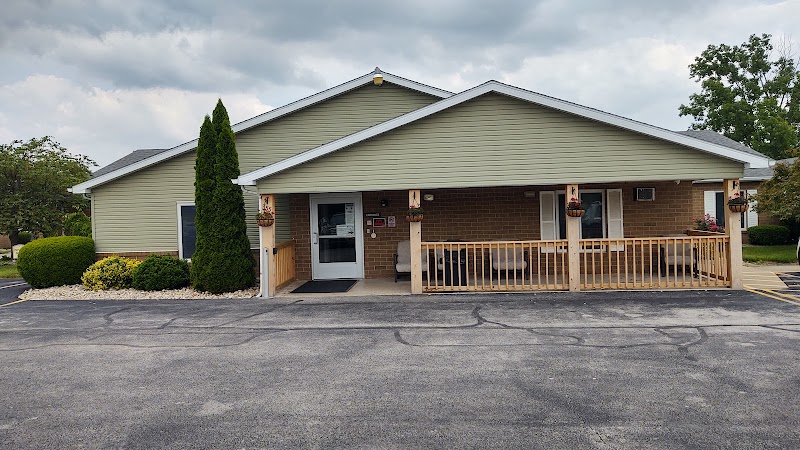
How is Windsor Lane Healthcare Center Staffed?

CMS rates WINDSOR LANE HEALTHCARE CENTER's staffing level at 2 out of 5 stars, which is below average compared to other nursing homes. Staff turnover is 35%, compared to the Ohio average of 46%. This relatively stable workforce can support continuity of care.

What Have Inspectors Found at Windsor Lane Healthcare Center?

State health inspectors documented 44 deficiencies at WINDSOR LANE HEALTHCARE CENTER during 2019 to 2025. These included: 2 that caused actual resident harm, 39 with potential for harm, and 3 minor or isolated issues. Deficiencies causing actual harm indicate documented cases where residents experienced negative health consequences.
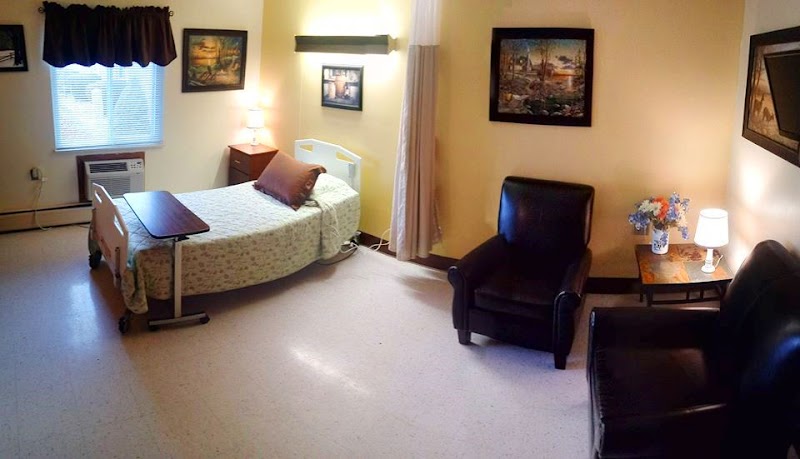
Who Owns and Operates Windsor Lane Healthcare Center?

WINDSOR LANE HEALTHCARE CENTER is owned by a for-profit company. For-profit facilities operate as businesses with obligations to shareholders or private owners. The facility operates independently rather than as part of a larger chain. With 89 certified beds and approximately 70 residents (about 79% occupancy), it is a smaller facility located in GIBSONBURG, Ohio.
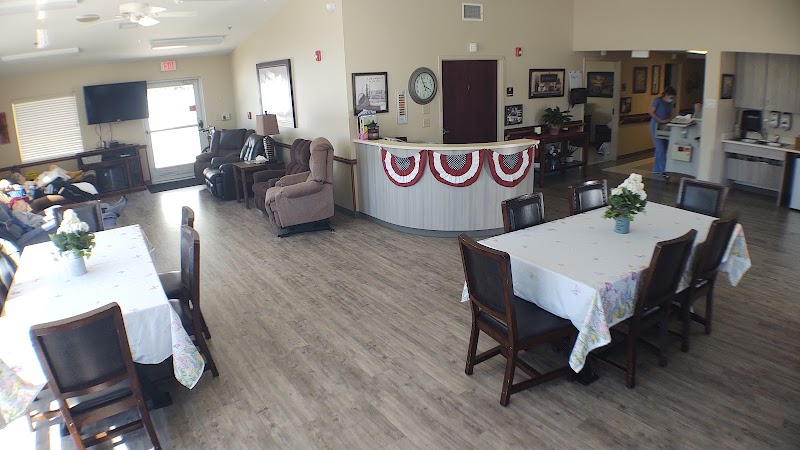
How Does Windsor Lane Healthcare Center Compare to Other Ohio Nursing Homes?

Compared to the 100 nursing homes in Ohio, WINDSOR LANE HEALTHCARE CENTER's overall rating (3 stars) is below the state average of 3.2, staff turnover (35%) is significantly lower than the state average of 46%, and health inspection rating (2 stars) is below the national benchmark.

What Should Families Ask When Visiting Windsor Lane Healthcare Center?

Based on this facility's data, families visiting should ask: "What safeguards and monitoring systems are in place to protect residents from abuse or neglect?" "Can you walk me through typical staffing levels on day, evening, and night shifts?" "Can I visit during a mealtime to observe dining assistance and food quality?" "How do you handle medical emergencies, and what is your hospital transfer rate?" These questions are particularly relevant given the substantiated abuse finding on record and the below-average staffing rating.

Is Windsor Lane Healthcare Center Safe?

Based on CMS inspection data, WINDSOR LANE HEALTHCARE CENTER has documented safety concerns. The facility has 1 substantiated abuse finding (meaning confirmed case of resident harm by staff or other residents). The facility has a 3-star overall rating and ranks #100 of 100 nursing homes in Ohio. Families considering this facility should ask detailed questions about what corrective actions have been taken since these incidents.

Do Nurses at Windsor Lane Healthcare Center Stick Around?

WINDSOR LANE HEALTHCARE CENTER has a staff turnover rate of 35%, which is about average for Ohio nursing homes (state average: 46%). Moderate turnover is common in nursing homes, but families should still ask about staff tenure and how the facility maintains care continuity when employees leave.

Was Windsor Lane Healthcare Center Ever Fined?

WINDSOR LANE HEALTHCARE CENTER has been fined $37,501 across 7 penalty actions. The Ohio average is $33,454. While any fine indicates a compliance issue, fines under $50,000 are relatively common and typically reflect isolated problems that were subsequently corrected. Families should ask what specific issues led to these fines and confirm they've been resolved.

Is Windsor Lane Healthcare Center on Any Federal Watch List?

WINDSOR LANE HEALTHCARE CENTER is not on any federal watch list. The most significant is the Special Focus Facility (SFF) program, which identifies the bottom 1% of nursing homes nationally based on persistent, serious quality problems. Not being on this list means the facility has avoided the pattern of deficiencies that triggers enhanced federal oversight. This is a positive indicator, though families should still review the facility's inspection history directly.