SPRING CREEK NURSING AND REHABILITATION CENTER LLC
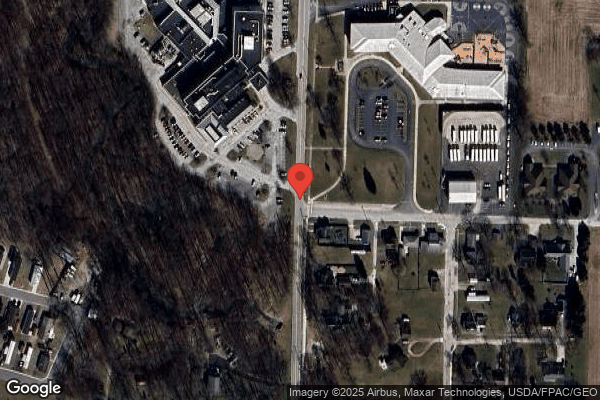

401 N BROADWAY ST, GREEN SPRINGS, OH 44836 (419) 639-2626
For profit - Limited Liability company 120 Beds Independent Data: November 2025 1 Immediate Jeopardy citation
Trust Grade
23/100
#785 of 913 in OH
Last Inspection: February 2024

Within standard 12-15 month inspection cycle. Federal law requires annual inspections.

Overview

Spring Creek Nursing and Rehabilitation Center in Green Springs, Ohio has received a Trust Grade of F, indicating significant concerns about the facility's quality. Ranking #785 out of 913 facilities in Ohio places it in the bottom half, and #8 out of 9 in Sandusky County suggests that only one local option is better. While the facility is improving, having reduced issues from 10 in 2024 to 6 in 2025, it still faces serious challenges, including a concerning $77,618 in fines, which is higher than 85% of Ohio facilities. Staffing is a weakness, rated at 1 out of 5 stars, indicating high turnover and potential instability for residents, even though RN coverage is average. Specific incidents raise alarms, such as a resident igniting a cigarette while using oxygen, leading to severe injuries, and failures to manage timely bill payments that could threaten essential services for all residents. Overall, while there are some efforts toward improvement, families should weigh these significant concerns carefully.

Trust Score
F
23/100
In Ohio
#785/913
Bottom 15%
Safety Record
High Risk
Review needed
Inspections
Getting Better
10 → 6 violations
Staff Stability
⚠ Watch
58% turnover. Above average. Higher turnover means staff may not know residents' routines.
Penalties
✓ Good
$77,618 in fines. Lower than most Ohio facilities. Relatively clean record.
Skilled Nurses
○ Average
Each resident gets 34 minutes of Registered Nurse (RN) attention daily — about average for Ohio. RNs are the most trained staff who monitor for health changes.
Violations
⚠ Watch
33 deficiencies on record. Higher than average. Multiple issues found across inspections.
★★☆☆☆
2.0
Overall Rating
★☆☆☆☆
1.0
Staff Levels
★★★★★
5.0
Care Quality
★★☆☆☆
2.0
Inspection Score
Stable
2024: 10 issues
2025: 6 issues

The Good

  • 5-Star Quality Measures · Strong clinical quality outcomes
  • Full Sprinkler Coverage · Fire safety systems throughout facility
  • No fines on record

Facility shows strength in quality measures, fire safety.

The Bad

2-Star Overall Rating

Below Ohio average (3.2)

Below average - review inspection findings carefully

Staff Turnover: 58%

12pts above Ohio avg (46%)

Frequent staff changes - ask about care continuity

Federal Fines: $77,618

Well above median ($33,413)

Moderate penalties - review what triggered them

Staff turnover is elevated (58%)

10 points above Ohio average of 48%

The Ugly 33 deficiencies on record

1 life-threatening
Sept 2025 1 deficiency
CONCERN (D) 📢 Someone Reported This

A family member, employee, or ombudsman was alarmed enough to file a formal complaint

Potential for Harm - no one hurt, but risky conditions existed

Deficiency F0561 (Tag F0561)

Could have caused harm · This affected 1 resident

**NOTE- TERMS IN BRACKETS HAVE BEEN EDITED TO PROTECT CONFIDENTIALITY** Based on medical record review, resident and staff interview, review of resident shower sheets and shower schedules, and facilit...

Read full inspector narrative →
**NOTE- TERMS IN BRACKETS HAVE BEEN EDITED TO PROTECT CONFIDENTIALITY** Based on medical record review, resident and staff interview, review of resident shower sheets and shower schedules, and facility policy review, the facility failed to ensure residents who were dependent on staff for bathing received showers on their scheduled days per their preference. This affected three (#17, #25, and #67) of four residents reviewed for showers. The facility census was 68. Findings include: 1. Review of the medical record for Resident #17 revealed an original admission date of 12/04/13 with re-admission to the facility on [DATE]. Diagnoses included multiple sclerosis, chronic obstructive pulmonary disease (COPD) and atrial fibrillation. Review of the quarterly Minimum Data Set (MDS) assessment dated [DATE] revealed Resident #17 had intact cognition evidenced by a Brief Interview for Mental Status (BIMS) score of 15. The resident was assessed to require maximal assistance with showers and was dependent on staff to transfer into the shower. Review of the care plan dated 07/26/22 revealed Resident #17 had an activities of daily living (ADLs) self-care performance deficit related to fatigue, musculoskeletal impairment, activity intolerance, limited mobility, pain, and impaired balance. Interventions included Resident #17 was able to bath with ones staff member assist, and transfer with two staff member assist using the mechanical lift. Resident #17 was able to assist with hygiene. Review of the certified nurse aide (CNA) shower documentation in Resident #17's medical record revealed no documentation for the months of August and September 2025 for showers. Review of the skin monitoring shower review sheet completed by the CNAs for the months of August 2025 and September 2025 revealed there was not a sheet completed on Thursday, 09/11/25. Review of the shower schedule document for the One South hall revealed Resident #17 was to receive a shower on Mondays and Thursdays from 7:00 P.M. to 7:00 A.M. Interview on 09/15/25 at 8:56 A.M. with Resident #17 revealed he was scheduled to receive a shower twice a week the night shift and stated he does not always get his showers as scheduled. 2. Review of the medical record for Resident #25 revealed an admission date of 05/22/25. Diagnoses included fracture of the right lower leg, COPD, and bipolar disorder. Review of the quarterly MDS assessment dated [DATE] revealed Resident #25 had intact cognition as evidence by a BIMS score of 15. Resident #25 was assessed to require moderate assistance with showering, and supervision or touching assistance with transfers. Resident #25 required moderate assistance with transferring in and out of the shower. Review of the care plan dated 05/23/25 revealed Resident #25 had an ADLs deficit related to a right lower extremity fracture. Interventions included providing a sponge bath when a full bath or shower cannot be tolerated. Resident #25 required assistance by staff with personal hygiene and oral care. Resident #25 required one staff member assist for transferring. Further review of the care plan revealed Resident #25 was at risk for falls related to impaired mobility. Interventions included staff meeting the residents' needs for physical assistance. Review of the Three South-Side One CNA report sheet revealed Resident #25 was scheduled for a night shift shower every Sunday and Wednesday. Review of the Three South shower sheet updated 07/22/25 revealed Resident #25 was to receive a shower from 7:00 A.M. to 7:00 P.M. on Sunday and Wednesday. Review of the CNA shower documentation in the medical record revealed Resident #25 did not receive a shower on Sunday, 09/14/25. Review of the skin monitoring CNA shower review for Resident #25 revealed no documentation on 09/14/25. Interview on 09/15/25 at 9:18 A.M. with CNA #342 revealed there were times when residents would have to wait to receive showers. CNA #342 stated staff complete shower documentation in the resident's electronic medical record (EMR) under the Tasks section, and they also fill out the skin monitoring shower review sheet. If residents refuse showers, the staff would document the refusal and notify the nurse. CNA #342 confirmed there was not a shower sheet for Resident #25 on 09/14/25 and there was no documentation in the medical record. Interview on 09/15/25 at 11:18 A.M. with Resident #25 revealed the resident was scheduled to receive showers twice a week and stated showers were not always completed as scheduled. Interview on 09/15/25 at 2:10 P.M. with CNA #301 revealed that on the shower sheet it was documented Resident #25 was a day shift shower; however, on the report sheet it was documented that the resident a third shift shower. CNA #301 stated she gave report to the night shift staff and told them Resident #25 did not receive a shower during the day on 09/14/25, and it needed complete on night shift. CNA #301 stated Resident #25 does not refuse showers unless the resident was in pain and then the CNAs will provide a bed bath. 3. Review of the medical Record for Resident #67 revealed an admission date of 06/05/25. Diagnoses included unspecified fracture of the left femur, polyneuropathy, and COPD. Review of the admission MDS assessment dated [DATE] revealed Resident #67 had intact cognition with a BIMS score of 15. Resident #67 was assessed to require partial to moderate assistance with showering and bathing. Resident #67 was dependent on sitting to stand and required substantial/maximal assistance with transferring to the shower chair. Resident #67 was non-mobile and required a wheelchair to move around the facility. Review of the current plan of care revealed Resident #67 had an ADLs self-care performance deficit related to recent fall with fracture of the right lower extremity. Interventions included encouraging the resident to use the bell to call for assistance. Resident #67 required assistance by staff with bathing/showering as necessary. Resident #67 was at risk for falls related to recent falls and mobility impairment at baseline from meningitis. Review of the One [NAME] shower sheet revealed Resident #67 was to receive showers on Mondays and Fridays from 7:00 A.M. to 7:00 P.M. Review of the CNA documentation in Resident #67's medical record revealed Resident #67 did not receive a shower on Tuesday, 09/09/25. Review of the skin monitoring CNA shower review sheet revealed on 09/09/25 there was a paper filled out with Resident #67's name but was not circled that a shower was complete. Interview on 09/15/25 at 11:49 P.M. with CNA #323 revealed the CNAs document resident care in the EMR and on the shower sheets. CNA #323 stated if a resident refused a shower, it was documented in the EMR and on the shower sheet. Interview on 09/15/25 at 12:03 P.M. with Resident #67 revealed she was scheduled to received showers twice a week in the morning. Resident #67 stated she received a shower on Friday, 09/12/25, and that was the first time she was showered in over a week. Resident #67 stated on 09/09/25 staff told her they would give her a shower after breakfast. Resident #67 stated she waited outside of her room for staff to help her shower before she left for therapy but never received it. Interview on 09/15/25 at 1:17 P.M. with the Director of Nursing (DON) confirmed there were no shower sheets or documentation in the medical records of showers being complete for Resident #17 on 09/11/25, Resident #25 on 09/14/25, and Resident #67 on 09/09/25. Review of the facility policy titled, Bath, Shower/Tub, dated 01/2021, revealed the purpose of the procedure was to promote cleanliness, provide comfort to the resident and to observe the condition of the resident's skin. Staff were to document the date of the shower/tub bath was performed, and if the resident refused, the reason. This deficiency represents non-compliance investigated under Master Complaint Number 2611068.
Aug 2025 3 deficiencies
CONCERN (D) 📢 Someone Reported This

A family member, employee, or ombudsman was alarmed enough to file a formal complaint

Potential for Harm - no one hurt, but risky conditions existed

Safe Environment (Tag F0584)

Could have caused harm · This affected 1 resident

**NOTE- TERMS IN BRACKETS HAVE BEEN EDITED TO PROTECT CONFIDENTIALITY** Based on observation, resident and staff interviews, record review, and review of the facility policy, the facility failed to en...

Read full inspector narrative →
**NOTE- TERMS IN BRACKETS HAVE BEEN EDITED TO PROTECT CONFIDENTIALITY** Based on observation, resident and staff interviews, record review, and review of the facility policy, the facility failed to ensure the residents had a homelike environment. This affected three (#22, #23,and #24) of four residents reviewed for homelike environment. The facility census was 72.1. Review of the medical record for Resident #22 revealed a re-admission on [DATE]. Diagnoses included chronic obstructive pulmonary disease and seizures. Review of the quarterly Minimum Data Set (MDS) assessment dated [DATE] revealed Resident #22 had severe cognitive impairment.Observation and interview on 08/14/25 at 8:45 A.M. of Resident #22's bathroom revealed a sink with a built in soap dispenser holder without a soap container in the holder. There was not any soap or paper towels available. Interview on 08/14/25 at 8:45 A.M. with Resident #22 stated she ambulates with one assist to the restroom. Resident #22 stated to wash his hands, the Certified Nursing Aide (CNA) would have to get a washcloth and soap from outside of the room. Resident #22 stated to dry his hands he would have to use a towel if no paper towels were available. Interview on 08/14/25 at 8:51 A.M. with Housekeeper #159 revealed if a resident does not have hand soap in the bathroom, they would immediately replace it. Housekeeper #159 stated at times the delivery truck does not show up with products and they run short. Interview on 08/14/25 at 11:10 A.M. with Plant Operations Director (POD) #102 confirmed Resident #22 did not have hand soap or paper towels available. 2. Review of the medical record for Resident #23 revealed an admission on [DATE]. Diagnoses included fracture of left femur and chronic obstructive pulmonary disease. Review of the admission Minimum Data Set (MDS) assessment dated [DATE] revealed Resident #23 was cognitively intact. Interview on 08/14/25 at 8:23 A.M. with Resident #23 revealed the soap dispenser in her room did not work. Resident #23 stated she spoke to Housekeeping Director (HD) #121 without result. Resident #23 stated she had to purchase her own hand soap due to the facility not providing it for her. Resident #23 stated she was unable to use the sink that was by the entrance door to her room due to being in a wheelchair and not being able to reach the soap dispenser. Observation on 08/14/25 at 8:30 A.M. of Resident #23's bathroom revealed a sink that had a built in soap dispenser. The soap dispenser was empty and difficult to push down. Their were no paper towels available. Interview on 08/14/25 at 8:51 A.M. with Housekeeper #159 revealed if a resident does not have hand soap in the bathroom, they would immediately replace it. When asked why Resident #23 did not have any soap available, Housekeeper #159 stated that was the old dispensers and were unsure if they had soap to fit it. Housekeeper #159 stated at times the delivery truck does not show up with products and they run short. Interview on 08/14/25 at 11:10 A.M. with Plant Operations Director (POD) #102 confirmed Resident #23 did not have soap or paper towels available in the bathroom. 3. Review of the medical record for Resident #24 revealed an admission on [DATE]. Diagnoses included acute osteomyelitis and end stage renal disease. Review of the quarterly Minimum Data Set (MDS) assessment dated [DATE] revealed Resident #24 was cognitively intact. Observation and interview on 08/14/25 at 8:40 A.M. revealed Resident #24's bedroom had a sink when you walk into the room. The sink had tape on it with a piece of paper that read out of order. In Resident #24's bathroom, there was a wash basin in the sink filled to the top with water that was leaking from the sink, overflowing onto the floor. There was no hand soap or paper towels available in the bathroom. Resident #24 stated he was unsure how long it had been since the sink when entering the room was out of order. Resident #24 said if he needed his hands washed, the Certified Nursing Assistant (CNA) would have to use a washcloth with bar soap. Resident #24 stated staff use a towel to dry his hands. Interview on 08/14/25 at 8:51 A.M. with Housekeeper #159 revealed if a resident does not have hand soap in the bathroom, they would immediately replace it. Housekeeper #159 stated at times the delivery truck does not show up with products and they run short. Interview on 08/14/25 at 10:43 A.M. with the HD #121 confirmed every resident bathroom should have soap and water. Interview on 08/14/25 at 11:10 A.M. with Plant Operations Director (POD) #102 confirmed Resident #24 did not have a working sink in the room, and was unsure how long it had been out of order. Review of the facility's undated policy titled Housekeeping Standards revealed housekeeping is to assist in delivering the highest quality care possible by being the primary care-givers of the environment. This is accomplished by providing and maintain a clean, safe and healthy environment including personal hygiene items. This deficiency represents non-compliance investigated under Complaint Number 2565440.
CONCERN (D) 📢 Someone Reported This

A family member, employee, or ombudsman was alarmed enough to file a formal complaint

Potential for Harm - no one hurt, but risky conditions existed

Comprehensive Care Plan (Tag F0656)

Could have caused harm · This affected 1 resident

**NOTE- TERMS IN BRACKETS HAVE BEEN EDITED TO PROTECT CONFIDENTIALITY** Based on medical record review and staff interview, the facility failed to develop a care plan based on Resident #23's medical n...

Read full inspector narrative →
**NOTE- TERMS IN BRACKETS HAVE BEEN EDITED TO PROTECT CONFIDENTIALITY** Based on medical record review and staff interview, the facility failed to develop a care plan based on Resident #23's medical needs. This affected one (#23) of one resident reviewed for care plans. The facility census was 72.Review of the medical record for Resident #23 revealed an admission on [DATE]. Diagnoses included type I diabetes mellitus (DM). Review of the admission Minimum Data Set (MDS) assessment dated [DATE] revealed Resident #23 was cognitively intact. Review of Resident #23's physician orders dated 06/05/25 revealed an order for insulin aspart injection solution 100 units (u) per milliliter (ml). Inject 100 units subcutaneously as needed for type I DM, administered through insulin pump. Review of the care plan for Resident #23 dated 06/25/25 revealed there was no care plan developed for Resident #23's diagnosis of type I DM, use of insulin for DM and management of Resident #23's insulin pump. Interview on 08/14/25 at 8:30 A.M. with Resident #23 revealed there have been times when she has low blood sugars and required staff to give her snacks to help bring her sugar up. Interview on 08/14/25 at 2:14 P.M. with Registered Nurse (RN) #620 revealed Resident #23 has stated that her sugar was low and RN #620 will give her snacks. RN #620 confirmed there was no documentation of times when Resident #23's sugar was low, nor were there orders to monitor. RN #620 verified there was no care plan in place pertaining to how to care for Resident #23's insulin pump or manage her type I DM. Interview on 08/14/25 at 2:28 P.M. with Director of Nursing (DON) confirmed Resident #23 did not have a care plan outlining her type I DM care. This was an incidental finding discovered during the course of the complaint investigation.
CONCERN (E) 📢 Someone Reported This

A family member, employee, or ombudsman was alarmed enough to file a formal complaint

Potential for Harm - no one hurt, but risky conditions existed

Deficiency F0919 (Tag F0919)

Could have caused harm · This affected multiple residents

Based on observation, resident and staff interviews, and review of the facility policy, the facility failed to ensure the resident's call devices were functioning in their bathroom and/or bedrooms and...

Read full inspector narrative →
Based on observation, resident and staff interviews, and review of the facility policy, the facility failed to ensure the resident's call devices were functioning in their bathroom and/or bedrooms and failed to ensure the residents had accessibility and/or functionality of call devices in the shower rooms. This affected three (#22, #23, and #24) of five residents reviewed for call lights and had the potential to affect the residents who utilize the showers on first and third floor. The facility census was 74.1. Observation and interview on 08/14/25 at 8:45 A.M. revealed Resident #22's bathroom call light did not work. Resident #22 stated he would just wait for staff to come back after he was toileted. He could not recall if he used his call light or not. Interview on 08/14/25 at 11:10 A.M. with Plant Operation Director (POD) #102 confirmed Resident #22's bathroom call light did not work. 2. Observation and interview on 08/14/25 at 8:30 A.M. revealed Resident #23's bathroom call light was in the pulled position and the light was not functioning. Interview on 08/14/25 at 8:30 A.M. with Resident #23 revealed sometime in July she was in the bathroom and pulled the call light and it did not work. Resident #23 stated she sat on the toilet for over an hour. During that time, she said she yelled out for help and someone came and helped her. Interview on 08/14/25 at 11:10 A.M. with Plant Operation Director (POD) #102 confirmed the call light in Resident #23's bathroom did not work. POD #102 stated the bathroom call systems function on batteries, and if the batteries die there was no way to know. POD #102 stated sometimes the wiring in the call systems fry the wiring and do not allow the batteries to function for more than a day. 3. Observation on 08/14/25 at 8:40 A.M. in Resident #24's room revealed his bedside call light and bathroom call light were not working. Observation on 08/14/25 at 8:48 A.M. of the one west hall shower room revealed two call lights in the shower room did not function when pulled. Observation on 08/14/25 at 12:30 P.M. of the third-floor bathroom revealed there was no call light in the area of the shower. There was a call light on the opposite side of the wall next to the wash basin and one approximately ten feet from the shower that did not have a pull cord. Interview on 08/14/25 with Plant Operation Director (POD) #102 confirmed Resident #24's bedroom call light and bathroom call light did not work, the one west bathroom call lights. POD #102 confirmed the third floor bathroom did not have a call light readily available in the shower and furthermore the call lights that were in the bathroom did not work. Review of the policy titled Answering the Call Light dated March 2021 revealed periodically as needed staff should explain and demonstrate the use of the call light to residents. Staff should be sure the call light is plugged in and functioning at all times. Some residents may not be able to use their call light. Be sure to check on these residents frequently. Report all defective call lights to the nurse supervisor promptly. This deficiency represents non-compliance investigated under Complaint Number 2565440.
May 2025 1 deficiency
CONCERN (E) 📢 Someone Reported This

A family member, employee, or ombudsman was alarmed enough to file a formal complaint

Potential for Harm - no one hurt, but risky conditions existed

Safe Environment (Tag F0584)

Could have caused harm · This affected multiple residents

Based on observation, interview, and policy review, the facility failed to maintain a clean environment in the shower rooms. This had the potential to affect all residents residing One South and One [...

Read full inspector narrative →
Based on observation, interview, and policy review, the facility failed to maintain a clean environment in the shower rooms. This had the potential to affect all residents residing One South and One [NAME] (#1, #2, #3, #4, #5, #6, #7, #8, #9, #10, #11, #12, #13, #14, #15, #16, #17, #18, #19, #20, #21, #51, #52, #53, #54, #55, #56, #57, #58, #59, #60, #61, #62, #63, #64, #65, #66, #67, #68, #69, #70, #71, #72, #73, and #74). The facility census was 73. Findings include: Observation on 05/28/25 from 1:31 P.M. to 2:21 P.M. revealed the shower room on One [NAME] with a brown substance observed on the back of the shower chair seat. Shower bed with brown residue underneath on the drip cloth running the length of the bed and peg-tube cap under the shower bed mattress. Observation on 05/29/25 at 4:15 P.M. of One South shower room revealed brown sticky substance on the floor in the shower area, one tile missing on the shower wall, brown/black substance on the ceiling above the foot washer, brown substance on the wall of the foot washer, three dirty washcloths in the tub, and standing water near the drain of the tub. Observation on 05/30/29 from 5:16 A.M. to 6:01 A.M. revealed One [NAME] shower bed with brown residue underneath on the drip cloth running the length of the bed remains. Interview on 05/28/25 at 2:14 P.M. with Licensed Practical Nurse (LPN #322) revealed the nurse verified the brown substance on the back of the shower chair seat, brown substance on the shower bed, and the peg tube cap under the mattress. Interview on 05/29/25 at 4:22 P.M. with LPN #344 revealed the nurse verified the sticky brown substance on the floor in the shower, brown/black substance on the ceiling above the foot washer, brown substance on the wall of the foot washer, missing tile in the shower, standing water near the drain of the tub, and the three dirty washcloths in the tub. Review of policy titled, Quality of Life-Homelike Environment, revised May 2017 revealed residents are provided with a safe, clean, comfortable and homelike environment and encouraged to use their personal belongings to the extent possible. This deficiency represents noncompliance investigated under Complaint Numbers OH00164508 and OH00163068.
Jan 2025 1 deficiency
CONCERN (D) 📢 Someone Reported This

A family member, employee, or ombudsman was alarmed enough to file a formal complaint

Potential for Harm - no one hurt, but risky conditions existed

Notification of Changes (Tag F0580)

Could have caused harm · This affected 1 resident

**NOTE- TERMS IN BRACKETS HAVE BEEN EDITED TO PROTECT CONFIDENTIALITY** Based on medical record review, staff interview, and facility policy, the facility failed to notify a resident representative of...

Read full inspector narrative →
**NOTE- TERMS IN BRACKETS HAVE BEEN EDITED TO PROTECT CONFIDENTIALITY** Based on medical record review, staff interview, and facility policy, the facility failed to notify a resident representative of a change of condition. This affected one (Resident #41) of three residents reviewed for notification of change. The facility census was 69. Findings include: Review of the medical record revealed Resident #41 was admitted on [DATE]. Diagnoses included acute and chronic respiratory failure, unspecified combined systolic (congestive) and diastolic (congestive) heart failure, lymphedema, chronic kidney disease stage three, acute respiratory failure with hypoxia, bilateral primary osteoarthritis of knee, fibromyalgia, essential primary hypertension, and hyperlipidemia. Review of the Minimum Data Set (MDS) assessment dated [DATE] revealed the resident was cognitively intact. Review of the nursing note dated 11/18/24 at 12:29 A.M. revealed Resident #41 complained of shortness of breath and her chest feeling heavy. The resident's oxygen saturation was in the 70's and 80's at two liters of oxygen and increased to five liters with improvement of oxygen saturation in the 80's. Resident #41 was non-compliant with the non-breather mask stating it was choking her. Resident #41 stated there was no relief from increasing oxygen and would like to be sent to the emergency room. The physician and Director of Nursing were notified. Emergency medical services were called to assist and Resident #41 left the faciity on [DATE] at 11:51 P.M. with emergency medical services. Report was called to the hospital and code status was faxed. Further review of the medical record revealed no documentation Resident #41's representative was notified of the residents change in condition and transfer to the hospital. Interview on 12/30/24 at 11:16 A.M. with the Administrator verified notification of change in condition and transfer to the hospital was not made to Resident #41's representative. Interview on 12/30/24 at 1:13 P.M. with Registered Nurse (RN) #202 verified providing care to Resident #41 on 11/17/24 and did not notify Resident #41's representative of the change in condition or transfer to the hospital. Review of policy titled, Notification of Family/Responsible, dated November 2023, verified if there becomes a change in the status of a resident the responsible party and/or family member should be notified via preferred method in a timely manner of those changes and what treatment plan will be implemented. This deficiency represents non-compliance investigated under Complaint Number OH00160699.
Sept 2024 2 deficiencies 1 IJ
CRITICAL (J) 📢 Someone Reported This

A family member, employee, or ombudsman was alarmed enough to file a formal complaint

Immediate Jeopardy (IJ) - the most serious Medicare violation

Accident Prevention (Tag F0689)

Someone could have died · This affected 1 resident

**NOTE- TERMS IN BRACKETS HAVE BEEN EDITED TO PROTECT CONFIDENTIALITY** Based on medical record review, review of facility incident investigations with witness statements, review of staff education, s...

Read full inspector narrative →
**NOTE- TERMS IN BRACKETS HAVE BEEN EDITED TO PROTECT CONFIDENTIALITY** Based on medical record review, review of facility incident investigations with witness statements, review of staff education, staff interviews, review of a resident handbook, review of a facility Self-Reported Incident (SRI), and review of facility smoking policies, the facility failed to ensure Resident #75 who had a known history of smoking with oxygen on, was assessed as an independent smoker, exhibited safe smoking practices and did not smoke while wearing oxygen. This resulted in Immediate Jeopardy and serious life-threatening harm, injuries and/or death when Resident #75 lit a cigarette while wearing oxygen therapy via nasal cannula, in the designated smoking area. Resident #75's oxygen ignited and set Resident #75 on fire with the oxygen. Resident #75 sustained singed facial hair, and the skin around his mouth, nose, and bilateral cheeks was charred black. Resident #75, while being treated by the local emergency medical squad, began to experience a deteriorating airway and adventitious lung sounds (respiratory noises beyond that of normal breath sounds) that were identified as stridor (high-pitched wheezing sound caused by disrupted airflow due to obstruction of the upper respiratory tract). Resident #75 was life flighted to a burn hospital and subsequently passed away approximately eight hours later from smoke inhalation and thermal burns. This affected one (Resident #75) of three residents reviewed for smoking and who utilize oxygen therapy. The facility identified 11 residents (#01, #04, #07, #13, #20, #26, #31, #32, #41, #49, and #71) who smoke independently and six residents (#12, #17, #27, #57, #63, and #73) who require supervision with smoking. The facility identified Resident #17 and #26 who smoke and who utilize supplemental oxygen. The facility census was 73. On [DATE] at 3:32 P.M., the Administrator and the Director of Nursing (DON) were notified Immediate Jeopardy began on [DATE] at approximately 2:15 A.M., when State Tested Nurse Aide (STNA) #14 observed a weird flash of light from the smoking area and ran out to the area. Resident #75 was on fire in the smoking area and the oxygen tubing was on fire. STNA #14 yelled the resident was on fire, grabbed the tubing and disconnected it from the oxygen cylinder. Resident #75 was alert and oriented and was observed to have singed facial hair, and the skin around his mouth, nose, and bilateral cheeks was charred black. Licensed Practical Nurse (LPN) #401 arrived and instructed STNA #14 to call emergency services. Upon emergency squad arrival, Resident #75 was assessed to have deteriorating lungs sounds with stridor (a harsh noise when breathing, caused by obstruction of the windpipe). Air transport was completed from the facility to the burn hospital where Resident #75 died from smoke inhalation and thermal burns at 10:44 A.M. The Immediate Jeopardy was removed on [DATE] when the facility implemented the following corrective actions: • On [DATE] at approximately 2:15 A.M., facility staff witnessed Resident #75's oxygen ignite while smoking in the facility smoking area, extinguished the fire and called for emergency services. • On [DATE] at 9:00 A.M., the Interdisciplinary Team (IDT) met and reviewed the facility smoking policy and discussed a possible smoking area closure, but no changes were made at this time. • On [DATE], an SRI was submitted to the Ohio Department of Health. • On [DATE], the Administrator individually met with 15 alert and oriented residents (Resident #01, Resident #04, Resident #07, Resident #12, Resident #13, Resident #17, Resident #20, Resident #26, Resident #27, Resident #31, Resident #32, Resident #41, Resident #49, Resident #57, and Resident #63) who smoke, and provided education on the smoking policy and safety, including with oxygen. • On [DATE], the Administrator met with families of residents in the smoking area to educate them on the smoking policy and safety. • On [DATE] and [DATE], the DON and Nursing Facility Registered Nurse (NFRN) #7000 completed smoking assessments on all residents who smoke. There were no additional residents who were identified to smoke and utilize oxygen. At this time, care plans were reviewed on all residents who smoke. The care plans for Residents #17, #26 and #75 were updated to be supervised smokers, and all Kardex's were updated. • On [DATE], the facility smoking assessment form was revised to reflect residents who smoke and utilize oxygen will require supervision for smoking and retired the previous smoking assessment utilized by the facility. Review of the new smoking assessment form revealed all residents who smoke and use oxygen now require supervision to smoke. • On [DATE], nursing supervisors were notified and educated of the change to the smoking assessment form by the DON and nursing education on the new assessment for was initiated. • On [DATE] through [DATE], the occupational therapy (OT) department evaluated all smokers for dexterity and speech therapy (ST), in conjunction with nursing, evaluated all smokers for cognition. The results of these evaluations were reviewed by the DON and NFRN #7000 and no changes in care plans were needed. Review of the assessments revealed all smokers were re-assessed. • On [DATE], all residents were notified of the smoking area time changes via a letter from the Administrator. Facility staff were notified via the mass messaging application GreyMAR (a messaging system utilized by the facility to disseminate communication to staff which also shows acknowledgement of receipt of message) by the Administrator. This message stated, Effective immediately, the smoking area outside 1 South will be closed from 11p-6a to everyone. Please make sure the doors are closed. We will monitor the cameras to make sure we are in compliance. This is for resident safety. Please see Administrator if you have any questions. Thank you. • On [DATE], the smoking policy, safety of not smoking with oxygen, and updated smoke area times are discussed in the Resident Council Meeting by Director of Activities #31. • On [DATE], the Administrator educated independent smokers on the closure of the smoking area from 11:00 P.M. to 6:00 A.M. for supervised smokers. The Administrator provided staff education on this closure via the GreyMAR messaging system. This message stated, As of today, the smoking area will be closed to supervised smokers from 11 P.M. - 6 A.M. Independent smokers can utilize the smoking area. The independent smokers have been educated to use the doorbell when needed as well. If questions, please see Administrator. Thank you. At this time, education was also initiated individually with staff. • On [DATE], the DON placed the facility's updated smoking safety education on Clipboard (a website education platform utilized by agency staff). • On [DATE], the facility began audits to monitor smoking safety that will be conducted two times per shift, four times per week, for four weeks. After that time, the audits will continue one time per shift, four times per week, for four weeks. After that time, audits will continue one time per shift, three times per week, for four weeks. After that time, audits will continue monthly for three months. The audits will be completed by the DON or designee and reviewed at the facilities monthly Quality Assurance and Performance Improvement (QAPI) meetings, which are held on the third Wednesday of each month. Review of the audit form revealed the facility began conducting the audits to monitor smoking safety on [DATE] and continued them on [DATE]. • On [DATE], the facility finalized updating the facility smoking policy as well as updated the facility handbook to reflect smoking changes along with the updated policy. • On [DATE], the activities department ensured all residents were provided with copies of the new handbook and received their signatures. • On [DATE], the Administrator provided staff education on the updated smoking policy to staff via the GreyMAR messaging system. This message stated, The updated resident smoking policy is posted at the time clocks. Please review and let me know if you have any questions. Thank you. Review of the GreyMAR system revealed staff acknowledge completion of education with a check mark by their name. • On [DATE], the DON placed the facilities updated smoking safety education on Clipboard (a website education platform utilized by agency staff). Agency staff acknowledge reading prior to taking an assignment at the facility. • Interviews on [DATE] between 10:00 A.M. and 3:30 P.M., with Certified Occupational Therapy Assistant #44, Certified Medication Aide #302, Hospitality Aide #300, and Registered Nurse #36, revealed they were educated regarding the facility smoking policy after the incident took place with Resident #75, the changes to the facility smoking policy, and verified they were knowledgeable regarding the education provided to them. • Review of Resident #17 and #26's medical records revealed they both were smokers who utilized oxygen therapy. Both residents had been evaluated by OT and the new smoking evaluation/assessment had been completed. Both residents were now supervised for smoking. Care plans and Kardex's were updated to reflect the supervision required due to oxygen usage. Although the Immediate Jeopardy was removed on [DATE], the facility remained out of compliance at Severity Level 2 (no actual harm with potential for more than minimal harm that is not Immediate Jeopardy) as the facility is still in the process of implementing their corrective actions and monitoring to ensure on-going compliance. Findings include: Review of Resident #75's closed medical record revealed an admission date of [DATE] and a discharge date of [DATE]. Diagnoses included chronic obstructive pulmonary disease, chronic respiratory failure, personal history of COVID-19, anxiety, atherosclerotic heart disease, type two diabetes mellitus, anemia, dementia, elevated white blood cells, hypo-osmolality, dermatitis, hyperlipidemia, vitamin D deficiency, nicotine dependence, and alpha 1 antitrypsin deficiency. Review of the most recent quarterly Minimum Data Set (MDS) Assessment, dated [DATE], revealed a Brief Interview for Mental Status (BIMS) score of 14, indicating the resident was cognitively intact and required assistance with oral hygiene, toileting, shower/bathing self, lower body dressing, putting on/taking off footwear, personal hygiene, standing from a sitting position, chair transferring, toileting transferring, transferring from the tub/shower, and walking 10 feet. Review of the social services progress note dated [DATE] at 12:20 P.M., revealed the Administrator/Licensed Social Worker (LSW), who acts as both, met with the resident and educated him on the facility smoking policy. Resident #75 stated he understood safety protocol for taking off oxygen, if he goes to the smoking area. He stated he had a problem in the past at home while trying to smoke with his oxygen on, so he knows the importance of turning it off and removing the tubing. Review of a nursing note dated [DATE] at 2:28 P.M. revealed writer, [Registered Nurse (RN) #36], noted the resident to be outside smoking. Writer advised resident of smoking with oxygen risks and informed him of the danger to himself and others. Resident #75 extinguished his cigarette and was upset stating that he knew what he was doing and didn ' t need to be told of the dangers as he has already blown himself up once. Writer notified the DON. The DON went to speak with the resident. Review of a nursing note with an effective date of [DATE] at 3:02 P.M., (with a late entry date created of [DATE] at 2:47 P.M.) by the DON, revealed spoke with Resident #75 at this time regarding smoking policy and safety. Resident #75 states he is aware of the safety measures due to a previous incident while at home. Educated on safety again for self and other residents. Resident #75 states he is aware and understands. Agreeable to policy and plan. Very respectful towards writer during conversation. Will continue plan of care (POC). Review of the Smoking Safety Screen dated [DATE] revealed Resident #75 did not have cognitive loss, had no visual deficits, had no dexterity problems, smokes 5-10 cigarettes per day, likes to smoke in the afternoon and evening, is able to light his own cigarette, needs the facility to store his lighter and cigarettes, the plan of care is used to assure the resident is safe while smoking, the resident is able to turn off O2 support, verbalized safe smoke rules, and utilized smoking receptacles. Review of the Smoking Safety Screen dated [DATE] revealed Resident #75 did not have cognitive loss, had no visual deficits, smokes 5-10 cigarettes per day, likes to smoke in the afternoon and evening, is able to light his own cigarette, supervision, needs the facility to store his lighter and cigarettes, the plan of care is used to assure the resident is safe while smoking, notes on safety from interdisciplinary team conference (IDTC) revealed Resident #75 needs supervision for smoking due to cognition and use of oxygen and the team decision is the resident is safe to smoke with supervision. Review of the Smoking Safety Screen dated [DATE] revealed Resident #75 did not have cognitive loss, had no visual deficits, had no dexterity problems, smokes 5-10 cigarettes per day, likes to smoke in the afternoon and evening, is able to light his own cigarette, needs the facility to store his lighter and cigarettes, the plan of care is used to assure the resident is safe while smoking, the resident is able to turn off O2 support, verbalized safe smoke rules, and utilized smoking receptacles. Review of the care plan for smoking dated [DATE] revealed Resident #75 was safe to smoke unsupervised. The goal is listed as resident will have no injury or decline related to smoking through review. The interventions are listed as educate as needed related to risks associated to smoking, educate/remind not to smoke with O2 (oxygen), and safe to smoke unsupervised. Review of a nurse progress note dated [DATE] at 10:27 A.M., revealed another resident alerted writer that he (Resident #75) was smoking with O2 (oxygen) on, writer notes he is outside at smoking area with a cigarette but not lit. Educated him that he can (later confirmed as a clerical error during an interview with LPN #304 which should have been documented as can ' t) smoke while O2 is on, and he states he knows that and is not smoking. Advised him he should not be in the smoking area while O2 is on, while other people are smoking either; he states he is aware of this and returned to his unit at this time. Review of the social service note dated [DATE] at 2:36 P.M., revealed the Administrator/LSW (who acts as both) met with the resident and re-educated him on the smoking policy and process. He acknowledged understanding. Review of the Smoking Safety Screen dated [DATE] revealed Resident #75 did not have cognitive loss, had no visual deficits, had no dexterity problems, smokes more than 10 cigarettes per day, likes to smoke at all times during the day, can relight their own cigarette, needs the facility to store their lighter and cigarettes, the plan of care is used to assure the resident is safe while smoking, is able to turn off O2 support, and verbalized safe smoke rules and utilized smoking receptacles. Resident #75 was assessed as a safe smoker and able to smoke independently. Review of the nursing note dated [DATE] at 3:11 A.M., revealed Resident #75 came to the nursing station at 2:00 A.M. and asked for a new oxygen tank. He stated his old tank was running low, so this nurse changed client's oxygen tank, client was stable, and he wheeled away in his power chair. Review of the written witness statement from State Tested Nursing Assistant (STNA) #14, dated [DATE], revealed at 2:10 A.M., she was standing at the 1 south nurses station copy machine making copies when she happened to see a light and looked outside to see Resident #75 outside swiping at his face to get his oxygen cord away from his face that was on fire. STNA #14 and her hall partner (STNA #91), and Licensed Practical Nurse (LPN) #401, all ran out the doors to help. When STNA #14 got outside she grabbed the cord and ripped it from his oxygen tank and put the fire out, then took the tank and shut it off and took it away from the scene. At that time STNA #91 called 911 at 2:15 A.M. Review of the written witness statement from LPN #58, dated [DATE] at 2:33 P.M., revealed she was notified of this incident at approximately 2:20 A.M., when STNA #329 came to the third floor and notified LPN #58 of a smoking related incident on the first floor, outside, in the resident smoking area, and that 911 had been called. LPN #58 observed Resident #75 sitting upright in his power wheelchair, sitting next to the picnic table with STNA #91 standing next to him. LPN #58 observed Resident #75's facial hair was singed, and his skin was black around his upper lip, nose, and bilateral cheeks. Resident #75 had oxygen tubing in his hand. LPN #58 asked Resident #75 what happened, and he stated, I don ' t know what happened. Resident #75 was A&O (alert and oriented) to name and place. Resident #75 knew who LPN #58 was and stated her name. LPN #58 applied cold, wet cloths to Resident #75's face and took Resident #75's SpO2 (blood oxygen concentration reading) and it measured 77 percent (%), and respirations were 22 (breaths per minute). Oxygen was applied to resident, via NC (nasal canula: a device that delivers extra oxygen through a tube and into the nose), as ordered. At this time EMS (emergency medical services) arrived. The 1 south nurse took the rest of the VS (vital signs) in residents left arm. EMS workers were assessing resident subjectivity at this time, and resident stood up out of his wheelchair, sat down on the gurney, and was put into the ambulance by EMS workers. Review of the written witness statement from STNA #91, dated [DATE], revealed STNA #14 noticed Resident #75 was on fire in the smoking area. She first noticed what looked like a weird flash of light. After taking a second look, STNA #14 noticed his oxygen tubing was on fire. STNA #14 yelled he (Resident #75) is on fire. STNA #91, STNA #14, and LPN #401 went running outside. STNA #14 grabbed the tubing and disconnected it from the oxygen cylinder. Also, putting out the fire. STNA #91 stayed with Resident #75 until his nurse came. Resident #75's nurse had her call 911. This was at 2:15 A.M. The squad came. Review of the written witness statement from LPN #401, dated [DATE], revealed they were alerted on [DATE] at approximately 2:10 A.M., that Resident #75 was outside in the smoking area and there was a bright light outside near Resident #75. When LPN #401, STNA #14, STNA #91, and STNA #329 arrived in the smoking area, they noticed the oxygen tubing was on fire. The aide removed the oxygen tubing, turned O2 off, and put out the fire. Emergency 911 was called at 2:15 A.M. LPN #401, STNA #14, STNA #91, STNA #329, and LPN #58 stayed with Resident #75 until the resident was put onto the stretcher by EMTs (emergency medical technicians), who stated they were taking the resident to the local hospital. Review of the County Emergency Medical Service (EMS) documentation revealed they received notification of this incident at 2:16 A.M., and an advanced life support (ALS) squad was dispatched. The ALS squad arrived at the facility at 2:24 A.M., with one driver, one advanced emergency medical technician (AEMT), and two paramedics. Upon their arrival, Resident #75 was noted to have signs of charring on the face with a nasal cannula in the mouth. The initial EMS assessment of Resident #75 noted the majority of his face was charred, and his nasal cavity (the inside of the nose) was black with no nasal hair present. Once transported from the smoking area, where the incident occurred, to the ambulance, intravenous (IV) access was obtained, and Resident #75 was placed on a non-rebreather mask (a face mask to supply a more concentrated level of supplemental Oxygen) at 15 liters per minute. Review of the facility electronic medical record revealed Resident #75 utilized three liters of supplemental Oxygen via a nasal cannula at baseline. After obtaining IV access, County EMS contacted Life Flight for air transport to St. Vincent's Hospital in [NAME], Ohio as Resident #75 was noted to have a deteriorating airway and adventitious lung sounds (respiratory noises beyond that of normal breath sounds) that were identified as stridor (high-pitched wheezing sound caused by disrupted airflow due to obstruction of the upper respiratory tract). Upon their arrival, intraosseous (IO) access (a procedure that involves inserting hollow needle into a bone's marrow cavity to deliver fluids and medications) was obtained in Resident #75 and the Life Flight crew was able to intubate (insert a tube through the mouth and into the airway to aid with breathing) utilizing rapid sequence intubation (an airway management technique that produces immediate unresponsiveness and muscular relaxation). At this time, Resident #75 was ventilated utilizing a bag valve mask (BVM), transferred from the ambulance to the helicopter, and transported via helicopter to St. Vincent's Hospital. Review of the death certificate revealed Resident #75 expired on [DATE] at 10:44 A.M. and listed the immediate cause of death as smoke inhalation and thermal burns, with a description of how the injury occurred as ignited self-smoking while using oxygen supplementation. Interview on [DATE] at 10:15 A.M. with the DON revealed that on [DATE] Resident #75 requested a new Oxygen tank from staff and then went outside to smoke. On [DATE] at approximately 2:10 A.M., Resident #75 lit a cigarette and ignited his oxygen, and he was burned as a result. Interview on [DATE] at approximately 8:00 A.M. with the Administrator revealed the facility was aware of the history of an incident involving Resident #75 smoking while wearing Oxygen prior to his admission to the facility. Interview on [DATE] at 8:55 A.M. with the Administrator revealed Resident #75 had expressed that he had a history of smoking with oxygen on. Resident #75 knew the policy and he was encouraged to follow the smoking policy. The Administrator stated she did not feel Resident #75 was having an issue with smoking with his oxygen on. Facility staff would check on Resident #75 periodically and his oxygen was never turned on during these checks. Sometimes other residents would report concerns that Resident #75 was smoking with his oxygen on, but when the facility investigated these reports, they were never validated. Interview on [DATE] at 9:15 A.M. with LPN #304 revealed the word can in the progress note dated [DATE] was a clerical error that was not realized until the Ohio Department of Health (ODH) entered the facility for the survey. LPN #304 stated it should have been can ' t. At this time, LPN #304 was advised by administration to not change her documentation during the complaint investigation. Interview on [DATE] at 9:53 A.M. with the DON revealed the facility did not know Resident #75 had a history of smoking with oxygen turned on at home. The care plan for Resident #75 was written for Resident #75 based upon his assessment while he was in the facility. The [NAME] verified the care plan did not address the storage of the smoking materials. The DON stated the IDT team met on [DATE] due to the resident having a urinary tract infection and made him a supervised smoker. They met again on [DATE], when the urinary tract infection was gone, he was re-assessed and made an independent smoker. The DON stated sometimes Resident #75 kept his own smoking materials and sometimes the facility kept them. According to the policy, he can store them, but if the family brings in a large quantity of cigarettes, the facility will store the excess. When the facility was bought by a new owner, the policy was re-evaluated, and things were updated. The assessments couldn't be re-assessed and changed because the facility didn ' t have access to change it in the electronic medical record system for a while. Interview on [DATE] at 9:52 A.M., with the DON revealed the Smoking Safety Screens performed on [DATE] and [DATE], were performed four days apart as the resident had a urinary tract infection (UTI) on [DATE] and had decreased cognition and those cognition issues had resolved on [DATE]. Interviews with witnesses to the [DATE] incident with Resident #75 were attempted multiple times from [DATE] to [DATE] but were unsuccessful. Review of the policy titled, Smoking Policy-Residents, revised [DATE], revealed the facility shall establish and maintain safe resident smoking practices. Oxygen use is prohibited in smoking areas. Residents are not permitted to give smoking articles to other residents. Residents without independent smoking privileges may not have or keep any smoking articles, including cigarettes, tobacco, etc., except when they are under direct supervision. Review of the policy titled, Smoking policy revised [DATE], revealed oxygen use is prohibited in smoking areas. The resident will be evaluated on admission to determine if he or she is a smoker or non-smoker. If a smoker, the evaluation will include current level of tobacco consumption, method of tobacco consumption, desire to quit smoking if a current smoker, and ability to smoke safely with or without supervision, and oxygen prescription. The staff shall consult with the attending physician and the DON. Services to determine if safety restrictions need to be placed on a resident's smoking privleges are based on the Safe Smoking Evaluation. Review of the undated resident handbook stated that adherance to the smoking policy is necessary to provide a safe and healthy enviroment. The designated smoke area will be closed from 11 PM-6AM daily for supervised smokers. This deficiency represents non-compliance investigated under Complaint Number OH00157190.
CONCERN (F) 📢 Someone Reported This

A family member, employee, or ombudsman was alarmed enough to file a formal complaint

Potential for Harm - no one hurt, but risky conditions existed

Administration (Tag F0835)

Could have caused harm · This affected most or all residents

Based on review of the facility's billing statements, review of email communication, vendor interviews, and staff interviews, the facility failed to operate the facility in a manner to ensure facility...

Read full inspector narrative →
Based on review of the facility's billing statements, review of email communication, vendor interviews, and staff interviews, the facility failed to operate the facility in a manner to ensure facility bills were being paid in a timely manner. This had the potential to affect all 73 residents in a facility with a census of 73. Findings include: 1. Review of the facility's electric invoice dated 07/29/24 revealed an amount of $438,869.15 was due by 09/19/24 with a disconnection notice provided which states the facility's electric service payment is past due and the electric service could be disconnected unless payment of $409,334.97 is made by 08/19/24. Review of the facility's electric invoice dated 08/30/24 revealed an amount of $436,010.41 was due by 09/20/24 with a disconnection notice provided which stated the facility's electric service is payment is past due and the electric service could be disconnected unless payment of $403,795.52 is made by 09/20/24. Review of the facility's payments to the electric service provider revealed payments in the amount of $25,000 on 03/20/24, 05/03/24, 07/25/24, and 08/23/24. Concurrent review of the facility's payments to the electric service provider revealed there were no payments made to the electric service provider in the months of April, June, and September 2024. Interview on 09/09/24 at 4:12 P.M., with Administrator verified there have been no payments made the facility's electric service provider in the months of April, June, and September 2024. Interview on 09/11/24 at 8:08 A.M., with Electric Provider Customer Service Agent, Electric Company Employee #55919, revealed the service provider is unable to provide an installment plan for repayment at this time and $403,795.52 will need to be paid by 09/20/24 to avoid a service disconnection. Telephone interview on 09/11/24 at 12:23 P.M., with Owner #500 revealed they have been working on a payment arrangement with a revenue operations supervisor at the electric service provider and reach a new payment arrangement. Prior to the new arrangement, the facility and the electric service provider agreed on payments in the amount of $25,000 per month. The new payment arrangement agreed upon by the facility and the electric service provider is $35,000 paid every two weeks until 10/20/24 when 25% of the balance (approximately $125,000) will be paid. Upon receipt of the $125,000 on or before 10/20/24. Owner #500 and the revenue operations supervisor at the electric service provider will meet to establish an amicable payment arrangement for the remainder of the account balance. Review on 09/11/24 at 2:05 P.M. of a signed agreement letter dated 09/11/24, between Owner #500 and the revenue operations supervisor for the electric service provider verified the current repayment agreement between the facility and the electric service provider. Review on 09/18/24 at 10:37 A.M., of the facility provided list of residents who are ventilator dependent revealed eight residents (#02, #22, #40, #45, #47, #55, #61, and #64). Interview on 09/18/24 at 11:42 A.M., with the Administrator revealed all residents utilized the electricity and the eight listed depend on a ventilator for life support. 2. Review of the facility's medical equipment supplier invoice dated 08/31/24 revealed an amount of $59,597.49 that was due upon receipt. Review on 09/09/24 at 2:47 P.M., of emails between the facility and the facility's medical equipment supplier, dated 08/19/24-08/21/24, revealed the account is currently at risk of credit hold due to lack of payment and the amount of past due invoices and a payment was required immediately to avoid service interruption. Interview on 09/09/24 at 2:05 P.M. with Medical Equipment Supplier Agent #6000, for the facility's medical equipment supplier, revealed the facility had contacted the medical equipment supplier on 09/09/24 to begin working on a payment plan. Review on 09/11/24 at 12:51 P.M. of a payment plan agreement, dated 09/11/24 and signed by both parties, revealed the facility agrees to pay the medical equipment supplier $5,000.00 on the 21st day of each month as well as the full among of the previous months invoice. If the facility fails to make any payment the medical equipment supplier can place the facility on an immediate credit hold. 3. Review of the facility's fire protection service company invoice dated 07/24/24 with a balance of $20,104.87 that was due upon receipt. Interview on 09/11/24 at 12:40 P.M., with the facility's fire protection service company, Chief Financial Officer (CFO) #7000, revealed the facility has agreed to pay $5,000 on approximately 09/15/24 and will continue to make $5,000.00 payments on the 15th of each month until the balance is paid in full and services rendered from this provider going forward will be paid within the timeframe designated per contract. Review on 09/12/24 at 6:10 A.M. of a payment plan agreement, dated 09/11/24 and signed by both parties, revealed the facility agrees to pay $5,000.00 on the 15th of each month until the past due balance is paid and services rendered from this provider to the facility going forward will be paid within the timeframe designated per contract. Interview on 09/09/24 at 3:30 P.M., with the Administrator revealed the facility electric bill, medical equipment supplier bill, and fire protection provider bill were allowed to fall behind as the facility was undergoing repairs and updates and the facility needed to pause payments on those accounts to allow for the facility to have money for the needed repairs. This deficiency represents non-compliance investigated under Complaint Number OH00157379.
Feb 2024 8 deficiencies
CONCERN (D)

Potential for Harm - no one hurt, but risky conditions existed

Resident Rights (Tag F0550)

Could have caused harm · This affected 1 resident

**NOTE- TERMS IN BRACKETS HAVE BEEN EDITED TO PROTECT CONFIDENTIALITY** Based on observation, medical record review, staff interview, and review of a facility policy, the facility failed to ensure res...

Read full inspector narrative →
**NOTE- TERMS IN BRACKETS HAVE BEEN EDITED TO PROTECT CONFIDENTIALITY** Based on observation, medical record review, staff interview, and review of a facility policy, the facility failed to ensure resident dignity was maintained. This affected one (#24) of one residents reviewed for dignity. The facility census was 75. Findings include: Review of the medical record revealed Resident #24 was admitted on [DATE]. Diagnoses included Parkinson's disease without dyskinesia, hypertensive heart and chronic kidney disease with heart failure, peripheral vascular disease, chronic kidney disease stage three, unspecified dementia, major depressive disorder, and lymphedema. Review of the Minimum Data Set (MDS) assessment, dated 11/08/23, revealed the resident was moderately cognitively impaired. Resident #24 was always incontinent of bowel and bladder and required substantial/maximal assistance with toileting. Observation on 02/13/24 at 1:39 P.M. revealed Resident #24 was observed from the hallway with the door to the room open. Resident #24 was laying on her left side with her backside facing the door. Resident #24 was observed to be nude from the waist down with feces noted on the resident's buttocks and bed. Continuous observation between 1:39 P.M. and 2:10 P.M. revealed one unidentified state tested nurse aide, one unidentified housekeeping staff, and one unidentified therapy staff member walked by Resident #24's open door with no intervention. At 2:10 P.M., Registered Nurse (RN) #206 was observed to enter Resident #24's room. Interview on 02/13/24 at 2:10 P.M. with RN #206 verified Resident #24 was nude from the waist down and the resident's buttocks with feces on the buttocks and bed was visible from the hallway due to the open door. Review of the undated policy for resident rights revealed all employees shall treat all residents with kindness, respect, and dignity.
CONCERN (D)

Potential for Harm - no one hurt, but risky conditions existed

Deficiency F0558 (Tag F0558)

Could have caused harm · This affected 1 resident

**NOTE- TERMS IN BRACKETS HAVE BEEN EDITED TO PROTECT CONFIDENTIALITY** Based on observation, medical record review, resident interview, and staff interview, the facility failed to ensure timely respo...

Read full inspector narrative →
**NOTE- TERMS IN BRACKETS HAVE BEEN EDITED TO PROTECT CONFIDENTIALITY** Based on observation, medical record review, resident interview, and staff interview, the facility failed to ensure timely response to activated call lights and failed to ensure call lights were within reach of residents who were capable of using the call light and were dependent for care. This affected two (#1 and #4) of three residents reviewed for call lights. The facility census was 75. Findings include: 1. Review of the medical record for Resident #1 revealed an admission date of 05/16/95 with diagnoses of hemiplegia and morbid obesity. Review of the quarterly Minimum Data Set (MDS) assessment dated [DATE] revealed Resident #1 had intact cognition and was dependent on staff for toileting. Review of the current care plan revealed Resident #1 had an activities of daily living (ADL) self-care deficit due to left side hemiplegia. Interventions included to provide a bedpan or bedside commode. Interview and observation on 02/12/24 at 7:30 P.M. with State Tested Nurse Aide (STNA) #315 confirmed the call light system was linked to a computer monitor showing the length of time a call light was active. STNA #315 also indicated the call light system was unreliable and at times, call lights would continue to display as active on the monitor after staff provided care to a resident and turned off the call light. STNA #315 confirmed the call light monitor had an audible ring when a call light was active. Interview on 02/12/24 at 8:24 P.M. with Resident #1 revealed concerns regarding the functioning of her call light and wait times of 45 minutes to an hour for a response from staff to answer her call light. Resident #1 stated she would yell to get staff attention and confirmed they would respond to her yelling. Observation on 02/14/24 at 10:19 A.M. of the call light monitor revealed the call in Resident #1's room was active for 22 minutes and the monitor was ringing. Interview on 02/14/24 at 10:20 A.M. with Resident #1 revealed she needed to use the bathroom and was waiting for a bedpan. Resident #1 said her call light had been on a while. Observation on 02/14/24 at 10:21 A.M. revealed Certified Medication Aide (CMA) #296 standing at a medication cart facing the back of the call light monitor. The call light monitor was ringing. Observation on 02/14/24 at 10:28 A.M. revealed Licensed Practical Nurse (LPN) #240 at the nurses' station where the call light monitor was ringing. LPN #240 left the nurses' station to assist CMA #296 with Resident #52 in his room. Observation on 02/14/24 at 10:29 A.M. revealed the Director of Nursing (DON) and an unidentified STNA entered another resident room as the call light monitor continued to ring. Observation from the nurses' station on 02/14/24 at 10:30 A.M. revealed a resident was heard calling out, Hey., and continued observation revealed the DON and the unidentified STNA walked down the hall into another resident room. Observation on 02/14/24 at 10:32 A.M. revealed Resident #1's door remained open. Interview at that time with Resident #1 confirmed she was the resident who called out for assistance. No staff were visible during the observation. Observation on 02/14/24 at 10:35 A.M. revealed Registered Nurse (RN) #297, LPN #240, and RN #266 standing near the nurses' station engaged in conversation as the call light monitor continued to ring. RN #297, LPN #240, and RN #266 did not look at the call light monitor. Continued observation revealed RN #266 left the nurses' station and entered her office. Observation on 02/14/24 at 10:36 A.M. revealed Resident #1's door remained open. Observation on 02/14/24 at 10:37 A.M. revealed the sound of a resident calling, Hey. A concurrent observation revealed RN #297 and LPN #240 walking down the hall. Observation on 02/14/24 at 10:37 A.M. revealed LPN #240 entered Resident #1's room and closed the door. Observation on 02/14/24 at 10:38 A.M. revealed the call light monitor displayed Resident #1's call light was active for 41 minutes. Interview at that time, with concurrent observation of the call light monitor with RN #297, confirmed the display read Resident #1's call light was active for 41 minutes. RN #297 further stated the call light monitor was not reliable regarding the length of time call lights were active. Interview on 02/14/24 2:15 P.M. with the DON revealed she conducted paper call light audits throughout the facility on different shifts. The DON stated she would either activate a call light and document the time it took staff to respond or if she observed an active call light she would monitor the length of time it took staff to respond. However, the DON stated after seven minutes she would answer the call light herself because she did not want residents to wait too long for care. 2. Review of the medical record revealed Resident #4 was admitted on [DATE]. Diagnoses included hemiplegia and hemiparesis following other nontraumatic intracranial hemorrhage affecting the right dominant side, epilepsy, neuromuscular dysfunction of the bladder, unspecified dementia with behavioral disturbance, schizophrenia, panic disorder, and hypothyroidism. Review of the MDS assessment, dated 11/7/23, revealed the resident was severely cognitively impaired and dependent for toileting and mobility. Review of the most recent care plan revealed Resident #4 had ADL deficiencies and was encouraged to use the bell to call for assistance. Observation on 02/12/24 at 8:58 P.M. revealed Resident #4 was in a wheelchair in the middle of the resident room with the call light out of reach. The call light was clipped to the resident's bed which was more than six feet from the resident. Interview on 02/12/24 at 9:00 P.M. with Registered Nurse (RN) #206 verified Resident #4 was dependent for care and confirmed the call light was out of the resident's reach. RN #206 stated the resident did not have means to reach the call light, and verified Resident #4 did use the call light for assistance at times.
CONCERN (D)

Potential for Harm - no one hurt, but risky conditions existed

Deficiency F0578 (Tag F0578)

Could have caused harm · This affected 1 resident

**NOTE- TERMS IN BRACKETS HAVE BEEN EDITED TO PROTECT CONFIDENTIALITY** Based on medical record review and staff interview, the facility failed to ensure advanced directives were consistent throughout...

Read full inspector narrative →
**NOTE- TERMS IN BRACKETS HAVE BEEN EDITED TO PROTECT CONFIDENTIALITY** Based on medical record review and staff interview, the facility failed to ensure advanced directives were consistent throughout the medical record. This affected one (#49) of 24 residents reviewed for advanced directives. The facility census was 75. Findings include: Review of the medical record for Resident #49 revealed an admission date of 12/08/23 with diagnoses of Alzheimer's disease and vascular dementia. Review of the comprehensive Minimum Data Set (MDS) assessment dated [DATE] revealed Resident #49 had severely impaired cognition. Review of the electronic medical record (EMR) revealed Resident #49 had a physician order for Do Not Resuscitate Comfort Care (comfort measures to be administered before, during, or after the time of cardiac or respiratory arrest). Interview on 02/13/24 at 4:39 P.M. with Registered Nurse (RN) #297 confirmed there was a paper copy of Resident #49's advance directive in her paper medical record. The paper copy revealed Resident #49's code status was Do Not Resuscitate Comfort Care - Arrest (permits the use of life-saving measures before a person's cardiac or respiratory arrest; however, only comfort care may be provided after a person's heart or breathing stops). RN #297 confirmed Resident #49's advanced directives in the EMR and the paper medical record did not match. A follow-up interview with RN #297 on 02/13/24 at approximately 5:00 P.M. confirmed Resident #49's advance director order was incorrect in the EMR.
CONCERN (D)

Potential for Harm - no one hurt, but risky conditions existed

Respiratory Care (Tag F0695)

Could have caused harm · This affected 1 resident

**NOTE- TERMS IN BRACKETS HAVE BEEN EDITED TO PROTECT CONFIDENTIALITY** Based on observation, resident and staff interview, medical record review, and review of a facility policy, the facility failed ...

Read full inspector narrative →
**NOTE- TERMS IN BRACKETS HAVE BEEN EDITED TO PROTECT CONFIDENTIALITY** Based on observation, resident and staff interview, medical record review, and review of a facility policy, the facility failed to ensure only physician ordered tracheostomy supplies were readily available to staff for respiratory needs, and failed to ensure supplemental oxygen tubing was changed as ordered. This affected three (#71, #74, and #76) of four residents reviewed for respiratory care. The facility census was 75. Findings include: 1. Review of the medical record for Resident #76 revealed an admission date of 11/16/23. Diagnoses included cerebral palsy, spastic quadriplegia, hypertension, dysphagia, end stage renal disease with dependence on dialysis, and respiratory failure with hypercapnia and dependence on a respirator. Review of the admission Minimum Data Set (MDS) assessment dated [DATE] revealed Resident #76 was assessed with cognitive impairment with memory loss. Resident #76 was dependent on staff for all care and required oxygen therapy and suctioning via tracheostomy (a surgical airway passage into the trachea). Review of the care plan dated 12/01/23 revealed Resident #76 had a tracheostomy related to respiratory failure. Interventions included tracheostomy ties secured at all times, oxygen settings per continuous aerosol tracheostomy collar (CATC) as tolerated, suction as necessary, and tube out procedures that included extra tracheostomy tube and obturator at bedside. Review of the current physician orders for Resident #76 revealed a size six flex cuffed tracheostomy was to be changed every month, tracheostomy care each shift and as needed, CATC as tolerated, suction tracheostomy as needed. Observation on 02/14/24 at 8:30 A.M. revealed Resident #76 was laying in bed on right side with eyes open and followed movement in room. Three boxes of cuffed tracheostomies sat on the window ledge to the right of Resident #76, two boxes were labeled size six and one was labeled a size four. Additional observation on 02/14/24 at 11:10 A.M. revealed the two size six flex cuffed tracheostomy boxes and one size four flex cuffed tracheostomy box remained on the window ledge to the right of Resident #76. Interview on 02/14/24 at 11:15 A.M. with Respiratory Therapist (RT) #262 verified Resident #76 required a size six cuffed tracheostomy and further verified the size four on the window ledge should not be in Resident #76's room and removed the size four tracheostomy from the room. Review of the undated facility policy titled, Trach Care, stated a complete physician's order was required including the frequency of care to ensure the provision of safe and quality care to all residents requiring tracheostomy care and all tracheostomy care was performed by respiratory therapy personnel. 2. Review of the medical record for Resident #71 revealed an admission date of 10/13/23 with diagnoses of chronic obstructive pulmonary disease, chronic respiratory failure, and nicotine dependence. Review of the quarterly MDS assessment dated [DATE] revealed Resident #71 had intact cognition and used oxygen. Review of the current physician order dated 10/13/23 revealed Resident #71 received oxygen continuously through a nasal cannula. Review of the current physician order dated 10/13/23 revealed Resident #71's oxygen tubing and filter should be changed every week. Documentation should include the number of minutes required to complete the task. Review of the December 2023 and January and February 2024 treatment administration records (TARs) for Resident #71 revealed staff completed the order for changing the oxygen tubing and filter on 12/03/23, 12/10/23, 12/17/23, 12/24/23, 12/31/23, 01/07/24, 01/14/24, 01/21/24, 02/04/24, and 02/11/24. Observation on 02/13/24 at 9:09 A.M. revealed Resident #71 was in bed receiving oxygen via nasal cannula. Observation of the oxygen tubing revealed a piece of tape with the date 11/29/23. Interview with Resident #71 during the observation reported no concerns with his care. Observation on 02/13/24 at 4:36 P.M. revealed Resident #71 lying in bed receiving oxygen via nasal cannula with a piece of tape dated 02/13/24. Interview at that time with Resident #71 revealed his oxygen tubing was changed when he was out of the room and does not know who changed it. Interview on 2/13/23 at 4:43 P.M. with Licensed Practical Nurse (LPN) #240 confirmed she changed Resident #71's oxygen tubing. Additionally, LPN #240 confirmed the tubing she removed from his room was dated November 2023. 3. Review of the medical record for Resident #74 revealed an admission date of 11/13/23 with diagnoses of acute and chronic respiratory failure with hypoxia and chronic obstructive pulmonary disease. Review of the comprehensive MDS assessment dated [DATE] revealed Resident #74 had intact cognition and received oxygen. Review of the current physician orders for Resident #74 revealed he received oxygen at two liters per minute via nasal cannula continuously since 11/13/23. Review of the current physician order dated 11/13/23 revealed Resident #74's oxygen tubing/filter should be changed every week. Documentation should include the number of minutes required to complete the task. Review of the December 2023 and January and February 2024 TARs for Resident #74 revealed staff completed the order for changing the oxygen tubing and filter on 12/03/23, 12/10/23, 12/17/23, 12/24/23, 12/31/23, 01/07/24, 01/14/24, 01/21/24, 02/04/24, and 02/11/24. Observation on 02/13/24 at 8:27 A.M. revealed Resident #74 sitting up in bed receiving oxygen via nasal cannula. Additional observation revealed a length of tubing with a piece of tape wrapped around it dated 11/29/23. Observation and interview with RT #278 on 02/13/24 at 8:42 A.M. confirmed Resident #74's oxygen tubing was dated 11/29/23 and should have been replaced. Further observation revealed the oxygen tubing was extender tubing between the oxygen concentrator and the nasal cannula tubing. Interview on 02/13/24 at 4:44 P.M. with Unit Manager, RN #297, confirmed oxygen tubing should be changed weekly by the floor nurse.
CONCERN (D)

Potential for Harm - no one hurt, but risky conditions existed

Drug Regimen Review (Tag F0756)

Could have caused harm · This affected 1 resident

Based on medical record review, staff interview, pharmacy staff interview, and review of a pharmacy agreement document, the facility failed to ensure irregularities were identified during monthly drug...

Read full inspector narrative →
Based on medical record review, staff interview, pharmacy staff interview, and review of a pharmacy agreement document, the facility failed to ensure irregularities were identified during monthly drug regimen reviews and those irregularities were reported to the facility. This affected one (#20) of six residents reviewed for pharmacy monthly drug regimen reviews. The facility census was 75. Findings include: Review of the medical for Resident #20 revealed an admission date of 03/24/20 with a diagnosis of hypokalemia (low potassium). Review of Resident #20's physician orders revealed the resident was ordered the supplement potassium tablet 20 milligrams (mg) in December 2023, January 2024, and currently in February 2024. Review of the monthly physician progress notes for Resident #20 for December 2023 and January and February 2024 the physician reviewed the medication list for Resident #20 which included an order for potassium tablet 20 mg and contained a plan to continue the potassium supplement. Review of the monthly medication regimen review (MRR) documents for Resident #20 for November and December 2023 and January 2024 revealed completed medication reviews by the pharmacist with no recommendation for an appropriate order for the potassium tablet 20 mg. Interview on 02/14/24 at 9:40 AM with the Director of Nursing (DON) stated medications are signed off monthly by the physician in the monthly physical as the monthly review. The DON stated the nurse who obtained an order was responsible for ensuring the orders are correct and entered into the system. The DON further stated all new orders are reviewed by the DON, unit managers, and the Minimum Data Set (MDS) nurse. The DON verified Resident #20's order for potassium tablet 20 mg was an inaccurate order as potassium was prescribed in milliequivalent (mEq) units of measure. Interview on 02/14/24 at 11:03 A.M. with Pharmacist Consultant (PC) #351 stated he completed monthly reviews onsite and if recommendations are made these are provided to the DON. PC #351 stated, If I was looking at potassium, I would look at potassium 20 and would not pay attention to mgs versus mEq and move on because potassium is dispensed in mEq. Further interview with PC #351 stated there was a difference between mg and mEq in unit of measure for potassium. Interview on 02/14/24 at 11:40 A.M. with Pharmacist #350 stated the consultant company completed the monthly reviews at the facility and reports any suggestions for recommendations to the facility. Pharmacist #350 stated doses of potassium in mgs did not exist. Pharmacist #350 further stated the original order for Resident #20's potassium 20 mg was clarified at the pharmacy by the nurse as 20 mEq, and the pharmacy was not responsible for changing the medication administration record (MAR) at the facility. Review of the Clinical Pharmacist Services Agreement dated 09/21 revealed the services rendered by the consulting pharmacist was to perform a comprehensive medication regimen review of each facility resident at least monthly and report in writing any irregularities, deviations, or unusual occurrences to the facility's Executive Director, Medical Director, DON, and/or where appropriate the residents attending physician.
CONCERN (D)

Potential for Harm - no one hurt, but risky conditions existed

Deficiency F0760 (Tag F0760)

Could have caused harm · This affected 1 resident

**NOTE- TERMS IN BRACKETS HAVE BEEN EDITED TO PROTECT CONFIDENTIALITY** Based on observation, staff interview, medical record review, review of pharmacy packing slips, review of a pharmacy provider ag...

Read full inspector narrative →
**NOTE- TERMS IN BRACKETS HAVE BEEN EDITED TO PROTECT CONFIDENTIALITY** Based on observation, staff interview, medical record review, review of pharmacy packing slips, review of a pharmacy provider agreement, and review of a facility policy, the facility failed to ensure medications were available and administered as ordered by the physician resulting in significant medication errors. This affected one (#77) of two residents observed during medication administration and two (#76 and #331) of five residents reviewed for medications. The facility census was 75. Findings included: 1. Review of the medical record for Resident #76 revealed an admission date of 11/16/23. Diagnoses included cerebral palsy, spastic quadriplegia, hypertension, dysphagia, end stage renal disease with dependence on dialysis, and respiratory failure with hypercapnia with dependence on a respirator. Review of the admission Minimum Data Set (MDS) assessment dated [DATE] revealed Resident #76 was assessed with cognitive impairment with memory loss, was dependent on staff for all care, was dependent on supplemental oxygen, and had a intravenous (IV) line. Review of the physician orders for Resident #76 revealed an order written on 02/09/24 for anti-seizure medication Phenobarbital 30 milligrams (mg) one tablet per gastrostomy tube (artificial opening to the stomach) each morning and one tablet per gastrostomy tube at bedtime to start on 02/09/24 at 8:00 P.M. Further review revealed a physician order written on 02/09/24 for the antifungal micafungin sodium 100 milliliters (ml) reconstituted IV each morning for candida infection for three days, and to start on 02/10/24. Review of the mediation administration record (MAR) for February 2024 revealed Resident #76's Phenobarbital 30 mg administration started on 02/14/24. The MAR indicated Phenobarbital was unavailable on 02/09/24 at 8:00 P.M., 02/10/24, 02/11/24, and 02/12/24. Resident #76's micafungin sodium 100 mls was administered once on 02/12/24. Interview on 02/15/24 at 2:15 P.M. with the Director of Nursing (DON) verified Resident #76's Phenobarbital and micafungin sodium was not available from the pharmacy and further verified the medications were not administered as ordered. Interview on 02/15/24 at 2:20 P.M. with Infection Control Registered Nurse (ICRN) #297 revealed a daily review of resident treatments are completed, and if there are missed doses of medications for a resident treatment for infection, the physician was notified and an order was received to adjust and extend the medication administration to ensure the resident received the full regimen of the prescribed treatment. ICRN #297 verified the micafungin sodium for Resident #76 was not adjusted and further verified the resident only received one day of a three day prescribed treatment. Review of facility provided pharmacy packing slips revealed the Phenobarbital for Resident #76 was received by the facility on 02/13/24, and the micafungin sodium for Resident #76 was received by the facility on 02/09/24. 2. Review of the medical record for Resident #331 revealed an admission date of 02/10/24. Diagnoses included acute subacute infection endocarditis, chronic stage three kidney disease, dependence on renal dialysis, heart disease, heart failure, chronic obstructive pulmonary disease, hypertension, type II diabetes mellitus, cardiomyopathy, aortic valve replacement, and endocarditis. Review of the admission physician orders written on 02/10/24 revealed Resident #331 had an order for the antibiotic ampicillin sodium two grams IV every eight hours for bacterial endocarditis for 36 administrations until finished. Review of Resident #331's MAR for February 2024 revealed the ampicillin sodium was not administrated on 02/10/24 at 6:00 A.M., 4:00 P.M., and 02/11/24 at 12:00 A.M. Interview on 02/15/24 at 2:15 P.M. with the DON verified the missed doses of Resident #331's ampicillin sodium on 02/10/24 and 02/11/24. Interview on 02/15/24 at 2:20 P.M. with ICRN #297 also verified Resident #331 missed the antibiotic doses on 02/10/24 and 02/11/24. ICRN #297 stated she had no knowledge of the missed doses until 02/15/24. 3. Review of the medical record for Resident #77 revealed an admission date of 01/10/24 with diagnoses of a left lower leg fracture and fracture of the sacrum. Review of the care plan dated 01/10/24 for Resident #77 revealed she was care planned for pain related to a left lower leg fracture with an intervention to administer pain medication and report symptoms of uncontrolled pain. Review of a physician order dated 01/11/24 revealed Resident #77 was ordered the pain medication naproxen 500 mg. Review of the nursing progress notes notes for Resident #77 dated 02/14/24 revealed the naproxen was not available for administration. Observation and interview on 02/14/24 at 8:45 A.M., with Licensed Practical Nurse (LPN) #318 during medication administration, verified Resident #77's naproxen 500 mg was not available for administration in the medication cart or in the automated dispensing unit (unit that holds commonly used medications for administration). Review of the facility policy titled, Administering Medications, revised 04/19, revealed medications are administered in accordance with prescriber orders, including any required time frame. Review of the Pharmacy Provider Agreement commencing on 09/01/01, and signed on 07/28/21, revealed the pharmacy shall arrange for all new admissions, orders, and routine reorders to be delivered by the pharmacy to meet the needs of the resident. Additionally, the contract stated if the facility requested a non-emergent medication as an immediate order the pharmacy may make arrangements with another pharmacy (back-up pharmacy) to provide an ordered pharmacy product in limited supply to ensure the appropriate care and treatment of a resident.
CONCERN (D)

Potential for Harm - no one hurt, but risky conditions existed

Deficiency F0761 (Tag F0761)

Could have caused harm · This affected 1 resident

**NOTE- TERMS IN BRACKETS HAVE BEEN EDITED TO PROTECT CONFIDENTIALITY** 2. Review of the medical record for Resident #53 revealed an admission date of 09/30/23 with diagnoses of esophageal cancer and ...

Read full inspector narrative →
**NOTE- TERMS IN BRACKETS HAVE BEEN EDITED TO PROTECT CONFIDENTIALITY** 2. Review of the medical record for Resident #53 revealed an admission date of 09/30/23 with diagnoses of esophageal cancer and gastrointestinal reflux disease (GERD). Review of the quarterly MDS assessment dated [DATE] revealed Resident #52 is cognitively intact. Review of the current physician orders dated February 2024 for Resident #53 revealed an order for pantoprazole sodium 40 milligrams (mg). Observation on 02/14/24 at 7:43 A.M. revealed LPN #314 left her medication cart to administer already prepared medications for administration. LPN #314 left, unattended, one yellow, oblong pill that was stamped with I52 on the pill in a plastic medication cup on top of the medication cart. Observation on 02/14/24 at 7:45 A.M. revealed LPN #314 returned to her medication cart and verified she left the yellow, oblong pill unattended on top of her medication cart. LPN #314 verified the medication she left unattended was pantoprazole sodium 40 mg and that medication was for Resident #53. Review of the facility policy titled, Storage of Medications, revised 04/19, revealed the facility stores all drugs and biologicals in a safe, secure, and orderly manner. Drugs and biologicals used in the facility are stored in locked compartments under proper temperature, light, and humidity controls. Drugs and biologicals are stored in the packaging, containers, or other dispensing systems in which they are received. Based on observation, medical record review, staff interview, and review of a facility policy, the facility failed to ensure medications were stored in a safe and secure manner. This affected two (#8 and #53) of four residents reviewed for medication storage. The facility census was 75. Findings include: 1. Review of the medical record revealed Resident #8 was admitted on [DATE]. Diagnoses included unspecified injury at the C5 level of cervical spinal cord, quadriplegia, chronic obstructive pulmonary disease, essential (primary) hypertension, hypertensive heart disease with heart failure, and type two diabetes mellitus without complications. Review of the Minimum Data Set (MDS) assessment, dated 12/22/23, revealed Resident #8 was cognitively intact. Review of the most recent care plan revealed Resident #8 had depression due to physical limitations. Interventions included to administer medications as order and monitor/document for side effects and effectiveness. The resident declines medications due to paranoia at times and often thinks staff are talking about him, so staff are to reassure as needed. Review of physician orders, dated 02/14/24, revealed Resident #8's morning medications included the antibiotics amoxicillin-potassium clavulanate oral tablet 875-125 milligrams (mg) and Hiprex 1 gram (gm) by mouth, the pain medication aspirin capsule 81 mg by mouth, the muscle relaxer baclofen tablet 10 mg by mouth, the supplements cholecalciferol tablet 25 micrograms (mcg), ferrous sulfate tablet 325 mg, magnesium oxide tablet 400 mg, multivitamin tablet, potassium chloride extended release tablet 20 milliequivalent (meq) by mouth, and the medication to treat gastroesophageal reflux disease pantoprazole sodium tablet delayed release 20 mg by mouth. Review of the medication self-administration safety screen, dated 06/30/19, revealed the resident may not self- administer medications. Observation on 02/13/24 at 9:13 A.M. revealed two clear plastic medication cups on Resident #8's bedside table. One medication cup was approximately one-third to one-half full with various pills and the other had white round pills. Interview on 02/13/24 at 9:20 A.M. with Licensed Practical Nurse (LPN) #326 verified she left Resident #8's medications at the bedside stating the resident preferred to take the medication after breakfast. LPN #326 did not know if Resident #8 was assessed to self- administer medication. LPN #326 stated one medication cup was Resident #8's morning medications and the other with the white round pills were for gas.
CONCERN (E)

Potential for Harm - no one hurt, but risky conditions existed

Medical Records (Tag F0842)

Could have caused harm · This affected multiple residents

**NOTE- TERMS IN BRACKETS HAVE BEEN EDITED TO PROTECT CONFIDENTIALITY** 2. Review of the medical record for Resident #49 revealed an admission date of 12/08/23 with diagnoses of Alzheimer's disease an...

Read full inspector narrative →
**NOTE- TERMS IN BRACKETS HAVE BEEN EDITED TO PROTECT CONFIDENTIALITY** 2. Review of the medical record for Resident #49 revealed an admission date of 12/08/23 with diagnoses of Alzheimer's disease and vascular dementia. Review of the comprehensive admission MDS assessment dated [DATE] revealed Resident #49 had severely impaired cognition and did not receive oxygen therapy. Review of the current physician order dated 12/07/23 revealed Resident #49 received oxygen continuously through a nasal cannula. Review of the current physician order dated 12/07/23 revealed Resident #49's oxygen tubing and filter should be changed every week. Documentation should include the number of minutes required to complete the task. Review of Resident #49's treatment administration record (TAR) for December 2023, January 2024, and February 2024 revealed no documentation regarding the administration of oxygen or the oxygen tubing being changed. Observation on 02/12/23 at 8:47 P.M. revealed Resident #49 lying in bed with a nasal cannula on the mattress next to her. Continued observation revealed State Tested Nurse Aide (STNA) #307 assisting Resident #49 to reapply the nasal cannula. No date was observed on the oxygen tubing. Interview on 02/13/24 at 4:53 P.M. with Registered Nurse (RN) #297 and the DON confirmed Resident #49's orders for oxygen administration and changing of the oxygen tubing did not generate on the TAR. Further interview confirmed the orders were entered in such a way as the nurse assigned to Resident #49 was not prompted to verify oxygen was in place and was not prompted to change the oxygen tubing. Therefore, the electronic medical record could not verify Resident #49 consistently received oxygen or the tubing was changed. 3. Review of the medical record for Resident #71 revealed an admission date of 10/13/23 with diagnoses of chronic obstructive pulmonary disease, chronic respiratory failure, and nicotine dependence. Review of the quarterly MDS assessment dated [DATE] revealed Resident #71 had intact cognition and used oxygen. Review of the current physician order dated 10/13/23 revealed Resident #71 received oxygen continuously through a nasal cannula. Review of the current physician order dated 10/13/23 revealed Resident #71's oxygen tubing and filter should be changed every week. Documentation should include the number of minutes required to complete the task. Review of the December 2023, January 2024, and February 2024 TAR for Resident #71 revealed staff documented completing the order for changing the oxygen tubing and filter on 12/03/23, 12/10/23, 12/17/23, 12/24/23, 12/31/23, 01/07/24, 01/14/24, 01/21/24, 02/04/24, and 02/11/24. Observation on 02/13/24 at 9:09 A.M. revealed Resident #71 in bed receiving oxygen via nasal cannula. Observation of the oxygen tubing revealed a piece of tape with the date 11/29/23. Observation on 02/13/24 at 4:36 P.M. revealed Resident #71 lying in bed receiving oxygen via nasal cannula with a piece of tape dated 02/13/24. Interview at that time with Resident #71 revealed his oxygen tubing was changed when he was out of the room and does not know who changed it. Interview on 02/13/23 at 4:43 P.M. with Licensed Practical Nurse (LPN) #240 confirmed she changed Resident #71's oxygen tubing. Additionally, LPN #240 confirmed the tubing she removed from his room was dated November 2023. 4. Review of the medical record for Resident #74 revealed an admission date of 11/13/23 with diagnoses of acute and chronic respiratory failure with hypoxia and chronic obstructive pulmonary disease. Review of the comprehensive MDS assessment dated [DATE] revealed Resident #74 had intact cognition and received oxygen. Review of the current physician orders for Resident #74 revealed he received oxygen at two liters per minute via nasal cannula continuously since 11/13/23. Review of the current physician order dated 11/13/23 revealed Resident #74's oxygen tubing/filter should be changed every week. Documentation should include the number of minutes required to complete the task. Review of the December 2023, January 2024, and February 2024 TAR for Resident #74 revealed staff documented completing the order for changing the oxygen tubing and filter on 12/03/23, 12/10/23, 12/17/23, 12/24/23, 12/31/23, 01/07/24, 01/14/24, 01/21/24, 02/04/24, and 02/11/24. Observation on 02/13/24 at 8:27 A.M. revealed Resident #74 sitting up in bed receiving oxygen via nasal cannula. Additional observation revealed a length of tubing with a piece of tape wrapped around it dated 11/29/23. Observation and interview with Respiratory Therapist (RT) #278 on 02/13/24 at 8:42 A.M. confirmed Resident #74's oxygen tubing was dated 11/29/23 and should have been replaced. Further observation revealed the oxygen tubing was extender tubing between the oxygen concentrator and the nasal cannula tubing. Interview on 02/15/24 at 2:24 P.M. with RN #297 confirmed a check mark documented on the electronic TAR indicated the order for changing oxygen tubing was completed. Further, changing oxygen tubing would include any extension tubing between the concentrator and the nasal cannula. Oxygen tubing dated 11/29/23 would suggest the tubing was not changed as indicated in the medical record for Resident #71 and Resident #74. Based on observation, resident interview, staff interview, medical record review, the facility failed to ensure the electronic medical record (EMR) accurately reflected physician orders and treatments provided to residents. This affected four (#49, #71, #74, and #77) of 20 residents reviewed for an accurate medical record. The facility census was 75. Findings include: 1. Review of the medical record revealed Resident #77 was admitted on [DATE]. Diagnoses included encounter for other orthopedic aftercare, other fracture of the left lower leg, subsequent encounter for closed fracture with routine healing, nontraumatic subarachnoid hemorrhage, unspecified fracture of the sacrum initial encounter for closed fracture, lesion of the radial nerve of the left upper limb, and cutaneous abscess of the left lower limb. Review of the Minimum Data Set (MDS) assessment, dated 01/17/24, revealed the resident was cognitively intact. Review of Resident #77's physician order, dated 01/10/24 to 02/13/24, revealed an order for normal saline flush solution 0.9 percent (%), use 10 milliliters (mls) intravenously every 12 hours for maintenance flush to maintain patency, flush 10 mls of normal saline followed by five (5) mls of heparin (10 units per ml) every 12 hours for every unused lumen and as needed as clinically indicated. Heparin administration to be documented in a separate order. Further review of physician orders revealed no additional order for heparin. Review of the medication administration record (MAR) dated January and February 2024, revealed Resident #77's normal saline flush was documented as ordered; however, the heparin was not documented in a separate order. Interview on 02/14/24 at approximately 10:45 A.M. with the Director of Nursing (DON) verified Resident #77's heparin order was never included as an additional order, and therefore, was not documented on the MARs as indicated.
Nov 2023 1 deficiency
CONCERN (D) 📢 Someone Reported This

A family member, employee, or ombudsman was alarmed enough to file a formal complaint

Potential for Harm - no one hurt, but risky conditions existed

Deficiency F0712 (Tag F0712)

Could have caused harm · This affected 1 resident

**NOTE- TERMS IN BRACKETS HAVE BEEN EDITED TO PROTECT CONFIDENTIALITY** Based on record review and interview, the facility failed to ensure the physician visited residents every 60 days. This affected...

Read full inspector narrative →
**NOTE- TERMS IN BRACKETS HAVE BEEN EDITED TO PROTECT CONFIDENTIALITY** Based on record review and interview, the facility failed to ensure the physician visited residents every 60 days. This affected one (Resident #87) of three residents reviewed for physician services. The facility census was 79. Findings include: Review of Resident #87's medical record revealed an admission date of 06/09/21. Diagnosis included quadriplegia, stage four pressure ulcer to the sacral and buttocks, and chronic obstructive pulmonary disease. Review of Resident #87's quarterly Minimum Data Set (MDS) dated [DATE] revealed his cognition was intact. Review of Resident #87's medical record revealed the resident was seen by the Certified Nurse Practitioner (CNP) monthly and as needed. The medical record had only one physician progress note dated 09/21/23. During interview on 11/29/23 at 8:44 A.M., interview with Resident #87's family revealed they were not aware of any physician visits, but that the CNP visited regularly and as needed. During interview on 11/29/23 at 3:48 P.M., the Director of Nursing (DON) verified the last date Resident #87 was examined by the primary physician was unknown. On 11/30/23 the DON emailed a progress note dated 09/21/23. During telephone interview on 11/30/23 at 9:00 A.M. the DON stated this was the only physician note the facility was able to provide. Review of the facility policy titled Physician Visits undated revealed the physician will visit the residents in a timely fashion consistent with Federal and State requirements, and depending on the individual's medical stability, recent and previous, recent and previous medical history, and the presence of medical conditions or problems that cannot be handled readily by phone. After the first ninety (90) days, if the Attending Physician determines that a resident need not be seen by him/her every thirty (30) days, an alternate schedule of visits may be established, but not to exceed every sixty (60) days. A Physician Assistant or Nurse Practitioner may make alternate visits after the initial ninety (90) days following admission, unless restricted by law or regulation. This deficiency represents non-compliance investigated under Complaint Number OH00148145.
Apr 2023 1 deficiency
CONCERN (E) 📢 Someone Reported This

A family member, employee, or ombudsman was alarmed enough to file a formal complaint

Potential for Harm - no one hurt, but risky conditions existed

Accident Prevention (Tag F0689)

Could have caused harm · This affected multiple residents

**NOTE- TERMS IN BRACKETS HAVE BEEN EDITED TO PROTECT CONFIDENTIALITY** Based on observation and staff interview, the facility failed to ensure a functioning WanderGuard system was in place. This affe...

Read full inspector narrative →
**NOTE- TERMS IN BRACKETS HAVE BEEN EDITED TO PROTECT CONFIDENTIALITY** Based on observation and staff interview, the facility failed to ensure a functioning WanderGuard system was in place. This affected four (#60, #61, #71, and #72) of four residents reviewed for elopements. The facility identified Resident #60, #61, #71, and #72 as the only residents in the facility with orders for WanderGuards. The facility census was 70. Findings include: 1. Review Resident #60's medical record revealed an admission date of 06/02/22. Diagnoses included Alzheimer's disease with late onset, hypertensive chronic kidney disease stage one through stage four chronic kidney disease, unilateral primary osteoarthritis left knee, generalized anxiety disorder, hypothyroidism, hyperlipidemia, essential (primary) hypertension, anxiety disorder, unspecified glaucoma, and depression. Review of a Minimum Data Set (MDS) assessment dated [DATE] the revealed the resident was severely cognitively impaired. Review of a physician order dated 06/02/22 revealed Resident #60 was ordered to check placement and function of the WanderGuard (an electronic device used for cognitively impaired and independently mobile residents to prevent elopement) located on the left ankle. Review of the most recent elopement assessment dated [DATE] revealed Resident #60 was at high risk of elopement. Review of the medical record for Resident #60 was silent for any episode of attempting to exit or elopement. 2. Review of Resident #61's medical record revealed an admission date of 01/24/23. Diagnoses included cerebral infarction, metabolic encephalopathy, acute kidney failure, anemia, anxiety disorder, hyperlipidemia, chronic pulmonary edema, and hypokalemia. Review of the MDS assessment dated [DATE] revealed the resident was severely cognitively impaired and had wandering behaviors approximately one to three days out of the seven day review period. Resident #61 required supervision with walking in the resident room, locomotion on and off the unit, dressing, toilet use, and personal hygiene. Review of a physician order dated 01/26/23 revealed Resident #61 had an order to check placement and function of WanderGuard located on the right ankle. Review of the elopement assessment dated [DATE] revealed Resident #61 was at high risk of elopement. Review of the medical record for Resident #61 was silent for any episode of attempting to exit or elopement. 3. Review of Resident #71's medical record revealed an admission date of 04/11/23. Diagnoses included adult failure to thrive, type two diabetes mellitus with hyperglycemia, atherosclerotic heart disease of native coronary artery without angina pectoris, type two diabetes mellitus with diabetic chronic kidney disease, paroxysmal atrial fibrillation, acute on chronic systolic (congestive) heart failure, chronic kidney disease stage four, and anemia in chronic kidney disease. Review of the MDS assessment dated [DATE] revealed the resident had moderate cognitive impairment and had occasional wandering behaviors. Review of a care plan, updated 04/24/23, revealed Resident #71 was at risk for elopement due to wandering and exit seeking with cognitive impairment. Interventions included to anticipate the resident needs, attempt to engage in socialization and activities, check frequently due to poor cognition, and check WanderGuard to the left ankle for placement, function, and skin integrity. Review of a physician order dated 04/24/23 revealed Resident #61 had an order to check placement and function of the WanderGuard located on the left ankle. Review of the elopement assessment dated [DATE] revealed Resident #71 was at risk to wander. Review of the medical record for Resident #71 was silent for any episode of elopement. 4. Review of Resident #72's medical record revealed an admission date of 02/14/23. Diagnoses included fracture of the the neck, primary osteoarthritis, essential (primary) hypertension, gastroesophageal reflux disease without esophagitis, anxiety disorder, depression, unspecified dementia unspecified severity without behavioral disturbance, alcohol abuse, history of falling, and gout. Review of the MDS assessment dated [DATE] revealed the resident was severely cognitively impaired. The resident had no behaviors of wandering or rejection of care. Resident #72 required supervision with one person assist for transferring, walking in the room and corridor, locomotion on and off the unit, toilet use, and personal hygiene. Review of a physician order dated 03/06/23 revealed Resident #72 had an order to check placement and function of the WanderGuard located on the right ankle. Review of the elopement assessment dated [DATE] revealed Resident #72 was at high risk for elopement. Review of the care plan, dated March 2023, revealed Resident #72 was at risk of elopement due to confusion and exit seeking behaviors. Interventions included to check frequently, reorient and cue as needed, provide activities, and check placement, function, and skin integrity of the WanderGuard to left lower leg each shift. Interview on 04/26/23 at 10:55 A.M. with State Tested Nurse Aide (STNA) #103 stated the WanderGuard devices do not always work for the elevator. Interview on 04/26/23 at 11:10 A.M. with Licensed Practical Nurse (LPN) #104 verified she observed residents with WanderGuards going with activities staff on the elevator and the devices were not correctly functioning. Observation on 04/26/23 at 2:20 P.M. revealed the Director of Nursing (DON) and LPN #109 tested the facility WanderGuard system. Upon testing two first floor automatic doors, the WanderGuard system was activated when the testing box was placed next to the alarm system; however, when simulating how a typical person would exit through the doors the WanderGuard system was not activated. Upon testing the elevator of the South second floor hall the WanderGuard system did not activate. The DON prompted Resident #61, who was wearing a WanderGuard, to enter the elevator. Resident #61 entered the elevator and the WanderGuard system did not activate. The DON verified the WanderGuard system was not consistently working effectively at the elevator or first floor outside doors. Observation on 04/26/23 at 2:40 P.M. revealed Resident #71 in a wheelchair with the WanderGuard in place on his left ankle. Resident #71's family assisted Resident #71 onto the elevator, downstairs, and out the front door without the WanderGuard alarm activating. The DON tested Resident #71's WanderGuard with the testing box and the testing box activated showing the WanderGuard device was effective, but the alarming devices on the doors were not. Interview on 04/26/23 at 2:42 P.M. with the DON confirmed Resident #71 was able to exit the facility through two WanderGuard protected areas without activating the system while wearing a WanderGuard device. Interview on 04/26/23 at 2:53 P.M. with the Administrator verified the WanderGuard system had not been properly working for an unknown amount of time. The Administrator stated upon admitting residents at risk for wandering and elopement the facility identified in March 2023 a new WanderGuard system was needed and obtained quotes. Interview on 04/26/23 at 4:27 P.M. with Activities #101 verified the WanderGuard alarms on the elevators were not activated when she took residents with a WanderGuard downstairs for an activity. This deficiency represents an incidental finding investigated under Complaint Number OH00142305.
Mar 2023 2 deficiencies
CONCERN (D) 📢 Someone Reported This

A family member, employee, or ombudsman was alarmed enough to file a formal complaint

Potential for Harm - no one hurt, but risky conditions existed

ADL Care (Tag F0677)

Could have caused harm · This affected 1 resident

**NOTE- TERMS IN BRACKETS HAVE BEEN EDITED TO PROTECT CONFIDENTIALITY** Based on record review, observation, interview and policy review, the facility failed to ensure incontinence care was completed ...

Read full inspector narrative →
**NOTE- TERMS IN BRACKETS HAVE BEEN EDITED TO PROTECT CONFIDENTIALITY** Based on record review, observation, interview and policy review, the facility failed to ensure incontinence care was completed timely. This affected one (Resident #43) of three residents reviewed for incontinence care. The facility census was 70. Findings include: Review of the medical record for Resident #43 revealed an admission date of 06/16/22. Diagnoses included chronic respiratory failure with hypoxia, heart failure, dependence on respirator, anxiety and major depressive disorder. Review of the quarterly Minimum Data Set (MDS) assessment dated [DATE] revealed the resident had intact cognition. The resident required the extensive assistance of two staff for bed mobility, was dependent on two staff for transfers, and toileting. The resident was assessed as always incontinent of bowel and bladder. The resident was not on a toileting program. Review of a baseline care plan dated 06/16/22 revealed the resident was incontinent of bowel and bladder. The intervention was to check and change the resident every two hours. During interview on 02/27/23 at 9:07 A.M., Resident #43 stated her incontinence brief had not been changed since before 6:00 A.M. this morning and the State Tested Nursing Assistant (STNA) was on break. Resident #43 stated the day shift was usually better at changing her every two hours compared to the night shift when she would have to wait for four hours. Resident #43 stated she was on a ventilator at night and could not talk. During interview on 02/27/23 at 9:20 A.M., STNA #378 stated she had just returned from break. She stated everyone was changed this morning except Resident #43 because she had to pass the breakfast trays. STNA #378 stated she told Resident #43 she would change her after breakfast. STNA #378 also revealed the midnight shift would say they changed the residents but she would find resident's briefs that were soaked. During observation on 02/27/23 at 9:20 A.M. of incontinence care, Resident #43's incontinence brief along with the disposable incontinence pad she was lying on were soaked with urine. A fabric incontinence pad located under the disposable incontinence pad was also wet. STNA #378 verified the findings at the time of the observation. During interview on 02/27/23 at 1:20 P.M., the Director of Nursing (DON) revealed residents who were incontinent should be checked every two hours. Review of facility policy titled Urinary Incontinence and Incontinence, revised 04/2010, revealed staff would use a check and change strategy for residents not responding to a toileting program or for residents who do not try to toilet. Check and change strategy involves checking the resident's continence status at regular intervals and using incontinence devices or garment. The primary goals are to maintain dignity and comfort and to protect the skin. This deficiency represents non-compliance investigated under Master Complaint Number OH00140543 including Compliant Numbers OH00139082 and OH00140363.
CONCERN (D) 📢 Someone Reported This

A family member, employee, or ombudsman was alarmed enough to file a formal complaint

Potential for Harm - no one hurt, but risky conditions existed

Pharmacy Services (Tag F0755)

Could have caused harm · This affected 1 resident

**NOTE- TERMS IN BRACKETS HAVE BEEN EDITED TO PROTECT CONFIDENTIALITY** Based on record review, interview and policy review, the facility failed to ensure medications were available for administration...

Read full inspector narrative →
**NOTE- TERMS IN BRACKETS HAVE BEEN EDITED TO PROTECT CONFIDENTIALITY** Based on record review, interview and policy review, the facility failed to ensure medications were available for administration. This affected one (Resident #1) of three residents reviewed for medication administration. The facility census was 70. Findings include: Review of Resident #1's medical record revealed an admission date of 01/26/23. Diagnoses included unspecified injury at unspecified level of cervical spinal cord, subsequent encounter, cauda equina syndrome, seizures, neurogenic bowel, obstructive and reflux uropathy, polycystic ovarian syndrome, anxiety disorder, bipolar disorder, asthma, and other idiopathic peripheral autonomic neuropathy. Review of the admission Minimum Data Set (MDS) assessment dated [DATE] revealed Resident #1 was cognitively intact and required extensive assistance with activities of daily living. Review of current physician orders revealed Resident #1 was ordered Lamictal 75 milligrams (mg) two times daily for seizures. Review of the February Medication Administration Record (MAR) revealed on 02/03/23 and 02/10/23, the evening dose of Lamictal was not given; on 02/11/23, the [NAME] dose was not given; and on 02/18/23 and 02/19/23, both the morning and evening doses of Lamictal were not given. Review of a nursing progress note dated 02/03/23 at 8:47 P.M. revealed Lamictal was on order. Review of nursing progress notes for 02/10/23 revealed no documentation related to Lamictal administration. Review of a nursing progress note dated 02/11/23 at 2:19 A.M. revealed Lamictal not available, supervisor notified. Review of a nursing progress note dated 02/18/23 at 4:02 P.M. and 7:54 P.M. revealed Lamictal was on order. Review of a nursing progress note dated 02/19/23 at 9:06 A.M. and 9:10 P.M. revealed Lamictal was on order. During interview on 02/21/23 at 8:33 A.M., Resident #1 stated the facility sometimes did not have all her medications available for administration. During interview on 02/22/23 at 2:14 P.M., the Director of Nursing (DON) verified the Lamictal was not available for administration to Resident #1 on the dates identified on the MAR. The DON stated, for unknown reasons, the pharmacy was only sending a seven day supply of the medication, so the facility did not have it available to administer. The DON stated the physician was notified of the missed doses and the facility did not have the medication available on the identified dates. During interview on 03/11/23 at 3:11 P.M., General Manager (GM) #500 of the pharmacy confirmed the facility did not order Resident #1's Lamictal timely. GM #500 stated residents admitted for short-term admissions received a seven-day supply of medication at a time to prevent an excess if discharged quickly. In addition, the facility needed to order medications by 2:00 P.M. each day for delivery by 10:00 P.M. that evening. In the case of Resident #1's Lamictal, GM #500 stated on 02/02/23, the facility ordered the medication at 6:39 P.M., so it was not delivered until 10:00 P.M. On 02/11/23 at 6:54 A.M., the facility called in a stat order for Lamictal for Resident #1. It was delivered that day at 1:15 P.M. Lastly, on 02/20/23 at 2:14 P.M., the facility called in a stat order for Resident #1's Lamictal and it was delivered the same day at 5:30 P.M. GM #500 verified each of the dates indicated on Resident #1's MAR of missed Lamictal doses coincided with the facility not timely reordering Resident #1's medication. Review of facility policy titled Administering Medications, revised April 2019, revealed medications were administered in accordance with prescriber orders, including any required time frame. This deficiency represents non-compliance investigated under Complaint Numbers OH00139082 and OH00139946.
Nov 2021 9 deficiencies
CONCERN (D)

Potential for Harm - no one hurt, but risky conditions existed

Report Alleged Abuse (Tag F0609)

Could have caused harm · This affected 1 resident

**NOTE- TERMS IN BRACKETS HAVE BEEN EDITED TO PROTECT CONFIDENTIALITY** Based on record review, staff and resident interviews, review of the facility policy and review of the facility Self-Reported In...

Read full inspector narrative →
**NOTE- TERMS IN BRACKETS HAVE BEEN EDITED TO PROTECT CONFIDENTIALITY** Based on record review, staff and resident interviews, review of the facility policy and review of the facility Self-Reported Incidents (SRI's), the facility failed to report an allegation of verbal abuse involving one resident to the State Agency. This affected one (#47) of one resident reviewed for abuse. The total facility census was 59. Findings include: Review of Resident #47's medical record revealed an admission date of 12/04/20. Diagnoses included congestive heart failure, chronic obstructive pulmonary disease, diabetes mellitus, coronary bypass, chronic pain syndrome, malnutrition, and a history of falls. Review of Resident #47's quarterly Minimum Data Set, dated [DATE]. revealed the resident had a high cognitive function and required a one person assist for bathing. Interview with Resident #47 on 10/25/21 at 11:02 A.M., revealed the resident stated a nurse was verbally abusive to her on 10/23/21, regarding showers. She indicated the nurse told her they did not have time to do showers and was verbally aggressive. On 10/25/21 at 11:15 A.M., the surveyor reported this alleged incident to the Executive Director. Review of the facility Self-Reported Incidents on 10/27/21 at 4:11 P.M., revealed a Self-Reported Incident had not been reported to the State regarding the abuse allegation reported by Resident #47. Interview with the Director of Nursing on 10/27/21 at 4:38 P.M., revealed on 10/25/21 she and the Executive Director completed an investigation regarding Resident #47's abuse allegation, but failed to report the identified incident to the State Agency due to their investigation being unsubstantiated. The DON verified the facility failed to report the suspected verbal abuse. Review of the facility policy titled, Abuse, Neglect, Misappropriation of Resident Property, and Exploitation, dated 07/19/21, revealed if a resident was neglected, abused, or exploited in any way, or any possibility of this has occurred, or there was an allegation made by a resident, staff, visitor, then the Administrator should be informed immediately by anyone observing or with knowledge of such. The DON/Administrator or designee will timely complete a self-reported incident to the State Agency of injuries of unknown source. The alleged incident of mistreatment, neglect, or abuse will be written on a facility or incident report form on the shift in which the incident occurred. The Administrator and DON or other designated staff member will conduct a thorough investigation of all reported incidents. All other incidents (other than bodily harm) must be reported immediately, but not later than 24 hours after discovery.
CONCERN (D)

Potential for Harm - no one hurt, but risky conditions existed

ADL Care (Tag F0677)

Could have caused harm · This affected 1 resident

**NOTE- TERMS IN BRACKETS HAVE BEEN EDITED TO PROTECT CONFIDENTIALITY** Based on record review, observations, and staff interview, the facility failed to properly position one resident during a meal t...

Read full inspector narrative →
**NOTE- TERMS IN BRACKETS HAVE BEEN EDITED TO PROTECT CONFIDENTIALITY** Based on record review, observations, and staff interview, the facility failed to properly position one resident during a meal to ensure she was able to feed herself appropriately. This affected one (#46) of one resident observed for meals. The total facility census was 59. Findings include: Review of the Resident #46's record revealed the resident was admitted to the facility on [DATE]. Diagnoses included multiple sclerosis, diabetes, seizure disorder, peripheral vascular disease, and schizophrenia. Review of the Minimum Data Set (MDS) quarterly assessment dated [DATE], revealed Resident #46 scored a 13 on the Brief Interview for Mental Status (BIMS), indicating she had moderate cognitive deficits. The resident required extensive assistance of two staff for bed mobility and transfers and required setup for eating and can feed herself. Review of the plan of care updated 09/03/21, indicated Resident #46 had an activities of daily living (ADL) self-care performance deficit due to fatigue, muscles impairment, activity intolerance, and limited mobility. The goal was for the resident to maintain her current level of functioning. Interventions included set-up of meals so the resident can feed herself and encourage her to maintain independence with ADL's as much as possible. Observation on 10/25/21 at 12:30 P.M. of Resident #46, revealed she was sitting up in bed at a 45 degree angle feeding herself lunch from an over bed table. She was having tremors in both hands. When asked if she needed assistance, she stated she did not need assistance as she was almost finished eating. Interview with Resident #46 on 10/26/21 at 2:00 P.M., stated she didn't much eat much lunch due to hand tremors and difficulty eating. On 10/26/21 at 2:40 P.M., during an interview with Licensed Practical Nurse (LPN) #370, stated Resident #46 feeds herself when she was set-up for the meal. She stated she just needs a clothing protector and verified she had bilateral hand tremors. Observation on 10/26/21 at 5:35 P.M. of State Tested Nursing Assistant (STNA) #390, delivered a regular consistency dinner to Resident #46. The resident had slid down in bed and was not sitting in an upright position. Her head was slightly elevated and she could not see the food on her over bed table in front of her. STNA # 390 sat the tray down and left the room and went to the dietary cart to obtain another tray. Interview on 10/26/21 at 5:40 P.M. with LPN #370, verified the resident was not in a proper position to eat and had not been properly set-up so she could feed herself. She asked STNA #390 to help her pull Resident #46 up in bed. STNA #400 and STNA #390, repositioned the resident in bed and the resident began feeding herself.
CONCERN (D)

Potential for Harm - no one hurt, but risky conditions existed

Quality of Care (Tag F0684)

Could have caused harm · This affected 1 resident

**NOTE- TERMS IN BRACKETS HAVE BEEN EDITED TO PROTECT CONFIDENTIALITY** Based on record review, observations, and staff interviews, the facility failed to ensure compression stockings were applied as ...

Read full inspector narrative →
**NOTE- TERMS IN BRACKETS HAVE BEEN EDITED TO PROTECT CONFIDENTIALITY** Based on record review, observations, and staff interviews, the facility failed to ensure compression stockings were applied as ordered for one resident. This affected one (#46) of two residents reviewed for assistive devices. The total facility census was 59. Findings include: Review of Resident #46's record revealed the resident was admitted to the facility on [DATE]. Diagnoses included multiple sclerosis, diabetes, seizure disorder, peripheral vascular disease, and schizophrenia. Review of the Minimum Data Set (MDS) quarterly assessment dated [DATE], revealed Resident #46 scored a 13 on the Brief Interview for Mental Status (BIMS), indicating she had moderate cognitive deficits and required extensive assistance of two staff for bed mobility, dressing, and transfers. Review of the plan of care updated 09/03/21, revealed Resident #46 had an activities of living (ADL) self-care performance deficit due to fatigue, muscles impairment, activity intolerance, and limited mobility. The goal was for the resident to maintain her current level of functioning. Interventions include compression stockings (TED hose) on in the morning and off at bedtime. Review of the October 2021 monthly physician orders, revealed the resident was to have TED hose on in the morning and off at bedtime as needed for swelling. Observation on 10/26/21 at 2:00 P.M., revealed Resident #46 was lying in bed on her back. Her feet were swollen and had a shiny appearance. She was not wearing TED hose. The TED hose was observed to be on the stand at the end of her bed. Interview on 10/26/21 at 2:40 P.M. with Licensed Practical Nurse (LPN) #370, verified Resident #46 had swelling in her feet. She stated the resident does not wear compression stockings. She stated when she works she tries to elevated her feet on a pillow. Observation on 10/27/21 at 9:30 A.M., revealed the resident was in bed, her feet were on a pillow and both feet were swollen. She did not have TED hose on at this time. Observation on 10/27/21 at 12:30 A.M., revealed the resident was in bed, her feet were on a pillow and both feet were swollen. She did not have TED hose on. Observation on 10/28/21 at 9:15 A.M. with Resident #46, revealed she was in bed with feet elevated on a pillow. She did not have TED hose on. Swelling was noted in both feet. A pair of TED hose were observed on a table by the residents dresser. Resident #46 was asked if the staff puts the TED hose stockings on her and she stated, No. Interview with LPN #420 on 10/28/21 at 9:30 A.M., verified Resident #46's feet were swollen and she was not wearing TED hose. Interview with State Tested Nursing Assistant (STNA) #430 on 10/28/21 at 9:35 A.M., stated she worked for an agency and indicated she not aware the resident was to have TED hose on.
CONCERN (D)

Potential for Harm - no one hurt, but risky conditions existed

Deficiency F0688 (Tag F0688)

Could have caused harm · This affected 1 resident

**NOTE- TERMS IN BRACKETS HAVE BEEN EDITED TO PROTECT CONFIDENTIALITY** Based on record review, observation, and staff interviews, the facility failed to implement interventions that included a palm p...

Read full inspector narrative →
**NOTE- TERMS IN BRACKETS HAVE BEEN EDITED TO PROTECT CONFIDENTIALITY** Based on record review, observation, and staff interviews, the facility failed to implement interventions that included a palm protector for one resident to ensure his hand contractures did not worsen. This affected one (#19) of one resident observed for contractures. The total facility census was 59. Findings include: Review of the record for Resident # 19 revealed the resident was admitted to the facility on [DATE]. Diagnoses included traumatic brain injury, right dominate side hemiplegia aphagia, and contracture of the right hand. Review of the quarterly Minimum Data Set (MDS) assessment dated 10 06/21, revealed the residents short and long term memory was in tact. His decision making was severely impaired and he wsa totally dependent on staff for all activities of Daily living (ADL's) including eating. Review of the plan of care updated 10/6/21, revealed Resident #19 had an activity of daily living (ADL) self-care performance deficit due to decline in fine motor skills, balance, and contractures. The goal was Resident #19 will maintain current level of function. Interventions included a palm protector on when resting or during hours of sleep as tolerated. Observation on 10/26/21 at 2:40 P.M., revealed Resident #19 was in a reclining wheelchair. The observation revealed the resident had bilateral hand contractures and no splints were in place. Observation on 10/26/21 at 5:00 P.M., revealed Resident #19 was in a reclining wheelchair. The observation revealed the resident had bilateral hand contractures and no splints were in place. Observation on 10/27/21 at 9:00 A.M., revealed Resident #19 was in a reclining wheelchair. The observation revealed the resident had bilateral hand contractures and no splints were in place. Interview with Director of Therapy #450 on 10/27/21 at 10:30 A.M., verified Resident #19's care plan indicated he was to have a palm protector at night and when resting. Intervew on 10/27/21 at 3:00 P.M. with State Tested Nursing Assistant (STNA) #430, stated she was an agency nurse aide and does not know the residents. She stated she cared for Resident #19 for the past two days and has never seen palm protectors for his hands. She verified both of his hands were contracted. Interview on 10/27/21 at 3:30 P.M. with Licensed Practical Nurse (LPN), verified the resident had bilateral hand contractures and needed to be fed. She looked at the Point of Care in the electronic record that the STNA's would follow and the palm protector was not their documentation. Observation on 10/28/21 at 9:15 A.M., of Resident #19's hands with the Director of Nursing (DON), revealed the resident has very limited range of motion in both hands. He could open his hands minimally with very slow gentle passive range of motion. His finger nails on both hands were long. The skin on the palms of both hands were intact. The DON verified there were no palm protectors in the resident's hands to prevent further contractures or skin breakdown. On 10/28/21 at 10:30 A.M., interview with Occupational Therapist #520, verified the resident had contractures of both hands. She stated she had worked with the resident in August 2021, for a specialized chair and at that time it was just the right hand that was contracted. She stated he was able to eat french toast sticks with his left hand in August 2021. She stated she screened Resident #19 for hand contractures this morning and has recommended bilateral palm protectors on at bedtime and off in the morning. She stated the DON has added to the plan of care to offer rolled wash cloths to both hands for comfort when palm protestors were not in place.
CONCERN (D)

Potential for Harm - no one hurt, but risky conditions existed

Deficiency F0761 (Tag F0761)

Could have caused harm · This affected 1 resident

Based on observations, staff interview and review of the facility policy, the facility failed to ensure the medication was stored properly and in locked compartments. This affected one (#257) of one r...

Read full inspector narrative →
Based on observations, staff interview and review of the facility policy, the facility failed to ensure the medication was stored properly and in locked compartments. This affected one (#257) of one residents medication that was not secured. The total facility census was 59. Findings include: Observation of the first floor nurses station on 10/26/21 at 9:46 A.M., revealed a blistered package of Mycophenolic Acid (immunosuppressive for organ transplant resident) 360 milligram tablets were on the counter unattended. The package contained eight pills. Further observation revealed there was no staff at the nurses station or the hallways surrounding the area. Interview with Registered Nurse #200 on 10/26/21 at 9:58 A.M., verified the medication was left unattended and was accessible to residents. Review of the facility policy titled, Storage of Medications, dated April 2019, revealed the facility stores all drugs and biological's in a safe, secure, and orderly manner. Drugs and biological's used in the facility were stored in locked compartments under proper temperature, light and humidity controls.
CONCERN (D)

Potential for Harm - no one hurt, but risky conditions existed

Room Equipment (Tag F0908)

Could have caused harm · This affected 1 resident

Based on observations, staff interview and review of the facility policy, the facility failed to maintain one residents bed in safe manner. This affected one (#257) of one residents bed observed durin...

Read full inspector narrative →
Based on observations, staff interview and review of the facility policy, the facility failed to maintain one residents bed in safe manner. This affected one (#257) of one residents bed observed during the environmental tour. The total facility census was 59. Findings include: Observation of Resident #21's bed on 10/26/21 at 8:48 A.M., revealed the resident's bed control was laying on the floor and was noted to have frayed and exposed wires. The frayed and exposed wires were approximately six inches from the remote down the cord with red and blue wires exposed. Interview with Registered Nurse #200 on 10/26/21 at 9:01 A.M., verified the frayed and exposed wires on Resident #21's bed remote were a danger and she would alert maintenance immediately. Review of the undated facility policy titled, Red Tagging of Equipment Policy, revealed if equipment was not functioning properly or the sticker was out of date, place a red tag on the item with the description of what the issue was.
CONCERN (E)

Potential for Harm - no one hurt, but risky conditions existed

Safe Environment (Tag F0921)

Could have caused harm · This affected multiple residents

Based on observations, staff interview and review of the facility policy, the facility failed to maintain resident rooms and the resident smoking area in a sanitary and comfortable manner. This affect...

Read full inspector narrative →
Based on observations, staff interview and review of the facility policy, the facility failed to maintain resident rooms and the resident smoking area in a sanitary and comfortable manner. This affected eight (#12, #20, #32, #36, #38, #50, #53, and #54) of 59 residents who reside in the facility. The total facility census was 59. Findings include: Observation on 10/25/21 at 11:22 A.M., revealed a heavy build up of dust on the television entertainment stand, unfolded clothes piled on the bed, four soiled clothing protectors laying on the bed, and the sliding closet doors were off the track. Resident #38 was not able to use the closet as the doors will not open or close. This was verified with the Director of Environmental Services (DES) #500. Observation on 10/25/21 at 11:25 A.M. of Resident #32's bathroom, revealed a dirt and grime build up on the bathroom floor and a dried brown substance on the toilet seat. This was verified with State Tested Nursing Assistant (STNA) #200. Observation on 10/27/21 at 11:48 A.M. of the outside smoking area, revealed cigarette butts laying on the ground and scattered throughout the smoking area. Residents #12, #20, #36, #50, #53 and #54 all use the smoking area. This observation was verified with (DES) #500. Interview on 10/27/21 at 11:48 A.M. with Director of Environmental Services (DES) #500, revealed resident rooms were swept and dusted daily and deep cleaned monthly. Review of the facility policy titled, Resident Room Daily Cleaning, Monthly Deep Cleaning and High Touch Point Cleaning, dated 08/13/20, revealed resident room daily cleaning tasks must be performed in each resident room each day and documented.
CONCERN (F)

Potential for Harm - no one hurt, but risky conditions existed

Deficiency F0563 (Tag F0563)

Could have caused harm · This affected most or all residents

**NOTE- TERMS IN BRACKETS HAVE BEEN EDITED TO PROTECT CONFIDENTIALITY** Based on observations, record review, review of the Resident Council meeting minutes, family and staff interview and review of t...

Read full inspector narrative →
**NOTE- TERMS IN BRACKETS HAVE BEEN EDITED TO PROTECT CONFIDENTIALITY** Based on observations, record review, review of the Resident Council meeting minutes, family and staff interview and review of the facility policy, the facility failed to allow one (#8) resident to have visitors at the time of the resident and visitor's choosing. This deficient practice had the potential to affect 59 of 59 residents who reside in the facility. Findings include: Review of Resident #8's medical record revealed an admission date of 09/05/11. Diagnoses included hemiplegia and hemiparesis, cerebral vascular accident, dysphagia, diabetes mellitus, epilepsy, lymphedema and a history of breast cancer. Review of Resident #8's quarterly Minimum Data Set (MDS) dated [DATE], revealed the resident was rarely or never understood. The resident was totally dependent on toilet use, personal hygiene, bed mobility, transfers, Interview with Resident #8's family on 10/26/21 at 10:47 A.M., revealed the facility did not allow visitors after 5:00 P.M. The family stated due to their work schedule, they had limited access to visit their mother and could only see her on weekends. Interview with Licensed Social Worker (LSW) #700 on 10/26/21 at 2:25 P.M., revealed the facility visiting hours were limited due to not having staff available to screen visitors for COVID-19 at the front entrance. The receptionist worked 9:00 A.M. to 5:00 P.M., and then visitors were not allowed to enter after that time. Exceptions were made for compassionate care. Observations on 10/25/21, 10/26/21 and 10/27/21, revealed the facility main entrance doors were locked at 5:00 P.M. and no further visitors could enter the facility. Review of the Resident Council meeting minutes dated 07/14/21, 08/11/21 and 10/05/21, revealed residents were updated on the current visitation status which was seven days a week from 9:00 A.M. to 5:00 P.M. Review of the facility policy titled, Visitation dated May 2017, revealed residents will be informed upon admission of their rights to 24-hour visitation.
CONCERN (F)

Potential for Harm - no one hurt, but risky conditions existed

Infection Control (Tag F0880)

Could have caused harm · This affected most or all residents

**NOTE- TERMS IN BRACKETS HAVE BEEN EDITED TO PROTECT CONFIDENTIALITY** Based on record reviews, observations, staff interviews, review of the facility policy, review of the Legionella guide, and revi...

Read full inspector narrative →
**NOTE- TERMS IN BRACKETS HAVE BEEN EDITED TO PROTECT CONFIDENTIALITY** Based on record reviews, observations, staff interviews, review of the facility policy, review of the Legionella guide, and review of the map and census, the facility failed to maintain standards of infection control practices during a clean dressing change for one (#14) resident. The facility failed to ensure resident care equipment was clean and stored in an appropriate manner for one (#32) resident to prevent potential infections. The facility also failed to implement the Legionella guide to ensure the water supply was adequate. In addition, the facility failed to ensure staff and visitors wore proper personal protective equipment (PPE) during a COVID-19 outbreak in the facility, including the staff swabbing for COVID-19 tests of unvaccinated staff. This deficient practice had the potential to affect 59 of 59 residents who reside in the facility. Findings include: 1. Review of the record for Resident #14 revealed the resident was admitted to the facility on [DATE]. Diagnoses included chronic respiratory failure, tracheotomy with ventilator dependence, gastrotomy tube and anemia. On 10/22/21 to 10/24/21, the resident was admitted to the hospital for sepsis, left hip wound infection and urinary tract infection. Review of the Minimum Data Set (MDS) dated [DATE], revealed the admission assessment indicated the resident was in a vegetative state, was total assist for all activities of daily living (ADL's) and had a Stage IV pressure ulcer. Review of the plan of care (POC) updated 07/18/21, revealed Resident #14 had a pressure ulcer to his left hip. The goal stated the wound would heal without infection. Interventions included providing clean dressing changes as ordered by the physician. Review of the nursing progress notes dated 10/21/21 at 1:40 A.M., revealed Resident #14 continued on antibiotics for the left hip wound infection. Observation on 10/27/21 at 9:20 A.M. of the dressing change for Resident #14, revealed Licensed Practical Nurse (LPN) # 300 gathered the supplies from the treatment chart. She washed her hands and donned an isolation gown and gloves from the isolation cart in the hallway. The sign on the resident's door revealed he was in air borne isolation. The instructions for personal protective equipment (PPE) to be worn in the facility was to wear a mask, gown and gloves. LPN #300 verified the resident was in airborne isolation due to the fact he was unvaccinated and was recently readmitted to the facility following a hospital stay. LPN #300 removed the old dressing from the resident's left upper posterior hip. There was a moderate amount of red serous drainage on the old dressing. She removed her gloves, washed her hands and donned new gloves. She cleansed the wound with normal saline and gauze starting inside the wound and working to the outside. She stated she cleanses the interior wound bed because he has tunneling inside the wound. She removed clean Dura Fiber Rope (a material used to pack a wound) and packed the wound. She placed a clean padded border dressing over the open area. The old wound dressing and gloves were disposed of in a clean plastic trash bag. LPN #300 verified she did not change her gloves between cleansing the wound, packing the wound and applying a clean occlusive dressing to the wound. Interview with the Director of Nursing (DON) on 10/27/21 at 4: 40 P.M., verified the facility policy did not indicate a nurse should change gloves and cleanse hands between cleansing a wound and applying a clean dressing, however, it was her expectation nurses would change their gloves and wash their hands between cleansing a wound and applying a clean dressing. She verified the resident was recently in the hospital for sepsis due to a wound infection. 2. Observation on 10/27/21 at 1:30 P.M., revealed Director of Environmental Services #500 was in a private dining area on the first floor interviewing a prospective employee. They were sitting at a small square table across from each other and Environmental Services #500 was not wearing a mask and the prospective employee had a surgical mask on. On 10/27/21 at 1:30 P.M., Licensed Social Worker (LSW) #700 verified Environmental Services #500 was not wearing a mask and the prospective employee was wearing a surgical mask. LSW #700 verified the facility had a COVID-19 outbreak earlier in the day and all staff and visitors were to wear N95 masks while in the building. 3. Review of the facility Legionella guide revealed the plant operations staff would go through the facility rooms either occupied or vacant on a monthly basis. If there was a potential risk, then on a weekly basis run and flush water in sinks, toilets, drinking fountains, ice machines and traps to flush out standing water. If deemed necessary, water would be tested from random locations on a regular basis throughout the facility. Review of the facility map and census revealed 1 North (Rooms #160 to #170) and the entire third floor (Rooms #301 to #332) were closed. The facility also contained a long-term acute care hospital that was connected to the long-term care facility that was closed. Interview with Maintenance Director #600 on 10/28/21 at 2:55 P.M., revealed the facility failed to follow the policy to ensure the facility water supply was free from Legionella disease. The Maintenance Director stated the vacant rooms and areas were tested but had no documentation to [NAME] the testing had been completed. The facility had approximately half of the building closed and was not in use. All drinking fountains were also closed. 4. Observation on 10/27/21 at 11:22 A.M., revealed Vendor #600 was not wearing the appropriate personal protective equipment (PPE) such as eye protection or an N95 mask while changing the copier cartridge on the first floor by the nurses station. In addition, the vendor had not been screened at the entrance for signs and symptoms of COVID-19. Interview on 10/27/21 at 11:23 A.M. with Vendor #600, verified not wearing N95 or eye protection and did not complete the screening for COVID-19 when entering the building. The vendor then went to the front desk and was screened by the front desk clerk. This was verified with Front Desk Clerk #350. Interview on 10/27/21 at 11:24 A.M. with Front Desk Clerk #350, revealed all vendors entering the building were screened for COVID-19. In addition, when in an outbreak, all staff and vendors were to wear N95's and eye protection. Review of the undated facility policy titled, Facility Visit During Covid, revealed screening of all who enter the facility for signs and symptoms of COVID-19 (e.g. temperature check, questions about and observations of signs and symptoms), and denial of entry of those with signs and symptoms or those who have had close contact with someone with COVID-19 infection in the prior 14 days (regardless of the visitors vaccination status). 5. Observation on 10/27/21 at 9:05 A.M., revealed Human Resources (HR) Director#200, was completing COVID 19 testing in the facility's auditorium where unvaccinated staff were being routinely tested for COVID 19. Environmental Services Technician #500, entered the auditorium. HR Director #200 was wearing goggles, gloves, a gown, and a surgical mask. She instructed Environmental Services Technician #500 to use hand sanitizer and she took his temperature. He was seated in a chair and she opened and handed him the testing supplies, and instructed him on swabbing his nose for the test. Once he completed the swabbing, Environmental Services Technician #500 handed her his swab which she placed it in the rapid testing card. HR Director #200 returned to her table, set the completed test down, removed her gloves, used hand sanitizer, and donned gloves. Plant Operations Manager #250 entered the auditorium to be tested. HR Director #200 took his temperature. She directed him to a seat and handed him the open testing material. Plant Operations Manager#250 completed his swab and the HR Director took his completed swab placed it in the rapid testing card and set it at her table. Interview on 10/27/21 at 9:13 A.M. with HR Director #200, revealed she was not a nurse. She stated she took a training course online with a company providing rapid COVID 19 tests, allowing her to administer the tests. She stated in the training the type of PPE required included a face shield/goggles, gloves, a gown and mask. She stated the type of mask was determined by the facility's COVID 19 outbreak status. She stated someone was getting her an N95 because they had a staff member test positive early in the day at approximately 8:35 A.M., and the facility was now in COVID 19 outbreak status. She stated the staff member was not feeling well and received a rapid test which had a positive result. She verified she had tested the positive staff member while wearing a surgical mask. Interview with Executive Director #560 on 10/27/21 at 10:00 A.M., informed the survey team the facility was currently in an out break as a staff member had tested positive earlier in the day. She verified all staff and residents would be tested. She verified all staff, vendors, and visitors were to wear N95 masks and face shields/goggles when in the facility. 6. Observation on 10/25/21 at 11:22 A.M., revealed Resident #32's bathroom toilet seat and bed pan were on the floor with a dried brown substance and three soiled wash basins on the floor and not in plastic bags. This was verified with State Tested Nursing Assistant (STNA) #200. Interview on 10/25/21 at 11:24 A.M. with STNA #200, revealed bed pans were cleaned and placed in plastic bags. STNA #200 verified the soiled toilet seat, bedpan, and soiled wash basins on the bathroom floor of Resident #32's bathroom. Review of the facility policy titled, Policies and Practices-Infection Control, dated 10/2018, revealed the facilities infection control policies and practices were intended to maintain a safe, sanitary and comfortable environment and to help prevent and manage transmission of diseases and infection. .
Apr 2019 4 deficiencies
CONCERN (D)

Potential for Harm - no one hurt, but risky conditions existed

Deficiency F0697 (Tag F0697)

Could have caused harm · This affected 1 resident

**NOTE- TERMS IN BRACKETS HAVE BEEN EDITED TO PROTECT CONFIDENTIALITY** Based on medical record review, staff and resident interview and facility policy review, the facility failed to maintain a suppl...

Read full inspector narrative →
**NOTE- TERMS IN BRACKETS HAVE BEEN EDITED TO PROTECT CONFIDENTIALITY** Based on medical record review, staff and resident interview and facility policy review, the facility failed to maintain a supply of residents pain medications to adequately maintain the residents pain and comfort. This affected one (#43) out of three residents reviewed for pain medications. The facility identified 44 residents that received pain medication. The facility census was 52. Findings include: Review of Resident #43's medical record revealed an admission date of 08/01/18. Diagnosis included chronic pain syndrome, panic disorder, acute respiratory failure, panic disorder, and ventilator dependence. Review of Resident #43's quarterly Minimum Data Set (MDS) dated [DATE] revealed the resident had a high cognitive function. The resident required an extensive assistance in all activities of daily living except eating. Resident #43 received opioid medication seven days in the last week. Review of Resident #43's most recent care plan revealed the resident had chronic pain related to complaints of headaches and shoulder pain and to administer analgesia as per orders. The staff was to anticipate the resident's need for pain relief and respond immediately to any complaint of pain. Review of Resident #43's medical record revealed a physician's order dated 12/13/18 for Percocet 5-325 milligrams to be administered every six hours as needed for pain. Review of Resident #43's Nurses Notes dated 03/19/2019 at 1:13 A.M. revealed the resident was resting in bed and was crying and stated he/she had been out of pain medication for several days. The physician was called and a new order was requested and ultimately the pain medication was pulled from the contingent box. The Percocet was administered to Resident #43 with good effects. Review of the facility Concern Report dated 04/12/19 revealed Resident #43's family reported to the Assistant Director of Nursing (ADON) that the resident had been out of pain medication for one week. The family stated the floor nurse told him/her that the resident's pain medication prescription was sent accidentally back to the pharmacy with the name of the previous physician on it rather than the name of the resident. The investigation revealed Resident #43 had taken the last dose of oxycodone-acetaminophen 5-325 milligrams at 9:10 P.M. on 03/13/19. The nurse on duty on 03/11/19 started the reorder process. On 03/14/19 when the nurse called pharmacy about the medication not being in the pharmacy tote, she was informed that a pre-authorization was needed in order for pharmacy to be able to deliver the medication. Physician was notified regarding the request and the authorization was faxed to him to sign. On 03/15/19, the medication had still not arrived and the pharmacy was called and they stated they were still waiting on the physician's signature. Physician was notified and he stated he would be in on the following day. The order was faxed however, the name on the pre-authorization had the wrong name on it. On 03/18/19, the nurse on duty received approval to pull the pain medication times eight doses. The resident received the medication order on 03/20/19. Interview with Resident #43 on 04/15/19 at 10:32 A.M. revealed the resident stated the facility failed to administer pain medications in March 2019 due to not having the medications available. Interview with the Clinical Coordinator on 4/16/19 at 3:34 P.M. verified Resident #43 did not receive physician prescribed pain medications from 03/13/19 to 03/19/19. Review of the facility policy titled Medication Administration dated 09/05/18 revealed if missing medication the facility was to notify the pharmacy immediately to fill the order during inpatient pharmacy hours. After hours, retrieve the medication from the Med Select automatic medication dispensing machine. If the medication is not available in the medication dispensing machine, contact the on-call pharmacist for further instruction. This deficiency substantiates Complaint Number OH00103646.
CONCERN (D)

Potential for Harm - no one hurt, but risky conditions existed

Pharmacy Services (Tag F0755)

Could have caused harm · This affected 1 resident

**NOTE- TERMS IN BRACKETS HAVE BEEN EDITED TO PROTECT CONFIDENTIALITY** 2. Review of Resident #29's medical record revealed an admission date of 09/25/17. Diagnoses included diabetes mellitus, urinary...

Read full inspector narrative →
**NOTE- TERMS IN BRACKETS HAVE BEEN EDITED TO PROTECT CONFIDENTIALITY** 2. Review of Resident #29's medical record revealed an admission date of 09/25/17. Diagnoses included diabetes mellitus, urinary tract infection, sepsis, methacillin resistant staphylococcus aureus and pneumonia. Review of the physician orders dated 03/17/19 revealed Resident #29 to receive Gentamycin 100 (mg) milligrams (antibiotic) intravenously (IV) daily for seven days. Review of the Medication Administration Record (MAR) dated 03/01/19 revealed Gentamycin (antibiotic) was ordered to be given 03/17/19 to 03/23/19; however, the MAR was absent of Gentamycin given on 03/23/19. Interview on 04/18/19 at 11:03 A.M. with Licensed Practical Nurse (LPN) #600 revealed, each resident receiving IV's have an IV flow sheet and is kept in the chart. LPN #600 verified that there was no flow sheet in the chart for the IV antibiotic and there was no documents of Resident #29's Gentamycin given on 03/23/19. Interview on 04/18/19 at 11:14 A.M. with Registered Nurse (RN) #240 verified Resident #29 did not receive the Gentamycin IV on 03/23/19. Review of the facility policy titled Medication Administration dated 09/05/18 revealed if missing medication the facility was to notify the pharmacy immediately to fill the order during inpatient pharmacy hours. After hours, retrieve the medication from the Med Select automatic medication dispensing machine. If the medication is not available in the medication dispensing machine, contact the on-call pharmacist for further instruction. This deficiency substantiates Complaint Number OH00103646. Based on medical record review, staff and resident interview and facility policy review the facility failed to maintain a supply of residents pain medications to adequately maintain pain and comfort and failed to ensure medications are administered as physician ordered. This affected two (#43 and #29) out of three residents reviewed. The facility identified 44 residents requiring pain medication and three residents requiring antibiotics. The facility census was 52. Findings include: 1. Review of Resident #43's medical record revealed an admission date of 08/01/18. Diagnosis included chronic pain syndrome, panic disorder, acute respiratory failure, panic disorder, and ventilator dependence. Review of Resident #43's quarterly Minimum Data Set (MDS) dated [DATE] revealed the resident had a high cognitive function. The resident required an extensive assistance in all activities of daily living except eating. Resident #43 received opioid medication seven days in the last week. Review of Resident #43's most recent care plan revealed the resident had chronic pain related to complaints of headaches and shoulder pain and to administer analgesia as per orders. The staff was to anticipate the resident's need for pain relief and respond immediately to any complaint of pain. Review of Resident #43's medical record revealed a physician's order dated 12/13/18 for Percocet 5-325 milligrams to be administered every six hours as needed for pain. Review of Resident #43's Nurses Notes dated 03/19/2019 at 1:13 A.M. revealed the resident was resting in bed and was crying and stated he/she had been out of pain medication for several days. The physician was called and a new order was requested and ultimately the pain medication was pulled from the contingent box. The Percocet was administered to Resident #43 with good effects. Review of the facility Concern Report dated 04/12/19 revealed Resident #43's family reported to the Assistant Director of Nursing (ADON) that the resident had been out of pain medication for one week. The family stated the floor nurse told him/her that the resident's pain medication prescription was sent accidentally back to the pharmacy with the name of the previous physician on it rather than the name of the resident. The investigation revealed Resident #43 had taken the last dose of oxycodone-acetaminophen 5-325 milligrams at 9:10 P.M. on 03/13/19. The nurse on duty on 03/11/19 started the reorder process. On 03/14/19 when the nurse called pharmacy about the medication not being in the pharmacy tote, she was informed that a pre-authorization was needed in order for pharmacy to be able to deliver the medication. Physician was notified regarding the request and the authorization was faxed to him to sign. On 03/15/19, the medication had still not arrived and the pharmacy was called and they stated they were still waiting on the physician's signature. Physician was notified and he stated he would be in on the following day. The order was faxed however, the name on the pre-authorization had the wrong name on it. On 03/18/19, the nurse on duty received approval to pull the pain medication times eight doses. The resident received the medication order on 03/20/19. Interview with Resident #43 on 04/15/19 at 10:32 A.M. revealed the resident stated the facility failed to administer pain medications in March 2019 due to not having the medications available. Interview with the Clinical Coordinator on 4/16/19 at 3:34 P.M. verified Resident #43 did not receive physician prescribed pain medications from 03/13/19 to 03/19/19.
CONCERN (E)

Potential for Harm - no one hurt, but risky conditions existed

Medication Errors (Tag F0758)

Could have caused harm · This affected multiple residents

**NOTE- TERMS IN BRACKETS HAVE BEEN EDITED TO PROTECT CONFIDENTIALITY** 4. Review of Resident #48's medical record revealed an admission date of 07/12/17. Diagnoses included displaced fracture of fibu...

Read full inspector narrative →
**NOTE- TERMS IN BRACKETS HAVE BEEN EDITED TO PROTECT CONFIDENTIALITY** 4. Review of Resident #48's medical record revealed an admission date of 07/12/17. Diagnoses included displaced fracture of fibula, chronic obstructive pulmonary disease, bipolar disorder, hypertension, anemia, and skin cancer. Review of Resident #48's Minimum Data Set (MDS) dated [DATE] revealed the resident to have intact cognition. In addition, the resident had been listed as receiving an antipsychotic, antianxiety, and antidepressant medications. Review of Resident #48's current care plan listed the resident as receiving psychotropic medications related to bipolar disorder. Review of Resident #48's physician order dated 08/01/18 revealed an order for Olanzapine (Zyprexa) 20 milligrams (mg) give one tablet by mouth at bedtime. Further review of Resident #48's medical record revealed the record to be absent of any attempts of a GDR for the antipsychotic medication Olanzapine. In addition, the record was silent for any monitoring of the resident's behaviors. Interview on 04/18/19 at 11:35 A.M. with Director of Nursing (DON) verified a GDR had not been attempted for Resident #48's Olanzapine medication. The DON also verified there was no behavior monitoring for Resident #48. Review of the facility policy titled Medication Monitoring undated revealed, when monitoring a residents receiving psychotropic medications, the facility must evaluate the effectiveness of the medication as well as look for potential adverse consequences. After initiating or increasing the dose of psychotropic medications, the behavioral symptoms must be evaluated periodically at least during quarterly care plan review, if not more often to determine the potential for reducing or discontinuing the dose based therapeutic goals and any adverse effects or functional impairment. 3. Review of Resident #15's medical record revealed an admission date of 12/16/10. Diagnosis included acute quadriplegia, neuromuscular dysfunction of bladder, anxiety and insomnia. Review of Resident #15's quarterly Minimum Data Set, dated [DATE] revealed the resident had a high cognitive function and Resident #15 received antianxiety medication and medication for insomnia. Review of the physician orders dated 04/01/19 revealed Diazepam 10 (mg) milligrams at bedtime as needed for anxiety and Ambien 5 mg one tablet at bedtime as needed for insomnia. Review of Resident #15's behavior monitoring was found uncompleted. Interview with Clinical Consultant on 04/18/19 at 11:56 A.M. verified the facility failed to monitor behaviors for the Ambien for (insomnia) and the Diazepam (antianxiety) medications. Based on medical record review, staff interview and policy review, the facility failed to ensure residents were free from unnecessary medications when the facility failed to evaluate and receive a new physicians order every 14 days for the anti-anxiety medication, the facility failed to ensure gradual dose reductions (GDR) were attempted for residents receiving psychotropic medications and failed to ensure behaviors were monitored for residents receiving psychotropic medications. This affected four (#43, #14, #15 and #48)) out of five residents reviewed for unnecessary medications. The facility identified 18 residents that received anti-anxiety medication and 10 residents receiving psychotropic medications. Facility census was 52. Findings include: 1. Review of Resident #43's medical record revealed an admission date of 08/01/18. Diagnosis included chronic pain syndrome, panic disorder, acute respiratory failure, panic disorder, and ventilator dependence. Review of Resident #43's quarterly Minimum Data Set (MDS) dated [DATE] revealed the resident had a high cognitive function. The resident required an extensive assistance in all activities of daily living except eating. Resident #43 received anti-anxiety medication seven days in the last week. Review of Resident #43's most recent care plan revealed the staff should talk to the resident and encourage him/her to take deep breaths to calm him/her during episodes of anxiety. Review of Resident #43's Pharmacist Medication Regimen Review dated 11/27/18 and 01/16/19 revealed a new suggestion was to reevaluate the Alprazolam. Review of Resident #43's Medication Review form dated 02/21/19 which required a physician's response was not completed by the physician. Review of Resident #43's medical record revealed a physician's order dated 01/01/19 for Alprazolam (anti-anxiety) 0.5 milligram tablet by mouth or gastrostomy tube every eight hours as needed. Interview with the Clinical Coordinator on 04/16/19 at 3:34 P.M. verified the facility failed to complete non-pharmalogical interventions prior to administering as needed Alprazolam to Resident #43 and the facility failed to use behavior grids. 2. Review of Resident #14's medical record revealed an admission date of 02/01/17. Diagnosis included acute kidney failure, congestive heart failure, post traumatic stress disorder, depression and anxiety. Review of Resident #14's quarterly Minimum Data Set, dated [DATE] revealed the resident had a high cognitive function. Resident #14 received antipsychotic's, antianxiety, antidepressant, anticoagulants, diuretic, and opioids for the previous seven days. Review of Resident #14's most recent care plan revealed the resident used anti-anxiety anti-depressant and anti-psychotropic medications related to post traumatic stress disorder. Review of Resident #14's medical record revealed a physician's order dated 03/04/19 for Alprazolam (anti-anxiety) 1 milligram (mg) to be administered four times daily; an order dated 11/25/16 for Buspirone (Anxiolytic) 30 mg twice daily; order dated 10/16/18 for Seroquel (anti-psychotic) 150 mg to be administered every morning and 300 mg at bedtime, and Effexor (anti-depressant) 225 mg dated 05/14/18 to be given daily. Review of Resident #14's psychiatric note dated 03/04/19 revealed due to the considered risks associated with this medication, the responsible party was advised of the need and plan for continued and careful monitoring and reevaluation of a trial gradual dose reduction in the next 60-90 days. The patient will continue to be seen for monitoring of the current psychotropic drug regimen, including it's efficacy and potential adverse side effects. Methods for monitoring will continue. Attempted review of Resident #14's behavior monitoring was found uncompleted. Interview with Clinical Consultant on 04/18/19 at 2:46 P.M. revealed the facility failed to monitor Resident #14's behaviors.
CONCERN (E)

Potential for Harm - no one hurt, but risky conditions existed

Infection Control (Tag F0880)

Could have caused harm · This affected multiple residents

**NOTE- TERMS IN BRACKETS HAVE BEEN EDITED TO PROTECT CONFIDENTIALITY** Based on medical record review, observation, staff interview and policy review, the facility failed to maintain infection contro...

Read full inspector narrative →
**NOTE- TERMS IN BRACKETS HAVE BEEN EDITED TO PROTECT CONFIDENTIALITY** Based on medical record review, observation, staff interview and policy review, the facility failed to maintain infection control measures as evidence by a resident's ventilator tubing lying on the ground. This affected one (#26) out of one residents reviewed for respiratory care. The facility identified 17 residents requiring ventilators for respiratory failure. In addition, the facility failed to disinfect resident shared glucometer's per manufacturer recommendations. This had the potential to affect five (#14, #21, #39, #9 and #30) residents who utilize a shared blood glucose testing device (glucometer) on the first floor. The facility census was 52. Findings include: 1. Review of Resident #26's medical record revealed an admission date of 02/07/19. Diagnosis included chronic respiratory failure with dependence on ventilator, sepsis, chronic kidney disease stage 3 with dialysis, lymphedema, diabetes mellitus type 2 and atrial fibrillation. Review of Resident #26's admission Minimum Data Set (MDS) dated [DATE] revealed the resident had a high cognitive function. Resident #26 required extensive assistance for bed mobility, transfers, dressing, toilet use and personal hygiene. Review of Resident #26's most recent care plan revealed the resident had a tracheostomy related to chronic respiratory failure. The resident will have no signs and symptoms of infection through review date. Use universal precautions as appropriate. Observations on 04/15/19 at 3:44 P.M. revealed the reservoir bag and ventilator tubing were observed laying on the linoleum floor. A second observation on 04/16/19 at 2:04 P.M. revealed the same. This observation was verified by Licensed Practical Nurse #200. Interview with Respiratory Therapist #800 on 04/17/19 at 10:32 A.M. revealed Resident #26's tracheostomy tubing and reservoir bag should not be touching the floor due to infection control reasons. If the tubing was too long an arm was to be used to prevent the tubing from hitting the floor. 2. Observation of medication pass on 04/18/19 at 12:05 P.M. revealed Licensed Practical Nurse (LPN) #370 checked Resident #14's blood glucose using a glucometer device. Following the procedure, LPN #370 cleaned the resident shared glucometer with an alcohol wipe. Interview with LPN #370 on 04/18/19 at 12:07 P.M. verified the nurse was unaware of the facility policy to disinfect a glucometer with an EPA registered germicidal or bleach wipe after use. The facility confirmed this had the potential to affect five (#14, #21, #39, #9 and #30) residents who utilize the shared glucometer on the first floor. Review of the facility policy titled Maintaining the Ultra TRAK Pro Meter undated revealed the UltraTrak Pro should be cleaned and disinfected between each patient test using EPA registered germicidal or bleach wipes. The wipes must be approved for use in healthcare settings and for surface cleaning; must be effective against the Human Immunodeficiency Virus (HIV), the Hepatitis B Virus (HBV) and the Hepatitis C Virus (HCV).
Understanding Severity Codes (click to expand)
Life-Threatening (Immediate Jeopardy)
J - Isolated K - Pattern L - Widespread
Actual Harm
G - Isolated H - Pattern I - Widespread
Potential for Harm
D - Isolated E - Pattern F - Widespread
No Harm (Minor)
A - Isolated B - Pattern C - Widespread

Questions to Ask on Your Visit

  • "What changes have you made since the serious inspection findings?"
  • "Why is there high staff turnover? How do you retain staff?"
  • "Can I speak with families of current residents?"
  • "What's your RN coverage like on weekends and overnight?"

Our Honest Assessment

Strengths
  • • Licensed and certified facility. Meets minimum state requirements.
Concerns
  • • Multiple safety concerns identified: 1 life-threatening violation(s), $77,618 in fines. Review inspection reports carefully.
  • • 33 deficiencies on record, including 1 critical (life-threatening) violation. These warrant careful review before choosing this facility.
  • • $77,618 in fines. Extremely high, among the most fined facilities in Ohio. Major compliance failures.
  • • Grade F (23/100). Below average facility with significant concerns.
Bottom line: Trust Score of 23/100 indicates significant concerns. Thoroughly evaluate alternatives.

About This Facility

What is Spring Creek Llc's CMS Rating?

CMS assigns SPRING CREEK NURSING AND REHABILITATION CENTER LLC an overall rating of 2 out of 5 stars, which is considered below average nationally. Within Ohio, this rating places the facility higher than 0% of the state's 100 nursing homes. A rating at this level reflects concerns identified through health inspections, staffing assessments, or quality measures that families should carefully consider.
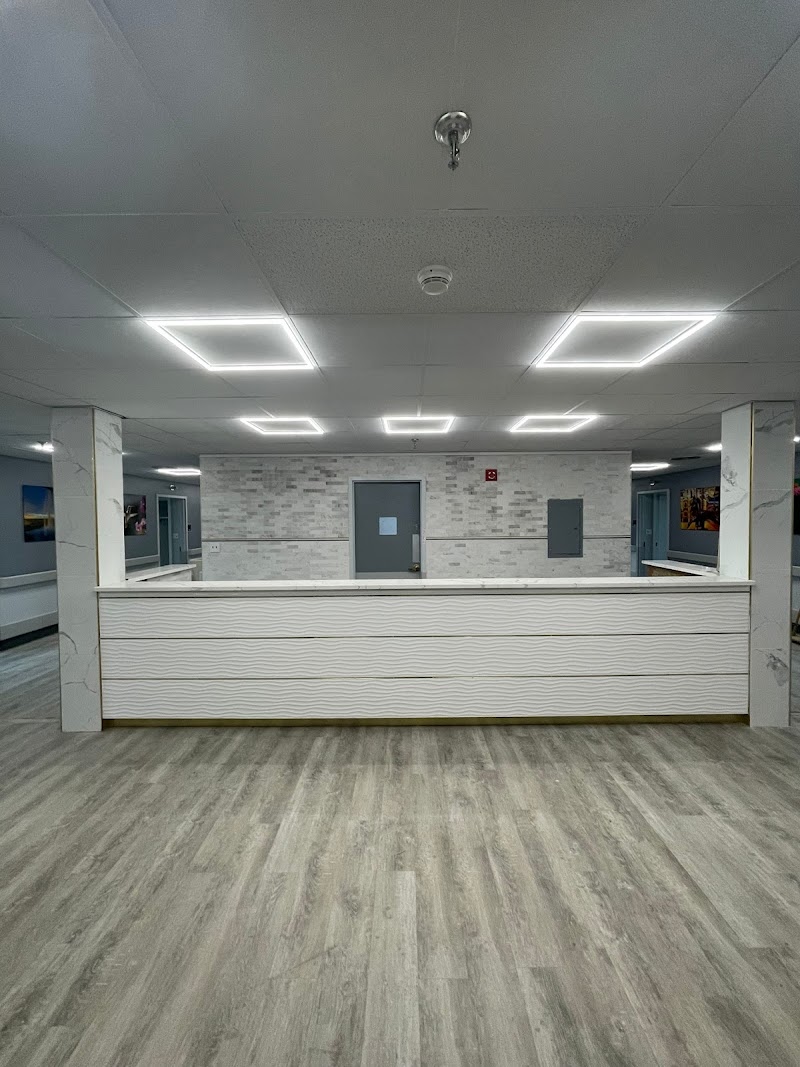
How is Spring Creek Llc Staffed?

CMS rates SPRING CREEK NURSING AND REHABILITATION CENTER LLC's staffing level at 1 out of 5 stars, which is much below average compared to other nursing homes. Staff turnover is 58%, which is 12 percentage points above the Ohio average of 46%. High turnover can affect care consistency as new staff learn residents' individual needs. RN turnover specifically is 83%, which is notably high. RNs provide skilled clinical oversight, so turnover in this role can affect medical care quality.

What Have Inspectors Found at Spring Creek Llc?

State health inspectors documented 33 deficiencies at SPRING CREEK NURSING AND REHABILITATION CENTER LLC during 2019 to 2025. These included: 1 Immediate Jeopardy (the most serious level, indicating potential for serious harm or death) and 32 with potential for harm. Immediate Jeopardy findings are rare and represent the most serious regulatory concerns. They require immediate corrective action.
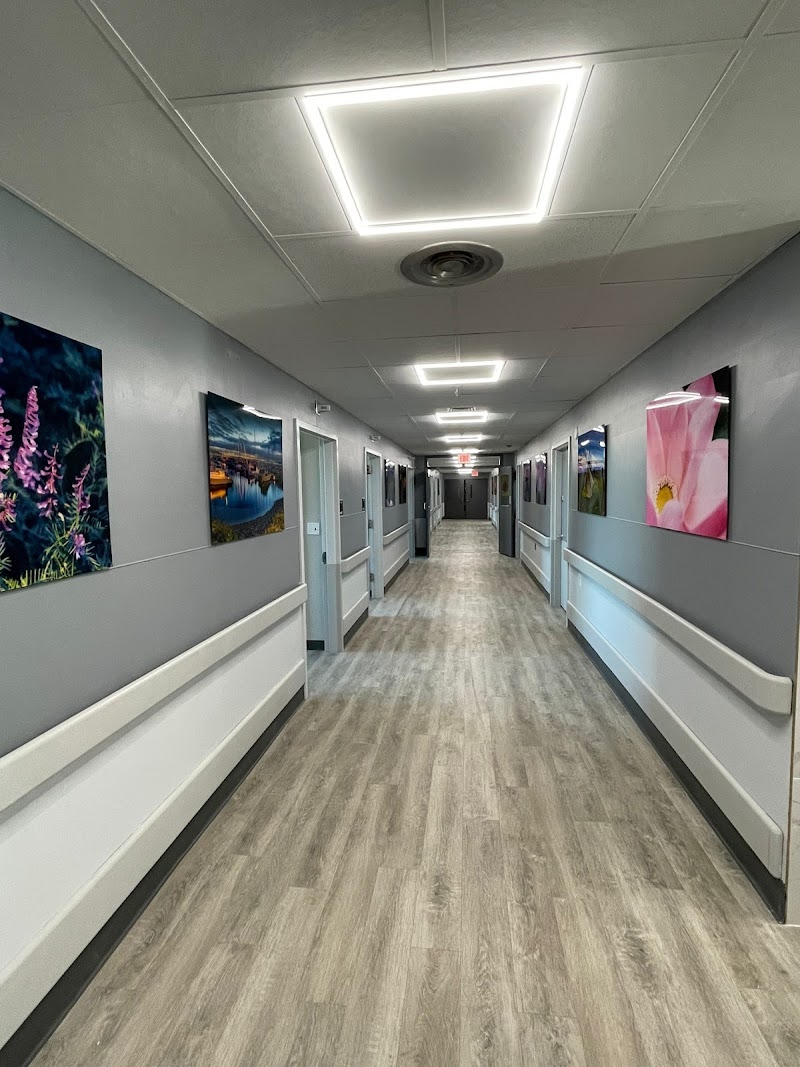
Who Owns and Operates Spring Creek Llc?

SPRING CREEK NURSING AND REHABILITATION CENTER LLC is owned by a for-profit company. For-profit facilities operate as businesses with obligations to shareholders or private owners. The facility operates independently rather than as part of a larger chain. With 120 certified beds and approximately 72 residents (about 60% occupancy), it is a mid-sized facility located in GREEN SPRINGS, Ohio.
How Does Spring Creek Llc Compare to Other Ohio Nursing Homes?

Compared to the 100 nursing homes in Ohio, SPRING CREEK NURSING AND REHABILITATION CENTER LLC's overall rating (2 stars) is below the state average of 3.2, staff turnover (58%) is significantly higher than the state average of 46%, and health inspection rating (2 stars) is below the national benchmark.

What Should Families Ask When Visiting Spring Creek Llc?

Based on this facility's data, families visiting should ask: "What changes have been made since the serious inspection findings, and how are you preventing similar issues?" "How do you ensure continuity of care given staff turnover, and what is your staff retention strategy?" "Can you walk me through typical staffing levels on day, evening, and night shifts?" "Can I visit during a mealtime to observe dining assistance and food quality?" These questions are particularly relevant given the facility's Immediate Jeopardy citations, the facility's high staff turnover rate, and the below-average staffing rating.

Is Spring Creek Llc Safe?

Based on CMS inspection data, SPRING CREEK NURSING AND REHABILITATION CENTER LLC has documented safety concerns. Inspectors have issued 1 Immediate Jeopardy citation (the most serious violation level indicating risk of serious injury or death). The facility has a 2-star overall rating and ranks #100 of 100 nursing homes in Ohio. Families considering this facility should ask detailed questions about what corrective actions have been taken since these incidents.

Do Nurses at Spring Creek Llc Stick Around?

Staff turnover at SPRING CREEK NURSING AND REHABILITATION CENTER LLC is high. At 58%, the facility is 12 percentage points above the Ohio average of 46%. Registered Nurse turnover is particularly concerning at 83%. RNs handle complex medical decisions and coordinate care — frequent RN changes can directly impact care quality. High turnover means new staff may not know residents' individual needs, medications, or preferences. It can also be disorienting for residents, especially those with dementia who rely on familiar faces. Families should ask: What is causing the turnover? What retention programs are in place? How do you ensure care continuity during staff transitions?

Was Spring Creek Llc Ever Fined?

SPRING CREEK NURSING AND REHABILITATION CENTER LLC has been fined $77,618 across 1 penalty action. This is above the Ohio average of $33,855. Fines in this range indicate compliance issues significant enough for CMS to impose meaningful financial consequences. Common causes include delayed correction of deficiencies, repeat violations, or care failures affecting resident safety. Families should ask facility leadership what changes have been made since these penalties.

Is Spring Creek Llc on Any Federal Watch List?

SPRING CREEK NURSING AND REHABILITATION CENTER LLC is not on any federal watch list. The most significant is the Special Focus Facility (SFF) program, which identifies the bottom 1% of nursing homes nationally based on persistent, serious quality problems. Not being on this list means the facility has avoided the pattern of deficiencies that triggers enhanced federal oversight. This is a positive indicator, though families should still review the facility's inspection history directly.