ALTERCARE OF HARTVILLE CTR FOR
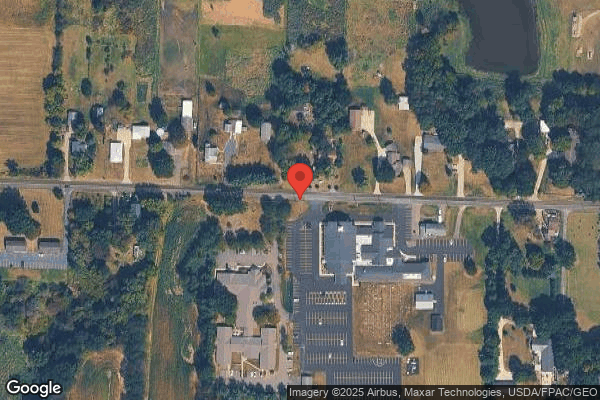
1420 SMITH KRAMER ROAD, HARTVILLE, OH 44632 (330) 877-2666
For profit - Corporation 97 Beds ALTERCARE Data: November 2025
Trust Grade
75/100
#10 of 913 in OH
Last Inspection: February 2025

Within standard 12-15 month inspection cycle. Federal law requires annual inspections.

Overview

Altercare of Hartville Center for Nursing has earned a Trust Grade of B, indicating it is a solid choice for care, but not without its flaws. It ranks #10 out of 913 facilities in Ohio, placing it well within the top half, and holds the #1 position among 33 facilities in Stark County, showing strong local performance. The facility is improving, as it has reduced its number of issues from 9 in 2023 to 5 in 2025, yet it faces concerns with staffing, reflected in a low 2/5 star rating and a high turnover rate of 60%, which is above the Ohio average. While it has not incurred any fines, which is a positive sign, there have been serious incidents, such as a failure to prevent pressure injuries for a resident and lapses in infection control practices, including not adhering to proper protocols for staff entering isolation rooms. Despite these weaknesses, the facility boasts excellent RN coverage, exceeding that of 82% of Ohio facilities, suggesting that nursing staff are well-equipped to catch potential issues. Overall, families should weigh the facility's strong local ranking and improving trend against its staffing challenges and specific care lapses.

Trust Score
B
75/100
In Ohio
#10/913
Top 1%
Safety Record
Moderate
Needs review
Inspections
Getting Better
9 → 5 violations
Staff Stability
⚠ Watch
60% turnover. Above average. Higher turnover means staff may not know residents' routines.
Penalties
✓ Good
No fines on record. Clean compliance history, better than most Ohio facilities.
Skilled Nurses
✓ Good
Each resident gets 47 minutes of Registered Nurse (RN) attention daily — more than average for Ohio. RNs are trained to catch health problems early.
Violations
⚠ Watch
20 deficiencies on record. Higher than average. Multiple issues found across inspections.
★★★★★
5.0
Overall Rating
★★☆☆☆
2.0
Staff Levels
★★★★★
5.0
Care Quality
★★★★☆
4.0
Inspection Score
Stable
2023: 9 issues
2025: 5 issues

The Good

  • 5-Star Quality Measures · Strong clinical quality outcomes
  • Full Sprinkler Coverage · Fire safety systems throughout facility
  • No fines on record

Facility shows strength in quality measures, fire safety.

The Bad

Staff Turnover: 60%

13pts above Ohio avg (46%)

Frequent staff changes - ask about care continuity

Chain: ALTERCARE

Part of a multi-facility chain

Ask about local staffing decisions and management

Staff turnover is elevated (60%)

12 points above Ohio average of 48%

The Ugly 20 deficiencies on record

1 actual harm
Feb 2025 5 deficiencies
CONCERN (D)

Potential for Harm - no one hurt, but risky conditions existed

Safe Environment (Tag F0584)

Could have caused harm · This affected 1 resident

Based on resident interview, staff interview, and observation the facility failed to maintain a comfortable environment related to resident room temperatures. This affected one resident (Resident #288...

Read full inspector narrative →
Based on resident interview, staff interview, and observation the facility failed to maintain a comfortable environment related to resident room temperatures. This affected one resident (Resident #288) of nine residents reviewed for room temperature. Findings include: On 02/24/25 at 12:38 P.M. Resident #288 was observed seated in a chair and covered with a blanket, watching TV. Interview with the resident revealed the room temperature was cold despite the use of a blanket. Resident #288 also reported their bathroom temperature was even colder. On 02/25/25 at 8:59 A.M. Resident #288 was observed lying in bed, covered with blankets. Interview with the resident revealed they had to ask the facility staff to adjust the temperature in their room higher. After the room temperature was adjusted, it was more comfortable however, the comfortable temperature was not sustained and Resident #288 reported feeling cold again.The resident also reported the bathroom still felt cold. Interview with Regional Plant Maintenance #918 on 02/27/25 at 9:35 A.M. revealed rooms on the 300 and 400 halls were supplied by a central heating source and were controlled by a thermostat. Rooms on the 100 and 200 halls were controlled by a packaged terminal air conditioner (PTAC) which was a self-contained unit that provided both heating and air conditioning. The bathrooms in rooms with a PTAC unit are heated by the PTAC unit and do not have any other heat source. The fan observed in those bathrooms was an exhaust fan only. Observation of room temperature checks with Regional Plant Maintenance #918 on 02/27/25 at 9:35 A.M. revealed Resident #288's room temperature was 68.9 degrees Fahrenheit, and the bathroom temperature was 64.9 degrees Fahrenheit. The temperatures were verified with Regional Plant Maintenance #918. Interview with Resident #288 on 02/27/2025 at 10:07 A.M. confirmed the resident was still cold and the resident didn't want to use the bathroom due to the cold temperature in the bathroom.
CONCERN (D)

Potential for Harm - no one hurt, but risky conditions existed

Quality of Care (Tag F0684)

Could have caused harm · This affected 1 resident

**NOTE- TERMS IN BRACKETS HAVE BEEN EDITED TO PROTECT CONFIDENTIALITY** Based on observation, record review, manufacture guideline review and interview, the facility failed to ensure Resident #284's p...

Read full inspector narrative →
**NOTE- TERMS IN BRACKETS HAVE BEEN EDITED TO PROTECT CONFIDENTIALITY** Based on observation, record review, manufacture guideline review and interview, the facility failed to ensure Resident #284's pin care was completed as ordered and Resident #181's left hand rash was provided appropriate skin treatments. This finding affected one (Resident #284) of three residents reviewed for wounds and one (Resident #181) of one for general skin conditions. Findings include: 1. Review of Resident #284's Internal Medicine admission Note History and Physical form dated 02/16/25 revealed the resident had a comminuted, mildly displaced tibia and fibular fractures with associated soft tissue swelling and a prior left total knee arthroplasty. Review of Resident #284's medical record revealed the resident was admitted on [DATE] with diagnoses including unspecified fracture of the left tibia subsequent encounter for closed fracture with routine healing, muscle wasting and muscle weakness. Review of Resident #284's physician orders revealed an order dated 02/19/25 (discontinued 02/20/25) for pin care to the left lower leg, swab around the sites with half sterile saline and half hydrogen peroxide once per day, wrap in sites with gauze; an order dated 02/20/25 (discontinued 02/24/25) for pin care to the left lower leg, swab around the sites with half sterile saline and half hydrogen peroxide once per day, wrap pin sites with gauze twice a day; and an order dated 02/24/25 for pin care to the left lower leg, swab around sites with half sterile saline and half hydrogen peroxide once per day, wrap pin sites with gauze. Review of Resident #284's Treatment Administration Records (TARS) from 02/20/25 to 02/27/25 revealed on 02/20/25 at 3:31 P.M. the staff documented the pin care treatment was completed the previous shift and on 02/20/25 at 11:53 P.M. the staff documented the pin care was completed on the previous shift. The TAR on 02/21/25 from the 6:30 A.M. to 10:30 A.M. shift and on 02/22/25 from 6:00 P.M. to 10:00 P.M. revealed the entries were blank. Interview on 02/26/25 at 7:17 A.M. with Resident #284 revealed the facility staff did not complete his left lower leg pin care per the physician's order. Interview on 02/26/25 at 8:10 A.M. with Registered Nurse (RN) Wound Nurse #803 confirmed Resident #284's medical record did not have evidence the resident's left lower leg pin care was completed as ordered. Review of the undated Wound Care policy revealed the was the facility's policy to provide guidelines for the care of wounds to promote healing. 2. Review of Resident #181's medical record revealed the resident was admitted on [DATE] with diagnoses including difficulty in walking, muscle weakness and acute kidney failure. Review of Resident #181's physician orders revealed an order dated 02/05/25 for triamcinolone acetonide cream 0.1% apply topically as needed for a rash. Review of Resident #181's treatment administration records (TARS) from 02/05/25 to 02/27/25 did not reveal evidence the triamcinolone acetonide cram was applied for the resident's rash on the top of the left hand. Review of Resident #181's Minimum Data Set (MDS) 3.0 assessment dated [DATE] revealed the resident exhibited intact cognition. Observation on 02/24/25 at 9:55 A.M. of Resident #181's left hand revealed the top of the hand was edematous with a reddened rash noted. The hand appeared contracted with the fingers curled inward. Interview on 02/24/25 at 9:59 A.M. with Resident #181 indicated the resident's wife was bringing in a splint for his left hand because the splint from the facility had caused a rash on the top of the left hand. Interview on 02/25/25 at 3:53 P.M. with the Certified Occupational Therapy Assistant (COTA) #919 indicated the family was to bring in a splint for the left hand and she was aware of the rash on the top of the left hand for several weeks. COTA #919 confirmed the resident's TARS did not have evidence the triamcinolone acetonide cream for the resident's rash was applied from 02/05/25 to current. Review of Triamcinolone Acetonide Cream 0.1% manufacturer directions dated 02/10/22 revealed the cream was indicated for the relief of the inflammatory and pruritic (intense itching) manifestations of corticosteroid-responsive dermatoses (thousands of different skin conditions).
CONCERN (D)

Potential for Harm - no one hurt, but risky conditions existed

Deficiency F0685 (Tag F0685)

Could have caused harm · This affected 1 resident

Based on record review and interview, the facility failed to arrange transportation for Resident #53's appointment resulting in Resident #53's eye surgery being canceled. This affected one resident (#...

Read full inspector narrative →
Based on record review and interview, the facility failed to arrange transportation for Resident #53's appointment resulting in Resident #53's eye surgery being canceled. This affected one resident (#53) of one reviewed for vision. The facility census was 75. Findings include: Review of the medical record for Resident #53 revealed an admission date of 06/21/24 with diagnoses including type two diabetes mellitus, hypertension, hyperlipidemia, generalized anxiety disorder, and depression. Review of the quarterly Minimum Data Set (MDS) assessment, dated 01/25/25, revealed Resident #53 was cognitively intact, had impaired vision and wore corrective lenses. Review of the physician's order, dated 02/11/25, revealed Resident #53 had an appointment on 02/24/25 at a surgical center and transportation would need updated. Review of the progress note dated 02/20/25 at 5:10 P.M. revealed Resident #53 had a scheduled surgery on 02/24/25 and was to receive nothing by mouth (NPO) after midnight. Review of the progress note dated 02/24/25 at 7:00 A.M. indicated Resident #53 was NPO after midnight for an eye appointment for cataracts. The note indicated transportation did not arrive to pick up Resident #53. On 02/24/25 at 9:49 A.M., interview with Resident #53 stated the facility did not arrange transportation for her eye surgery and her surgery had to be canceled. On 02/24/25 at 10:21 A.M., interview with Registered Nurse (RN) #886 confirmed transportation never arrived to pick up Resident #53 for her scheduled surgery. On 02/24/25 at 12:13 P.M., interview with Licensed Practical Nurse (LPN) #896 verified Resident #53's eye surgery had to be rescheduled due to transportation issues. LPN #896 said the surgery center did not inform the facility of an arrival time for Resident #53's surgery. On 02/25/25 at 3:37 P.M., interview with Surgery Center Clinical Manager #914 stated Resident #53's eye surgery on 02/24/25 was canceled because Resident #53 did not show up. She further stated she called the facility at the end of the previous week to notify them that Resident #53's arrival time for surgery was 10:00 A.M. On 02/26/25 at 9:22 A.M., interview with RN #801 verified the surgery center had called on 02/20/25 to notify of Resident #53's arrival time of 10:00 A.M. on 02/24/25. RN #801 stated she did not inform transportation because that was the responsibility of LPN #896. On 02/26/25 at 10:56 A.M., interview with RN #884 confirmed the surgery center called on 02/20/25 and notified that Resident #53 was scheduled to arrive at 10:00 A.M. on 02/24/25. RN #884 stated LPN #896 was notified of the arrival time so transportation could be updated.
CONCERN (D)

Potential for Harm - no one hurt, but risky conditions existed

Dental Services (Tag F0791)

Could have caused harm · This affected 1 resident

**NOTE- TERMS IN BRACKETS HAVE BEEN EDITED TO PROTECT CONFIDENTIALITY** Based on observation, medical record review, and interview, the facility failed to ensure dentist recommendations for oral surge...

Read full inspector narrative →
**NOTE- TERMS IN BRACKETS HAVE BEEN EDITED TO PROTECT CONFIDENTIALITY** Based on observation, medical record review, and interview, the facility failed to ensure dentist recommendations for oral surgery services were implemented for one (Resident #21) of two residents reviewed for dental services. Findings include: Review of Resident #21's medical record revealed diagnoses including difficulty swallowing, morbid obesity, type two diabetes mellitus, and vascular dementia. A care plan initiated 06/04/21 revealed the potential for alteration in dental/oral status related to age related changes. Interventions included dental evaluations with treatment as necessary. On 02/27/25 at 9:10 A.M., dental notes dated 08/27/24 were reviewed with Dentist representative #920, via interview, who indicated the resident had an examination and prophylaxis provided. Prior authorization had been obtained. A referral had been sent to an oral surgeon and full dentures had been approved. The note indicated would like full mouth extraction with upper and lower dentures. The dentist indicated at least #17, #19, #31, and #32 root tips needed extracted at a minimum. There was no documentation located in the medical record indicating staff sought an oral surgeon or attempted to make an appointment. On 11/27/24, Resident #21 was admitted to hospice. A significant change in status Minimum Data Set (MDS) assessment dated [DATE] indicated Resident #21 had obvious or likely cavity or broken teeth. On 12/11/24 an order was written to discontinue all upcoming appointments due to hospice. On 02/24/25 at 11:24 A.M., Resident #21 stated his teeth were falling out left and right. Resident #21 stated he had received dental services and was informed he needed to go to an oral surgeon. Resident #21 believed he could not take his wheelchair to the oral surgeon. Resident #21 was observed to have missing and broken teeth. On 02/27/25 at 2:06 P.M., Regional Registered Nurse (RN) #916 verified staff were unable to locate any evidence the referral for an oral surgeon to extract all Resident #21's teeth and root tips and provide full upper and lower dentures was addressed.
CONCERN (D)

Potential for Harm - no one hurt, but risky conditions existed

Room Equipment (Tag F0908)

Could have caused harm · This affected 1 resident

Based on observation and interviews, the facility failed to ensure the laundry room and washers were maintained in clean working order. This had the potential to affect all 75 residents residing in th...

Read full inspector narrative →
Based on observation and interviews, the facility failed to ensure the laundry room and washers were maintained in clean working order. This had the potential to affect all 75 residents residing in the facility. Findings include: On 02/25/25 at 3:19 P.M., a large buildup of lint was observed behind the washers in the second laundry area including lint built up on the cement floors, up the walls, on all pipes, and in the water drain. On 02/25/25 at 3:20 P.M., the observation was verified with Maintenance Coordinator (MC) #804. MC #804 verified he was unaware staff members were required to clean behind the washers and dryers. The dryer lint logs were reviewed and demonstarted that the lint traps were cleaned daily and the overhead and behind the dryer lint traps were cleaned weekly and signed off by MC #804 and Environmental Service Coordinator (EC) #831. There was no mention of checking behind the washers for lint build-up. On 02/25/25 at 3:33 P.M., the observation was verified with (EC) #831 that lint was built up behind the washers. On 02/25/25 at 3:43 P.M, MC #804 and EC #831 confirmed that the lint built up behind the washers in the second laundry area had not been cleaned and was the responsibility of the maintenance department. On 02/25/25 at 3:52 P.M., Regional Registered Nurse (RN) #915 verified the lint was built up behind the washers in the second laundry area, confirming it could be a fire hazard.
Dec 2023 1 deficiency
CONCERN (E) 📢 Someone Reported This

A family member, employee, or ombudsman was alarmed enough to file a formal complaint

Potential for Harm - no one hurt, but risky conditions existed

ADL Care (Tag F0677)

Could have caused harm · This affected multiple residents

**NOTE- TERMS IN BRACKETS HAVE BEEN EDITED TO PROTECT CONFIDENTIALITY** Based on record review, observation and interview, the facility failed to ensure all residents on the 400 hall were monitored an...

Read full inspector narrative →
**NOTE- TERMS IN BRACKETS HAVE BEEN EDITED TO PROTECT CONFIDENTIALITY** Based on record review, observation and interview, the facility failed to ensure all residents on the 400 hall were monitored and provided timely assistance with incontinence care throughout the night. This finding affected six residents (Residents #1, #18, #33, #37, #51, #63) of 39 residents who reside on the 400 hall. Findings include: Review of the staffing schedules and staffing punches for the nightshift on 10/19/23 revealed from 10:00 P.M. to 6:00 A.M., the facility had two nurses including Licensed Practical Nurse (LPN) #814 assigned to the 100 and 200 halls (worked 5:30 P.M. to 6:00 A.M.) and LPN #813 assigned the 300 and 400 halls (worked 10:00 P.M. to 6:00 A.M.). Review of the staffing schedules and staffing punches for the nightshift on 10/19/23 revealed the facility had seven State Tested Nursing Assistants (STNAs) including STNA #817 assigned the 300 hall (worked 2:14 A.M. to 6:50 A.M.), STNA #819 assigned the 300 hall (worked 10:00 P.M. to 2:30 A.M.), STNA #820 assigned the 300/400 halls (worked 10:00 P.M. to 2:12 A.M.) and STNA #810 assigned the 400 hall (worked 10:00 P.M. to 6:08 A.M.). The facility census was 74. Review of Resident #1's medical record revealed the resident was admitted on [DATE] with diagnoses including cognitive communication deficit, muscle weakness and vascular dementia. Review of Resident #1's Quarterly Minimum Data Set (MDS) 3.0 assessment dated [DATE] revealed the resident exhibited severe cognitive impairment, was dependent on toileting hygiene, and required substantial to dependent level assistance with mobility. Review of Resident #18's medical record revealed the resident was admitted on [DATE] with diagnoses including morbid obesity, major depressive disorder, and muscle weakness. Review of Resident #18's Quarterly MDS 3.0 assessment dated [DATE] revealed the resident exhibited intact cognition and was always incontinent of bowel and bladder. Resident #18 was dependent on toilet hygiene, mobility, and transfers. Review of Resident #33's medical record revealed the resident was admitted on [DATE] with diagnoses including muscle weakness, unspecified lack of coordination and unsteadiness on the feet. Review of Resident #33's Quarterly MDS 3.0 assessment dated [DATE] revealed the resident exhibited intact cognition. Review of Resident #38's medical record revealed the resident was admitted on [DATE] with diagnoses including unsteadiness on the feet, presence of cardiac pacemaker and unspecified. Review of Resident #38's admission MDS 3.0 assessment dated [DATE] revealed the resident exhibited moderate cognitive impairment. Resident #38 was dependent on toileting hygiene and sit to stand transfers, and required substantial/maximal assistance with mobility. Review of Resident #51's medical record revealed the resident was admitted on [DATE] with diagnoses including chronic obstructive pulmonary disease, essential hypertension and low back pain. Review of Resident #51's Quarterly MDS 3.0 assessment dated [DATE] revealed the resident exhibited intact cognition and required partial/moderate assistance with toileting hygiene, Review of Resident #63's medical record revealed the resident was admitted on [DATE] with diagnoses including morbid obesity due to excess calories, muscle weakness and major depressive disorder. Review of Resident #63's Quarterly MDS 3.0 assessment dated [DATE] revealed the resident exhibited moderate cognitive impairment, was occasionally incontinent of urine and always incontinent of bowel. Resident #63 was dependent on toileting hygiene and toilet transfers, and required substantial to dependent level assistance with mobility. Interview on 12/20/23 at 6:33 A.M. with Registered Nurse (RN) #808 indicated STNA #810 reported during shift change that she did not provide incontinence care to Residents #18 and #63 during the night shift. Interview on 12/20/23 at 6:38 A.M. with Resident #63 revealed the resident was not provided incontinence care during the night shift. The resident's room had a strong smell of urine. Further interview revealed the resident had not put his call light on requesting incontinence care during the nightshift because he was sleeping. Observation on 12/20/23 at 7:13 A.M. with STNA #803 of Resident #63's incontinence care revealed the resident was incontinent of urine and stool. Further observation revealed the resident's incontinence brief was saturated with urine and a large urine stain was observed on the incontinence pad located underneath the resident. Observation on 12/20/23 at 8:07 A.M. of Resident #18's incontinence care with the Director of Nursing (DON) revealed the resident was incontinent of urine and stool. Further observation revealed the resident's incontinence brief was saturated with urine and the incontinence pad and the fitted bed sheet underneath the resident had a large urine stain. Interview on 12/20/23 at 8:07 A.M. with Resident #18 with the DON in attendance revealed the resident was changed prior to going to sleep and he went to bed around 1:00 A.M. Resident #18 confirmed he was not provided incontinence care from 1:00 A.M. to 8:00 A.M. He denied putting his call light on and requesting incontinence care. Interview on 12/20/23 at 11:15 A.M. with STNA #810 confirmed the 300 and 400 halls had three STNAs from 10:00 P.M. to approximately 2:30 A.M. which included 39 residents. She stated STNA #820 went home around 2:00 A.M. and she was unaware the STNA went home so she did not monitor the residents on the 400 hall who were part of STNA #820's assignment including Resident #2, Resident #18, Resident #33, Resident #37, Resident #51, Resident #52 and Resident #63 from 2:30 A.M. to 6:00 A.M. Interview on 12/20/23 at 12:35 P.M. with STNA #820 with RN Regional #822, the Director of Nursing (DON) and the Administrator in attendance confirmed she gave report to STNA #810 on 12/20/23 at 2:12 A.M. prior to her clocking out and going home. She stated she made sure there was no confusion as to what STNA #810's assignment was when she left and she could not understand how STNA #810 did not provide care to Resident #2, Resident #18, Resident #33, Resident #37, Resident #51, Resident #52 and Resident #63 who were part of her assignment on the 400 hall when she left at 2:12 A.M. This deficiency represents non-compliance investigated under Complaint Number OH00148605.
Nov 2023 4 deficiencies
CONCERN (D) 📢 Someone Reported This

A family member, employee, or ombudsman was alarmed enough to file a formal complaint

Potential for Harm - no one hurt, but risky conditions existed

Deficiency F0582 (Tag F0582)

Could have caused harm · This affected 1 resident

**NOTE- TERMS IN BRACKETS HAVE BEEN EDITED TO PROTECT CONFIDENTIALITY** Based on record review and interview, the facility failed to ensure residents discharged from skilled services were provided app...

Read full inspector narrative →
**NOTE- TERMS IN BRACKETS HAVE BEEN EDITED TO PROTECT CONFIDENTIALITY** Based on record review and interview, the facility failed to ensure residents discharged from skilled services were provided appropriate notification in writing of services ending. This affected one resident (#76) of three residents reviewed for beneficiary notification. The facility census was 75. Findings include: Review of the closed medical record for Resident #76 revealed an admission date of 09/08/23 and a discharge date of 10/06/23. Diagnoses included hyperlipidemia, dementia, and hypertension. Review of the comprehensive Minimum Data Set (MD) assessment dated [DATE] revealed Resident #76 was severely cognitively impaired. He required extensive assistance of one person for transfers, dressing, and hygiene, limited assistance of one person for bed mobility, and supervision of one person for eating. Review of Resident #76's Notice on Medicare Non-Coverage (NOMNC) form indicated the resident's last covered day of skilled services was on 10/06/23. The form revealed Resident #76's son was notified via telephone of the notice. Interview on 11/06/23 at 10:36 A.M. with the Administrator revealed if the notice was provided via telephone, it would be submitted to the insurance company and a written signature was not obtained. This deficiency represents noncompliance investigated under Complaint Number OH00147458.
CONCERN (D) 📢 Someone Reported This

A family member, employee, or ombudsman was alarmed enough to file a formal complaint

Potential for Harm - no one hurt, but risky conditions existed

Accident Prevention (Tag F0689)

Could have caused harm · This affected 1 resident

**NOTE- TERMS IN BRACKETS HAVE BEEN EDITED TO PROTECT CONFIDENTIALITY** Based on observation, interview, and record review, the facility failed to safely transfer Resident #71 according to the plan of...

Read full inspector narrative →
**NOTE- TERMS IN BRACKETS HAVE BEEN EDITED TO PROTECT CONFIDENTIALITY** Based on observation, interview, and record review, the facility failed to safely transfer Resident #71 according to the plan of care. This affected one resident (#71) of one resident observed for transfer assistance. The facility identified 17 residents (#4, #5, #12, #17, #18, #19, #23, #26, #28, #32, #44, #46, #63, #65, #67, #69, and #71) who required mechanical transfer assistance. The facility census was 75. Findings include: Review of Resident #71's medical records revealed an admission date of 03/05/19. Diagnoses included muscle weakness, need for personal care assistance, and dementia. Review of the Minimum Data Set (MDS) assessment dated [DATE] revealed Resident #71 had severe cognitive impairment. Resident #71 required extensive assistance with toileting and transfers. Review of the care plan dated 08/16/23 revealed Resident #71 was at risk for falls. Interventions included the use of Hoyer (mechanical lift) for all transfers. Review of the current physician's orders for November 2023 revealed an order for Hoyer lifts for all transfers. Observation on 11/07/23 at 9:25 A.M. revealed Resident #71 was in a wheelchair in the hall, and she appeared to be incontinent. Interview with Licensed Practical Nurse (LPN) #208 revealed Resident #71 required a Hoyer lift for transfers and stated the staff could not have transferred her using a Hoyer because Resident #71 did not have a Hoyer pad underneath of her. At time of interview, LPN #208 asked State Tested Nursing Assistant (STNA) #244 how she had gotten Resident #71 up due to there was no Hoyer pad under her, and STNA #244 stated she had not used a Hoyer and had stood and pivoted Resident #71 by herself. LPN #208 stated to STNA #244 She's a Hoyer and you should have known that. Observation of transfer assistance at 9:33 A.M. for Resident #71 with STNAs #233 and #280 revealed STNA #280 had stood and pivoted Resident #71 out of wheelchair and into the resident's bed without the use of a Hoyer lift. Review of the undated facility policy titled Safe Lifting and Movement of Residents revealed the use of mechanical lifts are to be used to protect the safety and wellbeing of residents. This deficiency represents an incidental finding of non-compliance investigated under Complaint Number OH00147458.
CONCERN (D) 📢 Someone Reported This

A family member, employee, or ombudsman was alarmed enough to file a formal complaint

Potential for Harm - no one hurt, but risky conditions existed

Incontinence Care (Tag F0690)

Could have caused harm · This affected 1 resident

**NOTE- TERMS IN BRACKETS HAVE BEEN EDITED TO PROTECT CONFIDENTIALITY** Based on observation, interview, and record review, the facility failed to ensure timely incontinence care was provided to Resid...

Read full inspector narrative →
**NOTE- TERMS IN BRACKETS HAVE BEEN EDITED TO PROTECT CONFIDENTIALITY** Based on observation, interview, and record review, the facility failed to ensure timely incontinence care was provided to Residents #46 and #71. This affected two residents (#46 and #71) of two residents observed for incontinence care. The facility census was 75. Findings include: 1. Review of Resident #46's medical record revealed an admission date of 09/10/21. Diagnoses included difficulty walking and muscle weakness. Review of the Minimum Data Set (MDS) assessment dated [DATE] revealed Resident #46 had intact cognition and was incontinent of bowel and bladder. Review of the care plan dated 11/01/23 revealed Resident #46 was incontinent of bowel and bladder. Interventions included checking and providing incontinence care as needed. Observation of incontinence care for Resident #46 on 11/07/23 at 9:10 A.M. with State Tested Nursing Assistant (STNA) #213 and STNA #244 revealed Resident #46 was incontinent of a large amount of dark colored and stale smelling urine as well as a large amount of stool. Further observation revealed Resident #46 had dried stool on his inner thighs. Interview with STNAs #213 and #244 at time of observation revealed they had not provided incontinence care for Resident #46 since they had started their shift at 6:00 A.M. Interview with Resident #46 at time of observation revealed he could not recall exactly when he had last been changed; however, the resident stated it may have been between 2:00 A.M. and 3:00 A.M. Resident #46 further stated he had to wait between 30 to 45 minutes for incontinence care on occasions. 2. Review of Resident #71's medical records revealed an admission date of 03/05/19. Diagnoses included muscle weakness, need for personal care assistance, and dementia. Review of the MDS assessment dated [DATE] revealed Resident #71 had severe cognitive impairment. Resident #71 required extensive assistance with toileting and transfers. Resident #71 was incontinent of bowel and bladder. Review of the care plan dated 08/16/23 revealed Resident #71 was incontinent of bowel and bladder. Interventions included checking and providing incontinence care as needed. Observation on 11/07/23 at 9:25 A.M. revealed Resident #71 was in a wheelchair in the hallway yelling out, and her pants appeared to be wet. At time of the observation, Licensed Practical Nurse (LPN) #208 confirmed Resident #71's pants appeared to be wet and stated the resident was nonverbal and would yell out when she was soiled. Observation of Resident #71's incontinence care on 11/07/23 at 9:33 A.M. with STNA #244 and STNA #281 revealed resident was incontinent of a large amount of stale smelling urine, as well as a large amount of stool that had soaked through the resident's pants. Interview with STNAs #244 and #281 at time of observation revealed they had not provided Resident #71 with incontinence care since they had begun their shift at 6:00 A.M. and were unable to state when the resident had last been provided with care. Resident #71 was not interviewable. This deficiency represents non-compliance investigated under Complaint Number OH00147458.
CONCERN (F) 📢 Someone Reported This

A family member, employee, or ombudsman was alarmed enough to file a formal complaint

Potential for Harm - no one hurt, but risky conditions existed

Infection Control (Tag F0880)

Could have caused harm · This affected most or all residents

Based on observation, interview, record review, facility policy review, review of the Centers for Disease Control (CDC) Considerations for Preventing Spread of COVID-19, the facility failed to maintai...

Read full inspector narrative →
Based on observation, interview, record review, facility policy review, review of the Centers for Disease Control (CDC) Considerations for Preventing Spread of COVID-19, the facility failed to maintain proper infection control practices/procedures to prevent the spread of infection including COVID-19. This had the potential to affect all 75 residents residing in the facility. Findings include: Observation on 11/07/23 at 8:21 A.M. revealed State Tested Nursing Assistant (STNA) #280 entered Residents #52 and #65's room with signs posted outside of the room that indicated residents were on isolation precautions. Posted signs included the use of gown, gloves, mask, and eye protection to be worn prior to entering. STNA #280 was observed not wearing gloves or a face shield, and she was wearing a surgical mask underneath an N95 mask with the bottom strap of the N95 not secured and hanging below her chin. STNA #280 exited Residents #52 and #65's room and was observed doffing her personal protective equipment (PPE) prior to exiting. She did not complete hand hygiene upon exiting. Interview with Licensed Practical Nurse (LPN) #208 at 8:24 A.M. revealed the residents on isolation precautions did not have isolation bins in their rooms to dispose of PPE. LPN #208 further stated some of the isolation bins did not contain proper PPE and stated, no one knows what to do around here, and management gives no guidance on what to do. Interview at 8:31 A.M. with STNA #280 revealed she did not wear a face shield and gloves into Residents #52 and #65's room because she was unable to locate any in the isolation bin outside of the room. STNA #280 stated she worked for agency and was unaware of where to locate the items. STNA #280 further stated she doffed the PPE prior to exiting Residents #52 and #65's room; however, there was no isolation bin inside of the room to place the used items, and she placed them inside of trashcan in the room. STNA #280 confirmed she did not complete hand hygiene after doffing her PPE and prior to exiting Residents #52 and #65's room. Observation on 11/07/23 at 8:44 A.M. revealed the Director of Nursing (DON) was placing isolation bins outside of the isolation room for disposal of PPE on the 300-hall. Observation on 11/07/23 at 9:57 A.M. revealed STNA #212 entered Resident #69's room that had signs posted indicating the resident was on isolation precautions. STNA #212 was observed wearing a surgical mask underneath an N95 mask, no face shield, or gloves prior to entering resident's room. Observation on 11/07/23 at 12:22 P.M. revealed STNA #244 entered Resident #20's room to assist the resident with eating. Resident #20 had signs posted outside of her room that indicated the resident was on isolation precautions. STNA #244 was observed to have her N95 mask over a surgical, and she was not wearing a face shield or gloves prior to entering. STNA #244 exited Resident #20's room at 12:39 P.M. and did not complete hand hygiene upon exiting. Interview with STNA #22 at time of observation revealed she did not wear a face shield in Resident #20's room because she was unable to locate one in the isolation supplies outside of the room. STNA #244 confirmed she had not worn gloves while providing feeding assistance to Resident #20 and stated she did not complete hand hygiene after exiting Resident #20's room. Interview on at 12:53 PM with DON, revealed staff were to complete hand hygiene in between resident encounters, and stated staff were to don a gown, gloves, masks, and face shield prior to entering a Covid positive room. Review of staffing assignments for 11/07/23 revealed LPN #208 was assigned residents on the 300 hall and part of the 200 hall, LPN #212 was assigned residents on the 100 hall, LPN #244 was assigned residents on the 300 hall and part of the 200 hall. STNA #280 stated she was not assigned a specific hall, and she was helping with resident care throughout the facility. Review of the facility policy titled Coronavirus Covid 19, updated 10/01/23, revealed signs were to be posted outside of rooms to alert staff of the proper PPE required upon entering, perform proper hand hygiene before and after all resident contact and upon removal of PPE. Review of the facility policy titled Coronavirus Covid 19 Protocol, revised 10/02/23, revealed staff will wear eye protection and N95 mask in isolation rooms. Review of the CDC guidance updated 09/10/21 titled Interim Infection Prevention and Control Recommendations to Prevent SARS-CoV-2 Spread in Nursing Homes revealed older adults living in congregate settings are at high risk of being affected by respiratory and other pathogens, such as SARS-CoV-2. A strong infection prevention and control (IPC) program is critical to protect both residents and healthcare personnel (HCP). Even as nursing homes resume normal practices, they must sustain core IPC practices and remain vigilant for SARS-CoV-2 infection among residents and HCP in order to prevent spread and protect residents and HCP from severe infections, hospitalizations, and death. In general, healthcare facilities should continue to follow the IPC recommendations for unvaccinated individuals (e.g., use of Transmission-Based Precautions for those that have had close contact to someone with SARS-CoV-2 infection) when caring for fully vaccinated individuals with moderate to severe immunocompromise due to a medical condition or receipt of immunosuppressive medications or treatments. Manage Residents with suspected or confirmed SARS-CoV-2 infection HCP caring for residents with suspected or confirmed SARS-CoV-2 infection should use full PPE (gowns, gloves, eye protection, and a NIOSH-approved N95 or equivalent or higher-level respirator). Source control and physical distancing (when physical distancing is feasible and will not interfere with provision of care) are recommended for everyone in a healthcare setting. This is particularly important for individuals, regardless of their vaccination status, who live or work in counties with substantial to high community transmission or who have: • Not been fully vaccinated; or • Suspected or confirmed SARS-CoV-2 infection or other respiratory infection (e.g., those with runny nose, cough, sneeze); or • Had close contact (patients and visitors) or a higher-risk exposure (HCP) with someone with SARS-CoV-2 infectionfor 14 days after their exposure, including those residing or working in areas of a healthcare facility experiencing.SARS-CoV-2 transmission (i.e., outbreak); or • Moderate to severe immunocompromise; or • Otherwise had source control and physical distancing recommended by public health authorities should still consider continuing to practice physical distancing and use of source control. Implement Universal Use of Personal Protective Equipment for HCP If SARS-CoV-2 infection is not suspected in a patient presenting for care (based on symptom and exposure history), HCP working in facilities located in counties with substantial or high transmission should also use PPE as described below: NIOSH-approved N95 or equivalent or higher-level respirators should be used for: • All aerosol-generating procedures (refer to which procedures are considered aerosol generating procedures inhealthcare settings) • All surgical procedures that might pose higher risk for transmission if the patient has COVID-19 (e.g., that generate potentially infectious aerosols or involving anatomic regions where viral loads might be higher, such as the nose and throat, oropharynx, respiratory tract) • Facilities could consider use of NIOSH-approved N95 or equivalent or higher-level respirators for HCP working in other situations where multiple risk factors for transmission are present. One example might be if the patient is unvaccinated, unable to use source control, and the area is poorly ventilated. • Eye protection (i.e., goggles or a face shield that covers the front and sides of the face) should be worn during worn during all patient care encounters. This deficiency represents non-compliance investigated under Complaint Number OH00147454.
Aug 2023 3 deficiencies 1 Harm
SERIOUS (G) 📢 Someone Reported This

A family member, employee, or ombudsman was alarmed enough to file a formal complaint

Actual Harm - a resident was hurt due to facility failures

Pressure Ulcer Prevention (Tag F0686)

A resident was harmed · This affected 1 resident

**NOTE- TERMS IN BRACKETS HAVE BEEN EDITED TO PROTECT CONFIDENTIALITY** Based on observation, record review and interview, the facility failed to provide adequate care and services to prevent the deve...

Read full inspector narrative →
**NOTE- TERMS IN BRACKETS HAVE BEEN EDITED TO PROTECT CONFIDENTIALITY** Based on observation, record review and interview, the facility failed to provide adequate care and services to prevent the development of in-house acquired pressure injuries to the sacrum and bilateral heels of Resident #47. The facility also failed to ensure pressure reducing interventions were in place, wound treatments were competed as ordered by the physician, and proper infection control practices were followed during dressing changes to promote wound healing for Resident #47. Actual harm occurred on 08/15/23 when the facility failed to prevent the development of an unstageable (a full-thickness tissue loss with exposed bone, tendon or muscle with slough/eschar present which prevents accurate staging of the ulcer and often include undermining and tunneling) pressure ulcer to the resident's sacrum. Resident #47 who was assessed to be at risk for pressure ulcer development (but admitted to the facility on [DATE] with no pressure ulcers) and required extensive assistance of two staff member for bed mobility developed an avoidable in-house unstageable pressure ulcer to the sacrum which measured 11.0 centimeters (cm) in length by 7.5 cm width with less than 0.1 cm depth, with a wound bed of 25 percent (%) yellow slough (dead skin cells) and 55% eschar (black, dead tissue). Following the initial development, the pressure ulcer deteriorated and also exhibited signs of potential infection. In addition, the resident was also noted to develop avoidable pressure ulcers to his bilateral heels which deteriorated to unstageable pressure ulcers due to a lack of timely and appropriate interventions. This affected one resident (Resident #47) of three residents reviewed for pressure ulcers. The facility census was 78. Findings include: Review of the medical record revealed Resident #47 was admitted to the facility on [DATE] with diagnoses including right artificial hip, osteoarthritis to the right hip, hypothyroidism, iron deficiency anemia, hyperlipidemia, hypertension, and hypotension. Resident #47 was admitted to the facility for surgical after-care following hip surgery. Review of a Clinical admission Assessment document, dated 08/04/23 indicated to See Wound Grid observation. However, there was no skin observation documented. Review of the admission Braden scale assessment dated [DATE] revealed Resident #47 was at risk for pressure ulcer injuries. Review of the physician's orders dated 08/04/23 revealed Resident #47 had an order for skin prep to bilateral heels every shift as a preventative intervention . Review of a baseline care plan/Clinical admission Documentation dated 08/04/23 revealed Resident #47 would not develop skin breakdown through the next 30 days. Treatment approaches were to check skin with daily care and bathing weekly and report any skin concerns to the nurse. Review of wound grid documentation dated 08/05/23 revealed Resident #47 had a surgical wound to his right hip. There was no additional documentation to indicate the resident had any other skin impairment noted at that time. Review of a progress note dated 08/05/23 at 12:19 A.M. revealed Resident #47 had a surgical dressing on the right hip that was to remain intact for seven to ten days, his feet were dry, he had a scar to the left outer leg and a bruise to the left arm from his intravenous line. Review of the Illustration of Documentation and Measurement of Skin areas dated 08/08/23 revealed the only skin concerns Resident #47 had on admission included a surgical dressing on the right hip. Review of the physician's progress note dated 08/08/23 revealed the nurse and aides stated there were no issues to address for Resident #47 at this time. The review of systems revealed Resident #47 had no skin rashes and he had no treatments. Review of the admission Minimum Data Set (MDS) 3.0 assessment dated [DATE] revealed Resident #47 had intact cognition. The assessment revealed the resident required extensive assistance from two staff members for bed mobility, transfers, toilet use and extensive assistance from one staff member for dressing, personal hygiene. The assessment indicated the resident had two Stage II in-house pressure injuries and one unstageable pressure ulcer. However, this documentation of these areas of skin impairment was determined to be inaccurate during the course of the onsite complaint investigation. Review of a progress note dated 08/15/23 at 5:14 P.M. revealed the nurse was asked by therapy to assess the sacrum of Resident #47. The resident had a large open area to the sacrum. The physician was notified, and a new order was received. The resident was also noted to have open areas to both his right and left heel and a serum filled blister to his left great toe. New treatment orders were received from the physician. Review of the Occupational Therapy Note dated 08/15/23 revealed the nurse was immediately notified of the resident's buttocks and surrounding areas of skin breakdown. Review of a wound grid dated 08/15/23 revealed Resident #47 acquired an in-house unstageable pressure ulcer to the sacrum which measured 11.0 centimeters (cm) length by 7.5 cm width with less than 0.1 cm depth. The wound bed had 25% yellow slough with 55% eschar tissue. Review of a wound grid dated 08/15/23 revealed Resident #47 acquired an in-house Stage II (partial thickness skin loss with exposed dermis) pressure ulcer to the left heel which measured 5.0 cm length by 4.0 cm width with less than 0.1 cm depth. Review of a wound grid dated 08/15/23 revealed Resident #47 acquired an in-house Stage II pressure ulcer to the right heel which measured 5.0 cm length by 2.4 cm width with less than 0.1 cm depth. Review of the physician's orders dated 08/15/23 revealed an order to cleanse the left heel with normal saline, pat dry, cover with piece of Adaptic and abdominal dressing secure with cling wrap every day and as needed until healed and to cleanse the right heel with normal saline, pat dry, cover with a piece of Adaptic, abdominal dressing and wrap with cling wrap every day and as needed until healed. For the sacrum, an order was noted to cleanse with normal saline, pat dry, apply nickel thick Santyl and cover with alginate with a dry secure dressing every day and as needed. Review of the physician's orders dated 08/17/23 (following the identification of the pressure ulcers) revealed an order for an air mattress and foam boots to bilateral feet at all times while in bed. Review of physician's orders revealed a new order, dated 08/18/23 to cleanse wound to the sacrum with Dakin's soaked gauze then lightly fill wound space with Dakins-soaked gauze and cover with protective foam dressing twice a day and as needed for loose or soiled dressing. Review of the August 2023 Treatment Administration Record revealed the new order for wound care for the sacral pressure ulcer written on 08/18/23 was only documented as being completed once on 08/19/23 on the day shift (6:00 A.M to 6:00 P.M.). There was no documentation of the treatment for the left heel being completed on 08/18/23, 08/20/23 or 08/21/23. There was no documentation of the treatment to the right heel being completed on 08/18/23, 08/20/23, and 08/21/23. On 08/22/23 at 8:10 A.M. an interview with State Tested Nursing Assistant (STNA) #200 revealed two-hour turns and showers were not being done because there was not enough staff working in the facility. She stated one aide was scheduled per hall which was not enough to get showers and every two hour turns completed . On 08/22/23 at 11:15 A.M. an interview with Regional Clinical Nurse #600 verified there were no weekly skin assessments/weekly bathing reports for Resident #47 available for review. On 08/22/23 at 11:40 A.M. Resident #47 was observed in bed. However, the resident was noted to be too tall for the bed. He had his feet over the foot board sitting on top of the air mattress. The resident was not observed to have any type of dressing on his left heel and the dressing on the right heel was dated 08/19/23. On 08/22/23 at 11:45 A.M. an interview with Registered Nurse #205 revealed the dressing to Resident #47's right heel was to be completed daily. She verified the dressing to his right heel was dated 08/19/23. She stated she took the dressing off the left foot earlier because it was falling off and she stated it was also dated 08/19/23. She stated the order for wound care for the sacral wound was to completed twice daily, but there was only documentation of it being completed once daily on 08/19/23. Observation on 08/22/23 at 1:10 P.M. with RN #205 revealed the right heel of Resident #47 had a black necrotic area covering the whole heel area, the skin of the peri wound was peeling away from the necrotic area and was beefy red. The left heel dressing had a large amount of serosanguineous drainage soaked through the dressing. The wound was covered in yellow slough and the peri-wound edges were peeling away and the exposed skin was beefy red. The resident did not have his ordered foam heel protectors on. The resident indicated his heels hurt really bad. RN #205 stated she had medicated the resident (for pain) prior to the observation. Observation on 08/22/23 at 2:00 P.M. with RN #205 revealed Resident #47 did not have foam heel boots on and a search of the room revealed there were not any in his room to put on. On 08/22/23 at 3:22 P.M. an interview with Licensed Practical Nurse (LPN) #201 revealed staffing was horrible. The LPN revealed as a result of inadequate staffing, care was not getting done, showers were not getting done, turning and repositioning was not getting done and wound care was not completed as ordered. On 08/23/23 at 12:55 P.M. an interview with RN #206 revealed she had worked on 08/21/23 but she could not remember if she had completed any dressing changes for Resident #47. Observation on 08/23/23 at 1:00 P.M. revealed Resident #47 did not have his foam heel protectors on in bed. An interview at this time LPN #207 verified the resident did not have his physician ordered foam heel protectors on while in bed. On 08/23/23 beginning at 1:00 P.M. LPN #207 and RN #206 (the facility wound nurse) were observed completing wound care for Resident #47. LPN #207 gathered the equipment needed, took it into the resident's room and placed it directly on the bedside stand without disinfecting the stand or placing a protective barrier down. She removed the resident's sacral dressing, cleaned the wound, removed her gloves, washed her hands, and applied the new dressing as ordered. RN #206 measured the sacral wound which measured 11 cm in length by 10.0 cm width with an undetermined depth due to yellow slough covering the wound. There was a large amount of drainage from the wound and the wound had a foul odor. RN #206 proceeded to cut the bandage off the resident's right heel and measured the wound. The wound measured 3.4 cm length by 4.3 cm width with an undetermined depth due to a black eschar covering the entire wound. The edges were beefy red in color and there was a moderate amount of serosanguineous drainage. LPN #207 cleaned the wound and used her scissors, which were in her pocket to cut the Adaptic without cleaning the scissors prior to cutting it. She then laid the scissors down directly on the bedside table. She finished the dressing change with no further issues. The resident's left heel wound was observed to be bleeding through the old dressing. LPN #207 cut the old dressing off the left heel and placed the scissors back on the bedside table. RN #206 measured the left heel wound which measured 5.0 cm length by 5.2 cm width with an undetermined depth due to eschar covering 90 percent of the wound. The peri wound was beefy red. LPN #207 cleaned the wound and cut the Adaptic using the same scissors without cleaning them again. She proceeded to redress the wound as ordered. All three wounds were larger in size and had deteriorated since the original wound grid measurements dated 08/15/23. On 08/23/23 at 1:25 P.M. an interview with LPN #207, she verified she had not cleaned the bedside table, had not placed a barrier down or cleaned her scissor while doing the dressing change on Resident #47 and stated she knew better. The LPN also verified the sacral wound had a foul odor. On 08/24/23 at 9:50 A.M. an interview with Resident #47 revealed he did not have any skin issues when he was admitted to the facility. He stated he had a different mattress on his bed not the air mattress but it was fairly comfortable. He stated the staff were not turning him off his bottom and they were not putting anything on his heels prior to them getting sore. He stated staff did not provide treatments as ordered and stated he had never seen foam boots until the day before. On 08/24/23 at 10:15 A.M. an interview with Certified Occupational Therapy Assistant #400 revealed she was providing care to Resident #47 when she noticed he had a very large open area to his bottom. She stated it looked really bad and the center was all yellow. She stated she noticed his toe also that day but had not looked at his heels. On 08/24/23 at 11:10 A.M. an interview with RN #206 revealed on 08/21/23 she had documented the resident was unavailable on 08/21/23 because he was in therapy, had company and was sleeping on her shift. She stated she had passed it on to the next shift nurse that his treatment needed done but they would not have populated in the electronic record (Matrix) for her because it was a day shift treatment but stated she did remember telling her they needed done. On 08/28/23 at 5:12 P.M. an interview with the Administrator revealed the facility's traveling MDS nurse completed the admission MDS assessment dated [DATE] for Resident #47 and it was done incorrectly regarding the resident's skin status. The Administrator explained the MDS was completed on 08/17/23 by the traveling MDS nurse with the assessment reference date being 08/09/23, and the MDS nurse mistakenly documented the in-house acquired wounds from 08/15/23 on the admission assessment dated [DATE]. Review of the undated facility policy titled, Wound Care, revealed it was the facility policy to provide guidelines for the care of wounds to promote healing. During wound treatments, a clean field should be established. Review of the facility policy titled Pressure Injuries: Assessment, Prevention and Treatment, undated, indicated it is the facility's policy to identify resident's at risk, implement interventions to prevent the development of pressure injuries and provide care for existing pressure injuries. Skin will be assessed routinely and documented on the nursing skin tool. Residents will be checked for incontinence every two hours and position changed every two hours or more frequently as needed. Heels should be kept off the bed or other devices used for pressure relief. Wound treatments should be provided per physician orders. This deficiency represents non-compliance investigated under Complaint Number OH00145464.
CONCERN (D) 📢 Someone Reported This

A family member, employee, or ombudsman was alarmed enough to file a formal complaint

Potential for Harm - no one hurt, but risky conditions existed

ADL Care (Tag F0677)

Could have caused harm · This affected 1 resident

**NOTE- TERMS IN BRACKETS HAVE BEEN EDITED TO PROTECT CONFIDENTIALITY** Based on interviews and record reviews, the facility failed to provide showers/bathing as scheduled for residents requiring assi...

Read full inspector narrative →
**NOTE- TERMS IN BRACKETS HAVE BEEN EDITED TO PROTECT CONFIDENTIALITY** Based on interviews and record reviews, the facility failed to provide showers/bathing as scheduled for residents requiring assistance by staff for activities of daily living (ADL). This affected three residents (#31, #61 and #65) of four residents reviewed for ADL assistance. The facility census was 78. 1. Review of the medical record revealed Resident # 31 was admitted to the facility on [DATE]. Diagnoses included rheumatoid arthritis, osteoporosis, peripheral vertigo, sciatica, gout, major depressive disorder, vascular dementia, hypothyroidism, reduced mobility, anxiety disorders, chronic pain, contractures of the right and left hips, endocarditis, anemia, and hypertension. Review of the quarterly Minimum Data Set (MDS) assessment dated [DATE] revealed Resident #31 moderately impaired cognition. She required extensive assistance with one staff member for bed mobility, transfers, dressing, toilet use, personal hygiene, and bathing. Review of the progress notes from 03/16/23 to 08/23/23 revealed no documentation of Resident #31 refusing a shower or bath. Review of the shower schedules revealed Resident #31 was to receive a shower on Wednesday and Saturday on day shift. Review of the shower sheet and bathing task revealed no documentation Resident #31 received her scheduled shower of 08/05/23 and 08/19/23. She refused on 08/09/23. On 08/21/23 at 3:40 P.M. an interview with Resident #31 revealed she was only receiving one of her two scheduled showers a week. On 08/23/23 at 3:25 P.M. an interview with Regional Clinical Nurse #600 confirmed no evidence to indicate showers for Resident #31 had been completed as scheduled. 2. Review of the medical record revealed Resident #61 was admitted to the facility on [DATE]. Diagnosis included diabetes, bipolar disorder, major depressive disorder, generalized anxiety disorder, anemia, hypertension, hypothyroidism, dysphagia, acute kidney failure, seizures, chronic rhinitis, acute lymphangitis, insomnia, schizoaffective disorder, chronic kidney disease, low back pain, and vitamin D deficiency. Review of the quarterly MDS assessment dated [DATE] revealed Resident #61 had intact cognition. She required supervision for bed mobility, transfers, personal hygiene, limited assistance with dressing, and extensive assistance of one staff member for toilet use and bathing. Review of the progress notes from 03/01/23 to 08/23/23 revealed no documentation of Resident #61 refusing a shower or bath. Review of the shower schedules revealed Resident #61 was to receive a shower on Tuesdays and Thursdays on midnight shift. Review of the shower sheet and bathing task revealed no documentation Resident #61 received her scheduled shower on 08/03/23, 08/08/12, 08/10/23, 08/15/23, and 08/17/23 She did receive a shower on 08/12/23 which was a non-schedule day. On 08/21/23 at 3:50 P.M. an interview with Resident #61 revealed you were lucky to get one shower a week because they do not have enough staff. On 08/23/23 at 3:25 P.M. an interview with Regional Clinical Nurse #600 confirmed no evidence to indicate showers for Resident #61 had been completed as scheduled. 3. Review of the medical record revealed Resident #65 was admitted to the facility on [DATE]. Diagnoses include metabolic encephalopathy, diabetes, spinal stenosis, major depressive disorder, hypertension, low back pain, anxiety disorder, arthritis, wedge compression fracture of the third and fourth lumbar vertebra, contractures of the right and left ankles, and Barrett's esophagus. Review of the quarterly MDS assessment dated [DATE] revealed Resident #65 intact cognition. She required extensive assistance with one staff member for bed mobility, dressing, toilet use, personal hygiene, and bathing and two staff members for transfers. Review of the progress notes from 03/01/23 to 08/23/23 revealed no documentation of Resident #65 refusing a shower or bath. Review of the shower schedules revealed Resident #65 was to receive a shower on Wednesday and Sunday on day shift. Review of the shower sheet and bathing task revealed no documentation Resident #65 received her scheduled shower on 07/30/23, 08/06/23, 08/09/23, 08/13/23, and 08/20/23. She was washed up at the bathroom sink on 08/02/23 and therapy gave her a shower on 08/08/23. On 08/21/23 at 3:45 P.M., an interview with Resident #65 revealed she was only receiving one shower per week because they do not have the staff to do the showers. On 08/23/23 at 3:25 P.M. an interview with Regional Clinical Nurse #600 confirmed no evidence to indicate showers for Resident #65 had been completed as scheduled. This deficiency represents non-compliance investigated under Complaint Number OH 00145464.
CONCERN (F) 📢 Someone Reported This

A family member, employee, or ombudsman was alarmed enough to file a formal complaint

Potential for Harm - no one hurt, but risky conditions existed

Deficiency F0725 (Tag F0725)

Could have caused harm · This affected most or all residents

**NOTE- TERMS IN BRACKETS HAVE BEEN EDITED TO PROTECT CONFIDENTIALITY** Based on observation, record review and interview, the facility failed to maintain sufficient levels of nursing services staff t...

Read full inspector narrative →
**NOTE- TERMS IN BRACKETS HAVE BEEN EDITED TO PROTECT CONFIDENTIALITY** Based on observation, record review and interview, the facility failed to maintain sufficient levels of nursing services staff to meet the total care needs of all residents. This affected four residents (Resident #31, Resident #47, Resident #61 and Resident #65) and had the potential to affect all 78 residents residing in the facility. Findings include: 1. Review of the facility completed Centers for Medicare and Medicaid (CMS) Census and Condition form 672 revealed the facility provided activity of daily living (ADL) information for 78 residents. The facility identified 41 residents who required the assistance of one or two staff for bathing and 35 residents who were totally dependent on staff. The facility identified 76 residents who required the assistance of one or two staff for dressing. The facility identified 54 residents who required the assistance of one or two staff for transfers and 19 residents who were totally dependent on staff. The facility identified 74 residents who required the assistance of one or two staff for toileting and one resident who was totally dependent on staff. The facility identified eight residents who required the assistance of one to two staff for eating and five residents who were totally dependent on staff. The 672 form also identified 54 residents who were occasionally or frequently incontinent of bladder and 55 residents who were occasionally or frequently incontinent of bowel. Review of the Facility Assessment, dated July 2023, revealed the staffing was planned for an average daily census of 74.5 residents. Licensed nurses would provide 0.75 to 1.00 hours per resident per day, nurse aides 1.7 to 2.2 hours per resident per day and administrative nursing staff would provided 0.23 to 0.35 hours per resident per day. In total, licensed nurses would provide 0.98 to 1.35 hours per resident per day plus the nurse aides 1.7 to 2.2 hours day equated to a minimum of 2.68 to 3.55 hours per resident per day to meet the resident population acuity needs. Review of the staffing tool for the date range of 08/05/23 to 08/11/23 revealed the direct nursing care per resident per day was 2.57 to 3.16 with an average census that week of 76 residents. On 08/21/23 at 11:45 A.M.staffing observations of staff present in the facility included three licensed nurses and seven State Tested Nursing Assistants (STNAs) on duty to provide care for 78 residents currently residing in the facility. One of the STNAs was on light duty and one was the Human Resource Director helping on the floor due to call offs. On 08/24/23 at 8:25 A.M. an interview with Human Resource (HR) #403 revealed the facility had six STNA and three nurse positions open. HR #403 explained the facility just started to use agency staff again to cover open shifts because there were not enough facility staff coming in to work to cover the staffing needs for resident care on all shifts. 2. On 08/21/23 at 3:40 P.M. an interview with Resident #31 revealed she was only receiving one of her two scheduled showers a week. Review of the medical record revealed Resident # 31 was admitted to the facility on [DATE]. Diagnoses included rheumatoid arthritis, osteoporosis, peripheral vertigo, sciatica, gout, major depressive disorder, vascular dementia, hypothyroidism, reduced mobility, anxiety disorders, chronic pain, contractures of the right and left hips, endocarditis, anemia, and hypertension. Review of the quarterly Minimum Data Set (MDS) assessment dated [DATE] revealed Resident #31 moderately impaired cognition. She required extensive assistance with one staff member for bed mobility, transfers, dressing, toilet use, personal hygiene, and bathing. Review of the progress notes from 03/16/23 to 08/23/23 revealed no documentation of Resident #31 refusing a shower or bath. Review of the shower schedules revealed Resident #31 was to receive a shower on Wednesday and Saturday on day shift. Review of the shower sheet and bathing task revealed no documentation Resident #31 received her scheduled shower of 08/05/23 and 08/19/23. She refused on 08/09/23 because the facility had no hot water. On 08/23/23 at 3:25 P.M. an interview with Regional Clinical Nurse #600 confirmed no evidence to indicate showers for Resident #31 had been completed as scheduled. 3. On 08/21/23 at 3:50 P.M. an interview with Resident #61 revealed you were lucky to get one shower a week because they do not have enough staff. Review of the medical record revealed Resident #61 was admitted to the facility on [DATE]. Diagnosis included diabetes, bipolar disorder, major depressive disorder, generalized anxiety disorder, anemia, hypertension, hypothyroidism, dysphagia, acute kidney failure, seizures, chronic rhinitis, acute lymphangitis, insomnia, schizoaffective disorder, chronic kidney disease, low back pain, and vitamin D deficiency. Review of the quarterly MDS assessment dated [DATE] revealed Resident #61 had intact cognition. She required supervision for bed mobility, transfers, personal hygiene, limited assistance with dressing, and extensive assistance of one staff member for toilet use and bathing. Review of the progress notes from 03/01/23 to 08/23/23 revealed no documentation of Resident #61 refusing a shower or bath. Review of the shower schedules revealed Resident #61 was to receive a shower on Tuesdays and Thursdays on midnight shift. Review of the shower sheet and bathing task revealed no documentation Resident #61 received her scheduled shower on 08/03/23, 08/08/12, 08/10/23, 08/15/23, and 08/17/23 She did receive a shower on 08/12/23 which was a non-schedule day. On 08/23/23 at 3:25 P.M. an interview with Regional Clinical Nurse #600 confirmed no evidence to indicate showers for Resident #61 had been completed as scheduled. 4. On 08/21/23 at 3:45 P.M., an interview with Resident #65 revealed she was only receiving one shower per week because they do not have the staff to do the showers. Review of the medical record revealed Resident #65 was admitted to the facility on [DATE]. Diagnoses include metabolic encephalopathy, diabetes, spinal stenosis, major depressive disorder, hypertension, low back pain, anxiety disorder, arthritis, wedge compression fracture of the third and fourth lumbar vertebra, contractures of the right and left ankles, and Barrett's esophagus. Review of the quarterly MDS assessment dated [DATE] revealed Resident #65 intact cognition. She required extensive assistance with one staff member for bed mobility, dressing, toilet use, personal hygiene, and bathing and two staff members for transfers. Review of the progress notes from 03/01/23 to 08/23/23 revealed no documentation of Resident #65 refusing a shower or bath. Review of the shower schedules revealed Resident #65 was to receive a shower on Wednesday and Sunday on day shift. Review of the shower sheet and bathing task revealed no documentation Resident #65 received her scheduled shower on 07/30/23, 08/06/23, 08/09/23, 08/13/23, and 08/20/23. She was washed up at the bathroom sink on 08/02/23 and therapy gave her a shower on 08/08/23. On 08/23/23 at 3:25 P.M. an interview with Regional Clinical Nurse #600 confirmed no evidence to indicate showers for Resident #65 had been completed as scheduled. 5. On 08/24/23 at 9:50 A.M. an interview with Resident #47 revealed he did not have any skin issues when he was admitted to the facility. He stated he had a different mattress on his bed not the air mattress but it was fairly comfortable. He stated the staff were not turning him off his bottom and they were not putting anything on his heels prior to them getting sore. He stated staff did not provide treatments as ordered and stated he had never seen foam boots until the day before. Review of the medical record revealed Resident #47 was admitted to the facility on [DATE] with diagnoses including right artificial hip, osteoarthritis to the right hip, hypothyroidism, iron deficiency anemia, hyperlipidemia, hypertension, and hypotension. Resident #47 was admitted to the facility for surgical after-care following hip surgery. Review of wound grid documentation dated 08/05/23 revealed Resident #47 had a surgical wound to his right hip. There was no additional documentation to indicate the resident had any other skin impairment noted at that time. Review of a wound grid dated 08/15/23 revealed Resident #47 acquired an in-house unstageable pressure ulcer to the sacrum which measured 11.0 centimeters (cm) length by 7.5 cm width with less than 0.1 cm depth. The wound bed had 25% yellow slough with 55% eschar tissue. Review of a wound grid dated 08/15/23 revealed Resident #47 acquired an in-house Stage II (partial thickness skin loss with exposed dermis) pressure ulcer to the left heel which measured 5.0 cm length by 4.0 cm width with less than 0.1 cm depth. Review of a wound grid dated 08/15/23 revealed Resident #47 acquired an in-house Stage II pressure ulcer to the right heel which measured 5.0 cm length by 2.4 cm width with less than 0.1 cm depth. On 08/22/23 at 8:10 A.M. an interview with State Tested Nursing Assistant (STNA) #200 revealed two-hour turns and showers were not being done because there was not enough staff working in the facility. She stated one aide was scheduled per hall which was not enough to get showers and every two hour turns completed . On 08/22/23 at 11:15 A.M. an interview with Regional Clinical Nurse #600 verified there were no weekly skin assessments/weekly bathing reports for Resident #47 available for review. On 08/22/23 at 11:40 A.M. Resident #47 was observed in bed. However, the resident was noted to be too tall for the bed. He had his feet over the foot board sitting on top of the air mattress. The resident was not observed to have any type of dressing on his left heel and the dressing on the right heel was dated 08/19/23. On 08/22/23 at 11:45 A.M. an interview with Registered Nurse #205 revealed the dressing to Resident #47's right heel was to be completed daily. She verified the dressing to his right heel was dated 08/19/23. She stated she took the dressing off the left foot earlier because it was falling off and she stated it was also dated 08/19/23. She stated the order for wound care for the sacral wound was to completed twice daily, but there was only documentation of it being completed once daily on 08/19/23. On 08/22/23 at 3:22 P.M. an interview with Licensed Practical Nurse (LPN) #201 revealed staffing was horrible. The LPN revealed as a result of inadequate staffing, care was not getting done, showers were not getting done, turning and repositioning was not getting done and wound care was not completed as ordered. On 08/23/23 at 10:08 A.M. an interview with State Tested Nursing Assistant # 203 revealed if there was only one aide on the hallway then they were not able to get the showers done. She stated they work one to a hallway a lot. On 08/23/23 at 10:11 A.M. an interview with STNA #204 revealed staffing was horrible and there was usually only one aide to a hallway and showers were not getting done as scheduled. This deficiency represents non-compliance investigated under Complaint Number OH 00145464.
Mar 2023 1 deficiency
CONCERN (D) 📢 Someone Reported This

A family member, employee, or ombudsman was alarmed enough to file a formal complaint

Potential for Harm - no one hurt, but risky conditions existed

Unnecessary Medications (Tag F0759)

Could have caused harm · This affected 1 resident

Based on observations, review of physician orders and Medication Administration Records (MARs), review of medication information, policy review, and interview, the facility failed to ensure medication...

Read full inspector narrative →
Based on observations, review of physician orders and Medication Administration Records (MARs), review of medication information, policy review, and interview, the facility failed to ensure medications were administered in accordance with physician orders resulting in two errors of 31 opportunities, resulting in a 6.4% medication error rate. This affected two (Residents #27 and #57) of three residents observed for medication administration. Findings include: 1. On 03/20/23 at 9:00 A.M., while preparing medication for administration to Resident #27, the Director of Nursing (DON) prepared carafate (gastrointestinal agent) one gram for administration. Prior to entering Resident #27's room with the medication, the DON stated she was going to hold the carafate pending physician notification because it was supposed to be administered before breakfast but had not been. Review of Resident #27's medication orders revealed the carafate was scheduled four times a day at 7:30 A.M., 12:00 P.M., 4:00 P.M., and 8:00 P.M. Review of medication information for the carafate on Medscape.com revealed carafate should be administered on an empty stomach. On 03/21/23 at 10:31 A.M., Regional Nurse Consultant #250 stated the DON had notified the physician of Resident #27's carafate being held on 03/20/23 but acknowledged if the carafate would have been offered at the correct time there would have been no need to hold the medication and a dose would not have been missed. On 03/21/23 at 3:20 P.M., the DON acknowledged all medications ordered during the time frame of 6:30 A.M. and 10:30 A.M. came up on the computer screen as due with no means of identifying an order which was scheduled for a specific time. 2. On 03/23/23 at 9:09 A.M., Registered Nurse (RN) #107 administered medication to Resident #57. Among the medications administered was a fast-acting insulin, humalog 100 units/milliliter with 14 units administered. Resident #57 already had her meal. During review of Resident #57's physician orders, it was noted the humalog was scheduled for administration at 7:00 A.M. Review of the March 2023 MAR revealed a blood sugar reading of 218 at 7:00 A.M. on 03/20/23. Another dose of humalog was ordered for 15 units at noon. Documentation revealed the noon blood glucose level was 224. Review of manufacturer information for the humalog revealed instructions to be sure to take the insulin product and check blood sugar levels exactly as the doctor instructed . On 03/20/23 at 2:57 P.M., RN #107 verified the insulin administered to Resident #57 at 9:09 A.M. was ordered for administration at 7:00 A.M. RN #107 stated she cared for residents on two halls, had seven residents who required blood glucose monitoring every morning and four residents who had to be weighed before breakfast. To conserve time, once all residents had blood glucose monitoring completed, she administered insulin with other scheduled morning medications ordered between 6:30 A.M. and 10:30 A.M. On 03/21/23 at 10:31 A.M., Regional Nurse Consultant #250 stated he had no real answer for why Resident #57's insulin was ordered so far in advance of breakfast or why it was administered outside the ordered time frame. Regional Nurse Consultant #250 stated when he spoke to RN #107 about the insulin administered to Resident #57 she stated to him sometimes Resident #57 did not eat but if that was the case the physician should have been consulted for a time change. When the computer designated residents were due for medication administration, it indicated all residents who had medications due between 6:30 A.M. and 10:30 A.M. There was no priority designated for residents who had medications ordered at specific times. Review of the facility's Medication Administration - General Guidelines policy, dated May 2020, revealed the five rights (right resident, right drug, right dose, right route and right time) were applied for each medication being administered. A triple check of the five rights was recommended at three steps in the process of preparation of a medication for administration (when the medication was selected, when the dose was removed from the container, and just after the dose was prepared and the medication put away). A schedule of routine dose administration times was established by the facility and utilized on the administration records. Medications were administered within 60 minutes of scheduled time, except before, with, or after meal orders, which were administered based on standard, facility mealtimes. Unless otherwise specified by the prescriber, routine medications were administered according to the established medication administration times. Review of the facility's job descriptions for charge nurses revealed nurses were responsible for administering scheduled medication to residents in a timely manner, ensuring proper and correct dosage was given, properly recording administration on the MARs, and verifying orders with physicians if questioned by a resident or family. This deficiency represents non-compliance investigated under Complaint Number OH00140906.
Sept 2022 4 deficiencies
CONCERN (D)

Potential for Harm - no one hurt, but risky conditions existed

Resident Rights (Tag F0550)

Could have caused harm · This affected 1 resident

**NOTE- TERMS IN BRACKETS HAVE BEEN EDITED TO PROTECT CONFIDENTIALITY** Based on observation, review of the Patient Handbook and interview, the facility failed to provide a dignified dining experience...

Read full inspector narrative →
**NOTE- TERMS IN BRACKETS HAVE BEEN EDITED TO PROTECT CONFIDENTIALITY** Based on observation, review of the Patient Handbook and interview, the facility failed to provide a dignified dining experience when disposable dishware and flatware were used to serve meals. This affected two (Residents #27 and #68) of 17 residents interviewed regarding dignity. The census was 65. Findings include: 1. Observations of breakfast on 08/29/22 revealed the meal was served on Styrofoam dishes with disposable flatware. Review of Resident #68's medical record revealed diagnoses including diabetes mellitus, acute kidney failure and iron deficiency anemia. A quarterly Minimum Data Set (MDS) assessment dated [DATE] indicated Resident #68 was cognitively intact. During an interview on 08/29/22 at 10:28 A.M., Resident #68 indicated she did not feel it was dignified to be served meals on foam dishes frequently. Resident #68 indicated there were some days residents were fed all meals in Styrofoam containers with plastic utensils. On 08/29/22 at 4:29 P.M., observations of dinner trays being served on the 100 and 300 halls revealed meals were served in Styrofoam containers. On 08/29/22 at 4:36 P.M., [NAME] #881 verified dinner was being served in Styrofoam containers facility wide because there was nobody to wash dishes. On 08/29/22 at 4:41 P.M. the Administrator stated there was a dishwasher scheduled and he had been pulled to the floor to assist with non-direct care duties. The scheduled dishwasher would return to the dietary department at 6:00 P.M. and wash dishes. The Administrator acknowledged serving meals on Styrofoam dishes could be a dignity concern. On 08/29/22 at 5:29 P.M., Registered Dietitian (RD) #890 stated she generally worked at the facility two days a week and it was not normal practice for the facility to use Styrofoam serving dishes. It was determined the dietary staff did not know there was somebody available to wash dishes after dinner on 08/29/22 so the meals began being served in Styrofoam containers. Only one or two halls were served using the Styrofoam containers prior to the use of the containers being addressed with facility staff. RD #890 verified breakfast on 08/29/22 was also served in Styrofoam containers with disposable utensils because there was no staff to wash dishes. On 08/30/22 at 9:05 A.M., State Tested Nursing Assistant (STNA) #891 stated she was uncertain how often residents had meals served in Styrofoam containers on other shifts. STNA #891 stated on afternoon shift dinner was usually served on Styrofoam twice a week when there was nobody to wash dishes. STNA #891 stated Resident #68 had reported this upset her. STNA #891 verified staff were unable to re-heat food served on Styrofoam. On 08/31/22 at 2:22 P.M., interview with Registered Nurse (RN) #847 stated meals were frequently served in Styrofoam containers. She stated all meals on the weekends were usually served in Styrofoam containers and at least four meals throughout the week. Review of the Patient Handbook revealed a list of Residents' Rights included the right to be treated at all times with courtesy, respect and full recognition of dignity and individuality. 2. Review of Resident #27's medical record revealed diagnoses including protein-calorie malnutrition and diabetes mellitus. A quarterly MDS dated [DATE] revealed Resident #27 was able to make herself understood and was able to understand others. On 08/29/22 at 4:29 P.M., observations of dinner trays being served on the 100 and 300 halls revealed meals were served in Styrofoam containers. On 08/29/22 at 4:36 P.M., [NAME] #881 verified dinner was being served in Styrofoam containers facility wide because there was nobody to wash dishes. On 08/29/22 at 4:41 P.M. the Administrator stated there was a dishwasher scheduled and he had been pulled to the floor to assist with non-direct care duties. The scheduled dishwasher would return to the dietary department at 6:00 P.M. and wash dishes. The Administrator acknowledged serving meals on Styrofoam dishes could be a dignity concern. On 08/30/22 at 9:40 A.M., Resident #27 stated meals were served on Styrofoam dishes when the facility did not have anybody to wash dishes. Resident #27 stated this occurred nearly every weekend meal and sometimes during the week over the past six months. Resident #27 stated breakfast and dinner were served on Styrofoam dishes on 08/29/22 and voiced displeasure with the use of Styrofoam dishes. Resident #27 stated residents did not like being served on Styrofoam because food got cold and staff were unable to heat meals served on Styrofoam because the container would melt. Resident #27 stated she was unable to tolerate cold food so she would skip meals which caused her concern because of her diabetes. On 08/30/22 at 11:57 A.M., STNA #873 stated residents had meals served in Styrofoam containers two to three times per week. Some residents had voiced concerns. On 08/30/22 starting at 5:20 P.M., Licensed Practical Nurse (LPN) #854 was being interviewed regarding Resident #27's meal intakes and compliance with her diet. LPN #854 invited RD #890 to participate in the interview. RD #890 indicated Resident #27 sometimes refused meals. Information was shared with RD #890 regarding Resident #27's stated information regarding refusals being related to cold food temperatures because the food was served on Styrofoam. RD #890 was also informed of staff and resident interviews indicating Styrofoam was used to serve meals two to three days a week. LPN #854 stated it occurred more often than that. LPN #854 stated residents were not happy that food was served on Styrofoam, indicating partially because the food could not be reheated. On 08/31/22 at 2:22 P.M., interview with RN #847 stated meals were frequently served in Styrofoam containers. She stated all meals on the weekends were usually served in styrofoam containers and at least four meals throughout the week.
CONCERN (D)

Potential for Harm - no one hurt, but risky conditions existed

Deficiency F0692 (Tag F0692)

Could have caused harm · This affected 1 resident

**NOTE- TERMS IN BRACKETS HAVE BEEN EDITED TO PROTECT CONFIDENTIALITY** Based on observation, record review and interview, the facility failed to ensure Resident #3 was assisted with meals timely and ...

Read full inspector narrative →
**NOTE- TERMS IN BRACKETS HAVE BEEN EDITED TO PROTECT CONFIDENTIALITY** Based on observation, record review and interview, the facility failed to ensure Resident #3 was assisted with meals timely and offered supplements or alternate food items when she refused her meal. This finding affected one (Resident #3) of two residents reviewed for activities of daily living (ADL). Findings include: Review of Resident #3's medical record revealed she was readmitted on [DATE] with diagnoses including dyspahgia oral phase, cognitive communication deficit and vascular dementia without behavioral disturbance. Review of Resident #3's Minimum Data Set (MDS) 3.0 assessment dated [DATE] revealed she exhibited severe cognitive impairment, held food in her mouth or cheeks and did not have significant weight loss. Review of Resident #3's physician orders revealed an order dated 08/15/22 for a regular diet, pureed texture with thin liquids consistency using Kennedy cups (cups with lids). Review of Resident #3's undated Treatment Encounter Notes form from 08/20/22 to 08/31/22 revealed on 08/21/22 at 9:54 A.M., 08/21/22 at 12:20 P.M., 08/21/22 at 10:20 P.M., 08/27/22 at 12:13 P.M., 08/28/22 at 9:21 A.M., 08/28/22 at 12:38 P.M., 08/28/22 at 8:20 P.M., 08/29/22 at 8:31 A.M., and 08/31/22 at 7:36 P.M., the resident consumed zero percent (0%) of the meals. Review of Resident #3's progress notes from 08/20/22 to 08/31/22 did not include evidence Resident #3 was offered supplements or alternative food items for a decline in meal intakes on 08/21/22, 08/27/22, 08/28/22, 08/29/22 or 08/31/22. Review of Resident #3's medication administration records (MARS) and treatment administration records (TARS) from 08/20/22 to 08/31/22 did not reveal evidence the resident was offered supplements for a decrease in meal intakes on 08/21/22, 08/27/22, 08/28/22, 08/29/22 or 08/31/22. Review of Resident #3's medical record revealed an order dated 08/29/22 indicating she was admitted to hospice services for a diagnosis of degeneration of the brain. Review of Resident #3's breakfast meal ticket dated 08/31/22 indicated she was served eight ounces of coffee, eight ounces of two percent milk, eight ounces of orange juice, eight ounces of cran-apple juice, pureed cheese omelet, pureed sausage patty and pureed toast. Observation on 08/31/22 at 8:34 A.M. with Registered Nurse (RN) Wound Nurse #848 revealed Resident #3's covered breakfast tray was sitting on her tray table in her room. The resident was in bed sleeping at the time of the observation. RN Wound Nurse #848 attempted to assist Resident #3 with the breakfast meal at this time. Resident #3 was observed drinking the orange juice and cranberry juice. She consumed zero to 25% of the breakfast meal and was not offered alternatives or supplements. Interview on 08/31/22 at 8:48 A.M. with [NAME] #885 stated Resident #3's breakfast tray left the kitchen on a food cart between 7:38 A.M. and 7:50 A.M. [NAME] #885 confirmed the breakfast tray was potentially sitting on Resident #3's bedside approximately thirty to forty minutes. Observation on 09/01/22 at 7:37 A.M. revealed Licensed Practical Nurse (LPN) #868 assisting Resident #3 with her breakfast meal. Resident #3 was observed holding the food in her mouth. Interview on 09/01/22 at 8:15 A.M. with Dietitian #890 indicated she was unaware Resident #3 was holding food in her mouth and confirmed she was not placed on supplements when she did not consume her meals. She stated Resident #3 was placed on hospice services on 08/29/22, was working with a speech therapist and did not have significant weight loss. Interview on 09/01/22 at 8:26 A.M. with the Director of Nursing (DON) indicated she met with Resident #3's family and hospice regarding the decline in her condition including the decrease in meal intake. The DON confirmed Resident #3's medical record did not have evidence she was offered alternative meals or supplements for a decrease in meal intakes on 08/21/22, 08/27/22, 08/28/22, 08/29/22 or 08/31/22.
MINOR (C)

Minor Issue - procedural, no safety impact

Deficiency F0727 (Tag F0727)

Minor procedural issue · This affected most or all residents

Based on review of schedules and interview, the facility failed to ensure the director of nursing did not work as a charge nurse when the average daily census was greater than 60. This had the potenti...

Read full inspector narrative →
Based on review of schedules and interview, the facility failed to ensure the director of nursing did not work as a charge nurse when the average daily census was greater than 60. This had the potential to affect all 65 residents. Findings include: Review of staffing schedules revealed the Director of Nursing (DON) worked as a charge nurse on 08/01/22 with a census of 75, 08/05/22 with a census of 76, 08/10/22 with a census of 74, and 08/15/22 with a census of 72. On 09/01/22 at 9:54 A.M., Staffing Coordinator #833 verified the DON had worked as a charge nurse, stating she did not realize the DON was not supposed to work as a charge nurse if the average daily census was greater than 60.
MINOR (C)

Minor Issue - procedural, no safety impact

Staffing Information (Tag F0732)

Minor procedural issue · This affected most or all residents

Based on observation, review of schedules, and interview, the facility failed to ensure posted nurse staffing information was accurate. This had the potential to affect all 65 residents. Findings incl...

Read full inspector narrative →
Based on observation, review of schedules, and interview, the facility failed to ensure posted nurse staffing information was accurate. This had the potential to affect all 65 residents. Findings include: Upon entrance to the facility the facility identified a census of 65 residents in house. On 08/29/22 at 10:00 A.M., staff information was posted for 08/29/22 for the entire day. The posting indicated one Licensed Practical Nurse (LPN) and one Registered Nurse (RN) were scheduled to work from 5:30 A.M. to 2:00 P.M., one RN was scheduled to work from 5:30 A.M. to 6:00 P.M., four nursing assistants were scheduled to work from 6:00 A.M. to 2:00 P.M., one nursing administration staff was scheduled to work from 8:00 A.M. to 5:00 P.M., one Minimum Data Set (MDS) nurse was scheduled to work 8:30 A.M. to 5:00 P.M., one LPN was scheduled to work from 1:30 P.M. to 10:00 P.M., one RN was scheduled to work from 1:30 P.M. to 6:00 P.M., four nursing assistants were scheduled from 2:00 P.M. to 10:00 P.M., one nursing assistant was scheduled to work from 4:00 P.M. to 8:00 P.M., one LPN was scheduled from 5:30 P.M. to 6:00 A.M. and one nursing assistant was scheduled to work from 10:00 P.M. to 6:00 A.M. The census was documented as 70 for the entire day. The posting remained the same on 08/29/22 at 2:53 P.M. On 08/29/22 at 2:53 P.M., Staffing Coordinator #833 stated she was responsible for staffing schedules but the receptionists posted staffing information. On 08/29/22 at 2:55 P.M., Lead Receptionist #886 stated receptionists print the staff posting information which was generated from schedules. Lead Receptionist #886 was unable to reveal why there were discrepancies between staffing schedules and information on the posting. On 08/29/22 at 2:57 P.M., Staffing Coordinator #886 verified the staff posting was filled out for the entire day and indicated there was one nursing assistant working on night shift on 08/29/22 but the schedule indicated six nursing assistants were scheduled. On 08/29/22 at 3:00 P.M., the Administrator stated receptionists ran staff posting on Fridays for Friday, Saturday, Sunday and Monday. Receptionists were responsible for updating and ensuring information on the staff posting was accurate. The Administrator verified the census on 08/29/22 was 65 but the staff posting reflected it was 70. On 09/01/22 at 8:47 A.M., Lead Receptionist #886 stated she was never told receptionists were responsible for updating information on the staff posting as it changed. While reviewing schedules with Staff Coordinator #886 starting on 09/01/22 at 8:35 A.M., she verified staff posting information on 08/29/22 was incorrect because the schedule identified RN #847 as a LPN, eight aides worked from 6:00 A.M. to 2:00 P.M. instead of the four aides reflected on the staff posting. There were two Nursing Administrative staff who worked and the posting indicated one did. Staff Coordinator #886 verified multiple days where staff (RN/LPN) identified/categorized incorrectly on the schedules. Because the staff posting was generated from the schedules, the posting would also be incorrect.
Sept 2019 2 deficiencies
CONCERN (D)

Potential for Harm - no one hurt, but risky conditions existed

Notification of Changes (Tag F0580)

Could have caused harm · This affected 1 resident

**NOTE- TERMS IN BRACKETS HAVE BEEN EDITED TO PROTECT CONFIDENTIALITY** Based on observation, medical record review, policy review, and interview, the facility failed to ensure timely physician notifi...

Read full inspector narrative →
**NOTE- TERMS IN BRACKETS HAVE BEEN EDITED TO PROTECT CONFIDENTIALITY** Based on observation, medical record review, policy review, and interview, the facility failed to ensure timely physician notification of signs of a urinary tract infection for Resident #38. This affected one of 23 residents whose medical records were reviewed. Findings include: Review of Resident #38's medical record revealed diagnoses including diabetes mellitus and cognitive communication deficit. A quarterly Minimum Data Set (MDS) assessment dated [DATE] revealed Resident #38 was able to make herself understood. Resident #38 was assessed as being alert, oriented and cognitively intact. Resident #38 was frequently incontinent of bowel and bladder and required extensive assistance from staff for toilet use. On 09/09/19 at 2:15 P.M., Resident #38 was observed approaching Licensed Practical Nurse (LPN) #672 stating she was urinating every half hour and that it hurt. LPN #672 stated she would have to tell somebody and would probably need to get a urine sample. Resident #38 stated she doubted it. Record review revealed no evidence of physician notification on 09/09/19. A nursing note dated 09/10/2019 at 11:14 A.M. written by LPN #639 revealed Resident #38 complained of pain and burning with urination. The note indicated an attempt was made to obtain a urine sample through a straight catheterization with a scant amount of discharge obtained. Resident #38's physician was notified and an order was received to start antibiotic treatment with Cefuroxime. On 09/12/19 at 11:52 A.M., LPN #672 was interviewed by phone. LPN #672 stated she reported Resident #38's symptoms to LPN #639 who followed-up on the health concern. LPN #672 verified she did not report Resident #38's symptoms to the physician on 09/09/19. On 09/12/19 at 12:00 P.M., LPN #639 stated LPN #672 reported Resident #38's symptoms to her the morning of 09/10/19. Resident #38 had a standing order to obtain a urine sample via clean catch or straight catheterization which she attempted to do but the attempt was unsuccessful. LPN #639 stated she contacted Resident #38's physicians regarding the signs of a urinary tract infection on 09/10/19. On 09/12/19 at 12:18 P.M., the Director of Nursing (DON) stated if residents complained of symptoms of a urinary tract infection, the physician should be notified the same day. Review of the facility's policy, Change in the Resident's Condition or Status, updated November 2016, revealed a significant change in condition was identified as a condition which would not normally resolve itself without intervention by staff or by implementing standard disease-related clinical interventions, impacted more than one area of the resident's health status and required interdisciplinary review and/or revision of the plan of care. Immediately was determined to be as soon as practicable after the resident had been adequately assessed, necessary emergent care or treatment was rendered and the resident's safety had been secured. The policy noted leaving an oral/telephone message with someone other than the physician, the on-call physician, or the medical director or sending a fax did not constitute notification. The nurses were to immediately notify the resident, consult with the resident's attending physician, on call physician, nurse practitioner, physician assistant or clinical nurse specialist and notify the resident's authorized representative or interested family member when there was a significant change in the resident's physical, mental or psychosocial status, a need to alter the resident's medical treatment significantly or commence a new form of treatment Review of the facility's Antibiotic Stewardship Program (not dated) revealed when staff suspected a resident had an infection, the nurse was to perform and document an assessment of the resident using the established and accepted Loeb assessment protocols to determine if the resident's status met minimum criteria for initiating antimicrobial's prior to calling the physician. When a nurse contacted a physician/prescriber to communicate a resident's change in condition due to a suspected infection, the medical record was reviewed and the nurse was responsible for communicating the results of the written resident Loeb assessment, description of the signs and symptoms, and onset of the signs and symptoms.
CONCERN (E)

Potential for Harm - no one hurt, but risky conditions existed

Deficiency F0947 (Tag F0947)

Could have caused harm · This affected multiple residents

**NOTE- TERMS IN BRACKETS HAVE BEEN EDITED TO PROTECT CONFIDENTIALITY** Based on record review and interview, the facility failed to ensure state tested nursing assistants (STNAs) received annual educ...

Read full inspector narrative →
**NOTE- TERMS IN BRACKETS HAVE BEEN EDITED TO PROTECT CONFIDENTIALITY** Based on record review and interview, the facility failed to ensure state tested nursing assistants (STNAs) received annual education regarding dementia and care of the cognitively impaired. This had the potential to affect 61 residents (Residents #1, #3, #4, #10, #11, #12, #13, #14, #15, #16, #18, #19, #20, #22, #23, #24, #25, #27, #29, #30, #32, #33, #35, #36, #37, #38, #41, #42, #44, #48, #50, #51, #52, #54, #55, #56, #58, #59, #60, #61, #63, #64, #66, #67, #68, #69, #70, #71, #76, #77, #78, #81, #83, #89, #90, #291, #292, #293, #294, #295 and #296) of 84 residents who were assessed to be cognitively impaired or who had diagnoses of dementia or Alzheimer's disease. Findings include: On 09/12/19 at 9:30 A.M., the Administrator was interviewed regarding the facility's education/ ongoing training program. The Administrator stated the corporate office provided a list of training that was to be completed by staff on a monthly basis. Corporate staff then tracked who/what percentage of employees completed the training and provided a list to the facility. The Administrator stated all staff training had been completed. Review of the Minimum Data Set (MDS) 3.0 Resident Assessment Instrument (RAI) manual revealed residents with a Brief Interview for Mental Status (BIMS) score of 8-12 were determined to be moderately cognitively impaired and residents with a score of 0-7 were determined to be severely cognitively impaired. Review of the facility's dementia training provided by the facility revealed training conducted between 07/01/18 and 09/10/19 had training opportunities related to for care of the cognitively impaired, handling aggressive behaviors, and providing high quality dementia care. On 09/12/19 at 11:09 A.M., the Administrator was informed the following resident aides and STNAs did not have evidence of dementia training since 07/01/18: STNA #602, STNA #623, STNA #611, STNA #608, STNA #620, STNA #647, Aide #675, and Aide #677. The Administrator stated it was up to her and the Human Resource department to ensure staff received the training identified as needed by the corporate office. The Administrator stated she would see what additional information she could find. On 09/12/19 at 2:20 P.M. the Administrator provided the following additional certificates of completion: STNA #602 had no evidence of training provided. STNA #623 had no evidence of training provided. STNA #611 had a certificate of completion for Interacting with Residents dated 01/30/15, a certificate of completion for Interacting with Residents dated 12/25/15, and a certificate of completion for Handling Aggressive Behaviors dated 03/29/16. STNA #608 had a certificate of completion for Care of the Cognitively Impaired dated 06/15/18. STNA #647 had a certificate of completion for Care of the Cognitively Impaired dated 02/28/17. Aide #675 had no evidence of training provided. Aide #677 had a certificate of completion for Alzheimer's/Dementia Managing Challenging Behaviors dated 03/29/13. STNA #620 had a certificate of completion for Care of the Cognitively Impaired dated 03/30/18. The Administrator verified all of the aids and STNAs did not have evidence of annual training regarding dementia and care of the cognitively impaired residents as required. Review of the Facility assessment dated [DATE] (and reviewed 10/31/18) revealed nursing assistants were to receive core training regarding dementia management training and care of the cognitively impaired. The facility identified 61 residents (Residents #1, #3, #4, #10, #11, #12, #13, #14, #15, #16, #18, #19, #20, #22, #23, #24, #25, #27, #29, #30, #32, #33, #35, #36, #37, #38, #41, #42, #44, #48, #50, #51, #52, #54, #55, #56, #58, #59, #60, #61, #63, #64, #66, #67, #68, #69, #70, #71, #76, #77, #78, #81, #83, #89, #90, #291, #292, #293, #294, #295 and #296) of 84 residents who were assessed to be cognitively impaired or who had diagnoses of dementia or Alzheimer's disease.
Understanding Severity Codes (click to expand)
Life-Threatening (Immediate Jeopardy)
J - Isolated K - Pattern L - Widespread
Actual Harm
G - Isolated H - Pattern I - Widespread
Potential for Harm
D - Isolated E - Pattern F - Widespread
No Harm (Minor)
A - Isolated B - Pattern C - Widespread

Questions to Ask on Your Visit

  • "Why is there high staff turnover? How do you retain staff?"
  • "Can I speak with families of current residents?"
  • "What's your RN coverage like on weekends and overnight?"

Our Honest Assessment

Strengths
  • • No fines on record. Clean compliance history, better than most Ohio facilities.
Concerns
  • • 20 deficiencies on record, including 1 serious (caused harm) violation. Ask about corrective actions taken.
  • • 60% turnover. Above average. Higher turnover means staff may not know residents' routines.
Bottom line: Generally positive indicators. Standard due diligence and a personal visit recommended.

About This Facility

What is Altercare Of Hartville Ctr For's CMS Rating?

CMS assigns ALTERCARE OF HARTVILLE CTR FOR an overall rating of 5 out of 5 stars, which is considered much above average nationally. Within Ohio, this rating places the facility higher than 99% of the state's 100 nursing homes. This rating reflects solid performance across the metrics CMS uses to evaluate nursing home quality.

How is Altercare Of Hartville Ctr For Staffed?

CMS rates ALTERCARE OF HARTVILLE CTR FOR's staffing level at 2 out of 5 stars, which is below average compared to other nursing homes. Staff turnover is 60%, which is 13 percentage points above the Ohio average of 46%. High turnover can affect care consistency as new staff learn residents' individual needs.

What Have Inspectors Found at Altercare Of Hartville Ctr For?

State health inspectors documented 20 deficiencies at ALTERCARE OF HARTVILLE CTR FOR during 2019 to 2025. These included: 1 that caused actual resident harm, 17 with potential for harm, and 2 minor or isolated issues. Deficiencies causing actual harm indicate documented cases where residents experienced negative health consequences.

Who Owns and Operates Altercare Of Hartville Ctr For?

ALTERCARE OF HARTVILLE CTR FOR is owned by a for-profit company. For-profit facilities operate as businesses with obligations to shareholders or private owners. The facility is operated by ALTERCARE, a chain that manages multiple nursing homes. With 97 certified beds and approximately 71 residents (about 73% occupancy), it is a smaller facility located in HARTVILLE, Ohio.

How Does Altercare Of Hartville Ctr For Compare to Other Ohio Nursing Homes?

Compared to the 100 nursing homes in Ohio, ALTERCARE OF HARTVILLE CTR FOR's overall rating (5 stars) is above the state average of 3.2, staff turnover (60%) is significantly higher than the state average of 46%, and health inspection rating (4 stars) is above the national benchmark.

What Should Families Ask When Visiting Altercare Of Hartville Ctr For?

Based on this facility's data, families visiting should ask: "How do you ensure continuity of care given staff turnover, and what is your staff retention strategy?" "Can you walk me through typical staffing levels on day, evening, and night shifts?" "Can I visit during a mealtime to observe dining assistance and food quality?" "How do you handle medical emergencies, and what is your hospital transfer rate?" These questions are particularly relevant given the facility's high staff turnover rate and the below-average staffing rating.

Is Altercare Of Hartville Ctr For Safe?

Based on CMS inspection data, ALTERCARE OF HARTVILLE CTR FOR has a clean safety record: no substantiated abuse findings (meaning no confirmed cases of resident harm), no Immediate Jeopardy citations (the most serious violation level indicating risk of serious injury or death), and is not on the Special Focus Facility watch list (a federal program monitoring the lowest-performing 1% of nursing homes). The facility has a 5-star overall rating and ranks #1 of 100 nursing homes in Ohio. While no facility is perfect, families should still ask about staff-to-resident ratios and recent inspection results during their visit.

Do Nurses at Altercare Of Hartville Ctr For Stick Around?

Staff turnover at ALTERCARE OF HARTVILLE CTR FOR is high. At 60%, the facility is 13 percentage points above the Ohio average of 46%. High turnover means new staff may not know residents' individual needs, medications, or preferences. It can also be disorienting for residents, especially those with dementia who rely on familiar faces. Families should ask: What is causing the turnover? What retention programs are in place? How do you ensure care continuity during staff transitions?

Was Altercare Of Hartville Ctr For Ever Fined?

ALTERCARE OF HARTVILLE CTR FOR has no federal fines on record. CMS issues fines when nursing homes fail to meet care standards or don't correct problems found during inspections. The absence of fines suggests the facility has either maintained compliance or corrected any issues before penalties were assessed. This is a positive indicator, though families should still review recent inspection reports for the full picture.

Is Altercare Of Hartville Ctr For on Any Federal Watch List?

ALTERCARE OF HARTVILLE CTR FOR is not on any federal watch list. The most significant is the Special Focus Facility (SFF) program, which identifies the bottom 1% of nursing homes nationally based on persistent, serious quality problems. Not being on this list means the facility has avoided the pattern of deficiencies that triggers enhanced federal oversight. This is a positive indicator, though families should still review the facility's inspection history directly.