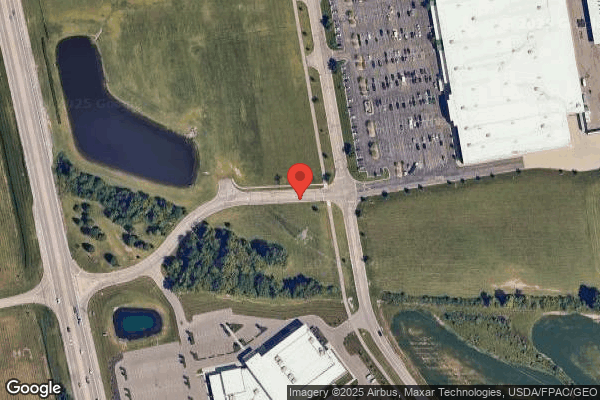
CAPRI GARDENS

6975 GRAPHICS WAY, LEWIS CENTER, OH 43035 (740) 657-2200
For profit - Limited Liability company 82 Beds FOUNDATIONS HEALTH SOLUTIONS Data: November 2025 1 Immediate Jeopardy citation
Trust Grade
66/100
#234 of 913 in OH
Last Inspection: March 2025

Within standard 12-15 month inspection cycle. Federal law requires annual inspections.

Overview

Capri Gardens in Lewis Center, Ohio has a Trust Grade of C+, indicating it is slightly above average but not without its concerns. It ranks #234 out of 913 facilities in Ohio, placing it in the top half of nursing homes in the state, and #5 out of 8 in Delaware County, suggesting only a few local options are better. The facility's trend is stable, with one issue reported in both 2024 and 2025, which shows consistency in their operations. Staffing is a weakness, with a rating of 2 out of 5 stars and a turnover rate of 52%, which is around the state average, indicating staff may not stay long enough to build strong relationships with residents. There are some concerning incidents, including a critical finding where a resident was given anticoagulation medication against hospital orders, potentially leading to serious health risks, and issues with food safety and medication storage that could affect the health of multiple residents.

Trust Score
C+
66/100
In Ohio
#234/913
Top 25%
Safety Record
High Risk
Review needed
Inspections
Holding Steady
1 → 1 violations
Staff Stability
⚠ Watch
52% turnover. Above average. Higher turnover means staff may not know residents' routines.
Penalties
⚠ Watch
$12,340 in fines. Higher than 97% of Ohio facilities. Major compliance failures.
Skilled Nurses
○ Average
Each resident gets 37 minutes of Registered Nurse (RN) attention daily — about average for Ohio. RNs are the most trained staff who monitor for health changes.
Violations
○ Average
6 deficiencies on record. Average for a facility this size. Mostly minor or procedural issues.
★★★★☆
4.0
Overall Rating
★★☆☆☆
2.0
Staff Levels
★★★★★
5.0
Care Quality
★★★☆☆
3.0
Inspection Score
Stable
2024: 1 issues
2025: 1 issues

The Good

  • 5-Star Quality Measures · Strong clinical quality outcomes
  • Full Sprinkler Coverage · Fire safety systems throughout facility
  • No fines on record

Facility shows strength in quality measures, fire safety.

The Bad

Staff Turnover: 52%

Near Ohio avg (46%)

Higher turnover may affect care consistency

Federal Fines: $12,340

Below median ($33,413)

Minor penalties assessed

Chain: FOUNDATIONS HEALTH SOLUTIONS

Part of a multi-facility chain

Ask about local staffing decisions and management

The Ugly 6 deficiencies on record

1 life-threatening
Nov 2024 1 deficiency 1 IJ
CRITICAL (J) 📢 Someone Reported This

A family member, employee, or ombudsman was alarmed enough to file a formal complaint

Immediate Jeopardy (IJ) - the most serious Medicare violation

Quality of Care (Tag F0684)

Someone could have died · This affected 1 resident

**NOTE- TERMS IN BRACKETS HAVE BEEN EDITED TO PROTECT CONFIDENTIALITY** Based on closed medical record review, review of the hospital records, staff and physician interviews, review of facility letter...

Read full inspector narrative →
**NOTE- TERMS IN BRACKETS HAVE BEEN EDITED TO PROTECT CONFIDENTIALITY** Based on closed medical record review, review of the hospital records, staff and physician interviews, review of facility letters, and review of the facility policy, the facility failed to ensure Resident #80's continuity of care from the hospital to the facility was thoroughly reviewed and implemented. This resulted in Immediate Jeopardy and the potential for serious life-threatening injuries, negative health outcomes and/or death on [DATE] when Resident #80 received Coumadin (anticoagulation medication) despite hospital orders and recommendations to stop anticoagulation therapy until seen by the neurosurgeon. Consequently, this resulted in Resident #80 being sent to the hospital and admitted to the neuro critical care unit on [DATE] due to an increased subdural hemorrhage (a collection of blood between the brain and the skull that can be life-threatening) and a craniotomy (a surgical procedure that involves removing a portion of the skull to access the brain) for subdural evacuation (a surgical procedure to remove subdural hematoma). This affected one (Resident #80) of four residents reviewed for continuity of care upon admission to the facility. The facility census was 77. On [DATE] at 3:43 P.M., the Licensed Nursing Home Administrator (LNHA), Director of Nursing (DON), and Director of Clinical Services #300 were notified Immediate Jeopardy began on [DATE] when Certified Nurse Practitioner (CNP) #205 ordered four milligrams (mg) of warfarin (generic for Coumadin) for Resident #80. Resident #80 was admitted to the facility on [DATE] with a primary diagnosis of acute bilateral subdural hemorrhage. Hospital discharge recommendations from neurology stated to hold off on anticoagulation therapy until the resident follows up with the neurosurgeon and schedule a neurology appointment as soon as possible (ASAP). The hospital discharge orders stated to discontinue the use of Coumadin. On [DATE], CNP #205 ordered to start Coumadin for atrial fibrillation. CNP #205 did not discuss this order to restart the medication Coumadin for Resident #80 with the physician or a neurosurgeon or cardiologist. Resident #80 continued with the use of Coumadin until he was discharged to the hospital. On [DATE], Resident #80 had voiced complaints of a headache that would not go away with medication and had weakness in his hands, and Resident #80 was sent to the hospital. On [DATE], while in the hospital, Resident #80 had an increase in subdural hemorrhage and required a craniotomy for subdural evacuation. Interviews with Physician #200 and CNP #205 stated they would not have started Resident #80 on Coumadin if it said in the hospital discharge orders not to. The Immediate Jeopardy was removed on [DATE] when the facility implemented the following corrective actions: • On [DATE], the DON and designee reviewed all residents receiving Coumadin with Physician #200. One resident (#37) was identified to be currently on Coumadin and no new orders received. The DON or designee performed a head-to-toe assessment on Resident #37 and no adverse findings were noted. The appropriate dose was ordered, there was indication for use, and the facility implemented the physician's orders accurately. • On [DATE], the DON and designee completed an initial audit to ensure the hospital after visit summaries were available, accurate, and implemented for all residents residing in the facility. No negative findings were noted. • On [DATE], the DON re-educated all 24 licensed nurses on Coumadin best practices, new admission procedures, thoroughly reviewing the hospital after-visit summary to ensure continuity of care, order clarification and indications for use. • On [DATE], the facility's Quality Assurance (QA) Committee, including Medical Director #200, held an impromptu QA Committee meeting to review the facility's Immediate Jeopardy, investigation, corrective actions, and audits. • On [DATE], CNP #205 was re-educated by Medical Director #200 on ensuring residents receive the continuity of care upon admission to the facility, including following physician orders and recommendations following a hospital stay. • Beginning [DATE], daily for four weeks, the DON will audit all new hospital after visit summaries to ensure accurate review and implementation; and all new orders, including new admission and Coumadin orders, to ensure accurate order transcription, indication for use, and implementation per the physician's order. • The DON will be responsible for ongoing compliance. Although the Immediate Jeopardy was removed on [DATE], the facility remained out of compliance at Severity Level 2 (no actual harm with potential for more than minimal harm that is not Immediate Jeopardy) as the facility is in the process of implementing their corrective actions and monitoring to ensure on-going compliance. Findings include: Review of the closed medical record for Resident #80 revealed the resident was admitted to the facility on [DATE]. Diagnoses included nontraumatic acute subdural hemorrhage, chronic obstructive pulmonary disease, longstanding persistent atrial fibrillation, heart failure, and a personal history of transient ischemic attack. Review of the admission Minimum Data Set (MDS) assessment, dated [DATE], revealed Resident #80 had intact cognition evidenced by a Brief Interview for Mental Status (BIMS) assessment score of 14 (out of 15). Review of the hospital after visit summary dated [DATE] revealed Resident #80 was admitted to the hospital with small acute bilateral subdural hemorrhage (SDH) on [DATE]. Resident #80 was admitted to the neuro intensive care unit (ICU). The hospital course was complicated by seizures and acute stroke. Hospital discharge recommendations included for the treatment of nontraumatic SDH, recommended to hold off on anticoagulation therapy until the resident followed up with neurosurgery and to schedule a neurology appointment ASAP. The after-visit summary also stated to stop taking warfarin two milligrams (mg). There were no anticoagulants listed under the Expected Medication List at Discharge. Review of Resident #80's admission physician orders dated [DATE] revealed there were no physician orders for anticoagulation medications. The admission assessment and baseline care plan confirmed admission orders have been verified with the physician. Review of CNP #205's progress note dated [DATE] revealed Resident #80 was seen for a follow-up on allergies, hypertension and SDH. Resident #80 was in the hospital from [DATE] to [DATE] for a headache and was found to have a small acute bilateral SDH. The hospital course and complications were noted. Under Assessment and Plan, it stated to continue beta blockers and anticoagulants for the treatment of atrial fibrillation; however, there were no anticoagulants ordered to continue at this time. The history of present illness stated the electronic medical record and hospital records were reviewed. There was no mention of the recommendation to hold off on anticoagulants until seen by neurosurgery as directed in the hospitals after visit summary dated [DATE]. The note addressed that Resident #80's medications were reviewed and reconciled, and it listed medications, which did not include any anticoagulants. There was no mention to start anticoagulants and any discussion with the physician or neurosurgeon to start anticoagulants. Review of the physician orders dated [DATE], revealed CNP #205 ordered Coumadin four mg for Resident #80. Review of Resident #80's Treatment Administration Record (TAR) dated [DATE] revealed the neurology appointment was scheduled for [DATE] at 12:30 P.M. Review of the physician's History and Physical dated [DATE] revealed Resident #80 was in the hospital from [DATE] to [DATE] for a headache. Resident #80 was found to have a small acute bilateral SDH. Under the Assessment and Plan, for the diagnosis of SDH, Resident #80 was sent to the hospital by the Coumadin Clinic on [DATE] due to headache. The Computed Tomography (CT) scan of his head and neck revealed acute bilateral SDH. Warfarin (Coumadin) managed per Coumadin clinic. For the diagnosis of atrial fibrillation, it stated to continue with beta blockers and anticoagulation therapy. Under medications reviewed and reconciliation completed, medications were listed, and they did not include anticoagulation medications. There was no mention of the hospital's after-visit summary recommendation to hold off on anticoagulation medications and if it was discussed with a neurologist or cardiologist. The History and Physical was electronically signed by Physician #200. There were no other physician progress notes or assessments in Resident #80's medical record. Review of CNP #205's progress notes dated [DATE], [DATE], and [DATE] revealed the CNP followed up on Resident #80. There was mention anticoagulation therapy was discussed with the physician and neurosurgeon during these visits. The notes did not address the recommendation to hold off on anticoagulants until seen by neurosurgery as noted in the hospital after visit summary dated [DATE]. Review of Resident #80's progress notes revealed on [DATE] at 11:36 A.M., a family member of Resident #80 said she had to feed Resident #80 because he was having trouble controlling his fingers well enough to hold or handle utensils. On [DATE] at 11:45 A.M., Resident #80 had a headache that medication was not helping. A neuro assessment was completed with no other abnormalities other than weakness in his hands. Physician #200 was made aware, and he said to send Resident #80 to the emergency room for evaluation. Review of Resident #80's Medication Administration Record (MAR) dated [DATE] revealed Resident #80 did not receive Coumadin on [DATE], [DATE], and [DATE]. From [DATE] to [DATE] (except [DATE]), Resident #80 received Coumadin daily per physician orders. Review of the hospital records dated [DATE] revealed Resident #80 was admitted to the Neuro ICU from the emergency department. The history and physical documentation of the plan was to hold anticoagulation in the setting of new subdural hematomas. The CT scan showed an increase in size of bilateral SDH since [DATE]. The left side did not warrant intervention. The physician discussed with the family the recommendation would be a reversal of his anticoagulation, and the resident will be at high risk to resume anticoagulation given his SDH and right craniotomy. The family consented to surgery and on [DATE], Resident #80 had a right craniotomy with evacuation. On [DATE], the family was concerned about Resident #80 returning to the facility after hospitalization because of the medication error. On [DATE], Resident #80 was transferred to a neuro rehabilitation facility. Telephone interview on [DATE] at 11:01 A.M. with Physician #200 stated he doesn't remember reviewing Resident #80's discharge orders. Physician #200 stated it would make sense to hold the anticoagulants due to the diagnosis of SDH. Physician #200 stated he wouldn't have recommended starting Resident #80 on Coumadin if he saw it in the hospital discharge orders and after-visit summary. Physician #200 stated the documentation where he or the on-call physician would review medications would be in the nursing notes. Physician #200 stated he does not recall CNP #205 calling him the next day ([DATE]) to discuss starting Resident #80 on Coumadin. Telephone interview on [DATE] at 11:10 A.M. with CNP #205 stated the discharge orders she saw for Resident #80 were from the cardiologist that said to just be careful restarting Coumadin considering the atrial fibrillation. CNP #205 stated Physician #200 talked to the family about the risk and benefits of Coumadin; however, there was no documentation of this discussion in Resident #80's medical record. CNP #205 said the discharge orders she saw were from the cardiologist and not about the Coumadin. CNP #205 also stated if she saw the hospital discharge orders to hold anticoagulants until seen by the neurosurgeon dated [DATE], she would not have ordered the Coumadin for Resident #80 unless cardiology said to do it. CNP #205 verified she did not consult with Physician #200 or cardiology. A subsequent telephone interview on [DATE] at 1:10 P.M. was held with CNP #205 along with the DON present. CNP #205 stated she was at the facility on [DATE] and Licensed Practical Nurse (LPN) #154 had the medication administration record and said Resident #80 was on Heparin (anticoagulant) at the hospital and Coumadin prior to the hospital. CNP #205 said Resident #80's wife was at bedside and she went in to talk to Resident #80's family. CNP #205 said she got the doses Resident #80 was on at the Coumadin clinic from the family. CNP #205 said she was going to be careful and restart it as it made sense to CNP #205 from the critical care standpoint. CNP #205 said Resident #80 could throw a clot due to therapy. CNP #205 said the hospital after-visit summary dated [DATE] was not available at that time or it wasn't uploaded into Resident #80's medical record. CNP #205 said she went by a cardiology note. CNP #205 reiterated that she went by a cardiology note as she did not have access to the after-visit summary at that time. CNP #205 stated if she had access to the after-visit summary at that time, she would not have started Resident #80 on the Coumadin. CNP #205 stated she went by the information she had at that time which was the cardiology notes and talking to the family. CNP #205 stated she goes by discharge orders. The DON said the after-visit summary was always there for them to review. CNP #205 said Physician #200 and she did not see it at that time. The DON said CNP #205, or Physician #200 typically asked for the after-visit summary and CNP #205 asked LPN #154 for it that day. The DON said she was not aware that CNP #205 did not have it. Interview on [DATE] at 1:43 P.M. with LPN #154 stated the floor nurse reviews the new admission's after-visit summary. LPN #154 stated she asks for clarification if she sees a new order that contradicts the after-visit summary. LPN #154 stated she told CNP #205 on [DATE] that she saw Resident #80 had a history of atrial fibrillation and he wasn't on atrial fibrillation medication at the time. LPN #154 said she told CNP #205 why Resident #80 was admitted to the hospital and asked her if the facility needed to continue Coumadin therapy. LPN #154 said it was her understanding that CNP #205 had access to the after-visit summary documentation. Interview on [DATE] at 12:06 P.M. with the DON stated the floor nurse, unit managers, or DON read and review an after-visit summary when a resident was admitted . The DON also stated when new orders come in, they get verified and signed off by CNP #205 or Physician #200 before going in the computer system. When CNP #205 or Physician #200's order contradicts discharge orders from a newly admitted resident, the nurse was to question the discrepancy and then document if the order still stands or needs to be changed. The DON doesn't believe she saw the documentation of Resident #80 when his order was questioned. Interview on [DATE] at 4:30 P.M. with Manager of Clinical Services #350 confirmed there was no cardiology note for Resident #80 from the hospital records dated [DATE] to [DATE] (in reference to CNP #205 stating she went by the cardiology note to start Resident #80 on Coumadin on [DATE]), and they don't have it. Manager of Clinical Services #350 stated the facility does not have a continuity of care policy. Review of a letter dated [DATE] from the [NAME] President of Post-Acute Operations #600 revealed CNP #205 had access to hospital records via MedOne's electronic medical record and the facility's electronic medical record on [DATE] for Resident #80. Review of a letter dated [DATE] from Physician #200 revealed he did have access to the medical records provided by the hospitals who refer residents. The access was via uploaded documents to the facility's electronic medical record software maintained by the facility. Review of the facility's policy titled Coumadin Best Practice dated [DATE] revealed upon admission, the nurse accepting the resident will call the attending physician/CNP and verify the orders for the residents Coumadin dose. This deficiency represents non-compliance investigated under Complaint Number OH00159587.
Jul 2022 5 deficiencies
CONCERN (D)

Potential for Harm - no one hurt, but risky conditions existed

Deficiency F0679 (Tag F0679)

Could have caused harm · This affected 1 resident

**NOTE- TERMS IN BRACKETS HAVE BEEN EDITED TO PROTECT CONFIDENTIALITY** Based on medical record review, observations, and staff interview, the facility failed to provide and document activities for a ...

Read full inspector narrative →
**NOTE- TERMS IN BRACKETS HAVE BEEN EDITED TO PROTECT CONFIDENTIALITY** Based on medical record review, observations, and staff interview, the facility failed to provide and document activities for a resident. This affected one (Residents #13) of two residents reviewed for activities. The facility census was 76. Findings include: Review of the medical record for Resident #13 revealed an admission date of 11/05/21. Diagnoses included Parkinson's disease, Alzheimer's dementia, and chronic pain syndrome. Review of the quarterly Minimum Data Set (MDS) assessment dated [DATE] revealed Resident #13 has unclear speech and has severely impaired cognition. Resident #13 required extensive assistance for mobility, locomotion, and eating. Review of the activities plan of care, last revised on 02/04/22, revealed Resident #13 was unable to pursue her interests due her physical and cognitive condition, was willing to interact with others and participate in activities that relate to her interests. The following activities were documented as important to Resident #13: gardening, music, pet visits, religious activities, spending time outside, watching TV, and movies. Review of the June 2022 activity log for Resident #13 revealed she attended a 1:1 visit on 06/04/22 and 06/11/22 and attended sensory stimulation on 06/10/22, 06/14/22, 06/19/22, and 06/21/22. The July 2022 activity log for Resident #13 revealed she had not attended any activities from 07/01/22 to 07/26/22. Observation on 07/25/22 at 8:55 A.M. revealed Resident #13 was observed to be sitting in the common area adjacent to the 400-hall dining area and nurse's station. Resident #13 was sitting in a chair, was not participating in any activities. At the time of the observation, Daily Chronicle activities was scheduled on the calendar. On 07/25/22 at 3:51 P.M., Resident #13 was observed to be in a sitting in the common area adjacent to the 400-hall dining area and nurse's station. Resident #13 was yelling come here over and over. An unidentified nurse who was sitting behind the nurse's station stated she couldn't because she was doing paperwork. At the time of the observation, bible study was on the activities calendar, but Resident #13 was not in attendance. On 07/26/22 at 11:36 A.M., Resident #13 was observed to be in a sitting in the common area adjacent to the 400-hall dining area and nurse's station. Resident #13 had a plastic puzzle toy in her hand but appeared to not know what to do it with. At the time of the observation, about seven unidentified residents were attending Group Trivia but Resident #13 had not been invited or in attendance. On 07/26/22 at 2:30 P.M., Resident #13 was observed to be in a sitting in the common area adjacent to the 400-hall dining area and nurse's station. Resident #13 still was holding the plastic puzzle but not engaging with it. At the time of the observation, bingo was occurring, but Resident #13 had not been invited and was not participating. No staff approached Resident #13 to assist her with the puzzle. On 07/27/22 at 3:15 P.M., Resident #13 was observed to be in a sitting in the common area adjacent to the 400-hall dining area and nurse's station. Resident #13 sitting in the chair sleeping. At the time of the observation, a music performance was occurring, but Resident #13 was not in attendance. On 07/26/22 at 4:35 P.M., Resident #13 was observed to be in a sitting in the common area adjacent to the 400-hall dining area and nurse's station. Resident #13 was still sitting in same chair, sleeping, and leaning to the left. Interview with the Activities Director #6 on 07/27/22 at 2:30 P.M. revealed she normally does 1:1 visits with Resident #30 twice per week when she had the time. Activities Director #6 also confirmed the activities logs for Resident #13 showed very little evidence of activity participation in June and no documentation in July. Activities Director #6 stated she was getting used to the new documentation system and she was the only activities staff at the time. Interview with the Administrator on 07/28/22 at 10:00 A.M. revealed another Activity Staff was in the process of being hired.
CONCERN (D)

Potential for Harm - no one hurt, but risky conditions existed

Medication Errors (Tag F0758)

Could have caused harm · This affected 1 resident

**NOTE- TERMS IN BRACKETS HAVE BEEN EDITED TO PROTECT CONFIDENTIALITY** Based on medical record review, review of Medscape guidance, and staff interview, the facility failed to provide proper justific...

Read full inspector narrative →
**NOTE- TERMS IN BRACKETS HAVE BEEN EDITED TO PROTECT CONFIDENTIALITY** Based on medical record review, review of Medscape guidance, and staff interview, the facility failed to provide proper justification for the use of psychotropic medications. This affected one (Resident #14) of five residents reviewed for unnecessary medications. The facility census was 76. Findings include: Review of Resident #14's medical record revealed the resident was admitted to the facility on [DATE]. Diagnoses included Alzheimer's disease, dementia, anxiety disorder, anorexia, and mood disorder. Review of the Minimum Data Set (MDS) assessment, dated 05/06/22, revealed Resident #14's cognitive status was not assessed due to her inability to answer the questions appropriately. Review of Resident #14's medical records revealed she had a physician order for Zyprexa (antipsychotic) five milligrams (mg) with the justification for the medication being for the diagnoses of agitation and psychosis. Neither of those diagnoses were listed in Resident #14's diagnoses list. Interview with Director of Nursing (DON) on 07/27/22 at 2:30 P.M. confirmed the current diagnoses listed for her Zyprexa were not appropriate for the use of the medication. The DON stated she would have to review her diagnoses and other medical records to determine what the actual justification would be for Zyprexa. No proper justification from the pharmacy or physician was found for the physician order of Zyprexa. Review of the Medscape guidance found at medscape.com revealed Zyprexa is used for Bipolar Mania, Agitation-Associated with Schizophrenia and Bipolar Mania, Bipolar depression, and Schizophrenia.
CONCERN (D)

Potential for Harm - no one hurt, but risky conditions existed

Unnecessary Medications (Tag F0759)

Could have caused harm · This affected 1 resident

Based on observation, medical record review, review of Medscape guidance and U.S. Pharmacist guidance, and staff interview, the facility failed to ensure a medication error rate below five percent (%)...

Read full inspector narrative →
Based on observation, medical record review, review of Medscape guidance and U.S. Pharmacist guidance, and staff interview, the facility failed to ensure a medication error rate below five percent (%). Out of 32 opportunities, there were three errors to equal an error rate of 9.4%. This affected one (Residents (#5) of three residents observed for medication administration. The facility census was 76. Findings include: Review of the medical record for Resident #5 revealed an admission date of 08/09/22. Diagnoses included high blood pressure, Alzheimer's disease, dementia, osteoporosis, tremors, chronic kidney disease, and kidney transplant status. Review of the Minimum Data Set (MDS) assessment, dated 07/11/22, revealed Resident #5 had adequate vision and corrective lenses. Review of Resident #5's care plan dated 07/25/22, revealed the resident may require assistance with activities of daily living (ADL) and may be at risk of developing complications associated with decreased ADL self performance with interventions for glasses. Review of Resident #5's physician orders revealed orders for Systane Balance Solution 0.6% with instructions to administer one drop in both eyes four times daily for dry eyes, Dorzolamide HCl-Timolol Mal Solution 22.3-6.8 milligrams (mg) /milliliter (ml) with instructions to instill one drop in left eye two times a day for glaucoma, and Brimonidine Tartrate Solution 0.2 % with instructions to instill one drop in left eye two times a day for glaucoma. The Dorzolamide and Brimonide medications were due upon rising and at bedtime, the Systane was due upon rising, lunch, dinner, and bedtime. Observation on 07/27/22 at 8:59 A.M. with Licensed Practical Nurse (LPN) #628 revealed she administered Resident #5's three separate eye drops within a one minute period. At 8:59 A.M. one drop of the Brimonide was administered to the left eye, at 9:00 A.M. one drop of the Dorzolamide medication was administered to the left eye, and at 9:00 A.M. one drop of the Systane medication was administered to both eyes. Interview on 07/27/22 at 9:11 A.M. with LPN #628 revealed there was no specified time on the eye drop order so it was acceptable to give them without a waiting period in between. She stated she made sure the whole eye was saturated with the drop, but if the order specified to wait between drops she would do that. Subsequent interview on 07/27/22 at 9:15 A.M. with LPN #628 revealed the time to wait between eye drops was five minutes and she confirmed she did not wait that time frame to administer the eye drops to Resident #5. Review of the Medscape guidance found at medscape.com revealed if administering Brimonidine Tartrate and another opthalmic product is being administered, wait five minutes between instilling eye drops. Review of the U.S. Pharmacist guidance titled How to Use Eye Drops Properly, dated 03/14/03, found at https://www.uspharmacist.com/article/how-to-use-eye-drops-properly, stated if another drop of eye medication is needed, wait at least five to 10 minutes before administering the second eye drop so the first drop will not be washed out of the eye.
CONCERN (E)

Potential for Harm - no one hurt, but risky conditions existed

Deficiency F0761 (Tag F0761)

Could have caused harm · This affected multiple residents

**NOTE- TERMS IN BRACKETS HAVE BEEN EDITED TO PROTECT CONFIDENTIALITY** Based on review of the facility's policy, review of the Bristol [NAME] Squibb Prescribing Information document, observations, st...

Read full inspector narrative →
**NOTE- TERMS IN BRACKETS HAVE BEEN EDITED TO PROTECT CONFIDENTIALITY** Based on review of the facility's policy, review of the Bristol [NAME] Squibb Prescribing Information document, observations, staff and staff interviews, and record review, the facility failed to properly store medications in a safe manner. This affected three of four medication carts and two of four medication rooms observed for medication storage. This affected one resident (#18) who was allowed to self-administer some of her medications. This had the potential to affect five residents who were identified by the facility as being cognitively impaired and at risk for wandering. Additionally, this had the potential to affect three residents (#18, #28, and #61) who received diphenhydramine 25 milligrams (mg), seven residents (#15, #125, #224, #225, #226, #274, and #276) who received a Tuberculosis skin test test in the last three months, and eight Residents (#1, #4, #5, #8, #36, #38, #50, #54) who received an influenza vaccine in the last six months. The facility identified there were no residents who received the Vitamin E 180 mg or the carbamide peroxide ear drops. The facility census was 76. Findings include: 1. Review of the medical record for Resident #18 revealed an admission date of 11/06/21 and diagnoses including multiple myeloma, diabetes mellitus, and chronic pain. Review of the annual Minimum Data Set (MDS) assessment dated [DATE] revealed Resident #18 had no communication impairment, was cognitively intact, and had no behaviors. Review of the physician's orders for Resident #18 revealed there were current orders for pomalidomide sodium (treats cancer) three milligram capsules to be given once per day for 21 days. There was also an order for Tylenol 325 milligram tablets to be given three times daily. Resident #18 did not have a physician order for self-administration of any medication and did not specify what medications could be stored at bedside. Review of the self-administration skills assessment dated [DATE] revealed Resident #18 was given permission to self-administer pantoprazole (treats gastroesophageal reflux disease), Fibercon (supplement), cranberry tablet (supplement), and the pomalidomide sodium medication. The assessment also revealed the resident had demonstrated the proper way to secure the medication. The assessment did not specify how the medications were to be stored in the resident's room. Review of the clinical plan of care last revised on 07/20/22 revealed Resident #18 self-administered some of her medications. The plan of care did not provide details about what medications would be self-administered and how they would be stored in the resident's room. Review of the self-administration skills assessment dated [DATE] revealed Resident #18 was given permission to self-administer medications however it did not specify which medications could be self-administered. The assessment also revealed Resident #18 had demonstrated the proper way to secure the medication. Again, it did not specify how the medications should be stored in the resident's room. Observation and interview on 07/25/22 at 10:40 A.M. with Resident #18 revealed an observation of the top part of an open drawer her nightstand revealed a small yellow plastic bag that contained medications. Resident #18 stated the medications were her chemotherapy drug (pomalidomide sodium). Resident #18 stated she had permission to keep it in her medication in her room because no one else was allowed to touch it since it cost $1,000 per pill and could not be handled by anyone but herself. In addition, there were were two round white pills sitting in a clear plastic cup on the bedside table. Resident #18 further stated the staff give her the Tylenol at night and sit them on her nightstand for her to take when she needs them. Interview with Licensed Practical Nurse (LPN) #87 on 07/25/22 at 11:05 A.M. confirmed the medication on Resident #18's bedside table was Tylenol but was not sure how long they were there. LPN #87 also stated to Resident #18 that the Director of Nursing (DON) wanted to see the pills in the yellow bag. Resident #18 refused to give the bag to LPN #87 and the yellow bag remained in the open top nightstand drawer. Interview and observation on 07/26/22 at 8:45 A.M. with Resident #18 revealed the yellow bag containing the pomalidomide sodium remained in the same spot which was on top of the open nightstand drawer. The two Tylenol tablets were no longer on the bedside table. Resident #18 stated she was given a lock box by the previous DON a long time ago and pointed to the top of her miniature refrigerator. Resident #18 stated she doesn't use the lock box because she can't open it herself and she could not reach it anyway. An interview with the Administrator on 07/27/22 at 5:30 P.M. confirmed the medication in Resident #18's room should have been securely stored. Review of the document titled Bristol [NAME] Squibb Prescribing Information, dated November 2020, revealed for pomalidomide sodium, the drug is to be kept out of reach of children and the capsule should be handled with as little exposure as possible. Review of the facility's policy titled Medication Storage, dated 07/23/19, revealed all medications and biologicals are to be stored safely, securely, and properly following the manufacturer's instructions. 2. Observation on 07/27/22 at 8:02 A.M. with Registered Nurse (RN) #82 of the 200 hall medication storage room revealed the following concerns: an opened and undated bottle of Gabapentin liquid (treats nerve pain) with Resident #34's name on it, an opened vial of Tuberculin Purified Protein Derivative (PPD) that was undated, and an opened and undated bottle of Lorazepam liquid (treats anxiety) for Resident #5. Interview on 07/27/22 at 8:02 A.M. with Registered Nurse (RN) #82 confirmed the opened and undated medications in the 200 hall medication storage room. 3. Observation on 07/27/22 at 9:20 A.M. with RN #82 of the 100 hall medication storage room revealed the following concerns: 18 Diphenhydramine 25 milligram (mg) bottles expired May 2022, 10 Vitamin E 180 mg bottles expired May 2022, three Carbamide Peroxide ear drop bottles expired May 2022, and one Influenza Vaccine expired 06/07/22. Interview on 07/27/22 at 9:20 A.M. with RN #82 confirmed the expired medications in the 100 hall medication storage room. Review of the facility's list of medications used by residents revealed Residents #18, #28, and #61 received diphenhydramine 25 milligrams (mg), Resident #15, #125, #224, #225, #226, #274, and #276 received a Tuberculosis skin test test in the last three months, and Residents #1, #4, #5, #8, #36, #38, #50, and #54 received an influenza vaccine in the last six months. The facility identified there were no residents who received the Vitamin E 180 mg or the carbamide peroxide ear drops. Review of the facility's policy titled Medication Storage, dated 07/23/19, revealed outdated medications are immediately removed from stock and disposed of accordingly.
CONCERN (F)

Potential for Harm - no one hurt, but risky conditions existed

Food Safety (Tag F0812)

Could have caused harm · This affected most or all residents

Based on observation, record review, staff interview, and facility policy review, the facility failed to appropriately store, date, and maintain food safety in the kitchen. This affected 74 of 76 resi...

Read full inspector narrative →
Based on observation, record review, staff interview, and facility policy review, the facility failed to appropriately store, date, and maintain food safety in the kitchen. This affected 74 of 76 residents who receive food from the kitchen (Residents #3 and #34 do not receive food from the kitchen). The facility census was 76. Findings include: Observations on 07/25/22 from 7:35 A.M. to 8:00 A.M. of the kitchen revealed a plastic bag of chicken strips in the walk-in refrigerator that was not dated to when it was opened or when the chicken strips should be used by. Also in the walk in refrigerator, there was an opened bag of lettuce/salad with the perceived date of 06/25/22. The date on the lettuce was fading and very difficult to read. Also, there were brown pieces of lettuce, visible on the bottom of the bag. Then, in the walk-in freezer, the following items were opened without a used by or opened date on them: plastic bag of hash browns, plastic bag of pancakes, plastic bag of waffles, a package of diced ham, and a plastic bag of sausage links. Interview with Dietitian #3 and Dietary Manager #4 on 07/25/22 at 7:50 A.M. and 8:00 A.M. confirmed the bag of chicken strips and all the breakfast items in the basket were opened, did not have opened dates, and should have either had an opened date or a date to use by and confirmed the bag of lettuce should have been thrown out. Review of the facility's list of residents' diets revealed Resident #3 and #34 did not receive food from the kitchen. Review of facility's policy titled Food Storage-Labeling and Dating, dated July 2018, revealed all food must have a date that includes month, date, year on the package indicating the date in which it entered the facility. All items removed from the original packaging must be dated. Items must be dated after opening with an open date and a use by date. The use by date will be seven days (today plus six), unless the original manufacturer expiration date is before the seven days.
Understanding Severity Codes (click to expand)
Life-Threatening (Immediate Jeopardy)
J - Isolated K - Pattern L - Widespread
Actual Harm
G - Isolated H - Pattern I - Widespread
Potential for Harm
D - Isolated E - Pattern F - Widespread
No Harm (Minor)
A - Isolated B - Pattern C - Widespread

Questions to Ask on Your Visit

  • "What changes have you made since the serious inspection findings?"
  • "Can I speak with families of current residents?"
  • "What's your RN coverage like on weekends and overnight?"

Our Honest Assessment

Strengths
  • • Licensed and certified facility. Meets minimum state requirements.
Concerns
  • • Multiple safety concerns identified: 1 life-threatening violation(s). Review inspection reports carefully.
  • • 6 deficiencies on record, including 1 critical (life-threatening) violation. These warrant careful review before choosing this facility.
  • • $12,340 in fines. Above average for Ohio. Some compliance problems on record.
Bottom line: Mixed indicators with Trust Score of 66/100. Visit in person and ask pointed questions.

About This Facility

What is Capri Gardens's CMS Rating?

CMS assigns CAPRI GARDENS an overall rating of 4 out of 5 stars, which is considered above average nationally. Within Ohio, this rating places the facility higher than 99% of the state's 100 nursing homes. This rating reflects solid performance across the metrics CMS uses to evaluate nursing home quality.

How is Capri Gardens Staffed?

CMS rates CAPRI GARDENS's staffing level at 2 out of 5 stars, which is below average compared to other nursing homes. Staff turnover is 52%, compared to the Ohio average of 46%.

What Have Inspectors Found at Capri Gardens?

State health inspectors documented 6 deficiencies at CAPRI GARDENS during 2022 to 2024. These included: 1 Immediate Jeopardy (the most serious level, indicating potential for serious harm or death) and 5 with potential for harm. Immediate Jeopardy findings are rare and represent the most serious regulatory concerns. They require immediate corrective action.

Who Owns and Operates Capri Gardens?

CAPRI GARDENS is owned by a for-profit company. For-profit facilities operate as businesses with obligations to shareholders or private owners. The facility is operated by FOUNDATIONS HEALTH SOLUTIONS, a chain that manages multiple nursing homes. With 82 certified beds and approximately 76 residents (about 93% occupancy), it is a smaller facility located in LEWIS CENTER, Ohio.

How Does Capri Gardens Compare to Other Ohio Nursing Homes?

Compared to the 100 nursing homes in Ohio, CAPRI GARDENS's overall rating (4 stars) is above the state average of 3.2, staff turnover (52%) is near the state average of 46%, and health inspection rating (3 stars) is at the national benchmark.

What Should Families Ask When Visiting Capri Gardens?

Based on this facility's data, families visiting should ask: "What changes have been made since the serious inspection findings, and how are you preventing similar issues?" "Can you walk me through typical staffing levels on day, evening, and night shifts?" "Can I visit during a mealtime to observe dining assistance and food quality?" "How do you handle medical emergencies, and what is your hospital transfer rate?" These questions are particularly relevant given the facility's Immediate Jeopardy citations and the below-average staffing rating.

Is Capri Gardens Safe?

Based on CMS inspection data, CAPRI GARDENS has documented safety concerns. Inspectors have issued 1 Immediate Jeopardy citation (the most serious violation level indicating risk of serious injury or death). The facility has a 4-star overall rating and ranks #1 of 100 nursing homes in Ohio. Families considering this facility should ask detailed questions about what corrective actions have been taken since these incidents.

Do Nurses at Capri Gardens Stick Around?

CAPRI GARDENS has a staff turnover rate of 52%, which is 6 percentage points above the Ohio average of 46%. Moderate turnover is common in nursing homes, but families should still ask about staff tenure and how the facility maintains care continuity when employees leave.

Was Capri Gardens Ever Fined?

CAPRI GARDENS has been fined $12,340 across 1 penalty action. This is below the Ohio average of $33,202. While any fine indicates a compliance issue, fines under $50,000 are relatively common and typically reflect isolated problems that were subsequently corrected. Families should ask what specific issues led to these fines and confirm they've been resolved.

Is Capri Gardens on Any Federal Watch List?

CAPRI GARDENS is not on any federal watch list. The most significant is the Special Focus Facility (SFF) program, which identifies the bottom 1% of nursing homes nationally based on persistent, serious quality problems. Not being on this list means the facility has avoided the pattern of deficiencies that triggers enhanced federal oversight. This is a positive indicator, though families should still review the facility's inspection history directly.