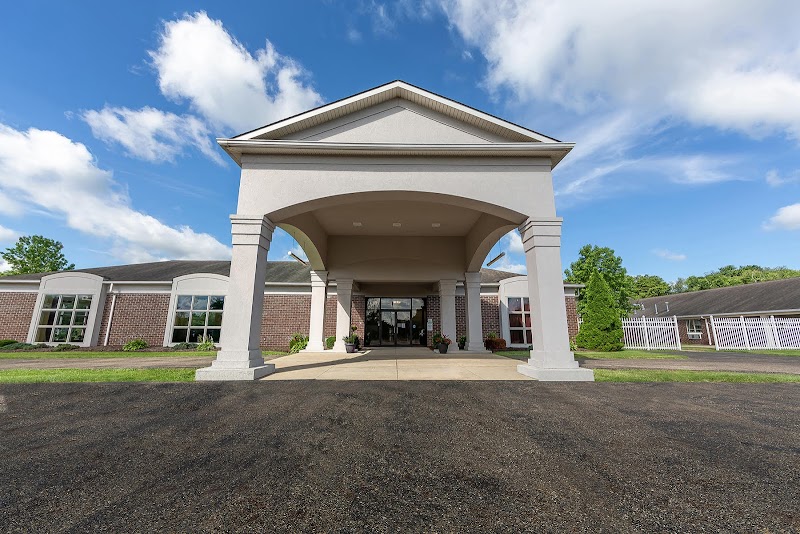

VISTA CENTER, THE

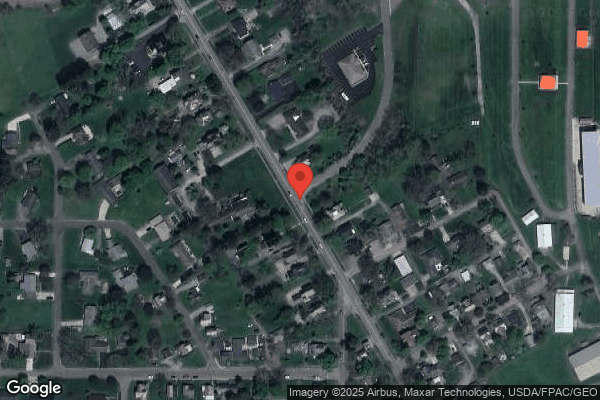
100 VISTA DRIVE, LISBON, OH 44432 (330) 424-5852
For profit - Limited Liability company 54 Beds CONTINUING HEALTHCARE SOLUTIONS Data: November 2025 1 Immediate Jeopardy citation
Trust Grade
31/100
#811 of 913 in OH
Last Inspection: January 2025

Within standard 12-15 month inspection cycle. Federal law requires annual inspections.

Overview

Vista Center in Lisbon, Ohio, has received a Trust Grade of F, indicating significant concerns about the facility's quality and care. Ranking #811 out of 913 in Ohio places it in the bottom half of nursing homes statewide, and #10 out of 11 in Columbiana County suggests that only one local option is better. Unfortunately, the facility is worsening, with issues increasing from 8 in 2024 to 28 in 2025. Staffing is a major weakness, rated at 1 out of 5 stars with a concerning turnover rate of 60%, which is higher than the state average. On a positive note, there is good RN coverage, exceeding 75% of other Ohio facilities, which helps catch issues that other staff might miss. However, there have been serious incidents, such as a resident exiting the facility unnoticed, posing a risk of harm. Additionally, residents reported long wait times for assistance, with some waiting over an hour for help, affecting their care. Communication is also a concern, as staff failed to answer phone calls, leaving families unable to reach them when needed. Overall, while there are some strengths, the weaknesses in staffing and incidents of insufficient care raise significant concerns for families considering this facility.

Trust Score
F
31/100
In Ohio
#811/913
Bottom 12%
Safety Record
High Risk
Review needed
Inspections
Getting Worse
8 → 28 violations
Staff Stability
⚠ Watch
60% turnover. Above average. Higher turnover means staff may not know residents' routines.
Penalties
○ Average
$9,315 in fines. Higher than 64% of Ohio facilities. Some compliance issues.
Skilled Nurses
○ Average
Each resident gets 39 minutes of Registered Nurse (RN) attention daily — about average for Ohio. RNs are the most trained staff who monitor for health changes.
Violations
⚠ Watch
66 deficiencies on record. Higher than average. Multiple issues found across inspections.
★★☆☆☆
2.0
Overall Rating
★☆☆☆☆
1.0
Staff Levels
★★★★★
5.0
Care Quality
★☆☆☆☆
1.0
Inspection Score
Stable
2024: 8 issues
2025: 28 issues

The Good

  • 5-Star Quality Measures · Strong clinical quality outcomes
  • Full Sprinkler Coverage · Fire safety systems throughout facility
  • No fines on record

Facility shows strength in quality measures, fire safety.

The Bad

2-Star Overall Rating

Below Ohio average (3.2)

Below average - review inspection findings carefully

Staff Turnover: 60%

13pts above Ohio avg (46%)

Frequent staff changes - ask about care continuity

Federal Fines: $9,315

Below median ($33,413)

Minor penalties assessed

Chain: CONTINUING HEALTHCARE SOLUTIONS

Part of a multi-facility chain

Ask about local staffing decisions and management

Staff turnover is elevated (60%)

12 points above Ohio average of 48%

The Ugly 66 deficiencies on record

1 life-threatening
May 2025 2 deficiencies
CONCERN (D) 📢 Someone Reported This

A family member, employee, or ombudsman was alarmed enough to file a formal complaint

Potential for Harm - no one hurt, but risky conditions existed

Respiratory Care (Tag F0695)

Could have caused harm · This affected 1 resident

Based on observation, interview, and medical record review, the facility failed to ensure Resident #43 received the correct oxygen dosing and failed to ensure Resident #5's nebulizer equipment and mou...

Read full inspector narrative →
Based on observation, interview, and medical record review, the facility failed to ensure Resident #43 received the correct oxygen dosing and failed to ensure Resident #5's nebulizer equipment and mouthpiece were appropriately stored. This affected two out of three residents reviewed for respiratory care. The facility census was 45. Findings include: 1. Review of the medical record for Resident #43 revealed an admission date of 11/22/23. Diagnoses included metabolic encephalopathy, dementia, dysphagia, and diabetes mellitus type two. Review of Resident #43's physician orders revealed an order dated 03/15/25 for continuous oxygen at two liters per minute via nasal cannula. Review of Resident #43's care plan dated 04/02/25 revealed the resident had an alteration in respiratory function and required oxygen use with an intervention to administer oxygen as ordered. Review of Resident #43's Treatment Administration Record revealed facility nurses signed off that the resident oxygen was set to two liters on both 04/29/25 and 04/30/25. Observations made on 04/29/25 at 9:25 A.M., 04/29/25 at 11:25 A.M., and 04/30/35 at 2:30 P.M. revealed Resident #43 oxygen was at set at 3.5 liters per minute. Interview on 04/30/25 at 2:38 P.M., Registered Nurse #50 confirmed Resident #43's oxygen was at 3.5 liters per minute and that it should have been placed at two liters per minute. She adjusted the oxygen. 2. Review of the medical record for Resident #5 revealed an admission date of 07/08/22. Diagnoses included chronic obstructive pulmonary disease (COPD), dysphagia, and dependence on supplemental oxygen. Review of Resident #5's physician orders revealed orders dated 07/08/22 for Ipratropium-albuterol solution 0.5-2.5 (3) milligrams (mg) per 3 milliliter (ml) with instructions to inhale 3 ml orally every four house as needed for COPD or shortness of breath. Review of Resident #5's care plan dated 04/11/25 revealed the resident had an alteration in respiratory function and required oxygen use with interventions to administer medications, oxygen and aerosol treatments as ordered. The care plan further revealed the resident had an alteration in respiratory function related to COPD with interventions to provide respiratory treatments per physician orders. Observation on 04/29/25 at 10:55 A.M. revealed Resident #5's nebulizer machine (a medical device used to deliver medication in the form of a mist or aerosol directly into the lungs) was sitting directly on the floor. The top of the machine was covered in an unknown dried substance. The mouthpiece was lying on top of the machine touching the top of the machine and wall. Interview on 04/29/25 at 10:55 A.M., Resident #5 reported the nurses stored the nebulizer on the floor because there was not enough table space in his room. He stated he would prefer it not to be on the floor. Interview on 04/29/25 at 11:10 A.M., Licensed Practical Nurse (LPN) #29 confirmed the findings and moved the machine and mouthpiece from the floor to his bedside table and cleaned the top of the machine. This deficiency represents non-compliance investigated under Master Complaint Number OH00164268 and Complaint Number OH00163713.
CONCERN (F) 📢 Someone Reported This

A family member, employee, or ombudsman was alarmed enough to file a formal complaint

Potential for Harm - no one hurt, but risky conditions existed

Deficiency F0562 (Tag F0562)

Could have caused harm · This affected most or all residents

Based on observation and interviews with family, staff, residents, and the Ombudsman, the facility failed to ensure residents and family members were able to contact facility staff members via the tel...

Read full inspector narrative →
Based on observation and interviews with family, staff, residents, and the Ombudsman, the facility failed to ensure residents and family members were able to contact facility staff members via the telephone. This had the potential to affect all residents in the facility. The facility census was 45. Findings include: Review of the two anonymous complaint intake reports reported to the state agency revealed facility staff did not answer the facility telephones. Attempted phone calls made by the State agency on 04/29/25 at 5:36 P.M., 04/29/25 at 5:40 P.M., 04/29/25 at 5:44 P.M., and 04/30/25 at 7:07 A.M. revealed the facility staff members did not answer the telephone and there was not a way to leave a message. Interview on 04/30/25 at 1:18 P.M., Registered Nurse #60 reported at times she was not able to answer the phone if they were short staffed. She continued that she did try to return the calls if she was able. Interview on 04/30/25 at 2:00 P.M., Ombudsman #47 reported she had received complaints from family members regarding facility staff not answering the telephones. He continued that he had reported the concern to the facility in the past. Phone interview on 04/30/25 at 2:20 P.M., Family Member #48 reported she had attempted to contact the facility on numerous occasions, attempting to check on her family member. She reported several times she was not been able to get ahold of anyone at the facility. She reported one weekend, she had tried for two days to get an update on her family member and was unable to get anyone to answer the phone. She reported she had to call the police department to do a wellness check on her family member. She also reported that she had outside doctors call her asking questions about her family members because they reported they were unable to get in contact with anyone at the facility. Interview on 04/30/25 at 3:00 P.M. Resident #23 reported he had called the facility numerous times, and no one would answer the calls. A couple of weeks ago he waited 90 minutes for someone to answer his call light. He reported that they did not respond so he attempted to call the facility to get someone to help him. He went on to say no one would answer his phone call so he had to call the police to see if he could get someone to help him. He reported he felt fearful when no one answered his calls. Interview on 05/01/25 at 12:20 P.M. with the Administrator reported she was aware of concerns related to contacting the facility via telephone, but thought they had been resolved. She went on to say she was unaware of issues with the phone system on 04/29/25 and 04/30/25. This deficiency represents non-compliance investigated under Master Complaint Number OH00164268 and Complaint Number OH00163222.
Jan 2025 26 deficiencies
CONCERN (D) 📢 Someone Reported This

A family member, employee, or ombudsman was alarmed enough to file a formal complaint

Potential for Harm - no one hurt, but risky conditions existed

Resident Rights (Tag F0550)

Could have caused harm · This affected 1 resident

**NOTE- TERMS IN BRACKETS HAVE BEEN EDITED TO PROTECT CONFIDENTIALITY** Based on record review, policy review and interview, the facility failed to treat residents in a dignified manner by searching a...

Read full inspector narrative →
**NOTE- TERMS IN BRACKETS HAVE BEEN EDITED TO PROTECT CONFIDENTIALITY** Based on record review, policy review and interview, the facility failed to treat residents in a dignified manner by searching a resident's room without his knowledge and by providing incontinence care to a resident in a common area resulting in a video recording of the resident. This affected two (Residents #13 and #28) of three residents reviewed for dignity. Findings include: 1. During an interview with Resident #13 on 01/06/25 at 12:04 P.M., he stated he did not feel he was treated with dignity or respect because staff had gone into his room without his knowledge or permission and searched his belongings. Review of Resident #13's medical record revealed diagnoses including alcohol abuse and major depressive disorder. A quarterly Minimum Data Set (MDS) assessment dated [DATE] indicated Resident #13 was able to understand others, able to make himself understood, and was cognitively intact with a Brief Interview of Mental Status (BIMS) score of 15 (the maximum score one could get on the assessment). On 01/07/25 at 4:45 P.M., the Administrator stated one of Resident #13's friends provided alcohol to Resident #13. The Administrator verified she had cans of Resident #13's beer in her office awaiting its removal by the friend. The Administrator stated she believed the alcohol was voluntarily given to staff by Resident #13 and denied knowledge of staff searching his room. On 01/08/25 at 4:10 P.M., Licensed Practical Nurse (LPN) #844 stated she was working one day (could not recall the exact date) when Activity Assistant #842 observed Resident #13 arguing with another resident and she overheard Activity Assistant #842 state We aren't having this. as she walked into Resident #13's room. Activity Assistant #842 did not seek Resident #13's permission to enter his room. There was an empty beer container on the bed. Activity Assistant #842 opened Resident #13's closet and removed beer. On 01/09/25 at 10:45 A.M., Activity Assistant #842 stated she was exiting the activity department office one day (could not recall the exact date), Resident #13 was in the hall cussing and threatening to beat another resident up. Resident #13 appeared to be highly intoxicated and multiple staff kept asking Resident #13 to separate himself from the other resident. Resident #13 left but then returned. The Receptionist was conversing with the Administrator on the phone and the Administrator instructed them to check Resident #13's room and take unauthorized items out of the room. Resident #13 had two empty beer cans on his bed, one full beer can on the bed and a bag on the floor by the closet with two large beer cans. Activity Assistant #842 stated she removed the beer from Resident #13's room and handed it to the nurse. Activity Assistant #842 verified she was unsure if any staff told Resident #13 his room was going to be searched or give him the opportunity to be present during the search. Activity Assistant #842 verified she had also located beer in Resident #13's closet. Resident #13's roommate had separated the residents involved in the altercation and got Resident #13 to leave the area with him. Review of the facility's Alcohol and Illegal Substance Use/Abuse policy (not dated) indicated if the attending physician did not authorize the resident to consume alcoholic beverages, the licensed nurse would receive a physician's order indicating the resident was not permitted to consume alcohol and the reason for the contraindication should be documented. Staff may store the beverages but not distribute them to the resident. The MDS coordinator/designee would develop a plan of care to compliment the resident's physician's orders and it should address any levels of non-compliance with the physician's orders. The resident would be re-educated on the risks and consequences of consuming alcoholic beverages against the orders of the physician. Documentation would be placed in the Social Service section by the social service coordinator regarding the re-education. The resident would be asked to sign an AMA (against medical advice) form as needed. Review of the facility's Room/Personal Space Search policy (not dated) revealed a room search would be conducted if there was a strong reason to suspect a resident had dangerous, toxic, illegal, or unsafe items in their possession. Dangerous objects or potentially dangerous objects were items that might be utilized to inflect harm or injury to self or others. The Administrator or designee would inform the resident and/or resident representative that a room search would be conducted. The resident had the right to be present at the time of the search. 2. Review of Resident #28's medical record revealed diagnoses including Alzheimer's disease, dementia, generalized anxiety disorder, restlessness and agitation. A quarterly MDS dated [DATE] revealed Resident #28 had short and long term memory loss and had moderately impaired cognitive skills for daily decision making, and was always incontinent of bowel and bladder. Review of investigation documentation dated 11/08/24 indicated the Administrator and Activity Director #816 reviewed the camera and observed at approximately 6:02 A.M. observed CNA #873 changed Resident #28 in a broda chair in the common area, removing her brief and clothing, redressing Resident #28 then moving her from the common area. On 12/31/24 at 12:40 P.M., the Administrator verified the incident occurred and the investigation report was accurate regarding Resident #28 being undressed, provided incontinence care and dressed while in the common area. The Administrator stated no other residents were captured in the video footage. On 12/31/24 at 1:24 P.M., Activity Director #816 stated video surveillance was only available for two weeks. This deficiency represents non-compliance investigated under Complaint Number OH00159892.
CONCERN (D)

Potential for Harm - no one hurt, but risky conditions existed

Deficiency F0573 (Tag F0573)

Could have caused harm · This affected 1 resident

**NOTE- TERMS IN BRACKETS HAVE BEEN EDITED TO PROTECT CONFIDENTIALITY** Based on medical record review, policy review and interview, the facility failed to provide a resident timely access to informat...

Read full inspector narrative →
**NOTE- TERMS IN BRACKETS HAVE BEEN EDITED TO PROTECT CONFIDENTIALITY** Based on medical record review, policy review and interview, the facility failed to provide a resident timely access to information in the medical record. This affected one (Resident #10) of four residents interviewed during a resident council meeting. Findings include: Review of Resident #10's medical record revealed diagnoses including chronic osteomyelitis, metabolic encephalopathy, paraplegia, pressure ulcer to the sacrum, depression, and diabetes mellitus type II. A quarterly Minimum Data Set (MDS) assessment dated [DATE] indicated Resident #10 was cognitively intact. On 01/07/25 between 2:06 P.M. and 2:20 P.M., Resident #10 reported he had requested to see his medical record in regard to x-ray results and wound assessments but was told he could not. On 01/09/25 at 3:40 P.M., the Administrator stated she was unaware of any resident requests to view their medical records. On 01/09/25 at 3:50 P.M., Resident #10 stated he could not recall who he had spoken to regarding wanting to review his medical record. Resident #10 gave permission for his name to be shared with the Administrator. The information regarding the allegation by Resident #10 to review his medical record and staff refusing to let him view the requested information was shared with the Administrator directly after the conversation with Resident #10. On 01/13/25 at 1:29 P.M., Resident #10 stated he had still not been provided access to his medical record. Resident #10 indicated he was unsure of the date he originally made the request. On 01/13/25 at 1:32 P.M., Registered Nurse (RN) #900 stated she had not been informed of Resident #10's request to see information from his medical record. On 01/13/25 at 1:35 P.M., the Administrator stated she was unaware if anybody had provided access to Resident #10's medical record after she was informed of the request on 01/09/25. When asked if she had assigned anybody to the task, the Administrator stated staff talked about it but was unable to state who was responsible to ensure the medical record access was provided. Review of the facility's Release of Medical Records policy (last dated 05/2023) revealed a current resident's record was accessible to him/her within 24 hours (excluding weekends and holidays) notice, following an oral or written request. The resident was encouraged to review the record in the presence of the medical director, the resident's attending physician or a representative of the facility. The resident or his/her legal representative could receive a copy of his/her record within two working days after the request had been made.
CONCERN (D)

Potential for Harm - no one hurt, but risky conditions existed

Deficiency F0578 (Tag F0578)

Could have caused harm · This affected 1 resident

Based on medical record review and staff interview, the facility failed to ensure advance directives were accurate. This affected one (Resident #1) of 24 residents reviewed for advance directives. The...

Read full inspector narrative →
Based on medical record review and staff interview, the facility failed to ensure advance directives were accurate. This affected one (Resident #1) of 24 residents reviewed for advance directives. The facility census was 49. Findings include: Review of Resident #1's medical record revealed an admission date of 12/16/03 with diagnoses that included intentional self-harm by firearm discharge, traumatic brain injury and vascular dementia. Further review of the medical record including the electronic medical record code status indication, physician's orders and care plan indicated an advance directive of do not resuscitate comfort care arrest (DNRCC-A) (full medical care is implemented until the resident experiences cardiac or respiratory arrest and then comfort measures are initiated). Review of the actual advance directive form for Resident #1, signed by the resident's guardian and physician, indicated the actual advance directive of DNRCC (do not resuscitate comfort care) (comfort measures, no life saving measures) On 01/08/24 at 2:45 P.M. interview with the Director of Nursing verified Resident #1's advance directive form, which indicated a DNRCC, did not match the information contained in the residents electronic and paper medical record which indicated the resident's wishes were to receive care via DNRCC-A.
CONCERN (D) 📢 Someone Reported This

A family member, employee, or ombudsman was alarmed enough to file a formal complaint

Potential for Harm - no one hurt, but risky conditions existed

Notification of Changes (Tag F0580)

Could have caused harm · This affected 1 resident

**NOTE- TERMS IN BRACKETS HAVE BEEN EDITED TO PROTECT CONFIDENTIALITY** Based on record review, interview, and policy review, the facility failed to notify the resident representative of a change in h...

Read full inspector narrative →
**NOTE- TERMS IN BRACKETS HAVE BEEN EDITED TO PROTECT CONFIDENTIALITY** Based on record review, interview, and policy review, the facility failed to notify the resident representative of a change in health status. This affected one (Resident #35) of two residents reviewed for notification of change. The facility census was 49. Findings include: Medical record review revealed Resident #35 was admitted to the facility on [DATE] with diagnoses including muscle weakness, cerebral infarction, major depressive disorder, acquired absence of left leg below the knee, and cognitive communication deficit. Review of the 5-Day Minimum Data Set (MDS) 3.0 assessment, dated 12/01/24, revealed a Brief Interview for Mental Status (BIM) score of 15, which indicated intact cognition. The MDS further revealed Resident #35 required staff assistance with activities of daily living (ADLs). Review of the admission record revealed Resident #35's son was listed as the resident's emergency contact and power of attorney. Interview on 12/30/24 at 9:20 A.M. with Ombudsman #950 revealed he had an open case involving Resident #35 who was concerned that her family was not notified when she transferred from the facility for emergency surgery. Review of nursing progress note, dated 11/03/24 at 2:32 P.M., revealed Resident #35 complained of nausea and vomiting earlier in the morning and was administered Zofran which was effective. Later in the shift, the resident complained of severe pain in the right side of her abdomen. The physician was notified, and an order was given to transfer the resident to the emergency room. Further review of the nursing progress notes revealed no family notification was made. Interview with the Director of Nursing (DON) on 01/14/24 at 10:41 A.M. revealed the facility does not notify the emergency contacts of hospital transfers or changes of condition if the resident is their own responsible party. Subsequent interview with the DON on 01/14/24 at 12:14 P.M. revealed the resident was her own responsible party and confirmed Resident #35's power of attorney/emergency contacts were not notified of her transfer to the hospital on [DATE]. Review of the facility policy titled, Status Change in Resident Condition Notification, undated, revealed the facility will promptly notify the resident, his/her physician, and responsible party of changes in the resident's condition and/or status.
CONCERN (D) 📢 Someone Reported This

A family member, employee, or ombudsman was alarmed enough to file a formal complaint

Potential for Harm - no one hurt, but risky conditions existed

Free from Abuse/Neglect (Tag F0600)

Could have caused harm · This affected 1 resident

**NOTE- TERMS IN BRACKETS HAVE BEEN EDITED TO PROTECT CONFIDENTIALITY** Based on medical record review, review of disciplinary action and investigative reports, policy review and interview, the facili...

Read full inspector narrative →
**NOTE- TERMS IN BRACKETS HAVE BEEN EDITED TO PROTECT CONFIDENTIALITY** Based on medical record review, review of disciplinary action and investigative reports, policy review and interview, the facility failed to prevent neglect of a resident's physical needs. This affected one (Resident #28) of two residents reviewed for abuse. Findings include: Review of Resident #28's medical record revealed diagnoses including Alzheimer's disease, dementia, generalized anxiety disorder, restlessness and agitation. A quarterly Minimum Data Set (MDS) assessment dated [DATE] revealed Resident #28 had short and long term memory loss and had moderately impaired cognitive skills for daily decision making, and was always incontinent of bowel and bladder. A care plan initiated 03/27/24 revealed Resident #28 had alteration in thought process related to end stage Alzheimer's disease. Goals included for Resident #28's needs to be met on a consistent basis, to be clean, dry and odor free and for Resident #28 to be appropriately dressed. Interventions included providing simple daily routines and assisting with toileting and incontinence care as needed. When the Administrator was asked about a reported incident regarding Resident #28 not being provided incontinence care throughout one shift and staff providing incontinence care in a common area, investigation documentation was provided and revealed the following: • Review of the assignment sheet revealed on 10/23/24, Certified Nursing Assistant (CNA) #873 worked with Registered Nurse (RN) #810 and one other aide. • A witness statement by (CNA) #836 revealed when day and night shift aides did rounds, CNA #850 indicated she was glad CNA #873 had called off. CNA #850 reported CNA #873 had left Resident #28 up in the chair all night, and only changed her (provided incontinence care) before day shift arrived. CNA #850 told her (CNA #836) she had reported this to the nurse. Because it was first she had knowledge of it, CNA #836 reported it (the incident). • An email dated 11/08/24 at 3:11 P.M. from CNA #873 revealed she had not provided care to Resident #28 since 11/01/24 and to her knowledge had never seen Resident #28 spend the night in her chair. The email indicated Resident #28 was changed and dressed in her room. • A statement by the Administrator which indicated she and Activity Director #816 reviewed camera footage which revealed Resident #28 was placed in the television room at approximately 2:43 (interview of the Administrator on 12/31/24 at 12:40 P.M. revealed this was 2:43 P.M.) by a visitor. Resident #28 was provided her evening meal in the common area. It was noted Resident #28 did not leave the room the entire night. CNA #873 appeared at approximately 6:02 A.M. and changed Resident #28 in the common area prior to moving her. • A notice of Corrective Action form dated 11/12/24 indicated CNA #873 was notified by phone of a written warning regarding poor customer service and instructed CNA #873 to make sure to always treat residents with respect and dignity. On 12/31/24 at 12:40 P.M., the Administrator stated when she reviewed the facility surveillance footage she noted Resident #28 was taken to the television room at 2:43 P.M. on 10/23/24. Resident #28 received dinner in the television room. No other staff interaction or hands on care was observed until 6:02 A.M. on 10/24/24 when CNA #873 changed Resident #28 in the common area. The Administrator stated when she spoke with CNA #873 she reported she was unaware of Resident #28 being in the chair all night and could not recall who was assigned to provide care for Resident #28. When asked how that would be possible if CNA #873 was making rounds and did not locate Resident #28 in her bed, the Administrator indicated two aides were assigned to a unit and they worked in tandem to provide care. On 12/31/24 at 12:55 P.M., Regional Quality Assurance (QA) nurse #901 stated that generally all incontinent residents should be provided incontinence care at least every two hours but it was individualized such as if a resident did not want disturbed at night. If such a request was made it might be located on the plan of care. The Administrator was present and stated Resident #28 was restless and a fall risk and staff let her sleep when resting. On 12/31/24 at 1:24 P.M., Activity Director #816 verified she watched the video footage with the Administrator. Activity Director #816 stated she saw CNA #873 enter the area three times during her shift before the resident was changed. There was no movement on the camera since 8:00 - 8:30 P.M. Only a side view was available so it was unable to be determined if Resident #28 was sleeping or awake. Activity Director #816 revealed she believed CNA #873's statement about not knowing Resident #28 was sitting in the common area all night was fabricated to avoid disciplinary action. Activity Director #816 verified the incident occurred 10/23/24 but was not reported until 11/07/24. Video footage was only able to be reviewed for the past two weeks (and was no longer available). On 01/02/25 at 11:02 A.M., the Administrator stated she could not answer to the clinical side of things. However, she did not consider lack of hands on care/incontinence care for Resident #28 for such an extended period of time as neglect. RN #810, when interviewed, had indicated Resident #28 was urinating less related to decreased intakes. RN #810 indicated she was unaware Resident #28 had been sitting in a chair in the common area the entire shift. On 01/02/25 at 11:04 A.M., CNA #873 stated she never recalled providing incontinence care to any residents in common areas. CNA #873 verified Resident #28 was incontinent but would sometimes use the restroom after being provided cues. CNA #873 denied Resident #28 ever remained in the common area for extended periods although she would sometimes sit out there when her roommate was disruptive. On 01/02/25 at 2:29 P.M., CNA #850 stated it was not unusual for CNA #873 to wait until the end of the shift to provide incontinence care to residents. Resident #28 was incontinent of bowel and bladder and needed checked and changed every two to three hours. Resident #28 would usually go back to sleep after incontinence care was provided. Review of the facility's Abuse, Neglect and Exploitation of Residents and Misappropriation of Property policy (last dated September 2020 - did not indicate if date reviewed or revised) revealed neglect was identified as unintentionally failing to provide a resident with any treatment, care, goods or service necessary to maintain the health or safety of the resident when the failure results in serious physical harm to the resident. Neglect was also a failure to provide goods and services necessary to avoid physical harm, mental anguish or mental illness. This deficiency represents non-compliance investigated under Complaint Number OH00159892.
CONCERN (D)

Potential for Harm - no one hurt, but risky conditions existed

Report Alleged Abuse (Tag F0609)

Could have caused harm · This affected 1 resident

**NOTE- TERMS IN BRACKETS HAVE BEEN EDITED TO PROTECT CONFIDENTIALITY** Based on medical record review, review of disciplinary action/investigative reports, policy review and interview, the facility f...

Read full inspector narrative →
**NOTE- TERMS IN BRACKETS HAVE BEEN EDITED TO PROTECT CONFIDENTIALITY** Based on medical record review, review of disciplinary action/investigative reports, policy review and interview, the facility failed to timely report allegations of possible neglect of a resident's physical needs and failed to report allegations of neglect to the state survey agency. This affected one (Resident #28) of two residents reviewed for abuse. Findings include: Review of Resident #28's medical record revealed diagnoses including Alzheimer's disease, dementia, generalized anxiety disorder, restlessness and agitation. A quarterly MDS dated [DATE] revealed Resident #28 had short and long term memory loss and had moderately impaired cognitive skills for daily decision making, and was always incontinent of bowel and bladder. A care plan initiated 03/27/24 revealed Resident #28 had alteration in thought process related to end stage Alzheimer's disease. Goals included for Resident #28's needs to be met on a consistent basis, to be clean, dry and odor free and for Resident #28 to be appropriately dressed. Interventions included providing simple daily routines and assisting with toileting and incontinence care as needed. When the Administrator was asked about a reported incident regarding Resident #28 not being provided incontinence care throughout one shift and staff providing incontinence care in a common area, investigation documentation was provided and revealed the following: • Review of the assignment sheet revealed on 10/23/24, Certified Nursing Assistant (CNA) #873 worked with Registered Nurse (RN) #810 and one other aide. • A witness statement by (CNA) #836 revealed when day and night shift aides did rounds, CNA #850 indicated she was glad CNA #873 had called off. CNA #850 reported CNA #873 had left Resident #28 up in the chair all night, and only changed her (provided incontinence care) before day shift arrived. CNA #850 told her (CNA #836) she had reported this to the nurse. Because it was first she had knowledge of it, CNA #836 reported it (the incident). • An email dated 11/08/24 at 3:11 P.M. from CNA #873 revealed she had not provided care to Resident #28 since 11/01/24 and to her knowledge had never seen Resident #28 spend the night in her chair. The email indicated Resident #28 was changed and dressed in her room. • A statement by the Administrator which indicated she and Activity Director #816 reviewed camera footage which revealed Resident #28 was placed in the television room at approximately 2:43 (interview of the Administrator on 12/31/24 at 12:40 P.M. revealed this was 2:43 P.M.) by a visitor. Resident #28 was provided her evening meal in the common area. It was noted Resident #28 did not leave the room the entire night. CNA #873 appeared at approximately 6:02 A.M. and changed Resident #28 in the common area prior to moving her. • A notice of Corrective Action form dated 11/12/24 indicated CNA #873 was notified by phone of a written warning regarding poor customer service and instructed CNA #873 to make sure to always treat residents with respect and dignity. On 12/31/24 at 12:40 P.M., the Administrator stated when she reviewed the facility surveillance footage she noted Resident #28 was taken to the television room at 2:43 P.M. on 10/23/24. Resident #28 received dinner in the television room. No other staff interaction or hands on care was observed until 6:02 A.M. on 10/24/24 when CNA #873 changed Resident #28 in the common area. The Administrator stated when she spoke with CNA #873 she reported she was unaware of Resident #28 being in the chair all night and could not recall who was assigned to provide care for Resident #28. When asked how that would be possible if CNA #873 was making rounds and did not locate Resident #28 in her bed, the Administrator indicated two aides were assigned to a unit and they worked in tandem to provide care. On 12/31/24 at 1:24 P.M., Activity Director #816 verified she watched the video footage with the Administrator. Activity Director #816 stated she saw CNA #873 enter the area three times during her shift before she was changed. There was no movement on the camera since 8:00 - 8:30 P.M. Only a side view was available so it was unable to be determined if Resident #28 was sleeping or awake. Activity Director #816 revealed she believed CNA #873 statement about not knowing Resident #28 was sitting in the common area all night was fabricated to avoid disciplinary action. Activity Director #816 verified the incident occurred 10/23/24 but was not reported until 11/07/24 . Video footage was only able to be reviewed for the past two weeks. On 01/02/25 at 11:02 A.M., the Administrator stated she could not answer to the clinical side of things. However, she did not consider lack of hands on care/incontinence care for Resident #28 for such an extended period as neglect. Because it was not identified as potential neglect, the allegations were not reported to the state survey agency. Review of the facility's Abuse, Neglect and Exploitation of Residents and Misappropriation of Property policy (last dated September 2020 - did not indicate if date reviewed or revised) revealed neglect was identified as unintentionally failing to provide a resident with any treatment, care, goods or service necessary to maintain the health or safety of the resident when the failure results in serious physical harm to the resident. Neglect was also a failure to provide goods and services necessary to avoid physical harm, mental anguish or mental illness. All alleged violations concerning abuse, neglect, misappropriation of property and injury of unknown origin were reported immediately to the administrator or designee. Reporting of all allegations not involving abuse or serious bodily injuries must not exceed 24 hours.
CONCERN (D)

Potential for Harm - no one hurt, but risky conditions existed

Investigate Abuse (Tag F0610)

Could have caused harm · This affected 1 resident

**NOTE- TERMS IN BRACKETS HAVE BEEN EDITED TO PROTECT CONFIDENTIALITY** Based on medical record review, review of disciplinary action and investigative reports, policy review and interview, the facili...

Read full inspector narrative →
**NOTE- TERMS IN BRACKETS HAVE BEEN EDITED TO PROTECT CONFIDENTIALITY** Based on medical record review, review of disciplinary action and investigative reports, policy review and interview, the facility failed to ensure a thorough investigation of allegations of possible neglect was completed. This affected one (Resident #28) of two residents reviewed for abuse. Findings include: Review of Resident #28's medical record revealed diagnoses including Alzheimer's disease, dementia, generalized anxiety disorder, restlessness and agitation. A quarterly MDS dated [DATE] revealed Resident #28 had short and long term memory loss and had moderately impaired cognitive skills for daily decision making, and was always incontinent of bowel and bladder. A care plan initiated 03/27/24 revealed Resident #28 had alteration in thought process related to end stage Alzheimer's disease. Goals included for Resident #28's needs to be met on a consistent basis, to be clean, dry and odor free and for Resident #28 to be appropriately dressed. Interventions included providing simple daily routines and assisting with toileting and incontinence care as needed. When the Administrator was asked about a reported incident regarding Resident #28 not being provided incontinence care throughout one shift and staff providing incontinence care in a common area, investigation documentation was provided and revealed the following: • Review of the assignment sheet revealed on 10/23/24, Certified Nursing Assistant (CNA) #873 worked with Registered Nurse (RN) #810 and one other aide. • A witness statement by (CNA) #836 revealed when day and night shift aides did rounds, CNA #850 indicated she was glad CNA #873 had called off. CNA #850 reported CNA #873 had left Resident #28 up in the chair all night, and only changed her (provided incontinence care) before day shift arrived. CNA #850 told her (CNA #836) she had reported this to the nurse. Because it was first she had knowledge of it, CNA #836 reported it (the incident). • An email dated 11/08/24 at 3:11 P.M. from CNA #873 revealed she had not provided care to Resident #28 since 11/01/24 and to her knowledge had never seen Resident #28 spend the night in her chair. The email indicated Resident #28 was changed and dressed in her room. • A statement by the Administrator which indicated she and Activity Director #816 reviewed camera footage which revealed Resident #28 was placed in the television room at approximately 2:43 (interview of the Administrator on 12/31/24 at 12:40 P.M. revealed this was 2:43 P.M.) by a visitor. Resident #28 was provided her evening meal in the common area. It was noted Resident #28 did not leave the room the entire night. CNA #873 appeared at approximately 6:02 A.M. and changed Resident #28 in the common area prior to moving her. • A notice of Corrective Action form dated 11/12/24 indicated CNA #873 was notified by phone of a written warning regarding poor customer service and instructed CNA #873 to make sure to always treat residents with respect and dignity. On 12/31/24 at 12:40 P.M., the Administrator stated when she reviewed the surveillance footage she noted Resident #28 was taken to the television room at 2:43 P.M. on 10/23/24. Resident #28 received dinner in the television room. No other staff interaction or hands on care was observed until 6:02 A.M. when CNA #873 changed Resident #28 in the common area. The Administrator stated when she spoke with CNA #873 she reported she was unaware of Resident #28 being in the chair all night and could not recall who was assigned to provide care for Resident #28. When asked how that would be possible if CNA #873 was making rounds and did not locate Resident #28 in her bed, the Administrator indicated two aides were assigned to a unit and they worked in tandem to provide care. On 12/31/24 at 12:55 P.M., Regional Quality Assurance (QA) nurse #901 stated generally all incontinent residents should be provided incontinence care at least every two hours but it was individualized such as if a resident did not want disturbed at night. If such a request was made it might be located on the plan of care. The Administrator was present and stated Resident #28 was restless and a fall risk and staff let her sleep when resting. On 12/31/24 at 1:24 P.M., Activity Director #816 verified she watched the video footage with the Administrator. Activity Director #816 stated she saw CNA #873 enter the area three times during her shift before she was changed. There was no movement on the camera since 8:00 - 8:30 P.M. Only a side view was available so it was unable to be determined if Resident #28 was sleeping or awake. Activity Director #816 revealed she believed CNA #873 statement about not knowing Resident #28 was sitting in the common area all night was fabricated to avoid disciplinary action. On 12/31/24 at 1:40 P.M., the Administrator revealed she was unable to locate any evidence of the other aide working the night of 10/23/24 or the other aides who originally reported the problem being interviewed as part of the investigation. There was no indication staff were interviewed to inquire if they knew or were concerned Resident #28's needs were not being met why they did not ensure the care was provided. The Administrator indicated the aides assigned to a hall worked in tandem to provide care and were not assigned particular residents to care for. CNA #873 was suspended pending the investigation. No explanation was provided for the lack of action or education with other staff who were present and aware. Review of the facility's Abuse, Neglect and Exploitation of Residents and Misappropriation of Property policy (last dated September 2020 - did not indicate if date reviewed or revised) revealed neglect was identified as unintentionally failing to provide a resident with any treatment, care, goods or service necessary to maintain the health or safety of the resident when the failure results in serious physical harm to the resident. Neglect was also a failure to provide goods and services necessary to avoid physical harm, mental anguish or mental illness. All alleged violations concerning abuse, neglect, misappropriation of property and injury of unknown origin were reported immediately to the administrator or designee. Reporting of all allegations not involving abuse or serious bodily injuries must not exceed 24 hours. The results of a thorough investigation of the allegation would be reported to the Ohio Department of Health within five working days of the incident.
CONCERN (D)

Potential for Harm - no one hurt, but risky conditions existed

PASARR Coordination (Tag F0644)

Could have caused harm · This affected 1 resident

**NOTE- TERMS IN BRACKETS HAVE BEEN EDITED TO PROTECT CONFIDENTIALITY** Based on medical record review and staff interview, the facility failed to ensure a resident Pre-admission Screening and Residen...

Read full inspector narrative →
**NOTE- TERMS IN BRACKETS HAVE BEEN EDITED TO PROTECT CONFIDENTIALITY** Based on medical record review and staff interview, the facility failed to ensure a resident Pre-admission Screening and Resident Review (PASRR) document accurately indicated all diagnoses. This affected one (Resident #37) of two residents reviewed for PASRR documents. The facility census was 49. Findings Include: Medical record review revealed Resident #37 was admitted to the facility on [DATE] with diagnoses including bipolar disorder, quadriplegia, depressive disorder, obsessive-compulsive disorder, and alcohol abuse. Review of the quarterly Minimum Data Set (MDS) assessment, dated 12/04/24, revealed the resident had intact cognition with diagnoses including depression and manic depression. Review of Resident #37's PASRR document, dated 09/25/24, revealed under Section E, the diagnosis of bipolar disorder and major depression. Review of the resident's diagnoses list revealed obsessive-compulsive disorder, which was not indicated on Section E. Further review of Section E revealed Resident #37's diagnosis of alcohol abuse was not indicated on the PASRR. Interview on 01/09/25 at 4:02 P.M. with Social Services Designee (SSD) #812 confirmed the resident's PASRR document did not indicate the diagnosis of obsessive-compulsive disorder and alcohol abuse. SSD #812 stated that she would make corrections and update Resident #37's PASRR.
CONCERN (D)

Potential for Harm - no one hurt, but risky conditions existed

Deficiency F0655 (Tag F0655)

Could have caused harm · This affected 1 resident

Based on medical record review and interview, the facility failed to ensure residents and/or their representatives were provided with a written summary of the baseline care plan. This affected three (...

Read full inspector narrative →
Based on medical record review and interview, the facility failed to ensure residents and/or their representatives were provided with a written summary of the baseline care plan. This affected three (Residents #28, #29, and #97) of ten residents reviewed for baseline care plans. Findings include: 1. Review of Resident #28's medical record revealed an admission date of 03/15/24. Diagnoses included Alzheimer's disease, dementia, seizures, moderate protein calorie malnutrition, hypertension, generalized anxiety disorder, generalized anxiety disorder, epilepsy, hyperlipidemia, difficulty swallowing, restlessness and agitation. No evidence was located indicating a summary of the baseline care plan was provided to the resident and/or resident representative. On 01/13/25 at 3:40 P.M., the Director of Nursing (DON) provided a form signed by Social Service Designee (SSD) #812 which indicated discharge planning was discussed. The DON verified there was no information indicating Resident #28 and/or her representative provided with a summary of the baseline care plan. 2. Review of Resident #29's medical record reviewed an admission date of 12/10/24. Diagnoses included spinal stenosis of the lumbar region with neurogenic claudication, muscle wasting and atrophy, need for assistance with personal care, generalized muscle weakness, difficulty walking, moderate protein-calorie malnutrition, chronic pulmonary edema, muscle spasm, hypertension, hypokalemia, hypo-osmolality and hyponatremia, alcohol abuse, anxiety disorder, chronic pain, major depressive disorder, obstructive sleep apnea, osteoarthritis, and cardiomyopathy, An admission Minimum Data Set (MDS) assessment indicated Resident #29 was cognitively intact. No evidence was located indicating a summary of the baseline care plan was provided to Resident #29 and/or his representative. On 01/06/25 at 11:30 A.M., Resident #29 revealed he had not been offered any meetings with the interdisciplinary team to discuss his care/medications and did not believe staff took his input into his care seriously. On 01/13/25 at 3:40 P.M., the DON verified there was no evidence Resident #29 was provided a summary of the baseline care plan. 3. Review of Resident #97's medical record revealed an admission date of 12/27/24. Diagnoses included osteomyelitis, generalized muscle weakness, moderate protein-calorie malnutrition, type two diabetes mellitus with a foot ulcer, atrial fibrillation, coagulation defect, heart disease, obstructive and reflux uropathy, acute kidney failure, malignant neoplasm of the prostate. No evidence was located indicating a summary of the baseline care plan was provided to Resident #29 and/or his representative. On 01/13/25 at 3:40 P.M., the DON verified there was no evidence Resident #97 was provided a summary of the baseline care plan.
CONCERN (D)

Potential for Harm - no one hurt, but risky conditions existed

Quality of Care (Tag F0684)

Could have caused harm · This affected 1 resident

2. Review of the medical record for Resident #9 revealed an admission date of 03/29/19 with diagnoses including amyotrophic lateral sclerosis, cerebral palsy, muscle weakness, dysphagia, pressure ulce...

Read full inspector narrative →
2. Review of the medical record for Resident #9 revealed an admission date of 03/29/19 with diagnoses including amyotrophic lateral sclerosis, cerebral palsy, muscle weakness, dysphagia, pressure ulcer of sacrum, and schizophrenia. Review of Resident #9's Care Plan, initiated on 05/03/23, revealed the resident had gastroesophageal reflux disease with the intervention to obtain and monitor vital signs per routine. Review of physician order, dated 09/24/24, revealed the order to obtain vital signs every day shift. Review of a physician order, dated 12/17/24, revealed the order to obtain vital signs every Thursday. Review of the vital sign task log and medication administration record (MAR) revealed there were no vital signs obtained on 12/15/24, 12/16/24, 12/17/24, or 12/19/24. During interview on 01/08/25 at 5:11 P.M., the Director of Nursing (DON) confirmed vital signs are documented in the electronic medical record on the vital sign task log and/or on the MAR. The DON confirmed there was no documented evidence of Resident #9's vital signs having been obtained as ordered by the physician. Based on resident interview, medical record review and staff interview, the facility failed to ensure medication orders for the use of laxatives were transcribed and administered as ordered for Resident #29 and vital signs obtained as ordered for Resident #9. This affected two (Resident #29 and #9) of 20 residents reviewed. The facility census was 49. Findings include: 1. Review of Resident #29's medical record revealed an admission date of 12/10/24 with diagnoses that included spinal stenosis, chronic pulmonary edema and constipation. Review of the Minimum Data Set (MDS) 3.0 admission assessment with a reference date of 12/17/24 indicated the resident had an independent and intact cognition level. Further review of the medical record including physician progress notes revealed on 12/24/24 Resident #29 was evaluated by the physician. Resident #29 had a concern of constipation. The physician ordered the use Milk of Magnesia (laxative) 30 milliliters (ml) daily until a bowel movement, then change to daily as needed. Review of the medication administration record (MAR) revealed on 12/24/24 the physician's order for medication was transcribed as milk of magnesia 30 ml daily as needed, not as daily until a bowel movement, then change to daily as needed. No evidence of the medication being administered daily was noted as indicated by the physician on 12/24/24. A nurse's note on 12/30/24 indicated a change in the medication order and changed to milk of magnesia 30 ml daily. Review of the MAR revealed on 12/30/24 the milk of magnesia was changed to daily and administered daily from 12/30/24 through 01/13/25. Review of Resident #29's bowel movement records revealed a bowel movement on 01/01/25. There was no evidence the milk of magnesia was then changed to as needed as indicated by the physician. Interview with Resident #29 on 01/06/25 at 3:08 P.M. revealed concerns related to constipation and use of laxatives. On 01/14/25 at 12:55 P.M. interview with the Director of Nursing revealed she had discovered the transcription error of the physician's order from 12/24/24 and clarified the order on 12/30/24. She further verified the clarified order was also transcribed incorrectly and did not indicate to change the milk of magnesia 30 ml to as needed after a bowel movement occurs.
CONCERN (D)

Potential for Harm - no one hurt, but risky conditions existed

Accident Prevention (Tag F0689)

Could have caused harm · This affected 1 resident

**NOTE- TERMS IN BRACKETS HAVE BEEN EDITED TO PROTECT CONFIDENTIALITY** Based on observation, medical record review, policy review, and interview, the facility failed to provide appropriate services a...

Read full inspector narrative →
**NOTE- TERMS IN BRACKETS HAVE BEEN EDITED TO PROTECT CONFIDENTIALITY** Based on observation, medical record review, policy review, and interview, the facility failed to provide appropriate services after being observed on the floor. This affected one (Resident #26) of three residents reviewed for accidents. Findings include: Review of Resident #26's medical record revealed diagnoses including schizophrenia, muscle wasting and atrophy, parkinsonism, generalized muscle weakness, difficulty walking, need for assistance with personal care, blindness in one eye, and seizures. An annual Minimum Data Set (MDS) assessment dated [DATE] indicated Resident #26 was usually able to make herself understood and was severely cognitively impaired. Resident #26 had inattention and disorganized thinking which fluctuated. Resident #26 had two or more falls since the prior assessment. A nursing note dated 12/31/24 at 2:42 P.M. indicated Licensed Practical Nurse (LPN) #844 was walking onto the unit when an aide notified her Resident #26 had fallen. When LPN #844 got to Resident #26's room she was already sitting in her wheelchair. On 12/31/24 at 2:26 P.M. Resident #26 was observed sitting on the floor by her bed. Certified Nursing Assistant (CNA) #846 was notified who then informed CNA #837. The two CNAs proceeded to Resident #26's room and placed her in her wheelchair before CNA #837 walked down the hall to notify the nurse. On 12/31/24 at 2:30 P.M., CNA #837 stated she would normally inform the nurse before moving a resident off the floor but Resident #26 would tell staff at times she sat herself on the floor so the CNAs transferred her without having the nurse assess her first. On 01/14/25 at 9:43 A.M., the Director of Nursing (DON) verified if a resident was found on the floor or a fall was witnessed , a nurse should be notified and assess the resident before moving the resident. Review of the facility's Falls Program policy (not dated) revealed the falls committee was to be notified immediately at the time of the fall to determine the resident's condition and to initiate the investigation of the potential root cause of the fall.
CONCERN (D)

Potential for Harm - no one hurt, but risky conditions existed

Deficiency F0698 (Tag F0698)

Could have caused harm · This affected 1 resident

**NOTE- TERMS IN BRACKETS HAVE BEEN EDITED TO PROTECT CONFIDENTIALITY** Based on record review and interview the facility failed to ensure consistent communication with dialysis and ensure medications...

Read full inspector narrative →
**NOTE- TERMS IN BRACKETS HAVE BEEN EDITED TO PROTECT CONFIDENTIALITY** Based on record review and interview the facility failed to ensure consistent communication with dialysis and ensure medications were given per physician order on dialysis days. This affected one resident (#17) of one resident reviewed for dialysis. The facility census was 49. Findings include: Review of the medical record for Resident #17 revealed an admission date of 11/15/24. Diagnoses included noninfective gastroenteritis and colitis, moderate protein-calorie malnutrition, type 2 diabetes mellitus with diabetic nephropathy, diarrhea, end stage renal disease, hypomagnesemia, and dependence on renal dialysis Review of the admission minimum data set (MDS) assessment dated [DATE] revealed Resident #27 had intact cognition, required setup or clean up help for eating, received a therapeutic diet, and was on dialysis. Review of the physician orders for January 2025 revealed active orders for: Dialysis on Monday, Wednesday and Friday with chair time at 6:00 A.M., Calcium Acetate (phosphate binder) Oral Tablet 667 milligrams (mg) to give two tablets by mouth with meals for phosphorus binder, Diclofenac Sodium External Gel 1 % (Diclofenac Sodium (Topical) to apply to right knee topically in the morning for pain; famotidine Oral Tablet 10 mg (Famotidine) to give 10 mg enterally in the morning for gastroesophageal reflux disease (GERD), Nortriptyline HCl Oral Capsule 50 mg (Nortriptyline HCl) to give 50 mg by mouth two times a day for antidepressant, B-Complex-C Oral Tablet (B Complex w/ C) to give one tablet by mouth in the morning for supplement, Metoprolol Succinate ER Oral Tablet Extended Release 24 Hour 25 mg (Metoprolol Succinate) to give 25 mg by mouth two times a day for beta blocker, Saccharomyces boulardii Oral Capsule 250 mg (Saccharomyces boulardii) to give 250 mg by mouth three times a day for probiotic, Cholecalciferol Oral Tablet (Cholecalciferol) to give 25 micrograms (mcg) by mouth in the morning for supplement, Midodrine HCl Oral Tablet 5 mg (Midodrine HCl) to give five mg by mouth before meals for vasopressor related to atrial fibrillation, Eliquis Oral Tablet 5 MG (Apixaban) to give five mg by mouth two times a day for anticoagulant, Trulicity Subcutaneous Solution Auto-injector 0.75 MG/0.5 ML (Dulaglutide) to inject 0.75 mg subcutaneously in the morning every Wednesday for diabetes Review of the November 2024 medication administrator record (MAR) indicated the medications were not given due to the resident was absent from home or on a leave of absence (LOA) for the following dates: 11/20/24, 11/22/24, 11/24/24, and 11/26/24. Except for the Nortriptyline and Saccharomyces boulardii also included 11/29/24. The Calcium Acetate was noted not given on 11/26/24 and 11/29/24 and the Eliquis on 11/22/24, 11/24/24, 11/26/24, and 11/29/24. Review of the December 2024 MAR revealed the above medications were not given due to the resident was absent from the home/LOA on the following dates: 12/02/24, 12/04/24, 12/06/24, 12/09/24, 12/11/24, 12/16/24, 12/18/24, 12/20/24, 12/22/24, and 12/31/24. The Trulicity only on 12/11/24. Review of January 2025 MAR revealed the above medications were not given due to the resident was absent from the home/LOA on the following dates: 01/06/25 and 01/08/25. The Trulicity only on 01/08/25. Review of the plan of care revised 01/06/25 revealed Resident #17 received dialysis on Monday, Wednesday, and Friday with chair time at 6:00 A.M. Interventions included maintain communication with dialysis staff and physician. Interview on 01/08/25 at 1:17 P.M. with Resident #17 revealed at times he doesn't get his morning medications before dialysis and when that happens, he gets them when he returns, he thinks. Resident #17 stated it could also be his afternoon medications. Interview on 01/08/25 at 3:20 P.M. with Registered Nurse (RN) #802 stated morning medication range was between 7:30 A.M. and 10:30 A.M. RN #802 stated Resident #17 he goes out to dialysis by 5:30 A.M. which was technically night shift. And when he returns it just before lunch and outside of the morning range. RN #802 stated most of his morning medications included vitamins and the others he gets later in the day as well. RN #802 stated Resident #17 wasn't getting those medications on dialysis days. RN #802 stated they send paperwork with Resident #17 and verified they don't always send the paperwork back completed with their information. RN #804 stated she knew the facility dietitian communicates with dialysis. Interview on 01/08/25 at 5:22 P.M. with MDS Nurse #805 provided the dialysis communication forms the listed pre-treatment and post-treatment information for Resident #17 dated 11/19/21, 11/24/24, 11/29/24, 12/06/24, and 12/29/24. MDS Nurse #805 verified those were the only communication forms she found and that she would have to call dialysis to get more. MDS Nurse #805 stated they send them, but dialysis does not send them back. Interview on 01/09/25 at 9:53 A.M. with the Director of Nursing (DON) verified the noted morning medications on the MARS for Resident #17. DON stated the time of the scheduled morning medications, Resident #17 has already left for dialysis before the dayshift arrive to work. DON stated there was no order to hold the medications until he returns or to give early, but she would reach out to the physician. Interview on 01/09/25 at 12:29 P.M. with the Interim Registered Dietitian (IRD) #800 stated she didn't see any formal notes indicating communication between the facility RD and dialysis, but she was going to be connecting with dialysis today. IRD #800 stated the RD follow up with dialysis on a as needed basis or per the facility policy. Review of the facility policy titled Dialysis, undated revealed the facility will maintain the safety and health of the resident receiving dialysis services on a routine basis. Residents receiving hemodialysis or peritoneal dialysis will be monitored by the dietitian for nutritional and fluid needs and restrictions. Intake and output will be recorded per the physician's order.
CONCERN (D)

Potential for Harm - no one hurt, but risky conditions existed

Drug Regimen Review (Tag F0756)

Could have caused harm · This affected 1 resident

**NOTE- TERMS IN BRACKETS HAVE BEEN EDITED TO PROTECT CONFIDENTIALITY** Based on record review and interview, the facility failed to ensure pharmacy recommendations were addressed by the physician. Th...

Read full inspector narrative →
**NOTE- TERMS IN BRACKETS HAVE BEEN EDITED TO PROTECT CONFIDENTIALITY** Based on record review and interview, the facility failed to ensure pharmacy recommendations were addressed by the physician. This affected two (Resident #38 and Resident #10) of five residents reviewed for unnecessary medications. The facility census was 49. Findings include: 1. Review of the medical record revealed Resident #38 was admitted to the facility on [DATE] with diagnoses including cerebral ischemia, muscle weakness, diabetes mellitus, chronic obstructive pulmonary disease, and peripheral vascular disease. Review of the Minimum Data Set (MDS) 3.0 quarterly assessment, dated 12/10/24, revealed a Brief Interview for Mental Status (BIMS) assessment could not be completed. The resident was dependent on staff for physical assistance with activities of daily living (ADL)s. Review of the Monthly Regimen Review (MRR), dated 06/25/24, revealed the pharmacist recommended the intervention to rinse the resident's mouth with water after the use of her corticosteroid inhaler Advair to prevent thrush from developing. The physician did not address or sign the pharmacy recommendation. Review of the Monthly Regimen Review (MRR), dated July 2024, revealed the pharmacist advised the physician that the resident was receiving Meloxicam (non-steroidal antiinflammatory medication for pain) 15 milligrams (mg) twice daily. The pharmacist recommendation was to use the lowest effective dose for the shortest duration of time. The physician did not address or sign the pharmacy recommendation. Interview on 01/13/25 at 4:05 P.M., with the Director of Nursing (DON) confirmed there was no evidence of the physician addressing Resident #38's pharmacy recommendations for June or July 2024. 2. Review of Resident #10's medical record revealed an admission date of 11/20/19 with diagnoses that included chronic osteomyelitis, paraplegia, pressure ulcer to sacrum and diabetes mellitus. Resident #10's medications were reviewed monthly by a pharmacist. Review of the pharmacy recommendations on 01/25/24, 02/20/24 and 03/14/25 revealed the pharmacist requested a clarification for pain medication use due to Percocet (opioid analgesic pain medication) being used for minor pain. There was no evidence the pharmacist recommendation was addressed by the physician. On 01/13/24 at 4:12 P.M., interview with the Director of Nursing verified the physician did not address the pharmacist's recommendations. Review of the facility policy Medication Regiment Review and Reporting dated 09/08 revealed the consultant pharmacist reviews the medication regimen of each resident at least monthly. Findings and recommendations are communicated to those with authority and/or responsibility to implement the recommendations and responded to in an appropriate and timely fashion.
CONCERN (D)

Potential for Harm - no one hurt, but risky conditions existed

Laboratory Services (Tag F0770)

Could have caused harm · This affected 1 resident

Based on medical record review, interview and policy review , the facility failed to obtain a laboratory sample/test in a timely manner or as ordered. This affected one (Resident #37) of two residents...

Read full inspector narrative →
Based on medical record review, interview and policy review , the facility failed to obtain a laboratory sample/test in a timely manner or as ordered. This affected one (Resident #37) of two residents reviewed for isolation and one (Resident #9) of five residents reviewed for unnecessary medications. Findings include: Review of Resident #37's medical record revealed diagnoses of enterocolitis due to clostridium difficile (diagnosis list indicated a date of 08/27/24), need for assistance with personal care, bipolar disorder, quadriplegia, and obsessive-compulsive disorder. A nursing note dated 12/19/24 at 1:49 P.M. indicated Resident #37 complained of severe diarrhea which had an odor to it. The physician was contacted and an order was received to obtain a stool specimen to rule out clostridium difficile (a very contagious bowel infection). A nursing note dated 12/19/24 at 3:51 P.M. indicated a stool specimen was collected. A nursing note dated 12/21/24 at 7:58 A.M. indicated a stool sample was to be collected and sent via (the contracted lab) in a sterile plain specimen cup on the next lab day. A laboratory report indicated a stool sample was collected on 12/27/24. On 12/28/24, the laboratory specimen was determined to be positive for c diff and reported. A nursing note dated 12/29/24 at 10:50 A.M. indicated Resident #37 tested positive for c diff. New orders were received for vancomycin (antibiotic) 125 milligrams (mg) four times a day for ten days. Resident #37 was notified. On 12/30/24, an order was written for contact isolation precautions with all services being provided in his room for c diff infection. The care plan did not address current isolation/antibiotic use. During an interview on 01/07/25 at 4:55 P.M., Registered Nurse (RN) #900 verified the order to obtain the stool sample to test for c diff was written 12/19/24. RN #900 provided a lab report indicating a specimen was obtained 12/19/24 and received by the lab 12/20/24. The specimen was not obtained in the correct container. The nurses were notified of this on 12/21/24. Instructions revealed the stool sample could be sent the next lab day. RN #900 indicated lab days were usually Mondays, Wednesdays and Fridays. An official lab report on 12/23/24 indicated an incorrect specimen was sent. RN #900 stated she was unable to explain why a new sample was not obtained until 12/27/24 as bowel records revealed Resident #37 had a large loose bowel movement on 12/23/24, 12/24/24 and 12/25/24. 2. Review of the medical record for Resident #9 revealed an admission date of 03/29/19 with diagnoses including amyotrophic lateral sclerosis, cerebral palsy, muscle weakness, dysphagia, pressure ulcer of sacrum, and schizophrenia. Review of Resident #9's Care Plan, initiated on 04/10/24, revealed the intervention to monitor labs as ordered and to inform the physician of abnormal labs. Review of a laboratory report, dated 10/14/24, revealed a comprehensive metabolic panel laboratory test was ordered and the test could not be obtained due to the resident being unwilling and combative. Review of a nursing progress note, dated 10/14/24 at 6:24 P.M., revealed labs were unable to be obtained due to the resident being combative. The physician was notified, and the labs were rescheduled for Wednesday, 10/16/24. During interview on 01/09/25 at 11:40 A.M., the Director of Nursing (DON) confirmed the resident refused lab testing on 10/14/24, the physician was notified and re-ordered the labs for 10/16/24; however, there is no documented evidence of a laboratory order for 10/16/24 or of a resident refusal. Review of the facility policy titled, Lab Draws, undated, revealed the health care facilities of Continuing Healthcare Solutions will implement lab orders as written and maintain written standards and practice guidelines regarding physician ordered lab draws. The nurse accepting the order will enter the ordered lab into the lab computer to communicate the order draw requirements with the lab.
CONCERN (D)

Potential for Harm - no one hurt, but risky conditions existed

Antibiotic Stewardship (Tag F0881)

Could have caused harm · This affected 1 resident

Based on medical record review, review of the infection control log, interview, and policy review the facility failed to ensure the appropriate use of antibiotics. This affected two (Resident #9 and R...

Read full inspector narrative →
Based on medical record review, review of the infection control log, interview, and policy review the facility failed to ensure the appropriate use of antibiotics. This affected two (Resident #9 and Resident #10) of five residents reviewed for unnecessary medications. Finding include: 1. Review of the medical record for Resident #9 revealed an admission date of 03/29/19 with diagnoses including amyotrophic lateral sclerosis, cerebral palsy, muscle weakness, dysphagia, pressure ulcer of sacrum, and schizophrenia. Review of Resident #9's urinalysis (UA), dated 01/04/25, revealed the urine color was turbid with trace protein, 4+ leukocytes, white blood cells greater than 50 (high power field) HPF, and bacteria too numerous to count. The UA indicated a culture and sensitivity (C&S) was pending as the UA met criteria. Further review of the medical record revealed no evidence of the UA culture and sensitivity result/report. Review of the Infection Control Log, dated January 2025, revealed the resident was ordered Cefdinir 300 milligrams (mg) for a UTI, with a start date of 01/05/25. There was no evidence of an assessment to determine if the antibiotic was appropriate and met criteria. Review of Resident #9's physician order, dated 01/05/25, revealed the order to administer Cefdinir 300 mg via PEG tube two times a day for urine infection for seven days. Review of the January 2025 Medication Administration Record (MAR) revealed the resident was started on Cefdinir 300 mg on 01/05/25. Review of a nursing progress note, dated 01/09/25 at 7:32 P.M., revealed the nurse reached out to physician regarding the initiation of the antibiotic without the urinalysis culture and sensitivity result. The physician stated he knew the C&S was pending, but per the UA result, he wanted to place the resident on the antibiotic and to continue the antibiotic until the results were received. Interview on 01/09/25 at 9:31 A.M., Infection Preventionist/Assistant Director of Nursing (ADON) #900 confirmed the UA culture had not yet been received from the laboratory. The ADON stated that she utilized McGeer Criteria to determine if an antibiotic is appropriate, however, this had not been completed for Resident #9. Interview on 01/09/25 at 9:49 A.M., the Director of Nursing (DON) confirmed there was no UA C&S report in Resident #9's medical record and this report would typically be received from the laboratory within 48 hours. The DON confirmed there was not an appropriate follow-up since the UA was collected on 01/04/25 and antibiotic stewardship was not followed. 2. Review of Resident #10's medical record an admission date of 11/20/19 with diagnoses that included chronic osteomyelitis, paraplegia, pressure ulcer to the sacrum and diabetes mellitus. Review of the Minimum Data Set (MDS) 3.0 quarterly assessment with a reference date of 12/02/24 revealed Resident #10 had an independent and intact cognition level and utilized an indwelling urinary catheter. Review of Resident #10's physician orders revealed on 06/06/24 to 06/20/24 the use of ciprofloxacin (antibiotic) 750 milligrams (mg) twice daily for a wound infection. Further review of the medical record revealed no evidence of any assessment completed to determine the appropriate indication for use of the antibiotic. On 01/14/25 at 8:50 A.M. interview with Registered Nurse (RN) #900 verified no assessment was completed to determine the appropriate use and indication for the antibiotic. Review of the facility policy titled, Antibiotic Stewardship, dated January 2020, revealed it is the purpose was to assure antibiotics are used only when truly needed and utilizing the correct antibiotic for each infection. Each facility will designate an infection control preventionist who will be responsible for the following including to track, record, and analyze infections related to residents, staff, volunteers, and visitors.
CONCERN (D)

Potential for Harm - no one hurt, but risky conditions existed

Deficiency F0883 (Tag F0883)

Could have caused harm · This affected 1 resident

Based on record review, staff interview, and policy review, the facility failed to provide documented evidence of refusals of pneumococcal and influenza immunizations. This affected two (Resident #9 a...

Read full inspector narrative →
Based on record review, staff interview, and policy review, the facility failed to provide documented evidence of refusals of pneumococcal and influenza immunizations. This affected two (Resident #9 and Resident #38) of five residents reviewed for immunizations. Findings include: 1. Review of the medical record for Resident #9 revealed an admission date of 03/29/19 with diagnoses including amyotrophic lateral sclerosis, cerebral palsy, muscle weakness, dysphagia, pressure ulcer of sacrum, and schizophrenia. Review of Resident #9's immunization report revealed the resident refused a Pneumovax immunization, however, there was no refusal/declination form signed by the resident/responsible party. 2. Review of the medical record for Resident #38 revealed an admission date of 06/12/24 with diagnoses including cerebral ischemia, muscle weakness, diabetes mellitus, chronic obstructive pulmonary disease, and peripheral vascular disease. Review of Resident #38's immunization report revealed the resident refused a pneumococcal immunization, however, there was no refusal/declination form signed by the resident/responsible party. Interview on 01/14/25 at 3:26 P.M., Assistant Director of Nursing (ADON)/Infection Preventionist #900 confirmed there was evidence of a completed/signed pneumococcal immunization declination form for Resident #9 nor Resident #38. Review of the facility's policy titled, Influenza, Pneumococcal, Shingles, and COVID-19 Immunizations, undated, revealed each resident will be offered the influenza and pneumococcal vaccine upon admission and the influenza and pneumococcal consent/declination form will be completed at this time.
CONCERN (E) 📢 Someone Reported This

A family member, employee, or ombudsman was alarmed enough to file a formal complaint

Potential for Harm - no one hurt, but risky conditions existed

Safe Environment (Tag F0584)

Could have caused harm · This affected multiple residents

Based on observations, interview, and record review the facility failed to ensure a clean, sanitary and functional environment. This affected 14 residents (#2, #3, #10, #13, #18, #19, #29, #31, #38, #...

Read full inspector narrative →
Based on observations, interview, and record review the facility failed to ensure a clean, sanitary and functional environment. This affected 14 residents (#2, #3, #10, #13, #18, #19, #29, #31, #38, #47, #48, #49, #50, and #144) of 49 residents residing in the facility. The facility census was 49. Findings include: Observation on 12/30/24 at 11:25 A.M. of Residents #29 and #31's bathroom floor revealed a yellow/brown ring around the commode. Observation on 01/06/25 at 11:03 A.M. of Residents #2 and #19's room revealed multiple gouged areas in the bathroom wall, next to the shower, and trash was on the floor. Observation on 01/06/25 at 11:58 A.M. of Residents #47 and #144's room revealed the shower floor had a large, dried dirt stain and dried dirt stains on the bathroom floor and throughout room. Interview at the time of the observation, with Resident #47, revealed the floors were dirty and hadn't been mopped. Interview on 01/06/25 at 2:25 P.M. with Resident #50 revealed the right side bed rail (on their bed) was stuck and doesn't come up. Resident #50 stated it has been that way since she's been at the facility. Observation on 01/6/25 at 3:30 P.M. of Residents #29 and #31's bathroom revealed yellow/brown discoloration remains around floor surrounding commode. Interview on 01/06/25 at 10:51 A.M. with Residents #48 and #49 revealed they had housekeeping concerns. Residents #48 and #49 stated they take trash out and dust but the floors had not been mopped, especially the bathroom floor, in two weeks. Observation at the time of the interview revealed the toilet had bowel movement on the inside back of toilet bowl and the floors in the bathroom and throughout the residents' room were dirty with marks throughout. Observations on 01/07/25 between 11:24 A.M. and 11:38 A.M. of Residents #48 and #49's room and bathroom revealed the floors were still dirty and bowel movement was still in the inside back of the toilet bowl. Observation of Resident #18 and #38 revealed the floors were dirty with dirt stains. Residents #2 and #19 revealed the floors were dirty throughout with dirt stains. Interview at 11:31 A.M. with Resident #19 stated they don't always clean the floor and the last time it was done was couple of days ago, sometime over the weekend. Observation on Residents #10 and #13's room revealed tissues on the floor and a glove near Resident #10's window, by the bed. The floor overall was dirty with dirt stains. The bathroom floor, sink, and walls were dirty and had various stains. Interview on 01/07/25 from 11:46 A.M. to 12:02 P.M. tour with Resident Assistant (RA) #803 stated she helps out in housekeeping in the nursing home. During tour RA #803 verified the identified findings in Resident's #2, #3, #10, #13, #18, #19, #38, #47, #48, #49, and #144. At 11:55 A.M. the Director of Maintenance (DOM) #804 joined the tour and stated he has had some staffing issues in housekeeping. Observation of Resident #50's bed rail, DOM #804 verified the right side bed rail would not come up. DOM #804 stated he was not aware of it but will get it fixed. Follow up tour on 01/07/25 from 1:41 P.M. to 1:47 P.M. with DOM #804 verified the various holes and walls in disrepair in Residents #2, #19, and #3 rooms. DOM #804 stated the painter was let go and as he was able to get housekeeping staff they had to prioritize. DOM #804 verified the yellowing/brown stain around the toilet of Residents #29 and #31's room and stated it may be stains or it may not be. DOM #804 stated the floors of this room were recently stripped and waxed prior to the residents moving in. Review of policy Housekeeping Policy/Procedure, dated 12/28/13 revealed the facility will be maintained and cleaned to meet a home like environment for our residents. Review of policy Housekeeping Cleaning and Disinfection of Environmental Surfaces, revised 01/11/21 revealed housekeeping surfaces (e.g., floors, tabletops) will be cleaned on a daily basis, when spills occur, and when surfaces are visibly soiled. This deficiency demonstrates non-compliance investigated under Master Complaint Number OH00160455.
CONCERN (E)

Potential for Harm - no one hurt, but risky conditions existed

Medical Records (Tag F0842)

Could have caused harm · This affected multiple residents

**NOTE- TERMS IN BRACKETS HAVE BEEN EDITED TO PROTECT CONFIDENTIALITY** Based on record review and interview, the facility failed to ensure medical records were complete and contained documentation re...

Read full inspector narrative →
**NOTE- TERMS IN BRACKETS HAVE BEEN EDITED TO PROTECT CONFIDENTIALITY** Based on record review and interview, the facility failed to ensure medical records were complete and contained documentation regarding medication administration, catheter care, a fall, a dietary upgrade, activities of daily living, restorative care, and the refusal of a dental extraction. This affected six (Resident #9, #13, #97, #26, #1, and #10) of 23 records reviewed for documentation. The facility census was 49. Findings include: 1. Review of the medical record for Resident #9 revealed an admission date of 03/29/19 with diagnoses including amyotrophic lateral sclerosis, cerebral palsy, muscle weakness, dysphagia, pressure ulcer of sacrum, and schizophrenia. Review of the Care Plan, initiated on 04/25/22, revealed the resident received antipsychotic medication for schizophrenia with interventions including to administer medications as ordered. Review of Physician Order, dated 03/28/24 revealed the order for Aristada 882 milligrams (mg)/3.2 milliliters (ml) to be injected intramuscularly (IM) monthly on the first day of the month. Review of Resident #9's Medication Administration Record (MAR) dated August, September, and October 2024, revealed no documentation of the administration of Aristada 882 mg/3.2 ml IM. Interview on 01/09/25 at 11:40 A.M. with the Director of Nursing (DON) confirmed there was no documentation on Resident #9's MARs for August, September, and October 2024. The DON further confirmed the nurse failed to document properly in the medical record. 5. Interview with Resident #1's representative on 01/06/25 at 5:49 P.M. revealed the resident is sometimes not clean. Review of Resident #1's medical record revealed an admission date of 12/16/03 with diagnoses that included intentional self-harm by firearm, traumatic brain injury, quadriplegia and contractures. Further review of the medical record including Minimum Data Set (MDS) 3.0 quarterly assessment with a reference date of 11/21/24 indicated Resident #1 had a moderately impaired cognition level and was dependent upon staff for Activities of Daily Living (ADL). Review of care plans for Resident #1 revealed the resident requires staff assistance with ADLs including toileting, hygiene including oral hygiene and personal hygiene. Review of the Certified Nurse Assistant (CNA) Tasks including ADL assistance provided for the prior 30 days revealed no documented evidence of ADL assistance provided for oral hygiene, personal hygiene or toileting assistance provided on 12/12/24 day shift, 12/13/24 day and night shift, 12/14/24 day shift, 12/15/24 day shift, 12/16/24 day shift, 12/17/24 day and night shift, 12/18/24 day and night shift, 12/19/24 day shift, 12/20/24 day shift, 12/21/24 day and night shift, 12/22/24 day and night shift, 12/23/24 day shift, 12/25/25 day and night shift, 12/26/24 day shift, 12/27/24 day shift, 12/28/24 day shift, 12/29/24 day shift, 12/30/24 day and night shift, 12/31/24 day shift, 01/01/25 day and night shift, 01/02/25 day and night shift, 01/03/25 day shift, 01/04/25 day shift, 01/05/25 day shift, 01/06/25 day and night shift, 01/07/25 day shift and 01/08/25 day shift. On 01/08/25 at 2:45 P.M. interview with the Director of Nursing verified the facility had a lack of documentation to prove ADLs provided by staff to Resident #1. 6. Interview with Resident #1's representative on 01/06/25 at 5:49 P.M. revealed staff had not addressed a concern regarding the resident's present puree diet use. Review of Resident #1's medical record revealed an admission date of 12/16/03 with diagnoses that included intentional self-harm by firearm, traumatic brain injury, quadriplegia and contractures. Further review of the medical record including MDS 3.0 quarterly assessment with a reference date of 11/21/24 indicated Resident #1 had a moderately impaired cognition level and was dependent upon staff for ADLs. Review of Resident #1's physician's orders revealed on 05/26/24 the resident was placed on hospice services for a terminal prognosis related to senile degeneration of the brain. Further physician's orders revealed the use of a puree diet on 06/03/24 and a trial of a mechanical soft diet per hospice recommendations on 08/13/24 to 08/19/24. Review of the medical record found a progress note on 08/16/24 which indicated facility staff spoke with Resident #1's representative and gave update on trial diet. No other documentation regarding the trial diet was found within the medical record including nursing note and/or nutrition notes to indicate the status of the trial diet. Review of Resident #1's speech therapy services revealed services provided from 08/22/23 to 09/18/23. No evidence of any services provided during diet upgrade trial from 08/13/24 to 08/19/24. On 01/09/25 at 8:37 A.M. Speech Language Pathologist (SLP) #870 revealed Resident #1 was not evaluated by speech therapy for a trial diet due to being on hospice services and has not had any speech therapy services since mid 2023. On 01/09/25 at 11:25 A.M. interview with Licensed Practical Nurse (LPN) #838 revealed Resident #1 had a decline in condition last year, was placed on hospice services and a puree diet. LPN #838 added that the resident had a trial diet to upgrade back to a mechanical soft, but failed the trial diet. On 01/13/25 at 11:45 A.M. interview with the facility administrator verified a lack of documentation related to progress, status and outcome of the trial diet. 7. Interview with Resident #1's representative on 01/06/25 at 5:49 P.M. revealed Resident #1 has not had splints utilized for contractures. Review of Resident #1's medical record revealed an admission date of 12/16/03 with diagnoses that included intentional self-harm by firearm, traumatic brain injury, quadriplegia and contractures. Further review of the medical record including MDS 3.0 quarterly assessment with a reference date of 11/21/24 indicated Resident #1 had a moderately impaired cognition level and limited range of motion to bilateral upper and lower extremities. Physician's orders revealed the use of bilateral upper arm resting hand splints up to eight hours daily as tolerated, left upper extremity palm roll and right upper arm resting hand splint up to eight hours overnight as tolerated. Review of Resident #1's care plans revealed a restorative/maintenance plan for splint/brace use five to seven days per week for 15-30 minutes. Care plans also indicated refusal of use by Resident #1. Review of the medical record including Treatment Administration Record (TAR) and Certified Nurse Aide (CNA) tasks revealed no evidence of documentation for use or refusal of splints. On 01/09/25 at 10:15 A.M. interview with the Director of Nursing revealed Resident #1 refused to wear any splints/braces for her contractures. The Director of Nursing verified there was no documentation to reflect the use or refusal of the splints as ordered by the physician. 8. On 01/16/25 at 11:43 A.M. interview with Resident #10 revealed he had several broken teeth that had not been extracted by the dentist. Review of Resident #10's medical record an admission date of 11/20/19 with diagnoses that included chronic osteomyelitis, paraplegia, pressure ulcer to the sacrum and diabetes mellitus. Review of the Minimum Data Set (MDS) 3.0 quarterly assessment with a reference date of 12/02/24 revealed Resident #10 had an independent and intact cognition level. Review of dental visits revealed on 04/30/24 Resident #10 was evaluated by the facility contracted dental provider who recommended extraction of teeth 21, 22, 23, 24 and 25. No further dental visits or evidence of extraction was found. Review of Resident #10's progress notes revealed no evidence of any follow up related to the dental recommendations of teeth extraction on 04/30/24. On 01/13/25 at 2:55 P.M. interview with Social Services Designee (SSD) #812 revealed the facility dental contractor recommended dental extractions. She further indicated dental extractions are completed outside the facility at a community dentist. At the time of the recommendation for dental extraction Resident #10 was asked by the facility transportation staff which dentist he wanted to go to and the resident refused to go outside of the facility for the appointment and declined the consultation. SSD #812 verified there was no documentation in the medical record indicating Resident #10's refusal and declination of the consultation. 2. Review of Resident #13's medical record revealed diagnoses including chronic obstructive pulmonary disease, moderate protein-calorie malnutrition, congestive heart failure, adult failure to thrive, cerebral infarction and alcohol abuse. A physician progress note dated 11/07/24 at 8:41 P.M. indicated Resident #13 complained of a migraine headache. Resident #13 stated he got the migraines about four times per month. The migraines typically resolved after a day or two with Tylenol and ibuprofen but this one had lasted one week. Occasionally the migraines were associated with photophobia (an abnormal intolerance to light) and nausea. The physician started sumatriptan (imitrex) (migraine medication) 50 milligrams (mg) at the onset of a migraine and may repeat two hours later with a maximum dose of 100 mg a day. A quarterly Minimum Data Set (MDS) assessment dated [DATE] indicated Resident #13 was cognitively intact. On 01/06/25 at 11:58 A.M., Resident #13 stated the facility ran out of his migraine medication and his migraines were so bad it made him sick. On 01/07/25 at 2:49 P.M., Resident #13 stated the migraines were getting out of control. On 01/06/25 at 2:48 P.M., Licensed Practical Nurse (LPN) #838 stated she had called pharmacy and Resident #13 could only be provided nine sumatriptan over a 30 day period due to insurance. The prescription was last filled 12/15/24. Usually if it was an insurance issue nursing services received a notice and nursing could speak to manager about covering the cost. LPN #838 stated she had not seen a notice regarding Resident #13's sumatriptan. Review of the December 2024 and January 2025 Medication Administration Records (MAR) revealed one dose of imitrex was administered on 12/15/24 (unknown if this was from prior supply but was the day the new supply was sent from pharmacy). Including 12/15/24, staff had documented administration eight times. The last dose was documented as given 01/05/25 at 11:29 A.M. After identifying the discrepancy between the number of imitrex delivered and the number administered, along with interviews regarding imitrex not being available, the Administrator was notified on 01/08/25. On 01/08/25 at 1:25 P.M., the Administrator provided an email from LPN #826 stating she had administered a dose of imitrex on 01/02/25 at 3:00 P.M. The Administrator stated LPN #826 had failed to document the administration of the imitrex on the MAR. 3. Review of Resident #26's medical record revealed diagnoses including schizophrenia, muscle wasting and atrophy, secondary parkinsonism, generalized muscle weakness, difficulty walking, blindness in one eye and seizures. An annual MDS revealed Resident #26 was severely cognitively impaired. Resident #26 had two or more falls since the prior assessment. While reviewing fall investigations, it was identified two falls were not documented in the medical record. The date/time of the falls not recorded in the medical record was a fall on 10/23/24 at 11:30 P.M. and a fall on 11/06/24 at 2:19 P.M. On 01/14/25 at 10:43 A.M., the Director of Nursing (DON) provided documentation of the falls on 10/23/24 and 11/06/24, stating the falls were documented under the clinical tab of the electronic health record. The DON verified the information was not part of the medical record. 4. Review of Resident #97's medical record revealed diagnoses included cognitive communication deficit, need for assistance with personal care, malignant neoplasm of the prostate and obstructive and reflux uropathy. A physician order dated 12/27/24 revealed use of a 16 French (refers to the diameter of the catheter) catheter with a 30 cubic centimeter (cc) balloon. A urology consult dated 01/07/25 revealed an 18 French coude catheter (A coude catheter is a type of catheter with a curved tip. The bent tip allows the catheter to bypass obstructions and navigate spaces that a straight catheter, which has a completely straight tip, may have trouble with.) with a 10 cc balloon had been inserted. On 01/13/25 an order was written for a 18 French catheter with a 30 cc balloon with documentation to change the catheter as necessary. On 01/13/25 at 12:15 A.M., Registered Nurse (RN) #900 stated she would have to check the order for the foley to determine it was different that what the urology office had inserted. RN #900 stated she had noticed there was a change in the diameter of the catheter from previous orders but had to check to determine why the amount of saline to be inserted into the balloon of the catheter differed. At 1:32 P.M., RN #900 verified after consulting with the physician the order for the catheter should have read 18 French with 10 cc so she wrote a new order. It was drawn to RN #900's attention the urologist had placed a coude catheter and the order was not written for a coude catheter. RN #900 stated she had not clarified that. RN #900 stated it was generally the urologist office that inserted/changed Resident #97's catheter but there was an order for facility staff to change it as necessary so it would be important to know why a coude catheter was inserted by the urology office and to determine if the facility had any available if needed. On 01/14/25 at 11:55 A.M., RN #900 stated she did clarify the catheter orders and a 18 French coude catheter with a five cc balloon was ordered.
CONCERN (F) 📢 Someone Reported This

A family member, employee, or ombudsman was alarmed enough to file a formal complaint

Potential for Harm - no one hurt, but risky conditions existed

Deficiency F0725 (Tag F0725)

Could have caused harm · This affected most or all residents

**NOTE- TERMS IN BRACKETS HAVE BEEN EDITED TO PROTECT CONFIDENTIALITY** Based on observations, interview, review of schedules, and record review, the facility failed to ensure there was sufficient sta...

Read full inspector narrative →
**NOTE- TERMS IN BRACKETS HAVE BEEN EDITED TO PROTECT CONFIDENTIALITY** Based on observations, interview, review of schedules, and record review, the facility failed to ensure there was sufficient staff to provide residents with timely care. This had the potential to affect all 48 residents. Findings include: 1. During confidential interviews of residents and family, concerns were addressed regarding staffing levels. Interviewees did not wish to be identified but concerns addressed included failure of staff to provide timely assistance with three of the residents interviewed revealing wait times for call light response had extended to an hour or more. It was reported this had affected toileting, ability to transfer, medications not being administered on time and incontinence. On 12/30/25 at 6:00 A.M., Certified Nursing Assistant (CNA) #850 stated there had been times where there was one aide. When there was one aide residents who required transfers with mechanical lifts were not able to be transferred as requested. On 12/30/24 at 6:40 A.M., CNA #840 reported from the hours of 11:00 P.M. to 7:00 A.M., employees in the nursing facility were also required to address any needs that arose for the residential care facility residents. On 01/08/25 at 4:10 P.M., Licensed Practical Nurse (LPN) #844 reported she had worked with one aide on a hall in the past. LPN #844 stated she attempted to assist the aide to provide care but medications could not be administered on time. On those occasions when the facility had one aide she noticed residents might be asked if they wanted a shower but were not encouraged to take one. 2. During the resident council meeting on 01/07/25 between 2:06 P.M. and 2:20 P.M. with three additional residents who were not previously included in the interviews addressed under example #1, residents reported there was insufficient staff to provide the care needed without residents waiting a long time. 3. Interview of a CNA who wished to remain anonymous on 01/07/24 revealed she had worked as the lone full duty nursing assistant even though one time there was a light duty aide who could not provide assistance with lifting. Even if there was one nursing assistant, that person was expected to cover the attached Resident Care Facility residents' needs also if there was no Resident Assistant on duty. The 100 hall had ten residents who required two assists when care was provided. Some of the nurses would try to assist but showers were not consistently able to be provided. Sometimes bathing consisted of wiping armpits and perineal areas. The facility hired staff but they did not consistently stay. 4. On 01/08/25 at 1:50 P.M., CNA #828 revealed she had never worked with less than two aides on the 100 hall but it would not be possible to provide care residents needed. Residents tried to be understanding. Sometimes the ability to provide resident care was dependent on residents' expectations on any given day. 5. On 01/09/25 at 9:39 A.M., the call light in room [ROOM NUMBER] was observed to be activated. No staff were in the room. Resident #2 was observed sitting in the wheelchair and stated she was waiting for assistance to use the bathroom. Resident #2 reported since she started using a mechanical lift it had been a wait time up to one to two hours for sufficient staff to be available to assist with toileting and it had lead to incontinence. On 01/09/25 at 9:49 A.M., Activity Assistant #814 reported to two aides providing assistance to Resident #10 that she was answer the call light in room [ROOM NUMBER]. An unidentified housekeeper had been observed walking past the call light without responding and one other unidentified staff member walked past room [ROOM NUMBER] twice without inquiring if she could provide assistance. On 01/09/25 at 9:50 A.M., Resident #2's call light was turned off then Activity Assistant #814 proceeded to do activity related duties. A call light in room [ROOM NUMBER] was activated at approximately the same time Resident #2's call light was turned off. At 9:53 A.M., Activity Assistant #814 reported to staff in Resident #10's room about Resident #2's request. On 01/09/25 at 9:58 A.M., two certified nursing assistants exited Resident #10's room. An unidentified staff member reported to them that the resident in room [ROOM NUMBER] was requesting assistance from one of the aides. One of the aides (backs turned toward surveyor) requested the staff member informed the resident in room [ROOM NUMBER] they had two other residents to lie down then they would be with him. The unidentified staff member then stated she thought the resident in room [ROOM NUMBER] wanted his machine turned off. CNA #828 referred the staff member to the nurse stating she was the one who would have to turn off the machine. The unidentified staff member responded she did not know but he had requested a nursing assistant and walked down the hall. Meanwhile, Resident #1 who had been in the common lounge area on the 100 hall yelled out (had been periodically doing so throughout the observation). One of the CNAs was overheard asking Resident #1 if she wanted to lie down and she responded affirmatively. The CNA responded they would be with her in a few minutes then entered room [ROOM NUMBER] with the mechanical lift. On 01/09/25 at 10:07 A.M. Resident #2 was overheard calling out when she saw LPN #838 in the hall. LPN #838 asked what Resident #2 needed. Resident reported she had been waiting on the aides. Her call light had been turned off by another staff member and she had been told both aides were busy with another resident. LPN #838 responded she would get the aides to assist her. On 01/09/25 at 10:09 A.M. two CNAs exited room [ROOM NUMBER] with the mechanical lift and assisted Resident #1 to her room with the mechanical lift. While in the hall, Resident #1 reported she would also like to have her teeth brushed. At that time in call light in room [ROOM NUMBER] remained on and call lights in rooms [ROOM NUMBERS] had been activated. Resident #129 was moving around in the bed and cursing. On 01/09/25 at 10:14 A.M., Resident #2 had once again reactivated her call light. On 01/09/15 at 10:15 A.M., LPN #838 responded to Resident #2's call light. Resident #2 was overheard repeating she needed aides. LPN #838 responded the aides were in the next room and she would inform them. At 10:17 A.M. LPN #838 responded to the call light in room [ROOM NUMBER]. At 10:21 A.M., LPN #838 responded to the call light in room [ROOM NUMBER] and turned it off stating she would tell the girls. LPN #838 the proceeded to room [ROOM NUMBER] and told the aides the resident in room [ROOM NUMBER] wanted to get up. On 01/09/25 at 10:22 A.M., one of the aides exited room [ROOM NUMBER] with the left then the second aide exited the room. LPN #838 informed the aides the order she turned off the call lights was room [ROOM NUMBER] (Resident #2's room), room [ROOM NUMBER], and room [ROOM NUMBER]. LPN #838 indicated the resident from room [ROOM NUMBER] was in the bathroom doing his morning routine so he would probably not need assistance for a while. One of the aides proceeded to room [ROOM NUMBER]. It was not observed where the second aide went but at 10:30 A.M. the second aide was observed walking down the residential care facility hall. At 10:31 A.M., one of the aides exited room [ROOM NUMBER]. At 10:35 A.M., one of the aides was in room [ROOM NUMBER]. The other aide obtained the mechanical lift at 10:36 A.M. and stopped by room [ROOM NUMBER] to ask if the other aide could help her with Resident #2. Both aides were in Resident #2's room at 10:37 A.M. to provide assistance. On 01/09/25 at 10:20 A.M., LPN #838 stated it was often busier than it was that morning, acknowledging the wait times for Resident #2 were probably correct. On 01/09/25 at 4:20 P.M., Regional Director of Operations #905 stated she would generally consider toileting should occur within 20 minutes of a request but it varied her resident. Observations would shared regarding Resident #2 having waited a minimum of 58 minutes for toileting assistance and she agreed it was not the number of staff that mattered but the timeliness and quality of the care. Review of the Facility assessment dated [DATE] revealed staffing was based on resident population and acuity. The staffing plan was based on the facility assessment, along with facility-based and community based risk assessments to inform staffing decisions to ensure that there were a sufficient number of staff to care for the residents' needs. 6. During an interview with Ombudsman #950 on 12/30/24 at 9:20 A.M., it was reported during previous visits to the facility he had observed call lights taking over an hour for response, especially on the 100 hall where many residents need two assists. This had been discussed with the Administrator and she was asked to review staff levels. This deficiency represents non-compliance investigated under Master Complaint Number OH00160455 and Complaint Number OH00159892.
CONCERN (F)

Potential for Harm - no one hurt, but risky conditions existed

Deficiency F0730 (Tag F0730)

Could have caused harm · This affected most or all residents

Based on employee personnel file review, policy review and staff interview, the facility failed to ensure employees had performance evaluations completed at 90 days and annually. This occurred with fo...

Read full inspector narrative →
Based on employee personnel file review, policy review and staff interview, the facility failed to ensure employees had performance evaluations completed at 90 days and annually. This occurred with four certified nursing assistants (CNA) personnel files reviewed (#807, #816, #850, #873) and had the potential to affect all 49 residents residing in the facility. Findings include: Review of staff personnel files with Human Resources (HR) #877 on 01/14/25 at 9:40 A.M. revealed the following concerns: CNA #807 was hired on 09/24/00 and did not have an annual performance evaluation completed for 2024. CNA #816 was hired on 05/31/18 and did not have an annual performance evaluation completed for 2024; CNA #850 was hired on 04/04/24 and did not have a 90 day performance evaluation completed; CNA #873 was hired on 05/03/24 and did not have a 90 day performance evaluation completed. On 01/14/25 at 9:45 A.M. interview with HR #877 verified CNA #807, CNA #816, CNA #850 and CNA #873 did not have the required performance evaluations completed as required. Review of the facility policy titled Performance Evaluations, dated 01/10 indicated employee must receive a 90-day evaluation and an annual evaluation on or before their anniversary date.
CONCERN (F)

Potential for Harm - no one hurt, but risky conditions existed

Menu Adequacy (Tag F0803)

Could have caused harm · This affected most or all residents

Based on observation, interview, test tray, packaging label review, portion chart review and policy review the facility failed to ensure the menu and menu spreadsheet were followed to ensure accurate ...

Read full inspector narrative →
Based on observation, interview, test tray, packaging label review, portion chart review and policy review the facility failed to ensure the menu and menu spreadsheet were followed to ensure accurate portions and food items were served. This had the potential to affect all residents. The facility census was 49. Findings include: Review of the menu for 01/08/25 revealed sauce with meatballs, rigatoni pasta, and Italian blend mixed vegetables. Review of the menu diet spreadsheet revealed: • Regular diet: three each meatballs, four ounce (oz) spoodle of rigatoni and Italian vegetables • Mechanical soft diet: #8 scoop of ground meatballs, ½ cup of carrots • Pureed diet: three #30 scoop (black handle provide one ounce each) for pureed meatballs and #8 scoop (gray handle provide four ounces) for the pureed pasta Observation of tray line on 01/08/25 at 11:48 A.M. revealed Dietary [NAME] (DC) #801 observed to plate three meatballs for the regular diet using a black slotted spoon. DC #801 used the same black slotted spoon to serve the mechanical soft meatballs and serve the Italian blend mixed vegetables for the mechanical soft diet. No carrots were observed on the tray line. Observation on 01/08/24 at 12:34 P.M. of the test tray with Dietary Manager (DM) #806 of the regular diet meatballs and rigatoni revealed two meatballs. DM #806 verified there were only two meatballs and stated the recipe called for two but verified the menu diet spread sheet called for three meatballs. Observation on 01/08/25 at 12:40 P.M. revealed last meal cart (dining room) being pushed out of kitchen. Observation of tray line at the end of service with DC #801 revealed the black slotted spoon did not indicate a serving size and was used to serve the meatballs and mechanical soft meatballs. DC #801 verified and stated she did not know what the serving size was for the black slotted spoon. At this time DM #806 came verified she was unable to say what serving size the black slotted spoon provided. Further observation of tray line revealed a blue handled scoop in the pureed pasta and a red handled scoop in the pureed meatballs. DM #806 stated the blue handled scoop was a #16 and the red handled scoop was a #24. DM #806 verified the serving utensils for the mechanical soft meatballs, pureed meatballs, and pureed pasta were not the correct servings. Interview on 01/08/24 at 12:48 P.M. with DC #801 and DM #806 revealed DC #801 only provided one serving each for the pureed pasta and pureed vegetables. DM #806 stated the recipe for the regular meatballs were for homemade meatballs and it called for two meatballs for the serving size. DM #806 stated the meatballs used for the meal were frozen. DM #806 verified the packaging label for the frozen meatballs called for three meatballs for a serving and the menu diet spreadsheets also indicated three meatballs. DC #801 and DM #806 both stated they had carrots available and verified carrots were not prepared or served for the mechanical soft diet. Review of the portion control chart revealed the #30 scoop (black handle) provided one oz serving. The #24 scoop (blue handle) provided one 1/3 oz serving. The #8 scoop (gray handle) provided four oz serving. Review of the packaging label for the cooked, frozen meatballs revealed a serving was three meatballs. Review of the facility policy titled Portion Control, undated revealed individuals will receive the appropriate portions of food as outlined on the menu. Control at the point of service is necessary to assure that accurate portion sizes are served. Review of the facility policy titled Accuracy and Quality of Tray Line Service, undated revealed the director of food and nutrition services or designee will be responsible for assuring that all foods needed for meal assembly are present at the appropriate time. The meal will be checked against the therapeutic diet spread sheet to assure that foods are served as listed on the menu.
CONCERN (F)

Potential for Harm - no one hurt, but risky conditions existed

Deficiency F0809 (Tag F0809)

Could have caused harm · This affected most or all residents

Based on observation, review of a dietary department snack list, and interview, the facility failed to ensure snacks were provided at bedtime. This affected Residents #6, #9, #10, #14, #18, #25, and #...

Read full inspector narrative →
Based on observation, review of a dietary department snack list, and interview, the facility failed to ensure snacks were provided at bedtime. This affected Residents #6, #9, #10, #14, #18, #25, and #37 but had the potential to affect all 48 residents residing in the facility. Findings include: During a resident council meeting on 01/07/25 between 2:06 P.M. and 2:20 P.M. Residents #10, #14, #18, and #25 indicated bedtime snacks were not offered. If snacks were requested, staff would tell them none were available. On 01/08/25 at 12:48 P.M., Dietary Manager (DM) #806 stated upon admission she interviewed residents to determine if they wanted a snack then a label was made for them. If a resident changed their mind about wanting snacks it was the responsibility of the residents or nursing staff to ensure the dietary department was aware. Review of the snack labels revealed Resident #10 was to receive milk for bedtime snack. Residents #14 and #18 did not have a label for a snack. Resident #25 was to receive a plain peanut butter sandwich. On 01/08/25 at 4:27 P.M., Dietary Aide #815 stated in addition to snacks that were sent for specific residents each unit received an extra eight to 10 snacks at night. Dietary Aide #815 stated he assumed aides were passing the snacks. Sometimes snacks were returned to the kitchen the following morning. On 01/09/25 at 12:05 P.M., a tray sitting on the 100 hall nursing stated revealed three snacks with labels dated 01/08/24 at bedtime. The snacks were unopened. There was no documentation of refusal of the snacks. Among the snacks was a peanut butter sandwich for Resident #9, a peanut butter and jelly sandwich for Resident #6 and a pack of peanut butter and cheese crackers for Resident #37. On 01/09/25 at 12:37 P.M., Licensed Practical Nurse (LPN) #838 stated she was unaware if or where intake of bedtime snacks was recorded. Residents did not receive snacks on day shift. On 01/09/25 at approximately 2:35 P.M., Dietary Manager #806 stated staff did not always inform her if a resident refused a snack. Sometimes the snacks were returned to the kitchen with no documentation as to why they were not consumed. Interview on 01/09/25 at 1:52 P.M., Resident #37 stated that he has never been offered snacks and would like to be offered one in the evening. On 01/09/25 at 3:55 P.M., Activity Director #816 (had been covering as a dietary manager until DM #806 was recently hired) stated there was no documentation of whether residents had snacks offered and if they accepted or refused them. Activity Director #816, Dietary Manager #806 and the Administrator were all present. No explanation was provided regarding discrepancies in what residents reported and the information provided by staff. Activity Director #816 stated in addition to the residents who received snacks labeled specifically per their request, additional snacks were provided in the event another resident wanted a snack. None of the three staff members were working when the snacks were delivered to the units and could not state with certainty that they were offered/provided.
CONCERN (F)

Potential for Harm - no one hurt, but risky conditions existed

Food Safety (Tag F0812)

Could have caused harm · This affected most or all residents

Based on observation, interview, and review of the facility policy and procedure the facility failed to maintain the ice machine in a clean and sanitary manner. This had to potential to affect all res...

Read full inspector narrative →
Based on observation, interview, and review of the facility policy and procedure the facility failed to maintain the ice machine in a clean and sanitary manner. This had to potential to affect all residents except one resident (#36) who had a physician order for no fluids. The facility census was 49. Findings include: Observation during the tour of the kitchen on 01/06/25 from 9:17 A.M. to 9:30 A.M. with Dietary Manager (DM) #806 revealed the ice machine located outside of kitchen, on the outside of each side of the ice machine was a moderate amount of a white substance running down each side. Interview on 01/06/24 between 9:17 A.M. and 9:30 A.M., with DM #806 verified the white substance and stated when they place the water softener it will help eliminate that substance. DM #806 stated she believed the ice machine was cleaned monthly. Review of the facility policy titled Food Safety: Ice, undated revealed ice machines and containers will be cleaned and sanitized on a regular basis.
CONCERN (F)

Potential for Harm - no one hurt, but risky conditions existed

Staffing Data (Tag F0851)

Could have caused harm · This affected most or all residents

Based on review of staffing schedules and time sheets and interview, the facility failed to submit accurate data related to direct care staff to the Centers for Medicare and Medicaid Services (CMS) fr...

Read full inspector narrative →
Based on review of staffing schedules and time sheets and interview, the facility failed to submit accurate data related to direct care staff to the Centers for Medicare and Medicaid Services (CMS) from July 2024 through September 2024. This had the potential to affect all 48 residents. Findings include: On 12/30/24 at 6:40 A.M., Certified Nursing Assistant (CNA) #840 reported the Residential Care Facility (RCF) hall had no separate staff between the hours of 11:00 P.M. to 7:00 A.M. On 12/30/24 at 6:45 A.M., Registered Nurse (RN) #819 stated there was no separate staff for the RCF form 11:00 P.M. to 7:00 A.M. Nursing facility staff cover the RCF during those hours with two nurses splitting the hall. Nursing assistants attended to personal needs of the residents of the RCF. Review of schedules for the RCF from July 2024 through September 2024 revealed there were no RCF staff scheduled from 11:00 P.M. to 7:00 A.M. There were 34 other shifts in which the RCF schedule did not reflect separate staff on the RCF. On 12/31/24 at 9:30 A.M., staffing and scheduling was discussed with Human Resources (HR) manager #906 and the Administrator revealed throughout every day the nurses from the nursing facility were also assigned 1/2 of the RCF residents. During the times when there was no resident aide to care for residents in the RCF, the nursing facility residents were assigned to cover. Payroll records were used to submit staffing information to CMS. All hours direct care staff worked were submitted to CMS for evaluation of the staffing. There was no subtraction of hours worked in the RCF.
CONCERN (F)

Potential for Harm - no one hurt, but risky conditions existed

Infection Control (Tag F0880)

Could have caused harm · This affected most or all residents

**NOTE- TERMS IN BRACKETS HAVE BEEN EDITED TO PROTECT CONFIDENTIALITY** 3. Review of Resident #10's medical record an admission date of 11/20/19 with diagnoses that included chronic osteomyelitis, par...

Read full inspector narrative →
**NOTE- TERMS IN BRACKETS HAVE BEEN EDITED TO PROTECT CONFIDENTIALITY** 3. Review of Resident #10's medical record an admission date of 11/20/19 with diagnoses that included chronic osteomyelitis, paraplegia, pressure ulcer to the sacrum and diabetes mellitus. Review of the Minimum Data Set (MDS) 3.0 quarterly assessment with a reference date of 12/02/24 revealed Resident #10 had an independent and intact cognition level and utilized an indwelling urinary catheter. Observation on 01/13/25 at 9:31 A.M. revealed Resident #10 asleep in bed with a urinary catheter drainage bag and tubing lying on the floor next to the bed. Review of the undated facility policy titled Foley Catheter Care revealed staff are to keep the urinary drainage bag and tubing off of the floor at all times. On 01/13/25 at 10:15 A.M. Certified Nurse Aide (CNA) #853 verified Resident #10's urinary drainage bag and tubing were lying on the floor. Based on observations, record review, review of census sheets, policy review and interview, the facility failed to implement isolation protocol for a resident with clostridium difficile and failed to position catheters in a manner to decrease the possibility of urinary tract infections. This had the potential to affect all 48 residents. Finding include: 1. On 12/30/24 at 10:19 A.M., Resident #37 gave permission for a surveyor to enter his room. After entering the room, Resident #37 reported to the surveyor he had tested positive for clostridium difficile. No signs were posted regarding Resident #37 being on isolation. On 12/30/24 at 10:25 A.M., Activity Assistant #842 carried mail into Resident #37's room without donning personal protective equipment (PPE). Upon exiting Resident #37's room, Activity Assistant #842 stated she was aware Resident #37 had c diff and verified there was no signs for isolation posted. Activity Assistant #842 stated she did not need to wear PPE for residents with c diff when she was delivering mail. On 12/30/24 at 11:38 A.M., two signs were posted on Resident #37's door. One indicated providers and staff were required to don gloves and gown before entering the room and remove them before exiting the room. The second sign for special contact precautions indicated hand sanitizer was not to be used to cleanse hands. Hands were required to be washed with soap and water. On 12/31/24 at 8:40 A.M., Certified Nursing Assistant (CNA) #846 verified she had entered Resident #37's room to remove his meal tray but had not donned gloves and a gown. The tray was carried to the meal cart and placed on it. No hand hygiene was performed. CNA #846 was interviewed at that time and stated she did not wear PPE when just entering the room unless providing direct care and she had only obtained his tray. After addressing hand hygiene, CNA 846 used alcohol based hand sanitizer to clean her hands. Review of Resident #37's medical record revealed diagnoses of enterocolitis due to clostridium difficile (diagnosis list indicated a date of 08/27/24), need for assistance with personal care, bipolar disorder, quadriplegia, and obsessive-compulsive disorder. A nursing note dated 12/19/24 at 1:49 P.M. indicated Resident #37 complained of severe diarrhea which had an odor to it. The physician was contacted and an order was received to obtain a stool specimen to rule out clostridium difficile. A laboratory report indicated a stool sample was collected on 12/27/24. On 12/28/24, the laboratory specimen was determined to be positive for c diff and reported. A nursing note dated 12/29/24 at 10:50 A.M. indicated Resident #37 tested positive for c diff. New orders were received for vancomycin (antibiotic) 125 milligrams (mg) four times a day for ten days. Resident #37 was notified. On 12/30/24, an order was written for contact isolation precautions with all services being provided in his room for c diff infection. The care plan did not address current isolation/antibiotic use. On 01/08/24 at 11:08 A.M., Certified Nursing Assistant (CNA) #836 and CNA #828 were observed providing perineal care to Resident #37 and transferring Resident #37 into a chair with a mechanical lift they had taken into the room prior to providing care. On 01/08/25 at 1:50 P.M., CNA #828 stated the mechanical lift used to transfer Resident #37 was shared among other residents. CNA #828 stated bleach wipes were used to disinfect the lift after it was used to transfer Resident #37. On 01/08/25 at 2:05 P.M., while looking through Resident #37's isolation cart no wipes were found. Maintenance director #804 verified there were no wipes in the cart then went to another isolation cart and stated staff use the sanicloth wipes. While reviewing the information regarding what the sanicloth wipes were effective against, Maintenance Director #804 stated clostridium difficile was not listed. Maintenance Director #804 left and returned with a spray bottle of bleach cleaner which indicated it was effective against c diff stating it was what housekeeping used to clean rooms of residents with c-diff but could not state definitively what aides or nurses were supposed to use for shared equipment before removing it from Resident #37's room. CNA #828 was passing through the area and stated there were no bleach wipes in the cart when they finished transferring Resident #37 so she used the sanicloth wipes. Maintenance Director #804 provided a canister of bleach wipes which indicated it was effective against c diff. On 01/08/24 at 6:00 P.M., due to their being no order for isolation for Resident #37 prior to 12/30/24, the Director of Nursing searched through what the Administrator referred to as a communication board from 12/19/24 through 12/30/24 in the surveyor's presence and verified she was unable to locate any evidence of when Resident #37 was placed in isolation after symptoms of c diff were exhibited on 12/19/24. Review of the facility's C diff policy (not dated) indicated a physician's order would be obtained to initiate isolation precautions if a resident was identified to have active c diff or the resident had three or more loose stools, unrelated to laxative or other known source, in a 24 hour period. Signage should be placed on the resident door, directing staff and visitors to speak with a nurse before entering. Designated equipment items were to be maintained in the resident's room throughout the duration of the isolation precautions. Bleach wipes or 1/10% bleach solution were to be kept in a dirty utility closest to the resident's room to clean any other equipment that could not be designated such as a hoyer lift. Hands should be washed with soap and water as opposed to utilizing hand sanitizers in caring for residents with known C diff as standard sanitizers did not kill the spores. If disposable trays and utensils were not utilized trays were to be bagged and sanitized. 2. Review of Resident #97's medical record revealed diagnoses included osteomyelitis, type two diabetes mellitus with a foot ulcer, obstructive and reflux uropathy, and UTI. An admission assessment dated [DATE] revealed Resident #97 had a urinary catheter with cloudy urine. On 01/06/25 at 12:30 P.M., Resident #97 was sitting in the 100 hall dining/ common area. The urinary catheter tubing was on the floor. Staff were present in the room. At 12:33 P.M. staff approached Resident #97 to wipe ketchup off his face. Catheter tubing remained on the floor. At 2:40 P.M., Resident #97 was propelling himself in the wheelchair with the catheter bag cover and catheter tubing dragging on the floor. On 01/06/25 at 2:48 P.M. the observation was shared with Licensed Practical Nurse (LPN) #838 who acknowledged she would have to fix it. Review of the facility's Foley Catheter Care policy (not dated) instructed staff to position the foley catheter bag below the level of the bladder and to keep the bag and tubing off of the floor at all times.
MINOR (C)

Minor Issue - procedural, no safety impact

Staffing Information (Tag F0732)

Minor procedural issue · This affected most or all residents

Based on observation and interview, the facility failed to post required nursing staffing information. This had the potential to affect all 48 residents. Findings include: On 12/30/24 at 6:35 A.M., th...

Read full inspector narrative →
Based on observation and interview, the facility failed to post required nursing staffing information. This had the potential to affect all 48 residents. Findings include: On 12/30/24 at 6:35 A.M., the facility's staffing information from 12/25/24 was observed posted near the kitchen. There were no additional forms posted behind it or elsewhere. On 12/30/25 at 6:35 A.M., Activity Director #816 verified the staff posting was dated 12/25/24 with no additional postings available. On 12/30/24 at 8:30 A.M., Activity Director #816 provided a notebook she stated was found in the staff break room and stated the nurse who was responsible for posting the forms was unaware of where the information was to be posted as she was covering for another staff member. Activity Director #816 acknowledged residents and visitors did not have access to the break room to obtain the information.
Jun 2024 1 deficiency
CONCERN (D) 📢 Someone Reported This

A family member, employee, or ombudsman was alarmed enough to file a formal complaint

Potential for Harm - no one hurt, but risky conditions existed

Quality of Care (Tag F0684)

Could have caused harm · This affected 1 resident

Based on closed medical record review, policy review, and interview, the facility failed to timely address resident health concerns resulting in the resident leaving the facility against medical advic...

Read full inspector narrative →
Based on closed medical record review, policy review, and interview, the facility failed to timely address resident health concerns resulting in the resident leaving the facility against medical advice (AMA). This affected one resident (Resident #7) of three residents reviewed for medications. Findings include: Review of the closed medical record for Resident #7 revealed an admission date of 07/21/23. Diagnoses included acute and chronic respiratory failure with hypoxia, muscle wasting and atrophy, chronic congestive heart failure, anxiety disorder, post-traumatic stress disorder, and major depressive disorder. The resident left the facility, against medical advice (AMA), on 07/22/23 at 2:20 A.M. Review of the admission assessment, dated 07/21/23, revealed the resident was cognitively intact. Review of a physician order, dated 07/21/23, revealed the order for buspirone (an anti-anxiety medication) HCL, one five milligram (mg) tablet by mouth four times per day for major depressive disorder. Review of a nurse progress note, authored by Licensed Practical Nurse (LPN) #21, dated 07/22/23 at 2:44 A.M., revealed the resident was made aware several times at 8:00 P.M. that her medications would be delivered sometime tonight. Medications that were available to be pulled from the Emergency Kit were administered to the resident. At 12:30 A.M. the resident stated, I feel like I'm not breathing right. The resident's pulse oximetry was 96% and she received oxygen at three liters. Her lungs were clear but diminished. The resident was asked if she was feeling anxious due to this being her first night, and informed that her vital signs were within normal limits. The resident stated she wanted to go home and was going to call her husband. This nurse educated her on the need to stay and the resident agreed at that time. At 1:45 A.M. the resident asked if her medications had been delivered and the nurse informed her that they had arrived, but she had received medications from the emergency kit and the time frame for the rest had closed and she would have to wait until the morning to receive the other medication doses. The resident stated, I can't take this anymore, I'm calling my husband to come get me. The resident was unable to be educated on staying and stated, she does not want to be here and has medications at home. The resident signed the AMA form, her husband came in at 2:20 A.M. with a bag of medications and pushed the resident to the car via wheelchair. The resident stated before leaving, you know I have had a heart attack before. The nurse stated that her vital signs were within normal limits and the resident had not complained of chest pain or shortness of breath. The resident stated, yeah, I now, I was just letting you know it happened so fast the last time. The nurse asked the resident to consider staying if she had worries, but the resident refused and stated I thought I could make this work, but I just can't. The resident was given a copy of her AMA form. Review of the Medication Administration Record (MAR), dated July 2023, revealed the resident did not receive her scheduled dose of Buspirone HCL five milligram (mg), one tablet, at 5:00 P.M. or at 9:00 P.M. on 07/22/23. Interview on 06/11/24 at 1:00 P.M. with the Director of Nursing (DON) revealed Resident #7 did not receive buspirone HCL five milligram (mg), one tablet, as ordered by the physician even after it was received from the pharmacy. The DON further confirmed LPN #21 should have notified the physician of the second missed dose of the medication per facility policy. Interview on 06/11/24 at 1:05 P.M. with the Administrator revealed LPN #21 was an agency nurse and her (the Administrator) expectation would have been for the physician to have been notified of Resident #7's symptoms. The Administrator further stated LPN #21 should have notified herself or another manager when Resident #7 asked to leave AMA as is the facility's policy. Review of a policy titled, Medication Administration, dated December 2012, revealed medications are administered in accordance with written orders of the prescriber. If two consecutive medications doses of a vital medication is withheld or refused, the physician is notified. This deficiency represents non-compliance investigated under Complaint Number OH00153954.
Mar 2024 5 deficiencies
CONCERN (D) 📢 Someone Reported This

A family member, employee, or ombudsman was alarmed enough to file a formal complaint

Potential for Harm - no one hurt, but risky conditions existed

Pressure Ulcer Prevention (Tag F0686)

Could have caused harm · This affected 1 resident

Based on interview and medical record review, the facility failed to complete pressure ulcer wound care per physician orders. This affected one resident (Resident #12) out of three residents reviewed ...

Read full inspector narrative →
Based on interview and medical record review, the facility failed to complete pressure ulcer wound care per physician orders. This affected one resident (Resident #12) out of three residents reviewed for wound care. The facility census was 48. Findings include: Review of the medical record for Resident #12 revealed an admission date of 01/11/24 with diagnoses including osteomyelitis (infection of bone), muscle wasting and atrophy, dysphagia, pressure ulcer of the sacral region, anxiety disorder, and tracheostomy status. Review of the admission Minimum Data Set (MDS) assessment completed on 01/18/24 revealed Resident #12 had moderately impaired cognition, was always incontinent of urine, was dependent on staff for toileting and bathing, and was admitted with two unhealed, unstageable pressure ulcers. Review of the care plan dated 03/12/24 revealed Resident #12 was at high risk for altered skin integrity related to altered sensations, fragile skin, impaired mobility, incontinence, a colostomy bag for elimination, and a condom catheter. The care plan further revealed Resident #12 had actual impaired skin integrity related to an unstageable pressure ulcer on the middle of his back and sacral area. Interventions included skin assessments as ordered, medications and treatments as ordered, and wound care as ordered. Review of the physician orders revealed Resident #12 had orders for treatments including the following. • Cleanse sacrum with normal saline (NS), apply silver alginate and cover with foam dressing every day shift for wound care (Order date 01/30/2024 timed 2:27 P.M. and discontinued date 02/11/2024 timed 11:27 A.M.). • Cleanse mid back with NS, gently pack undermining with calcium alginate rope and cover with foam dressing every day shift for wound (Order date 02/02/2024 timed 4:14 P.M. and discontinued date 02/11/2024 timed 11:27 A.M.). • Cleanse mid back with NS, apply collagen silver to wound bed, cover with calcium alginate and cover with foam dressing every shift for wound care (Order date 02/14/2024 timed 1:34 P.M. and discontinued date 02/26/2024 timed 7:32 P.M.). • Cleanse sacrum with NS, apply collagen silver, apply calcium alginate and cover with foam dressing every shift for wound (Order date 02/14/2024 1:40 P.M. and discontinued date 02/21/2024 timed 8:25 A.M.). • Pack sacral wound with Dakins soaked gauze and cover with foam dressing daily and as needed every day shift (Order date 03/12/2024 at 2:08 A.M. and discontinued date 03/21/2024 timed 12:59 P.M.). • Apply wound vacuum (a device that provides vacuum-assisted closure of a wound) at 125 millimeters (mm) of mercury (Hg) continuous pressure. Apply to mid back wound. Change Tuesdays, Thursdays, and Saturdays (Order date 03/02/2024 timed 3:26 P.M. and discontinued date 03/11/2024 timed 9:48 A.M.). • Apply wound vacuum (wound vac) at 125 mmHg continuous pressure to mid back wound. Change Tuesdays, Thursdays, and Saturdays (Order date 03/12/2024 timed 2:08 A.M. and discontinued d 03/21/2024 timed 12:58 P.M.). Review of the treatment administration record (TAR), electronic medication administration record (e-MAR), and nursing progress notes from February 2024 revealed the following. • The order to cleanse sacrum with normal sale (NS), apply silver alginate and cover with foam dressing every day shift was not completed on 02/01/24, 02/02/24, or 02/06/24 with no reason provided in the eMAR notes or the progress notes. • The order to cleanse mid back with NS, gently pack undermining with calcium alginate rope and cover with foam dressing every day shift was not completed on 02/06/24 with no reason provided in the eMAR notes or the nursing progress notes. • The order to cleanse mid back with NS, apply collagen silver to wound bed, cover with calcium alginate and cover with foam dressing every shift was not completed on day shift on 02/16/24, 02/21/24, 03/23/24, or 02/24/24. Review of the eMAR notes and nursing progress notes revealed no reason the ordered wound care was not completed on these dates. • The order to cleanse sacrum with NS, apply collagen silver, apply calcium alginate and cover with foam dressing every shift was not completed on day shift, 02/16/24. Review of the eMAR notes and nursing progress notes revealed no reason the wound care was not completed on 02/16/24. Review of the TAR, eMAR, and nursing progress notes from March 2024 revealed the following. • The order to pack sacral wound with Dakins soaked gauze and cover with foam dressing daily was not signed-off as completed on 03/14/24 or 03/15/24. There was no eMAR note or progress note revealing why the treatment was not completed. • Change the wound vac at 125 mmHg continuous pressure to Resident #12's mid back wound every Tuesday, Thursday, and Saturday. This order was not followed as evidenced by the wound vac was not changed on 03/05/24 for reason listed as other/See Nurses Note. Review of the eMAR and nurses progress notes revealed no reason was provided for the wound vac dressing not being changed on this date, which was a Tuesday. • The order to apply a wound vac at 125 mmHg continuous pressure to Resident #12's mid back wound and change Tuesdays, Thursdays, and Saturdays was not completed on Thursday, 03/14/24. Review of the eMAR and nursing progress notes revealed no reason given for the wound vac change to be omitted. Interview on 03/27/24 at 2:42 P.M. with Resident #12 revealed that up until the past week or so, he was not always getting his dressings changed like he was supposed to because the nurses told him they were short-staffed and they would get to it later, but sometimes they did not have the time to come back. Interview on 03/28/24 at 1:30 P.M. with the Director of Nursing (DON) indicated there was no ability to confirm whether the ordered wound treatments were performed on the dates they were not signed-off, including the treatments to the sacral wound on 02/01/24, 02/02/24, or 02/06/24, 02/16/24, 03/14/24 and 03/15/24. Treatments to the mid-back wound on 02/06/24, 02/16/24, 02/21/24, 03/23/24, and 02/24/24, and changing of the wound vac on 03/05/24 and 03/14/24. Review of the undated facility policy titled Medication Administration (GENERAL) revealed once treatments and medications were administered, the person administering the medication or treatment was responsible for initialing in the appropriate space provided under the date and time to indicate the treatment was administered. Review of the undated facility policy titled Pressure Ulcer Prevention and Risk Identification revealed treatments and interventions for skin pressure areas would be implemented as indicated by the physician. This deficiency represents non-compliance investigated under Complaint Number OH00151617.
CONCERN (D) 📢 Someone Reported This

A family member, employee, or ombudsman was alarmed enough to file a formal complaint

Potential for Harm - no one hurt, but risky conditions existed

Incontinence Care (Tag F0690)

Could have caused harm · This affected 1 resident

Based on observation, interviews, record review, and facility policy review the facility failed to ensure timely and appropriate incontinence care was provided for Resident #36 and Resident #38. This ...

Read full inspector narrative →
Based on observation, interviews, record review, and facility policy review the facility failed to ensure timely and appropriate incontinence care was provided for Resident #36 and Resident #38. This affected two of three residents who were reviewed for incontinence care. The facility census was 48. Findings include: 1. Review of the Medical Record for Resident #36 revealed an admission date of 12/23/21. Diagnoses included atrial fibrillation, muscle wasting and atrophy, type two diabetes mellitus, moderate protein-calorie malnutrition, adult failure to thrive, and systolic (congestive) heart failure. Review of the quarterly Minimum Data Set (MDS) assessment completed on 03/08/24 revealed Resident #36 had intact cognition, was dependent for toileting, always incontinent of urine, was at risk for the development of pressure ulcers, and had no skin issues at the time of the assessment. Review of the latest assessment titled CHS Skin assessment weekly/return/ER/LOA, dated 03/21/24, revealed Resident #36 had intact skin. Review of the Care Plan dated 03/08/24 revealed Resident #36 had an alteration in activities of daily living (ADL) performance and participation related to her listed diagnoses. Interventions included providing perineal care with each incontinent episode, providing preventative skin care, and monitoring for any skin breakdown. Review of the toileting hygiene and bladder continence tasks documented in the electronic medical record revealed no record of bladder continence or toileting hygiene on 03/04/24, 03/05/24, 03/09/24, 03/12/24, 03/18/24, 03/19/24, 03/21/24, 03/22/24, or 03/26/24. One instance of bladder continence check and toileting hygiene on 02/29/24, 03/01/24 through 03/03/24, 03/06/24 through 03/08/24, 03/11/24, 03/13/24, 03/14/24, 03/16/24 through 03/20/24, and 03/24/24. Two instances of bladder continence checks and toileting hygiene on 02/28/24, 03/10/24, 03/15/24, 03/23/24, and 03/27/24. Review of the intake and output forms for 02/27/24 revealed no written documentation of urine output or incontinence care for Resident #38 on 02/27/24 or 03/27/24. There were no other paper intake or output forms filled out between 03/01/24 and 03/27/24. Observation on 03/27/24 at 10:30 A.M. of Resident #36 receiving incontinence care from State Tested Nurse Aide (STNA) #148 revealed mild redness and an open area to the left buttock with a scant amount of blood noted on the incontinence brief, as well as on the washcloth, as STNA #148 was cleaning the area. Interview on 03/27/24 at 10:40 A.M. with Resident #36 revealed she was only able to feel she was wet when her brief was overly saturated with urine. Further interview revealed the reddened, open area on her bottom was new and she got open areas occasionally from wearing wet briefs. Resident #36 stated staff typically did not check her for incontinence during the night unless she activated her call light because she felt she was soaked. Resident #36 added that staff sometimes turned her call light off indicating they would return, and then she was left waiting for the next shift to come in and change her. During the interview, Resident #36 also stated whether she got checked and changed regularly for incontinence during the days shifts depended on which staff were working. She stated some staff just came in to reposition her and never checked to see if she was wet. Interview on 03/27/24 at 10:57 A.M. with STNA #148 confirmed Resident #36 should be checked for incontinence every two hours and changed as needed. She further confirmed the open area on Resident #36's left buttock. During the interview, STNA #148 revealed new skin concerns should be reported to the nurse and documented on the skin sheet, but added she had not been assigned this hall recently and assumed the nurse already knew about the open area on Resident #36's left buttock. Interview on 03/28/24 at 12:32 P.M. with the Director of Nursing (DON) revealed residents who required repositioning and incontinence care should be observed every two hours and checked for incontinence. An additional interview with the DON on 03/28/24 at 2:45 P.M. revealed since the end of February 2024 staff on the East wing documented incontinence care in the electronic medical record except for 03/27/24 and 03/28/24, which were documented on paper intake and output forms and the column under voids and incontinence care was blank for 03/28/24. Review of the undated facility policy titled Incontinence Care revealed the facility would provide incontinence care to maintain skin integrity and provide comfort and self esteem for the residents. Further review revealed reddened areas or skin breakdown noted during incontinence care was to be reported to the nurse. 2. Review of the Medical Record for Resident #38 revealed an admission date of 06/29/19. Diagnoses included amyotrophic lateral sclerosis (ALS), dysphagia, lack of coordination, muscle wasting and atrophy, protein-calorie malnutrition, and a stage four pressure ulcer of sacral region. Review of the quarterly Minimum Data Set (MDS) assessment completed on 01/16/24 revealed Resident #38 had severely impaired cognition, was dependent for toileting, always incontinent of bowel and bladder, received tube feedings, and had an unhealed stage four pressure ulcer. Review of the Care Plan dated 01/16/24 revealed Resident #38 had an alteration in activities of daily living (ADL) performance and participation related to her listed diagnoses. Interventions included providing perineal care with each incontinent episode, providing preventative skin care, and monitoring for any skin breakdown. Further review of the medical record revealed Resident #38 was not in the facility from 03/18/24 through 03/22/24. Review of the toileting hygiene and bladder continence tasks documented in the electronic medical record revealed no record of bladder continence or toileting hygiene on 03/03/24, 03/04/24, 03/05/24, 03/08/24, 03/09/24, 03/12/2403/16/24, or 03/17/24. One instance of bladder continence check and toileting hygiene on 02/29/24, 03/01/24 through 03/03/24, 03/06/24, 03/07/24, 03/11/24 through 03/15/24, and 03/24/24. Two instances of bladder continence checks and toileting hygiene on 02/28/24, 03/10/24, 03/23/24, and 03/27/24. Review of the written intake and output forms for 02/27/24 revealed no documentation of urine output or incontinence care for Resident #38 on 02/27/24. Review also revealed one void and incontinence care on night shift on 03/27/24. There were no other paper documentation forms between 02/27/24 through 03/27/24. Interview on 03/28/24 at 12:32 P.M. with the Director of Nursing (DON) revealed residents who required repositioning and incontinence care should be observed every two hours and checked for incontinence. An additional interview with the DON on 03/28/24 at 2:45 P.M. confirmed since the end of February 2024 staff on the East wing documented the incontinence care in the electronic medical record except for 03/27/24 and 03/28/24, which were documented on paper intake and output forms and the column under voids and incontinence care was blank for 03/28/24. Review of the undated facility policy titled Incontinence Care revealed the facility would provide incontinence care to maintain skin integrity and provide comfort and self-esteem for the residents. This deficiency represents non-compliance investigated under Complaint Number OH00151901, OH00151617, and OH00151630.
CONCERN (D) 📢 Someone Reported This

A family member, employee, or ombudsman was alarmed enough to file a formal complaint

Potential for Harm - no one hurt, but risky conditions existed

Medical Records (Tag F0842)

Could have caused harm · This affected 1 resident

Based on medical record review and interview, the facility failed to maintain accurate medical records for Resident #1 and Resident #12. This affected two residents (#1 and #12) of six residents revie...

Read full inspector narrative →
Based on medical record review and interview, the facility failed to maintain accurate medical records for Resident #1 and Resident #12. This affected two residents (#1 and #12) of six residents reviewed for documentation of medications and wound care treatments. The facility census was 48. Findings include: 1. Review of the medical record for Resident #1 revealed an admission date of 01/12/24 with diagnoses including acute and chronic respiratory failure with hypoxia, need for assistance with personal care, chronic obstructive pulmonary disease, type two diabetes mellitus, pneumonia, and hypertension. Review of the admission Minimum Data Set (MDS) assessment completed on 01/18/24 revealed Resident #1 had intact cognition, was incontinent of urine, dependent for toileting, and had no unhealed pressure ulcers. Review of the assessment titled Skin Grid Pressure 3.0 - V2 dated 01/23/24 revealed a new pressure area of the left buttock described as a shallow circular area composed of friable granular tissue. Review of physician orders revealed an order dated 02/13/24 to cleanse the open area to the left buttock with wound cleanser, apply alginate, cover with foam dressing, and change daily and as needed every day shift until healed. Further review of the physician orders revealed orders dated 02/13/24 to turn and reposition Resident #1 every shift and to apply Nystatin topical cream 100,000 units per gram (gm) to Resident #1's bilateral labial folds topically every shift for irritation. Review of the Treatment Administration Record (TAR) revealed no indication the ordered wound care to Resident #1's left buttock was completed on 02/16/24, 02/21/24,02/23/24, or 02/24/24. Further review of the TAR revealed no documentation that Resident #1 was turned or repositioned on day shift on 02/21/24, 02/23/24, or 02/24/24 or that she received Nystatin cream on 02/15/24, 02/21/24, 02/23/24, or 02/24/24 during the day shift. Interview on 03/27/24 at 1:55 P.M. with Resident #1 revealed no concerns related to receiving ordered medications or treatments as ordered. Interview on 03/28/24 at 1:30 P.M. with the Director of Nursing (DON) confirmed no documentation was on the TAR for the wound care to Resident #1's left buttock on 02/16/24, 02/21/24,02/23/24, and 02/24/24; no documented evidence Resident #1 was turned or repositioned on 02/21/24, 02/23/24, and 02/24/24; and no documentation Nystatin cream was applied on day shift of 02/15/24, 02/21/24, 02/23/24, or 02/24/24. The DON further revealed the cream was kept at Resident #1's bedside and was applied during incontinence care by the STNAs, but the nurse forgot to document it was completed. Review of the undated facility policy titled Medication Administration (GENERAL) revealed once treatments and medications were administered, the person administering the medication or treatment was responsible for initialing in the appropriate space provided under the date and time to indicate the treatment was administered. 2. Review of the medical record for Resident #12 revealed an admission date of 01/11/24 with diagnoses including osteomyelitis, muscle wasting and atrophy, dysphagia, pressure ulcer of the sacral region, anxiety disorder, and tracheostomy status. Review of the admission Minimum Data Set (MDS) assessment completed on 01/18/24 revealed Resident #12 had moderately impaired cognition. Further review of the MDS revealed Resident #12 was admitted with two unhealed, unstageable pressure ulcers and was on a scheduled pain medication regimen. Review of the care plan dated 03/12/24 revealed Resident #12 was high risk for altered skin integrity related to altered sensations, fragile skin, impaired mobility, incontinence, a colostomy bag for elimination, and a condom catheter. The care plan further revealed Resident #12 had actual impaired skin integrity related to an unstageable pressure ulcer on the middle of his back and sacral area. Interventions included skin assessments as ordered, medications and treatments as ordered, and wound care as ordered. Review of the physician orders revealed an order dated 02/22/24 for Resident #12 to have a wound vacuum (wound vac - a device that provides vacuum-assisted closure of a wound) set at 125 millimeters (mm) of mercury (Hg) of continuous pressure to be bridged from the mid back wound to the sacral wound. The order further noted the wound vac dressing was to be changed every Tuesday, Thursday, and Saturday. Review of the Treatment Administration Record (TAR) revealed no documentation that the wound vac was applied until 02/27/28. Interview on 03/28/24 at 1:30 P.M. with the Director of Nursing (DON) revealed the wound vac arrived at the facility the evening of 02/23/24 and she came into the facility and applied the wound vac onto Resident #12's mid-back and sacral wounds on 02/24/24. The DON said she forgot to sign-off that she performed this wound treatment on 02/24/24. Review of the undated facility policy titled Medication Administration (GENERAL) revealed once treatments and medications were administered, the person administering the medication or treatment was responsible for initialing in the appropriate space provided under the date and time to indicate the treatment was administered.
CONCERN (F) 📢 Someone Reported This

A family member, employee, or ombudsman was alarmed enough to file a formal complaint

Potential for Harm - no one hurt, but risky conditions existed

Deficiency F0725 (Tag F0725)

Could have caused harm · This affected most or all residents

**NOTE- TERMS IN BRACKETS HAVE BEEN EDITED TO PROTECT CONFIDENTIALITY** Based on observations, interviews with staff and residents, record review, policy review, and review of the the the payroll-base...

Read full inspector narrative →
**NOTE- TERMS IN BRACKETS HAVE BEEN EDITED TO PROTECT CONFIDENTIALITY** Based on observations, interviews with staff and residents, record review, policy review, and review of the the the payroll-based journal (PBJ) staffing report, the facility failed to have sufficient staffing to meet the needs of the residents. This affected Residents #12, #36, and #38 and had the potential to affect all residents. The census was 48. Findings include: 1. Review of the PBJ staffing report from fiscal year (FY) quarter one (10/01/23 through 12/31/23) revealed the facility had a one star staffing rating and excessively low weekend staffing. Observation upon entrance to the facility on [DATE] at 1:51 P.M. revealed no staff members in the hallways or at the nurses' station on the [NAME] wing (skilled unit) and the call light on for room [ROOM NUMBER]. Further observation revealed two housekeepers wheeling their carts down the first hall of the [NAME] wing, but no nursing staff were observed in the [NAME] wing. No nursing staff was observed in the front hall of the [NAME] wing until 2:01 P.M. when they responded to the call light in room [ROOM NUMBER]. Random observations throughout the afternoon on 03/26/24 revealed the nurse assigned to the [NAME] wing and the nurse assigned to the East (LTC - long-term care unit) wing were also passing medications to residents in the Assisted Living section of the facility. Interview on 03/26/24 at 3:35 P.M. with Licensed practical nurse (LPN) #113 revealed she was the nurse assigned to the East wing (LTC), and she was also responsible for half of the Assisted Living (AL) residents in the 300 hall, and the nurse on the [NAME] wing took care of residents on the other half of the AL hall. Further interview revealed there were supposed to be two aides working the East wing, but she often found herself working with only one aide. LPN #113 verbalized difficulty getting work assignments completed due to most of the residents on the unit required two staff to assist with bed mobility, transfers, and assistance with activities of daily living (ADLs). LPN #113 further stated due to a call-off on 03/18/24, a test ready state tested nurse aide (STNA) was the only STNA assigned the East wing independently, although he had not yet completed orientation. Interview on 03/26/24 at 3:40 P.M. with STNA #118 revealed she was concerned about the number of residents requiring the assistance of two staff and mechanical lifts and that it was rare there was another STNA assigned on the unit with her and she often had to pull the nurse away from passing medications to help with care that required two staff. Interview on 03/26/24 at 3:4 5 P.M. with STNA #110 revealed the facility was often short-staffed and there were many residents that required the assistance of two staff for care. STNA #110 further stated even if two STNAs were on duty, the acuity of some of the residents took time away from the ability to assist other residents and answer call lights timely. Interview on 03/26/24 at 5:11 P.M. with Registered Nurse (RN) #138 revealed she was working the East Wing with only one STNA due to a call-off. An additional interview on 03/27/24 at 8:33 A.M. confirmed she was assigned to the East wing, as well as half of the AL. Review of the list of residents requiring a mechanical lift and/or two-person assistance with transfers revealed 21 of the 48 residents residing in the facility required assistance of two staff for all transfers. 2. Interview on 03/27/24 at 2:42 P.M. with Resident #12 revealed that up until the past week or so, he was not always getting his dressings changed like he was supposed to because the nurses told him they were short-staffed and would get to it later, but sometimes they did not have time to come back. He further stated he didn't think he was getting all his medications like he was supposed to, and he wouldn't know what was missing since it was mixed and went into his feeding tube, but he knows he missed a dose of Methadone and the medication that helped him feel less anxious. During the interview, Resident #12 verbalized he was very scared something bad could happen to him because there was not a lot of staff, and it took a long time to get someone to answer his call light. He stated on 03/25/24 he had his light on for over an hour during day shift because he needed repositioned for comfort, stating the discomfort lasted for a couple hours. Resident #12 stated he feared what could happen if he had a medical emergency and staff did not respond timely. Review of the medical record for Resident #12 revealed an admission date of 01/11/24 with diagnoses including osteomyelitis, muscle wasting and atrophy, dysphagia, pressure ulcer of the sacral region, anxiety disorder, and tracheostomy status. Review of the admission Minimum Data Set (MDS) assessment completed on 01/18/24 revealed Resident #12 had moderately impaired cognition, was always incontinent of urine and was dependent on staff for toileting and bathing. The MDS also revealed Resident #12 was admitted with two unhealed, unstageable pressure ulcers and was on a scheduled pain medication regimen. Review of the care plan dated 03/12/24 revealed Resident #12 was high risk for altered skin integrity related to altered sensations, fragile skin, impaired mobility, incontinence, a colostomy bag for elimination, and a condom catheter. Resident #12 had actual impaired skin integrity related to an unstageable pressure ulcer on the middle of his back and sacral area. Interventions included skin assessments as ordered, medications and treatments as ordered, and wound care as ordered. Resident #12 had an alteration in cardiac function related to heart failure, hyperlipidemia, and hypertension. Resident #12 had an alteration in health maintenance related to gastroesophageal reflux disease (GERD), respiratory failure, and chronic obstructive pulmonary disease (COPD). Interventions included administering medications as ordered. According to the care plan, Resident #12 also required antidepressant medication for major depressive disorder. The facility was to administer the antidepressant medication per physician's order and notify the physician of any changes. Review of the physician orders revealed Resident #12 had orders for medications and treatments, including: - Lovenox Injection Solution Inject 40 milligrams (mg) subcutaneously in the morning for prevention of deep vein thrombosis (DVT), dated 02/12/24. - Vericiguat Oral Tablet (Vericiguat), give 10 mg via percutaneous endoscopic gastrostomy (PEG) tube in the mornings related to heart failure, dated 01/11/24. - Brovana Inhalation Nebulization Solution 15 micrograms (mcg)/2 milliliters (ml) 1 unit inhale orally via nebulizer two times a day related to acute and chronic respiratory failure with hypoxia, dated 01/11/24. - Methadone oral tablet 5 mg, give three tablets by mouth two times a day for pain, dated 01/15/24. - Cleanse sacrum with normal sale (NS), apply silver alginate and cover with foam dressing every day shift for wound care (Order date- 01/30/2024 timed 2:27 P.M., discontinue (D/C) date- 02/11/2024 timed 11:27 A.M.). - Cleanse mid back with NS, gently pack undermining with calcium alginate rope and cover with foam dressing every day shift for wound (Order date- 02/02/2024 timed 4:14 P.M., D/C date- 02/11/2024 timed 11:27 A.M.). - Cleanse mid back with NS, apply collagen silver to wound bed, cover with calcium alginate and cover with foam dressing every shift for wound care (Order date- 02/14/2024 timed 1:34 P.M., D/C date 02/26/2024 timed 7:32 P.M.). - Cleanse sacrum with NS, apply collagen silver, apply calcium alginate and cover with foam dressing every shift for wound (Order date- 02/14/2024 timed 1:40 P.M., D/C date- 02/21/2024 timed 8:25 A.M.). - Duloxetine hydrochloride (HCl) oral capsule delayed Release particles, give 20 mg via PEG-Tube in the morning related to major depressive disorder, dated 03/12/2024. - Vericiguat oral tablet, give 2.5 mg via PEG-Tube in the morning related to heart failure, dated 03/12/2024. - Pack sacral wound with Dakins soaked gauze and cover with foam dressing daily and as needed every day shift (Order date- 03/12/2024 timed 2:08 A.M., D/C date- 03/21/2024 timed 12:59 P.M.). - Apply wound vacuum (wound vac - a device that provides vacuum-assisted closure of a wound) at 125 millimeters (mm) of mercury (Hg) continuous pressure. Apply to mid back wound. Change Tuesdays, Thursdays, and Saturdays (Order date- 03/02/2024 timed 3:26 P.M., D/C date- 03/11/2024 timed 9:48 A.M.) - Apply wound vac at 125 mmHg continuous pressure to mid back wound. Change Tuesdays, Thursdays, and Saturdays (Order date- 03/12/2024 timed 2:08 A.M., D/C date- 03/21/2024 timed 12:58 P.M.). Review of the medication treatment record (MAR), the treatment administration record (TAR), the electronic medication administration record (eMAR) notes, and nursing progress notes from February 2024 revealed the following: - Lovenox 40 mg subcutaneously in the morning for prevention of deep vein thrombosis was not given. Review of the eMAR notes and progress notes revealed no reason for the omission. - Vericiguat 10 mg via PEG tube in the mornings related to heart failure was held on 02/11/24 and was not administered on 02/12/24 for reason listed as Other. Review of the eMAR notes and progress notes revealed no reason for the medication not being administered on 02/11/24 or 02/12/24. - Brovana Inhalation Nebulization Solution 15 micrograms (mcg)/2 milliliters (ml) 1 unit inhale orally via nebulizer two times a day related to acute and chronic respiratory failure with hypoxia was held on day shift 02/15/24. Review of the eMAR notes and nursing progress notes revealed no reason the medication was being held. - Methadone oral tablets, 15 mg twice daily was not given the morning of 02/26/24. Review of the eMAR notes and nursing progress notes revealed no reason the medication was omitted the morning of 02/26/24. - The order to cleanse sacrum with normal sale (NS), apply silver alginate and cover with foam dressing every day shift was not completed on 02/01/24, 02/02/24, or 02/06/24 with no reason provided in the eMAR notes or the progress notes. - The order to cleanse mid back with NS, gently pack undermining with calcium alginate rope and cover with foam dressing every day shift was not completed on 02/06/24 with no reason provided in the eMAR notes or the nursing progress notes. - The order to cleanse mid back with NS, apply collagen silver to wound bed, cover with calcium alginate and cover with foam dressing every shift was not completed on day shift on 02/16/24, 02/21/24, 03/23/24, or 02/24/24. Review of the eMAR notes and nursing progress notes revealed no reason the ordered wound care was not completed on these dates. - The order to cleanse sacrum with NS, apply collagen silver, apply calcium alginate and cover with foam dressing every shift was not completed on day shift, 02/16/24. Review of the eMAR notes and nursing progress notes revealed no reason the wound care was not completed on 02/16/24. Review of the MAR, TAR, eMAR notes, and nursing progress notes from March 2024 revealed the following: - Duloxetine HCL 20 mg via PEG-tube every morning for major depressive disorder was held on 03/14/24, 03/19/24, 03/20/24, and 03/23/24 with no reason provided. Review of the eMAR notes and nursing progress notes revealed no reason Duloxetine was held on these dates - The order to pack sacral wound with Dakins soaked gauze and cover with foam dressing daily was not signed-off as completed on 03/14/24 or 03/15/24. There was no eMAR note or progress note revealing why the treatment was not completed. - Change the wound vac at 125 mmHg continuous pressure to Resident #12's mid back wound every Tuesday, Thursday, and Saturday. This order was not followed as evidenced by the wound vac was not changed on 03/05/24 for reason listed as other/See Nurses Note. Review of the eMAR and nurses progress notes revealed no reason was provided for the wound vac dressing not being changed on this date, which was a Tuesday. - The order to apply a wound vac at 125 mmHg continuous pressure to Resident #12's mid back wound and change Tuesdays, Thursdays, and Saturdays was not completed on Thursday, 03/14/24. Review of the eMAR and nursing progress notes revealed no reason given for the wound vac change to be omitted. Interview on 03/28/24 at 1:30 P.M. with the Director of Nursing (DON) confirmed there was no reason for the Lovenox, Brovana, or Duloxetine being held or omitted in February 2024 and March 2024. Regarding the Vericiguat that was held on 02/11/24 and omitted with reason Other on 02/12/24, the DON said it was probably not yet delivered from the pharmacy due to it being a high-cost medication with no alternatives. The DON further revealed no ability to confirm whether the ordered wound treatments were performed on the dates they were not signed-off, including treatments to the sacral wound on 02/01/24, 02/02/24, or 02/06/24, 02/16/24, 03/14/24 and 03/15/24; treatments to the mid-back wound on 02/06/24, 02/16/24, 02/21/24, 03/23/24, and 02/24/24, and changing of the wound vac on 03/05/24 and 03/14/24. Review of the undated facility policy titled Medication Administration (GENERAL) revealed once treatments and medications were administered, the person administering the medication or treatment was responsible for initialing in the appropriate space provided under the date and time to indicate the treatment was administered. The policy further revealed if a medication was not administered, the reason should be provided and if two or more consecutive doses are withheld, the physician was to be notified. Review of the undated facility policy titled Pressure Ulcer Prevention and Risk Identification revealed treatments and interventions for skin pressure areas would be implemented as indicated by the physician. 3. Interview on 03/27/24 at 10:40 A.M. with Resident #36 revealed staff took a long time to respond to her call light, citing up to an hour or so on occasion. She further revealed staff occasionally turned her call light off, told her they would be back, and then she was left waiting for the next shift to come in and change her. During the interview, Resident #36 revealed she was only able to feel she was wet when her incontinence brief was overly saturated with urine; otherwise, she was unable to tell if she was wet. Further interview revealed she had a new open area on her left buttock, and she got open areas occasionally from wearing wet briefs. Resident #36 stated staff typically did not check her for incontinence during the night unless she activated her call light once she felt that she was soaked. During the interview, Resident #36 also stated there was not always staff to check to see if she was incontinent during day shifts. Review of the Medical Record for Resident #36 revealed an admission date of 12/23/21. Diagnoses included atrial fibrillation, muscle wasting and atrophy, type two diabetes mellitus, moderate protein-calorie malnutrition, adult failure to thrive, and systolic (congestive) heart failure. Review of the quarterly Minimum Data Set (MDS) assessment completed on 03/08/24 revealed Resident #36 had intact cognition, was dependent for toileting, always incontinent of urine, was at risk for the development of pressure ulcers, and had no skin issues at the time of the assessment. Review of the latest assessment titled CHS Skin assessment weekly/return/ER/LOA, dated 03/21/24, revealed Resident #36 had intact skin. Review of the Care Plan dated 03/08/24 revealed Resident #36 had an alteration in activities of daily living (ADL) performance and participation related to her listed diagnoses. Interventions included providing perineal care with each incontinent episode, providing preventative skin care, and monitoring for any skin breakdown. Review of the toileting hygiene and bladder continence tasks documented in the electronic medical record revealed no record of bladder continence or toileting hygiene on 03/04/24, 03/05/24, 03/09/24, 03/12/24, 03/18/24, 03/19/24, 03/21/24, 03/22/24, or 03/26/24. One instance of bladder continence check and toileting hygiene on 02/29/24, 03/01/24 through 03/03/24, 03/06/24 through 03/08/24, 03/11/24, 03/13/24, 03/14/24, 03/16/24 through 03/20/24, and 03/24/24. Two instances of bladder continence checks and toileting hygiene on 02/28/24, 03/10/24, 03/15/24, 03/23/24, and 03/27/24. Review of the intake and output forms for 02/27/24 revealed no written documentation of urine output or incontinence care for Resident #38 on 02/27/24 or 03/27/24. There were no other paper intake or output forms filled out between 03/01/24 and 03/27/24 to review. Observation on 03/27/24 at 10:30 A.M. of Resident #36 receiving incontinence care from State Tested Nurse Aide (STNA) #148 revealed mild redness and an open area to the left buttock with a scant amount of blood noted on the brief, as well as on the washcloth, as STNA #148 was cleaning the area. Interview on 03/27/24 at 10:57 A.M. with STNA #148 confirmed Resident #36 should be checked for incontinence every two hours and changed as needed. STNA #148 further confirmed the open area on Resident #36's left buttock. Interview on 03/28/24 at 12:32 P.M. with the Director of Nursing (DON) revealed residents who required repositioning and incontinence care should be observed every two hours and checked for incontinence. An additional interview with the DON on 03/28/24 at 2:45 P.M. confirmed staff on the East wing documented the incontinence care in the electronic medical record since the end of February 2024, except for 03/27/24 and 03/28/24, which were documented on paper intake and output forms and the column under voids and incontinence care was blank for 03/28/24 at the time of the interview. Review of the undated facility policy titled Incontinence Care revealed the facility would provide incontinence care to maintain skin integrity and provide comfort and self esteem for the residents. Further review revealed reddened areas or skin breakdown noted during incontinence care was to be reported to the nurse. 4. Review of the Medical Record for Resident #38 revealed an admission date of 06/29/19. Diagnoses included amyotrophic lateral sclerosis (ALS), dysphagia, lack of coordination, muscle wasting and atrophy, need for assistance with personal care, protein-calorie malnutrition, and a stage four pressure ulcer of sacral region. Review of the quarterly Minimum Data Set (MDS) assessment completed on 01/16/24 revealed Resident #38 had severely impaired cognition, was dependent for toileting, always incontinent of bowel and bladder, received tube feedings, and had an unhealed stage four pressure ulcer. Review of the Care Plan dated 01/16/24 revealed Resident #38 had an alteration in activities of daily living (ADL) performance and participation related to her listed diagnoses. Interventions included providing perineal care with each incontinent episode, providing preventative skin care, and monitoring for any skin breakdown. Review of the medical record revealed Resident #38 was not in the facility from 03/18/24 through 03/22/24. Review of the toileting hygiene and bladder continence tasks documented in the electronic medical record revealed the following no record of bladder continence or toileting hygiene on 03/03/24, 03/04/24, 03/05/24, 03/08/24, 03/09/24, 03/12/2403/16/24, or 03/17/24. One instance of bladder continence check and toileting hygiene on 02/29/24, 03/01/24 through 03/03/24, 03/06/24, 03/07/24, 03/11/24 through 03/15/24, and 03/24/24. Two instances of bladder continence checks and toileting hygiene on 02/28/24, 03/10/24, 03/23/24, and 03/27/24. Review of the written intake and output forms for 02/27/24 revealed no documentation of urine output or incontinence care for Resident #38 on 02/27/24. Review also revealed one void and incontinence care on night shift on 03/27/24. There were no other paper documentation forms between 02/27/24 through 03/27/24. Interview on 03/28/24 at 12:32 P.M. with the Director of Nursing (DON) revealed residents who required repositioning and incontinence care should be observed every two hours and checked for incontinence. An additional interview with the DON on 03/28/24 at 2:45 P.M. confirmed staff on the East wing documented the incontinence care in the electronic medical record since the end of February 2024, except for 03/27/24 and 03/28/24, which were documented on paper intake and output forms and the column under voids and incontinence care was blank for 03/28/24. Review of the undated facility policy titled Incontinence Care revealed the facility would provide incontinence care to maintain skin integrity and provide comfort and self-esteem for the residents. This deficiency represents non-compliance investigated under Complaint Number OH00151901, OH00151617, and OH00151630.
CONCERN (F) 📢 Someone Reported This

A family member, employee, or ombudsman was alarmed enough to file a formal complaint

Potential for Harm - no one hurt, but risky conditions existed

Deficiency F0727 (Tag F0727)

Could have caused harm · This affected most or all residents

Based on record review and interviews, the facility failed to ensure registered nurse coverage at least eight hours per day, seven days per week. This had the potential to affect all 48 residents resi...

Read full inspector narrative →
Based on record review and interviews, the facility failed to ensure registered nurse coverage at least eight hours per day, seven days per week. This had the potential to affect all 48 residents residing in the facility. Findings include: Review of the staffing schedules from 03/03/24 to 03/09/24 with Human Resources (HR) #158 revealed no evidence of registered nurse (RN) coverage on 03/09/24 for at least eight hours as required. Interview on 03/28/24 at 11:58 A.M. with HR #158 confirmed the facility did not have RN coverage of at least eight hours on 03/09/24. At the time of the interview, the Administrator was also present and verified there was no RN coverage in the building for at least eight consecutive hours. This deficiency represents non-compliance investigated unde Complaint Number OH00151901, OH00151617, and OH00151630.
Mar 2024 2 deficiencies
CONCERN (D) 📢 Someone Reported This

A family member, employee, or ombudsman was alarmed enough to file a formal complaint

Potential for Harm - no one hurt, but risky conditions existed

Accident Prevention (Tag F0689)

Could have caused harm · This affected 1 resident

**NOTE- TERMS IN BRACKETS HAVE BEEN EDITED TO PROTECT CONFIDENTIALITY** Based on observation, review of the medical record, review of the facility fall investigation, review of facility policy and int...

Read full inspector narrative →
**NOTE- TERMS IN BRACKETS HAVE BEEN EDITED TO PROTECT CONFIDENTIALITY** Based on observation, review of the medical record, review of the facility fall investigation, review of facility policy and interview with the resident and staff, the facility failed to provide adequate assistance with care to prevent a fall for Resident #34. This affected one resident (Resident #34) of three residents reviewed for falls. The facility census was 44. Findings include: Review of the medical record revealed Resident #34 was admitted to the facility on [DATE] with diagnoses including need for assistance with personal care, muscle wasting and atrophy, Alzheimer's disease, diabetes, and cerebral infarction. Review of the plan of care dated 01/30/20 revealed Resident #34 had alterations in self bed mobility. Interventions included a bed mobility program and two-person assistance with all bed mobility. The care plan had subsequent revisions on 10/06/21, 04/10/23 and 07/24/23 to add Resident #34 was at risk for impaired functional range of motion related to left side weakness, had a behavior problem of refusing care and was at risk for falls and potential injury related to impaired gait and mobility, and level of assistance needed for transfers. Interventions included bed stabilizers, locked bed, keep commonly used items in reach, Hoyer lift with two-person assistance with transfers and low bed. The revisions did not indicate what level of assistance Resident #34 required with bed mobility. Review of the quarterly Minimum Data Set (MDS) 3.0 assessment dated [DATE] revealed Resident #34 had moderately impaired cognition, was incontinent of bladder and bowel and required extensive assistance of two staff members for bed mobility. Review of the annual MDS 3.0 assessment dated [DATE] revealed Resident #34 had severely impaired cognition, was incontinent of bowel and bladder, and was dependent on staff for rolling in bed. Review of the fall assessment dated [DATE] revealed Resident #34 was at risk for falls. Review of the Point Click Care nursing assistant Task charting from 01/01/24 to 01/12/24 revealed Resident #34 was dependent on staff or required two staff assist for rolling side to side. Review of the progress notes dated 01/12/24 at 9:10 P.M. revealed the nurse was called to the room of Resident #34 by the nursing assistant. The nursing assistant stated that during incontinence care while the resident was turned onto her right side her left leg went too far, and she lost her balance and slid off the bed. When the nurse entered the room, the resident was kneeling on the right side of the bed on her knees while holding onto the bed rail. The resident denied hitting her head. The nursing assistant stated the resident had not hit her head. She was assisted back to bed by three staff members. She had no visible injuries. The resident reported pain in her left knee and elbow. Her range of motion remained at baseline. Review of progress notes dated 01/12/24 at 9:20 P.M. and 9:55 P.M. revealed messages were left to the physician and Resident #34's niece to notify them of the incident. Review of a physician order dated 01/13/24 revealed an order for an x-ray of the left elbow and right knee. Review of the x-ray results dated 01/13/24 for Resident #34 revealed no fractures. Review of the fall investigation revealed a signed witness statement by STNA #200 dated 01/12/24 at 9:10 P.M. The witness statement indicated STNA #200 was changing Resident #34 when her left leg went too far over, and she fell off the bed onto the floor onto her knees. She did not hit her head, but she did hit her right knee hard, and she stated it hurt. She also stated her left arm was sore, but she never fell on her left arm. The investigation did not contain any information regarding whether the bed was in a locked position at the time of the incident. Review of the Medication Administration Record for January 2024 revealed pain was being monitored every shift and there were no reports of pain by Resident #34. Further review of the medical record and progress notes from 01/13/24 through 01/20/24 revealed no documentation Resident #34 was experiencing any pain. Review of the physician's progress note dated 01/21/24 at 7:47 A.M. revealed Resident #34 stated she was having right elbow pain ever since she fell over a week ago. Interview was conducted on 02/28/24 at 2:10 P.M. with the Director of Nursing (DON) who revealed STNA #200 was providing care to Resident #34, turned the resident towards the wall and she fell out of bed between the wall and the bed. The DON stated she was complaining of her left side hurting after the fall so an x-ray of her left side was obtained by the physician. Interview was conducted on 02/28/24 at 3:15 P.M. with STNA #201 who provided care for Resident #34. STNA #201 stated it depended on what mood Resident #34 was in as to how many staff it took to turn her in bed. STNA #201 stated sometimes Resident #34 would help, and it only took one when she helped. STNA #201 stated most of the time she did not help and it took two staff members to turn her in bed. Interview was conducted on 02/28/24 at 3:17 P.M. with STNA #202 who cared for Resident #34. STNA #202 revealed sometimes it took one or two to turn Resident #34 depending on how well she was turning. Observation of incontinence care and bed mobility on 02/28/24 at 3:20 P.M. revealed Resident #34 was pleasantly confused and obese. As STNA #201 and #202 provided incontinence care to Resident #34, Resident #34 made no attempt to help the staff role her in bed so it took both to roll her in the bed and keep her stable on her side while the STNAs cleaned and changed her. Interview by phone was attempted with STNA #200, however, the telephone number had been changed and the STNA no longer worked at the facility. Interview was conducted on 02/29/24 at 10:00 A.M with the DON who revealed she was not sure if the brakes were locked on Resident #34's bed at the time of the incident, but the brakes should be always locked when providing resident care. The DON indicated Resident #34's bed was usually against the wall, but the investigation revealed the bed had been pulled away from the wall leaving a space between the bed and the wall where Resident #34 fell. The DON verified Resident #34 was dependent on staff for rolling side to side and thought Resident #34 required either one or two staff to roll in the bed. Interview was conducted on 02/29/24 at 10:55 A.M. with Resident #34 who was alert and able to carry on a reciprocal conversation with the surveyor. When asked if she remembered falling on 01/12/24, Resident #34 revealed she remembered the night she fell out of bed one aide was providing care and turned her towards the wall. Resident #34 stated she had a hold of the side rail on the right side of the bed towards the wall, but her leg went forward, and she started yelling she was falling. She stated she fell out onto her left knee, but she caught her right arm in the right bed [NAME] when she fell. She stated she yelled oh my god my elbow when she fell. She stated she was having some pain in her right elbow, but the pain was not severe. It only hurt when she moved it. She said she had been telling the staff of this pain with movement since she fell on [DATE]. Review of the undated facility policy titled, Falls Program, revealed the purpose of the falls program was to determine and monitor those residents at risk for falls and to increase the awareness of the staff to attempt the prevention of falls. The falls program would promote a pro-active approach to nursing care and resident safety. The goal was to enhance and heighten the staff awareness and to focus on frequent and timely response to resident needs specific to assistance with toileting, offering of food and fluids, intervening with unsafe self-transfer, redirecting, and assisting more frequently with care or redirection. This deficiency represents non-compliance investigated under Complaint Number OH00150966.
CONCERN (E) 📢 Someone Reported This

A family member, employee, or ombudsman was alarmed enough to file a formal complaint

Potential for Harm - no one hurt, but risky conditions existed

Food Safety (Tag F0812)

Could have caused harm · This affected multiple residents

Based on observations and interview the facility failed to ensure food was properly labeled and dated in the refrigerator to prevent risk of food borne illness. This affected all 44 residents who ate ...

Read full inspector narrative →
Based on observations and interview the facility failed to ensure food was properly labeled and dated in the refrigerator to prevent risk of food borne illness. This affected all 44 residents who ate food from the kitchen, as the facility did not identify any residents who did not eat by mouth. The facility census was 44. Findings included: Observation of the facility kitchen on 02/28/24 from 8:22 A.M. through 8:50 A.M. revealed in the refrigerator there was a bag of gravy-like liquid sitting in a stainless steel pan with no label to indicate what it exactly was, when it was opened nor a use-by date. In addition, there were several other food items having no dates to indicate when the items were prepared or opened and/or when they should be discarded by the staff. These items included a large bag of shredded cabbage and carrots (coleslaw mix), a bag of deli ham slices, a large stainless steel container which had three peanut butter and jelly sandwiches, two plates with tomato, lettuce and onion wrapped in plastic wrap, two plates with just lettuce wrapped in plastic wrap, two small bowls of peaches, two large bowls of salad and one large plate of salad. These were all verified by [NAME] # 300 at the time of the observation. On 02/28/24 at 9:40 A.M. an interview with Activity Director #301,who was also the interim dietary manager, stated all food items should be labeled and dated before being stored in the refrigerator. This deficiency represents non-compliance as an incidental finding during the investigation of Complaint Number OH00150966.
Oct 2023 2 deficiencies
CONCERN (D) 📢 Someone Reported This

A family member, employee, or ombudsman was alarmed enough to file a formal complaint

Potential for Harm - no one hurt, but risky conditions existed

Resident Rights (Tag F0550)

Could have caused harm · This affected 1 resident

Based on record review, review of the facility's Self-Reported Incident (SRI) Tracking Number 239908, and interview, the facility failed to ensure Resident #4 was treated with dignity and respect. Thi...

Read full inspector narrative →
Based on record review, review of the facility's Self-Reported Incident (SRI) Tracking Number 239908, and interview, the facility failed to ensure Resident #4 was treated with dignity and respect. This affected one (Resident #4) of three residents reviewed for dignity. The facility census was 49. Findings include: Review of the medical record for Resident #4 revealed an admission date of 08/25/23 with diagnoses including hemiplegia and hemiparesis, cerebral vascular infarction, chronic obstructive pulmonary disease (COPD), muscle wasting, adult failure to thrive, and moderate protein-calorie malnutrition. Review of the admission Minimum Data Set (MDS) 3.0 assessment for Resident #4, dated 09/01/23, revealed the Brief Interview for Mental Status (BIMS) score of 15, which indicated the resident was cognitively intact. The assessment revealed there were no behaviors or rejection of care. The resident required extensive, one-person physical assistance for bed mobility, transfers, toileting, and personal hygiene. Review of the Self-Reported Incident (SRI) Tracking Number 239908, revealed on 10/06/23, the Administrator overheard state-tested nursing assistant (STNA) #198 yelling at Resident #4 from the hallway. Upon hearing the noise, the Administrator went to the resident's room. STNA #198 was no longer yelling but was immediately removed from the facility and instructed not to return. The allegation of verbal abuse was unsubstantiated but the STNA was not permitted to return to the facility. During interview on 10/12/23 at 12:02 P.M., the Administrator stated that she heard someone yelling from down the hallway and went immediately to Resident #4's room. Upon arrival to the room, STNA #198 was no longer yelling at the resident. The Administrator stated she could not discern what was said to the resident during the yelling. STNA #198 stated that Resident #4 called her the N-word and she got upset and started yelling. STNA #198 was told that her behavior was unacceptable and was immediately removed from the facility. The Administrator stated that Resident #4 appeared fine following the incident and stated that he was unbothered by it. Resident #4 denied using the N-word. The Administrator verified STNA #198's behavior towards the resident was inappropriate. During interview on 10/12/23 at 12:15 P.M., Resident #4 stated that he needed to go to the bathroom and asked for help when STNA #198 began yelling and said to him, you are not the only person in the facility and will need to wait. Resident #4 stated STNA # 198 told the Administrator he called her the N-word, however, he did not. When the resident was asked how he felt following the incident, he stated that he didn't like it, but that he looked over it. During an interview on 10/16/23 at 11:40 A.M., the DON verified STNA #198's behavior toward Resident #4 was inappropriate. This deficiency represents non-compliance investigated under Master Complaint Number OH00146860 and Complaint Number OH00146635.
CONCERN (D) 📢 Someone Reported This

A family member, employee, or ombudsman was alarmed enough to file a formal complaint

Potential for Harm - no one hurt, but risky conditions existed

Medical Records (Tag F0842)

Could have caused harm · This affected 1 resident

Based on record review, review of the facility's Self-Reported Incident (SRI) Tracking Number 239908, and interview, the facility failed to maintain complete and accurate medical records. This affecte...

Read full inspector narrative →
Based on record review, review of the facility's Self-Reported Incident (SRI) Tracking Number 239908, and interview, the facility failed to maintain complete and accurate medical records. This affected one (Resident #4) of three residents reviewed for dignity. The facility census was 49. Findings include: Review of the medical record for Resident #4 revealed an admission date of 08/25/23 with diagnoses including hemiplegia and hemiparesis, cerebral vascular infarction, chronic obstructive pulmonary disease (COPD), muscle wasting, adult failure to thrive, and moderate protein-calorie malnutrition. Review of the admission Minimum Data Set (MDS) 3.0 assessment for Resident #4, dated 09/01/23, revealed the Brief Interview for Mental Status (BIMS) score of 15, which indicated the resident was cognitively intact. The assessment revealed there were no behaviors or rejection of care. The resident required extensive, one-person physical assistance for bed mobility, transfers, toileting, and personal hygiene. Review of the Self-Reported Incident (SRI) Tracking Number 239908, revealed on 10/06/23, the Administrator overhead state-tested nursing assistant (STNA) #198 yelling at Resident #4 from the hallway. Upon hearing the noise, the Administrator went to the resident's room. STNA #198 was no longer yelling but was immediately removed from the facility and instructed not to return. Review of the nursing progress notes revealed no documentation of the incident that occurred on 10/06/23. During interview on 10/16/22 at 11:40 A.M., the Director of Nursing (DON) confirmed there was no evidence or documentation in Resident #4's medical record of the incident which occurred on 10/06/23 when STNA #198 yelled at the resident. The DON confirmed that the incident should have been documented in the nursing progress notes and it was not. The following deficiency is based on incidental findings discovered during the course of this complaint investigation.
Jul 2023 2 deficiencies
CONCERN (D) 📢 Someone Reported This

A family member, employee, or ombudsman was alarmed enough to file a formal complaint

Potential for Harm - no one hurt, but risky conditions existed

Notification of Changes (Tag F0580)

Could have caused harm · This affected 1 resident

**NOTE- TERMS IN BRACKETS HAVE BEEN EDITED TO PROTECT CONFIDENTIALITY** Based on review of the medical record and staff interview the facility failed to ensure the responsible party for Resident #10 w...

Read full inspector narrative →
**NOTE- TERMS IN BRACKETS HAVE BEEN EDITED TO PROTECT CONFIDENTIALITY** Based on review of the medical record and staff interview the facility failed to ensure the responsible party for Resident #10 was notified of medication changes. This affected one resident (Resident #10) of three reviewed for notification of change. The facility census was 48. Findings included: Review of the medical record revealed Resident #10 was admitted to the facility on [DATE]. Diagnoses included quadriplegia, contractures, dysphagia, COVID-19, vascular dementia, protein-calorie malnutrition, schizophrenia, constipation, cervicalgia, osteoporosis, scoliosis, paralytic syndrome, major depressive disorder, kyphosis, anxiety disorder, intentional harming self with firearm discharge, and allergic rhinitis. Review of the Minimum Data Set 3.0 assessment dated [DATE] revealed Resident #10 had moderately impaired cognition. She required total assistance of two staff for bed mobility, transfers, toilet use and one staff for dressing, eating and personal hygiene. Review of the physician's orders dated 02/01/23 revealed Resident #10 had orders for her Depakote 500 milligrams to be increased from twice daily to three times daily and her Exelon patch increased from 9.5 milligrams in 24 hours to 13.3 milligrams in 24 hours. Review of the progress notes from 01/31/23 to 02/07/23 revealed no documentation the responsible party for Resident #10 was notified of her medication changes. On 07/12/23 at 12:17 P.M. an interview the Director of Nursing revealed the brother of Resident #10 was her responsible party. She indicated he absolutely would not let them change her medication in any way. She stated Resident #10 had increased screaming and behaviors at night so they increased her Depakote and Exelon patch. She stated her brother and sister were both notified when the changes were made by the psychiatrist. She stated the brother came into the facility screaming because her medications were changed and he was not notified. She explained to him he was left a voice message about the medication changes. She stated she sat down with him and the went over all of her medication and they were changed back to what they were prior to the changes and he stated he did not want the psychiatrist to see her anymore. She stated she was not aware of her being lethargic. On 07/12/23 at 1:50 P.M. an interview with the Director of Nursing verified there was no documentation the responsible party for Resident #10 was notified of her medication changes on 02/01/23. Review of the undated facility policy titled, Status Change in Resident Condition-Notification, revealed the facility would promptly notify the resident, their attending physician and responsible party of changes in the resident's condition or status. This deficiency represents non-compliance investigated under Complaint Number OH00143569.
CONCERN (D) 📢 Someone Reported This

A family member, employee, or ombudsman was alarmed enough to file a formal complaint

Potential for Harm - no one hurt, but risky conditions existed

Deficiency F0773 (Tag F0773)

Could have caused harm · This affected 1 resident

**NOTE- TERMS IN BRACKETS HAVE BEEN EDITED TO PROTECT CONFIDENTIALITY** Based on review of the medical record, review of laboratory results and interview with staff the facility failed to ensure labor...

Read full inspector narrative →
**NOTE- TERMS IN BRACKETS HAVE BEEN EDITED TO PROTECT CONFIDENTIALITY** Based on review of the medical record, review of laboratory results and interview with staff the facility failed to ensure laboratory tests were obtained as ordered for Resident #10 and the physician was notified of the laboratory results. This affected one resident ( Resident #10) of three reviewed for change in condition. The facility census was 48. Findings included: Review of the medical record revealed Resident #10 was admitted to the facility on [DATE]. Diagnoses included quadriplegia, contractures, dysphagia, COVID-19, vascular dementia, protein-calorie malnutrition, schizophrenia, constipation, cervicalgia, osteoporosis, scoliosis, paralytic syndrome, major depressive disorder, kyphosis, anxiety disorder, intentional harming self with firearm discharge, and allergic rhinitis. Review of the Minimum Data Set assessment 3.0 dated 06/09/23 revealed Resident #10 had moderately impaired cognition. She required total assistance of two staff for bed mobility, transfers, toilet use and one staff for dressing, eating and personal hygiene. Review of the physician's orders dated 07/03/23 revealed Resident #10 had an order for a Depakote (seizure and mood disorder medication) level, complete blood count, comprehensive metabolic panel, lipid panel, thyroid stimulation hormone, and vitamin D level dated 07/03/23. Review of the order placed in the laboratory's website dated 07/03/23 from Resident #10 revealed she was to have a complete blood count, Comprehensive metabolic panel, lipid panel, thyroid stimulation hormone, and vitamin D level. It was collected on 07/05/23. Review of the progress notes from 07/01/23 to 07/05/23 revealed no documentation of any laboratory results obtained on 07/03/23, physician notification or response. Review of the laboratory results dated [DATE] revealed her mean corpuscular volume (mcv) was high at 97.6 (normal was 79.0 to 95.0), her mean corpuscular hemoglobin concentration (mchc) was low at 31.9 (normal was 32.2 to 35.3), her neutrophils number was high at 6.33 (normal was 1.56 to 6.13), her monocytes number was high at 1.22( normal was 0.24 to 0.86), her platelets were low at 137 ( normal was 183 to 369) her creatinine was low at 0.42 ( normal was 0.50 to 0.80), her total protein was high at 8.4 (normal was 5.7 to 8.2), and her high-density lipoprotein (HDL cholesterol) was high at 76 (normal was 40-60). There were no Depakote level results documented. On 07/12/23 at 1:35 P.M. an interview with the Director of Nursing verified the Depakote level order 07/03/23 was never obtained. She stated they would notify the physician. On 07/13/23 at 1:48 P.M. an interview with the Administrator revealed the laboraory tests for Resident #10 were collected on 07/05/23 at 1:47 A.M., reported to the facility on [DATE] at 11:27 P.M. the nurse reviewed the results and placed them in the physcian's folder for him to review. On 07/13/23 at 3:35 P.M. an interivew with the Director of Nursing verified there was no documetaton the physcian was notified of Resident #10 laboratory results from 07/05/23. This deficiency represents non-compliance identified during the investigation of Complaint Number OH00143569.
Jun 2023 1 deficiency 1 IJ
CRITICAL (J) 📢 Someone Reported This

A family member, employee, or ombudsman was alarmed enough to file a formal complaint

Immediate Jeopardy (IJ) - the most serious Medicare violation

Accident Prevention (Tag F0689)

Someone could have died · This affected 1 resident

**NOTE- TERMS IN BRACKETS HAVE BEEN EDITED TO PROTECT CONFIDENTIALITY** THE FOLLOWING DEFICIENCY REPRESENTS AN INCIDENT OF PAST NON-COMPLIANCE THAT WAS SUBSEQUENTLY CORRECTED PRIOR TO THIS SURVEY: Bas...

Read full inspector narrative →
**NOTE- TERMS IN BRACKETS HAVE BEEN EDITED TO PROTECT CONFIDENTIALITY** THE FOLLOWING DEFICIENCY REPRESENTS AN INCIDENT OF PAST NON-COMPLIANCE THAT WAS SUBSEQUENTLY CORRECTED PRIOR TO THIS SURVEY: Based on observation, record review, review of a facility investigation, review of the facility Elopement policy and procedure, interviews with staff, a family member and police detective the facility failed to provide adequate supervision and interventions to prevent Resident #4, who was cognitively impaired, utilized a rollator walker for mobility, was frequently exit seeking and identified at risk for elopement, from exiting the facility without staff knowledge. This resulted in Immediate Jeopardy and the potential risk for actual harm, injury or death on [DATE] at 5:28 P.M. when Resident #4 left the facility via an alarmed door, without staff knowledge. Although, the door the resident exited did alarm as designed, Dietary Aide (DA) #103 reset the alarm at 5:35 P.M. without investigating to determine why the door was alarming. On [DATE] at 5:58 P.M. Resident #4 was found by a community member approximately 0.2-0.3 miles from the facility, without his rollator walker, attempting to enter a parked car. The community member contacted the police, and the police and the resident's granddaughter escorted the resident back to the facility. The staff were unaware the resident had eloped from the building at the time he was returned. In addition, a concern that did not rise to the level of Immediate Jeopardy was identified related to the facility's failure to provide appropriate supervision and interventions for Resident #42 which resulted in this resident eloping from the facility on [DATE]. This affected two residents (#4 and #42) of three sampled residents reviewed for elopement. The facility census 41. On [DATE] at 5:09 P.M. the Administrator was notified Immediate Jeopardy began on [DATE] at 5:28 P.M. when Resident #4, who displayed exit seeking behaviors, exited the facility via the front door without staff knowledge. The front door had a keypad and a 15 delayed second push release on it and a keypad to override the alarm. Dietary Aide (DA) #103 heard the alarm once he reached the hall leading to the main entrance restroom and disabled it at 5:35 P.M. DA #103 did not investigate the source of the alarm or report the alarm to any direct care/nursing staff. Resident #4 was subsequently located on a residential street attempting to get into a parked vehicle and was returned to the facility prior to the facility being aware he had exited. The Immediate Jeopardy was removed and the deficiency corrected on [DATE] when the facility implemented the following corrective actions: • On [DATE] at 6:07 P.M. Resident #4 was returned to the facility following assistance from Police Detective #109 and the resident's granddaughter. The resident was placed on one on one supervision from staff until he was discharged from the facility on [DATE] at 5:48 P.M. • On [DATE] at 6:07 P.M. the facility in-house census was 40 residents. A headcount was performed by Registered Nurse (RN) #108 and RN #235 which confirmed all 40 residents were accounted for once Resident #4 returned to the facility. • On [DATE] at 6:10 P.M. RN # 235 obtained vital signs, completed a head to toe assessment, pain assessment, skin assessment, and elopement assessment for Resident #4. No abnormalities were noted. No physical distress was noted. The resident was placed on one on one (1:1) supervision to maintain safety immediately upon return to the facility. A schedule was assembled to provide consistent 1:1 by staff from [DATE] at 6:10 P.M. until discharge [DATE] at 5:48 P.M. Various STNAs provided this continual coverage. • On [DATE] 6:30 P.M. Activities Director #218 verified the front door alarm was functioning correctly and was audible from the employee breakroom which was in direct proximity to the employee work areas. • On [DATE] at 6:59 P.M. RN #235 notified Resident #4's wife and Physician #300 of the elopement. • On [DATE] at 7:00 P.M. the Director of Nursing (DON) initiated education for 15 staff present in the building which included two RNs, two Licensed Practical Nurses (LPNs), eight State Tested Nursing Assistants (STNAs), two dietary aides, and one activity aide). Staff working were educated on the facility elopement policy, elopement drill policy, appropriate response when answering alarms, wandering, and resident safety to include making frequent rounds when not delivering resident care, all staff answering call lights, and staff continuing to have a frequent presence in the hallways to ensure responses to alarms including nurses during medication administration. • On [DATE] at 8:00 P.M. the DON completed an elopement assessment for all 40 residents in the facility. No new residents were identified to be at risk for elopement. • On [DATE] at 8:00 P.M. the DON educated 37 staff (two RNs, eights LPNs, 12 STNAs, one social service member, five dietary staff, one admissions staff, two maintenance staff, one laundry aide, one transport staff, one business office staff and three housekeeping staff) by group text message on the updated elopement policy and procedure. The policy and procedure was updated by RN #301 on [DATE]. The update included completing a head count whenever staff were unable to decipher the cause of a facility alarm and focus areas of response time and monitoring the exit areas routinely. New staff would be educated by Human Resources on the elopement policy and procedure upon hire, annually, and as needed. • On [DATE] at 8:35 P.M. all 52 facility staff received education on wandering, elopement, responding to alarms and resident safety in person or via phone by the DON. Any staff on leave were not permitted to work after [DATE] until they received education on their next scheduled workday. In addition, Dietary Aide #103 received a verbal counseling by the Administrator on [DATE]. • On [DATE] at 3 P.M. the DON reviewed all resident care plans for elopement risk and appropriate interventions. LPN #200 updated Resident #4's care plan to reflect the resident was placed on 1:1 supervision. • On [DATE] at 10:00 A.M. Maintenance Director #233 assessed all door alarms to ensure the alarms were functioning correctly. No issues were identified. • On [DATE] Maintenance Director #233 contacted the alarm company regarding the facility alarm system. The system was determined to be at maximum volume. A quote to install additional door monitoring systems at each nurse's station from the alarm company was obtained, approved, and awaiting a tentative date of installation. • On [DATE] a statement from Activities Director #218 verified the front door alarm was audible in resident care areas on the [NAME] Hall. Staff interviews reflected the alarm was audible prior to and following incident with Resident #4. STNA #100 and STNA #101 responded to the alarm at 4:30 P.M. as they approached from the [NAME] Wing where the alarm could be heard. • On [DATE] a plan for Human Resources Manager #303 to provide new hires and agency staff with education on wandering, elopement, and resident safety in writing and verbally reiterated by HR during general orientation tour, onsite was implemented. • On [DATE] at 11:00 A.M., the Director of Nursing and Administrator were educated by Regional Quality Assurance (QA) RN #301 on reviewing all referrals and provided education to deny any referrals for residents who were identified as an elopement risk. • Beginning [DATE] a plan for the Administrator/designee to complete elopement drills to ensure all staff responded appropriately on random shifts two times per week for four weeks was implemented. • Beginning [DATE] a plan for the Director of Nursing/Designee to review three random residents' nurses notes daily to ensure any documented wandering or elopement behaviors were addressed timely. • Beginning [DATE] a plan for the DON/Designee to conduct interviews/audits of three random staff members from various shifts and departments related to elopement/wandering. This would continue five times a week to monitor staff competency of elopement prevention for four weeks. • Beginning [DATE] a plan for the Maintenance Director/Designee to conduct audits on three door alarms three times a week for four weeks, then randomly thereafter was implemented. • Beginning [DATE] a plan for the Administrator to review the current Facility Assessment to ensure it identified that no residents who were at risk for elopement could reside in the facility. • On [DATE] the Quality Assurance Performance Improvement (QAPI) team reviewed and interpreted all investigation and audit findings as well as completed a root cause analysis. A plan for all ongoing audits and findings to be discussed at the monthly QAPI meeting for a minimum of three months or until a pattern of compliance was maintained. Findings include: 1. Review of Resident #4's medical record revealed the resident was admitted to the facility on [DATE] with diagnoses including dementia, muscle wasting and atrophy, need for assistance with personal care, muscle weakness, difficulty walking, and hypertension. Review of Resident #4's care plan, dated [DATE] revealed the resident was at risk for falls and potential injury related to impaired gait and mobility and level of assistance required for transfers. Contributing factors included weakness, gait, strength, and muscle endurance. Interventions included sufficient lighting, common items within reach, provide rest periods, room close to nurse's station and transfer with one assist. Review of Resident #4's quarterly Minimum Data Set (MDS) 3.0 assessment, dated [DATE] revealed the resident had a moderate cognitive impairment, required supervision with one-person physical assistance for walking in the corridor, utilized a walker, and was unsteady but able to stabilize without staff assistance. The MDS did not indicate the resident had wandering behaviors during the assessment period. Review of Resident #4's elopement evaluation, dated [DATE] revealed the resident was at moderate risk for elopement. The assessment revealed the resident attempted to open exit doors, hovered near exit doors, was oriented to self only, and was ambulatory. Review of Resident #4's Fall Risk Evaluation -V2, dated [DATE], revealed the resident was at risk for falls due to impaired cognition, Alzheimer's/dementia, was visually impaired, wandered, was non-compliant, restless, had an unsteady gait, used an assistance device for mobility, had bladder incontinence, and received anti-anxiety medication. Review of Resident #4's care plan, dated [DATE], revealed the resident was at risk for elopement and wandering related to dementia, expressed intent to leave facility, impaired cognition, unawareness of safety needs, and attempting to follow visitors out the door. Interventions included assess risk factors, attempt to involve in decision-making, encourage participation in activities, family conference to discuss resident attempts to leave, follow facility elopement procedures, monitor, and report changes in behavior (restlessness, pacing, etc.), provide diversional activities of interest as needed, and redirect as needed. Review of the resident's progress notes from [DATE] through [DATE] revealed no documentation regarding the resident's exit seeking behavior(s) or the resident leaving the facility without staff knowledge. Review of the local Police Department, Ohio Uniform Incident Report dated [DATE], revealed on [DATE] at 5:58 P.M. Detective #109 was dispatched to a home on a residential street to investigate a gentleman who seemed confused, and who was trying to get into a (parked) car. The detective arrived on scene at 5:59 P.M. Upon arrival, the detective spoke to Resident #4, and he advised he lived at a nursing facility down the road. The resident seemed confused about most things, but the detective started to help him into his car to see if he did live at the facility. A young lady pulled up and advised that he was her grandfather. She gave him the resident's name and her name and advised he does stay at the facility down the lane. Observation of the facility's camera footage of the incident revealed on [DATE] at 5:18 P.M. Resident #4 walked to the main door and attempted to push it open. It did not open, and he walked away. At 5:20 P.M. State Tested Nursing Assistant (STNA) #100 and STNA #101 were witnessed turning off the alarm to the main door. At 5:28 P.M. Resident #4 approached the door again, leaned against the door until it opened 15 seconds later. He exited the facility with his rollator walker. At 5:35 P.M. Dietary Aide #103 was observed walking over to the main door, turning off the alarm, pulling the door shut, and then returning to work. He did not walk out the front door to investigate what set the alarm off. At 6:07 P.M. Resident #4 was observed returning to the facility without his rollator walker. The DON confirmed the observations of the footage during an interview on [DATE] at 4:00 P.M. Review of the facility investigation of the incident on [DATE] at 5:28 P.M. revealed Resident #4 left the facility through the main door. The resident exited the building with his rollator and walked down the drive to the main road. As part of the facility investigation, the following staff statements were obtained: A handwritten statement dated [DATE], completed by STNA #104, revealed the last time she saw Resident #4 (on [DATE]) was after dinner when she and another STNA (not identified) caught him trying to go out the back door by the dumpsters. The statement included the other STNA and I got him back in and made sure the door was latched, then he went up the hall towards [NAME] Hall. A handwritten statement dated [DATE], completed by STNA #107, revealed Resident #4 went missing (on [DATE]) but she did not hear an alarm sound. At 6:10 P.M. a family member and the police returned the resident to the facility without his walker. She reported the last time she saw the resident was when she provided him with his dinner tray. The time was not indicated. An undated handwritten statement, completed by STNA #101, revealed the last time she saw Resident #4 (on [DATE]) was when she and STNA #105 went outside with the dinner people. (the facility did not indicate what dinner people meant). STNA #105 was telling the resident to go inside while he was trying to come outside. The STNA's statement also included, shut the alarms off at least 4:30ish and I was with a kitchen girl. Nobody was around-we looked. A handwritten statement dated [DATE], completed by STNA #105, revealed the last time she saw Resident #4 (on [DATE]) was when he was trying to get out of the door where the dumpsters were when someone was going out (of the building); he was trying to push his way out. She and STNA #104 got him in (the building) and he started walking towards the [NAME] Hall (the hall located near the front entrance). Interview on [DATE] at 11:46 A.M. with STNA #104 revealed she was one of the STNAs assigned to care for Resident #4 on [DATE]. She stated the resident had always wandered since his admission to the facility. She went on to say the resident was easily redirected away from the exit doors. She stated on [DATE] the resident attempted to exit one of the back doors by the dumpster as someone else was walking out. She was able to redirect him back inside and he started walking to the [NAME] Hall. She continued that he was able to exit through those doors (the main door, also known as the west door) although no one in the facility had seen him go or knew he was missing until the police brought him back. She confirmed she did not hear the alarm go off. Interview on [DATE] at 1:22 P.M. with Dietary Aide (DA) #103 revealed he worked on [DATE] and had heard Resident #4 went out the back door and he believed STNA #101 brought him back in. Shortly after that he stated he went to use the bathroom and heard the front door alarm sounding and went to the doors. DA #103 stated he peeked out but didn't go outside because he didn't see anything outside. Further interview revealed he was not sure what to do because he had not been briefed on elopement and did not know the facility procedures. He stated he turned off the alarm and went to the bathroom. When he returned to the kitchen, he stated he thought he said something to Dietary Aide #106 about turning off the alarm. DA #103 stated he later heard Resident #4 got out of the facility and the police had to bring him back. Interview on [DATE] at 3:34 P.M. with STNA #107 revealed she was assigned to Resident #4 on [DATE]. She continued that she was not aware Resident #4 left the building until the police returned him after 6:00 P.M. that night. She stated the resident frequently was exit seeking and she did not feel like the facility was equipped to care for residents like him (who were exit seeking). She stated she was not aware of his exit seeking behaviors that day. Interview on [DATE] at 3:48 P.M. with STNA #105 revealed the only interaction she had with Resident #4 was earlier in the day on [DATE] at around 1:00 P.M. to 2:00 P.M. She stated the resident was trying to exit the facility though the door by the dumpsters. The resident was directed back inside the building. She stated later in the day around 6:00 P.M. she answered a call from the police department asking if one of the facility's residents were missing. Further interview revealed, when leaving that night, she found Resident #4's rollator walker about halfway down the drive, beside the mental health facility that was located on the same road as the facility. She also stated she did not hear any alarms going off that day. Interview on [DATE] at 8:53 A.M. with Registered Nurse (RN) #108 revealed she was working on [DATE], was familiar with Resident #4 and knew he was an elopement risk. The RN denied hearing the door alarm or knowledge of him missing until the police called and said they had found a resident. RN #108 denied staff reporting to her Resident #4 was exit seeking on [DATE]. Telephone interview on [DATE] at 10:51 A.M. with Police Detective #109 revealed on [DATE] at 5:58 P.M. he received a call from a woman stating someone was trying to get into her car at the end of the street. He stated he arrived on scene at 5:59 P.M. and observed Resident #4 on the corner of the lane and the main street. The resident was able to point and indicated he lived down the lane. The resident's granddaughter also happened to arrive on scene at this time. The detective confirmed the resident did not have a walker and was confused. The resident's granddaughter put him in her car and drove him back to the facility while the detective followed. The staff at the facility were not aware the resident had left the building. Interview on [DATE] at 4:49 P.M. with Family Member #110 revealed she was driving down the road on [DATE] around 5:30 P.M. when she saw a police car and someone who looked like her family member. She pulled over and the police officer told her the family member was attempting to get into a parked car. Her family member (grandfather) appeared confused and did not have his walker with him. Family Member #110 indicated she took the resident back to the facility and stated she was very upset the facility did not know he was missing. Telephone interview on [DATE] at 12:38 P.M. with Certified Nurse Practitioner (CNP) #111 revealed she oversaw Resident #4's care while he was at the facility. The CNP revealed Resident #4 would not be safe to be outside alone due to poor cognition, unsteady gait, and noncompliance with his walker. Interview on [DATE] at 12:14 P.M. the Director of Nursing (DON) revealed she received a call on [DATE] at 6:20 P.M. from RN #235 stating Resident #4 had eloped from the facility and was brought back to the facility by the resident's granddaughter around 6:10 P.M. A complete assessment was done at the time of his return, and the resident was placed on one-on-one supervision. She stated at the time of the incident, the resident was fully dressed, and it was 73 degrees Fahrenheit outside. The DON stated it was normal behavior for Resident #4 to wander and he was an identified elopement risk. The DON stated an investigation was completed, and by looking at camera footage which determined the resident left the faciity on [DATE] at 5:28 P.M. through the main doors (front entrance). At 5:36 P.M. Dietary Aide #103 responded to the alarm, shut the door, and disabled the alarm without investigating the source of the alarm. She stated Dietary Aide #103 indicated in his statement he notified the [NAME] STNAs (not identified) of the alarm, but camera footage determined this to be untrue. Continued investigation revealed Resident #4 made it to the end of the drive leading to the main road and was found by police and returned around 6:10 P.M. that day. The DON verified the resident's risk for elopement plan of care was not implemented to prevent resident elopement and no additional supervision or interventions were attempted to prevent the resident from eloping. The resident was not safe to be outside of the facility unsupervised. The DON also stated DA #103 should have further investigated the door alarm and reported the door alarm to the appropriate staff. As a result, a verbal warning was issued to DA #103 for failure to report or investigate a door alarm. Review of DA #103's employee file revealed a disciplinary action Reviewed Notice of Corrective Action, dated [DATE]. Dietary Aide #103 received a verbal warning for shutting off door alarm without looking outside or alerting anyone. Prior to the incident, the most recent elopement education provided to DA #103 was on [DATE]. Review of the undated facility Elopement policy revealed residents who had been determined by the team to be as risk for elopement would receive interventions as the team deems necessary. This may include surveillance checks, a wander guard device (a special bracelet worn by at risk residents to alert staff when the resident is near or attempting to exit an exterior door), distraction method, or alternate placement. The policy did not address responding to door alarms. 2. Review of the closed medical record for Resident #42 revealed an admission date of [DATE] with diagnoses including dementia, metabolic encephalopathy, muscle wasting and atrophy, need for assistance with personal care, difficulty with walking, and disorientation. The resident utilized a wheelchair for movement on and off the unit. The resident was discharged to another facility on [DATE]. Review of Resident #42's admission MDS 3.0 assessment, dated [DATE], revealed the resident had moderate cognitive impairment and required extensive assistance of two staff for transfers and locomotion off the unit. Review of Resident #42's Elopement Assessment, dated [DATE], revealed the resident was a moderate risk for elopement due to demonstrating exit seeking behaviors such as packing belongings, stating they want or need to leave, searching for exit doors, putting on coat, only being orientated to self, and utilized a wheelchair for mobility. Review of a facility investigation dated [DATE] revealed STNA #253 was passing dinner trays and noticed Resident #42 was missing. The missing resident code (verbal notification to all staff) was called at 5:11 P.M. and the resident was found outside near the dumpster four to five minutes later by RN #108. No injuries were noted, all staff were trained on the Elopement and Missing Person Policy, he was assessed, and placed on a one on one until his discharge. The investigation revealed a locked door had been kept open and the resident had been able to exit through this door. The facility was unable to determine if the door was unlocked or propped open allowing the resident to exit the facility unsupervised. The facility investigation included staff statements. A handwritten statement by STNA #253 revealed (on [DATE]) she started passing dinner trays at 5:00 P.M. In the middle of passing dinner trays, she saw Resident #42 at the main entrance of the building. When the STNA got to the resident's room he was not there. An elopement was called at 5:11 P.M. after the STNA checked the rooms and could not find the resident. The STNA stated she started to look outside and found the resident by the dumpsters at 5:15 P.M. Review of a handwritten statement by RN #108 revealed she was alerted Resident #42 was missing (on [DATE]) at dinner time. A search was started, the resident was found outside by the dumpsters and was only missing for approximately four to five minutes. No injuries were noted. Interview on [DATE] at 12:14 P.M. with the DON revealed on [DATE] Resident #42 was able to exit the facility through a door that had not been locked and was open. The resident was gone for four to five minutes and had no injuries when he was found. Following the incident, signs were placed on all the doors to keep them locked and always shut. The DON stated she verbally trained all staff on keeping the doors shut and locked, on the elopement and missing persons policy and Resident #42 was placed on one-on-one supervision until he was discharged from the facility on [DATE]. Review of the undated facility Elopement policy revealed residents who had been determined by the team to be as risk for elopement would receive interventions as the team deems necessary. This may include surveillance checks, a wander guard device (a special bracelet worn by at risk residents to alert staff when the resident is near or attempting to exit an exterior door), distraction method, or alternate placement. The policy did not address responding to door alarms. This deficiency represents non-compliance investigated under Complaint Number OH00143070.
Apr 2023 1 deficiency
CONCERN (D) 📢 Someone Reported This

A family member, employee, or ombudsman was alarmed enough to file a formal complaint

Potential for Harm - no one hurt, but risky conditions existed

ADL Care (Tag F0677)

Could have caused harm · This affected 1 resident

**NOTE- TERMS IN BRACKETS HAVE BEEN EDITED TO PROTECT CONFIDENTIALITY** Based on record review, observation and interview the facility failed to ensure incontinence care was provided to Resident #16 i...

Read full inspector narrative →
**NOTE- TERMS IN BRACKETS HAVE BEEN EDITED TO PROTECT CONFIDENTIALITY** Based on record review, observation and interview the facility failed to ensure incontinence care was provided to Resident #16 in a timely manner. This affected one resident (Resident #16) of three reviewed for incontinence. The facility census was 41. Findings including: Review of the medical record revealed Resident #16 was admitted to the facility on [DATE]. Diagnoses included acute respiratory failure, repeated falls, muscle wasting and atrophy, COVID-19, dysphagia, herpes virus, dementia, moderate protein-calorie malnutrition, congestive heart failure, hemiparesis following a cerebral infarction, bronchitis, hammer toes, lumbago with sciatica, ulcerative proctitis, cauda equina syndrome, neurogenic bowel, irritable bowel syndrome, insomnia, hypothyroidism, osteoarthritis, arthropathy, neuromuscular dysfunction of the bladder, delusional disorder, diabetes, major depressive disorder, and anemia. Review of the quarterly Minimum Data Set 3.0 assessment dated [DATE] revealed Resident #16 had moderately impaired cognition, required extensive assistance of two staff for bed mobility, dressing, toilet use, personal hygiene, and total assistance of one staff for transfers. She was always incontinent of bladder and bowel. Observation on 04/05/23 at 9:30 A.M. of incontinence care for Resident #16 with State Tested Nursing Assistant (STNA) #209 and STNA #211 revealed Resident #16 had been incontinent of urine. Further observations revealed the front of her pants were completely soaked through and she had a strong urine odor. Interview at this time STNA #211 verified Resident #16 was soiled. She stated she had not provided incontinence care on Resident #16 since she started at 7:00 A.M. She stated the last time Resident #16 had been changed was on midnight shift before 7:00 A.M. but she was not sure of the time. She stated Resident #16 was the last resident midnight shift got up in the morning. The coccyx of Resident #16 was reddened but not open. On 04/05/23 at 10:20 A.M. an interview with Resident #16 revealed midnights got her up by 6:00 A.M. every day. She stated she told the aides she was wet and needed changed but they had to go get the mechanical lift and another nursing assistant was using it so she had to wait until they were done with it. She stated she was not sure how long it had been. Review of the undated facility policy titled, Incontinence Care, revealed the purpose was to maintain skin integrity, prevent skin breakdown, control odor, and provide comfort and self-esteem for the resident. This deficiency represents non-compliance investigated under Complaint Number OH00140636 and OH00140204.
Nov 2022 6 deficiencies
CONCERN (D) 📢 Someone Reported This

A family member, employee, or ombudsman was alarmed enough to file a formal complaint

Potential for Harm - no one hurt, but risky conditions existed

Safe Environment (Tag F0584)

Could have caused harm · This affected 1 resident

**NOTE- TERMS IN BRACKETS HAVE BEEN EDITED TO PROTECT CONFIDENTIALITY** Based on observation, record review, facility policy and procedure review and interview the facility failed to ensure Resident #...

Read full inspector narrative →
**NOTE- TERMS IN BRACKETS HAVE BEEN EDITED TO PROTECT CONFIDENTIALITY** Based on observation, record review, facility policy and procedure review and interview the facility failed to ensure Resident #33's environment was maintained in a clean and sanitary manner. This affected one resident (#33) of three residents reviewed for physical environment. Findings include: Review of the medical record for Resident #33 revealed the resident was admitted to the facility on [DATE] with diagnoses including amyotrophic lateral sclerosis, abnormal posture, dysphagia, need for assistance with personal care, moderate protein calorie malnutrition, Stage IV sacral pressure ulcer, Vitamin D deficiency, hematemesis, cerebral palsy, schizophrenia and major depressive disorder. Review of the quarterly Minimum Data Set (MDS) 3.0 assessment, dated 10/04/22 revealed Resident #33 had severely impaired cognition and was always incontinent of bowel and bladder. The assessment revealed the resident required extensive assistance from two staff members for toilet use and personal hygiene. On 11/21/22 at 11:00 A.M., while walking past the room of Resident #33 (whose door was open), State Tested Nursing Assistant (STNA) #199 was observed to toss an incontinence brief, with feces and urine noted on it onto the floor. The STNA then placed a wet bed pad directly onto the floor. At the time of the observation, interview with STNA #199 verified she a had tossed the soiled brief and bed pad directly onto Resident #33's floor. Licensed Practical Nurse (LPN) #204 who was also present, indicated she would immediately get the housekeeper to clean the floor in the resident's room. On 11/21/22 at 11:20 A.M. an interview with the Director of Nursing indicated STNA #199 was counseled on not placing soiled linens directly on the floor. Review of the facility policy titled, Infection Control, Housekeeping, dated 03/2020 revealed the workplace would be maintained in a clean and sanitary condition, with a schedule of cleaning and decontamination based on the area of the facility, type of surface to be cleaned, type of soil present and tasks being performed in the area. This deficiency represents non-compliance investigated under Complaint Number OH00137251.
CONCERN (D) 📢 Someone Reported This

A family member, employee, or ombudsman was alarmed enough to file a formal complaint

Potential for Harm - no one hurt, but risky conditions existed

Deficiency F0806 (Tag F0806)

Could have caused harm · This affected 1 resident

**NOTE- TERMS IN BRACKETS HAVE BEEN EDITED TO PROTECT CONFIDENTIALITY** Based on observation, record review and interview the facility failed to ensure food preference were honored for Resident #2. Th...

Read full inspector narrative →
**NOTE- TERMS IN BRACKETS HAVE BEEN EDITED TO PROTECT CONFIDENTIALITY** Based on observation, record review and interview the facility failed to ensure food preference were honored for Resident #2. This affected one resident (#2) of three residents reviewed for food service. Findings include: Review of the medical record for Resident #2 revealed the resident was admitted to the facility on [DATE] with diagnoses including dementia, weakness, need for assistance with personal care, moderate protein calorie malnutrition, pseudobulbar affect, major depressive disorder, chronic lymphocytic leukemia, diabetes, chronic obstructive pulmonary disease and cerebral infarction. Review of the Meal ticket for the lunch meal on 11/21/22 revealed Resident #2 disliked rice. Observation of meal service on 11/21/22 at 11:50 A.M. revealed [NAME] #200 served Resident #2 rice even though the resident's meal ticket indicated she disliked rice. On 11/21/22 at 12:34 P.M. State Tested Nursing Assistant (STNA) #199 was observed to serve Resident #2 her meal tray. The STNA verified the resident was served rice even though the meal ticket indicated the resident did not like rice. On 11/21/22 at 12:37 P.M. interview with Resident #2 revealed she did not like rice. The resident indicated the facility served it to her all the time. On 11/22/22 at 9:40 A.M. during an interview with Dietician #400, the dietician revealed kitchen staff needed to be reading meal tickets and providing the residents with the appropriate meals as per their preferences. This deficiency represents non-compliance investigated under Complaint Number OH00137251.
CONCERN (D) 📢 Someone Reported This

A family member, employee, or ombudsman was alarmed enough to file a formal complaint

Potential for Harm - no one hurt, but risky conditions existed

Deficiency F0808 (Tag F0808)

Could have caused harm · This affected 1 resident

**NOTE- TERMS IN BRACKETS HAVE BEEN EDITED TO PROTECT CONFIDENTIALITY** Based on observation, record review and interview the facility failed to ensure Resident #2 and Resident #24 were provided thera...

Read full inspector narrative →
**NOTE- TERMS IN BRACKETS HAVE BEEN EDITED TO PROTECT CONFIDENTIALITY** Based on observation, record review and interview the facility failed to ensure Resident #2 and Resident #24 were provided therapeutic diets as ordered. This affected two residents (#2 and #24) of three residents reviewed for therapeutic diets. Findings include: 1. Review of the medical record revealed Resident #2 was admitted to the facility on [DATE] with diagnoses included dementia, weakness, need for assistance with personal care, moderate protein calorie malnutrition, pseudobulbar affect, major depressive disorder, chronic lymphocytic leukemia, diabetes, chronic obstructive pulmonary disease, and cerebral infarction. Review of the November 2022 physician's orders revealed Resident# 2 was ordered a regular diet with thin liquids and a frozen nutritional drink in the afternoon. Review of Resident #2's 11/21/22 Meal lunch ticket revealed Resident #2 was to receive a frozen nutritional supplement. On 11/22/22 at 12:34 P.M. observation of the lunch meal service revealed Resident #2 was served her lunch tray. The tray did not contain a frozen nutritional supplement. At the time of the observation, interview with State Tested Nursing Assistant (STNA) #199 verified the resident was not provided a frozen nutritional supplement. The STNA verified the resident's meal ticket reflected the resident was supposed to receive the supplement. On 11/22/22 at 9:40 A.M. interview with Dietician #400 revealed the facility had been aware there were some issues in the kitchen and were working on them. The dietician indicated kitchen staff needed to be reading the meal tickets and providing the residents with the appropriate meals and their preferences. 2. Review of the medical record revealed Resident #24 was admitted to the facility on [DATE] with diagnoses including malignant melanoma of the skin, moderate protein calorie malnutrition, hypertension, diabetes, gout, and hyperlipidemia. Review of the admission Minimum Data Set (MDS) 3.0 assessment, dated 11/08/22 revealed Resident #24 had moderately impaired cognition and required extensive assistance from one staff for eating. Review of the November 2022 physician's orders revealed Resident #24 had an order for a regular mechanical soft diet with nectar thick liquids. Review of Resident #24's 11/21/22 lunch meal ticket revealed the resident was to receive nectar thick liquids. On 11/21/22 at 11:50 A.M. Dietary Aide #211 was observed to place a cup of regular thin liquids on Resident #24's meal tray even though the resident's meal ticket indicated he was to have nectar thick liquids. On 11/21/22 at 12:40 P.M. STNA #199 served Resident #24 his meal tray. Interview with STNA #199 at the time of the observation verified Resident #24's meal ticket indicated he was to have nectar thick liquids but the resident was served thin liquids. On 11/22/22 at 9:40 A.M. interview with Dietician #400 revealed the facility had been aware there were some issues in the kitchen and were working on them. The dietician indicated kitchen staff needed to be reading the meal tickets and providing the residents with the appropriate meals and their preferences. The dietician indicated it might be an option to have the meal tickets for residents with thickened liquids a different color to alert staff. This deficiency represents non-compliance investigated under Complaint Number OH00137251.
CONCERN (D) 📢 Someone Reported This

A family member, employee, or ombudsman was alarmed enough to file a formal complaint

Potential for Harm - no one hurt, but risky conditions existed

Deficiency F0810 (Tag F0810)

Could have caused harm · This affected 1 resident

Based on observation, record review and interview the facility failed to ensure Resident #22 was provided adaptive devices as ordered for meals. This affected one resident (#22) of three residents rev...

Read full inspector narrative →
Based on observation, record review and interview the facility failed to ensure Resident #22 was provided adaptive devices as ordered for meals. This affected one resident (#22) of three residents reviewed for meal service. Findings include: Review of the medical record revealed Resident #22 had diagnoses including chronic obstructive pulmonary disease, dysphagia, Vitamin D deficiency, dementia, hypothyroidism, anxiety disorder, Alzheimer's disease, neuropathic bladder and encephalopathy. Review of the Minimum Data Set (MDS) 3.0 assessment, dated 10/01/22 revealed Resident #22 had severely impaired cognition. The assessment revealed the resident required supervision with eating and had no difficulty swallowing. The assessment also noted the resident received a mechanically altered and therapeutic diet. Review of the November 2022 physician's orders revealed Resident #22 had an order to have weighted utensils and food placed in individual bowls for all meals. Review of Resident #22's lunch meal ticket, dated 11/21/22 revealed the resident was to have all her food in bowls. On 11/21/22 at 11:50 A.M. observation of the lunch meal service revealed [NAME] #200 placed Resident #22's food on a divided plate, even though the meal ticket and order indicated the resident was to have her food placed in individual bowls. On 11/21/22 at 12:25 P.M. State Tested Nursing Assistant (STNA) #199 was observed to serve Resident #22 her meal. At the time of the observation, interview with STNA #199 verified Resident #22's meal ticket indicated she was to have her food in bowls and the items were not in bowls at that time. On 11/22/22 at 9:40 A.M. interview with Dietician #400 revealed the facility had been aware there were some issues in the kitchen and were working with them. The dietician revealed the kitchen staff needed to be reading the meal tickets and providing the residents with the appropriate meals and their preferences. This deficiency represents non-compliance investigated under Complaint Number OH00137251.
CONCERN (F) 📢 Someone Reported This

A family member, employee, or ombudsman was alarmed enough to file a formal complaint

Potential for Harm - no one hurt, but risky conditions existed

Deficiency F0804 (Tag F0804)

Could have caused harm · This affected most or all residents

Based on observation, record review and interview the facility failed to ensure all meals were palatable. This affected two residents (#6 and #8) and had the potential to affect all 35 of 35 residents...

Read full inspector narrative →
Based on observation, record review and interview the facility failed to ensure all meals were palatable. This affected two residents (#6 and #8) and had the potential to affect all 35 of 35 residents who received meal trays from the kitchen. The facility identified one resident (#18) who received nothing by mouth. The facility census was 36. Finding include: Review of the resident council minutes from the meeting, dated 09/09/22 revealed the residents would like new things added to the menu. During the meeting held on 10/04/22 the residents present indicated the food was burnt and they needed a different variety of foods. On 11/21/22 beginning at 11:50 A.M. observation of the lunch meal service revealed Dietary Aide #212 placed packets of grated parmesan cheese on the resident's meal trays. At the time of the observation, interview with Dietary Manager (DM) #210 revealed staff were not putting parmesan cheese on the rice but rather were giving the residents a packet of parmesan cheese to put it on if they preferred. On 11/21/22 at 12:50 P.M. a test tray with DM #210 revealed the chicken was warm and seasoned well. However, the parmesan rice was bland with very little flavor, and the broccoli was mushy, overcooked and had a burnt taste. DM #210 verified the rice had no flavor and the broccoli was overcooked and mushy. DM #210 indicated this was a teachable moment. On 11/21/22 at 10:44 A.M. interview with Resident #8 revealed concerns related to the food. The resident voiced the food was terrible, the cheeseburgers were always burnt and the food was always cold. On 11/22/22 at 8:15 A.M. interview with Resident #6 revealed concerns related to the food. The resident voiced the food was terrible. The resident indicated you had to pour salt and pepper on it because it had no flavor and stated the food was always cold. This deficiency represents non-compliance investigated under Complaint Number OH00137251. This deficiency is also an example of continued non-compliance from the survey dated 07/07/22.
CONCERN (F) 📢 Someone Reported This

A family member, employee, or ombudsman was alarmed enough to file a formal complaint

Potential for Harm - no one hurt, but risky conditions existed

Food Safety (Tag F0812)

Could have caused harm · This affected most or all residents

Based on observation, facility policy and procedure review and interview the facility failed to ensure all food items were properly labeled and dated and failed to ensure the kitchen was maintained in...

Read full inspector narrative →
Based on observation, facility policy and procedure review and interview the facility failed to ensure all food items were properly labeled and dated and failed to ensure the kitchen was maintained in a clean and sanitary manner to prevent contamination and/or food borne illness. This had the potential to affect 35 or 35 residents who received meal trays from the kitchen. The facility identified one resident (#18) who received nothing by mouth. The facility census was 36. Findings include: The following observations were made on 11/21/22 beginning at 10:10 A.M. with [NAME] #200 who verified the findings at the time of the observations: There were two trash cans, with trash in them without any lids. Nineteen (19) bowls of cereal were observed covered with Saran wrap stored on a shelf in the kitchen with no dates as to when they there dispensed and stored. In the refrigerator there was a large two-gallon plastic container of sliced ham and one bag of opened salad mix with no dates. There were eighteen (18) bowls of salad covered with Saran wrap, one bowl of chopped onion covered with Saran wrap, one bowl of sliced tomatoes covered in Saran wrap and one large plate of salad covered with a warming lid, all which were not dated as to when they were opened/prepared. Further observation of the kitchen on 11/21/22 at 10:16 A.M. with Dietary Manger (DM) #210 revealed there was a plastic cup stored in the storage container of sugar lying on top the sugar. In addition, there were three trays of assorted drinks in the walk-in cooler without dates and to when they were dispensed. During an interview on 11/21/22 at 10:20 A.M. DM #210 verified the above concerns. On 11/21/22 beginning at 11:50 A.M. observation of meal service revealed Dietary Aide (DA) #212 retrieved two four ounce scoops from the drying rack and preceded to dry them off with a hand towel and placed them by the stream table to be used during the meal service. DA #212 verified she had dried the items off with a hand towel instead of letting them properly air dry. On 11/22/22 at 9:40 A.M. interview with Dietician #400 revealed the facility had been aware there were some issues in the kitchen, including issues with dating items and the facility was working with them. Review of the undated facility policy titled Food Safety and Sanitation revealed time and temperature controls for safety of foods included leftovers should be labeled, covered, and dated when stored. When a food package was opened the food item should be marked to indicate the open date. This date was to determine when to discard the food. This deficiency represents non-compliance investigated under Complaint Number OH00137251.
Jul 2022 6 deficiencies
CONCERN (D)

Potential for Harm - no one hurt, but risky conditions existed

Assessment Accuracy (Tag F0641)

Could have caused harm · This affected 1 resident

**NOTE- TERMS IN BRACKETS HAVE BEEN EDITED TO PROTECT CONFIDENTIALITY** 2. Resident #31 was admitted to the facility on [DATE] with diagnoses including quadriplegia, vascular dementia, schizophrenia, ...

Read full inspector narrative →
**NOTE- TERMS IN BRACKETS HAVE BEEN EDITED TO PROTECT CONFIDENTIALITY** 2. Resident #31 was admitted to the facility on [DATE] with diagnoses including quadriplegia, vascular dementia, schizophrenia, anxiety, and extended spectrum beta-lactamases (ESBL) urinary tract infection (UTI). Review of the physician orders dated 05/15/22 revealed Resident #31 was ordered nitrofurantoin monohyd macro (an antibiotic) 100 milligrams (mg) capsule two times a day for ESBL UTI. Review of Section I of the quarterly MDS assessment with a reference date of 06/08/22 revealed the facility did not mark having a UTI in the last 30 days under Infections. Interview with MDS RN #301 on 07/07/22 at 12:59 P.M. verified Section I for the quarterly MDS with a reference date of 06/08/22 was a coding error and stated she should have marked there was a UTI in the past 30 days. Based on record reviews and interviews the facility failed to ensure the Minimum Data Set (MDS) Assessment was coded correctly for Residents #31 and #34. This affected two of 18 residents reviewed for assessments. The facility census was 38. Findings include: 1. Resident #34 was admitted on [DATE] with diagnoses of pneumonia, muscle weakness, acute kidney failure and moderate intellectual disabilities. Review of the Pre-admission Screen and Resident Review (PASRR) revealed a level two evaluation from the State Department of Developmental Disabilities dated 06/06/22 revealed Resident #34 had a referral for a level two developmental disability. Review of Section A of the MDS assessment dated [DATE] revealed the facility answered yes to the Section, No ID/DD (Intellectual Disability/Developmental Disability). Review of the dental evaluation dated 06/03/22 was marked yes for 1 or more decayed or broken teeth and no for edentulous. Review of Section L of the MDS assessment dated [DATE] revealed the facility answered yes to no natural teeth or fragments (edentulous). Interview on 07/07/22 at 12:07 P.M. with Licensed Practical Nurse (LPN) #300 revealed she did not complete the assessment on 06/09/22. She stated she would have not marked the MDS Sections A and L as Yes. Interview on 07/07/22 at 12:54 P.M. with MDS Registered Nurse (RN) #301 revealed she marked Section A and Section L in error and verified she did not know why she marked the MDS as such.
CONCERN (D)

Potential for Harm - no one hurt, but risky conditions existed

Comprehensive Care Plan (Tag F0656)

Could have caused harm · This affected 1 resident

**NOTE- TERMS IN BRACKETS HAVE BEEN EDITED TO PROTECT CONFIDENTIALITY** Based on record review and interview the facility failed to develop a plan of care to address Resident #35's indwelling urinary ...

Read full inspector narrative →
**NOTE- TERMS IN BRACKETS HAVE BEEN EDITED TO PROTECT CONFIDENTIALITY** Based on record review and interview the facility failed to develop a plan of care to address Resident #35's indwelling urinary catheter. This affected one out of three residents reviewed for indwelling urinary catheter care. The facility census was 38. Findings include: Resident #35 was admitted from the hospital on [DATE] with diagnoses including anoxic brain injury following a cardiac arrest, pneumonia, urinary tract infection (UTI), sepsis, heart failure, respiratory failure, and diabetes mellitus. Review of a History of Present Illness from the hospital dated 05/19/22 indicated Resident #35 had an urinary tract infection. The hospital assessment dated [DATE] indicated Resident #35 was admitted to intensive care unit for septic shock, pneumonia and UTI. Review of the Minimum Data Set (MDS) assessment dated [DATE] indicated Resident #35 had an indwelling urinary catheter with active diagnoses including UTI and septicemia. The MDS assessment indicated a plan of care should be initiated to address care of the indwelling urinary catheter. Review of Resident #35's Medication Administration Record (MAR) dated 07/01/22 to 07/31/22 indicated to administer Bactrim DS 800 milligrams (mg)/160 mg two times a day for UTI via gastronomy tube for 10 days. An interview with MDS Coordinator #60 on 07/07/22 at 1:00 P.M. indicated she was behind on the development of care plans for the residents and verified the above findings. MDS Coordinator #60 verified due to Resident #35's recent history of hospitalization for a UTI and septicemia a plan of care should have been initiated upon his admission to the facility.
CONCERN (D)

Potential for Harm - no one hurt, but risky conditions existed

Menu Adequacy (Tag F0803)

Could have caused harm · This affected 1 resident

**NOTE- TERMS IN BRACKETS HAVE BEEN EDITED TO PROTECT CONFIDENTIALITY** Based on observation, interview and record review the facility failed to follow the spreadsheet for portion sizes. This affected...

Read full inspector narrative →
**NOTE- TERMS IN BRACKETS HAVE BEEN EDITED TO PROTECT CONFIDENTIALITY** Based on observation, interview and record review the facility failed to follow the spreadsheet for portion sizes. This affected one (Resident #19) and had the potential to affect 33 out of 38 residents who received meals from the kitchen. Residents #8 and #35 did not receive meals from the kitchen and Residents #16, #24 and #147 received pureed diets. The facility census was 38. Findings include: Resident #19 was admitted to the facility on [DATE] with diagnoses including calculus of bile duct without cholangitis or obstruction, muscle weakness, and acute respiratory failure. Physician's orders revealed Resident #19 was on a regular diet with thin liquids. Observation on 07/06/22 at 12:25 P.M. in the dining room revealed Resident #19 received her tray with two small redskin potatoes as part of the meal. Interview on 07/06/22 at 12:25 P.M. with Resident #19 revealed she was supposed to have a baked potato, not redskin potatoes. Resident #19 voiced her dissatisfaction with the portion size. Interview on 07/06/22 at 3:32 P.M. with Food Service Director (FSD) #600 revealed they substituted red skin potatoes for a baked potato on the lunch menu. He was not sure of the portion size and was not sure two red skin potatoes were an appropriate substitute. He stated the potatoes were different sizes and the cook used her discretion. Review of the recipe index from the facility's food supplier showed three red skin potatoes was the appropriate serving size. FSD #600 verified the information on 07/06/22 at 4:40 P.M.
CONCERN (D)

Potential for Harm - no one hurt, but risky conditions existed

Medical Records (Tag F0842)

Could have caused harm · This affected 1 resident

**NOTE- TERMS IN BRACKETS HAVE BEEN EDITED TO PROTECT CONFIDENTIALITY** Based on record review, interview and policy review the facility failed to ensure staff documented Resident #24's fall in Reside...

Read full inspector narrative →
**NOTE- TERMS IN BRACKETS HAVE BEEN EDITED TO PROTECT CONFIDENTIALITY** Based on record review, interview and policy review the facility failed to ensure staff documented Resident #24's fall in Resident #24's clinical record and complete an incident report form. This affected one out of three residents reviewed for falls. The facility census was 38. Findings include: Resident #24 was admitted on [DATE] with diagnoses including difficulty walking, need for assistance with personal care, muscle wasting, unspecified lack of coordination, malnutrition, heart/kidney failure and blood count disease. Resident #24 had impaired decision making and was severely cognitively impaired. A review of Resident #24's nursing progress note (late entry) dated 04/11/22 indicated during nurse to nurse report the night shift nurse reported Resident #24 had a witnessed fall. Resident #24 slid out of her wheelchair and had no complaints of pain. The Nurse Practitioner (NP) would be notified during rounds. A review of State Tested Nursing Assistant (STNA) #61's witness statement (undated) indicated after morning care Resident #24 was assisted to a wheelchair in her room using a mechanical lift (Hoyer). While staff were finishing rounds STNA #61 observed Resident #24 laying on the floor on her left side in her room. Resident #24 was unable to communicate the events leading up to the fall. A review of the Resident #24's fall investigation documentation indicated the events of the fall as indicated in the above note and an x-ray was ordered on 04/11/22 of the pelvis and chest with no abnormal findings. On 04/16/22 an x-ray of the right knee indicated a distal femoral fracture of the right leg. Physician progress notes indicated to maintain a knee immobilizer to the right knee and remove for skin checks. Log roll for position changes with a pillow between Resident #24's knees. Resident #24 was not a surgical candidate and maintain nonweight bearing status. An attempt to interview Resident #24 on 07/06/22 at 3:30 P.M. was unsuccessful. Resident #24 was unable to verbalize the events leading up to her fall or remember she had fallen. An interview with the Director of Nursing (DON) on 07/07/22 at 8:30 A.M. revealed the nurse assigned to care for Resident #24 at the time of her fall on 06/11/22 failed to complete an incident report regarding the fall. The DON stated after two staff assisted Resident #24 to her wheelchair in the morning on 06/11/22 she was found later on the floor by STNA #64. Licensed Practical Nurse (LPN) #62 verbally reported the fall to LPN #61 at change of shift and left the building without completing the required paperwork. the DON verified LPN #62 failed to document the fall in Resident #24's clinical record and failed to complete the incident report regarding the fall. The DON indicated the facility protocol was for the family and physician to be notified of a resident's fall and obtain additional orders if necessary. An interview with STNA #61 on 07/07/22 at 8:42 A.M. revealed she was assigned to care for Resident #24 on 06/10/21 from 7:00 P.M. to 7:30 A.M. STNA #61 stated she and LPN #62 assisted Resident #24 using a Hoyer lift to her wheelchair after morning care on 06/11/22 between 5:30 A.M. and 6:15 A.M. in her room. Approximately 20 minutes later, while finishing rounds she saw Resident #24 laying on the floor in front of her wheelchair. Resident #24 had apparently slid out of her wheelchair to the floor. Resident #24 was unable to voice what had happened and denied complaints of pain. STNA #61 stated she completed the witness statement regarding the incident and placed the report in the DON's mailbox before she let the facility. A phone interview with LPN #63 on 07/07/22 at 9:45 A.M. indicated she was assigned to provide care for Resident #24 from 7:00 A.M. to 7:30 P.M. on 06/11/22. LPN #63 stated she received nurse to nurse report from LPN #62 at change of shift and was notified Resident #24 had fallen. LPN #63 stated LPN #62 was instructed to complete an incident report regarding the fall by the Wound Nurse. LPN #63 stated she was unaware that LPN #62 had failed to notify the physician or family. LPN #63 stated later in the day on 06/11/22 Resident #24 complained of nonspecific pain and she notified the NP of the fall and complaints of pain. Resident #24's family was notified of the fall while visiting Resident #24 in the facility later that the day. The NP ordered an x-ray and a knee immobilizer was placed to support Resident #24's knee. There was no indication Resident #24 had sustained a left femur fracture on the x-ray. An phone interview with LPN #62 on 07/07/22 at 9:50 A.M. revealed she was assigned to care for Resident #24 on 04/10/22 from 7:00 P.M. to 7:30 A.M. LPN #62 stated two staff assisted Resident #24 using a Hoyer lift to transfer her in her wheelchair in her room. LPN #62 stated approximately 20 minutes later STNA #61 found Resident #24 on the floor. LPN #62 stated she assessed Resident #62 and obtained vital signs and there was no indication she sustained an injury from the fall. LPN #62 stated she reported the fall to LPN #63 during morning report but did not notify the family or the physician of the fall. LPN #62 verified she did not complete an incident report because she was unable to locate the report form in the facility. The facility policy and procedure (undated) titled Fall Management indicated the procedure to follow after a resident's fall included to assess the resident for risk of falls, initiate and update individualized interventions to prevent falls, assess resident for injury following a fall, review of the fall by the interdisciplinary team, complete and incident report and notify the physician and responsible party promptly. The quality care assurance team would review the fall and monitor the falls in the facility.
CONCERN (E)

Potential for Harm - no one hurt, but risky conditions existed

Deficiency F0804 (Tag F0804)

Could have caused harm · This affected multiple residents

Based on interview, observation, review of Resident Council meeting minutes, and policy review the facility failed to ensure they served palatable meals at appropriate temperatures. This affected five...

Read full inspector narrative →
Based on interview, observation, review of Resident Council meeting minutes, and policy review the facility failed to ensure they served palatable meals at appropriate temperatures. This affected five (Residents #6, #19, #22, #145, and #292) of five residents reviewed for dietary services and had the potential to affect 36 of 38 residents who received meals from the kitchen. Residents #8 and #35 did not receive meals from the kitchen. The facility census was 38. Findings include: 1. Interview on 07/05/22 at 10:24 A.M. with Resident #145 revealed she received burnt scrambled eggs for breakfast that morning. 2. Interview on 07/05/22 at 10:30 A.M. with Resident #19 revealed she did not care for the food stating the meat was tough and the food was usually cold. 3. Interview on 07/05/22 at 12:10 P.M. with Resident #22 revealed she was not happy with the choices stating they served mainly processed foods. She said the food was either burnt or undercooked and there were no fresh fruits or veggies. 4. Interview on 07/05/22 at 2:30 P.M. with Resident #6 revealed the food is not good. 5. Observation and interview on 07/06/22 at 12:25 P.M. of Resident #19 in the dining room revealed she had difficulty cutting the pork cutlet. She stated the meat was tasteless and tough. 6. Observation and interview on 07/06/22 at 5:23 P.M. with Resident #292 revealed she was served her meal in a Styrofoam container. She stated she could not identify the food at times. Interview on 07/06/22 at 3:40 P.M. with Food Service Director (FSD) #600 revealed the oven was not working last week but had since been fixed. He confirmed he received complaints on portion sizes and temperatures. He stated the food may be lukewarm due to using paper products on the isolation unit. He also stated they had plate warmers and covers, however, one dietary aide did not use the plate warmers despite being told to on more than one occasion. Review of Resident Council minutes revealed monthly concerns with the food including the following: 09/15/21- want different variety; 10/15/21- soup is cold and the meals are cold; 12/06/21- needs more flavor; 02/14/22-cream of wheat was not made right; 03/03/22- stop overcooking the meat; 04/05/22- food is overcooked; 05/03/22- food is not cooked right; and 06/02/22- food is coming out burnt or undercooked.
MINOR (C)

Minor Issue - procedural, no safety impact

Deficiency F0577 (Tag F0577)

Minor procedural issue · This affected most or all residents

Based on record review and staff interview, the facility failed to ensure the most recent state survey results were readily available. This had the potential to affect all 38 residents currently resid...

Read full inspector narrative →
Based on record review and staff interview, the facility failed to ensure the most recent state survey results were readily available. This had the potential to affect all 38 residents currently residing in the facility. Findings include: Observation of the of facility folder titled Survey Book located in the main lobby, in clear view, revealed the last survey to be reviewed by the public was the COVID-19 focused infection survey conducted on 06/04/20. The Ohio Department of Health conducted surveys at the facility on the following dates: 05/14/21 complaint survey 09/27/21 complaint survey 12/07/21 complaint survey 03/02/22 complaint survey Interview with Administrator on 07/06/22 at 8:18 A.M. confirmed that the last survey results in the book for public review was from the 06/04/20 COVID-19 focused infection survey.
Aug 2019 12 deficiencies
CONCERN (D)

Potential for Harm - no one hurt, but risky conditions existed

Deficiency F0583 (Tag F0583)

Could have caused harm · This affected 1 resident

**NOTE- TERMS IN BRACKETS HAVE BEEN EDITED TO PROTECT CONFIDENTIALITY** Based on observation, record and interview the facility failed to maintain Resident #103's privacy during wound care. This affec...

Read full inspector narrative →
**NOTE- TERMS IN BRACKETS HAVE BEEN EDITED TO PROTECT CONFIDENTIALITY** Based on observation, record and interview the facility failed to maintain Resident #103's privacy during wound care. This affected one resident (#103) of four residents reviewed for pressure ulcers. Findings include: Medical record review revealed Resident #103 was admitted to the facility on [DATE] with diagnoses including Crohn's disease, muscle wasting, muscle weakness, severe protein-calorie malnutrition and an unstageable (full thickness tissue loss in which the base of the ulcer is covered by slough (yellow, tan, gray, green or brown) and/or eschar (tan, brown or black) in the wound bed) pressure ulcer to the coccyx. Review of the 08/15/19 admission Minimum Data Set Assessment (MDS) 3.0 assessment revealed the resident was independent for daily decision making. On 08/21/19 Licensed Practical Nurse (LPN) #58 was observed performing a dressing change to the resident's coccyx area. LPN #58 offered the resident the choice to lay on his side or to stand for the dressing change. Resident #103 indicated it was more comfortable for him to stand. Resident #103 stood up and put his back to the window in the room. The window had the blind down and the slats opened looked onto a parking lot with cars. The privacy curtain was not pulled around the resident. Resident #103 lowered his pants and took off his brief which was soiled with liquid stool. LPN #58 removed an undated dressing, disposed it, washed hands, gloved, and returned to the resident. LPN #58 remembered she did not get any 4 x 4's and went out into the hall and got them out of the treatment cart. LPN #58 rewashed her hands, gloved, and returned to the standing resident and cleansed the pressure ulcer. LPN #58 then returned to the bathroom rewashed her hands and gloved returned to the resident and applied a dressing. Resident #103 stood with his pants down and backside exposed to the window facing the parking lot during the procedure of changing the dressing. An interview on 08/21/19 at 1:58 P.M. after the wound care was completed, with LPN #58 verified the blind was not closed and the resident was exposed to the parking lot. LPN #58 reentered the room and asked him if it bothered him that his blind was opened and he responded he was thinking about that when the dressing was being changed. The facility indicated they did not have a privacy policy.
CONCERN (D)

Potential for Harm - no one hurt, but risky conditions existed

Assessment Accuracy (Tag F0641)

Could have caused harm · This affected 1 resident

**NOTE- TERMS IN BRACKETS HAVE BEEN EDITED TO PROTECT CONFIDENTIALITY** 3. Medical record review revealed Resident #31 also had a diagnosis including Stage III (full thickness skin loss involving dama...

Read full inspector narrative →
**NOTE- TERMS IN BRACKETS HAVE BEEN EDITED TO PROTECT CONFIDENTIALITY** 3. Medical record review revealed Resident #31 also had a diagnosis including Stage III (full thickness skin loss involving damage or necrosis of subcutaneous tissue that may extend down to, but not through, underlying fascia. The ulcer presents clinically as a deep crater with or without undermining of adjacent tissue) pressure ulcer to the coccyx. Review of the current physician's orders included an order dated, 01/30/19 for a skin treatment to the coccyx to cleanse with Dakins soaked 4x4's then loosely fill with damp Hydrofera blue, cover with water proof dressing daily and as needed. Review of the quarterly 07/08/19 MDS 3.0 assessment, section M1200 item E revealed the resident was not coded for pressure ulcer/injury care. Review of the 08/12/19 Skin and Wound Evaluation revealed a current Stage IV (full thickness tissue loss with exposed bone, tendon or muscle. Slough or eschar may be present on some parts of the wound bed. Often include undermining and tunneling) pressure ulcer. Interview 08/22/19 at 4:22 P.M. with Licensed Practical Nurse #58 verified the MDS was coded in error for pressure wound care. 4. Medical record review revealed Resident #102 was admitted to the facility on [DATE] with diagnoses including morbid obesity, diabetes, and cutaneous abscess of the left lower limb with Methicillin-resistant Staphylococcus aureus (MRSA). Review revealed the resident was in contact isolation from a surgical left thigh wound containing MRSA. Review of the admission [DATE] MDS revealed section I category Infections item 1700 Multi drug resistant organism and item 2500 wound infection (other than foot) were not coded as active diagnoses. Interview 08/21/19 at 6:02 P.M. with LPN #57 verified the MDS was coded in error for infection. Based on record review and interview the facility failed to ensure Minimum Data Set (MDS) 3.0 assessments were accurately completed to reflect each resident's medical diagnoses and/or pressure ulcers. This affected three residents (#31, #53 and #102) of 22 residents whose MDS 3.0 assessments were reviewed. Findings include: 1. Review of the medical record revealed Resident #53 was admitted to the facility on [DATE] with diagnoses including Methicillin-resistant Staphylococcus aureus (MRSA) infection which was identified as multi-drug resistant organism (MDRO). Review of the physician's order dated 07/16/19 identified contact isolation for MRSA. Review of the MDS 3.0 assessment, dated 07/23/19 lacked indication the resident had a MDRO. Interview with Resident #53 on 08/19/19 at 2:29 P.M. confirmed she had MRSA in her shoulder and was receiving intravenous antibiotics. Interview with MDS Coordinator #57 on 08/21/19 at 3:42 P.M. verified the MDS 3.0 was not accurate for Resident #53 and the MDRO should have been marked. 2. Review of the medical record revealed Resident #31 was admitted to the facility on [DATE] with diagnoses including Parkinson's disease, dementia, major depressive disorder, and reflux. Review of the MDS 3.0 assessment, dated 07/08/19 revealed the resident was treated for pneumonia during the assessment period. However, review of the physician's orders, progress notes and care plans lacked evidence she had been treated for pneumonia. Interview with MDS Coordinator #57 on 08/20/19 at 10:47 A.M. revealed the resident did not have pneumonia and it should not have been coded on the MDS 3.0 assessment. The coordinator verified the MDS 3.0 assessment was in error.
CONCERN (D)

Potential for Harm - no one hurt, but risky conditions existed

Deficiency F0657 (Tag F0657)

Could have caused harm · This affected 1 resident

**NOTE- TERMS IN BRACKETS HAVE BEEN EDITED TO PROTECT CONFIDENTIALITY** Based on observation, record review and interview the facility failed to ensure restorative service plans were reviewed and revi...

Read full inspector narrative →
**NOTE- TERMS IN BRACKETS HAVE BEEN EDITED TO PROTECT CONFIDENTIALITY** Based on observation, record review and interview the facility failed to ensure restorative service plans were reviewed and revised. This affected three residents (#9, #18 and #45) of 29 residents identified to receive restorative programs. Findings include: 1. Review of the medical record revealed Resident #9 was admitted to the facility on [DATE] with diagnoses including hypertension, malaise, weakness, difficulty walking, muscle wasting and atrophy, falls, and syncope and collapse. Review of the comprehensive assessment (MDS 3.0) dated 06/04/19 indicated she was receiving training and skill practice in transfers, ambulation, dressing and/or grooming. Review of the plan of care indicated she was to receive ambulation, transfer and dressing/grooming programs and the programs were to be reassessed quarterly. Review of the [NAME] (a medical information system used by nursing staff as a way to communicate important information on their residents) report for restorative services reflected the resident was only receiving a restorative ambulation program. However, the nursing assistant staff were documenting data for a prompted toileting program as well. There was no documented evidence the resident was being provided the transfer or dressing/grooming program. There was no evidence the restorative programming for the resident was reviewed/revised quarterly. Interview with the director of nursing (DON) on 08/22/19 at 12:38 P.M. revealed there had been a problem with restorative documentation. The DON verified the lack of quarterly reassessments to determine the need for program continuation or modification. Interview with LPN #58 on 08/22/19 at 12:52 P.M. revealed she did not complete reassessments to determine the need for program continuation or modification. 2. Review of the medical record revealed Resident #18 was admitted to the facility on [DATE] with diagnoses including Parkinson's disease, tremor, malaise and difficulty in walking. Review of the MDS 3.0 dated 07/01/19 indicated he was receiving training and skill practice in range of motion and dressing and grooming. Review of the plan of care indicated he was to receive range of motion, transfer and dining programs and the programs were to be reassessed quarterly. Review of the [NAME] report for restorative services indicated the resident was only receiving a dining program. Interview with the State Tested Nursing Assistant (STNA) assigned to restorative duties, STNA #36 on 08/22/19 at 11:47 A.M. with the director of nursing present revealed Resident #18 was not on a restorative dining program and only the residents at the curved table received restorative dining services. Interview with the director of nursing on 08/22/19 at 12:38 P.M. revealed there was a problem with restorative documentation. The DON verified a lack of quarterly reassessments to determine the need for program continuation or modification. Interview with LPN #58 on 08/22/19 at 12:52 P.M. revealed she did not complete reassessments to determine the need for program continuation or modification. 3. Review of the medical record revealed Resident #45 was admitted to the facility on [DATE] with diagnoses including post procedural complications and disorders of respiratory system, gastrostomy, osteoarthritis, intracranial injury, history of traumatic brain injury, hemiplegia and abnormal involuntary movements. Review of the occupational therapy evaluation and plan of treatment dated 07/11/13 indicated the resident had functional limitations as a result of contractures. Splint/orthotic recommendations were to wear the left hand/wrist splint for night hours only to improve passive range of motion for adequate hygiene and prevent/manage pain caused by muscle tightening. The plan of treatment identified restoration. Review of the most recent restorative evaluation dated 02/01/17 revealed the resident was unable to possibly range joints on his own. He was unable to put on/remove splints and needed assistance. Review of the MDS 3.0 assessment, dated 07/29/19 revealed the resident was receiving training and skill practice in range of motion. Review of the plan of care indicated the resident was receiving range of motion and maintenance splint application. Review of the [NAME] report for restorative services revealed the resident was only receiving a splint application program. Review of the documentation for August 2019 revealed the splint had been applied for eight hours beginning at 2:35 P.M.-6:59 P.M. for 13 of 22 days of August 2019. Resident #45 was observed at various times from 08/19/19 to 08/21/19 without a splint device in place. On 08/22/19 at 11:40 A.M. he was observed lying in bed with left resting hand splint on. Interview with the director of nursing on 08/22/19 at 11:40 A.M. revealed the resident was to have a splint worn for 6-8 hours. The documentation was reviewed with the director of nursing confirming the eight hours of wear time for 13 of the last 22 days. Interview with STNA #36 on 08/22/19 at 11:47 A.M. with the director of nursing present revealed she arrived at 6:30 A.M. and applied Resident #45's splint. She said at times he did not tolerate the wearing of the splint and it would be removed. She said the other STNA's were responsible for applying the splint when she was not working. The director of nursing said she was responsible for the program but Licensed Practical Nurse (LPN) #58 was responsible for reassessing the programs. Interview with the director of nursing on 08/22/19 at 12:38 P.M. revealed there was a problem with restorative documentation. The DON verified the lack of quarterly reassessments to determine the need for program continuation or modification. Interview with LPN #58 on 08/22/19 at 12:52 P.M. revealed she did not complete reassessments to determine the need for program continuation or modification.
CONCERN (D)

Potential for Harm - no one hurt, but risky conditions existed

Deficiency F0676 (Tag F0676)

Could have caused harm · This affected 1 resident

**NOTE- TERMS IN BRACKETS HAVE BEEN EDITED TO PROTECT CONFIDENTIALITY** Based on record review and interview the facility failed to develop and implement comprehensive restorative nursing programs for...

Read full inspector narrative →
**NOTE- TERMS IN BRACKETS HAVE BEEN EDITED TO PROTECT CONFIDENTIALITY** Based on record review and interview the facility failed to develop and implement comprehensive restorative nursing programs for Resident #9 and Resident #18 to assist each resident to maintain their highest functional level. This affected two residents (#9 and #18) of three residents reviewed for restorative nursing services. Findings include: 1. Review of the medical record revealed Resident #9 was admitted to the facility on [DATE] with diagnoses including hypertension, malaise, weakness, difficulty walking, muscle wasting and atrophy, falls, and syncope and collapse. Review of the comprehensive assessment (MDS 3.0) dated 06/04/19 indicated she was receiving training and skill practice in transfers, ambulation, dressing and/or grooming. Review of the plan of care indicated she was to receive ambulation, transfer and dressing/grooming programs and the programs were to be reassessed quarterly. Review of the [NAME] (a medical information system used by nursing staff as a way to communicate important information on their residents) report for restorative services reflected the resident was only receiving a restorative ambulation program. However, the nursing assistant staff were documenting data for a prompted toileting program as well. There was no documented evidence the resident was being provided the transfer or dressing/grooming program. There was no evidence the restorative programming for the resident was reviewed/revised quarterly. Interview with the director of nursing (DON) on 08/22/19 at 12:38 P.M. revealed there had been a problem with restorative documentation. The DON verified the lack of quarterly reassessments to determine the need for program continuation or modification. Interview with LPN #58 on 08/22/19 at 12:52 P.M. revealed she did not complete reassessments to determine the need for program continuation or modification. 2. Review of the medical record revealed Resident #18 was admitted to the facility on [DATE] with diagnoses including Parkinson's disease, tremor, malaise and difficulty in walking. Review of the MDS 3.0 dated 07/01/19 indicated he was receiving training and skill practice in range of motion and dressing and grooming. Review of the plan of care indicated he was to receive range of motion, transfer and dining programs and the programs were to be reassessed quarterly. Review of the [NAME] report for restorative services indicated the resident was only receiving a dining program. Interview with the State Tested Nursing Assistant (STNA) assigned to restorative duties, STNA #36 on 08/22/19 at 11:47 A.M. with the director of nursing present revealed Resident #18 was not on a restorative dining program and only the residents at the curved table received restorative dining services. Interview with the director of nursing on 08/22/19 at 12:38 P.M. revealed there was a problem with restorative documentation. The DON verified a lack of quarterly reassessments to determine the need for program continuation or modification. Interview with LPN #58 on 08/22/19 at 12:52 P.M. revealed she did not complete reassessments to determine the need for program continuation or modification.
CONCERN (D)

Potential for Harm - no one hurt, but risky conditions existed

Quality of Care (Tag F0684)

Could have caused harm · This affected 1 resident

**NOTE- TERMS IN BRACKETS HAVE BEEN EDITED TO PROTECT CONFIDENTIALITY** 2. Medical record review revealed Resident #13 was admitted to the facility on [DATE] with diagnoses including aphasia following...

Read full inspector narrative →
**NOTE- TERMS IN BRACKETS HAVE BEEN EDITED TO PROTECT CONFIDENTIALITY** 2. Medical record review revealed Resident #13 was admitted to the facility on [DATE] with diagnoses including aphasia following cerebral infarction, muscle weakness, and a history of falls. Review of the quarterly Minimum Data Set (MDS) 3.0 assessment , dated 06/05/19 revealed the resident was not cognitively intact. Observation on 08/19/19 at 2:47 P.M. and again on 08/22/19 at 10:20 A.M. revealed Resident #13 had numerous, scattered bruises of varying sizes located on his left forearm. During interview on 08/22/19 at 10:26 A.M., State Tested Nursing Assistant (STNA) #20 and STNA #23 confirmed the numerous bruises located on Resident #13's left forearm. STNA #23 revealed the bruises had been present for a few weeks, however, she was not sure of the onset or cause of the bruising. Both STNA #20 and #23 confirmed all bruising should be documented on the shower sheet and reported immediately to the nurse. Review of Resident #13's nursing progress note, dated 08/15/19, revealed no alteration in skin integrity was documented. Review of a certified nurse practitioner (CNP) progress note, dated 08/12/19, revealed the resident's skin was warm and dry, with no documentation of bruising or skin alteration. Review of Resident #13's shower sheets, dated 08/10/19, 08/13/19, 08/15/19, 08/17/19 and 08/20/19 revealed no documentation of bruising or skin alteration. On 08/22/19 at 11:15 A.M., the Director of Nursing (DON) confirmed Resident #13's shower sheet dated 08/20/19, revealed no bruising or skin alterations and further confirmed all bruising should be documented on the shower sheets and reported to the nurse. Based on observation, record review and interview the facility failed to ensure adequate and timely care was provided to treat an infection for Resident #102 and failed to ensure bruising for Resident #13 was adequately assessed and monitored. This affected two residents (#13 and #102) of 23 sampled residents. Findings include: 1. Medical record review revealed Resident #102 was admitted to the facility on [DATE] with diagnoses including morbid obesity, diabetes, and cutaneous abscess of the left lower limb with Methicillin-resistant Staphylococcus aureus (MRSA). Record review revealed the resident was admitted with an open area on the left iliac crest infected with MRSA. The 08/08/19 Skin and Wound Evaluation revealed the area as a surgical wound on the left front thigh the resident had for about a week. The wound measured 6.1 centimeters (cm) in length by 1.4 cm width with 5.2 cm depth. The wound was assessed to have 80% granulation tissue, 20% slough and moderate serous drainage. Review of the physician's orders revealed an order, dated 08/07/19 order for Vancomycin 1750 milligrams (mg) intravenously twice a day related to cellulitis of unspecified part of limb, cutaneous abscess of limb for 10 days which was discontinued 08/11/19. An order dated, 08/10/19 for left upper thigh dressing cleansing with wound cleanser, pack with one inch plain packing strip, cover with an abdominal pad, change every Monday, Wednesday and Friday day shift and as needed until healed and an order, dated 08/12/19 for Vancomycin 1000 mg intravenously twice a day for seven days. Review of the Treatment Administration record revealed no order for a dressing to the surgical wound from the 08/07/19 admission until 08/10/19 when an order was received for left upper thigh dressing cleansing with wound cleanser, pack with one inch plain packing strip, cover with an abdominal pad, change every Monday, Wednesday and Friday day shift and as needed until healed. The treatment was first signed off as completed on 08/16/19. There was no evidence of a dressing change between admission [DATE] and 08/16/19. There was no evidence of a dressing order in place at the time of the wound assessment dated [DATE]. Review of the Medication Administration Record revealed the 08/07/19 Vancomycin 1750 milligrams (mg) intravenously twice a day medication was not documented as being administered on the evening shift of 08/08/19 or 08/10/19. Vancomycin 1000 mg intravenously twice a day ordered 08/12/19 was not documented as administered on the night shift of the 08/12/19, 08/14/19 or 08/15/19. Review of the 08/14/19 admission Minimum Data Set (MDS) 3.0 assessment revealed Resident #102 was independent for daily decision making. Interview on 08/20/19 at 5:33 P.M. with the Director of Nursing (DON) verified the Vancomycin was not documented as being administered for the five doses as noted above. The DON further verified the resident was admitted [DATE] with no order for a dressing change until 08/10/19. There was no evidence the dressing was changed until 08/16/19 with two dressing changes signed off since admission. The DON thought the IV antibiotic and dressing changes were completed but just not documented as being completed.
CONCERN (D)

Potential for Harm - no one hurt, but risky conditions existed

Deficiency F0688 (Tag F0688)

Could have caused harm · This affected 1 resident

**NOTE- TERMS IN BRACKETS HAVE BEEN EDITED TO PROTECT CONFIDENTIALITY** Based on observation, record review and interview the facility failed to develop and implement a comprehensive and individualize...

Read full inspector narrative →
**NOTE- TERMS IN BRACKETS HAVE BEEN EDITED TO PROTECT CONFIDENTIALITY** Based on observation, record review and interview the facility failed to develop and implement a comprehensive and individualized range of motion program for Resident #45 to address limitations to range of motion. This affected one resident (#45) of three residents reviewed for range of motion. Findings include: Review of the medical record revealed Resident #45 was admitted to the facility on [DATE] with diagnoses including post procedural complications and disorders of respiratory system, gastrostomy, osteoarthritis, intracranial injury, history of traumatic brain injury, hemiplegia and abnormal involuntary movements. Review of the occupational therapy evaluation and plan of treatment dated 07/11/13 indicated the resident had functional limitations as a result of contractures. Splint/orthotic recommendations were to wear the left hand/wrist splint for night hours only to improve passive range of motion for adequate hygiene and prevent/manage pain caused by muscle tightening. The plan of treatment identified restoration. Review of the most recent restorative evaluation dated 02/01/17 revealed the resident was unable to possibly range joints on his own. He was unable to put on/remove splints and needed assistance. Review of the MDS 3.0 assessment, dated 07/29/19 revealed the resident was receiving training and skill practice in range of motion. Review of the plan of care indicated the resident was receiving range of motion and maintenance splint application. Review of the [NAME] report for restorative services revealed the resident was only receiving a splint application program. Review of the documentation for August 2019 revealed the splint had been applied for eight hours beginning at 2:35 P.M.-6:59 P.M. for 13 of 22 days of August 2019. Resident #45 was observed at various times from 08/19/19 to 08/21/19 without a splint device in place. On 08/22/19 at 11:40 A.M. he was observed lying in bed with left resting hand splint on. Interview with the director of nursing on 08/22/19 at 11:40 A.M. revealed the resident was to have a splint worn for 6-8 hours. The documentation was reviewed with the director of nursing confirming the eight hours of wear time for 13 of the last 22 days. Interview with STNA #36 on 08/22/19 at 11:47 A.M. with the director of nursing present revealed she arrived at 6:30 A.M. and applied Resident #45's splint. She said at times he did not tolerate the wearing of the splint and it would be removed. She said the other STNA's were responsible for applying the splint when she was not working. The director of nursing said she was responsible for the program but Licensed Practical Nurse (LPN) #58 was responsible for reassessing the programs. Interview with the director of nursing on 08/22/19 at 12:38 P.M. revealed there was a problem with restorative documentation. The DON verified the lack of quarterly reassessments to determine the need for program continuation or modification. Interview with LPN #58 on 08/22/19 at 12:52 P.M. revealed she did not complete reassessments to determine the need for program continuation or modification.
CONCERN (D)

Potential for Harm - no one hurt, but risky conditions existed

Respiratory Care (Tag F0695)

Could have caused harm · This affected 1 resident

**NOTE- TERMS IN BRACKETS HAVE BEEN EDITED TO PROTECT CONFIDENTIALITY** Based on observation, record review and interview the facility failed to ensure oxygen concentrators were maintained in a clean ...

Read full inspector narrative →
**NOTE- TERMS IN BRACKETS HAVE BEEN EDITED TO PROTECT CONFIDENTIALITY** Based on observation, record review and interview the facility failed to ensure oxygen concentrators were maintained in a clean and sanitary manner for Resident #10 and Resident #17. This affected two residents (#10 and #17) of five residents with oxygen concentrators in the facility. Findings include: Review of the medical record revealed Resident #10 was admitted to the facility on [DATE] with diagnoses including chronic respiratory failure with hypoxia and chronic obstructive pulmonary disease. The current physician orders indicated she was to use oxygen at three liters via nasal cannula continuously. Review of the comprehensive Minimum Data Set (MDS) 3.0 assessment, dated 06/04/19 reflected oxygen use. Review of the care plan indicated the resident used oxygen continuously. On 08/19/19 at 11:40 A.M. and 08/20/19 at 1:56 P.M. Resident #10's oxygen concentrator was observed with a black filter which was thick with white dust. Interview with Licensed Practical Nurse (LPN) #53 on 08/21/19 at 8:30 A.M. verified Resident #10's oxygen filter was dirty. She said she was not sure who was responsible for cleaning the filters. Interview with LPN #58 on 08/21/19 at 10:35 A.M. verified Resident #10's oxygen filter was dirty. She said she was not sure who was responsible for cleaning the filters. Interview with the Director of Nursing (DON) on 08/21/19 at 1:00 P.M. revealed a respiratory therapist comes in every Thursday and was responsible for cleaning the oxygen vents and filters. On 08/21/19 beginning at 1:00 P.M. the resident's oxygen concentrators were observed with the DON. She verified Resident #10's filter being thick with white dust and Resident #17's air intake vent being thick with debris and dust. Review of the undated safe handling of oxygen guidelines lacked information on when and how to clean oxygen filters.
CONCERN (D)

Potential for Harm - no one hurt, but risky conditions existed

Unnecessary Medications (Tag F0759)

Could have caused harm · This affected 1 resident

Based on observation, record review and interview the facility failed to maintain a medication error rate of less than five percent. The medication error rate was calculated to be 9.09% and included t...

Read full inspector narrative →
Based on observation, record review and interview the facility failed to maintain a medication error rate of less than five percent. The medication error rate was calculated to be 9.09% and included three medication errors of 33 medication administration opportunities. This affected three residents (#45, #53 and #106) of six residents observed for medication administration. Findings include: 1. Observation of medication administration 08/21/19 at 8:28 A.M. with Licensed Practical Nurse (LPN) #55 revealed Resident #106 had Floraster ordered for morning along with other medications. Floraster 250 milligrams (mg) was dispensed from a stock bottle and placed in the medication cup. When LPN #55 completed dispensing the medications and was prepared to administer it was pointed out the order was for 500 mg by mouth two times a day for probiotic. Floraster 250 mg had been placed in the medication cup. Interview 08/21/19 at 08:54 A.M. with LPN #55 verified two tablets of 250 mg of Floraster should of been dispensed instead of one. 2. Observation of medication administration 08/21/19 at 10:08 A.M. with LPN #55 revealed Resident #45 received medication through a percutaneous endoscopic gastrostomy (PEG) tube. Resident #45 had Nexium 40 mg via tube in the morning related to encounter for attention to gastrostomy. LPN #55 dispensed the medication opening the packet of powdered Nexium and placing it in a cup by itself. LPN #55 also prepared two liquid medications Liquid Protein 30 ml and Valproic acid, for seizures, crushed two tablets together Linzess, for irritable bowel, and Vitamin D and prepared Miralax in a glass of water for a total of six medications. LPN #55 cleansed the overbed table, placed a paper towel barrier, washed hands, gloved, used a 60 ml syringe dated 08/21/19, checked for tube placement with an air bolus with no residual. Placed the syringe in the PEG tube and flushed with water. A total of 250 ml of water flush was used for the medication pass. LPN #55 poured the liquid medications into the top of the open syringe and added some water. Next she put in the two pills that were crushed together dry, Linzess and Vitamin D, without adding water to them and added water on top of the crushed pills while in the syringe. The medications and liquid would not go down and she used the plunger twice to get the medications to go down. LPN #55 added approximately an ounce of water to the cup with the powdered Nexium and swirled the cup around and poured the medication into the syringe. The medication cup had the bright yellow powder filling the outside ridge of the inside of the cup and a yellow pour line residue up the side of the cup left from pouring the medication. LPN #55 did not add water to the cup to administered the remainder of the medication. Miralax placed in a glass of water was then administered and the syringe used to pass it through the tube. Review of the facility's Medication Administration via Feeding Tube policy on revised 07/2015 indicated under the procedure if tablets, crush between two souffle cups or in pill crushed sleeves. Assure medication is allowed to be crushed. Dissolve in water. Interview 08/21/19 at 10:30 A.M. verified the resident was not administered the full dose of Nexium due to the bright yellow powder visible around the bottom of the cup and up the pour line. Dry medication was placed in the syringe without being diluted in water. 3. Observation of intravenous (IV) medication administration for Resident #53 took place 12:10 P.M. with LPN #53. LPN #53 was working the East side of the building and came to the [NAME] side to administer the intravenous medication for an LPN who was on her third day on her own. Cefazolin Sodium 2000 mg IV three times per day in 0.9% NACL 110 cubic centimeters over 30 minutes was ordered for the resident. LPN #53 was unable to figure out how to thread the intravenous tubing into the pump. The IV was not clamped and started to drip out the end. LPN #53 closed the clamp and continued to attempt to connect the IV tubing. An LPN in orientation was observing. She went an found LPN #58 who came to the room and thread the tubing into the pump and closed the door. LPN #53 then set the pump to run at 220 ml an hour and primed the tubing removing air bubbles, cleaned the 18 gauge PICC line port and attached the tubing. LPN #53 removed her gloves, washed her hands and told the resident she would see her as she was walking toward the doorway. The IV was never turned on and was not running. The surveyor called LPN #53 back to the pump to alert her that it was not running but ob pause. LPN #53 looked at it and said oh and hit the button to run the IV. Interview 08/21/19 at 12:29 P.M. with LPN #53 verified she was leaving the room with the IV pump on pause. LPN #53 was working the other side of the facility and come to the [NAME] side to assist another nurse. The medication would not of run and the machine would not have beeped to alert the staff that it was not infusing as ordered.
CONCERN (E)

Potential for Harm - no one hurt, but risky conditions existed

Comprehensive Care Plan (Tag F0656)

Could have caused harm · This affected multiple residents

**NOTE- TERMS IN BRACKETS HAVE BEEN EDITED TO PROTECT CONFIDENTIALITY** Based on record review and interview the facility failed to develop individualized, comprehensive care plans. This affected four...

Read full inspector narrative →
**NOTE- TERMS IN BRACKETS HAVE BEEN EDITED TO PROTECT CONFIDENTIALITY** Based on record review and interview the facility failed to develop individualized, comprehensive care plans. This affected four residents (#3, #17, #18 and #38) of 23 residents whose care plans were reviewed. Findings include: 1. Medical record review revealed Resident #3 was admitted to the facility on [DATE] with diagnoses including Parkinson's disease, Alzheimer's disease, psychotic disorder, and weakness. Review of Resident #3's physician order, dated 06/10/19, revealed an order for Seroquel 100 milligrams (mg) by mouth, at bedtime for verbal aggression, combativeness, physical hitting related to dementia. Review of the Resident #3's care plan, dated 01/22/19, did not reveal a comprehensive care plan for the use of the antipsychotic medication, Seroquel. During interview on 08/21/19 at 1:00 P.M. Licensed Practical Nurse (LPN) #57 confirmed Resident #3's care plan was not comprehensive and was silent to the use of an antipsychotic medication. 2. Medical record review revealed Resident #17 was admitted to the facility on [DATE] with diagnoses including major depressive disorder, chronic kidney disease, and muscle weakness. Review of Resident #17's physician order, dated 08/20/19, revealed an order for Remeron 15 milligrams (mg) by mouth, at bedtime for depression. Review of the Resident #17's care plan, dated 05/15/19, did not reveal a comprehensive care plan for the use of the psychoactive medication, Remeron. During interview on 08/21/19 at 1:00 P.M., Licensed Practical Nurse (LPN) #57 confirmed Resident #17's care plan was not comprehensive and was silent to the use of a psychoactive medication. 4. Medical record review revealed Resident #38 was admitted [DATE] with diagnoses including arteriosclerotic heart disease, repeated falls, muscle weakness, difficulty walking and dysphagia. Review of the 01/25/19 dental evaluation revealed the resident had one or more natural or broken teeth. Review of the 02/01/19 admission MDS 3.0 assessment revealed the resident was independent for daily decision making and had obvious or likely cavity or broken natural teeth. The Care Area Assessment (CAA) revealed dental triggered for a plan of care. The CAA was answered yes that dental was addressed in a plan of care. Interview 08/19/19 at 12:50 P.M. with Resident #38 revealed he had two teeth, didn't own dentures, he needed to get two teeth pulled and get dentures. He had not seen a dentist since admission. Record review revealed no evidence of the facility developing a dental plan of care. Interview 08/21/19 at 03:55 P.M. with LPN #57 verified she missed developing a dental plan of care even though the CAA said a plan was developed. 3. Review of the medical record revealed Resident #18 was admitted to the facility on [DATE] with diagnoses including chronic pulmonary embolism, Parkinson's disease, dysphagia and feeding difficulties. Review of the Minimum Data Set (MDS) 3.0 assessment dated [DATE] revealed to proceed to care planning for dental. Record review revealed no plan of care for dental had been developed for the resident. Interview with Resident #18 on 08/19/19 at 11:51 A.M. revealed he was upset his dentures were missing and he had reported this to the administrator. On 08/22/19 at 12:30 P.M. the director of nursing provided a dental care plan for Resident #18. Interview with MDS Coordinator #57 on 08/22/19 at 12:55 P.M. revealed she just created the dental care plan on 08/22/19 after it was requested by the surveyor.
CONCERN (E)

Potential for Harm - no one hurt, but risky conditions existed

Pressure Ulcer Prevention (Tag F0686)

Could have caused harm · This affected multiple residents

**NOTE- TERMS IN BRACKETS HAVE BEEN EDITED TO PROTECT CONFIDENTIALITY** Based on observation, record review and interview the facility failed to ensure pressure ulcers were accurately and timely asses...

Read full inspector narrative →
**NOTE- TERMS IN BRACKETS HAVE BEEN EDITED TO PROTECT CONFIDENTIALITY** Based on observation, record review and interview the facility failed to ensure pressure ulcers were accurately and timely assessed and treatments provided as ordered for Residents #1, #17, #31, #103. This affected four residents (#1, #17, #31 and #103) of seven residents identified to have pressure ulcers. Findings include: 1. Medical record review revealed Resident #103 was admitted [DATE] with diagnoses including Crohn's disease, muscle wasting, muscle weakness, severe protein-calorie malnutrition, anemia and an unstageable (full thickness tissue loss in which the base of the ulcer is covered by slough (yellow, tan, gray, green or brown) and/or eschar (tan, brown or black) in the wound bed) pressure ulcer to the coccyx. Review of the admission Skin and Wound Evaluation revealed an unstageable pressure ulcer in an unidentified location present on admission. The pressure ulcer was documented as 2.5 cm in length by 0.9 cm width with 90% slough and light serous drainage. The surrounding tissue was dry/flaky, red and fragile. Review of the physician's orders included an order, dated 08/06/19 order to cleanse coccyx with wound cleanser, apply wound gel, cover with Mepilex daily every day shift. The order was discontinued on 08/08/19 and an order was written to cleanse coccyx with wound cleanser, apply alginate then paint surrounding skin with betadine/skin prep and cover with foam dressing daily and as needed. Review of a 08/12/19 Skin and Wound Evaluation revealed no evidence of the location of the pressure ulcer. There was no evidence of a seven day pressure ulcer assessment due 08/19/19 in the documentation. Review of the 08/15/19 admission Minimum Data Set (MDS) 3.0 assessment revealed the resident was independent for daily decision making required extensive assist of two staff for bed mobility and transfers and had one unstageable pressure ulcer. Review of the Treatment Administration Record revealed the dressing change to the coccyx was only documented as being completed on 08/11/19, 08/12/19, 08/17/19 and 08/18/19. There was no evidence of the initial dressing order being applied on 08/07/19. The dressing change order obtained on 08/08/19 was not documented as being completed on the administration record on 08/08/19, 08/09/19, 08/12/19, 08/13/19, 08/14/19, 08/15/19, 08/18/19, 08/19/19 or 08/20/19. Interview on 08/20/19 at 06:29 P.M. with Licensed Practical Nurse (LPN) #58 and the Director of Nursing (DON) verified there was no evidence of dressing changes to the resident's pressure ulcer on 08/07/19, 08/08/18, 08/09/19, 08/12/19, 08/13/19, 08/14/19, 08/15/19, 08/18/19, 08/19/19 and 08/20/19. The LPN and DON further verified there was no location identified on the pressure ulcer assessments. There was not an 08/12/19 seven day pressure ulcer assessment in the record. LPN #58 revealed she though the dressing changes had been changed to every other day and had not checked the Treatment Administration Record to know they were still ordered daily. LPN #58 indicated she did not sign off the dressing changes when completed. Licensed Practical Nurse (LPN) #58 was observed performing a dressing change to the resident's coccyx on 08/21/19. At the time of the observation, LPN #58 removed an undated dressing. Interview on 08/21/19 at 1:58 P.M. with LPN #58 verified the coccyx dressing that was removed was undated. Record review on 08/22/19 revealed no evidence of the 08/12/19 seven day pressure ulcer assessment in the resident's medical record. Review of the facility undated Pressure Ulcer Prevention and Risk Identification policy and procedure revealed the skin grid would be updated every seven days until resolved. 2. Medical record review of Resident #17 revealed an admission date of 05/14/19 with diagnoses including heart failure, muscle wasting, muscle weakness, depression, diabetes, chronic kidney disease and unstageable pressure ulcers. The admission skin integrity revealed the resident had the following skin impairments: a sacral ulcer that measured 6.50 cm width by 7.25 cm length with 0.5 cm depth center that was yellow with surrounding skin reddened. Two left heel ulcers one on the back that measured 3.0 cm by 2.0 cm by 0.25 cm dry and black a second on the right inner aspect that measured 1.25 cm length by 1.0 cm width by 0.25 cm depth that was black and dry in appearance. The description indicated it was the right heel. However, the resident had a history of a right above the knee amputation. A fourth area was identified to the top of the resident's left foot that measured 1.0 cm width by 1.0 cm length by 0.5 cm depth red with a white moist center and minimal drainage. Review of the Skin and Wound Evaluation, dated 05/15/19 revealed the sacral ulcer was an unstageable pressure ulcer present on admission. The assessment did not include measurements and described the ulcer as 90% slough filled with light serosanguineous drainage. Both heel ulcers were marked as unstageable due to 100% eschar. There were no measurements included on either evaluation. A Stage I (intact skin with nonblanchable redness of a localized area usually over a bony prominence. Darkly pigmented skin may not have visible blanching; its color may differ from surrounding area) pressure ulcer to the first digit of the left foot was identified measuring 0.9 cm length by 0.5 cm width and no depth. Review of the physician's orders included a 05/17/19 order for betadine to the left heel and medial heel, cover with an abdominal dressing and wrap with Kling daily and as needed. A 05/17/19 order to cleanse the left dorsal foot with wound cleanser, apply wound gel and cover with an abdominal binder and Kling daily and as needed. A 06/12/19 order to cleanse sacrum with wound cleanser, loosely fill with Dakins' soaked gauze and cover with foam dressing daily and as needed. The sacral dressing was changed 08/19/19 to cleanse sacrum with wound cleanser, loosely fill with collagen and alginate and cover with foam dressing daily and as needed. Review of the 06/28/19 quarterly MDS 3.0 assessment revealed the resident was independent for daily decision making, required extensive assist of two for bed mobility and was totally dependent on two staff for transfers. The MDS revealed the resident had one Stage I and three unstageable pressure ulcers. Review of the July 2019 Treatment Administration Record revealed the dressing changes to the sacrum, left heel and left dorsal foot were not documented as being completed on 07/09/19, 07/10/19, 07/16/19, 07/21/19, 07/25/19, 07/26/19, 07/29/19 and 07/30/19 for eight of 31 days. The last Skin and Wound Evaluation was completed 08/12/19. Review on 08/22/19 revealed there were no seven day pressure ulcer assessments in the record for 08/19/19. Interview on 08/20/19 at 06:29 P.M. with LPN #58 verified the missing/inaccurate assessments with the 08/19/19 seven day pressure ulcer assessment not included in the medical record. Interview on 08/22/19 at 5:50 P.M. with LPN #58 verified the resident's medical record indicated the dressings/wound care was not completed as ordered for the resident. 3. Medical record review revealed Resident #31 was admitted to the facility on [DATE] with diagnoses including Parkinson's disease, dementia, depression, hyperlipidemia, and a Stage III (full thickness skin loss involving damage or necrosis of subcutaneous tissue that may extend down to, but not through, underlying fascia. The ulcer presents clinically as a deep crater with or without undermining of adjacent tissue) pressure ulcer to the coccyx. Review of the current physician's orders included a 01/30/19 order for a skin treatment to the coccyx to cleanse with Dakins soaked 4x4's then loosely fill with damp Hydrofera blue, cover with water proof dressing daily and as needed. Review of the quarterly 07/08/19 MDS 3.0 assessment, revealed the resident was severely impaired for daily decision making, required extensive assist of two staff for bed mobility and to transfer and had a Stage IV (full thickness tissue loss with exposed bone, tendon or muscle. Slough or eschar may be present on some parts of the wound bed. Often include undermining and tunneling) pressure ulcer. Review of the July 2019 Treatment Administration Record revealed the dressing change to the coccyx was not documented as being completed on 07/09/19, 07/16/19, 07/21/19, 07/25/19, 07/26/19, 07/29/19 and 07/30/19 for seven of 31 days. Review of the August 2019 Treatment Administration Record revealed the dressing change to the coccyx was not documented as being completed on 08/05/19, 08/10/19, 08/11/19, 08/16/19, 08/17/19 and 08/21/19 for six of 22 days. Review of the 08/12/19 Skin and Wound Evaluation revealed a current Stage IV pressure ulcer. Interview 08/22/19 at 4:32 P.M. with LPN #58 verified the record indicated the dressings were not completed as ordered for the resident. 4. Record review revealed Resident #1 was admitted to the facility on [DATE] with diagnoses including cerebrovascular disease, muscle wasting and atrophy, difficulty in walking , dysphagia, hyperlipidemia, diabetes without complications, hypothyroidism and hypertension. Review of the MDS 3.0 assessment, dated 05/22/19 indicated the resident was at high risk for the development of pressure ulcers and had no unhealed ulcers. Review of the physician's order, dated 07/16/19 indicated to apply skin prep to right heel every shift and as needed. The treatment was changed on 08/08/19 to apply betadine or skin prep, ABD (army battle dressing) and wrap with stretchy gauze every Monday, Wednesday, Friday and as needed. Review of the progress note authored by LPN #58 dated 07/16/19 at 2:30 P.M. revealed she was made aware of a deep tissue injury to Resident #1's right heel. The area was to have skin prep applied every shift and as needed. This note had lines though it striking it out. The next note dated 07/16/19 at 2:33 P.M. (late entry) by LPN #58 indicated she was made aware of a diabetic ulcer to Resident #1's right heel. There was no identifying information of the appearance, size or description of the ulcer in either note. The first description of the ulcer was not until 07/29/19 (13 days later). Review of the skin and wound evaluation dated 07/29/19 revealed the resident had a new wound on the right heel acquired in the facility measuring 2 cm by 2.1 cm by 1.9 cm. The ulcer was identified as epithelial, dark reddish brown and intact. The interventions included betadine, cushion and no dressing. On 08/05/19 the ulcer was identified as measuring 1 cm by 1.4 cm by 1 cm that was 50% eschar (necrotic/dead skin that could present as a scab). The treatment was for betadine (an antiseptic) and wound cleanser and dressed with calcium alginate covered in a dry dressing. On 08/12/19 the ulcer was identified as measuring 1 cm by 1.6 cm by 0.9 cm and 100% eschar. Autolytic debridement with a primary dressing of calcium alginate. She noted the area was improving. Review of the plan of care initiated 08/16/19 revealed the resident had an ulcer on her right heel. The intervention was to cleanse the wound with wound cleanser, apply betadine, cover with ABD (army battle dressing) and wrap with stretchy gauze every Monday, Wednesday, Friday and as needed. On 08/21/19 at 10:15 A.M. Resident #1's dressing change was observed. LPN #58 moved items from Resident #1's over bed table. She then washed the over bed table, dried the table and covered it in paper towels. She washed her hands turning off the faucet with paper towels. She then put treatment items on top of the paper towels, closed the door and raised the resident's bed. She removed the resident's heel protector and non skid sock from her right foot. The dressing was dated 08/20/19. She removed the dressing of stretch gauze by unwrapping revealing only betadine on the stretch gauze. There was no ABD was in place. She washed her hands, applied gloves and measured the area as 0.7 cm by 1.0 cm with no depth and 100% necrotic tissue. She said it was improving. The resident said she was not sure how it started. She said she realized it was there when she had pain. She did not complain of pain during the process. LPN #58 did not cleanse the area. She swabbed betadine on the necrotic area and surrounding tissue. She folded some stretch gauze at the heel then wrapped her foot, heel and ankle with the remaining stretch gauze. No ABD was applied prior to wrapping the foot. Interview with LPN #58 on 08/21/19 at 10:27 A.M. verified there were blanks on the treatment administration records for July and August 2019 lacking evidence the treatment was completed as ordered. She said the nurse practitioner identified the wound as a diabetic ulcer after she identified it as a pressure ulcer that was why she changed the note. She verified the progress note initially identifying the ulcer lacked details including measurements, color and appearance until the 07/29/19 assessment. There was no documented evidence the nurse practitioner felt the area on Resident #1's right heel was a diabetic ulcer. Interview with LPN #58 on 08/21/19 at 1:15 P.M. with the director of nursing present verified the physician ordered an army battle dressing (ABD) dressing to be placed on her heel then wrapped with stretch gauze. She verified the dressing that was removed and the one she applied did not contain an ABD dressing.
CONCERN (E)

Potential for Harm - no one hurt, but risky conditions existed

Deficiency F0761 (Tag F0761)

Could have caused harm · This affected multiple residents

**NOTE- TERMS IN BRACKETS HAVE BEEN EDITED TO PROTECT CONFIDENTIALITY** Based on observation, record review and interview the facility failed to ensure medications and medical supplies were labeled, s...

Read full inspector narrative →
**NOTE- TERMS IN BRACKETS HAVE BEEN EDITED TO PROTECT CONFIDENTIALITY** Based on observation, record review and interview the facility failed to ensure medications and medical supplies were labeled, secured, disposed of when discontinued and expired. This affected one of the two units in the facility and had the potential to affect the 25 residents residing on this unit. The facility census was 54. Findings include: 1. Observation [DATE] at 06:15 P.M. of the [NAME] medication room revealed it contained: Nineteen (19) Para Pak Culture and Sensitivity collection containers with an expiration date of 04/2019. An opened undated Tuberculin vial was in the refrigerator without a pharmacy dispensing label or a date it was opened There were two bottles of Dakins solution opened and undated and one bottle of hydrogen peroxide was opened and undated. There were three bags of Vancomycin 1750 mg dispensed on [DATE] not disposed when discontinued [DATE]. Review of the facility's 09/18 Medication Storage policy revealed under procedure the provider company dispenses medications in containers that meet state and federal labeling requirements. Medications are to remain in these containers and stored in controlled environment. Interview [DATE] at 6:28 P.M. with Licensed Practical Nurse (LPN) #55 verified the findings as the LPN was present in the medication room at the time of the inspection. 2. On [DATE] at 9:45 A.M. an unlocked, unattended medication cart in the [NAME] hallway was observed. Observation of the [NAME] hall medication cart revealed it was unlocked across the hall from room [ROOM NUMBER]. The nurse was not in the hall. There were no residents in the hall. LPN #67 exited room [ROOM NUMBER] shortly thereafter. Interview [DATE] at 9:45 A.M. with LPN #67 revealed she had been administering medication to Resident #17 who occupied the third bed in the room. The third bed was the last bed in the room furthest from the doorway and out of sight of the medication cart. LPN #67 verified the medication cart was out of sight. LPN #67 indicated she locked her computer but failed to secure the medications and did not lock the medication cart. Review of the facility 09/2018 Medication Storage policy revealed under procedure: Medication rooms, cabinets and medication supplies should remain locked when not in use or attended by persons with authorized access.
CONCERN (E)

Potential for Harm - no one hurt, but risky conditions existed

Infection Control (Tag F0880)

Could have caused harm · This affected multiple residents

**NOTE- TERMS IN BRACKETS HAVE BEEN EDITED TO PROTECT CONFIDENTIALITY** Based on observation, record review and interview the facility failed to timely implement isolation precautions for Resident #10...

Read full inspector narrative →
**NOTE- TERMS IN BRACKETS HAVE BEEN EDITED TO PROTECT CONFIDENTIALITY** Based on observation, record review and interview the facility failed to timely implement isolation precautions for Resident #102 who had a Methicillin Resistant Staphylococcus Aureus infection and failed to ensure a shared blood glucose meter was properly cleaned/sanitized between use to prevent the spread of infection. This affected one resident (#102) of one resident identified by the facility as having a communicable infection and 14 residents (Resident #4, #12, #14, #15, #16, #18, #20, #22, #25, #26, #34, #36, #40 and #44) receiving blood glucose testing using the shared glucometer on the East hall. Findings include: 1. Medical record review revealed Resident #102 was admitted [DATE] with diagnoses including morbid obesity, diabetes, and cutaneous abscess of the left lower limb with Methicillin-resistant Staphylococcus aureus (MRSA). Review of the 08/14/19 admission Minimum Data Set (MDS) 3.0 assessment revealed Resident #102 was independent for daily decision making. Record review revealed the resident was admitted with an open area on the left iliac crest/left front thigh infected with MRSA. The 08/08/19 Skin and Wound evaluation assessed the area as a surgical wound on the left front thigh the resident had for about a week. The wound measured 6.1 centimeters (cm) in length by 1.4 cm width with 5.2 cm depth with 80% granulation and 20% slough and moderate serous drainage. Review of the physician's orders revealed an order, dated 08/09/19 for contact isolation and a second isolation ordered created 08/12/19 with a start date of 08/07/19. Review of the Treatment Administration Record revealed contact isolation was not initiated until 08/09/19. Review of the medical record and progress notes revealed no evidence of contact isolation in place on admission for the MRSA infection of the wound. Interview on 08/20/19 at 05:33 P.M. with the Director of Nursing (DON) verified the first isolation order was written on 08/09/19 without evidence of isolation being provided on admission. The DON indicated she thought the resident was placed in isolation on admission. Review of the facility 11/26/16 Infection Control Isolation policy revealed transmission based precautions would be employed for known or suspected infections for which the route of transmission/prevention was known. The bacteria MRSA was listed under the contact isolation category. 2. On 08/21/19 at 11:45 A.M. Licensed Practical Nurse (LPN) #53 was observed completing a glucometer test on the East hall. There were two glucometers, each in an individual clear cup on top of the medication cart. LPN #53 indicated they were already clean. LPN #53 revealed she alternated using the two meters since there were so many residents on the East hall who received the glucometer testing. LPN #53 performed a glucometer test on Resident #18. LPN #53 returned to the medication cart opened the bottom drawer and pulled out a container of Santi bleach wipes manufactured by Professional Disposables International. LPN #53 wiped the surfaces of the outside of the glucometer for less than 15 seconds and placed it in the clear plastic cup on the top of the medication cart. LPN #53 the threw the bleach wipe in the trash connected to the medication cart. Walking around to the other side of LPN #53 to look in the cup the surface of the glucometer appeared to be dry. When asked about the contact time for the bleach wipe LPN #53 pulled out the container of Santi bleach wipes and read the instructions indicating the device needed to be wet for four minutes. LPN #53 verified the glucometer had not been wet for four minutes. LPN #53 proceeded to pull out another wipe, removed the machine from the cup, wrapped it with a bleach wipe and replaced it in the cup. Review of the manufacturer guidelines for the Santi bleach wipes included to unfold a clean wipe and thoroughly wet surface. Treated surface must remain visibly wet for a full four minutes. Use additional wipes if needed to assure continuous four minute wet contact time. Interview on 08/21/19 at the time of the observation with LPN #53 verified the meter was cleaned with a wipe for several seconds, placed in a cup and quickly dried. The process did not meet the manufacturer guidelines for sanitation. The facility identified 14 residents, Resident #4, #12, #14, #15, #16, #18, #20, #22, #25, #26, #34, #36, #40 and #44 on the East wing who received glucometer testing.
Understanding Severity Codes (click to expand)
Life-Threatening (Immediate Jeopardy)
J - Isolated K - Pattern L - Widespread
Actual Harm
G - Isolated H - Pattern I - Widespread
Potential for Harm
D - Isolated E - Pattern F - Widespread
No Harm (Minor)
A - Isolated B - Pattern C - Widespread

Questions to Ask on Your Visit

  • "What changes have you made since the serious inspection findings?"
  • "Why is there high staff turnover? How do you retain staff?"
  • "Can I speak with families of current residents?"
  • "What's your RN coverage like on weekends and overnight?"

Our Honest Assessment

Strengths
  • • Licensed and certified facility. Meets minimum state requirements.
Concerns
  • • Multiple safety concerns identified: 1 life-threatening violation(s). Review inspection reports carefully.
  • • 66 deficiencies on record, including 1 critical (life-threatening) violation. These warrant careful review before choosing this facility.
  • • Grade F (31/100). Below average facility with significant concerns.
  • • 60% turnover. Above average. Higher turnover means staff may not know residents' routines.
Bottom line: Trust Score of 31/100 indicates significant concerns. Thoroughly evaluate alternatives.

About This Facility

What is Vista Center, The's CMS Rating?

CMS assigns VISTA CENTER, THE an overall rating of 2 out of 5 stars, which is considered below average nationally. Within Ohio, this rating places the facility higher than 0% of the state's 100 nursing homes. A rating at this level reflects concerns identified through health inspections, staffing assessments, or quality measures that families should carefully consider.

How is Vista Center, The Staffed?

CMS rates VISTA CENTER, THE's staffing level at 1 out of 5 stars, which is much below average compared to other nursing homes. Staff turnover is 60%, which is 13 percentage points above the Ohio average of 46%. High turnover can affect care consistency as new staff learn residents' individual needs.

What Have Inspectors Found at Vista Center, The?

State health inspectors documented 66 deficiencies at VISTA CENTER, THE during 2019 to 2025. These included: 1 Immediate Jeopardy (the most serious level, indicating potential for serious harm or death), 63 with potential for harm, and 2 minor or isolated issues. Immediate Jeopardy findings are rare and represent the most serious regulatory concerns. They require immediate corrective action.

Who Owns and Operates Vista Center, The?

VISTA CENTER, THE is owned by a for-profit company. For-profit facilities operate as businesses with obligations to shareholders or private owners. The facility is operated by CONTINUING HEALTHCARE SOLUTIONS, a chain that manages multiple nursing homes. With 54 certified beds and approximately 46 residents (about 85% occupancy), it is a smaller facility located in LISBON, Ohio.

How Does Vista Center, The Compare to Other Ohio Nursing Homes?

Compared to the 100 nursing homes in Ohio, VISTA CENTER, THE's overall rating (2 stars) is below the state average of 3.2, staff turnover (60%) is significantly higher than the state average of 46%, and health inspection rating (1 stars) is much below the national benchmark.

What Should Families Ask When Visiting Vista Center, The?

Based on this facility's data, families visiting should ask: "What changes have been made since the serious inspection findings, and how are you preventing similar issues?" "How do you ensure continuity of care given staff turnover, and what is your staff retention strategy?" "Can you walk me through typical staffing levels on day, evening, and night shifts?" "Can I visit during a mealtime to observe dining assistance and food quality?" These questions are particularly relevant given the facility's Immediate Jeopardy citations, the facility's high staff turnover rate, and the below-average staffing rating.

Is Vista Center, The Safe?

Based on CMS inspection data, VISTA CENTER, THE has documented safety concerns. Inspectors have issued 1 Immediate Jeopardy citation (the most serious violation level indicating risk of serious injury or death). The facility has a 2-star overall rating and ranks #100 of 100 nursing homes in Ohio. Families considering this facility should ask detailed questions about what corrective actions have been taken since these incidents.

Do Nurses at Vista Center, The Stick Around?

Staff turnover at VISTA CENTER, THE is high. At 60%, the facility is 13 percentage points above the Ohio average of 46%. High turnover means new staff may not know residents' individual needs, medications, or preferences. It can also be disorienting for residents, especially those with dementia who rely on familiar faces. Families should ask: What is causing the turnover? What retention programs are in place? How do you ensure care continuity during staff transitions?

Was Vista Center, The Ever Fined?

VISTA CENTER, THE has been fined $9,315 across 1 penalty action. This is below the Ohio average of $33,172. While any fine indicates a compliance issue, fines under $50,000 are relatively common and typically reflect isolated problems that were subsequently corrected. Families should ask what specific issues led to these fines and confirm they've been resolved.

Is Vista Center, The on Any Federal Watch List?

VISTA CENTER, THE is not on any federal watch list. The most significant is the Special Focus Facility (SFF) program, which identifies the bottom 1% of nursing homes nationally based on persistent, serious quality problems. Not being on this list means the facility has avoided the pattern of deficiencies that triggers enhanced federal oversight. This is a positive indicator, though families should still review the facility's inspection history directly.