LONDON HEALTH & REHAB CENTER
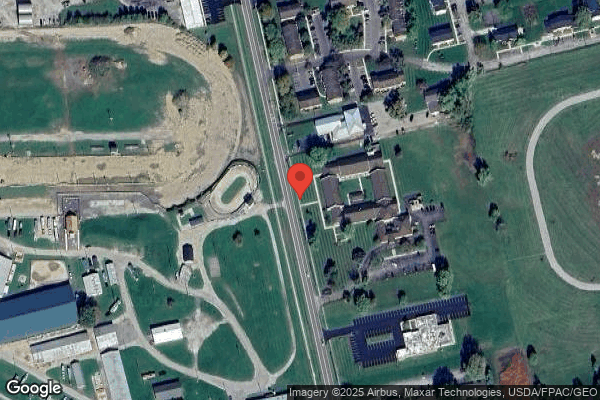

218 ELM ST, LONDON, OH 43140 (740) 852-3100
For profit - Limited Liability company 78 Beds SABER HEALTHCARE GROUP Data: November 2025
Trust Grade
55/100
#719 of 913 in OH
Last Inspection: May 2025

Inspected within the last 6 months. Data reflects current conditions.

Overview

London Health & Rehab Center has a Trust Grade of C, meaning it is average and sits in the middle of the pack among nursing homes. It ranks #719 out of 913 facilities in Ohio, placing it in the bottom half, and is the second of two options in Madison County. Unfortunately, the facility is worsening overall, with issues increasing from 5 in 2022 to 11 in 2025. Staffing is a concern here, receiving only 1 out of 5 stars, with a turnover rate of 44%, which is slightly better than the state average. While there have been no fines recorded, RN coverage is lacking, being lower than 86% of Ohio facilities, which means residents may not get the level of nursing care they need. Specific incidents highlight some serious concerns. For example, the facility failed to ensure staff received the COVID-19 vaccine, which could impact all residents. Additionally, food was not stored safely, with open food items and unsanitary conditions observed in the kitchen. Lastly, kitchen equipment was not maintained properly, with several appliances out of order, raising concerns about food safety and quality. Overall, while there are no fines and the turnover rate is manageable, the facility has significant issues that families should consider carefully.

Trust Score
C
55/100
In Ohio
#719/913
Bottom 22%
Safety Record
Low Risk
No red flags
Inspections
Getting Worse
5 → 11 violations
Staff Stability
○ Average
44% turnover. Near Ohio's 48% average. Typical for the industry.
Penalties
✓ Good
No fines on record. Clean compliance history, better than most Ohio facilities.
Skilled Nurses
⚠ Watch
Each resident gets only 22 minutes of Registered Nurse (RN) attention daily — below average for Ohio. Fewer RN minutes means fewer trained eyes watching for problems.
Violations
⚠ Watch
19 deficiencies on record. Higher than average. Multiple issues found across inspections.
★★☆☆☆
2.0
Overall Rating
★☆☆☆☆
1.0
Staff Levels
★★★★☆
4.0
Care Quality
★★★☆☆
3.0
Inspection Score
Stable
2022: 5 issues
2025: 11 issues

The Good

  • 4-Star Quality Measures · Strong clinical quality outcomes
  • Full Sprinkler Coverage · Fire safety systems throughout facility
  • No fines on record
  • Staff turnover below average (44%)

    4 points below Ohio average of 48%

Facility shows strength in quality measures, fire safety.

The Bad

2-Star Overall Rating

Below Ohio average (3.2)

Below average - review inspection findings carefully

Staff Turnover: 44%

Near Ohio avg (46%)

Typical for the industry

Chain: SABER HEALTHCARE GROUP

Part of a multi-facility chain

Ask about local staffing decisions and management

The Ugly 19 deficiencies on record

May 2025 11 deficiencies
CONCERN (D)

Potential for Harm - no one hurt, but risky conditions existed

Resident Rights (Tag F0550)

Could have caused harm · This affected 1 resident

**NOTE- TERMS IN BRACKETS HAVE BEEN EDITED TO PROTECT CONFIDENTIALITY** Based on medical record review, witness statements, staff and resident interviews, and policy review the facility failed to ensu...

Read full inspector narrative →
**NOTE- TERMS IN BRACKETS HAVE BEEN EDITED TO PROTECT CONFIDENTIALITY** Based on medical record review, witness statements, staff and resident interviews, and policy review the facility failed to ensure respect and dignity was implemented for the residents. This affected two (#57 and #62) of two residents reviewed for dignity and respect. The census was 70. Findings included: 1. Medical record review for Resident #57 revealed an admission date of 09/09/24. Medical diagnoses included cerebral vascular accident (CVA). Review of the quarterly Minimum Data Set (MDS) dated [DATE] revealed Resident #57 was moderately cognitively impaired. His functional status was substantial/maximal assistance for eating and bed mobility, and he was dependent for toileting and for transfers. He was always incontinent for bowel and bladder. Review of the progress notes dated 05/02/25 for Resident #57 revealed they were silent for respect and dignity issues. Review of witness statement dated 05/02/25 revealed Social Service Designee (SSD) #48 interviewed Resident #57 who reported he didn't have his call light on this date and turned up his television to get someone's attention and his roommate turned on his call light and the Certified Nursing Aide (CNA) # came into the room and his depends were soaked and he couldn't remember the comment she made to him but reported she doesn't like me. Review of a witness statement by CNA #51 dated 05/02/25 revealed between 7:00 A.M. and 7:30 A.M. revealed CNA #51 was assisting CNA #90 with changing Resident #57 and CNA #90 got mad at the resident because she had just changed the resident and had to do it again. CNA #51 reported CNA #90 said to the resident in a rude way I just know you're going to do it again and when the resident asked her why did you say that the aide responded she couldn't explain it, she just knows. Review of the witness statement dated 05/02/25 by Resident #57's family revealed CNA #90 was rude to the resident this morning and the family was told after the last time the aide did this, it would not happen again and now it is happening again. The family reported if the aide didn't like her job she needed to get another one. Review of Disciplinary Action Form dated 05/02/25 revealed CNA #90 was educated on facility policies, job duties, and job description. This was the final major offense #16 actions detrimental to resident care due to a complaint from the family and Resident #57. The CNA was also reducated on the attendance policy. Interview with the family member on 05/28/25 at 2:47 P.M. revealed the first time which he couldn't remember the date CNA #90 had to change Resident #57 and the aide told the resident you are a grown man urinating in your pants and that he acted like a little baby The family notified the previous DON and was told it wouldn't happen again. The family reported it happened again on 05/02/25 after another resident told him Resident #57 was treated badly when the CNA #90 changed the resident and belittled and scolded him for wetting his pants and this made the resident cry and wasn't himself for a couple of days after that. He reported this to the previous DON and was told the aide would not be working with the resident again. He felt like this abusive to the resident. Interview with Resident #57 on 05/28/25 at 4:19 P.M. revealed the CNA #90 was mean to him twice and told him he was a grown man and you shouldn't be wetting yourself and made him cry but he couldn't remember the time it made him cry. He reported the second time CNA #51 was in the room and the CNA #90 told him over and over again in a mean tone she knew she was going to have to keep changing him. The resident reported he thought it could be abuse or respect and dignity. Interview with Resident #57's room mate Resident #23 on 05/28/25 at 4:25 P.M. revealed CNA #90 got upset with Resident #57 because he was wetting in the bed. He reported the aide told Resident #57 you are a grown man and you shouldn't be doing that. He reported another time the CNA #90 told Resident #57 you know how hard I work and I have to come in here and clean up your bed and said don't do it again. Resident #23 reported Resident #57 cried his eyes out after this time. Resident #23 reported he told the family of the incidents, but didn't report it to the facility. He revealed he didn't know the dates of either incident. He felt like it was abusive and thought CNA #90 was way out of like the way she spoke to Resident #57. Interview with the Administrator on 05/29/25 at 6:55 A.M. revealed he thought the incident that happened on 05/02/25 with Resident #57 was disrespectful and the CNA #90 was unprofessional. He stated he wrote up the CNA #90 on 05/02/25 for her behavior. He didn't remember the other incident being brought to his attention and maybe the previous DON handled it. Interview with CNA #51 on 05/29/25 at 7:21 A.M. revealed she came into work on 05/02/25 and CNA #90 asked her to help get Resident #57 changed and out of bed. She reported CNA #90 was upset because Resident #57 was wet again and the aide kept telling the resident over and over again she knew she was going to have to change him again and again. The resident said why and the CNA said she couldn't tell him why. CNA #51 reported the resident didn't cry over this incident but was quiet for the rest of the day and didn't urinate the rest of the day. She reported she thought it was rude to the resident the way CNA #90 spoke to him and it hurt his feelings. 2. Medical record review for Resident #62 revealed an admission date of 06/14/24. Medical diagnoses included cerebrovascular attack (CVA) and depression. Review of the quarterly MDS dated [DATE] revealed Resident #62 was rarely or never understood. His functional status was supervision or touching assistance for eating, dependent for toileting, bed mobility, and transfers. He was frequently incontinent for bowel and bladder. Review of progress notes dated 05/21/25 revealed there wasn't any notes related to this incident. Review of the witness statement by Resident #02 on 05/21/25 revealed during resident council meeting the night shift CNA #90 was unprofessional when speaking to Resident #02 and #62. Resident #02 asked the aide to dispose of trash that had vomit in it and when she answered the call light she told the residents what do you want, I'm busy and can't keep coming into your room. The statement further revealed the CNA #90 didn't come back and empty the trash until her shift was over which left the two residents smelling vomit all night. Interview with Resident #02 during resident council meeting on 05/28/25 at 11:00 A.M. reported Resident #62 wasn't able to take care of himself. He reported on 05/21/25 Resident #62 was sick and vomited in the trash can in their room and it was requested to be emptied. The CNA #90 came into the room on her cell phone the entire time of the conversation and told the two residents I don't want to come in here every half an hour to empty this bag, what do I have to do babysit you she walked out of the room and didn't come back for up to three hours to empty the trash. Resident #02 felt this was abusive and reported it to the Administrator. Attempted an interview with Resident #62 on 05/28/25 at 1:02 P.M. revealed he could not be understood. Interview with the Administrator on 05/29/25 at 6:55 A.M. revealed he thought the incident that happened on 05/21/25 with Resident #62 was disrespectful and the CNA #90 was unprofessional. He stated he had made a call to corporate to terminate the CNA #90 but had not heard back from them. Review of the policy entitled Resident Rights and Facility Responsibilities undated revealed the facility must treat each resident with respect and dignity and care for each resident in a manner and in an environment that promotes maintenance or enhancement of his or her quality of life, recognizing each resident's individuality. The facility must protect an promote the rights of the resident.
CONCERN (D)

Potential for Harm - no one hurt, but risky conditions existed

Report Alleged Abuse (Tag F0609)

Could have caused harm · This affected 1 resident

**NOTE- TERMS IN BRACKETS HAVE BEEN EDITED TO PROTECT CONFIDENTIALITY** Based on medical record review, review of Self-Reported Incidents (SRI), witness statement review, staff and resident interviews...

Read full inspector narrative →
**NOTE- TERMS IN BRACKETS HAVE BEEN EDITED TO PROTECT CONFIDENTIALITY** Based on medical record review, review of Self-Reported Incidents (SRI), witness statement review, staff and resident interviews, and policy review, the facility failed to ensure an allegation of staff-to-resident abuse was reported to the State Survey Agency, Ohio Department of Health (ODH). This affected one (#62) of two residents reviewed for abuse. The facility census was 70. Findings include: Medical record review for Resident #62 revealed an admission date of 06/14/24. Diagnoses included cerebrovascular attack (CVA) and depression. Review of the quarterly Minimum Data Set (MDS) assessment dated [DATE] revealed Resident #62 was rarely or never understood and was dependent on staff for bed mobility and transfers. Review of a witness statement dated 05/24/25 on night shift from Resident #62 and Resident #2 revealed on 05/24/25, Resident #62 pushed his call light and 20-minutes later, Certified Nursing Assistant (CNA) #90 came to the room on her cell phone. CNA #90 stated Now what do you want? Resident #62 motioned with his hands and CNA #62 said I know you want a shower but it is going to be a couple of hours and she would be back and not to ring the call light anymore. Resident #62 put his hands as to say thank you and CNA #90 said don't you touch me I am four months pregnant this is a professional job and I am a professional at this job. CNA #90 then exited the room and came back around midnight. CNA #90 told Resident #62 she was ready to shower him, but he was going to have to help her because she wasn't going to lift him by herself. When CNA #90 picked Resident #62 up to transfer him to the chair, she flopped him down in the shower chair and then sat down in a chair in the room and there were puzzles in the chair. Resident #2 said you broke my puzzles and CNA #90 said they shouldn't be in the chair and continued to sit on them for another five minutes while talking on her phone with the speaker on while Resident #62 was sitting in the shower chair naked without any cover over him. As CNA #90 took Resident #62 down the hall, Resident #62 was trying to cover his private parts. CNA #90 brought him back wet and left him in the shower chair in the room while she was talking on the phone and telling the other person on the phone she didn't need this job. Resident #62 started drying himself and when CNA #90 was finished on the phone, she helped him dry off and then placed him back into a dirty bed. Resident #62 put his hand up to gesture thank you and CNA #90 yelled at him don't touch me I am four months pregnant and I will slap you. She left the room. Review of the facilities SRIs revealed this allegation of abuse involving Resident #62 and CNA #90 was not reported to ODH. Attempted an interview with Resident #62 on 05/28/25 at 1:02 P.M. revealed he could not be understood. Interview with Resident #2 on 05/28/25 at 1:15 P.M. revealed he remembered the incident he reported on 05/24/25 and provided the details he had in his witness statement. Interview with the Administrator on 05/28/25 at 2:24 P.M. revealed it was reported to him CNA #90 was going to be terminated on 05/24/25 but nothing about the abuse part of the statement. He reported he didn't know anything about the allegation until 05/27/25 and verified he did not file a SRI and stated he should have reported it. Review of the policy titled Ohio Resident Abuse Policy dated 07/14/20 revealed all allegations of Abuse, Neglect, Involuntary Seclusion, Injuries of Unknown Source, and Misappropriation of resident property must be reported immediately to the Administrator, Director of Nursing (DON) and to the applicable State Agency.
CONCERN (D)

Potential for Harm - no one hurt, but risky conditions existed

Investigate Abuse (Tag F0610)

Could have caused harm · This affected 1 resident

**NOTE- TERMS IN BRACKETS HAVE BEEN EDITED TO PROTECT CONFIDENTIALITY** Based on medical record review, witness statement review, staff and resident interviews and policy review, the facility failed t...

Read full inspector narrative →
**NOTE- TERMS IN BRACKETS HAVE BEEN EDITED TO PROTECT CONFIDENTIALITY** Based on medical record review, witness statement review, staff and resident interviews and policy review, the facility failed to ensure an allegation of staff-to-resident abuse was investigated thoroughly. This affected one (#62) of two residents reviewed for abuse. The facility census was 70. Findings include: Medical record review for Resident #62 revealed an admission date of 06/14/24. Diagnoses included cerebrovascular attack (CVA) and depression. Review of the quarterly Minimum Data Set (MDS) assessment dated [DATE] revealed Resident #62 was rarely or never understood and was dependent on staff for bed mobility and transfers. Review of a witness statement dated 05/24/25 on night shift from Resident #62 and Resident #2 revealed on 05/24/25, Resident #62 pushed his call light and 20-minutes later, Certified Nursing Assistant (CNA) #90 came to the room on her cell phone. CNA #90 stated Now what do you want? Resident #62 motioned with his hands and CNA #62 said I know you want a shower but it is going to be a couple of hours and she would be back and not to ring the call light anymore. Resident #62 put his hands as to say thank you and CNA #90 said don't you touch me I am four months pregnant this is a professional job and I am a professional at this job. CNA #90 then exited the room and came back around midnight. CNA #90 told Resident #62 she was ready to shower him, but he was going to have to help her because she wasn't going to lift him by herself. When CNA #90 picked Resident #62 up to transfer him to the chair, she flopped him down in the shower chair and then sat down in a chair in the room and there were puzzles in the chair. Resident #2 said you broke my puzzles and CNA #90 said they shouldn't be in the chair and continued to sit on them for another five minutes while talking on her phone with the speaker on while Resident #62 was sitting in the shower chair naked without any cover over him. As CNA #90 took Resident #62 down the hall, Resident #62 was trying to cover his private parts. CNA #90 brought him back wet and left him in the shower chair in the room while she was talking on the phone and telling the other person on the phone she didn't need this job. Resident #62 started drying himself and when CNA #90 was finished on the phone, she helped him dry off and then placed him back into a dirty bed. Resident #62 put his hand up to gesture thank you and CNA #90 yelled at him don't touch me I am four months pregnant and I will slap you. She left the room. The facility did not have any other resident or staff interviews from night shift for 05/24/25 to review if other residents or staff witnessed the allegation of abuse. Attempted an interview with Resident #62 on 05/28/25 at 1:02 P.M. revealed he could not be understood. Interview with Resident #2 on 05/28/25 at 1:15 P.M. revealed he remembered the incident he reported on 05/24/25 and provided the details he had in his witness statement. Interview with Human Resource Director (HR) #8 on 05/28/25 at 1:41 P.M. revealed she was notified on 05/24/25 that Resident #2 had a complaint about Resident #62 and interaction with CNA #90 on 05/24/25. She stated the facility had contacted the corporate to terminate the staff member after the complaint on 05/21/25 but didn't hear back from them. She stated she called the corporate office on 05/24/25 and got the permission to terminate the aide and CNA #90 was terminated. She reported she told the Administrator they were going to terminated CNA #90 but didn't speak with him personally about it until 05/27/25. Interview with the Administrator on 05/28/25 at 2:24 P.M. revealed it was reported to him CNA #90 was going to be terminated on 05/24/25 but nothing about the abuse part of the statement. He reported he didn't know anything about the allegation until 05/27/25 and had barely read the statements. He verified there were no residents or staff interviewed who may had seen Resident #62 being transported down the hall naked. He confirmed he didn't conduct a thorough investigation. Review of the policy titled Ohio Resident Abuse Policy dated 07/14/20 revealed all allegations of Abuse, Neglect, Involuntary Seclusion, Injuries of Unknown Source, and Misappropriation of resident property must be investigated immediately.
CONCERN (D) 📢 Someone Reported This

A family member, employee, or ombudsman was alarmed enough to file a formal complaint

Potential for Harm - no one hurt, but risky conditions existed

Accident Prevention (Tag F0689)

Could have caused harm · This affected 1 resident

**NOTE- TERMS IN BRACKETS HAVE BEEN EDITED TO PROTECT CONFIDENTIALITY** Based on record review, observation, policy review, and resident and staff interviews, the facility failed to ensure fall interv...

Read full inspector narrative →
**NOTE- TERMS IN BRACKETS HAVE BEEN EDITED TO PROTECT CONFIDENTIALITY** Based on record review, observation, policy review, and resident and staff interviews, the facility failed to ensure fall interventions were in place for a resident who was at a high risk for falls and had a recent fall in the facility. This affected one (Resident #40) of seven residents reviewed for falls. The facility census was 70. Findings include: Review of the medical record for Resident #40 revealed a date of admission of 11/30/22. Diagnoses included disorder of brain, delusional disorders, cerebral infarction, tremor, muscle weakness, and paranoid schizophrenia. Review of the plan of care dated 08/20/24 revealed Resident #40 was at risk for falls due to cognitive impairment, muscle weakness, and unsteady gait. Interventions included educating the resident on fall prevention, performing daily checks to ensure interventions were in place, and verifying interventions during morning rounds. Specific fall interventions included a fall mat at bedside, hipsters on at all times as tolerated, bed against the wall, bilateral grab bars, non-skid strips, perimeter mattress, pressure-reducing cushion, Dycem (non-slip mat) on wheelchair, grippy socks, bed in low position with brakes on, call light within reach, and physical and occupational therapy evaluation and treatment. Review of the Fall Risk assessment dated [DATE] revealed Resident #40 was at high risk for falls. Review of the quarterly Minimum Data Set (MDS) assessment dated [DATE] revealed Resident #40 had impaired cognition. Resident #40 was dependent on staff for toileting and maximum assistance from staff for bed mobility and transfers. Review of May 2025 physician orders for Resident #40 revealed there were orders for the fall mat, hipsters, Dycem on the wheelchair, perimeter mattress, grippy socks, bed in low position with brakes on, and other fall prevention interventions. Review of the nursing note dated 05/10/25 at 2:50 A.M. revealed Resident #40 was found on her knees, propped on the side of the bed, alert and oriented, and stated she could not sleep due to the roommate's snoring. No injuries were noted. The resident was assisted back to bed by staff. Review of the fall investigation dated 05/10/25 revealed Resident #40 was found out of bed. At the time of the fall, fall interventions, including the fall mat, hipsters, and perimeter mattress, were in place. The investigation determined the resident was noncompliant with calling for assistance, but no new interventions were added. Staff interviews indicated that ongoing monitoring and resident education were in place. Observation and interview on 05/27/25 at 10:26 A.M. revealed Resident #40 was sitting in her wheelchair with no Dycem in place. Activities Director #3, Certified Nursing Assistant (CNA) #75, and CNA #72 assisted Resident #40 to stand and observed there was no Dycem on the wheelchair. At 10:30 A.M., Activities Director #3, CNA #75, and CNA #72 confirmed there was no Dycem in place on Resident #40's wheelchair. Resident #40 stated she did not recall being educated on placing the Dycem on her wheelchair prior to sitting in it. Observation and interview on 05/28/25 at 8:39 A.M. revealed Resident #40 was eating breakfast in bed with no fall mat in place on the floor. CNA #75 confirmed the fall mat was not in place while Resident #40 was eating. Resident #40 stated the staff did not place the fall mat during the day and only placed it at night because she became confused during the night. Review of the facility policy titled Fall Prevention and Management Policy (revised 08/06/24) revealed residents will be assessed for fall risk(s) on admission, quarterly, and as needed. If risks are identified, preventive measures will be put in place and care planned. All falls will be reviewed and investigated. Individualized interventions will be implemented based on this assessment and care planned accordingly. The policy further defined a fall as unintentionally coming to rest on the ground, floor, or other lower level. An episode where a resident lost his/her balance and would have fallen if not for another person or if he/she had not caught him/herself, is considered a fall. A fall without injury is still a fall. Unless there is evidence suggesting otherwise, when a resident is found on the floor, a fall is considered to have occurred. This deficiency represents non-compliance investigated under Complaint Number OH00165175.
CONCERN (D)

Potential for Harm - no one hurt, but risky conditions existed

Deficiency F0692 (Tag F0692)

Could have caused harm · This affected 1 resident

**NOTE- TERMS IN BRACKETS HAVE BEEN EDITED TO PROTECT CONFIDENTIALITY** Based on observation, medical record review, staff interview, and policy review, the facility failed to ensure a resident's flui...

Read full inspector narrative →
**NOTE- TERMS IN BRACKETS HAVE BEEN EDITED TO PROTECT CONFIDENTIALITY** Based on observation, medical record review, staff interview, and policy review, the facility failed to ensure a resident's fluid restriction was followed according to physician orders. This affected one (#29) of four residents reviewed for nutrition. The facility census was 70. Findings include: Medical record review for Resident #29 revealed an admission date of 05/06/23. Diagnoses included chronic obstructive pulmonary (COPD), vascular dementia, and congested heart failure (CHF). Review of the physician orders for Resident #29 dated 01/20/25 revealed a fluid restriction of 2,000 cubic centimeters (cc) for a 24-hour period. Dietary was to provide a total 1,560 cc per day, which was spread out to 600 cc at breakfast, 480 cc at lunch, and 480 cc at dinner. Nursing was to provide a total 440 cc per day, which was spread out 240 cc on first shift and 200 on second shift. Review of the care plan dated 03/18/25 revealed Resident #29 was at risk for nutrition/hydration related to CHF. Interventions were to monitor for signs and symptoms of dehydration and fluid overload. Encourage adequate fluid intake. Review of the quarterly Minimum Data Set (MDS) assessment dated [DATE] revealed Resident #29 was cognitively intact and required setup or clean-up assistance from staff for eating, Observation of Resident #29's breakfast tray on 05/28/25 at 8:05 A.M. revealed she had a 480 cc container of pop on the table and she was served a 480 cc of orange juice and 480 cc of hot tea. Interview with the Certified Nursing Aide (CNA) #72 on 05/28/25 at 8:08 A.M. revealed Resident #29 was served 480 cc of hot tea and 480 cc of orange juice to Resident #29. CNA #72 stated she didn't know Resident #29 was on a fluid restriction. Review of the policy titled Intake and Output Policy dated 10/28/24 revealed: the licensed nurse will record intake and/or output for their shift as indicated on the intake and output record. At the end of the 24-hour period, the licensed nurse will total the intake and/or output on the Intake/Output Record. When intake is being recorded for fluid restrictions purposes, the licensed nurse will verify the resident has received the recommended amount and will investigate any variances. Signs and symptoms of decreased (fluid) intake and significant variances between intake and output will be communicated to the provider.
CONCERN (D)

Potential for Harm - no one hurt, but risky conditions existed

Deficiency F0847 (Tag F0847)

Could have caused harm · This affected 1 resident

**NOTE- TERMS IN BRACKETS HAVE BEEN EDITED TO PROTECT CONFIDENTIALITY** Based on medical record review, review of an arbitration agreement, and staff interview, the facility failed to ensure residents...

Read full inspector narrative →
**NOTE- TERMS IN BRACKETS HAVE BEEN EDITED TO PROTECT CONFIDENTIALITY** Based on medical record review, review of an arbitration agreement, and staff interview, the facility failed to ensure residents were explained binding arbitration agreements in a form and manner the resident can understand prior to signing them. This affected one resident (#43) of three residents reviewed for arbitration agreements. The facility census was 71. Findings include: Review of the medical record for Resident #43 revealed the resident was admitted on [DATE] with diagnoses of unspecified dementia, hypocalcemia, encephalopathy, unspecified visual loss, atelectasis, muscle weakness, cognitive communication deficit, hallucinations, anemia, and dysphagia. Review of Resident #43's admission Minimum Data Set (MDS) assessment dated [DATE] revealed the resident had severe cognitive impairment with a Brief Interview for Mental Status (BIMS) of 03. Review of an arbitration agreement document revealed the parties understood, acknowledged, and agreed by entering into the arbitration agreement they are voluntarily selecting arbitration as the method of resolving their disputes. By signing the arbitration agreement, they are agreeing the parties, intending to be legally bound, have been explained the agreement and each understands it as written and signs it effective as of the date above. Further review revealed Resident #43 signed the agreement on 06/24/24. The facility representative that signed the agreement was Admissions Coordinator (AC) #36 on 06/24/24. Interview with AC #36 on 05/28/25 at 12:06 P.M. revealed she tried to contact family and the Power of Attorney (POA) at time of Resident #43's admission; however, she was unable to get a response. AC #36 confirmed she was aware of Resident #43 being cognitively impaired and allowed Resident #43 to sign the arbitration agreement. AC#36 verified that signing the agreement was not a requirement for admissions into the facility.
CONCERN (D)

Potential for Harm - no one hurt, but risky conditions existed

Infection Control (Tag F0880)

Could have caused harm · This affected 1 resident

Based on observation, staff interview, medical record review and review of the Centers for Disease Control and Prevention (CDC) guidelines, the facility failed to ensure staff donned personal protecti...

Read full inspector narrative →
Based on observation, staff interview, medical record review and review of the Centers for Disease Control and Prevention (CDC) guidelines, the facility failed to ensure staff donned personal protective equipment (PPE) during care for a resident on Enhanced Barrier Precautions (EBP) This affected one (#18) of one resident reviewed for EBP. The facility identified 14 residents on EBP. The facility census was 70. Findings include: Review of Resident #18's medical record revealed an admission date of 01/03/25. Diagnoses included cerebrovascular disease, displaced fracture of shaft of humerus (right arm), obstructive and reflux uropathy, dysphagia, cognitive communication deficit, difficulty in walking, arteriosclerotic heart disease of native coronary coronary artery, age related physical debility, and wedge compression fracture of first lumbar vertebrae. Review of the quarterly Minimum Data Set (MDS) assessment, dated 05/13/25, revealed Resident #18 was severely cognitively impaired and utilized a wheelchair to aid in mobility. Resident #18 had an indwelling catheter. Review of a physician order dated 02/12/25 revealed Resident #18 had an order for foley catheter care every shift. Further review revealed an order dated 05/15/25 for the resident to be on EBP due to foley catheter every shift. Observation on 05/28/25 at 11:27 A.M. of catheter care provided to Resident #18 by Certified Nursing Assistant (CNA) #72 and CNA #75 revealed a sign on the resident's door stating the resident was on EBP and to wear gloves and a gown for high contact care activities. Continued observation revealed CNA #72 and CNA #75 did not don gloves or a gown, and proceeded to provide catheter care for Resident #18. Interview with CNA #72 on 05/28/25 at 11:36 A.M. verified Resident #18 was on EBP and further confirmed she did not wear PPE, including gloves or a gown, while completing catheter care for the resident. Interview with CNA #75 on 05/28/25 at 11:37 A.M. verified Resident #18 was on EBP and further confirmed she did not wear PPE, including gloves or a gown, while completing catheter care. Review of CDC guidance titled Implementation of PPE Use in Nursing Homes to Prevent Spread of Multidrug-resistant Organisms (MDROs) found at https://www.cdc.gov/long-term-care-facilities/hcp/prevent-mdro/PPE.html and dated 04/02/24 revealed MDRO transmission is common in skilled nursing facilities, contributing to substantial resident morbidity and mortality and increased healthcare costs. EBP are an infection control intervention designed to reduce transmission of resistant organisms that employs targeted gown and glove use during high contact resident care activities. EBP may be indicated for residents with any of the following: wounds or indwelling medical devices, regardless of MDRO colonization status. Review of the facility Enhanced Barrier Precautions policy, dated 05/19/25, revealed EBP were intended to prevent the transmission of multi-drug-resistant organisms (MDROs) via contaminated hands and clothing of healthcare workers to high-risk residents during high contact activities. High-risk residents included those with chronic wounds and indwelling devices (such as urinary catheters) and for all those colonized or infected with a MDRO currently targeted by the CDC. High contact care activities included activities that could result in the transfer of MDROs to the hands and clothing of healthcare personnel, even when blood and body fluid exposure was not anticipated, and included device care or use.
CONCERN (D)

Potential for Harm - no one hurt, but risky conditions existed

Antibiotic Stewardship (Tag F0881)

Could have caused harm · This affected 1 resident

**NOTE- TERMS IN BRACKETS HAVE BEEN EDITED TO PROTECT CONFIDENTIALITY** Based on medical record review, hospital record review, staff interview, and review of facility policy, the facility failed to e...

Read full inspector narrative →
**NOTE- TERMS IN BRACKETS HAVE BEEN EDITED TO PROTECT CONFIDENTIALITY** Based on medical record review, hospital record review, staff interview, and review of facility policy, the facility failed to ensure appropriate antibiotics were ordered for the treatment of infections. This affected one (#23) of four residents reviewed for antibiotic stewardship. The facility census was 70. Findings include: Review of the medical record for Resident #23 revealed an admission date of 06/22/22. Diagnoses included chronic obstructive pulmonary disease (COPD) with acute exacerbation, acute and chronic respiratory failure with hypoxia, other membranous urethral stricture, Parkinson's disease with dyskinesia, cognitive communication deficit, obstructive and reflux uropathy, benign prostatic hyperplasia with lower urinary tract symptoms, type II diabetes mellitus without complications, morbid obesity, and major depressive disorder. Review of the quarterly Minimum Data Set (MDS) 3.0 assessment, dated 05/16/25, revealed Resident #23 had a Brief Interview for Mental Status (BIMS) score of 15, indicating intact cognition. The assessment indicated the resident was always incontinent of bowel and had an indwelling urinary catheter. The resident was (staff) dependent for toileting and personal hygiene. Further review revealed Resident #23 had a urinary tract infection (UTI) in the last 30 days. Review of the current plan of care revealed Resident #23 received catheter care with goals to maintain catheter patency and prevent infection. Interventions included Foley catheter changes as needed and catheter care every shift, including anchoring tubing and cleansing the catheter and perineal area with soap and water. Review of the current physician orders revealed Resident #23 had orders for Foley catheter care every shift and catheter changes as needed. The resident had an order initiated on 04/20/25 for Bactrim DS (sulfamethoxazole-trimethoprim) (antibiotic) 800-160 milligrams (mg) twice daily for treatment of a UTI. Review of the Medication Administration Record (MAR) for April 2025 confirmed Resident #23 was administered Bactrim, as ordered, for treatment of a UTI. Review of hospital records, dated 04/20/25, revealed Resident #23 had a urine culture with growth of greater than 100,000 colony-forming units per milliliter (CFU/mL) mixed microbes but noted suspected contamination during collection and recommended recollection and further work up. Further review revealed no sensitivity testing was performed, and no follow-up urine culture was completed to verify the appropriateness of Bactrim therapy for a UTI. Further review of Resident #23's medical record revealed no evidence any additional urine cultures, including sensitivity testing, were completed to determine the appropriateness of Bactrim to treat the resident's UTI. Interview on 05/29/25 at 11:07 A.M. with Licensed Practical Nurse (LPN) #52 verified there was no culture and sensitivity testing performed to confirm if Bactrim was an appropriate treatment for Resident #23's UTI diagnosed on [DATE]. Review of the facility policy titled, Antimicrobial Stewardship Program Policy, revised 06/26/24, revealed that the Infection Prevention and Control Committee oversees antibiotic use, emphasizing appropriate prescribing. Specifically, for UTIs, the policy mandated the use of revised McGeer's Criteria to confirm the necessity and appropriateness of antibiotic treatment, ensuring clinical and diagnostic testing aligns with infection-specific protocols to minimize unnecessary or inappropriate antibiotic use.
CONCERN (E) 📢 Someone Reported This

A family member, employee, or ombudsman was alarmed enough to file a formal complaint

Potential for Harm - no one hurt, but risky conditions existed

Safe Environment (Tag F0584)

Could have caused harm · This affected multiple residents

Based on observation, staff interview, and medical record review, the facility failed to ensure resident rooms were maintained in a safe, comfortable, and homelike manner. This affected four (#5, #12,...

Read full inspector narrative →
Based on observation, staff interview, and medical record review, the facility failed to ensure resident rooms were maintained in a safe, comfortable, and homelike manner. This affected four (#5, #12, #41, and #47) of 70 residents residing in the facility. The facility census was 70. Findings include: 1. Observation of the facility on 05/29/25 at 10:13 A.M. revealed there was exposed drywall with black spots on it in the corner of Resident #12, Resident #41, and Resident #47's room near the window. There was also a television that was on a wall mount that was removed from the wall with the screws exposed that was sitting on a night stand in Resident #12, Resident #41, and Resident #47's room. Interview with Maintenance Director (MD) #17 on 05/29/25 at 10:13 A.M. verified there was exposed drywall with black spots on it in the corner of Resident #12, Resident #41, and Resident #47's room near the window. MD #17 also confirmed there a television that was on a wall mount that was removed from the wall with the screws exposed that was sitting on a night stand in Resident #12, Resident #41, and Resident #47's room. MD #17 stated the windows in the resident rooms needed to be replaced due to leaks and that caused the issue with the drywall. 2. Review of Resident #5's medical record revealed an admission date of 01/02/25 with pertinent diagnoses including unspecified fracture of the shaft of the left tibia, anemia, unspecified intellectual disabilities, epilepsy, cerebral palsy, cognitive communication deficit, and depression. Observation on 05/27/25 at 1:47 P.M. revealed gouges in the drywall by Resident #5's bed. Interview on 05/29/25 at 10:11 A.M. with MD #17 verified the gouges in the wall by Resident #5's bed. This deficiency represents non-compliance investigated under Complaint Number OH00164426.
CONCERN (E)

Potential for Harm - no one hurt, but risky conditions existed

Deficiency F0761 (Tag F0761)

Could have caused harm · This affected multiple residents

Based on observation, staff interview, review of a resident census, review of drug manufacturer instructions for use, and policy review, the facility failed to ensure medications were labeled and stor...

Read full inspector narrative →
Based on observation, staff interview, review of a resident census, review of drug manufacturer instructions for use, and policy review, the facility failed to ensure medications were labeled and stored in a safe and secure manner. This had the potential to affect 14 (#3, #4, #7, #18, #25, #30, #40, #42, #58, #62, #225, #226, #227, and #228) of 70 residents residing in the facility. The census was 70. Findings include: 1. Observation of the 203 hall medication cart on 05/28/25 starting at 9:14 A.M. revealed there were five (5) loose pills that were a variety of shapes and colors in the medication cart with no identification to which residents the medications belonged to. Continued observation of the medication cart at 9:17 A.M. revealed there was an opened Incruse Ellipta 62.5 microgram (mcg) inhaler prescribed to Resident #7 without a date when it was opened. Review of a resident census dated 05/29/25 revealed five (#3, #7, #18, #30, and #58) resident's medications were stored in the 203 hall medication cart. Interview with Licensed Practical Nurse (LPN) #70 on 05/28/25 at 9:18 A.M. verified that the Incruse Ellipta 62.5 mcg inhaler for Resident #7 was open and undated and at 9:21 A.M. verified the 5 loose pills with no resident identification in the 203 hall medication cart. 2. Observation of the 204 hall medication cart on 05/28/25 at 9:25 A.M. revealed there was an opened Incruse Ellipta 62.5 mg inhaler prescribed to Resident #62 without a date. Interview with LPN #70 on 05/28/25 at 9:25 A.M. verified that the Incruse Ellipta 62.5 mcg inhaler for Resident #62 was open and undated. 3. Observation of the 105 hall medication cart on 05/28/25 starting at 9:32 A.M. revealed there were six (6) loose pills that were a variety of shapes and colors in the medication cart with no identification to which residents the medications belonged to. Continued observation at 9:34 A.M. revealed there was an opened Trelegy Ellipta 100 mcg inhaler prescribed to Resident #227 without a date. Review of a resident census dated 05/29/25 revealed eight (#4, #25, #40, #42, #225, #226, #227, and #228) resident's medications were stored in the 105 hall medication cart. Interview with LPN #11 on 05/28/25 at 9:39 A.M. verified there were 6 loose pills that were a variety of shapes and colors with no resident identification in the 105 hall medication cart. Review of the manufacturer instructions for use for Incruse Ellipta, revised December 2023, revealed the medication should be discarded after six weeks after opening the foil tray or when the counter reads 0 (after all blisters have been used, which ever comes first. Review of the manufacturer instructions for use for Trelegy Ellipta, revised December 2002, revealed the medication should be discarded after six weeks after opening the foil tray or when the counter reads 0 (after all blisters have been used, which ever comes first. Review of the facility's policy titled, Storage and Expiration Dating of Medications and Biologicals, with a revision date of 08/01/24, revealed the facility staff should record the date opened on the primary medication container (i.e., vial, bottle, inhaler) when the medication has a shortened expiration date once opened. Further review revealed the facility should ensure the medications and biologicals for each resident are stored in the containers in which they were originally received.
CONCERN (F)

Potential for Harm - no one hurt, but risky conditions existed

Deficiency F0887 (Tag F0887)

Could have caused harm · This affected most or all residents

Based on interview and record review, the facility failed to ensure the COVID-19 vaccine was offered or provided to facility staff. This had the potential to affect all 70 residents residing in the fa...

Read full inspector narrative →
Based on interview and record review, the facility failed to ensure the COVID-19 vaccine was offered or provided to facility staff. This had the potential to affect all 70 residents residing in the facility. The facility census was 70. Findings include: Review of the staff respiratory virus information fact sheet and acknowledgement, dated 10/06/23, revealed the facility would not be administering the updated COVID-19 vaccine to team members at the facility. Interview with Corporate Registered Nurse (CRN) #500 on 05/29/25 at 12:51 P.M. confirmed the COVID-19 vaccination was available at the facility and further verified the facility did not offer or provide the COVID-19 vaccination to the facility staff.
Oct 2022 5 deficiencies
CONCERN (D)

Potential for Harm - no one hurt, but risky conditions existed

Transfer Notice (Tag F0623)

Could have caused harm · This affected 1 resident

**NOTE- TERMS IN BRACKETS HAVE BEEN EDITED TO PROTECT CONFIDENTIALITY** 2. Review of the medical record for Resident #6 revealed the resident was admitted to the facility on [DATE], discharged on 09/0...

Read full inspector narrative →
**NOTE- TERMS IN BRACKETS HAVE BEEN EDITED TO PROTECT CONFIDENTIALITY** 2. Review of the medical record for Resident #6 revealed the resident was admitted to the facility on [DATE], discharged on 09/05/22, and re-admitted to the facility on [DATE]. Diagnoses included unspecified dementia, unspecified severity, without behavioral disturbance, psychotic disturbance, mood disturbance, and anxiety, anxiety disorder, major depressive disorder, schizoaffective disorder bipolar type, hyperlipidemia, unspecified convulsions, hypertension, peripheral vascular disease, type two diabetes mellitus with hyperglycemia, chronic obstructive pulmonary disease, encephalopathy, aphasia, and other lack of coordination. Review of the annual Minimum Data Set (MDS) assessment, dated 07/03/22, revealed this resident had moderately impaired cognition. This resident was assessed to require extensive assistance for bed mobility, transfer, eating, dressing, toileting, and personal hygiene. Review of the nursing progress note dated 09/05/22 revealed Resident #6 was transported to the hospital due to altered mental status. Review of the notifications to the Office of the State Long-Term Care Ombudsman revealed the facility had not been sending notification as required. Interview on 10/13/22 at 10:46 A.M., with Director of Social Services #51 confirmed the facility had not been sending notification to the Long-Term Care Ombudsman regarding transfers and discharges. Review of the policy titled Resident Discharge/Transfer Letter dated 10/05/17 revealed the facility will complete discharge letters appropriately and according to all federal, state, and local regulations. Social Service or designee will assure the original discharge/transfer letter is given to Resident or guardian/sponsor. Copies will be sent to Department of Health, and Ombudsman Office. For emergency transfers, one list can be sent to the Ombudsman at the end of the month. Based on record review, staff interview and policy review, the facility failed to notify the Ombudsman in writing of discharges to the hospital. This affected two (#6 and #14) of three residents reviewed for hospitalization. The facility census was 58. Findings include: 1. Record review of Resident #14's medical record revealed an admission date of 05/31/22, with pertinent diagnoses of: asthma, atherosclerotic heart disease, heart failure, chronic obstructive pulmonary disease, diabetes mellitus, hypertension, gastro-esophagael reflux, arthritis, glaucoma, obstructive hypertrophic cardiomyopathy, adjustment disorder with anxiety, respiratory failure, cardiomegaly, shortness of breath, constipation, inappropriate diet and eating habits, dysphagia oropharyngeal phase, cognitive communication deficit, and chronic obstructive pulmonary disease. Review of a progress note dated 06/27/22 at 9:00 A.M., revealed Resident #14 with a low grade fever since this morning. Tremors have worsened over this shift. Primary Care Physician recommended to send to the Emergency Room. Review of Resident #14's medical record revealed she was at the hospital from [DATE] to 07/13/22 and there was no evidence the ombudsman was notified of the transfer. Interview on 10/13/22 at 10:46 A.M., with Director of Social Services #51 confirmed the facility had not been sending notifications to the Long-Term Care Ombudsman regarding transfers and discharges. This included Resident #14's 06/27/22 discharge.
CONCERN (D)

Potential for Harm - no one hurt, but risky conditions existed

Smoking Policies (Tag F0926)

Could have caused harm · This affected 1 resident

**NOTE- TERMS IN BRACKETS HAVE BEEN EDITED TO PROTECT CONFIDENTIALITY** Based on observation, staff interviews, resident interview and policy review, the facility failed to implement the smoking polic...

Read full inspector narrative →
**NOTE- TERMS IN BRACKETS HAVE BEEN EDITED TO PROTECT CONFIDENTIALITY** Based on observation, staff interviews, resident interview and policy review, the facility failed to implement the smoking policy to ensure residents did not have possession of cigarettes and lighter. This affected two (#19 and #24) of the three residents reviewed for smoking. The facility identified five residents smoke. The facility census was 58. Findings include: 1. Review of Resident #19's medical record revealed an admission date of 04/16/21, with diagnoses of: chronic obstructive pulmonary, dysphagia, sensorineural hearing loss, muscle weakness, atrial fibrillation, chronic ischemic heart disease, morbid severe obesity due to excess calories, osteoarthritis, and depression. Review of the 07/26/22 quarterly Minimum Data Set (MDS) assessment revealed the resident was cognitively intact and the area to indicate if the resident was a smoker was left blank. Interview on 10/11/22 at 1:11 P.M., with Resident #19 revealed she was an unsupervised smoker and she keeps her cigarettes and lighter in her room. Interview on 10/13/22 at 10:00 A.M., with Registered Nurse #33 revealed the facility has a locked box they keep cigarettes in and there was three residents cigarettes in there. The facility has five smokers total. Observation on 10/13/22 at 10:09 A.M., revealed Registered Nurse #33 found two packs of cigarettes in Resident #19's bedside drawers and one pack of cigarettes and a lighter in the resident's purse. 2. Record review of Resident #24's medical record revealed an admission [DATE], with diagnoses of: chronic obstructive pulmonary disease, mood disorder, schizoaffective disorder, alcohol dependence, major depressive disorder, emphysema, tobacco use, generalized anxiety disorder, and bipolar disorder. Review of the annual MDS assessment dated [DATE] revealed the resident was cognitively intact and the area to indicate if the resident was a smoker was left blank. Interview on 10/11/22 at 11:52 A.M., with Resident #24 revealed he is an unsupervised smoker and keeps his own cigarettes and lighter. Observation on 10/13/22 at 10:11 A.M., revealed Registered Nurse #33 found eight cigarettes and a lighter in Resident #24's room. Review of the policy titled Resident Smoking Policy dated 08/22/22 revealed no resident will maintain or store smoking materials on their person or their room. Resident smoking materials will be retained by facility staff and distributed to the residents or supervising staff at designated smoking times.
CONCERN (E)

Potential for Harm - no one hurt, but risky conditions existed

Deficiency F0805 (Tag F0805)

Could have caused harm · This affected multiple residents

Based on observation, staff interviews, National Dysphasia Diet: Standardization for Optimal Care guideline review, menu spreadsheet review and recipe review, the facility failed to prepare residents'...

Read full inspector narrative →
Based on observation, staff interviews, National Dysphasia Diet: Standardization for Optimal Care guideline review, menu spreadsheet review and recipe review, the facility failed to prepare residents' food to meet individual needs. This had the potential to affect six (#8, #9, #45, #52, #53 and #311) residents who receive mechanical soft diet and seven (#10, #20, #31, #38, #43, #55 and #209) residents who receive puree diets. The facility census was 58. Findings include: 1. Observation on 10/12/22 at 11:10 A.M., with Dietary Aide #34 was preparing cupcakes for the mechanical and puree diets. She placed 13 baked cupcakes into the robot-coupe canister added two tablespoons of chocolate frosting for each cupcake into the canister. She blended the cupcakes and frosting until it formed a thick mixture. To thin the mixture, she added an unmeasured amount of water into the cupcake mixture. She explained, she was instructed to serve the residents who receive a mechanical soft diet a puree cupcake for their lunch dessert. Interview on 10/12/22 at 11:25 A.M., with the Regional Dietician #65 confirmed they will serve the residents who receive a mechanical soft diet a puree cupcake. The dietary staff are following the National Dysphasia Diet: Standardization for Optimal Care guidelines. Review of the undated National Dysphasia Diet: Standardization for Optimal Care guidelines recommended soft, moist cakes with icing are recommended for a resident who is in transition from a puree texture to more solid textures. Review of the Cupcake Yellow Chocolate Frosting recipe #57 revealed a mechanical soft diet is a Dysphagia Diet Level 6 (IDDSI Level 6): the food is Soft and Bite-Sized Foods Diet. It consists of many ordinary foods that are soft and easy to chew. Foods can be eaten with a fork or spoon. Foods are soft and fork-tender; they are moist. but there is no separate thin liquid present. Chop/Cut food into pieces =15 millimeter (mm) in size. Use a fork pressure test to confirm texture is within IDDSI Level 6 specifications. 2. Observation on 10/12/22 at 11:35 P.M., of Dietary [NAME] #45 placing seven servings of prepared no beans chili into the Robot Coupe (food processor). She explained, the chili is bean less because you cannot puree the kidney beans. Regional Dietician #56 verified at this time there was no beans in the chili. Interview on 10/12/22 at 3:00 P.M., with Regional Dietician #65 revealed they purchased cupcakes and served at lunch for residents who are on a mechanical soft diet and confirmed they pureed diets should have contained the beans. Review of the Chili Beef with Beans Recipe #301 revealed for puree diets measure desired number of servings (all chili ingredients) into a food processor. Blend until smooth. Use the Fork Drip Test and the spoon tilt test to confirm the texture. Review of the Day 14 lunch menu spread sheet revealed residents who are on puree diets are to receive puree beef chili with beans, scoop #10.
CONCERN (F)

Potential for Harm - no one hurt, but risky conditions existed

Food Safety (Tag F0812)

Could have caused harm · This affected most or all residents

Based on observations, staff interview and policy review, the facility failed to store food in a sanitary manner. This had the potential to affect 58 of 58 residents who receive food from the kitchen....

Read full inspector narrative →
Based on observations, staff interview and policy review, the facility failed to store food in a sanitary manner. This had the potential to affect 58 of 58 residents who receive food from the kitchen. The census was 58. Findings include: Observation on 10/11/22 at 9:00 A.M., of the kitchen, revealed three extra large bins, containing flour, food thickener and sugar. In each bin, a large scoop was stored inside each bin. This observation was verified by the Dietary Manager #50. Observation on 10/11/22 at 9:15 A.M., of the walk-in refrigerator revealed a pound of butter block opened, in a bag not sealed with no date. An open package of hot dogs sitting on a metal shelf, not sealed, or dated. Observation on 10/12/22 at 11:10 A.M., of the kitchen, revealed three extra large bins, containing flour, food thickener and sugar. The sugar bin revealed three lumps of a brown like substance. Interview on 10/12/22 at 11:45 A.M., with Dietary Manager #50 revealed the contents of each binned was not disposed of after discovering the scoops being stored inside each bin. The dietary staff continued to use the contents for cooking on 10/11/22, 10/12/22 and 10/13/22. Review of the policy titled Storage of Food Policy, updated 02/19/19 revealed refrigerated open items must have a label showing the name of the food and the date it should be consumed, and in a sealed container.
CONCERN (F)

Potential for Harm - no one hurt, but risky conditions existed

Room Equipment (Tag F0908)

Could have caused harm · This affected most or all residents

Based on observations and staff interviews, the facility failed to ensure kitchen equipment maintained in working condition and safe. This had the potential to affect 58 of 58 residents. The census wa...

Read full inspector narrative →
Based on observations and staff interviews, the facility failed to ensure kitchen equipment maintained in working condition and safe. This had the potential to affect 58 of 58 residents. The census was 58. Findings include: Observation on 10/12/22 at 11:00 A.M., of the kitchen revealed the steamer was not working and the convention oven was not working. Observation of a cookie sheet with a little bit of water covering the bottom of the sheet pan sat on the free-standing grill , the water was steaming. Ten minutes later a smell of something burnt was filtered throughout the kitchen. Dietary Aid #10 removed the pan from the grill because the liquid evaporated and formed a dry crusted black substance while sitting on the grill while it was turned on. Interview on 10/12/22 at 11:40 A.M., with the Regional Dietician #65 revealed the steamer was not working, two stove burners were not working, and the conventional oven was out of order. They were using the grill to keep the food warm. Observations on 10/12/22 at 3:10 P.M., with Maintenance Supervisor (MS) #16 confirmed the steamer had stopped working on 10/12/22 A.M. and he was just notified. The conventional oven has been out of order for at least six weeks. The gas stove and oven combo work fine. MS #16 verified the stove top only has one knob to turn the burners on. To turn on each burner, one must pull the knob off of the one gas regulator stem and place it on each burner gas regulator stem to ignite each burner and adjust the flame for cooking. He confirmed an order for a new stove had not been purchased. The oven/stove top is functional with utilizing the one knob. Dietary Manager # 50 commented she was not using all burners on the stove, because she could not get them to turn on, that is why she was using the grill.
Jan 2020 3 deficiencies
CONCERN (D)

Potential for Harm - no one hurt, but risky conditions existed

Deficiency F0625 (Tag F0625)

Could have caused harm · This affected 1 resident

**NOTE- TERMS IN BRACKETS HAVE BEEN EDITED TO PROTECT CONFIDENTIALITY** Based on medical record review, staff interview and policy review, the facility failed to provide residents with bed hold notifi...

Read full inspector narrative →
**NOTE- TERMS IN BRACKETS HAVE BEEN EDITED TO PROTECT CONFIDENTIALITY** Based on medical record review, staff interview and policy review, the facility failed to provide residents with bed hold notifications when the resident was transferred to hospital. This affected two (#8 and #60) residents of two residents reviewed for hospitalizations. The facility census was 58. Findings include: 1. Review of the medical record revealed Resident #8 was admitted to the facility on [DATE] with diagnoses including acute post hemorrhagic anemia, spinal stenosis, hypertension, morbid obesity, type two diabetes, ulcerative colitis, and unspecified atrial fibrillation. Review of the quarterly Minimum Data Set (MDS) assessment dated [DATE] revealed the resident had no cognitive impairment and required extensive assist with bed mobility, transfers, dressing, toilet use and personal hygiene and required supervision with eating. Further review of the medical record revealed resident was sent to the hospital on [DATE] for a significant change in condition, and no verification was found in the medical record that the facility provided the resident with the bed hold policy and reserve bed payment when transferred. Interview conducted on 01/02/20 at 1:33 P.M. with Clinical Quality Coordinator #300 verified Resident #8 was transferred out of the facility on 12/30/19 to the hospital and the resident was not provided the required bed hold policy with reserve bed payment when transferred. 2. Review of medical record for Resident #60 revealed an admission date of 10/15/19. Diagnoses include abdominal pain, weakness and diverticulitis. The minimum data set (MDS) dated [DATE] revealed Resident #60 required one person assist with activities of daily living. A care plan relative to medical and psychological needs revealed individualized interventions with measurable goals. A review of the progress notes from 10/15/19 through 10/20/19 revealed Resident #60 was discharged to the hospital on [DATE] with the intent to return to the facility. Review of Resident #60's closed medical record revealed Resident #60 or her representative did not receive a bed hold notice. On 01/02/20 at 09:59 A.M. interview with the Regional Clinical Director #302 confirmed Resident #60 received a transfer letter but did not receive a bed hold notification when she went to the hospital on [DATE]. Review of the facility Discharge /Transfer Letter Policy dated 10/05/17 documented when a resident is sent to the hospital, the resident or the resident's responsible party will receive a bed hold notice, indicating how many bed holds are left and the bed hold rate, along with the discharge/transfer letter.
CONCERN (D)

Potential for Harm - no one hurt, but risky conditions existed

Accident Prevention (Tag F0689)

Could have caused harm · This affected 1 resident

**NOTE- TERMS IN BRACKETS HAVE BEEN EDITED TO PROTECT CONFIDENTIALITY** Based on medical record review, staff interview and policy review, the facility failed to ensure fall interventions were in plac...

Read full inspector narrative →
**NOTE- TERMS IN BRACKETS HAVE BEEN EDITED TO PROTECT CONFIDENTIALITY** Based on medical record review, staff interview and policy review, the facility failed to ensure fall interventions were in place prior to a resident's fall and failed to thoroughly investigate a resident's fall. This affected one (#15) of one residents reviewed for falls. The census was 58. Findings include: Review of the medical record for Resident #15 revealed an admission date of 07/01/15 with diagnoses including anxiety, muscle wasting and atrophy, and unspecified lack of coordination. Review of the Resident #15's fall care plan revealed interventions to prevent falls which included Resident #15's bed being in lowest position while he was in the bed. Review of Resident #15's quarterly minimum data set (MDS) dated [DATE] revealed the resident was cognitively impaired and scored a zero out of 15 on the brief interview for mental status. Resident #15 requires extensive assistance of two or more staff for bed mobility and transfers and did not walk in his room or corridor. Resident #15's balance was unsteady with moving on/off the toilet and they facility did not assess as the activity did not occur for assessing the resident balance with moving from a seated to standing position, walking, turning around and facility the opposite direction while walking. Review of Resident #15's nursing progress notes revealed on 11/03/19 at 6:20 A.M. the nurse documented while performing medication pass, the resident was observed on the mat to the floor beside his bed yelling help. Resident #15 was assessed, the physician and family were notified. X-rays were ordered and obtained which showed no fractures of dislocations. Further review of the fall investigation dated 11/03/19 revealed Resident #15 had an unwitnessed fall out of bed on 11/03/19 and was found on the floor mat next to his bed with a resulting abrasion to his right upper extremity. Review of the fall investigation dated 11/03/19 further revealed Resident #15's bed was not in the lowest position at the time of the fall and Resident #15's depends were saturated at the time of the fall. The fall investigation further revealed State Tested Nurse Aide (STNA) #400 was interviewed regarding the fall and stated she checked on Resident #15 at 6:00 A.M. due to the resident yelling and between 6:04 A.M. and 6:30 A.M. Resident #15 was found on the floor by the nurse. The statement obtained by STNA #400 contained no information as to whether or not the residents depends were saturated and the bed was in the lowest position. Interview with Director of Nursing on 12/31/19 at 3:29 P.M. verified Resident #15's bed was not in the lowest position at the time of the fall and this was a care planned fall intervention. The interview further revealed STNA #400 should have been asked whether or not the bed was in lowest position at 6:00 A.M. and Resident #15's depends were saturated on 11/03/19 at 6:00 A.M. prior to the fall. Review of the facility policy titled Fall Prevention and Management Policy, last revised 12/09/19, revealed residents will be assessed for fall risk on admission, quarterly, after any fall, and as needed. If risks are identified, preventative measures will be put in place and care planned. All falls will be reviewed and investigated.
CONCERN (D)

Potential for Harm - no one hurt, but risky conditions existed

Drug Regimen Review (Tag F0756)

Could have caused harm · This affected 1 resident

**NOTE- TERMS IN BRACKETS HAVE BEEN EDITED TO PROTECT CONFIDENTIALITY** Based on medical record review, staff interview and policy review, the facility failed to ensure pharmacist recommendations were...

Read full inspector narrative →
**NOTE- TERMS IN BRACKETS HAVE BEEN EDITED TO PROTECT CONFIDENTIALITY** Based on medical record review, staff interview and policy review, the facility failed to ensure pharmacist recommendations were acted upon in a timely manner. This affected two (#15 and #23) of five residents reviewed for unnecessary medications. The census was 58. Findings include: 1. Review of the medical record for Resident #15 revealed an admission date of 07/01/15 with diagnoses including anxiety, depression, and hypertension. Review of the physician orders for Resident #15 revealed an order dated 07/30/18 for Duloxetine HCL capsule delayed release particles 60 milligrams by mouth one time a day for depression. Review of the Pharmacy Consultation Report dated 02/04/19 revealed the pharmacist recommended to please attempt a gradual dose reduction to Duloxetine 20 milligrams once per day while concurrently monitoring for reemergence of depressive and/or withdrawal symptoms. Review of the medical record for Resident #15 revealed the pharmacy recommendation dated 02/04/19 was not addressed by the physician until 05/24/19 when the order was discontinued. Interview with Regional Director of Clinical Services (RDCS) #302 on 01/02/20 at 9:24 A.M. verified Resident #15's pharmacy recommendation dated 02/04/19 was not addressed by the physician until 05/24/19. The interview further verified the pharmacy recommendation was not addressed in a timely manner. 2. Review of medical record for Resident #23 revealed an admission date of 02/08/19. Diagnoses include severe sepsis with septic shock, anemia, intraductal carcinoma in SITU of Unspecified breast, age-related osteoporosis, paroxysmal A-fib, anxiety disorder, and depressive disorder. Review of the minimum data set (MDS) assessment dated [DATE] revealed Resident #23 requires extensive two persons assist with activities of daily living. A care plan relative to her psychotropic medications revealed individualized interventions with measurable goals. Review of the Medication Administration Record from 02/08/19 to 12/31/19 revealed Resident #23 was prescribed: Amiodarone 200 milligrams twice a day for blood pressure and Aripiprazole 10 milligrams one tablet a day for major depression Review of the Pharmacy Consultation Report revealed on 03/04/19 the pharmacist stated Resident #23 was taking the two medications that are associated with a risk for Torsade's de Pointes (TdP) or prolonged OT interval and recommended the physician discontinue Aripiprazole, tapering the dose as necessary. The physician did not respond to the pharmacist's recommendation. Review of the Pharmacy Consultation Report dated 05/20/19 revealed the pharmacist repeated the recommendation from 03/04/19; that is to discontinue Aripiprazole, tapering the dose as necessary. The pharmacist requested the physician respond promptly to assure facility compliance with Federal regulations. The physician responded to the recommendation on 06/19/19 and ordered the medication Aripiprazole to be discontinued. Review of the Pharmacy Consultation Report dated 11/11/2019 revealed the pharmacist recommended the physician decrease Resident #23's Amiodarone 200 milligrams twice a day for blood pressure. The pharmacist recommendation was because Resident #23 has been receiving the higher than the recommended maintenance dose since 02/08/19. As of 12/31/19, the physician had not responded to the pharmacist's recommendation. On 01/02/20 at 09:16 A.M. interview with the Regional Clinical Director #302 confirmed the physician did not address the recommendation on 03/04/19 in a timely manner and did not respond to the recommendation made on 11/11/19 as of 01/02/20. Review of the Drug Regimen Review Policy and Procedure dated 11/28/17 revealed any irregularities noted by the pharmacist will be documented and sent to the attending physician, the facilities medical director, and the director of nursing. Irregularities will be addressed by the physician in a timely manner. The physician must document that the identified irregularity has been reviewed, and what if any action has been taken to address it. Should there be no change in the medication, the attending physician should document his rationale in the resident's medical record.
Understanding Severity Codes (click to expand)
Life-Threatening (Immediate Jeopardy)
J - Isolated K - Pattern L - Widespread
Actual Harm
G - Isolated H - Pattern I - Widespread
Potential for Harm
D - Isolated E - Pattern F - Widespread
No Harm (Minor)
A - Isolated B - Pattern C - Widespread

Questions to Ask on Your Visit

  • "Can I speak with families of current residents?"
  • "What's your RN coverage like on weekends and overnight?"

Our Honest Assessment

Strengths
  • • No major safety red flags. No abuse findings, life-threatening violations, or SFF status.
  • • No fines on record. Clean compliance history, better than most Ohio facilities.
  • • 44% turnover. Below Ohio's 48% average. Good staff retention means consistent care.
Concerns
  • • 19 deficiencies on record. Higher than average. Multiple issues found across inspections.
  • • Grade C (55/100). Below average facility with significant concerns.
Bottom line: Mixed indicators with Trust Score of 55/100. Visit in person and ask pointed questions.

About This Facility

What is London Health & Rehab Center's CMS Rating?

CMS assigns LONDON HEALTH & REHAB CENTER an overall rating of 2 out of 5 stars, which is considered below average nationally. Within Ohio, this rating places the facility higher than 0% of the state's 100 nursing homes. A rating at this level reflects concerns identified through health inspections, staffing assessments, or quality measures that families should carefully consider.
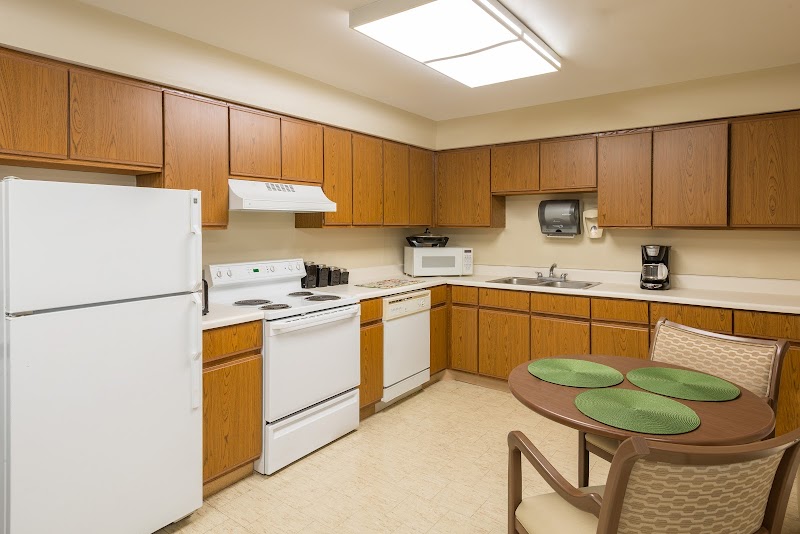
How is London Health & Rehab Center Staffed?

CMS rates LONDON HEALTH & REHAB CENTER's staffing level at 1 out of 5 stars, which is much below average compared to other nursing homes. Staff turnover is 44%, compared to the Ohio average of 46%. This relatively stable workforce can support continuity of care. RN turnover specifically is 70%, which is notably high. RNs provide skilled clinical oversight, so turnover in this role can affect medical care quality.

What Have Inspectors Found at London Health & Rehab Center?

State health inspectors documented 19 deficiencies at LONDON HEALTH & REHAB CENTER during 2020 to 2025. These included: 19 with potential for harm.
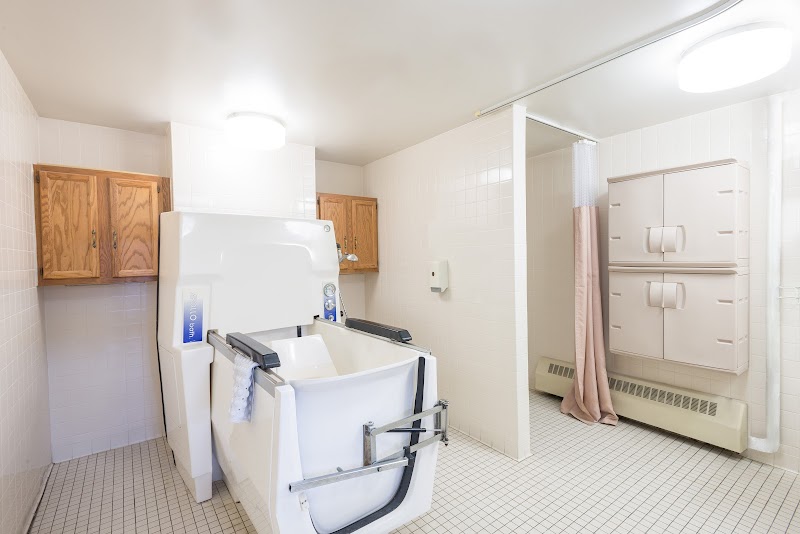
Who Owns and Operates London Health & Rehab Center?

LONDON HEALTH & REHAB CENTER is owned by a for-profit company. For-profit facilities operate as businesses with obligations to shareholders or private owners. The facility is operated by SABER HEALTHCARE GROUP, a chain that manages multiple nursing homes. With 78 certified beds and approximately 73 residents (about 94% occupancy), it is a smaller facility located in LONDON, Ohio.
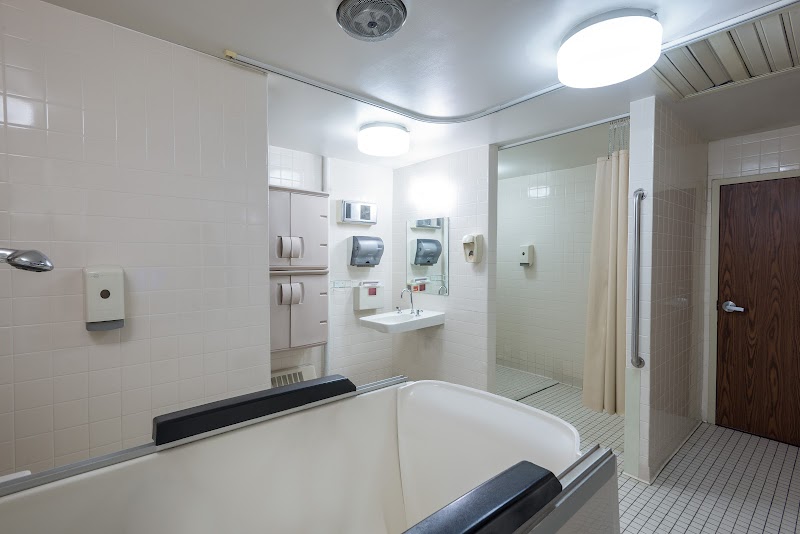
How Does London Health & Rehab Center Compare to Other Ohio Nursing Homes?

Compared to the 100 nursing homes in Ohio, LONDON HEALTH & REHAB CENTER's overall rating (2 stars) is below the state average of 3.2, staff turnover (44%) is near the state average of 46%, and health inspection rating (3 stars) is at the national benchmark.

What Should Families Ask When Visiting London Health & Rehab Center?

Based on this facility's data, families visiting should ask: "Can you walk me through typical staffing levels on day, evening, and night shifts?" "Can I visit during a mealtime to observe dining assistance and food quality?" "How do you handle medical emergencies, and what is your hospital transfer rate?" "Can I speak with family members of current residents about their experience?" These questions are particularly relevant given the below-average staffing rating.

Is London Health & Rehab Center Safe?

Based on CMS inspection data, LONDON HEALTH & REHAB CENTER has a clean safety record: no substantiated abuse findings (meaning no confirmed cases of resident harm), no Immediate Jeopardy citations (the most serious violation level indicating risk of serious injury or death), and is not on the Special Focus Facility watch list (a federal program monitoring the lowest-performing 1% of nursing homes). The facility has a 2-star overall rating and ranks #100 of 100 nursing homes in Ohio. While no facility is perfect, families should still ask about staff-to-resident ratios and recent inspection results during their visit.

Do Nurses at London Health & Rehab Center Stick Around?

LONDON HEALTH & REHAB CENTER has a staff turnover rate of 44%, which is about average for Ohio nursing homes (state average: 46%). Moderate turnover is common in nursing homes, but families should still ask about staff tenure and how the facility maintains care continuity when employees leave.

Was London Health & Rehab Center Ever Fined?

LONDON HEALTH & REHAB CENTER has no federal fines on record. CMS issues fines when nursing homes fail to meet care standards or don't correct problems found during inspections. The absence of fines suggests the facility has either maintained compliance or corrected any issues before penalties were assessed. This is a positive indicator, though families should still review recent inspection reports for the full picture.

Is London Health & Rehab Center on Any Federal Watch List?

LONDON HEALTH & REHAB CENTER is not on any federal watch list. The most significant is the Special Focus Facility (SFF) program, which identifies the bottom 1% of nursing homes nationally based on persistent, serious quality problems. Not being on this list means the facility has avoided the pattern of deficiencies that triggers enhanced federal oversight. This is a positive indicator, though families should still review the facility's inspection history directly.