LAKE POINTE HEALTH CARE
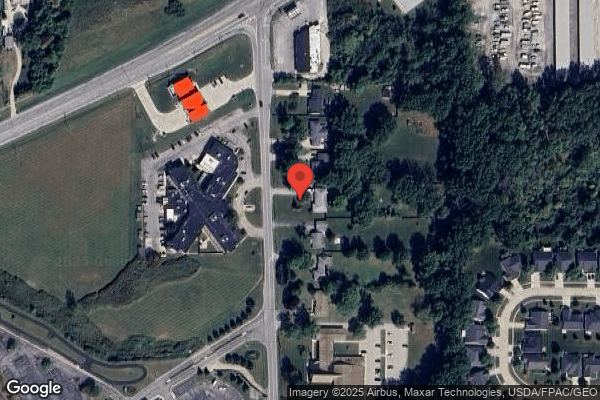
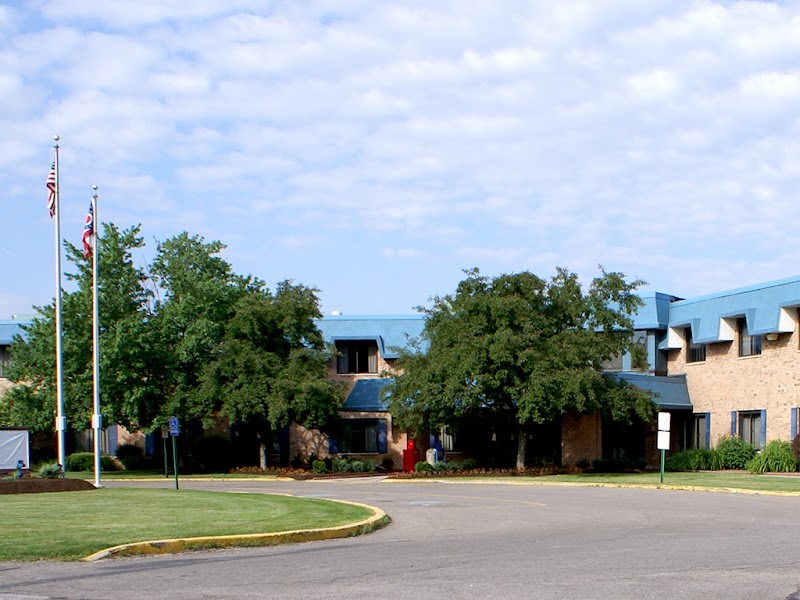
3364 KOLBE RD, LORAIN, OH 44053 (440) 282-2244
For profit - Corporation 99 Beds COMMUNICARE HEALTH Data: November 2025 1 Immediate Jeopardy citation
Trust Grade
66/100
#98 of 913 in OH
Last Inspection: October 2024

Within standard 12-15 month inspection cycle. Federal law requires annual inspections.

Overview

Lake Pointe Health Care has a Trust Grade of C+, indicating it is slightly above average but not exceptional. It ranks #98 out of 913 facilities in Ohio, placing it in the top half of the state, and #4 out of 20 in Lorain County, meaning there are only three local options rated higher. The facility is improving, having reduced its number of issues from four in 2024 to three in 2025. Staffing is a concern with a 2/5 star rating and a turnover rate of 52%, which is average for Ohio, suggesting some staff stability but room for improvement. There have been fines totaling $8,021, which is average, and the facility has less RN coverage than 98% of Ohio facilities, potentially impacting care quality. Specific incidents noted include a failure to prevent a resident with cognitive impairment from leaving the facility unsupervised, which posed a serious risk, and lapses in infection control regarding indwelling catheter care, affecting one resident. Overall, while there are notable strengths in the facility's quality measures and health inspections, there are critical areas of concern that families should consider.

Trust Score
C+
66/100
In Ohio
#98/913
Top 10%
Safety Record
High Risk
Review needed
Inspections
Getting Better
4 → 3 violations
Staff Stability
⚠ Watch
52% turnover. Above average. Higher turnover means staff may not know residents' routines.
Penalties
✓ Good
$8,021 in fines. Lower than most Ohio facilities. Relatively clean record.
Skilled Nurses
⚠ Watch
Each resident gets only 14 minutes of Registered Nurse (RN) attention daily — below average for Ohio. Fewer RN minutes means fewer trained eyes watching for problems.
Violations
⚠ Watch
22 deficiencies on record. Higher than average. Multiple issues found across inspections.
★★★★★
5.0
Overall Rating
★★☆☆☆
2.0
Staff Levels
★★★★★
5.0
Care Quality
★★★★☆
4.0
Inspection Score
Stable
2024: 4 issues
2025: 3 issues

The Good

  • 5-Star Quality Measures · Strong clinical quality outcomes
  • Full Sprinkler Coverage · Fire safety systems throughout facility
  • No fines on record

Facility shows strength in quality measures, fire safety.

The Bad

Staff Turnover: 52%

Near Ohio avg (46%)

Higher turnover may affect care consistency

Federal Fines: $8,021

Below median ($33,413)

Minor penalties assessed

Chain: COMMUNICARE HEALTH

Part of a multi-facility chain

Ask about local staffing decisions and management

The Ugly 22 deficiencies on record

1 life-threatening
Apr 2025 1 deficiency
CONCERN (D) 📢 Someone Reported This

A family member, employee, or ombudsman was alarmed enough to file a formal complaint

Potential for Harm - no one hurt, but risky conditions existed

Deficiency F0773 (Tag F0773)

Could have caused harm · This affected 1 resident

Based on medical record review, staff interview and review of facility policy, the facility failed to ensure timely provider notification of critical laboratory (lab) values. This affected three (#53,...

Read full inspector narrative →
Based on medical record review, staff interview and review of facility policy, the facility failed to ensure timely provider notification of critical laboratory (lab) values. This affected three (#53, #68, and #86) of four residents reviewed for laboratory services. The facility census was 85. Findings include: 1. Review of the medical record for Resident #86 revealed an admission date of 09/25/24. Diagnoses included chronic obstructive pulmonary disease (COPD), cerebral infraction (stroke), malnutrition, anxiety and depression. Review of the Minimum Data Set (MDS) assessment, dated 03/17/25, revealed Resident #86 had intact cognition. The assessment indicated the resident was incontinent of bladder. Review of the care plan, dated 03/17/25, revealed Resident #86 was receiving antibiotic therapy. Interventions included administering antibiotic and observing for side effects and signs and symptoms of infection. Review of the lab service final report dated 03/21/25 at 5:49 P.M. revealed the urine culture resulted positive for Enterococcus faecalis, an organism that causes urinary tract infections (UTI). Review of the physician orders revealed on 03/25/25, an order for penicillin v potassium 500 milligram (mg), administered every eight hours to treat UTI (four days after lab results were receiving indicating the resident had a UTI). Review of the Medication Administration Record (MAR) for March 2025 confirmed penicillin v potassium 500 mg was administered from 03/25/25 through 04/02/25 at ordered. 2. Review of the medical record for Resident #53 revealed an admission date of 05/24/16. Diagnoses included Alzheimer, depression, anxiety, and gout. Review of the MDS assessment, dated 02/23/25, revealed Resident #86 had impaired cognition and was dependent on staff for toileting. The assessment indicated the resident was incontinent of bladder. Review of the care plan, dated 02/23/25, revealed Resident #86 had an infection related to a UTI. Interventions included administering an antibiotic and observing for side effects and signs and symptoms of infection. Review of the lab service final report, dated 03/14/25, revealed the urine culture resulted positive for Escherichia coli (E coli), an organism that causes UTIs. Review of the physicians orders revealed on 03/18/25, an order for sulfamethoxazole-trimethoprim (antibiotic) 800 mg-500 mg, administered every eight hours to treat a UTI (ordered four days after the lab results indicated the resident had a UTI). Review of the MAR for March 2025 confirmed sulfamethoxazole-trimethoprim 800 mg-100 mg was administered from 03/18/25 through 03/25/25 as ordered. 3. Review of the medical record for Resident #68 revealed an admission date of 04/05/25. Diagnoses included acute kidney failure, paraplegia, Cushing's syndrome, cerebral infarction, stroke, and retention of urine. Review of the MDS assessment, dated 02/10/25, revealed Resident #68 had intact cognition and was dependent on staff for toileting. The assessment indicated the resident was incontinent of bladder. Review of the after-visit emergency room (ER) summary, dated 03/11/25, revealed Resident #68 had labs completed, which included urinalysis with reflex to culture (confirms the presence of a UTI). Review of the physicians orders revealed on 03/18/25, an order to administer sulfamethoxazole-trimethoprim 800 mg-100 mg every 12 hours for a UTI for seven days. Review of the MAR for March 2025 confirmed sulfamethoxazole-trimethoprim 800 mg-100 mg was administered from 03/18/25 through 03/24/25 (ordered seven days after labs indicated the resident had a UTI). Interview on 04/09/25 at 11:00 A.M. with the Director of Nursing (DON) verified there was a lapse in time from when the urine cultures were resulted to when the physician ordered antibiotics to treat UTIs for Resident #86, Resident #53, and Resident #68. The DON confirmed Resident #86 and Resident #53's urinalysis results were received on a Friday and were not addressed until the next week. The DON stated the facility had physicians on-call during the weekend to address lab results. The DON stated Resident #68's labs were completed when she went out to the ER and confirmed the facility did not follow-up until the concern was brought to their attention, at which time the Nurse Practitioner (NP) looked up the lab report and ordered the antibiotic to treat Resident #68's UTI. Review of the facility policy titled, Laboratory and Radiological Services Result Reporting, undated, revealed that there are clinical and physiological risk when laboratory, radiology, or other diagnostic services are not performed in a timely manner or the results of these services are not reported and acted upon quickly. Delays may adversely affect a resident's diagnosis, treatment assessment and intervention. Nurses will have a sense of urgency for reporting critical labs and radiological findings to the ordering prescriber and document reporting of such items in the progress notes. This deficiency represents non-compliance investigated under Complaint Number OH0016377.
Jan 2025 2 deficiencies
CONCERN (D) 📢 Someone Reported This

A family member, employee, or ombudsman was alarmed enough to file a formal complaint

Potential for Harm - no one hurt, but risky conditions existed

Accident Prevention (Tag F0689)

Could have caused harm · This affected 1 resident

Based on medical record review, observation, staff interview, and review of the facility policy, the facility failed to ensure staff followed the smoking policy and ensured safe resident smoking pract...

Read full inspector narrative →
Based on medical record review, observation, staff interview, and review of the facility policy, the facility failed to ensure staff followed the smoking policy and ensured safe resident smoking practices. This affected one (Resident #22) of one resident reviewed for smoking. The facility census was 91 residents. Findings include: Review of the medical record for Resident #22 revealed a readmission date of 12/10/24 with diagnoses including chronic respiratory failure, aphasia, type 2 diabetes mellitus (DM), multiple subsegmental thrombotic pulmonary emboli, heart failure, and history of transient ischemic attack (TIA). Review of the Minimum Data Set (MDS) assessment for Resident #22 dated 07/15/24 revealed the resident had intact cognition. Review of the care plan for Resident #22 dated 07/15/24 revealed the resident had a history of utilizing nicotine. Interventions included if resident utilized nicotine products to complete smoking evaluation, provide safe smoking devices if required, and educate resident and resident representative to designated smoking areas and long-term side effects of extended nicotine use Review of the smoking assessment for Resident #22 dated 10/02/24 completed by the Director of Nursing (DON) revealed the resident used a nicotine patch. Review of the physician's orders for Resident #22 dated January 2025 revealed there were no orders for smoking. Review of the smoking assessment for Resident #22 dated 01/23/25 timed at 9:56 A.M. per the DON revealed the resident required supervision for smoking and was unable to light his own cigarette. Observation on 01/23/25 at 9:47 A.M. of Resident #22's room revealed there was a pack of cigarettes and a lighter on the resident's overbed tray. Interview on 01/23/25 at 9:48 A.M. with Registered Nurse (RN) #231 confirmed there was a pack of cigarettes and a lighter on Resident #22's overbed tray. RN #231 confirmed residents were not permitted to keep smoking supplies in their room. RN #231 reported all smoking supplies were to be kept in a locked and secured place. Interview on 01/23/25 at 9:53 A.M. with the DON confirmed residents were not permitted to have smoking supplies, to include cigarettes and lighter in their rooms. The DON verified smoking supplies were to be kept in secured locked units per the facility smoking policy. Review of facility policy titled Resident Smoking Guidelines undated, revealed the facility would promote resident centered care by providing a safe smoking area for residents. Residents would be assessed by an interdisciplinary team (IDT). Staff would store smoking materials in a secured area when not in use by the residents for both independent and supervised smokers.
CONCERN (D) 📢 Someone Reported This

A family member, employee, or ombudsman was alarmed enough to file a formal complaint

Potential for Harm - no one hurt, but risky conditions existed

Infection Control (Tag F0880)

Could have caused harm · This affected 1 resident

Based on medical record review, observation, staff interview, and review of the facility policy, the facility failed to maintain acceptable infection control practices during medication administration...

Read full inspector narrative →
Based on medical record review, observation, staff interview, and review of the facility policy, the facility failed to maintain acceptable infection control practices during medication administration to prevent the spread of infection. This affected one resident (Resident #46) of three residents reviewed for medications. The facility census was 91 residents. Findings include: Review of the medical record for Resident #46 revealed an admission date of 02/16/24 with diagnoses including peripheral vascular disease and malignant neoplasm of stomach. Review of the quarterly Minimum Data Set (MDS) assessment for Resident #46 dated 12/28/24 revealed the resident had intact cognition. Review of the physician's orders for Resident #46 dated January 2025 revealed an order for Gabapentin 100 milligram (mg) capsule by mouth. Observation of medication administration for Resident #46 on 01/23/25 at 8:55 A.M. per Licensed Practical Nurse (LPN) revealed the nurse removed the resident's Gabapentin capsule from the packaging and dropped the capsule on the medication cart. LPN #254 picked the capsule up off the medication cart and placed it in a medicine cup. LPN #254 opened the capsule and poured the contents in the same medicine cup and mixed with applesauce. LPN #254 took the medication into Resident #46's room and administered the medications to the resident. Interview on 01/23/24 at 9:11 A.M. with LPN #254 confirmed she administered Resident #46's medication after dropping on the medication cart. Interview on 01/23/25 at 9:12 A.M. with the Director of Nursing (DON) confirmed if a nurse dropped medication onto the medication cart, they were to dispose of it and get a new pill. Review of the facility policy titled Medication Administration undated revealed dropped medications would be discarded. This deficiency represents noncompliance investigated under Complaint OH00161498.
Nov 2024 2 deficiencies
CONCERN (D) 📢 Someone Reported This

A family member, employee, or ombudsman was alarmed enough to file a formal complaint

Potential for Harm - no one hurt, but risky conditions existed

Accident Prevention (Tag F0689)

Could have caused harm · This affected 1 resident

**NOTE- TERMS IN BRACKETS HAVE BEEN EDITED TO PROTECT CONFIDENTIALITY** Based on medical record review, observation, staff interview, and review of the facility policy, the facility failed to ensure f...

Read full inspector narrative →
**NOTE- TERMS IN BRACKETS HAVE BEEN EDITED TO PROTECT CONFIDENTIALITY** Based on medical record review, observation, staff interview, and review of the facility policy, the facility failed to ensure fall interventions were implemented per physician order. This affected one (#18) of three residents reviewed for falls. The facility census was 87. Findings include: Review of Resident #18's medical record revealed an admission date of 03/19/24. Diagnoses included dementia, history of falling, weakness, hypertension, need for assistance with personal care, muscle weakness, and unsteadiness on the feet. Review of Resident #18's quarterly Minimum Data Set 3.0 assessment dated [DATE] revealed the resident was severely cognitively impaired. Review of Resident #18's plan of care dated 03/19/24 revealed the resident was at risk for falls related to impaired mobility and cognition, ataxia, and incontinence. Interventions included the bed in the lowest position, engage bed locks, and providing assistive devices as needed. Review of the nursing progress notes dated 03/25/24 and timed 1:11 P.M. revealed Resident #18 sustained a fall when attempting to transfer from bed and therapy was to evaluate the resident for mobility bars. Review of Resident #18 active physician orders revealed an order dated 03/25/24 for bilateral bed rails for mobility. Review of the fall risk assessment dated [DATE] revealed Resident #18 was at risk for falls. Observation on 11/26/24 at 9:07 A.M. and on 11/26/24 at 3:50 P.M. revealed Resident #18 was lying in bed and there were no bed rails/mobility bars attached to the bed. An interview on 11/26/24 at 11:48 A.M. with Housekeeper #478 verified Resident #18 did not have bed rails on the bed. An interview on 11/26/24 at 12:14 P.M. with Certified Nurse Aide #595 also verified Resident #18 did not have bed rails on their bed and should have had them. Review of the undated facility policy titled, Fall Prevention and Management, revealed the facility would attempt to put an intervention in place that could prevent further falls. This deficiency represents non-compliance investigated under Complaint Number OH00159672.
CONCERN (D) 📢 Someone Reported This

A family member, employee, or ombudsman was alarmed enough to file a formal complaint

Potential for Harm - no one hurt, but risky conditions existed

Deficiency F0810 (Tag F0810)

Could have caused harm · This affected 1 resident

**NOTE- TERMS IN BRACKETS HAVE BEEN EDITED TO PROTECT CONFIDENTIALITY** Based on medical record review, review of an activity calendar, observation, and staff interview, the facility failed to ensure ...

Read full inspector narrative →
**NOTE- TERMS IN BRACKETS HAVE BEEN EDITED TO PROTECT CONFIDENTIALITY** Based on medical record review, review of an activity calendar, observation, and staff interview, the facility failed to ensure residents were provided with assistive devices per physician orders and the plan of care. This affected one (#18) of three residents reviewed for assistance with eating and drinking. The facility census was 87. Findings include: Review of Resident #18's medical record revealed an admission date of 03/19/24. Diagnoses included dementia, history of falling, weakness, hypertension, need for assistance with personal care, muscle weakness, and unsteadiness on the feet. Review of Resident #18's plan of care dated 03/28/24 revealed the resident had potential for altered nutrition status and/or related problems. Interventions included providing assistance with meals, staff to feed the resident, and a two-handled cup with lid. Review of Resident #18's quarterly Minimum Data Set 3.0 assessment dated [DATE] revealed the resident was severely cognitively impaired. Review of Resident #18's active physician orders revealed an order dated 11/17/24 for Resident #18 to receive a two-handled cup with a lid for all liquids. Review of the activity calendar for 11/26/24 identified coffee time was scheduled for 10:00 A.M. Observation on 11/26/24 at 10:56 A.M. revealed Resident #18 was seated in the dining area for the activity. Resident #18 was given a disposable cup of coffee with a lid and did not receive a cup with handles. Observation on 11/26/24 at 11:18 A.M. of Resident #18's lunch meal revealed the resident received one beverage in a two-handled cup with a lid. The resident also received another beverage which was not in a cup with handles or had a lid. An interview on 11/26/24 at 11:25 A.M. with Housekeeper #478 verified Resident #18 received coffee and juice in cups which did not have handles. An interview on 11/27/24 at 8:26 A.M. with Dietitian #834 revealed Resident #18 was to receive a two-handled cup for beverages to facilitate Resident #18's independence with drinking. Review of the activity calendar for 11/27/24 identified coffee social was scheduled for 10:00 A.M. Observation on 11/27/24 at 10:04 A.M. revealed Resident #18 was seated in the dining area for the activity. Resident #18 was given a disposable cup of coffee with a lid and did not receive a cup with handles. An interview on 11/27/24 at 11:34 A.M. with Activities Leader #833 verified Resident #18 received coffee in a disposable cup and did not receive a cup with handles on 11/26/24 or 11/27/24. This deficiency represents non-compliance investigated under Complaint Number OH00159672.
Oct 2024 1 deficiency
CONCERN (D)

Potential for Harm - no one hurt, but risky conditions existed

Deficiency F0698 (Tag F0698)

Could have caused harm · This affected 1 resident

**NOTE- TERMS IN BRACKETS HAVE BEEN EDITED TO PROTECT CONFIDENTIALITY** Based on interview, record review, and facility policy review, the facility failed to ensure monitoring prior to and following d...

Read full inspector narrative →
**NOTE- TERMS IN BRACKETS HAVE BEEN EDITED TO PROTECT CONFIDENTIALITY** Based on interview, record review, and facility policy review, the facility failed to ensure monitoring prior to and following dialysis treatments for Resident #33. This affected one resident of one (Resident #33) reviewed for dialysis. The facility census was 82. Findings include: Review of the medical record for Resident #33 revealed an admission date of 06/06/23. Diagnoses included but were not limited to encephalopathy, stage five hypertensive chronic kidney disease, dependent on renal dialysis, Alzheimer's dementia, type II diabetes mellitus, legal blindness and unspecified protein-calorie malnutrition. Review of the Minimum Data Set (MDS) 3.0 quarterly assessment dated [DATE] for Resident #33 revealed she was on dialysis treatments. Review of the care plan for Resident #33, last reviewed on 09/05/24, revealed she was receiving dialysis and interventions included communication with dialysis center regarding medication, vital signs, weights, any restrictions, diet order, nutritional and fluid needs, lab results, and who to notify with concerns. Evaluation following dialysis treatment and report abnormal findings to the medical provider, nephrologist/dialysis center, resident and resident representative. Review of physician's order dated 09/07/24 for Resident #33 revealed an order to check dialysis site for signs and symptoms of infection and an order dated 09/10/24 for dialysis treatments on Tuesdays, Thursdays, and Saturdays. Review of the Medication Administration Record (MAR) and Treatment Administration Record (TAR) for October 2024 for Resident #33 revealed no monitoring of dialysis site. Review of the vitals documentation for Resident #33 revealed last documented occurrence of blood pressure monitoring was on 09/06/24. Review of the nursing progress note dated 10/22/24 timed at 4:26 P.M. for Resident #33 revealed she returned from dialysis with her site bleeding through the gauze and clothing. Nurse spoke with dialysis center, reinforced the dressing obtained vitals and continued to monitor. Review of nursing progress notes from 07/01/24 through 10/22/24 did not reveal any additional documentation on resident status prior to or post dialysis treatments. Review of the pre and post dialysis assessments for Resident #33 in the electronic medical record revealed a pre/post dialysis evaluation for 07/07/24, 07/11/24, 08/31/24 and 09/28/24. No further evidence was provided for additional dates for pre-dialysis and post dialysis assessments as required. Review of the paper medical record revealed last available Dialysis Communication Form was from 06/18/24. There was no evidence of additional documentation or monitoring or Resident #33's status. Interview on 10/24/24 at 11:03 A.M. with Licensed Practical Nurse (LPN) #939 confirmed it was the most recent dialysis communication form in the medical record. Interview on 10/23/24 at 2:57 P.M. with LPN #812 confirmed the facility is to print and send pre-dialysis assessment paperwork located in the electronic medical record with Resident #33 when she goes to dialysis. Upon return, the nurse is to complete the post dialysis assessment form. Interview on 10/23/24 at 3:48 P.M. with the Director of Nursing (DON) confirmed the facility provides morning care and completes a pre-dialysis assessment prior to going to dialysis as well as completed a post dialysis assessment in the electronic medical record. The DON confirmed the pre and post dialysis assessments were not being completed as required. Review of the undated facility policy called, Hemodialysis Care and Monitoring, revealed the facility will provide resident centered care that meets the psychosocial, physical and emotional needs and concern of the residents. Pre-dialysis evaluation will be completed within four hours of transportation to be sent to dialysis and include accurate weight, blood pressure, pulse, respirations and temperature, and medication information. Post dialysis evaluation information will be completed by the nurse upon return from dialysis and uploaded into the electronic health record or placed in the hard medical record.
Sept 2024 1 deficiency 1 IJ
CRITICAL (J) 📢 Someone Reported This

A family member, employee, or ombudsman was alarmed enough to file a formal complaint

Immediate Jeopardy (IJ) - the most serious Medicare violation

Accident Prevention (Tag F0689)

Someone could have died · This affected 1 resident

**NOTE- TERMS IN BRACKETS HAVE BEEN EDITED TO PROTECT CONFIDENTIALITY** THIS DEFICIENCY REPRESENTS AN INCIDENT OF PAST NON-COMPLIANCE THAT WAS SUBSEQUENTLY CORRECTED PRIOR TO THE ON-SITE INVESTIGATION...

Read full inspector narrative →
**NOTE- TERMS IN BRACKETS HAVE BEEN EDITED TO PROTECT CONFIDENTIALITY** THIS DEFICIENCY REPRESENTS AN INCIDENT OF PAST NON-COMPLIANCE THAT WAS SUBSEQUENTLY CORRECTED PRIOR TO THE ON-SITE INVESTIGATION. Based on observation, medical record review, staff interviews, review of a police report, review of a facility investigation, review of written statements, and review of facility corrective action documents, the facility failed to provide adequate supervision to prevent Resident #50, who had moderately impaired cognition, a diagnosis of vascular dementia with behavioral disturbances, and a previous incident of attempting to exit the facility, from leaving the facility unsupervised. This resulted in Immediate Jeopardy on 07/14/24 between approximately 3:00 P.M. and 5:44 P.M. when Resident #50 was able to presumably enter a locked elevator on the second floor with a group of community members and exit the locked front entrance with the group without staff knowledge and exit the facility unsupervised. The potential for serious life-threatening harm and/or injury occurred when the resident was missing for up to two hours and 45 minutes, ultimately being found by law enforcement at a local high school approximately three miles from the facility. This affected one (#50) of three residents reviewed for accident hazards/elopement. The facility identified four additional residents (#18, #63, #66, and #67) who were assessed at risk for elopement. The facility census was 91. On 09/05/24 at 10:06 A.M., the Administrator, the Director of Nursing (DON), and Corporate Clinical Support Nurse (CCSN) #600 were notified Immediate Jeopardy began on 07/14/24 at approximately 3:00 P.M. when staff last observed Resident #50 in the facility. Between 3:00 P.M. and 5:44 P.M., the resident was able to exit the facility unsupervised, after entering a locked elevator on the second floor with a group of community members visiting the facility, taking the elevator to the first floor, and exiting the facility with the group through the locked front entrance. Facility staff were unaware Resident #50 was missing until approximately 3:00 P.M. when the facility initiated an elopement protocol, and the resident was found by law enforcement at approximately 5:15 P.M. at a local high school located three miles from the facility and near heavily traveled roads with speeds up to 50 miles per hour. The resident was returned to the facility on [DATE] at 5:44 P.M. and assessed with no injuries or change in condition. The Immediate Jeopardy was removed and corrected on 07/15/24 when the facility implemented the following corrective actions: • On 07/14/24 at approximately 3:00 P.M., Resident #50 was not able to be located in the facility and an elopement protocol was initiated by Licensed Practical Nurse (LPN) #130. All other facility residents were accounted for during a head count completed at 3:02 P.M. Local law enforcement was notified to assist in the search for the resident who ultimately located Resident #50 at a local high school at 5:15 P.M. approximately three miles from the facility. Interview with Resident #50 revealed a female let him out of the front door and stated he did not know where he was going. • On 07/14/24, the Administrator and Physician #700 were notified of Resident #50's elopement from the facility. • On 07/14/24 at 5:44 P.M., Resident #50 was returned to the facility and at 5:45 P.M. was assessed by LPN #130 with no injuries or change in condition. • On 07/14/24 at approximately 5:45 P.M., Resident #50 was place on one-on-one direct care of staff pending an investigation. Resident #50 remained on one-on-one care with staff until discharge from the facility on 07/25/24. • On 07/14/24, Resident #50 was re-assessed for elopement and unsafe wandering risk by LPN #130 and was placed at risk for elopement. Resident #50's care plan was updated on 07/14/24 to include the resident's elopement risk. • On 07/14/24 at 5:45 P.M., the DON began education with all staff members regarding the facility's elopement management policy. All staff members completed education by the DON on 07/15/24 at 11:00 A.M. • On 07/14/24 at 6:06 P.M., LPN #130 notified Resident #50's responsible party to provide information regarding the resident's elopement from the facility. • On 07/14/24 at 7:00 P.M., Registered Nurse (RN) #210 obtained statements from staff working at the time Resident #50 eloped from the facility. • On 07/14/24 at 8:00 P.M., wandering observation tools were completed on all residents by LPN #100, LPN #130, and RN #210, and overseen by the DON, to identify any other residents at risk for elopement. All facility elopement books were reviewed to ensure accuracy and all resident care plans were reviewed and revised as necessary to ensure all interventions were current and in place. • On 07/15/24 at 9:10 A.M., Unit Manager LPN #150 completed an elopement drill with no concerns identified. • On 07/17/24, 07/24/24, 07/30/24, and 08/07/24, Assistant Director of Nursing (ADON) #535, in collaboration with the DON, completed elopement drills with all staff following protocols and no concerns noted. Results of the elopement drills were reviewed in Quality Assurance and Performance Improvement (QAPI) meetings. • The facility QAPI committee held meetings on 07/31/24 and 08/29/24, with Physician #700 in attendance, to discuss results of the elopement drills with no further concerns. • Review of two (#13 and #18) additional resident medical records reviewed for elopement risk revealed no concerns. • Review of the facility incident log between 06/20/24 to current revealed the facility had no other residents elope from the facility since Resident #50's elopement on 07/14/24. • Observation on 09/05/24 at 12:05 P.M., revealed the locking mechanism to enter the elevator on the second floor was working appropriately. • Observation on 09/05/24 between 12:10 P.M. and 12:15 P.M. with Receptionist #500 verified the locking mechanisms on the first-floor front exit door and elevator were working appropriately. • Interviews on 09/09/24 between 9:13 A.M. and 2:10 P.M. with Receptionist #500, LPN #100, LPN 120, State Tested Nurse Aide (STNA) #320, and STNA #370 revealed all staff were knowledgeable of the facility elopement policy and verified they were educated on the facility's elopement policy and protocol including what to do when a resident was missing. Findings included: Review of Resident #50's medical record revealed an admission date of 07/11/24. Diagnoses included vascular dementia with behavioral disturbances, cerebral infarction, and homelessness. Review of Resident #50's admission Minimum Data Set (MDS) assessment dated [DATE] revealed the resident was assessed with moderately impaired cognitive function and was independent with ambulating and all activities of daily living (ADLs). The resident did not require an assistive device for walking. Review of Resident #50's Nursing Assessment Evaluation dated 07/11/24 revealed the resident was admitted to the facility on [DATE] at 9:00 A.M. for a change in mental status. The resident was assessed as alert and oriented to three spheres (person, place, and time) with no exit-seeking behaviors or wandering since admission, and it was unknown if the resident had a history of exit-seeking. Resident #50 required no assistance with transfers and the resident was assessed as not at risk for elopement. Review of Resident #50's care plan dated 07/12/24 revealed the resident was independent for ADLs and ambulation. Review of Resident #50's nursing progress note dated 07/13/24 at 11:22 A.M. revealed the resident exhibited agitation and attempted to leave the facility. The staff were unable to redirect the resident, so a one-time dose of an antipsychotic medication (Seroquel) was ordered to calm him. A urinalysis and blood work were also ordered by the physician. Further review of Resident #50's care plan and physician orders revealed no immediate interventions were put in place to address Resident #50's exit-seeking behaviors. Additionally, there was no documentation of a repeat assessment completed to determine the resident's elopement risk related to the incident on 07/13/24. Review of Resident #50's nursing progress note dated 07/14/24 revealed the resident was unable to be located for medication administration and was not found in the immediate area. An elopement alert was initiated, and contacts were notified including the medical director and local police department. Resident #50 was found by the police and returned to the facility at 5:45 P.M. A head-to-toe assessment of the resident found no acute changes or injuries. The resident was immediately placed on one-to-one observation and all parties were notified of Resident #50's return to the facility. Review of a police incident report dated 07/14/24 at 5:15:37 P.M. revealed an incident was initiated for a suspicious condition related to Resident #50. Further review revealed an entry was created on 07/14/24 at 5:43:30 P.M. that an officer was flagged down by an unnamed male at 5:15 P.M. On 07/14/24 at 5:44:15 P.M., the officer took Resident #50 back to the facility and the resident was released to the staff. Review of the facility incident report dated 07/14/24 revealed Resident #50 was last seen in the common area at 3:00 P.M. and the resident was wearing a black colored t-shirt and jeans. The weather was warm and cloudy. Resident #50 was interviewed on 07/14/24 at 6:08 P.M. and he indicated a lady let him out of the front door and he walked through to the outside. Resident #50 indicated he did not know where he was going. Resident #50 was last seen on 07/14/24 at 3:00 P.M. downstairs by the front door and was noted as missing at 5:00 P.M. when he could not be located for medication administration. The elopement process was initiated, with the resident located and returned to the facility without injuries or pain. The resident was placed on one-to-one observation pending results of the investigation and alternate placement. Review of a written statement dated 07/14/24 by LPN #130 revealed Resident #50 was last observed by her on 07/14/24 at 3:00 P.M. and was wearing a black shirt and jeans. There was an elopement search initiated, no leave of absence (LOA) for Resident #50 was found, and contacts were made regarding Resident #50's whereabouts. Further review of the written statement revealed Resident #50 returned to the facility on [DATE] at 5:45 P.M. with a head-to-toe assessment completed with no pain or discomfort voiced by the resident. The written statement also noted the temperature was 80 degrees Fahrenheit (F) and it was cloudy and humid. Interview with the DON on 09/04/24 at 8:11 A.M. revealed Resident #50 attempted to elope the facility on 07/13/24 and a one-time dose of an antipsychotic medication was administered per physician orders. The DON stated the medication helped to calm the resident. On 07/14/24, Resident #50 had on street clothes, got on the elevator, and walked out of the facility with a large group of visitors. At approximately 3:00 P.M., the resident was unable to be located for medication administration and an elopement alert was initiated. The resident was found by the local police department at the local high school and returned to the facility at 5:45 P.M. The DON stated Resident #50 was assessed with no injuries upon return to the facility. Resident #50 was immediately put on one-on-one care and remained under on-on-one care until he was discharged to a memory care facility on 07/25/24. Interview with Receptionist #500 on 09/04/24 at 9:13 A.M. revealed she was working on 07/14/24 and felt Resident #50 left with a large church group. Receptionist #500 verified that staff must put in a code to get down the elevator from the second floor where Resident #50 resided, and an additional code had to be put in to exit the front doors. Receptionist #50 verified she never saw Resident #50 in the group of visitors that left on 07/14/24. Observation of the facility environment on 09/05/24 between 12:00 P.M. and 12:15 P.M. revealed all residents in the facility resided on the second floor and the elevator and stairway both were locked and required a code to exit the unit. Further observation revealed, once downstairs, the front doors were locked, and a coded keypad was available, or the receptionist had a lock release button at the desk to open the doors. Observation of all keypads revealed all locking and releasing mechanisms were in good working order. Observation of the exterior environment on 09/05/25 between 12:15 P.M. and 12:35 P.M. revealed the facility was located along a heavily traveled four-lane road with maximum speed limits of 50 miles per hour. There was a Great Lake ([NAME]) located just north of the facility approximately one-quarter of a mile walking distance from the facility. Further observation of the exterior environment revealed the driving distance from the facility to the local high school where Resident #50 was located on 07/14/24 was three miles. Review of a website for historical weather conditions at, https://www.wunderground.com/history/daily/us/oh/Lorain/KCLE/date/2024-7-14 revealed the outside temperature was 86 degrees F on 07/14/24 at 2:51 P.M., reached a high of 88 degrees F at 4:51 P.M., and returned to 86 degrees F at 5:51 P.M. The humidity level ranges between 53 percent (%) and 58% and it was cloudy to mostly cloud during that timeframe. Review of the undated facility policy titled, Elopement Management, revealed failure to provide adequate supervision for cognitively impaired residents who leave the facility or safe area and are unaccounted for was considered elopement. Following location of the involved resident the facility leadership will review preventions systems to identify performance opportunities. This deficiency represents an incidental finding discovered during investigation of Master Complaint OH00157563, Complaint Number OH00156113, and Complaint Number OH00156104.
Dec 2023 1 deficiency
CONCERN (D) 📢 Someone Reported This

A family member, employee, or ombudsman was alarmed enough to file a formal complaint

Potential for Harm - no one hurt, but risky conditions existed

Pharmacy Services (Tag F0755)

Could have caused harm · This affected 1 resident

Based on medical record review, review of controlled drug administration records, staff interview, and review of facility policy, the facility failed to ensure as-needed controlled medications were re...

Read full inspector narrative →
Based on medical record review, review of controlled drug administration records, staff interview, and review of facility policy, the facility failed to ensure as-needed controlled medications were recorded on the Medication Administration Record (MAR) when administered. This affected three residents (Residents #07, #17, and #92) of three residents reviewed for controlled medications. The facility census was 91. Findings include: 1. Review of the medical record for Resident #07 revealed an admission date of 10/05/2023. Diagnoses included paraplegia, chronic pain, muscle weakness, and morbid obesity. Review of Resident #07's plan of care, revised 10/18/23, revealed Resident #07 to be at risk for pain related to diagnoses of chronic pain, low back pain, discitis and polyneuropathy. Interventions included to provide non-pharmacological interventions, follow physician's orders for complaint of pain, and observe for pain every shift. Additionally, the plan of care stated to provide medications per orders, monitor for signs and symptoms of side effects and evaluate the effectiveness of the medication. Review of Resident #07's physician's orders revealed an order dated 12/01/23 for oxycodone (an opioid analgesic medication used for pain relief) five milligrams (mg) give two tablets by mouth every six hours as needed (PRN) for pain. Reconciliation of Resident #07's Controlled Drug Administration Record (CDAR) and Medication Administration Record (MAR) for December 2023 revealed the following discrepancy related to oxycodone: • 12/10/23 - four doses signed out on the CDAR, three doses recorded on the MAR 2. Review of the medical record for Resident #17 revealed an admission date of 10/02/23. Diagnoses included fractures of the left tibia, right fibula, left humerus, and the lumbar vertebrae, an injury to the external genitals, muscle weakness, and depression. Review of Resident #17's plan of care, revised 10/16/23, revealed Resident #17 was at risk for pain related to multiple fractures. Interventions included to provide non-pharmacological interventions, follow physician's orders for complaint of pain, and observe for pain every shift. Additionally, the plan of care stated to provide medications per orders, monitor for signs and symptoms of side effects and evaluate the effectiveness of the medication. Review of Resident #17's physician's orders revealed an order dated 10/19/23 for oxycodone five mg, give one tablet by mouth every six hours PRN for pain. Reconciliation of Resident #17's MAR and CDAR for December 2023 revealed the following discrepancies related to oxycodone: • 12/01/23 - two doses signed out on the CDAR, zero doses recorded on the MAR • 12/02/23 - two doses signed out on the CDAR, one dose recorded on the MAR • 12/03/23 - two doses signed out on the CDAR, zero doses recorded on the MAR • 12/04/23 - two doses signed out on the CDAR, one dose recorded on the MAR • 12/06/23 - two doses signed out on the CDAR, one dose recorded on the MAR • 12/07/23 - two doses signed out on the CDAR, one dose recorded on the MAR • 12/08/23 - two doses signed out on the CDAR, one dose recorded on the MAR • 12/09/23 - three doses signed out on the CDAR, one dose recorded on the MAR • 12/11/23 - one dose signed out on the CDAR, zero doses recorded on the MAR 3. Review of the medical record for Resident #92 revealed an admission date of 12/07/23. Diagnoses included metabolic encephalopathy, chronic respiratory failure, and alcohol abuse with withdrawal. Review of Resident #92's physician's orders revealed an order dated 12/08/23 for lorazepam (a benzodiazepine medication used to reduce anxiety) one mg, give one tablet by mouth every six hours PRN for anxiety or alcohol withdrawal, with additional instructions to hold the medication if Resident #92 was drowsy. Reconciliation of Resident #92's CDAR and MAR for December 2023 revealed the following discrepancies related to lorazepam: • 12/08/23 - one dose signed out on the CDAR, zero doses recorded on the MAR • 12/10/23 - one dose signed out on the CDAR, zero doses recorded on the MAR Interview on 12/11/23 at 11:10 A.M. with the Director of Nursing (DON) and Regional Director of Clinical Services (RDCS) #300 verified the CDAR and the MAR did not match for Residents #07, #17 and #92. The DON and RDCS #300 verified nurses should document on the paper CDAR and the MAR, as both records should match. Review of the policy titled Medication Administration, undated, revealed the MAR to be the legal documentation for medication administration. The policy identified that medications will be charted when given and narcotics will be signed out when given. Documentation of medications will follow accepted standards of nursing practice. This deficiency represents non-compliance investigated under Complaint Number OH00148404.
Nov 2023 1 deficiency
CONCERN (D) 📢 Someone Reported This

A family member, employee, or ombudsman was alarmed enough to file a formal complaint

Potential for Harm - no one hurt, but risky conditions existed

Menu Adequacy (Tag F0803)

Could have caused harm · This affected 1 resident

Based on observation, medical record review, review of a meal ticket, and staff interview, the facility failed to ensure residents were served food and drinks according to the menu and meal tickets. T...

Read full inspector narrative →
Based on observation, medical record review, review of a meal ticket, and staff interview, the facility failed to ensure residents were served food and drinks according to the menu and meal tickets. This effect one (#4) of four residents reviewed for provision of food and drinks. The facility census was 98. Findings include: Review of Resident #4's medical record revealed an admission date of 11/01/19 with diagnoses that included hemiplegia, major depressive disorder, and bipolar disorder. Review of the most recent Minimum Data Set (MDS) 3.0 assessment revealed Resident #4 was severely cognitively impaired and required extensive assistance of two staff persons for completion of her activities of daily living (ADLs). Interview with Licensed Practical Nurse (LPN) #150 on 11/03/23 at 10:17 A.M. stated residents having food and drink items missing from their trays or food not served according to the menu happened multiple times a week. Interview with LPN #100 on 11/03/23 at 12:12 P.M. verified Resident #4 was missing coffee on her meal tray, and indicated it happened all the time. Observation on 11/03/23 at 12:14 P.M. confirmed there was no coffee on Resident #4's lunch tray. Review of Resident #4's lunch meal tray ticket, during the observation on 11/03/23 at 12:14 P.M., revealed Resident #4 was to receive six ounces of hot coffee with every meal. This deficiency represents non compliance investigated under Complaint Number OH00146803.
Aug 2023 2 deficiencies
CONCERN (D) 📢 Someone Reported This

A family member, employee, or ombudsman was alarmed enough to file a formal complaint

Potential for Harm - no one hurt, but risky conditions existed

Report Alleged Abuse (Tag F0609)

Could have caused harm · This affected 1 resident

**NOTE- TERMS IN BRACKETS HAVE BEEN EDITED TO PROTECT CONFIDENTIALITY** Based on record review and staff interview, the facility failed to ensure an allegation of misappropriation was reported to the ...

Read full inspector narrative →
**NOTE- TERMS IN BRACKETS HAVE BEEN EDITED TO PROTECT CONFIDENTIALITY** Based on record review and staff interview, the facility failed to ensure an allegation of misappropriation was reported to the state agency as required. This affected one resident (Resident #85) of three reviewed for misappropriation. The facility census was 84. Findings include: Review of Resident #85's medical record revealed an admission date of 05/25/20 with diagnoses including dementia, hypertension, anxiety, and dysphagia (difficulty swallowing). Review of the Minimum Data Set (MDS) assessment dated [DATE] revealed Resident #85 had memory impairment and required extensive assistance with bed mobility, transfers, and hygiene. Resident #85 was discharged from the facility on 06/08/23. Review of the facility's July 2023 concern log revealed on 07/24/23 Resident #85's niece filed a concern for missing guitar and television. The notes related to the concerns indicated unable to locate the television and a family member took the guitar. Review of the concern form dated 07/24/23 revealed Resident #85 passed away on 06/08/23. The guitar was not with Resident #85's personal belongings. Under follow-up actions the response indicated the activity staff reported a family member took the guitar. Interview on 08/08/23 at 10:12 A.M. with Licensed Social Worker (LSW) #200 revealed she was not aware of the missing guitar and television until the concern was reported. Through her investigation it was determined a family member took the guitar. LSW #200 stated there was a television in storage but the niece indicated it was not Resident #85's. LSW #200 said the niece was not concerned about the television. LSW #200 did not report the allegation of misappropriation to the State agency. Review of the facility's undated policy titled Ohio Abuse, Neglect and Misappropriation revealed for alleged violations of misappropriation of resident property the facility must report the allegation no later than 24 hours. This deficiency represents non-compliance investigated under Complaint Number OH00145012.
CONCERN (D) 📢 Someone Reported This

A family member, employee, or ombudsman was alarmed enough to file a formal complaint

Potential for Harm - no one hurt, but risky conditions existed

Investigate Abuse (Tag F0610)

Could have caused harm · This affected 1 resident

Based on interview, record review, review of the facility concern form, and the facility abuse, neglect and misappropriation policy and procedure, the facility failed conduct a thorough investigation ...

Read full inspector narrative →
Based on interview, record review, review of the facility concern form, and the facility abuse, neglect and misappropriation policy and procedure, the facility failed conduct a thorough investigation of an allegation of misappropriation. This affected one resident (Resident #85) of three reviewed for misappropriation. The facility census was 84. Findings Include: Review of Resident #85's medical record revealed an admission date of 05/25/20 with diagnoses including dementia, hypertension, anxiety, and dysphagia (difficulty swallowing). Resident #85 was discharged from the facility on 06/08/23. Review of the profile sheet in Resident #85's medical record revealed Resident #85 was his own self representative and did not have a power of attorney for healthcare of finances. Review of the facility's July 2023 concern log revealed on 07/24/23 Resident #85's niece filed a concern for missing guitar and television. The notes related to the concerns indicated unable to locate the television and a family member took the guitar. Review of the concern form dated 07/24/23 revealed Resident #85 passed away on 06/08/23. The guitar was not with Resident #85's personal belongings. Under follow-up actions the response indicated the activity staff reported a family member took the guitar. Interview on 08/08/23 at 10:12 A.M. with Licensed Social Worker (LSW) #200 revealed she was not aware of the missing guitar and television until the concern was reported. Through her investigation it was determined a family member took the guitar. LSW #200 stated there was a television in storage but the niece indicated it was not Resident #85's. LSW #200 said the niece was not concerned about the television. LSW #200 did not have documentation regarding her investigation including staff statements, resident statements, or statements from any other party that may have had knowledge of the missing items. Review of the facility's undated policy titled Ohio Abuse, Neglect and Misappropriation. revealed in the event a situation was identified as abuse, neglect or misappropriation, an investigation by the executive leadership would immediately follow up. Statements would be obtained from staff related to the incident, including victim, person reporting incident, accused perpetrator and witness. This deficiency represents non-compliance investigated under Complaint Number OH00145012.
Jun 2023 2 deficiencies
CONCERN (D) 📢 Someone Reported This

A family member, employee, or ombudsman was alarmed enough to file a formal complaint

Potential for Harm - no one hurt, but risky conditions existed

Notification of Changes (Tag F0580)

Could have caused harm · This affected 1 resident

**NOTE- TERMS IN BRACKETS HAVE BEEN EDITED TO PROTECT CONFIDENTIALITY** Based on medical record review, staff interview, and policy review, the facility failed to notify the resident representative of...

Read full inspector narrative →
**NOTE- TERMS IN BRACKETS HAVE BEEN EDITED TO PROTECT CONFIDENTIALITY** Based on medical record review, staff interview, and policy review, the facility failed to notify the resident representative of changes in the resident's condition. This affected one (#89) of three residents reviewed for notification of changes in condition. The facility census was 86. Findings include Review of the medical record for Resident #89 revealed an admission date of 04/29/23 and a discharge date of 05/15/23. Diagnoses included cerebral infarction, end stage renal disease, diabetes mellitus type two, atrial fibrillation, hypertension, and a pulmonary embolism. Review of the admission Minimum Data Set (MDS) assessment dated [DATE] revealed Resident #89 had severe cognitive impairment. Review of two medication administration notes dated 05/05/23 at 8:03 P.M. and 8:04 P.M. noted the resident was in the emergency department. There was no documentation when Resident #89 was sent to the emergency department. Also, there was no documentation the resident's family was notified Resident #89 was sent to the emergency department. Review of a nursing note dated 05/07/23 at 4:04 A.M. revealed Resident #89's corpak (an enteral feeding tube device) could not be flushed and was clogged. Resident #89 was ordered to be sent to the emergency room via non-emergency transport. There was no documentation the family was notified Resident #89 was sent to the emergency room until the resident's daughter came to the facility to visit the resident on 05/07/23 at 12:21 P.M. Review of a nursing note dated 05/15/23 at 3:47 P.M. revealed a new order was received to increase the resident's insulin Lantus to 30 units subcutaneously in the morning. There was no documentation the family was notified. Review of a nursing note dated 05/15/23 at 6:39 P.M. revealed the resident's blood sugar was 586. Resident #89 was ordered a one-time dose of 10 units of the insulin Humulin R. There was no documentation the resident's family was notified. Interview on 06/27/23 at 1:30 P.M. with the Director of Nursing (DON) verified the family was not notified the Resident #89 was sent to emergency room on [DATE] and 05/07/23. The DON also verified the family was not notified of the new order for the insulin Lantus or when the resident's blood sugar level was elevated at 586. Review of the undated facility policy titled Notification of Change in Condition revealed the attending practitioner is promptly notified of significant changes in condition and the medical record must reflect the notification, response, and interventions implemented to address the resident's condition. When a change in condition is noted, the nursing staff will contact the resident representative. This deficiency represents non-compliance investigated under Complaint Number OH00143719 and Complaint Number OH00142999.
CONCERN (D) 📢 Someone Reported This

A family member, employee, or ombudsman was alarmed enough to file a formal complaint

Potential for Harm - no one hurt, but risky conditions existed

Deficiency F0760 (Tag F0760)

Could have caused harm · This affected 1 resident

**NOTE- TERMS IN BRACKETS HAVE BEEN EDITED TO PROTECT CONFIDENTIALITY** Based on medical record review, staff interview, and policy review, the facility failed to ensure a resident received medication...

Read full inspector narrative →
**NOTE- TERMS IN BRACKETS HAVE BEEN EDITED TO PROTECT CONFIDENTIALITY** Based on medical record review, staff interview, and policy review, the facility failed to ensure a resident received medications without a significant medication error when a resident was not administered an epilepsy medication per physician orders. This affected one (#90) of three residents reviewed for medication administration. The facility census was 86. Findings include Review of the medical record revealed Resident #90 had an admission date of 05/22/23 and a discharge date of 06/09/23. Diagnoses included epilepsy. Review of the admission Minimum Data Set (MDS) assessment dated [DATE] revealed Resident #90 had intact cognition. Review of the physician orders dated 05/22/23 revealed Resident #90 was ordered ethosuximide 250 milligrams (mg) two capsules by mouth every morning and at bedtime for epilepsy. Review of the medication administration record revealed Resident #90 had not received the medication ethosuximide 250 mg two capsules for the bedtime dose on 05/27/23, 05/28/23, and 05/29/23. Resident #90 had not received the morning or the bedtime dose on 05/30/23 and had not received the morning dose on 05/31/23. Interview on 06/26/23 at 3:23 P.M. with the Director of Nursing (DON) verified Resident #90 was not administered the medication ethosuximide 250 mg, two capsules for the bedtime doses on 05/27/23, 05/28/23, 05/29/23 and 05/30/23. The DON verified Resident #90 had not received the morning doses of the medication on 05/30/23 and 05/31/23. Review of the undated facility policy titled Medication Administration revealed medications would be administered within the time frame of one hour before up to one hour after time ordered. This deficiency represents non-compliance investigated under Complaint Number OH00143719 and Complaint Number OH00143432.
Apr 2022 6 deficiencies
CONCERN (D)

Potential for Harm - no one hurt, but risky conditions existed

Comprehensive Care Plan (Tag F0656)

Could have caused harm · This affected 1 resident

**NOTE- TERMS IN BRACKETS HAVE BEEN EDITED TO PROTECT CONFIDENTIALITY** Based on record review and staff interview the facility failed to complete a care plan regarding pain. This affected one residen...

Read full inspector narrative →
**NOTE- TERMS IN BRACKETS HAVE BEEN EDITED TO PROTECT CONFIDENTIALITY** Based on record review and staff interview the facility failed to complete a care plan regarding pain. This affected one resident (#12) of six residents reviewed for pain control. The facility census was 95. Findings include: Review of Resident #12's medical record revealed an admission date of 10/29/19. Diagnoses included chronic pain in the thoracic spine, schizophrenia, diabetes mellitus and nicotine dependence. Review of Resident #12's quarterly Minimum Data Set (MDS) dated [DATE] revealed the resident was cognitively intact. Review of Resident #12's most recent care plan revealed there was no mention of pain control. Review of Resident #12's physician note dated 03/14/22 revealed the residents pain was not being controlled. He had been on Mobic and Voltaren gel and had an appointment scheduled with pain management. Review of Resident #12's medical record revealed a physician's order dated 02/23/22 for Voltaren Gel 1 % (Diclofenac Sodium) to be applied to the low back topically four times a day for pain. Also apply to the low back topically as needed for pain. In addition, a physician's order dated 03/01/22 for Percocet tablets 5-325 milligrams (mg) every 12 hours as needed for pain and an order dated 04/13/22 for Gabapentin 300 mg to be administered one time daily for neuropathy for one day, then twice daily for one day and give one capsule three times a day thereafter. The staff was to monitor the pain every shift. Interview with Resident #12 on 04/11/22 at 11:13 A.M. revealed the resident had ongoing low back pain and it was not controlled. Interview with the Director of Nursing on 04/14/22 at 10:10 A.M. verified that the facility failed to complete a pain care plan for Resident #12.
CONCERN (D)

Potential for Harm - no one hurt, but risky conditions existed

Deficiency F0657 (Tag F0657)

Could have caused harm · This affected 1 resident

**NOTE- TERMS IN BRACKETS HAVE BEEN EDITED TO PROTECT CONFIDENTIALITY** Based on record review and staff interview, the facility failed to complete quarterly care plan conferences for residents. This ...

Read full inspector narrative →
**NOTE- TERMS IN BRACKETS HAVE BEEN EDITED TO PROTECT CONFIDENTIALITY** Based on record review and staff interview, the facility failed to complete quarterly care plan conferences for residents. This affected one resident (#80) out of two residents reviewed for care conferences. The facility census was 95. Findings include: Review of Resident #80's medical record revealed an admission date of 01/02/18. Diagnoses included nonromantic intracerebral hemorrhage, cerebral infarction, hepatitis C, apraxia, dysphasia, diabetes mellitus, epilepsy, alcohol abuse, and right side hemiplegia. Review of Resident #80's quarterly Minimum Data Set (MDS) dated [DATE] revealed the resident had severe cognitive deficits. The resident required an extensive assistance for bed mobility, dressing, toilet use, and personal hygiene. The resident was documented as refusing care. Review of Resident #80's most recent care plan revealed he had behaviors which indicated dementia. The resident had activity preferences of watching television and sports. He required simple step by step instruction. Resident #80 had suffered an intracranial hemorrhage due to extreme alcohol abuse, and had a history of sudden cardiac arrest. Review of Resident #80's care plan conference notes provided by the Licensed Social Worker (LSW) revealed on care plan had not been completed since 09/08/21. Interview with the Director of Nursing on 04/14/22 at 9:24 A.M. revealed every resident should have been provided a quarterly care conference with the resident and family invited. Interview with the LSW on 04/14/22 at 10:34 A.M. revealed Resident #80 had not been provided a care plan meeting since 09/08/21. She said the resident refused to participate in conferences when offered on 12/22/21 and family was not able to attend. At that time the facility staff did not complete a care conference.
CONCERN (D)

Potential for Harm - no one hurt, but risky conditions existed

ADL Care (Tag F0677)

Could have caused harm · This affected 1 resident

**NOTE- TERMS IN BRACKETS HAVE BEEN EDITED TO PROTECT CONFIDENTIALITY** Based on observation, record review, staff interview, and facility policy review, the facility failed to assist residents in act...

Read full inspector narrative →
**NOTE- TERMS IN BRACKETS HAVE BEEN EDITED TO PROTECT CONFIDENTIALITY** Based on observation, record review, staff interview, and facility policy review, the facility failed to assist residents in activities of daily living (ADL). This affected two residents (#18, #438) out of four residents reviewed for ADL's . The facility census was 95. Findings include: 1. Review of Resident #18's medical record revealed an admission date of 12/17/21. Diagnoses included cerebral palsy, cognitive deficit, intellectual disabilities, diabetes mellitus, and bipolar disorder. Review of Resident #18's quarterly Minimum Data Set (MDS) dated [DATE] revealed the resident had a moderate cognitive function. He required a one person extensive assistance for personal hygiene. Review of Resident #18's most recent care plan revealed he had a self care performance deficit and required extensive assistance with hygiene Review of the State Tested Nursing Aide (STNA) documentation dated 03/10/22 through 04/11/22 revealed the resident received hygiene care five to six times weekly. Observations on 04/11/22 at 11:54 A.M. revealed Resident #18 was laying in bed awake. The resident had long finger nails extending approximately 3/4 inch from the fingertips. Further observation on 0 4/12/22 at 8:11 A.M. revealed the resident remained with long fingernails. Interview with Resident #18 on 04/11/22 at 11:56 A.M. revealed he would have liked his fingernails cut, but could not get the staff to do so. Interview with the Director of Nursing (DON) on 04/13/22 at 1:20 P.M. revealed the STNA's should have trimming the resident's finger nails on shower days which failed to be completed. 2. Observation on 04/11/22 at 10:13 A.M. of Resident #438 fingernails was found to be long and full of debris. Interview on 04/11/22 at 10:13 A.M. with Resident #438 stated her daughter usually took care of her nails but had not been in the facility for a while. She stated if she had a nail file, she would take care of her fingernails herself because the staff does not. Interview on 04/13/22 at 11:07 A.M. with Licensed Practical Nurse (LPN) #190 stated she would give her a nail file. Observation on 04/14/22 at 11:00 A.M. revealed Resident #438 still had debris under her nails. Interview on 04/14/22 at 11:30 A.M. with DON verified Resident #438 had fingernails that needed to be groomed. Review of the facility policy titled Nail and Hair Hygiene Services dated 04/14/17 revealed residents will have routine nail hygiene and hair hygiene as part of the bath or shower. Nails should be trimmed immediately after bathing or alternatively, soaking nails in warm soapy water prior to trimming or filing to reduce tearing and provide ease of trimming and filing.
CONCERN (D)

Potential for Harm - no one hurt, but risky conditions existed

Quality of Care (Tag F0684)

Could have caused harm · This affected 1 resident

**NOTE- TERMS IN BRACKETS HAVE BEEN EDITED TO PROTECT CONFIDENTIALITY** Based on record review and interview, the facility failed to ensure wound dressings were changed per physicians order for reside...

Read full inspector narrative →
**NOTE- TERMS IN BRACKETS HAVE BEEN EDITED TO PROTECT CONFIDENTIALITY** Based on record review and interview, the facility failed to ensure wound dressings were changed per physicians order for residents. This affected one resident (#438) of three residents reviewed with wound care orders. The facility census was 95. Findings include: Review of Resident #438 medical record revealed resident was admitted to the facility on [DATE]. Diagnoses included acute respiratory failure with hypoxia and hypercapnia, acute and chronic respiratory failure, chronic obstructive pulmonary disease (COPD), panlobular emphysema and solitary pulmonary nodule. Observation of Resident #438 on 04/13/22 at 11:07 A.M. revealed Licensed Practical Nurse (LPN) #190 followed physicians' order to cleanse coccyx/sacral wound with normal saline and cover calcium alginate, apply Medi Honey and cover with nine-by-nine-inch comfort foam dressing every day. Record review of the Resident #438's treatment administration record revealed the dressing change was not signed off on 03/22/22, 03/23/22, 04/01/22, 04/03/22, 04/04/22, 04/06/22, 04/07/22, 04/08/22, 04/09/22 and 04/11/22 per physician's order. Interview with the Director of Nursing on 04/14/22 at 1:30 P.M. revealed the dressings were not done on 03/22/22, 03/23/22, 04/01/22, 04/03/22, 04/04/22, 04/06/22, 04/07/22, 04/08/22, 04/09/22 and 04/11/22 per physician's order. Review of the facility policy, skin care and wound management, dated 05/30/19 revealed the facility did not follow their policy for providing wound care per order.
CONCERN (D)

Potential for Harm - no one hurt, but risky conditions existed

Accident Prevention (Tag F0689)

Could have caused harm · This affected 1 resident

**NOTE- TERMS IN BRACKETS HAVE BEEN EDITED TO PROTECT CONFIDENTIALITY** Based on record review, observation, staff interview, and policy review the facility failed to store a resident's medication saf...

Read full inspector narrative →
**NOTE- TERMS IN BRACKETS HAVE BEEN EDITED TO PROTECT CONFIDENTIALITY** Based on record review, observation, staff interview, and policy review the facility failed to store a resident's medication safely. This affected one resident (#80) out of three residents reviewed. The facility census was 95. Findings include: Review of Resident #80's medical record revealed an admission date of 01/02/18. Diagnoses included nontraumatic intracerebral hemorrhage, cerebral infarction, hepatitis C, apraxia, dysphagia, diabetes mellitus, epilepsy, alcohol abuse, and right side hemiplegia. Review of Resident #80's quarterly Minimum Data Set (MDS) dated [DATE] revealed resident was severely cognitive impaired. The resident required an extensive assistance for bed mobility, dressing, toilet use, and personal hygiene. Review of Resident #80's most recent care plan revealed he had behaviors which indicated dementia. The resident had activity preferences of watching television and sports. He required simple step by step instruction. Resident #80 had a communication problem due to a head injury. Observation on 04/11/22 at 10:52 A.M. revealed a bottle of Fish Oil supplement was sitting on Resident #80's tray table next to his bed. Interview with Licensed Practical Nurse (LPN) #190 on 04/12/22 at 11:29 A.M. revealed the fish oil was on the resident's bedside table and she verified that Resident #80 did not have an order for self administration of medication. According to the website www.nccih.nih.gov revealed large amounts of fish oil could be related to bleeding issues. Review of the facility titled Storage of Medications dated 08/2020 revealed only licensed nurses, pharmacy personnel, and those lawfully authorized to administer medications (such as medication aides) are permitted to access medications. Medications rooms, carts, and medication supplies are locked when they are not attended by persons with authorized access.
CONCERN (E)

Potential for Harm - no one hurt, but risky conditions existed

Respiratory Care (Tag F0695)

Could have caused harm · This affected multiple residents

**NOTE- TERMS IN BRACKETS HAVE BEEN EDITED TO PROTECT CONFIDENTIALITY** Based on record review, observation and interviews, the facility failed to follow the physicians order to change oxygen tubing w...

Read full inspector narrative →
**NOTE- TERMS IN BRACKETS HAVE BEEN EDITED TO PROTECT CONFIDENTIALITY** Based on record review, observation and interviews, the facility failed to follow the physicians order to change oxygen tubing weekly on night shift and label with a date. This affected five residents (#17, #28, #43, #46, and #47) out of seven residents observed using oxygen. In addition, the facility failed to ensure a physicians order was in place for the use of oxygen for one resident (Resident #438) out of seven residents reviewed for oxygen therapy. The facility census was 95. Findings include: 1. Observation on 04/11/22 from 10:13 A.M. through 04/13/22 at 9:21 A.M. of the oxygen tubing for Resident #17, #28, #43, #46 and #438, revealed Resident #28's oxygen tubing was dated 02/28/22 and Resident #46's oxygen tubing was dated 02/21/22. Resident #17, #43, #47, and #438's oxygen tubing did not have a label and was not dated. Record review revealed Residents #17, #28, #43, #46 and #47 had physicians' orders to have oxygen tubing changed every Sunday evening on night shift. Interview with Licensed Practical Nurse (LPN) #190 on 04/11/22 at 10:26 A.M., interviews with LPN #135 on 04/13/22 at 2:31 P.M. and LPN #207 on 04/13/22 at 2:33 P.M. verified oxygen tubing was indicated on Residents #17, #28, #43, #46, #47 and #438 were to be changed weekly on the Sunday evening shift per order and dated. Interview with the Infection Prevention Coordinator on 04/14/22 at 10:00 A.M. verified the oxygen tubing should be changed weekly per order, and the tubing should be dated. 2. Record review for Resident #438 revealed resident was admitted to the facility on [DATE]. Diagnoses include acute respiratory failure with hypoxia and hypercapnia, acute and chronic respiratory failure, chronic obstructive pulmonary disease (COPD), panlobular emphysema and solitary pulmonary nodule. Review of Resident #438's physicians orders revealed she did not have any orders to be on oxygen. Review of Resident #438's quarterly minimum data set (MDS) 3.0 dated 03/30/22 under section O/special treatments, procedures and programs revealed she was on oxygen. Review of the care plan dated 03/21/22 revealed Resident #438 had COPD with shortness of breath while lying flat. Interventions included elevate the head of the bed as needed to prevent shortness of breath. Monitor vitals and report any abnormal findings to the medical provide, the resident and the residents representative. Observe for signs and symptoms of COPD. Oxygen therapy as ordered and change tubing per facility policy. Observation of Resident #438 on 04/11/22 at 10:13 A.M. revealed she was on two liters (L) of oxygen via nasal cannula (NC). Interview on 04/11/22 at 10:13 A.M. with Resident #438 stated she had been on oxygen two L per NC since being admitted to the facility on [DATE]. Interview on 04/11/22 with LPN #190 at 10:26 A.M. verified Resident #438 was on oxygen two L. Interview on 04/14/2022 at 11:15 A.M. with the Director of Nursing verified Resident #438 should have had a physician's order for oxygen.
Jun 2019 3 deficiencies
CONCERN (D)

Potential for Harm - no one hurt, but risky conditions existed

Deficiency F0625 (Tag F0625)

Could have caused harm · This affected 1 resident

**NOTE- TERMS IN BRACKETS HAVE BEEN EDITED TO PROTECT CONFIDENTIALITY** Based on record review and staff interview, the facility failed to ensure Resident #88 and/or the resident's representative were...

Read full inspector narrative →
**NOTE- TERMS IN BRACKETS HAVE BEEN EDITED TO PROTECT CONFIDENTIALITY** Based on record review and staff interview, the facility failed to ensure Resident #88 and/or the resident's representative were notified of the facility's policy for bed hold including the reserve bed payment. This finding affected one (Resident #88) of one resident reviewed for hospitalization. Findings include: Review of Resident #88's medical record revealed the resident was admitted to the facility on [DATE] and discharged to the hospital on [DATE] with diagnoses including unspecified dementia with behavioral disturbance, paranoid schizophrenia and essential hypertension. Review of Resident #88's progress note dated 05/02/19 at 5:29 P.M. indicated the resident complained of not feeling well and not being able to urinate or have a bowel movement. A new order was obtained to send the resident to the emergency department per the resident's request. Review of Resident #88's progress note dated 05/02/19 at 9:52 P.M. indicated the nurse called the hospital to check on the status of the resident and the resident was admitted with possible bowel obstruction. Interview on 06/05/19 at 11:17 A.M. with the Administrator confirmed Resident #88 and/or the resident's representative were not notified of the facility's policy for bed holds including the reserve bed payment.
CONCERN (D)

Potential for Harm - no one hurt, but risky conditions existed

ADL Care (Tag F0677)

Could have caused harm · This affected 1 resident

**NOTE- TERMS IN BRACKETS HAVE BEEN EDITED TO PROTECT CONFIDENTIALITY** Based on resident and staff interviews, medical record review and review of the facility policy, the facility failed to provide ...

Read full inspector narrative →
**NOTE- TERMS IN BRACKETS HAVE BEEN EDITED TO PROTECT CONFIDENTIALITY** Based on resident and staff interviews, medical record review and review of the facility policy, the facility failed to provide grooming for a resident unable to carry out Activities of Daily Living (ADL) independently. This affected one (Resident #56) of two reviewed for ADLs. The facility census was 80. Findings Included: Review of the medical record revealed Resident #56 was admitted on [DATE]. Diagnoses included transient cerebral ischemic attack, and very low level of personal hygiene. Review of the quarterly Minimum Data Set (MDS) assessment dated [DATE] revealed one person physical assist for dressing and personal hygiene. Observations on 06/03/19 and 06/04/19 revealed Resident #56 with long facial hairs on the chin and under the nose. Interview on 06/05/19 at 9:52 A.M. with Resident #56 reports, I would like for someone to help with my facial hair removal. There was a nurse that use to remove the hair, but she does not work here anymore. Interview on 06/05/19 at 10:05 A.M. with State Tested Nursing Assistant (STNA) #240 revealed the resident was extensive care one person for her showers and she doesn't shave herself and the staff do the shaving. She verified she has not shaven her for awhile and verified the resident had long facial hairs on the chin and under the nose. Review of facility policy titled Care Management, Routine Resident Care, dated 10/31/13, revealed assisting resident in personal care bathing, dressing, eating, and encouraging participation in physical, social and recreational activities.
CONCERN (F)

Potential for Harm - no one hurt, but risky conditions existed

Infection Control (Tag F0880)

Could have caused harm · This affected most or all residents

**NOTE- TERMS IN BRACKETS HAVE BEEN EDITED TO PROTECT CONFIDENTIALITY** Based on record review, facility policy review, observations and staff interviews, the facility failed to maintain infections co...

Read full inspector narrative →
**NOTE- TERMS IN BRACKETS HAVE BEEN EDITED TO PROTECT CONFIDENTIALITY** Based on record review, facility policy review, observations and staff interviews, the facility failed to maintain infections control protocol regarding a resident's indwelling catheter bag. This affected one (Resident #62) of four residents observed with indwelling catheter bags. In addition, the facility failed to implement a facility risk assessment to identify where Legionella and other opportunistic waterborne pathogens could grow and spread in the facility water system. This had the ability to affect all 80 residents residing in the facility. Findings included: 1. Review of Resident #62's medical record revealed an admission date of 05/01/19. Diagnosis included urinary retention, schizophrenia, dementia and chronic obstructive pulmonary disease. Review of Resident 62's admission Minimum Data Set (MDS) dated [DATE] revealed the resident had an indwelling catheter. Review of Resident #62's most recent care plan revealed the resident was at risk for a urinary tract infection and complications related to an indwelling catheter use for retention due to obstructive uropathy. Observations on 06/03/19 at 9:44 A.M. and 2:56 P.M. revealed Resident #62's indwelling catheter bag was lying on the linoleum floor next to the resident's bed. Further observation on 06/04/19 at 2:42 P.M. revealed Resident #62's indwelling catheter bag was again lying on the floor next to the bed. This was verified by Licensed Practical Nurse #200 on 06/04/19 at 2:44 P.M. Review of the facility policy titled titled Catheters: Drainage Bag and Tubing, dated 10/30/13, revealed staff were to attach the drainage bag to the bed frame and do not let tubing or drainage bag touch the floor. 2. Review of the facility's Legionella program book revealed the facility failed to perform water testing as required by the Center for Disease Control. Interview with the Administrator on 06/06/19 at 2:25 P.M. verified the facility failed to implement a Legionella risk assessment, water management program and complete water testing for waterborne pathogens. Review of the facility policy titled Water Management Plan, dated 08/03/18, revealed they do not perform proactive water testing. The members of the water management team can consider whether testing should be performed. The water management team will determine if water testing should be performed and/or if contracted consulting services should be engaged.
Understanding Severity Codes (click to expand)
Life-Threatening (Immediate Jeopardy)
J - Isolated K - Pattern L - Widespread
Actual Harm
G - Isolated H - Pattern I - Widespread
Potential for Harm
D - Isolated E - Pattern F - Widespread
No Harm (Minor)
A - Isolated B - Pattern C - Widespread

Questions to Ask on Your Visit

  • "What changes have you made since the serious inspection findings?"
  • "Can I speak with families of current residents?"
  • "What's your RN coverage like on weekends and overnight?"

Our Honest Assessment

Strengths
  • • Licensed and certified facility. Meets minimum state requirements.
Concerns
  • • Multiple safety concerns identified: 1 life-threatening violation(s). Review inspection reports carefully.
  • • 22 deficiencies on record, including 1 critical (life-threatening) violation. These warrant careful review before choosing this facility.
Bottom line: Mixed indicators with Trust Score of 66/100. Visit in person and ask pointed questions.

About This Facility

What is Lake Pointe Health Care's CMS Rating?

CMS assigns LAKE POINTE HEALTH CARE an overall rating of 5 out of 5 stars, which is considered much above average nationally. Within Ohio, this rating places the facility higher than 99% of the state's 100 nursing homes. This rating reflects solid performance across the metrics CMS uses to evaluate nursing home quality.
How is Lake Pointe Health Care Staffed?

CMS rates LAKE POINTE HEALTH CARE's staffing level at 2 out of 5 stars, which is below average compared to other nursing homes. Staff turnover is 52%, compared to the Ohio average of 46%.

What Have Inspectors Found at Lake Pointe Health Care?

State health inspectors documented 22 deficiencies at LAKE POINTE HEALTH CARE during 2019 to 2025. These included: 1 Immediate Jeopardy (the most serious level, indicating potential for serious harm or death) and 21 with potential for harm. Immediate Jeopardy findings are rare and represent the most serious regulatory concerns. They require immediate corrective action.
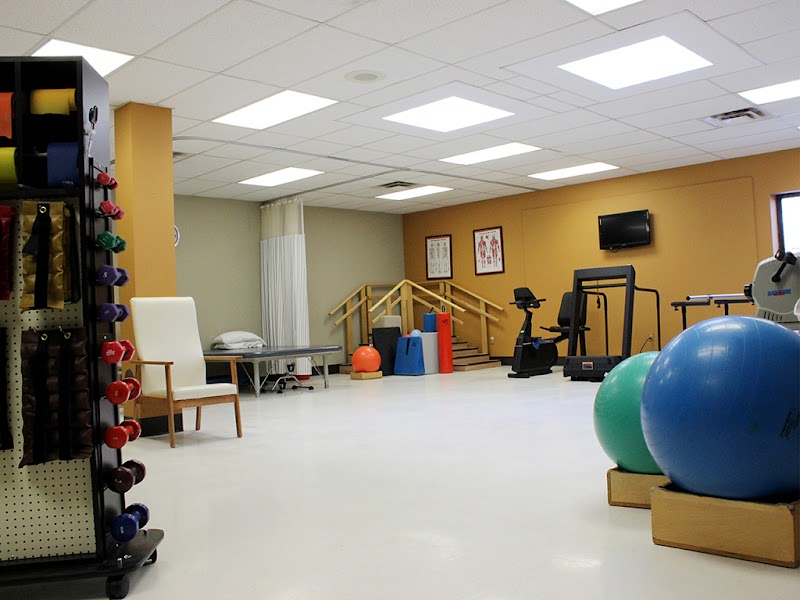
Who Owns and Operates Lake Pointe Health Care?

LAKE POINTE HEALTH CARE is owned by a for-profit company. For-profit facilities operate as businesses with obligations to shareholders or private owners. The facility is operated by COMMUNICARE HEALTH, a chain that manages multiple nursing homes. With 99 certified beds and approximately 85 residents (about 86% occupancy), it is a smaller facility located in LORAIN, Ohio.

How Does Lake Pointe Health Care Compare to Other Ohio Nursing Homes?

Compared to the 100 nursing homes in Ohio, LAKE POINTE HEALTH CARE's overall rating (5 stars) is above the state average of 3.2, staff turnover (52%) is near the state average of 46%, and health inspection rating (4 stars) is above the national benchmark.

What Should Families Ask When Visiting Lake Pointe Health Care?

Based on this facility's data, families visiting should ask: "What changes have been made since the serious inspection findings, and how are you preventing similar issues?" "Can you walk me through typical staffing levels on day, evening, and night shifts?" "Can I visit during a mealtime to observe dining assistance and food quality?" "How do you handle medical emergencies, and what is your hospital transfer rate?" These questions are particularly relevant given the facility's Immediate Jeopardy citations and the below-average staffing rating.

Is Lake Pointe Health Care Safe?

Based on CMS inspection data, LAKE POINTE HEALTH CARE has documented safety concerns. Inspectors have issued 1 Immediate Jeopardy citation (the most serious violation level indicating risk of serious injury or death). The facility has a 5-star overall rating and ranks #1 of 100 nursing homes in Ohio. Families considering this facility should ask detailed questions about what corrective actions have been taken since these incidents.

Do Nurses at Lake Pointe Health Care Stick Around?

LAKE POINTE HEALTH CARE has a staff turnover rate of 52%, which is 6 percentage points above the Ohio average of 46%. Moderate turnover is common in nursing homes, but families should still ask about staff tenure and how the facility maintains care continuity when employees leave.

Was Lake Pointe Health Care Ever Fined?

LAKE POINTE HEALTH CARE has been fined $8,021 across 1 penalty action. This is below the Ohio average of $33,159. While any fine indicates a compliance issue, fines under $50,000 are relatively common and typically reflect isolated problems that were subsequently corrected. Families should ask what specific issues led to these fines and confirm they've been resolved.

Is Lake Pointe Health Care on Any Federal Watch List?

LAKE POINTE HEALTH CARE is not on any federal watch list. The most significant is the Special Focus Facility (SFF) program, which identifies the bottom 1% of nursing homes nationally based on persistent, serious quality problems. Not being on this list means the facility has avoided the pattern of deficiencies that triggers enhanced federal oversight. This is a positive indicator, though families should still review the facility's inspection history directly.