CARDINAL WOODS SKILLED NURSING & REHAB CTR
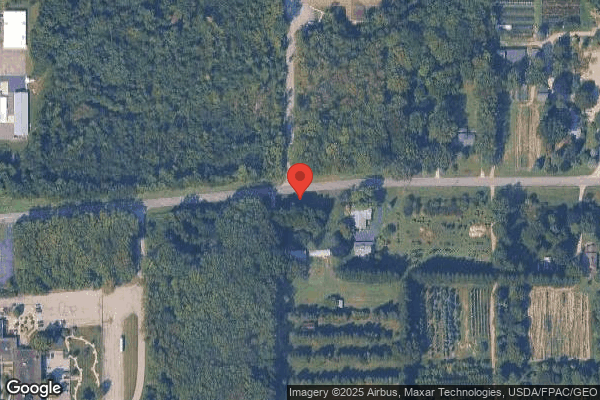

6831 CHAPEL ROAD, MADISON, OH 44057 (440) 428-5103
For profit - Corporation 120 Beds AOM HEALTHCARE Data: November 2025 1 Immediate Jeopardy citation
Trust Grade
0/100
#630 of 913 in OH
Last Inspection: August 2024

Within standard 12-15 month inspection cycle. Federal law requires annual inspections.

Overview

Cardinal Woods Skilled Nursing & Rehab Center has received a Trust Grade of F, indicating poor conditions and significant concerns about resident care. It ranks #630 out of 913 facilities in Ohio, placing it in the bottom half, and #11 out of 14 in Lake County, meaning only three local options are worse. Although the facility is improving slightly, with issues decreasing from 6 in 2024 to 5 in 2025, serious problems persist. Staffing is a significant concern, receiving a 1-star rating with a high turnover rate of 72%, which is much higher than the Ohio average of 49%. Additionally, the facility has been fined $171,459, a figure that exceeds 93% of other facilities in the state, indicating ongoing compliance issues. Specific incidents raise alarms: a resident in the memory care unit accessed a hazardous cleaning product, posing a severe risk, and another resident suffered physical abuse after the facility failed to protect them from an aggressive peer. There were also multiple delays in notifying physicians about a resident's fall and subsequent pain, leading to further injury. While quality measures received a 5-star rating, the overall picture shows a troubling environment that families should consider carefully.

Trust Score
F
0/100
In Ohio
#630/913
Bottom 31%
Safety Record
High Risk
Review needed
Inspections
Getting Better
6 → 5 violations
Staff Stability
⚠ Watch
72% turnover. Very high, 24 points above average. Constant new faces learning your loved one's needs.
Penalties
✓ Good
$171,459 in fines. Lower than most Ohio facilities. Relatively clean record.
Skilled Nurses
⚠ Watch
Each resident gets only 19 minutes of Registered Nurse (RN) attention daily — below average for Ohio. Fewer RN minutes means fewer trained eyes watching for problems.
Violations
⚠ Watch
42 deficiencies on record. Higher than average. Multiple issues found across inspections.
★★☆☆☆
2.0
Overall Rating
★☆☆☆☆
1.0
Staff Levels
★★★★★
5.0
Care Quality
★☆☆☆☆
1.0
Inspection Score
Stable
2024: 6 issues
2025: 5 issues

The Good

  • 5-Star Quality Measures · Strong clinical quality outcomes
  • Full Sprinkler Coverage · Fire safety systems throughout facility
  • No fines on record

Facility shows strength in quality measures, fire safety.

The Bad

2-Star Overall Rating

Below Ohio average (3.2)

Below average - review inspection findings carefully

Staff Turnover: 72%

26pts above Ohio avg (46%)

Frequent staff changes - ask about care continuity

Federal Fines: $171,459

Well above median ($33,413)

Significant penalties indicating serious issues

Chain: AOM HEALTHCARE

Part of a multi-facility chain

Ask about local staffing decisions and management

Staff turnover is very high (72%)

24 points above Ohio average of 48%

The Ugly 42 deficiencies on record

1 life-threatening 4 actual harm
Apr 2025 4 deficiencies 2 Harm
SERIOUS (G) 📢 Someone Reported This

A family member, employee, or ombudsman was alarmed enough to file a formal complaint

Actual Harm - a resident was hurt due to facility failures

Free from Abuse/Neglect (Tag F0600)

A resident was harmed · This affected 1 resident

**NOTE- TERMS IN BRACKETS HAVE BEEN EDITED TO PROTECT CONFIDENTIALITY** Based on record review, review of the facility self-reported incident (SRI) and investigation, review of facility policy, observ...

Read full inspector narrative →
**NOTE- TERMS IN BRACKETS HAVE BEEN EDITED TO PROTECT CONFIDENTIALITY** Based on record review, review of the facility self-reported incident (SRI) and investigation, review of facility policy, observation and interview, the facility failed to ensure Resident #12 was free from physical abuse by Resident #40. Actual harm occurred on 03/16/25 when Resident #40, who had known verbal and physical aggressive behaviors towards others, punched Resident #12 in the face, head, and neck approximately 20 times resulting in facial and scalp contusions, headache and neck pain requiring evaluation and treatment in the hospital emergency room (ER). Resident #12 had X-rays, and a Computed Axial Tomography (CAT) scan performed while in the ER which indicated there were no broken bones. Resident #12 was diagnosed with physical assault, head, face, and neck contusions. Resident #12 returned to the facility on [DATE] with orders to see a concussion specialist on 03/26/25 at 2:30 P.M. This affected one resident (Resident #12) out of six residents reviewed for abuse. The facility census was 94. Findings include: 1. Review of the medical record for Resident #12 revealed an admission date of 07/15/24 with diagnoses including Chronic Obstructive Pulmonary Disease (COPD), adult failure to thrive, chronic pain syndrome, neurogenic bladder, anxiety disorder, type two diabetes mellitus, opioid abuse, viral hepatitis, hypertension, and quadriplegia. Review of Resident #12's quarterly Minimum Data Set (MDS) 3.0 assessment dated [DATE] revealed the resident had intact cognition, required setup or clean up assistance for eating, and oral hygiene, required partial to moderate assistance for toileting hygiene and dressing, and required substantial to maximal assistance for showers, personal hygiene, and bed mobility. Resident #12 used a motorized wheelchair and required substantial to maximal assist for transfer into their wheelchair then were independent with wheelchair mobility. Review of the plan of care for Resident #12 dated 01/05/25 revealed Resident #12 was set up to dependent assist with their Activities of Daily Living (ADL), mobility and functions. Resident #12 utilized an electric wheelchair. Review of Resident #12's progress notes revealed on 03/16/25 at 1:47 A.M. Resident #12 was physically assaulted by Resident #40 when Resident #40 punched Resident #12 approximately 20 times in the head, neck and face. The two residents were separated, and 911 emergency services were called to the facility. Resident #12 stated he wanted to press charges against Resident #40. Resident #12 was sent to the ER for further evaluation and treatment of apparent facial and scalp contusions and reported headache and neck pain. Review of the hospital records dated 03/16/25 revealed Resident #12 had X-rays, and a CAT scan performed which indicated there were no broken bones. Resident #12 was diagnosed with physical assault, head, face, and neck contusions. Resident #12 returned to the facility on [DATE] with orders to see a concussion specialist on 03/26/25 at 2:30 P.M. Review of the pain scales (zero being no pain to 10 being the most severe pain on a scale of zero to 10) in the medical record for Resident #12 from 03/16/25 and 03/17/24 revealed after the assault on 03/16/25 Resident #12 had intermittent pain scores ranging from six to 10 with relief achieved after use of ordered pain medication as evidenced by scores of zero after the administration of oxycodone (narcotic pain medication) five milligrams (mg) every eight hours. 2. Review of the medical record for Resident #40 revealed an admission date of 01/31/25 with diagnoses including COPD, vascular dementia with behavioral disturbances and agitation, Post-Traumatic Stress Disorder (PTSD), anxiety, and impulse disorder. Resident #40 was sent to the hospital on [DATE] for a psychiatric evaluation and did not return to the facility. Review of the emergency discharge notice dated 03/24/25 revealed Resident #40 was discharged from the facility as of 03/16/25 due to the welfare and needs of the resident could not be met in the facility. Review of the admission documentation dated 01/29/25 revealed Resident #40 had transferred to the facility from out of state and had known behaviors including confusion, mood swings, drug and alcohol use, physically abusive and aggression, wanders mentally and physically, short- and long-term forgetfulness and has difficulty concentrating. Resident #40 had diagnoses of PTSD, vascular dementia with behavioral disturbances and agitation, anxiety and impulse disorder. Review of Resident #40's baseline care plan dated 01/31/25 revealed under the Social Services section that mental health needs was checked but there was no additional information related to what the mental health needs were for Resident #40. The section for behavior concerns was also checked but there was no additional information related to what the behavioral concerns were for Resident #40. For both sections, no identified interventions were documented. The baseline care plan was silent for any plan of care, triggers or interventions for Resident #40's diagnoses of PTSD, impulse disorder or dementia with behavioral disturbances and agitation. Review of a progress note dated 02/05/25 at 2:36 A.M. revealed Resident #40 wanted to go smoke and when staff stated it was not time, he became aggressive and began yelling profanities and verbal threats to hurt staff. He was attempting to get to the nurse who told him it was not time for smoke break and additional nursing staff stood between the nurse and Resident #40 to protect the nurse. 911 emergency medical services (EMS) were called, and police arrived at the facility. The situation was explained to the police, and staff insisted the other residents and staff were not safe at the facility and Resident #40 needed to go to the hospital. Police then notified EMS they were needed to transport the resident to the ER for a psychiatric evaluation and treatment. The progress note dated 02/05/25 at 2:49 P.M. revealed Resident #40 returned to the facility with no new orders and was actively trying to exit the facility. Further review of progress notes indicated the resident calmed and was observed to be resting in bed at 6:11 P.M. Review of Resident #40's admission MDS 3.0 assessment dated [DATE] revealed the resident had impaired cognition, required supervision or touching assistance for showers and was independent with eating, oral hygiene, toileting hygiene, dressing, personal hygiene, bed mobility and walking. The behaviors noted on this MDS included physical behaviors including hitting, kicking, pushing, scratching, grabbing marked as behaviors occurring one to three days, verbal behaviors directed towards others including threatening others, screaming at others, cursing at others marked as behavior occurring one to three days, other behavioral symptoms not directed towards others including physical symptoms such as hitting or scratching self, pacing, rummaging, verbal/vocal symptoms like screaming or disruptive sounds and rejection of care occurring one to three days. Review of Resident #40's comprehensive care plan, date initiated 02/13/25, revealed Resident #40 had fluctuating behaviors related to affects of alcohol dependence, dementia, PTSD and impulse disorder. Resident #40 displayed both verbal and physical aggression towards staff and disrupted his environment. Interventions included administer medication as ordered and monitor for side effects, anticipate and meet needs as much as possible, assist to develop more appropriate methods of coping and interacting, caregivers to provide positive interaction by stopping to talk to him when passing by, explain all procedure before starting and allow time to adjust, discuss behavior and explain why inappropriate, intervene to protect the rights and safety of others by approach and speak in a calm manner, divert attention, remove from situation and take to alternate location, monitor behavior episodes and attempt to determine underlying cause. On 03/16/25 an additional intervention was added to include place resident on one-to-one during episodes of increased pacing and aggressive behaviors. Review of Resident #40's physician orders dated March 2025 revealed orders for Duloxetine 30 mg (selective serotonin and norepinephrine reuptake inhibitor) daily for depression, Chlorpromazine 25 mg (give three tablets to equal 75 mg) (antipsychotic) three times a day for impulse disorder, Propranolol 10 mg (beta blocker to treat high blood pressure) every 12 hours as needed for anxiety, Haloperidol 2 mg (antipsychotic) every eight hours as needed for anxiety/agitation, and Buspirone 15 mg (anxiolytic to treat anxiety) every 12 hours for anxiety. Review of progress notes for Resident #40 dated 03/16/25 revealed no documentation of the assault involving Resident #40 and Resident #12, however, there was a progress note entry on 03/16/25 at 4:01 P.M. stating the social worker from the hospital reached out to the facility and notified them Resident #40 was being transferred to Ohio Hospital for Psychiatry in Columbus. Review of the facility SRI and investigation dated 03/16/25 revealed the facility substantiated that resident-to-resident abuse had occurred with Resident #40 being listed as the perpetrator and Resident #12 the victim. Resident #40 made contact with his hand/fist to Resident #12's face and head. Resident #12 was transferred to a hospital ER for evaluation and treatment of apparent facial and scalp contusion and reported neck pain and headache. Resident #40 was transferred to an intensive psychiatric facility. Review of the witness statement dated 03/16/25 and authored by Certified Nurse Aide (CNA) #811 revealed CNA #811 was sitting at the nurses' station next to Resident #12. Resident #40 approached and asked for a sleeping pill. CNA #811 told Resident #40 she was just an aid so he would have to go back to his own unit and ask the nurse. Resident #12 stated yeah bud your nurse can help you. Resident #40 looked and pointed at Resident #12 then walked up to him and started punching him with a closed fist in his head. CNA #811 tried to intervene but could not get Resident #40 to stop hitting Resident #12. A nurse (not identified) came from a room and was able to get Resident #40 to stop. Review of the incident report dated 03/16/25 and authored by Licensed Practical Nurse (LPN) #808 revealed LPN #808 walked out of a resident room to find Resident #40 hitting Resident #12 with a closed fist and wrote he must have hit him at least 20 times. The residents were separated, and 911 EMS was called to the facility. Resident #12 had injuries to his scalp, right ear and face. Resident #12 indicated he wanted to press charges against Resident #40. Resident #40 was sent to the hospital. An interview with the Administrator and LPN #799 on 03/24/25 at 10:45 A.M. revealed Resident #40 was in the hospital and would not be returning to the facility due to his behaviors. They both confirmed Resident #40 assaulted Resident #12 on 03/16/25 causing facial and scalp contusions and reported headache and neck pain. They confirmed Resident #12 required an ER visit and follow up with a concussion specialist. Interviews were attempted with the responsible party for Resident #40 on 03/24/25 at 2:45 P.M. and 03/27/25 at 11:00 A.M. but no return contact was made. An interview on 03/24/25 at 10:45 A.M. with LPN #801 and LPN #802 revealed they were informed Resident #40 punched Resident #12 in the head, neck, and face approximately 20 times causing swelling and bruising and a possible concussion. They stated this was not the first time Resident #40 had been physically aggressive. They stated Resident #40 would become verbally and physically aggressive with staff. An interview on 03/26/25 at 12:55 P.M. with LPN #803 revealed Resident #40 was not appropriately placed in the facility and needed a facility that was better suited to handle his behaviors. Interviews on 03/26/25 at 2:15 P.M. with CNA #804 and CNA #806 revealed they were afraid of Resident #40 due to his aggressive behavior and verified he had a history of aggressive behaviors prior to the incident involving Resident #12. An interview on 03/27/25 at 11:39 A.M. with LPN #808 revealed they were working the night Resident #40 assaulted Resident #12. LPN #808 stated Resident #40 punched Resident #12 approximately 20 times in the head, neck and face. The two residents were separated and 911 was called. LPN #808 stated she notified the physician and responsible party for Resident #40. They stated Resident #12 was alert and oriented to person, place, time, and situation. LPN #808 stated Resident #12 was their own responsible party. Resident #12 stated to the nurse he wanted to press charges against Resident #40. Resident #12 was sent to the ER for further evaluation and treatment of apparent facial and scalp contusions and reported headache and neck pain. LPN #808 stated she was afraid of Resident #40, and this was not his first incident of physical aggression. An interview on 03/27/25 at 12:35 P.M. with the facility Psychiatric Nurse Practitioner (PNP) revealed she was aware Resident #40 was sent to the ER on [DATE] due to a confrontation with another resident. The PNP verified Resident #40 punched Resident #12 approximately 20 times and required a discharge to a psychiatric hospital. When asked if she felt Resident #40's behaviors were well managed at the facility, the PNP stated it was hard to answer due to the situation that occurred on 03/16/25. Interview on 03/27/25 at 2:55 P.M. with LPN #805 and Registered Nurse (RN) #807 revealed Resident #40 assaulted Resident #12 causing visible bruising and swelling to his head, neck, and face. They stated Resident #12 had to go to the emergency room where he had X-rays and a CAT scan done which showed no broken bones, but he had to follow up with a concussion specialist. Observation was conducted and interviews attempted with Resident #12 on 03/24/25 at 12:38 P.M, 03/25/24 at 11:00 A.M. and on 03/27/25 at 2:35 P.M. who was alert and up in his motorized wheelchair. He had slight yellow bruising to his face. He demonstrated no signs of pain. During attempts to interview him, Resident #12 would start to drive off while yelling he contacted the police and they will handle it! An interview was conducted on 03/31/25 at 11:52 A.M. with Police Department Employee (PDE) #919 to try to obtain a copy of the police report related to the abuse incident on 03/16/25 involving Resident #12. PDE #919 stated they were unable to supply the police report associated with Resident #40 assaulting Resident #12 because it was an open investigation with Resident #12 wanting to press charges against Resident #40. Review of the facility policy titled Abuse and Neglect Clinical Protocol, date revised 03/2018, revealed abuse was defined as the willful infliction of injury, unreasonable confinement, intimidation or punishment with resulting physical harm, pain or mental anguish. The policy stated facility management and staff will institute measures to address the needs of residents and minimize the possibility of abuse, and address appropriate causes of problematic resident behaviors. This deficiency represents non-compliance investigated under Complaint Number OH00163841 and OH00163683.
SERIOUS (G) 📢 Someone Reported This

A family member, employee, or ombudsman was alarmed enough to file a formal complaint

Actual Harm - a resident was hurt due to facility failures

Quality of Care (Tag F0684)

A resident was harmed · This affected 1 resident

**NOTE- TERMS IN BRACKETS HAVE BEEN EDITED TO PROTECT CONFIDENTIALITY** Based on observation, medical record review, review of the hospital records, review of the fall incident, facility policy review...

Read full inspector narrative →
**NOTE- TERMS IN BRACKETS HAVE BEEN EDITED TO PROTECT CONFIDENTIALITY** Based on observation, medical record review, review of the hospital records, review of the fall incident, facility policy review and family, staff and resident interview, the facility failed to ensure the physician was notified immediately of an unwitnessed fall with injury, and failed to timely update the physician on increased, severe pain and delay transferring the resident in and out of bed until further orders from the physician were obtained to prevent further injury and pain for Resident #57. Actual harm occurred beginning on 02/21/25 when Resident #57, who was severely cognitively impaired had an unwitnessed fall in his room with evidence of left foot rotation and increasing complaints of pain in his hips without timely and adequate treatment. The resident subsequently developed severe hip pain after being repeatedly transferred in and out of bed without obtaining orders from the physician throughout 02/21/25 and 02/22/25 with the resident yelling out, it hurts at the top while pointing to his bilateral hip area. The resident was also noted to have a problem bearing weight and had a decline in his ability to transfer from one person assistance to three-person assistance. On 02/22/25 at 2:44 P.M. Resident #57 was transported to the hospital emergency room (ER) per order by Physician #814 due to increased pain and difficulty with transfers where he was diagnosed with an acute displaced femoral neck fracture. Resident #57 had to be transferred from the ER to another hospital able to complete a left hip hemiarthroplasty surgery. Resident #57 was re-admitted to the facility on [DATE] with orders for physical therapy, narcotic pain medication and treatments to the surgical incision. This affected one resident (#57) of six residents reviewed for pain/quality of care and treatment. The facility census was 94. Findings include: Review of the medical record for Resident #57 revealed an initial admission date of 01/24/25 with diagnoses including chronic kidney disease, muscle wasting and atrophy, Alzheimer dementia, and type two diabetes mellitus. Resident #57 was discharged to a hospital on [DATE] after a fall incident occurring on 02/21/25 and re-admitted to the facility on [DATE] with new diagnoses including displaced fracture of left femur and presence of left artificial hip joint. Review of the facility document titled Clinical Admission, dated 01/24/25 revealed Resident #57 was admitted from another facility, was alert to person with confusion, disorganized thinking and short-term memory loss. The resident had no pain upon admission, no functional limitations to his upper or lower extremities and used a walker and manual wheelchair for mobility devices. Review of the facility document titled Fall Risk Evaluation, dated 01/24/25, revealed the resident had no falls in the last three months. A predisposing factor to fall risk was that the resident had been hospitalized within the last 30 days. The fall risk score was two out of 10. Review of Resident #57's five-day admission Minimum Data Set (MDS) 3.0 assessment dated [DATE] revealed the resident had severely impaired cognition and required one-person physical assistance for bed mobility, toileting hygiene and transfers. Review of Resident #57's care plan, initiated on 01/24/25 revealed the resident had a high fall risk related to poor safety awareness due to dementia, unsteady gait and use of psychotropic medications. Goals included Resident #57 would be at a reduced risk for injury related to fall risk. Interventions included keep frequently used items in reach at bed side, maintain call light within reach at all times, monitor for acute signs and symptoms of infection or pain which may precipitate a fall, monitor for potential hazards such as untied shoes, spills on the floor, clutter and correct situation, monitor for signs of adverse effects of medication and notify physician, observe for decrease or loss of functional status and notify physician and observe for gait unsteadiness and intervene as necessary. Review of a physician's order dated 01/24/25 revealed an order for acetaminophen (non-narcotic pain medication) 325 milligram give two tablets by mouth every six hours as needed for pain and monitor for pain every shift. Further review of the care plan, initiated on 02/05/25 revealed Resident #57 had potential for pain related to age and diabetes. Goals included the resident would not have an interruption in normal activities due to pain. Interventions included administer analgesics per physician orders, anticipate needs for pain relief and respond immediately to any complaint of pain, encourage the resident to report pain, monitor/record/report to nurse any complaints of pain, notify physician if current interventions are unsuccessful or if current complaint is a significant change from residents past experience of pain. Review of the progress notes for Resident #57 dated 01/24/25 through 02/09/25 revealed he had no indication of pain. There was no progress note entries documented for the date range of 02/11/25 to 02/20/25. Review of the February 2025 Medication Administration Record (MAR) revealed Resident #57 had no complaints of any pain from 02/01/25 through 02/20/25. Review of a facility document titled Fall, dated 02/21/25 at 12:00 A.M. and authored by Licensed Practical Nurse (LPN) #798 revealed an incident description including that a nurse aid informed the nurse she had seen Resident #57 by his counter trying to pull himself up. She did not witness him on the floor but treated it like a fall considering it was unwitnessed. The resident was in his chair sitting with both feet on the floor when the nurse entered the room. The resident stated he was alright and stated I fell. Immediate action taken was the nurse assessed vital signs and skin. A small skin tear was noted on the left elbow. When the nurse and aid asked the resident to stand the resident showed signs of pain and discomfort on his left side. The nurse assessed the left leg and noticed that while the resident was standing his left foot would go outward. The aid stated that was not normal for him. The resident's mental status was oriented to person and place. The physician was notified at 4:26 A.M., family was notified at 4:27 A.M. The document stated the Director of Nursing (DON) was notified but no time was noted. Review of the vitals and pain note dated 02/21/25 at 4:28 A.M. and authored by LPN #798 revealed Resident #57 was having aching pain in his left elbow and grimacing when he stood up. As needed, medication was administered. There were no details in the note regarding the fall incident. Review of a physician's order dated 02/21/25 at 8:00 A.M. revealed an order for an x-ray of the left femur due to complaint of pain after unwitnessed fall which was entered into the electronic medical record by LPN #798. Review of the x-ray report dated 02/21/25 and electronically signed at 10:04 A.M. by the interpreting physician revealed there was no acute visualized fracture of the left femur. Review of a nursing note dated 02/21/25 at 2:58 P.M. revealed the resident continued on neurological checks due to status post fall. The neurological checks were within normal limits for him. An x-ray completed showed no acute fracture visualized femur and was sent to the doctor with no new orders. The resident was able to sit up in his wheelchair. Tylenol was given with good effects for signs of pain. Spoke with son in New Mexico for update after x-rays. Review of a late entry nursing note with an effective date of 02/16/25 at 9:52 P.M. (this date is incorrect, as the fall occurred on 02/21/25) and created date of 02/23/25 at 10:14 P.M. and authored by LPN #808 revealed the resident complained of pain to his left hip when rolling resident to change him. X-ray was done today of femur per MDS but no hip x-ray was obtained. Left foot was turned out. Left hip x-ray was ordered at 7:00 P.M. with no ETA (estimated time of arrival). Another nurse (not identified) came and assessed the resident also, at this time, DON was called and did not want the resident sent out. Wanted a pain eval done (8) and wanted to give resident Tylenol. The resident was not transferred to the hospital for additional evaluation/care at this time. Review of a physician's order dated 02/21/25 at 7:45 P.M. revealed an order for a left hip x-ray due to pain after a fall. Review of a vitals and pain note entry dated 02/21/25 at 8:51 P.M. revealed Resident #57 was having severe pain (rated) of eight (on a scale of 1 to 10) in the left hip which worsened with any movement. The pain was constant and non-medication intervention did not provide relief. Scheduled medication was provided. Review of an orders administration note dated 02/22/25 at 8:40 A.M. and authored by LPN #809 revealed acetaminophen 325 mg two tablets given for pain. Resident had visual signs and symptoms of pain. He was guarding his left hip area and had a noted decrease in range of motion related to transferring into his wheelchair. Does have left hip x-ray scheduled to be completed today. Review of an orders administration note and nurse's note dated 02/22/25 at 9:40 A.M. and authored by LPN #809 revealed the acetaminophen was effective and the pain was now at a zero and resident showing no signs of pain. He was having problems transferring and weight bearing. Three staff were needed for transfers this morning. He ate his meals with good intake and fed himself with set-up. Care was ongoing. Review of a nursing note dated 02/22/25 at 10:48 A.M. and authored by LPN #809 revealed the resident was transferred back to bed with three staff assisting and he was yelling out in pain with the transfer it hurts at the top and pointing to his bilateral hip area. The nurse called ALL STAT X-ray Services who revealed this resident was on the schedule today for a left hip/pelvis x-ray but unable to give an estimated time of arrival. Call was placed to Physician #814 for further instruction as resident requested to go to the hospital. Review of a nursing note dated 02/22/25 at 1:12 P.M. and authored by LPN #809 revealed Physician #814 called back with new orders to send Resident #57 out to the ER. The resident had become non-weight bearing at this time and required three staff assistance for transfer. He had been medicated for his pain complaints per orders. Staff was laying him down after each meal this day to assist with pressure relief and pain control. Son was updated and notified of transfer. The ambulance service was called and will be at the facility approximately 2:00 P.M. Review of a nursing note dated 02/22/25 at 2:25 P.M. authored by LPN #809 revealed the resident had bilateral lower leg pitting edema times two and remains with pain and discomfort to hip area. Ambulance transport called with an arrival time of five minutes for transfer to ER. Review of a nursing note dated 02/22/25 at 2:44 P.M. authored by LPN #809 revealed Emergency Medical Services (EMS) arrived at the facility. LPN #809 and three paramedics lifted Resident #57 onto the gurney. Prior to leaving the resident room, the paramedics started an IV (intravenous line) and administered a dose of Fentanyl (narcotic used to treat pain) pain medication and completed an EKG (electrocardiogram test that measures heart activity) due to the severe pain of the resident. Review of hospital documentation dated 02/22/25 through 02/26/25 revealed the resident was diagnosed with an acute impacted femoral neck fracture with impaction and cephalad (toward the head/anterior) displacement of 1.2 centimeters after sustaining a fall at the facility. The operative note dated 02/24/25 listed the pre-operative diagnosis as closed the left displaced femoral neck fracture. Resident #57 was placed under general anesthesia and a left hip hemiarthroplasty was performed. The surgeon noted the resident tolerated the procedure well and was stable. An interview was conducted on 03/19/25 at 2:30 P.M. with Resident #57's son who reported the facility called to tell him Resident #57 fell at the facility. The son said his dad was sent to the hospital two days later and at the hospital he was diagnosed with a hip fracture and needed hip surgery. Interview on 03/24/25 at 10:45 A.M. with LPN #802 revealed they cared for Resident #57 on 02/21/25 from 7:00 A.M. to 7:30 P.M. and stated the resident's pain related to the fall was being treated with Tylenol. LPN #802 stated the resident would cry out anytime they had to move him with transfers or in bed to provide incontinence care. LPN #802 stated prior to the fall on 02/21/25 at 12:00 A.M. the resident required assist by one staff member for transfers to the wheelchair or bed. However, after the fall the resident was requiring maximal assistance by three to four staff members with a notable deformity of position on the left foot and when standing it would turn outward. LPN #802 stated it became more and more difficult to transfer the resident throughout the day until he was non-weight bearing on his left lower extremity. LPN #802 did not say why they continued to transfer the resident having pain with an outward turn of the left foot position. Interview on 03/26/25 at 2:15 P.M. with Certified Nursing Assistant (CNA) #806 revealed Resident #57 had complaints of left leg pain when transferring on 02/22/25 from his wheelchair to his bed. CNA #806 stated he screamed in pain with transfers, so they requested assistance by two additional staff members to get him in the bed. CNA #806 stated prior to the fall the resident was a minimal assist by one staff member for transfers to the wheelchair or the bed. CNA #806 stated they felt Resident #57's pain was not ceasing and should have been sent to the hospital sooner than he was. Interview on 03/27/25 at 11:26 A.M. with Resident #57 revealed when asked if he knew where he was, he stated no. When asked if he remembered falling, he stated yes and he was unsure what happened but his leg hurt after the fall. When asked what he was trying to do at the time of fall he stated, I do not know, I think I just fell over. Resident #57 did not show any verbal or nonverbal signs of pain during the interview. Interview on 03/27/25 at 11:39 A.M. with LPN #808 confirmed Resident #57 fell on [DATE] at 12:00 A.M. and that notification was not made to the Physician until 4:26 A.M. LPN #808 provided no explanation as to why the delay in notification. LPN #808 stated Resident #57 complained of left hip pain when rolling the resident to provide incontinence care. Resident #57's left foot was turned out. LPN #808 stated the left femur x-ray was negative for fracture and a left hip x-ray was ordered on 02/21/25 at 7:00 P.M. but was not completed yet and there was no estimated time of arrival for x-ray company. LPN #808 stated another nurse (not identified) came and assessed the resident also. At this time, they notified the DON who did not want the resident sent to the hospital instead instructed them to complete a pain evaluation with results of the resident's pain being an 8 out 10 on the pain scale and to medicate the resident with Tylenol. LPN #808 stated they did not feel Resident #57's pain was controlled on the Tylenol. LPN #808 gave no explanation of why they continued to move the resident before the hip x-ray was completed. Observation made on 03/27/25 at 11:45 A.M. and on 03/31/25 at 10:37 A.M. of Resident #57 revealed he was up in his wheelchair sitting with other residents in the dining room located on the secure dementia unit. There were no overt signs or symptoms of pain at the time of the observations. Interview on 03/27/25 at 2:15 P.M. with LPN #809 revealed the LPN was assigned to care for Resident #57 on 02/22/25 and had observed signs and symptoms of severe pain throughout their shift and had medicated the resident with Tylenol as needed for pain. LPN #809 confirmed Resident #57 was guarding his left hip area and noted a decrease in range of motion when transferring into their wheelchair. LPN #809 stated they notified the physician on 02/22/25 at 10:48 A.M. of the resident's continued pain, increase in need for assistance, swelling to legs, decrease in pedal pulses and wanted to notify the physician about the x-ray company unsure of when they would be out to do hip x-ray. LPN #809 stated the physician did not return the call until 02/22/25 at 1:12 P.M. and gave orders to transfer the resident to the local ER for evaluation and treatment. LPN #809 stated she notified EMS of need for transportation. EMS arrived around 2:44 P.M., assisted the staff with the transfer to the gurney. LPN #809 stated the paramedics immediately started an IV and medicated the resident with Fentanyl for pain prior to leaving the resident's room. LPN #809 stated Resident #57 was sent to the local ER where they found the resident had an acute displaced femoral neck fracture which required a left hip hemiarthroplasty. LPN #809 stated they had to transfer the resident from the local ER to a hospital equipped to complete the surgery. Interview attempts with LPN #798 were made on 03/27/25 at 11:37 A.M., on 03/27/25 at 2:58 P.M., on 04/09/25 at 11:23 A.M. and 04/09/25 at 1:45 P.M. but the calls were not answered, and no return call was received. A follow-up interview was conducted on 04/09/25 at 3:40 P.M. with LPN #808 who revealed the LPN spoke with the DON regarding Resident #57's pain, negative femur x-ray, and foot being rotated out. LPN #808 stated the DON instructed her to not send the resident to the hospital and gave orders for a hip x-ray. When asked why the DON instructed her to not send the resident to the hospital, LPN #808 stated the DON told her she was told by corporate to not send residents to the hospital that they would get in trouble for it. LPN #808 stated she was instructed to not call the physician by the DON. An interview on 04/09/25 at 3:49 P.M. with Physician #814 revealed the physician was not aware the facility waited four hours and 26 minutes after the fall to notify him. Physician #814 stated he was aware the resident was in pain but not that it continued or that Resident #57 was having difficulty with transfers. Physician #814 stated he was not informed the resident's foot was turned outward. Physician #814 stated it was not ok for the DON to instruct the staff to not send the resident to the hospital and it was not ok for the DON to order a hip x-ray. He stated the staff should have called him for further orders. Physician #814 stated the facility staff should not have been transferring the resident from his bed to his chair after the fall. The DON resigned employment with the facility on 03/24/25 with last day worked on 03/18/25 and was not available for an interview. Review of the facility policy titled Change in a Resident Condition or Status, revised 02/2021, revealed the facility promptly notifies the resident's attending physician of changes in the residents' medical condition or status. The nurse will notify the residents' physician or physician on call when there has been an accident or incident involving the resident. Review of the facility policy titled Falls Clinical Protocol, revised 03/2018, revealed the staff, with the physicians' guidance, with follow-up on any fall with an associated injury until the resident is stable and delayed complications such as late fracture have been ruled out or resolved. This deficiency represents non-compliance investigated under complaint number OH00163683.
CONCERN (D) 📢 Someone Reported This

A family member, employee, or ombudsman was alarmed enough to file a formal complaint

Potential for Harm - no one hurt, but risky conditions existed

Deficiency F0602 (Tag F0602)

Could have caused harm · This affected 1 resident

**NOTE- TERMS IN BRACKETS HAVE BEEN EDITED TO PROTECT CONFIDENTIALITY** Based on resident and staff interviews, record review, and review of the facility Self Reported Incident (SRI) and investigation...

Read full inspector narrative →
**NOTE- TERMS IN BRACKETS HAVE BEEN EDITED TO PROTECT CONFIDENTIALITY** Based on resident and staff interviews, record review, and review of the facility Self Reported Incident (SRI) and investigation, the facility failed to ensure the misappropriation of narcotic pain medication did not occur for Resident #80. This affected one resident (Resident #80) out of six residents reviewed for misappropriation. The facility census was 94. Findings include: Review of the medical record for Resident #80 revealed an admission date of 01/16/12 with diagnoses including rheumatoid arthritis, chronic pain syndrome, peripheral vascular disease, history of morbid obesity, rheumatoid arthritis, and gout. Review of Resident #80's quarterly Minimum Data Set (MDS) 3.0 assessment dated [DATE] revealed the resident had intact cognition. They required setup or clean up assistance with eating and were independent with all other Activities of Daily Living (ADLs) including toileting hygiene, showers, dressing, personal hygiene, bed mobility and transfers. Review of Resident #80's care plan dated 03/07/25 revealed Resident #80 had chronic pain related to peripheral vascular disease, history of morbid obesity, rheumatoid arthritis, and gout. Goals and interventions included the resident would voice that adequate comfort and pain control was maintained daily, staff would administer pain medications per physician orders, encourage activity and movement within tolerance, monitor, document side effects of pain medications, observe for constipation, new onset or increased agitation, restlessness, confusion, hallucinations, dysphoria, nausea, vomiting, dizziness and falls. Staff to report any findings to the physician. Staff were to offer comfort measures every shift and as needed. Review of Resident #80's physician orders dated February 2025, revealed the resident was ordered Tylenol 650 milligrams (mg) every six hours for pain as needed, Baclofen 10 mg every 12 hours as needed for muscle pain, and Oxycodone (a narcotic pain medication) 5-325 mg every eight hours as needed for severe pain rated a seven or higher on the numerical pain scale. Review of Resident #80 Medication Administration Record (MAR) dated February 2025 revealed the resident received a dose of Oxycodone 5-325 mg on 02/11/25 at 6:00 P.M., 02/12/25 at 1:00 A.M., and on 02/12/25 at 6:20 A.M. administered by Licensed Practical Nurse (LPN) #797. There were no administrations of Tylenol documented for these dates. Review of the facility SRI dated 02/12/25 for misappropriation revealed Resident #80 accused LPN #797 of stealing remaining doses of Oxycodone 5-325 mg. The previous facility Administrator completed the investigation and unsubstantiated the allegation of misappropriation. After review of the investigation, it was determined that misappropriation occurred. Further review of the SRI investigation revealed a witness statement provided by LPN #797. LPN #797 stated he started his medication pass as usual with residents lined up at this cart. Resident #80 was at the cart and was medicated with his normal medications and a pain medication except his sleeping pill, which he usually requested around 10:00 P.M. to 10:30 P.M LPN #797 stated the resident was at his medication cart and witnessed him pull the medications and were given at this time. LPN #797 stated he completed his medication pass at approximately 9:30 P.M. to 9:45 P.M Resident #80 next came to the nurse's station and asked for his sleeping pill, which again the resident was present and witnessed the nurse pull the medication. LPN #797 stated he then was approached by Resident #80 around 6:00 A.M. to 6:15 A.M. on 02/12/25 asking for another pain pill which was the Oxycodone 5-325 mg. LPN #797 stated the resident was present when medications were pulled from the cart. LPN #797 stated he did tell Resident #80 this was his last pill in the card, and he was worried about this. LPN #797 stated he would re-order the medication. LPN #797 then pulled the empty card out of the cart, ripped off the top of the card, wrote down the prescription number, pulled the narcotic count sheet, and threw the card in the shred box. LPN #797 stated he placed the narcotic count sheet aside. LPN #797 stated the resident still seemed worried about not having his medication and explained it would be ok due to the fact they could call the pharmacy and get authorization to pull doses from the starter box if needed. LPN #797 stated he spoke with the other nurse on duty about Resident #80 not having any Oxycodone left, and the other nurse stated, didn't you order that last week?, LPN #797 stated yes, but it was not delivered yet. LPN #797 sent in an addendum to his original witness statement saying Resident #80 was up and about around 12:00 A.M. after his guest left and wanted medicated. LPN #797 thought this was odd because the lady guest was there late which she also seen him at the cart when she was leaving. Review of the witness statement provided by Resident #80's female guest revealed she visited with Resident #80 every evening at the facility and on 02/11/25 she visited from 8:00 P.M. to 11:30 P.M. and LPN #797 did not offer Resident #80 any medication. Review of the witness statement provided by LPN #815 revealed Resident #80 approached the nurse asking to call the pharmacy for authorization to pull Oxycodone because he was out and his nurse would pull it. When LPN #815 called the pharmacy they stated the Resident should have enough pills for the day, which would have been three pills and his next card was not due to be sent to the facility until 02/14/25. The resident stated to the nurse that he only asked for one Oxycodone during the 7:00 P.M. to 7:30 A.M. shift on 02/11/25. LPN #815 stated she saw the medication was signed out by LPN #797 three times, and Resident #80 stated he was given Tylenol instead of Oxycodone. LPN #815 looked for the narcotic count sheet and empty card, and neither could be located. The card was signed out of the cart as empty on 02/11/25 by LPN #797. Review of the witness statement provided by Registered Nurse (RN) #813 who relieved LPN #797 on 02/12/25 at 7:00 A.M. revealed she came in for her shift and spoke with LPN #797 who gave a hurried report, and appeared anxious to get out. Before they counted the narcotics LPN #797 stated Resident #80 was out of Oxycodone, it still had not come in from the pharmacy and LPN #797 stated he had to pull a dose from the starter box during the night shift. Review of the facility fax to the pharmacy revealed on 02/13/25 the facility contacted the pharmacy for authorization to pull three tablets of Oxycodone form the starter box for Resident #80. Review of the Shift Change Controlled Substance Inventory Count Sheet dated 02/09/25 to 02/12/25 revealed on 02/12/25 at 7:00 A.M. LPN #797 removed Resident #80's Oxycodone card and narcotic count sheet indicating they were empty. Interview on 03/26/25 at 2:49 P.M. with RN #813 revealed LPN #797 was in a hurry to leave on 02/12/25 and rushed through report, they counted the narcotics and count was correct. RN #813 stated before they counted the narcotics, LPN #797 pointed out Resident #80 was out of Oxycodone, and it had not come in from the pharmacy yet. RN #813 stated LPN #797 told her they had to pull a dose for the starter box during the night. Interview on 03/26/25 at 3:45 P.M. with Resident #80 revealed on 02/11/25 at approximately 10:15 P.M. he asked LPN #797 for his Oxycodone 5-325 mg pain medication and a sleeping pill. Resident #80 stated he received one pain medication and his sleeping pill. The resident stated he then went to sleep and slept until 6:00 A.M. on 02/12/25. He stated at 6:15 A.M. he asked LPN #797 for a pain pill and LPN #797 gave him a medication cup with two white tablets in them and then LPN #797 stated to him I threw a Baclofen in for you. Resident #80 stated he was surprised as he does not ask for Baclofen at that time. Resident #80 stated he knows what Tylenol looks like and stated the nurse gave him two Tylenol and not his Oxycodone as requested. Resident #80 stated he knew how he felt when he takes his Oxycodone, and he knows he did not get it as he did not have any pain relief. Resident #80 stated LPN #797 told him he was running out of his Oxycodone, Resident #80 stated he asked LPN #797 how many pills he had left, and LPN #797 stated he had two pills left. On 02/12/25 Resident #80 stated he asked Registered Nurse (RN) #813 for an Oxycodone and she replied, he did not have any left. Resident #80 stated he then went to go find the Director of Nursing (DON) to report the missing medications. Resident #80 stated he did not ask for or receive a dose of his Oxycodone at 6:00 P.M. on 02/11/25. Resident #80 stated he knows when his medications were given and knows he can only have his Oxycodone every eight hours, and it was not due at that time. Resident #80 stated he did not ask for a dose of Oxycodone at 12:00 A.M. either due to having it at 10:15 P.M. and it was not due to be taken. Interview on 03/27/25 at 12:15 P.M. with LPN #815 revealed Resident #80 approached her regarding his Oxycodone and wanted her to call the pharmacy for authorization to pull a dose of his medication from the starter box due to not having any at the facility. When LPN #815 called the pharmacy they stated the Resident should have enough pills for the day, which would have been three pills, and his next card was not due to be sent to the facility until 02/14/25. The resident stated to the nurse that he only asked for one Oxycodone during the 7:00 P.M. to 7:30 A.M. shift on 02/11/25. LPN #815 stated she saw the medication was signed out by LPN #797 three times, and Resident #80 stated he was given Tylenol instead of Oxycodone. LPN #815 looked for the narcotic count sheet and empty card, and neither could be located. The card was signed out of the cart as empty on 02/11/25 by LPN #797. Interview on 03/27/25 at 1:48 P.M. with the Regional Director of Clinical Operations (RDCO) revealed they had to replace three Oxycodone 5/325 mg tablets for Resident #80 due to LPN #797 stealing them. They stated LPN #797 denied stealing the medication when asked, however through investigation it was discovered there were three tablets unaccounted for, the narcotic count sheet was missing and was unable to be found. The RDCO stated there was an ongoing investigation with the Ohio Board of Nursing, Attorney General's Office, the Bureau of Regulatory Operations, and local Police Department. The RDCO stated the previous Administrator completed the SRI without the help or guidance of the Corporate team and unsubstantiated the SRI but should have Substantiated the allegation of Misappropriation. The RDCO stated Resident #80 did not miss a dose of their pain medication due to the facility replacing the three missing doses at no cost to the resident. An interview was not able to be conducted with LPN #797, as he no longer worked at the facility. Review of the undated facility policy titled Resident Right to Freedom of Abuse, Neglect, and Exploitation Policy and Procedure revealed the facility explicitly and expressly prohibits and will take steps to prevent, any associates from engaging in any behavior or actions that may result in the abuse, neglect, and exploitation of residents and misappropriation of resident's property. This deficiency represents non-compliance identified during investigation of Complaint Number OH00163841 and OH00163683.
CONCERN (D) 📢 Someone Reported This

A family member, employee, or ombudsman was alarmed enough to file a formal complaint

Potential for Harm - no one hurt, but risky conditions existed

Deficiency F0655 (Tag F0655)

Could have caused harm · This affected 1 resident

**NOTE- TERMS IN BRACKETS HAVE BEEN EDITED TO PROTECT CONFIDENTIALITY** Based on interviews and record reviews, the facility failed to develop and implement a baseline care plan that included instruct...

Read full inspector narrative →
**NOTE- TERMS IN BRACKETS HAVE BEEN EDITED TO PROTECT CONFIDENTIALITY** Based on interviews and record reviews, the facility failed to develop and implement a baseline care plan that included instructions needed to provide effective and person-centered care for Resident #40. This affected one resident (Resident #40) out of six residents revealed for care plans. The facility census was 94. Findings include: Review of the Resident #40's medical record revealed an admission date of 01/31/25 with diagnoses including chronic obstructive pulmonary disease (COPD), vascular dementia with behavioral disturbances and agitation, Post-Traumatic Stress Disorder (PTSD), anxiety, and impulse disorder. Resident #40 was discharged to the hospital on [DATE] and did not return to the facility. Review of the admission documentation dated 01/29/25 revealed Resident #40 had transferred to the facility from out of state and had known behaviors including confusion, mood swings, drug and alcohol use, physically abusive and aggression, wanders mentally and physically, short- and long-term forgetfulness and has difficulty concentrating. Resident #40 had diagnoses of PTSD, vascular dementia with behavioral disturbances and agitation, anxiety and impulse disorder. Review of Resident #40's baseline care plan dated 01/31/25 revealed under the Social Services section that mental health needs was checked but there was no additional information related to what the mental health needs were for Resident #40. The section for behavior concerns was also checked but there was no additional information related to what the behavioral concerns were for Resident #40. For both sections, no identified interventions were documented. The baseline care plan was silent for any plan of care, triggers or interventions for Resident #40's diagnoses of PTSD, impulse disorder or dementia with behavioral disturbances and agitation. Review of a progress note dated 02/05/25 at 2:36 A.M. revealed Resident #40 wanted to go smoke and when staff stated it was not time, he became aggressive and began yelling profanities and verbal threats to hurt staff. He was attempting to get to the nurse who told him it was not time for smoke break and additional nursing staff stood between the nurse and Resident #40 to protect the nurse. 911 emergency medical services (EMS) were called, and police arrived at the facility. The situation was explained to the police, and staff insisted the other residents and staff were not safe at the facility and Resident #40 needed to go to the hospital. Police then notified EMS they were needed to transport the resident to the ER for a psychiatric evaluation and treatment. The progress note dated 02/05/25 at 2:49 P.M. revealed Resident #40 returned to the facility with no new orders and was actively trying to exit the facility. Further review of progress notes indicated the resident calmed and was observed to be resting in bed at 6:11 P.M. Review of Resident #40's admission MDS 3.0 assessment dated [DATE] revealed the resident had impaired cognition, required supervision or touching assistance for showers and was independent with eating, oral hygiene, toileting hygiene, dressing, personal hygiene, bed mobility and walking. The behaviors noted on this MDS included physical behaviors including hitting, kicking, pushing, scratching, grabbing marked as behaviors occurring one to three days, verbal behaviors directed towards others including threatening others, screaming at others, cursing at others marked as behavior occurring one to three days, other behavioral symptoms not directed towards others including physical symptoms such as hitting or scratching self, pacing, rummaging, verbal/vocal symptoms like screaming or disruptive sounds and rejection of care occurring one to three days. An interview on 03/24/25 at 10:45 A.M. with Licensed Practical Nurse (LPN) #801 and LPN #802 revealed baseline care plans were to be completed on the first day of admission. LPN #801 and #802 both revealed Resident #40 was verbally and physically aggressive. An interview on 03/26/25 at 12:55 P.M. with LPN #803 revealed Resident #40 was not appropriately placed in the facility and needed a facility that was better suited to handle his behaviors. LPN #803 verified a baseline care plan should have been completed for Resident #40 on his date of admission to the facility. LPN #803 confirmed Resident #40's baseline care plan was dated 01/31/25 and was not filled out appropriately to include information under the Social Services section to direct staff about Resident #40's mental health needs, and behavior concerns. LPN #803 stated there should have been information including diagnosis, goals and behavior interventions listed. Review of the facility policy titled Care Plans-Baseline, last revised March 2022, revealed the baseline care plan was to include instructions needed to provide effective, person-centered care of the resident which meet professional standards of quality care and must include the minimum healthcare information necessary to properly care for the resident including, but not limited to the following: A. initial goals based on admission orders and discussion with the resident/representative, B. physician orders, C. Dietary orders, D. therapy services, E. Social Services; and F. PASARR recommendations if applicable. This deficiency represents non-compliance investigated under Complaint Number OH00163841.
Jan 2025 1 deficiency
CONCERN (D) 📢 Someone Reported This

A family member, employee, or ombudsman was alarmed enough to file a formal complaint

Potential for Harm - no one hurt, but risky conditions existed

Quality of Care (Tag F0684)

Could have caused harm · This affected 1 resident

**NOTE- TERMS IN BRACKETS HAVE BEEN EDITED TO PROTECT CONFIDENTIALITY** Based on medical record review, observation, interview and policy review, the facility failed to ensure Resident #53 received me...

Read full inspector narrative →
**NOTE- TERMS IN BRACKETS HAVE BEEN EDITED TO PROTECT CONFIDENTIALITY** Based on medical record review, observation, interview and policy review, the facility failed to ensure Resident #53 received medications in a timely manner. This affected one resident (#53) of four residents reviewed for medication administration. The facility census was 91. Findings include: A review of medical records for Resident #53 revealed an admission date of 06/19/2021. Significant diagnoses included schizoaffective disorder bipolar type, major depressive disorder, nicotine dependence, obesity due to excessive calories, bipolar disorder, unspecified, mild intellectual disability, type two diabetes mellitus, schizophreniform disorder, anxiety, Tourette's disorder, hypertension, and asthma. Significant orders included, Abilify 12 milligrams (mg) (antipsychotic), one tablet daily for schizoaffective disorder, bipolar type and schizophreniform disorder, acidophilus 100 mg (probiotic) one capsule orally one time a day for gastrointestinal health, Colace 100 mg (stool softener), one tablet one time a day to prevent constipation, Depakote 500 mg (anticonvulsant), two tablets by mouth one time a day at bedtime, Dupixent 300 mg per two milliliters (monoclonal antibody to treat severe eczema), inject one syringe subcutaneously every 14 days, Melatonin (hormone to treat insomnia) 5 mg, two tablets by mouth one time a day at bedtime for insomnia, Metformin 500 mg (antihyperglycemic), one tablet by mouth in the morning for diabetes, MiraLAX 17 grams (laxative), give 17 grams by mouth one time a day for constipation, Pravastatin 10 mg (statin to treat high cholesterol), give one tablet by mouth one time a day for hyperlipidemia, Propranolol 80 mg (beta blocker to treat hypertension), give one tablet by mouth one time a day for blood pressure, protoxin 40 mg proton-pump inhibitor to treat gastroesophageal reflux disease), give one tablet by mouth one time a day for gastrointestinal reflux for six weeks dated 01/09/25, Singulair 10 mg (medication to treat asthma), give one tablet by mouth daily for allergies, Trazodone 25 mg (antidepressant), give one tablet by mouth at bedtime for difficulty sleeping, vitamin D-125 micrograms (mcg) (supplement), give one capsule by mouth one time daily for vitamin deficiency, Vraylar 1.5 mg (antipsychotic), give one capsule by mouth daily for anxiety at bedtime, fish oil 1000 mg (supplement), give one capsule by mouth two times a day with breakfast and at bedtime., Fluticasone (steroid), one puff orally two times a day for asthma, Olmesartan 20 mg (medication to treat hypertension), give one tablet by mouth two times a day for hypertension at 9:00 A.M. and 9:00 P.M., Pepcid 20 mg (medication to treat gastroesophageal reflux disease), give one tablet by mouth two times a day for dyspepsia at breakfast and bedtime, Buspar 15 mg (antianxiety), give one tablet by mouth three times a day for anxiety at breakfast, lunch, and bedtime. Review of the quarterly Minimum Data Set (MDS) assessment dated [DATE] revealed Resident #53 was cognitively intact. Review of the self-medication assessment dated [DATE] revealed Resident #53 was not capable of self-administering oral medications. Review of the medication administration record (MAR) dated 01/01/25 through 01/31/25 for Resident #53 revealed morning medications were Abilify 12 mg at breakfast, acidophilus 100 mg at breakfast, Colace 100 mg at breakfast, Metformin 500 mg at 8:00 A.M., MiraLAX 17 grams at breakfast, Propranolol 80 mg at breakfast, Singulair 10 mg at breakfast, vitamin-D 125 mcg at breakfast, fish oil 1000 mg at breakfast, Fluticasone inhalation at breakfast, Olmesartan 20 mg at 9:00 A.M., Pepcid 20 mg at breakfast and Buspar 15 mg at breakfast. On 01/21/25 at 11:45 A.M. an interview with Resident #53 revealed he had just received his morning medications. On 01/21/25 at 11:50 A.M. an interview with Licensed Practical Nurse (LPN) #267 revealed she had just given Resident #53 his morning medications. LPN #267 also verified that the medications were given late. A review of the facility listed medication times revealed one time a day medication should be administered between 4:00 A.M. and 10:00 A.M. Medications with meals should be administered at 8:00 A.M. A review of the policy titled Medication Administration dated December 2012 revealed medication shall be administered in a safe and timely manner and as prescribed. Sub point #4 states medications must be administered within one hour of their prescribed time unless otherwise specified. This deficiency represents non-compliance investigated under Master Complaint Number OH000161096.
Aug 2024 3 deficiencies
CONCERN (D)

Potential for Harm - no one hurt, but risky conditions existed

Deficiency F0582 (Tag F0582)

Could have caused harm · This affected 1 resident

Based on review of Notice of Medicare Non-Coverage (NOMNC) letters and staff interview, the facility failed to provide required 48-hour notice for last covered day of therapy, failed to provide the co...

Read full inspector narrative →
Based on review of Notice of Medicare Non-Coverage (NOMNC) letters and staff interview, the facility failed to provide required 48-hour notice for last covered day of therapy, failed to provide the correct last covered day, failed to provide appeal information, and did not place the resident name or identifying number on the on the NOMNC letter. This affected three residents (#342, #343 and #344) of three reviewed for liability notices. The facility census was 83. Findings include: 1. Review of Resident #342's medical record revealed an admission date of 03/02/24. A NOMNC letter revealed services were ended on 03/22/24, the last covered day (LCD). Resident #342 discharged on 03/22/24, the LCD should have been 03/21/24. The NOMNC did not have the appeal agency phone number listed and there was no resident name or identifying number on the notice. 2. Review of Resident #343's medical record revealed an admission date of 11/29/21. The resident started skilled therapy on 02/20/24. A NOMNC letter revealed services were ended on 04/19/24, the LCD. Resident #343 was discharged on 04/19/24, so the LCD should have been 04/18/24. Resident #343 signed the notice on 04/19/24 and did not receive the required 48-hour notice, to be able to appeal the discharge date . The NOMNC did not have the appeal agency phone number listed and there was no resident name or identifying number on the notice. 3. Review of Resident #344's medical record revealed an admission date of 09/06/23. The resident started skilled therapy on 01/25/24. A NOMNC letter revealed services were ended on 03/06/24. Resident #344 signed the notice on 03/06/24 and did not receive the required 48-hour notice, to be able to appeal the discharge date . The NOMNC did not have the appeal agency phone number listed and there was no resident name or identifying number on the notice. Interview on 08/26/24 at 1:02 P.M. Social Service Coordinator #352 verified the NOMNC letters contained the wrong dates for the last covered day, did not provide the residents the required time to appeal their discharge date , did not provide the contact information for the appeal agency, and did not contain the resident names or identifying information. Interview on 08/28/24 at 12:05 P.M. with Administrator #355 revealed there was no policy for beneficiary notices, the facility followed Medicare guidelines.
CONCERN (D)

Potential for Harm - no one hurt, but risky conditions existed

Deficiency F0692 (Tag F0692)

Could have caused harm · This affected 1 resident

**NOTE- TERMS IN BRACKETS HAVE BEEN EDITED TO PROTECT CONFIDENTIALITY** Based on record review, interview, and facility policy review the facility failed to follow recommendations to monitor weights a...

Read full inspector narrative →
**NOTE- TERMS IN BRACKETS HAVE BEEN EDITED TO PROTECT CONFIDENTIALITY** Based on record review, interview, and facility policy review the facility failed to follow recommendations to monitor weights after a significant weight loss for Resident #65. This affected one resident (#65) of two residents reviewed for weight loss. The facility census was 83. Findings include: Review of the medical record for Resident #65 revealed an initial date of admission of 10/15/22. Resident #65 was readmitted to the facility after a recent hospital stay on 04/26/24. Significant diagnoses included post-traumatic stress disorder, depression, presence of cerebrospinal fluid drainage device, anxiety, bipolar disorder, and congenital hydrocephalus. Significant orders included Invega six milligrams (mg) (antipsychotic) daily for psychosis, clonazepam 0.5 mg (benzodiazepine); give 0.25 mg by mouth every six hours as needed for anxiety, regular, no salt packet diet, mechanical soft/dental soft texture, thin consistency fluids and, Ensure (nutritional supplement) one can three times daily. Review of the quarterly Minimum Data Set (MDS) assessment dated [DATE] revealed Resident #65 was cognitively intact. Review of the care plan dated 06/11/24 revealed Resident #65 was at risk for drug related side effects due to the use of psychoactive drug regime. Interventions included monitor for change in appetite or weight. The care plan also revealed on 12/08/23 Resident #65 had the behavior of binge eating and vomiting whole food items. Interventions included to encourage Resident #65 to eat slowly and chew her food and sit upright when eating. Review of Resident #65's weights revealed on 02/04/2024, the resident weighed 242 pounds. On 08/23/2024, the resident weighed 211 pounds which is a 12.81 percent weight loss in six months. Review of a dietary note dated 07/11/24 authored by Registered Dietitian/Licensed Dietitian (RD/LD) #367 revealed Resident #65 triggered for significant weight change. Meal intake varied averaging 50 percent. RD/LD #367 made the recommendation for Resident #65 to obtain weekly weights. Review of weight notes for Resident #65 revealed a weight of 211.2 pounds on 07/05/24 and a weight of 211.5 pounds on 08/23/24. There were no weekly weights noted in Resident #65 records. On 08/28/24 at 11:35 A.M. an interview with RD/LD #367 revealed Resident #65 did not have the weekly weights obtained as recommended on 07/11/24. RD/LD #367 stated she comes to the building weekly, and there were no weights for review for Resident #65. On 08/28/24 at 1:30 P.M. an interview with the Regional Director of Clinical Services (RDCS) #360 revealed there were no weekly weights obtained for Resident #65. RDCS #360 verified the facility did receive the recommendations from RD/LD #367 to obtain weekly weights for Resident #65 on 07/11/24. Review of the facility policy titled; Weight Assessment and Intervention, dated September 2008, revealed the multidisciplinary team will strive to prevent, monitor, and intervene for undesirable weight loss for residents.
CONCERN (F)

Potential for Harm - no one hurt, but risky conditions existed

Deficiency F0804 (Tag F0804)

Could have caused harm · This affected most or all residents

Based on interview and observation the facility failed to ensure foods were served at a palatable temperature. This had the potential to affect 81 of the 83 residents in the facility. Two residents (#...

Read full inspector narrative →
Based on interview and observation the facility failed to ensure foods were served at a palatable temperature. This had the potential to affect 81 of the 83 residents in the facility. Two residents (#34 and #84) were identified by the facility as receiving nothing by mouth. The facility census was 83. Findings include: On 08/27/24 at 11:22 A.M. observation of the lunch tray line revealed all temperatures met or exceeded requirements. The baked ham was 202 degrees Fahrenheit (F), the buttered noodles were 184 degrees F, and the cabbage was 180 degrees F. On 08/27/24 at 12:44 P.M. a test tray was assembled. The tray left the kitchen at 12:35 P.M., arrived at the unit at 12:46 P.M. Nursing began passing the unit's lunch trays at 12:47 P.M. On 08/27/24 at 12:57 P.M. all the lunch trays had been passed and the food temperatures of the test tray were taken by Dietary Manager #354. The ham was 126 degrees F, the noodles were 108 degrees F, and the cabbage was 111 degrees F. The food items all had good flavor; however, the temperatures were too low for palatability. Dietary Manager #354 verified the tray temperatures at the time they were taken.
Jun 2024 1 deficiency 1 Harm
SERIOUS (G) 📢 Someone Reported This

A family member, employee, or ombudsman was alarmed enough to file a formal complaint

Actual Harm - a resident was hurt due to facility failures

Accident Prevention (Tag F0689)

A resident was harmed · This affected 1 resident

Based on record review and interview the facility failed to provide adequate assistance/supervision to prevent a fall with injury for Resident #58. This affected one resident (#58) of three residents ...

Read full inspector narrative →
Based on record review and interview the facility failed to provide adequate assistance/supervision to prevent a fall with injury for Resident #58. This affected one resident (#58) of three residents reviewed for accidents. The facility census was 88. Actual Harm occurred on 06/08/24 when Resident #58, who was assessed as requiring substantial/maximal assistance with showers, was left unattended in the shower, resulting in a fall with a right hip fracture. Findings include: Review of the medical record for Resident #58 revealed an admission date of 01/04/18 with diagnoses including fracture of the left femur on 01/28/20, chronic pain syndrome, and difficulty walking. Review of the quarterly Minimum Data Set (MDS) 3.0 assessment, dated 05/09/24, revealed Resident #58 had intact cognition. The assessment revealed the resident required substantial/maximal assistance for showers, upper body dressing, and lower body dressing. The assessment also noted the resident used a power wheelchair for mobility. Review of the plan of care (initiated 01/18/18) and last revised on 05/12/24 revealed the resident was at risk for falls due to a history of falls, poor safety awareness, and non-compliance with fall interventions. On 02/09/22 the care plan interventions were updated to include staff education to never leave the resident unattended during shower. Review of a nursing note dated 06/08/24 at 2:12 P.M. revealed Resident #58 had a fall in the shower. Agency Licensed Practical Nurse (LPN) #306 and Agency State Tested Nursing Assistant (STNA) #305 were sitting at the nursing station and heard the resident call out for help. Agency STNA #305 went to check on the resident and came back to the nursing station and stated the resident was on the floor. When the nurse got into the shower room the resident was lying on her left side. The resident stated she was trying to fold a blanket that was on the floor and fell onto her right side. The resident stated she couldn't move her leg and that her hip was hurting her badly, rating her pain a ten, on a scale from zero to ten, ten being severe. The nurse gave the resident as needed (PRN) pain medication and called 911 for transport. Resident #58 was taken out via stretcher to the hospital. Review of the nursing note dated 06/08/24 at 6:23 P.M. revealed the nurse spoke with the hospital. Resident #58 had a right hip fracture. Review of the fall investigation dated 06/08/24 revealed the investigation reflected the contents of the corresponding nursing note. Witness statements from Agency STNA #305 and Agency STNA #307 confirmed they had not supervised or assisted Resident #58 with her shower or dressing afterwards. Interview on 06/28/24 a 9:50 A.M. with Resident #58 revealed she usually showered without (staff) assistance. The day of the fall, the resident stated she had already finished her shower and gotten dressed. The resident stated she was standing and had bent over to pick up one of the shower blankets when she fell. Interviews on 06/28/24 from 12:20 P.M. through 12:40 P.M. with Registered Nurse (RN) #302, STNA #303 and STNA #304 revealed Resident #58 wanted to remain as independent as possible and the resident did not like anyone helping with her shower. The resident would tell staff she could do it herself, so staff stated they would set the resident up and quietly check on her every three to ten minutes. Interview on 06/28/24 at 1:29 P.M. with Agency STNA #305, who was Resident #58's STNA on 06/08/24 at the time of the fall with injury, revealed when she had worked at the facility before, Resident #58 only needed for staff to get her towels and set her up. The Agency STNA revealed Resident #58 had been in the shower for about thirty minutes. Agency STNA #305 revealed she didn't go into the shower room during the resident's shower. When Agency STNA #305 then did go into the shower room (after hearing the resident call for help) the resident was on the floor in pain. Interview on 06/28/24 at 2:24 P.M. with the Administrator verified there was a care plan for Resident #58 to have supervision/assistance in the shower, and the resident was not supervised or assisted with a shower on 06/08/24 resulting in a fall with fracture/injury. This deficiency represents non-compliance investigated under Complaint Number OH00154828.
Apr 2024 1 deficiency
CONCERN (D) 📢 Someone Reported This

A family member, employee, or ombudsman was alarmed enough to file a formal complaint

Potential for Harm - no one hurt, but risky conditions existed

Deficiency F0806 (Tag F0806)

Could have caused harm · This affected 1 resident

Based on observation, interview, record review and review of facility policy, the facility failed to ensure residents with food allergies and/or food intolerances did not receive those foods at meals....

Read full inspector narrative →
Based on observation, interview, record review and review of facility policy, the facility failed to ensure residents with food allergies and/or food intolerances did not receive those foods at meals. This affected one resident (#15) out of three residents reviewed for food allergies/intolerances. The facility identified ten residents (#7, #8, #15, #41, #42, #44, #47, #60, #64, and #79) as having known food allergies. The facility census was 96. Findings include: Review of medical record for Resident #15 revealed an admission date of 11/29/21. Diagnoses included type two diabetes with foot ulcer, chronic systolic (congestive) heart failure, essential hypertension (high blood pressure), and unspecified protein-calorie malnutrition. Resident#15 was on a regular diet with mechanical soft/dental soft texture. Resident #15 was cognitively intact and required setup or cleanup assistance for eating. Resident #15 had a known allergen to cheese. Review of care plan, initiated 02/28/24, revealed the Resident #15 had a potential for allergic reaction with a known allergy to cheese with a goal the resident would not receive substances known to cause an allergic reaction. Observation during lunch on 04/10/24 at 12:50 P.M. revealed Resident #15, who was allergic to cheese, was served mechanical soft chicken, lima beans and au gratin potatoes. The au gratin potatoes appeared untouched. Observation of Resident #15's meal ticket on the lunch meal tray revealed no indication of Resident #15 having a cheese allergy. Interview at the time of observation on 04/10/24 at 12:50 P.M. with Resident #15 confirmed his allergy to cheese with Resident #15 stating I told them and my sister told them I am allergic to cheese, and I get cheese items all the time. Observation of Resident #15's meal tray and interview on 04/10/24 at 12:55 P.M. with Licensed Practical Nurse #361 confirmed Resident #15 had received au gratin potatoes. Review of the facilities Fall and Winter week one menu for 2023 and 2024 revealed golden brown chicken, au gratin potatoes, buttered lima beans, and iced lemon sugar was to be served for lunch on 04/10/24. Review of the facility concern report, dated 03/13/24, initiated by Resident #15 revealed he was allergic to cheese and was still receiving cheese. The facility follow up on the concern report indicated the tray card had been updated. Interview on 04/10/24 during kitchen observation between 1:06 P.M. and 1:15 P.M. with Regional Dietary #374 revealed food allergies were loaded into the tray ticket system, and food allergies were indicated on the tray tickets. Periodically the food service manager would cross-reference the food allergies listed in the electronic medical record to ensure the two matched. Interview on 04/10/24 at 1:15 P.M. with Dietary [NAME] #376 confirmed the tray tickets were how dietary staff knew of a food allergy. Observation of Resident #15's lunch tray ticket for 04/10/24 and cheese allergy notation in the electronic medical record and interview on 04/11/24 at 9:29 A.M. with the Administrator, Regional Nurse #373, and Regional Dietary #374 confirmed Resident #15's food allergy to cheese was not listed on his tray card as it should be, and staff would have no idea Resident #15 was allergic to cheese. Review of the manufacturer box of Basic American Foods Au Gratin Potatoes Reduced Sodium (the au gratin potatoes which were served the previous day for lunch) with Regional Dietary # 374 revealed cheddar cheese was listed in the ingredient list and interview on 04/11/24 at 9:50 A.M. with Regional Dietary #374 confirmed au gratin potatoes should not have been served to a resident with a cheese allergy. Review of facility policy Food Allergies and Intolerances, revised October 2008, revealed residents with food allergies and/or intolerances will be identified upon admission and steps will be taken to prevent resident exposure to the allergen(s). This deficiency represents non-compliance investigated under Complaint Number OH00152203.
Feb 2024 1 deficiency
CONCERN (E) 📢 Someone Reported This

A family member, employee, or ombudsman was alarmed enough to file a formal complaint

Potential for Harm - no one hurt, but risky conditions existed

Safe Environment (Tag F0584)

Could have caused harm · This affected multiple residents

**NOTE- TERMS IN BRACKETS HAVE BEEN EDITED TO PROTECT CONFIDENTIALITY** Based on observation, interview, record review and facility policy review revealed the facility failed to ensure resident room t...

Read full inspector narrative →
**NOTE- TERMS IN BRACKETS HAVE BEEN EDITED TO PROTECT CONFIDENTIALITY** Based on observation, interview, record review and facility policy review revealed the facility failed to ensure resident room temperatures were maintained at a comfortable level for residents and between 71 to 81 degrees Fahrenheit as required. This had the potential to affect 49 residents (#1, #2, #4, #5, #6, #7, #8, #9, #12, #13, #16, #17, #19, #20, #21, #22, #24, #29, #30, #31, #32, #34, #35, #36, #37, #39, #43, #49, #55, #56, #58, #59, #62, #64, #65, #67, #71, #73, #74, #75, #77, #78, #81, #82, #84, #85, #95, and #97) who resided on the Elmwood and [NAME] units and one additional resident (#26) who resided on the Magnolia Unit identified through interview. The facility census was 99. Findings Include: Review of the facility room temperature logs revealed the following temperatures obtained on 02/04/24, 02/05/24 and 02/06/24: On 02/04/24 at 8:00 A.M. 37 residents (32 rooms) had room temperatures below 71.0 degrees F: room [ROOM NUMBER] - 66.6 degrees F room [ROOM NUMBER] - 66.2 degrees F room [ROOM NUMBER] - 66.4 degrees F room [ROOM NUMBER] - 65.7 degrees F room [ROOM NUMBER] - 65.3 degrees F room [ROOM NUMBER] - 62.8 degrees F room [ROOM NUMBER] - 63.7 degrees F room [ROOM NUMBER] - 61.5 degrees F room [ROOM NUMBER] - 69.3 degrees F room [ROOM NUMBER] - 66.4 degrees F room [ROOM NUMBER] - 67.6 degrees F room [ROOM NUMBER] - 67.3 degrees F room [ROOM NUMBER] - 68.5 degrees F room [ROOM NUMBER] - 68.5 degrees F room [ROOM NUMBER] - 65.1 degrees F room [ROOM NUMBER] - 64.4 degrees F room [ROOM NUMBER] - 65.8 degrees F room [ROOM NUMBER] - 65.3 degrees F room [ROOM NUMBER] - 68.9 degrees F room [ROOM NUMBER] - 68.3 degrees F room [ROOM NUMBER] - 68.5 degrees F room [ROOM NUMBER] - 66.0 degrees F room [ROOM NUMBER] - 67.2 degrees F room [ROOM NUMBER] - 68.7 degrees F room [ROOM NUMBER] - 69.6 degrees F room [ROOM NUMBER] - 66.7 degrees F room [ROOM NUMBER] - 69.0 degrees F room [ROOM NUMBER] - 67.4 degrees F room [ROOM NUMBER] - 68.3 degrees F room [ROOM NUMBER] - 68.3 degrees F room [ROOM NUMBER] - 68.0 degrees F room [ROOM NUMBER] - 69.0 degrees F room [ROOM NUMBER] - 67.8 degrees F On 02/05/24 temperatures taken at 1:00 P.M. revealed eight resident rooms were below 71 degrees F: room [ROOM NUMBER] - 68.8 degrees F room [ROOM NUMBER] - 70.5 degrees F room [ROOM NUMBER] - 70.0 degrees F room [ROOM NUMBER] - 70.3 degrees F room [ROOM NUMBER] - 70.0 degrees F room [ROOM NUMBER] - 70.9 degrees F room [ROOM NUMBER] - 69.6 degrees F room [ROOM NUMBER] - 69.3 degrees F On 02/06/24 temperatures taken at 8:30 A.M. revealed two resident rooms were below 71 degrees F: room [ROOM NUMBER] - 68.0 degrees F room [ROOM NUMBER] - 68.0 degrees F Interview on 02/06/24 at 12:50 P.M. with Interim Administrator #300 and Travel Director of Nursing (DON) #301 revealed in the older parts of the building there were registers that ran on a boiler system. The facility had identified an issue with these boilers approximately three to four weeks ago. The facility had repairs made but still had an air exchanger they were waiting on a part for. Interviews on 02/06/24 at 1:20 P.M. and 1:57 P.M. with Regional Maintenance Director #308 revealed the facility had a heat problem for the last three to four weeks. One boiler was working fine. The problem was with the air exchangers. There was one working now and they received quotes on the second one. They had been in contact with the company to get it fixed but had been unable to get the parts to fix it. The facility brought in four portable heat pumps. Interview on 02/06/24 at 3:31 P.M. with Resident #26, who resided on the Magnolia unit, stated her room was cold last night, and staff got her another blanket. The resident had a PTAC unit (individual heating unit) that broke, and she was moved to another room on the Magnolia unit. Interviews on 02/06/24 from 3:33 P.M. through 4:45 P.M. with residents from the [NAME] and Elmwood units revealed five residents, Resident #8 #16, #21, #22, and #77 voiced concerns with room temperatures/heat and indicated they felt their rooms were cold at night. On 02/07/24 from 7:45 A.M. through 7:56 A.M. observations of the resident room temperatures revealed two rooms on the Elmwood and [NAME] units were below 71 degrees F, the temperature in room [ROOM NUMBER] was 68.9 degrees F, and the temperature in room [ROOM NUMBER] was 69.4 degrees F. Interview on 02/07/24 at 11:38 A.M. with the Administrator verified the room temperature logs and temperatures taken during the survey identified resident room temperatures had not been maintained between 71 and 81 degrees Fahrenheit as required. Review of the facility undated policy and procedure for Extreme Cold Temperature defined optimal internal environment temperature range: (as defined by CMS) 71 degrees F and 81 degrees F. The policy revealed the facility would provide a safe, clean and comfortable and homelike environment including a comfortable and safe regulated temperature range of 71 degrees to 81 degrees within the facility. The policy included this ambient air temperature range minimized resident's susceptibility to loss of body heat and risk of hypothermia or hyperthermia and provides a comfortable homelike setting. This deficiency represents non-compliance investigated under Complaint Number OH00150821.
Dec 2023 1 deficiency 1 Harm
SERIOUS (G) 📢 Someone Reported This

A family member, employee, or ombudsman was alarmed enough to file a formal complaint

Actual Harm - a resident was hurt due to facility failures

Accident Prevention (Tag F0689)

A resident was harmed · This affected 1 resident

**NOTE- TERMS IN BRACKETS HAVE BEEN EDITED TO PROTECT CONFIDENTIALITY** THE FOLLOWING DEFICIENCY REPRESENTS AN INCIDENT OF PAST NON-COMPLIANCE THAT WAS SUBSEQUENTLY CORRECTED PRIOR TO THIS SURVEY. Bas...

Read full inspector narrative →
**NOTE- TERMS IN BRACKETS HAVE BEEN EDITED TO PROTECT CONFIDENTIALITY** THE FOLLOWING DEFICIENCY REPRESENTS AN INCIDENT OF PAST NON-COMPLIANCE THAT WAS SUBSEQUENTLY CORRECTED PRIOR TO THIS SURVEY. Based on observation, medical record review, review of an emergency medical service run report, review of hospital medical records, review of witness statements, review of a mechanical lift sling invoice, review of the mechanical lift instruction manual, review of the mechanical lift sling owner's manual, review of facility policy, and interview, the facility failed to ensure a mechanical lift and mechanical lift sling were used according to manufacturer's guidelines and failed to ensure proper mechanical lift transfer technique was used for Resident #58 to prevent a fall with injury. This affected one resident (#58) of three residents reviewed for falls. The census was 97. Actual harm occurred on 10/30/23 at approximately 10:58 A.M., when a mechanical lift was used with an incompatible mechanical lift sling and one of two staff members present during the mechanical lift transfer was not actively assisting with the transfer to guide Resident #58 from bed to wheelchair during the transfer resulting in Resident #58 sliding out of the mechanical lift sling, hitting his head on a nightstand and landing face down on the floor. Resident #58 sustained a closed head injury and subacute multifocal scapular fractures involving the acromion, coracoid and inferior tip. Subsequently, Resident #58 suffered from shoulder pain resulting in the need for topical gel for pain/inflammation, a topical Lidocaine patch and oral pain medications. Resident #58 also had a decrease in range of motion, strength and functional use to the right upper extremity as a result of the incident/injury. Findings include: Review of the medical record for Resident #58 revealed an admission date of 04/10/12 with diagnoses of multiple sclerosis, morbid obesity, epilepsy, lymphedema, anxiety, osteoarthritis, disorders of bone density and peripheral vascular disease. Review of the Minimum Data Set (MDS) 3.0 quarterly assessment dated [DATE] revealed Resident #58 was cognitively intact, was totally dependent on two-person staff for transfers and used a wheelchair for mobility. Review of the fall care plan updated 11/02/23 revealed Resident #58 was at moderate risk for falls related to being non-ambulatory status secondary to multiple sclerosis, seizures, required a Hoyer (mechanical lift) for transfers and used an electric wheelchair for mobility. Fall interventions included two-staff for bed mobility and transfers for safety and to Hoyer lift with two staff assistance. Review of the October 2023 physician orders revealed an order for transfers via Hoyer lift with assist of two staff. Review of the nursing note dated 10/30/23 timed 12:26 P.M. revealed at 10:58 A.M., the nurse was told by an STNA that Resident #58 had fallen out of the Hoyer pad onto the floor during transfer. Resident #58 was observed lying face down on the floor with his upper abdomen and legs across the legs of the Hoyer lift. The Director of Nursing (DON) and Administrator were notified. The STNA stated Resident #58 hit his head on the nightstand. No bleeding was observed. The Nurse practitioner (NP) was notified at 11:01 A.M. of the fall and Emergency Medical Services (911) was called at 11:05 A.M. Red marks were observed across upper abdomen area and left knee. Resident #58 was lifted off the floor onto the emergency department gurney. Resident #58 left the facility at 11:15 A.M. Review of an incident report dated 10/30/23 timed 11:00 A.M. revealed at 10:58 A.M., the nurse was told by a State Tested Nurse Aide (STNA) that Resident #58 had fallen out of the Hoyer pad onto the floor during transfer. Resident #58 was observed lying face down on the floor with his upper abdomen and legs across the legs of the Hoyer lift. The STNA stated Resident #58 hit his head on the nightstand. No bleeding was observed. Resident #58 was alert and oriented to person, situation, place and time. Resident #58 rated pain to his right cheek and right shoulder a 10 out of 10 (zero being no pain and 10 being severe). There were red marks to his upper abdomen and left knee. Review of the weights/vitals tab in the electronic medical record revealed Resident #58 rated his pain at a 10 out of 10 on 10/30/23 at 12:13 P.M. Review of the advanced pain and vitals only note dated 10/30/23 timed 12:28 P.M. revealed Resident #58 had vocal complaints of pain to his right anterior shoulder with a pain score of six out of 10. Review of the Emergency Medical Services (EMS) run report dated 10/30/23 revealed EMS were dispatched to the facility for a male who fell. Upon arrival, Resident #58 was lying on the base of the Hoyer lift next to his bed. Staff stated that resident fell from the lift pad. Resident #58 was lying prone and was complaining of right shoulder pain and pain on the right side of his face. Resident #58 was alert and oriented times four spheres (person, time, place and situation). Resident #58 was slightly lifted to move the Hoyer lift out from underneath him. Resident #58 was rolled onto his back on a sheet and lifted off the ground to the cot and secured. The EMS report indicated Resident #58 was on blood thinner medication and hit his face when he fell. Resident #58 had notable injuries and continued to complain of right shoulder pain when moved. Review of the hospital emergency physician note dated 10/30/23 revealed Resident #58 presented with a fall. Resident #58 was being lifted with new sling and Hoyer lift and resident fell out of sling landing on face and right shoulder. Resident #58, a [AGE] year old male, presented to the emergency room with chief complaint of face pain. Resident #58 reported that he was on a Hoyer lift where he was accidentally dropped. Resident #58 was able to move his right shoulder but did complain of some pain. X-rays were negative. The plan was to discharge the resident back to the nursing home. The diagnosis was closed head injury. Review of the nursing note dated 10/30/23 timed 7:02 P.M. revealed the nurse called the hospital emergency department for an update. Resident #58 would be coming back to the facility. The hospital nurse stated all x-rays were negative (head, right arm and shoulder). Review of the witness statement dated 10/30/23 authored by STNA #8 revealed, we got the sling hooked up on the Hoyer, raised Resident #58 up over the bed when I started to move the resident in the Hoyer. The other aide was walking around the bed to come to assist me and before she made it there, Resident #58 fell over to the right and slipped out of the side of the sling falling face down. Review of the witness statement dated 10/30/23 authored by STNA #9 revealed, we got the sling hooked up on the Hoyer then raised Resident #58 up over the bed. The other aide then started to move Resident #58 in the Hoyer while I was walking around bed to assist her. Before I made it there, Resident #58 fell over to the right, slipped out the side of the sling falling face down. Review of the nursing note dated 10/31/23 timed 3:24 P.M. revealed Resident #58 had complaints of right shoulder pain. It was explained to Resident #58 the CT scan was negative. Resident #58 refused ice and heat. the NP was notified and new order received for Voltaren Gel (a topical medicated gel for muscle and joint pain) to the right shoulder every six hours for pain. Review of the late entry nursing note created 11/01/23, effective for 10/31/23 revealed an interdisciplinary team note indicating the fall on 10/30/23 was reviewed with an intervention for a new Hoyer sling. Review of the occupational therapy (OT) evaluation dated 11/01/23 revealed Resident #58 had a recent fall from Hoyer lift during staff transfer and now complained of right shoulder pain, decreased range of motion (ROM) and decreased functional use. Resident #58 reported pain of eight out of 10, was unable to operate joystick of wheelchair with right hand and had notable loss of ROM and strength in right upper extremity (RUE). Resident #58 referred to OT services to decrease pain in RUE and facilitate functional use of RUE and return to prior level of function. Review of the nurse practitioner (NP) progress note dated 11/01/23 revealed Resident #58 had a chief complaint of right shoulder pain. Resident #58 had a fall and was sent to the emergency department and x-rays were okay including scan to brain since on blood thinners. Resident #58 still complained of shoulder pain and was working with therapy despite pain medications ordered. He had no neurological changes and no vision changes or headaches from hitting head. Denied nausea and vomiting. Resident #58 appeared in mild moderate acute distress (shoulder pain). Unable to do good passive ROM to right shoulder due to pain. X-rays and scans were negative at hospital. On as needed pain medications. The note indicated Lidocaine patch (a medicated patch used to relieve the pain) to site would be added and if still pain working with therapy, could need further imaging like CT of shoulder. Review of the nursing note dated 11/03/23 timed 11:28 P.M. revealed the NP was in to see Resident #58. New order for Lidocaine patch 4% to right shoulder related to pain and discontinue Voltaren gel. Review of the nursing note dated 11/03/23 timed 11:31 P.M. revealed Lidocaine patch to be placed daily and removed at bedtime. Review of the nursing note dated 11/08/23 timed 9:48 A.M. revealed Resident #58 had complaints of pain to right shoulder post fall. New order per NP for x-ray to right shoulder. Review of the nursing note dated 11/09/23 timed 12:45 P.M. revealed x-ray of right shoulder done and sent to physician with no new orders. Impression: no acute fracture or dislocation. Review of the nursing note dated 11/15/23 timed 3:11 P.M. revealed the NP was in to see Resident #58 on this date. New order for CT scan with contrast of right shoulder related to pain to rule out rotator cuff tear status post fall. CT scan with contrast was scheduled for 11/28/23 at 12:00 P.M. Resident #58 had a pulmonary appointment on this same day. Per resident request, it was rescheduled. Review of the late entry lab note created 11/29/23, effective for 11/28/23 timed 3:04 P.M. revealed Resident #58 was taken to CT scan at hospital. Returned from scan without incident. Awaiting report. Review of the CT right shoulder without intravenous (IV) contrast radiology result dated 11/29/23 revealed Resident #58 had subacute multifocal scapular fractures involving the acromion, coracoid and inferior tip. Review of the nursing note dated 11/30/23 timed 7:59 A.M. revealed CT results of right shoulder revealed subacute multifocal fracture of the scapula, in the acromion, coracoid, and inferior tip of the scapula with comminution. No fracture or dislocation elsewhere. The findings were discussed with Resident #58. Resident #58 stated he continued to have pain in right shoulder which worsened with movement. Rated pain as a seven out of 10. Resident #58 was willing to try Percocet (an oral narcotic pain medication) for pain. The NP was aware and was getting STAT (immediate) order for Percocet. The NP contacted a shoulder specialist for further evaluation and management. Review of the November 2023 physician orders revealed Resident #58 was ordered Percocet oral tablet 5-325 milligrams (mg) give one tablet by mouth every six hours as needed for right shoulder pain. The order started on 11/30/23. Review of the November 2023 Medication Administration Record (MAR) revealed Resident #58 was administered Percocet oral tablet on 11/30/23 at 9:11 A.M. for a pain of eight out of 10. Review of the December 2023 MAR revealed Resident #58 was administered Percocet oral tablet on the following dates and times with corresponding pain level: on 12/01/23 at 8:02 A.M. with a pain level of six, on 12/01/23 at 4:54 P.M. with a pain level of eight, on 12/02/23 at 5:00 A.M. with a pain level of eight, on 12/02/23 at 11:00 A.M. with a pain level of eight, on 12/02/23 at 6:02 P.M. with a pain level of eight, on 12/03/23 at 9:53 A.M. with a pain level of nine and on 12/03/23 at 4:14 P.M. with a pain level of eight. Observation on 11/28/23 at 9:53 A.M. revealed Resident #58 was lying in bed. Resident #58 had a motorized wheelchair in his room. Interview, during the observation, with Resident #58 verified he was dropped from the mechanical lift to the floor during a transfer from his bed to his wheelchair. When Resident #58 was dropped, he landed on his right shoulder and was in a lot of pain. Resident #58 explained that the staff were using a new sling that crisscrossed and he slid out of the sling. STNA #8 and STNA #9 were the staff who transferred him that day. Resident #58 also stated since being dropped from the mechanical lift sling, he could not do therapy, lift weights and he tried to do ROM on his right shoulder and it didn't feel good. Interview on 11/28/23 at 10:45 A.M. with STNA #8 verified herself and STNA #9 were completing a mechanical lift transfer from Resident #58's bed to his wheelchair when Resident #58 slid out of the mechanical lift sling onto the floor. STNA #8 explained Resident #58 had a newer sling that crisscrossed at his legs which positioned the resident in a laidback position rather than sitting up. STNA #8 felt the sling was too big for Resident #58. STNA #8 revealed she was operating the mechanical lift, lifted Resident #58 approximately six inches away from the bed while STNA #9 was walking around the bed (at the bottom of the bed). At that time, STNA #8 pulled Resident #58 back (while gripping the sling) towards her when Resident #58 slid out of the sling between the top and middle portion of the sling, hitting his head on the nightstand and falling face down on the floor. STNA #8 verified Resident #58 continued to complain of pain to his right shoulder. Interview on 11/28/23 at 11:10 A.M. with STNA #9 verified herself and STNA #8 were completing a mechanical lift transfer from Resident #58's bed to his wheelchair when Resident #58 slid out of the mechanical lift sling onto the floor. STNA #9 explained the crisscross sling was used and all six hooks were hooked to the mechanical lift when STNA #8 used the mechanical lift to lift the resident off the bed while STNA #9 was walking around the bed when Resident #58 leaned to the right and slid out of the right side of the sling, between the top and middle portion of the sling, falling face down onto the floor. When the ambulance came and moved Resident #58, he yelled out in pain to his right shoulder. STNA #9 verified Resident #58 continued to complain of pain to his right shoulder. STNA #9 felt the newer crisscross sling was too big. During observation on 11/28/23 at 12:45 P.M. with STNA #8 and STNA #10, STNA #8 identified the mechanical lift on the hallway where Resident #58 resided as the mechanical lift that was used when Resident #58 slid out of the sling. It was a Joern's Hoyer HPL700 mechanical lift. There was a sticker on the boom or arm of the mechanical lift that read, Safety notice: not all slings are compatible with this lifting device. It is the policy of Joern's Healthcare to recommend that only Joern's slings be used with Joern's lifts. Interview on 11/28/23 at 3:00 P.M. with the Administrator, Director of Nursing (DON) and Regional Director of Clinical Services (RDCS) #21 revealed they were not aware the sling was not compatible with the mechanical lift that was used to transfer Resident #58 when he slid out of the sling. In addition, the Administrator, DON and RDCS #21 verified STNA #8 should have waited to lift Resident #58 off the bed until STNA #9 was nearby. Observation on 11/28/23 at 3:30 P.M. of the sling used when Resident #58 slid out of the sling (with the Administrator present) revealed Resident #58's first name was written in black permanent marker at the head of the back of the sling. The sling was manufactured by Direct Supply. The label attached to the sling stated, WARNING: this sling is intended ONLY for use with lifts indicated in the most recent version of Compatibility Guide. Never alter slings, exceed weight limit, or use this sling with any other make or model resident lift. Interview on 12/04/23 at 9:00 A.M. with the Administrator and [NAME] President of Clinical Operations #22 verified the Direct Supply sling was not listed in the most recent Direct Supply Compatibility Guide and verified the facility's policy stated to follow the manufacturer's guidelines for mechanical lifts and mechanical lift slings. Interview on 12/04/23 at 3:50 P.M. with Joern's Healthcare Customer Service for Product Support Representative (CSPSR) #23 revealed when the surveyor asked if a Direct Supply sling could be used on a Joern's Healthcare Hoyer lift, CSPSR #23 stated, I can't speak to that. CSPSR #23 stated he could only speak to the Joern's Healthcare Hoyer company only recommended genuine Joern's Hoyer lift slings manufactured by Joern's be used on Joern's Healthcare Hoyer lifts. CSPSR #23 explained that the Joern's Hoyer HPL500 was a standard mechanical lift whereas the Joern's Hoyer HPL700 was a bariatric mechanical lift. The company recommended that only bariatric slings manufactured by Joern's be used on the HPL700 lift. CSPSR #23 stated that Joern's bariatric lifts (such as HPL700) had a different spreader and different cradle and was engineered and built differently than a standard lift (such as HPL500). Review of the Direct Supply invoice dated 10/03/23 revealed a Direct Supply Divided Leg Sling, Multi-Brand Compatible, size Large #GV249 was purchased. The sling was delivered on 10/05/23. Review of the Direct Supply Multi-Brand Compatible Slings Owner Manual dated March 2021 revealed, this sling is intended ONLY for use with lifts indicated in the most recent version of the Compatibility Guide. Never alter slings, exceed the weight limit, or use this sling with any other make or model of resident lift. Review of the Direct Supply Sling Compatibility Guide dated November 2022 downloaded from the Direct Supply website on 11/28/23, revealed Joern's Hoyer HPL700 was not listed on the guide to be compatible with any Direct Supply sling. Review of the Joern's Hoyer HPL700 User Instruction Manual dated 2016 revealed, WARNING: HOYER RECOMMENDS THE USE OF GENUINE HOYER PARTS. Hoyer slings and lifts are not designed to be interchanged with other manufacturer's products. Using other manufacturer's products on Hoyer products is potentially unsafe and could result in serious injury to patient and/or caregiver. Review of the facility's Using a Mechanical Lifting Machine policy revised July 2017 revealed the purpose of the procedure was to establish the general principles of safe lifting using a mechanical lifting device. It was not a substitute for manufacturer's training or instructions. Before using a lifting device, assess the resident's current condition including: measure the resident for proper sling size and purpose, according to manufacturer's instructions. The deficient practice was corrected on 11/14/23 when the facility implemented the following corrective actions: • On 10/30/23, an investigation and root cause anaysis was completed by the Administrator, DON, Assistant Director of Nursings and RDCS #21. • On 10/30/23, the [NAME] President of Operations, [NAME] President of Clinical Operations, Quality Assurance Compliance Officer, and Regional Director of Operations were notified of Resident #58's fall from Hoyer lift sling. An abatement plan was discussed approved and put into action. • On 10/30/23, the sling utilized to transfer Resident #58 (Large #GV249 ) was taken out of serive and placed in storage. • On 10/30/23, The DON/designee audited all residents' fall care plans, care [NAME], and tasks for accuracy. • On 10/30/23, The DON provided education to STNA #8 and STNA #9 regarding mechanical lift safety. The training including review of the facility mechanical lift policy and procedure, care giver safety tips, knowing the lift, checking resident condition before using lift, selecting resident sling size, preparing the environment, preparing the equipment, placing resident in sling, performing safety checks, lifting the resident, and lowering the resident. • On 11/02/23, an ad hoc Quality Assurance Performance Improvement (QAPI) meeting was held to inform all interdisciplinary team members of details of occurrence, investigation process, and work completed. • Between 11/02/13 and 11/14/23 all nursing staff received training regarding mechanical lift competency. This one hour training included Hoyer/mechancal lift transferring, using the [NAME], transfers, falls, and pain. This training was confirmed as completed by in-service sign in sheets. • On 11/02/23, auditing was initiated regarding type of Hoyer/mechanical lift used and if residents were transferred per policy and procedure. Auditing to continue three times a week for four weeks and ongoing. Auditing to be completed by DON/designee. • Results of audits will be submitted to the QAPI committee for further review and recommendations. This deficiency represents non-compliance investigated under Complaint Number OH00148431.
Feb 2023 3 deficiencies 1 IJ (1 affecting multiple)
CRITICAL (K) 📢 Someone Reported This

A family member, employee, or ombudsman was alarmed enough to file a formal complaint

Immediate Jeopardy (IJ) - the most serious Medicare violation

Accident Prevention (Tag F0689)

Someone could have died · This affected multiple residents

**NOTE- TERMS IN BRACKETS HAVE BEEN EDITED TO PROTECT CONFIDENTIALITY** Based on observation, record review, review of a facility investigation, review of a Materials Safety Data sheet and interviews ...

Read full inspector narrative →
**NOTE- TERMS IN BRACKETS HAVE BEEN EDITED TO PROTECT CONFIDENTIALITY** Based on observation, record review, review of a facility investigation, review of a Materials Safety Data sheet and interviews with facility staff and Resident #10's daughter, the facility failed to ensure the environment on the memory care unit was free of accident hazards and failed to provide adequate supervision to prevent Resident #10, who was severely cognitively impaired and exhibited wandering behavior from obtaining and ingesting liquid from an unsecured bottle of all-purpose lemon scented cleaner with bleach. This resulted in Immediate Jeopardy on 12/22/22 at 12:30 A.M. when State Tested Nursing Assistant (STNA) #214 placed a bottle of cleaner with bleach on the microwave oven in the dining room of the memory care unit. STNA #214 left the dining room to assist another resident, when STNA #214 returned, less than 20 minutes later, STNA #214 observed Resident #10 with the bottle to her lips and reported to Licensed Practical Nurse (LPN) #376 the resident may have consumed liquid from the bottle. Resident #10 was sent to the hospital for evaluation and treatment and returned the same day with no evidence of significant changes in her condition. The risk for serious harm, injury, death as a result of the consumption of cleaner with bleach occurred when staff left chemicals unsecured on the memory care unit resulting in Resident #10 accessing and potentially ingesting the cleaning solution which could have caused intraoral trauma, burning or swelling. This affected one resident (#10) and had the potential to affect 12 additional residents (#9, #11, #12, #14, #16, #43, #47, #54, #58, #66, #77 and #91) who resided on the memory care unit. The facility census was 89. On 02/07/23 at 9:00 A.M., the Administrator, Regional Operations Manager (ROM) #375, Assistant Director of Nursing (ADON) #347, and Minimum Data Set (MDS) Coordinator #331 were notified Immediate Jeopardy began on 12/22/22 at 12:30 A.M. when Resident #10, who had severely impaired cognition and was a known wanderer, obtained and ingested liquid from an unsecured bottle of all-purpose lemon scented cleaner with bleach. The cleaning solution had not been properly secured by staff and was left unattended in a common area of the unit. The facility failed to maintain a safe resident environment by not securing the cleaning supplies. Although the facility implemented corrective actions on 12/22/22 including immediate care for Resident #10, staff education and audits to ensure chemicals were properly secured; on 02/07/23 at 8:22 A.M. chemicals were observed unsecured on the memory care unit. This included one bottle of cleaner with bleach, one bottle of multipurpose cleaner, and one bottle of toilet bowel cleaner were observed in an unsecured cabinet above a utility/handwashing sink in the center of the hallway of the memory care unit. The cabinet had a locking mechanism in place to accommodate a lock to be applied, however there was no lock in place to prevent residents from obtaining or ingesting the cleaning supplies. At the time of the observation, there were no residents observed in the immediate area and no evidence the chemicals had been accessed by residents. The Immediate Jeopardy was removed on 02/07/23 at 3:00 P.M. when the facility implemented the following corrective actions: • On 02/07/23 at 1:30 P.M., ADON #320 removed the doors from the cabinet located above the utility/handwashing sink in the memory care unit. The facility implemented a new plan for all cleaning supplies to be stored in room [ROOM NUMBER] (that automatically locked upon closure and required a code entered on a keypad to open) on the memory care unit and in the housekeeping storage area in the main area of the facility by the activity room. • On 02/07/23 at 1:36 P.M., all staff were educated via Carefeed communication, sent through the Administrator, on the process of all cleaning supplies to be kept in room [ROOM NUMBER]. • On 02/07/23 at 3:00 P.M., agency staffing companies were contacted by the facility's scheduler regarding education to be provided to all employees utilized by the facility for chemical storage to be provided prior to the staff working in the facility. • Beginning 02/07/23, a plan for the DON/or designee to validate five times weekly for eight weeks to ensure that audits and interventions were completed related to chemical storage. The Administrator and/or designee would monitor for compliance and results of the audits will be trended and results discussed with the Quality Assurance (QA) committee. • Interviews on 02/09/23 from 9:10 A.M. to 11:09 A.M. with STNAs #327, #337, #339, #346, #369, LPN #354, Registered Nurse (RN) #348, RN #372, and Administrator verified education was received on 02/07/23 regarding all chemicals being stored in the locked area of room [ROOM NUMBER] on the memory care unit and not to be left unattended or unsecured. Although the Immediate Jeopardy was removed on 02/07/23 at 3:00 P.M., the deficiency remains at Severity Level 2 (no actual harm with the potential for more than minimal harm that is not Immediate Jeopardy) as the facility was still in the process of implementing their corrective action and monitoring to ensure on-going compliance. Findings include: 1. Review of Resident #10's closed medical record revealed the resident had an admission date of 08/06/22 and discharge date of 01/10/23. Diagnoses included multiple sclerosis, aphasia (loss of ability to understand or express speech), dementia, need for assistance with personal care, convulsions and seizures. Review of Resident #10's care plan, initiated 08/08/22 revealed the resident had behaviors including refusal of medications and being combative with hands on care. Interventions included to educate resident, family, and caregivers of the possible outcome(s) of not complying with treatment or care; and reassure resident, leave, and return five to ten minutes later and try again. Review of Resident #10's care plan, initiated 08/26/22 revealed the resident had poor safety awareness and a wheelchair for mobility. Interventions included to be up in wheelchair daily as tolerated and maintain call light within reach at all times. Review of the quarterly Minimum Data Set (MDS) 3.0 assessment, dated 10/25/22 revealed Resident #10 had severely impaired cognition and was rarely or never understood. Resident #10 was assessed to require limited one staff assistance for transfers and staff supervision without setup for locomotion on and off the unit. Review of the Wandering/Elopement Risk Assessment, dated 11/04/22, revealed Resident #10 was a known wanderer. Review of a progress note, dated 12/21/22 revealed Resident #10 was re-evaluated by psychiatry services and assessed to be non-verbal, confused at times and unable to provide meaningful responses to questions. Resident #10 was reported by staff to have increased anxiety and restlessness particularly with hands on care and to be resistant to completing activities of daily living, notably showers, being more difficult to redirect. Review of progress note dated 12/22/22 at 12:38 A.M. revealed a nursing assistant from the memory care unit reported Resident #10 was found in the memory care unit common area drinking a bottle of all-purpose lemon scented cleaner with bleach while the nursing assistant was answering a call light and all other residents were in bed. The nurse practitioner (NP) and poison control were contacted. Resident #10 was transported to the hospital and left the facility without symptoms. Resident #10's daughter was notified of the incident. Review of a progress note, dated 12/22/22 at 3:39 A.M. revealed Resident #10 returned to the facility transported by Resident #10's daughter who reported the emergency room physician evaluated the resident's throat for burns and found no abnormalities, but provided intravenous (IV) fluids to the resident. The note indicated Resident #10 was stable without discomfort. Review of a progress note, dated 12/22/22 at 9:45 A.M. revealed Resident #10 ate two helpings of breakfast and consumed 420 milliliters of fluid including one container of milk and exhibited no signs or symptoms of pain or discomfort. Medications were consumed with four ounces of water. Review of a physician's order, dated 12/22/22 at 10:54 A.M. revealed an order for the medication, Protonix (pantoprozole) 40 milligram (mg) daily for acid reduction and prevention. Review of a physician's order, dated 12/22/22 at 10:55 A.M. revealed an order to monitor resident for nausea, vomiting and diarrhea. If any bleeding, send out to emergency department (ED) for evaluation of gastrointestinal system due to ingestion of chemicals. Review of a progress note, dated 12/22/22 at 1:41 P.M. revealed the Administrator, SSW #373, and representative from MDS contacted Resident #10's daughter to follow-up regarding the incident, and there were no concerns or questions voiced from the daughter. Review of Consumption of Foreign or Hazard Substance form, dated 12/22/22 revealed an incident occurred around 12:30 A.M. and affected Resident #10 who was in the memory care unit common area and while the aide on the unit was answering a call light; poison control was notified at 12:38 A.M.; the physician and family were notified and Resident #10 was transferred to the hospital; all residents in the facility were interviewed and if not able to be interviewed received skin checks; education was provided for staff; and a Quality Assurance Performance Improvement meeting was held. Review of incident report entitled other revealed an unnamed nursing assistant working on the memory care unit reported on 12/22/22 at 12:30 A.M. Resident #10 could have ingested all-purpose surface cleaner and was observed attempting to drink the cleaning solution; Resident #10 was transported to the hospital, returned to the facility at 3:39 A.M. and was stable. On 12/22/22, cleaning supplies or solutions were removed from the unit and housekeeping initiated rounds three times daily including education to clean up messes and notify housekeeping of additional cleaning. A facility sweep was completed on 12/22/22 to ensure all cleaning solutions and or toxins were removed or stored in secured areas. Housekeeping audits were initiated on 12/22/22 and would remain ongoing. Skin sweeps and interviews with residents were completed on 12/22/22 with no negative findings. Review of written witness statement by the Administrator, dated 12/22/22 revealed around 12:30 A.M. a call was received by LPN #376 who reported a nursing assistant (unnamed) was cleaning on the memory care unit and went to answer a call light, then when coming out of a resident room saw Resident #10 with a bottle of spray cleaner up to the mouth. LPN #376 stated Resident #10's daughter, nurse practitioner and poison control were notified, and Resident #10 was sent to the emergency room. Review of a written witness statement by STNA #214 revealed the all-purpose spray cleaner with bleach was setting on the microwave when he arrived, and he used it to clean off the tables then put it back where it was before going to answer a call light. About five to ten minutes later, he returned and saw Resident #10 put her head back and start drinking it. STNA #214 immediately removed it from the resident's mouth and indicated there was hardly any in the bottle when it was used and still a decent amount in there after it was removed from Resident #10's mouth. STNA #214 stated going immediately to the LPN #376 to report the incident. Review of a written witness statement by LPN #376 revealed about 12:38 A.M. on 12/22/22 STNA #214 approached LPN #376 at the nurse's station on Elmwood carrying a bottle of all-purpose cleaner with added bleach and stated, I just found [Resident #10] drinking this in the dining room. When questioned why the cleaner was left unattended and within Resident #10's reach, STNA #214 responded he had just finished rounds and everyone was sleeping so he felt it was an okay time to clean and then a call bell went off, so he went to answer it and left the bottle on top of the microwave rather than bringing it to the room with him. LPN #376 contacted the NP and poison control and sent Resident #10 to the hospital. Resident #10 did not have any vomiting or distress. At approximately 3:30 A.M., Resident #10 returned with her daughter. The hospital evaluated for burns and no abnormalities were found. Intravenous fluids were provided. Resident #10's daughter stated Resident #10 was agitated and continuously attempted to pull out the IV. No clinical paper was given, just education paperwork regarding accidental adult poisoning. Review of the Safety Data Sheet for Lemon Bright All Purpose Cleaner with Bleach, prepared on 11/13/18, revealed first aid measures were required for exposure to the eye, skin and with inhalation, and for ingestion to obtain medical attention. Review of the hospital documentation for the emergency services visit, dated 12/22/22 timed 1:08 A.M. revealed Resident #10 was sent to the ED for ingestion of bleach. Per report, Resident #10 ingested all-purpose cleaner with bleach. It was unclear how much was ingested but there was about one third of fluid left in the bottle. The amount in the bottle prior to the incident was unknown. Resident #10 was asymptomatic and was minimally verbal. There were no intraoral signs of trauma, burning or swelling. Poison control was contacted and recommended giving water orally but had no other recommendations if asymptomatic. Laboratory and imaging tests were reviewed with the family prior to discharge. Discharge planning with close outpatient follow-up was discussed and strict return precautions were given. Resident #10 was discharged back to the facility in stable condition. Review of Resident #10's care plan revealed it was updated on 12/22/22 to reflect the resident was sent to ED for potentially drinking a cleaning product. The care plan reflected discontinuation on 12/27/22 of 15-minute checks with no adverse effects and noted the resident had the potential for nausea, vomiting and gastrointestinal bleeding. Interventions included to call psychiatry hotline for emergency visit for any increased behaviors; monitor every 15 minutes and for any adverse reactions; administer medications and laboratory tests as ordered; encourage to drink water as tolerated; monitor for nausea, vomiting and diarrhea; and send to ED if any bleeding to evaluate gastrointestinal system due to ingestion of chemicals. Review of a progress note, dated 12/23/22 at 3:35 P.M. revealed Resident #10 had no signs or symptoms of distress, accepted medications without difficulty and consumed lunch and breakfast with a good appetite. Review of a fifteen- minute safety checks checklist revealed Resident #10 received safety checks every 15 minutes from 12/22/22 at 3:45 P.M. until 12/27/22 at 12:15 A.M. Review of a facility investigation, dated 12/22/22 revealed the Administrator and Housekeepers #318 and #319 searched resident rooms and areas to ensure cleaning supplies were secured, interviewed residents and conducted skin assessments on residents who were not interviewable with no adverse findings. On 01/10/23 Resident #10 was transferred to the emergency room due to a change in condition and treatment of seizures. The resident did not return to the facility following this date. Interview on 01/25/23 at 3:01 P.M. with the Administrator revealed (on 12/22/22) Resident #10 was observed drinking the cleaner. Resident #10 was sent to the hospital for an evaluation and returned to the facility a couple hours later. The Administrator revealed a plan of correction had been implemented following the incident, including to secure all cleaning supplies when not in use, educate staff and complete daily audits to monitor staff compliance. Interview on 01/25/23 at 3:52 P.M. with STNA #214 revealed on 12/22/22 he was exiting another resident's room and observed Resident #10 holding a bottle of cleaner to her lips. STNA #214 stated he was cleaning off tables earlier and had placed the bottle of cleaner on top of the microwave in the dining room. Interview on 02/07/23 at 11:44 A.M. with Resident #10's daughter revealed she was upset about the incident which occurred on 12/22/22. Resident #10's daughter stated about a week and a half after the incident Resident #10 stopped taking her medications and she believed it was because her throat was burned. A nurse had called to discuss the refusals with her, and she (the daughter) was going to come to the facility and encourage the resident to take her medications when she started having seizures (resident had a diagnosis of seizure disorder). Resident #10 went to the hospital and then was transferred to another hospital for additional care. Resident #10's daughter revealed it was then decided to choose Hospice care services and the resident did not return to the facility. Resident #10's daughter verified being at the hospital on [DATE], seeing the bottle of cleaner the facility sent which was a spray bottle and stated Resident #10 was very capable of twisting the sprayer top off and drinking it but indicated she would not be able to put the sprayer into the mouth and squeeze it repeatedly. Review of a progress note, dated 01/23/23 at 4:07 P.M. revealed an update on Resident #10's condition after the resident was transferred to the hospital for seizures. The daughter stated Resident #10 was in Hospice care now and would not be returning to the facility. Interview on 02/07/23 at 12:35 P.M. with the Regional DON and [NAME] President of Clinical Operations (VPCO) #377 revealed the DON was on-call on 12/22/22 when the incident occurred and stated STNA #214 observed Resident #10 put the squirt bottle to the mouth but did not know if any went into the mouth or not, and the bottle was intact as she was making a sucking motion as she tilted her head back. The physician stated if there was anything, there would be blistering, redness or changes, but none were noticed, and the daughter did not have any concerns. Resident #10 had an epileptic problem and was at a Hospice house. During a follow up interview on 02/07/23 at 2:54 P.M. with STNA #214, the STNA verified on 12/22/22, Resident #10 had the spray bottle container in her hand and upon returning from answering the call light he saw Resident #10 had removed the spraying apparatus from the top of the bottle and had set it on the counter-top and then tipped the container which had the chemical solution in it and her head backward to drink it. STNA #214 denied seeing solution dripping from the mouth but was uncertain if any had gone into the mouth. STNA #214 confirmed being gone at least up to ten minutes. The STNA revealed Resident #10 was in a wheelchair but could stand up which she was not supposed to do but made attempts which was how she reached the cleaner on top of the microwave which was located above the countertop in the common area on the memory care unit. STNA #214 indicated seeing Resident #10 again after returning from the hospital and stated she seemed alright, she was difficult to understand and was not talkative but would point out what she wanted. Resident #10 refused her snacks after the incident, but stated this was not something new. STNA #214 verified education was received after the incident to keep chemicals secured. Review of mandatory in-service of Cleaning Supplies - Handling and Storage, dated 12/23/22 revealed all cleaning supplies should be properly stored in non-resident areas and out of reach from residents at all times and if a staff member had cleaning supplies for any reason in a resident area, they needed to have it in their possession at all times. All cleaning supplies or materials needed to be kept in housekeeping closets and locked at all times, and housekeeping could lock any cleaning supplies in the storage room of the memory care unit (room [ROOM NUMBER]) for use. Rounds would be conducted three times daily by staff on the memory care unit to ensure no cleaning supplies/hazardous material were in resident areas or within reach of residents. There were no instructions specific to the cabinet above the utility/handwashing sink in the memory care unit hallway. The in-service was received by all staff between 12/22/22 and 12/26/22. Review of memory care unit cleaning supply rounds checklist revealed rounds were completed daily at 8:00 A.M., 2:30 P.M. and 8:00 P.M. from 12/23/22 until 02/06/23. On 02/07/23 at 8:00 A.M. the rounds checklist was initialed as completed. 2. Medical record review revealed Resident #16 had a diagnosis of dementia. Review of the quarterly MDS 3.0 assessment, dated 01/03/23 revealed Resident #16 had a Brief Interview for Mental Status (BIMS) score of one indicating severe cognitive impairment. The assessment revealed the resident required staff supervision with locomotion. The assessment also noted the resident had no impairment with range of motion. Resident #16's balance was not steady when moving from a seated to a standing position, with walking, or when turning around and facing the opposite direction while walking but was able to stabilize without staff assistance. Medical record review revealed Resident #9 had a diagnosis of dementia. Review of Resident #9's care plan with a review start date of 12/21/22 revealed Resident #9 required secure unit placement due to cognitive impairment secondary to diagnosis of Alzheimer's disease. Resident #9 was a moderate elopement risk/wanderer as evidenced by impaired cognition, poor safety awareness, and wandered aimlessly at times. Review of the quarterly MDS assessment dated [DATE] revealed Resident #9 had impaired vision, a Brief Interview Mental Status (BIMS) score of 10 indicating moderate cognitive impairment, moved between locations in her room and adjacent corridor on same floor with no physical assist from staff, and had no functional limit in range of motion to upper or lower extremities. Medical record review revealed Resident #14 had a diagnosis of dementia. Review of the quarterly MDS 3.0 assessment dated [DATE] revealed Resident #14 had a BIMS score of three indicating severe cognitive impairment, walked in the corridor of the unit with no physical assist of staff and had no functional limitation in range of motion to upper or lower extremities. Resident #4 was independent with eating, toilet use, and her balance was steady at all times when walking and turning around. Observation on 02/07/23 at 8:22 A.M. during a tour of the memory care unit revealed one bottle of cleaner with bleach, one bottle of multipurpose cleaner, and one bottle of toilet bowel cleaner in an unsecured cabinet above a handwashing sink in the center of the hallway. The cabinet had a locking mechanism in place to accommodate a lock to be applied, however there was no lock in place to prevent residents from obtaining or ingesting the cleaning supplies. There were no residents observed in the immediate area at the time of the observation. Interview at the time of the observation with STNA #315 verified the cabinet contained the three bottles of cleaners and remained unlocked for use. STNA #315 stated no knowledge of a how the cabinet was to be locked despite a locking mechanism being in place to apply one. STNA #315 verified all three bottles of cleaners contained more than half of the cleaning solution. Observation on 02/07/23 at 8:29 A.M. during a tour of the memory care unit revealed Resident #16 was opening and closing all unlocked drawers and cupboards in the common dining area of the memory care unit rummaging through each before going to the next. There were no chemicals observed in the area of Resident #16. Interview at the time of the observation with STNA #315 confirmed the observation and behavior of Resident #16. Observation on 02/07/23 at 8:29 A.M. near the entrance of the memory care unit adjacent to room [ROOM NUMBER] revealed an isolation storage cabinet with a four-ounce bottle of instant hand sanitizer sitting on top of the storage cabinet. Interview at the time of the observation with STNA #315 verified the instant hand sanitizer bottle was left sitting on top of the isolation storage cabinet and indicated hand sanitizers were not to be left out due to the type of residents on the memory care unit. STNA #315 proceeded to pick up the instant hand sanitizer bottle and stated it would be put away. Observation on 02/07/23 at 9:46 A.M. of the memory care unit revealed the cabinet above the utility/handwashing sink in the center of the hallway was locked with a padlock at this time. Interview on 02/07/23 at 9:50 A.M. with STNA #378 on the memory care unit verified the facility provided education about chemicals needing secured and residents were not permitted to have shampoos or other items that were hazardous including hand sanitizer which was to be locked away or in a staff member's pocket. STNA #378 confirmed the cabinet above the utility/handwashing sink in the memory care unit hallway had to be locked but stated the padlock was lost about two days ago. Interview on 02/07/23 at 9:53 A.M. with ADON #320 verified the chemicals in the cabinet over the utility/handwashing sink on the memory care unit in the hallway were used by the nursing assistants to clean off the tables in the common area which was completed mostly by the night shift staff or after meals. The nursing assistants were responsible to make sure the lock was in place but there was no checklist or procedure to ensure it was completed, they were just supposed to check it especially at shift change and during the shift. ADON #320 stated the lock was lost about two days prior because an agency nurse took the lock home in their pocket, another lock was purchased, and it was replaced yesterday but the ADON was not sure why it was not in place this morning. ADON #320 verified the all-purpose cleaner with bleach in the cabinet was the same cleaner involved in the incident on 12/22/22. Interview on 02/07/23 at 10:04 A.M. with STNA #315 verified the cabinet above the utility/handwashing sink in the hallway of the memory care unit was not locked yesterday while working on her shift and stated it was supposed to be locked since there were cleaners inside the cabinet. STNA #315 confirmed receiving education about keeping chemicals secured after the incident happened. Interview on 02/07/23 at 10:09 A.M. with Director of Housekeeping (DOH) #319 revealed housekeeping staff used chemicals off the housekeeping carts and did not get into any cabinets but had access to the locks. DOH #319 confirmed being aware of the missing lock yesterday morning and believed it was replaced but was aware it was not on this morning. DOH #319 stated the nursing assistants helped clean the tables and DOH #319 was told one of the aides had the lock in their pocket. DOH #319 stated housekeeping made rounds, checking the cabinets two to three times daily and checking to ensure no chemicals were left out then signed off on the check off list. This started after the incident on 12/22/22. Interview on 02/07/23 at 10:17 A.M. with STNA #315 and STNA #378 denied the cabinet lock for the memory care unit cabinet above the handwashing sink in the hallway was left in their pockets and stated there was no lock available on this morning to put on the cabinet. Review of memory care unit cleaning supply rounds checklist revealed on 02/07/23 at 8:00 A.M. the rounds checklist was initialed as completed. Interview on 02/07/23 at 10:52 A.M. with DOH #319 verified the initials on the checklist were probably put in place because there were not chemicals seen out even though the cabinet was not locked at the time of the rounds. DOH #319 stated it was Housekeeper #318 who did the rounds check at the time. Interview on 02/07/23 at 11:08 A.M. with Housekeeper #318 revealed after the incident on 12/22/22 residents were not allowed to have anything like peri wash and shampoo, so all of it was moved to a storage area. Housekeeper #318 said they did rounds and checked to make sure no chemicals were out by going into resident rooms and the dining room area looking to ensure there were no chemicals. Housekeeper #318 stated not being aware the cabinet above the handwashing sink in the hallway as being part of the rounds but confirmed hand sanitizer was not to be setting out as a norm. Interview on 02/07/23 at 12:05 P.M. with Housekeeper #379 verified receiving education after the incident on 12/22/22 and conducting rounds as required to ensure all cleaning supplies were put away. Housekeeper #379 stated not being familiar with the cabinet over the handwashing sink in the memory care unit hallway but if the nursing staff used it then they would be responsible to ensure it was locked and housekeeping ensure no chemicals were left out/unsecured. Interview on 02/07/23 at 12:20 P.M. with ROM #375 revealed the facility policy on chemical storage was the education provided to staff on 12/22/22 with no revisions made to the policy. Interview on 02/07/23 at 12:35 P.M. with the Regional DON and [NAME] President of Clinical Operations (VPCO) #377 revealed all cleaning supplies were removed to secured areas and verified not providing education to the staff one way or the other regarding the cabinet above the utility/handwashing sink mid hallway on the memory care unit. VPCO #377 stated residents could not reach the cabinet, so it did not matter whether it was locked or unlocked, and rounds involved checking whether chemicals were left out and watching high risk areas. The DON stated residents on the memory care unit did not have the dexterity or height to reach the cabinet and there was open discussion and assessments completed regarding who could get into the cabinet. The DON verified there was no documentation regarding the referenced assessments. It was confirmed the nurses and housekeepers had a key to the lock on the cabinet above the utility/handwashing sink in the hallway of the memory care unit and there was no reference in the policy or education to staff regarding the cabinet or procedure for lock. VPCO #377 stated the items within the cabinet would be removed on this date and no longer used and new education provided to staff to only use room [ROOM NUMBER] for chemical storage. Observation on 02/07/23 at 1:22 P.M. revealed Resident #9 neatly dressed and groomed and ambulating about the hallway and dining/activity area of the memory care unit. Resident #9's gait was slow and steady as she stopped to talk to residents and staff in the memory care unit. Interview with Resident #9, at the time of the observation, revealed she was confused to person and time. Resident #9 was asked if she could reach the cupboard above the utility/handwashing sink in the hallway of the memory care unit and without hesitation Resident #9 reached up and pulled on the padlock repeatedly saying, it's locked, I can't open. This observation was observed and confirmed with STNA #215. Observation on 02/07/23 at 1:27 P.M. revealed Resident #14 walking independently in the hallway of the memory care unit. Resident #14 stopped to talk with Resident #9 asking Resident #9 to come to her room and visit. Residents #9 and #14 were standing in front of the utility/handwashing sink at the time of observation. Continued observation revealed ADON #320 removing the doors to the cabinet above the utility/handwashing sink, removing the contents of the cupboard and placing the contents in a plastic bag. Interview with ADON #320, at the time of the observation, revealed the doors to the cupboard were removed because it was determined having any type of closed storage above the utility sink was not a good idea because staff could store things that did not belong such as chemicals. Cleaning products were to be stored in the housekeeping department near the kitchenette located near the center of the building. The cabinet without the doors would remain in place for
CONCERN (E) 📢 Someone Reported This

A family member, employee, or ombudsman was alarmed enough to file a formal complaint

Potential for Harm - no one hurt, but risky conditions existed

Safe Environment (Tag F0921)

Could have caused harm · This affected multiple residents

**NOTE- TERMS IN BRACKETS HAVE BEEN EDITED TO PROTECT CONFIDENTIALITY** Based on observation and interview, the facility failed to ensure the memory care unit was clean, kept in good condition, and th...

Read full inspector narrative →
**NOTE- TERMS IN BRACKETS HAVE BEEN EDITED TO PROTECT CONFIDENTIALITY** Based on observation and interview, the facility failed to ensure the memory care unit was clean, kept in good condition, and the furniture was in good repair. This affected 12 residents who resided in the memory care unit, Residents #11, #16, #9, #43, #47, #54, #58, #66, #12, #14, #77, and #91. Facility census was 89. Findings include: Observation of the memory care unit on 02/07/23 at 11:00 A.M. revealed one long hallway with resident rooms on the left and right. Further observation of the walls in the hallway revealed five screws sticking out of the walls, 10 holes, two nails with hooks (picture hangers) and six scuffed areas revealing dry wall. The base boards had a heavy build up of brown/black grime. A 12 inch x 1 inch area of laminate flooring was missing at the threshold of Resident #77's room. The utility sink on the right hand side of the hallway between rooms [ROOM NUMBERS] had 1/2 inch of standing brownish/rust colored water. There were five screws sticking out and three holes of various sizes in the wall to the left side of the utility sink and the three walls surrounding the utility sink were covered with dried liquid splashes, some of the splashes were hardened. The trim around the doors to each resident room had back scuff marks and areas of missing paint. The red electrical plate cover located in the hallway was not flush with the wall exposing the metal electrical box. The light cover over the ceiling light in front of the dining/activity area was cracked and had a hole the size of a fifty cent piece. At the end of the hallway was a dining/activity area. The walls in the dining/activity area were scuffed and had gouges exposing dry wall. A striped wing back chair in the dining/activity area near the refrigerator had a hole in the arm with stuffing exposed. The white colored two door refrigerator had many scratch marks which were rusted. A second striped wingback chair was covered with white stains, and the material was torn and frayed at the bottom front of the chair. Balled up used tissues were observed under the second striped wing back chair. One of the arms of a brown love seat recliner had a five inch area where the material was torn away exposing stuffing and the wood frame. The material on the right arm and seat of the large brown rocker recliner was severely worn to the point of the coloring being faded to an orange/red color. The dining/activity area had a laminate counter with cupboards above and below the counter. A bunched up used brown paper towel and vinyl glove were observed on the left hand corner of the counter top. The second cupboard door from the left underneath the counter was not level and sagging. Papers were sticking out of the closed cupboard doors above the counter. The floor in the dining/activity area had scuff marks and a heavy build up of brown/black grime along the baseboards. The flooring was covered with food crumbs and other unidentified debris. An empty cardboard box was observed in the corner by the heating unit. The box had paper debris inside. The window blinds in rooms [ROOM NUMBER] had broken slots. Observation and interview with State Tested Nurse Aide (STNA) #315 on 02/07/23 at 12:15 P.M. confirmed all the above observations. STNA #315 demonstrated there was an electrical device that had to be activated to drain the utility sink, like a garbage disposal. STNA #315 said housekeeping was responsible for the cleanliness of the unit and maintenance was responsible for the blinds, cupboards, flooring and wall repairs. Review of the facility census sheet revealed Residents #11, #16, #9, #34, #43, #47, #54, #58, #66, #12, #14, #77, and #91 resided in the memory care unit. This deficiency represents non-compliance investigated under Complaint Number OH00139582.
CONCERN (F) 📢 Someone Reported This

A family member, employee, or ombudsman was alarmed enough to file a formal complaint

Potential for Harm - no one hurt, but risky conditions existed

Food Safety (Tag F0812)

Could have caused harm · This affected most or all residents

Based on observations and interviews the facility failed to maintain a sanitary kitchen and store food appropriately. This had the potential to affect all residents except Resident #15 who did not rec...

Read full inspector narrative →
Based on observations and interviews the facility failed to maintain a sanitary kitchen and store food appropriately. This had the potential to affect all residents except Resident #15 who did not receive nutrition by mouth. The census was 89. Findings include: Observations of the kitchen on 01/25/23 at 10:26 A.M. revealed food items in the refrigerator opened and not dated. The items included garlic in water, a bag of cabbage, ground sausage, a bag of shredded cheese, and a bowl of cooked white rice. Interview at time of observation with Culinary Director #212 confirmed the observations and indicated all items opened and in the refrigerator should be dated. Observations of tray line on 01/25/23 at 11:15 A.M. revealed a cool air vent located above the plating area was covered with dust, the dust was layered on the ceiling approximately six inches out from the vent. Interview at the time of the observation with [NAME] #1 verified the observation.
Jun 2022 18 deficiencies
CONCERN (D)

Potential for Harm - no one hurt, but risky conditions existed

Resident Rights (Tag F0550)

Could have caused harm · This affected 1 resident

**NOTE- TERMS IN BRACKETS HAVE BEEN EDITED TO PROTECT CONFIDENTIALITY** Based on observation, staff interview, and medical record review, the facility failed to ensure dignity was respected regarding ...

Read full inspector narrative →
**NOTE- TERMS IN BRACKETS HAVE BEEN EDITED TO PROTECT CONFIDENTIALITY** Based on observation, staff interview, and medical record review, the facility failed to ensure dignity was respected regarding Foley catheter use. This affected one (Resident #81) of four residents (Residents #67, #29, #77, #81) reviewed for Foley catheters. The facility census was 88. Findings include: Review of the medical record revealed Resident #81 was admitted to the facility on [DATE] with diagnoses including diabetes, stroke, heart disease, dementia without behavioral disturbance, anxiety, neuromuscular dysfunction of the bladder (a condition where a person lacks bladder control due to brain, spinal cord, or nerve problems), and urinary retention. Resident #81 required use of a Foley catheter (a tube inserted into the resident's bladder to drain urine) due to neuromuscular dysfunction of the bladder and urinary retention. Observation on 06/09/22 at 9:47 A.M. revealed Resident #81 was in a wheelchair in the hallway being taken to therapy. The resident's Foley catheter drainage bag did not have a privacy bag covering it. Interview with Licensed Practical Nurse (LPN) #891 on 06/09/22 at 9:48 A.M. revealed the nurse looked over at Resident #81, shrugged her shoulders, and said If you say so, I can't see it from here. LPN #891 then instructed State Tested Nursing Assistant (STNA) #884 to put a privacy cover over the Foley catheter drainage bag.
CONCERN (D)

Potential for Harm - no one hurt, but risky conditions existed

Deficiency F0582 (Tag F0582)

Could have caused harm · This affected 1 resident

**NOTE- TERMS IN BRACKETS HAVE BEEN EDITED TO PROTECT CONFIDENTIALITY** Based on interview and record review, the facility failed to ensure an Advanced Beneficiary Notice (ABN) was issued as required ...

Read full inspector narrative →
**NOTE- TERMS IN BRACKETS HAVE BEEN EDITED TO PROTECT CONFIDENTIALITY** Based on interview and record review, the facility failed to ensure an Advanced Beneficiary Notice (ABN) was issued as required for Resident #89. This affected one (Resident #89) of three (Resident's #85, #89 and #900) reviewed for beneficiary notices. The facility census was 88. Findings include: Review of Resident #89's Notice of Medicare Non-Coverage (NOMNC) form for skilled services ending 01/06/22 and signed 01/04/22 revealed there was no ABN provided at the time of the NOMNC. Review of the medical record for Resident #89 revealed and admission date of 08/23/21. Medicare Part A services ended on 01/06/22, and Resident #89 continued to live in the facility until discharge on [DATE]. Interview on 06/08/22 at 2:10 P.M. with Social Service Designee (SSD) #904 verified Resident #89 received a NOMNC but was not provided an ABN as required. SSD #904 stated she was untrained in Medicare or skilled care services related to notification of benefits and in her role as a social service designee.
CONCERN (D)

Potential for Harm - no one hurt, but risky conditions existed

Report Alleged Abuse (Tag F0609)

Could have caused harm · This affected 1 resident

Based on interview, record review, facility policy review, and review of facility Self-Reported Incident (SRI) #222577, the facility failed to timely report to the State Agency an allegation of abuse ...

Read full inspector narrative →
Based on interview, record review, facility policy review, and review of facility Self-Reported Incident (SRI) #222577, the facility failed to timely report to the State Agency an allegation of abuse involving Resident's #3 and #49 as required. This affected two (Resident's #3 and #49) and had the potential to affect all 88 residents residing in the facility. Findings include: Review of the medical record for Resident #3 revealed an admission date of 10/12/20 and diagnoses including bipolar disorder, schizophrenia, cerebral infarction, diabetes mellitus, major depressive disorder, hypertension, epilepsy, and personal history of adult physical and sexual abuse. Review of a quarterly Medicare 5-day Minimum Data Set (MDS) 3.0 assessment, dated 05/12/22, revealed Resident #3 had intact cognition. The assessment indicated Resident #3 was independent and required some staff set-up assistance with activities of daily living. Interview on 06/06/22 at 12:02 P.M. with Resident #3 revealed an allegation about Resident #49 who made negative comments to Resident #3 during the previous week at an activity regarding Resident #3's weight while Resident #3 ate ice cream. Resident #49 allegedly made statements including do you need to keep eating ice cream; and you do not look like you need another ice cream. Resident #49 continued to make derogatory comments to Resident #3 in the smoking area stating Resident #3 needed to comb her nappy hair. On 06/06/22 at 4:20 P.M., during an interview with the Administrator, Resident #3's allegations about Resident #49 were reported. Review of the medical record for Resident #49 revealed an admission date of 06/16/21 and diagnoses including chronic obstructive pulmonary disease, hemiplegia, cerebrovascular disease, hypertension, depressive disorder, anxiety, obesity, and osteoarthritis. Review of an annual MDS 3.0 assessment, dated 04/07/22, revealed Resident #49 had intact cognition. The assessment indicated Resident #49 required extensive one staff assistance for bed mobility, dressing, toileting, personal hygiene, limited one staff assistance for transfers, and physical help of one staff assistance for bathing. Interview on 06/09/22 at 8:59 A.M. with Administrator revealed the allegation of verbal abuse against Resident #49 to Resident #3 was passed along to the Social Service Designee (SSD) #904 on 06/06/22. Administrator confirmed the facility's abuse policy was not implemented and a report to the State Agency was not made. Administrator stated SSD #904 spoke to Residents #3 and #49 and stated it was determined not to be abuse. Review of the grievance/concern log, dated 06/07/22, revealed an entry regarding Resident #3 which indicated Resident #49 insulted her asking about her nappy hair. Resident #49 initially denied it on 06/07/22 then admitted it on 06/08/22. Resident #49 apologized to Resident #3 and now both residents were satisfied. Interview on 06/09/22 at 9:35 A.M. with the SSD #904 confirmed the interviews with Resident's #3 and #49 as entered on the grievance/concern log dated 06/07/22, and indicated the interviews were requested by the Administrator. There was no additional documentation related to the allegation of verbal abuse. Interview on 06/09/22 at 4:22 P.M. with Administrator verified the facility did not make a timely report to the State Agency within 24 hours of the reported allegations until 06/09/22 after being questioned during the survey process. Interview on 06/09/22 at 4:26 P.M. with Corporate Regional Administrator #910 revealed the facility chooses what gets reported to the State Agency. Review of SRI #222577, dated 06/09/22, revealed the facility reported to the State Agency on 06/09/22 an allegation of emotional/verbal abuse involving Resident's #3 and #49 with a date of discovery of 06/06/22. Review of facility policy, Abuse Prevention Program, revised December 2016, revealed as part of the resident abuse prevention, the administration will identify and assess all possible incidents of abuse; and investigate and report any allegations of abuse within timeframes as required.
CONCERN (D)

Potential for Harm - no one hurt, but risky conditions existed

Comprehensive Care Plan (Tag F0656)

Could have caused harm · This affected 1 resident

**NOTE- TERMS IN BRACKETS HAVE BEEN EDITED TO PROTECT CONFIDENTIALITY** Based on interview, record review and facility policy review the facility failed to ensure the care plans for Resident's #72 and...

Read full inspector narrative →
**NOTE- TERMS IN BRACKETS HAVE BEEN EDITED TO PROTECT CONFIDENTIALITY** Based on interview, record review and facility policy review the facility failed to ensure the care plans for Resident's #72 and #76 were comprehensive to include respiratory care and management. This affected two (Residents #72 and #76) reviewed for respiratory care. The facility reported 15 (Resident's #3, #10, #28, #31, #35, #56, #58, #59, #62, #63, #70, #72, #75, #76 and #85) who received respiratory care. The facility census was 88. Findings include: 1. Review of the medical record for Resident #72 revealed an admission date of 10/21/20 and diagnoses of sleep apnea, morbid severe obesity due to excess calories, essential primary hypertension, need for assistance with personal care, and anxiety disorder. The quarterly Minimum Data Set (MDS) 3.0 assessment dated [DATE] revealed Resident #72 had intact cognition. Resident #72 required extensive two staff assistance for bed mobility, dressing and toileting, extensive one staff assistance for personal hygiene, was dependent on two staff assistance for transfers, and required physical assistance of two staff for bathing. The assessment indicated Resident #72 was always incontinent of urine and bowel and required oxygen within 14 days of the assessment while a resident at the facility. Review of Resident #72's physician orders revealed an order dated 07/17/21 for oxygen at two liters per minute via nasal cannula (NC) every day and night shift related to hypoxemia, and an order dated 09/08/21 for CPAP (Continuous Positive Airway Pressure) machine: setting of 5-20 cm H20 (centimeters of water pressure) every night shift for obstructive sleep apnea. Review of Resident #72's care plan initiated 10/21/20 revealed no focus area for respiratory care to include oxygen use and the use of a CPAP machine with goals and interventions related to the assessment, monitoring, and management of the oxygen and CPAP machine use. Interview on 06/09/22 at 12:12 P.M. with MDS Coordinator #898 verified Resident #72's comprehensive care plan did not include a respiratory focus to include oxygen use and the use of a CPAP machine with goals and interventions related to the assessment, monitoring and management of oxygen and CPAP machine use. 2. Review of the medical record for Resident #76 revealed an admission date of 08/09/18 and diagnoses of Alzheimer's disease, morbid severe obesity due to excess calories, essential primary hypertension, and anxiety disorder. The quarterly MDS 3.0 assessment dated [DATE] revealed Resident #76 had intact cognition. Resident #76 required extensive one staff assistance for bed mobility, dressing, toileting, and personal hygiene, extensive two staff assistance for transfers, and required physical assistance of two staff for bathing. The assessment indicated Resident #76 was always incontinent of urine and bowel and required oxygen within 14 days of the assessment while a resident at the facility. Review of Resident #76's physician orders revealed an order dated 03/09/21 to change and date oxygen tubing once weekly every Monday night on night shift, and an order dated 06/18/21 for oxygen at three liters via NC for obesity to maintain oxygen blood levels greater than 92 percent every day and night shift related to anxiety disorder and obesity. Review of Resident #76's care plan initiated 05/13/19 revealed a focus area for altered cardiovascular status related to hyperlipidemia, hypertension, edema, and chest pain dated on 06/12/21 through 06/15/21. Interventions included to administer oxygen as ordered by the physician. There were no focus areas in Resident #76's care plan for respiratory care to include oxygen use with goals and interventions related to the assessment, monitoring, and management of oxygen use. Interview on 06/09/22 at 12:12 P.M. with MDS Coordinator #838 verified Resident #76's comprehensive care plan did not include a respiratory focus of oxygen use with goals and interventions related to the assessment, monitoring, and management of oxygen use. Review of the facility policy, Care Plans, Comprehensive Person-Centered, revised December 2016, revealed the comprehensive, person-centered care plan will describe the services that are to be furnished to attain or maintain the resident's highest practicable physical, mental, and psychosocial well-being; incorporate identified problem areas; incorporate risk factors associated with identified problems; and reflect currently recognized standards of practice for problem areas and conditions.
CONCERN (D)

Potential for Harm - no one hurt, but risky conditions existed

Quality of Care (Tag F0684)

Could have caused harm · This affected 1 resident

**NOTE- TERMS IN BRACKETS HAVE BEEN EDITED TO PROTECT CONFIDENTIALITY** Based on medical record review and staff interview the facility failed to ensure weekly weights were obtained per physician orde...

Read full inspector narrative →
**NOTE- TERMS IN BRACKETS HAVE BEEN EDITED TO PROTECT CONFIDENTIALITY** Based on medical record review and staff interview the facility failed to ensure weekly weights were obtained per physician orders for three residents (Resident's #29, #31, #67) of nine residents reviewed for weekly weights. The facility census was 88. Findings include: 1. Resident #29 was admitted to the facility on [DATE] with diagnoses including COVID-19, bipolar disorder, schizophrenia, neuromuscular disorder of the bladder, mild intellectual disabilities, and hypothyroidism. Review of the physician's orders revealed on 05/20/22 weekly weights were ordered. Review of Resident #29's weights revealed his admission weight was 222.6 pounds and was not obtained until 03/29/22. His next weight was on 04/06/22 and was 217.0 pounds, on 05/04/22 his weight was 209.0 pounds, and then on 06/09/22 his weight was 200.2 pounds. Weights were not obtained per facility policy upon admission and weekly weights were not obtained as ordered on 05/20/22. 2. Resident #31 was admitted to the facility on [DATE] with diagnoses including acute and chronic respiratory failure, ventilator dependence, neuromuscular dysfunction of the bladder, shaken infant syndrome, quadriplegia, and seizures. Review of the physician's orders revealed an order was written on 10/20/21 for weekly weights to be obtained for Resident #31. Review of the weights for Resident #31 from February through June 2022 revealed on 02/08/22 the resident's weight was 112.5 pounds. The next weight obtained for Resident #31 was on 03/29/22 and his weight was 117.2 pounds. The next weight obtained was on 04/19/22 and his weight was 118.1. The last weight available for Resident #31 was obtained on 05/24/22 and was 117 pounds. 3. Resident #67 was admitted to the facility on [DATE] with diagnoses including Parkinson's Disease, a Stage 4 pressure ulcer (full-thickness skin and tissue loss) to the left heel, wounds to the scrotum and testes, moderate protein calorie malnutrition, diabetes, a Stage 3 pressure ulcer (full-thickness skin loss) to the left buttock, and congestive heart failure. Review of the physician's orders for Resident #67 revealed on 02/09/22 an order was obtained for weekly weights to be completed due to his diagnosis of congestive heart failure. Review of Resident #67's weights revealed the resident's weight on 03/01/22 was 194.8 pounds. The next weight was obtained on 03/16/22 and was 197.4 pounds. Weekly weights were obtained from 03/16/22 through 05/03/22. No weights were obtained after 05/03/22. Interview with Registered Dietitian (RD) #909 on 06/15/22 at 4:00 P.M. revealed she was aware the weekly weights she had ordered were not being obtained and said she included that information in the dietary recommendations she emailed to the Director of Nursing (DON) every week after her visits. Interview with the DON on 06/16/22 at 9:15 A.M. revealed RD #909 did email her dietary recommendations weekly and then she forwarded the recommendations on to Licensed Practical Nurse (LPN) #898 for follow up. Interview with LPN #898 on 06/16/22 at 11:00 A.M. revealed the DON does email her the dietary recommendations made by RD #909 for her to follow up on. She does what is recommended and then jots a note by the recommendation when it was completed. She did not know why the weights were not being completed as ordered. This deficiency substantiates Complaint Number OH00132108.
CONCERN (D)

Potential for Harm - no one hurt, but risky conditions existed

Respiratory Care (Tag F0695)

Could have caused harm · This affected 1 resident

Based on observation, interview, and record review the facility failed to ensure oxygen tubing was changed and dated per acceptable standards of nursing practice for Resident's #72 and #76. This affec...

Read full inspector narrative →
Based on observation, interview, and record review the facility failed to ensure oxygen tubing was changed and dated per acceptable standards of nursing practice for Resident's #72 and #76. This affected two (Resident's #72 and #76) reviewed for respiratory care. The facility reported 15 (Resident's #3, #10, #28, #31, #35, #56, #58, #59, #62, #63, #70, #72, #75, #76 and #85) who received oxygen therapy. The facility census was 88. Findings include: 1. Review of the medical record for Resident #72 revealed an admission date of 10/21/20 and diagnoses of sleep apnea, morbid severe obesity due to excess calories, essential primary hypertension, need for assistance with personal care, and anxiety disorder. Review of Resident #72's physician orders revealed an order dated 07/17/21 for oxygen at two liters per minute via nasal cannula (NC) every day and night shift related to hypoxemia. Observation on 06/06/22 at 11:23 A.M. revealed Resident #72's oxygen NC was not dated. Interview with Resident #72 at the time of the observation stated it was a long time ago when the oxygen tubing was changed, more than a week. Observation on 06/06/22 at 3:22 P.M. with the Director of Nursing (DON) revealed Resident #72's oxygen NC was not dated. Interview at the time of the observation with the DON verified there was no date on Resident #72's oxygen NC to determine when it was last changed and confirmed all oxygen tubing was required to be changed and dated weekly. The DON indicated this was supposed to be completed every Monday on night shift. 2. Review of the medical record for Resident #76 revealed an admission date of 08/09/18 and diagnoses of Alzheimer's disease, morbid severe obesity due to excess calories, essential primary hypertension, and anxiety disorder. Review of Resident #76's physician orders revealed an order dated 03/09/21 to change and date oxygen tubing once weekly every Monday night on night shift, and an order dated 06/18/21 for oxygen at three liters via NC for obesity to maintain oxygen blood levels greater than 92 percent every day and night shift related to anxiety disorder and obesity. Observation on 06/06/22 at 12:20 P.M. revealed Resident #76's oxygen NC had a piece of tape on the oxygen tubing which was old and soiled with the date unreadable. Interview with Resident #76 at the time of the observation stated it was unknown and a long time ago when the last time the oxygen tubing was changed. Interview on 06/06/22 at 12:25 P.M. with the DON verified Resident #76's oxygen tubing did not have a legible date because the tape was old and soiled, and it could not be determined when it was last changed. Interview on 06/09/22 at 10:57 A.M. with the DON revealed the facility did not have a policy or procedure for the staff to reference, but verified the staff was aware and it was the facility's practice to change all oxygen tubing weekly every Monday on night shift. The DON further confirmed there were some residents with orders for changing oxygen tubing and some without but indicated the staff were aware of the need to change the tubing.
CONCERN (E)

Potential for Harm - no one hurt, but risky conditions existed

Notification of Changes (Tag F0580)

Could have caused harm · This affected multiple residents

**NOTE- TERMS IN BRACKETS HAVE BEEN EDITED TO PROTECT CONFIDENTIALITY** Based on interview and record review the facility failed to ensure the physician was notified of physician orders not being foll...

Read full inspector narrative →
**NOTE- TERMS IN BRACKETS HAVE BEEN EDITED TO PROTECT CONFIDENTIALITY** Based on interview and record review the facility failed to ensure the physician was notified of physician orders not being followed and significant weight loss occurring for seven residents (Residents #24, #29, #31, #49, #53, #56, and #67) of nine residents on weekly weights. The facility census was 88. Findings Include: 1. Resident #24 was admitted to the facility on [DATE] with diagnoses including dementia without behavioral disturbance, tremors, psychosis, paranoid personality disorder, and hallucinations. Review of the physician's orders revealed on 06/08/22 the dietician added the nutritional supplement of Ensure Plus to be administered two times a day. On 06/15/22 weekly weights were ordered for Resident #24 Review of the weights for Resident #24 revealed an admission weight obtained on 03/10/22 of 205.8 pounds. His weight on 06/04/22 was 185 pounds indicating a severe weight loss of 10.11% over three months. Weights were obtained on 03/17/22, 04/02/22, 04/03/22, 05/01/22, 05/02/22, 05/05/22, 06/03/22, and 06/04/22. Review of the dietary progress notes for Resident #24 revealed Registered Dietician (RD) #909 revealed the admission assessment was completed on 03/17/22. Resident #24's admission weight was 205.8 pounds and he informed RD #909 his usual body weight was around 205 pounds. RD #909 noted the resident had tremors and had swallowing problems with food, especially if he was eating bread. He also complained of his medications sometimes getting stuck in his throat. Dietary interventions included monitoring weekly weights and discussing swallowing problems with speech therapy. RD #909's next assessment was dated 06/08/22. The resident's current weight was 185 pounds and RD #909 indicated it was a significant weight loss of 10.1% over a three month period. The resident's meal intake was between 51-100% and RD #909 noted the resident does lose food while eating related to tremors. The nutritional interventions implemented were to start Ensure Plus twice a day and obtain weekly weights for the next four weeks. Interview with RD #909 on 06/15/22 at 3:31 P.M. revealed she was aware Resident #24 did not have weekly weights completed as ordered. RD #909 said she tries to find out why the weights were not obtained but was unable to provide a reason for his weights not being completed. RD #909 said she also looks at the resident to see if they look like they are losing weight. The dietician was also unable to explain why she did not reassess the resident after his admission until June. The dietician confirmed she did not refer Resident #24 to therapy to assess if adaptive equipment might enable the resident to lose less food from his utensils when he ate or for them to address his swallowing issues but that it would have been a good idea to do that. RD #909 also confirmed she had not notified the physician of the resident's weight loss as it was not her job to do that. 2. Resident #29 was admitted to the facility on [DATE] with diagnoses including Covid-19, bipolar disorder, Schizophrenia, neuromuscular disorder of the bladder, mild intellectual disabilities, and hypothyroidism. Review of the physician's orders revealed on 05/20/22 weekly weights were ordered. On 05/05/22 a four ounce fortified shake (a nutritional supplement) was ordered for lunch and dinner. Six ounces of fortified juice was ordered to be served with breakfast. Review of Resident #29's weights revealed his admission weight was 222.6 pounds and was not obtained until 03/29/22. His next weight was on 04/06/22 and was 217.0 pounds, on 05/04/22 his weight was 209.0 pounds, and then on 06/09/22 his weight was 200.2 pounds. Weights were not obtained per facility policy upon admission and weekly weights were not obtained as ordered on 05/20/22. Review of the admission dietary progress note dated 03/23/22 for Resident #29 revealed RD #909 obtained his admission weight from the transfer papers from the hospital as the facility did not have a current weight for him. RD #909 did not reassess the resident next until 05/05/22 after he was readmitted to the facility after being hospitalized for a change in mental status. Resident #29's diet order was for mechanical soft texture with food to be served in bowls. The resident was readmitted with a Stage 3 pressure ulcer to the sacrum. RD #909 noted Resident #29 drank fluids better than eating the food he was served and that he was pocketing food in his mouth. RD #909 implemented nutritional juice with/ breakfast, a fortified shake with lunch and dinner, and he was to be give Med Pass (a nutritional supplement) four ounces three time a day. RD #909's next assessment dated [DATE] revealed Resident #29 had a significant weight loss of 6.1% since admission. His meal texture was downgraded to pureed foods. He continued to have a Stage 3 pressure ulcer and had also tested positive for Covid-19 on 05/13/22. No new interventions were put in place to prevent further weight loss. Weekly weights were to be obtained once Resident #29 was off quarantine. Review of RD #909 next assessed Resident #29 on 06/09/22. A current weight was not available since he had been identified as a significant weight loss. RD #909 noted the resident looked as if he had lost further weight. RD #909 discontinued the Med Pass supplement and added Ensure Plus twice a day. RD #909 also requested a weight be obtained. RD #909 followed up with Resident #29 on 06/13/22 and a current weight was obtained of 200.2 pounds resulting in a 10.1% weight loss since admission. RD #909 attributed the weight loss to having contracted Covid-19. No further interventions were implemented. Interview with RD #909 on 06/15/22 at 4:00 P.M. revealed she believes Resident #29's weight loss is due to being diagnosed with Covid-19 in May but was unable to explain why the resident had consistently lost weight since admission. RD #909 also did not know if Resident #29 was drinking the supplements she had implemented as the facility does not track how much the resident consumes. The dietician was aware the weekly weights she had ordered were not being done and said she includes that in the dietary recommendations she emails to the Director of Nursing every week after her visits. RD #909 said she thinks the resident does not like the texture of his food and also did not know why he gets round beige lumps with yellow gravy every meal. The dietician said she did not add any new interventions to prevent further weight loss as she believed his appetite would increase now that he no longer has Covid-19. RD #909 confirmed she did not notify the physician of Resident #29's weight loss as it was not her job. 3. Resident #31 was admitted to the facility on [DATE] with diagnoses including acute and chronic respiratory failure, ventilator dependence, neuromuscular dysfunction of the bladder, shaken infant syndrome, quadriplegia, and seizures. Review of the physician's orders revealed an order was written on 10/20/21 for weekly weights to be obtained for Resident #31. Review of the weights for Resident #31 from February 2022 through the present revealed on 02/08/22 the resident's weight was 112.5 pounds. The next weight obtained for Resident #31 was on 03/29/22 and his weight was 117.2 pounds. The next weight obtained was on 04/19/22 and his weight was 118.1. The last weight available for Resident #31 was obtained on 05/24/22 and was 117 pounds. Interview with Registered Dietician (RD) #909 on 06/15/22 at 4:00 P.M. revealed she was aware the weekly weights she had ordered were not being done. The physician was not notified as it was not her job. 4. Resident #49 was admitted to the facility on [DATE] with diagnoses including hemiplegia and hemiparesis affecting the left nondominant side after a stroke, high blood pressure, depression, seizures, and morbid (severe) obesity. Review of the physician's orders for Resident #49 revealed on 06/13/22 Ensure Clear (a nutritional supplement) was ordered for three times a day. On 06/14/22 weekly weights were ordered and blood work was ordered for weight loss. Review of Resident #49's weights revealed his admission weight on 01/16/21 was 230.0 pounds. On 12/01/21 the resident's weight was 215.0 pounds. No weights were obtained in either January or February. The next weight the facility obtained was on 03/03/22 at 176.5 pounds. No reweight was obtained. The next weight available was 04/05/22 and was 197.0 pounds. No reweight was obtained. No May weight was obtained. Resident #49's weight on 06/09/22 was 158.6 pounds which was a 26.23% weight loss over a six month period. Review of the dietary progress notes for Resident #49 from December 2021 through the present revealed on 12/10/21 and 12/30/21 former Dietary Technician #930 revealed the resident's weight had been stable and no new dietary recommendations were made. Dietary Technician #930 again noted the resident's weight was stable although there had been no weights obtained since 12/01/21. The dietary progress note dated 03/10/22 by former RD #931 revealed a weight had been obtained on Resident #49 and it was 176.5 pounds. RD #931 added Ensure Plus one time a day and requested a reweight be obtained. RD #909's annual nutrition assessment dated [DATE] revealed Resident #49's current body weight was 197 pounds and he had had a significant weight loss over the past six months. The note indicated the resident had been refusing meals. Resident #49 had been drinking 0-100% of his Ensure Plus, with his intake mostly being around 50% per the medical record. On 04/06/22 Resident #49 had multiple dental extractions on the left side of his mouth. RD #909 interviewed the resident who told her he cannot eat because he has no teeth and it hurts to chew. Resident #49 refused to consider changing his diet to a mechanically altered/chopped diet. RD #909 added nutritional juice with each meal, a nutritional treat at lunch, and chocolate milk with meals. RD #909 next assessed Resident #49 on 06/13/22 and noted his current body weight was 158.6 pounds and identified a significant and severe weight loss of 38.4 pounds over two months and a 56.4 pound weight loss over six months. Resident #49 continued to refuse meals but told RD #909 the food was getting better. RD #909 noted the resident was mostly refusing the interventions implemented in April. The dietician's nutritional interventions put in place on 06/13/22 were to stop the Ensure Plus, the fortified juice, and the magic cup. Enlive eight ounces three times a day was added. Interview with RD #909 on 06/15/22 at 3:09 P.M. revealed she was aware there were no recent weights for Resident #49. She thinks she asked for them a couple of times but is not positive. The dietician said he will refuse weights as well. When asked why a reweight was not requested in April when his weight had been 197 pounds and in March it had been 176.5 pounds, RD #909 said she did not know why she had not requested a reweight. RD #909 said she did not know what percentage of supplements the resident consumed as the facility does not track the intake percentage. She discontinued the fortified juice, Magic Cup, and Ensure Plus because he did not appear to consume it. RD #909 did not know if Resident #49 had started receiving the Enlive she had implemented on 06/13/22. When asked if she had requested an appetite stimulant be ordered for Resident #49, RD #909 said she had not thought about that for him, but it was a very good idea. RD #909 said she had not notified the physician regarding Resident #49's weight loss as that was not her job. 5. Resident #53 was admitted to the facility on [DATE] with diagnoses including heart disease, dementia without behavioral disturbance, aphasia after having a stroke, hemiplegia and hemiparesis affecting the right dominant side after a stroke, and Covid-19 on 03/23/21. Review of the physician's orders for Resident #53 revealed on 03/31/21 a Magic Cup was ordered to be provided at lunch and for an evening snack. On 09/28/21 the resident's diet was ordered for a regular diet, pureed texture, with honey like consistency. He may have think liquids if given in a Provale Cup (a limited flow cup for the delivery of thin liquids only which when the cup is tipped only five cubic centimeters (cc) of fluid will be delivered at one time). No further dietary interventions to prevent weight loss were ordered until 06/14/22 when weekly weights were ordered and Ensure Plus twice a day was ordered. If the Ensure Plus was not able to be given in a Provale Cup then it was to be thickened to honey like consistency. Review of Resident #53's weights from December 2021 through the present revealed on 12/03/21 the resident's weight was 188.3 pounds. On 01/10/22 his weight was 186.6 pounds. The next weight on 02/08/22 was 168.2 pounds. A reweight was completed on 02/16/22 and the resident's weight was 170.6 pounds. Resident #53's next weight was not obtained until 04/22/22 and remained exactly the same at 170.6 pounds. He was weighed again on 04/23/22 and the weight was 170.2 pounds. No weights were obtained again until 06/10/22 and it was 153.2 pounds with an 18.64% weight loss over six months. Review of the dietary progress notes for Resident #53 revealed on 01/10/22 revealed the resident's weight had been stable for the previous six months. His weight on 01/10/22 was 186.6 pounds. He was able to feed himself and was consuming approximately 0-75% of his meals. He received a Magic Cup at lunch and in the evening and consumed 100% of them. The next assessment on 02/09/22 revealed Resident #53's weight had dropped to 168.2 pounds and indicated a significant weight loss of 5% over a one month period of time. Former RD #934 recommended a reweight. On 02/16/22 RD #934 reassessed Resident #53. A weight was obtained on 2/16/22 and was noted to be 174.0 pounds. RD #934 identified a significant weight loss of 6.8% over one month. His meal intake was between 26-50% for the previous 14 days. As the resident was aphasic (unable to communicate after a stroke) the resident's wife (Resident #61) was interviewed. Resident #61 said her husband had not been eating well due to disliking the food and not knowing what he is eating due to the pureed texture. RD #934 recommended continuing the Magic Cup and added Med Pass eight ounces at night along with weekly weights for the next four weeks. RD #909 next assessed Resident #53 on 04/15/22. No current weight was available for the resident. The last weight obtained was 174 pounds on 02/16/22. Meal intake was listed at 25-75%. Supplement intake for Magic Cup and Med Pass was noted to be greater than 50%. No new nutritional interventions were implemented. Resident #53 was next assessed by RD #904 on 06/13/22. A weight was obtained on 06/10/22 and was 153.2 pounds. RD #909 noted the resident had a nonsignificant weight loss of 17 pounds for an 18.6% loss over six weeks and had a significant/severe loss of 33.4 pounds for a 17.9% weight loss over six months. His meal intake was noted to be 26-50% which was less than his previous assessment. RD #909 discontinued Med Pass and implemented Ensure Plus eight ounces a day. Weekly weights were also ordered. Interview with RD #909 on 06/15/22 at 2:52 P.M. revealed she does monitor weights and she was pretty certain she had recommended getting a weight for Resident #53. After each weekly visit she emails her list of recommendations to the Director of Nursing (DON), but she does not know what the DON does with them. RD #909 confirmed she had been told the food the facility served was horrible and that it was better When Dietary Aide #814 was preparing. The facility was switching food providers so hopefully the food quality will improve. When asked how an 18.6% weight loss over a six week period was considered insignificant when weight loss of 5% over one month, 7.5% over 3 months, and 10% over six months was considered significant. RD #909 said she did not consider 18.6% weight loss to be significant as it did not fall on the one month, three month, or six month time line. RD #909 said she did not know why the request for weekly weights was not followed through on. RD #909 said she thinks the physician ordered Remeron as an appetite stimulant but does not know for sure as she did not notify the physician of Resident #53's weight loss as it was not her job. 6. Resident #56 was admitted to the facility on [DATE] with diagnoses including Covid-19 on 05/17/22, heart disease, congestive heart failure, Bipolar Disorder, morbid (severe) obesity, epilepsy, and paranoid schizophrenia. Review of the physician's orders for Resident #56 revealed on 04/27/22 an order was implemented for Glucerna eight ounces to be administered with each meal. Review of Resident #56's weights from December 2021 through the present revealed on 12/01/21 the resident's weight was 200.0 pounds. On 01/10/22 his weight was 195.2 pounds, no reweight was completed. On 02/08/22 the resident's weight was 203.6 pounds, no reweight was obtained. On 03/01/22 his weight was 190.8 pounds and a reweight was obtained on 03/10/22 and was 188.0 pounds. A weight was obtained on 03/22/22 and Resident #56's weight was 180.2 pounds. A weight was obtained on 04/03/22 and was 171.2 pounds, a reweight was not obtained. A weight was not completed in May due to the resident testing positive for Covid-19. The resident's weight was completed on 06/06/22 and was 152.6 pounds and a reweight was obtained on 06/15/22 and Resident #56's weight was 161.8 pounds. Resident #56 had a severe significant weight loss of 23.70% over six months. Review of the dietary progress notes from December 2021 through the present revealed on 12/22/21 Resident #56's weight had been stable for the previous six months. He was eating between 76-100% of his meals. No nutritional interventions were in place at the time of assessment. The next progress note dated 03/30/22 by RD #909 revealed the resident had been readmitted from the hospital on [DATE] where he had been diagnosed with pneumonia. His readmission weight on 03/22/22 was 180.2 pounds indicating he had had a significant, undesirable weight loss of 5.6% over one month. Glucerna eight ounces three times a day was started to prevent further weight loss. RD #909 did not assess Resident #56 again until 04/24/22. His last weight on 04/03/22 was 171.7 pounds and had now had a significant, undesirable weight loss since over the last one month, three months, and six months. Resident #56 state his usual body weight was between 200 and 205 pounds. The nutritional supplement of Glucerna had been discontinued a few days earlier but RD #909 re-ordered it per the resident's request. No further interventions were implemented to prevent further weight loss. RD #909 assessed Resident #56 next on 06/08/22. His last weight was obtained on 06/06/22 at 152.6 pounds. RD #909 felt the resident contracting Covid-19 on 05/19/22 was the reason he was losing weight. Again no additional nutritional interventions were implemented to prevent further weight loss. Interview with RD #909 on 06/15/22 at 3:17 P.M. revealed she thinks she requested weekly weights be obtained on Resident #56 due to weight loss. When asked about why only Glucerna had been implemented as a nutritional intervention when the resident had continued to lose weight since March, and why not implement fortified foods, Magic Cup, RD #909 said she had not thought about that for Resident #56 and thinks that would have been a good idea. She has not implemented anything else as she believes the reason Resident #56 lost weight was due to Covid-19 despite the fact he had consistently lost weight since December 2021. She believes that Glucerna alone will meet his needs. RD #909 confirmed she does not know the percentage of supplement intake Resident #56 is taking as the facility does not monitor percentage intake. RD #909 confirmed she did not notify the physician of Resident #56's weight loss as it is not her job. 7. Resident #67 was admitted to the facility on [DATE] with diagnoses including Parkinson's Disease, a Stage 4 pressure ulcer to the left heel, wounds to the scrotum and testes, moderate protein calorie malnutrition, diabetes, a Stage 3 pressure ulcer to the left buttock, and congestive heart failure. Review of the physician's orders for Resident #67 revealed on 02/09/22 an order was obtained for weekly weights to be completed due to his diagnosis of congestive heart failure. Review of Resident #67's weights revealed the resident's weight on 03/01/22 was 194.8 pounds. The next weight was obtained on 03/16/22 and was 197.4 pounds. Weekly weights were obtained from 03/16/22 through 05/03/22. No weights were obtained after 05/03/22. Interview with Registered Dietician (RD) #909 on 06/15/22 at 4:00 P.M. revealed she was aware the weekly weights she had ordered were not being done. The physician was not notified as it was not her job.
CONCERN (E)

Potential for Harm - no one hurt, but risky conditions existed

Deficiency F0692 (Tag F0692)

Could have caused harm · This affected multiple residents

**NOTE- TERMS IN BRACKETS HAVE BEEN EDITED TO PROTECT CONFIDENTIALITY** Based on observation, resident interview, staff interview, medical record review, and policy review, the facility failed to ensu...

Read full inspector narrative →
**NOTE- TERMS IN BRACKETS HAVE BEEN EDITED TO PROTECT CONFIDENTIALITY** Based on observation, resident interview, staff interview, medical record review, and policy review, the facility failed to ensure systems were in place for monitoring weights, implementing nutritional interventions to prevent avoidable weight loss, monitoring the percentage of supplements consumed, assessing weight loss, assessing residents for use of adaptive equipment, assisting residents with eating, notifying the physician of severe avoidable weight loss, and providing palatable food for the residents. This resulted in severe avoidable weight loss affecting five residents (Resident's #24, #29, #49, #53, and #56) of eight residents reviewed for nutrition. Two residents (Resident's #24 and #29) experienced severe avoidable weight loss over a three-month period of time and three residents (Resident's #49, #53, and #56) experienced a severe avoidable weight loss over a six-month period of time. The facility census was 88. Findings include: 1. Review of the medical record revealed Resident #24 was admitted to the facility on [DATE] with diagnoses including dementia without behavioral disturbance, tremors, psychosis, paranoid personality disorder, and hallucinations. Review of the physician's orders revealed on 06/08/22 the dietitian added the nutritional supplement of Ensure Plus to be administered two times a day. On 06/15/22 weekly weights were ordered for Resident #24 Review of the weights for Resident #24 revealed an admission weight obtained on 03/10/22 of 205.8 pounds. His weight on 06/04/22 was 185 pounds indicating a severe weight loss of 10.11% over three months. Weights were obtained on 03/17/22, 04/02/22, 04/03/22, 05/01/22, 05/02/22, 05/05/22, 06/03/22, and 06/04/22. Resident #24 sustained a 10.06% loss over three months. Review of the dietary progress notes for Resident #24 revealed Registered Dietitian (RD) #909 revealed the admission assessment was completed on 03/17/22. Resident #24's admission weight was 205.8 pounds and he informed RD #909 his usual body weight was around 205 pounds. RD #909 noted the resident had tremors and had swallowing problems with food, especially if he was eating bread. He also complained of his medications sometimes getting stuck in his throat. Dietary interventions included monitoring weekly weights and discussing swallowing problems with speech therapy. RD #909's next assessment was dated 06/08/22. The resident's current weight was 185 pounds and RD #909 indicated it was a significant weight loss of 10.1% over a three-month period. The resident's meal intake was between 51-100% and RD #909 noted the resident does lose food while eating related to tremors. The nutritional interventions implemented were to start Ensure Plus (nutritional supplement) twice a day and obtain weekly weights for the next four weeks. Observation and interview with Resident #24 on 06/15/22 at 11:43 A.M. revealed the resident's lunch tray was on his bedside table located next to his bed. There were two hotdogs on it and the resident appeared to have taken one bite. No other food was on the tray. Resident #24 said he does not eat the food because he does not like it. The resident confirmed he has tremors and food does fall off his utensils when he tries to eat. The facility has not provided him with any special adaptive equipment to help him eat. Interview with RD #909 on 06/15/22 at 3:31 P.M. revealed she was aware Resident #24 did not have weekly weights completed as ordered. RD #909 said she tried to find out why the weights were not obtained but was unable to provide a reason for his weights not being completed. RD #909 said she also looked at the residents to see if they looked like they were losing weight. RD #909 was also unable to explain why she did not reassess Resident #24 after his admission until June. RD #909 confirmed she did not refer Resident #24 to therapy to assess if adaptive equipment might enable the resident to lose less food from his utensils when he ate or for them to address his swallowing issues but that it would have been a good idea to do that. RD #909 also confirmed she had not notified the physician of the resident's weight loss as it was not her job to do that. Interview with Director of Rehabilitation (DoR) #907 on 06/15/22 at 3:55 P.M. revealed RD #909 had not told them of Resident #24's tremors or his swallowing difficulty, but she will have the resident assessed for both. Interview with DoR #907 on 06/16/22 at 3:00 P.M. revealed Resident # 24's diet was downgraded from a regular diet to a pureed diet due to severe pocketing of food. She confirmed RD #909 had not informed them of the resident's difficulty swallowing or the tremors which cause food to fall off his spoon. Resident #24 was picked up by all three disciplines, speech therapy (ST), occupational therapy (OT) and physical therapy (PT), to address his swallowing difficulties, his tremors, and physical strengthening respectively. 2. Review of the medical record revealed Resident #29 was admitted to the facility on [DATE] with diagnoses including COVID-19, bipolar disorder, schizophrenia, neuromuscular disorder of the bladder, mild intellectual disabilities, and hypothyroidism. Review of the physician's orders revealed on 05/20/22 weekly weights were ordered. On 05/05/22 a four-ounce fortified shake (a nutritional supplement) was ordered for lunch and dinner. Six ounces of fortified juice was ordered to be served with breakfast. Review of Resident #29's weights revealed his admission weight was 222.6 pounds and was not obtained until 03/29/22. His next weight was on 04/06/22 and was 217.0 pounds, on 05/04/22 his weight was 209.0 pounds, and then on 06/09/22 his weight was 200.2 pounds. Weights were not obtained per facility policy upon admission and weekly weights were not obtained as ordered on 05/20/22. This resulted in a 10.06% loss over three months. Review of the admission dietary progress note dated 03/23/22 for Resident #29 revealed RD #909 obtained his admission weight from the transfer papers from the hospital as the facility did not have a current weight for him. RD #909 did not reassess the resident next until 05/05/22 after he was readmitted to the facility after being hospitalized for a change in mental status. Resident #29's diet order was for mechanical soft texture with food to be served in bowls. The resident was readmitted with a Stage 3 pressure ulcer (full-thickness tissue loss) to the sacrum. RD #909 noted Resident #29 drank fluids better than eating the food he was served and that he was pocketing food in his mouth. RD #909 implemented nutritional juice with breakfast, a fortified shake with lunch and dinner, and he was to be given Med Pass (a nutritional supplement) four ounces three time a day. RD #909's next assessment dated [DATE] revealed Resident #29 had a significant weight loss of 6.1% since admission. His meal texture was downgraded to pureed foods. He continued to have a Stage 3 pressure ulcer and had also tested positive for COVID-19 on 05/13/22. No new interventions were put into place to prevent further weight loss. Weekly weights were to be obtained once Resident #29 was off quarantine. RD #909 next assessed Resident #29 on 06/09/22. A current weight was not available since he had been identified as a significant weight loss. RD #909 noted the resident looked as if he had lost further weight. RD #909 discontinued the Med Pass supplement and added Ensure Plus twice a day. RD #909 also requested a weight be obtained. RD #909 followed up with Resident #29 on 06/13/22 and a current weight was obtained of 200.2 pounds resulting in a 10.1% weight loss since admission. RD #909 attributed the weight loss to having contracted COVID-19. No further interventions were implemented. Observation of Resident #29 on 06/13/22 at 8:18 A.M. revealed the resident was sitting in the common area watching television. His breakfast tray was sitting on the table in front of him. No staff members were present. The resident attempted to drink his Ensure Plus but was unable to pick up the bottle. His breakfast consisted of a rounded beige lump with a yellowish gravy over it. He also had a beige gray substance which had spread out over the plate. At 8:28 A.M. a staff member entered the common area and sat down next to the resident and attempted to feed him his breakfast. Resident #29 refused all food. Observation of Resident #29's lunch meal on 06/13/22 at 12:05 P.M. revealed the resident was in bed and his lunch tray was across the room by his television. The resident's meal consisted of a beige rounded lump of what appeared to possibly be mashed potatoes. The round lump looked like what had been on the resident's breakfast tray. Approximately 25% of the round lump appeared to have been eaten. Another beige lump with yellow gravy over it was also on the tray and none of it appeared to have been eaten. A bottle of Ensure Plus was also on the tray. No staff were in the room with Resident #29. At 12:10 P.M. STNA #843 entered the room and said she had gone to get some milk for Resident #29. STNA #843 said he drank all his Ensure Plus, drank a root beer, then wanted some milk. The aide gave the resident some white milk, and Resident #29 said he wanted chocolate milk. STNA #843 said the kitchen did not have any. When asked what the other beige lump was on Resident #29's plate she replied she thought it was chicken pot pie but was not sure. STNA #843 said she does not think Resident #29 likes the food as he frequently refuses it. Interview with RD #909 on 06/15/22 at 4:00 P.M. revealed she believes Resident #29's weight loss was due to being diagnosed with COVID-19 in May but was unable to explain why the resident had consistently lost weight since admission. RD #909 also did not know if Resident #29 was drinking the supplements she had implemented as the facility did not track how much the resident consumed. RD #909 was aware the weekly weights she had ordered were not being obtained and said she included that in the dietary recommendations she emailed to the DON every week after her visits. RD #909 said she believed Resident #29 did not like the texture of his food and did not know why he got round beige lumps with yellow gravy every meal. RD #909 said she did not add any new interventions to prevent further weight loss as she believed his appetite would increase now that he no longer had COVID-19. RD #909 confirmed she did not notify the physician of Resident #29's weight loss as it was not her job. 3. Review of the medical record revealed Resident #49 was admitted to the facility on [DATE] with diagnoses including hemiplegia and hemiparesis affecting the left nondominant side after a stroke, high blood pressure, depression, seizures, and morbid (severe) obesity. Review of the physician's orders for Resident #49 revealed on 06/13/22 Ensure Clear (a nutritional supplement) was ordered to be given three times a day. On 06/14/22 weekly weights were ordered, and blood work was ordered for weight loss. Review of Resident #49's weights revealed his admission weight on 06/16/21 was 230.0 pounds. On 12/01/21 the resident's weight was 215.0 pounds. No weights were obtained in either January 2022 or February 2022. The next weight the facility obtained was on 03/03/22 at 176.5 pounds. No reweight was obtained. The next weight available was 04/05/22 and was 197.0 pounds. No reweight was obtained. No May 2022 weight was obtained. Resident #49's weight on 06/09/22 was 158.6 pounds which was a 26.23% weight loss over a six-month period. Review of the dietary progress notes for Resident #49 from December 2021 through the present revealed on 12/10/21 and 12/30/21 former Dietary Technician #930 revealed the resident's weight was stable and no new dietary recommendations were made. Dietary Technician #930 again noted the resident's weight was stable although there had been no weights obtained since 12/01/21. The dietary progress note dated 03/10/22 by former RD #931 revealed a weight had been obtained on Resident #49 and it was 176.5 pounds. RD #931 added Ensure Plus one time a day and requested a reweight be obtained. RD #909's annual nutrition assessment dated [DATE] revealed Resident #49's current body weight was 197 pounds and he had had a significant weight loss over the past six months. The note indicated the resident had been refusing meals. Resident #49 had been drinking 0-100% of his Ensure Plus, with his intake mostly being around 50% per the medical record. On 04/06/22 Resident #49 had multiple dental extractions on the left side of his mouth. RD #909 interviewed the resident who told her he could not eat because he had no teeth and it hurt to chew. Resident #49 refused to consider changing his diet to a mechanically altered/chopped diet. RD #909 added nutritional juice with each meal, a nutritional treat at lunch, and chocolate milk with meals. RD #909 next assessed Resident #49 on 06/13/22 and noted his current body weight was 158.6 pounds and identified a significant and severe weight loss of 38.4 pounds over two months and a 56.4-pound weight loss over six months. Resident #49 continued to refuse meals but told RD #909 the food was getting better. RD #909 noted the resident was mostly refusing the interventions implemented in April 2022. The dietitian's nutritional interventions put in place on 06/13/22 were to stop the Ensure Plus, the fortified juice, and the Magic Cup (nutritional supplement). Ensure Enlive (nutritional supplement) eight ounces three times a day was added. Interview with Resident #49 on 06/15/22 at 11:43 A.M. in the common area revealed he hated the food in the facility which was why he was losing weight. He stated he would not feed the food to a dog. The food was better when Dietary Aide #814 was cooking for the facility, it was actually good then, and he was willing to eat it. Once the facility removed her from the position of cook it went downhill. Resident #49 said no one liked the food in the facility. They were always told the facility was going to fix it, but they never did and then the state agency comes in and tells them they will get it fixed but that never happens either. He agreed to eat breakfast this morning as he got a fried egg but refused the lunch offering of chicken pot pie because it was disgusting. He would like to be able to eat more real eggs, not the eggbeaters. The resident said they recently had tacos and all they got was ground beef with chili spice. They were not given any lettuce, cheese, or tomatoes for it. He stated, it was nasty. They cannot get milk or real eggs, so he does not eat. Interview with Resident #45, who was sitting in the common area with Resident #49, on 06/15/22 at 11:43 A.M. revealed he also hated the food the facility served. Resident #45 agreed with Resident #49 that the food was much better when Dietary Aide #814 was cooking. Ever since she stopped cooking, the food had been horrible. The resident said he used to be a cook and realized the food would never be like what he was used to making, but the food he received in prison was better than what the facility served. He added, at least there he got two slices of bread with each meal. The chicken served by the facility was either tough or bloody, neither of which was good. Interview with RD #909 on 06/15/22 at 3:09 P.M. revealed she was aware there were no recent weights for Resident #49. She thought she asked for them a couple of times but was not positive. RD #909 said Resident #49 refused weights as well. When asked why a reweight was not requested in April when his weight was 197 pounds and in March it was 176.5 pounds, RD #909 said she did not know why she had not requested a reweight. RD #909 said she did not know what percentage of supplements the resident consumed as the facility did not track the intake percentage. RD #909 discontinued the fortified juice, Magic Cup, and Ensure Plus because Resident #49 did not appear to consume it. RD #909 did not know if Resident #49 started receiving the Ensure Enlive she implemented on 06/13/22. When asked if she had requested an appetite stimulant be ordered for Resident #49, RD #909 said she had not thought about that for him, but it was a very good idea. RD #909 said she had not notified the physician regarding Resident #49's weight loss as that was not her job. 4. Review of the medical record revealed Resident #53 was admitted to the facility on [DATE] with diagnoses including heart disease, dementia without behavioral disturbance, aphasia after having a stroke, hemiplegia and hemiparesis affecting the right dominant side after a stroke, and COVID-19 on 03/23/21. Review of the physician's orders for Resident #53 revealed on 03/31/21 a Magic Cup was ordered to be provided at lunch and for an evening snack. On 09/28/21 the resident's diet was ordered for a regular diet, pureed texture, with honey like consistency. Resident #53 may have thin liquids if given in a Provale Cup (a limited flow cup for the delivery of thin liquids only which when the cup is tipped only five cubic centimeters (cc) of fluid will be delivered at one time). No further dietary interventions to prevent weight loss were ordered until 06/14/22 when weekly weights were ordered and Ensure Plus twice a day was ordered. If the Ensure Plus was not able to be given in a Provale Cup, then it was to be thickened to honey like consistency. Review of Resident #53's weights from December 2021 through the present revealed on 12/03/21 the resident's weight was 188.3 pounds. On 01/10/22 his weight was 186.6 pounds. The next weight on 02/08/22 was 168.2 pounds. A reweight was completed on 02/16/22 and the resident's weight was 170.6 pounds. Resident #53's next weight was not obtained until 04/22/22 and remained the same at 170.6 pounds. He was weighed again on 04/23/22 and the weight was 170.2 pounds. No weights were obtained again until 06/10/22 and it was 153.2 pounds with an 18.64% weight loss over six months. Review of the dietary progress notes for Resident #53 revealed on 01/10/22 Resident #53's weight was stable for the previous six months. His weight on 01/10/22 was 186.6 pounds. He was able to feed himself and was consuming approximately 0-75% of his meals. He received a Magic Cup at lunch and in the evening and consumed 100% of them. The next assessment on 02/09/22 revealed Resident #53's weight had dropped to 168.2 pounds and indicated a significant weight loss of 5% over a one-month period of time. Former RD #934 recommended a reweight. On 02/16/22 RD #934 reassessed Resident #53. A weight was obtained on 2/16/22 and was noted to be 174.0 pounds. RD #934 identified a significant weight loss of 6.8% over one month. His meal intake was between 26-50% for the previous 14 days. As the resident was aphasic (unable to communicate after a stroke) the resident's wife (Resident #61) was interviewed. Resident #61 said her husband had not been eating well due to disliking the food and not knowing what he was eating due to the pureed texture. RD #934 recommended continuing the Magic Cup and added Med Pass eight ounces at night along with weekly weights for the next four weeks. RD #909 next assessed Resident #53 on 04/15/22. No current weight was available for the resident. The last weight obtained was 174 pounds on 02/16/22. Meal intake was listed at 25-75%. Supplement intake for Magic Cup and Med Pass was noted to be greater than 50%. No new nutritional interventions were implemented. Resident #53 was next assessed by RD #909 on 06/13/22. A weight was obtained on 06/10/22 and was 153.2 pounds. RD #909 noted the resident had a nonsignificant weight loss of 17 pounds for an 18.6% loss over six weeks and had a significant/severe loss of 33.4 pounds for a 17.9% weight loss over six months. His meal intake was noted to be 26-50% which was less than his previous assessment. RD #909 discontinued Med Pass and implemented Ensure Plus eight ounces a day. Weekly weights were also ordered. Interview with Licensed Practical Nurse (LPN) #827 on 06/15/22 at 12:10 P.M. revealed the facility's Hoyer lift scale was not working accurately. She stated she knew it had been off for a while so had Maintenance Director #824 recalibrate it last week, but it still did not take accurate weights. She informed the Administrator of the problem this morning and he told her he would have it looked at. Interview with RD #909 on 06/15/22 at 2:52 P.M. revealed she does monitor weights and she was certain she had recommended getting a weight for Resident #53. After each weekly visit she emailed her list of recommendations to the DON, but she did not know what the DON did with them. RD #909 confirmed she had been told the food the facility served was horrible and that it was better when Dietary Aide #814 was preparing it. She stated the facility was switching food providers so hopefully the food quality will improve. When asked how an 18.6% weight loss over a six-week period was considered insignificant when weight loss of 5% over one month, 7.5% over 3 months, and 10% over six months was considered significant. RD #909 said she did not consider 18.6% weight loss to be significant as it did not fall on the one-month, three-month, or six-month timeline. RD #909 said she did not know why the request for weekly weights was not followed. RD #909 said she thought the physician ordered Remeron as an appetite stimulant but did not know for sure as she did not notify the physician of Resident #53's weight loss as it was not her job. RD #909 did not how much of the supplements Resident # 53 consumed as the facility did not track intake percentage. RD #909 reviewed the physician's orders and confirmed Remeron had not been ordered for Resident #53. Interview with the DON on 06/16/22 at 9:15 A.M. revealed RD #909 did email her dietary recommendations weekly and then she forwarded the recommendations on to LPN #898 for follow up. Interview with LPN #898 on 06/16/22 at 11:00 A.M. revealed the DON does email her the dietary recommendations made by RD #909 for her to follow up on. She does what is recommended and then jots a note by the recommendation when it was completed. Interview with the DON on 06/16/22 at 11:35 A.M. revealed she does not bring dietary recommendations made by RD #909 to morning meeting. As far as she knows LPN #898 was updating the orders with the recommended dietary interventions and ensuring the changes are made. They do discuss nutrition information at the weekly interdisciplinary team meeting. LPN #898 keeps a log of the dietary interventions put in place and brings it for review. Interview with Regional Nurse #933 on 06/16/22 at 11:37 A.M. through 11:45 A.M. revealed the facility's Hoyer lift scales were obsolete per the company. The vendor was bringing rental Hoyer lift scales to the facility sometime in the next four hours. Everyone will then be reweighed. Regional Nurse #933 said she does not believe there are any logs from the interdisciplinary team meeting as the DON would have returned with them already. 5. Review of the medical record revealed Resident #56 was admitted to the facility on [DATE] with diagnoses including COVID-19 on 05/17/22, heart disease, congestive heart failure, bipolar disorder, morbid (severe) obesity, epilepsy, and paranoid schizophrenia. Review of the physician's orders for Resident #56 revealed on 04/27/22 an order was implemented for Glucerna (nutritional supplement) eight ounces to be administered with each meal. Review of Resident #56's weights from December 2021 through the present revealed on 12/01/21 the resident's weight was 200.0 pounds. On 01/10/22 his weight was 195.2 pounds, no reweight was completed. On 02/08/22 the resident's weight was 203.6 pounds, no reweight was obtained. On 03/01/22 his weight was 190.8 pounds and a reweight was obtained on 03/10/22 and was 188.0 pounds. A weight was obtained on 03/22/22 and Resident #56's weight was 180.2 pounds. A weight was obtained on 04/03/22 and was 171.2 pounds, a reweight was not obtained. A weight was not completed in May 2022 due to the resident testing positive for COVID-19. The resident's weight was completed on 06/06/22 and was 152.6 pounds and a reweight was obtained on 06/15/22 and Resident #56's weight was 161.8 pounds. Resident #56 had a severe significant weight loss of 23.70% over six months. Review of the dietary progress notes from December 2021 through the present revealed on 12/22/21 Resident #56's weight was stable for the previous six months. He was eating between 76-100% of his meals. No nutritional interventions were in place at the time of assessment. The next progress note dated 03/30/22 by RD #909 revealed the resident had been readmitted from the hospital on [DATE] where he had been diagnosed with pneumonia. His readmission weight on 03/22/22 was 180.2 pounds indicating he had a significant, undesirable weight loss of 5.6% over one month. Glucerna eight ounces three times a day was started to prevent further weight loss. RD #909 did not assess Resident #56 again until 04/24/22. His last weight on 04/03/22 was 171.7 pounds and he now had a significant, undesirable weight loss since over the last one month, three months, and six months. Resident #56 state his usual body weight was between 200 and 205 pounds. The nutritional supplement of Glucerna was discontinued a few days earlier but RD #909 re-ordered it per the resident's request. No further interventions were implemented to prevent further weight loss. RD #909 assessed Resident #56 next on 06/08/22. His last weight was obtained on 06/06/22 at 152.6 pounds. RD #909 felt the resident contracting COVID-19 on 05/19/22 was the reason he was losing weight. Again, no additional nutritional interventions were implemented to prevent further weight loss. Observation on 06/15/22 at 11:13 A.M. revealed a tall, very thin resident was weighed on the scale located in the conference room. The resident was Resident #56. His weight was 161.8 pounds. Interview with RD #909 on 06/15/22 at 3:17 P.M. revealed she thought she requested weekly weights be obtained on Resident #56 due to weight loss. When asked about why only Glucerna was implemented as a nutritional intervention when the resident had continued to lose weight since March 2022, and why not implement fortified foods, Magic Cup, RD #909 said she had not thought about that for Resident #56 and thought that would have been a good idea. She did not implement anything else as she believed the reason Resident #56 lost weight was due to COVID-19 despite the fact he had consistently lost weight since December 2021. She believed that Glucerna alone would meet his needs. RD #909 confirmed she does not know the percentage of supplement intake Resident #56 was taking as the facility does not monitor percentage intake. RD #909 confirmed she did not notify the physician of Resident #56's weight loss as it was not her job. Review of the facility's Weight Assessment and Intervention policy, last revised September 2008, revealed weights were to be obtained upon admission, the day after admission, and then weekly for two weeks. If there is a weight change of 5% or more since the last weight, then a reweight is to be taken the next day. If the weight is verified the dietitian is to be notified in writing and the dietitian is to follow up within 24 hours of being notified of the weight change. Significant weight loss was defined as a loss of 5% in one month, 7.5% over three months, and 10% over six months.
CONCERN (E)

Potential for Harm - no one hurt, but risky conditions existed

Deficiency F0805 (Tag F0805)

Could have caused harm · This affected multiple residents

Based on observation and interview, the facility failed to ensure pureed foods were prepared to the appropriate consistency. This affected eight residents (Resident's #6, #8, #12, #18, #29, #53, #60, ...

Read full inspector narrative →
Based on observation and interview, the facility failed to ensure pureed foods were prepared to the appropriate consistency. This affected eight residents (Resident's #6, #8, #12, #18, #29, #53, #60, #68 and #73) receiving a pureed diet. The facility census was 88 residents. Findings include: Observation on 06/07/22 starting at 11:12 A.M. of purees with Regional Dietary Manager (RDM) #906 and [NAME] #814 revealed no recipe was available during the observation. [NAME] #814 stated the recipe book was in there, referring to the kitchen office. At 11:35 A.M. [NAME] #814 placed a sixth pan full of ham slices into the food processor with an unmeasured amount of pork gravy. The ham slices were noted to still have the skin on them. After blending [NAME] #814 placed the mixture into the sixth pan indicating the puree was completed and ready for service. Upon taste of the mixture there were bits of the ham skin palpable on the tongue and bits of ham skin were also observed in the mixture sampled. RDM #906 then directed [NAME] #814 to re-blend the mixture. During the observed conversation with RDM #906 and [NAME] #814 it was discovered the knife sharpening service was not sharpening the blade to the food processor and this needed to be done going forward. After re-blending, the mixture still contained bits of ham skin. RDM #906 used a strainer and then a colander to remove the ham skin from the mixture and then this smooth mixture was placed on the steamtable for service. Observation of lunch tray service on 06/07/22 starting at 11:56 A.M. revealed during plating, the pureed ham was runny on the plate and did not keep its shape. Interview on 06/07/22 starting at 12:34 P.M. with RDM #906 verified [NAME] #814 should have followed recipes for the purees and the skin should have been taken off of the ham slices prior to pureeing it. RDM #906 also verified finished purees should not run across the plate. The facility's diet list dated 06/06/22 indicated eight residents received a pureed diet (Resident's #6, #8, #12, #29, #53, #60, #68, #73). This deficiency substantiates Complaint Number OH00132041.
CONCERN (F)

Potential for Harm - no one hurt, but risky conditions existed

Deficiency F0565 (Tag F0565)

Could have caused harm · This affected most or all residents

**NOTE- TERMS IN BRACKETS HAVE BEEN EDITED TO PROTECT CONFIDENTIALITY** Based on review of the resident council meeting minutes and staff interview the facility failed to ensure resident concerns were...

Read full inspector narrative →
**NOTE- TERMS IN BRACKETS HAVE BEEN EDITED TO PROTECT CONFIDENTIALITY** Based on review of the resident council meeting minutes and staff interview the facility failed to ensure resident concerns were resolved in an appropriate manner and time frame. This affected five residents (Resident's #7, #27, #37, #66, #73) who resided on the Elmwood unit, 2 Resident's (#40 and #72) who resided on the Magnolia unit and had the potential to affect all residents residing in the facility. The facility census was 88. Findings include: 1. Review of the resident council minutes for the 08/30/21 meeting revealed a concern was brought to the attention of the facility regarding nurses being rude to residents and being preoccupied. Review of the resident council follow-up form revealed the action plan revealed no plan in place for the concern. Review of the follow-up form revealed a signature and date provided by the Director of Nursing (DON) on 02/23/22. Review of the resident council minutes for the 09/30/21 meeting revealed a concern was brought to the attention of the facility regarding nurses still being rude to the residents. Review of the minutes revealed no resident council follow-up form. Review of the resident council minutes for the 01/28/22 meeting revealed a concern was brought to the attention of the facility regarding Licensed Practical Nurse (LPN) #873 arguing with residents. Review of the resident council follow-up form revealed the action plan was to speak to LPN #873. Review of the follow-up form revealed a signature and date provided by the DON on 01/28/22. Review of the resident council minutes for the 02/23/22 meeting revealed a concern was brought to the attention of the facility regarding LPN #873 still being rude to residents and always yelling, and State Tested Nurse Assistant (STNA) #868 not doing her job when working on the Magnolia unit. Review of the resident council follow-up form revealed the action plan was to speak to all staff about care and a change would be done. Review of the follow-up form revealed a signature and date provided by the DON on 02/23/22. Review of the resident council minutes for the 03/30/22 meeting revealed a concern was brought to the attention of the facility regarding LPN #873 still yelling and arguing with residents. Review of the resident council follow-up form revealed the action plan revealed no plan in place for the concern. Interview on 06/06/22 at 10:39 A.M. with Resident #84 revealed LPN #873 always yelled at him. Interview on 06/06/22 at 11:23 A.M. with Resident #72 revealed when STNA #868 worked the unit, he waited a long time for care. Resident #72 revealed he had written grievances in the past and nothing changed. Interview on 06/07/22 at 2:11 P.M. during the resident council meeting held by the Ohio Department of Health (ODH) with Resident's #27, #37, #40, #66, and #73 revealed concerns voiced during monthly resident council meetings were not taken care of. Residents revealed staff members were able to continue to be rude due to no disciplinary actions. Residents revealed LPN #873 and STNA #868 continued to be rude to residents despite being reported in the resident council meetings. Interview on 06/08/22 at 10:46 A.M. with Social Services Designee (SSD) #904 revealed any concerns or grievances from residents were placed in a mailbox outside of her office using a designated form. SSD #904 revealed concerns were read through, investigated, and the assigned department worked to get it resolved. SSD #904 revealed any concerns related to her department, she returned it back to Activity Director (AD) #800. Interview on 06/08/22 at 11:03 A.M. with AD #800 revealed she oversaw resident council, and any complaints were documented on a follow-up form for the department heads to complete and return to her. AD #800 revealed she provided copies of the follow-up form to the designated department head. AD #800 confirmed and was aware of all findings voiced in resident council and revealed she reported all concerns to the Director of Nursing (DON) and the Administrator. AD #800 revealed she had not received any follow-up forms regarding LPN #873 and STNA #868. Interview on 06/08/22 at 2:59 P.M. with STNA #867 revealed STNA #868 can tend to be snippy with residents and not answer call lights. Interview on 06/08/22 at 5:17 P.M. with Resident #40 revealed STNA #868 could be a little snotty occasionally and display an attitude. Interview on 06/09/22 at 8:37 A.M. with the Human Resources Director (HRD) #908 confirmed no disciplinary files for LPN #873 and STNA #868. Interview on 06/09/22 at 1:10 P.M. with the DON revealed after resident council meetings she received a resident council follow-up form, if any nursing concerns were voiced. The DON revealed she acknowledged the form and concerns but did not provide any feedback via the form or return it to the activities department and/or the AD #800. The DON revealed no documented evidence of follow-up to the resident concerns. The DON stated she talked to the staff informally but could not provide any formal documentation. Interview on 06/09/22 at 1:15 P.M. with the Administrator revealed once a concern is voiced during a resident council meeting, it was documented on the resident council follow-up form and provided to the identified department head. The Administrator revealed the form was to be completed and follow-up provided. Review of the personnel files for LPN #873, hire date of 12/29/20, and STNA #868, hire date of 03/30/21, revealed no disciplinary actions. Review of a blank resident council follow-up form revealed a space for the date, department, problem and/or concern, patterns and/or trends, and an action plan, if needed. Review of the form revealed the form was to be returned to the AD #800 upon completion. 2. Review of the medical record revealed Resident #7 was admitted to the facility on [DATE] with diagnoses including Schizophrenia, a stroke and chronic obstructive pulmonary disease. The resident was dependent on use of an electric wheelchair for mobility after suffering a stroke. On 06/09/22 at 3:16 P.M. Resident #7 was in an electric wheelchair and came up to this surveyor to voice a concern. Resident #7 said the electric wheelchair she was in was one the facility provided for her to use and not the one which had been specifically ordered for her. The resident said her electric wheelchair has been sitting in the smoking room for one and a half years, and the only thing needed to fix it were two batteries. Resident #7 would like to have her own chair back which had been designed for her. Interview with the DON on 06/09/22 at 3:20 P.M. revealed she knew the wheelchair company was in an out of the building a lot lately and she would check on Resident #7's concern. Interview with the DON on 06/13/22 at 12:06 P.M. revealed she was not the one looking into the issue with Resident #7's electric wheelchair as Social Services was following through on the concern. Interview with the Director of Rehabilitation (DoR) #907 on 06/13/22 at 12:20 P.M. revealed she contacted the wheelchair repair company on 06/09/22 after being made aware of Resident #7's concern about her electric wheelchair not being repaired. DoR #907 said the company came to the facility in May 2022 but brought the wrong batteries for the wheelchair. They were supposed to return with the correct batteries and had not yet returned. She was awaiting a return call from the company with an update on the plan for fixing Resident #7's wheelchair. DoR #907 said she has assigned the Physical Therapy Assistant working with the resident to continue to follow up on getting the resident's wheelchair repaired. DoR #907 said she has worked at the facility since November 2021 and does not know why the chair has yet to be repaired. A second interview was conducted with the DoR #907 on 06/13/22 at 2:43 P.M. revealed she had spoken with the repair company's supervisor to find out why Resident #7 has been waiting for her electric wheelchair to be repaired for over a year and requested all documentation be faxed to her regarding the problem. The information had not yet been received. DoR #907 confirmed Resident #7's wheelchair should have been repaired by now. Review of Resident #7's progress notes revealed the facility had been aware of her electric wheelchair not working since 11/15/21 as they had not addressed the authorization dated 07/13/21 filed under the miscellaneous tab in the medical record. Review of the medical record revealed authorization to repair Resident #7's electric wheelchair was provided on 07/13/21. It was filed in the miscellaneous section of the medical record and not addressed by facility staff. This deficiency substantiates Complaint Number OH00132041.
CONCERN (F)

Potential for Harm - no one hurt, but risky conditions existed

Abuse Prevention Policies (Tag F0607)

Could have caused harm · This affected most or all residents

Based on record review, interview, and facility policy and procedure review, the facility failed to ensure all employees were checked against the Ohio Nurse Aide Registry (NAR) prior to or on their fi...

Read full inspector narrative →
Based on record review, interview, and facility policy and procedure review, the facility failed to ensure all employees were checked against the Ohio Nurse Aide Registry (NAR) prior to or on their first day of work/hire to ensure the employee did not have a finding entered into the State Nurse Aide Registry (NAR) concerning abuse, neglect, exploitation, mistreatment of residents, or misappropriation of their property as required. This had the potential to affect all 88 residents residing in the facility. Findings include: 1. Review of the personnel file for Licensed Practical Nurse (LPN) #873 revealed a hire date of 12/29/20. The printed evidence of LPN #866 being checked against the NAR was not completed until 01/07/21. Review of the personnel file for State Tested Nursing Assistant (STNA) #868 revealed a hire date of 03/30/21. The printed evidence of STNA #868 being checked against the NAR was not completed until the date the personnel file was requested for review during the survey on 06/08/22. Review of the personnel file for LPN #866 revealed a hire date of 04/26/21. The printed evidence of LPN #866 being checked against the NAR was not completed until 04/28/21. Review of the personnel file for Registered Nurse (RN) #902 revealed a hire date of 02/02/22. The printed evidence of RN #902 being checked against the NAR had no date to determine it was completed prior to or on 02/02/22. Review of the personnel file for Certified Nursing Assistant (CNA) #901 revealed a hire date of 02/24/22. The printed evidence of CNA #901 being checked against the NAR had no date to determine it was completed prior to or on 02/24/22. Review of the personnel file for Administrator revealed a hire date of 05/09/22. The printed evidence of Administrator being checked against the NAR had no date to determine it was completed prior to or on 05/09/22. Review of the personnel file for CNA #888 revealed a hire date of 05/16/22. The printed evidence of CNA #888 being checked against the NAR had no date to determine it was completed prior to or on 05/16/22. Interview on 06/09/22 at 7:48 A.M. with Human Resources Director #908 confirmed screening/checking employees through the Ohio NAR for abuse, neglect, exploitation, and misappropriation was not completed for CNA #888 and #901, LPN #866 and #873, RN #902, STNA #868, and Administrator prior to or on the first date of hire to ensure the employee did not have a finding entered into the state NAR concerning abuse, neglect, exploitation, mistreatment of residents, or misappropriation of their property. Review of the facility policy, Abuse Prevention Program, revised December 2016, revealed as part of the resident abuse prevention, the administration will conduct employee background checks and will not knowingly employ or otherwise engage any individuals who have had a finding entered into the State NAR concerning abuse, neglect, exploitation, mistreatment of residents, or misappropriation of their property.
CONCERN (F)

Potential for Harm - no one hurt, but risky conditions existed

Menu Adequacy (Tag F0803)

Could have caused harm · This affected most or all residents

Based on observation, interview and menu spreadsheet review, the facility failed to follow the menu as written. This affected 86 residents receiving meals from the kitchen as two residents (Resident's...

Read full inspector narrative →
Based on observation, interview and menu spreadsheet review, the facility failed to follow the menu as written. This affected 86 residents receiving meals from the kitchen as two residents (Resident's #31 and #70) were ordered nothing-by-mouth. The facility census was 88. Findings include: Review of the spreadsheet for Week One Tuesday, corresponding to 06/07/22 revealed portions of the meal were to be served were as follows: baked ham, three ounces; buttered noodles, four ounces; buttered cabbage, four ounces; applesauce, four ounces; bread; one slice. Residents on a mechanical soft diet were to receive a #6-scoop of ground ham. Residents on a pureed diet were to receive a #6-scoop of pureed ham, a #8-scoop of pureed buttered noodles, a #8-scoop of pureed cabbage and a #16-scoop of pureed bread. Observation of lunch tray service on 06/07/22 starting at 11:48 A.M. revealed the temperatures of the foods to be served were taken with the facility's self-calibrating thermometer by [NAME] #814 and portion sizes were established as follows: cabbage, 197 degrees F, four ounces; buttered noodles, 169 degrees F, three ounces; pureed noodles, 146 degrees F, #12-scoop; pureed cabbage, 149 degrees F, #12-scoop; ground ham, 173 degrees F, #10-scoop. The utensils and portion sizes observed were verified by [NAME] #814 during the observation. During an interview on 06/07/22 at 12:38 P.M. Regional Dietary Manager (RDM) #906 was made aware the facility did not follow the spreadsheet and menu as written for the lunch meal as residents receiving a regular diet were under served buttered noodles and were not served bread; residents receiving a mechanical soft diet were under served ground ham, and residents receiving a pureed diet were under served pureed ham, pureed cabbage, and pureed noodles and were not served pureed bread. This deficiency substantiates Complaint Number OH00132009.
CONCERN (F)

Potential for Harm - no one hurt, but risky conditions existed

Deficiency F0804 (Tag F0804)

Could have caused harm · This affected most or all residents

Based on observation, interview, and menu spreadsheet review, the facility failed to serve palatable meals at appetizing temperatures. This affected 86 residents receiving meals from the kitchen as tw...

Read full inspector narrative →
Based on observation, interview, and menu spreadsheet review, the facility failed to serve palatable meals at appetizing temperatures. This affected 86 residents receiving meals from the kitchen as two residents (Resident's #31 and #70) were ordered nothing-by-mouth. The facility census was 88. Findings include: Review of the spreadsheet for Week One Tuesday, corresponding to 06/07/22 revealed portions of the meal were to be served were as follows: baked ham, three ounces; buttered noodles, four ounces; buttered cabbage, four ounces; applesauce, four ounces; bread; one slice. Observation of lunch tray service on 06/07/22 starting at 11:48 A.M. revealed the temperatures of the foods to be served were taken with the facility's self-calibrating digital thermometer by [NAME] #814 and were as follows: ham, 197 degrees Fahrenheit (F), 1 slice; cabbage, 197 degrees F, four ounces; buttered noodles, 169 degrees F, three ounces; pureed noodles, 146 degrees F, #12-scoop; pureed cabbage, 149 degrees F, #12-scoop; ground ham, 173 degrees F, #10-scoop. The portion sizes observed were verified by [NAME] #814. Tray service began at 11:56 A.M. During the observation it was noted the pureed ham was runny on the plate and did not keep its shape. A test tray was requested for the last cart which began at 12:29 P.M. The test tray was made at 12:30 P.M. and the cart left the kitchen at 12:32 P.M. The cart arrived on the unit at 12:33 P.M. and tray pass began at 12:34 P.M. The test tray was sampled with Regional Dietary Manager (RDM) #906 at 12:51 P.M. and the foods were sampled with the facility's self-calibrating digital thermometer and were as follows: juice, 44 degrees F; ham, 118 degrees F (top slice) and 125 degrees F (bottom slice); noodles, 116 degrees F; cabbage, 131 degrees F and applesauce 56 degrees F. The food was lukewarm and lacked flavor; the plate did not taste palatable at these temperatures. Interview with RDM #906 during the observation revealed he looked for hot foods to be at least 120-125 degrees F at point of service and verified the test tray was not palatable nor met these temperatures.
CONCERN (F)

Potential for Harm - no one hurt, but risky conditions existed

Food Safety (Tag F0812)

Could have caused harm · This affected most or all residents

Based on observation, interview, record review, and facility policy review, the facility failed to ensure a clean and sanitary kitchen. This affected 86 residents receiving meals from the kitchen as t...

Read full inspector narrative →
Based on observation, interview, record review, and facility policy review, the facility failed to ensure a clean and sanitary kitchen. This affected 86 residents receiving meals from the kitchen as two residents (Resident's #31 and #70) were ordered nothing-by-mouth. The facility census was 88. Findings include: Observation of the kitchen on 06/06/22 from 8:59 A.M. to 9:21 A.M. with Regional Dietary Manager (RDM) #906 revealed the following concerns: • There was black material on the inner lip of the ice machine. • Floors were dirty and greasy throughout the kitchen with a higher build-up of grime by the oven and food preparation area. • The hoods had a greasy build-up. • The slicer was under a plastic bag. When the bag was lifted, the slicer was noted to be dirty with meat pieces still on it. • In the cooler, a rack with trays of fruit bowls was present. The plastic lids on the bowls were too small so they sat directly inside the bowls on top of the food that was ready to eat. Interview with RDM #906 verified the above areas of concern at the time of observation. RDM #906 identified the black material on the interior of the ice machine as dirt and indicated the machine needed to be cleaned and was to be cleaned at least once a month. RDM #906 indicated the floors were to be cleaned three times a day and verified the floors needed to be cleaned. RDM #906 stated hoods were to be cleaned every few months and confirmed they needed to be cleaned again. RDM #906 verified the slicer was not clean and should have been cleaned after use and before being re-bagged. RDM #906 stated the lids of the fruit bowls did not appropriately cover the fruit to be served or prevent it from contamination and were too small for the bowls used. Review of the facility's weekly cleaning schedule for 06/05/22 (closing) revealed on Sunday [06/05/22] cleaning items were blank on the second page including the meat slicer being cleaned and sanitized and floors being cleaned and sanitized properly. Review of the undated policy, Production, Storage and Dispensing of Ice, revealed the dispenser will be cleaned and sanitized at least monthly and or as needed. Inside and outside of machine and the area around the machine will be cleaned. Review of the undated policy, Cleaning Instructions: Hoods and Filters, revealed stove hoods and filters will be cleaned according to a cleaning schedule or at least monthly. Hoods and filters should be cleaned professionally at least yearly. Review of the undated policy, Cleaning instructions: Slicers, revealed the slicer will be cleaned and sanitized after each use. Review of the food storage policy, no date, revealed leftover food will be stored in covered containers of wrapped carefully and securely.
CONCERN (F)

Potential for Harm - no one hurt, but risky conditions existed

Administration (Tag F0835)

Could have caused harm · This affected most or all residents

4. After review of the resident council meeting minutes, resident concerns were not addressed and followed-up on in an appropriate manner and time frame to ensure resolution and no continued issues oc...

Read full inspector narrative →
4. After review of the resident council meeting minutes, resident concerns were not addressed and followed-up on in an appropriate manner and time frame to ensure resolution and no continued issues occurred. After further review of the resident council meeting minutes and personnel files, LPN #873 and STNA #868 confirmed no disciplinary actions on file. Interview on 06/09/22 at 1:10 P.M. with the Director of Nursing (DON) revealed she acknowledged the form and concerns but did not provide any feedback via the form or return it to the activities department and/or the Activities Director (AD) #800. The DON confirmed no documented evidence of follow-up to the resident concerns. The DON revealed she talked to the staff informally but could not provide any formal documentation. Interview on 06/09/22 at 1:15 P.M. with the Administrator revealed once a concern is voiced during a resident council meeting, it was documented on the resident council follow-up form and provided to the identified department head. The Administrator revealed the form was to be completed and follow-up provided. 5. After an environmental tour from 06/06/22 through 06/09/22, numerous concerns were identified and verified related to a clean, functional, and well-maintained environment, by Housekeeping Supervisor (HSKS) #818 and Maintenance Director (MD) #824. Interview on 06/06/22 at 11:15 A.M. with HSKS #818 revealed the facility did not always have two housekeepers working every day and sometimes only one housekeeper each day. HSKS #818 revealed each resident room and common areas did not get cleaned each day due to staffing. Based on observations, interviews, and record reviews, the facility administration failed to ensure its resources were effectively and efficiently managed to attain and maintain the highest practicable physical, mental, and psychosocial well-being of all 88 residents residing in the facility. Findings include: The following concerns were identified throughout the duration of the annual survey: 1. Record review was conducted of employee personnel files which revealed seven employees (Certified Nurse Aides (CNA's) #888 and #901, Licensed Practical Nurses (LPN's) #866 and #873, Registered Nurse (RN) #902, State Tested Nurse Aide (STNA) #868, and the Administrator) of eleven employee files sampled were not screened/checked through the Ohio Nurse Aide Registry (NAR) for abuse, neglect, exploitation, and misappropriation. Interview on 06/09/22 at 7:48 A.M. with Human Resources Director #908 confirmed screening/checking employees through the Ohio Nurse Aide Registry for abuse, neglect, exploitation, and misappropriation was not completed for CNA's #888 and #901, LPN's #866 and #873, RN #902, STNA #868, and the Administrator prior to or on the first date of hire as required. Interview on 06/09/22 at 8:59 A.M. with the Administrator verified being aware it was required for employees to be checked through the Ohio NAR prior to hire and stated not being sure why there was a problem this year when there was not a problem last year. 2. During an interview on 06/06/22 at 4:20 P.M. the Administrator received a report of an emotional/verbal abuse allegation involving Resident's #3 and #49. Interview on 06/09/22 at 8:59 A.M. with the Administrator revealed the allegation of verbal abuse against Resident #49 to Resident #3 was passed along to the Social Service Designee (SSD) #904 on 06/06/22. The Administrator confirmed the facility's abuse policy was not implemented and a report to the State Agency was not made. The Administrator stated SSD #904 spoke to Resident's #3 and #49 and stated it was determined not to be abuse. Interview on 06/09/22 at 4:22 P.M. with the Administrator verified the facility did not make a timely report to the State Agency within 24 hours of the reported allegation until 06/09/22 after being questioned during the survey process. Interview on 06/09/22 at 4:26 P.M. with Corporate Regional Administrator #910 revealed the facility chooses what gets reported to the State Agency. 3. After review of the kitchen on 06/06/22 and 06/07/22, concerns were identified regarding facility staff following the menu to ensure adequate portion sizes, serving foods at appropriate/palatable temperatures, pureeing foods appropriately and ensuring a clean and sanitary kitchen environment. Interview on 06/06/22 at 8:59 A.M. with Regional Dietary Manager (RDM) #906 indicated he was temporarily assisting the facility as the previous dietary manager was terminated two weeks ago. On 06/07/22 at 2:35 P.M. the Administrator was made aware of the widespread kitchen concerns found during the annual survey. The Administrator indicated he was aware of these concerns and that staff were just holding it together in the kitchen. Review of State Agency (SA) survey documentation for the facility indicated repeated citations were issued in the area of food and nutrition services on 06/14/19, 07/08/21, 08/30/21, 09/23/21, 12/13/21 and 02/16/22 since the previous annual survey completed on 05/16/19. 6. After review of the medical records for Resident's #24, #29, #49, #53, and #56, the facility failed to ensure systems were in place for monitoring weights, implementing nutritional interventions to prevent additional weight loss, monitoring the percentage of supplements consumed, assessing weight loss, assessing residents for use of adaptive equipment, assisting residents with eating, notifying the physician of severe avoidable weight loss, and providing palatable food for the residents. Interview with Registered Dietitian (RD) #909 on 06/15/22 from 2:50 P.M. through 3:50 P.M. regarding Resident's #24, #29, #49, #53, and #56 revealed she was aware weights were not being monitored as ordered, she did not implement interventions to prevent further weight loss, she did not follow up with the residents after weight loss was identified, and she did not notify the physician of severe significant avoidable weight loss as it was not her job to do so.
CONCERN (F)

Potential for Harm - no one hurt, but risky conditions existed

Infection Control (Tag F0880)

Could have caused harm · This affected most or all residents

Based on observation, interview, and record review, the facility failed to implement appropriate infection control practices during a global pandemic. This had the potential to affect all residents re...

Read full inspector narrative →
Based on observation, interview, and record review, the facility failed to implement appropriate infection control practices during a global pandemic. This had the potential to affect all residents residing in the facility. The facility census was 88. Findings Include: 1. Observation on 06/07/22 Certified Nurse Aide (CNA) #830 was observed sitting at the nurses' station with her N95 mask below her mouth. Interview with CNA #830 said she had just lowered her mask so she could breathe. She confirmed she should be wearing her N95 mask at all times while in the patient care areas. 2. Interview with the Administrator on 06/08/22 at 3:15 P.M. revealed Resident #73 had tested positive for COVID-19. The Administrator said she was asymptomatic and does not have a roommate. The facility is putting up a zip barrier in the doorway to her room for quarantine purposes and an isolation supply cart is being placed outside of her room. Her room had a sink and its own bathroom so they would not have to move her. The receptionist was currently sending out the robocalls notifying the family/responsible party of a COVID-19 positive resident in the facility. They began testing all residents as well as staff. Interview with Resident #37 on 06/08/22 at 4:45 P.M. revealed he was unaware of a patient residing on his wing testing positive for COVID-19. During the interview State Tested Nursing Assistant (STNA) #868 entered the room and Resident #37 told her he had not yet been tested for COVID-19. STNA #868 said she would inform the nurse so it would be done. Observation of the main entrance on 06/08/22 at 5:40 P.M. revealed no sign was posted informing visitors and staff there was COVID-19 present in the building. Observation of the main entrance on 06/09/22 at 8:15 A.M. of the main entrance revealed no sign was posted informing visitors and staff there was COVID-19 present in the building. Interview with the Director of Nursing (DON), who is also the facility's Infection Preventionist, on 06/09/22 at 9:30 A.M. revealed Resident #73 had been tested due to routine testing when they are in outbreak stats. The DON said the facility had been in outbreak status since before the annual survey started. When asked why there is no sign informing staff and visitors the facility was in outbreak status upon entrance to the facility, the DON said they do not post signs regarding being in outbreak status. It was the receptionist's responsibility to inform visitors. The DON had no answer as to who informs staff and visitors entering the facility when the receptionist is not there. 3. Observation on 06/15/22 at 1:35 P.M. revealed STNA #843 was in the room of Resident #139 who was in quarantine due to being a new admit who was not vaccinated against COVID-19. The zip barrier sealing off the resident's room from the hallway was unzipped. STNA #843 was observed wearing an N95 mask and goggles but was not wearing a gown, gloves, or a surgical mask over her N95 mask. The aide was providing care to Resident #139. STNA #843 exited the room after spending five minutes with the resident. STNA #843 exited the room at 1:40 P.M. The aide's N95 mask did not fit appropriately. It was loose fitting with visible gaps between her cheek and the mask. The mask was also located at the tip of STNA #843's nose. Interview with STNA #843 on 06/15/22 at 1:40 P.M. revealed she had removed her personal protective equipment (PPE) but then Resident #843 asked for further help. When questioned why she did not have a surgical mask over her N95 mask as the sign posted outside of the room indicated was to be worn, STNA #843 had no response. This deficiency substantiates Complaint Number OH00132951.
CONCERN (F)

Potential for Harm - no one hurt, but risky conditions existed

Antibiotic Stewardship (Tag F0881)

Could have caused harm · This affected most or all residents

Based on staff interview, record review, and facility policy review the facility failed to ensure antibiotic usage was tracked for effectiveness. This had the potential to affect all residents residin...

Read full inspector narrative →
Based on staff interview, record review, and facility policy review the facility failed to ensure antibiotic usage was tracked for effectiveness. This had the potential to affect all residents residing in the facility. The facility census was 88. Findings Include: Review of the facility's antibiotic stewardship logs from April through June 2022 revealed they tracked the onset date of the infection, the type of infection, the antibiotic the resident was placed on, and if they were placed in isolation. No information was recorded regarding the dosage and duration of the antibiotics or if the antibiotic was to be administered orally, topically, or intravenously. No information was documented regarding if any lab work was obtained or what infection assessment tool or management algorithm was being used for tracking. Interview with the Director of Nursing (DON), who was also the facility's Infection Preventionist, on 06/13/22 at 10:15 A.M. revealed she received her Infection Preventionist certificate on 09/12/21. When asked what system the facility was using to track antibiotic usage such as McGeer or Loeb, the DON said she was unaware of any antibiotic tracking system other than what she tracks on her antibiotic stewardship log. The DON confirmed the facility does not track length of antibiotic use, the route the antibiotic is administered, if the infection was facility or community acquired, or if antibiotic was appropriate for the type of infection the resident had. Review of the facility's Antibiotic Stewardship policy, last revised December 2016, revealed if an antibiotic is indicated, the physician will provide complete antibiotic orders including the name of the drug, the dose, frequency of administration, duration of treatment with a start date and a stop date or the number of days the therapy was to be provided, the route the antibiotic is to be administered by, and indications for use.
CONCERN (F)

Potential for Harm - no one hurt, but risky conditions existed

Safe Environment (Tag F0921)

Could have caused harm · This affected most or all residents

Based on observations and staff interview the facility failed to maintain a clean, functional, and well-maintained environment. This affected 22 residents (Resident's #3, #9, #10, #12, #13, #15, #18, ...

Read full inspector narrative →
Based on observations and staff interview the facility failed to maintain a clean, functional, and well-maintained environment. This affected 22 residents (Resident's #3, #9, #10, #12, #13, #15, #18, #19, #23, #26, #35, #36, #39, #56, #72, #75, #76, #86, #88, #89, #290, and #388) and had the potential to affect all residents residing in the facility. The facility census was 88. Findings include: 1. Observation on 06/06/22 at 11:45 A.M. of Resident #290's bathroom revealed dried feces all over the toilet bowl. Licensed Practical Nurse (LPN) #896 verified the dried fecal matter at the time of discovery. 2. Observation on 06/06/22 at 10:39 A.M. of the carpet located on the Magnolia Unit in the common area, adjacent to the central nursing station, revealed multiple large stains. Housekeeping Supervisor (HSKS) #818 verified the findings at the time of discovery. 3. Observation on 06/06/22 at 11:15 A.M. of Resident #35's room, revealed a large spot of small white granules, identified as thickener, located near the end of her bed. The Director of Nursing (DON) verified the findings at the time of discovery. 4. Observation on 06/06/22 at 11:55 A.M. revealed debris and dried sticky spills located on the floors around the nurse station, DON office, and outside of rooms belonging to Resident's #9, #10, #12, #13, #15, #18, #23, #26, #36, #56, #72, #75, #76, #88, #89, and #388, all located on the Magnolia unit. HSKS #818 verified the findings at the time of discovery. 5. An environmental tour was conducted on 06/09/22 from 9:42 A.M. to 10:05 A.M. with Maintenance Director (MD) #824. The following was observed and verified at the time of discovery: • Resident #86's window screen located on the outside of the window had a hole in the lower right-hand corner that was not repaired. • Resident #39's air conditioner was older, and the air conditioner duct required a vent cover. • Resident #19 did not have individual control of the thermostat and at night, the room was cold. • Resident #3's wall in the bathroom was in disrepair with two holes and a missing piece of drywall. • Resident #72 had a hole in the drywall located on the outside of the room. Interview on 06/06/22 from 9:30 A.M. to 9:36 A.M. with Housekeepers (HSK's) #819 and #826 confirmed there were only two housekeepers to clean the facility and rooms were not cleaned daily. Interview on 06/06/22 at 11:15 A.M. with HSKS #818 revealed the facility did not always have two housekeepers working every day and sometimes only one housekeeper each day. HSKS #818 revealed each resident room did not always get cleaned each day due to staffing. This deficiency substantiates Complaint Number OH00132951.
May 2019 9 deficiencies
CONCERN (D)

Potential for Harm - no one hurt, but risky conditions existed

Abuse Prevention Policies (Tag F0607)

Could have caused harm · This affected 1 resident

**NOTE- TERMS IN BRACKETS HAVE BEEN EDITED TO PROTECT CONFIDENTIALITY** Based on interview and record review, the facility failed to implement their policy for misappropriation. This affected one (Res...

Read full inspector narrative →
**NOTE- TERMS IN BRACKETS HAVE BEEN EDITED TO PROTECT CONFIDENTIALITY** Based on interview and record review, the facility failed to implement their policy for misappropriation. This affected one (Resident #59) of one resident reviewed for misappropriation. The facility census was 96. Findings include Record review for Resident #59 revealed the resident was admitted on [DATE] with diagnoses including drug or chemical induced diabetes, attention deficit hyperactivity with alcohol abuse with alcohol induced anxiety disorder. Minimum Data Summary (MDS) 3.0 assessment of 03/31/19 reveled the resident was cognitively intact and independent for activities of daily living (ADL). Care plan of 03/14/19 revealed care areas for use of psychoactive medications, verbally abusive behavior and mood problems with goals and interventions appropriate to meet the needs of the resident. Interview with Resident #59 on 05/13/19 1:41 P.M. revealed the resident reported his cell phone went missing over the weekend. The resident reported it to staff (unsure of the name), and they told him it was not their job to find it. Interview on 05/15/19 at 2:57 P.M. with Licensed Practical Nurse (LPN) #601 revealed Resident #59 reported his cell phone missing, and the LPN reported it to the supervisor on the weekend to report to the Director of Nursing (DON). The LPN reported staff were usually asked for a statement when missing items were reported. LPN #601 reported she was not asked to give a statement for the missing cell phone. Interview on 05/15/19 at 3:53 P.M. with Corporate Nurse, LPN #504, verified the missing phone should have been reported and investigated per the abuse and misappropriation policy. Interview on 05/15/19 2:39 P.M. with the Director of Nursing (DON) revealed the missing phone was not reported to her until 05/15/19, and the DON tried calling the phone but it went to voicemail. Interview with the Administrator on 05/16/19 at 10:53 A.M. verified he was aware of the missing phone on Sunday and an investigation should have been initiated. Review of the 11/14/16 policy and procedure regarding investigation and reporting of alleged violations of federal or state laws including mistreatment, neglect, abuse, injuries of unknown source and misappropriation of resident's property of revealed alleged violations were to be reported to the Administrator or DON immediately.
CONCERN (D)

Potential for Harm - no one hurt, but risky conditions existed

Investigate Abuse (Tag F0610)

Could have caused harm · This affected 1 resident

**NOTE- TERMS IN BRACKETS HAVE BEEN EDITED TO PROTECT CONFIDENTIALITY** Based on interview and record review, the facility failed to investigate and report alleged misappropriation for Resident #59, a...

Read full inspector narrative →
**NOTE- TERMS IN BRACKETS HAVE BEEN EDITED TO PROTECT CONFIDENTIALITY** Based on interview and record review, the facility failed to investigate and report alleged misappropriation for Resident #59, and failed to report alleged verbal abuse from Resident #59 towards Resident #13. This affected two of two residents reviewed for abuse and misappropriation. Findings include 1. Record review for Resident #59 revealed the resident was admitted on [DATE] with diagnoses including drug or chemical induced diabetes, attention deficit hyperactivity with alcohol abuse with alcohol induced anxiety disorder. Minimum Data Summary (MDS) 3.0 assessment of 03/31/19 revealed the resident was cognitively intact and independent for activities of daily living (ADL). Care plan of 03/14/19 revealed care areas for use of psychoactive medications, verbal abusive behavior (updated 05/13/19) and mood problems with goals and interventions appropriate to meet the needs of the resident. Interview with Resident #59 on 05/13/19 1:41 P.M. revealed the resident reported his cell phone went missing over the weekend. The resident reported it to staff (unsure of the name), and they told him it was not their job to find it. Interview on 05/15/19 at 2:57 P.M. with Licensed Practical Nurse (LPN) #601 revealed Resident #59 reported his cell phone missing, and the LPN reported it to the supervisor on the weekend to report to the Director of Nursing (DON). The LPN reported staff were usually asked for a statement when missing items were reported. LPN #601 reported she was not asked to give a statement for the missing cell phone. Interview on 05/15/19 at 3:53 P.M. with corporate nurse, LPN #504 verified the missing phone should have been reported to the Ohio Department of Health (ODH) and investigated per the abuse and misappropriation policy. Interview on 05/15/19 at 2:39 P.M. with the DON revealed the missing phone was not reported to her until 05/15/19, and the DON tried calling the phone but it went to voicemail. Interview with the Administrator on 05/16/19 at 10:53 A.M. verified he was aware of the missing phone on Sunday, and an investigation should have been initiated. Review of the 11/14/16 policy and procedures regarding investigation and reporting of alleged violations of federal or state laws including mistreatment, neglect, abuse, injuries of unknown source and misappropriation of resident's property of revealed alleged violations were to be reported to the administrator or director of nursing immediately. 2. Record review for Resident #13 revealed the resident was admitted on [DATE] with diagnoses including gastrointestinal hemorrhage, alcohol abuse, major depressive disorder, acute hepatitis C, generalized anxiety, panic disorder and alcoholic cirrhosis of liver. MDS 3.0 assessment of 03/14/19 revealed the resident was cognitively intact, fluctuating inattention, independent for ADL. Care plan of 03/14/19 revealed care areas for nutrition related to alcohol abuse, use of psychoactive drugs, smoking, inattention and impaired decision making and mood problems with goal and interventions appropriate to meet the needs of the resident. Interview on 05/15/19 at 2:46 P.M. with LPN #669 revealed on 05/10/19, 05/11/19 and 05/12/19 Resident #59 smelled of alcohol and was verbally aggressive towards staff, argued with his roommate/girlfriend (Resident #13), and entered other resident rooms wanting to take their tv box since his was not working. The police were called three times, once each day, to settle the resident down. On 05/10/19, Resident #59 was verbally abusive and made threats at staff. Since Resident #59 and Resident #13 had been arguing, Resident #13 was moved from their shared room for her safety. Resident #13 reported she did not want Resident #59 to know where she moved to and did not want her name on the wall outside of the room. Interview on 05/15/19 at 2:57 P.M. with LPN #601 verified that Resident #59 was verbally abusive and Resident #13 was fearful of him. Staff were instructed to keep the two residents apart and call the police if Resident #59 was threatening or belligerent. Interview on 05/15/19 at 3:12 P.M. with Resident #13 revealed the resident reported to the Administrator that Resident #59 would never hit her but they did argue. Resident #13 wanted to return to rooming with Resident #59 but was able to understand if the Administrator wanted to give it a few days. Interview on 05/15/19 at 4:56 P.M. with the DON and Administrator verified Resident #13 was moved to another room after Resident #59's belligerent behavior. The DON verified the behavior was not reported to the Ohio Department of Health, despite Resident #59 being loud, cursing ,making threats and arguing with Resident #13. The Administrator had taken statements from staff and Resident #13 but did not report the incident to ODH. Review of the progress notes for Resident #59 revealed a two notes dated 05/10/19 that a family member reported Resident #13 stated Resident #59 was abusive and Resident #13 reported to police that Resident #59 was abusive to her on 05/09/19. Review of progress note dated 05/11/19 for Resident #13 revealed Resident #13 was upset and crying and Resident #59 was yelling at her. Resident #13 was in another room, away from Resident #59. Review of policy and procedures regarding investigation and reporting of alleged violations of federal or state laws including mistreatment, neglect, abuse, injuries of unknown source and misappropriation of resident's property of 11/14/16 revealed alleged violations were to be reported to the Administrator or DON immediately.
CONCERN (D)

Potential for Harm - no one hurt, but risky conditions existed

Comprehensive Care Plan (Tag F0656)

Could have caused harm · This affected 1 resident

**NOTE- TERMS IN BRACKETS HAVE BEEN EDITED TO PROTECT CONFIDENTIALITY** Based on observation, interview and record review, the facility failed to ensure a person-centered plan of care regarding reside...

Read full inspector narrative →
**NOTE- TERMS IN BRACKETS HAVE BEEN EDITED TO PROTECT CONFIDENTIALITY** Based on observation, interview and record review, the facility failed to ensure a person-centered plan of care regarding resident behaviors. This affected one resident (Resident #24) of 24 residents reviewed for care planning. The facility census was 96. Findings include: Resident #24 was admitted on [DATE] with diagnoses including dementia without behavioral disturbance, insomnia, atrial fibrillation, hypertension (high blood pressure), history of falls and constipation. Review of physician's orders revealed behaviors were to be documented every day shift and night shift. Review of a quarterly Minimum Data Set (MDS) 3.0 assessment dated [DATE] revealed the resident was moderately cognitively impaired, had fluctuating inattention behaviors and had daily behaviors not directed towards others (like screaming or disruptive sounds). Resident #24 required extensive assistance for activities of daily living. A behavior care plan revised 04/08/19 revealed Resident #24 yelled out, Betty, Terry, or hey lady and did not like to be alone. Listed interventions included administer medications as ordered and monitor/document side effects for effectiveness; anticipate and meet the resident's needs as much as possible; assist the resident to activities or socialize with other residents as able; if reasonable, discuss the resident's behavior and explain/reinforce why behavior is inappropriate or unacceptable to the resident; reassure resident that her needs will be met as soon as possible and remind her to use the call light when she needs assistance. Observation on 05/13/19 starting at 2:20 P.M. revealed Resident #24 laying in bed in her room, yelling out loudly. No staff were observed on the hallway or at the nurses' station down the hall at the start of the observation. Two staff were present at the nurses's station at 2:32 P.M. but did not respond to Resident #24's yelling out. Resident #24 continued to yell out until State Tested Nursing Assistant (STNA) #619 and STNA #628 went into the room at 2:42 P.M. to provide care. Interviews on 05/13/19 at 2:50 P.M. with STNA #619 and STNA #628 revealed Resident #24 yelled out all of the time and did not like to be alone. When asked about interventions, both staff stated they would reposition the resident, offer her pudding, toilet her or talk with her. Interview on 05/15/19 at 4:34 P.M. with Licensed Practical Nurse (LPN) #502 and LPN #503 revealed they were both responsible for completing MDS assessments and care plans at the facility. LPN #502 and LPN #503 shared staff went in to sit with Resident #24 all the time to redirect her from yelling out but this was not included in the care plan as an intervention. Interview on 05/15/19 at 4:46 P.M. with the Director of Nursing (DON) revealed she expected staff to respond to Resident #24's yelling out within a few minutes. The DON verified staff sitting with Resident #24 was an intervention for her behavior and should have been included in her care plan.
CONCERN (D)

Potential for Harm - no one hurt, but risky conditions existed

Accident Prevention (Tag F0689)

Could have caused harm · This affected 1 resident

**NOTE- TERMS IN BRACKETS HAVE BEEN EDITED TO PROTECT CONFIDENTIALITY** Based on observation, interview, record review and policy review, the facility failed to ensure smoking materials were appropria...

Read full inspector narrative →
**NOTE- TERMS IN BRACKETS HAVE BEEN EDITED TO PROTECT CONFIDENTIALITY** Based on observation, interview, record review and policy review, the facility failed to ensure smoking materials were appropriately secured for both supervised and unsupervised smokers. This affected two residents (Resident #12 and Resident #13) of two residents reviewed for smoking. The facility identified 28 residents that smoked (Resident #1, Resident #5, Resident #6, Resident #7, Resident #12, Resident #14, Resident #15, Resident #16, Resident #19, Resident #25, Resident #26, Resident #33, Resident #35, Resident #36, Resident #37, Resident #44, Resident #45, Resident #48, Resident #54, Resident #57, Resident #59, Resident #60, Resident #63, Resident #70, Resident #83, Resident #90, Resident #345, Resident #395). The facility census was 96. Findings include: 1. Review of Resident #12's medical record revealed an admission date of 09/20/17 with diagnoses including Alzheimer's disease, hypertension (high blood pressure), diabetes, hemiplegia affecting right dominant side and obesity. Review of a quarterly comprehensive Minimum Data Set (MDS) 3.0 assessment dated [DATE] revealed the resident was cognitively intact, did not reject care or exhibit other behaviors and had upper extremity impairment on one side. Review of a smoking assessment dated [DATE] revealed Resident #12 needed supervision with smoking and needed the facility to store her lighter and cigarettes. Resident #12's plan of care was used to assure she was safe while smoking and the resident was determined to be a supervised smoker. Review of a plan of care dated 03/05/19 revealed the resident needed to smoke with supervision, received smoking assessments quarterly and had her smoking materials stored per policy at the nurses station. Observation on 05/13/19 at 4:10 P.M. revealed Resident #12, up in her motorized wheelchair. She had a lanyard around her neck with her lighter attached. Interview on 05/14/19 at 2:11 P.M. with the Administrator revealed the indoor smoking room was open to residents 24 hours a day except for when it was closed for cleaning and verified there were no set smoking times at the facility. The Administrator shared supervised smokers went out to smoke every two hours but could not provide these times to the surveyor. The Administrator confirmed the facility smoking policy from December 2009 was the only policy available for review and verified this policy did not address the storage of smoking materials. A follow-up interview on 05/15/19 at 11:40 A.M. with Resident #12 revealed that starting that day (05/15/19) her lighter and cigarettes had to be kept at the nurses station and every two hours she could go out to smoke with staff. Resident #12 stated smoking at the facility was not like this before. Observation and concurrent interview on 05/15/19 at 11:43 A.M. with Licensed Practical Nurse (LPN) #607 revealed the nurses' station had black metal lock boxes on the side counter with each one listing a resident's name. LPN #607 stated she had last worked over the weekend and these boxes along with the smoking materials sign out book were not in place during that time. LPN #607 stated supervised smokers smoked at odd hours and shared Resident #12 was only a supervised smoker if she was in her electric wheelchair. Interview on 05/15/19 at 4:46 P.M. with the Director of Nursing (DON) verified Resident #12 was a supervised smoker and should not have had her lighter around her neck or unsupervised access to her smoking materials. Review of the facility policy on smoking revised December 2009 revealed smoking assessments were to be done on a monthly basis and as needed. Smoking materials were to be secured and staff supervision provided for those residents determined to be unsafe. Any residents requiring supervision were to have scheduled smoking times. No guidance was available regarding storage of smoking materials for independent smokers. The document did not address how non-smoking residents were protected from smoking, where smoking materials were to be secured and what times supervised smokers were able to smoke. A revised facility policy dated 05/15/19 revealed smoking materials for all residents who smoked were to be locked up and kept at the nurses' station. Residents were to sign materials in and out and any smokers requiring supervision were to have scheduled smoking times. These times were not listed on the policy. 2. Observation and interview on 05/15/19 at 3:12 P.M. with Resident #13 revealed the resident had a cigarette lighter lying on her bed in her room. Interview on 05/15/19 at 3:42 P.M. with LPN # 601 revealed Resident #13 was allowed to have a cigarette lighter in her room. Interview on 05/15/19 at 4:56 P.M. with the DON verified Resident #13 should not have a cigarette lighter in her room. A revised facility policy dated 05/15/19 revealed smoking materials for all residents who smoked were to be locked up and kept at the nurses' station. Residents were to sign materials in and out and any smokers requiring supervision were to have scheduled smoking times. These times were not listed on the policy. This deficiency is a recite to the complaint survey completed on 04/15/19.
CONCERN (D)

Potential for Harm - no one hurt, but risky conditions existed

Infection Control (Tag F0880)

Could have caused harm · This affected 1 resident

Based on observations and interviews, the facility failed to adhere to infection control standards when serving meals and cleaning glucometers. This affected 5 (Residents #12, #13, #15, #61, and #63) ...

Read full inspector narrative →
Based on observations and interviews, the facility failed to adhere to infection control standards when serving meals and cleaning glucometers. This affected 5 (Residents #12, #13, #15, #61, and #63) of 5 residents observed during meal service and 1 (Resident #5) of 1 resident who receive blood sugar monitoring. Findings Include: 1. Observations with State Tested Nurse Assistant (STNA) #626 and Registered Nurse (RN) #601 were made on 05/13/19 at 2:15 P.M. and 2:30 P.M. STNA #626 was observed passing room trays to Residents #13, #15 and Resident #61 without sanitizing hands as they opened and closed resident doors, touched bed tables and opened the tray cart where trays are transported from kitchen. STNA #626 was also observed prepping Resident #61's sandwich without wearing gloves. Interview with STNA #626 after observations revealed that staff are to sanitize hands after delivering each tray and to wear gloves when touching food. The STNA did admit to not washing hands after leaving the residents room and touching the residents sandwich without wearing gloves. Observations with RN# 601 were made on 05/13/19 at 2:30 P.M., RN #601 was observed passing trays to Resident #12 and Resident #63 without sanitizing hands. The RN opened the resident's door and handled the bed tray before delivering the tray. Interview with RN #601 after observations revealed staff are to sanitize hands after delivering each tray. She verified she did not sanitize her hands between delivering room trays. Review of the Handwashing/Hand Hygiene policy, dated 2012, revealed that staff are to clean/sanitize hands before and after assisting residents with meals and providing trays to resident rooms. 2. Observations with Licensed Practical Nurse (LPN) #606 was made on 05/13/19 at 4:35 P.M. LPN #606 was observed checking a blood sugar for Resident #5. When LPN #606 was finished checking the blood sugar, the glucometers was cleaned with an alcohol pad. A glucometer is a medical device for determining the approximate concentration of glucose in the blood. This procedure includes inserting a small needle into the finger tip to release a droplet of blood, a small strip is inserted into the glucometer and placed on the droplet of blood to measure glucose in the blood. Interview with LPN #606 at 4:40 P.M. revealed glucometers can be cleaned with alcohol swabs. Interviews with LPN #607, #688, and STNA#630 were made on 05/15/19 between 3:05 P.M. and 3:30 P.M. revealed that the glucometers should be cleaned with bleach wipes. Interview with LPN#686 was made on 05/15/19 at 3:35 P.M., LPN#686 stated that the glucometers can be cleaned with alcohol wipes. Review of Glucometer Machine Cleaning policy, dated 2012, glucometer is to be cleaned with bleach after each use, this disinfectant is effective against Hepatitis B.
CONCERN (E)

Potential for Harm - no one hurt, but risky conditions existed

Safe Environment (Tag F0584)

Could have caused harm · This affected multiple residents

Based on observation and interview, the facility failed to provide an acceptable noise level for the residents residing in the hall with the smoking room. This affected eight residents residing in the...

Read full inspector narrative →
Based on observation and interview, the facility failed to provide an acceptable noise level for the residents residing in the hall with the smoking room. This affected eight residents residing in the hall (Resident #12, Resident#13, Resident #15 Resident #25, Resident #44, Resident #56, Resident #63 and Resident #345). The facility census was 96. Findings include: Observation on the initial tour on 05/13/19 at 8:10 A.M. revealed an indoor smoking room with access to an unsecured outside area. A small detachable alarm was attached to the door to the smoking room and to the door outside. Both alarms emitted a loud high-pitched tone when activated to alert staff of residents exiting the building. There were buttons on the front of the alarms to punch in a code to void activation of the alarm. Residents entered and exited the smoking room freely at all times. A sign on the smoking room door stated the room was closed from 11:00 A.M. to 11:30 A.M. daily for cleaning. Intermittent observations 05/13/19 to 05/16/19 revealed the alarm was activated repeatedly by residents entering the smoking room and took varying amounts of time for staff to walk to the room from their assigned areas and silence the alarm. On 05/13/19 from 2:35 P.M. to 4:59 P.M. the alarm was activated 25 times. On 05/14/19 from 4:50 P.M. to 6:20 P.M. the alarm was activated 13 times. On 05/15/19 from 2:08 P.M. to 5:15 P.M. the alarm was activated 11 times. On 05/16/19 the alarm was 10:04 A.M. to 3:38 P.M. the alarm was activated 48 times. There were multiple observations of staff turning off the alarm without investigating if residents had exited the building to the unsecured area during the four-day observation. Interview on 05/13/19 at 10:20 A.M. with Resident #63 revealed the alarm was installed about a month ago, was annoying and went off all times of the day and night. Interview on 05/13/19 at 3:17 P.M. with Resident # 44 revealed the resident was frequently awakened by the alarm at 7:00 A.M. or earlier. The resident liked to sleep until 8:00 A.M. Interview on 05/14/19 1:50 P.M. with Regional Maintenance Director (RMD) #505 revealed the alarm goes off during the night. RMD #505 stated the residents smoke at all hours, and he had come in at night to reset the alarm. Interview on 05/14/19 at 2:04 P.M. with the Administrator verified that the alarm went off frequently. The Administrator did not disagree the alarms violated resident rights. The alarms were installed approximately five weeks ago and the facility was in the process of getting quotes for a magnetic locking door alarm system. The alarm in the smoking room on the door to the outside could not be heard by staff if someone opened it, and the door from the smoking room to the hallway was closed. The Administrator reported that was why the alarm was installed on the door in the resident hall to the smoking room. Interview on 05/14/19 at 4:47 P.M. with Corporate Nurse, Licensed Practical Nurse (LPN) #504, verified that staff should be investigating if any resident had exited the facility to the unsecured area when shutting off the alarm. During the Resident Council meeting with a member of the survey team on 05/15/19 at 1:58 PM revealed Resident #28, Resident Council president; Resident #5, Resident Council Secretary; and Resident #54 reported they have a problem with the door alarm on smoking room door. They stated they can hear the door alarm going off all day and night. They stated they felt the alarm was stopping staff from working to address the alarms on the doors. They stated all of the residents were getting upset about the noise.
CONCERN (E)

Potential for Harm - no one hurt, but risky conditions existed

Report Alleged Abuse (Tag F0609)

Could have caused harm · This affected multiple residents

**NOTE- TERMS IN BRACKETS HAVE BEEN EDITED TO PROTECT CONFIDENTIALITY** Based on interview and record review, the facility failed to report alleged misappropriation for Resident #59, and alleged verba...

Read full inspector narrative →
**NOTE- TERMS IN BRACKETS HAVE BEEN EDITED TO PROTECT CONFIDENTIALITY** Based on interview and record review, the facility failed to report alleged misappropriation for Resident #59, and alleged verbal abuse from Resident #59 towards Resident #13. This affected two of two residents reviewed for abuse and misappropriation. The facility census was 96. Findings include: 1. Record review for Resident #59 revealed the resident was admitted on [DATE] with diagnoses including drug or chemical induced diabetes, attention deficit hyperactivity with alcohol abuse with alcohol induced anxiety disorder. Minimum Data Summary (MDS) 3.0 assessment of 03/31/19 revealed the resident was cognitively intact and independent for activities of daily living (ADL). Care plan of 03/14/19 revealed care areas for use of psychoactive medications, verbally abusive behavior (updated 05/13/19) and mood problems with goals and interventions appropriate to meet the needs of the resident. Interview with Resident #59 on 05/13/19 1:41 P.M. revealed the resident reported his cell phone went missing over the weekend. The resident reported it to staff (unsure of the name), and they told him it was not their job to find it. Interview on 05/15/19 at 2:57 P.M. with Licensed Practical Nurse (LPN) #601 revealed Resident #59 reported his cell phone missing, and the LPN reported it to the supervisor on the weekend to report to the Director of Nursing (DON). The LPN reported staff were usually asked for a statement when missing items were reported. LPN #601 reported she was not asked to give a statement for the missing cell phone. Interview on 05/15/19 at 3:53 P.M. with Corporate Nurse, LPN #504, verified the missing phone should have been reported to the Ohio Department of Health (ODH) and investigated per the abuse and misappropriation policy. Interview on 05/15/19 2:39 P.M. with the Director of Nursing (DON) revealed the missing phone was not reported to her until 05/15/19, and the the DON tried calling the phone, but it went to voicemail. Interview with the Administrator on 05/16/19 at 10:53 A.M. verified he was aware of the missing phone on Sunday, and an investigation should have been initiated. Review of the 11/14/16 policy and procedures regarding investigation and reporting of alleged violations of federal or state laws including mistreatment, neglect, abuse, injuries of unknown source and misappropriation of resident's property of revealed alleged violations were to be reported to the Administrator or DON immediately. 2. Record review for Resident #13 revealed the resident was admitted on [DATE] with diagnoses including gastrointestinal hemorrhage, alcohol abuse, major depressive disorder, acute hepatitis C, generalized anxiety, panic disorder and alcoholic cirrhosis of liver. MDS 3.0 assessment of 03/14/19 revealed the resident was cognitively intact, fluctuating inattention, independent for ADL. Care plan of 03/14/19 revealed care areas for nutrition related to alcohol abuse, use of psychoactive drugs, smoking, inattention and impaired decision making and mood problems with goals and interventions appropriate to meet the needs of the resident. Interview on 05/15/19 at 2:46 P.M. with LPN #669 revealed on 05/10/19, 05/11/19 and 05/12/19 Resident #59 smelled of alcohol and was verbally aggressive towards staff, argued with his roommate/girlfriend (Resident #13), and entered other resident rooms wanting to take their tv box since his was not working. The police were called three times, once each day, to settle the resident down. On 05/10/19, Resident #59 was verbally abusive and made threats with staff. Since Resident #59 and Resident #13 had been arguing, Resident #13 was moved from their shared room for her safety. Resident #13 reported she did not want Resident #59 to know where she moved and did not want her name on the wall outside of the room. Interview on 05/15/19 at 2:57 P.M. with LPN #601 verified Resident #59 was verbally abusive, and Resident #13 was fearful of him. Staff were instructed to keep the two residents apart and call the police if Resident #59 was threatening or belligerent. Interview on 05/15/19 at 3:12 P.M. with Resident #13 revealed the resident reported to the Administrator that Resident #59 would never hit her but they did argue. Resident #13 wanted to return to the room with Resident #59 but could understand if the Administrator wanted to give it a few days. Interview on 05/15/19 at 4:56 P.M. with the DON and Administrator verified Resident #13 was moved to another room after Resident #59's belligerent behavior. The DON verified the behavior was not reported to the Ohio Department of Health (ODH), despite Resident #59 being loud, cursing ,making threats and arguing with Resident #13. The Administrator had taken statements from staff and Resident #13 but did not report the incident to ODH. Review of the progress notes for Resident #59 revealed two notes dated 05/10/19 that family member reported Resident #13 stated Resident #59 was abusive and Resident #13 reported to police that Resident #59 was abusive to her on 05/09/19. Review of progress note dated 05/11/19 for Resident #13 revealed Resident #13 was upset and crying, and Resident #59 was yelling at her. Resident #13 was in another room, away from Resident #59. Review of policy and procedures regarding investigation and reporting of alleged violations of federal or state laws including mistreatment, neglect, abuse, injuries of unknown source and misappropriation of resident's property of 11/14/16 revealed alleged violations were to be reported to the Administrator or DON immediately.
CONCERN (F)

Potential for Harm - no one hurt, but risky conditions existed

Food Safety (Tag F0812)

Could have caused harm · This affected most or all residents

**NOTE- TERMS IN BRACKETS HAVE BEEN EDITED TO PROTECT CONFIDENTIALITY** Based on observation, interview and policy review, the facility failed to ensure a clean and sanitary kitchen environment. This ...

Read full inspector narrative →
**NOTE- TERMS IN BRACKETS HAVE BEEN EDITED TO PROTECT CONFIDENTIALITY** Based on observation, interview and policy review, the facility failed to ensure a clean and sanitary kitchen environment. This affected 94 residents of 94 residents receiving meals from the kitchen. The facility identified two residents, Resident #65 and Resident #87, as not receiving meals from the kitchen. The facility census was 96. Findings include: 1. Observation and tour of the kitchen with Dietary Manager (DM) #500 on 05/13/19 from 8:30 A.M. to 8:47 A.M. revealed inside the walk-in cooler, a bag of turkey slices dated 03/20/19; a bag of shredded cheddar cheese not wrapped, labeled or dated and left open to air; a bag of ham slices dated 04/19/19; and another bag of deli meat dated 05/06/19. Inside the walk-in freezer, two gallon plastic bags contained meatballs not labeled or dated. In the preparation area, the slicer and large mixer were unwrapped and not in use; the mixer had a twist tie inside of it. The top of the oven was covered in crumbs and grease. Interview with DM #500 verified the above findings at the time of observation. DM #500 stated foods were to be wrapped, labeled and dated when stored in refrigerators or freezers. DM #500 also stated items pulled from the freezer to thaw, such as sliced ham or turkey were to be re-labeled and dated with a new date. DM #500 acknowledged the oven needed to be cleaned and both the slicer and large mixer should have been covered as they were not in use. Review of the undated facility policy on food storage revealed any foods without manufacturer expiration dates were dated by arrival. Once opened, any items left in packaging were to be securely sealed or placed in a secured container, labeled and dated with date opened. Frozen items requiring thawing were to be defrosted in a refrigerator on a tray on a lower shelf. 2. Observation and tour of the unit refrigerators with Dietary Manager #500 on 05/13/19 from 8:48 A.M. to 9:08 A.M. revealed on the Elmwood unit, two sandwich halves did not have a date. In the refrigerator on the Oakwood unit, five cartons of milk were expired; staff food was present and not labeled or dated; no thermometer was present in the freezer and no temperature log was available for this refrigerator. In the refrigerator on the [NAME] unit, an expired carton of thickened milk with a date of 05/09/19 was still available for consumption and a carton of orange nutritious juice (a supplement) had burst and covered the base of the freezer with an orange sticky substance. In a refrigerator on the Magnolia unit, three sandwiches were not dated and a glass of cranberry juice was open to air and not labeled or dated. Interview with DM #500 verified the above findings at the time of observation. DM #500 stated housekeeping or nursing staff were responsible for cleaning the unit refrigerators and rotating food items to ensure they were not expired. Interview on 05/16/19 at 1:57 P.M. with the Director of Nursing (DON) revealed night shift nursing staff were responsible for cleaning the unit refrigerators. Review of a facility policy, Refrigerators and Freezers revised December 2008 revealed refrigerators would be kept clean, free of debris and mopped with sanitizing solution on a scheduled basis and more often as necessary. The policy did not determine who was responsible for cleaning refrigerators and rotating the food products or who would oversee these tasks.
CONCERN (F)

Potential for Harm - no one hurt, but risky conditions existed

Smoking Policies (Tag F0926)

Could have caused harm · This affected most or all residents

Based on observation, interview and policy review, the facility failed to ensure a comprehensive smoking policy was in place to address both smoking and non-smoking residents at the facility. This aff...

Read full inspector narrative →
Based on observation, interview and policy review, the facility failed to ensure a comprehensive smoking policy was in place to address both smoking and non-smoking residents at the facility. This affected all 96 residents residing at the facility. Findings include: Observations of the facility's indoor smoking room on 05/13/19 and 05/14/19 during the annual survey revealed residents constantly going in and out of the room. A sign on the door of the smoking room indicated it was only closed for cleaning for part of the morning each day. No listed smoking times were observed. Interview on 05/14/19 at 2:11 P.M. with the Administrator revealed the indoor smoking room was open to residents 24 hours a day except for when it was closed for cleaning and verified there were no set smoking times at the facility. The Administrator shared supervised smokers went out to smoke every two hours but could not provide these times to the surveyor. The Administrator confirmed the facility smoking policy from December 2009 was the only policy available for review and verified this policy did not address the storage of smoking materials. An interview on 05/15/19 at 11:40 A.M. with Resident #12 revealed that starting that day (05/15/19) her lighter and cigarettes had to be kept at the nurses station and every two hours she could go out to smoke with staff. Resident #12 stated smoking at the facility was not like this before. Observation and concurrent interview on 05/15/19 at 11:43 A.M. with Licensed Practical Nurse (LPN) #607 revealed the nurses' station had black metal lock boxes on the side counter with each one listing a resident's name. LPN #607 stated she had last worked over the weekend and these boxes along with the smoking materials sign out book were not in place during that time. LPN #607 stated supervised smokers smoked at odd-numbered hours. Interview on 05/15/19 at 4:46 P.M. with the Director of Nursing (DON) confirmed the strong smoke odors coming from the facility's indoor smoking room. When asked how non-smoking residents were protected from smoking, the DON stated the two residents' rooms closest to the smoking room belonged to residents that smoked so the odor was not offensive to them. The DON verified these strong smoke odors did come out into the hallway beyond these rooms. Review of the facility policy on smoking revised December 2009 revealed smoking assessments were to be done on a monthly basis and as needed. Smoking materials were to be secured and staff supervision provided for those residents determined to be unsafe. Any residents requiring supervision were to have scheduled smoking times. No guidance was available regarding storage of smoking materials for independent smokers. The document did not address how non-smoking residents were protected from smoking, where smoking materials were to be secured and what times supervised smokers were able to smoke. A revised facility policy dated 05/15/19 was provided the the surveyor on 05/15/19 at 3:30 P.M. Review of this policy revealed smoking materials for all residents who smoked were to be locked up and kept at the nurses' station. Residents were to sign materials in and out and any smokers requiring supervision were to have scheduled smoking times. These times were not listed on the policy. The document did not address times when independent smokers were able to smoke at the facility and did not address how non-smoking residents were protected from smoking. 2. Observation and interview on 05/15/19 at 3:12 P.M. with Resident #13 revealed the resident had a cigarette lighter lying on her bed in her room. Interview on 05/15/19 at 3:42 P.M. with LPN # 601 revealed Resident #13 was allowed to have a cigarette lighter in her room. Interview on 05/15/19 at 4:56 P.M. with the DON verified Resident #13 should not have a cigarette lighter in her room. A revised facility smoking policy dated 05/15/19 revealed smoking materials for all residents who smoked were to be locked up and kept at the nurses' station. Residents were to sign materials in and out and any smokers requiring supervision were to have scheduled smoking times. These times were not listed on the policy.
Understanding Severity Codes (click to expand)
Life-Threatening (Immediate Jeopardy)
J - Isolated K - Pattern L - Widespread
Actual Harm
G - Isolated H - Pattern I - Widespread
Potential for Harm
D - Isolated E - Pattern F - Widespread
No Harm (Minor)
A - Isolated B - Pattern C - Widespread

Questions to Ask on Your Visit

  • "What changes have you made since the serious inspection findings?"
  • "What safeguards are in place to prevent abuse and neglect?"
  • "Why is there high staff turnover? How do you retain staff?"
  • "Can I speak with families of current residents?"
  • "What's your RN coverage like on weekends and overnight?"

Our Honest Assessment

Strengths
  • • Licensed and certified facility. Meets minimum state requirements.
Concerns
  • • Multiple safety concerns identified: Federal abuse finding, 1 life-threatening violation(s), 4 harm violation(s), $171,459 in fines. Review inspection reports carefully.
  • • 42 deficiencies on record, including 1 critical (life-threatening) violation. These warrant careful review before choosing this facility.
  • • $171,459 in fines. Extremely high, among the most fined facilities in Ohio. Major compliance failures.
  • • Grade F (0/100). Below average facility with significant concerns.
Bottom line: This facility has a substantiated abuse finding. Extreme caution advised. Explore alternatives.

About This Facility

What is Cardinal Woods Skilled Nursing & Rehab Ctr's CMS Rating?

CMS assigns CARDINAL WOODS SKILLED NURSING & REHAB CTR an overall rating of 2 out of 5 stars, which is considered below average nationally. Within Ohio, this rating places the facility higher than 0% of the state's 100 nursing homes. A rating at this level reflects concerns identified through health inspections, staffing assessments, or quality measures that families should carefully consider.

How is Cardinal Woods Skilled Nursing & Rehab Ctr Staffed?

CMS rates CARDINAL WOODS SKILLED NURSING & REHAB CTR's staffing level at 1 out of 5 stars, which is much below average compared to other nursing homes. Staff turnover is 72%, which is 26 percentage points above the Ohio average of 46%. High turnover can affect care consistency as new staff learn residents' individual needs. RN turnover specifically is 92%, which is notably high. RNs provide skilled clinical oversight, so turnover in this role can affect medical care quality.

What Have Inspectors Found at Cardinal Woods Skilled Nursing & Rehab Ctr?

State health inspectors documented 42 deficiencies at CARDINAL WOODS SKILLED NURSING & REHAB CTR during 2019 to 2025. These included: 1 Immediate Jeopardy (the most serious level, indicating potential for serious harm or death), 4 that caused actual resident harm, and 37 with potential for harm. Immediate Jeopardy findings are rare and represent the most serious regulatory concerns. They require immediate corrective action.

Who Owns and Operates Cardinal Woods Skilled Nursing & Rehab Ctr?

CARDINAL WOODS SKILLED NURSING & REHAB CTR is owned by a for-profit company. For-profit facilities operate as businesses with obligations to shareholders or private owners. The facility is operated by AOM HEALTHCARE, a chain that manages multiple nursing homes. With 120 certified beds and approximately 94 residents (about 78% occupancy), it is a mid-sized facility located in MADISON, Ohio.

How Does Cardinal Woods Skilled Nursing & Rehab Ctr Compare to Other Ohio Nursing Homes?

Compared to the 100 nursing homes in Ohio, CARDINAL WOODS SKILLED NURSING & REHAB CTR's overall rating (2 stars) is below the state average of 3.2, staff turnover (72%) is significantly higher than the state average of 46%, and health inspection rating (1 stars) is much below the national benchmark.

What Should Families Ask When Visiting Cardinal Woods Skilled Nursing & Rehab Ctr?

Based on this facility's data, families visiting should ask: "What changes have been made since the serious inspection findings, and how are you preventing similar issues?" "What safeguards and monitoring systems are in place to protect residents from abuse or neglect?" "How do you ensure continuity of care given staff turnover, and what is your staff retention strategy?" "Can you walk me through typical staffing levels on day, evening, and night shifts?" These questions are particularly relevant given the facility's Immediate Jeopardy citations, the substantiated abuse finding on record, the facility's high staff turnover rate, and the below-average staffing rating.

Is Cardinal Woods Skilled Nursing & Rehab Ctr Safe?

Based on CMS inspection data, CARDINAL WOODS SKILLED NURSING & REHAB CTR has documented safety concerns. The facility has 1 substantiated abuse finding (meaning confirmed case of resident harm by staff or other residents). Inspectors have issued 1 Immediate Jeopardy citation (the most serious violation level indicating risk of serious injury or death). The facility has a 2-star overall rating and ranks #100 of 100 nursing homes in Ohio. Families considering this facility should ask detailed questions about what corrective actions have been taken since these incidents.

Do Nurses at Cardinal Woods Skilled Nursing & Rehab Ctr Stick Around?

Staff turnover at CARDINAL WOODS SKILLED NURSING & REHAB CTR is high. At 72%, the facility is 26 percentage points above the Ohio average of 46%. Registered Nurse turnover is particularly concerning at 92%. RNs handle complex medical decisions and coordinate care — frequent RN changes can directly impact care quality. High turnover means new staff may not know residents' individual needs, medications, or preferences. It can also be disorienting for residents, especially those with dementia who rely on familiar faces. Families should ask: What is causing the turnover? What retention programs are in place? How do you ensure care continuity during staff transitions?

Was Cardinal Woods Skilled Nursing & Rehab Ctr Ever Fined?

CARDINAL WOODS SKILLED NURSING & REHAB CTR has been fined $171,459 across 3 penalty actions. This is 4.9x the Ohio average of $34,793. Fines at this level are uncommon and typically indicate a pattern of serious deficiencies, repeated violations, or failure to correct problems promptly. CMS reserves penalties of this magnitude for facilities that pose significant, documented risk to resident health or safety. Families should request specific documentation of what issues led to these fines and what systemic changes have been implemented.

Is Cardinal Woods Skilled Nursing & Rehab Ctr on Any Federal Watch List?

CARDINAL WOODS SKILLED NURSING & REHAB CTR is not on any federal watch list. The most significant is the Special Focus Facility (SFF) program, which identifies the bottom 1% of nursing homes nationally based on persistent, serious quality problems. Not being on this list means the facility has avoided the pattern of deficiencies that triggers enhanced federal oversight. This is a positive indicator, though families should still review the facility's inspection history directly.