MADISON HEALTH CARE

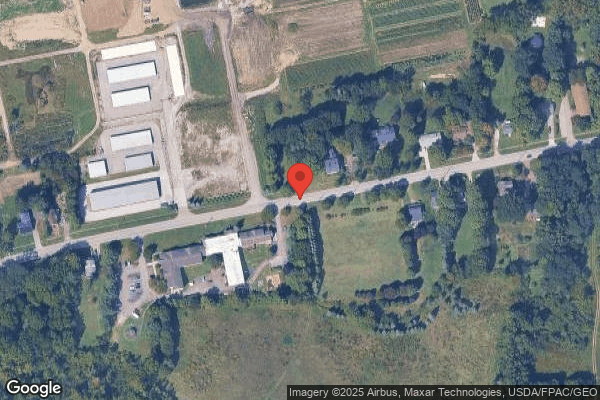
7600 S RIDGE RD, MADISON, OH 44057 (440) 428-1492
For profit - Corporation 125 Beds EMBASSY HEALTHCARE Data: November 2025 1 Immediate Jeopardy citation
Trust Grade
18/100
#499 of 913 in OH
Last Inspection: March 2025

Within standard 12-15 month inspection cycle. Federal law requires annual inspections.

Overview

Madison Health Care has received a Trust Grade of F, indicating poor performance and significant concerns about the facility. It ranks #499 out of 913 in Ohio, placing it in the bottom half of state facilities, and #8 out of 14 in Lake County, meaning only a few local options are worse. The facility is worsening, with issues increasing from 6 in 2024 to 9 in 2025. Staffing is a relative strength, with a turnover rate of 33%, which is better than the Ohio average, but they have below-average RN coverage. However, the facility has concerning fines totaling $109,991, which is higher than 90% of Ohio facilities, suggesting ongoing compliance problems. Specific incidents include a critical failure to monitor a resident that resulted in a death, as well as cleanliness issues such as unsanitary dumpster conditions and a poorly maintained environment affecting multiple residents. Overall, while there are some strengths in staffing, the serious deficiencies and troubling trends raise significant red flags for families considering this nursing home.

Trust Score
F
18/100
In Ohio
#499/913
Bottom 46%
Safety Record
High Risk
Review needed
Inspections
Getting Worse
6 → 9 violations
Staff Stability
○ Average
33% turnover. Near Ohio's 48% average. Typical for the industry.
Penalties
✓ Good
$109,991 in fines. Lower than most Ohio facilities. Relatively clean record.
Skilled Nurses
⚠ Watch
Each resident gets only 17 minutes of Registered Nurse (RN) attention daily — below average for Ohio. Fewer RN minutes means fewer trained eyes watching for problems.
Violations
⚠ Watch
36 deficiencies on record. Higher than average. Multiple issues found across inspections.
★★★☆☆
3.0
Overall Rating
★★☆☆☆
2.0
Staff Levels
★★★★★
5.0
Care Quality
★★☆☆☆
2.0
Inspection Score
Stable
2024: 6 issues
2025: 9 issues

The Good

  • 5-Star Quality Measures · Strong clinical quality outcomes
  • Full Sprinkler Coverage · Fire safety systems throughout facility
  • No fines on record
  • Staff turnover below average (33%)

    15 points below Ohio average of 48%

Facility shows strength in quality measures, fire safety.

The Bad

3-Star Overall Rating

Near Ohio average (3.2)

Meets federal standards, typical of most facilities

Staff Turnover: 33%

13pts below Ohio avg (46%)

Typical for the industry

Federal Fines: $109,991

Well above median ($33,413)

Significant penalties indicating serious issues

Chain: EMBASSY HEALTHCARE

Part of a multi-facility chain

Ask about local staffing decisions and management

The Ugly 36 deficiencies on record

1 life-threatening
Mar 2025 9 deficiencies
CONCERN (D) 📢 Someone Reported This

A family member, employee, or ombudsman was alarmed enough to file a formal complaint

Potential for Harm - no one hurt, but risky conditions existed

Report Alleged Abuse (Tag F0609)

Could have caused harm · This affected 1 resident

**NOTE- TERMS IN BRACKETS HAVE BEEN EDITED TO PROTECT CONFIDENTIALITY** Based on resident record review, staff interviews, and facility policy review, the facility failed to report injuries of unknown...

Read full inspector narrative →
**NOTE- TERMS IN BRACKETS HAVE BEEN EDITED TO PROTECT CONFIDENTIALITY** Based on resident record review, staff interviews, and facility policy review, the facility failed to report injuries of unknown origin to the state agency for Resident #69. This affected one resident (#69) of one reviewed for abuse. The facility census was 102. Findings include: Review of the hospital paperwork for discharge date d 07/30/24 revealed Resident #69 was admitted to the hospital prior to her admission to the facility, not limited to, for risk for self-harm, suicidal behavior with attempted self-injury and dementia with other behavioral disturbance. Resident #69 was admitted due to cutting her left wrist. Review of the medical record for Resident #69 revealed she was admitted to the facility on [DATE] with diagnoses that included generalized anxiety, asthma, and dementia. Review of the progress note dated 07/31/24 at 2:45 P.M. revealed Resident #69 arrived at the facility via stretcher, oriented to room, hall, and call light. Review of the progress note dated 08/01/24 at 2:00 A.M. revealed Resident #69's gait was steady. Review of the progress note dated 08/01/24 at 2:26 A.M. revealed Resident #69 made several trips to the nurse's station concerned about her husband and starting a new life. Review of the progress note dated 08/03/24 at 11:12 A.M. revealed Resident #69 was very anxious, did not sleep, and her gait was unsteady. Review of the progress note dated 08/03/24 at 1:31 P.M. revealed Resident #69 daughter reported Resident #69 was complaining of soreness to right hip. Resident #69 daughter requested x-ray of right hip, and Resident #69 received new orders for x-ray to right hip. Review of the right hip x-ray results completed by a local portable x-ray service dated 08/03/24 revealed Resident #69 had a mildly displaced fracture of the right femoral neck. Review of the progress note dated 08/03/24 at 7:08 P.M. revealed Resident #69 daughter notified of x-ray results and sending Resident #69 to the local emergency room for further evaluation. Review of the progress note dated 08/04/24 at 12:15 A.M. revealed Resident #69 returned to the facility ambulating ad-lib. Resident #69 had no hip fracture, and a nondisplaced superior ramus fracture on the right side. Review of the progress note revealed previous x-ray results showed possible mildly displaced fracture of right femoral neck. There were no gross lytic or blastic lesions (lytic lesions, caused by bone destruction, appear as holes or areas of bone loss, while blastic lesions, characterized by new bone formation, appear as areas of increased bone density) in bones, no abnormal radiopaque foreign body, no dislocation, joint spaces are remarkable with osteopenia (lower than normal bone mineral density). Review of the admission Minimum Data Set (MDS) assessment dated [DATE] revealed Resident #69 had a Brief Interview for Mental Status (BIMS) score of seven, indicating she had short and long-term cognition impairment. Resident #69 had verbal behaviors toward others, behaviors not towards others, and wandering behaviors one to three days of the assessment reference period. She required supervision or set-up with eating, oral hygiene, chair-to-bed transfer, walking ten feet, toileting hygiene, and upper body dressing. She required moderate assistance with showers/bathing, toileting transfers, lower body dressing and walking 50 feet. She required maximum assistance walking 150 feet. She was always continent of bowels and bladder. Review of the progress note dated 08/06/24 at 9:33 A.M. revealed Resident #69 complained of right hip pain, and acetaminophen (analgesic) was given for pain. Review of the progress note dated 08/06/24 at 6:15 P.M. revealed Resident #69 complained of right hip pain and had a slow steady gait. Review of the physician orders dated 08/06/24 revealed Resident #69 had an order in place to follow-up with orthopedic surgeon within three to five days and an orthopedic appointment on 08/08/24 at 1:30 P.M. Review of the physician orders dated 08/08/24 revealed Resident #69 had an order in place for weight-bearing as tolerated to the right hip. Review of the progress note dated 08/08/24 at 11:57 A.M. revealed Resident #69 had a right superior ramus fracture with pain managed effectively with pain regimen. Review of the progress note dated 08/08/24 at 5:10 P.M. revealed Resident #69 was to continue physical therapy with a walker and weight bearing as tolerated to right hip. Review of the physician progress note dated 08/13/24 at 5:31 P.M. revealed Resident #69 had a right superior ramus fracture that was confirmed with a computed tomography (CT) scan. Review of the progress note dated 08/18/24 at 6:10 P.M. revealed Resident #69 revealed she felt a bruise on the top of her left foot. Resident #69 left foot observed to have swelling on the top of foot. Resident #69 received new orders for an x-ray to left foot for pain and swelling. Review of the physician orders dated 08/18/24 revealed Resident #69 had an order in place for an x-ray of her left foot due to pain and swelling. Review of the progress note dated 08/18/24 at 7:48 P.M. revealed Resident #69 received an x-ray of left foot by a local portable x-ray service. Resident #69 left foot remained swollen and painful when ambulating. Review of the progress note dated 08/19/24 at 1:45 A.M. revealed Resident #69's x-ray results revealed no acute fracture or dislocation to the left foot. Review of the physician orders dated 08/27/24 revealed Resident #69 had an order in place for physical therapy to evaluate due to left foot pain and swelling and to ice the left foot every two hours for 15 minutes as needed for pain and/or swelling. Review of the physician orders dated 08/30/24 revealed Resident #69 had an order in place for an x-ray to the left foot due to pain and swelling. Review of the physician orders dated 08/31/24 revealed Resident #69 had an order in place for an x-ray of the right hip due to pain. Interview on 03/11/25 at 2:42 P.M. with Licensed Practical Nurse (LPN) #304 revealed Resident #69 had a fracture a couple days after she first arrived at the facility. LPN #304 revealed she had not been aware of any falls and no investigation had been completed to rule out how the fracture occurred. LPN #304 revealed Resident #69 received x-rays that were negative and were treated with pain medications. LPN #304 revealed if a resident had an injury of unknown origin, she would report it right away to the Administrator or Director of Nursing (DON). LPN #304 revealed Resident #69 had a history of self-injury behaviors and could not rule out if the fracture occurred from self-injury or not. Interview on 03/11/25 at 3:24 P.M. with the DON revealed she had no knowledge of what occurred regarding Resident #69 due to not being employed at the facility during that time. Interview on 03/12/25 at 4:25 P.M. with the Administrator revealed she was the abuse coordinator, and any injury of unknown origins were investigated, reported to the state agency-Ohio Department of Health (ODH), and reviewed with the facility's regional team. The Administrator revealed Resident #69 did not admit to the facility with a fracture and the fracture was deemed pathological due to a diagnosis of osteopenia. The Administrator revealed she was unable to verify the cause of the fracture, did not have clinical knowledge to determine if the fracture was a definite result of a diagnosis of osteopenia, and did not report to ODH. Interview on 03/13/25 at 10:30 A.M. with the DON revealed she located a soft file regarding Resident #69 fracture of the right superior pubic ramus. The DON confirmed and verified the information located in the soft file was true and accurate to her knowledge. Review of the soft file revealed Resident #69 was seen in the facility on 08/04/24, approximately four days after admission and three days after report of right hip pain, for initial encounter for a recent fall and pelvic fracture. Review of the soft file revealed, approximately seven months later during the week of the annual survey, an addendum was entered to reflect Resident #69 did not have a fall and the fracture was considered pathological secondary to severe osteoporosis verified after reviewing the nursing home chart with no evidence of fall or foul play. Interview on 03/13/25 at 11:15 A.M. with the Administrator, DON, and Assistant Director of Nursing (ADON) #411 revealed Resident #69 did not admit to the facility with a fracture; however, after returning from the hospital it was acknowledged she had a history of osteoporosis; therefore, it was assumed the injury was a result of osteoporosis. Interview revealed initial knowledge of her diagnoses was not known and the facility did not complete a self-reported incident (SRI) to investigate the cause of the fracture for Resident #69 who was known to have self-injurious behaviors or if abuse had occurred. Interview confirmed and verified the facility did not investigate an injury of unknow origin, did not rule out an unwitnessed fall or self-injurious behaviors, and did not implement their abuse policy and protocols as it relates to reporting to ODH. The Administrator confirmed and verified the soft file was updated as of 03/12/25, seven months after the incident, and was based on facility information, which did not include an investigation into the result of a hip fracture. The Administrator also confirmed no investigation into the need for the left foot x-ray. Interview on 03/13/25 at 11:52 A.M. with previous DON #850 revealed she was the interim DON at the time of Resident #69's fracture and floated between multiple buildings. DON #850 revealed Resident #69 did not admit to the facility with a pelvic fracture, and the facility ordered an x-ray at the request of the Resident #69's daughter due to Resident #69 complaint of pain. DON #850 revealed the facility did not initiate an SRI to investigate the cause of the injury or rule-out abuse, fall, or self-injurious behaviors. DON #850 revealed Resident #69 was up ambulating throughout the facility with soreness and based on her activity levels, she did not feel like it required further investigating. Interview on 03/13/25 at 2:37 P.M. with Attending Physician (AP) #900 revealed Resident #69 was diagnosed with a pelvic fracture after reporting pain in the right hip area. AP #900 revealed Resident #69, per the facility, did not sustain any trauma. AP #900 revealed Resident #69 could have sustained the fracture from anywhere in between a fall, sitting down too hard or changing posture and/or positions while in bed. AP #900 revealed there were many good guesses that could not be ruled out. AP #900 revealed Resident #69 did not have any investigations or documented falls or trauma that could rule out a specific reason for the fracture. Review of the incident log dated 07/31/24 to 03/10/25 revealed no documented incidents regarding Resident #69. Review of the facility policy titled Abuse, Neglect and Exploitation, reviewed 01/01/24, revealed the facility had a policy in place to develop and implement written policies and procedures that prohibit and prevent abuse, neglect, exploitation and misappropriation of resident property including but not limited to serious bodily injury that requires medical interventions such as hospitalization. Review of the policy revealed the facility would investigate, protect the residents, and report allegations to the Administrator and state agency. Review of the document revealed the facility did not implement the policy. This deficiency represents non-compliance investigated under Master Complaint Numbers OH00162411.
CONCERN (D) 📢 Someone Reported This

A family member, employee, or ombudsman was alarmed enough to file a formal complaint

Potential for Harm - no one hurt, but risky conditions existed

Investigate Abuse (Tag F0610)

Could have caused harm · This affected 1 resident

**NOTE- TERMS IN BRACKETS HAVE BEEN EDITED TO PROTECT CONFIDENTIALITY** Based on resident record review, staff interviews, and facility policy review, the facility failed to thoroughly investigate inj...

Read full inspector narrative →
**NOTE- TERMS IN BRACKETS HAVE BEEN EDITED TO PROTECT CONFIDENTIALITY** Based on resident record review, staff interviews, and facility policy review, the facility failed to thoroughly investigate injuries of unknown origin for Resident #69. This affected one resident (#69) of one reviewed for abuse. The facility census was 102. Findings include: Review of the hospital paperwork for discharge date d 07/30/24 revealed Resident #69 was admitted to the hospital prior to her admission to the facility, not limited to, for risk for self-harm, suicidal behavior with attempted self-injury and dementia with other behavioral disturbance. Resident #69 was admitted due to cutting her left wrist. Review of the medical record for Resident #69 revealed she was admitted to the facility on [DATE] with diagnoses that included generalized anxiety, asthma, and dementia. Review of the progress note dated 07/31/24 at 2:45 P.M. revealed Resident #69 arrived at the facility via stretcher, oriented to room, hall, and call light. Review of the progress note dated 08/01/24 at 2:00 A.M. revealed Resident #69's gait was steady. Review of the progress note dated 08/01/24 at 2:26 A.M. revealed Resident #69 made several trips to the nurse's station concerned about her husband and starting a new life. Review of the progress note dated 08/03/24 at 11:12 A.M. revealed Resident #69 was very anxious, did not sleep, and her gait was unsteady. Review of the progress note dated 08/03/24 at 1:31 P.M. revealed Resident #69 daughter reported Resident #69 was complaining of soreness to right hip. Resident #69 daughter requested x-ray of right hip, and Resident #69 received new orders for x-ray to right hip. Review of the right hip x-ray results completed by a local portable x-ray service dated 08/03/24 revealed Resident #69 had a mildly displaced fracture of the right femoral neck. Review of the progress note dated 08/03/24 at 7:08 P.M. revealed Resident #69 daughter notified of x-ray results and sending Resident #69 to the local emergency room for further evaluation. Review of the progress note dated 08/04/24 at 12:15 A.M. revealed Resident #69 returned to the facility ambulating ad-lib. Resident #69 had no hip fracture, and a nondisplaced superior ramus fracture on the right side. Review of the progress note revealed previous x-ray results showed possible mildly displaced fracture of right femoral neck. There were no gross lytic or blastic lesions (lytic lesions, caused by bone destruction, appear as holes or areas of bone loss, while blastic lesions, characterized by new bone formation, appear as areas of increased bone density) in bones, no abnormal radiopaque foreign body, no dislocation, joint spaces are remarkable with osteopenia (lower than normal bone mineral density). Review of the admission Minimum Data Set (MDS) assessment dated [DATE] revealed Resident #69 had a Brief Interview for Mental Status (BIMS) score of seven, indicating she had short and long-term cognition impairment. Resident #69 had verbal behaviors toward others, behaviors not towards others, and wandering behaviors one to three days of the assessment reference period. She required supervision or set-up with eating, oral hygiene, chair-to-bed transfer, walking ten feet, toileting hygiene, and upper body dressing. She required moderate assistance with showers/bathing, toileting transfers, lower body dressing and walking 50 feet. She required maximum assistance walking 150 feet. She was always continent of bowels and bladder. Review of the progress note dated 08/06/24 at 9:33 A.M. revealed Resident #69 complained of right hip pain, and acetaminophen (analgesic) was given for pain. Review of the progress note dated 08/06/24 at 6:15 P.M. revealed Resident #69 complained of right hip pain and had a slow steady gait. Review of the physician orders dated 08/06/24 revealed Resident #69 had an order in place to follow-up with orthopedic surgeon within three to five days and an orthopedic appointment on 08/08/24 at 1:30 P.M. Review of the physician orders dated 08/08/24 revealed Resident #69 had an order in place for weight-bearing as tolerated to the right hip. Review of the progress note dated 08/08/24 at 11:57 A.M. revealed Resident #69 had a right superior ramus fracture with pain managed effectively with pain regimen. Review of the progress note dated 08/08/24 at 5:10 P.M. revealed Resident #69 was to continue physical therapy with a walker and weight bearing as tolerated to right hip. Review of the physician progress note dated 08/13/24 at 5:31 P.M. revealed Resident #69 had a right superior ramus fracture that was confirmed with a computed tomography (CT) scan. Review of the progress note dated 08/18/24 at 6:10 P.M. revealed Resident #69 revealed she felt a bruise on the top of her left foot. Resident #69 left foot observed to have swelling on the top of foot. Resident #69 received new orders for an x-ray to left foot for pain and swelling. Review of the physician orders dated 08/18/24 revealed Resident #69 had an order in place for an x-ray of her left foot due to pain and swelling. Review of the progress note dated 08/18/24 at 7:48 P.M. revealed Resident #69 received an x-ray of left foot by a local portable x-ray service. Resident #69 left foot remained swollen and painful when ambulating. Review of the progress note dated 08/19/24 at 1:45 A.M. revealed Resident #69's x-ray results revealed no acute fracture or dislocation to the left foot. Review of the physician orders dated 08/27/24 revealed Resident #69 had an order in place for physical therapy to evaluate due to left foot pain and swelling and to ice the left foot every two hours for 15 minutes as needed for pain and/or swelling. Review of the physician orders dated 08/30/24 revealed Resident #69 had an order in place for an x-ray to the left foot due to pain and swelling. Review of the physician orders dated 08/31/24 revealed Resident #69 had an order in place for an x-ray of the right hip due to pain. Interview on 03/13/25 at 10:30 A.M. with the DON revealed she located a soft file regarding Resident #69 fracture of the right superior pubic ramus. The DON confirmed and verified the information located in the soft file was true and accurate to her knowledge. Review of the soft file revealed Resident #69 was seen in the facility on 08/04/24, approximately four days after admission and three days after report of right hip pain, for initial encounter for a recent fall and pelvic fracture. Review of the soft file revealed, approximately seven months later during the week of the annual survey, an addendum was entered to reflect Resident #69 did not have a fall and the fracture was considered pathological secondary to severe osteoporosis verified after reviewing the nursing home chart with no evidence of fall or foul play. Interview on 03/13/25 at 11:15 A.M. with the Administrator, DON, and Assistant Director of Nursing (ADON) #411 revealed Resident #69 did not admit to the facility with a fracture; however, after returning from the hospital it was acknowledged she had a history of osteoporosis; therefore, it was assumed the injury was a result of osteoporosis. Interview revealed initial knowledge of her diagnoses was not known and the facility did not complete a self-reported incident (SRI) to investigate the cause of the fracture for Resident #69 who was known to have self-injurious behaviors or if abuse had occurred. Interview confirmed and verified the facility did not investigate an injury of unknow origin, did not rule out an unwitnessed fall or self-injurious behaviors, and did not implement their abuse policy and protocols as it relates to reporting to ODH. The Administrator confirmed and verified the soft file was updated as of 03/12/25, seven months after the incident, and was based on facility information, which did not include an investigation into the result of a hip fracture. The Administrator also confirmed no investigation into the need for the left foot x-ray. Interview on 03/13/25 at 11:52 A.M. with previous DON #850 revealed she was the interim DON at the time of Resident #69's fracture and floated between multiple buildings. DON #850 revealed Resident #69 did not admit to the facility with a pelvic fracture, and the facility ordered an x-ray at the request of the Resident #69's daughter due to Resident #69 complaint of pain. DON #850 revealed the facility did not initiate an SRI to investigate the cause of the injury or rule-out abuse, fall, or self-injurious behaviors. DON #850 revealed Resident #69 was up ambulating throughout the facility with soreness and based on her activity levels, she did not feel like it required further investigating. Interview on 03/13/25 at 2:37 P.M. with Attending Physician (AP) #900 revealed Resident #69 was diagnosed with a pelvic fracture after reporting pain in the right hip area. AP #900 revealed Resident #69, per the facility, did not sustain any trauma. AP #900 revealed Resident #69 could have sustained the fracture from anywhere in between a fall, sitting down too hard or changing posture and/or positions while in bed. AP #900 revealed there were many good guesses that could not be ruled out. AP #900 revealed Resident #69 did not have any investigations or documented falls or trauma that could rule out a specific reason for the fracture. Review of the incident log dated 07/31/24 to 03/10/25 revealed no documented incidents regarding Resident #69. Review of the facility policy titled Abuse, Neglect and Exploitation, reviewed 01/01/24, revealed the facility had a policy in place to develop and implement written policies and procedures that prohibit and prevent abuse, neglect, exploitation and misappropriation of resident property including but not limited to serious bodily injury that requires medical interventions such as hospitalization. Review of the policy revealed the facility would investigate, protect the residents, and report allegations to the Administrator and state agency. Review of the document revealed the facility did not implement the policy. This deficiency represents non-compliance investigated under Master Complaint Numbers OH00162411.
CONCERN (D)

Potential for Harm - no one hurt, but risky conditions existed

Deficiency F0688 (Tag F0688)

Could have caused harm · This affected 1 resident

**NOTE- TERMS IN BRACKETS HAVE BEEN EDITED TO PROTECT CONFIDENTIALITY** Based on interview, observation, record review and review of facility policy, the facility did not ensure Resident #71 had an or...

Read full inspector narrative →
**NOTE- TERMS IN BRACKETS HAVE BEEN EDITED TO PROTECT CONFIDENTIALITY** Based on interview, observation, record review and review of facility policy, the facility did not ensure Resident #71 had an order for the application and maintenance of his brace/splint to his left hand. This affected one resident (#71) out of one resident reviewed for use of a brace and/or splint. This had the potential to affect five additional residents (#24, #33, #39, #76, and #92) identified by the facility as having a brace and/or splint. The facility census was 102. Findings include: Review of the medical record revealed Resident #71 had an admission date of 09/10/24 with diagnoses including paranoid schizophrenia, unspecified fracture of navicular scaphoid bone of left wrist, displaced fracture of triquetrum bone in left wrist, nondisplaced fracture of left radial process of left wrist, and diabetes. Review of Orthopedic #980's progress note (prior to admission) dated 06/17/24 revealed he was seen post op due to left scaphoid fracture that required hardware and pin placement. It was recommended that Resident #71 receive occupational therapy (OT) and a splint, but Resident #71 refused OT but agreed to a splint. There were no identified orders regarding duration of splint and/or guidelines of wearing the splint. Review of the quarterly Minimum Data Set (MDS) assessment dated [DATE] revealed Resident #71 had impaired cognition. He was independent with dressing and required set-up help for personal hygiene. Review of the nursing note dated 12/16/24 at 11:51 P.M. and completed by Licensed Practical Nurse (LPN) #390 revealed Resident #71 continued to wear a splint on the left wrist which he had on since admission and refused to remove. The physician and unit manager were notified. There was no other documentation in the nurses' notes regarding the brace/splint. Review of the care plan dated 12/24/24 revealed Resident #71 required assistance with activities of daily living (ADL) related to co-mobilities and fluctuations. Interventions included inspecting skin condition daily during personal care, report any impaired areas to nurse, assist as needed with daily hygiene, and assist with showering. There was nothing in his care plan regarding his brace/splint to his left wrist/hand and/or refusal of removal. Review of the March 2025 Physician's Orders for Resident #71 revealed there was no order for Resident #71 to have a brace/splint to his left wrist/hand. Observation on 03/10/25 at 9:21 A.M. revealed Resident #71 was wearing a brace splint on his left hand. Interview on 03/10/25 at 9:21 A.M. with Resident #71 revealed he wore the brace/splint all the time as he broke his hand. Observation on 03/11/25 at 11:35 A.M. revealed Resident #71 was lying in his bed with a brace/splint on his left hand. Interview on 03/11/25 at 12:24 P.M. with Certified Nursing Assistant (CNA) #344 revealed Resident #71 was admitted with the brace/splint to his left hand. He wore the brace all the time as he would not allow staff to remove it. She had never seen his skin integrity under his brace as he showered independently and was unsure if he took off the brace during his shower. She was not aware of what his orders were regarding the brace/splint including the duration he was to wear it. Interview on 03/11/25 at 2:09 P.M. and 03/12/25 at 7:44 A.M. with Unit Manager/LPN #315 verified Resident #71 was wearing the brace/splint to his left hand, and the facility did not have an order for the brace/splint and/or there was nothing in his care plan regarding the brace, including the refusal to remove it. She verified there was no documentation that staff were monitoring for skin breakdown, monitoring his circulation and/or any documentation regarding refusal to remove the brace except the one nursing note dated 12/16/24 at 11:51 P.M. She also verified there was no documentation the physician was aware of the brace and/or refusal to remove it, except for the one nursing note dated 12/16/24 at 11:51 P.M. She verified she did not know how the left hand appeared under the brace/splint. Observation on 03/11/25 at 4:30 P.M. revealed Resident #71 was in his room with brace/splint on his left hand. Review of the facility policy labeled, Prevention of Decline in Range of Motion, dated 10/01/22, revealed residents who enter the facility without limited range of motion would not experience a reduction of motion unless the resident's clinical conditions demonstrated that a reduction in range of motion was unavoidable. The facility would provide treatment and care in accordance with professional standards including appropriate equipment such as braces or splints. The policy revealed care plan interventions would be developed, delivered and interventions documented in the care plan including type of treatments, frequency of treatment, and measurable objectives. There was no documentation in the policy regarding ensuring a physician order was obtain for the splint and/or brace.
CONCERN (D)

Potential for Harm - no one hurt, but risky conditions existed

Accident Prevention (Tag F0689)

Could have caused harm · This affected 1 resident

**NOTE- TERMS IN BRACKETS HAVE BEEN EDITED TO PROTECT CONFIDENTIALITY** Based on observations, resident record review, resident interview, staff interviews and facility policy review, the facility fai...

Read full inspector narrative →
**NOTE- TERMS IN BRACKETS HAVE BEEN EDITED TO PROTECT CONFIDENTIALITY** Based on observations, resident record review, resident interview, staff interviews and facility policy review, the facility failed to ensure Resident #27, identified as a fall risk, had preventative measures in place to decrease the risk of a fall. This affected one resident (#27) of three residents reviewed for falls. The facility census was 102. Findings include: Review of the medical record for Resident #27 revealed she was admitted to the facility on [DATE] with diagnoses including gastroesophageal reflux disease, personality disorder, chronic obstructive pulmonary disease, and a history of repeated falls. Review of the physician order dated 07/14/24 revealed an order for Resident #27's wheelchair to have the brakes locked at all times when placed next to the bed and resident was in bed to prevent falls. Review of the physician order dated 10/20/24 revealed an order for a sign to remind Resident #27 to ring for assistance. Review of the annual Minimum Data Set (MDS) assessment dated [DATE] revealed Resident #27 had a Brief Interview for Mental Status (BIMS) score of four, indicating severe cognitive impairment. Resident #27 had inattention and disorganized thinking that fluctuated. Resident #27 was dependent on staff for activities of daily living (ADL). Review of resident #27's physician order dated 12/27/24 revealed an order for the left side of the bed to be against the wall with the head of the bed towards the door, and Dycem (non-slip material) applied to the chair at all times. Review of the physician order dated 01/03/25 revealed an order for Resident #27 to be placed on the secured memory care unit related to poor judgement secondary to dementia and schizoaffective disorder. Review of the care plan dated 02/14/25 revealed Resident #27 was at risk for falls and required assistance from staff for ADL with interventions that included assisting with bed mobility and transfers, keeping the call light within reach while in bed, nonskid socks when shoes were not worn, and the wheelchair was to be at the bedside with the brakes locked while in bed. Review of the physician order dated 02/24/25 revealed an order to not leave Resident #27 in her room unattended while in the wheelchair. Observation and interview on 03/10/25 at 9:53 A.M. located on the secured memory care unit, Resident #27 was lying in bed yelling out for help. Resident #27 revealed she wanted to get out of bed and needed something to drink. Resident #27's call light was observed at the end of the bed and out of reach. Observation and interview on 03/10/25 at 9:55 A.M. with Certified Nurse Assistant (CNA) #349 verified Resident #27's wheelchair was not in the room, and her call light was out of reach. Interview on 03/11/25 at 2:42 P.M. with Licensed Practical Nurse (LPN) #304 revealed Resident #27 was a fall risk due to her history of falls. LPN #304 revealed Resident #27 had fall interventions in place that included bolster mattress, Dycem applied to her wheelchair, call light within reach at all times, non-skid socks on when not wearing shoes, and wheelchair with the brakes locked at the bedside while the resident was in bed. LPN #304 stated that Resident #27 had falls on 04/28/24, 05/22/24, 09/25/24, and 02/21/25. LPN #304 revealed Resident #27 was at a high risk for falls. Observation and interview on 03/11/25 at 3:00 P.M. revealed Resident #27 lying in bed yelling out for help. Resident #27's wheelchair was not in the room, her call light was not in reach, and she was not wearing non-skid socks while in bed. Resident #27 revealed she wanted to get out of bed and needed something to drink. Interview and observation on 03/11/25 at 3:03 P.M. with LPN #304 verified Resident #27 was lying in bed, yelling out for staff with the call light out of reach, the wheelchair not at the bedside and non-skid socks not in place. LPN #304 stated that she did not know where Resident #27's wheelchair was. Observation on 03/11/25 from 3:03 P.M. to 3:06 P.M. revealed LPN #304, and CNAs #350 and #421 walking up and down the unit hallway looking into other residents' rooms and alternative spaces attempting to locate Resident #27's wheelchair. Observation revealed Resident #27's wheelchair was found located inside the shower room. Review of the facility document titled Fall Prevention and Management Policy, revised 01/08/25, revealed the facility had a policy in place that each resident would be assessed for fall risk and if risk were identified preventive measures would be put in place. Review of the of the document revealed the facility did not implement the policy.
CONCERN (D)

Potential for Harm - no one hurt, but risky conditions existed

Respiratory Care (Tag F0695)

Could have caused harm · This affected 1 resident

**NOTE- TERMS IN BRACKETS HAVE BEEN EDITED TO PROTECT CONFIDENTIALITY** 2. Review of the medical record for Resident #7 revealed an admission date of 12/14/19 with diagnoses including morbid obesity, ...

Read full inspector narrative →
**NOTE- TERMS IN BRACKETS HAVE BEEN EDITED TO PROTECT CONFIDENTIALITY** 2. Review of the medical record for Resident #7 revealed an admission date of 12/14/19 with diagnoses including morbid obesity, intellectual disability, heart failure, and respiratory failure. Review of the care plan dated 09/04/24 revealed Resident #7 had potential for complications related to obstructive sleep apnea and asthma. Intervention included assessment for difficulty in breathing, elevating head of bed, and assistance in transferring the resident to ensure oxygen concentrator was brought to the room. There was nothing regarding signage to be maintained on the outside of the door indicating oxygen in use. Review of the quarterly Minimum Data Set (MDS) assessment dated [DATE] revealed Resident #7 had intact cognition and was on oxygen. Review of the March 2025 Physician Orders revealed Resident #7 had an order for continuous oxygen at two to three liters per minute to maintain oxygen saturation of 89 percent. Observation on 03/10/25 at 9:34 A.M. revealed Resident #7 had an oxygen concentrator with oxygen at two liters per minute per nasal cannula. There was no oxygen signage on the outside of his room indicating oxygen was in use. Observation and interview on 03/10/25 at 10:04 A.M. with the Administrator and Unit Manager/LPN #315 verified there was no oxygen signage on the outside of Resident #7's room indicating that the resident had oxygen in use. Review of the undated facility policy labeled, Oxygen Administration revealed oxygen was to be administered in consistent professional standard including oxygen warning signs placed on the door of the resident's room where oxygen was in use. 3. Review of the medical record for Resident #81 revealed an admission date of 01/21/25 with diagnoses including chronic obstructive pulmonary disease, diabetes, heart failure, and chronic respiratory failure with hypoxia. Review of the Medicare five-day MDS assessment dated [DATE] revealed Resident #81 had impaired cognition and was on oxygen. Review of the care plan dated 02/06/25 revealed Resident #81 had an alteration in cardiac output related to heart failure and hypertension. Interventions included administering oxygen as ordered by the physician. There was nothing regarding signage to be maintained on the outside of the door indicating oxygen in use. Review of the March 2025 Physician Orders revealed Resident #81 had an order for oxygen at two liters per minute continuously per nasal cannula to maintain oxygen saturation level of 93 percent or above. Observation on 03/10/25 at 9:06 A.M. revealed Resident #81 had an oxygen concentrator with oxygen at two liters per minute per nasal cannula. There was no oxygen signage on the outside of his room indicating oxygen was in use. Observation and interview on 03/10/25 at 10:04 A.M. with the Administrator and Unit Manager/LPN #315 verified there was no oxygen signage on the outside of Resident #81's room indicating that the resident had oxygen in use. Review of the undated facility policy labeled, Oxygen Administration revealed oxygen was to be administered in consistent professional standard including oxygen warning signs placed on the door of the resident's room where oxygen was in use. Based on record review, observations, staff interviews and facility policy review, the facility failed to assess Resident #89 for oxygen titration and failed to ensure oxygen was administered with high flow oxygen tubing. Also, the facility did not ensure Residents #7 and #81 had proper signage indicating oxygen in use on the entrance to their rooms. This affected three residents (#7, #81, and #89) out of four residents reviewed for oxygen use. This had the potential to affect 22 additional residents (#24, #30, #36, #39, #46, #47, #50, #51, #52, #53, #56, #59, #60, #76, #80, #82, #88, #91, #93, #95, #156, and #254) identified by the facility with oxygen. The facility census was 102. Findings include: 1. Review of the medical record revealed Resident #89 was admitted to the facility on [DATE] with diagnoses including dementia with behavioral disturbances, acute respiratory failure with hypoxia (low oxygen levels), amnesia (loss of memory), and aphasia (disorder which affects the ability to communicate). The resident was receiving Hospice care. Review of the medical record revealed Resident #89 had a physician's order dated 10/09/24 for oxygen (O2) to be administered at two to ten liters/minute per nasal cannula (NC) every shift to maintain pulse oximetry. There were no parameters in the order for titration of flow rate or the percentage of oxygenation to be maintained. Record review of vital signs in the O2 Sats Summary Report show the last entered value was on 02/24/25 at 10:49 P.M. with a 96.0% value. No documentation of what the oxygen flow rate was at the time. Review of the treatment administration records (TAR) and nursing progress notes for Resident #89 indicated no evidence the facility assessed the resident's O2 saturation from 02/27/25 through 03/12/25 to determine the resident's O2 saturation percentage and need for the administration of O2 or its effectiveness. On 03/11/25 at 9:11 A.M. Resident #89 was observed in bed in his room sleeping. The oxygen concentrator was on and set to a flow rate of nine liters/minute with humidity, but the nasal cannula (oxygen tubing) was not a high flow nasal cannula and was tucked underneath the resident and not positioned in his nose. On 03/11/25 at 9:12 A.M. Resident #89 was observed in bed and turned slightly to the left side. The resident was still not wearing the nasal cannula in his nose as the cannula was tucked to the side. The observation was verified by Licensed Practical Nurse (LPN) #384 at 9:15 A.M. Interview with LPN #384 on 03/11/25 at 9:12 A.M. stated the resident typically removes his oxygen and will refuse it at times. LPN #384 verified the oxygen tubing was not dated but was unsure if the tubing was a high flow nasal cannula (high flow nasal cannula allows a reduction of airway resistance, improved breathing and oxygenation when flow rates are greater than five liters/minute). Higher oxygen flow rates require humidity and a larger delivery system. Interview on 03/11/25 at 9:20 A.M. with Nurse Manager #391 verified the oxygen delivery system was not high flow but a regular nasal cannula. Nurse Manager #391 proceeded to procure a green high flow nasal cannula system and switched it out. The oxygen was then placed on Resident #89 for use. Review of the undated facility policy: Oxygen Administration stated staff shall document the initial and ongoing assessment of the resident's condition warranting oxygen and the response to oxygen therapy. Additionally, the resident's care plan shall identify the interventions for oxygen therapy, based upon the resident's assessment and orders, such as, but not limited to: • The type of oxygen delivery system • When to administer, such as continuous or intermittent and/or when to discontinue • Equipment setting for the prescribed flow rates • Monitoring of SpO2 (oxygen saturation) levels and/or vitals as ordered • Monitoring for complications associated with the use of oxygen
CONCERN (D)

Potential for Harm - no one hurt, but risky conditions existed

Deficiency F0760 (Tag F0760)

Could have caused harm · This affected 1 resident

**NOTE- TERMS IN BRACKETS HAVE BEEN EDITED TO PROTECT CONFIDENTIALITY** Based on record review, observation, interview and review of the facility policy, the facility failed to ensure Resident #95 was...

Read full inspector narrative →
**NOTE- TERMS IN BRACKETS HAVE BEEN EDITED TO PROTECT CONFIDENTIALITY** Based on record review, observation, interview and review of the facility policy, the facility failed to ensure Resident #95 was free of significant medication error. This affected one resident (#95) out of four residents observed for medication administration. The facility census was 102. Findings included: Review of the medical record for Resident #95 revealed an admission date of 10/16/24 with diagnoses including chronic obstructive pulmonary disease, dysphagia, hypertension, and acute respiratory failure with hypoxia. Review of the care plan dated 10/22/24 revealed Resident #95 was at risk for alterations in nutrition as he was to have nothing by mouth. He was receiving all his nutrition through a percutaneous endoscopic gastrostomy (PEG) tube (a tube inserted through the abdominal wall into the stomach to provide nutrition, medications, and hydration). Interventions included medications per physician order and provide tube feeding as ordered to meet nutrition and hydration needs. Review of the quarterly Minimum Data Set (MDS) assessment dated [DATE] revealed Resident #95 had impaired cognition and a PEG tube. Review of the March 2025 physician orders revealed Resident #95 had the following orders: aspirin 81 milligram (mg) tablet (blood thinner) per PEG tube due to atrial fibrillation, guaifenesin 600 mg tablet (cough medicine) per PEG tube for excess mucous, Plavix 75 mg tablet (antiplatelet) per PEG tube for blood clot, Pro-Stat oral liquid 30 milliliter (ml) (liquid protein supplement) per PEG tube as a nutritional supplement, Seroquel 25 mg tablet (antipsychotic) per PEG tube for agitation, sennosides oral tablet 8.6 mg (stimulant laxative) per PEG tube for constipation, thiamine 100 mg oral tablet (water-soluble B vitamin) per PEG tube for supplement, apixaban 5 mg tablet (anticoagulant) per PEG tube for cerebral infarction due to blood clot, and ascorbic acid 1000 mg tablet (vitamin C) per PEG tube as a supplement. There was no order to crush all the medications together and give them all at once (cocktailing). Observation on 03/11/25 at 9:07 A.M. of Licensed Practical Nurse (LPN) #306 administering Resident #95's medications through his PEG tube revealed she placed the following medications inside a cup: aspirin 81 mg, Plavix 75 mg, apixaban 5 mg, sennosides 8.6 mg, Seroquel 25mg, thiamine 100 mg, and ascorbic acid 1000 mg. She proceeded to take 600 mg guaifenesin (25 milliliters) and mixed with Pro-Stat 30 ml in a cup. Then, she took all the tablets and crushed them together and mixed the medications in the same cup that the guaifenesin and Pro-Stat were in. She proceeded into Resident #95's room, flushed the PEG tube with water then administered all the combined medications in the cup at once into the PEG tube and then flushed the PEG tube with water. Interview on 03/11/25 at 9:38 A.M. and 1:15 P.M. with LPN #306 verified that there was no order to cocktail or mix all the medications together and administer all at the same time. She stated that she had thought there was an order and was unaware if it was reviewed with the physician regarding potential side effects/interactions if the medications were administered together. Interview on 03/11/25 at 3:31 P.M. with the Director of Nursing (DON) verified Resident #95 did not have a physician order to cocktail or to mix all his medications together and administer at the same time. She stated she was not aware the nurses were cocktailing Resident #95's medications when they administered through the PEG tube. She was always taught that medications were never to be crushed and mixed together due to the potential of medications having interactions when combined. She verified the nurses should be giving each medication separately and flushing between each medication to ensure no interactions. The facility did not have a policy regarding medications through a PEG tube including cocktailing and/or mixing of medications together and administering at the same time. Review of the facility policy labeled, Medication Administration, dated 08/22/22, revealed medications were administered by licensed nurses as ordered by the physician in accordance with professional standards of practice. There was nothing in the policy regarding administering medications through a PEG tube. Review of the facility policy labeled, Care and Treatment of Feeding Tubes, dated 06/01/24, extent the facility was to utilize feeding tubes in accordance with current clinical standards with interventions to prevent complications to the extent as possible. The feeding tube would be utilized in accordance with physician orders. There was nothing in the policy regarding the administration of medications.
CONCERN (E)

Potential for Harm - no one hurt, but risky conditions existed

Deficiency F0917 (Tag F0917)

Could have caused harm · This affected multiple residents

**NOTE- TERMS IN BRACKETS HAVE BEEN EDITED TO PROTECT CONFIDENTIALITY** Based on record review, observation, interview and review of the facility policy, the facility failed to have an individual desi...

Read full inspector narrative →
**NOTE- TERMS IN BRACKETS HAVE BEEN EDITED TO PROTECT CONFIDENTIALITY** Based on record review, observation, interview and review of the facility policy, the facility failed to have an individual designated closet space in the resident's bedroom which affected three residents (#17, #18, and #81) out of three residents reviewed for adequate closet space and had the potential to affect three additional residents (#2, #3, and #67) identified by the facility as sharing closet space with Residents #17, #18, and #81. The facility census was 102. Findings include: 1. Review of the medical record for Resident #17 revealed an admission date of 02/05/20 with diagnoses including bipolar disorder, paranoid personality disorder, and schizophrenia. Review of the care plan dated 02/20/20 revealed Resident #17 was independent or required set-up with his activities of daily living (ADL). Interventions included assistance in choosing appropriate clothing as needed, encouraging and allowing the resident to complete self-care as able, and set-up assistance with dressing and personal hygiene. Review of the annual Minimum Data Set (MDS) assessment dated [DATE] revealed Resident #17 had impaired cognition. He required set-up assistance with dressing and personal hygiene. Interview on 03/10/25 at 9:16 A.M. with Resident #17 revealed he did not like that his roommate (Resident #18) wore his clothes. He revealed Resident #18 takes them out of the closet and does not even look whose clothing it was. He revealed there was only one closet that all three residents (#2, #17, and #18) shared and that the closet did not have dividers. He revealed the facility just hung all three residents' clothing up in the closet randomly, and they were supposed to go by the label inside the clothing, but Resident #18 never looked at the labels. Observation on 03/10/25 at 9:16 A.M. revealed there was one small closet in Resident #17's room that was shared by three residents (#2, #17, and #18). There was clothing hanging in the closet, but there were no dividers inside the closet indicating which space or clothing was designated for each resident. 2. Review of the medical record for Resident #18 revealed an admission date of 03/01/23 with diagnoses including major depression, anxiety disorder, schizoaffective disorder, and bipolar disorder. Review of the care plan dated 03/10/23 revealed Resident #18 needed assistance with ADL due to cognitive impairment, schizoaffective disorder, and fluctuations were expected. Interventions included supervision and oversight including verbal cues or encouragement with dressing, hygiene, grooming, observing changes in ADL ability, and adjusting assistance as needed. Review of the quarterly MDS assessment dated [DATE] revealed Resident #18 had impaired cognition. He required set-up assistance with personal hygiene and dressing. He was independent with ambulation and transfers. Interview on 03/10/25 at 9:20 A.M. with Resident #18 revealed he goes over to the closet and grabs whichever clothing there was in the closet. He verified that sometimes he may have worn his roommate's clothing as he did not know which clothing was his. He verified there were no dividers in the closet indicating which clothing was his. 3. Review of the medical record for Resident #81 revealed an admission date of 01/21/25 with diagnoses including adjustment disorder with mixed anxiety, major depression, and psychosis. Review of the Medicare five-day MDS assessment dated [DATE] revealed Resident #81 had impaired cognition. He required maximum assistance with dressing. Review of the care plan dated 02/06/25 revealed Resident #81 required assistance with ADL due to cognitive impairment, and cerebral infarction with hemiplegia and hemiparesis affecting the left non-dominant side. Interventions included assisting in choosing appropriate clothing as needed, and he wass dependent on staff for personal hygiene and dressing. Interview on 03/10/25 at 9:06 A.M. with Resident #81 revealed there was only one closet for three residents in his room. He stated, look at that small space to put clothes in. He revealed that there was no divider in the closet to identify which portion of the closet was his. He revealed he did not put anything in the closet as it was too small as was on his roommate's side of the room and he did not like to go on that side. Observation and interview on 03/10/25 at 10:04 A.M. with the Administrator and Unit Manager/Licensed Practical Nurse (LPN) #315 verified all three Residents (#2, #17, and #18) shared the closet in their room and all three Residents (#3, #67 and #81) shared the closet in their room. They verified there was no private designated divider for each resident in the closet. Interview on 03/12/25 at 4:50 P.M. with the Administrator verified there was no separate closet and/or divider in the closets, and she could understand how a resident would have a hard time determining which clothing was theirs. Review of the facility policy labeled, Resident Environmental Quality, dated 11/29/22, revealed the facility would maintain a safe, functional and comfortable environment for residents. The facility must provide each resident with functional furniture appropriate to the residents' needs and a private closet space in the resident's bedroom with clothing racks and shelves accessible to the resident.
CONCERN (F)

Potential for Harm - no one hurt, but risky conditions existed

Garbage Disposal (Tag F0814)

Could have caused harm · This affected most or all residents

Based on observation and staff interview, the facility failed to maintain its dumpster area in a clean and sanitary manner. This had the potential to affect all 102 residents residing in the facility....

Read full inspector narrative →
Based on observation and staff interview, the facility failed to maintain its dumpster area in a clean and sanitary manner. This had the potential to affect all 102 residents residing in the facility. Findings include: Observation of the facilities dumpster area on 03/10/25 at 8:35 A.M. revealed two dumpster lids were not closed on one of two dumpsters. The top lid was open, and the side door was open with cardboard boxes hanging out the side. Interview at the time of the observation with Dietary Manager #381 verified the condition of the dumpsters at the time of observation.
CONCERN (F) 📢 Someone Reported This

A family member, employee, or ombudsman was alarmed enough to file a formal complaint

Potential for Harm - no one hurt, but risky conditions existed

Safe Environment (Tag F0921)

Could have caused harm · This affected most or all residents

**NOTE- TERMS IN BRACKETS HAVE BEEN EDITED TO PROTECT CONFIDENTIALITY** Based on observation, interview, review of housekeeping staffing schedules, documentation of room cleanings and facility policy ...

Read full inspector narrative →
**NOTE- TERMS IN BRACKETS HAVE BEEN EDITED TO PROTECT CONFIDENTIALITY** Based on observation, interview, review of housekeeping staffing schedules, documentation of room cleanings and facility policy review, the facility did not ensure the environment was maintained in a safe, sanitary and comfortable manner affecting 31 Residents (#1, #2, #3, #5, #7, #8, #11, #17, #18, #20, #21, #22, #23, #24, #27, #34, #37, #38, #40, #46, #56, #58, #60, #64, #66, #67, #71, #73, #81, #92, and #156) out of 102 residents observed for environment. Also, the facility had a dark unlit parking lot that had the potential to affect all 102 residents residing in the facility. Findings include: 1. Observations on the initial tour on 03/10/25 from 9:05 A.M. to 10:04 A.M. of the secured units (400 and 500 units) revealed the following findings: • In Residents #1, #7, and #21's room, there were cobwebs in the corners of the ceiling extending down the wall that contained multiple insects inside the webs that were above Resident #1's and Resident #21's beds. The windowsill next to Residents #21's bed appeared to be rotting as it was moist, discolored and falling apart. Under the windowsill, the water appeared to be leaking into the wall as the plaster on the wall was also coming loose and had dark circular water discolorations. This affected Resident #1, #7, and #21 residing in the room. • In Residents #60 and #5's room, there were cobwebs in all corners of the room and along the window side of the room extending down the wall that contained multiple insects inside the webs. The windowsill next to Resident #60's bed appeared to be rotting as it was moist, discolored and falling apart. The door tread entering the room had an accumulation of black substance along the tread. There was a brown, yellow dried stained substance that was sticky on the wall alongside of Resident #5's low bed. This affected Residents #5 and #60 residing in the room. • In the bathroom that adjoined Residents #1, #5, #7, #21 and #60's rooms, there was a thick, dark brown substance around the toilet, and the bathroom floor had an accumulation of yellow, brown substance covering the floor that was sticky to walk on. This affected Residents #1, #5, #7, #21 and #60 who utilized the bathroom. • In Residents #20 and #71's room, there was a fan inside the wall that had a layer of dust covering the vent. This affected Residents #20 and #71. • In Residents #2, #17, and #18's room, there was a circular hole in the wall approximately six inches in diameter that was covered with blue strips of thin masking tape. The masking tape also had a hole through the center. The light fixture which covered the length of the room had an accumulation of over 50 dead insects in the light cover. The floor was covered with dirt substances: dried yellow, brown, and dark brown markings, especially the length of the door tread. This affected Residents #2, #17, and #18. • In the bathroom that adjoined Residents #2, #17, #18, #20, and #71's rooms, there was a black substance on the tile surrounding the toilet. There were splatters of yellow, brown substance covering the walls. The floor had a sticky substance with a strong urine odor which also had an accumulation of yellow, brown substances. This affected Residents #2, #17, #18, #20, and#71 who utilized this bathroom. • In the bathroom that adjoined Residents #3, #58, #67, and #81's rooms, the door frame was rusted from the bottom of the floor halfway up. This affected Residents #3, #58, #67, and #81 who utilized this bathroom. • In Residents #22 and #37's room, there were cobwebs all throughout the ceiling extending down the walls. This affected Residents #22, and #37. Observation and interview on 03/10/25 at 10:04 A.M. the Administrator and Unit Manager/Licensed Practical Nurse (LPN) #315 completed a walk through with the surveyor and verified the above findings. The Administrator revealed the facility had been without a housekeeping supervisor and currently Human Resources Manager (HRM) #325 was overseeing the housekeeping department. Interview on 03/10/25 at 10:28 A.M. and 5:10 P.M. with HRM #325 verified the facility has been without a housekeeping supervisor since 12/12/24 (almost three months). She revealed the facility was short on housekeepers and most likely all the job duties were not getting completed including the deep cleaning of resident's rooms. She revealed there were to be three to four housekeepers per day but for the last few months, they had one to two housekeepers per day. She verified there were three deep cleanings assigned per day as all rooms were to be completed at least once a month. She verified the Housekeeping Staffing Schedule from 12/01/24 to 03/10/25 had 37 days with one to two housekeepers. Observation on 03/11/25 at 11:31 A.M. of Maintenance Assistant #416 revealed he was removing the windowsill from room [ROOM NUMBER]. He verified the windowsill was made of pressed wood that was moist and stated it was dry rotting all the way through as it was falling apart crumbling as he removed it. He revealed yes the leak has most likely been sometime but not sure what it was from. Interview on 03/11/25 at 2:01 P.M. with Director of Maintenance #370 verified in the bathroom that adjoined Residents #2, #17, #18, #20, and #71's rooms had black substances on the tile surrounding the toilet, and the bathroom that adjoined Residents #1, #5, #7, #21 and #60's rooms there was a thick dark brown substance around the toilet. He verified there was rust on the door frame in the bathroom that adjoined Residents #3, #58, #67, and #81's rooms. He revealed it needed to be sanded down and repainted. Interview on 03/11/25 at 4:51 P.M. with Housekeeping #335 revealed lately there were usually three housekeepers, but they did go through a period when they only had two housekeepers per day. He revealed on these days they usually split the 400-500 units, and it was difficult to get the deep cleaning done. He verified there were days that the deep cleanings were not completed. Interview on 03/13/25 at 4:07 P.M. with Director of Maintenance #370 revealed there was no set schedule for cleaning the light fixtures, but if the staff let maintenance know they were dirty, they cleaned them. He had not been notified that Residents #2, #17, and #18's room had multiple dead insects in the light fixture until 03/10/24. Review of the Housekeeping Staffing Schedule from 12/01/24 to 03/10/25 revealed the following days had only one housekeeper: 12/01/24, 12/19/24, 01/13/25, 01/14/25, and 01/27/25. The following days had two housekeepers: 12/03/24, 12/07/24, 12/08/24, 12/12/24, 12/15/24, 12/17/24, 12/20/24, 12/22/24, 12/24/24, 12/26/24, 12/28/24, 12/29/24, 12/31/24, 01/04/25, 01/05/25, 01/09/25, 01/17/25, 01/18/25, 01/20/25, 01/21/25, 01/23/25, 01/24/25, 01/26.25, 01/28/25, 02/09/25, 02/10/25, 02/11/25, 02/13/25, 02/22/25, 02/23/25, 03/08/25, and 03/09/25. Review of the Resident Deep Clean Checkoff List from 01/01/25 to 03/10/25 revealed room [ROOM NUMBER] had a deep clean on 01/06/25 but there was no other documented evidence indicating it had a deep clean for two months. room [ROOM NUMBER] had a deep clean on 01/08/25 but there was no other documented evidence indicating it had a deep cleaning for two months. room [ROOM NUMBER] had a deep clean on 01/15/25 but there was no other documented evidence indicating it had a deep clean for two months. room [ROOM NUMBER] had no documented evidence that a deep clean was completed from 01/01/25 to 03/10/25. Review of the undated Resident Deep Clean Checkoff List revealed the following areas were to be checked off when completed: clean ceilings, vents, and light fixtures, clean windowsills and inside windows, clean and wipe down all walls, clean and wipe down door frames, clean and disinfect the toilet, and clean and wipe down baseboards/ edges (use scrapper to remove dirt in corners). 2. Observation on 03/11/25 at 10:30 A.M. of the main dining room on the first floor revealed one ceiling tile was removed, and the ceiling was actively leaking a watery substance into a brown pale. The surrounding ceiling tiles had circular water stains. Interview on 03/11/25 at 2:01 P.M. with Director of Maintenance #370 verified the main dining room had been leaking for two days or so, and at this time he was unsure where the leak was coming from. Observation on 03/13/25 at 11:20 A.M. of the main dining room on the first floor revealed one ceiling tile removed, and the ceiling continued to actively leak a watery substance into a brown pale. Interview on 03/13/25 at 12:05 P.M. with the Administrator verified the continued leak in the main dining room and revealed she was not sure why it was still leaking. Interview on 03/13/25 at 12:16 P.M. verified with Assistant Director of Nursing (ADON)/LPN #411 that the following 13 Residents (#8, #11, #23, #24, #34, #38, #40, #46, #56, #66, #73, #92, #156) came to the main dining room. She verified that currently the residents were eating in the main dining room with the ceiling actively leaking. Review of the facility policy labeled, Resident Environmental Quality, dated 11/29/22, revealed the facility would be maintained to provide a safe, functional, sanitary, and comfortable environment for residents, staff and the public. The policy revealed preventative maintenance schedules for the maintenance of the building and equipment should be followed to maintain a safe environment. There was nothing in the policy regarding deep cleans of resident's rooms ensuring cobwebs removed, floors including door threads cleaned, bathroom maintained in clean manner, and cleaning of light fixtures. 3. Observation on 03/10/25 at 9:14 A.M. of Residents #27 and #64's room revealed a fist-sized hole in the bathroom door and Resident #27's privacy curtain had multiple red-brownish colored stains in various sizes and locations. Residents #27 and #64's bathroom had various unidentified stains on the floor, and the trashcan was overflowing with white and brown paper-like material. Interview and observation on 03/10/25 at 9:16 A.M. with LPN #359 revealed she had never observed residents' privacy curtains being removed and cleaned. LPN #359 revealed she had not noticed the stained privacy curtain, the bathroom condition, or the hole in the bathroom door. LPN #359 verified the above findings at the time of the observation. 4. Observation on 03/12/25 at 7:05 A.M. located in the [NAME] parking lot, revealed the parking lot was poorly lit. Observation revealed no perimeter lighting, light poles or lamp posts to provide illumination. Interview on 03/12/25 at 4:25 P.M. with the Administrator revealed there were no current grievances related to the parking lot lighting. She received a complaint related to the parking lot lighting due to an ambulance knocking down the light pole. The facility was currently still obtaining quotes for repair. The parking lot light pole was broken approximately three months ago. The facility was working with multiple companies to get quotes, and as soon as the facility received a quote, the repairs would be completed. She was unaware of the progress regarding the quotes and parking lot repair timeline. The Administrator verified the condition of the parking lot, a broken light pole and delay in repairs. Interview on 03/13/25 at 1:30 P.M. with Maintenance Director (MD) #370 revealed the lamp post designated for the [NAME] parking lot had been broken for approximately three months. The facility was still waiting for quotes from selected vendors to repair the lamp post. There had not been any quotes completed as of 03/13/25. MD #370 revealed he was not aware of how the lamp post was broken. Follow-up interview on 03/13/25 at 4:10 P.M. with MD #370 also revealed the parking lot had poor lighting due to no lighting around the perimeter of the [NAME] parking lot in addition to the broken lamp post. He was still waiting for a list of approved vendors to contact in order to start the process of repairing the broken lamp post and adding additional lighting to the [NAME] parking lot. All repairs had to be approved through the Regional Maintenance Manager (RMM) #901. MD #370 verified the parking lot did not have any lighting, and repairs had not been completed, approximately three months later. Review of the facility email correspondence dated 03/13/25 at 1:35 P.M. from RMM #901 revealed the facility was still in the process of receiving quotes for the repair of the parking lot lights. Review of the email revealed a commercial vehicle knocked down one of the main light poles causing multiple lights on the [NAME] parking lot to be inoperable. This deficiency represents non-compliance investigated under Master Complaint Number OH00162411.
Dec 2024 3 deficiencies
CONCERN (D) 📢 Someone Reported This

A family member, employee, or ombudsman was alarmed enough to file a formal complaint

Potential for Harm - no one hurt, but risky conditions existed

Deficiency F0603 (Tag F0603)

Could have caused harm · This affected 1 resident

**NOTE- TERMS IN BRACKETS HAVE BEEN EDITED TO PROTECT CONFIDENTIALITY** Based on interview, record review, review of statement of expert evaluation and facility policy the facility failed to ensure Re...

Read full inspector narrative →
**NOTE- TERMS IN BRACKETS HAVE BEEN EDITED TO PROTECT CONFIDENTIALITY** Based on interview, record review, review of statement of expert evaluation and facility policy the facility failed to ensure Resident #103 resided in the least restrictive environment and was free from involuntary seclusion. This affected one resident (Resident #103) out of three residents reviewed for restrictive environment. The facility census was 102. Findings include: Review of Resident #103's closed medical record revealed an admission date of 10/08/22 and diagnoses included generalized idiopathic epilepsy and epileptic syndromes, intractable with status epilepticus, schizoaffective disorder, bipolar type, and unspecified dementia, mild with other behavioral disturbance. Resident #103 was discharged from the facility on 03/14/24. Review of Resident #103's progress notes dated 10/10/22 included Social Worker Assistant (SWA) #323 called Resident #103's daughter who was also her POA (Power of Attorney) to set up an initial care conference. Resident #103's daughter informed SWA #323 that Resident #103 would be staying LTC (long term care). Relayed multiple psychosocial concerns with manipulation, staff splitting, physical and verbal assault towards caregivers, and medication noncompliance. Resident #103's daughter requested staff be mindful of Resident #103's history of calling 911 multiple times at a previous SNF (skilled nursing facility). Resident #103's daughter informed SWA #323 that Resident #103 had an arraignment on 10/11/22 for DV (domestic violence) against daughter while in the community. Initial care conference was set for 10/13/22 and Resident #103's family requested considering secured unit placement after the meeting and requested that Resident #103 not be made aware of the plan to be LTC until after the care conference. Review of Resident #103's Consent for Secured Unit dated 10/12/22 included Resident #103 signed the consent to be placed on the secured unit as ordered by the physician. The resident of this unit would be assessed quarterly to assess if a secured unit was still required. Review of Resident #103's care plan dated 10/13/22 and revised on 04/07/24 (after discharge) included Resident #103 was alert and could make or assist in making medically related decisions. Resident #103's family was making decisions for Resident #103 and directing care against Resident #103's expressed wishes. DPOA (Durable Power of Attorney) was modified and DPOA was no longer able to consent to secure placement (not retroactive). Resident #103 should be able to express and make decisions related to healthcare and care related issues with the assistance of family members per Resident #103's request. Daughter (former DPOA) and Resident #103's sister would not be given information in relation to Resident #103 as Resident #103 had declined this consent. Interventions included Resident #103's rights would be maintained by educating the family and resident of those rights; Social Services, Minimum Data Set (MDS) staff would facilitate meetings or exchange of information meetings with family members and Resident #103. Review of Resident #103's care plan dated 02/13/23 and revised on 04/07/24 included Resident #102 might exhibit behaviors related to schizoaffective disorder, anxiety, depression, metabolic encephalopathy. Resident #103 would remain safe, and not experience any complications related to behaviors. Interventions included in the event there was a disruptive behavior, redirect the resident and report the behavior; report any behaviors that could affect Resident #103's quality of life and, or could affect other residents. Review of Resident #103's care plan dated 04/11/23 and revised on 01/24/24 revealed Resident #103 was at risk for elopement due to cognitive impairments, continued to reside on the secured unit and remained appropriate. No exit seeking behaviors observed. Resident #103 would remain safe within the facility unless accompanied by staff or other authorized persons through the next review. Interventions included to discuss with resident, family risks of elopement, wandering; if resident was wandering in a potentially unsafe area or situation, redirect to a safer area. Review of Resident #103's Preadmission Screening and Resident Review (PASRR) evaluation dated 05/18/23 included Resident #103's care needs were appropriate to be serviced in any nursing facility setting. Currently care in a nursing facility is the least restrictive treatment setting, and Resident #103 could receive management and support for medical, self-care and safety needs. Resident #103 met PASRR inclusion criteria for serious mental illness with a diagnosis of conversion disorder with seizures or convulsions, dementia, mild with other behavioral disturbance, major depressive disorder, recurrent, severe with psychotic features, anxiety disorder and schizoaffective disorder, bipolar disorder. Review of Resident #103's progress notes dated 10/11/23 through 02/07/24 did not reveal evidence Resident #103 had behaviors including verbal aggression, yelling, screaming, wandering, pacing, or medication refusal to clinically justify the need for a secured unit. Review of Resident #103's progress notes dated 10/18/23 included Resident #103 was seen in her room sleeping but aroused easily. Resident #103 was pleasant and denied concerns with mood, sleep, or appetite. Nursing staff stated she was compliant with treatment but continued med seeking behaviors and calling 911 to go to the hospital to get morphine. Staff denied any other acute concerns for Resident #103. Review of Resident #103's progress notes dated 11/07/23 at 4:21 P.M. included the nurse and Social Worker met with Resident #103. Resident #103 changed her mind and wanted to apply for Assisted Living (AL). If Resident #103 was found to be an inappropriate candidate for AL she wanted to be transferred to a different SNF. Review of Resident #103's progress notes dated 11/09/23 at 1:29 P.M. included Resident #103 no longer wished to have a transfer referral sent to a different SNF and asked the Social Worker to send information to another company to determine if she would be able to transfer to one of their buildings. Review of Resident #103's psychiatric progress notes dated 11/24/23 included Resident #103 presented calm and pleasant and appeared to be in good spirits. Resident #103 reported no concerns at this time. Resident #103 was open to all interventions, participated in the case management visit and was progressing as expected. The SNF staff reported no concerns at this time. Review of Resident #103's progress notes dated 12/06/23 at 9:11 A.M. revealed Resident #103 was deemed competent. Review of Resident #103's progress notes dated 12/09/23 at 6:09 P.M. revealed Resident #103 was repetitively asking staff how she could get out of the facility. Review of Resident #103's Quarterly Minimum Data Set assessment dated [DATE] revealed Resident #103 was cognitively intact. Resident #103 stated yes to had little interest or pleasure in doing things, felt down, depressed, hopeless, had trouble falling or staying asleep, felt tired having little energy and trouble concentrating. Resident #103 stated no to do you feel bad about yourself and do you think you would be better off dead or have thought of hurting yourself. Review of Resident #103's progress notes dated 01/05/24 at 10:45 A.M. revealed Resident #103 asked several staff for a ride to look at an apartment. A one-to-one with Resident #103 stated Resident #103 was her own person and needed to provide her own ride and a person to accompany her. Resident #103 stated she had no one and her daughter would not take her. Review of Resident #103's encounter notes dated 01/06/24 written by Resident #103's primary care physician who was also the facility Medical Director #508 included Resident #103 suffered from dementia and schizoaffective disorder and was unable to care for herself and required supportive care. Resident #103 was in no acute distress. Resident #103's mood was normal, mood was not anxious or depressed, and affect was not angry. Resident #103's behavior was not agitated, thought content was normal and judgement was normal. Review of Resident #103's psychiatric progress notes dated 01/10/24 included Resident #103 was seen in her room and was sitting on her bed. Resident #103 stated she had no issues with mood and denied AVH (auditory verbal hallucinations). Resident #103 reported her sleep was okay and she was looking into getting her own apartment but had financial limitations on getting there and back. No other concerns reported. Staff had no concerns for Resident #103 at this time. Further review of the notes did not reveal documentation Resident #103 resided on the secured memory care unit or a reason why it was necessary for her to be on the locked unit. Review of Resident #103's progress notes dated 01/11/24 at 2:35 P.M. revealed Resident #103 called family members and begged them to come and get her. Resident #103 was telling staff and family she was discharged . Review of Resident #103's Wander, Elopement assessment dated [DATE] (care plan dated 01/24/24 stated Resident #103 was at risk for elopement) included Resident #103 was cognitively impaired with poor decision-making skills and had a pertinent diagnosis of dementia. Resident #103 did not have a history of elopement and did not wander aimlessly, or non-goal directed. Resident #103 did not display exit seeking behaviors and resided on a secured unit. Resident #103 was not at risk for elopement at this time. Review of Resident #103's evaluation for Residents needing a secured unit dated 01/26/24 included the diagnosis for secured unit placement was unspecified dementia, mild with other behavioral disturbance and schizoaffective disorder, bipolar type. In the last 30 days Resident #103 had yelling, screaming, verbal aggression, was wandering, pacing, had medication non-compliance and made false accusations. Resident #103 needed a secured unit. Physician documentation supported placement on a secured unit. The evaluation did not contain the resident's response to the need for a secured unit placement. Review of Resident #103's medical record the 30 days leading up the 01/26/24 evaluation of secured unit revealed no evidence of yelling, screaming, verbal aggression, wandering, pacing, or medication non-compliance. The record did not reveal evidence the facility spoke with Resident #103 regarding her secured unit evaluation. Review of Resident #103's Statement of Expert Evaluation dated 02/07/24 included Resident #103 was alert and oriented times three (time, place, person). Resident #103 was able to articulate her situation verbally and showed a good understanding of care needs and financial concepts. Resident #103 had mild memory impairment with a history of poor judgement and mild impairment in concentration and comprehension. Due to physical impairments Resident #103 would need assistance in caring for self but was mentally able to make and understand her own decisions. Review of Resident #103's progress notes dated 02/07/24 at 1:15 P.M. included Resident #103 had a statement of expert evaluation completed today and the recommendation was Resident #103 was capable of handling her own finances as well as caring for herself. Resident #103 was notified of the findings. Resident #103 desired to stay in her current room and transfer off the dementia unit when a bed became available. Resident #103 was aware there was no bed available at this time and was willing to wait for a bed. Resident #103 aware she was able to make her own decisions regarding her care and services and those decisions would be honored to the best of the facility ability within the confines of the services the facility offered and the capacity to give such service. T Review of Resident #103's medical record after being determine competent to care for herself and finances on 02/07/24 revealed the facility did not re-evaluate Resident #103's need for secured unit. Review of Resident #103's progress notes dated 03/13/24 at 12:40 P.M. included SWA #323 received a phone call from Resident #103 stating she was attempting to sign off the secured unit and go downstairs in order to purchase pop. Resident #103 stated she informed the nursing staff she had permission from SWA #323 to do so. SWA #323 spoke with Resident #103 and informed Resident #103 that she did have a conversation with Resident #103 to give her permission to leave the memory care unit, and off unit privileges were not something that typically occurred with residents who resided on the memory care unit. SWA #323 offered to purchase Resident #323 a pop, but she declined stating she did not have money. Resident #103 was told she could attend activities with staff members should she desire to do so before her transfer tomorrow. Review of Resident #103's progress notes dated 03/14/24 at 12:45 P.M. included Resident #103 was discharged to another facility via the facility bus. Interview on 12/16/24 at 10:48 A.M. with Resident #103 revealed she was on a locked unit but I tested competent. Resident #103 stated she did not agree to stay on the locked unit, was upset about being on the unit, and kept telling the staff to test me and finally she obtained an attorney. Resident #103 stated she resided on the locked unit about a year and a half and was moved to another nursing facility in March 2024 and did not reside on a locked unit in the new facility. Interview on 12/16/24 at 1:18 P.M. with Ombudsman #509 revealed he met with Resident #103 and they had discussions about her family overstepping their boundaries. Ombudsman #509 stated Resident #103 did not feel she belonged on the locked memory care unit, and he was not sure why she was in the secured unit. Ombudsman #509 stated Resident #509 got a lawyer, did not want her daughter to continue being the POA, and wanted new POA papers completed. Ombudsman #509 indicated Resident #509 moved to a new facility in March 2024. Interview on 12/17/24 at 10:33 A.M. with Certified Nursing Assistant (CNA) #316 revealed Resident #103 was pretty independent and needed minimal help with things like emptying her catheter bag and getting ice chips. CNA #316 stated Resident #103 was alert and oriented and had moments of confusion. CNA #316 indicated Resident #103 never told her she did not belong on the secured unit but other staff members told her Resident #103 said she did not belong on the secured unit. CNA #316 stated Resident #103 did not pace, wander, yell, kick, was not verbally aggressive and barely came out of her room. Interview on 12/17/24 at 10:45 A.M. with SWA #323 revealed Resident #103 resided at the facility for quite a while and she was originally admitted to the skilled and long-term care unit. Resident #103 was moved to the secured memory care unit after a meeting with her DPOA, due to memory impairment and disruptive behaviors. When she was first admitted to the facility Resident #103 was facing legal charges for abuse of her daughter in the home and had verbal aggression towards staff. SWA #323 revealed Resident #103 had an agreement with the judge and did not have to go to jail because she was residing in a skilled nursing facility. SWA #323 stated Resident #103 could not sign herself out of the facility because she had a DPOA. SWA #323 stated Resident #103 did not like her daughter making decisions on her behalf, and had an expert evaluation completed on 02/07/24. SWA #323 stated as far as she knew this was the first expert evaluation completed. SWA #323 indicated Resident #103 often called 911, would mimic seizures when she did not want to have therapy. SWA #323 stated Resident #103 told her all the time she did not think she should be on the secured memory care unit. In review of Resident #103's clinical justification for the secured unit, SWA #323 could not provide further evidence to support Resident #103's placement on the secured unit from 10/01/23 through 03/14/24. Interview on 12/17/24 at 11:23 A.M. with CNA #324 revealed Resident #103 was pretty much independent, was pleasant most of the time, and slightly confused at times. CNA #324 stated Resident #103 told her she did not like residing on the locked memory care unit, and wanted to be with a group of people she could talk to. CNA #324 indicated Resident #103 wanted to be transferred to a different facility. Interview on 12/17/24 at 12:03 P.M. with the Administrator revealed Resident #103 called 911 often, was accusatory and would cause staff splitting. The Administrator stated Resident #103 would fake seizures at times, but did not know why. Resident #103 had issues with her daughter who was her DPOA, and had the DPOA revoked. The Administrator stated Resident #103 was appropriate for the secured memory care unit, she had a dementia diagnosis, exhibited behaviors, and was disruptive when she did not live in the secured memory unit and that was why she was not moved. The Administrator confirmed there was no documentation in the medical record to explain the clinical justification of the secured unit placement, including progress notes dated 10/11/23 through 03/14/24 that Resident #103 exhibited disruptive behaviors, yelled, was verbally aggressive, wandered or paced. Interview on 12/17/24 at 2:44 P.M. with the Administrator, Licensed Practical Nurse/Minimum Data Set Nurse (LPN/MDS) #223, and Medical Director (MD) #508 revealed LPN/MDS #223 stated Resident #103 had increased behaviors and due to her diagnoses the facility and interdisciplinary team felt it was appropriate for her to be placed on the secured memory care unit. The Administrator stated she was not working at the facility when Resident #103 was placed on the secured unit but Resident #103 caused staff splitting and had manipulative behaviors. The Administrator stated Resident #103 did not exhibit dangerous behavior, it was mostly cognitive and disruptive to other residents. LPN/MDS #223 stated she could not remember if Resident #103 posed a risk to herself or other residents. MD #508 stated there had to be documentation which backed up why Resident #103 was placed on the secured unit and to check the psychiatry progress notes to see if there was documentation that supported Resident #103 being placed on the secured unit. MD #508 stated when he saw her she appeared to be okay, did not have aggression, did not like it at the facility and wanted to go home. In review of Resident #103's clinical justification for the secured unit, MD #508 stated nothing strikes my mind why Resident #103 needed to be placed on the secured memory unit and he would have documented it if it had. Interview on 12/17/24 at 3:00 P.M. with the Administrator confirmed she had provided all the information she could find that showed justification for Resident #103's placement on the secured unit. The Administrator confirmed Resident #103's assessment for the secured unit dated 01/26/24 stated she had behaviors of yelling, screaming, verbal aggression, wandering, pacing, medication non-compliance and her progress notes did not reveal evidence these behaviors occurred. The Administrator confirmed Resident #103's elopement assessment dated [DATE] stated she was not at risk for elopement but was care planned for being at risk. Review of an email sent 12/18/24 at 12:00 P.M. by the Administrator revealed on 12/06/23 at 9:11 A.M. Resident #103's progress notes stated Resident #103 was deemed competent because she had a BIMS assessment on 9/22/23 getting a score of 13 signifying she was cognitively intact. Review of the facility policy titled Secure Unit Guidelines revised 10/2017 included to reside on the secure unit a resident should meet at least one of the following criteria: have a diagnosis of dementia or other health condition that would benefit from being in a smaller unit that allowed for increased staff interventions and supervision because of the physical layout, a resident who was identified to be unsafe outside the facility without supervision who had a history of elopement or was assessed to be at risk for exit seeking, wandering behaviors that increased the likelihood of a successful elopement, a resident who chooses to be on the unit because of personal preference, a resident who chose to be on the unit to be with or near a spouse, relative or friend. The resident would be assessed to determine if the met any of the criteria to reside on the secured unit. If the resident, responsible party agreed to the placement the physician was also notified for approval. A care plan with appropriate interventions to provide for the resident's safety, including the placement on the secured unit would be completed. This deficiency represents non-compliance investigated under Complaint Number OH00160639.
CONCERN (D) 📢 Someone Reported This

A family member, employee, or ombudsman was alarmed enough to file a formal complaint

Potential for Harm - no one hurt, but risky conditions existed

Quality of Care (Tag F0684)

Could have caused harm · This affected 1 resident

**NOTE- TERMS IN BRACKETS HAVE BEEN EDITED TO PROTECT CONFIDENTIALITY** Based on observation, interview, record review and review of the facility policy, the facility failed to implement care planned ...

Read full inspector narrative →
**NOTE- TERMS IN BRACKETS HAVE BEEN EDITED TO PROTECT CONFIDENTIALITY** Based on observation, interview, record review and review of the facility policy, the facility failed to implement care planned interventions to ensure Resident #66's open area to the crease of the left buttock and posterior thigh was identified and treated timely. This affected one resident (Resident #66) out of three residents reviewed for wounds. The facility census was 102. Findings include: Review of Resident #66's medical record revealed an admission date of 10/23/23 and diagnoses included type two diabetes mellitus, depression, bipolar disorder, schizoaffective disorder and acquired absence of left upper limb below the elbow. Review of Resident #66's Annual Minimum Data Set assessment dated [DATE] revealed Resident #66 was cognitively intact. Resident #66 was dependent for toileting hygiene, bathing, personal hygiene and lower body dressing. Resident #66 was frequently incontinent of urine and bowel. Review of Resident #66's care plan dated 10/23/23 and revised on 11/13/24 included Resident #66 had the potential for alteration in skin integrity. Resident #66 refused showers and bed baths at times. Resident #66 would not develop skin breakdown through the comprehensive review. Interventions included to provide assistance with hygiene, including peri-care as needed. Resident #66 required assistance with ADL's (activity of daily living) related to cognitive impairment and immobility. Resident #66 would be well groomed and free of odors at all times and would participate as able in ADL self-care. Interventions included to inspect skin condition daily during personal care and report any impaired areas to the charge nurse. Review of Resident #66's medical record progress notes dated 11/17/24 through 12/16/24 did not reveal evidence Resident #66 had an open area in the crease of his left posterior thigh and buttock. Interview on 12/16/24 at 12:55 P.M. with Certified Nursing Assistant's (CNA)'s #308 and #507 revealed Resident #66 was provided incontinence care before lunch and would let them know when he needed it. CNA's #308 and #507 stated Resident #66 did not have open areas on his buttocks or surrounding areas. Observation on 12/16/24 at 3:00 P.M. with Resident #66 revealed Licensed Practical Nurse (LPN) #329 and CNA #308 used a mechanical lift to transfer him to his bed for incontinence care. When Resident #66 was rolled onto his side and his incontinence brief was removed a border foam dressing dated 12/16/24 was noted on his left lower buttock area, and the dressing was not adhered to Resident #66's skin on three sides. LPN #329 stated the foam dressing was a pad and protect and there were no open areas, but she would remove it because it was coming loose and replace it. LPN #329 removed the dressing and an open area under the dressing could be seen, but the wound bed could not be easily visualized because it was covered with white cream. LPN #329 and CNA #308 confirmed the wound was covered with barrier cream and the wound was there when the previous incontinence care was completed. The open area was approximately one and a half inches by a half inch. LPN #329 and CNA #308 confirmed there was an open area in the crease of Resident #66's left buttock and thigh and the surrounding tissue was dark red and purple colored. Resident #66 stated he had not been getting treated right and his guardian told him he did not have a sore on his buttock area. Review of Resident #66's medical record revealed no evidence the wound covered in barrier cream was assessed with orders to treat prior to the observation on 12/16/24 at 3:00 P.M. Review of Resident #66's progress notes dated 12/16/24 at 7:04 P.M. revealed Resident #66 was seen at the bedside by his insurance company CNP (Certified Nurse Practitioner). The area to his left posterior thigh was washed with soap and water to remove the barrier cream. Resident #66's posterior thigh was observed with healed healthy scar tissue from a previous wound. A new linear superficial abrasion was noted distal to the scar tissue from the foam dressing and it measured length 2.0 cm, width 0.25 cm, and depth was 0.1 cm. No drainage or odor was observed. New order to cleanse with normal saline, pat dry, and apply zinc barrier cream and leave open to air BID (twice a day) and prn (as needed). Discontinue the foam dressing and follow up with CNP on 12/23/24. Resident #66's guardian was notified. Review of CNP #510's encounter notes dated 12/16/24 included Resident #66 was seen while laying in his bed. LPN #329 and the Director of Nursing were at the bedside. Assessment of left posterior thigh included noted area of healthy pink scar tissue being treated with foam dressing for pad and protection due to previous wound. Washed left posterior thigh with soap and water to remove barrier cream. Noted healthy pink scar tissue from previous wound. New linear superficial abrasion noted distal to the scar tissue, and likely etiology was from foam border dressing. The area measured length 2.0 cm, width 0.25 cm, and depth 0.1 cm. No drainage or odor observed. Abrasion mildly TTP, no signs or symptoms of infection. Placed new order to cleanse with normal saline, pat dry, apply zinc barrier cream, leave open to air, twice a day and as needed. Discontinue foam dressing and follow up with the Wound CNP on 12/23/24. Review of the facility policy titled Wound Care revised 11/2018 included it was the policy of the facility to provide therapeutic treatment to heal wounds. Treatments implemented by a nurse required a physician's order. Wounds would be evaluated when they were noted and weekly until resolved. Wound would be monitored for location, size, undermining, tunneling, exudates, necrotic tissue and presence or absence of granulation tissue and epithelialization. Notify the physician upon discovery of new skin areas and when delay in healing was noted. Obtain physician orders for treatment to begin at the time of discovery. This deficiency represents non-compliance investigated under Complaint Number OH00159773.
CONCERN (D) 📢 Someone Reported This

A family member, employee, or ombudsman was alarmed enough to file a formal complaint

Potential for Harm - no one hurt, but risky conditions existed

Accident Prevention (Tag F0689)

Could have caused harm · This affected 1 resident

**NOTE- TERMS IN BRACKETS HAVE BEEN EDITED TO PROTECT CONFIDENTIALITY** Based on observation, interview, record review and review of the facility policy the facility failed to ensure Resident #10 had ...

Read full inspector narrative →
**NOTE- TERMS IN BRACKETS HAVE BEEN EDITED TO PROTECT CONFIDENTIALITY** Based on observation, interview, record review and review of the facility policy the facility failed to ensure Resident #10 had effective fall interventions in place to prevent frequent falls. This affected one resident (Resident #10) out of three residents reviewed for falls. The facility census was 102. Findings include: Review of Resident #10's medical record revealed an admission date of 05/07/12 and diagnoses included moderate intellectual disabilities, major depressive disorder, generalized idiopathic epilepsy and epileptic syndromes, not intractable without status epilepticus, and unsteadiness on feet. Review of Resident #10's care plan dated 08/20/21 and revised 08/19/24 included Resident #10 had potential risk for falls and injury related to seizures, unsteadiness and use of psychoactive and seizure medications. Resident #10 was provided a helmet but was non compliant with use despite encouragement. Resident #10 continued to attempt self-ambulation and transferring despite constant reminders from the staff to call for assistance. Resident #10 was noncompliant with calling for assistance with ambulation and tripped on the fall mat. Resident #10 became angry when staff attempted to assist with ambulation. Resident #10 continued noncompliance with safety precautions and using call light to request staff assistance with transfers. Resident #10 refused safety interventions. Resident #10 did not safely utilize recommended safety precautions consistently. Resident #10 had increased falls occurring with seizure activity and was sent to the Emergency Room. Resident #10 would be free from injury every day until next review. Interventions included to encourage and remind Resident #10 to utilize non-skid footwear (socks with grippers or shoes) while out of bed; keep call bell attached to light fixture string to have easy accessibility for increased use. Review of Resident #10's Annual Minimum Data Set assessment dated [DATE] revealed Resident #10 had moderate cognitive impairment. Resident #10 required supervision or touching assistance for toileting, upper and lower body dressing, putting on and taking off footwear. Resident #10 required partial to moderate assistance for bathing, personal hygiene, chair, bed-to-chair transfer, sit to stand and toilet transfer. Review of Resident #10's Fall Risk Evaluation dated 11/05/24 revealed Resident #10 was a high fall risk. Review of the facility incident log dated 12/01/23 through 12/16/24 revealed Resident #10 had witnessed falls on 12/19/23, 01/12/24, 01/27/24, 01/31/24, 05/02/24, 05/08/24, 05/09/24, 06/19/24, 06/27/24, and 07/20/24. Review of the facility incident log dated 12/01/23 through 12/16/24 revealed Resident #10 had unwitnessed falls on 12/21/23, 12/31/23, 02/14/2, 03/08/24, 04/27/24, 04/30/24, 05/18/24, 05/31/24, 06/03/24, 07/04/24, 07/07/24, 08/01/24, and 11/05/24. Review of Resident #10's progress notes dated 12/01/23 through 12/16/24 revealed Resident #10 experienced multiple falls which resulted in injuries with fractures. After each fall an intervention was initiated. Observation on 12/16/24 at 12:37 P.M. of Resident #10 revealed he was sitting in a wheelchair and propelling the wheelchair in the hall. Resident #10 had a boot on his right foot, and his left foot had a sock on it. Resident #10 was not wearing a shoe or non-skid gripper socks on his left foot. Certified Nursing Assistant (CNA) #501 confirmed Resident #10 did not have a shoe or a non-skid sock on his left foot and took him in his room to assist him to put a shoe on his left foot. Interview on 12/16/24 at 12:44 P.M. of CNA #501 revealed she assisted Resident #10 to put a shoe on because the staff worked as a team, but she was not assigned to care for him. CNA #501 did not know why Resident #10 did not have a non-skid sock or a shoe on his left foot. Observation on 12/17/24 at 8:15 A.M. of Resident #10 revealed he was sitting in a wheelchair in front of the meal cart and putting his breakfast tray on the cart. Resident #10 was wearing a boot on his right foot and a sock on his left foot. Resident #10 did not have a non-skid gripper sock or a shoe on his left foot. Observation on 12/17/24 at 12:38 P.M. of Resident #10 revealed he was sitting in the common area eating lunch. Resident #10 had a boot on his right foot and a sock on his left foot. Resident #10 did not have a non-skid gripper sock or a shoe on his left foot. Interview on 12/17/24 at 12:40 P.M. of Registered Nurse (RN) #310 revealed Resident #10 fell a lot and was noncompliant with the interventions implemented to help prevent falls. RN #310 stated Resident #10 was in a room by the nurses station so staff could keep an eye on him and there were a lot of fall interventions in place. RN #310 confirmed Resident #10 did not have a non-skid gripper sock or a shoe on his left foot. RN #310 stated Resident #10 liked his independence. Observation of Resident #10's room with RN #310 revealed the call light was not tied to the light cord which was one of the fall interventions. RN #310 confirmed the call light was not tied to the light cord. RN #310 indicated staff was constantly reminding Resident #10 to use his call light, but for him it was a dignity and independence thing and the reminders did not work. RN #310 stated Resident #10 changed his clothes three to four times a day and a lot of times he would take his shoe off and not put it back on. Observation on 12/17/24 at 12:47 P.M. of CNA #422 assisting Resident #10 into bed. CNA #422 took time to make sure Resident #10 was comfortable and had his needs met. Interview on 12/17/24 at 12:52 P.M. of CNA #422 revealed Resident #10 had resided in the facility for a long time and he was stubborn. CNA #422 stated she made sure everything was in reach and tried to constantly keep an eye on him because he did not activate his call light. CNA #422 stated she did not know why Resident #10 did not have a shoe or a non-skid gripper sock on his left foot, but she did not give him a shower or help him get dressed. CNA #422 indicated the shower aide gave the shower and helped him get dressed. CNA #422 stated Resident #10 would often kick his shoe off but would leave the non-skid gripper sock on. CNA #422 stated she felt like the facility could give Resident #10 the care he needed to keep from falling. Interview on 12/17/24 at 1:06 P.M. of CNA #505 revealed Resident #10 was a major fall risk and required assistance with his care. CNA #505 stated she assisted Resident #10 with a shower today and helped him get dressed. CNA #505 stated Resident #10 could assist with putting his shirt and pants on, could put his shoe on, but had a hard time putting socks on and needed quite a bit of help with socks. CNA #505 stated she put Resident #10's shoe in front of him and he was able to put it on by himself. CNA #505 stated she helped Resident #10 put socks on but they were not non-skid gripper socks. Interview on 12/17/24 at 3:38 P.M. of the Director of Nursing (DON) revealed Resident #10 had a lot of falls and multiple falls with fractures. The DON stated Resident #10's room was moved close to the nurses station and his interventions were reviewed. The DON indicated Resident #10 was very impulsive, but she felt the staff did a good job and he could safely be cared for at the facility. The DON stated Resident #10's falls were reviewed at the corporate level and it was hard to come up with different interventions. Review of the policy titled Fall Prevention Program revised 06/01/24 included each resident would be assessed for fall risk and would receive care and services in accordance with their individual level of risk to minimize the likelihood of falls. Fall interventions included to encourage residents to wear shoes or slippers with non-slip soles when ambulating. This deficiency represents non-compliance investigated under Complaint Number OH00159658.
Jul 2024 1 deficiency
CONCERN (D) 📢 Someone Reported This

A family member, employee, or ombudsman was alarmed enough to file a formal complaint

Potential for Harm - no one hurt, but risky conditions existed

Accident Prevention (Tag F0689)

Could have caused harm · This affected 1 resident

**NOTE- TERMS IN BRACKETS HAVE BEEN EDITED TO PROTECT CONFIDENTIALITY** THE FOLLOWING DEFICIENCY REPRESENTS AN INCIDENT OF PAST NON-COMPLIANCE THAT WAS SUBSEQUENTLY CORRECTED PRIOR TO THIS SURVEY. Bas...

Read full inspector narrative →
**NOTE- TERMS IN BRACKETS HAVE BEEN EDITED TO PROTECT CONFIDENTIALITY** THE FOLLOWING DEFICIENCY REPRESENTS AN INCIDENT OF PAST NON-COMPLIANCE THAT WAS SUBSEQUENTLY CORRECTED PRIOR TO THIS SURVEY. Based on interview, record review, local police report review, and policy and procedure review the facility failed to ensure appropriate supervision to prevent a resident from leaving the facility unattended without staff knowledge. This affected one (Resident #82) of three residents reviewed for elopement. The facility census was 95. Findings include: Review of Resident #82's medical records revealed an admission date of 03/08/21. Diagnoses included traumatic brain injury, cognitive communication deficit, impulse disorder and falls. Review of Resident #82's care plan dated 01/01/24 revealed Resident #82 required assistance with activities of daily living (ADL) related to cognitive impairments and traumatic brain injury and fluctuations could occur. Interventions included extensive assistance with some tasks including dressing, toileting and personal hygiene. Review of elopement assessment dated [DATE] revealed Resident #82 was at risk for elopement and had expressed desire to leave in the past. Review of Resident #82's Minimum Data Set (MDS) assessment dated [DATE] revealed Resident #82 had impaired cognition. Resident #82 had lower extremity impairment and used a walker and wheelchair for ambulation. Review of the progress note dated 01/24/24 timed 7:45 A.M. authored by Licensed Practical Nurse (LPN) #307 revealed a State Tested Nursing Assistant (STNA) approached the nurses station with Resident #82's nasogastric (NG) tube, (tube inserted into the nose, down the throat and into the stomach for means of nutrition) in her hand and stated Resident #82 pulled the NG tube out. LPN #307 notified the physician and received orders to send Resident #82 to the hospital. Transportation was scheduled to arrive at 9:30 P.M. and Resident #82 was aware. Review of the progress note dated 01/24/24 timed 9:20 P.M. authored by Registered Nurse (RN) #341 revealed Resident #82 was last seen by staff at 9:00 P.M. when he was requesting to go outside to smoke. Staff educated Resident #82 he was to be picked up and transferred to an area hospital for replacement of his NG tube within the next thirty minutes. At approximately 9:20 P.M. a woman entered the facility and yelled for staff. The woman informed staff she was driving down the road in front of the facility and had observed a resident wearing a gown in a wheelchair going down the road in front of the facility. Staff initiated elopement procedures and emergency medical services (911) was called. During the 911 call, RN #341 was informed by police dispatch, the police were already in route to a house adjacent to the facility because the homeowners had called to report a man in a gown and wheelchair was at their doorway. Staff located Resident #82 at the residence around 9:25 P.M. and he was immediately returned to the facility and was assessed for injuries with none noted. Upon return to the facility a private ambulance company arrived to transport Resident #82 to the area hospital as previously scheduled for placement of a new NG tube. The Director of Nursing (DON) and Administrator were notified. Review of the progress note dated 01/25/24 timed 6:20 A.M. authored by RN #341 revealed Resident #82 returned from the hospital and was placed on 1:1 supervision. Review of the police report dated 01/24/24 timed 9:22 P.M. revealed an arrival time of 9:28 P.M. The report indicated a homeowner called to report a man wearing a gown from a nursing home knocking on her back door. At 9:29 P.M. nursing home staff was at the scene and took Resident #82 back to the facility at 9:33 P.M. Observation on 07/25/24 at 8:17 A.M. revealed Resident #82 in bed with his call light activated. An attempt to interview Resident #82, at time of observation, was unsuccessful; Resident #82 responded to all questions by laughing. At time of observation State Tested Nursing Assistant (STNA) #271 entered and began assisting Resident #82 with care. STNA #271 stated Resident #82 required extensive assistance with care. Interview on 07/25/24 at 2:05 P.M. with the Administrator and Regional Administrator revealed they were aware Resident #82 had left the facility sometime in January 2024. The Administrator stated Resident #82 was his own responsible person and alert and oriented although his mentation fluctuated at times. The Administrator explained the police were called and Resident #82 was located at a home across the street from the facility. Resident #82 was immediately returned to the facility and was assessed for injuries with none noted. The facility initiated an investigation immediately and staff were educated on elopement policies and procedures. Resident #82 was returned to the secured unit, where he had been residing prior to his hospitalization on 01/24/24 and had not exhibited any exit seeking behavior. The Administrator stated the facility considered the event to be an unauthorized leave of absence (LOA). Interview on 07/29/24 at 6:31 A.M. with RN #341 revealed Resident #82 returned from the hospital on [DATE] sometime between 6:30 P.M. and 7:00 P.M. RN #341 began her shift at 7:00 P.M. The previous nurse told RN #341 Resident #82 had pulled out his NG tube earlier in the day and he was to be sent to the hospital at approximately 9:30 P.M. to have the NG replaced. Resident #82 had asked RN #341 if he could go outside and smoke sometime before 9:00 P.M. and RN #341 told Resident #82 he was going to be taken to the hospital soon and therefore he could not go out to smoke. RN #341 last saw Resident #82 around 9:00 P.M. and at approximately 9:20 P.M. a woman entered the facility yelling for staff. RN #341 immediately responded to the woman who stated she had seen a resident outside in a gown and a wheelchair on the road in front of the facility. RN #341 immediately initiated a Dr. Walker, which was code for an elopement and the staff began a head count. RN #341 called 911 and while she was on the phone the dispatcher told her a call had come in from a homeowner indicating a man in a gown and wheelchair was at their door. Staff immediately left the facility and went to the home located across the street from the facility and identified Resident #82. Resident #82 could not provide RN #341 with any information as to why he had left the facility and apologized for leaving. RN #341 stated Resident #82 was returned to the facility by staff and she assessed him for injuries with none noted. RN #341 contacted the DON, physician and the Administrator to inform them of the situation. RN #341 described Resident #82 as alert and oriented with fluctuations due to his traumatic brain injury. Resident #82 was transported to the hospital to have his NG tube replaced and upon his return he was placed on a 1:1 supervision by staff. RN #341 was not aware of any further elopement attempts. Review of facility policy Elopements and Wandering Residents revised 10/01/22 revealed facility was to establish and utilize a systemic approach to monitoring and managing residents at risk for elopement including identifying and assessment of risk, implementing interventions to reduce hazards and risks and monitoring for effectiveness and modifying interventions when necessary. The deficient practice was corrected on 01/25/24 when the facility implemented the following corrective actions. • On 01/24/24 a head count was completed and all residents were accounted for. • On 01/24/24 statements were obtained from staff members related to the elopement. • On 01/24/24 an incident report was completed and elopement risk care plans for all residents were reviewed and updated as indicated. • On 01/24/24 elopement drills were initiated on each shift and staff from each shift participated by 01/25/24. • On 01/24/24 the Regional Director of Clinical Services educated the Administrator and DON on elopement and abuse policies and procedures. • On 01/25/24 the DON, Unit Manager and Administrator educated all staff on placement of residents at risk for elopement and wandering. The education was completed on 01/25/24 at 5:00 P.M. Any staff who had not received the education did not return to work prior to being educated. • On 01/25/24 all admissions/readmissions from the previous 30 days were reviewed by the DON, Unit Manager and Administrator with no exit seeking behaviors noted. • On 01/25/24 the DON, Unit Manger and Administrator reviewed progress notes from the prior 72-hours for exit seeking behaviors with no exit seeking behaviors noted. • On 01/25/24 the DON and Unit Manager completed secured unit audits for all current residents. No concerns were noted. • On 01/25/24 the facility implemented a new policy that doors would be locked at 4:30 P.M. daily and unlocked at 6:45 A.M. daily • On 01/25/24 a Quality Assurance and Performance Improvement (QAPI) meeting was held to discuss elopement and corrective action. The meeting was completed at 5:00 P.M. • Ongoing QAPI review was held for four weeks to ensure admission paperwork was reviewed and residents were placed on secured unit if needed, wandering/elopement admission paperwork was completed on admission and residents at risk for elopement had appropriate interventions in place. • The DON, Unit Manager and Administrator completed elopement drills twice weekly for three weeks This deficiency represents non-compliance investigated under Complaint Number OH00155614.
Jun 2024 2 deficiencies 1 IJ
CRITICAL (J) 📢 Someone Reported This

A family member, employee, or ombudsman was alarmed enough to file a formal complaint

Immediate Jeopardy (IJ) - the most serious Medicare violation

Free from Abuse/Neglect (Tag F0600)

Someone could have died · This affected 1 resident

**NOTE- TERMS IN BRACKETS HAVE BEEN EDITED TO PROTECT CONFIDENTIALITY** Based on closed medical record review, review of an emergency medical transportation record, review of facility policy, and inte...

Read full inspector narrative →
**NOTE- TERMS IN BRACKETS HAVE BEEN EDITED TO PROTECT CONFIDENTIALITY** Based on closed medical record review, review of an emergency medical transportation record, review of facility policy, and interviews, the facility failed to provide goods and services to Resident #105 to prevent an incident of neglect resulting in the resident ' s death. This resulted in Immediate Jeopardy and actual harm/death beginning on [DATE] at approximately 8:18 P.M. when Resident #105, who had advance directives for a full code status was noted to exhibit behaviors and then subsequently requested (at around 12:00 A.M. on [DATE]) the use of an as needed bronchodilator (Albuterol) inhalation medication (used to treat or prevent bronchospasm and increase air flow to lungs) without further assessment or monitoring. On [DATE] at 12:37 A.M. Resident #105 was yelling and howling in his room; at which time Licensed Practical Nurse (LPN) #410 asked the resident to close his door. No additional assessment or monitoring of the resident was completed. State Tested Nursing Assistant (STNA) #450 delivered the resident ' s breakfast tray to his room at approximately 8:00 A.M. and assumed the resident was sleeping. On [DATE] at 8:30 A.M. LPN #339 assumed the resident was sleeping and did not attempt to wake the resident for medication administration or breakfast nor did the LPN return to provide care at any time prior to the resident being found deceased . There was no evidence LPN #339 administered the resident ' s morning medications as ordered, assessed Resident #105 or notified the physician Resident #105 had not taken his morning medication. On [DATE] at 12:30 P.M. STNA #359 delivered Resident #105 ' s lunch tray at which time it was identified the resident had not consumed any breakfast and the resident was not breathing. In addition, the resident was noted to have been in the same condition/position as when staff provided his breakfast tray. A code blue was called (for staff to initiate cardiopulmonary resuscitation (CPR)) and emergency medical services were called. The resident ' s pants were observed to be wet from urine and rigor mortis (postmortem rigidity, a recognizable sign of death that causes a person ' s body to stiffen. Rigor mortis begins as early as four hours after death and peaks around 12 hours) was noted to have occurred. CPR was ineffective and the resident was pronounced deceased by Emergency Medical Services (EMS). This affected one resident (#105) of four residents reviewed for death. The facility census was 102. On [DATE] at 10:02 A.M. the Administrator, Director of Nursing (DON), Mobile Operations Director #457, Regional Director of Operations #458 and Regional Director of Clinical Services #459 were notified Immediate Jeopardy began [DATE] when the facility failed to properly identify, assess and monitor a change in Resident #105 ' s condition. The lack of monitoring and overall cumulative effect of different individual failures in the provision of care and services by staff resulted in an environment of neglect for Resident #105. On [DATE] at approximately 12:30 P.M. staff identified the resident was not breathing; however, upon further investigation rigor mortis was identified resulting in CPR efforts being unsuccessful due to the amount of time the resident had been without oxygen and blood flow. The resident was pronounced deceased by EMS staff. The Immediate Jeopardy was removed [DATE] when the facility implemented the following corrective actions: · On [DATE] at 1:54 P.M. LPN #410 was educated on the medication administration policy. · On [DATE] at 10:30 A.M., immediate education was provided to nine nurses in the center by the DON regarding Abuse/Neglect policy, Resident Care policy, Medication Administration policy, Notification of Change policy, Medical Emergency Response policy ad Stop Watch protocol. · On [DATE] at 10:30 A.M. immediate education was provided to 16 STNAs in the center by the DON regarding Abuse/Neglect, Resident Care policy, Medical Emergency Response policy and Stop and Watch policy. · On [DATE] from 11:00 A.M. to 1:00 P.M. the Administrator, Regional Director of Clinical Services #459, and Regional Director of Operations # 458 provided education to 20 nurses over the phone regarding Abuse/Neglect, Resident Care policy, Medication Administration policy, Notification of Change policy, Medical Emergency Response Policy and Stop and Watch protocol. All staff who were not contacted were removed from the schedule until education was provided. · On [DATE] from 11:00 A.M. to 1:10 P.M. the administrator, Regional Director of Clinical Services #459, and Regional Director of Operations #458 provided education to 42 STNAs over the phone regarding Abuse/Neglect, Resident Care policy, [NAME] Emergency Response policy and Stop and Watch protocol. All staff that could not be contacted were removed from the schedule until education could be provided. · On [DATE] from 10:35 A.M. to 2:50 P.M. the facility conducted comprehensive assessment utilizing the Monthly Long Term Care Assessment (UDA) on all residents. This was completed by the DON, unit managers, or mobile DON. · On [DATE] at 11:18 A.M. Medication Administration Records from the date of [DATE] were reviewed by Regional Director of Clinical Services #459 in the facility regarding any medication that was not administered. Follow up completed as indicated. · On [DATE] at 11:22 A.M. Medication Administration Records from [DATE] were reviewed by Regional Director of Clinical Services #459 for all residents in the facility regarding refusal of medication. Follow up completed as indicated. · On [DATE] at 12:06 P.M. and Ad hoc Quality Assessment and Performance Improvement meeting was held. Staff in attendance at the meeting included the Administrator, the DON, Regional Director of Clinical Services #459, and Regional Director of Operations #458. The Medical Director was notified of the Immediate Jeopardy concern. · On [DATE] the DON/Unit Manager/Designee completed observations with non-interviewable residents for concerns related to potential neglect. Any concerns would be addressed as indicated. · On [DATE] the DON and Unit Managers met with interviewable residents regarding any resident concerns related to potential neglect. Any concerns were addressed as indicated. · On [DATE] the facility implemented a plan to conduct ongoing monitoring/audits regarding completed medication administration documentation three times weekly for four weeks to ensure all residents received medication as ordered. At the end of the four-week audit, a QAPI meeting would be held to determine if extension of medication administration documentation audits were indicated. · On [DATE] the facility implemented a plan to conduct ongoing monitoring of progress note reviews for all resident in the facility five times weekly for four weeks for change in condition. Follow-up would be completed as indicated for change in condition. At the end of the four-week audit period a QAPI meeting would be held to determine if extension of progress note review was indicated. · On [DATE] the facility implemented a plan for ongoing monitoring/audits regarding comprehensive assessments for five residents weekly for four weeks utilizing the UDA for any change in condition. At the end of the four-week audit period a QAPI meeting would be held to determine if extension of the comprehensive assessments was indicated. Although the Immediate Jeopardy was removed [DATE], the facility remains out of compliance at a severity level 2 (the potential for more than minimal harm that is not Immediate Jeopardy) as the facility is in the process of implementing their corrective action and monitoring for effectiveness and on-going compliance. Findings include: Review of the closed medical record for Resident #105 revealed an admission date of [DATE] with diagnoses including chronic obstructive pulmonary disease (COPD), hypothyroidism, Vitamin D deficiency, muscle weakness, cirrhosis of liver, type two diabetes without complications, hyperlipidemia, obesity, schizophrenia, tobacco use, difficulty walking, constipation, gastro-esophageal reflux, schizoaffective disorder bipolar type. Record review revealed Resident #105 was pronounced deceased in the facility on [DATE]. Review of a nursing note dated [DATE] at 11:20 A.M. written by LPN #418 revealed Resident #105 was re-admitted after a stay at a psychiatric hospital stay for a diagnosis of psychosis. The note indicated the resident was in good spirits. Record review revealed Resident #105 was hospitalized from [DATE] to [DATE] for treatment of psychosis. New orders at the time of re-admission included when the resident displays aggressive, verbal outbursts, slamming doors, staff would attempt snack, TV, or quiet time in room. Medication orders upon re-admission included but were not limited to Albuterol (inhalation medication), Budesonide inhaler, Calcium Carbonate and Acetaminophen. Review of the physician ' s orders revealed an order dated [DATE] at 11:28 A.M. to notify physician of any sign or symptoms of lower respiratory symptoms such as coughing and fever every shift and document on the treatment administration record. Review of Resident #105 current care plan revealed Resident #105 had advance directives indicated he wished to receive cardiopulmonary resuscitation (CPR) in the event of cardiac arrest. Interventions included if code status changed it would be posted in resident ' s chart and physician orders, if resident was choking perform Heimlich maneuver and proceed with CPR if needed. Notify family on change in condition, nursing would provide chest compressions when the resident was in cardiac arrest, and call ambulance for transport to hospital. Review of Resident #105 ' s current care plan revealed Resident #105 had potential for complications related to COPD. Interventions included assessing difficulty breathing on exertion, assess for sign and symptoms of hypoxia, elevate head of bed to promote optimal air exchange, encourage cough and deep breathing, give aerosol or bronchodilator as ordered. Observe and document any side effects and effectiveness. Give oxygen as ordered by physician. Observe signs and symptoms of anxiety and administer medications if indicated. Review of Resident #105 ' s current care plan (initiated [DATE]) revealed Resident #105 required assistance for activities of daily living (ADL) related to cognitive impairment, muscle weakness, and behavior and mood fluctuations. Interventions included assist in choosing appropriate clothing as needed, assist with oral care per facility policy, encourage and allow resident to complete self-care, keep call light in reach while in bed, provide assistive devices to increase ADL self-care, provide incontinence care with routine rounds and as needed, Resident #105 preferred meals to be left on meal tray, set up and assist as needed for completion of ADLs. The care plan revealed staff would assist as needed with daily hygiene. Review of the quarterly Minimum Data Set (MDS) 3.0 assessment dated [DATE] revealed a Brief Interview Mental Status (BIMS) score of 12, indicating the resident exhibited moderate cognitive impairment. The assessment revealed Resident #105 displayed delusions but had no behavior symptoms exhibited and he did not reject care. The assessment revealed the resident required set-up or clean up assistance with eating, oral hygiene, toilet hygiene and showers. Set-up or clean up assistance was needed to roll on back on the bed, sit to stand on the side of the bed and transfer to and from the bed. The resident was not receiving hospice care. Review of a behavior note dated [DATE] at 8:18 P.M. and authored by LPN #410 revealed Resident #105 spoke in a loud threatening voice because as needed Ativan that was discontinued. Record review revealed no additional information contained related to this incident, evidence of a resident assessment or interventions provided at this time. Review of a behavior note dated [DATE] at 12:37 A.M. and authored by LPN #410, revealed Resident #105 was yelling and howling in his room. The note indicated LPN #410 asked Resident #105 to shut his door. Resident #105 slammed the door and responded with profanity to LPN #410. Resident was yelling aggressively and had a demanding demeanor. Further record review revealed no evidence LPN #410 returned to Resident #105 ' s room to check on the resident related to this incident. Review of the nursing note dated [DATE] at 8:30 A.M. authored by LPN #339 revealed the resident appeared to be sleeping in a supine position in bed. Per nursing judgement, nurse allowed Resident #105 to sleep longer. Review of the resident ' s physician orders, and medication administration records revealed on [DATE] the resident was scheduled to receive the following medications: famotidine, paliperidone palmitate intramuscular suspension (antipsychotic), polyethylene glycol powder, carbamazepine (anticonvulsant), lithium carbonate (antipsychotic), klonopin and benztropine mesylate which were scheduled to be administered between 7:00 A.M. and 11:00 A.M. Record review revealed on [DATE] there was no documented evidence any of the medications were administered to the resident as ordered. Review of a nursing note dated [DATE] at 1:33 P.M. and authored by LPN #339 revealed Resident #105 appeared pale and non-responsive laying in supine position on bed. Resident #105 had no respiration and no pulse. Code Blue was called and 911 was notified. The nursing progress note revealed at 12:35 P.M. paramedics arrived at 12:45 P.M. Resident #105 was declared dead. Further review of the medical record revealed no additional progress notes had been completed/documented on [DATE] between 8:30 A.M. and 1:33 P.M. Review of the Emergency Medical Services response record dated [DATE] revealed a call was received by the facility at 12:31 P.M. Upon arrival, Resident #105 was observed lying in bed. Staff stated the resident was up at night punching walls and slamming doors. Staff assumed he was taking a nap. The report revealed the nurse checked on the resident in the afternoon and found the resident pulseless and not breathing. Upon assessment from the fire department, rigor mortis and dependent lividity were seen. Review of Resident #105 ' s Certificate of Death revealed a date of death of [DATE] with final disease condition resulting in death documented as COPD. No autopsy was performed. Interview on [DATE] at 4:58 P.M. with Unit Manager LPN #321 revealed Resident #105 had been back from the hospital for a few days before he passed away. LPN #321 revealed he/she had received a brief text message from LPN #410 the night shift of [DATE] about Resident #105 ' s behaviors. Unit Manager LPN #321 verified the physician was not notified of behaviors that night. The content of the message and/or any follow-up care/intervention was not provided during the onsite investigation. Review of the Medication Administration Record (MAR) revealed the order for Albuterol Sulfate Inhalation Aerosol two puffs orally every four hours as needed for COPD. There was no written documentation the medication was provided or administered on [DATE] or [DATE] (as noted in the staff interview below). Additionally, review of Treatment Administration Record (TAR) revealed observation of lower respiratory symptoms every shift was not signed as completed on [DATE]. An interview with the DON on [DATE] at 4:34 P.M. verified the MAR and TAR contained no evidence the assessments were completed, or medication was administered as per LPN #410 ' s interview. Interview on [DATE] at 2:30 P.M. with LPN #410 revealed he texted Unit Manager #321 on [DATE] about Resident #105 ' s behaviors (specific content of text message not provided). LPN #410 verified the physician was not called regarding the resident ' s behaviors. During the interview, LPN #410 revealed Resident #105 had self-administered his Albuterol inhalation around midnight of [DATE]. However, the LPN denied completing any type of respiratory status assessment prior to Albuterol administration, verified there was no documentation contained on the MAR to reflect the administration of the medication and verified Resident #105 was not assessed as to whether the as needed (prn) Albuterol inhalation medication was effective. Additionally, LPN #410 verified he did not open the resident ' s door that night during the shift to assess or look in on Resident #105. LPN #410 also verified the morning shift nurse was not informed Resident #105 had requested and received the as needed Albuterol inhaler during the shift. Interview on [DATE] at 3:30 P.M. with LPN #339 revealed on [DATE] at 8:30 A.M. she knocked on Resident #105 ' s door to administer medications and assumed the resident was sleeping. LPN #339 verified she did not go back to Resident #105 ' s room to attempt medication administration and did not return to the resident ' s room until 12:30 P.M. when the Code Blue was called. LPN #339 verified she did not (physically) touch or assess the resident at any time during the morning of [DATE]. Interview on [DATE] at 3:09 P.M. with Registered Nurse (RN) #360, who responded to the code, revealed rigor mortis had set in for Resident #105 by the time the Code Blue was called on [DATE] at 12:30 P.M., indicating Resident #105 had been deceased for some time. RN #360 stated she observed Resident #105 lying on top of the bed covers, that were not wrinkled, with no shirt on and the resident ' s head and arms were raised (stiff) off the bed levitating. Interview on [DATE] at 3:30 P.M. with LPN #411, who responded to the code, revealed Resident #105 had stiff hands and his head was up but no pillow was under the head at the time the Code Blue was called on [DATE]. LPN #411 stated the front of Resident #105 ' s pants were wet. Interview on [DATE] at 4:00 P.M. with STNA #450, who was assigned to provide care for Resident #105 during the day shift of [DATE], revealed she delivered Resident #105 ' s breakfast tray at 8:00 A.M. on [DATE]. STNA #450 reported she thought the resident was sleeping at that time and verified she did not attempt to wake him up or announce his breakfast tray had arrived or check to see if the resident was breathing. STNA #450 revealed after dropping off the breakfast tray, she did not see the resident again until his lunch tray was passed. The STNA revealed at lunch time, the resident ' s breakfast tray was untouched, and he was in the same position on top of his bed as he had been when she took his breakfast tray in. Interview on [DATE] at 1:35 P.M. STNA #359 revealed when she delivered Resident #105 ' s lunch tray around 12:30 P.M. on [DATE] and noticed the resident ' s breakfast tray was untouched and the resident was not moving. STNA #359 stated she notified STNA #450 and LPN #339 immediately. Interview on [DATE] at 3:20 P.M. with LPN #438, who responded to the code, revealed rigor mortis had set in at the time the Code Blue was called on [DATE], indicating Resident #105 had been deceased for some time. LPN #438 observed Resident #105 ' s fingers were bent, and his hands were above his body. LPN #438 observed Resident #105 ' s pants to be wet and the room smelled of urine. As part of the EMS report, there was a photograph of Resident #105 dated [DATE]. The photograph showed Resident #105 lying on top of a made bed with no shirt and jeans on. Resident #105 ' s fingers were observed to be bent and his elbows were levitated off the bed. At the time the picture was taken Resident #105 ' s head was on a pillow. Review of facility policy titled, Abuse, Neglect and Exploitation, dated [DATE] revealed neglect was defined as the failure of the facility, its employees, or service providers to provide goods and services to a resident that were necessary to avoid physical harm, pain, or emotional distress. Review of facility policy titled, Resident Care, revealed nursing standards of practice would be utilized to promote physical, mental, and emotional status of resident. This deficiency represents non-compliance investigated under Complaint Number OH00154310.
CONCERN (D) 📢 Someone Reported This

A family member, employee, or ombudsman was alarmed enough to file a formal complaint

Potential for Harm - no one hurt, but risky conditions existed

Deficiency F0760 (Tag F0760)

Could have caused harm · This affected 1 resident

**NOTE- TERMS IN BRACKETS HAVE BEEN EDITED TO PROTECT CONFIDENTIALITY** Based on medical record review and interview, the facility failed to ensure medications were administered per physician order r...

Read full inspector narrative →
**NOTE- TERMS IN BRACKETS HAVE BEEN EDITED TO PROTECT CONFIDENTIALITY** Based on medical record review and interview, the facility failed to ensure medications were administered per physician order resulting in a significant medication error. This affected one (Resident #105) of three residents reviewed for medication administration. The facility census was 103. Findings include: Review of the medical record for Resident #105 revealed an admission date of 02/11/22 with diagnoses including Chronic Obstructive Pulmonary Disease (COPD), hypothyroidism, Vitamin D deficiency, muscle weakness, cirrhosis of liver, type two diabetes without complications, hyperlipidemia, obesity, schizophrenia, tobacco use, difficulty walking, constipation, gastro-esophageal reflux, and schizoaffective disorder bipolar type. Review of the quarterly Minimum Data Set (MDS) assessment dated [DATE] revealed a Brief Interview Mental Status (BIMS) score of 12, indicating cognitive impairment. Resident #105 displayed delusions. Resident #105 did not reject care. Setup or clean up assistance was needed for eating, oral hygiene, toilet hygiene, and showers. Review of the plan of care date initiated 02/11/24, revealed Resident #105 had potential for mood swings related to schizophrenia. Interventions included administer medication as ordered and observe for effectiveness and for adverse reactions. Review of physician orders revealed an order dated 03/18/24 for Famotidine (gastric ulcer drug) 20 milligrams (mg) to be given by mouth daily from 7:00 A.M. to 11:00 A.M., an order dated 05/22/24 for Paliperidone Palmitate intramuscular (IM) suspension (antipsychotic) administered daily from 7:00 A.M. to 11 A.M., an order dated 05/22/24 for Polyethylene Glycol powder (laxative) to be given daily from 7:00 A.M. to 11:00 A.M., an order dated 05/22/24 for Carbamazepine tablet 200 mg (anticonvulsant) to be administered from 7:00 A.M. to 11:00 A.M., an order dated 05/22/24 for Lithium Carbonate 300 mg (antipsychotic) to be administered at 7:00 A.M. to 11:00 A.M., an order dated 05/22/24 for Klonopin tablet 1 mg at 7:00 A.M. to 11:00 A.M., and an order dated 05/22/24 for Benztropine Mesylate .5 mg (antiparkinsonian) at 7:00 A.M. to 11:00 A.M. Review of the Medication Administration Record (MAR) dated 05/25/24 revealed the morning medication of Famotidine, IM Paliperidone Palmitate suspension, Polyethylene Glycol powder, Carbamazepine, Klonopin, and Benztropine Mesylate was not administered to Resident #105 as ordered between 7:00 A.M. and 11:00 A.M. on 05/25/24. Review of the nursing note dated 05/25/24 at 8:30 A.M. written by Licensed Practical Nurse (LPN) #339 revealed Resident #105 appeared to be sleeping in a supine position in bed. Per nursing judgement, she allowed Resident #105 to sleep longer Interview on 06/03/24 at 3:30 P.M. with LPN #339 revealed she knocked on Resident #105's door at on 05/25/24 at 8:30 A.M. and assumed the resident was sleeping. Resident #105's morning medications did not get administered. LPN #339 verified she did not go back to Resident #105's room until 12:30 P.M. when a Code Blue was called for the resident, who was found unresponsive. LPN #339 verified she did not provide morning mediation to Resident #105. Interview on 06/11/14 at 4:34 P.M. with the Director of Nursing (DON) verified Resident #105's MAR reflected Resident #105 did not receive morning medications as ordered on 05/25/24. Review of facility nursing education dated 06/11/24 revealed all MARS were to be signed off and medications should be administered within ordered time frames. Medication administration should be attempted three times, if a resident does not take the medication after three attempts the nurse must notify the physician. Review of the facility policy titled, Medication Administration, dated 08/22/22 revealed medications were administered as ordered by the physician and in accordance with professional standards of practice. This deficiency was a result of an incidental finding discovered during the complaint investigation.
Nov 2023 3 deficiencies
CONCERN (D) 📢 Someone Reported This

A family member, employee, or ombudsman was alarmed enough to file a formal complaint

Potential for Harm - no one hurt, but risky conditions existed

Safe Environment (Tag F0584)

Could have caused harm · This affected 1 resident

**NOTE- TERMS IN BRACKETS HAVE BEEN EDITED TO PROTECT CONFIDENTIALITY** Based on observation, interview, record review and review of the facility policy the facility failed to ensure Resident #86's ro...

Read full inspector narrative →
**NOTE- TERMS IN BRACKETS HAVE BEEN EDITED TO PROTECT CONFIDENTIALITY** Based on observation, interview, record review and review of the facility policy the facility failed to ensure Resident #86's room was clean and sanitary. This affected one resident (Resident #86) out of three residents reviewed for clean and sanitary rooms. The facility census was 103. Findings include: Review of Resident #86's medical record revealed an admission date of 08/21/23 and diagnoses included delusional disorders, stage three pressure ulcers of right and left heels, and morbid obesity due to excess calories. Review of Resident #86's admission Minimum Data Set 3.0 assessment dated [DATE] revealed Resident #86 was cognitively intact. Resident #86 required extensive assistance of one staff member for bed mobility, limited assistance of one staff member for transfers and toilet use, and was not steady but able to stabilized without staff assistance when moving on and off the toilet. Review of Resident #86's care plan dated 08/23/23 included Resident #86 needed ADL (Activity of Daily Living) assistance related to cognitive impairment, immobility, pressure ulcers and multiple comorbidities. Resident #86 would be clean, odor-free and appropriately dressed on a daily basis. Resident #86 would be well-groomed and free of odors at all times and would participate as able in ADL self-care. Interventions included Resident #86 required non-weight bearing assistance including steadying, contact guard assistance, or guided maneuvering with transfers, dressing, toileting, and hygiene; staff would assist as needed with daily hygiene and would assist Resident #86 with showering per facility policy weekly. Observation on 10/31/23 at 11:06 A.M. of Resident #86 revealed she was lying in bed. Resident #86 stated things were not good at the facility. Resident #86 stated recently (she could not remember the exact day) she woke up about 3:40 A.M. and her right foot was bleeding and dripping on the floor. Resident #86 stated she put her call light on and it took over an hour for staff to answer it. Resident #86 pointed to the floor where her right foot dripped blood and an outline about two inches by three inches of what appeared to be dried blood was noted on the floor, and wipe marks could be seen on the floor around the dried blood mark on the floor. Resident #86 stated the bloody outline and wipe marks had been on the floor for about two days. Further observation of Resident #86's room revealed a bedside toilet against the wall under the call light system. The bedside toilet had a large amount of dark yellow urine and multiple pieces of toilet paper noted in it. Resident #86 stated the aides did not empty the bedside commode, and they would walk over to the call light, turn it off and ignore the urine in the bedside toilet. Resident #86 indicated it had been about two days since the bedside toilet was emptied and she had used it about five or six times in the two day period. Observation of a reusable pad underneath the bedside toilet revealed it had large dried urine marks noted on it. Resident #86 stated her bedside toilet leaked and the pad was put underneath it to catch the urine. Resident #86's trash can was completely filled up with napkins, papers, tissue and other items and was overflowing onto the floor. Resident #86 stated her room had not been cleaned recently and she did not tell any staff not to clean her room. Interview on 10/31/23 at 11:28 A.M. of Licensed Practical Nurse/Unit Manager (LPN/UM) #300 confirmed there was a large amount of dark yellow urine with multiple pieces of toilet tissue in Resident #86's bedside toilet. LPN/UM #300 emptied the urine from the bedside toilet and confirmed there was a reusable pad underneath the bedside toilet with large, dried urine stains on it. LPN/UM #300 confirmed Resident #86's trash can was overflowing with paper, napkins, tissues and proceeded to empty the trash can and place a new plastic liner. Interview on 10/31/23 at 1:32 P.M. of the Director of Nursing (DON) confirmed there was a dried dark red outline of what appeared to be blood about two inches by three inches and wipe marks could be seen on the floor around and over the dark red outline. The DON stated she could not be sure what caused the dark red outline and wipe marks on the floor. Interview on 10/31/23 at 4:24 P.M. of the DON and Administrator stated Resident #86 refused to allow the housekeeping staff to clean her room. Interview on 11/01/23 at 10:30 A.M. of Housekeeper #332 revealed she was assigned to the nursing unit Resident #86 resided on. Housekeeper #332 stated she cleaned the residents rooms every day and all the residents let her clean their rooms except one resident. Housekeeper #332 stated Resident #86 let her clean her room. Review of the facility policy titled Resident Environmental Quality revised 11/29/22 included it was the policy of the facility to make every effort to design, construct, equip and maintain areas to provide a safe, functional, sanitary and comfortable environment for residents, staff and public. This deficiency represents non compliance investigated under complaint number OH00147643.
CONCERN (D) 📢 Someone Reported This

A family member, employee, or ombudsman was alarmed enough to file a formal complaint

Potential for Harm - no one hurt, but risky conditions existed

Infection Control (Tag F0880)

Could have caused harm · This affected 1 resident

**NOTE- TERMS IN BRACKETS HAVE BEEN EDITED TO PROTECT CONFIDENTIALITY** Based on observation, interview, record review and review of the facility policy the facility failed to ensure Resident #86 was ...

Read full inspector narrative →
**NOTE- TERMS IN BRACKETS HAVE BEEN EDITED TO PROTECT CONFIDENTIALITY** Based on observation, interview, record review and review of the facility policy the facility failed to ensure Resident #86 was placed on contact precautions for Methicillin Resistant Staphylococcus Aureus (MRSA, spread by contact with infected people or things carrying the bacteria, staph bacteria resistant to common antibiotics) of her bilateral heels. This affected one resident (Resident #86) out of three reviewed for infection control. The facility census was 103. Findings include: Review of Resident #86's medical record revealed an admission date of 08/21/23 and diagnoses included delusional disorders, stage three pressure ulcers of right and left heels, and morbid obesity due to excess calories. Review of Resident #86's admission Minimum Data Set 3.0 assessment dated [DATE] revealed Resident #86 was cognitively intact. Resident #86 required extensive assistance of one staff member for bed mobility, limited assistance of one staff member for transfers and toilet use, and was not steady but able to stabilized without staff assistance when moving on and off the toilet. Review of Resident #86's care plan revised 09/27/23 included Resident #86 had signs and symptoms of a wound infection. Resident #86 was admitted to the facility with bilateral heel wounds with infection. Resident #86's wound infection would resolve by the next review. Interventions included to obtain labwork as ordered and notify the physician or Nurse Practitioner of abnormalities; observe for clinical changes such as worsening of wound or signs and symptoms of worsening infection such as fever, malaise and increased pain. Review of Resident #86's Wound Care Notes dated 10/19/23 included Resident #86 had a right heel Unstageable pressure ulcer which measured length 2.0 centimeters (cm), width 2.0 cm and depth of 0.1 cm. The plan for right heel was to cleanse wound, apply silver alginate to wound and cover with calcium alginate, abdominal (ABD) and kerlix wrap daily and as needed Resident #86 refused heel boots and elevation of heels off bed. Resident #86 had a left heel Stage 3 pressure ulcer and measurements were length 1.0 cm, width 1.0 cm and depth 0.1 cm. The plan for the left heel was to cleanse wound, apply silver alginate to wound and cover with calcium alginate, ABD and kerlix wrap daily and as needed. Review of Resident #86's physician orders dated 10/22/23 at 7:00 A.M. revealed collect bilateral heel wound cultures for lab pick up on 10/23/23. Review of Resident #86's wound culture results reported 10/26/23 at 3:19 P.M. revealed left heel wound had heavy growth of Methicillin Resistant Staphylococcus Aureus (MRSA). Further review of the wound culture results revealed right heel wound had heavy growth of Methicillin Resistant Staphylococcus Aureus (MRSA). Review of Resident #86's nursing progress notes dated 10/26/23 at 11:40 P.M. revealed bilateral heel wound cultures resulted, new order from the physician to start linezolid 600 milligram (mg) twice a day for fourteen days, resident aware, order reflected in the electronic record. There was no documentation Resident #86 was placed on contact precautions for MRSA in bilateral heels. Review of Resident #86's physician orders dated 10/26/23 through 10/31/23 did not reveal Resident #86 had orders for contact precautions for MRSA in bilateral heels. Observation on 10/31/23 at 11:06 A.M. of State Tested Nursing Assistant (STNA) #336 revealed she walked in Resident #86 room and asked her if she would like ice. STNA #336 proceeded to provide ice to Resident #86 and was not wearing personal protective equipment. Observation on 10/31/23 at 11:06 A.M. of Resident #86 revealed she was lying in bed. Resident #86 stated things were not good at the facility. Resident #86 stated recently (she could not remember the exact day) she woke up about 3:40 A.M. and her right foot was bleeding and dripping on the floor. Resident #86 stated she put her call light on and it took over an hour for staff to answer it. Resident #86 pointed to the floor where her right foot dripped blood and an outline about two inches by three inches of what appeared to be dried blood was noted on the floor, and wipe marks could be seen on the floor around and over the dried blood mark on the floor. Resident #86 stated the bloody outline and wipe marks had been on the floor for about two days. Further observation of Resident #86's room revealed a bedside toilet against the wall under the call light system. The bedside toilet had a large amount of dark yellow urine and multiple pieces of toilet paper noted in it. Resident #86 stated the aides did not empty the bedside commode, and they would walk over to the call light, turn it off and ignore the urine in the bedside toilet. Resident #86 indicated it had been about two days since the bedside toilet was emptied and she had used it about five or six times in the two day period. Observation of a reusable pad underneath the bedside toilet revealed it had large dried urine marks noted on it. Resident #86 stated her bedside toilet leaked and the pad was put underneath it to catch the urine. Resident #86's trash can was completely filled up with napkins, papers, tissue and other items and was overflowing onto the floor. Resident #86 stated her room had not been cleaned recently and she did not tell any staff not to clean her room. Interview on 10/31/23 at 11:25 A.M. of Resident #86 indicated she had wounds on her feet and the wounds were supposed to be wrapped. Resident #86 stated the Nurse Practitioner told her she had MRSA in her heel. Observation on 10/31/23 at 11:25 A.M. of Resident #86's door to her room and outside her room did not reveal a sign for contact precautions or PPE (personal protective equipment). Observation on 10/31/23 at 11:28 A.M. of Licensed Practical Nurse/Unit Manager #300 revealed she walked in Resident #86's room and was not wearing PPE. Observation on 10/31/23 at 11:28 A.M. of Resident #86's dressings on her bilateral heels with Licensed Practical Nurse/Unit Manager (LPN/UM) #300 revealed the dressings were undated. Further observation revealed Resident #86's right heel dressing had a moderate amount of bloody red colored drainage. LPN/UM #300 stated the dressings should have been dated and confirmed there was a moderate amount of bloody red drainage on Resident #86's right heel dressing. LPN/UM #300 stated Resident #86 had delusions and she did not think Resident #86 had MRSA, but would check her medical record. Interview on 10/31/23 at 11:49 A.M. of LPN/UM #300 revealed MRSA was reported on 10/26/23 and Resident #86 had MRSA in bilateral heel wounds. LPN/UM #300 confirmed Resident #86 was not on contact precautions. Interview on 10/31/23 at 1:32 P.M. of the Director of Nursing (DON) revealed she was the facility Infection Preventionist (IP) and had been the DON and IP for three weeks. The DON stated the charge nurse on the floor initially received Resident #86's culture results stating she had MRSA to her bilateral heels. The DON stated the charge nurse contacted the physician and antibiotics (linezolid 600 mg) were ordered on 10/26/23. The DON stated Resident #86 was not placed on contact precautions for MRSA because the dressing contained the MRSA. Observation on 10/31/23 at 1:32 P.M. of Resident #86's room with the DON revealed a tubi sock with bloody drainage about the size of a quarter was lying on Resident #86's bed. Resident #86 stated the tubi sock covered the dressing on her right heel, but it was taken off along with the dressing while she received a shower. Observation of the floor with the Director of Nursing (DON) confirmed there was a dried dark red outline of what appeared to be blood about two inches by three inches and wipe marks could be seen on the floor around and over the dark red outline. The DON stated she could not be sure what caused the dark red outline and wipe marks on the floor. Interview on 10/31/23 at 3:29 P.M. of LPN/UM #300 revealed she was filling in the wound nurse position until a wound nurse was hired. LPN/UM #300 stated a wound was not contained if the dressing was not sealed around the edges or if drainage from the wound seeped through the dressing. LPN/UM #300 stated PPE should be worn during Resident #86's dressing change and confirmed Resident #86 had no orders for contact precautions. Review of the facility policy titled Transmission-Based (Isolation) Precautions revised 09/01/22 included it was the facility policy to take appropriate precautions to prevent transmission of pathogens, based on the pathogens' modes of transmission. High touch objects and environmental surfaces (for example bed rails, over the bed table, bedside commode, lavatory surfaces in resident bathrooms) should be cleaned and disinfected with an EPA-registered disinfectant for healthcare use at least daily and when visibly soiled. Residents experiencing wound drainage, fecal incontinence or diarrhea, or other discharges from the body that could not be contained and suggest an increased potential for extensive environmental contamination and risk of transmission of a pathogen, should be placed on contact precautions even before a specific organism had been identified. Contact precautions would be used for residents infected or colonized with MDRO's (Multidrug-Resistant Organisms) including when a resident had wounds, secretions, or excretions that were unable to be covered or contained. Contact precautions should wear gloves whenever touching the resident's intact skin or surfaces and articles in close proximity to the resident such as medical equipment, bed rails. [NAME] gloves upon entry into the room. Gowns should be worn whenever anticipating that clothing would have direct contact with the resident or potentially contaminated environmental surfaces or equipment in close proximity to the resident. [NAME] gown upon entry into the room or cubicle. This deficiency is an example of continued noncompliance from the survey dated 09/28/23.
CONCERN (F) 📢 Someone Reported This

A family member, employee, or ombudsman was alarmed enough to file a formal complaint

Potential for Harm - no one hurt, but risky conditions existed

Deficiency F0804 (Tag F0804)

Could have caused harm · This affected most or all residents

Based on observation, interview, and review of facility policy the facility failed to ensure food was palatable related to temperature and taste. This had the potential to affect all 103 residents res...

Read full inspector narrative →
Based on observation, interview, and review of facility policy the facility failed to ensure food was palatable related to temperature and taste. This had the potential to affect all 103 residents residing in the facility. Findings include: Observation on 10/26/23 at 7:32 A.M. of the tray line for the breakfast meal revealed a sausage patty, homemade french toast, fortified cream of wheat, pureed french toast, pureed sausage, orange juice, other types of juice and milk were on the menu for breakfast. Further observation revealed a tray on a cart next to the tray line area with many bowls of oatmeal with plastic lids on it. [NAME] #402 stated she put the oatmeal in dishes and placed them on the tray before tray line was started. Observation on 10/26/23 at 7:32 A.M. revealed two metal carts without doors or sides next to the tray line area. Further observation revealed three large carts with sides and doors. Dietary Manager (DM) #384 stated the metal carts and large carts with doors were used to transport the meal to the residents on the nursing units. Dietary Manager (DM) #384 confirmed two metal carts were not enclosed and did not have doors. DM #384 stated she was trying to acquire enough carts to transport all the meals in enclosed carts, and would not have to use the metal carts without sides and doors. Observation on 10/26/23 at 8:11 A.M. revealed the last cart left the kitchen and was transported to the nursing unit. The cart included a test tray. Observation on 10/26/23 at 8:22 A.M. revealed the last tray was served and DM #384 checked the temperatures of the test tray meal. The temperature of the french toast was 90 degrees Fahrenheit (F), the sausage patty was 86 degrees F, the oatmeal was 116 degrees F, pureed french toast was 114 degrees F, pureed sausage was 99 degrees F, fortified cream of wheat was 118 degrees F, and milk was 50 degrees F. Palatability on 10/26/23 at 8:22 A.M. of the test tray breakfast meal revealed the french toast and the sausage patty were cold to taste. The oatmeal, fortified cream of wheat, pureed sausage and pureed french toast were slightly warm to taste. Palatability of the milk revealed it was cool to taste. DM #384 stated it was hard to keep the breakfast meal warm for the residents. Interview on 10/26/23 at 11:06 A.M. of Resident #86 revealed food was always cold for all meals, especially breakfast. Reveal of the facility policy titled Test Tray and Point of Service Food Temperatures dated 10/26/23 included food should be served palatable, attractive and at an appetizing temperature as determined by the type of food to ensure the resident's satisfaction, while minimizing the risk for scalding and burns. Food needed to be cooked to the proper internal temperature per food safety regulations to ensure safety. Food must be held at 135 degrees or above. Hot food may by held at 135 degrees for no more than four hours. The serving temperature of hot food at point of service should have an internal temperature of greater than or equal to 125 degrees Fahrenheit. The serving temperature of potentially hazardous cold entrees and beverages at the point of service should have an internal temperature of less than or equal to 45 degrees Fahrenheit. This deficiency represents non compliance investigated under complaint number OH00147643.
Sept 2023 6 deficiencies
CONCERN (D)

Potential for Harm - no one hurt, but risky conditions existed

Resident Rights (Tag F0550)

Could have caused harm · This affected 1 resident

**NOTE- TERMS IN BRACKETS HAVE BEEN EDITED TO PROTECT CONFIDENTIALITY** Based on observation, interview, record review, and facility policy review the facility failed to ensure Resident #94's indwelli...

Read full inspector narrative →
**NOTE- TERMS IN BRACKETS HAVE BEEN EDITED TO PROTECT CONFIDENTIALITY** Based on observation, interview, record review, and facility policy review the facility failed to ensure Resident #94's indwelling urinary catheter (a flexible tube inserted into the bladder to drain urine) drainage bag was covered with a dignity pouch. This affected one resident (#94) out of one resident reviewed for urinary catheter use. This had the potential to affect two residents (#94 and #105) that had urinary catheters at the facility. The facility census was 102. Findings include: Review of the medical record for Resident #94 revealed an admission date of 06/20/23 with diagnoses including benign prostatic hyperplasia (BPH) with lower urinary tract symptoms, and chronic kidney disease. Review of the admission Minimum Data Set (MDS) assessment dated [DATE] revealed Resident #94 had impaired cognition. He required limited assistance from one person with bed mobility, transfers, and toileting. He had an indwelling catheter. Review of the care plan dated 07/10/23 revealed Resident #94 had the potential for complications related to his catheter due to BPH. Interventions included assisting with catheter care as needed and observing for signs of urinary tract infection. There was nothing in the care plan regarding ensuring the catheter drainage bag was covered with a dignity pouch. Review of the September 2023 Physician Orders revealed Resident #94 had an order to have a catheter bag cover every shift. Observation on 09/26/23 at 12:11 P.M. revealed Resident #94's indwelling catheter drainage bag was hanging on the right side of his bed. The drainage bag was halfway full of clear yellow urine and was visible from the hallway. Interview on 09/26/23 at 12:11 P.M. with Resident #94 revealed that it did bother him that his indwelling catheter drainage bag was visible from the hallway. He stated, see they do whatever they want here, they do not care. Interview on 09/26/23 at 12:17 P.M. with State Tested Nursing Assistant (STNA) #415 verified the catheter drainage bag was not covered and the bag was able to be seen from the hallway containing yellow urine. Review of the policy labeled, Catheter Care, dated 10/01/22, revealed the policy was to ensure residents with indwelling catheters received appropriate catheter care and maintained their dignity and privacy when indwelling catheters were in use. The policy revealed privacy bags would be available and catheter drainage bags would be always covered.
CONCERN (D)

Potential for Harm - no one hurt, but risky conditions existed

Deficiency F0567 (Tag F0567)

Could have caused harm · This affected 1 resident

Based on record review and interview, the facility failed to obtain witnessed authorizations to manage resident funds. This affected three residents (#48, #67 and #98) of eight records reviewed for pe...

Read full inspector narrative →
Based on record review and interview, the facility failed to obtain witnessed authorizations to manage resident funds. This affected three residents (#48, #67 and #98) of eight records reviewed for personal fund accounts. Findings include: Review of Resident #48's medical record revealed an admission date of 02/22/23. Review of the undated authorization and agreement form to handle resident funds revealed Resident #48's power-of-attorney signed the form and the form did not contain a witness signature as required. Review of Resident #67's medical record revealed an admission date of 06/25/21. Review of the undated authorization and agreement form to handle resident funds revealed Resident #67 signed the form and the form did not contain a witness signature as required. Review of Resident #98's medical record revealed an admission date of 08/17/22. Review of the undated authorization and agreement form to handle resident funds revealed Resident #98's representative payee signed the form and the form did not contain a witness signature as required. Interview on 09/28/23 at 9:24 A.M. with Business Office Manger #504 confirmed the authorization and agreement forms to handle resident funds were not witnessed as required for Residents #48, #67 and #98.
CONCERN (D)

Potential for Harm - no one hurt, but risky conditions existed

Deficiency F0688 (Tag F0688)

Could have caused harm · This affected 1 resident

**NOTE- TERMS IN BRACKETS HAVE BEEN EDITED TO PROTECT CONFIDENTIALITY** Based on observation, interview, and record review the facility failed to ensure Resident #28 wore hand splints as recommended p...

Read full inspector narrative →
**NOTE- TERMS IN BRACKETS HAVE BEEN EDITED TO PROTECT CONFIDENTIALITY** Based on observation, interview, and record review the facility failed to ensure Resident #28 wore hand splints as recommended per therapy and/or the physician order. This affected one resident (#28) of one resident reviewed for range of motion (ROM). The facility census was 102. Findings include: Review of the medical record for Resident #28 revealed an admission date of 07/26/19 with diagnoses including sequela of cerebrovascular disease, contracture, and cerebral palsy. The resident was discharged to the hospital on [DATE] and returned to the facility on [DATE]. Review of the quarterly Minimum Data Set (MDS) 3.0 assessment dated [DATE], revealed Resident #28 was moderately cognitively impaired. The assessment indicated the resident required the extensive assistance of two people for bed mobility and dressing. The resident was totally dependent on two people for transfers, toilet use, and personal hygiene and dependent on one person for locomotion. Review of physician orders for Resident #28 for September 2023 revealed no order for hand splints. Review of the discontinued orders for Resident #28 revealed an order for resting hand splints with finger separators while sleeping/during nighttime to decrease further risk for hand contractures. The order started 02/17/23 and was discontinued when the resident was discharged to the hospital. Review of the plan of care for Resident #28 dated 09/18/18 and last revised 05/09/23 revealed the resident was at risk for decline in ROM related to the effects of cerebral palsy and contractures. Interventions included bilateral hand splints as tolerated. Observations of Resident #28 on 09/25/23 at 1:05 P.M., 09/27/23 at 10:38 A.M. and on 09/28/23 at 10:09 A.M. revealed the resident was not wearing hand splints. Interview on 09/25/23 at 1:05 P.M. with Resident #28 stated he hadn't worn hand splints in about a month. Interview on 09/27/23 at 4:10 P.M. with Licensed Practical Nurse (LPN) #505 and MDS Coordinator #424, revealed they did not know a reason why the splints would have been discontinued. Therapy would have been the ones who made the recommendation. Interview on 09/28/23 at 10:05 A.M. with the Director of Rehab #540 stated the splints were not recommended to be discontinued. The order had inadvertently not been restarted when Resident #28 returned from the hospital on [DATE]. Interview and observation on 09/28/23 at 10:33 A.M. with STNA #423 verified hand splints were not on the resident. Interview on 09/28/23 at 11:47 A.M. the Director of Nursing (DON) verified the order had not been restarted when the resident returned from the hospital.
CONCERN (D)

Potential for Harm - no one hurt, but risky conditions existed

Infection Control (Tag F0880)

Could have caused harm · This affected 1 resident

**NOTE- TERMS IN BRACKETS HAVE BEEN EDITED TO PROTECT CONFIDENTIALITY** Based on observation, interview, record review, and facility policy review the facility failed to ensure infection control stand...

Read full inspector narrative →
**NOTE- TERMS IN BRACKETS HAVE BEEN EDITED TO PROTECT CONFIDENTIALITY** Based on observation, interview, record review, and facility policy review the facility failed to ensure infection control standards were followed during dining including a resident feeding another resident utilizing the same utensil that he was using to eat with. This affected two residents (#15 and #57) out of four residents reviewed for nutrition/ hydration and had the potential to affect 35 residents (#1, #2, #3, #4, #5, #9, #12, #14, #16, #18, #19, #20, #24, #25, #29, #31, #34, #35, #40, #44, #50, #52, #57, #59, #60, #68, #75, #77, #80, #90, #91, #92, #95 #97, and #99) residing on the secured units four and five. Findings include: 1. Review of the medical record for Resident #15 revealed an admission date of 01/13/14 with diagnoses including intellectual disability, alcohol-induced persisting dementia, and depression. Review of the quarterly Minimum Data Set (MDS) assessment dated [DATE] revealed Resident #15 had impaired cognition as his Brief Interview for Mental Status (BIMS) score was a four. He required supervision and set up help with eating. Review of the September 2023 Physician Orders revealed Resident #15 had an order for a mechanical soft diet and was to be supervised at all meals due to dysphagia (difficulty in swallowing). Review of the care plan dated 09/05/23 revealed Resident #15 was at risk for alteration in his nutrition related to texture altered diet. Interventions included providing his diet as ordered, and monitoring for changes in his mood, behavior, and cognition which impacted his intakes. 2. Review of medical record for Resident #57 revealed an admission date of 02/09/21 with diagnoses including schizophrenia, alcohol dependence with alcohol induced persisting dementia, dysphagia, nephrogenic diabetes insipidus, and seizures. Review of the September 2023 Physician Orders revealed Resident #57 had an order for mechanical soft diet, and food in bowls. Review of the Medicare Five-Day MDS assessment dated [DATE] revealed Resident #57 had impaired cognition. She required extensive assistance from one staff member with eating. Review of the care plan dated 09/12/23 revealed Resident #57 was at risk for alterations in her nutrition and/ or hydration status related to textured altered diet, significant weight loss, and inadequate oral intake. Interventions included assist with feeding as needed. Observation on 09/26/23 at 12:25 P.M. revealed Resident #15 was sitting at the dining room table next to Resident #57 on the secured unit four and five. Resident #15 received his lunch tray and began to eat his meal with a plastic spoon. Resident #57 then reached out towards Resident #15 attempting to grab the food on his tray. Resident #15 then took his plastic spoon that he had been eating with and retrieved a spoonful of mashed potatoes from his plate, blew on the mashed potatoes appearing to cool the mashed potatoes and then proceeded to feed the spoonful to Resident #57. Resident #15 then proceeded with the same spoon and took a bite of his food and then proceeded to take another spoonful of mashed potatoes blow on it again and feed another bite to Resident #57. Staff continued to pass trays and were not observing Resident #15 feed Resident #57 using the same spoon he was eating from. Dietitian #444 walked past, and this surveyor asked him to observe, and he observed Resident #15 take a bite of his food and then proceed for a third time to take a spoonful of mashed potatoes, blow on the mashed potatoes, and then feed the spoonful of mashed potatoes to Resident #57. Dietitian #444 then notified the nurse in the dining room of the concern. Interview on 09/26/23 at 12:30 P.M. with Dietitian #444 verified Resident #15 was feeding Resident #57 food off his tray using the same spoon that he was eating with. Review of the facility policy labeled, Meal Supervision and Assistance, dated November 2017, revealed the resident would be prepared a well-balanced meal in a calm environment, location of his or her preference and with adequate supervision and assistance to prevent accidents, and provide adequate nutrition. The policy did not include anything in regard to monitoring of other residents attempting to feed other residents including in regards to infection control.
CONCERN (F) 📢 Someone Reported This

A family member, employee, or ombudsman was alarmed enough to file a formal complaint

Potential for Harm - no one hurt, but risky conditions existed

Deficiency F0727 (Tag F0727)

Could have caused harm · This affected most or all residents

THE FOLLOWING DEFICIENCY REPRESENTS AN INCIDENT OF PAST NON-COMPLIANCE THAT WAS SUBSEQUENTLY CORRECTED PRIOR TO THIS SURVEY. Based on record review and interview, the facility failed to employ a regis...

Read full inspector narrative →
THE FOLLOWING DEFICIENCY REPRESENTS AN INCIDENT OF PAST NON-COMPLIANCE THAT WAS SUBSEQUENTLY CORRECTED PRIOR TO THIS SURVEY. Based on record review and interview, the facility failed to employ a registered nurse (RN) for at least eight consecutive hours daily who was not acting in the capacity of the Director of Nursing. This had the potential to affect all 102 residents residing in the facility. Findings include: Review of the facility posted staffing information for January 2023 revealed on 01/02/23 there was no RN on duty for at least eight hours who was not acting in the capacity of the Director of Nursing. Review of the facility posted staffing information for August 2023 revealed on 08/11/23 there was no RN on duty for at least eight hours who was not the acting in the capacity of the Director of Nursing, and on 08/19/23 there was no RN on duty in the facility. Interview on 09/27/23 at 2:16 P.M. with Scheduler and State Tested Nursing Assistant (STNA) #422 verified on 01/02/23, 08/11/23, and 08/19/23 there was no RN on duty for at least eight hours who was not acting in the capacity of the Director of Nursing. The deficient practice was corrected on 08/24/23 when the facility implemented the following corrective actions: Administrator, Human Resources, Assistant Director of Nursing and Scheduler were educated by the Regional Director of Clinical Operations regarding the regulation, clinical management back up plan coverage, and daily staffing meeting on 08/23/23. Audits were established and initiated by the Administrator/Designee on 08/23/23 and completed three to five times weekly for four weeks thereafter to ensure an RN was scheduled seven days weekly eight hours daily. Results were reviewed by the quality assurance committee to determine further need for action. This deficiency represents non-compliance investigated under Complaint Number OH00146162.
CONCERN (F) 📢 Someone Reported This

A family member, employee, or ombudsman was alarmed enough to file a formal complaint

Potential for Harm - no one hurt, but risky conditions existed

Staffing Data (Tag F0851)

Could have caused harm · This affected most or all residents

Based on record review and interview, the facility failed to submit payroll-based journal (PBJ) data quarterly as required. This had the potential to affect all 102 residents residing in the facility....

Read full inspector narrative →
Based on record review and interview, the facility failed to submit payroll-based journal (PBJ) data quarterly as required. This had the potential to affect all 102 residents residing in the facility. Findings include: Review of the PBJ staffing data report dated 09/15/23 revealed the facility failed to submit PBJ data for the second quarter of the federal fiscal year 2023. Review of the facility provided PBJ validation reports for the federal fiscal year 2023 revealed there was no evidence the PBJ data for the second quarter was submitted. Interview on 09/28/23 at 11:34 A.M. with Regional Administrative Director #539 verified there was no PBJ data submitted in the second quarter of the federal fiscal year 2023 as required. This deficiency represents non-compliance investigated under Complaint Number OH00146162.
Aug 2023 1 deficiency
CONCERN (D) 📢 Someone Reported This

A family member, employee, or ombudsman was alarmed enough to file a formal complaint

Potential for Harm - no one hurt, but risky conditions existed

Deficiency F0727 (Tag F0727)

Could have caused harm · This affected 1 resident

Based on record review and staff interview, the facility failed to use the services of a registered nurse (RN) for at least eight consecutive hours a day, seven days a week as required. This had the p...

Read full inspector narrative →
Based on record review and staff interview, the facility failed to use the services of a registered nurse (RN) for at least eight consecutive hours a day, seven days a week as required. This had the potential to affect all 106 residents residing in the facility. Findings include: Review of the facility posted staffing information for July 2023 revealed there was no RN in the facility on 07/22/23 and 07/23/23. Interview on 08/16/23 at 2:17 P.M. with State Tested Nursing Assistant (STNA) #418 who completed scheduling duties verified the facility did not have a RN in the facility for at least eight consecutive hours on 07/22/23 and 07/23/23 as required. This deficiency represents non-compliance investigated under Complaint Number OH00145230.
May 2023 2 deficiencies
CONCERN (D) 📢 Someone Reported This

A family member, employee, or ombudsman was alarmed enough to file a formal complaint

Potential for Harm - no one hurt, but risky conditions existed

Medical Records (Tag F0842)

Could have caused harm · This affected 1 resident

**NOTE- TERMS IN BRACKETS HAVE BEEN EDITED TO PROTECT CONFIDENTIALITY** Based on interview, observation, review of the facility policy on dressing changes and record review, the facility did not ensur...

Read full inspector narrative →
**NOTE- TERMS IN BRACKETS HAVE BEEN EDITED TO PROTECT CONFIDENTIALITY** Based on interview, observation, review of the facility policy on dressing changes and record review, the facility did not ensure Resident #3's treatment and wound care was documented accurately as completed per physician orders. This affected one resident (Resident #3) out of three residents (Resident #3, #42, and #72) reviewed for the accuracy of treatment/ wound care documentation . The facility census was 110. Findings included: Review of medical record for Resident #3 revealed an admission date of 01/10/23 and diagnoses included injured in motor vehicle accident, morbid obesity, chronic pain syndrome, and pressure ulcers to his sacral region. Review of quarterly Minimum Data Set (MDS) 3.0 assessment dated [DATE] revealed Resident #3 had intact cognition. He required extensive assistance of two people with bed mobility, dressing, and personal hygiene. He was totally dependent on two staff for transfers. He was at risk for pressure ulcers and had unhealed pressure ulcers. Review of May 2023 Treatment Administration Record (TAR) revealed Resident #3 had the following order: change midline dressing to right upper extremity weekly and as needed. The TAR revealed there was no documentation that this was completed as scheduled on 05/03/23 from 7:00 A.M. to 7:00 P.M. as the TAR was blank. The TAR also had an order to dress skin graft to left ankle with bacitracin topically followed by xeroform, ABD pad and kerlix daily until follow up with plastic surgeon. The TAR revealed there was no documentation that this was completed as scheduled 7:00 A.M. to 7:00 P.M. on 05/03/23, 05/09/23, 05/12/23, and 05/13/23 as the TAR was blank. The TAR revealed he had an order to cleanse his right chest/ axilla area with normal saline, pat dry and apply mepilex foam every three days. The TAR revealed there was no documentation that this was completed as scheduled 7:00 A.M. to 7:00 P.M. on 05/03/23, 05/09/23, and 05/12/23 as the TAR was blank. The TAR revealed he had an order to cleanse his right hip with normal saline, pat dry, and apply topically calcium aquacel with mepilex foam every two days. The TAR revealed there was no documentation that this was completed as scheduled 7:00 A.M. to 7:00 P.M. on 05/03/23, 05/09/23, and 05/13/23 as the TAR was blank. The TAR revealed he had an order to cleanse his right lateral knee with normal saline, pat dry, apply topically Medi honey to site and cover with mepilex foam every two days. The TAR revealed there was no documentation that this was completed as scheduled 7:00 A.M. to 7:00 P.M. on 05/03/23, 05/09/23, and 05/13/23 as the TAR was blank. The TAR revealed he had an order to cleanse his sacrum and medial/ lower buttocks with normal saline, pat dry, apply calcium aquecel advantage with mepilex foam daily. The TAR revealed there was no documentation that this was completed as scheduled 7:00 A.M. to 7:00 P.M. on 05/03/23, 05/09/23, 05/12/23, 05/13/23, 05/22/23, and 05/23/23 as the TAR was blank. Review of care plan last revised 05/12/23 revealed Resident #3 had actual area of skin impairment to his sacrum, right buttock, and left buttock that were present on admission. Interventions included initiating wound treatment and continuing treatment as ordered, limit time out of bed, and pressure reducing mattress. Interview on 05/24/23 at 1:17 P.M. with Resident #3 revealed his wound care and treatment orders were completed as ordered every day. Observation on 05/25/23 at 7:48 A.M. revealed Assistant Director of Nursing (ADON)/ Licensed Practical Nurse (LPN)/ Wound Nurse #346 and with the assistance of LPN #383 completed Resident #3's wound care with no concerns as the old dressing was dated appropriately. Interview on 05/25/23 at 9:15 A.M. with ADON/ LPN/ Wound Nurse #346 revealed she completed the wound care almost daily Monday through Friday. She verified on May 2023's TAR for Resident #3 the TAR had the above blanks. She revealed she completed the treatments and wound care as ordered, but most likely forgot to sign off the treatments as being completed. Interview on 05/25/23 at 9:40 A.M. with Administrator verified the treatments were not documented as completed per Resident #3's TAR as mentioned above. She revealed she had talked to him, and he was cognitively intact and had stated his treatments were completed daily. She revealed the treatments were completed but instead it was a documentation issue that the nurses had not documented after they had completed the treatment. She verified after the completion of a treatment the nurse was to document on the TAR. Review of facility policy labeled, Dressing Change, Dry/ Clean dated November 2015 revealed the documentation of the treatment should be documented in the resident record. This deficiency represents noncompliance investigated under Master Complaint Number OH00140036.
CONCERN (F) 📢 Someone Reported This

A family member, employee, or ombudsman was alarmed enough to file a formal complaint

Potential for Harm - no one hurt, but risky conditions existed

Employment Screening (Tag F0606)

Could have caused harm · This affected most or all residents

Based on review of personnel files, review of the Ohio Department of Health (ODH) Nurse Aide Registry and ODH Abuse Extract file, and review of the facility policy for Abuse, Neglect and Misappropriat...

Read full inspector narrative →
Based on review of personnel files, review of the Ohio Department of Health (ODH) Nurse Aide Registry and ODH Abuse Extract file, and review of the facility policy for Abuse, Neglect and Misappropriation of Resident Property, the facility failed to ensure all employees had no findings on the nurse aide registry (NAR) to exclude them from employment in a long-term care facility in any capacity. This had the potential to affect all 110 residents living in the facility. Findings included: Record review of the personnel file for Housekeeper #312 revealed a hire date of 08/22/22. There was a NAR search document, undated, in the file indicating there were no findings for Housekeeper #312 Review of the ODH Nurse Aide Registry (NAR) web site (https://odh.ohio.gov/Public/PublicNurseAideSearch) on 05/24/23 revealed Housekeeper #312 was not in good standing and not eligible to work in a long term care facility in any capacity due to the individual had been found to have committed abuse, neglect or misappropriation. Review of the ODH Abuse Extract file on 05/24/23 confirmed Housekeeper #312 was listed as a person not in good standing and not eligible to work in a long term care facility in any capacity since 05/14/2018. Review of the facility policy titled Abuse, Neglect, Exploitation and Misappropriation, dated 10/2020, stated it was the policy of the facility to undertake background checks of all employees and retain on file applicable records of current employees. The facility would check the Ohio nurse assistant registry and other nurse assistant registries to ensure that employees hold the requisite license and/or certification to perform their job functions and do not have disciplinary action. Interview was conducted on 05/24/23 at 12:37 P.M. with Human Resources Director (HRD) #329 who verified Housekeeper #312 was on the ODH Nurse Aide Registry and not in good standing and not eligible to work in a long term care facility in any capacity. HRD #329 explained she did not understand why there was a discrepancy between the NAR check she ran prior to hiring Housekeeper #312 and the NAR she ran on her on 05/23/23 showing she was not eligible for hire. HRD #329 said Housekeeper #312 had been suspended immediately because of this finding and would not be able to continue to work in the facility. This deficiency represents noncompliance investigated under Master Complaint Number OH00140036 and Complaint Number OH00142204.
Sept 2021 9 deficiencies
CONCERN (D)

Potential for Harm - no one hurt, but risky conditions existed

Deficiency F0570 (Tag F0570)

Could have caused harm · This affected 1 resident

Based on review of the surety bond, trial balance funds sheet and staff interview, the facility failed to provide a surety bond large enough to cover the total amount of money in all resident personal...

Read full inspector narrative →
Based on review of the surety bond, trial balance funds sheet and staff interview, the facility failed to provide a surety bond large enough to cover the total amount of money in all resident personal funds accounts. This had the potential to affect all 106 residents who currently resided in the facility. Findings include: Review of the facility's surety bond revealed it was in the amount of $32,000.00. Review of the resident trial balance funds documented the total money in the resident funds account totaled $127,362.18. Interview on 09/01/21 at 8:30 A.M. the Administrator verified the amount of monies in the resident funds account exceeded the amount of the surety bond.
CONCERN (D)

Potential for Harm - no one hurt, but risky conditions existed

Comprehensive Care Plan (Tag F0656)

Could have caused harm · This affected 1 resident

Based on record review and interviews, the facility failed to have complete and accurate care plans. This affected two (Resident's #4 and #70) of five residents reviewed for care plans. The facility c...

Read full inspector narrative →
Based on record review and interviews, the facility failed to have complete and accurate care plans. This affected two (Resident's #4 and #70) of five residents reviewed for care plans. The facility census was 106. Findings include: 1. Review of the medical record for Resident #4 revealed an admission date of 11/20/19 with diagnoses including morbid (severe) obesity, age-related physical debility, other neuromuscular dysfunction of the bladder, other depressive episodes, type two diabetes mellitus, and chronic obstructive pulmonary disease. Review of the physician's order dated 06/09/21 revealed facility staff and hospice staff were to pad and protect all wounds. Review of the quarterly Minimum Data Set (MDS) 3.0 assessment, dated 08/17/21, revealed the resident had impaired cognition and required extensive assistance for bed mobility and toilet use. Resident #4 had two unstageable (full-thickness skin and tissue loss) pressure ulcers, one unstageable deep tissue injury (persistent non-blanchable deep red, maroon, or purple discoloration of intact or non-intact skin), and a suprapubic catheter. Review of the care plans revealed no care plan created or revised indicating Resident #4 had wounds on both left and right heels, sacrum, or medial left thigh. 2. Review of the medical record for Resident #70 revealed an admission date of 03/08/21 with diagnoses including migraines, bi-polar disorder, anxiety disorder, and diffuse traumatic brain injury. Review of the physician's order dated 03/08/21 revealed Resident #70 was ordered Topiramate 100 milligrams (MG) twice a day for migraines, Tylenol 650 mg dated 03/23/21 twice a day for headaches, and Imitrex 25 mg dated 06/05/21 every six hours as needed for migraines. Review of the quarterly MDS 3.0 assessment, dated 07/16/21, revealed the resident had impaired cognition. The resident was independent for bed mobility and toilet use. Resident #70 was on a scheduled pain medication regimen for frequent pain. Review of the care plans revealed no care plan created or revised indicating Resident #70 had chronic pain and was receiving pain medications. Interview on 09/01/21 at 4:02 P.M., the Director of Nursing (DON) verified that Resident #4 had no care plan for wounds and Resident #70 had no care plan for pain.
CONCERN (D)

Potential for Harm - no one hurt, but risky conditions existed

Deficiency F0658 (Tag F0658)

Could have caused harm · This affected 1 resident

Based on observation, record review, and guidelines for administering medication, and manufacture instructions the facility failed to administer medication according to professional standards. This af...

Read full inspector narrative →
Based on observation, record review, and guidelines for administering medication, and manufacture instructions the facility failed to administer medication according to professional standards. This affected two residents (Resident #18 and Resident #29) of five residents observed for medication administration. The facility census was 106. Finding include: 1. Review of the medical record for Resident #18 revealed an admission date of 02/25/16 with diagnoses including hypothyroidism (a low level of thyroid hormone), schizophrenia, and depression. Review of the quarterly Minimum Data Set (MDS) 3.0 assessment, dated 06/10/21, revealed Resident #18 had impaired cognition. Review of the physician orders for September 2021 revealed and order for Levothyroxine 150 microgram (mcg) for low thyroid level, Buspar 10 milligram (mg) for anxiety and Gabapentin 400 mg to stabilize mood. Observation on 09/01/21 at 7:18 A.M. of Licensed Practical Nurse (LPN) #54 administering medications to Resident #18 revealed she prepared the three medications. LPN #54 walked to the dining room and administered the medications to Resident #18. Resident #18 stated he was waiting for breakfast to be served. Interview on 09/01/21 at 7:25 A.M. with LPN #54 revealed she administers the Levothyroxine at 6:00 A.M. LPN #54 stated she worked third shift and had a busy night that delayed her medication pass which caused the administration of Levothyroxine too close to breakfast. Interview on 09/01/21 at 8:43 A.M. with Dietary Aide #102 revealed breakfast was served at 7:30 A.M. Interview on 09/01/21 at 8:52 A.M. with Registered Pharmacist (RP) #121 revealed Levothyroxine should be administered on an empty stomach an hour prior to meal. Interview on 09/01/21 at 9:10 A.M. with the Director of Nursing (DON) verified the above and stated the medication was assigned to be administered at 6:00 A.M. Review of the manufacture's patient instruction for Levothyroxine revealed to administer the medication as a single daily dose, on an empty stomach, 30 minutes to one hour prior to breakfast. 2. Review of the medical record for Resident #29 revealed an admission date of 02/12/21. Diagnoses include thrombosis blood clots, multiple myeloma, and acute kidney failure. Review of the quarterly MDS 3.0 assessment, dated 07/09/21, revealed Resident #18 had intact cognition. Review of the September 2021 physician orders revealed and order calcium 600 mg with 200 units of Vitamin D, Dexamethasone 1 mg for inflammation, Eliquis a blood thinner, and Revlimid 5 mg a cancer medication. Observation on 09/02/21 at 7:47 A.M. with Registered Nurse (RN) #120 of medication administration with Resident #29 revealed she prepared the medications and walked into to the resident's room. RN #120 handed the medication to Resident #29 and walked out of the room while the resident was still taking the medications. Interview on 09/03/21 at 7:52 A.M. with Registered Nurse #120 stated she was nervous and did not realize the resident did not finish her medications. Interview on 09/03/21 at 9:10 A.M. with the Assistant Director of Nursing (ADON) verified the above finding. Interview on 09/03/21 at 9:17 A.M. with Resident #29 stated the nurses do not watch her take her medications. Review of Procedure for Medication Administration stated, stay until the patient completely swallows each medication or takes it by the prescribed route. Ask the patient to open his or her mouth if you are not certain whether he or she has swallowed the medication.
CONCERN (D)

Potential for Harm - no one hurt, but risky conditions existed

ADL Care (Tag F0677)

Could have caused harm · This affected 1 resident

**NOTE- TERMS IN BRACKETS HAVE BEEN EDITED TO PROTECT CONFIDENTIALITY** Based on observation, interview and record review, the facility failed to ensure Resident #40's hair was maintained after remova...

Read full inspector narrative →
**NOTE- TERMS IN BRACKETS HAVE BEEN EDITED TO PROTECT CONFIDENTIALITY** Based on observation, interview and record review, the facility failed to ensure Resident #40's hair was maintained after removal of her dreadlocks. This affected one of three Residents (#4, #40, #42) reviewed for activities of daily living (ADL). The facility census was 106. Findings include: Review of the medical record revealed Resident #40 was admitted to the facility on [DATE] with diagnoses including schizophrenia, psychotic disorder with delusions, muscle weakness, and anxiety. The annual Minimum Data Set (MDS) 3.0 assessment dated [DATE] indicated the resident had moderate cognitive impairment and required supervision with personal hygiene. Observation on 08/31/21 at 10:48 A.M. revealed the resident was seated in the common area with other residents. Resident #40 was noted to be dressed but not groomed. The resident's hair was noted to be matted in the back and sticking straight up on the top. Interview on 08/31/21 at 11:03 A.M. with Registered Nurse (RN) #76 and the resident revealed the resident had dreadlocks which were cut out last Friday, 08/24/21. The resident stated she had no comb for grooming. RN #76 stated the state tested nursing assistant (STNA) who cut out the dreadlocks was bring in grease for her hair. The resident had no hair products nor a comb to maintain her hair. Interview on 09/02/21 at 11:22 A.M. with Resident #40 revealed she had no hair products and would allow staff to assist her with shampooing and styling her hair if she had hair products and a comb. Observation of the resident's room and drawers revealed she had no hair products. Review of the STNA Job Description dated 05/10/17, stated the STNA is to comb the residents' hair.
CONCERN (D)

Potential for Harm - no one hurt, but risky conditions existed

Pressure Ulcer Prevention (Tag F0686)

Could have caused harm · This affected 1 resident

**NOTE- TERMS IN BRACKETS HAVE BEEN EDITED TO PROTECT CONFIDENTIALITY** Based on record review, observations and interviews, the facility failed to complete wound care as ordered by the physician. Thi...

Read full inspector narrative →
**NOTE- TERMS IN BRACKETS HAVE BEEN EDITED TO PROTECT CONFIDENTIALITY** Based on record review, observations and interviews, the facility failed to complete wound care as ordered by the physician. This affected one (Resident #4) of five residents reviewed for wounds. The facility census was 106. Findings Include: Review of the medical record for Resident #4 revealed an admission date of 11/20/19 with diagnoses including morbid (severe) obesity, age-related physical debility, other neuromuscular dysfunction of the bladder, depressive episodes, type two diabetes mellitus with unspecified complications, and chronic obstructive pulmonary disease. Review of the quarterly Minimum Data Set (MDS) 3.0 assessment dated [DATE] revealed the resident had impaired cognition. The resident required extensive assistance for bed mobility and toilet use. Resident #4 had two unstageable (full-thickness skin and tissue loss) pressure ulcers, one unstageable deep tissue injury (persistent non-blanchable deep red, maroon, or purple discoloration of intact or non-intact skin), and a suprapubic catheter. Review of skin assessment dated [DATE] and 08/17/21 revealed Resident #4 was at moderate risk for pressure ulcers. Review of physician's order dated 06/09/21 revealed the facility staff and hospice staff were to pad and protect all wounds. Observations on 08/30/21 at 11:00 A.M., Wound Nurse (WN) #89 verified a strong odor coming from Resident #4's feet, observations of the left and right heel dressings revealed the wounds were seeping through the wound dressings. The wound dressings were not dated, there was no dressing on the medial thigh. WN #89 could not give specific date or time the dressings were last changed. Observations on 08/31/21 at 10:40 A.M., Wound Nurse (WN) #89 and Hospice Nurse #117 were providing wound care for Resident #4. WN #89 rolled the resident on to his right side and discovered a large wound on the resident's sacrum. WN #89 stated well that's new, I haven't seen that before. The wound was beefy red and bleeding. Further observations revealed no dressing on the left lateral leg or the suprapubic catheter. The area around the catheter and the left groin surgical incision were bleeding. The area around the left groin had white milky drainage and a foul odor. Hospice Nurse #117 completed five dressing changes without changing gloves and/or washing hands. Interview on 08/31/21 at 11:24 A.M., Hospice Nurse #117 verified that she did not change gloves or wash hands between dressing changes. Review of care plan dated 09/02/21 revealed Resident #4 had actual skin impairment (surgical incisions) to left thigh and groin area. A skin tear to left lower thigh, a pressure ulcer to the right medical ankle, a DTI to left ankle and heel and a pressure ulcer to the left buttocks. This deficiency substantiates Master Complaint Number OH00114343.
CONCERN (D)

Potential for Harm - no one hurt, but risky conditions existed

Deficiency F0810 (Tag F0810)

Could have caused harm · This affected 1 resident

**NOTE- TERMS IN BRACKETS HAVE BEEN EDITED TO PROTECT CONFIDENTIALITY** Based on observation, medical record review and staff interviews, the facility failed to ensure Resident #3 was provided with ea...

Read full inspector narrative →
**NOTE- TERMS IN BRACKETS HAVE BEEN EDITED TO PROTECT CONFIDENTIALITY** Based on observation, medical record review and staff interviews, the facility failed to ensure Resident #3 was provided with eating equipment to maintain independence while eating. This affected one (Resident #3) of 29 residents (Resident's #3, #6, #7, #8, #10, #16, #20, #21, #26, #31, #35, #36, #38, #47, #49, #57, #60, #63, #72, #73, #74, #75, #76, #80, #83, #84, and #86) who required adaptive devices. The facility census was 106. Findings include: Review of the medical record for Resident #3 revealed an admission date of 12/06/20 and readmission date of 02/09/21. Diagnoses included schizophrenia, bipolar, and unspecified lack of coordination. Review of the quarterly Minimum Data Set (MDS) 3.0 assessment dated [DATE] revealed the resident had severely impaired cognition. The resident required limited assist of one staff for eating. Review of the physician's orders for September 2021 revealed orders for Kennedy cups (a lightweight spill proof drinking cup), individual bowls and a small maroon spoon at all meals to enhance self-feeding and safety. Review of Resident #3's diet ticket revealed only two Kennedy cups were noted for adaptive equipment. Observation on 09/01/21 at 12:00 P.M. revealed that Resident # 3's food was not in bowls, and there were no Kennedy cups or small maroon spoon as ordered on her tray. This was verified by State Tested Nursing Assistant (STNA) #6 at the time of the observation. Interview on 09/01/21 at 2:35 P.M. with Kitchen Manager #105 revealed Kennedy cups were on back order, and no sister facility had any to borrow. Observation of order forms revealed they were on back order. Observation on 09/02/21 at 8:05 A.M. revealed that Resident # 3's food was not in bowls and there were no Kennedy cups or small maroon spoon as ordered on her tray. This was verified by STNA #25 at the time of the observation. Interview on 09/02/21 at 8:25 A.M. with Registered Dietitian (RD) #118 revealed he does tray audits monthly and audits the doctor's orders to diet cards quarterly. Interview on 09/03/21 at 3:30 P.M. with the Administrator revealed the facility found out that physician's orders in the computer did not go directly to dietary if it wasn't inputted under the diet tab. Resident # 3's orders were inputted under other tab, so dietary did not know about the food in bowls or maroon spoon. Review of the facility policy titled Assistance with Meals, dated 07/2017, revealed adaptive devices (special eating equipment and utensils) will be provided for residents who need or request them.
CONCERN (E)

Potential for Harm - no one hurt, but risky conditions existed

Safe Environment (Tag F0921)

Could have caused harm · This affected multiple residents

5. Review of the medical record for Resident #14 revealed an admission date of 5/22/20 with diagnoses including malignant neoplasm of lower respiratory tract, major depressive disorder, and hypertensi...

Read full inspector narrative →
5. Review of the medical record for Resident #14 revealed an admission date of 5/22/20 with diagnoses including malignant neoplasm of lower respiratory tract, major depressive disorder, and hypertension. Review of the MDS 3.0 assessment, dated 06/01/21, revealed the resident had intact cognition. The resident was independent for activities of daily living. Resident #14 had an ostomy bag. Observation on 08/30/21 at 11:00 A.M. revealed Resident #14 was sitting in his wheelchair wearing a hospital gown. Further observation revealed many flies on the resident's sheets, and the bed linens were dirty. Interview on 08/30/21 at 11:06 A.M. with Licensed Practical Nurse (LPN) #69 verified that the bed linens were dirty, and there were flies in the room. This deficiency substantiates Master Complaint Number OH00114343. 3. Review of the medical record for Resident #12 revealed an admission date of 09/01/21 with diagnoses including diabetes, polyneuropathy (a malfunction of nerves throughout the body), and abnormal gait. Review of the quarterly MDS 3.0 assessment, dated 08/09/21, revealed Resident #18 had intact cognition and was independent for bathing but required set-up bathing support. Review of the nurses note dated 8/30/21 at 12:22 A.M. revealed the nurse was alerted Resident #12 was sitting on the floor and had fallen in the shower. The shower chair was noted to have a front right leg missing. The resident had a pea sized skin tear to the left forearm. Resident #12 stated, I just hit the ground. Review of the Interdisciplinary Team (IDT) review dated 08/31/21 revealed the shower chair was noted to have a broken and missing right front leg. Interview on 09/01/21 at 12:55 P.M. with Resident #12 revealed she had a fall and did not want to provide any additional information. Interview on 09/01/21 at 4:56 P.M. with State Tested Nursing Assistant (STNA) #21 revealed she helped Resident #12 set-up for the shower and placed a towel on the shower chair and left. STNA #21 did not notice any defects with the chair. Resident #12 rang the call light, and STNA #21 found the resident on the ground, and the leg had broken off the shower chair. Interview on 09/02/21 at 9:30 A.M. with Maintenance Director #96 revealed as soon as he found out about the chair it was removed. He stated it was a plastic shower chair with legs that inserted to a plastic leg mount. The leg mount had a crack, and when the Resident #12 sat on the chair the leg gave way. He stated he had not inspected the shower chair and wound not have noticed the crack unless the chair had been turned upside down and inspected. Review of the undated facility policy titled Preventative Maintenance Program, revealed the Maintenance Director shall assess all aspects of the physical plant to determine if preventative maintenance is required. Required preventative maintenance may be determined from manufacture's recommendations, maintenance request, grand rounds, life safety requirements, or experience. 4. Observation on 09/02/21 at 2:46 P.M. and on 09/03/21 at 1:00 P.M. revealed the baseboard heater cover on the first-floor main hallway had a metal cover that was missing the ends covers exposing sharp edges. Interview on 09/02/21 at 2:47 P.M. with Maintenance Director #96 revealed he was not aware of the missing ends. He stated the administration staff is assigned to specific areas of the building and are responsible for identifying and reporting any maintenance issues. He stated the issue was not reported. Review of the undated facility policy titled Preventative Maintenance Program, revealed the Maintenance Director shall assess all aspects of the physical plant to determine if preventative maintenance is required. Required preventative maintenance may be determined from manufacture's recommendations, maintenance request, grand rounds, life safety requirements, or experience. Based on record review, observations and interview, the facility failed to maintain a sanitary environment for residents. This affected four (Resident's #4, #12, #14 and #71) and had the potential to affect all 106 residents residing in the facility. Findings include: 1. Review of the medical record for Resident #4 revealed an admission date of 11/20/19 with diagnoses including morbid (severe) obesity, age-related physical debility, neuromuscular dysfunction of the bladder, depressive episodes, type two diabetes mellitus with unspecified complications, and chronic obstructive pulmonary disease. Review of the quarterly Minimum Data Set (MDS) 3.0 assessment, dated 08/17/21, revealed the resident had impaired cognition. The resident required extensive assistance for bed mobility and toilet use. Observations on 08/30/21 at 11:00 A.M. revealed Resident #4 lying on his left side in bed wearing a hospital gown. The gown was raveled into a small ball which was tied around the resident's neck. Further observations revealed many flies on the resident's sheets. The floor was sticky and covered with debris including food particles, paper, and other unidentifiable substances. There was a strong odor detectible from the entry door. 2. Review of the medical record for Resident #71 revealed an admission date of 01/13/14. Diagnoses included unspecified intellectual disabilities, age-related physical debility, and dementia. Review of the quarterly MDS 3.0 assessment, dated 08/08/21, revealed the resident had impaired cognition. The resident was independent with activities of daily living (ADL). Observations of Resident #71's bed revealed dry blood covering the pillowcase and part of the pillow. The linens were brownish and had flies on the resident's sheets and blankets. Interviews on 08/30/21 at 11:34 A.M., State Tested Nurse Assistant (STNA) #5, #37, Unit Manager (UM) #76, and Wound Nurse (WN) #89 verified the room had a strong odor, the floor was covered with debris, and there were flies on Resident's #4 and #71's linens. Staff also verified Resident #4 had blood spots on his pillow and pillowcase. Interview and observations on 08/31/21 at 10:39 A.M., STNA's #7 and #43 verified the blood on Resident #71's pillow and pillowcase from the day before. Both STNA's stated they tried to change the resident's linens when needed but the resident gets upset and will not allow staff to touch the linens. Interview on 08/31/21 at 3:57 P.M., Maintenance Director #96 stated he was not aware of the flies in the resident's room until today. Maintenance Director #96 stated that staff were to inform him with pest control concerns. He stated the flies were a problem during the summertime due to residents opening windows and storing food in their rooms. He stated that pest control services were out monthly to spray the facility. Intermittent observations from 09/01/21 to 09/02/21 revealed Resident's #4 and #71's room was swept, mopped, and linens were clean. The flies remained after staff had cleaned and sprayed the room.
CONCERN (E)

Potential for Harm - no one hurt, but risky conditions existed

Deficiency F0924 (Tag F0924)

Could have caused harm · This affected multiple residents

**NOTE- TERMS IN BRACKETS HAVE BEEN EDITED TO PROTECT CONFIDENTIALITY** Based on observation, staff interview and facility protocol review, the facility failed to ensure handrails were firmly secured ...

Read full inspector narrative →
**NOTE- TERMS IN BRACKETS HAVE BEEN EDITED TO PROTECT CONFIDENTIALITY** Based on observation, staff interview and facility protocol review, the facility failed to ensure handrails were firmly secured to the wall. This affected 28 residents (Resident's #3, #4, #5, #17, #19, #24, #25, #31, #35, #42, #46, #47, #54, #55, #58, #61, #70, #71, #79, #80, #81, #82, #85, #90, #93, #94, #100, #151, #152) located on Unit 4. The facility census was 106. Findings include: Observation on 09/02/21 at 9:07 A.M. of Unit 4, located on the second floor of the facility, revealed a handrail located next to the elevator adjacent to the nursing station and near room [ROOM NUMBER] was loose and not affixed firmly to the wall. Observation on 09/02/21 at 9:08 A.M. of Unit 4, also revealed a handrail between rooms #404 and #405 was not affixed to the wall securely. Interview on 09/02/21 at 10:30 A.M. with Licensed Practical Nurse (LPN) #55 confirmed the handrails were not securely affixed to the wall. LPN #55 revealed she walked and observed both handrails not securely fastened to the wall. LPN #55 revealed she would place a call to Maintenance Director (MD) #96 and Maintenance Assistant (MA) #95. Review of the facility document titled State Tested Nursing Assistant Job Description, dated 05/10/17, revealed the facility had a protocol in place to report all hazardous conditions and equipment to the Nurse Supervisor and/or Charge Nurse immediately. This deficiency substantiates Master Complaint Number OH00114343.
CONCERN (F)

Potential for Harm - no one hurt, but risky conditions existed

Infection Control (Tag F0880)

Could have caused harm · This affected most or all residents

**NOTE- TERMS IN BRACKETS HAVE BEEN EDITED TO PROTECT CONFIDENTIALITY** Based on observations, staff interview, review of the Department of Health and Human Services, Centers for Medicare & Medicaid S...

Read full inspector narrative →
**NOTE- TERMS IN BRACKETS HAVE BEEN EDITED TO PROTECT CONFIDENTIALITY** Based on observations, staff interview, review of the Department of Health and Human Services, Centers for Medicare & Medicaid Services (CMS) Memo QSO-20-14-NH (revised 3/10/21), review of the World Health Organization (WHO) hand hygiene brochure, and review of the Centers for Disease Control and Prevention (CDC) guidelines, the facility failed to ensure personal protective equipment (PPE) was donned for Resident #452, who was on quarantine precautions, and hand hygiene was consistently implemented to potentially prevent the spread of infections for Resident #4 while preforming wound care. This had the potential to affect all 106 residents of the facility. The facility had no active COVID-19 cases. Findings include: 1. Record review revealed Resident #452 was admitted to the facility on [DATE] with diagnoses including anxiety disorder, mediastinal large B-cell lymphoma, heart failure, and diabetes mellitus. The admission Minimum Data Set (MDS) 3.0 assessment was currently in progress. Further record review for Resident #452 revealed he was not vaccinated for COVID-19. Observation on 09/01/21 at 4:25 P.M. revealed Licensed Practical Nurse (LPN) #65 was not wearing PPE, and her mask was below her nose while in the room with Resident #452. LPN #65 verified she should have been wearing PPE while in Resident #452's room. The room was clearly marked to See Nurse, and PPE was well stocked in a bin outside the room. LPN #65 verified she should have been wearing PPE while in Resident #452's room. 2. Review of the medical record for Resident #4 revealed an admission date of 11/20/19 with diagnoses including morbid (severe) obesity, age-related physical debility, neuromuscular dysfunction of the bladder, depressive episodes, type two diabetes mellitus with unspecified complications, and chronic obstructive pulmonary disease. Review of the quarterly MDS 3.0 assessment, dated 08/17/21, revealed the resident had impaired cognition. The resident required extensive assistance for bed mobility and toilet use. Resident #4 had two unstageable (full-thickness skin and tissue loss) pressure ulcers, one unstageable deep tissue injury (persistent non-blanchable deep red, maroon, or purple discoloration of intact or non-intact skin), and a suprapubic catheter. Observations on 08/30/21 at 11:00 A.M., Wound Nurse (WN) #89 verified a strong odor coming from Resident #4's feet, observations of the left and right heel dressings revealed wounds were seeping through the wound dressings. The wound dressings were not dated, there was no dressing on the medial thigh. WN #89 could not give specific date or time the dressings were last changed. Observations on 08/31/21 at 10:40 A.M., Wound Nurse (WN) #89 and Hospice Nurse #117 were providing wound care for Resident #4. WN#89 rolled the resident on to his right side and discovered a large wound on the resident's sacrum. WN #89 stated well that's new, I haven't seen that before. The wound was beefy red and bleeding. Further observations revealed no dressing on the left lateral leg or the suprapubic catheter. The area around the catheter and the left groin surgical incision was bleeding due to lack of dressings. The area around the left groin had white milky drainage and a foul odor. Hospice Nurse #117 completed five dressing changes without changing gloves and/or washing hands. Interview on 08/31/21 at 11:24 A.M., Hospice Nurse #117 verified she did not change gloves or wash hands between dressing changes. Review of the CMS policy memo QSO-20-14-NH, revised 3/10/21, titled, Guidance for Infection Control and Prevention of Coronavirus Disease 2019 (COVID-19) in Nursing Homes, revealed facilities were to Increase the availability and accessibility of alcohol-based hand rubs, and to reinforce strong hand-hygiene practices. Review of the CDC training titled, Hand Hygiene in Nursing Homes, dated 02/25/19, revealed hand hygiene was an element of standard precautions. It was an important Infection Prevention Control (IPC) practice for breaking the chain of infection. Hand hygiene protects both residents and staff. Hand hygiene was a simple and effective method for preventing the spread of pathogens by direct and indirect contact. The hands of staff members may become transiently contaminated with pathogens after touching a resident or surfaces in their environment. Staff members can transfer those pathogens to themselves and they can also transfer those pathogens to other residents or surfaces. Performing hand hygiene removes pathogens and protects both staff and residents. Since staff cannot tell whether their hands have been contaminated with a pathogen, hand hygiene should be consistently performed. Review of the World Health Organization (WHO) Hand Hygiene brochure titled Hand Hygiene: Why, How, and When?, revised August 2009, revealed hands are the main pathways of germ transmission during health care and hand hygiene is therefore the most important measure to avoid the transmission of harmful germs and prevent health care-associated infections. The brochure further revealed hand hygiene is indicated after touching any object or furniture when leaving the patient surroundings to protect the health-care environment against germ spread. This deficiency substantiates Master Complaint Number OH00114343 and Complaint Number OH00112504.
Understanding Severity Codes (click to expand)
Life-Threatening (Immediate Jeopardy)
J - Isolated K - Pattern L - Widespread
Actual Harm
G - Isolated H - Pattern I - Widespread
Potential for Harm
D - Isolated E - Pattern F - Widespread
No Harm (Minor)
A - Isolated B - Pattern C - Widespread

Questions to Ask on Your Visit

  • "What changes have you made since the serious inspection findings?"
  • "What safeguards are in place to prevent abuse and neglect?"
  • "Can I speak with families of current residents?"
  • "What's your RN coverage like on weekends and overnight?"

Our Honest Assessment

Strengths
  • • 33% turnover. Below Ohio's 48% average. Good staff retention means consistent care.
Concerns
  • • Multiple safety concerns identified: Federal abuse finding, 1 life-threatening violation(s), $109,991 in fines. Review inspection reports carefully.
  • • 36 deficiencies on record, including 1 critical (life-threatening) violation. These warrant careful review before choosing this facility.
  • • $109,991 in fines. Extremely high, among the most fined facilities in Ohio. Major compliance failures.
  • • Grade F (18/100). Below average facility with significant concerns.
Bottom line: This facility has a substantiated abuse finding. Extreme caution advised. Explore alternatives.

About This Facility

What is Madison Health Care's CMS Rating?

CMS assigns MADISON HEALTH CARE an overall rating of 3 out of 5 stars, which is considered average nationally. Within Ohio, this rating places the facility higher than 0% of the state's 100 nursing homes. This mid-range rating indicates the facility meets federal standards but may have areas for improvement.

How is Madison Health Care Staffed?

CMS rates MADISON HEALTH CARE's staffing level at 2 out of 5 stars, which is below average compared to other nursing homes. Staff turnover is 33%, compared to the Ohio average of 46%. This relatively stable workforce can support continuity of care. RN turnover specifically is 56%, which is notably high. RNs provide skilled clinical oversight, so turnover in this role can affect medical care quality.

What Have Inspectors Found at Madison Health Care?

State health inspectors documented 36 deficiencies at MADISON HEALTH CARE during 2021 to 2025. These included: 1 Immediate Jeopardy (the most serious level, indicating potential for serious harm or death) and 35 with potential for harm. Immediate Jeopardy findings are rare and represent the most serious regulatory concerns. They require immediate corrective action.

Who Owns and Operates Madison Health Care?

MADISON HEALTH CARE is owned by a for-profit company. For-profit facilities operate as businesses with obligations to shareholders or private owners. The facility is operated by EMBASSY HEALTHCARE, a chain that manages multiple nursing homes. With 125 certified beds and approximately 100 residents (about 80% occupancy), it is a mid-sized facility located in MADISON, Ohio.

How Does Madison Health Care Compare to Other Ohio Nursing Homes?

Compared to the 100 nursing homes in Ohio, MADISON HEALTH CARE's overall rating (3 stars) is below the state average of 3.2, staff turnover (33%) is significantly lower than the state average of 46%, and health inspection rating (2 stars) is below the national benchmark.

What Should Families Ask When Visiting Madison Health Care?

Based on this facility's data, families visiting should ask: "What changes have been made since the serious inspection findings, and how are you preventing similar issues?" "What safeguards and monitoring systems are in place to protect residents from abuse or neglect?" "Can you walk me through typical staffing levels on day, evening, and night shifts?" "Can I visit during a mealtime to observe dining assistance and food quality?" These questions are particularly relevant given the facility's Immediate Jeopardy citations, the substantiated abuse finding on record, and the below-average staffing rating.

Is Madison Health Care Safe?

Based on CMS inspection data, MADISON HEALTH CARE has documented safety concerns. The facility has 1 substantiated abuse finding (meaning confirmed case of resident harm by staff or other residents). Inspectors have issued 1 Immediate Jeopardy citation (the most serious violation level indicating risk of serious injury or death). The facility has a 3-star overall rating and ranks #100 of 100 nursing homes in Ohio. Families considering this facility should ask detailed questions about what corrective actions have been taken since these incidents.

Do Nurses at Madison Health Care Stick Around?

MADISON HEALTH CARE has a staff turnover rate of 33%, which is about average for Ohio nursing homes (state average: 46%). Moderate turnover is common in nursing homes, but families should still ask about staff tenure and how the facility maintains care continuity when employees leave.

Was Madison Health Care Ever Fined?

MADISON HEALTH CARE has been fined $109,991 across 1 penalty action. This is 3.2x the Ohio average of $34,179. Fines at this level are uncommon and typically indicate a pattern of serious deficiencies, repeated violations, or failure to correct problems promptly. CMS reserves penalties of this magnitude for facilities that pose significant, documented risk to resident health or safety. Families should request specific documentation of what issues led to these fines and what systemic changes have been implemented.

Is Madison Health Care on Any Federal Watch List?

MADISON HEALTH CARE is not on any federal watch list. The most significant is the Special Focus Facility (SFF) program, which identifies the bottom 1% of nursing homes nationally based on persistent, serious quality problems. Not being on this list means the facility has avoided the pattern of deficiencies that triggers enhanced federal oversight. This is a positive indicator, though families should still review the facility's inspection history directly.