CRYSTAL CARE CENTER OF MANSFIE
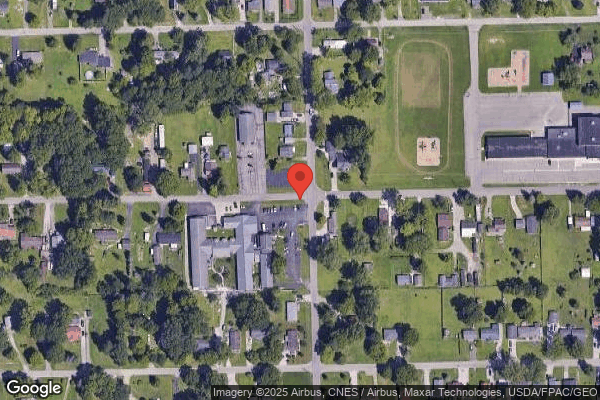
1159 WYANDOTTE AVE, MANSFIELD, OH 44906 (419) 747-2666
For profit - Partnership 74 Beds Independent Data: November 2025
Trust Grade
80/100
#54 of 913 in OH
Last Inspection: August 2024

Within standard 12-15 month inspection cycle. Federal law requires annual inspections.

Overview

Crystal Care Center of Mansfield has a Trust Grade of B+, indicating it is above average and recommended for families considering care options. It ranks #54 out of 913 facilities in Ohio, placing it in the top half, and is the top-rated facility out of 10 in Richland County. The facility has shown improvement over time, reducing from 8 issues in 2022 to 3 in 2024. Staffing is a mixed bag; while the turnover rate is good at 42%, the staffing rating is below average at 2/5 stars, and there is concerning RN coverage, being lower than 88% of other Ohio facilities. Notably, there have been no fines reported, which is a positive sign. However, a serious incident occurred when a resident fell in the bathroom due to inadequate supervision, resulting in a fracture, and there were concerns regarding the management of personal needs accounts and the maintenance of security bracelets for residents. Families should weigh these strengths and weaknesses carefully when making their decision.

Trust Score
B+
80/100
In Ohio
#54/913
Top 5%
Safety Record
Moderate
Needs review
Inspections
Getting Better
8 → 3 violations
Staff Stability
○ Average
42% turnover. Near Ohio's 48% average. Typical for the industry.
Penalties
✓ Good
No fines on record. Clean compliance history, better than most Ohio facilities.
Skilled Nurses
⚠ Watch
Each resident gets only 20 minutes of Registered Nurse (RN) attention daily — below average for Ohio. Fewer RN minutes means fewer trained eyes watching for problems.
Violations
⚠ Watch
13 deficiencies on record. Higher than average. Multiple issues found across inspections.
★★★★★
5.0
Overall Rating
★★☆☆☆
2.0
Staff Levels
★★★★★
5.0
Care Quality
★★★★☆
4.0
Inspection Score
Stable
2022: 8 issues
2024: 3 issues

The Good

  • 5-Star Quality Measures · Strong clinical quality outcomes
  • Full Sprinkler Coverage · Fire safety systems throughout facility
  • No fines on record
  • Staff turnover below average (42%)

    6 points below Ohio average of 48%

Facility shows strength in quality measures, fire safety.

The Bad

Staff Turnover: 42%

Near Ohio avg (46%)

Typical for the industry

The Ugly 13 deficiencies on record

1 actual harm
Aug 2024 3 deficiencies
CONCERN (D)

Potential for Harm - no one hurt, but risky conditions existed

Comprehensive Care Plan (Tag F0656)

Could have caused harm · This affected 1 resident

**NOTE- TERMS IN BRACKETS HAVE BEEN EDITED TO PROTECT CONFIDENTIALITY** Based on record review, observation, and staff interview, the facility failed to implement protective boots designed to maintain...

Read full inspector narrative →
**NOTE- TERMS IN BRACKETS HAVE BEEN EDITED TO PROTECT CONFIDENTIALITY** Based on record review, observation, and staff interview, the facility failed to implement protective boots designed to maintain skin integrity per the plan of care for Resident #55. This affected one (Resident #55) of 19 residents reviewed for care plan implementation. The facility census was 61. Findings include: Review of the medical record revealed Resident #55 was admitted to the facility on [DATE]. Diagnoses included heart failure, spinal stenosis, and dementia. Review of the quarterly Minimum Data Set assessment, dated 06/11/24, revealed Resident #55 was cognitively intact and required substantial to maximal assistance from staff for putting on and taking off footwear. Review of Resident #55's physician orders for August 2024 identified an active order dated 01/18/24 for prevalon boots on while in bed, every shift for redness to bilateral heels. Review of the plan of care dated 01/12/24 revealed Resident #55 was at risk for impaired skin integrity related to impaired circulation, impaired mobility, advanced age, eczema, psoriasis, and incontinence. Interventions included padding and protecting skin as needed and pressure reduction devices if ordered. Observations on 08/25/24 at 11:20 A.M., 08/26/24 at 1:34 P.M., and 08/27/24 at 9:59 A.M. revealed Resident #55 was lying in bed with her heels lying directly on the mattress. The boots were not in place and were lying on the floor near the foot and partially underneath of the resident's bed. During an interview on 08/27/24 at 10:28 A.M., State Tested Nurse Aide (STNA) #353 reported they provided care for Resident #55 on a regular basis. STNA #353 verified Resident #55 did not have the boots in place while lying in bed. STNA #353 reported the resident never wore the boots while in bed during the day.
CONCERN (D)

Potential for Harm - no one hurt, but risky conditions existed

Accident Prevention (Tag F0689)

Could have caused harm · This affected 1 resident

Based on observation, staff interview, record review, and facility policy review, the facility failed to ensure assistive devices were used appropriately to ensure a safe transfer. This affected one (...

Read full inspector narrative →
Based on observation, staff interview, record review, and facility policy review, the facility failed to ensure assistive devices were used appropriately to ensure a safe transfer. This affected one (Resident #41) of four residents reviewed for accidents. The facility census was 61. Findings include: Review of the medical record for Resident #41 revealed an admission date of 02/01/22. Diagnoses included dementia, Parkinson's disease, and heart failure. Resident #41 had impaired cognition. Review of the care plan dated 09/28/23 for Activities of Daily Living (ADLs) revealed staff were to use a mechanical lift for transferring Resident #41. Observation of 08/28/24 at 4:22 P.M. revealed State Tested Nurses Assistant (STNA) #346 was transferring Resident #41 to her wheelchair out in the hall. STNA #346 was observed using the standing Hoyer (mechanical lift) on her own. As STNA #346 was unhooking the Hoyer arm, it hit the hand sanitizer on the wall and the hand sanitizer fell hitting Resident #41 in her left arm. Interview on 08/28/24 at 4:25 P.M. with STNA #346 stated when using the standing Hoyer lift or the ceiling Hoyer lift, you only need one staff member to transfer residents. STNA #346 verified she transferred Resident #41 with the standing Hoyer lift by herself. Interview on 08/28/24 at 4:29 P.M. with the Director of Nursing (DON) verified when transferring a resident with a standing Hoyer, staff always need two staff members and when using the ceiling Hoyer lift, you can use one or two staff members. Review of the facility policy titled Sit to Stand/Hoyer Lift Usage Policy, dated 08/22/23 revealed operate the lift according to the manufacture's instructions, with one staff member operating the lift and another supporting the resident.
CONCERN (D)

Potential for Harm - no one hurt, but risky conditions existed

Deficiency F0700 (Tag F0700)

Could have caused harm · This affected 1 resident

**NOTE- TERMS IN BRACKETS HAVE BEEN EDITED TO PROTECT CONFIDENTIALITY** Based on observation, resident and staff interview, medical record review, and policy review, the facility failed to assess the ...

Read full inspector narrative →
**NOTE- TERMS IN BRACKETS HAVE BEEN EDITED TO PROTECT CONFIDENTIALITY** Based on observation, resident and staff interview, medical record review, and policy review, the facility failed to assess the resident for the risks of entrapment with the use of bed rails prior to installation or use. This affected one resident (#168) of seven residents identified with orders for bed rails. The facility census was 61. Findings include: Review of Resident #168's medical record revealed an admission date of 08/03/13. Diagnoses included hemiplegia and hemiparesis, cerebrovascular disease, a stroke, muscle weakness, and seizures. The medical record revealed no evidence of an assessment for bed rails. There was a signed consent form for bed rails dated 08/08/13. Review of the quarterly Minimum Data Set (MDS) assessment dated [DATE] revealed Resident #168 had intact cognition and required substantial to maximum assistance of staff with bed mobility, and was dependent on staff for toileting, hygiene and transfers. The assessment did not identify bed rails as a restraint. Review of the care plan dated 07/17/24 revealed Resident #168 was at a fall risk and had seizures. Interventions included a bilateral half size bed rail. Review of the physician orders dated August 2024 revealed an order for padded bilateral half size bed rails to the bed at all times. Observation on 08/26/24 at 9:17 A.M. revealed Resident #168 was lying in bed. Resident #168's bed had padded metal bed rails on both sides of the bed and both rails were in the raised position. Interview at this time with Resident #168 stated she was afraid of falling out of the bed and needed the bed rails. Interview on 08/29/24 at 2:30 P.M. with MDS Nurse #331 verified there was no assessment for the use of side/assist/bed rails for Resident #168. MDS Nurse #331 stated she just started auditing assessments for bed rails and did not get to Resident #168. Review of the facility policy titled Bedrails dated 02/25/20 revealed when a bed or side rail is issued, the facility will ensure correct installation, use, and maintenance of bed rails, including but not limited to the following elements. Assessing the resident for risk of entrapment from bed rails prior to installation. Review the risks and benefits of bed rails with the resident or resident representative and obtain informed consent prior to installation. Follow the manufactures' recommendations and specifications for installing and maintaining bed rails.
May 2022 8 deficiencies
CONCERN (D)

Potential for Harm - no one hurt, but risky conditions existed

Assessment Accuracy (Tag F0641)

Could have caused harm · This affected 1 resident

**NOTE- TERMS IN BRACKETS HAVE BEEN EDITED TO PROTECT CONFIDENTIALITY** Based on record review, policy review, and staff interview, the facility failed to accurately complete the Minimum Data Set (MDS...

Read full inspector narrative →
**NOTE- TERMS IN BRACKETS HAVE BEEN EDITED TO PROTECT CONFIDENTIALITY** Based on record review, policy review, and staff interview, the facility failed to accurately complete the Minimum Data Set (MDS) assessment to reflect the residents current condition. This affected one (#19) of 22 residents reviewed for assessments. The facility census was 68. Findings include: Record review revealed Resident #19 had an admission date of 12/31/16. Resident was discharged to the hospital on [DATE] and returned on 01/17/22. Diagnosis included history of falls, and displaced intertrochanter fracture of right femur. Review of the pressure injury grid dated 01/30/22 (untimed) revealed Resident #19 had acquired a fluid filled blister that was unstageable to the right heel. Review of the MDS assessment dated [DATE], created by LPN #20 revealed under section M skin condition asking does the resident have a pressure ulcer injury? The answer was no. Other ulcers, wound or skin problems? The answer was no. Interview on 05/04/22 at 9:54 A.M., with MDS Nurse, LPN #20, verified the 02/04/22 MDS was incorrect for wounds. Review of the policy titled, Resident Assessment Instrument dated 10/01/10, revealed the Resident Assessment Instrument correctly and effectively help provide appropriate care. It helps nursing home staff gather definitive information on the residents strengths and needs which must be addressed in an individual care plan.
CONCERN (D)

Potential for Harm - no one hurt, but risky conditions existed

Deficiency F0657 (Tag F0657)

Could have caused harm · This affected 1 resident

**NOTE- TERMS IN BRACKETS HAVE BEEN EDITED TO PROTECT CONFIDENTIALITY** Based on medical record review and staff interview, the facility failed to ensure a plan of care was revised timely to meet the ...

Read full inspector narrative →
**NOTE- TERMS IN BRACKETS HAVE BEEN EDITED TO PROTECT CONFIDENTIALITY** Based on medical record review and staff interview, the facility failed to ensure a plan of care was revised timely to meet the current needs of the resident. This affected two (#21 and #19) of 22 residents care plans reviewed. The facility census was 68. Findings include: 1. Review of Resident #21's medical record revealed an admission to the facility on [DATE], with medical diagnoses including: end stage renal disease with dialysis, depression and diabetes. Review of Resident #21's written plan of care for nutritional aspects revealed an 1500 cubic centimeters (cc) fluid restriction with renal diet. Interview on 05/04/22 at 7:58 A.M., with the Director of Nursing (DON) revealed Resident #21 has not been on a fluid restriction since 10/18/20. The DON stated Resident #21's diet changed from renal to regular on 07/27/20. The DON verified the written plan of care was not accurate for Resident #21 in regards to nutritional issues. 2. Review of the medical record for Resident #19 revealed a re-admission date of 01/17/22. Diagnoses for Resident #19 included muscle weakness and displaced right hip fracture on 01/14/22, requiring surgery. Review of the care plan initiated 01/04/17, revealed the resident had the potential for impairment to skin integrity. Interventions include to provide a pressure reduction mattress and an egg crate overlay to the bed. There were no specific interventions listed for Resident #19's heels. Review of the Medicare five-day Minimum Data Set (MDS) assessment dated [DATE], revealed Resident #19 had recent surgery with repair of a fracture. Resident #19 was extensive assistance of one staff for bed mobility and had no pressure ulcers. Resident #19 was assessed as being at risk for the development of pressure ulcers. Record review of the form titled Pressure Injury Skin Grid, dated 01/30/22, revealed Resident #19 obtained an unstageable wound to the right heel. The facility added pressure reducing boots on 01/30/22, after the wound developed. Review of the skin grid dated 04/27/22, revealed the resident continued to have an unstageable pressure ulcer to the right heel with eschar present. Record review of the care plan revealed a care plan was initiated for alteration in skin integrity, deep tissue injury to the right heel on 03/03/22. Interview on 05/04/22 at 09:54 A.M., with MDS Nurse, LPN #20, verified there was no care plan for the heels until 03/03/22.
CONCERN (D)

Potential for Harm - no one hurt, but risky conditions existed

ADL Care (Tag F0677)

Could have caused harm · This affected 1 resident

**NOTE- TERMS IN BRACKETS HAVE BEEN EDITED TO PROTECT CONFIDENTIALITY** Based on observations, resident and staff interviews, medical record review, and review of policy, the facility failed to ensure...

Read full inspector narrative →
**NOTE- TERMS IN BRACKETS HAVE BEEN EDITED TO PROTECT CONFIDENTIALITY** Based on observations, resident and staff interviews, medical record review, and review of policy, the facility failed to ensure a dependent resident was safely and comfortably position to eat while in bed. This affected one (#213) of four residents observed eating in bed. The facility census was 68. Findings include: Review of Resident #213's medical record revealed an admission date of 04/05/22. Diagnoses included diseases of salivary glands, osteoarthritis, and fracture of lower end of right femur. Review of the Minimum Data Set (MDS) assessment dated [DATE] revealed resident was cognitively intact. Resident #213 was total dependence of two for bed mobility and required setup help for meals. Review of the care plan dated 04/07/22 revealed the resident had potential for nutritional impairment, dehydration and significant weight changes. Resident#213 had an activities of living self-care performance deficit-functional impairment related to right femur fracture. Interventions included the resident required supervision and set-up help by staff to eat. Observation on 05/03/22 at 11:54 A.M., revealed Resident #213 was lying in bed. The head of the bed was slightly raised. Residents right leg was propped up on a pillow. Resident #213's body had slightly slid down in bed. State Tested Nursing Assistant (STNA) #86 was passing lunch trays and entered Resident #213's room with the lunch tray. STNA #86 placed Resident #213's bed side table over the residents lap then sat her lunch tray on the bed side table. STNA #86 then left the room. Observation revealed the position of the bed side table was at Resident #213's eye level and the head of the bed was only slightly (approximately 20 to 30 degrees) elevated. Resident #213 reached up feeling the tray for her glass of juice. Resident then moved the juice toward her mouth using her tongue to feel for the edge of the glass to not spill the juice on her. Resident #213 was not able to take a drink without spilling the juice and sat the glass back on the tray. Interview on 05/03/22 at 11:56 A.M., with Resident #213 confirmed she was unable to drink the juice without spilling it and was unable to see the food on top of the tray due to her position in bed. Resident #213 confirmed it was difficult to eat and staff did not offer or attempt to reposition her prior to leaving the lunch tray. Resident #213 revealed she did not ask to be repositioned because the staff were busy and she did not want to burden them. Observation and interview on 05/03/22 at 11:58 A.M., with Licensed Practical Nurse (LPN) #56 confirmed Resident #213's head of bed was in a lowered position, the resident's body had scooted down in bed and the resident was unable to see the food on top of her lunch tray to safely eat. Interview on 05/03/22 at 11:59 A.M., with STNA #86 confirmed she served Resident #213's lunch tray and did not position resident to be able to safely see and eat her food. STNA #86 stated, I don't know why I didn't reposition her, I just didn't. STNA #86 confirmed staff were available to assist with repositioning. Observation on 05/04/22 at 4:51 P.M., revealed Resident #213 was lying in bed. The head of the bed was slightly raised. Residents right leg was propped up on a pillow. Resident #213's body had slightly slid down in bed. STNA #94 was passing dinner trays and entered Resident #213's room with the dinner tray. STNA #94 placed Resident #213's bed side table over the residents lap then sat her dinner tray on the bed side table. STNA #94 then left the room. Observation revealed the position of the bed side table was at Resident #213's eye level and the head of the bed was only slightly (approximately 20 to 30 degrees) elevated. Resident was unable to see the food in the dishes on top the tray. Observation of dinner tray revealed tomato soup and a sandwich was served. Observation revealed resident was reaching up with the spoon to the bowl and as she brought the spoon back to her moth, the soup was spilling onto her gown from the spoon. Interview on 05/04/22 at 4:52 P.M. with Resident #213 verified she was unable to see the food on her tray and it was difficult to eat. Resident stated, I don't know why they don't put me up more, they will if i ask but i don't always ask. I don't want to bother them, they are busy. Observation and interview on 05/04/22 at 04:55 P.M., with Registered Nurse (RN) #51 verified Resident #213's position in bed while trying to eat and had food spilled on her gown. Resident #213 stated to RN #51, It's not feasible. Interview on 05/04/22 at 5:01 P.M. ,with STNA #94 confirmed she delivered the dinner tray and did not reposition Resident#213 for her meal. STNA #94 stated, I didn't realize. STNA #94 confirmed staff were available to assist with repositioning a resident. Review of the undated policy titled, Positioning During Eating revealed residents were to be sitting up straight or slightly forward with head upright during meals.
CONCERN (D)

Potential for Harm - no one hurt, but risky conditions existed

Deficiency F0688 (Tag F0688)

Could have caused harm · This affected 1 resident

**NOTE- TERMS IN BRACKETS HAVE BEEN EDITED TO PROTECT CONFIDENTIALITY** Based on review of the medical record, observations, family and staff interviews, and policy review, the facility failed to ensu...

Read full inspector narrative →
**NOTE- TERMS IN BRACKETS HAVE BEEN EDITED TO PROTECT CONFIDENTIALITY** Based on review of the medical record, observations, family and staff interviews, and policy review, the facility failed to ensure a resident's range of motion and application of orthotic devices were maintained with continuous restorative care. This affected one (#31) of one resident reviewed for range of motion. The facility census was 68. Findings include: Review of Resident #31's medical record reveal an admission date of 12/03/21. The resident was discharged to the hospital on [DATE] and returned to the facility on [DATE]. Diagnoses included Parkinson's disease, cervical disc disorder, encephalopathy, muscle weakness, and hypertension. Review of the quarterly minimum data set (MDS) assessment, dated 03/04/22, revealed the resident was cognitively impaired. The resident had a documented limitation in Range of Motion (ROM) for both upper extremities (shoulders, elbows, wrists, hands). Review of the Occupational Therapy (OT) evaluation and plan of treatment, dated 02/11/22, revealed the goal of increasing Resident #31's ROM of the bilateral upper extremities. Review of the OT discharge recommendations, dated 03/03/22, revealed the resident was recommended to have a palm protector to the left hand and Comfy Grip hand orthosis to the right hand. Review of the restorative plan of care dated 04/01/22 through 05/03/22, revealed the resident would participate in ROM exercises for her bilateral upper extremities daily, and would participate with splinting of bilateral hands after ROM exercises for between two and three hours daily. Review of the corresponding restorative documentation, dated 04/01/22 through 05/03/22, revealed restorative services were provided to Resident #31 on 04/09/22, 04/10/22, 04/19/22, 04/20/22, and 04/21/22. Restorative services including ROM and splinting were not documented as provided for the other 28 days within this time period. Observation on 05/02/22 at 11:24 A.M., revealed both the left and right hands of Resident #31 were contracted. Resident #31 was unable to fully open either hand. At no time during the annual survey on 05/02/22, 05/03/22, or 05/04/22 over multiple observations, was any type of splint or orthotic device observed in place for Resident #31. Interview on 05/03/22 at 4:16 P.M., with Licensed Practical Nurse (LPN) #102 verified Resident #31 was only documented as receiving restorative services for five out of 33 days. LPN #102 reported State Tested Nurse Aides (STNA) were responsible for providing restorative services such as ROM and application of splints or other orthotic devices. Interview on 05/04/22 at 1:41 P.M., with STNA #50, revealed she was frequently assigned to work with Resident #31 and was unaware of any orthotic devices or splints in place for either of the resident's hands. Interview on 05/04/22 at 2:00 P.M., with Resident #31's husband, revealed Resident #31's husband was typically at the facility on a daily basis from 11:00 A.M. to 6:00 P.M. Resident #31's husband reported LPN #102 brought down and placed palm protectors on each of Resident #31's hands on 05/03/22 and he had never seen them prior to then. Review of the policy titled, Restorative Nursing Program, dated 12/06/17, revealed restorative programs would be documented on the facility designated restorative care form.
CONCERN (D)

Potential for Harm - no one hurt, but risky conditions existed

Deficiency F0692 (Tag F0692)

Could have caused harm · This affected 1 resident

**NOTE- TERMS IN BRACKETS HAVE BEEN EDITED TO PROTECT CONFIDENTIALITY** Based on observations, medical record reviews, and staff interviews, the facility failed to ensure residents were provided suppl...

Read full inspector narrative →
**NOTE- TERMS IN BRACKETS HAVE BEEN EDITED TO PROTECT CONFIDENTIALITY** Based on observations, medical record reviews, and staff interviews, the facility failed to ensure residents were provided supplemental dietary foods to maintain nutritional health. This affected two (#19 and #21) of five residents reviewed for nutrition. The facility census was 68. Findings include: 1. Record review for Resident #19 revealed an admission date of 12/31/16 and a re-admission date of 01/17/22. Diagnoses for included history of falls, muscle weakness, and displaced right hip fracture on 01/14/22, with repair on 01/17/22. Review of the quarterly Minimum Data Set (MDS) assessment dated [DATE], revealed the resident had no swallowing disorders and no known weight loss. Resident #19 required supervision with set up help only for meals. Record review of the care plan dated 01/24/22 revealed a potential for nutritional impairment and dehydration due to variable meal intakes. Interventions included a house supplement three times a day, obtain/record weight per facility policy and monitor for significant changes. Review of the Nutritional assessment dated [DATE], completed by Registered Dietitian (RD) #115, revealed the resident received a house supplement two times a day and consumes 25 % of meal intakes. A Readmitting Nutrition Assessment was completed. Resident #19 had a diagnosis of a hip fracture with surgical repair. Resident #19 was noted with poor meal intakes/refusals since return. A mechanical soft diet will continue with a house supplements two times a day. Resident #19 was accepting the house supplements per nursing staff. Potential for significant weight changes with fluid shifts, will monitor effects on appetite. Will recommend increasing the house supplement to three times a day at this time to increase calorie/protein/fluid intakes and will continue to monitor intakes, weights and laboratory tests for need of additional interventions. There was no weight listed for the resident. Record review of the physician's orders revealed on 01/24/22, a new order was completed by RD #115 to increase the house supplement to three times a day. Record review of the medication administration record (MAR) for 01/24/22 through 01/31/22, revealed Resident #19 received the house supplement three times a day. Review of the MAR for February 2022 and March 2022 revealed no record of a house supplement being offered. Review of the MAR for April 2022 revealed on 04/26/22, health supplement three times a day was added to the MAR. The health supplement three times a day was also added to the MAR for May 2022. Interview on 05/04/22 at 2:30 P.M., with the Director of Nursing (DON) confirmed the house supplement was not on the MAR for February and March 2022 and was not restarted until 04/26/22. The DON revealed this was a transcription error and confirmed the house supplement was not given during that period. Interview on 05/04/22 at 2:57 P.M., with RD #115 revealed Resident #19 received and would accept the house supplements when offered. RD #115 revealed she was not made aware the resident had not received the supplements as ordered. 2. Review of Resident #21's medical record revealed an admission to the facility on [DATE], with medical diagnoses including: end stage renal disease with dialysis, depression and diabetes. Review of Resident #21's nutritional assessment dated [DATE] identified the resident should be getting a regular diet with large meat portions, super-cereal in the morning and pudding every day. Review of Resident #21's diet card (used by kitchen to prepare meals) identified no evidence of super-cereal every morning. Review of Resident #21's May 2022, physician orders revealed an order for regular high protein diet. The orders did not list any supplements including the super-cereal and or pudding. Observation of Resident #21's breakfast meals occurred on 05/03/22 and 05/05/22 with no super-cereal observed provided for Resident #21. Interview on 05/05/22 at 8:02 A.M., with the DON verified Resident #21 did not received super cereal and the dietary recommendations and physician orders do not match.
CONCERN (D)

Potential for Harm - no one hurt, but risky conditions existed

Deficiency F0698 (Tag F0698)

Could have caused harm · This affected 1 resident

**NOTE- TERMS IN BRACKETS HAVE BEEN EDITED TO PROTECT CONFIDENTIALITY** Based on record review, observation, interviews with resident, staff and dialysis center staff, the facility failed to ensure a ...

Read full inspector narrative →
**NOTE- TERMS IN BRACKETS HAVE BEEN EDITED TO PROTECT CONFIDENTIALITY** Based on record review, observation, interviews with resident, staff and dialysis center staff, the facility failed to ensure a resident was provided a meal prior to leaving for regular dialysis appointments. This affected one (#21) of one reviewed for dialysis services. The facility identified three current residents receiving dialysis services. Facility census was 68. Findings include: Review of Resident #21's medical record revealed an admission to the facility on [DATE], with medical diagnoses including: end stage renal disease with dialysis, depression and diabetes. Review of Resident #21's written plan of care for nutritional aspects revealed an 1500 cubic centimeters (cc) fluid restriction with renal diet. Interview on 05/04/22 at 7:58 A.M., with the Director of Nursing (DON) revealed Resident #21 has not been on a fluid restriction since 10/18/20. The DON stated Resident #21's diet changed from renal to regular on 07/27/20. The DON verified the written plan of care was not accurate for Resident #21 in regards to nutritional issues. Observation on 05/03/22 at 2:28 P.M., revealed Resident #21 had returned to the facility from Dialysis. Resident #21 identified she does not get any lunch on her Dialysis days (Tuesday, Thursday and Saturdays). Resident #21 stated no one is allowed to have any food at the dialysis center and therefore nothing is sent with her to the center. Resident #21 stated she was very hungry at this time. Interview on 05/03/22 at 3:05 P.M., with Licensed Practical Nurse (LPN) #102 verified the facility does not have anything specific scheduled for Resident #21 to receive food just prior to leaving or returning from dialysis. LPN #102 verified the facility needs to do something for Resident #21 on those days. Interview via telephone, on 05/03/22 at 3:19 P.M., with the Dialysis Center Representative #400 verified the center does not allow for food to be brought in and this will not be changing this practice.
CONCERN (E)

Potential for Harm - no one hurt, but risky conditions existed

Deficiency F0570 (Tag F0570)

Could have caused harm · This affected multiple residents

Based on resident personal needs accounts (PNA) balances review, surety bond review and staff interviews, the facility failed to ensure the surety bond covered the entire balance maintained in the res...

Read full inspector narrative →
Based on resident personal needs accounts (PNA) balances review, surety bond review and staff interviews, the facility failed to ensure the surety bond covered the entire balance maintained in the resident PNA account. The facility maintained 44 (#1, #2, #3, #5, #8, #9, #10, #11, #12, #13, #14, #16, #17, #19, #20, #21, #22, #23, #25, #24, #26, #27, #28, #29, #30, #32, #33, #34, #35, #37, #38, #39, #40, #43, #45, #46, #50, #53, #58, #59, #60, #61, #62 and #214) of 44 personal needs accounts funds. The facility census was 68. Findings include: Review of the facility's personal needs account total balance revealed the total account balance was $24,603.59 on 05/02/22. The balance included 44 (#1, #2, #3, #5, #8, #9, #10, #11, #12, #13, #14, #16, #17, #19, #20, #21, #22, #23, #25, #24, #26, #27, #28, #29, #30, #32, #33, #34, #35, #37, #38, #39, #40, #43, #45, #46, #50, #53, #58, #59, #60, #61, #62 and #214) residents whom currently reside in the facility. Review of facility surety bond identified it covered the facility for losses up to $20,000. Interview on 05/04/22 at 7:07 A.M. , with Financial Director #104, revealed due to many residents with stimulus checks the balance of the residents Personal needs accounts (PNA) is $24,603.59 and the facility's current bond covers $20,000.
CONCERN (E)

Potential for Harm - no one hurt, but risky conditions existed

Accident Prevention (Tag F0689)

Could have caused harm · This affected multiple residents

**NOTE- TERMS IN BRACKETS HAVE BEEN EDITED TO PROTECT CONFIDENTIALITY** 4. Review of Resident #20's medical record revealed an admission on [DATE], with medical diagnosis including gastro-esophageal r...

Read full inspector narrative →
**NOTE- TERMS IN BRACKETS HAVE BEEN EDITED TO PROTECT CONFIDENTIALITY** 4. Review of Resident #20's medical record revealed an admission on [DATE], with medical diagnosis including gastro-esophageal reflux disease, hyperlipidemia, osteoarthritis, ataxia, diabetes mellitus type 2, bipolar disorder, and hypertension. The physician orders identified Resident #20 to have a wander-guard placed on her right ankle starting on [DATE]. Observations of Resident #20's security bracelet to be present on her right ankle in the up-right position from [DATE] through [DATE]. Observation of the device identified with an expiration date of [DATE]. Interview and observation on [DATE] at 8:32 A.M., with RN #51 verified Resident #20's security bracelet is tested every night by licensed nurse and confirmed the expiration date to be in [DATE]. However, the expiration date was not present on the testing log book. Based on observations, review of tracking logs, review of manufacture's instructions and staff interviews, the facility failed to ensure security bracelets used to identify potential elopements were monitored for expiration dates and tracked during nightly checks. This affected seven (#9, #20, #22, #28, #33, #34 and #113) residents whom currently have security bracelets and one (#12) resident who had an expired security bracelet. The facility had four additional spare security bracelets, that were not being tested. The facility also failed to ensure fall interventions were in place for one (#21) of three sampled residents identified high risk for falling. The facility census was 68. Findings include: 1. Review of Resident #12's medical record revealed an admission date of [DATE], with medical diagnoses including: major depression, hemiplegia, dementia and anemia. Review of the monthly physician's orders for [DATE], revealed an order for a security bracelet place on her wheelchair since [DATE]. The orders identified the security bracelet was discontinued on [DATE]. Observation on [DATE] at 4:32 P.M., of Resident #12 was sitting in her wheelchair in the television room. The back section of the chair was observed with a security bracelet bracelet device attached to the back of the chair. Observation of the device security bracelet bracelet identified it had expired in [DATE]. Observation and interview with the facility Assistant Director of Nursing (ADON) #105 on [DATE] at 4:52 P.M., verified Resident #12's security bracelet located on the wheelchair is expired. The interview additionally verified the testing book located at the nursing station for all residents with a device does not list the expiration dates for any of seven devices being used currently for Resident Resident #9, #20, #22, #28, #33, #34,#113 . ADON #105 stated the testing logs are completed by the night shift licensed nursing staff and are tested every night. ADON #105 stated the expiration date for each device should be listed on the testing log, to ensure devices are changed out when they expire. Interview on [DATE] at 8:34 A.M. ,with the Director of Nursing (DON) verified the facility has four extra security bracelets located in a box to be used when needed. The DON stated these four have not been tested and logged. Review of the Secure Care (security bracelet) manufactures instruction dated [DATE], revealed to ensure proper operation of the transmitter it must be upright or vertical position on the ankle. The policy also identified a documented test of each ankle device must be made daily including transmitters not in use. The instructions revealed the actual expiration date is the last day of the month engraved on the transmitter. 2. Review of Resident #112's medical record revealed an admission date of [DATE], with medical diagnoses including: chronic pancreatitis, muscle weakness, aphasia and dementia. Review of the [DATE] physician's orders identified on [DATE] a security bracelet was placed on the left ankle. Review of Resident #112's security bracelet, nightly Wander-guard (security bracelet) Prevention form identified no evidence of the date the bracelet expires. 3. Review of Resident #21's medical record revealed an admission date of [DATE],with medical diagnosis including; Sepsis, urinary tract infections, depression, dementia, bipolar disorder, and bilateral femur fractures. Review of the quarterly assessment dated [DATE] identified Resident #21 was cognitively intact and required extensive assistance of one person for bed mobility. Resident #21 was identified to have fallen from the bedside on [DATE] and fractured both legs. Review of Resident #21's written plan of care for fall prevention included interventions of mat to the bedside, winged pressure reduction mattress and voice activated alarm to bed. Review of the [DATE] physician orders identified winged mattress. Observation on [DATE] at 7:00 A.M., of Resident #21 was observed in bed revealed there was no mat next to the bed or winged mattress on the bed. Observation on [DATE] at 2:43 P.M., of Resident #21 reveled upon returning from Dialysis and was placed in bed. There was no fall mat located next to the bed, the voice alarm was sitting on the bedside stand unattached and the mattress was not winged type after the resident was placed in bed. Observation and interview on [DATE] at 3:05 P.M., with Licensed Practical Nurse (LPN #102) verified Resident #21's voice alarm was laying on the bedside table unattached, no winged mattress was on the bed and the fall mat was placed at the end of the bed, instead of the bedside. LPN #102 verified Resident #21 fall interventions were not in place.
May 2019 2 deficiencies 1 Harm
SERIOUS (G)

Actual Harm - a resident was hurt due to facility failures

Accident Prevention (Tag F0689)

A resident was harmed · This affected 1 resident

**NOTE- TERMS IN BRACKETS HAVE BEEN EDITED TO PROTECT CONFIDENTIALITY** Based on medical record review, staff interview, and facility policy review, the facility failed to ensure adequate supervision ...

Read full inspector narrative →
**NOTE- TERMS IN BRACKETS HAVE BEEN EDITED TO PROTECT CONFIDENTIALITY** Based on medical record review, staff interview, and facility policy review, the facility failed to ensure adequate supervision for a resident when in the bathroom. This resulted in actual harm when a resident fell in the bathroom and sustained a fracture of the right clavicle (collarbone). This affected one resident (#63) of two reviewed for falls. The facility census was 68. Findings include: Medical record review revealed Resident #63 was admitted to the facility on [DATE], with diagnoses including Parkinson's disease, disorders of bone density, difficulty walking, and hemiplegia (paralysis). Review of Resident #63's care plan dated 03/15/18, revealed the resident was at risk for falls related to gait/balance problems. Interventions included to not leave the resident in the bathroom unattended. Review of Resident #63's nurse's note dated 03/06/19 revealed State Tested Nursing Assistant (STNA) #231 reported to the nurse she had assisted Resident #63 on the toilet and walked away to get toothpaste. When STNA #231 went back to the bathroom she saw the resident slide off the toilet and landed on her right shoulder. Review of Resident #63's fall investigation dated 03/06/19 revealed the resident's fall occurred on 03/06/19 at 7:10 A.M. STNA #231 witnessed the fall. Review of STNA #231's statement revealed Resident #63 had been on the toilet when she walked away to get toothpaste. When she returned to the bathroom she witnessed the resident fall off the toilet and hit her right shoulder. Review of Resident #63's nurse's note dated 03/06/19 revealed the physician had visited the resident after the fall due to pain in her right arm. The physician ordered an x-ray and the results revealed a fractured right clavicle. A sling was provided for the resident's right arm and a follow up visit with an orthopedic was made. Review of Resident #63's Minimum Data Set (MDS) assessment dated [DATE] revealed the resident had intact cognition. The resident required extensive assistance of one person for transfers and toilet use. Further review revealed the resident was not steady moving on and off the toilet and had impairment on one side. Interview on 05/16/19 at 8:56 A.M., with STNA #231 verified she had left Resident #63 unattended on the toilet on 03/06/19 and the resident fell off the toilet. Review of facility policy titled Fall Prevention Program undated revealed the facility will identify patients at risk for falls and initiate interventions to prevent falls and reduce the risk of injury due to falls.
CONCERN (D)

Potential for Harm - no one hurt, but risky conditions existed

Comprehensive Care Plan (Tag F0656)

Could have caused harm · This affected 1 resident

**NOTE- TERMS IN BRACKETS HAVE BEEN EDITED TO PROTECT CONFIDENTIALITY** Based on medical record review and staff interview, the facility failed to develop a care plan for one resident with a hand cont...

Read full inspector narrative →
**NOTE- TERMS IN BRACKETS HAVE BEEN EDITED TO PROTECT CONFIDENTIALITY** Based on medical record review and staff interview, the facility failed to develop a care plan for one resident with a hand contracture. This affected one resident (#58) of one reviewed for range of motion. The facility census was 68. Findings include: Review of Resident #58's medical record revealed an admission date of 07/19/18 with diagnoses including encephalopathy, muscle weakness, hemiplegia and hemiparesis affecting left non-dominant side, and peripheral vascular disease. Review of Resident #58's Minimum Data Set (MDS) assessment dated [DATE] revealed the resident as having impairment on one side. There was no evidence in the medical record of a are plan for Resident #58's left-hand contracture, or any interventions to prevent further decreases in range of motion Interview on 05/15/19 at 2:07 P.M., with Registered Nurse (RN) #400 verified Resident #58's care plan did not address the resident's hand contracture.
Understanding Severity Codes (click to expand)
Life-Threatening (Immediate Jeopardy)
J - Isolated K - Pattern L - Widespread
Actual Harm
G - Isolated H - Pattern I - Widespread
Potential for Harm
D - Isolated E - Pattern F - Widespread
No Harm (Minor)
A - Isolated B - Pattern C - Widespread

Questions to Ask on Your Visit

  • "Can I speak with families of current residents?"
  • "What's your RN coverage like on weekends and overnight?"

Our Honest Assessment

Strengths
  • • Grade B+ (80/100). Above average facility, better than most options in Ohio.
  • • No fines on record. Clean compliance history, better than most Ohio facilities.
  • • 42% turnover. Below Ohio's 48% average. Good staff retention means consistent care.
Concerns
  • • 13 deficiencies on record, including 1 serious (caused harm) violation. Ask about corrective actions taken.
Bottom line: Generally positive indicators. Standard due diligence and a personal visit recommended.

About This Facility

What is Crystal Of Mansfie's CMS Rating?

CMS assigns CRYSTAL CARE CENTER OF MANSFIE an overall rating of 5 out of 5 stars, which is considered much above average nationally. Within Ohio, this rating places the facility higher than 99% of the state's 100 nursing homes. This rating reflects solid performance across the metrics CMS uses to evaluate nursing home quality.
How is Crystal Of Mansfie Staffed?

CMS rates CRYSTAL CARE CENTER OF MANSFIE's staffing level at 2 out of 5 stars, which is below average compared to other nursing homes. Staff turnover is 42%, compared to the Ohio average of 46%. This relatively stable workforce can support continuity of care.

What Have Inspectors Found at Crystal Of Mansfie?

State health inspectors documented 13 deficiencies at CRYSTAL CARE CENTER OF MANSFIE during 2019 to 2024. These included: 1 that caused actual resident harm and 12 with potential for harm. Deficiencies causing actual harm indicate documented cases where residents experienced negative health consequences.
Who Owns and Operates Crystal Of Mansfie?

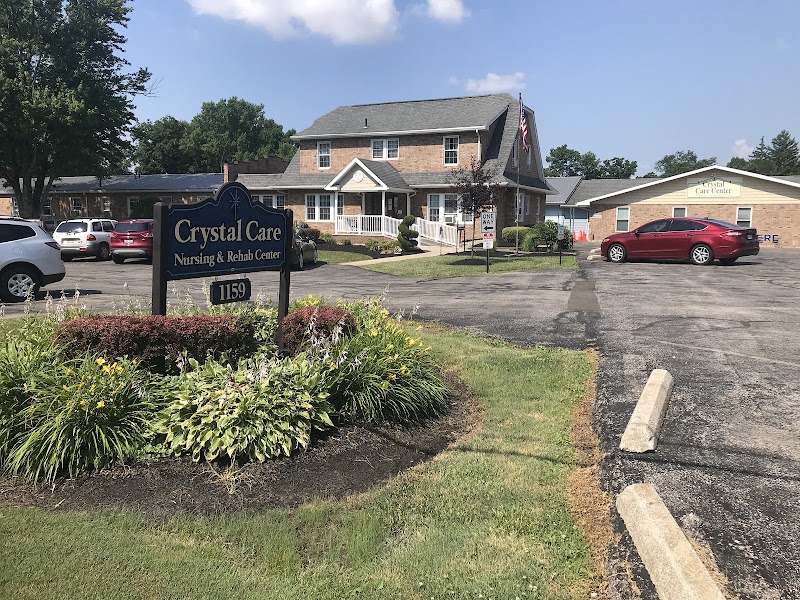
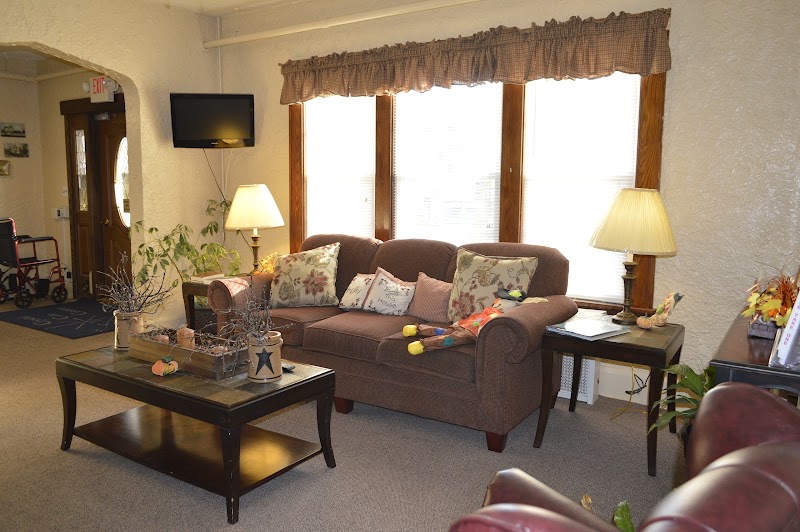
CRYSTAL CARE CENTER OF MANSFIE is owned by a for-profit company. For-profit facilities operate as businesses with obligations to shareholders or private owners. The facility operates independently rather than as part of a larger chain. With 74 certified beds and approximately 64 residents (about 86% occupancy), it is a smaller facility located in MANSFIELD, Ohio.
How Does Crystal Of Mansfie Compare to Other Ohio Nursing Homes?

Compared to the 100 nursing homes in Ohio, CRYSTAL CARE CENTER OF MANSFIE's overall rating (5 stars) is above the state average of 3.2, staff turnover (42%) is near the state average of 46%, and health inspection rating (4 stars) is above the national benchmark.

What Should Families Ask When Visiting Crystal Of Mansfie?

Based on this facility's data, families visiting should ask: "Can you walk me through typical staffing levels on day, evening, and night shifts?" "Can I visit during a mealtime to observe dining assistance and food quality?" "How do you handle medical emergencies, and what is your hospital transfer rate?" "Can I speak with family members of current residents about their experience?" These questions are particularly relevant given the below-average staffing rating.

Is Crystal Of Mansfie Safe?

Based on CMS inspection data, CRYSTAL CARE CENTER OF MANSFIE has a clean safety record: no substantiated abuse findings (meaning no confirmed cases of resident harm), no Immediate Jeopardy citations (the most serious violation level indicating risk of serious injury or death), and is not on the Special Focus Facility watch list (a federal program monitoring the lowest-performing 1% of nursing homes). The facility has a 5-star overall rating and ranks #1 of 100 nursing homes in Ohio. While no facility is perfect, families should still ask about staff-to-resident ratios and recent inspection results during their visit.

Do Nurses at Crystal Of Mansfie Stick Around?

CRYSTAL CARE CENTER OF MANSFIE has a staff turnover rate of 42%, which is about average for Ohio nursing homes (state average: 46%). Moderate turnover is common in nursing homes, but families should still ask about staff tenure and how the facility maintains care continuity when employees leave.

Was Crystal Of Mansfie Ever Fined?

CRYSTAL CARE CENTER OF MANSFIE has no federal fines on record. CMS issues fines when nursing homes fail to meet care standards or don't correct problems found during inspections. The absence of fines suggests the facility has either maintained compliance or corrected any issues before penalties were assessed. This is a positive indicator, though families should still review recent inspection reports for the full picture.

Is Crystal Of Mansfie on Any Federal Watch List?

CRYSTAL CARE CENTER OF MANSFIE is not on any federal watch list. The most significant is the Special Focus Facility (SFF) program, which identifies the bottom 1% of nursing homes nationally based on persistent, serious quality problems. Not being on this list means the facility has avoided the pattern of deficiencies that triggers enhanced federal oversight. This is a positive indicator, though families should still review the facility's inspection history directly.