PRESTIGE GARDENS REHABILITATION AND NURSING CENTER
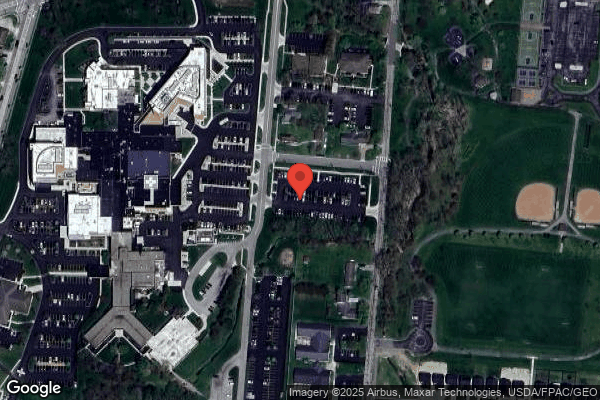
755 SOUTH PLUM STREET, MARYSVILLE, OH 43040 (937) 644-8836
For profit - Limited Liability company 98 Beds GARDEN HEALTHCARE GROUP Data: November 2025
Trust Grade
45/100
#763 of 913 in OH
Last Inspection: May 2025

Inspected within the last 6 months. Data reflects current conditions.

Overview

Prestige Gardens Rehabilitation and Nursing Center has a Trust Grade of D, which means it is below average and has some notable concerns. It ranks #763 out of 913 facilities in Ohio, placing it in the bottom half of all nursing homes in the state, and #2 out of 3 in Union County, indicating only one local option is better. The facility is worsening, with issues increasing from 1 in 2024 to 21 in 2025. While staffing is a strength with a turnover rate of 36%, which is below the state average, the overall quality ratings are concerning, with a poor health inspection rating of 1 out of 5. Specific incidents include a resident suffering from severe pain without adequate management and issues with meal quality, as well as failures in infection control practices that could risk the well-being of all residents.

Trust Score
D
45/100
In Ohio
#763/913
Bottom 17%
Safety Record
Moderate
Needs review
Inspections
Getting Worse
1 → 21 violations
Staff Stability
○ Average
36% turnover. Near Ohio's 48% average. Typical for the industry.
Penalties
✓ Good
No fines on record. Clean compliance history, better than most Ohio facilities.
Skilled Nurses
⚠ Watch
Each resident gets only 26 minutes of Registered Nurse (RN) attention daily — below average for Ohio. Fewer RN minutes means fewer trained eyes watching for problems.
Violations
⚠ Watch
59 deficiencies on record. Higher than average. Multiple issues found across inspections.
★★☆☆☆
2.0
Overall Rating
★☆☆☆☆
1.0
Staff Levels
★★★★★
5.0
Care Quality
★☆☆☆☆
1.0
Inspection Score
Stable
2024: 1 issues
2025: 21 issues

The Good

  • 5-Star Quality Measures · Strong clinical quality outcomes
  • Full Sprinkler Coverage · Fire safety systems throughout facility
  • No fines on record
  • Staff turnover below average (36%)

    12 points below Ohio average of 48%

Facility shows strength in quality measures, fire safety.

The Bad

2-Star Overall Rating

Below Ohio average (3.2)

Below average - review inspection findings carefully

Staff Turnover: 36%

10pts below Ohio avg (46%)

Typical for the industry

Chain: GARDEN HEALTHCARE GROUP

Part of a multi-facility chain

Ask about local staffing decisions and management

The Ugly 59 deficiencies on record

1 actual harm
May 2025 21 deficiencies 1 Harm
SERIOUS (G)

Actual Harm - a resident was hurt due to facility failures

Deficiency F0697 (Tag F0697)

A resident was harmed · This affected 1 resident

**NOTE- TERMS IN BRACKETS HAVE BEEN EDITED TO PROTECT CONFIDENTIALITY** Based on observation, medical record review, resident and staff interviews, and review of a facility policy, the facility failed...

Read full inspector narrative →
**NOTE- TERMS IN BRACKETS HAVE BEEN EDITED TO PROTECT CONFIDENTIALITY** Based on observation, medical record review, resident and staff interviews, and review of a facility policy, the facility failed to ensure pain was adequately addressed and managed for a resident with complaints of pain. This resulted in actual harm when Resident #159 experienced severe breakthrough pain from a fractured tibia and fibula and was not assessed for pain or offered pain relieving interventions, including medications, to treat the resident's pain. The resident was observed multiple times displaying outward expressions of pain including moaning, tearfulness, and fist-clinching, during general observations and during direct care. This affected one (#159) of two residents reviewed for pain. The census was 56. Findings include: Medical record review for Resident #159 revealed an admission date of 01/15/25. Diagnoses included heart failure, renal insufficiency, diabetes, depression, and chronic obstructive pulmonary disease. Review of the Minimum Data Set (MDS) assessment dated [DATE] revealed Resident #159 was cognitively intact and required setup or clean-up assistance for eating, was dependent for toileting and transfers, required substantial/maximal assistance for bed mobility and was frequently incontinent bowel and bladder. Review of the physician orders dated 03/11/25 revealed Resident #159 was to receive the narcotic pain medication Norco 7.5-325 milligrams (mg) with instructions to give one tablet every six hours as needed for pain. Further review revealed the resident was ordered the pain medication Tylenol 650 mg with instructions to give one tablet every six hours as needed for pain. Review of the care plan for Resident #159 dated 03/11/25 revealed the resident was on pain medication therapy related to generalized complaints of pain, surgical wounds, with an updated notation on 04/24/25, indicating the resident experienced pain from fracture. Interventions were to administer analgesic medications as order by the physician, monitor and document side effects and effectiveness every shift, attempt non-pharmacological interventions prior to as needed medication, monitor for increase of falls, anticipate the resident's need for pain, and respond immediately to any complaint of pain. Review of a pain assessment dated [DATE] revealed Resident #159 had frequent pain in the last five (5) days that made it hard to sleep at night and limited her day-to-day activities because of the pain. The resident's pain was rated at a seven on a 10-point scale with a goal of a pain score of one (1) and there were not any verbal descriptors documented. Review of Resident #159's May 2025 medication administration record (MAR) revealed there was not any Tylenol or Norco administered to the resident between 05/02/25 at 2:16 P.M. to 05/04/25 at 7:39 P.M. There were no pain medications administered on 05/03/25 and no documented evidence of the resident refusing Norco or Tylenol in May 2025. Further review revealed there was no documentation of non-pharmacological interventions for pain attempted between 05/02/25 at 2:16 P.M. to 05/04/25 at 7:39 A.M. Review of the progress notes dated 05/03/25 revealed there was no documentation regarding Resident #159's pain or interventions to manage pain. Observation and interview with Resident #159 on 05/05/25 at 10:47 A.M. revealed she was lying in bed tearful and moaning, and stated her pain was in her left tibia and fibula due to a fracture. The resident reported she had to wait another two hours until her pain medication was due, and she rated her pain as an eight (8) on a 10-point scale. She stated she was used to waiting until her pain medication came due. A follow-up interview with Resident #159 at 11:22 A.M. revealed on 05/03/25 she did not receive any medications for pain and usually when she was in pain the nurse would call the physician and get her more medication to help with her pain. She reported this was not done on the 05/03/25. Observation and interview with Certified Nurse Aide (CNA) #53 on 05/05/25 at 11:18 A.M. revealed, while repositioning Resident #159 the resident moaned, and CNA #53 stated the resident was in more pain than normal and could not have her pain medication until 12:00 P.M. CNA #53 stated the resident was also in pain on 05/03/25 and CNA #53 reported it to Licensed Practical Nurse (LPN) #98. Interview with LPN #98 on 05/05/25 at 1:38 P.M. revealed CNA #53 told him Resident #159 was in pain on 05/03/25. He confirmed he would usually go to the resident's room and assess the resident for pain and medicate them. LPN #98 confirmed he did not give Resident #159 anything for pain on 05/03/25 and could not remember why he did not. Interview with Registered Nurse (RN) #118 on 05/05/25 at 11:53 A.M. revealed Resident #159 reported to her at about 10:02 A.M., she was in pain that was aching since she fractured her tibia and fibula, and the resident refused the Tylenol the nurse offered. RN #118 also stated she told Resident #159 her Norco was not due yet. She stated she reported Resident #159's pain to Nurse Practitioner (NP) #502 and the NP was not going to change the order at that time. Interview with NP #502 on 05/05/25 at 11:58 A.M. denied she was called or informed when she made rounds on that day by RN #118 concerning Resident #159's pain. A subsequent interview on 05/07/25 at 10:44 A.M. with NP #502 revealed she did not work on weekends and the service was not notified of any pain issues for Resident #159 on 05/03/25. Observation and interview on 05/06/25 at 7:42 A.M. of Resident #159 revealed she was lying in bed tearful and moaning and said she was in pain with a pain level of 8. She reported she received her pain medication at 7:00 A.M. Observation and interview on 05/06/25 at 7:50 A.M. during incontinence care, placing Resident #159 in the mechanical (Hoyer) lift, and transferring her to the dialysis chair revealed, during incontinence care, Resident #159 stated every time the nurse aides turned her, she yelled out in pain, but they continue with the care. Observation revealed when the staff members placed Resident #159 in the Hoyer lift, she was tearful, moaning, and clenching her fists. CNA #45 asked the resident how her leg was doing and the resident said she was in pain and had her pain medication at 7:00 A.M. Continued observation revealed the resident moaned in pain again when the nurse aides placed her in the dialysis chair. Review of policy titled, Pain Protocol, dated 06/01/13 revealed the physician and staff will identify individuals who have pain or who are at risk for having pain. This includes a review of each person's known diagnoses and conditions that commonly cause or predispose to pain; for example, degenerative joint disease, rheumatoid arthritis, osteoporosis (with or without vertebral compression fractures), diabetic neuropathy, oral or dental pathology, and post stroke syndromes. It also includes a review for any treatments that the resident currently is receiving for pain, including complementary (non-pharmacological) treatments. The nursing staff will assess each individual for pain upon admission to the facility, at the quarterly re view, whenever there is a significant change in condition, and when there is onset of new pain or worsening of existing pain. The staff and physician will identify the nature (characteristics such as location, intensity, frequency, pattern, etc.) and severity of pain. Staff will assess pain using a consistent approach and a standardized pain assessment instrument appropriate to the resident's cognitive level. The staff will observe the resident (during rest and movement) for evidence of pain; for example, grimacing while being repositioned or having a wound dressing changed. The nursing staff will identify any situations or interventions where an increase in the resident's pain may be anticipated; for example, wound care, ambulation, or repositioning. The staff and physician will also evaluate how pain is affecting mood, activities of daily living, sleep, and the resident's quality of life, including complications such as gait disturbances, social isolation, and falls.
CONCERN (D)

Potential for Harm - no one hurt, but risky conditions existed

Resident Rights (Tag F0550)

Could have caused harm · This affected 1 resident

**NOTE- TERMS IN BRACKETS HAVE BEEN EDITED TO PROTECT CONFIDENTIALITY** Based on observation, staff interviews and review of facility policy, the facility failed to provide dignity during dining when ...

Read full inspector narrative →
**NOTE- TERMS IN BRACKETS HAVE BEEN EDITED TO PROTECT CONFIDENTIALITY** Based on observation, staff interviews and review of facility policy, the facility failed to provide dignity during dining when staff was standing over a resident while assisting with feeding. This affected one resident (Resident #16) out of six residents (#7, #12, #14, #15, #16, #36) reviewed for dignity. The census was 56 residents. Findings include: Review of Resident #16's electronic medical record revealed she was admitted to the facility on [DATE] with diagnoses that included hypertension, osteoarthritis, major depressive disorder, and generalized anxiety disorder. Review of Resident #16's quarterly Minimal Data Set (MDS) assessment dated [DATE] revealed she had a Brief Interview for Mental Status score of 11, indicative of mildly impaired cognition. MDS assessment further revealed Resident #16 was independent for eating. Review of Resident #16's self care deficit care plan dated 06/22/22 revealed she was at risk for self care deficit related to an increased need for assistance with her activities of daily living depending on her mood, energy level and pain. The care plan indicated one of her interventions was to provide supervision with one person assistance. Observation on 05/05/25 from 4:32 P.M. to 4:37 P.M. revealed Certified Nursing Aide (CNA) #32 was standing over Resident #16 while assisting with feeding her. Interview with Licensed Practical Nurse (LPN) #94 on 05/05/25 at 4:37 P.M. confirmed CNA #32 was standing over Resident #16 while feeding her. Interview with CNA #53 on 05/05/25 at 4:57 P.M. confirmed the CNAs frequently stand while assisting with feeding residents. Review of a facility policy titled Assistance with Meals dated July 2017 revealed that the facility staff will serve resident trays and will help residents who require assistance with eating. Residents will be fed with attention to dignity, for example, not standing over residents while assisting them with meals.
CONCERN (D)

Potential for Harm - no one hurt, but risky conditions existed

Free from Abuse/Neglect (Tag F0600)

Could have caused harm · This affected 1 resident

**NOTE- TERMS IN BRACKETS HAVE BEEN EDITED TO PROTECT CONFIDENTIALITY** Based on medical record review, resident interviews, staff interviews, and review of facility policy, the facility failed to pro...

Read full inspector narrative →
**NOTE- TERMS IN BRACKETS HAVE BEEN EDITED TO PROTECT CONFIDENTIALITY** Based on medical record review, resident interviews, staff interviews, and review of facility policy, the facility failed to protect a resident (Resident #14) after an allegation of verbal abuse by a staff member and continued to let the staff member work at the facility. This affected one resident, Resident #14, out of three residents (#15, and #16) reviewed for abuse. The facility census was 56. Findings include: Review of the medical record for Resident #14 revealed an admission date of 01/16/23. Diagnoses included carcinoma in situ of esophagus, severe protein calorie malnutrition, hypertension, depression, hyperlipidemia, chronic kidney disease stage III, vascular dementia, alcohol abuse, muscle weakness, cognitive communication deficit, metabolic encephalopathy, and acquired AKA (above the knee amputation). Review of the Minimum Data Set (MDS) assessment dated [DATE] revealed Resident #14 is cognitively intact with a BIMS (Brief Interview for Mental Status) score of 13 and required one person assist with activities of daily living and had no history of behaviors. Review of facility self reported incidents (SRI)s revealed no submission related to verbal abuse allegation involving Resident #14. Interview with Regional Operations Director #154 on 05/06/25 at 9:29 A.M. revealed no reports of abuse in the last month. Telephone interview on 05/06/25 at 9:43 A.M. with Certified Nursing Assistant (CNA) #51 revealed she witnessed very concerning behavior from CNA #22 a little less than one month ago. CNA #51 stated that she overheard CNA #22 get into a verbal disagreement with Resident #14 and Resident #27 in the TV room/hallway and it escalated when that aide got into Resident #14's face yelling shut up and pointing finger at him. CNA #51 described it as a full-on fight and advised CNA #22 to walk away and ignore Resident #14. Furthermore, CNA #22 was saying offensive things to other residents and making side comments. CNA #51 attested this was full on verbal abuse because CNA #22 was threatening, getting too aggressive, and she believed it was going to turn into something more. CNA #51 reported to Unit Manager Nurse (UMN) #127 by phone 30 minutes after the incident occurred. CNA #51 confirmed she filled out a paper report and slid it under a staff's door. Interview with UMN #127 on 05/06/25 at 9:52 A.M. confirmed CNA #51 notified her by telephone of the incident and reported residents were getting loud with staff and that residents were yelling at CNA #22. She stated she was unsure what they were yelling about. UMN #127 confirmed CNA #22 was working the evening of the alleged incident and CNA #51 intervened. UMN #127 stated followed up was completed with Resident #14 and Resident #127 and reported there were no issues, however UMN #127 could not recall when the follow up occurred. UMN #127 stated they spoke with CNA #22 who reported residents did get loud on the evening of the incident and there was an argument. UMN #27 confirmed the interviews reveled no indications there was a problem during that night shift. UMN #127 confirmed she did not report the alleged incident of verbal abuse to the Director of Nursing and/or Administrator. Interview with Resident #14 on 05/06/25 at 9:59 A.M. confirmed CNA #22 initially yelled at Resident #27, so Resident #14 stood up for him and that is when CNA #22 got in his face and was screaming and hollering at him. He could not recall exact words. Staff intervened and the incident was over. Resident #14 confirmed he felt threatened and reported it was verbal abuse. Interview with Resident #27 on 05/06/25 at 10:04 A.M. revealed that he didn't remember the incident and did not elaborate. Interview with UMN #127 on 05/06/25 at 4:43 P.M. confirmed no paper report from CNA #51 could be located as she claimed she checked multiple places and mailboxes including the Director of Nursing (DON)'s office and her office. Interview with DON on 05/07/25 at 8.56 A.M. confirmed he had not received a report of abuse involving Resident #14 and this was the first time he heard about it. Interview with Administrator on 05/07/25 at 9:00 A.M. confirmed he was not aware of a report of abuse between CNA #22 and Resident #14. He denied having a report from CNA #51. With surveyor intervention a State Reported Incident (SRI) has been filled with the State Agency. Review of facility staff assignments, including all shifts, from beginning of April 2025 until current day were provided. CNA #22 was on schedule for various night shifts. DON confirmed that CNA #22 worked shifts through April 2025 and May of 2025 even after UMN #127 received a report of resident abuse by CNA #51 to UMN#127. Review of facility policy titled 'Abuse, Neglect, Exploitation, & Misappropriation of Resident Property,' states If a staff member is accused or suspected of Abuse, Neglect, Exploitation, Mistreatment of a resident, or Misappropriation of Resident Property, the facility should immediately remove that staff member from the facility and the schedule pending the outcome of the investigation.
CONCERN (D)

Potential for Harm - no one hurt, but risky conditions existed

Deficiency F0605 (Tag F0605)

Could have caused harm · This affected 1 resident

Based on record review, interviews and facility policy and procedures review, the facility failed to ensure the physician and or prescribing practitioner documented a rationale in the resident's medic...

Read full inspector narrative →
Based on record review, interviews and facility policy and procedures review, the facility failed to ensure the physician and or prescribing practitioner documented a rationale in the resident's medical record for the use of a psychotropic drug for 180 days. This had the potential to affect one (Resident #4) out of five residents reviewed for unnecessary medications. The census was 56. Findings include: Review of the medical record for Resident #4 revealed an admission date of 11/04/22 with mild cognitive deficits. Diagnoses included traumatic hemorrhage of the cerebrum, hemiplegia and hemiplegia, acute chronic respiratory and obstructive pulmonary disease. A care plan relative to her physical and psychological needs revealed individualized interventions with measurable goals. Review of the Consultant Pharmacist Recommendation to Physician dated 7/16/24 and 2/11/25. The pharmacist requested a recommended reorder for specific number of days for the as needed (PRN) order of Lorazepam (antianxiety) 1 milligram (mg) for Resident #4 or to discontinue the medication per federal guideline. Response continue PRN use of Lorazepam for 180 days, as the benefit outweighs the risk. The physician agreed; however, did not indicate the rationale in the medical record or on the recommendation form. Review of Resident #4's Physician Order Summary Report revealed an order for Ativan (Lorazepam) Oral Tablet 1 mg give 1 mg by mouth every 12 hours as needed for 180 days. Review of Resident #4's Physician Progress Notes from 07/16/24 to 02/11/25 revealed no rationale for the use of Lorazepam as needed every 12 hours for 180 days. Review of Resident #4's Psychiatric visit notes dated 07/23/24, 03/12/25 and 04/10/25 revealed Resident #04 was not taking Lorazepam. The interview with the Director of Nursing on 05/07/25 at 1:30 P. M. revealed because the physician agreed with the pharmacist and checked the box to continue the PRN use of the Lorazepam for 180 days, as the benefit outweighs the risk, was the reason to continue the medication. An Interview by telephone on 05/07/25 at 3:24 P. M. with the Pharmacist confirmed the physician did agree to continue the medication for 180 days, but by checking the box to continue PRN use of Lorazepam for 180 days, as the benefit outweighs the risk is not enough. The physician must give a rationale to continue the psychotropic medication for 180 days in the resident's medical record. An Interview on 05/07/25, at 4:00 P. M. with the Regional Clinical Registered Nurse #152 confirmed Resident #4 sees psychiatric nurse practitioner and she should provide the rationale for the Lorazepam to be extended for 180 days. An interview on 05/07/25, at 4:50 P. M. with Regional Clinical Registered Nurse #152 confirmed Resident #4's physician did not put a rational on the pharmacy recommendations dated 7/16/24 and 2/11/25 or have a rationale in his visit notes and progress notes. The psychiatric nurse dated practitioner visits notes dated 07/23/24, 03/12/25 and 04/10/25 did not include Lorazepam as a medication Resident #4 was prescribed. Review of the Facility's Medication Regimen Reviews Policy, dated 04/2007 The Consultant Pharmacist will document his/her findings and recommendations on the monthly drug/medication review report and provide a written report for each resident with an identified irregularity to the ordering physician. If the Physician does not provide a pertinent response, or the Consultant Pharmacist identifies that no action has been taken, he or she will contact the Medical Director, or -if the Medical Director is the Physician of Record-the Administrator.
CONCERN (D)

Potential for Harm - no one hurt, but risky conditions existed

Abuse Prevention Policies (Tag F0607)

Could have caused harm · This affected 1 resident

**NOTE- TERMS IN BRACKETS HAVE BEEN EDITED TO PROTECT CONFIDENTIALITY** 2. Review of the medical record for Resident #14 revealed an admission date of 01/16/23. Diagnoses included carcinoma in situ of...

Read full inspector narrative →
**NOTE- TERMS IN BRACKETS HAVE BEEN EDITED TO PROTECT CONFIDENTIALITY** 2. Review of the medical record for Resident #14 revealed an admission date of 01/16/23. Diagnoses included carcinoma in situ of esophagus, severe protein calorie malnutrition, hypertension, depression, hyperlipidemia, chronic kidney disease stage III, vascular dementia, alcohol abuse, muscle weakness, cognitive communication deficit, metabolic encephalopathy, and acquired AKA (above the knee amputation). Review of the Minimum Data Set (MDS) assessment dated [DATE] revealed Resident #14 is cognitively intact with a BIMS (Brief Interview for Mental Status) score of 13 and required one person assist with activities of daily living and had no history of behaviors. Review of facility self reported incidents (SRI)s revealed no submission related to verbal abuse allegation involving Resident #14. Telephone interview on 05/06/25 at 9:43 A.M. with Certified Nursing Assistant (CNA) #51 revealed she witnessed very concerning behavior from CNA #22 a little less than one month ago. CNA #51 stated that she overheard CNA #22 get into a verbal disagreement with Resident #14 and Resident #27 in the TV room/hallway and it escalated when that aide got into Resident #14's face yelling shut up and pointing finger at him. CNA #51 described it as a full-on fight and advised CNA #22 to walk away and ignore Resident #14. Furthermore, CNA #22 was saying offensive things to other residents and making side comments. CNA #51 attested this was full on verbal abuse because CNA #22 was threatening, getting too aggressive, and she believed it was going to turn into something more. CNA #51 reported to Unit Manager Nurse (UMN) #127 by phone 30 minutes after the incident occurred. CNA #51 confirmed she filled out a paper report and slid it under a staff's door. Interview with UMN #127 on 05/06/25 at 9:52 A.M. confirmed CNA #51 notified her by telephone of the incident and reported residents were getting loud with staff and that residents were yelling at CNA #22. She stated she was unsure what they were yelling about. UMN #127 confirmed CNA #22 was working the evening of the alleged incident and CNA #51 intervened. UMN #127 stated followed up was completed with Resident #14 and Resident #127 and reported there were no issues, however UMN #127 could not recall when the follow up occurred. UMN #127 stated they spoke with CNA #22 who reported residents did get loud on the evening of the incident and there was an argument. UMN #27 confirmed the interviews reveled no indications there was a problem during that night shift. UMN #127 confirmed she did not report the alleged incident of verbal abuse to the Director of Nursing and/or Administrator. Interview with Resident #14 on 05/06/25 at 9:59 A.M. confirmed CNA #22 initially yelled at Resident #27, so Resident #14 stood up for him and that is when CNA #22 got in his face and was screaming and hollering at him. He could not recall exact words. Staff intervened and the incident was over. Resident #14 confirmed he felt threatened and reported it was verbal abuse. Interview with Resident #27 on 05/06/25 at 10:04 A.M. revealed that he didn't remember the incident and did not elaborate. Interview with UMN #127 on 05/06/25 at 4:43 P.M. confirmed no paper report from CNA #51 could be located as she claimed she checked multiple places and mailboxes including the Director of Nursing (DON)'s office and her office. Interview with DON on 05/07/25 at 8.56 A.M. confirmed he had not received a report of abuse involving Resident #14 and this was the first time he heard about it. Interview with Administrator on 05/07/25 at 9:00 A.M. confirmed he was not aware of a report of abuse between CNA #22 and Resident #14. He denied having a report from CNA #51. With surveyor intervention a State Reported Incident (SRI) has been filled with the State Agency. Review of facility staff assignments, including all shifts, from beginning of April 2025 until current day were provided. CNA #22 was on schedule for various night shifts. DON confirmed that CNA #22 worked shifts through April 2025 and May of 2025 even after UMN #127 received a report of resident abuse by CNA #51 to UMN #127. Review of facility policy titled 'Abuse, Neglect, Exploitation, & Misappropriation of Resident Property,' states If a staff member is accused or suspected of Abuse, Neglect, Exploitation, Mistreatment of a resident, or Misappropriation of Resident Property, the facility should immediately remove that staff member from the facility and the schedule pending the outcome of the investigation. Based on observation, medical record review, staff and resident interview and policy review the facility failed to ensure the abuse policy was followed for an injury of unknown origin for Resident #159 and an allegation of verbal abuse for Resident #14. This affected two (#159 and #14) of three residents reviewed for following the abuse policy. The census was 56. Findings included: 1. Medical record review for Resident #159 revealed an admission date of 01/15/25. Medical diagnoses included heart failure, renal insufficiency, diabetes, depression and chronic obstructive pulmonary disease (COPD). Review of the Minimum Data Set (MDS) dated [DATE] revealed Resident #159 was cognitively intact. Functional status was setup or clean up for eating, she was dependent for toileting and transfers. She was substantial/maximal assistance for bed mobility. She was frequently incontinent for bowel and bladder. Review of a progress note dated 04/16/25 at 6:00 P.M. for Resident #159 revealed the hospital had called the facility and reported the resident was being admitted due to a fall. She was out of the facility for a follow-up doctor's appointment and during transport, with a company that was an outside service, the resident fell out of her wheelchair and broke her left lower extremity and will be needing surgery. Review of the hospital paperwork dated 04/16/25 revealed Resident #159 presented to the emergency room after a motor vehicle accident with complaints of left leg pain. An X-ray revealed a displaced left tibia and fibula fractures with associated proximal fibula fracture. Review of the investigation for Resident #159 dated 04/17/25 revealed there was a timeline of events, resident interview, and hospital paperwork. Interview with Resident #159 on 05/05/25 at 10:52 A.M. revealed she went out to an appointment on 04/16/25 to see her vascular surgeon. On the way back to the facility, she reported the driver was going the wrong way and she told him he took the wrong exit and he slammed on the brakes and she became unbuckled from her wheelchair and dropped onto the floor and slid on the floor and her left leg jammed underneath the drivers seat in front of her. She revealed she was sent to the hospital and had surgery to repair her leg. Interview with the Director of Nursing (DON) on 05/05/25 at 1:04 P.M. revealed the hospital called and said the resident had been in a motor vehicle accident. He reported the facility received the hospital records and they said Resident #159 had been in a motor vehicle accident. He reported he didn't called the police department to get the details of the accident or get a police report. He confirmed he didn't investigate thoroughly, didn't report the alleged abuse, or follow the policy. Review of the policy entitled Abuse, Neglect, Exploitation, and Misappropriation of Resident's Property dated 11/01/19 revealed all incident and allegations of Abuse, Neglect, Exploitation, Mistreatment of a resident, or Misappropriation of Resident Property and all Injuries of Unknown Source must be reported immediately to the State Agency. Once the Administrator and the state agency were notified, an investigation of the allegation violation will be conducted. an investigation of the allegation violation will be conducted. 1. Time frame for investigation The investigation must be completed within five (5) working days, unless there are special circumstances causing the investigation to continue beyond 5 working days 2. Investigation protocol The person investigating the incident should generally take the following actions: Interview the resident, the accused, and all witnesses. Witnesses generally include anyone who: witnessed or heard the incident; came in close contact with the resident the day of the incident (including other residents, family members); and employees who worked closely with the accused employee(s) and/or alleged victim the day of the incident. 3. If there are no direct witnesses, then the interviews may be expanded. For example, to cover all employees on the unit, or, as appropriate, the shift. For Injuries of Unknown Source, the investigation may generally involve talking with both the shift on duty when the injury was discovered and prior shifts as well.
CONCERN (D)

Potential for Harm - no one hurt, but risky conditions existed

Report Alleged Abuse (Tag F0609)

Could have caused harm · This affected 1 resident

**NOTE- TERMS IN BRACKETS HAVE BEEN EDITED TO PROTECT CONFIDENTIALITY** 2. Review of the medical record for Resident #14 revealed an admission date of 01/16/23. Diagnoses included carcinoma in situ of...

Read full inspector narrative →
**NOTE- TERMS IN BRACKETS HAVE BEEN EDITED TO PROTECT CONFIDENTIALITY** 2. Review of the medical record for Resident #14 revealed an admission date of 01/16/23. Diagnoses included carcinoma in situ of esophagus, severe protein calorie malnutrition, hypertension, depression, hyperlipidemia, chronic kidney disease stage III, vascular dementia, alcohol abuse, muscle weakness, cognitive communication deficit, metabolic encephalopathy, and acquired AKA (above the knee amputation). Review of the Minimum Data Set (MDS) assessment dated [DATE] revealed Resident #14 is cognitively intact with a BIMS (Brief Interview for Mental Status) score of 13 and required one person assist with activities of daily living and had no history of behaviors. Interview with Regional Operations Director #154 on 05/06/25 at 09:29 A.M. revealed no reports of abuse in the last month. Review of the facility's Self Reported Incidents (SRI)s revealed there was no report completed regarding Resident #14 in regards to verbal abuse. Telephone interview on 05/06/25 at 09:43 A.M. with Certified Nursing Assistant (CNA) #51 revealed she witnessed very concerning behavior from CNA #22 a little less than one month ago. CNA #51 stated that she overheard CNA #22 get into a verbal disagreement with Resident #14 and Resident #27 in the TV room/hallway and it escalated when that aide got into Resident #14's face yelling shut up and pointing finger at him. CNA #51 described it as a full-on fight and advised CNA #22 to walk away and ignore Resident #14. Furthermore, CNA #22 was saying offensive things to other residents and making side comments. CNA #51 attested this was full on verbal abuse because CNA #22 was threatening, getting too aggressive, and she believed it was going to turn into something more. CNA #51 stated the incident was reported to Unit Manager Nurse (UMN) #127 by telephone 30 minutes after the incident occurred. CNA #51 confirmed she filled out a paper report and slid it under a staff's door. Interview with UMN #127 on 05/06/25 at 9:52 A.M. confirmed CNA #51 notified her by telephone of the incident and reported residents were getting loud with staff and that residents were yelling at CNA #22. She stated she was unsure what they were yelling about. UMN #127 confirmed CNA #22 was working the evening of the alleged incident and CNA #51 intervened. UMN #127 stated followed up was completed with Resident #14 and Resident #127 and reported there were no issues, however UMN #127 could not recall when the follow up occurred. UMN #127 stated they spoke with CNA #22 who reported residents did get loud on the evening of the incident and there was an argument. UMN #27 confirmed the interviews reveled no indications there was a problem during that night shift. UMN #127 confirmed she did not report the alleged incident of verbal abuse to the Director of Nursing and/or Administrator. Interview with Resident #14 on 05/06/25 at 09:59 A.M. confirmed CNA #22 initially yelled at Resident #27, so Resident #14 stood up for him and that is when CNA #22 got in his face and was screaming and hollering at him. He could not recall exact words. Staff intervened and the incident was over. Resident #14 confirmed he felt threatened and reported it was verbal abuse. Interview with DON on 05/07/25 at 08.56 A.M. confirmed he had not received a report of abuse involving Resident #14 and this was the first time he heard about it. Interview with Administrator on 05/07/25 at 09:00 A.M. confirmed he was not aware of a report of abuse between CNA #22 and Resident #14. He denied having a report from CNA #51, and no SRI had been filed with the State Agency. Review of the policy entitled Abuse, Neglect, Exploitation, and Misappropriation of Resident's Property dated 11/01/19 revealed all incident and allegations of Abuse, Neglect, Exploitation, Mistreatment of a resident, or Misappropriation of Resident Property and all Injuries of Unknown Source must be reported immediately to the State Agency. Based on observation, medical record review, staff and resident interview and policy review the facility failed to ensure an injury of unknown origin for Resident #159 and an allegation of verbal abuse for Resident #14 were reported to the state agency. This affected two (#159 and #14) of three residents reviewed for reporting abuse. The census was 56. Findings included: Medical record review for Resident #159 revealed an admission date of 01/15/25. Medical diagnoses included heart failure, renal insufficiency, diabetes, depression and chronic obstructive pulmonary disease (COPD). Review of the Minimum Data Set (MDS) dated [DATE] revealed Resident #159 was cognitively intact. Functional status was setup or clean up for eating, she was dependent for toileting and transfers. She was substantial/maximal assistance for bed mobility. She was frequently incontinent for bowel and bladder. Review of a progress note dated 04/16/25 at 6:00 P.M. for Resident #159 revealed the hospital had called the facility and reported the resident was being admitted due to a fall. She was out of the facility for a follow-up doctor's appointment and during transport, with a company that was an outside service, the resident fell out of her wheelchair and broke her left lower extremity and will be needing surgery. Review of the hospital paperwork dated 04/16/25 revealed Resident #159 presented to the emergency room after a motor vehicle accident with complaints of left leg pain. An X-ray revealed a displaced left tibia and fibula fractures with associated proximal fibula fracture. Interview with Resident #159 on 05/05/25 at 10:52 A.M. revealed she went out to an appointment on 04/16/25 to see her vascular surgeon. On the way back to the facility, she reported the driver was going the wrong way and she told him he took the wrong exit and he slammed on the brakes and she was unbuckled from of her wheelchair and slid onto the floor and slid on the floor and her left leg got jammed underneath the seat of the driver's. She revealed she was sent to the hospital and had surgery to repair her leg. Interview with the Director of Nursing (DON) on 05/05/25 at 1:04 P.M. revealed the hospital called and said the resident had been in a motor vehicle accident. He reported the facility received the hospital records and they said Resident #159 had been in a motor vehicle accident. He confirmed he didn't report to the state since he took what the hospital paperwork said and the call from the hospital as to what happened on the transport van to Resident #159.
CONCERN (D)

Potential for Harm - no one hurt, but risky conditions existed

Investigate Abuse (Tag F0610)

Could have caused harm · This affected 1 resident

**NOTE- TERMS IN BRACKETS HAVE BEEN EDITED TO PROTECT CONFIDENTIALITY** 2. Review of the medical record for Resident #14 revealed an admission date of 01/16/23. Diagnoses included carcinoma in situ of...

Read full inspector narrative →
**NOTE- TERMS IN BRACKETS HAVE BEEN EDITED TO PROTECT CONFIDENTIALITY** 2. Review of the medical record for Resident #14 revealed an admission date of 01/16/23. Diagnoses included carcinoma in situ of esophagus, severe protein calorie malnutrition, hypertension, depression, hyperlipidemia, chronic kidney disease stage III, vascular dementia, alcohol abuse, muscle weakness, cognitive communication deficit, metabolic encephalopathy, and acquired AKA (above the knee amputation). Review of the Minimum Data Set (MDS) assessment dated [DATE] revealed Resident #14 was cognitively intact with a BIMS (Brief Interview for Mental Status) score of 13 and required one person assist with activities of daily living and had no history of behaviors. Telephone interview on 05/06/25 at 09:43 A.M. with Certified Nursing Assistant (CNA) #51 revealed she witnessed very concerning behavior from CNA #22 a little less than one month ago. CNA #51 stated that she overheard CNA #22 get into a verbal disagreement with Resident #14 and Resident #27 in the TV room/hallway and it escalated when that aide got into Resident #14's face yelling shut up and pointing finger at him. CNA #51 described it as a full-on fight and advised CNA #22 to walk away and ignore Resident #14. Furthermore, CNA #22 was saying offensive things to other residents and making side comments. CNA #51 attested this was full on verbal abuse because CNA #22 was threatening, getting too aggressive, and she believed it was going to turn into something more. CNA #51 reported the incident to Unit Manager Nurse (UMN) #127 by telephone 30 minutes after the incident occurred. CNA #51 confirmed she filled out a paper report and slid it under a staff's door. Interview with UMN #127 on 05/06/25 at 9:52 A.M. confirmed CNA #51 notified her by telephone of the incident and reported residents were getting loud with staff and that residents were yelling at CNA #22. She stated she was unsure what they were yelling about. UMN #127 confirmed CNA #22 was working the evening of the alleged incident and CNA #51 intervened. UMN #127 stated followed up was completed with Resident #14 and Resident #127 and reported there were no issues, however UMN #127 could not recall when the follow up occurred. UMN #127 stated they spoke with CNA #22 who reported residents did get loud on the evening of the incident and there was an argument. UMN #27 confirmed the interviews reveled no indications there was a problem during that night shift. UMN #127 confirmed she did not report the alleged incident of verbal abuse to the Director of Nursing and/or Administrator. Interview with Resident #14 on 05/06/25 at 9:59 A.M. confirmed CNA #22 initially yelled at Resident #27, so Resident #14 stood up for him and that is when CNA #22 got in his face and was screaming and hollering at him. He could not recall exact words. Staff intervened and the incident was over. Resident #14 confirmed he felt threatened and reported it was verbal abuse. Interview with UMN #127 on 05/06/25 at 4:43 P.M. confirmed no paper report from CNA #51 could be located as she claimed she checked multiple places and mailboxes including the Director of Nursing (DON)'s office and her office. Interview with DON on 05/07/25 at 8.56 A.M. confirmed he had not received a report of abuse involving Resident #14 and this was the first time he heard about the alleged abuse. Interview with Administrator on 05/07/25 at 9:00 A.M. confirmed he was not aware of a report of abuse between CNA #22 and Resident #14. He denied having a report from CNA #51. Based on observation, medical record review, staff and resident interview and policy review the facility failed to ensure an injury of unknown origin for Resident #159 and an allegation of verbal abuse for Resident #14 were investigated thoroughly. This affected two (#159 and #14) of three residents reviewed for reporting abuse. The census was 56. Findings included: 1. Medical record review for Resident #159 revealed an admission date of 01/15/25. Medical diagnoses included heart failure, renal insufficiency, diabetes, depression and chronic obstructive pulmonary disease (COPD). Review of the Minimum Data Set (MDS) dated [DATE] revealed Resident #159 was cognitively intact. Functional status was setup or clean up for eating, she was dependent for toileting and transfers. She was substantial/maximal assistance for bed mobility. She was frequently incontinent for bowel and bladder. Review of a progress note dated 04/16/25 at 6:00 P.M. for Resident #159 revealed the hospital had called the facility and reported the resident was being admitted due to a fall. She was out of the facility for a follow-up doctor's appointment and during transport, with a company that was an outside service, the resident fell out of her wheelchair and broke her left lower extremity and will be needing surgery. Review of the hospital paperwork dated 04/16/25 revealed Resident #159 presented to the emergency room after a motor vehicle accident with complaints of left leg pain. An X-ray revealed a displaced left tibia and fibula fractures with associated proximal fibula fracture. Review of the investigation for Resident #159 dated 04/17/25 revealed there was a timeline of events, resident interview, and hospital paperwork. Interview with Resident #159 on 05/05/25 at 10:52 A.M. revealed she went out to an appointment on 04/16/25 to see her vascular surgeon. On the way back to the facility, she reported the driver was going the wrong way and she told him he took the wrong exit and he slammed on the brakes and she became unbuckled from her wheelchair and dropped onto the floor and slid on the floor and her left leg jammed underneath the drivers seat in front of her. She revealed she was sent to the hospital and had surgery to repair her leg. Interview with the Director of Nursing (DON) on 05/05/25 at 1:04 P.M. revealed the hospital called and said the resident had been in a motor vehicle accident. He reported the facility received the hospital records and they said Resident #159 had been in a motor vehicle accident. He reported he didn't called the police department to get the details of the accident or get a police report. He confirmed he didn't investigate thoroughly. He reported he didn't try to get a police report to see if another car was involved in the accident he took the word of the hospital paperwork. Review of the policy entitled Abuse, Neglect, Exploitation, and Misappropriation of Resident's Property dated 11/01/19 revealed once the Administrator and the state agency were notified, an investigation of the allegation violation will be conducted. 1. Time frame for investigation The investigation must be completed within five (5) working days, unless there are special circumstances causing the investigation to continue beyond 5 working days 2. Investigation protocol The person investigating the incident should generally take the following actions: Interview the resident, the accused, and all witnesses. Witnesses generally include anyone who: witnessed or heard the incident; came in close contact with the resident the day of the incident (including other residents, family members); and employees who worked closely with the accused employee(s) and/or alleged victim the day of the incident. 3. If there are no direct witnesses, then the interviews may be expanded. For example, to cover all employees on the unit, or, as appropriate, the shift. For Injuries of Unknown Source, the investigation may generally involve talking with both the shift on duty when the injury was discovered and prior shifts as well.
CONCERN (D)

Potential for Harm - no one hurt, but risky conditions existed

Deficiency F0627 (Tag F0627)

Could have caused harm · This affected 1 resident

**NOTE- TERMS IN BRACKETS HAVE BEEN EDITED TO PROTECT CONFIDENTIALITY** Based on medical record review, staff interview, and policy review, the facility failed to ensure the appropriate and pertinent ...

Read full inspector narrative →
**NOTE- TERMS IN BRACKETS HAVE BEEN EDITED TO PROTECT CONFIDENTIALITY** Based on medical record review, staff interview, and policy review, the facility failed to ensure the appropriate and pertinent information was communicated to the receiving health care institution during a resident transfer. This had the potential to affect one (#57) of five residents reviewed for transfer and discharge. The facility census was 56. Finding Include: Review of the medical record for Resident #57 revealed an admission date of 01/30/24. Diagnoses included arthritis due to other bacteria of the right knee, chronic pain, acute kidney failure, unspecified low back pain, hypo-osmolality and hyponatremia, multiple myeloma, hypertension, pneumonia, ileus, unspecified muscle weakness. Review of physician orders dated 02/04/25 revealed routine laboratory values were ordered to assess Resident #57's hemoglobin (an iron-containing protein found in red blood cells that is responsible for transporting oxygen throughout the body) levels. Review of additional orders on 02/07/25 revealed Resident #57 was to be transferred to the hospital due to low hemoglobin. Review of progress notes dated 02/04/25 revealed Resident #57's hemoglobin was 7.6 grams per deciliter (g/dL) on 01/30/25, and laboratory values were ordered to assess Resident #57 hemoglobin. Review of progress notes dated 02/07/25 showed the provider was notified by the facility of the laboratory results results from 02/04/25 and Resident #57 hemoglobin was 6.5 g/dL. Interview with the Director of Nursing (DON) on 05/06/25 at 3:27 P.M. confirmed that laboratory values were obtained on 02/05/25 and Resident #57 was transferred to the hospital on [DATE]. The DON confirmed the facility failed to document Resident #57 was transported to the hospital with the appropriate information provided to the receiving facility. Review of facility policy titled, Transfer, Reducing Acute Care or Discharge Notice Policy, dated 04/2016, revealed the facility will use a standard tool for early recognition and management of acute changes of condition which include situation, background, and assessment or appearance.
CONCERN (D)

Potential for Harm - no one hurt, but risky conditions existed

Deficiency F0628 (Tag F0628)

Could have caused harm · This affected 1 resident

**NOTE- TERMS IN BRACKETS HAVE BEEN EDITED TO PROTECT CONFIDENTIALITY** Based on medical record review, staff interview, and policy review, the facility failed to complete and provide a bed hold notic...

Read full inspector narrative →
**NOTE- TERMS IN BRACKETS HAVE BEEN EDITED TO PROTECT CONFIDENTIALITY** Based on medical record review, staff interview, and policy review, the facility failed to complete and provide a bed hold notice and reason for transfer to residents and resident representative and failed to notify the long-term care ombudsman of a resident transfer as required. This affected three (#57, #56, and #12) of five residents reviewed for transfer and discharge. The facility census was 56. Finding include: 1. Review of the medical record for Resident #57 revealed an admission date of 01/30/24. Diagnoses included arthritis due to other bacteria of the right knee, chronic pain, acute kidney failure, unspecified low back pain, hypo-osmolality and hyponatremia, multiple myeloma, hypertension, pneumonia, ileus, and unspecified muscle weakness. Review progress notes dated 02/04/25 revealed Resident #57's hemoglobin (an iron-containing protein found in red blood cells that is responsible for transporting oxygen throughout the body) was 7.6 grams per deciliter (g/dL) on 01/30/25 and laboratory values were ordered to assess the resident's hemoglobin. Review of progress notes dated 02/07/25 show the provider was notified by the facility of the laboratory value results from 02/04/25 and Resident #57's hemoglobin was 6.5 g/dL. Review of physician orders dated 02/04/25 revealed routine laboratory values were ordered to assess Resident #57's hemoglobin level. Review of additional orders on 02/07/25 revealed Resident #57 was to be transferred to the hospital due to low hemoglobin. There was no evidence in the medical record of the ombudsman being notified of Resident #57's transfer to the hospital nor a bed hold notice or notice of transfer being given to the resident or representative. Interview with the facility Administrator on 05/07/25 at 9:51 A.M. confirmed facility failed to provide the ombudsman with a notification of transfer for Resident #57. Interview with the Director of Nursing (DON) on 05/07/25 at 3:25 P.M. confirmed the facility failed to complete and provide a reason for transfer notice to Residents #57 or the resident's representative. Interview with Regional Director of Operations #157 on 05/07/25 at 4:25 P.M. confirmed the facility failed to offer a bed hold to Resident #57 or the resident's representative. 3. Review of Resident #12's medical record revealed the resident was admitted to the facility on [DATE] with diagnoses that included chronic respiratory failure, chronic obstructive pulmonary disease, multiple sclerosis, major depressive disorder, generalized anxiety disorder, and schizoaffective disorder. Review of Resident #12's quarterly Minimum Data Set (MDS) assessment dated [DATE] revealed she had a Brief Interview for Mental Status score of 14, indicative of an intact cognitive status. Review of Resident #12's nursing progress notes revealed on 01/18/25 Resident #12 was discharged to the hospital related to uncontrolled pain. Review of Resident #12's electronic medical record revealed there was no evidence of a notification to the ombudsman when Resident #12 was discharged to the hospital on [DATE]. Interview with the Administrator on 05/07/25 at 9:51 A.M. revealed he could not produce any evidence the Long Term Care Ombudsman was notified of Resident #12's discharge to the hospital. Review of a facility policy titled, Transfer or Discharge Notice, dated December 2016, revealed when a resident is discharged from the facility, the resident or resident representative will be notified in writing about the reason for the transfer or discharge, the effective date of the transfer or discharge, the bed hold policy, the location to which the resident is being transferred or discharged , the name, address and telephone number of the Office of the State Long term care Ombudsman. A copy of this notice will be sent to the Office of the State Long Term Care Ombudsman. 2. Review of the medical record for Resident #56 revealed an admission date of 02/12/25 and discharge on [DATE]. Diagnoses included chronic obstructive pulmonary disease, pulmonary hypertension, heart disease and muscle weakness. Review of the progress notes dated 02/24/24 to 03/01/24 revealed Resident #56 left the facility and failed to return. Resident #56 was educated on the recommendation to return for care and declined the need for any services such as home health care. Review of Resident #56's medical record found no evidence the notice for reason of transfer was sent to the ombudsman. Interview on 05/07/25 at 2:30 P.M. with the Administrator revealed facility had no evidence the ombudsman notification was completed for Resident #56.
CONCERN (D)

Potential for Harm - no one hurt, but risky conditions existed

PASARR Coordination (Tag F0644)

Could have caused harm · This affected 1 resident

Based on medical record review and staff interview, facility failed to ensure Pre-admission Screening and Resident Review (PASARR) documents were accurately completed for two (#23 and #27) of five res...

Read full inspector narrative →
Based on medical record review and staff interview, facility failed to ensure Pre-admission Screening and Resident Review (PASARR) documents were accurately completed for two (#23 and #27) of five residents reviewed for PASARR. The facility census was 56. Findings include 1. Review of the medical record for Resident #23 revealed an admission date of 03/21/23. Diagnoses included schizoaffective disorder (added 03/21/23), insomnia, diabetes, cognitive communication deficit, and encephalopathy. Review of Resident #23's PASARR dated 03/17/23 revealed the only diagnosis marked was mood disorder. Interview on 05/05/25 at 5:15 P.M. with Admissions #18 and Social Service Designee (SSD) #126 confirmed PASARR should be reviewed for accuracy at admission and updated for any changes in diagnosis during the admission. Both staff members confirmed Resident #23 PASARR document was not accurate. 2. Review of the medical record for Resident #27 revealed an admission date of 09/21/18. Diagnoses included cerebral palsy, depression, cognitive communication deficit, schizophrenia (added 11/22/23), and unspecified psychosis (added 03/05/19). Review of Resident #27's PASARR dated 09/25/18 revealed the only diagnoses marked were mood disorder, anxiety, and conversion disorder. Interview on 05/05/25 at 5:15 P.M. with Admissions #18 and SSD #126 confirmed PASARRs should be reviewed for accuracy at admission and updated for any changes in diagnosis during the admission. SSD #126 confirmed facility staff had not informed him of a change in Resident #27's diagnoses. Both staff members confirmed Resident #27's PASARR was not accurate. Review of facility policy titled, Resident Assessment Coordination with PASARR Program, dated 2024, revealed all residents shall be screened for serious mental disorders. A record of prescreening shall be maintained in the resident medical records and social service director was responsible for keeping track of each resident PASARR status.
CONCERN (D)

Potential for Harm - no one hurt, but risky conditions existed

Deficiency F0657 (Tag F0657)

Could have caused harm · This affected 1 resident

**NOTE- TERMS IN BRACKETS HAVE BEEN EDITED TO PROTECT CONFIDENTIALITY** 2. Review of the medical record for Resident #23 revealed an admission date of 03/21/23. Diagnoses included schizophrenia, diabe...

Read full inspector narrative →
**NOTE- TERMS IN BRACKETS HAVE BEEN EDITED TO PROTECT CONFIDENTIALITY** 2. Review of the medical record for Resident #23 revealed an admission date of 03/21/23. Diagnoses included schizophrenia, diabetes, cognitive communication deficit, encephalopathy and insomnia. Review of Resident #23's plan of care dated 03/22/23 revealed the nutritional care plan had no intervention changes or updates in over two years in which time resident had significant weight loss of over 20 pounds, or 12.22 percent (%) weight loss, in six months. The interventions in the current care plan included monitoring for weight loss and to make diet recommendations as needed. Review Resident #23's progress notes revealed no notes regarding nutrition from 03/27/24 to 03/05/25. Review of a note dated 03/05/25 revealed the resident had excessive weight loss and a second weight was requested to confirm weight loss. Review of a note dated 03/12/25 revealed weight loss was acceptable and the resident went from an overweight body max index (BMI) to a healthy BMI. The note continued to begin weekly weights and monitor for continued weight loss. Review of a note dated 04/15/25 revealed the resident's intake was within estimated nutritional needs. Review of a note dated 05/07/25 revealed the resident's intake was within normal limits and no new nutrition recommendations. Review of Resident #23's weight revealed the resident had a steady weight loss from 11/06/24 when the resident's weight was 180.2 pounds to 05/06/25 when the resident's weight was 158.2 pounds. Interview on 05/07/25 at 2:43 P.M. with the Dietician revealed Resident #23 had a weight loss and confirmed she was not concerned about the weight loss as the resident had gained weight the prior year and was now at a health BMI. The Dietician confirmed Resident #23's care plan identified the resident was at risk of weight loss and had interventions to prevent weight loss. She also confirmed no interventions had been changed, added, or adjusted after Resident #23's significant weight loss of 20 pounds in six months to include the resident was to maintain at a health weight around 155 pounds to 170 pounds. Based on medical record review, staff interview, and resident interview, the facility failed to ensure care conferences were held timely and with appropriate parties invited and/or in attendance and failed to ensure care plan interventions were updated with a significant change in a resident's nutritional status. This affected two (#51 and #23) of three residents reviewed for care planning. The census was 56. Findings included: 1. Medical record review for Resident #51 revealed an admission date of 12/18/24. Diagnoses included heart failure, peripheral vascular disease (PVD), renal insufficiency, and diabetes. Review of the quarterly Minimum Data Set (MDS) assessment dated [DATE] revealed Resident #51 was cognitively intact. Review of Resident #51's care conferences dated 01/08/25 revealed the only person in the care conference was Social Worker Assistant (SWA) #126. Further review of paperwork given to the surveyor dated 04/01/25 revealed an assessment for a Brief Interview for Mental Status (BIMS) was completed with a note the resident refused the care conference. Interview with Resident #51 on 05/05/25 at 3:19 P.M. revealed she had not received a care conference on admission or quarterly. Interview with SWA #126 on 05/07/25 at 12:33 P.M. revealed he was supposed to conduct care conferences within 72-hours of admission and confirmed the 01/08/25 care conference was late. He revealed a night nurse completed the BIMS on Resident #51 on 04/01/25, but said the resident refused a care conference and he had no documentation the care conference was conducted without the resident. SWA #126 reported he checked with residents before a care conference to see if they wanted anyone from the interdisciplinary team (IDT) and, if they did not, he would not invite anyone to the care conference.
CONCERN (D)

Potential for Harm - no one hurt, but risky conditions existed

Pressure Ulcer Prevention (Tag F0686)

Could have caused harm · This affected 1 resident

**NOTE- TERMS IN BRACKETS HAVE BEEN EDITED TO PROTECT CONFIDENTIALITY** Based on observation, resident and staff interview, and medical record review, the facility failed to ensure staff followed phys...

Read full inspector narrative →
**NOTE- TERMS IN BRACKETS HAVE BEEN EDITED TO PROTECT CONFIDENTIALITY** Based on observation, resident and staff interview, and medical record review, the facility failed to ensure staff followed physician orders for use of and documented use of specialized devices to aid in turning and repositioning as a pressure ulcer prevention intervention. This had the potential to affect one (#30) of three residents reviewed for pressure ulcers. The facility census was 56. Finding Include: Review of the medical record for Resident #30 revealed an admission date of 02/22/25. Diagnoses included hypo-osmolality and hyponatremia, malignant neoplasm of bilateral ovaries, hypothyroidism, Crohn's disease, morbid obesity, difficulty walking, need for assistance with personal care, major depressive disorder, pressure ulcer of the right buttocks, chronic kidney disease, and cognitive communication deficit. Review of the Minimum Data Set (MDS) assessment dated [DATE] revealed Resident #30 was cognitively intact, required extensive assistance of two staff members for bed mobility, and total dependence of staff for personal hygiene, toileting, and rolling left and right. Review of the plan of care dated 02/23/25 revealed Resident #30 was at risk for skin breakdown related to anemia and increased need for assistance with a self-care deficit related to morbid obesity, increased need for assistance with bed mobility and transfers. Review of physician orders dated 03/14/25 for Resident #30 revealed for staff to turn and reposition the resident using a wedge every two hours as tolerated. Review of wound care notes dated 05/07/25 revealed Resident #30 had a stage II pressure ulcer (partial-thickness skin loss with exposed dermis) on her right buttocks measuring 1.9 centimeters (cm) long by 0.6 cm wide by 0.1 cm deep. Interview on 05/07/25 at 12:44 P.M. with Resident #30 confirmed the facility ordered a wedge to help with turning and repositioning and the wedge had been missing for multiple days. Interview on 05/07/25 at 12:52 P.M. with Licensed Practical Nurse (LPN) #92 confirmed there was no wedge in Resident #30's room. LPN #92 confirmed she has not worked since last week and last saw the wedge then. Record review of treatment orders dated 05/07/25 at 1:01 P.M. showed LPN #92 signed off that Resident #30 was to be turned and repositioned using a wedge every two hours. Interview on 05/07/25 at 1:22 P.M. with LPN #92 confirmed the nurse signed off the treatment record to turn and reposition Resident #30 using a wedge every two hours. LPN #92 confirmed she used a pillow when she could not find a wedge. Interview on 05/08/25 at 11: 55 A.M with Regional Clinical Director #152 and Regional Operations Manager #154 confirmed that orders are to be followed as written and staff should visualize the ordered equipment prior to signing off the treatment order. The facility was unable to provide a policy for following physician orders.
CONCERN (D)

Potential for Harm - no one hurt, but risky conditions existed

Incontinence Care (Tag F0690)

Could have caused harm · This affected 1 resident

**NOTE- TERMS IN BRACKETS HAVE BEEN EDITED TO PROTECT CONFIDENTIALITY** Based on medical record review, observation, staff interview, and policy review, the facility failed to ensure residents were pr...

Read full inspector narrative →
**NOTE- TERMS IN BRACKETS HAVE BEEN EDITED TO PROTECT CONFIDENTIALITY** Based on medical record review, observation, staff interview, and policy review, the facility failed to ensure residents were provided with adequate peri-care. This affected one (#161) of one residents reviewed for peri-care. The census was 56. Findings included: Medical record review for Resident #161 revealed an admission date of 04/24/25. Medical diagnoses included pneumonia, hypertension, and diabetes. Review of the admission Minimum Data Set assessment dated [DATE] revealed Resident #161 was cognitively intact and was assessed as continent for bowel and bladder. Observation of peri-care on 05/08/25 at 5:39 A.M. revealed Resident #161 was on the bedpan. Certified Nurse Aide (CNA) #500 revealed he placed on gloves and had cleansing wipes for the care. While the resident was still on the bed pan, CNA #500 wiped down each side of the resident's inner thigh area and did not touch either side of the resident's labia. He removed the bed pan and rolled the resident to the left side and provided care to the resident's bottom in an upward motion. Interview with the CNA #500 on 05/08/25 at 5:45 A.M. confirmed he did not clean Resident #161's labia area. He reported he was nervous, that was not his standard practice, and normally would have washed down each side of the labia area. Review of the policy titled, Perineal Care, dated 10/01/10, revealed the purposes of the procedure are to provide cleanliness and comfort to the resident, to prevent infections and skin irritation, and to observe the resident's skin condition. For a female resident staff are to wet a washcloth and apply soap or skin cleansing agent and wash the perineal area, wiping from front to back. The policy continued when cleaning a female's perineal area, staff are to separate the labia and wash the area downward from front to back and gently rinse and dry the area, continue to wash the perineum moving from inside outward to and including thighs, alternating from side to side, and using downward strokes. Do not reuse the same washcloth or water to clean the urethra or labia. Rinse the perineum thoroughly in same direction, using fresh water and a clean washcloth. (Note: If the resident has an indwelling catheter, hold the tubing to one side and support the tubing against the leg to avoid traction or unnecessary movement of the catheter.) Next, gently dry the perineum, instruct or assist the resident to turn on her side with her top leg slightly bent, if able, rinse the wash cloth and apply soap or skin cleansing agent. Then wash the rectal area thoroughly, wiping from the base of the labia towards and extending over the buttocks. Do not reuse the same washcloth or water to clean the labia. Rinse thoroughly using the same technique as described above and dry the area thoroughly.
CONCERN (D)

Potential for Harm - no one hurt, but risky conditions existed

Medical Records (Tag F0842)

Could have caused harm · This affected 1 resident

**NOTE- TERMS IN BRACKETS HAVE BEEN EDITED TO PROTECT CONFIDENTIALITY** Based on observation, medical record review, and staff interview, the facility failed to provide complete information requested....

Read full inspector narrative →
**NOTE- TERMS IN BRACKETS HAVE BEEN EDITED TO PROTECT CONFIDENTIALITY** Based on observation, medical record review, and staff interview, the facility failed to provide complete information requested. This affected one (#159) of one residents reviewed for medical record documentation. The census was 56. Findings included: Medical record review for Resident #159 revealed an admission date of 01/15/25. Medical diagnoses included heart failure, renal insufficiency, diabetes, depression, and chronic obstructive pulmonary disease. Review of the Minimum Data Set (MDS) assessment dated [DATE] revealed Resident #159 was cognitively intact. The resident's functional status was assessed as setup or clean up assistance for eating, dependent for toileting and transfers, and substantial/maximal assistance for bed mobility. Resident #159 was frequently incontinent of bowel and bladder. During an interview and observation on 05/05/25 at 12:16 P.M. revealed Receptionist #116, who also was the appointment scheduler, pulled out the appointment book and showed the surveyor a date on a paper with significant handwriting on it and highlighted in places which Resident #159 went out to an appointment on 04/16/25. A copy of the appointment was requested from Receptionist #116 whom went down the hall to a copy room. A few minutes went by and Clinical Regional Registered Nurse (CRRN) #152 came down the hall and informed the surveyor Receptionist #116 had menus that were printing and it was taking her a bit longer to run a copy of the appointment document. A few more minutes went by, and the surveyor walked into the copy room and there were no menus printing out in the copier, but Receptionist #116 was writing on a new appointment form to give to the surveyor. Interview with Receptionist #116 and CRRN #152 on 05/05/25 at 12:45 P.M. revealed the printer had been stopped and they both said she was changing the document to reflect the date of the appointment and was going to give a copy of that to the surveyor even though the surveyor requested the entire copy from the Receptionist #116 and not just the date of the appointment.
CONCERN (E)

Potential for Harm - no one hurt, but risky conditions existed

Deficiency F0565 (Tag F0565)

Could have caused harm · This affected multiple residents

Based on record review, observations and resident interviews, the facility failed to ensure resident concerns were addressed timely and appropriately during resident council meetings. This affected si...

Read full inspector narrative →
Based on record review, observations and resident interviews, the facility failed to ensure resident concerns were addressed timely and appropriately during resident council meetings. This affected six Residents (#5, #15, #17, #27, #35 and #44) that regularly attend resident council meetings. The facility census was 56. Findings include: Interview on 05/06/25 at 10:01 A.M. with Resident #30 revealed the facility staff do not respond to call lights timely. Interview on 05/06/25 at 11:10 A.M. with Resident #13 reported the facility had issues with smoke breaks including missing them, being late, and not allowing them to be long enough. He revealed the facility did not address concerns in a timely manner. Interview on 05/08/25 at 11:03 A.M. with Activity Director #16 confirmed resident have the same concerns brought up each resident council meeting including call light response times and issues with the smoke break. She revealed after the council meeting she completes the top part portion of a resident concern form and provides the form to the Administrator who passes them out to various department heads. She acknowledged issues with activities was brought up a few times and revealed they are trying to add new activities to the calendar, however a lot of resident want to keep the activities the same and not change the activities. She acknowledged a concern with having the same topic brought up every month or consistently brought up showing the facility had not addressed the issue to the residents satisfaction. Review of resident council meeting dated 06/05/24 revealed concern related to having trouble finding an aide in the dining room, showered not being timely, residents not being changed timely (incontinence care), wanting more activities, and aides on all shifts not answering call lights. Review of concern form dated 06/05/24 revealed the Assistant Director of Nursing completed an audit and check and changes were completed every two hours. Facility was unable to provide any evidence of an audit being completed. Review of concern form dated 06/05/24 revealed Activities needed to change it up and resident wanted to go on outings. The response included scheduled more outings and changed things slowly as residents do not like change. Review of concern form dated 06/06/24 revealed two resident had identified concerns regarding not receiving showers and the response was both residents had history of frequent refusals. It was not mentioned if they were offered a shower or asked about changing schedules or to trouble shoot why they had a history of refusals. It also stated staff to continue to encourage residents. Review of concern form dated 06/09/24 revealed aides on all shifts were not answering call light timely. Facility completed an audit from 7:00 P.M. to 7:00 A.M. and 7:00 P.M. to 11:00 P.M. and all were answered within 20 minutes with most answered in less than 5 minutes. It also mentioned education was provided but did not state to whom or what the education included. Review of resident council meeting dated 07/03/24 revealed concern related to an specific aide not doing her job, being rude and neglecting her duties. Review of the concern form dated 07/08/24 revealed the staff member was educated. Facility had no statements from staff, audits or observations of staff behavior documented after allegation. Review of resident council meeting dated 09/13/24 revealed concern related to activities and resident wanting more outdoor trips traveling with facility van. Facility had no evidence of any concern form from this resident council meeting. Review of resident council meeting dated 10/02/24 and 10/03/24 revealed staff on third shift shut off call lights without completing request, more outdoor activities, and issues with the 9:00 P.M. smoke break Facility had no evidence of any concern form from this resident council meeting. Review of resident council meeting dated 11/20/24 revealed concern related to call lights being shut off and not answered in a timely manner Review of the concern form dated 11/27/24 revealed interviews were completed and no concerns identified. It did not state who was interviewed. Call light audits were not completed and call light responses were not monitored. Review of the resident council meeting dated 12/2024 revealed no meeting was held this months due to holidays and illness. Review of resident council meeting dated 01/09/25 revealed concern related to nurses not passing pain medication timely. Review of the concern form dated 01/13/25 revealed more information, will discuss with a (named individual). It was unknown if this was a resident or staff. The form did not provide any added resolution of what was done or how concern was monitored for compliance. Review of resident council meeting dated 02/05/25 revealed concern related to call lights not being answered timely and being shut off without completing requests and more choices for food. Review of the concern form dated 02/10/25 revealed a call response delay was identified with plan to monitor call light. It included no call light audits or plan for how call light responses would be monitored. Facility had no evidence of any concern form from this resident council meeting related to food choices. Review of resident council meeting dated 03/07/25 revealed concern related to the 9:00 P.M. smoke break and no staff available to take residents out. Review of the concern form dated 03/10/25 the smoke break process was discussed at morning meeting and plan for camera support for write ups if staff are not taking residents out for the 9:00 P.M. smoke break. Review of resident council meeting dated 04/02/25 revealed concern related to call lights not being answered timely, wanting more activity outings, and laundry not being delivered timely. Review of the concern form dated 04/02/25 for the laundry concern stated, needs more detail. Review of the concern form dated 04/12/25 for the call lights revealed DON said he could do an audit and stated, needs more information. Review of the concern form dated 04/12/25 for the 9:00 P.M. smoke break stated the cameras were reviewed and smoke break was late and staff should be more cognizant of the smoke time but provided no plan or follow up for how facility would ensure smoke times were honored. Interview on 05/08/25 at 12:00 P.M. with Administrator confirmed the same topics had been brought up several times in the past 10 months at resident council meetings. He acknowledged the facility should address concerns that residents bring up during the resident council meetings and had no explanation for missing concern forms, and forms completed which provided little details on a plan to be in compliance. He also acknowledged putting needs more information on a concern form did not show the facility made any corrections.
CONCERN (E)

Potential for Harm - no one hurt, but risky conditions existed

Deficiency F0567 (Tag F0567)

Could have caused harm · This affected multiple residents

**NOTE- TERMS IN BRACKETS HAVE BEEN EDITED TO PROTECT CONFIDENTIALITY** Based on observation and interviews, the facility failed to ensure residents had access to their personal care needs account on ...

Read full inspector narrative →
**NOTE- TERMS IN BRACKETS HAVE BEEN EDITED TO PROTECT CONFIDENTIALITY** Based on observation and interviews, the facility failed to ensure residents had access to their personal care needs account on an ongoing basis. This had the potential to affect all 24 (#01, #04, #05, #06, #07, #08, #10, #13, #14, #16, #19, #21, #22, #23, #25, #26, #28, #35, #36, #38 , #39, #42, #44, and #162) residents who have authorized the facility to [NAME] their personal financial accounts. The census was 56. Findings Include: An interview on 05/08/25 at 9:15 A.M. with the Business Office Manager #20 (BOM) confirmed the banking hours for residents to receive funds from their personal care needs account are 10:00 A.M. to 3:00 P.M. Monday through Friday. She denied knowing if residents could get money out of their accounts on weekends or after 3:00 P.M. during the weekdays. An interview on 05/08/25 at 10:00 A.M. with the Administrator confirmed banking hours for residents to withdraw money from their personal care accounts is Monday through Sunday 10:00 A.M. to 3:00 P.M. He denied anyone being able to get their money after these hours. A supervisor is on staff during all shifts, however, they do not have access to petty cash; to accommodate residents should they need money after 3:00 P.M. He revealed he could not trust a nurse to handle a petty cash box. Observation upon entry into the building at the receptionist area on a side table revealed a sign stating, Banking Hours Monday-Friday 10 AM to 3PM Sat. -Sun please report to the Manager on duty/Receptionist to get funds. Review of facility policy titled, Deposit of Resident Funds, dated 04/2017, revealed provide the resident's access to funds of fifty (50) dollars within a reasonable period, and access to funds more than fifty (50) dollars within three banking days.
CONCERN (E)

Potential for Harm - no one hurt, but risky conditions existed

Safe Environment (Tag F0584)

Could have caused harm · This affected multiple residents

Based on observations, staff interviews and review of facility policy, the facility failed to provide a homelike dining environment in the main dining room, this affected eight residents that were ide...

Read full inspector narrative →
Based on observations, staff interviews and review of facility policy, the facility failed to provide a homelike dining environment in the main dining room, this affected eight residents that were identified as eating lunch in the dining room (Resident #5, #6, #7, #21, #28, #35, #36, and #41). The facility also failed to ensure clean linens were provided to one (Resident #309) of nine (Resident #4, #10, #14, #18, #19, #36, #50, and #51) residents reviewed for environment. The facility census was 56 residents. Findings include: 1. Observation on 05/05/25 at 11:41 A.M. of the dining room during lunch time revealed an unclean un-homelike environment when the following was observed: a full-size refrigerator with a padlock locking mechanism on the outside of it. On the refrigerator there was dry food and dust . A counter housing a sink revealed four dishes dirty with dry food , silverware, and cups from the breakfast service were present. In the far-right corner of the dining room closest to the entry to the kitchen revealed a mop bucket with a dirty mop and dirty water in it. Beside the bucket a sheet pan rack with two bins at the bottom with dirty dishes, on the top of the rack three rows down were two trays with breakfast remains on the trays. Interview with Regional Dietary Services Director #150 on 05/05/25 at 11:45 A.M. confirmed the presence of the above description of the dining room during lunch service. 2. Review of the medical record for Resident #309 revealed an admission date of 04/16/25. Diagnoses included urinary tract infection, metabolic encephalopathy, and neurocognitive disorder. Observation 05/05/25 at 10:32 A.M. revealed Resident #309 had a cut on her elbow. Resident had a pillow without a pillow case that had several dried blood stains on it. On the sheet were observed with several spots of dried blood on both the top and side of the sheet. Observation on 05/05/25 at 5:10 P.M. with Licensed Practical Nurse #97 confirmed resident had linens with dried blood. Review of facility policy titled, Quality of Life - Homelike Environment dated 05/2017 revealed residents shall be provided with a clean and homelike environment including clean bed and bath linens in good condition.
CONCERN (F)

Potential for Harm - no one hurt, but risky conditions existed

Deficiency F0804 (Tag F0804)

Could have caused harm · This affected most or all residents

Based on observation, resident interview, staff interview, and review of facility policy, the facility failed to provide palatable meals to the residents. This had the potential to affect all 56 resid...

Read full inspector narrative →
Based on observation, resident interview, staff interview, and review of facility policy, the facility failed to provide palatable meals to the residents. This had the potential to affect all 56 residents living in the facility whom all ate meals from the kitchen. The facility census was 56. Findings include: Observation of a lunch test tray meal on 05/07/25 at 11:52 A.M. revealed the meatloaf served was dark, crunchy, and dry. Interview with Regional Director of Dining Services #150 on 05/07/25 at 11:58 A.M. confirmed the meatloaf was dry. He stated it stayed in the oven too long. Interview with three (#46, 51, and 53) residents on 05/07/25 from 12:00 P.M. to 12:06 P.M. confirmed the meatloaf served to them was dry, crunchy, and cut too thin. Review of an undated facility policy titled, Food Presentation, revealed meals will be served in a manner that enhances the appetite through eye appeal. Foods are prepared to prevent overcooking of foods. Each item is checked for proper temperature, taste and consistency prior to serving time.
CONCERN (F)

Potential for Harm - no one hurt, but risky conditions existed

Infection Control (Tag F0880)

Could have caused harm · This affected most or all residents

Based on observation, staff interview, and policy review, the facility failed to maintain proper infection control practices in handling soiled linens, sanitizing glucometers, and providing care of a ...

Read full inspector narrative →
Based on observation, staff interview, and policy review, the facility failed to maintain proper infection control practices in handling soiled linens, sanitizing glucometers, and providing care of a gastrostomy tube. This deficient practice had the potential to affect all 56 residents residing in the facility. The census was 56. Findings included: 1. Observation on 05/08/25 at 5:10 A.M. revealed Certified Nurse Aide (CNA) #26 was walking in the 400 hall while carrying unbagged linens. Interview on 05/08/25 at 5:11 A.M. with CNA #26 confirmed he was carrying unbagged linens and recently walked out of a resident's room. CNA #26 confirmed dirty linens were to be placed in a bag prior to leaving a resident's room. Review of facility policy for soiled laundry and bedding, dated July 2009, revealed contaminated or potentially contaminated laundry is to be placed in a bag or container a the location were it is used and transport contaminated laundry in bags or containers. 2. During an observation of medication administration for Resident #32 on 05/08/25 at 6:15 A.M. revealed Licensed Practical Nurse (LPN) #90 took gentamicin cream into the room, washed her hands, and placed gloves on her hands. LPN #90 then proceeded to remove the bandage with yellow drainage on it from around the resident's gastrostomy tube (g-tube). The LPN continued the procedure wearing the same gloves, took a cotton swab, and ran it around the g-tube site, then took a new cotton swab, placed the gentamicin ointment on it, and placed ointment around the resident's g-tube site. LPN #90 proceeded to place a new dressing around the g-tube site at that time. Interview with LPN #90 on 05/08/25 at 6:29 A.M. revealed she did not wash around Resident #90's g-tube site because the medication was oil-based and she confirmed she did not change her gloves in between removing the old bandage and applying a clean treatment. Review of the policy titled, Dressing Dry/Clean, dated 09/01/13, revealed the procedure instructed staff to clean the bedside stand and establish a clean field. Next, place the clean equipment on the clean field and arrange the supplies so they can be easily reached. Tape a biohazard or plastic bag on the bedside stand or use a waste basket below clean field. Position resident and adjust clothing to provide access to affected area. Wash and dry your hands thoroughly then put on clean gloves and loosen tape and remove soiled dressing. Next, pull gloves over dressing and discard into plastic or biohazard bag, and wash and dry your hands thoroughly. Then, open dry, clean dressing(s) by pulling corners of the exterior wrapping outward, touching only the exterior surface. Label tape or dressing with date, time and initials and place on clean field. Using clean technique, open other products (i.e., prescribed dressing; dry, clean gauze), wash and dry your hands thoroughly, and put on clean gloves. Assess the wound and surrounding skin for edema, redness, drainage, tissue healing progress. Cleanse the wound with ordered cleanser. If using gauze, use clean gauze for each cleansing stroke. Clean from the least contaminated area to the most contaminated area (usually, from the center outward). Use dry gauze to pat the wound dry. Apply the ordered dressing and secure with tape or bordered dressing per order, and label with date and initials to top of dressing. Staff then should discard disposable items into the designated container, remove disposable gloves and discard into designated container, wash and dry your hands thoroughly, then reposition the bed covers to make the resident comfortable. 3. During an observation of a blood glucose test on 05/08/25 at 6:35 A.M., LPN #90 took a glucometer out of the medication cart and cleaned it with an alcohol swab. Interview with the LPN #90 on 05/08/25 at 6:39 A.M. revealed she cleaned the glucometer with an alcohol swab because that was what she was supposed to cleanse it with. Review of policy titled, Cleansing and Disinfecting Blood Glucose Monitoring System, dated 06/01/15, revealed to use Clorox Germicidal Wipes or Super Sani-Cloth Germicidal Disposable Wipes for cleaning the glucometer.
CONCERN (F)

Potential for Harm - no one hurt, but risky conditions existed

Antibiotic Stewardship (Tag F0881)

Could have caused harm · This affected most or all residents

**NOTE- TERMS IN BRACKETS HAVE BEEN EDITED TO PROTECT CONFIDENTIALITY** Based on medical record review, review of infection control logs, and staff interview, the facility failed to ensure an adequate...

Read full inspector narrative →
**NOTE- TERMS IN BRACKETS HAVE BEEN EDITED TO PROTECT CONFIDENTIALITY** Based on medical record review, review of infection control logs, and staff interview, the facility failed to ensure an adequate and complete antibiotic stewardship program was implemented to monitor for possible infections within the facility and determine appropriateness of antibiotic use. This had the potential to affect all 56 residents residing in the facility. The facility census was 56. Findings include: 1. Review of the facility infection logs dated between November 2024 and April 2025 revealed the facility did not include any other possible infectious findings or residents with possible symptoms of an infection that were not started on antibiotics. The facility only included those residents who were started on an antibiotic medication on their infection control tracking logs. Further review revealed the facility also did not include the start date of any symptoms of possible infections what the symptoms were, and the logs did not include whether a chest x-ray or laboratory values were ordered and/or completed. Interview on 05/08/25 at 5:50 P.M. with Regional Clinical (RC) #152 confirmed she would expect the facility to maintain a thorough infection control log of infections including information of symptom onset and what the symptoms were, if scans or laboratory values were taken and what the results were, and if the totality of the information met criteria for antibiotic usage using McGeer's criteria (a set of standardized definitions used in long-term care facilities (LTCFs) to identify and track healthcare-associated infections (HAIs). RC #152 confirmed the infection control logs from November 2024 through April 2025 were missing this information. 2. Review of the medical record for Resident #22 revealed an admission date of 06/09/21. The resident had a diagnosis of a stage four pressure wound (full-thickness skin and tissue loss). Review of a McGeer's assessment dated [DATE] revealed Resident #22 had a wound infection with symptoms including heat, redness, swelling, tenderness, and drainage at the site. Resident #22 met criteria for antibiotics. Review of Resident #22's physician orders dated 04/09/25 revealed an order for the antibiotic medication metronidazole oral tab 500 milligrams (mg) with instructions to apply cream to the sacral wound every shift and as needed. Review of the wound assessment dated [DATE] revealed Resident #22 had a stage four sacral pressure wound with drainage that was foul smelling, suggesting possible bacterial burden. The orders included instructions to fill the wound cavity with gauze puffs. Interview on 05/08/25 from 4:00 P.M. to 5:34 P.M. with RC #152 reported Resident #22's wound did not have anything to be cultured and hospice ordered the antibiotic. RC #152 stated the facility had no evidence to provide as to why a culture was not completed on the wound drainage or that the wound bed was not swabbed for possibly infectious matter. RC #152 also stated there was no evidence to provide for any additional evidence of an infection in March 2025 as the McGeer's assessment would suggest and confirmed it was on the infection log for April 2025. 3. Review of the medical record for Resident #162 revealed an admission date of 06/08/21. The resident had a diagnosis of a urinary tract infection (UTI). Review of Resident #162's urine sensitivity laboratory values revealed the resident's urine was cultured on 04/03/25 and results mentioned the culture was 75,000 colony forming units per milliliter (CFU/mL) to 100,000 CFU/mL (not over). The facility was unable to produce evidence the culture that was completed to determine organism. Review of Resident #162's McGeer's assessment dated [DATE] revealed the resident met criteria including acute dysuria or pain or swelling and over 100,000 CFU/mL of no more than two species of organisms. Review of Resident #162's physician orders from 04/07/25 to 04/09/25, and again from 04/09/25 to 04/12/25, revealed the resident was ordered the antibiotic Macrobid oral capsule 100 mg. Interview on 05/08/25 between 4:00 P.M. and 5:34 P.M. with RC #152 confirmed the facility did not have any records onsite and had to gather them from outside agencies. RC #152 stated the facility did not have a copy of Resident #162's urine culture for use of Macrobid. 4. Review of the medical record for Resident #309 revealed an admission date of 04/16/25. The resident had a diagnosis of a UTI. Review of Resident #309's urinary culture dated 04/14/25 revealed multiple organisms greater than 100,000 CFU/mL with a notation that results suggest improper specimen collection or delay in delivery. Review of Resident #309's physician orders for 04/16/25 to 04/17/25 revealed an order for the antibiotic cephalexin 500 mg oral tab with the order rewritten from 04/17/25 to 04/20/25. Review of infection control documentation provided revealed facility had no evidence of a McGeer's assessment being completed for Resident #309's UTI to determine if use of the antibiotic was appropriate. Interview on 05/08/25 between 4:00 P.M. to 5:34 P.M. with RC #152 confirmed the facility did not complete McGeer's assessments for hospital admissions and revealed Resident #309 was started on the antibiotic in the hospital and the facility does not review those to ensure they meet criteria for antibiotic use when a resident is admitted to the facility. Review of the facility policy titled, Antibiotic Stewardship, dated 12/2016, revealed antibiotics shall be prescribed under the guidance of the antibiotic stewardship program. The policy did not describe how facility shall ensure appropriateness before starting an antibiotic and did not discuss logging information related to infections.
CONCERN (F)

Potential for Harm - no one hurt, but risky conditions existed

Deficiency F0947 (Tag F0947)

Could have caused harm · This affected most or all residents

**NOTE- TERMS IN BRACKETS HAVE BEEN EDITED TO PROTECT CONFIDENTIALITY** Based on review of employee files, resident interviews and staff interviews, the facility failed to ensure a certified nurse aid...

Read full inspector narrative →
**NOTE- TERMS IN BRACKETS HAVE BEEN EDITED TO PROTECT CONFIDENTIALITY** Based on review of employee files, resident interviews and staff interviews, the facility failed to ensure a certified nurse aide (CNA) completed no less than twelve (12) hours of required in-servicing education each year. This had the potential to affect all 56 residents in the facility. The census was 56. Findings include: Review Resident #15's medical record revealed an admission date of 06/25/21. The resident was admitted with a diagnosis of major depressive disorder. Review of Resident #15's Minimum Data Set (MDS) assessment dated [DATE] revealed she had a Brief Interview Mental Status (BIMS) score of 13, indicative of intact cognition. Interview with Resident #15 on 05/06/25 at 10:25 A.M. revealed she had experienced CNA #22 treating her in a disrespectful manner in the recent past. Resident #15 indicated she did not feel threatened. Review of the medical record for Resident #12 revealed an admission date of 05/01/23 with diagnoses including major depressive disorder and generalized anxiety disorder. Review of Resident #12's quarterly MDS assessment dated [DATE] revealed she had a BIMS score of 14, indicative of intact cognition. Interview with Resident #12 on 05/08/25 at 3:05 P.M. revealed she had witnessed CNA #22 treating Resident #15 in an undignified and disrespectful manner. Resident #12 communicated she did not classify CNA #22's behavior as abusive, but she felt that it was disrespectful. Review of CNA #22's employee file revealed he was hired on 08/02/23. Review of CNA #22's attended in-service educations revealed he attended three (3) out of twelve in-service educations in the previous 12 months for a total of 3 hours. Review of the twelve offered in-service educations from the previous twelve months revealed he missed the in-service educations for resident rights, infection control, code of conduct compliance and ethics, emergency preparedness, elopement, customer service with a person-centered approach, first aid basics, behavior management, communication and conflict resolution, and abuse and neglect. Interview with Business Office Manager #20 on 05/08/25 at 4:14 P.M. confirmed CNA #22 only completed 3 out of 12 required in-services, for a total of 3 hours of education in the previous 12 months, and also confirmed CNA #22 did not complete the in-service educations on customer service, communication and conflict resolution, and abuse and neglect.
Feb 2024 1 deficiency
CONCERN (D) 📢 Someone Reported This

A family member, employee, or ombudsman was alarmed enough to file a formal complaint

Potential for Harm - no one hurt, but risky conditions existed

Deficiency F0583 (Tag F0583)

Could have caused harm · This affected 1 resident

**NOTE- TERMS IN BRACKETS HAVE BEEN EDITED TO PROTECT CONFIDENTIALITY** Based on record review, observation, staff interview, resident interview, review of the facility handbook, and review of the fac...

Read full inspector narrative →
**NOTE- TERMS IN BRACKETS HAVE BEEN EDITED TO PROTECT CONFIDENTIALITY** Based on record review, observation, staff interview, resident interview, review of the facility handbook, and review of the facility policy, the facility failed to ensure resident personal and medical information was kept confidential. This affected four (Residents #18, #23, #36 and #37) of five records reviewed for privacy and confidentiality. The facility census was 59. Findings include: Review of the medical record for Resident #10 revealed an admission date of 08/29/23 with diagnoses including [NAME]-Danlos Syndrome, anxiety disorder, protein-calorie malnutrition, dysuria, and depression. Review of the Minimum Data Set (MDS) assessment for Resident #10 dated 12/08/23 revealed the resident was cognitively intact and required limited assistance with activities of daily living (ADLs.) Review of email records revealed the Administrator sent an email on 02/19/24 regarding Resident #10 with an attached Medicaid Pending Log to Resident #10, Ombudsman #107, Corporate [NAME] Representative #501, Hearing Officer #502, Business Office Manager #102, the Director of Nursing (DON), and Social Service Designee (SSD)#100. Review of the file attached to the email dated 02/19/24 titled Medicaid Pending Log revealed it included Resident #10's name, date of birth , Medicaid number, Medicaid application date and case manager progress notes. The form also listed Resident #18, #23, #36, and #37's names with a black line crossed through their names, but the names were still identifiable. Resident #18, #23, #36, and #37's date of birth , Medicaid number, Medicaid application date and case manager progress notes were also visible. Interview on 02/28/24 at 1:02 P. M. with the Administrator confirmed he sent the email with the Medicaid Pending Log to the Ombudsman, facility staff, and to Resident #10 on 02/19/24. Further interview with the Administrator confirmed he had crossed out the names of Residents #18, #23, #36, and #37 but the names were still visible. Interview with the Administrator further confirmed the Medicaid Pending Log attached to the email included personal and confidential information regarding Residents #18, #23, #36 and #37, and these residents had not consented to have their private health information shared with other residents. Interview on 02/28/24 at 5:30 P. M. with Resident #10 confirmed on 02/19/24 she received an email and a copy of the Medicaid Pending Log with her personal information along with private health information for Residents #18, #23, #36, and #37 from the Administrator. Review of the confidential information section of the employee handbook undated revealed disclosure of confidential information was a violation of law. As a healthcare provider, it was the facility's duty to protect and keep confidential all information about the residents. All information regarding residents should be kept confidential unless release was authorized by the resident. Review of the facility policy titled Resident Rights dated March 2017 revealed the unauthorized release, access, or disclosure of resident information was prohibited. All release, access or disclosure of resident information must be done in accordance with current laws governing privacy of information. This deficiency represents noncompliance investigated under Complaint Number OH00151447 and OH00150226.
Dec 2023 2 deficiencies
CONCERN (D) 📢 Someone Reported This

A family member, employee, or ombudsman was alarmed enough to file a formal complaint

Potential for Harm - no one hurt, but risky conditions existed

Pharmacy Services (Tag F0755)

Could have caused harm · This affected 1 resident

**NOTE- TERMS IN BRACKETS HAVE BEEN EDITED TO PROTECT CONFIDENTIALITY** Based on medical record review and staff, hospice staff and family interviews, the facility failed to administer a residents med...

Read full inspector narrative →
**NOTE- TERMS IN BRACKETS HAVE BEEN EDITED TO PROTECT CONFIDENTIALITY** Based on medical record review and staff, hospice staff and family interviews, the facility failed to administer a residents medications per physician orders. This affected one (#79) of three residents reviewed for medication administration who received hospice services. The facility census was 59. Findings include: Review of medical record for Resident #79 revealed admission [DATE] and discharged on 09/01/23. Diagnoses include pathological fracture hip, cerebral atherosclerosis, umbilical hernia, altered mental status, chronic kidney disease stage three, hypokalemia, gout, insomnia, arthritis, and anxiety. Review of admission Minimum Data Set (MDS) for Resident #79 dated 08/05/23 revealed a brief interview of mental status (BIMS) score of 11 which indicated moderate cognitive impairment. Resident #79 required extensive assistance for activities of daily living with exception of supervision for eating. Review of care plan for Resident #79 revealed admit to hospice due to cerebral atherosclerosis. Interventions included administer medication per physician orders, allow patient/family to discuss feelings, assist patient/family to make advanced directive choices as needed, assist to reposition, assist with activities of daily living care and pain management as needed, hospice staff to visit and provide care, assistance, and/or evaluation in addition to facility staff, and honor advanced directives. Review of August 2023 physician orders for Resident #79 revealed on 08/17/23 hospice consult. On 08/30/23 prochlorperazine rectal suppository (Compazine) 25 milligrams (mg) every 12 hours as needed for severe nausea and vomiting, Levsin 0.125 mg every for hours as needed for secretions, Lorazepam two mg/milliliter (ml) 0.5 ml every four hours as needed for anxiety, Lorazepam two mg/ml 0.25 ml every four hours as needed, and morphine sulfate oral solution 20 mg/ml 0.25 ml every four hours as needed for pain. On 08/31/23 revised order to admit to hospice. Review of Hospice physician orders dated 08/22/23 for Resident #79 revealed admit to hospice, prochlorperazine rectal suppository (Compazine) 25 milligrams (mg) every 12 hours as needed for severe nausea and vomiting, Levsin 0.125 mg every for hours as needed for secretions, Lorazepam two mg/milliliter (ml) 0.5 ml every four hours as needed for anxiety, Lorazepam two mg/ml 0.25 ml every four hours as needed, and morphine sulfate oral solution 20 mg/ml 0.25 ml every four hours as needed for pain. Review of pharmacy delivery sheet dated 08/23/23 revealed Resident #79 received Compazine 25 mg suppository, Lorazepam two mg/ml, hyoscyamine 0.125 mg (levsin), and morphine sulfate 100 mg/five ml solution to station two. Review of Electronic Medication Administration Record (EMAR) progress note dated 08/30/23 at 8:13 A.M. for Resident #79 revealed Resident #79 took a sip of water and projectile vomited. Medications not administered. Review of Alert Note dated 08/30/23 at 10:28 A.M. for Resident #79 revealed nurse contacted son about change in condition. Contacting hospice to come in and check on resident. Review of Alert Note dated 08/30/23 at 12:52 P.M. for Resident #79 revealed hospice nurse arrived and is assessing resident. Review of Hospice visit summary on 08/30/23 revealed facility reporting multiple episodes of vomiting. On assessment patient resting in bed, no signs or symptoms of distress. Resident #79 had a small amount of emesis during assessment green/brown in color. Facility unable to find prochlorperazine suppositories. Spoke with pharmacy and suppositories were delivered but facility cannot find. Refill place on phone with pharmacy to have more suppositories delivered. Instructed facility nurse to use Lorazepam for vomiting until suppositories were delivered. Son at bedside throughout assessment. No other concerns or changes. Educated facility on calling hospice if vomiting not resolved. Review of Skilled Note dated 08/31/23 at 12:13 A.M. for Resident #79 revealed the resident having nausea and vomiting. Resident #79 has had significant decline. Vital signs were strong and is able to answer brief questions. Son spooned ginger ale to resident and resident did well with swallowing. Son then went home. Resident #79 has remained sleepy but easy to arouse. Denies needs at this time, call light in reach. Review of General Progress Note dated 08/31/23 at 3:15 A.M. for Resident #79 revealed the resident resting well. No further emesis. Woke when checked and changed. Drank two ounces of apple juice. Resident #79 has clear speech and offers cognitive answers to questions. Review of General Progress Note dated 08/31/23 at 2:14 P.M. for Resident #79 revealed nurse contacted hospice to visit. Resident #79 had refused medications and meals today. Hospice nurse arrived and son was present. Son agreed to discontinue supplements. Resident #79 had been drinking fluids, son is going to buy donuts to see if she will eat them. Review of Hospice Nursing Summary Note dated 08/31/23 revealed nurse arrived at facility with son concerned with Resident #79 still vomiting. Resident #79 gown had soiled with emesis and begins to vomit. This nurse cleaned resident up and changed gown and linen. Son concerned with Resident #79 not receiving Compazine suppository for vomiting. This nurse explained that Compazine was ordered on 08/22/23 and delivered to facility via pharmacy on day of admission. Facility nurse was able to locate Compazine suppository on another unit. This nurse administered. Resident #79 requesting something to drink. Son provides hot tea and patient drank without difficulty. Resident #79 requests cold water and drank entire cup. No further emesis during this nurse visit. Review of General Progress Note dated 08/31/23 6:55 P.M. for Resident #79 revealed son called nine-one-one (911) and wanted resident sent to hospital emergency room for treatment. Hospice notified by resident's son. Review of medication administration record (MAR) for August for Resident #79 revealed no as needed medications were given on 08/30/23 or 08/31/23. Resident #79 refused routine by mouth medications on 08/30/21. Interview on 12/12/23 at 10:45 A.M. with Director of Nursing (DON) verified Resident #79's Compazine suppository was not documented on the MAR until 08/30/23. The DON stated she was unsure why it was not entered into the system on 08/22/23 when ordered by hospice but, she would look into it. Interview on 12/12/23 at 11:24 A.M. with DON stated that Resident #79's medications were on hold due to the residents son request. The DON showed surveyor the MedOne communication book for physician notification which had a note dated 08/24/23 hold all hospice medications per son request. Interview on 12/12/23 at 11:45 A.M. with DON who was on the phone with Hospice Nurse #09 that admitted Resident #79 stated to her that the son did not want the resident to take the medications in the hospice care pack. Stated that hospice archived the medication and the orders received on 08/22/23 and the facility could implement them when the son decided Resident #79 could have the medications. DON stated that all the medications ordered were in the emergency box at the facility except the Compazine suppositories so they would be readily available. Stated all the nurses would know where the orders were in the chart, and they could have entered them at any time. Verified the orders received on 08/22/23 including admit to hospice were not entered into Resident #79's electronic record when written by hospice. Verified they were not entered due to medications being archived by hospice and son did not want resident to receive. The DON confirmed Resident #79's medical record does not contain documentation regarding which medications the family wanted or didn't want administered. Interview on 12/12/23 at 5:30 P.M. with Resident #79's son stated he had informed hospice that he did not want his mom to receive morphine since she had a reaction to morphine when she had her surgery. Resident #79's son stated the Compazine suppository was fine. Resident #79's son stated the facility could not locate the Compazine suppository when she was vomiting. Resident #79's son stated she had nausea and vomiting for three days, and he finally called 911. This deficiency represents non-compliance investigated under Complaint Numbers OH00148600 and OH00148765.
CONCERN (D) 📢 Someone Reported This

A family member, employee, or ombudsman was alarmed enough to file a formal complaint

Potential for Harm - no one hurt, but risky conditions existed

Deficiency F0760 (Tag F0760)

Could have caused harm · This affected 1 resident

Based on medical record review, observation, review of manufacturer's directions, and review of facility policy, the facility failed to prime an insulin pen prior to administration per manufacturer re...

Read full inspector narrative →
Based on medical record review, observation, review of manufacturer's directions, and review of facility policy, the facility failed to prime an insulin pen prior to administration per manufacturer recommendation. This affected one (Resident #27) of four residents observed during medication administration. The facility census was 59. Findings include: Review of the medical record for Resident #27 revealed an admission date of 10/06/23 with diagnoses included acute kidney failure, anemia, type two diabetes, hypertension, cellulitis, and unspecified open wound of scrotum and testes. Review of December physician orders for Resident #27 revealed humano kwikpen 100 units/milliliter (ml) per slicing scale 150-200 give 2 units, 201-250 give 4 units, 251-300 give 6 units, 301-350 give 8 units, and 351-400 give 10 units. Any blood sugar above 400 and below 60 notify the physician. Twice daily. Insulin Glargine (lantus) subcutaneous solution pen-injector 100 unit/ml, inject 32 units subcutaneously one time a day for diabetes type two. Review of the Care Plan dated 10/27/23 for Resident #27 revealed the resident has diabetes mellitus type two. Interventions included check all body for breaks in skin and treat promptly as ordered by doctor, check and monitor temperature related to bathing/showering, inspect feet daily for open areas, sores, pressure areas, blisters, edema or redness, monitor blood sugar levels, cover abnormal levels per sliding scale ordered by physician, monitor for adverse effects of medication, document and notify physician, and nurse to educate resident and family on signs and symptoms of hypo/hyperglycemia. Observation on 12/12/23 at 7:46 A.M. of medication administration for Resident #27 revealed Registered Nurse (RN) #524 preparing to administer lantus. RN #524 did not prime the insulin pen prior to dialing up 32 units to administer to the resident. Interview on 12/12/23 at 7:54 A.M. with RN #524 verified she did not prime the lantus pen prior to dialing up and administering the ordered dose. RN #524 stated she did not always prime insulin pens. Interview on 12/12/23 at 12:42 P.M. with Director of Nursing (DON) verified nurses should prime insulin pens unless contraindicated by manufacturer or physician orders. Review of the lantus solstar pen insert manufacturer's directions on lantus.com revealed step three included dial a test dose of two units, hold the pen with needle pointing up and lightly tap the insulin reservoir so the air bubbles rise to the top of the needle. This will help you get the most accurate dose. Press the injection button all the way in and check to see that insulin comes out of the needle. The dial will automatically go back to zero after you perform the test. If no insulin comes out, repeat the test two more times. If there is still no insulin coming out, use a new needle and do the safety test again, Always perform the safety test before each injection. Review of policy titled Administering Medications revised December 2012 revealed insulin pens containing multiple doses of insulin are for single resident use only. Changing the needle does not make it safe to use insulin pens for more than one resident, insulin pens will be clearly labeled with the resident's name or other identifying information. Prior to administering insulin with an insulin pen, the nurse will verify that the correct pen and dose is used for that resident.
Mar 2023 7 deficiencies
CONCERN (D) 📢 Someone Reported This

A family member, employee, or ombudsman was alarmed enough to file a formal complaint

Potential for Harm - no one hurt, but risky conditions existed

Resident Rights (Tag F0550)

Could have caused harm · This affected 1 resident

**NOTE- TERMS IN BRACKETS HAVE BEEN EDITED TO PROTECT CONFIDENTIALITY** Based on observation, medical record review, resident and staff interview, and review of a facility policy, the facility failed ...

Read full inspector narrative →
**NOTE- TERMS IN BRACKETS HAVE BEEN EDITED TO PROTECT CONFIDENTIALITY** Based on observation, medical record review, resident and staff interview, and review of a facility policy, the facility failed to maintain urinary catheter collection bags for residents in a dignified manner. This affected two (#16 and #17) residents of four residents reviewed with urinary catheters. The census was 80. Findings include: 1. Review of Resident #16's medical record revealed an admission date of 11/04/22. Diagnoses included diabetes mellitus, morbid obesity, chronic respiratory failure, sleep apnea, and heart disease. Review of the comprehensive Minimum Data Set (MDS) assessment dated [DATE] revealed Resident #16 was assessed with intact cognition. Observation on 02/21/23 at 10:22 A.M. and on 02/22/23 at 10:45 A.M. of Resident #16 revealed the resident was laying in bed resting and the door to the room was open. The resident's urinary catheter collection bag was hanging on the bed frame at the foot of the bed, uncovered, and visible from the hallway. Interview on 03/02/23 at 2:50 P.M. with Resident #16 stated she preferred the staff cover her urinary catheter collection bag for dignity reasons. Resident #16 stated she was not aware the collection bag was visible from the hallway and stated she wanted to have her urinary catheter collection bag covered at all times. 2. Review of Resident #17's medical record revealed a re-admission date of 01/20/23. Diagnoses included Wernicke's encephalopathy, anemia, obesity, acute kidney failure, and alcohol abuse. Review of the comprehensive MDS assessment dated [DATE] revealed Resident #17 was assessed with impaired cognition. Observation on 02/21/23 at 10:25 A.M. and on 02/22/23 at 10:50 A.M. of Resident #17 revealed the resident was lying in bed resting. The resident's urinary catheter collection bag was observed hanging on the bed frame, with the bag uncovered, and visible from the hallway. Interview on 02/23/23 at 10:51 A.M. with State Tested Nurse Aide (STNA) #363 verified Resident #16's and Resident #17's urinary catheter collection bags were uncovered and visible from the hallway to the resident's rooms. STNA #363 stated it was the policy to keep the catheter bags covered. Review of the facility policy titled, Quality of Life - Dignity, dated August 2001, revealed residents with urinary catheter bags will be assisted by staff in keeping the bags covered for privacy. This deficiency represents non-compliance investigated under Complaint Number OH00140360.
CONCERN (D) 📢 Someone Reported This

A family member, employee, or ombudsman was alarmed enough to file a formal complaint

Potential for Harm - no one hurt, but risky conditions existed

Deficiency F0582 (Tag F0582)

Could have caused harm · This affected 1 resident

**NOTE- TERMS IN BRACKETS HAVE BEEN EDITED TO PROTECT CONFIDENTIALITY** Based on medical record review, resident and staff interview, and review of a facility policy, the facility failed to inform res...

Read full inspector narrative →
**NOTE- TERMS IN BRACKETS HAVE BEEN EDITED TO PROTECT CONFIDENTIALITY** Based on medical record review, resident and staff interview, and review of a facility policy, the facility failed to inform residents of services available in the facility and the charge for those services, and failed to inform residents when changes were made to the charges for items and services the facility offers and provides. This affected one (#8) of three residents reviewed for resident care charges. The census was 80. Findings include: Review of Resident #8's medical record revealed and admission date of 06/03/22. Diagnoses included muscle atrophy, chronic obstructive pulmonary disease, ventilator dependent, heart failure, and dysphagia. Review of the comprehensive Minimum Data Set (MDS) assessment dated [DATE] revealed Resident #8 was assessed with intact cognition. Review of Resident #8's miscellaneous documents revealed the resident was self-paying for services via a credit card. Review of the December 2022 payment revealed Resident #8 signed the authorization to charge $10,000.00 to her personal credit card for services in the facility. Interview on 02/22/23 at 3:30 P.M. with Business Office Manager (BOM) #500 stated Resident #8 was a private pay resident and stated Resident #8 was able to make her own health decisions, she signed the admission agreement, and was explained in plain language what her costs would be to privately pay for her services at the facility. BOM #500 stated the private pay costs recently increased and Resident #8 was given a notice prior to the increase. The BOM #500 stated Resident #8 signed the agreement with the new prices for 2023 in December 2022. BOM #500 stated the prices had only increased one time since Resident #8's admission. Interview on 03/01/23 at 11:50 A.M., with Resident #8 stated on admission to the facility she was informed by BOM #500 her insurance would not cover her stay and she would need to be private pay. Resident #8 stated she gave BOM #500 her personal credit card and was paying for her stay from her personal bank account. Resident #8 stated she was not given a price list of services and she did not sign any agreements for payments with the exception of one credit card request slip. Resident #8 stated she was not informed the payment was increased from $8,500.00 per month to $10,000.00 a month in December 2022. Resident #8 stated at the time of the interview she was still unaware of how much she was paying for her services at the facility. Interview on 03/01/23 at 1:55 P.M. with the BOM #500 stated there were no signed agreements from Resident #8 regarding her private pay status. BOM #500 stated she did not have any admission agreements or notifications of price increases signed by Resident #8. BOM #500 stated she had not received any confirmation of the notification of Resident #8 or her family representative of the price increase in December 2022. This deficiency represents non-compliance investigated under Complaint Number OH00140360.
CONCERN (D) 📢 Someone Reported This

A family member, employee, or ombudsman was alarmed enough to file a formal complaint

Potential for Harm - no one hurt, but risky conditions existed

Safe Environment (Tag F0584)

Could have caused harm · This affected 1 resident

**NOTE- TERMS IN BRACKETS HAVE BEEN EDITED TO PROTECT CONFIDENTIALITY** Based on observation, resident interview, and staff interview, the facility failed to provide a clean and homelike environment f...

Read full inspector narrative →
**NOTE- TERMS IN BRACKETS HAVE BEEN EDITED TO PROTECT CONFIDENTIALITY** Based on observation, resident interview, and staff interview, the facility failed to provide a clean and homelike environment for residents. This affected one (#15) of 11 residents reviewed for environmental cleanliness. The census was 80. Findings include: Review of Resident #15's medical record revealed an admission date of 02/16/23. Diagnoses included osteomyelitis, diabetes mellitus type II, end stage renal disease, obesity, and respiratory failure. Review of the comprehensive Minimum Data Set (MDS) assessment dated [DATE] revealed Resident #15 was assessed with intact cognition. Observation on 02/23/23 at 10:30 A.M. of Resident #15's room revealed the bed was visibly soiled from view of the hallway. Resident #15's bed sheets were stained with brownish spots from the middle of the bed to the foot area and there was visible dirt on the floor around the bed areas. Resident #15 was not in the room at this time. Interview on 02/23/23 at 10:51 A.M. with State Tested Nurse Aide (STNA) #363 verified Resident #8's bed sheets were visibly soiled and the room was untidy around the bed. STNA #363 stated Resident #8 went to dialysis and the staff had not cleaned the room or changed her sheets. Interview on 02/23/23 at 10:53 A.M. with Licensed Practical Nurse (LPN) #211 verified Resident #8's room had not been cleaned and the sheets were soiled. An interview was completed on 03/02/23 at 3:15 P.M. with Resident #15 and one of Resident #15's family members. Resident #15's family member stated many occasions she would visit and find the resident's bed sheets soiled. Resident #15 stated she received bed baths and was supposed to have her bed sheets changed on the bathing days, but the staff do not always change the linens. Resident #15 stated she waits for staff to change her bed sheets when she is out of the bed and in dialysis, but stated many times she returned to the room to find her bed sheets were not changed. Resident #15 stated she was concerned for the cleanliness of her room and floor and has reported her concerns to the nurses. This deficiency represents non-compliance investigated under Complaint Number OH00140360.
CONCERN (D) 📢 Someone Reported This

A family member, employee, or ombudsman was alarmed enough to file a formal complaint

Potential for Harm - no one hurt, but risky conditions existed

Report Alleged Abuse (Tag F0609)

Could have caused harm · This affected 1 resident

**NOTE- TERMS IN BRACKETS HAVE BEEN EDITED TO PROTECT CONFIDENTIALITY** Based on medical record review, resident and family interview, staff interview, self-reported incident review, personnel file re...

Read full inspector narrative →
**NOTE- TERMS IN BRACKETS HAVE BEEN EDITED TO PROTECT CONFIDENTIALITY** Based on medical record review, resident and family interview, staff interview, self-reported incident review, personnel file review, and review of a facility policy, the facility failed to report allegations of abuse and neglect to the state survey agency in a timely manner. This affected one (#20) of 26 residents reviewed for abuse. The census was 80. Findings include: Review of Resident #20's medical record revealed an admission date of 02/14/23 and was transferred to the hospital on [DATE]. Diagnoses included malignant neoplasm of the stomach, malnutrition, chronic pressure ulcer, and pain. Review of the comprehensive Minimum Data Set (MDS) assessment dated [DATE] revealed Resident #20 was assessed with intact cognition and required a one-person assist for activities of daily living (ADLs). Review of Resident #20's care plans dated 02/14/23 revealed a focus for skin breakdown due to mobility and current wound. Interventions included to administer medication per order, treatments per order, and monitor for changes in skin. Interview on 03/01/23 at 11:00 A.M. with Resident #20's family representative stated they reported possible verbal abuse and neglect to Social Worker (SW) #422 on 02/15/23 and 02/20/23, and stated they felt the care was abusive. Resident #20's family member stated Resident #20 was alert and oriented at the time of his stay, and reported to the family there was one particular state tested nurse aide (STNA) who was rude and neglectful with Resident #20's care. The nurse aide was identified as STNA #375. Interview on 03/01/23 at 11:08 A.M. with SW #422 stated a family member for Resident #20 reported allegations of possible abuse regarding STNA #375 being being rough while cleaning Resident #20. SW #422 stated the allegations were more verbal abuse as opposed to physical abuse. SW #422 stated he immediately reported the allegations to the Administrator and the Director of Nursing (DON) per policy. Interview on 03/01/23 at 11:15 A.M. with the Administrator stated SW #422 did report mistreatment of Resident #20 by STNA #375 and confirmed no self-reported incident (SRI) was reported to the state survey agency. The Administrator stated STNA #375 was terminated due to previous reports of her failing to do her job. Review of STNA #375's employee file revealed a hire date of 02/28/18. Further review of the personnel file revealed a disciplinary action document which indicated on 02/20/23, Resident #20 and a family member reported to issues with Resident #20's personal care to SW #422. STNA #375 was terminated on 02/20/23 due to multiple complaints against the aide. Review of self-reported incidents (SRIs) dating from 08/01/22 to 03/01/23 revealed there were no reported SRIs relating to Resident #20 and his family member's allegations of abuse and neglect. Review of facility abuse policy, dated October 2017, revealed the facility will not tolerate abuse or neglect of the residents. The Administrator will report any allegations of abuse to the Ohio Department of Health in a timely manner. All residents are to be protected at all times from abuse and neglect per the policy.
CONCERN (D) 📢 Someone Reported This

A family member, employee, or ombudsman was alarmed enough to file a formal complaint

Potential for Harm - no one hurt, but risky conditions existed

Respiratory Care (Tag F0695)

Could have caused harm · This affected 1 resident

**NOTE- TERMS IN BRACKETS HAVE BEEN EDITED TO PROTECT CONFIDENTIALITY** Based on observation, resident interview, and staff interview, the facility failed to maintain clean and sanitary respiratory eq...

Read full inspector narrative →
**NOTE- TERMS IN BRACKETS HAVE BEEN EDITED TO PROTECT CONFIDENTIALITY** Based on observation, resident interview, and staff interview, the facility failed to maintain clean and sanitary respiratory equipment. This affected one (#15) of 11 residents reviewed for a clean living environment and clean personal care equipment. The census was 80. Findings include: Review of Resident #15's medical record revealed an admission date of 02/16/23. Diagnoses included osteomyelitis, diabetes mellitus type II, end stage renal disease, obesity, and respiratory failure. Review of the comprehensive Minimum Data Set (MDS) assessment dated [DATE] revealed Resident #15 was assessed with intact cognition. Observation on 02/23/23 at 10:30 A.M. of Resident #15's room revealed a continuous positive airway pressure (CPAP) mask laying on the floor next to Resident #15's bed with visible dirt on the floor around the bed. Resident #15 was not in the room at this time. Interview on 02/23/23 at 10:51 A.M. with State Tested Nurse Aide (STNA) #363 verified Resident #8's CPAP mask was laying on the floor that was visibly dirty. STNA #363 stated Resident #8 went to dialysis and the staff had not cleaned the room. An interview was completed on 03/02/23 at 3:15 P.M. with Resident #15 and one of Resident #15's family members. Resident #15 stated she instructed staff to hang her CPAP mask up when it was not in use but often the staff have left the CPAP mask on the floor of her room. Resident #15 voiced no concerns related to respiratory illnesses. This deficiency represents non-compliance investigated under Complaint Number OH00140360.
CONCERN (E) 📢 Someone Reported This

A family member, employee, or ombudsman was alarmed enough to file a formal complaint

Potential for Harm - no one hurt, but risky conditions existed

Free from Abuse/Neglect (Tag F0600)

Could have caused harm · This affected multiple residents

**NOTE- TERMS IN BRACKETS HAVE BEEN EDITED TO PROTECT CONFIDENTIALITY** Based on medical record review, resident and resident family interview, staff interview, review of a personnel file, and policy ...

Read full inspector narrative →
**NOTE- TERMS IN BRACKETS HAVE BEEN EDITED TO PROTECT CONFIDENTIALITY** Based on medical record review, resident and resident family interview, staff interview, review of a personnel file, and policy review, the facility failed to prevent resident neglect. This affected seven (#11, #16, #20, #23, #24, #25, and #26) of 26 residents reviewed for abuse and neglect. The census was 80. Findings include: 1. Review of Resident #20's medical record revealed an admission date of 02/14/23 and was transferred to the hospital on [DATE]. Diagnoses included malignant neoplasm of the stomach, malnutrition, chronic pressure ulcer, and pain. Review of the comprehensive Minimum Data Set (MDS) assessment dated [DATE] revealed Resident #20 was assessed with intact cognition and was a one-person assist for activities of daily living (ADLs). Interview on 03/01/23 at 11:00 A.M. with Resident #20's family representative stated the family felt Resident #20 was not treated with dignity during the time of his stay at the facility. Resident #20's family stated they reported possible neglect to the social worker on 02/15/23 and 02/20/23, and stated they felt the care was abusive. Resident #20's family member stated Resident #20 was alert and oriented at the time of his stay and he did not receive timely care and one particular stated tested nurse aide (STNA) was identified as STNA #375. Resident #20's family member stated STNA #375 was rude and neglectful of Resident #20 during his stay at the facility. 2. Review of Resident #11's medical record revealed an admission date of 07/14/22 and a discharge date of 02/22/23. Diagnoses included hemiplegia, dysphagia, respiratory failure, pneumonitis, and encephalopathy. Review of the comprehensive Minimum Data Set (MDS) assessment dated [DATE] revealed Resident #11 was assessed with intact cognition and required a two-person assist for ADLs. Review of Resident #11's care plans dated July 2022 revealed a focus for a self-care deficit. Interventions include a two person assist was required with bed mobility and to encourage self-care. A focus for skin breakdown related to incontinence care was care planned with interventions for applying moisture barrier cream, observe for skin changes, and skin assessments as needed. Interview on 03/03/23 at 11:00 A.M. with Resident #11 stated she recalled an incident with STNA #375 when she was not provided incontinence care during STNA #375's shift. 3. Review of Resident #16's medical record revealed an admission date of 11/04/22. Diagnoses included diabetes mellitus, morbid obesity, chronic respiratory failure, sleep apnea, and heart disease. Review of the comprehensive Minimum Data Set (MDS) assessment dated [DATE] revealed Resident #16 was assessed with intact cognition, was incontinent of bladder and bowel, and required a two-person assist for ADLs. Observations on 02/21/23 at 10:22 A.M. and 02/22/23 at 10:45 A.M. of Resident #16 revealed the resident was lying in bed resting. Interview on 03/02/23 at 2:50 P.M. with Resident #16 stated she had issues with one nurse aide, STNA #375, in January 2023 not providing incontinence care during the STNA #375's shift. Resident #16 stated she used her call light frequently and request to be changed due to bowel incontinence and STNA #375 would refuse to provide her care. Resident #16 stated she had no infections or skin breakdown. 4. Review of Resident #23's medical record revealed an admission date of 11/08/22 and was discharged on 02/01/23. Diagnoses included metabolic encephalopathy, heart disease, kidney failure, and alcohol abuse. Review of the comprehensive Minimum Data Set (MDS) assessment dated [DATE] revealed Resident #23 was assessed with impaired cognition and required a one-person assist for ADLs. 5. Review of Resident #24's medical record revealed an admission date of 12/18/22. Diagnoses included neuropathy, diabetes mellitus, malnutrition, urinary tract infections, and depression. Review of Resident #24's care plans dated December 2022 revealed a focus for potential for pressure ulcers relating to incontinence. Interventions included to administer treatments, repositioning, and provide extensive assist with toileting. Further review of Resident #24's medical records including physician notes, wound documentation, assessments, and progress notes revealed no relevant findings. The resident had no wounds, skin breakdown, or infections on 01/17/23 to 03/02/23. 6. Review of Resident #25's medical record revealed an admission date of 12/26/22 and a transfer to the hospital date of 02/03/23. Diagnoses included diabetes mellitus, hemiplegia, asthma, and cerebrovascular disease. Review of the comprehensive Minimum Data Set (MDS) assessment dated [DATE] revealed Resident #25 was assessed with intact cognition, was incontinent of bladder and bowel, and required a two-person assist for ADLs. Review of Resident #25's care plans dated January 2023 revealed a focus for self-care performance deficit related to hemiplegia. An intervention included an extensive assist with toileting. 7. Review of Resident #26's medical record revealed an admission date of 12/22/22 and a discharge date of 01/28/23. Diagnoses included cerebral infarction, urinary infection, diabetes mellitus, gout, and benign prostatic hyperplasia. Review of the comprehensive Minimum Data Set (MDS) assessment dated [DATE] revealed Resident #26 was assessed with impaired cognition, was incontinent of bladder and bowel, and required a two-person assist for ADLs. Review of Resident #26's care plans dated January 2023 revealed a focus for self-care performance deficit related to activity intolerance. An intervention included extensive assist with toileting. Review of STNA #375's employee file revealed the aide was hired on 02/28/18 and was checked off by a nurse on 04/04/18 for incontinence care. On 01/18/23, STNA #375 was disciplined for not changing seven (#11, #16, #20, #23, #24, #25, and #26) incontinent residents for over 12 hours. Per the disciplinary note, the seven residents were found to be soaked or severely soiled in briefs and linens. Per the document, the residents were found to be in the same briefs from the shift prior to STNA #375 assigned work shift. STNA #375 was terminated on 02/20/23 due to multiple complaints against the aide. Interview on 03/01/23 at 11:15 A.M. with Administrator stated STNA #375 was terminated due to previous reports of her failing to do her job including the discipline she received on 01/18/23 for not checking and changing seven (#11, #16, #20, #23, #24, #25, and #26) incontinent residents for over 12 hours. Review of facility abuse policy, dated October 2017, revealed the facility will not tolerate abuse or neglect of the residents. All residents are to be protected at all times from abuse and neglect per the policy. This deficiency represents non-compliance investigated under Master Complaint Number OH00140549 and Complaint Number OH00140436.
CONCERN (E) 📢 Someone Reported This

A family member, employee, or ombudsman was alarmed enough to file a formal complaint

Potential for Harm - no one hurt, but risky conditions existed

ADL Care (Tag F0677)

Could have caused harm · This affected multiple residents

**NOTE- TERMS IN BRACKETS HAVE BEEN EDITED TO PROTECT CONFIDENTIALITY** Based on medical record review, resident and resident family interview, staff interview, review of a personnel file, and policy ...

Read full inspector narrative →
**NOTE- TERMS IN BRACKETS HAVE BEEN EDITED TO PROTECT CONFIDENTIALITY** Based on medical record review, resident and resident family interview, staff interview, review of a personnel file, and policy review, the facility failed to provide timely incontinence care for dependent residents. This affected seven (#11, #16, #20, #23, #24, #25, and #26) of 26 residents reviewed for incontinence care. The census was 80. Findings include: 1. Review of Resident #20's medical record revealed an admission date of 02/14/23 and was transferred to the hospital on [DATE]. Diagnoses included malignant neoplasm of the stomach, malnutrition, chronic pressure ulcer, and pain. Review of the comprehensive Minimum Data Set (MDS) assessment dated [DATE] revealed Resident #20 was assessed with intact cognition and was a one-person assist for activities of daily living (ADLs). Interview on 03/01/23 at 11:00 A.M. with Resident #20's family representative stated the family felt Resident #20 was not treated with dignity during the time of his stay at the facility. Resident #20's family stated they reported possible neglect to the social worker on 02/15/23 and 02/20/23, and stated they felt the care was abusive. Resident #20's family member stated Resident #20 was alert and oriented at the time of his stay and he did not receive timely care and one particular stated tested nurse aide (STNA) was identified as STNA #375. Resident #20's family member stated STNA #375 was rude and neglectful of Resident #20 during his stay at the facility. 2. Review of Resident #11's medical record revealed an admission date of 07/14/22 and a discharge date of 02/22/23. Diagnoses included hemiplegia, dysphagia, respiratory failure, pneumonitis, and encephalopathy. Review of the comprehensive Minimum Data Set (MDS) assessment dated [DATE] revealed Resident #11 was assessed with intact cognition and required a two-person assist for ADLs. Review of Resident #11's care plans dated July 2022 revealed a focus for a self-care deficit. Interventions include a two person assist was required with bed mobility and to encourage self-care. A focus for skin breakdown related to incontinence care was care planned with interventions for applying moisture barrier cream, observe for skin changes, and skin assessments as needed. Interview on 03/03/23 at 11:00 A.M. with Resident #11 stated she recalled an incident with STNA #375 when she was not provided incontinence care during STNA #375's shift. 3. Review of Resident #16's medical record revealed an admission date of 11/04/22. Diagnoses included diabetes mellitus, morbid obesity, chronic respiratory failure, sleep apnea, and heart disease. Review of the comprehensive Minimum Data Set (MDS) assessment dated [DATE] revealed Resident #16 was assessed with intact cognition, was incontinent of bladder and bowel, and required a two-person assist for ADLs. Observations on 02/21/23 at 10:22 A.M. and 02/22/23 at 10:45 A.M. of Resident #16 revealed the resident was lying in bed resting. Interview on 03/02/23 at 2:50 P.M. with Resident #16 stated she had issues with one nurse aide, STNA #375, in January 2023 not providing incontinence care during the STNA #375's shift. Resident #16 stated she used her call light frequently and request to be changed due to bowel incontinence and STNA #375 would refuse to provide her care. Resident #16 stated she had no infections or skin breakdown. 4. Review of Resident #23's medical record revealed an admission date of 11/08/22 and was discharged on 02/01/23. Diagnoses included metabolic encephalopathy, heart disease, kidney failure, and alcohol abuse. Review of the comprehensive Minimum Data Set (MDS) assessment dated [DATE] revealed Resident #23 was assessed with impaired cognition and required a one-person assist for ADLs. 5. Review of Resident #24's medical record revealed an admission date of 12/18/22. Diagnoses included neuropathy, diabetes mellitus, malnutrition, urinary tract infections, and depression. Review of Resident #24's care plans dated December 2022 revealed a focus for potential for pressure ulcers relating to incontinence. Interventions included to administer treatments, repositioning, and provide extensive assist with toileting. Further review of Resident #24's medical records including physician notes, wound documentation, assessments, and progress notes revealed no relevant findings. The resident had no wounds, skin breakdown, or infections on 01/17/23 to 03/02/23. 6. Review of Resident #25's medical record revealed an admission date of 12/26/22 and a transfer to the hospital date of 02/03/23. Diagnoses included diabetes mellitus, hemiplegia, asthma, and cerebrovascular disease. Review of the comprehensive Minimum Data Set (MDS) assessment dated [DATE] revealed Resident #25 was assessed with intact cognition, was incontinent of bladder and bowel, and required a two-person assist for ADLs. Review of Resident #25's care plans dated January 2023 revealed a focus for self-care performance deficit related to hemiplegia. An intervention included an extensive assist with toileting. 7. Review of Resident #26's medical record revealed an admission date of 12/22/22 and a discharge date of 01/28/23. Diagnoses included cerebral infarction, urinary infection, diabetes mellitus, gout, and benign prostatic hyperplasia. Review of the comprehensive Minimum Data Set (MDS) assessment dated [DATE] revealed Resident #26 was assessed with impaired cognition, was incontinent of bladder and bowel, and required a two-person assist for ADLs. Review of Resident #26's care plans dated January 2023 revealed a focus for self-care performance deficit related to activity intolerance. An intervention included extensive assist with toileting. Review of STNA #375's employee file revealed the aide was hired on 02/28/18 and was checked off by a nurse on 04/04/18 for incontinence care. On 01/18/23, STNA #375 was disciplined for not changing seven (#11, #16, #20, #23, #24, #25, and #26) incontinent residents for over 12 hours. Per the disciplinary note, the seven residents were found to be soaked or severely soiled in briefs and linens. Per the document, the residents were found to be in the same briefs from the shift prior to STNA #375 assigned work shift. STNA #375 was terminated on 02/20/23 due to multiple complaints against the aide. Interview on 03/01/23 at 11:15 A.M. with Administrator stated STNA #375 was terminated due to previous reports of her failing to do her job including the discipline she received on 01/18/23 for not checking and changing seven (#11, #16, #20, #23, #24, #25, and #26) incontinent residents for over 12 hours. This deficiency represents non-compliance investigated under Complaint Number OH00140360, Complaint Number 139927, and Complaint Number OH00137897.
Nov 2022 3 deficiencies
CONCERN (D) 📢 Someone Reported This

A family member, employee, or ombudsman was alarmed enough to file a formal complaint

Potential for Harm - no one hurt, but risky conditions existed

Quality of Care (Tag F0684)

Could have caused harm · This affected 1 resident

**NOTE- TERMS IN BRACKETS HAVE BEEN EDITED TO PROTECT CONFIDENTIALITY** Based on medical record review, resident and staff interviews, and policy review, the facility failed to ensure a resident's sta...

Read full inspector narrative →
**NOTE- TERMS IN BRACKETS HAVE BEEN EDITED TO PROTECT CONFIDENTIALITY** Based on medical record review, resident and staff interviews, and policy review, the facility failed to ensure a resident's staples (used to close incisions after surgery) to the left hip were removed timely following a surgical repair. Additionally, the facility failed to schedule a follow-up urology appointment per a resident's hospital discharge instructions. This affected one (#19) out of the three residents reviewed for quality of care. Facility census was 83. Findings include: Review of the medical record for Resident #19 revealed an admission date of 10/25/22 with medical diagnoses of morbid obesity, diabetes mellitus, hypertension, and left hip fracture status post-surgical repair. Review of the medical record for Resident #19 revealed a Minimum Data Set (MDS) 3.0 admission assessment dated [DATE] which indicated the resident was cognitively intact. The MDS revealed Resident #19 required extensive to dependent staff assistance for bed mobility, transfers, toileting, bathing, and dressing. The MDS revealed the resident had a surgical wound upon admission to the facility. Review of the medical record for Resident #19 revealed hospital discharge orders dated 10/17/22 to schedule an appointment with a urologist as soon as possible for a visit in two weeks. Further review of the medical record revealed there was no documentation to support the facility had scheduled an appointment for Resident #19 to see a urologist. Review of the medical record for Resident #19 revealed physician progress notes from a wound clinic dated 11/07/22, 11/14/22, and 11/21/22 which stated the facility should consider follow-up with Resident #19's surgeon to have the staples removed from her left hip. Review of the medical record revealed there was no documentation to support the facility contacted Resident #19's surgeon to schedule an appointment to have her staples removed. Interview on 11/22/22 at 9:25 A.M. with Resident #19 revealed the resident had surgery on 10/22/22 and the staples to her left hip incision site had not been removed yet due to the facility had not contacted her surgeon for an appointment. Resident #19 stated she had asked the facility nursing staff several times to schedule an appointment with her surgeon. Resident #19 also stated she had not seen a Urologist for evaluation of her indwelling catheter that was placed while she was hospitalized due to urinary retention. Resident #19 confirmed she did not have an indwelling catheter prior to her hospitalization for the hip fracture. Interview on 11/22/22 at 11:18 A.M. with Licensed Practical Nurse (LPN) #253 confirmed the nursing staff had not scheduled an appointment for Resident #19 to see a urologist as ordered or her surgeon for staple removal as suggested by the wound clinic physician. Review of a policy titled Incontinence Management Policy dated 06/2008, revealed the facility must make every attempt to discontinue to usage of catheters, the use of a catheter must have medical justification and periodic assessment to justify continued usage. This deficiency represents non-compliance investigated under Complaint Number OH00137124.
CONCERN (D) 📢 Someone Reported This

A family member, employee, or ombudsman was alarmed enough to file a formal complaint

Potential for Harm - no one hurt, but risky conditions existed

Menu Adequacy (Tag F0803)

Could have caused harm · This affected 1 resident

Based on observations, menu spread sheet, and staff interviews, the facility failed to ensure the menu were followed. This affected one (#13) of three sampled residents who were receiving liberalized ...

Read full inspector narrative →
Based on observations, menu spread sheet, and staff interviews, the facility failed to ensure the menu were followed. This affected one (#13) of three sampled residents who were receiving liberalized renal diets. The facility census was 83. Findings include: Observation of the kitchen was completed starting on 11/22/22 at 7:35 A.M. revealed [NAME] #206 was preparing ham and egg casserole, biscuits and oatmeal. Observation of the Kitchen Assistant #226 on 11/22/22 at 7:36 A.M. revealed the assistant was observed to be on the opposite side of the trap preparation line. Kitchen Assistant #226 was observed with a plastic milk crate that contained individual milk cartons in the crate. The kitchen observation continued on 11/22/22 at 7:41 A.M. when the kitchen staff starting plating breakfast. The staff were observed to use paper meal tickets to identified each residents diet and what they should serve. The observation identified there was no spread sheet that would identify what specifically should be served for specialized diets available to [NAME] #206. Interview with [NAME] #206 identified on 11/22/22 at 7:45 A.M. that no one had printed off the spread Sheet that would identify how much and what food each diet should receive. [NAME] #226 confirmed she would contact someone to get the spread sheet. The kitchen observation identified on 11/22/22 at 7:55 A.M. a printed spread sheet was provide to [NAME] #206. The sheet identified several different types of diets were listed; regular, dialysis, carbohydrate controlled, mechanical soft and liberalized renal. The menu identified renal and liberalized renal diets should receive scramble eggs instead of the ham and egg bake and toast instead of the biscuit. The observation identified the milk crate was observed on a metal cart and was not placed on ice. The observation on 11/22/22 at 7:58 A.M. identified [NAME] #206 was plating Resident #13's meal tray. The tray included the ham and egg bake and biscuit. The observation identified the meal cart arrived to the 100 hallway on 11/22/22 at 8:08 A.M. State Tested Nursing Assistant (STNA #310) confirmed the meal sent to the unit for Resident #13 included ham and egg casserole and a biscuit. Interview with [NAME] #206 was completed on 11/22/22 at 8:28 A.M. confirmed she sent the wrong diet for Resident #13 and did not follow the liberalized diet spread sheet. This deficiency represents non-compliance investigated under Complaint Number OH00137124.
CONCERN (E) 📢 Someone Reported This

A family member, employee, or ombudsman was alarmed enough to file a formal complaint

Potential for Harm - no one hurt, but risky conditions existed

Deficiency F0804 (Tag F0804)

Could have caused harm · This affected multiple residents

Based on observations and resident and staff interviews, the facility failed to ensure food was provided that was palatable. This affected five (#6, #8, #16, #19 and #72) out of five residents sampled...

Read full inspector narrative →
Based on observations and resident and staff interviews, the facility failed to ensure food was provided that was palatable. This affected five (#6, #8, #16, #19 and #72) out of five residents sampled for food palatability and had the potential to affect all residents residing in the facility except two (#2 and #23) residents who do not receive their meals from the kitchen. The facility census was 83. Findings include: Observation of the kitchen was completed starting on 11/22/22 at 7:35 A.M. revealed [NAME] #206 was preparing ham and egg casserole, biscuits and oatmeal. Observation of the Kitchen Assistant #226 was completed on 11/22/22 at 7:36 A.M. revealed the assistant was observed to be on the opposite side of the trap preparation line. Kitchen Assistant #226 was observed with a plastic milk crate that contained individual milk cartons in the crate. The milk was observed to not be on any ice or cooling methods. The kitchen observation identified on 11/22/22 at 7:55 A.M. a printed spread sheet was provide to [NAME] #206. The sheet identified several different types of diets were listed; regular, dialysis, carbohydrate controlled, mechanical soft and liberalized renal. The menu identified renal and liberalized renal diets should receive scramble eggs instead of the ham and egg bake and toast instead of the biscuit. The observation identified the milk crate was observed on a metal cart and was not placed on ice. Cook #206 was observed to prepare the test tray on 11/22/22 at 8:06 A.M. and placed the tray, including a carton of milk onto the meal cart. The observation identified the meal cart arrived to the 100 hallway on 11/22/22 at 8:08 A.M. State Tested Nursing Assistant (STNA #310) confirmed the meal sent to the unit for Resident #13 included ham and egg casserole and a biscuit. The test tray was removed from the meal cart on 11/22/22 at 8:11 A.M. The ham and cheese bake was warm and tasted palatable. The milk carton had the temperature taken at 58 degrees Fahrenheit (F). The milk did not have a palatable taste and was warm. Observation and interview with Dietary Aide, whom arrived to the Unit #1 occurred on 11/22/22 at 8:11 A.M. The interview confirmed the milk temperature was 58 degrees F and was warm. On 11/22/22 interviews completed with Residents #6, #8, #16, #19 and #72 identified concerns with palpability of the facility food, especially temperatures. This deficiency represents non-compliance investigated under Complaint Number OH00137124.
Jun 2022 17 deficiencies
CONCERN (D)

Potential for Harm - no one hurt, but risky conditions existed

Deficiency F0578 (Tag F0578)

Could have caused harm · This affected 1 resident

Based on interview and record review, the facility failed to maintain an accurate code status in the paper medical record and electronic medical record. This affected one (Resident #5) out of two resi...

Read full inspector narrative →
Based on interview and record review, the facility failed to maintain an accurate code status in the paper medical record and electronic medical record. This affected one (Resident #5) out of two residents reviewed for advanced directives. The facility census was 71. Findings include Review of the medical record for Resident #5 revealed an admission date of 11/15/21. Diagnoses included encephalopathy, chronic obstructive pulmonary disease, failure to thrive, vascular dementia, kidney disease, and adjustment disorder. Review of the Do Not Rescucitate (DNR) paperwork dated 11/18/21 signed by the physician revealed Resident #5 had elected DNR comfort care code status. Review of the Physician Order dated 11/28/21 revealed Resident #5 had a code status order for DNR comfort care arrest. Interview on 05/31/22 at 12:20 P.M. with [NAME] President of Clinical Services #75 revealed Resident #5 ' s advanced directives and code status in the electronic medical record do not match the DNR form signed by the physician. Review of policy titled Advanced Directives, dated 12/2016, revealed information about whether the resident had executed an advanced directive shall be displayed prominently in the medical record.
CONCERN (D)

Potential for Harm - no one hurt, but risky conditions existed

PASARR Coordination (Tag F0644)

Could have caused harm · This affected 1 resident

Based on medical record review and staff interview, the facility failed to complete an updated Preadmission Screening and Resident Review for a resident with a newly evident or possible serious mental...

Read full inspector narrative →
Based on medical record review and staff interview, the facility failed to complete an updated Preadmission Screening and Resident Review for a resident with a newly evident or possible serious mental disorder. This affected one (Resident #49) out of one resident reviewed for Preadmission Screening and Resident Review. The facility census was 71. Findings include: Medical record review for Resident #49 revealed an admission date of 09/17/16. Diagnoses included type two diabetes mellitus, hypokalemia, major depressive disorder, cerebral infarction, and essential hypertension. Resident #49 had a diagnosis of Schizoaffective disorder, depressive type added on 11/18/21. Review of the Preadmission Screening and Resident Review (PASRR) Result Notice dated 06/01/22 revealed a referral was made for a level II evaluation. Review of the medical record for Resident #49 revealed no evidence of a new PASRR having been completed prior to 06/01/22 since Resident #49's new diagnosis of Schizoaffective disorder, depressive type on 11/18/21. Interview on 06/01/22 at 3:09 P.M. Social Services Director (SSD) #59 revealed the SSD was a newer employee and Resident #49's diagnosis of Schizoaffective disorder, depressive type was determined several months prior to her hire date.
CONCERN (D)

Potential for Harm - no one hurt, but risky conditions existed

Deficiency F0660 (Tag F0660)

Could have caused harm · This affected 1 resident

**NOTE- TERMS IN BRACKETS HAVE BEEN EDITED TO PROTECT CONFIDENTIALITY** Based on medical record review, resident interview, staff interview, policy review, and review of a job description, the facilit...

Read full inspector narrative →
**NOTE- TERMS IN BRACKETS HAVE BEEN EDITED TO PROTECT CONFIDENTIALITY** Based on medical record review, resident interview, staff interview, policy review, and review of a job description, the facility failed to implement an effective and timely discharge planning process. This affected one (Resident #43) of two residents reviewed for discharge. The facility census was 71. Findings include: Review of the medical record for Resident #43 revealed an admission date of 03/13/22. Diagnoses included asthma, diabetes type two, COVID-19, guillain-barre syndrome, and respiratory failure with hypoxia. Review of the Quarterly Minimum Data Set assessment dated [DATE] revealed Resident #43 was cognitively intact and required extensive assist of two staff for bed mobility and transfers. Review of the care plan dated 04/01/22 revealed Resident #43 was anticipated as a short term stay at the facility with discharge anticipated back home to the community with services and HME (home medical equipment) needed with interventions to document all discharge planning, and document all interactions with resident and family regarding discharge plans. The care plan revealed Resident #43 had an activities of daily living (ADL) self care deficit with interventions including transfer assist with mechanical lift (hoyer) and assist of two staff for transfers. Review of the physician order dated 04/19/22 revealed an order for a bipap with instructions to specify the type of mask was over the nose with humidifier with oxygen at four liters per minute with pressure settings of 14/10. Review of the progress note dated 03/14/22 from social services revealed Resident #43 was assessed for discharge needs and was reported to have all HME needed for discharge planning. Review of the progress note dated 03/30/22 revealed Resident #43's bipap machine had issues and did not stay on all the time, and the equipment company was contacted to request a new machine. Review of another progress note dated 03/30/22 revealed Resident #43 was found to be pale with jerking movements and revealed she was not feeling right. Staff found the bipap did not work correctly and a new bipap was started and the residents oxygen stabilized to 90-92%. Review of the progress note dated 04/18/22 from social services revealed Resident #43 returned from the hospital and social services would assist in coordinating discharge. Review of the progress note dated 05/25/22 revealed social services met with Resident #43 to discuss discharge planning. Therapy services were ending on 05/26/22 and Resident #43 requested discharge on [DATE]. The progress note revealed Resident #43 had all needed HME and a hoyer lift was ordered through the equipment company. Review of the progress note dated 05/31/22 from social services revealed Resident #43 had ordered a new bipap machine which had not yet been delivered and social services was coordinating copayment with the equipment company for the hoyer. Social services also documented issues with home health referrals and finding an accepting agency after the agency of choice declined. Review of the progress note dated 06/01/22 (four days after anticipated discharge), revealed the equipment company, which Resident #43 ordered her bipap through, revealed it would take four to six weeks until delivery. Social Services found an alternative option for a monthly rental and presented it to Resident #43. Review of the progress note dated 06/02/22 revealed Social Services Designee (SSD) #17 met with Resident #43 to discuss discharge planning and Resident #43 was agreeable to rent the CPAP box device and was assisted in ordering the device. Shipping for the device should take an estimated 48 hours. Interview on 05/31/22 at 3:00 P.M. with Resident #43 revealed she had concerns about the coordination of her discharge. Resident #43 revealed she had been ready for discharge and was supposed to discharge on [DATE] but revealed there was no update on when she would be able to discharge. Resident #43 revealed there was an issue with getting medical equipment which was the reason for her discharge delay. Interview on 06/01/22 at 2:11 P.M. with SSD #17 revealed she starts discharge planning upon admission and should follow the resident for the entirety of their admission to coordinate discharge plans. SSD #17 revealed Resident #43 was asked at admission and revealed she had several items of medical equipment already in her possession. SSD #17 revealed she met with therapy weekly and they should informed her of Resident #43's needs at discharge. SSD #17 revealed she was not informed Resident #43 needed to use a hoyer. SSD #17 confirmed Resident #43 was admitted under private pay and therapy had a scheduled end date of 05/26/22 and she met with Resident #43 on 05/25/22, and began a home health referral to Resident #43's preferred company and looked into ordering a hoyer lift for home. SSD #17 revealed she was not aware Resident #43's bipap machine was broken and needed to be ordered. SSD #17 revealed she found out when Resident #43 told SSD #17 she contacted an oxygen company herself on 05/25/22 since she needed a bipap at discharge. SSD #17 confirmed she had not spoken with the oxygen company regarding Resident #43's request since the referral was made on 05/25/22. Interview on 06/01/22 at 2:58 P.M. with SSD #17 revealed she called the oxygen company Resident #43 placed an order with, and was informed the delivery could take four to six weeks for the new bipap to be delivered. She contacted another company that would be able to rent a CPAP Box for a monthly fee. SSD #17 planned to present this option to Resident #43 for review. Review of policy titled Discharge Summary and Plan, dated 12/2016, revealed when the facility anticipates a resident's discharge to a private residence, a post discharge plan will be developed which will assist the resident to adjust to the new living environment. The policy revealed the discharge plan will be developed by the interdisciplinary team and include the resident and family and should include arrangements for follow up care and services. The discharge plan will be reevaluated based on changes in the resident's condition or needs prior to discharge and should be documented in the medical record. Review of the job description of the social services designee revealed the social services designee should follow facility policies to meet the needs of the residents, develop one on one professional relationships with residents and families, assess, plan, and document discharge needs in accordance with the facility policy, act as a liaison with health and community agencies, consistently work cooperatively with residents, resident representatives, facility staff, consultants, and ancillary services.
CONCERN (D)

Potential for Harm - no one hurt, but risky conditions existed

Deficiency F0676 (Tag F0676)

Could have caused harm · This affected 1 resident

**NOTE- TERMS IN BRACKETS HAVE BEEN EDITED TO PROTECT CONFIDENTIALITY** Based on observation, medical record review, and staff interview, the facility failed to provide adequate assistance with eating...

Read full inspector narrative →
**NOTE- TERMS IN BRACKETS HAVE BEEN EDITED TO PROTECT CONFIDENTIALITY** Based on observation, medical record review, and staff interview, the facility failed to provide adequate assistance with eating. This affected one (Resident #36) out of four residents reviewed for nutrition. The facility census was 71. Findings include: Review of Resident #36's medical record revealed admission to the facility occurred on 07/23/20. Resident #36 had medical diagnoses including dementia, high blood pressure, and coronary artery disease. Review of Resident #36's most recent quarterly assessment dated [DATE] revealed Resident #36 had severe cognitive impairment. Review of Resident #36's speech therapy discharge instructions dated 04/13/22 revealed Resident #36 required concrete one step directions. Observation of Resident #36's lunch meal on 05/31/22 at 12:26 P.M. revealed Resident #36 was in bed with her lunch tray. Resident #36 was not provided any assistance including opening her milk carton. The observation revealed Resident #36 ate no food and drank half of a nutritional shake before her tray was removed. Resident #36 was observed to have no teeth or dentures. Observation on 06/01/22 at 12:39 P.M. revealed Resident #36's lunch tray was delivered to her, while sitting in the television room, across from the nursing station. Resident #36 was served a regular texture meal which included marzetti, green beans, salad, and a piece of garlic bread. Resident #36 was observed to pick up the fork several times but was unable to put food on the fork and eat it. Resident #36 was observed to sit and stare at the plate of food, none of which was cut up. Resident #36 was observed to drink a small container of a chocolate shake and a glass of water. Resident #36's meal tray was removed without any assistance offered. Resident #36 had eaten no food. Observation of Resident #36 on 06/02/22 at 8:21 A.M. revealed she was in a wheelchair in the television (TV) room, across from the nursing station, with a bed side stand in front of her. Resident #36 was provided a breakfast tray which included two sausage patties, a piece of french toast and a cup of coffee. The meal tray was observed to have no items cut up for the resident and the container of syrup was sitting beside the plate unopened. The observation from 8:21 A.M. through 8:36 A.M. revealed no staff was offering to cut up Resident #36's food and/or assist her in any way. Resident #36 was observed sitting and staring at her food the entire time. Interview with State Tested Nursing Assistant (STNA) #215 on 06/02/22 at 8:37 A.M. STNA #215 was asked if she could cut up Resident #36's sausage and french toast. STNA #215 revealed today was her first day working at the facility and she asked if Resident #36 needed fed. STNA #215 revealedit was also the licensed nurse working on the units first day at the facility and she was unsure of Resident #36's needs. STNA #215 confirmed she was not aware if Resident #36 required assistance with her meals or not. STNA #215 cut up Resident #36's food at that time and assisted her with two bites of sausage patty, which Resident #36 ate. STNA #215 revealed she was going to finish passing meal trays to all the other residents and would return to help Resident #36. Observation of Resident #36 on 06/02/22 at 8:58 A.M. revealed she remained in the TV room with her untouched meal tray and unopened supplements, and STNA #213 came to the area to remove her tray. Interview with STNA #213 confirmed Resident #36 had not eaten anything and the supplements were not opened or touched. STNA #213 then opened Resident #36's milkshake and placed a straw in the container, but continued to take the ice cream container, with the lid remaining, and stated she does not eat it. Resident #36 was observed to pick up the milk shake and started drinking it. STNA #213 identified she was not aware if Resident #36 needed assistance with the meal or not. STNA #213 identified she was new to the facility and worked through an agency.
CONCERN (D)

Potential for Harm - no one hurt, but risky conditions existed

Quality of Care (Tag F0684)

Could have caused harm · This affected 1 resident

Based on medical record review, observation, resident interview, staff interview, and policy review, the facility failed to obtain physician orders prior to completing wound treatments. This affected ...

Read full inspector narrative →
Based on medical record review, observation, resident interview, staff interview, and policy review, the facility failed to obtain physician orders prior to completing wound treatments. This affected one (Resident #427) out of two residents reviewed for skin concerns. The facility census was 71. Findings include Review of the medical record for Resident #427 revealed an admission date of 05/27/22. Diagnoses included lumbar vertebra fracture, vascular disease, and absence of fingers. Review of Resident #427's care plan dated 05/27/22 revealed Resident #427 was at risk for skin breakdown with interventions including skin assessment as needed and provide supplements as ordered. Review of the progress note dated 06/01/22 revealed Resident #427 had wounds with dressings to bilateral arms. Review of Resident #427's physician orders dated 06/01/22 revealed an order for skin tear to left arm with instructions to pat dry and apply oil emulsion dressing and ABD pad wrap with bandage roll and change daily until healed. Review of Resident #427's physician order dated 06/01/22 revealed skin tear on right elbow with instructions to cleanse skin, pat dry, and apply TAO (triple antibiotic ointment), cover with bandage until healed and change daily. Observation and interview on 05/31/22 at 10:59 A.M. of Resident #427 revealed he had wound dressings on his bilateral arms with bandages dated 05/28/22. Resident #427 was unsure how frequent staff should be changing his wound bandages. Observation and interview on 06/01/22 at 10:30 A.M. of Resident #427 revealed he had wound dressings on his bilateral arms with bandages dated 05/31/22. Resident #427 revealed he had a fall prior to his admission and had several large skin tears. Interview on 06/01/22 at 10:49 A.M. with Licensed Practical Nurse (LPN) #45 revealed Resident #427 had skin tears on the right elbow and left arm that were present upon admission. LPN #45 confirmed Resident #427 had his bilateral arm dressing changed on 06/01/22 and also confirmed no wound treatments were present in the residents medical record. LPN #45 revealed she was unsure what type of treatment and dressings were provided and confirmed neither treatment on 05/28/22 or 05/31/22 were documented anywhere in Resident #427's medical record. Interview on 06/01/22 at 4:10 P.M. with [NAME] President of Clinical Services (VPCS) #75 verified Resident #427 was admitted with skin tears from the hospital and also verified no orders for wound care were placed until 06/01/22. VPCS #75 verified nurses changed Resident #427's dressings without obtaining an order on 05/28/22 and 05/31/22, and verified the treatments were not documented anywhere in the medical record. Interview on 06/02/22 at 9:10 A.M. with LPN #76 revealed when a resident gets admitted with wounds or wound dressings, they should be assessed and the physician should be notified in order to obtain orders for wound care to be provided by facility staff. Interview on 06/02/22 at 9:48 A.M. with Director of Clinical Services #70 confirmed Resident #427's treatments were provided without orders from the physician and without any documentation in the medical record. Review of policy titled Wound Care, dated 10/2010, revealed the facility should verify a physician order is present for the procedure or wound care. Once treatment was completed, information should be documented in the resident's medical record, including the type of wound care being provided, date and time wound care was provided, name and title of staff member(s) performing wound care, any changes in resident condition, all assessment data including wound color, size, and drainage ect. obtained when inspecting the wound.
CONCERN (D)

Potential for Harm - no one hurt, but risky conditions existed

Deficiency F0685 (Tag F0685)

Could have caused harm · This affected 1 resident

**NOTE- TERMS IN BRACKETS HAVE BEEN EDITED TO PROTECT CONFIDENTIALITY** Based on staff interviews and medical record review, the facility failed to ensure residents received timely treatment and assis...

Read full inspector narrative →
**NOTE- TERMS IN BRACKETS HAVE BEEN EDITED TO PROTECT CONFIDENTIALITY** Based on staff interviews and medical record review, the facility failed to ensure residents received timely treatment and assistive devices to maintain vision. The affected one (Resident #18) out of one resident reviewed for vision services. The facility census was 71. Findings include: Review of the medical record for Resident #18 revealed an admission date of 01/27/22. Diagnoses included end stage renal disease, diabetes type two, and chronic obstructive pulmonary disease. Review of the Quarterly Minimum Data Set (MDS) assessment dated [DATE] revealed Resident #18 had mild cognitive impairment. Review of the 360 eye visit schedule and resident list revealed Resident #18 was seen by the eye physician on 03/04/22. Review of the documents from 360 vision professionals revealed Resident #18 was assessed and provided a new eye prescription. Interview on 05/31/22 at 11:08 A.M. with Resident #18's wife revealed Resident #18 had seen the eye doctor at the facility about three months ago and had not heard of an update as to when his eye glasses would be delivered. Interview on 06/01/22 at 4:35 P.M. with Social Services Designee (SSD) #17 revealed Resident #18 had seen the eye professional in March 2022. SSD #17 revealed she had been in contact with the company about the status of the order but glasses take about three to four months to be delivered. Interview on 06/02/22 at 10:40 A.M. with SSD #17 revealed she spoke with a representative at 360 vision and was informed Resident #18's glasses would be shipped to the facility in seven to 14 days. SSD #17 revealed she had been following up with the provider through emails and phonecalls. Interview on 06/02/22 at 11:50 A.M. with Vision Provider #301 revealed once an order was placed by the facility, the glasses would be shipped within seven to 14 days. Vision Provider #301 revealed Resident #18's order for new glasses was not received by the facility until 06/02/22. Vision Provider #301 denied any previous orders having been submitted. He revealed he informed SSD #17, Resident #18's glasses would be shipped out in seven to 14 days.
CONCERN (D)

Potential for Harm - no one hurt, but risky conditions existed

Pressure Ulcer Prevention (Tag F0686)

Could have caused harm · This affected 1 resident

**NOTE- TERMS IN BRACKETS HAVE BEEN EDITED TO PROTECT CONFIDENTIALITY** Based on medical record review, staff interview, resident interview, observation, and policy review, the facility failed to comp...

Read full inspector narrative →
**NOTE- TERMS IN BRACKETS HAVE BEEN EDITED TO PROTECT CONFIDENTIALITY** Based on medical record review, staff interview, resident interview, observation, and policy review, the facility failed to complete weekly skin assessments, monitor wound progress, and timely implement interventions for pressure ulcers. This affected one (Resident #43) out of four residents reviewed for pressure ulcers. The facility census was 71. Findings include: Review of the medical record for Resident #43 revealed an admission date of 03/13/22. Diagnoses included diabetes type two, COVID-19, lymphedema, and guillain-barre syndrome. Review of the Quarterly Minimum Data Set (MDS) assessment dated [DATE] revealed Resident #43 was cognitively intact and required extensive assist of two staff for bed mobility and transfers. Review of the care plan dated 04/01/22 revealed Resident #43 was at risk for skin breakdown due to decreased mobility with interventions including encourage resident to turn and reposition as tolerated, observe skin for signs and symptoms of breakdown and document and notify the physician, skin assessments to be completed weekly and as needed, and staff to identify signs and symptoms of skin breakdown and notify appropriate staff. The care plan revealed Resident #43 had the potential to develop pressure ulcers due to immobility with interventions including educate resident and family on causes of skin breakdown, follow policies for prevention of skin breakdown, inform resident of new areas of skin breakdown and weekly treatment documentation to include measurement of each area of skin breakdown including width, length, depth, and type of tissue and exudate. Review of Resident #43's progress note dated 03/13/22 revealed, upon admission, discoloration was noted to Resident #43's bilateral feet. Review of the physician order dated 03/13/22 revealed Resident #43 needed a body audit with instructions of one time a day every seven days for skin observation. Review of the history and physical for Resident #43 dated 03/17/22 revealed no mention of foot wounds. Review of Resident #43's weekly skin assessments dated 03/20/22 and 04/20/22 revealed neither mentioned any wounds on Resident #43's bilateral feet. No weekly skin assessments were provided for review since 04/20/22. Review of history and physical for Resident #43 dated 04/21/22 and again on 04/27/22 revealed Resident #43 had bilateral planter wounds with ruptured blisters. Review of the progress note on 05/02/22 from the nurse practitioner revealed Resident #43 was assessed and found to have ulcers on bilateral feet and an unstageable pressure wound on the left foot. Review of the wound note dated 05/27/22 revealed Resident #43 had a diabetic foot wound measuring 1.1 centimeters (cm) by 0.9 cm. The wound was described as dry intact scab with no drainage and a plan to paint with betadine and follow up in one week. The overall wound condition was listed as initial evaluation. Resident #43 also had an evaluation of a wound on the right lateral foot listed as a diabetic wound. The wound was described as a dry intact blister measuring 2.6 cm by 1.2 cm with no drainage and instructions for skin prep daily. Review of the progress note dated 05/30/22 revealed Resident #43 was reviewed in the weekly wound meeting and documentation from the wound care was reviewed along with the wound treatment plan and characteristics, and the initial evaluation from the wound team. Review of Resident #43's physician order dated 05/30/22 revealed an order for skin prep on area to right lateral foot daily and PRN. Review of Resident #43's physician order dated 05/30/22 revealed and order for the left plantar foot with instructions to paint the area with betadine daily. Review of Resident #43's physician order dated 06/01/22 revealed an order for skin prep each shift to the right foot lateral outer aspect redness. Interview on 05/31/22 at 2:20 P.M. with Resident #43 revealed she had wounds on her bilateral feet. Resident #43 revealed staff had informed her of these wounds and took a picture on Resident #43's phone so she could see the wound. Resident #43 described the wounds as pressure spots. Observation and interview on 06/01/22 at 10:49 A.M. with Licensed Practical Nurse (LPN) #45 revealed Resident #43 had wounds on her bilateral feet. LPN #45 revealed no knowledge of where the wounds came from and revealed staff recently started putting betadine treatment on the left foot and there was no treatment for the right foot. LPN #45 revealed Resident #43 had no monitoring or skin assessments for the wounds on either the right or left foot. LPN #45 revealed skin assessments should be done weekly and maintained in the resident's medical record. Interview on 06/01/22 at 2:00 P.M. with Assistant Director of Nursing (ADON) #57 confirmed the facility had no evidence of wound documentation and monitoring for Resident #43. Interview on 06/02/22 at 9:48 A.M. with Regional Director of Clinical Services #70 revealed the facility had no evidence of weekly skin assessments or wound monitoring having been completed for Resident #43 after the wounds were identified on her bilateral feet and categorized as pressure sores on or before 05/02/22 until a wound care provided was assigned and Resident #43 was assessed on 05/27/22. Review of policy titled Prevention of pressure ulcers/injuries, dated 07/2017, revealed the facility should complete a risk assessment weekly and upon changes in condition. The policy revealed skin should be inspected daily during care and identified for areas or signs of pressure injuries, moisturize skin and reposition resident. The policy revealed the facility should monitor skin by evaluating, reporting and documenting changes in the skin and review interventions.
CONCERN (D)

Potential for Harm - no one hurt, but risky conditions existed

Deficiency F0692 (Tag F0692)

Could have caused harm · This affected 1 resident

**NOTE- TERMS IN BRACKETS HAVE BEEN EDITED TO PROTECT CONFIDENTIALITY** Based on medical record review, observation, and staff interviews, the facility failed to ensure nutritional supplements were pr...

Read full inspector narrative →
**NOTE- TERMS IN BRACKETS HAVE BEEN EDITED TO PROTECT CONFIDENTIALITY** Based on medical record review, observation, and staff interviews, the facility failed to ensure nutritional supplements were provided as ordered. This affected one (Resident #36) out of four residents reviewed for nutrition. The facility census was 71. Findings include: Review of Resident #36's medical record revealed admission to the facility occurred on 07/23/20. Resident #36 had medical diagnoses including dementia, high blood pressure, and coronary artery disease. Review of Resident #36's most recent quarterly assessment dated [DATE] revealed Resident #36 had severe cognitive impairment. The assessment revealed Resident #36 had unintended weight loss. Review of Resident #36's physician orders dated 09/15/20 revealed an order for house supplement (House Shake/Nutritional Shake) three times a day. Review of Resident #36's physician order dated 03/06/22 revealed an order for nutritional treat (ice cream nutritional supplement) two times a day. Review of Resident #36's Nutritional Notes dated 03/06/22 revealed a nutritional treat was added for Resident #36 two times a day which was to be provided by the kitchen. Review of Resident #36's medical record revealed the magic cup was noted as a weight loss intervention. Resident #36's record revealed on 12/21/21, Resident #36's weight was 120.6 pounds and on 03/01/22, Resident #36's weight had declined to 114 pounds, which was a non-significant weight loss. Review of Resident #36's meal ticket dated 06/02/22 revealed Resident #36 was to receive a House Shake and Magic Cup with her meal. Observation of Resident #36 on 06/02/22 at 8:21 A.M. revealed Resident #36 was in a wheelchair in the TV room, across from the nursing station, with a bed side stand in front of her. Resident #36 was provided a breakfast tray which included two sausage patties, a piece of french toast, and a cup of coffee. The meal tray was observed to have no items cut up for the resident and the container of syrup was sitting beside the plate unopened. The observation from 8:21 A.M. through 8:36 A.M. revealed no staff offered to cut up Resident #36's food and/or assist her in any way. Resident #36 was observed sitting and staring at her food the entire time. The observation revealed no nutritional snack or supplement was observed on the tray. Interview with State Tested Nursing Assistant (STNA) #215 on 06/02/22 at 8:37 A.M. revealed it was her first day working at the facility. STNA #215 revealed it was also the licensed nurse working on the unit first day at the facility and she was unsure of Resident #36's needs. Observation of Resident #36's meal tray on 06/02/22 at 8:45 A.M. revealed no supplements were observed on the tray. Observation and interview with Food Service Director #62 on 06/02/22 at 8:50 A.M. confirmed Resident #36's meal ticket identified Resident #36 should have received a house shake and magic cup on her meal tray. The observation of Resident #36 with the Food service Director #62 confirmed Resident #36 did not have the supplements on her meal tray, even though the items were listed on her meal ticket. Food Service Director #62 went to the kitchen, obtained the items for Resident #36 and placed both items unopened on her meal tray. Observation of Resident #36 on 06/02/22 at 8:58 A.M. revealed she remained in the television room with her untouched meal tray and unopened supplements, and STNA #213 came to the area to remove her meal tray. Interview with STNA #213 confirmed Resident #36 had not eaten anything and the supplements were not opened or touched. STNA #213 then opened Resident #36 house shake and placed a straw in the container, but continued to take the ice cream container with the lid remaining, and stated she does not eat it. Resident #36 was observed to pick up the milk shake and started drinking it. STNA #213 identified she is new to the facility and worked through an agency.
CONCERN (D)

Potential for Harm - no one hurt, but risky conditions existed

Pharmacy Services (Tag F0755)

Could have caused harm · This affected 1 resident

Based on observation, review of manufacture instructions, and staff interview, the facility failed to ensure insulin was administered according to manufactures instructions. This affected one (Residen...

Read full inspector narrative →
Based on observation, review of manufacture instructions, and staff interview, the facility failed to ensure insulin was administered according to manufactures instructions. This affected one (Resident #281) of four residents observed for medication administration. The facility census was 71. Findings include: Observation of medication administration on 06/01/22 at 7:50 A.M. with Licensed Practical Nurse (LPN) #29 revealed LPN #29 obtained Resident #281's blood sugar which was found to be at 380 milligrams/deciliter. LPN #29 then obtained Resident #281's insulin pen, added a new needle and adjusted the dosage to 10 units. LPN #29 was then observed to administer the 10 units of Novolog insulin to Resident #281. Upon returning to the medication cart, LPN #29 was asked about priming the insulin pen prior to administration and LPN #29 confirmed she did not prime the insulin pen prior to administration and was not aware of the need to do so. Review of the Novolog flex pen (insulin pen) manufactures instructions revealed in the steps for administration; step seven priming, turn the dose selector to select two units, hold the pen with the needle pointing up. Tap the top of the pen gently a few times to let any air bubbles rise to the top. Hold the pen with the needle pointing up and press and hold in the dose until the counter shows zero. The instructions revealed a drop of insulin should be seen at the needle tip, if not, repeat the steps. The instructions revealed small amounts of air may collect in the cartridge during normal use. The priming of the pen is completed to make sure you receive the prescribed dose of insulin.
CONCERN (D)

Potential for Harm - no one hurt, but risky conditions existed

Drug Regimen Review (Tag F0756)

Could have caused harm · This affected 1 resident

Based on medical record review, review of pharmacy medication reviews, and staff interview, the facility failed to ensure the physician was aware and responded to pharmacy medication reviews/recommend...

Read full inspector narrative →
Based on medical record review, review of pharmacy medication reviews, and staff interview, the facility failed to ensure the physician was aware and responded to pharmacy medication reviews/recommendations in a timely manner. This affected one (Resident #28) out of five residents reviewed for unnecessary medications. The facility census was 71. Findings include: Review of Resident #28's medical record revealed admission to the facility occurred on 07/23/21 with medical diagnoses including diabetes, depression, high blood pressure, dementia, and Covid-19 infection (03/17/22). Review of Resident #28's Medication Regimen revealed he was receiving Aricept (a medication used to treat dementia in people who have Alzheimer's disease) five milligrams (mg) daily for the diagnosis of dementia. Review of Resident #28's Medication Administration Record for May 2022 and June 2022 confirmed Resident #28 was receiving Aricept five mg daily. Review of a pharmacy review/recommendation dated 04/23/22, revealed on 03/20/22 a new order for Resident #28 to receive Aricept five mg at bedtime was written. The recommendation revealed the dose of Aricept thought to be most effective is 10 mg once a day and the pharmacist recommended to consider increasing the dose of Aricept to 10 mg once a day. Review of the recommendation form dated 04/23/22 revealed, as of 06/01/22, the recommendation was not addressed by the facility physician. Interview with the facility Corporate Registered Nurse (RN) #75 on 06/01/22 at 10:15 A.M. confirmed the facility changed pharmacy suppliers and when the April 2022 reviews/recommendations were completed, they were sent to a sister facility. The interview confirmed on 06/01/22, when the surveyors asked for the April 2022 reviews, it was determined the facility had not received any of Resident #28's reviews/recommendations for the month of April 2022. The interview confirmed Resident #28's pharmacy recommendation dated 04/23/22 had not been followed up on as of 06/01/22. The interview confirmed the facility should have identified the lack of the April 2022 reports coming to the proper facility.
CONCERN (D)

Potential for Harm - no one hurt, but risky conditions existed

Laboratory Services (Tag F0770)

Could have caused harm · This affected 1 resident

Based on medical record review and staff interview, the facility failed to obtain laboratory testing as ordered. This affected one (Resident #28) out of five residents reviewed for unnecessary medicat...

Read full inspector narrative →
Based on medical record review and staff interview, the facility failed to obtain laboratory testing as ordered. This affected one (Resident #28) out of five residents reviewed for unnecessary medications. The facility census was 71. Findings include: Review of Resident #28's medical record revealed admission to the facility occurred on 07/23/21 with medical diagnoses including diabetes, major depression, high blood pressure, and Covid-19 (03/17/22). Review of Resident #28's physician orders dated 11/14/21 revealed orders for blood laboratory testing of Complete Blood Count (CBC), Metabolic Panel (BMP), and Hemoglobin A1C (measures average blood glucose levels), to be completed every three months. Review of the Resident #28's medical record revealed no evidence of any blood laboratory testing having been conducted since November 2021. Interview with the Director of Nursing (DON) on 06/02/22 at 1:55 P.M., confirmed the facility did not obtain Resident #28's blood laboratory testing (CBC, BMP, Hemoglobin A1C), every three months, as ordered by the physician. The interview confirmed Resident #28 should have had laboratory testing completed in February 2022 and May 2022.
CONCERN (D)

Potential for Harm - no one hurt, but risky conditions existed

Deficiency F0919 (Tag F0919)

Could have caused harm · This affected 1 resident

**NOTE- TERMS IN BRACKETS HAVE BEEN EDITED TO PROTECT CONFIDENTIALITY** Based on medical record review, observation, resident interview, and staff interview, the facility failed to ensure resident cal...

Read full inspector narrative →
**NOTE- TERMS IN BRACKETS HAVE BEEN EDITED TO PROTECT CONFIDENTIALITY** Based on medical record review, observation, resident interview, and staff interview, the facility failed to ensure resident call lights were in working order. This affected one (Resident #28) out of 24 reviewed for functioning call lights. The facility census was 71. Findings include Review of the medical record for Resident #28 revealed an admission date of 07/23/21. Diagnoses included type two diabetes, depression, hyperlipidemia, acute embolism, and hyperlipidemia. Review of the Quarterly Minimum Data Set assessment dated [DATE] revealed Resident #28 was cognitively intact. Observation and interview on 05/31/22 at 9:27 A.M. with Resident #28 revealed Resident #28 was pressing his call light and reported staff were not responding. Resident #28 was observed to push the call light again and the light on the wall as well as the light outside door did not activate. Resident #28 revealed his call light had not been working for about a week and stated he had mentioned it to staff. Interview on 05/31/22 at 9:28 A.M. with Licensed Practical Nurse (LPN) #51 confirmed Resident #28's call light was not working properly and revealed a maintenance request would need to be placed.
CONCERN (E)

Potential for Harm - no one hurt, but risky conditions existed

Infection Control (Tag F0880)

Could have caused harm · This affected multiple residents

Based on observation, staff interview, and review of glucometer manufacture instructions, the facility failed to ensure the glucometer (machine used to test blood sugar level) was properly disinfected...

Read full inspector narrative →
Based on observation, staff interview, and review of glucometer manufacture instructions, the facility failed to ensure the glucometer (machine used to test blood sugar level) was properly disinfected between residents. This affected four residents (Resident #45, #276, #277, and #281) out of 17 residents who resided on the 100 hall. The facility census was 71. Findings include: Observation of medication administration on 06/01/22 at 7:50 A.M. with Licensed Practical Nurse (LPN) #29 revealed LPN #29 set out four alcohol pads and lancets to test blood sugars for multiple residents. LPN #29 was observed to obtain a blood sugar for Resident #277 with the glucometer. LPN #29 returned to the medication cart and cleaned the glucometer (which was a 100 hall community machine) with an alcohol pad. The nurse then obtained a blood sugar for Resident #276, using the same machine. LPN #29 was getting ready to test Resident #45 and Resident #281 and was stopped by the state surveyor. LPN #29 was asked if she cleaned the glucometer with anything other than an alcohol pad. LPN #29 identified no, then opened the medication cart and a bottle of sanitizing wipes with bleach was observed, which was an Environmental Protection Agency (EPA) approved disinfectant. LPN #29 stated maybe she should use the sanitizing wipes with bleach to clean the glucometer. LPN #29 was then observed to properly clean the machine before obtaining additional blood sugars. Review of the manufacture instructions for the facility glucometer revealed the meter should be cleaned and disinfected after use on each patient. The machine may only be used with multiple patients when standard precautions and the manufactures disinfection procedures are followed. The disinfection procedure is needed to prevent the transmission of blood-borne pathogens. The list of EPA approved disinfectant wipes included the sanitizing wipes with bleach.
CONCERN (E)

Potential for Harm - no one hurt, but risky conditions existed

Room Equipment (Tag F0908)

Could have caused harm · This affected multiple residents

Based on observation and staff interview, the facility failed to ensure the stand up scale was properly maintained. This had the potential to affect all 24 residents (Resident #3, #4, #8, #9, #10, #16...

Read full inspector narrative →
Based on observation and staff interview, the facility failed to ensure the stand up scale was properly maintained. This had the potential to affect all 24 residents (Resident #3, #4, #8, #9, #10, #16, #17, #18, #19, #21, #28, #29, #30, #32, #36, #40, #41, #46, #47, #53, #58, #60, #61, and #77) who could utilize the stand up scale and resided on the 300/400 hallway. The facility census was 71. Findings include: Observation of Resident #36 being weighed on the stand up scale on 06/02/22 at 9:33 A.M. with State Tested Nurse Aide (STNA) #216 revealed Resident #36 was able to stand on the scale, however the scale was observed to tilt forward and was wobbling. STNA #216 confirmed the scale was broken and turned the scale over to discover there was a missing leg under the base of the scale. The scale was observed to have three loose legs and one leg was missing. Interview with Maintenance Director #64 was completed on 06/02/22 at 1:17 P.M. The interview confirmed he was notified the scale was not working properly on Monday 05/31/22 and placed it in the shower room on the 300/400 hallway. The interview confirmed the facility had to order new legs for the scale; however it was not tagged as out of service at that time. The interview confirmed he should have moved the scale to ensure staff would not be able to utilize the scale until it was repaired.
CONCERN (F)

Potential for Harm - no one hurt, but risky conditions existed

Menu Adequacy (Tag F0803)

Could have caused harm · This affected most or all residents

Based on observations, interviews and record review, the facility failed to ensure meals were served using the correct serving size, and failed to ensure mechanical soft and pureed meals were prepared...

Read full inspector narrative →
Based on observations, interviews and record review, the facility failed to ensure meals were served using the correct serving size, and failed to ensure mechanical soft and pureed meals were prepared according to a recipe. This had the potential to affect all 69 residents who received meals from the kitchen. The facility identified two residents (Resident #16 and #276) who received nothing by mouth and did not receive food from the kitchen. The facility census was 71. Findings include Observation and interview on 06/01/22 at 11:01 A.M. with [NAME] #6 revealed the facility had four pureed meal orders and five mechanical soft meal orders. [NAME] #6 placed four four ounce (oz) scoops of green beans into the blender, with an unmeasured amount of water which appeared to be roughly a tablespoon, and blended them to a pureed consistency. [NAME] #6 then placed three breaded chicken tenders in the blender and blended them to a mechanical soft consistency. [NAME] #6 then scooped out an unmeasured amount of the blended chicken for the mechanical soft diets and placed the mechanical soft chicken in a metal dish. [NAME] #6 then added an unmeasured amount of water, which appeared to be roughly one tablespoon, to the remaining mechanical soft chicken in the blender and blended it to a pureed consistency. Then, [NAME] #6 placed one and a half four oz scoops of plain ziti pasta noodles in the blender with an unmeasured amount of water and blended it to a pureed consistency. Interview on 06/01/22 at 11:01 A.M. with [NAME] #6 revealed she just puts in a little and revealed it was about a tablespoon of water. [NAME] #6 revealed the facility does not have enough scoops and serving spoons so they have to make due with what they have. [NAME] #6 revealed the kitchen had no six oz scoops so they have just been using a four oz scoop and try to remember to do big scoops. Observation and interview on 06/01/22 at 11:22 A.M. with [NAME] #6 revealed staff were using a four oz scoop for the green beans and the baked ziti. The observation revealed [NAME] #6 used a spatula and cookie scooper to serve the pureed and mechanical soft meals. [NAME] #6 used the correct size scoop for the green beans but served the green beans after only filling the scoop to an average of half to three quarters full. Interview on 06/01/22 at 12:15 P.M. with [NAME] #6 revealed the facility does not have a guideline or recipe to use when making pureed food. [NAME] #6 revealed she does not like using water and would rather use sauce or broth but the facility does not have a guide in order to know how much to use. [NAME] #6 revealed residents should have received a six oz portion of the baked ziti according to the menu, but the facility does not have any six oz scoops. Interview on 06/01/22 at 12:20 P.M. with Kitchen Manager (KM) #62 confirmed there was no recipe or guides for staff to use in order to know how to make pureed and mechanical soft meals as well as provide adequate portion sizes. KM #62 confirmed the kitchen does not have all the scoop sizes for food service. Review of the menu and cooking instructions revealed residents should have been served four ounces of green beans and six ounces of baked ziti. Review of resident council minutes revealed residents expressed concerns about small and inconsistent serving sizes.
CONCERN (F)

Potential for Harm - no one hurt, but risky conditions existed

Food Safety (Tag F0812)

Could have caused harm · This affected most or all residents

Based on observations, interviews and record review, the facility failed to prepare food in a sanitary manner. This had the potential to affect all 69 residents who received meals from the kitchen. Th...

Read full inspector narrative →
Based on observations, interviews and record review, the facility failed to prepare food in a sanitary manner. This had the potential to affect all 69 residents who received meals from the kitchen. The facility identified two residents (Resident #16 and #276) who received nothing by mouth and did not receive food from the kitchen. The facility census was 71. Findings include 1. Observation on 06/01/22 at 11:01 A.M. of [NAME] #6 preparing the pureed meal items revealed [NAME] #6 placed four four ounce (oz) scoops of green beans in the blender then blended them to a pureed texture. [NAME] #6 then rinsed the blender with water only. [NAME] #6 did not use soap or sanitizer when cleaning the blender and the blender was not dried. [NAME] #6 then placed three breaded chicken tenders in the blender and blended them to a pureed consistency. [NAME] #6 then rinsed the blender with water only. [NAME] #6 did not use soap or sanitizer when cleaning the blender and the blender was not dried. [NAME] #6 then placed one and a half four oz scoops of plain ziti pasta noodles in the blender with an unmeasured amount of water and blended the noodles/water to a pureed consistency. Interview on 06/01/22 at 12:15 P.M. with [NAME] #6 confirmed she only rinsed the blender, did not use soap or sanitizer when cleaning the blender, and did not allow the blender to dry between uses. 2. Observation on 06/01/22 at 11:13 A.M. revealed [NAME] #6 took the lunch meal food temperatures for the burgers, plain ziti noodles, chicken tenders, two pans of baked ziti, green beans, hot dogs, mechanical chicken, pureed chicken noodles, and pureed green beans. [NAME] #6 sanitized the food thermometer using the same two alcohol wipes for all items. Observation on 06/01/22 at 11:38 A.M. revealed Kitchen Manager (KM) #62 was retaking the lunch meal food temperatures and used one alcohol wipe to sanitize the thermometer for all food items. Interviews on 06/01/22 at 11:15 A.M. and 11:20 A.M. with [NAME] #6 and KM #62 confirmed food temperatures were taken and the thermometer was being cleaned using the same alcohol wipes with potential for cross contamination. 3. Observation on 06/01/22 at 11:18 A.M. revealed [NAME] #6 knocked a set of tongs on the floor. [NAME] #6 then picked up the tongs and placed them on the prep table near other dirty dishes and trash that had not yet been thrown out. Wearing the same gloves, [NAME] #6 touched the hamburger buns and hamburgers, and reached into a bag on onions. Observation on 06/01/22 at 11:31 A.M. revealed [NAME] #6 had continued wearing the same gloves from the observation at 11:18 A.M., and grabbed all the pieces of garlic bread off the baking sheet, and placed them in a large metal container for service. With the same gloved hands, [NAME] #6 prepared a large mixed salad and used her hands to mix up the salad toppings in a large bowl. Observation on 06/01/22 at 11:37 A.M. revealed [NAME] #6 washed her hands and changed gloves, then did not have anymore clean tongs so she picked up two hotdog's with her hands and placed them in buns. Then, with the same gloves, [NAME] #6 opened the oven, touched the second tray of garlic bread, and placed all the pieces of bread into a serving container. Interview on 06/01/22 from 12:15 P.M. and 12:20 P.M. with [NAME] #6 and Kitchen Manager #62, confirmed [NAME] #6 did not wash her hands and change gloves after each contamination which increased the risk for cross contamination throughout the meal service. [NAME] #6 stated she did not even think to change her gloves.
CONCERN (F)

Potential for Harm - no one hurt, but risky conditions existed

Deficiency F0838 (Tag F0838)

Could have caused harm · This affected most or all residents

Based on review of the facility assessment and staff interview, the facility failed to ensure the facility assessment addressed the use of contract nursing staff to provide services. This had the pote...

Read full inspector narrative →
Based on review of the facility assessment and staff interview, the facility failed to ensure the facility assessment addressed the use of contract nursing staff to provide services. This had the potential to affect all 71 residents. The census was 71. Findings include: Review of the facility assessment, reviewed and revised on 03/17/22, revealed the facility assessment did not address the facilities use of contract (agency) nursing staff to provide services. Review of the daily assignment sheets provided by the facility during the survey week from 05/31/22 to 06/02/22 revealed the facility used agency nursing staff on 13 shifts. Interview with the Administrator on 06/01/22 at 11:30 A.M. verified the facility utilized agency nurses to provide services and confirmed the assessment does not include information regarding the facilities use of agency nursing staff even after it was reviewed and revised on 03/17/22.
May 2019 8 deficiencies
CONCERN (D)

Potential for Harm - no one hurt, but risky conditions existed

Transfer Notice (Tag F0623)

Could have caused harm · This affected 1 resident

**NOTE- TERMS IN BRACKETS HAVE BEEN EDITED TO PROTECT CONFIDENTIALITY** Based on medical and facility record review and staff interview, the facility failed to provide notification of resident's trans...

Read full inspector narrative →
**NOTE- TERMS IN BRACKETS HAVE BEEN EDITED TO PROTECT CONFIDENTIALITY** Based on medical and facility record review and staff interview, the facility failed to provide notification of resident's transfers to the hospital to the resident and/or representative and to the Office of the State Long-Term Care Ombudsman. This affected three (#24, #51 and #57) of three residents reviewed for hospitalization. The facility census was 57. Findings include: 1. Review of the medical record revealed Resident #24 was admitted to the facility on [DATE]. Diagnoses included pressure ulcer sacral region, spina bifida unspecified, chronic osteomyelitis, paraplegia, morbid obesity, and neuromuscular dysfunction of the bladder. Review of the Minimum Data Set (MDS) assessment, dated 03/31/19, revealed the resident had no cognitive impairment. Further review of the record revealed Resident #24 was sent to the hospital on [DATE] for significant change in condition and returned to the facility on [DATE]. The medical record was silent of verification, that a notification of transfer, was provided in writing to Resident #24 and/or representative, and also sent to the Office of the State Long-Term Care Ombudsman. Interview on 05/21/19 at 12:01 P.M. with the Director of Nursing (DON) verified Resident #24 was transferred out of the facility on 04/08/19 and no notification of transfer was provided in writing to the resident and/or representative. The DON also verified the Ombudsman's office was not provided the required notification of the transfer. 2. Review of the medical record revealed Resident #51 was admitted to the facility on [DATE]. Diagnoses included type two diabetes, chronic kidney disease stage three, heart failure, dementia. Review of the Minimum Data Set (MDS) assessment, dated 04/30/19, revealed the resident had moderate cognitive impairment. Further medical record review revealed Resident #51 was sent to the hospital on [DATE] for significant change in condition and returned to the facility on [DATE]. The medical record was silent of verification, that a notification of transfer, was provided in writing to Resident #24 and/or representative, and also sent to the Ombudsman's office. Interview on 05/21/19 at 12:01 P.M. with the DON verified Resident #24 was transferred out of the facility on 04/09/19 and no notification of transfer was provided in writing to the resident and/or representative. The DON also verified the Ombudsman's office was not provided the required notification of the transfer. 3. Closed medical record review for Resident #57 revealed an admission date of 02/23/19. Diagnoses included bacteremia, disorder of kidney and ureter, acute kidney failure, unspecified abdominal pain, disease of pancreas, alcoholic cirrhosis of liver without ascites, sepsis and acute pancreatitis without necrosis. Further review of the record revealed the resident was transferred to the hospital per squad after a significant change in condition on 02/28/19. The resident's wife was present at the time of the transfer. The medical record contained no documentation of the Ombudsman's office being notified of the resident's transfer to the hospital. Interview with Social Service Designee #510 on 05/22/19 at 10:07 A.M. verified the Ombudsman's office was not notified of the resident's transfer to the hospital on [DATE]. Review of a facility untitled and undated document revealed under section Copies of the Notice, the facility must distribute copies of this completed notice, at the time of transfer to: 1.) Original document is issued to resident/sponsor. 2.) A copy of the document is emailed to the Ombudsman.
CONCERN (D)

Potential for Harm - no one hurt, but risky conditions existed

Deficiency F0625 (Tag F0625)

Could have caused harm · This affected 1 resident

**NOTE- TERMS IN BRACKETS HAVE BEEN EDITED TO PROTECT CONFIDENTIALITY** Based on record review, staff interview and review of facility policy, the facility failed to notify the resident and/or represe...

Read full inspector narrative →
**NOTE- TERMS IN BRACKETS HAVE BEEN EDITED TO PROTECT CONFIDENTIALITY** Based on record review, staff interview and review of facility policy, the facility failed to notify the resident and/or representative of the facility's bed hold policy. This affected one (#57) of three residents reviewed for hospitalization. The facility census was 57. Findings include: Closed medical record review for Resident #57 revealed an admission date of 02/23/19. Diagnoses included bacteremia, disorder of kidney and ureter, acute kidney failure, unspecified abdominal pain, disease of pancreas, alcoholic cirrhosis of liver without ascites, sepsis and acute pancreatitis without necrosis. Further review of the record revealed the resident was transferred to the hospital per squad after a significant change in condition on 02/28/19. The resident's wife was present at the time of the transfer. The medical record contained no documentation of the resident and/or representative having been provided with the bed hold policy at the time of transfer. Interview with Social Service Designee #510 on 05/22/19 at 10:07 A.M. the resident and/or representative were not notified of the facility's bed hold policy at the time of the transfer to the hospital on [DATE]. Review of the facility's policy titled Bed Hold Authorization/Notification, dated 12/30/19, stated at the time of transfer to the hospital or therapeutic leave, the center will provide a copy of notification of Bed Hold.
CONCERN (D)

Potential for Harm - no one hurt, but risky conditions existed

Deficiency F0655 (Tag F0655)

Could have caused harm · This affected 1 resident

Based on record review, staff interview and policy review, the facility failed to ensure the baseline care plan addressed the use of an anticoagulant for Resident #305. This affected one (#305) of 16 ...

Read full inspector narrative →
Based on record review, staff interview and policy review, the facility failed to ensure the baseline care plan addressed the use of an anticoagulant for Resident #305. This affected one (#305) of 16 residents reviewed for care plans. The facility census was 57. Findings include: Review of the medical record for Resident #305 revealed an admission date of 05/10/19 with diagnoses including heart failure, respiratory failure, coronary artery disease, and chronic embolism and thrombosis of deep veins of lower extremity. Review of the medical record revealed an order dated 05/10/19 for Warfarin sodium, a medication used as a blood thinner, tablet six milligrams by mouth one time a day. Review of the baseline care plan for Resident #305, dated 05/10/19, revealed Warfarin use was not addressed on the baseline care plan. Interview on 05/23/19 at 10:48 A.M. with Director of Nursing (DON) verified Resident #305's baseline care plan did not address Warfarin use. During interview on 05/23/19 at 10:48 A.M. with DON, the DON agreed Resident #305's baseline care plan should have addressed the use of Warfarin. Review of the policy titled Care Plans- Baseline, last revised December 2016, revealed the interdisciplinary team will review the healthcare practitioner's orders and implement a baseline care plan to meet the resident's immediate care needs including but not limited to: initial goals based on admission orders, physician orders, dietary orders, therapy services and social services, if applicable.
CONCERN (D)

Potential for Harm - no one hurt, but risky conditions existed

Comprehensive Care Plan (Tag F0656)

Could have caused harm · This affected 1 resident

Based on record review, observation and staff interview, the facility failed to ensure one resident's behavior of picking at her skin and facial lesions was addressed on the resident's plan of care. T...

Read full inspector narrative →
Based on record review, observation and staff interview, the facility failed to ensure one resident's behavior of picking at her skin and facial lesions was addressed on the resident's plan of care. This affected one (#38) of 16 care plans reviewed during the survey. Findings include: Review of Resident # 38's medical record revealed the resident was admitted to facility on 01/06/16. Diagnoses included dementia without behavioral disturbance, vitamin B12 deficiency and chronic kidney disease. Review of the Minimum Data Set (MDS) assessment, dated 05/10/19, indicated the resident was severely cognitively impaired and required extensive assistance with activities of daily living including dressing and personal hygiene. Review of a weekly skin assessment, dated 05/22/19, indicated the resident had multiple scratches to her face. Review of the resident's care plan revealed it did not indicate the resident picked or scratched her face. Observation on 05/20/19 at 10:21 A.M. of Resident # 38 revealed she had lesions on her face. Interview on 05/22/19 at 1:45 P.M. with State Tested Nursing Assistant (STNA) #500 verified the resident had lesions on her face and stated the resident had them for months. STNA #500 stated the resident picks at the lesions. Interview on 05/23/19 at 11:54 A.M. with Licensed Practical Nurse (LPN) #506 verified the resident had lesions on her face and that the resident had a history of picking at her skin. Interview on 05/23/19 at 1:18 P.M. with the Director of Nursing (DON) verified the resident's care plan did not address the resident's scratching and picking of her skin.
CONCERN (D)

Potential for Harm - no one hurt, but risky conditions existed

Quality of Care (Tag F0684)

Could have caused harm · This affected 1 resident

2. Review of the medical record for Resident #8 revealed an admission date of 05/20/08 with diagnoses including adult failure to thrive, heart failure, psychosis, and dementia. Review of the medical r...

Read full inspector narrative →
2. Review of the medical record for Resident #8 revealed an admission date of 05/20/08 with diagnoses including adult failure to thrive, heart failure, psychosis, and dementia. Review of the medical record revealed Resident #8 was admitted to hospice services on 03/04/18 with Hospice Entity #505. Review of the hospice binder for Hospice Entity #505 revealed no hospice progress notes were available since 04/10/19. Interview on 05/22/19 at 11:45 A.M. with the Administrator and Director of Nursing verified no hospice progress notes since 04/10/19 were available in the facility. Interview on 05/22/19 at 1:20 P.M. with Hospice Account Liaison #504 verified Hospice Entity #505 does not leave progress notes in the facility after each visit. Review of the facility hospice agreement with Hospice Entity #505, dated 06/01/16, revealed the facility and hospice will prepare and maintain complete medical records for hospice patients receiving facility services in accordance with this agreement and will include all treatments, progress notes, authorizations, physician orders and other pertinent information. Documentation of care and services provided by hospice will be filed and maintained in the facility chart. Based on policy review, record review, observation and staff interview, the facility failed to ensure one resident's facial lesions were documented in the medical record, treated and monitored for improvement and failed to have hospice progress notes available for review for another resident. This affected one (#38) of two resident's reviewed for non-pressure skin issues and one (#8) of two residents reviewed for hospice services. Findings include: 1. Review of Resident #38's medical record revealed the resident was admitted to facility on 01/06/16. Diagnoses included dementia without behavioral disturbance, vitamin B12 deficiency and chronic kidney disease. Review of the Minimum Data Set (MDS) assessment, dated 05/10/19, indicated the resident was severely cognitively impaired and required extensive assistance with activities of daily living including dressing and personal hygiene. Review of the resident's care plan revealed it did not indicate the resident picked or scratched her face. Review of weekly skin assessments, dated 05/13/19 and 05/20/19, revealed it did not indicate the resident had any scratches or lesions on her face. A weekly skin assessment, dated 05/22/19, indicated the resident had multiple scratches to her face. Review of physician orders, dated 05/22/19, revealed there was a treatment order for abrasions on the face, cleanse with normal saline, pat dry, apply triple antibiotic (TAO) and cover with small border gauze or other clean dry dressing until healed. Observation on 05/20/19 at 10:21 A.M. of Resident # 38 revealed she had pea size lesions on her face. Interview on 05/22/19 at 1:45 P.M. with State Tested Nursing Assistant (STNA) #500 verified the resident had lesions on her face and stated the resident had them for months. STNA #500 stated the resident picks at the lesions. Interview on 05/22/19 at 1:47 P.M. with Licensed Practical Nurse (LPN) #501 verified the resident had no treatment for the lesions and confirmed the lesions were not noted on the 05/20/19 weekly skin assessment. LPN # 501 stated she would contact the resident's physician for a treatment order. Interview on 05/23/19 at 12:08 P.M. with the Director of Nursing (DON) stated the physician had been contacted on 05/22/19 and a treatment order had been received. Review of the facility's undated policy, titled Skin Tears - Care of Abrasions and Minor Breaks, indicated the purpose of this procedure is to guide the prevention and treatment of abrasion, skin tears, and minor breaks in the skin. The policy indicated the facility would obtain a physician's order as needed.
CONCERN (D)

Potential for Harm - no one hurt, but risky conditions existed

Medication Errors (Tag F0758)

Could have caused harm · This affected 1 resident

Based on record review and staff interview, the facility failed to ensure psychotropic medications were not administered for extended periods of time without attempts for gradual dose reductions for o...

Read full inspector narrative →
Based on record review and staff interview, the facility failed to ensure psychotropic medications were not administered for extended periods of time without attempts for gradual dose reductions for one (#14) of five residents reviewed for unnecessary medications. The facility census was 57. Findings include: Medical record review for Resident #14 revealed an admission date of 10/08/15. Diagnoses included major depressive disorder and generalized anxiety disorder. Review of the Minimum Data Set (MDS) assessment, dated 03/12/19, revealed the resident had moderate cognitive impairment and had no mood or behavior issues. Review of quarterly social service progress notes, from 01/02/18 to 04/03/19, reflected the resident was without mood or behavior issues. Review of physician progress notes from 04/16/19 to 05/29/18 revealed the resident was pleasant, alert and were silent to any mood or behavior problems. Review of current physician orders for Resident #14 revealed the resident had orders to receive an antianxiety medication named Buspar five milligrams (mg.) twice daily since 04/15/18 and an antidepressant medication named Citalopram 20 milligrams daily since 04/15/18. Review of the medication regimen review (MRR), dated 04/18/19, revealed a recommendation that noted the resident had been receiving multiple psychotropics, Buspar five mg. twice daily and Citalopram 20 mg. daily since 04/2018. The pharmacist wrote a recommendation for the physician to please consider an attempted dose reduction or trial discontinuation as deemed appropriate. If this cannot be accomplished, please document risk vs. benefit of continued therapy with current regimen. Review of the physician's response to the MRR from 04/18/19 revealed he physician responded to continue same dose on 04/29/19. The medical record contained no documentation of clinical justification for the resident to receive the medications at this dosage without a trial reduction. Interview on 05/23/19 at 10:20 A.M. with Licensed Practical Nurse #506 stated the resident has no behaviors directed towards other residents or staff. Interview with the Director of Nursing on 05/23/19 at 12:51 P.M. confirmed there has been no attempts for a gradual does reduction of Buspar and Citalopram for Resident #14 since 04/2018.
MINOR (C)

Minor Issue - procedural, no safety impact

Deficiency F0576 (Tag F0576)

Minor procedural issue · This affected most or all residents

Based on staff interview, policy review and record review, the facility failed to ensure mail was delivered to residents on Saturday. This had the potential to affect all 57 residents residing in the ...

Read full inspector narrative →
Based on staff interview, policy review and record review, the facility failed to ensure mail was delivered to residents on Saturday. This had the potential to affect all 57 residents residing in the facility. Findings include: Interviews on 05/22/19 at 3:13 P.M. with Resident #24, Resident #53, and Resident #47 revealed mail was not delivered to residents on Saturdays. Interview on 05/23/19 at 8:47 A.M. with Activities Supervisor #503 verified mail was not delivered to residents on Saturdays. Review of the facility policy titled Mail, last revised 12/31/16, revealed mail will be delivered to the resident within 24 hours of delivery on premises or to the facility's post office box including Saturday deliveries.
MINOR (C)

Minor Issue - procedural, no safety impact

Deficiency F0838 (Tag F0838)

Minor procedural issue · This affected most or all residents

Based on review of the facility assessment and staff interview, the facility failed to conduct and implement an annual facility assessment in a timely manner. This has the potential to affect all 57 r...

Read full inspector narrative →
Based on review of the facility assessment and staff interview, the facility failed to conduct and implement an annual facility assessment in a timely manner. This has the potential to affect all 57 residents residing in the facility. Findings include: Review of the facility's undated assessment revealed the facility's antibiotic stewardship program was noted as 'in progress' on the assessment tool. Further review of the assessment revealed the facility's 'Infection Preventionist' will be certified in 2018. Interview on 05/22/19 at 1:40 P.M. with the Administrator and the Director of Nursing (DON) verified the facility assessment had been completed by the prior Administrator and DON of the facility. The current DON verified she was not certified as the Infection Preventionist and stated the facility had completed an antibiotic stewardship program that was in place at the time of the survey. Per the Administrator and the DON, the previous administration had not completed an updated annual facility assessment since the last survey of 04/19/18 and the Administrator had not updated the facility assessment to date.
Understanding Severity Codes (click to expand)
Life-Threatening (Immediate Jeopardy)
J - Isolated K - Pattern L - Widespread
Actual Harm
G - Isolated H - Pattern I - Widespread
Potential for Harm
D - Isolated E - Pattern F - Widespread
No Harm (Minor)
A - Isolated B - Pattern C - Widespread

Questions to Ask on Your Visit

  • "Can I speak with families of current residents?"
  • "What's your RN coverage like on weekends and overnight?"

Our Honest Assessment

Strengths
  • • No fines on record. Clean compliance history, better than most Ohio facilities.
  • • 36% turnover. Below Ohio's 48% average. Good staff retention means consistent care.
Concerns
  • • 59 deficiencies on record, including 1 serious (caused harm) violation. Ask about corrective actions taken.
  • • Grade D (45/100). Below average facility with significant concerns.
Bottom line: Trust Score of 45/100 indicates significant concerns. Thoroughly evaluate alternatives.

About This Facility

What is Prestige Gardens Rehabilitation And Nursing Center's CMS Rating?

CMS assigns PRESTIGE GARDENS REHABILITATION AND NURSING CENTER an overall rating of 2 out of 5 stars, which is considered below average nationally. Within Ohio, this rating places the facility higher than 0% of the state's 100 nursing homes. A rating at this level reflects concerns identified through health inspections, staffing assessments, or quality measures that families should carefully consider.

How is Prestige Gardens Rehabilitation And Nursing Center Staffed?

CMS rates PRESTIGE GARDENS REHABILITATION AND NURSING CENTER's staffing level at 1 out of 5 stars, which is much below average compared to other nursing homes. Staff turnover is 36%, compared to the Ohio average of 46%. This relatively stable workforce can support continuity of care.

What Have Inspectors Found at Prestige Gardens Rehabilitation And Nursing Center?

State health inspectors documented 59 deficiencies at PRESTIGE GARDENS REHABILITATION AND NURSING CENTER during 2019 to 2025. These included: 1 that caused actual resident harm, 56 with potential for harm, and 2 minor or isolated issues. Deficiencies causing actual harm indicate documented cases where residents experienced negative health consequences.

Who Owns and Operates Prestige Gardens Rehabilitation And Nursing Center?

PRESTIGE GARDENS REHABILITATION AND NURSING CENTER is owned by a for-profit company. For-profit facilities operate as businesses with obligations to shareholders or private owners. The facility is operated by GARDEN HEALTHCARE GROUP, a chain that manages multiple nursing homes. With 98 certified beds and approximately 63 residents (about 64% occupancy), it is a smaller facility located in MARYSVILLE, Ohio.

How Does Prestige Gardens Rehabilitation And Nursing Center Compare to Other Ohio Nursing Homes?

Compared to the 100 nursing homes in Ohio, PRESTIGE GARDENS REHABILITATION AND NURSING CENTER's overall rating (2 stars) is below the state average of 3.2, staff turnover (36%) is significantly lower than the state average of 46%, and health inspection rating (1 stars) is much below the national benchmark.

What Should Families Ask When Visiting Prestige Gardens Rehabilitation And Nursing Center?

Based on this facility's data, families visiting should ask: "Can you walk me through typical staffing levels on day, evening, and night shifts?" "Can I visit during a mealtime to observe dining assistance and food quality?" "How do you handle medical emergencies, and what is your hospital transfer rate?" "Can I speak with family members of current residents about their experience?" These questions are particularly relevant given the below-average staffing rating.

Is Prestige Gardens Rehabilitation And Nursing Center Safe?

Based on CMS inspection data, PRESTIGE GARDENS REHABILITATION AND NURSING CENTER has a clean safety record: no substantiated abuse findings (meaning no confirmed cases of resident harm), no Immediate Jeopardy citations (the most serious violation level indicating risk of serious injury or death), and is not on the Special Focus Facility watch list (a federal program monitoring the lowest-performing 1% of nursing homes). The facility has a 2-star overall rating and ranks #100 of 100 nursing homes in Ohio. While no facility is perfect, families should still ask about staff-to-resident ratios and recent inspection results during their visit.

Do Nurses at Prestige Gardens Rehabilitation And Nursing Center Stick Around?

PRESTIGE GARDENS REHABILITATION AND NURSING CENTER has a staff turnover rate of 36%, which is about average for Ohio nursing homes (state average: 46%). Moderate turnover is common in nursing homes, but families should still ask about staff tenure and how the facility maintains care continuity when employees leave.

Was Prestige Gardens Rehabilitation And Nursing Center Ever Fined?

PRESTIGE GARDENS REHABILITATION AND NURSING CENTER has no federal fines on record. CMS issues fines when nursing homes fail to meet care standards or don't correct problems found during inspections. The absence of fines suggests the facility has either maintained compliance or corrected any issues before penalties were assessed. This is a positive indicator, though families should still review recent inspection reports for the full picture.

Is Prestige Gardens Rehabilitation And Nursing Center on Any Federal Watch List?

PRESTIGE GARDENS REHABILITATION AND NURSING CENTER is not on any federal watch list. The most significant is the Special Focus Facility (SFF) program, which identifies the bottom 1% of nursing homes nationally based on persistent, serious quality problems. Not being on this list means the facility has avoided the pattern of deficiencies that triggers enhanced federal oversight. This is a positive indicator, though families should still review the facility's inspection history directly.