THE GABLES OF MARYSVILLE HEALTH AND REHABILITATION
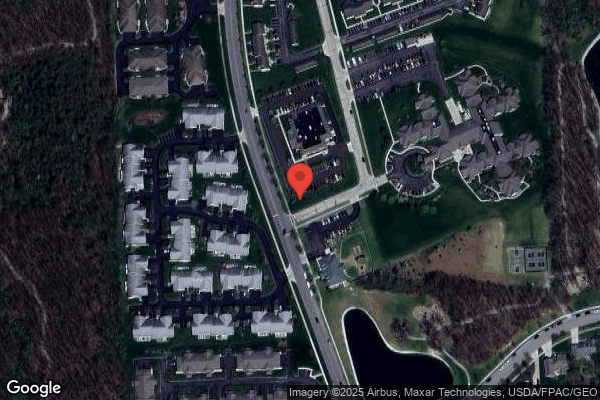
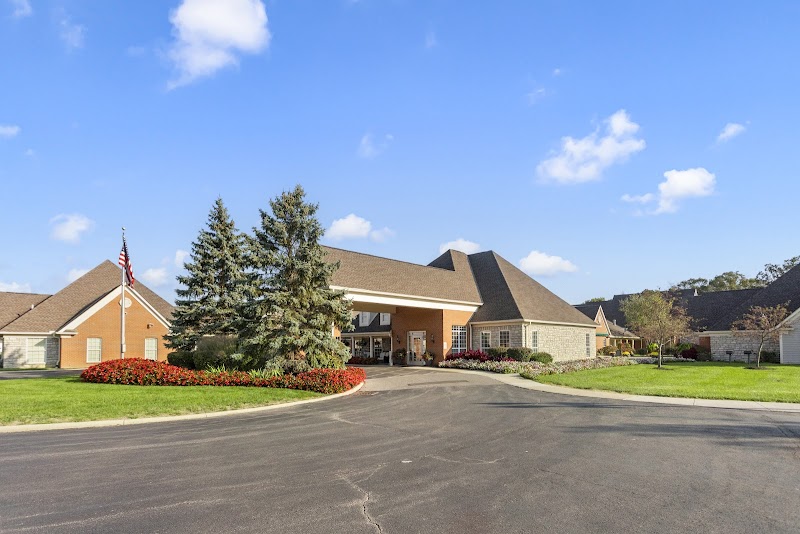
390 GABLES DRIVE, MARYSVILLE, OH 43040 (937) 642-3893
Government - County 102 Beds FOUNDATIONS HEALTH SOLUTIONS Data: November 2025
Trust Grade
50/100
#795 of 913 in OH
Last Inspection: June 2024

Within standard 12-15 month inspection cycle. Federal law requires annual inspections.

Overview

The Gables of Marysville Health and Rehabilitation has a Trust Grade of C, which means it is average and in the middle of the pack among facilities. It ranks #795 out of 913 in Ohio, placing it in the bottom half, and #3 out of 3 in Union County, indicating that only one local option is better. The facility's trend is worsening, with issues increasing from 1 in 2023 to 9 in 2024. Staffing is a significant concern, as it received a poor 1 out of 5 stars, and there is less RN coverage than 94% of Ohio facilities, meaning residents might not receive adequate nursing care. While the facility has not incurred any fines, which is a positive aspect, there have been several concerning findings, including failure to maintain cleanliness in the kitchen and food safety practices, as well as poorly maintained floors in resident rooms that can pose risks to residents' safety. Overall, while there are some strengths, such as no fines, the weaknesses in staffing and cleanliness are important considerations for families.

Trust Score
C
50/100
In Ohio
#795/913
Bottom 13%
Safety Record
Low Risk
No red flags
Inspections
Getting Worse
1 → 9 violations
Staff Stability
⚠ Watch
59% turnover. Above average. Higher turnover means staff may not know residents' routines.
Penalties
✓ Good
No fines on record. Clean compliance history, better than most Ohio facilities.
Skilled Nurses
⚠ Watch
Each resident gets only 20 minutes of Registered Nurse (RN) attention daily — below average for Ohio. Fewer RN minutes means fewer trained eyes watching for problems.
Violations
⚠ Watch
20 deficiencies on record. Higher than average. Multiple issues found across inspections.
★★☆☆☆
2.0
Overall Rating
★☆☆☆☆
1.0
Staff Levels
★★★★☆
4.0
Care Quality
★★★☆☆
3.0
Inspection Score
Stable
2023: 1 issues
2024: 9 issues

The Good

  • 4-Star Quality Measures · Strong clinical quality outcomes
  • Full Sprinkler Coverage · Fire safety systems throughout facility
  • No fines on record

Facility shows strength in quality measures, fire safety.

The Bad

2-Star Overall Rating

Below Ohio average (3.2)

Below average - review inspection findings carefully

Staff Turnover: 59%

13pts above Ohio avg (46%)

Frequent staff changes - ask about care continuity

Chain: FOUNDATIONS HEALTH SOLUTIONS

Part of a multi-facility chain

Ask about local staffing decisions and management

Staff turnover is elevated (59%)

11 points above Ohio average of 48%

The Ugly 20 deficiencies on record

Jun 2024 8 deficiencies
CONCERN (D)

Potential for Harm - no one hurt, but risky conditions existed

PASARR Coordination (Tag F0644)

Could have caused harm · This affected 1 resident

**NOTE- TERMS IN BRACKETS HAVE BEEN EDITED TO PROTECT CONFIDENTIALITY** Based on record review and staff interview, the facility failed to ensure a new Pre-admission Screening and Resident Review (PAS...

Read full inspector narrative →
**NOTE- TERMS IN BRACKETS HAVE BEEN EDITED TO PROTECT CONFIDENTIALITY** Based on record review and staff interview, the facility failed to ensure a new Pre-admission Screening and Resident Review (PASARR) was completed when a new qualifying diagnosis was received. This affected one (#16) of one resident reviewed for PASARR. The facility census was 95. Findings include: Record review revealed Resident #16 was admitted to the facility on [DATE]. Diagnoses included hypertensive heart and chronic kidney disease with heart failure and stage 1 through stage 4 chronic kidney disease, chronic systolic (congestive) heart failure, chronic respiratory failure with hypoxia, and unspecified dementia, unspecified severity, with psychotic disturbance. Further record review revealed a diagnosis of bipolar disorder was received on 12/27/23. Review of the Minimum Data Set (MDS) dated [DATE] revealed the resident had moderate cognitive impairment. Review of the Care Plan dated 05/18/23 revealed the resident has impaired cognitive function/impaired thought processes related to unspecified dementia with psychotic disturbances. Review of the PASARR determination from the Ohio Department of Mental Health dated 06/09/23 revealed the resident had no indication of serious mental illness and / or developmental disabilities with effective date of 06/09/23. Review of the care plan dated updated on 06/12/24 revealed no evidence of the PASARR recommendations included in the care plan. Interview on 06/12/24 at 10:21 A.M., with Admissions - Discharge Coordinator #642 confirmed a new PASARR was not completed when resident received a new diagnosis of Bipolar on 12/27/23. Interview on 06/12/24 at 3:57 P.M., with the Director of Nursing confirmed the facility does not have a policy on PASARR completion.
CONCERN (D)

Potential for Harm - no one hurt, but risky conditions existed

Deficiency F0657 (Tag F0657)

Could have caused harm · This affected 1 resident

**NOTE- TERMS IN BRACKETS HAVE BEEN EDITED TO PROTECT CONFIDENTIALITY** Based on record review, resident interview, staff interview, and policy review, the facility failed to ensure a care plan was up...

Read full inspector narrative →
**NOTE- TERMS IN BRACKETS HAVE BEEN EDITED TO PROTECT CONFIDENTIALITY** Based on record review, resident interview, staff interview, and policy review, the facility failed to ensure a care plan was updated to include dental needs after teeth extractions. This affected one (#23) of one resident reviewed for dental. The facility census was 95. Findings include: Review of medical record for Resident #23 revealed admission date of 08/01/17, with diagnoses including osteoarthritis, spondylolisthesis cervical region, insomnia, restless leg syndrome, senile degeneration of brain, and hypertension. Review of nursing oral assessment dated [DATE] revealed Resident #23 had her own teeth and the resident recently had all her top teeth removed. Some scant bleeding and swelling remained. Bottom teeth intact in fair condition. Review of progress note dated 05/11/24 revealed Resident #23 complained of pain post dental teeth extraction. Bruises noted to face/bilateral cheeks and bruises under nose were noted. New order received to monitor bruises to face and right side until resolved. Review of Minimum Data Set (MDS) assessment dated [DATE], revealed a brief interview of mental status (BIMS) score of 15, which indicated the resident was cognitively intact. No chewing or swallowing difficulty, weight loss, or mouth/facial pain noted during the look back period. Resident #23 was set up assist for meals. Review of care plan dated 05/29/24 revealed no care plan related to dental issues was noted. Review of oral intake for the past 14 days (05/27/24-06/10/24) revealed the resident ate on average 76-100 percent of meals. Interview on 06/10/24 at 10:59 A.M., with Resident #23 revealed the dentist took all her teeth out on the top and she had not received her dentures yet. Resident #23 stated it would be sometime in July when the fit her for dentures. Interview on 06/13/24 at 12:44 P.M., with Director of Nursing (DON) verified the care plan for Resident #23 did not include anything regarding the residents top teeth being pulled or that the residents top teeth had started breaking and they needed to be pulled. DON stated that multiple nurses did the care plans. DON verified no specific care plan regarding the resident's teeth after the teeth were pulled. Review of policy titled Comprehensive Person-Centered Care Plans revised August 2019, revealed an individualized comprehensive, person-centered care plan that includes measurable objectives and timetables to meet the resident's medical, nursing, mental and psychological needs is developed for each resident. The comprehensive, person-centered care plan will incorporate identified problem areas, aid in preventing or reducing decline in the resident's functional status or functional levels. Assessments of residents are ongoing and care plans are revised as information about the residents and the residents conditions change. The Interdisciplinary Team must review and update the care plan at least quarterly, and when there has been a significant change in the resident's condition.
CONCERN (D)

Potential for Harm - no one hurt, but risky conditions existed

Accident Prevention (Tag F0689)

Could have caused harm · This affected 1 resident

**NOTE- TERMS IN BRACKETS HAVE BEEN EDITED TO PROTECT CONFIDENTIALITY** Based on observation, medical record review, review of the incident log, review of fall investigation, resident interview, and s...

Read full inspector narrative →
**NOTE- TERMS IN BRACKETS HAVE BEEN EDITED TO PROTECT CONFIDENTIALITY** Based on observation, medical record review, review of the incident log, review of fall investigation, resident interview, and staff interview, the facility failed to safely transport a resident resulting in a fall. This affected one (#13) of five residents reviewed for falls. The current census is 95. Findings include: Record review for Resident #13 revealed the resident was admitted to the facility on [DATE]. Diagnoses for Resident #13 included epilepsy, diabetes type two, obesity, heart disease, kidney disease, and osteoarthritis. Review of Resident #13's Minimum Data Set (MDS) comprehensive assessment dated [DATE] revealed the resident has intact cognition, requires a wheelchair for ambulation, and is fall risk. Review of Resident #13's care plans dated 07/11/17, with a revision on 06/21/23, revealed a focus for falls characterized by multiple risk factors. Interventions include education for resident to not transfer to a golf cart, educate resident to ask for assistance, non-skid footwear at all times, educate resident to use handrails, ensure adaptive equipment in place when resident in wheelchair, and transfer or change position slowly. Review of the incident log dated from January 2024 to June 2024 revealed there was no documented fall for Resident #13 on 05/30/24. Review of the facility's fall investigation dated 05/30/24 revealed Resident #13 reported to the staff she fell forward out of the wheelchair during transport and scraped her knees. Per the investigation the driver of the vehicle was interviewed and stated the seatbelt was not secured properly due to the resident falling onto her knees and the floor of the vehicle when the driver put on the brakes of the vehicle. Per the investigation the driver claimed he hit his head on the back hitch of the vehicle just prior to transporting the resident. The driver was educated to not drive if injured and to notify the facility for assistance. No notification of the family representative was documented in the investigation. Review of Resident #13's skin assessments dated 05/30/24 revealed the resident had scrapes on bilateral knees. Per the skin assessment dated [DATE] the injuries to the knees have healed. Observation on 06/11/24 at 3:00 P.M., of Resident #13's bilateral knees revealed no injuries were visible. Interview on 06/11/24 at 3:00 P.M., with Resident #13 revealed the resident was alert and oriented and able to recall details of past events. Resident #13 reported during a transport to an outside physician appointment the resident claimed the staff did not secure her in the transportation vehicle properly. Resident #13 stated she fell twice during the transport. Resident #13 stated she started to fall forward and was able to catch herself the first time and she yelled at the transport driver to help her since she was not 'buckled in'. Resident #13 stated the driver ignored her requests for help. Resident #13 stated the second time she fell she landed in front of her wheelchair on the floor of the transport vehicle. Resident #13 stated she hurt her knees and she again started yelling for help to the driver. Resident #13 stated when she arrived back to the facility she reported the fall in the bus to her nurse and the Director of Nursing (DON). Resident #13 state the DON offered her to have a x-ray of her knees but the resident declined stating she didn't think anything was broken just 'bruised'. Resident #13 denied any pain from the injuries and stated she had no further concerns regarding the fall. Interview on 06/12/24 at 11:05 A.M., with the DON verified Resident #13 reported she had fallen out of her wheelchair during transport. DON verified the driver claimed he hit his head prior to driving the resident to her appointment in the facility's vehicle. The DON stated the driver had not ensured the seatbelt was buckled due to him hitting his head prior to driving. The DON stated the driver was educated not to drive if injured. Per the DON, Resident #13's family was not notified as she is her own person and first contact for emergencies. Per the DON no other education had been provided to the driver or other staff to prevent another incident. Interview on 06/13/24 at 11:10 A.M., with State Tested Nurse Aide (STNA) #854 revealed he was driving the bus on 05/30/24, when Resident #13 had her fall. STNA #854 stated he was securing the resident into the vehicle to transport her back to the facility when he struck his head on a bar in the bus. STNA #854 stated he could not recall buckling the resident's seatbelt. STNA #854 denied hearing Resident #13 yell to him before she had fallen out of the wheelchair. STNA #854 confirmed the resident had fallen out of her wheelchair as he was pulling into the parking lot and stated he parked the vehicle at the front door and ran to get help for Resident #13. STNA #854 stated he has been educated to not drive the vehicle if he has struck his head but stated he felt he was able to continue the transport back to the facility. STNA #854 stated it is procedure to ensure all residents are secure in the vehicle prior to transporting them.
CONCERN (D)

Potential for Harm - no one hurt, but risky conditions existed

Drug Regimen Review (Tag F0756)

Could have caused harm · This affected 1 resident

Based on medical record review and staff interview, the facility failed to ensure all pharmacist recommendations were completed in regards to antipsychotic medication assessments. This affected one (#...

Read full inspector narrative →
Based on medical record review and staff interview, the facility failed to ensure all pharmacist recommendations were completed in regards to antipsychotic medication assessments. This affected one (#21) of three residents reviewed for antipsychotic medication use. The current census is 95. Findings include: Review of the medical record for Resident #21 revealed the resident was admitted to facility on 06/30/21. Diagnoses for Resident #21 include polymyalgia, spinal stenosis, bipolar disorder, degeneration of brain, and heart failure. Review of Resident #21's care plans dated 11/05/21 revealed a focus for use of antipsychotic medications related to bipolar disorder. Interventions include consult pharmacy for medication recommendation, monitor and report side effects, and monitor and record target behaviors. Review of Resident #21's prescribed medications revealed on 09/14/22 the resident is to receive Risperidone 1 milligrams (mg) (antipsychotic) daily for bipolar disorder. Review of the pharmacy's recommendations dated 08/08/23 and 11/10/23 revealed the pharmacist communicated to the nursing staff the resident was to have an Abnormal Involuntary Movement Scale (AIMS) assessment completed for the Risperidone. Review of the assessments for Resident #21 revealed on 12/20/23 and 01/17/23 an AIMS assessment had been completed for the use of antipsychotics. Interview on 06/12/24 at 3:30 P.M., with the Director of Nursing (DON) revealed per pharmacy recommendations and standards of practice AIMS assessments are to be completed quarterly for all residents on antipsychotic medications. The DON verified there was only one AIMs assessment completed for the first quarter of 2023 and one AIMS assessment completed in the fourth quarter for Resident #21. The DON verified the nursing staff did not follow the pharmacist's recommendations for the AIMS to be completed in August 2023 and November 2023. The DON verified there was no actual policy for the AIMS but stated it was a standard of practice.
CONCERN (D)

Potential for Harm - no one hurt, but risky conditions existed

Deficiency F0757 (Tag F0757)

Could have caused harm · This affected 1 resident

**NOTE- TERMS IN BRACKETS HAVE BEEN EDITED TO PROTECT CONFIDENTIALITY** Based on medical record review, infection control log review, and staff interview, the facility failed to ensure there was no un...

Read full inspector narrative →
**NOTE- TERMS IN BRACKETS HAVE BEEN EDITED TO PROTECT CONFIDENTIALITY** Based on medical record review, infection control log review, and staff interview, the facility failed to ensure there was no unnecessary medications administered to residents. This affected two (#13 and #72) of five residents reviewed for unnecessary medications. The current census is 95. Findings include: Record review for Resident #13 revealed the resident was admitted to the facility on [DATE]. Diagnoses for Resident #13 include epilepsy, diabetes type two, obesity, heart disease, kidney disease, and osteoarthritis. Review of Resident #13's Minimum Data Set (MDS) comprehensive assessment dated [DATE] revealed the resident has intact cognition, was receiving an antibiotic, and is fall risk. Review of Resident #13's care plans dated 07/11/17, with a revision on 01/20/22, revealed a focus for urinary tract infections. Interventions include administer antibiotics per order, monitor laboratory results, and monitor for signs and symptoms of infection. Review of Resident #13's physician orders dated 06/23/23, revealed the resident was to receive Macrobid 100 milligram (mg) (antibiotic) one time a day for recurrent urinary tract infections. Review of the infection control log from May 2023 to May 2024 revealed Resident #13 was not on the infection control log for a urinary tract infection. Interview on 06/13/24 at 1:30 P.M., with the Director of Nursing (DON) revealed Resident #13's physician had prescribed the Macrobid antibiotic as a prophylactic medication to prevent further urinary tract infections. Per the DON, Resident #13 did not have any signs or symptoms of infection which would justify the use of the antibiotic. The DON verified the physician's prescribed antibiotic did not meet the criteria for administration in regards to the antibiotic stewardship protocols. 2. Record review of Resident #72 revealed the resident was admitted to the facility on [DATE]. Diagnoses for Resident #72 included dementia, kidney disease, diabetes type two, failure to thrive, and urgency of urine. Review of the comprehensive Minimum Data Set (MDS) assessment dated [DATE] revealed the resident had impaired cognition and was a person assist for Activities of Daily (ADL). Review of Resident #72's care plans dated 10/20/23 revealed a focus for urinary tract infections. Interventions include administer antibiotics per order, monitor lab results, and monitor for signs and symptoms of infection. Review of Resident #13's physician orders dated 12/23/23 revealed the resident was to receive Cephalexin 500 (mg) (antibiotic) one time a day for recurrent urinary tract infections. Review of the facility's infection control log from January 2024 to May 2024 revealed Resident #72 was not on the infection control log for a urinary tract infection. Interview on 06/13/24 at 1:30 P.M., with the Director of Nursing (DON) revealed Resident #72's physician had prescribed the Macrobid antibiotic as a prophylactic medication to prevent further urinary tract infections. Per the DON, Resident #72 did not have any signs or symptoms of infection which would justify the use of the antibiotic. The DON verified the physician's prescribed antibiotic did not meet the criteria for administration in regards to the antibiotic stewardship protocols.
CONCERN (D)

Potential for Harm - no one hurt, but risky conditions existed

Medication Errors (Tag F0758)

Could have caused harm · This affected 1 resident

**NOTE- TERMS IN BRACKETS HAVE BEEN EDITED TO PROTECT CONFIDENTIALITY** Based on medical record review, policy review, staff interviews, and review of email communications, the facility failed to ensu...

Read full inspector narrative →
**NOTE- TERMS IN BRACKETS HAVE BEEN EDITED TO PROTECT CONFIDENTIALITY** Based on medical record review, policy review, staff interviews, and review of email communications, the facility failed to ensure pharmacy recommendations were retained and provided to the physician for Gradual Dose Reductions (GDRs) and laboratory recommendations. This affected one (#22) of five residents reviewed for unnecessary medications. The facility census was 95. Findings include: Record review revealed Resident #22 was admitted to the facility on [DATE]. Diagnoses included Alzheimer's disease, unspecified, dementia, and vascular dementia, unspecified severity, with other behavioral disturbance. Review of the Minimum Data Set (MDS) assessment dated 03/08424 revealed the resident had severe cognitive impairment. Review of the Care Plan dated 05/18/23 revealed resident has impaired cognitive function/impaired thought processes r/t unspecified dementia with psychotic disturbances. Resident requires partial assistance with eating, bed mobility, and wheelchair mobility and was dependent with oral hygiene, toileting hygiene, bathing, dressing, personal hygiene, and transfers. Review of the Care Plan dated 04/29/22 revealed interventions include encourage to take medication stating: the doctor wants you to take this and completing medication regimen review. Review of physician orders revealed an order dated 06/04/23, for QUEtiapine Fumarate Tablet 25 milligram (mg), give 0.5 tablet by mouth two times a day for dementia with behavioral disturbances and an order dated 07/08/23, for Divalproex Sodium Capsule Delayed Release Sprinkle 125 mg, give 1 capsule by mouth two times a day for dementia in other diseases classified elsewhere, unspecified with behavioral disturbance. Review of the Monthly Pharmacy Review received via email 06/12/24 at 9:01 A.M., revealed a pharmacy recommendation was made on 09/06/23. Per the email, the spreadsheet from the pharmacist, the pharmacy asked for a dose reduction on the Quetiapine 12.5 mg two times daily. The pharmacist recommended a depakote level be drawn. The pharmacist indicated there was no follow up on the recommendation. Interview on 06/12/24 at 4:05 P.M., with the Director of Nursing (DON) revealed the physician was in the building and advised she should not order a Depakote level due to medication being used for behaviors, not seizures. DON also advised GDR request from pharmacy dated 09/06/23, for QUEtiapine Fumarate Tablet 25 mg is not available but they would keep looking. Review of an email received on 06/13/24 at 11:02 A.M., to the DON from the pharmacy, advising the facility was not able to locate the GDR request from pharmacy dated 09/06/23 for QUEtiapine Fumarate Tablet 25 mg give 0.5 tablet by mouth two times a day. The DON verified the pharmacy made recommendations but the facility was unable to locate the recommendations. Review of the undated policy titled Pharmacy Services Overview, revealed Memorial [NAME] shall contract with a licensed Pharmacist to help it obtain and maintain timely and appropriate pharmacy services that support residents' needs, are consistent with current standards of practice, and meet state and federal requirements. This includes, but is not limited to, collaborating with the facility and Medical Director to: Help the facility to establish procedures for conducting the monthly medication regimen review (MRR) for each resident in the facility.
CONCERN (F)

Potential for Harm - no one hurt, but risky conditions existed

Food Safety (Tag F0812)

Could have caused harm · This affected most or all residents

**NOTE- TERMS IN BRACKETS HAVE BEEN EDITED TO PROTECT CONFIDENTIALITY** Based on observations, staff interviews, cleaning schedule review, and policy reviews, the facility failed to date food items in...

Read full inspector narrative →
**NOTE- TERMS IN BRACKETS HAVE BEEN EDITED TO PROTECT CONFIDENTIALITY** Based on observations, staff interviews, cleaning schedule review, and policy reviews, the facility failed to date food items in the walk-cooler, dispose of out of date food items, maintain the kitchen in a clean condition, obtain the correct sanitizer test strips, and properly sanitize dishware and utensils. This had the potential to affect all 95 residents who reside in the facility. The facility census was 95. Findings include: Observation on 06/10/24 at 8:58 A.M., with Executive Chef #744, of the soda dispenser revealed the machine was dirty on the inside and the holder was also dirty. Interview on 06/10/24 at 8:58 A.M., with Executive Chef #744 revealed the soda dispenser unit didn't get cleaned this weekend. Observation on 06/10/24 at 9:00 A.M., with Executive Chef #744 of the coffee station revealed the coffee machine had a brown powder under and around the dispensers and dried liquid drippings on the lids next to the dispenser. Interview on 06/10/24 at 9:00 A.M., with Executive Chef #744 revealed the coffee station is not clean. Observation on 06/10/24 at 9:06 A.M. to 9:08 A.M., with Executive Chef #744, of the the walk-in cooler revealed a container of macaroni salad did not have a date on it; a container holding a white pudding substance and orange slices did not have a date on it; and two unmarked and unlabeled plastic shopping bags containing food items were stored on a food storage cart next to a container of mushrooms, a container of cream of mushroom soup, a container of mashed potatoes, and a bag of leftover salad. Interview on 06/10/24 at 9:06 A.M., with Executive Chef #744 revealed there was not a date on the container and the macaroni salad was made last Thursday, The container holding the white pudding substance and orange slices as orange fluff. Executive Chef #744 confirmed it does not have a date and does not remember having it on the menu. Executive Chef #744 revealed the unmarked bags were stuff someone brought from home. Observation on 06/10/24 at 9:18 A.M., with Executive Chef #744 revealed the floor between the steam table and wall had a straw, sour cream container, and napkins on the ground; the floor between the ovens and grill and the wall had a burger and can of soda on the ground. Interview on 06/10/24 at 9:18 A.M. and 9:20 A.M., with Executive Chef #744 confirmed the debris and that they clean behind equipment once a week. Observation on 06/10/24 at 9:20 A.M. with Executive Chef #744 revealed the floor between the ovens and grill and the wall had a burger and can of soda on the ground. and revealed Sous Chef #834 dropped a burger behind the grill yesterday. Observation on 06/10/24 at 9:23 A.M. with Executive Chef #744, of the three compartment sink revealed the test strips used to measure the sanitizer concentration are pH test strips. Interview on 06/10/24 at 9:23 A.M., with Executive Chef #744 revealed the facility uses quat sanitizer in the sanitizer compartment of the three compartment sink. When questioned if the facility has quat test strips, Executive Chef #744 stated No, these are what I got in. Executive Chef #744 revealed the supplier gave him these test strips this past Thursday. Observation on 06/10/24 at 9:27 A.M., with Executive Chef #744, of the dishwasher revealed the readout read ERR too hot. Also, the gauges on the machine did not move when the dishwasher was on. Observation on 06/10/24 at 9:31 A.M., revealed Executive Chef #744 used a temperature test sticker to test the hot water sanitizer of the machine. The temperature test sticker stated Square turns black as temperature is reached 160 F After running the sticker through the machine, the sticker was white. Observation on 06/10/24 at 9:33 A.M., revealed the temperature test sticker was ran through the dishwasher again by Executive Chef #744. Interview on 06/10/24 at 9:33 A.M., with Executive Chef #744 revealed the second test strip did not reach appropriate temperature either. When questioned what is the process if the dishwasher isn't working, Executive Chef #744 revealed they handwash everything then. Observation on 06/10/24 at 9:43 A.M., with Executive Chef #744, of the dry storage revealed three outdated bags of [NAME] big white bread amongst many other bags of bread stored on the bread rack in the kitchen. There were bags dated May 27, 2024; May 31, 2024; and June 6, 2024. Interview on 06/10/24 at 9:43 A.M., with Executive Chef #744 revealed the bread must have gotten mixed up. Executive Chef #744 stated they get bread twice a week. Observation on 06/11/24 at 3:24 P.M., revealed the soda can and debris is still on the ground behind the ovens and grill and there are still napkins, a sour cream container, and a straw on the ground behind the steam table. Interview on 06/11/24 at 3:45 P.M. with Executive Chef #744 revealed the dishwasher is not fixed. Executive Chef #744 revealed someone came to look at the dishwasher last night. Executive Chef #744 revealed he was under the impression the dishwasher was fixed as no one called or told them about it. Executive Chef #744 revealed he put a temperature sticker through the machine after breakfast and the machine was still not working. Executive Chef #744 said they have been handwashing since breakfast. Executive Chef #744 called the company and they said they had to order a part because they didn't have it on hand. When asked if they are still using the dishwasher, Executive Chef #744 said they are running large items through the dishwasher that do not fit in the three compartment sink. Executive Chef #744 said they still do not have correct sanitizer test strips. When asked how are you making sure dishes and utensils are being sanitized, Executive Chef #744 said that is a good question and he hopes that the sanitizer is right. Interview on 06/11/24 at 4:35 P.M. with Executive Chef #744 confirmed the dishwasher is a high temperature sanitizer dish machine. Executive Chef #744 revealed he ordered the proper sanitizer test strips and a dishwasher thermometer because the gauges on the dishwasher do not move and the electronic read out is an error message. Executive Chef #744 revealed they currently do not have the appropriate test strips for the three compartment sink. Interview on 06/11/24 at 4:44 P.M., with Executive Chef #744 revealed there is still trash behind equipment on both walls. Executive Chef #744 picked up the soda can. Interview on 06/13/24 at 10:35 A.M., with the Administrator revealed the facility does not have a policy for where employees are to store their food. Interview on 06/13/24 at 10:49 A.M., with Executive Chef #744 revealed they do not keep a temperature log of each dish machine cycle, but he does keep a log of daily test stickers. The test sticker log starts 01/01/24 and ends 05/04/24. Executive Chef #744 revealed he ran out of stickers at that time. Review of undated cleaning schedule revealed the coffee machine table and floors under equipment on the line are cleaned monthly. Review of the policy titled, Food and Nutrition Services, dated April 2023, stated the facility will dispose of garbage and refuse properly, garbage and refuse containers will be maintained in good condition, and garbage receptacles will be covered when transported to the dumpster from the kitchen. Review of the policy titled, Dishwashing Machine Use, dated April 2020, stated dishwashing machine hot water sanitation rinse temperatures may not be more than 194°F, or less than: 165°F for stationary rack, single temperature machines. The policy also stated corrective action will be taken immediately if sanitizer concentrations are too low. The operator will check temperatures using the machine gauge with each dishwashing machine cycle, and will record the results in a facility approved log. The operator will monitor the gauge frequently during dishwashing machine cycle. Inadequate temperatures will be reported to the super-visor and corrected immediately. Lastly, the policy stated If hot water temperatures or chemical sanitation concentrations do not meet requirements, cease use of dishwashing machine immediately until temperatures or PPM are adjusted. Review of the policy titled, Refrigerators and Freezer,dated April 2023 revealed all food shall be appropriately dated to ensure proper rotation by expiration dates. The policy also stated supervisors will be responsible for ensuring food items in pantry, refrigerators, and freezers are not expired or past perish dates. Review of the policy titled, Food Receiving and Storage Policy, dated April 2020 stated all foods stored in the refrigerator or freezer will be covered, labeled, and dated (use by date). Review of the undated policy titled, Multi-Quat Sanitizer, revealed Keystone multi-quat sanitizer is a concentrated, no rinse quat sanitizer that is effective across a dilution range of 0.26 - 0.68 oz per gallon of water. The policy also revealed that the quat range for use is 150-400 parts per million.
CONCERN (F)

Potential for Harm - no one hurt, but risky conditions existed

Room Equipment (Tag F0908)

Could have caused harm · This affected most or all residents

Based on observation, staff interview, and policy review, the facility failed to ensure the dishwasher was maintained in working order. This had the potential to affect all 95 residents who reside in ...

Read full inspector narrative →
Based on observation, staff interview, and policy review, the facility failed to ensure the dishwasher was maintained in working order. This had the potential to affect all 95 residents who reside in the facility. The facility census was 95. Findings include: Observation on 06/10/24 at 9:27 A.M., with Executive Chef #744 revealed the dishwasher had an electronic read out that states ERR too hot when it was running. Also, the gauges on the dishwasher were not moving while the machine was on. Interview on 06/10/24 at 9:27 A.M., with Executive Chef #744 revealed the facility has a high temperature sanitizing dishwasher. Executive Chef #744 also said he is looking for a high temperature of 185 to 190 degrees Fahrenheit (F). Observation on 06/10/24 at 9:31 A.M., revealed Executive Chef #744 used a temperature test sticker to test the hot water sanitizer of the machine. The temperature test sticker stated Square turns black as temperature is reached 160 F. After running the sticker through the machine, the sticker was white. Observation on 06/10/24 at 9:33 A.M., revealed the temperature test sticker was ran through the dishwasher again by Executive Chef #744. Interview on 06/10/24 at 9:33 A.M., with Executive Chef #744 revealed the second test strip did not reach appropriate temperature either. When questioned what is the process if the dishwasher isn't working, Executive Chef #744 revealed they handwash everything then. Interview on 06/11/24 at 3:45 P.M., with Executive Chef #744 revealed the dishwasher is not fixed. Executive Chef #744 revealed someone from GFS came to look at the dishwasher last night. Executive Chef #744 revealed he was under the impression the dishwasher was fixed as no one called or told them about it. Executive Chef #744 revealed he put a temperature sticker through the machine after breakfast and the machine was still not working. Executive Chef #744 said they have been handwashing since breakfast. Executive Chef #744 called the company and they said they had to order a part because they didn't have it on hand. When asked if they are still using the dishwasher, Executive Chef #744 said they are running large items through the dishwasher that do not fit in the three compartment sink. Executive Chef #744 said they still do not have correct sanitizer test strips. When asked how are you making sure dishes and utensils are being sanitized, Executive Chef #744 said that is a good question and he hopes that the sanitizer is right. Interview on 06/11/24 at 4:35 P.M., with Executive Chef #744 confirmed the dishwasher is a high temperature sanitizer dish machine. Executive Chef #744 revealed he ordered the proper sanitizer test strips and a dishwasher thermometer because the gauges on the dishwasher do not move and the electronic read out is an error message. Interview on 06/13/24 at 10:49 A.M. ,with Executive Chef #744 revealed they do not keep a temperature log of each dish machine cycle, but he does keep a log of daily test stickers. The test sticker log starts 01/01/24 and ends 05/04/24. Executive Chef #744 revealed he ran out of stickers at that time. Review of the policy titled, Dishwashing Machine Use, dated April 2020 stated dishwashing machine hot water sanitation rinse temperatures may not be more than 194°F, or less than: 165°F for stationary rack, single temperature machines. The policy also stated corrective action will be taken immediately if sanitizer concentrations are too low. The operator will check temperatures using the machine gauge with each dishwashing machine cycle, and will record the results in a facility approved log. The operator will monitor the gauge frequently during dishwashing machine cycle. Inadequate temperatures will be reported to the super-visor and corrected immediately. Lastly, the policy stated if hot water temperatures or chemical sanitation concentrations do not meet requirements, cease use of dishwashing machine immediately until temperatures or PPM are adjusted.
Mar 2024 1 deficiency
CONCERN (D) 📢 Someone Reported This

A family member, employee, or ombudsman was alarmed enough to file a formal complaint

Potential for Harm - no one hurt, but risky conditions existed

Deficiency F0760 (Tag F0760)

Could have caused harm · This affected 1 resident

**NOTE- TERMS IN BRACKETS HAVE BEEN EDITED TO PROTECT CONFIDENTIALITY** Based on medical record review, staff interview, review of the facility policy, and review of an online medication resource, the...

Read full inspector narrative →
**NOTE- TERMS IN BRACKETS HAVE BEEN EDITED TO PROTECT CONFIDENTIALITY** Based on medical record review, staff interview, review of the facility policy, and review of an online medication resource, the facility failed to ensure residents were free from significant medication errors. This affected one (Resident #10) of three residents reviewed for medication administration. The census was 87. Findings include: Review of the medical record for Resident #10 revealed an admission date of 05/31/23 with diagnoses including malignant neoplasm of endometrium, heart disease, chronic kidney disease, and anemia. Review of physician's orders for Resident #10 revealed an order dated 11/29/23 for Afinitor (an anti-cancer drug) 7.5 milligrams (mg) one tablet by mouth once daily for treatment of malignant neoplasm of the endometrium. Review of the complete blood count (CBC) laboratory test results for Resident #10 dated 02/01/24 revealed the resident's hemoglobin (a lab value which indicates the level of red blood cells in the body) level was 6.5 grams per deciliter (g/dL). A normal level was 12.1 to 15.1 g/dL for females. Per review of the progress note for Resident #10 dated 02/01/24 per Agency Nurse (AN) #110 revealed the resident's physician called an order to the facility to withhold Afinitor 7.5 mg until notified by the office to resume. The physician also gave an order to draw a CBC laboratory test on 02/05/24 and call the physician's office with the results so they could determine if it was appropriate to restart the Afinitor. Review of the CBC laboratory test results for Resident #10 dated 02/05/24 revealed the resident's hemoglobin level was 6.4 g/dL. Review of the Medication Administration Record (MAR) for Resident #10 dated February 2024 revealed the resident's Afinitor was withheld on the following dates: 02/01/24, 02/02/24, 02/03/24, 02/04/24, 02/05/24, 02/06/24. The medication was signed off as administered on the following dates: 02/07/24, 02/08/24, 02/09/24, 02/10/24, 02/11/24, 02/12/24, 02/13/24. Review of the CBC laboratory test results for Resident #10 dated 02/13/24 revealed the resident's hemoglobin level was 5.6, and the resident was sent to the hospital for an evaluation due to the low hemoglobin level. Review of the hospital notes for Resident #10 revealed the resident was admitted to the hospital on [DATE] with a diagnosis of acute on chronic anemia and her hemoglobin level was 5.6 g/dL. The hospital physician recommended a blood transfusion to treat the anemia related to the low hemoglobin level, but the resident refused for religious reasons. The resident returned to the facility on [DATE] and was admitted to hospice for end stage endometrial cancer, and the Afinitor was discontinued in the hospital. Review of the readmission physician's orders for Resident #10 revealed an order dated 02/16/24 for resident to receive hospice services for endometrial cancer. Review of the Minimum Data Set (MDS) assessment for Resident #10 dated 02/20/24 revealed the resident was cognitively intact and required one to two person assistance with activities of daily living (ADLs.) Interview on 03/20/24 at 12:04 P. M. with the Director of Nursing confirmed Resident #10's physician gave an order on 02/01/24 to withhold Afinitor until further notice. The DON confirmed Resident #10's hemoglobin level on 02/01/24 was 6.5 which was considered low. The physician also gave an order to recheck the resident's hemoglobin level on 02/05/24 and call the results to the physician, because the medication Afinitor could contribute to anemia (low hemoglobin levels in the blood.) The DON confirmed the facility rechecked Resident #10's hemoglobin level on 02/05/24 and it was 6.4. Further interview confirmed the order to withhold Resident #10's Afinitor was not properly implemented, and the resident received the medication on the following dates even though the physician had not given an order to restart the medication: 02/07/24, 02/08/24, 02/09/24, 02/10/24, 02/11/24, 02/12/24, 02/13/24. The DON confirmed Resident #10's hemoglobin level on 02/13/24 was 5.6, and the physician gave an order to send the resident to the hospital for an evaluation. The DON confirmed Resident #10 was admitted to the hospital with acute on chronic anemia. The DON confirmed Resident #10 refused a blood transfusion to treat the low anemia level due to religious reasons and the resident returned to the facility on [DATE] on hospice care for endometrial cancer and Afinitor was discontinued. Interview on 03/21/24 at 8:45 A. M. with Licensed Practical Nurse (LPN) #105 confirmed she transcribed the verbal order dated 02/01/24 to hold Resident #10's Afinitor into the electronic medical record but the medication should have been discontinued until the physician had given an order to resume it. LPN #105 confirmed Resident #10 received the medication in error on the following dates: 02/07/24, 02/08/24, 02/09/24, 02/10/24, 02/11/24, 02/12/24, 02/13/24. Interview on 03/21/24 at 10:49 A.M. with Registered Nurse (RN) #115, who worked at the physician's office, confirmed the physician gave an order on 02/01/24 to withhold Resident #10's Afinitor until further notice. RN #115 confirmed the physician had not given an order to resume the Afinitor. Review of the facility policy titled Medication Orders August 2017 revealed medications must be administered in accordance with physician's orders. Review of online resource Medscape on 03/21/24 at https://reference.medscape.com/drug/afinitor-zortress-everolimus-999101#4 revealed anemia was a potential adverse effect of Afinitor and the CBC should be monitored in conjunction with administration. This deficiency represents noncompliance investigated under Complaint Number OH00151631.
Apr 2023 1 deficiency
CONCERN (D) 📢 Someone Reported This

A family member, employee, or ombudsman was alarmed enough to file a formal complaint

Potential for Harm - no one hurt, but risky conditions existed

Deficiency F0725 (Tag F0725)

Could have caused harm · This affected 1 resident

**NOTE- TERMS IN BRACKETS HAVE BEEN EDITED TO PROTECT CONFIDENTIALITY** Based on medical record review, staff interview, review of the Self-Reported Incident investigation, review of the daily staff s...

Read full inspector narrative →
**NOTE- TERMS IN BRACKETS HAVE BEEN EDITED TO PROTECT CONFIDENTIALITY** Based on medical record review, staff interview, review of the Self-Reported Incident investigation, review of the daily staff schedule, and policy review, the facility failed to ensure enough direct care staff were available to ensure residents were not left in the bathroom for an extended period of time and the required number of staff were used when residents were transferred with the use of mechanical lifts. This affected one resident (#134) of three reviewed for assistance with toilet use. The facility identified 28 residents who required assistance with toilet use and 12 residents who required two staff member assistance for transfers. The facility census was 77. Finding include: Review of the medical record for Resident #134 revealed an admission date of of 05/05/21. Diagnosis included Alzheimer's disease, dementia, chronic kidney disease, major depressive disorder, anxiety, history of falls and repeated falls, and need for assistance with personal care. Review of the plan of care dated 05/06/21 and revised on 12/07/21 revealed Resident #134 had bowel incontinence characterized by inability to control bowel movement, dementia. Interventions include to apply a protective barrier cream with each incontinent episode. Assess any complaints or signs of pain or discomfort. Cleanse perineal area well with each incontinence episode. Record bowel movement and monitor frequency and consistency. Review of Resident #134' s quarterly Minimum Data Set (MDS) 3.0 assessment dated [DATE] revealed a Brief Interview for Mental Status (BIMS) score of 99 indicating a severely impaired cognition for daily decision making abilities. Noted to experience a long and short term memory problem, and disorganized thinking that fluctuated. Resident #134 required extensive assistance from two staff members for bed mobility, transfers, dressing and toilet use. Had no impairment to the bilateral upper and lower extremities and required the use of a wheelchair for mobility. Resident #134 was always incontinent of bladder function and frequently incontinent of bowel function. Review of the Self-Reported Incident Number 232923, dated 03/13/23 at 9:38 A.M. revealed an allegation of Neglect/Mistreatment Abuse. Summary of the incident included: On Monday 03/13/23 Licensed Nursing Home Administrator (LNHA) received a phone call from Resident #134's daughter who stated she felt her mother was neglected on Saturday 03/11/23. The daughter stated she visited her mother on Saturday around 1:15 P.M. and stated her mother was in the bathroom. The daughter stated State Tested Nursing Assistant (STNA) #165 entered the residents room/bathroom and assisted her off of the toilet at 2:00 P.M. The daughter stated her mother was on the toilet for too long and alleged neglect. The LNHA immediately suspended STNA #165 and the Unit Manager #77 completed a head-to-toe assessment of resident with Resident #134 with no injuries noted. The resident's Physician was notified with no new orders. Resident #134 does have a medical diagnosis of/but not limited to Alzheimer ' s disease, Dementia without behavioral disturbances, Pseudobulbar affect, major depressive disorder, anxiety disorder, mental disorder, insomnia, and constipation. STNA #165 was interviewed with no negative findings. STNA #165 stated Resident #134 was incontinent of bowel and bladder, however when toileted, she will have a bowel movement, but needed a lot of time to do so. STNA #165 stated resident had a large bowel movement and was cleaned up and assisted back to her wheelchair to visit with her daughter. STNA #165 stated the resident's daughter seemed upset on 03/11/23 about Resident #134 being on the toilet. Staff in the facility were interviewed with no negative findings. Several staff who worked on the resident's unit stated Resident #134 would have a bowel movement on the toilet, but does require a lot of time to do so. Residents on the unit of the allegation that were not able to be interviewed, received head to toe assessments with no negative findings. Social Service Director (SSD) followed up with Resident #134 on 03/14/23 and resident's mood and behavior remained within normal limits. SSD stated Resident #134 was in a pleasant mood with no change in baseline of mood or behavior. Facility Conclusion/Disposition Section revealed this allegation was unsubstantiated, Evidence indicates abuse, neglect or misappropriation had not occurred. The facility had found no evidence to conclude that neglect occurred with Resident #134. Interview on 03/31/23 at 3:02 P.M. with Unit Manager #77 who indicated he was the unit manager for the unit where Resident #134 resided and Admissions/Discharge Coordinator #61 revealed he had worked here for about 21 years. Unit Manager #77 indicated he was not in the room when the incident with Resident #134 occurred, but completed a head-to-toe assessment on the resident when she was supposedly left in the bathroom for a extended period of time The head to toe assessment revealed no concerns regarding any form of injury and the resident appeared to be at her baseline regarding mood and behaviors. He spoke with STNA #165 who was providing care and was told the resident was placed on the toilet to have a bowel movement with the use of a mechanical sit to stand lift and was left there for a little while due to it taking her a little while to have a bowel movement, which Resident #134 ended up having a bowel movement. STNA #165 claimed she had left Resident #134 in the bathroom with the door closed to attend to another resident and to give Resident #134 time to use the bathroom and ended up getting tied up in an incident where another resident had to be transferred out to the hospital and had not realized how long Resident #134 had been on the toilet, but that she did not plan for her to be on the toilet for a long period of time. Interview on 03/31/23 at 3:19 P.M. with STNA #165 revealed she was the STNA who was providing care to Resident #134 on the day the incident occurred where she was in the bathroom for an extended period of time. STNA #165 claimed there was only two STNAs, herself and another STNA, there that day to care for all the residents on the Special Care Unit and most of the residents required two staff assistance for care. STNA #165 claimed she liked to try to get all of her residents onto the toilet, if she could because it helps them use the bathroom easier if they are sitting on the toilet. Resident #134 required some time on the toilet to be able to actually use the bathroom. Since there was only two STNAs to provide care, she used this time to provide care for other residents and to allow some privacy for Resident #134. Resident #134 had a sit-to-stand mechanical lift placed in front of her which is a mechanical lift like machine that has a sling that goes back behind the resident and then up under their arms and then attached to two extended metal arms of the machine. The resident was also able to hold onto the extended metal arms when the lift is in use. The Resident would then place their feet on the foot plate section of the lift and their knees and shins placed on the patted part of the lift that is intended to keep the residents' knees from buckling when the lift was assisting to raise the resident. STNA #165 claimed when Resident #134 was left on the toilet the sit-to-stand was still placed in front of her with the extended metal arms lowered into the lowest position, so they were down beside the residents sides keeping her from falling from side to side, the residents feet were still placed on the foot board and her knees were placed up against the padded part intended for her legs and knees. The machine was locked in place, so it was not able to slide or roll away from the resident. Resident #134 was secured while on the toilet with this lift from both sides and the front. There was no way for her to fall and STNA #165 felt she was safe to be left on the toilet alone with the lift secured in place. STNA #165 claimed she really meant no harm for the resident, only wanted to provide her enough time and privacy to use the bathroom. STNA #165 also claimed that she knows she was supposed to use two staff members for a mechanical lift but due to there only being two STNAs to care for the unit, most of the time she had to use the lift alone and she did transfer Resident #134 by herself on that day. Interview on 03/31/23 at 3:30 P.M. with STNA #17 who was working on 03/11/23 with STNA #165, verified she had not assisted STNA #165 at any point during the day to transfer Resident #134 and STNA #165 had used the sit-to-stand lift alone. Review of the daily posted staffing scheduled dated 03/11/23 from 6:00 A.M. through 2:30 P.M. there was one nurse and three STNAs where one STNA was noted to only be scheduled until 11:00 A.M., after that leaving only two STNAs on the Special Care Unit until the next shift was scheduled to arrive at 2:00 P.M. Review of facility policy titled Using a Mechanical Lifting Machine, undated revealed all resident care will be provided in a safe, appropriate and timely manner in accordance with the individual resident's care plan. General Guidelines. 2) At least two (2) trained staff members are needed to safely move a resident with a mechanical lift. Staff should review the resident's care plan prior to care/treatment to assess for any special needs. This deficiency represents non-compliance investigated under Complaint Number OH00141425.
Jul 2022 3 deficiencies
CONCERN (D)

Potential for Harm - no one hurt, but risky conditions existed

Deficiency F0685 (Tag F0685)

Could have caused harm · This affected 1 resident

**NOTE- TERMS IN BRACKETS HAVE BEEN EDITED TO PROTECT CONFIDENTIALITY** Based medical record review, observations, resident and staff interviews, the facility failed to ensure a resident had her heari...

Read full inspector narrative →
**NOTE- TERMS IN BRACKETS HAVE BEEN EDITED TO PROTECT CONFIDENTIALITY** Based medical record review, observations, resident and staff interviews, the facility failed to ensure a resident had her hearing aids in place on a daily basis. This affected one (Resident #18) of one resident reviewed for communication. The facility census was 74. Findings include: Review of Resident #19's medical record revealed the resident was admitted to the facility on [DATE]. Diagnoses included hypertensive heart disease, congestive heart failure, and pulmonary hypertension. Review of the quarterly Minimum Data Set (MDS) assessment dated [DATE] revealed Resident #19 had moderate cognitive deficits. The MDS assessment indicated her hearing was highly impaired and wore hearing aides. Review of the plan of care dated 04/28/22 revealed Resident #19 was at increased risk for a communication problems due to her hearing deficit. The goal was for Resident #19 to able to make basic needs known on a daily basis through the review date. The interventions included monitoring for and documenting decline in cognitive status, mood, activities, deterioration in respiratory status, oral motor function and hearing impairment and missing appliances. Monitoring, documenting, and notification of the physician as needed for changes in ability to communicate, potential contributing factors for communication problems,and potential for improvement. The plan of care did not mention the resident wore bilateral hearing aids daily. Review of the social service progress dated 06/09/22 at 3:06 P.M. revealed Resident #19 right hearing aid was missing. The left hearing aid was found in the basket beside her recliner. The other hearing aid was not found. Review of the nursing progress note dated 06/10/22 9:16 A.M. revealed Resident #19 was missing her right hearing aide. The family and Social Service Representative #610 were aware. The plan was to get new hearing aides. Observation on 07/11/22 at 11:30 A.M. and on 07/12/22 at 9:00 A.M. revealed Resident #19 was in her recliner in her room. She did not have any hearing aids in place and was unable to hear the Surveyor. Observation on 07/13/22 at 11:00 A.M. revealed Licensed Practical Nurse (LPN) #502 was changing the dressing to Resident #19's lower legs. Resident #19 was having difficulty hearing LPN #502. LPN #502 stated Resident #19 was extremely hard of hearing. LPN #502 stated Resident #19's right hearing aid was missing. LPN #502 verified Resident #19 did not have any hearing aids in place. LPN #502 stated the family was aware of the missing hearing aid and the family was working on getting replacements. LPN #502 verified it was was very hard to communicate with Resident #19 without her hearing aids in place. Interview with Resident #19 on 07/14/22 at 9:30 A.M. revealed Resident #19 could not hear anything the Surveyor was saying. Resident #19 did not have any hearing aides in her ears. After giving Resident #19 gestures, Resident #19 removed small box from the cup holder in her recliner containing one hearing aid. Resident #19 stated she couldn't find the other hearing aid. Interview with LPN Unit Manager #515 on 07/14/22 at 9:45 A.M. stated she was new to the Unit Manger position and did not know Resident #19 had lost a hearing aid and was not wearing her left hearing aid. She stated Social Services took care of all lost items. Interview with the Administrator on 07/14/22 at 10:15 A.M. verified she was aware Resident #19 was missing her right hearing aid. The Administrator stated the daughter was notified and she was working an getting her a replacement. Interview with State Tested Nursing Assistant (STNA) #504 on 07/14/22 at 10:45 A.M. verified she was caring for Resident #19 that day (07/14/22). STNA #504 verified Resident #19 was missing her right hearing aid. STNA #504 stated she did not know why Resident #19 did not have her left hearing aid in today (07/14/22). STNA #504 verified Resident #19 had no hearing aids in place today. STNA #504 verified Resident #19 was extremely hard of hearing without her hearing aids in place and it was very difficult to communicate with Resident #19. Interview with STNA #10 on 07/14/22 at 10:50 A.M. stated she works with Resident #19 at times. STNA #10 verified Resident #19 was very hard of hearing without hearing aids in place. STNA #10 stated one of Resident #19's hearing aide was missing however just a few minutes ago they found the new hearing aids and put them in.
CONCERN (D)

Potential for Harm - no one hurt, but risky conditions existed

Deficiency F0688 (Tag F0688)

Could have caused harm · This affected 1 resident

**NOTE- TERMS IN BRACKETS HAVE BEEN EDITED TO PROTECT CONFIDENTIALITY** Based on medical record review, observation, family and staff interviews, the facility failed to use a splint device as ordered ...

Read full inspector narrative →
**NOTE- TERMS IN BRACKETS HAVE BEEN EDITED TO PROTECT CONFIDENTIALITY** Based on medical record review, observation, family and staff interviews, the facility failed to use a splint device as ordered by the physician. This affected one (Resident #17) of one resident reviewed for limited range of motion. The facility identified 13 residents with contractures. The facility census was 74. Finding include: Review of Resident #17's medical record revealed the resident was admitted to the facility on [DATE]. Diagnoses included cerebral vascular accident with right hemiplegia (paralysis of one side of the body), aphasia ( inability to speak), dementia, and cardiomyopathy (weakness of the heart muscle). Review of the physician's monthly orders revealed an ordered initiated on 10/12/20 which stated Resident #17 was to wear a resting hand splint on his right hand when in bed during naps and at bedtime until waking hours. Review of the Minimum Data Set (MDS) assessment dated [DATE] revealed Resident #17 had short and long term memory loss. Resident #17 has physical behaviors toward staff with care on one to three days of the assessment period. Resident #17 did not reject care. Resident #17 required extensive assistance with all mobility activities of daily living. Resident #17 was not ambulatory. Review of the plan of care dated 04/15/22 revealed Resident #17 was at risk for further alteration in muscle skeletal status, contracture of right hand and foot drop. The goal was for Resident #17 to remain free of injuries or complications related to the contracture of the right hand and foot through the review date. The interventions included applying ankle foot orthosis (AFO) brace to right leg daily when out of bed and monitoring, documenting, and physician notification of the physician for contracture formation/joint shape changes, Crepitus (creaking or clicking with joint movement), or pain after exercise or weight bearing. There wa no mention in the plan of care regarding right hand contracture or use of the resting hand splint. Review of the Occupational Therapy Discharge summary dated [DATE] for treatment dates 09/07/21 through 11/03/21 stated the goal was for Resident #17 to tolerate modalities to decrease overall spasticity in right hand and fingers and allow improved range of motion for hygiene and decreased pain. The discharge note on 11/03/21 stated Resident #17 tolerated therapy well. The fingers on the right hand were still having hypertonicty (excessive tone or tension) and remain flexed however can be easily opened without the resident complaining of pain. Review of Resident #17's treatment administration record (TAR) for June and July 2022 revealed the staff were signing the right resting hand splint were on during naps and at bedtime daily. There was no refusals marked. Review of the nursing progress notes from 09/01/21 through 07/13/22 revealed no mention of Resident #17 refusing the have the right resting hand splint placed. Observation of Resident #17 and an interview with a family member on 07/12/22 at 12:30 P.M. revealed Resident #17 was sitting in a chair in his room eating his lunch with his left hand. A family member was visiting. Interview with the family member at this time stated Resident #17 can't talk due to a stroke. The family member stated due to the stroke, Resident #17 was unaware he even has a right side. Resident #17 was able to feed himself independently with his left hand. The family member stated if she holds Resident #17's right arm up and allows his hand to dangle the fingers on his right hand will open up. This allows for her to do hand hygiene and trim his nails. She stated all other times when his right hand was resting it was clinched in a fist. The family member stated the facility used to place a rolled-up ace bandage in his hand to keep it open. The family member was not sure where the hand roll was now. The family member verified she has not seen a splint on his right hand or in his room. The family member verified she visits daily. Observation on 07/13/22 at 9:00 A.M. and 12:30 P.M. revealed Resident #17 was up in the chair. Resident #17's right hand fingers were flexed in a fist. There was no splint or device in his right hand. Observation on 07/13/22 at 3:00 P.M. revealed Resident #17 was in bed with his eyes closed. His right hand was lying on the bed with his finger flexed in a fist. There was not splint on his right hand. Interview with Licensed Practical Nurse (LPN) #505 on 07/13/22 at 3:10 P.M. verified Resident #17 did not have the resting hand splint on his right hand. LPN #505 stated Resident #17 has refused the splint in the past. LPN #505 was unable to locate the resting hand splint in Resident #17's room. Interview with the Director of Nursing (DON) on 07/13/22 at 3:30 P.M. verified there was no resting hand splint in Resident #17's room. The DON stated she called his spouse to see if she took it home and she denied seeing a resting hand splint. The DON stated they found the splint in the supply room.
CONCERN (E)

Potential for Harm - no one hurt, but risky conditions existed

Safe Environment (Tag F0921)

Could have caused harm · This affected multiple residents

**NOTE- TERMS IN BRACKETS HAVE BEEN EDITED TO PROTECT CONFIDENTIALITY** Based on observation, resident and staff interviews, the facility failed to ensure the facility floors were well maintained for ...

Read full inspector narrative →
**NOTE- TERMS IN BRACKETS HAVE BEEN EDITED TO PROTECT CONFIDENTIALITY** Based on observation, resident and staff interviews, the facility failed to ensure the facility floors were well maintained for 17 of 29 resident's rooms on the 100, 200, and 300 hallways. The facility census was 74. Finding includes: Environmental tour of the facility on 07/12/22 between 3:00 P.M. to 3:30 P.M. with Laundry and Housekeeping Lead #600 and the Administrator revealed the tile floor in the entrance to room [ROOM NUMBER] had a large chip out of the tile. There was also a large chip out of the tile in front of the recliner in room [ROOM NUMBER]. Resident's rooms #100, #101, #102, #103, #105, #106, #200, #201, #202, #203, #204, #205, #208, #209, #301, #302, #307, and #308 had a sticky dark wax build up throughout the rooms and the bathrooms. Interview with the resident residing in room [ROOM NUMBER] on 07/11/22 at 11:04 A.M. stated she felt the floor in her room looked dirty even though they sweep and mop the floor daily. She stated the floor in her needed stripped and waxed. Interview with the Administrator on 07/12/22 at 3:25 P.M. verified the floors in Rooms #100, #101, #102, #103, #105, #106, #200, #201, #202, #203, #204, #205, #208, #209, #301, #302, #307, and #308 had a sticky dark wax build up which was unsightly and appeared to be dirty.
Jul 2019 7 deficiencies
CONCERN (D)

Potential for Harm - no one hurt, but risky conditions existed

Deficiency F0558 (Tag F0558)

Could have caused harm · This affected 1 resident

**NOTE- TERMS IN BRACKETS HAVE BEEN EDITED TO PROTECT CONFIDENTIALITY** Based on medical record review, observations and resident and staff interviews, the facility failed to accommodate a residents n...

Read full inspector narrative →
**NOTE- TERMS IN BRACKETS HAVE BEEN EDITED TO PROTECT CONFIDENTIALITY** Based on medical record review, observations and resident and staff interviews, the facility failed to accommodate a residents need by ensuring a residents call light was within reach. This affected one (#44) out of 22 residents reviewed for accommodation of physical needs. The census was 107. Findings include: Observation on 07/08/19 at 1:09 P.M. revealed Resident #44 was sitting up in her wheelchair in her room. Resident #44's call light was observed to be lying on the residents bed and not within her reach. The resident asked the surveyor to get staff because the resident could not reach the call light. Interview with State-Tested Nursing Aid (STNA) #126 on 07/08/19 at 1:22 P.M. confirmed the resident did not have her call light within reach and the resident was able to use the call light when needing assistance. STNA #126 voiced she thinks the staff forgot to attach her call light when she came back in from outside. Resident #44 admitted to the facility on [DATE]. Diagnoses include chronic pulmonary edema, shortness of breath, atrial fibrillation, chronic kidney disease, anemia, hypertension, type 2 diabetes, cardiomegaly, chronic pain, hyperlipidemia, congestive heart failure, gastro-esophageal reflux disease, anxiety, and polyneuropathy. Review of Resident #44's quarterly Minimum Data Set (MDS) assessment dated [DATE], revealed she had a Brief Interview of Mental Status (BIMS) score of 15, indicating she was cognitively intact. Resident #44 required extensive assistance with one to two person assist for bed mobility, transfers, and toilet use. Resident #44 required supervision setup help only with eating.
CONCERN (D)

Potential for Harm - no one hurt, but risky conditions existed

Transfer Notice (Tag F0623)

Could have caused harm · This affected 1 resident

**NOTE- TERMS IN BRACKETS HAVE BEEN EDITED TO PROTECT CONFIDENTIALITY** 3. Review of the medical record for Resident #103 revealed the resident was admitted to the facility on [DATE] with diagnoses in...

Read full inspector narrative →
**NOTE- TERMS IN BRACKETS HAVE BEEN EDITED TO PROTECT CONFIDENTIALITY** 3. Review of the medical record for Resident #103 revealed the resident was admitted to the facility on [DATE] with diagnoses including Parkinson's disease, dementia, atrial fibrillation, repeated falls, dysphagia, cardiac pacemaker, and somnolence. Review of the five day minimum data set assessment dated [DATE] revealed Resident #103 was dependent on staff for all activities of daily living. Review of the progress notes revealed Resident #103 was often confused. Review of a nurse's note dated 05/06/19 revealed Resident #103 was transferred and admitted to the hospital. Review of Resident #103's closed record lacked evidence a written notice was given to Resident #103 or his representative with reasoning for the transfer to the hospital. Interview on 07/10/19 at 9:49 A.M. with SSD #95, confirmed a written notice of transfer had not been given to Resident #103 or the representative. SSD #95 did not know written transfer notices needed to be given to residents who transfer to the hospital. 2. Review of Resident #30's medical record revealed an admission date of 02/06/15 with diagnoses of multiple sclerosis, anxiety disorder, major depressive disorder, urinary tract infection, type two diabetes mellitus and mild cognitive impairment. Review of Resident #30's nurses notes dated 05/28/19 at 10:35 P.M. revealed the resident was transported to the emergency room and admitted to the hospital. Review of the medical record revealed no evidence the resident/resident representative was notified in writing of the reasoning for the transfer to the hospital. Interview with SSD #95 on 07/10/19 at 7:53 A.M. confirmed he did not issue a written notice to the resident/resident's representative regarding the transfer of Resident #30 to the hospital on [DATE]. Based on medical record review and staff interviews, the facility failed to ensure residents and their representatives were provided written notification for the reason for a hospital transfer. Additionally, the facility also failed to provide notification to the Ombudsman of the hospital transfers. This affected three (#30, #40 and #103) out of three residents reviewed for hospitalization. The facility census was 107. Findings include: 1. Review of Resident #40's medical record identified admission to the facility occurred on 01/26/19. Resident #40 was identified as paying privately for services at the facility. The record identified upon admission Resident #40 was provided the bed hold policy and on 01/30/19, elected to decline paying for a bed hold in the event she required hospitalization. Resident #40 did require hospitalization starting on 05/28/19 with re-admission to the facility occurring on 05/31/19. Further review of Resident #40's medical record revealed no evidence the resident and the residents representative were notified of the transfer in writing. Additionally, there was no evidence the Ombudsman was notified of the transfer. Interview with Social Services Designee (SSD) #95 on 07/10/19 at 11:11 A.M. SSD #95 identified he was not aware of the requirement for written notification for all transfers to the resident/representative and the ombudsman.
CONCERN (D)

Potential for Harm - no one hurt, but risky conditions existed

Deficiency F0625 (Tag F0625)

Could have caused harm · This affected 1 resident

**NOTE- TERMS IN BRACKETS HAVE BEEN EDITED TO PROTECT CONFIDENTIALITY** 3. Review of the medical record for Resident #103 revealed the resident was admitted to the facility on [DATE] with diagnoses in...

Read full inspector narrative →
**NOTE- TERMS IN BRACKETS HAVE BEEN EDITED TO PROTECT CONFIDENTIALITY** 3. Review of the medical record for Resident #103 revealed the resident was admitted to the facility on [DATE] with diagnoses including Parkinson's disease, dementia, atrial fibrillation, repeated falls, dysphagia, cardiac pacemaker, and somnolence. Review of the five day minimum data set assessment dated [DATE] revealed Resident #103 was dependent on staff for all activities of daily living. Review of the progress notes revealed Resident #103 was often confused. Review of a nurse's note dated 05/06/19 revealed Resident #103 was sent to the hospital and admitted . Review of Resident #103's closed medical record revealed no evidence the resident or the representative received the bed-hold policy upon his transfer to the hospital. Interview on 07/10/19 at 10:23 A.M. with SSD #95 confirmed the bed-hold policy was not given to Resident #103 or his representative upon his transfer to the hospital. Review of the facilities bed Hold Policy dated 05/2019 identified upon admission as well as prior to transfers and therapeutic leaves, residents and or representatives will be informed in writing of the bed hold and return policy. Prior to transfer, written information will be given to the residents and the resident representative that explains in detail; rights and limitations of the resident regarding bed hold. The facility per diem rate required to hold a bed (non-Medicaid residents), or to hold a bed beyond the state bed-hold period (Medicaid residents) and the details of the transfer (per the Notice of Transfer). 2. Review of Resident #30's medical record revealed an admission date of 02/06/15 with diagnoses of multiple sclerosis, anxiety disorder, major depressive disorder, urinary tract infection, type two diabetes mellitus and mild cognitive impairment. Review of Resident #30's nurses notes dated 05/28/19 at 10:35 P.M. revealed the resident was transported to the emergency room. Review of the medical record revealed no evidence the resident/resident representative was notified in writing of the bed hold policy or bed hold days. Interview with SSD #95 on 07/10/19 at 7:53 A.M. confirmed he did not issue a written notice to the resident/resident's representative regarding the bed hold policy when Resident #30 was transported to the hospital on [DATE]. Based on medical record review, staff interview and policy review, the facility failed to ensure residents were provided bed hold notification at the time of transfer to the hospital. This affected three (#30, #40 and #103) out of three residents reviewed for hospitalization. The facility census was 107. Findings include: 1. Review of Resident #40's medical record identified admission to the facility occurred on 01/26/19. Resident #40 was identified as paying privately for services at the facility. The record identified upon admission Resident #40 was provided the bed hold policy and on 01/30/19, elected to decline paying for a bed hold in the event she required hospitalization. Resident #40 did require hospitalization starting on 05/28/19 with re-admission to the facility occurring on 05/31/19. Review of Resident #40's [NAME] records identified Room and Board Charges were conducted for 4 days (May 28-31, 2019) at half cost off 115 dollars a day for total of $460.00. Further review of Resident #40's medical record revealed no evidence the resident was provided with the bed hold policy when the resident was transferred/admitted to the hospital on [DATE]. Interview with Social Services Designee (SSD) #95 on 07/10/19 at 11:11 A.M. The interview identified the facility charges half the per diem rate for private pay residents for bed holds. The interview further confirmed the facility incorrectly charged Resident #40 a total of $460.00 for bed hold. The interview confirmed the facility did not provide the bed hold policy for Resident #40 at the time of her discharge to the hospital on [DATE].
CONCERN (D)

Potential for Harm - no one hurt, but risky conditions existed

Comprehensive Care Plan (Tag F0656)

Could have caused harm · This affected 1 resident

**NOTE- TERMS IN BRACKETS HAVE BEEN EDITED TO PROTECT CONFIDENTIALITY** Based on medical record review, observations, staff interview and policy review, the facility failed to ensure Resident #38's co...

Read full inspector narrative →
**NOTE- TERMS IN BRACKETS HAVE BEEN EDITED TO PROTECT CONFIDENTIALITY** Based on medical record review, observations, staff interview and policy review, the facility failed to ensure Resident #38's comprehensive care plan included interventions to address his/her behavior of banging on walls/doors. This affected one (#38) of 24 residents reviewed for comprehensive care plans. The census was 107. Findings include: Review of the medical record for Resident #38 revealed an admission date of 05/19/16 with diagnoses including dementia with behavioral disturbances, anxiety, and chronic obstructive pulmonary disease. Review of the Annual Minimum Data Set assessment dated [DATE] revealed Resident #38 had moderate cognitive impairment and exhibited physical and verbal behaviors towards others one through three days out of the assessment period. Review of the nurse's notes dated 06/19/19, 06/28/19, 07/07/19, and 07/08/19 revealed Resident #38 exhibited a behavior of banging on the walls/doors. Review of Resident #38's comprehensive care plan revealed no interventions targeted towards the treatment of the residents behavior of banging/hitting the walls and doors. Observation on 07/08/19 at 10:12 A.M. revealed Resident #38 was hitting the door with his hands and sliding his walker back and forth making loud noises. Observation on 07/08/19 at 11:40 A.M. revealed Resident #38 was hitting the table by the Special Care Unit dining room. Observation on 07/10/19 at 9:16 A.M. revealed Resident #38 was hitting the walls and doors in his/her room making loud noises. Interview with Licensed Practical Nurse (LPN) #56 on 07/10/19 at 9:13 A.M. verified Resident #38 had a behavior of banging/hitting the walls and doors. LPN #56 stated Resident #38's behavior of banging on the walls and doors started roughly one month ago. Interview with LPN #40 on 07/10/19 at 9:47 A.M. verified Resident #38's behavior of banging on the walls and doors was not addressed on the comprehensive care plan. Review of the policy titled Comprehensive Person-Centered Care Plans last revised August 2017 revealed the comprehensive person-centered care plan will describe services that are to be furnished to attain or maintain the resident's highest practicable physical, mental, and psychosocial well-being. Review of the policy further revealed the comprehensive person-centered care plan will incorporate identified problem areas and risk factors associated with identified problems as well as reflect treatment goals, timetables, and objectives in measurable outcomes.
CONCERN (D)

Potential for Harm - no one hurt, but risky conditions existed

Deficiency F0657 (Tag F0657)

Could have caused harm · This affected 1 resident

**NOTE- TERMS IN BRACKETS HAVE BEEN EDITED TO PROTECT CONFIDENTIALITY** Based on medical record review, staff and resident interviews and policy review, the facility failed to complete a care planning...

Read full inspector narrative →
**NOTE- TERMS IN BRACKETS HAVE BEEN EDITED TO PROTECT CONFIDENTIALITY** Based on medical record review, staff and resident interviews and policy review, the facility failed to complete a care planning meeting for one (#93) of 22 residents reviewed for care planning. The census was 107. Findings include: Review of Resident #93's medical record revealed the resident was admitted to the facility on [DATE]. Diagnoses including dementia, hypotension, diverticulitis, atherosclerotic heart disease, atrioventricular block, atrial fibrillation, hyperlipidemia, anxiety, legal blindness, major depressive disorder, hypertension, esophagitis and hearing loss. Review of the quarterly Minimum Data Set (MDS) dated [DATE], revealed the resident had a Mental Status (BIMS) score of 13, indicating intact cognition. Resident #93 requires supervision or limited assistance with his activities of daily living. Further review of the medical record revealed there was no evidence of a care planning conference for Resident #93. During an interview on 07/08/19 at 9:43 A.M., Resident #93 revealed he had never had a care plan meeting conference with facility staff since his admission on [DATE]. Interview on 07/10/19 at 1:04 P.M. with MDS Nurse #159 revealed he/she is responsible for setting up care conferences for Resident #93's unit and confirmed that Resident #93 had never had a care planning meeting during the entirety of his admission. Review of a facility policy titled Interdisciplinary Care Conference/[NAME] Meeting Reviews, dated August 2018, revealed all residents, family, or legal representative will have the opportunity to participate and fully be informed of the on-going care and total health status of the resident. All residents will have an initial care plan meeting within the first 21 days after admission and at least quarterly thereafter.
CONCERN (E)

Potential for Harm - no one hurt, but risky conditions existed

Assessment Accuracy (Tag F0641)

Could have caused harm · This affected multiple residents

**NOTE- TERMS IN BRACKETS HAVE BEEN EDITED TO PROTECT CONFIDENTIALITY** 4. Review of the medical record for Resident #36 revealed the resident was admitted to the facility on [DATE] with diagnoses inc...

Read full inspector narrative →
**NOTE- TERMS IN BRACKETS HAVE BEEN EDITED TO PROTECT CONFIDENTIALITY** 4. Review of the medical record for Resident #36 revealed the resident was admitted to the facility on [DATE] with diagnoses including dementia with behavioral disturbance, dysphagia, type 2 diabetes, hypertension, depressive episode and gastro-esophageal reflux disease. Review of Resident #36's physician orders revealed her Risperdal (anti-psychotic medication) had been changed from 0.5 milligram two times a day to one milligram once a day on 03/29/19. Review of Resident #23's medical record revealed the physician had contraindicated a gradual dose reduction on 04/05/19 related to Resident #23's aggressive verbal and physical behaviors. Review of Resident #36's Significant Change MDS assessment dated [DATE], revealed a gradual dose reduction had been completed on 04/05/19. The MDS also revealed the physician contraindicated a gradual dose reduction on 04/05/19. Interview on 07/10/19 at 11:29 A.M. with MDS Coordinator #40 revealed Resident #36's had an MDS entry error and that she/he had not had a gradual dose reduction on 04/05/19 and verified Resident #23's Risperdal orders had changed from 0.5 milligrams twice a day to one milligram once a day on 03/29/19. The MDS coordinator verified the medication change was not a dose reduction. MDS Coordinator #40 verified the physician did contraindicate a dose reduction on 04/05/19. 5. Review of the medical record for Resident #103 revealed the resident was admitted to the facility on [DATE] with diagnoses including Parkinson's disease, dementia, atrial fibrillation, repeated falls, dysphagia, cardiac pacemaker, and somnolence. Review of the residents skilled nursing notes dated 04/26/19 to 05/05/19 revealed Resident #103 was dependent on staff for all activities of daily living. Continued review of the nurse progress notes revealed Resident #103 was often confused. Review of Resident #103's five day Minimum Data Set (MDS) dated [DATE], revealed Resident 103's cognition interview (section C), mood interview (section D), behavior evaluation (section E), and pain interview (Section J) were marked as not assessed. Interview with MDS Coordinator #159 on 07/10/19 at 9:45 A.M. revealed Social Service Designee (SSD) #95 was responsible for sections C, D, and E. MDS Coordinator #159 verified he/she missed completing the areas. Interview on 07/10/19 at 9:49 A.M., SSD #95 verified he did not complete sections C, D, and E of Resident #103's MDS and that Resident 103 was in the building during the reference period. Based on medical record review and staff interview, the facility failed to ensure the resident's minimum data set (MDS) assessments were accurate. This affected five (#33, #46, #100, #36 and #103) of 22 resident records reviewed for accuracy of the assessment. The census was 107. Findings include: 1. Review of the medical record for Resident #33 revealed the resident was admitted to the facility on [DATE]. Diagnoses include chronic obstructive pulmonary disease, asthma, heart failure, diabetes mellitus type two, hypokalemia, hypothyroidism, major depressive disorder, anxiety disorder, mood disorder, hearing loss, and tremors. Review of the medication administration record (MAR) dated 04/19, revealed Resident #33 was administered tramadol (opioid medication) 50 mg on 04/17/19 and 04/18/19. Review of a quarterly MDS assessment dated [DATE], revealed Resident #33 received opioids on one day during the seven day reference period. Interview on 07/09/19 at 2:56 P.M. with MDS nurse #159 verified Resident #33 was administered two opioids during the seven day reference period. MDS nurse #159 verified the quarterly MDS assessment dated [DATE] completed for Resident #33 was not accurate. 2. Review of the medical record for Resident #46 revealed the resident was admitted to the facility on [DATE]. Diagnoses include Alzheimer's disease, dementia, vascular dementia, atrial fibrillation, hydro-nephrosis, diabetes mellitus type two, neuromuscular dysfunction of the bladder, urinary tract infection, muscle weakness, repeated falls, hypertension, bacteremia, altered mental status, bacteremia, insomnia, benign prostatic hyperplasia, and urine retention. Review of the MAR dated 04/19, revealed the Resident #46 was administered Amoxicillin-pot clavulanate tablet (antibiotic medication) 875-125 milligram (mg); give one tablet by mouth two times a day for urinary tract infection for six days. Documentation revealed the resident received the medication on 04/19/19, 04/20/19, 04/21/19, 04/22/19, 04/23/19, and 04/24/19. Review of a significant change MDS assessment dated [DATE], revealed Resident #46 received antibiotics on seven days during the seven day reference period. Interview on 07/10/19 at 11:53 A.M. with MDS nurse #40 verified Resident #46 received antibiotics on six days during the seven day reference period. The nurse verified the MDS was not accurate. 3. Review of the medical record for Resident #100 revealed the resident was admitted to the facility on [DATE]. Diagnoses include hypotension, tachycardia, atrial fibrillation, congestive heart failure, cardiomyopathy, hyperkalemia, hyponatremia, hyperlipidemia, weakness, amnesia, major depressive disorder, diabetes mellitus type two, obesity, chronic pain, hypertension, unspecified osteoarthritis, fibromyalgia, and malaise. Review of the medication administration record dated 06/19, revealed no documentation of an order for routine or as needed antipsychotic medication for Resident #100. Further review of the medical record revealed no evidence Resident #100 received antipsychotic medication from 06/13/19 to 06/19/19. Review of Resident #100 admission MDS dated [DATE] revealed the resident was documented as receiving an antipsychotic on two out of the seven day period of the assessment. Interview on 07/09/19 at 3:02 P.M. with MDS nurse #159 verified the revealed Resident #100 was not administered antipsychotic medication during the seven day verified the admission MDS assessment was inaccurate. The resident was not administered antipsychotic medication during the seven day reference period.
CONCERN (E)

Potential for Harm - no one hurt, but risky conditions existed

Safe Environment (Tag F0921)

Could have caused harm · This affected multiple residents

Based on observations and staff interviews, the facility failed to ensure facility was maintained in good repair. This affected four (#62, #85, #49 and #37) out of 25 residents sampled during the surv...

Read full inspector narrative →
Based on observations and staff interviews, the facility failed to ensure facility was maintained in good repair. This affected four (#62, #85, #49 and #37) out of 25 residents sampled during the survey. The census was 107. Findings include: Observation on 07/08/19 at 9:30 A.M. of Resident #62's room, revealed chipped and peeling paint behind a bed and a six inch crack in the windowsill. Observation on 07/08/19 at 3:31 P.M. of Resident #85's room, revealed several areas of chipped paint behind the bed. Observation on 07/08/19 at 4:16 P.M. of Resident #49 and #37's shared room, revealed several large chunks of wall and chips of paint, all of various sizes, out of the wall and laying on the floor behind a recliner by the closet. Observation on 07/11/19 at 8:40 A.M. revealed two chairs located outside the special care unit, in the courtyard, with three ripped and dirty cushions. Continued observation at 8:42 A.M. revealed a leather chair in the special care unit with various sized tears. Interview on 07/09/19 at 3:47 P.M. with the Assistant of Resident Care Services verified the large chunks of wall missing from the wall and laying on the floor and chipped paint were present. Continued interview on 07/09/19 at 3:48 P.M. with Assistant of Resident Care Services verified the chipped paint behind the bed in Resident #62 and #85's room. Further interview on 07/09/19 at 3:49 P.M. with the Assistant of Resident Care Services verified the presence of the chipped and peeling paint as well as the crack in the windowsill in Resident #49 and #37's room. Interview on 07/11/19 at 8:40 A.M. with Social Service Designee (SSD) verified the two chairs outside the special care unit in the courtyard were ripped and dirty cushions. The SSD further verified the presence of the rips in the leather chair.
Understanding Severity Codes (click to expand)
Life-Threatening (Immediate Jeopardy)
J - Isolated K - Pattern L - Widespread
Actual Harm
G - Isolated H - Pattern I - Widespread
Potential for Harm
D - Isolated E - Pattern F - Widespread
No Harm (Minor)
A - Isolated B - Pattern C - Widespread

Questions to Ask on Your Visit

  • "Why is there high staff turnover? How do you retain staff?"
  • "Can I speak with families of current residents?"
  • "What's your RN coverage like on weekends and overnight?"

Our Honest Assessment

Strengths
  • • No major safety red flags. No abuse findings, life-threatening violations, or SFF status.
  • • No fines on record. Clean compliance history, better than most Ohio facilities.
Concerns
  • • 20 deficiencies on record. Higher than average. Multiple issues found across inspections.
  • • Grade C (50/100). Below average facility with significant concerns.
  • • 59% turnover. Above average. Higher turnover means staff may not know residents' routines.
Bottom line: Mixed indicators with Trust Score of 50/100. Visit in person and ask pointed questions.

About This Facility

What is The Gables Of Marysville's CMS Rating?

CMS assigns THE GABLES OF MARYSVILLE HEALTH AND REHABILITATION an overall rating of 2 out of 5 stars, which is considered below average nationally. Within Ohio, this rating places the facility higher than 0% of the state's 100 nursing homes. A rating at this level reflects concerns identified through health inspections, staffing assessments, or quality measures that families should carefully consider.
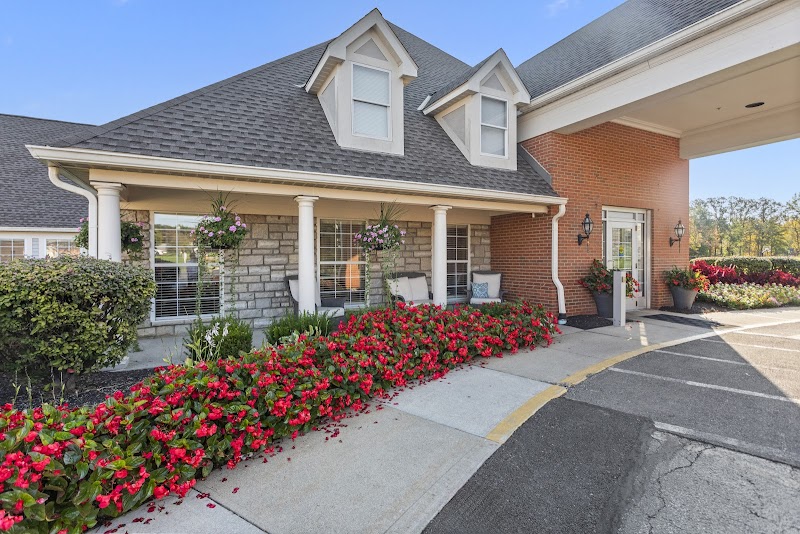
How is The Gables Of Marysville Staffed?

CMS rates THE GABLES OF MARYSVILLE HEALTH AND REHABILITATION's staffing level at 1 out of 5 stars, which is much below average compared to other nursing homes. Staff turnover is 59%, which is 13 percentage points above the Ohio average of 46%. High turnover can affect care consistency as new staff learn residents' individual needs. RN turnover specifically is 88%, which is notably high. RNs provide skilled clinical oversight, so turnover in this role can affect medical care quality.

What Have Inspectors Found at The Gables Of Marysville?

State health inspectors documented 20 deficiencies at THE GABLES OF MARYSVILLE HEALTH AND REHABILITATION during 2019 to 2024. These included: 20 with potential for harm.
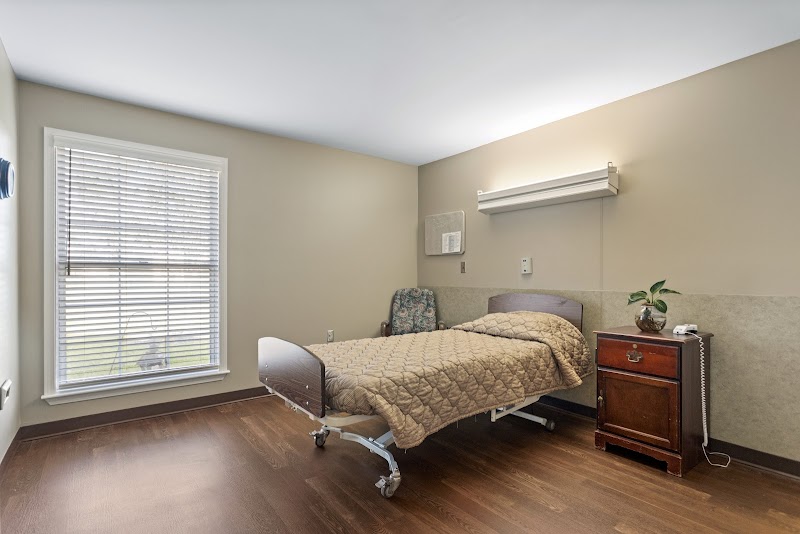
Who Owns and Operates The Gables Of Marysville?

THE GABLES OF MARYSVILLE HEALTH AND REHABILITATION is owned by a government entity. Government-operated facilities are typically run by state, county, or municipal agencies. The facility is operated by FOUNDATIONS HEALTH SOLUTIONS, a chain that manages multiple nursing homes. With 102 certified beds and approximately 92 residents (about 90% occupancy), it is a mid-sized facility located in MARYSVILLE, Ohio.
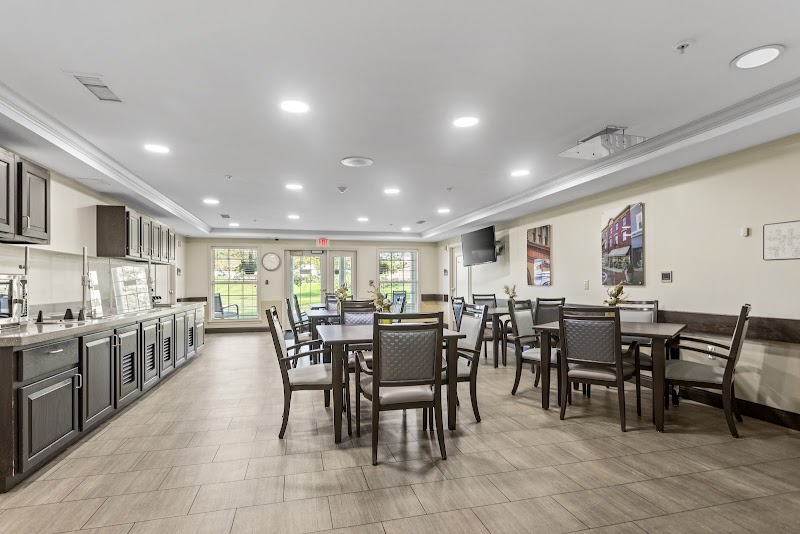
How Does The Gables Of Marysville Compare to Other Ohio Nursing Homes?

Compared to the 100 nursing homes in Ohio, THE GABLES OF MARYSVILLE HEALTH AND REHABILITATION's overall rating (2 stars) is below the state average of 3.2, staff turnover (59%) is significantly higher than the state average of 46%, and health inspection rating (3 stars) is at the national benchmark.

What Should Families Ask When Visiting The Gables Of Marysville?

Based on this facility's data, families visiting should ask: "How do you ensure continuity of care given staff turnover, and what is your staff retention strategy?" "Can you walk me through typical staffing levels on day, evening, and night shifts?" "Can I visit during a mealtime to observe dining assistance and food quality?" "How do you handle medical emergencies, and what is your hospital transfer rate?" These questions are particularly relevant given the facility's high staff turnover rate and the below-average staffing rating.

Is The Gables Of Marysville Safe?

Based on CMS inspection data, THE GABLES OF MARYSVILLE HEALTH AND REHABILITATION has a clean safety record: no substantiated abuse findings (meaning no confirmed cases of resident harm), no Immediate Jeopardy citations (the most serious violation level indicating risk of serious injury or death), and is not on the Special Focus Facility watch list (a federal program monitoring the lowest-performing 1% of nursing homes). The facility has a 2-star overall rating and ranks #100 of 100 nursing homes in Ohio. While no facility is perfect, families should still ask about staff-to-resident ratios and recent inspection results during their visit.

Do Nurses at The Gables Of Marysville Stick Around?

Staff turnover at THE GABLES OF MARYSVILLE HEALTH AND REHABILITATION is high. At 59%, the facility is 13 percentage points above the Ohio average of 46%. Registered Nurse turnover is particularly concerning at 88%. RNs handle complex medical decisions and coordinate care — frequent RN changes can directly impact care quality. High turnover means new staff may not know residents' individual needs, medications, or preferences. It can also be disorienting for residents, especially those with dementia who rely on familiar faces. Families should ask: What is causing the turnover? What retention programs are in place? How do you ensure care continuity during staff transitions?

Was The Gables Of Marysville Ever Fined?

THE GABLES OF MARYSVILLE HEALTH AND REHABILITATION has no federal fines on record. CMS issues fines when nursing homes fail to meet care standards or don't correct problems found during inspections. The absence of fines suggests the facility has either maintained compliance or corrected any issues before penalties were assessed. This is a positive indicator, though families should still review recent inspection reports for the full picture.

Is The Gables Of Marysville on Any Federal Watch List?

THE GABLES OF MARYSVILLE HEALTH AND REHABILITATION is not on any federal watch list. The most significant is the Special Focus Facility (SFF) program, which identifies the bottom 1% of nursing homes nationally based on persistent, serious quality problems. Not being on this list means the facility has avoided the pattern of deficiencies that triggers enhanced federal oversight. This is a positive indicator, though families should still review the facility's inspection history directly.