MAPLE HILLS SKILLED NURSING & REHABILITATION
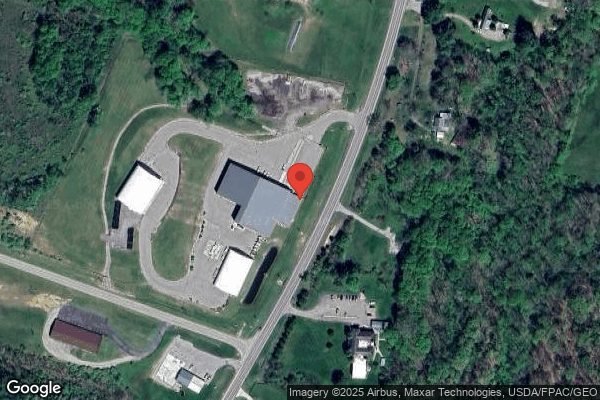
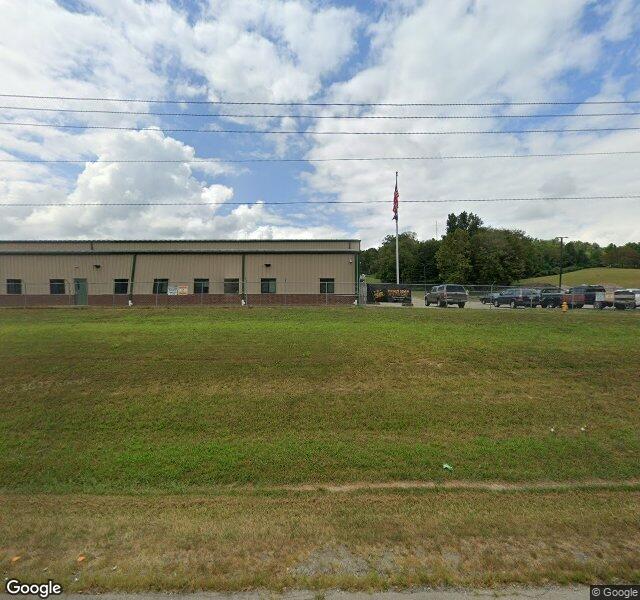
31054 STATE ROUTE 93 NORTH, MCARTHUR, OH 45651 (740) 596-5955
For profit - Limited Liability company 42 Beds LIONSTONE CARE Data: November 2025
Trust Grade
40/100
#729 of 913 in OH
Last Inspection: November 2023

Within standard 12-15 month inspection cycle. Federal law requires annual inspections.

Overview

Maple Hills Skilled Nursing & Rehabilitation has a Trust Grade of D, indicating below average performance with several concerns. It ranks #729 out of 913 nursing homes in Ohio, placing it in the bottom half, but it is the only facility in Vinton County, meaning families have no local alternatives. The facility is trending towards improvement, having reduced its issues from 14 in 2023 to 10 in 2025. Staffing is a relative strength, with a 3/5 rating and a 38% turnover rate, which is better than the state average of 49%. Although there have been no fines recorded, there are serious concerns, including instances where a resident did not receive prescribed antidepressants, which affected their mood, and another resident who fell and sustained an injury due to insufficient monitoring. On the positive side, the facility boasts higher RN coverage than 99% of Ohio facilities, which may help catch issues that other staff might overlook.

Trust Score
D
40/100
In Ohio
#729/913
Bottom 21%
Safety Record
Moderate
Needs review
Inspections
Getting Better
14 → 10 violations
Staff Stability
○ Average
38% turnover. Near Ohio's 48% average. Typical for the industry.
Penalties
✓ Good
No fines on record. Clean compliance history, better than most Ohio facilities.
Skilled Nurses
✓ Good
Each resident gets 65 minutes of Registered Nurse (RN) attention daily — more than 97% of Ohio nursing homes. RNs are the most trained staff who catch health problems before they become serious.
Violations
⚠ Watch
55 deficiencies on record. Higher than average. Multiple issues found across inspections.
★★☆☆☆
2.0
Overall Rating
★★★☆☆
3.0
Staff Levels
★★★★★
5.0
Care Quality
★☆☆☆☆
1.0
Inspection Score
Stable
2023: 14 issues
2025: 10 issues

The Good

  • 5-Star Quality Measures · Strong clinical quality outcomes
  • Full Sprinkler Coverage · Fire safety systems throughout facility
  • No fines on record
  • Staff turnover below average (38%)

    10 points below Ohio average of 48%

Facility shows strength in quality measures, fire safety.

The Bad

2-Star Overall Rating

Below Ohio average (3.2)

Below average - review inspection findings carefully

Staff Turnover: 38%

Near Ohio avg (46%)

Typical for the industry

Chain: LIONSTONE CARE

Part of a multi-facility chain

Ask about local staffing decisions and management

The Ugly 55 deficiencies on record

2 actual harm
Jun 2025 2 deficiencies
CONCERN (D) 📢 Someone Reported This

A family member, employee, or ombudsman was alarmed enough to file a formal complaint

Potential for Harm - no one hurt, but risky conditions existed

Deficiency F0698 (Tag F0698)

Could have caused harm · This affected 1 resident

**NOTE- TERMS IN BRACKETS HAVE BEEN EDITED TO PROTECT CONFIDENTIALITY** Based on interviews, record review, and facility policy, the facility failed to ensure dialysis communication forms were utilize...

Read full inspector narrative →
**NOTE- TERMS IN BRACKETS HAVE BEEN EDITED TO PROTECT CONFIDENTIALITY** Based on interviews, record review, and facility policy, the facility failed to ensure dialysis communication forms were utilized to ensure communication between the facility and the dialysis center. This affected one resident (#16) of one resident reviewed for dialysis. Facility census was 32. Review of Resident #16's medical record revealed an admission date of 07/23/24. Medical diagnoses included osteomyelitis, diabetes mellitus type 2, severe calorie malnutrition, alcoholic cirrhosis of liver without ascites, end stage renal disease, anxiety, anemia, dependence on dialysis, right below the knee amputation, thrombocytopenia, and atrial fibrillation. Review of Resident #16's Minimum Data Set (MDS) assessment dated [DATE] revealed Resident #16 was cognitively intact, dependent for toilet and tub/shower transfers, and required assistance for mobility and was wheelchair dependent. Review of Resident #16's care plan dated 06/06/25 revealed Resident #16 will experience no complications related to dialysis through review date. Interventions included checking for new orders upon return from dialysis and coordinating care with dialysis center. Review of Resident #16's physician orders for 05/14/25 revealed dialysis days on Monday, Wednesday, Friday, pick up time 05:00 A.M. with return time 12:30 P.M. Review of Resident #16's physical chart for April 2025, May 2025, and June 2025 revealed missing Dialysis Communication Forms for 04/02/25, 04/23/25, 05/12/25, 05/14/25, 05/16/25, 05/28/25, 06/04/25, 06/06/25, 06/13/25, and 06/18/25. Interview with staff nurse #350 on 06/25/26 at 12:05 P.M. confirmed some communication forms are missing from Resident #16's chart and sometimes dialysis does not send forms back with resident post dialysis appointment. Staff Nurse #350 stated that dialysis center will call facility if there are any changes. Interview with Director of Nursing (DON) on 06/25/25 at 04:08 P.M. confirmed all forms for each dialysis encounter should be in resident's chart and if they are not staff should call dialysis center for communication. Facility policy titled Dialysis care dated 08/21 (reviewed 08/24) stated It is the policy of this facility to ensure residents that receive dialysis treatment are safe, well assessed, and that the facility collaborates care with the dialysis center. Policy further stated Upon return from dialysis, the nurse will review the communication form sent to dialysis center. If the dialysis center fails/refuses to provide communication, document on the form.
CONCERN (E) 📢 Someone Reported This

A family member, employee, or ombudsman was alarmed enough to file a formal complaint

Potential for Harm - no one hurt, but risky conditions existed

Deficiency F0804 (Tag F0804)

Could have caused harm · This affected multiple residents

Based on observation, interviews and completion of a facility provided meal test tray the facility failed to provide palatable meals at the appropriate temperature. This affected all thirty-one reside...

Read full inspector narrative →
Based on observation, interviews and completion of a facility provided meal test tray the facility failed to provide palatable meals at the appropriate temperature. This affected all thirty-one residents who receive their meals from the kitchen with the exception of one resident (#20), who does not receive them. The facility census was 32. Findings include: Review of resident concern logs and resident council minutes on 06/24/25 revealed multiple entries of food temperature complaints. Test tray completed on 06/25/25 at 01:05 P.M. and included one beef enchilada, black beans, Mexican corn, and fruit punch. All food items were cool to taste with varying temperatures including corn temperature of 109 degrees Fahrenheit and black bean temperature of 108 degrees Fahrenheit. Both items cool to taste. Interview with Dietary Manager #699 on 06/25/25 at 1:10 P.M. verified both items did not have an appropriate temperature after being the last meal tray served. Interview with Resident #29 on 06/25/25 at 1:40 P.M. revealed her meals are served cool sometimes once she is served her meal tray in her room. Interview with Resident #185 on 06/25/25 at 1:45 P.M. revealed her food is served cold sometimes. This deficiency represents noncompliance for Complaint Number OH00166168.
Apr 2025 1 deficiency
CONCERN (E) 📢 Someone Reported This

A family member, employee, or ombudsman was alarmed enough to file a formal complaint

Potential for Harm - no one hurt, but risky conditions existed

Accident Prevention (Tag F0689)

Could have caused harm · This affected multiple residents

**NOTE- TERMS IN BRACKETS HAVE BEEN EDITED TO PROTECT CONFIDENTIALITY** Based on observation, review of an invoice from an outside plumbing company, review of maintenance temperature logs, and staff i...

Read full inspector narrative →
**NOTE- TERMS IN BRACKETS HAVE BEEN EDITED TO PROTECT CONFIDENTIALITY** Based on observation, review of an invoice from an outside plumbing company, review of maintenance temperature logs, and staff interview, the facility failed to ensure hot water temperatures were maintained between 105 degrees Fahrenheit (F.) and 120 degrees F. as required and did not pose a potential burn risk for the residents. This had the potential to affect seven residents (#2, #7, #10, #18, #20, #21, and #26), who the facility identified as having the use of the first floor shower room and five residents (#8, #9, #22, #25, and #28), who the facility identified as having the ability to utilize the sinks in their rooms on the second floor, without staff assistance. Findings include: On 04/17/25 at 9:20 A.M., an observation of the facility's boiler room located in the basement revealed there were three hot water tanks for providing hot water throughout the facility. Two of the three hot water tanks were of the same size and were a standard electric water heater. The third hot water tank was larger in size and was a hybrid energy efficient hot water tank with a display screen on the top of it that indicated what the temperature of the hot water was inside the tank and what operating set up temperature was. The tank temperature was indicated to be 125 degrees F. on the display screen and the operating set up temperature was also 125 degrees F. On 04/17/25 at 9:44 A.M., hot water temperature readings were obtained from various areas of the facility, as there had been concerns about the facility's hot water being too cold for residents during their showers. Temperatures of the hot water was checked on both the first floor and the second floor. The temperatures were obtained from the resident rooms on both ends of the hall and from the shower rooms on each floor that were centrally located on each hall. The first floor was noted to have hot water temperatures that exceeded 120 degrees F. in room [ROOM NUMBER] and room [ROOM NUMBER]. room [ROOM NUMBER] was noted to have a hot water temperature from the sink in the residents' room at 133 degrees F. room [ROOM NUMBER] was noted to have hot water from the sink at 129.7 degrees F. The shower room on the first floor located in the middle of the hall was noted to have a hot water temperature from the sink at 136.2 degrees F. On 04/17/25 at 10:04 A.M., hot water readings were obtained from the second floor, again testing rooms on each end of the hall and in the centrally located shower room. The hot water temperature in room [ROOM NUMBER] was noted to be 126.3 degrees F. and room [ROOM NUMBER] was 129 degrees F. The shower room on the second floor had a hot water temperature reading of 114.8 degrees F, which fell within the required temperature ranges for hot water. Findings were verified by Maintenance Director #100 at the time of the observations. Review of a work invoice from an outside plumbing company dated 03/25/25 revealed the plumbing company had been out to the facility on that date at the request of the facility to check a water heater circulation pump. It was reported at the time that the facility was not getting any hot water to their shower room. The circulation pump and mixing valve were checked and the technician asked about showers and a mop sink. It was discovered that the mop sink had recently been installed the day prior and the faucet to the mop sink was letting water mix. The technician turned off the water to the mop sink and hot water was restored to the showers. The customer was instructed to only turn the water back on to the faucet for the mop sink only when using. Review of the facility's maintenance temperature logs for the past three months revealed the last recorded temperatures for hot water checks was for 04/08/25. There was no evidence any hot water was being checked between 04/09/25 and 04/17/25. On 04/17/25 at 10:14 A.M., an interview with Maintenance Director #100 revealed he had only worked at the facility for four days now. He was still trying to learn about the facility and it's operations. He indicated he would have to determine which of the three hot water tanks were controlling what part of the building so he could adjust the hot water temperatures accordingly. On 04/17/25 at 12:30 P.M., a follow up interview with Maintenance Director #100 revealed all three hot water tanks fed into the same water line. He found a mixing valve that was off those lines that he was able to adjust to bring the hot water temperatures down to where they were required to be. The mixing valve adjusted how much cold water was being added to the heated water from the hot water tanks to reach the appropriate temperature levels of the hot water before it reached the rest of the building. He indicated he would have to do some additional monitoring to ensure the hot water temperatures remained in acceptable ranges. He stated it could take up to 24 hours for the temperature to be maintained at a consistent level, after adjustments had been made. He confirmed he had not checked the hot water temperatures as part of his maintenance log monitoring since he started four days ago. It was his understanding that they needed to be checked twice weekly, which had not been done to that point of time. On 04/17/25 at 2:04 P.M., an interview with Certified Nursing Assistant (CNA) #150 revealed she did not have any concerns with the facility's water temperatures. If it was too hot, she cooled it down by adding more cold water. She had not heard any residents complain that their water during showers was too cold. She has noted the hot water to be too hot at times. She stated when that happened she just adjusted it by turning the cold water on more. She acknowledged residents with cognitive impairment or decreased sensory perception may not be able to do that and were at risk for burns. On 04/17/25 at 2:19 P.M., an interview with CNA #200 revealed she had not known the hot water in the facility to be too hot. If it got hot, but not hot hot, she would leave the water run for a couple of minutes then adjust it from there to the desired temperature. She denied any of the residents took their showers on just straight hot water. She indicated, if only the hot water was turned on, it would be too hot for them to take a shower. She acknowledged the hot water should not exceed 120 degrees F. and confirmed, if the water was all the way on hot, it would be hotter than that. This deficiency represents incidental findings of non-compliance investigated under Complaint Number OH00164664.
Apr 2025 4 deficiencies
CONCERN (D) 📢 Someone Reported This

A family member, employee, or ombudsman was alarmed enough to file a formal complaint

Potential for Harm - no one hurt, but risky conditions existed

Medical Records (Tag F0842)

Could have caused harm · This affected 1 resident

Based on record review and interview, the facility failed to ensure resident medical record documentation was accurate and not falsified. This affected three residents (#24, #26, and #28) of three sam...

Read full inspector narrative →
Based on record review and interview, the facility failed to ensure resident medical record documentation was accurate and not falsified. This affected three residents (#24, #26, and #28) of three sampled residents reviewed for accurate medical records. Findings included: Review of medical records for Residents #24, #28, and #26 revealed the director of nursing (DON) entered notes on 02/08/25 which stated Resident assessed noted no signs or symptoms of dizziness, nausea, headache, shortness of breath, confusion, or chest pains. Vital signs obtained and within normal limits. Family and MD (medical director) notified. Interview on 03/20/25 at 10:15 A.M. with the DON revealed she was on the phone with a nurse manager during the time of the gas leak incident (on 02/08/25), but she did not come to the facility. The nurse manager who was at the facility was who completed resident assessments on paper regarding the incident. Interviews on 03/20/25 with Licensed Practical Nurse (LPN) #380 and Registered Nurse (RN) #355 at 1:21 P.M. revealed they did not look into it, but did hear the DON had entered false assessments into the resident notes regarding an incident she was not in the building for. Interview on 03/27/25 at 8:47 A.M. with the DON confirmed she entered resident assessments into notes. The DON confirmed she did not complete the assessments and she was not in the facility when the nurse who completed the assessments was physically in the building. This deficiency represents non-compliance investigated under Complaint Number OH00163080.
CONCERN (F) 📢 Someone Reported This

A family member, employee, or ombudsman was alarmed enough to file a formal complaint

Potential for Harm - no one hurt, but risky conditions existed

Deficiency F0725 (Tag F0725)

Could have caused harm · This affected most or all residents

**NOTE- TERMS IN BRACKETS HAVE BEEN EDITED TO PROTECT CONFIDENTIALITY** Based on observation, record review, staff interviews, resident interviews, Ombudsman electronic communication, and policy revie...

Read full inspector narrative →
**NOTE- TERMS IN BRACKETS HAVE BEEN EDITED TO PROTECT CONFIDENTIALITY** Based on observation, record review, staff interviews, resident interviews, Ombudsman electronic communication, and policy review, the facility failed to provide sufficient staff to meet residents' needs. This affected three residents (#24, #28, and #30) of three residents reviewed for personal care needs and had the potential to affect all 33 of 33 residents in the facility. Findings include: 1. Record review revealed Resident #30 was admitted to the facility on [DATE] with diagnoses including unspecified dementia and hypertension. Review of a nursing note dated 03/13/25 at 4:32 P.M. by Director of Nursing (DON) revealed she was made aware Resident #30 was outside, when she went outside to check, the first floor nurse was with Resident #30. Resident #30 had wandered out the side door with construction workers because she wanted to take a walk. Resident #30 was immediately assessed and had no injuries, she was taken back into the facility, and her wander-guard was checked and working properly. All wander-guards were checked and working properly. The elopement assessment was updated. Review of an Elopement Evaluation dated 03/14/25 at 12:41 P.M. by the DON revealed Resident #30 did not have a history of eloping while at home, she did have a behavior pattern of wandering, she wanders aimlessly, and wandering behavior was likely to affect the safety of herself/others. Resident #30's wandering was likely to affect the privacy of others and she was a recent admission. She had an elopement score of seven. Interview on 03/20/25 at 2:09 P.M. with Certified Nursing Assistant (CNA) #304 revealed she was concerned because Resident #30 eloped in the previous week and the DON lied to her husband. CNA #304 stated there are not enough staff in the facility to meet the needs of residents because the unit she is assigned to, she has 22-25 residents by herself and when she requests additional help, she is told the nurse is considered help. CNA #304 stated there was a time where she and the nurse were caring for a resident in their room and they heard the door alarms go off and a resident had made it into a stairwell because there was no one to provide additional supervision. CNA #304 stated most of the residents on her unit require the use of a hoyer lift, which requires two staff to operate. CNA #304 stated there are times call lights go unanswered for an extended period of time due to lack of staff. Interview on 03/20/25 at 4:01 P.M. with Registered Nurse (RN) #355 revealed she was working on 03/13/25 when Resident #30 left the building unsupervised. RN #355 stated she was downstairs and two agency staff and an agency nurse were working upstairs, the alarms began to go off. The aide downstairs had to go upstairs and check both doors because the agency staff did not. RN #355 stated she was approached a few minutes later by an agency aide who asked, is that a resident?. RN #355 stated she saw Resident #30 about 50 yards away from the building in a grassy area between the driveway and the trees near the road. RN #355 stated she took off running to get to Resident #30. RN #355 stated the elopement was not witnessed, but since the alarms for the stairwells had gone off, the resident had likely walked down the stairs and out the side staff exit, which did not lock or have an automatic locking system for residents wearing wander-guards. RN #355 stated the DON took care of documentation for the incident. Interview on 03/20/25 at 4:10 P.M. with CNA #395 revealed when Resident #30 got out of the facility, the construction workers were already gone, so they did not let her out. CNA #395 stated Resident #30 wandered out alone because the staff entrance does not lock, so once someone is in the stairwell, they are able to leave. CNA #395 stated she was in a resident room on the first floor, when she came out she was told to check the stairwells because the alarms were going off. CNA #395 stated she walked upstairs and turned off the alarm and told the agency staff the alarm was due to a wander-guard. CNA #395 stated when she came back downstairs, RN #355 had Resident #30 back in the building. Interview on 03/27/25 at 2:36 P.M. with the DON revealed when Resident #30 eloped, she made it to the end of the parking lot. DON stated the construction workers saw her leave the building. The DON stated Resident #30's family was notified, she was assessed and she was wearing a functioning wander-guard. The DON stated there was another resident having a medical emergency at the time of the incident, so all upstairs staff were in the other residents room and did not hear the alarms. Interview on 03/27/25 at 3:18 P.M. with CNA #404 revealed she is agency staff. CNA #404 stated she and the agency nurse were in a room with a resident having a medical emergency, but she was not sure where the other agency aide was. CNA #404 stated due to the room being on the opposite end of the hallway, they were not able to hear the door alarming and the doors open after being pushed for 15 seconds. CNA #404 stated Resident #30 could only have been outside for about five or six minutes because she was found by the other agency aide (CNA #416) when she went outside for break. CNA #404 stated the facility does not have enough staff because the second floor has about six residents who require a hoyer lift and they have one aide working the floor. CNA #404 stated the aide who works downstairs is supposed to come up to help, but doesn't have time to very often. CNA #404 stated the DON does help when she can due to call-offs. Interview on 03/27/25 at 3:23 P.M. with CNA #416 revealed she was headed outside to her break when she saw an older lady outside who did not look right. CNA #416 stated the lady was walking towards the street, stopped, then sat down in the grass. CNA #416 went back inside and grabbed RN #355 to ask if it was a resident, then RN #355 began running to the lady and told CNA #416 to get the DON. CNA #416 stated she is agency staff and it was her first time working at the facility and she did not realize the resident was missing from the second floor where she had been working. CNA #416 stated she was in a room with CNA #404 and a nurse with a resident who was having a medical emergency so she did not see or hear Resident #30 leave. 2. Record review revealed Resident #28 was admitted to the facility on [DATE] with diagnoses including dementia and hypertension. Review of an email from Ombudsman #101 dated 03/20/25 at 10:04 A.M. revealed she had investigated and verified complaints related to call lights taking greater than 30 minutes and up to three hours to get assistance from staff. Interview on 03/20/25 at 2:09 P.M. with Certified Nursing Assistant (CNA) #304 revealed she had three residents on the unit, including Resident 28, who had excoriated bottoms due to delayed incontinence care. CNA #304 stated there are not enough staff in the facility to meet the needs of residents because the unit she is assigned to, she has 22-25 residents by herself and when she requests additional help, she is told the nurse is considered help. CNA #304 stated there was a time where she and the nurse were caring for a resident in their room and they heard the door alarms go off and a resident had made it into a stairwell because there was no one to provide additional supervision. CNA #304 stated most of the residents on her unit require the use of a hoyer lift, which requires two staff to operate. CNA #304 stated there are times call lights go unanswered for an extended period of time due to lack of staff. Interview on 03/20/25 at 4:10 P.M. with CNA #395 revealed there is absolutely not enough staff to meet resident needs and there were several residents upstairs with raw butts and Resident #28 stays bright red. Interview on 03/24/25 at 8:02 A.M. with CNA #304 revealed she would have to get an aide from the first floor to assist her with Resident #28's incontinence care because she required a two-person assist. CNA #304 confirmed Resident #28 did not have incontinence care yet since her arrival at 6:05 A.M. Interview on 03/24/25 at 8:04 A.M. with CNA #150 revealed she had worked all night on the second floor. CNA #150 stated she last provided incontinence care to Resident #28 at about 5-5:15 A.M. Observation on 03/24/25 at 8:05 A.M. of incontinence care for Resident #28 revealed the skin on the resident's front perineal and groin area was red. Both aides, CNA #304 and #150, stated the redness was typical for Resident #28 and barrier cream was applied after incontinence care. Resident #28's buttocks was also reddened and there was a pinpoint open area to her coccyx, which CNA #304 and #150 confirmed. Both aides also confirmed there is one aide upstairs and one aide downstairs. Interview on 03/27/25 at 2:36 P.M. with DON revealed she completes the schedules and it is based on PPD of 2.5. The DON stated she does aim for 2.75 contact hours per resident to account for acuity. The DON stated there were ten residents on the first floor and 22 on the second floor. The DON stated if staff are busy, management will step in to assist as needed. The DON confirmed she had spoken with Ombudsman #101 and was informed it took up to one hour for a call light to be answered, but was unaware of a call light going unanswered for three hours. Interview on 03/27/25 at 3:45 P.M. with Resident #24 revealed she was upset because she had her call light turned on for staff to remove her lunch tray, but no one had come yet. Resident #24 stated lunch was over hours ago and the tray should already be removed because it takes up space in her room. Resident #24's call light was not on during the interview. Review of a policy dated 08/2024 titled Staffing revealed the facility should provide sufficient staffing numbers with the skills necessary to provide care and services for all residents in accordance with resident care plans and the facility assessment. Staffing numbers and the skill requirements are determined by the needs of the residents. This deficiency represents non-compliance investigated under Complaint Number OH00163080.
CONCERN (F) 📢 Someone Reported This

A family member, employee, or ombudsman was alarmed enough to file a formal complaint

Potential for Harm - no one hurt, but risky conditions existed

Administration (Tag F0835)

Could have caused harm · This affected most or all residents

**NOTE- TERMS IN BRACKETS HAVE BEEN EDITED TO PROTECT CONFIDENTIALITY** Based on record review, review of the administrator's job description, observations, review of the facility vendor and supplier ...

Read full inspector narrative →
**NOTE- TERMS IN BRACKETS HAVE BEEN EDITED TO PROTECT CONFIDENTIALITY** Based on record review, review of the administrator's job description, observations, review of the facility vendor and supplier bills, and interviews, the facility failed to ensure the facility was administered in a manner that enabled it to use it's resources effectively and efficiently including compliance with all financial obligations for the delivery of care to attain and maintain the highest practicable well being of each resident. This affected 33 of 33 residents residing in the facility. Findings included: 1. Review of information received from an anonymous complainant on 03/18/25 revealed the facility owed over $10,000 for their water bill, but due to it being a nursing facility the water department was either unable to or refused to issue a shut off notice. a .)Review of an invoice dated 04/06/24 from Stockmeister (plumbing, heating, and cooling repair company) revealed the facility owed $110 at the time of receipt for a service call related to the garbage disposal not working. Review of an invoice dated 04/24/24 from Stockmeister revealed the facility owed $2,427.63 for miscellaneous services at the time of receipt. Services included materials, tools, and labor to replace approximately 20 feet and one inch of galvanized pipe which was leaking in the basement ceiling above the water heaters with one inch copper pipe and press fittings. Review of an invoice dated 04/25/24 from Stockmeister revealed the facility owed $706.25 for the water heater tripping the breakers and not functioning correctly. The payment was due at the time of receipt. Review of an invoice dated 12/30/24 from Stockmeister revealed the facility owed $241.25 for the dishwasher drain being clogged. The payment was due at the time of receipt. Review of an invoice dated 12/30/24 from Stockmeister revealed the facility owed $190 due to the hot water tank having a low gas pressure warning being repaired. The payment was due at the time of receipt. Review of an invoice dated 12/30/24 from Stockmeister revealed the facility owed $918.76 for repairs to a floor drain backing up in basement. The payment was due at the time of receipt. Review of an invoice dated 12/30/24 from Stockmeister revealed the facility owed $660.43 for repairs to a heater in room [ROOM NUMBER]. The payment was due at the time of receipt. Review of an invoice dated 12/30/24 from Stockmeister revealed the facility owed $477.50 for repairs to water in the basement and the kitchen drain which was not draining properly. Payment was due at the time of receipt. Review of an invoice dated 01/20/25 from Stockmeister revealed the facility owed $1,941.11 for repairs to a circulating pump for the water heater. The payment was due at the time of receipt. Review of an invoice dated 02/12/25 from Stockmeister revealed the facility owed $351.50 for repairs to heating unit and starting the boiler. Payment was due at the time of receipt. Review of an invoice dated 02/13/25 from Stockmeister revealed the facility owed $458.50 for repairs to a toilet in room [ROOM NUMBER]. Payment was due at the time of receipt. Review of an invoice dated 02/13/25 from Stockmeister revealed the facility owed $2,586.85 for repairs to a water leak on the main line in the basement. Payment was due at the time of receipt. Review of an invoice dated 02/13/25 from Stockmeister revealed the facility owed $1,061.48 for repairs for sewage backing up into drains in the basement. Payment was due at the time of receipt. Review of an invoice from 02/13/25 from Stockmeister revealed the facility owed $320.60 due to replacing a one-inch valve in basement. Payment was due at the time of receipt. Review of an invoice from 02/13/25 from Stockmeister revealed the facility owed $1,160.50 for a gas leak on 02/08/25. The carbon monoxide detectors were going off. The gas company checked for leaks, there were none. The gas company red-tagged the boiler and said the boiler was the issue and it was unsafe to run. Everything was turned back on and the pilot lights were re-lit. Everything was working properly at the time of services. Payment was due upon receipt. The total of the invoices came to $13,612.36. Interview on 03/20/25 at 12:32 P.M. with Stockmeister Representative (SR) #722 revealed the facility had several open invoices which were not paid. SR #722 stated payment is due at the time of receipt or within 30 days. SR #722 stated the facility is often behind on payments, but due to it being a nursing facility, they will not refuse services. b.) Interview on 03/20/25 at 9:11 A.M. with Water Department Representative (WDR) #717 revealed the facility owed $10,848.92 for their water bill which was over due. The WDR #717 stated the last payment made was $1,608.89 in December 2024. The WDR #717 stated the water department bills monthly. The WDR #717 stated the facility had been in arrears for a while because they pay a little bit at a time. The WDR #717 stated the facility was in arrears since 04/2024 and the amount continually goes up. The WDR #717 stated the facility used 460,000 gallons of water in 03/2025 which was a lot of water totaling to approximately $5,000 worth of water in one month. The WDR #717 stated she has called and left messages for someone at the facility and has received no call back. The WDR #717 stated they are not allowed to turn off the water because it is a nursing facility. c.) Interview on 03/20/25 at 12:24 P.M. with Fire Chief (FC) #713 revealed the fire department had to respond to the facility twice in 02/2025: once for a potential gas leak which ended up being due to the boiler and once due to the sprinkler system being down due to the boiler not working. FC #713 stated when they responded to the first incident on 02/08/25, the facility was unable to find a report regarding the boiler because it needed services but there was a deficiency with the bill. There was a tag dated 08/12/24 which stated boiler needs serviced. The assumption was the person who services the boiler left the tag there without telling anyone due to nonpayment. Interview on 03/20/25 at 1:37 P.M. with Licensed Practical Nurse (LPN) #380 revealed she was made aware the boiler has been tagged out for nonpayment and it would not be repaired until the company received payment. On 03/20/25 at 3:21 P.M., observation and interview with Maintenance Staff (MS) #338 revealed the boiler is still out of service. Interview on 03/27/25 at 8:47 A.M. with Director of Nursing (DON) revealed she was not able to confirm or deny anything related to billing because she does not take care of billing. The DON stated she would let the surveyor know who to talk to regarding bills, but the DON did not ever provide a contact person to the surveyor. Review of an undated document titled Job Description for Administrator revealed it is the responsibility of the Administrator to ensure the building and grounds are maintained in good repair, ensure the facility is maintained in a clean and safe manner for resident comfort and convenience by assuring necessary equipment and supplies are maintained to perform such duties and services, and ensure adequate supplies and equipment are on hand to meet the day-to-day operational needs of the facility and residents. Additionally, the administrator should assist in the establishment and maintenance of an adequate accounting system that reflects the operating cost of the facility, review and interpret monthly financial statements, keep abreast of the economic condition and situation and make adjustments as necessary to assure the continued ability to provide quality care. This deficiency represents non-compliance investigated under Complaint Number OH00163810. This deficiency is evidence of continued non-compliance from the survey dated 02/19/25.
CONCERN (F) 📢 Someone Reported This

A family member, employee, or ombudsman was alarmed enough to file a formal complaint

Potential for Harm - no one hurt, but risky conditions existed

Safe Environment (Tag F0921)

Could have caused harm · This affected most or all residents

**NOTE- TERMS IN BRACKETS HAVE BEEN EDITED TO PROTECT CONFIDENTIALITY** Based on observation, policy review, and interview, the facility failed to ensure the facility provided a safe, sanitary and com...

Read full inspector narrative →
**NOTE- TERMS IN BRACKETS HAVE BEEN EDITED TO PROTECT CONFIDENTIALITY** Based on observation, policy review, and interview, the facility failed to ensure the facility provided a safe, sanitary and comfortable environment for residents. This affected 33 of 33 residents residing in the facility. Findings included: Continuous observations on 03/20/25 from 8:39 A.M. to 8:49 A.M. revealed trash throughout the yard, parking lot and woods surrounding the facility. Trash including plastic grocery bags, cigarette butts, and Styrofoam food containers. There was an empty flower pot with three inches of standing water and a Styrofoam container in it with a black mold-like substance. There was a sidewalk next to the building leading to the back where the resident smoking area is. At the back corner of the building, there was a hole which appeared to be created from a water drip. The drop off into the hole was approximately three feet and the hole was starting to go underneath the sidewalk. There was no hand rail for the residents to use. Interview on 03/20/25 at 1:37 P.M. with Licensed Practical Nurse (LPN) #380 revealed she had concerns about a section of the ceiling in the laundry room in the basement falling in, the handrail off the back porch was loose and you cannot put weight on it, there was a crack in the concrete out front, a large hole near the sidewalk at the back corner of the building from a water drip and the sidewalk goes over it a little bit. LPN #380 stated some residents' wheelchairs are right at the edge of the sidewalk near the hole. LPN #380 stated there is a slab of concrete which raises up on the sidewalk when the ground expands due to cold weather. LPN #380 stated there is a large area of mold in the laundry room and there had been mold behind the nurses station but they just put new trim right over top of it. Interview and observations on 03/20/25 at 2:09 P.M. with Certified Nursing Assistant (CNA) #304 revealed she was concerned about an area in the laundry room by the dryers due to mold and the ceiling, filters not being cleaned in units causing them to stop working, the grab bars in the upstairs shower room were loose, the drain was broken, the shower was dirty and covered with mildew. A facility tour completed with Maintenance Staff (MS) #338 on 03/20/25 starting at 3:21 P.M. revealed the laundry room had a six-foot long span of wall which was covered with a black mold-like substance, an area on the ceiling approximately four feet by four feet was collapsing in; the boiler room was observed and the boiler was out of service; the first floor shower room was observed with a sharps container overflowing with razors, there were three missing tiles on the shower floor as well as a broken drain; the shower had a build up of grime and mildew on the walls and floors in the grout; the second floor shower room had loose grab bars around the toilet, a missing drain, mildew streaks on the shower walls and floors; room [ROOM NUMBER] had a missing transition strip; a call light in room [ROOM NUMBER] (which was empty) was not working; the back porch, used only by staff, was unstable and wobbling; there was trash throughout the property including plastic bags, Styrofoam containers, and cigarette butts; a large hole next to the sidewalk from a water drip starting to corrode under the sidewalk. MS #338 confirmed all findings and stated he has made multiple efforts to make repairs in the facility but has not been provided with payment for tools and supplies required for improvements. Interview on 03/27/25 at 9:09 A.M. with LPN #380 revealed corporate staff came to the facility and attempted to improve the second floor nurses' station by adding a wooden trim. The trim was observed to have splinters at the far right side, the screws were sharp, and the left corner piece had fallen off leaving a sharp edge. LPN #380 also showed concern over a door handle which falls off when you grab it, leading into a room [ROOM NUMBER]. Interview on 03/27/25 at 10:15 A.M. with Corporate Nurse #101 regarding the trim revealed she felt the trim, but when asked if she had any concerns, she walked away without answering. Interview on 03/27/25 at 10:39 A.M. with MS #338 revealed he had concerns with the trim that was applied to the nurses' station because the edges were sharp and a piece had already fallen off. MS #338 stated he has a cut from the trim and showed a cut on her right, middle knuckle. MS #338 stated he was sent upstairs and instructed to remove the trim. Review of an undated policy titled Quality of Life- Homelike Environment revealed residents are provided with a safe, clean, comfortable, and homelike environment and encouraged to use their personal belongings to extent possible. This deficiency represents non-compliance investigated under Complaint Number OH00163080. This deficiency is evidence of continued non compliance from the survey dated 02/19/25.
Feb 2025 3 deficiencies
CONCERN (F) 📢 Someone Reported This

A family member, employee, or ombudsman was alarmed enough to file a formal complaint

Potential for Harm - no one hurt, but risky conditions existed

Administration (Tag F0835)

Could have caused harm · This affected most or all residents

**NOTE- TERMS IN BRACKETS HAVE BEEN EDITED TO PROTECT CONFIDENTIALITY** Based on observation, record review, review of the Administrator job description and personnel file and interview, the facility ...

Read full inspector narrative →
**NOTE- TERMS IN BRACKETS HAVE BEEN EDITED TO PROTECT CONFIDENTIALITY** Based on observation, record review, review of the Administrator job description and personnel file and interview, the facility failed to employ a qualified administrator to ensure the facility was effectively and efficiently administered to allow all residents to attain or maintain their highest practicable physical, mental, and psychosocial well-being and to ensure staff were knowledgeable of who the administrator was. This had the potential to affect all 34 residents residing in the facility. Findings Include: On [DATE] between 10:45 A.M. and 12:41 P.M. interviews with Certified Nursing Assistant (CNA) #216, Licensed Practical Nurse (LPN) #223, and Registered Nurse (RN) #220 revealed none of the staff knew who the current facility Administrator was. The staff revealed they were not familiar with Interim Administrator (IA) #260 or Administrator #275. During the interview with the CNA, the CNA revealed she had not met IA #260 or Administrator #275. She stated she was aware there had been a new administrator hired but had not yet been introduced. The CNA revealed she had not been provided with any education related to who she should report to should she need an Administrator. During the interview with the LPN, the LPN indicated if there was a concern or issue, she would go to the Director of Nursing (DON); however, the LPN revealed she did not know who to contact if for some reason the issue involved the DON. The staff interviewed denied any contact information or chain of command information being available for staff. An interview on [DATE] at 11:14 A.M. with IA #260 via telephone and Administrator #275 revealed Administrator #275 identified herself as the facility incoming Administrator. However, during the conversation, Administrator #275 revealed she was not a Licensed Nursing Home Administrator (LNHA) in the State of Ohio. On [DATE] at 11:05 A.M. interview with the Director of Nursing (DON) revealed IA #260 started in the facility on [DATE] and worked between this facility and a sister facility. Then Administrator #275's first day working at the facility as the Administrator was on [DATE]. Administrator #275 was the only administrator present/working in the facility on [DATE] when the survey investigation started. Review of Administrator #275's application dated [DATE] revealed the applicant's address was in [NAME] Virginia. Administrator #275 was hired as the facility Administrator on [DATE] with a start date on [DATE]. Review of an Administrator offer letter dated [DATE] revealed Administrator #275 was offered an Administrator position on [DATE] with a start date on [DATE]. On [DATE] at 2:47 P.M. a telephone interview with Director of Operations (DOO) #270 revealed she was responsible for hiring the facility Administrator. DOO #270 confirmed she was aware Administrator #275 did not have a current Licensed Nursing Home Administrator's license (LNHA) in the State of Ohio at the time she was hired. However, DOO #270 stated Administrator #275 was working under the supervision of IA #260 (who was licensed in the State of Ohio as an LNHA). DOO #270 confirmed Administrator #275 was on-site at the facility on [DATE] and [DATE] without IA #260 present. Concerns investigated during the onsite investigation related to administrative oversight were identified related to the facility boiler system as noted: Review of the boiler inspection dated [DATE] revealed Certificate of Operation expired: The Certificate of Operation is expired due to either a non-passed inspection within the last 12 months or non-payment of fees. Please contact the Division of Industrial Compliance support staff within 30 days of this order. Observation on [DATE] at 11:58 A.M. of the boiler room revealed the boiler had a red tag on it dated [DATE]. Boiler needs serviced was written on the tag. There was no further evidence of attempts by the facility to follow up on the expired Certificate of Operation for the boiler until [DATE], following surveyor intervention. On [DATE] at 2:47 P.M. during the interview with DOO #270, the DOO confirmed the boiler was not certified for use in [DATE] and stated this was due to unpaid fees from 2018. However, DOO #270 revealed she was not aware of the issue prior to the surveyors entering the facility to investigate a complaint related to the boiler. DOO #270 confirmed it was the Administrator's responsibility to ensure bills/invoices were paid in a timely manner. Review of the undated Administrator Job Description revealed the primary purpose of the position was to direct the day-to-day functions of the facility in accordance with federal, state, and local standards guidelines, and regulations that govern nursing facilities to assure that the highest degree of quality care can be provided to our residents at all times. Furthermore, duties included to ensure the building and grounds are maintained in good repair. Ensure that the facility was maintained in a clean and safe manner for resident comfort and convenience by assuring that necessary equipment and supplies were maintained to perform such duties and services. Keep abreast of the economic condition and situation and make adjustments as necessary to assure the continued ability to provide quality care. Qualifications included the individual must possess a current, unencumbered Nursing Home Administrator's license or meet the licensure requirements of this State. This deficiency is an incidental findings identified during the investigation of Complaint Number OH00162507.
CONCERN (F) 📢 Someone Reported This

A family member, employee, or ombudsman was alarmed enough to file a formal complaint

Potential for Harm - no one hurt, but risky conditions existed

Safe Environment (Tag F0921)

Could have caused harm · This affected most or all residents

**NOTE- TERMS IN BRACKETS HAVE BEEN EDITED TO PROTECT CONFIDENTIALITY** Based on observation, record review, facility policy review and interview, the facility failed to maintain a safe, functional an...

Read full inspector narrative →
**NOTE- TERMS IN BRACKETS HAVE BEEN EDITED TO PROTECT CONFIDENTIALITY** Based on observation, record review, facility policy review and interview, the facility failed to maintain a safe, functional and comfortable environment for all residents and failed to timely address an alarming carbon monoxide detector to ensure resident safety. This had the potential to affect all 34 residents residing in the facility. The facility census was 34. Findings Include: Review of the Fire Department Run Report dated 02/08/25 revealed the fire department was dispatched to the facility at 9:10 A.M. for a possible gas or carbon monoxide (CO) leak at the facility. There was no gas detected on the first floor of the facility but upon entering the basement, the multi-gas meter started alarming with carbon monoxide level at 87 parts per million (ppm) (normal/average levels 0.5-5.0 ppm). Evacuation and ventilation procedures were started. The gas was shut off at the meter by the fire department. Gas and CO level began falling rapidly once the gas was shut off and normal readings were restored. The facility's HVAC company isolated the boiler. The residents and staff were cleared to return into the building once normal readings were maintained. The Maintenance Director was instructed not to use the boiler under any circumstances until it had been inspected and/or repaired by a boiler technician and also inspected and approved b the Ohio Department of Commerce State Boiler Inspector. One worker was transported to the hospital due to possible exposure to CO and natural gas. Interview on 02/12/25 at 11:42 A.M. with Maintenance Director (MD) #206 revealed he was called in to the facility on [DATE] at approximately 8:00 A.M. by the floor nurse due to the carbon monoxide detector in the boiler room alarming. MD #206 arrived at the facility at approximately 8:30 A.M. and residents were already being evacuated from the facility. The Fire Department arrived at the facility and were directed to the boiler room. MD #206 stated the boiler was supposed to be serviced but it was not serviced by the HVAC company. They just turned it on. MD #206 was responsible for testing carbon monoxide detectors but had not been keeping any documentation of the tests he conducted. MD #206 stated the Fire department and the gas company shut down the boiler quickly and shortly after allowed residents and staff to return inside the building. There was no evidence of any carbon monoxide on the first or second floors where the residents resided, it was only found in the basement. Observations during the initial tour on 02/12/25 from 11:58 A.M. to 12:30 P.M. revealed the boiler had a red tag dated 08/12/24 with the written indication, boiler needs serviced. The boiler was also tagged by the local gas company dated 02/08/25 that stated, Danger. The boiler was not currently in use and was being serviced by the facility's Heating, Ventilation, and Air Conditioning (HVAC) company. There was a carbon monoxide detector observed inside the boiler room. The detector was tested and was in good working condition. Observations of resident rooms on the first and second floor revealed the rooms were supplied heat through packaged terminal air conditioning (PTAC) units. There were not any carbon monoxide detectors observed on the first or the second floors of the facility. Interview on 02/12/25 at 12:30 P.M. with MD #206 confirmed there were not any CO detectors installed on the first or second floors where residents resided. Interview on 02/12/25 at 2:34 P.M. with Housekeeping Aide (HKA) #204 revealed she had arrived to the facility approximately one hour before her shift started, at approximately 6:00 A.M. HKA #204 stated as soon as she arrived she heard an alarm going off in the basement. HKA #204 and HKA #210 found the alarm was in the boiler room. HKA #210 informed the floor nurse. Two nurses changed the batteries in the CO detector and it stopped alarming for ten to 15 minutes and then started alarming again. The nurse was notified again of the alarm going off. HKA #204 stated then the fire department was called and everyone was evacuated out into the parking lot until it was cleared. HKA #210 was transported to the emergency room (ER) due to feeling light headed, dizzy, and short of breath. She was treated in the ER for about three hours with 100% oxygen and was told she had carbon monoxide poisoning. There were not any residents who were transported to the hospital that she was aware of. HKA #204 stated approximately two hours and 30 minutes had passed between when the detector was first alarming and when the fire department was contacted. Interview on 02/12/25 at 4:14 P.M. with HKA #210 revealed he arrived for his shift at approximately 5:30 A.M. on 02/08/25. Upon arriving he heard an alarm sounding in the basement but was not able to determine exactly where it was coming from until HKA #204 arrived at approximately 6:00 A.M. and found the alarm was coming from the boiler room. The floor nurse on the first floor was notified. Two nurses changed the batteries in the detector and it did stop alarming for approximately ten to 15 minutes but then started alarming again. The floor nurse was notified again. HKA #210 stated then the building was evacuated to the parking lot until the fire department and the gas company confirmed it was safe to return inside the building. HKA #210 reported having a headache and was evaluated by the paramedics but declined to go to the hospital. Interview on 02/12/25 at 4:48 P.M. with Licensed Practical Nurse (LPN) #214 confirmed she started her shift at approximately 6:00 A.M. on 02/08/25. LPN #214 first notified MD #206 at approximately 8:00 A.M. that a CO detector was alarming in the boiler room. MD #206 did not answer and LPN #214 attempted again at approximately 8:30 A.M. At approximately 8:50 A.M., LPN #214 notified the Assistant Director of Nursing (ADON) who instructed to call the fire department. LPN #214 attempted to call the fire department but there was no answer so she then dialed 911 at approximately 9:00 A.M. The dispatcher instructed LPN #214 to start evacuating the building. By approximately 10:00 A.M., the fire department and other companies who had responded had assessed and cleared the building to be safe and the residents and staff were allowed to go back inside. LPN #214 stated she and another nurse changed the batteries in the CO detector in the boiler room between 6:30 A.M. and 7:00 A.M. and the beeping stopped. LPN #214 stated she was not notified again that the alarm was going off again until approximately 8:00 A.M. Review of the boiler inspection reports revealed the facility's boiler had been red tagged due to non-payment of fees from 2018 at the time of the inspection on 08/12/24. The inspection did not indicate there was any need for repairs to be made to the boiler at that time. Review of facility undated policy titled Emergency Preparedness Program, revealed within zero to two hours, the facility should initiate the Incident Briefing of all appointed staff. Include the following: nature of the problem and safety of staff, residents, and visitors. Review of the facility policy titled Resident Environmental Quality, dated 08/2023 revealed the facility would be designed, constructed, equipped, and maintained to provide a safe, functional, sanitary, and comfortable environment for residents, staff and the public. The facility shall maintain all essential mechanical, electrical, and patient care equipment in safe operating condition. The deficiency represents non-compliance investigated under Complaint Number OH00162507.
MINOR (C) 📢 Someone Reported This

A family member, employee, or ombudsman was alarmed enough to file a formal complaint

Minor Issue - procedural, no safety impact

Room Equipment (Tag F0908)

Minor procedural issue · This affected most or all residents

**NOTE- TERMS IN BRACKETS HAVE BEEN EDITED TO PROTECT CONFIDENTIALITY** Based on observation, record review, facility policy review and staff interview, the facility failed to ensure all essential mec...

Read full inspector narrative →
**NOTE- TERMS IN BRACKETS HAVE BEEN EDITED TO PROTECT CONFIDENTIALITY** Based on observation, record review, facility policy review and staff interview, the facility failed to ensure all essential mechanical equipment (boiler) was maintained in a functional and safe operating condition. The had the potential to affect all 34 residents residing in the facility. Findings Include: Review of the boiler inspection dated [DATE] revealed Certificate of Operation expired: The Certificate of Operation is expired due to either a non-passed inspection within the last 12 months or non-payment of fees. Please contact the Division of Industrial Compliance support staff within 30 days of this order. Observation on [DATE] at 11:58 A.M. of the boiler room revealed the boiler had a red tag on it dated [DATE]. Boiler needs serviced was written on the tag. There was no further evidence of attempts by the facility to follow up on the expired Certificate of Operation for the boiler until [DATE], following surveyor intervention. On [DATE] at 1:17 P.M. information provided via email from Regional Maintenance (RGM) #208 revealed the boiler failed inspection in [DATE] due to unpaid fees from 2018. On [DATE] at 2:47 P.M. interview with Director of Operations (DOO) #270 confirmed the boiler was not certified for use in [DATE] and stated this was due to unpaid fees from 2018. However, DOO #270 revealed she was not aware of the issue prior to the surveyors entering the facility to investigate a complaint related to the boiler. DOO #270 confirmed it was the Administrator's responsibility to ensure bills/invoices were paid in a timely manner. Review of the facility policy, Resident Environmental Quality, dated 08/2023, revealed the facility would be designed, constructed, equipped, and maintained to provide a safe, functional, sanitary, and comfortable environment for residents, staff and the public. The facility shall maintain all essential mechanical, electrical, and patient care equipment in safe operating condition. The deficiency represents non-compliance investigated under Complaint Number OH00162507.
Nov 2023 10 deficiencies
CONCERN (D)

Potential for Harm - no one hurt, but risky conditions existed

Safe Environment (Tag F0584)

Could have caused harm · This affected 1 resident

Based on observation and interview, the facility failed to maintain the floors in a safe manner that prevents fall hazards and keeping a homelike environment. This had the potential to affect three re...

Read full inspector narrative →
Based on observation and interview, the facility failed to maintain the floors in a safe manner that prevents fall hazards and keeping a homelike environment. This had the potential to affect three residents (#23, #32, and #135). The facility census was 30. Findings included: Observation on 10/31/23 at 9:58 A.M. revealed the floor in Resident #32's room was cracked, uneven, and when stepped on, had two tiles that moved and the linoleum in the bathroom had cracked and risen. Observation on 10/31/23 at 3:13 P.M. revealed the floor in Resident #135's room was bumpy and uneven. Observation on 11/01/23 at 3:23 P.M. revealed the transition strip from Resident #23's room to the hallway was missing. Interview on 11/01/23 at 3:23 P.M. with Licensed Practical Nurse (LPN) #122 confirmed missing transition strip, cracked, bumpy and uneven floors as well as shifting tiles affecting Residents #23, #32, and #135. Review of a policy titled Preventative Maintenance Program revealed the Maintenance Director is responsible for developing and maintaining a schedule of maintenance services to ensure that the building, grounds and equipment are maintained in a safe and operable manner.
CONCERN (D)

Potential for Harm - no one hurt, but risky conditions existed

Transfer Requirements (Tag F0622)

Could have caused harm · This affected 1 resident

**NOTE- TERMS IN BRACKETS HAVE BEEN EDITED TO PROTECT CONFIDENTIALITY** Based on record review, policy review, and interview, the facility failed to provide written notice of discharge to Resident #34...

Read full inspector narrative →
**NOTE- TERMS IN BRACKETS HAVE BEEN EDITED TO PROTECT CONFIDENTIALITY** Based on record review, policy review, and interview, the facility failed to provide written notice of discharge to Resident #34 and the ombudsman. This affected one resident (#34) of two residents reviewed for discharge. The facility census was 30. Findings included: Record review revealed Resident #34 admitted to the facility on [DATE] with diagnoses including chronic osteomyelitis, gastro-esophageal reflux disease, bipolar disorder, anxiety disorder, anemia, hypokalemia, insomnia, major depression, and hyperlipidemia. Further review revealed Resident #34 discharged was discharged on 09/21/23. Review of the record revealed no documented evidence a written notice was given to Resident #34 or sent to the ombudsman. Interview on 11/01/23 at 10:15 A.M. with Director of Nursing verified the facility did not have record of a written discharge notice being given to Resident #34 or the Ombudsman. Review of a policy titled Transfer and Discharge (Including AMA) revealed the facility should provide a transfer/discharge notice to the resident/representative and Ombudsman.
CONCERN (D)

Potential for Harm - no one hurt, but risky conditions existed

ADL Care (Tag F0677)

Could have caused harm · This affected 1 resident

**NOTE- TERMS IN BRACKETS HAVE BEEN EDITED TO PROTECT CONFIDENTIALITY** Based on record review, observation, staff interview, and policy review, the facility failed to ensure a resident who was depend...

Read full inspector narrative →
**NOTE- TERMS IN BRACKETS HAVE BEEN EDITED TO PROTECT CONFIDENTIALITY** Based on record review, observation, staff interview, and policy review, the facility failed to ensure a resident who was dependent on staff for personal care received the assistance needed with nail care. This affected one resident (#12) of two residents reviewed for activities of daily living (ADL's). Findings include: A review of Resident #12's medical record revealed she was admitted to the facility on [DATE]. Her diagnoses included Parkinson's disease, difficulty walking, muscle wasting and atrophy, and muscle weakness. A review of Resident #12's quarterly Minimum Data Set (MDS) assessment dated [DATE] revealed the resident did not have any communication issues and her cognition was severely impaired. She was not known to have displayed any behaviors or reject care during the seven days of the assessment period. She had a functional limitation in her range of motion of her bilateral lower extremities. A prior quarterly MDS assessment dated [DATE] revealed the resident was totally dependent on two for transfers and was totally dependent on one for personal hygiene/ bathing. A review of Resident #12's care plans revealed the resident had a care plan in place for an alteration in ADL performance related to Parkinson's disease, anxiety/ depression, and a history of falls. The goal was for the resident's needs to be met with regards to her ADL's. The interventions included for the staff to anticipate needs and assist as needed. A care plan for the resident being at risk for impaired skin integrity included the need to keep the resident's fingernails trimmed to an appropriate length. A personal and cultural preference care plan revealed it was the resident's preference to be showered on Sundays, Wednesdays, and Fridays on the day shift. A review of Resident #12's shower sheets revealed the resident last received a bathing activity on 11/05/23 (Sunday). The shower sheet did not document what type of bathing activity occurred or what other personal hygiene care was provided as part of that bathing activity. It did document that a skin assessment had been completed and whether the resident needed her toenails cut. It did not document anything regarding the provision of nail care. On 10/31/23 at 1:32 P.M., an observation of Resident #12 noted her to be sitting in a wheelchair in the dining room for lunch. Her fingernails were noted to be long and in need of being trimmed. On 11/07/23 at 9:00 A.M., a follow up observation of Resident #12 noted her to be lying in bed in a supine position with her head of the bed up. Her fingernails remained long and were still in need of being trimmed. On 11/07/23 at 9:50 A.M., an interview Registered Nurse (RN) #100 revealed the facility documented showers on paper shower sheets when they were completed. She confirmed Resident #12 was to be showered/ bathed every Sunday, Wednesday, and Friday. She verified the resident's last documented shower that she received was on 11/05/23. She reported the resident was generally compliant with care. She described the resident as being passive in her care. She denied she had known the resident to refuse care. The resident may be resistant at times but would allow the task to be completed. On 11/07/23 at 9:56 A.M., an interview with State Tested Nursing Assistant (STNA) #115 revealed the resident required a total assist with her ADL's. She stated the resident received bed baths on her scheduled shower days and her scheduled days were every Sunday, Wednesday and Friday. Bed baths and other bathing activities should include personal hygiene care that included trimming of fingernails when needed. She denied she was the one that bathed the resident on 11/05/23, as she was off that day. She reported the resident was compliant with care for the most part. She stated if the resident did not want her nails trimmed she would pull her hand away. She verified Resident #12's fingernails were long and had not been trimmed when she was bathed on 11/05/23. She asked the resident, if she would allow her to trim her nails, at the time she was asked to verify her fingernails were long. The resident nodded her head up and down and the aide left the room to obtain a pair of nail clippers to trim her nails. The resident was compliant and allowed the aide to trim them, after her long fingernails were brought to the aides' attention. A review of the facility's policy on Nail Care (undated) revealed the purpose of the procedure was to provide guidelines for the provision of care to a resident's nails for good grooming and health. Routine cleaning and inspection of nails would be provided during ADL care on an ongoing basis. Routine nail care, to include trimming and filing, would be provided on a regular schedule. Nail care would be provided between scheduled occasions as the need arose.
CONCERN (D)

Potential for Harm - no one hurt, but risky conditions existed

Quality of Care (Tag F0684)

Could have caused harm · This affected 1 resident

**NOTE- TERMS IN BRACKETS HAVE BEEN EDITED TO PROTECT CONFIDENTIALITY** Based on record review, staff interview, and policy review, the facility failed to ensure a resident who was receiving hospice s...

Read full inspector narrative →
**NOTE- TERMS IN BRACKETS HAVE BEEN EDITED TO PROTECT CONFIDENTIALITY** Based on record review, staff interview, and policy review, the facility failed to ensure a resident who was receiving hospice services had relevant hospice related records (Comprehensive Assessments and Plan of Care and visit notes) readily accessible and part of the resident's medical record to ensure continuity of the resident's care. This affected one resident (#20) of one resident reviewed for hospice services. Findings include: A review of Resident #20's medical record revealed he was admitted to the facility on [DATE]. His diagnoses included protein-calorie malnutrition, chronic obstructive pulmonary disease, and muscle wasting and atrophy. A review of Resident #20's physician's orders revealed he was a Do Not Resuscitate Comfort Care Arrest (DNRCC-A). His physician's orders did not include an order for hospice care/ services despite the resident being identified as receiving hospice services on the facility's roster matrix. A review of Resident #20's quarterly Minimum Data Set (MDS) assessment dated [DATE] revealed the resident had unclear speech, but was usually able to make himself and understand others. His cognition was severely impaired. Hospice care was indicated to have been provided while he resided in the facility. A review of Resident #20's care plans confirmed he was receiving hospice services for an admitting diagnosis of severe protein-calorie malnutrition. The interventions included the need to discuss/ educate/ and inform the resident/ family/ or responsible party of his care plan interventions and goals following admission, quarterly and as needed (prn). Hospice was to collaborate care with the facility's staff. A review of a hospice binder kept at the nurses' station revealed there was a Hospice IDG Comprehensive Assessment and Plan of Care Update Report for a start of care of 04/21/23. The benefit period identified on that assessment was for 04/21/23 and 07/19/23. The comprehensive assessment and plan of care update report included a list of his terminal diagnosis and other diagnoses related to his terminal prognosis. It also included a current problem list, a plan of care, and medications in place at the time the comprehensive assessment was completed. The binder was absent for an updated Comprehensive Assessment and Plan of Care Update Report for a current benefit period. The binder also included visit notes by the hospice nurse and the home health aide for visits made to the facility when providing hospice visits for the resident. There were no recent visit notes for either the hospice nurse or the home health aide. The last visit note from the hospice nurse was for a visit on 07/03/23 and the last visit note from the home health aide was for a visit on 07/05/23. Findings were verified by the facility's Director of Nursing (DON). On 11/07/23 at 1:09 P.M., an interview with the DON revealed the hospice agency should be providing them with their visit notes after they visited the resident in the facility. She also reported an updated Comprehensive Assessments and Plan of Care Update Report should be made available to them and part of the resident's medical record. She indicated both of those items should be kept in the hospice binder for that particular resident that was kept at each nurses' station. She denied she had any visit notes or an updated assessment in her office that had not been placed in the binder yet. She asked Licensed Practical Nurse (LPN) #122, who was the nurse on duty and assigned to Resident #20's unit, if hospice had been leaving those visit notes and assessments when they visited. LPN #122 informed her that they have not. A review of the facility's policy on Hospice Services Facility Agreement (undated) revealed it was the policy of the facility to provide and/ or arrange for hospice services in order to protect a resident's right to a dignified existence, self-determination, and communication with, and access to, persons and services inside and outside the facility. If hospice care was furnished in the facility through an agreement, the facility would have a written agreement with the hospice that was signed by an authorized representative of the hospice and an authorized representative of the long term care facility before hospice care was furnished to any resident. The written agreement would set out a communication process, including how the communication would be documented between the facility and the hospice provider, to ensure that the needs of the resident were addressed and met 24 hours per day. A designated member of the facility working with hospice representative was responsible for obtaining the most recent hospice plan of care specific to each resident.
CONCERN (D)

Potential for Harm - no one hurt, but risky conditions existed

Accident Prevention (Tag F0689)

Could have caused harm · This affected 1 resident

**NOTE- TERMS IN BRACKETS HAVE BEEN EDITED TO PROTECT CONFIDENTIALITY** Based on record review and interview, facility failed to ensure new fall prevention interventions were established post-fall for...

Read full inspector narrative →
**NOTE- TERMS IN BRACKETS HAVE BEEN EDITED TO PROTECT CONFIDENTIALITY** Based on record review and interview, facility failed to ensure new fall prevention interventions were established post-fall for two residents. This affected two residents (#24 and #32) of two residents reviewed for falls. The facility census was 30. Findings included: 1. Record review revealed Resident #24 was admitted to the facility on [DATE] with diagnoses including Alzheimer's disease, hyperlipidemia, muscle weakness, type II diabetes, hypothyroidism, gastro-esophageal reflux disease, heart failure, major depression, hypertension, anemia, and psychotic disorder with delusions. Review of minimum data set (MDS) completed on 08/16/23 revealed Resident #24 had impaired cognition, no behaviors, is occasionally incontinent of bowel, and required total dependence for activities of daily living (ADLs). Review of physician orders revealed Resident #24 used quarter bedrails for a mobility enabler, requires a low bed with floor mat to the open side of the bed, non-skid strips to the floor at bedside, and ted hose daily. Care plan review revealed Resident #24 was at risk for falls related to debilitation, weakness, impaired cognition, an psychoactive medication use with a goal to minimize potentials risk factors related to falls. Fall interventions included bed in low position (05/26/23), encourage non-skid socks when not wearing shoes (05/30/21), floor mat at bedside (05/26/23), non-skid strips on floor at bedside (03/20/23), provide rest periods (11/30/20), and therapy referral PRN (as needed). Review of nursing notes from 07/30/23 at 1:07 P.M. by Registered Nurse (RN) #215 revealed Resident #24 was noted to be lying on the floor on her left side with her hands under her head. Review of fall investigation report also completed by RN #215 revealed Resident #24 was placed on fifteen minute checks for intervention. Review of fifteen minute check log revealed fifteen minute checks were not completed on 07/30/23 from 6 P.M. to 8 P.M., 07/30/23 from 9 P.M. to 07/31/23 at 6 A.M., or 08/01/23 from 9 A.M. to 10:45 A.M. Interview on 11/07/23 at 1:39 P.M. with Assistant Director of Nursing confirmed Resident #24's fall care plan did not contain a new interventions from the fall on 07/30/23 and the immediate intervention of being placed on fifteen minute checks was not completed as ordered. 2. Record review revealed Resident #32 was admitted to the facility on [DATE] with diagnoses including Alzheimer's disease, dementia without behaviors, heart failure, chronic kidney disease, hyperlipidemia, occlusion and stenosis of right carotid artery and left vertebral artery, and chronic obstructive pulmonary disease. Review of a MDS completed on 09/29/23 revealed Resident #32 had impaired cognition, no behaviors, was dependent on staff for bathing, limited assistance of one staff member for all ADLs, and was always continent. Review of orders revealed an order to monitor bump to forehead. Review of care plan revealed Resident #32 was at risk for falls related to Alzheimer's dementia, weakness, wanders, stroke, chronic obstructive pulmonary disease, and impaired communication with a goal of being free from falls through the next review date. Interventions implemented included anticipate and meet resident's needs (10/04/23); be sure the resident's call light is within reach in the room and encourage use, decrease clutter, commonly used items in reach (10/04/23); ensure the resident is wearing appropriate footwear when ambulating or mobilizing in wheelchair (10/04/23); physical therapy to evaluate and treat as ordered or PRN (10/04/23); encourage the resident to participate in activities that promote exercise, physical activity for strengthening and improved mobility (10/04/23); the resident needs activities that minimize the potential for falls while providing diversion and distraction (10/04/23); educate the resident/family/caregivers about safety reminders and what to do if a fall occurs (10/04/23); follow facility fall protocol (10/04/23); and the resident needs a safe environment with: even floors free from spills and/or clutter, adequate glare-free light, a working and reachable call light, the bed in low position at night, handrails on wall, personal items within reach (10/04/23). Observation on 10/31/23 at 9:49 A.M. revealed Resident #32 was sitting in her recliner asleep with scattered purple bruising to her right cheek and eye as well as uneven floors in resident's room and the linoleum in the bathroom split and rising. Interview on 11/01/23 at 9:50 A.M. was attempted with Resident #32, due to impaired cognition Resident #32 was unable to recall what happened to her eye. Review of nursing notes from 10/22/23 revealed Resident #32 had an unwitnessed fall. Fall investigation completed by RN #215 revealed Resident is confused and new to using a walker which caused the fall. Resident #32 was placed on fifteen minute checks for an immediate intervention. Interview on 11/01/23 at 3:23 P.M. with Licensed Practical Nurse (LPN) #122 confirmed the uneven flooring in Resident #32's room. Interview on 11/02/23 at 2:27 P.M. with Assistant Director of Nursing confirmed no new interventions had been put in place for Resident #32 regarding fall on 10/22/23 or bruising that occurred due to the fall. Review of a policy titled Fall Prevention Program revealed fall interventions will be monitored for effectiveness, the plan of care will be revised as needed, and when any resident experiences a fall the facility should review the resident's care plan and update as indicated.
CONCERN (D)

Potential for Harm - no one hurt, but risky conditions existed

Deficiency F0692 (Tag F0692)

Could have caused harm · This affected 1 resident

**NOTE- TERMS IN BRACKETS HAVE BEEN EDITED TO PROTECT CONFIDENTIALITY** 2. Record review revealed Resident #24 was admitted to the facility on [DATE] with diagnoses including Alzheimer's disease, hype...

Read full inspector narrative →
**NOTE- TERMS IN BRACKETS HAVE BEEN EDITED TO PROTECT CONFIDENTIALITY** 2. Record review revealed Resident #24 was admitted to the facility on [DATE] with diagnoses including Alzheimer's disease, hyperlipidemia, muscle weakness, type II diabetes, hypothyroidism, gastro-esophageal reflux disease, dysphagia, heart failure, major depression, hypertension, anemia, and psychotic disorder with delusions. Review of minimum data set (MDS) completed on 08/16/23 revealed Resident #24 has impaired cognition, no behaviors, is always incontinent of bladder and occasionally incontinent of bowel, requires total dependence for activities of daily living (ADLs), and had a weight loss that was not a result of a physician prescribed weight loss regimen. Review of orders revealed Resident #24 uses lipped plates with meals, [NAME] cups, a regular diet with pureed texture, and ted hose daily. Review of Resident #24's care plan revealed resident has potential for nutrition deficits/weight changes related to advanced age, multiple chronic health problems, altered consistency diet, psychoactive medication use, overweight status, self-feeding difficulties, chronic edema, history of weight gain or losses, and variable meal intake. One new intervention was added in 04/24/23 for adaptive equipment with meals as ordered. Review of Resident #24's weight records revealed a 13.02% weight loss between 09/06/23 with a weight of 184 pounds to 10/30/23 with a weight of 160 pounds. Review of dietary note from 09/06/23 revealed Resident #24 had a significant weight loss which was determined to be related to edema and nutritional services will continue to follow to monitor. Review of dietary note from 10/02/23 revealed Resident #24 continued to have a weight loss but current nutrition regimen remained appropriate and dietary will continue to monitor. Review of dietary note from 10/30/23 reviewed and Resident #24 continued with weight loss with decreased consumption of meals. A new recommendation was given for house supplement 240 milliliters once a day per family member recommendation. Review of nursing notes from 09/06/23 through 10/30/23 revealed no notes regarding Resident #24 having edema. Interview on 11/07/23 at 1:31 P.M. with Director of Nursing confirmed there was no documentation regarding edema being a concern with nursing staff from 09/06/23 to 10/30/23 therefore the resident's weight loss would not be contributed to edema and there was no nutritional intervention for the weight loss that began on 09/06/23 until a supplement was implemented on 10/30/23 Based on record review, resident interview, staff interview, and policy review, the facility failed to ensure residents, who were identified as having had significant weight loss, had new nutritional interventions implemented timely to address their known weight loss. This affected two residents (#9 and #24) of two residents reviewed for nutrition. Findings include: 1. A review of Resident #9's medical record revealed the resident was admitted to the facility on [DATE]. Her diagnoses included congestive heart failure, adult onset diabetes mellitus, and major depressive disorder. A review of Resident #9's physician's orders revealed she had an order to receive a frozen nutritional supplement twice a day at lunch and dinner. The nutritional intervention had been in place since 07/25/23. A review of Resident #9's annual Minimum Data Set (MDS) assessment dated [DATE] revealed the resident did not have any communication issues and was cognitively intact. Her height was 60 inches and her weight was 103 pounds. She was not identified as having had a significant weight loss at that time. A review of Resident #9's active care plans revealed she had a care plan in place for the potential for an alteration in nutrition and hydration related to her advanced age, chronic diseases, therapeutic diet, variable meal intakes, nutrition supplementation required, history of significant weight changes, history of abnormal lab values, and psychoactive medication use. She also had a history of a tube feeding placement and frequent supplement refusals. The care plan was updated to reflect she had a significant weight loss (SWL) in October 2023. The goal was for the resident to be adequately nourished as evidenced by no significant weight changes. The interventions included providing supplements as ordered and document acceptance, obtain weights as ordered and referral to the Registered Dietician (RD) as needed. A review of Resident #9's weights recorded under the vital sign tab of the electronic medical record (EMR) revealed the resident weighed 106.9 pounds on 09/06/23. Her weight obtained on 10/06/23 revealed she weighed 98.8 pounds, which was a 8.1 pound/ 7.58% weight loss in the last 30 days. Her last weight obtained on 10/29/23 was 99.1 pounds. A review of Resident #9's progress notes revealed a dietary note by Dietary Tech #135 that was dated for 10/02/23. The note indicated the resident had an annual nutrition review completed on that date. Her body weight at that time was 103 pounds and no recent significant weight changes were identified. Her meal intakes were variable with 25-100% consumed at most meals. She was indicated to have received additional nutrition support via a frozen nutritional treat twice a day with good acceptance. A review of a nurse's progress note by the facility's Assistant Director of Nursing (ADON) dated 10/06/23 at 3:45 P.M. revealed Resident #9 required a re-weight for monthly weights. The first weight obtained was 97.7 pounds and the second weight obtained was 98.8 pounds. A review of a weight change note by Dietary Tech #135 dated 10/09/23 at 8:01 P.M. revealed Resident #9's weight was noted to be 98.8 pounds. It reflected a 7.6% (8.1 pound) loss in one month, 8.9% (9.7 pound) loss in three months, and a 12.1% (13.6 pound) loss in six months. The dietary tech acknowledged the resident's weight loss reflected a SWL. The note indicated the resident continued to receive additional nutrition support via a frozen nutritional treat twice a day with good acceptance. No significant changes in her nutrition regimen was identified. The dietary tech planned to continue with weekly weights and would continue to monitor her as needed. A review of Resident #9's medication administration record (MAR) for September and October 2023 revealed the nursing staff were documenting the resident's acceptance of her frozen nutritional supplement twice a day as ordered with lunch and supper. The MAR for September 2023 revealed the resident refused the frozen nutritional supplement 50 times out of 60 opportunities. The MAR for October 2023 revealed the frozen nutritional supplement was refused 59 out of the 60 opportunities it was offered to the resident. The MAR's disputed what the dietary tech had documented about the resident having good acceptance of her frozen nutritional supplement. Further review of Resident #9's progress notes revealed the resident was seen by Registered Dietician (RD) #140. RD #140 indicated in her note that the resident was identified as a SWL at three and six months when her current weight of 99.1 pounds showed a 8.7% (9.4 pound) loss in three months and a 11.8% (13.3 pounds) in six months. She reviewed the resident's meal intakes and indicated a variable meal intake with the resident eating between 76-100% for one meal, 51-75% for six meals, 25-50% for 10 meals, 0-25% for four meals over the last seven days. She also noted that the resident received a frozen nutritional supplement, which was consistently refused per the MAR. She recommended discontinuing the use of the frozen nutritional supplement as a nutrition intervention and ordered a house supplement at 240 milliliters once a day to address her SWL. There was no evidence in the resident's progress notes of her being seen or having had an advanced level provider address her known weight loss until 10/25/23. That note by the nurse practitioner also indicated a good acceptance of the frozen nutritional supplement that was not supported by what was documented on the MAR's. The advanced level provider did not make any changes to her nutritional interventions to address her weight loss and no new interventions were made until the resident was seen by the registered dietician on 10/31/23. On 10/31/23 at 1:14 P.M., an interview with Resident #9 revealed she was concerned about having had weight loss. She reported her weight had went down to 99 pounds. She was also concerned with the supplement she was being given. She stated all the facility had was supplements that were vanilla or chocolate, which she did not like. She reported she only liked the wild berry flavor that the facility was trying to get in. On 11/01/23 at 10:32 P.M., an interview with the Director of Nursing (DON) revealed she was not aware of Resident #9 having had a significant weight loss in the past month. She could not recall discussing the resident's weight loss in any of their clinical meetings. She confirmed Dietary Tech #135 was the facility's dietary tech and was usually there on Mondays. The RD they used visited the facility less often. She confirmed the resident had a significant weight loss, as was noted on 10/06/23, with no evidence of a new nutrition intervention being implemented to address her weight loss until 10/31/23. She acknowledged the dietary tech had indicated in her notes the resident had a good acceptance of her frozen nutrition supplement, which was not supported by what was documented on the MAR's. She confirmed the MAR's for September and October 2023 showed the frozen nutritional supplement was consistently being refused when offered. She also confirmed no new nutritional intervention was put in place until the registered dietician saw the resident on 10/31/23 (25 days after the significant weight loss was noted). She also acknowledged there was no documentation to support the resident's physician/ advanced level provider had been notified of her weight loss until 10/25/23, which was 19 days after the significant weight loss was noted. A review of the facility's Assisted Nutrition and Hydration policy (undated) revealed residents in the facility would maintain adequate parameters of nutrition, to the extent possible, to ensure each resident was able to maintain the highest practicable level of well-being. The facility would provide nutritional care to each resident, consistent with the resident's comprehensive assessment. They were also to recognize, evaluate, and address the needs of every resident, including but not limited to, the resident at risk or already experiencing impaired nutrition.
CONCERN (D)

Potential for Harm - no one hurt, but risky conditions existed

Tube Feeding (Tag F0693)

Could have caused harm · This affected 1 resident

**NOTE- TERMS IN BRACKETS HAVE BEEN EDITED TO PROTECT CONFIDENTIALITY** Based on record review, observation and interview, the facility failed to ensure artificial nutrition via gastrostomy tube (g-tu...

Read full inspector narrative →
**NOTE- TERMS IN BRACKETS HAVE BEEN EDITED TO PROTECT CONFIDENTIALITY** Based on record review, observation and interview, the facility failed to ensure artificial nutrition via gastrostomy tube (g-tube) was completed per professional standards. This affected one resident (#135) of one resident reviewed for tube feeding. The facility census was 30. Findings included: Record review revealed Resident #135 was admitted to the facility on [DATE] with diagnoses including aphasia, down syndrome, autistic disorder, type II diabetes, respiratory disorders, hypertension, gastrostomy status, major depression, anemia, dysphagia, gastro-esophageal reflux disease, and hyperlipidemia. Review of minimum data set assessment from 10/18/23 revealed Resident #135 was dependent on staff for eating and had a feeding tube. Review of orders revealed Resident #135 had an order from 10/11/23 for a nothing by mouth (NPO) diet. On 10/11/23 the resident was ordered enteral feed order every six hours for g-tube, flush peg tube with 200 cubic centimeters (cc's) every six hours, enteral feed order every day and night shift for g-tube flush peg tube with 30 milliliters (ml) of warm water prior to medication administration and flush peg tube with 10 ml of warm water in between each medication then flush peg tube with 30 ml of warm water after final dose of medication administered, and check for g-tube placement every shift. On 10/23/23, resident was ordered enteral tube feed order every shift for g-tube external feed phone diabeta source via g-tube at 60 ml per hour for 22 hours delivered via g-tube and total volume to be infused is 1320 ml per 24 hours; turn off at 12 P.M. and turn on at 2 P.M. may turn off for care/services and to remain off from 12 P.M. to 2 P.M. daily. Review of care plan revealed Resident #135 was at risk for alteration in nutrition and hydration related to alternative nutrition via feeding tube, chronic disease, and active diagnosis of protein calorie malnutrition. Observation on 11/02/23 at 2:34 P.M. revealed Resident #135 was lying in bed and alert and feeding tube was not started. Observation on 11/02/23 at 3:03 P.M. revealed the tube feeding was not in place for Resident #135 while she rested in her room. Interview on 11/02/23 at 3:50 P.M. with Licensed Practical Nurse (LPN) #122 revealed she had thought the tube feeding was supposed to start again at 4 P.M. for Resident #135, she did confirm the order stated tube feeding should have started at 2 P.M. and the time must have changed when the order for amount of feeding had changed. Observation on 11/02/23 at 4:00 P.M. revealed LPN #122 was preparing to administer tube feed to Resident #135. The feeding tubing was noted to be on the floor. LPN #122 prepared warm water for flush prior to administering tube feed. When LPN #122 administered the flush, only approximately one third of the flush went through the g-tube. LPN #122 then removed the remaining water from the uncapped syringe, then reconnected the syringe and applied it to resident's g-tube to push air through and did not check placement of the g-tube with a stethoscope before proceeding. LPN #122 then connected the tube to Resident #135's g-tube and began to feed her. Interview with LPN #122 immediately following observation confirmed she did not check proper placement of the feeding tube prior to administering the tube feed formula. Interview on 11/02/23 at 4:25 P.M. with the Director of Nursing confirmed LPN #122 should have checked placement of g-tube before proceeding with feeding Resident #135. Review of a policy titled Appropriate Use of Feeding Tubes revealed feeding tubes will be utilized in accordance with current clinical standards of practice, with interventions to prevent complications to the extent possible.
CONCERN (E)

Potential for Harm - no one hurt, but risky conditions existed

PASARR Coordination (Tag F0644)

Could have caused harm · This affected multiple residents

**NOTE- TERMS IN BRACKETS HAVE BEEN EDITED TO PROTECT CONFIDENTIALITY** Based on record review and interview, the facility failed to ensure Pre-admission Screening and Resident Reviews (PASARRs) were ...

Read full inspector narrative →
**NOTE- TERMS IN BRACKETS HAVE BEEN EDITED TO PROTECT CONFIDENTIALITY** Based on record review and interview, the facility failed to ensure Pre-admission Screening and Resident Reviews (PASARRs) were accurate, updated, and new mental health diagnoses were sent for a Level II review. This affected four residents (#6, #8, #11, and #13) of four residents reviewed for PASARRs. The facility census was 30. Findings included: 1. Record review revealed Resident #8 was admitted to the facility on [DATE] with diagnoses including type II diabetes, hypertension, gastro-esophageal reflux disease, insomnia, and major depressive disorder. On [DATE], Resident #8 received a diagnosis of delusional disorders on [DATE], anxiety on [DATE], and schizoaffective disorder on [DATE]. Review of the medical record revealed Resident #8 had a PASARR completed on [DATE]. An additional PASARR was not completed to include updated mental health diagnoses. Interview on [DATE] at 3:37 P.M. with the Director of Nursing (DON) confirmed a new PASARR had not been completed to include new mental health diagnoses. Review of a policy titled Resident Assessment- Coordination with PASARR Program revealed any resident who exhibits newly evident or possible serious mental disorder, intellectual disability or a related condition will be referred promptly to the state mental health or intellectual disability authority for a level II resident review. Examples include a resident who exhibits behavioral, psychiatric, or mood related symptoms suggesting the presence of a mental disorder where dementia is not the primary diagnosis, or a resident whose intellectual disability or related condition was not previously identified an evaluated through PASARR. 2. Record review revealed Resident #11 was admitted to the facility on [DATE] with diagnoses including type II diabetes, gastro-esophageal reflux disease, unspecified mood disorder, anemia, functional quadriplegia, neuromuscular dysfunction of bladder, and chronic pain due to trauma. Resident #11 received additional diagnoses of anxiety disorder on [DATE] and major depressive disorder on [DATE]. Review of the medical record revealed Resident #11 had a PASARR completed on [DATE] which did not include diagnoses of mood disorder, depression or anxiety. Interview on [DATE] at 3:07 P.M. with Licensed Practical Nurse (LPN) #122 confirmed Resident #11's PASARR did not contain diagnoses of depression, anxiety or mood disorder. 3. Record review revealed Resident #13 was admitted to the facility on [DATE] with diagnoses including major depressive disorder, gastro-esophageal reflux disease, polyosteoarthritis, schizophrenia, unspecified intellectual disabilities, type II diabetes, hyperlipidemia, hypothyroidism, hypertension, obstructive sleep apnea, insomnia, and mild intellectual disabilities. Review of the medical record revealed a PASARR was completed on [DATE] and did not include diagnoses of major depression, mild intellectual disabilities or unspecified intellectual disabilities. Interview on [DATE] at 3:36 P.M. with the Director of Nursing confirmed PASARR was not updated to included new mental health diagnoses. 4. A review of Resident #6's medical record revealed he was admitted to the facility from another long term care facility on [DATE]. His diagnoses included schizophrenia, major depressive disorder, psychotic disorder, chronic obstructive pulmonary disease, and diabetes mellitus. A review of Resident #6's PASARR identification screen dated [DATE] revealed the resident was residing in a nursing facility at the time the PASARR identification screen was completed. The reason for the completion of the PASARR identification screen was for an update of a significant change in his condition per the request of the Ohio Department of Mental Health. A brief description of why the resident could not return to the community revealed his family did not feel living in the community was feasible for the resident due to his behaviors caused by his schizophrenia diagnosis and having limited family support. The PASARR identification screen had been completed while the resident was in another nursing facility. A review of the PAS Determination dated [DATE] for the PASARR identification screen completed on [DATE] revealed the resident was approved to receive services in a nursing facility. The approval was for an initial approval and he was approved for 180 days. The rationale given was the resident had the potential for community placement in the future with the following supports: he would benefit from an assisted living environment where he would receive supervision with all activities of daily living (ADL's) and hands on with all instrumental ADL's. He would also benefit from supervision with others due to verbal aggression. His preferred living arrangement was assisted living. Further review of Resident #6's medical record revealed it was absent for any additional PASARR identification screens being completed, after his initial approval for 180 days had been given on [DATE]. On [DATE] at 10:55 A.M., an interview with the Administrator revealed she was not able to find evidence of another Resident Review being completed for the resident after his initial approval of 180 days had expired. She stated he had been admitted to their facility from another nursing facility that closed and they did not have any additional Resident Reviews available for review. She completed a Resident Review for the resident that same day and provided both the Resident Review and the Resident Review Result Notice for review. The Resident Review Result Notice dated [DATE] revealed in order to continue to reside in a Medicaid- certified nursing facility, the resident must be screened for indications of a serious mental illness and developmental disability. A resident review was required for nursing facility residents upon a significant change in their condition and upon the expiration of a previously approved time limited determination. The result of the resident review revealed the resident did not have any indications of a serious mental illness and/ or developmental disability.
CONCERN (E)

Potential for Harm - no one hurt, but risky conditions existed

Menu Adequacy (Tag F0803)

Could have caused harm · This affected multiple residents

Based on observation, review of the menu's spreadsheet, staff interview, and policy review, the facility failed to ensure appropriate serving sizes were provided in accordance with the facility's menu...

Read full inspector narrative →
Based on observation, review of the menu's spreadsheet, staff interview, and policy review, the facility failed to ensure appropriate serving sizes were provided in accordance with the facility's menu's spreadsheet. This affected 19 residents (#1, #3, #4, #5, #6, #8, #9, #11, #13, #14, #15, #17, #18, #21, #26, #29, #31, #32, and #136) who the facility identified as receiving regular/ no added salt/ and carbohydrate controlled diets. Findings include: On 11/01/23 at 12:40 P.M., an observation of the lunch meal process served from the facility's kitchen revealed residents receiving regular diets, no added salt diets, and carbohydrate controlled diets did not receive the appropriate serving size of zucchini and summer squash vegetable blend on their meal tray. Multiple residents' trays (for those residents on those types of diets) were observed to only receive one scoop of the vegetable blend by Dietary [NAME] #177 using a 2 oz spoodle, before being placed in a food cart to be delivered to the units. Prior to the tray line, Dietary [NAME] #177 indicated the serving size of the zucchini and summer squash blend was four ounces and she would have to give two scoops to each resident to equal a four ounce serving. A review of the menu's spreadsheet for cycle day 11's lunch meal revealed the residents on a regular/ no added salt/ carbohydrate controlled diet was to receive four ounces of zucchini and summer squash with their meal. The utensil specified to provide the proper serving size of the vegetable blend was to be a 4 ounce spoodle. On 11/01/23 at 12:46 P.M., findings were verified by Dietary Manager #200. She consulted with Dietary [NAME] #177 and confirmed the residents on a regular diet/ no added salt diet/ carbohydrate controlled diet were to receive a 4 ounce serving. She informed Dietary [NAME] #177 that she should be using a 4 ounce spoodle or giving each resident two scoops of the vegetable blend if using a two ounce spoodle. Dietary [NAME] #177 was noted to pull out another metal tray of the zucchini and summer squash from the oven and placed it in the pan on the steam table. She commented that she would give out 4 ounce servings until she ran out as that was all she had. A review of the facility's policy on Menus and Adequate Nutrition (undated) revealed the purpose of the policy was to assure menus were developed and prepared to meet resident choices including their nutritional needs, while using established guidelines. The facility would ensure that menus met the nutritional needs of residents in accordance with established national guidelines. Menus were to be followed as posted. The facility's dietician or other clinically qualified nutrition professional would review all menus for nutritional adequacy and approve the menus.
CONCERN (F)

Potential for Harm - no one hurt, but risky conditions existed

Food Safety (Tag F0812)

Could have caused harm · This affected most or all residents

Based on observation, staff interview, and policy review, the facility failed to ensure food was prepared and served in a sanitary manner. This had the potential to affect all residents that received ...

Read full inspector narrative →
Based on observation, staff interview, and policy review, the facility failed to ensure food was prepared and served in a sanitary manner. This had the potential to affect all residents that received meals from the facility's kitchen. The facility's census was 30. Findings include: On 11/01/23 at 11:02 A.M., a visit to the facility's kitchen was made to observe the pureed food process, obtain food temperatures prior to tray line and to observe the meal process. During the pureed food process, Dietary [NAME] #177 was observed to pull her N-95 mask down by grasping the outside of her mask with her bare hands. She would then raise her mask after talking to re-cover her mouth and nose. She would then handle food equipment such as pans and food processing equipment with her same bare hands without performing hand hygiene. She was also noted to touch the outside of her N-95 mask when she had gloves while handling trays used to place the residents' food on. She did not remove her gloves or performing hand hygiene before she continued with the serving of the residents' food. Findings were verified by Dietary Manager #200. On 11/01/23 at 12:36 P.M., an interview with Dietary Manager #200 revealed she was not aware of Dietary [NAME] #177 touching the outside of her N-95 mask without performing proper hand hygiene during the preparation and serving of food during the lunch meal process. She acknowledged the outside of the N-95 mask was considered contaminated and hand hygiene should have been performed after each contact the dietary cook had with the outside of her N-95 mask. A review of the facility's policy on Handwashing Guidelines for Dietary Employees (undated) revealed handwashing was necessary to prevent the spread of bacteria that may cause foodborne illnesses. Dietary employees should keep their hands and exposed portions of their arms clean. Dietary employees shall clean their hands immediately before engaging in food preparation including working with exposed food, clean equipment and utensils. They should also wash their hands after they had touched anything unsanitary, after hands had touched bare human body parts other than clean hands such as the face, nose, hair etc.
Jul 2023 2 deficiencies
CONCERN (D) 📢 Someone Reported This

A family member, employee, or ombudsman was alarmed enough to file a formal complaint

Potential for Harm - no one hurt, but risky conditions existed

Accident Prevention (Tag F0689)

Could have caused harm · This affected 1 resident

**NOTE- TERMS IN BRACKETS HAVE BEEN EDITED TO PROTECT CONFIDENTIALITY** Based on record review, observation, resident interview, and staff interview, the facility failed to ensure residents call light...

Read full inspector narrative →
**NOTE- TERMS IN BRACKETS HAVE BEEN EDITED TO PROTECT CONFIDENTIALITY** Based on record review, observation, resident interview, and staff interview, the facility failed to ensure residents call lights were maintained within reach, a resident's assist bar was properly secured to his bed so it did not present as an accident hazard, and a resident who was on seizure precautions had his assist bars padded as ordered. This affected two (Resident #14 and #18) of two residents reviewed for accidents. Findings include: 1. A review of Resident #14's medical record revealed he was admitted to the facility on [DATE]. His diagnoses included unspecified dementia, history of a stroke with hemiplegia/ hemiparesis affecting his left, non-dominant side, and seizure disorder. A review of Resident #14's quarterly Minimum Data Set (MDS) assessment dated [DATE] revealed he had unclear speech, but was usually able to make himself understood and was usually able to understand others. His cognition was moderately impaired. He was known to display physical behaviors directed at others and other behaviors not directed at others one to three days of the seven day assessment period. Delusions and hallucinations were not noted to have occurred and he was not known to reject care. He was dependent on two for bed mobility and transfers. Ambulation was not known to occur. He had a functional limitation in his range of motion in his upper and lower extremities on one side. A review of Resident #14's care plans revealed he had a care plan in place for being at risk for falls. The care plan was initiated on 07/03/19. The interventions included the need to have commonly used articles within easy reach, which included a call light. He was also to have bilateral half side rails on his bed. A care plan for an alteration in health maintenance related to having a seizure disorder was initiated on 07/17/19. The interventions included seizure precautions as ordered and to pad his half side rails on his bed. A review of Resident #14's physician's orders revealed the resident had an order for padded half side rails as part of his seizure precautions every shift. That order originated on 01/11/22. On 07/07/23 at 9:11 A.M., an observation of Resident #14 noted him to be lying in bed in a supine position with the head of his bed elevated. His call light box was noted to have been ripped off his wall and was sitting on his bedside table. The resident was holding it and tapping it on his bedside table that was in front of him. The call light was not working properly as it could not be activated when the button on the box was pushed. It did not have a call light cord plugged into it at the bottom of the box where a plug in was noted. His bed had an assist bar on each side of the bed. The assist bar on the right side of the bed was not properly secured and the top half had been pushed away from the bed. Neither the right or left side assist bar was padded as ordered. On 07/07/23 at 9:27 A.M., an interview with Licensed Practical Nurse (LPN) #11 confirmed Resident #14's call light box was not working properly as it should. She stated the the facility's call light system had not been working for the four months she had been at the facility. The resident's call light box had not been working for at least a week now, but he did have a bell that was provided to him to use in its place. She denied she was able to find the bell in his room that he had last Friday when she worked. She was not sure how long the assist bar on the right side of his bed was not properly secured. She stated, when she worked last Friday, it was in the up position. She confirmed his physician's orders and plan of care indicated he was to have half side rails on his bed as part of his fall prevention interventions and his half side rails were to be padded as part of his seizure precautions. On 07/07/23 at 9:28 A.M., an interview with Resident #14 revealed his call light box had been off his wall for about six months now. The call light box that was sitting on his bedside table had not worked for about two weeks now. He did have a bell that was provided to him, but he claimed a nurse had taken it away from him about a week ago because he said she was tired of him using it. He stated the staff were still coming in to check on him and he could knock on the table when needing help. On 07/07/23 at 9:56 A.M., an interview with State Tested Nursing Assistant (STNA) #15 revealed Resident #14 has had multiple call lights but he just kept breaking them when banging on his side rails with it. It was her understanding that the call light he had was not working, but she was not sure how long ago it quit working properly. She thought he may have been given a bell instead but was not certain of that as she was a float aide and not always in his unit. 2. A review of Resident #18's medical record revealed she was admitted to the facility on [DATE]. Her diagnoses included schizophrenia, chronic obstructive pulmonary disease, adult onset diabetes mellitus, and heart failure. A review of Resident #18's quarterly MDS assessment dated [DATE] revealed she had clear speech and was able to make herself understood and was able to understand others. She was indicated to be cognitively intact and was not known to display any behaviors or reject care. She was dependent on staff and required the assist of two for bed mobility and transfers. Ambulation did not occur. She had a functional limitation in her range of motion to her lower extremities bilaterally. A review of Resident #18's care plans revealed she was at risk for falls and potential injury related to dementia and impaired balance. Her care plan was initiated on 12/10/21. Her interventions included the need to have commonly used articles within easy reach to include her call light. On 07/07/23 at 1:40 P.M., an observation of Resident #18 noted her to be lying in bed in a supine position with her eyes open. She was noted to be moaning out. Her room was not noted to have a call light system in place and she did not have a bell present to use to summon staff if assistance was needed. Findings were verified by the Director of Nursing (DON). On 07/07/23 at 1:42 P.M., an interview with the DON revealed she was not able to find a call light in Resident #18's room and denied she had a bell in her room to call for staff assistance. She confirmed Resident #18 was capable of using a call light and should have one made available to her. She was not sure what happened to her call light or why she did not at least a call bell to use in its place. This deficiency represents non-compliance investigated under Complaint Number OH00143514.
CONCERN (E) 📢 Someone Reported This

A family member, employee, or ombudsman was alarmed enough to file a formal complaint

Potential for Harm - no one hurt, but risky conditions existed

Deficiency F0919 (Tag F0919)

Could have caused harm · This affected multiple residents

**NOTE- TERMS IN BRACKETS HAVE BEEN EDITED TO PROTECT CONFIDENTIALITY** Based on review of resident council meeting minutes, review of maintenance request forms, review of quotes for the purchase of a...

Read full inspector narrative →
**NOTE- TERMS IN BRACKETS HAVE BEEN EDITED TO PROTECT CONFIDENTIALITY** Based on review of resident council meeting minutes, review of maintenance request forms, review of quotes for the purchase of a new call light system, observation, resident interview and staff interview, the facility failed to ensure they maintained a working call light system in the residents' rooms and bathrooms. This affected 26 of 32 residents (six residents (Resident #2, #9, #12, #17, #19, and #24) the facility identified as not being able to comprehend how or why to use their call light. The facility census was 32. Findings include: A review of the resident council meeting minutes from 04/24/23 through 06/19/23 revealed the residents were complaining of their call lights not functioning properly during the meeting minutes for April 2023. Resolutions to those concerns revealed residents were given bells and a quote was obtained and submitted to fix and/ or replace the call light system. Call lights remained a concern in the May 2023 meeting and the residents reported the staff were not hearing their bells. Doors to the residents' rooms were to be left open so staff could hear the bells. There were no concerns regarding call lights voiced in the June 2023 meeting. A review of maintenance request forms revealed the facility's Administrator indicated a call light issue in room [ROOM NUMBER] was needing to be addressed on 04/24/23. Maintenance department indicated the call light seemed to be working properly and replaced the battery just to be safe. A second maintenance request form was filled out by the Administrator again on 05/17/23 regarding a call light that needed to be looked at. The Administrator indicated she went and turned it on and off and the call light worked, but she wanted it to be double checked. The maintenance director indicated he checked it on 05/17/23 and the call light was working properly. A third maintenance request form from the Administrator on 06/24/23 revealed the call light in room [ROOM NUMBER] was needing to be checked again. She indicated it was working when she checked it. The maintenance director indicated he checked it the same day and found it to be working but the resident in that room preferred to use her bell. A review of a quote from Securitas Healthcare dated 05/09/23 revealed the facility obtained a quote to address the issues they were having with their call light system. The quote included a aerial server upgrade bundle with server, aerial network manager (Comtrol), and installation of a call light system for the total amount of $7,064.06. The quote was signed off by the facility's Administrator on 06/28/23 to approve the work to be done. On 07/07/23 at 9:11 A.M., an observation of the facility noted some of the residents to have the use of a call light system that allowed them to push a button on a call light cord to summon assistance. Other residents were noted to have the use of a bell to ring for staff assistance. Resident #18 was noted to have his call light box off his wall and sitting on his bedside table. He was using his call light to tap on his bedside table. An attempt to activate his call light by pushing a button on the front of his call light box was unsuccessful in getting his call light to activate. He was not noted to have a bell or any other means to alert staff of any assistance he may need. On 07/07/23 at 9:27 A.M., an interview with Licensed Practical Nurse (LPN) #11 revealed Resident #18's call light had been off his wall for at least four months now. That was how long she had worked at the facility. She stated the staff just sets it on his bedside table to he could push the button when he needed something. She confirmed his call light box did not activate a signal when the button on the front of it was pushed. She indicated it had not worked for about a week now. He had a bell in his room that he could ring if needing assistance but it was not currently in his room when she was asked to check. She claimed it was there last Friday when she worked, but she was not sure what happened to it. On 07/07/23 at 9:28 A.M., an interview with Resident #18 revealed the call light box had been off his wall for about six months now. The call light box that was sitting on his bedside table had not been working for about two weeks now. He confirmed he did have a bell to ring but claimed it had been taken away by a nurse a week ago because she was tired of him using it. He indicated he used his call light when he needed changed after being incontinent, but stated the staff still came in and checked him and changed him every couple of hours. On 07/07/23 at 9:56 A.M., an interview with State Tested Nurse Aide (STNA) #15 revealed Resident #18 required total assist for care. She confirmed he was incontinent of his bowel and bladder and the aides checked and changed him every two hours. She denied he knew when he was incontinent and did not use his call light for assistance with incontinence care as reported by the resident. He had been given multiple call lights but he broke them while banging them on his side rails. They had multiple call lights in the building that were off the walls and being placed on the residents' bedside tables. Some of the residents wanted it like that. She thought his call light box had been ripped off the wall but was not sure how. She claimed it was on the wall when she went into maternity leave back in December 2022 and when she came back to work it was off. They had it sitting on his bedside table and he broke it while hitting it on his bedside table. It was her understanding that it was not working. She was not sure on the length of time it had not been working. She thought he had a bell to use but was not certain of that as she was a float aide and was not always on the second floor where the resident resided. On 07/07/23 at 11:46 A.M., an interview with Resident #31 revealed his call light system in his room had not been working for about two months now. He had been given a bell to use in its place. He had to ring it a couple of times to get the staff to assist him. He would give it a couple of rings, wait five to 10 minutes and then ring it again if the staff had not come by then. It was usually answered after the first time he rang it without him having to ring it a second time. On 07/07/23 at 11:51 A.M., an interview with Resident #23 revealed his call light in his room was not working either. He had been given a bell to ring in place of his call light. He would ring his bell, wait five minutes and then ring it again. Staff usually responded by his second time ringing the bell. On 007/07/23 at 11:56 A.M., an interview with Resident #13 revealed she had a bell to use if she needed anything but denied she ever used it. She stated she was able to take care of herself for the most part. They have been using the bell for about three months now. The call light system in her room was still in place and appeared to be activated when the button on the call cord was pushed. The call for assistance was transmitted and showed on a computer screen down at the first floor nurses' station. The second floor's nurses station (the floor the resident resided on) did not have a computer screen to show a call light had been activated. The call light system used by the facility did not have a light over the door, nor did it have an audible alarm that sounded. On 07/07/23 at 12:01 P.M., further interview with LPN #11 revealed the residents on the second floor calls for assistance was to go to the pagers carried by the aides. She confirmed Resident #13's call light did not send a message to the aides' pager to show it had been activated. Without them having a computer screen at the nurses' station that showed where a call light was activated from and pagers not always receiving a message when a call light was activated they would not know if a resident needed assistance unless they rang their bells. She again indicated the problems with the call lights had been going on since she started working and she was not sure what was being done to fix it. She denied all the residents who were capable of using a call light had access to the bells. They had only given them out to the residents who could use them and were known to have an issue with the call light system in their rooms. She recalled Resident #5 had an issue where her call light was showing as if it was going off when no one in the room activated the call light. She took the surveyor back to the room and further questioned Resident #5 about the problems she was having. She checked the call light in that room and confirmed it was not currently working. Resident #5 was noted to have a bell in her room to use in place of her call light, but her roommate Resident #20 did not have one. Resident #20 was reported to be a recent admission and had not been given a bell to use in place of her call light. Resident #5 offered to ring her bell on behalf of Resident #20 when she needed assistance but acknowledged she was not always present in the room to be able to ensure Resident #20 had access to means of calling for staff assistance. The bathroom in room [ROOM NUMBER], that was shared with the room across the hall, did not have a call light system in the bathroom. The mount on the wall, where the call light box was supposed to be, was without a call light box. There was no bell in the bathroom for the residents and/ or staff to use, if they needed assistance. LPN #11 then reported she had talked with the facility's DON and was told to get Resident #18 a bell for his room as he needed one. She obtained a cow bell from the desk at the nurses' station and took it to his room. Resident #18 was confirmed to have a cow bell and was able to demonstrate how to use it for staff assistance if needed. On 07/07/23 at 12:14 P.M., an interview with Maintenance Director #19 revealed he had been the facility's maintenance director since November 2021. He reported they initially had one resident in room [ROOM NUMBER] that had concerns about her call light. She complained of her call light a lot. He would check it and found it to be working and would just change the battery as a precaution. Since then, they have had other complaints. They got a quote to update their call light system and recently was approved. They were going to be replacing the current system they had. He has replaced multiple batteries in the call light boxes and it was getting expensive to change. He had been pushing just to get the system replaced and they will be replacing the current Bluetooth system as they were two operating systems behind. If a resident had an issue with their call light, they gave them a bell. Most of the residents' call lights were still working. Some of the residents that had bells still had working call lights. He denied he was doing any weekly monitoring or audits to ensure those residents who were still using the old call light system had a proper functioning call light. They waited until a resident complained before they checked it out. On 07/07/23 at 12:29 P.M., an interview with the DON confirmed the call light issue had been going on since the end of April/ beginning of May 2023. They talked to maintenance about it and was told the system was outdated. They then talked to the regional office and was told to have maintenance get a quote, which he did. She confirmed Resident #18 should have had access to a call light or at least a bell if his call light was not working in his room. She confirmed only those residents with call light issues were given bells. She did a whole house audit in May 2023 to identify which residents did not have a functioning call light. Those that were not working properly received a call bell. She denied she was performing any ongoing audits to ensure those residents whose call lights were found to be working in May 2023 were still working properly today. The residents usually let them know if there was a problem with their call light, so she would just check then. She was asked to provide a list of residents who were capable of using their call light and still had the use of the facility's old call light system. She identified 16 of the 32 residents as fitting that category. She was asked to assist with determining if those 16 residents call lights were still functioning properly. On 07/07/23 from 1:28 P.M. to 1:45 P.M., those 16 residents call lights were checked for proper functioning. Resident #1's call light was tested and was able to be activated but it showed a different room's call light had been activated when checking the computer screen at the first floor nurses' station. Resident #26's room also was able to be activated, but it too gave a different location of where the call light originated from other than the resident's room. Resident #28's call light was found not to be working when she was indicated to be able to use and was still using the facility's old call light system that was thought to be in proper working order. Resident #30's call light in her room did not work. She had been given a bell but her bell was not within reach as it was on top of her wardrobe. She indicated she had pushed her call light several times last night and did not receive a response from the staff. Resident #18, who resided on the second floor, was not noted to have a call light , nor did she have a bell to use to call for assistance. The DON identified her as being a resident that was able to use a call light and was still using the facility's old call light system. She did not know why the resident did not have a call light or a bell present in her room. Resident #16's call light did not send a message to the aides' pager when her call light was activated. She resided on the second floor and staff on the second floor would not know that she needed assistance without a message being received on the pager. Resident #15's call light did not activate when pushed but the DON discovered she had the call light for bed B and not the call light for bed A where she resided. The call light for bed A did activate when it was activated after being placed on Resident #15's side of the room. Resident #11's call light did not activate when pushed and Resident #10's call light showed that it was coming from room [ROOM NUMBER]'s bathroom when Resident #10 resided in room [ROOM NUMBER]. Some of the call lights tested on the second floor did show up as a message on the aides pager after a significant delay, while others did not. The DON acknowledged the call lights they thought were still functioning properly were found not to be when tested. She stated the Administrator was going to go out and purchase some bells to ensure all residents that were capable of using a call light had access to one and they had one in every bathroom. This deficiency represents non-compliance investigated under Complaint Number OH00143514.
Apr 2023 2 deficiencies
CONCERN (D) 📢 Someone Reported This

A family member, employee, or ombudsman was alarmed enough to file a formal complaint

Potential for Harm - no one hurt, but risky conditions existed

Comprehensive Assessments (Tag F0636)

Could have caused harm · This affected 1 resident

**NOTE- TERMS IN BRACKETS HAVE BEEN EDITED TO PROTECT CONFIDENTIALITY** Based on record review and interview, the facility failed to ensure comprehensive care plans were implemented timely following t...

Read full inspector narrative →
**NOTE- TERMS IN BRACKETS HAVE BEEN EDITED TO PROTECT CONFIDENTIALITY** Based on record review and interview, the facility failed to ensure comprehensive care plans were implemented timely following the completion of the admission Minimum Data Set (MDS) assessment. This affected one resident (#21) out of three residents reviewed for careplans. The facility census was 32. Findings include: Record review for Resident #21 revealed this resident was admitted to the facility on [DATE] and had diagnoses including chronic obstructive pulmonary disease, age-related osteoporosis without current fracture, anxiety disorder, insomnia, vascular dementia, type two diabetes mellitus, bipolar disorder, fibromyalgia, and intervertebral disc degeneration. This resident was transferred out to the hospital on [DATE]. Review of the admission MDS assessment, dated 02/13/23, revealed this resident had intact cognition. This resident was assessed to require supervision with setup help only for bed mobility, transfers, and toileting and to require extensive assistance from one staff member for personal hygiene. Review of the comprehensive care plans for this resident revealed the care plans were not implemented until 03/30/23, 45 days after the completion of the admission MDS assessment. Interview with the Director of Nursing (DON) and Administrator on 04/19/23 at 12:35 P.M. verified the comprehensive care plans for Resident #21 had not been implemented until 03/30/23.
CONCERN (D) 📢 Someone Reported This

A family member, employee, or ombudsman was alarmed enough to file a formal complaint

Potential for Harm - no one hurt, but risky conditions existed

Quality of Care (Tag F0684)

Could have caused harm · This affected 1 resident

**NOTE- TERMS IN BRACKETS HAVE BEEN EDITED TO PROTECT CONFIDENTIALITY** Based on record review, interviews, and review of facility policy, the facility failed to ensure areas of bruising were appropri...

Read full inspector narrative →
**NOTE- TERMS IN BRACKETS HAVE BEEN EDITED TO PROTECT CONFIDENTIALITY** Based on record review, interviews, and review of facility policy, the facility failed to ensure areas of bruising were appropriately assessed, documented, and monitored. This affected one resident (#21) out of three residents reviewed. The facility census was 32. Findings include: Record review for Resident #21 revealed this resident was admitted to the facility on [DATE] and had diagnoses including chronic obstructive pulmonary disease, age-related osteoporosis without current fracture, anxiety disorder, insomnia, vascular dementia, type two diabetes mellitus, bipolar disorder, fibromyalgia, and intervertebral disc degeneration. This resident was transferred out to the hospital on [DATE]. Review of the admission Minimum Data Set (MDS) assessment, dated 02/13/23, revealed this resident had intact cognition as evidenced by a brief interview for mental status (BIMS) assessment score of 15 out of 15. This resident was assessed to require supervision with setup help only for bed mobility, transfers, and toileting and to require extensive assistance from one staff member for personal hygiene. Review of the facility Weekly Skin Assessment, dated 03/30/23, revealed this resident was assessed to have bruises to her bilateral upper extremities, bilateral lower extremities, and upper back related to a fall on 03/12/23. Further record review for this resident revealed no additional documentation of areas of bruising on weekly skin assessments, shower sheets, or in progress notes. Interview with State Tested Nursing Assistant (STNA) #195 on 04/18/23 at 10:39 A.M. revealed Resident #21 had a bruise to her arm, maybe some bruising to her back, and her legs were awful and were covered with a lot of bruises. STNA #195 stated Resident #21 was combative, would not stay in bed, and had other behaviors which likely caused the bruises. Interview with STNA #139 on 04/18/23 at 11:22 A.M. revealed Resident #21 had a lot of bruising. STNA #139 stated the resident became really combative as her disease got worse and would hit the side rails on the bed and flop down hard on the toilet which likely caused the bruises to the residents hips. Interview with the Director Of Nursing (DON) and Licensed Practical Nurse (LPN) #299 on 04/18/23 at 12:03 P.M. revealed they were unaware of Resident #21 having any areas of bruising. Interview with Resident #4 on 04/18/23 at 10:35 A.M. revealed Resident #21 had been her roommate before being sent to the hospital. Resident #4 stated Resident #21 had a huge bruise on the underside of her left arm due to falling and hitting it on the bar on the side of the bed and had multiple bruises everywhere. Resident #4 stated she constantly heard staff talking about Resident #21's bruises while they were providing care. Resident #4 stated Resident #21's son came in to the facility and saw all the residents bruises and Resident #4 informed him they had came from her falling. Interview with STNA #195 on 04/19/23 at 12:10 P.M. revealed Resident #21 had a lot of bruises which STNA #195 had assumed other staff had already seen and were aware of. Interview with the DON and Administrator on 04/19/23 at 12:35 P.M. verified there was no additional documentation of bruises for Resident #21 other than the documentation on the Weekly Skin assessment dated [DATE]. Telephone interview with Registered Nurse (RN) #401 on 04/19/23 at 10:09 P.M. verified Resident #21 was observed on 03/30/23 to have several bruises to her arms and legs and an area of bruising on her back. RN #401 stated the bruises were yellow and purple and looked older. Review of the facility policy titled Skin Assessment, not dated, revealed policy to perform a full body skin assessment as part of the systematic approach to pressure prevention and management. This policy includes the following procedural guidelines in performing the full body skin assessment. A full body, or head to toe, skin assessment will be conducted weekly by a licensed or registered nurse upon admission/re-admission, daily for three days, and weekly thereafter. The assessment may also be performed after a change of condition or after any newly identified pressure injury. Documentation of skin assessment to include date and time of the assessment, observations, type of wound, measurements, color, type of tissue in wound bed, drainage, odor, pain, if the resident refused the assessment and why, and other information as indicated or appropriate. This deficiency represents non-compliance investigated under Complaint Number OH00141839 and OH00142027.
Nov 2022 2 deficiencies
CONCERN (E) 📢 Someone Reported This

A family member, employee, or ombudsman was alarmed enough to file a formal complaint

Potential for Harm - no one hurt, but risky conditions existed

Safe Environment (Tag F0921)

Could have caused harm · This affected multiple residents

Based on observation, facility policy and procedure review and interview the facility failed to ensure the dining room was timely cleaned after meals. This had the potential to affect eleven residents...

Read full inspector narrative →
Based on observation, facility policy and procedure review and interview the facility failed to ensure the dining room was timely cleaned after meals. This had the potential to affect eleven residents (#2, #9, #13, #18, #19, #23, #27, #28, #30, #32 and #33) who utilized the dining room for meals and activities. The facility census was 33. Findings include: On 11/02/22 at 1:20 P.M. observation of the dining room revealed an activity of Bible study was taking place around a large table with a printed vinyl type table cloth. There were eight residents around the table. There were five additional tables around the larger table. Three other tables with table cloths, one with a puzzle on it and one uncovered. A large square table and and the uncovered table tops were observed to be dirty with food debris. The large table had an orange thick wet sticky spill where a resident was sitting. There was spilled food, crumbs, and spillage on the table cloth at the seats where the residents sat for Bible study. The uncovered table as well as a second table covered with a table cloth had food and spilled drinks. The floor looked unswept with scraps of bread type dropping and crumbs. On 11/02/22 at 3:10 P.M. observation of the dining room revealed the tables and floor remained soiled. On 11/02/22 at 4:01 P.M. interview with the Director of Nursing (DON) and the Administrator verified the dining room tables were soiled with food debris and spills. On 11/02/22 at 5:55 P.M. interview with Dietary #52 revealed day turn staff do not routinely clean/wipe off the tables after meals. The tables were often found dirty when she arrived to assist with the supper meal. Dietary #52 indicated she would have to clean the tables off after the supper meal. The facility identified eleven residents, Resident #2, #9, #13, #18, #19, #23, #27, #28, #30, #32 and #33 who utilized the dining room for meals and activities Review of the undated Dining Room Cleaning Policy revealed the day shift housekeeper was to clean and sanitize the dining room after breakfast and lunch. If activities had an activity in the dining room, the activities department was to clean and sanitize the area after use. Midnight shift State Tested Nursing Assistant (STNA) staff were to clean and sanitize the dining room after dinner. This deficiency represents non-compliance investigated under Complaint Number OH00137081.
CONCERN (F) 📢 Someone Reported This

A family member, employee, or ombudsman was alarmed enough to file a formal complaint

Potential for Harm - no one hurt, but risky conditions existed

Food Safety (Tag F0812)

Could have caused harm · This affected most or all residents

Based on observation, record review and interview the facility failed to ensure food, dishwasher and refrigeration temperatures were routinely/consistently monitored to prevent contamination and/or fo...

Read full inspector narrative →
Based on observation, record review and interview the facility failed to ensure food, dishwasher and refrigeration temperatures were routinely/consistently monitored to prevent contamination and/or food borne illness. This had the potential to affect 32 of 32 residents who received meal trays from the kitchen. The facility identified one resident (#24) who received nothing by mouth. The facility census was 33. Findings include: On 11/02/22 at 1:35 P.M. interview with Maintenance #71 revealed the 100 gallon hot water tank feeding the kitchen had been broken and the facility used Styrofoam dishes until a new one was installed. The tank was replaced with two 50 gallon tanks on 07/13/22. Maintenance #71 revealed as far as he knew, the hot water issue in the kitchen was resolved. Maintenance #71 indicated he had the water temperature set at C. He was not sure what the water temperature would be on the C setting. On 11/02/22 at 2:48 P.M. interview with Resident #30 revealed residents were still receiving food/meals using Styrofoam dishes from the kitchen. On 11/02/22 at 3:10 P.M. observation of the kitchen revealed a low temperature dishwasher that was to reach 120 degrees Fahrenheit for washing and rinsing. Observation of four cycles of the dishwasher running revealed the temperature gauge on the dishwasher stayed at 110 degrees Fahrenheit. The water temperature was measured with a manual thermometer at 100 degrees. The facility had no recorded dishwasher temperatures from 11/01/22 or 11/02/22. Review of the October 2022 Low Temperature Dish Machine Log revealed the water temperature and sanitation levels were recorded the first five days of October. The water temperature was documented to range from 120 to 136 degrees Fahrenheit. There were no recorded temperatures from 10/06/22 through 10/25/22 except for a supper temperature of 108 degrees on 10/07/22. On 10/26/22, 10/27/22 and 10/28/22 the supper meal water temperatures and sanitation levels were recorded for the supper meal only. There were no water temperatures or sanitation levels recorded for 10/29/22 or 10/30/22. Review of the temperature logs revealed no logs from 11/01/22 or 11/02/22 for the freezer, refrigerator or milk cooler temperatures. Review of the October 2022 refrigeration log included the seven refrigerators and a freezer at the facility. There were temperatures recorded for 13 of 30 days in October 2022. Review of the tray line temperature logs revealed there were 14 days in October 2022 when there were no breakfast or lunch tray line temperatures recorded. On 11/02/22 at 3:15 P.M. interview with Dietary #52 verified the dishwasher temperatures and sanitation levels were not recorded each meal. She stated staff had been using both regular dishes and Styrofoam. Dietary #52 indicated on this date, they used Styrofoam because the manager said the temperature was not reaching what it needed to be. She indicated if the water temperature was below 120 degrees they were to use Styrofoam dishes. She verified the water temperatures and sanitation levels were not routinely being recorded so there was no way to tell if the required temperature of 120 degrees Fahrenheit and 50 parts per million sanitation were met. Dietary #52 verified there was not a Refrigerator Temperature Log started for November 2022. In addition, Dietary #52 verified the logs that were provided were incomplete and temperatures were not routinely/consistently being obtained and documented. Dietary #52 revealed the Dietary Manager was the cook on day shift. Dietary #52 also indicated meal tray line temperatures were to be taken before each meal was served. On 11/02/22 at 4:00 P.M. interview with Maintenance #71 revealed the thermometer on the dishwasher was broken and stuck on 110 degrees. Maintenance #71 revealed no one had told him the kitchen dishwasher temperature was not reaching 120 degrees Fahrenheit. He stated he turned the hot water tank to the kitchen up and the water at the dishwasher was currently was 140 degrees. Review of the Dishwasher Temperature policy, revised 11/2017 revealed for low temperature dishwashers (chemical sanitation) the wash shall be at 120 degrees Fahrenheit and sanitizing solution at 50 parts per million hypochlorite (chlorine) on dish surface in final rinse. This deficiency represents non-compliance investigated under Complaint Number OH00137081.
Dec 2021 16 deficiencies 1 Harm
SERIOUS (G)

Actual Harm - a resident was hurt due to facility failures

Deficiency F0740 (Tag F0740)

A resident was harmed · This affected 1 resident

**NOTE- TERMS IN BRACKETS HAVE BEEN EDITED TO PROTECT CONFIDENTIALITY** Based on observation, record review, resident and staff interview, the facility failed to ensure a resident, who was displaying ...

Read full inspector narrative →
**NOTE- TERMS IN BRACKETS HAVE BEEN EDITED TO PROTECT CONFIDENTIALITY** Based on observation, record review, resident and staff interview, the facility failed to ensure a resident, who was displaying signs of a depressed mood, received an antidepressant as ordered by the physician. This affected one (Resident #78) of two residents reviewed for mood and behaviors. Actual harm occurred to Resident #78 when the facility failed to administer ordered antidepressant medication and antianxiety medication resulting in the resident expressing thoughts of being depressed, sleeping for extended periods of time, and being tearful when being conversed with. Findings include: A review of Resident #78's medical record revealed she was admitted to the facility on [DATE]. Her diagnoses included unspecified toxic encephalopathy, psychoactive substance abuse, and stimulant abuse with intoxication. A review of Resident #78's hospital records revealed they included a patient instruction sheet dated 12/01/21 for an admit date of 11/16/21. The resident's chronic problems included the diagnoses of depressive disorder and generalized anxiety disorder. The patient instructions included medications the resident was to stop taking, start taking and continue taking. The only medication the resident was to stop taking was Cyclobenzaprine (Flexeril) 5 milligrams (mg) three times a day for muscle spasms. Under the continue taking medications, the resident was directed to continue to take Zoloft (an antidepressant) 150 mg every day. The discharge instructions from the local hospital included a list of medications Resident #78 was to take after her discharge. The medications were divided up between new medications, continued medications and discontinued medications. It too indicated the only medication the resident was to stop taking was the Flexeril that was ordered three times daily on an as needed (prn) basis for muscle spasms. The medications that were to be continued included Zoloft 150 mg orally daily. A review of Resident #78's physician's orders revealed Zoloft 150 mg daily was not one of the medications ordered for the resident upon her admission. There was no evidence of the resident receiving any antidepressants since she had been admitted to the facility on [DATE]. A review of Resident #78's medication administration record (MAR) for December 2021 confirmed the resident had not been given Zoloft 150 mg by mouth daily as was included in her hospital transfer orders. As of 12/16/21, no antidepressants had been given to the resident despite her diagnoses including depressive disorder. A review of Resident #78's baseline care plans revealed the resident was known to have mental health needs. Depression was marked as being an issue for the resident. A review of a life event checklist for Resident #78 dated 12/02/21 revealed the resident's past experiences included a physical and sexual assault. The resident reported having had therapy/ counseling services in the past but was not interested in speaking with a therapist or counselor at the present time. A review of Resident #78's progress notes revealed her discharge plan was to return home after receiving therapy services. A nurse's progress note dated 12/10/21 revealed the social worker had spoke with the resident's sister. The resident wasn't aware but it was determined her home she was previously living in was deemed not livable. The sister was her only family member and lived 12 hours away. The resident did not have an alternate placement at that time and the sister wanted the resident to stay there or find another nursing facility for permanent placement. The resident was not safe to live alone and had no means to support herself. She did not have a car and needed assistance with her activities of daily living. A nurse's progress note dated 12/11/21 revealed Resident #78 verbalized she did not like it at the facility and had requested to get something for anxiety. On 12/13/21 at 3:00 P.M., an observation of Resident #78 noted her to display signs of a depressed mood. She became tearful when conversed with and reported she felt isolated while on a 14 day isolation period as part of her 14 day quarantine following her recent admission. She related it to the same feelings of being in jail and felt she was being punished as she could not leave her room. She denied she was on an antidepressant that she was aware of. On 12/16/21 at 9:20 A.M., an interview with Certified Nursing Assistant (CNA) #7 revealed she had worked in the facility for about six months now and was familiar with Resident #78. She reported the resident did tend to sleep a lot during the day but she did not correlate that with her being depressed. She denied she had known the resident to be tearful or appear sad. She knew the resident did not like to be on isolation precautions mainly because she could not go outside to smoke. The resident tended to watch a lot of TV in her room when she was not sleeping or talking on the phone with her sister. She felt the resident has done a little better since they got her an E-cigarette to keep in her room. On 12/16/21 at 9:34 A.M., an interview with Registered Nurse (RN) #16 revealed she had only worked in the facility for about two weeks now, which was about as long as Resident #78 had been in the facility. She reported the resident was not happy to be there but she has not seen her be tearful or show other signs of being depressed. She was asked what psychoactive medications the resident was on and stated she thought she was on an antidepressant. When asked to check the electronic health record and the electronic medication administration record, she confirmed Resident #78 was not receiving an antidepressant at that time and had not been since she was admitted to the facility. She was then asked if the resident had any psychoactive medications ordered on an as needed (prn) basis and reported she did not see any prn's ordered other than Tylenol for pain. She did not identify Hydroxyzine (Vistaril) as one of the prn psychoactive medications ordered for the resident. When Hydroxyzine was pointed out to the nurse as being one of her prn medications and also a psychoactive medication, she confirmed it was being given on an as needed basis for itching. She acknowledged Vistaril was classified as an antihistamine but was also known to be used for anxiety as it had anti-anxiety properties. She was asked if that was something available to the resident if she complained of anxiety. She denied she would be able to give it to the resident since her orders specified it was to be used on a prn basis for itching. She stated she would have to check with the Director of Nursing (DON) if that was something they could use for anxiety. She verified the resident's hospital discharge orders did include Zoloft 150 mg by mouth daily as one of her medications she should have continued when released from the hospital and admitted to the facility. She also verified the discharge instructions from the hospital did specify the resident was to receive Hydroxyzine 25 mg by mouth four times a day prn for anxiety. On 12/16/21 at 10:02 A.M., an interview with the DON confirmed Resident #78's hospital records and discharge instructions did show she was to receive Zoloft 150 mg by mouth daily and the resident had not received it while in the facility following her admission on [DATE]. She also confirmed the discharge instructions from the hospital included the use of Hydroxyzine (Vistaril) 25 mg four times a day prn for anxiety and the facility staff had written it up as being ordered on a prn basis for itching. She confirmed Resident #78 had a diagnosis of generalized anxiety disorder and her medical record did not provide any evidence of her having complaints of itching. She stated she would have to clarify the reason the Vistaril was ordered for.
CONCERN (D)

Potential for Harm - no one hurt, but risky conditions existed

Resident Rights (Tag F0550)

Could have caused harm · This affected 1 resident

**NOTE- TERMS IN BRACKETS HAVE BEEN EDITED TO PROTECT CONFIDENTIALITY** Based on observation, staff interview, and medical record review the facility failed to ensure a resident was treated with digni...

Read full inspector narrative →
**NOTE- TERMS IN BRACKETS HAVE BEEN EDITED TO PROTECT CONFIDENTIALITY** Based on observation, staff interview, and medical record review the facility failed to ensure a resident was treated with dignity and respect when the resident's soiled clothing was not changed and the resident was in a public area. This affected one resident (Resident #4) of three sampled residents reviewed for dignity. Findings include: Review of Resident #4's medical record revealed she was admitted on [DATE] with diagnoses that included: Huntington's Disease, essential hypertension, major depressive disorder, anxiety disorder, and pain. Review of Resident #4's quarterly Minimum Data Set (MDS) dated [DATE] revealed Resident #4's speech was clear, makes self-understood, understands others, and her cognition was moderately impaired. Resident #4 had no behaviors and did not reject care. Resident #4 required limited assistance of one staff for bed mobility, to transfer, did not walk, required supervision with set up help to eat, and was dependent on one staff to dress. Observation of Resident #4 on 12/13/21 at 10:30 A.M., 2:40 P.M., and 4:35 P.M. revealed Resident #4 was seated in a specialized chair (Broda chair) in the hall across from the nurses station. The Broda chair was semi reclined, Resident #4's shirt was soiled with food and was damp, her pants had a hole on the right leg. Observation on 12/14/21 at 12:41 P.M. revealed Resident #4 seated in in the hall across from nurses station in a Broda chair watching a movie, her shirt was soiled with food residue Observation on 12/15/21 at 7:55 A.M. revealed Resident #4 was seated in a Broda chair by nurses station feeding herself, wearing clothing protectors. At 8:16 A.M. State Tested Nursing Assistant (STNA) #6 removed Resident #4's clothing protector, her shirt was damp from food/beverage spillage, her shirt was not changed at 12:12 P.M. At 1:27 P.M. observation revealed Resident #4 was wearing the same shirt that was soiled from food and beverages. Interview of STNA #6 on 12/15/21 at 1:42 P.M. revealed Resident #4 did not resist care or having her clothes changed. Interview of Licensed Practical Nurse (LPN) #20 on 12/16/21 at 10:04 A.M. revealed there was no reason Resident #4's soiled clothing was not changed.
CONCERN (D)

Potential for Harm - no one hurt, but risky conditions existed

Comprehensive Assessments (Tag F0636)

Could have caused harm · This affected 1 resident

**NOTE- TERMS IN BRACKETS HAVE BEEN EDITED TO PROTECT CONFIDENTIALITY** 2. Record review for Resident #229 revealed this resident was admitted to the facility on [DATE] with the following diagnoses: T...

Read full inspector narrative →
**NOTE- TERMS IN BRACKETS HAVE BEEN EDITED TO PROTECT CONFIDENTIALITY** 2. Record review for Resident #229 revealed this resident was admitted to the facility on [DATE] with the following diagnoses: Type 2 diabetes mellitus, gastro esophageal reflux disease, mood disorder, pressure ulcer of left heel, pressure ulcer of sacral region, Stage III, and diabetes mellitus. The record identified a MDS admission assessment with an assessment reference date (ARD) of 11/09/21, and the assessment was not completed and or submitted. Interview with the Director of Nursing on 12/15/21 at 12:10 P.M. confirmed the resident's MDS had not been completed. The interview confirmed the facility had been late with completing and submitting the MDS assessments. Based on medical record review and staff interview the facility failed to conduct an admission comprehensive assessments within 14 calendar days as required. This affected two residents (Resident #228 and Resident #229) of 13 sampled residents. Findings include: 1. Review of Resident #228's medical record revealed she was admitted on [DATE] with diagnoses that included: type II diabetes, chronic obstructive pulmonary disease, anxiety disorder, dementia with behavioral disturbance, essential hypertension, and hyper lipodema. Review of Resident #228's admission Minimum Data Set (MDS) 11/09/2021 was in progress and not completed. Interview of Licensed Practical Nurse (LPN) #20 on 12/14/21 1:49 P.M. confirmed Resident #228's admission MDS was not completed within the required 14 calendar days as required.
CONCERN (D)

Potential for Harm - no one hurt, but risky conditions existed

Deficiency F0638 (Tag F0638)

Could have caused harm · This affected 1 resident

**NOTE- TERMS IN BRACKETS HAVE BEEN EDITED TO PROTECT CONFIDENTIALITY** Based on medical record review and staff interview the facility failed to assess residents once every three months as required. ...

Read full inspector narrative →
**NOTE- TERMS IN BRACKETS HAVE BEEN EDITED TO PROTECT CONFIDENTIALITY** Based on medical record review and staff interview the facility failed to assess residents once every three months as required. This affected three sampled residents (Resident #2, Resident #4, and Resident #18) of 13 sampled residents. Findings include: 1. Review of Resident #2's medical record revealed she was admitted on [DATE] with diagnoses that included: type II diabetes, mild cognitive impairment, and bipolar disorder. Review of Resident #2's Minimum Data Sets (MDS) revealed she had an annual MDS dated [DATE]. Review of Resident #2's quarterly MDS revealed it was dated 10/11/21, however this MDS was not completed until 12/07/21. Interview of Licensed Practical Nurse (LPN) #20 on 12/14/21 at 2:22 P.M. confirmed Resident #2's quarterly MDS was not completed timely. 2. Review of Resident #4's medical record revealed she was admitted on [DATE] with diagnoses that included: Huntington's disease, essential hypertension, major depressive disorder, anxiety disorder, and pain. Review of Resident #4's MDS revealed an annual MDS was completed on 02/18/21, a quarterly MDS was completed on 05/19/21 and on 08/17/21. A quarterly MDS dated [DATE] was not completed. Interview of LPN #20 on 12/16/21 at 10:04 A.M. confirmed Resident #4's quarterly MDS was not completed timely. 3. Review of Resident #18's medical record revealed she was admitted on [DATE] with diagnoses that included: non infective gastroenteritis and colitis, hypothyroidism, essential hypertension, bone disorder, anxiety, recurrent depressive disorder, recurrent depressive disorders, Parkinson's disease, and over active bladder. Review of Resident #18's medical record revealed her annual MDS was completed on 08/01/21. Resident #18's quarterly MDS was dated 10/06/21, but it was not completed until 11/30/21. Interview of LPN #20 on 12/16/21 at 4:04 P.M. confirmed Resident #18's quarterly MDS was not completed timely.
CONCERN (D)

Potential for Harm - no one hurt, but risky conditions existed

Comprehensive Care Plan (Tag F0656)

Could have caused harm · This affected 1 resident

**NOTE- TERMS IN BRACKETS HAVE BEEN EDITED TO PROTECT CONFIDENTIALITY** 2. A record review revealed Resident #22 was admitted to the facility on [DATE]. The resident had the following diagnoses: osteo...

Read full inspector narrative →
**NOTE- TERMS IN BRACKETS HAVE BEEN EDITED TO PROTECT CONFIDENTIALITY** 2. A record review revealed Resident #22 was admitted to the facility on [DATE]. The resident had the following diagnoses: osteomyelitis of ankle and foot, chronic obstructive pulmonary disease, morbid obesity, heart failure, diabetes mellitus, neuropathy, chronic kidney disease, and diabetic foot ulcers. A review of the Quarterly Minimum Data Set Assessment (MDS) dated [DATE], revealed Resident #22 had no cognitive impairment and the presence of pain. An interview with Resident #22, on 12/13/21 at 10:35 AM, revealed the resident has occasional pain in his feet and legs. The resident stated he has foot sores and bad muscle spasms. An interview with Registered Nurse (RN) #9, on 12/13/21 at 10:40 AM, revealed Resident #22 had an order for pain medication as needed. The RN stated the resident also takes scheduled medication due to muscle spasms. The RN stated the resident has diabetic foot ulcers that are being treated by the wound care physician. A review of Resident #22's physician orders for December 2021, revealed an order for Cyclobenzaprine 5 milligrams, three times a day, for muscle spasms. The order was dated 01/28/21. The resident was also ordered Tramadol 50 milligrams as needed for pain. The order was dated 10/19/21. Pain monitoring was also ordered for each shift on 10/19/21. A review of Resident #22's current Care Plan for December 2021, revealed no problems, goals, or interventions concerning pain. An interview with the Director of Nursing (DON), on 12/16/21 at 9:30 AM, revealed Resident #22's comprehensive Care Plan did not include pain. The DON stated considering the resident's diagnoses, medications, and current condition, the Care Plan should include a section for pain. Based on record review, observation, staff interview and policy review, the facility failed to ensure residents' complete comprehensive care plans included care plans for respiratory care and pain. This affected two (Resident #22 and #25) of 15 residents reviewed for care plans. Findings include: 1. A review of Resident #25's medical record revealed she was admitted to the facility on [DATE]. Her diagnoses included chronic obstructive pulmonary disease (COPD), congestive heart failure (CHF), shortness of breath (SOB) and Covid-19 infection. A review of Resident #25's active physician's orders revealed she had an order to receive oxygen at 2 liters per minute (LPM) per nasal cannula every shift as needed (prn) for SOB or an oxygen saturation level (SPO2) less than 90%. The order for oxygen had been in place since 10/10/21. A review of Resident #25's quarterly Minimum Data Set (MDS) assessment dated [DATE] revealed the resident did not have any communication issues but her cognition was moderately impaired. The MDS was coded to reflect the resident received oxygen while a resident of the facility. A review of Resident #25's active care plans revealed the resident did not have a care plan in place for the use of oxygen or to address any of her diagnoses that required the use of oxygen. There was no care plan in place for an alteration in respiratory function. On 12/13/21 at 3:22 P.M., an observation of Resident #25 noted her to be lying in bed in a supine position with the head of her bed elevated. She was receiving oxygen per nasal cannula at 2.5 LPM. On 12/14/21 at 12:40 P.M., an interview with Registered Nurse (RN) #9 revealed Resident #25's active care plans did not address the resident's use of oxygen or her diagnoses of COPD and CHF. She printed off all the resident's active care plans from her electronic health record and confirmed they did not address her use of oxygen on a prn basis. On 12/14/21 at 1:05 P.M., an interview with the Director of Nursing (DON) confirmed Resident #25's active care plans did not include a care plan to address her oxygen use or her diagnoses of COPD and CHF. She stated she would have expected, with a diagnosis of COPD and CHF, the resident would have had a current respiratory care plan. A review of the facility's policy on Oxygen Administration undated revealed the resident's care plan should identify the interventions for oxygen therapy, based on the resident's assessment and orders. The care plan should identify the type of oxygen delivery system, when to administer (continuous or intermittent), equipment setting for the prescribed flow rates, monitoring of SPO2 levels and/ or vital signs as ordered, and monitoring for complications associated with the use of oxygen.
CONCERN (D)

Potential for Harm - no one hurt, but risky conditions existed

Deficiency F0657 (Tag F0657)

Could have caused harm · This affected 1 resident

**NOTE- TERMS IN BRACKETS HAVE BEEN EDITED TO PROTECT CONFIDENTIALITY** Based on record review, resident interview, staff interview, and policy review, the facility failed to ensure residents and/ or ...

Read full inspector narrative →
**NOTE- TERMS IN BRACKETS HAVE BEEN EDITED TO PROTECT CONFIDENTIALITY** Based on record review, resident interview, staff interview, and policy review, the facility failed to ensure residents and/ or their representatives were invited to attend care planning conferences to be a part of the development of their plan of care. This affected two (Resident #18 and #78) of four residents reviewed for care planning. Findings include: 1. A review of Resident #78's medical record revealed she was admitted to the facility on [DATE]. Her diagnoses included unspecified toxic encephalopathy, psychoactive substance abuse, stimulant abuse with intoxication, anemia, history of a stroke, and acute kidney failure. Her admission record identified her sister as being her power of attorney for care. A review of Resident #78's electronic health record (EHR) revealed no documented evidence of the resident and/ or her representative being invited to attend an initial care planning conference following her recent admission to the facility. The EHR did not show evidence of any care planning conference being held by the facility staff on the resident's behalf. On 12/13/21 at 2:12 P.M., an interview with Resident #78 revealed she had not been invited to attend any care planning conference since she had been admitted to the facility on [DATE]. She reported she did not feel like she was made part of the initial care planning process to determine her goals or the development of any interventions to reach them. On 12/15/21 at 2:15 P.M., an interview with Licensed Practical Nurse (LPN) #20 revealed she did not have any documented evidence of a care planning conference being held for Resident #78 following her admission to the facility on [DATE]. She provided copies of social service notes where she had conversations with the resident's sister regarding some discharge planning but denied the interdisciplinary team (IDT) met with the resident and/ or her representative or offered to meet with them as part of a care planning process. She confirmed she would have been the employee who was responsible for coordinating care planning conferences and denied doing so for Resident #78. She knew she was to do them as part of their quarterly reviews but was unaware she was to do them for an initial care planning conference. A review of the facility's Care Planning- Resident Participation policy (undated) revealed the facility supported the resident's right to be informed of and participate in his/ her care planning and treatment (implementation of care) and care conferences. The facility would discuss the plan of care with the resident and/ or representative at regular scheduled care plan conferences, and allow them to see their care plan, initially, at routine intervals, and after significant changes. The facility would make an effort to schedule the conference at the best time of the day for the residents and representative. The facility would obtain a signature from the resident and/ or resident representative after discussion or viewing of the care plan. 2. Review of Resident #18's medical record revealed she was admitted on [DATE] with diagnoses that included: non infective gastroenteritis and colitis, hypothyroidism, essential hypertension, bone disorder, anxiety, recurrent depressive disorder, recurrent depressive disorders, Parkinson's disease, and over active bladder. Review of Resident #18's annual Minimum Data Set (MDS) dated [DATE] revealed Resident #18's speech was clear, she made herself understood, understands others, and her cognition was intact. Resident #18 had no behaviors and did not reject care. Review of Resident #18's Multidisciplinary Care Conference dated 11/30/21 revealed the attendees were the social worker, activities, and nursing administration. Resident #18 was not identified as present for the care conference. Interview of Resident #18 on 12/13/21 at 2:07 P.M. revealed she was not included in care conferences. Interview of the Director of Nursing (DON) on 12/20/21 at 9:51 A.M. confirmed there was no evidence to support Resident #18 was included in the care conference.
CONCERN (D)

Potential for Harm - no one hurt, but risky conditions existed

Deficiency F0676 (Tag F0676)

Could have caused harm · This affected 1 resident

**NOTE- TERMS IN BRACKETS HAVE BEEN EDITED TO PROTECT CONFIDENTIALITY** Based on record review, resident interview and staff interview, the facility failed to ensure a resident, who was dependent on s...

Read full inspector narrative →
**NOTE- TERMS IN BRACKETS HAVE BEEN EDITED TO PROTECT CONFIDENTIALITY** Based on record review, resident interview and staff interview, the facility failed to ensure a resident, who was dependent on staff for assistance with personal care, received the assistance needed to be able to receive showers as she desired. This affected one (Resident #78) of three residents reviewed for activities of daily living (ADL's). Findings include: A review of Resident #78's medical record revealed she was admitted to the facility on [DATE]. Her diagnoses included unspecified toxic encephalopathy, psychoactive substance abuse, and stimulant abuse with intoxication. A review of Resident #78's baseline care plans revealed she required the assist of one for bathing activities. The baseline care plan indicated the resident wanted to be showered every other day. A review of Resident #78's shower documentation revealed showers were documented under the task tab in the electronic health record (EHR) when provided. The task tab for bathing documented the resident had only received two bathing activities between 12/02/21 and 12/15/21. The bathing activity provided during that time was not specified. She was documented as having refused a bathing activity on 12/02/21 when offered. There was no documented evidence of the resident being offered a shower every other day as she preferred. On 12/13/21 at 1:57 P.M., an interview with Resident #78 revealed she had only received one shower since she had been in the facility on 12/01/21. She was not sure why she was not being showered. She denied anyone had asked her what her preference was regarding the type of bathing activity she preferred or the frequency in which she received them. She stated she showered daily when she was at home but would be happy if she was showered every other day while in the facility. On 12/15/21 at 10:00 A.M., an interview with Certified Nursing Assistant (CNA) #7 revealed Resident #78 was showered yesterday. She indicated, since the resident had been in quarantine for a 14 day isolation period following her recent admission, they had been giving her showers in her bathroom. She reported the resident was compliant with her showers and was not known to refuse. She stated Resident #78 was not placed on the shower list until 12/14/21 (13 days after her admission) but they would have given her one if she asked for it. On 12/15/21 at 10:13 A.M., an interview with CNA #23 revealed she was the aide that showered Resident #78 on 12/14/21. She stated the resident was on the shower list to be done three times a week but was not added to that list until yesterday. She was not sure what was being done for her showers prior to yesterday, since she was not previously on the shower schedule to get one. The resident told her she had only received one shower since her admission on [DATE]. She checked the shower schedule to see when the resident was to receive them and noted she had not been added to the shower schedule after she was admitted . She informed LPN #20 of Resident #78 not being on the shower schedule and she was added then.
CONCERN (D)

Potential for Harm - no one hurt, but risky conditions existed

Quality of Care (Tag F0684)

Could have caused harm · This affected 1 resident

**NOTE- TERMS IN BRACKETS HAVE BEEN EDITED TO PROTECT CONFIDENTIALITY** Based on record review, observation, and staff interview, the facility failed to ensure residents were properly positioned durin...

Read full inspector narrative →
**NOTE- TERMS IN BRACKETS HAVE BEEN EDITED TO PROTECT CONFIDENTIALITY** Based on record review, observation, and staff interview, the facility failed to ensure residents were properly positioned during meals and a resident was in an appropriate size wheelchair to allow her feet to come into contact with the floor and not dangle while she was sitting in the wheelchair. This affected two (Resident #4 and #23) of three residents reviewed for positioning. Findings include: 1. A review of Resident #23's medical record revealed she was admitted to the facility on [DATE]. Her diagnoses included cerebral palsy and lack of coordination. A review of Resident #23's physician's orders revealed she had the use of a mechanical lift for all transfers. She had an order indicating she received occupational therapy (OT) on 10/06/21 for wheelchair management. A review of Resident #23's OT notes for a date of service between 10/06/21 and 11/04/21 revealed the resident's diagnoses included cerebral palsy and abnormal posture. Her plan of treatment included wheelchair management training. The resident was thought to benefit from skilled OT treatment to improve all aspects of wheelchair positioning and to address loss of knee range of motion (ROM) to improve functional positioning in her wheelchair. Her OT discharge summary revealed her prior equipment included a loaner custom wheelchair. A Certificate of Medical Necessity for Wheelchairs revealed Resident #23's current loaner custom wheelchair did not accommodate her current deficits. An explanation of features needed to address specific functional needs indicated she needed a wheelchair that was ultra light weight self propel secondary to upper body propulsion only. The date of the evaluation was 10/08/21. Other parts requested included adjustable ankle foot plates to accommodate a lack of dorsiflexion and a bilateral foot box to accommodate lower body positioning and contractures. A review of Resident #23's Medicare (MCR) 5 day Minimum Data Set (MDS) assessment dated [DATE] revealed the resident had unclear speech. She was sometimes able to make herself understood and sometimes was able to understand others. Her cognition was indicated to be severely impaired. She required an extensive assist of two for bed mobility and was totally dependent on two for transfers. Locomotion on and off the unit only occurred once but she required a one person physical assist for that activity. She was not known to have any functional limitation in her range of motion in her upper or lower extremities and a wheelchair was indicated to be the only mobility device used. On 12/13/21 at 11:45 A.M., 12/14/21 at 10:49 A.M., 12/15/21 at 8:12 A.M., and 12/16/21 at 12:52 P.M., observations of Resident #23 noted her to be up in a tilt space wheelchair sitting on a cushion with a Hoyer lift (mechanical lift) pad under her. The resident's feet were not noted to be in contact with the floor nor was her wheelchair equipped with footrests/ foot pedals to support her lower extremities. Resident #23 was noted to have her feet dangling and unsupported when in her wheelchair. She was not observed to propel herself in her wheelchair when up or attempt to use her feet to move her while in her wheelchair. On 12/16/21 at 1:22 P.M., an interview with Registered Nurse (RN) #16 revealed she was not sure if the wheelchair being used for Resident #23 was her own personal wheelchair or one provided by the facility. She felt it was an appropriate size wheelchair for the resident despite her feet not being able to reach the floor. She confirmed the resident did not have footrests for her wheelchair and her feet were dangling when she was in her wheelchair. She had heard a couple of times that therapy had ordered the resident a new wheelchair and it was supposed to be on it's way. On 12/16/21 at 1:28 P.M., an interview with Certified Nursing Assistant (CNA) #7 revealed Resident #23 was always up in the same wheelchair when she was not in bed. She was not sure if that was the resident's own personal wheelchair or one the facility provided for her. She stated they always had that wheelchair for the resident and she was not aware of any other residents using it. She too felt the wheelchair was the appropriate size for the resident as she had plenty of room to adjust. She confirmed the resident's feet was not able to reach the floor when she was up in her wheelchair. She denied they had footrests for her wheelchair but confirmed the wheelchair did have a means to attach them. She denied the resident used her feet to propel herself when up in the wheelchair and was known to only use her arms to do so. She stated the resident scrunched her toes and pulled her feet back when propelling herself in her wheelchair. On 12/16/21 at 1:40 P.M., an interview with the Director of Nursing (DON) confirmed Resident #23's wheelchair was too big for her as it did not allow her feet to touch the floor when sitting in it. She acknowledged the resident's feet should not be dangling and left unsupported when she was up in her wheelchair. She indicated she would have to speak with therapy regarding the resident's use of that wheelchair as she was not sure if that had been the wheelchair deemed appropriate for her or not. On 12/16/21 at 1:45 P.M., a follow up with the DON revealed therapy had ordered Resident #23 a new wheelchair but they were still awaiting it to be delivered. She stated the therapist did not recommend the use of any foot pedals or footrests as they were concerned about the risk of skin breakdown. She stated the resident was known to cross her feet when sitting in the wheelchair and they did not feel the use of footrests would work. She was asked if they had considered using a footboard or a comfort foot cushion in addition to the footrests to help keep the resident from crossing her legs. She stated she would have to ask the therapist about that. On 12/16/21 at 1:53 P.M., the DON reported she spoke with the therapist and they were going to evaluate Resident #23 for the use of a comfort foot cushion or some other adaptive equipment to address her dangling feet when up in her wheelchair. On 12/16/21 at 3:00 P.M., an interview with Physical Therapy Assistant (PTA) #106 revealed they had put footrests with a foot box on Resident #23's wheelchair and she was looking much better with that in place. He stated they were originally concerned (if using footrests on her wheelchair) skin breakdown would be an issue, as the resident was known to cross her feet and they would not be properly placed on the foot pedals. He stated, with the use of the foot box, it should pad and protect her feet reducing the risk of skin breakdown and making that a less likely outcome. He confirmed a specialty wheelchair had been ordered and had been approved. They were just waiting for it to arrive. The new wheelchair would also have the padded foot box so she would be properly positioned and her feet would not be left dangling while she sat in that chair. 2. Review of Resident #4's medical record revealed she was admitted on [DATE] with diagnoses that included: Huntington's disease, essential hypertension, major depressive disorder, anxiety disorder, and pain. Review of Resident #4's quarterly Minimum Data Set assessment dated [DATE] revealed Resident #4's speech was clear, makes self-understood, understands others, and cognition was moderately impaired. Resident #4 had verbal and other behaviors one to three days and did not reject care. Resident #4 required extensive assistance of one staff for bed mobility, to transfer, and did not walk. There was no assessment of Resident #4's positioning in a Broda Chair until 12/16/21. Observation of Resident #4 on 12/13/21 at 11:36 A.M. revealed she was eating her lunch meal. Resident #4 was seated in a specialized (Broda) chair. The chair was in a semi reclined position. Resident #4 was feeding herself, but she had a lot of food spillage and was not able to see all the food on her meal tray. Observation of Resident #4 on 12/15/21 at 7:55 A.M. revealed she was seated in a Broda chair semi reclined as she was feeding herself. Observation of Resident #4 on 12/15/21 at 12:12 P.M. revealed she was seated in a Broda chair, semi reclined, eating lunch. Resident #4 was not able to see all the food on her meal tray. Interview of State Tested Nursing Assistant (STNA) #6 on 12/15/21 at 1:42 P.M. verified there was no reason Resident #4 was in a semi reclined position when eating and she could sit upright at meals. Interview of Registered Nurse (RN) #16 on 12/15/21 at 1:49 P.M. revealed there was no reason Resident #4 could not sit upright to eat.
CONCERN (D)

Potential for Harm - no one hurt, but risky conditions existed

Accident Prevention (Tag F0689)

Could have caused harm · This affected 1 resident

**NOTE- TERMS IN BRACKETS HAVE BEEN EDITED TO PROTECT CONFIDENTIALITY** Based on record review, observation, resident interview, staff interview, and policy review, the facility failed to ensure fall ...

Read full inspector narrative →
**NOTE- TERMS IN BRACKETS HAVE BEEN EDITED TO PROTECT CONFIDENTIALITY** Based on record review, observation, resident interview, staff interview, and policy review, the facility failed to ensure fall prevention interventions were implemented as per the plan of care for a resident with a known history of falls. This affected one (Resident #78) of three residents reviewed for falls. Findings include: A review of Resident #78's medical record revealed she was admitted to the facility on [DATE]. Her diagnoses included unspecified toxic encephalopathy, psychoactive substance abuse, stimulant abuse with intoxication, convulsions obstructive hydrocephalus and cerebrovascular disease. A review of Resident #78's active physician's orders revealed there were no fall prevention interventions included in the resident's physician's orders. A review of Resident #78's Minimum Data Set (MDS) assessments revealed her admission and Medicare (MCR) 5 day MDS assessments were still in progress. A review of Resident #78's initial care plans revealed, in addition to her baseline care plans, she had a care plan specific to being at risk for falls. She was deemed at risk due to debilitation, weakness and an unsteady gait. The interventions included the use of non-skid socks/ footwear as tolerated. The care plan was initiated on 12/13/21. A review of Resident #78's nurses' progress notes revealed a nurse's progress note dated 12/11/21 at 6:14 P.M. that indicated an aide informed Registered Nurse (RN) #12 that Resident #78 reported she had fallen earlier that morning but was not specific to the time she actually fell. RN #12 went to the resident's room and talked to her about the fall she reportedly had earlier that morning. Resident #78 confirmed she had fallen but did not indicate why she waited so long before reporting her fall. A review of a fall investigation for Resident #78's fall occurring on 12/11/21 revealed the resident reported she slipped onto the floor during the early morning hours but did not report her fall at the time it occurred. She refused to be compliant with any additional questioning about her fall. A review of a post fall assessment for Resident #78's fall on 12/11/21 revealed the post fall assessment was completed at 6:16 P.M. The fall was indicated to have occurred in the resident's room at approximately 6:00 A.M. There were no witnesses to the fall and it was not reported by the resident until almost 12 hours later. The immediate intervention added was for the use of non-skid socks. On 12/13/21 2:26 P.M., an interview with Resident #78 revealed she did have a fall about three or four days ago. She stated she was getting up to use the bedside commode (BSC) next to her bed when she slipped. She denied she had non-skid socks on or shoes at the time of her fall. On 12/15/21 at 9:35 A.M., an observation of Resident #78 noted her to be lying in bed with her eyes closed. She was easily awakened when spoken to. She was noted to have her bedside commode next to the bed and there was a pair of shoes and a pair of slippers on the floor next to her bed. The resident was asked if she had any non-skid socks on as they were included on her fall risk care plan as a fall prevention intervention. She uncovered her feet and was noted to only have a regular pair of socks on. Resident #78 denied anyone had told her she needed to wear non-skid socks when not wearing shoes. She denied she had any non-skid socks that had been made available to her. She was not able to recall the exact circumstances of her fall that occurred on 12/11/21, as she stated it all happened too fast. She initially reported she did not have her shoes on at the time of her fall but now stated she was not sure if she did or did not. She stated they would have been right there so she would not see why she wouldn't have had them on but could not be certain. She stated it was possible, if getting up early in the morning or through the night, she may forget to put shoes or slippers on before trying to transfer herself onto the BSC. On 12/15/21 at 10:00 A.M., an interview with Certified Nursing Assistant (CNA) #7 revealed Resident #78 could be considered a fall risk. She stated the resident needed the assist of one when being showered but could transfer herself to the BSC when needed. She reported the resident was steady when up and had the use of a walker. She was not able to indicate what fall prevention interventions were in place to prevent Resident #78 from falling. She was prompted by being asked if there was any special interventions regarding footwear for the resident. She indicated the resident did wear socks when in bed but, when she got up, she would put need to put slippers or shoes on when transferring. She confirmed the socks Resident #78 was wearing while in bed were not non-skid socks as she wore regular socks. She stated the resident picked out the clothes she wanted to wear which included the socks she wore for that particular day. She recalled the resident had non-skid socks about a week ago but she alleged the resident wanted to wear regular socks. She was not sure why the resident would say she was never given a pair of non-skid socks and denied anyone had ever encouraged her to wear them. On 12/15/21 at 10:13 A.M., an interview with RN #9 revealed she would consider Resident #78 to be a fall risk. She stated they monitored her every couple of hours and the resident had a bedside commode to use at her bedside when needing to go to the bathroom. She initially indicated non-skid socks should be worn when she was up ambulating or transferring but was then asked if it was the resident's responsibility to put the non-skid socks on or the staffs. She then indicated the resident should be wearing the non-skid socks at all time. She was not sure if the resident had them available in her room or not. She stated she would have to check to know for sure. She confirmed the resident was observed in bed on 12/15/21 at 9:35 A.M. and was not wearing non-skid socks as she was noted to have a pair of regular tube socks on. On 12/15/21 at 11:00 A.M., a follow up interview with RN #9 revealed she checked Resident #78's room and did not find any non-skid socks that had been made available to her. She stated she got a pair from the linen supply closet and put them on the resident. She denied the resident was non-compliant with their use when she put them on her but did not feel she liked them. On 12/15/21 at 12:00 P.M., the facility's Director of Nursing (DON) was notified the resident's fall prevention interventions for the use of non-skid socks was not being implemented as per her plan of care as she had been observed lying in bed without them on. She confirmed the use of non-skid socks was added as a fall prevention intervention, after her fall on 12/11/21, when the resident reported she slipped when transferring herself onto the BSC. A review of the facility's policy on fall risk assessments undated revealed it was the policy of the facility to provide an environment that was free from accidental hazards over which the facility had control, and they would provide services and assistive devices to each resident to prevent avoidable accidents.
CONCERN (D)

Potential for Harm - no one hurt, but risky conditions existed

Deficiency F0692 (Tag F0692)

Could have caused harm · This affected 1 resident

**NOTE- TERMS IN BRACKETS HAVE BEEN EDITED TO PROTECT CONFIDENTIALITY** Based on observation, medical record review, resident interview, and staff interview the facility failed to provide an ordered t...

Read full inspector narrative →
**NOTE- TERMS IN BRACKETS HAVE BEEN EDITED TO PROTECT CONFIDENTIALITY** Based on observation, medical record review, resident interview, and staff interview the facility failed to provide an ordered therapeutic diet and failed to maintain a resident's nutritional status. This affected one resident (Resident #18) of one sampled residents reviewed for nutrition. Findings include: Review of Resident #18's medical record revealed she was admitted on [DATE] with diagnoses that included: non infective gastroenteritis and colitis, hypothyroidism, essential hypertension, bone disorder, anxiety, recurrent depressive disorder, recurrent depressive disorders, Parkinson's disease, and over active bladder. Review of Resident #18's annual Minimum Data Set (MDS) dated [DATE] revealed Resident #18's speech was clear, she made herself understood, understands others, and her cognition was intact. Resident #18 had no behaviors and did not reject care. Resident #18 required limited assistance of one staff for bed mobility, to transfer, and was independent with set up help to eat. Resident #18 had no swallowing problems, was 62 inches tall, weighed 122 pounds, and had significant unplanned weight loss. Review of Resident #18's physician orders revealed a regular diet, house supplement three times a day (120 milliliters), Super Cereal and/or Super Potatoes breakfast and supper. Resident #18 also received Remeron 7.5 milligrams for appetite stimulant (ordered 06/01/21). Review of Resident #18's plan of care revealed to offer supplements and snacks as ordered. Review of Resident #18's weights revealed 06/01/21 she weighed 123 pounds, on 07/01/21 her weight was 122 pounds, on 08/04/21 her weight was 125.5 pounds, on 09/01/21 she weighed 109 pounds, and on 12/06/21 she weighed 104.5 pounds. Resident #18 had a severe 15 percent weight loss (18.5 pounds) in six months. Review of Resident #18's dietary note dated 8/30/21 revealed Resident #18 had a weight change that was previously identified and addressed and her usual body weight was 120 to 130 pounds. Resident #18 had a diet order for a regular diet, her meal intake ranged from 50 to 75 percent, she received an appetite stimulant and a house nutritional juice twice daily with good acceptance. Further review of dietary notes revealed a late entry for 09/02/21 that revealed Resident #18 displayed a significant weight loss and recommended increasing the nutrition juice drink to three times a day. Review of Resident #18's dietary progress note dated 12/13/21 Resident #18 had significant weight loss and her weight continued a downward trend. The addition of fortified foods for breakfast and supper. Review of Resident #18's medication administration record for December 2021 revealed the nutritional supplement was listed but the amount the resident consumed was not documented. Observation of Resident #18's breakfast on 12/15/21 at 8:00 A.M. revealed she received cooked cereal, waffles, sausage patty, milk, and juice. The cooked cereal was not fortified. Observation of Resident #18's breakfast on 12/16/21 revealed she received toast with jelly, scrambled eggs, cooked oats, milk and orange juice. The cereal was not fortified. Interview of [NAME] #32 on 12/16/21 at 7:50 A.M. revealed the cooked cereal was made with water and brown sugar was provided on the resident's tray, but the cereal was not fortified. She stated they did not make fortified cereal or fortified mashed potatoes. Interview of Registered Nurse (RN) #39 on 12/16/21 at 9:59 A.M. revealed Resident #18 did not like the nutritional juice supplement and she did not drink it. RN #39 stated she tried to give Resident #18 sandwiches when she was not eating well. Interview of Dietary Manger (DM) #5 on 12/16/21 at 12:50 P.M. revealed only one resident (not Resident #18) received Super Cereal. DM #5 stated he was not aware Resident #18 had an order for super-cereal and super potatoes at dinner. Interview of the Director of Nursing (DON) on 12/16/21 3:09 P.M. confirmed Resident #18's intake of the house supplement juice drink was not documented. The DON also confirmed three times a day lacked the amount of the drink the resident consumed.
CONCERN (D)

Potential for Harm - no one hurt, but risky conditions existed

Respiratory Care (Tag F0695)

Could have caused harm · This affected 1 resident

**NOTE- TERMS IN BRACKETS HAVE BEEN EDITED TO PROTECT CONFIDENTIALITY** Based on observation, record review, and resident and staff interviews, the facility failed to provide respiratory care consiste...

Read full inspector narrative →
**NOTE- TERMS IN BRACKETS HAVE BEEN EDITED TO PROTECT CONFIDENTIALITY** Based on observation, record review, and resident and staff interviews, the facility failed to provide respiratory care consistent with professional standards of practice when two residents were receiving oxygen that was outside of the physician ordered parameters. This affected two of four residents (Residents #24 and #26) reviewed for respiratory services. Findings include: 1. A record review for Resident #26 revealed the resident was admitted to the facility on [DATE]. The Resident was re-admitted to the facility from the acute care hospital following a hospitalization in October 2021. The resident had the following diagnoses: obstructive sleep apnea, hypertension, congestive heart failure, and chronic obstructive pulmonary disease. A review of the Minimum Data Set admission Assessment (MDS) dated [DATE], revealed the resident had no cognitive impairment and was receiving oxygen. An observation of the resident, on 12/13/21 at 10:18 AM, revealed the resident was receiving oxygen via nasal cannula at five liters. An interview with Resident #26, on 12/13/21 at 10:19 AM, revealed the resident was on continuous oxygen. An interview with Registered Nurse (RN) #9, on 12/13/21 at 10:25 AM, revealed Resident #26 had an order for oxygen via nasal cannula at two liters to keep the oxygen saturation above ninety percent. RN #9 verified Resident #26's oxygen was at five liters. The RN stated the resident will adjust her own oxygen at times. The RN re-adjusted the oxygen to the ordered liters. A review of the resident's physician orders for December 2021, revealed an order for oxygen at two liters per nasal cannula for chest pain, dyspnea, and saturation less than 90% or cyanosis. Oxygen every shift for shortness of breath and increased carbon dioxide related to congestive heart failure. The order was dated 02/17/18. Further observation of Resident #26, on 12/14/21 at 10:55 AM, revealed the resident was receiving oxygen via nasal cannula at five liters. An interview with RN #9 on 12/14/21 at 11:00 AM, revealed Resident #26 probably turned it up herself again. RN #9 stated she would ensure the oxygen was on the correct liters. 2. A record review for Resident #24 revealed the resident was admitted to the facility on [DATE]. The resident had the following diagnoses: hypokalemia, chronic obstructive pulmonary disease, chronic respiratory failure, and major depressive disorder. A review of the Significant Change Minimum Data Set Assessment (MDS) dated [DATE], revealed the resident had no cognitive impairment and was receiving oxygen. An observation of Resident #24, on 12/13/21 at 10:21 AM, revealed the resident was receiving oxygen via nasal cannula at four liters. An interview with Resident #24, on 12/13/21 at 10:22 AM, revealed the resident was on continuous oxygen. An interview with Registered Nurse (RN) #9, on 12/13/21 at 10:25 AM, revealed Resident #24 had an order for oxygen via nasal cannula at two to three liters to keep the oxygen saturation above ninety percent. RN #9 verified the oxygen was at four liters. RN #9 stated the resident will adjust her own oxygen at times. The RN re-adjusted the oxygen to the ordered liters. A review of the Resident #24's physician orders for December 2021, revealed an order for oxygen two to three liters per minute continuously to maintain oxygen saturation levels above ninety percent. The order was dated 06/16/21. Further observation of Resident #24, on 12/14/21 at 10:58 AM, revealed the resident was receiving oxygen via nasal cannula at four liters. An interview with RN #9 on 12/14/21 at 11:00 AM, revealed Resident #24 probably turned it up herself again. RN #9 stated she would ensure the oxygen was on the correct liters.
CONCERN (D)

Potential for Harm - no one hurt, but risky conditions existed

Deficiency F0700 (Tag F0700)

Could have caused harm · This affected 1 resident

**NOTE- TERMS IN BRACKETS HAVE BEEN EDITED TO PROTECT CONFIDENTIALITY** Based on observation, staff interview, and medical record review the facility failed to conduct an assessment of a resident's be...

Read full inspector narrative →
**NOTE- TERMS IN BRACKETS HAVE BEEN EDITED TO PROTECT CONFIDENTIALITY** Based on observation, staff interview, and medical record review the facility failed to conduct an assessment of a resident's bed rails and did not have evidence of maintaining a resident's side rail. This affected one Resident (Resident #18) of two sampled residents reviewed for accidents. Findings include: Review of Resident #18's medical record revealed she was admitted on [DATE] with diagnoses that included: non infective gastroenteritis and colitis, hypothyroidism, essential hypertension, bone disorder, anxiety, recurrent depressive disorder, recurrent depressive disorders, Parkinson's disease, and over active bladder. Review of Resident #18's quarterly Minimum Data Set (MDS) dated [DATE] revealed Resident #18's speech was clear, she made herself understood, understands others, and her cognition was intact. Resident #18 had no behaviors and did not reject care. Resident #18 required extensive assistance of one staff for bed mobility, to transfer, and had no falls. Review of Resident #18's physician orders revealed half side rails for positioning. There was no assessment of the side rails. Observation of Resident #18 on 12/14/21 at 12:50 P.M. revealed Resident #18 was in bed and half side rails were raised. Resident #18 was observed on 12/15/21 at 7:43 A.M. and revealed Resident #18 was in bed asleep and half side rails were raised. Interview of the Director of Nursing (DON) on 12/20/21 at 12:23 P.M. confirmed there was no assessment of Resident #18's side rails with regards to Resident #18's entrapment risk and there was no evidence the side rails were regularly monitored for maintenance.
CONCERN (D)

Potential for Harm - no one hurt, but risky conditions existed

Deficiency F0745 (Tag F0745)

Could have caused harm · This affected 1 resident

**NOTE- TERMS IN BRACKETS HAVE BEEN EDITED TO PROTECT CONFIDENTIALITY** Based on medical record review and staff interview the facility failed to provide medically related social services after the de...

Read full inspector narrative →
**NOTE- TERMS IN BRACKETS HAVE BEEN EDITED TO PROTECT CONFIDENTIALITY** Based on medical record review and staff interview the facility failed to provide medically related social services after the death of a resident's child. This affected one resident (Resident #18) of 13 sampled residents. Findings include: Review of Resident #18's medical record revealed she was admitted on [DATE] with diagnoses that included: non infective gastroenteritis and colitis, hypothyroidism, essential hypertension, bone disorder, anxiety, recurrent depressive disorder, recurrent depressive disorders, Parkinson's disease, and over active bladder. Review of Resident #18's annual Minimum Data Set (MDS) dated [DATE] revealed Resident #18's speech was clear, she made herself understood, understands others, and her cognition was intact. Resident #18 had no behaviors and did not reject care. Resident #18 required limited assistance of one staff for bed mobility, and to transfer. Review of Resident #18's progress notes revealed on 08/06/21 Resident # 18 was notified by her sister that Resident #18's son had passed away. The note stated a local pastor would visit the resident. There was no care plan developed to assist Resident #18 with the grieving process. There was no evidence Resident #18 was provided services to aide Resident #18 with the loss of her adult son. Review of Multidisciplinary care conference dated 11/30/21 the attendees were social worker, activities, nursing administration. Review of the social work summary portion of this document stated Resident #18 continues with need for encouragement for self-participation with activities of daily living and self-isolation. Resident #18's family had no concerns at this time. Resident #18's sister remains active in Resident#18's life with visits, phone calls and resident received cards and letters in the mail from her sister. Review of Resident #18's weights revealed 06/01/21 she weighed 123 pounds, on 07/01/21 her weight was 122 pounds, on 08/04/21 her weight was 125.5 pounds, on 09/01/21 she weighed 109 pounds, and on 12/06/21 she weighed 104.5 pounds. Resident #18 had a severe 15 percent weight loss (18.5 pounds) in six months. Interview of Social Service Designee #20 on 12/16/21 at 4:04 P.M. confirmed no social service interventions were provided to Resident #18 regarding the death of her son. Interview of the Director of Nursing (DON) on 12/20/21 at 9:51 A.M. revealed other than the note of 08/06/21 she could not find other grief counseling or emotional support provided to Resident #18.
CONCERN (D)

Potential for Harm - no one hurt, but risky conditions existed

Deficiency F0757 (Tag F0757)

Could have caused harm · This affected 1 resident

**NOTE- TERMS IN BRACKETS HAVE BEEN EDITED TO PROTECT CONFIDENTIALITY** 2. Record review for Resident #229 revealed this resident was admitted to the facility on [DATE] with the following diagnoses: T...

Read full inspector narrative →
**NOTE- TERMS IN BRACKETS HAVE BEEN EDITED TO PROTECT CONFIDENTIALITY** 2. Record review for Resident #229 revealed this resident was admitted to the facility on [DATE] with the following diagnoses: Type 2 diabetes mellitus, gastro esophageal reflux disease, mood disorder, pressure ulcer of left heel, pressure ulcer of sacral region, stage 3, diabetes mellitus, neuromuscular dysfunction of bladder, nicotine dependence, cigarettes, hemiplegic migraine, not intractable without status migrainosus, chronic pain due to trauma, and functional quadriplegia. Review of the physician's order dated 11/04/21, revealed Resident #229 had an order for Gabapentin 800 mg, one tablet orally three times a day for seizures. Review of the MAR for the months of November and December 2021, revealed resident was given Gabapentin 800 mg one tablet three times a day for seizures. Review of the resident's diagnoses revealed no history of seizures. Interview with the Director of Nurses (DON) on 12/15/21 at 2:30 P.M. she revealed no recollection of resident's diagnoses. Review of the facility policy titled Unnecessary Drugs-Without Adequate Indication for Use dated November 2017 revealed documentation will be provided in the resident's medical record to show adequate indications for medication's use and the diagnosed condition for which it was prescribed. The policy also revealed the indication for medication use is identified, documented clinical rational for administering a medication at is based upon an assessment of the resident's condition and therapeutic goals and is consistent of practice, guidelines, clinical standards for practice, medication references, clinical studies, or evidence-based review articles that are published in medical and/or pharmacy journals. Based on medical record review and staff interview, the facility failed to ensure a resident's indication for use of a pain medication was clear and a resident had adequate monitoring for medications by obtaining laboratory testing as ordered. This affected two residents (Resident #18 and Resident #229) of five sampled residents reviewed for unnecessary medications. Findings include: 1. Review of Resident #18's medical record revealed she was admitted on [DATE] with diagnoses that included: non infective gastroenteritis and colitis, hypothyroidism, essential hypertension, bone disorder, anxiety, recurrent depressive disorder, recurrent depressive disorders, Parkinson's disease, and over active bladder. Review of Resident # 18's annual Minimum Data Set (MDS) assessment dated [DATE] revealed Resident #18's speech was clear, she made herself understood, understands others, and her cognition was intact. Resident #18 had no behaviors and did not reject care. Review of Resident #18's physician orders revealed thyroid medication (Levothyroxine Sodium) 125 micrograms (mcg) daily and laboratory testing orders for thyroid stimulating hormone (TSH) levels every six months in March and September. Review of Resident #18's laboratory testing revealed 03/18/21 a TSH level was obtained. No additional TSH levels were obtained until 12/02/21. Interview of the Director of Nursing on 12/16/21 at 3:09 P.M. confirmed TSH levels for Resident #18 were not obtained as ordered.
CONCERN (D)

Potential for Harm - no one hurt, but risky conditions existed

Medication Errors (Tag F0758)

Could have caused harm · This affected 1 resident

**NOTE- TERMS IN BRACKETS HAVE BEEN EDITED TO PROTECT CONFIDENTIALITY** Based on staff interview and medical record review the facility failed to identify and track a resident's target behaviors when ...

Read full inspector narrative →
**NOTE- TERMS IN BRACKETS HAVE BEEN EDITED TO PROTECT CONFIDENTIALITY** Based on staff interview and medical record review the facility failed to identify and track a resident's target behaviors when the resident received an antianxiety and antidepressant medication. This affected one sampled resident (Resident #18) of five sampled residents reviewed for unnecessary medications. Findings include: Review of Resident #18's medical record revealed she was admitted on [DATE] with diagnoses that included: non infective gastroenteritis and colitis, hypothyroidism, essential hypertension, bone disorder, anxiety, recurrent depressive disorder, recurrent depressive disorders, Parkinson's disease, and over active bladder. Review of Resident #18's quarterly Minimum Data Set (MDS) dated [DATE] revealed Resident #18's speech was clear, she made herself understood, understands others, and her cognition was intact. Resident #18 had no behaviors and did not reject care. Resident #18 required extensive assistance of one staff for bed mobility and to transfer. Resident #18 received an antianxiety and antidepressant medication daily. Review of Resident #18's physician orders revealed antidepressant medication (Remeron) 7.5 milligrams (mg) daily for appetite stimulant and antianxiety medication (Buspirone) 5 mg twice daily for nervousness and anxious complaints. Resident #18's specific target behaviors were not identified in her record and there was no evidence they were being monitored and tracked. Interview of Registered Nurse (RN) #39 on 12/16/21 at 9:59 A.M. revealed Resident #18 would refuse foods she did not like, but she did not have any behaviors. Interview of the Director of Nursing (DON) on 12/16/21 at 3:09 P.M. confirmed Resident #18 did not had specific target behaviors identified or tracked to support the use of the psychoactive medications.
CONCERN (F)

Potential for Harm - no one hurt, but risky conditions existed

Food Safety (Tag F0812)

Could have caused harm · This affected most or all residents

Based on observation and staff interview, the facility failed to ensure a clean and sanitary kitchen. This had the potential to affect all residents residing in the facility. Findings include: During ...

Read full inspector narrative →
Based on observation and staff interview, the facility failed to ensure a clean and sanitary kitchen. This had the potential to affect all residents residing in the facility. Findings include: During the initial tour of the kitchen on 12/13/21 from 8:56 A.M. to 9:31 A.M. with Dietary Manager (DM) #5 revealed the fridge in the kitchen and one fridge at the storage room had debris on the floor of the fridge. Further observation revealed three freezers and one fridge located in the dry storage room had debris on the floor of the freezer and the fridge. Observation on 12/15/21 at 10:30 A.M. with [NAME] #15 while preparing puree for residents, revealed [NAME] #15 had no gloves on, had the knife and measuring spoons sitting on top of the recipe sheet. Observation revealed [NAME] #15 reused spatula that she had used earlier to scrape the food from the food processor and laid it on top of the counter. [NAME] #15 was also observed touching the tip of the measuring spoons with her bare hands before dipping into the seasoning. Further observation revealed water dripping from the base of the food processor into the puree while [NAME] #15 was scooping the green beans from the food processor into the serving pan. Interview on 12/15/21 at 10:55 A.M. with [NAME] #15 and Dietary Manager #5 cook confirmed [NAME] #15 did not have gloves on while preparing food, touching the tip of the utensils before using it, laid utensils on un-sanitized surface and reused it, and contaminate food with dripping water from the bottom of the processor while scraping food from the processor. Follow up tour of the kitchen on 12/16/21 from 12:52 P.M. with Dietary Manager (DM) #5 revealed both freezers and fridges located in the dry storage room and kitchen were still dirty with debris on the floor of the freezer and the fridge. The fire suspension located on top of the stove in the kitchen was dusty. There were seven dirty and wet cooking pans sitting on the dry shelves. Part of the floor tile was ripped off and the kitchen ceiling had streaks of water stain. Interview on 12/16/21 at 12:52 P.M. with Dietary Manager (DM) #5 verified the above observations.
Jul 2019 13 deficiencies 1 Harm
SERIOUS (G)

Actual Harm - a resident was hurt due to facility failures

Accident Prevention (Tag F0689)

A resident was harmed · This affected 1 resident

**NOTE- TERMS IN BRACKETS HAVE BEEN EDITED TO PROTECT CONFIDENTIALITY** Based on record review and interview the facility failed to ensure Resident #12 received the appropriate level of assistance nee...

Read full inspector narrative →
**NOTE- TERMS IN BRACKETS HAVE BEEN EDITED TO PROTECT CONFIDENTIALITY** Based on record review and interview the facility failed to ensure Resident #12 received the appropriate level of assistance needed during transferring and ambulation resulting in a fall. Actual Harm occurred when staff did not maintain contact with and did not provide two staff for Resident #12 while assisting her with ambulation and transfer. The resident fell and sustained a laceration below her left eye that required sutures. This affected one (Resident #12) of two residents reviewed for accidents/supervision. Findings include: A review of Resident #12's medical record revealed the resident was admitted to the facility on [DATE]. Her diagnoses included Alzheimer's disease, difficulty in walking, unsteadiness on feet, a history of falling and generalized muscle weakness. A review of Resident #12's care plan revealed she was at risk for falls and injury related to her diagnoses of Alzheimer's disease, debilitation and weakness. The goal was to minimize potential risk factors related to falls. A review of Resident #12's nursing progress notes revealed a fall occurred on 04/13/19 at 4:45 P.M. The note indicated the resident had a fall in front of the nurses' station with State Tested Nursing Assistant (STNA) #323 present. The nurse's note did not provide any information as to the circumstances of the fall or any injuries sustained but indicated the physician was notified and an order was received to send the resident to the emergency room for evaluation and treatment. A review of Resident #12's immediate needs post fall care plan indicated the resident did have a fall with injury to her face. Interventions on the immediate care plan indicated the resident was sent to the emergency room for an evaluation and staff education had been provided to make sure the resident's chair was in place prior to transferring the resident. A review of Resident #12's fall investigation dated 04/13/19 revealed the resident was being set up for dinner and was standing while the STNA moved the chair. The resident fell forward after losing her balance while she was standing and waiting for the STNA to reposition her chair. The new intervention added as a result of the fall was to educate the staff to reposition the chair before transferring the resident. A review of STNA #323's witness statement revealed the STNA was setting Resident #12 up for her dinner at the nurses' station. The STNA stated she was trying to get the wheelchair closer to her for her to sit down when the resident lost her balance. The STNA stated she could not get around the wheelchair fast enough to catch the resident before she hit the floor. She called for the other STNA to get the nurse while she remained with the resident. A nurse's progress note dated 04/13/19 at 8:45 P.M. revealed Resident #12 returned from the emergency room with five sutures below her left eye. The left eye was bruised and the sclera was red. Her left arm was wrapped with a dressing due to skin tears she sustained to her left elbow as a result of her fall. A review of Resident #12's fall risk evaluations revealed she did not have a fall risk assessment completed until 04/23/19. Fall risk assessments were completed on 04/23/19, 05/03/19, and 06/04/19. The assessments were marked as being completed for other when indicating what type of assessment it was. The fall risk evaluation for 04/23/19 indicated the resident's fall risks under cognition included impaired decision making, delusions and Alzheimer's disease. Her risk factors under physical functioning indicated she needed assistance with her activities of daily living self performance and unsteady gait. She was identified on that evaluation as having had a history of falls. A review of Resident #12's most recent Minimum Data Set 3.0 (MDS) assessment, an assessment tool used by the facility to identify a resident's level of care for reimbursement purposes, dated 04/23/19 revealed the resident had adequate vision with the use of corrective lenses. She had no communication issues. Her cognition was severely impaired. She had no behaviors. She required the extensive assist of two persons for bed mobility, transfers, ambulation, locomotion, and toilet use. The resident was identified as having had two or more falls since her prior MDS assessment. One of the falls was indicated to have resulted in injury that was not a major injury. Her prior MDS assessment (Medicare 5 day assessment) also indicated the resident required extensive assist of two for transfers but she was only an extensive assist of one for ambulation. On 07/17/19 at 1:50 P.M. the Director of Nursing (DON) confirmed Resident #12 had an avoidable fall on 04/13/19 that resulted in a laceration under her left eye that required suture repair. She stated the fall occurred when an STNA was walking the resident from her room to a chair in the hall by the nurses' station. They were setting the resident up for dinner and the STNA let go of the resident to reposition the chair. The resident lost her balance and fell forward. The DON said the STNA was educated to reposition the chair first before assisting the resident with ambulation from her room. The DON confirmed Resident #12 required extensive assist of one person for ambulation and two persons for transfer at the time the fall occurred, and the STNA should not have let go of her to reposition the chair.
CONCERN (D)

Potential for Harm - no one hurt, but risky conditions existed

Deficiency F0558 (Tag F0558)

Could have caused harm · This affected 1 resident

Based on observation and interview the facility failed to ensure the front entrance door accommodated residents with physical limitations. This affected three of five residents reviewed for concerns e...

Read full inspector narrative →
Based on observation and interview the facility failed to ensure the front entrance door accommodated residents with physical limitations. This affected three of five residents reviewed for concerns expressed during the resident group meeting (Residents #15, #26, and #33). The facility census was 32 residents. Findings include: During the resident group meeting on 07/17/19 at 1:30 P.M. Resident #15, #26, and #33 voiced concerns that the front entrance door to the facility was hard to get in and out of. They stated the door was very heavy and there was a rise in the threshold of the door that was difficult to get a wheelchair/walker over. All three of the residents were observed either in a wheelchair or used a wheeled walker. All three residents stated they would go outside more often if they did not require staff assistance to get through the doorway. Observation on 07/17/19 at 2:30 P.M. revealed the front entrance door to be a heavy metal door that required being pushed open to get out or pulled open to get in the facility. The facility did not have a handicap accessible mechanism to automatically open the door when pressed. There was also a metal plate across the elevated threshold that was difficult to get across to get through the door. Interview with the Administrator on 07/17/19 at 2:30 P.M. confirmed the front entrance door was heavy to open and there was an elevation in the door threshold to go over when entering or exiting the facility.
CONCERN (D)

Potential for Harm - no one hurt, but risky conditions existed

Deficiency F0568 (Tag F0568)

Could have caused harm · This affected 1 resident

Based on review of resident funds accounts and staff interview the facility failed to maintain an accurate and separate accounting of all residents' personal funds and failed to ensure the residents' ...

Read full inspector narrative →
Based on review of resident funds accounts and staff interview the facility failed to maintain an accurate and separate accounting of all residents' personal funds and failed to ensure the residents' funds were not commingled with facility funds. This affected one (Resident #2) of six residents whose personal funds accounts were reviewed. The facility census was 32 residents. Findings include: Review of Resident #2's personal funds account revealed a current balance of $3629.15. Deposits included social security checks for $1510.00 on 05/03/19, 06/03/19, and 07/03/19. The $1510.00 was then taken out of the account for care costs on 05/03/19, 06/03/19, and 07/03/19. The resident also received Medicaid benefits and there was no evidence the resident was was able to keep the allowed amount of $50.00 per month. Interview with the Business Office Manager on 07/18/19 at 9:10 A.M. confirmed Resident #2 did not get to keep the allowed amount of $50.00 per month in his resident fund account. However, she stated the resident did not actually have any care costs and was allowed to keep the whole $1510.00 but the $1510.00 monthly was being taken from his resident fund account and placed into the facility operating account to keep for the resident. She stated Resident #2 currently had $14,542.00 of his money in the facility operating account. She confirmed the facility fund record was not an accurate record of how much money Resident #2 had because some of his money was in the facility operating account and not the resident fund account.
CONCERN (D)

Potential for Harm - no one hurt, but risky conditions existed

Deficiency F0569 (Tag F0569)

Could have caused harm · This affected 1 resident

**NOTE- TERMS IN BRACKETS HAVE BEEN EDITED TO PROTECT CONFIDENTIALITY** Based on review of resident funds accounts handled by the facility and staff interview, the facility failed to notify residents ...

Read full inspector narrative →
**NOTE- TERMS IN BRACKETS HAVE BEEN EDITED TO PROTECT CONFIDENTIALITY** Based on review of resident funds accounts handled by the facility and staff interview, the facility failed to notify residents who received Medicaid benefits when the amount in their account reached $200 less than the resource limit for one (Resident #2) and failed to convey resident funds to the appropriate entity within 30 days after a resident's death for one (Resident #186). This affected two of six residents whose personal funds accounts were reviewed. The facility census was 32 residents. Findings include: 1. Review of Resident #2's personal funds account handled by the facility revealed a current balance of $3629.15. Review of the account revealed the balance went above the resource limit of $2000.00 on [DATE] when a $1510.00 check was deposited into the account making the balance $2368.56. The balance in the account remained above $2000.00 as of [DATE]. There was no evidence Resident #2 or his representative were notified when the balance in the account went above the resource limit. Interview with the Business Office Manager on [DATE] at 8:30 A.M. confirmed there was no evidence Resident #2 or his representative were notified when the balance in his account went above the resource limit ($2,000.00) on [DATE]. She confirmed he did receive Medicaid benefits. 2. Review of Resident #186's personal funds account handled by the facility revealed the resident expired on [DATE] and had a balance of $661.27 in her account. The resident received Medicaid benefits and the funds were to be returned to the State. There was no evidence the funds had been returned as of [DATE]. Interview with the Business Office Manager on [DATE] at 9:25 A.M. confirmed there was still $661.27 in Resident #186's account that had not been returned to the State Medicaid office as of yet.
CONCERN (D)

Potential for Harm - no one hurt, but risky conditions existed

Deficiency F0576 (Tag F0576)

Could have caused harm · This affected 1 resident

**NOTE- TERMS IN BRACKETS HAVE BEEN EDITED TO PROTECT CONFIDENTIALITY** Based on observation, record review and resident and staff interview the facility failed to ensure Resident #22 was afforded the...

Read full inspector narrative →
**NOTE- TERMS IN BRACKETS HAVE BEEN EDITED TO PROTECT CONFIDENTIALITY** Based on observation, record review and resident and staff interview the facility failed to ensure Resident #22 was afforded the right to privacy during visits and when using the telephone. This affected one (Resident #22) of one resident reviewed for privacy. Findings include: A review of Resident #22's medical record revealed she was admitted to the facility on [DATE]. Her diagnoses included end stage renal disease, dependence on renal dialysis, adult onset diabetes mellitus and difficulty in walking. A review of Resident #22's Medicare 60 day Minimum Data Set (MDS) assessment, an assessment tool used by the facility to identify a resident's level of care for reimbursement purposes, dated 06/26/19 revealed the resident did not have any communication issues. Her hearing was adequate and her speech was clear. She was able to make herself understood and was able to understand others. She was cognitively intact and was not known to display any behaviors. On 07/15/19 at 2:26 P.M., an interview with Resident #22 revealed she had concerns with her privacy in the facility as another resident (Resident #27) would wander into her room when she had visitors. She stated the resident would come in even when her door was shut and would stand next to her and her visitors listening in on their conversations. She did not feel the facility was doing enough to keep the other resident from wandering into her room. She stated they tried to put a canopy (a cloth barrier snapped in place across the door to her room) across her door but the resident would just come in under it. She knew the resident did not know what she was doing but she would like to be able to visit with family/ friends without the intrusion. While interviewing Resident #22, Resident #27 (the known intruder) opened the door and came in Resident #22's room without permission. She walked in and stood in the middle of the room before she was redirected out into the hall. On 07/17/19 at 3:15 P.M., observation of revealed Resident #22 was in her room with the door cracked open. Resident #22 granted permission to enter. She was just ending a phone call and was hanging up. Resident #27 was standing in the room. Resident #22 stated see what I mean, I can't even be on the phone without her being in here. Resident #22 stated she was talking to her husband about his surgery that he had scheduled for the following day. She indicated she had to keep telling her husband to hold on while she told Resident #27 to get out of something or to leave something alone. She did not feel she had any privacy while talking on her phone with Resident #27 in there. On 07/18/19 at 9:35 A.M., interview with Licensed Practical Nurse (LPN) #340 revealed Resident #27 wandered about the facility and had been known to go in and out of other residents' rooms. She stated they tried to redirect her out of the other residents' rooms but they were not always effective in doing so. She reported curtains were used across certain residents' doors to deter Resident #27 and other residents from wandering into their rooms but Resident #27 knew how to get around it. On 07/18/19 at 9:42 A.M., an interview with State tested Nursing Assistant (STNA) #316 revealed Resident #27 was known to wander through the halls. She stated she tried to go into other residents' rooms but they redirected her when she did. She confirmed Resident #27 had been in other residents' rooms despite their efforts to keep her out. On 07/18/19 at 9:45 A.M. the Director of Nursing (DON) verified Resident #22 had complained about a lack of privacy due to Resident #27 frequently wandering into her room. The DON also verified staff were supposed to redirect and keep Resident #27 occupied with structured activities to prevent the wandering and were currently not doing so.
CONCERN (D)

Potential for Harm - no one hurt, but risky conditions existed

Safe Environment (Tag F0584)

Could have caused harm · This affected 1 resident

**NOTE- TERMS IN BRACKETS HAVE BEEN EDITED TO PROTECT CONFIDENTIALITY** Based on observation, resident interview, and staff interview, the facility failed to provide a safe, clean, and comfortable env...

Read full inspector narrative →
**NOTE- TERMS IN BRACKETS HAVE BEEN EDITED TO PROTECT CONFIDENTIALITY** Based on observation, resident interview, and staff interview, the facility failed to provide a safe, clean, and comfortable environment. This affected two residents (#3 and #5) of six residents reviewed for environmental concerns. The facility census was 32 residents. Findings include: 1. Observations on 07/15/19 at 3:58 P.M. revealed the bathroom between resident rooms [ROOM NUMBERS] had a sign on the door to not use the bathroom. Observation revealed the toilet had been removed and was sitting in the bathroom in front of the bathroom door. Half of the floor tile had been removed exposing the wood below. The bathroom had a strong urine odor. Interview with Resident #3 on 07/15/19 at 3:58 P.M. revealed the bathroom had been out of order for two to three months. He stated he had to use the bathroom in the shower room down the hall. Interview with the Administrator on 07/17/19 at 11:10 A.M. revealed the bathroom between resident rooms [ROOM NUMBERS] had been out of service for about a month. She stated the walls and floor needed to be redone. She stated the repairman was unable to start the repair until 07/24/19. Observation and interview with the Administrator on 07/17/19 at 11:20 A.M. confirmed the resident bathroom between rooms [ROOM NUMBERS] had a strong urine odor. She further confirmed the toilet was removed and was sitting in the middle of the floor, half of the flooring was removed, and half of the walls were removed exposing the wood frame. There was a sign on the bathroom door stating do not use. 2. Observation on 07/15/19 at 03:18 P.M. revealed the left arm rest of Resident #5's wheelchair was torn exposing the foam padding under the vinyl covering. Interview with the Director of Nursing (DON) on 07/17/19 at 11:30 A.M. confirmed the left arm rest of Resident #5's wheelchair was torn exposing the foam padding underneath.
CONCERN (D)

Potential for Harm - no one hurt, but risky conditions existed

Deficiency F0602 (Tag F0602)

Could have caused harm · This affected 1 resident

**NOTE- TERMS IN BRACKETS HAVE BEEN EDITED TO PROTECT CONFIDENTIALITY** Based on medical record review, staff interview, review of a facility Self Reported Incident form, review of facility investigat...

Read full inspector narrative →
**NOTE- TERMS IN BRACKETS HAVE BEEN EDITED TO PROTECT CONFIDENTIALITY** Based on medical record review, staff interview, review of a facility Self Reported Incident form, review of facility investigation forms, and review of the facility policy on Misappropriation of Property, the facility failed to ensure residents were free from misappropriation of personal property (pain medications). This affected one of one resident currently residing in the facility (Resident #29) and one of one resident who had been discharged from the facility (Resident #185) who were reviewed for misappropriation. The facility census was 32 residents. Findings include: Review of the medical record for Resident #29 revealed an admission date of 02/22/19 and diagnoses including polyosteoarthritis, paraplegia, and bipolar disorder. From 02/22/19 until 03/29/19, the resident had a physician's order for Oxycodone 10 milligrams every six hours as needed for pain. Review of the medical record for Resident #185 revealed an admission date of 03/16/19 and diagnoses including hypertension, diabetes, and chronic obstructive pulmonary disease. Upon admission on [DATE], the resident had a physician's order for Hydrocodone-Acetaminophen 10-325 milligrams one tablet every six hours as needed for pain. The resident was discharged from the facility on 03/25/19. Review of a facility Self Reported Incident form revealed on 03/22/19, during a count of narcotic medications, it was determined that Resident #185 had three narcotic (Hydrocodone-Acetaminophen 10-325 milligrams) pain pills missing from the medication cart. Further investigation on 03/22/19 revealed Resident #29 had three narcotic (Oxycodone 10 milligrams) pain pills missing from the medication cart. Further review of the facility Self Reported Incident form revealed Resident #185 and Resident #29's medications were discovered missing at the beginning of the day shift (around 7:15 A.M.) on 03/22/19. Resident #185's empty medication card (had contained three pills) was found in the facility paper shred-it box (to be shredded). Resident #29's empty medication card (had contained three pills) and the narcotic sign out sheet were found in the facility paper shred-it box (to be shredded). Record review revealed the shred-it box had previously been emptied by Shred-it on 03/21/19 at 1:14 P.M. Licensed Practical Nurse (LPN) #339 had worked the night shift (from 11:00 P.M. on 03/21/19 until 7:00 A.M. on 03/22/19). She was the only nurse duty for the night shift. Prior to that, LPN #338 had worked from 7:00 P.M. to 11:00 P.M. as the only nurse in the facility and had counted narcotics with LPN #339 when she came on duty. Statements were taken from both nurses and drug screens were completed for both nurses. The facility Self Reported Incident form of 03/22/19 revealed the allegation/suspicion of misappropriation was unsubstantiated. Interview with the Administrator on 07/17/19 at 9:35 A.M. revealed LPN #339 denied taking any resident medications but did admit to taking non prescribed narcotic medications. LPN #339 was suspended from work. Review of LPN #339's drug screen on 03/22/19 revealed it was positive for Oxycodone. LPN #339 was terminated from employment on 04/06/19 after the final drug screen results were received. Interview with the Administrator on 07/17/19 at 9:35 A.M. revealed LPN #338 denied taking any resident medications. She further stated LPN #338's drug screen completed by the facility was questionable if it was positive or negative so the facility wanted her to go to the hospital to be tested. LPN #338 left the facility without telling anyone and could not be contacted afterward. LPN #338 was terminated from employment on 03/22/19. The local Sheriff department and the Board of Nursing were notified by the facility. Interview with the Administrator on 07/17/19 at 9:35 A.M. confirmed Residents #29 and #185 had medications, which belonged to the residents, which were missing and never found. She confirmed this did meet the definition of misappropriation of resident property. Review of the facility policy dated 4/2019 and titled Abuse, Neglect, and Exploitation of Residents, and Misappropriation of Property revealed the definition of Misappropriation of Resident Property was depriving, defrauding, or otherwise obtaining the real or personal property of a resident by any means prohibited by the Revised Code, including violations of chapter 2911 or 2913 of the Revised Code. It is also the patterned or deliberate misplacement, exploitation, or wrongful, temporary or permanent use of a resident's belongings or money without the resident's consent.
CONCERN (D)

Potential for Harm - no one hurt, but risky conditions existed

Abuse Prevention Policies (Tag F0607)

Could have caused harm · This affected 1 resident

**NOTE- TERMS IN BRACKETS HAVE BEEN EDITED TO PROTECT CONFIDENTIALITY** Based on medical record review, staff interview, review of a facility Self Reported Incident form, review of facility investigat...

Read full inspector narrative →
**NOTE- TERMS IN BRACKETS HAVE BEEN EDITED TO PROTECT CONFIDENTIALITY** Based on medical record review, staff interview, review of a facility Self Reported Incident form, review of facility investigation forms, and review of the facility policy on Misappropriation of Property, the facility failed to implement their written policy to prevent misappropriation of resident property (pain medications). This affected one of 32 residents currently residing in the facility (Resident #29) and one of one resident who had been discharged from the facility (Resident #185) who were reviewed for misappropriation. Findings include: Review of the medical record for Resident #29 revealed an admission date of 02/22/19 and diagnoses including polyosteoarthritis, paraplegia, and bipolar disorder. From 02/22/19 until 03/29/19, the resident had a physician's order for Oxycodone 10 milligrams every six hours as needed for pain. Review of the medical record for Resident #185 revealed an admission date of 03/16/19 and diagnoses including hypertension, diabetes, and chronic obstructive pulmonary disease. Upon admission on [DATE], the resident had a physician's order for Hydrocodone-Acetaminophen 10-325 milligrams one tablet every six hours as needed for pain. The resident was discharged from the facility on 03/25/19. Review of a facility Self Reported Incident form revealed on 03/22/19, during a count of narcotic medications, it was determined that Resident #185 had three narcotic (Hydrocodone-Acetaminophen 10-325 milligrams) pain pills missing from the medication cart. Further investigation on 03/22/19 revealed Resident #29 had three narcotic (Oxycodone 10 milligrams) pain pills missing from the medication cart. Further review of the facility Self Reported Incident form revealed Resident #185 and Resident #29's medications were discovered missing at the beginning of the day shift (around 7:15 A.M.) on 03/22/19. Resident #185's empty medication card (had contained three pills) was found in the facility paper shred-it box (to be shredded). Resident #29's empty medication card (had contained three pills) and the narcotic sign out sheet were found in the facility paper shred-it box (to be shredded). Record review revealed the shred-it box had previously been emptied by Shred-it on 03/21/19 at 1:14 P.M. Licensed Practical Nurse (LPN) #339 had worked the night shift (from 11:00 P.M. on 03/21/19 until 7:00 A.M. on 03/22/19). She was the only nurse duty for the night shift. Prior to that, LPN #338 had worked from 7:00 P.M. to 11:00 P.M. as the only nurse in the facility and had counted narcotics with LPN #339 when she came on duty. Statements were taken from both nurses and drug screens were done for both nurses. The facility Self Reported Incident form of 03/22/19 revealed the allegation/suspicion of misappropriation was unsubstantiated. Interview with the Administrator on 07/17/19 at 9:35 A.M. revealed LPN #339 denied taking any resident medications but did admit to taking non prescribed narcotic medications. LPN #339 was suspended from work. Review of LPN #339's drug screen on 03/22/19 revealed it was positive for Oxycodone. LPN #339 was terminated from employment on 04/06/19 after the final drug screen results were received. Interview with the Administrator on 07/17/19 at 9:35 A.M. revealed LPN #338 denied taking any resident medications. She further stated LPN #338's drug screen completed by the facility was questionable if it was positive or negative so the facility wanted her to go to the hospital to be tested. LPN #338 left the facility without telling anyone and could not be contacted afterward. LPN #338 was terminated from employment on 03/22/19. The local Sheriff department and the Board of Nursing were notified by the facility. Interview with the Administrator on 07/17/19 at 9:35 A.M. confirmed Residents #29 and #185 had medications, which belonged to the residents, which were missing and never found. She confirmed this did meet the definition of misappropriation of resident property, therefore, the facility failed to implement their policy to prevent misappropriation of resident property. Review of the facility policy dated 4/2019 and titled Abuse, Neglect, and Exploitation of Residents, and Misappropriation of Property revealed residents will not be subjected to abuse, neglect, exploitation, mistreatment, or misappropriation of property by anyone. It further stated the definition of Misappropriation of Resident Property was depriving, defrauding, or otherwise obtaining the real or personal property of a resident by any means prohibited by the Revised Code, including violations of chapter 2911 or 2913 of the Revised Code. It is also he patterned or deliberate misplacement, exploitation, or wrongful, temporary or permanent use of a resident's belongings or money without the resident's consent.
CONCERN (D)

Potential for Harm - no one hurt, but risky conditions existed

ADL Care (Tag F0677)

Could have caused harm · This affected 1 resident

**NOTE- TERMS IN BRACKETS HAVE BEEN EDITED TO PROTECT CONFIDENTIALITY** Based on observation, record review and interview the facility failed to ensure Resident #12, who was dependent on staff for per...

Read full inspector narrative →
**NOTE- TERMS IN BRACKETS HAVE BEEN EDITED TO PROTECT CONFIDENTIALITY** Based on observation, record review and interview the facility failed to ensure Resident #12, who was dependent on staff for personal care received the necessary assistance with the removal of unwanted facial hair. This affected one (Resident #12) of two residents reviewed for activities of daily living. Findings include: A review of Resident #12's medical record revealed the resident was admitted to the facility on [DATE]. Her diagnoses included Alzheimer's disease, mood disorder with depressive features, history of a stroke, cognitive communication deficits, muscle weakness, difficulty walking, unsteadiness on her feet and a history of falling. A review of Resident #12's quarterly Minimum Data Set (MDS) assessment, an assessment tool used by the facility to identify a resident's level of care for reimbursement purposes, dated 04/23/19 revealed the resident did not have any communication issues. Her cognition was severely impaired but she was not known to display any behaviors nor was she known to reject care. She required the extensive assist of two for dressing and personal hygiene. A review of Resident #12's care plans revealed she had a care plan in place for an Alteration in Activities of Daily Living (ADL) performance related to behavior problems, cognitive deficits and history of a stroke. Her goal was for her needs to be met in regard to her ADLs. Her interventions included encouraging the resident's participation while performing ADLs, staff to anticipate needs and assist as needed, and try to make her routine consistent to foster recognition of necessary tasks. The resident's care plans did not indicate she was known to be non-compliant with personal care to include the removal of any unwanted facial hair. A review of the second floor shower schedule revealed Resident #12 was to receive a shower every Monday, Wednesday and Friday. The showers were to be done on day shift (6:00 A.M. to 2:00 P.M.). A review of Resident #12's shower sheets documented under the task tab in the electronic health record (EHR) revealed her last documented shower was on 07/16/19. It only indicated a shower had been given but did not specify the care that was provided during that shower. A review of Resident #12's shower sheets provided by the Director of Nursing that had not yet been recorded in the EHR revealed the resident's last documented shower was given on 07/17/19. The shower sheet did include documentation of what care was provided during the bathing activity. There was a question that asked if the resident was shaved. The State Tested Nursing Assistant (STNA) marked that the resident was not shaved as part of the bathing activity. On 07/15/19 at 3:34 P.M., an observation of Resident #12 revealed some long hairs on her chin that had not been plucked or shaved. There were multiple hairs along her chin that were easily visible. On 07/17/19 at 8:21 A.M., a follow up observation of Resident #12 being fed by staff in the dining revealed she continued to have long hairs on her chin that had not been removed. On 07/17/19 at 1:28 P.M., an interview with State Tested Nurse Aide (STNA) #330 revealed Resident #12 was totally dependent on staff for personal care. She reported the resident was cooperative with her care and was not known to refuse personal care. She stated the resident received showers every Monday, Wednesday and Friday on day shift. She confirmed she showered the resident earlier that day as it was her scheduled shower day. She indicated showers were to include the removal of any unwanted facial hair if needed. She denied noticing facial hair on the resident's chin when she showered her that morning. Observation was made of Resident #12 with STNA #330 at this time. STNA #330 confirmed the resident did have some long hairs on her chin and that should have been shaved/removed from the face.
CONCERN (D)

Potential for Harm - no one hurt, but risky conditions existed

Deficiency F0688 (Tag F0688)

Could have caused harm · This affected 1 resident

**NOTE- TERMS IN BRACKETS HAVE BEEN EDITED TO PROTECT CONFIDENTIALITY** Based on observation, record review and staff interview the facility failed to ensure Resident #5, who had limited range of moti...

Read full inspector narrative →
**NOTE- TERMS IN BRACKETS HAVE BEEN EDITED TO PROTECT CONFIDENTIALITY** Based on observation, record review and staff interview the facility failed to ensure Resident #5, who had limited range of motion in his right upper extremity (RUE), received restorative nursing services for passive range of motion per his plan of care. This affected one (Resident #5) of one resident reviewed for mobility. Findings include: A review of Resident #5's medical record revealed he was admitted to the facility on [DATE]. His diagnoses included monoplegia (paralysis) of the right upper extremity (RUE) following a stroke, contracture of the right wrist/ hand, contracture of the right elbow, muscle wasting and atrophy, weakness and aphasia (difficulty with speech). A review of Resident #5's quarterly Minimum Data Set (MDS) assessment, an assessment tool used by the facility to identify a resident's level of care for reimbursement purposes, dated 04/03/19 revealed the resident had clear speech and adequate hearing. He was usually able to make himself understood and usually was able to understand others. He had short and long term memory impairment and his cognitive skills for daily decision making was moderately impaired. He was not known to have any behaviors nor was he known to reject care. The resident required an extensive assist with most of his activities of daily living (ADLs). He had a functional limitation in his range of motion (ROM) of the upper and lower extremities on one side. The MDS was coded to reflect the resident had received Passive range of motion (PROM) for 15 minutes a day for all seven days of the assessment period. A review of Resident #5's active care plans revealed he had a care plan in place for being at risk for impaired functional ROM related to a contracture of the right wrist, a history of a stroke and osteoporosis. The goal was for the resident not to have a decline in his functional range of motion and to tolerate the program. The interventions included cueing and prompting the resident to complete the program and assist him as needed, PROM per plan, reassess quarterly and as needed and refer to therapy as needed. A review of Resident #5's physician's order history revealed restorative nursing for PROM to the RUE (shoulder, elbow, wrists and digits) had been in place since 07/29/16. A description of the restorative nursing program provided revealed the resident was to receive flexion/ extension within available ROM for one set of 10 repetitions. They were to alert therapy/ nursing of any increase in pain/ discomfort and/ or a decrease in available ROM. The exercises were to be done for at least 15 minutes a day for six to seven days a week. A review of a restorative referral dated 03/01/17 (last time Resident #5 was discharged from therapy services) revealed occupational therapy again referred the resident to a restorative nursing program. The referral specified the resident was to receive PROM to the RUE that was to include right wrist flexion/ extension for two sets of 10 repetitions. The referral indicated the resident refused a splint at that time. A restorative packet included in the electronic health record (EHR) dated 04/18/19 revealed Resident #5 had limitation in his range of motion on one side of his arms, hands, legs and feet. He was indicated to be receiving restorative nursing for PROM to the RUE (shoulder, elbow, wrist, digits) with flexion/extension within available range of motion being provided for one set of 10 repetitions. They were to alert therapy/nursing of any increase in pain/ discomfort and/ or a decrease in available ROM. The resident was to receive PROM for at least 15 minutes a day on six to seven days a week. The restorative nurse recommended to continue restorative nursing services for ROM. A review of Resident #5's task tab in the EHR revealed the State Tested Nursing Assistants (STNAs) were documenting when PROM was being provided as part of the resident's restorative nursing program. The task specified PROM was to be provided to the resident's RUE (shoulder, elbow, wrist, and digits) with flexion/ extension provided within available range of motion. It also specified the resident was to receive one set of 10 repetitions for at least 15 minutes a day on six to seven days each week. The STNAs were documenting PROM was provided to the RUE each day up through 07/16/19. On 07/15/19 at 3:30 P.M., an observation of Resident #5 confirmed he had limited ROM and contractures to his right upper extremity. He kept his RUE up on a 1/2 lap tray when sitting in his wheelchair. His right wrist was maintained in a flexed position and turned slightly in a lateral position away from his body. His digits (fingers) of his right hand were in a clenched fist without any type of cone or hand roll in place. On 07/16/19 at 2:08 P.M., an interview with STNA #316 revealed they had residents that were on restorative nursing programs. She was asked if Resident #5 was on a restorative nursing program and she indicated he was for eating. She then stated she thought he may be on one for ROM as well. She stated most of the residents on the second floor were on restorative ROM programs. She indicated they provided ROM as part of the residents' personal care. She reported Resident #5 received his ROM during his shower that morning. She denied that she provided PROM to the resident's RUE during his shower or any time prior to that when she cared for him. She stated he had a stroke in that arm and she imagined it would hurt if she tried to move it too much. She stated the only range of motion that was done to the RUE was when they had him lift his arm to put deodorant on or to help put his arm through his sleeve. She stated he was able to raise the arm about shoulder height and he was able to bend at the elbow some. She denied they were doing 10 repetitions of flexion and extension to his RUE to include the shoulder, elbow, wrist and digits as per his restorative nursing program plan. She stated it was her fault because she thought they were supposed to be doing it in the left arm only. On 07/16/19 at 2:22 P.M., an interview with the Director of Nursing (DON) confirmed she was the facility's restorative nurse along with another registered nurse. She indicated she was going to be taking over the restorative program herself. She confirmed Resident #5 was supposed to be receiving PROM to his RUE. She was informed the STNA, who was interviewed, was not aware PROM was to be given to the right arm and was only moving that extremity during personal care when applying deodorant and when having him help put his shirt on. She confirmed the restorative program was designed for the resident to have PROM to his RUE not the left that the aide stated she was providing. She stated that information on what extremity was to be exercised was communicated to them on their tasks in the kiosk. She confirmed they should be doing flexion and extension movements in his shoulders, elbows, wrists and digits for 10 repetitions as per the restorative nursing programs plan.
CONCERN (D)

Potential for Harm - no one hurt, but risky conditions existed

Medical Records (Tag F0842)

Could have caused harm · This affected 1 resident

**NOTE- TERMS IN BRACKETS HAVE BEEN EDITED TO PROTECT CONFIDENTIALITY** Based on record review, policy review and staff interview the facility failed to ensure falls that occurred were documented in t...

Read full inspector narrative →
**NOTE- TERMS IN BRACKETS HAVE BEEN EDITED TO PROTECT CONFIDENTIALITY** Based on record review, policy review and staff interview the facility failed to ensure falls that occurred were documented in the resident's medical record. This affected one (Resident #12) of two residents reviewed for accidents and supervision. Findings include: A review of Resident #12's medical record revealed she was admitted to the facility on [DATE]. Her diagnoses included Alzheimer's disease, difficulty in walking, unsteadiness on her feet and a history of falling. A review of Resident #12's electronic health record (EHR) revealed immediate post fall care plans were noted for falls occurring on 04/13/19 and 05/21/19. The resident was noted to have had two falls occurring on 04/13/19. One fall on 04/13/19 occurred at 2:45 A.M. and the other at 4:45 P.M. The fall on 05/21/19 was indicated to have occurred at 10:20 A.M. A review of Resident #12's post fall investigations (that were not part of her medical record) confirmed the resident had two falls on 04/13/19 and another on 05/21/19. The first fall on 04/13/19 occurred when the resident was in a recliner and attempted to get up unassisted and she slid out of the chair. The second fall on 04/13/19 occurred when she was being set up for dinner and lost her balance as a result of State Tested Nursing Assistant (STNA) #323 letting go of the resident while repositioning a chair for her to sit in. The fall on 05/21/19 was again the result of an attempt for unassisted ambulation. A review of Resident #12's nurses' progress notes revealed a lack of information regarding the first fall occurring on 04/13/19 and the fall on 05/21/19. The first nurse's progress note that identified the resident's first fall on 04/13/19 was a nurse's note dated 04/13/19 at 3:05 P.M. The note indicated it was a follow up note for a fall the resident had with no apparent injury that was documented over 12 hours after the actual fall occurred. The fall that occurred on 05/21/19 was not documented in the nurses' progress notes until 05/22/19 at 12:41 A.M. when the resident was indicated not to have had any injuries noted from her previous fall. A nurse's progress note dated 05/22/19 at 6:33 A.M. indicated the resident had a fall with no injuries on 05/21/19 at 10:40 A.M. Neither fall was documented at the time they actually occurred to describe what the circumstances of the falls were, when they occurred. On 07/17/19 at 1:50 P.M., an interview with the Director of Nursing (DON) confirmed two of Resident #12's falls were not documented in the nurses' progress notes when they occurred. She stated it was an expectation that all falls that occurred were documented in the nurses' progress notes in addition to completing an incident report and the immediate post fall care plan. She reported the incident report and the fall investigations were not part of the resident's medical record and were internal reports. A review of the facility's policy on charting and documentation undated revealed all services provided to the resident, or any changes in the resident's medical condition should be documented in the resident's medical record. All observations and services performed must be documented in the resident's clinical record. All incidents, accidents or changes in the resident's condition must be recorded.
CONCERN (F)

Potential for Harm - no one hurt, but risky conditions existed

Employment Screening (Tag F0606)

Could have caused harm · This affected most or all residents

Based on review of employee personnel files, review of the facility abuse policy and staff interview the facility failed to check the State Nurse Aide Registry for findings of abuse prior to hiring ne...

Read full inspector narrative →
Based on review of employee personnel files, review of the facility abuse policy and staff interview the facility failed to check the State Nurse Aide Registry for findings of abuse prior to hiring new employees. This had the potential to affect all 32 residents currently residing in the facility. Findings include: 1. Review of four employee personnel files revealed the following: Review of the employee file for Licensed Practical Nurse ( LPN) #339 revealed a hire date of 07/17/18. There was no evidence the facility checked the State Nurse Aide Registry for findings of abuse prior to hiring LPN #339. Review of the employee file for Dietary Manager #332 revealed a hire date of 01/06/19. There was no evidence the facility checked the State Nurse Aide Registry for findings of abuse prior to hiring Dietary Manager #332. Review of the employee file for State Tested Nursing (STNA) #307 revealed a hire date of 03/22/19. There was no evidence the facility checked the State Nurse Aide Registry for findings of abuse prior to hiring STNA #307. Upon hire STNA #307 was enrolled in but had not yet completed and passed the Nurse Aide Training Competency Program test. Review of the employee file for Dietary Staff #302 revealed a hire date of 10/27/18. There was no evidence the facility checked the State Nurse Aide Registry for findings of abuse prior to hiring Dietary Staff #302. Interview with the Director of Nursing on 07/18/19 at 3:00 P.M. confirmed the facility did not check the State Nurse Aide Registry for findings of abuse prior to hiring all employees including those who were not STNAs upon hire. 2. On 07/31/19 the following additional information was obtained: Review of facility documentation and interview with the Administrator on 07/31/19 at 12:50 P.M. revealed there had been 23 new hires in the past year who were still employed by the facility. She confirmed that, in addition to Employees #302, #307, #332, and #339, there were 12 additional employees who had not had State Nurse Aide Registry checks completed prior to hire to determine if there had been any findings of abuse. The 12 additional employees included Assistant Director of Nursing #317 hired 08/30/18, Licensed Practical Nurse (LPN) #318 hired 01/16/19, Dietary staff #331 hired 09/20/18, LPN #340 hired 04/26/19, Dietary staff #305 hired 06/17/19, LPN #318 hired 01/16/19, Housekeeper #333 hired 07/12/19, Housekeeper #320 hired 10/01/18, Dietary staff #300 hired 07/07/19, LPN #309 hired 07/14/19, Registered Nurse #341 hired 07/22/19, and Dietary staff #303 hired 09/15/18. Review of the facility policy titled Abuse, Neglect, and Exploitation of Residents and Misappropriation of Property dated 05/2016 revealed it did not indicate the facility would check with the State Nurse Aide Registry prior to hiring all employees to determine if there were any findings of abuse. Interview with the Administrator on 07/31/19 at 12:05 P.M. confirmed the facility abuse policy did not indicate the facility would check the State Nurse Aide registry prior to hiring any employee other than nursing assistants.
CONCERN (F)

Potential for Harm - no one hurt, but risky conditions existed

Infection Control (Tag F0880)

Could have caused harm · This affected most or all residents

**NOTE- TERMS IN BRACKETS HAVE BEEN EDITED TO PROTECT CONFIDENTIALITY** Based on observation, record review, review of employee personnel files, policy review and staff interview the facility failed t...

Read full inspector narrative →
**NOTE- TERMS IN BRACKETS HAVE BEEN EDITED TO PROTECT CONFIDENTIALITY** Based on observation, record review, review of employee personnel files, policy review and staff interview the facility failed to ensure visitors were notified of what precautions to take when entering a room of a resident on contact isolation precautions for a multi-drug resistant organism infection. They also failed to ensure employees were properly screened for tuberculosis in accordance with their tuberculosis control policy. This affected one resident (Resident #19) and had the potential to affect all 32 residents currently residing in the facility. Findings include: 1. A review of Resident #19's medical record revealed she was admitted to the facility on [DATE]. Her diagnoses included an urinary tract infection with ESBL resistance. A review of Resident #19's active physician's orders included the use of Cefepime (an antibiotic used to treat bacterial infections) 0.5 grams intramuscularly at bedtime for the treatment of a urinary tract infection. The physician's orders also indicated the resident was to be on contact precautions until further notice. The contact precautions were initiated on 07/10/19. A review of Resident #19's medication administration record (MAR) for July 2019 confirmed the resident was receiving the Cefepime as ordered. The order originated on 07/10/19 and the resident was to continue to receive it every evening until 07/17/19. A review of Resident #19's treatment administration record (TAR) for July 2019 revealed the nursing staff were initialing the implementation of contact precautions until further notice. The order originated on 07/10/10 and was being signed off as being implemented through 07/15/19 when a copy of the TAR was requested. It did not have an end date as the order specified until further notice. On 07/15/19 at 1:45 P.M., an observation of Resident #19's room noted her to be on isolation precautions. She had a sign on her door that instructed all visitors to see the nurse before entering the resident's room. A nurse had previously indicated the resident was on contact isolation for Extended Spectrum Beta-lactamases (ESBL), a type of enzyme or chemical that was produced by some bacteria that caused some antibiotics not to work for treating bacterial infections, in her urine. It was reported gloves and gowns were personal protective equipment (PPE) that needed to be worn when entering the room. Visitors were noted to visit Resident #19 and saw the sign on the door. They went to the desk to inquire about the sign but could not find the nurse to ask. They observed State Tested Nursing Assistant (STNA) #313 coming down the hall and asked STNA #313 about the sign. STNA #313 did not mention anything to the visitors about Resident #19 being on contact isolation precautions or what precautions they needed to take or what PPE they needed to wear when entering the resident's room. STNA #313 was only noted to go and knock on the door of Resident #19 to let her know she had visitors. There were four visitors who entered the resident's room and they were not observed to put any PPE on when entering the room. They were in contact with furnishings in the room while they visited. Findings were verified by STNA #313 and Licensed Practical Nurse (LPN) #340. On 07/15/19 at 1:50 P.M., an interview with LPN #340 confirmed Resident #19 was on contact isolation for ESBL in her urine. She reported staff and visitors were to wear gloves and a gown when entering the room. She stated STNA #313 should have advised the resident's visitors on what precautions and PPE to wear before entering the room. She asked STNA #313 if she instructed the visitors what precautions to take and STNA #313 indicated she had not. STNA #313 then went back to the room to inform the visitors of what precautions were necessary when entering the room and what PPE needed to be worn. The visitors were noted to put gloves on. Two of the visitors came out of the room into the hallway with their gloves still on. They were overheard saying they were not sure what to do with their gloves if they were to take them off or keep them on when coming out of the room. They were heard asking another STNA what they were to do and the STNA told them they needed to remove their gloves and wash their hands before leaving the room and don new gloves before re-entering the room. On 07/15/19 at 2:05 P.M., an interview with STNA #313 revealed she did not inform Resident #19's visitors what precautions they needed to take when entering the room. She stated she assumed the visitors already knew what precautions to take as they had been there before. She stated gloves should be worn when entering the room and if they were to provide any personal care she would also have a gown on. She again denied telling the visitors what precautions to take, what PPE to wear when in the room or to wash their hands before leaving the room. She assumed when they came to her after seeing the sign she just needed to check with the resident to make sure it was okay that they came in to visit. A review of the facility's infection control policy on isolation revised April 2018 revealed the purpose of the policy was to prevent the spread of infection within the facility through the use of isolation precautions. Signs instructing visitors to report to the nurses' station before entering the room would be placed at the doorway of the resident's room. Contact precautions were necessary when an illness was transmitted by direct contact. Recommendations included gloves and gowns. They were to inform the resident and family of the need for isolation. They were to inform staff members of the need for isolation and obtain appropriate signage to post outside the door. 2. Review of employee personnel files revealed two employees, LPN #338 and Dietary cook #312 who had no evidence of an annual screen for signs and symptoms of Tuberculosis. LPN #338 was hired 12/07/16. The last screening for Tuberculosis was 03/05/18. Dietary cook #312 was hired 11/20/16. A Tuberculosis risk assessment in his file dated 04/29/19 was blank. Review of employee personnel files revealed four employees, LPN #339, Dietary Manager #332, Nursing Assistant #307, and Dietary staff #302 had no evidence of a two step Mantoux test on hire. LPN #339, hired 07/17/18, had no evidence of Tuberculosis testing on hire. Dietary Manager #332, hired 01/06/19, had no evidence of Tuberculosis testing on hire. Nursing Assistant #307, hired 03/22/19 was administered the first step of Mantoux testing on 03/18/19. However, there was no evidence of the result of the test and no evidence the second step was administered. Dietary staff #302, hired 10/27/18, had the first step of a Mantoux test completed 11/02/18. There was no evidence the second step of the test was completed. Interview with the Director of Nursing on 07/18/19 at 3:00 P.M. revealed employees are to have a two step Mantoux skin test completed upon hire, then be screened annually for signs and symptoms of Tuberculosis. She confirmed LPN #338 and Dietary cook #312 had no annual screen and LPN #339, Dietary Manager #332, Nursing Assistant #307, and Dietary staff #302 had no two step Mantoux testing upon hire and should have. Review of the undated facility policy titled Annual Tuberculosis Screening revealed to assure residents and employees are adequately screened for Tuberculosis, the facility residents and staff will be assessed annually for signs and symptoms of Tuberculosis according to CDC guidelines. The policy stated after baseline testing for infection, additional testing is not required unless an exposure occurs or employee/resident exhibits signs and symptoms of Tuberculosis. Residents and employees will have an annual review of symptoms every February and this will be documented in the medical record.
Understanding Severity Codes (click to expand)
Life-Threatening (Immediate Jeopardy)
J - Isolated K - Pattern L - Widespread
Actual Harm
G - Isolated H - Pattern I - Widespread
Potential for Harm
D - Isolated E - Pattern F - Widespread
No Harm (Minor)
A - Isolated B - Pattern C - Widespread

Questions to Ask on Your Visit

  • "Can I speak with families of current residents?"
  • "What's your RN coverage like on weekends and overnight?"

Our Honest Assessment

Strengths
  • • No fines on record. Clean compliance history, better than most Ohio facilities.
  • • 38% turnover. Below Ohio's 48% average. Good staff retention means consistent care.
Concerns
  • • 55 deficiencies on record, including 2 serious (caused harm) violations. Ask about corrective actions taken.
  • • Grade D (40/100). Below average facility with significant concerns.
Bottom line: Trust Score of 40/100 indicates significant concerns. Thoroughly evaluate alternatives.

About This Facility

What is Maple Hills Skilled Nursing & Rehabilitation's CMS Rating?

CMS assigns MAPLE HILLS SKILLED NURSING & REHABILITATION an overall rating of 2 out of 5 stars, which is considered below average nationally. Within Ohio, this rating places the facility higher than 0% of the state's 100 nursing homes. A rating at this level reflects concerns identified through health inspections, staffing assessments, or quality measures that families should carefully consider.

How is Maple Hills Skilled Nursing & Rehabilitation Staffed?

CMS rates MAPLE HILLS SKILLED NURSING & REHABILITATION's staffing level at 3 out of 5 stars, which is average compared to other nursing homes. Staff turnover is 38%, compared to the Ohio average of 46%. This relatively stable workforce can support continuity of care.

What Have Inspectors Found at Maple Hills Skilled Nursing & Rehabilitation?

State health inspectors documented 55 deficiencies at MAPLE HILLS SKILLED NURSING & REHABILITATION during 2019 to 2025. These included: 2 that caused actual resident harm, 52 with potential for harm, and 1 minor or isolated issues. Deficiencies causing actual harm indicate documented cases where residents experienced negative health consequences.

Who Owns and Operates Maple Hills Skilled Nursing & Rehabilitation?

MAPLE HILLS SKILLED NURSING & REHABILITATION is owned by a for-profit company. For-profit facilities operate as businesses with obligations to shareholders or private owners. The facility is operated by LIONSTONE CARE, a chain that manages multiple nursing homes. With 42 certified beds and approximately 31 residents (about 74% occupancy), it is a smaller facility located in MCARTHUR, Ohio.

How Does Maple Hills Skilled Nursing & Rehabilitation Compare to Other Ohio Nursing Homes?

Compared to the 100 nursing homes in Ohio, MAPLE HILLS SKILLED NURSING & REHABILITATION's overall rating (2 stars) is below the state average of 3.2, staff turnover (38%) is near the state average of 46%, and health inspection rating (1 stars) is much below the national benchmark.

What Should Families Ask When Visiting Maple Hills Skilled Nursing & Rehabilitation?

Based on this facility's data, families visiting should ask: "Can I visit during a mealtime to observe dining assistance and food quality?" "How do you handle medical emergencies, and what is your hospital transfer rate?" "Can I speak with family members of current residents about their experience?"

Is Maple Hills Skilled Nursing & Rehabilitation Safe?

Based on CMS inspection data, MAPLE HILLS SKILLED NURSING & REHABILITATION has a clean safety record: no substantiated abuse findings (meaning no confirmed cases of resident harm), no Immediate Jeopardy citations (the most serious violation level indicating risk of serious injury or death), and is not on the Special Focus Facility watch list (a federal program monitoring the lowest-performing 1% of nursing homes). The facility has a 2-star overall rating and ranks #100 of 100 nursing homes in Ohio. While no facility is perfect, families should still ask about staff-to-resident ratios and recent inspection results during their visit.

Do Nurses at Maple Hills Skilled Nursing & Rehabilitation Stick Around?

MAPLE HILLS SKILLED NURSING & REHABILITATION has a staff turnover rate of 38%, which is about average for Ohio nursing homes (state average: 46%). Moderate turnover is common in nursing homes, but families should still ask about staff tenure and how the facility maintains care continuity when employees leave.

Was Maple Hills Skilled Nursing & Rehabilitation Ever Fined?

MAPLE HILLS SKILLED NURSING & REHABILITATION has no federal fines on record. CMS issues fines when nursing homes fail to meet care standards or don't correct problems found during inspections. The absence of fines suggests the facility has either maintained compliance or corrected any issues before penalties were assessed. This is a positive indicator, though families should still review recent inspection reports for the full picture.

Is Maple Hills Skilled Nursing & Rehabilitation on Any Federal Watch List?

MAPLE HILLS SKILLED NURSING & REHABILITATION is not on any federal watch list. The most significant is the Special Focus Facility (SFF) program, which identifies the bottom 1% of nursing homes nationally based on persistent, serious quality problems. Not being on this list means the facility has avoided the pattern of deficiencies that triggers enhanced federal oversight. This is a positive indicator, though families should still review the facility's inspection history directly.