RIVERSIDE LANDING NURSING AND REHABILITATION
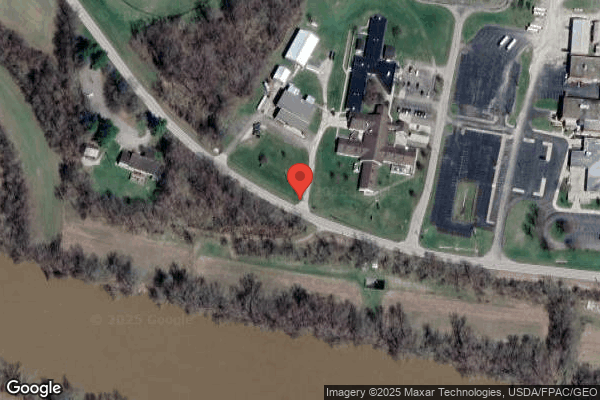
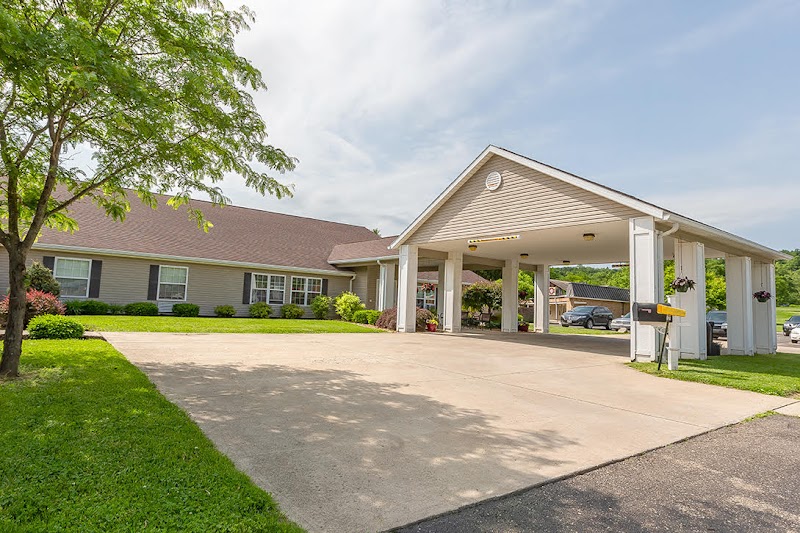
856 SOUTH RIVERSIDE DRIVE, MCCONNELSVILLE, OH 43756 (740) 962-5303
For profit - Corporation 50 Beds CONTINUING HEALTHCARE SOLUTIONS Data: November 2025
Trust Grade
20/100
#765 of 913 in OH
Last Inspection: June 2025

Inspected within the last 6 months. Data reflects current conditions.

Overview

Riverside Landing Nursing and Rehabilitation has received a Trust Grade of F, indicating significant concerns about the facility's operations and care quality. Ranking #765 out of 913 nursing homes in Ohio places it in the bottom half, while it is the only option in Morgan County, making it difficult for families seeking better alternatives. The facility is showing improvement, reducing issues from 29 in 2024 to 11 in 2025, but it still has significant weaknesses, such as a staffing rating of only 1 out of 5 stars and a troubling turnover rate of 69%, well above the Ohio average. The facility has incurred $35,565 in fines, which is concerning, and it has less RN coverage than 84% of Ohio facilities, which can negatively impact resident care. Specific incidents include a serious case of abuse where one resident was physically harmed by another and failures to provide adequate RN coverage, which could compromise the safety and well-being of all residents. While the quality measures rating is excellent, families should consider both the strengths and weaknesses before making a decision.

Trust Score
F
20/100
In Ohio
#765/913
Bottom 17%
Safety Record
High Risk
Review needed
Inspections
Getting Better
29 → 11 violations
Staff Stability
⚠ Watch
69% turnover. Above average. Higher turnover means staff may not know residents' routines.
Penalties
○ Average
$35,565 in fines. Higher than 68% of Ohio facilities. Some compliance issues.
Skilled Nurses
⚠ Watch
Each resident gets only 23 minutes of Registered Nurse (RN) attention daily — below average for Ohio. Fewer RN minutes means fewer trained eyes watching for problems.
Violations
⚠ Watch
70 deficiencies on record. Higher than average. Multiple issues found across inspections.
★★☆☆☆
2.0
Overall Rating
★☆☆☆☆
1.0
Staff Levels
★★★★★
5.0
Care Quality
★★☆☆☆
2.0
Inspection Score
Stable
2024: 29 issues
2025: 11 issues

The Good

  • 5-Star Quality Measures · Strong clinical quality outcomes
  • Full Sprinkler Coverage · Fire safety systems throughout facility
  • No fines on record

Facility shows strength in quality measures, fire safety.

The Bad

2-Star Overall Rating

Below Ohio average (3.2)

Below average - review inspection findings carefully

Staff Turnover: 69%

23pts above Ohio avg (46%)

Frequent staff changes - ask about care continuity

Federal Fines: $35,565

Above median ($33,413)

Moderate penalties - review what triggered them

Chain: CONTINUING HEALTHCARE SOLUTIONS

Part of a multi-facility chain

Ask about local staffing decisions and management

Staff turnover is elevated (69%)

21 points above Ohio average of 48%

The Ugly 70 deficiencies on record

1 actual harm
Jun 2025 11 deficiencies
CONCERN (D)

Potential for Harm - no one hurt, but risky conditions existed

Free from Abuse/Neglect (Tag F0600)

Could have caused harm · This affected 1 resident

**NOTE- TERMS IN BRACKETS HAVE BEEN EDITED TO PROTECT CONFIDENTIALITY** Based on review of a facility self reported incident (SRI), review of the facility's related investigation, staff interview, and...

Read full inspector narrative →
**NOTE- TERMS IN BRACKETS HAVE BEEN EDITED TO PROTECT CONFIDENTIALITY** Based on review of a facility self reported incident (SRI), review of the facility's related investigation, staff interview, and policy review, the facility failed to ensure a resident was free from physical abuse when another resident with a history of aggressive behaviors struck the resident in the face. This affected one (Resident #1) of two residents reviewed for abuse. Findings include: Review of an SRI with the tracking number 249042 revealed an allegation of physical abuse was made on [DATE]. The initial source of the allegation was from a staff member and the alleged perpetrator was identified as being another resident. The involved residents identified included Resident #1 (alleged victim) and Resident #9 (alleged perpetrator). Both residents were indicated to have been able to provide meaningful information when interviewed. Resident #1 was indicated to have a scratch on his face by his nose and Resident #9 was indicated not to have any injury or harm to him. The narrative summary of the incident revealed both residents were in the dining room when Resident #9 got very angry when he was not able to get through. Resident #1's chair battery had died, so he was not able to move. Resident #9 was trying to maneuver around Resident #1, but was getting very irritated with him. When Resident #9 went to go around Resident #1, Resident #1 was shaking his finger/ fist at him (Resident #9) in his face. Resident #9 then struck Resident #1 in the face and knocked his glasses off. Resident #9 admitted that Resident #1 did not hit him, but was reaching over trying to hit him and shaking his fist. Resident #1 had a rough time communicating, but stated he did not hit the other resident. The two residents were separated immediately and the investigation was started. The residents were put on heightened monitoring. Skin assessments were completed. Resident #1 was the only one of the two with an injury (scratch on the side of his nose). As a result of the facility's investigation, they unsubstantiated the allegation as the evidence indicated that abuse did not occur. The facility's investigator was the prior Administrator, who no longer worked in the facility. Review of the facility's investigation revealed statements were obtained from the two involved residents from an interview by the facility's prior administrator. A typed statement of Resident #1's interview revealed he reported Resident #9 hit him. Resident #1 denied saying anything to Resident #9 and denied shaking his fist at him or trying to swing at him. His electric wheelchair was dead and would not move. A statement obtained from Resident #9 on [DATE] revealed he reported Resident #1 had his wheelchair stopped in the middle of the isle. The wheelchair battery was dead, so he was not able to move. Resident #9 began yelling at Resident #1 and they had a verbal altercation. Resident #9 stated that Resident #1 started shaking his fist at him (like he was going to hit him) and he (Resident #9) hit his (Resident #1's) face and knocked his glasses off. A Personal witness statement from Dietary Employee #300 (undated) revealed she witnessed Resident #1 and Resident #9 fight. She watched Resident #9 hit Resident #1 in the dining room. She then got the nurse and informed her the residents were fighting. She observed the incident when she was putting the smoking materials up, after taking the residents out for a smoking break. She denied she saw Resident #1 hit Resident #9 during the altercation. She then observed Resident #9 drive off while saying what had happened. A clarification statement was added at the end of the witness statement by the prior administrator that indicated the staff member saw Resident #9 hit Resident #1, but did not see Resident #1 hit Resident #9. A personal witness statement from Licensed Practical Nurse (LPN) #191 revealed on [DATE] at 4:00 P.M. she was passing medications in the hallway when Dietary Employee #300 came to her and said Resident #9 and Resident #1 were in the dining room fighting. Upon the nurse entering the dining room, Resident #9 was leaving. The nurse asked Resident #1 what happened and he said Resident #9 slapped him. She assessed Resident #1 and left dietary with him while she went to the administrator to report it. The facility's investigation file included the face sheet and diagnoses of the involved residents. Resident #1's diagnoses included hemiplegia affecting his right dominant side, aphasia (speech difficulty), Alzheimer's disease, dementia without behavioral disturbances, bipolar disorder, contracture of the muscle of the right upper arm/ right leg and right hand, a brain injury as a result of a motor vehicle accident, and dependence on a wheelchair. A BIMS Evaluation completed on [DATE] at 4:10 P.M. revealed the resident was cognitively intact with a BIMS of 13. A skin assessment dated [DATE] at 5:14 P.M. revealed Resident #1 was noted to have a small scratch noted to his right nares. No bleeding was noted. First aid was provided to include cleansing and leaving the scratch open to air. They included his care plan for an alteration in mood and behavior related to being easily angered at times. It was updated on [DATE] to reflect he liked to shake his fist at other residents. Resident #9's face sheet revealed he was admitted to the facility on [DATE]. His diagnoses included paraplegia, unspecified psychosis, anxiety disorder, depression, and panic disorder. A BIMS evaluation completed on [DATE] at 4:11 P.M. revealed he was cognitively intact with a BIMS of 15. A skin assessment completed on [DATE] at 5:17 P.M. revealed the resident had no injuries. A copy of Resident #9's care plans the facility included in the investigation file noted the resident had a care plan in place for an alteration in mood with depression and anxiety related to being easily annoyed, angered at placement and care, persistent anger with others, and showing physical aggression with items in his room. His care plan was updated on [DATE] to reflect the resident to be hitting other residents. The interventions included calmly, but firmly remind the resident of unacceptable behaviors as warranted and to ensure his basic needs were met when noted having increased agitation and anxiety such as pain/ hunger/ thirst/ toileting needs etc. Review of the facility's history of their SRI's revealed Resident #9 had a prior resident to resident altercation noted to have occurred on [DATE]. It involved him hitting another resident, but that incident of him hitting another resident was in response to him being hit first by the other resident. On [DATE] at 8:50 A.M., an interview with LPN #191 revealed she was the floor nurse working on [DATE] when the resident to resident altercation occurred between Resident #1 and #9. She denied she was present in the dining room when the altercation occurred, but recalled a dietary employee came and got her. When she went to the dining room, Resident #9 was leaving and Resident #1's glasses were noted to be crooked on his face. She reported Resident #1 was laughing about the incident. The dietary employee reported Resident #9 hit Resident #1. She assessed Resident #1 and noted he had a small scratch on the side of his nose. It looked like the scratch that was caused by his metal framed glasses. Resident #9 said Resident #1 was sitting in his electric wheelchair and would not move, after they came in from smoking. She told Resident #9 that was no reason to put his hands on someone. They separated the two and placed them on heightened monitoring. She was not aware of Resident #9 having had prior altercations with any residents, but she had only worked there for a couple of months at that time. He (Resident #9) had not been involved with any resident to resident altercations since she had been there. She could not recall if Resident #9 had anything in his care plans about any prior resident to resident altercations, or if he was known to have aggressive behaviors. She stated she notified the administrator of the incident and the administrator and the assistant directors of nursing (ADON's) at the time took over from there. She gave her statement for the facility's investigation. She was asked what she would consider to be physical abuse. She stated it would be anytime someone put their hands on another without consent. She was not sure how to answer if she felt this incident was physical abuse, as she said Resident #1 was laughing about it. She then stated she was not sure if Resident #9 physically put his hands on Resident #1 or if he only made contact with Resident #1's glasses. She then stated but anytime you put your hands on someone it would be considered physical abuse, if the other resident did not allow them to. She then reported she did not really recall if the dietary employee reported to her if the residents were just arguing or if the dietary employee actually saw Resident #9 hit his glasses. She reported the dietary employee mentioned no longer worked there and she could not even recall her name. She was not aware of what the dietary employee had said about the incident when giving her statement. On [DATE] at 9:06 A.M., an interview with the Director of Nursing (DON) revealed she had only been the facility's interim DON since [DATE]. She was not the DON when the incident occurred between Resident #1 and #9. She reviewed the SRI and the statements obtained by the facility's prior administrator as part of the facility's investigation. She indicated that she likely would not have substantiated the allegation of physical abuse either based on there not being a willful intent to harm the other resident. She was informed the definition of willful intent was changed from an intent to cause harm to a deliberate act. She acknowledged hitting someone in the face would be a deliberate act. She stated their corporate nurse would have more information, as she would have been part of that investigation, and was there at the time the resident to resident altercation occurred. On [DATE] at 9:15 A.M., an interview with Regional Director of Quality Assurance #210 revealed she was serving in her current role as the Regional Director of Quality Assurance when the incident occurred between Resident #1 and #9. She was provided the SRI report and statements obtained from Resident #1 and #9. She supported the facility's prior Administrator not substantiating the allegation of physical abuse due to no willful intent to harm Resident #1 by Resident #9. She acknowledged the definition of willful intent did not mean that Resident #9 intended to harm Resident #1, but the act was deliberate. Hitting another resident was a deliberate act. She felt the incident was provoked by Resident #1, who allegedly raised his fist to the other resident and attempted to hit him. She felt Resident #9's response was reactionary. She agreed residents in the facility had the right to be free from physical abuse and physical abuse included one resident hitting another, no matter if that resident was provoked or not. Review of the facility's abuse policy revealed the facility prohibited physical abuse. Residents would not be subjected to abuse by anyone. Abuse was defined as the willful infliction of injury with resulting physical harm, pain, or mental anguish. Physical abuse included but was not limited to hitting, slapping, pinching, kicking, and controlling behavior through corporal punishment. Under prevention, residents identified to be potentially abusive should have an individualized care plan with interventions in an effort to prevent abuse, as well as possible psychological services. After all possible interventions were implemented, if the potentially abusive resident continued to be considered threatening to other residents, then the facility would issue a transfer in accordance with government regulations. Under protection, the facility recognizes it was obligated to keep it's residents safe and to protect them from any harm to whatever extent possible and within acceptable standards of practice.
CONCERN (D)

Potential for Harm - no one hurt, but risky conditions existed

Deficiency F0605 (Tag F0605)

Could have caused harm · This affected 1 resident

**NOTE- TERMS IN BRACKETS HAVE BEEN EDITED TO PROTECT CONFIDENTIALITY** Based on record review, staff interview, and policy review, the facility failed to ensure residents did not have psychotropic me...

Read full inspector narrative →
**NOTE- TERMS IN BRACKETS HAVE BEEN EDITED TO PROTECT CONFIDENTIALITY** Based on record review, staff interview, and policy review, the facility failed to ensure residents did not have psychotropic medications ordered on an as needed basis (prn) limited to an initial 14 day order and only extended with a face to face evaluation of the resident with a clinical rationale as to why the prn psychotropic medication should be extended. They also failed to ensure non-pharmacological interventions (NPI's) were attempted prior to the use of an anti-psychotic medication intramuscularly (IM) ordered on a prn basis. This affected two (Resident #13 and #37) of five residents reviewed for unnecessary medications. Findings include: 1. Review of Resident #37's medical record revealed she was admitted to the facility on [DATE]. Her diagnoses included schizo-affective disorder (a mental health condition including schizophrenia and mood disorder symptoms), bipolar disorder, anxiety disorder, depression, and insomnia. Review of Resident #37's physician's orders revealed the resident had an order in place for the use of Zyprexa (an anti-psychotic medication used in the treatment of schizophrenia, bipolar disorder, and depression) 10 milligrams (mg) with directions to inject IM every 24 hours prn for agitation related to schizo-affective disorder x 180 days. The order was last updated on 04/17/25 and was not to end until 10/14/25. Review of Resident #37's pharmacy recommendations revealed the facility's consulting pharmacist recommended the physician review the resident's order for the use of Zyprexa to be given on a prn basis. The pharmacy recommendations were made as a result of a medication regimen review on 09/05/24 and 04/06/25. The pharmacist included a copy of the regulation under 483.45(e)(4) that indicated prn orders for psychotropic medications were limited to 14 days and requested that the physician note the new regulations which went into effect on 11/28/17. The pharmacist further indicated the new guidelines required a progress note from the prescriber for continued use that included how the medication was being used, a clinical rationale, and a time frame for when the prn medication would be reviewed again (suggesting a review again in 90 days). The pharmacy recommendation did not communicate to the physician that the use of anti-psychotics on an as needed basis was limited to a 14 day period and could not be renewed without an evaluation by the prescriber. The prescriber (psychiatrist) responded to the recommendation and only provided direction to order the prn IM Zyprexa x 180 days. The last recommendation was addressed by the prescriber on 04/16/25, which was why the current order was to be extended through 10/14/25. Review of Resident #37's medication administration records (MAR's) for December 2024 through April 2025 revealed the resident was given her Zyprexa IM on a prn basis 12 times during that five month period. 10 out of the 12 times the prn Zyprexa was administered IM, there was no evidence of any NPI's being attempted prior to the administration of the IM Zyprexa. Doses given without evidence of NPI's being attempted prior to it's administration included 12/12/24 at 8:07 A.M., 01/10/25 at 5:39 P.M., 01/18/25 at 9:04 A.M., 01/20/25 at 7:05 P.M., 01/27/25 at 9:21 A.M., 01/29/25 at 2:50 P.M., 02/03/25 at 11:00 A.M., 02/04/25 at 7:25 A.M., 03/03/25 at 9:39 A.M., and 04/05/25 at 10:18 P.M. On 06/05/25 at 2:30 P.M., an interview with the Director of Nursing (DON) confirmed Resident #37 had an order to receive Zyprexa 10 mg IM ordered every 24 hours prn for agitation related to schizo-affective disorder. She confirmed the resident has had the prn Zyprexa IM ordered on a couple of different occasions that exceeded 14 days. She further confirmed Resident #37's psychiatrist had been ordering the prn anti-psychotic for 180 days at a time. She stated she attempted to discuss the extended orders for prn psychotropic medications with the psychiatrist and had been told by the psychiatrist that he knew the regulations. It was told to her that the initial order was required to be for 14 days. If it was needed to be extended then the physician/ prescriber would have to see the resident and could order for an additional 14 days. At that time, if the prn psychotropic medication was to be extended again, the physician/ prescriber would have to re-evaluate the resident and then could order the medication for up to 180 days. She was informed the regulations addressed prn orders for anti-psychotics separate from prn psychotropics. The regulations for prn anti-psychotics specified a limitation of a 14 day order for use of anti-psychotics used on a prn basis with no exception. She acknowledged if the physician/ prescriber wanted to continue the use beyond 14 days, they would have to evaluate the resident at the end of the 14 days and re-order the medication for an additional 14 days. She was then informed of the 10 doses of the prn Zyprexa IM that had been given to Resident #37 between 12/12/24 and 04/05/25 that had no evidence of any NPI's being attempted prior to the use of the use of the prn IM Zyprexa. She stated she would reach out to see if she had any additional guidance from her physician/ psychiatrist or pharmacist regarding the use of the prn Zyprexa greater than 14 days. She would also look to see if they could find any evidence of NPI's being attempted prior to the use of the prn Zyprexa that was administered IM. However, no additional information was provided. Review of the facility's policy on Psychotropic Drug and Unnecessary Drug Use undated revealed the facility would use psychotropic drug therapy only when appropriate to enhance the resident's quality of life, while maximizing functional potential and well being of the resident. Qualified staff would assess the resident for the use of psychotropic medications quarterly and develop a comprehensive care plan that addressed behavioral and medication management with NPI's and pharmacological interventions. PRN orders for anti-psychotic medications were limited to 14 days and would not be renewed unless the attending physician or prescribing practitioner evaluated the resident in person, for the appropriateness of that medication. 2. Review of Resident #13's medical record revealed an admission date of 03/25/25, a re-entry date of 04/12/25 and diagnoses including an unspecified fracture of the sacrum, stomach cancer, neuropathy, anemia, hypertension, and anxiety. Resident #13 was a hospice client. Review of Resident #13's admission Minimum Data Set (MDS) assessment dated [DATE] revealed a Brief Interview for Mental status score of 13 indicating Resident #13 had intact cognition and had received antianxiety medication in the MDS assessment time frame. Review of Resident #13's physician orders revealed an order dated 05/19/25 for Xanax 0.5 milligrams by mouth every eight hours as needed for anxiety. The Xanax order had no end date to indicate the length of time the medication could be used for. Further review of Resident #13's physician orders revealed an order dated 06/03/25 for lorazepam 0.5 milligrams by mouth every eight hours as needed for anxiety. The lorazepam order had no end date to indicate the length of time the medication could be used for. In an interview on 06/05/25 at 11:14 A.M. the Director of Nursing (DON) verified the orders for the as needed medications Xanax and lorazepam did not have an end date to indicate the duration of use for the medications.
CONCERN (D)

Potential for Harm - no one hurt, but risky conditions existed

Assessment Accuracy (Tag F0641)

Could have caused harm · This affected 1 resident

**NOTE- TERMS IN BRACKETS HAVE BEEN EDITED TO PROTECT CONFIDENTIALITY** 3. Review of Resident #1's medical record revealed the resident was admitted to the facility on [DATE]. His diagnoses included a...

Read full inspector narrative →
**NOTE- TERMS IN BRACKETS HAVE BEEN EDITED TO PROTECT CONFIDENTIALITY** 3. Review of Resident #1's medical record revealed the resident was admitted to the facility on [DATE]. His diagnoses included adult onset diabetes mellitus. Review of Resident #1's quarterly MDS assessment dated [DATE] revealed the resident was coded as having received an insulin injection during the seven day assessment period (05/19/25- 05/25/25). Section N. ) of the MDS (Medications) coded the resident as having received one insulin injection during the last seven days. Review of Resident #1's medication administration record (MAR) for May 2025 revealed there was no evidence of the resident having been given any insulin between 05/19/25 and 05/25/25. The resident was only noted to have received Trulicity that was given as a subcutaneous (SQ) injection, but Trulicity was not considered to be an insulin. Review of a drug reference information from Medscape on Trulicity revealed it was classified as an antidiabetic, Glucagon-like Peptide-1 Agonist used in the treatment of adults with adult onset (type 2) diabetes mellitus. It acted as a GLP-1 receptor agonist to increase insulin secretion in the presence of elevated blood glucose. It was not classified as an insulin, as it only promoted the pancreas to secrete insulin naturally. 4. Review of Resident #3's medical record revealed the resident was admitted to the facility on [DATE]. His diagnoses included adult onset diabetes mellitus. Review of Resident #3's quarterly MDS dated [DATE] indicated the resident had received an insulin injection during the seven day assessment period of 04/15/25 through 04/21/25. Section N. ) of the MDS indicated that he had received one insulin injection during that seven day period. Review of Resident #3's medication administration record (MAR) for April 2025 revealed there was no evidence of the resident having been given any insulin between 04/15/25 and 04/21/25. He was noted to have an order for Wegovy given as a SQ injection, but that was not an insulin injection. In addition, the resident had refused the dose of Wegovy that was scheduled to be received on 04/16/25. No injections had been given to the resident during that time. Review of a drug reference information from Medscape on Wegovy revealed it was classified as an antidiabetic, Glucagon-like Peptide-1 Agonist used in the treatment of adults with adult onset (type 2) diabetes mellitus. It acted as a GLP-1 receptor agonist to increase insulin secretion in the presence of elevated blood glucose. It was not classified as an insulin, as it only promoted the pancreas to secrete insulin naturally. On 06/10/25 at 11:04 A.M., an interview with the Director of Nursing (DON) confirmed Resident #1 and Resident #3's quarterly MDS assessments were not coded accurately under the medication section of the MDS. She acknowledged both Wegovy and Trulicity, although given for diabetes mellitus, was not classified as insulin and should not have been coded on the MDS as such. She suspected the two MDS nurses, who had completed those MDS assessments, just did not realize Trulicity and Wegovy were not classified as insulin. Based on record review and interview the facility failed to ensure Minimum Data Set (MDS) assessments were accurate. This affected four residents (Resident #1, #2, #3 and #9) of 14 residents reviewed for accurate assessments. The facility census was 42. Findings include: 1. Review of Resident #2's medical record revealed an admission date of 04/28/25 and diagnoses including chronic obstructive pulmonary disease, dementia, dysphagia, hypothyroidism, hypertension, anxiety, schizoaffective disorder, and depression. Review of a care conference dated 04/29/25 and held with Resident #2 and her daughter revealed the resident had concerns about her broken lower denture. Review of Resident #2's admission Minimum Data Set (MDS) assessment dated [DATE] revealed a Brief Interview for Mental Status (BIMS) score of 15. Further review of the MDS revealed section L (Oral/Dental Status) question A regarding broken or loosely fitting full or partial denture was marked as no. In an interview on 06/02/25 at 4:21 P.M. Resident #2 stated that her dentures were broken at her previous facility. A follow-up interview on 06/04/25 at 3:54 P.M. revealed her bottom dentures were broken and her upper dentures were loose. She stated that she does not have any of her natural teeth. An observation made at the time of the interview revealed Resident #2 was wearing an upper denture but was edentulous on the bottom. In an interview on 06/05/25 at 11:11 A.M. the Director of Nursing (DON) verified the MDS section L question A was marked inaccurately. 2. Review of Resident #9's medical record revealed an admission date of 12/12/19, a re-entry/readmission date of 01/18/25 and diagnoses including acute respiratory failure, paraplegia, unspecified psychosis, asthma, and chronic hepatitis. Review of Resident #9's therapy records revealed an occupational therapy evaluation completed on 07/04/24 that indicated the resident did not require occupational therapy and referred/recommended the resident to the restorative nursing program. Review of Resident #9's annual Minimum Data Set (MDS) assessment dated [DATE] revealed a Brief Interview for Mental Status (BIMS) score of 15 and indicated that restorative nursing programs were performed for at least 15 minutes a day on five days for passive range of motion, active range of motion and bed mobility in the past seven days. Review of Resident #9's physicians orders for the past year revealed no orders for a restorative program. Review of Resident #9's medical record failed to reveal any documentation of restorative nursing program minutes being provided for passive range of motion, active range of motion or bed mobility in the past year. In an interview on 06/10/25 9:31 A.M. the Director of Nursing (DON) verified there was no documentation of restorative nursing program minutes being provided for passive range of motion, active range of motion or bed mobility in the past year could be found in Resident #9's medical record. The DON verified the restorative nursing programs, marked as being performed for at least 15 minutes a day on five days for passive range of motion, active range of motion and bed mobility in the past seven days on the 04/20/25 MDS assessment, were marked inaccurately.
CONCERN (D)

Potential for Harm - no one hurt, but risky conditions existed

PASARR Coordination (Tag F0644)

Could have caused harm · This affected 1 resident

**NOTE- TERMS IN BRACKETS HAVE BEEN EDITED TO PROTECT CONFIDENTIALITY** Based on record review, staff interview and policy review, the facility failed to ensure a Preadmission Screening and Resident R...

Read full inspector narrative →
**NOTE- TERMS IN BRACKETS HAVE BEEN EDITED TO PROTECT CONFIDENTIALITY** Based on record review, staff interview and policy review, the facility failed to ensure a Preadmission Screening and Resident Review (PASRR) Identification Screen submitted to the state Department of Medicaid was completed accurately to reflect all the resident's mental illness diagnoses. This affected one (Resident #17) of one residents reviewed for PASRR. Findings include: Review of Resident #17's medical record revealed she was admitted to the facility on [DATE]. Her diagnoses included paranoid schizophrenia, bipolar disorder, anxiety disorder, and other specified depressive disorder. All listed diagnoses were in place at the time of her admission on [DATE]. Review of a PASRR Identification Screen completed for Resident #17 on 04/26/24 revealed the resident review was completed for a significant change in condition that was deemed to be a decline. Section E. ) of the identification screen included indications of serious mental illness. The assessor was to check all the listed diagnoses that applied. The assessor failed to check the box for a mood disorder despite the resident having the diagnoses of Bipolar disease, which was a mood disorder. The identification screen was completed by Social Service Designee #141. Review of the PASRR result notice for the PASRR Identification Screen completed for Resident #17 on 04/26/24 revealed the results of that screen was received on 04/26/24. A referral had been made for a Level II evaluation (an evaluation completed to determine the need for any specialized services while residing in the facility. Review of the results of the Level II evaluation for Resident #17 dated 05/17/24 from the state Department of Developmental Disabilities Division of Medicaid Development and Administration revealed based on the information reviewed describing the resident's current physical and medical needs, as well as her functional abilities, they made two determinations. The first determination was that the resident required the level of services provided by a nursing facility and the resident may continue to reside in the nursing facility. The second determination was that the resident did not need specialized services provided or arranged by the county board at that time. Further review of Resident #17's medical record revealed another PASRR Identification Screen had been completed on 06/02/25. Again, that PASRR Identification Screen indicated the identification screen was completed for a significant change in condition for a decline. Section E. ) of the identification screen, where the assessor (SSD #141) documented the resident's mental disorders, included a mood disorder that had not been identified during the prior PASRR screen completed on 04/26/24. Again, a referral had been made for a Level II evaluation. As of the time of the PASRR review, the results of that Level II evaluation was still pending. On 06/03/25 at 1:05 P.M., an interview with SSD #141 revealed she completed the second PASRR Identification Screen on 06/02/25 for Resident #17, after she completed a self audit on PASRR's the prior week, and noted the the resident's PASRR Identification Screen completed on 04/26/24 was not completed accurately. She claimed she did the self audits on PASRR's every three or four months to ensure they were all completed accurately. She reported the prior PASRR Identification Screen did not accurately reflect Resident #17 had a mood disorder despite her having Bipolar disorder. She denied she had any documented evidence to support she recognized the inaccuracy of the resident's prior PASRR, as part of a self audit last week. She was asked, if she had noted the PASRR was not accurate the previous week, then why was an updated PASRR Identification Screen not completed prior to 06/02/25. She stated she had several that were not accurate and needed new PASRR's completed. She further acknowledged, if she was completing PASRR audits every three to four months as indicated, the resident's inaccurate PASRR completed on 04/26/24 should have been identified as being inaccurate prior to 06/02/25. She confirmed the resident's results notice for her Level II evaluation was still pending. Review of the facility's policy on PASRR updated 01/01/19 revealed the purpose of the policy was to assure that all admissions to the nursing facility were screened for indications of serious mental illness or developmental disabilities in an effort to prevent inappropriate admissions to the nursing facility. The Admissions Director or designee would complete the resident review (RR) if the resident had experienced a significant change in condition. All level I and level II residents with newly diagnosed or possible serious mental disorder, intellectual disability, or a related condition for level II would be referred for resident review to the Ohio Department of Aging or appropriate required organization upon a significant change in status assessment.
CONCERN (D)

Potential for Harm - no one hurt, but risky conditions existed

Comprehensive Care Plan (Tag F0656)

Could have caused harm · This affected 1 resident

**NOTE- TERMS IN BRACKETS HAVE BEEN EDITED TO PROTECT CONFIDENTIALITY** Based on record review and interview, the facility failed to develop a comprehensive care plan for catheter care. This affected ...

Read full inspector narrative →
**NOTE- TERMS IN BRACKETS HAVE BEEN EDITED TO PROTECT CONFIDENTIALITY** Based on record review and interview, the facility failed to develop a comprehensive care plan for catheter care. This affected one resident (#6) of one sampled for catheter use. The facility census was 42. Findings include: Review of Resident #6's medical record revealed an admission date of 10/12/24 and diagnoses including malignant neoplasm of endometrium, diabetes, chronic obstructive pulmonary disease, lumbosacral disorder, fibromyalgia, hypertension, anemia, protein-calorie malnutrition, neurogenic bladder, and lumbosacral plexus disorder. Review of Resident #6's annual Minimum Data Set (MDS) assessment dated [DATE] revealed a Brief Interview for Mental Status (BIMS) score of 15, indicating intact cognition and reflected the use of an indwelling (urinary) catheter. Review of Resident #6's physician orders revealed the following orders dated 02/10/25: monitor urine for color, consistency and odor every shift, may irrigate catheter with 30 cubic centimeters (cc) of normal saline every 24 hours as needed for blockage; the resident has #16 french (size of catheter) with 10 cc indwelling catheter for the diagnosis of urinary retention, catheter care every shift, ensure privacy bag is in place, and may change catheter and catheter bag every 30 days or as needed for blockage. Review of Resident #6's care plan revealed no care plan in place for catheter care. In an interview on 06/09/25 at 2:14 P.M. the Director of Nursing (DON) verified there was not a care plan in place for catheter care.
CONCERN (D)

Potential for Harm - no one hurt, but risky conditions existed

Deficiency F0657 (Tag F0657)

Could have caused harm · This affected 1 resident

**NOTE- TERMS IN BRACKETS HAVE BEEN EDITED TO PROTECT CONFIDENTIALITY** 3. Review of Resident #37's medical record revealed she was admitted to the facility on [DATE]. Her diagnoses included hypertens...

Read full inspector narrative →
**NOTE- TERMS IN BRACKETS HAVE BEEN EDITED TO PROTECT CONFIDENTIALITY** 3. Review of Resident #37's medical record revealed she was admitted to the facility on [DATE]. Her diagnoses included hypertension and urinary retention. Review of Resident #37's active care plans revealed the resident had a care plan in place for receiving diuretic therapy related to acute renal failure. The care plan was initiated on 04/28/24. The goal was for the resident to be free from any discomfort or adverse reactions while receiving diuretic therapy through the review date. The target date was 08/13/25. Interventions included the need to administer medications as ordered. Review of Resident #37's active physician's orders revealed the resident did not have an order in place for the use of any diuretics. Review of her discontinued orders revealed the resident had not been on a diuretic medication since 06/26/24, when a diuretic had been discontinued. On 06/04/25 at 10:10 A.M., an interview with the facility's Director of Nursing (DON) confirmed Resident #37's active care plans reflected she had the use of a diuretic related to acute renal failure. She acknowledged the resident had not been on a diuretic for almost a year now. She further acknowledged the resident's active care plans should have been revised to reflect she was no longer receiving diuretic therapy. Based on record review, observation and interview the facility failed to revise comprehensive resident care plans to reflect current care and treatment. This affected one resident (#13) of one sampled for falls and two residents (#37 and #39) of five sampled for unnecessary medications. The facility census was 42. Findings include: 1. Review of Resident #13's medical record revealed an admission date of 03/25/25, a re-entry date of 04/12/25 and diagnoses including an unspecified fracture of the sacrum, stomach cancer, neuropathy, anemia, hypertension, and anxiety. Further review revealed Resident #13 was a hospice client. Review of Resident #13's admission Minimum Data Set (MDS) assessment dated [DATE] revealed a Brief Interview for Mental Status (BIMS) score of 13 indicating Resident #13 had intact cognition and had not experienced falls. Review of Resident #13's medical record revealed she had fallen on 04/07/25 at 11:15 P.M. while in the bathroom. Resident #13 stated she was turning to dry her hands and lost her balance. Review of Resident #13's fall care plan revealed the following interventions were in place to minimize the potential risk factors related to falls and fall related injuries: facility staff was to offer to help the resident with toileting before bed (implemented on 04/07/25), commonly used items such as the resident's water cup, remote control, and call light were to be kept within easy reach of the resident (implemented on 04/15/25), and a visual cue (sign) was to be placed in the room to remind the resident to use her call light for assistance with transfers and ambulation (implemented on 04/15/25). An observation on 06/03/25 at 5:00 P.M. revealed there was no visual cue (sign) in Resident #13's room to remind the resident to use her call light for assistance with transfers and ambulation. In an interview on 06/03/25 at 5:00 P.M. Certified Nursing Assistant (CNA) #134 stated Resident #13 always rang her call light for assistance and waited for facility staff to help her. CNA #134 further stated that was probably why she did not have a visual cue (sign) in her room. In an interview on 06/03/25 at 5:13 P.M. Social Services Designee (SSD) #181 stated the visual cue (sign) was not in the room because Resident #13 was upset by it and found it demeaning when it was placed in her room. SSD #181 further stated the intervention for the visual cue (sign) was supposed to have been removed from the care plan on 04/15/25. In an interview on 06/03/25 at 5:13 P.M. the Director of Nursing (DON) confirmed the intervention of a visual cue (sign) was to be placed in the room to remind the resident to use her call light for assistance with transfers and ambulation remained on Resident #13's care plan. 2. Review of Resident #39's medical record revealed an initial admission date of 08/03/24, a discharge date of 01/05/25, a re-entry/readmission date of 03/16/25 and diagnoses including chronic respiratory failure, acute respiratory failure, diabetes, depression, heart failure, atrial fibrillation, bradycardia, unspecified protein-calorie malnutrition, end stage renal disease, and an unspecified fracture of the shaft of the left humerus. Further review revealed Resident #39 was a hospice client. Review of Resident #39's admission Minimum Data Set (MDS) assessment dated [DATE] revealed a Brief Interview for Mental Status (BIMS) score of 15 indicating the resident's cognition is intact. Further review of the MDS revealed Resident #39 was receiving hospice services. Review of a hospice visit note dated 05/21/25 revealed the resident requested a sling for her left arm related to swelling. Review of Resident #39's physician orders revealed an order dated 05/23/25 for a sling to the left arm as needed and as the resident will tolerate for pain or swelling. Review of Resident #39's care plan revealed no mention of the sling to the left arm as needed for pain and swelling. In an interview on 06/05/25 at 4:20 P.M. Director of Nursing (DON) confirmed the sling to the left arm for pain and swelling was not reflected on Resident #39's care plan.
CONCERN (D)

Potential for Harm - no one hurt, but risky conditions existed

Pressure Ulcer Prevention (Tag F0686)

Could have caused harm · This affected 1 resident

**NOTE- TERMS IN BRACKETS HAVE BEEN EDITED TO PROTECT CONFIDENTIALITY** Based on record review, staff interview, and policy review, the facility failed to ensure a resident's pressure ulcer was assess...

Read full inspector narrative →
**NOTE- TERMS IN BRACKETS HAVE BEEN EDITED TO PROTECT CONFIDENTIALITY** Based on record review, staff interview, and policy review, the facility failed to ensure a resident's pressure ulcer was assessed weekly for measurements and evidence of healing. This affected one (Resident #28) of three residents reviewed for pressure ulcers. Findings include: Review of Resident #28's medical record revealed the resident was admitted to the facility on [DATE]. His diagnoses included a motor vehicle accident with a fracture of the pelvis, adult onset diabetes mellitus with diabetic neuropathy and a foot ulcer, protein-calorie malnutrition, anemia, and peripheral vascular disease. Review of Resident #28's progress notes revealed a note dated 04/25/25 at 10:41 A.M. by the wound nurse practitioner that indicated the resident had a deep tissue pressure injury (DTPI) to the left heel that was present upon his admission. A DTPI was a localized area of discolored, intact skin, or a blood filled blister due to underlying soft tissue damage from pressure and/ or shear. The discolored area was typically purple or maroon in color. Review of Resident #28's active care plans revealed the resident had a care plan in place for having an actual impaired skin integrity/ pressure ulcer related to a DTPI on his left heel. The care plan was initiated on 04/18/25. The interventions included the need to complete a skin assessment and documentation per the facility's policy. Review of Resident #28's weekly wound assessments of the DTPI to the left heel revealed the pressure ulcer was assessed on 04/25/25, 05/08/25, 05/22/25, 05/29/25, and 06/05/25. The subsequent assessments continued to classify the pressure ulcer as a DTPI and showed evidence of healing. There was no evidence of any weekly assessment of the DTPI being completed on 05/02/25 or on 05/15/25. Review of Resident #28's progress notes revealed no explanation as to why weekly wound assessments of the DTPI on the left heel was not assessed on 05/02/25 or on 05/15/25. The resident was not noted to be out of the facility on those days or known to have refused any assessment of the left heel pressure ulcer. On 06/09/25 at 1:30 P.M., an interview with Licensed Practical Nurse (LPN) #191 revealed she was the employee that rounded with the wound nurse practitioner weekly. The weekly wound assessments were completed on Thursdays. She obtained measurements on that day when the wound nurse practitioner assessed the wound. Wounds were to be assessed every seven days for measurement purposes and to monitor for healing. She denied she was working when Resident #28 did not have his DTPI to the left heel assessed on 05/02/25 or on 05/15/25. She was off work during those times due to an excused work absence. She reported the facility's prior Minimum Data Set (MDS) nurse and acting interim Director of Nursing (DON) at the time should have assessed the resident's wound. Neither employee she mentioned was still working in the facility. On 06/09/25 at 3:10 P.M., an interview with the facility's current interim DON confirmed Resident #28 was admitted with the DTPI to the left heel. She acknowledged there was no documented evidence of the facility's nursing staff assessing the resident's pressure ulcer on 05/02/25 or on 05/15/25. She was not able to provide any additional documentation for evidence of the facility assessing the resident's wound to the left heel on those days. She stated that was during the time LPN #191 was off of work and no one else documented the wound as having been assessed. Review of the facility's policy on Pressure Ulcers revised April 2016 revealed the purpose of the policy was for the facility to assess each resident with skin conditions and measure the skin areas as was indicated in the regulatory guidelines and NPUAP (National Pressure Ulcer Advisory Panel) guidelines. The information was taken from the revised version of the Quick Reference Guide by NPUAP. Review of the facility's policy on Pressure Ulcer Prevention and Risk Identification undated revealed, if a new skin area was identified on an assessment or during any other type of care or service, the licensed nurse would initiate a skin grid/ measurement flow record. The skin grid would then be updated every seven days until the area was resolved.
CONCERN (D)

Potential for Harm - no one hurt, but risky conditions existed

Deficiency F0688 (Tag F0688)

Could have caused harm · This affected 1 resident

**NOTE- TERMS IN BRACKETS HAVE BEEN EDITED TO PROTECT CONFIDENTIALITY** Based on record review and interview, the facility failed to provide recommended restorative programs for a resident. This affec...

Read full inspector narrative →
**NOTE- TERMS IN BRACKETS HAVE BEEN EDITED TO PROTECT CONFIDENTIALITY** Based on record review and interview, the facility failed to provide recommended restorative programs for a resident. This affected one resident (#9) of two residents reviewed for rehabilitative services. The facility census was 42. Findings include: Review of Resident #9's medical record revealed an admission date of 12/12/19, a re-entry/readmission date of 01/18/25 and diagnoses including acute respiratory failure, paraplegia, unspecified psychosis, asthma, and chronic hepatitis. Review of Resident #9's therapy records revealed an occupational therapy evaluation completed on 07/04/24 that indicated the resident did not require occupational therapy and referred/recommended the resident to the restorative nursing program. Review of Resident #9's medical record revealed a quarterly restorative assessment dated [DATE] that indicated the resident had been referred to the restorative nursing program by therapy, and that restorative nursing program was indicated for passive range of motion, active range of motion and bed mobility and would be continued. Further review of Resident #9's medical record failed to reveal any documentation of restorative nursing program minutes being provided for passive range of motion, active range of motion or bed mobility. Review of Resident #9's physicians orders for the past year revealed no orders for a restorative program. Review of Resident #9's annual Minimum Data Set (MDS) assessment dated [DATE] revealed a Brief Interview for Mental Status (BIMS) score of 15, indicating intact cognition and restorative nursing programs were performed for at least 15 minutes a day for five days related to passive range of motion, active range of motion and bed mobility in the past seven days. In an interview on 06/10/25 9:31 A.M. the Director of Nursing (DON) verified there was no documentation of restorative nursing program minutes being provided for passive range of motion, active range of motion or bed mobility found in Resident #9's medical record. The DON further verified the restorative nursing programs for passive range of motion, active range of motion and bed mobility were not being provided.
CONCERN (D)

Potential for Harm - no one hurt, but risky conditions existed

Drug Regimen Review (Tag F0756)

Could have caused harm · This affected 1 resident

Based on record review, staff interview, and policy review, the facility failed to ensure pharmacy recommendations were appropriately implemented when agreed upon by the physician. This affected one (...

Read full inspector narrative →
Based on record review, staff interview, and policy review, the facility failed to ensure pharmacy recommendations were appropriately implemented when agreed upon by the physician. This affected one (Resident #37) of five residents reviewed for unnecessary medications/ monthly medication regimen reviews. Findings include: Review of Resident #37's medical record revealed the resident was admitted to the facility 04/27/24. Her diagnoses included hypothyroidism. Review of Resident #37's physician's orders revealed the resident had an order in place to receive Levothyroxine Sodium 75 micrograms (mcg) by mouth (po) every morning for hypothyroidism. The resident also had an order to receive Ferrous Sulfate 325 milligrams (mg) po every morning and Magnesium Oxide 400 mg po every morning as supplements. Review of Resident #37's pharmacy recommendations revealed the facility's contracted pharmacist made recommendations following monthly reviews of the resident's medication regimen. There were two recommendations made by the pharmacist that addressed the administration time for the Levothyroxine Sodium in relation to the administration times of the Ferrous Sulfate and the Magnesium Oxide. A pharmacy recommendation for Resident #37 dated 06/11/24 revealed the pharmacist requested the physician to evaluate and consider modification of the current administration times for Levothyroxine Sodium (Synthroid) one tablet po every day between the hours of 4:00 A.M. and 6:00 A.M., Ferrous Sulfate one tablet po every day between the hours of 7:00 A.M. and 10:30 A.M., and Magnesium Oxide 400 mg po twice a day between the hours of 7:00 A.M. to 10:30 A.M. and again between 8:00 P.M. and 11:30 P.M. The pharmacist explained due to the potential for binding, administration of Synthroid was recommended to be administered first thing in the morning, at least 30 minutes prior to all other medications, and separated by at least four hours from Iron and Magnesium containing products. The nurse practitioner responded to the recommendation on 06/13/24 and agreed with the recommendation. A second pharmacy recommendation for Resident #37 dated 10/03/24 revealed the facility's contracted pharmacist again requested the physician evaluate the resident and consider modification of the current administration times for Synthroid and Ferrous Sulfate. The same explanation, as to the potential for binding with the administration of Synthroid concurrently or within four hours of Iron and Magnesium containing products, was included for the physician's consideration. The physician reviewed the recommendation and agreed to it on 10/09/24. Review of Resident #37's electronic medication administration records (eMAR's) for October and November 2024 revealed the facility continued to administer the resident's Levothyroxine Sodium within four hours of her Ferrous Sulfate and Magnesium Oxide. The resident's Levothyroxine Sodium had an administration time of every 24 hours as did the Ferrous Sulfate. The nurses initialed the eMAR under the day the medications were administered and recorded the time of the administration inside the box where they entered their initials. Out of the 30 days in which the resident received the medications, four times the Levothyroxine and the Ferrous Sulfate were administered at the same time. 24 times the two medications were documented as having been administered within four hours from one another. Only two of the 30 times the resident was given those medications were the administration times separated by four hours as recommended by the pharmacist and agreed upon by the physician and/ or nurse practitioner. The Magnesium Oxide 400 mg was set up for administration in the am. It was not clear what time the Magnesium Oxide was given and if it was separated by at least four hours from the Levothyroxine administration time. One of the 30 times the resident was given Levothyroxine, had the administration time of 8:59 P.M. and was not administered first thing in the morning as recommended by the pharmacist and ordered by the physician. Review of Resident #37's eMAR for June 2025 revealed the resident continued to receive Levothyroxine, Ferrous Sulfate, and Magnesium Oxide. The administration times for all three were set for early and they were being administered at the same time. The facility was not following the pharmacist's previous two recommendations or the physician's orders regarding the separation of administration times of the Levothyroxine from Ferrous Sulfate and Magnesium. Findings were verified by Regional Director of Quality Assurance #210. On 06/03/25 at 3:24 P.M., an interview with Regional Director of Quality Assurance #210 revealed she suspected Resident #37's administration times for the Levothyroxine, Ferrous Sulfate, and the Magnesium got changed during one of the resident's hospitalizations. She acknowledged two separate recommendations had been made by their contracted pharmacist pertaining to the administration times of those medications with the latest being on 10/03/24. She was informed the eMAR for November 2024 showed the medications were being given within four hours of each other prior to the resident going out to the hospital in the middle of the month. She was not able to explain why the times of administration for all three medications were set for early on the June 2025 eMAR. She acknowledged administering the Levothyroxine within four hours of the other two medications could affect the Levothyroxine's absorption. Review of the facility's policy on Consultant Pharmacist Services Provider Requirements dated October 2007 revealed regular and reliable consultant pharmacist services were to be provided to the residents. Medication regimen reviews were to be completed monthly for each resident in the skilled nursing facility. They were to communicate to the responsible prescriber and the director of nursing or actual problems detected and other findings related to medication therapy orders at least monthly. They were also to assist nursing care center staff in outlining medication administration schedules to maximize the effectiveness and to avoid potential interactions. The policy did not address the need for the facility staff to implement the recommendations as made and agreed to by the physician.
CONCERN (D)

Potential for Harm - no one hurt, but risky conditions existed

Antibiotic Stewardship (Tag F0881)

Could have caused harm · This affected 1 resident

**NOTE- TERMS IN BRACKETS HAVE BEEN EDITED TO PROTECT CONFIDENTIALITY** Based on record review and interview, the facility failed to follow protocols for the use of an antibiotic to treat a urinary tr...

Read full inspector narrative →
**NOTE- TERMS IN BRACKETS HAVE BEEN EDITED TO PROTECT CONFIDENTIALITY** Based on record review and interview, the facility failed to follow protocols for the use of an antibiotic to treat a urinary tract infection. This affected one resident (#6) of one residents reviewed for catheter use. The facility census was 42. Findings include: Review of Resident #6's medical record revealed an admission date of 10/12/24 and diagnoses including malignant neoplasm of endometrium, diabetes, chronic obstructive pulmonary disease, lumbosacral disorder, fibromyalgia, hypertension, anemia, protein-calorie malnutrition, neurogenic bladder, and lumbosacral plexus disorder. Review of Resident #6's annual Minimum Data Set (MDS) assessment dated [DATE] revealed a Brief Interview for Mental Status (BIMS) score of 15, indicating intact cognition. The resident also had an indwelling catheter. Review of Resident #6's progress notes revealed on 05/19/25 at 11:06 P.M. an order was obtained to obtain a urine specimen for urinalysis and culture and sensitivity related to the resident having cloudy urine with an abnormal smell. On 05/20/25 at 3:04 A.M. the urine specimen was obtained. Further review of Resident #6's progress notes revealed on 05/22/25 at 3:00 P.M. the urine specimen results were reported to the resident's primary care provider. Review of Resident #6's urine culture revealed two organisms were grown. Klebsiella pneumoniae 70-99,000 CFU/ml (colony-forming units per milliliter) and proteus mirabilis 70-99,000 CFU/ml (colony-forming units per milliliter). Review of Resident #6's physicians orders revealed an order on 05/22/25 for ciprofloxacin 500 milligrams by mouth two times a day for five days for urinary tract infection. Review of the facility's criteria for urinary tract infection (UTI) surveillance revealed Resident #6 did not meet the criteria for a UTI as her culture did not have greater than 100,000 CFU/ml (colony-forming units per milliliter) of any organism. In an interview on 06/09/25 at 2:14 P.M. the Director of Nursing (DON) verified Resident #6 was treated for a urinary tract infection that did not meet the facility's criteria for a UTI as her culture did not have greater than 100,000 CFU/ml (colony-forming units per milliliter) of any organism.
CONCERN (E)

Potential for Harm - no one hurt, but risky conditions existed

Deficiency F0805 (Tag F0805)

Could have caused harm · This affected multiple residents

Based on review of the facility's cycle menu/ spreadsheet, observation, and staff interview, the facility failed to ensure residents were served meals in a form that met their needs. This had the pote...

Read full inspector narrative →
Based on review of the facility's cycle menu/ spreadsheet, observation, and staff interview, the facility failed to ensure residents were served meals in a form that met their needs. This had the potential to affect seven residents (Resident #1, #10, #16, #19, #23, #41, and #95) of seven residents who the facility identified as being on a mechanical soft diet. Findings include: Review of the cycle menu for the Summer of 2025 revealed the residents were to receive chicken parmesan, spaghetti noodles, Italian blend mixed vegetables, choice of a roll, and cake. The spread sheet that went along with the cycle menu revealed the residents on a mechanical soft diet were to receive four ounces of chopped Italian blend mixed vegetables as part of their meal. On 06/04/25 at 12:10 P.M., an observation of the tray line for the lunch meal served revealed the facility had three different diets that were being provided to the residents. Of the three different diets, seven residents were ordered to receive mechanical soft diets. Each type of diet was observed to be served. The first mechanical soft diet was dipped from the steam table to be served to Resident #41, who was eating her meal in the dining room. Dietary [NAME] #204 was noted to dip the tray from the steam table and placed the Italian blend mixed vegetables on a plate for Resident #41. She did not chop the Italian blend mixed vegetables, as was indicated to be required on the cycle menu's spreadsheet. The tray was placed on an open cart and another dietary aide was in the process of taking it out to the dining room to be served. Dietary Manager #188 was asked to verify if the Italian blend mixed vegetables that were being served to Resident #41 were supposed to be chopped. She verified the spreadsheet for the cycle menu did indicate the vegetables were to be chopped. She contacted the facility's dietitian and confirmed the vegetables needed to be chopped for those residents requiring a mechanical soft diet.
May 2024 28 deficiencies
CONCERN (D)

Potential for Harm - no one hurt, but risky conditions existed

Resident Rights (Tag F0550)

Could have caused harm · This affected 1 resident

**NOTE- TERMS IN BRACKETS HAVE BEEN EDITED TO PROTECT CONFIDENTIALITY** Based on observation, record review, facility policy review and interview, the facility failed to provide care in a dignified ma...

Read full inspector narrative →
**NOTE- TERMS IN BRACKETS HAVE BEEN EDITED TO PROTECT CONFIDENTIALITY** Based on observation, record review, facility policy review and interview, the facility failed to provide care in a dignified manner for Resident #3 related to the use of a urinary catheter. This affected one resident (#3) of two residents reviewed for catheters. The facility census was 46. Findings included: Record review revealed Resident #3 admitted to the facility on [DATE] with diagnoses including chronic obstructive pulmonary disease, hypertensive heart and chronic kidney disease with heart failure, type II diabetes, and neuromuscular dysfunction of bladder. Review of the resident's physician's orders revealed an order (dated 03/18/23) for Resident #3 to monitor and maintain 16 French 10 cubic centimeter (cc) indwelling catheter related to neurogenic bladder. On 04/23/24 at 8:45 A.M. Resident #3 was observed laying in bed and his urinary catheter bag was hanging from a lower bar of the bed, uncovered and half full of yellow urine which was visible from the hallway. Interview with Resident #3 at the time of the observation revealed it was concerning to him the catheter bag was not covered because it was supposed to be placed in a black bag. The resident stated staff only used the black bag when he was in his wheelchair. Resident #3 stated it was embarrassing to have his catheter bag uncovered. Observation on 04/24/24 at 9:43 A.M. revealed Resident #3 was resting in his bed with his catheter bag hanging from a lower bar of the bed, uncovered and with a small amount of yellow urine visible from the hallway. On 04/29/24 at 8:27 A.M. Resident #3 was observed resting in bed with his catheter bag hanging from a lower bar of the bed, uncovered and half full of yellow urine and visible from the hallway. State Tested Nursing Assistant (STNA) #332 confirmed Resident #3 did not have a dignity cover on his catheter bag at that time. Observation of 05/01/24 at 8:51 A.M. revealed Resident #3 resting in bed, his catheter was uncovered, half full of yellow urine, and visible from the hallway. Review of an undated policy titled Foley Catheter Care revealed staff should place the place Foley catheter drainage bag inside of a Foley catheter privacy bag.
CONCERN (D)

Potential for Harm - no one hurt, but risky conditions existed

Safe Environment (Tag F0584)

Could have caused harm · This affected 1 resident

**NOTE- TERMS IN BRACKETS HAVE BEEN EDITED TO PROTECT CONFIDENTIALITY** Based on observation, record review, facility policy review and interview, the facility failed to ensure residents were provided...

Read full inspector narrative →
**NOTE- TERMS IN BRACKETS HAVE BEEN EDITED TO PROTECT CONFIDENTIALITY** Based on observation, record review, facility policy review and interview, the facility failed to ensure residents were provided a clean, comfortable and homelike environment. This affected three residents (#3, #17, and #23) of three residents reviewed for environment. The facility census was 46. Findings included: 1. Record review revealed Resident #3 admitted to the facility on [DATE] with diagnoses including chronic obstructive pulmonary disease, hypertensive heart and chronic kidney disease with heart failure, type II diabetes, and neuromuscular dysfunction of bladder. On 04/23/24 at 8:40 A.M. interview with Resident #3 revealed concerns related to the condition of his room. The resident revealed he could not recall his floors being stripped or waxed since he had been in the room and thought the floors looked dirty and scuffed up. Observation of the floors at the time of the interview revealed the floors had several black scuffs from Resident #3's bedside to the doorway along with small amounts of debris on the floor and dark stains. On 04/30/24 at 4:24 P.M. during a tour with Maintenance Director (MD) #358, MD #358 confirmed Resident #3's floors in his room needed to be cleaned, stripped and waxed. Interview on 04/30/24 at 4:41 P.M. with Housekeeping Director #305 revealed due to short staffing, the facility had not been able to keep up with stripping and waxing floors but stated they had been working on getting caught up. Review of a policy titled Housekeeping Policy/Procedure dated 12/28/13 revealed the facility should be maintained and cleaned to meet a homelike environment for the residents. 2. Record review revealed Resident #23 admitted to the facility on [DATE] with diagnoses including chronic obstructive pulmonary disease, acute respiratory failure with hypoxia, hemiplegia, and depression. Observation on 04/22/24 at 11:46 A.M. revealed a crack in the floor under Resident #23's bed filled with a large amount of dark brown and black unidentifiable substance. On 04/30/24 at 4:24 P.M. during a tour with Maintenance Director (MD) #358, MD #358 confirmed the flooring in Resident #23's room was separating and accumulating a dark brown and black substance. Interview on 04/30/24 at 4:41 P.M. with Housekeeping Director #305 revealed due to short staffing, the facility had not been able to keep up with stripping and waxing floors but stated they had been working on getting caught up. Review of a policy titled Housekeeping Policy/Procedure dated 12/28/13 revealed the facility should be maintained and cleaned to meet a homelike environment for the residents. 3. Record review revealed Resident #17 admitted to the facility on [DATE] with diagnoses including senile degeneration of brain, dementia with behaviors, type II diabetes, and osteoarthritis. Observations made on 04/30/24 at 4:24 P.M. during a tour with Maintenance Director (MD) #358 revealed Resident #17's room had a faux leather recliner with the top layer of fabric peeling off scattered across the chair. MD #358 confirmed Resident #17's recliner was in disrepair and did not make the room feel home-like. Review of a policy titled Housekeeping Policy/Procedure dated 12/28/13 revealed the facility should be maintained and cleaned to meet a homelike environment for the residents.
CONCERN (D)

Potential for Harm - no one hurt, but risky conditions existed

Deficiency F0604 (Tag F0604)

Could have caused harm · This affected 1 resident

**NOTE- TERMS IN BRACKETS HAVE BEEN EDITED TO PROTECT CONFIDENTIALITY** Based on record review, observations, interview and facility policy review, the facility failed to ensure Resident #1 was free o...

Read full inspector narrative →
**NOTE- TERMS IN BRACKETS HAVE BEEN EDITED TO PROTECT CONFIDENTIALITY** Based on record review, observations, interview and facility policy review, the facility failed to ensure Resident #1 was free of restraints. This affected one resident (#1) of one resident reviewed for restraints. The facility census was 46. Findings included: Record review revealed Resident #1 admitted to the facility on [DATE] with diagnoses including intracranial injury with loss of consciousness greater than 24 hours with return to pre-existing conscious level, hemiplegia affecting right dominant side, and type II diabetes. Observation on 04/22/24 at 9:44 A.M. revealed Resident #1 in his motorized wheelchair with a seatbelt on. Observation on 04/24/24 at 11:31 A.M. revealed Resident #1 in his wheelchair with a seatbelt on. Interview on 04/24/24 at 2:34 P.M. with Licensed Practical Nurse (LPN) #327 revealed the facility did not have anyone with restraints in place, and the only type of assessments in place would be paperwork for bed rails. LPN #327 confirmed Resident #1 had a seatbelt on while in his wheelchair. Interview on 04/24/24 at 2:39 P.M. with LPN #361 revealed the seatbelt for Resident #1 was not considered a restraint since he is able to release it himself. LPN #361 confirmed there were no orders or assessments for a seatbelt to Resident #1's wheelchair. Review of an undated policy titled Restraint Management and Reduction revealed when a resident is admitted to the facility with a restraint order, the nurse completes a restraint assessment, establishes a plan, obtains a physician's order, obtains consent, and updates the care plan prior to implementing the plan. The physician's order for restraint use must specify the type, medical diagnosis, timeframe, parameters for use, and frequency of checking and removing. The facility is responsible for obtaining the informed consent from the responsible party and must document information regarding the restraint in the medical record.
CONCERN (D)

Potential for Harm - no one hurt, but risky conditions existed

Report Alleged Abuse (Tag F0609)

Could have caused harm · This affected 1 resident

**NOTE- TERMS IN BRACKETS HAVE BEEN EDITED TO PROTECT CONFIDENTIALITY** Based on record review, review of facility self-reported incidents (SRI's), staff interview, and review of the facility policy, ...

Read full inspector narrative →
**NOTE- TERMS IN BRACKETS HAVE BEEN EDITED TO PROTECT CONFIDENTIALITY** Based on record review, review of facility self-reported incidents (SRI's), staff interview, and review of the facility policy, the facility failed to report allegations of abuse to the state agency in a timely manner for Residents #8 and #2, and an injury of unknown origin for Resident #17. This affected three (#8, #2, and #17) of six residents reviewed for abuse. The facility census was 46. Findings include: 1. A review of Resident #8's medical record revealed he was admitted to the facility on [DATE] with diagnoses including paraplegia; unspecified psychosis not due to a substance or known physiological condition; anxiety disorder; depression; panic disorder; abnormal posture; muscle wasting and atrophy; muscle weakness; and generalized anxiety disorder. Review of SRI tracking number 244564 and the facilities investigation dated 02/26/24 revealed the incident was discovered on 02/25/24 that there was a physical altercation between Resident #8 and another male resident. The SRI was not reported to the state agency until 02/26/24. Further review of the staff statements dated 02/25/24 revealed the incident occurred on 02/24/24 at 3:30 P.M. Review of the staff education dated 02/26/24 revealed staff were educated on the abuse policy and reporting abuse timely to the direct supervisor. The education was provided by the Administrator and Assistant Director of Nursing (ADON) #361. There was no evidence the Administrator was educated on reporting the abuse timely to the state agency per the facilities policy. Interview on 04/30/24 at 4:12 P.M., with the Administrator confirmed the SRI was reported late to the state agency. The Administrator reported she had educated staff on reporting abuse timely. The incident happened on 02/24/24, the investigation started on 02/25/24, however the incident was not reported to the state agency until 02/26/24. Review of the facilities Abuse policy, dated 05/2018, revealed all allegations of abuse or serious bodily injury would be reported to the state agency as soon as possible, but no more than two hours after the alleged incident was discovered. Reports of all allegations not involving abuse or serious bodily injury must not exceed 24 hours. 2. Record review revealed Resident #2 admitted to the facility on [DATE] with diagnoses including traumatic hemorrhage of cerebrum, spastic hemiplegia affecting left nondominant side, type II diabetes, bipolar disorder, panic disorder, and anxiety disorder. Review of the quarterly Minimum Data Set (MDS) assessment dated [DATE] revealed Resident #2 had mild cognitive impairment, had physical and verbal behaviors daily, and required maximum assistance for bed mobility and transfers. Review of a personal witness statement by Licensed Practical Nurse (LPN) #328 dated 12/14/23 revealed LPN #328 was sitting in the nurse's station charting when she heard screaming from the dining room, she went to the dining room, and Resident #2 stated she had screamed due to another resident slapping her in the mouth, there was no swelling or redness noted. LPN #328 stated another male resident was in the dining area and witnessed Resident #2 getting slapped. Interview on 04/24/24 at 3:31 P.M. with the Administrator confirmed a male resident slapped Resident #2 but it was not reported because there was no harm to either resident. 3. Record review revealed Resident #17 admitted to the facility on [DATE] with diagnoses including senile degeneration of the brain, dementia with behaviors, major depressive disorder, and anxiety disorder. Review of the quarterly MDS assessment completed on 02/05/24 revealed Resident #17 had severely impaired cognitive function, had delusions, physical behaviors four to six days a week, verbal behaviors one to three days a week, wandered daily, and required maximum assist to dependent assistance from staff for activities of daily living (ADL). Review of a nursing note on 04/11/24 at 3:47 P.M. by LPN #361 revealed staff reported the top of Resident #17's left hand was swollen and red. Resident #17 was unable to explain what happened but upon palpation Resident #17 complained of pain with range of motion and was unable to make a fist without pain. Hospice was notified and gave a new order for an x-ray. Review of a nursing note dated 04/11/24 at 3:54 P.M. by LPN #361 revealed a mobile x-ray company was called for an x-ray to left hand for Resident #17. Review of a nursing note dated 04/12/24 at 1:08 P.M. by LPN #320 revealed the x-ray results were received for Resident #17's left hand, the on-call physician was notified and gave a new order for the resident to be sent to the hospital to get a splint. Review of a nursing note on 04/12/24 at 1:23 P.M. by LPN #320 revealed Resident #17's family was notified of a fracture of the left hand and recommendation to be sent to the hospital to get a splint. Interview on 04/30/24 at 8:43 A.M. with the Administrator confirmed Resident #17's injury of unknown origin was not reported to the state agency. The Administrator stated an investigation was completed and it was determined Resident #17 likely got her hand stuck in her wheelchair. Administrator stated they made the determination due to Resident #17 always having a tight grip on her wheels. The Administrator confirmed the injury was not observed and Resident #17 was unable to explain what happened. Review of the policy titled, Abuse, Neglect, and Exploitation of Residents and Misappropriation of Property, dated May 2018, revealed injuries of unknown source occur when the source of the injury was not observed by any person, the source of the injury could not be explained by the resident and the injury is suspicious because of the extent of the injury or the location of the injury.
CONCERN (D)

Potential for Harm - no one hurt, but risky conditions existed

Assessment Accuracy (Tag F0641)

Could have caused harm · This affected 1 resident

**NOTE- TERMS IN BRACKETS HAVE BEEN EDITED TO PROTECT CONFIDENTIALITY** 2. Record review revealed Resident #23 admitted to the facility on [DATE] with diagnoses including chronic obstructive pulmonary...

Read full inspector narrative →
**NOTE- TERMS IN BRACKETS HAVE BEEN EDITED TO PROTECT CONFIDENTIALITY** 2. Record review revealed Resident #23 admitted to the facility on [DATE] with diagnoses including chronic obstructive pulmonary disease, acute respiratory failure with hypoxia, hemiplegia and hemiparesis following cerebral infarction affecting left non-dominant side, and dementia. Review of a quarterly MDS assessment dated [DATE] revealed Resident #23 had intact cognition, had adequate hearing, and adequate vision. Review of a care plan dated 10/31/23 revealed Resident #23 had an alteration in visual function related to wearing glasses. Goals included having no injuries, feeling safe and secure in the environment, and maintaining current visual function. Interventions included ensuring eyeglasses were clean, in good repair, and appropriately worn by the resident, and scheduling eye exams as necessary. Interview on 04/22/24 at 11:42 A.M. with Resident #23 revealed his vision was impaired and he could hardly read the words on the television. Resident #23 stated he had asked for an appointment but did not receive one. Interview on 04/23/24 at 4:14 P.M. with Resident #23 revealed he still has glasses, but they do not work very well. Interview on 04/25/24 at 3:17 P.M. with Social Services Designee (SSD) #347 revealed she completed section B of the MDS which evaluates residents' ability to communicate. SSD #347 stated she does not ask residents questions or ask them to read anything to determine their visual function. SSD #347 stated she uses observations to determine how to code the MDS for communication, or she will pull the information from the previously completed MDS. SSD #347 stated she was unaware Resident #23 needed new glasses because she did not think it looked like he was struggling to see. Review of Section B of the Resident Assessment Instrument 3.0 Manual revealed steps for assessing a residents' vision include asking family, caregivers, or direct care staff over all shifts if possible about the resident's usual vision patterns during the seven-day look back period; then ask the resident about their visual habits; to test the accuracy of findings, ensure the resident's customary visual appliance for close vision is in place, ensure adequate lighting, ask the resident to look at regular-sized print in a book or newspaper then ask them to read aloud. 3. A review of Resident #8's medical record revealed he was admitted to the facility on [DATE] with diagnoses including paraplegia; unspecified psychosis not due to a substance or known physiological condition; anxiety disorder; depression; panic disorder; abnormal posture; muscle wasting and atrophy; muscle weakness; and generalized anxiety disorder. Review of Resident #8's dental plan of care dated 05/16/22 revealed the resident had dental caries and abscess teeth. Interventions included to coordinate arrangement for dental care, monitor for any dental problems needing attention, and providing mouth care. Review of Resident #8's significant change MDS assessment dated [DATE] revealed the resident has no dental issues. Review of Resident #8's dental note dated 07/26/23 revealed the resident had generalized caries and broken teeth, and the resident requested that all his teeth be pulled. Interview and observations on 04/23/24 at 11:10 A.M. and 05/01/24 at 10:40 A.M., with Resident #8 revealed his teeth were in poor condition, and he was supposed to see a specialist last year to have all his teeth extracted. The resident declined to let the surveyor observe his teeth, but pointed to one tooth, and the tooth was noted to be discolored and partially broken. Interview on 05/01/24 at 2:55 P.M., with the MDS Nurse #335 confirmed the MDS dated [DATE] was inaccurately coded due to the residents' broken teeth and having caries per the dental notes and care plan at the time the MDS was completed. The MDS nurse reported she was not the MDS nurse at time. Based on record review and staff interview, the facility failed to ensure Minimum Data Set (MDS) assessments were completed accurately to reflect a resident's dental status, vision status, proper diagnoses, and medications received. This affected three residents (#8, #23, and #31) of 22 residents reviewed for assessments. Findings include: 1. Review of Resident #31's medical record revealed she was admitted to the facility on [DATE] with diagnoses including vascular dementia and hemiplegia and hemiparesis following a stroke (CVA) affecting his right dominant side. Review of Resident #31's physician's orders revealed the resident was receiving Atorvastatin (medication used to lower blood cholesterol levels) 80 milligrams (mg) by mouth (po) every night at bedtime for hyperlipidemia (high cholesterol in the blood). The Atorvastatin had been in place since 03/15/23. The resident also used Plavix (an anti-platelet) 75 mg po every morning for a CVA. The resident's physician's orders did not reveal the use of an anticoagulant. Review of Resident #31's quarterly MDS assessment dated [DATE] revealed not all of the resident's diagnoses were properly coded on the MDS assessment. Section (I.) that documented the resident's diagnoses had a place for the assessor to identify the resident as having hyperlipidemia. The box was not checked to reflect that as one of the resident's diagnoses despite the resident being on Atorvastatin and receiving that medication during the seven-day assessment period. Section (N.), that documented medication classifications the resident had received during the seven-day assessment period, was also not completed accurately. The resident was indicated to have received an anticoagulant despite an anticoagulant not being received during that time. Findings were verified by Registered Nurse (RN) #310, who was the facility's MDS Coordinator. On 04/29/24 at 10:06 A.M., an interview with RN #310 confirmed she did not include the diagnosis of hyperlipidemia on Resident #31's quarterly MDS assessment completed on 04/15/24 despite the resident receiving Atorvastatin every night at bedtime for hyperlipidemia and had been during the seven-day assessment period. She also confirmed Resident #31 being marked as having received an anticoagulant was in error as the resident only received Plavix, which was an anti-platelet.
CONCERN (D)

Potential for Harm - no one hurt, but risky conditions existed

PASARR Coordination (Tag F0644)

Could have caused harm · This affected 1 resident

**NOTE- TERMS IN BRACKETS HAVE BEEN EDITED TO PROTECT CONFIDENTIALITY** Based on record reviews, interviews and facility policy review, the facility failed to ensure Pre-admission Screening and Reside...

Read full inspector narrative →
**NOTE- TERMS IN BRACKETS HAVE BEEN EDITED TO PROTECT CONFIDENTIALITY** Based on record reviews, interviews and facility policy review, the facility failed to ensure Pre-admission Screening and Resident Reviews (PASRRs) reviews for Residents #6 and #17 were accurate. This affected two residents (#6 and #17) of two residents reviewed PASRRs. The facility census was 46. Findings included: 1. Record review revealed Resident #6 admitted to the facility on [DATE] with diagnoses including dementia, chronic obstructive pulmonary disease, hypertension, anxiety disorder, obsessive compulsive disorder (OCD), mild cognitive impairment, major depression. Diagnoses of anorexia nervosa and psychosis were added on 01/04/23. Review of a PASRR dated 03/28/24 revealed Resident #6 had a mood disorder and a panic disorder but did not list Resident #6's diagnoses of psychosis or anorexia nervosa. Interview on 04/25/24 at 3:39 P.M. with Social Services Designee (SSD) #347 confirmed Resident #6's most recent PASRR did not list diagnoses of anorexia nervosa or psychosis. 2. Record review revealed Resident #17 admitted to the facility on [DATE] with diagnoses including senile degeneration of the brain, dementia with behaviors, major depressive disorder, anxiety disorder, bipolar disorder. A diagnosis of psychosis was added on 07/20/22. Review of a PASRR dated 08/02/23 revealed Resident #17 had a mood disorder, anxiety disorder, and a personality disorder but did not list Resident #17's diagnosis of psychosis. Interview on 04/25/24 at 3:39 P.M. with SSD #347 confirmed Resident #17's PASRR did not list psychosis as a diagnosis. Review of a policy titled Pre-Admission, dated 03/24/20, revealed all level one and level two residents with newly diagnosed or possible serious mental disorder will be referral for a resident review to the Ohio Department of Aging or appropriate organization upon significant change in status assessment.
CONCERN (D)

Potential for Harm - no one hurt, but risky conditions existed

ADL Care (Tag F0677)

Could have caused harm · This affected 1 resident

**NOTE- TERMS IN BRACKETS HAVE BEEN EDITED TO PROTECT CONFIDENTIALITY** Based on record review, observations, interviews, and facility policy review, the facility failed to provide nail care for Resid...

Read full inspector narrative →
**NOTE- TERMS IN BRACKETS HAVE BEEN EDITED TO PROTECT CONFIDENTIALITY** Based on record review, observations, interviews, and facility policy review, the facility failed to provide nail care for Resident #1, who was dependent on staff for assistance with hygiene. This affected one resident (#1) of three residents reviewed for personal hygiene. The facility census was 46. Findings included: Record review revealed Resident #1 admitted to the facility on [DATE] with diagnoses including other specified intracranial injury with loss of consciousness greater than 24 hours with return to pre-existing conscious level, hemiplegia affecting right dominant rise, type II diabetes, aphasia, hypertension, contracture of muscle of right upper arm and hand, and Alzheimer's disease. Review of a care plan dated 01/28/10 revealed Resident #1 had a self-care deficit related to brain injury with hemiparesis and mobility impairment with a goal of Resident #1 having his activity of daily living (ADL) needs met daily. Interventions included providing needed assistance with self-care daily. Review of a care plan dated 08/30/19 revealed Resident #1 required extensive assistance for personal hygiene and grooming. Review of the Minimum Data Set (MDS) assessment dated [DATE] revealed Resident #1 required maximum assistance for personal hygiene. Observation and interview on 04/22/24 at 9:44 A.M. with Resident #1 revealed he had long fingernails, he did not like to have long fingernails, and he could not recall the last time his nails were trimmed. Observation on 04/24/24 at 11:31 A.M. revealed Resident #1 continued to have long fingernails. Interview on 04/24/24 at 2:34 P.M. with Licensed Practical Nurse (LPN) #327 revealed fingernails should be trimmed when they get long or per resident request. LPN #327 confirmed Resident #1's fingernails needed to be trimmed. Review of an undated policy titled, Personal Care/Bathing revealed nails should be checked daily during the bathing process for cleanliness and trimmed every week and/or as needed usually after the shower.
CONCERN (D)

Potential for Harm - no one hurt, but risky conditions existed

Quality of Care (Tag F0684)

Could have caused harm · This affected 1 resident

**NOTE- TERMS IN BRACKETS HAVE BEEN EDITED TO PROTECT CONFIDENTIALITY** 2. Record review revealed Resident #27 admitted to the facility on [DATE] with diagnoses including paraplegia, emphysema, neurom...

Read full inspector narrative →
**NOTE- TERMS IN BRACKETS HAVE BEEN EDITED TO PROTECT CONFIDENTIALITY** 2. Record review revealed Resident #27 admitted to the facility on [DATE] with diagnoses including paraplegia, emphysema, neuromuscular dysfunction of the bladder, and need for assistance with personal care. Review of a quarterly Minimum Data Set (MDS) assessment completed on [DATE] revealed Resident #27's cognition remained intact, she did not have any behaviors, she was dependent on staff for toileting and hygiene, she had an indwelling urinary catheter, and she had frequent pain. Review of orders revealed Resident #27's indwelling urinary catheter had been discontinued. Review of a nursing note completed on [DATE] at 8:45 A.M. by Licensed Practical Nurse (LPN) #368 revealed Resident #27 complained of abdominal pain and lower back pain, and LPN #368 asked the Director of Nursing (DON) to have the ADON, LPN #361 address Resident #27's pain and to send her to the hospital if needed. Review of a nursing note dated [DATE] at 2:26 P.M. revealed Resident #27 was assessed by the nurse practitioner who approved Resident #27 to be sent to the hospital for abdominal and lower back pain. Review of a nursing note dated [DATE] at 4:01 P.M. revealed Resident #27 was sent to the hospital via squad due to complaints of abdominal and lower back pain. Review of a nursing note dated [DATE] at 10:56 P.M. revealed Resident #27 readmitted to the facility with orders for Levaquin 750 mg (antibiotic) for five days for a urinary tract infection, an indwelling urinary catheter was inserted, and bedtime medications were provided. Review of a history and physical note from the hospital on [DATE] revealed Resident #27 presented to the hospital with abdominal pain, right flank pain, and urinary tract infection-like symptoms. Due to paraplegia, they were unable to determine if Resident #27 was voiding all the way. Resident #27 was diagnosed with a urinary tract infection and antibiotics were started as well as a new indwelling urinary catheter. Observation and interview on [DATE] at 12:01 P.M. revealed Resident #27 lying in bed sobbing and stated she was in severe pain. Resident #27 stated she received her pain medication, and she does receive a low-dose Fentanyl patch (narcotic pain medication), but she is having breakthrough pain. Resident #27 stated she requested to go to the hospital but was denied because ADON, LPN #361 stated Resident #27 needed to wait for the nurse practitioner to come evaluate her. Resident #27 stated she has recurring urinary tract infections and kidney stones; her aide told her that her urethra was red and irritated. State Tested Nurse Aide (STNA) #313 was in the room at this time and confirmed. Resident #27 stated she used to have a catheter but due to the facility not performing peri-care properly and recurring infections, she no longer had the catheter. Resident #27 stated she was supposed to be straight cathed three times a day and the facility stopped doing that as well. Throughout the conversation, Resident #27 was crying, tears streaming down her face, and she was grimacing. Interview on [DATE] at 2:57 P.M. with LPN #368 revealed Resident #27 had complained of pain that morning and ADON, LPN #361 was supposed to address her concerns. LPN #368 stated she was unsure of what happened after LPN #368 talked to Resident #27, but she knew the nurse practitioner came in to assess Resident #27 and gave an order to send to the emergency department for evaluation. Interview on [DATE] at 4:08 P.M. with Resident #27 revealed she went to the hospital on [DATE] and the hospital gave her an indwelling urinary catheter because she was not voiding all the way on her own. Resident #27 stated when they inserted the catheter, she drained a chunky, yellow, milky substance and has felt much better since. Interview on [DATE] at 9:24 A.M. with Resident #34, Resident #27's roommate, revealed Resident #27 started to complain of pain over the previous weekend but did not let staff know she was in pain until Monday due to wanting to see her family. Resident #34 stated Resident #27 was told she would have to wait to talk to the nurse practitioner prior to receiving care. Resident #34 stated Resident #27 started crying around 8 A.M. on [DATE] and was not sent out until about 4:00 P.M. Resident #34 stated staff were in and out of their room all day so they were aware Resident #27 was crying in pain. Interview on [DATE] at 2:48 P.M. with STNA #313 revealed Resident #27 was upset and crying all day in pain. STNA #313 stated pain started around 7:00 A.M. to 7:30 A.M. on [DATE], and Resident #27 was grimacing and stating she would like to go to the hospital. STNA #313 stated Resident #27 was crying all day and asked staff to go to the hospital each time they came in her room. STNA #313 stated Resident #27 did not get to go to the hospital until later in the afternoon despite crying all day. STNA #313 stated Resident #27 was still crying while on the cot being taken out to the squad. Interview on [DATE] at 9:16 A.M. with ADON, LPN #361 revealed Resident #27 was complaining of pain on [DATE]. She has constant pain because she has kidney stones, but she receives plenty of pain medications for her weight. She stated Resident #27 was sleeping when she went into the room to talk to her, Resident #27 stated she had some discomfort in her lower back and thought it was the kidney stones again. The nurse practitioner was coming in so she could address it once she was there. She did not believe Resident #27 was in any pain or discomfort when she was sent out, Resident #27 is a frequent flier and goes to the hospital several times a month. She stated it was not reported to her Resident #27 was in severe pain and crying. Interview on [DATE] at 1:05 P.M. with LPN #368 revealed she saw Resident #27 later in the morning on [DATE], but she wasn't showing signs of pain or discomfort. Interview on [DATE] at 9:42 A.M. with ADON, LPN #361 revealed Resident #27's pain was not real pain because it was due to kidney stones, she was up daily, and she had a Fentanyl patch. Resident #27 was just trying to get more pain medications and wanted an as needed medication in between her scheduled pain medications. She did not see signs of pain for Resident #27 including facial grimacing and if she was in pain she would not be outside laying out, she would be in bed crying. Interview on [DATE] at 1:47 P.M. with ADON, LPN #361 revealed another resident was having pain rated at a zero but was given an as needed narcotic to address pain because they were not allowed to judge a resident's pain level, they just have to take their word. She stated it was different for Resident #27 because there was no as needed pain medication in place, she has pain medications around the clock and no signs of facial grimacing. Interview on [DATE] at 8:25 A.M. with STNA #351 revealed when she arrived at the facility on [DATE] at 7:00 A.M., she went into Resident #27's room, and she was crying and wanted to be sent to the hospital. STNA #351 stated she reported this to LPN #368 who told ADON, LPN #361 to address it. STNA #351 stated a couple hours later, Resident #27 was still crying, and it was reported again but she was told Resident #27 had to wait to be seen by the in-house nurse practitioner before she could leave. STNA #351 stated if she was not sent to the hospital by 2:30 P.M., her family would call an ambulance themselves. STNA #351 stated Resident #27's pain was a solid eight or nine and you could tell between fake and real tears so she could tell it was real for sure. STNA #351 stated the nurses do not listen to Resident #27 because she is paralyzed so they don't think she knows what's going on with her body. STNA #351 stated Resident #27, who is alert and oriented, should have been sent out when she asked. Review of an undated policy titled Status Change in Resident Condition-Notification revealed the facility should promptly notify the resident and their physician of the change. Based on record review, interview and facility policy review, the facility failed to ensure residents were provided timely care when a change of condition was noted, failed to ensure specialist appointments were made, and failed to ensure the bowel protocol was implemented timely. This affected one resident (#41) of two reviewed for hospitalization, one resident (#27) of six reviewed for pain management, and one resident (#32) of one reviewed for constipation. Findings included: 1. Record review revealed Resident #41 was admitted to the facility on [DATE] with diagnoses including dementia with behavioral disturbance, chronic obstructive pulmonary disease (COPD), acute respiratory failure with hypoxia, acute kidney failure, chronic kidney disease, hepatitis, and mental disorders. Review of Resident #41's admission assessment dated [DATE] revealed the resident was alert and oriented times three (person, place, and time), coherent, speech was clear, understood others, and able to make self-understand. a. Review of Resident #41's written orders dated [DATE] revealed the Nurse Practitioner (NP) wrote orders for a complete blood count (CBC) and Chem 8. There were no diagnoses or rational for order. Review of Resident #41's health status note dated [DATE] revealed the NP visited and new orders were received for labs (CBC and Chem 8) in the morning ([DATE]). The resident and resident representative were notified. Review of Resident #41's laboratory results revealed no evidence the CBC or Chem 8 was obtained on [DATE]. Review of Resident #41's Medication Administration Records (MAR) dated 09/2023 revealed the resident was ordered an Albuterol inhaler two puffs as needed every six hours for shortness of breath on admission. Further review revealed on [DATE] the resident used the inhaler, and it was unknown if it was effective. The resident used the inhaler on [DATE], [DATE], [DATE], and [DATE]. There was no documented evidence that a respiratory assessment (lung sounds, respiration, pulse, oxygen saturation) was completed prior to administering the as needed albuterol for shortness of breath. The resident also had an order on admission for Vistaril 25 milligrams (mg) (antihistamine used to treat allergies/anxiety) two tablets every four hours as needed for allergies/anxiety. The resident was administered the Vistaril 27 times in [DATE], however there was no indication if it was administered for anxiety or allergies. Review of Resident #41's health status note dated [DATE] at 11:30 P.M., revealed the resident has had cold symptoms for the past few days, but worsening today. The resident complained of sinus congestion and drainage with a runny nose and cough. At evening medication pass, the resident requested Vistaril for sinus drainage. It was noted that the resident didn't go out to smoke with the group but sat in chair. Resident #41 complained of feeling weak and short of breath, which was noticeable. Vital signs were checked and noted, pulse was 120 and oxygen saturation was 69%. The resident was placed on two liters of oxygen and oxygen saturation came up to 74%. The oxygen was increased to five liters, and the resident was placed on a simple mask. The resident's oxygen saturation increased to 84%. The physician was called and advised the resident be sent to the emergency room. The call was placed to 911. The squad arrived at 11:45 P.M. and transported the resident to the hospital. The resident was alert and oriented and pulse was in the 80's and oxygen saturation was 92%. Further review of the resident health status notes revealed no documented evidence the resident was having cold symptoms prior to the documented note on [DATE] at 11:30 P.M. or evidence the physician was notified the resident was having symptoms days prior. Review of health status note dated [DATE] at 2:55 A.M. revealed Resident #41 was admitted to the hospital with sepsis related to pneumonia. Review of Resident #41's emergency room summary dated [DATE] revealed the resident was seen and evaluated for 10 days of progressive cough and shortness of breath. The resident was reportedly found with an oxygen saturation of 68% on room air when the squad arrived at the facility. The resident doesn't wear oxygen at baseline. Upon arrival the resident was afebrile, with oxygen saturations in the low 90's on six liters via nasal cannula with mild accessory muscle used but speaking in full sentences. She was initially mildly tachycardic and she does have leukocytosis at 26.3 and does meet sepsis criteria. The chest x-ray shows evidence of multifocal pneumonia. Sepsis dose fluid bolus and antibiotics ordered. The resident will be admitted for multifocal pneumonia, sepsis, respiratory failure, and hypokalemia. Review of Resident #41's hospital notes dated [DATE] and [DATE] revealed for approximately 10 days the resident had a progressive cough and shortness of breath. The cough was initially dry, had become productive over the last 24 hours. The resident described the shortness of breath which was present during rest but worse with any sort of movement and cough. The squad reported they found her in her room with an oxygen saturation at 68% on room air. She did receive a breathing treatment while in route with considerable improvement of her breathing. Wheezing and rales were present. Review of Resident #41's plan of care revealed a respiratory plan of care was not initiated until [DATE]. Interview on [DATE] at 10:02 A.M., with Resident #41 revealed she was hospitalized for pneumonia and almost died because she kept telling the staff and doctor she wasn't feeling well, and they wouldn't listen to her. Interview on [DATE] at 9:28 A.M., with Assistant Director of Nursing (ADON) #361 confirmed the orders written on [DATE] were not obtained on [DATE] and the lab was there twice that week and verified the resident was sent to the hospital on [DATE] and was admitted on [DATE] with sepsis. Interview on [DATE] at 2:09 P.M., with Corporate Nurse (CN) #334 confirmed the health status note dated [DATE] indicated Resident #41 had had symptoms for two days, however there was no documented evidence the resident had symptoms. The resident had started to use the as needed Albuterol inhaler on [DATE] for shortness of breath, however the resident had a diagnosis of COPD, so it was unclear if the shortness of breath was new. Resident #41 was not skilled, so a daily assessment was not completed on the resident including respiratory assessments, however staff should have completed a respiratory assessment (assess lungs, respiration, pulse, and oxygen saturation) prior to administering the as needed Albuterol, however there was no documented evidence a respiratory assessment was completed prior to the administration of the Albuterol. The CN also confirmed there was no documented evidence why the resident was administered Vistaril for most of the administered doses. b. Review of Resident #41's hospital discharge records dated [DATE] revealed the resident was to follow up with gastroenterology (GI) for liver cirrhosis and outpatient neurosurgery for L3 compression fracture. Review of Resident #41's medical record revealed no evidence follow up appointments were arranged for GI or neurosurgery. Review of Resident #41's plan of care revealed on [DATE] a plan of care was initiated revealed the resident had a history of compression fracture. There was no intervention to arrange appointment for neurosurgery. Further review revealed no evidence a plan of care was initiated on [DATE] for cirrhosis. Interview on [DATE] at 2:09 P.M., with CN #334 confirmed there was no evidence the GI or neurosurgery consults were made per the hospital discharge orders on [DATE]. 3. Review of Resident #32's medical record revealed she was admitted to the facility on [DATE] with diagnoses including a history of a stroke, muscle weakness, difficulty walking, and unsteadiness on her feet. Review of the MDS assessment dated [DATE] revealed Resident #32 did not have any communication issues, and her cognition was moderately impaired. She did not receive any scheduled pain medication but did receive pain medication administered on an as needed basis. Review of Resident #32's care plans revealed she had a care plan in place for being at risk for constipation related to a decrease in her mobility. Her goal was for her to have a bowel movement at least every three days. The interventions included implementing the bowel protocol if no bowel movement after three days per the facility's policy. They were also to administer medications as ordered and to monitor for constipation. Review of Resident #32's physician's orders revealed she had an order in place to receive Senna Plus 8.6 mg -50 mg (laxative) by mouth twice a day for constipation. She also had an order to receive a Bisacodyl Rectal Suppository 10 mg (laxative) rectally every 24 hours as needed (PRN) for constipation. Review of Resident #32's bowel record for the past 30 days ([DATE]- [DATE]) revealed the resident had no documented evidence of a bowel movement for eight days between [DATE] and [DATE]. She had a small bowel movement on [DATE] but did not have any further bowel movements until a small and a medium bowel movement was recorded on [DATE]. Review of Resident #32's MAR for [DATE] revealed the resident was not given the Bisacodyl 10 mg suppository rectally that was ordered on a PRN basis when she was noted to have gone without a bowel movement for eight days. Findings were verified by ADON, LPN #361 On [DATE] at 2:20 P.M., an interview with ADON, LPN #361 confirmed Resident #32 had no documented evidence of a bowel movement for eight days between [DATE] and [DATE]. She further confirmed the facility's nurses did not administer the resident her Bisacodyl suppository that should have been given if she did not have a bowel movement for three days. A review of the undated facility policy on Bowel Management and Treatment revealed the purpose of the policy was to achieve control of bowel evacuation on a routine basis, which may be indicated by an independent or assisted stool every two to three days to avoid constipation. Residents with a history of difficult and infrequent passing of hard, dry stools and fewer than three stools a week and those who voice a sensation of incomplete evacuation were placed on a promotional bowel regimen. Each shift, the nurse was to document on the MAR/TAR (treatment administration record) when a resident had a bowel movement. Residents who have not had a bowel movement for three consecutive days would have the facility's bowel protocol initiated, unless the resident had an individual order specific to bowel management, or where the orders below would be contraindicated for the resident.
CONCERN (D)

Potential for Harm - no one hurt, but risky conditions existed

Deficiency F0688 (Tag F0688)

Could have caused harm · This affected 1 resident

**NOTE- TERMS IN BRACKETS HAVE BEEN EDITED TO PROTECT CONFIDENTIALITY** Based on medical record review, review of therapy notes, and interview the facility failed to ensure range of motion (ROM) servi...

Read full inspector narrative →
**NOTE- TERMS IN BRACKETS HAVE BEEN EDITED TO PROTECT CONFIDENTIALITY** Based on medical record review, review of therapy notes, and interview the facility failed to ensure range of motion (ROM) services were implemented per plan of care and failed to ensure therapy services were provided when a resident had a noted decline. This affected two residents (#8 and #41) of four residents reviewed for positioning/restorative. Findings included: 1. Record review revealed Resident #41 was admitted to the facility on [DATE] with diagnoses including respiratory failure, chronic kidney disease, hepatitis, mental disorder, and wedge compression fracture. Review of Resident #41's admission assessment dated [DATE] revealed the resident had no neurological or mobility impairments. The resident was alert and oriented times three and able to make needs known. Review of Resident #41's hospital discharge notes dated 10/04/23 revealed the resident was hospitalized from [DATE] to 10/04/23 for multifocal pneumonia, acute hypoxic respiratory failure, acute toxic metabolic encephalopathy, acute exacerbation of chronic obstructive pulmonary disease (COPD), acute kidney disease, hepatitis C cirrhosis, L3 compression fracture, and critical illness myopathy. Further review revealed the resident would need extensive rehab after discharging due to the critical myopathy. Review of Resident #41's re-admission assessment dated [DATE] revealed the resident had weakness and flaccidity, which the flaccidity was new. The resident had weakness in right hand, right leg, left leg, and right and left foot. Resident was unable to lift arms but could stand with assistance. The resident was alert and oriented time three. The resident was completely immobile. Review of Resident #41's physician note dated 10/09/23 revealed the resident was medically stabilized and transferred back to the skilled nursing facility for ongoing care and therapy. The resident was bed bound and had generalized weakness. She was alert and oriented times three. Review of Resident #41's nurse practitioner notes dated 10/11/23 and 10/16/23 revealed the resident was transferred back to skilled nursing for care and therapy. The resident was now bed bound. Physical therapy (PT) and occupational therapy (OT) for gain, strength, and endurance training. Review of Resident #41's therapy notes, paper medical record, and electronic medical record revealed no evidence the resident was screened by therapy upon re-admission on [DATE]. Review of the PT notes dated 11/02/23 revealed Resident #41 was evaluated for services and was seen on 11/03/23, 11/05/23, and 11/06/23. The resident was discharged because she started to receive hospices services. Review of the OT notes dated 11/04/23 revealed Resident #41 received services on 11/04/23 and 11/06/23 and discharged on 11/07/23 because she started receiving hospice services. Review of Resident #41's census revealed the resident was hospice from 11/07/23 to 02/05/24. Review of Resident #41's therapy screen dated 02/18/24 revealed the resident did not trigger and occupational and physical evaluation due to the resident did not demonstrate a decline since last discontinued. Interview and observation on 04/22/24 at 10:05 A.M., revealed Resident #41 reported she had mobility when she was first admitted but she had gone to the hospital in October 2023 and when she got back, she could not walk and had been in bed ever since. She went to therapy twice, and she was not in any type of restorative program. Interview on 04/30/24 at 9:16 A.M. and 11:58 A.M., with OT #337 revealed the resident was ambulatory on admission, and then she went to the hospital. They picked her up for a few days in November 2023 but had to discharge her because she was admitted to hospice. The OT reported in October there was two staff off on maternity leave, and the communication was not very good and she was not sure why the resident was not seen by therapy until 11/02/23 and she was re-admitted on [DATE]. The resident was re-screened in February 2024 by one of the staff that was previously off on maternity leave, and she had documented the resident had no changes, however there had been a change from admission due to the resident was ambulatory when she was admitted in August 2023. The staff member that screened the resident had only known the resident as being bed bound because she was off when the resident was admitted . The resident should have been picked up for therapy services in February 2023. The OT reported she evaluated the resident today and was going to pick up the resident up for therapy services. The resident's cognition had greatly improved since re-admission. The resident had only missed one question on her screening test today and she picked her up to work on activities of daily living (ADL), transfers, and would like to attempt to get her walking again. She does not recommend restorative programs due to there being no restorative program to refer to. Interview on 04/30/23 at 9:17 A.M. with Resident #41 revealed therapy never worked with her much when she was in therapy. They put her in a ski-looking machine to help her get out of bed a couple of times and that was it. The resident reported she doesn't recall every refusing therapy services and the reason the hospital sent her back there was for therapy. Interview on 04/30/24 at 3:21 P.M., with Corporate Nurse #334 revealed she had spoken to the occupational therapy assistant that was covering for the building in October 2023 when the facility had two staff members off and she recalled screening the resident in October, however she never documented the screening in the record, but had a handwritten paper she would like to provide. The therapy assistant had not scanned the handwritten paper in the electronic medical record, and it was done seven months ago. Review of the paper screening form dated 10/06/23 (which was not part of the medical record) revealed staff were to check all boxes to indicate changes in the resident condition which were blank for PT, OT, and speech therapy (ST). Under the PT comment the occupational therapy assistant (OTA) documented in collaboration with the physical therapy assistant (PTA), screen completed patient refused all services at this time. Education completed on importance of participation in therapy. Under OT the comment indicated the resident refused OT services after several attempts. NO therapy services warranted. Will continue to screen/evaluation quarterly/ and as needed depending on resident compliance. Under ST the comment indicated the no ST warranted at this time patient on regular diet. The screen was completed by OTA #700. Interview on 05/01/24 8:17 A.M , with OTA #700 revealed she was covering for the therapy director when she was on maternity leave in October 2023. She had the screening paper in her home office since October 2023 (seven months ago) and had not scanned them into the medical records. The OTA confirmed she had no documented evidence that the staff or physician was notified of the resident refusal of therapy, and it was probably relayed to staff during the daily/weekly meeting and was not directly reported to one specific person/staff. She confirmed she had no other documentation for the resident to provide that was not part of the medical record. 2. A review of Resident #8's medical record revealed he was admitted to the facility on [DATE]. His diagnoses included paraplegia, unspecified psychosis not due to a substance or known physiological condition, anxiety disorder, depression, panic disorder, abnormal posture, muscle wasting and atrophy, muscle weakness, chronic pain, cerebral infarction, nondisplaced fracture of medial malleolus of right tibia, osteoporosis, and generalized anxiety disorder. Review of Resident #8's [NAME] Data Set (MDS) assessment dated [DATE] revealed the resident was cognitively intact and two-person physical assistance required when moving or transferring. The resident was not receiving restorative therapy. Review of Resident #8's current plan of care revealed the resident had impaired functional range of motion related to decrease range of motion to bilateral ankles/feet. Intervention included active range of motion (AROM), active assisted range of motion (AAROM) and passive range of motion (PROM) per plan. Cue and prompt to complete program and assist as needed. Explain the procedure prior to beginning, provide slow and gentle range of motion. PROM to bilateral ankles/feet- 15 repetitions times two sets to each foot/ankle daily. Reassess quarterly and as needed. Refer to therapy as needed. Interview on 04/23/24 at 11:40 A.M., with Resident #8 revealed the resident reported he was not currently receiving restorative therapy; however, he would like to go to therapy to increase his core strength and range of motion. The resident reported the new aides were not trained to do the ROM exercise. Interview on 04/24/24 at 3:26 P.M., with State Tested Nurse Aides (STNAs) #308 and #343 revealed there were only two residents on restorative on A Hall and Resident #8 was not one of the residents. The STNAs reported the difference between AROM and PROM was if the resident was standing or lying in bed. Interview on 04/24/24 at 3:33 P.M., with the Administrator, revealed the facility did not have a restorative program. The Administrator confirmed Resident #8's plan of care indicated the resident was on a restorative program but there was no documented evidence the restorative program was being implemented. Interview on 04/30/24 at 10:11 A.M., with OT #337 confirmed the facility did not have a restorative program. The OT reported physical therapy evaluated Resident #8 and will pick up the resident for ROM. Interview on 04/30/24 at 12:04 P.M., with STNA #332 revealed the STNA could not define AROM or PROM.
CONCERN (D)

Potential for Harm - no one hurt, but risky conditions existed

Accident Prevention (Tag F0689)

Could have caused harm · This affected 1 resident

**NOTE- TERMS IN BRACKETS HAVE BEEN EDITED TO PROTECT CONFIDENTIALITY** Based on record review, observation, staff interview and facility policy review, the facility failed to ensure Resident #14, who...

Read full inspector narrative →
**NOTE- TERMS IN BRACKETS HAVE BEEN EDITED TO PROTECT CONFIDENTIALITY** Based on record review, observation, staff interview and facility policy review, the facility failed to ensure Resident #14, who had a history of falls, had fall prevention interventions in place according to the physician's orders and plan of care. This affected one resident (#14) of four residents reviewed for accidents. Findings included: Review of Resident #14's medical record revealed she was admitted to the facility on [DATE] with diagnoses including malignant neoplasm of the frontal lobe, unspecified psychosis, Type I (juvenile onset) diabetes mellitus, epilepsy (seizures), unsteadiness on her feet, abnormalities of gait and mobility, and a history of falling. Review of Resident #14's quarterly Minimum Data Set (MDS) assessment dated [DATE] revealed the resident did not have any communication issues and was cognitively intact. She was not indicated to have displayed any behaviors or reject care during the seven-day assessment period. No mobility devices were indicated to have been used. Review of Resident #14's progress notes revealed a nurse's note dated 06/08/23 at 1:47 A.M. that indicated the resident was found sitting on the floor. She reported she went to stand up and fell onto her buttocks. No injuries were noted as a result of that fall. Review of the facility's fall investigation into Resident #14's fall that occurred on 06/08/23 at 1:47 A.M. revealed the immediate action taken at the time of the fall was for the use of gripper socks. That intervention was added to help prevent additional falls from occurring. Review of Resident #14's care plans revealed she was at risk for falls and potential injury related to weakness, needing assistance, incontinence, medications, and a history of falls. The goal was to minimize the potential risk factors related to falls. The interventions included the use of grippy socks when out of bed. That intervention had been put in place on 06/08/23. Review of a nurse's progress note dated 07/06/23 at 11:32 A.M. revealed Resident #14 had a fall while in another resident's room helping him put a beverage away. She was found sitting on the floor between the two beds in that room. A bruise was noted to the resident's left outer thigh, but no other injuries were noted. Review of the facility's fall investigation into Resident #14's fall that occurred on 07/06/23 at 11:32 A.M. revealed the resident was not noted to have gripper socks on at the time of the fall so gripper socks were applied. Review of Resident #14's physician's orders revealed they too included the need for the resident to wear gripper socks when out of bed when shoes were not being worn. That order had been written on 01/15/24. On 04/23/24 at 2:38 P.M., an observation of Resident #14 noted her to be sitting on the love seat in the common area with no shoes on her feet. She was wearing regular socks that did not have a non-skid sole on them. On 04/24/24 at 10:35 A.M., further observations of Resident #14 noted her to be sitting in a stationary chair in the common area participating in an activity. The resident was noted to be bare footed with no shoes or socks on her feet. On 04/24/24 at 10:37 A.M., an interview with Licensed Practical Nurse (LPN) #327 revealed she did not really consider Resident #14 to be at risk for falls. She denied the resident has had any falls in the two months that she had worked there. She was asked what fall prevention interventions were being used to prevent Resident #14 from falling. She reported the resident had an order to wear gripper socks when out of bed and not wearing shoes. She confirmed Resident #14 was out of bed and was not wearing shoes or gripper socks when attending the activity in the common area on 04/24/23 at 10:37 A.M. She further acknowledged an observation of Resident #14 was made on 04/23/24 at 2:38 P.M. where the resident was noted to be wearing socks that did not have a non-skid sole to it. Review of the facility's undated Fall Management policy revealed the facility would identify each resident who was at risk for falls and would develop a plan of care and implement interventions to manage falls. If a fall occurred, the licensed nurse would investigate the reason for the fall and implement an immediate intervention to attempt to prevent future falls from occurring.
CONCERN (D)

Potential for Harm - no one hurt, but risky conditions existed

Tube Feeding (Tag F0693)

Could have caused harm · This affected 1 resident

**NOTE- TERMS IN BRACKETS HAVE BEEN EDITED TO PROTECT CONFIDENTIALITY** Based on record review and interview, the facility failed to ensure tube feeding was administered as ordered by the physician an...

Read full inspector narrative →
**NOTE- TERMS IN BRACKETS HAVE BEEN EDITED TO PROTECT CONFIDENTIALITY** Based on record review and interview, the facility failed to ensure tube feeding was administered as ordered by the physician and failed to ensure new orders were implemented timely. This affected one resident (#44) of one resident reviewed for tube feedings. Findings included: Record review revealed Resident #44 was admitted to the facility on [DATE] with diagnoses including aphasia, dysphagia, and gastrostomy. a. Review of Resident #44's dietary note dated 04/18/24 revealed to discontinue Jevity 240 milliliters (ml) with meals if oral intake was less than 50%. The resident reported she preferred house supplements eight ounces if she doesn't eat more than 50% of meals. New orders for houses supplement eight ounces if meal intakes are less than 50% per resident preference. Review of Resident #44's order dated 04/22/24 at 2:33 P.M., revealed the order for Jevity was still active, and there was no evidence the new order for house supplement was implemented. Interview on 04/25/24 at 9:39 A.M., with Assistant Director of Nursing (ADON) #361 confirmed the new order was not implemented until 04/22/24 due to the computer system was hacked Thursday and she doesn't work on Fridays, so she didn't receive the order until Monday. b. Review of Resident #44's order and medication administration records (MAR's) dated 04/2024 revealed from 04/01/24 to 04/22/24 the resident was ordered Jevity 240 ml bolus if the resident's intake were less than 50%. On 04/22/24 the Jevity was discontinued and new orders for house supplement 237 ml if intakes were less than 50% at meal. The resident was administered Jevity on 04/08/24 and 04/14/24 for dinner and the house supplement was administered on 04/23/24 and 04/24/24 for dinner and 04/24/24 for lunch. Review of the meal intakes revealed the resident ate less than 50% of the dinner meals on 04/03/24, 04/05/24, 04/09/24, 04/11/24, 04/18/24, and 04/22/24, and lunch meal on 04/09/24. There was no evidence the resident received Jevity when she ate less than 50% of meals. Review of Resident #44's weights revealed on 04/01/24 the resident weighed 237.7 pounds and on 04/12/24 234.3 pounds. Review of the resident's current plan of care revealed the resident required total feeding assistance in the dining room for all meals. Interview on 04/24/24 at 3:00 P.M. with ADON #359 confirmed the State Tested Nurses' Aides (STNA's) assist the residents in the dining room with her meals. The STNA then documents the meal intakes into the task. The ADON reported when she works on the floor, she will look at the meal tray after the resident was finished to determine the percent of intake before she administers the Jevity/house supplement, but she doesn't document the meal intake anywhere. The ADON reported she could not speak for the other nursing staff. The ADON confirmed according to the document meal intakes the resident ate less than 50% on the dinner meals on 04/03/24, 04/05/24, 04/09/24, 04/11/24, 04/18/24, and 04/22/24, and lunch meal on 04/09/24 and there was no evidence the resident received Jevity when she ate less than 50% of meals.
CONCERN (D)

Potential for Harm - no one hurt, but risky conditions existed

Deficiency F0697 (Tag F0697)

Could have caused harm · This affected 1 resident

**NOTE- TERMS IN BRACKETS HAVE BEEN EDITED TO PROTECT CONFIDENTIALITY** Based on medical record review, review of transit receipt, and interview the facility failed to ensure a resident was referred t...

Read full inspector narrative →
**NOTE- TERMS IN BRACKETS HAVE BEEN EDITED TO PROTECT CONFIDENTIALITY** Based on medical record review, review of transit receipt, and interview the facility failed to ensure a resident was referred to pain management clinic timely. This affected one (Resident #8) of six resident reviewed for pain. Findings included: A review of Resident #8's medical record revealed he was admitted to the facility on [DATE]. His diagnoses included paraplegia; unspecified psychosis not due to a substance or known physiological condition; anxiety disorder; depression; panic disorder; abnormal posture; muscle wasting and atrophy; muscle weakness; chronic pain; cerebral infarction; nondisplaced fracture of medial malleolus of right tibia; osteoporosis; and generalized anxiety disorder. Review of Resident #8's current plan of care revealed the resident had alteration in comfort related to chronic pain, chronic wound to back with hardware visible, neuropathic pain, and gastric reflux disease. The resident intervention included an appointment with a pain specialist as needed. Review of Resident #8's order and progress note dated 08/31/23 revealed the physician referred the resident to a pain management clinic. Review of Resident #8's nursing note dated 10/11/23 revealed the facility called the pain management clinic to schedule an appointment. The pain management clinic was faxing over a referral for the physician to sign and requested that an magnetic resonance imaging (MRI) or computed tomography (CT) scan be done prior to appointment. Review of Resident #8's order dated 10/23/23 revealed CT of the lumbar spine due to increased pain. The CT was scheduled for 11/17/23 at 8:30 A.M. Review of Resident #8's medical record revealed no documentation on 11/17/23 regarding the resident appointment for the CT, no evidence the resident refused to go, nor was there evidence the resident had the CT of the lumbar done. Review of the transit receipt dated 11/17/23 revealed the resident was a no show. Interview on 04/23/24 at 11:10 A.M., with Resident #8 revealed he would like to go to the pain management clinic; however, the appointment has never been made. Interview on 04/24/24 at 1:40 P.M., with Social Service Designee #347 confirmed the pain management appointment has not been scheduled at this time due to the resident needing testing completed before they would schedule the appointment. Interview on 05/02/24 at 7:42 A.M., via phone with Assistant Director of Nursing (ADON) #359 confirmed the physician had written an order on 08/31/23 referring the resident to go to the pain management clinic. The ADON confirmed the pain management clinic needed a CT scan of the lumbar completed before the appointment could be made. The physician orders a CT of lumbar on 10/23/23 and staff scheduled the appointment for 11/17/23. The ADON confirmed the CT of the lumbar was never done. The ADON confirmed the resident had a CT of the abdomen/pelvis on 03/29/24, however that was related to a separate issue. The resident was having abdominal pain related to his colostomy and it was not related to the pain management referral. The pain management clinic had requested a CT of the lumbar not the abdomen/pelvis and the physician order on 10/11/23 for the CT of the lumbar.
CONCERN (D)

Potential for Harm - no one hurt, but risky conditions existed

Deficiency F0761 (Tag F0761)

Could have caused harm · This affected 1 resident

Based on observation, staff interview, and policy review, the facility failed to ensure insulin flexpens were properly dated after they had been removed from the refrigerator and was used for the firs...

Read full inspector narrative →
Based on observation, staff interview, and policy review, the facility failed to ensure insulin flexpens were properly dated after they had been removed from the refrigerator and was used for the first time. This affected three residents (Resident #10, #13, and #16) whose insulin flexpens were found when reviewing two of two medication administration carts used by the facility for the storage of medications. Findings include: On 05/01/24 at 1:50 P.M., an observation of the medication administration cart for the A and B-hall revealed there were insulin flexpens found in the pull out drawer that had not been properly dated, after they had been removed from refrigeration during storage and used for the first time for the residents they were ordered for. Resident #16 was noted to have a Lantus flexpen (long acting insulin) 100 units/ milliliter (ml) that was in a plastic bag marked with a sticker to refrigerate. There was a label on the Lantus flexpen where the nurse was to date the flexpen, after it had been removed from the refrigerator and used for the first time. The label was left blank where the nurse was supposed to add a date to indicate when it was first used. Resident #13 was noted to have two insulin flexpens (Toujeo and Insulin Aspart) that had not been dated when they were removed from the refrigerator and used for the first time. On 05/01/24 at 1:55 P.M., an observation of the medication administration cart for the C-hall revealed additional concerns with insulin flexpens not being properly dated when put in use. A Lantus flexpen was found for Resident #10 in the third drawer of the medication administration cart that had not been dated when it was removed from the refrigerator and used for the first time. The Lantus flexpen was being stored in the same bag as a Insulin Aspart flexpen for that same resident. It had been dated but was being stored in the plastic bag for the Lantus flexpen instead of the plastic bag the Insulin Aspart flexpen was delivered in. Findings were verified by Licensed Practical Nurse (LPN) #366. On 05/01/24 at 1:57 P.M., an interview with LPN #366 confirmed insulin flexpens should be dated, after they had been removed from the refrigerator during storage and used for the first time. She was asked what the importance was of dating the flexpens and she replied they were only good for up to 28 days after they had been removed from the refrigerator and first used. She was not able to determine how long the flexpens for the three residents had been in use for, but confirmed they were all previously being used for the three residents. She removed them from the medication administration cart to dispose of them since they had not been dated and the discard date could not be determined. Review of the facility's policy for Storage of Medication from PharMerica Corp. copyrighted in 2007 revealed medications and biologicals were to be stored properly following manufacturer's or provider pharmacy recommendations, to maintain their integrity and to support safe, effective drug administration. Insulin products were to be stored in the refrigerator until opened. Note the date on the label for insulin vials and pens when first used.
CONCERN (D)

Potential for Harm - no one hurt, but risky conditions existed

Laboratory Services (Tag F0770)

Could have caused harm · This affected 1 resident

**NOTE- TERMS IN BRACKETS HAVE BEEN EDITED TO PROTECT CONFIDENTIALITY** Based on record review, interview, and policy review the facility failed to ensure laboratory testing was completed as ordered. ...

Read full inspector narrative →
**NOTE- TERMS IN BRACKETS HAVE BEEN EDITED TO PROTECT CONFIDENTIALITY** Based on record review, interview, and policy review the facility failed to ensure laboratory testing was completed as ordered. This affected one (Resident #41) of two reviewed for hospitalization. Findings included: Record review revealed Resident #41 was admitted to the facility on [DATE] with diagnoses including dementia with behavioral disturbance, chronic obstructive pulmonary disease, acute respiratory failure with hypoxia, acute kidney failure, chronic kidney disease, hepatitis, and mental disorders. Review of Resident #41's written orders dated [DATE] revealed the Nurse Practitioner (NP) wrote orders for complete blood count (CBC) and Chem 8. There were no diagnoses or rational for order. Review of Resident #41's nurses note dated [DATE] written by the Assistant Director of Nursing (ADON) #361 revealed the NP visited and new orders were received for labs (CBC and Chem 8) in the morning. The resident and resident representative aware. Review of Resident #41's Medication and Treatment Records dated 09/2023 revealed no evidence the CBC or Chem 8 was entered on the records per the facilities policy. Review of Resident #41's laboratory results revealed no evidence the CBC or Chem 8 was obtained on [DATE]. Review of Resident #41's health status note dated [DATE] and [DATE] revealed the resident was sent to the emergency room due to worsening cold symptoms. The resident was admitted on [DATE] for sepsis related to pneumonia. Interview on [DATE] at 10:02 A.M., with Resident #41 revealed she was hospitalized for pneumonia and almost died because she kept telling the staff and doctor she wasn't feeling well, and they wouldn't listen to her. Interview on [DATE] at 9:28 A.M., with the ADON #361 confirmed the orders written on [DATE] were not obtained on [DATE] and the lab comes twice weekly. The ADON confirmed the resident was sent to the hospital on [DATE] and was admitted on [DATE] with sepsis. Review of the facilities policy titled Lab Draws undated revealed the facility would implement lab orders as written and maintain written standards and practices guidelines regarding physician ordered lab draws. The nurse would review lab orders and clarify orders as needed. The nurse would sign orders and enter the lab into the computer to communicate the order to draw labs and transcribe onto the treatment records. The nurse transcribing the order would box off the date of ordered draw and another box would be entered for 48 hours later. The day shift nurse would verify the receipt of the lab results and sign in the second box verifying the lab results were received by the facility. If the lab results were not yet available, the nurse should contact the lab to request an update on the status of the lab.
CONCERN (D)

Potential for Harm - no one hurt, but risky conditions existed

Dental Services (Tag F0791)

Could have caused harm · This affected 1 resident

**NOTE- TERMS IN BRACKETS HAVE BEEN EDITED TO PROTECT CONFIDENTIALITY** Based on medical record review and interview, the facility failed to ensure dental services were arranged in a timely manner. Th...

Read full inspector narrative →
**NOTE- TERMS IN BRACKETS HAVE BEEN EDITED TO PROTECT CONFIDENTIALITY** Based on medical record review and interview, the facility failed to ensure dental services were arranged in a timely manner. This affected one (Resident #8) of two reviewed for dental services. Findings included: A review of Resident #8's medical record revealed he was admitted to the facility on [DATE]. His diagnoses included paraplegia; unspecified psychosis not due to a substance or known physiological condition; anxiety disorder; depression; panic disorder; abnormal posture; muscle wasting and atrophy; muscle weakness; and generalized anxiety disorder. Review of Resident #8's dental plan of care dated 05/16/22 revealed the resident had dental caries and abscess teeth. Intervention included to coordinate arrangement for dental care, monitor for any dental problems needing attention, and to provide mouth care. Review of Resident #8 significant change minimum data set (MDS) dated [DATE] revealed the resident has no dental issues. Review of Resident #8 dental note dated 07/26/23 revealed the resident had generalized caries and broken teeth and the resident requested that all his teeth be pulled. The dentist made a referral to an oral surgeon and the Social Service Designee (SSD) #347 was notified of the referral. Review of Resident #8's progress note dated 10/10/23 revealed an appointment was made for an oral surgeon on 10/27/23 at 8:30 A.M. Review of Resident #8's progress note dated 10/27/23 revealed the resident refused to go to dental appointment. Left message with dental office that resident canceled. There was no documented evidence the appointment was rescheduled. Interview and observations on 04/23/24 at 11:10 A.M. and 05/01/24 at 10:40 A.M., with Resident #8 revealed his teeth were in poor condition and he was supposed to see a specialist last year to have all his teeth extracted. The resident declined to let the surveyor observe his teeth, but pointed to one tooth and the tooth was noted to be discolored and partially broken. The resident reported he was able to eat soft foods, however he was tired of mashed potatoes and would like dentures so he could eat again. Interview on 04/24/24 at 1:40 P.M. and 05/01/24 at 9:30 A.M and 11:00 A.M., with SSD #347 revealed it took her several months to find an oral surgeon who would take the residents insurance. She found a doctor about an hour away and made an appointment for 10/27/23, however the resident refused to go because he reported he was not notified of the appointment. The SSD provided evidence from a progress note that indicated the resident was notified of the appointment. The SSD confirmed the appointment was not rescheduled due to the resident refused, however there was no documented evidence to support the resident refused to have the appointment rescheduled. Interview on 05/01/24 at 10:40 A.M., with Resident #8 confirmed he didn't refuse to have the oral surgeon appointment rescheduled.
CONCERN (D)

Potential for Harm - no one hurt, but risky conditions existed

Deficiency F0800 (Tag F0800)

Could have caused harm · This affected 1 resident

**NOTE- TERMS IN BRACKETS HAVE BEEN EDITED TO PROTECT CONFIDENTIALITY** Based on record review, observation, resident interview, staff interview, and review of the alternate meal menu, the facility fa...

Read full inspector narrative →
**NOTE- TERMS IN BRACKETS HAVE BEEN EDITED TO PROTECT CONFIDENTIALITY** Based on record review, observation, resident interview, staff interview, and review of the alternate meal menu, the facility failed to ensure a resident was provided a nutritious meal of choice when she declined the main meal being served for the lunch meal on 04/23/24. This affected one resident (Resident #37) of one residents reviewed for alternate meal choices. Findings include: Review of Resident #37's medical record revealed she was admitted to the facility on [DATE]. Her diagnoses included schizo-affective disorder of the bipolar type, morbid obesity due to excess calories, post traumatic stress disorder, Asperger's syndrome, anxiety disorder, psychotic disorder with delusions from known physiological condition, borderline personality disorder, and gastroesophageal reflux disease (GERD). Review of Resident #37's quarterly Minimum Data Set (MDS) assessment dated [DATE] revealed the resident did not have any communication issues and was cognitively intact. She was able to make herself understood and was able to understand others. Review of Resident #37's care plans revealed she had a care plan in place for the potential for an alteration in her nutrition related to chronic diseases and being at risk for malnutrition. She was known to have a significant weight loss but was morbidly obese and was receiving Wegovy/ Mounjaro for desired weight loss. She was known to have a limited adherence to suggested diet restrictions related to a lack of value for behavior change regarding weight loss as evidenced by eating whatever she desired. Her goal was to maintain her weight without unplanned significant weight changes. The interventions included providing her diet as ordered (regular diet), honoring her food preferences as able, and to offer meal alternates if she refused a meal. On 04/23/24 at 11:51 A.M., an interview with Resident #37 revealed she was denied an alternate meal when she declined what was being served for the lunch meal on 04/23/24. She indicated they were having hotdogs and sauerkraut and she did not like that. She reported she had asked for two cheeseburgers in its place but was told she could not have that since she did not give them notice in time. They would not even make her a peanut butter and jelly sandwich and she was hungry. On 04/23/24 at 12:05 P.M., an observation of the lunch meal process revealed the nursing assistants were on Resident #37's hall delivering meal trays. State Tested Nursing Assistant (STNA) #351 was approached and asked if Resident #37 was going to be getting a meal for lunch. She reported the resident had told her she did not want the hotdog and sauerkraut that was being served for that meal. She was asked if the resident was going to be receiving something else in its place since she did not want the main meal being served. STNA #351 replied the resident did not get her request into the kitchen before 10:00 A.M. therefore, she could not get anything else to eat. She was asked why that was the case, and replied that was just the rules from the kitchen. On 04/23/24 at 12:07 P.M., an interview with Licensed Practical Nurse (LPN) #368 confirmed the residents had to have their food requests into the kitchen by 10:00 A.M. She acknowledged Resident #37 did not want the meal being served and requested two cheeseburgers instead. The nurse advised the surveyor to speak with LPN #359 who was dealing with that request. On 04/23/24 at 12:08 P.M., an interview with LPN #359 revealed she was not aware of Resident #37 having any alternate requests for the lunch meal. She stated her name was given to the surveyor by mistake and she had no involvement in the resident's meal. She was informed by the surveyor that the resident reported she had requested two cheeseburgers in place of the hotdog and sauerkraut and was reportedly told that she could not have it. LPN #359 went to the kitchen to find out what was going on with the resident's meal request. Dietary [NAME] #364 was in the dining room by the entry door into the kitchen from the dining area. Dietary Manager #370 had been near the kitchen door and came out into the dining room with Dietary [NAME] #364 when she was being asked about Resident #37's request for an alternate meal. Dietary [NAME] #364 was heard telling LPN #359 that Resident #37 could not get an alternate meal as she had not put in her request by the cut off time, which was 10:00 A.M. Dietary [NAME] #364 and Dietary Manager #370 was asked what the relevance was with the 10:00 A.M. cut-off time for any alternate meal requests. They were informed a resident had the right to change their mind of what they wanted to eat and if the kitchen had the particular food item on hand that the resident was requesting then they should allow her to choose something else as opposed to not providing her a meal and making her go without. Dietary Manager #370 stated they did have hamburgers, as it was on their alternate meal choice menu, and would provide the resident with cheeseburgers as she requested. It would only take them 10 minutes to make. On 04/23/24 at 12:15 P.M., the facility's Administrator was informed Resident #37 was denied an alternate meal when she did not want what was served and had requested it from the kitchen. She stated the expectation was for alternate meal requests be made known to the kitchen by 10:30 A.M. The purpose of that was to allow the dietary staff adequate time to prepare it for the upcoming meal, but the residents could request an alternate meal at any time. She stated she would follow up with the dietary staff to ensure the resident was provided an alternate meal. On 04/23/24 at 2:15 P.M., a follow up with the facility's Administrator revealed she had talked with the dietary staff and the directive they were following was the instructions that was included at the bottom of their alternate meal menu. She stated the residents were given the option to select the items off their alternate meal choice menu that was available for lunch and dinner. The current alternate meal choice menu did specify that orders were to be turned in before 10:00 A.M. for lunch and 4:00 P.M. for dinner. She stated the dietary staff took that to heart and if the orders were not turned in at the specified times they were not making the residents an alternate meal. She stated she would remove that from the alternate meal choice menu so the staff all knew residents could make alternate meal requests when meals were refused.
CONCERN (D)

Potential for Harm - no one hurt, but risky conditions existed

Deficiency F0883 (Tag F0883)

Could have caused harm · This affected 1 resident

**NOTE- TERMS IN BRACKETS HAVE BEEN EDITED TO PROTECT CONFIDENTIALITY** Based on record review and interview, the facility failed to administer the pneumococcal vaccine to a resident who consented to ...

Read full inspector narrative →
**NOTE- TERMS IN BRACKETS HAVE BEEN EDITED TO PROTECT CONFIDENTIALITY** Based on record review and interview, the facility failed to administer the pneumococcal vaccine to a resident who consented to receiving it. This affected one (Resident #21) of five residents reviewed for vaccinations. The facility census was 46. Findings included: Record review revealed Resident #21 admitted to the facility on [DATE] with diagnoses including acute respiratory failure, metabolic encephalopathy, type II diabetes, and hypertension. Review of a consent form for a pneumococcal vaccination revealed Resident #21's responsible party consented to Resident #21 receiving the vaccine on 11/08/23. Review of the medical record provided no evidence the vaccination had been administered. Interview on 04/24/24 at 11 A.M. with Licensed Practical Nurse #361 confirmed Resident #21 had a consent to receive the pneumococcal vaccination on 11/08/23 but had not yet received it. Review of an undated policy titled Influenza, Pneumococcal, Shingles, and COVID-19 Immunization revealed each resident will be offered the medically appropriate vaccine upon admission, and as needed, according to the recommended schedule for pneumococcal immunization, unless the immunization is medically contraindicated or the resident had already been immunized, or completed the series as recommended.
CONCERN (D)

Potential for Harm - no one hurt, but risky conditions existed

Deficiency F0887 (Tag F0887)

Could have caused harm · This affected 1 resident

**NOTE- TERMS IN BRACKETS HAVE BEEN EDITED TO PROTECT CONFIDENTIALITY** Based on record review and interview, the facility failed to offer vaccinations for COVID-19. This affected three (Resident #3, ...

Read full inspector narrative →
**NOTE- TERMS IN BRACKETS HAVE BEEN EDITED TO PROTECT CONFIDENTIALITY** Based on record review and interview, the facility failed to offer vaccinations for COVID-19. This affected three (Resident #3, #8, and #21) of five residents reviewed for vaccinations. The facility census was 46. Findings included: 1. Record review revealed Resident #3 admitted to the facility on [DATE] with diagnoses including chronic obstructive pulmonary disease, hypertensive heart and chronic kidney disease, type II diabetes, and respiratory failure. Review of vaccination consents revealed Resident #3 had not been offered a vaccination for COVID-19 since 11/14/22. Review of a handwritten statement dated 04/24/24 signed by Resident #3 revealed facility had offered the vaccine and he had declined. Interview on 04/24/24 at 11 A.M. with Licensed Practical Nurse (LPN) #361 confirmed the only consent available from Resident #3 was from 2022 2. Record review revealed Resident #8 admitted to the facility on [DATE] with diagnoses including paraplegia, chronic hepatitis, unspecified atherosclerosis, hypertension, and neuromuscular dysfunction of the bladder. Review of Resident #8's vaccination consents revealed COVID-19 vaccination had not been offered for administration. Interview on 04/24/24 at 11 A.M. with LPN #361 confirmed Resident #8 was not offered the COVID-19 vaccination. 3. Record review revealed Resident #21 admitted to the facility on [DATE] with diagnoses including respiratory failure, metabolic encephalopathy, type II diabetes, and hypertension. Review of Resident #21's vaccination consents revealed COVID-19 vaccination had not been offered for administration. Interview on 04/24/24 at 11 A.M. with LPN #361 confirmed Resident #21 was not offered the COVID-19 vaccination. Review of an undated policy titled Influenza, Pneumococcal, Shingles, and COVID-19 Immunizations revealed the nursing facility should offer the vaccine for COVID-19 per the manufacturer guidelines via the authorized provider unless the immunization is medically contraindicated, the resident refuses the immunization, or if the resident has already been immunized during the time period. The facility will record the receipt, refusal or contraindications within the patient's medical record.
CONCERN (E)

Potential for Harm - no one hurt, but risky conditions existed

Free from Abuse/Neglect (Tag F0600)

Could have caused harm · This affected multiple residents

**NOTE- TERMS IN BRACKETS HAVE BEEN EDITED TO PROTECT CONFIDENTIALITY** Based on record review, facility self-reported incident (SRI) review, policy review and interview, the facility failed to ensure...

Read full inspector narrative →
**NOTE- TERMS IN BRACKETS HAVE BEEN EDITED TO PROTECT CONFIDENTIALITY** Based on record review, facility self-reported incident (SRI) review, policy review and interview, the facility failed to ensure residents were free from abuse. This affected five residents (#2, #6, #17, #20, and #21) of seven residents reviewed for abuse. The facility census was 46. Findings included: 1. Record review revealed Resident #2 admitted to the facility on [DATE] with diagnoses including traumatic hemorrhage of cerebrum, spastic hemiplegia affecting left nondominant side, type II diabetes, bipolar disorder, panic disorder, and anxiety disorder. Review of a personal witness statement by Licensed Practical Nurse (LPN) #328 dated 12/14/23 revealed LPN #328 was sitting in the nurse's station charting when she heard screaming from the dining room. She went to the dining room, and Resident #2 stated she had screamed due to another resident slapping her in the mouth, there was no swelling or redness noted. LPN #328 stated another male resident was in the dining area and witnessed Resident #2 getting slapped. Review of the quarterly Minimum Data Set (MDS) assessment dated [DATE] revealed Resident #2 had mild cognitive impairment, had physical and verbal behaviors daily, and required maximum assistance for bed mobility and transfers. Review of SRI tracking number 246210 dated 04/10/24 revealed a staff member observed a male resident [Resident #31] grabbing Resident #2's breast. Resident #2 had denied incident occurred. Review of a witness statement from Activity Director #363 dated 04/10/24 revealed she witnessed a male resident [Resident #31] inappropriately touch a female resident [Resident #2], immediately separated the residents, and reported the incident to the Administrator. Interview on 04/24/24 at 3:31 P.M. with the Administrator confirmed a male resident [Resident #31] grabbed Resident #2. Interview on 04/25/24 at 8:49 A.M. with Resident #2 revealed she recalled a male resident touching her inappropriately in the beginning of April. Resident #2 stated the male still resides in the facility, and staff did not do anything to keep the incident from reoccurring. Resident #2 stated the incident made her uncomfortable, sad, and made her feel unsafe. Resident #2 stated she does see the male resident, and he tries to talk to her, but she tells him to leave her alone. 2. Record review revealed Resident #6 admitted to the facility on [DATE] with diagnoses including dementia, chronic pulmonary obstructive disease, hypertension, anxiety disorder, major depressive disorder, and mild cognitive impairment. Review of the quarterly MDS assessment completed on 03/23/24 revealed Resident #6 had severely impaired cognition and required maximum to dependent assistance from staff for activities of daily living. Review of a progress note dated 03/06/24 at 4:47 P.M. by the Administrator revealed Resident #6's family and nurse practitioner were made aware of resident-to-resident contact. Review of a progress note dated 03/06/24 at 7:36 P.M. by Licensed Practical Nurse (LPN) #361 revealed Resident #6 had no skin issues noted. Review of SRI tracking number 244923 completed on 03/06/24 revealed a male resident [Resident #23] touched Resident #6's breast. The facility determined sexual abuse was unsubstantiated due to no harm occurring to Resident #6 since she was cognitively impaired. Review of a witness statement completed by the Administrator and witnessed by Social Services Designee (SSD) #347 revealed the Administrator interviewed Resident #23 who admitted to touching the breasts of two differed residents, including Resident #6. Review of a witness statement by the Administrator and witnessed by SSD #347 dated 03/06/24 revealed Resident #6 was interviewed and did not recall the incident, did not appear to be in any distress or anguish, and had a smile on her face. Review of a progress note from 03/07/24 at 12:21 P.M. by SSD #347 revealed a follow up was completed with Resident #6 who was pleasantly confused per baseline, did not demonstrate fear or behaviors that would indicate mental anguish. Interview on 04/25/24 at 3:17 P.M. with SSD #347 revealed if Resident #6 was alert and oriented, using reasonable person concept, she believes Resident #6 would be upset. SSD #347 stated there were no interventions in place to prevent incident from reoccurring, but the staff do try to redirect Resident #23 approach Resident #6. Interview on 04/29/24 at 3:52 P.M. with Resident #6's representative (RP) #101 revealed she was notified Resident #6 was okay, but someone had touched her breast. RP stated she told the facility to keep the other resident away from Resident #6, and if she was aware of what happened, Resident #6 would smack the other resident and tell him to get away. RP #101 stated Resident #6 was a Christian, was married to one man and would be upset if she knew what occurred. Interview on 04/30/24 at 8:43 A.M. with Administrator revealed Resident #23's inappropriate behaviors towards female residents initially began in February 2024. Administrator confirmed the intervention for the incident on 03/06/24 was to implement 15-minute checks and confirmed on 03/08/24 15 minute-checks were not completed between 7 A.M. and 2 P.M. The Administrator confirmed 15-minute checks stopped on 03/11/24. Interview on 05/01/24 at 8:25 A.M. with State Tested Nursing Assistant (STNA) #351 revealed she was aware of an incident where Resident #23 attempted to touch Resident #6's breast, but it was reported. STNA #351 stated Resident #23 is alert and oriented but will pretend he doesn't know what happened and increased supervision should have been started sooner than it did. 3. Record review revealed Resident #17 admitted to the facility on [DATE] with diagnoses including senile degeneration of the brain, dementia with behaviors, major depressive disorder, and anxiety disorder. Review of the quarterly MDS assessment completed on 02/05/24 revealed Resident #17 had severely impaired cognitive function, had delusions, physical behaviors four to six days a week, verbal behaviors one to three days a week, wandered daily, and required maximum assist to dependent assistance from staff for activities of daily living (ADL). Review of a progress note dated 04/09/24 at 7:15 P.M. by LPN #361 revealed male resident [Resident #23] made contact with Resident #17, and holding hands was noted. A skin assessment was completed, and the physician and family were updated. Review of SRI tracking number 246138 completed on 04/09/24 revealed Resident #23 was kissing Resident #17 on the lips and holding her hands. The Administrator spoke with both residents who were unable to recall the incident. Review of a witness statement dated 04/09/24 by STNA #313 revealed Resident #23 was kissing Resident #17 on the lips, and they were holding hands. STNA #313 reported the incident immediately after separating the residents. Review of a witness statement completed on 04/09/24 by LPN #359 revealed she was called to the hallway due to a resident [Resident #23] kissing another resident [Resident #17], the residents were separated, assessments were completed per facility policy, physician, administrator and Assistant Director of Nursing (ADON) were notified. Resident #23 recalled the incident directly after it occurred and confessed to kissing Resident #17. Resident #23 was placed on 15-minute checks from 04/09/24 through 04/16/24. Interview on 04/25/24 at 9:38 A.M. with STNA #313 revealed she did not believe Resident #17 had the ability to provide consent for intimate interactions with others. Interview on 04/25/24 at 3:17 P.M. with SSD #347 revealed she did not have any concerns related to Resident #17's room being directly across the hall from Resident #23's. SSD #347 stated she did not believe Resident #17 could give consent for a relationship but Resident #17 did not have adverse reactions. Interview on 04/29/24 at 4:43 P.M. with Resident #17's RP #102 revealed he was not notified of any incident occurring and he did not believe Resident #17 was able to consent to any type of relationship. RP #102 stated Resident #17 would not have approved of that interaction, would have been angry, and told the guy to get away. Interview on 04/29/24 at 3:20 P.M. with STNA #332 revealed Resident #17 cannot give consent to intimate interactions with other residents. Interview on 04/29/24 at 5:16 P.M. with STNA #313 revealed she observed Resident #17 with Resident #23, holding one of his hands and the other arm wrapped in an embrace as they kissed in the hallway. STNA #313 stated Resident #17 did not appear to be in distress. Interview on 04/30/24 at 8:43 A.M. with Administrator revealed Resident #23 initially began having sexually inappropriate behaviors in February 2024 with hand holding and attempts to kiss residents. Medications were started at that time as an intervention, then after an incident on 03/06/24 15-minute checks were started then stopped on 03/11/24. After a third incident on 04/09/24, 15-minute checks were started again, and a discharge notice was issued which was currently being appealed. Interview on 05/01/24 at 8:25 A.M. with STNA #351 revealed she had seen Resident #23 attempt to kiss Resident #17 multiple times but was not at the facility when events occurred. STNA #351 stated Resident #23 was alert and oriented but liked to pretend he was confused, and she was concerned since Resident #17's room was directly across from Resident #23's. STNA #351 stated Resident #17 would not be able to yell out for help if needed. STNA #351 stated Resident #17 would be upset related to incident of kissing with Resident #23 if she was aware using reasonable person concept. 4. Record review revealed Resident #20 admitted to the facility on [DATE] with diagnoses including sepsis, pneumonia, acute respiratory failure, type II diabetes, schizoaffective disorder, and anxiety disorder. Review of a care plan completed on 12/06/23 revealed Resident #20 had an alteration in cognitive function related to schizoaffective disorder. Review of the MDS assessment completed on 04/02/24 revealed Resident #20 had a Brief Interview for Mental Status BIMS of 12 out of 15, indicating moderate cognitive impairment. Review of a Medication Administration Record (MAR) for April 2024 revealed Resident #20 was given an as needed order for hydroxyzine HCI oral tablet 25 milligrams (antihistamine used to treat anxiety) give 25 milligrams by mouth every eight hours as needed for anxiety. Hydroxyzine was first administered on 04/28/24. Review of a progress note dated 04/27/24 at 3:00 P.M. by LPN #368 revealed Resident #20 was placed on 15-minute checks for 72 hours related to sexual behaviors towards another resident. Review of a BIMS evaluation for Resident #20 dated 04/27/24 at 3:34 P.M. by LPN #327 revealed a score of two out of 15, indicating severe cognitive impairment. Interview on 04/29/24 at 1:05 P.M. with LPN #368 revealed Residents #20 and #23 were placed on 15-minute checks due to Resident #23 kissing Resident #20 on the cheek. Interview on 04/29/24 at 2:26 P.M. with the Administrator revealed Resident #23 had an alarm placed on his door, was placed on 15-minute checks, and was on a different hallway than Resident #20. Interview on 04/29/24 at 3:20 P.M. with STNA #332 revealed Resident #20 was not able to give consent for intimate touching or kissing. STNA #332 stated Resident #20 had increased behaviors since 04/26/24 including anger outbursts and not letting anyone touch her, which was unusual, but the nurse had stated, her dementia was kicking in. Interview on 04/30/24 at 2:49 P.M. with Regional Quality Assurance (QA) Nurse #334 revealed an order for Resident #23 to be placed on one-to-one supervision while he was out of his room was in place since there was now an alarm on his door.5. Record review revealed Resident #21 was admitted to the facility on [DATE] with diagnoses including anxiety disorder, depression, and intellectual disabilities. Review of Resident #21's nursing note dated 03/06/24 revealed the resident had reported that male resident [Resident #23] had inappropriately touched her. Education was provided to both residents. Review of Resident #21's plan of care dated 03/06/24 revealed on 03/06/24 a male resident [Resident #23] had touched the resident inappropriately. The residents BIMS was eight out 15 at the time of the incident, indicating moderate cognitive impairment. The intervention included notifying the family and physician, separating residents immediately, and staff were to give the resident time to discuss the incident. Review of SRI tracking number 244923 dated 03/06/24 revealed Resident #6 and Resident #21 were sexually abused by a male resident [Resident #23]. Residents #21 and #23 were able to provide meaningful information, however Resident #6 was not able to provide meaningful information when interviewed. Resident #21 had requested to speak to the Administrator on 03/06/24 at 4:15 P.M. Resident #21 reported Resident #23 had touched her breast when she was sitting in the common area. Resident #23 confirmed he touched Resident #6 and #21's breast. Resident #23 had dementia and was not always cognitively intact. Resident #23 voiced understanding of keeping hands to himself and accepted the education on what was appropriate/inappropriate. The incident was not observed by staff. The facility reported the allegation was unsubstantiated due to the evidence being inconclusive. Review of the facility investigation for SRI tracking number 244923 revealed Resident #21 told two staff members that Resident #23 had grabbed her breast, without consent. Resident #21 and pointed the resident [Resident #23] out to a staff member and stated he had done it twice, and she didn't want him to grab her. Review of Resident #21's typed statement dated 03/07/24 revealed SSD #347 interviewed the resident on 03/06/24. The resident reported on 03/06/24 a man [Resident #23] grabbed and pinched her breast on the outside of her clothing in the dining room with other residents present. The resident reported it was uncalled for, and she was unsure why he did it. The resident seemed to have minimal mental anguish and stated she felt safe if he was not around. SSD #347 offered counseling services to help her deal with this new trauma to which the resident declined. The resident was comfortable coming to administration if something changed, and she wished to speak with someone regarding the incident. Review of Resident #23's typed statement by the Administrator and witnessed by SSD #347 dated 03/06/24 revealed the resident reported there were two different occurrences that took place yesterday with two residents. The resident admitted to touching the breasts of two female residents [Resident #6 and Resident #21]. Resident #23 asked for an increase in Tagamet (antihistamine and antacid) yesterday per psych. The resident doesn't seem to fully comprehend the severity of his actions. The resident has a diagnosis of vascular dementia. Review of Resident #6's typed statement typed by the Administrator dated 03/06/24 revealed the resident did not recall the incident that took place yesterday. The resident did not appear to be in any distress or anguish from the incident. Review of the census sheet dated 03/06/24 revealed head to toe assessments were completed on six residents that were not able to be interviewed, and the 35 residents that were interviewed and felt safe. Interview on 04/23/24 at 2:24 P.M., with Resident #21 revealed a man named maybe (name given) touched her breast and attempted to touch her private areas below her waistline. Resident #21 confirmed she felt the resident had sexually abused her and it bothered her. Resident #21 reported she feared him, and he still resided in the building. Review of the facilities policy titled Abuse, Neglect, Exploitation of Residents and Misappropriation of Property, dated 05/2018, revealed it was the goal of the facility that its residents would be protected from sexual abuse. Residents would not be subjected to abuse by anyone.
CONCERN (E)

Potential for Harm - no one hurt, but risky conditions existed

Deficiency F0757 (Tag F0757)

Could have caused harm · This affected multiple residents

**NOTE- TERMS IN BRACKETS HAVE BEEN EDITED TO PROTECT CONFIDENTIALITY** 3. Record review revealed Resident #3 admitted to the facility on [DATE] with diagnoses including chronic obstructive pulmonary ...

Read full inspector narrative →
**NOTE- TERMS IN BRACKETS HAVE BEEN EDITED TO PROTECT CONFIDENTIALITY** 3. Record review revealed Resident #3 admitted to the facility on [DATE] with diagnoses including chronic obstructive pulmonary disease, hypertensive heart and chronic kidney disease with heart failure, osteoarthritic, atrial fibrillation, and neuromuscular dysfunction of the bladder. Review of physician orders revealed Resident #3 had an order in place for Norco oral tablet 5-325 milligrams give one tablet by mouth every eight hours as needed for pain dated 02/28/24 and Tylenol tablet 325 milligrams give two tablets by mouth every four hours as needed for increased pain rating 1-5/10 and do not exceed 3000 milligrams in 24 hours dated 01/31/24. Review of a medication administration record (MAR) for April 2024 revealed there were no parameters in place to determined which as needed pain medication to administer based on the numerical value Resident #3 stated his pain was. Interview on 04/30/24 at 1:47 P.M. with Director of Nursing (DON) and Licensed Practical Nurse (LPN) #361 confirmed there were no parameters in place to determine which as needed pain medication to administer to Resident #3 based on numerical pain level. DON confirmed Norco was administered when Resident #3 had a pain level of 5 on 04/02/24 at 6:07 A.M. and 3:05 P.M.; for a pain level of 4 on 04/05/24; for a pain level of 5 on 04/05/24, 04/06/24, 04/07/24, 04/08/24, 04/09/24, 04/11/24, 04/13/24, 04/14/24, 04/15/24, 04/16/24, and 04/18/24; a pain level of 4 on 04/19/24, a pain level of 5 on 04/20/24 and 04/25/24; a pain level of 0 and 4 on 04/27/24; a pain level of 3 on 04/28/24, and a pain level of 5 on 04/29/24 and 04/30/24. DON stated as needed Norco should not be administered for a pain level of 0. LPN #361 stated if the patient says they are in pain you cannot judge their level of pain.4. Record review revealed Resident #41 was admitted to the facility on [DATE] with diagnoses including dementia with behavioral disturbance, chronic obstructive pulmonary disease (COPD), acute respiratory failure with hypoxia, acute kidney failure, chronic kidney disease, hepatitis, and mental disorders. Review of Resident #41's September 2023 medication administration records revealed the resident had an order on since admission for Vistaril 25 milligrams (mg) two tablets every four hours as needed for allergies/anxiety. The resident was administered the Vistaril 27 times in September, however there was no indication if it was administered for anxiety or allergies. Interview on 04/30/24 at 2:09 P.M., with Corporate Nurse (CN) #334 confirmed the resident had received Vistaril 27 times in September 2023 and there was only two times staff had documented the indication for use. Based on record review and staff interview, the facility failed to ensure physician's orders for the use of over the counter and narcotic pain medication ordered on an as needed (prn) basis for pain included parameters on when to use those medications, failed to ensure another resident only received prn narcotic pain medications for pain levels specified in the parameters of the physician's orders, failed to ensure a physician was notified when a resident's systolic blood pressure was outside the parameters provided by the physician with use of a beta-blocker, and failed to ensure a resident's use of prn Vistaril was clearly identified in the medical record to show the reason it was being given when the Vistaril was being used for both allergies and anxiety. This affected four (Resident #3, #14, Resident #41, and #42) of six residents reviewed for unnecessary medications. Findings include: 1. A review of Resident #14's medical record revealed she was admitted to the facility on [DATE]. Her diagnoses included a malignant neoplasm of the frontal lobe, unspecified psychosis, wedge compression fracture T-11 and T-12 vertebra, and a history of falls. Review of Resident #14's physician's orders revealed she had the use of Oxycodone HCL (an opioid narcotic pain medication) 5 milligrams (mg) by mouth (po) every four hours and needed for pain of a 6-10 on a pain scale. She also had an order to receive Acetaminophen (Tylenol) 650 mg po every six hours as needed for pain between 1-5 on a 1-10 scale. Review of Resident #14's medication administration record (MAR) for April 2024 revealed the resident was given Oxycodone HCL 5 mg po nine times that month prn for pain. Three of the nine times the Oxycodone HCL was administered to the resident, her pain level was outside the parameters specified by the physician in which the prn pain medication was to be used. She received doses of the prn Oxycodone HCL on 04/07/24 at 7:10 P.M. for a reported pain level of 4 (below the 6-10 that was ordered by the physician), 04/08/24 at 10:31 P.M. for a pain level of 5, and on 04/15/24 at 1:15 P.M. for a pain level of 0. Her prn Acetaminophen that had been ordered on an as needed basis for pain levels between 1-5 had not been used that month. On 04/25/24 at 11:00 A.M., an interview with Licensed Practical Nurse (LPN) #359 confirmed Resident #14's orders for Acetaminophen and Oxycodone HCL to be given on a prn basis included parameters in which both prn medication should be used. She further confirmed the resident had been given the prn Oxycodone for pain levels below 6, which was below the specified pain level given by the physician in which the medication should be used. She stated the resident would ask for the prn Oxycodone when her pain levels were below 6 and the nurses would just give it to her. 2 Review of Resident #42's medical record revealed he was admitted to the facility on [DATE]. His diagnoses included a history of a stroke (CVA), hypertension, adult onset diabetes mellitus, unspecified psychosis, and anxiety disorder. a. Review of Resident #42's physician's orders revealed he had an order to receive Norco (Hydrocodone and Acetaminophen) 5-325 mg po every eight hours prn for pain. He also had an order to receive Acetaminophen 500 mg po every four hours prn for pain. Neither order included any parameters to direct the nurse as to when they should administer the prn Norco or the prn Acetaminophen. Review of Resident #42's MAR's for March 2024 revealed the resident was given the prn Acetaminophen (Tylenol) six times that month and was given the prn Norco five times since it had been ordered beginning on 03/28/24. The nurses did not record the resident's pain level at the time the prn pain medications were given. His pain was being assessed every shift and he was noted to not have pain every shift when asked. The times he did complain of pain, his pain level was recorded between a 3 and a 5 on a 1-10 scale. He was only indicated to have had a pain level of a 4 on the days he was given the prn Norco towards the end of the month. Four of the six times the prn Tylenol was given, the nurses indicated the Tylenol was effective in managing the resident's pain. He did not have use of the prn Norco, when the Tylenol was indicated to have been ineffective, the two times it was recorded as such. Review of Resident #42's MAR for April 2024 revealed the resident was given the prn Tylenol nine times and the prn Norco had been used 25 times. Again, the resident's pain level was not being recorded at the time the prn pain medications were administered. His pain continued to be assessed every shift and revealed he had pain less than daily, but did complain of pain most shifts. His pain was rated between a 2 and 5 most times. He only complained of pain at a 6 or higher on three of the 25 shifts when the prn Norco was used. b. Further review of Resident #42's physician's orders revealed the resident had an order to receive Metoprolol Succinate ER (a beta-blocker used to treat hypertension) 50 mg po every night at bedtime. The orders for Metoprolol Succinate ER had been in place since 04/10/24 and included parameters to call the physician if the resident's systolic blood pressure (SBP) was >150 or <100. There was no indication on the MAR of the resident's blood pressure being obtained at the time the Metoprolol Succinate was administered. Review of Resident #42's vital signs documented under the vital sign tab of the electronic medical record (EMR) revealed the resident's blood pressure was not being documented as having been checked daily and some of the times the blood pressure was being recorded did not coincide with the times the Metoprolol Succinate was being given. Some days the blood pressure was being checked once and other days it was being checked twice. The vital signs showed there were four times when the resident's SBP was outside of the parameters given with the Metoprolol Succinate in which the physician should have been called. On 04/11/24 at 12:56 A.M. the resident's blood pressure was 151/79. On 04/12/24 at 10:52 A.M. it was 166/94. On 04/17/24 at 7:26 P.M. it was 151/73. On 04/19/24 at 8:06 P.M. it was 89/50. All were above or below the parameters set by the physician in which notification of the physician should have occurred. Review of Resident #42's progress notes from 04/11/24 through 04/19/24 revealed there was no documented evidence of the physician being notified when the resident's SBP was >150 or <100 as included in the orders. Findings were verified by Regional Quality Assurance (QA) Nurse #334. On 04/29/24 at 4:52 P.M., an interview with Regional QA Nurse #334 confirmed there were no clear parameters on when to administer the resident's prn Tylenol versus the prn Norco. She also confirmed the resident's Metoprolol Succinate order included parameters in which the physician was to be called when the resident's SBP was >150 or <100 and there was no evidence of the physician notification taken place for the dates and times mentioned above.
CONCERN (E)

Potential for Harm - no one hurt, but risky conditions existed

Menu Adequacy (Tag F0803)

Could have caused harm · This affected multiple residents

Based on observation, review of the cycle menu for Week 1, and staff interview, the facility failed to ensure residents received all food items for each meal in accordance with the cycle menu. This ha...

Read full inspector narrative →
Based on observation, review of the cycle menu for Week 1, and staff interview, the facility failed to ensure residents received all food items for each meal in accordance with the cycle menu. This had the potential to affect all but six residents (Resident #6, #17, #18, #20, #25, and #42) who the facility identified as being on a pureed diet. The facility's census was 46. Findings include: On 04/24/24 at 11:25 A.M., an observation of the tray line noted Dietary [NAME] #350 was preparing the trays for the residents for the lunch meal served. She started with the hall carts and then was to prepare trays for those residents eating in the dining room. The meal included sweet and sour meatballs, parsley noodles, carrots, ice cream and beverages of their choice. The residents receiving a pureed diet was noted to be receiving pureed bread, but none of the residents receiving a mechanical soft texture diet or a regular diet was receiving any type of bread product. Review of the cycle menu for week 1 for the lunch meal to be served on Wednesday 04/24/24 revealed the meal should include a choice of roll. Findings were verified by Dietary Manager #370 on 04/24/24 at 12:02 P.M. (after the hall carts had been loaded and prior to the residents in the dining room being served) that none of the residents that were provided regular textured diets or on mechanical soft diets were provided a dinner roll with their meal. On 04/24/24 at 12:03 P.M., an interview with Dietary Manager #370 revealed the rolls that had been delivered to the facility and were to be served with the lunch meal on 04/24/24 had been damaged and could not be used for the meal. She stated they were supposed to substitute that with bread and butter but that had been overlooked when the hall trays had been preapred and loaded on the food delivery carts. She stated she would have the dietary staff place bread and butter on the trays that had already been loaded on the food cart before they were delivered to the hall. She confirmed without surveyor intervention, the residents would not have received the meal in accordance with their cycle menu.
CONCERN (E)

Potential for Harm - no one hurt, but risky conditions existed

Deficiency F0804 (Tag F0804)

Could have caused harm · This affected multiple residents

Based on observation, review of the pureed food recipes, and staff interview, the facility failed to prepare pureed food in a manner that conserved the nutritional value of the food being pureed in ac...

Read full inspector narrative →
Based on observation, review of the pureed food recipes, and staff interview, the facility failed to prepare pureed food in a manner that conserved the nutritional value of the food being pureed in accordance with the recipes. This affected six residents (Resident #6, #17, #18, #20, #25, and #42) of six residents who the facility identified as being on a pureed diet. Findings include: On 04/24/24 at 10:45 A.M., an observation of the pureed food process noted Dietary [NAME] #350 to puree three different food items that were to be served with the lunch meal on 04/24/24. The first food item that was pureed was the parsley noodles. She was observed to puree the parsley noodles without referring to a recipe. She added the scoops of parsley noodles using the correct serving size (#8/ 4 ounce scoop) into the Robot Coupe food processor. She blended the noodles and then was noted to add an unmeasured amount of water to the noodles to try to obtain the desired consistency she needed. She did not add any type of broth of chicken/ beef base to the water before adding it to the noodles. The noodles did reach a proper consistency but was very bland and had no flavor. She then was observed to puree the sweet and sour meatballs. Two to three meatballs were added to the Robot Coupe food processor with each serving added. She blended the meatballs and first added some of the gravy that was in the meatballs to the pureed mixture to help obtain the desired consistency she needed for the pureed meatballs. When the proper consistency was not obtained, she was observed to add water to the meatball mixture to further liquefy it to the desired consistency. She again, did not reference a recipe when she pureed the meatballs. The carrots were able to be pureed by just adding the desired amount of carrots with the juice they were cooked in. On 04/24/24 at 12:03 P.M., an interview with Dietary Manager #370, who was there when Dietary [NAME] #350 pureed the food she needed with the lunch meal, confirmed Dietary [NAME] #350 did not use a recipe when she pureed the three food items she needed for lunch. She reported they had recipes available for use that was kept in a binder that also had the spreadsheets specifying proper serving sizes needed for each meal. The recipes were located behind the spreadsheet and did not get looked at when the pureed food was being prepared. A review of the recipe for the parsley noodles revealed the dietary cook should have added hot broth made by combining the hot water with the chicken base to the pasta noodles while processing. The recipe for the pureed sweet and sour meatballs revealed the cook should have added water plus the beef base and process until it was smooth in texture. Dietary Manager #370 confirmed Dietary [NAME] #350 did not follow the recipes and did not maintain the nutritive value of the food she was processing when she just added water without any chicken or beef base to the pureed mixture as was called for in the recipe. She acknowledged the pureed parsley noodles did not have any flavor as a result of just water being added to the noodles without the chicken base. Review of a list of resident diets provided by the facility revealed Resident #6, #17, #18, #20, #25, and #42 received a pureed diet.
CONCERN (E)

Potential for Harm - no one hurt, but risky conditions existed

Deficiency F0805 (Tag F0805)

Could have caused harm · This affected multiple residents

Based on observation, taste testing of the pureed food, and staff interview, the facility failed to ensure pureed food was prepared in the form that met the needs of the residents. This affected six r...

Read full inspector narrative →
Based on observation, taste testing of the pureed food, and staff interview, the facility failed to ensure pureed food was prepared in the form that met the needs of the residents. This affected six residents (Resident #6, #17, #18, #20, #25, and #42) of six residents who the facility identified as being on pureed diets. Findings include: On 04/24/24 at 10:45 A.M., an observation of the pureed food process for the lunch meal served on 04/24/24 revealed Dietary [NAME] #350 pureed three different food items that were to be served to the residents on a pureed diet for lunch. The first item pureed was the parsley noodles, followed by the sweet and sour meatballs, and then the carrots. The dietary cook did not taste any of the three food items that were pureed. She also did not follow any recipes when she pureed the three food items. The parsley noodles were of proper consistency despite her not tasting the noodles to verify that before putting them on the steam table until they were served for lunch. The sweet and sour meatballs were not at proper texture when she reported she achieved the consistency she was going for. Again she failed to test the pureed meatballs before she decided they were of proper consistency. The pureed meatballs were tasted by the surveyor and Dietary Manager #370, after Dietary [NAME] #350 reported they were ready to go. The pureed meatballs were gritty and had flecks of seasoning from the sauce they came in that were still noticeable and remained on your tongue after swallowing. Dietary Manager #370 confirmed they were not at the desired texture they needed to be at for a pureed diet. On 04/24/24 at 12:03 P.M., an interview with Dietary Manager #370 confirmed Dietary [NAME] #350 did not follow any recipes when she pureed the three food items. She also confirmed Dietary [NAME] #350 did not taste the pureed food to ensure it was at a proper consistency/ texture before she decided it was suitable for the residents who were on a pureed diet. Review of a list of resident diets provided by the facility revealed Resident #6, #17, #18, #20, #25, and #42 received a pureed diet.
CONCERN (E)

Potential for Harm - no one hurt, but risky conditions existed

Food Safety (Tag F0812)

Could have caused harm · This affected multiple residents

Based on observation and interview the facility failed to ensure lunch meals were served in a sanitary manner. This potentially affected all 46 residents that reside in the building. Findings include...

Read full inspector narrative →
Based on observation and interview the facility failed to ensure lunch meals were served in a sanitary manner. This potentially affected all 46 residents that reside in the building. Findings included: Observation on 04/22/24 at 11:43 A.M. of lunch meal service revealed the A and B Hall trays arrived at the unit in a cart. State Tested Nurse's Assistant (STNA) #322 removed a container filled with condiments from the meal cart and placed it directly on the floor so she could get the coffee out. The STNA then picked up the condiment container and placed it back into the meal carts with the meal trays. Interview on 04/22/24 at 11:44 A.M., with STNA #322 confirmed she had placed the condiment container directly on the floor and placed it back into the meal cart with the resident meal trays. The STNA reported she didn't know what she was supposed to do because she was told she could not place anything on top of the meal cart and the kitchen staff always put the coffee behind the condiments container and she had to take the condiment container out to get to the coffee.
CONCERN (E)

Potential for Harm - no one hurt, but risky conditions existed

Antibiotic Stewardship (Tag F0881)

Could have caused harm · This affected multiple residents

**NOTE- TERMS IN BRACKETS HAVE BEEN EDITED TO PROTECT CONFIDENTIALITY** Based on record review and interviews, the facility failed to ensure residents met infection criteria for appropriate antibiotic...

Read full inspector narrative →
**NOTE- TERMS IN BRACKETS HAVE BEEN EDITED TO PROTECT CONFIDENTIALITY** Based on record review and interviews, the facility failed to ensure residents met infection criteria for appropriate antibiotic use. This affected three (Residents #7, #17, and #24) of 10 residents reviewed for infection control. The facility census was 46. Findings included: 1. Record review revealed Resident #7 admitted to the facility on [DATE] with diagnoses including atrial fibrillation, dementia, and atherosclerotic heart disease without angina. Review of the infection control log for April 2024 revealed Resident #7 was treated for a urinary tract infection (UTI). Review of a urine culture dated 04/06/24 revealed Resident #7 tested positive for UTI with enterococcus Faecium VRE (Vancomycin resistant enterococcus). Review of McGeer Criteria for Infection Surveillance Checklist dated 04/08/24 revealed in order to be treated for a UTI criteria must be for section one (acute dysuria or pain, swelling, or tenderness of testes, epididymis, or prostate; fever of leukocytes and one of the following: acute costovertebral angle pain or tenderness, suprapubic pain, gross hematuria, new or marked increase in incontinence/urgency/frequency) and section two (10^5 cfu/mL of no more than 2 species of organisms in a voided urine sample or 10^2 cfu/mL of any organism in a specimen collected by an in-and-out catheter). Resident #7 met criteria two but criteria one was left blank. Interview on 04/24/24 at 11 A.M. with Licensed Practical Nurse (LPN) #361 confirmed the McGeer criteria was not completed in full to ensure appropriate antibiotic use for Resident #7. 2. Record review revealed Resident #17 admitted to the facility on [DATE] with diagnoses including senile degeneration of the brain and dementia. Review of the infection control log for April 2024 revealed Resident #17 was treated for a UTI. Review of McGeer Criteria for Infection Surveillance Checklist dated 04/15/24 revealed in order to be treated for a UTI criteria must be for section one (acute dysuria or pain, swelling, or tenderness of testes, epididymis, or prostate; fever of leukocytes and one of the following: acute costovertebral angle pain or tenderness, suprapubic pain, gross hematuria, new or marked increase in incontinence/urgency/frequency) and section two (10^5 cfu/mL of no more than 2 species of organisms in a voided urine sample or 10^2 cfu/mL of any organism in a specimen collected by an in-and-out catheter). Resident #17 met criteria two but criteria one was left blank. Interview on 04/24/24 at 11 A.M. with LPN #361 confirmed the McGeer criteria was not completed in full to ensure appropriate antibiotic use for Resident #17. 3. Record review revealed Resident #24 admitted to the facility on [DATE] with diagnoses including type II diabetes, asthma, and hypertension. Review of the infection control log for March 2024 revealed Resident #24 was treated for a UTI. Review of McGeer Criteria for Infection Surveillance Checklist dated 03/04/24 revealed order to be treated for a UTI criteria must be for section one (acute dysuria or pain, swelling, or tenderness of testes, epididymis, or prostate; fever of leukocytes and one of the following: acute costovertebral angle pain or tenderness, suprapubic pain, gross hematuria, new or marked increase in incontinence/urgency/frequency) and section two (10^5 cfu/mL of no more than 2 species of organisms in a voided urine sample or 10^2 cfu/mL of any organism in a specimen collected by an in-and-out catheter). Resident #24 met criteria two but criteria one was left blank. Interview on 04/24/24 at 11 A.M. with LPN #361 confirmed the McGeer criteria was not completed in full to ensure appropriate antibiotic use for Resident #24.
CONCERN (F)

Potential for Harm - no one hurt, but risky conditions existed

Deficiency F0727 (Tag F0727)

Could have caused harm · This affected most or all residents

Based on review of the staffing daily posting, review of the schedule, review of timecards, review of the facility assessment, review of the quality assurance/performance improvement (QAPI), and inter...

Read full inspector narrative →
Based on review of the staffing daily posting, review of the schedule, review of timecards, review of the facility assessment, review of the quality assurance/performance improvement (QAPI), and interview the facility failed to ensure there was a Registered Nurse (RN) for eight consecutive hours and a full time Director of Nursing (DON). This had the potential to affect all 46 residents residing in the building. Findings included: 1. Review of the daily staffing posting dated 01/31/24 to 04/30/24 revealed there was no RN coverage for 01/06/24, 01/07/24, 01/13/24, 01/14/24, 01/20/24, 01/21/24, 01/27/24, and 01/28/24. Review of the facility assessment undated revealed the facility would have an RN at least eight hours daily. Review of the QAPI dated 02/01/24 to 03/01/14 revealed the problem was lack of RN coverage. The intervention was that the RDO would send out requests from other buildings to assist with coverage, offer sign on bonuses for RN coverage as of 02/22/24, and request requested others to participate from other buildings as of 03/2024. There was no evidence audits were completed or RN staff were hired to meet the facilities needs and to ensure RN coverage daily. Interview on 05/01/24 at 8:43 A.M., 12:00 P.M., 1:43 P.M and 4:01 P.M., with the Administrator confirmed the facility still doesn't have a full time RN except for the new DON that just started last month. The facility has an RN that works three days a week as MDS nurse and the facility was using sister facility staff to cover RN coverage for the weekends. The Administrator confirmed there were eight days in January when the facility did not have eight hours of RN coverage. The facility initiated QAPI, however there were no audits completed to ensure RN coverage. The facility can't not find RN's and they have advertised and offered bonuses. 2. Review of the facilities timeline for DON coverage undated revealed from February 21, 2024, to April 8, 2024, the DON was Corporate Nurse #334 and April 9, 2024, to current the DON is DON #605. Review of the daily postings dated 02/21/24 to 02/29/24 revealed there were only two days (02/27/24 and 02/08/24) the facility had a DON. The DON name listed for 02/27/24 and 02/28/24 was for the DON was Corporate Nurse #334. Review of the daily posting dated 03/01/24 to 03/31/24 revealed there was only one day (03/01/24) a DON was posted. The name listed for the DON on 03/01/24 was Corporate Nurse #334. Review of the daily posting dated 04/01/24 to 04/14/24 revealed no evidence a DON was listed. Review of March 2024 staffing schedule revealed the DON schedule was blank. Review of the facility assessment undated revealed the facility would have a DON on staff. Review of time sheets revealed the only time sheet provided for the DON from 01/23/24 to present was the Agency DON #603. Interview on 05/01/24 at 11:43 A.M., with Assistant Director of Nursing (ADON)/ Licensed Practical Nurse (LPN) #361 and RN #335 (MDS nurse) confirmed the facility didn't have a full time DON from February 21, 2024, to April 8, 2024. Interview on 05/01/24 at 3:42 P.M. with Corporate Nurse #334 confirmed she did not work full time as the DON from February 21, 2024, to April 8, 2024. The Corporate Nurse reported she was available to the staff 24/7 and visited the facility three or four times a week. The Corporate Nurse reported there was no documented evidence of the days she was at the facility during that timeframe, and she declined to put anything in writing stating which days she was present in the facility, however confirmed she was not there full time. Interview on 05/01/24 at 4:01 P.M., with the Administrator confirmed the Corporate Nurse #334 was listed as the DON from February 21, 2024, to April 8, 2024, however, was not full time. The Administrator reported the Corporate Nurse was the facility a few days a week and reported the MDS nurse works three days at the facility and two days at the sister facility as an MDS nurse, however she was not designated as the full time DON.
CONCERN (F)

Potential for Harm - no one hurt, but risky conditions existed

Infection Control (Tag F0880)

Could have caused harm · This affected most or all residents

**NOTE- TERMS IN BRACKETS HAVE BEEN EDITED TO PROTECT CONFIDENTIALITY** Based on record review and interview, the facility failed to ensure enhanced barrier precautions were in place and failed to pro...

Read full inspector narrative →
**NOTE- TERMS IN BRACKETS HAVE BEEN EDITED TO PROTECT CONFIDENTIALITY** Based on record review and interview, the facility failed to ensure enhanced barrier precautions were in place and failed to properly map infections in the facility. This had the potential to affect all 46 residents in the facility. Findings included: 1. Record review revealed Resident #3 admitted to the facility on [DATE] with diagnoses including chronic obstructive pulmonary disease, hypertensive heart and chronic kidney disease with heart failure, type II diabetes, and neuromuscular dysfunction of bladder. Review of physician orders revealed Resident #3 had an order in place dated 04/05/23 for may change 16 French 10 cc indwelling catheter related to neurogenic bladder as needed for blockage and dislodgement. Review of a care plan dated 05/01/24 revealed Resident #3 had an alteration in elimination and neurogenic bladder which resulted in needing an indwelling foley catheter 16 French 10 milliliter balloon. Observation on 04/23/24 at 8:45 A.M. revealed Resident #3 had an uncovered catheter bag which was visible from the hallway. There was no visible indication of enhanced barrier precautions. Interview on 04/24/24 at 10:55 A.M. with Licensed Practice Nurse (LPN) #361, who is also the Infection Preventionist, revealed the facility had not initiated enhanced barrier precautions in place yet for any resident who would require them due to not having a Director of Nursing (DON) in place to inform her of the new regulations. LPN #361 stated any resident who has a wound, tube feed, or IV should be in enhanced barrier precaution. LPN #361 stated she had not read the whole policy yet and was not up to date, but any indwelling device which could draw an infection should have enhanced barrier precautions. LPN #361 stated she had been the Infection Preventionist since 10/24/22. She stated she will typically get emails regarding infection control policy and changes but did not receive anything for enhanced barrier precautions until 04/23/24. LPN #361 stated all staff would be educated on 04/30/24, then enhanced barrier precautions would be rolled out. Review of a policy titled Enhanced Barrier Precautions dated 03/2024 revealed enhanced barrier precautions should be in place for any resident in the facility with an infection or colonization with a CDC-targeted MDRO when contact precautions do not otherwise apply or for wounds and/or indwelling medical devices even if the resident is not known to be infected or colonized with an MDRO. Indwelling medical devices may include central lines, urinary catheters, feeding tubes, and tracheostomies. Chronic wounds include pressure ulcers, diabetic foot ulcers, unhealed surgical wounds, and venous status ulcers. 2. Record review revealed Resident #27 admitted to the facility on [DATE] with diagnoses including paraplegia, emphysema, neuromuscular dysfunction of the bladder, and need for assistance with personal care. Review of a quarterly Minimum Data Set (MDS) completed on 01/12/24 revealed Resident #27's cognition remained intact, she did not have any behaviors, she was dependent on staff for toileting hygiene, she had an indwelling catheter, and she had frequent pain. Interview on 04/23/24 at 4:08 P.M. with Resident #27 revealed she went to the hospital on [DATE] and the hospital gave her a catheter because she was not voiding all the way on her own. Resident #27 stated when they inserted the catheter, she drained a chunky, yellow, milky substance and has felt much better since. There was no indication Resident #27 was on enhanced barrier precautions. Interview on 04/24/24 at 10:55 A.M. with LPN #361, who is also the Infection Preventionist, revealed the facility had not initiated enhanced barrier precautions in place yet for any resident who would require them due to not having a DON in place to inform her of the new regulations. LPN #361 stated any resident who has a wound, tube feed, or IV should be in enhanced barrier precaution. LPN #361 stated she had not read the whole policy yet and was not up to date, but any indwelling device which could draw an infection should have enhanced barrier precautions. LPN #361 stated she had been the Infection Preventionist since 10/24/22. She stated she will typically get emails regarding infection control policy and changes but did not receive anything for enhanced barrier precautions until 04/23/24. LPN #361 stated all staff would be educated on 04/30/24, then enhanced barrier precautions would be rolled out. Review of a policy titled Enhanced Barrier Precautions dated 03/2024 revealed enhanced barrier precautions should be in place for any resident in the facility with an infection or colonization with a CDC-targeted MDRO when contact precautions do not otherwise apply or for wounds and/or indwelling medical devices even if the resident is not known to be infected or colonized with an MDRO. Indwelling medical devices may include central lines, urinary catheters, feeding tubes, and tracheostomies. Chronic wounds include pressure ulcers, diabetic foot ulcers, unhealed surgical wounds, and venous status ulcers. 3. Review of the infection control log revealed the facility mapping of infections for May 2023 was incomplete. Five infections were logged but the color code was the same for multiple different infections. In addition there were three UTI's, four wound infections, one skin infection, one fungal infection, and one yeast infection. Interview on 04/24/24 at 11 A.M. with LPN #361 confirmed the infection control mapping for May 2023 was inaccurate and hard to read.4. Record review revealed Resident #44 was admitted to the facility on [DATE] with diagnoses including cerebral infarction, enterocolitis due to clostridium difficile, dysphagia, and gastrostomy placed 12/07/23. Review of Resident #44's current order dated 04/2024 revealed no evidence the resident was ordered to be in enhance barrier precautions related to the gastrostomy tube. Review of Resident #44's plan of care revealed no evidence the resident was in enhance barrier precautions. Observation on 04/22/24 at 2:29 P.M. revealed the resident had a gastrostomy tube with no evidence the resident was in enhance barrier precautions. Interview on 04/24/24 at 10:55 A.M. with the LPN #361 confirmed Resident #44 should have been placed in enhance barrier precautions because she had gastrostomy tube. LPN #361 reported she just found out yesterday about enhance barrier precautions and the facility plans to have a staff meeting next week to educate staff. The LPN reported she depends on corporate staff to provide her updates with infection control practices, and she was unaware of the new updates. 5. Record review revealed Resident #3 was admitted to the facility on [DATE] with diagnoses including stage four chronic kidney disease, congestive heart failure, Guillain-Barre syndrome, and neuromuscular dysfunction of bladder. Observation and interview on 04/29/24 at 9:56 A.M., of Resident #3's urinary catheter care with State Tested Nurse Assistant (STNA) #321 revealed the STNA washed the meatus with a soapy washcloth and placed the washcloth back into the water basin after she used it, then she got a new washcloth and used the same water out of the water basin to wet the washcloth to rinse the meatus. After she rinsed the area, she placed the dirty rinse washcloth in the same water basin. She grabbed another washcloth and dried the meatus and placed that cloth in the same water basin. She then washed, rinsed, and dried the shaft of the penis in the same manner and placed all 3 dirty wash clothes in the same basin of water that the three previous washcloths were still in. She then cleansed and rinsed the tubing using the same manner; however, she had used a towel to dry. There was a total of eight wash clothes in the water basin. The STNA confirmed she should have placed the used wash clothes in the trash bag after each use instead of putting them and leaving them in the water basin. The STNA covered the resident back up with her gloved hands, took all the wash clothes out of the basin and placed in trash bag, and emptied the water in the toilet and flushed. The STNA reported she has not performed catheter care for some time. The trash can did not have a bag in it and she had placed the basin and her personal protective equipment (PPE) in the trash can anyways and reported she would go get a trash bag for those items and dispose of them properly later. The STNA washed her hands and checked on the resident and exited the room with the trash bag with the wash clothes in it. Review of the catheter care urinary competency assessment dated 2018 revealed to gather supplies and position male resident, into the supine position. Put on gloves and place bed protector under the resident. Wash the resident's genitalia and perineum thoroughly with soap and water. Rinse the area well and towel dry. Pour wash water down the commode and flush commode. For catheter care wash hands and put on clean gloves. Provide privacy and cover residents exposing perineal area. For a male use a washcloth with warm water and soap to cleanse around the meatus. Cleanse the glans using circular strokes form the meatus outwards. Change the position of the washcloth with each cleansing stroke. With a clean washcloth, rinse with warm water using the above technique. Return the foreskin to normal position. Use a clean washcloth with warm water and soap to cleanse and rinse the catheter from insertion site to approximately four inches outward. Secure catheter and check drainage tube. Reposition the bed covers. Interview on 05/29/24 at 10:54 A.M., with LPN #361 (ADON/IP) confirmed the STNA should have placed the dirty wash clothes in a trash bag and not put them back into the water basin and had a bag for the PPE and water basin. The ADON reported she had provided education to STNA #321 and staff. 6. A review of Resident #8's medical record revealed he was admitted to the facility on [DATE]. His diagnoses included history of MRSA, paraplegia; unspecified psychosis not due to a substance or known physiological condition; anxiety disorder; depression; panic disorder; abnormal posture; muscle wasting and atrophy; muscle weakness; and generalized anxiety disorder. Review of Resident #8's orders dated 04/2024 revealed the resident the resident to maintain colostomy to right upper quadrant every shift and to wash wound to interior back with quarter Dakin, pack with alginate silver and cover with dressing daily and as needed. Review of Resident #8's orders dated 04/2024 revealed no evidence the resident was ordered enhance barrier precautions. Review of Resident #8's current plan of care revealed no evidence the resident was ordered enhance barrier precautions. Observation on 04/23/24 at 11:10 A.M. of Resident #8 revealed no evidence the resident was placed in enhance barrier precautions. Interview on 04/24/24 at 10:55 A.M. with ADON/LPN #361 confirmed Resident #8 should have been placed in enhance barrier precautions because he had colostomy and wound.
MINOR (C)

Minor Issue - procedural, no safety impact

Deficiency F0680 (Tag F0680)

Minor procedural issue · This affected most or all residents

Based on review of personnel files, review of the facility assessment, and interview the facility failed to ensure the activities director was qualified. This had the potential to affect all 46 reside...

Read full inspector narrative →
Based on review of personnel files, review of the facility assessment, and interview the facility failed to ensure the activities director was qualified. This had the potential to affect all 46 residents residing in the building. Findings included: Review of the undated facility assessment revealed Activity Director (AD) #363 was listed as the facility Activity Director. Review of AD #363's personnel file revealed the AD was hired on 06/13/23 and signed the activity director job description on 06/15/23. The job description indicated the qualifications for the AD were to be a qualified therapeutic recreation specialist or and activities professional who was licensed by the state and is eligible for certification as recreation specialist or as an activities professional or must have two year experience in a social or recreation program within the last five years, one of which was a full-time in a patient activities program in a health care setting; or must have completed a training course approved by the state. Further review of AD #363 personnel file revealed no evidence the AD met the qualifications in the job description or per the federal regulations. Interview on 05/01/24 at 12:00 P.M., with the Administrator confirmed on 06/13/23 AD #363 was hired to be the Activities Director. The Administrator confirmed AD #363 did not meet federal qualifications to be the AD and stated this was her fault (she had read the regulatory requirements incorrectly). The Administrator indicated the facility following the identification of this concern planned to enroll the AD in a program (approved by the state) as soon as possible.
Jan 2024 1 deficiency
CONCERN (F) 📢 Someone Reported This

A family member, employee, or ombudsman was alarmed enough to file a formal complaint

Potential for Harm - no one hurt, but risky conditions existed

Menu Adequacy (Tag F0803)

Could have caused harm · This affected most or all residents

Based on record review, observation, resident interview, staff interview, review of the facility menu, and review of the food committee minutes the facility failed to ensure meals, snacks and alternat...

Read full inspector narrative →
Based on record review, observation, resident interview, staff interview, review of the facility menu, and review of the food committee minutes the facility failed to ensure meals, snacks and alternate menu items were offered and provided to the residents per their preferences and requests. This had the potential to affect all the residents residing at the facility who received food prepared in the kitchen. The facility census was 42. Findings include: Review of the medical record for Residents #5 revealed an admission date of 06/16/23 with diagnoses including chronic obstructive pulmonary disorder, type two diabetes mellitus, obesity, borderline personality disorder and schizoaffective disorder. Review of the January 2024 physician orders for Resident #5 revealed the resident was ordered a regular diet with regular texture and thin liquids and double portions. Review of the quarterly Minimum Data Set (MDS) assessment for Resident #5 dated 11/17/23 revealed the resident was cognitively intact and required set-up help only for meals. Resident #5 had no problems with chewing or swallowing, no weight loss and no identified dental problems. Review of the admission dietary assessment for Resident #5 dated 08/02/23 revealed the resident preferred to eat in the dining room for three meals a day and a snack between meals. Raw onions were listed as a disliked item for Resident #5 but there was no additional information noted regarding the resident's dietary likes or dislikes. Review of the nutritional assessment for Resident #5 dated 11/3/23 revealed it did not include documentation regarding the resident's dietary likes or dislikes. Review of the care plan for Resident #5 dated 07/13/23 revealed the resident had a potential for alteration in nutrition and hydration related to chronic diseases such as chronic obstructive pulmonary disorder, diabetes mellitus, borderline personality disorder, hypothyroidism and schizoaffective disorder. Interventions included the following: assist with meals as needed, provide double portions, honor food preferences as able, medications as ordered, monitor for signs and symptoms of dehydration, offer alternative fluid options, offer meal alternate if resident refuses meal, provide diet as ordered, refer to dietitian as needed, obtain weights as ordered. Interview on 01/04/24 at 12:47 P.M. with Resident #5 confirmed no one from the facility had asked him about his dietary likes and dislikes. Resident #5 stated he received a copy of the monthly menu, but it had not changed since the summer. The alternate menu had the same items on it since he arrived in June 2023 which included the following items: hot dog, hamburger, peanut butter and jelly sandwich, chicken strips, and grilled cheese. Resident #5 stated if he asked for anything different, he was told that the alternate menu items was all the kitchen had. Resident #5 stated during the food committee meetings, the residents had asked for a different variety of items for meals, alternate menu items and snacks such as fresh fruit, pizza, ice cream, salad, cold cut sandwiches, soup and popcorn. Resident #5 stated he loved bologna, but it was not available to him. Resident #5 stated the snacks left at night included extra food or leftovers from lunch and dinner, peanut butter and jelly half sandwiches, an oatmeal type granola bar, and sometimes a small bag of chips or a cookie. Resident #5 stated the kitchen was locked at night and the staff will could not obtain anything to eat or drink that was not on the snack tray in the refrigerator. Resident #5 stated he had talked with the Administrator, the Ombudsman and dietary services about his requests for more variety, but nothing had changed. Observation on 01/04/24 at 12:55 P.M. of the lunch meal served in the dining room revealed Resident #5 was served two plates of food. Each plate had a hamburger, a side dish of creamed corn and two mashed potato pierogies. Review of the meal ticket on the tray for Resident #5 revealed it listed the resident's diet orders but did not include the resident's dietary likes or dislikes. Interview on 01/04/24 at 12:55 P.M. with Resident #5 confirmed he ordered the hamburgers from the alternate menu before 10:00 A.M. Interview on 01/04/24 at 1:06 P.M. with Resident #28 confirmed the resident ordered from the alternate menu often as the food here was not what he liked. Resident #28 stated the menu repeated monthly for six months. The alternate menu had the same five items since he arrived at the facility. Resident #28 stated the facility staff had not asked him about his likes or dislikes. Resident #28 stated he requested cottage cheese, fresh fruit and a tuna fish sandwich and was told the kitchen did not have those items on hand. Resident #28 stated snacks were leftovers from the day's meals. Resident #28 stated he attended the food committee meeting a few times, but it did not change the menus or snacks. Interview on 01/04/24 at 1:22 P.M. with Resident #32 confirmed he had lived at the facility for a few years, and the menus had been the same even though they changed every six months. Resident #32 confirmed he did not recall anyone asking him what he likes to eat or doesn't like to eat. Resident #32 stated the alternate menu items were always the same, and he got tired of the same things. Resident #32 confirmed he would like to have a bologna sandwich, chicken salad sandwich, fruit, ice cream or soup, but the kitchen did not keep those things on hand. Resident #32 stated the snacks at night were the same things as well. Resident #32 stated the kitchen was locked up at night and the staff did not have a key, and therefore, he was unable to get a glass of milk at night if they ran out from the snack tray. Resident #32 stated the facility did not honor resident choices when it came to meals. Interview on 01/04/24 at 1:44 P.M. with Dietary Manager (DM) #130 confirmed the meal tickets for Residents #5, #28 and #32 did not have the residents' likes or dislikes of food. DM #130 confirmed she was permitted to go to the store and purchase small amounts of cold cuts and other items for the residents that the residents had requested, but she had not done so. Review of the Food Committee meeting minutes dated 10/19/23 revealed the residents discussed the fall menu and wanted a greater variety of food. Review of the Food Committee meeting minutes dated 12/13/23 revealed the residents had requested additional items to be added to the alternate food menu such as cottage cheese, chef salads, and a variety of lunch meats/cold cuts. Review of the Fall/Winter 2023-2024 resident menu provided by the facility revealed the menu repeated six to eight times throughout the six months. Review of the alternate menu revealed the following items were available to be ordered before 10:00 A.M. for lunch and 4:00 P.M. for dinner: hot dog, hamburger, peanut butter and jelly sandwich, chicken strips, and grilled cheese. This deficiency represents non-compliance investigated under Complaint Number OH00149500.
Dec 2023 5 deficiencies
CONCERN (D) 📢 Someone Reported This

A family member, employee, or ombudsman was alarmed enough to file a formal complaint

Potential for Harm - no one hurt, but risky conditions existed

Quality of Care (Tag F0684)

Could have caused harm · This affected 1 resident

**NOTE- TERMS IN BRACKETS HAVE BEEN EDITED TO PROTECT CONFIDENTIALITY** Based on record review, staff interview, and review of the facility's catheter care protocols, the facility failed to ensure a r...

Read full inspector narrative →
**NOTE- TERMS IN BRACKETS HAVE BEEN EDITED TO PROTECT CONFIDENTIALITY** Based on record review, staff interview, and review of the facility's catheter care protocols, the facility failed to ensure a resident's dressing to his midline catheter was changed in accordance with his physician's orders. This affected one resident (#50) of three residents reviewed for dressing changes. Findings include: A review of Resident #50's medical record revealed he was admitted to the facility on [DATE] with the diagnoses of sepsis (life threatening medical emergency when an infection you have triggers a chain reaction throughout your body) and Methicillin resistant staphylococcus aureus (MRSA) as the cause of a disease classified elsewhere. A review of Resident #50's physician's orders revealed he had an order to maintain a midline catheter (a long, thin, flexible tube that was inserted into a large vein in the upper arm to safely administer medication into the bloodstream) to the left upper arm every shift until the antibiotic therapy treatment was complete. There was also an order to provide midline dressing changes every seven days on day shift every Friday. The orders were initiated on 10/23/23. A review of Resident #50's treatment administration record (TAR) for November 2023 revealed the nurses were initialing the TAR to show the midline dressing was changed every seven days as ordered. There was no documentation to show the treatment had been completed on 11/24/23 (Friday). The last treatment documented as having been completed was on 11/17/23. A review of Resident #50's nurses' progress notes revealed there was no documented evidence of the resident's midline catheter dressing being changed on 11/24/23 as ordered. There was also no documentation to support why the dressing was not changed on the resident's midline catheter on his left upper arm on 11/24/23 as ordered. The progress notes did document the midline catheter had been in place until it was removed from the resident's left upper arm on 11/28/23. Findings were verified by the facility's Assistant Director of Nursing (ADON). On 12/07/23 at 9:45 A.M., an interview with the ADON confirmed there was not a treatment signed off for Resident #50's midline catheter's dressing change for 11/24/23. She acknowledged the progress notes provided no evidence of the treatment being completed as ordered nor did it provide any documentation to support why it was not performed. She verified by reviewing the nurses' progress notes that the midline catheter was not removed until 11/28/23 and the TAR's showed the last dressing change to the midline catheter was on 11/17/23. She stated the midline catheter's dressing should have been changed on 11/24/23. A review of the facility's Catheter Care and Flush Protocols (undated) revealed Midlines and other long peripheral catheters greater than 3 inches should have a transparent dressing change performed every seven days and as needed. This deficiency represents non-compliance investigated under Complaint Number OH00148488.
CONCERN (D) 📢 Someone Reported This

A family member, employee, or ombudsman was alarmed enough to file a formal complaint

Potential for Harm - no one hurt, but risky conditions existed

Pressure Ulcer Prevention (Tag F0686)

Could have caused harm · This affected 1 resident

**NOTE- TERMS IN BRACKETS HAVE BEEN EDITED TO PROTECT CONFIDENTIALITY** Based on record review and staff interview, the facility failed to ensure a resident received treatments to her pressure ulcer c...

Read full inspector narrative →
**NOTE- TERMS IN BRACKETS HAVE BEEN EDITED TO PROTECT CONFIDENTIALITY** Based on record review and staff interview, the facility failed to ensure a resident received treatments to her pressure ulcer consistently as ordered by the physician. This affected one resident (#47) of three residents reviewed for wound care. Findings include: A review of Resident #47's medical record revealed she was admitted to the facility on [DATE]. She was readmitted to the facility on [DATE], after a hospitalization. Her diagnoses included a cutaneous abscess of the buttocks. She developed an Unstageable pressure ulcer (full-thickness skin and tissue loss in which the extent of tissue damage within the ulcer could not be confirmed because it was obscured by slough or eschar) to her right buttock that was present upon her re-admission to the facility on [DATE]. The unstageable pressure ulcer revealed a Stage III pressure ulcer (full-thickness loss of skin, in which fat was visible in the ulcer and it may or may not contain slough and/ or eschar) to the right buttock after the slough/ eschar was removed. A review of Resident #47's physician's orders revealed the resident has had multiple treatment orders for the pressure ulcer to her right buttock following her re-admission to the facility depending on the stage of the pressure ulcer. The initial treatment was to wash the wound with soap and water, irrigate with wound wash, apply A&D ointment to periwound, pack with Kerlix moistened with Betadine, and cover the wound with an ABD (large abdominal pad) dressing every day. That order was in place between 08/22/23 and 08/28/23. The treatment was changed to cleansing the wound with wound cleanser, apply Dakin's (a mixture of sodium hypochlorite and boric acid diluted in water) soaked gauze and cover twice a day. That order was in place between 08/25/23 and 10/13/23. The most recent treatment ordered was to apply Zinc Oxide cream and cover with an ABD dressing every shift. That order was in place between 10/13/23 until the resident was discharged home on [DATE]. A review of Resident #47's care plans revealed she had a care plan in place for being at risk for impaired skin integrity/ pressure ulcers. The care plan indicated she was admitted the facility with an area on her right buttock. The care plan was initiated on 08/22/23 and the interventions included the need to perform treatments as ordered. A review of Resident #47's treatment administration record (TAR) for August 2023 revealed the treatment to the right buttock was not signed off as having been completed on 08/26/23 when it was ordered to be completed every morning. The TAR for September 2023 revealed treatments were not documented as having been completed on 09/05/23, 09/07/23, 09/12/23, 09/13/23, or 09/16/23. The treatment was ordered to be performed twice a day during that time and the times the nurses failed to document to show the treatment had been completed was for the morning treatment time. A review of Resident #47's nurses' progress notes revealed there was no documentation in the progress notes to indicate why the treatment was not being completed as ordered. There was no indication of the resident being out of the facility or having refused those treatments on the dates above when they were not initialed on the TAR as having been completed. Findings were verified by the Assistant Director of Nursing (ADON). On 12/07/23 at 9:35 A.M., an interview with the ADON confirmed they did not have any documented evidence of treatments being provided to Resident #47's right buttock as ordered for the six dates listed above. She acknowledged the progress notes did not indicate any refusals by the resident on those dates or any other explanation as to why the treatments were not completed as ordered. She also acknowledged if a treatment was not documented as having been done then it was not done. This deficiency represents non-compliance investigated under Complaint Number OH00148488.
CONCERN (D) 📢 Someone Reported This

A family member, employee, or ombudsman was alarmed enough to file a formal complaint

Potential for Harm - no one hurt, but risky conditions existed

Accident Prevention (Tag F0689)

Could have caused harm · This affected 1 resident

**NOTE- TERMS IN BRACKETS HAVE BEEN EDITED TO PROTECT CONFIDENTIALITY** Based on record review, observation, staff interview, and policy review, the facility failed to ensure fall prevention intervent...

Read full inspector narrative →
**NOTE- TERMS IN BRACKETS HAVE BEEN EDITED TO PROTECT CONFIDENTIALITY** Based on record review, observation, staff interview, and policy review, the facility failed to ensure fall prevention interventions were implemented to prevent avoidable falls. This affected one resident (#25) of three residents reviewed for falls. Findings include: A review of Resident #25's medical record revealed he was admitted to the facility on [DATE]. His diagnoses included toxic encephalopathy, hypertension, transient ischemic attacks, seizure disorder, atrial fibrillation, abnormalities of gait and mobility, unsteadiness on his feet, muscle weakness, insomnia, and disorientation. A review of Resident #25's fall risk assessment dated [DATE] revealed the resident was at risk for falls related to impaired decision making, needing assistance with activities of daily living (adl's), unsteady gait, use of assistive devices for mobility, and bladder incontinence. A review of Resident #25's admission Minimum Data Set (MDS) assessment dated [DATE] revealed he did not have any communication issues and his cognition was moderately impaired. He was not known to display any behaviors nor was he known to reject care. He required an extensive assist of two for transfers and toilet use. He required an extensive assist of one for locomotion on and off the unit. Ambulation in his room and the hall only occurred once or twice during that assessment period, but he required the assist of one when that activity occurred. He was known to have balance issues and required staff assistance to stabilize. A walker and a wheelchair were marked as mobility devices used. He was indicated to have had one fall since his admission that was without injury. A review of Resident #25's care plans revealed he was at risk for falls and potential injury related to impaired cognition. His care plan reflected he had a slip out of his recliner occurring on 09/01/23 while trying to go to the restroom. He was indicated to have sustained another fall on 09/06/23 when he attempted to go to the bathroom unassisted. He slipped out of his recliner again on 09/11/23 when he was trying to go to bed and tipped over his recliner on 12/01/23 when he was sitting on his knees on the seat of the recliner leaning against the back of the recliner causing it to tip. Interventions on the care plan indicated the recliner had been removed from his room on 12/04/23 as a fall prevention intervention. A review of Resident #25's physician's orders revealed he had the use of a low bed with the bed against the wall and mat on the floor while in bed. The low bed was ordered on 08/28/23. The use of a low bed was not on the resident's at risk for falls care plan. A review of Resident #25's nurses' progress notes revealed he had a fall on 09/06/23 at 10:49 A.M. He was found sitting on his buttocks at the end of the bed. He reported he was returning to his wheelchair after using the bathroom when the fall occurred. He had his call light in but did not wait for staff to respond to provide assistance before trying to transfer himself. The new intervention added in response for that fall was for the resident to be up in a populated area when in his chair. Further review of Resident #25's nurses' progress notes revealed he had subsequent falls on 09/11/23, 10/20/23, 10/26/23, 11/27/23, and 12/01/23. All five falls occurred in the resident's room while he had been up in his wheelchair or recliner. On 12/05/23 at 10:34 A.M., an observation of Resident #25 noted him to be lying in bed with his eyes closed. His bed was not observed to be in it's lowest position as it was approximately a couple of feet off the floor. The right side of the bed was against the wall and there was a mat on the floor to the left of the bed. His bed had an air mattress on it. On 12/05/23 at 10:40 A.M., an interview with State Tested Nursing Assistant (STNA) #75 revealed he had worked at the facility for two months now. He commonly worked on Resident #25's hall and felt he was familiar the resident. He confirmed the resident was a fall risk and was asked what fall prevention interventions were in place for the resident. He reported the use of a fall mat on the floor by his bed and use of Dycem to his wheelchair. He did not mention the use of a low bed as a fall prevention intervention despite it being included in the physician's orders. On 12/05/23 at 10:47 A.M., an interview with Registered Nurse (RN) #100 revealed Resident #25 was a fall risk and had been known to fall while in the facility. She was not sure how often he had fallen but stated the falls were related to him not asking for assistance. She was asked what fall prevention interventions were in place for the resident to prevent falls from occurring. She mentioned he had the use of a fall mat. She was not aware that the use of a low bed was a fall prevention intervention for the resident. She had only been working the floor for the past two to three days now. She verified the resident's bed was not in it's lowest position as ordered. She was noted to re-enter the resident's room at 11:01 A.M. and lowered the resident's bed to its lowest position. She had provided education to STNA #75, who was in the room assisting the resident back from the bathroom, that the bed must be in a low position. On 12/05/23 at 11:15 A.M., a follow up interview with STNA #75 revealed he was not aware of the use of a low bed as a fall prevention intervention for Resident #25. He was asked how they knew what fall prevention interventions were in place for each resident. He stated he assumed they had some sort of sheet with all that information on it, but was new to the facility and mainly went by what he picked up on while caring for the residents. He thought the residents' care needs might be on a [NAME] (care plan accessible to the aides on the computer), but was not real familiar with the facility's processes yet. He confirmed RN #100 informed him Resident #25 should be in a low bed when lying in bed. On 12/05/23 at 1:50 P.M., an interview with the Assistant Director of Nursing (ADON) confirmed Resident #25 has had multiple falls that had occurred in his room while up in a chair, after his fall on 09/06/23. She verified they added a fall prevention intervention following the fall on 09/06/23 for the resident to be placed in a populated area when up in his chair for added supervision. She could not explain why he had several falls in his room when up in his chair, after they had put the need for him to be in populated areas when in his chair as a fall prevention intervention from a previous fall. She then stated she believed that intervention had been resolved due to the resident's wife leaving him back in his room unattended without staff being aware. She was asked to provide evidence of when that fall prevention intervention was resolved. She provided a copy of the resident's at risk for falls care plan that showed the need to keep him in a populated area when up in his chair had not been resolved until 12/04/23. She again acknowledged he had numerous falls while up in a chair in his room unattended/ unsupervised while that fall prevention intervention was still in place. She also acknowledged the resident was observed to be in a bed that was not in its lowest position. She confirmed that was still an active fall prevention intervention and should have been included in his fall risk care plan (not just the physician's orders) as the information that was included in the fall risk care plan was what was carried over on the aides' [NAME]. A review of the facility's Fall Management policy (undated) revealed the facility would identify each resident who was at risk for falls and would develop a plan of care and implement interventions to manage falls. A care plan was to be implemented upon admission for residents who were identified as at risk for falls with interventions to attempt to prevent further incident. The care plan would be updated routinely and with significant change in the resident's condition. A review of the facility's policy on Falls Program (undated) revealed the purpose of the falls program was to determine and monitor those residents that were at risk for falls and increase awareness of the staff to attempt in the prevention of falls. The interdisciplinary team (IDT) would review occurrences and the implemented immediate interventions daily and implement additional interventions, as needed. The plan of care would be updated at that time. This deficiency represents non-compliance investigated under Master Complaint Number OH00148808, Complaint Number OH00148769, and Complaint Number OH00148488.
CONCERN (D) 📢 Someone Reported This

A family member, employee, or ombudsman was alarmed enough to file a formal complaint

Potential for Harm - no one hurt, but risky conditions existed

Deficiency F0757 (Tag F0757)

Could have caused harm · This affected 1 resident

**NOTE- TERMS IN BRACKETS HAVE BEEN EDITED TO PROTECT CONFIDENTIALITY** Based on record review and staff interview, the facility failed to ensure a resident receiving Coumadin (an anticoagulant) had P...

Read full inspector narrative →
**NOTE- TERMS IN BRACKETS HAVE BEEN EDITED TO PROTECT CONFIDENTIALITY** Based on record review and staff interview, the facility failed to ensure a resident receiving Coumadin (an anticoagulant) had Prothrombin (PT)/ International Normalized Ratio (INR) levels monitored consistently as ordered by the physician. This affected one resident (#25) of three residents reviewed for unnecessary medications. Findings include: A review of Resident #25's medical record revealed he was admitted to the facility on [DATE]. His diagnoses included atrial fibrillation (an irregular heart rhythm that commonly caused poor blood flow). He was hospitalized between 10/08/23 and 10/12/23. A review of Resident #25's physician's orders revealed he was receiving Coumadin 1 milligrams (mg) by mouth (po) once a day at bedtime. The Coumadin dosage had been ordered since 12/01/23. Prior dosages included 8 mg po daily (08/25/23- 09/11/23), 9 mg po daily (09/11/23- 10/04/23), and 10 mg po daily (10/04/23- 12/01/23). His physician's orders also included the need to obtain a PT/ INR (blood test that determined the time it took for the blood to clot) every week on Thursdays (08/28/23- 11/27/23). A review of Resident #25's lab reports for PT/ INR's drawn since the order originated on 08/28/23 revealed there was no evidence of the resident's PT/ INR being consistently monitored as ordered. There were no lab reports for a PT/ INR that should have been collected on 09/14/23, 09/21/23, 09/28/23, 10/26/23, or on 11/02/23. Findings were verified by the facility's Administrator. She stated she would check to see if there was any evidence of the lab test being performed as ordered. A review of Resident #25's nurses' progress notes revealed there was no documentation to explain why the resident's PT/ INR was not collected on the dates mentioned above. There was no documentation of the lab test being refused or the resident was out of the facility or unavailable for the PT/ INR to be done. On 12/04/23 at 2:40 P.M., a follow up interview with the Administrator revealed she was not able to find any evidence of a PT/ INR being completed for the resident on the dates mentioned above (09/14/23, 09/21/23, 09/28/23, 10/26/23, or 11/02/23). She could not explain why the PT/ INR's were not completed on those dates when there was an order to check them weekly. She stated any lab report they had would be in the electronic medical record (EMR) or under the lab/ diagnostics tab in the hard chart of the resident's medical record. If it was not found there then it had not been completed. This deficiency is cited as an incidental finding to Master Complaint Number OH00148808.
CONCERN (D) 📢 Someone Reported This

A family member, employee, or ombudsman was alarmed enough to file a formal complaint

Potential for Harm - no one hurt, but risky conditions existed

Deficiency F0773 (Tag F0773)

Could have caused harm · This affected 1 resident

**NOTE- TERMS IN BRACKETS HAVE BEEN EDITED TO PROTECT CONFIDENTIALITY** Based on record review and staff interview, the facility failed to ensure the resident's physician was notified of laboratory te...

Read full inspector narrative →
**NOTE- TERMS IN BRACKETS HAVE BEEN EDITED TO PROTECT CONFIDENTIALITY** Based on record review and staff interview, the facility failed to ensure the resident's physician was notified of laboratory test results timely after they were obtained. This affected one resident (#25) of three residents reviewed. Findings include: A review of Resident #25's medical record revealed he was admitted to the facility on [DATE]. His diagnoses included atrial fibrillation (an irregular heart rhythm that commonly caused poor blood flow). He was hospitalized between 10/08/23 and 10/12/23. A review of Resident #25's physician's orders revealed he was receiving Coumadin 1 milligrams (mg) by mouth (po) once a day at bedtime. That Coumadin dosage had been ordered since 12/01/23. Prior dosages included 8 mg po daily (08/25/23- 09/11/23), 9 mg po daily (09/11/23- 10/04/23), and 10 mg po daily (10/04/23- 12/01/23). A physician order dated 11/28/23 revealed an order was received to repeat a PT/ INR due to a clinically high INR of 6.4 (therapeutic INR was between 2.0 and 3.0). A review of Resident #25's laboratory tests results for a PT/ INR collected on 11/28/23 at 12:58 A.M. revealed the resident's PT was high at 67.5 (therapeutic range for someone receiving anticoagulant therapy was between 14.7 to 24.4, which was 1.5 to 2 times the normal range of 9.8 to 12.2) and his INR was critically high at 6.4. The results were reported to the facility on [DATE]. The lab report documented the physician was notified at 7:50 P.M. and a new order was received to hold the resident's Coumadin and to repeat the PT/ INR stat (immediately). Another lab report for a PT/ INR showed that the resident's PT/ INR was rechecked on 11/29/23 at 12:40 A.M. His PT remained high at 61.5 and his INR remained critically high at 5.8. The lab report was not marked to reflect the physician was made aware of the resident's repeat PT/ INR levels that were ordered stat. A review of Resident #25's progress notes revealed his first PT/ INR was documented as having been drawn on 11/28/23 at 1:45 A.M. The progress notes revealed those lab results were reported to the physician on 11/28/23 at 7:50 P.M. and orders were received to hold the Coumadin and to repeat the PT/ INR stat. A nurse's progress note indicated the stat lab was ordered for a PT/ INR on 11/28/23 at 8:00 P.M. The progress notes did not document the repeat PT/ INR being obtained as ordered stat. There was no further mention of the PT/ INR that had been ordered to be repeated stat until a nurse's note dated 11/30/23 at 6:16 A.M. that indicated the resident's INR was 5.8 and the results were reported to an advanced level provider from an on call service (MedOne) the facility used on 11/30/23 at 6:16 A.M. Findings were verified by the facility's Administrator. On 12/04/23 at 2:40 P.M., an interview with the facility's Administrator revealed they were not able to find any documented evidence to show Resident #25's physician was made aware of his repeat PT/ INR levels that were ordered stat following his elevated PT/ INR levels on 11/28/23 until 11/30/23 at 6:16 A.M. She confirmed the lab report indicated the repeat PT/INR ordered stat was collected on 11/29/23 at 12:40 A.M. and the results showed they were reported on 11/29/23 (time no specified). She acknowledged the notification of the physician was not timely as it was the next day when the notification occurred (approximately 30 hours after the PT/INR was collected). This deficiency is cited as an incidental finding to Master Complaint Number OH00148808.
Aug 2023 2 deficiencies
CONCERN (D) 📢 Someone Reported This

A family member, employee, or ombudsman was alarmed enough to file a formal complaint

Potential for Harm - no one hurt, but risky conditions existed

Deficiency F0557 (Tag F0557)

Could have caused harm · This affected 1 resident

Based on observation, interview, resident record review and facility policy review the facility failed to provide dignity and respect to one resident (#39) of three residents reviewed. The facility ce...

Read full inspector narrative →
Based on observation, interview, resident record review and facility policy review the facility failed to provide dignity and respect to one resident (#39) of three residents reviewed. The facility census was 43. Findings included: Review of Resident #39's medical record revealed an initial admission date of 11/10/22 and a readmission dated of 02/14/23 with diagnoses including metabolic encephalopathy, altered mental status, essential hypertension, and age related physical debility. Review of Resident #39's quarterly Minimum Data Set (MDS) 3.0 assessment, dated 06/12/23, revealed he was cognitively impaired. Further review revealed he needed extensive assistance from one person to physically assist him with eating. Review of Resident #39's plan of care, dated 02/27/23, revealed he had an activity of daily living self-care performance deficit related to debility, progression of aging, and needing assistance. Intervention included she required supervision by one staff to eat. Observation on 08/24/23 at 7:40 A.M. of State Tested Nursing Assistant (STNA) #129 assisting resident #39 with his breakfast. STNA #129 was standing between Resident #39 and Resident #31 at a table in the dining room. STNA #129 was physically putting food into Resident #39's mouth. Interview on 08/24/23 at 7:41 A.M. with STNA #129 verified she was standing beside Resident #39 and feeding him his breakfast. Observation on 08/24/23 at 8:15 A.M. of STNA #129 standing to the left of Resident #39 in the dining room and physically assisting him with drinking from a cup. Interview on 08/24/23 at 8:42 A.M. with STNA #129 verified she was standing beside Resident #39 and assisting him with drinking from a cup. STNA #129 verified it was not respectful to Resident #39 to stand over him and assist him with eating and drinking. STNA #129 verified she should have been sitting and at eye level with him. Review of the facility policy titled, Dining, undated revealed under the section regarding dignity, when feeding a resident made sure to be sitting at eye level. You are not permitted to stand and feed our residents. This deficiency represents non-compliance investigated under Complaint Number OH00145036.
CONCERN (F) 📢 Someone Reported This

A family member, employee, or ombudsman was alarmed enough to file a formal complaint

Potential for Harm - no one hurt, but risky conditions existed

Infection Control (Tag F0880)

Could have caused harm · This affected most or all residents

Based on interview, facility infection control log review and facility policy review the facility failed to ensure they had a complete infection control monitoring system which included the organisms ...

Read full inspector narrative →
Based on interview, facility infection control log review and facility policy review the facility failed to ensure they had a complete infection control monitoring system which included the organisms causing the infection. This had the potential to affect all 43 residents. Findings included: Review of the facility infection control logs dated May 2023 to July 2023, revealed an inability for the facility to note trends or patterns of infection due to the facility did not track the organism causing the infection on the log. Review of the infection control mapping, dated May 2023 to July 2023, revealed the facility was tracking what body system (respiratory, skin, and etc.) but not what organism affected the body system. Interview on 08/24/23 at 10:25 A.M. with Licensed Practical Nurse (LPN) #121, who was also the Infection Preventionist, verified the infection control log was not complete and the missing piece of the infection control log was what organism caused the infection. She verified the mapping the facility used noted what body system (skin, respiratory, and etc.) was affected but did not note what organism affected the system. Interview on 08/24/23 at 10:46 A.M. with the DON verified the facility should be tracking what organism is affecting the body system to track infections. Review of the facility policy titled, Infection Prevention and Control Program, undated, revealed the facility has established and maintains an infection prevention and control program designed to provide a safe, sanitary , and comfortable environment and to help prevent the development and transmission of communicable disease and infections. Further review revealed a system of surveillance is utilized for prevention, identifying, reporting, investigating, and controlling infections and communicable disease for all residents, staff, volunteers, visitors, and other individuals providing services under a contractual arrangement =based upon a facility assessment and accepted national standards. This deficiency is cited as an incidental finding to Complaint Number OH00145036.
Feb 2023 23 deficiencies 1 Harm
SERIOUS (G)

Actual Harm - a resident was hurt due to facility failures

Free from Abuse/Neglect (Tag F0600)

A resident was harmed · This affected 1 resident

**NOTE- TERMS IN BRACKETS HAVE BEEN EDITED TO PROTECT CONFIDENTIALITY** Based on record review, staff interview, and policy review, the facility failed to ensure Resident #7 was free from abuse when R...

Read full inspector narrative →
**NOTE- TERMS IN BRACKETS HAVE BEEN EDITED TO PROTECT CONFIDENTIALITY** Based on record review, staff interview, and policy review, the facility failed to ensure Resident #7 was free from abuse when Resident #29, a resident with a known history of aggressive behaviors and homicidal ideations abused the resident. This affected one resident (#7) of two residents reviewed for abuse. Actual physical and psychosocial harm occurred, applying the reasonable person concept, on 11/05/22 to Resident #7, a resident with impaired cognition, when Resident #29 struck Resident #7 multiple times in the face, was found with a choke hold around the resident's throat and threatened to kill the resident. Findings include: A review of Resident #7's medical record revealed she was admitted to the facility on [DATE]. Her diagnoses included dementia with behavioral disturbances, unspecified psychosis, and senile degeneration of the brain. A review of Resident #7's quarterly Minimum Data Set (MDS) assessment dated [DATE] revealed the resident had clear speech and adequate hearing. She was usually able to make herself understood and was able to understand others. Her cognition was severely impaired and she was not known to have any behaviors during the seven day assessment period. A review of Resident #7's care plans revealed she had a care plan in place for mood and behaviors related to her cognitive decline, restlessness and agitation. She was known to become anxious at meal time and would yell out to be served. Interventions included attempting to identify what triggered her behaviors. They were to introduce the resident to other residents on unit of similar status and compatibility. They were also to observe and report any changes in her mental status, provide one on one sessions with the resident as needed, and to refer her to counseling/psychiatry as needed. A review of Resident #7's progress notes revealed a nurse's note dated 11/05/22 at 12:00 P.M. that indicated a staff member witnessed another male resident (Resident #29) become physically aggressive with the resident putting her in a choke hold. The male resident verbalized he was going to kill the resident. The two residents were immediately separated to ensure safety. Resident #7 was assessed for injury with none being noted. She later was not able to respond to questions asked regarding the previous incident. The facility staff reinforced to the resident that they would not let that happen again and she was safe. She smiled with no response or complaints voiced. A review of Resident #29's medical record revealed he was admitted to the facility on [DATE]. His diagnoses included post traumatic stress disorder (PTSD), pre-excitation syndrome, bipolar disorder, and homicidal ideations. A review of Resident #29's quarterly Minimum Data Set (MDS) assessment dated [DATE] revealed the resident did not have any communication issues. His cognition was moderately impaired. No behaviors were indicated to have been noted during the seven days of the assessment period. He required an extensive assist of two for transfers and required supervision with one person physical assist for locomotion on and off the unit. A wheelchair was used as a mobility device. A review of Resident #29's progress notes revealed he had active care plans in place for being at risk for alteration in mood/ behavior. He was known to have hit a staff member at a prior facility. He had a history of assaulting care givers. His care plan was updated on 10/27/22 to reflect he was known to be yelling at other peers that have impaired cognition. The care plan was updated again on 11/06/22 that indicated he was at risk for physical behaviors due to a history of behaviors. The interventions included monitoring his mood/ behavior, remove him from areas of escalation, and one on one to monitor behaviors. He had a care plan for the use of antipsychotic medications related to depression, bipolar, PTSD, outburst of frustration, mumbles/ [NAME] to self and yelling out at others. The interventions for that care plan included administering medications as ordered. A review of Resident #29's progress notes revealed he was documented as having behaviors in the facility beginning on 10/22/22. The staff heard a verbal altercation coming from the activity room and upon entering witnessed the resident agitated drawing back his right closed fist while threatening a female resident. He continued to yell and get closer to the female resident before being separated by staff and redirected. A nurse's note dated 10/27/22 revealed Resident #29 was heard yelling at a female resident for coming into his room. He was calling the female resident names and was threatening to hit her if she did not leave his room. He was given an order for Haldol (an antipsychotic) 0.5 milligrams (mg) by mouth three times a day and Ativan 1 mg three times a day by mouth as needed. A nurse's note dated 10/31/22 revealed Resident #29 was noted with behavioral outbursts in the activity room related to staff and other residents talking to one another. The resident screamed out, used foul language because he stated they should all shut the f*** up so he could hear the community TV rather than watching the one in his room. A nurse's note dated 11/04/22 revealed Resident #29 was noted to be very agitated yelling and cursing, threatening another resident with physical harm. Multiple staff attempted to decrease the resident's agitation, but he stated he didn't care he will kill him as he pounded his fist in his hand. He attempted to wheel himself towards the other resident, but was taken to the social service office to cool down. He was educated on not making threats towards other residents and that it was not acceptable. They also informed him, if he made physical contact with others, that would result in the police being called. The Director of Nursing (DON) informed him, if he wanted to stay in the facility to receive the care he needed to be able to return home, the aggressive behavior needed to cease. He stated understanding but continued to make verbal threats to kill anyone who messed with him. A nurse's note dated 11/05/22 revealed Resident #29 became agitated towards another female resident due to the other resident repeatedly yelling. He became physically aggressive placing her in a choke hold. Staff immediately intervened and removed Resident #29 placing him in the common area for his meal so he could be monitored. He was sent to the emergency room for an evaluation but was sent back three hours after he was sent with no new orders. He was sent back to the hospital for further evaluation at the direction of the resident's psychiatrist's nurse practitioner. Information was sent to the crisis team at the hospital and the facility shared their concerns with the safety of other residents. He returned the following day. He was transported to another hospital on [DATE] where he remained until he was readmitted to the facility on [DATE]. A review of facility self-reported incident (SRI), tracking number 228879 revealed an SRI was submitted on 11/05/22 for an allegation of physical abuse. The alleged perpetrator was Resident #29 and the resident/ victims were identified as Resident #29 and Resident #7. No witnesses were identified in the SRI. The date of discovery was 11/05/22 and the brief description of the allegation/ suspicion was a resident to resident altercation. The initial source of the allegation was staff. Resident #7 was not able to provide meaningful information. Her diagnoses included a stroke, dementia with behavioral disturbances, and altered mental status. Resident #29 was noted to be able to provide meaningful information. His diagnoses included Post Traumatic Stress Disorder (PTSD) and homicidal ideations. The narrative summary of the incident revealed Resident #29 had suspected had borderline personality disorder and antisocial disorder. Resident #7 had a history of behavioral disturbances. During the facility's investigation they interviewed both residents and staff regarding the resident-to-resident altercation. Witness statements said Resident #7 kept repeatedly yelling she was hungry and she wanted food in dining room. Resident #29 became frustrated by the repetitive statements and he started yelling at her. He then slapped Resident #7 in the face and proceeded to wrap his arm around her. Resident #29 was unable to stand and was strictly confined to a wheelchair. Staff members separated the residents and diffused the situation. Resident #29 started yelling threatening statements and Resident #7 continued to yell as well. Resident #29 was removed from the area and placed on one on one. Resident #29 was sent out for a psychiatric evaluation at a local hospital. Resident #7 was standing up at the time of the incident and was yelling at Resident #29. She did not cry or show any emotion. She did not have any marks or bruises. The facility unsubstantiated the allegation of physical abuse stating the evidence was inconclusive and abuse was not suspected. The facility indicated as a result of their investigation they did the following: Resident #29 was treated at the hospital for acute illness. He will have medication changes prior to or on admissions. Resident #29 would remain on one on one status until his behaviors were stable. His care plan was updated to recommend or encourage quiet-low traffic areas. Resident #7 had a medication change as well and her care plan was updated appropriately. The facility's investigation file included a SRI Form for an initial report. It indicated the incident was witnessed by STNA #300 on 11/05/22 at 12:05 P.M. and occurred in the dining room. Resident #29 reported all specifics and details regarding the incident. He did not show any remorse for what he had done. He sat calmly eating a snack while he spoke of what he did. An interview statement from Resident #29, after the witnessed incident in the dining room on 11/05/22, was obtained by the DON. The DON asked Resident #29 what happened at lunch in the dining room. He reported another resident in the dining room kept yelling out like she always did. He stated he was tired of hearing her and that no one was doing anything about her. She asked him if he noticed any staff members and he said no. He said he told the other resident if she yelled one more time, he was coming to kick her f****** a**. He reported the other resident said that she did not care. He then indicated he went after her, slapped her, and put her in a choke hold. He said that she started screaming and scratched him on his face. He also said that she had no f****** right to be in there yelling like that and he was going to f****** kill her because she had no right to act that way. He said the nurses took him to another room and let that b**** stay in the dining room. He said he f****** took care of her and he got punished. The DON asked him if he was aware that the other resident was confused at times and did not know what was going on. He said she knew more that they thought, and he did not care if she was confused. He was going to kick her a**. A witness statement from STNA #300 dated 11/05/22 revealed she went to the kitchen to get lunch for the assisted living residents. A kitchen staff member said he had a hold of her. She went to the dining room to see Resident #29 have Resident #7 in what looked like a choke hold. She told him to let go, he had a strong grip on her. She had to pry his hands from her and then took him out to the common area. While taking him out, he kept cursing you f****** b****, I'll do it again. The nurse was made aware and came in while she was separating the residents. She then went back to make sure Resident #7 was okay and she stated she was. She returned to her unit (assisted living) and told her nurse what had happened. She asked her nurse if she should call the DON and was advised to do so. She called the DON after speaking with her nurse. A personal witness statement from RN #320 dated 11/05/22 revealed she heard a loud noise (yelling) coming from the dining room. The nurse immediately responded and found female resident leaning towards a male resident. Staff separated the two residents as stated the female resident had been yelling, which agitated the male resident. He became physically aggressive and put the female resident in choke hold. The male resident was heard threatening to murder the female resident. Male resident was brought to the common area seated by himself. He continued to threaten to murder. Male resident was identified as Resident #29 and the female resident was identified as Resident #7. A personal witness statement from STNA #310 regarding the incident occurring on 11/05/22 revealed she was bringing another resident to the dining room and heard Resident #7 yell. She heard other residents yelling for them and was saying Resident #29 had Resident #7 in a headlock. By the time she got to the dining room, the nurse was wheeling Resident #29 out of the dining hall and he had a bloody nose. The facility's investigation indicated Resident #7 was not able to respond to any questions asked regarding the assault. A personal witness statement from Resident #1 dated 11/05/22 revealed the DON spoke with him about the lunch incident. He wasn't able to verbalize the incident. He showed her with his arms. He grabbed the DON around the neck and said choke, then he pointed towards Resident #7. A personal witness statement from Resident #33 dated 11/05/22 revealed the DON spoke with the resident regarding the lunch incident. The resident reported he was sitting at the same table as Resident #29. Resident #29 was mad because Resident #7 was yelling she wanted her food. He said Resident #29 told her (Resident #7) to shut the f*** up or he was going to shut her up. The resident stated Resident #29 turned around and started slapping her and got her in a choke hold. Then the nurse came running in. A personal witness statement from Resident #6 dated 11/05/22 revealed the DON spoke with him about the incident occurring in the dining room. The resident reported Resident #7 was asking repeatedly for her food and drink. Resident #29 yelled at her to shut the f*** up or he was coming after her. He said Resident #29 went over and slapped her four to five times and then he grabbed her around the neck in a choke hold. He immediately started yelling for the nurses and they came running in. Nurses took Resident #29 out of the room. On 02/16/23 at 5:10 P.M., an interview with the DON revealed she did participate in the investigation into the allegation of physical abuse that occurred on 11/05/22 between Resident #7 and #29. She was asked how the facility determined that physical abuse did not occur or that they did not have sufficient evidence that was conclusive to show physical abuse had occurred. The facility's investigation showed staff and other residents in the dining room witnessed the incident and confirmed Resident #29 threatened, slapped and put Resident #7 in a choke hold. She was not able to provide a rationale as to why the physical abuse allegation was not substantiated. A review of the facility's Abuse Policy revised September 2020 revealed the facility prohibited mental or physical abuse. Residents would not be subjected to abuse by anyone. Abuse was defined as the willful infliction of injury with resulting physical harm, pain, or mental anguish. Verbal abuse was defined as the use of oral language that willfully included disparaging and derogatory terms to residents or within their hearing distance. Physical abuse included but was not limited to hitting, slapping, pinching, kicking and controlling behavior through corporal punishment. Residents identified to be potentially abusive shall have individualized care plans with interventions in an effort to prevent abuse. After all possible interventions were implemented, if the potentially abusive resident continued to be considered threatening to other residents, then the facility will issue a transfer in accordance with government regulations. The facility recognized its obligation to keep its residents safe and to protect them from any harm to whatever extent possible and within acceptable standards of practice.
CONCERN (D)

Potential for Harm - no one hurt, but risky conditions existed

Deficiency F0569 (Tag F0569)

Could have caused harm · This affected 1 resident

Based on resident funds review, interview, and policy review, the facility failed to adequately notify resident and/or representative to assure they received spend-down notifications and reimburse ove...

Read full inspector narrative →
Based on resident funds review, interview, and policy review, the facility failed to adequately notify resident and/or representative to assure they received spend-down notifications and reimburse overage due to the possibility of lost Medicaid eligibility for reaching and exceeding the maximum resource limit. This affected one of two current residents reviewed for facility-managed funds (#19) spend-down notice. The facility managed 18 resident accounts. The total resident census was 39. Findings include: Resident funds review revealed Resident #19 had $3268.39 in their personal funds account as of 02/09/23. Review of the quarterly statements since June 2022 revealed the account had been over the Medicaid limit since 06/03/22 when the account had $3154.76, ($954.76 over the funds limit allowed taking into account the grace period for government stimulus check). Review of the account revealed the balance had not dropped below the $2200.00 limit since 06/03/22. Review of the quarterly statements revealed they were signed by the resident's representative. A spend-down letter dated 07/18/22 addressed to Resident #19 informed the resident their balance was within $200.00 or exceeding what was allowable under Medical Assistance. The letter directed Resident #19 to contact the Social Worker within the next seven days to discuss ways to assure continuance of Medicaid benefits. Review of the facility Resident Personal Funds policy (revised 09/2017) included Notice of Balance Medicaid recipients are subject to strict resource limits to remain eligible for the Medicaid program. Therefore, the facility will notify each resident that receives Medicaid when the amount in the resident's account reaches $200.00 less than the Medicaid resources limit to ensure no loss of eligibility. Interview on 02/21/23 at 5:26 P.M. with the Business Office Manager (BOM) #233 revealed she spoke to the resident's representative prior to sending the July 2022 notice. On 07/19/22, $922.00 was spent on clothing for Resident #19. The account was brought down to $2655.51 with this expenditure, however still remained over the allowed limit. BOM #233 had no further contact with the representative to inform her Resident #19's account was still over the allowed limit. On 02/14/23, a spend-down letter was sent with the same verbiage as the 07/18/22 letter. The account remained over the $2200.00 limit from 06/03/22 through current.
CONCERN (D)

Potential for Harm - no one hurt, but risky conditions existed

Deficiency F0582 (Tag F0582)

Could have caused harm · This affected 1 resident

Based on record review, staff interview and policy review the facility failed to provide a Skilled Nursing Facility Advanced Beneficiary Notice (SNFABN) form to Resident #28 when the resident was cut ...

Read full inspector narrative →
Based on record review, staff interview and policy review the facility failed to provide a Skilled Nursing Facility Advanced Beneficiary Notice (SNFABN) form to Resident #28 when the resident was cut from skilled nursing services and remained in the facility. This affected one resident (#28) of three residents reviewed for cut letters. The census was 39. Findings include: Review of Resident #28's medical record revealed an admission date of 12/13/22 with diagnoses including metabolic encephalopathy, diabetes, and schizoaffective disorder. The resident/resident representative was notified on 02/01/23 that skilled services would end on 02/03/23. There was no appeal of the notice and Resident #28 remained in the facility to current date for long term care. There was no evidence the facility provided a SNFABN as required to allow the resident to choose to continue the services when the resident was discharged from skilled care. On 02/16/23 at 5:18 P.M. interview with Social Service Designee (SSD) #209 verified the resident was cut from skilled services, remained in the facility and was not provided an SNFABN as required. Review of the Skilled Nursing Facility Advanced Beneficiary Notice (SNFABN) And Advanced Beneficiary Notice (ABN) Standards of Practice Policy and Procedure dated 04/01/18 revealed the SNFABN provides information to the beneficiary so that he or she can decide whether or not to get the care that may not be paid for by Medicare and assume financial responsibility.
CONCERN (D)

Potential for Harm - no one hurt, but risky conditions existed

Grievances (Tag F0585)

Could have caused harm · This affected 1 resident

**NOTE- TERMS IN BRACKETS HAVE BEEN EDITED TO PROTECT CONFIDENTIALITY** Based on record review, review of a self reporting incident (SRI), resident interview, staff interview and policy review, the fa...

Read full inspector narrative →
**NOTE- TERMS IN BRACKETS HAVE BEEN EDITED TO PROTECT CONFIDENTIALITY** Based on record review, review of a self reporting incident (SRI), resident interview, staff interview and policy review, the facility failed to ensure a resident's concerns/ grievance was resolved timely by the facility. This affected one (#26) of two residents reviewed for personal property. Findings include: A review of Resident #26's medical record revealed he was admitted to the facility on [DATE]. His diagnoses included morbid obesity due to excess calories, muscle wasting and atrophy, muscle weakness, and difficulty walking. A review of Resident #26's quarterly Minimum Data Set (MDS) assessment dated [DATE] revealed the resident did not have any communication issues and was cognitively intact. No behaviors was noted during the seven day assessment period. A review of Resident #26's care plans revealed he did not have any care plans in place that indicated he was known to have any behaviors or make false accusations. A review of Resident #26's progress notes revealed a nurse's note dated 09/04/22 at 12:00 P.M. by the Director of Nursing (DON) that indicated the resident reported he noticed his CVS gift card and 20 dollars were missing from his wallet. The last time he saw it was prior to his recent hospitalization. He gave permission for them to check his room in case it was misplaced. The items were not able to be found. A nurse's note dated 09/13/22 revealed Resident #26 was offered a lock box with a key for his valuables. It did not indicate the resident was reimbursed for the amount he had reported was lost. No additional progress notes were noted that pertained to any further follow up of his reports of missing money/ gift card. A review of the facility's missing item log for the past six months revealed there were only two entries of missing items during the past six months. One of the two entries pertained to Resident #26's reports of missing money and gift card. The entry was made on 09/08/22. A review of a quick response report dated 09/04/22 for an incident occurring at 12:00 P.M. revealed the staff handed Resident #26 his wallet so he could get money out for his lunch. He wanted to order Chinese for his lunch. There was a 20 dollar bill and a CVS gift card worth 50 dollars that was missing from his wallet. He kept his wallet in a plastic bowl along with other items on his bedside stand. The last time he saw the gift card was the weekend of 08/06/22. That was the weekend before he went out to the hospital. He was taken to the hospital for cellulitis on 08/11/22 and returned to the facility on [DATE]. Permission was given to the staff to check his room to make sure the items were not misplaced. No cash or gift card was able to be found. The outcome of the incident was that the resident's money would be reimbursed. A review of SRI #226546 dated 09/09/22 revealed an allegation of misappropriation with the date of discovery of 09/04/22 was made. The initial source of the allegation was from a resident/ victim. The alleged perpetrator was unknown. A brief description of the allegation indicated the resident reported he lost 20 dollars and a gift card. Resident #26 was indicated to have been able to provide meaningful information when interviewed. A narrative summary of the incident revealed the date/ time/ location of the occurrence was 09/04/22 at 12:00 P.M. in the resident's room. The resident and staff were interviewed for any knowledge of the situation or additional missing items. No additional information was identified. The resident stated he hadn't seen his money since he went to the hospital on [DATE]. He returned on 08/18/22 and he just then opened his wallet on 09/04/22. The resident had been ordering food to be delivered on almost a daily basis because he had money available. Recently, he no longer had money available and it was unusual for him not to order food. It was thought to be unlikely that he went two weeks before he opened his wallet or ordered take out food. In the past, he had also been known to try to sell his gift card because he was unable to use the gift card in that rural area. The facility unsubstantiated the allegation of misappropriation as the evidence was inconclusive and misappropriation was not suspected. As a result of the investigation, the facility provided the resident a locked box. Staff were educated on the abuse policy and the DON was educated to save and submit when submitting an SRI. The facility denied Resident #26 had a personal funds account with them and did not have any way to track his transactions made pertaining to any money he may have had. They did not have a way to track what money he received or what money he spent on ordering food from outside sources. On 02/14/23 at 10:53 A.M., an interview with Resident #26 revealed he did have a 20 dollar bill and a 50 dollar gift card that came up missing from his wallet when he was out to the hospital. He thought the money was missing around September or October of 2022. He reported it missing to staff and indicated the facility's DON filled out the report. He denied he received any follow up on his reports of missing money and was not reimbursed for the money or the value of the gift card that went missing. On 02/14/23 at 4:50 P.M., an interview with the DON confirmed Resident #26 did report a gift card and 20 dollars missing. She stated he reported the items missing upon return from a hospitalization. She confirmed they did give him a lock box to keep in his room for safekeeping of any valuables. She was asked if the resident was reimbursed for the reported missing items. She stated they were not able to show he had those items prior to reporting them missing, therefore they were not reimbursed. On 02/15/23 at 10:10 A.M., a follow up interview with the DON and the Administrator revealed Resident #26 was reimbursed for the value of the missing CVS gift card and the 20 dollars. They were unable to find evidence of where that money had been pulled from to reimburse the resident. They checked with the business office manager, who indicated without the resident having funds with the business office, they would not have pulled any cash from their petty cash fund to give to the resident. The Administrator indicated they had another petty cash fund in which that money was pulled from, but they did not have documentation to prove that. She denied there was any type of paper trail that showed the resident was given 70 dollars (value of gift card and the 20 dollar bill) after he reported them missing. On 02/15/23 at 10:15 A.M., a follow up interview with Resident #26 revealed the resident was adamant he was not reimbursed for the amounts of his gift card and the 20 dollars (70 dollars total) as indicated by the facility. He stated he received the 50 dollar gift card at CVS from his MCD insurance and the 20 dollars was sent to him by his sister. A review of the facility's policy on Missing Items (undated) revealed the facility strived to reasonably safeguard the personal belongings of the residents. The policy indicated when a resident reported an item missing, that staff member was to notify the social service coordinator or the DON/ Administrator in their absence. Social services would then interview the resident regarding the missing item and would complete the missing item report. A thorough investigation would be conducted by the social service coordinator, the appropriate department supervisor, and the Administrator. The outcome would be documented on the missing item report form. The social service coordinator would notify the responsible party and/ or family members of the outcome of the investigation. The Administrator would review each case and determine the need to replace missing items, as needed.
CONCERN (D)

Potential for Harm - no one hurt, but risky conditions existed

Report Alleged Abuse (Tag F0609)

Could have caused harm · This affected 1 resident

**NOTE- TERMS IN BRACKETS HAVE BEEN EDITED TO PROTECT CONFIDENTIALITY** Based on record review, review of a self reporting incident (SRI), resident interview, staff interview and policy review, the fa...

Read full inspector narrative →
**NOTE- TERMS IN BRACKETS HAVE BEEN EDITED TO PROTECT CONFIDENTIALITY** Based on record review, review of a self reporting incident (SRI), resident interview, staff interview and policy review, the facility failed to ensure allegations of misappropriation was reported to the state survey agency timely as required. This affected one (#26) of two residents reviewed for misappropriation. Findings include: A review of Resident #26's medical record revealed he was admitted to the facility on [DATE]. His diagnoses included morbid obesity due to excess calories, muscle wasting and atrophy, muscle weakness, and difficulty walking. A review of Resident #26's quarterly Minimum Data Set (MDS) assessment dated [DATE] revealed the resident did not have any communication issues and was cognitively intact. No behaviors was noted during the seven day assessment period. A review of Resident #26's care plans revealed he did not have any care plans in place that indicated he was known to have any behaviors or make false accusations. A review of Resident #26's progress notes revealed a nurse's note dated 09/04/22 at 12:00 P.M. by the Director of Nursing (DON) that indicated the resident reported he noticed his CVS gift card and 20 dollars were missing from his wallet. The last time he saw it was prior to his recent hospitalization. He gave permission for them to check his room in case it was missed placed. The items were not able to be found. A nurse's note dated 09/13/22 revealed Resident #26 was offered a lock box with a key for his valuables. It did not indicate the resident was reimbursed for the amount he had reported was lost. No additional progress notes were noted that pertained to any further follow up of his reports of missing money/ gift card. A review of the facility's missing item log for the past six months revealed there were only two entries of missing items during the past six months. One of the two entries pertained to Resident #26's reports of missing money and gift card. The entry was made on 09/08/22. A review of a quick response report dated 09/04/22 for an incident occurring at 12:00 P.M. revealed the staff handed Resident #26 his wallet so he could get money out for his lunch. He wanted to order Chinese for his lunch. There was a 20 dollar bill and a CVS gift card worth 50 dollars that was missing from his wallet. He kept his wallet in a plastic bowl along with other items on his bedside stand. The last time he saw the gift card was the weekend of 08/06/22. That was the weekend before he went out to the hospital. He was taken to the hospital for cellulitis on 08/11/22 and returned to the facility on [DATE]. Permission was given to the staff to check his room to make sure the items were not misplaced. No cash or gift card was able to be found. The outcome of the incident was that the resident's money would be reimbursed. A review of SRI #226546 dated 09/09/22 revealed an allegation of misappropriation with the date of discovery of 09/04/22 was made. The initial source of the allegation was from a resident/ victim. The alleged perpetrator was unknown. A brief description of the allegation indicated the resident reported he lost 20 dollars and a gift card. Resident #26 was indicated to have been able to provide meaningful information when interviewed. A narrative summary of the incident revealed the date/ time/ location of the occurrence was 09/04/22 at 12:00 P.M. in the resident's room. The resident and staff were interviewed for any knowledge of the situation or additional missing items. No additional information was identified. The resident stated he hadn't seen his money since he went to the hospital on [DATE]. He returned on 08/18/22 and he just then opened his wallet on 09/04/22. The resident had been ordering food to be delivered on almost a daily basis because he had money available. Recently, he no longer had money available and it was unusual for him not to order food. It was thought to be unlikely that he went two weeks before he opened his wallet or ordered take out food. In the past, he had also been known to try to sell his gift card because he was unable to use the gift card in that rural area. The facility unsubstantiated the allegation of misappropriation as the evidence was inconclusive and misappropriation was not suspected. As a result of the investigation, the facility provided the resident a locked box. Staff were educated on the abuse policy and the DON was educated to save and submit when submitting an SRI. The facility denied Resident #26 had a personal funds account with them and did not have any way to track his transactions made pertaining to any money he may have had. They did not have a way to track what money he received or what money he spent on ordering food from outside sources. On 02/14/23 at 10:53 A.M., an interview with Resident #26 revealed he did have a 20 dollar bill and a 50 dollar gift card that came up missing from his wallet when he was out to the hospital. He thought the money was missing around September or October of 2022. He reported it missing to staff and indicated the facility's DON filled out the report. He denied he received any follow up on his reports of missing money and was not reimbursed for the money or the value of the gift card that went missing. On 02/14/23 at 4:50 P.M., an interview with the DON confirmed Resident #26 did report a gift card and 20 dollars missing. She stated he reported the items missing upon return from a hospitalization. She confirmed they did give him a lock box to keep in his room for safekeeping of any valuables. She was asked if the resident was reimbursed for the reported missing items. She stated they were not able to show he had those items prior to reporting them missing, therefore they were not reimbursed. She verified the SRI with tracking #226546 was not initially reported to the Ohio Department of Health (ODH) until 09/09/22 (5 days after allegation was made). She also verified the SRI showed staff were educated on the abuse policy and she received education to save and submit when submitting an SRI. On 02/15/23 at 10:10 A.M., a follow up interview with the DON and the Administrator revealed Resident #26 was reimbursed for the value of the missing CVS gift card and the 20 dollars. They were unable to find evidence of where that money had been pulled from to reimburse the resident. They checked with the business office manager, who indicated without the resident having funds with the business office, they would not have pulled any cash from their petty cash fund to give to the resident. The Administrator indicated they had another petty cash fund in which that money was pulled from, but they did not have documentation to prove that. She denied there was any type of paper trail that showed the resident was given 70 dollars (value of gift card and the 20 dollar bill) after he reported them missing. On 02/15/23 at 10:15 A.M., a follow up interview with Resident #26 revealed the resident was adamant he was not reimbursed for the amounts of his gift card and the 20 dollars (70 dollars total) as indicated by the facility. He stated he received the 50 dollar gift card at CVS from his MCD insurance and the 20 dollars was sent to him by his sister. A review of the facility's policy on Missing Items undated revealed the facility strived to reasonably safeguard the personal belongings of the residents. The policy indicated when a resident reported an item missing, that staff member was to notify the social service coordinator or the DON/ Administrator in their absence. Social services would then interview the resident regarding the missing item and would complete the missing item report. A thorough investigation would be conducted by the social service coordinator, the appropriate department supervisor, and the Administrator. The outcome would be documented on the missing item report form. The social service coordinator would notify the responsible party and/ or family members of the outcome of the investigation. The Administrator would review each case and determine the need to replace missing items, as needed. A review of the facility's Abuse, Neglect, Exploitation, and Misappropriation of Property policy revised September 2020 revealed misappropriation of resident property was defined of depriving, defrauding, or otherwise the real or personal property of a resident by any means prohibited by the Revised Code. It was also the patterned or deliberate misplacement, exploitation, or wrongful, temporary or permanent use of a resident's belongings or money without a resident's consent. All alleged violations concerning abuse, neglect, or misappropriation of property were to be immediately reported to the Administrator/ designee. Reporting of all allegations not involving abuse or serious bodily injuries must not exceed 24 hours. The results of a thorough investigation of the allegation would be reported to ODH within five working days of the incident.
CONCERN (D)

Potential for Harm - no one hurt, but risky conditions existed

Investigate Abuse (Tag F0610)

Could have caused harm · This affected 1 resident

**NOTE- TERMS IN BRACKETS HAVE BEEN EDITED TO PROTECT CONFIDENTIALITY** Based on record review and staff interviews the facility failed to ensure allegations of abuse were thoroughly investigated. Thi...

Read full inspector narrative →
**NOTE- TERMS IN BRACKETS HAVE BEEN EDITED TO PROTECT CONFIDENTIALITY** Based on record review and staff interviews the facility failed to ensure allegations of abuse were thoroughly investigated. This affected one resident (#29) of two residents reviewed for abuse. The census was 39. Findings include: Review of Resident #29's medical record revealed an admission date of 08/22/22 with diagnoses including diabetes with foot ulcer, chronic ulcer of the left foot, post-traumatic stress disorder and homicidal ideations. Review of the Quarterly Minimum Data Set (MDS) 3.0 assessment dated [DATE] revealed the resident was cognitively intact. The resident also displayed physical and verbal behavioral symptoms directed toward others. The resident required extensive assistance of one to two staff members with activities of daily living. Review of Self-Reported Incident Number 230304 dated 12/19/22 revealed at 2:00 P.M. the resident stated he got $2.00 out of his wallet on 12/17/22 in the evening and still had $93.00 remaining. The resident stated he put his wallet back in the drawer Saturday evening and did not take it back out until first thing Monday morning (12/19/22). The resident went to take additional money from his wallet to take the transit bus to town and all of the money was gone, $93.00. An investigation was initiated, statements would be obtain and an SRI to be completed. Further review of the SRI revealed the facility unsubstantiated the allegation because the evidence was inconclusive. Abuse, neglect or misappropriation was not suspected. The facility replaced the resident's money and provided the resident with a lock box for valuables safekeeping. No other residents were affected by this incident or had missing items. Education was provided to the staff. Review of the facility's investigation revealed no evidence of staff interviews except for Licensed Practical Nurse (LPN) #213 (the nurse who received the allegation from the resident), the Administrator in training (AIT) and Social Services Designee #209. No other staff members were interviewed or provided a statement. No other residents were interviewed to determine if other residents were affected by potential misappropriation. On 02/15/23 at 5:18 P.M. interview with the AIT revealed she was the primary investigator and verified the facility had no documented evidence other residents and other staff were interviewed. The AIT verified this would not be a thorough investigation.
CONCERN (D)

Potential for Harm - no one hurt, but risky conditions existed

Deficiency F0625 (Tag F0625)

Could have caused harm · This affected 1 resident

**NOTE- TERMS IN BRACKETS HAVE BEEN EDITED TO PROTECT CONFIDENTIALITY** Based on record review, staff interview and policy review the facility failed to provide residents with the bed hold notice prio...

Read full inspector narrative →
**NOTE- TERMS IN BRACKETS HAVE BEEN EDITED TO PROTECT CONFIDENTIALITY** Based on record review, staff interview and policy review the facility failed to provide residents with the bed hold notice prior to a transfer to an acute care setting. This affected one resident (#39) of one resident reviewed for hospitalization. The census was 39. Findings include: Review of the closed medical record for Resident #39 revealed an admission date of 01/26/23 with diagnoses including encephalopathy, acute and chronic respiratory failure with hypoxia, alcoholic cirrhosis and anxiety. Review of the five day Minimum Data Set (MDS) dated [DATE] revealed the resident had severe cognitive impairment and required staff assistance with activities of daily living. Review of the progress notes revealed on 01/31/23 at 7:00 P.M. Resident #39 was transferred to the emergency room for evaluation of altered mental status. Further review of the medical record revealed no evidence a bed hold notice was provided to the resident or responsible party when the resident was transferred to the hospital. On 02/15/23 at 10:35 A.M. interview with Social Service Designee (SSD) #209 revealed the resident was provided information of the bed hold policy/notice upon admission to the facility but did not receive the notice again after he was transferred to the hospital. The SSD verified the resident did not return to the facility. Review of the Bed Hold Policy dated 03/16 and reviewed on 04/19 revealed the facility will offer Medicaid residents the opportunity to hold the bed for a maximum of 30 days per calendar year. After admission to the nursing home, and before a resident is transferred, or leaves the facility, the facility will provide the resident and/or their sponsor with the following information in writing: the bed hold policy of the State.
CONCERN (D)

Potential for Harm - no one hurt, but risky conditions existed

PASARR Coordination (Tag F0644)

Could have caused harm · This affected 1 resident

Based on record review, interview, and facility policy review the facility failed to ensure a resident's Pre-admission Screening and Resident Review (PASARR) was updated after mental health diagnoses ...

Read full inspector narrative →
Based on record review, interview, and facility policy review the facility failed to ensure a resident's Pre-admission Screening and Resident Review (PASARR) was updated after mental health diagnoses additions. This affected one resident (#6) of two residents reviewed for PASARR. The facility census was 39. Findings included: Review of Resident #6's medical record revealed an admission date of 08/20/22 with diagnoses including bipolar disorder entered on 08/20/22, schizoaffective (psychotic) disorder, bipolar type entered on 08/22/22, and anxiety disorder entered on 08/22/22. Review of Resident #6's quarterly Minimum Data Set (MDS) 3.0 assessment, dated 11/22/22, revealed he was cognitively independent and had active psychiatric disorders of anxiety, bipolar, and schizophrenia. Review of Resident #6's most recent Pre-admission Screening and Resident Review (PASARR), dated 08/18/22, revealed in Section E: indication of Serious Mental Illness, the only disorder marked was mood disorder. The box beside other psychotic disorder was not marked. Interview on 02/14/23 at 10:40 A.M. with Social Services Designee (SSD) #209 verified the PASARR dated 08/18/22 was the most recent PASARR for Resident #6. Interview on 02/14/23 at 4:38 P.M. with SSD #209 verified the most recent PASARR is not accurate and based on Resident #6's psychiatric diagnoses and he may be eligible for services. She reported she would complete a new PASARR for Resident #6. Review of the facility policy titled, PAS/RR, undated, revealed all level I and Level II residents with newly diagnosed or possible serious mental disorder, intellectual disability, or a related condition for level II will be referred for resident review to the Ohio Department of Aging or appropriate required organization upon significant change in status assessment.
CONCERN (D)

Potential for Harm - no one hurt, but risky conditions existed

Deficiency F0657 (Tag F0657)

Could have caused harm · This affected 1 resident

**NOTE- TERMS IN BRACKETS HAVE BEEN EDITED TO PROTECT CONFIDENTIALITY** Based on record review, interview and facility policy review the facility failed to ensure care conferences were completed quart...

Read full inspector narrative →
**NOTE- TERMS IN BRACKETS HAVE BEEN EDITED TO PROTECT CONFIDENTIALITY** Based on record review, interview and facility policy review the facility failed to ensure care conferences were completed quarterly. This affected one resident (#23) of two residents reviewed for care planning. The facility census was 39. Findings included: Review of Resident #23's medical record revealed she was admitted to the facility on [DATE] with the diagnoses of type two diabetes, unilateral primary osteoarthritis, and essential hypertension. Review of Resident #23's quarterly Minimum Data Set (MDS) 3.0 Assessment, dated 01/04/23, revealed she was mildly cognitively impaired. Review of Resident #23's Multidisciplinary Care Conferences dates documented in the electronic health record revealed she had conferences completed on 07/01/21, 08/16/21, 05/09/22, 08/02/22, and 12/02/22. There was no documentation of care conferences between 08/16/21 and 05/09/22. An interview on 02/14/23 at 7:47 A.M. with Resident #23 revealed she did not remember having care conferences every three months. An interview on 02/14/23 at 11:08 A.M. with Social Services Designee (SSD) #209 revealed care conferences were documented in the electronic health record titled, Multidisciplinary Care Conference. She was not aware of any paper documentation for care conferences. An interview on 02/14/23 at 4:00 P.M. with SSD #209 verified there was no care conference documentation between 08/16/21 and 05/09/22 and care conferences are to be done quarterly. Review of the facility policy titled, Care Conference, undated, revealed the health care facility will conduct routine and scheduled care conferences to evaluate and re-evaluate each resident's plan of care to determine whether the established goals are appropriate and being met by the resident or if changes to the goals are necessary.
CONCERN (D)

Potential for Harm - no one hurt, but risky conditions existed

ADL Care (Tag F0677)

Could have caused harm · This affected 1 resident

**NOTE- TERMS IN BRACKETS HAVE BEEN EDITED TO PROTECT CONFIDENTIALITY** Based on observation, record review, shower list review, staff and resident interview and policy review the facility failed to e...

Read full inspector narrative →
**NOTE- TERMS IN BRACKETS HAVE BEEN EDITED TO PROTECT CONFIDENTIALITY** Based on observation, record review, shower list review, staff and resident interview and policy review the facility failed to ensure residents were assisted with shaving as needed. This affected one resident (#32) of one resident reviewed for activities of daily living. The census was 39. Findings include: Review of Resident #32's medical record revealed an admission date of 10/19/22 with diagnoses including Alzheimer's Disease, major depression and schizoaffective disorder. Review of the shower sheets revealed the resident showered: 10/27/22 shower and shave documented 01/30/23 refused to be shaved but had a shower 01/31/23 had a shower (no shave documented) 02/02/23 had a shower (no shave documented) 02/07/23 resident refused 02/09/23 had a shower (no shave documented) 02/10/23 had a shower (no shave documented) 02/13/23 refused three times Review of the activity of daily living for personal hygiene electronic health record documentation revealed the resident required independence to limited assistance with personal hygiene every day documented except 02/06/23 when the resident required extensive staff assistance with personal hygiene. The documentation did not isolate particular activity of personal hygiene (comb hair, brush teeth, shaving, washing/drying face and hands: excluding baths and showers). Review of the Quarterly Minimum Data Set (MDS) 3.0 assessment dated [DATE] revealed the resident had moderate cognitive impairment and required supervision with bed mobility, transfers, dressing, toilet use and personal hygiene. Review of the I have an activities of daily living self-care performance deficit related to needing assist, impaired cognition dated 10/31/22 revealed interventions including: I require extensive assistance of one staff with bathing/showering and I require limited assistance by one staff with personal hygiene and oral care. Further review of the care plans revealed no evidence of a shaving refusal or the amount of facial hair the resident preferred care plan in place. Review of the un-dated shower list revealed Resident #32 was to shower on Monday and Thursday night shift (7:00 P.M. to 7:00 A.M.) On 02/14/23 at 10:00 A.M. Resident #32 was observed seated on the edge of his bed. The resident had approximately one forth an inch facial hair growth noted. The resident was asked what his facial hair preference was and the resident stated he preferred to be clean shaven. The resident was observed to have four disposable razors lying on his bedside table. The resident stated he purchased the razors but was unable to see to shave himself. An additional observation at 4:00 P.M. revealed the same. On 02/15/23 at 9:58 A.M. and 11:00 A.M. Resident #32 remained unshaved. On 02/15/23 at 4:58 P.M. interview with the Director of Nursing (DON) revealed residents are to be showered twice a week and a shower sheet is completed with each shower. Staff document any skin alterations and if nail care or shaving was provided and the nurse would also sign the sheet once the task was completed. On 02/15/23 at 6:30 P.M. interview with State Tested Nursing Assistant (STNA) #300 verified the resident needed to be shaved and she also verified with Resident #32 he preferred to be clean shaven. On 02/15/23 at 6:30 P.M. interview with STNA #50 revealed residents are to be showered twice per week. Shaving and nail care is to be completed with showering and residents are to be assisted with shaving. On 02/16/23 at 11:00 A.M. Resident #32 was observed walking around the dining room. The resident had been shaved and a mustache sa present. The resident verified he had been shaved but he did not want the mustache to remain. He stated the female staff member began to shave him and then stated she had to do something else and she would be back to remove the mustache. The resident stated she had not returned. On 02/16/23 at 11:16 A.M. interview with the DON revealed her expectation would be for male residents to be assisted with shaving and to be offered with ADLs. She verified male residents are not expected to be able to shave themselves independently. Review of the Personal Care/Bathing Policy (not dated) revealed the residents of the facility will receive personal care in the facility according to the resident's plan of care to promote dignity, cleanliness and general well-being. Shaving is offered to (the) resident daily during the routine bathing process.
CONCERN (D)

Potential for Harm - no one hurt, but risky conditions existed

Quality of Care (Tag F0684)

Could have caused harm · This affected 1 resident

**NOTE- TERMS IN BRACKETS HAVE BEEN EDITED TO PROTECT CONFIDENTIALITY** Based on record review and interview the facility failed to ensure residents with orders for constipation treatment were assesse...

Read full inspector narrative →
**NOTE- TERMS IN BRACKETS HAVE BEEN EDITED TO PROTECT CONFIDENTIALITY** Based on record review and interview the facility failed to ensure residents with orders for constipation treatment were assessed and provided intervention. This affected two residents (#23 and #24) of five residents reviewed for unnecessary medications. The facility census was 39. Findings included: 1. Review of Resident #23's medical record revealed she was admitted to the facility on [DATE] with the diagnoses of type two diabetes, unilateral primary osteoarthritis, and essential hypertension. Review of Resident #23's quarterly Minimum Data Set (MDS) 3.0 Assessment, dated 01/04/23, revealed she was mildly cognitively impaired. Review of Resident #23's physician order dated 01/20/21 revealed Dulcolax suppository 10 mg insert one suppository rectally as needed for daily constipation and Milk of Magnesia Suspension (400 milligrams/5 milliliters) give 30 milliliters by mouth as needed daily for constipation, and Fleet Enema 7-19 grams/118 milliliters insert one application rectally every 24 hours as needed for constipation, may administer Fleets Enema if no BM on the subsequent shift after suppository, may repeat times one. Review of Resident #23's State Tested Nurse Assistant (STNA) documentation for the past 30 days for bowel movements revealed no bowel movements on 02/01/23, 02/02/23, 02/04/23, 02/05/23, 02/06/23, or 02/07/23. Review of Resident #23's Medication Administration Record (MAR) for February 2023 revealed no administration of Dulcolax suppository, Milk of Magnesia, or Fleets Enema as ordered. Interview on 02/14/23 at 7:47 A.M. with Resident #23 revealed the resident did have constipation at times. Interview on 02/16/23 at 4:30 P.M. with the Director of Nursing (DON) verified the STNA documentation for Resident #23's bowel movements revealed no bowel movements 02/01/23, 02/02/23, 02/04/23, 02/05/23, 02/06/23, or 02/07/23 and review of the Resident #23's MAR for February 2023 revealed no administration of Dulcolax suppository, Milk of Magnesia, or Fleets Enema as ordered. The DON verified Resident #23 should have received one of the above interventions for constipation on 02/05/23. 2. Review of Resident #24's medical record revealed an admission date of 12/10/22 with diagnoses including encounter for other orthopedic aftercare, acute and chronic respiratory failure with hypoxia, chronic obstructive pulmonary disease, and essential hypertension. Review of Resident #24's quarterly MDS 3.0 assessment, dated 01/11/23, revealed she was cognitively independent. Review of Resident #24's physician orders dated 12/22/22 revealed give Milk of Magnesia Suspension (1200 milligrams/15 milliliters) 30 milliliters by mouth daily for complaint of constipation or no bowel movement for three days. Review of Resident #24's STNA documentation for the past 30 days for bowel movements revealed no bowel movements on 01/31/23, 02/01/23, 02/02/23, 02/03/23, 02/04/23, 02/06/23, 02/07/23, 02/08/23, or 02/09 /23. Review of Resident #24's MAR for February 2023 revealed no administration of Milk of Magnesia as ordered. Interview on 02/14/23 at 3:51 P.M. with Resident #24 revealed her bowel movements are not regular and sometimes she goes days without a bowel movement. Interview on 02/15/23 at 10:15 A.M. with the DON verified the STNA documentation for Resident #24's bowel movements revealed no bowel movements on 01/31/23, 02/01/23, 02/02/23, 02/03/23, 02/04/23, 02/06/23, 02/07/23, 02/08/23, and 02/09 /23 and review of the Resident #24's MAR for February 2023 revealed no administration of Milk of Magnesia for no bowel movement for three days. The DON verified Resident #24 should have received Milk of Magnesia on 02/03/23 and on 02/09/23.
CONCERN (D)

Potential for Harm - no one hurt, but risky conditions existed

Pressure Ulcer Prevention (Tag F0686)

Could have caused harm · This affected 1 resident

**NOTE- TERMS IN BRACKETS HAVE BEEN EDITED TO PROTECT CONFIDENTIALITY** Based on record review, interview, and policy review the facility failed to ensure a resident with a pressure ulcer had comprehe...

Read full inspector narrative →
**NOTE- TERMS IN BRACKETS HAVE BEEN EDITED TO PROTECT CONFIDENTIALITY** Based on record review, interview, and policy review the facility failed to ensure a resident with a pressure ulcer had comprehensive pressure ulcer assessments completed to determine the status of the ulcer to include progression or healing of the ulcer and the potential need to alter treatment. This affected one resident (#11) of three residents assessed for pressure ulcers. The facility census was 39. Findings included: Review of Resident #11's medical record revealed he was originally admitted to the facility on [DATE] and readmitted to the facility on [DATE] with diagnoses that included mechanical complications of other internal orthopedic devices, a non-pressure chronic ulcer of the back with necrosis of bone, paraplegia, and unspecified protein-calorie malnutrition. Review of Resident #11's Significant Change Minimum Data Set (MDS) 3.0 assessment, dated 01/25/23, revealed he was cognitively impaired and was at risk for pressure ulcers, had a pressure ulcer, and had a Stage III unhealed pressure ulcer (defined as full-thickness loss of skin, in which subcutaneous fat may be visible in the ulcer and granulation tissue and epibole (rolled wound edges) are often present. Slough and/or eschar may be visible but does not obscure the depth of tissue loss). Review of Resident #11's coccyx pressure ulcer documentation revealed his coccyx pressure ulcer was not comprehensively assessed at least weekly to include: location and staging; size (perpendicular measurements of the greatest extent of length and width of the PU/PI), depth; and the presence, location and extent of any undermining or tunneling/sinus tract; exudate, if present: type (such as purulent/serous), color, odor and approximate amount; pain, if present: nature and frequency (e.g., whether episodic or continuous); wound bed: color and type of tissue/character including evidence of healing (e.g., granulation tissue), or necrosis (slough or eschar); and description of wound edges and surrounding tissue (e.g., rolled edges, redness, hardness/induration, maceration) as appropriate. Specifically, the review revealed wound clinic documentation (Stage III) on 07/07/22 and no documentation until 08/01/22, facility documentation (pressure ulcer not healed) on 08/01/22 and no documentation until 08/15/22, facility documentation (pressure ulcer not healed) on 08/22/22 and no documentation until 09/07/22, facility documentation (pressure ulcer not healed) on 09/13/22 and no documentation until 09/26/22, facility documentation (pressure ulcer not healed) on 09/27/22 and no documentation until 10/14/22, wound clinic documentation on 11/25/22 and no documentation until 12/09/22, and wound clinic documentation on 12/23/22 and no documentation until 01/06/23. Interview on 02/16/23 at 4:41 P.M. with the Director of Nursing (DON) revealed there was no other documentation in the electronic health record for the dates missing in evaluations skin grid pressure. Interview on 02/17/23 at 12:35 A.M. with the Administrator revealed there was no other documentation from the wound clinic for the dates missing weekly assessments. Review of the facility policy titled, Skin Measurement/Skin Grid, undated, revealed the facility will maintain an active record of any pressure ulcer/wound that are discovered upon admission or that develop during the course of the resident's stay. This is to monitor the progress of healing of the pressure ulcer and determine the need for alternative treatment methods.
CONCERN (D)

Potential for Harm - no one hurt, but risky conditions existed

Respiratory Care (Tag F0695)

Could have caused harm · This affected 1 resident

Based on observation, interview, and record review the facility failed to ensure resident's oxygen was administered as ordered. This affected one resident (#24) of two residents reviewed for respirato...

Read full inspector narrative →
Based on observation, interview, and record review the facility failed to ensure resident's oxygen was administered as ordered. This affected one resident (#24) of two residents reviewed for respiratory care. The facility census was 39. Findings included: Review of Resident #24's medical record revealed an admission date of 12/10/22 with diagnoses including encounter for other orthopedic aftercare, acute and chronic respiratory failure with hypoxia, chronic obstructive pulmonary disease, and essential hypertension. Review of Resident #24's quarterly Minimum Data Set (MDS) 3.0 assessment, dated 01/11/23, revealed she was cognitively independent, had active diagnoses of asthma (chronic obstructive pulmonary disease or chronic lung disease), respiratory failure and received oxygen. Review of Resident #24's physician order, dated 12/10/22, revealed she was to have oxygen at three liters per minute (L/min) via a nasal cannula continuously every shift for shortness of breath. Review of Resident #24's current comprehensive care plan revealed a focus of alteration in respiratory function related to chronic obstructive pulmonary disease. Interventions included provide oxygen as per medical doctor's orders. Observation on 02/14/23 at 8:41 A.M. revealed Resident #24 lying in bed with her oxygen being administered at five L/min via a nasal cannula. Observation on 02/14/23 at 12:52 P.M. revealed Resident #24 sitting in wheelchair with her nasal cannula in her nose, but the oxygen concentrator was turned off. Observation on 02/14/23 at 1:31 P.M. revealed Resident #24 sitting in the dining room and her oxygen was being administered at four L/min via nasal cannula. Observation on 2/14/23 at 3:51 P.M. revealed Resident #24 lying in bed and her oxygen being administered between three and one half and four L/min. Interview on 02/14/23 at 3:53 P.M. with Licensed Practical Nurse #234, after she observed Resident #24's oxygen flow rate, verified Resident #24's oxygen was not being administered at the correct flow rate of three L/min.
CONCERN (D)

Potential for Harm - no one hurt, but risky conditions existed

Deficiency F0740 (Tag F0740)

Could have caused harm · This affected 1 resident

**NOTE- TERMS IN BRACKETS HAVE BEEN EDITED TO PROTECT CONFIDENTIALITY** Based on observation, record review, resident and staff interview the facility failed to create a comprehensive behavioral healt...

Read full inspector narrative →
**NOTE- TERMS IN BRACKETS HAVE BEEN EDITED TO PROTECT CONFIDENTIALITY** Based on observation, record review, resident and staff interview the facility failed to create a comprehensive behavioral health plan to assist the resident in achieving his highest practical level of well-being while keeping the other residents safe. This affected one resident (#29) of one residents reviewed for mood and behavior. The census was 39. Findings include: Review of Resident #29's medical record revealed an admission date of 08/26/22 with diagnoses including post-traumatic stress disorder (PTSD), bipolar disorder, major depressive disorder and homicidal ideations. Review of the hospital documents from 06/28/22 through 08/26/22 revealed the resident was admitted to the hospital with PTSD in addition to depressive disorder and had homicidal ideation and aggressive behavior on admission but not anymore. Review of the at risk for alteration in mood/behavior care plan- at former facility hit staff member, shaking fist in the air, secondary to potential body image concerns related to a right below the knee amputation, have a history of assaulting care givers, yelling at peers that have impaired cognition initiated 09/08/22 with interventions including: allow the resident to voice feelings with staff, away from residents and give support as needed; educate on inappropriateness of threatening behavior; encourage him to be polite to other peers; encourage mindful breathing to calm self; encourage resident to express any feelings/concerns. Allow him time to talk, reassure as needed; I will eat my meals in either my room or common area to diminish dining area triggers; may consult with psych and/or counseling services as indicated; monitor resident's mood/behavior. Notify physician of any changes/alterations as indicated;; psychiatrist aware of uptick in behaviors and will adjust meds as needed; remove him from areas of escalation; specialty appointments as directed and a resolved intervention of resident is on 1:1 to monitor behaviors resolved on 11/15/22. Review of the risk for impaired social interaction care plan related to history of rape, post-traumatic stress disorder related to war; death of a spouse, suicide attempt dated 08/29/22 with interventions including encourage positive communication with others; encourage verbalization of feelings; medications per physician orders; notify the physician as indicated; offer psych services and encourage participation and support; provide positive reinforcement; social services to provide education regarding outpatient community resources and support groups, set up as indicated. Review of the physician orders revealed ativan one milligram orally every eight hours as needed for anxiety, cymbalta (antidepressant) 90 mg orally in the morning. Review of the progress notes revealed on 08/26/22 at 10:00 P.M. the resident was admitted to the facility. Review of the Practitioner Progress Note dated 09/24/22 revealed the resident was seen in the hospital from [DATE] through 08/27/22 for aggressive behavior, PTSD flare up with homicidal ideation and was pink slipped On 10/31/22 at 5:39 P.M. the resident was noted with behavioral outbursts in (the) activity room related to staff and other residents talking to one another. The resident screams out, uses foul language because he states they should all Shut the (expletive) up so he can hear the community television rather than watching the one in his room. On 11/04/22 at 8:53 A.M. the resident was currently sitting quietly in the social services office, on the phone, approximately 30 minutes ago, the resident was very agitated, yelling and cursing, threatening other residents with physical harm, upset that another resident had made a statement about him that he thought was a lie. Numerous attempts by the nurse, DON and writer to decrease the resident's agitation The resident states that he doesn't care. He will kill him and pounded his fist in his hand., attempted to wheel away towards the resident, was eventually in agreement to come to the social services office to cool down. The resident was educated to not be making threats towards others and that is not acceptable. He was advised that in order to stay in the facility where he can get the care he needs, the aggressive behavior needs to cease. He voices understanding yet still makes threats of killing anyone who (expletive) with him. The SSD and DON advise the resident to come to them with concerns and to practice a peaceful attitude. He agrees that is the best course of action. Further review of the progress notes dated 11/05/22 at 12:00 P.M. revealed the resident becomes agitated towards another female resident due to her repeated yelling and becomes physically aggressive placing the resident in a choke hold. Staff immediately intervene and remove the male resident from the dining room and place him in the common area to eat alone and be monitored. At 12:33 P.M. the physician was notified and orders were received to send the resident to the emergency room for a psychiatric evaluation. The resident went to a local hospital twice for psychiatric evaluation before going to another hospital for a five day stay. The resident returned on 11/11/22. Review of the progress notes from 11/06/22 at 12:46 P.M. Social Services came to the facility to speak with the power of attorney of the resident, Resident #7, who was assaulted by Resident #29. A Sheriff Deputy was also present. It was decided by the deputy that Resident #29 would be charged with assault. Review of the medical record revealed the family of Resident #28 and Resident #29 are awaiting trial for the assault charges. Review of the progress notes on 11/26/22 at 3:50 P.M. revealed Resident #29 was having words with another resident in the day room. The resident was very loud and threatening with his fists up in the air when social services arrived. The resident was redirected by nursing staff. Review of the progress note dated 11/26/22 at 4:50 P.M. revealed Resident #29 was wheeling himself into the aide charting room to talk with the State Tested Nursing Assistant (STNA) and the nurse. A confused resident ambulated up behind Resident #29 and has repeated conversation as she is confused. This resident becomes angry and attempts to back up into the confused female resident. The resident was informed this was inappropriate behavior and the female resident was immediately redirected for safety. Resident #29 sits in the aide charting room and continues to converse with the STNA. Staff monitors closely, Review of the progress notes dated 01/27/23 at 1:38 P.M. the resident was up in his wheel chair in the common area waiting for the afternoon activity group. A female peer, Resident #28 was sitting in her wheelchair next to Resident #29. Resident #28 speaks to Resident #29 and Resident #29 states you better shut up twice as Resident #29 takes his wheel chair and begins ramming it into Resident #28 forcefully and aggressively. LPN #234 attempted to separate the residents and Resident #29 begins resisting redirection and uses his wheel chair to ram LPN #234. Resident #29 refuses intervention from staff so a call was placed to the county sheriff's office for assistance. One on one was provided to the resident while waiting for police assistance. On 01/27/23 at 2:00 P.M. the sheriff and two deputies arrived. LPN #234 and SSD #209 witness extensive conversation and education provided by the deputies. Resident #29 assured the deputy he will change his behavior. The resident was redirected back to his room for a quiet environment. On 01/27/23 at 2:49 P.M. Social Service Director (SSD) #209 walked out into the dayroom area as the nurse called for her assistance. Resident #29 is actively pushing his wheel chair backwards into the nurse who was preventing him from hitting another resident. The resident is verbally belligerent and aggressive in nature. The SSD #209 helps nurse by moving the other resident so she is out of way. The nurse then goes to Resident #29's room where he, a nurse and the Administrator convene. The staff speak to the resident about his inappropriate behavior to no avail. The resident deflects the conversation and takes no responsibility in his actions. The sheriff and deputies arrive to speak with the resident and tell him that his actions are criminal in nature and that he needs to behave accordingly or face the consequences of his actions. Resident #29 continues to project and deny guilt. The resident was taken to his room and will be on 15 minute checks. Review of the Quick Response Form dated 01/27/23 revealed Resident #29 was sitting up in his wheel chair in the common area, waiting for activities to begin. Resident #28 was seated in her wheel chair beside Resident #29. Resident #28 speaks to Resident #29 and Resident #29 states You better shut up twice. Resident #29 starts ramming his wheel chair into Resident #28 forcefully and aggressively. The nurse attempts to separate the residents. Resident #29 resists redirection and begins to ram LPN #234 with his wheelchair. The nurse notifies the police depart Review of the Nurse Practitioner Progress Note dated 02/03/23 at 9:47 P.M. revealed the certified nurse practitioner (CNP) #500 documented the resident is prone to violent outbursts and he is only readmitted because the facility supposedly has to take him over the objections of myself and the staff. He will be closely watched. The danger of more impulsive assaults on staff and residents is well recognized. Review of the Behavioral Health Note dated 02/08/23 revealed with homicidal ideation/violence: The resident (#29) has a history of violence. He assaulted another resident on 11/05/22 and ended up putting her in a headlock. The facility found out the resident has another warrant out for assault outstanding, On 02/14/23 at 11:17 A.M. observation revealed Resident #29 was seated in his wheel chair in the dining room. Activity Director #207 was also in the dining room. Resident #28 was propelling herself and taking in a louder voice than the other residents. Resident #29 immediately looks up from the table and tells Resident #28 Shut up. No one wants to hear you. On 02/16/23 at 12:20 P.M. interview with SSD #209 revealed she was new to her position when Resident #29 was admitted to the facility. She, the DON and Administrator review information sent to the facility but she doesn't remember if anyone had concerns with his admission or why he came to them being from the Columbus area. On 02/16/23 at 3:48 P.M. interview with Resident #29 revealed he doesn't know what happens to trigger his anger and ram his chair into residents or place them into head locks or yell at them using profanity. The resident stated he wanted to live somewhere closer to home and this would be in the Columbus area. He said he was living in a nursing home in Columbus and he had to go to the hospital and he took his personal belongings to the hospital. He thought they ran out of room for him but he wasn't sure. But this facility hasn't done much to help him get transferred. On 02/16/23 at 7:27 P.M. interview with SSD #209 and the Administrator in Training (AIT) verified Resident #29 had a diagnosis of homicidal ideations and he had many altercations with other residents, specifically vulnerable females in wheel chairs. The AIT verified the incident on 01/27/23 was not submitted as a self-reported incident because the facility didn't feel it was physical abuse as the resident was ramming his wheel chair into Resident #28's wheel chair. The facility felt they were unable to discharge the resident as they would be abandoning him but were also aware the resident posed a threat to other residents and staff. The SSD and AIT stated they had been actively seeking alternate placement for the resident who may be more suited to meet the resident's needs such as a behavior unit however they had no evidence to show who they had contacted or spoke with. The AIT also verified that the plan of care for behaviors and/or behavior, cognition did not have resident specific interventions and had not been updated with new interventions after the early November 2022 physical altercation. The AIT and SSD verified they had not contacted other advocacy programs for assistance for Resident #29 and the other residents in the facility.
CONCERN (D)

Potential for Harm - no one hurt, but risky conditions existed

Drug Regimen Review (Tag F0756)

Could have caused harm · This affected 1 resident

Based on record review, interview, and policy review the facility failed to ensure an attending physician reviewed the Medication Regimen Review (MRR) for pharmacy recommendations and took action on r...

Read full inspector narrative →
Based on record review, interview, and policy review the facility failed to ensure an attending physician reviewed the Medication Regimen Review (MRR) for pharmacy recommendations and took action on recommendations or provided a rationale if no action was taken. This affected one resident (#24) of five residents reviewed for unnecessary medications. The facility census was 39. Findings included: Review of Resident #24's medical record revealed an admission date of 12/10/22 with diagnoses including encounter for other orthopedic aftercare, acute and chronic respiratory failure with hypoxia, chronic obstructive pulmonary disease, essential hypertension, and anxiety disorder. Review of Resident #24's quarterly Minimum Data Set (MDS) 3.0 assessment, dated 01/11/23, revealed she was cognitively independent and had an active diagnosis of anxiety. Review of Resident #24's physician order dated 12/22/22 to 01/12/23 revealed Alprazolam (Xanax, an antianxiety medication) tablet 0.25 milligram (mg) by mouth every 10 hours as needed (PRN) for anxiety. Further review of the orders dated 01/12/23 and no stop dated revealed Alprazolam (Xanax) tablet 0.25 mg by mouth every 12 hours PRN for anxiety. Review of Resident #24's Medication Regimen Review titled, Note to Attending Physician/Prescriber, dated 01/18/23, revealed to comply with the regulation please provide a duration of therapy for the following PRN medication: PRN Xanax. Review of the form also revealed that all PRN psychoactive medications (pharmacotherapeutic agent that possesses action to alter mood, behavior, cognitive processes, or mental stress) require a duration of therapy. This form had not been reviewed by Resident #24's physician and no actions or rationale for no action taken was provided. On 02/15/23 at 4:00 P.M. an interview with the Director of Nursing (DON) revealed the physician did not review the 01/18/23 pharmacy recommendation timely, or take the action recommended or provide a rationale for no action taken. Review of the facility policy titled, Psychotropic Drug Use, undated, revealed the consulting pharmacist will report any irregularities specific to psychotropics and unnecessary medications to the attending physician and the facility's medical director as well as the facility's director of nursing as irregularities are identified. These reports must be acted upon in a timely manner. Irregularities may include but are not limited to any drug that meets the criteria set forth for unnecessary drugs, i.e., psychotropic medications.
CONCERN (D)

Potential for Harm - no one hurt, but risky conditions existed

Deficiency F0757 (Tag F0757)

Could have caused harm · This affected 1 resident

**NOTE- TERMS IN BRACKETS HAVE BEEN EDITED TO PROTECT CONFIDENTIALITY** Based on observation, record review and staff interview the facility failed to ensure residents did not receive medications in e...

Read full inspector narrative →
**NOTE- TERMS IN BRACKETS HAVE BEEN EDITED TO PROTECT CONFIDENTIALITY** Based on observation, record review and staff interview the facility failed to ensure residents did not receive medications in excessive doses. This affected one resident (#29) of five residents reviewed for unnecessary medications. The census was 39. Findings include: Review of Resident #29's medical record revealed an admission date of 11/06/22 with diagnoses including hypertension, diabetes, homicidal ideations and bipolar disorder. Review of the physician orders revealed metoprolol succinate (antihypertensive) 50 milligrams (mg) give 50 mg daily in the morning dated 11/11/22 and metoprolol succinate 100 mg give 100 mg by mouth in the morning for elevated blood pressure dated 12/22/22. Review of the progress notes dated 12/22/22 at 12:38 P.M. revealed Licensed Practical Nurse (LPN) #54 documented the resident's physician ordered metoprolol succinate 100 mg orally daily. Further review of the medical record revealed both doses of metoprolol succinate were administered concurrently since 12/23/22. Review of the Quarterly Minimum Data Set (MDS) dated [DATE] revealed the resident had moderate cognitive impairment and the resident had an active diagnosis of hypertension. On 02/15/23 at 7:37 A.M., medication administration observation was completed for Resident #29. Medications were administered by Licensed Practical Nurse (LPN) #54. The resident received medications including Metoprolol Succinate 100 mg and Metoprolol Succinate 50 mg orally. Review of the progress notes dated 02/15/23 at 10:14 A.M. revealed the resident's physician ordered to continue the metoprolol succinate 100 mg and discontinue the 50 mg daily. The physician orders reflected the same. On 02/15/23 at 10:30 A.M. interview with LPN #54 revealed she contacted Resident #29's physician and verified it was the physician's intent for the resident to receive metoprolol 100 mg daily and discontinue the 50 mg.
CONCERN (D)

Potential for Harm - no one hurt, but risky conditions existed

Medication Errors (Tag F0758)

Could have caused harm · This affected 1 resident

Based on record review, interview, and policy review the facility failed to ensure as needed (PRN) psychoactive medications were limited to 14 days unless the attending physician documented a rational...

Read full inspector narrative →
Based on record review, interview, and policy review the facility failed to ensure as needed (PRN) psychoactive medications were limited to 14 days unless the attending physician documented a rationale to extend the medication. This affected one resident (#24) of five residents reviewed for unnecessary medications. The facility census was 39. Findings included: Review of Resident #24's medical record revealed an admission date of 12/10/22 with diagnoses including encounter for other orthopedic aftercare, acute and chronic respiratory failure with hypoxia, chronic obstructive pulmonary disease, essential hypertension, and anxiety disorder. Review of Resident #24's quarterly Minimum Data Set (MDS) 3.0 assessment, dated 01/11/23, revealed she was cognitively independent and had an active diagnosis of anxiety. Review of Resident #24's physician order dated 12/22/22 to 01/12/23 revealed Alprazolam (Xanax, an antianxiety medication) tablet 0.25 milligram (mg) by mouth every 10 hours PRN for anxiety. Further review of the orders dated 01/12/23 and no stop dated revealed Alprazolam (Xanax) tablet 0.25 mg by mouth every 12 hours PRN for anxiety. Review of Resident #24's Medication Administration Records (MARs) dated December 2022 revealed she received seven doses of the Xanax, dated January 2023 revealed she received 20 doses of the Xanax, and dated February 2023 revealed she received eight doses of the Xanax Review of practitioner notes dated 12/29/22 to 01/19/23 revealed no justification for the continuation of the as needed psychotropic medication. On 02/15/23 at 4:00 P.M. an interview with the Director of Nursing (DON) verified the physician ordered a PRN psychoactive medication for longer than 14 days. Review of the facility policy titled, Psychotropic Drug Use, undated, revealed PRN orders for psychotropic medications will be limited to 14 days with the exception that the attending physician or prescribing practitioner believes that it is appropriate for the PRN order to be extended beyond 14 days. If so in the case, the physician or prescribing practitioner will document their rationale in the resident clinical record and indicate the duration of the PRN order.
CONCERN (D)

Potential for Harm - no one hurt, but risky conditions existed

Deficiency F0773 (Tag F0773)

Could have caused harm · This affected 1 resident

**NOTE- TERMS IN BRACKETS HAVE BEEN EDITED TO PROTECT CONFIDENTIALITY** Based on record review and staff interview the facility failed to ensure laboratory studies were completed per physician orders....

Read full inspector narrative →
**NOTE- TERMS IN BRACKETS HAVE BEEN EDITED TO PROTECT CONFIDENTIALITY** Based on record review and staff interview the facility failed to ensure laboratory studies were completed per physician orders. This affected one resident (#39) of one resident reviewed for hospitalization. The census was 39. Findings include: Review of the closed medical record for Resident #39 revealed an admission date of 01/26/23 with diagnoses including encephalopathy, acute and chronic respiratory failure with hypoxia, alcoholic cirrhosis, anxiety and unspecified convulsions. Review of the five day Minimum Data Set (MDS) 3.0 assessment dated [DATE] revealed the resident had severe cognitive impairment and required staff assistance with activities of daily living. Review of the progress notes dated 01/30/23 at 11:20 A.M. revealed the resident was presenting with increased confusion at times. Presents with odd behaviors and was emptying a soda bottle to make a booby trap. Continuously manipulating post-surgical drain. State Tested Nurse Aide (STNA) assisting with care as much as the resident will allow. The resident propels himself down the hall with soiled clothing and throws them at a male resident and yells expletives at the male resident. The resident's physician was notified and laboratory tests were ordered. The order was placed through the lab, requisition was printed and placed in the paper chart. No ETA for the lab technician was provided at this time. Further review of the medical record revealed no physician order for the lab work, but the progress note stating the physician ordered stat labs on 01/30/23. Review of the lab requisition dated 01/30/23 revealed lab studies including a complete blood count and metabolic panel. Review of the progress note dated 01/31/23 at 4:39 P.M. revealed stat (immediate) labs were ordered by the physician on 01/30/23. According to the lab requisition, the labs were obtained on 01/31/23 but results have yet to be reported to the facility. The nurse attempted to call the lab twice on 01/31/23 but there was extensive wait time with no response. Further review of the progress notes revealed on 01/31/23 at 5:00 P.M. the physician was notified and ordered for the resident to be evaluated in the emergency room. A progress note dated 01/31/23 at 5:30 P.M. revealed the resident left for the emergency room. On 02/15/23 at 6:00 P.M. interview with the Director of Nursing verified there were stat labs ordered on 01/30/23 to include a CBC and metabolic panel. There was no evidence of a physician order but there was a lab requisition on the medical/paper chart and this proved the labs were entered into the lab computer system. The DON also confirmed the facility never received results from the lab because the labs were never drawn despite being stat and the DON stated this would definitely be the same day or usually within a few hours. She also verified the facility was unsure why the labs weren't completed and the facility did not follow up with the lab to determine the reason. Lastly, the DON confirmed the resident was sent to the hospital on [DATE] and did not return to the facility.
CONCERN (D)

Potential for Harm - no one hurt, but risky conditions existed

Infection Control (Tag F0880)

Could have caused harm · This affected 1 resident

**NOTE- TERMS IN BRACKETS HAVE BEEN EDITED TO PROTECT CONFIDENTIALITY** Based on record review, observation, staff interview, policy review, the facility failed to ensure dressing changes were perform...

Read full inspector narrative →
**NOTE- TERMS IN BRACKETS HAVE BEEN EDITED TO PROTECT CONFIDENTIALITY** Based on record review, observation, staff interview, policy review, the facility failed to ensure dressing changes were performed following acceptable infection control practices. This affected one (#31) of three residents observed for dressing changes. The facility's census was 39. Findings include: 1. A review of Resident #31's medical record revealed the resident was admitted to the facility on [DATE]. Her diagnoses included a Stage IV pressure ulcer (full thickness skin loss exposing underlying muscle, tendon, cartilage, or bone) of the coccyx. A review of Resident #31's physician's orders revealed she had an order in place for the wound to her coccyx to be packed with Alginate Silver then covered with an absorbent dressing. The treatment was to be done daily in the afternoon and as needed. The order had been in place since 01/03/23. A review of Resident #31's care plans revealed she had a care plan in place for having been admitted with actual impaired skin integrity/ Stage IV pressure ulcer to her coccyx. The interventions included monitor the wound for signs and symptoms of infection. They were to provide wound care per the physician's orders. On 02/15/23 at 2:48 P.M., an observation of Resident #31's pressure ulcer dressing change was completed as performed by Licensed Practical Nurse (LPN) #54. The nurse was observed to gather the supplies from the treatment cart in the hall that was needed to perform the resident's ordered treatment. She had disposable gloves on when gathering the supplies and removed the gloves before heading to the resident's room. She did not wash her hands before donning new gloves after entering the resident's room. She sat the treatment supplies directly on the resident's bed beside the resident. She was observed to remove the old dressing from the resident's wound indicating that the dressing had a moderate amount of a yellowish-colored drainage. She placed the old dressing on the resident's incontinent pad that was under her. She then cleansed the wound with wound cleanser before she applied the Alginate Silver and applied a foam border dressing over the wound to secure the Alginate Silver in place. She did not doff her disposable gloves, wash her hands, and don new gloves after removing the old dressing prior to cleansing the wound and applying the Alginate Silver/ foam dressing. The old dressing and other dressing supplies were disposed of in the resident's trash can. She kept the same disposable gloves on throughout the treatment procedure and did not remove them until she washed her hands before leaving the room. Findings were verified by LPN #54. On 02/15/23 at 3:05 P.M., an interview with LPN #54 confirmed she wore the same pair of disposable gloves throughout the entire treatment procedure. She denied she removed her gloves and washed her hands after removing the old dressing before she cleansed the wound and applied a new dressing. She also confirmed she laid the old dressing she removed on the resident's bed without placing it into a plastic bag. A review of the facility's Dressing Change policy/ procedure for a clean dressing revealed the purpose of the policy/ procedure was to provide guidelines for the proper application of a dry, clean dressing. The procedure instructed the nurse to place her treatment supplies on the bedside stand arranging them so they could be easily reached. They were then to tape a biohazard or plastic bag on the bedside stand or open on the bed. After setting up the supplies, they were to wash and dry their hands and apply clean gloves to loosen and remove the soiled dressing. The nurse was instructed to pull the glove over the dressing and discard it into the plastic or biohazard bag. They were then to wash their hands again, and don new gloves before cleansing the wound and completing the treatment as ordered.
CONCERN (F)

Potential for Harm - no one hurt, but risky conditions existed

Deficiency F0727 (Tag F0727)

Could have caused harm · This affected most or all residents

**NOTE- TERMS IN BRACKETS HAVE BEEN EDITED TO PROTECT CONFIDENTIALITY** Based on daily staffing posting review, schedule review, Facility Assessment review and staff interview the facility failed to e...

Read full inspector narrative →
**NOTE- TERMS IN BRACKETS HAVE BEEN EDITED TO PROTECT CONFIDENTIALITY** Based on daily staffing posting review, schedule review, Facility Assessment review and staff interview the facility failed to ensure registered nurse services were provided eight hours daily, seven days per week. This had the potential to affect all 39 residents residing in the facility. Findings include: Review of the Facility assessment dated [DATE] revealed the facility's staffing levels are based upon the acuity of their residents and resident population. The staffing pattern may fluctuate depending upon daily census and residents' needs. The facility provides a Registered Nurse at least eight hours daily. Review of the daily staffing postings from 12/16/22 through 02/16/23 revealed no registered nurse coverage on the following dates: 12/17/22, 12/18/22, 12/19/22, 12/21/22, 12/22/22, 12/23/22, 12/24/22, 12/31/22, 01/01/23, 01/02/23, 01/07/23, 01/08/23, 01/14/23, 01/15/23, 01/21/23, 01/22/23, 01/23/23, 01/24/23, 02/03/23, 02/04/23, 02/05/23, and 02/12/23. Review of the January and February 2023 Nursing Staff Schedule revealed the only RN employed by the facility was the Director of Nursing. On 02/16/23 at 5:37 P.M. interview with Social Service Designee (SSD) #209 verified the daily staff postings provided did not have registered nurse hours listed and she stated the Administrator In Training (AIT) verified she was unable to provide evidence of RN coverage on the days indicated. On 02/16/23 at 5:50 P.M. interview with the AIT verified the only RN currently employed/working at the facility to provide the required RN coverage was the DON. The AIT stated she was actively looking for an RN but the one they previously had employed resigned. The AIT verified the facility did not provide RN coverage eight hours a day, seven days a week.
CONCERN (F)

Potential for Harm - no one hurt, but risky conditions existed

Deficiency F0801 (Tag F0801)

Could have caused harm · This affected most or all residents

Based on record review and interview the facility failed to ensure the Dietary Manager met the requirements for the position. This had the potential to affect all 39 residents residing in the facility...

Read full inspector narrative →
Based on record review and interview the facility failed to ensure the Dietary Manager met the requirements for the position. This had the potential to affect all 39 residents residing in the facility and receiving food from the kitchen. Findings included: Review of the kitchen staff ServSafe Certifications revealed the following staff were certified: Dietary [NAME] (DC) #204, DC #232, Dietary Aide (DA) #211, and DA #218. There was no documentation to support Dietary Manager (DM) #52 had ServSafe certification. Interview on 02/15/23 at 11:25 A.M. with DM #52 verified he did not have a ServSafe Certification or a Food Protection Certification. Interview on 02/16/23 at 7:35 A.M. with DM #52 verified there was no full-time dietitian or diet tech in the facility. He verified he did not meet the requirements as director of food and nutrition services. He reported he had more than two years of experience in the position of director of food and nutrition services in a nursing facility setting but had not completed a course of study in food safety and management. He reported he has had ServSafe certifications over the years but not now and no management course completion. DM #52 reported he started a college course but did not finish it.
CONCERN (F)

Potential for Harm - no one hurt, but risky conditions existed

Food Safety (Tag F0812)

Could have caused harm · This affected most or all residents

Based on observation, interview, record review and policy review the facility failed to ensure food was stored and prepared under sanitary conditions. This had the potential to affect all 39 residents...

Read full inspector narrative →
Based on observation, interview, record review and policy review the facility failed to ensure food was stored and prepared under sanitary conditions. This had the potential to affect all 39 residents residing in the facility and receiving food from the kitchen. Findings included: 1. Observation on 02/13/23 at 6:18 P.M. revealed one gallon of apple cider vinegar one-half full and one gallon of paint propping the pantry door open. Interview on 02/13/23 at 6:25 P.M. with Dietary Aide (DA) #211 verified a container of apple cider vinegar was on the floor and food items are not to be on the floor and a gallon of paint should not be in the pantry. 2. Observation on 02/13/23 at 6:19 P.M. revealed a container of brown sugar in the pantry with a plastic spoon in the container. Interview on 02/13/23 at 6:25 P.M. with DA #211 verified there should not be a spoon in the brown sugar. 3. Observation on 02/13/23 at 6:21 P.M. revealed both ovens in the range were noted to be dirty with burnt food. Interview on 02/13/23 at 6:25 P.M. with DA #211 verified the ovens were dirty and had been dirty for a while. Interview on 02/15/23 at 11:05 A.M. with the Dietary Manager (DM) #52 revealed the kitchen did have a cleaning schedule. He also revealed the ovens in the range have not worked for three months. Review of the facility's kitchen cleaning schedule for the month of February revealed oven cleaning was not on a schedule. 4. Observation of puree process on 02/15/23 at 10:50 A.M. by Dietary [NAME] (DC) #232 revealed the chicken and dumplings were pureed first. DC #232 then ran the Robot Coupe through the chemical dishwasher prior to pureeing the peas. She did not let the Robot Coupe completely dry prior to placing the peas in the Robot Coupe and pureeing them. Interview on 02/15/23 at 11:20 A.M. with DC #232 verified she did not let the Robot Coupe completely air dry prior to using it for the peas and should have. Review of the facility policy titled, Food Safety and Sanitation, copyrighted 2021, revealed stored food is handled to prevent contamination and growth of pathogenic organisms: food stored in dry storage will be placed on clean racks at least six inches above the floor.
CONCERN (F)

Potential for Harm - no one hurt, but risky conditions existed

Room Equipment (Tag F0908)

Could have caused harm · This affected most or all residents

Based on observation, interview, maintenance request review, the facility failed to ensure the commercial washing machine remained in service. This had the potential to affect all the residents in the...

Read full inspector narrative →
Based on observation, interview, maintenance request review, the facility failed to ensure the commercial washing machine remained in service. This had the potential to affect all the residents in the facility. Findings include: Observation of the laundry room on 02/15/23 at 1:46 P.M. revealed the only commercial washing machine had a broken sign on it. Interview on 02/15/23, at the time of the observation, with Laundry #221 included the facility laundry had one Electrolux W5240H commercial washing machine and two residential washing machines. The commercial washing machine was currently broken. The service company will not service it any longer. Maintenance is aware. Since there is only one commercial washer when it is out of service staff can not keep up with the washing of personals and linens for the facility. Interview on 02/15/23 at 2:27 P.M. with Housekeeping/Laundry Supervisor (HLS) #201 included the industrial washing machine had been really bad the last year. HLS #201 affirmed occupational therapy and assisted living washer and dryers are used to provide enough clean linen for the facility. Review of the TELLS maintenance request included one undated entry for the staff being locked out of the big washing machine. The washing machine keeps getting stuck in the drain mode. Interview on 02/16/23 at 5:42 P.M. with Maintenance #205 verified the industrial washing machine had repeatedly been out of service.
Understanding Severity Codes (click to expand)
Life-Threatening (Immediate Jeopardy)
J - Isolated K - Pattern L - Widespread
Actual Harm
G - Isolated H - Pattern I - Widespread
Potential for Harm
D - Isolated E - Pattern F - Widespread
No Harm (Minor)
A - Isolated B - Pattern C - Widespread

Questions to Ask on Your Visit

  • "What safeguards are in place to prevent abuse and neglect?"
  • "Why is there high staff turnover? How do you retain staff?"
  • "Can I speak with families of current residents?"
  • "What's your RN coverage like on weekends and overnight?"

Our Honest Assessment

Strengths
  • • Licensed and certified facility. Meets minimum state requirements.
Concerns
  • • Multiple safety concerns identified: Federal abuse finding, 1 harm violation(s), $35,565 in fines. Review inspection reports carefully.
  • • 70 deficiencies on record, including 1 serious (caused harm) violation. Ask about corrective actions taken.
  • • $35,565 in fines. Higher than 94% of Ohio facilities, suggesting repeated compliance issues.
  • • Grade F (20/100). Below average facility with significant concerns.
Bottom line: This facility has a substantiated abuse finding. Extreme caution advised. Explore alternatives.

About This Facility

What is Riverside Landing Nursing And Rehabilitation's CMS Rating?

CMS assigns RIVERSIDE LANDING NURSING AND REHABILITATION an overall rating of 2 out of 5 stars, which is considered below average nationally. Within Ohio, this rating places the facility higher than 0% of the state's 100 nursing homes. A rating at this level reflects concerns identified through health inspections, staffing assessments, or quality measures that families should carefully consider.
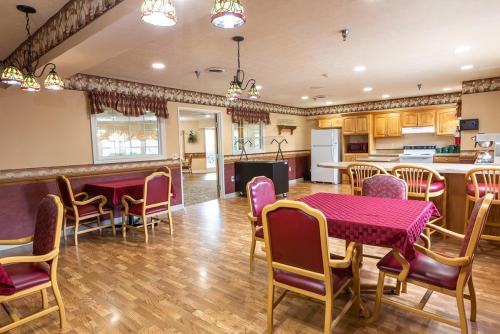
How is Riverside Landing Nursing And Rehabilitation Staffed?

CMS rates RIVERSIDE LANDING NURSING AND REHABILITATION's staffing level at 1 out of 5 stars, which is much below average compared to other nursing homes. Staff turnover is 69%, which is 23 percentage points above the Ohio average of 46%. High turnover can affect care consistency as new staff learn residents' individual needs.

What Have Inspectors Found at Riverside Landing Nursing And Rehabilitation?

State health inspectors documented 70 deficiencies at RIVERSIDE LANDING NURSING AND REHABILITATION during 2023 to 2025. These included: 1 that caused actual resident harm, 68 with potential for harm, and 1 minor or isolated issues. Deficiencies causing actual harm indicate documented cases where residents experienced negative health consequences.

Who Owns and Operates Riverside Landing Nursing And Rehabilitation?

RIVERSIDE LANDING NURSING AND REHABILITATION is owned by a for-profit company. For-profit facilities operate as businesses with obligations to shareholders or private owners. The facility is operated by CONTINUING HEALTHCARE SOLUTIONS, a chain that manages multiple nursing homes. With 50 certified beds and approximately 44 residents (about 88% occupancy), it is a smaller facility located in MCCONNELSVILLE, Ohio.
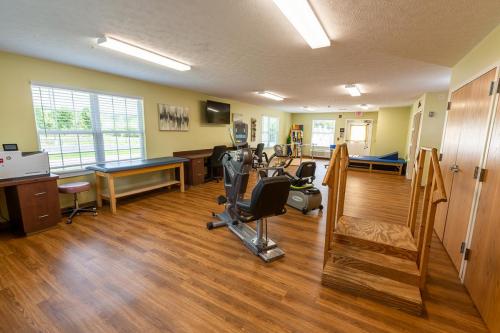
How Does Riverside Landing Nursing And Rehabilitation Compare to Other Ohio Nursing Homes?

Compared to the 100 nursing homes in Ohio, RIVERSIDE LANDING NURSING AND REHABILITATION's overall rating (2 stars) is below the state average of 3.2, staff turnover (69%) is significantly higher than the state average of 46%, and health inspection rating (2 stars) is below the national benchmark.

What Should Families Ask When Visiting Riverside Landing Nursing And Rehabilitation?

Based on this facility's data, families visiting should ask: "What safeguards and monitoring systems are in place to protect residents from abuse or neglect?" "How do you ensure continuity of care given staff turnover, and what is your staff retention strategy?" "Can you walk me through typical staffing levels on day, evening, and night shifts?" "Can I visit during a mealtime to observe dining assistance and food quality?" These questions are particularly relevant given the substantiated abuse finding on record, the facility's high staff turnover rate, and the below-average staffing rating.

Is Riverside Landing Nursing And Rehabilitation Safe?

Based on CMS inspection data, RIVERSIDE LANDING NURSING AND REHABILITATION has documented safety concerns. The facility has 1 substantiated abuse finding (meaning confirmed case of resident harm by staff or other residents). The facility has a 2-star overall rating and ranks #100 of 100 nursing homes in Ohio. Families considering this facility should ask detailed questions about what corrective actions have been taken since these incidents.

Do Nurses at Riverside Landing Nursing And Rehabilitation Stick Around?

Staff turnover at RIVERSIDE LANDING NURSING AND REHABILITATION is high. At 69%, the facility is 23 percentage points above the Ohio average of 46%. High turnover means new staff may not know residents' individual needs, medications, or preferences. It can also be disorienting for residents, especially those with dementia who rely on familiar faces. Families should ask: What is causing the turnover? What retention programs are in place? How do you ensure care continuity during staff transitions?

Was Riverside Landing Nursing And Rehabilitation Ever Fined?

RIVERSIDE LANDING NURSING AND REHABILITATION has been fined $35,565 across 1 penalty action. The Ohio average is $33,435. While any fine indicates a compliance issue, fines under $50,000 are relatively common and typically reflect isolated problems that were subsequently corrected. Families should ask what specific issues led to these fines and confirm they've been resolved.

Is Riverside Landing Nursing And Rehabilitation on Any Federal Watch List?

RIVERSIDE LANDING NURSING AND REHABILITATION is not on any federal watch list. The most significant is the Special Focus Facility (SFF) program, which identifies the bottom 1% of nursing homes nationally based on persistent, serious quality problems. Not being on this list means the facility has avoided the pattern of deficiencies that triggers enhanced federal oversight. This is a positive indicator, though families should still review the facility's inspection history directly.