CONCORD RIDGE HEALTH AND REHABILITATION

9901 JOHNNYCAKE RIDGE RD, MENTOR, OH 44060 (440) 357-7900
For profit - Corporation 119 Beds FOUNDATIONS HEALTH SOLUTIONS Data: November 2025 1 Immediate Jeopardy citation
Trust Grade
53/100
#439 of 913 in OH
Last Inspection: August 2024

Within standard 12-15 month inspection cycle. Federal law requires annual inspections.

Overview

Concord Ridge Health and Rehabilitation in Mentor, Ohio has a Trust Grade of C, which means it is average compared to other facilities. It ranks #439 out of 913 in Ohio, placing it in the top half of nursing homes in the state, and #6 out of 14 in Lake County, indicating that there are only five better local options. The facility's trend is stable, with three issues reported in both 2023 and 2024. Staffing is a concern, with a low rating of 1 out of 5 stars and a turnover rate of 53%, which is close to the state average. While it is positive that there have been no fines reported, there have been critical incidents, including a resident with severe cognitive impairment who was able to leave the facility unnoticed, and a lack of Registered Nurse coverage for a full day, which could potentially affect all residents. Additionally, the kitchen has been found unsanitary, posing risks to the residents’ health. Overall, while there are some strengths, such as good health inspection scores, there are significant weaknesses that families should carefully consider.

Trust Score
C
53/100
In Ohio
#439/913
Top 48%
Safety Record
High Risk
Review needed
Inspections
Holding Steady
3 → 3 violations
Staff Stability
⚠ Watch
53% turnover. Above average. Higher turnover means staff may not know residents' routines.
Penalties
✓ Good
No fines on record. Clean compliance history, better than most Ohio facilities.
Skilled Nurses
⚠ Watch
Each resident gets only 26 minutes of Registered Nurse (RN) attention daily — below average for Ohio. Fewer RN minutes means fewer trained eyes watching for problems.
Violations
⚠ Watch
18 deficiencies on record. Higher than average. Multiple issues found across inspections.
★★★☆☆
3.0
Overall Rating
★☆☆☆☆
1.0
Staff Levels
★★★★☆
4.0
Care Quality
★★★★☆
4.0
Inspection Score
Stable
2023: 3 issues
2024: 3 issues

The Good

  • 4-Star Quality Measures · Strong clinical quality outcomes
  • Full Sprinkler Coverage · Fire safety systems throughout facility
  • No fines on record

Facility shows strength in quality measures, fire safety.

The Bad

3-Star Overall Rating

Near Ohio average (3.2)

Meets federal standards, typical of most facilities

Staff Turnover: 53%

Near Ohio avg (46%)

Higher turnover may affect care consistency

Chain: FOUNDATIONS HEALTH SOLUTIONS

Part of a multi-facility chain

Ask about local staffing decisions and management

The Ugly 18 deficiencies on record

1 life-threatening
Aug 2024 3 deficiencies
CONCERN (D)

Potential for Harm - no one hurt, but risky conditions existed

Deficiency F0698 (Tag F0698)

Could have caused harm · This affected 1 resident

**NOTE- TERMS IN BRACKETS HAVE BEEN EDITED TO PROTECT CONFIDENTIALITY** Based on interview, record review, and facility policy review the facility failed to ensure pre and post dialysis assessments we...

Read full inspector narrative →
**NOTE- TERMS IN BRACKETS HAVE BEEN EDITED TO PROTECT CONFIDENTIALITY** Based on interview, record review, and facility policy review the facility failed to ensure pre and post dialysis assessments were completed as ordered for Resident #3. This affected one resident (#3) of one resident review for dialysis services. The facility census was 77. Findings include: Review of the medical record for Resident #3 revealed an admission date of 02/03/24. Diagnosis included heart failure, diabetes, end stage renal disease, obesity, anemia, and insomnia. Review of the physician's orders for August 2024 revealed an order for dialysis Monday, Wednesday, and Friday. A dialysis communication form was to be sent with Resident #3 for each visit. Review of the quarterly Minimum Data Set (MDS) assessment dated [DATE] revealed Resident #3 was cognitively intact. She required supervision or touch assistance for eating and oral hygiene and substantial or maximum assistance for toileting, showering, and personal hygiene. Resident #3 received dialysis. Review of the care plan dated 07/29/24 revealed Resident #3 received dialysis on Mondays, Wednesdays, and Fridays. Interventions included checking for new orders upon return from dialysis, monitoring labs, and maintaining communication with the dialysis physician. Further review of the medical record revealed Resident #3 revealed no pre or post dialysis assessments had been completed since 06/07/24. There was no documented evidence the resident had missed any scheduled dialysis days since that time. Interview on 08/15/24 at 3:12 P.M. with the Administrator confirmed there was no documented evidence pre and post dialysis assessments were completed for Resident #3 since 06/07/24. Review of the undated facility policy titled Hemodialysis revealed the facility would provide necessary care and treatment for the provision of dialysis to following physician's orders and monitoring for complications before and after dialysis treatments.
CONCERN (D)

Potential for Harm - no one hurt, but risky conditions existed

Deficiency F0757 (Tag F0757)

Could have caused harm · This affected 1 resident

**NOTE- TERMS IN BRACKETS HAVE BEEN EDITED TO PROTECT CONFIDENTIALITY** Based on record review, interview, and facility policy review the facility failed to ensure clear instruction was in place for t...

Read full inspector narrative →
**NOTE- TERMS IN BRACKETS HAVE BEEN EDITED TO PROTECT CONFIDENTIALITY** Based on record review, interview, and facility policy review the facility failed to ensure clear instruction was in place for the use of opioid pain medication and did not ensure nonpharmacological interventions were attempted prior to the administration of pain medication for Resident #33. This affected one resident (#33) of five residents reviewed for unnecessary medications and had the potential to affect all residents. The facility census was 77. Findings include: Review of the medical record for Resident #33 revealed an admission date of 06/21/24 with diagnoses including heart failure, respiratory failure, asthma, and diabetes. Review of the comprehensive Minimum Data Set (MDS) assessment dated [DATE] revealed Resident #33 was cognitively intact. She required set up or clean up help for eating, supervision or touch assistance for oral hygiene, substantial or maximum assistance for personal hygiene and was dependent for toileting and showering. Review of the physician's orders for August 2024 revealed an order for Acetaminophen 325 milligrams (mg) every six hours as needed (prn) pain and Tramadol (an opioid pain medication) 50 mg every six hours prn for pain. Review of the medication administration record (MAR) for June 2024 revealed Resident #33 received one dose of Tramadol on 06/22/24 for a pain level of 7, one dose on 06/25/24 for a pain level six, one dose on 06/26/24 for a pain level of three, one dose on 06/26/24 for a pain level of five, one dose on 06/28/24 for a pain level of three, one dose on 06/28/24 for a pain level of five, one dose on 06/29/24 for a pain level of six, and one dose on 06/30/24 for a pain level of seven. Review of the MAR for July 2024 revealed resident #33 received one dose of Tramadol on 07/01/24 for a pain level of eight, one dose on 07/03/24 for a pain level of six, one dose on 07/03/24 for a pain level of seven, one dose on 07/05/24 for a pain level of seven, one dose on 07/09/24 for a pain level of six, one dose on 07/09/24 for a pain level of five, one dose on 07/12/24 for a pain level of nine, one dose on 07/13/24 for a pain level of five, one dose on 07/14/24 for a pain level of five, one dose on 07/15/24 for a pain level of three, one dose on 07/16/24 for a pain level of four, one dose on 07/16/24 for a pain level of five, one dose on 07/18/24 for a pain level of eight one dose on 07/18/24 for a pain level of five, two doses on 07/19/24 for a pain level of six, one dose on 07/20/24 for a pain level of five, one dose on 07/22/24 for a pain level of eight, one dose on 07/23/24 for a pain level of 10, one dose on 07/25/24 for a pain level of eight, one dose on 07/26/24 for a pain level of six, two doses on 07/30/24 for a pain level of five, and one dose on 07/31/24 for a pain level of nine. Resident #33 received one dose of Acetaminophen on 07/08/24 for a pain level of five, one dose on 07/09/24 for a pain level of four, one dose on 07/20/24 for a pain level of five, and one dose on 07/31/24 for a pain level of seven. Review of the MAR for August 2024 revealed Resident #3 received one dose of Tramadol on 08/03/24 for a pain level of four, one dose on 8/04/24 for a pain level of five, one dose on 8/05/24 for a pain level of three, and one dose on 8/13/24 for a pain level of six. Resident #3 received one dose of Acetaminophen on 08/02/24 for a pain level of four. Review of the progress notes dated 06/01/24 through 08/15/24 revealed nonpharmacological interventions were attempted prior to the administration of pain medications on 06/01/24, 06/04/24, 06/05/24, 06/06/24, 06/10/24, 06/11/24, 06/12/24, 06/15/24, 06/16/24, 06/18/24, 06/22/24, 06/25/24, 07/05/24, 07/09/24, 07/22/24, and 08/01/24. There was no other documented evidence of nonpharmacological interventions were attempted prior to the use of the above pain medications. Interview on 08/15/24 at 11:46 A.M. with the Director of Nursing (DON) confirmed nonpharmacological interventions should be attempted prior to the administration of pain medications and could provide no further evidence attempts were made for the above-mentioned pain medications. The DON also confirmed Tramadol is usually given for a pain level of five to six on a pain scale of one to ten, with ten being the worst. Acetaminophen should be administered for a pain level of one to four. Review of the facility policy titled Pain Assessment and Management, dated 03/31/16, revealed the facility would use a one to ten scale, with ten being the worst, to determine the intensity of pain. In addition, the facility would attempt non-pharmacological pain reduction techniques prior to administering pain medications.
MINOR (B)

Minor Issue - procedural, no safety impact

Deficiency F0582 (Tag F0582)

Minor procedural issue · This affected multiple residents

THE FOLLOWING DEFICIENCY REPRESENTS AN INCIDENT OF PAST NON-COMPLIANCE THAT WAS SUBSEQUENTLY CORRECTED PRIOR TO THIS SURVEY. Based on record review and staff interview, the facility failed to provide ...

Read full inspector narrative →
THE FOLLOWING DEFICIENCY REPRESENTS AN INCIDENT OF PAST NON-COMPLIANCE THAT WAS SUBSEQUENTLY CORRECTED PRIOR TO THIS SURVEY. Based on record review and staff interview, the facility failed to provide timely notification of Medicare non-coverage and inform residents of the costs of continuing non-covered services. This affected two residents (#43 and #80) of three reviewed for beneficiary notification. The facility census was 77. Findings include: 1. Review of the medical record for Resident #43 revealed an admission date of 01/15/21 and readmission date of 03/31/24. Diagnoses included acute and chronic respiratory failure with hypoxia, morbid obesity, chronic obstructive pulmonary disease, type two diabetes mellitus, and congestive heart failure. Review of the progress note dated 06/11/24 at 5:31 P.M. revealed Resident #43 was provided the Notice of Medicare Non-Coverage (NOMNC) and planned to stay in the facility long-term. The note did not specify whether the Skilled Nursing Facility Advanced Beneficiary Notice (SNF ABN) was provided. Review of the NOMNC, not dated, revealed Resident #43's services would end on 06/12/24 and it was not signed by Resident #43 or a representative. There was no evidence the facility provided Resident #43 with a SNF ABN. As of 08/15/24, Resident #43 continued to reside in the facility. 2. Review of the medical record for Resident #80 revealed an admission date of 04/24/24 and discharge date of 05/09/24. Diagnoses included presence of right artificial knee joint, type two diabetes mellitus, muscle weakness, and hypertension. Review of the NOMNC, dated 05/08/24, revealed Resident #80's services would end on 05/08/24 and Resident #80 signed the NOMNC on 05/08/24. On 08/14/24 at 4:26 P.M., an interview with the Administrator verified the former Social Services Designee (SSD) did not provide NOMNC and SNF ABN notices to Residents #43 and #80 in a timely manner. The deficient practice was corrected on 07/02/24 when the facility implemented the following corrective actions: • On 05/17/24, the Administrator identified NOMNC and SNF ABN notices were not being provided to residents as required. • Between 05/17/24 and 06/10/24, the Administrator and regional support staff added social services job duties to their Quality Assurance (QA) monitoring and conducted audits. • On 06/10/24, the former SSD was educated on job responsibilities and timeliness of completing NOMNC and SNF ABN notices. • On 06/14/24, the former SSD turned in a notice of immediate resignation. • On 06/17/24, SSD #509 was hired as the new SSD. • Review of the NOMNCs and SNF ABNs provided by SSD #509 between 07/02/24 and 08/09/24 were provided in a timely manner.
Oct 2023 2 deficiencies
CONCERN (D) 📢 Someone Reported This

A family member, employee, or ombudsman was alarmed enough to file a formal complaint

Potential for Harm - no one hurt, but risky conditions existed

Grievances (Tag F0585)

Could have caused harm · This affected 1 resident

**NOTE- TERMS IN BRACKETS HAVE BEEN EDITED TO PROTECT CONFIDENTIALITY** Based on the interview, record review, and facility policy review the facility failed to ensure Resident #29's repeated concern ...

Read full inspector narrative →
**NOTE- TERMS IN BRACKETS HAVE BEEN EDITED TO PROTECT CONFIDENTIALITY** Based on the interview, record review, and facility policy review the facility failed to ensure Resident #29's repeated concern regarding receiving timely incontinence care was addressed. This affected one resident (#29) out of six residents reviewed for properly addressing complaints/ grievances. The facility census was 81. Findings include: Review of the medical record for Resident #29 revealed an admission date of 08/30/23 with diagnoses including multiple sclerosis, diabetes, need for assistance with personal care, and morbid obesity. Review of the care plan dated 09/11/23 revealed Resident #29 had urinary incontinence and was at risk for altered dignity, skin breakdown, and urinary tract infections. Interventions included checking and providing incontinence care as needed, applying barrier cream after each incontinent episode, and observing and reporting redness, excoriation and/or open areas with incontinence care. Review of the quarterly Minimum Data Set (MDS) assessment dated [DATE] revealed Resident #29 had intact cognition. She required extensive assistance from two staff with bed mobility and toileting. She was unable to ambulate. She was frequently incontinent of bowel and bladder. Review of the assessment labeled, Bladder Observation, dated 10/10/23, and completed by Registered Nurse (RN) #614 revealed Resident #29 was incontinent of urine due to impaired mobility. The assessment revealed she had incontinence without sensation of urine loss. Interview on 10/16/23 at 1:28 P.M. and 10/17/23 at 12:35 P.M. with Resident #29 revealed she had notified several nurses including RN #608 that night shift had not been providing timely incontinence care and at times she had gone the whole shift not being changed and laid in urine. She revealed the nurses including RN #608 had continued to report that they had notified Acting Director of Nursing (DON) #600 but that nothing happened as night shift continued to frequently not change her. She revealed on 10/11/23 from 11:00 P.M. to approximately 8:30 A.M. she was not provided incontinence care, and her skin was burning from not being changed. She revealed RN #608 came into her room to check on her, turned her over and saw that she was lying in a puddle of urine. She revealed RN #608 had notified the Acting DON #600 and had her come to her room to show her the incontinence product and how she had not been changed for over nine hours. Resident #29 revealed Acting DON #600 stated she would check into it but that she never got back to her regarding the complaint and/or how the complaint would be resolved. She revealed she felt that she would continue to not be changed timely especially on night shift despite making the nurses and Acting DON #600 aware of her concern as it had been happening since her admission, 08/30/23. Interview on 10/16/23 at 1:38 P.M. and 10/17/23 at 7:48 A.M. with RN #608 revealed she had received several complaints over the last month from residents, including Resident #29, and staff that night shift had not been providing timely incontinence care including at times going the entire shift. She revealed first shift staff also brought it to her attention that when they came on duty several residents had not been changed as their incontinence products were saturated in urine, and they required complete linen changes due to urine soaked through their incontinence products to the linen. She revealed she had notified the Acting DON #600 several times of the residents, including Resident #29, and staff's concerns. She revealed she had gone to the Acting DON #600 again as the concerns continued and told her that she was going to start marking the resident's incontinence products to track if the residents were being changed. She revealed on 10/11/23 at approximately 11:00 P.M. she had State Tested Nursing Assistant (STNA) #615 mark a few residents' incontinence products, including Resident #29. She revealed on 10/12/23 at appropriately 8:30 A.M. she checked on Resident #29 to see if she received proper incontinence care, but she still had the same marked incontinence product that had been applied on 10/11/23 and it was evident she had not been changed all night shift as her incontinent product was saturated in brown urine, her sheets were saturated with brown dried rings, her buttocks were red and excoriated, and she could smell a strong urine smell from the hallway and in her room. She revealed she had Acting DON #600 come to Resident #29's room and showed her that she was still wearing the same marked incontinence product applied on 10/11/23 and was saturated in urine. She revealed it was frustrating as the issue continued to happen regarding night shift staff not changing the residents properly including, Resident #29, and that she felt her hands were tied as despite reporting the continued issue to the Acting DON #600, she did not feel that the issue had been addressed as she felt nothing had been done about it. Interview on 10/17/23 at 8:29 A.M. with Scheduler/ Human Resources (HR) #611 revealed she maintained the employee personnel files and had not received any disciplinary actions and/or education that staff had received from 10/01/23 to 10/17/23 for not providing timely incontinence care. Interview on 10/17/23 at 9:15 A.M. with Acting DON #600 verified last week RN #608 came and got her to show her Resident #29's incontinence product and concern that she had not been changed by the previous shift (night shift). She verified her incontinence product was saturated in urine. She verified Resident #29 was cognitively intact, and Resident #29 stated that she had not been changed on night shift, 10/11/23. She revealed that she did not know off hand which aide was assigned to Resident #29 on 10/11/23 through 10/12/23 night shift. She revealed she had no evidence that the staff involved was educated and/or received disciplinary action for not changing Resident #29 all night. She revealed that she had no documented evidence that she had investigated the concern voiced by Resident #29 and/or that she had gotten back to Resident #29 regarding how she had addressed the concern, and/or that she had checked with Resident #29 if the concern was resolved. Interview on 10/17/23 at 10:03 A.M. with STNA #612 revealed she worked on first shift and frequently when she came on duty several of the residents, including Resident #29, had not been properly changed by the previous shift as their incontinence products were saturated in urine and/or bowel movement, required complete bed changes and/or had dried brown urine rings on their sheets. She revealed she had reported the issue to the nurses and Acting DON #600 several times regarding the residents' lack of timely incontinence care. Review of the grievance log dated 09/01/23 to 10/16/23 revealed the facility had no grievances including Resident #29's complaint voiced on 10/12/23. Review of the undated facility policy labeled, Resident Grievance revealed all complaints and grievances would be investigated and the result of the investigation shall be reported back to the individual registering the concern within a reasonable time. The policy revealed individuals may express complaints to staff or administration verbally or in writing at any time. The policy revealed a complaint was defined as an expression of dissatisfaction with a committed or omitted action. The policy revealed a response was to be given in a timely manner as follow up and would be documented and logged as part of the Quality Assurance Program. The policy revealed if the complainant was not satisfied with the response a formal written grievance may be submitted to the grievance committee. This deficiency represents non-compliance investigated under Master Complaint Number OH00147275 and Complaint Number OH00146748.
CONCERN (D) 📢 Someone Reported This

A family member, employee, or ombudsman was alarmed enough to file a formal complaint

Potential for Harm - no one hurt, but risky conditions existed

ADL Care (Tag F0677)

Could have caused harm · This affected 1 resident

**NOTE- TERMS IN BRACKETS HAVE BEEN EDITED TO PROTECT CONFIDENTIALITY** Based on the interview, record review and review of facility policy, the facility did not ensure Resident #29 received timely in...

Read full inspector narrative →
**NOTE- TERMS IN BRACKETS HAVE BEEN EDITED TO PROTECT CONFIDENTIALITY** Based on the interview, record review and review of facility policy, the facility did not ensure Resident #29 received timely incontinence care. This affected one resident (Resident #29) out of six residents ( Resident #13, #20, #28, #29, #47, and #72) reviewed for timely incontinence care and had the potential to affect 59 residents (Resident #1, #2, #3, #6, #7, #8, #9, #11, #13, #14, #15, #17, #18, #19, #20,#21, #22, #23, #27, #28, #29, #31, #32, #33, #34, #35, #36, #37, #38, #40, #43, #44, #45, #46, #47, #48, #49, #50, #51, #52, #54, #55, #56, #59, #60, #61, #62, #63, #65, #68, #69, 70, #71, #72, #74, #75, #78, #80, #82) who were identified as incontinent of bowel and/ or urine. Findings included: Review of medical record for Resident #29 revealed an admission date of 08/30/23 and her diagnoses included multiple sclerosis, diabetes, need for assistance with personal care, and morbid obesity. Review of nursing notes dated from 08/30/23 to 10/17/23 revealed no concerns documented in her medical record regarding refusal of incontinence care. Review of care plan dated 09/11/23 revealed Resident #29 had urinary incontinence and was at risk for altered dignity, skin breakdown, and urinary tract infections. Interventions included checking and providing incontinence care as needed, applying barrier cream after each incontinent episode, and observing and reporting redness, excoriation and/ or open areas with incontinence care. Review of quarterly Minimum Data Set (MDS) dated [DATE] revealed Resident #29 had intact cognition. She required extensive assist of two staff with bed mobility and toileting. She was unable to ambulate. She was frequently incontinent of bowel and bladder. Review of assessment labeled, Bladder Observation dated 10/10/23 and completed by Registered Nurse (RN) #614 revealed Resident #29 was incontinent of urine due to impaired mobility. The assessment revealed she had incontinence without sensation of urine loss. Interview on 10/16/23 at 1:28 P.M. and 10/17/23 at 12:35 P.M. with Resident #29 revealed she had notified several nurses including RN #608 that night shift had not been providing timely incontinence care and at times she had gone the whole shift not being changed and laid in urine. She revealed the nurses including RN #608 had continued to report that they had notified Acting DON #600 but that nothing happened as night shift continued to frequently not change her. She revealed on 10/11/23 from 11:00 P.M. to approximately 8:30 A.M. she was not provided incontinence care and that her skin was burning from not being changed. She revealed RN #608 came into her room to check on her, turned her over and seen that she was lying in a puddle of urine. She revealed RN #608 had notified the Acting DON #600 and had her come to her room to show her the incontinence product and how she had not been changed for over nine hours. Resident #29 revealed Acting DON #600 stated she would check into it but that she never got back to her regarding the complaint and/ or how the complaint would be resolved. She revealed she felt that she would continue not to be changed timely especially on night shift despite making the nurses and Acting DON #600 aware of her concern as it had been happening since her admission, 08/30/23. Interview on 10/16/23 at 1:38 P.M. and 10/17/23 at 7:48 A.M. with RN #608 revealed she had received several complaints over the last month from residents including Resident #29 and staff that night shift had not been providing timely incontinence care. She revealed first shift staff also brought it to her attention that when they came on duty several residents had not been changed as their incontinence products were saturated in urine, and they required complete linen changes due to urine soaked through their incontinence products to the linen. She revealed she had notified the Acting Director of Nursing (DON) #600 several times of the residents including Resident #29 and staff's concerns. She revealed she had gone to the Acting DON #600 again as the concerns continued and told her that she was going to start marking the resident's incontinence products to track if the residents were being changed. She revealed on 10/11/23 at approximately 11:00 P.M. she had State Tested Nursing Assistant (STNA) #615 mark a few residents the incontinence products including Resident #29. She revealed on 10/12/23 at appropriately 8:30 A.M. she checked on Resident #29 to see if she received proper incontinence care but she still had the same marked incontinence product that had been applied on 10/11/23 and it was evident she had not been changed all night shift as her incontinent product was saturated in brown urine, her sheets were saturated with brown dried rings, her buttocks was red and excoriated and that she could smell a strong urine smell from the hallway and in her room. She revealed she had Acting DON #600 come to Resident #29's room and showed her that she was still wearing the same marked incontinence product applied on 10/11/23 and was saturated in urine. She revealed it was frustrating as the issue continued to happen regarding night shift staff not changing the residents properly including Resident #29 and that she felt her hands were tied as despite reporting the continued issue to the Acting DON #600 she did not feel that the issue had been addressed as she felt nothing had been done about it. Interview on 10/17/23 at 8:29 A.M. with Scheduler/ Human Resources (HR) #611 revealed she maintained the employee personnel files and had not received any disciplinary actions and/ or education that staff had received from 10/01/23 to 10/17/23 for not providing timely incontinence care. Interview on 10/17/23 at 9:15 A.M. with Acting DON #600 verified last week RN #608 had come and got her to show her Resident #29's incontinence product and concern that she had not been changed by the previous shift (night shift). She verified her incontinence product was saturated in urine. She verified Resident #29 was cognitively intact and that Resident #29 had stated that she had not been changed on night shift, 10/11/23. She revealed that she did not know off hand which aide was assigned to Resident #29 on 10/11/23 through 10/12/23 night shift. She revealed she had no evidence that the staff involved was educated and/ or received disciplinary action for not changing Resident #29 all shift or had an investigation regarding the incident. Interview on 10/17/23 at 10:03 A.M. with State Tested Nursing Assistant (STNA) #612 revealed she worked on first shift and frequently when she came on duty several of the residents including Resident #29 had not been properly changed by the previous shift as their incontinence products were saturated in urine and/ or bowel movement, required complete bed changes and/ or had dried brown urine rings on their sheets. She revealed she had reported the issue to the nurses and Acting DON #600 several times regarding the residents' lack of timely incontinence care. Review of facility policy labeled, Perineal Care dated November 2019 revealed it was the facility's responsibility to provide cleanliness and comfort to the resident, prevent infections, and skin irritation. The policy revealed if resident refused the staff was to notify the supervisor if the resident refused perineal care. The policy did not reveal anything about how often incontinence care should be provided. This deficiency represents non-compliance investigated under Master Complaint Number OH00147275 and COMPLAINT NUMBER OH00146748.
Jul 2023 1 deficiency
CONCERN (D) 📢 Someone Reported This

A family member, employee, or ombudsman was alarmed enough to file a formal complaint

Potential for Harm - no one hurt, but risky conditions existed

Deficiency F0558 (Tag F0558)

Could have caused harm · This affected 1 resident

**NOTE- TERMS IN BRACKETS HAVE BEEN EDITED TO PROTECT CONFIDENTIALITY** Based on record review, interview, and facility policy review, the facility failed to reasonably accommodate the desire of Resid...

Read full inspector narrative →
**NOTE- TERMS IN BRACKETS HAVE BEEN EDITED TO PROTECT CONFIDENTIALITY** Based on record review, interview, and facility policy review, the facility failed to reasonably accommodate the desire of Resident #11's family to install an electronic video device in Resident #11's room. This affected one resident (#11) of three residents reviewed for resident rights. This had the potential to affect all residents. The facility census was 79. Findings include: Review of medical record revealed Resident #11 was admitted to the facility on [DATE] with diagnoses including hemiplegia (one sided paralysis) affecting right side, unspecified dislocation of left hip, unspecified fracture of left acetabulum (concave service of the pelvis), and cerebral infarction (stroke) due to thrombosis (blood clot) of unspecified carotid artery. Review of the most recent Minimum Data Set (MDS) 3.0 assessment dated [DATE] revealed Resident #11 was severely cognitively impaired and required total dependence from two staff for all of his activities of daily living, except eating. Interview with the Responsible Party (RP) of Resident #11 on 07/10/23 at 11:18 A.M. revealed approximately two weeks after admission, the RP wanted to install a camera in Resident #11's room since Resident #11 had developed a broken and dislocated hip from a previous facility. The facility told the RP it would cost $700.00 to install a camera, since the camera had to run off the facility's Wi-Fi and required installation of wires behind the walls. The RP offered to get their own hot spot, but the facility declined that option. The RP stated she could not afford the $700.00 to install the camera. Interview on 07/10/23 at 11:45 A.M. with the Administrator revealed residents were allowed to have a camera in their room, but they must follow the facility's policy and procedures on how it is placed. The camera must be in a fixed location, come from an approved list, and be installed by someone the facility hired. The family could not use their own hotspot since it interfered with the electronic medical record. The cost of the installing the camera was at the expense of the RP/resident. Random intermittent observations throughout the facility on 07/10/23 noted numerous residents using facility Wi-Fi on various electronics, including but not limited to cell phones and other electronic devices. Review of the policy entitled Electronic Monitoring in Resident's Rooms Policy, dated November 2022, revealed the facility will permit residents and legally authorized people to install and use fixed electronic monitoring devices in accordance with applicable laws .The facility has an approved device that meets all the criteria of the law and can be installed at the request of the Authorized Person (a competent resident with the capability to make informed decisions, a person designated as the residents attorney in fact when the resident has lost capacity to make informed health care decisions, or a court appointed guardian) .Only authorized facility personnel are permitted to install electronic monitoring devices in residents rooms. The Authorized Person is responsible for all costs of the electronic monitoring devices, except the cost of procuring electricity. This deficiency represents noncompliance investigated under Complaint Number OH00143860.
Nov 2022 1 deficiency
CONCERN (F) 📢 Someone Reported This

A family member, employee, or ombudsman was alarmed enough to file a formal complaint

Potential for Harm - no one hurt, but risky conditions existed

Deficiency F0727 (Tag F0727)

Could have caused harm · This affected most or all residents

Based on interview, review of daily staffing sheets, and review of the Facility Assessment the facility did not ensure they had Registered Nurse (RN) Coverage at least eight consecutive hours on 11/20...

Read full inspector narrative →
Based on interview, review of daily staffing sheets, and review of the Facility Assessment the facility did not ensure they had Registered Nurse (RN) Coverage at least eight consecutive hours on 11/20/22. This had the potential to affect all 78 residents residing at the facility on 11/20/22. Findings include: Review of daily staffing sheets from 11/06/22 to 11/20/22 revealed there was no RN coverage on 11/20/22. Interview on 11/28/22 at 12:48 P.M. with Human Resource/ State Tested Nursing Assistant (STNA)/ Staffing Coordinator #606 revealed she completed the nurses and STNA schedule at the facility. She verified the facility did not have any RN coverage on 11/20/22. Interview on 11/28/22 at 3:21 P.M. with the Administrator verified the facility was to have at least eight hours of RN coverage per day and that on 11/20/22 the facility had no RN coverage. Review of Facility Assessment dated 11/28/22 revealed under the area regarding staffing plan there was no plan regarding ensuring the facility had at least eight consecutive hours of RN coverage every day. This deficiency represents non-compliance investigated under Complaint Number OH00137296.
Jun 2022 5 deficiencies
CONCERN (D)

Potential for Harm - no one hurt, but risky conditions existed

Deficiency F0582 (Tag F0582)

Could have caused harm · This affected 1 resident

Based on interview and record review the facility failed to provide Resident #77 with a Skilled Nursing Facility Advanced Beneficiary Notice of Non-Coverage (SNFABN) and Notice of Medicare Non-Coverag...

Read full inspector narrative →
Based on interview and record review the facility failed to provide Resident #77 with a Skilled Nursing Facility Advanced Beneficiary Notice of Non-Coverage (SNFABN) and Notice of Medicare Non-Coverage (NOMNC) upon skilled services ending. This affected one resident (Resident #77) of three residents reviewed for liability notices. Findings include: Review of the medical record for Resident #77 revealed and admission date of 06/03/21 with diagnoses including type two diabetes mellitus, osteomyelitis, and aftercare for surgical amputation. The resident was still admitted to the facility. Review of facility beneficiary notice form completed on 06/13/22 by the facility revealed residents discharged from skilled services in the last six months revealed a notice was sent on 02/22/22 to Resident #77 for skilled services ending. Review of the medical record for Resident #77 revealed no evidence the resident received or signed a SNFABN or NOMNC. Interview on 06/14/22 at 9:30 A.M. with Registered Nurse (RN) #398 confirmed no SNFABN or NOMNC was given to Resident #77 upon skilled services ending. Interview on 06/14/22 at 11:19 A.M. with State Tested Nursing Assistant/Social Services Liaison #359 confirmed Resident #77 was not given a SNFABN or NOMNC upon skilled services ending.
CONCERN (D)

Potential for Harm - no one hurt, but risky conditions existed

Deficiency F0625 (Tag F0625)

Could have caused harm · This affected 1 resident

**NOTE- TERMS IN BRACKETS HAVE BEEN EDITED TO PROTECT CONFIDENTIALITY** Based on record review and staff interview, the facility failed to ensure bed hold notices were given to Resident #28 and Reside...

Read full inspector narrative →
**NOTE- TERMS IN BRACKETS HAVE BEEN EDITED TO PROTECT CONFIDENTIALITY** Based on record review and staff interview, the facility failed to ensure bed hold notices were given to Resident #28 and Resident #46 and/or their representatives upon transfer to the hospital. This affected two residents (Resident #28 and #46) of two residents reviewed for bed hold notices. Findings include: 1. Review of the medical record for Resident #28 revealed admission date of 03/22/17 and a discharge to the hospital on [DATE]. Review of Resident #28's quarterly Minimum Data Set (MDS) dated [DATE] revealed Resident #28 had cognitive impairment. Review of Resident #28's medical record revealed the resident required hospitalization on 06/12/22 for sepsis. The medical record identified no evidence the resident or resident representative was provided written notification of a bed hold upon Resident #28's transfer to the hospital. Interview on 06/16/22 at 9:09 A.M. with Corporate Nurse #394 verified the facility did not provide a bed hold notice to Resident #28.2. Review of the medical record revealed Resident #46 was admitted to the facility on [DATE]. Review of Resident #46's quarterly Minimum Data Set (MDS) dated [DATE] revealed the resident was cognitively intact. Review of Resident #46's medical record revealed Resident #46 required hospitalization on 04/05/22 for symptomatic bradycardia and insertion of a pacemaker. The medical record identified no evidence the resident or resident representative was given a bed hold notice by the facility as required. Resident #46 was re-admitted to the facility following the hospitalization. On 06/16/22 at 9:09 A.M. Corporate Nurse #394 verified the facility did not provide a bed hold notice to Resident #46.
CONCERN (D)

Potential for Harm - no one hurt, but risky conditions existed

ADL Care (Tag F0677)

Could have caused harm · This affected 1 resident

**NOTE- TERMS IN BRACKETS HAVE BEEN EDITED TO PROTECT CONFIDENTIALITY** Based on interview and record review, the facility failed to provide bed baths/showers routinely and as scheduled. This affected...

Read full inspector narrative →
**NOTE- TERMS IN BRACKETS HAVE BEEN EDITED TO PROTECT CONFIDENTIALITY** Based on interview and record review, the facility failed to provide bed baths/showers routinely and as scheduled. This affected two residents (Resident #5 and Resident #21) of five residents reviewed for activities of daily living. Findings include: 1. Review of Resident #5's medical record revealed an admission date of 01/15/21 and diagnoses including acute and chronic respiratory failure, prediabetes, lymphedema, morbid obesity, hypertension and depression. Review of Resident #5's quarterly minimum data set (MDS) assessment dated [DATE] revealed Resident #15 was cognitively intact and was totally dependent on two or more staff for bathing. Review of the undated 300/400 shower schedule revealed Resident #5 was to be bathed Mondays and Thursdays on evening shift. Review of 30 days of shower data for Resident #5 revealed one bed bath was recorded on 05/14/22 (Saturday). No refusals were marked on the shower sheet and no data was available for 05/16/22 (Monday), 05/19/22 (Thursday), 05/23/22 (Monday), 05/26/22 (Thursday), 05/30/22 (Monday), 06/02/22 (Thursday), 06/06/22 (Monday), 06/09/22 (Thursday) and 06/13/22 (Monday). Review of 30 days of nurses' notes for Resident #5 revealed no refusals were documented and no evidence pertaining to bathing was available for 05/16/22, 05/19/22, 05/23/22, 05/26/22, 05/30/22, 06/02/22, 06/06/22, 06/09/22 and 06/13/22. Interview on 06/13/22 at 10:21 A.M. with Resident #5 revealed he was not getting bed baths and did not get bathed last week (06/05/22 to 06/11/22). Resident #5 stated he was supposed to get bathed on second shift but there was not often a shower aide for second shift so he would not get bathed. Interview on 06/14/22 at 10:40 A.M. with State Tested Nursing Assistant (STNA) #343 indicated if there was just one STNA scheduled it was hard to get showers done. Interview on 06/14/22 at 3:13 P.M. with Registered Nurse (RN) #381 revealed if all of the scheduled staff showed up they would have a shower aide to do resident showers. However, on second shift there was not a shower aide so STNAs had to do their own showers. Interview on 06/15/22 at 4:20 P.M. with Licensed Practical Nurse (LPN) #318 indicated there was currently one STNA on the hall instead of two and indicated showers on second shift were not getting done. LPN #318 indicated Resident #5 did refuse showers at times but also indicated charting did not get done due to staffing levels. Interview on 06/15/22 at 4:33 P.M. with STNA #396 revealed showers were an issue and did not always get done three out of seven days of the week. STNA #396 indicated Resident #5 would refuse showers at times, it depended on him. Interview on 06/16/22 at 8:48 A.M. with Regional Nurse Consultant (RNC) #395 verified Resident #5's showers were not completed per schedule and Resident #5 was not bathed routinely. Interview on 06/16/22 at 8:58 A.M. with RN #397 revealed if residents refused showers, this was to be documented in a progress note. RN #397 stated showers were only documented on the paper shower sheets at the facility. Interview on 06/16/22 at 9:29 A.M. with Corporate Registered Nurse (CRN) #398 revealed there was no specific facility policy addressing showers. Shower preferences were obtained on admission and that drove the days and shifts listed on the facility's shower schedule. 2. Review of Resident #21's medical record revealed an admission date of 01/19/21 and diagnoses including metabolic encephalopathy, depression, anemia, hypertension, type two diabetes and anxiety. Review of Resident #21's quarterly MDS assessment dated [DATE] revealed Resident #21 was cognitively impaired. Bathing was coded as did not occur on the MDS assessment. Review of the undated 300/400 shower schedule revealed Resident #21 was to be bathed Tuesdays on day shift and Fridays on evening shift. Review of 30 days of shower data for Resident #21 revealed showers were provided on 05/10/22 (Tuesday) and 05/24/22 (Tuesday); a bed bath was provided on 05/31/22 (Tuesday); a shower was provided on 06/07/22 (Tuesday) and a bed bath was refused on 06/14/22 (Tuesday). No data was available for 05/13/22 (Friday), 05/17/22 (Tuesday), 05/20/22 (Friday), 05/27/22 (Friday), 06/03/22 (Friday) and 06/10/22 (Friday). Review of 30 days of nurses' notes for Resident #21 revealed no refusals were documented and no evidence pertaining to bathing was available for 05/13/22, 05/17/22, 05/20/22, 05/27/22, 06/03/22 and 06/10/22. Interview on 06/13/22 at 12:03 P.M. with Resident #21 revealed she did not get bathed and could smell herself. Interview on 06/14/22 at 10:40 A.M. with STNA #343 indicated if there was just one STNA scheduled it was hard to get showers done. Interview on 06/14/22 at 3:13 P.M. with RN #381 revealed if all of the scheduled staff showed up they would have a shower aide to do resident showers. However, on second shift there was not a shower aide so STNAs had to do their own showers. Resident #21 refused showers at times. Interview on 06/15/22 at 4:20 P.M. with LPN #318 indicated there was currently one STNA on the hall instead of two and indicated showers on second shift were not getting done. LPN #318 indicated Resident #21 did refuse showers at times so staff would need to go back and reapproach her. LPN #318 also indicated charting did not get done due to staffing. Interview on 06/15/22 at 4:33 P.M. with STNA #396 revealed showers were an issue and did not always get done three out of seven days of the week. Interview on 06/16/22 at 8:48 A.M. with RNC #395 verified Resident #21's showers were not completed per schedule and Resident #21 was not bathed routinely. Interview on 06/16/22 at 8:58 A.M. with RN #397 revealed if residents refused showers, this was to be documented in a progress note. RN #397 stated showers were only documented on the paper shower sheets at the facility. Interview on 06/16/22 at 9:29 A.M. with CRN #398 verified there was no specific facility policy addressing showers. Shower preferences were obtained on admission and that drove the days and shifts listed on the facility's shower schedule.
CONCERN (D)

Potential for Harm - no one hurt, but risky conditions existed

Accident Prevention (Tag F0689)

Could have caused harm · This affected 1 resident

**NOTE- TERMS IN BRACKETS HAVE BEEN EDITED TO PROTECT CONFIDENTIALITY** Based on observation, interview, and record review, the facility failed to implement appropriate fall interventions related to a...

Read full inspector narrative →
**NOTE- TERMS IN BRACKETS HAVE BEEN EDITED TO PROTECT CONFIDENTIALITY** Based on observation, interview, and record review, the facility failed to implement appropriate fall interventions related to assistance with toileting to prevent Resident #49's falls. This affected one resident (#49) of four residents reviewed for falls. Findings include: Review of the medical record for Resident #49 revealed admission date of 05/27/20 with diagnoses including fracture of left femur, left femur intramedullary nailing, unspecified falls, muscle weakness, difficulty walking, lack of coordination, altered mental status, vascular dementia, restlessness and agitation, age related osteoporosis, and history of left hip fracture in 2016. Review of care plan initiated 06/05/20 revealed Resident #49 was at risk for falls related to confusion, history of falls, incontinence, medications, and impaired gait. Interventions included bed against wall, deep perimeter mattress to bed, encourage resident to wear bilateral hipsters, non-skid strips by bed, reinforce use of call light, utilize pillows to position in bed, bed in lowest position, non-skid socks, half side rail on right side of bed, identify non-compliance, monitor resident when in room for safety, and monitor for side effects from medications. Resident #49 had urinary incontinence. Interventions included assess quarterly for changes in elimination patterns, check and provide incontinence care as needed, refer to restorative for toileting program or scheduled toileting if applicable, and provide physical support or assistance for toileting safety as indicated. Review of Fall Risk assessment dated [DATE] revealed Resident #49 was at high risk for falls related to disorientation, required use of assistive devices, use of antidepressant and antipsychotic medications, and cardiovascular/cognitive/orthopedic/perceptual contributing factors. Review of physician's orders dated 04/07/22 revealed order for bed against wall and half side rail on right side. Physician's orders dated 04/19/22 revealed an order for bed in lowest position when in use. Physician's order dated 04/27/22 revealed an order for bilateral hipsters daily. Physician's orders dated 04/28/22 revealed orders for deep perimeter mattress. Review of the quarterly Minimum Data Set (MDS) 3.0 assessment dated [DATE] revealed Resident #49 had impaired cognition. Resident #49 required extensive one staff assistance with bed mobility, transfers, dressing, toileting, and personal hygiene. The assessment indicated Resident #49 had falls since prior assessment and a recent major surgical repair of fracture. Review of progress notes from June 2021 to June 2022 revealed Resident #49 had falls on 03/21/22, 04/03/22, 04/11/22, and 04/25/22. Review of progress note dated 03/20/22 revealed Resident #49 was noted to wander around unit, redirection with limited success, and self-transferring. Review of progress note dated 03/21/22 revealed Resident #49 was found sitting on bathroom floor. Resident #49 reported I fell asleep and fell off the toilet. Resident #49 complained of back pain and was noted to be anxious. Resident #49 was noted not to be bearing weight on left side. There was slight rotation and shortening of left leg. Resident #49 was sent to hospital for evaluation. Review of facility Fall with Injury Event report dated 03/21/22 revealed at 7:20 A.M. Resident #49 was found on floor in the bathroom. The fall was unwitnessed and Resident #49 had ambulated unassisted to bathroom. Resident #49 reported she must have fallen asleep and fell off the toilet. Resident #49 was found to have abnormal alignment of left leg, Resident #49 was alert, range of motion was painful and limited in lower extremity, and Resident #49 reported 10 out of 10 excruciating pain. Resident #49 had history of orthopedic conditions and use of antipsychotic medications. Resident #49 was transferred to hospital via ambulance. Hospital report revealed Resident #49 had left hip fracture and was scheduled for surgical repair on 03/22/22. Interventions upon return to facility were identified as refer to therapy services, monitor and manage pain, and room assignment closer to nursing station for monitoring. Review of progress note dated 03/24/22 revealed Resident #49 returned to facility post left hip surgery for fracture. Review of progress note dated 04/03/22 revealed Resident #49 was found on the floor in room stating, I have to go to the bathroom. No injuries were noted. Physician gave order to complete neurological checks and obtain a stat x-ray of left hip. Interventions included three-day bowel and bladder program. Review of facility Fall without Injury Event report dated 04/03/22 revealed at 5:15 P.M. Resident #49 was found lying on floor on right side next to bed. The fall was unwitnessed. Resident #49 was alert, normal extremity movements, and no pain or injury was noted. Interventions included hip x-ray related to recent fracture, utilize pillows for positioning when in bed, and monitor neurological status. Review of progress note dated 04/04/22 revealed Resident #49's left hip x-ray was negative. Resident #49 was assisted to bathroom and incontinence care provided. Review of progress note dated 04/11/22 revealed Resident #49 continued to be restless and making attempts to self-transfer. Resident #49 was offered toileting, snacks, and fluids. Redirection ineffective. Resident #49 had episode of incontinence. Resident #49 was having severe pain to left hip and back and was medicated with as needed pain medication. At 9:00 P.M. Resident #49 was found on bathroom floor and stated she was trying to go to bathroom, with no injuries noted. Review of facility Fall without Injury Event report dated 04/11/2 revealed at 9:00 P.M. Resident #49 was found on floor in bathroom. The fall was unwitnessed and Resident #49 has ambulated unassisted to bathroom. Resident #49 was alert, normal extremity movements, and no pain or injury was noted. Interventions included to reinforce use of call light. Review of progress note dated 04/20/22 revealed Resident #49 was found to be sitting on toilet in bathroom and the floor was noted to be covered in urine. Resident #49 had transferred unassisted and ambulated to bathroom without use of mobility devices or call light. Review of progress note dated 04/25/22 revealed Resident #49 was observed on floor in front of bed stating she was trying to go to bathroom. Post fall Resident #49 was noted to continue to attempt to self-transfer. No injuries were noted. Review of facility Fall without Injury Event report dated 04/25/22 revealed at 4:00 A.M. Resident #49 was found on floor in room. The fall was unwitnessed and Resident #49 had attempted to transfer without assistance from staff. Resident #49 was alert, normal extremity movements, and no pain or injury was noted. Interventions included to place non-skid strips in front of bed. Review of Occupational Therapy (OT) Discharge summary dated [DATE] revealed Resident #49 was started on OT services on 04/13/22. Resident #49 was noted to have been hospitalized after unwitnessed fall in bathroom and found to have hip fracture. Resident #49 had OT goal to safely complete all toileting tasks. Resident #49 was discharged from therapy with stand by assistance required for toileting. Review of Physical Therapy (PT) Discharge summary dated [DATE] revealed Resident #49 was started on PT services on 04/25/22. Resident #49 had PT goal to safely perform all functional transfers. Resident #49 was discharged from therapy with improvements to transfers however goals were not met as assistance levels fluctuate. Observation on 06/15/22 at 11:29 A.M. of Resident #49 revealed resident was sitting at edge of bed then stood up and self-transferred to wheelchair. Resident #49 then came out of room and headed down to dining room with no staff assistance or intervention. Interview on 06/15/22 at 11:33 A.M. with Registered Nurse (RN) #332 revealed Resident #49 was not on a toileting program. RN #332 indicated Resident #49 knows when she has to go to the bathroom and the aides take her. RN #332 indicated Resident #49 was commonly known to self-transfer. Interview on 06/16/22 at 12:11 P.M. with Licensed Practical Nurse (LPN) #326 and Regional Nurse #403 revealed Resident #49 had fascination with bathroom and she had a three-day bowel and bladder evaluation when she fell on upstairs unit. LPN #326 indicated they believe it would be helpful to Resident #49 to have some sort of toileting program. LPN #326 indicated they have a routine with Resident #49 and have been trying to keep closer to nurses' station but there was no scheduled routine for toileting in place. Regional Nurse #403 indicated the Director of Nursing (DON) would typically go over each fall and complete a root cause analysis then implement appropriate interventions, however there had been an interim DON so they were unable to confirm if any review of Resident #49's falls were completed. LPN #326 and Regional Nurse #403 verified the noted pattern for Resident #49 falls surrounding bathroom use and there were no interventions in place for toileting to prevent further falls. Follow up interview on 06/16/22 at 12:44 P.M. with LPN #326 and Regional Nurse #403 revealed Resident #49 was noted to continue to be up late at night and have periods of restlessness. Resident #49 continued to need reminders to use call light however Resident #49 had difficulty remembering reminders related to impaired cognition. Review of facility policy Fall Investigation dated 06/03/19 revealed post falls a root cause analysis would be conducted by interdisciplinary team and safety interventions would be implemented based on findings.
CONCERN (F)

Potential for Harm - no one hurt, but risky conditions existed

Food Safety (Tag F0812)

Could have caused harm · This affected most or all residents

Based on observation, interview, and record review the facility failed to maintain a clean and sanitary kitchen area. This had the potential to affect 88 residents who received meals in the facility. ...

Read full inspector narrative →
Based on observation, interview, and record review the facility failed to maintain a clean and sanitary kitchen area. This had the potential to affect 88 residents who received meals in the facility. The facility identified Residents #22 and #26 as receiving no food from the kitchen. Findings include: Observation of the kitchen during the initial tour with Corporate Certified Dietary Manager (CDM) #399 on 06/13/22 at 9:55 A.M. revealed the steamer and stove range with food debris and splatter running down sides. Dark blackened grease build up was observed on stove top grates. There was a dark sticky substance on the floor around and behind the steamer, oven, and grill top. Behind the equipment was a food preparation container three quarters full of dark grease like substance on floor and two pieces of foil. Interview with Corporate CDM #399 on 06/13/22 at 10:00 A.M. confirmed all observations. Corporate CDM #399 indicated there was no current dietary manager as the previous manager had quit unexpectedly last week. Follow up observation of the kitchen on 06/14/22 at 12:05 P.M. revealed the convection oven, pellet warmer, and plate warmer with floor residue and splatter running down outsides of equipment. The lower shelves of preparation tables had food particles and sticky residue. The floors under preparation tables and kitchen equipment had a dark residue and food particles. There was an unidentified brown substance dripping from bottom of preparation table by can opener and the substance was observed dripping down the leg of preparation table. Interview with Corporate CDM #399 on 06/14/22 at 12:12 P.M. confirmed all observations. Interview with Registered Dietitian (RD) #400 on 06/15/22 at 3:14 P.M. revealed they had no time for routine oversight in the kitchen and routine sanitation audits had not been completed. Review of a list of resident diets provided by the facility revealed Residents #22 and #26 as receiving no food from the kitchen. Review of facility policy, Dietary Department Cleaning Schedule, dated March 2016, revealed the dietary manager was responsible for ensuring cleaning schedules are completed, cleaning schedules shall be posted and available to all dietary employees, and all cleaning assignments shall be reviewed by dietary manager. Review of facility policy, Operation and Cleaning Procedures, dated March 2022, revealed the director of food services or designee was responsible for developing operating and cleaning procedures for all dietary equipment. All areas of the kitchen were to be cleaned daily to insure proper sanitation in the operation. Director shall conduct weekly audits of all areas and ensure proper sanitation.
May 2019 6 deficiencies 1 IJ
CRITICAL (J)

Immediate Jeopardy (IJ) - the most serious Medicare violation

Accident Prevention (Tag F0689)

Someone could have died · This affected 1 resident

**NOTE- TERMS IN BRACKETS HAVE BEEN EDITED TO PROTECT CONFIDENTIALITY** Based on observation, interviews with staff and residents, review of the medical record, and review of the facility Elopement Ri...

Read full inspector narrative →
**NOTE- TERMS IN BRACKETS HAVE BEEN EDITED TO PROTECT CONFIDENTIALITY** Based on observation, interviews with staff and residents, review of the medical record, and review of the facility Elopement Risk Assessment Policy and Procedure, the facility failed to provide adequate supervision to prevent the elopement of one resident (Resident #55), who had severe cognitive impairment, a legal guardian and exit seeking behaviors. This resulted in Immediate Jeopardy on 04/22/19 at approximately 9:45 P.M. when Resident #55 exited the facility without staff knowledge. The likelihood of Actual Harm that is Immediate Jeopardy occurred as Resident #55, dressed in dark clothing, was seen pushing his wheelchair along a busy, two lane road at approximately 9:50 P.M. by a staff person driving to work. This affected one of four residents reviewed for elopement risk and wandering behaviors. The facility has identified 25 residents at risk for elopement. The facility census was 91 residents. On 04/25/19 at 1:00 P.M., the Administrator and Corporate Nurse were notified Immediate Jeopardy began on 04/22/19 at 9:45 P.M. when Resident #55, who was at risk for elopement and exhibited a desire to leave the facility, went out the front door of the facility. The Immediate Jeopardy was removed on 04/26/19 when the facility implemented the following corrective actions: • On 04/22/19 at approximately 9:52 P.M., Licensed Practical Nurse (LPN) #416 received a telephone call from an employee driving to work to report someone who looked like a resident was walking down the street. LPN #416 initiated the facility elopement policy which included staff searching the facility and surrounding area and discovered Resident #55 was not inside the facility. • On 04/22/19 at 10:03 P.M., Resident #55 was returned by staff to the facility and assessed to have no injury. Resident #55 indicated he went out the front door of the facility. He was immediately placed on one-to-one supervision by staff, and his physician and guardian were notified. • On 04/22/19 from 10:03 P.M. until 10:30 P.M. the front door was continually monitored by State Tested Nursing Assistant (STNA) #404, Registered Nurse (RN) #434, or Licensed Practical Nurse (LPN) #406 until Director of Maintenance (DM) #425 arrived to reset the alarm code on the front door. • On 04/22/19 at approximately 10:30 P.M., DM #425 discovered the front door was not secured when entering the facility. DM #425 reset the alarm code on the door and checked all remaining doors to ensure they closed and were secured and/or alarmed when opened. • On 04/22/19 at 10:30 P.M., DM #425 began door code function checks, which will continue daily indefinitely. • On 04/22/19 at 10:45 P.M. the Administrator, DM #425, and RN #450 began in-servicing all second and third shift staff on the facility Elopement Policy and Procedure. • On 04/23/19 at 7:54 A.M., Resident #55 was moved to the secured unit. • On 04/23/19 at 1:59 P.M., RN #600 completed elopement reassessments of all facility residents, with care plans and interventions updated as needed. Twenty-four residents were found to be at risk for elopement and all but two (Residents #21 and #62) resided on the secured unit. There was no evidence that Residents #21 and #62 had made attempts to exit the building, and care plans were in place with interventions to prevent elopement. • On 04/23/19, RN #450 reviewed and updated the resident identification books for those residents who were at risk for elopement (Happy Feet Club). • On 04/23/19, the contracted door security company inspected all doors in the facility, including the front door. The door security system was cleared and reset to ensure no additional codes provided to staff or emergency personnel would be able to override the door security code. • On 04/24/19 at 7:30 P.M., an elopement drill was conducted with 18 staff members participating. • On 04/25/19 by 10:10 P.M., the Administrator and DON had in-serviced one RN, nine LPNs, 25 STNAs, five housekeeping staff, eight dietary staff, two activity staff, one social service, five therapy, one receptionist, one maintenance staff, and nine administrative staff either in person or by phone, regarding the facility policy and procedure for a missing resident/elopement; checking residents for safety every two hours; and reporting suspicious or unsafe activity to the Administrator, DON, or Nursing Supervisor immediately. In-services will continue until all remaining 19 staff are in-serviced as they return to work. • On 04/26/19 at 2:30 P.M., the contracted door security company installed a mag lock on the social service office exit door and a new security key pad to control the exit access to the parking lot from the stairwell side exit door. Although the Immediate Jeopardy was removed on 04/26/19, the deficiency remains at a Severity Level 2 (no actual harm with the potential for minimal harm that is not Immediate Jeopardy) as the facility was continuing with staff in-services and was in the process of monitoring staff and exit doors to ensure compliance and determine if further action is required. Findings include: Review of Resident #55's medical record revealed he was admitted to the facility from the hospital on [DATE] with diagnoses including alcohol related dementia with delirium, alcohol related seizure disorder, alcohol dependence, alcoholic peripheral neuropathy, altered mental status, unsteadiness, muscle weakness and visual hallucinations. The admission Minimum Data Set 3.0 (MDS) assessment dated [DATE] revealed Resident #55 was severely cognitively impaired; he did not have behaviors; and he required limited to extensive assistance of staff for activities of daily living. An elopement risk assessment completed by RN #605 on 03/28/19 indicated Resident #55 was at high risk for elopement due to his diagnoses of alcoholism and delusions, as well as making verbal statements that he wanted to leave. However, at that time that he was unable to ambulate or propel himself in a chair or wheelchair. A progress note written by LPN #406 on 04/09/19 at 2:57 A.M. revealed the resident took the elevator to the lower level saying he was looking for the party he had to go to and was redirected back to his unit. On 04/13/19 at 5:00 P.M., LPN #610 wrote in a progress note that Resident #55 was again on the elevator, and a telephone call from the elevator company was received saying that the resident used the phone in the elevator, saying he was going to a party. A progress note written by RN #615 on 04/14/19 at 4:25 A.M. revealed the resident was wandering with a wheeled walker throughout the shift and needed constant re-direction and reassurance. The note indicated the resident was exit seeking and said he wanted to go get a beer and attempted to go out the door leading to the patio. He became combative initially with redirection but was able to be assisted to bed. A subsequent elopement assessment completed by RN #620 dated 04/15/19 revealed Resident #55 was still at high risk for elopement and was now able to ambulate or propel himself in a wheelchair. The assessment indicated the resident was staying near windows or exit doors. Resident #55's care plan dated 04/15/19 through 07/17/19 revealed he was at risk for elopement due to his dementia and exit seeking behaviors. Interventions included completing a resident identity sheet due to risk factors; informing facility staff of potential for elopement; and checking the resident frequently and re-directing him from exit doors as needed. Other interventions included encouraging activity involvement; attempting to determine the resident's needs; and try to convince him that there is no need to look outside. A progress note written by Licensed Social Worker (LSW) #625 on 04/17/19 at 12:47 P.M. revealed the social worker spoke with the resident's mother who was his guardian, and she indicated she did not feel the resident should be living independently. The surveyor observed Resident #55 on 04/22/19 throughout the day. He was mobile in his wheelchair in the hall near his room. He was pleasant but confused when the surveyor attempted to speak with him around 3:00 P.M. A progress note written by RN #434 on 04/22/19 at 11:07 P.M. revealed the resident was seen outside the facility. The note indicated a staff member brought him back and no concerns were noted. The resident's guardian and the physician were notified. On 04/23/19 at 1:30 P.M., interview with Resident #55 revealed he was confused but pleasant. He said he had only been at the facility for about 35 minutes, and said he worked all day at the big house. He was unsure of where his room was, saying he did not live at the facility and was waiting for someone to pick him up. Interview with the Administrator on 04/23/19 at 4:20 P.M. confirmed Resident #55 had been found outside the facility on 04/22/19. She said an investigation was in progress, including interviews with staff. She said STNA #414 was coming to work and observed Resident #55 on the road in front of the facility about 0.25 miles away. She said the resident was confused and could not say exactly how he was able to leave the building but said he went out the front door. The Administrator said when DM #425 came to the facility on [DATE] around 10:30 P.M, he found the front door of the building, which had a key pad coded entry, was unsecured and open. She said the key pad code for the door was then reset at 10:30 P.M., and the door was locking when closed. The Administrator said an investigation was in process to determine how the door became unlocked, and Resident #55 was moved to the secured unit on 04/23/19 at 8:00 A.M. On 04/23/19, the facility began an audit of new admissions or re-admissions to the facility to review the Clinical admission Documentation Observation for the Elopement score and ensure the appropriate protocol had been implemented. Nursing progress notes for all residents would also be reviewed to ensure any exit seeking or wandering behaviors would be addressed with proper interventions implemented. These audits will be completed daily Monday through Friday during the clinical meeting by the Nursing Management Team and Social Services staff for four weeks then would become part of the quality assurance program. Charge nurses will be responsible to notify administrative staff of any new exit seeking behaviors by any resident that occurred Friday through Monday morning An interview with STNA #404 on 04/24/19 at 6:10 P.M. revealed she worked on 04/22/19. She said she was familiar with Resident #55 who needed redirection frequently and was usually confused and wandered in his wheelchair in the hallways and at the front lobby of the facility, at times talking about leaving the facility. She said on 04/22/19 she saw the resident about 9:40 P.M. or 9:45 P.M. as she was leaving the building to go on a dinner break. She said the resident was not in the immediate area of the door. She said she entered the code to get out of the door and was not sure that the door was locked. She said she went to her car and returned around 10:00 P.M., when she was told a resident was missing. She went out again to her car and drove around the facility to help search for the resident. She said she was only outside a couple minutes when she was called by another staff member who said the resident was found. On 04/24/19 at 6:30 P.M., interview with LPN #406 revealed she was the nurse on duty on 04/22/19. She said Resident #55 frequently needed redirection but generally responded positively to staff intervention. She said around 9:35 P.M. or 9:40 P.M. she saw Resident #55 in the hall near his room. She said STNA #404 had gone on her break, and STNA # 401 was in the nurse's station when she went into a resident's room to do a dressing change. She said about 15 minutes later, she heard the elopement call over the intercom indicating a resident was missing. She quickly finished her task and exited the room and saw STNA #401 looking in the hall for the missing resident, so she went outside. She said she was not outside more than a couple minutes when she got a phone call that the resident had been found. She returned to the nursing unit and was there to greet Resident #55 when he returned with staff. She said Resident #55 said he left the facility out of the front door and was unclear as to where he was going. Resident #55 was not injured. She said Resident #55 was placed on one-to-one monitoring after he returned to the facility. An interview with STNA #401 on 04/25/19 at 9:00 A.M. revealed she was assigned to the unit with STNA #404 on 04/22/19. She stated STNA #404 went on a break and she was at the nurses station when LPN #406 went into in a resident room to change a dressing. She said Resident #55 was in his doorway about 9:45 P.M. when a call light went off, so she went to answer it. STNA #401 went into another room on her way back to the nurse's station and then heard the call about a missing resident. She said she was told to go outside and look for the resident, so she did, and within a few minutes she was told the resident had been found. STNA #401 said she talked to Resident #55 when he returned, and said he thought the whole incident was not a big deal and was funny. STNA #401 said Resident #55 was always able to be redirected away from doors and she assumed the front doors were secured. An interview with STNA #414 on 04/25/19 at 9:15 A.M. revealed as she was driving to work on 04/22/19 about 9:55 P.M., she saw someone walking away from the facility. She said the person was pushing a wheelchair and was walking facing traffic on the pavement on the side of the road, but not in the roadway. She said by the time she recognized the person as a resident, she was already at the facility, so she pulled in and called to let them know to check for all residents, as she thought she saw a resident walking on the road outside. She said she did not know the name of the resident because she works nights, the resident was new, and she did not work on that unit. However, she recognized the resident from the facility. STNA #414 said she did not go into the facility right away because it was not actually time for her shift. She said she usually comes early to drink coffee and relax in her car before going in to start her shift. Review of the statement by STNA #414, dated 04/24/19, revealed while sitting in the parking lot after making the phone call, she saw staff members coming out the facility to search for the resident, including STNA #401, and STNA #410 and LPN #412 who got into a car and drove in the direction of the resident. LPN #416 was not able to be reached by phone. Review of her statement dated 04/24/19 revealed she answered the facility phone when STNA #414 called in to say she saw a resident outside the facility. LPN #416 indicated she did not ask which direction the resident was walking. She indicated she told STNA #410 and LPN #412 to go look for the resident. LPN #416 then tried to reach LPN #406 who did not answer her phone. She then called the overhead page to alert staff of a missing resident (Dr. Walker) and called LPN #430 who helped her identify the resident missing as Resident #55. An interview with LPN #412 on 04/25/19 1:48 P.M. revealed he was newly employed by the facility and 04/22/19 was one of his first days. He said when he heard a resident had been seen outside the facility, and he was sure that the residents on the secured unit were accounted for, he left with STNA #410 to go look for the resident. LPN #412 said the resident was found seated in his wheelchair self-propelling along the road not far from the facility. He said STNA #410, who was driving, turned around and stopped near the resident, who appeared unharmed and was cooperative in getting into the car. LPN #412 said Resident #55 told him he was going home but was agreeable to returning to the facility. Review of STNA #410's statement, dated 04/25/19, revealed she was instructed by LPN #416 to go look for the resident when it was reported that a resident had possibly left the facility. She went with LPN #412 who saw the resident sitting in his wheelchair near a school down the street from the facility. STNA #410 said Resident #55 was cooperative and they were able to return him easily to the facility. An interview with DM #425 on 04/25/19 revealed the administrator notified him of the incident on 04/22/19 around 10:09 P.M. and he was asked to go to the facility to check on the doors. He said he arrived about 10:30 P.M. and upon entering the front door of the building, noted the alarm was not set and he was able to open the front door without the alarm sounding. He immediately re-set the alarm from the keypad inside the door. He said he did not check if the front door, when opened from inside the facility, was locked but had been told that it was open. Observation and interview with Resident #55 on 04/25/19 at 3:15 P.M. revealed he was on the secured unit, standing in the common area with his walker. He was dressed neatly and was confused. He denied concerns but said he was thinking he should leave and go check on his car and dog. He was encouraged to remain at the facility and was agreeable. Resident #55 was not actively exit seeking at that time and was able to point toward his room and talk about what he had for lunch. The administrator, director of nursing, social worker and three registered nurses, who were part of the Nursing Management Team, were in-serviced on 04/26/19 by the regional nurse. Education for the charge nurses was started on 04/26/19 and would continue until all were educated. On 04/26/19 between 10:30 A.M. and 11:30 A.M., interview with three LPNs, four STNAs, one laundry staff, and one receptionist revealed they were knowledgeable regarding the facility policy and procedure for elopement, including the identification of residents at risk for elopement (Happy Feet Club), use of the door key pad security system, what to do if the door security system didn't function properly, the code for elopement, and reporting anything unusual to the Administrator, DON, or Nursing Supervisor immediately. Interview with the administrator on 04/26/19 at 10:36 A.M. confirmed an interview statement written by Occupational Therapist (OT) #428, which indicated she observed Resident #55 in the administrative office area on 04/22/19 at 9:30 P.M., and she redirected the resident out of the area. The administrator verified that if Resident #55 had been in that area, it would have indicated the French doors to the administrative offices were not locked. She further verified although it was unknown how the resident exited the building, he most likely exited through the front door, but may have had access to the unlocked, unsecured door off the administrative area and could have exited there. Observation on 04/26/19 at 2:30 P.M. revealed the contracted door security company was completing the installation of a mag lock on the social service office exit door and a new security key pad to control the exit access to the parking lot from the stairwell side exit door. These exit doors were accessible from the front lobby through the French doors leading into the administrative offices. Review of the facility's Elopement Risk Assessment Policy and Procedure, updated on 02/23/18, revealed all residents should be assessed on admission to the facility. If a resident was determined to be low risk, they would be monitored and reassessed if they had a significant change to their condition. If a resident was assessed as moderate or high risk, they would have a care plan to address their risk factors and have a resident identification form completed and put in a notebook at each of the nurse's station and at the receptionist's desk.
CONCERN (D)

Potential for Harm - no one hurt, but risky conditions existed

Report Alleged Abuse (Tag F0609)

Could have caused harm · This affected 1 resident

**NOTE- TERMS IN BRACKETS HAVE BEEN EDITED TO PROTECT CONFIDENTIALITY** Based on interview and record review, the facility failed to report a possible occurrence of neglect to the State agency when a ...

Read full inspector narrative →
**NOTE- TERMS IN BRACKETS HAVE BEEN EDITED TO PROTECT CONFIDENTIALITY** Based on interview and record review, the facility failed to report a possible occurrence of neglect to the State agency when a resident eloped from the facility. This affected one (Resident #55) resident reviewed for elopement. The facility census was 91 residents. Findings include: Review of the record of Resident #55 revealed he was admitted to the facility on [DATE] with diagnoses including alcohol dependence, unsteadiness, muscle weakness, alcoholic peripheral neuropathy, altered mental status, and visual hallucinations. The admission Minimum Data Set 3.0 (MDS) assessment dated [DATE] revealed Resident #55 was severely cognitively impaired; he did not have behaviors; and he required limited to extensive assistance of staff for activities of daily living. Review of the record revealed an elopement risk assessment completed on 03/28/19 which indicated the resident was at high risk for elopement due to his diagnoses of alcoholism and delusions, as well as making verbal statements that he wanted to leave. The assessment indicated, however, at that time that he was unable to ambulate or propel himself in a chair or wheelchair. A subsequent elopement assessment dated [DATE] revealed the resident was still at high risk for elopement but was now able to ambulate or propel himself in a wheelchair. He was also noted staying near unit windows or exit doors. Review of a care plan dated 04/15/19 through 07/17/19 revealed the resident was at risk for elopement due to his dementia and exit seeking. Interventions included completing a resident identity sheet due to risk factors; informing facility staff of potential for elopement; and checking the resident frequently and re-directing him from exit doors as needed. Other interventions included encouraging activity involvement; attempting to determine the resident's needs; and try to convince him that there is no need to look outside. A note on 04/22/19 at 11:07 P.M. revealed the resident, was seen outside the facility. The note indicated a staff member brought him back and no concerns were noted. The resident's guardian and the physician were notified. An attempt to interview the resident was made on 04/23/19 at 1:30 P.M. He was confused but pleasant. He stated he had only been at the facility for about 35 minutes, and indicated he worked all day at the big house. He was unsure of where his room was, stating he did not live at the facility and was just waiting for someone to pick him up. He mentioned several times that he had attempted to call friends and family members and was having trouble making arrangements to have them pick him up. He was unable to identify any persons on the unit as staff or residents but denied any concerns with care or treatment at the facility. An interview with the facility administrator on 04/23/19 at 4:20 P.M. confirmed the resident had been found outside the facility on 04/22/19. She said an investigation was in process, including interviews with staff. She said an employee coming to work had observed the resident on the road in front of the facility about 0.25 miles away. She said the resident was confused and could not say exactly how he had been able to leave the building, but he said he had gone out the front door. The administrator indicated when the maintenance supervisor came to the facility on [DATE] around 10:30 P.M., he found the front door of the building unsecured. This door required a key pad code to open the door. She said the doors had been re-set and were currently functional, but an investigation was in process to determine how the door remained unlocked. Review of the facility policy on Abuse, Mistreatment, Neglect, Misappropriation of Resident Property and Exploitation, dated 2016, revealed Neglect was defined as the failure of the facility to provided good and services to a resident necessary to avoid physical harm, pain, mental anguish, or emotional distress. An interview with the facility administrator and corporate nurse (Registered Nurse #600) on 04/25/19 at 5:30 P.M. confirmed the facility had not submitted a facility-reported incident to the State agency to indicate an investigation into possible neglect was being conducted regarding the circumstances of Resident #55's elopement.
CONCERN (D)

Potential for Harm - no one hurt, but risky conditions existed

Deficiency F0688 (Tag F0688)

Could have caused harm · This affected 1 resident

Based on observation, interview, and record review, the facility failed to ensure the necessary equipment and/or services were provided for comfort and possible prevention of a decline in range of mot...

Read full inspector narrative →
Based on observation, interview, and record review, the facility failed to ensure the necessary equipment and/or services were provided for comfort and possible prevention of a decline in range of motion. This affected one (Resident #5) of one resident reviewed with limited range of motion The facility census was 91 residents. Findings include: Review of the medical record for Resident #5 revealed an admission date of 08/09/16, and diagnoses including dementia, cerebral infarction, hemiplegia and hemiparesis, and contracture of the left lower leg and left hand. Review of the quarterly Minimum Data Set (MDS) assessment, dated 04/17/19, revealed the resident had severely impaired cognition. Resident #5 required the extensive assistance of two staff members for bed mobility, dressing, toilet use and personal hygiene. The resident was totally dependent on staff for transfers and locomotion. The resident needed supervision for eating. Review of the plan of care with a start date of 01/13/17 and a review date of 04/22/19 revealed there was a care plan for the left lower leg contracture, but no care plan for the left hand contracture. Review of physician orders for April 2019 identified no orders for a palm protector or range of motion for the left hand. Review of past orders revealed an order for a palm protector to be worn on the left hand at all times, as tolerated by the resident. It could be removed for hygiene and skin checks. Staff were to provide gentle range of motion before and after removal. The order was in place from 05/14/2018 through 12/18/2018. Observations on 04/23/19 at 9:59 A.M. and on 04/24/19 at 9:17 A.M. revealed the resident's left hand was very contracted. There was no palm protector on the resident's hand. On 04/23/19 at 1:28 P.M. an interview with the resident's wife revealed there was a palm protector for Resident #5's hand in the room on the window sill. It hadn't been used recently and she did not know why. On 04/24/19 at 10:27 A.M. an interview with State Tested Nursing Assistant (STNA) #453 revealed there was no order for the STNA to do any range of motion or put a palm protector on the resident's left hand. On 04/24/19 at 10:31 A.M. an interview with Registered Nurse (RN) #452 revealed there was no order for a splint or palm protector. The nurse thought it was because resident was too contracted to wear the splint, and it caused too much pain. On 04/25/19 at 10:15 A.M. an interview with the DON revealed the palm protector was was temporarily discontinued in December 2018. The facility was checking on some bruising and problems with residents left hand. Communication had been missed to reactivate the order. The ADON was now putting in an order for therapy to re-evaluate the splint, to see if it still fits.
CONCERN (D)

Potential for Harm - no one hurt, but risky conditions existed

Respiratory Care (Tag F0695)

Could have caused harm · This affected 1 resident

Based on observation, interview, and record review, the facility failed to ensure oxygen therapy was provided, monitored, and documented as ordered. This affected one (Resident #134) of three resident...

Read full inspector narrative →
Based on observation, interview, and record review, the facility failed to ensure oxygen therapy was provided, monitored, and documented as ordered. This affected one (Resident #134) of three residents reviewed for oxygen therapy. The facility census was 91 residents. Findings include: Review of the medical record for Resident #134 revealed an admission date of 04/11/19, and diagnoses including acute respiratory failure with hypoxia, acute on chronic congestive heart failure, bipolar disorder, autistic disorder, and mild intellectual disabilities. Review of the admission Minimum Data Set (MDS) assessment, dated 04/18/19 revealed the resident had moderately impaired cognition. Resident #134 required extensive assistance for bed mobility, transfers, locomotion on the unit, dressing, toilet use, and personal hygiene. The resident was on oxygen therapy. Review of physician orders revealed there was an order beginning on 04/11/19 for continuous oxygen at 2-4 liters per nasal cannula to maintain blood oxygen saturation greater than 88%. The order included the instructions to record oxygen saturation every shift. Review of medication administration records (MARs) and treatment administration records (TARs) for April 2019 revealed Resident #134's oxygen saturation levels were not recorded until 04/25/19. Review of the care plans revealed no care plan for oxygen therapy. Review of the nursing progress notes from 04/11/19 through 04/25/19 revealed four notes containing oxygen saturation. On 04/15/19 at 2:21 A.M. oxygen saturation was 96 percent (%). On 04/14/19 at 12:53 P.M. oxygen saturation was 88% - 89%. On 04/14/19 at 7:51 A.M. oxygen saturation was 92% - 93%. On 04/11/19 at 11:10 A.M. the resident's oxygen saturation was 88%. There were no progress notes from 04/16/19 through 04/25/19 mentioning the resident's oxygen saturation percentages. Observations of Resident #134 on 04/22/19 at 11:09 A.M., 04/24/19 at 5:47 P.M. and 04/25/19 at 8:31 A.M. revealed the resident was in her room not wearing oxygen equipment. Interview on 04/25/19 at 8:33 A.M. with LPN #454 revealed the electronic medical record didn't allow for an oxygen saturation level to be entered. There was no space to enter that information. The LPN said she had taken the oxygen saturation level but had not recorded it anywhere or reported that the level was not able to be entered. Interview on 04/25/19 at 10:15 A.M. with the DON verified the order needed to be clarified and entered in a way to enable space to document the oxygen saturation level.
CONCERN (D)

Potential for Harm - no one hurt, but risky conditions existed

Garbage Disposal (Tag F0814)

Could have caused harm · This affected 1 resident

Based on observation and staff interview, the facility failed to ensure the outside dumpster garbage disposal area was maintained in a clean manner. This had the potential to affect all facility resid...

Read full inspector narrative →
Based on observation and staff interview, the facility failed to ensure the outside dumpster garbage disposal area was maintained in a clean manner. This had the potential to affect all facility residents. The facility census was 91 residents. Findings include: Observation of the facility outside dumpster area with Dietary Coordinator (DC) #451 on 04/22/19 10:32 A.M. revealed two of the lids had been left open and some plastic gloves, a cardboard box and other garbage were observed on the ground around the dumpster. DC #451 verified the above observations at the time of discovery.
CONCERN (E)

Potential for Harm - no one hurt, but risky conditions existed

Deficiency F0761 (Tag F0761)

Could have caused harm · This affected multiple residents

2. Observation on 04/25/19 at 8:50 A.M. with Registered Nurse (RN) #440 of the medication room on the 400 unit revealed one Tuberculin Purified Protein Derivative five milliliter (ml) vial in the refr...

Read full inspector narrative →
2. Observation on 04/25/19 at 8:50 A.M. with Registered Nurse (RN) #440 of the medication room on the 400 unit revealed one Tuberculin Purified Protein Derivative five milliliter (ml) vial in the refrigerator dated 03/16/19 as opened. Interview on 04/25/19 at 8:51 A.M. with RN #440 verified the Tuberculin Purified Protein Derivative vial was expired. Review of undated facility pharmacy procedure, Pharmacy Expiration Date of Perishable Medication Policy revealed Tuberculin vials expired after 30 days of opening. Review of facility policy labeled, Medication Storage in the Facility dated 06/02/15 revealed medications that were outdated were to be removed immediately from stock and disposed of according to procedures for medication destruction. 3. Observation on 04/25/19 at 9:01 A.M. with RN #440 of the medication room the facility called the Passport Room which contained the facility over the counter medications, revealed a plastic bag that contained six Bisacodyl ten milligram (mg) suppositories, all with the expiration date of 03/20/19 and one Level Two High Control glucometer testing solution with an expiration date of March 2018. Interview on 04/25/19 at 9:04 A.M. with RN #440 verified the Bisacodyl suppositories and the glucometer high testing solution were expired. Review of facility policy labeled, Medication Storage in the Facility dated 06/02/15 revealed medications that were outdated were to be removed immediately from stock and disposed of according to procedures for medication destruction. Based on observation, interview, and record review, the facility failed to ensure medications were stored in a secured manner. This affected one (Resident #9) resident, and had the potential to affect two (Residents #15 and #140) cognitively impaired and independently mobile residents who reside on the same floor as Resident #9. The facility also failed to ensure expired medications were disposed of as required. This had the potential to affect 15 residents who have their blood sugars tested in the facility, and any residents who may receive a suppository or tuberculin testing in the facility. The facility census was 91 residents. Findings include: 1. On 04/23/19 at 11:05 A.M., the door to Resident #9's room was observed shut. The surveyor knocked on the door, and entered when the resident gave permission. As the surveyor spoke with the resident, who had been dozing in her bed, the surveyor observed a small plastic cup of pills and tablets sitting on the bedside table. One of the tablets appeared to be a large tablet resembling a potassium chloride (treats low levels of potassium) tablet. Next to the cup on the table was a small, flat tablet that looked like a Tums, (an antacid). The resident stated the cup of medication had been left by the nurse and stated I will take it, I promise. The surveyor completed the interview and went to the nursing station. The nurse at the nearest nurse's station indicated the resident was actually assigned to a nurse at the other end of the hall, so the surveyor went to that nursing station. Licensed Practical Nurse (LPN) #400, was in the station and said she had prepared the morning medication for Resident #9. She initially said she had no concerns with the resident's medication pass, but when the surveyor indicated there was a cup of pills in the room, LPN #400 stated, she was taking the medication as I left the room. LPN #400 and the surveyor entered Resident #9's room together at 11:15 A.M. Resident #9 was sitting up in bed and medication cup was empty. The tums tablet and the large tablet of Potassium Chloride were laying on the bedside table. Resident #9 said she had just taken all the other pills but said she could not take the big one (Potassium) because it was too large. LPN #400 asked the resident about the tums tablet and the resident stated she thought another nurse had brought it in for her, but she was not sure when. LPN #400 verified the large tablet was Potassium Chloride and the smaller flat tablet was a tums. She removed both medications from the room. Review of the resident's orders revealed her morning medications included an aspirin tablet, baclofen (a medication for Parkinson's disease), Lexapro (an anti-depressant), Lisinopril ( a blood pressure medication), potassium chloride, and thiamine (a vitamin supplement). The record did not reveal an order for tums. An interview with LPN #400 on 04/23/19 at 3:00 PM confirmed the morning medications as ordered. She stated she thought the resident was starting to take the medications when she left the room, but verified the medications in the room must have been from the morning medication pass. She also verified there was no order for the tums and she did not know where it came from.
Understanding Severity Codes (click to expand)
Life-Threatening (Immediate Jeopardy)
J - Isolated K - Pattern L - Widespread
Actual Harm
G - Isolated H - Pattern I - Widespread
Potential for Harm
D - Isolated E - Pattern F - Widespread
No Harm (Minor)
A - Isolated B - Pattern C - Widespread

Questions to Ask on Your Visit

  • "What changes have you made since the serious inspection findings?"
  • "Can I speak with families of current residents?"
  • "What's your RN coverage like on weekends and overnight?"

Our Honest Assessment

Strengths
  • • No fines on record. Clean compliance history, better than most Ohio facilities.
Concerns
  • • Multiple safety concerns identified: 1 life-threatening violation(s). Review inspection reports carefully.
  • • 18 deficiencies on record, including 1 critical (life-threatening) violation. These warrant careful review before choosing this facility.
  • • Grade C (53/100). Below average facility with significant concerns.
Bottom line: Mixed indicators with Trust Score of 53/100. Visit in person and ask pointed questions.

About This Facility

What is Concord Ridge's CMS Rating?

CMS assigns CONCORD RIDGE HEALTH AND REHABILITATION an overall rating of 3 out of 5 stars, which is considered average nationally. Within Ohio, this rating places the facility higher than 0% of the state's 100 nursing homes. This mid-range rating indicates the facility meets federal standards but may have areas for improvement.
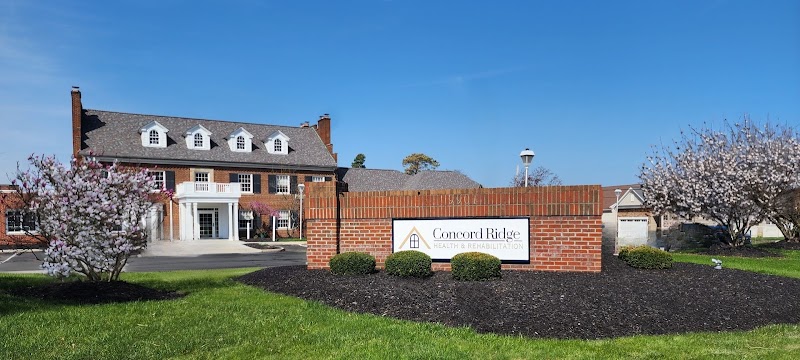
How is Concord Ridge Staffed?

CMS rates CONCORD RIDGE HEALTH AND REHABILITATION's staffing level at 1 out of 5 stars, which is much below average compared to other nursing homes. Staff turnover is 53%, compared to the Ohio average of 46%. RN turnover specifically is 64%, which is notably high. RNs provide skilled clinical oversight, so turnover in this role can affect medical care quality.

What Have Inspectors Found at Concord Ridge?

State health inspectors documented 18 deficiencies at CONCORD RIDGE HEALTH AND REHABILITATION during 2019 to 2024. These included: 1 Immediate Jeopardy (the most serious level, indicating potential for serious harm or death), 16 with potential for harm, and 1 minor or isolated issues. Immediate Jeopardy findings are rare and represent the most serious regulatory concerns. They require immediate corrective action.
Who Owns and Operates Concord Ridge?

CONCORD RIDGE HEALTH AND REHABILITATION is owned by a for-profit company. For-profit facilities operate as businesses with obligations to shareholders or private owners. The facility is operated by FOUNDATIONS HEALTH SOLUTIONS, a chain that manages multiple nursing homes. With 119 certified beds and approximately 83 residents (about 70% occupancy), it is a mid-sized facility located in MENTOR, Ohio.
How Does Concord Ridge Compare to Other Ohio Nursing Homes?

Compared to the 100 nursing homes in Ohio, CONCORD RIDGE HEALTH AND REHABILITATION's overall rating (3 stars) is below the state average of 3.2, staff turnover (53%) is near the state average of 46%, and health inspection rating (4 stars) is above the national benchmark.

What Should Families Ask When Visiting Concord Ridge?

Based on this facility's data, families visiting should ask: "What changes have been made since the serious inspection findings, and how are you preventing similar issues?" "Can you walk me through typical staffing levels on day, evening, and night shifts?" "Can I visit during a mealtime to observe dining assistance and food quality?" "How do you handle medical emergencies, and what is your hospital transfer rate?" These questions are particularly relevant given the facility's Immediate Jeopardy citations and the below-average staffing rating.

Is Concord Ridge Safe?

Based on CMS inspection data, CONCORD RIDGE HEALTH AND REHABILITATION has documented safety concerns. Inspectors have issued 1 Immediate Jeopardy citation (the most serious violation level indicating risk of serious injury or death). The facility has a 3-star overall rating and ranks #100 of 100 nursing homes in Ohio. Families considering this facility should ask detailed questions about what corrective actions have been taken since these incidents.

Do Nurses at Concord Ridge Stick Around?

CONCORD RIDGE HEALTH AND REHABILITATION has a staff turnover rate of 53%, which is 7 percentage points above the Ohio average of 46%. Moderate turnover is common in nursing homes, but families should still ask about staff tenure and how the facility maintains care continuity when employees leave.

Was Concord Ridge Ever Fined?

CONCORD RIDGE HEALTH AND REHABILITATION has no federal fines on record. CMS issues fines when nursing homes fail to meet care standards or don't correct problems found during inspections. The absence of fines suggests the facility has either maintained compliance or corrected any issues before penalties were assessed. This is a positive indicator, though families should still review recent inspection reports for the full picture.

Is Concord Ridge on Any Federal Watch List?

CONCORD RIDGE HEALTH AND REHABILITATION is not on any federal watch list. The most significant is the Special Focus Facility (SFF) program, which identifies the bottom 1% of nursing homes nationally based on persistent, serious quality problems. Not being on this list means the facility has avoided the pattern of deficiencies that triggers enhanced federal oversight. This is a positive indicator, though families should still review the facility's inspection history directly.