Mentor Hills Post Acute
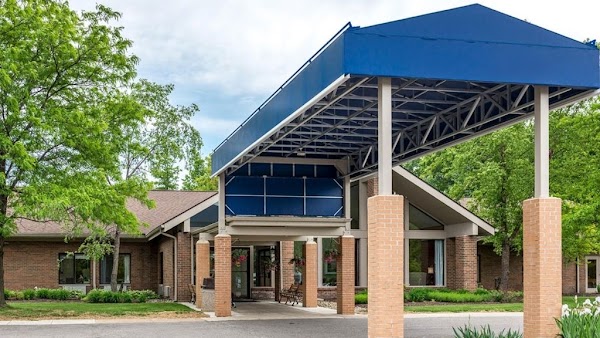
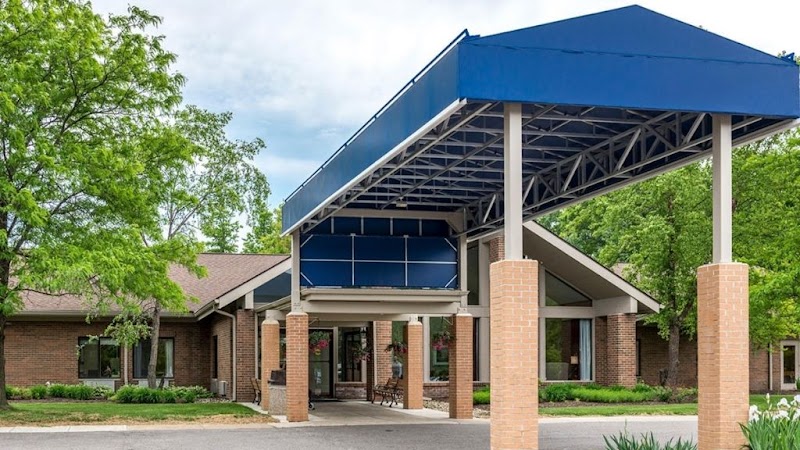
8200 MENTOR HILLS DRIVE, MENTOR, OH 44060 (440) 256-1496
For profit - Limited Liability company 147 Beds LEGACY HEALTH SERVICES Data: November 2025
Trust Grade
50/100
#513 of 913 in OH
Last Inspection: February 2025

Within standard 12-15 month inspection cycle. Federal law requires annual inspections.

Overview

Mentor Hills Post Acute has a Trust Grade of C, indicating it is average among nursing homes but not outstanding. It ranks #513 out of 913 facilities in Ohio, placing it in the bottom half, and #9 out of 14 in Lake County, meaning there are only a few local options that are better. The facility's performance has been stable with 40 issues reported, including serious concerns such as a failure to implement a pressure ulcer prevention program, which resulted in a resident developing a Stage III pressure ulcer. Staffing is a weakness, rated at 1 out of 5 stars with a 69% turnover rate, significantly higher than the state average. On a positive note, the facility has not incurred any fines, indicating compliance with regulations, and it provides more RN coverage than many facilities, which helps ensure better care. However, there have been specific incidents, such as not adhering to infection control practices and poor cleanliness in the kitchen, raising concerns about overall care quality.
Trust Score
C
50/100
In Ohio
#513/913
Bottom 44%
Safety Record
Moderate
Needs review
Inspections
Holding Steady
4 → 4 violations
Staff Stability
⚠ Watch
69% turnover. Above average. Higher turnover means staff may not know residents' routines.
Penalties
✓ Good
No fines on record. Clean compliance history, better than most Ohio facilities.
Skilled Nurses
○ Average
Each resident gets 35 minutes of Registered Nurse (RN) attention daily — about average for Ohio. RNs are the most trained staff who monitor for health changes.
Violations
⚠ Watch
40 deficiencies on record. Higher than average. Multiple issues found across inspections.
★★★☆☆
3.0
Overall Rating
★☆☆☆☆
1.0
Staff Levels
★★★★★
5.0
Care Quality
★★★☆☆
3.0
Inspection Score
Stable
2024: 4 issues
2025: 4 issues

The Good

  • 5-Star Quality Measures · Strong clinical quality outcomes
  • Full Sprinkler Coverage · Fire safety systems throughout facility
  • No fines on record

Facility shows strength in quality measures, fire safety.

The Bad

3-Star Overall Rating

Near Ohio average (3.2)

Meets federal standards, typical of most facilities

Staff Turnover: 69%

23pts above Ohio avg (46%)

Frequent staff changes - ask about care continuity

Chain: LEGACY HEALTH SERVICES

Part of a multi-facility chain

Ask about local staffing decisions and management

Staff turnover is elevated (69%)

21 points above Ohio average of 48%

The Ugly 40 deficiencies on record

1 actual harm
Jun 2025 1 deficiency
CONCERN (D) 📢 Someone Reported This

A family member, employee, or ombudsman was alarmed enough to file a formal complaint

Potential for Harm - no one hurt, but risky conditions existed

Deficiency F0774 (Tag F0774)

Could have caused harm · This affected 1 resident

**NOTE- TERMS IN BRACKETS HAVE BEEN EDITED TO PROTECT CONFIDENTIALITY** Based on record review, interview and facility policy review, the facility failed to ensure transportation to and from a planned...

Read full inspector narrative →
**NOTE- TERMS IN BRACKETS HAVE BEEN EDITED TO PROTECT CONFIDENTIALITY** Based on record review, interview and facility policy review, the facility failed to ensure transportation to and from a planned physician appointment for Resident #94. This affected one (Resident #94) of three residents reviewed for transportation assistance. The facility census was 95. Findings include: Review of the medical record revealed Resident #94 was admitted to the facility on [DATE]. Medical diagnoses included malignant neoplasm of right lung, malignant neoplasm of lower right lung, cerebrovascular disease, hypertension, vertigo, hyperlipidemia, anxiety, major depression, gastro esophageal reflux, and abnormal gait. Review of facility document dated 03/25/25, revealed Resident #94 was to have an appointment on 05/02/25 for a CT (computed tomography) of the chest, abdomen, pelvis and a Radiation Oncology appointment to establish a new patient. In addition, on 05/08/25 Resident #94 was to have an appointment with Hematology and Oncology to establish Resident #94 and infusion therapy. Review of the quarterly Minimum Data Set (MDS) 3.0 assessment dated [DATE] revealed Resident #94's cognition was intact. Supervision was needed to transfer from bed to chair. Resident #94 did not have pain at present and life expectancy was not less than six months. Resident #94 received chemotherapy. Review of the care plan dated 04/19/25 revealed Resident #94 was at risk for complications related to the administration of chemotherapy. Interventions included encouraging fluids, following up with oncologist/hematologist, administering medication as ordered and monitoring for signs of activity intolerance such as fatigue, shortness of breath, pallor or cyanosis, vertigo, weakness. Review of facility document title Appointment Information dated 05/08/25 revealed Resident #94 was scheduled for a Hematology and Oncology visit for small cell right Atezolizumab (immunotherapy) infusion; but Resident #94 was documented as not seen. Review of facility Appointment Calendar dated May 2025, revealed Resident #94 was scheduled on 05/02/25 for an appointment with transportation, but no appointments were scheduled on 05/08/25. Review of Resident Grievance Form, dated 05/13/25, revealed Resident #94 had a concern regarding a missed appointment. Investigation findings revealed the appointment was missed due to transportation error. The resolution revealed the appointment was rescheduled. Interview on 06/04/25 at 2:00 P.M. with the Administrator revealed the Unit Manager was on vacation during the week of 05/08/25, therefore transportation was not scheduled for Resident #94's appointment. The Administrator verified Resident #94 missed the 05/08/25 infusion appointment. The interview on 06/04/25 at 3:00 P.M. with Unit Manager (UM) #309 revealed she was responsible for setting up residents outside appointments and transportation. UM #309 verified Resident #94 missed an infusion appointment in May 2025 because she did not see the appointment come through. Interview on 06/04/25 at 3:15 P.M. with the Social Worker # 301 revealed the nursing staff scheduled transportation for residents to outside appointments and verified Resident #94 missed her infusion appointment. An interview on 06/05/25 at 10:43 A.M. with UM #308 revealed the Unit Managers reviewed orders in the medical records and followed up with transportation for appointments. UM #308 stated she assumed UM #309 had taken care of all appointments prior to her vacation. Interview on 06/05/25 at 12:02 P.M. with the Director of Nursing (DON) verified Resident #94's family filed a grievance on 05/13/25 because Resident #94 missed the 05/08/25 appointment. The DON stated the appointment was missed and transportation was not set up because UM #309 was on vacation that week. The DON verified no physician order was placed in the electronic medical record for 05/08/25 and verified the transportation calendar did not have an appointment for Resident #94 on 05/08/25, and the facility was notified on 03/25/25 regarding the CT of chest, abdomen, pelvis and Radiation Oncology physician appointment on 05/02/25 and the Hematology and Oncology physician appointment with infusion scheduled for 05/08/25. Review of the undated facility policy Transportation, Social Services revealed the facility would help arrange transportation for residents as needed. This deficiency represents non-compliance investigated under Complaint Number OH00165684.
Feb 2025 3 deficiencies
CONCERN (D)

Potential for Harm - no one hurt, but risky conditions existed

Deficiency F0657 (Tag F0657)

Could have caused harm · This affected 1 resident

Based on review of record, interview and facility policy review, the facility failed to offer/hold quarterly care conference meetings for Resident #21 and/or her representative. This affected one resi...

Read full inspector narrative →
Based on review of record, interview and facility policy review, the facility failed to offer/hold quarterly care conference meetings for Resident #21 and/or her representative. This affected one resident (#21) of one resident reviewed for care conferences. The facility census was 96. Findings include: Review of the medical record for Resident #21 revealed an admission date of 03/07/23. Diagnoses included chronic diastolic heart failure, paraplegia, morbid obesity, fibromyalgia, and colostomy. Review of the quarterly Minimum Data Set (MDS) 3.0 assessment, dated 01/01/25, revealed Resident #21 had no memory impairment, was alert and cooperative with normal energy. Review of Resident #21's medical record revealed Interdisciplinary Team (IDT)/Care Conference Notes revealed the only documented evidence of care conferences were on 06/30/23, 03/23/24, and 10/07/24 only. Interview with Resident #21 on 02/10/25 at 8:36 P.M. revealed the resident understood what a care conference was. She denied attending a care plan meeting for a long time. In a follow-up interview with Resident #21 on 02/12/25 at 11:53 A.M. Resident #21 stated that she did not remember meeting with staff; however, she had talked to the person in charge of the kitchen in the hallway regarding food preferences. She also stated she had been invited to meet with a group of people in the dining room but turned down attending due to concern of being exposed to illness. Interview with Social Worker (SW) #606 verified that Resident #21 had care conferences, but they had not occurred quarterly. Resident #21 had attended meetings but also requested SW #606 call her daughter instead of attending. There was no documented evidence that the resident or her daughter were offered quarterly care conferences. Review of the undated facility policy, Care Planning - Interdisciplinary Team Policy revealed that every effort would be made to schedule care plan meetings at the best time of day for both resident and family.
CONCERN (F)

Potential for Harm - no one hurt, but risky conditions existed

Infection Control (Tag F0880)

Could have caused harm · This affected most or all residents

**NOTE- TERMS IN BRACKETS HAVE BEEN EDITED TO PROTECT CONFIDENTIALITY** Based on observation, interview, record review, review of the Centers for Disease Control and Prevention (CDC) guidelines and fa...

Read full inspector narrative →
**NOTE- TERMS IN BRACKETS HAVE BEEN EDITED TO PROTECT CONFIDENTIALITY** Based on observation, interview, record review, review of the Centers for Disease Control and Prevention (CDC) guidelines and facility policy review, the facility failed to use appropriate transmission-based precautions (TBP) for Resident #84, utilize enhance barrier precautions (EBP) when indicated for Residents #12, #57 and #58 and failed to perform wound care using appropriate infection control practices for Residents #1, #12, #41, and #57. This affected one resident (#84) out of two residents reviewed for TBP, affected three residents (#12, #57 and #58) of six residents reviewed for EBP and affected four residents (#1, #12, #41, and #57) of six residents reviewed for wound care. The facility reported 27 residents (#1, #5, #7, #9, #12, #15, #17, #21, #24, #25, #32, #34, #35, #38, #39, #40, #41, #42, #52, #53, #54, #58, #80, #84, #85, #91 and #302) who had EBP, and 23 residents (#1, #4, #7, #12, #17, #21, #24, #39, #40, #41, #42, #52, #53, #54, #57, #58, #77, #84, #85, #90, #91, #298 and #302) who had wounds. This had the potential to affect all 96 residents residing at the facility. Findings include: 1. Review of the medical record for Resident #84 revealed an admission date of 11/21/24 with diagnoses including enterocolitis due to clostridium difficile (C-Diff) (a highly contagious bacterium that causes diarrhea and colitis (an inflammation of the colon), diabetes, end stage renal disease, and asthma. Review of the care plan dated 01/03/25 revealed Resident #84 had an activities of daily living (ADL) self-care deficit related to pelvic fracture, right below the knee amputation, and limited mobility. Interventions included staff assisting with ADL on a daily basis and monitoring for fatigue. Review of the care plan dated 01/24/25 revealed Resident #84 had a C-Diff infection and was at risk for complications including weakness. Interventions included administer medications as ordered, labs as ordered, private room if available, and contact precautions as indicated. Review of the Medicare five-day Minimum Data Set (MDS) 3.0 assessment dated [DATE] revealed Resident #85 had intact cognition. She required supervision or touching assistance with toileting hygiene and transfers. She was occasionally incontinent of urine and frequently incontinent of bowel. Review of the February 2025 physician's orders revealed Resident #84 had an order dated 01/23/25 for contact precautions due to C-Diff and to post a sign to see the nurse before entering the resident's room. The order also revealed wearing gloves, masking, and gowning as needed and washing hands when touching the environment and with direct patient care. Resident #84 also had an order for EBP dated 01/24/25. Observation on 02/11/25 at 7:46 A.M. revealed upon entrance to Resident #84's room there was a personal protective (PPE) cart to the right of the door with an EBP sign posted. The EBP signage revealed that staff were to clean their hands including before entering and when leaving the room, wear gloves and gown for the following high contact resident care activities: dressing, bathing/showering, transferring, changing linens, providing hygiene, changing briefs or assisting with toileting and device care. There was nothing on the signage including wearing PPE when touching environmental surfaces and/or cleaning of the environment. There was no contact precaution signage posted. Interview on 02/11/25 at 7:51 A.M. with Licensed Practical Nurse (LPN) #565 verified Resident #84 had C-Diff. She revealed she had discussed TBP with the Director of Nursing (DON) who indicated EBP was sufficient for the C-Diff infection. Interview and observation on 02/12/25 at 7:35 A.M. with Housekeeping #620 revealed she was assigned Resident #84's room today, 02/12/25, as well as having cleaned her room over the weekend, 02/08/25 and 02/09/25. She revealed if a resident had signage indicating EBP then she did not do anything special as that signage was more for when the aides completed direct care not for her duties as a housekeeper. She verified anytime she cleaned Resident #84's room she usually only wore gloves to clean and not a gown as Resident #84 only had signage indicating EBP precautions and was not aware of any other TBP needed. Housekeeping #620 verified on the outside of Resident #84's room, there was only EBP signage, and that was what she went by. Interview on 02/12/25 at 7:45 A.M. with Housekeeping #621 revealed she went by the signage on the outside of the resident door to indicate what PPE she needed to wear prior to entering. She revealed if there was signage indicating EBP; she wore gloves as that was what she wore into all rooms to clean, but she did not wear a gown or any other PPE. She revealed she was not aware of any other precautions Resident #84 was to have besides EBP. Interview on 02/12/25 at 8:00 A.M. with Housekeeping Supervisor #622 revealed he educated his housekeeping staff that if a resident had EBP signage on the outside of their room to wear gloves and usually a mask. He verified that residents on EBP, he instructed not to wear a gown and/or to take any precautions with the environment. He revealed he was not notified Resident #84 was on any other precautions other than EBP and/or that Resident #84 had C-Diff. Interview and observation on 02/12/25 at 8:10 A.M. with Registered Nurse (RN)/Wound Nurse (WN)/Infection Preventionist (IP) #568 verified that on the outside of Resident #84's room there was only signage for EBP. She verified Resident #84 had C-Diff but that she was always told that there were only two precautions used at the facility either EBP or respiratory droplet precautions. She verified she did not have signage for contact isolation. She verified under the EBP precautions that the precautions did not include anything regarding wearing a gown when entering the room, including touching environmental surfaces and/or cleaning of the environment. She verified she was unsure how housekeepers would be aware of using proper precautions as she stated, I did not think of that. Interview on 02/12/25 at 8:51 A.M. with the DON revealed that the facility had more than two signs to post on the outside of the doors, including signs for contact isolation. She verified Resident #84 had C-Diff, and she should have had contact isolation signage on the outside of her door to notify staff of proper precautions to take as ordered. She verified housekeepers should be wearing gowns to clean environmental surfaces when entering her room as well as to instruct any other staff or visitors that would encounter environmental surfaces. Review of the facility policy labeled, Isolation- Categories of Transmission- Based Precautions, dated 2001, revealed TBP precautions were initiated when a resident developed signs and symptoms of a transmissible infection, arrives for admission with symptoms of an infection, or had a lab confirmed infection or was at risk for transmitting the infection to other residents. The policy revealed TBP were additional measures that protect staff, visitors and other residents from becoming infected. There were three types of precautions: contact, droplet, and airborne. The policy revealed when a resident was placed on TBP appropriate notification was placed on the room entrance door so that personnel and visitors were aware of the type of precautions. The policy revealed for contact precautions staff and visitors wear disposable gowns upon entering the room and remove before leaving the room and avoid touching potentially contaminated surfaces with clothing. Review of the undated, CDC C-Diff Guideline, revealed C-Diff spreads when people touch surfaces that were contaminated with bowel movement from an infected person or when people do not wash their hands with soap and water. The guideline revealed healthcare professionals should prevent C- Diff by rapidly identifying, isolating residents with C-Diff, wear gloves and gowns, and remembering that hand sanitizer does not kill C- Diff. 2. Review of the medical record for Resident #1 revealed an admission date of 08/01/23 with diagnoses including chronic kidney disease, diabetes, and nontraumatic intracerebral hemorrhage affecting the right dominant side. Review of the quarterly MDS 3.0 assessment dated [DATE] revealed Resident #1 had impaired cognition, and he had no pressure ulcers. Review of the February 2025 physician's orders revealed Resident #1 had an order to cleanse his left great toe with wound cleanser, apply calcium alginate (a type of wound dressing derived from seaweed that absorbs exudate and forms a moist gel), abdominal (ABD) pad, and Kerlix gauze daily. Review of the care plan dated 02/11/24 revealed Resident #1 had an open area to left great toe and was at risk for complications. Interventions included administer treatment as ordered, observe and report signs of infection, and wound consult as indicated. Observation on 02/12/25 at 9:09 A.M. of wound care for Resident #1 completed by RN/WN/IP #568 revealed she washed her hands, applied gloves and proceeded to remove Resident #1's dressing to his left foot revealing a nickel size open area that the facility was classifying as a diabetic ulcer that contained dried blood to the top of his left toe. She proceeded to cleanse his left toe with normal saline, applied calcium alginate, ABD, wrapped with Kerlix gauze and then washed her hands. Interview on 02/12/25 at 9:43 A.M. with RN/WN/IP #568 verified that she removed Resident #1's wound dressing to his left foot and proceeded to cleanse the wound without performing hand hygiene. Interview on 02/12/25 at 1:39 P.M. with the DON verified RN/WN/IP #568 should have performed hand hygiene after removing the old dressing. She also verified this was the procedure identified in their facility policy to follow. 3. Review of the medical record for Resident #41 revealed an admission date of 09/19/22 with diagnoses including glycogen storage disease, diabetes, and kidney failure. Review of the care plan dated 12/18/23 revealed Resident #41 had alteration in skin integrity due to a pressure area. Interventions included check dressing for placement during provisional wound care, document wound status, and treatments as ordered. Review of the quarterly MDS 3.0 assessment dated [DATE] revealed Resident #41 had intact cognition. He was at risk for pressure ulcers and had unhealed pressure ulcers. Review of the February 2025 physician's orders revealed Resident #41 orders included: cleanse with saline solution, pat dry and apply calcium alginate and cover with foam dressing every Monday, Wednesday, and Friday to right ischium wound, cleanse with saline solution, pat dry and apply collagen powder (specialized wound care product that promotes wound healing and tissue regeneration) to the wound bed and cover with foam dressing every Monday, Wednesday, and Friday to left ischium wound, and cleanse with saline solution, pat dry, and apply collagen powder and cover with foam dressing every Monday, Wednesday, and Friday to coccyx wound. Observation on 02/12/25 at 9:28 A.M. of wound care that was completed for Resident #41 by RN/WN/IP #568 and LPN #539 revealed RN/WN/IP #568 removed the old dressings to Resident #41's left and right ischium and his coccyx area and then proceeded to cleanse each wound with wound cleanser using a different four by four gauze dressing to clean each. RN/WN/IP #568 then proceeded to take her gloved fingers and placed into the collagen powder packet to remove the collagen with her gloved fingers. She packed the left ischium with the collagen. She then proceeded to reach back into the collagen powder packet and remove more collagen with her gloved fingers to pack the coccyx wound with the collagen. She then took the calcium alginate out of the package and placed it over the right ischium and then covered all wounds with foam dressing as ordered. She proceeded to wash her hands. Interview on 02/12/25 at 9:43 A.M. with RN/WN/IP #568 verified that she did not wash her hands after removing the old dressings. She also verified that she did not do each wound separately as she stated she always looked at the wounds prior and if they did not appear to show signs of infection then she completed all the wounds at the same time without washing her hands between each wound dressing. Interview on 02/12/25 at 1:39 P.M. with the DON verified when removing an old dressing, the nurse should have washed her hands before cleansing the wounds. The DON also verified that if a resident had more than one wound each wound was to be completed separately to avoid cross contamination. Review of the facility policy labeled, Wound Care, dated 2001, revealed staff was to wash their hands and put on gloves, loosen tape and remove the dressing. After removing the dressing, the nurse was to pull glove over the dressing and discard into appropriate receptacle and then wash their hands. The nurse was to put on gloves and proceed to cleanse the wound. There was nothing in the policy regarding wound care including the care of more than one wound. 4. Review of the medical record for Resident #58 revealed an admission date of 01/22/25 with diagnoses including left knee effusion, staphylococcal arthritis left knee, diabetes mellitus type two and methicillin susceptible staphylococcus aureus infection. Physician orders effective February 2025 indicated to flush the PICC (peripherally inserted central catheter) before and after medication administration, administer cefazolin (antibiotic) two grams intravenously every twelve hours for infection, and EBP of gown and gloves for high-contact resident care including care with any device (central line). Observation on 02/12/25 at 9:00 A.M. with LPN #565 of intravenous antibiotic administration via Resident #58's PICC line revealed LPN #565 wore only gloves and no gown during the procedure despite the EBP requirement. There was an EBP sign posted with a PPE cart at Resident #58's room entrance. Interview at the time of the observation with LPN #565 verified a gown was not used for EBP as required. 5. Review of the medical record for Resident #57 revealed an admission date of 11/14/24 with diagnoses including closed fracture of radius, chronic combined systolic and diastolic congestive heart failure, atrial fibrillation, and pain in right knee. The physician wound assessment dated [DATE] specified a left heel unstageable (a full-thickness skin loss with the wound base covered by necrotic tissue) pressure ulcer covered by 100 percent necrotic tissue. Physician orders effective February 2025 indicated a left heel treatment to cleanse with wound cleanser, apply betadine and cover with an ABD followed by Kerlix gauze daily and as needed. There was no physician order for EBP related to the pressure ulcer. Observation on 02/12/25 at 8:21 A.M. with RN/WN/IP #568 of Resident #57's wound care revealed no EBP sign or cart with PPE located outside of the resident's room. RN/WN/IP #568 obtained the treatment cart and without cleaning the cart or top of the cart entered Resident #57's room with the cart and positioned it next to the bed. RN/WN/IP #568 then performed the following actions: a pair of scissors, an opened package of bulk gauze pads, a bottle of betadine, and closed packages each of an ABD and Kerlix gauze were removed from the treatment cart and placed on the cart top; hand hygiene was completed followed by application of gloves, but there was no gown donned as required for EBP; Resident #57's sock was removed from the left foot; the soiled dressing was cut open, removed while spraying the area with wound cleanser and placed laid open underneath Resident #57's suspended heel; without disposing of the soiled dressing, changing gloves or performing hand hygiene, placed a soiled gloved hand into the clean package of bulk gauze pads, obtained a small stack of gauze pads and cleansed the wound using the gauze and wound cleanser while the heel was suspended above the removed soiled dressing; placed the used gauze onto the soiled dressing, bundled it up, disposed of it, and rested the foot down onto the bed, not on a clean barrier; with both soiled gloved hands, opened each clean dressing package of an ABD and Kerlix gauze and laid the packages open on top of the treatment cart; opened the betadine bottle; reached inside the package of bulk gauze and obtained a small stack of clean gauze pads; poured betadine onto the bulk gauze and applied the betadine; while still wearing the same soiled gloves, picked up the clean ABD dressing and applied it; while still wearing the same soiled gloves, picked up the clean Kerlix gauze and applied it; inserted each soiled gloved hand into the right and left shirt pockets and upon removal held a pen and used it to date the clean dressing; picked up the resident's sock with the soiled gloved hands and applied it to the left foot and adjusted the blankets over the foot; the soiled gloves were removed followed by performing hand hygiene; the opened bulk package of gauze pads were placed back into the treatment cart with the betadine bottle; and the treatment cart was removed from the room. Interview at the time of the observation with RN/WN/IP #568 verified the above findings. Review of the facility policy, Wound Care, revised October 2010, revealed to place all items to be used during procedure on a clean field; remove dressing and discard into appropriate receptacle then wash hands and put on gloves; remove gloves and wash hands before repositioning bed covers or making the resident comfortable; and take only supplies necessary for the treatment into the room. Review of the facility policy, Enhanced Barrier Precautions, revised March 2024, revealed gloves and gown are applied prior to performing high contact resident care activity for wound care (pressure ulcers, diabetic foot ulcers, venous stasis ulcers, and unhealed surgical wounds) and device care or use (central lines). EBP signs are posted outside the resident room indicating the type of precautions and personal protective equipment (PPE) required. PPE is available outside resident rooms. 6. Review of the medical record for Resident #12 revealed an admission date of 11/11/19 with diagnoses including artificial left and right knee, peripheral vascular disease, senile degeneration of brain, spinal stenosis, and obstructive sleep apnea. Review of the annual MDS 3.0 assessment dated [DATE] revealed Resident #12 had impaired understanding, did not respond to questions, and had application of nonsurgical dressings to other than feet. Review of the left lateral knee wound assessment dated [DATE] revealed a non-pressure chronic ulcer of the left lateral knee having been present for approximately seven months. A physician's order effective 08/27/24 indicated a left lateral knee treatment to cleanse the wound, pat dry with gauze, and apply calcium alginate silver, and foam dressing daily and as needed. A physician's order effective 09/30/24 indicated EBP: use a gown and gloves for high contact resident care including dressing changes every shift to reduce the chance of spreading infection. A physician's order effective 10/22/24 indicated a left midline knee treatment to be cleansed with saline solution, pat dry with gauze, apply calcium alginate silver, and cover with foam dressing daily and as needed. Observation on 02/12/25 at 3:07 P.M. with RN/WN/IP #568 of Resident #12's wound care revealed an EBP sign and isolation cart holding supplies outside of the room. RN/WN/IP #568 performed the following steps: order was reviewed off printed copy of physician order for both dressing changes outside the room; supplies were brought into the room; the resident was positioned; RN/WN/IP #568 washed her hands and donned non-sterile gloves; the old dressing was removed; the dressing and gloves were disposed; new non-sterile gloves were donned; both wounds were cleansed and dried with separate gauze; calcium alginate silver was applied to only the left medial wound; both wounds were covered with a foam dressing; gloves were removed; the resident was covered; hands were washed. RN/WN/IP #568 did not apply a gown at the start of the procedure and did not change gloves after cleansing the wounds and prior to applying the calcium alginate silver and foam dressing. RN/WN/IP #568 only applied calcium alginate silver to the medial wound before covering both wounds with one foam dressing. Interview at the time of the observation with RN/WN/IP #568 verified the above findings. Review of the facility policy, Policies and Procedures - Infection Prevention and Control, dated 03/24, identified gloves and gown to be applied prior to performing wound care.
MINOR (C)

Minor Issue - procedural, no safety impact

Grievances (Tag F0585)

Minor procedural issue · This affected most or all residents

Based on record review, staff interview and facility policy review, the facility failed to ensure a designated Grievance Officer was identified. This had the potential to affect all 96 residents resid...

Read full inspector narrative →
Based on record review, staff interview and facility policy review, the facility failed to ensure a designated Grievance Officer was identified. This had the potential to affect all 96 residents residing in the facility. Findings include: Review of the Grievance Committee list revealed no staff member had been designated as the Grievance Officer. Interview on 02/12/25 at 10:18 A.M. with the Administrator revealed there was no designated Grievance Officer. Review of the facility policy titled Grievances/Complaints, Filing, updated April 2017, revealed the Administrator delegates a Grievance Officer.
Dec 2024 1 deficiency
CONCERN (D) 📢 Someone Reported This

A family member, employee, or ombudsman was alarmed enough to file a formal complaint

Potential for Harm - no one hurt, but risky conditions existed

Menu Adequacy (Tag F0803)

Could have caused harm · This affected 1 resident

Based on observation, interview and review of the menu and spreadsheet, the facility failed to provide the alternate entree at the appropriate portion size. This affected two residents (#24 and #73) o...

Read full inspector narrative →
Based on observation, interview and review of the menu and spreadsheet, the facility failed to provide the alternate entree at the appropriate portion size. This affected two residents (#24 and #73) of two residents observed to receive the alternate on lunch on 12/18/24 out of 98 residents receiving food from the kitchen (Resident #53 was ordered nothing by mouth). Facility census was 99. Findings include: Review of the menu for Week Two revealed a meal on Wednesday (corresponding to 12/18/24) lunch including cheese ravioli with marinara sauce with a portion size listed as one cup. Review of the diet guide spreadsheet for Day 11 Wednesday (corresponding to 12/18/24) lunch revealed the entrée of cheese ravioli with marinara sauce was to be provided in a one-cup portion for those on a regular diet. Observation on 12/18/24 starting at 11:37 A.M. revealed trayline was set for the lunch meal consisting of chicken, cranberry orange sauce, Brussels sprouts, garden blend rice, dinner roll and an alternate of cheese ravioli in marinara sauce. Observation while Certified Dietary Manager (CDM) #399 took temperatures of the foods to be served revealed the ravioli had a green-handled spoodle in it that provided a four-ounce (half-cup) serving. Continued observation on 12/18/24 at 11:51 A.M. revealed meals began to be served for residents eating in the dining room. Two trays were observed to be plated receiving the ravioli entrée and [NAME] #415 was observed to be providing one four-ounce scoop of the ravioli both times. Interview on 12/18/24 at 12:37 P.M. with CDM #399 and District Manager (DM) #398 verified eight ounces (one cup) of ravioli was supposed to be served at the lunch meal and if staff were going to use a four-ounce scoop to serve, then two scoops of ravioli were to be provided. Two residents were identified as receiving the alternate of ravioli, Resident #24 and Resident #73. Interview on 12/18/24 at 3:41 P.M. with Resident #73 verified he received ravioli at lunch this date. Interview on 12/18/24 at 3:56 P.M. with Resident #24 verified she received ravioli at lunch this date. This deficiency represents noncompliance investigated under Complaint Number OH00160242.
Jul 2024 3 deficiencies 1 Harm
SERIOUS (G) 📢 Someone Reported This

A family member, employee, or ombudsman was alarmed enough to file a formal complaint

Actual Harm - a resident was hurt due to facility failures

Pressure Ulcer Prevention (Tag F0686)

A resident was harmed · This affected 1 resident

**NOTE- TERMS IN BRACKETS HAVE BEEN EDITED TO PROTECT CONFIDENTIALITY** Based on observation, record review, interview, and facility policy review the facility failed to develop and implement a compre...

Read full inspector narrative →
**NOTE- TERMS IN BRACKETS HAVE BEEN EDITED TO PROTECT CONFIDENTIALITY** Based on observation, record review, interview, and facility policy review the facility failed to develop and implement a comprehensive and individualized pressure ulcer prevention program to prevent the development of pressure ulcers, to timely identify new pressure ulcers and to ensure wound care was completed as ordered. This affected two residents (#51 and #79) of four residents reviewed for pressure ulcers. The facility census was 102. Actual Harm occurred on 07/12/24 when Resident #51, who had a history of pressure ulcers, was dependent on staff assistance for most all activities of daily living (ADL) including toileting, hygiene, shower, dressing, transfers, and required partial to moderate assistance with rolling left and right in bed, was found to have an in-house acquired Stage III pressure ulcer (full thickness tissue loss, subcutaneous fat may be visible but bone, tendon or muscle are not exposed, slough may be present but does not obscure the depth of tissue loss, may include undermining and tunneling) to his scrotal area that contained 50 percent slough/necrosis (dead tissue) requiring mechanical debridement (remove unhealthy tissue from a wound bed) per Wound Nurse Practitioner (NP) #692. On 07/15/24, Resident #51 was found to have another in-house acquired Stage III pressure ulcer to his coccyx area that also required mechanical debridement. The facility failed to provide documented evidence of effective, comprehensive, and adequate interventions being in place to prevent the development of these pressure ulcers and to ensure the pressure ulcers were identified before being found at a Stage III. Actual Harm occurred on 07/15/24 when Resident #79, who was dependent on staff for most all ADL care including toileting, hygiene, shower, dressing, transfers, and required partial to moderate assistance with rolling left and right in bed, was found to have an in-house acquired Stage III pressure ulcer to her right buttock that also required mechanical debridement to remove the devitalized tissue to healthy bleeding tissue. Observation of wound care on 07/22/24 revealed Resident #79's dressing was dated 07/19/24 indicating her daily wound care dressing was not completed on 07/20/24 or 07/21/24 as ordered by the physician. The facility failed to provide documented evidence of effective, comprehensive, and adequate interventions being in place to prevent the development of this pressure ulcer and to ensure the pressure ulcer was identified before being found at a Stage III. Findings include: 1. Review of the medical record for Resident #51 revealed an admission date of 09/19/22 with diagnoses including diabetes, chronic pain syndrome, dysphagia, and glycogen storage disease (a rare condition that changes the way the body uses and stores sugar or glucose). Review of the care plan dated 12/18/23 revealed Resident #51 had an alteration in skin integrity as he had pressure ulcers to his ischium, sacrum, and buttocks. Interventions included checking dressing placement during routine care and services, encouraging the resident to get out of bed as tolerated, monitoring wounds for signs of infection, treatments as ordered, and document wound status weekly or as needed. Review of the care plan dated 03/17/24 revealed Resident #51 had the potential for altercation in skin integrity related to bruises easily, immobility, and incontinence. Interventions included administering treatments as ordered, offloading heels as tolerated, pressure redistribution cushion to chair, turning and repositioning as needed, and skin assessment weekly. Review of the care plan dated 04/01/24 revealed Resident #51 had an ADL self-care/ mobility/ functional ability performance deficit related to impaired mobility. Interventions included providing extensive assistance with bed mobility, dressing, and bathing, assist resident with proper body alignment while in bed using positioning devices as needed, and providing total assistance with a mechanical lift for transfers. Review of the C2) Weekly Ulcer/ Wound Documentation- V7 dated 05/02/24 and completed by Licensed Practical Nurse (LPN) #615 revealed Resident #51's coccyx (sacrum) wound was resolved. Review of the Quarterly Skin assessment dated [DATE] and completed by Registered Nurse (RN)/ Minimum Data Set (MDS) #650 revealed Resident #51 was at mild risk for developing pressure ulcers as he was occasionally moist, chairfast, slightly limited with mobility, and had a problem with friction and shear. Review of the C2) Weekly Ulcer/ Wound Documentation- V7 dated 06/06/24, 06/13/24, 6/20/24, 06/28/24, and 07/03/24 revealed no documented evidence that Resident #51 had any skin impairment to his coccyx (sacrum) or his scrotal area. Record review revealed the resident was receiving treatment for a pressure ulcer to the left ischium during this time period . Review of the quarterly Minimum Data Set (MDS) assessment dated [DATE] revealed Resident #51 had intact cognition. The assessment revealed the resident was dependent on staff assistance for most all ADL care, including toileting, hygiene, shower, dressing, and transfers. He required partial to moderate assist with rolling left and right in bed. The assessment revealed the resident was at risk for pressure ulcers and had two Stage IV pressure ulcers (Full thickness tissue loss with exposed bone, tendon or muscle. Slough may be present on some parts of the wound bed. Often include undermining and tunneling.), and one was identified on admission. (The Stage IV pressure ulcers were noted to be the resident's ischium). Review of the C2) Weekly Ulcer/ Wound Documentation- V7 dated 07/12/24 and completed by Licensed Practical Nurse (LPN) #691 revealed on 07/12/24 Resident #51 was identified to have a Stage III pressure ulcer on his scrotal area that measured 8.4 centimeters (cm) length by 5.2 cm width with 0.2 cm depth post mechanical debridement. The wound contained 50 percent granulated tissue, 50 percent slough/ necrosis, and moderate drainage. A treatment was ordered to cleanse with wound cleanser, pat dry, apply tetracyte (a topical antibiotic to help wound healing) to wound bed followed by Medi honey (a medical- grade honey intended for wound care), oil emulsion, calcium silver alginate (dressing when in contact with wound exudates a gel was formed for easier dressing removal), and cover with abdominal (ABD) pad. There was no documented evidence that Resident #51 had any skin impairment to his sacrum/ coccyx area at this time. Review of Wound NP #692's progress note dated 07/12/24 revealed Resident #51 had a new Stage III pressure ulcer to his bilateral midline scrotal area that measured 8.39 cm length by 5.22 cm width with 0.1cm depth. Wound NP #692 evaluated the wound and noted the wound bed had full thickness that contained 50 percent (%) granulated tissue and 50% necrosis. Wound NP #692 mechanically debrided the devitalized tissue to the level of healthy bleeding tissue and ordered a treatment. Resident #51 had no documented evidence he had a pressure ulcer to his coccyx area at this time. Review of the C2) Weekly Ulcer/ Wound Documentation- V7 dated 07/15/24 and completed by LPN #691 revealed on 07/15/24 Resident #51 was identified to have a Stage III pressure ulcer to his coccyx area that measured 0.1 cm length by 0.3 cm width with 0.3 cm depth post mechanical debridement with 100 percent granulated tissue. A treatment was ordered to cleanse the wound with wound cleanser, pat dry, apply tetracyte drops, Medi honey, calcium alginate, and cover with border foam daily and as needed. Resident #51 continued to have a Stage III pressure ulcer to his scrotal area at this time. Review of the Wound NP #692 progress note dated 07/15/24 revealed Resident #51 had a Stage III pressure ulcer to his bilateral midline scrotal area that measured 7.83 cm length by 4.09 cm width with 0.1cm depth. Wound NP #692 evaluated the wound and noted the wound bed was full thickness and contained 50 percent granulated tissue and 50 percent necrotic tissue. Wound NP #692 mechanically debrided the devitalized tissue to the level of healthy bleeding tissue and ordered a treatment. Resident #51 was found to have a new Stage III pressure ulcer to his coccyx area that measured 0.1 cm length by 0.3 cm width with 0.2 cm in depth. Wound NP #692 evaluated and noted the wound bed was full thickness with 100 percent granulated tissue. A treatment was ordered to cleanse with wound cleanser, pat dry, apply tetracyte to wound bed followed by Medi honey, oil emission, calcium silver alginate, and cover with foam dressing. Observation on 07/22/24 at 1:27 P.M. revealed Resident #51 was lying in bed. An interview with the resident revealed he was unable to provide any details of how often and/or where he had wounds/pressure ulcers. Review of Wound NP #692's progress note dated 07/22/24 revealed Resident #51 continued to have a Stage III pressure ulcer to his scrotal area that measured 6.69 cm length by 2.97 cm width, with 0.1 cm depth. The wound contained 86 percent granulated tissue and 13 percent necrosis. NP #692 documented the wound was unchanged and mechanically debrided the devitalized tissue to the level of healthy bleeding tissue and ordered to continue the same treatment. There was no progress note regarding the evaluation of Resident #51's coccyx wound on 07/22/24. Interview on 07/23/24 at 3:23 P.M. with Regional RN #695 and the Director of Nursing (DON) verified per documentation on the C2) Weekly Ulcer/ Wound Documentation- V7 completed by LPN #691 and Wound NP #692's progress note on 07/12/24 Resident #51 was found to have a Stage III pressure ulcer to his scrotal area that contained 50 percent slough necrosis and needed mechanically debrided per Wound NP #692. Regional RN #695 and the DON indicated they believed Resident #51 had the pressure ulcer since admission to his coccyx/sacrum area but then verified on the C2) Weekly Ulcer/ Wound Documentation- V7 and the weekly wound NP #692 and #696 progress notes dated 6/06/24, 06/13/24, 6/20/24, 06/28/24, 07/03/24 and 07/12/24 there was no documented evidence he had any skin impairment to his coccyx/sacrum area. Regional RN #695 and the DON verified on 07/15/24, per documentation, Resident #51 was found to have a new Stage III pressure ulcer to his coccyx area per the C2) Weekly Ulcer/ Wound Documentation- V7 completed by LPN #691 and Wound NP #692's progress note. Regional RN #695 stated just going to be honest it all fell through the cracks and could not explain why except that there had many multiple changes in wound NPs and wound nurses at the facility. Interview on 07/24/24 at 11:10 A.M. with Wound NP #692 revealed she had identified Resident #51's Stage III pressure ulcer to his scrotal area on 07/12/24 during rounds when they turned him over to check his skin, the area was noted, and the wound nurse that she was rounding with had not known of him having this wound prior. She revealed the ulcer was definitely a Stage III pressure ulcer as the wound was full thickness and contained 50 percent slough that she had to mechanically debride down to the healthy tissue. She revealed on 07/12/24 Resident #51 did not have a pressure ulcer to his coccyx area at the time of her evaluation. She revealed she then consulted again on 07/15/24 and noted he continued to have the Stage III to his scrotal area as well as a new Stage III to his coccyx area. She revealed she felt Resident #51 possibly could have had a pressure ulcer at this site as he had scar tissue but when she asked the rounding wound nurse, she was unable to locate in his medical record any evidence that he had had one. She revealed she then had to classify this wound as a new wound instead of a re-opened wound and staged the wound as she had observed on 07/15/24 as a Stage III pressure ulcer. She revealed she had taken over the facility wound care just for the last three weeks and had found it very difficult as there had been multiple wound NPs and wound nurses at the facility, the documentation was not clear, and the wound nurses did not seem to know the residents well to provide thorough and accurate information. 2. Review of the medical record for Resident #79 revealed an admission date of 02/08/23 with diagnoses including chronic kidney disease, diabetes, chronic obstructive pulmonary disease, and major depression. Review of the care plan dated 02/08/23 revealed Resident #79 required assistance for transferring from one position to another due to impaired mobility. Interventions included two staff assist with bed mobility and use of a mechanical lift for transfers. Review of the care plan dated 05/20/24 revealed Resident #79 had an alteration in skin integrity due to moisture associated skin damage (MASD) to back of left leg and a left leg laceration. Interventions included document wound status weekly and as needed, treatments as ordered, and refer to wound treatment specialist. Review of the quarterly skin assessment dated [DATE] and completed by RN/ MDS #667 revealed Resident #79 was at mild risk for developing pressure ulcers as she had occasionally moist skin, had limited mobility, was chairfast, and had a problem with friction and shear. Review of the July 2024 physician orders revealed an order dated 07/16/24 to cleanse open area to right buttocks with wound cleanser, pat dry, and apply dry dressing, an order dated 07/17/24 to cleanse bilateral buttocks with soap and water, pat dry, and apply protective barrier cream with nystatin cream daily and as needed, and an order dated 07/17/24 to clean her right buttock with normal saline, pat dry, apply tetracycline, Medi honey, oil emulsion and calcium alginate, cover with border foam dressing daily and as needed. She also had orders that included pressure redistribution cushion while in chair that was initiated 10/24/23, protective moisture barrier topically to perineal area every shift that was initiated 10/24/23, turn and reposition as tolerated and as needed using lift pad to minimize friction and shear that was initiated 10/24/23, and a low air loss mattress that was initiated on 12/18/23. Review of the quarterly MDS assessment dated [DATE] revealed Resident #79 had intact cognition. The assessment revealed the resident was dependent on staff assistance for most of her ADL care, including toileting hygiene, showers, and transfers. She required partial to moderate assistance with rolling left and right in bed. The assessment revealed the resident was at risk for pressure ulcers but had no pressure ulcers at the time of the assessment. Review of the weekly wound note dated 07/12/24 at 4:23 P.M. and completed by LPN #691 revealed Resident #79 continued to have a laceration to her left posterior knee. There was no documented evidence Resident #79 had any skin impairment to her buttocks. Review of the weekly wound note dated 07/15/24 at 2:23 A.M. and completed by LPN #691 revealed Resident #79 was found to have a Stage III pressure ulcer to her right buttocks that measured 0.9 cm length by 1.0 cm width with 0.2 cm depth post debridement. The note revealed mechanical debridement was completed and the wound base was visible with 100 percent granulation tissue present with minimal amount of thin, red drainage. Review of Wound NP #692's progress note dated 07/15/24 revealed Resident #79 had a new Stage III pressure ulceration to her right midline buttock that measured 0.9 cm length by 1.0 cm width with 0.1cm in depth. The wound was full thickness with 100 percent granulating tissue. The note revealed Wound NP #692 mechanically debrided, and the devitalized tissue was removed to the level of healthy bleeding tissue. NP #692 ordered the wound to her right buttock to be cleaned with normal saline, pat dry, apply tetracycline, Medi honey, oil emulsion, and calcium alginate, cover with border foam dressing daily and as needed. Review of the care plan dated 07/17/24 revealed Resident #79 had a potential for alteration in skin integrity related to immobility. Intervention included dry thoroughly between skin fold after cleansing, monitor between fold for redness, irritation, and bleeding, keep linens clean, dry, and wrinkle free, pressure redistribution cushion to chair, pressure redistribution mattress to bed, and moisturizing lotion. Review of the July 2024 Treatment Administration Record (TAR) revealed Resident #79's treatment dated 07/17/24 to clean her right buttock with normal saline, pat dry, apply tetracycline, Medi honey, oil emulsion and calcium alginate, cover with border foam dressing daily and as needed was signed off as completed daily from 07/17/24 to 07/21/24. Observation of wound care for Resident #79 on 07/22/24 at 11:03 A.M. completed by RN/ Wound Nurse #694 and Wound NP #692 revealed Resident #79's dressing to the right buttock was dated 07/19/24. RN/ Wound Nurse #694 and Wound NP #692 verified Resident #79's daily dressing had not been completed on 07/20/24 or 07/21/24 as ordered. Wound NP #692 assessed the right buttock pressure area stating previously it was a full thickness wound and now was partial thickness measuring 0.7 cm length by 0.6 cm width with 0.1 cm in depth. Wound NP #692 revealed no changes to the current treatment were necessary at this time. Interview on 07/22/24 at 11:07 A.M. and 11:10 P.M. with RN/ Wound Nurse #694 revealed this was her first week at the facility and first-time observing Resident #79's right buttocks wound. She was unable to provide any details regarding how Resident #79's wound was found except that per the documentation, the first documentation was that the wound was found as a Stage III pressure ulcer. Interview on 07/22/24 at 11:10 A.M. with Wound NP #692 revealed this was her third week coming to the facility and many times she had identified wound dressings (for residents) in place were dated indicating the dressings were not completed as ordered. She revealed today, 07/22/24, Resident #58's arterial wound dressing to his left ankle was the same dressing they had applied on 07/15/24 even though his order was to be changed daily (one week he went without having it changed). She verified Resident #79's wound was found at Stage III as the pressure ulcer (was full thickness) and she debrided the wound on her last visit. She stated, I hope with the new wound nurse, things will be fixed as there has been issues with dressings not being changed as ordered. Interview on 07/23/24 at 10:41 A.M. with Resident #79 revealed the nurses did not do her dressing all weekend (07/20/24 and 07/21/24) as stated it was supposed to be done daily. She revealed if her regular nurse was not working that her dressing change does not get done. Review of the facility policy labeled, Dressing Change (Clean) dated 11/30/23 revealed the purpose of the policy was to protect, prevent irritation, prevent infection, and promote healing. The policy described the procedure for changing the dressing and to document it in the medical record. The policy did not include anything regarding ensuring treatments were completed as ordered and/ or not documenting in the treatment record until after the treatment was completed. Review of the facility policy labeled; Skin Care Management dated 11/30/23 revealed the facility would assess residents for the potential for the risk of developing skin breakdown. Residents at risk for developing skin breakdown would be managed. Residents at minimum risk would have a daily evaluation and daily skin care. Residents with identified skin breakdown would be documented on the skin assessment weekly including wound description including measurements. This deficiency represents non-compliance investigated under Complaint Number OH00155127.
CONCERN (D) 📢 Someone Reported This

A family member, employee, or ombudsman was alarmed enough to file a formal complaint

Potential for Harm - no one hurt, but risky conditions existed

Quality of Care (Tag F0684)

Could have caused harm · This affected 1 resident

**NOTE- TERMS IN BRACKETS HAVE BEEN EDITED TO PROTECT CONFIDENTIALITY** Based on observation, record review, interview, and facility policy review the facility failed to ensure resident treatments wer...

Read full inspector narrative →
**NOTE- TERMS IN BRACKETS HAVE BEEN EDITED TO PROTECT CONFIDENTIALITY** Based on observation, record review, interview, and facility policy review the facility failed to ensure resident treatments were completed and/ or documented as ordered. This affected two residents (#58 and #93) out of four residents reviewed treatments. This had the potential to affect 17 residents (#7, #14, #23, #27, #45, #48, #51, #58, #67, #73, #79, #85, #86, #89, #90, #91, and #99) identified by the facility with a treatment order other than barrier cream. The facility census was 102. Findings included: 1. Review of the medical record for Resident #58 revealed an admission date of 05/10/23 with diagnoses including hypertension, anxiety disorder, abnormalities of gait and mobility, and weakness. Review of the care plan dated 07/18/23 revealed Resident #58 had an alteration in skin integrity due to left ankle arterial ulcer. Interventions included check dressing for placement during the provision of routine care and services, document wound status weekly, heel lift suspension boots to be worn as tolerated, and treatments per order. Review of the Wound Nurse Practitioner (NP) #692 progress note dated 07/12/24 revealed Resident #58 continued to have an arterial ulceration to his left lateral ankle that measured 1.0 centimeter (cm) in length, 0.9 cm in width and 0.1cm in depth. Wound NP #692 ordered to cleanse Resident #58's left lateral ankle with saline solution, pat dry, apply Tetracyte (a topical antibiotic to help wound healing) along with calcium alginate (dressing when in contact with wound exudates a gel was formed for easier dressing removal), and cover with border foam dressing daily and as needed. There was no order on this progress note to complete the dressing change every other day. Review of the July 2024 treatment administration record (TAR) revealed an order dated 07/13/24 to cleanse Resident #58's left lateral ankle with saline solution, pat dry, apply Tetracyte along with calcium alginate, and cover with border foam dressing daily and as needed. The order also included every evening shift every other day (conflicting with the above frequency). The TAR indicated the treatment was marked to be completed every other day and not daily even though the order had both instructions in it. The TAR indicated his treatment was documented as completed on 07/15/24, 07/17/24, 07/19/24, 07/21/24 and that Resident #58 had refused his treatment on 07/13/24. Review of the C2) Weekly Ulcer Wound Documentation- V7 dated 07/15/24 and completed by Licensed Practical Nurse (LPN) #691 revealed Resident #58 had an arterial ulcer to his left lateral ankle that measured 1.1 cm in length. 0.9 cm in width, and 0.2cm in depth post debridement. The assessment revealed the following treatment was to be completed: cleanse Resident #58's left lateral ankle with saline solution, pat dry, apply Tetracyte along with calcium alginate, and cover with border foam dressing daily and as needed. (There was nothing on the assessment that the treatment was to be completed every other day). Interview on 07/22/24 at 11:10 A.M. with Wound NP #692 stated that this was the third week coming to the facility and many times the wound dressings were dated indicating the dressing were not completed as ordered. She revealed today, 07/22/24, Resident #58's arterial wound dressing to his leg was the same dressing they had applied on 07/15/24 even though his order was to be changed daily (one week he went without having it changed). She stated, I hope with the new wound nurse things will be fixed as there has been issues with dressings not being changed as ordered. Interview on 07/22/24 at 11:12 A.M. with Registered Nurse (RN)/ Wound Nurse #694 verified Resident #58's dressing was dated 07/15/24, today 07/22/24, when they changed his dressing. She revealed she could not explain why his wound dressing was not completed as ordered as she stated this was her first week employed at the facility. Interview on 07/22/24 at 12:36 P.M. with Resident #58 revealed the nurses did not change his dressing as ordered to his left ankle. He revealed today, 07/22/24, RN/ Wound Nurse #694 and Wound NP #692 had changed his dressing but before that it had been almost a week since anyone had changed it. Interview on 07/22/24 at 4:26 P.M. with Regional RN #696 and the Director of Nursing (DON) revealed LPN #691 had come from another facility to assist with wound rounds. They verified in Wound NP #692 and in the C2) Weekly Ulcer Wound Documentation- V7 completed by LPN #691 he was to have his treatment completed daily. They verified on the TAR that the nurses had documented this was completed every other day. They had no explanation why when RN/ Wound Nurse #694 and Wound NP 692 changed his dressing today, 07/22/24, the dressing on Resident #58's left lateral ankle was dated 07/15/24 even though the nurses had signed off the dressing changes 07/15/24, 07/17/24, 07/19/24, and 07/21/24. 2. Review of the medical record for Resident #93 revealed an admission date of 11/03/23 with diagnoses including Alzheimer's disease, hypertension, and weakness. Review of the C2) Weekly Ulcer/ Wound Documentation- V7 dated 06/18/24 and completed by LPN #615 revealed Resident #93 bilateral buttocks fungal rash was resolved and there was a treatment to continue to cleanse her bilateral buttocks with soap and water, pat dry, apply antifungal cream and powder every shift. Review of the June 2024 physician orders revealed Resident #93 had an order dated 06/27/24 to cleanse her bilateral buttocks with soap and water, pat dry, apply antifungal cream and powder every shift and as needed. Review of the quarterly Minimum Data Set (MDS) assessment dated [DATE] revealed Resident #93 was rarely and/ or never understood. She was always incontinent of bowel and bladder. She had moisture associated skin damage (MASD). Review of the July 2024 TAR revealed there was no documentation that her treatment to cleanse her bilateral buttocks with soap and water, pat dry, apply antifungal cream and powder every shift was completed from 07/01/24 to 07/22/24 every shift. Observation on 07/22/24 at 10:38 A.M. of incontinence care completed by State Tested Nurse Aide (STNA) #664 revealed Resident #93's perineal area was pink including a darker pink line where Resident #93's incontinence product laid in her groin area. Interview on 07/22/24 at 4:26 P.M. with Regional RN #696 and the DON verified Resident #93 had a physician order to cleanse her bilateral buttocks with soap and water, pat dry, apply antifungal cream and powder every shift and there was no documented evidence this was completed on the TAR. Review of the facility policy, Medication Administration- General Guidelines dated November 2021 revealed medication were to be administered as prescribed. The policy revealed that topical medications used in treatments were listed on the TAR and the individual who administers the medication records the administration of. Review of the facility policy labeled, Dressing Change (Clean) dated 11/30/23 revealed the purpose of the policy was to protect, prevent irritation, prevent infection, and promote healing. The policy described the procedure for changing the dressing and to document it in the medical record. The policy did not include anything regarding ensuring treatments were completed as ordered and/ or not documenting in the treatment record until after the treatment was completed. Review of the facility policy labeled; Skin Care Management dated 11/30/23 revealed the facility would assess residents for the potential for the risk of developing skin breakdown. Residents with identified skin breakdown would have a documented skin assessment weekly and treatments would be completed as ordered. This deficiency represents non-compliance investigated under Complaint Number OH00155127.
CONCERN (D) 📢 Someone Reported This

A family member, employee, or ombudsman was alarmed enough to file a formal complaint

Potential for Harm - no one hurt, but risky conditions existed

Medical Records (Tag F0842)

Could have caused harm · This affected 1 resident

**NOTE- TERMS IN BRACKETS HAVE BEEN EDITED TO PROTECT CONFIDENTIALITY** Based on observation, record review, interview, and facility policy review the facility failed to ensure medical records were ma...

Read full inspector narrative →
**NOTE- TERMS IN BRACKETS HAVE BEEN EDITED TO PROTECT CONFIDENTIALITY** Based on observation, record review, interview, and facility policy review the facility failed to ensure medical records were maintained in an accurate manner including not documenting the completion of treatments that were not done as ordered. This affected two residents (#58, and #79) out of eight residents medical records reviewed for accuracy. The facility census was 102. Findings include: 1. Review of the medical record for Resident #58 revealed an admission date of 05/10/23 with diagnoses including hypertension, anxiety disorder, abnormalities of gait and mobility, and weakness. Review of the care plan dated 07/18/23 revealed Resident #58 had an alteration in skin integrity due to left ankle arterial ulcer. Interventions included check dressing for placement during the provision of routine care and services, document the wound status weekly, heel lift suspension boots to be worn as tolerated, and treatments per order. Review of the Wound Nurse Practitioner (NP) #692 progress note dated 07/12/24 revealed Resident #58 continued to have an arterial ulceration to his left lateral ankle that measured 1.0 centimeter (cm) in length, 0.9 cm in width and 0.1cm in depth. Wound NP #692 ordered to cleanse Resident #58's left lateral ankle with saline solution, pat dry, apply Tetracyte (a topical antibiotic to help wound healing) along with calcium alginate (dressing when in contact with wound exudates a gel was formed for easier dressing removal), and cover with border foam dressing daily and as needed. There was no order on this progress note to complete the dressing change every other day. Review of the July 2024 treatment administration record (TAR) revealed an order dated 07/13/24 to cleanse Resident #58's left lateral ankle with saline solution, pat dry, apply Tetracyte along with calcium alginate, and cover with border foam dressing daily and as needed. The order also included every evening shift every other day. The TAR indicated the treatment was marked to be completed every other day and not daily even though the order had both instructions in it. The TAR indicated his treatment was documented as completed on 07/15/24, 07/17/24, 07/19/24, 07/21/24, and Resident #58 had refused his treatment on 07/13/24. Review of the C2) Weekly Ulcer Wound Documentation- V7 dated 07/15/24 and completed by Licensed Practical Nurse (LPN) #691 revealed Resident #58 had an arterial ulcer to his left lateral ankle that measured 1.1 cm in length. 0.9 cm in width, and 0.2cm in depth post debridement. The assessment revealed the following treatment was to be completed: cleanse Resident #58's left lateral ankle with saline solution, pat dry, apply Tetracyte along with calcium alginate, and cover with border foam dressing daily and as needed. (There was nothing on the assessment that the treatment was to be completed every other day). Interview on 07/22/24 at 11:10 A.M. with Wound NP #692 stated that this was the third week coming to the facility and many times the wound dressings were dated indicating the dressing were not completed as ordered. She revealed today, 07/22/24, Resident #58's arterial wound dressing to his left ankle was the same dressing they had applied on 07/15/24 even though his order was to be changed daily (one week he went without having it changed). She stated, I hope with the new wound nurse things will be fixed as there have been issues with dressings not being changed as ordered. Interview on 07/22/24 at 11:12 A.M. with Registered Nurse (RN)/ Wound Nurse #694 verified Resident #58's dressing was dated 07/15/24, today 07/22/24, when they changed his dressing. She could not explain why his wound dressing was not completed as ordered as she stated this was her first week employed at the facility. Interview on 07/22/24 at 12:36 P.M. with Resident #58 revealed the nurses did not change his dressing as ordered to his left ankle. He revealed today, 07/22/24, RN/ Wound Nurse #694 and Wound NP #692 had changed his dressing, but before that it had been almost a week since anyone had changed it. Interview on 07/22/24 at 4:26 P.M. with Regional RN #696 and the Director of Nursing (DON) revealed LPN #691 had come from another facility to assist with wound rounds. They verified in Wound NP #692 and in the C2) Weekly Ulcer Wound Documentation- V7 completed by LPN #691 he was to have his treatment completed daily. They verified on the TAR that the nurses had documented this was completed every other day. They had no explanation why when RN/ Wound Nurse #694 and Wound NP 692 changed his dressing today, 07/22/24, Resident #58's left lateral ankle was dated for 07/15/24 even though the nurses had signed off the dressing as being changed 07/15/24, 07/17/24, 07/19/24, and 07/21/24. 2. Review of the medical record for Resident #79 revealed an admission date of 02/08/23 with diagnoses including chronic kidney disease, diabetes, chronic obstructive pulmonary disease, and major depression. Review of the care plan dated 05/20/24 revealed Resident #79 had an alteration in skin integrity due to moisture associated skin damage (MASD) to the back of the left leg and a left leg laceration. Interventions included document wound status weekly and as needed, treatments as ordered, and refer to the wound treatment specialist. Review of the July 2024 Physician Orders revealed an order dated 07/17/24 to clean Resident #79's right buttock with normal saline, pat dry, apply tetracycline, Medi honey, oil emulsion and calcium alginate, cover with border foam dressing daily and as needed. Review of the July 2024 TAR revealed Resident #79's treatment dated 07/17/24 to clean her right buttock with normal saline, pat dry, apply tetracycline, Medi honey, oil emulsion and calcium alginate, cover with border foam dressing daily and as needed was signed off as completed daily from 07/17/24 to 07/21/24. Review of the quarterly Minimum Data Set (MDS) assessment dated [DATE] revealed Resident #79 had intact cognition. She was dependent on staff assistance for most of her activities of daily living (ADL) including toileting, hygiene, showers, and transfers. She required partial to moderate assistance with rolling left and right in bed. She was at risk for pressure ulcers but had no pressure ulcers at the time of the assessment. Review of Wound NP #692's progress note dated 07/15/24 revealed Resident #79 had a new stage three pressure ulceration (full thickness tissue loss, subcutaneous fat may be visible but bone, tendon or muscle are not exposed, slough may be present but does not obscure the depth of tissue loss, may include undermining and tunneling) to her right midline buttock that measured 0.9 cm in length, 1.0 cm in width, and 0.1cm in depth. The wound was full thickness, with 100 percent granulating tissue. The note revealed Wound NP #692 mechanically debrided, and the devitalized tissue was removed to the level of healthy bleeding tissue. Wound NP #692 ordered the wound to be cleaned to her right buttock with normal saline, pat dry, apply tetracycline, Medi honey, oil emulsion and calcium alginate, cover with border foam dressing daily and as needed. Observation and interview of wound care for Resident #79 on 07/22/24 at 11:03 A.M. and completed by RN/ Wound Nurse #694 and Wound NP #692 revealed Resident #79's dressing was dated 07/19/24. RN/ Wound Nurse #694 and Wound NP #692 verified Resident #79's daily dressing had not been completed on 07/20/24 and 07/21/24 as ordered. Interview on 07/22/24 at 11:10 A.M. with Wound NP #692 stated that this was the third week coming to the facility and many times the wound dressings were dated indicating the dressing were not completed as ordered. She stated, I hope with the new wound nurse things will be fixed as there have been issues with dressings not being changed as ordered. Interview on 07/22/24 at 4:26 P.M. with Regional RN #696 and the DON revealed they had no explanation why when RN/ Wound Nurse #694 and Wound NP #692 changed her dressing today, 07/22/24, Resident #79's right buttock was dated for 07/19/24 even though the dressing was ordered daily, and the nurses had signed off the dressing as being changed 07/20/24 and 07/21/24. Interview on 07/23/24 at 10:41 A.M. with Resident #79 revealed the nurses did not do her dressing all weekend (07/20/24 and 07/21/24), and they were supposed to be done daily. She revealed if her regular nurse was not working, her dressing change does not get done. Review of the facility policy, Medication Administration- General Guidelines dated November 2021 revealed medication were to be administered as prescribed. The policy revealed that topical medications used in treatments were listed on the TAR and the individual who administers the medication records the administration of. Review of the facility policy labeled, Dressing Change (Clean) dated 11/30/23 revealed the purpose of the policy was to protect, prevent irritation, prevent infection, and promote healing. The policy described the procedure for changing the dressing and to document it in the medical record. The policy did not include anything regarding ensuring treatments were completed as ordered and/ or not documenting in the treatment record until after the treatment was completed. This deficiency represents non-compliance investigated under Complaint Number OH00155127.
Jun 2023 1 deficiency
CONCERN (D) 📢 Someone Reported This

A family member, employee, or ombudsman was alarmed enough to file a formal complaint

Potential for Harm - no one hurt, but risky conditions existed

ADL Care (Tag F0677)

Could have caused harm · This affected 1 resident

**NOTE- TERMS IN BRACKETS HAVE BEEN EDITED TO PROTECT CONFIDENTIALITY** Based on interview, observation, record review, and facility policy review the facility did not ensure Resident #3 received time...

Read full inspector narrative →
**NOTE- TERMS IN BRACKETS HAVE BEEN EDITED TO PROTECT CONFIDENTIALITY** Based on interview, observation, record review, and facility policy review the facility did not ensure Resident #3 received timely incontinence care. This affected one resident (#3) out of three residents reviewed for incontinence care. This had the potential to affect 41 residents (#2, #3, #8, #10, #11, #12, #14, #17, #19, #20, #22, #23, #24, #27, #28, #29, #31, #33, #34, #36, #38, #41, #45, #46, #47, #48, #50, #51, #52, #54, #57, #58, #60, #63, #71, #72, #74, #77, #78, #80, and #83) who were identified by the facility as incontinent. Findings include: Review of the medical record for Resident #3 revealed an admission date of 09/09/18 with diagnoses including Lennox-Gastaunt Syndrome (LGS) with status epilepticus (type of seizure disorder with multiple different types of seizures), fracture of upper end of the left humerus, and cerebral palsy. Review of the undated care plan revealed Resident #3 had urinary incontinence related to impaired mobility, physical limitation, cognitive deficits, and resistance to care at times. Interventions included adjust toileting times to meet the resident's needs, apply skin moisturizer and barrier creams as needed, provide incontinence care as needed, and use absorbent products as needed. Review of quarterly Minimum Data Set (MDS) 3.0 assessment dated [DATE] revealed Resident #3 had impaired cognition. He required extensive assistance of two staff with bed mobility, dressing, personal hygiene, and toileting. He was totally dependent of two staff for transfers. He was frequently incontinent of urine and always incontinent of bowel. Observation of incontinence care on 06/23/23 at 8:19 A.M. and completed by State Tested Nursing Assistant (STNA) #600 and STNA #601 revealed Resident #3 had two incontinence briefs on and both briefs were saturated in urine. Observation revealed he was lying on two bath blankets folded as draw sheets underneath the briefs and both bath blankets were saturated with urine resulting in urine that soaked all the way through both bath blankets to his bottom fitted sheet. Observation revealed Resident #3's bottom fitted sheet had dried yellow round urine spots. Interview on 06/23/23 at 8:35 A.M. with STNA #600 and STNA #601 revealed when they came on duty on 06/23/23 at 7:00 A.M. the two STNA's from 11:00 P.M. to 7:00 A.M. shift had already left and that they did not get anything in report regarding Resident #3 refusing care and/or a reason why he had not been changed. They revealed they were supposed to do walking rounds with the off-going STNA's to check for incontinence but since the aides from the previous shift had left, they had not, and they were unsure when Resident #3 was changed last. They verified by the condition Resident #3 was found in he had not been changed for a long period of time and felt it was much longer than two hours. They asked Resident #3 when the last time he was changed while they were changing him but Resident #3 was unable to recall when he was changed last. Interview on 06/23/23 at 9:57 A.M. with STNA #603 revealed she primarily worked day shift and at times she had come in and found residents saturated in urine as their briefs as well as their sheets were urine soaked, and she felt staff from the 11:00 P.M. to 7:00 A.M. shift had not changed the residents as they should have been every two hours. She revealed they were supposed to do rounds with off going STNA's but most the time the staff just left without doing the rounds. Re-interview on 06/23/23 at 10:11 A.M. with STNA #600 revealed Resident #3 more than likely had urinated four or five times by the time they had changed him on 06/23/23 at 8:19 A.M. She revealed he had to have urinated four or five times because he had two incontinence briefs on that were soaked and then stated he had an inch thick of bath blankets underneath the two incontinence briefs that the urine had soaked all the way through both bath blankets then all the way down to the fitted sheet which then also was soaked. She revealed it appeared in her opinion that Resident #3 had not been changed almost all 11:00 P.M. to 7:00 A.M. or if he was changed it was at the beginning of that shift but that he had gone several hours without being changed. Interview on 06/23/23 at 11:56 A.M. with the Director of Nursing revealed Resident #3 should not have had two incontinence briefs in place. She revealed she had contacted Agency STNA #608 regarding the condition Resident #3 was found in. She revealed it was Agency STNA #608's first time at the facility and that Agency STNA #608 stated Resident #3 was sleeping on her last set of rounds prior to her leaving and that she had not attempted to awake him to provide incontinence care as per his plan of care. The Director of Nursing verified Resident #3 was incontinent of urine and was to be checked and changed every two hours and provided incontinence care as needed. She revealed she was unsure when Resident #3 was changed last on 06/23/23 prior to being changed at 8:19 A.M. but stated, obviously she did not do incontinence care and it was over two hours by how he was found. Review of the facility policy labeled Incontinence Care, dated 06/08/22, revealed the purpose of the policy was to keep resident's skin clean, dry, and free of irritation and odor. There was nothing in the policy regarding the frequency of incontinence care. This deficiency represents non-compliance investigated under Complaint Number OH00143579. This deficiency is an example of continued noncompliance to the survey completed on 06/01/23.
Jun 2023 4 deficiencies
CONCERN (D) 📢 Someone Reported This

A family member, employee, or ombudsman was alarmed enough to file a formal complaint

Potential for Harm - no one hurt, but risky conditions existed

Deficiency F0657 (Tag F0657)

Could have caused harm · This affected 1 resident

Based on medical record review, staff interview, and policy review, the facility failed to ensure care plans were revised after new fall interventions were implemented. This affected one Resident (#88...

Read full inspector narrative →
Based on medical record review, staff interview, and policy review, the facility failed to ensure care plans were revised after new fall interventions were implemented. This affected one Resident (#88) out of three residents reviewed for falls. The facility census was 86. Findings include: Review of the medical record for Resident #88 revealed an admission date of 04/15/23 and a discharge date of 05/12/23. Diagnoses included chronic kidney disease, depression, diabetes, hypertension, and sleep apnea. Review of the comprehensive Minimum Data Set (MDS) assessment, dated 04/22/23, revealed Resident #88 had intact cognition. She required extensive assistance of two people for transfers and toilet use, and limited assistance of one person for transfers, dressing and hygiene. She had one fall in the past month and none since her admission to the facility. Review of a progress note, dated 05/03/23, revealed Resident #88 was found on the floor on her side and stated she fell trying to get to the bathroom. Review of Resident #88's fall review, dated 05/03/23, revealed Resident #88's fall interventions included keeping items within reach, a low bed, an alarm to her bed, and education about call light usage. Review of Resident #88's care plan, dated 04/15/23, revealed the resident was at risk for falls due to weakness and unsteady gait. Interventions included common items being in reach, encouraging call light use and therapy and treatment as needed. There was no evidence the use of a low bed or bed alarm were included in the care plan. Interview with the Director of Nursing (DON) on 05/23/23 at 11:35 A.M. verified Resident #88's care plan was not updated to reflect the current fall interventions which included the use of a low bed and bed alarm. Review of the facility policy titled Falls - Clinical Protocol, dated 06/08/22, revealed the care plan would be reviewed and revised after a fall as needed.
CONCERN (D) 📢 Someone Reported This

A family member, employee, or ombudsman was alarmed enough to file a formal complaint

Potential for Harm - no one hurt, but risky conditions existed

ADL Care (Tag F0677)

Could have caused harm · This affected 1 resident

Based on medical record review, staff interview, and policy review, the facility failed to ensure residents who required staff assistance with bathing were bathed as scheduled/requested. This affected...

Read full inspector narrative →
Based on medical record review, staff interview, and policy review, the facility failed to ensure residents who required staff assistance with bathing were bathed as scheduled/requested. This affected two (Resident #41 and #78) of three residents reviewed for Activities of Daily Living (ADL)'s. The facility identified 52 residents who needed assistance with showers. The facility census was 86. Findings include: 1. Review of the medical record for Resident #41 revealed an admission date of 07/09/21. Diagnoses included depression, chronic obstructive pulmonary disease, hyperlipidemia, and atrial fibrillation. Review of the quarterly Minimum Data Set (MDS) assessment, dated 03/29/23, revealed Resident #41 required extensive assistance of two people for bed mobility, toilet use and hygiene, and required extensive assistance of one person for dressing. Resident #41 required assistance with bathing. The assessment indicated it was very important for Resident #41 to choose between a bed bath, tub bath and shower. Review of the care plan dated 03/30/23 revealed Resident #41 had a self-care deficit related to physical limitations. Interventions included assistance with bathing/showering as needed. Review of the shower schedule revealed Resident #41 was supposed to receive a shower on Wednesdays and Saturdays on first shift. Review of the State Tested Nurses Aide (STNA) tasks, dated 05/02/22 through 05/21/23, revealed Resident #41 had a shower on 05/16/23. There was no evidence Resident #41 received additional showers during this timeframe outside of 05/16/23. 2. Review of the medical record for Resident #78 revealed an admission date of 05/06/23. Diagnoses included heart failure, diabetes, obesity and skin cancer. Review of the comprehensive MDS assessment, dated 05/13/23, revealed Resident #78 had moderately impaired cognition. He required extensive assistance of one person for bed mobility, transfers, dressing and toilet use, and limited assistance of one person for hygiene. Resident #78 required physical help from one person with bathing. It was very important for him to choose between a bed bath, tub bath and shower. Review of the shower schedule revealed Resident #78 was supposed to receive a shower on Tuesday and Friday evenings. Review of the STNA tasks, dated 05/07/22 through 05/22/23, revealed Resident #78 was provided a bed bath on 05/09/23 and 05/16/23. There was no evidence a shower was provided to Resident #78 on 05/12/23 and 05/19/23. Interview with the Director of Nursing (DON) on 05/23/23 at 11:35 A.M. confirmed showers/bathing was not provided to Resident #41 and Resident #78 as scheduled. Review of the facility policy titled Bed Bath/Shower, dated 06/08/22, revealed showers would be scheduled to accommodate resident preferences and would occur at least weekly. This deficiency represents non-compliance investigated under Complaint Number OH00142518.
CONCERN (D) 📢 Someone Reported This

A family member, employee, or ombudsman was alarmed enough to file a formal complaint

Potential for Harm - no one hurt, but risky conditions existed

Accident Prevention (Tag F0689)

Could have caused harm · This affected 1 resident

Based on medical record review and staff interview, the facility failed to ensure falls were thoroughly investigated to determine the root cause of the fall and whether interventions were in place at ...

Read full inspector narrative →
Based on medical record review and staff interview, the facility failed to ensure falls were thoroughly investigated to determine the root cause of the fall and whether interventions were in place at the time of the fall. This affected one (Resident #87) of three residents reviewed for falls. The facility census was 86. Findings include: Review of the medical record for Resident #87 revealed an admission date of 04/21/23 and a discharge date of 05/05/23. Diagnoses included alcohol abuse, orthostatic hypotension, and respiratory failure. Review of the comprehensive Minimum Data Set (MDS) assessment, dated 05/04/23, revealed Resident #87 was rarely or never understood. He required extensive assistance of one person for bed mobility, dressing and hygiene, and limited assistance of one person for toilet use. Review of the care plan, dated 04/22/23, revealed Resident #87 was at risk for falls due to weakness and cognitive deficits. Interventions included keeping his bed in a low position, commonly used articles to be in reach, and reinforcing the need to call for assistance. Review of a progress note, dated 04/23/23, revealed the resident was found on the floor in his room. He stated he fell while trying to get up. He was assisted back to bed. Resident #87 had an open area to his head from the fall. Review of the fall investigation, dated 04/24/23, revealed the fall investigation did not thoroughly investigate the root cause of Resident #87's fall on 04/23/23 and did not include information as to whether all of Resident #87's fall interventions were in place at the time of the fall including whether the bed was in a low position and the call light was in reach at the time of the fall. Interview on 05/25/23 at 5:12 P.M. with the Director of Nursing (DON) confirmed the investigation for Resident #87's fall on 04/23/23 was provided in its entirety and there was no evidence the facility thoroughly investigated the root cause of the fall and whether all of Resident #87's fall interventions were in place during the fall. This deficiency represents non-compliance investigated under Complaint Number OH00142518.
CONCERN (E) 📢 Someone Reported This

A family member, employee, or ombudsman was alarmed enough to file a formal complaint

Potential for Harm - no one hurt, but risky conditions existed

Incontinence Care (Tag F0690)

Could have caused harm · This affected multiple residents

**NOTE- TERMS IN BRACKETS HAVE BEEN EDITED TO PROTECT CONFIDENTIALITY** Based on medical record review, staff interview, observation, and policy review, the facility failed to ensure residents who wer...

Read full inspector narrative →
**NOTE- TERMS IN BRACKETS HAVE BEEN EDITED TO PROTECT CONFIDENTIALITY** Based on medical record review, staff interview, observation, and policy review, the facility failed to ensure residents who were incontinent were provided incontinence care in a timely manner. This affected five (Resident #25, #33, #78, #90 and #91) out of six residents reviewed for timely incontinence care. The facility census was 86. Findings include: 1. Review of Resident #33's medical record revealed an admission date of 06/14/13 and diagnoses which included dementia, anxiety disorder, spinal stenosis cervical region and difficulty in walking. Review of Resident #33's care plan, dated 03/10/16 and reviewed 04/26/23, revealed Resident #33 had an ADL (activity of daily living) self-care deficit related to generalized weakness, impaired mobility, chronic pain and refusal to get out of bed or participate in hygiene tasks. Resident #33 would receive the assistance necessary to meet ADL needs. Interventions included to assist to bathing and shower as needed. Resident #33 had urinary incontinence related to urge incontinence, functional incontinence, chronic pain, and refusal to get out of bed. Resident #33 would be maintained in as clean and dry as well as dignified state as possible. Interventions included to provide incontinence care as needed. Review of Resident #33's Quarterly Minimum Data Set (MDS) 3.0 assessment, dated 04/14/23, revealed Resident #33 was cognitively intact. Resident #33 required extensive assistance of two staff for bed mobility, transfers, personal hygiene and toilet use. Resident #33 was always incontinent of urine and bowel. Review of Resident #33's aide charting for night shift on 05/23/23 from 11:00 P.M. through 7:00 A.M. on 05/24/23 revealed no documentation that Resident #33 was provided incontinence care. Observation on 05/24/23 at 9:10 A.M. of Resident #33 revealed she asked State Tested Nursing Assistant (STNA) #206 to assist her because she needed her incontinence brief changed. Resident #33 preferred the surveyor to stand outside the room during incontinence care. STNA #206 stated this was the first time he provided incontinence care for Resident #33 since he arrived at 7:00 A.M. because breakfast trays arrived around 7:30 A.M., and he helped pass meal trays and feed residents. STNA #206 indicated he started his incontinence rounds after breakfast was finished. After STNA #206 finished with incontinence care, he stated Resident #33's sheets and draw sheet were soiled with urine. Observation of the fitted sheet revealed it was wet with a large spot of urine and had dried urine around the edges, and the draw sheet had a large wet urine spot with dried urine on the edges. Resident #33's incontinence brief was soaked with urine and feces. STNA #206 stated due to the way Resident #33's incontinence brief, sheets, and draw sheet looked Resident #33's incontinence brief was probably not changed during the night shift. 2. Review of Resident #25's medical record revealed an admission date of 07/18/22 and diagnoses which included Huntington's Disease, anxiety disorder, and major depressive disorder. Review of Resident #25's Quarterly MDS 3.0 assessment, dated 04/20/23, revealed Resident #25 was unable to have a Brief Interview for Mental Status conducted due to Resident #25 was rarely, never understood. Resident #25 required extensive assistance of two staff for bed mobility, transfers and required total dependence of two staff for toilet use. Resident #25 was always incontinent of urine and bowel. Review of Resident #25's care plan, reviewed 05/03/23, revealed Resident #25 had urinary incontinence related to immobility and had difficulty making needs known. Resident #25 would have no complications due to incontinence. Interventions included to provide incontinence care as needed. Review of Resident #25's aide charting for night shift on 05/23/23 from 11:00 P.M. through 7:00 A.M. on 05/24/23 revealed no documentation that Resident #25 was provided incontinence care. Observation on 05/24/23 at 10:29 A.M. of STNA #206 providing incontinence care for Resident #25 revealed Resident #25's incontinence brief was saturated with dark yellow urine and feces. STNA #206 stated he knew Resident #25 very well and Resident #25's incontinence brief was probably not changed all night from the way it looked. Interview on 05/24/23 at 4:52 P.M. with STNA #310 revealed she was from a staffing agency and on 05/23/23 night shift she was assigned with with STNA #311 to care for residents on the nursing unit where Resident #33 resided. STNA #310 stated she had Resident's #25 and #33 in her assignment. STNA #310 stated it was a very busy crazy night with a lot going on. STNA #310 stated eight or ten residents required two staff for incontinence care, she worked with STNA #311 to change the residents, but she might have missed a few residents including Resident's #25 and #33 who needed changed due to the very busy night. STNA #310 stated she did the best she could. Interview on 05/25/23 at 9:14 A.M. with STNA #311 revealed she worked on 05/23/23 night shift with STNA #310 and it was a busy night. STNA #311 indicated Resident #33 and Resident #25 were not in her assignment and STNA #310 had them in her assignment. STNA #310 told STNA #311 she was fine and did not need help changing any of her residents and STNA #311 took her word for it. STNA #311 stated she would have helped her change Resident #25 and #33 if she knew they needed their incontinence briefs changed. STNA #311 indicated she knew the residents on the hall well and if Resident #25's incontinence brief was wet that meant she was wet for a long time and probably was not changed on night shift. 3. Review of Resident #91's medical record revealed an admission date of 05/28/23 and diagnoses which included alcoholic cirrhosis of liver with ascites, major depressive disorder, and anxiety disorder. Review of Resident #91's admission Assessment and Baseline Care Plans, dated 05/28/23, revealed Resident #91 had cognitive impairment with poor decision-making skills (intermittent confusion, cognitive deficit, disoriented all the time). Review of Resident #91's care plan, dated 05/31/23, revealed Resident #91 had an ADL (activity of daily living) self-care performance deficit related to weakness, unsteady at times. Interventions included for staff to assist with completion of ADL's on a daily basis so needs are met, and provide limited assistance with toilet use. Review of Resident #91's aide charting on 05/29/23 from 11:00 P.M. until 05/30/23 at 7:00 A.M. revealed no documentation that Resident #91 was provided incontinence care during this time frame. Observation on 05/30/23 at 4:00 A.M. of STNA #312 revealed he was sleeping in a chair, covered with a blue blanket in the common area lounge on the skilled nursing unit with the lights off. Observation on 05/30/23 at 4:07 A.M. with Registered Nurse (RN) #313 revealed she was in the skilled nursing unit hall preparing to administer medications to the residents. A call light for the resident in room [ROOM NUMBER] was activated and RN #313 answered the call light. After answering the call light, RN #313 went to the lounge, woke STNA #312 up and told him the resident in room [ROOM NUMBER] needed his assistance. Interview on 05/30/23 at 4:10 A.M. with RN #313 revealed she was from a staffing agency and this was the first night she worked in the facility. RN #313 stated she was not sure how long STNA #312 was sleeping when she woke him up to assist the resident in room [ROOM NUMBER]. RN #313 stated it was a crazy night, she was busy answering call lights and administering medications for the residents, and was not sure what STNA #312 was doing. Interview on 05/30/23 at 4:10 A.M. with STNA #312 confirmed he was sleeping, was from a staffing agency and stated he was just dozing off and on. STNA #312 proceeded to room [ROOM NUMBER] to assist the resident. Observation on 05/30/23 at 4:24 A.M. of STNA #312 revealed he was back in the common area lounge with the lights off, sitting in a chair with his head to the side, and an electronic device was on and voices could be heard. Observation on 05/30/23 at 4:33 A.M. revealed STNA #312 sitting in a chair in the common area lounge on the skilled nursing unit with the lights off and voices could be heard from an electronic device he was looking at. Observation on 05/30/23 at 4:39 A.M. revealed RN #313 walked into the common area lounge to have STNA #312 come out on the floor to assist with answering call lights. Observation on 05/30/23 from 4:39 A.M. through 5:10 A.M. revealed STNA #312 did not provide incontinence care for any residents during this timeperiod. Observation on 05/30/23 from 5:10 A.M. through 5:29 A.M. of STNA #312 revealed he answered a couple call lights and brought juice to Resident's #83 and #84, but did not provide incontinence care for any residents. Observation on 05/30/23 from 5:29 A.M. through 5:41 A.M. of STNA #312 revealed he was in the common area lounge with the lights off watching an electronic device. At 5:41 A.M., STNA #312 walked out of the lounge and to the other side of the facility. Observation on 05/30/23 at 5:49 A.M. of STNA #312 revealed he was back in the common area lounge watching his electronic device. Observation on 05/30/23 at 5:52 A.M. revealed RN #313 walked into the common area and told STNA #312 residents were requesting ice water. STNA #312 left the lounge, prepared ice water for the residents and began passing it out to the residents. STNA #312 passed ice water until 6:18 A.M. Observation on 05/30/23 from 6:18 A.M. through 6:54 A.M. revealed STNA #312 was sitting in the common area lounge watching his electronic device. At 6:41 A.M., STNA #312 walked up and down the hall looking in resident rooms, but did not enter any room. Interview on 05/30/23 at 6:50 A.M. of RN #313 revealed she had to keep going in the common area lounge to get STNA #312 and it would be better if he stayed in the hall where the residents resided so he could hear if something happened and residents needed his assistance. RN #313 stated STNA #312 spent a lot of time in the lounge during the 11:00 P.M. to 7:00 A.M. shift. Interview on 05/30/23 at 5:54 A.M. of STNA #312 revealed he stated he provided incontinence care for residents at 5:30 A.M. even though there were no observations of this having occurred. STNA #312 stated the surveyor could check residents and it did not make me no difference. STNA #312 gathered his personal belongings and left the facility without waiting for the day shift aide to give report. Observation on 05/30/23 at 7:05 A.M. of STNA #314 providing incontinence care for Resident #91 revealed Resident #91 had two incontinence briefs on. STNA #314 removed the two incontinence briefs and stated Resident #91 should not have been wearing two incontinence briefs. Further observation revealed Resident #91's sheets were soiled with brown marks, which appeared to be feces, and STNA #314 stated Resident #91 required a complete bed strip. STNA #314 stated STNA #312 worked night shift, left the facility, and did not give her report before he left. Interview on 05/30/23 at 7:30 A.M. with the Director of Nursing revealed STNA #312 should not have been sleeping and staff found sleeping were terminated. 4. Review of Resident #90's medical record revealed an admission date of 05/22/23 and diagnoses which included sepsis, hydrocephalus, major depressive disorder, and neuromuscular dysfunction of the bladder. Review of Resident #90's admission Assessment and Baseline Care Plans, dated 05/22/23, revealed Resident #90 had cognitive impairment with poor decision-making skills (intermittent confusion, cognitive deficit, disoriented all the time). Resident #90 had an indwelling catheter. Review of Resident #90's care plan, dated 05/23/23, revealed Resident #90 had an ADL self-care deficit related to physical limitations, weakness, unsteady gait, and cognitive deficits. Resident #90 would receive assistance necessary to meet ADL needs. Interventions included to assist with daily hygiene, grooming, dressing, oral care and eating as needed. Review of Resident #90's aide charting on 05/29/23 at 11:00 P.M. through 05/30/23 at 7:00 A.M. revealed there was no evidence Resident #90 was provided incontinence care during this timeperiod. Observation on 05/30/23 at 7:20 A.M. of STNA #314 providing incontinence care for Resident #90 revealed Resident #90 had a large brown bowel movement. Observation of Resident #90 revealed the feces was dried on his buttocks and STNA #314 had to wipe the area multiple times to get the feces off. Resident #90's buttocks were red and STNA #314 stated the bowel movement was not fresh and had been there awhile. 5. Review of Resident #78's medical record revealed an admission date of 05/06/23 and diagnoses which included permanent atrial fibrillation, aftercare following surgery for neoplasm, and heart failure. Review of Resident #78's admission MDS 3.0 assessment, dated 05/13/23, revealed Resident #78 had moderate cognitive impairment. Resident #78 required extensive assistance of one staff member for bed mobility, transfers, and toilet use. Resident #78 was frequently incontinent of urine and always incontinent of bowel. Review of Resident #78's care plan, dated 05/08/23, revealed Resident #78 had an ADL self-care deficit related to physical limitations weakness, unsteady at times, recent surgery. Resident #78 would receive assistance necessary to meet ADL needs. Interventions included to assist with daily hygiene, grooming, dressing, oral care and eating as needed. Review of Resident #78's aide charting from 05/29/23 at 11:00 P.M. through 05/30/23 at 7:00 A.M. revealed no evidence Resident #78 was provided incontinence care during this timeframe. Interview on 05/30/23 at 9:30 A.M. of Nurse #216 and STNA #314 revealed they had just changed Resident #78's incontinence brief and Resident #78 was drenched with urine and needed to have his entire bed linens changed because all the linens including two blankets were saturated with urine. Nurse #216 stated it was very evident STNA #312 did nothing on night shift. Observation on 05/30/23 at 9:30 A.M. of Resident #78's bed linens and incontinence brief revealed Resident #78's gown, two bath blankets, fitted sheet, and incontinence brief were soaked with urine. Review of facility policy titled Incontinence Care, reviewed 06/08/22, revealed the purpose was to keep skin clean, dry, free from irritation and odors, to identify skin problems as soon as possible so treatment could be started, and to prevent skin breakdown and infection. This deficiency represents non-compliance investigated under Complaint Number OH00142518.
Sept 2022 11 deficiencies
CONCERN (D)

Potential for Harm - no one hurt, but risky conditions existed

Deficiency F0561 (Tag F0561)

Could have caused harm · This affected 1 resident

Based on record review, interview, and review of shower sheets revealed the facility failed to provide showers/bed baths as preferred. This affected two (Resident's #19 and #80) of five residents revi...

Read full inspector narrative →
Based on record review, interview, and review of shower sheets revealed the facility failed to provide showers/bed baths as preferred. This affected two (Resident's #19 and #80) of five residents reviewed for showers. The facility census was 95. Findings include: 1. Review of the medical record for Resident #19 revealed an admission date of 12/27/19. Diagnoses included type two diabetes mellitus with diabetic nephropathy and major depressive disorder. Resident #19 had intact cognition. Interview on 09/12/22 at 10:20 A.M., Resident #19 stated she does not receive showers on a regular basis. Review of the shower sheets revealed Resident #19 received five showers in August and September 2022. Staff did not provide any documented evidence indicating the resident refused showers. Review of progress notes revealed no documented evidence related to Resident #19 refusing showers. 2. Review of the medical record for Resident #80 revealed an admission date of 06/23/21. Diagnoses included unspecified dementia and altered mental status. Resident #19 had intact cognition. Review of the shower sheets revealed Resident #80 received five showers in August and September 2022. Interview on 09/15/22 at 11:45 A.M., the Charge Nurse #405 verified the missing documentation indicating the residents received showers as preferred.
CONCERN (D)

Potential for Harm - no one hurt, but risky conditions existed

Free from Abuse/Neglect (Tag F0600)

Could have caused harm · This affected 1 resident

**NOTE- TERMS IN BRACKETS HAVE BEEN EDITED TO PROTECT CONFIDENTIALITY** Based on observation, interview, record review, review of the facility self-reported incident (SRI), and review of the facility ...

Read full inspector narrative →
**NOTE- TERMS IN BRACKETS HAVE BEEN EDITED TO PROTECT CONFIDENTIALITY** Based on observation, interview, record review, review of the facility self-reported incident (SRI), and review of the facility policy the facility failed to ensure staff to resident verbal abuse did not occur. This affected one (Resident #50) of three residents reviewed for abuse. The facility census was 95. Findings include: Review of Resident #50's medical record revealed an admission date of 06/07/19 with diagnoses including idiopathic normal pressure hydrocephalus, dementia with behavioral disturbances, and hemiplegia (weakness) and hemiparesis (paralysis) following cerebral infarction affecting the left non-dominant side. Review of Resident #50's quarterly Minimum Data Set (MDS) 3.0 assessment dated [DATE] revealed Resident #50 was cognitively intact and required extensive assistance of one staff for toilet use. Resident #50 was occasionally incontinent of urine and always incontinent of bowel. Resident #50 answered yes when questioned regarding feeling down, depressed, or hopeless, and had trouble falling or staying asleep, or sleeping too much. Review of Resident #50's care plan dated 08/11/22 included Resident #50 had bowel incontinence related to impaired mobility, impaired cognition, behaviors, and use of stool softeners. Interventions included Resident #50 would be maintained in as clean and dry dignified state as possible. Review of Resident #50's progress notes on 08/21/22 at 8:22 P.M. authored by Licensed Practical Nurse (LPN) #504 stated around 6:45 P.M. Resident #50 opened the door to his room. There was copious amount of bowel movement smeared all over the floor. Resident #50 went through his feces spreading it along down the hall, then he covered some of the feces with towels. When the nurse asked what happened, Resident #50 stated, I had an accident. I had a diarrhea. The feces didn't have a loose consistency. The incident was repetitive (the second day on a row), and the resident didn't have any sense of wrongdoing. Review of the facility SRI tracking number 225670, dated 08/21/22, included the second shift nurse (LPN #409) reported that a third shift nurse (Registered Nurse (RN) #402) verbally abused Resident #50. The Administrator received a message that LPN #409 wanted to report that RN #402 was verbally abusive to Resident #50 after he had an accident with bodily fluids. Review of the Witness Statement for RN #402, dated 08/24/22, revealed she thought she needed to contact a lawyer and would call back to provide a statement. Review of the Witness Statement for State Tested Nurse Aide (STNA) #425, dated 08/22/22 at 12:16 A.M., stated she arrived for work at 11:00 P.M. and was told by the second shift staff there was a mess in Resident #50's room. STNA #425 wrote there was feces all over Resident #50's room, including the walls and hall, on his wheelchair and on his person. STNA #425 stated RN #402 and I got upset and we can't leave patient room that way, and where is patient supposed to sleep? Resident #50 was told to wait in the hall numerous times while his room was being cleaned. Review of the Witness Statement for LPN #409, dated 08/24/22, stated she heard RN #402 tell Resident #50 his room was disgusting, and Resident #50 responded you are not my mom. RN #402 responded I am glad I am not your mom because your mom wouldn't want to clean up after you. RN #402 told Resident #50 he needed to stay in his room. LPN #409 heard RN #402 continuously talking over Resident #50 while he was trying to talk to her. RN #402 kept saying OK goodnight over and over. Observation on 09/15/22 at 10:30 A.M. of Resident #50 revealed he was sitting in a wheelchair near the nurse's station. Resident #50 was pleasant and answered questions. Resident #50 stated he did not remember any staff members talking to him in a rude manner. Interview on 09/15/22 at 2:06 P.M. with the Administrator revealed on 08/21/22 an incident occurred around the time of the transition from second shift to third shift. Resident #50 had an accident around 11:00 P.M. and the second shift STNA stated to leave the feces which was all over the bathroom and Resident #50's room for the day shift to clean up. The Administrator stated RN #402 was upset the STNA said to wait for day shift to clean up Resident #50's room, got loud, and stated we are not going to do that, the bowel movement needs cleaned now. RN #402 was yelling at the staff because she was upset, and LPN #409 thought RN #402 was yelling at Resident #50. The Administrator stated the statements from other staff members who were present during the incident did not indicated RN #402 was inappropriate towards Resident #50. The Administrator stated Resident #50 did not state RN #402 was mean or rude to him. Interview on 09/15/22 at 2:37 P.M. with LPN #504 revealed on 08/21/22 she worked second shift and Resident #50 had a bowel movement, and it was smeared all over the toilet bowl, the bathroom, and Resident #50's room including the floor. LPN #504 stated when the bathroom door opened it further smeared the bowel movement on the floor. LPN #504 stated Resident #50 covered the bowel movement with towels. LPN #504 stated after Resident #50 had the bowel movement he left his room and went to the dining room and bowel movement was noted on the floor in the hall. LPN #504 indicated she could not remember for sure but thought Resident #50 had the accident between 7:00 P.M. and 10:00 P.M. LPN #504 stated the second shift staff covered the bowel movement with towels but did not clean the bowel movement from the bathroom. LPN #504 stated I cannot say we cleaned everything, no we did not. LPN #504 indicated the bowel movement was noted on Resident #50's bed also. LPN #504 revealed 08/21/22 was a very busy night, there was not enough staff, and the residents residing on the hall Resident #50 resided on required a lot of help. LPN #504 stated she did not know who was going to clean up the mess and if it was going to be like that all night. Interview on 09/15/22 at 3:00 P.M. with LPN #409 revealed on 08/21/22 Resident #50 was in the hall and LPN #409 stated she heard RN #402 say she did not want Resident #50 out of his room. LPN #409 indicated RN #402 did not like Resident #50 out of his room because he gets on her nerves. LPN #409 stated she heard RN #402 tell Resident #50 she did not want to see him out here, she told him his room was disgusting, and Resident #50 stated well you are not my mother. RN #402 said I am glad I am not your mother, and your mother would not want to clean up after you. LPN #409 stated she felt bad for Resident #50 and heard STNA #425 tell Resident #50 he better go to his room because he knew how RN #402 was when he was out in the hall. LPN #409 stated STNA #512 was standing at the desk acting like it was ok for Resident #50 to be talked to that way. LPN #409 stated RN #402 was mad at Resident #50. LPN #409 stated a week earlier RN #402 told Resident #50 to go to his room, he was trying to talk to her, and RN #402 kept saying OK goodnight like ten times, like what he was saying did not mean anything, and get in your room I don't want to see you the rest of the shift. Interview on 09/15/22 at 3:10 P.M. with LPN #406 indicated LPN #406 could not remember the date but LPN #406 heard RN #402 very loudly talking to Resident #50 in a rude way and telling Resident #50 to go, go, go to your room, go, go. Interview on 09/16/22 at 11:50 A.M. with RN #402 revealed on 08/21/22 she cleaned up the mess from Resident #50 but did not remember anything else. Review of the facility policy titled Abuse, Neglect, and Intimate Partner Violence Inservice, dated 01/2019, included verbal abuse was defined as the use of oral, written, or gestured language that willfully includes disparaging and derogatory terms to patients or their families, or within hearing distance, regardless of their age, ability to comprehend, or disability. It was the responsibility of every employee to be aware of possible signs of abuse and neglect and report concerns or suspicions to the supervisor immediately.
CONCERN (D)

Potential for Harm - no one hurt, but risky conditions existed

Deficiency F0602 (Tag F0602)

Could have caused harm · This affected 1 resident

Based on record review, self-reported incident (SRI) review, and interview the facility failed to secure narcotics to prevent misappropriation. This affected two (Resident's #85 and #291) of 31 reside...

Read full inspector narrative →
Based on record review, self-reported incident (SRI) review, and interview the facility failed to secure narcotics to prevent misappropriation. This affected two (Resident's #85 and #291) of 31 residents receiving narcotic medications. The facility census was 95. Findings include: 1. Review of the medical record for Resident #85 revealed an admission date of 02/18/22. Diagnoses included benign neoplasm of peripheral nerves and autonomic nervous system of the face, head, and neck, chronic pain syndrome, and schizoaffective disorder. Resident #85 had intact cognition. Review of the physician orders dated February through April 2022 revealed Resident #85 was ordered oxycodone 5 milligrams (mg) (opioid pain medication) 02/18/22 through 02/20/22. Review of the medication administration record (MAR) February through April 2022 revealed Resident #85 did not receive any oxycodone in March and April 2022. Review of SRI tracking number (#) 220000 dated 04/05/22 revealed facility staff observed two missing narcotic cards holding 30 pills of oxycodone 5 milligrams (mg). Two staff were counting the narcotics at shift change when the missing medications were revealed. Staff contacted the Director of Nursing (DON), and the facility initiated an investigation. 2. Review of the medical record for Resident #291 revealed an admission date of 04/07/17. Diagnoses included migraine without aura and major depressive disorder. Resident #291 had intact cognition. Review of the physician orders revealed Resident #291 was ordered oxycodone 5 mg from 04/01/22 through 04/07/22. Review of SRI #219997 dated 04/05/22 revealed facility staff observed one missing narcotic card holding 30 pills of oxycodone 5 mg. Two staff were counting the narcotics at shift change when the missing medications were revealed. Staff contacted the DON, and the facility initiated an investigation. The first shift nurse Alleged Perpetrator (AP) #600 left the facility without speaking with the unit managers. Interview on 09/13/22 at 10:50 A.M., the DON stated the narcotic medications for Resident #85 were discontinued on 02/20/22; however, staff did not remove the narcotic cards from the narcotic box until 04/05/22. The medications for Resident #291 were current due to physician order.
CONCERN (D)

Potential for Harm - no one hurt, but risky conditions existed

PASARR Coordination (Tag F0644)

Could have caused harm · This affected 1 resident

**NOTE- TERMS IN BRACKETS HAVE BEEN EDITED TO PROTECT CONFIDENTIALITY** Based on interviews and record review the facility failed to complete a Preadmission Screening and Record Review (PASARR) after ...

Read full inspector narrative →
**NOTE- TERMS IN BRACKETS HAVE BEEN EDITED TO PROTECT CONFIDENTIALITY** Based on interviews and record review the facility failed to complete a Preadmission Screening and Record Review (PASARR) after a new serious mental disorder diagnosis. This affected one (Resident #51) of three resident records reviewed. The facility census was 95. Findings include: Review of the medical record for Resident #51 revealed an admission date of 08/12/13, and a re-admission date of 02/03/20 with diagnoses including chronic obstructive pulmonary disease, dementia with behavioral disturbance, dysarthria and anarthria, acute and chronic respiratory failure, schizoaffective disorder bipolar type, weakness, anxiety, bipolar disorder, current episode mixed, severe, with psychotic features, and mild cognitive impairment. Review of the Minimum Data Set (MDS) 3.0 quarterly assessment dated [DATE] for Resident #51 revealed the resident had moderate cognitive impairment, required limited to extensive assistance to complete activities of daily living related to the resident's physical limitations, impaired mobility, and pain. Review of the care plan for Resident #51 indicated the resident required the assistance of one staff for daily hygiene, grooming, dressing, oral care, and eating as needed. The resident also required assistance of two staff for transfers. A review of the medical records for Resident #51 revealed a new order, dated 07/06/22, to add a new diagnosis of schizoaffective disorder, bipolar type. The order was written by Nurse Practitioner #528. Medical records were absent of an updated PASARR for Resident #51 to coincide with the new diagnosis. The psychiatric assessment progress notes for Resident #51 dated 07/06/22 was absent of reference to the new diagnosis. Interview with Social Services Aide #466 on 09/13/22 at 11:27 A.M., it was reported a new PASARR should have been completed for Resident #51 due to the new diagnosis of schizoaffective disorder, bipolar type. In an interview with Registered Nurse (RN) #417, the MDS Nurse, on 09/13/22 at 11:39 A.M., confirmed Resident #51 was given a new diagnosis of schizoaffective disorder, bipolar type on 07/06/22. RN #417 verified there was no PASARR completed after the resident was given the new diagnosis on 07/06/22. Interview with the Director of Nursing (DON) on 09/14/22 at 9:46 A.M., confirmed there was no reference to the new diagnosis of schizoaffective disorder, bipolar type on the psychiatric assessment progress note dated 07/06/22 for Resident #51. Interview via telephone with Nurse Practitioner #528 on 09/15/22 at 11:19 A.M., confirmed Resident #51 received a new diagnosis of schizoaffective disorder, bipolar type on 07/06/22. Nurse Practitioner #528, while viewing the resident's records during the telephone conversation, reported she had failed to update the resident's records with the new diagnosis, and stated her assessment notes from the visit with Resident #51 on 07/06/22 did not reflect the new diagnosis.
CONCERN (D)

Potential for Harm - no one hurt, but risky conditions existed

Deficiency F0645 (Tag F0645)

Could have caused harm · This affected 1 resident

**NOTE- TERMS IN BRACKETS HAVE BEEN EDITED TO PROTECT CONFIDENTIALITY** Based on interview and record review the facility failed to timely complete an initial Preadmission Screening and Record Review ...

Read full inspector narrative →
**NOTE- TERMS IN BRACKETS HAVE BEEN EDITED TO PROTECT CONFIDENTIALITY** Based on interview and record review the facility failed to timely complete an initial Preadmission Screening and Record Review (PASARR) for one (Resident #51) of three resident records reviewed. The facility census was 95. Findings include: Review of the medical record for Resident #51 revealed an admission date of 08/12/13, and a re-admission date of 02/03/20 with diagnoses including chronic obstructive pulmonary disease, dementia with behavioral disturbance, dysarthria and anarthria, acute and chronic respiratory failure, schizoaffective disorder bipolar type, weakness, anxiety, bipolar disorder, current episode mixed, severe, with psychotic features, and mild cognitive impairment. Review of the Minimum Data Set (MDS) 3.0 quarterly assessment dated [DATE] for Resident #51 revealed Resident #51 had moderate cognitive impairment, required limited to extensive assistance to complete activities of daily living related to the resident's physical limitations, impaired mobility, and pain. Review of care plan for Resident #51 indicated the resident required the assistance of one staff for daily hygiene, grooming, dressing, oral care, and eating as needed. The resident also required assistance of two staff for transfers. A record review for Resident #51 on 09/13/22 revealed there was no PASARR on file before 04/05/22. Interview with Social Services Aide #466 on 09/14/22 at 3:33 PM confirmed there was no PASARR on file in the electronic health records, nor the physical hard copy health records, for Resident #51 other than the PASARR dated 04/05/22.
CONCERN (D)

Potential for Harm - no one hurt, but risky conditions existed

Deficiency F0698 (Tag F0698)

Could have caused harm · This affected 1 resident

Based on record review, interview, and policy review the facility failed to assess residents before and after dialysis treatments. This affected one (Resident #36) of seven residents requiring dialysi...

Read full inspector narrative →
Based on record review, interview, and policy review the facility failed to assess residents before and after dialysis treatments. This affected one (Resident #36) of seven residents requiring dialysis. The facility census was 95. Findings include: Review of the medical record for Resident #36 revealed an admission date of 10/27/21. Diagnoses included dependence on renal dialysis, falls, and anxiety disorder. Resident #36 had intact cognition. Review of the physician's orders for September 2022 revealed Resident #36 was to receive dialysis every Monday, Wednesday, and Friday. Review of the dialysis communication sheets and progress notes revealed the facility staff did not assess Resident #36 before and after dialysis treatments. Interview on 09/15/22 at 9:44 A.M., the Administrator and Director of Nursing stated facility staff were to assess the resident before and after dialysis and verified the missing documentation. Review of the undated facility policy titled Dialysis Guidelines revealed facility staff were to assess the resident before and after receiving dialysis treatments.
CONCERN (D)

Potential for Harm - no one hurt, but risky conditions existed

Infection Control (Tag F0880)

Could have caused harm · This affected 1 resident

**NOTE- TERMS IN BRACKETS HAVE BEEN EDITED TO PROTECT CONFIDENTIALITY** Based on observation, record review, and interview, the facility failed to ensure staff performed adequate hand hygiene during t...

Read full inspector narrative →
**NOTE- TERMS IN BRACKETS HAVE BEEN EDITED TO PROTECT CONFIDENTIALITY** Based on observation, record review, and interview, the facility failed to ensure staff performed adequate hand hygiene during the provision of personal care for residents. This affected two (Resident's #20 and #51) of three residents observed for personal care. The facility census was 95. Findings include: Review of the medical record for Resident #20 revealed an initial admission date of 11/21/19, and a re-admission date of 01/31/20 with diagnoses including hemiplegia and hemiparesis of the left non-dominant side, mild cognitive impairment, and dysphagia. Review of the Minimum Data Set (MDS) 3.0 quarterly assessment dated [DATE] for Resident #20 revealed the resident had moderate to severe cognitive impairment, required assistance with daily hygiene and oral care related to cerebral vascular accident- left sided hemiparesis. Review of the care plan for Resident #20 indicated the resident required assistance to bathe/shower, and daily hygiene, grooming, dressing, oral care, and eating as needed. The resident also required the assistance of two staff for bed mobility. Review of the medical record for Resident #51 revealed an admission date of 08/12/13, and a re-admission date of 02/03/20 with diagnoses including chronic obstructive pulmonary disease, dementia with behavioral disturbance, dysarthria and anarthria, acute and chronic respiratory failure, schizoaffective disorder bipolar type, weakness, anxiety, bipolar disorder, current episode mixed, severe, with psychotic features, and mild cognitive impairment. Review of the MDS 3.0 quarterly assessment dated [DATE] for Resident #51 revealed the resident had moderate cognitive impairment, required limited to extensive assistance to complete activities of daily living related to the resident's physical limitations, impaired mobility, and pain. Review of the care plan for Resident #51 indicated the resident required the assistance of one staff for daily hygiene, grooming, dressing, oral care, and eating as needed. The resident also required assistance of two staff for transfers. During an observation of incontinence care for Resident #20 on 09/14/22 at 3:39 P.M., Nurse Aide #521 was observed gathering supplies to perform incontinence care. Nurse Aide #521 was observed donning gloves prior to performing care. Proper technique was observed during the incontinence care as evidenced by maintaining one clean hand during care. Poor infection control technique was observed as Nurse Aide #521 used dirty gloves after the completion of incontinence care to redress Resident #20 and rearrange the resident's bedding. Nurse Aide #521 then disposed of the soiled brief and doffed her gloves. Nurse Aide #521, without performing hand hygiene, repositioned the cohabitating resident's television, Resident #51. The nurse aide also assisted Resident #51 by repositioning the bed and placing the bed remote into Resident #51's hand. Nurse Aide #521 exited the residents' room without performing hand hygiene. In an interview with Nurse Aide #521 on 09/14/22 at 3:58 P.M. confirmed proper hand hygiene was not performed while providing incontinence care for Resident #20, hand hygiene was not performed prior to assisting Resident #51, and hand hygiene was not performed prior to exiting the residents' room.
CONCERN (E)

Potential for Harm - no one hurt, but risky conditions existed

Deficiency F0558 (Tag F0558)

Could have caused harm · This affected multiple residents

**NOTE- TERMS IN BRACKETS HAVE BEEN EDITED TO PROTECT CONFIDENTIALITY** Based on observation, interview, and record review the facility failed to ensure call light cords were accessible to residents. ...

Read full inspector narrative →
**NOTE- TERMS IN BRACKETS HAVE BEEN EDITED TO PROTECT CONFIDENTIALITY** Based on observation, interview, and record review the facility failed to ensure call light cords were accessible to residents. This affected four residents (Resident's #20, #51, #53, and #74) of 26 residents observed for appropriate call light cord placement. The facility census was 95. Findings include: 1. Review of the medical record for Resident #20 revealed an initial admission date of 11/21/19, and a re-admission date of 01/31/20 with diagnoses including hemiplegia and hemiparesis left non-dominant side, mild cognitive impairment, and dysphagia. Review of the Minimum Data Set (MDS) 3.0 quarterly assessment dated [DATE] for Resident #20 revealed the resident had moderate to severe cognitive impairment, required assistance with daily hygiene and oral care related to cerebral vascular accident- left sided hemiparesis. Review of the care plan for Resident #20 indicated the resident required assistance to bathe/shower, and daily hygiene, grooming, dressing, oral care, and eating as needed. The resident also required the assistance of two staff for bed mobility. Observation of Resident #20 on 09/12/22 at 12:04 P.M., the call light cord was observed hanging from the wall down to the floor, and the end of the call light was wrapped several times around the base of a pole next to the resident's bed. Interview with Licensed Practical Nurse (LPN) #408 on 09/12/22 at 12:09 P.M. confirmed the call light cord for Resident #20 was hanging from the wall to the floor and wrapped around the base of a pole next to the resident's bed. LPN #408 secured the call light to the left side of the resident's bed. Resident #20 was asked if she could access the call light cord and stated she could not. LPN #408 then re-secured the call light cord to the resident's bedding over her abdominal region. 2. Review of the medical record for Resident #51 revealed an admission date of 08/12/13, and a re-admission date of 02/03/20 with diagnoses including chronic obstructive pulmonary disease, dementia with behavioral disturbance, dysarthria and anarthria, acute and chronic respiratory failure, schizoaffective disorder bipolar type, weakness, anxiety, bipolar disorder current episode mixed, severe, with psychotic features, and mild cognitive impairment. Review of the MDS 3.0 quarterly assessment dated [DATE] for Resident #51 revealed the resident had moderate cognitive impairment, required limited to extensive assistance to complete activities of daily living related to the resident's physical limitations, impaired mobility, and pain. Review of the care plan for Resident #51 indicated the resident required the assistance of one staff for daily hygiene, grooming, dressing, oral care, and eating as needed. The resident also required assistance of two staff for transfers. Observation of Resident #51 on 09/12/22 at 12:01 P.M., the call light cord was observed hanging from the wall down to the floor. Interview with LPN #408 on 09/12/22 at 12:09 P.M. confirmed the call light cord for Resident #51 was hanging from the wall down to the floor. LPN #408 secured the call light cord to the resident's bed. Resident #51 was asked if she could access her call light cord and was able to activate the call light by pulling gently on the cord. 3. Review of the medical record for Resident #74 revealed an admission date of 11/09/18 with diagnoses including congestive heart failure, anxiety, unspecified dementia with behavioral disturbance, mild cognitive impairment, and articular cartilage disorder of the left hand. Review of the MDS 3.0 quarterly assessment dated [DATE] revealed Resident #74 had moderate to severe cognitive impairment, had impaired memory, problem solving, judgement, and safety awareness. The MDS assessment also revealed the resident required extensive assistance for most activities of daily living related to general weakness, impaired mobility, and poor safety awareness. Review of Resident #74's care plan revealed the resident required assistance from one staff member for daily hygiene, grooming, dressing, oral care, and eating as needed. The resident required assistance of two staff for bed mobility and Hoyer (mechanical) lift transfers. Observation of Resident #74 on 09/12/22 at 2:37 P.M. revealed the call light cord was observed attached to the bedding on the left lateral side of the mattress, near the bed frame. Resident #74 was informed where his call light was located and was asked to activate the call light. Resident #74 was lying supine in the bed and attempted to roll onto his left side to access the call light cord. The resident was unable to reposition himself in the bed to reach the call light cord. Interview with Nurse Aide #434 on 09/12/22 at 2:42 P.M. confirmed the call light cord was placed on Resident #74's bed in a location not accessible to the resident. Nurse Aide #434 repositioned and reattached the call light cord on Resident #74's bedding near the right side of his chest. Resident #74 was informed where the call light cord was positioned and was asked if he was able to pull the call light cord. The resident was able to locate and pull the call light cord to activate the call light. 4. Review of medical record for Resident #53 revealed an admission date of 11/27/12 and a readmission date of 07/29/22 with diagnoses including end stage renal disease, hemiplegia and hemiparesis following cerebral infarction affecting the right side, unspecified dementia without behavioral disturbance, anxiety, heart failure, and muscle weakness. Review of the MDS 3.0 quarterly assessment dated [DATE] for Resident #53 revealed the resident was rarely/never understood, required extensive assistance to complete activities of daily living. Review of Resident #53's care plan dated 09/09/22 revealed the resident had expressed interest in some activities but preferred to stay in bed for comfort. The resident required assistance of two staff for mobility, transfers with use of a Hoyer lift, locomotion, dressing, toileting, and hygiene. Observation of Resident #53 on 09/12/22 at 2:37 P.M. revealed the call light cord was observed hanging from the wall down to the floor. Interview with Nurse Aide #434 on 09/12/22 at 2:42 P.M. confirmed the call light cord for Resident #53 was hanging from the wall down to the floor. Nurse Aide #434 secured the call light cord to the resident's bedding near his chest. Resident #53 was asked if he was able to access the call light cord. The resident was not able to perform this task during the interview.
CONCERN (E)

Potential for Harm - no one hurt, but risky conditions existed

Safe Environment (Tag F0584)

Could have caused harm · This affected multiple residents

2. Observation on 09/12/22 at 2:00 P.M. during smoke break revealed five (Resident's #15, #34, #56, #62 and #84) had cigarette ashes and other debris on all horizontal surfaces of their wheelchairs. ...

Read full inspector narrative →
2. Observation on 09/12/22 at 2:00 P.M. during smoke break revealed five (Resident's #15, #34, #56, #62 and #84) had cigarette ashes and other debris on all horizontal surfaces of their wheelchairs. Interview on 09/12/22 at 2:05 P.M. with the Resident Assessment Coordinator (RAC) #417 and Licensed Practical Nurse (LPN) #415 confirmed Resident's #15, #34, #56, #62 and #84 had cigarette ashes and other debris on the horizonal surfaces of their wheelchairs. RAC #417 and LPN #415 revealed wheelchairs were to be cleaned on night shift and no one held night shift accountable to ensure wheelchairs were cleaned. Interview with the Administrator on 09/15/22 at 11:44 A.M. revealed housekeeping and night shift aides were to clean wheelchairs. Based on record review, observations, and interviews the facility failed to maintain a sanitary environment. This affected nine (Resident's #9, #19, #27, #32, #36, #67, #68, #69 and #81) of 51 residents residing on the 200/300 hall. The facility also failed to clean wheelchairs. This affected five (Resident's #15, #34, #56, #62 and #84) of 59 residents who utilize wheelchairs. The facility census was 95. Findings Include: 1. Review of the medical record for Resident #9 revealed an admission date of 02/26/22. Diagnoses included adult failure to thrive, diabetes mellitus, and major depressive disorder. Resident # 9 had intact cognition. Review of the medical record for Resident #19 revealed an admission date of 12/27/19. Diagnoses included type two diabetes mellitus with diabetic nephropathy and major depressive disorder. Resident #19 had intact cognition. Review of the medical record for Resident #27 revealed an admission date of 09/16/18. Diagnoses included bipolar disorder and anxiety disorder. Resident # 27 had intact cognition. Review of the medical record for Resident #32 revealed an admission date of 07/09/21. Diagnoses included unspecified dementia and heart failure. Resident # 32 had impaired cognition. Review of the medical record for Resident #36 revealed an admission date of 10/27/21. Diagnoses included type two diabetes mellitus with diabetic polyneuropathy, falls, and anxiety disorder. Resident #36 had intact cognition. Review of the medical record for Resident #67 revealed an admission date of 11/11/21. Diagnoses included major depressive disorder and migraines. Resident #67 had intact cognition. Review of the medical record for Resident #68 revealed an admission date of 05/12/22. Diagnoses included muscle weakness and age-related cognitive decline. Resident #68 had intact cognition. Review of the medical record for Resident #69 revealed an admission date of 08/12/22. Diagnoses included anxiety disorder and congestive heart failure. Resident #69 had intact cognition. Review of the medical record for Resident #81 revealed an admission date of 07/01/15. Diagnoses included multiple sclerosis and unspecified dementia. Resident #81 had impaired cognition. Initial observations on 09/12/22 from 11:25 A.M. through 12:35 P.M. revealed Resident's #9, #19, #36, #68, #69 and #81's room had debris covering the floor including food and paper. Observations on 09/12/22 at 3:09 P.M. revealed rooms for Resident's #9, #19, #36, #68, #69 and #81 were still dirty. Interview on 09/14/22 at 4:30 P.M., Licensed Practical Nurse (LPN) #406 verified the rooms for Resident's #9, #19, #68 and Resident #69 were dirty. Observations on 09/12/22 at 4:42 P.M. revealed Resident's #27, #32, #36, #67 and #81 room floors had debris covering the floor including food and paper. Interview on 09/14/22 at 4:30 P.M., LPN #409 verified the rooms for Resident's #27, #32, #36, #67 and #81 remained dirty. Interview on 09/14/22 at 5:50 P.M., the Administrator stated the facility was currently looking for a housekeeping supervisor and two housekeepers. The Administrator stated she knew there were concerns with housekeeping services due to lack of staff. The Administrator stated they sometimes utilized aides to clean the rooms.
CONCERN (E)

Potential for Harm - no one hurt, but risky conditions existed

Deficiency F0761 (Tag F0761)

Could have caused harm · This affected multiple residents

Based on record review, observations, and interviews the facility failed to date and or document name on insulin vials/Kwik pens after opening. This affected six (Resident's #9, #18, #19, #36, #37 and...

Read full inspector narrative →
Based on record review, observations, and interviews the facility failed to date and or document name on insulin vials/Kwik pens after opening. This affected six (Resident's #9, #18, #19, #36, #37 and #55) of 12 residents who required insulin. The facility census was 95. Findings include: 1. Review of the medical record for Resident #9 revealed an admission date of 02/26/22. Diagnosis included diabetes mellitus. Resident # 9 had intact cognition. Review of the physician orders revealed an order dated 08/21/22 for a Humalog mix 75/25 Kwik pen. 2. Review of the medical record for Resident #18 revealed an admission date of 06/23/21. Diagnosis included type two diabetes mellitus. Resident # 18 had intact cognition. Review of the physician orders revealed an order dated 06/28/22 for glargine insulin solution. 3. Review of the medical record for Resident #19 revealed an admission date of 12/27/19. Diagnoses included type two diabetes mellitus with diabetic nephropathy. Resident #19 had intact cognition. Review of the physician orders revealed an order dated 03/09/22 for glargine insulin solution. 4. Review of the medical record for Resident #37 revealed an admission date of 07/05/22. Diagnosis included type one diabetes mellitus. Resident # 37 had intact cognition. Review of the physician orders revealed an order dated 09/08/22 for insulin Lispro cartridge and insulin glargine solution pen-injector dated 7/22/22. Observations on 09/14/22 at 11:33 A.M. revealed opened vials and used Kwik pens that were not dated, two Kwik pens had no name or date. Interview immediately after observations, Licensed Practical Nurse (LPN) #412 verified the findings. 5. Review of the medical record for Resident #36 revealed an admission date of 10/27/21. Diagnoses included type two diabetes mellitus with diabetic polyneuropathy. Resident # 36 had intact cognition. Review of the physician orders revealed an order dated 08/24/22 for Lantus Solostar pen-injector and Basaglar pen-injector. 6. Review of the medical record for Resident #55 revealed an admission date of 01/31/22. Diagnosis included diabetes mellitus due to underlying condition. Resident # 55 had intact cognition. Review of the physician orders revealed an order dated 08/31/22 for Basaglar Kwik pen and Lispro pen-injector dated 09/01/22. Observations on 09/14/22 at 11:47 A.M. revealed four used Kwik pens that were not dated. Interview immediately after observations, LPN #410 verified the findings.
CONCERN (F)

Potential for Harm - no one hurt, but risky conditions existed

Food Safety (Tag F0812)

Could have caused harm · This affected most or all residents

Based on observation and interview the facility failed to maintain a clean and sanitary environment in the kitchen. This had the potential to affect all 95 residents provided food and beverages from t...

Read full inspector narrative →
Based on observation and interview the facility failed to maintain a clean and sanitary environment in the kitchen. This had the potential to affect all 95 residents provided food and beverages from the facility. The facility census was 95. Findings include: Observations on 09/12/22 from 10:10 A.M. to 10:24 A.M. during the initial tour of the kitchen with Dietary Manager #458 revealed the overhead vents above the grill top were greasy and dusty as was the back ledge behind the grill top, the light bulbs above the grill top, and the fire extinguisher nozzles. Inside the microwave was dirty. The sanitizer in one of the sanitizer buckets wasn't at a high enough concentration to be effective. The sanitizer was used for wiping down the counters. The ceiling had areas that were dirty/dusty. These findings were verified by Dietary Manager #458 at the time of the observations. On 09/14/22 at 12:20 P.M. [NAME] #454 used a gloved hand to reach into an open bag and place hamburger buns on the resident's plates. Use of a serving utensil was required. On 09/14/22 at 12:22 P.M. Dietary Manager #458 confirmed the cook was not using a utensil for the hamburger buns.
Sept 2019 16 deficiencies
CONCERN (D)

Potential for Harm - no one hurt, but risky conditions existed

Notification of Changes (Tag F0580)

Could have caused harm · This affected 1 resident

**NOTE- TERMS IN BRACKETS HAVE BEEN EDITED TO PROTECT CONFIDENTIALITY** Based on interview and record review, the facility failed to ensure elevated blood sugar levels were called to the physician as ...

Read full inspector narrative →
**NOTE- TERMS IN BRACKETS HAVE BEEN EDITED TO PROTECT CONFIDENTIALITY** Based on interview and record review, the facility failed to ensure elevated blood sugar levels were called to the physician as ordered. This affected Resident #10, one of five residents reviewed for unnecessary medications. The facility census was 109. Findings include: Review of the medical record of Resident #10 revealed she was admitted to the facility on [DATE] with diagnosis including diabetes mellitus. She was ordered insulin and blood sugar checks four times a day. Review of the order for insulin doses corresponding to the blood sugar checks, dated 06/28/19, revealed the physician was to be contacted if the resident's blood sugar was less than 60 milligrams per deciliter (mg/dL) or more than 400 mg/dL. Review of the resident's blood sugars for July 2019 revealed her blood sugar on 07/15/19 at 9:00 P.M. was 426 mg/dL, on 07/26/19 at 4:00 P.M. was 487 mg/dL, on 07/31/19 at 4:00 P.M. was 444 mg/dL and at 9:00 P.M. was 435 mg/dL. In August 2019, the resident's blood sugar on 08/24/19 at 9:00 P.M. was 440 mg/dL, on 08/25/19 at 9:00 P.M. was 461 mg/dL and on 08/29/19 at 9:00 P.M. was 408 mg/dL. For September 2019, the resident's blood sugar on 09/04/19 at 4:00 P.M. was 430 mg/dL. There was no evidence for these high levels that the resident's physician or nurse practioner was notified. An interview with the unit manager, Registered Nurse (RN) #607 on 09/12/19 at 1:30 P.M. verified the record did not contain documentation of notification of the physician or nurse practioner of the blood sugar levels as ordered.
CONCERN (D)

Potential for Harm - no one hurt, but risky conditions existed

Report Alleged Abuse (Tag F0609)

Could have caused harm · This affected 1 resident

**NOTE- TERMS IN BRACKETS HAVE BEEN EDITED TO PROTECT CONFIDENTIALITY** Based on record review, observation and interview, the facility failed to report an allegation of neglect for Resident #68 withi...

Read full inspector narrative →
**NOTE- TERMS IN BRACKETS HAVE BEEN EDITED TO PROTECT CONFIDENTIALITY** Based on record review, observation and interview, the facility failed to report an allegation of neglect for Resident #68 within two hours of the allegation being made. This affected one of two residents reviewed for abuse. The facility census was 109. Findings include: Record review was conducted for Resident #68 who was admitted to the facility on [DATE] with diagnoses including stroke and major depression. The Minimum Data Set (MDS) 3.0 assessment dated [DATE] indicated Resident #68 had cognitive impairment and required extensive assistance of two staff for bed mobility, transfers and toileting. An interview was conducted on 09/10/19 at 10:36 A.M. with Resident #97, who was the room mate of Resident #68. During the annual survey's resident screening process Resident #97 was asked if she had ever been abused, neglected or made to feel humiliated or degraded by anyone in the facility. Resident #97 responded with I have not, but I reported something that happened to my room mate. She went on to say one of the aides, State Tested Nursing Assistant (STNA) #829, a few weeks ago told Resident #68 she refused to change her dirty brief and told her she would have to wait until the next shift came on because she did not have time to change her. Resident #97 further explained her room mate sat in a soiled disposable brief from approximately 9:00 P.M. to 11:30 P.M. when the next shift came on and a different STNA finally changed her. Resident #97 said she reported it to Registered Nurse (RN) #830 the next day saying STNA #829 refused to change her room mates soiled brief. Observation and interview was conducted on 09/11/19 at 2:30 P.M. of Resident #68 who asked to be interviewed at a later time due to her wanting to watch television and use the bathroom. Resident #68 appeared calm, clean, free from odors and wetness and had her personal items and call light within reach. An interview was conducted on 09/12/19 at 9:39 A.M. with Resident #68 who was alert and oriented to the conversation. When asked if anyone in the facility had ever made her feel humiliated, degraded or abused she responded that one aide she identified by name as STNA #829 had changed her soiled brief one night. Just after changing her brief, Resident #68 had moved her bowels again and put her light on to get help from staff. STNA #829 answered her call light and said to her that she just changed her, she did not have time to change her again, and she would have to wait until the next shift came on. Resident #68 stated she felt ashamed and embarrassed and afraid to ask STNA #829 for help from that point forward. Resident #68 mentioned that STNA #829 seemed very stressed out and had been telling her and her room mate that she worked a lot and was tired. Resident #68 said she felt safe in the facility, did not think that STNA #68 meant to abuse her but did leave her sitting in a bowel movement for over one and one half hours until the next shift came on. Resident #68 said she was afraid to refuse care from STNA #829 because she did not want to cause any problems since she was bedridden and totally dependent on staff to care for her. An interview was conducted on 09/12/19 at 12:02 P.M. with RN #830 who verified Resident #97 had reported to her STNA#829 did not provide care to Resident #68 and told Resident #68 she was not going to change her. RN #830 said she did not think it was abusive because that was STNA #829's personality to say things like that to residents, and sometimes STNA #829 would tell Resident #68 she had to stop pooping so much. RN #830 revealed she did not report this to the administrator as alleged neglect. RN #830 said she believed it happened approximately three weeks ago. An interview was conducted on 09/12/19 at 1:12 P.M. with the Administrator and DON who verified this had not been brought to their attention as a concern until the present day so they would immediately open an investigation related to alleged neglect. An interview and record review were conducted on 09/13/19 from 9:42 A.M. to 9:48 A.M. with the Administrator who stated he had not yet filed the allegation with the state licensing agency as a Self Reported Incident (SRI) but was going to do so today. The Administrator filed the SRI #180394 at 9:48 A.M. Record review was conducted of the facility document titled Patient Protection. Abuse, Neglect, Exploitation, Mistreatment and Misappropriation Prevention, dated 11/08/16. The document stated the facility must identify and thoroughly investigate suspected abuse, neglect, exploitation and misappropriation and report allegations no later than two hours after the allegation is made.
CONCERN (D)

Potential for Harm - no one hurt, but risky conditions existed

Assessment Accuracy (Tag F0641)

Could have caused harm · This affected 1 resident

**NOTE- TERMS IN BRACKETS HAVE BEEN EDITED TO PROTECT CONFIDENTIALITY** Based on interview and record review, the facility failed to ensure accurate assessments regarding hospice for Resident #30. Thi...

Read full inspector narrative →
**NOTE- TERMS IN BRACKETS HAVE BEEN EDITED TO PROTECT CONFIDENTIALITY** Based on interview and record review, the facility failed to ensure accurate assessments regarding hospice for Resident #30. This affected one of two residents reviewed for hospice. The facility census was 109. Findings include: Review of the record revealed Resident #30 was admitted to the facility on [DATE] with diagnoses including spinal stenosis, major depression and depression. The resident was sent to the hospital on [DATE] for increase in pain, returning on 06/29/19. A hospice consult was written on 07/02/19, and the resident was admitted to hospice services on 07/05/19. Review of a significant change Minimum Data Set (MDS) 3.0 assessment dated [DATE] did not indicate the resident was on hospice. An interview with the assessment nurses, Registered Nurses (RN) #613 and RN #614 on 09/11/19 at 8:33 A.M. verified the resident was receiving hospice services, which should have been marked on the significant change assessment.
CONCERN (D)

Potential for Harm - no one hurt, but risky conditions existed

Deficiency F0657 (Tag F0657)

Could have caused harm · This affected 1 resident

**NOTE- TERMS IN BRACKETS HAVE BEEN EDITED TO PROTECT CONFIDENTIALITY** Based on interview, record review and policy review, the facility failed to implement fall interventions per the comprehensive c...

Read full inspector narrative →
**NOTE- TERMS IN BRACKETS HAVE BEEN EDITED TO PROTECT CONFIDENTIALITY** Based on interview, record review and policy review, the facility failed to implement fall interventions per the comprehensive care plan for Resident #72. This affected one resident (Resident #72) of four residents reviewed for falls and accidents. The facility census was 109. Findings include: Record review for Resident #72 revealed an admission date of 10/05/13 and diagnoses including urinary tract infection, diabetes, psychosis, dementia, muscle weakness and multiple sclerosis. Review of fall investigation dated 07/09/19 at 10:43 A.M. revealed Resident #72 had a fall on 07/09/19 as she was trying to get out of bed to use the restroom. She had no injuries, and the bed bolsters were removed from the bed as intervention. Review of fall investigation dated 08/01/19 at 9:21 A.M. revealed on 07/31/19 Resident #72 returned to the facility and had a fall as she became confused with environmental changes. She was provided frequent redirection as intervention. Review of care plan with a revision date of 08/01/19 revealed Resident #72 was at risk for falls due to unsteady gait, potential medication side effects, cognitive impairment, history of falls and occasional incontinence. Interventions included a bladder diary, provide assistance to transfer and ambulate as needed, and reinforce need to call for assistance. Review of care plan with a revision date of 08/01/19 revealed Resident #72 had urinary incontinence related to disease process of multiple sclerosis, Alzheimer's, and diabetes, impaired mobility, behaviors, non-compliance and medications. Interventions included adjust toileting times to meet patient needs, identify voiding patterns and establish toileting program, provide assistance with toileting, remind and assist as needed with toileting at routine times such as before bedtime with routine care rounds and as needed. Review of significant change Minimum Data Set (MDS) 3.0 assessment dated [DATE] revealed Resident #72 had impaired cognition and required extensive assist of one person with bed mobility and extensive assist of two persons with transfers. She was unable to ambulate and was frequently incontinent of urine and occasionally incontinent of bowel. Review of nursing note dated 08/27/19 at 11:49 A.M. revealed the nurse went in to Resident #72's room to obtain blood sugar and observed Resident #72 on the floor with her back to the dresser. She had attempted to walk to the bathroom and was soiled with bowel and urine. Review of fall investigation dated 08/29/19 at 1:06 P.M. revealed Resident #72 had a fall on 08/27/19 as she self -transferred herself to the restroom and slipped and fell. She was incontinent of bowel and urine. Intervention per investigation was to complete a bladder diary to verify bladder pattern. Review of form titled, Bladder Diary for Resident #72 revealed the instructions on the bladder diary were to be completed for three successive days. Review of the diary revealed there was documentation on 08/29/19 from 4:00 P.M. to 10 P.M., 08/30/19 from 6:00 A.M. to 8:00 A.M. and from 4:00 P.M. to 10:00 P.M., and on 08/31/19 from 6:00 A.M. to 2:00 P.M. There was no other documentation. Interview on 09/11/19 at 11:38 A.M. with State Tested Nursing Assistant (STNA) #605 revealed Resident #72 was at risk for falls as she attempted to self-ambulate multiple times as she attempted to toilet herself. She revealed she was confused and did not ring for assistance. She revealed she was not aware of a scheduled toileting program in place. Interview on 09/11/19 at 4:19 P.M. with Registered Nurse (RN) Unit Manager #607 revealed Resident #72 frequently attempts to self-transfer especially to the restroom. She revealed they had implemented a bladder diary after her last fall on 08/27/19 to obtain a voiding pattern and see if there was a change with her voiding pattern to prevent falls as she was attempting to self- transfer to the restroom multiple times. RN Unit Manager #607 verified the bladder diary was to be completed for three days but the bladder diary was incomplete. She verified the facility did not re-evaluate the bladder diary after the bladder diary was to be completed to see that the bladder diary was incomplete or to review for possible voiding pattern or change in voiding pattern to prevent falls. She verified Resident #607 was not on a scheduled toileting program per care plan which had revealed the facility was to identify voiding patterns and establish toileting program. Interview on 09/12/19 at 11:52 A.M. with Licensed Practical Nurse (LPN) #605 revealed Resident #72 gets confused and attempts to self-ambulate. She revealed the staff attempted to remind Resident #72 frequently, but she continued to attempt to self-ambulate, especially to the restroom. Review of facility policy titled, Falls Practice Guide Flowsheet, dated 2011, revealed the facility did not implement their policy to assess, plan, implement, and evaluate fall interventions per comprehensive care plan.
CONCERN (D)

Potential for Harm - no one hurt, but risky conditions existed

Quality of Care (Tag F0684)

Could have caused harm · This affected 1 resident

**NOTE- TERMS IN BRACKETS HAVE BEEN EDITED TO PROTECT CONFIDENTIALITY** Based on interview and record review, the facility failed to provide adequate care and treatment to manage diabetes and ensure p...

Read full inspector narrative →
**NOTE- TERMS IN BRACKETS HAVE BEEN EDITED TO PROTECT CONFIDENTIALITY** Based on interview and record review, the facility failed to provide adequate care and treatment to manage diabetes and ensure physician orders were followed related to insulin administration and blood sugar levels. This affected one resident (Resident #57) out of three resident reviewed for blood sugar monitoring. Findings include: Resident #57 was admitted on [DATE] with diagnoses including displaced bimalleolar (ankle) fracture of right lower leg, diabetes mellitus and obesity. A review of resident #57's clinical record indicated a physician order dated 11/08/19 for Humalog insulin (to treat high blood sugar levels), 100 units per milliliter inject 27 units subcutaneously before meals for diabetes mellitus and to hold the administration of the insulin if the blood glucose level was less than 200 milligrams (mg) per deciliter (dL). A review of Resident #57's November 2019 Medication Administration Record (MAR) revealed on 11/10/19 at 8:00 A.M. the blood sugar measured 174 mg/dL, on 11/14/19 at 8:00 A.M. the blood sugar measured 195 mg/dL and on 11/12/19 at 4:00 P.M. the blood sugar measured 128 mg/dL. The nurse initialed on these dates and times indicating the Humalog insulin, 27 units, was subcutaneously administered even though the blood sugar was below 200 mg/dL. A physician order dated 11/14/19 directed nursing staff to administer 27 units of Humalog insulin, 100 units per milliliter, subcutaneously before meals for diabetes mellitus. The insulin was to be held for blood glucose measurement of less than 200 mg/dL. A review of the November 2019 MAR revealed on 11/16/18 at 8:00 A.M. the blood sugar measured 175 mg/dL , at 11:00 A.M. the blood sugar measured 124 mg/dL, and at 4:00 P.M. the blood sugar measured 118 mg/dL, on 11/17/19 at 8:00 A.M. the blood sugar measured 133 mg/dL, at 11:00 A.M. the blood sugar measured 176 mg/dL and at 4:00 P.M. the blood sugar measured 166 mg/dL, on 11/18/19 at 8:00 A.M. the blood sugar measured 176 mg/dL and on 11/19/19 at 11:00 A.M. the blood sugar measured 185 mg/dL. The MAR indicated the nurses initialed the boxes, indicating the Humalog insulin was administered on these dates and times when Resident #57's blood sugar measured less than 200 mg/dL. An interview with Director of Nursing on 11/19/19 at 4:00 P.M. verified the above findings.
CONCERN (D)

Potential for Harm - no one hurt, but risky conditions existed

Deficiency F0697 (Tag F0697)

Could have caused harm · This affected 1 resident

**NOTE- TERMS IN BRACKETS HAVE BEEN EDITED TO PROTECT CONFIDENTIALITY** Based on interview and record review, the facility failed to ensure an accurate pain assessment was completed for Resident #30. ...

Read full inspector narrative →
**NOTE- TERMS IN BRACKETS HAVE BEEN EDITED TO PROTECT CONFIDENTIALITY** Based on interview and record review, the facility failed to ensure an accurate pain assessment was completed for Resident #30. This affected one of two residents reviewed for pain. The facility census was 109. Findings include: Review of the record revealed Resident #30 was admitted to the facility on [DATE] with diagnoses including spinal stenosis, major depression and depression. Review of her quarterly Minimum Data Set (MDS) 3.0 assessment dated [DATE] revealed she was moderately cognitively impaired and had no symptoms or complaints of pain. Review of a nursing note dated 06/23/19 at 4:30 P.M. revealed the resident told a staff member that she fell yesterday and had told the other nurse. She denied hitting her head or any injury. Review of the medication administration record and computerized nursing notes dated 06/24/19 at 11:18 A.M. indicated the resident was given Tylenol, two tablets, which was ordered for an elevated temperature. The note indicated the resident refused repositioning or ice packs. Review of another linked medication administration note and computerized nursing note revealed the medication was effective. The record did not contain any further assessment of the reason for the administration of the Tylenol, assessment of the resident regarding an elevated temperature or any other reason that she could have received the Tylenol. Review of an order dated 06/24/19 at 11:59 A.M. revealed x-rays of the lumbar and thoracic spine were ordered stat for diagnostics. Review of a geri-psychiatric note dated 06/24/19 at 1:10 P.M. revealed the resident complained of level 5 pain in her back, and the psychologist explored pain management strategies, especially relaxation techniques. Review of the next nursing note on 06/24/19 at 11:23 P.M. revealed the nurse called the radiology service to see their location and was told they should be in route. A nursing note dated 06/25/19 at 1:49 A.M. revealed the resident was resting in bed with eyes closed. The next note was dated 06/25/19 at 12:38 P.M. and indicated an order was given for a stat x-ray of the lumbar spine and thoracic spine for status two days post fall. The order for that x-ray was entered on 06/25/19 at 12:31 P.M. Review of the x-ray, which was obtained on 06/25/19 (no time given), revealed the resident had multi-level compression deformities, age indeterminate of the lumbar spine and diffuse degenerative intervertebral disc space narrowing of the thoracic spine. The medication administration record indicated the resident received Tylenol on 06/25/19 at 4:32 P.M. for pain of eight on a scale of ten being the worst pain and another dose of Tylenol on 06/25/19 at 10:10 P.M. for pain, again at a level of eight. The record did not initially contain computerized documentation from the nurse practioner or physician regarding the incident of pain, but a handwritten note was provided to the surveyor upon questioning, dated 06/25/19, which indicated the resident had fallen on 06/22/19 with no injury initially, but had increased reports of low back pain, and the resident had refused to get out of bed due to the pain which was described as sharp pain at a level of eight. Review of the record revealed a pain assessment was completed on 06/26/19 which indicated the resident had pain up to a level of ten almost constantly over the past five days over her upper and lower back. The assessment indicated over the counter medication, relaxation and warm or cool compresses were effective. Another handwritten note by the nurse practioner dated 06/27/19 revealed the resident continued with unrelieved pain due to intervertebral disc degeneration, spinal stenosis and compression deformities of the lumbar region with topical relief measures ordered, including Aspercreme, an over the counter pain medication and a medicated pain patch. The resident continued receiving Tylenol and Aspercreme to her back. On 06/28/19 at 9:45 A.M., a note indicated the nurse practioner was notified of uncontrolled pain and the resident was sent to the hospital and admitted for observation, returning on 06/30/19. Licensed Practical Nurse (LPN) #612, who wrote the note regarding the order on 06/25/19, was interviewed on 09/11/19 at 9:00 A.M. She indicated she remembered the resident had increased pain after the fall, and as the resident did not frequently complain of anything, she felt the pain was probably bad if the resident was relaying it to staff. She stated she did not remember hearing anything about the x-ray ordered on 06/24/19, regarding why it was not done, or if there were concerns with the order, but stated she put in a new order stat as ordered by the nurse practioner. She verified she did not document an assessment of the resident regarding the increase in pain. An interview with Resident #30 on 09/11/19 at 9:15 P.M. revealed her in her room slightly confused, but appeared comfortable. She did not remember the fall or how she felt after, but indicated she was comfortable at the time of the interview. An interview with LPN #611 on 09/12/19 at 1:30 P.M. revealed she had medicated Resident #30 on 06/23/19 for complaints of pain to her back. She stated the resident was hurting with every movement, but she verified she did not document an assessment of the pain or it's affect on the resident. She said she called the nurse practioner to let her know about the pain, which seemed to be related to the fall. She verified she was given an order for x-rays. She stated she entered the x-ray orders in the computer, but could not remember for sure if they were ordered as stat or if entering them as stat was a mistake. The nurse who wrote the note on 06/24/19 at 11:23 P.M. no longer worked at the facility and could not be interviewed. An interview with the unit manager, Registered Nurse (RN) #607 on 09/12/19 at 10:15 A.M. verified the record did not contain documentation of any type of pain assessment or notes regarding the resident's condition and the development of pain after the fall on 06/22/19 through 06/26/19. She stated the resident did not have pain until 06/24/19, when she told staff about pain in her back. RN #607 verified the record did not indicate where the resident's pain was, how it was affecting her, or even that the Tylenol was given for pain, as it was ordered for elevated temperature, and a pain level was not indicated on 06/24/19. She verified the order for the x-ray on 06/24/19 was ordered stat meaning it should be done without delay. She verified the the note by the nurse on 06/24/19 at 11:23 P.M. indicated the x-ray had not yet been done, but the record did not indicate the resident's condition while she was waiting for the x-ray or reasons why the radiology service did not come to the facility to do the x-ray stat. She verified the medication administration record indicated the resident had pain of a level eight on 06/25/19, but no nursing notes indicated how the pain was affecting the resident or other interventions attempted to help the resident with the pain.
CONCERN (D)

Potential for Harm - no one hurt, but risky conditions existed

Deficiency F0760 (Tag F0760)

Could have caused harm · This affected 1 resident

**NOTE- TERMS IN BRACKETS HAVE BEEN EDITED TO PROTECT CONFIDENTIALITY** Based on observation, interview and record review, the facility failed to ensure Resident #84 was free of significant medication...

Read full inspector narrative →
**NOTE- TERMS IN BRACKETS HAVE BEEN EDITED TO PROTECT CONFIDENTIALITY** Based on observation, interview and record review, the facility failed to ensure Resident #84 was free of significant medication error as he received the incorrect pain medication on medication administration observation. This affected one resident (Resident #84) of eight residents reviewed for medication administration. The facility census was 109. Findings include: Record review for Resident #84 revealed an admission date of 08/09/19 and diagnoses that included lower abdominal pain, osteomyelitis of vertebra lumbar region, chronic kidney disease and osteoarthritis. Review of care plan for Resident #84 dated 08/09/19 revealed he had pain to his back related to osteomyelitis of his thoracic vertebrae. Interventions included offer re-positioning, cold pack to the area, quiet environment, warm liquids to promote comfort and administer pain medications per physician orders. Review of Resident #84's admission Minimum Data Set (MDS) 3.0 assessment dated [DATE] revealed he had intact cognition and was on a scheduled pain medication regimen. He had pain present with a pain intensity score listed as an eight per the MDS. Review of Nurse Practitioner #830's progress note dated 09/09/19 revealed Resident #84 had chronic pain with a seven out of ten on the pain scale. He had pain radiating around his trunk of his body towards his abdomen. She recommended to discontinue Resident #84's Oxycodone (narcotic pain medication) and start Percocet (narcotic pain medication) 5-325 milligram (mg) two tablets three times a day. Review of Resident #84's physician order dated 09/09/19 revealed he had an order for Percocet Tablet 5-325 milligram (mg) give two tablets by mouth three times a day at 9:00 A.M., 2:00 P.M., and 9:00 P.M. for chronic spinal osteomyelitis for 14 days. He did not have an order for Oxycodone on his physician orders. Observation of medication pass by Licensed Practical Nurse (LPN) #600 on 09/11/19 at 8:19 A.M. with Resident #84 revealed she administered Oxycodone Hydrochloride five mg by mouth with water. Review of nursing note written by LPN #600 dated 09/11/19 at 8:46 A.M. for Resident #84 revealed she completed a pain evaluation prior to medication administration, and his pain was a seven out of ten on the pain scale with stabbing in his right flank and back. Resident #84 stated it can shoot to a ten if he moves. She administered his Oxycodone per routine order. Interview on 09/11/19 at 8:56 A.M. with LPN #600 verified she gave the wrong medication to Resident #84. She verified she gave Resident #84 Oxycodone five mg instead of administering Percocet 5-325 milligram two tablets per physician order. Review of nursing note written by LPN #600 dated 09/11/19 at 9:02 A.M. revealed Resident #84 received Oxycodone 5 mg this morning instead of his two Percocet as ordered. The physician was notified, and family were notified. Review of facility policy titled, Medication and Treatment Administration Guidelines, dated 2018, revealed the nurses were to administer medications in accordance with following rights of medication administration including right medication, and right dose.
CONCERN (D)

Potential for Harm - no one hurt, but risky conditions existed

Deficiency F0805 (Tag F0805)

Could have caused harm · This affected 1 resident

**NOTE- TERMS IN BRACKETS HAVE BEEN EDITED TO PROTECT CONFIDENTIALITY** Based on observation, interview and record review the facility failed to ensure pureed foods were prepared in the appropriate co...

Read full inspector narrative →
**NOTE- TERMS IN BRACKETS HAVE BEEN EDITED TO PROTECT CONFIDENTIALITY** Based on observation, interview and record review the facility failed to ensure pureed foods were prepared in the appropriate consistency affecting Resident #55. This affected one resident (Resident #55) out of seven residents with pureed consistency diet texture and had the potential to affect 106 residents receiving meals from the kitchen excluding Resident #23, #51, and #59 as they received nothing by mouth. Finding included: Record review for Resident #55 revealed an admission date of 06/28/18 with diagnoses including cerebrovascular disease, dementia with behavioral disturbances, and aphasia following cerebral aphasia. Review of care plan dated 07/08/18 revealed Resident #55 was at nutritional and hydration risk related to swallowing difficulty related to terminal condition of Alzheimer's. Interventions included report signs and symptoms of diet texture intolerance, and encourage and assist as needed to consume foods and fluids. Review of significant change Minimum Data Set (MDS) 3.0 assessment dated [DATE] revealed Resident #55 had impaired cognition and required extensive assist of one person with eating. She had a mechanically altered diet. Review of nutritional assessment dated [DATE] revealed Resident #55 had a pureed diet texture with moderate thick liquids. She had functional problems affecting her ability due to her swallowing and inability to perform activities of daily living without significant physical assistance. She had dementia and required a mechanically altered diet. Review of physician orders for September 2019 revealed Resident #55 had a diet order for pureed texture. Interview on 09/09/19 at 11:58 A.M. with Resident #55's sister revealed she comes in everyday to assist Resident #55 with her lunch and several times the pureed consistency was not appropriate as there was chunks in the puree, and the puree was not blended thoroughly. She revealed the corn and peas often contain the shells and skins, and one time there was a piece of [NAME] in the puree meat. She revealed she was concerned her sister may choke and had brought up her concern to the facility several times. Observation of Resident #55 on 09/11/19 at 8:57 A.M. who was assisted by State Tested Nursing Assistant (STNA) #608 with her breakfast revealed the eggs appeared to have lumps and did not appear in a smooth puree consistency. STNA #608 verified the eggs had lumps and were not of smooth consistency. STNA #608 revealed she had other issues with the pureed food not being of appropriate consistency especially with the meats as she had previously found chunks of meat in the pureed food. She revealed she usually went through the pureed food with a fork and removed any chunks out of the meat or attempted to mash up the pureed food further. Interview on 09/11/19 at 11:38 A.M. with STNA #605 revealed she had issues previously with the pureed texture not being the correct consistency. She revealed about two weeks ago she had to take back eggs to the kitchen because they were regular scrambled eggs and not pureed. She revealed this had happened a few times. Observation on 09/12/19 at 8:22 A.M. revealed Resident #55 received her tray, and the eggs were in regular scrambled texture not pureed. Interview on 09/12/19 at 8:29 A.M. with [NAME] #609 verified the eggs on Resident #55's tray were regular scrambled eggs and not pureed. Interview on 09/12/19 at 2:44 P.M. with Dietitian #619 verified the cook had revealed Resident #55 received regular scrambled eggs instead of pureed eggs. She verified Resident #55 had a diet order to have pureed texture and the eggs were to be in pureed texture. Review of facility policy titled, Pureed Diet, dated 2019 revealed the facility did not follow the policy as the pureed texture was to be used for patients with swallowing and chewing difficulties designed for residents with moderate to severe dysphagia. Pureed foods should be smooth in texture and free of whole, minced, or ground pieces. Scrambled eggs and all other eggs were to be in pureed texture.
CONCERN (D)

Potential for Harm - no one hurt, but risky conditions existed

Infection Control (Tag F0880)

Could have caused harm · This affected 1 resident

**NOTE- TERMS IN BRACKETS HAVE BEEN EDITED TO PROTECT CONFIDENTIALITY** Based on observation, interview and record review, the facility failed to ensure Resident #74's indwelling urinary Foley cathete...

Read full inspector narrative →
**NOTE- TERMS IN BRACKETS HAVE BEEN EDITED TO PROTECT CONFIDENTIALITY** Based on observation, interview and record review, the facility failed to ensure Resident #74's indwelling urinary Foley catheter (a flexible tube into the bladder to drain urine) drainage bag and catheter drainage emptying spout was not touching the floor. This affected one resident (Resident #74) of one resident reviewed with an indwelling urinary Foley catheter. This had the potential to affect 15 residents that had urinary Foley catheters at the facility. Findings include: Record review for Resident #74 revealed an admission date of 08/03/19 with diagnoses including urinary tract infections, sepsis, neuromuscular dysfunction of the bladder and multiple sclerosis. Review of care plan dated 08/03/19 for Resident #74 revealed he had an indwelling urinary catheter due to the diagnosis of neurogenic bladder. Review of admission Minimum Data Set (MDS) 3.0 assessment dated [DATE] revealed Resident #74 had impaired cognition and required extensive assist of two persons with bed mobility, transfers and toileting. He was unable to ambulate and had an indwelling catheter. Observation on 09/09/19 at 11:08 A.M. revealed Resident #74 was in bed with his bed in a low position. He had an indwelling urinary Foley catheter drainage bag and catheter emptying drainage spout both touching the floor without a dignity pouch. Interview on 09/09/19 at 11:10 A.M. with State Tested Nursing Assistant (STNA) #603 verified Resident #74's catheter drainage bag and emptying drainage spout was touching the floor. Observation on 09/10/19 at 10:32 A.M. revealed Resident #74 was in bed with his bed in a low position. He had an indwelling urinary Foley catheter drainage bag and catheter emptying drainage spout both touching the floor without a dignity pouch. Interview on 09/10/19 at 10:34 A.M. with Licensed Practical Nurse (LPN) #604 verified Resident #74's catheter drainage bag was on the floor as well as the catheter emptying drainage spout was not in the holder on the bag and was touching the floor. Review of undated facility policy titled, Catheter Care: Indwelling Catheter revealed the facility did not follow their policy as staff were to check that the tubing was not kinked, looped, clamped, or positioned above the level of the bladder and not on the floor. The staff was to place the drainage bag in a catheter dignity bag.
CONCERN (E)

Potential for Harm - no one hurt, but risky conditions existed

Deficiency F0761 (Tag F0761)

Could have caused harm · This affected multiple residents

Based on observation, interview and record review, revealed the facility failed to ensure medications were dated when opened prior to use affecting Residents #36 and #78. This affected one resident (R...

Read full inspector narrative →
Based on observation, interview and record review, revealed the facility failed to ensure medications were dated when opened prior to use affecting Residents #36 and #78. This affected one resident (Resident #78) of eight residents reviewed for medication administration and one cart with undated medications for Resident #36 and #78 of four medication carts reviewed for medication storage and labeling. The facility census was 109. Findings include: 1. Observation of medication administration on 09/09/19 at 5:10 P.M. with Licensed Practical Nurse (LPN) #601 revealed she administered Resident #78's Timolol Maleate (glaucoma eye drop medication) 0.5 percent one drop to each eye. The Timolol Maleate bottle was not dated when opened and was not in the manufactures box. The expiration date on the bottle was unable to be located. Interview on 09/09/19 at 5:13 P.M. with LPN #601 verified the Timolol Maleate eye medication was not dated, and she was unsure when the bottle was opened. She verified she did not have the box the medication came in. She verified the eye drops should have been dated when they were opened. 2. Observation on 09/11/19 at 1:38 P.M. of the 300- hall cart with LPN #602 revealed Resident #36 had an opened undated Lantus (insulin) 100 units per milliliter vial in the medication cart. LPN #602 verified the vial was not dated, and she verified Lantus was only good for 28 days after the vial was opened. She revealed she did not know when the vial was opened. Resident #78 continued to have the same eye medication drop bottle- Timolol Maleate 0.5 percent solution in the cart opened and undated and unable to read the expiration date on the bottle, and the bottle was not in the manufactures box or the manufactures box in the cart. LPN #602 verified Resident #78's eye drops were opened and undated. Review of manufacture guidelines insert for Lantus revealed the insulin was good for 28 days after it was opened or until the expiration date on the bottle, whichever came first. Review of facility policy labeled, Storage and Expiration Dating of Drugs, Biologicals, Syringes, and Needles revealed the facility did not follow their policy as nursing staff should record the date opened on the medication container when the medication had a shortened expiration date once opened. The facility should, once any drug was opened, follow the manufactures guidelines with respect to expiration dates for opened medications.
CONCERN (F)

Potential for Harm - no one hurt, but risky conditions existed

Abuse Prevention Policies (Tag F0607)

Could have caused harm · This affected most or all residents

**NOTE- TERMS IN BRACKETS HAVE BEEN EDITED TO PROTECT CONFIDENTIALITY** Based on record review and staff interview, the facility failed to develop and implement a comprehensive abuse policy and proced...

Read full inspector narrative →
**NOTE- TERMS IN BRACKETS HAVE BEEN EDITED TO PROTECT CONFIDENTIALITY** Based on record review and staff interview, the facility failed to develop and implement a comprehensive abuse policy and procedure to ensure adequate screening systems were in place for all employees prior to hire. The facility failed to implement their abuse policy to ensure all employees were checked against the Nurse Aide Registry for findings concerning abuse, neglect, exploitation, mistreatment of residents or misappropriation of resident property, obtain reference checks and ensure a complete criminal background check log was maintained. This affected 62 employees hired between 08/16/18 and 09/13/19 whose personnel files were reviewed. Also, the facility failed to implement their abuse policy for potential abuse for one resident (Resident #68) of one resident reviewed for abuse. This had the potential to affect all 109 residents residing in the facility. Findings included: 1. Review of personnel files of employees hired between 08/16/18 through 09/13/19 revealed the following employees currently employed did not have record of being checked against the Nurse Aide Registry: Dietary Manager #610, Occupational Therapy Assistant #628, Physical Therapists #625, #642, Dietary Aides #620, #621, #626, #627, #631, #644, #646, General Clerk #632, Cooks #633, #647, #900, and Housekeeping #643. The following employees hired after 08/16/18 and worked at the facility during the time frame between 08/16/18 to 09/13/19 but do not continue to work at the facility did not have record of being checked against the Nurse Aide Registry: Hospitality Aides #802, #815, #816, and Social Service Designee (SSD) #813. Interview on 09/12/19 at 4:52 P.M. with Human Resource Director #700 verified she only checked State Tested Nurses' Aides (STNA's) against the Nurse Aide Registry for findings concerning abuse, neglect, exploitation, mistreatment of residents or misappropriation of resident property. She revealed she did not know she needed to check all employees prior to hire against the registry. 2. Review of personnel file for STNA #629 with a hire date of 09/26/18 revealed she did not have any reference checks in her record prior to hire. Review of personnel file for Registered Nurse (RN) #616 with a hire date of 05/22/19 revealed she did not have any reference checks in her record prior to hire. Review of personnel file for Licensed Practical Nurse (LPN) #649 with a hire date of 05/22/19 revealed she did not have any reference checks in her record prior to hire. Review of personnel file for Certified Nursing Assistant (CNA) #617 with a hire date of 07/03/19 revealed she did not have any reference checks in her record prior to hire. Interview on 09/12/19 at 4:52 P.M. with Human Resource Director #700 verified RN #616, LPN #649, STNA #629, and CNA #617 did not have reference checks completed upon hire. 3. Review of form titled, Background Check Tracking Log, revealed the facility's log was only from 03/29/19 to current 09/13/19. Review of personnel files of employees hired between 08/16/18 through 09/13/19 revealed the following employees currently employed were not on the background check log as they were hired from 08/16/18 through 03/29/19 and the facility did not have a log during this time frame that included these employees: RN #636, LPN #623, #630, #637, STNA #622, #629, #634, #635, #638, #639, #640, #641, #645, #648, General Clerk #632, Physical Therapist #642, and Dietary Aide #644. The following employees no longer work at the facility but were hired after 08/16/18 and were not on the background check log: RN #801, #818 LPN #800, #804, #806, #812, #819,#820, Hospitality Aide #802, #815, #816, STNA #803, #805, #807, #809, #810, #811, #814, #817, #821, #822, #824, #825, #826, #827, #828, CNA #808, #823 and SSD #813. Interview on 09/12/19 at 2:51 P.M. with Human Resource Director (HRD) #700 revealed she started March 2019 and discovered the previous background check logs which were hand written were missing. She verified they do not have a background check log from 08/16/18 through 03/29/19. She revealed background checks were completed they just do not have a log for this time period. Interview on 09/13/19 at 7:55 A.M. with the Administrator revealed the previous HRD maintained a hand- written background check log and when she became disgruntled upon separation of the facility the background check log came up missing as well as other items in the personnel files. He verified they did not have a background check log from 08/16/18 through 03/29/19. Review of facility policy titled, Patient Protection Abuse, Neglect, Exploitation, Mistreatment, and Misappropriation Prevention, dated 2016, revealed the facility failed to implement their policy as the facility was to screen employees by checking with previous and current employees, checking state licensing boards for nursing assistants and registries and criminal background check checks to identify and verify any history of abuse, neglect, exploitation, mistreatment or misappropriation of patient property to reduce the risk that no one was hired who was likely to abuse residents. The policy did not identify that all employees must be checked against the Nurse Aide Registry. 4. Record review was conducted for Resident #68 who was admitted to the facility on [DATE] with diagnoses including stroke and major depression. The Minimum Data Set (MDS) 3.0 assessment dated [DATE] indicated Resident #68 had cognitive impairment and required extensive assistance of two staff for bed mobility, transfers and toileting. An interview was conducted on 09/10/19 at 10:36 A.M. with Resident #97 who was the room mate of Resident #68. During the annual survey's resident screening process, Resident #97 was asked if she had ever been abused, neglected or made to feel humiliated or degraded by anyone in the facility. Resident #97 responded with I have not, but I reported something that happened to my room mate. She went on to say one of the aides, STNA #829, a few weeks ago told Resident #68 she refused to change her dirty brief and told her she would have to wait until the next shift came on because she did not have time to change her. Resident #97 further explained her room mate sat in a soiled disposable brief from approximately 9:00 P.M. to 11:30 P.M. when the next shift came on and a different STNA finally changed her. Resident #97 said she reported it to RN #830 the next day saying STNA #829 refused to change her room mates soiled brief. Observation and interview was conducted on 09/11/19 at 2:30 P.M. of Resident #68 who asked to be interviewed at a later time due to her wanting to watch television and use the bathroom. Resident #68 appeared calm, clean, free from odors and wetness and had her personal items and call light within reach. An interview was conducted on 09/12/19 at 9:39 A.M. with Resident #68 who was alert and oriented to the conversation. When asked if anyone in the facility had ever made her feel humiliated, degraded or abused she responded that one aide she identified by name as STNA #829 had changed her soiled brief one night. Just after changing her brief Resident #68 had moved her bowels again and put her light on to get help from staff. STNA #829 answered her call light and said to her that she just changed her, she did not have time to change her again and she would have to wait until the next shift came on. Resident #68 stated she felt ashamed and embarrassed and afraid to ask STNA #829 for help from that point forward. Resident #68 mentioned that STNA #829 seemed very stressed out and had been telling her and her room mate that she worked a lot and was tired. Resident #68 said she felt safe in the facility, did not think that STNA #68 meant to abuse her but did leave her sitting in a bowel movement for over one and one half hours until the next shift came on. Resident #68 said she was afraid to refuse care from STNA#829 because she did not want to cause any problems since she was bedridden and totally dependent on staff to care for her. An interview was conducted on 09/12/19 at 12:02 P.M. with RN #830 who verified Resident #97 had reported to her STNA #829 did not provide care to Resident #68 and told Resident #68 she was not going to change her. RN #830 said she did not think it was abusive because that was STNA #829's personality to say things like that to residents and sometimes STNA #829 would tell Resident #68 she had to stop pooping so much. RN #830 revealed she did not report this to the administrator as alleged neglect. An interview was conducted on 09/12/19 at 1:12 P.M. with the Administrator and Director of Nursing (DON) who verified this had not been brought to their attention as a concern until the present day so they would immediately open an investigation related to alleged neglect. An interview and record review were conducted on 09/13/19 from 9:42 A.M. to 9:48 A.M. with the Administrator who stated he had not yet filed the allegation with the state licensing agency as a Self Reported Incident (SRI) but was going to do so today. The Administrator filed the SRI#180394 at 9:48 A.M. Record review was conducted of the facility document titled Patient Protection. Abuse, Neglect, Exploitation, Mistreatment and Misappropriation Prevention, dated 11/08/16, revealed the facility must identify and thoroughly investigate suspected abuse, neglect, exploitation and misappropriation and report allegations no later than two hours after the allegation is made.
CONCERN (F)

Potential for Harm - no one hurt, but risky conditions existed

Deficiency F0725 (Tag F0725)

Could have caused harm · This affected most or all residents

Based on observation, interview and record review, the facility failed to ensure staff were available to meet the needs of residents. This had the potential to affect all 109 residents who resided in ...

Read full inspector narrative →
Based on observation, interview and record review, the facility failed to ensure staff were available to meet the needs of residents. This had the potential to affect all 109 residents who resided in the facility. Findings include: 1. The surveyor entered the facility on 09/11/19 at 6:45 A.M. A resident, who identified herself as Resident #20, was sitting in a wheelchair in the lobby. She told the surveyor she was waiting for a bus to pick her up to take her to dialysis and asked the surveyor if she could ask the staff on the 100/200/300 unit to come talk to her about what time the bus was to come. The surveyor walked toward the 100/200/300 unit. The unit was dimly lit and quiet. Staff were noted in the three halls as the surveyor approached. When the surveyor walked toward the large nursing station desk, a staff member, later identified as State Tested Nursing Assistant (STNA) #617, was noted behind the approximately four foot high wall around the desk, sitting in a chair with her head on the desk. The surveyor stated to the staff member, Excuse me, and Good morning, and the employee did not raise her head. The surveyor walked around the desk, toward the 200 hall, where a nurse was walking toward the nursing station. The nurse, Registered Nurse (RN) #615, walked toward the surveyor and into the nursing station and after asked about Resident #20, stated she didn't know details about the transportation and went into the medication room. STNA #617 was still sitting at the desk with her head down as RN #615 walked by her. The surveyor walked down the 100 hall toward a nurse, RN #616. She stated she would check on Resident #20's transportation and walked toward the nurse's station with the surveyor. STNA #617 was still at the desk with her head down, but as RN #616 and the surveyor walked away, she was noted to sit up in her chair and stretch her arm as if she was waking up. The surveyor returned to the unit on 09/11/19 at 6:55 A.M. STNA #617 was in the hall. She verified she had been sitting at the desk previously and may have fallen asleep, but said she had been on break. She said she probably should have taken her break in another area. An interview with RN #615 at 6:58 A.M. revealed she was unaware of the breaks taken by STNA #617 because she was not assigned to her hall and stated she had not seen her sleeping at the desk. She verified she had walked through the nurse's station, and saw STNA #617 sitting there, but didn't notice that she was sleeping. She verified employees should not sleep at the desk. An interview with RN #616 at 7:05 A.M. revealed she did not see STNA #617 sleeping desk. She said she was not assigned to her hall. She stated she had talked to STNA #617 in the past about sleeping on her breaks. She verified employees should not sleep at the desk. An interview with Licensed Practical Nurse (LPN) #618 on 09/11/19 at 7:10 A.M. revealed STNA #617 was assigned to his unit. He said she had breaks earlier in the shift, and although she had taken out the trash around 6:30 A.M., he had not been told she was taking a break and verified she should not have been sleeping at the desk. He stated he did not witness this, as he was at the end of the hall passing medications. Review of the facility policy on on meal and rest breaks, dated 09/19/18, revealed meal breaks should be taken in an area away from their normal work station if possible. The observation was verified with the Director of Nursing on 09/11/19 at 8:45 A.M. She verified STNA #617 should not have been sleeping at the nursing station desk. 2. An interview with Resident #12 on 09/09/19 at 10:07 A.M. revealed he felt the facility could use more staff. An interview with Resident #38 on 09/09/19 at 10 :40 A.M. revealed delays in call light response at times. An interview with Resident #60 on 09/09/19 at 1:02 P.M. revealed she had to wait for her call light to be answered for over an hour at times. An interview with Resident #22 on 09/09/19 at 1:26 P.M. revealed she had long waits for call lights and thought staffing had been decreased recently. An interview with the Director of Nursing on 09/11/19 at 8:45 A.M. confirmed residents had concerns with staffing and call light response times.
CONCERN (F)

Potential for Harm - no one hurt, but risky conditions existed

Deficiency F0804 (Tag F0804)

Could have caused harm · This affected most or all residents

Based on observation, record review and interview, the facility failed to ensure food was served at an appetizing temperature and acceptable palatability. This had the potential to affect 106 resident...

Read full inspector narrative →
Based on observation, record review and interview, the facility failed to ensure food was served at an appetizing temperature and acceptable palatability. This had the potential to affect 106 residents who received meals in the facility. The facility identified Residents #23, #51 and #59 as receiving no food from the kitchen. The facility census was 109. Findings include: An interview conducted on 09/09/19 at 10:42 A.M. with Resident #38 revealed the food sits too long on the delivery cart and was cold whenever it was delivered. An interview was conducted on 09/09/19 at 12:06 P.M. with Resident #373 who revealed she received burnt toast everyday it is on the menu, the eggs were served cold regularly, and the foods that are suppose to be hot are never hot. Resident #373 added the food being cold had caused her to not want to eat, and she knew she had lost weight because of it. An interview conducted on 09/09/19 at 1:45 P.M. with Resident #10 revealed the food served to her in her room was cold when it should be hot, the soup was only lukewarm, and the macaroni and cheese was usually cold. An interview was conducted on 09/09/19 at 1:48 P.M. with Resident #366 who revealed her eggs are always served cold, the cream of wheat is always served to her cold and the toast is always burnt on one side. An interview was conducted on 09/09/19 at 3:10 P.M. with Resident #97 who revealed the pork and beef were usually too tough to chew, and hot foods were not served hot. Resident #97 explained she received an early breakfast at 7:00 A.M. most days, and the oatmeal was always served cold to her, and she had come to expect the hot foods would not be served hot. An interview was conducted on 09/09/19 at 5:21 P.M. with Resident #4 who revealed food was not hot when served to her in her room. An interview was conducted on 09/10/19 at 9:15 A.M. with Resident #70 who reported the vegetable soup served on 09/09/19 was served cold, the cauliflower that was suppose to be served hot had been served cold to her, and she had requested a grilled chicken sandwich that was also served cold. An interview was conducted on 09/11/19 at 9:09 A.M. with Resident #4 who revealed the eggs served on a breakfast tray to the resident's room tasted cold. Observation of the lunch meal on 09/10/19 at 11:01 A.M. of [NAME] #609 as she checked the temperatures of the food prior to food service revealed the spaghetti was 196 degrees Farenheit (F), and the meat sauce was 210.9 degrees F. The Italian vegetables were 167 degrees F. The garlic bread had been taken out of the oven and was in stainless steel container on the top of the steam table. Juice was placed on the resident trays after it was obtained from an open reach-in cooler near the serving line. The cooler door remained open throughout the tray service. Tray service for the dining room and hall trays began at 11:32 A.M. The surveyors observed the last tray cart for hall trays for the 600 unit completed at 12:40 P.M., and a test tray was requested and placed on the cart. The cart was moved to the 600 hall, arriving at 12:47 P.M. The last tray was passed to residents, and the test tray was removed at 12:52 P.M. and taken to a small coffee room with two surveyors and Dietary Manager (DM) #610. DM #610 checked the temperatures of the food as the surveyor tasted the food for temperature and palatability. The spaghetti and meat sauce temperature was 137.5 degrees F and tasted lukewarm. The Italian vegetables temperature was 122.7 degrees F and tasted cool. The garlic bread was room temperature, having been placed on the plate with the hot food, but was slightly tough. The orange juice tasted cool and the temperature was 58.3 degrees F. DM #610 verified the food would not be hot, based on the temperatures obtained but declined to taste the food. She also verified the juice had been obtained from an open cooler in the refrigerator. She stated the facility had started keeping milk in ice tubs separate from the meal trays, but verified the juice, which had been obtained from the refrigerator that was kept open and then transported in the closed cart, was not on ice prior to service. She verified the food should taste hot when served. A test tray was completed for the breakfast meal on 09/11/19 at 7:15 A.M. based on resident complaints of food temperatures for breakfast. [NAME] #609 had already checked the temperatures of the food on the steam table. The scrambled eggs temperature was 184 degrees F, and the cream of wheat was 198 degrees F. Toast was observed in a stainless steel container on the top of the steam table. Meal trays started for the dining room at 7:20 A.M. During observation of the preparation of meal carts for the floor, [NAME] #609 indicated that she needed to make more toast. She put bread through a toasting machine, but approximately nine pieces of toast were burned and discarded. [NAME] #609 indicated that it was difficult to regulate the temperature controls of the toaster to obtain toast that was toasted lightly but not burned. She indicated she had written toaster on a white board where supplies and food items were marked that were needed or needed to be ordered. She indicated it was well known that the toaster was difficult to use and verified the delay in trying to get the right amount of brown toast that was not burned often delayed the food line. The surveyors observed the last tray made for the last cart for the 600 unit and requested a test tray. The cart left the kitchen at 8:04 A.M. and arrived on the unit at 8:06 A.M. The last tray was served at 8:19 A.M. The test tray was removed to the coffee room to check temperatures with [NAME] # 609 at 8:20 A.M. The scrambled eggs temperature was 118 degrees F and the cream of wheat temperature was 109.6 degrees F. The eggs tasted lukewarm, and the cream of wheat was cool. The toast was toasted darkly, and the outside edge was rimmed with a dark streak that tasted burned. Cook #609 declined to taste the food but verified based on the temperatures, the food would not be hot. She also verified the toast was darkly toasted and had a dark edge that could be burned. An interview with DM #610 on 09/11/19 at 9:15 A.M. verified the concerns identified during the breakfast meal service with temperatures. She denied knowledge of on-going concerns related to food temperatures. She stated the facility had been checking food temperatures and had had no concerns. She also indicated she was unaware of any concerns related to the toaster or any resident complaints of burned toast. Review of the facility policy dated September 2014 regarding food temperatures at point of service, revealed food should be palatable, attractive and at the proper temperature as determined by the type of food to ensure the patient's satisfaction. It also indicated patient acceptance should be used a guide.
CONCERN (F)

Potential for Harm - no one hurt, but risky conditions existed

Food Safety (Tag F0812)

Could have caused harm · This affected most or all residents

Based on observation, record review and interview, the facility failed to maintain a clean and sanitary kitchen area. This had the potential to affect 106 residents who received meals in the facility....

Read full inspector narrative →
Based on observation, record review and interview, the facility failed to maintain a clean and sanitary kitchen area. This had the potential to affect 106 residents who received meals in the facility. The facility identified Resident #23, #51 and #59 as receiving no food from the kitchen. The facility census was 109. Findings include: Observation of the kitchen during the initial tour with Dietary Manager (DM) #610 on 09/09/19 between 9:35 A.M. and 10:20 A.M. revealed three reach-in coolers and one reach-in freezer across from the steam table with food debris and dirt build up around the doors and door seals. Dried spills, splashes and dirt build up was observed on the outside doors of the three reach-in coolers and one reach-in freezer. Dried brown residue and brown dirt build-up was observed around the dispenser nozzles and drainage catchers of the two coffee makers. Food debris, dried spills, and brown dirt build-up were observed on surfaces and in corners and crevices, and on the sides of the two red and five black service carts. The floor in the dry storage room was observed to have numerous large spots of dirt build-up and food debris underneath the food storage racks, including a bag of potato chips, packages of crackers, an unused coffee filter, two sugar packets, a package containing an object for knife storage, and a snack package of cookies. A large amount of ice build-up was observed inside the walk-in freezer on the fan located on the back wall. The walk-in freezer and walk-in cooler floors were observed to have food debris, dirt, and dirt build-up. A substance was observed on the walk-in cooler floor which caused an adherence with shoes when walked upon. Interview with DM #610 during the kitchen tour confirmed all observations. Review of facility procedures, dated September 2014, entitled Daily Cleaning Schedule - Example, revealed the dry storage room, walk-in cooler, walk-in freezer, work stations, equipment and utility carts were to be swept, cleaned and/or sanitized daily. Review of facility procedures, dated September 2014, entitled Weekly Cleaning Schedule - Example, revealed the reach-in coolers (including gaskets), coffee maker, dry storage room floor, walk-in cooler floor, walk-in freezer floor, walk-in cooler & freezer gaskets were to be swept, mopped, cleaned or deep cleaned weekly. Review of facility procedures, dated September 2014, entitled Monthly/As Needed Cleaning Schedule - Example, revealed the floors, walk-in cooler, dry storage room, and walk-in freezer were to be cleaned or deep cleaned monthly or as needed. Review of pest control report dated 08/02/19 from an outside company revealed a recommendation to remove accumulation of food product from damaged goods, and packets of crackers and other packaged food off of the food pantry floor to prevent ant activity.
MINOR (C)

Minor Issue - procedural, no safety impact

Grievances (Tag F0585)

Minor procedural issue · This affected most or all residents

Based on record review, observation and interviews, the facility did not ensure the members of Resident Council (Residents #21, #29, #37, #38, #52, #72, #89, #109 ) were well informed and had access t...

Read full inspector narrative →
Based on record review, observation and interviews, the facility did not ensure the members of Resident Council (Residents #21, #29, #37, #38, #52, #72, #89, #109 ) were well informed and had access to information on how to file an official grievance or complaint with the facility administration. This had the potential to affect all residents in the facility. The facility census was 109. Findings include: Interviews were conducted on 09/11/19 from 10:30 A.M. to 10:59 A.M. with Residents #21, #29, #37, #38, #52, #72, #89 and #109 as part of the Resident Council meeting with the state surveyor during the annual survey. All the residents at the meeting were alert and oriented and actively participated in the meeting. When the residents were asked if they knew how to file a grievance or official complaint with administration, they unanimously responded they did not know how to file a grievance. When the residents were asked if they had seen or knew where to find information on how to file a grievance, they unanimously responded they did not know where to find that information. Record review was conducted of the facility documents titled Resident Council Minutes, dated 09/27/18, 10/28/18, 11/29/18, 12/27/18, 01/31/19, 02/28/19, 03/28/19, 04/25/19, 05/30/19, 06/27/19, 07/25/19 and 08/29/19. There was no evidence in the documents the residents were provided information on how to file a grievance or where to find that information in the facility. An interview and observation were conducted on 09/11/19 from 3:18 P.M. to 3:24 P.M. with the Administrator regarding where the facility posted information on how to file a grievance. The Administrator pointed out a poster in the main entrance hallway. The white poster, measuring approximately 20 inches long by 12 inches wide had printed black font so small it was illegible from a one foot distance. The poster was hung at standing eye level so if a resident was seated in a wheelchair, it could not be read. The small, printed words which addressed multiple topics covered the entire poster and at the very bottom were a few small lines about the name and phone number of the Administrator with instructions to call with any concerns. The Administrator verified the poster was in two locations on the facility walls, were the only postings regarding how to launch a complaint or concerns and was not legible by anyone in a wheelchair or visually challenged due to the placement on the wall and the font size. The Administrator added he was just about to post new information specific to the residents right to know how to file a grievance, and it would be reader friendly and easily accessible to the residents. The Administrator explained he was the Grievance Officer and had no resident representative on the grievance committee.
MINOR (C)

Minor Issue - procedural, no safety impact

Deficiency F0838 (Tag F0838)

Minor procedural issue · This affected most or all residents

Based on record review and interview, the facility did not develop a staffing plan to support the acuity needs on the Facility Assessment according to the regulation requirements. This had the potenti...

Read full inspector narrative →
Based on record review and interview, the facility did not develop a staffing plan to support the acuity needs on the Facility Assessment according to the regulation requirements. This had the potential to effect all residents living in the facility. The facility census was 109. Findings included: A record review was conducted of the Facility Assessment with the Administrator on 09/13/19 from 10:11 A.M. to 10:19 A.M. In the section titled General Staffing Guidelines for nursing there were no specifications for how many direct care licensed nurses or state tested nursing assistants (STNA) were needed to meet acuity needs of the resident population. That section identified one, full-time Director of Nursing, three full-time unit nurse managers and four other nurses administrative positions were needed but left the remaining information regarding licensed direct care nurses and STNA blank. The Facility Assessment was last updated on 09/06/19. An interview was conducted on 09/13/19 at 10:19 A.M. with the Administrator who verified the section General Staffing Guidelines for nursing were incomplete. The Administrator stated he would make sure that information was added to the Facility Assessment.
Understanding Severity Codes (click to expand)
Life-Threatening (Immediate Jeopardy)
J - Isolated K - Pattern L - Widespread
Actual Harm
G - Isolated H - Pattern I - Widespread
Potential for Harm
D - Isolated E - Pattern F - Widespread
No Harm (Minor)
A - Isolated B - Pattern C - Widespread

Questions to Ask on Your Visit

  • "Why is there high staff turnover? How do you retain staff?"
  • "Can I speak with families of current residents?"
  • "What's your RN coverage like on weekends and overnight?"

Our Honest Assessment

Strengths
  • • No fines on record. Clean compliance history, better than most Ohio facilities.
Concerns
  • • 40 deficiencies on record, including 1 serious (caused harm) violation. Ask about corrective actions taken.
  • • Grade C (50/100). Below average facility with significant concerns.
  • • 69% turnover. Above average. Higher turnover means staff may not know residents' routines.
Bottom line: Mixed indicators with Trust Score of 50/100. Visit in person and ask pointed questions.

About This Facility

What is Mentor Hills Post Acute's CMS Rating?

CMS assigns Mentor Hills Post Acute an overall rating of 3 out of 5 stars, which is considered average nationally. Within Ohio, this rating places the facility higher than 0% of the state's 100 nursing homes. This mid-range rating indicates the facility meets federal standards but may have areas for improvement.
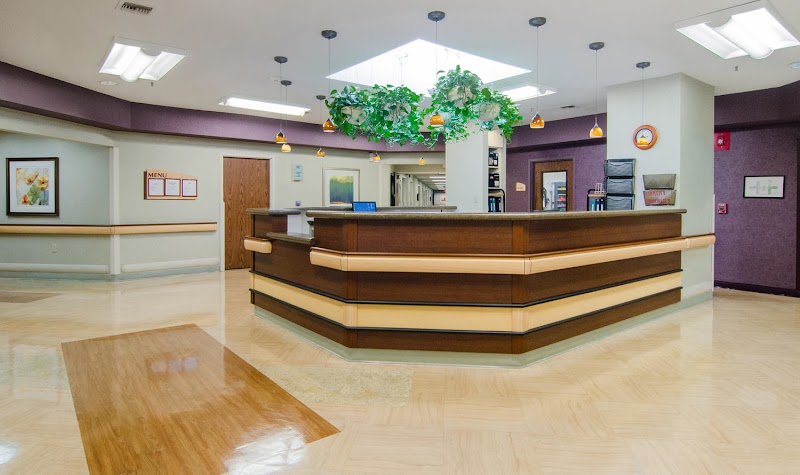
How is Mentor Hills Post Acute Staffed?
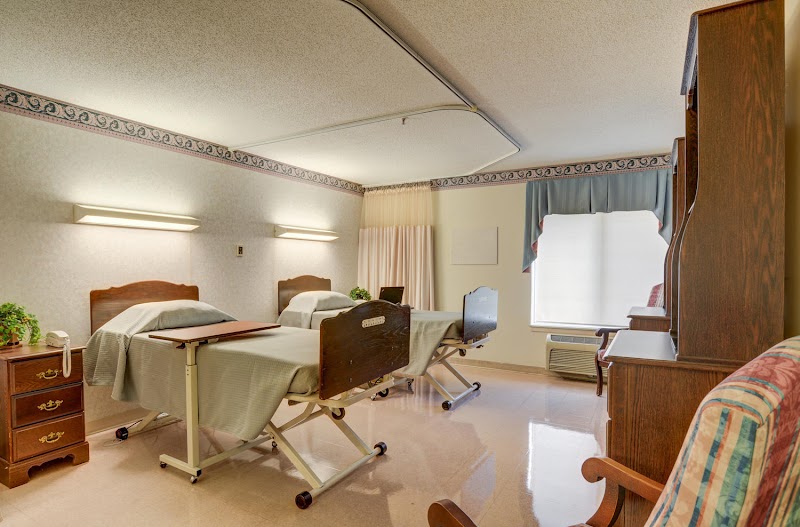
CMS rates Mentor Hills Post Acute's staffing level at 1 out of 5 stars, which is much below average compared to other nursing homes. Staff turnover is 69%, which is 23 percentage points above the Ohio average of 46%. High turnover can affect care consistency as new staff learn residents' individual needs. RN turnover specifically is 59%, which is notably high. RNs provide skilled clinical oversight, so turnover in this role can affect medical care quality.

What Have Inspectors Found at Mentor Hills Post Acute?

State health inspectors documented 40 deficiencies at Mentor Hills Post Acute during 2019 to 2025. These included: 1 that caused actual resident harm, 36 with potential for harm, and 3 minor or isolated issues. Deficiencies causing actual harm indicate documented cases where residents experienced negative health consequences.

Who Owns and Operates Mentor Hills Post Acute?

Mentor Hills Post Acute is owned by a for-profit company. For-profit facilities operate as businesses with obligations to shareholders or private owners. The facility is operated by LEGACY HEALTH SERVICES, a chain that manages multiple nursing homes. With 147 certified beds and approximately 95 residents (about 65% occupancy), it is a mid-sized facility located in MENTOR, Ohio.

How Does Mentor Hills Post Acute Compare to Other Ohio Nursing Homes?

Compared to the 100 nursing homes in Ohio, Mentor Hills Post Acute's overall rating (3 stars) is below the state average of 3.2, staff turnover (69%) is significantly higher than the state average of 46%, and health inspection rating (3 stars) is at the national benchmark.

What Should Families Ask When Visiting Mentor Hills Post Acute?

Based on this facility's data, families visiting should ask: "How do you ensure continuity of care given staff turnover, and what is your staff retention strategy?" "Can you walk me through typical staffing levels on day, evening, and night shifts?" "Can I visit during a mealtime to observe dining assistance and food quality?" "How do you handle medical emergencies, and what is your hospital transfer rate?" These questions are particularly relevant given the facility's high staff turnover rate and the below-average staffing rating.

Is Mentor Hills Post Acute Safe?

Based on CMS inspection data, Mentor Hills Post Acute has a clean safety record: no substantiated abuse findings (meaning no confirmed cases of resident harm), no Immediate Jeopardy citations (the most serious violation level indicating risk of serious injury or death), and is not on the Special Focus Facility watch list (a federal program monitoring the lowest-performing 1% of nursing homes). The facility has a 3-star overall rating and ranks #100 of 100 nursing homes in Ohio. While no facility is perfect, families should still ask about staff-to-resident ratios and recent inspection results during their visit.

Do Nurses at Mentor Hills Post Acute Stick Around?

Staff turnover at Mentor Hills Post Acute is high. At 69%, the facility is 23 percentage points above the Ohio average of 46%. Registered Nurse turnover is particularly concerning at 59%. RNs handle complex medical decisions and coordinate care — frequent RN changes can directly impact care quality. High turnover means new staff may not know residents' individual needs, medications, or preferences. It can also be disorienting for residents, especially those with dementia who rely on familiar faces. Families should ask: What is causing the turnover? What retention programs are in place? How do you ensure care continuity during staff transitions?

Was Mentor Hills Post Acute Ever Fined?

Mentor Hills Post Acute has no federal fines on record. CMS issues fines when nursing homes fail to meet care standards or don't correct problems found during inspections. The absence of fines suggests the facility has either maintained compliance or corrected any issues before penalties were assessed. This is a positive indicator, though families should still review recent inspection reports for the full picture.

Is Mentor Hills Post Acute on Any Federal Watch List?

Mentor Hills Post Acute is not on any federal watch list. The most significant is the Special Focus Facility (SFF) program, which identifies the bottom 1% of nursing homes nationally based on persistent, serious quality problems. Not being on this list means the facility has avoided the pattern of deficiencies that triggers enhanced federal oversight. This is a positive indicator, though families should still review the facility's inspection history directly.