MAJORA LANE CTR FOR REHAB & NSG CARE INC
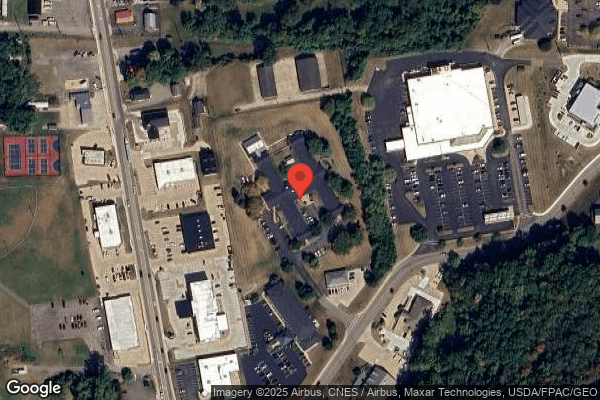
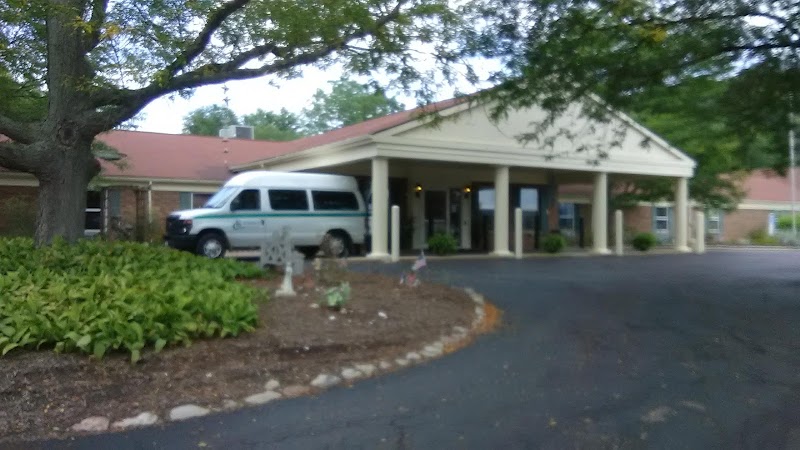
105 MAJORA LANE, MILLERSBURG, OH 44654 (330) 674-4444
For profit - Corporation 80 Beds ALTERCARE Data: November 2025
Trust Grade
75/100
#289 of 913 in OH
Last Inspection: September 2024

Within standard 12-15 month inspection cycle. Federal law requires annual inspections.

Overview

Majora Lane Center for Rehab & Nursing Care Inc has a Trust Grade of B, indicating it is a good choice but has room for improvement. It ranks #289 out of 913 facilities in Ohio, placing it in the top half, and #2 out of 5 in Holmes County, meaning only one local option is better. The facility's performance is stable, with 19 concerns identified in both 2024 and 2025, which is a sign of ongoing issues rather than improvement. Staffing is average, with a 3/5 rating and a turnover rate of 54%, which is about the same as the state average. Notably, there have been no fines, which is a positive sign. However, there are some concerning incidents, including expired and moldy bread found in food storage and a lack of cleanliness in the secured unit, which could affect multiple residents. Overall, while there are strengths like a good trust score and no fines, the facility must address these specific concerns to ensure a safe and healthy environment for all its residents.

Trust Score
B
75/100
In Ohio
#289/913
Top 31%
Safety Record
Low Risk
No red flags
Inspections
Holding Steady
6 → 6 violations
Staff Stability
⚠ Watch
54% turnover. Above average. Higher turnover means staff may not know residents' routines.
Penalties
✓ Good
No fines on record. Clean compliance history, better than most Ohio facilities.
Skilled Nurses
○ Average
Each resident gets 35 minutes of Registered Nurse (RN) attention daily — about average for Ohio. RNs are the most trained staff who monitor for health changes.
Violations
⚠ Watch
19 deficiencies on record. Higher than average. Multiple issues found across inspections.
★★★★☆
4.0
Overall Rating
★★★☆☆
3.0
Staff Levels
★★★★★
5.0
Care Quality
★★★☆☆
3.0
Inspection Score
Stable
2024: 6 issues
2025: 6 issues

The Good

  • 5-Star Quality Measures · Strong clinical quality outcomes
  • Full Sprinkler Coverage · Fire safety systems throughout facility
  • No fines on record

Facility shows strength in quality measures, fire safety.

The Bad

Staff Turnover: 54%

Near Ohio avg (46%)

Higher turnover may affect care consistency

Chain: ALTERCARE

Part of a multi-facility chain

Ask about local staffing decisions and management

The Ugly 19 deficiencies on record

Jul 2025 6 deficiencies
CONCERN (D) 📢 Someone Reported This

A family member, employee, or ombudsman was alarmed enough to file a formal complaint

Potential for Harm - no one hurt, but risky conditions existed

Notification of Changes (Tag F0580)

Could have caused harm · This affected 1 resident

**NOTE- TERMS IN BRACKETS HAVE BEEN EDITED TO PROTECT CONFIDENTIALITY** Based on interview, record review, and review of the facility policy, the facility failed to notify the physician and/or respons...

Read full inspector narrative →
**NOTE- TERMS IN BRACKETS HAVE BEEN EDITED TO PROTECT CONFIDENTIALITY** Based on interview, record review, and review of the facility policy, the facility failed to notify the physician and/or responsible party of a change in condition. This affected three residents (#7, #35, and #46) of four residents reviewed for notification of change in condition. The facility census was 62.Findings include:1.Record review for Resident #35 revealed an admission date of 06/20/23. Diagnosis included vascular dementia unspecified severity, muscle weakness, age related physical mobility, lack of coordination, and need for assistance with personal care. Review of the Minimum Data Set (MDS) annual assessment dated [DATE] for Resident #35 revealed Resident #35 was moderately cognitively impaired. Resident #35 required extensive assistance with bed mobility, transfers, toilet use, and supervision with eating. Review of the care plan for Resident #35 dated 05/09/25 revealed Resident #35 had depression and anxiety. The goal included Resident #35 will maintain a daily routine that promotes maximum mental health and well being. Interventions included to report any increase or exacerbation of behaviors or conditions to physician, remove resident to a quiet area and allow time to re-focus. Notify the physician, encourage the resident to voice concerns, and identify factors that may cause exacerbation of behaviors such as overstimulation, time of day. Interview on 07/24/25 at 7:45 A.M. with Certified Nursing Assistant (CNA) #210 revealed she and CNA #277 came in one day in June 2025 to start their shift. Resident #35 rolled out of his room in his wheelchair crying. Resident #35 said a CNA and a nurse sat on top of him and trimmed his nails and cut him. CNA #210 recalled Resident #35 had a band aid on his thumb. Interview on 07/24/25 at 11:13 A.M. with CNA #277 revealed she and CNA #210 came into work one morning, this was sometime during the beginning of June 2025, and observed Resident #35 crying. Resident #35 was crying, complaining of his finger, and I asked what was wrong. Resident #35 stated staff the night prior cut his nail. Resident #35's thumb nails were always long, he stated he liked them long as it helped him open things, and staff left them long. CNA #277 revealed the night shift CNA the night prior had reported Resident #35 was being combative that night. Resident #35 had reported he was on the toilet the night prior and they (night shift staff) came in, cut his nails. Resident #35 reported staff were holding him down, cutting his nails, and cut his thumb. CNA #277 revealed she had observed Resident #35 with a band aid on his thumb and she reported this to Program Director #204 the same morning it occurred. Interview and record review on 07/24/25 at 3:24 P.M. with Program Director #204 of Resident #35's medical record from 01/01/25 to 07/24/25 confirmed there was no documentation of Resident #35's physician being notified of the incident when staff trimmed his nails on night shift. Interview on 07/24/25 at 4:13 P.M. with Resident #35's family member revealed she recalled the day when the night shift staff trimmed Resident #35's nails. When she came in to the facility that morning, she saw the band aid on his thumbnail. The family member stated, I got there, it was a month or two ago, he was upset, he did get teary eyed talking about it, he did have a band aid on it, they cut back too far, I guess it bled quite a bit so that's why. The family member additionally reported she now comes in and trims Resident #35's nails herself. Resident #35 had reported to her that one staff member held his arms down while another trimmed his nails, and he was upset. Program Director #204 had told her it was night shift who had trimmed the nails, that she was unsure what happened but was sorry and asked the family member to trim the nails from then on. The family member reported she had been trimming the resident's nails before that incident, but they must have gotten longer than she had thought. Interview on 07/24/25 at 4:24 P.M. with Resident #35 stated, I was in the bathroom, I don't know why they came in they were hurrying me, the one sat on my legs and the other held my arms, it was my left nail, I told her to stop she didn't she cut back to far it cut in and bled everywhere. Resident #35 reported after they let him go, the staff member cleaned up the blood. Resident #35 reported to his family member he was so upset. Resident #35 reported he liked his thumb nails long and stated he used to work construction and with wood, and would use the nail kind of like a putty knife and always kept his thumb nails long. Interview on 07/25/25 at 6:58 A.M. with CNA #202 confirmed she recalled the night when she assisted in trimming Resident #35's nails. CNA #202 stated Resident #35 did not want staff to cut his nails. CNA #202 was trying to change him and he was scratching, hitting, and kicking her. CNA #202 went to retrieve LPN #223. LPN #223 got her fingernail clippers, came into Resident #35's bathroom where he was seated on the toilet. She held his arm and trimmed his nails while CNA #202 held his other arm down. CNA #202 reported she had to hold the resident's other arm down so the nurse could trim the resident's nail as he was fighting so bad. CNA #202 stated LPN #223 clipped his finger and it did bleed. LPN #223 cleansed it and then applied a band aid. Resident #35 was cussing and fussing. After his nails were trimmed, Resident #35 stood up, care was completed, and CNA #202 proceeded to care for another resident. 2. Record review for Resident #46 revealed an admission date of 06/12/24. Diagnosis included metabolic encephalopathy, Alzheimer's disease, history of falling, muscle weakness and need for assistance with personal care. Review of the care plan for Resident #46 dated 10/23/24 revealed Resident #46 frequently thinks he is working, tinkers with items, crawls on the floors and under furniture at times to work. Interventions included providing a fidget board. Review of the MDS quarterly assessment dated [DATE] revealed Resident #46 was rarely or never understood. Resident used a walker or wheelchair for mobility. Resident #46 required supervision or touching assistance with eating, bed mobility, substantial/maximal assistants with sit to stand, transfers, toileting, bathing, and personal hygiene and partial/moderate assistance with walking. Resident #46 had no falls since admission.Review of the medical record for Resident #46 for June 2025 revealed no documentation of Resident #46 having a bruised left eye prior to going to the hospital.Review of the progress note dated 06/18/25 at 10:11 A.M. completed by Program Director Licensed Practical Nurse (LPN) #204 revealed she spoke with Resident #46's daughter who voiced understanding and acknowledged she was aware Resident #46 was transferred to the hospital. Review of the progress note dated 07/04/25 at 11:30 A.M. completed by Registered Nurse (RN) #316 revealed Resident #46 returned to the facility from a hospital stay. Resident #46 had no skin concerns except for a bruised left under eye area. Review of the wound summary report from 05/01/25 through 07/24/25 to include bruises revealed Resident #46 had no documentation related to the bruise left eye. Interview on 07/24/25 at 1:18 P.M. with Program Director #204 revealed Resident #46 went to the hospital on 6/17/25 due to unmanageable behaviors. Resident #46's family lived out of state and rarely visited. Program Director #204 revealed Resident #46 had a bruised left eye before going to the hospital stating, It was swollen, mushy, we used ice packs on it. Program Director #204 confirmed there was no documentation in Resident #46's medical record about the bruised and swollen left eye that was treated with ice packs and revealed she was unsure how the incident occurred. Program Director #204 confirmed Resident #46's physician nor Guardian was notified of Resident #46's bruised and swollen left eye.Interview on 07/24/25 at 2:21P.M. with DON revealed she happened to be back on the secured unit on 06/12/25 and witnessed Resident #46 hitting his eye with the siderail as he was trying to scoot himself out of bed. DON confirmed the shower record dated 06/13/25 revealed Resident #46 had a bruised left eye. DON confirmed there was no documentation in the entire medical record regarding the incident, or the black eye that required ice packs until Resident #46 returned from the hospital on [DATE] when he still had residuals of the black eye. DON confirmed Resident #46's family and physician should have been notified of the incident, bruise, and treatment of ice packs provided. Interview on 07/24/25 at 2:52 P.M. with Resident #46's emergency contact revealed she was Resident #46's Guardian of health. Resident #46's Guardian revealed she received a call from the Hospital Social Worker after Resident #46 was transferred to the hospital on [DATE] who revealed to her Resident #46 arrived to the hospital with a black eye. Resident #46's Guardian stated, This was the first time I heard about it. 3. Record review for Resident #7 revealed an admission date of 04/30/24. Diagnosis included type two diabetes mellitus with diabetic neuropathy, personal history of urinary tract infections, hemiplegia and hemiparesis following cerebral infarction, obstructive and reflux uropathy, presence of urogenital implants, need for assistance with personal care, and muscle weakness. Review of the care plan dated 05/01/24 for Resident #7 revealed Resident #7 had urinary obstruction, urinary retention, cystitis, unspecified hydronephrosis, right urinary stent placement, overactive bladder, and bloody urine at times. Interventions included to report UTI (acute confusion, urgency, frequency, bladder spasms, nocturia, burning pain, foul odor, concentrated urine, blood in urine). Review of the MDS quarterly assessment dated [DATE] for Resident #7 revealed Resident #7 was moderately cognitively impaired. Resident #7 was always incontinent of bowel and bladder, was dependent for toileting hygiene, lower body dressing, bed mobility, chair/bed to chair transfers, and toilet transfer. Resident had no pain in the previous five days. Observation on 07/25/25 at 4:10 P.M. of incontinence care for Resident #7 with Certified Nursing Assistant (CNA) #239 and #281 revealed Resident #7's brief was saturated with a mixture of foul-smelling blood and urine. Resident #7 stated I have a UTI. CNA #239 and #281 confirmed the large amount of foul-smelling blood and urine in the brief and revealed the blood and urine has been in Resident #7's briefs when they change her for more than a month. CNA #281 revealed she remembered because that was when she started working at the facility and Resident #7 was bleeding then and has been ever since. Observation revealed as the CNA wiped Resident #7s vaginal area to clean her, the cloth had bright red smears of blood after each wipe. Interview and record review of Resident #7's medical record on 07/25/25 at 4:24 P.M. with the Director of Nursing (DON) and Administrator from 06/01/25 through 07/25/25 revealed Resident #7 had no documentation in the medical record of having blood in her urine. The DON revealed Resident #7 had a history of UTI's with blood in the urine but none recently. The DON revealed she was unaware of Resident #7 currently having blood in the urine and confirmed if Resident #7 had blood in the urine, the nurses should have assessed Resident #7 when the bleeding started, notified the physician, and documented the assessment and notification. Phone interview on 07/25/25 at 4:47 P.M. with Resident #7's Primary Physician/Medical Director #320 with the DON and Administrator present revealed she was not aware Resident #7 had blood in her urine recently. Primary Physician/Medical Director #320 stated, She has had that in the past but not recently; I do need to be made aware when that happens so we can address that, no one made me aware. Interview on 07/28/25 at 12:40 P.M. with Certified Nurse Practitioner (CNP) #321 revealed she worked with Primary Physician/Medical Director #320 and Resident #7. CNP #321 confirmed she was not told about Resident #7's blood in the urine. CNP #321 revealed Resident #7 had a history of blood in the urine but none active since her last UTI several months ago. CNP #321 revealed she would have wanted to be informed and was not. Review of the facility policy titled, Change in the Resident's Condition or Status updated 05/01/25 revealed the nurses will immediately notify the resident; consult with the resident's attending physician, on call physician, nurse practitioner, physician assistant, or clinical nurse specialist and notify the residents authorized representative or interested family member when there is a significant change in the resident's physical, mental, or psychosocial status in either life threatening condition or clinical complications. This deficiency represents non-compliance investigated under Master Complaint Number 2569408.
CONCERN (D) 📢 Someone Reported This

A family member, employee, or ombudsman was alarmed enough to file a formal complaint

Potential for Harm - no one hurt, but risky conditions existed

Deficiency F0604 (Tag F0604)

Could have caused harm · This affected 1 resident

**NOTE- TERMS IN BRACKETS HAVE BEEN EDITED TO PROTECT CONFIDENTIALITY** Based on interview, record review, and review of the facility policy, the facility failed to ensure Resident #35 was free from p...

Read full inspector narrative →
**NOTE- TERMS IN BRACKETS HAVE BEEN EDITED TO PROTECT CONFIDENTIALITY** Based on interview, record review, and review of the facility policy, the facility failed to ensure Resident #35 was free from physical restraints. This affected one resident (#35) of one resident reviewed for physical restraints. The facility census was 62. Findings include: Record review for Resident #35 revealed an admission date of 06/20/23. Diagnosis included vascular dementia unspecified severity, muscle weakness, age related physical mobility, lack of coordination, and need for assistance with personal care. Review of Resident #35's care plan dated 09/21/23 revealed Resident #35 had impaired ability to perform or participate in activities of daily living (ADL) care. Interventions included to assist Resident #35 with toileting if needed, encourage the resident to participate with care as tolerated, and provide nail care and shampoo hair with showers per weekly schedule. Continued review of Resident #35's care plan dated 01/19/25 and 05/09/25 included Resident #35 will maintain daily routine that promotes maximum mental health and wellbeing; Report any increase or exacerbation of behaviors or conditions to physician, remove resident to a quiet area and allow time to re-focus. Encourage Resident #35 to voice concerns, identify factors that may cause exacerbation of behaviors such as overstimulation, and involve the resident in daily care and decision making as much as possible. Review of the Minimum Data Set (MDS) annual assessment dated [DATE] for Resident #35 revealed Resident #35 was moderately cognitively impaired. Resident #35 required extensive assistance with bed mobility, transfers, toilet use, and supervision with eating. Observation on 07/24/25 at 7:43 A.M. revealed Resident #35 was seated in his wheelchair. Resident #35 propelled himself without difficulty using his upper and lower extremities. Resident #35 was pleasant and was able to converse appropriately. Interview on 07/24/25 at 7:45 A.M. with Certified Nursing Assistant (CNA) #210 revealed she and CNA #277 came in one day in June 2025 to start their shift. Resident #35 rolled out of his room in his wheelchair crying. Resident #35 said a CNA and a nurse sat on top of him and trimmed his nails and cut him. CNA #210 recalled Resident #35 had a band aid on his thumb. Interview on 07/24/25 at 11:13 A.M. with CNA #277 revealed she and CNA #210 came into work one morning, this was sometime during the beginning of June 2025, and observed Resident #35 crying. Resident #35 was crying, complaining of his finger, and I asked what was wrong. Resident #35 stated staff the night prior cut his nail. Resident #35's thumb nails were always long, he stated he liked them long as it helped him open things, and staff left them long. CNA #277 revealed the night shift CNA the night prior had reported Resident #35 was being combative that night. Resident #35 had reported he was on the toilet the night prior and they (night shift staff) came in, cut his nails. Resident #35 reported staff were holding him down, cutting his nails, and cut his thumb. CNA #277 revealed she had observed Resident #35 with a band aid on his thumb and she reported this to Program Director #204 the same morning it occurred. Interview on 07/24/25 at 3:24 P.M. with Program Director #204 revealed she was the coordinator for the secured unit. Program Director #204 reported she was told the staff trimmed Resident #35's nails because he had been clawing at them. Staff had reported Resident #35 was soaked and they went in to change him when he started grabbing them and digging his nails into them. Program Director #204 questioned if he had actually allowed the staff to trim his nails as she knew how he was about his fingernails and he preferred long thumb nails. Staff reported the nurse trimmed one hand while the CAN held the other hand. Program Director #204 reported that was all she had been told. She was not sure if staff had applied a band aid, but a CNA from another shift may have said something about putting a band aid on but she could not remember for sure. Program Director #204 recalled the nurse involved was Licensed Practical Nurse (LPN) #223 and the aide involved was CNA involved was CNA #202. Review of Resident #35's medical record from 01/01/25 to 07/24/25 with Program Director #204 at the time of the interview confirmed there was no documentation including in the physician orders, progress notes, or evidence of skin assessments related to the occurrence or injury to Resident #35's thumb. Record review of the incident reports with Program Director #204 confirmed there was no report of the incident for Resident #35. Interview on 07/24/25 at 4:13 P.M. with Resident #35's family member revealed she recalled the day when the night shift staff trimmed Resident #35 ' s nails. When she came into the facility that morning, she saw the band aid on his thumbnail. The family member stated, I got there, it was a month or two ago, he was upset, he did get teary eyed talking about it, he did have a band aid on it, they cut back too far, I guess it bled quite a bit so that' s why. The family member additionally reported she now comes in and trims Resident #35's nails herself. Resident #35 had reported to her that one staff member held his arms down while another trimmed his nails, and he was upset. Program Director #204 had told her it was night shift who had trimmed the nails, that she was unsure what happened but was sorry and asked the family member to trim the nails from then on. The family member reported she had been trimming the resident's nails before that incident, but they must have gotten longer than she had thought. Interview on 07/24/25 at 4:24 P.M. with Resident #35 stated, I was in the bathroom, I don't know why they came in they were hurrying me, the one sat on my legs and the other held my arms, it was my left nail, I told her to stop, she didn't, and she cut back to far it cut in and bled everywhere. Resident #35 reported after they let him go, the staff member cleaned up the blood. Resident #35 reported to his family member he was so upset. Resident #35 reported he liked his thumb nails long and stated he used to work construction and with wood and would use the nail kind of like a putty knife and always kept his thumb nails long. Interview on 07/25/25 at 6:58 A.M. with CNA #202 confirmed she recalled the night when she assisted in trimming Resident #35 ' s nails. A #202 stated Resident #35 did not want staff to cut his nails. CNA #202 was trying to change him and he was scratching, hitting, and kicking her. CNA #202 went to retrieve LPN #223. LPN #223 got her fingernail clippers, came into Resident #35's bathroom where he was seated on the toilet. She held his arm and trimmed his nails while CNA #202 held his other arm down. CNA #202 reported she had to hold the resident's other arm down so the nurse could trim the resident's nail as he was fighting so bad. CNA #202 stated LPN #223 clipped his finger and it did bleed. LPN #223 cleansed it and then applied a band aid. Resident #35 was cussing and fussing. After his nails were trimmed, Resident #35 stood up, care was completed, and CNA #202 proceeded to care for another resident. Review of the facility policy titled, Restraint - Physical revealed the facility's policy is to provide safety or postural support of a resident to prevent injury to the resident or others when the resident has medical symptoms that warrant the use of restraints. Review of the facility policy titled, Abuse, Mistreatment, Neglect, Misappropriation of Resident Property and Exploitation undated revealed the facility will not tolerate Abuse, Neglect, Misappropriation of Resident Property or Exploitation of its residents. The definition of abuse included the willful infliction of injury, unreasonable confinement, intimidation, or punishment resulting physical harm, pain, or mental anguish. This deficiency represents non-compliance investigated under Master Complaint Number 2569408 and Complaint Number 2566715.
CONCERN (D) 📢 Someone Reported This

A family member, employee, or ombudsman was alarmed enough to file a formal complaint

Potential for Harm - no one hurt, but risky conditions existed

ADL Care (Tag F0677)

Could have caused harm · This affected 1 resident

**NOTE- TERMS IN BRACKETS HAVE BEEN EDITED TO PROTECT CONFIDENTIALITY** Based on observation, interview, and record review, the facility failed to ensure one resident, Resident #7, was provided with t...

Read full inspector narrative →
**NOTE- TERMS IN BRACKETS HAVE BEEN EDITED TO PROTECT CONFIDENTIALITY** Based on observation, interview, and record review, the facility failed to ensure one resident, Resident #7, was provided with timely incontinence care. This affected one resident, (Resident #7) of three residents reviewed for incontinence care. The facility census was 62. Findings include: Record review for Resident #7 revealed an admission date of 04/30/24. Diagnosis included personal history of urinary tract infections, hemiplegia and hemiparesis following cerebral infarction, need for assistants with personal care, and muscle weakness. Review of the care plan dated 05/15/24 revealed Resident #7 was incontinent of bladder and was at risk for altered dignity, skin breakdown, and urinary tract infections (UTI). Interventions included to check and provide incontinence care as needed. Review of the Minimum Data Set (MDS) quarterly assessment dated [DATE] revealed Resident #7 was moderately cognitively impaired. Resident #7 was always incontinent of bowel and bladder, and was dependent for toileting hygiene, chair/bed to chair transfers, and toilet transfer. Interview on 07/25/25 between 7:12 A.M. and 9:48 A.M. with Assistant Director of Nursing (ADON) #207 and Registered Nurse (RN) Supervisor #316 revealed residents should be checked and changed if needed every two hours and as needed. Observation on 07/25/25 at 10:00 A.M., 12:10 P.M., and 3:07 P.M. revealed Resident #7 was up in her wheelchair. Interview on 07/25/25 at 3:12 P.M. with Certified Nursing Assistant (CNA) #239 confirmed she was Resident #7's primary CNA. CNA #239 revealed Resident #7 liked up in the morning between 9:00 A.M. and 10:00 A.M., and revealed she provided incontinence care for Resident #7 before she got her up that morning. CNA #239 confirmed she had not checked or changed Resident #7 since she got her up earlier that morning. Interview on 07/25/25 at 3:50 P.M. with Resident #7 revealed the staff got her up before 10:00 A.M. Resident #7 remembered the time because 10:00 A.M. was the scheduled smoking time. Resident #7 stated after the staff get her up into her chair in the morning, the staff do not check to see if she needs to be changed again until she goes to bed in the evening. Resident #7 stated, They never ask to check me, yes I am wet, I am incontinent, and they never check or change me during the day. Requested observation on 07/25/25 at 4:10 P.M. of incontinence care for Resident #7 with CNAs #239 and #281 revealed Resident #7 was transferred to bed via a mechanical lift. CNAs #239 and #281 reported Resident #7 usually goes to bed after the scheduled 7:00 P.M. smoke break. Resident #7 reported during the observation that her buttocks area felt sore. Observation revealed after removing Resident #7's pants, the brief underneath was bulging, saturated, and had a foul odor. Observation revealed after removing the brief, Resident #7's buttocks ware red. Resident #7 confirmed this was the first time she was changed since she got up that morning.
CONCERN (D) 📢 Someone Reported This

A family member, employee, or ombudsman was alarmed enough to file a formal complaint

Potential for Harm - no one hurt, but risky conditions existed

Incontinence Care (Tag F0690)

Could have caused harm · This affected 1 resident

**NOTE- TERMS IN BRACKETS HAVE BEEN EDITED TO PROTECT CONFIDENTIALITY** Based on observation, interview, record review, and review of the facility policy, the facility failed to timely assess and noti...

Read full inspector narrative →
**NOTE- TERMS IN BRACKETS HAVE BEEN EDITED TO PROTECT CONFIDENTIALITY** Based on observation, interview, record review, and review of the facility policy, the facility failed to timely assess and notify the physician when Resident #7 was noted to have blood in her urine. This affected one resident, Resident #7 of three resident reviewed for incontinence care. The facility census was 62. Findings include: Record review for Resident #7 revealed an admission date of 04/30/24. Diagnosis included type two diabetes mellitus with diabetic neuropathy, personal history of urinary tract infections, hemiplegia and hemiparesis following cerebral infarction, obstructive and reflux uropathy, presence of urogenital implants, need for assistance with personal care, and muscle weakness. Review of the care plan dated 05/01/24 for Resident #7 revealed Resident #7 had urinary obstruction, urinary retention, cystitis, unspecified hydronephrosis, right urinary stent placement, and overactive bladder, bloody urine at times. Interventions included to report UTI (acute confusion, urgency, frequency, bladder spasms, nocturia, burning pain, foul odor, concentrated urine, blood in urine). Review of the physician order for Resident #7 dated 06/26/24 revealed Resident #7 received Macrodantin (an antibiotic) 50 milligrams (mg) orally once a day for urinary tract infection (UTI) prophylactic (Intended to prevent UTI). Review of the Minimum Data Set (MDS) quarterly assessment dated [DATE] revealed Resident #7 was moderately cognitively impaired. Resident #7 was always incontinent of bowel and bladder, was dependent for toileting hygiene, lower body dressing, bed mobility, chair/bed to chair transfers, and toilet transfer. Resident #7 had no pain marked in the past five days. Observation on 07/25/25 at 4:10 P.M. of incontinence care for Resident #7 with Certified Nursing Assistant (CNA) #239 and CNA #281 revealed Resident #7's brief was saturated with a mixture of foul-smelling blood and urine. Resident #7 stated I have a UTI. CNAs #239 and #281 confirmed the large amount of foul-smelling blood and urine in the brief and revealed the blood and urine has been in Resident #7's briefs when they change her for more than a month. CNA #281 revealed she remembered because that was when she started working at the facility; Resident #7 was bleeding then and has been ever since. Observation revealed as the CNAs wiped Resident #7's perineal area to clean her, the cloth had bright red smears of blood after each wipe. Interview and record review of Resident #7's medical record on 07/25/25 at 4:24 P.M. with the Director of Nursing (DON) and Administrator from 06/01/25 through 07/25/25 revealed Resident #7 had no documentation in the medical record of having blood in her urine. The DON revealed Resident #7 had a history of UTIs with blood in the urine, but none recently. The DON revealed she was unaware of Resident #7 currently having blood in the urine and confirmed if Resident #7 had blood in the urine, the nurses should have assessed Resident #7 when the bleeding started, notified the physician, and documented the assessment and notification. Phone interview on 07/25/25 at 4:47 P.M. with Resident #7's Primary Physician/Medical Director #320 with the DON and Administrator present revealed she was not aware Resident #7 had blood in her urine recently. Primary Physician/Medical Director #320 stated, She has had that in the past but not recently; I do need to be made aware when that happens so we can address that, no one made me aware. Interview on 07/28/25 at 11:14 A.M. with Registered Nurse (RN) 221 confirmed she was the charge nurse on day shift on 07/25/25. RN #221 revealed she was not told at any time during the previous month that Resident #7 had blood in her brief when being changed. RN #221 revealed CNAs do not always tell the nurses when something is going on, they know they are supposed to, but they just don't. Phone interview on 07/28/25 at 11:30 A.M. with Primary Physician/Medical Director #320 revealed a person could still have a UTI even if they were on a prophylactic antibiotic if the antibiotic was resistant. Primary Physician/Medical Director #320 revealed she ordered labs including a urinalysis and a complete blood count, a bladder/kidney ultrasound, and a gynecology consult for Resident #7 due to the blood in the urine reported on 07/25/25. Primary Physician/Medical Director #320 revealed she cannot be sure what is going on, until the culture and ultrasound results are back and the consultation with the gynecologist is completed. Interview on 07/28/25 at 12:40 P.M. with Certified Nurse Practitioner (CNP) #321 revealed she worked with Primary Physician/Medical Director #320 and Resident #7. CNP #321 confirmed she was not told about Resident #7's blood in the urine. CNP #321 revealed Resident #7 had a history of blood in the urine but none since her last UTI several months ago. CNP #321 revealed she would have wanted to be informed and was not. Review of the facility policy titled, Change in the Resident's Condition or Status updated 05/01/25 revealed the nurses will immediately notify the resident; consult with the resident's attending physician, on call physician, nurse practitioner, physician assistant, or clinical nurse specialist and notify the residents authorized representative or interested family member when there is a significant change in the resident's physical, mental, or psychosocial status in either life threatening condition or clinical complications. This deficiency represents non-compliance investigated under Master Complaint Number 2569408 and Complaint Number 2566715.
CONCERN (D) 📢 Someone Reported This

A family member, employee, or ombudsman was alarmed enough to file a formal complaint

Potential for Harm - no one hurt, but risky conditions existed

Medical Records (Tag F0842)

Could have caused harm · This affected 1 resident

**NOTE- TERMS IN BRACKETS HAVE BEEN EDITED TO PROTECT CONFIDENTIALITY** Based on interview, record review, and review of the facility policy, the facility failed to ensure injuries for two residents (...

Read full inspector narrative →
**NOTE- TERMS IN BRACKETS HAVE BEEN EDITED TO PROTECT CONFIDENTIALITY** Based on interview, record review, and review of the facility policy, the facility failed to ensure injuries for two residents (#35 and #46) were recorded in each resident's medical record. This affected two (#35 and #46) of three residents reviewed for documentation. The facility census was 62.Findings include: 1. Record review for Resident #35 revealed an admission date of 06/20/23. Diagnosis included vascular dementia unspecified severity, muscle weakness, age related physical mobility, lack of coordination, and need for assistance with personal care. Review of the Minimum Data Set (MDS) annual assessment dated [DATE] for Resident #35 revealed Resident #35 was moderately cognitively impaired. Resident #35 required extensive assistance with bed mobility, transfers, toilet use, and supervision with eating. Interview on 07/24/25 at 7:45 A.M. with Certified Nursing Assistant (CNA) #210 revealed she and CNA #277 came in one day in June 2025 to start their shift. Resident #35 rolled out of his room in his wheelchair crying. Resident #35 said a CNA and a nurse sat on top of him and trimmed his nails and cut him. CNA #210 recalled Resident #35 had a band aid on his thumb. Interview on 07/24/25 at 11:13 A.M. with CNA #277 revealed she and CNA #210 came into work one morning, this was sometime during the beginning of June 2025, and observed Resident #35 crying. Resident #35 was crying, complaining of his finger, and I asked what was wrong. Resident #35 stated staff the night prior cut his nail. Resident #35's thumb nails were always long, he stated he liked them long as it helped him open things, and staff left them long. CNA #277 revealed the night shift CNA the night prior had reported Resident #35 was being combative that night. Resident #35 had reported he was on the toilet the night prior and they (night shift staff) came in, cut his nails. Resident #35 reported staff were holding him down, cutting his nails, and cut his thumb. CNA #277 revealed she had observed Resident #35 with a band aid on his thumb and she reported this to Program Director #204 the same morning it occurred. Interview and record review on 07/24/25 at 3:24 P.M. with Program Director #204 of Resident #35 ' s medical record from 01/01/25 to 07/24/25 confirmed there was no documentation of Resident #35 ' s physician being notified of the incident when staff trimmed his nails on night shift. 2. Record review for Resident #46 revealed an admission date of 06/12/24. Diagnosis included metabolic encephalopathy, Alzheimer ' s disease, history of falling, muscle weakness and need for assistance with personal care. Review of the care plan for Resident #46 dated 10/23/24 revealed Resident #46 frequently thinks he is working, tinkers with items, crawls on the floors and under furniture at times to work. Interventions included providing a fidget board. Review of the MDS quarterly assessment dated [DATE] revealed Resident #46 was rarely or never understood. Resident used a walker or wheelchair for mobility. Resident #46 required supervision or touching assistance with eating, bed mobility, substantial/maximal assistants with sit to stand, transfers, toileting, bathing, and personal hygiene and partial/moderate assistance with walking. Resident #46 had no falls since admission. Review of the progress note dated 06/18/25 at 10:11 A.M. completed by Program Director Licensed Practical Nurse (LPN) #204 revealed she spoke with Resident #46 ' s daughter who voiced understanding and acknowledged she was aware Resident #46 was transferred to the hospital. Review of the progress note dated 07/04/25 at 11:30 A.M. completed by Registered Nurse (RN) #316 revealed Resident #46 returned to the facility from a hospital stay. Resident #46 had no skin concerns except for a bruised left under eye area. Review of the medical record for Resident #46 for June 2025 revealed no documentation of Resident #46 having a bruised left eye prior to going to the hospital. Review of the wound summary report from 05/01/25 through 07/24/25 to include bruises revealed Resident #46 had no documentation related to the bruise left eye. Interview on 07/24/25 at 1:18 P.M. with Program Director #204 revealed Resident #46 went to the hospital on 6/17/25 due to unmanageable behaviors. Resident #46 ' s family lived out of state and rarely visited. Program Director #204 revealed Resident #46 had a bruised left eye before going to the hospital stating, It was swollen, mushy, we used ice packs on it. Program Director #204 confirmed there was no documentation in Resident #46 ' s medical record about the bruised and swollen left eye that was treated with ice packs and revealed she was unsure how the incident occurred. Program Director #204 confirmed Resident #46's physician nor Guardian was notified of Resident #46 ' s bruised and swollen left eye. Record review on 07/24/25 at 2:19 P.M. with Program Director #204 who presented a QAA document dated 06/12/25 naming Resident #46 as the person involved. The form was signed by the Director of Nursing (DON) and stated the resident purposefully attempted to get out of bed and down to the floor. Resident #46's head was near the handrail as he tried to lower himself. The documentation included the resident became agitated when the DON tried to assist and continued trying to get out of bed using the handrail. Interview on 07/24/25 at 2:21P.M. with DON revealed she happened to be back on the secured unit on 06/12/25 and witnessed Resident #46 hitting his eye with the siderail as he was trying to scoot himself out of bed. DON confirmed she did not complete an incident report because since she witnessed it, it was not a fall. DON revealed she did a skin assessment, but did not document it, and Resident #46's eye was not red at that time. The DON stated, It wasn't a hard hit so my main goal wasn't his face. The DON demonstrated how Resident #46 hit his eye on the side rail by repeating her hand/head motion with the hands holding the side rail and resident #46's head repeatedly hitting the siderail in the location of the left eye. DON confirmed there were no neurochecks done, no vital signs, no skin assessment documented and no documentation in the entire medical record regarding the incident, or the black eye that required ice packs until Resident #46 returned from the hospital on [DATE] when he still had residuals of the black eye. DON confirmed the bruise and how it occurred with assessments and any treatment orders should have been documented in Resident #46's medical record. Review of the facility policy titled, Change in the Resident's Condition or Status updated 05/01/25 revealed the nurse will record in the resident's medical record information relative to changes in the resident's medical /mental condition or status. This deficiency represents non-compliance investigated under Master Complaint Number 2569408.
CONCERN (E) 📢 Someone Reported This

A family member, employee, or ombudsman was alarmed enough to file a formal complaint

Potential for Harm - no one hurt, but risky conditions existed

Safe Environment (Tag F0584)

Could have caused harm · This affected multiple residents

**NOTE- TERMS IN BRACKETS HAVE BEEN EDITED TO PROTECT CONFIDENTIALITY** Based on observation, interview, record review, and review of the facility policy, the facility failed to ensure the residents' ...

Read full inspector narrative →
**NOTE- TERMS IN BRACKETS HAVE BEEN EDITED TO PROTECT CONFIDENTIALITY** Based on observation, interview, record review, and review of the facility policy, the facility failed to ensure the residents' environment in the secured unit was clean and homelike. This had the potential to affect all 17 residents (#6, #9, #11, #19, #22, #24, #26, #27, #28, #33, #35, #38, #41, #44, #46, #51, and #57) residing in the secured unit. The facility census was 62. Findings include: 1.Record review for Resident #35 revealed an admission date of 06/20/23. Diagnosis included vascular dementia unspecified severity, muscle weakness, age related physical mobility, lack of coordination, and need for assistance with personal care. Review of the Minimum Data Set (MDS) annual assessment dated [DATE] for Resident #35 revealed Resident #35 was moderately cognitively impaired. Resident #35 required extensive assistance with bed mobility, transfers, and toilet use. Resident #35 used a raised toilet seat. Observation on 11/24/25 at 11:09 A.M. revealed the shared bathroom of Resident #35 and Resident #38 had a plastic toilet seat riser (used to elevate the height of the standard toilet bowl reducing the amount of effort needed to sit and stand). The toilet seat riser had areas of smeared stool. The rim under the seat, (used to hold the seat in place) was broken and dangling in the toilet bowl with black/grey discoloration and dried urine. The area had a foul odor. Resident #35 wheeled himself in the bathroom and began to transfer himself onto the raised toilet seat. CNA #210 entered and assisted Resident #35 onto the raised toilet seat to toilet. CNA #210 verified the broken raised toilet seat that had dried stool and urine. 2. Record review for Resident #38 revealed an admission date of 02/20/24. Diagnosis included unspecified dementia without behavioral disturbances, muscle weakness, and need for assistants with personal care.Review of the significant change in status MDS assessment dated [DATE] revealed Resident #38 was rarely or never understood, was frequently incontinent of bowel and bladder, required partial/moderate assistance with toileting hygiene, and supervision or touch assistance with chair/bed to chair transfer, and ambulation. Observation and Interview on 07/24/25 at 7:43 A.M. with Certified Nursing Assistant (CNA) #210 revealed the toilet in the shower room (located in the secured unit) was not flushing consistently, and it hadn't been for about two weeks. CNA #210 revealed they used the toilet in the shower room every day to assist residents with toileting after meals and revealed maintenance had been notified on several occasions. Observation of the toilet in the shower room with CNA #210 confirmed the toilet was not working properly and did not flush. Observation revealed the floor surrounding the toilet appeared dirty with a large amount of dirt/grime build up. Inside the shower, the caulking on the floor was grey/black. Observation revealed there was only one shower room on the secured unit.Observation and interview on 07/24/25 at 4:29 P.M. with CNA #308 confirmed she was the CNA for the second shift. First shift CNAs had left for the day. Observation of the raised toilet seat in Resident #35 and #38's shared bathroom revealed the raised toilet seat was still present, broken and uncleaned. The bathroom also still had a foul strong odor of urine. CNA #308 lifted the riser. The bottom of the riser had stained dried stool/urine along with a black/grey substance. CNA #308 confirmed the observation. Interview on 07/28/25 at 12:09 P.M. with Program Director #204 verified both residents, Residents #35 and #38 used the same raised toilet seat. Program Director #204 confirmed Resident #38 did not have an order or care plan for the raised toilet seat but again verified he does use it daily. Program Director #204 confirmed all residents residing in the secured unit use the shower. Observation and interview on 07/28/25 at 12:20 P.M. with Maintenance Coordinator #263 confirmed staff reported the toilet in the secured unit shower room was not working. Maintenance Coordinator #263 revealed when he checked it, it was working. Observation of the shower room in the secured unit revealed the toilet flushed. Maintenance Coordinator #263 confirmed surrounding the toilet and on the base was dirt/grime build up. There was also rust build up on the base of the toilet and on the floor surrounding the toilet. Maintenance Coordinator #263 revealed the rust was from water. Maintenance Coordinator #263 verified in the shower stall there was black/grey mold along the caulking on the floor and revealed he recently cleaned and repaired the wall in the shower stall where there was also a large amount of mold.Review of the facility policy titled, Environmental Services updated 07/01/25 revealed it is the facilities policy to maintain the resident's environment is a clean and sanitary condition.This deficiency represents non-compliance investigated under Complaint Number 1373625 (OH00167388).
Sept 2024 3 deficiencies
CONCERN (D)

Potential for Harm - no one hurt, but risky conditions existed

Accident Prevention (Tag F0689)

Could have caused harm · This affected 1 resident

**NOTE- TERMS IN BRACKETS HAVE BEEN EDITED TO PROTECT CONFIDENTIALITY** Based on observation, record review, facility policy review and interview the facility failed to prevent a potential accident ha...

Read full inspector narrative →
**NOTE- TERMS IN BRACKETS HAVE BEEN EDITED TO PROTECT CONFIDENTIALITY** Based on observation, record review, facility policy review and interview the facility failed to prevent a potential accident hazard when a compressed gas cylinder (oxygen tank) was not properly stored/secured in Resident #34's room. This affected one resident (#34) of 58 residents residing in the facility. Findings include: Record review revealed Resident #34 was admitted to the facility on [DATE] with diagnoses including pneumonia, major depressive disorder, chronic kidney disease, diabetes, and osteoarthritis. Review of the physician's orders for Resident #34 revealed on 10/03/23 an order was obtained for continuous oxygen at two liters per minute via nasal cannula. The order was discontinued on 08/23/24. An observation on 09/23/24 at 11:38 A.M. revealed an unsecured oxygen tank leaning against the wall of the closet in Resident #34's room. Interview with Housekeeper #506 on 09/23/24 at 11:39 A.M. revealed oxygen tanks were not normally stored in resident's rooms without being in a storage cart. Interview with Registered Nurse (RN) #305 on 09/23/24 at 11:40 A.M. confirmed oxygen tanks should be stored in a locked room, upright, and in a storage rack when not in use. RN #305 verified the oxygen tank in Resident #34's closet was stored improperly, and should have been removed from the room when Resident #34's physician's order for oxygen was discontinued. Review of the facility's oxygen storage policy titled Altercare Safety Rules For Compressed Gas Cylinders revealed oxygen tanks should be stored in a well ventilated, protected area, and should be secured by a chain, strap, or on a cart, regardless of the size of the tank. Review of a document titled: Staff Development Sign-In Sheet revealed on 12/21/23 (untimed) a staff in-service was held that was titled: Compressed Gas Cylinders - Oxygen Tanks. The text on the document read, Please review the safety rules for compressed gas (oxygen tanks) to ensure proper handling and was signed by 15 staff with clinical titles.
CONCERN (D)

Potential for Harm - no one hurt, but risky conditions existed

Infection Control (Tag F0880)

Could have caused harm · This affected 1 resident

Based on observation, interview, record review, and policy review the facility failed to ensure Enhanced Barrier Precautions (EBP) were in place while completing wound care for Resident #27. This affe...

Read full inspector narrative →
Based on observation, interview, record review, and policy review the facility failed to ensure Enhanced Barrier Precautions (EBP) were in place while completing wound care for Resident #27. This affected one resident (#27) of one resident observed for wound care. The facility census was 58. Findings Include: Review of the medical record for Resident #27 revealed an admission date of 11/16/22. Diagnoses include a Stage III pressure ulcer to the residents left buttock, Alzheimer's Disease, and acute respiratory failure with hypoxia. Review of Resident #27's September 2024 physicians orders revealed an order for use Enhanced Barrier Precautions for pressure injury on left buttock. Review of Resident #27's care plan dated 09/23/24 revealed the resident required enhanced barrier precautions related to a chronic wound (pressure ulcer). Interventions involved EBP supplies to be placed in resident room, post signage to alert caregivers of the need for enhanced barrier precautions, and utilize the use of personal protective equipment (PPE) gowns and gloves during high contact resident care activities when in room, shower room, or in therapy. Observation on 09/24/24 at 2:50 P.M. revealed a sign outside of Resident #27' room stating to wear a gown and gloves for high contact care areas including wound care. Observation on 09/24/24 at 2:56 P.M. revealed Licensed Practical Nurse (LPN) #205 and Assistant Director of Nursing (ADON) #225 entered into the resident's room to perform wound care. LPN #205 and ADON #225 washed their hands and applied gloves but did not apply gowns. While LPN #205 assisted with holding the resident on his side and removing his brief, ADON #225 cleansed the residents wound (approximately a two inch linear Stage III pressure ulcer located on the resident's left buttock) and applied Triad Cream. LPN #205 reapplied the brief and assisted with positioning while ADON #225 completed hand hygiene and cleaned up the area. Interview on 09/24/24 at 03:16 P.M. with both LPN #205 and ADON #225 verified they did not apply gowns prior to or during Resident #27's wound care. Each nurse revealed although there was a sign outside the residents door and PPE in the resident's room they forgot to apply/DON their gowns. Review of the facility policy, Enhanced Barrier Precaution updated 04/01/24 revealed the facility would utilize enhanced barrier precautions as part of there infection prevention and control program to help prevent the development and transmission of communicable disease and infections. EBP were used in conjunction with standard precautions and extend the use of PPE to donning of gowns and gloves during high-contact resident care activities that provide opportunities for transfer of MDROs to staff hands and clothing. EBP were indicated for residents with any of the following including chronic wounds and indwelling medical devices even if the resident was not known to be infected or colonized with MDRO. Examples of chronic wounds include pressure ulcers, diabetic foot ulcers, and unhealed surgical wounds.
CONCERN (F)

Potential for Harm - no one hurt, but risky conditions existed

Food Safety (Tag F0812)

Could have caused harm · This affected most or all residents

Based on observation, interview, and facility policy review, the facility failed to ensure appropriate food storage in the kitchen's dry storge area. Additionally, the facility failed to ensure the Ro...

Read full inspector narrative →
Based on observation, interview, and facility policy review, the facility failed to ensure appropriate food storage in the kitchen's dry storge area. Additionally, the facility failed to ensure the Robo-coupe (food processor) was clean and dry prior to pureeing Resident #21 and #23 meals and ensure a contained spoon was not placed into the mixture. This affected two residents (#21 and #23) and had the potential to affect 56 of 56 residents who received meals from the kitchen. The facility identified two residents (#1 and #30) who received nothing by mouth (NPO) and had NPO diet orders The facility census was 58. Findings include: 1. Observation on 09/23/24 at 8:10 A.M. of the facility's dry food storage in the kitchen revealed six loafs of expired wheat bread. The expiration date was noted to be 09/14/24. Upon further examination all six loafs of bread were observed to have visible mold growing on the bread. Interview on 09/23/24 at 8:10 A.M. Dietary Coordinator (DC) #507 confirmed the findings and removed the bread from the storage areas. Continued interview with DC #507 revealed all residents would have the potential to receive this bread except for Resident #1 and Resident #30 who did not receive any food by mouth. Review of the undated facility policy titled Dry Storage and Supplies revealed all non-perishable food shall be stored in a manner that optimized food safety and quality. Stock in dry storage (areas) shall be rotated such that new deliveries are placed behind existing stock. 2. Observation on 09/24/24 at 10:15 A.M. revealed [NAME] #415 washed her hands and prepared to puree au gratin potatoes. After ensuring a proper consistency she placed the potatoes into a serving dish and took the food item to the steam table. She returned and placed the Robo-coupe in the facility high temperature dish washer at 10:22 A.M. [NAME] #415 returned with the Robo coupe which was observed to still wet from the dishwasher placed it on the counter. Remains of visible mashed potatoes could be seen on the side of the Robo-coupe. [NAME] #415 then placed meatloaf, beef broth, and bread into the machine and pureed until it met the correct consistency. She placed the puree meatloaf into a serving dish and took it to the steam table. At 10:26 A.M. the Robo-coupe was taken to the dishwasher. At 10:27 A.M. it was brought back to the counter with visible signs of wetness and [NAME] #415 placed mixed vegetables, bread and margarine into the machine to blend. After the mixture was blended, [NAME] #415 placed the mixed vegetables into serving dish and taste tested the mixture with a plastic spoon. After placing the spoon in her mouth to test the food she placed the same plastic spoon into the mixture and stirred the vegetables checking the consistency. After stirring the mixture with the dirty spoon, she went to place it on the steam table to be served. Interview on 09/26/24 at 10:27 A.M. with Dietary Coordinator (DC) #507 (who was present for the observation) and [NAME] #415 confirmed the Robo-coupe was not properly cleaned and left to air dry prior to pureeing the meat loaf and mixed vegetables. Both also confirmed [NAME] #415 placed her spoon into the vegetable mixture after it was already in her mouth. DC #507 revealed the facility had two residents who received puree meals (Resident #21 and Resident #23). Review of the facility policy titled Puree Diets, dated 12/2019 revealed puree food was to be prepared in a clean food processor for each item being prepared. Puree items were to be taste tested to ensure that the consistency was correct and hold their shape.
Jun 2024 2 deficiencies
CONCERN (D) 📢 Someone Reported This

A family member, employee, or ombudsman was alarmed enough to file a formal complaint

Potential for Harm - no one hurt, but risky conditions existed

Quality of Care (Tag F0684)

Could have caused harm · This affected 1 resident

**NOTE- TERMS IN BRACKETS HAVE BEEN EDITED TO PROTECT CONFIDENTIALITY** Based on observation, interview, record review and review of the facility policy the facility failed to ensure Resident #31's re...

Read full inspector narrative →
**NOTE- TERMS IN BRACKETS HAVE BEEN EDITED TO PROTECT CONFIDENTIALITY** Based on observation, interview, record review and review of the facility policy the facility failed to ensure Resident #31's redness and excoriation to the buttocks was documented and treated timely. This affected one resident (#31) out of three residents reviewed for incontinence care. The facility census was 64. Findings include: Review of Resident #31's medical record revealed an admission date of 05/29/24 with diagnoses including cerebral infarction due to thrombosis of unspecified middle cerebral artery, hemiplegia (paralysis) and hemiparesis (weakness) following cerebral infarction affecting the right dominant side, need for assistance with personal care, weakness, and unspecified lack of coordination. Review of Resident #31's physician orders dated 05/29/24 revealed Weekly Skin Check: complete head to toe skin assessment. Answer questions below with Y (yes) or N (no), if any skin conditions listed below were marked with yes or any other skin impairments noted, provide detailed description of your findings in a progress note and then follow facility wound policy. Remove all splints, braces, TED hose (anti-embolism stockings), Ace wraps and any other item Resident #31 might have on that was restricting your view of the skin once a day on Tuesdays 6:30 P.M. through 6:30 A.M. Review of Resident #31's physician orders dated 05/29/24 revealed Resident #31 required extensive assistance of two staff for toilet transfers, and extensive assistance of two staff for chair-to-bed to-chair transfers. Resident #31 required total assistance for toileting and hygiene. Review of Resident #31's Nursing Skin Tool dated 06/03/24 and 06/06/24 documented by State Tested Nursing Assistant (STNA) #253 did not reveal evidence Resident #31 had redness to her buttocks. Review of Resident #31's Nursing Skin Tool dated 06/10/24 documented by STNA #230 revealed Resident #31's buttocks were red and painful, and extra protective ointment was applied. Review of Resident #31's Nursing Skin Tool dated 06/11/24 documented by Licensed Practical Nurse (LPN) #237 revealed Resident #31 did not have new skin issues. Review of Resident #31's admission Minimum Data Set (MDS) 3.0 assessment dated [DATE] included Resident #31 had severe cognitive impairment. Resident #31 required substantial to maximal assistance with toileting and personal hygiene. Review of Resident #31's care plan dated 06/04/24 included Resident #31 was incontinent of bowel and was at risk for altered dignity, skin breakdown, diarrhea, and constipation. Resident #31 would have soft bowel movements at least every three days without complications such as skin excoriation, diarrhea or constipation by the target date of 09/04/24. Resident #31 was incontinent of bladder and was at risk for altered dignity, skin breakdown and UTI (urinary tract infection). Resident #31 was not a candidate for a scheduled toileting program. Resident #31 would not develop complications related to urinary incontinence such as skin breakdown or UTI by the target date of 09/04/24. Interventions included to check and provide incontinence care as needed, apply moisture barrier cream after each incontinent episode, observe, report any noted redness, excoriation or open areas with incontinence care. Review of Resident #31's Treatment Administration Record (TAR) dated 06/04/24 and 06/11/24 revealed skin checks were completed as ordered. Review of Resident #31's progress notes dated 06/10/24 through 06/12/24 at 6:33 P.M. did not reveal evidence Resident #31 had redness and excoriation to her bilateral inner buttocks. Review of Resident #31's progress notes dated 06/12/24 at 6:33 P.M. revealed on 06/12/24 at 8:28 A.M. Registered Nurse (RN) #262 helped Resident #31 use the restroom. Resident #31 had loose stool and was incontinent of bowel at this time. Resident #31 had redness, blanchable areas of the bilateral buttocks. Resident #31 was assisted with toileting hygiene, and barrier cream was applied. Resident #31 did not voice complaints of pain or discomfort at this time. Would continue to monitor. Review of Resident #31's physician orders dated 06/12/24 at 6:36 P.M. revealed bilateral buttocks and coccyx, cleanse with soap and warm water, pat dry and apply EPC (extra protection cream) BID (twice a day) and as needed. Review of Resident #31's Medication Administration Record (MAR) revealed an order initiated on 06/12/24 and implemented on 06/13/24 revealed bilateral buttocks and coccyx, cleanse with soap and warm water, pat dry and apply EPC cream BID. There was no evidence EPC cream was applied on 06/12/24 at 8:28 A.M. Further review of the MAR did not reveal evidence EPC cream was applied until 06/13/24 between 6:30 A.M. through 6:30 P.M. Observation on 06/12/24 at 2:29 P.M. of STNA's #238 and #274 providing incontinence care for Resident #31 revealed Resident #31's incontinence brief was wet, and STNA #274 removed the brief and proceeded to clean Resident #31's perineal area. STNA's #238 and #274 assisted Resident #31 onto her right side and when STNA #238 wiped between her buttocks Resident #31 cried out in pain. STNA #238 was asked by the surveyor to spread Resident #31's buttocks and when the buttocks were spread the entire inside area of both buttocks was observed to be deep red in color, with some excoriation. Further observation of Resident #31's inner buttocks revealed several long, blanchable, dark red marks about two to three inches long. STNA #274 stated she noticed redness between Resident #31's buttocks a couple days ago and told a nurse, but she could not remember which nurse she told. STNA #238 applied extra protection cream to Resident #31's buttocks before a clean incontinence brief was placed. Interview on 06/12/24 at 3:04 P.M. of RN #262 revealed she changed Resident #31 on 06/12/24 in the morning, saw her reddened buttocks, and applied barrier cream. RN #262 confirmed there was no documentation regarding Resident #31's reddened buttocks in the progress notes. Interview on 06/12/24 at 3:23 P.M. of the Director of Nursing (DON) revealed Resident #31 had intermittent redness with incontinence and no treatment was required. Interview on 06/17/24 at 9:57 A.M. of the DON revealed the STNA's did not chart resident skin issues in the electronic record. The DON stated STNA's were told to write minimal notes on shower sheets because they were supposed to tell the nurse if a resident had a skin issue, and the nurse would assess and document if there was a problem. The DON stated weekly skin assessments were not documented in resident's electronic records but were completed on paper forms. The DON indicated the nurses and STNA's used the same form which was titled Nursing Skin Tool for resident's skin assessments. The DON stated nurses would document what the skin problem was on the Nursing Skin Tool and would document in the resident's progress notes or make a skin grid depending on what the problem was. Interview on 06/17/24 at 11:06 A.M. of STNA #253 revealed Resident #31 did not have redness to her buttocks on 06/03/24 or 06/06/24 when she completed her showers. Interview on 06/17/24 at 11:51 A.M. of Licensed Practical Nurse (LPN) #237 revealed Resident #31 had no skin issues when she completed her Nursing Skin Tool on 06/11/24. LPN #237 stated no STNA's told her Resident #31 had redness to her buttocks. Review of the undated facility policy titled Wound Care included it was the facility policy to provide guidelines for the care of wounds to promote healing. Verify there was a physician's order for the procedure and review the resident's care plan to assess for any special needs of the resident. Apply ointment and or dressing per physician order. This deficiency represents non-compliance investigated under Master Complaint Number OH00154080 and Complaint Number OH00153989.
CONCERN (D) 📢 Someone Reported This

A family member, employee, or ombudsman was alarmed enough to file a formal complaint

Potential for Harm - no one hurt, but risky conditions existed

Deficiency F0697 (Tag F0697)

Could have caused harm · This affected 1 resident

**NOTE- TERMS IN BRACKETS HAVE BEEN EDITED TO PROTECT CONFIDENTIALITY** Based on observation, interview, record review and review of the facility policy the facility failed to ensure Resident #43's pa...

Read full inspector narrative →
**NOTE- TERMS IN BRACKETS HAVE BEEN EDITED TO PROTECT CONFIDENTIALITY** Based on observation, interview, record review and review of the facility policy the facility failed to ensure Resident #43's pain was accurately documented and treated timely. This affected one resident (#43) out of three residents reviewed for pain. The facility census was 64. Findings include: Review of Resident #43's medical record revealed an admission date of 05/13/24 with diagnoses including unspecified fracture of the upper end of the right humerus, subsequent encounter for fracture with routine healing, major depressive disorder, and laceration of the left lower leg. Review of Resident #43's care plan dated 05/15/24 revealed Resident #43 had the potential for alteration in comfort related to pain. Resident #43 would show evidence of relief of episodes of pain AEB (as evidenced by) Resident #43 would have no episodes of breakthrough pain, would voice feelings of comfort with care and routine, would be able to sleep per normal, and would not have pain interfere with daily routine through the target date of 08/14/24. Interventions included to assess pain for possible cause, location, duration; attempt alternate relief measures; encourage Resident #43 to rate pain on a one to ten scale with ten being the worst pain; medicate per physician order for resident pain and intensity, observe for medication relief and, or response and notify physician as needed. Review of Resident #43's admission Minimum Data Set (MDS) 3.0 assessment dated [DATE] included Resident #43 had moderate cognitive impairment. Resident #43 received pain medication and had pain or hurting over the past five days. Resident #43 frequently had pain that made it hard for her to sleep at night, hard to participate in rehabilitation therapy sessions, and limited her day-to-day activities. Resident #43 rated the worst pain she had over the past five days as severe. Review of Resident #43's physician orders dated 05/27/24 revealed acetaminophen tablet 500 milligram (mg) (analgesic), give 1000 mg by mouth twice a day. Further review revealed acetaminophen 500 mg, give 500 mg by mouth twice a day as needed. Review of Resident #43's physician orders dated 05/27/24 revealed oxycodone-acetaminophen tablet 5-325 mg (opioid pain medication), give one tablet by mouth one time a day as needed. Review of Resident #43's progress notes dated 06/17/24 at 1:15 A.M. included Resident #43 requested and was given as needed pain medication with a positive effect, and she was resting quietly in bed with her eyes closed. There was no further documentation on 06/17/24 regarding Resident #43's pain, or what her pain was on a pain scale of one to ten and ten being the worst pain. Review of Resident #43's medication administration record (MAR) revealed to assess pain every shift on a scale of one to ten. On 06/17/24 day shift Resident #43's pain was documented as a zero. Review of Resident #43's MAR dated 06/17/24 revealed acetaminophen 1000 mg by mouth was not given in the morning at 7:06 A.M. because Resident #43 requested Percocet (oxycodone-acetaminophen 5-325 mg). Review of Resident #43's MAR dated 06/17/24 revealed oxycodone-acetaminophen tablet 5-325 mg was administered by mouth for pain at 7:06 A.M. and follow-up pain result was SE (somewhat effective). There was no documentation of Resident #43's pain level on a scale of one to ten and ten being the worst pain. Review of Resident #43's MAR dated 06/17/24 revealed acetaminophen 500 mg was administered by mouth at 12:01 P.M. for pain and the follow-up pain result was SE (somewhat effective). There was no documentation of Resident #43's pain level on a scale of one to ten. Interview on 06/17/24 at 8:15 A.M. and 10:35 A.M. revealed Resident #43 lying in bed and the head of the bed was elevated about thirty degrees. Observation on 06/17/24 at 11:47 A.M. of Resident #43 revealed she was lying in bed, leaning to the left side of the bed, and her right arm was in a sling. Resident #43 stated she was in pain, grimaced, said her arm hurt where she broke it, and while she was talking, she reached over with her right hand and rubbed her left arm. Resident #43 stated she was in a lot of pain and had not been out of her bed today. Interview on 06/17/24 at 1:48 P.M. of State Tested Nursing Assistant (STNA) #250 revealed she offered to assist Resident #43 out of bed before breakfast and lunch, but she refused. Interview on 06/17/24 at 1:55 P.M. of LPN #221 revealed she evaluated Resident #43's pain a couple times today and she was in pain around lunchtime. LPN #221 stated around 12:00 P.M. Resident #43 rated her pain at an eight, Resident #43 could only receive oxycodone once a day and LPN #221 administered acetaminophen to her around 12:00 P.M. LPN #221 stated she did not contact Resident #43's physician about the pain level of eight, and Resident #43 only had acetaminophen ordered. When asked about the SE recorded on Resident #43's MAR, LPN #221 indicated the way the electronic system worked she had to click on an option for pain medication effectiveness before she could complete signing out the pain medication. LPN #221 confirmed she had to click on a follow-up pain option before she gave the pain medication, and it did not make sense. LPN #221 stated she was supposed to go back and evaluate Resident #43's pain after about one and a half hours, then go back and document the effectiveness in the electronic record. LPN #221 stated she had not gone back to Resident #43's room to check the effectiveness of the Tylenol, and it had been two hours since Resident #43's Tylenol (acetaminophen) was administered. Interview on 06/17/24 at 2:08 P.M. of the Director of Nursing (DON) revealed residents' pain was assessed on a scale of one to ten, ten being the worst pain. The DON stated if a resident requested an as needed pain medication, the nurse would give the medication, and document what the resident rated the pain on the pain scale of one to ten. The DON stated about one to two hours after the pain medication was administered the nurse would evaluate the effectiveness of the pain medication, and in the electronic record would click on the follow up option and document if the medication was effective or not. The DON indicated the nurse who put Resident #43's pain medication orders in the electronic system did not click on the option for follow-up, but instead left the option the way it was which stated before (meaning before the pain medication was given). The DON stated Resident #43's orders needed to be amended so the follow-up would be scheduled at the appropriate time to evaluate for effectiveness. The DON confirmed there was no evidence Resident #43's pain was rated on 06/17/24 when the acetaminophen and oxycodone-acetaminophen were administered. Observation on 06/17/24 at 2:36 P.M. of LPN #270 revealed she entered Resident #43's room and Resident #43 was lying in bed with a slight grimace on her face. When asked Resident #43 stated the Tylenol took some of the edge off her arm pain, but her arm hurt when it moved. Resident #43 stated she did not want to get out of bed today because of her pain, and she did not want to aggravate her arm. LPN #270 did not ask Resident #43 to rate her pain, but when asked by the surveyor she asked Resident #43 what her pain level was on a scale of one to ten, and Resident #43 stated her pain was an eight and a half. LPN #270 stated she would text the physician about Resident #43's pain. Interview on 06/17/24 at 4:36 P.M. of LPN #270 revealed Resident #43's physician discontinued the once-a-day oxycodone and ordered tramadol 50 mg (opioid pain medication) every six hours as needed. Review of the undated facility policy titled Pain Assessment and Management Protocol included the purpose, of the procedure was to provide guidelines for assessing resident pain, as well as ongoing monitoring, treatment and evaluation of pain to ensure appropriate pain management. It was the goal of the facility to do everything they could to manage resident's pain. Residents might be reluctant to report pain due to the belief that pain was a normal part of the aging process or because of a reluctance to bother busy staff members. When assessing a resident for pain, the nurse would evaluate resident's verbal expression of a pain score, level as well as non-verbal signs and symptoms that could reflect pain (for example, grimacing, dressing change, poor appetite etcetera). Pain management goals were to promote resident comfort, decrease pain intensity, reduce the risk of the resident from reaching the next highest pain level, using a scale of one to ten. This deficiency represents non-compliance investigated under Master Complaint Number OH00154080.
Jan 2024 1 deficiency
CONCERN (D) 📢 Someone Reported This

A family member, employee, or ombudsman was alarmed enough to file a formal complaint

Potential for Harm - no one hurt, but risky conditions existed

Accident Prevention (Tag F0689)

Could have caused harm · This affected 1 resident

Based on medical record review, observation and interview, the facility failed to ensure fall interventions/physician orders were implemented for one (Resident #33) of three residents reviewed for fal...

Read full inspector narrative →
Based on medical record review, observation and interview, the facility failed to ensure fall interventions/physician orders were implemented for one (Resident #33) of three residents reviewed for falls. The facility census was 59. Findings include: Review of Resident #33's medical record revealed diagnoses including mild intellectual disabilities, hemiplegia (paralysis of one side of the body) affecting the right dominant side, generalized muscle weakness and peripheral vascular disease. A plan of care initiated 08/25/19 indicated Resident #33 was at risk for falls/injury related to behavior, self transfers, history of falls, incontinence, medication use, limited range of motion to the right arm and leg, abnormal posture, and restlessness. A physician order dated 12/19/22 indicated a mat was to be placed on the floor, on the right side of the bed, while Resident #33 was in bed to promote safety. Placement was to be checked every shift. On 01/08/24 at 2:34 P.M., Resident #33 was observed lying in bed. No floor mat was in place beside the bed. Licensed Practical Nurse (LPN) #110 was interviewed at that time and stated the mat was not in place because it had been discontinued. However, upon review of physician orders, LPN #110 verified the order for the mat was a current physician order.
Nov 2023 1 deficiency
CONCERN (D) 📢 Someone Reported This

A family member, employee, or ombudsman was alarmed enough to file a formal complaint

Potential for Harm - no one hurt, but risky conditions existed

Accident Prevention (Tag F0689)

Could have caused harm · This affected 1 resident

**NOTE- TERMS IN BRACKETS HAVE BEEN EDITED TO PROTECT CONFIDENTIALITY** Based on review of the medical record, review of the facility investigation, and interview with staff the facility failed to saf...

Read full inspector narrative →
**NOTE- TERMS IN BRACKETS HAVE BEEN EDITED TO PROTECT CONFIDENTIALITY** Based on review of the medical record, review of the facility investigation, and interview with staff the facility failed to safely transport Resident #57 in a wheelchair resulting in Resident #57 falling out of her wheelchair and hitting her head. This affected one resident (#57) of three residents reviewed for accidents/hazards. The facility census was 60. Findings include: Review of the medical record revealed Resident #57 was admitted to the facility on [DATE] with diagnoses including pneumonia, pulmonary embolism, difficulty walking, lack of coordination, severe protein-calorie malnutrition, repeated falls, disorders of bone density, glaucoma, cerebral infarction, and weakness. Review of the admission Minimum Data Set (MDS) 3.0 assessment dated [DATE] revealed Resident #57 had moderately impaired cognition and was dependent of staff for wheelchair transportation. Review of the progress note dated 10/10/23 at 1:45 P.M. revealed the nurse was called to the room and the nursing assistant reported when she was pushing the wheelchair from the restroom to the recliner Resident #57 started sliding down in the chair then fell out of the wheelchair and bumped her head on the floor. She had a skin tear on her forehead and there was a small amount of blood. Review of the facility incident report dated 10/10/23 at 1:45 P.M. revealed staff was exiting the bathroom with Resident #57 in the wheelchair when the resident started sliding forward in the wheelchair. The staff member attempted to get her arm around her to prevent her from falling out of the chair but was unsuccessful. Resident #57 slid from the chair to the floor. She received a skin tear to her forehead. A new intervention of Dycem (non-skid pad) in the wheelchair to promote safety. Review of the signed witness statement dated 10/10/23 revealed Hospitality Aide (HA) #221 was taking Resident #57 to her chair from the bathroom and she started sliding down in her chair then she sat up. HA #221 put her arm around her to break the fall but did not get to her fast enough. On 11/02/23 at 1:45 P.M. an interview with Regional Staff Coordinator #300 revealed HA #221 was a hospitality aide because she could not pass her skills test in class. She stated she was in the class scheduled 09/18/23 to 09/29/23 but missed 09/18/23 and had to make it up on 10/10/23. She was terminated on 10/10/23. She stated she should have had another aide with her when she took Resident #57 to the bathroom. She should not have been transporting her in the wheelchair herself. On 11/02/23 at 3:28 P.M. an interview with Regional Staff Coordinator #300 revealed she misspoke earlier and HA #221's class days were 09/19/23, 09/20/23, 09/21/23, 09/22/23, 09/25/23, 09/26/23, 09/27/23, 09/28/23, and her clinical days were 09/29/23 and 10/03/23. She stated she failed the clinical portion of the class and was going to work as a HA until she could take the class again however she was terminated before she could take the class again. She verified on 10/10/23 she was working as a HA and should not have been transporting Resident #57 to and from the bathroom. Review of the facility's job description for a hospitality aide dated 03/01/16 revealed no documentation of transporting residents in the wheelchair as in their job description. This deficiency represents non-compliance investigated under Complaint Number OH00147522 and OH00148041.
Feb 2023 2 deficiencies
CONCERN (D) 📢 Someone Reported This

A family member, employee, or ombudsman was alarmed enough to file a formal complaint

Potential for Harm - no one hurt, but risky conditions existed

Report Alleged Abuse (Tag F0609)

Could have caused harm · This affected 1 resident

**NOTE- TERMS IN BRACKETS HAVE BEEN EDITED TO PROTECT CONFIDENTIALITY** Based on record review and interview the facility did not ensure allegations of abuse were timely reported to the state agency. ...

Read full inspector narrative →
**NOTE- TERMS IN BRACKETS HAVE BEEN EDITED TO PROTECT CONFIDENTIALITY** Based on record review and interview the facility did not ensure allegations of abuse were timely reported to the state agency. This affected one resident (#67) of three residents reviewed for abuse. The facility census was 70. Findings included: Review of the medical record for Resident #67 revealed an admission date of 06/18/21 with diagnoses including anxiety disorder, dementia with behaviors, COVID-19, cognitive communication deficit, hypothyroidism, weakness, dysphagia, and major depressive disorder. Review of the quarterly Minimum Data Set (MDS) 3.0 assessment dated [DATE] revealed Resident #67 had severely impaired cognition. Review of the progress notes for Resident #67 dated 08/13/22 at 7:30 P.M. and a second progress note dated 08/13/22 at 7:32 P.M. revealed Resident #67 was pacing the hallway when another resident (Resident #74) grabbed her forcefully by the wrists and refused to let her go. The staff had to pry Resident #74's hands off Resident #67's wrists. Resident #74 was taken to his room in his wheelchair, the nurse called the physician and received orders to send the resident to the hospital for a psychiatric evaluation. At 11:36 P.M. Resident #74 was sent to the hospital. Review of a signed witness statement dated 08/13/22 from Registered Nurse #102 confirmed Resident #74 had been placed on one-on-one supervision after touching the breast area of resident #67. The witness statement also confirmed Resident #67 was grabbed on the wrists by Resident #74 in the hallway with staff present during the grabbing and immediately separated them. Resident #74 was taken to the dining room where one-on-one supervision continued until the resident was sent out to the hospital for evaluation. Review of additional progress notes involving Resident #67 and Resident #74 dated 09/24/22 at 11:30 P.M. revealed Resident #74 was noted to be grabbing at a fellow female resident (Resident #67) and making sexual passes. He was witnessed by a nurse to be reaching up under Resident #67's shirt so the nurse intervened and explained to Resident #74 the behavior was inappropriate and unacceptable. He was stopped and redirected to his room. Review of a progress note for Resident #74 dated 09/25/22 at 8:03 A.M. revealed the physician was notified of Resident #74's inappropriate sexual behavior towards other resident. The physician agreed to transfer him to a psychiatric facility for evaluation. Review of a signed witness statement dated 09/25/22 by Wellness Director (WD) # 113 revealed it was reported to WD #113 by a nursing assistant that Resident #74 had grabbed a female resident (Resident #67) by her wrist and tried to put his hand in her shirt so the nursing assistant told him to stop and he did. The incident was reported to the nurse on duty and she medicated Resident #74. The incident happened on 09/24/22. Review of the facility investigation for the incident occurring on 09/24/22 revealed no witness statement from the nursing assistant who witnessed the incident and separated the residents. Review of the Self-Reported incident (SRI) dated 09/26/22 revealed on 09/24/22 staff reported Resident #74 had attempted to reach under the shirt of Resident #67. At that time of the incident both residents were separated and interviewed. Both denied knowledge of the event. A skin assessment was performed on Resident #67 with no areas of concern. The memory care unit coordinator assessed Resident #67 and found her to have no mental anguish from the incident. The allegation was unsubstantiated. On 02/12/23 at 11:52 A.M. an interview with the Administrator revealed he was not employed with the facility at the time of the incident occurring on 09/24/22 and the facility had an interim Administrator. The Administrator verified the alleged abuse was not reported as an SRI to the state agency until 09/26/22 and the staff were in-serviced on notifying the administration immediately. ON 02/12/23 at 12:05 P.M. an interview with the Director of Nursing (DON) verified she had been on vacation when the incident occurred on 08/13/22 and the facility had an interim administrator at that time. The DON verified the incident on 08/13/22 had not been reported to the state agency and had not been investigated. Review of the facility policy, Abuse, Mistreatment, Neglect, Misappropriation of Resident Property and Exploitation, dated 2016, revealed the facility would not tolerate abuse, neglect misappropriation of resident property or exploitation of its residents. It was the facility's policy to investigate all allegations, suspicions and incidents of abuse, neglect, misappropriation of resident property and exploitation, as well as injuries sustained by its residents. This deficiency represents non-compliance investigated under Complaint Number OH00139625.
CONCERN (D) 📢 Someone Reported This

A family member, employee, or ombudsman was alarmed enough to file a formal complaint

Potential for Harm - no one hurt, but risky conditions existed

Investigate Abuse (Tag F0610)

Could have caused harm · This affected 1 resident

**NOTE- TERMS IN BRACKETS HAVE BEEN EDITED TO PROTECT CONFIDENTIALITY** Based on record review and interview the facility did not ensure allegations of abuse were thoroughly investigated for Resident ...

Read full inspector narrative →
**NOTE- TERMS IN BRACKETS HAVE BEEN EDITED TO PROTECT CONFIDENTIALITY** Based on record review and interview the facility did not ensure allegations of abuse were thoroughly investigated for Resident #67. This affected one resident (#67) of three residents reviewed for abuse. The facility census was 70. Findings included: Review of the medical record for Resident #67 revealed an admission date of 06/18/21 with diagnoses including anxiety disorder, dementia with behaviors, COVID-19, cognitive communication deficit, hypothyroidism, weakness, dysphagia, and major depressive disorder. Review of the quarterly Minimum Data Set (MDS) 3.0 assessment dated [DATE] revealed Resident #67 had severely impaired cognition. Review of the progress notes for Resident #67 dated 08/13/22 at 7:30 P.M. and a second progress note dated 08/13/22 at 7:32 P.M. revealed Resident #67 was pacing the hallway when another resident (Resident #74) grabbed her forcefully by the wrists and refused to let her go. The staff had to pry Resident #74's hands off Resident #67's wrists. Resident #74 was taken to his room in his wheelchair, the nurse called the physician and received orders to send the resident to the hospital for a psychiatric evaluation. At 11:36 P.M. Resident #74 was sent to the hospital. Review of a signed witness statement dated 08/13/22 from Registered Nurse #102 confirmed Resident #74 had been placed on one-on-one supervision after touching the breast area of resident #67. The witness statement also confirmed Resident #67 was grabbed on the wrists by Resident #74 in the hallway with staff present during the grabbing and immediately separated them. Resident #74 was taken to the dining room where one-on-one supervision continued until the resident was sent out to the hospital for evaluation. On 02/12/23 at 12:05 P.M. an interview with the Director of Nursing (DON) revealed she was on vacation when the incident on 08/13/22 occurred, and the DON confirmed the incident had not been reported to the state agency and had not been investigated by the facility. Review of the facility policy, Abuse, Mistreatment, Neglect, Misappropriation of Resident Property and Exploitation, dated 2016, revealed the facility would not tolerate abuse of its residents so would investigate all allegations, suspicions and incidents of abuse. This deficiency represents non-compliance investigated under Complaint Number OH00139625.
Sept 2019 4 deficiencies
CONCERN (D)

Potential for Harm - no one hurt, but risky conditions existed

Deficiency F0679 (Tag F0679)

Could have caused harm · This affected 1 resident

**NOTE- TERMS IN BRACKETS HAVE BEEN EDITED TO PROTECT CONFIDENTIALITY** Based on observations, resident record review and staff interview, the facility failed to provide activities that met the intere...

Read full inspector narrative →
**NOTE- TERMS IN BRACKETS HAVE BEEN EDITED TO PROTECT CONFIDENTIALITY** Based on observations, resident record review and staff interview, the facility failed to provide activities that met the interest of Resident #42. This affected one (Resident #42) of one resident reviewed for activities. Facility census was 61. Findings include: Review of the medical record revealed Resident #42 was admitted on [DATE] with diagnoses including Alzheimer's disease and cognitive communication deficit. The plan of care for activities dated 06/26/19, revealed Resident #42 needed encouragement to engage in structured leisure pursuits. Interventions included to provide the resident supplies for choice of independent activity preferences; invite, encourage, and assist the resident to activities of interest including but not limited to spiritual activities and news and views; and, providing interventions during activities and recreational services to address any physical, emotional, or cognitive deficits. The plan of care also revealed the resident had activity preferences that included to be around animals such as pets, to keep up with the news, watch television, spiritual activities and participation in religious services. The quarterly Minimum Data Set (MDS) 3.0 assessment dated [DATE] revealed Resident #42 was cognitively impaired. Review of the quarterly activity note dated 08/02/19 at 11:20 A.M. revealed Resident #42 attended activities not limited to group games and special events. The staff would continue to encourage the resident to participate in activities of interest, and monitor for changes/requests in activity and spiritual care needs. Review of the June, July, and August activity calendars revealed activities of church, bible group, old time gospel, bible study, spiritual support, news and views, bingo, and social circle several times a month. Review of Resident #42's activity participation records for June, July and August 2019 revealed the resident participated in party/social, resident to resident interaction, talking/conversation and watching television/radio every day. Observations on 09/03/19 at 1:24 P.M., 09/04/19 at 10:57 A.M., 09/04/19 at 2:43 P.M., and 09/04/19 at 4:15 P.M. revealed Resident #42 was sitting in the common area near the nurses station with the television on. Interview on 09/05/19 at 11:09 A.M. Activities Assistant #124 verified the activity participation record for party/social, resident to resident interaction, talking/conversation, and watching television/radio was marked as daily activities for Resident #42. Activities Assistant #124 stated Resident #42 had socialization, resident to resident interaction, conversations, and watched television daily while sitting at the nurses station. Activities Assistant #124 stated Resident #42 refused to go to activities at times or was disruptive. Activities Assistant #124 verified there was no documentation of the resident being asked or attending events listed as activity preferences. Activities Assistant #124 verified the only activity Resident #42 participated in was sitting near the nurses station.
CONCERN (D)

Potential for Harm - no one hurt, but risky conditions existed

Quality of Care (Tag F0684)

Could have caused harm · This affected 1 resident

**NOTE- TERMS IN BRACKETS HAVE BEEN EDITED TO PROTECT CONFIDENTIALITY** Based on medical record review, observation and staff interview, the facility failed to accurately assess and address Resident #...

Read full inspector narrative →
**NOTE- TERMS IN BRACKETS HAVE BEEN EDITED TO PROTECT CONFIDENTIALITY** Based on medical record review, observation and staff interview, the facility failed to accurately assess and address Resident #6's left wrist/ hand bruise. This affected one Resident (#6) of two Residents (#6 and #13) reviewed for general skin conditions. The facility census was 61. Findings include: A review of Resident #6's medical record revealed an admission date of 05/17/19 with diagnoses including dementia, bipolar disorder, major depression, difficulty walking, rheumatoid arthritis, delusional disorders, psychosis and anxiety. A Minimum Data Set (MDS) 3.0 assessment dated [DATE] revealed a Brief Interview of Mental Status (BIMS) score of 04, indicating impaired cognition, and the resident required extensive one staff assistance for transfers, bed mobility, ambulation, dressing and toilet use. Resident #6 had physician orders for a weekly skin check every Friday. The skin check from 08/30/19 stated there were no skin issues. The shower sheets dated 08/29/19 and 09/02/19 revealed there were no bruises anywhere on the body, and there were no new skin issues. A care plan dated 05/30/19 revealed the resident was at risk for skin breakdown related to impaired cognition and friction and sheering concerns. Interventions were to observe and report any signs and symptoms of skin irritation, and report to the physician as needed. There was no documented evidence of a care plan specifically in relation to bruising or other skin concerns. A review of Resident #6's August 2019 and September 2019 nurses notes revealed on 09/04/2019 at 3:12 P.M., a faded bruised area was noted to her left wrist/thumb area. Staff observed the resident messing with her watch, which laid over this area, and the watch was removed with the residents consent. All responsible parties were notified. There were no documents revealing an assessment or observation of the residents bruise prior to the 09/04/19 nurses note. An observation and interview on 09/03/19 at 9:59 A.M. of Resident #6 revealed a green and light purple bruise to the top of her left wrist, approximately 3 inches by 4 inches. The bruise was also on her left thumb and left pointer finger. The resident stated this may have been from her watch, no watch was observed to either of the residents wrists. An observation and interview on 09/04/19 at 2:11 P.M. with Registered Nurse (RN) #104 revealed she hadn't noticed the bruise, and it wasn't reported to her in report that morning. RN #104 confirmed the green bruise meant it was fading, further confirming the bruise had been there for an extended period of time. An observation on 09/04/19 at 2:31 P.M. revealed RN #104 asking State Tested Nurse Assistant (STNA) #153 if she had seen the bruise to Resident #6's left wrist and hand. The STNA stated she didn't know the resident had a bruise, and RN #104 was telling STNA #153 that based on the bruises color, it was an, old bruise. An interview on 09/04/19 at 2:32 P.M. with STNA #153 revealed she didn't see the bruise on Resident #6's left wrist/hand on 09/03/19 or on 09/04/19 when she was working. She further revealed when she is caring for residents she always looks for new bruises, and observes skin when showering residents. She stated the resident had a shower on 09/02/19, and the bruise was not documented. An interview on 09/04/19 at 2:56 P.M. with Licensed Practical Nurse (LPN) #100 revealed she saw the bruise yesterday after she heard the resident talking with the surveyor. She further confirmed the bruise was green, indicating it was old, and that it would have at least been there on 09/02/19 during her shower, but staff didn't report it or document it.
CONCERN (D)

Potential for Harm - no one hurt, but risky conditions existed

Pressure Ulcer Prevention (Tag F0686)

Could have caused harm · This affected 1 resident

**NOTE- TERMS IN BRACKETS HAVE BEEN EDITED TO PROTECT CONFIDENTIALITY** Based on medical record review, resident observation, staff interview and facility policy and procedure review, the facility fai...

Read full inspector narrative →
**NOTE- TERMS IN BRACKETS HAVE BEEN EDITED TO PROTECT CONFIDENTIALITY** Based on medical record review, resident observation, staff interview and facility policy and procedure review, the facility failed to follow physician ordered pressure ulcer interventions for Resident #4's bilateral heel pressure wounds. This had the potential to affect one Resident (#4) of one resident reviewed for pressure ulcers. The facility census was 61. Findings include: A review of Resident #4's medical record revealed an admission date of 05/10/17 with diagnoses including anxiety, displaced fracture of base of neck of left femur, schizoaffective disorder, obsessive compulsive disorder, insomnia, dementia with behavioral disturbance and skin changes. A Minimum Data Set (MDS) 3.0 assessment dated [DATE] revealed a Brief Interview of Mental Status (BIMS) score of 04, indicating impaired cognition. It further revealed the resident required limited one staff assistance for bed mobility, transfers, dressing, and personal hygiene, and it also revealed the resident was at risk for pressure ulcers. The resident was identified to be a high risk for pressure injuries on 08/18/19. The resident had physician orders, dated 08/23/19, to apply Heelex boots (pressure reducing boots) to bilateral feet at all times and remove for hygiene, transfers, showers to check skin integrity, and they may be removed when receiving therapy services. A care plan, dated 05/22/17, revealed the resident was at risk for skin breakdown related to impaired cognition, left hip fracture and impaired mobility. The interventions were to encourage/ assist the resident to float heels as tolerated and Heelex boots to bilateral heels while in bed as ordered. A review of Resident #4's pressure ulcers revealed on 08/23/19 the resident was observed with deep tissue pressure injuries (purple or maroon localized area of discolored intact skin or blood-filled blister due to damage of underlying soft tissue from pressure and/or shear) to bilateral heels. The right heel initially measured 3.0 centimeters (cm) by 3.0 cm and the skin was slightly boggy, but intact. On 09/04/19, the wound measured 3.0 cm by 3.0 cm by 0.1 cm, the wound bed was partially intact and brown in color. The resident was receiving a treatment to cleanse with normal saline, pat dry, apply skin prep (protective skin barrier) to intact areas and cover with an Allevyn dressing (hydrocellular dressing) and gauze Monday, Wednesday and Friday and as needed. The left heel initially measured 3.0 cm by 4.0 cm and the skin was intact. On 09/04/19, the wound measured 3.0 cm by 4.0 cm, the wound bed was intact with a crease at one o'clock, and it was maroon in color. The resident was receiving a treatment to cleanse with normal saline, pat dry, apply skin prep to intact areas and cover with an Allevyn dressing and gauze Monday, Wednesday and Friday and as needed. An observation on 09/04/19 at 2:40 P.M. revealed Resident #4's right and left heels directly on his bed. His heels were not elevated and the Heelex boots were not placed on his feet. An observation and interview on 09/04/19 at 2:47 P.M. with Licensed Practical Nurse (LPN) #100 confirmed the absence of a barrier or Heelex boots to the residents heels. She stated the resident can be non-complaint with wearing his Heelex boots, and when there was a pillow under his heels he would kick it away onto the ground. The Heelex boots were observed sitting in his chair, and there were no signs of a pillow under his feet or near the residents feet on the ground or bed. At 2:52 P.M. State Tested Nurse Assistant (STNA) #153 came into Resident #4's room, and she stated to LPN #100 that therapy took the boots off and never replaced them. LPN #100 stated she would talk to therapy regarding the situation. A facility policy titled, Pressure Injuries: Assessment, Prevention and Treatment, undated, revealed it was the facility policy to identify residents at risk for developing pressure injuries, implementing interventions to prevent the development of pressure injuries and provide care for existing pressure injuries.
CONCERN (E)

Potential for Harm - no one hurt, but risky conditions existed

Accident Prevention (Tag F0689)

Could have caused harm · This affected multiple residents

**NOTE- TERMS IN BRACKETS HAVE BEEN EDITED TO PROTECT CONFIDENTIALITY** 3. A review of Resident #15's medical record revealed an admission date of 02/26/18 with diagnoses including dementia with behav...

Read full inspector narrative →
**NOTE- TERMS IN BRACKETS HAVE BEEN EDITED TO PROTECT CONFIDENTIALITY** 3. A review of Resident #15's medical record revealed an admission date of 02/26/18 with diagnoses including dementia with behaviors, high blood pressure, diabetes type two, cardiac murmur, gait and mobility abnormalities, muscle weakness, osteopenia, osteoporosis and overactive bladder. A MDS 3.0 assessment, dated 06/29/19 revealed a Brief Interview of Mental Status (BIMS) score of 03, indicating impaired cognition. It further revealed the resident required extensive one staff assistance for transfers, bed mobility, toilet use, walking in room, and limited assistance for locomotion off the unit with a walker. A fall risk assessment, dated 04/20/18, revealed the resident was a high risk for falls. A plan of care dated 02/26/18 revealed the resident was at risk for injuries/falls related to incontinence, confusion, and impaired gait with interventions for bed against the wall, non-skid strips to open side of bed under mat, defined perimeter mattress to bed, and mat to left side of the bed (dated 08/15/19). A review of Resident #15's falls from January 2019 through September 2019 revealed the following: On 01/28/19 the resident was found lying on top of her blanket on the floor beside her bed, a new intervention was initiated for a mat to the exit side of her bed; On 02/18/19 the nurse was assisting Resident #15's roommate when she heard a noise on Resident #15's side of the room. The resident was sitting on the floor at the end of her bed and her floor mat was repositioned at the end of the bed. A new intervention was to remove the floor mat and non-skid strips were applied to the floor; On 03/19/19 the resident was found on the floor lying next to her bed. An immediate new intervention was initiated for a floor mat. A safety committee meeting reviewed the new floor mat intervention, but decided since the floor mat was attempted in January 2019 and was also removed as an intervention in February 2019, a defined perimeter mattress replaced the new mat intervention and was effective; On 04/05/19 the resident was found sitting on the floor mat by her bed. An interview on 09/05/19 at 2:08 P.M. and at 3:30 P.M. with the Director of Nursing (DON) confirmed the above floor mat fall intervention should not have been in place when the resident fell on [DATE]. A review of the facility policy titled, Fall Investigation, dated 06/03/19, revealed it was the facility's policy to provide guidelines for assessing a resident after a fall and to assist staff in identifying causes of the fall. Based on observation, interview, record review and policy review, the facility failed to provide a safe smoking environment for three Residents (#14, #43 and #58) and failed to ensure Resident #14 used adaptive smoking equipment (clothespin) while smoking. This affected three Residents (#14, #43, and #58) of six residents that smoked. The facility also failed to ensure appropriate fall interventions were in place for Resident #15. This affected one Resident (#15) of two residents reviewed for falls. The census was 61. Findings include: 1. Review of the medical record revealed Resident #14 was admitted on [DATE] with diagnoses including dementia and muscle weakness. The smoking risk observation dated 07/15/19 revealed the resident was a safe smoker. The admission Minimum Data Set (MDS) 3.0 assessment dated [DATE] revealed the resident was cognitively intact. The plan of care dated 08/06/19 revealed the resident required supervision with smoking per the facility policy. Review of the medical record revealed Resident #43 was admitted on [DATE] with diagnoses including dementia and peripheral vascular disease. The smoking risk observation dated 06/21/19 revealed the resident was a safe smoker. The quarterly MDS 3.0 assessment dated [DATE] revealed Resident #43 was cognitively intact. The plan of care dated 08/12/19 revealed the resident required supervision with smoking per the facility policy. Review of the medical record revealed Resident #58 was admitted on [DATE] with diagnoses including cerebral infarction and seizure disorder. The quarterly MDS 3.0 assessment dated [DATE] revealed the resident was cognitively intact. The plan of care dated 09/03/19 revealed the resident required supervision with smoking per the facility policy. The smoking risk observation dated 09/03/19 revealed Resident #58 required assistance getting to and from the smoking area and was a safe smoker. Observations on 09/03/19 at 11:05 A.M., 09/04/19 at 11:01 A.M., and 09/05/19 at 11:00 A.M. revealed no ashtrays were available for the residents to place ashes in while smoking. Resident #43 and #58 were observed sitting in wheelchairs while smoking. Resident #14 sat on a chair or bench located off the sidewalk. Resident #14, #43, and #58 dropped cigarette ashes on the sidewalk and on the ground where there was grass and dry leaves. Interview on 09/04/19 at 3:06 P.M. Maintenance Coordinator #106 verified there were no ashtrays in the resident smoking area. Review of the facility resident smoking policy, dated 12/2017, revealed ashtrays would be constructed of material recommended by the National Fire Safety Board. The ashtrays would be maintained on a hard surface and cleaned every shift and as needed. 2. Review of the medical record revealed Resident #14 was admitted on [DATE] with diagnoses including dementia and muscle weakness. The smoking risk observation dated 07/15/19 revealed the resident was a safe smoker. The admission MDS 3.0 assessment dated [DATE] revealed the resident was cognitively intact. The plan of care dated 08/06/19 revealed Resident #14 smoked non-filtered cigarettes and would use a clothes pin as a safety device to prevent burns. Observations on 09/03/19 at 11:05 A.M., 09/04/19 at 11:01 A.M., and 09/05/19 at 11:00 A.M. revealed Resident #14 did not use a clothes pin while smoking. Interview on 09/05/19 at 11:08 A.M. Activities Assistant #124 verified Resident #14 did not use a clothes pin while smoking. Review of the facility resident smoking policy dated 12/2017 revealed residents that required protective smoking devices would be provided the items while smoking.
Understanding Severity Codes (click to expand)
Life-Threatening (Immediate Jeopardy)
J - Isolated K - Pattern L - Widespread
Actual Harm
G - Isolated H - Pattern I - Widespread
Potential for Harm
D - Isolated E - Pattern F - Widespread
No Harm (Minor)
A - Isolated B - Pattern C - Widespread

Questions to Ask on Your Visit

  • "Can I speak with families of current residents?"
  • "What's your RN coverage like on weekends and overnight?"

Our Honest Assessment

Strengths
  • • No major safety red flags. No abuse findings, life-threatening violations, or SFF status.
  • • No fines on record. Clean compliance history, better than most Ohio facilities.
Concerns
  • • 19 deficiencies on record. Higher than average. Multiple issues found across inspections.
Bottom line: Generally positive indicators. Standard due diligence and a personal visit recommended.

About This Facility

What is Majora Lane Ctr For Rehab & Nsg Care Inc's CMS Rating?

CMS assigns MAJORA LANE CTR FOR REHAB & NSG CARE INC an overall rating of 4 out of 5 stars, which is considered above average nationally. Within Ohio, this rating places the facility higher than 99% of the state's 100 nursing homes. This rating reflects solid performance across the metrics CMS uses to evaluate nursing home quality.

How is Majora Lane Ctr For Rehab & Nsg Care Inc Staffed?

CMS rates MAJORA LANE CTR FOR REHAB & NSG CARE INC's staffing level at 3 out of 5 stars, which is average compared to other nursing homes. Staff turnover is 54%, compared to the Ohio average of 46%.

What Have Inspectors Found at Majora Lane Ctr For Rehab & Nsg Care Inc?

State health inspectors documented 19 deficiencies at MAJORA LANE CTR FOR REHAB & NSG CARE INC during 2019 to 2025. These included: 19 with potential for harm.

Who Owns and Operates Majora Lane Ctr For Rehab & Nsg Care Inc?

MAJORA LANE CTR FOR REHAB & NSG CARE INC is owned by a for-profit company. For-profit facilities operate as businesses with obligations to shareholders or private owners. The facility is operated by ALTERCARE, a chain that manages multiple nursing homes. With 80 certified beds and approximately 61 residents (about 76% occupancy), it is a smaller facility located in MILLERSBURG, Ohio.

How Does Majora Lane Ctr For Rehab & Nsg Care Inc Compare to Other Ohio Nursing Homes?

Compared to the 100 nursing homes in Ohio, MAJORA LANE CTR FOR REHAB & NSG CARE INC's overall rating (4 stars) is above the state average of 3.2, staff turnover (54%) is near the state average of 46%, and health inspection rating (3 stars) is at the national benchmark.

What Should Families Ask When Visiting Majora Lane Ctr For Rehab & Nsg Care Inc?

Based on this facility's data, families visiting should ask: "Can I visit during a mealtime to observe dining assistance and food quality?" "How do you handle medical emergencies, and what is your hospital transfer rate?" "Can I speak with family members of current residents about their experience?"

Is Majora Lane Ctr For Rehab & Nsg Care Inc Safe?

Based on CMS inspection data, MAJORA LANE CTR FOR REHAB & NSG CARE INC has a clean safety record: no substantiated abuse findings (meaning no confirmed cases of resident harm), no Immediate Jeopardy citations (the most serious violation level indicating risk of serious injury or death), and is not on the Special Focus Facility watch list (a federal program monitoring the lowest-performing 1% of nursing homes). The facility has a 4-star overall rating and ranks #1 of 100 nursing homes in Ohio. While no facility is perfect, families should still ask about staff-to-resident ratios and recent inspection results during their visit.

Do Nurses at Majora Lane Ctr For Rehab & Nsg Care Inc Stick Around?

MAJORA LANE CTR FOR REHAB & NSG CARE INC has a staff turnover rate of 54%, which is 8 percentage points above the Ohio average of 46%. Moderate turnover is common in nursing homes, but families should still ask about staff tenure and how the facility maintains care continuity when employees leave.

Was Majora Lane Ctr For Rehab & Nsg Care Inc Ever Fined?

MAJORA LANE CTR FOR REHAB & NSG CARE INC has no federal fines on record. CMS issues fines when nursing homes fail to meet care standards or don't correct problems found during inspections. The absence of fines suggests the facility has either maintained compliance or corrected any issues before penalties were assessed. This is a positive indicator, though families should still review recent inspection reports for the full picture.

Is Majora Lane Ctr For Rehab & Nsg Care Inc on Any Federal Watch List?

MAJORA LANE CTR FOR REHAB & NSG CARE INC is not on any federal watch list. The most significant is the Special Focus Facility (SFF) program, which identifies the bottom 1% of nursing homes nationally based on persistent, serious quality problems. Not being on this list means the facility has avoided the pattern of deficiencies that triggers enhanced federal oversight. This is a positive indicator, though families should still review the facility's inspection history directly.