WOODSIDE VILLAGE CARE CENTER
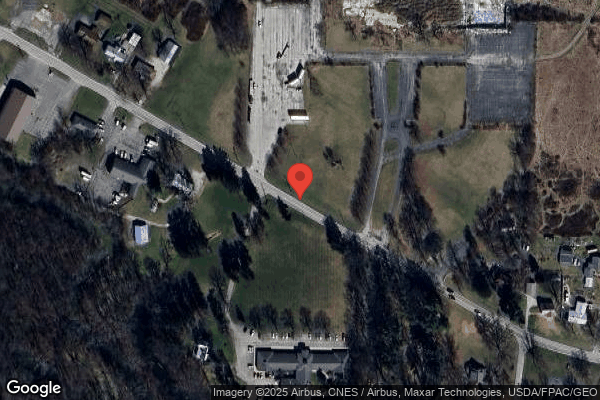
841 W MARION RD, MOUNT GILEAD, OH 43338 (419) 947-2015
For profit - Limited Liability company 75 Beds ATRIUM CENTERS Data: November 2025
Trust Grade
70/100
#385 of 913 in OH
Last Inspection: January 2025

Within standard 12-15 month inspection cycle. Federal law requires annual inspections.

Overview

Woodside Village Care Center in Mount Gilead, Ohio, has a Trust Grade of B, indicating it is a good choice, though not without its issues. It ranks #385 out of 913 facilities in Ohio, placing it in the top half, and #2 out of 3 in Morrow County, meaning only one local option is better. Unfortunately, the facility is trending worse, with reported issues increasing from 1 in 2024 to 14 in 2025. Staffing is a relative strength, with a 3/5 star rating and a turnover rate of 31%, which is lower than the Ohio average of 49%. It's worth noting that the facility has no fines, which is a positive sign, and it has better RN coverage than 81% of Ohio facilities; however, recent inspections revealed significant concerns, such as failures in infection control practices and maintaining a clean kitchen, which could impact resident safety.

Trust Score
B
70/100
In Ohio
#385/913
Top 42%
Safety Record
Low Risk
No red flags
Inspections
Getting Worse
1 → 14 violations
Staff Stability
○ Average
31% turnover. Near Ohio's 48% average. Typical for the industry.
Penalties
✓ Good
No fines on record. Clean compliance history, better than most Ohio facilities.
Skilled Nurses
○ Average
Each resident gets 40 minutes of Registered Nurse (RN) attention daily — about average for Ohio. RNs are the most trained staff who monitor for health changes.
Violations
⚠ Watch
29 deficiencies on record. Higher than average. Multiple issues found across inspections.
★★★★☆
4.0
Overall Rating
★★★☆☆
3.0
Staff Levels
★★★★★
5.0
Care Quality
★★★☆☆
3.0
Inspection Score
Stable
2024: 1 issues
2025: 14 issues

The Good

  • 5-Star Quality Measures · Strong clinical quality outcomes
  • Full Sprinkler Coverage · Fire safety systems throughout facility
  • No fines on record
  • Staff turnover below average (31%)

    17 points below Ohio average of 48%

Facility shows strength in quality measures, fire safety.

The Bad

Staff Turnover: 31%

15pts below Ohio avg (46%)

Typical for the industry

Chain: ATRIUM CENTERS

Part of a multi-facility chain

Ask about local staffing decisions and management

The Ugly 29 deficiencies on record

Jun 2025 3 deficiencies
CONCERN (D) 📢 Someone Reported This

A family member, employee, or ombudsman was alarmed enough to file a formal complaint

Potential for Harm - no one hurt, but risky conditions existed

Free from Abuse/Neglect (Tag F0600)

Could have caused harm · This affected 1 resident

Based on observation, interview and record review, the facility failed to ensure residents were free from abuse by Certified Nursing Assistant (CNA) #102. This affected one (Resident #12) of seven res...

Read full inspector narrative →
Based on observation, interview and record review, the facility failed to ensure residents were free from abuse by Certified Nursing Assistant (CNA) #102. This affected one (Resident #12) of seven residents reviewed for abuse. The facility census was 67. Findings include: Review of the medical record for the Resident #12 revealed an admission date of 05/23/25. Diagnoses included dementia, encephalopathy, hypertension, diabetes mellitus, and end stage renal disease. Review of the quarterly Minimum Data Set (MDS) assessment, dated 04/13/25, revealed the resident had impaired cognition. The resident required assistance for mobility, transfers, bathing and feeding. Review of the nursing progress notes dated from 03/01/25 to 06/02/25 revealed Resident #12 had increased agitation and observed behaviors of hitting and kicking facility staff members when they were performing care. Review of the plan of care dated 06/02/25 revealed she was receiving antipsychotic medication to control her behavioral disturbances and sundowning. Review of the facility's investigation file, completed by the Director of Nursing (DON) dated 05/27/25 and timed 11:00 A.M., revealed on 05/27/25, Certified Nursing Assistant (CNA) #102 was assisting Resident #12 during breakfast. Resident #12 was swinging her arms and attempting to kick CNA #102. CNA #102 held down Resident #12's arms to restrain Resident #12 from punching CNA #102. Resident #12 then leaned her head down toward CNA #102's right arm and attempted to bite CNA #102. CNA #102 took her open left hand and struck Resident #12 in the face, intending to thrust Resident #12's head back so she did not bite CNA #102. During an interview on 06/02/25 at 09:57 A.M., Resident #14 stated he had witnessed a CNA hit a resident in the face about one week prior. He states he observed the resident repeatedly hit the CNA first and then the CNA hit the resident back. During an interview on 06/02/25 at 01:30 P.M., with CNA#110 confirmed on 05/27/25 she witnessed CNA #102 push Resident #12's head back with CNA #102's left hand. During an interview on 06/02/25 at 2:20 P.M., CNA #102 stated she did hit Resident #12 in the face on 05/27/27 during breakfast in the dining room. She had a knee-jerk reaction to Resident #12 attempting to bite her arm and she pushed Resident #12's head away from her. Review of the facility policy titled Abuse Prevention Program Policy & Procedure, revised June 2023, revealed it is not acceptable for a staff member to strike a resident in response to any situation, regardless of whether harm was intended. Staff will held accountable to their actions to meet the Medicare and Medicaid requirements for participation by providing care in a safe environment. Atrium will not consider striking a combative resident an appropriate response in any situation. It is also not acceptable for any staff member to claim his/her action was 'reflexive or a 'knee-jerk reaction'' and was not intended to cause harm. Retaliation by staff is abuse, regardless of whether harm was intended, is unacceptable and must be cited. This deficiency represents non-compliance investigated under Complaint Number OH00166122.
CONCERN (D) 📢 Someone Reported This

A family member, employee, or ombudsman was alarmed enough to file a formal complaint

Potential for Harm - no one hurt, but risky conditions existed

Report Alleged Abuse (Tag F0609)

Could have caused harm · This affected 1 resident

Based on observation, interview and record review, the facility failed to report the results of an allegation of abuse to the State Survey Agency. This affected one (Resident #12) of seven residents r...

Read full inspector narrative →
Based on observation, interview and record review, the facility failed to report the results of an allegation of abuse to the State Survey Agency. This affected one (Resident #12) of seven residents reviewed for abuse. The facility census was 67. Findings include: Review of the medical record for Resident 12 revealed an admission date of 05/23/25. Diagnoses included dementia, encephalopathy, hypertension, diabetes mellitus, and end stage renal disease. Review of the quarterly Minimum Data Set (MDS) assessment, dated 04/13/25, revealed the resident had impaired cognition. The resident required supervision for bed mobility, transfers, ambulation. Review of behavior and mood. Review of the nursing progress notes dated from 03/01/25 to 06/02/25 revealed Resident #12 had increased agitation and observed behaviors of hitting and kicking facility staff members when they were performing care. Review of the facility's investigation file, completed by the Director of Nursing (DON) dated 05/27/25 and timed 11:00 A.M. revealed on 05/27/25, CNA #102 was assisting Resident #12 during breakfast. Resident #12 was swinging her arms and attempting to kick CNA #102. CNA #102 held down Resident #12 arms to restrain Resident #12 from punching CNA #102. Resident #12 then leaned her head down toward CNA #102's right arm and attempted to bite CNA #102. CNA #102 took her open left hand and struck Resident #12 in the face, intending to thrust Resident #12's head back so she did not bite CNA #102. During an interview on 06/02/25 at 09:57 A.M., Resident #14 stated he had witnessed a Certified Nursing Assistant (CNA), hit Resident #12 in the face about one week prior. He states he observed the resident repeatedly hit the CNA first and then the CNA hit the resident back. During an interview on 06/02/25 at 01:30 P.M., CNA #110 stated on 05/27/25 she witnessed CNA #102 push Resident#12's head back with her left hand. She stated she did not report the abuse to any management staff. During an interview on 06/02/25 at 2:20 P.M., CNA #102 stated she hit Resident #12 in the face on 05/27/27 during breakfast in the dining room. She had a knee-jerk reaction to Resident #12 attempting to bite her arm and she pushed Resident #12's head away from her. CNA #102 confirmed that she did not report the incident to any members of management. During an interview on 06/02/25 at 2:44 P.M., the Director of Nursing (DON) stated she was notified about the alleged incident, which occurred on the morning of 05/27/25, by LPN #135 soon after it took place. The DON stated she immediately notified the Administrator and initiated an internal investigation on 05/27/25 to determine if abuse against Resident #12 did occur. The DON stated she did confirm that CNA #102 did hit Resident #12, but did not believe the intention of CNA #102 was to harm Resident #12. During an interview on 06/02/25 at 2:52 P.M., the Administrator confirmed that she was notified about the alleged incident on the morning of 05/27/25. She stated after reviewing the investigation information she did not believe abuse occurred because CNA #102 did not intend to harm Resident #12. The Administrator confirmed that she had not reported the incident to the State Survey Agency. Review of the facility policy titled Abuse Prevention Program Policy & Procedure, revised June 2023, stated reporting results of all investigations to required officials in accordance with State law, including to the State Survey Agency, within 5 working days of the incident, and if the alleged violation is verified appropriate corrective action must be taken. This deficiency represents non-compliance investigated under Complaint Number OH00166122.
CONCERN (D) 📢 Someone Reported This

A family member, employee, or ombudsman was alarmed enough to file a formal complaint

Potential for Harm - no one hurt, but risky conditions existed

Investigate Abuse (Tag F0610)

Could have caused harm · This affected 1 resident

Based on observation, interview and record review, the facility failed to ensure a staff member was removed from resident care while an allegation of abuse was being investigated. This affected one (R...

Read full inspector narrative →
Based on observation, interview and record review, the facility failed to ensure a staff member was removed from resident care while an allegation of abuse was being investigated. This affected one (Resident #12) of seven residents reviewed for abuse. The facility census was 67. Findings include: Review of the medical record for Resident #12 revealed an admission date of 05/23/25. Diagnoses included dementia, encephalopathy, hypertension, diabetes mellitus, and end stage renal disease. Review of the facility's investigation file, completed by the DON dated 05/27/25 and timed 11:00 a.m. revealed on 05/27/25 CNA #102 was assisting Resident #12 during breakfast. Resident #12 was swinging her arms and attempting to kick CNA #102. CNA #102 held down Resident #12 arms to restrain Resident #12 from punching CNA #102. Resident #12 then leaned her head down toward CAN #102's right arm and attempted to bite CNA #102. CNA #102 took her open left hand and struck Resident #12 in the face, intending to thrust Resident #12's head back so she did not bite CNA #102. Review of the time punch card dated 05/27/25 revealed the CNA #102 was not instructed to clock out and did continue to work during the facility's incident investigation. During an interview on 06/02/25 at 2:52 P.M., the Administrator confirmed that she was notified about the alleged incident on the morning of 05/27/25. She confirmed that after reviewing the investigation information she did not believe abuse occurred because CNA #102 did not intend to harm Resident #12. The Administrator confirmed CNA #102 continued to work after the alleged abuse occurred. Review of the facility policy titled Abuse Prevention Program Policy & Procedure, revised June 2023, revealed to identify alleged perpetrator, remove from resident care area immediately, suspend pending investigation conclusion, obtain statement. This deficiency represents non-compliance investigated under Complaint Number OH00166122.
Jan 2025 11 deficiencies
CONCERN (D)

Potential for Harm - no one hurt, but risky conditions existed

Deficiency F0582 (Tag F0582)

Could have caused harm · This affected 1 resident

Based on medical record review and staff interview, the facility failed to provide and document all the required information at the time a beneficiary notice was given. This affected three residents (...

Read full inspector narrative →
Based on medical record review and staff interview, the facility failed to provide and document all the required information at the time a beneficiary notice was given. This affected three residents (#11, #21, and #320) of three reviewed for beneficiary notices. The facility census was 62. Findings include: 1. Review of the medical record for Resident #11 revealed an admission date of 04/07/22. Diagnoses included myocardial infarction, chronic obstructive pulmonary disease (COPD), hyperlipidemia, type II diabetes, chronic kidney disease, hypertension, chronic respiratory disease, atrial fibrillation, osteoarthritis, gout, major depressive disorder, atherosclerotic heart disease, anxiety disorder, lymphedema, congestive heart failure, and anemia. Review of Resident #11's Minimum Data Set (MDS) assessment, dated 11/26/24, revealed the resident was cognitively intact. Review of Resident #11's intent to discharge from rehabilitation, dated 08/29/24, revealed Resident #11 was receiving physical and occupational therapy and had reached the highest potential and was beginning to plateau. The intent to discharge form did not indicate the last day of covered services and provided no place for Resident #11 or Resident #11's representative to sign indicating the information was provided. Review of Resident #11's updated notice titled Medicare Coverage Ending, revealed Resident #11's skilled service would end on 09/02/24. The notice contained no information on what skilled services would be ending, and no information about the residents appeal rights to contest the ending of the service. Also, there was no date listed on the form as to when the facility spoke with Resident #11 or obtained the residents signature on the form. Review of Resident #11's Advanced Beneficiary Notice of Non-Coverage (ABN) form, dated 08/30/24, revealed no information about what services were ending, and no information on appeal rights or how to formally filed an appeal. 2. Review of the medical record for Resident #21 revealed an admission date of 10/01/20. Diagnoses included pneumonia, dementia, gastric contents in larynx causing asphyxiation, atrial flutter, dysphagia, obstructive and reflux uropathy, muscle weakness, benign prostatic hyperplasia, osteoarthritis, insomnia, vitamin D deficiency, and sepsis. Review of Resident #21's MDS assessment, dated 11/14/24, revealed the resident had significant cognitive impairment. Review of Resident #21's intent to discharge from rehabilitation, dated 09/16/24, revealed Resident #21 was receiving speech therapy and had exhausted all of the skilled nursing days. There was no information on the intent to discharge stating the last day of covered services, and there was no place for Resident #21 or the resident's representative to sign acknowledging the notification was provided. Review of Resident #21 notice of Medicare coverage ending, dated 09/16/24, revealed skilled services would end on 09/20/24. There was no information on the notice about the residents appeal rights to contest the ending of skilled services, nor was there information about what skilled services would be ending. The notice contained no information as to when the facility contacted Resident #21's representative to report on the ending of services. Review of Resident #21's Advanced Beneficiary Notice of Non-Coverage (ABN) form, dated 09/17/24, revealed no information about what services were ending, the reason for the services ending. The ABN also contained no information on appeal rights or information on how to formally filed an appeal. 3. Review of the medical record for Resident #320 revealed an admission date of 10/05/24. Diagnoses included atherosclerotic heart disease, pneumonia, hyperlipidemia, benign prostatic hyperplasia, and acute respiratory failure. Review of Resident #21's Minimum Data Set (MDS) assessment, dated 11/23/24, revealed the resident was cognitively intact. Review of Resident #320's intent to discharge from rehabilitation, dated 12/12/24, revealed Resident #320 was receiving physical and occupational therapy and had exhausted all of the skilled nursing days for Medicare Part A on 11/23/24 and transitioned to Medicare Part B. The intent to discharge contained no place for Resident #320 or the resident representative to sign verifying discharge information had been provided. Review of Resident #320's updated notice of Medicare coverage ending revealed skilled services would end on 11/23/24 and Resident #320 would be transitioned to private pay on 11/24/24. The notice contained no information about appeal rights and contained no date as to when the facility notified Resident #320 of skilled services ending and the resident being transitioned to private pay. Interview with Social Services #03 on 01/29/25 at 11:10 A.M. revealed the intent to discharge, the ABN and the Medicare notice were the only forms the facility used when discussing a service change with the resident or resident representative. Social Services #03 confirmed the only date on the forms were when the forms were filled out, and further verified there is no evidence on the form indicating when the resident or resident representative was notified of the service changes, when the documents were signed or when appeal information was provided. When asked where the appeal information was located, Social Service #03 stated the appeal information including appeal rights and the process of filing an appeal was a separate form given to the resident or the resident representative when there is a notification of service change or a discharge notification provided. Social Services #03 verified the facility had no proof of appeal information provided to Residents #11, #21 or #320 Interviews with the Administrator on 01/29/25 at 11:40 A.M. and 12:13 P.M. confirmed the ABN form and the Medicare notice of coverage ending did not contain the required appeal information on them. The Administrator also confirmed the forms contained no evidence of the date when the resident and or resident representative were notified of the service changes.
CONCERN (D)

Potential for Harm - no one hurt, but risky conditions existed

Deficiency F0657 (Tag F0657)

Could have caused harm · This affected 1 resident

**NOTE- TERMS IN BRACKETS HAVE BEEN EDITED TO PROTECT CONFIDENTIALITY** Based on record review, interview, observation, and policy review the facility failed to ensure comprehensive care plans were up...

Read full inspector narrative →
**NOTE- TERMS IN BRACKETS HAVE BEEN EDITED TO PROTECT CONFIDENTIALITY** Based on record review, interview, observation, and policy review the facility failed to ensure comprehensive care plans were updated. This affected two residents (#11 and #29) of two reviewed for falls. The facility census was 62. Findings include: 1. Review of medical record for Resident #11 revealed an admission date of 04/07/22 with diagnoses including but not limited to type two diabetes, hypertension, atrial fibrillation, major depressive disorder, and anxiety disorder. Review of minimum data set (MDS) dated [DATE] revealed Resident #11 was cognitively intact. Resident #11 was independent for transfers. Review of care plan dated 04/08/22 revealed the following interventions regarding falls: physical educated to hang coat on the hook at the end of the bed (03/28/23), obtain orthostatic blood pressures every shift ordered 01/10/23, and orthostatic blood pressure monitoring for three days (09/09/22). Review of vitals in Matrix revealed no orthostatic blood pressure monitoring. Observation on 01/30/25 at 8:43 A.M. of Resident #11 room revealed no hook at the end of the bed for hanging the residents coat. Interview on 01/30/25 at 9:00 A.M. with the Director of Nursing (DON) revealed that she and the unit managers update the care plans. DON verified the fall care plan was not updated to discontinue fall interventions that were not in place any longer. DON verified the resident was moved to a different room and the hook was no longer at the foot of the bed in the new room. 2. Review of medical record for Resident #29 revealed an admission date of 12/10/19 with diagnoses including but not limited to dementia, muscle weakness, depression, other specified disorders of bone density and structure left ankle and foot, calcaneal spur left foot, difficulty in walking, unsteadiness on feet, lack of coordination, pain in left shoulder, other displaced fracture of upper end of left humerus, and history of falling. Review of MDS dated [DATE] revealed Resident #29 was cognitively intact. Resident #29 required setup or clean-up assistance for activities of daily living. Review of care plan for fall interventions revealed the following interventions: visual aide reminder to remind resident to utilize walker (07/01/24), visual reminder to bedside table for resident to apply non-skid footwear (08/01/23), rollator walker basket de-cluttered so resident can carry necessary items to the bathroom (09/16/22). Observation on 01/30/25 at 8:45 A.M. of Resident #29's room revealed no visual reminders present on bedside table or in room. Resident #29's rollator walker observed with three blankets and a pillow on the seat of the walker. Interview on 01/30/25 at 9:00 A.M. with the Director of Nursing (DON) revealed that she and the unit managers update the care plans. DON verified the fall care plan was not updated to discontinue fall interventions that were not in place any longer. DON verified the resident no longer required the visual reminders in the room. Review of policy titled Resident Assessment Comprehensive Care Plans updated 05/24/22 revealed the comprehensive care plan shall reflect changes in the residents preferences and goals as they change throughout their stay.
CONCERN (D)

Potential for Harm - no one hurt, but risky conditions existed

Pressure Ulcer Prevention (Tag F0686)

Could have caused harm · This affected 1 resident

**NOTE- TERMS IN BRACKETS HAVE BEEN EDITED TO PROTECT CONFIDENTIALITY** Based on record review, observation, staff interview, and facility policy review, the facility failed to have physician orders f...

Read full inspector narrative →
**NOTE- TERMS IN BRACKETS HAVE BEEN EDITED TO PROTECT CONFIDENTIALITY** Based on record review, observation, staff interview, and facility policy review, the facility failed to have physician orders for a treatment that was being performed and did not clarify treatment orders for existing pressure injuries. This affected one resident (#7) of three residents reviewed for pressure ulcers. The facility census was 62. Findings include: Review of the medical record revealed Resident #7 was admitted to the facility on [DATE]. Diagnoses included sepsis, type II diabetes, chronic obstructive pulmonary disease (COPD), obstructive and reflux uropathy, dysphagia, unspecified protein calorie malnutrition, major depressive disorder, urinary tract infection, tachycardia, contracture of right hand and elbow, elbow, acute cystitis without hematuria, neuromuscular dysfunction of bladder, hypothyroidism, systemic inflammatory response syndrome, hypertension, edema, other malaise, retention of urine, mood disorder, primary optic atrophy, acute embolism and thrombosis, insomnia, osteoporosis, and multiple sclerosis. Review of Resident #7's Minimum Data Set (MDS) assessment, dated 11/07/24, revealed the resident had a mild cognitive impairment. Review of Resident #7 current physician orders found an order for the facility to clean his left posterior thigh with Dakins solution (a diluted bleach solution used to prevent and treat skin and tissue infections), half strength, pat dry, apply calcium alginate to the moisture associated skin damage (MASD) and cover with abdominal dressing daily. Resident #7 physician orders revealed no order for barrier cream to be applied. Observations on 01/29/25 at 9:55 A.M. found Licensed Practical Nurse (LPN) #17 performed wound care treatment on Resident #7. The treatment and dressing change was completed appropriately with three wounds cleansed with Dakins solution, half strength, with 4 by 4 gauze pads, LPN #17 then placed calcium alginate into the wounds on Resident #7's left buttock and right posterior thigh and covered the wounds with an abdominal pads. Prior to LPN #17 performing the dressing changes and wound care, Resident #7 had barrier cream located all over the buttocks and thigh areas which had to be removed by cleansing the skin prior to the wound care. Interview with LPN #17 at the time of the observation verified Resident #7 had barrier cream all over the buttocks and thigh areas that was required to be removed in order to complete the wound treatments. Interviews with Director of Nursing (DON) on 01/30/25 at 10:45 A.M. and 11:55 A.M. confirmed Resident #7 did not have current order for barrier cream and further verified an order should be in place if the barrier cream is being applied. The DON also confirmed the wound nurse received the order for Dakin's solution to be used on Resident #7's MASD. The DON stated the physician recommends that MASD is cleansed with soap and water, or Dakin's solution, confirming Dakin's solution is not typically used on MASD since it might break down the skin. The DON added she contacted the physician to clarify the order. Review of facility policy titiled Pressure Injury Prevention and Care, dated January 2025, revealed pressure injuries will be assessed and documented upon admission, readmission, upon discovery, and weekly thereafter. Potential/suggested procedure with pressure injury identification includes initiate treatment in accordance with facility protocols, standing orders, or physician order.
CONCERN (D)

Potential for Harm - no one hurt, but risky conditions existed

Deficiency F0692 (Tag F0692)

Could have caused harm · This affected 1 resident

**NOTE- TERMS IN BRACKETS HAVE BEEN EDITED TO PROTECT CONFIDENTIALITY** Based on record review, staff interview, and observation the facility failed to ensure the resident had an understanding of plea...

Read full inspector narrative →
**NOTE- TERMS IN BRACKETS HAVE BEEN EDITED TO PROTECT CONFIDENTIALITY** Based on record review, staff interview, and observation the facility failed to ensure the resident had an understanding of pleasure foods. This affected one (Resident #03) of one reviewed for diet. The facility census was 62. Findings include: Review of medical record for Resident #03 revealed an admission date of 11/03/10 with diagnoses including but not limited to Parkinson's disease, abnormal posture, cognitive communication deficit, altered mental status, pneumonia, adult failure to thrive, history of personality disorder, anxiety, major depressive disorder, schizophrenia, and bipolar disorder. Review of Minimum Data Set (MDS) assessment dated [DATE] revealed Resident #03 had moderate cognitive impairment. Resident #03 required setup or clean-up assistance for eating. Review of current physician orders revealed Resident #03 was on puree diet, with a sugar substitute, no added salt, nectar thick liquids, and required the use of a cup with a lid, required a two handled cup for hot liquids and food in bowls. Resident #03 may have mechanical soft pleasure foods when requested. Review of hospice note dated 08/22/24 revealed routine visit was completed. Resident #03 was observed holding her right jaw. Staff informed hospice nurse that the resident had a bad tooth. Hospice changed Resident #03's diet to a pureed diet with no ice in drinks. Review of progress note dated 08/26/24 revealed Resident #03's diet changed to pureed due to the resident having issues with chewing and holding food in her mouth. Review of progress notes prior to 08/26/24 revealed no documentation regarding resident having issues with chewing or holding food in mouth. Review of the documentation in Resident #03's medical record revealed no other notes regarding tooth pain prior to or after the 08/22/24 note from the hospice visit. Review of 360 dental note dated 09/06/24 revealed Resident #03 did not complain of any tooth or mouth pain. Further review of Resident #03's diet orders between 06/29/23 and 12/09/24 revealed Resident #03 was ordered a mechanical soft diet with thin liquids from 06/29/23 to 01/19/24, a regular diet with thin liquids from 01/19/24 to 07/29/24, a regular diet with nectar thickened liquids from 07/29/24 to 08/26/24, a pureed diet with nectar thick liquids from 08/26/24 until 12/09/24. The current diet order for Resident #03 written on 12/09/24 is for a pureed diet with nectar thick liquids and includes direction Resident #03 may have mechanical soft pleasure foods per request. Interview on 01/27/25 at 2:43 P.M. with Resident #03 revealed she was on a pureed diet, and does not like the diet at all. Resident #03 stated she has her own teeth and has no trouble chewing food. Resident #03 stated she was told she choked once, but she does not remember doing that. Additional interview on 01/28/25 at 8:24 A.M. with Resident #03 revealed the resident denied any trouble swallowing food. Resident #03 stated she was unaware that she could request pleasure foods if she did not like the food that was served. Observation on 01/29/25 at 8:29 A.M. of Resident #03 in the dining room for breakfast revealed the resident had a bowl of cream of wheat, a bowl of pureed eggs, and a bowl of pureed sausage and biscuits. Resident #03 also had three two handle cups with orange juice, water, and thickened hot chocolate. Resident #03 was observed feeding herself with weighted silverware. Further observation on 01/29/25 at 8:47 A.M. of Resident #03 in the dining room for breakfast revealed the resident told staff she did not like the pureed sausage and biscuits. Resident #03 was told by staff well. Resident #03 then told the staff she had teeth and could eat the biscuits and gravy, and the staff stated they knew that she had teeth but regular biscuits and gravy was not the diet ordered for her. Resident #03 then asked for some more cream of wheat. A follow-up interview on 01/29/25 at 8:50 A.M. with Unit Manager #12 revealed she would have to check on why Resident #03 was on a pureed diet. Interview on 01/29/25 at 10:15 A.M. with the Director of Nursing (DON) revealed Resident #03's diet was downgraded to a pureed when the resident had pneumonia with a decline which caused the resident to pocket food and have trouble swallowing. The DON verified there was only the one note on 08/26/24 regarding the resident pocketing food. The DON stated that they had held a care conference in December and Resident #03's family wanted to be able to bring food in for the resident. The DON stated hospice was contacted at that time to see if they could upgrade her diet and got mechanically soft pleasure foods added to Resident #03's diet order. Follow up interview on 01/29/25 at 12:38 P.M. with the DON verified the diet was not changed on 08/22/24 to a pureed diet per hospice recommendation for dental pain. The DON verified the diet was not changed until 08/26/24 when the resident was pocketing food and having difficulty swallowing. The DON stated they talked to the kitchen regarding the resident being able to have mechanical soft pleasure foods per the physician order and to let the resident know what mechanical soft pleasure foods were and that she could request them when she did not like what was on the menu.
CONCERN (D)

Potential for Harm - no one hurt, but risky conditions existed

Deficiency F0697 (Tag F0697)

Could have caused harm · This affected 1 resident

**NOTE- TERMS IN BRACKETS HAVE BEEN EDITED TO PROTECT CONFIDENTIALITY** Based on medical record review, staff interview, and facility policy review, the facility failed to provide proper parameters fo...

Read full inspector narrative →
**NOTE- TERMS IN BRACKETS HAVE BEEN EDITED TO PROTECT CONFIDENTIALITY** Based on medical record review, staff interview, and facility policy review, the facility failed to provide proper parameters for as needed pain medication orders and did not document pain levels for all uses of as needed pain medication. This affected one (Resident #39) of one residents reviewed for pain management. The facility census was 62. Findings include: Review of the medical record for Resident #39 revealed the resident was admitted to the facility on [DATE]. Diagnoses included pneumonia, hypotension, hypoxemia, chronic obstructive pulmonary disease (COPD), acute and chronic respiratory failure, tremor, cerebral infarction, transient cerebral ischemic attack, dysphagia, hypertension, pure hypercholesterolemia, glaucoma, diplopia, low back pain, and gastrostomy status. Review of Resident #39's Minimum Data Set (MDS) assessment, dated 12/30/24, revealed the resident had a mild cognitive impairment. Review of Resident #39's current physician orders revealed an order for acetaminophen 325 milligrams (mg), two tablets every four hours as needed for pain, and an order for tramadol 50 mg twice daily as needed for pain and discomfort. The orders contained no other parameters to determine which pain medication should be administered when. Review of Resident #39 medication administration records (MAR), dated December 2024 to January 2025, revealed tramadol was administered on an as needed basis when requested for pain. The MAR contained no documentation of Resident #39's pain level when the tramadol was administered. Review of Resident #39 pain care plan, dated 10/14/22, revealed the following interventions related to the care area of pain: administer pain medications as ordered, pain assessment quarterly and as needed, and assess characteristics of pain: location, severity on a scale of zero (no pain) to ten (worst pain), type, frequency, precipitating factors, and relief factors. Interview with Registered Nurse (RN) #12 on 01/29/25 at 2:42 P.M. revealed typically, there will be parameters in the order as to which as needed pain medication to administer. RN #12 stated if there are not any parameters, she will ask the resident what their pain level is or determine the pain level based on non-verbal gestures. After getting that information, RN #12 would provide the as needed pain medication based on that pain level, stating for pain one to five, she would typically give the lower strength pain medication and for pain six to ten, she would give the higher strength pain medication. RN #12 confirmed that a residents pain level should be documented in the medical record prior to administering any pain medication as needed. Interview with Licensed Practical Nurse (LPN) #17 on 01/29/25 at 2:48 P.M. stated they will provide as needed pain medication based on pain level. LPN #17 stated there should be parameters for the as needed pain medication, but sometimes, some nurses do not get them and/or document the parameters in the order. LPN #17 also stated that when a resident's pain level was one to five, they will administer the lower strength medication, like acetaminophen, and if the pain level was six to ten, they would administered the higher strength medication such as Norco or tramadol. LPN #17 also confirmed documentation should be recorded in the medical record for a resident's pain level prior to administering as needed pain medications. Review of facility policy titled Pain Management, dated January 2025, revealed nurses will complete resident pain assessments upon admission, quarterly, and as needed. A pain scale or non-communication assessment tool may be used as needed to determine pain intensity. Pain will be assessed after interventions to evaluate the effectiveness of the intervention and to recognize undesirable side effects and documented in the medical record.
CONCERN (D)

Potential for Harm - no one hurt, but risky conditions existed

Deficiency F0805 (Tag F0805)

Could have caused harm · This affected 1 resident

**NOTE- TERMS IN BRACKETS HAVE BEEN EDITED TO PROTECT CONFIDENTIALITY** Based on record review and staff interview the facility failed to ensure a diet order was processed in a timely manner. This aff...

Read full inspector narrative →
**NOTE- TERMS IN BRACKETS HAVE BEEN EDITED TO PROTECT CONFIDENTIALITY** Based on record review and staff interview the facility failed to ensure a diet order was processed in a timely manner. This affected one (#03) of one resident reviewed for diet. The facility census was 62. Findings include: Review of medical record for Resident #03 revealed an admission date of 11/03/10 with diagnoses including but not limited to Parkinson's disease, abnormal posture, cognitive communication deficit, altered mental status, pneumonia, adult failure to thrive, history of personality disorder, anxiety, major depressive disorder, schizophrenia, and bipolar disorder. Review of Minimum Data Set (MDS) assessment dated [DATE] revealed the Resident #03 had moderate cognitive impairment. Resident #03 required setup or clean-up assistance for eating. Review of current physician orders revealed Resident #03 was on pureed diet, with a sugar substitute, no added salt, nectar thick liquids, and required the use of a cup with a lid, required a two handled cup for hot liquids and food in bowls. Resident #03 may have mechanical soft pleasure foods when requested. Review of hospice note dated 08/22/24 revealed routine visit was completed. Resident #03 was observed holding her right jaw. Staff informed hospice nurse that the resident had a bad tooth. Hospice changed Resident #03's diet to pureed with no ice in drinks. Review of progress note dated 08/26/24 revealed the residents diet changed to pureed due to resident having issues with chewing and holding food in her mouth. Review of progress notes prior to 08/26/24 revealed no documentation regarding resident having issues with chewing or holding food in mouth. Review of the documentation in Resident #03's medical record revealed no other notes regarding tooth pain prior to or after the 08/22/24 note from the hospice visit. Review of 360 dental note dated 09/06/24 revealed Resident #03 did not complain of any tooth or mouth pain. Further review of Resident #03's diet orders between 06/29/23 and 12/09/24 revealed Resident #03 was ordered a mechanical soft diet with thin liquids from 06/29/23 to 01/19/24, a regular diet with thin liquids from 01/19/24 to 07/29/24, a regular diet with nectar thickened liquids from 07/29/24 to 08/26/24, a pureed diet with nectar thick liquids from 08/26/24 until 12/09/24. The current diet order for Resident #03 written on 12/09/24 is for a pureed diet with nectar thick liquids and includes direction Resident #03 may have mechanical soft pleasure foods per request. Interview on 01/27/25 at 2:43 P.M. with Resident #03 revealed she was on a pureed diet, and she does not like the diet at all. Resident #03 stated she has her own teeth and has no trouble chewing food. Resident #03 stated she was told she choked once, and she does not remember doing that. Follow up interview on 01/29/25 at 12:38 P.M. with the DON verified the diet was not changed on 08/22/24 to pureed per hospice recommendation for dental pain. The DON verified the diet was not changed until 08/26/24 when the resident was pocketing food and having difficulty swallowing.
CONCERN (D)

Potential for Harm - no one hurt, but risky conditions existed

Deficiency F0847 (Tag F0847)

Could have caused harm · This affected 1 resident

**NOTE- TERMS IN BRACKETS HAVE BEEN EDITED TO PROTECT CONFIDENTIALITY** Based on record review, resident interview, family interview, and policy review the facility failed to ensure residents and/or r...

Read full inspector narrative →
**NOTE- TERMS IN BRACKETS HAVE BEEN EDITED TO PROTECT CONFIDENTIALITY** Based on record review, resident interview, family interview, and policy review the facility failed to ensure residents and/or representatives were informed in a manner that was understandable regarding arbitration agreements. This affected four residents (#30, #45, #317, and #318) of four residents reviewed for arbitration agreements. The facility identified 48 residents with signed arbitration agreements. The facility census was 62. Findings include: 1. Review of medical record for Resident #30 revealed an admission date of 07/27/23 with diagnoses including but not limited to dementia, atrial fibrillation, type two diabetes, atherosclerotic heart disease, repeated falls, diverticulitis, gout, restless leg syndrome, and fibromyalgia. Review of Resident #30's Minimum Data Set (MDS) dated [DATE] revealed a brief interview of mental status (BIMS) score of 10 which indicated moderate cognitive impairment. Interview on 01/30/25 at 12:42 P.M. with Resident #30 revealed the resident stated her husband signed her admission paperwork with her present. Resident #30 stated she could not remember if the facility explained the arbitration agreement. Resident #30 stated her husband probably signed it. Resident #30 stated her husband can not remember things either as he is [AGE] years old. 2. Review of medical record for Resident #45 revealed an admission date of 12/12/23 with diagnoses including but on limited to dementia, hypertension, and depression. Review of Resident #45's MDS assessment dated [DATE] revealed a BIMS score of 12 which indicated moderate cognitive impairment. Interview on 01/30/25 at 11:03 A.M. with Resident #45 revealed she did not remember signing an arbitration agreement when admitted . Resident #45 stated she could not begin to explain what an arbitration agreement was. Resident #45 stated she was not sure if she would sign one or not and it would depend on the situation. Interview on 01/30/25 at 11:22 A.M. with Family member for Resident #45 stated she probably signed an arbitration agreement for the resident on admission. Family member stated it was 14 months ago and she could not remember if the facility explained it or not. Family member stated she was handed a tablet and was just going through and signing things on it. Family member stated that is was a stressful time. 3. Review of medical record for Resident #317 revealed an admission date of 01/14/25 with diagnoses including but not limited to type two diabetes with foot ulcer, atrial fibrillation, cellulitis of right lower limb, and depression. Review of Resident #317's MDS assessment dated [DATE] revealed a BIMS score of 15 which indicated the resident was cognitively intact. Interview on 01/30/25 at 12:04 P.M. with Resident #317 revealed the resident did not know what an arbitration agreement was. Resident #317 stated she did not sign one on admission. When arbitration was explained the resident stated she does not think she would sign one. 4. Review of medical record for Resident #318 revealed an admission date of 01/23/25 with diagnoses including but not limited to acute on chronic respiratory failure, type two diabetes, congestive heart failure, Parkinson's disease and chronic obstructive pulmonary disease. Review of Resident #318's MDS assessment dated [DATE] revealed a BIMS score of 13 which indicated cognitively intact. Interview on 01/30/25 at 11:09 A.M. with Resident #318 revealed the resident stated he did not know what an arbitration agreement was. Resident #318 stated he was not aware of signing one when he came into the facility. Resident #318 stated he probably did sign one. Interview on 01/30/25 at 10:57 A.M. with Social Worker (SW) #03 revealed each resident and/or the resident representative upon admission are told an arbitration agreement states if anything were to happen to the resident, the resident or the resident representative have the right to come after the facility or the company. SW #03 stated all forms are electronic and the resident and/or resident representative are given a tablet and must sign each sections of the admission packet. Review of policy titled Binding Arbitration Agreement Policy dated 03/2023 revealed when explaining the arbitration agreement, the facility shall explain to the resident and his or her representative in a form and manner that he or she understands, including in a language the resident and his or her representative understands.
CONCERN (D)

Potential for Harm - no one hurt, but risky conditions existed

Antibiotic Stewardship (Tag F0881)

Could have caused harm · This affected 1 resident

Based on medical record review, staff interview, and facility policy review, the facility failed to provide adequate justification for the use of antibiotic medication. This affected two (Residents #7...

Read full inspector narrative →
Based on medical record review, staff interview, and facility policy review, the facility failed to provide adequate justification for the use of antibiotic medication. This affected two (Residents #7 and #21) of five residents reviewed for medication regimens. The facility census was 62. Findings include: 1. Review of the medical record for Resident #7 revealed an admission date of 03/01/08. Diagnoses included sepsis, type II diabetes, chronic obstructive pulmonary disease (COPD), obstructive and reflux uropathy, dysphagia, unspecified protein calorie malnutrition, major depressive disorder, urinary tract infection, tachycardia, contracture of right hand and elbow, elbow, acute cystitis without hematuria, neuromuscular dysfunction of bladder, hypothyroidism, systemic inflammatory response syndrome, hypertension, edema, other malaise, retention of urine, mood disorder, primary optic atrophy, acute embolism and thrombosis, insomnia, osteoporosis, and multiple sclerosis. Review of Resident #7's Minimum Data Set (MDS) assessment, dated 11/07/24, revealed the resident had a mild cognitive impairment. Review of Resident #7's current physician orders revealed the resident was ordered Amoxicillin (antibiotic) 500 milligrams (mg) on 10/31/24. The justification for this medication was listed as prophylactic for a urinary tract infection (UTI). Review of Resident #7 progress notes, dated 10/30/24, revealed the facility physician was in the facility for routine rounds. During those rounds, the physician assessed Resident #7 and determined he wanted to write an order for Amoxicillin 500 mg daily for the preventative use of UTIs, which was to start after his initial order for Amoxicillin for a confirmed diagnosis of UTI, had been completed. Resident #7's s last dose for the initial order for Amoxicillin was on 10/30/24. Review of Resident #7's McGeer Assessment (a tool used for infection surveillance), dated 10/30/24, revealed the Amoxicillin ordered did not met the criteria to be administered. Interview with Director of Nursing (DON) on 01/30/25 at 10:45 A.M. confirmed the physician wrote an order for Amoxicillin 500 mg daily for a prophylactic use. She also confirmed the McGeer's Assessment that was completed on 10/30/24, confirmed the antibiotic ordered for Resident #7 did not meet criteria. The DON confirmed they have no other justification for the use of the Amoxicillin and confirmed that Resident #7 did not have an infection in the months of November 2024, December 2024 or January 2025, and the Amoxicillin was administered as ordered. The DON also confirmed there was no order for evaluation of the prophylactic use of the Amoxicillin, to determine if it could be discontinued. 2. Review of the medical record for Resident #21 revealed an admission date of 10/01/20. Diagnoses included pneumonia, dementia, gastric contents in larynx causing asphyxiation, atrial flutter, dysphagia, obstructive and reflux uropathy, muscle weakness, benign prostatic hyperplasia, osteoarthritis, insomnia, vitamin D deficiency, and sepsis. Review of Resident #21's MDS assessment, dated 11/14/24, revealed the resident had significant cognitive impairment. Review of Resident #21 current physician orders found the resident was ordered Amoxicillin 500 mg on 09/02/24. The justification for this medication was listed as prophylaxis. Review of Resident #21 progress notes, dated 08/23/24, revealed the facility physician determined Amoxicillin 500 mg daily was to be used prophylactically for a upper respiratory infection (URI) and was to start after the residents initial order for Amoxicillin for a confirmed URI had been completed. Resident #21's last dose from the initial order for Amoxicillin was on 08/22/24. Review of Resident #21 McGeers Assessment revealed the facility did not complete an assessment for either order of Amoxicillin. Interview with Director of Nursing (DON) on 01/30/25 at 10:45 A.M. confirmed the physician wrote an order for Amoxicillin 500 mg daily for a prophylactic use and confirmed the McGeer's Assessment was never completed for either order of Amoxicillin and should have been. The DON confirmed there is no other justification for the use of the Amoxicillin and confirmed Resident #21 did not have an infection in the months between September 2024 and January 2025 but was administered the Amoxicillin as ordered for prophylaxis. The DON confirmed there was no order for evaluation of the prophylactic use of the Amoxicillin, to determine if it could be discontinued. Review of facility Antibiotic Stewardship Program, dated January 2025, revealed it is the policy of the facility to implement an antibiotic stewardship program as part of the facility's overall infection prevention and control program. The purpose of the program is to optimize the treatment of infections while reducing the adverse events associated with antibiotic use. The facility uses the Centers for Disease and Control Prevention (CDC) National Healthcare Safety Network (NHSN) surveillance definitions, and updated McGeer criteria to define infections. The facility will monitor the response to antibiotics, and use laboratory results when available, to determine if the antibiotic is still indicated or if adjustments should be made with at least one outcome measure associated with the antibiotic tracked monthly, as prioritized from the facility's infection control risk assessment and other infection surveillance data.
CONCERN (E)

Potential for Harm - no one hurt, but risky conditions existed

Food Safety (Tag F0812)

Could have caused harm · This affected multiple residents

Based on observation, staff interview, and policy review, the facility failed to ensure the kitchen was kept in a clean and sanitary condition. This deficient practice had the potential to affect all ...

Read full inspector narrative →
Based on observation, staff interview, and policy review, the facility failed to ensure the kitchen was kept in a clean and sanitary condition. This deficient practice had the potential to affect all residents in the facility except for Resident #52 who received nothing by mouth. The facility census was 62. Findings include: 1. Observation on 01/27/25 at 08:39 A.M. of the kitchen revealed there is a large hole-like area on the wall behind the steamer. Interview on 01/27/25 at 08:41 A.M. with Dietary Supervisor #41 confirmed the large hole-like area on the wall behind the steamer. Observation on 01/28/25 at 11:16 A.M. revealed there is a large hole like area on the wall behind the steamer. Interview on 01/28/25 at 11:16 A.M. with Dietary [NAME] #59 confirmed the large like hole area on the wall behind the steamer. Interview on 01/28/25 at 11:17 A.M. with Local Health Department Inspector #90 revealed she had cited the hole in the wall on the last three health inspection reports. Review of the County Health Department Food Inspection Report, dated 01/28/25 revealed there is damage to the wall near the ovens side of the kitchen. Review of the October 2024 Food Preparation and Sanitation Audit revealed the wall behind the steamer has chipped tiles or holes. Review of the November 2024 Food Preparation and Sanitation Audit revealed the wall behind the steamer is damaged. Review of the December 2024 Food Preparation and Sanitation Audit revealed that the wall behind the steamer is damaged. Review of the Kitchen Safety policy dated 01/25 stated Accidents are caused by unsafe conditions and unsafe actions which result from carelessness, lack of attention or concentration, moving too fast or improper training. 2. Observation on 01/27/25 at 08:39 A.M. revealed there is a hole in the floor underneath the oven. Interview on 01/27/25 at 08:41 A.M. with Dietary Supervisor #41 confirmed the hole in the floor underneath the oven. Observation on 01/28/25 at 11:16 A.M. revealed there is a hole in the floor underneath the oven. Interview on 01/28/25 at 11:16 A.M. with Dietary [NAME] #59 confirmed the hole in the floor underneath the oven. Review of the County Health Department Food Inspection Report, dated 01/28/25 revealed there is damage to the floor near the ovens side of the kitchen. Review of the facility's October 2024 Food Preparation and Sanitation Audit revealed there are damaged areas on the floor. Review of the facility's November 2024 Food Preparation and Sanitation Audit revealed there are damaged areas on the floor. Review of the facility's December 2024 Food Preparation and Sanitation Audit revealed there are damaged areas on the floor. Review of the Kitchen Safety policy dated 01/25 stated Keep floors cleaned and waxed with non-slip wax, and free of hazardous objects. The policy also stated, Have all floors in good repair and free from grease and rubble.
CONCERN (F)

Potential for Harm - no one hurt, but risky conditions existed

Infection Control (Tag F0880)

Could have caused harm · This affected most or all residents

Based on record review, observation, and staff interviews, and review of facility policy, the facility failed to ensure proper infection control practices were maintained for residents, team members, ...

Read full inspector narrative →
Based on record review, observation, and staff interviews, and review of facility policy, the facility failed to ensure proper infection control practices were maintained for residents, team members, and visitors in the facility's water pathogen risk reductions. This had the potential to affect all residents residing at the facility. The facility census was 62. Findings include: Record review on 01/29/25 and 01/30/25 between 7:30 A.M. and 4:15 P.M. revealed the facility was unable to provide the water management team members and logs of the facility's continual assessment, mitigation, and monitoring of the facility's water system. Observation and tour of the facility on 01/29/25 and 01/30/25 between 7:30 A.M. and 4:15 P.M. revealed the facility's representative had not tested or provided the ability to test or assess the water system for controls such as chlorine. Review of the facility policy titled Water Pathogen Risk Reduction, originally dated 01/2016 and updated on 01/01/25, stated the facility will assign a water management team which included facility leadership (Administrator), Infection Control Coordinator/Preventionist, site water service provider representative, and Quality Assurance Performance Improvement Committee Staff (QAPI) who will review any initial completed risk assessment and follow up on water monitoring findings to identify risk factors for Legionella. The procedure outlined in the Water Pathogen Risk Reduction policy stated the facility, or its representative will complete an environmental screening and/or assessment of all water systems and provide results to the water team. The screening/assessment process is intended to identify the inherent hazards, physical design and existing monitoring and control measures for the water system. The facility or its representative must also provide a continual monitoring prevention plan which includes logs, tracking and/or monitoring sheets and control strategies and control limits (for example: monitoring of disinfectants/biocides, supplemental chlorine, or chlorine dioxide) to the water team. Additionally, the facility or its representative, and the water team shall perform walkthroughs or tours of the facility to confirm water temperatures, chlorine residuals or any other information regarding the water system. Interview with Maintenance Director (MD) #72 on 01/29/25 at 11:16 A.M. revealed a new Legionella Assessment policy and procedure dated 01/01/25 was just received from regional office and MD #72 has begun to fill out the assessment in accordance to the guidelines. MD #72 stated there was not a water management team in place according to the old facility policy and procedure titled Water Pathogen Risk Reduction, dated 01/2016 and updated on 01/01/25 and water monitoring was not occurring. MD #72 verified there are no logs, documentation, or water testing results for controls (chlorine) completed in the facility. MD #72 stated, the city supplies the facility with chlorinated water. MD #72 could not produce the city logs for water testing or documentation of city water controls. Interview with the Administrator on 01/29/25 at 1:25 P.M. revealed there was no evidence of a water management team in place, and there was no monitoring or logs of water controls (chlorine) performed by the facility, or documented testing results of control testing from the city. The Administrator stated the facility will have a water management team put in place and water monitoring will be performed as required to include water temperature monitoring and seven other components outlined in the new Legionella Assessment policy.
MINOR (C)

Minor Issue - procedural, no safety impact

Abuse Prevention Policies (Tag F0607)

Minor procedural issue · This affected most or all residents

Based on record review, staff interview, and policy review, the facility failed to follow its abuse prevention policy by not completing reference checks for five out of five newly hired personnel revi...

Read full inspector narrative →
Based on record review, staff interview, and policy review, the facility failed to follow its abuse prevention policy by not completing reference checks for five out of five newly hired personnel reviewed. This failure had the potential to affect all 62 residents in the facility. The facility census was 62. Findings include: Review of the personnel file for Registered Nurse (RN) #80 revealed a hire date of 06/21/24. The reference check form for RN #80 contained her name, position, and signature dated 06/20/24; however, it lacked any documentation of previous work history or confirmation that a reference check had been completed. Review of the personnel file for RN #85 revealed a hire date of 02/06/24. The reference check form for RN #85 contained only a signature dated 02/06/24, with no evidence of previous work history or documentation confirming a reference check was completed. Review of the personnel file for Certified Nursing Assistant (CNA) #62 revealed a hire date of 05/15/24. There was no documentation indicating a reference check had been completed or initiated. Review of the personnel file for CNA #46 revealed a hire date of 10/10/24. There was no documentation indicating a reference check had been completed or initiated. Review of the personnel file for the Administrator revealed a hire date of 05/06/24. There was no documentation indicating a reference check had been completed or initiated. During an interview conducted on 01/30/25 at 12:57 P.M., with Administrative Management (AM) #24, AM #22, and the Administrator confirmed reference checks had not been completed for the five newly hired staff members (RN #80 and #85, CNA #62 and #46 and the Administrator) and further confirmed, per facility policy, reference checks should have been conducted for all new hires. Review of the facility's abuse prevention policy stated, All applicants for employment will be checked with previous and/or current employers, and reasonable efforts will be made to uncover information about any past criminal prosecutions. Applicants will be asked to supply references from their previous work history.
Nov 2024 1 deficiency
CONCERN (D) 📢 Someone Reported This

A family member, employee, or ombudsman was alarmed enough to file a formal complaint

Potential for Harm - no one hurt, but risky conditions existed

Accident Prevention (Tag F0689)

Could have caused harm · This affected 1 resident

**NOTE- TERMS IN BRACKETS HAVE BEEN EDITED TO PROTECT CONFIDENTIALITY** Based on record review, interview, review of facility investigation, and policy review, the facility failed to ensure adequate s...

Read full inspector narrative →
**NOTE- TERMS IN BRACKETS HAVE BEEN EDITED TO PROTECT CONFIDENTIALITY** Based on record review, interview, review of facility investigation, and policy review, the facility failed to ensure adequate supervision of residents when Resident #5 eloped from the facility. This deficient practice affected one (Resident #5) out of three residents reviewed for elopement. The facility census was 64. Findings include: Review of the medical record for Resident #5 revealed an admission date of 01/18/24 with diagnoses including dementia, spondylosis without myelopathy or radiculopathy, depression, and post-traumatic stress disorder. Review of physician orders revealed Resident #5 had an order dated 01/27/24 for a wanderguard in place to his left ankle and placement and function was to be checked each shift. Review of Resident #5's care plan dated 02/07/24 revealed the resident experienced wandering that placed the resident at risk of getting into potentially dangerous places with an intervention that included check left ankle wander guard placement and function per facility protocol. Another care plan dated 02/28/24 revealed the resident could no longer safely care of himself at home and he required 24 hour care/supervision with interventions that included staff were to provide 24 hour care and supervision. Review of the significant change in status assessment Minimum Data Set (MDS) 3.0 assessment dated [DATE] revealed Resident #5 had severely impaired cognition. Resident #5 required supervision or touching assistance to walk 10 feet, walk 50 feet with two turns, and walk 150 feet. Review of Resident #5's progress note on 10/22/24 at 6:50 P.M. revealed Registered Nurse (RN) #95 noted a window was opened in an office and a trash can had fallen over. The happy feet protocol (a facility term for when there was an elopement) began immediately. Review of Resident #5's progress note on 10/22/24 at 7:02 P.M. revealed Resident #5 was returned to the facility via facility transport vehicle. Resident #5's wife, doctor, and hospice were made aware. Review of Resident #5 progress note on 10/22/24 at 11:10 P.M. revealed an elopement assessment was completed. Resident #5 was noted as an elopement risk and the wanderguard was to stay on his ankle. Review of Resident #5 progress notes from 10/22/24 through 10/24/24 revealed Resident #5 was on 1:1 supervision. The resident was then placed on 15 minute checks from 10/24/24 through 10/27/24, 30 minute checks from 10/27/24 through 10/29/24, and one hour checks starting on 10/30/24 to current. Review of the elopement incident report for Resident #5 revealed Resident #5 was last seen by staff at approximately 6:30 P.M. to 6:35 P.M. on 10/22/24 in the hallway outside of the north nurse's station. Resident #5 was wearing a white T-shirt, long sleeve flannel, flannel pants, yellow socks, and black slipper shoes. RN #95 entered the Director of Nursing (DON) office at approximately 6:45 P.M. and observed the trash can, that was sitting under the window, was flipped over and papers from the trash can were scattered. The window and screen were raised and the tabs to lift the window had been pushed in to allow the window to open. Outside of the window, papers were scattered on the grass. RN #95 immediately notified the staff and initiated a head count with Resident #5 not located in the building. RN #95 and RN #150 went outside to search [NAME] of the facility and Certified Nursing Assistant (CNA) #25 searched East. A gentleman on Orchard Street (one street over) directed CNA #25 to Resident #5 sitting in a driveway. The weather was 65 degrees Fahrenheit with no precipitation. The report noted that Resident #5's wanderguard did not alert due to the resident exiting the facility by window. The resident was assessed by ambulance personnel. RN #95 and RN #150 also assessed Resident #5 who showed no areas of skin impairment. Resident #5 stated he was in the barracks and looking for men. The resident's wife, physician, and hospice were notified. It was concluded that Resident #5 was outside of the facility for approximately five minutes. Review of the local County Emergency Medical Services report revealed on 10/22/24 at 7:00 P.M. they were dispatched by 911 to the driveway where Resident #5 was found, and they arrived at the scene on 10/22/24 at 7:05 P.M. The narrative report revealed a caller saw Resident #5 walking down the road and stopped him. It stated that Resident #5 didn't know where he was and was mumbling. The medic arrived on scene and observed Resident #5 sitting in a rocking chair at the end of the driveway. As the medic was interviewing the caller, a nurse from the facility was running down the road yelling Resident #5's name, followed by the DON. They said Resident #5 had been missing for five minutes. The DON stated she left her office window open and Resident #5 climbed out of it. The DON also refused the residents need for vital signs and she stated that she did not want Resident #5 taken to the hospital because he had severe dementia. Resident #5 stated he was just trying to get out into the great wide open. The medic reported Resident #5 did not appear to be in immediate distress, no injuries were noted, and the resident denied pain. Resident #5 was alert and oriented to person and event only, which was his normal. A stroke exam was performed with negative findings and no further assessment was completed. Interview on 11/18/24 at 4:19 P.M. with RN #95 revealed Resident #5 eloped from the facility on 10/22/24 when he went out of the DON's office window. RN #95 stated she went to put her laptop away and felt a breeze and upon observation, noticed the window was up, the screen was out, and trash was on the ground. She revealed she went to the hallway and asked where Resident #5 was, and everyone started looking for him. RN #95 stated she went outside with the DON to search the grounds and CNA #25 came out to help search and found Resident #5 on the next road over. RN #95 then went back into the building and received a call from the DON to bring a vehicle over to pick up Resident #5. She revealed the EMTs completed an assessment of Resident #5 with no negative findings and she further stated that Resident #5 had a wanderguard on, but they did not work on the windows. Interview on 11/18/24 at 5:47 P.M. with CNA #190 revealed Resident #5 eloped from the facility on 10/22/24 out of the DON's office window, about an hour after she left for the day. CNA #190 further revealed that Resident #5 had a wanderguard in place. Interview on 11/18/24 at 5:59 P.M. with CNA #255 revealed Resident #5 eloped from the facility through a window on 10/22/24. CNA #255 stated she was working, but she was in a different area when the elopement occurred. CNA #255 revealed that Resident #5 had a wanderguard in place. Interview on 11/18/24 at 6:11 P.M. with LPN #45 revealed Resident #5 eloped from the facility through a window on 10/22/24. LPN #45 revealed she was not at the facility when it occurred, but was called in to start one-on-one supervision with Resident #5. LPN #45 revealed that Resident #5 had a wanderguard in place. Interview on 11/18/2024 at 6:18 P.M. with the DON revealed she received a call from RN #95, on 10/22/24, that the RN noticed the DON's window was open and Resident #5 was up walking during the day. The DON stated they completed a head count and noticed Resident #5 was missing. The DON revealed she went outside with CNA #25 and walked the perimeter, they heard a squad siren and saw the ambulance go down the road to the right of the building, then CNA #25 called her and said he was with Resident #5. Resident #5 was sitting at the end of a driveway in a rocking chair. An individual told the DON that she was driving and saw Resident #5 stumble into a trash can, and she called 911. The DON revealed that the squad asked her if the wanderguard worked on the windows and DON replied that it did not and that no one had tried to climb out of a window before. Interview on 11/18/24 at 6:42 P.M. with CNA #25 revealed Resident #5 eloped from the facility on 10/22/24 and his supervisor told him to check the perimeter outside the facility when it occurred. CNA #25 revealed he heard sirens and saw lights so he went that direction and observed Resident #5 sitting in a rocking chair and talking to the people that had found him. CNA #25 revealed that Resident #5 had a wanderguard in place. Review of the Happy Feet binder revealed Resident #5 and Resident #215 were listed as elopement risks. Each resident had a picture and an information sheet that included a description of the resident, physical characteristics, behavior patterns, how to approach, responsible party, former residence, and former place of employment. Review of the policy titled Elopement Prevention and Management Program dated January 2024 revealed the facility was to ensure that residents who exhibited wandering behaviors and/or were at risk for elopement, received adequate supervision to prevent accidents and the residents received care in accordance with their person-centered plan of care addressing the unique factors contributing to wandering or elopement risk. This deficiency represents non-compliance investigated under Complaint Number OH00159217.
Nov 2023 7 deficiencies
CONCERN (D)

Potential for Harm - no one hurt, but risky conditions existed

Deficiency F0553 (Tag F0553)

Could have caused harm · This affected 1 resident

Based on record review, resident interview, and staff interview, the facility failed to ensure residents were invited to attend their care conference, and encouraged to participate in the development,...

Read full inspector narrative →
Based on record review, resident interview, and staff interview, the facility failed to ensure residents were invited to attend their care conference, and encouraged to participate in the development, implementation, and revision of the person-centered care plan. This affected one (Resident #51) of 17 residents reviewed for care plans. The facility census was 69. Findings include: Review of the medical record for Resident #51 revealed an admission date of 12/17/21. Diagnoses included type II diabetes mellitus, cerebral infarction, and acute on chronic congestive heart failure. Review of the quarterly Minimum Data Set (MDS) 3.0 assessment, dated 10/13/23, revealed Resident #51 was cognitively intact. Resident #51 was not coded as having any behaviors or rejection of care. Review of Resident #51's care plan revealed the care plan did not mention Resident #51 refused or rejected care. Review of the care conference progress notes revealed Resident #51 had two care conferences in the past 12 months on 11/08/22 and 02/08/23. On 11/08/22, the only recorded participants were Resident #51 and Licensed Social Worker (LSW) #768. There was no evidence that Resident #51's charge nurse, a state tested nursing aide (STNA), or a dietary representative attended. On 02/08/23, the only recorded participants included LSW #768 and the Director of Nursing (DON). There was no evidence Resident #51 was invited to attend his care conference on 02/08/23. An interview on 11/16/23 at 1:33 P.M. with Resident #51 revealed he was unable to recall being invited or having a care conference regarding his ongoing care at the facility. An interview on 11/16/23 at 1:53 P.M. with LSW #768 verified Resident #51 had only two care conferences in the 12 months and Resident #51 was not invited to attend the care conference held on 02/08/23. LSW #768 also verified the care conferences held on 11/08/22 and 02/08/23 did not include an interdisciplinary team.
CONCERN (D)

Potential for Harm - no one hurt, but risky conditions existed

Grievances (Tag F0585)

Could have caused harm · This affected 1 resident

**NOTE- TERMS IN BRACKETS HAVE BEEN EDITED TO PROTECT CONFIDENTIALITY** Based on resident and staff interviews, record reviews, and review of the facility policy, the facility failed to timely investi...

Read full inspector narrative →
**NOTE- TERMS IN BRACKETS HAVE BEEN EDITED TO PROTECT CONFIDENTIALITY** Based on resident and staff interviews, record reviews, and review of the facility policy, the facility failed to timely investigate reported missing personal items and follow up with the residents with results of the investigation. This affected one (Resident #14) of one resident reviewed for missing items. The facility census was 69. Findings include: Record review for Resident #14 revealed an admission date of 04/03/21. Diagnoses included hypertensive heart and chronic kidney disease with heart failure and stage one through stage four chronic kidney disease. Review of the quarterly Minimum Data Set (MDS) assessment dated [DATE] revealed Resident #14 was cognitively intact. Review of the Missing Item Report dated 10/20/23 revealed Resident #14 had reported pajamas that were black with white magnolia flowers that were missing along with a blanket that was grey brown on one side and the other side was white with colored rectangles and a tag that said 'BB'. The Missing Item Report dated 10/27/23 revealed Resident #14 had reported a baby [NAME] shirt missing. Interview on 11/14/23 at 11:43 A.M. with Resident #14 revealed her granddaughter bought her pajamas that were black with white magnolia flowers for Christmas last year. Resident #14 stated the pajamas had her name on them, they were special to her because her granddaughter got them as a gift and they were beautiful. Resident #14 stated the pajamas were missing for a few months. She told Licensed Social Worker (LSW) #768 and laundry staff over and over and nothing happened. Resident #14 stated she also had a green blanket with baby [NAME] missing for over a month and a baby [NAME] shirt she reported missing about a week ago. Interview on 11/14/23 at 2:35 P.M. with LSW #768 confirmed Resident #14's missing items were documented in the facility's Missing Items Report. If a resident was missing an item, they would either come to her or housekeeping. A missing item form would be filled out then it would be discussed in the following morning meeting so every department head would know. Housekeeping staff would look in the lost and found and laundry area and report back to her (LSW #768) if the item was found or not. LSW #768 revealed the facility would look for two to three weeks. The facility never replaced any resident missing items reported by residents since she had been there and she had been there in her position for over a year. LSW #768 revealed if the missing item was not found, the facility would not follow up with the resident. The resident would only be made aware if the item was found. LSW #768 confirmed she was responsible for tracking and following up with missing items reported and confirmed she did not follow up with residents if the reported missing item was not found. The housekeeping supervisor was still looking for Resident #14's missing items and confirmed she never followed up with Resident #14 regarding her missing items. LSW #768 stated she would bring it back up to the Administrator to talk about replacing the missing items. Interview on 11/14/23 at 4:04 P.M. with the Administrator revealed there was a form for missing items located outside the laundry door. The form needed to be filled out when a resident reported a missing item. The form started with the laundry supervisor then would be given to the LSW to track. Sometimes missing items were discussed in the morning meeting. Once the missing item was reported, the staff would look for the item. The Administrator stated the response should be back to the resident, if the item was found or not, in two to three days. The Administrator stated it would not be acceptable to not get back to the resident with a response if the item was found or not. The Administrator stated generally he would also go to the resident and talk to them. If the item was not found, the facility would replace the item in a day or two from the time he talked to them. The Administrator stated it had been over a year ago since the facility replaced a missing item. The Administrator stated no one told him Resident #14 was missing items. Subsequent interview on 11/14/23 at 4:54 P.M. with the Administrator stated Resident #14's missing shirt was found in her dresser drawer. The Administrator confirmed the staff should have looked sooner and stated he did not find the blanket or pajamas. The Administrator stated he checked with Resident #14's family and they did not have the missing items. Interviews on 11/16/23 between 1:09 P.M. and 1:22 P.M. with State Tested Nursing Assistant (STNA) #731, #735, and #702 stated they have seen Resident #14 wearing here pajamas and blanket in the past before they were reported missing. Interview on 11/16/23 at 1:24 P.M. with Laundry Supervisor (LS) #742 confirmed the facility washed Resident #14's laundry. LS #742 was unable to locate Resident #14's missing items. LS #742 was first notified of Resident #14's missing blanket and pajamas in the middle of October (when she first took over the Laundry Supervisor position) by Resident #14. After Resident #14 discussed it with LS #742, she spoke to the previous Laundry Supervisor who told her to keep looking and she (previous Laundry Supervisor) was also aware and revealed they had been missing a few months. Laundry Supervisor #742 filled out the missing item report and gave LSW #768 a copy of the missing item report in October. However, the previous laundry supervisor did not provide a copy of the missing item report to the LSW back when it was reported to her (previous laundry supervisor). Review of the policy titled Social Services, Grievances/Concerns. reviewed 01/2022, revealed to support each resident's rights to voice grievances and to ensure a policy is in place to process grievances. Providing prompt action to resolve grievances/concerns and to keep the resident appraised of the progress towards resolution. The Administrator is the Grievance Officer who is responsible and will oversee the implementation of the facility grievance process, receiving and tracking grievances through to their conclusion with the Social Service Director. The policy included all grievances received will be investigated within 72 hours following receipt of the complaint. Within seven days following the receipt of the complaint, the facility will inform the complainant with the result of the investigation in writing. Should the grievance or concern be a missing item, please complete the missing item report, track and trend accordingly.
CONCERN (D)

Potential for Harm - no one hurt, but risky conditions existed

Deficiency F0625 (Tag F0625)

Could have caused harm · This affected 1 resident

**NOTE- TERMS IN BRACKETS HAVE BEEN EDITED TO PROTECT CONFIDENTIALITY** Based on staff interview, record review, and review of the facility policy, the facility failed to timely provide a resident wit...

Read full inspector narrative →
**NOTE- TERMS IN BRACKETS HAVE BEEN EDITED TO PROTECT CONFIDENTIALITY** Based on staff interview, record review, and review of the facility policy, the facility failed to timely provide a resident with the bed hold policy acknowledgement to include the number of bed hold days. This affected one (Resident #64) of one resident reviewed for receipt of bed hold days upon facility transfer of a resident. The facility census was 69. Findings include: Record review for Resident #64 revealed an admission date of 08/27/22. Diagnoses included malignant neoplasm of bladder and acute respiratory failure with hypoxia. Review of the annual Minimum Data Set (MDS) assessment dated [DATE] revealed Resident #64 was cognitively intact. Review of the face sheet for Resident #64 revealed Resident #64 had no information available for contacts. Review of the facility census for Resident #64 revealed on 05/07/23, Resident #64 had a hospital leave and returned to the facility on [DATE]. On 05/14/23, Resident #64 had a hospital leave and returned to the facility on [DATE]. On 08/13/23, Resident #64 had a hospital leave and returned to the facility on [DATE]. On 09/06/23, Resident #64 had a hospital leave and Resident #64 did not return to the facility. Review of the Bed Hold Policy Acknowledgement for Resident #64 dated 05/07/23 (as date notice issued) signed by Licensed Social Worker (LSW) #768 revealed the number of therapeutic bed hold days were not filled in. The form was signed by Resident #64 and dated 05/07/23 next to his name in a different colored pen. Review of the Bed Hold Policy Acknowledgement for Resident #64 dated 05/14/23 (as date notice issued) signed by LSW #768 revealed the number of therapeutic bed hold days were not filled in. The form was signed by Resident #64 and dated 05/14/23 next to his name in a different colored pen. Review of the Bed Hold Policy Acknowledgement for Resident #64 dated 08/13/23 (as date notice issued) signed by LSW #768 and it was not signed by Resident #64. The form was pre-dated 08/13/23 next to where the resident would sign. The number of therapeutic bed hold days were not filled in. Review of the Bed Hold Policy Acknowledgement for Resident #64 undated, signed by LSW #768 revealed the number of therapeutic bed hold days were not filled in and was not signed by resident. Interview with LSW #768 between 11/15/23 at 4:50 P.M. and 11/16/23 at 2:02 P.M. confirmed she was to provide residents including Resident #64 with bed hold days notification when they were transferred to the hospital or had a leave of absence. Resident #64 did not have a contact person to notify so she would give the notice to Resident #64 when he returned from the hospital. LSW #768 confirmed she never attempted to provide the Bed Hold Policy Acknowledgement to Resident #64 prior to him returning to the facility. LSW #768 confirmed the date next to Resident #64's signature (that was to be the date he received the bed hold days) was not the date he received it, this was the date pre-filled in by her which was backdated to the date of his transfer to the hospital. LSW #768 stated that was what she was told to do when she started working at the facility. LSW #768 confirmed she did not complete the forms dated 05/07/23, 05/14/23, 08/13/23, or 09/06/23 to include the bed hold days. LSW #768 confirmed Resident #64 did not receive any transfers or bed hold acknowledgement for 08/13/23 or 09/06/23. Interview on 11/16/23 at 2:10 P.M. with the Administrator revealed the resident should be made aware of the amount of bed hold days they have left in the documentation of the Bed Hold Policy Acknowledgement. The date signed should be the date the resident signed they received the form and should not be pre-filled in to the date they left the facility. Review of the policy titled Social Service/Bed Hold, reviewed 01/2022, revealed the facility shall provide the bed hold policy Acknowledgement to the resident or the resident's representative with any resident initiated therapeutic leave or transfer to alternative healthcare community including a hospital admission. This acknowledgement will provide information to the resident and or representative that explains the duration, the reserved bed payment policy and also facility permitting return of the resident to the next available bed. In the event of an emergency transfer to the hospital, the facility social worker or designee will attempt to contact the resident or the residents representative within 24 hours of the transfer and determine rather to hold the resident bed. The facility will document multiple attempts if necessary to reach the resident and or the residents representative in cases where the facility was unable to notify.
CONCERN (D)

Potential for Harm - no one hurt, but risky conditions existed

Assessment Accuracy (Tag F0641)

Could have caused harm · This affected 1 resident

**NOTE- TERMS IN BRACKETS HAVE BEEN EDITED TO PROTECT CONFIDENTIALITY** 2. Review of the medical record for Resident #50 revealed an admission date of 10/18/21. Diagnoses included chronic kidney disea...

Read full inspector narrative →
**NOTE- TERMS IN BRACKETS HAVE BEEN EDITED TO PROTECT CONFIDENTIALITY** 2. Review of the medical record for Resident #50 revealed an admission date of 10/18/21. Diagnoses included chronic kidney disease, dependence on renal dialysis, cerebral infarction, and depression with atypical features. Review of the discontinued physician's orders revealed Resident #50 received Zyprexa (an antipsychotic medication) 5.0 milligrams (mg) daily at bedtime from 07/10/22 to 04/21/23. Resident #50 received Zyprexa 2.5 mg daily at bedtime from 04/22/23 to 08/08/23. Review of current physician's order, dated 08/09/23, revealed Resident #50 had an order for Zyprexa 2.5 mg every other day at bedtime. Review of the consultant pharmacist medication regimen report revealed gradual dose reductions were requested by the consultant pharmacist and approved by Resident #50's physician on 04/21/23 and 08/09/23. Resident #50's medical record contained no evidence that the physician documented gradual dose reductions as contraindicated. Review of the quarterly MDS 3.0 assessment, dated 10/16/23, revealed Resident #50 was marked as not receiving a gradual dose reduction of the antipsychotic medication. Additionally, the assessment identified the physician documented a gradual dose reduction of the antipsychotic medication as clinically contraindicated on 08/09/23. An interview on 11/16/23 at 8:55 A.M. with MDS Coordinator #715 verified the gradual dose reduction information was entered into the MDS assessment incorrectly for Resident #50 on 10/16/23. MDS Coordinator #715 further verified she struggled to find this information as she does not receive copy of the pharmacist's recommendations and many times this information was not readily available in the resident's medical record. 3. Review of the medical record for Resident #51 revealed an admission date of 12/17/21. Diagnoses included type II diabetes mellitus, cerebral infarction, and acute on chronic congestive heart failure. Review of the Medication Administration Record (MAR) for October 2023 revealed Resident #51 refused care or services on 10/07/23, 10/08/23 and 10/10/23. Resident #51's MAR additionally indicated that he received metformin (an oral hypoglycemic medication) 750 milligrams (mg) once daily in the morning every day during the month of October 2023. Review of the quarterly MDS 3.0 assessment, dated 10/13/23, revealed Resident #51 was coded to have no behaviors and was not coded to have received hypoglycemic medication during the seven-day look back period. An interview on 11/16/23 at 8:55 A.M. with MDS Coordinator #715 verified Resident #51 should have been coded as having received hypoglycemic medication on the MDS assessment dated [DATE]. MDS Coordinator #715 stated Licensed Social Worker (LSW) #768 was primarily responsible for coding the information about behaviors. MDS Coordinator #715 verified based on behavior monitoring on the MAR, behavior of rejection of care should have been marked as occurring on one to three days during the seven-day look back period. Based on record review and staff interview, the facility failed to accurately code the resident's Minimum Data Set (MDS) 3.0 assessments. This affected three (#10, #50, and #51) of 17 residents reviewed during the investigative process. The facility census was 69. Findings include: 1. Review of the medical record for Resident #10 revealed an admission date of 10/19/23. Diagnoses included metabolic encephalopathy, expressive language disorder, and intellectual disabilities. Review of the admission MDS 3.0 assessment, dated 10/23/23, revealed Resident #10 was coded to have bipolar disorder. Review of the medical record revealed no evidence that Resident #10 had been diagnosed at any time with bipolar disorder. An interview on 11/16/23 at 11:20 A.M. with MDS Coordinator #715 verified Resident #10 did not have bipolar disorder and it was coded on the MDS assessment dated [DATE] in error.
CONCERN (D)

Potential for Harm - no one hurt, but risky conditions existed

Deficiency F0657 (Tag F0657)

Could have caused harm · This affected 1 resident

**NOTE- TERMS IN BRACKETS HAVE BEEN EDITED TO PROTECT CONFIDENTIALITY** 2. Review of the medical record for Resident #51 revealed an admission date of 12/17/21. Diagnoses included type II diabetes mel...

Read full inspector narrative →
**NOTE- TERMS IN BRACKETS HAVE BEEN EDITED TO PROTECT CONFIDENTIALITY** 2. Review of the medical record for Resident #51 revealed an admission date of 12/17/21. Diagnoses included type II diabetes mellitus, cerebral infarction, and acute on chronic congestive heart failure. Review of Resident #51's care plan revealed the resident was at risk for falls, to be occasionally incontinent of bowel and bladder, and at risk for skin breakdown. Resident #51 was identified to be a supervised smoker. Resident #51 was noted to have poor activity participation due to choosing not to attend structured activities. The care plan did not mention Resident #51 refused or rejected care. Review of the quarterly Minimum Data Set (MDS) 3.0 assessment, dated 10/13/23, revealed Resident #51 was cognitively intact. He was not coded as having any behaviors or rejection of care. Resident #51 had previous MDS assessments completed on the following dates: 12/19/22 (annual), 01/18/23 (quarterly), 04/12/23 (quarterly), 07/13/23 (quarterly), and 10/13/23 (quarterly). Review of the care conference progress notes in the last 12 months revealed care conferences were held for Resident #51 on 02/08/23 and 11/08/22. On 02/08/23, the only recorded participants included Licensed Social Worker (LSW_ #768 and the Director of Nursing (DON). On 11/08/22 the only recorded participants were Resident #51 and LSW #768. There was no evidence that Resident #51's charge nurse, a STNA, or a dietary representative attended. An interview on 11/16/23 at 1:33 P.M. with Resident #51 revealed he was unable to recall being invited or having a care conference regarding his ongoing care at the facility. An interview on 11/16/23 at 1:53 P.M. with LSW #768 verified Resident #51 had only one care conference in the past year and the schedule for care conference did not follow the MDS schedule. LSW #768 verified the care conferences were not completed with an interdisciplinary team (IDT) approach and were not reviewed quarterly with the IDT. Based on record review, resident and staff interview, and facility policy review, the facility failed to the resident's care plans were developed and reviewed with an interdisciplinary approach and failed to ensure the care plans were reviewed following the completion of the Minimum Data Set 3.0 assessments. This affected three (#14, #51, and #58) of eleven residents reviewed during the investigative process who were not recently admitted to the facility. The facility census was 69. Findings include: 1. Record review for Resident #14 revealed an admission date of 04/03/21. Diagnoses included hypertensive heart and chronic kidney disease with heart failure and stage one through stage four chronic kidney disease. Type two diabetes mellitus, iron deficiency anemia, intestinal malabsorption, and morbid obesity due to excessive calories. Review of the care plans dated 04/03/21 revealed the disciplines involved were dietary, nursing and the physician. Review of the quarterly Minimum Data Set (MDS) assessment dated [DATE] revealed Resident #14 was cognitively intact. Resident #14 was independent with eating, required substantial assistance from staff with bed mobility and was dependent on staff for transfers. Resident #14 had a weight gain of five percent or more over the last month. Resident #14 had previous MDS assessments completed on the following dates: 01/12/22 (quarterly), 03/31/22 (quarterly), 07/01/22 (quarterly), 10/01/22 (annual), 01/09/23 (quarterly), 04/11/23 (quarterly), 07/12/23 (quarterly), 08/21/23 (quarterly), and 11/16/23 (annual). Review of the care conference progress notes for 2022 and 2023 revealed a care conference for Resident #14 was held on 04/14/22, 12/14/22, 03/29/23, and 06/06/23. The care conference progress notes held on 04/14/22, 12/14/22, 03/29/23, and 06/06/23 revealed the attendees did not include Resident #14's charge nurse, state tested nursing assistant (STNA) or a representative from dietary. Interview on 11/13/23 at 10:51 A.M. with Resident #14 revealed she and her daughter had a care plan meeting with the the Director of Nursing (DON) and Licensed Social Worker (LSW) #768 a long while ago but none recently. Interview on 11/14/23 between 3:04 P.M. and 4:56 P.M. with LSW #768 revealed the interdisciplinary team members were told of the scheduled care conferences in morning meeting. LSW #768 revealed the DON attended the care conferences and if the resident was on therapy, then they were also asked to attend. LSW #768 confirmed no dietary personnel attended care conferences, no floor STNAs or charge nurses were asked to attend and no physicians or Nurse Practitioners were asked asked to attend any of the resident care conferences. LSW #768 confirmed Resident #14 did not have a care conference within seven days of the resident assessments being completed and the facility did not complete the quarterly care conferences for Resident #14 which should have been completed in January 2022, July 2022, October 2022, January 2023, April 2023, and July 2023. Interview on 11/14/23 at 4:57 P.M. with Dietary Manager #708 revealed he was employed as the Dietary Manager at the facility for over a year. Dietary Manager #708 confirmed he did not attend any resident care plan meetings including for Resident #14. Dietary Manager #708 revealed the facility utilized a consulting dietitian and that person also did not attend any resident care plan meetings. 3. Review of Resident #58's medical record revealed the resident was admitted to the facility on [DATE]. Diagnoses included hypertension, obstructive sleep apnea, atrial fibrillation, anxiety, and depression. Review of the quarterly Minimum Data Set (MDS) 3.0 assessment dated [DATE] revealed Resident #58 was cognitively intact, had no behaviors, was at risk for pressure ulcer, and received anticoagulant and diuretic medication. Resident #58 had MDS assessments completed on the following dates: on 05/08/23 (admission), on 07/16/23 (quarterly), and on 10/05/23 (quarterly). Review of the medical record revealed Resident #58 had one care conference on 06/28/23. No other care conferences were documented for Resident #58. Interview with Licensed Social Worker (LSW) #768 on 11/14/23 at 3:18 P.M. verified Resident #58 had not been included or participated in the routine care conference process that correlated with the comprehensive MDS assessment, and the facility had completed only one care conference on 06/28/23 for Resident #58. Review of the policy titled Comprehensive Resident Care Plan, reviewed on 01/2022, revealed the comprehensive care plan is based on a thorough assessment that includes, but is not limited to, the MDS. Reviews with necessary revisions will be conducted quarterly per the Resident Assessment Instrument (RAI) (MDS) defined schedule. The resident and his/her family, resident representative and/or the legal representative are invited to attend and participate in the resident's assessment and care planning conference. The Social Services Director or designee is responsible for contacting the resident's family and for maintaining records of such notices. The facility's procedure included the facility's Care Planning/Interdisciplinary Team, in coordination with the resident, his/her family or representative (sponsor), develops and maintains a comprehensive care plan for each resident that identifies the highest level of functioning the resident may be expected to attain. The Care Planning/Interdisciplinary Team is responsible for the review and updating of care plans, which included at least quarterly. A seven day advance notice of the care planning conference is provided to the resident and interested family members. Such notice is made by mail and/or telephone. The Social Services Director or designee is responsible for contacting the resident's family and for maintaining records of such notices. Notices include the date, time and location of the conference; the name of each family member and the date he or she was contacted; the method of contacting the family (e.g., mail, telephone, email, etc.); input from family members and/or resident when they are not able to attend; refusal of participation, if applicable; and the date and signature of the individual making the contact.
CONCERN (D)

Potential for Harm - no one hurt, but risky conditions existed

Deficiency F0760 (Tag F0760)

Could have caused harm · This affected 1 resident

**NOTE- TERMS IN BRACKETS HAVE BEEN EDITED TO PROTECT CONFIDENTIALITY** Based on record review, observation, staff interview, policy review, and review of the manufacturer instructions, the facility f...

Read full inspector narrative →
**NOTE- TERMS IN BRACKETS HAVE BEEN EDITED TO PROTECT CONFIDENTIALITY** Based on record review, observation, staff interview, policy review, and review of the manufacturer instructions, the facility failed to administer medications to the residents without a significant medication error. This affected one (Resident #5) of one resident observed for insulin administration. The facility census was 69. Findings include: Review of Resident #5's medical record revealed the resident was admitted to the facility on [DATE]. Diagnoses included type two diabetes mellitus. Review of the physician's orders revealed Resident #5 had an order for Basalar Kwik pen U-100 insulin 100 units per milliliter (ml) administer 30 units subcutaneously twice daily. Observation of Resident #5 receiving medication on 11/15/23 at 7:16 A.M. provided by Registered Nurse (RN) # 713 revealed RN #713 prepared the Basalar Kwik pen by cleaning the stopper of the pen with an alcohol wipe, placing a disposable needle on the end of the pen, and dialed the pen to the physician ordered dose of 30 units on the pen. RN #713 then donned gloves. RN #713 entered Resident #5's room and RN #713 explained the procedure to Resident #5. Then RN #713 administered the insulin to Resident #5. RN #713 did not prime the Basalar Kwik pen prior to insulin administration to Resident #5. Interview with RN #713 on 11/15/23 at 7:20 A.M. confirmed after placing the needle on the Basalar Kwik pen, the nurse dialed the pen to the 30 unit dose ordered for Resident #5. RN #713 verified she did not prime the Basalar Kwik pen prior to insulin administration to Resident #5. Review of the policy titled Atrium Centers-Insulin Pen, last revised on 01/01/23, revealed it is the policy of the facility to use insulin pens in order to improve the accuracy of insulin dosing, provide increased resident comfort, and serve as a teaching aid to prepare residents for self-administration. The policy explanation and Compliance Guidelines included insulin pens will be primed prior to each use to avoid collection of air in the insulin reservoir. Review of the manufacturer administration instructions for Basalar Kwik pen revealed to prime before each injection. Priming means removing the air from the Needle and Cartridge that may collect during normal use. It is important to prime your Pen before each injection so that it will work correctly. If you do not prime before each injection, you may get too much or too little insulin. To prime your Pen, turn the Dose Knob to select two units. Hold your Pen with the Needle pointing up. Tap the Cartridge Holder gently to collect air bubbles at the top. Continue holding your Pen with the Needle pointing up. Push the Dose Knob in until it stops, and 0 is seen in the Dose Window. Hold the Dose Knob in and count to five slowly. You should see insulin at the tip of the Needle. If you do not see insulin, repeat the priming steps, but not more than four times. If you still do not see insulin, change the Needle and repeat the priming steps.
CONCERN (E)

Potential for Harm - no one hurt, but risky conditions existed

Deficiency F0655 (Tag F0655)

Could have caused harm · This affected multiple residents

**NOTE- TERMS IN BRACKETS HAVE BEEN EDITED TO PROTECT CONFIDENTIALITY** Based on medical record review, family, resident, and staff interviews, and review of the facility policy, the facility failed t...

Read full inspector narrative →
**NOTE- TERMS IN BRACKETS HAVE BEEN EDITED TO PROTECT CONFIDENTIALITY** Based on medical record review, family, resident, and staff interviews, and review of the facility policy, the facility failed to provide a copy of the baseline care plan to the resident and their representative. This affected four (Residents #49, #117, #121, and #219) of 17 residents reviewed for care plans. The facility census was 69. Findings include: 1. Record review for Resident #219 revealed an admission date of 11/11/23. Diagnoses included cutaneous abscess of left lower limb, diabetes mellitus, cerebral infarction, and congestive heart failure. Review of the baseline care plan, initiated on 11/11/23, revealed Resident #219 was a new admission to the facility and was in need of nursing care services. Resident #219 required assistance with activities of daily living. There was no evidence the baseline care plan included Resident #219 and there was no evidence Resident #219 received a copy of the baseline care plan An interview on 11/15/23 at 4:03 P.M. with Unit Manager (UM) #714 revealed she was responsible for the initial/baseline care plans for new residents at the facility. The facility enters the baseline care plan under the care plan section in the electronic health record. UM #714 stated she prints the care plan, gives a copy to the resident and/or family, but does not document that meeting anywhere. UM #714 stated the goal was to have the baseline plan of care completed within 48 hours of a new resident's admission to the facility. An interview on 11/15/23 at 4:25 P.M. with Resident #219 revealed an unnamed nursing staff member came to discuss his plan of care with him earlier in the day on 11/15/23 for the first time since he admitted on [DATE]. Resident #219 further stated that staff member stated they would be back with a copy of his plan of care, but no one ever came back. A follow up interview on 11/16/23 at 8:15 A.M. with Resident #219 revealed he still had not received a copy of his baseline plan of care, nor had be been involved in the initial care planning process. An interview on 11/16/23 at 10:49 A.M. with UM #714 verified she did not believe Resident #219 received a copy of his baseline care plan. 2. Record review for Resident #49 revealed an admission date of 09/19/23. Diagnoses included hydronephrosis with urethral stricture, chronic kidney disease, atherosclerotic heart disease of native coronary artery without angina pectoris, abdominal aortic aneurysm, benign prostatic hyperplasia, cirrhosis of liver, neuromuscular dysfunction of bladder, and hypertension. Review of the admission Minimum Data Set (MDS) assessment dated [DATE] revealed Resident #49 was severely cognitively impaired. Review of the baseline care plan dated 09/19/23 revealed Resident #49 was a new admission to the facility and in need of nursing care service. There was no evidence the family and/or resident received a copy of the baseline care plan. Interview on 11/13/23 at 1:28 P.M. with Resident #49's primary contact person (family) confirmed they had not been included in any care conferences at the facility and denied having any care plans provided to them. Interview on 11/15/23 at 3:50 P.M. with Licensed Social Worker (LSW) #768 confirmed Resident #49 (including his family) never had a care conference at the facility. Interview on 11/15/23 at 4:02 P.M. with Unit Manager (UM) #714 confirmed she completed all residents initial care plans upon admission and within 48 hours reviewed the initial care plans with the family or resident. UM #714 revealed she does not document when she reviews the care plan or when she gives the family a copy of the care plans. UM #714 stated she did not recall if she reviewed Resident #49's care plan with his Resident #49's primary contact person (family) and confirmed she does not track who she does them with or when. UM #714 confirmed she was the only staff member who did the initial care plans and the only one who reviewed them with the residents and or families upon admission. 3. Review of Resident #117's medical record revealed the resident was admitted to the facility on [DATE]. Diagnoses included vascular disorder of the intestine, surgical after care following surgery on the digestive system, and type two diabetes mellitus. Review of the admission-critical admission assessment dated [DATE] revealed Resident #117 had an abdominal incision, and was alert, talkative and able to make her needs known. Review of the medical record revealed Resident #117 did not have a care conference at the facility and there was no documentation of the resident participating in the care plan process or receiving a copy of her baseline care plan. Interview with Resident #117 on 11/13/23 at 2:28 P.M. revealed she had not participated in a care conference, had not been asked to assist in the completion of the care planning process, or provided a copy of her care plans. Interview with Licensed Social Worker (LSW) #768 on 11/14/23 at 3:18 P.M. verified Resident #117 had not been included or participated in the care conference process which included formulation and implementation of the care plans at the facility. Interview with Registered Nurse #714 on 11/16/23 at 10:52 A.M. revealed she was the staff member who puts in the resident's baseline care plans on admission. RN #714 confirmed if a resident is admitted over the weekend, she would put the baseline care plan in on Monday. RN #714 stated her responsibility included entering the baseline care plans in the electronic health record. 4. Review of Resident #121's medical record revealed the resident was admitted to the facility on [DATE]. Diagnoses included hemiplegia, hemiparesis following a cerebrovascular accident, malignant neoplasm of the ovary, and urinary tract infection. Review of the medical record on 11/14/23 revealed Resident #121 did not have a care conference at the facility and there was no documentation of the resident participating in the care plan process or receiving a copy of her baseline care plans. Interview with Licensed Social Worker (LSW) #768 on 11/14/23 at 3:18 P.M. verified Resident #121 had not been included or participated in the care conference process which included formulation and implementation of the care plans at the facility. Interview on 11/15/23 at 2:38 P.M. with Resident #121 and her husband revealed the facility had not provided them with a copy of the resident's care plan and the facility had completed one care conference with them on 11/14/23. The resident and family denied having been included in the care planning process and having a baseline care conference within 48 hours of admission. Review of the facility policy titled Resident Baseline Care Plan Development, updated 01/17/18, revealed the intent was to ensure each resident received necessary care and services upon admission. Completion and implementation of the baseline care plan within 48 hours of the residents admission is intended to promote continuity of care and communication among nursing staff, increase resident safety and safeguard against adverse advents that are most likely to occur right after admission; and to ensure the resident and representative are informed of the initial care plan for delivery of care and services by receiving a written summary of the baseline care plan.
Aug 2021 7 deficiencies
CONCERN (D)

Potential for Harm - no one hurt, but risky conditions existed

Grievances (Tag F0585)

Could have caused harm · This affected 1 resident

**NOTE- TERMS IN BRACKETS HAVE BEEN EDITED TO PROTECT CONFIDENTIALITY** Based on observation, medical record review, missing item form review, facility communication form review, resident and staff in...

Read full inspector narrative →
**NOTE- TERMS IN BRACKETS HAVE BEEN EDITED TO PROTECT CONFIDENTIALITY** Based on observation, medical record review, missing item form review, facility communication form review, resident and staff interviews and review of facility policy, the facility failed to ensure a reported missing item was addressed timely. This affected one (#50) of two residents reviewed for missing items. The facility census was 51. Finding include: Review of the medical record for Resident #50 revealed an admission date of 10/30/17. Diagnoses included intellectual disabilities and anxiety disorder. Review of the annual Minimum Data Set (MDS) assessment dated [DATE] revealed Resident #50 was assessed as having mild cognitive impairment. Resident #50 required supervision with transfers, walking in room and corridor, locomotion on unit and off the unit, and extensive assistance of one person for dressing. Interview and observation on 07/26/21 at 2:40 P.M., with Resident #50 revealed the resident was missing a pair of black shoes and only had a pair of slippers. Resident #50 reported they are supposed to get her new shoes. Resident #50 pointed to a pair of slippers on the floor and reported these were her only pair of shoes. Observed were a pair of slip on slippers. Interview on 07/27/21 at 5:45 P.M., with Social Services #76 revealed missing item logs were maintained. Social Services #76 revealed she handled some of the missing items and shared the list with Housekeeping/Laundry when clothing was involved. At the time of the interview Social Services #76 was not aware of Resident #50's report of a pair of missing black shoes and revealed Resident #50 was on the list for diabetic shoes. Social Services #76 further revealed everything had been recently sent in and now it was just a matter of when they will come out. Social Services #76 provided the missing items logs for 05/2021, 06/2021 and 07/2021 and the evidence of the submission for the diabetic shoes for Resident #50. After reviewing the missing items log for 03/2021, during the interview, Social Services #76 verified the missing item log listed the missing black shoes for Resident #50 dated 03/10/21. Interview on 07/29/21 at 9:30 A.M., with Licensed Nursing Home Administrator (LNHA) revealed he has never seen Resident #50 wear shoes even to appointments. She always wears gripper socks. Missing items logs and forms were used for tracking items, although from around 11/2020 to 03/2021 during the COVID-19 outbreak experienced at the facility, things may have also been done verbally. The entire building was moved around. Interview on 07/29/21 at 11:02 A.M., with Housekeeping Supervisor #69 revealed missing items logs are maintained by Social Services and then Social Services provides it to the Housekeeping Supervisor. There has only been one given to her since 05/2021 and that was for a different resident. Housekeeping Supervisor #69 was not aware of Resident #50's missing black shoes and reported no black shoes among the missing items in the office. If a resident would like a replacement item, she would go to the LNHA or Social Services to address this. Review of documents titled, Missing Item Form, dated 03/2021, 04/2021, 05/2021, 06/2021 and 07/2021 revealed the report of the missing black shoes for Resident #50 was received on 03/10/21 and there was no indication on the report that the missing item was resolved. Review of document titled, Capital Prosthetic and Orthotic Center Inc. Statement of Certifying Physician for Diabetic and Therapeutic Shoes, dated 05/28/21 revealed the physician had signed the form for the diabetic shoes. Review of document titled, Communication Result Report, dated 06/30/21 revealed a fax was submitted on 06/30/21 from [NAME] Village Care Center to Capital Shoes for the diabetic shoes for Resident #50. Review of facility policy titled, Social Service Grievances/Concerns, dated 01/2021 revealed the facility had a policy in place for missing items. Should a grievance/concern be a missing item, please complete the missing item report, track and trend accordingly.
CONCERN (D)

Potential for Harm - no one hurt, but risky conditions existed

Deficiency F0657 (Tag F0657)

Could have caused harm · This affected 1 resident

**NOTE- TERMS IN BRACKETS HAVE BEEN EDITED TO PROTECT CONFIDENTIALITY** 2. Review of the medical record for Resident #46 revealed an admission date of 10/01/20. Diagnoses included dementia without beh...

Read full inspector narrative →
**NOTE- TERMS IN BRACKETS HAVE BEEN EDITED TO PROTECT CONFIDENTIALITY** 2. Review of the medical record for Resident #46 revealed an admission date of 10/01/20. Diagnoses included dementia without behavioral disturbance, pain in right knee, obstructive and reflux uropathy, history of falling, osteoarthritis, seborrheic dermatitis, bunion bilateral feet, history transient ischemic heart attack and insomnia. Review of the Quarterly Minimum Data Set (MDS) assessment dated [DATE] revealed a Brief Interview for mental status score (BIMS) score of 13 indicating intact cognition. Resident #46 required extensive assistance of one person for dressing. Review of the care plan dated 10/01/20 revealed Resident #46 was at risk for injury related to smoking. Resident #46 was assessed as being safe and to be supervised by staff while smoking. Interventions included to utilize smoking apron during smoking activities. Review of the Safe Smoking assessment dated [DATE] revealed Resident #46 was a safe smoker with supervision. Assessment was completed by Director of Nursing (DON). Observation on 07/26/21 at 3:46 P.M. through 3:57 P.M., of the designated smoke break revealed three residents in the smoking [NAME] including Resident #46. Resident #46 was not observed to be wearing a smoking apron. Interview on 07/29/21 at 1:15 P.M., with Activity Director #63 revealed Resident #46 usually once a day in the evenings. Activity Director #63 reported unsampled resident was the only resident who required a smoking apron of all residents who smoke. Interview on 07/29/21 at 2:30 P.M., with DON revealed she completed the most recent smoking assessment for Resident #46. The interview further revealed Resident #46 did not require a smoking apron when smoking. The interview verified Resident #46's care plan was inaccurate when it stated Resident #46 required a smoking apron. Based on record review, resident and staff interviews, observation and policy review, the facility failed to ensure care plans were revised to include an accurate dialysis schedule and smoking interventions. This affected two (#22 and #46) of 20 residents reviewed for care plans. The census was 51. Findings Include: 1. Review of the medical record for Resident #22 revealed an admission date of 04/01/20 with diagnoses including end stage renal disease, Diabetes Mellitus type two, and chronic obstructive pulmonary disease. Review of the quarterly minimum data set assessment dated [DATE] revealed Resident #22 was cognitively intact and received dialysis treatments. Review of the active physician order dated 07/08/21 revealed Resident #22 was ordered for dialysis three times per week on Tuesday, Thursday, and Saturday. Review of the Resident #22's comprehensive care plan revealed she is at risk of complications due to dialysis related to end stage renal disease with interventions including resident dialysis days are Tuesday, Thursday, and Saturday. Interview with Licensed Practical Nurse #1 on 07/27/21 at 3:35 P.M., revealed Resident #22 receives dialysis four times per week on Tuesday, Wednesday, Thursday, and Saturday. Interview with Resident #22 on 07/27/21 at 4:37 P.M., revealed she is scheduled to receive dialysis four times per week on Tuesday, Wednesday, Thursday, and Saturday. Interview with Director of Nursing on 07/29/21 at 1:10 P.M., revealed Resident #22 receives dialysis four times per week on Tuesday, Wednesday, Thursday, and Saturday. The interview verified Resident #22's physician order and care plan are inaccurate and do not include her accurate dialysis schedule of four times per week. Review of the facility policy titled Resident Assessment Comprehensive Care Plans, last updated 11/27/17, revealed the comprehensive care plan must describe the resident's medical, nursing, physical, mental, and psychosocial needs and preferences and how the facility will assist in meeting these needs and preferences. Additionally, the comprehensive care plan must reflect interventions to enable each resident to meet his/her objectives.
CONCERN (D)

Potential for Harm - no one hurt, but risky conditions existed

Accident Prevention (Tag F0689)

Could have caused harm · This affected 1 resident

**NOTE- TERMS IN BRACKETS HAVE BEEN EDITED TO PROTECT CONFIDENTIALITY** 2. Review of the medical record for Resident #46 revealed an admission date of 10/01/20. Diagnoses included dementia without beh...

Read full inspector narrative →
**NOTE- TERMS IN BRACKETS HAVE BEEN EDITED TO PROTECT CONFIDENTIALITY** 2. Review of the medical record for Resident #46 revealed an admission date of 10/01/20. Diagnoses included dementia without behavioral disturbance, pain in right knee, obstructive and reflux uropathy, history of COVID-19, retention urine, history of falling, osteoarthritis, seborrheic dermatitis, bunion bilateral feet, history transient ischemic heart attack and insomnia. Review of the Quarterly Minimum Data Set (MDS) assessment dated [DATE] revealed intact cognition. Resident #46 required extensive assistance of one person for dressing and toilet use, limited assist of one person for transfers, walking in room. Resident #46 was independent with set up for personal hygiene and required one-person physical help in part of bathing. Resident #46 was not steady when moving from a seated to standing position and surface to surface transfers. Review of the most recent fall risk assessments dated 03/24/21 and 04/07/21 revealed Resident #46 was a high risk for falls. Review of the current care plan dated 10/01/20 revealed Resident #46 was at risk for falls and subsequent injury related to history of falls prior to admission, use of mobility device, impaired cognition, arthritis in knees and an indwelling Foley catheter. Fall interventions included to purchase and mount a support device to the countertop in the bathroom with a date initiated 03/02/2021. Review of fall summary dated 03/02/21 revealed Resident #46 had a fall. On 03/02/21, Resident #46 was reported to have been walking in the bathroom, washed his hands, turned around to reach for walker, lost his balance and fell. Resident #46 was found sitting on his buttocks inside of the bathroom. New intervention included to purchase and mount a support device and adhere it to the countertop in the bathroom. Observation on 07/28/21 at 4:40 P.M., revealed no assistive devices mounted on the countertop in the bathroom. Interview on 07/28/21 at 4:40 P.M., with Resident #46 revealed he has never had an assistive device mounted on the countertop. Interview and concurrent observation on 07/28/21 at 5:05 P.M., with Director of Nursing (DON) revealed there were no assistive devices mounted on the countertop. DON confirmed a pair of circular handled assistive devices were sitting unattached on the top of the counter and maintenance was going to apply them. When asked when this was discovered, DON reported they just found out now they were not in place. DON verified the current care plan indicated fall interventions included to purchase and mount a support device to the countertop in the bathroom with a date initiated 03/02/2021. Review of facility policy titled, Care Standards Fall Prevention and Management Policy, revised 02/2020 revealed the purpose of the policy was to assess resident risk for falls and implement interventions to reduce the incidence of falls and/or mitigate the risk of injury related to falls. This deficiency substantiates Complaint Number OH00124553. Based on record review, observation, and staff interview, the facility failed to implement fall interventions as care planned. This affected two (#22 and #46) of four residents reviewed for falls. The census was 51. Findings Include: 1. Review of the medical record for Resident #22 revealed an admission date of 04/01/20, with diagnoses including end stage renal disease, diabetes mellitus type two, and chronic obstructive pulmonary disease. Review of the quarterly minimum data set assessment dated [DATE], revealed Resident #22 was cognitively intact and had one fall with major injury since her last assessment. Review of the comprehensive care plan revealed Resident #22 was at risk for falls and subsequent injury with interventions including Don't fall, please call sign at bedside. Observation of Resident #22 and her room on 07/28/21 at 10:48 A.M., revealed there was no Don't fall, please call sign at bedside. Interview with Director of Nursing on 07/28/21 at 10:48 A.M., verified Resident #22 was supposed to have a Don't fall, please call sign at bedside however it was not in place. The Director of Nursing was unaware as to how long the Don't fall, please call sign was not in place.
CONCERN (D)

Potential for Harm - no one hurt, but risky conditions existed

Incontinence Care (Tag F0690)

Could have caused harm · This affected 1 resident

**NOTE- TERMS IN BRACKETS HAVE BEEN EDITED TO PROTECT CONFIDENTIALITY** Based on medical record reviews, observations, and staff interviews, the facility failed to ensure the care and treatment of ind...

Read full inspector narrative →
**NOTE- TERMS IN BRACKETS HAVE BEEN EDITED TO PROTECT CONFIDENTIALITY** Based on medical record reviews, observations, and staff interviews, the facility failed to ensure the care and treatment of indwelling catheters was provided to prevent possible infections and maintained to prevent urine from leaking and exposing others to possible infections. This affected three residents (#45, #47 and #14) of five residents who had indwelling catheters. The facility census was 51. Findings include: 1. Review of Resident #45's medical record revealed an admission date of 03/23/07. Diagnoses included multiple sclerosis, presence of urogenital implants, neuromuscular dysfunction of the bladder, and retention of urine. Review of Resident #45's Minimum Data Set (MDS) assessment dated [DATE] listed the resident has having an indwelling catheter. Review of Resident #45's monthly physician orders dated July 2021 revealed the resident had an order to flush suprapubic catheter twice a day. Observation on 07/28/21 at 2:11 P.M., of Resident #45's bathroom revealed two plastic measuring devices sitting on the back of the resident's toilet. One was a urinary collection container and the other container sitting next to the urine container was labeled suprapubic flush. Both collection containers were uncovered without a barrier. Interview on 07/28/21 at 2:20 P.M., with Licensed Practical Nurse (LPN) #10 verified the two collection containers were on the back Resident #45's toilet and were improperly stored. 2. Review of Resident #47's medical record revealed an admission date of 03/18/20. Diagnoses included epilepsy, pneumonitis, pressure ulcer, heart failure, bipolar, diabetes, depressive disorder, chronic respiratory failure, and dysphagia. Review of Resident #47's MDS assessment dated [DATE] listed the resident as having an indwelling catheter. Review of Resident #47's monthly physician orders dated July 2021 revealed for catheter care every shift and change ostomy bag every five days and as needed. Observation on 07/26/21 at 11:29 A.M., of Resident #47's bathroom revealed a urine collection container sitting next to a collection container labeled colostomy on the back of the resident's toilet. Both collection containers were uncovered with no barriers. Observation on 07/28/21 at 2:00 P.M., of Resident #47's bathroom revealed a urine collection container sitting on the back of the toilet next to a collection container labeled colostomy. The container labeled colostomy had a small amount of feces in the container. Both collection containers were uncovered with no barriers. Interview on 07/28/21 at 2:08 P.M., with LPN #10 verified the urine and colostomy collection containers were improperly stored. LPN #10 then took both containers and threw them into the trash. 3. Observations on 07/26/21 at 11:49 A.M., revealed Resident #14 in the dining room, his catheter bag was leaking. State Tested Nurse Assistant (STNA) #38 was alerted and STNA #38 asked Resident #14 to come with her down the hall to a shower room, while the catheter bag continued to leak down the hall. Because the shower room was occupied, Resident #14 was lead further down the hall to his room, with the catheter bag leaking. A trail of urine was observed on the floor from the dining room, common area, nurses station, past the rehab unit entry and to Resident #14's room. The staff made no attempt to contain the leaking urine. Observation on 07/26/21 at 11:53 A.M., revealed LPN #10 notified housekeeping to clean the contaminated areas. While waiting for housekeeping to arrive there were two residents in the common area, five staff walked through the areas carrying meal trays to be delivered. At 11:56 A.M., the housekeeping was observed to arrive and begin the clean up. Interview on 07/26/21 at 11:55 A.M., with the Administrator verified Resident #14's catheter bag was leaking and not contained as the resident was transported from the dining room.
CONCERN (D)

Potential for Harm - no one hurt, but risky conditions existed

Respiratory Care (Tag F0695)

Could have caused harm · This affected 1 resident

**NOTE- TERMS IN BRACKETS HAVE BEEN EDITED TO PROTECT CONFIDENTIALITY** Based on medical record review, observation, staff interview, and facility policy, the facility failed to ensure oxygen was set ...

Read full inspector narrative →
**NOTE- TERMS IN BRACKETS HAVE BEEN EDITED TO PROTECT CONFIDENTIALITY** Based on medical record review, observation, staff interview, and facility policy, the facility failed to ensure oxygen was set at physician ordered liter flow. This affected two residents (#19 and #26) of nine residents who receive oxygen. The facility census was 51. Findings include: 1. Review of Resident #19's medical record revealed an admission date of 07/21/20. Diagnoses included malignant neoplasm of right bronchus, COVID-19, acute and chronic respiratory failure with hypoxia, diabetes, obstructive sleep apnea, and anxiety disorder. Review of Resident #19's Minimum Data Set (MDS) assessment dated [DATE] listed the resident as receiving oxygen. Review of Resident #19's physician order dated 07/21/20 revealed an order for oxygen per nasal cannula at three liters per minute continuously for resident comfort or oxygen saturations below 88%. Observation on 07/28/21 9:30 A.M., of Resident #19 revealed the resident's oxygen concentrator was set at 4.5 liters per minute via nasal cannula. Interview on 07/28/21 10:54 A.M., with Licensed Practical Nurse (LPN) #10 verified Resident #19's oxygen should be set at three liters per minute and not 4.5 liters per minute. 2. Review of Resident #26's medical record revealed an admission date of 05/14/21. Diagnoses included encephalopathy, anoxic brain damage, chronic respiratory failure with hypoxia, personal history of transient ischemic attack and cerebral infarction without deficits, contractures left hand, and tracheostomy status. Review of Resident #26's MDS assessment dated [DATE] listed the resident as receiving oxygen and having a tracheostomy. Review of Resident #26's physician order dated 05/14/21 revealed an order for oxygen four liters via mask 31%. Observation on 07/28/21 at 9:10 A.M., of Resident #26 revealed a tracheostomy mask in place and oxygen concentrator set at one liter per minute. Interview on 07/28/21 at 10:33 A.M., with LPN #17 verified Resident #26's oxygen concentrator was set at one liter per minute and the physician's order is for four liters per minute. Review of facility policy titled Oxygen Therapy dated July 2021, revealed oxygen will be administered per physician order and by qualified personnel.
CONCERN (D)

Potential for Harm - no one hurt, but risky conditions existed

Drug Regimen Review (Tag F0756)

Could have caused harm · This affected 1 resident

**NOTE- TERMS IN BRACKETS HAVE BEEN EDITED TO PROTECT CONFIDENTIALITY** Based on record review, staff interview and policy review, the facility failed to address pharmacist medication regimen review r...

Read full inspector narrative →
**NOTE- TERMS IN BRACKETS HAVE BEEN EDITED TO PROTECT CONFIDENTIALITY** Based on record review, staff interview and policy review, the facility failed to address pharmacist medication regimen review recommendations. This affected one (#22) of six residents reviewed for unnecessary medications. The census was 51. Findings include: Review of the medical record for Resident #22 revealed an admission date of 04/01/20, with diagnoses including end stage renal disease, diabetes mellitus type two, and chronic obstructive pulmonary disease. Review of the quarterly minimum data set assessment dated [DATE] revealed Resident #22 was cognitively intact. Review of the Resident #22's pharmacist drug regimen review dated 06/11/21 revealed the pharmacist documented for the facility to please take the following action and see the report. Interview with Director of Nursing on 07/29/21 at 2:30 P.M. revealed she did not know if Resident #22 had any pharmacist recommendations for June 2021 and the facility did not have a copy of any pharmacist recommendations for June 2021. No pharmacist recommendations for Resident #22 from June 2021 were provided to the state surveyors prior to the end of the annual survey. Review of the policy titled Psychotropic Medication Use Policy dated 07/2021, revealed if antipsychotropics are prescribed, documentation must clearly show the indication for the antipsychotic medication, the multiple attempts to implement care-planned, non pharmalogical approaches, and ongoing evaluation of the effectiveness of these interventions.
CONCERN (F)

Potential for Harm - no one hurt, but risky conditions existed

Food Safety (Tag F0812)

Could have caused harm · This affected most or all residents

Based on observation, staff interview, and review of facility policies, the facility failed to ensure there was a functioning thermometer in the unit refrigerators and freezers and staff were monitori...

Read full inspector narrative →
Based on observation, staff interview, and review of facility policies, the facility failed to ensure there was a functioning thermometer in the unit refrigerators and freezers and staff were monitoring the temperature of the unit refrigerators and freezers. This affected 48 of 48 residents who potentially receive food/drinks from the unit refrigerators. The facility identified three (#21, #26, and #34) residents that receive nothing by mouth. The census was 51. Findings include: Observation on 07/28/21 at 2:07 P.M., revealed the refrigerator at the north nurse's station had a thermometer with a reading of 41 degrees Fahrenheit and no logs were posted for monitoring temperatures. Observation on 07/28/21 at 2:11 P.M., revealed the refrigerator and freezer at the south nurse's station did not contain a thermometer and no logs were posted for monitoring temperatures. Interview on 07/28/21 at 2:11 P.M., with Licensed Practical Nurse (LPN) #10 verified the refrigerator at the south nurse's station did not contain thermometers in both the refrigerator and the freezer. LPN #10 was not sure where they kept the temperature logs and reported she will check on them. Interview and concurrent observations on 07/28/21 at 3:50 P.M., with Dietary Manager #70 revealed housekeeping and nursing maintain the temperature logs for the unit refrigerators. Dietary Manager #70 verified the south unit freezer did not contain a thermometer and there was now a thermometer mounted in the south unit refrigerator. Dietary Manager #70 verified the north unit refrigerator had a thermometer that was reading 42 degrees Fahrenheit and reported this was not a good thermometer and needed to be replaced. Dietary Manager #70 verified there were no posted temperature logs on the north and south unit refrigerators and freezers. Dietary Manager #70 reported he would check to see where they were being maintained. A look back period of three months was requested. Interview on 07/28/21 at 4:16 P.M., with Dietary Manager #70 revealed staff were not keeping a temperature log for the north unit refrigerator and south unit refrigerators. The interview verified the previous thermometer located in the north unit refrigerator was old and inaccurate, and there was no thermometer located in the south unit refrigerator and freezer. Observation on 07/29/21 at 8:40 A.M., revealed the 07/2021 temperature logs were now posted on refrigerator and freezer on both units. During the course of the survey, no temperature logs for the unit refrigerators and freezers were provided for the three month look back requested. Reviewed facility policy titled, Dietary Manual Food Temperature Records/Controls revision date 04/2021, revealed the facility had a policy in place related to food storage temperature monitoring and thermometers. Procedures included thermometers shall be in all refrigerators, freezers, and storage areas. There should be immediate follow-up on refrigerator and freezer temperature deviations to correct the problem. Reviewed facility policy titled, Dietary Manual Foods Brought In To Resident Education Material, revision date 04/2021, revealed the facility had a policy in place related to cold holding of foods indicating *Note: Thermometers will be periodically checked to ensure proper calibration. Basic food handling precautions: Hot Foods at or > 165 degrees, Cold Foods at or < 41 degrees. Policy further indicated ensuring safe food handling once the food is brought to the facility including safe reheating and hot/cold holding and handling of leftovers.
Understanding Severity Codes (click to expand)
Life-Threatening (Immediate Jeopardy)
J - Isolated K - Pattern L - Widespread
Actual Harm
G - Isolated H - Pattern I - Widespread
Potential for Harm
D - Isolated E - Pattern F - Widespread
No Harm (Minor)
A - Isolated B - Pattern C - Widespread

Questions to Ask on Your Visit

  • "Can I speak with families of current residents?"
  • "What's your RN coverage like on weekends and overnight?"

Our Honest Assessment

Strengths
  • • No major safety red flags. No abuse findings, life-threatening violations, or SFF status.
  • • No fines on record. Clean compliance history, better than most Ohio facilities.
  • • 31% turnover. Below Ohio's 48% average. Good staff retention means consistent care.
Concerns
  • • 29 deficiencies on record. Higher than average. Multiple issues found across inspections.
Bottom line: Mixed indicators with Trust Score of 70/100. Visit in person and ask pointed questions.

About This Facility

What is Woodside Village's CMS Rating?

CMS assigns WOODSIDE VILLAGE CARE CENTER an overall rating of 4 out of 5 stars, which is considered above average nationally. Within Ohio, this rating places the facility higher than 99% of the state's 100 nursing homes. This rating reflects solid performance across the metrics CMS uses to evaluate nursing home quality.

How is Woodside Village Staffed?

CMS rates WOODSIDE VILLAGE CARE CENTER's staffing level at 3 out of 5 stars, which is average compared to other nursing homes. Staff turnover is 31%, compared to the Ohio average of 46%. This relatively stable workforce can support continuity of care.

What Have Inspectors Found at Woodside Village?

State health inspectors documented 29 deficiencies at WOODSIDE VILLAGE CARE CENTER during 2021 to 2025. These included: 28 with potential for harm and 1 minor or isolated issues.

Who Owns and Operates Woodside Village?

WOODSIDE VILLAGE CARE CENTER is owned by a for-profit company. For-profit facilities operate as businesses with obligations to shareholders or private owners. The facility is operated by ATRIUM CENTERS, a chain that manages multiple nursing homes. With 75 certified beds and approximately 64 residents (about 85% occupancy), it is a smaller facility located in MOUNT GILEAD, Ohio.

How Does Woodside Village Compare to Other Ohio Nursing Homes?

Compared to the 100 nursing homes in Ohio, WOODSIDE VILLAGE CARE CENTER's overall rating (4 stars) is above the state average of 3.2, staff turnover (31%) is significantly lower than the state average of 46%, and health inspection rating (3 stars) is at the national benchmark.

What Should Families Ask When Visiting Woodside Village?

Based on this facility's data, families visiting should ask: "Can I visit during a mealtime to observe dining assistance and food quality?" "How do you handle medical emergencies, and what is your hospital transfer rate?" "Can I speak with family members of current residents about their experience?"

Is Woodside Village Safe?

Based on CMS inspection data, WOODSIDE VILLAGE CARE CENTER has a clean safety record: no substantiated abuse findings (meaning no confirmed cases of resident harm), no Immediate Jeopardy citations (the most serious violation level indicating risk of serious injury or death), and is not on the Special Focus Facility watch list (a federal program monitoring the lowest-performing 1% of nursing homes). The facility has a 4-star overall rating and ranks #1 of 100 nursing homes in Ohio. While no facility is perfect, families should still ask about staff-to-resident ratios and recent inspection results during their visit.

Do Nurses at Woodside Village Stick Around?

WOODSIDE VILLAGE CARE CENTER has a staff turnover rate of 31%, which is about average for Ohio nursing homes (state average: 46%). Moderate turnover is common in nursing homes, but families should still ask about staff tenure and how the facility maintains care continuity when employees leave.

Was Woodside Village Ever Fined?

WOODSIDE VILLAGE CARE CENTER has no federal fines on record. CMS issues fines when nursing homes fail to meet care standards or don't correct problems found during inspections. The absence of fines suggests the facility has either maintained compliance or corrected any issues before penalties were assessed. This is a positive indicator, though families should still review recent inspection reports for the full picture.

Is Woodside Village on Any Federal Watch List?

WOODSIDE VILLAGE CARE CENTER is not on any federal watch list. The most significant is the Special Focus Facility (SFF) program, which identifies the bottom 1% of nursing homes nationally based on persistent, serious quality problems. Not being on this list means the facility has avoided the pattern of deficiencies that triggers enhanced federal oversight. This is a positive indicator, though families should still review the facility's inspection history directly.