VANCREST OF NEW CARLISLE

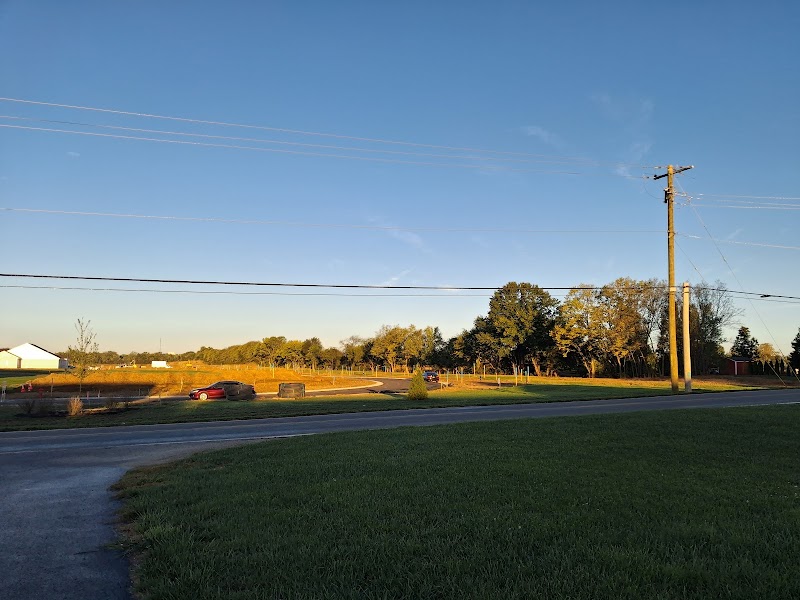
1885 N DAYTON LAKEVIEW RD, NEW CARLISLE, OH 45344 (937) 845-8219
For profit - Corporation 86 Beds VANCREST HEALTH CARE CENTERS Data: November 2025
Trust Grade
85/100
#186 of 913 in OH
Last Inspection: February 2023

Over 2 years since last inspection. Current conditions may differ from available data.

Overview

Vancrest of New Carlisle has a Trust Grade of B+, which means it is above average and recommended for families considering care options. It ranks #186 out of 913 facilities in Ohio, placing it in the top half, and #3 out of 13 in Clark County, indicating that only two nearby facilities are rated higher. The facility is improving, reducing its number of issues from 6 in 2023 to 3 in 2024. While it has a decent staffing rating of 3 out of 5 stars and a turnover rate of 46%, which is better than the state average, it has concerning RN coverage, being lower than 92% of Ohio facilities. Notably, there have been no fines, which is a positive indicator of compliance. However, recent inspections revealed some issues, such as staff not using non-pharmaceutical interventions before administering medication to a resident and failing to maintain proper infection control practices while using equipment on multiple residents. Overall, while there are strengths in its ratings and compliance, families should be aware of these specific concerns.

Trust Score
B+
85/100
In Ohio
#186/913
Top 20%
Safety Record
Low Risk
No red flags
Inspections
Getting Better
6 → 3 violations
Staff Stability
⚠ Watch
46% turnover. Above average. Higher turnover means staff may not know residents' routines.
Penalties
✓ Good
No fines on record. Clean compliance history, better than most Ohio facilities.
Skilled Nurses
⚠ Watch
Each resident gets only 23 minutes of Registered Nurse (RN) attention daily — below average for Ohio. Fewer RN minutes means fewer trained eyes watching for problems.
Violations
⚠ Watch
18 deficiencies on record. Higher than average. Multiple issues found across inspections.
★★★★★
5.0
Overall Rating
★★★☆☆
3.0
Staff Levels
★★★★★
5.0
Care Quality
★★★★☆
4.0
Inspection Score
Stable
2023: 6 issues
2024: 3 issues

The Good

  • 5-Star Quality Measures · Strong clinical quality outcomes
  • Full Sprinkler Coverage · Fire safety systems throughout facility
  • No fines on record

Facility shows strength in quality measures, fire safety.

The Bad

Staff Turnover: 46%

Near Ohio avg (46%)

Higher turnover may affect care consistency

Chain: VANCREST HEALTH CARE CENTERS

Part of a multi-facility chain

Ask about local staffing decisions and management

The Ugly 18 deficiencies on record

Jun 2024 3 deficiencies
CONCERN (D) 📢 Someone Reported This

A family member, employee, or ombudsman was alarmed enough to file a formal complaint

Potential for Harm - no one hurt, but risky conditions existed

Deficiency F0559 (Tag F0559)

Could have caused harm · This affected 1 resident

**NOTE- TERMS IN BRACKETS HAVE BEEN EDITED TO PROTECT CONFIDENTIALITY** Based on medical record reviews, staffing interview, and policy review, the facility failed to provide residents and/or resident...

Read full inspector narrative →
**NOTE- TERMS IN BRACKETS HAVE BEEN EDITED TO PROTECT CONFIDENTIALITY** Based on medical record reviews, staffing interview, and policy review, the facility failed to provide residents and/or resident representatives with written notification of a room change. This affected three (Residents #06, #56, and #75) of the three reviewed for room changes. The facility census was 73. Findings include: 1. Review of the medical record for Resident #75 revealed an admission date of 04/03/24 with medical diagnoses of specified disorders of the brain, dementia, aneurysm of the ascending aorta without rupture, hydrocephalus, and diaphragmatic hernia. The medical record indicated Resident #75 discharged on 05/09/24. Review of the medical record for Resident #75 revealed an admission Minimum Data Set (MDS) assessment dated [DATE], which indicated Resident #75 had severe cognitive impairment and required supervision to touching assistance with eating and ambulation up to 50 feet, moderate staff assistance with toilet hygiene, bed mobility, and transfers, and maximum staff assistance with bathing. Review of the medical record for Resident #75 revealed a Social Service progress note dated 04/17/24 at 3:15 P.M. which stated Social Services and Resident #75's daughter discussed a possible room change and that Resident #75 would have a roommate. The note also stated Resident #75's daughter was informed that Medicaid would not pay for a private room and the daughter stated she was not sure that Resident #75 would be okay with that. Further review of the medical record revealed a Social Service progress note dated 04/23/24 at 11:30 A.M. which stated attempted to reach Power of Attorney (POA) to discuss move to long term care and a voicemail message was left. Review of the medical record revealed a Social Service note dated 04/30/24 at 10:59 A.M. which stated daughter accepted the long-term care room change. Review of the medical record for Resident #75 revealed Resident #75 moved rooms on 05/02/24. Review of the medical record did not reveal any documentation to support the facility provided a written notice of room change on 05/02/24. 2. Review of the medical record for Resident #56 revealed an admission date of 02/13/24 with medical diagnoses of fibromyalgia, osteoarthritis, irritable bowel syndrome, and depression. Review of the medical record for Resident #56 revealed a quarterly MDS dated [DATE] which indicated Resident #56 was cognitively intact and required moderate staff assistance with eating, maximum staff assistance with bed mobility, and was dependent upon staff for toileting, bathing and transfers. Review of the medical record for Resident #56 revealed a Social Service progress note dated 03/07/24 at 10:55 A.M. which stated Resident #56 and his daughter were informed about the move to long term care today. The note stated they both understood and agreed, and that Resident #56 would be moved. Review of the medical record for Resident #56 revealed Resident #56 moved rooms on 03/07/24. Review of the medical record did not reveal any documentation to support the facility provided a written notice of the room change on 03/07/24. 3. Review of the medical record for Resident #06 revealed an admission date of 03/16/21 with medical diagnoses of Alzheimer's disease, low back pain, heart failure, osteoarthritis, and peripheral vascular disease. Review of the medical record for Resident #06 revealed a quarterly MDS dated [DATE] which indicated Resident #06 had severe cognitive impairment and required maximum staff assistance for eating and was dependent upon staff for toileting, bathing, and transfers. Review of the medical record for Resident #06 revealed a communication note dated 04/08/24 at 2:03 P.M. which stated Resident #06 moved to a different room and the family was aware. Review of the medical record revealed Resident #06 moved rooms on 02/07/24. Review of the medical record for Resident #06 revealed no documentation to support the facility provided a written notice of the room change on 04/08/24. Interview on 06/03/24 at 11:26 A.M. with Social Service (SS) #235 confirmed the medical records for Resident #06, #56, and #75 did not contain documentation to support the facility provided the resident or resident representative with written notification of room change. SS #235 stated she verbally notified the residents or resident representatives of the room changes and documented in the progress notes. Review of the facility policy titled, Room change/Roommate Assignment, revised March 2021 stated changes in room or roommate assignment are made when the facility deems it necessary or when the resident requests the change. The policy stated prior to changing a room or roommate assignment, all parties involved in the change/assignment are given a reasonable advance written notice of such change. The policy stated residents have the right to refuse to move to another room in the facility if the purpose of the mode is to relocate the resident from a skilled nursing unit within the facility to one that is not a skilled nursing unit and that if a resident exercises his/her right to refuse a room change, this will not affect the resident's eligibility or entitlement to Medicare or Medicaid benefits. This deficiency represents non-compliance investigated under Complaint Number OH00153799.
CONCERN (D) 📢 Someone Reported This

A family member, employee, or ombudsman was alarmed enough to file a formal complaint

Potential for Harm - no one hurt, but risky conditions existed

Deficiency F0624 (Tag F0624)

Could have caused harm · This affected 1 resident

**NOTE- TERMS IN BRACKETS HAVE BEEN EDITED TO PROTECT CONFIDENTIALITY** Based on medical record review and staff interview, the facility failed to provide accurate resident medical information when tr...

Read full inspector narrative →
**NOTE- TERMS IN BRACKETS HAVE BEEN EDITED TO PROTECT CONFIDENTIALITY** Based on medical record review and staff interview, the facility failed to provide accurate resident medical information when transferred to a hospital. This affected one (#75) resident out of the three residents reviewed for change of condition. The facility census was 73. Findings include: Review of the medical record for Resident #75 revealed an admission date of 04/03/24 with medical diagnoses of specified disorders of the brain, dementia, aneurysm of the ascending aorta without rupture, hydrocephalus, and diaphragmatic hernia. The medical record indicated Resident #75 discharged on 05/09/24. Review of the medical record for Resident #75 revealed an admission Minimum Data Set (MDS) assessment dated [DATE], which indicated Resident #75 had severe cognitive impairment and required supervision to touching assistance with eating and ambulation up to 50 feet, moderate staff assistance with toilet hygiene, bed mobility, and transfers, and maximum staff assistance with bathing. Review of the medical record for Resident #75 revealed a hospital Discharge summary dated [DATE], which indicated Resident #75 was treated for obstructive hydrocephalus status post ventriculoperitoneal (VP) shunt (a cerebral shunt that drains excess cerebrospinal fluid when there is an obstruction in the formal flow) placement. Review of the medical record for Resident #75 revealed it did not contain documentation to support the facility added a diagnosis related to recent VP shunt placement or developed a comprehensive care plan which indicated Resident #75 had a VP shunt. Review of the medical record for Resident #75 revealed a nurse progress note dated 05/09/24 at 1:34 P.M. which stated Resident #75 was sent to the emergency department (ED) for a fall and change in condition. The note indicated the nurse prepared paperwork for the medics. The medical record did not contain documentation to support the facility called the ED to provide them with a report on Resident #75's medical condition or medical diagnoses. Interview on 06/03/24 at 2:13 P.M. with the Director of Nursing (DON) stated when a resident is sent to the ED the nurse is to provide the medics with the resident's face sheet, advanced directives, physician orders, and most recent labs. The DON confirmed the medical record for Resident #75 did not contain documentation to support a recent VP shunt placement. The DON also confirmed the nurse did not call report to the ED on 05/09/24 to update the hospital of Resident #75's medical status or current medical diagnoses. This deficiency represents non-compliance investigated under Complaint Number OH00153799.
CONCERN (D) 📢 Someone Reported This

A family member, employee, or ombudsman was alarmed enough to file a formal complaint

Potential for Harm - no one hurt, but risky conditions existed

Comprehensive Care Plan (Tag F0656)

Could have caused harm · This affected 1 resident

**NOTE- TERMS IN BRACKETS HAVE BEEN EDITED TO PROTECT CONFIDENTIALITY** Based on medical record review, staff interview, and review of the Resident Assessment Instrument (RAI) manual, the facility fai...

Read full inspector narrative →
**NOTE- TERMS IN BRACKETS HAVE BEEN EDITED TO PROTECT CONFIDENTIALITY** Based on medical record review, staff interview, and review of the Resident Assessment Instrument (RAI) manual, the facility failed to develop a resident centered comprehensive care plan. This affected one (#75) resident out of five residents reviewed for comprehensive care plans. Findings include: Review of the medical record for Resident #75 revealed an admission date of 04/03/24 with medical diagnoses of specified disorders of the brain, dementia, aneurysm of the ascending aorta without rupture, hydrocephalus, and diaphragmatic hernia. The medical record indicated Resident #75 discharged on 05/09/24. Review of the medical record for Resident #75 revealed an admission Minimum Data Set (MDS) assessment dated [DATE], which indicated Resident #75 had severe cognitive impairment and required supervision to touching assistance with eating and ambulation up to 50 feet, moderate staff assistance with toilet hygiene, bed mobility, and transfers, and maximum staff assistance with bathing. Review of the medical record for Resident #75 revealed a hospital Discharge summary dated [DATE], which indicated Resident #75 was treated for obstructive hydrocephalus status post ventriculoperitoneal (VP) shunt (a cerebral shunt that drains excess cerebrospinal fluid when there is an obstruction in the formal flow) placement. Review of the medical record for Resident #75 revealed no documentation to support the facility developed a comprehensive person-centered care plan which indicated Resident #75 had a VP shunt. Interview on 06/03/24 at 2:43 P.M. with Registered Nurse (RN) #203 confirmed the medical record for Resident #75 did not contain documentation to support a diagnosis for VP shunt or a comprehensive care plan which indicated Resident #75 had a VP shunt. RN #203 confirmed the facility utilizes the RAI manual for policy and procedures related to comprehensive care plans. Review of the RAI manual dated October 2023 revealed the facility must develop a comprehensive care plan for each resident that included measurable objectives and timetables to meet a resident's medical, nursing, and mental and psychological needs that are identified in the comprehensive assessment. Further review of the RAI manual revealed care plans are to reflect appropriate resident-specific approaches to care based on careful consideration of individual problems and causes. The deficiency is based on incidental findings discovered during the course of this complaint investigation.
Feb 2023 6 deficiencies
CONCERN (D)

Potential for Harm - no one hurt, but risky conditions existed

Deficiency F0558 (Tag F0558)

Could have caused harm · This affected 1 resident

Based on record review, interviews, observations, and policy review, the facility failed to provide a resident with the appropiate chair to enable the resident to safely get out of bed. This affected ...

Read full inspector narrative →
Based on record review, interviews, observations, and policy review, the facility failed to provide a resident with the appropiate chair to enable the resident to safely get out of bed. This affected one (#28) of one resident reviewed for assistive devices. The facility census was 65. Findings include: Review of the medical record for Resident #28 revealed an admission date of 03/21/18. Diagnoses included cerebrovascular disease, legal blindness, benign prostatic hyperplasia, hypertensive heart disease without heart failure, polyneuropathy, and history of transient ischemic attack. Review of the quarterly Minimum Data Set (MDS) assessment, dated 01/09/23, revealed Resident #28 had moderate cognitive impairment. This resident was assessed to require two-person total dependence with transfers. Review of the care plan dated 01/23/23 revealed Resident #28 had activities of daily living self-care performance deficit related to weakness, low back pain, legally blind. Interventions included staff to help with bed mobility assist one to two person and assist/turn enabler times two for bed mobility. Staff to assist with two-person transfer with Hoyer lift for all transfers. Observations on 02/13/23 from 6:30 P.M. through 9:00 P.M. of Resident #28 revealed he was lying in bed. Observations on 02/14/23 from 8:05 A.M. through 4:38 P.M. of Resident #28 revealed he was lying in bed and was never gotten up out of bed throughout the day. Interview on 02/14/23 at 8:49 A.M. with Resident #28's power of attorney (POA) reported the facility does not get Resident #28 out of bed. The POA reported the facility put the Broda chair in his room just for show. The POA stated she had never seen Resident #28 in it. Interview on 02/15/23 at 4:47 P.M. with Rehab Director #141 revealed Resident #28's POA was happy when Resident #28 was up and out of bed. Rehab Director #141 reported the facility had tried his wheelchair, geri-chair, and a Broda chair but the resident did not tolerate sitting up. Interview on 02/15/23 at 4:59 P.M. with the Assistant Director of Nursing (ADON) revealed she did not believe it was safe for Resident #28 to be in the Broda chair per her nursing judgment. Interview on 02/16/23 at 10:08 A.M. with Occupational Therapist #145 revealed with Resident #28's decline, the facility had not completed an assessment on him for an assistive device/wheelchair. Observations on 02/15/23 from 7:45 A.M. through 5:15 P.M. of Resident #28 revealed he was lying in bed and was never gotten up out of bed throughout the day. Observations on 02/16/23 from 8:20 A.M. through 4:10 P.M. of Resident #28 revealed he was transferred in and out of bed for an appointment outside the facility via a stretcher. Review of the facility policy titled Scheduling Therapy Services, dated July 2013, revealed the therapist shall interview the resident and consult with the attending physician as to the type of treatment to be administered.
CONCERN (D) 📢 Someone Reported This

A family member, employee, or ombudsman was alarmed enough to file a formal complaint

Potential for Harm - no one hurt, but risky conditions existed

Deficiency F0564 (Tag F0564)

Could have caused harm · This affected 1 resident

**NOTE- TERMS IN BRACKETS HAVE BEEN EDITED TO PROTECT CONFIDENTIALITY** Based on video observation, review of QSO memos, medical record review, resident family interview, staff interview, and facility...

Read full inspector narrative →
**NOTE- TERMS IN BRACKETS HAVE BEEN EDITED TO PROTECT CONFIDENTIALITY** Based on video observation, review of QSO memos, medical record review, resident family interview, staff interview, and facility policy review, the facility failed to accurately and appropriate express/inform resident representatives of visitation guidelines. This affected one (Resident #209) of three residents reviewed for observations. The census was 65. Findings Include: Observation of video provided by Resident #209 family, recorded date unknown, revealed a three minute and two second video, a nurse supervisor, later identified as Licensed Practical Nurse (LPN) #128, told the family of Resident #209 that they had to follow Center for Medicare and Medicaid (CMS) guidelines when it came to visiting in the facility. The guidelines that she gave were the family had to keep a mask on at all times and not to go in other resident rooms. She did not specify any other visitation guidelines. She told the family that if they did not want to follow these rules, they had to leave. Review of the medical record revealed Resident #209 was admitted to the facility on [DATE]. Diagnoses were periprosthetic fracture around internal prosthetic right knee joint, atherosclerotic heart disease, hypertensive heart disease, anxiety disorder, major depressive disorder, osteoporosis, dementia, hyperlipidemia, Alzheimer's disease, anemia, unspecified hearing loss, muscle weakness, difficulty walking, and osteoarthritis. Review of the Minimum Data Set (MDS) assessment, dated 12/05/22, revealed Resident #209 had a significant cognitive impairment. Review of Resident #209 physician orders, dated 12/15/22, revealed she was on hospice care. Review of Resident #209 progress notes, dated 12/17/22, revealed Registered Nurse (RN) #132 made Resident #209's family aware that per Centers for Medicare & Medicaid Services (CMS) guidelines, a hospice patient may only have four members in the room and that the family can rotate in and out of that room. Later in the shift, LPN #128 came to the facility, which was recorded by Resident #209 family. The progress note confirmed that LPN #128 explained the CMS guidelines again that only four family members could be in the resident's room. Interview with Administrator on 02/15/23 at 2:46 P.M. confirmed they did not have anu policies or guidelines to limit the number of family members in a resident's room while visiting, especially a resident on hospice care. The only time they would limit is if the resident had a roommate and the roommate stated they had a problem with the number of visitors. But even then, they would work with both residents and the family to find a suitable solution. Interview with LPN #128 on 02/16/23 at 1:57 P.M. confirmed that she tried to tell the family they had to follow CMS guidelines when entering the facility for visitation. She would not confirm whether a specific number of staff were permitted in the room with the resident, only that they were to follow CMS guidelines. Review of facility policy titled Visitation, dated September 2022, revealed the facility permits residents to receive visitors subject to the resident's wishes and the protection of the rights of other residents in the facility. Residents are permitted to have visitors of their choosing at the time of their choosing. Family members are designated as such by the resident or representative. Immediate family is not limited to individuals related by blood, adoption, marriage, or common law. Some visitation may be subject to reasonable clinical and safety restrictions that protect the health, safety, security, and/or rights of the facility's. The facility reserves the right to limit the number of visitors in the room at one time to protect the rights of the person sharing the room. A critically ill resident may have visitors of his/her choice at any time, as long as visitation is not medically contraindicated. The rationale for medically-restricted visitation is documented in the resident's medical record. Review of CMS QSO-20-39-NH Revised memo, dated 09/23/22, revealed no specific guidelines or limitations on the number of visitors a resident can have while in the facility. This represents non-compliance related to Complaint Number OH00138660.
CONCERN (D)

Potential for Harm - no one hurt, but risky conditions existed

Transfer Notice (Tag F0623)

Could have caused harm · This affected 1 resident

Based on record review, interviews, and policy review, the facility failed to ensure the Ombudsmen was notified for hospital discharges. This affected two (#28 and #50) out of three residents reviewed...

Read full inspector narrative →
Based on record review, interviews, and policy review, the facility failed to ensure the Ombudsmen was notified for hospital discharges. This affected two (#28 and #50) out of three residents reviewed for discharges. The facility census was 65. Findings include: 1. Review of the medical record for Resident #28 revealed an admission date of 03/21/18 with hospitalizations on 08/16/22, 09/17/22, and 12/11/22. Diagnoses included cerebrovascular disease, legal blindness, benign prostatic hyperplasia, hypertensive heart disease without heart failure, polyneuropathy, and history of transient ischemic attack. Review of the Ombudsmen transfer and discharge notification for August, September, and December 2022 revealed Resident #28 was not listed on the discharge list. Interview on 02/16/23 10:53 A.M. with Social Worker #139 confirmed she did not send notices to the Ombudsmen for those residents who planned to return to the facility after hospitalization. 2. Review of the medical record for Resident #50 revealed an admission date of 11/03/22 with a hospitalization on 12/25/22. Diagnoses included sepsis, quadriplegia, major depressive disorder, acute and chronic respiratory failure with hypoxia, and anxiety disorder. Review of the Ombudsmen notification for December 2022 revealed Resident #50 was not listed on the discharge list. Interview on 02/16/23 10:53 A.M. with Social Worker #139 confirmed she did not send notices to the Ombudsmen for those residents who planned to return to the facility after hospitalization. Review of the facility policy titled Transfer or Discharge Documentation, dated December 2016, revealed when a resident was transferred or discharged , details of the transfer or discharge will be documented in the medical record and appropriate information would be communicated to the receiving health care facility or provider.
CONCERN (D)

Potential for Harm - no one hurt, but risky conditions existed

Deficiency F0655 (Tag F0655)

Could have caused harm · This affected 1 resident

**NOTE- TERMS IN BRACKETS HAVE BEEN EDITED TO PROTECT CONFIDENTIALITY** Based on medical record review and staff interview, the facility failed to complete a thorough baseline care plan two (#116 and ...

Read full inspector narrative →
**NOTE- TERMS IN BRACKETS HAVE BEEN EDITED TO PROTECT CONFIDENTIALITY** Based on medical record review and staff interview, the facility failed to complete a thorough baseline care plan two (#116 and #121) of 16 resident care plans reviewed. The census was 65. Findings Include: 1. Review of the medical record revealed Resident #116 was admitted to the facility on [DATE]. Diagnoses included low back pain, congestive heart failure, type II diabetes, hypertensive heart disease, dementia without behavioral disturbances, mood disturbances, and anxiety, wheezing, peripheral vascular disease, cerebrovascular disease, muscle weakness, difficulty in walking, acute kidney failure, atherosclerotic heart disease, major depressive disorder, anxiety disorder,a nd hyperlipidemia. Review of admitting medical records, it was identified that her family stated she had suicidal ideations prior to being admitted to the facility. Review of Resident #116's physician orders revealed she was prescribed Seroquel for a mood stabilizer. Review of the baseline care plan revealed no documentation to support care areas related to mental health, the use of a psychotropic, or potential for suicidal ideation. Interview with Registered Nurse (RN) #134 on 02/16/23 at 10:07 A.M. and 11:45 A.M. revealed Resident #116 was ordered Seroquel initially for depression, which contributed to her suicidal ideation. She confirmed this was reported by her family, which occurred prior to being admitted to this facility. She confirmed there was no baseline care plan for suicidal ideations or her use of Seroquel because the facility was under the understanding that Resident #116 mental health was under control. 2. Review of the medical record revealed Resident #121 an admission to the facility on [DATE]. Diagnoses included complete intestinal obstruction, pleural effusion, cirrhosis of liver, type II diabetes, multiple myeloma, shortness of breath, idiopathic hypotension, primary insomnia, hypertensive heart disease, and muscle weakness. Review of Resident #121's orders revealed she was placed on neutropenic precautions on 02/02/23, to reduce the likelihood of a visitor to her room giving her an infection as she was on treatment for cancer. Review of Resident #121 baseline care plan revealed they did not have any care areas related to her being on isolation precautions. Interview with RN #134 on 02/16/23 at 10:07 A.M. and 11:45 A.M. confirmed they did not have a baseline care plan, and did not add to her existing care plan for infections and isolation precautions.
CONCERN (D)

Potential for Harm - no one hurt, but risky conditions existed

Respiratory Care (Tag F0695)

Could have caused harm · This affected 1 resident

**NOTE- TERMS IN BRACKETS HAVE BEEN EDITED TO PROTECT CONFIDENTIALITY** Based on medical record review and staff interview, the facility failed follow physician orders regarding the use of oxygen and ...

Read full inspector narrative →
**NOTE- TERMS IN BRACKETS HAVE BEEN EDITED TO PROTECT CONFIDENTIALITY** Based on medical record review and staff interview, the facility failed follow physician orders regarding the use of oxygen and monitoring oxygen saturation levels. This affected one (Resident #57) of four residents reviewed for respiratory care. The census was 65. Findings Include: Review of the medical record revealed Resident #57 was admitted to the facility on [DATE]. Diagnoses included pneumonia, chronic obstructive pulmonary disease, acute respiratory failure, bacteremia, panobular emphysema, dementia, peripheral vascular disease, anxiety disorder, other chronic pain, and personal history of pulmonary embolism. Review of the Minimum Data Set (MDS) assessment, dated 12/09/22, revealed he was cognitively intact. Review of Resident #57 medical records revealed an order for oxygen four liters via nasal cannula to keep his oxygen saturation (O2) levels above 92% every shift, which was started on 12/11/22. Review of the Medication Administration Record (MAR) dated December 2022, revealed there were no entries into this record to support his O2 saturation levels were completed. Review of Resident #57 vital signs, which included O2 saturation levels, were not recorded on 12/12/22, but it was documented on the MAR that his saturation levels were checked and oxygen was not administered due to O2 saturation levels being appropriate. Review of Resident #57 progress notes, dated 12/13/22, revealed Resident #57 contacted emergency management services (EMS) due to him expressing concerns over being short of breath. EMS arrived and took him to the hospital, where he was admitted for pneumonia. Interview with Registered Nurse (RN) #134 and Licensed Practical Nurse (LPN) #120 on 02/16/23 at 10:37 A.M. confirmed the O2 saturation levels were not documented as being obtained on 12/12/22.
CONCERN (E)

Potential for Harm - no one hurt, but risky conditions existed

Medication Errors (Tag F0758)

Could have caused harm · This affected multiple residents

Based on medical record review, staff interview, and facility policy review, the facility failed to to provide non-pharmaceutical interventions prior to administering an as needed medication for one (...

Read full inspector narrative →
Based on medical record review, staff interview, and facility policy review, the facility failed to to provide non-pharmaceutical interventions prior to administering an as needed medication for one (#212) of five residents reviewed for unnecessary medications. The census was 65. Findings Include: Review of the medical record for Resident #212 revealed an admission date of 01/27/23. Diagnoses included cerebrovascular accident, dementia without behavioral disturbance, cerebral infarction, transient ischemic attack, type two diabetes mellitus, and anxiety disorder. Review of the admission Minimum Data Set (MDS) assessment, dated 02/03/23, revealed Resident #212 had severe cognitive impairment. Review of the care plan dated 02/14/23 revealed Resident #212 had potential risk for altered behavior patterns, disruptive interactions, disruptive verbally, resistive to care, dementia, and anxiety. Interventions included administer prescribed medications, observe for side effects, and monitor for effectiveness. Staff to allow resident to pace where she can be observed. Staff to assess for internal/external contributors. Staff to be careful not to invade resident's personal space. Staff to consult with psych if needed. Staff to document summary of each episode. Staff to keep environment calm/relaxed. Review of the physician order dated 01/26/23 revealed Resident #212 was ordered Haldol tablet 1 mg, give 0.5 tablet by mouth every four hours as needed for agitation, nausea, and vomiting. Review of the physician order dated 01/27/23 revealed Resident #212 was ordered Haldol oral concentrate 2 mg/milliliter (ml), give 0.5 ml by mouth every six hours as needed for agitation, nausea, and vomiting. Review of the physician order dated 01/27/23 revealed Resident #212 was ordered Melatonin three mg, give one tablet by mouth as needed for sleep at bedtime. Review of the physician order dated 01/27/23 revealed Resident #212 was ordered trazadone 50 mg, give a half tablet by mouth every 24 hours as needed for sleep at bedtime, Review of the medication administration record (MAR) dated January 2023 revealed Resident #212 received Haldol 0.5 ml by mouth on 01/30/23. There was no evidence any non-pharmaceutical interventions were tried before administering the as needed medication. Review of the MAR dated February 2023 revealed Resident #212 received Haldol 0.5 ml by mouth on 02/02/23 and 02/13/23. Resident #212 received Haldol 0.5 mg tablet by mouth on 02/06/23. There was no evidence any non-pharmaceutical interventions were tried before administering the as needed medication. Review of the MAR dated 02/06/23 for Resident #212 revealed on 02/06/23 she was given trazadone 50 mg, Melatonin 3 mg, and Haldol 0.5 mg tablet as needed. There was no evidence any non-pharmaceutical interventions were tried before administering the as needed medication. Interview on 02/06/23 at 3:31 P.M. with Assistant Director of Nursing (ADON) confirmed there was no documentation of previous interventions being tried before the medication was administered. Review of the facility policy titled Antipsychotic Medication Use, dated December 2016, revealed residents would only receive antipsychotic medications when necessary to treat specific conditions which they are indicated and effective.
Dec 2022 2 deficiencies
CONCERN (D) 📢 Someone Reported This

A family member, employee, or ombudsman was alarmed enough to file a formal complaint

Potential for Harm - no one hurt, but risky conditions existed

ADL Care (Tag F0677)

Could have caused harm · This affected 1 resident

**NOTE- TERMS IN BRACKETS HAVE BEEN EDITED TO PROTECT CONFIDENTIALITY** Based on medical record review, observation, staff and resident interview, and policy review, the facility failed to ensure depe...

Read full inspector narrative →
**NOTE- TERMS IN BRACKETS HAVE BEEN EDITED TO PROTECT CONFIDENTIALITY** Based on medical record review, observation, staff and resident interview, and policy review, the facility failed to ensure dependent residents received timely care. This affected one resident (#20) out of three residents reviewed for incontinence care. The facility census was 60. Findings Include: Review of the medical record revealed Resident #20 was admitted to the facility on [DATE]. Diagnoses included fusion of spine, quadriplegia, benign prostatic hyperplasia, depression, neuromuscular dysfunction of the bladder, weakness, and hyperlipidemia. Review of the admission minimum data set (MDS) assessment dated [DATE] revealed Resident #20 was cognitively intact, had no hallucinations, delusions, or behaviors, required extensive assistance with all activities of daily living except eating which was supervision only. The resident had an indwelling catheter and was always incontinent of bowel. Interview on 12/13/22 at 11:15 A.M., Resident #20 said the staff had not checked every two hours to know if he had an incontinent episode and the resident said he had no feeling and would not know if he needed changed. Observation of Resident #20 with Assistant Director of Nursing (ADON) #100 on 12/14/22 at 9:24 A.M. revealed the resident was lying on his back with his feet on the mattress, the resident was agreeable to have his incontinent brief checked for stool. Resident #20 stated he had not been checked or changed since the night prior and verified he does not always know when he has had a bowel movement. The ADON #100 turned Resident #20 and opened the brief which revealed the resident had brown soft stool in his gluteal fold. The resident asked if he was soiled and the ADON #100 said he was, and the staff would be coming into the room to clean him up. Interview with the State Tested Nursing Assistant (STNA) #130 on 12/14/22 at 9:26 A.M., verified she was the STNA providing care on Resident #20's hallway. The STNA #130 verified she had been in Resident #20's room earlier that morning pulled him up in bed and fed him but had not checked the residents brief or provided any incontinence care for Resident #20. The STNA #130 verified her shift started at 6:00 A.M. Review of the facility policy titled Incontinence Care/Peri Care, undated revealed incontinent resident's skin will be kept clean, dry and free of irritation and odor. Identification of skin problems will be made as soon as possible so treatment can be started right away. This violation represents non-compliance investigated under Complaint Number OH00137991 and OH00137757.
CONCERN (D) 📢 Someone Reported This

A family member, employee, or ombudsman was alarmed enough to file a formal complaint

Potential for Harm - no one hurt, but risky conditions existed

Pressure Ulcer Prevention (Tag F0686)

Could have caused harm · This affected 1 resident

**NOTE- TERMS IN BRACKETS HAVE BEEN EDITED TO PROTECT CONFIDENTIALITY** Based on medical record review, observation, resident and staff interview, and policy review, the facility failed to provide dev...

Read full inspector narrative →
**NOTE- TERMS IN BRACKETS HAVE BEEN EDITED TO PROTECT CONFIDENTIALITY** Based on medical record review, observation, resident and staff interview, and policy review, the facility failed to provide devices which would assist residents with pressure reduction this affected two ( #10 and # 20) of three reviewed for pressure ulcer. The total facility census was 60. Findings Include: 1. Review the medical record revealed Resident #10 was admitted to the facility on [DATE]. Diagnoses included cerebrovascular disease, legal blindness, weakness, osteoporosis, moderate protein calorie malnutrition, low back pain, hypertensive heart disease, and dementia. Review of the 10/03/22 significant change minimum data set (MDS) assessment revealed Resident #10 was severely cognitively impaired, had no hallucinations, delusions, or behaviors. The resident required extensive assistance with bed mobility, dressing, eating /nourishment, toilet use and personal hygiene. Transfers only occurred once or twice during the look back period and the resident required one-person physical assistance. Resident #10 was coded as always incontinent of bowel and bladder. Resident #10 was assessed as 73 inches tall and weighed 153 pounds and had had a weight loss of more than 5% and not on a prescribed weight loss regimen. Resident had a feeding tube which supplies 51 percent or more of his total calories and received 501 cubic centimeter (cc) per day of fluid or more. Resident #10 was at risk for pressure ulcers and had one unstageable pressure ulcer which was present on re-admission to the facility. Resident had a pressure reducing device for the bed, pressure injury care, applications of ointments and medications, and application of non-surgical dressings. Review of the weekly pressure wound report dated 09/15/22 revealed Resident #10 had an unstageable area to the left heel which measured 2.0 centimeter (cm) by 2.0 cm to the left heel. The wound was facility acquired. The wound was described as 100 percent intact maroon eschar, peri-wound pink and blanching. The report indicated the initial treatment ordered was skin prep, float heels, and moon boots. The note documented the resident returned from a hospitalization with an overall decline in status but removal from hospice services per the power of attorney (POA) was requested. Resident #10 was bed-bound, had low intake with liquid diet order. Resident #10 had a Braden score of nine indicating he was at high risk for pressure ulcers and had several co-morbidities. Review of the re-admission nursing assessment dated [DATE] revealed Resident #10 continued to have the pressure ulcer to the left heel that was unstageable and was measured 2.0 cm by 2.0 cm. and a suspected deep tissue injury on the right heel which measured 6.0 cm by 6.0 cm and Resident #10's moon boots were noted in place. Review of the weekly pressure ulcer wound report dated 09/22/22 revealed Resident #10 continued to have the left heel unstageable pressure injury area measuring 2.0 cm by 2.0 cm described as 100 percent intact maroon eschar, peri-wound pink and blanching the wound is documented as unchanged. The resident also had a right heel pressure ulcer that was present when the resident re-admitted from the hospital that measured 6.0 cm by 6.0 cm. The area was described as red, boggy, non-blanching and intact. The initial treatment for both areas was listed as skin prep, float heels, and moon boots and was the current treatment to be followed. The resident returned from a hospitalization with a continued decline in status, and a new feeding tube was placed. Review of the weekly pressure ulcer wound report dated 09/29/22 revealed Resident #10 continued with the left heel unstageable tissue injury area measuring 1.5 cm by 2.0 cm described as 100 percent intact maroon eschar, peri-wound pink, and blanching. The area had improved. The residents right heel pressure ulcer that was present when the resident re-admitted from the hospital that measured as 5.0 cm by 5.0 cm the area was described as 80 percent red, 20 percent purple, boggy, intact, and non-blanching. Initial treatment for both areas were continued. Review of the weekly pressure ulcer wound reports dated 10/07/22, 10/14/22, 10/18/22, 10/28/22, 11/04/22, 11/11/22, 11/18/22, 11/25/22, 12/01/22, and 12/09/22 revealed On 11/11/22 Resident #10's unstageable left heel pressure injury healed. The right heel pressure injury deteriorated on 10/18/22 and improved on 10/28/22. The subsequent dates indicated the right pressure injury improved or were unchanged. The initial treatment was to be continued including moon boots. The weekly pressure ulcer wound reports dated 11/25/22, 12/01/22, and 12/09/22 documented due to contractures Resident #10's heels were digging into the low air loss mattress and floating heels was difficult. Review of the physician orders revealed Resident #10 had the following orders for pressure reduction: moon boots while in bed for skin integrity ordered 09/09/22 and discontinued 09/18/22. On 11/11/22 moon boots while in bed every shift for the prevention of skin breakdown and discontinued on 12/09/22. On 12/09/22 place moon boots on at bedtime. On 12/10/22 remove moon boots and utilize pillows in areas of bony prominence's on day shift. Review of the Medication Administration Record (MAR) dated September 2022 revealed the moon boots while in bed were ordered 09/09/22 and discontinued 09/18/22. The MAR dated October 2022 revealed there was no order present for Resident #10 to have moon boots or heel offloading. Review of the MAR dated November 2022 revealed Resident #10 had an order initiated on 11/11/22 for moon boots while in bed for the prevention of skin breakdown. Resident #10's medical record had no evidence Resident #10 wore moon boots from 09/18/22 through 11/11/22 as indicated on the weekly pressure wound reports. Interview with the Director of Nursing (DON) and the Assistant Director of Nursing (ADON) #100 on 12/14/22 at 3:32 P.M., verified Resident #10's pressure wound weekly assessments documented to continue the initial treatment of off loading and wearing moon boots on all assessments from 09/15/22 through 12/09/22. The DON verified the moon boots were not documented as in use for Resident #10 from 09/18/22 through 11/11/22. 2. Review of the medical record revealed Resident #20 was admitted to the facility on [DATE]. Diagnoses included fusion of spine, quadriplegia, benign prostatic hyperplasia, depression, neuromuscular dysfunction of the bladder, weakness, and hyperlipidemia. Review of the admission minimum data set (MDS) assessment dated [DATE] revealed Resident #20 was cognitively intact, had no hallucinations, delusions, or behaviors, required extensive assistance with all activities of daily living except eating which was supervision only. The resident had an indwelling catheter and was always incontinent of bowel. Review of the physician orders revealed Resident #20 had orders for skin prep to bilateral heels every shift for integrity dated 11/25/22, float heels as tolerated dated 11/08/22, and an assist to turn rail to increase independent bed mobility dated 11/02/22. Review of the care plan for Resident #20 revealed an activities of daily living (ADL) plan indicated the resident needed assisted with toilet use and a skin alteration care plan included educating the resident on the need to reposition. Review of the MAR dated November 2022 and December 2022 revealed Resident #20 had assist rails to the bed and were documented as provided daily. Observation of Resident #20's bed on 12/14/22 at 9:06 A.M. revealed there was no assist rail on the bed. Observation of Resident #20 with the Assistant Director of Nursing (ADON) #100 on 12/14/22 at 9:24 A.M. revealed the resident was lying on his back with his feet flat on the mattress, the resident was agreeable to have his incontinent brief checked for stool in brief, the ADON #100 was attempting to roll the resident when Resident #20 stated he would like a rail to assist with bed mobility and the ADON #100 stated she would have to investigate that to see if they could get him one. Observation and review of Resident #20's medical record with the Administrator on 12/14/22 at 12:15 P.M. verified the resident had orders for assist rails to the bed and the staff were routinely initialing every shift the resident had rails to his bed. Observation of the resident room with the Administrator on 12/14/22 at 12:25 P.M. verified by the Administrator Resident #20 had no assist rails to his bed. Review of the policy titled Pressure Ulcer Prevention and Managing Skin Integrity, undated revealed nursing in collaboration with the interdisciplinary team will assess and manage skin integrity for all residents throughout the stay. Residents are encouraged to participate to the extent possible in the care and prevention of skin breakdown. Intervention the steps taken by care providers to increase monitoring, reduce or alleviate pressure, redistribute weight and /or eliminate friction and sheer to mitigate or eliminate the risk of skin breakdown. III. Interventions A. Plan of Care Plans for the maintenance of skin integrity will include toe resident and family whenever possible and may include but are not limited to the following: Regular inspections, cleansing, and moisture management as needed Resident movement and activity focused on pressure redistribution of bony prominence's that may result in skin breakdown Physical agents that may improve the overall integrity of the skin such as protective creams, barriers, coverings, pressure reduction devices, etc. This deficiency represents non-compliance investigated under Complaint Number OH00137991 and OH00137757.
Jun 2019 7 deficiencies
CONCERN (D)

Potential for Harm - no one hurt, but risky conditions existed

Resident Rights (Tag F0550)

Could have caused harm · This affected 1 resident

Based on observation, record review and facility staff interview, the facility failed to maintain dignity for three residents (#11, #16 and #39) while administering insulin to the residents. The facil...

Read full inspector narrative →
Based on observation, record review and facility staff interview, the facility failed to maintain dignity for three residents (#11, #16 and #39) while administering insulin to the residents. The facility identified six residents on the 300/400 hallway that receive insulin. The facility census was 68. Findings Include: During observation of the lunch meal service on 06/10/19 in the 300/400 dining room, Licensed Practical Nurse (LPN) #815 administered insulin injections to Resident #11 at 11:50 A.M. in the resident's abdomen, to Resident #16 at 11:55 A.M. in the left arm and to Resident #39 at at 12:04 P.M. in the abdomen. The three residents were sitting at dining tables with other residents. The LPN did not offer to remove the resident to a private area to administer the injection. There were other residents sitting at the tables with the residents who were exposed to receive their injections. Resident #11 was at a dining table with Resident #10, #26 and #28. Resident #16 and #39 were sitting were at a dining table with Resident #5. During an interview with LPN #815 on 06/10/19 at 12:11 A.M. it was verified injections were administered to Resident #11, #16 and #39 in the dining room without privacy. The LPN stated he/she was running behind and usually does not perform these task in the dining area.
CONCERN (D)

Potential for Harm - no one hurt, but risky conditions existed

Deficiency F0582 (Tag F0582)

Could have caused harm · This affected 1 resident

Based on record review, review of instructions for the Notice of Medicare Non-Coverage form and staff interview; the facility failed to provide a skilled nursing facility Notice of Medicare Non-Covera...

Read full inspector narrative →
Based on record review, review of instructions for the Notice of Medicare Non-Coverage form and staff interview; the facility failed to provide a skilled nursing facility Notice of Medicare Non-Coverage (NOMNC) in a timely manner to three residents who were discharged from Medicare A services when benefit days were not exhausted . This affected three (Residents #37, #59 and #63) of three residents reviewed for beneficiary notices. The facility census was 68. Findings include: Review of Beneficiary Protection Notification for Residents #37, #59, and #63 showed Medicare A services ended on 04/25/19 for Resident #37, 05/08/19 for Resident #59, and 06/04/19 for Resident #63 . The NOMNC forms were dated on 04/24/19, 05/07/19, and 06/03/19 respectively for each of the residents. An interview with Social Worker #850 on 06/12/19 at 5:24 P.M. verified the NOMNC forms were not provided to the resident 48 hours prior to the resident's service cut date. Social Worker #850 stated she was not aware the notices had to be provided 48 hours in advance of the cut date. Social Worker #850 stated she thought providing the notices 24 hours in advance was meeting the requirement. Review of the instructions for the Notice of Medicare Non-Coverage (NOMNC) form confirmed the NOMNC must be delivered at least two calendar days before Medicare covered services end or the second to last day of service if care is not being provided daily.
CONCERN (D)

Potential for Harm - no one hurt, but risky conditions existed

Transfer Notice (Tag F0623)

Could have caused harm · This affected 1 resident

**NOTE- TERMS IN BRACKETS HAVE BEEN EDITED TO PROTECT CONFIDENTIALITY** Based on medical record review and staff interview, the facility failed to notify the resident and the resident's representative...

Read full inspector narrative →
**NOTE- TERMS IN BRACKETS HAVE BEEN EDITED TO PROTECT CONFIDENTIALITY** Based on medical record review and staff interview, the facility failed to notify the resident and the resident's representative, in writing of the resident's transfer to the hospital. This affected one (Resident #9) of four residents reviewed for hospitalization and discharge. The facility census was 68. Findings include: Review of Resident #9's medical record revealed being admitted on [DATE] with diagnoses including schizoaffective disorder, anxiety disorder, and stage three chronic kidney disease. Review of the resident's progress notes, dated 02/27/19 at 1:34 P.M., revealed emergency medical service (EMS) was called due to resident presenting with symptoms including left side of mouth drooping and bilateral arms flaccid. EMS transported Resident #9 on 02/27/19 at 1:15 P.M. to the local hospital. The medical record was silent to the resident and/or resident's representative being notified in writing of the resident's transfer to the hospital. Further review of the progress notes, dated 03/01/19, revealed the resident returned to the facility at 4:30 P.M. on 03/01/19 with a diagnosis of Transient Ischemic Attack (TIA). Interview with Administrator on 06/13/19 at 3:11 P.M. confirmed the facility did not provide a written notice of transfer-discharge notice to Resident #9 or the resident's representative.
CONCERN (D)

Potential for Harm - no one hurt, but risky conditions existed

Pharmacy Services (Tag F0755)

Could have caused harm · This affected 1 resident

**NOTE- TERMS IN BRACKETS HAVE BEEN EDITED TO PROTECT CONFIDENTIALITY** Based on record review and facility staff interview, the facility failed to follow physician orders for administration of reside...

Read full inspector narrative →
**NOTE- TERMS IN BRACKETS HAVE BEEN EDITED TO PROTECT CONFIDENTIALITY** Based on record review and facility staff interview, the facility failed to follow physician orders for administration of resident medications. This affected one (Resident #68) of six residents reviewed for unnecessary medications. The total facility census was 68. Findings Include: Review of Resident #68's medical record revealed the resident was admitted to the facility on [DATE] with diagnoses including heart failure and hypertension. Review of the monthly physician orders, dated 04/07/17, revealed the resident had an order for daily weights and to administer Lasix (diuretic) for a two pound weight gain in one day and a five pound weight gain in one week. Review of the June 2019's medication administration record (MAR) revealed the resident weighed 210.5 pounds on 06/03/19 and 212.5 pounds on 06/04/19 and the MAR was silent to the facility ordering Lasix to the resident on 06/04/19 as ordered. Additionally the MAR revealed the resident's weight was 210 pounds on 06/08/19 and 212 pounds on 06/09/19 and the MAR was silent to the facility administering Lasix as ordered. Review of Resident #68's progress notes revealed the notes were silent to the resident receiving Lasix on 06/04/19, and 06/09/19 with the two pound weight gain noted on those days. Interview with the Director of Nursing on 06/12/19 at 4:15 P.M. verified the resident did not receive Lasix as ordered on the two days in June where she had a two pound weight gain in a day.
CONCERN (D)

Potential for Harm - no one hurt, but risky conditions existed

Deficiency F0757 (Tag F0757)

Could have caused harm · This affected 1 resident

**NOTE- TERMS IN BRACKETS HAVE BEEN EDITED TO PROTECT CONFIDENTIALITY** Based on medical record review, staff interview and review of the facility policy, the facility failed to follow physician's ord...

Read full inspector narrative →
**NOTE- TERMS IN BRACKETS HAVE BEEN EDITED TO PROTECT CONFIDENTIALITY** Based on medical record review, staff interview and review of the facility policy, the facility failed to follow physician's orders to adequately monitor administration of medications to a resident. This affected one (Resident #18) of six residents reviewed for unnecessary medications. The facility census was 68. Findings include: Review of Resident #18's medical record revealed the resident was admitted to the facility on [DATE]. Diagnoses included chronic pain syndrome, low back pain, age related osteoporosis, anxiety disorder and bipolar disorder. Review of the physician orders, dated 05/23/19, revealed Resident #18 was to receive 10 milligrams (mgs) of Oxycodone (a pain medication) four times daily at 12:00 A.M., 6:00 A.M., 12:00 P.M., and 6:00 P.M., and hold if the resident was sedated or had a Systolic Blood Pressure (SBP) less than 100. Review of Resident #18's medical record revealed there was no documentation the resident's blood pressure was being taken prior to the administration of the pain medication. On 06/13/19 at 9:34 A.M., an interview the Director of Nursing (DON) confirmed the resident's blood pressure was not being assessed prior to the administration of the pain medication as ordered. Review of the facility's undated policy titled Medication Administration, section three A, revealed to monitor the resident with a response to all medications. This includes medication related problems, and adverse effects.
CONCERN (D)

Potential for Harm - no one hurt, but risky conditions existed

Deficiency F0825 (Tag F0825)

Could have caused harm · This affected 1 resident

**NOTE- TERMS IN BRACKETS HAVE BEEN EDITED TO PROTECT CONFIDENTIALITY** Based on record review, family interview and staff interview, the facility failed to obtain timely speech language pathology the...

Read full inspector narrative →
**NOTE- TERMS IN BRACKETS HAVE BEEN EDITED TO PROTECT CONFIDENTIALITY** Based on record review, family interview and staff interview, the facility failed to obtain timely speech language pathology therapy services for a resident to determine the safest food consistency while maintaining the highest quality of life. This affected one (Resident #29) of one resident reviewed for rehabilitation services. The facility census was 68. Findings include: Review of Resident #29 medical record revealed the resident was admitted to the facility on [DATE] with diagnoses including cerebral atherosclerosis, type two diabetes mellitus, heart failure, anxiety disorder, dementia, depression, and insomnia. Resident #29 was admitted to the facility under the services of hospice care. Review of Resident #29's progress notes, dated 05/05/19, revealed the resident had a choking episode during the evening meal that required first aid to be given in the Heimlich maneuver by the staff. The resident's diet was downgraded to a pureed diet related to the chocking episode. On 05/06/19, it was noted Resident #29's family requested the resident be upgraded to a regular diet. On 05/06/19, hospice responded to the family's request and ordered a new order for a speech evaluation and for the resident to remain on a pureed diet at this time. Review of physician orders, dated 05/06/19, revealed the resident had an order for Speech Therapy (ST) to screen the resident for dietary food consistency. There was no evidence in the medical record a ST screen was completed. Interview with the resident's family member on 06/11/19 at 4:45 P.M. stated the resident was still receiving a pureed diet at the facility. The family stated they were aware the diet was changed to pureed due to the resident's choking episode, but knew the resident had an order for speech therapy to evaluate the resident. Interview with the Director of Nursing (DON) on 06/12/19 at 4:04 P.M. confirmed the resident had a choking episode and hospice ordered a speech language pathology evaluation to determine what diet consistency would be safe for Resident #29. The DON could not verify the results of the speech therapy consult. Interview with Speech Language Pathologist (SLP) #880 on 06/13/19 at 9:11 A.M. verified the ST screen was not completed until that day, 06/13/19. The SLP verified the facility had asked her prior to screen Resident #29 but was told she was not to evaluate residents who were on hospice services so the the screening was not completed. The SLP stated the initial request was around three weeks ago. The SLP verified no one from the facility informed him/her that hospice had agreed to pay for therapy services and it was ok to see the resident and screen for speech services to see what diet consistency would be safe for the resident.
CONCERN (E)

Potential for Harm - no one hurt, but risky conditions existed

Infection Control (Tag F0880)

Could have caused harm · This affected multiple residents

Based on observation, facility staff interview and policy review, the facility failed to maintain infection control practices while using the glucometer to perform finger stick blood sugars (FSBS) on ...

Read full inspector narrative →
Based on observation, facility staff interview and policy review, the facility failed to maintain infection control practices while using the glucometer to perform finger stick blood sugars (FSBS) on four residents (#11, #16, #39 and #276). The facility identified six residents on the 300/400 hallway that receive insulin. The facility census was 68. Findings Include: Observation of Licensed Practical Nurse (LPN) #815 on 06/10/19 revealed the LPN performed a FSBS on Resident #276 at 11:44 A.M. The nurse was observed to discard the lancet used to obtain the FSBS, remove his/her gloves, record the results in the electronic health record and cleanse his or her hands. LPN #815 did not clean the glucometer. LPN #815 then proceeded to obtain a FSBS from Resident #11 at 11:48 A.M. with the same glucometer used on Resident #276. The LPN followed the same practice of discarding personal protective equipment (gloves), lancet, recording the results in the electronic health record and cleansing of his or her hands, however the LPN again did not cleanse the glucometer. LPN #815 obtained a FSBS using the same glucometer on Resident #16 at 11:55 A.M. following the same procedures as listed above and not cleansing the glucometer. Lastly the LPN performed a FSBS on Resident #39 at 12:04 A.M. with the glucometer that had been used on Resident #276, Resident #11 and Resident #16 without being cleansed between any of the residents it was used on. Interview with LPN #815 on 06/10/19 at 12:11 A.M. verified she did not cleanse the glucometer between FSBS with Resident #276, #11, #16 and #39 and stated she only cleansed the glucometer after all the FSBS checks were completed. She stated she usually performed the cleansing after all FSBS checks were completed and not in between residents, unless the machine was visibly soiled. Review of the policy titled Blood Glucose Monitoring undated revealed: clean glucometer between patient use. The procedure included to disinfect the entire glucometer with Sani wipe between each resident and allow it to dry prior to next use.
Understanding Severity Codes (click to expand)
Life-Threatening (Immediate Jeopardy)
J - Isolated K - Pattern L - Widespread
Actual Harm
G - Isolated H - Pattern I - Widespread
Potential for Harm
D - Isolated E - Pattern F - Widespread
No Harm (Minor)
A - Isolated B - Pattern C - Widespread

Questions to Ask on Your Visit

  • "Can I speak with families of current residents?"
  • "What's your RN coverage like on weekends and overnight?"

Our Honest Assessment

Strengths
  • • Grade B+ (85/100). Above average facility, better than most options in Ohio.
  • • No major safety red flags. No abuse findings, life-threatening violations, or SFF status.
  • • No fines on record. Clean compliance history, better than most Ohio facilities.
Concerns
  • • 18 deficiencies on record. Higher than average. Multiple issues found across inspections.
Bottom line: Generally positive indicators. Standard due diligence and a personal visit recommended.

About This Facility

What is Vancrest Of New Carlisle's CMS Rating?

CMS assigns VANCREST OF NEW CARLISLE an overall rating of 5 out of 5 stars, which is considered much above average nationally. Within Ohio, this rating places the facility higher than 99% of the state's 100 nursing homes. This rating reflects solid performance across the metrics CMS uses to evaluate nursing home quality.

How is Vancrest Of New Carlisle Staffed?

CMS rates VANCREST OF NEW CARLISLE's staffing level at 3 out of 5 stars, which is average compared to other nursing homes. Staff turnover is 46%, compared to the Ohio average of 46%. This relatively stable workforce can support continuity of care.

What Have Inspectors Found at Vancrest Of New Carlisle?

State health inspectors documented 18 deficiencies at VANCREST OF NEW CARLISLE during 2019 to 2024. These included: 18 with potential for harm.

Who Owns and Operates Vancrest Of New Carlisle?

VANCREST OF NEW CARLISLE is owned by a for-profit company. For-profit facilities operate as businesses with obligations to shareholders or private owners. The facility is operated by VANCREST HEALTH CARE CENTERS, a chain that manages multiple nursing homes. With 86 certified beds and approximately 68 residents (about 79% occupancy), it is a smaller facility located in NEW CARLISLE, Ohio.

How Does Vancrest Of New Carlisle Compare to Other Ohio Nursing Homes?

Compared to the 100 nursing homes in Ohio, VANCREST OF NEW CARLISLE's overall rating (5 stars) is above the state average of 3.2, staff turnover (46%) is near the state average of 46%, and health inspection rating (4 stars) is above the national benchmark.

What Should Families Ask When Visiting Vancrest Of New Carlisle?

Based on this facility's data, families visiting should ask: "Can I visit during a mealtime to observe dining assistance and food quality?" "How do you handle medical emergencies, and what is your hospital transfer rate?" "Can I speak with family members of current residents about their experience?"

Is Vancrest Of New Carlisle Safe?

Based on CMS inspection data, VANCREST OF NEW CARLISLE has a clean safety record: no substantiated abuse findings (meaning no confirmed cases of resident harm), no Immediate Jeopardy citations (the most serious violation level indicating risk of serious injury or death), and is not on the Special Focus Facility watch list (a federal program monitoring the lowest-performing 1% of nursing homes). The facility has a 5-star overall rating and ranks #1 of 100 nursing homes in Ohio. While no facility is perfect, families should still ask about staff-to-resident ratios and recent inspection results during their visit.

Do Nurses at Vancrest Of New Carlisle Stick Around?

VANCREST OF NEW CARLISLE has a staff turnover rate of 46%, which is about average for Ohio nursing homes (state average: 46%). Moderate turnover is common in nursing homes, but families should still ask about staff tenure and how the facility maintains care continuity when employees leave.

Was Vancrest Of New Carlisle Ever Fined?

VANCREST OF NEW CARLISLE has no federal fines on record. CMS issues fines when nursing homes fail to meet care standards or don't correct problems found during inspections. The absence of fines suggests the facility has either maintained compliance or corrected any issues before penalties were assessed. This is a positive indicator, though families should still review recent inspection reports for the full picture.

Is Vancrest Of New Carlisle on Any Federal Watch List?

VANCREST OF NEW CARLISLE is not on any federal watch list. The most significant is the Special Focus Facility (SFF) program, which identifies the bottom 1% of nursing homes nationally based on persistent, serious quality problems. Not being on this list means the facility has avoided the pattern of deficiencies that triggers enhanced federal oversight. This is a positive indicator, though families should still review the facility's inspection history directly.