MAJESTIC CARE OF NEW LEXINGTON

920 SOUTH MAIN STREET, NEW LEXINGTON, OH 43764 (740) 342-5161
For profit - Corporation 82 Beds MAJESTIC CARE Data: November 2025
Trust Grade
55/100
#288 of 913 in OH
Last Inspection: October 2024

Within standard 12-15 month inspection cycle. Federal law requires annual inspections.

Overview

Majestic Care of New Lexington has a Trust Grade of C, which means it is average and falls in the middle of the pack among facilities. It ranks #288 out of 913 in Ohio, placing it in the top half, and is the best option among three facilities in Perry County. The facility is improving, with issues decreasing from 13 in 2024 to just 2 in 2025. Staffing is a strong point, earning a 4 out of 5 stars, with a turnover rate of 35%, well below the state average of 49%. However, there were some serious incidents noted, including residents falling when left unsupervised during transfers, leading to significant injuries like fractures. Overall, while there are strengths in staffing and quality measures, families should be aware of the past incidents that raised concerns about resident safety and supervision.

Trust Score
C
55/100
In Ohio
#288/913
Top 31%
Safety Record
High Risk
Review needed
Inspections
Getting Better
13 → 2 violations
Staff Stability
○ Average
35% turnover. Near Ohio's 48% average. Typical for the industry.
Penalties
✓ Good
No fines on record. Clean compliance history, better than most Ohio facilities.
Skilled Nurses
○ Average
Each resident gets 35 minutes of Registered Nurse (RN) attention daily — about average for Ohio. RNs are the most trained staff who monitor for health changes.
Violations
⚠ Watch
39 deficiencies on record. Higher than average. Multiple issues found across inspections.
★★★★☆
4.0
Overall Rating
★★★★☆
4.0
Staff Levels
★★★★★
5.0
Care Quality
★★★☆☆
3.0
Inspection Score
Stable
2024: 13 issues
2025: 2 issues

The Good

  • 4-Star Staffing Rating · Above-average nurse staffing levels
  • 5-Star Quality Measures · Strong clinical quality outcomes
  • Full Sprinkler Coverage · Fire safety systems throughout facility
  • No fines on record
  • Staff turnover below average (35%)

    13 points below Ohio average of 48%

Facility shows strength in staffing levels, quality measures, fire safety.

The Bad

Staff Turnover: 35%

11pts below Ohio avg (46%)

Typical for the industry

Chain: MAJESTIC CARE

Part of a multi-facility chain

Ask about local staffing decisions and management

The Ugly 39 deficiencies on record

3 actual harm
Apr 2025 2 deficiencies
CONCERN (D) 📢 Someone Reported This

A family member, employee, or ombudsman was alarmed enough to file a formal complaint

Potential for Harm - no one hurt, but risky conditions existed

Quality of Care (Tag F0684)

Could have caused harm · This affected 1 resident

**NOTE- TERMS IN BRACKETS HAVE BEEN EDITED TO PROTECT CONFIDENTIALITY** Based on interviews, record reviews, and facility validation accessing implanted vascular access port guidelines the facility fa...

Read full inspector narrative →
**NOTE- TERMS IN BRACKETS HAVE BEEN EDITED TO PROTECT CONFIDENTIALITY** Based on interviews, record reviews, and facility validation accessing implanted vascular access port guidelines the facility failed to ensure an antibiotic was ordered correctly and an implanted vascular access port (port a cath) was accessed with a physician's order. This affected one resident (#11) of two residents reviewed for indwelling devices and antibiotics. The facility census was 56. Findings include: Review of the medical record for Resident #11, revealed an admission date of 02/12/25 and a was sent to the hospital when at Fairfield Healthcare Professional Hematology and Oncology infusion appointment on 03/07/25. Diagnoses included but were not limited to partial intestinal obstruction, malignant neoplasm of colon, moderate protein-calorie malnutrition, osteoarthritis, iron deficient anemia, essential hypertension and personal history of venous thrombosis and embolism. Review of the most recent Minimum Data Set (MDS) 3.0 assessment dated [DATE] revealed a Brief Interview for Mental Status (BIMS) of 15 out of 15. The resident was assessed to require setup or clean-up assistance with eating, oral hygiene, toilet hygiene, shower/bathe self, and supervision or touching assistance with bed mobility and transfers. This resident was also assessed to be occasionally incontinent or bladder and bowel elimination. Review of the hospital discharge paperwork dated 02/12/25 revealed Resident #11 had an implanted vascular access port to her left upper chest. Review of the facility admission assessment dated [DATE] revealed Resident #11's implanted vascular access port was not accessed. Review of the plan of care for Resident #11 revealed no focus, goal and interventions for the un accessed implanted vascular access port. Review of the physician's order dated 03/06/25 at 5:22 P.M. entered by Registered Nurse (RN) #323 revealed Cefepime Hydrochloric Acid (HCL) intravenous solution reconstituted 2 grams, use 2 grams intravenously two times a day for bacteremia until 03/18/25 telephone order from Physician #222. Review of the progress note dated 03/07/25 at 6:10 A.M. authored by RN #420 revealed a Huber needle 20 gauge by 1 inch accessed to left upper chest per sterile procedure. Port a cath flushed with blood return from cath. Resident tolerated procedure well. Intravenous (IV) antibiotics started. Review of the Medication Administration Record dated 03/07/25 at 7:00 A.M. revealed Resident #11 received the Cefepime HCL IV 2 grams. Review of Resident #11's medical record did not reveal any provider documentation and no laboratory tests to support the new diagnosis of bacteremia for antibiotic medication order of the Cefepime HCL. Further review also revealed no physician's order to access the implanted vascular access port. Interview on 03/31/25 at 1:58 P.M. with Physician #222 via telephone revealed he did not order the Cefepime HCL antibiotic medication via telephone on 03/06/25 for Resident #11 for bacteremia. Also verified he did not give the facility an order and permission to access her implanted vascular access port and does not allow them to be accessed for medications and labs at all unless it is urgent. Interview on 03/31/25 at 2:10 P.M. with Certified Nurse Practioner (CNP) #520, who works under Physician #222, via telephone revealed she did not order the Cefepime HCL antibiotic medication via telephone on 03/06/25 for Resident #11. Also verified she did not give the facility an order and permission to access her implanted vascular access port. Interview on 03/31/25 at 3:02 P.M. with RN #323 revealed she took the telephone order for the Cefepime HCL antibiotic medication for Resident #11 from a woman and could not remember who it was. Verified she placed the order under Physician #222's name and stated I entered the order under him because that is her doctor. Interview on 03/31/25 at 3:29 P.M. with the Director of Nursing (DON) revealed she is unable to confirm what provider ordered the Cefepime HCL antibiotic medication for Resident #11 as well as find any provider notes supporting the new diagnosis of bacteremia for it. Interview on 03/31/25 at 3:43 P.M. with the Assistant Director of Nursing revealed to access an implanted vascular access port an order is usually required, and the facility has a guideline to follow. Interview on 03/31/25 at 3:58 P.M. with Medical Assistant #1000 at Fairfield Healthcare Professionals General Surgery office of Physician #777 via telephone revealed Resident #11 was seen in their office on 03/05/25 and Physician #777 did not order the Cefepime HCL antibiotic medication and did not give an order to access the implanted vascular access port. Interview on 04/01/25 at 9:00 A.M. with CNP #111 via telephone revealed Resident #11 was at their infusion clinic for fluids and iron on 03/07/25. An infusion nurse noted Resident #11 to have her implanted vascular access port to be improperly accessed was concerned for her decline in overall condition. CNP #111 assessed Resident #11 and decided to send her to the emergency room due to a decline in her overall condition. No adverse effects to Resident #11 were assessed by CNP #111 due to the improper access of her implanted vascular access port and she sent a communication to the facility to not access it. She also verified she never ordered the Cefepime HCL antibiotic medication and to have the facility access her implanted vascular access port. Interview on 04/01/25 at 9:35 A.M. with the DON revealed she was unable to provide documentation and an order for the Cefepime HCL antibiotic medication as well as an order and permission for the facility to access the implanted vascular access port for Resident #11. Attempted to interview RN #420 via telephone with no successful attempts. Review of the facility validation checklist for accessing implanted vascular access ports with no date revealed the purpose of the checklist is to determine if the individual performs vascular access port care in accordance with professional standards of practice. The first step is to review the physician's orders. This deficinecy represents non-compliance investigated under Master Complaint Number OH00163982.
CONCERN (E) 📢 Someone Reported This

A family member, employee, or ombudsman was alarmed enough to file a formal complaint

Potential for Harm - no one hurt, but risky conditions existed

Safe Environment (Tag F0921)

Could have caused harm · This affected multiple residents

**NOTE- TERMS IN BRACKETS HAVE BEEN EDITED TO PROTECT CONFIDENTIALITY** Based on interviews, observations and facility policy, the facility failed to maintain a safe and homelike environment for four ...

Read full inspector narrative →
**NOTE- TERMS IN BRACKETS HAVE BEEN EDITED TO PROTECT CONFIDENTIALITY** Based on interviews, observations and facility policy, the facility failed to maintain a safe and homelike environment for four residents ( #11, #20, #30, and #40) of four residents reviewed. The facility census was 56. Findings include: Observation on 03/31/25 at 12:35 P.M. of private room [ROOM NUMBER] revealed in the bathroom, a small quarter size rusted hole through the sink. Interview on 03/31/25 at 12:59 P.M. with the Director of Nursing revealed the facility did an audit for the entire facility on resident's bathroom conditions on 03/06/25 and found two sinks that had rusted holes found in room [ROOM NUMBER] as well as the shared bathroom for rooms #106 and #108. Verified room [ROOM NUMBER] is now unoccupied, but did have Resident #11 when she was at the facility. room [ROOM NUMBER] has Resident #30 and #40 currently and room [ROOM NUMBER] has Resident #20 currently. Observed on 03/31/25 at 1:21 P.M. of the shared bathroom for rooms #106 and #108 revealed a baseball sized hole that was rusted through the sink. Interview on 04/01/25 at 8:38 A.M. with the Maintenance Director verified the bathrooms for room [ROOM NUMBER] and for the shared bathroom for rooms #106 and #108 had holes rusted through the sinks. He also revealed he ordered sinks about a month ago to replace them and was picking them up today to start the repairs. Review of the facility policy titled Safe & Homelike Environment last reviewed on 12/12/2023 revealed the facility will provide a safe, clean, comfortable homelike environment that includes ensuring that the residents can receive care and services safely and the physical layout of the facility maximizes residents' independence and does not pose a safety risk. The word environment includes but is not limited to the resident's bathroom. This deficinecy represents non-compliance investigated under Master Complaint Number OH00163982 and Complaint Number OH00162700.
Dec 2024 1 deficiency
CONCERN (D) 📢 Someone Reported This

A family member, employee, or ombudsman was alarmed enough to file a formal complaint

Potential for Harm - no one hurt, but risky conditions existed

ADL Care (Tag F0677)

Could have caused harm · This affected 1 resident

**NOTE- TERMS IN BRACKETS HAVE BEEN EDITED TO PROTECT CONFIDENTIALITY** Based on record review, observation, staff interview, and policy review, the facility failed to ensure a resident, who was depen...

Read full inspector narrative →
**NOTE- TERMS IN BRACKETS HAVE BEEN EDITED TO PROTECT CONFIDENTIALITY** Based on record review, observation, staff interview, and policy review, the facility failed to ensure a resident, who was dependent on staff for personal care, received the assistance needed with routine incontinence care and repositioning as needed when up in her wheelchair. This affected one (Resident #39) of three residents reviewed. Findings include: Review of Resident #39's medical record revealed the resident was admitted to the facility on [DATE]. Her diagnoses included multiple sclerosis (MS), cognitive communication deficit, abnormal posture, scoliosis, morbid obesity, mild cognitive impairment of uncertain or unknown etiology, and chronic pain syndrome. Review of Resident #39's significant change Minimum Data Set (MDS) assessment dated [DATE] revealed the resident was usually able to make herself understood and was usually able to understand others. Her cognition was severely impaired, she was not known to display any behaviors nor was she known to reject care. She had a functional limitation in range of motion (ROM) of her bilateral upper and lower extremities and a wheelchair was listed as the only mobility device used. The resident was dependent on staff for bed mobility, transfers, and toileting hygiene. She was known to be always incontinent of her bowel and bladder and was not on a toileting program for either. She was identified as being at risk for pressure ulcers, but did not have any unhealed pressure ulcers. Review of Resident #39's Braden Scale for Predicting Pressure Ulcer Risk dated 10/02/24 revealed the resident was assessed to be a high risk for pressure ulcers. Risk factors included a slightly limited sensory perception, her skin being very moist (degree to which skin was exposed to moisture), being chairfast, being completely immobile, and she had a problem with friction and shearing. Review of Resident #39's Bowel and Bladder assessment dated [DATE] revealed the resident had a history of bowel and bladder incontinence. She was always incontinent of her bowel and bladder, was dependent on staff for toileting, and did not request toileting when needing to go. She was not able to tell when her urine flow started or stopped. The plan was for the resident to be checked and changed. Review of Resident #39's active care plans revealed she had a care plan in place for the potential for impairment to skin integrity related to decreased activity, incontinence, limited mobility, shear/friction risks, and history of a chaffed area. She was at risk for skin breakdown to her posterior thighs secondary to incontinence. The goal was for the resident to maintain intact skin with no breakdown. The interventions included keeping body parts from excessive moisture and encourage the resident to turn and reposition on routine care rounds and as needed. She also had a care plan for being incontinent of her bowel and bladder related to MS, impaired mobility, and recurrent urinary tract infections (UTI). The goal was for the resident to be clean, dry, and odor free through the review date. The interventions included providing skin care after each incontinent episode and to apply a moisture barrier. On 12/17/24 at 9:00 A.M., an observation of Resident #39 noted her to be sitting up in her wheelchair in her room. She was in a tilt space wheelchair and was leaning to the right. A neck pillow and bolsters were noted on her bilateral armrests. On 12/17/24 at 9:59 A.M., ongoing observations of Resident #39 noted her out of her room and in the dining room for a music activity. The resident was sitting in her tilt space wheelchair leaning over to the right side and not actively engaged in the activity. On 12/17/24 at 10:46 A.M., Resident #39 was observed to be wheeled out of the dining room by another female resident that was also in a wheelchair and pushing Resident #39 from behind. The other resident assisted Resident #39 to leave the dining room after the activity had been completed, and left her in the front lobby area. On 12/17/24 at 11:37 A.M., Resident #39 was still up in her tilt space wheelchair in the front lobby area sitting there with her eyes closed and leaning to the right. No staff members were noted to come and check on her or offer to change her. No staff members were noted to reposition the resident or assist her with shifting her weight while she sat in her wheelchair. On 12/17/24 at 11:47 A.M., Resident #39 was observed to be taken to the dining room for lunch. She was assisted by an activity aide that was in the dining room preparing for the upcoming meal. She remained sitting in her tilt space wheelchair leaning to the right until she was served her meal tray at 12:17 P.M. On 12/17/24 at 12:35 P.M., Resident #39 was removed from the dining room and assisted back to her hallway by an aide. She was left sitting in the middle of her hallway in her tilt space wheelchair and continued to lean to the right, while staff members collected meal trays from the residents that ate their lunch in their rooms. The area that she was placed in the hall was not outside of her room. She remained there as the aides on that hall began doing rounds at the opposite end of the hall from where the resident's room was. It was not until 1:05 P.M. that Certified Nursing Assistant (CNA) #100 was noted to take the resident into her room and close the door. On 12/17/24 at 1:12 P.M., an interview with Licensed Practical Nurse (LPN) #155 revealed Resident #39 was totally dependent on staff for care and was a mechanical lift for transfers. The resident was completely incontinent of her bowel and bladder. The nurse reported the resident had no idea when she needed to go to the bathroom and did not alert the staff when she was incontinent. The staff were to turn and reposition her, as she couldn't move herself. She indicated the resident was flaccid on the left side. The resident was to be checked and changed every two hours and turning and repositioning should be done with every two hour rounds. She stated the CNA's knew what each residents' care needs were based on the care plans and the [NAME] they had access to in the computer. The nurses were responsible for ensuring the CNA's were doing their jobs. She revealed she had been in and out of the resident's room a few times that day, when passing meds or answering call lights. She further revealed she no longer considered the resident to be at risk for falls as the resident did not move enough on her own to be a fall risk. On 12/17/24 at 1:28 P.M., an interview with CNA #100 revealed Resident #39 was totally dependent on staff for care. They helped the resident with changing her as needed. She indicated the resident was incontinent of her bowel and bladder at all times and she required the staff to assist with turning and repositioning/chair mobility, and was a mechanical lift for transfers. The CNA revealed the resident had the use of only one arm. She revealed the staff did rounds to check and change residents every two to three hours. She stated sometimes Resident #39 had been known to have irritation between her legs, but she described the resident as being compliant with her care. The resident's normal routine was to get up before 7:00 A.M. The night shift aides would have her up before they got there in the morning. The night shift aides usually left her in her room with her television on, then at breakfast time, they took her down to the dining room to eat. She went to the dining room for breakfast that morning and after breakfast she usually came back to her room and staff would check her. If she needed changed, they would put her in bed to change her. They had a music activity after breakfast that morning, so the resident did not go back to her room until after the activity was over. CNA #100 was not sure what time that was. She stated the music activity started at 10:00 AM and usually lasted between 30 minutes to an hour. The resident would have went back to her room sometime after that. She confirmed they placed the resident back in bed to change her around 1:05 P.M. She stated the resident was found to be incontinent of her bladder at that time. She acknowledged, with the observations made and her interview, it was able to be determined that the resident had not been changed between the hours of 7:00 A.M. and 1:05 P.M. She further acknowledged the resident had not been observed to be out of the chair or repositioned or have her body weight shifted from the time she was observed on 12/17/24 at 9:00 A.M. until they placed her in bed at 1:05 P.M. On 12/17/24 at 2:55 P.M., an interview was conducted with the facility's Director of Nursing (DON) and she confirmed there had been concerns raised from the resident's family regarding the facility staff not going in the room to change her on a regular basis. They had a care conference where that was discussed. The DON was informed observations of Resident #39 made during the complaint investigation and interviews with facility staff confirmed the resident had been up in her chair since before 7:00 A.M. and was not observed to be provided any incontinence care or repositioning in her wheelchair until 1:05 P.M., when the day shift aides put her back in bed and changed her. She confirmed it was the expectation of the staff to complete rounds every two hours and assist residents with incontinence care and repositioning. Review of the facility's policy on Activities of Daily Living (ADL), revised January 2022, revealed it was the policy of the facility that each resident would have their ADL needs determined within seven days of their admission, then would have an individualized plan of care to guide the staff in delivering the necessary ADL support and care. The facility's ADL goal was that a resident's abilities in ADL did not diminish unless circumstances of the individual's clinical condition demonstrated that decline was unavoidable. That included the resident's ability to toilet, transfer, and ambulate. ADL care plans would be implemented in the following categories that included toileting and mobility. Staff were to carry out the ADL care tasks by following the resident's ADL care plan and document the assistance provided. Residents that had the decreased ability to reposition themselves would be repositioned throughout the course of the day during routine ADL's when in bed or in their wheelchair. Incontinence care would be delivered timely as necessary while attempting to anticipate the resident's needs. Frequent rounding on the unit (recommended at least every hour) was to be done to observe residents, needs, and unit atmosphere. This deficiency represents non-compliance investigated under Complaint Number OH00159738.
Oct 2024 4 deficiencies
CONCERN (D)

Potential for Harm - no one hurt, but risky conditions existed

Deficiency F0561 (Tag F0561)

Could have caused harm · This affected 1 resident

**NOTE- TERMS IN BRACKETS HAVE BEEN EDITED TO PROTECT CONFIDENTIALITY** Based on record review, interview and policy review the facility failed to begin the discharge planning process upon admission. ...

Read full inspector narrative →
**NOTE- TERMS IN BRACKETS HAVE BEEN EDITED TO PROTECT CONFIDENTIALITY** Based on record review, interview and policy review the facility failed to begin the discharge planning process upon admission. This affected one (Resident #39) of one residents reviewed for choices. The facility census was 62. Findings included: Record review revealed Resident #39 admitted to the facility on [DATE] with diagnoses including chronic and acute respiratory failure, muscle weakness, and difficulty in walking. Review of an assessment titled Interdisciplinary Care Conference Summary dated 10/04/24 revealed Resident #39 would receive long term care and would apply for Medicaid. Review of the sign in sheet for the care conference revealed only the social worker and nursing staff signed in. The resident and family did not sign in. Review of an admission minimum data set (MDS) completed on 10/08/24 revealed Resident #39 remained cognitively intact, had no behaviors, and had a discharge goal to remain in the facility. Review of a care plan dated 10/22/24 revealed Resident #39 would remain in the facility for long term care for the best interest of the residents and a discharge to the community would not be pursued. Interview on 10/28/24 at 1:27 P.M. with Resident #39 revealed he wanted to go home on Wednesday (10/30/24) and the surveyor informed the Administrator and Social Worker. Interview on 10/30/24 at 8:19 A.M. with Resident #39 revealed he had not spoken to the Social Worker regarding discharge planning. Resident #39 stated his wife would be visiting the facility at 10:30 A.M. and would take care of everything. Review of a discharge planning note dated 10/30/24 at 8:25 A.M. by the Social Worker revealed he spoke with Resident #39 and his wife, who decided the resident would discharge home on [DATE] with home health services. There was no further documentation regarding discharge planning or care conference in the medical record. Interview on 10/30/24 at 8:35 A.M. with the Social Worker revealed he was working on an unplanned discharge after being informed on Tuesday (10/29/24) Resident #39 wanted to go home. The Social Worker stated no one had ever indicated Resident #39's goal was to go home and he was supposed to remain in the facility for long term care. Interview on 10/30/24 at 11:51 A.M. with Resident #39's wife revealed the resident was admitted to the facility to participate in physical and occupational therapy, then return home. Resident #39's wife stated she and the resident had not ever stated long term care was their choice and there was no admission care plan meeting upon re-admission to the facility on [DATE] or after. Resident #39's wife stated the resident made his own decisions. Interview on 10/30/24 at 1:02 P.M. with the Social Worker verified there were no signatures from Resident #39 or his wife on the admission care plan sign-in sheet because it was completed over the phone. The Social Worker stated he was told by Resident #39's wife the resident would be long term care. Review of a policy titled Discharge Planning Policy dated 05/2022 revealed the Social Services Department/designee is to initiate discharge planning upon admission and review quarterly and as needed for changes. Impending discharges should be discussed with the resident and family, communication should be completed, a discharge summary should be completed and transportation arranged as needed.
CONCERN (D)

Potential for Harm - no one hurt, but risky conditions existed

Pressure Ulcer Prevention (Tag F0686)

Could have caused harm · This affected 1 resident

**NOTE- TERMS IN BRACKETS HAVE BEEN EDITED TO PROTECT CONFIDENTIALITY** Based on observation, interview, record review, and policy review, the facility failed to maintain a comprehensive plan of care ...

Read full inspector narrative →
**NOTE- TERMS IN BRACKETS HAVE BEEN EDITED TO PROTECT CONFIDENTIALITY** Based on observation, interview, record review, and policy review, the facility failed to maintain a comprehensive plan of care and properly implement pressure relieving interventions. This affected one resident (#165) of two residents reviewed for pressure ulcers. The facility census was 62. Findings include: Review of the medical record for Resident #165 revealed an admission date of 10/19/24. Diagnoses included but were not limited to encounter for orthopedic aftercare following surgical amputation, acquired absence of right and left leg above the knees, type 2 diabetes, depression and peripheral vascular disease. Review of the most recent Minimum Data Set (MDS) 3.0 assessment dated [DATE] revealed a Brief Interview for Mental Status (BIMS) of 12 indicating moderate cognitive impairment. The resident was assessed to require partial/moderate assistance with bed mobility, dependence with toilet hygiene and transfers. No wound assessment was completed due to assessment still in progress from being a new admission. Review of the skin grid pressure assessment dated [DATE] revealed Resident #165 had a coccyx suspected deep tissue injury measuring nine centimeters (cm) by (x) 8 cm x undetermined with eschar present and a yellow, necrotic wound bed discovered on admission. Review of the active plan of care dated 10/21/24 revealed Resident #165 was admitted to the facility with pressure wound to the coccyx with no intervention for a low air loss mattress. Review of the physician order dated 10/21/24 revealed a low air loss mattress to check every shift for proper placement and function. Review of the Braden Scale for Predicting Pressure Sore Risk dated 10/27/24 revealed Resident #165 was at risk for pressure ulcer development with a score of 15. Review of the weight dated and timed 10/28/24 at 5:44 A.M. for Resident #165 was 155 pounds. Observation on 10/28/24 at 10:56 A.M. revealed Resident #165 on a low air loss mattress with a weight set to 165 pounds. Review of the weight dated and timed 10/29/24 at 6:28 A.M. for Resident #165 was 153.2 pounds. Interview on 10/29/24 at 9:58 A.M. with Licensed Practical Nurse (LPN) #565 revealed she was unsure of how the low air loss mattress functioned and it came pre-set. The LPN verified the resident's air mattress was not identified in the resident's plan of care and the order did not specify settings based on the resident's weight. Observation and interview on 10/29/24 at 11:15 A.M. with the Director of Nursing verified the resident's air mattress was set for 165 pounds and the resident's current weight was 153.2 pounds, making the weight setting for the air mattress incorrect. Review of the facility policy titled Pressure Ulcer Prevention and Risk Identification no date, revealed the facility will establish measures to prevent the development of pressure ulcers within the facility or to prevent further decline of already existing pressure ulcers and a care plan will be developed and updated routinely with identified skin risk and/or actual wound development.
CONCERN (D)

Potential for Harm - no one hurt, but risky conditions existed

Deficiency F0757 (Tag F0757)

Could have caused harm · This affected 1 resident

**NOTE- TERMS IN BRACKETS HAVE BEEN EDITED TO PROTECT CONFIDENTIALITY** Based on medical record review and staff interview, the facility failed to set parameters for as needed diuretic medication base...

Read full inspector narrative →
**NOTE- TERMS IN BRACKETS HAVE BEEN EDITED TO PROTECT CONFIDENTIALITY** Based on medical record review and staff interview, the facility failed to set parameters for as needed diuretic medication based on weight gain. This affected one of six residents (Resident#50) sampled for unnecessary medications. The facility census was 62. Findings include: Review of Resident #50's medical record revealed an admission date of 01/05/23 with diagnoses including acute systolic congestive heart failure, myocardial infarction, nonrheumatic aortic (valve) stenosis, and anxiety. Review of the quarterly Minimum Data Set(MDS) dated [DATE] revealed the resident had severe cognitive impairment. Further review of the MDS revealed an active diagnosis for heart failure. Review of Resident #50's physician's orders revealed an order for furosemide oral tablet (a diuretic medication), give 20 milligrams (mg) by mouth every 24 hours as needed for weight gain and an order to weigh the resident daily. Review of Resident #50's care plan revealed no care plans were present for the use of diuretic medication, daily weights or the diagnosis of acute systolic congestive heart failure. In an interview on 10/30/24 at 1:04 P.M. with Licensed Practical Nurse (LPN) #565 verified the furosemide order did not contain instructions related to how much weight Resident #50 should gain before the medication was to be administered. In an interview on 10/30/24 at 3:10 P.M. the Director of Nursing (DON) verified the furosemide order did not contain instructions related to how much weight Resident #50 should gain before the medication was given and that no care plans were present for the use of diuretic medication, daily weights or the diagnosis of acute systolic congestive heart failure.
CONCERN (D)

Potential for Harm - no one hurt, but risky conditions existed

Infection Control (Tag F0880)

Could have caused harm · This affected 1 resident

**NOTE- TERMS IN BRACKETS HAVE BEEN EDITED TO PROTECT CONFIDENTIALITY** Based on medical record review, observation, staff interview and policy review, the facility failed to maintain infection contro...

Read full inspector narrative →
**NOTE- TERMS IN BRACKETS HAVE BEEN EDITED TO PROTECT CONFIDENTIALITY** Based on medical record review, observation, staff interview and policy review, the facility failed to maintain infection control procedures during a dressing change. This affected one (Resident #18) of two residents reviewed for pressure ulcers. The census was 62. Findings include: Review of Resident #18's medical record revealed he was admitted to the facility on [DATE]. Diagnoses included multiple sclerosis, paraplegia, peripheral vascular disease (PVD) and anxiety. Review of the quarterly minimum data set assessment dated [DATE] revealed his cognition was intact (BIMS of 15). Functional limitations in range of motion to the lower extremities (Impairment on both sides), and used a wheelchair for mobility. The resident had an indwelling suprapubic (a tube that drains urine through a small incision in the abdomen) urinary catheter and was always incontinent of bowel. Review of the physicians orders revealed an order to cleanse the coccyx area with wound cleanser, pat dry, apply medihoney (a medical grade honey product that supports wound healing and removes necrotic tissue) to the wound bed, apply calcium alginate (a type of wound dressing derived from seaweed that absorbs exudate and forms a moist gel) and cover with a silicone dressing every day shift. Observation of the dressing change on 10/29/24 at 4:50 P.M. Licensed Practical Nurse #537 washed her hands and put on gloves, she removed the old dressing from the coccyx wound, then removed her gloves and washed her hands. LPN #537 then donned new gloves, cleansed the wound with normal saline and gauze, and patted the wound dry. LPN #537 removed her gloves and without washing her hands, donned new gloves, applied medihoney to the wound and covered with Calcium Alginate and a dressing. LPN #537 then removed her gloves, donned new gloves again without washing her hands and assisted with replacing the resident's incontinence brief and repositioned the resident in bed. LPN #537 then remove her gloves and washed her hands. On 10/29/24 at 5:04 P.M. interview with LPN #537 verified she did not wash her hands between glove changes. Review of the policy and procedure Wound Care dated 04/18 and revised 10/21 revealed after removing disposable gloves wash and dry your hands thoroughly.
Mar 2024 1 deficiency
CONCERN (D) 📢 Someone Reported This

A family member, employee, or ombudsman was alarmed enough to file a formal complaint

Potential for Harm - no one hurt, but risky conditions existed

Safe Environment (Tag F0921)

Could have caused harm · This affected 1 resident

**NOTE- TERMS IN BRACKETS HAVE BEEN EDITED TO PROTECT CONFIDENTIALITY** Based on observation, record review, interviews, and review of the AccuWeather forecast the facility failed to ensure Resident #...

Read full inspector narrative →
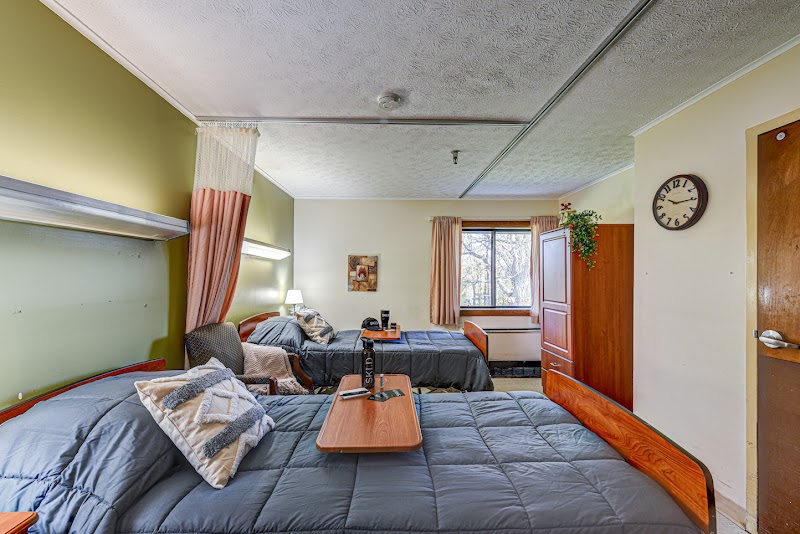
**NOTE- TERMS IN BRACKETS HAVE BEEN EDITED TO PROTECT CONFIDENTIALITY** Based on observation, record review, interviews, and review of the AccuWeather forecast the facility failed to ensure Resident #29's window was shut during cold weather. This affected one resident (#29) of three sampled residents reviewed. The facility census was 60. Findings Include: Review of the medical record for Resident #29 revealed an initial admission date of 06/08/19 with the latest readmission of 02/12/24 with diagnoses including fracture of lower end of right ulna, pneumonitis due to inhalation of food and vomit, acute respiratory failure with hypoxia, metabolic encephalopathy, multiple sclerosis (MS), dysphagia, osteoarthritis, dry eye syndrome, hyperlipidemia, chronic pain syndrome, scoliosis, insomnia, hypothyroidism, major depressive disorder, repeated falls, anxiety disorder and constipation. Review of the resident's five-day Minimum Data Set (MDS) assessment dated [DATE] revealed Resident #29 had unclear speech, usually made herself understood, usually understood others, and had severe cognitive deficit. The resident was dependent on staff for activities of daily living (ADL). Review of Resident #29's care revealed no care plan addressing the resident's desire to have the window open. Review of the progress note dated 03/26/24 at 2:55 A.M., authored by Registered Nurse (RN) #124 revealed Resident #29 had yelled out frequently throughout the night and was on her call light. The resident was unable to accurately state what she needed but would frequently state, Yes or Right, when asked a question. The resident had been repositioned frequently, changed, given fluids, offered a snack and accepted, opened the room window and air conditioning (AC) turned on. The resident was also given as needed pain medication. On 03/26/24 at 9:52 A.M., observation of Resident #29 revealed Resident #29's window was open with the curtain blowing outward. The resident's heating/cooling unit was noted to be on and blowing cold air. Interview with Resident #29 at the time of the observation revealed the resident stated, freezing. On 03/26/24 at 9:55 A.M., interview with State Tested Nursing Assistant (STNA) #134 verified the window and the resident's air conditioning was on. The STNA verified the room was cold. Review of the AccuWeather forecast for 03/25/24 into the morning of 03/26/24 revealed the low temperature was 36 degrees Fahrenheit. This deficiency represents non-compliance investigated under Complaint Number OH00152096.
Feb 2024 7 deficiencies 2 Harm
SERIOUS (G) 📢 Someone Reported This

A family member, employee, or ombudsman was alarmed enough to file a formal complaint

Actual Harm - a resident was hurt due to facility failures

Accident Prevention (Tag F0689)

A resident was harmed · This affected 1 resident

**NOTE- TERMS IN BRACKETS HAVE BEEN EDITED TO PROTECT CONFIDENTIALITY** Based on observation, record review and interviews, the facility failed to provide adequate supervision to prevent residents fro...

Read full inspector narrative →
**NOTE- TERMS IN BRACKETS HAVE BEEN EDITED TO PROTECT CONFIDENTIALITY** Based on observation, record review and interviews, the facility failed to provide adequate supervision to prevent residents from falling. This affected two residents (#62, #82) of three residents reviewed for accidents. The facility census was 59. Actual Harm occurred on 02/02/24 when Resident #62 was being prepared for a transfer from her wheelchair to her bed by one staff member who then left her alone unsupervised. Resident #62 fell from her wheelchair and sustained a fracture to her right wrist. Actual Harm occurred on 02/10/24 when Resident #82, who required a dependent assist from staff for transfers, fell in the bathroom when left unsupervised and sustained a right hip fracture resulting in hospitalization. Findings included: 1. Record review revealed Resident #62 was admitted to the facility on [DATE] with diagnoses including multiple sclerosis, stiffness of left elbow, chronic pain syndrome, hyperlipidemia, scoliosis, osteoarthritis, and mild cognitive impairment. Review of a minimum data set (MDS) assessment completed on 11/14/23 revealed Resident #62 had a brief interview for mental status of two (severe cognitive impairment), had impairments to bilateral upper and lower extremities, used a wheelchair, and required a dependent assist of two staff for chair to bed transfers. Review of orders revealed Resident #62 had an order starting on 10/22/23 for a full body lift for all transfers (mechanical hoyer transfer). Review of a care plan with a review date of 02/07/23 revealed Resident #62 was at risk for falls related to multiple sclerosis, chronic pain, pain and psychotropic medication use, and incontinence of bladder with a goal to remain injury free through the next review date. Fall interventions included call light within reach, non-skid footwear, attending activities, grab bars as enablers, have commonly used items within easy reach, perimeter mattress to bed, place glasses within reach and encourage use, provide assistance as needed for mobility tasks and assure utilization of appropriate devices, and to ensure wheelchair brakes are fully engaged prior to transferring resident to her chair. Review of a nursing note from 02/02/24 at 11:50 A.M. by Licensed Practical Nurse (LPN) #170 revealed Resident #62 returned to the facility from the hospital with a splint to right limb due to a broken wrist. Review of a nursing note from 02/02/24 at 8:00 P.M. by LPN #170 revealed Resident #62 was sent out via ambulance to the emergency department due to possible right wrist fracture from a previous fall. All responsible parties were made aware. Review of a fall investigation from 02/02/24 revealed the nurse was called to Resident #62's room and found resident lying on the floor in front of her bed with no injuries noted at this time, and the immediate action taken was to get help from the other side of the facility to pick resident up with the hoyer lift and put her in bed. Other information obtained for the investigation revealed Resident #62 was leaning in her chair and a State Tested Nursing Assistant (STNA) (later identified as STNA #145) was attempting to move resident from her chair to the bed when Resident #62 leaned and came out of the chair and onto the floor. Review of a statement from 02/02/24 by STNA #175 revealed while in another resident's room, STNA #145 informed her Resident #62 had fallen out of her chair and she needed help. Additional STNAs were walking by and stated they would help as well. STNA #175 stated when she entered the room, Resident #62 was face down on the floor at the bottom of the bed with her head facing the window and her feet pointed towards the door of her room. Review of a statement from 02/02/24 by STNA #110 revealed she was coming from the kitchen when she saw STNA #145 and STNA #175 coming from the top of hallway one. STNA #110 overheard other STNAs say someone was on the ground and she volunteered to help get the resident up. When STNA #110 entered Resident #62's room, resident was lying face down at the foot of the bed on the floor with her feet and legs towards the door and her face was laying on the wheels of the bed. STNA #110 stated a pillow had been placed under Resident #62's head. Resident #62 had a bruise to her forehead. Review of a statement from 02/02/24 by STNA #190 revealed she was taking trays to the kitchen when she saw aides coming down the hall. When she heard a resident was on the floor, she offered to help. Upon entering the room, Resident #62 was face down with her head on the bottom bed lock and her feet were facing the door. Review of a statement from 02/02/24 by STNA #145 revealed she was in Resident #62's room to return her to bed and Resident #62's face was down on her bedside table. STNA #145 moved the tray table and Resident #62 started to lean forward in the chair grabbing her ankle. STNA #145 stated she told Resident #62 she was going to fall and stop, while attempting to hold one of Resident #62's shoulders back and using the other hand to try to tilt the wheelchair back but the chair would not tilt back. STNA #145 stated when she turned to open the door for help, because no one came to assist when she had turned the call light on, she heard Resident #62 fall to the floor. Review of X-ray collected on 02/02/24 at 9:36 P.M. revealed Resident #62 had a minimally displaced mild impaction fracture of the distal ulnar metadiaphysis. There was apex dorsal angulation. Interview on 02/13/24 at 1:28 P.M. with the Director of Nursing (DON) revealed STNA #145 was adjusting the resident in her chair, not necessarily transferring her. The DON revealed the incident report was filled out by a nurse who wasn't even there. Interview on 02/13/24 at 1:33 P.M. with STNA #145 revealed Resident #62 was leaning forward in her chair and grabbing her ankles with her good (right) hand. STNA #145 stated she thought Resident #62 was going to fall, so she turned on the call light for assistance. STNA #145 stated she tried to hold the resident up by her shoulder, with one hand, while using the other hand to attempt to tilt her wheelchair back, but it would not tilt and no one came to answer the call light. STNA #145 stated Resident #62 was too close to the edge of her seat. STNA #145 stated she went to go get help and as she was walking towards the door, she heard Resident #62 fall. STNA #145 stated Resident #62 was not immediately sent out for a checkup because the nurse determined she did not need to go to the hospital. Observation on 02/13/24 at 1:57 P.M. revealed Resident #62 was seated in her bed with a light yellow, fading bruise to her left eye, a cast to her right arm, no glasses, and dry lips. A tilting wheelchair was noted at bedside, a perimeter mattress was in place, and a soft touch call light was in reach. Interview on 02/14/24 at 9:33 A.M. with Family Member (FM) #216 revealed Resident #62 had told her and an STNA that she was dropped. Interview on 02/14/24 at 9:47 A.M. with Resident #62 revealed the girls were trying to move her when she was dropped. Resident #62 did have a hard time communicating but was able to answer yes or no questions regarding the incident. Interview on 02/14/24 at 10:30 A.M. with STNA #133 revealed when she asked Resident #62 what happened to her wrist and face, Resident #62 told STNA #133 she was dropped by STNA #145. STNA #133 stated she reported this to an LPN (#139) but did not write a statement due to leaving work for an emergency. Interview on 02/14/24 at 3:34 P.M. with Registered Nurse (RN) #155 revealed she was down the hall from Resident #62's room when STNA #145 went in to take care of Resident #62. RN #155 stated she believed the call light came on but there were multiple lights on, so it was difficult to tell. RN #155 stated STNA #145 was going in to transfer Resident #62 and would usually prepare the resident for a transfer, then come to the doorway to call for help when the resident was ready. When RN #155 entered the room, the hoyer lift was not near Resident #62 and the left side of Resident #62's face was on the floor and her left arm was under her. RN #155 stated she assessed Resident #62 and did not notice any injuries. Observation on 02/15/24 at 02/15/24 revealed Resident #62 resting in bed, perimeter mattress in place. Interview on 02/15/24 at 2:03 P.M. with Regional Support Administrator confirmed Resident #62 fell and sustained a fractured wrist due to being left unsupervised in a compromising position. 2. Closed record review revealed Resident #82 was admitted to the facility on [DATE] with diagnoses including dementia without behaviors, orthostatic hypotension, non-ST elevation myocardial infarction, bipolar disorder, congestive heart failure, major depression, anemia, hypertension, and cardiomegaly. Review of a minimum data set (MDS) assessment completed on 11/17/23 revealed Resident #82's cognition did not remain intact, did not have behaviors, she used a walker and a wheelchair, required maximum assistance for toileting hygiene, maximum assistance for toilet transfers, moderate assistance to walk 10 feet, was dependent for wheelchair use, and was occasionally incontinent. Review of a care plan from 11/29/23 revealed Resident #82 was at risk for falls related to dementia, poor safety awareness, psychoactive medications, forgetting to use walker, periods of agitation, and history of falls with a goal of remaining free from injury through next review date. Interventions included administer medications as ordered, be sure call light is within reach, educate resident and family about safety reminders and what to do if a fall occurs, ensure the resident is wearing appropriate footwear when ambulating/in wheelchair, non-skid footwear, follow fall protocol. Review of the care plan for activities of daily living revealed no instructions for the level of assistance Resident #82 required for transfers. Review of Point of Care (POC) documentation from 01/23/24 to 02/12/24 for walking in room, transfer and toilet use revealed no documentation. Review of POC documentation from 01/23/24 to 02/12/24 for urinary continence revealed Resident #82 was intermittently incontinent. Review of POC documentation from 01/23/24 to 02/12/24 for sitting in bed revealed Resident #82's ability fluctuated from independent to maximum assistance. Review of POC documentation from 01/23/24 to 02/12/24 for lying down to sitting on the side of the bed revealed Resident #82's ability fluctuated between minimum to maximum assistance. Review of POC documentation from 01/23/24 to 02/12/24 for sit to stand revealed Resident #82 required moderate to maximum assistance. Review of POC documentation from 02/13/24 to 02/12/24 for toilet transfers revealed Resident #82 required minimum to maximum assistance. Review of POC responses from 01/23/24 to 02/12/24 for walking 10 feet revealed Resident #82 required minimum assistance. Review of Hospice documentation from 01/22/24 revealed Resident #82 was no longer able to walk, unable to stand and pivot transfer independently, required a one to two person assist for transfers at all times due to increased weakness, would often yell I'm going to fall while being transferred, and was unable to scoot herself up in the bed anymore and became very short of breath when she tried. Review of a Fall Risk Assessment completed on 01/23/24 revealed Resident #82 was unable to independently come to a standing position and exhibited loss of balance while standing. Resident #82's fall risk score was 19, indicating the resident was at a high risk for falls. Review of a [NAME] revealed no direction to staff of Resident #82's needs for transferring. Review of a nursing note from 02/10/24 at 7:19 P.M. by LPN #165 revealed the nurse was called to Resident #82's room, wheelchair was noted in the bathroom doorway, and resident was sitting on her buttocks, legs straight out in front of her, facing the toilet with her hands at her sides, holding her up. Resident #82 stated I unlocked my wheelchair so I could get in it but it moved and I fell. LPN #165 assessed the resident for injuries and found slight redness to her upper back, and determined range of motion was within normal limits. All responsible parties were notified. Review of a nursing note from 02/10/24 at 8:16 P.M. by LPN #165 revealed the nurse offered to send Resident #82 to the hospital for evaluation due to complaint of right thigh pain and family declined. Review of a nursing note from 02/10/24 at 9:15 P.M. by RN #195 revealed Resident #82 was sent to the hospital via ambulance per family request due to increased pain in her right lower extremity after a fall. Resident #82 was admitted to the hospital for a right greater trochanter break. Review of a Head-to-Toe Assessment completed on 02/10/24 at 7:11 P.M. revealed Resident #82 had slight redness to her upper back. Review of a fall investigation from 02/10/24 revealed no injuries were noted to Resident #82 after she fell, then listed injury as right thigh with a pain of five. The mobility section of the investigation revealed Resident #82 was wheelchair bound. Review of a statement from 02/10/24 by STNA #105 revealed she was in the dining room when she heard Resident #82 yell for help, and she ran to her room. STNA #105 reported this to a nurse. Review of additional statement from STNA #105 dated 02/10/24 revealed STNA #105 was the only staff member on the unit at the time of the fall. Interview on 02/21/24 at 11:25 P.M. with the DON revealed Resident #82 was able to walk and transfer by herself but staff should provide total assistance for safety reasons. Interview on 02/21/24 at 12:01 P.M. with Anonymous Source (AS) #268 revealed Resident #82 had approximately 11 to 12 falls within the last year with multiple injuries including a broken arm and hot coffee scalding her. AS #268 stated Resident #82 was a high fall risk and was told she was left unattended in the bathroom (from the fall on 02/10/24). AS #268 stated Resident #82 was screaming in pain and screaming she wanted to die. AS #268 stated Resident #82's hip was broken in four places and required the placement of a rod. AS #268 stated she did not decline to have Resident #82 sent to the hospital at any time and begged the staff to send her to the hospital. AS #268 stated Resident #82 was dependent on staff to transfer her from her chair to the toilet, and Resident #82 was still wearing a sling on her broken arm. Resident #82 was non-ambulatory. AS #268 stated after the fall, Resident #82's right foot was rotated and laying on its side. Interview on 02/21/24 at 1:15 P.M. with STNA #145 revealed Resident #82 required a one-person minimum assist for transfers. The STNA stated staff know how much assistance to provide to residents based on their [NAME]. Interview on 02/21/24 at 1:19 P.M. with STNA #150 revealed Resident #82's ability to transfer fluctuated; sometimes she was a minimum assist and other times staff had to use some muscles. STNA #150 reported Resident #82 had been non-ambulatory for a while. Interview on 02/21/24 at 1:29 P.M. with LPN #165 revealed she was called to the memory care unit and saw Resident #82 on the floor in the bathroom with her legs facing the toilet and her back towards the sink. LPN #165 stated Resident #82 was non-ambulatory but was able to transfer herself. LPN #165 stated Resident #82 had no injuries at the time, but later began to complain of pain. Multiple attempts were made to interview STNA #105 and were unsuccessful. The follow up interview on 02/21/24 at 3:07 P.M. with the DON confirmed Resident #82's care plan was not up to date and the [NAME] did not list the level of assist Resident #82 required for mobility. The DON also confirmed hospice documentation stated Resident #82 was dependent on staff for transfers and therefore would not have been able to wheel herself into the bathroom and transfer herself independently onto the toilet. This deficiency represents non-compliance investigated under Complaint Number OH00151293, Complaint Number OH00150942, Complaint Number OH00150797.
SERIOUS (G) 📢 Someone Reported This

A family member, employee, or ombudsman was alarmed enough to file a formal complaint

Actual Harm - a resident was hurt due to facility failures

Deficiency F0692 (Tag F0692)

A resident was harmed · This affected 1 resident

**NOTE- TERMS IN BRACKETS HAVE BEEN EDITED TO PROTECT CONFIDENTIALITY** Based on observation, record review and interviews, the facility failed to provide adequate hydration to a resident, who depende...

Read full inspector narrative →
**NOTE- TERMS IN BRACKETS HAVE BEEN EDITED TO PROTECT CONFIDENTIALITY** Based on observation, record review and interviews, the facility failed to provide adequate hydration to a resident, who depended on staff for assistance with drinking fluids, to meet the resident's hydration needs. This affected one resident (#62) of one resident reviewed for dehydration. The facility census was 59. Actual Harm occurred to Resident #62 on [DATE] when the facility failed to provide the resident with adequate fluid intake and the resident was admitted to the hospital for treatment of acute kidney injury and dehydration. Findings included: Record review revealed Resident #62 was admitted to the facility on [DATE] with diagnoses including multiple sclerosis, stiffness of left elbow, chronic pain syndrome, hyperlipidemia, scoliosis, osteoarthritis, and mild cognitive impairment. Review of a minimum data set (MDS) assessment completed on [DATE] revealed Resident #62 had a brief interview for mental status score of two (severe cognitive impairment), had no behaviors, had impairment to bilateral upper extremities, required dependent assistance of two staff members for activities of daily living, set-up help for meals, and was always incontinent of bowel and bladder. Review of orders revealed Resident #62 had an order on [DATE] for a regular diet with pureed texture and thin liquids and for dietician to evaluate for optimal nutritional values. Review of an annual Nutrition Assessment completed on [DATE] revealed Resident #62's estimated daily nutritional needs included 1,894 to 2,152 milliliters (ml) of fluids, to monitor intakes and elimination. Review of a quarterly Nutrition Assessment completed on [DATE] revealed Resident #62 had adequate hydration. Review of a care plan from [DATE] revealed Resident #62 had dehydration or potential fluid deficit related to diuretic use with a goal of remaining free of symptoms of dehydration and maintain moist mucus membranes, good skin turgor, and interventions including monitor and report decreased/no urine output, concentrated urine, strong odor, tenting skin, cracked lips, furrowed tongue, new onset of confusion, increased pulse, headache, fatigue/weakness, fever, thirst, and dry/sunken eyes. An activities of daily living care plan revealed Resident #62 should be provided set-up help and a dietary care plan to offer/encourage fluids of choice. Review of Point of Care (POC) response for frequent check and change for Resident #62, with a timeframe of [DATE] through [DATE], revealed no documentation indicating check and changes were completed. Review of POC response for urinary incontinence revealed Resident #62 was incontinent twice on [DATE], once on [DATE], no documentation for [DATE], twice on [DATE], twice on [DATE], three times on [DATE], twice on [DATE], once on [DATE] then was out of the facility from [DATE] through [DATE], was incontinent once on [DATE], twice on [DATE], and once on [DATE]. Review of POC response for fluid intakes revealed Resident #62 consumed 600 ml on [DATE], 1,080 ml on [DATE], 1,200 ml on [DATE], 720 ml on [DATE], 360 ml on [DATE], 960 ml on [DATE], 360 ml on [DATE], 480 ml on [DATE], 360 ml on [DATE], 960 ml on [DATE], 1,080 ml on [DATE], 960 ml on [DATE], 480 ml on [DATE], 720 ml on [DATE], 720 ml on [DATE], 840 ml on [DATE], 960 ml on [DATE], was not available on [DATE], 960 ml on [DATE], 1,080 ml on [DATE], 480 ml on [DATE], 760 ml on [DATE], 720 ml on [DATE], was out of the facility from [DATE] through [DATE], and had 480 ml on [DATE]. Resident #62's fluid intake was significantly below her daily needs of 1894 ml to 2152 ml as indicated on her nutritional assessment completed [DATE]. Review of a therapy note from [DATE] at 8:48 A.M. by Director of Rehab (DOR) #119 revealed Resident #62 was screened for therapy services due to having a right wrist fracture from a fall on [DATE]. The resident was not able to use her right arm and hand due to the fracture. Review of a general note on [DATE] at 2:55 P.M. by Registered Nurse (RN) #155 revealed Resident #62's right arm was wrapped with splint and wrap, medicated as needed for pain and discomfort, and is a feed and must be offered liquids frequently. Review of a therapy note from [DATE] at 9:37 A.M. by Certified Occupational Therapy Assistant (COTA) #160 revealed Resident #62 is unable to use left upper extremity and with recent fracture, is unable to use right upper extremity and is a total feed due to this. Review of nursing note from [DATE] at 6:15 P.M. by RN #155 revealed Resident #62 had a moist cough with mucus, family was at bedside and requested resident to be sent to the emergency department for evaluation. Physician and Assistant Director of Nursing notified. Review of nursing note from [DATE] at 11:08 P.M. by Licensed Practical Nurse (LPN) #170 revealed Resident #62 was admitted to the hospital for acute kidney injury and dehydration. Review of labs from [DATE] revealed Resident #62 tested positive for a urinary tract infection with Klebsiella pneumoniae. The resident's sodium level was high with a level of 153.3 mmol/L (normal 136-146), blood urea nitrogen (BUN was high at 40 mg/dL (normal 8-26), creatine was high at 1.29 mg/dL (normal 0.52-1.04), and a chronic kidney disease epidemiology collaboration score of 41.5 (normal above or = 60 mL/min) indicating moderate to severe decrease in function. Review of an After Visit Summary (from the hospital) from [DATE] revealed Resident #62 should discontinue torsemide (a diuretic medication) 100mg tablet and torsemide 20mg tablet. Observation on [DATE] at 1:57 P.M. of Resident #62 revealed the resident sitting next to her bed in her wheelchair, her lips were dry and pale. A State Tested Nursing Assistant (STNA) was walking by, the surveyor requested assistance for Resident #62 to receive a drink of water. Resident #62 took two long swigs of the water. Interview on [DATE] at 9:33 A.M. with Family Member (FM) #216 revealed Resident #62 is not able to use her hands. Family Member #216 revealed when the resident was admitted to the hospital with dehydration she was severely ill, almost died and required IV hydration. Observation on [DATE] at 3:10 P.M. and [DATE] at 1:03 P.M. revealed Resident #62 had dry and pale lips. Interview on [DATE] at 3:34 P.M. with RN #155 revealed acute kidney injuries can be caused by not having enough to drink but could have also been caused by multiple sclerosis. Interview on [DATE] at 1:03 P.M. with Resident #62 revealed resident's mouth was dry, her lips were dry and peeling. When asked if staff are offering fluids, Resident #62 stated no and when asked if she would like surveyor to have a staff member come help her get a drink, Resident #62 stated yes. Interview on [DATE] at 12:36 P.M. with Dietitian #100 revealed that when she documented on the quarterly nutritional assessment dated [DATE] adequate hydration she based it off of staff reports and things like that. Dietitian #100 stated Resident #62's annual review dated [DATE] unfortunately was not done by her. Dietitian #100 stated it's all very general. The fluid recommendations are vague, and it depends. Interview on [DATE] at 2:03 P.M. with Regional Support Administrator confirmed documentation in the POC, care plan, and notes regarding Resident #62's hydration status. Review of a policy titled Hydration Policy dated 04/2018 revealed each resident shall be provided with sufficient fluids to maintain acceptable parameters of electrolyte balance and should be considered upon admission, significant change, annually and at a minimum quarterly by the Dietary Professional. Additionally, fluids based on resident preferences should be provided at each meal. This deficiency represents non-compliance investigated under Complaint Number OH00150757.
CONCERN (D) 📢 Someone Reported This

A family member, employee, or ombudsman was alarmed enough to file a formal complaint

Potential for Harm - no one hurt, but risky conditions existed

Deficiency F0558 (Tag F0558)

Could have caused harm · This affected 1 resident

**NOTE- TERMS IN BRACKETS HAVE BEEN EDITED TO PROTECT CONFIDENTIALITY** Based on record review and interview, the facility failed to provide showers as scheduled and per resident preference. This affe...

Read full inspector narrative →
**NOTE- TERMS IN BRACKETS HAVE BEEN EDITED TO PROTECT CONFIDENTIALITY** Based on record review and interview, the facility failed to provide showers as scheduled and per resident preference. This affected two residents (#13, #22) of five residents reviewed for quality of care. The facility census was 59. Findings included: 1. Record review revealed Resident #13 was admitted to the facility on [DATE] with diagnoses including multiple sclerosis, paraplegia, and chronic fatigue. Review of a minimum data set (MDS) completed on 10/20/23 revealed Resident #13 maintains capacity, it is very important to him to choose between a tub bath, shower, sponge bath or bed bath, and is dependent on staff for bathing. Review of a care plan completed on 11/10/23 revealed Resident #13 prefers to have showers in the afternoon. Review of a shower schedule revealed Resident #13 was scheduled to receive showers on Mondays, Wednesdays, and Fridays. Review of shower documentation revealed Resident #13 received a bed bath on 01/17/24, a bed bath on 01/19/24, was not applicable on 01/22/24, a bed bath on 01/24/24, a bed bath on 01/26/24, a bed bath on 01/29/24, a bed bath on 01/31/24, a bed bath on 02/02/24, a shower on 02/05/24, a bed bath on 02/07/24, a bed bath on 02/09/24, and resident refused on 02/12/24. Interview on 02/13/24 at 3:36 P.M. with Resident #13 revealed he prefers showers, but mostly received bed baths. Resident stated the bed baths are not thorough and he has only had one shower. Interview on 02/15/24 at 2:03 P.M. with Regional Support Administrator confirmed the shower documentation reflected Resident #13 was mainly receiving bed baths instead of the showers he preferred. 2. Record review revealed Resident #22 was admitted to the facility on [DATE] with diagnoses including encephalopathy, chronic obstructive pulmonary disease, cognitive communication deficit, muscle weakness, and acquired absence of left foot. Review of a MDS completed on 01/25/24 revealed Resident #22 had intact cognition and required supervision to touching assistance with showering. Review of a care plan completed on 10/19/23 revealed Resident #22 preferred to have a shower in the morning or evening depending on what he was doing. Review of shower schedule revealed Resident #22 should receive showers on Wednesdays and Saturdays. Review of shower documentation revealed Resident #22 was not applicable on 01/18/24, 01/21/24, 01/24/24, 01/28/24, or 02/01/24; had a shower on 02/06/24 and 02/07/24; and was not applicable on 02/11/24. There was no documentation for 02/03/24 or 02/10/24. Interview on 02/21/24 at 11:45 P.M. with the director of nursing (DON) confirmed the lack of showers provided to Resident #22. This deficiency represents non-compliance investigated under Complaint Number OH00150757.
CONCERN (D) 📢 Someone Reported This

A family member, employee, or ombudsman was alarmed enough to file a formal complaint

Potential for Harm - no one hurt, but risky conditions existed

Deficiency F0573 (Tag F0573)

Could have caused harm · This affected 1 resident

**NOTE- TERMS IN BRACKETS HAVE BEEN EDITED TO PROTECT CONFIDENTIALITY** Based on record review and interview, the facility failed to provide access to medical records. This affected one resident (#82)...

Read full inspector narrative →
**NOTE- TERMS IN BRACKETS HAVE BEEN EDITED TO PROTECT CONFIDENTIALITY** Based on record review and interview, the facility failed to provide access to medical records. This affected one resident (#82) of one residents reviewed for medical records. The facility census was 59. Findings included: Record review revealed Resident #82 was admitted to the facility on [DATE] with diagnoses including dementia without behaviors, orthostatic hypotension, non-st elevation myocardial infarction, bipolar disorder, congestive heart failure, major depression, anemia, hypertension, and cardiomegaly. Review of a minimum data set completed on 11/17/23 revealed Resident #82's cognition did not remain intact, did not have behaviors, she used a walker and a wheelchair, required maximum assistance for toileting hygiene, maximum assistance for toilet transfers, moderate assistance to walk 10 feet, was dependent for wheelchair use, and was occasionally incontinent. Resident #82 had a durable power of attorney (DPOA). Review of the medical record did not contain any evidence the facility processed a request for medical records to be received by Resident #82's DPOA. Interview on 02/21/24 at 12:01 P.M. with Anonymous Source (AS) #268 revealed a request for medical records had been filed but was never completed. Interview on 02/23/24 at 11:19 A.M. via telephone with Admissions Concierge (AC) #117 revealed Resident #82's responsible party had requested medical records, filled out the request form, and the records were ready within two days for the family to pick up. AC #117 stated once she had the records ready for the family, she left them with a nurse at the nurses station. Interview on 02/26/24 at 9:26 A.M. with Regional Support Administrator revealed the facility did not have any evidence of the records request or evidence the records were provided to Resident #82's family. During the course of the survey, the surveyor requested to review a copy of the facility policy for obtaining a copy of a resident medical record. On 02/26/24 at 2:31 P.M. interview with the director of nursing (DON) confirmed there was no policy for medical records request procedure. This deficiency represents non-compliance investigated under Complaint Number OH00151293.
CONCERN (D) 📢 Someone Reported This

A family member, employee, or ombudsman was alarmed enough to file a formal complaint

Potential for Harm - no one hurt, but risky conditions existed

Deficiency F0657 (Tag F0657)

Could have caused harm · This affected 1 resident

**NOTE- TERMS IN BRACKETS HAVE BEEN EDITED TO PROTECT CONFIDENTIALITY** Based on record review and interview, the facility failed to maintain accurate care plans to reflect current mobility status. Th...

Read full inspector narrative →
**NOTE- TERMS IN BRACKETS HAVE BEEN EDITED TO PROTECT CONFIDENTIALITY** Based on record review and interview, the facility failed to maintain accurate care plans to reflect current mobility status. This affected one resident (#82) of four residents reviewed for falls. The facility census was 59. Findings included: Record review revealed Resident #82 was admitted to the facility on [DATE] with diagnoses including dementia without behaviors, orthostatic hypotension, non-st elevation myocardial infarction, bipolar disorder, congestive heart failure, major depression, anemia, hypertension, and cardiomegaly. Review of a minimum data set completed on 11/17/23 revealed Resident #82's cognition did not remain intact, did not have behaviors, she used a walker and a wheelchair, required maximum assistance for toileting hygiene, maximum assistance for toilet transfers, moderate assistance to walk 10 feet, was dependent for wheelchair use, and was occasionally incontinent. Review of a hospice note dated 01/29/24 revealed Resident #82 was no longer able to walk, unable to stand and pivot independently, and was a one to two person assist for transfers due to increased weakness. Review of a care plan and [NAME] completed on 01/05/22 revealed Resident #82 was ambulatory in her room and throughout the facility using a walker and supervision was provided from staff. Interview on 02/23/24 at 12:01 P.M. with Anonymous Source (AS) #268 revealed Resident #82 was non-ambulatory. Interview on 02/23/24 at 1:19 P.M. with State Tested Nursing Assistant (STNA) #150 revealed Resident #82 had not been able to walk by herself for months. Interview on 02/23/24 at 2:45 P.M. with AS #242 revealed Resident #82 was not able to stand on her own. Interview on 02/23/24 at 3:07 P.M. with the Director of Nursing (DON) confirmed Resident #82's care plan and [NAME] were not updated to reflect Resident #82's most recent abilities. Review of a policy titled Care Plan Policy dated 04/2018 revealed the MDS Nurse will have overall responsibility to assure each resident has a personalized and individual care plan and it is reviewed and updated routinely and as needed, the care plan will be updated as needed with changes within seven business days of the time the change is identified or ordered, items needed by the direct care staff to provide care may be placed in PointClickCare. The comprehensive care plan should contain summaries of the resident's needs, strengths, and goals, and resident history that is relevant to status, needs, and goals. This deficiency represents an incidental finding of non-compliance investigated under Master Complaint Number OH00151327.
CONCERN (D) 📢 Someone Reported This

A family member, employee, or ombudsman was alarmed enough to file a formal complaint

Potential for Harm - no one hurt, but risky conditions existed

Quality of Care (Tag F0684)

Could have caused harm · This affected 1 resident

**NOTE- TERMS IN BRACKETS HAVE BEEN EDITED TO PROTECT CONFIDENTIALITY** Based on record review and interview, the facility failed to communicate a speech therapy recommendation to the physician thereb...

Read full inspector narrative →
**NOTE- TERMS IN BRACKETS HAVE BEEN EDITED TO PROTECT CONFIDENTIALITY** Based on record review and interview, the facility failed to communicate a speech therapy recommendation to the physician thereby delaying a diagnostic test. This affected one resident (#34) of five residents reviewed for quality of care. The facility census was 59. Findings included: Record review revealed Resident #34 was admitted to the facility on [DATE] with diagnoses including pulmonary embolism, altered mental status, unspecified dementia, and hypertension. Review of a minimum data set (MDS) completed on 12/07/23 revealed Resident #34 had no signs of a swallowing disorder, had a five percent or greater weight loss in one month or ten percent or greater weight loss in the last six months without being on a prescribed weight-loss regimen, and was receiving a mechanically altered diet. Review of a care plan updated on 02/02/24 revealed Resident #34 had a potential from nutritional problem related to advanced age, dementia, morbid obesity, mechanically altered diet, moisture associated skin damage, varied intakes, supplement, presence of edema, diuretics, and a significant weight loss with an intervention for speech therapy to examine for swallowing evaluation as ordered by the physician. Review of orders revealed Resident #34 had an order in place for a regular diet with pureed texture and thin liquid consistency dated 09/18/23, an order for house supplement eight ounces dated 02/09/24, Review of a therapy note dated 01/21/24 at 11:24 A.M. revealed a State Tested Nursing Assistant (STNA) came to the therapy department due to Resident #34 requesting a regular diet and after explaining to Resident #34 she had an order for an altered diet, resident refused to eat. Resident #34 was noted to have weight loss and it was recommended that speech therapy evaluate and treat Resident #34 to determine if she was appropriate for a diet upgrade. Review of a speech therapy evaluation from 01/22/24 signed at 6:53 P.M. by Speech Therapist (ST) #101 revealed a swallow study had been requested to rule out blockage, webbing and risk of aspiration related to esophageal discomfort and safe swallowing. Review of a weight-change note from 02/02/24 at 1:53 P.M. revealed Resident #34 had a significant weight loss of 26 percent and the dietician noted it was likely due to resident refusing to eat due to dislike of her current diet texture. Speech therapy would assess for a diet upgrade. There was an order for a modified barium swallow study to rule out aspiration and determine upgrade readiness oral-pharyngeal dated 02/05/24. Review of a weight-change note from 02/09/24 at 1:25 P.M. revealed Resident #34 had a weight gain of 7.9 percent and there was an order for modified barium swallow to determine if Resident #34's diet texture could be upgraded due to dislike of current pureed texture. Review of meal intakes from 01/16/24 through 02/14/24 revealed Resident #34 had variable intakes from zero to 100 percent. Interview on 02/14/24 at 10:45 A.M. with Licensed Practical Nurse (LPN) #113 revealed nursing staff had been requesting a barium swallow for Resident #34 for three weeks and it had not been scheduled yet due to transportation. LPN #113 stated the delay for the barium swallow was due to the physician signing the order, then the order and information goes to the Assistant Director of Nursing, then the hospital receives the information and schedules an appointment which can take a couple of weeks. LPN #113 stated she was unsure if a referral was ever sent for the modified barium swallow. LPN #113 stated Resident #34 does not like to eat pureed food and has had weight loss due to refusal to eat. Interview on 02/14/24 at 3:11 P.M. with Assistant Director of Nursing (ADON) revealed a modified barium swallow was ordered for Resident #34 on 02/06/24 then the facility had to wait for the physician to sign the order which was completed on 02/13/24. ADON stated once the order was signed, information was faxed to the hospital and then handed off to transportation to schedule the appointment. Interview on 02/14/24 at 3:48 P.M. with Driver #122 revealed the referral for Resident #34's modified barium swallow was resent today (02/14/24) at 12:14 P.M. due to a fax confirmation not printing out when previously sent. Driver #122 revealed an appointment was scheduled for 03/11/24 which was the earliest appointment available and was not related to transportation issues. Interview of 02/15/24 at 12:15 P.M. with the Director of Nursing (DON) and Regional Support Administrator confirmed there was not a process in place for therapy to notify nursing staff of new recommendations. Interview on 02/15/24 at 12:28 P.M. with Physician #140 revealed he was unsure of what date speech therapy made the recommendation for Resident #34 to receive a modified barium swallow, but he is typically notified by phone, fax, or when he is in the facility. During the course of the survey, the surveyor requested a policy for therapy recommendations but a policy was not provided. This deficiency represents non-compliance investigated under Complaint Number OH00150757.
CONCERN (D) 📢 Someone Reported This

A family member, employee, or ombudsman was alarmed enough to file a formal complaint

Potential for Harm - no one hurt, but risky conditions existed

Deficiency F0685 (Tag F0685)

Could have caused harm · This affected 1 resident

**NOTE- TERMS IN BRACKETS HAVE BEEN EDITED TO PROTECT CONFIDENTIALITY** Based on record review, observations, and interviews, the facility failed to replace Resident #62's broken glasses. This affecte...

Read full inspector narrative →
**NOTE- TERMS IN BRACKETS HAVE BEEN EDITED TO PROTECT CONFIDENTIALITY** Based on record review, observations, and interviews, the facility failed to replace Resident #62's broken glasses. This affected one resident (#62) of four residents reviewed for accidents. The facility census was 59. Findings included: Record review revealed Resident #62 was admitted to the facility on [DATE] with diagnoses including multiple sclerosis, osteoarthritis, dry eye syndrome of unspecified lacrimal gland, hyperlipidemia, chronic pain syndrome, scoliosis, repeated falls, mild cognitive impairment, anxiety, and major depression. Care plan review revealed Resident #34 was at risk for falls related to multiple sclerosis, chronic pain, psychiatric medication use, pain medication use, and incontinence of bladder. Interventions included placing glasses within reach and encourage use. Review of a preliminary list for a vision clinic for 03/19/24 revealed Resident #62 was not on the list for the upcoming eye doctor appointment. Observation on 02/13/24 at 1:57 P.M. of Resident #62 revealed the resident was seated in a wheelchair next to her bed and was not wearing glasses. Interview on 02/14/24 at 9:33 A.M. with Family Member (FM) #216 revealed during a fall on 02/02/24, Resident #62's glasses were ruined beyond repair and Resident #62 had not been seen by an eye doctor since January 2023. Observations on 02/14/24 at 9:47 A.M. and 3:10 P.M. revealed Resident #62 not wearing glasses. Observation on 02/15/24 at 1:03 P.M. revealed Resident #62 was seated in her room and not wearing glasses. Interview on 02/15/24 at 1:13 P.M. with the Director of Nursing (DON) revealed Resident #62 was not on the list for the eye doctor and her family did not sign up for the program. The DON was unable to provide documented evidence of declination of ancillary services and stated, they did not decline, they just did not sign a consent. Interview on 02/15/24 at 2:10 P.M. with the DON revealed she had met with Resident #62's family regarding glasses and getting a new appointment but the eye doctor was just at the facility on 01/23/24. The DON stated family requested Resident #62 receive a new prescription for glasses, so she began to reach out to the vision clinic which previously provided services for the facility not realizing the facility switched providers. The DON stated once she was aware of the new vision clinic provider on 02/14/24, she sent information to the new eye doctor but Resident #62 did not have a consent in place for services. The DON stated encouraging Resident #62 to wear her glasses being included in Resident #62's fall care plan was a generic care plan that everyone has. Review of a policy titled Resident Healthcare Appointments/Ancillary Services (dated 02/2022) revealed upon admission or shortly thereafter ancillary services such as optometry, podiatry, dental, audiology, and mental health services will be offered, and consent accepted or declined. Periodically through their stay, the residents will be asked if they give consent to ancillary services. Typically, the Social Service department will manage ancillary services assisted by the nursing department. There are times when residents verbally inform the center staff of the need for scheduled appointment, and in such cases the center will contact the physician office and verify the need for the appointment and proceed to scheduling the appointment. The family/resident will be informed of the appointment. This deficiency represents non-compliance investigated under Complaint Number OH00150942.
Nov 2023 4 deficiencies
CONCERN (D) 📢 Someone Reported This

A family member, employee, or ombudsman was alarmed enough to file a formal complaint

Potential for Harm - no one hurt, but risky conditions existed

Deficiency F0561 (Tag F0561)

Could have caused harm · This affected 1 resident

**NOTE- TERMS IN BRACKETS HAVE BEEN EDITED TO PROTECT CONFIDENTIALITY** Based on interview, record review and Ohio Revised Code review, the facility failed to ensure a resident was permitted to choose...

Read full inspector narrative →
**NOTE- TERMS IN BRACKETS HAVE BEEN EDITED TO PROTECT CONFIDENTIALITY** Based on interview, record review and Ohio Revised Code review, the facility failed to ensure a resident was permitted to choose his Power of Attorney (POA) and failed to ensure POA paperwork was legal. This affected one resident (#63) of three residents reviewed for POA concerns. The facility census was 60. Findings included: Review of Resident #63's closed medical record revealed an admission date of [DATE] with diagnoses including chronic kidney disease, stage 3 B, mild cognitive impairment of uncertain or unknown etiology, urine retention, and essential hypertension. He expired in the facility on [DATE]. Review of Resident #63's admission Minimum Data Set (MDS) 3.0 assessment, dated [DATE], revealed he was cognitively impaired. Review of Resident #63's Clinical Resident Profile revealed Licensed Practical Nurse (LPN) #2 was his POA. Review of Resident #63's State of Ohio Health Care Power of Attorney, dated [DATE], revealed it was signed by the Principal (Resident #63) and witnessed by LPN #1 providing LPN #2 legal POA. Review of Resident #63's progress note, dated [DATE] and timed 2:46 P.M. revealed the Social Services Designee (SSD) #3 had a meeting with Ombudsman #9 and Resident #63's family. Ombudsman #9 revealed Resident #63 wanted Friend #10 to be his POA as Resident #63 had stated that was his choice. Telephone interview on [DATE] at 8:29 A.M. with the facility Ombudsman #9 revealed Resident #63 had told her several times he did not want LPN #2 to be his POA. Interview on [DATE] at 9:22 A.M. with SSD #3 revealed since Resident #63's admission, he had wanted Friend #10 to be his POA. SSD #3 revealed when she spoke with Resident #63, he was lucid enough to make choices regarding POA. SSD #3 revealed Resident #63 did not want LPN #2, who was his stepdaughter from a marriage that ended thirty years ago, to be his POA. SSD #3 reported facility staff were not to be resident POAs, unless they met the requirements, or witnesses for legal documents. SSD #3 reported Friend #10 had been taking care of Resident #63's check book and was paying his bills. SSD #3 revealed she reviewed Resident #63's bank statements due to working on a plan for Medicaid for him and there was no sign of Friend #10 misusing his funds. SSD #3 revealed Resident #63 did not present with any mental anguish due to not having Friend #10 as his POA. Interview on [DATE] at 10:12 A.M. with Regional Support Administration #7 verified the facility did not have a policy regarding POAs, but even though the facility did not have a policy regarding staff witnessing legal documents, it is best practice for facility staff to not be the witness for legal documents. Interview on [DATE] at 10:20 A.M. with LPN #1, after reviewing the POA dated [DATE] and witnessed by LPN #1, revealed she did remember signing the POA form for Resident #63. LPN #1 reported she was at the unit one nursing station when LPN #2 brought the POA form to her. LPN #1 revealed she did not witness Resident #63 sign the POA and reported she did not know she was signing as a witness to Resident #63's signature because she had never been asked to do that before. She thought she was signing the form on behalf of Resident #63's physician and per his directive. LPN #1 reported she did not know what LPN #2 told Resident #63 prior to him signing the form or if the signature on the POA was Resident #63's signature. Review of Ohio Revised Code Section 1337.12, Formality of execution, effective [DATE], revealed under (A)(2) except as otherwise provided in this division, durable power of attorney for health care may designate any competent adult as the attorney in fact. The attending physician of the principal and an administrator of any nursing home in which the principal is receiving care shall not be designated as an attorney in fact in, or act as an attorney in fact pursuant to, a durable power of attorney for healthcare. An employee or agent of the attending physician of the principal and an employee or agent of any health care facility in which the principal is being treated shall not be designated as an attorney in fact in, or act as an attorney in fact pursuant to, a durable power of attorney for health care, except that these limitations do not preclude a principal from designating either type of employee or agent as the principal's attorney in fact if the individual is a competent adult and related to the principal by blood, marriage, or adoption, or if the individual is a competent adult and the principal and the individual are members of the same religious order. This deficiency represents non-compliance investigated under Complaint Number OH00147414.
CONCERN (D) 📢 Someone Reported This

A family member, employee, or ombudsman was alarmed enough to file a formal complaint

Potential for Harm - no one hurt, but risky conditions existed

Quality of Care (Tag F0684)

Could have caused harm · This affected 1 resident

**NOTE- TERMS IN BRACKETS HAVE BEEN EDITED TO PROTECT CONFIDENTIALITY** THE FOLLOWING DEFICIENCY REPRESENTS AN INCIDENT OF PAST NON-COMPLIANCE THAT WAS SUBSEQUENTLY CORRECTED PRIOR TO THIS SURVEY. Bas...

Read full inspector narrative →
**NOTE- TERMS IN BRACKETS HAVE BEEN EDITED TO PROTECT CONFIDENTIALITY** THE FOLLOWING DEFICIENCY REPRESENTS AN INCIDENT OF PAST NON-COMPLIANCE THAT WAS SUBSEQUENTLY CORRECTED PRIOR TO THIS SURVEY. Based on record review, interview, and facility policy review, the facility failed to ensure vascular wounds were properly assessed, treatments were completed as ordered by the physician, and a care plan was developed for his vascular wounds to meet the resident needs. This affected one resident (#63) of three residents reviewed for wounds. The facility census was 60. Findings included: Review of Resident #63's medical record revealed an admission date of [DATE] with diagnoses including chronic kidney disease, stage 3 B, mild cognitive impairment of uncertain or unknown etiology, urine retention, and essential hypertension. He expired in the facility on [DATE]. Review of Resident #63's admission Minimum Data Set (MDS) 3.0 assessment, dated [DATE], revealed he was cognitively impaired. Further review also revealed he did not have any venous or arterial ulcers and no other skin issues. Review of Resident #63's Baseline Care Plan, dated [DATE], revealed he had an alteration in his skin integrity on his right great toe and scattered scabs to bilateral lower extremities. 1. Right Great Toe: a. Assessment Review of Resident #63's Skin Grid Non-Pressure document, dated [DATE], revealed the area was first observed on admission on [DATE] and was a callous like area measuring 1.5 centimeters (cm) x 1.0 cm x 0.1 cm. The next Skin Grid Non-Pressure document for the right great toe, dated [DATE], revealed the area was first observed on admission on [DATE] and remained a callous like area measuring 1.5 centimeters (cm) x 1.0 cm x 0.1 cm. The next Skin Grid Non-Pressure document for the right great toe, dated [DATE], revealed the areas was first observed on admission on [DATE] and revealed there were two open areas on the right great toe: one on the top of the toe measuring 2.0 cm x 2.0 cm and one on the tip of the toe measuring 2.5 cm x 3 cm. Interview on [DATE] at 10:23 A.M. with the Regional Registered Nurse (RRN) #11 and the Director of Nursing (DON) verified Resident #63 did not have documentation to support his right great toe was assessed weekly between [DATE] and [DATE] and between [DATE] and [DATE] and it should have been. b. Treatment Review of Resident #63's physician order, dated [DATE] to [DATE], identified his right great toe was to be cleaned with wound cleaner, patted dry, and painted with betadine until resolved. Review of Resident #63's [DATE] Treatment Administration Record (TAR) revealed no documentation to support he received his physician ordered treatment of cleanse right great toe with wound cleanser, pat dry, and paint with betadine until resolved on day shift on [DATE], [DATE], and [DATE]. Review of Resident #63's [DATE] TAR revealed no documentation to support he received his physician ordered treatment of cleanse right great toe with wound cleanser, pat dry, and paint with betadine until resolved on day shift on [DATE]. Interview on [DATE] at 10:23 A.M. with the DON verified Resident #63 did not have documentation to support his right great toe received treatments on [DATE], [DATE], [DATE], and [DATE] as ordered by the physician. 2. Right Second Toe a. Assessments Review of Resident #63's Skin Grid Non-Pressure document for the right second toe, dated [DATE], revealed an area first observed on [DATE] and it was an open area noted to the second digit of the right foot. There was no documentation to support the size of the wound. The next Skin Grid Non-Pressure document for the right second toe, dated [DATE], revealed an area first observed on [DATE] and it was an open area noted to the second digit of the right foot. Documentation on the form revealed the size of the wound was 1.5 cm x 1.0 cm x 0.1 cm. This was the last documented Skin Grid Non-Pressure document for the right second toe. Interview on [DATE] at 10:23 A.M. with the RRN #11 and the DON verified there should have been additional Skin Grid Non-Pressure documentation due the documentation on [DATE] did not reveal the wound was healed. Interview on [DATE] at 3:35 P.M. with the DON verified the [DATE] Skin Grid Non-Pressure documentation should have included the size of the wound. b. Treatment Review of Resident #63's physician order, dated [DATE] to [DATE], identified he was to have the second digit on his right foot cleaned with wound cleanser, patted dry, calcium alginate applied daily and covered with a clean dry dressing daily and as needed until resolved. Review of Resident #63's [DATE] TAR revealed no documentation to support he received his physician ordered treatment of cleanse second digit to the right foot with wound cleanser, pat dry, apply calcium alginate daily and cover with dry clean dressing and as needed until resolved on day shift on [DATE]. Review of Resident #63's [DATE] TAR revealed no documentation to support he received his physician ordered treatment of cleanse second digit to the right foot with wound cleanser, pat dry, apply calcium alginate daily and cover with dry clean dressing and as needed until resolved on day shift on [DATE] or [DATE]. Review of Resident #63's physician order, dated [DATE] to [DATE], identified he was to have the second digit on his right foot cleaned with wound cleanser, patted dry, and painted with betadine daily and as needed until resolved. This order started on [DATE]. Review of Resident #63's [DATE] TAR revealed no documentation to support he received his physician ordered treatment of cleanse second digit of the right foot with wound cleanser, pat dry, paint with betadine daily and as needed until resolved on day shift on [DATE]. Interview on [DATE] at 10:23 A.M. with the DON verified Resident #63 did not have documentation to support his right second toe received treatments on 06/27, [DATE], [DATE], or [DATE] as ordered by the physician. 3. Left Great Toe: a. Treatment Review of Resident #63's physician order, dated [DATE] to [DATE], identified his left great toe bony prominence areas was to have betadine applied every shift and as needed until resolved. Review of Resident #63's [DATE] TAR revealed no documentation to support he received his physician ordered treatment of apply betadine to the left great toe bony prominence area every shift and as needed until resolved on day shift on [DATE]. Review of Resident #63's [DATE] TAR revealed no documentation to support he received his physician ordered treatment of apply betadine to the left great toe bony prominence area every shift and as needed until resolved on day shift on [DATE]. Review of Resident #63's [DATE] TAR revealed no documentation to support he received his physician ordered treatment for applying betadine to left great toe bony prominence area every shift and as needed until resolved on night shift on [DATE]. Interview on [DATE] at 10:23 A.M. with the DON verified Resident #63 did not have documentation to support his left great toe received treatments on 06/27, [DATE], or [DATE] as ordered by the physician. 4. Review of Resident #63's plan of care revealed no focus, goals or interventions for vascular wounds until [DATE]. Interview on [DATE] at 3:40 P.M. with the DON verified Resident #63 did not have any plan of care for vascular wounds until [DATE] when he should have been care planned for vascular wounds from admission due to the right great toe skin concern was noted on admission. Review of the facility policy titled, Wound Management Program, undated, revealed under the section of ongoing wound assessment that a system for pressure injury assessment and documentation with each dressing change or at least weekly is established. Further review under the section of wound management principles revealed wound management principles included maintaining a physiologic local wound environment, including (but not limited to) preventing and managing infection, cleansing wound, removing nonviable tissue, managing exudate, eliminating dead space, controlling odors, protecting the wound and managing pain. Additionally, the policy revealed under the section of documentation and care planning additional documentation requirements of the wound management program include individualized care plans which were to be completed upon admission and updated on an ongoing basis. The deficiency was corrected on [DATE] after the facility implemented the following corrective actions: • On [DATE] the Regional Registered Nurse (RN) #11 completed one to one education with Licensed Practical Nurse (LPN) #8 regarding: the facility wound care policy, facility wound management policy, facility wound protocols, National Pressure Ulcer Advisory Panel Staging Guidelines, Pressure verses Non-Pressure, documentation, care planning related to wounds, completing skin grids (assessments) every seven days, providing nutritional supplements to help promote wound healing and steps to take when new skin areas area discovered. • On [DATE] LPN #8 had completed new skin grids accurately and thoroughly (including correct location/site, correct type of wound, correct stage if appropriate), ensured appropriate treatments were in place, and ensured care plans were updated on all in-house residents with current wounds. • On [DATE] the Regional RN #11 completed nurse initiated education with all nursing staff regarding the facility wound care policy, facility wound management policy, and steps to take when new skin areas are discovered. • On [DATE] the facility DON or designee initiated weekly audits for four weeks to ensure the Wound Management Program was followed and the deficiency was documented in the Quality Assurance and Performance Improvement program. • On [DATE] at 9:55 A.M., (during the onsite survey) interview with LPN #8 (wound nurse) revealed she had recently been educated on proper wound assessments, wound grids being done weekly, wound grids being completed accurately, proper treatments for wounds and care planning for wounds. • On [DATE], during the onsite survey, review of facility documentation including completion of skin/wound audits, revealed the facility had implemented their correction actions. This deficiency is cited as an incidental finding to Complaint Number OH00147414.
CONCERN (D) 📢 Someone Reported This

A family member, employee, or ombudsman was alarmed enough to file a formal complaint

Potential for Harm - no one hurt, but risky conditions existed

Pressure Ulcer Prevention (Tag F0686)

Could have caused harm · This affected 1 resident

**NOTE- TERMS IN BRACKETS HAVE BEEN EDITED TO PROTECT CONFIDENTIALITY** THE FOLLOWING DEFICIENCY REPRESENTS AN INCIDENT OF PAST NON-COMPLIANCE THAT WAS SUBSEQUENTLY CORRECTED PRIOR TO THIS SURVEY. Bas...

Read full inspector narrative →
**NOTE- TERMS IN BRACKETS HAVE BEEN EDITED TO PROTECT CONFIDENTIALITY** THE FOLLOWING DEFICIENCY REPRESENTS AN INCIDENT OF PAST NON-COMPLIANCE THAT WAS SUBSEQUENTLY CORRECTED PRIOR TO THIS SURVEY. Based on record review, interview and facility policy review, the facility failed to ensure pressure ulcer treatments were completed as ordered by the physician and a care plan was developed to meet the resident needs. This affected one resident (#63) of three residents reviewed for wounds. The facility census was 60. Findings included: Review of Resident #63's closed medical record revealed an admission date of [DATE] with diagnoses including chronic kidney disease, stage 3 B, mild cognitive impairment of uncertain or unknown etiology, urine retention, and essential hypertension. He expired in the facility on [DATE]. Review of Resident #63's admission Minimum Data Set (MDS) 3.0 assessment, dated [DATE], revealed he was cognitively impaired. Further review also revealed he did not have any pressure ulcers and no other skin issues. Review of Resident #63's Skin Grid Pressure, dated [DATE], revealed he had a pressure ulcer to his right heel measuring 1.5 centimeters (cm) x 1.5 cm and a pressure ulcer to his left heel measure 3.0 cm x 3.0 cm. 1. Right Heel Treatments Review of Resident #63's physician orders revealed the following regarding treatment to her right heel: order dated, [DATE] to [DATE], identified his right heel was to be cleansed with normal saline, patted dry, calcium alginate applied, covered with a 4 x 4 gauze, covered with foam dressing daily and as needed; order dated, [DATE] to [DATE], identified his right heel was to be cleansed with normal saline, patted dry, covered with Mepilex every day and as needed; order dated, [DATE] to [DATE], identified his right heel was to be cleansed with normal saline, patted dry, iodosorb, gauze applied, cupped ABD applied, kerlix applied, tubifast blue applied every day; and order dated, [DATE] to [DATE], identified his right heel was to be dressed with iodosorb gauze, cupped ABD applied, kerlix applied, and tubifast blue applied. Review of Resident #63's [DATE] TAR revealed no documentation to support he received his old or newly ordered physician ordered treatment on [DATE] or [DATE]. Interview on [DATE] at 10:23 A.M. with the Director of Nurses (DON) verified Resident #63 did not have documentation to support his right heel received treatments on [DATE] or [DATE] as ordered by the physician. 2. Left Heel Treatments Review of Resident #63's physician orders revealed the following regarding treatment to her left heel: order dated, [DATE] to [DATE], identified his left heel was to be cleansed with normal saline, patted dry, calcium alginate applied, covered with a 4 X 4 gauze, covered with foam dressing daily and as needed; order dated, [DATE] to [DATE], identified his left heel was to be cleansed with normal saline, patted dry, covered with Mepilex every day and as needed; order dated, [DATE] to [DATE], identified his left heel was to be cleansed with normal saline, patted dry, iodosorb, gauze applied, cupped ABD applied, kerlix applied, tubifast blue applied every day; and order dated, [DATE] to [DATE], identified his left heel was to be dressed with iodosorb gauze, cupped ABD applied, kerlix applied, and tubifast blue applied. Review of Resident #63's [DATE] TAR revealed no documentation to support he received his old or newly ordered physician ordered treatment on [DATE] or [DATE]. Interview on [DATE] at 10:23 A.M. with the DON verified Resident #63 did not have documentation to support his right heel received treatments on [DATE] or [DATE] as ordered by the physician. 3. Review of Resident #63's plan of care revealed no focus, goals or interventions for pressure ulcer wounds until [DATE]. Interview on [DATE] at 3:40 P.M. with the DON verified Resident #63 did not have any plan of care for pressure ulcer wounds until [DATE] when he should have been care planned for pressure ulcer wounds shortly after [DATE] when the pressure ulcers to his bilateral heels were first noted. Review of the facility policy titled, Wound Management Program, undated, revealed under the section of wound management principles revealed wound management principles included maintaining a physiologic local wound environment, including (but not limited to) preventing and managing infection, cleansing wound, removing nonviable tissue, managing exudate, eliminating dead space, controlling odors, protecting the wound and managing pain. Further review revealed under the section of documentation and care planning additional documentation requirements of the wound management program include individualized care plans which were to be completed upon admission and updated on an ongoing basis. The deficiency was corrected on [DATE] after the facility implemented the following corrective actions: • On [DATE] the Regional Registered Nurse (RN) #11 completed one to one education with Licensed Practical Nurse (LPN) #8 regarding: the facility wound care policy, facility wound management policy, facility wound protocols, National Pressure Ulcer Advisory Panel Staging Guidelines, Pressure verses Non-Pressure, documentation, care planning related to wounds, completing skin grids (assessments) every seven days, providing nutritional supplements to help promote wound healing and steps to take when new skin areas area discovered. • On [DATE] LPN #8 had completed new skin grids accurately and thoroughly (including correct location/site, correct type of wound, correct stage if appropriate), ensured appropriate treatments were in place, and ensured care plans were updated on all in-house residents with current wounds. • On [DATE] the Regional RN #11 completed nurse initiated education with all nursing staff regarding the facility wound care policy, facility wound management policy, and steps to take when new skin areas are discovered. • On [DATE] the facility DON or designee initiated weekly audits for four weeks to ensure the Wound Management Program was followed and the deficiency was documented in the Quality Assurance and Performance Improvement program. • On [DATE] at 9:55 A.M., (during the onsite survey) interview with LPN #8 (wound nurse) revealed she had recently been educated on proper wound assessments, wound grids being done weekly, wound grids being completed accurately, proper treatments for wounds and care planning for wounds. • On [DATE], during the onsite survey, review of facility documentation including completion of skin/wound audits, revealed the facility had implemented their correction actions. This deficiency is cited as an incidental finding to Complaint Number OH00147414.
CONCERN (D) 📢 Someone Reported This

A family member, employee, or ombudsman was alarmed enough to file a formal complaint

Potential for Harm - no one hurt, but risky conditions existed

Deficiency F0692 (Tag F0692)

Could have caused harm · This affected 1 resident

**NOTE- TERMS IN BRACKETS HAVE BEEN EDITED TO PROTECT CONFIDENTIALITY** Based on record review, interview and facility policy review, the facility failed to ensure weights were obtained for a new admi...

Read full inspector narrative →
**NOTE- TERMS IN BRACKETS HAVE BEEN EDITED TO PROTECT CONFIDENTIALITY** Based on record review, interview and facility policy review, the facility failed to ensure weights were obtained for a new admission to the facility and failed to ensure weights were completed per physician order. This affected one resident (#63) of three residents reviewed for weight loss. The facility census was 60. Findings included: Review of Resident #63's closed medical record revealed an admission date of [DATE] with diagnoses including chronic kidney disease, stage 3 B, mild cognitive impairment of uncertain or unknown etiology, urine retention, and essential hypertension. He expired in the facility on [DATE]. Review of Resident #63's admission Minimum Data Set (MDS) 3.0 assessment, dated [DATE], revealed he was cognitively impaired. He had no or unknown weight loss or gain and was on a therapeutic diet. Review of Resident #63's weights revealed his first weight was completed on [DATE] and he weighed 174.2 pounds; his second weight was on [DATE] and he weighed 177.0 pounds, and his next weight was on [DATE] and he weighed 167.8 pounds. Interview on [DATE] at 8:16 A.M. with the Director of Nursing (DON) verified Resident #63 should have been weighed upon admission or within three days and not five days after admission. She also verified he did not have a weekly weight for the first month after admission and should have. Review of the facility policy titled, Weight Policy, revised 05/2021 revealed under the section of routine weights: weights will be obtained within 72 hours of admission then weekly for four weeks. Review of Resident #63's physician orders, dated [DATE] and [DATE], identified he was to be weighed for four weeks in the morning every Wednesday for monitoring related to trending weight loss until [DATE]. Based on these orders Resident #63 should have received weekly weights on [DATE], [DATE], [DATE], and [DATE]. Review of Resident #63's plan of care, dated [DATE], revealed the resident had a nutritional problem or potential for nutritional problem related to chronic disease, advanced age, pressure wounds, supplements, therapeutic diet, and varying intake. One of the interventions included weigh resident as ordered. Review of Resident #63's weights revealed no documented weights for [DATE] or [DATE] per the physician order. Interview on [DATE] at 10:25 A.M. with the DON verified Resident #63 did not have documented weights per the physician order and should have been weighed on [DATE] and [DATE]. Review of the facility policy titled, Weight Policy, revised 05/2021, revealed under the section of weekly weights: for residents being monitored on a weekly basis by the IDT (interdisciplinary team), weights are to be obtained each week. This deficiency was cited as an incidental finding to Complaint Number OH00147414.
Jun 2023 1 deficiency
CONCERN (D) 📢 Someone Reported This

A family member, employee, or ombudsman was alarmed enough to file a formal complaint

Potential for Harm - no one hurt, but risky conditions existed

Medication Errors (Tag F0758)

Could have caused harm · This affected 1 resident

Based on record review and interview, the facility failed to provide an appropriate diagnosis for a resident receiving an antipsychotic medication. This affected one resident (Resident #1) of three re...

Read full inspector narrative →
Based on record review and interview, the facility failed to provide an appropriate diagnosis for a resident receiving an antipsychotic medication. This affected one resident (Resident #1) of three residents reviewed for dementia care. The facility census was 55. Findings include: Review of the closed medical record for Resident #1 revealed an admission date of 03/27/23. Diagnoses included metabolic encephalopathy, dementia with behavioral disturbance, unspecified psychosis, hallucinations, and diabetes mellitus. The resident was discharged to another nursing facility on 05/27/23. Review of the admission Minimum Data Set (MDS) assessment, dated 03/25/23, revealed the resident's Brief Interview for Mental Status (BIMS) was 03, which indicated severely impaired cognition. The resident required extensive assistance from two staff for bed mobility, transfers, and toileting. The assessment indicated the resident had no hallucinations or delusions, and no rejection of care. Review of the Care Plan, dated 03/29/23, revealed the resident used psychotropic medications related to dementia with hallucinations. Interventions included to administer medications as ordered and to observe for and report to the nurse any occurrence of behavioral symptoms. Review of Resident #1's Physician Order, dated 03/31/23, revealed the order for Seroquel 75 milligrams (mg) twice daily, by mouth, for mood/behavior. Review of the Medication Administration Record (MAR), dated April 2023, indicated the resident received Seroquel 75 mg twice daily for mood/behavior. During interview on 06/06/23 at 12:40 P.M., the Director of Nursing (DON) verified the resident received Seroquel, which is an antipsychotic medication. The DON confirmed the physician order, dated 03/31/23, stated the indication for use was mood/behavior. This deficiency represents non-compliance investigated under Complaint Number OH00143231.
May 2023 5 deficiencies
CONCERN (D) 📢 Someone Reported This

A family member, employee, or ombudsman was alarmed enough to file a formal complaint

Potential for Harm - no one hurt, but risky conditions existed

Resident Rights (Tag F0550)

Could have caused harm · This affected 1 resident

**NOTE- TERMS IN BRACKETS HAVE BEEN EDITED TO PROTECT CONFIDENTIALITY** Based on record review, review of facility resident council meeting minutes, facility policy review and interview the facility f...

Read full inspector narrative →
**NOTE- TERMS IN BRACKETS HAVE BEEN EDITED TO PROTECT CONFIDENTIALITY** Based on record review, review of facility resident council meeting minutes, facility policy review and interview the facility failed to ensure Resident #38 was treated with dignity and respect. This affected one resident (#38) of three residents reviewed for dignity and respect. The facility census was 61. Findings included: Review of Resident #38's medical record revealed an initial admission date of 12/16/13 and a re-admission on [DATE] with diagnoses including chronic obstructive pulmonary disease, type two diabetes mellitus, dementia in other diseases and essential hypertension. Review of Resident #38's quarterly Minimum Data Set (MDS) 3.0 assessment, dated 04/09/23 revealed the resident had intact cognition. Interview on 05/03/23 at 5:42 A.M. with State Tested Nursing Assistant (STNA) #102 revealed she had heard Licensed Practical Nurse (LPN) #106 did not let other residents come to the small dining room on [NAME] Lance Hall to visit or eat meals. Interview on 05/03/23 at 12:00 P.M. with Social Services #111, revealed she was overseeing the Resident Council meetings. She revealed Activities Leader #112 actually ran the meeting on 04/17/23. Social Services #111 reported Resident #38 wanted to eat in the small dining room on [NAME] Lane Hall and LPN #106 would not permit him to do so. Social Services #111 did not know if LPN #106 was disrespectful to Resident #38 or not. Social Services #111 believed LPN #106 had been spoken to by the Director of Nursing (DON) about this. Interview on 05/03/23 at 12:08 P.M. with Activities Leader #112 revealed she ran the Resident Council meeting on 04/17/23. She reported Resident #38 felt like every time he wanted to go to the small dining room on the [NAME] Lane Hall, LPN #106 was rude to him about eating in the small dining room because he was not assigned to live on that hall. She reported the facility was not in COVID-19 outbreak at the time and the large dining room was closed. Resident #38 reported to Activities Leader #112 that only on days when LPN #106 was working he could not eat in the small dining room. Interview on 05/03/23 at 12:34 P.M. with LPN #106 revealed any resident was permitted to eat in the small dining room if there was room. She reported Resident #38 wanted to eat in the small dining room and there was not enough room. Further questioning revealed there were 14 residents residing on [NAME] Lane Hall and there was room for 16 residents to sit at four tables in the small dining room. LPN #106 verified there would be enough room at the tables but then stated she was not sure if there were enough chairs. LPN #106 verified not all residents go to the dining room to eat, some residents sit in their wheelchairs while eating and she could have found another chair for Resident #38 if necessary. LPN #106 verified the small dining room on [NAME] Lane Hall could be used by other residents. She reported she had told Resident #38 he could not eat in the small dining room. Interview on 05/03/23 at 12:45 P.M. with Resident #38 revealed a couple of weeks ago he wanted to sit in the small dining room on [NAME] Lane Hall. He reported the main dining room was closed and he did not want to eat in his room. He reported he walked into the small dining room and before he could sit down, LPN #106 told him he was not allowed to eat in the small dining room because he did not live on [NAME] Lane Hall. Resident #38 reported at the time her words were very upsetting to him. He did not think she spoke to him respectfully. He denied she was verbally abusive to him. Interview on 05/04/23 at 2:24 P.M. with the DON revealed she was aware of a situation with Resident #38 and LPN #106. She reported Resident #38 brought it to her attention and she informed LPN #106 that Resident #38 had a right to sit in the small dining room and the facility should be respectful of his wishes. The DON revealed her conversation with Resident #38 revealed the way he was spoken to and treated by LPN #106 really bothered him. Review of the Resident Council Meeting Minutes dated 04/17/23 revealed Resident #38 complained about a nurse always being on his case. Review of facility undated policy titled, Dignity, Respect and Privacy revealed the policy purpose was to provide care to residents while maintaining their dignity and privacy. Residents were to always be treated with respect and cared for in a manner that protected their privacy. Their individual preferences were to be evaluated and reasonable accommodations made, and care and treatment were to be delivered in a way that maintained their dignity at all times. This deficiency represents non-compliance investigated under Complaint Number OH00142359.
CONCERN (D) 📢 Someone Reported This

A family member, employee, or ombudsman was alarmed enough to file a formal complaint

Potential for Harm - no one hurt, but risky conditions existed

ADL Care (Tag F0677)

Could have caused harm · This affected 1 resident

Based on record review and interview the facility failed to ensure Resident #3 and Resident #4, who required staff assistance for activities of daily living received necessary and timely assistance wi...

Read full inspector narrative →
Based on record review and interview the facility failed to ensure Resident #3 and Resident #4, who required staff assistance for activities of daily living received necessary and timely assistance with showers. This affected two residents (#3 and #4) of three residents reviewed for showers. The facility census was 61. Findings included: 1. Review of Resident #3's medical record revealed an initial admission date of 06/30/22 with diagnoses including paraplegia, type two diabetes, acquitted absence of left leg above the knee, hemiplegia and hemiparesis following cerebral vascular disease, and essential hypertension. Review of Resident #3's plan of care, dated 07/07/22, revealed he had paraplegia related to a spinal injury. Interventions included assist with activities of daily living and locomotion as required. Encourage the resident to perform as much as possible of these activities. Review of Resident #3's quarterly Minimum Data Set (MDS) 3.0 assessment, dated 03/14/23 revealed the resident was cognitively intact. The assessment indicated the resident required extensive assistance of two people for personal hygiene. The MDS indicated Resident #3 did not present with any physical, verbal , or other behavioral symptoms nor did he reject care. Review of Resident #3's shower care documentation for February 2023 revealed he received shower/bathing on 02/10/23, 02/19/23, and 02/26/23. There were no documented refusals of shower/bathing for February 2023. Review of the shower documentation for March 2023 revealed the resident received shower/bathing on 03/09/23, 03/19/23, and 03/22/23. There was one documented refusal for a shower on 03/11/23. Review of Resident #3's shower care documentation for April 2023 revealed the resident received shower/bathing on 04/10/23. There was one documented refusal for a shower/bathing on 04/04/23. Interview on 05/03/23 at 5:20 A.M. with Licensed Practical Nurse (LPN) #105 revealed showers were not always provided for the residents who need two staff to assist due to staffing issues. Interview on 05/03/23 at 5:25 A.M. with Registered Nurse (RN) #104 revealed residents who need two staff to assist with showers were not getting their showers. Interview on 05/03/23 at 5:32 A.M. with State Testing Nursing Assistant (STNA) #101 revealed showers were an issue for a while, but they were better now. She reported it was not that the STNAs were not doing their job, she stated the facility was just short staffed. Interview on 05/03/23 at 5:42 A.M. with STNA #102 revealed there were residents who were not getting showers. She reported it was not that the staff do not try to give showers, there just were not enough staff. Interview on 05/03/23 at 5:51 A.M. with STNA #103 revealed showers were not always getting done for the residents who need two staff to assist due to not having enough staff. Interview on 05/03/23 at 7:50 A.M. with LPN #106 revealed if the shower aide was not pulled to work the floor, then showers were provided, However, if a floor aide called off, the shower aide may be pulled and then showers were not completed. Interview on 05/03/23 at 8:45 A.M. with Resident #3 revealed he did not receive showers like he was supposed to, but stated the staff had been doing better recently. The resident reported he was not sure why he did not get his showers. On 05/04/23 at 2:05 P.M. interview with the Director of Nursing (DON) and Registered Nurse #9 revealed there was no additional documentation regarding showers for Residents #3. The DON and RN #9 verified Resident #3 had not received showers as planned during the timeframe reviewed above. 2. Review of Resident #4's medical record revealed an initial admission date of 04/10/18 and a readmission dated 04/27/19 with diagnoses including malignant neoplasm of the lower lobe of the lung, hemiplegia and hemiparesis following a cerebral infarction, and essential hypertension. Review of Resident #4's plan of care, dated 08/30/19 revealed the resident had activity of living deficits related to history of fall with left femur fracture, chronic obstructive pulmonary disease, left side hemiparesis, non-ambulatory, and lung cancer. Interventions included bath and showers per request and as needed. Skin check, shower, shampoo hair, nail care and lotion as needed. Provide weight bearing assistance up to total dependent care with bathing, dressing, and transfers. Review of Resident #4's quarterly Minimum Data Set (MDS) 3.0 assessment, dated 04/10/23, revealed the resident was cognitively intact. The assessment indicated she required extensive assistance of one person to physically assist with personal hygiene. The MDS indicated Resident #4 did not present with any physical, verbal , or other behavioral symptoms nor did she reject care. Review of Resident #4's progress note, dated 04/17/23 revealed the resident had the ability to bathe self, including washing, rinsing, and drying self. She was not able to wash her back or hair. She was dependent on staff for transferring in and out of the tub/shower. Review of Resident #4's shower care documentation for February 2023 revealed the resident received showers/bathing on 02/10/23, 02/14/23, and 02/24/23. There were no documented refusals of showers for February 2023. Review of her shower documentation for March 2023 revealed the resident received showers/bathing on 03/06/23, 03/10/23 and 03/13/23. There were two documented refusals for showers on 03/09/23 and 03/28/23. Review of Resident #4's shower documentation for April 2023 revealed the resident received showers/bathing on 04/03/23, 04/05/23, 04/07/23, 04/17/23, 04/19/23, 04/26/23, and 04/28/23. There were no documented refusals of showers for April 2023. Interview on 05/03/23 at 5:20 A.M. with Licensed Practical Nurse (LPN) #105 revealed showers were not always provided for the residents who need two staff to assist due to staffing issues. Interview on 05/03/23 at 5:25 A.M. with Registered Nurse (RN) #104 revealed residents who need two staff to assist with showers were not getting their showers. Interview on 05/03/23 at 5:32 A.M. with State Testing Nursing Assistant (STNA) #101 revealed showers were an issue for a while, but they were better now. She reported it was not that the STNAs were not doing their job, she stated the facility was just short staffed. Interview on 05/03/23 at 5:42 A.M. with STNA #102 revealed there were residents who were not getting showers. She reported it was not that the staff do not try to give showers, there just were not enough staff. Interview on 05/03/23 at 5:51 A.M. with STNA #103 revealed showers were not always getting done for the residents who need two staff to assist due to not having enough staff. Interview on 05/03/23 at 7:50 A.M. with LPN #106 revealed if the shower aide was not pulled to work the floor, then showers were provided, However, if a floor aide called off, the shower aide may be pulled and then showers were not completed. Interview on 05/03/23 at 8:25 A.M. with Resident #4 revealed there was a time when she was not getting her showers because the facility did not have enough staff and she needed two staff to assist her. She reported the facility needed more staff. Interview on 05/03/23 at 9:12 A.M. with STNA #108 revealed when the facility was short staffed, it was difficult to get the showers completed and the residents were the ones who suffer. On 05/04/23 at 2:05 P.M. interview with the Director of Nursing (DON) and Registered Nurse #9 revealed there was no additional documentation regarding showers for Residents #4. The DON and RN #9 verified Resident #4 had not received showers as planned during the timeframe reviewed above. Review of a list provided by the facility revealed one resident was independent for showers, 44 residents required assistance with showers and 16 residents were dependent on staff for showers. Further review of the list revealed of the 44 residents who required assistance, 11 required two staff to assist with transfers. This deficiency represents non-compliance investigated under Complaint Number OH00142359.
CONCERN (D) 📢 Someone Reported This

A family member, employee, or ombudsman was alarmed enough to file a formal complaint

Potential for Harm - no one hurt, but risky conditions existed

Quality of Care (Tag F0684)

Could have caused harm · This affected 1 resident

Based on observation, record review and interview the facility failed to provide vascular wound care treatments for Resident #16 as ordered and in a manner to promote healing and inhibit infection. Th...

Read full inspector narrative →
Based on observation, record review and interview the facility failed to provide vascular wound care treatments for Resident #16 as ordered and in a manner to promote healing and inhibit infection. This affected one resident (#16) of one resident reviewed for vascular wounds. The facility census was 61. Findings Include: Review of Resident #16's medical record revealed an admission date of 03/15/23 with diagnoses including chronic obstructive pulmonary disease, cellulitis of the left lower limb, and essential hypertension. Review of Resident #16's admission Minimum Data Set (MDS) 3.0 assessment, dated 03/22/23, revealed the resident had intact cognition. The assessment revealed she had three venous and arterial ulcers, surgical wounds, and needed application of nonsurgical dressing other than to feet, application of ointments/medication other than to feet, and application of dressings to feet. Review of Resident #16's plan of care, dated 04/03/23, revealed she had a potential/actual impairment to skin integrity related to surgical incisions, cellulitis, peripheral vascular disease, and fragile skin. Interventions included encouraging medication and treatment regimen. Review of Resident #16's physician order, dated 04/26/23 to current, identified an order for bilateral feet/toes/heels, paint all dry necrotic areas with Betadine three times weekly and as needed. Review of Resident #16's physician order, dated 04/26/23 to current, identified an order for her right inner thigh: cleanse with normal saline or wound cleanser, cover open area with silver alginate, cover with foam dressing and change three times weekly and as needed. Review of Resident #16's physician order, dated 04/26/23 to current, identified an order for her right plantar 4th and 5th toes: apply Betadine moistened gauze to open area. Cover with ABD and wrap loosely with gauze. Do not apply too tight and change three times weekly and as needed. Review of Resident #16's physician order, dated 04/17/23 to 04/26/23, identified an order for her right inner thigh: cleanse with normal saline or wound cleanser, cover open area with Alginate Ag (silver) cover with foam dressing, change every day and as needed. Review of Resident #16's physician order, dated 04/11/23 to 04/26/23, identified an order for her bilateral feet/toes/heels to paint all dry necrotic areas with Betadine and leave open to air. Review of Resident #16's physician's orders, dated 03/17/23 to 04/10/23, identified an order to cleanse right lateral lower leg with wound cleanser and pat dry, cover with a dry, clean dressing if draining, may leave open to air, 10 staples intact. Review of Resident #16's physician's orders, dated 03/17/23 to 04/10/23, identified an order to cleanse surgical incision above right knee with wound cleanser, pat dry, leave open to air if no drainage, three staples intact. Review of Resident #16's physician's orders, dated 03/17/23 to 04/10/23, identified an order to cleanse surgical incision to front of thigh with wound cleanser, pat dry, cover with dry, clean dressing until resolved., eight staples intact. Review of Resident #16's physician's orders, dated 03/16/23 to 04/10/23, identified an order for left inner thigh incision - cleanse with normal saline, pat dry, cover with dry, clean dressing if draining. May leave open to air if not draining. Review of Resident #16's physician order, dated 03/16/23 to 04/10/23, identified an order for bilateral feet/toes/heels paint all dry necrotic areas with Betadine and leave open to air. Review of Resident #16's physician's orders, dated 03/16/23 to 04/10/23, identified an order for left lateral heel pain with Betadine and cover with dry, clean dressing if draining. Review of Resident #16's physician's orders, dated 03/15/23 to 04/26/23, identified an order for right plantar 4th and 5th toes, apply Betadine moistened gauze to wound and between toes. Cover with dry gauze and wrap loosely with gauze. Do not apply too tight. Review of Resident #16's Treatment Administration Record (TAR) for 03/2023 and 04/2023 revealed she did not receive treatments as ordered for her feet and toes on 03/22/23, 03/27/23, 04/10/23, 04/11/23, and 04/26/23; for her right inner thigh on 03/22/23, 03/27/23, 04/10/23, and 04/26/23; for her right lateral leg on 03/22/23, 03/27/23, and 04/10/23; for her surgical incision above the right knee on 03/22/23, 03/27/23, and 04/10/23; for her surgical incision to her front thigh on 03/22/23, 03/27/23, and 04/10/23; for her left inner thigh incision on 03/22/23, 03/27/23, and 04/10/23; for her left lateral heel on 03/22/23, 03/27/23, and 04/10/23; and for her right planter foot at 4th and 5th toes on 03/22/23, 03/27/23, 04/11/23, and 04/26/23. Interview on 05/03/23 at 5:51 A.M. with State Tested Nurse Aide (STNA) #103 revealed she did not do wound treatments but had heard Resident #16 was not getting treatments as ordered. Interview on 05/04/23 at 11:54 A.M. with Registered Nurse (RN) #109 verified there was no documentation to support the treatments were completed for Resident #16 for the dates with no documentation on the TAR. She verified treatments should be done as ordered by the physician. In addition, on 05/04//23 at 9:30 A.M. Licensed Practical Nurse (LPN) #106 was observed providing wound treatment for Resident #16. LPN #106 collected her supplies, washed her hands and applied gloves. She then removed the dressing from the resident's right foot which was dated 05/03/23. She used wound cleanser to loosen the dried dressing from the wound bed. LPN #106 discarded the old dressing, removed her gloves, washed her hands, and applied new gloves. She cleaned the wounds per the physician order with Betadine solution. LPN #106 then removed her gloves and applied a new pair of gloves without first washing her hands. She applied the appropriate dressings to the wounds. LPN #106 then removed her gloves and washed her hands. Interview on 05/04/23 following wound care for Resident #16, LPN #106 verified she should have washed her hands after removing her gloves and applying new gloves. This deficiency represents non-compliance investigated under Complaint Number OH00142359.
CONCERN (D) 📢 Someone Reported This

A family member, employee, or ombudsman was alarmed enough to file a formal complaint

Potential for Harm - no one hurt, but risky conditions existed

Pressure Ulcer Prevention (Tag F0686)

Could have caused harm · This affected 1 resident

Based on record review and interview the facility failed to ensure Resident #3 and Resident #34 received pressure ulcer wound care treatments as ordered. This affected two residents (#3 and #34) of tw...

Read full inspector narrative →
Based on record review and interview the facility failed to ensure Resident #3 and Resident #34 received pressure ulcer wound care treatments as ordered. This affected two residents (#3 and #34) of two residents reviewed for pressure ulcers. The facility census was 61. Findings Include: 1. Review of Resident #3's medical record revealed an initial admission date of 06/30/22 with diagnoses including paraplegia, type two diabetes, acquitted absence of left leg above the knee, hemiplegia and hemiparesis following a cerebral vascular disease, and essential hypertension. Review of Resident #3's plan of care, dated 07/07/22, revealed he had one pressure ulcer and potential for more pressure ulcer development and impaired skin integrity related to paraplegia, decreased mobility, and anticoagulant use. Interventions included administering treatments as ordered and monitoring for effectiveness. Review of Resident #3's quarterly Minimum Data Set (MDS) 3.0 assessment, dated 03/14/23, revealed the resident was cognitively intact. The assessment indicated he did not present with any physical, verbal , or other behavioral symptoms nor did she reject care. The assessment indicated he had a one Stage 4 (full-thickness skin and tissue loss with exposed or directly palpable fascia, muscle, tendon, ligament, cartilage or bone in the ulcer. Slough and/or eschar may be visible on some parts of the wound bed. Epibole (rolled edges), undermining and/or tunneling often occur. Depth varies by anatomical location. If slough or eschar obscures the wound bed, it is an unstageable PU/PI) pressure ulcer/injury on him. Review of Resident #3's physician's orders dated 01/16/23 to 02/18/23 revealed Dakins (1/4 strength) external solution 0.124 % (sodium Hypochlorite) apply to coccyx wound topically every day and night shift for Stage 4 coccyx wound. Cleanse with soap and water, pat dry, wet rolled gauze, pack wound with gauze, cover with ABD dressing and secure with hypafix. Apply to coccyx as needed for Stage 4 coccyx wound, may change for soiling or dislodgement. Review of Resident #3's physician's order dated 02/25/23 to 04/10/23 revealed an order for Dakins (1/4 strength) external solution 0.124 % (sodium Hypochlorite) apply to Stage 4 coccyx wound topically every shift cover with ABD dressing and hypafix. Review of Resident #3's physician's orders revealed an order, dated 04/10/23 for Dakins (1/4 strength) external solution 0.124 % (sodium Hypochlorite) apply to coccyx wound topically every shift, loosely pack with Dakins wet gauze, cover with an ABD dressing and hypafix. Review of Resident #3's Treatment Administration Record (TAR) for 02/23, 03/23, and 04/23 revealed he did not receive treatments as ordered on 02/10/23 (days), 03/23/23 (nights), 03/15/23 (days), 03/27/23 (days), 04/04/23 (days), 04/11/23 (days), 04/24/23 (days) and 04/28/23 (days). Interview on 05/04/23 at 11:54 A.M. with Registered Nurse (RN) #109 verified there was no documentation to support the treatments were completed for Resident #3 for the dates with no documentation on the TAR. She verified treatments should be done as ordered by the physician. 2. Review of Resident #34's medical record revealed an admission date of 12/09/22 with diagnoses including malignant neoplasm of cervix, type two diabetes, essential hypertension, and Parkinson's disease. Review of Resident#34's plan of care dated 12/19/22 revealed she had one pressure ulcer or potential for pressure ulcer development related to terminal prognosis, cervical cancer, immobility, fragile skin, and incontinence. Interventions included administering treatments as ordered and monitoring for effectiveness. Review of Resident #34's physician's order dated 12/12/22 identified an order for daily monitoring of wound site to coccyx, monitor for signs and symptoms of infection and dry intact dressing. Notify provider if decline in wound was noted. Review of Resident #34's quarterly Minimum Data Set (MDS) 3.0 assessment, dated 03/17/23 revealed the resident had intact cognition. The assessment indicated she presented no physical, verbal or other behaviors nor did she reject care. The assessment indicated she had a one Stage 3 (full-thickness loss of skin, in which subcutaneous fat may be visible in the ulcer and granulation tissue and epibole (rolled wound edges) are often present) pressure ulcer/injury on her. Review of Resident 34's physician's orders dated 02/15/23 to 02/23/23 identified an order to cleanse coccyx with soap and water, pat dry and apply Medihoney every shift and as needed. Apply 4 x 4 gauze once Medihoney is applied and cover with a clean, dry dressing. Change as needed for soiling or dislodgment, monitor with each change for signs or symptoms of infection. Review of Resident 34's physician's orders dated 02/24/23 until 04/26/23 identified an order to clean coccyx with soap and water, pat dry and pack with Mesalt every day and as needed for soiling or dislodgement. Cover with a clean dry dressing, not a foam dressing Review of Resident 34's physician order dated 04/26/23 to current identified an order to cleanse coccyx with spray cleanser or normal saline. Loosely pack with silver alginate, cover with foam dressing. Change dressing daily and as needed. Review of Resident #34's Treatment Administration Record (TAR) for February 2023, March 2023, and April 2023 revealed she did not receive treatment as ordered on 02/23/23, 03/15/23, 03/27/23, or 04/27/23. Interview on 05/03/23 at 5:51 A.M. with STNA #103 revealed she did not do wound treatments but had heard Resident #34 was not getting treatments as ordered. Interview on 05/04/23 at 11:54 A.M. with RN #109 verified there was no documentation to support the treatments were completed for Resident #34 for the dates with no documentation on the TAR. She verified treatments should be done as ordered by the physician. This deficiency represents non-compliance investigated under Complaint Number OH00142359.
CONCERN (F) 📢 Someone Reported This

A family member, employee, or ombudsman was alarmed enough to file a formal complaint

Potential for Harm - no one hurt, but risky conditions existed

Deficiency F0725 (Tag F0725)

Could have caused harm · This affected most or all residents

Based on observation, medical record review, staffing schedule review, review of the Centers for Medicare and Medicaid Census and Condition (CMS) Form 672, review of the facility staffing policy, and ...

Read full inspector narrative →
Based on observation, medical record review, staffing schedule review, review of the Centers for Medicare and Medicaid Census and Condition (CMS) Form 672, review of the facility staffing policy, and interviews, the facility failed to ensure there was adequate staffing to provide bathing for residents. This affected six residents (#3, #4, #25, #34, #52 and #57) and had the potential to affect all 61 residents residing in the facility. Findings include: On 03/31/23 at 5:01 A.M. the surveyor entered the facility to conduct the complaint investigation. Observation revealed there were three licensed nurses and three State Tested Nursing Assistants (STNA's) on duty to provide care for 61 residents currently residing in the facility. Review of the facility completed Centers for Medicare and Medicaid (CMS) Census and Condition form 672 revealed the facility provided Activities of Daily Living (ADL) information for 61 residents. The ADL information revealed the facility had one resident that was independent with bathing, six residents independent with dressing, seven residents independent with transferring, nine residents independent with toilet use and 43 residents independent with eating. The facility identified 44 residents who required the assistance of one or two staff for bathing and 16 residents who were totally dependent on staff for bathing. The facility identified 53 residents who required the assistance of one or two staff for dressing and 2 residents who were totally dependent on staff. The facility identified 42 residents who required the assistance of one or two staff for transferring and 12 residents who were totally dependent on staff. The facility identified 49 residents who required the assistance of one or two staff for toileting and three residents who were totally dependent on staff. The facility identified 17 residents who required the assistance of one to two staff for eating and one resident who was totally dependent on staff. 1. The following resident concerns were lodged during the complaint investigation related to facility staffing: a. Interview on 05/03/23 at 8:00 A.M. with Resident #57 revealed sometimes there was only one aide on nights and that was not enough staff. She reported it may take up to 30 minutes for staff to respond to a call light to put her on the bedpan and up to an hour to take her off once she is done. She denied any negative outcomes from the incident. b. Interview on 05/03/23 at 8:10 A.M. with Resident #25 revealed the facility does not have enough staff. She reported she had chest pain one night and needed her nitro and it took a while for the nurse to come and help her because there was another emergency on the floor and the aide was helping with that. She denied any negative outcomes from the incident. c. Interview on 05/03/23 at 8:25 A.M. with Resident #4 revealed there was a time when she was not getting her showers because they did not have enough staff. She reported the facility needs more staff. d. Interview on 05/03/23 at 8:35 A.M. with Resident #34 revealed the staff were good with incontinence care when there was enough staff. She reported sometimes she had to wait to be cleaned and sometimes it took a while to get a call light answered. She denied any negative outcome from the incident. e. Interview on 05/03/23 at 9:40 A.M. with Resident #52 revealed concerns regarding staffing levels. She reported she had to wait 30 minutes to be put on the bedpan a couple of nights ago and had to wait two and one-half hours to get off the bedpan. She denied any negative outcomes from the incident. 2. The following staff concerns were lodged during the complaint investigation related to facility staffing: a. Interview on 05/03/23 at 5:20 A.M. with Licensed Practical Nurse (LPN) #105 revealed showers were not always done for the residents who needed two staff to assist due to staffing issues. She reported there were not enough staff on night shift. She reported day shift staffing seemed to be okay. b. Interview on 05/03/23 at 5:25 A.M. with Registered Nurse (RN) #104 reported it seemed at times there were not enough staff on night shift to provide residents with incontinence care. She reported shifts were pieced together with staff. She reported residents who needed two staff to assist with showers were not getting their showers. c. Interview on 05/03/23 at 5:32 A.M. with State Tested Nursing Assistant (STNA) #101 revealed showers were an issue for a while, but they were better now. She reported it was not that the STNAs were not doing their job, the facility was just short staffed. She reported staffing was not good. Sometimes there were not enough staff scheduled and sometimes there were call-offs. She reported night shift was short staffed a lot and there was not enough staff to schedule appropriately. She reported the facility usually ran night shift with two nurses and two aides for a census of 60 and the residents needed a lot of care. d. Interview on 05/03/23 at 5:42 A.M. with STNA #102 revealed there were residents who were not getting showers. She reported it was not that the staff did not try to give showers, there just were not enough staff. She reported there were staffing issues on midnight shift with the facility only running two STNAs and two nurses for 60 residents who required a lot of care. e. Interview on 05/03/23 at 5:51 A.M. with STNA #103 revealed she felt incontinence care was not the best because of staffing. She reported showers were not always getting done for the residents who needed two staff to assist as there was not enough staff. STNA #103 revealed she had staffing concerns regarding two nurses and two aides on night shift for 60 residents who need a lot of care. f. Interview on 05/03/23 at 7:11 A.M. with Nursing Staff Scheduler #107 revealed there should be four STNAs on night shift. She was not sure why there were only two STNAs from 11:00 P.M. to 3:00 A.M. and three from 3:00 A.M. to 7:00 A.M. She reported she was not sure how long the facility had been short staffed, but she knew it had been since she was hired and started working on 03/17/23. She reported the facility needed to fill one full-time nursing position on day shift and four full-time nursing positions on night shift and two to three full-time STNA position on night shift. She reported there were plenty of STNAs on day shift and felt it was actually overstaffed. However, none of the STNAs could be moved to night shift because they were union. g. Interview on 05/03/23 at 7:44 A.M. with RN #110 revealed incontinence care was good when they had enough staff. She reported the residents' needs of incontinence care was still met, but the staff were very busy. She reported there were staffing needs on both shifts. She reported she felt the residents' needs were met, but the staff were exhausted. h. Interview on 05/03/23 at 7:50 A.M. with LPN #106 revealed if the shower aide was not pulled to work the floor, then showers were provided, However, if a floor aide called off, the shower aide might be pulled and then showers were not completed. She reported there were issues with staffing needs in the facility. The facility had worked hard to get staff to come in and work. She reported the biggest issue was on night shift with only two aides and two nurses and 60 residents who needed a lot of care. i. Interview on 05/03/23 at 7:58 A.M. with Housekeeping #113 revealed she felt there were not enough nursing staff in the facility. j. Interview on 05/03/23 at 9:12 A.M. with STNA #108, revealed at times when the facility was short it took longer to get to residents who need changed changed. She reported when the facility was short staffed, it was difficult to get the showers completed and the residents were the ones who suffered. She reported staffing was short at times. 3. During the onsite complaint investigation concerns were identified residents were not provided routine showers/baths. a. Review of Resident #3's medical record revealed an initial admission date of 06/30/22 with diagnoses including paraplegia, type two diabetes, acquitted absence of left leg above the knee, hemiplegia and hemiparesis following cerebral vascular disease, and essential hypertension. Review of Resident #3's plan of care, dated 07/07/22, revealed he had paraplegia related to a spinal injury. Interventions included assist with activities of daily living and locomotion as required. Encourage the resident to perform as much as possible of these activities. Review of Resident #3's quarterly Minimum Data Set (MDS) 3.0 assessment, dated 03/14/23 revealed the resident was cognitively intact. The assessment indicated the resident required extensive assistance of two people for personal hygiene. The MDS indicated Resident #3 did not present with any physical, verbal , or other behavioral symptoms nor did he reject care. Review of Resident #3's shower care documentation for February 2023 revealed he received shower/bathing on 02/10/23, 02/19/23, and 02/26/23. There were no documented refusals of shower/bathing for February 2023. Review of the shower documentation for March 2023 revealed the resident received shower/bathing on 03/09/23, 03/19/23, and 03/22/23. There was one documented refusal for a shower on 03/11/23. Review of Resident #3's shower care documentation for April 2023 revealed the resident he received shower/bathing on 04/10/23. There was one documented refusal for a shower/bathing on 04/04/23. Interview on 05/03/23 at 8:45 A.M. with Resident #3 revealed he did not receive showers like he was supposed to, but stated the staff had been doing better recently. The resident reported he was not sure why he did not get his showers. On 05/04/23 at 2:05 P.M. interview with the Director of Nursing (DON) and Registered Nurse #9 revealed there was no additional documentation regarding showers for Residents #3. The DON and RN #9 verified Resident #3 had not received showers as planned during the timeframe reviewed above b. Review of Resident #4's medical record revealed an initial admission date of 04/10/18 and a readmission dated 04/27/19 with diagnoses including malignant neoplasm of the lower lobe of the lung, hemiplegia and hemiparesis following a cerebral infarction, and essential hypertension. Review of Resident #4's plan of care, dated 08/30/19 revealed the resident had activity of living deficits related to history of fall with left femur fracture, chronic obstructive pulmonary disease, left side hemiparesis, non-ambulatory, and lung cancer. Interventions included bath and showers per request and as needed. Skin check, shower, shampoo hair, nail care and lotion as needed. Provide weight bearing assistance up to total dependent care with bathing, dressing, and transfers. Review of Resident #4's quarterly Minimum Data Set (MDS) 3.0 assessment, dated 04/10/23, revealed the resident was cognitively intact. The assessment indicated she required extensive assistance of one person to physically assist with personal hygiene. The MDS indicated Resident #4 did not present with any physical, verbal , or other behavioral symptoms nor did she reject care. Review of Resident #4's progress note, dated 04/17/23 revealed the resident had the ability to bathe self, including washing, rinsing, and drying self. She was not able to wash her back or hair. She was dependent on transferring in and out of the tub/shower. Review of Resident #4's shower care documentation for February 2023 revealed the resident received showers/bathing on 02/10/23, 02/14/23, and 02/24/23. There were no documented refusals of showers for February 2023. Review of her shower documentation for March 2023 revealed the resident received showers/bathing on 03/06/23, 03/10/23 and 03/13/23. There were two documented refusals for showers on 03/09/23 and 03/28/23. Review of Resident #4's shower documentation for April 2023 revealed the resident received showers/bathing on 04/03/23, 04/05/23, 04/07/23, 04/17/23, 04/19/23, 04/26/23, and 04/28/23. There were no documented refusals of showers for April 2023. Interview on 05/03/23 at 8:25 A.M. with Resident #4 revealed there was a time when she was not getting her showers because the facility did not have enough staff and she needed two staff to assist her. She reported the facility needed more staff. Interview on 05/03/23 at 9:12 A.M. with STNA #108 revealed when the facility was short staffed, it was difficult to get the showers completed and the residents were the ones who suffer. On 05/04/23 at 2:05 P.M. interview with the Director of Nursing (DON) and Registered Nurse #9 revealed there was no additional documentation regarding showers for Residents #4. The DON and RN #9 verified Resident #4 had not received showers as planned during the timeframe reviewed above Review of a list provided by the facility revealed one resident was independent for showers, 44 residents required assistance with showers and 16 residents were dependent on staff for showers. Further review of the list revealed of the 44 residents who required assistance, 11 required two staff to assist with transfers. 4. Interview on 05/04/23 at 2:24 P.M. with the Director of Nursing (DON) revealed she was aware of concerns by residents and family about staffing. She reported there were days when it was rough, and she would be sent home during the day because she would have to come in that night to work. She reported she was needed during the day also because of issues that needed addressed but went home because she was going to work that night. Interview on 05/04/23 at 2:59 P.M. with the Administrator revealed she was aware of resident and family concerns regarding staffing. The administrator revealed the facility was working to improve the staffing in the facility. Review of facility staffing schedules and nursing assignment sheet from 04/01/23 through 05/01/23 revealed the facility did not have adequate staffing. Nursing Assignment Sheet dated 04/09/23 revealed day shift (7:00 A.M. to 7:00 P.M.) had three nurses, night shift (7:00 P.M. to 7:00 A.M.) had two nurses, day shift (7:00 A.M. to 3:00 P.M.) had four STNAs, afternoon shift (3:00 P.M. to 7:00 P.M.) had four STNAs, afternoon shift (7:00 P.M. to 11:00 P.M.) had two STNAs, night shift (11:00 P.M. to 3:00 A.M.) had three STNAs, and night shift (3:00 A.M. to 7:00 A.M.) had four STNAs. The facility census on 04/09/23 was 64 residents. Nursing Assignment Sheet dated 04/12/23 revealed day shift (7:00 A.M. to 7:00 P.M.) had four nurses, night shift (7:00 P.M. to 7:00 A.M.) had two nurses, day shift (7:00 A.M. to 3:00 P.M.) had four STNAs, afternoon shift (3:00 P.M. to 7:00 P.M.) had four STNAs, afternoon shift (7:00 P.M. to 11:00 P.M.) had two STNAs, and night shift (11:00 P.M. to 7:00 A.M.) had two STNAs. The facility census on 04/12/23 was 66 residents. Nursing Assignment Sheet dated 04/13/23 revealed day shift (7:00 A.M. to 7:00 P.M.) had three nurses, night shift (7:00 P.M. to 11:00 P.M.) had three nurses, night shift (11:00 P.M. to 7:00 A.M.) had two nurses, day shift (7:00 A.M. to 3:00 P.M.) had four STNAs, afternoon shift (3:00 P.M. to 7:00 P.M.) had four STNAs, afternoon shift (7:00 P.M. to 11:00 P.M.) had two STNAs, and night shift (7:00 P.M. to 7:00 A.M.) had two STNAs. The facility census on 04/13/23 was 67 residents. Nursing Assignment Sheet dated 04/14/23 revealed day shift (7:00 A.M. to 7:00 P.M.) had three nurses, night shift (7:00 P.M. to 10:00 P.M.) had two nurses, night shift (10:00 P.M. to 11:00 P.M.) had three nurses, night shift (11:00 P.M. to 7:00 A.M.) had two nurses, day shift (7:00 A.M. to 3:00 P.M.) had four STNAs, afternoon shift (3:00 P.M. to 7:00 P.M.) had five STNAs, afternoon shift (7:00 P.M. to 11:00 P.M.) had three STNAs, night shift (11:00 P.M. to 3:00 A.M.) had two STNAs, and night shift (3:00 A.M. to 7:00 A.M.) had three STNAs. The facility census on 04/09/23 was 65 residents. Review of facility policy titled, Nursing Department Staffing Guidelines, revised 11/2022, revealed the facility did not implement their policy regarding staffing. The policy revealed sufficient nursing staff would be scheduled on each shift to meet the needs of the residents in the facility with notification of the administrator for assistance if unable to schedule sufficient staff. A schedule may be utilized to make the schedule, fill openings or call-offs within the parameters set by the Director of Nursing. This deficiency represents non-compliance investigated under Complaint Number OH00142359.
Jan 2023 2 deficiencies
CONCERN (D) 📢 Someone Reported This

A family member, employee, or ombudsman was alarmed enough to file a formal complaint

Potential for Harm - no one hurt, but risky conditions existed

Pressure Ulcer Prevention (Tag F0686)

Could have caused harm · This affected 1 resident

**NOTE- TERMS IN BRACKETS HAVE BEEN EDITED TO PROTECT CONFIDENTIALITY** Based on record review, family interview, and staff interview, the facility failed to ensure pressure ulcer treatments were prov...

Read full inspector narrative →
**NOTE- TERMS IN BRACKETS HAVE BEEN EDITED TO PROTECT CONFIDENTIALITY** Based on record review, family interview, and staff interview, the facility failed to ensure pressure ulcer treatments were provided as ordered by the physician. This affected one (Resident #42) of three residents reviewed for pressure ulcers. Findings include: A review of Resident #42's medical record revealed she was admitted to the facility on [DATE] with the diagnoses of non-traumatic intracerebral and subarachnoid hemorrhage, multiple sclerosis, and a Stage IV pressure ulcer (full thickness skin loss with exposed underlying muscle, tendon, cartilage or bone). A review of Resident #42's physician's orders revealed an order to cleanse a wound to the coccyx with Dakins solution, pack with Dakins moistened gauze, apply skin prep to the peri wound area, allow to dry and cover with a dry clean dressing every day shift. The order had been in place since 10/26/22. A review of Resident #42's treatment administration record (TAR) for December 2022 revealed there were five times that month when the treatment to the resident's coccyx was not signed off as having been completed as ordered by the physician. The nurses did not document their initials in the box to show the treatment had been completed on 12/06/22, 12/07/22, 12/14/22, 12/17/22, or 12/22/22. A review of Resident #42's progress notes revealed no documented evidence of the treatment to the resident's coccyx being completed on the days the TAR was not signed off to reflect the treatment had been performed as ordered. There was also no indication of the resident being out of the facility or having refused to the treatment when the treatment was not provided. On 01/03/23 at 1:10 P.M., an interview with Resident #42's guardian revealed he visited the resident every day. He reported he had concerns with the resident's treatment to her pressure ulcer on her coccyx not being completed as ordered. He was at the facility on 12/15/22, when a treatment had been provided to her pressure ulcer on her coccyx. He stated he observed the nurse remove the old dressing from her coccyx area and noted the old dressing being removed had the date of 12/13/22 on it with the initials of LS. He knew it had not been changed in accordance with the physician's orders as the dressing change was supposed to be done daily and the date on the old dressing showed it had not been changed on 12/14/22 as it should have been. He indicated that was not the first time that had happened and he was aware of at least two occasions when the treatment had not been done as ordered. On 01/03/23 at 2:12 P.M., an interview with the Assistant Director of Nursing (ADON) confirmed there was no documented evidence to show a treatment had been completed to Resident #42's pressure ulcer on her coccyx on 12/14/22. She verified the treatment was ordered to be completed daily and there was no evidence that the treatment had been refused. She reported the facility was aware the resident's guardian had concerns of the care she received on 12/14/22. They educated their nurses on the need to complete treatments as ordered and to communicate with the physician if a treatment was not provided. This deficiency represents non-compliance investigated under Complaint Number OH00138447.
CONCERN (D) 📢 Someone Reported This

A family member, employee, or ombudsman was alarmed enough to file a formal complaint

Potential for Harm - no one hurt, but risky conditions existed

Deficiency F0691 (Tag F0691)

Could have caused harm · This affected 1 resident

**NOTE- TERMS IN BRACKETS HAVE BEEN EDITED TO PROTECT CONFIDENTIALITY** Based on record review, family interview, and staff interview, the facility failed to ensure colostomy care was provided to a re...

Read full inspector narrative →
**NOTE- TERMS IN BRACKETS HAVE BEEN EDITED TO PROTECT CONFIDENTIALITY** Based on record review, family interview, and staff interview, the facility failed to ensure colostomy care was provided to a resident as ordered by the physician. This affected one (Resident #42) of one residents reviewed for colostomy care. Findings include: A review of Resident #42's medical record revealed she was admitted to the facility on [DATE]. Her diagnoses included multiple sclerosis, non-traumatic intracerebral and subarachnoid hemorrhage, and status post colostomy. A review of Resident #42's physician's orders revealed the resident was to have her colostomy bag including the wafer changed every Wednesday and Saturday on the day shift. The order had been in place since 11/04/22. A review of Resident #42's treatment administration record (TAR) for December 2022 revealed there were four times that month when the treatment to change the colostomy bag and wafer was not documented to have been completed on Wednesdays and Saturdays as ordered by the physician. The dates when the treatment was not documented as having been completed was on 12/07/22, 12/14/22, 12/17/22, and 12/28/22. A review of Resident #42's nurses' progress notes revealed there was no documented evidence of colostomy care being completed on the days it was not documented as having been provided on the TAR's. There was no indication in the progress notes of the resident refusing colostomy care when ordered. On 01/03/23 at 1:10 P.M., an interview with Resident #42's guardian revealed he visited the resident daily. He reported he did have concerns with the resident's colostomy wafer not being changed on 12/14/22, when it was scheduled to be done. He stated days before 12/14/22 he had marked the resident's colostomy wafer in two different spots in order to be able to see if it was being changed as it was supposed to be. When he came in on 12/15/22, he checked the wafer and noted it had the same two marks he put on it prior to 12/14/22. He stated that was not the first time he suspected the wafer was not being changed as often as ordered. On 01/03/23 at 2:12 P.M., an interview with the Assistant Director of Nursing (ADON) confirmed they did not have any documented evidence of colostomy care being completed for Resident #42 as ordered on 12/14/22 (Wednesday). She denied she was able to find any documented evidence of colostomy care being completed as ordered or was refused by the resident. She was aware Resident #42's guardian voiced concerns about the care the resident was provided on 12/14/22. She stated they provided education to their nurses on 12/21/22 to complete treatments as ordered and to notify the physician when treatments were not able to be completed as ordered. This deficiency represents non-compliance investigated under Complaint Number OH00138447.
Dec 2022 1 deficiency
CONCERN (D) 📢 Someone Reported This

A family member, employee, or ombudsman was alarmed enough to file a formal complaint

Potential for Harm - no one hurt, but risky conditions existed

Drug Regimen Review (Tag F0756)

Could have caused harm · This affected 1 resident

Based on record review, policy review, and staff interview, the facility failed to ensure the pharmacist's medication regimen review (MRR) identified a resident's allergy to a medication ordered by th...

Read full inspector narrative →
Based on record review, policy review, and staff interview, the facility failed to ensure the pharmacist's medication regimen review (MRR) identified a resident's allergy to a medication ordered by the physician. This affected one (Resident #16) of three residents reviewed for unnecessary medications. Findings include: Review of the medical record for Resident #16 revealed an admission date of 05/13/22. Diagnoses included non-traumatic subarachnoid hemorrhage, pressure ulcer stage 4, multiple sclerosis, dysphagia, gastrostomy, colostomy, depression, and viral hepatitis. Review of the quarterly Minimum Data Set (MDS) 3.0 assessment for Resident #16, dated 10/20/22, revealed the Brief Interview for Mental Status (BIMS) was not conducted due to the resident being unable to be understood. The assessment revealed there were no behaviors or rejection of care. The resident required extensive, two-person physical assistance for bed mobility, personal hygiene, dressing, and toileting. Review of a physician order, dated 09/29/22, revealed the medication order for acetaminophen 650 milligrams (mg), one tablet via G-tube every four hours as needed for general discomfort, not to exceed 3000 mg in 24 hours. Further review of Resident #16's medical record revealed the resident's medication allergies included acetaminophen. Review of the pharmacist's monthly medication regimen review (MRR), dated September 2022 and October 2022, did not indicate Resident #16's medication allergy to acetaminophen. During interview on 12/01/22 at 12:20 P.M., the Assistant Director of Nursing (ADON) confirmed Resident #16's medical records listed acetaminophen as a medication allergy and confirmed the physician's order for acetaminophen. The ADON stated she would notify the physician immediately to discontinue the order. During interview on 12/01/22 at 2:01 P.M., Pharmacist #188 confirmed Resident #16's MRR did not indicate or address the resident's medication allergy to acetaminophen. Pharmacist #188 stated he was unaware of Resident#16's allergy to acetaminophen, but after reviewing the resident's medical records, confirmed the records indicated an allergy to acetaminophen. Pharmacist #188 further confirmed Resident #16's current physician orders included an order for acetaminophen. Review of a policy titled, Administration and Documentation of Medications, dated 05/20/21, revealed residents with allergies or medical contraindications to ordered medications are to be brought to the attention of the physician immediately. This deficiency represents non-compliance investigated under Complaint Number OH00137575.
Sept 2022 6 deficiencies
CONCERN (D)

Potential for Harm - no one hurt, but risky conditions existed

ADL Care (Tag F0677)

Could have caused harm · This affected 1 resident

**NOTE- TERMS IN BRACKETS HAVE BEEN EDITED TO PROTECT CONFIDENTIALITY** Based on record review, observation and staff interview, the facility failed to ensure a resident who was dependent on staff for...

Read full inspector narrative →
**NOTE- TERMS IN BRACKETS HAVE BEEN EDITED TO PROTECT CONFIDENTIALITY** Based on record review, observation and staff interview, the facility failed to ensure a resident who was dependent on staff for personal care received the assistance needed to trim and clean her fingernails. This affected one (Resident #23) of two residents reviewed for activities of daily living (ADL's). Findings include: A review of Resident #23's medical record revealed she was admitted to the facility on [DATE]. Her diagnoses included Parkinson's disease, type II (adult onset) diabetes mellitus, dementia without behavioral disturbances, major depressive disorder osteoarthritis, chronic pain, and vision problems. A review of Resident #23's active physician's orders revealed she had been admitted under the care and services of hospice. The diagnosis for admission to hospice was Parkinson's disease. A review of a significant change Minimum Data Set (MDS) assessment dated [DATE] revealed Resident #23 had clear speech. She was sometimes able to make herself understood and was sometimes able to understand others. She had both short and long term memory impairment and her cognitive skills for daily decision making was severely impaired. She was not known to have any behaviors during the assessment reference period of seven days and not known to reject care. The resident was totally dependent on one for bathing and personal hygiene. A review of Resident #23's active care plans revealed she had a care plan in place for a self care performance deficit with ADL's related to weakness, decreased mobility, Parkinson's disease and impaired cognition. The amount of staff assistance required for the completion of ADL's were known to fluctuate depending on the resident's mood/ behaviors and fatigue level. Uncontrollable movements were also known to cause fluctuations on self performance of completion of ADL's. The resident had a terminal prognosis and was expected to have a continued decline. The interventions indicated the resident required supervision up to an extensive assist with the completion of bathing. They were to provide supportive care, assistance with daily care needs as needed and showers/ bathing were to be completed per schedule or as needed. There was nothing specific to nail care on her ADL care plan. A review of Resident #23's nursing assistant's [NAME] that identified the residents care needs revealed they were to bath her per the bathing schedule. Again, there was no directive on the need to assist the resident with nail care. A review of the bathing/ shower schedule for Resident #23's unit revealed she was scheduled to receive a bathing activity every Sunday and Thursday. Her bathing activity was to be provided on the night shift (7:00 P.M. to 7:00 A.M.). A review of Resident #23's bathing documentation in the electronic health record (EHR) revealed the resident was last bathed by the facility staff on 08/23/22. It did not document if nail care had been provided as part of that bathing activity. Hospice documentation revealed the resident was given a bed bath on the days the hospice aide visited. Her last documented bed bath was on 08/25/22. The hospice documentation did specify when nail care had been provided as part of the resident's bathing activity. Nail care was not indicated to have been provided when bed baths were provided on 08/23/22 or 08/25/22. The last time a hospice aide documented providing nail care to the resident was on 08/18/22. Observations of Resident #23 on 08/30/22 at 2:26 P.M. and again on 09/01/22 at 12:30 P.M. noted the resident's fingernails being long and in need of being trimmed. There was also a dark brownish-black colored substance under the end of the nail beds on both hands. Findings were verified by State Tested Nursing Assistant (STNA) #22. On 09/01/22 at 12:33 P.M., an interview with STNA #22 revealed she was not sure if Resident #23's nail care was to be done with her scheduled bathing activities or as part of her morning/ evening care. She stated there were certain residents the aides were not supposed to trim their nails and that was the residents who had diabetes. She was not sure if Resident #23 was diabetic or not. She confirmed any staff can clean under the resident's nails using an orange stick. She confirmed the resident's fingernails were long and in need of being cleaned under the nail bed to remove that brownish-black substance. She stated she had not noticed them but would get an orange stick and clean them for her. On 09/01/22 at 12:45 P.M., the facility's Director of Nursing (DON) denied having a policy that directed the staff on the need to provide nail care as part of the residents' personal care. She acknowledged their ADL/ bathing policy did not include that as a task to complete.
CONCERN (D)

Potential for Harm - no one hurt, but risky conditions existed

Quality of Care (Tag F0684)

Could have caused harm · This affected 1 resident

**NOTE- TERMS IN BRACKETS HAVE BEEN EDITED TO PROTECT CONFIDENTIALITY** Based on medical record review, observation, and interview, the facility failed to identify and monitor bruising for a resident ...

Read full inspector narrative →
**NOTE- TERMS IN BRACKETS HAVE BEEN EDITED TO PROTECT CONFIDENTIALITY** Based on medical record review, observation, and interview, the facility failed to identify and monitor bruising for a resident receiving oral anticoagulants, who was noted with a bruise to the upper right arm. This affected one (Resident #29) of the five residents reviewed for medication review. Findings include: Review of the medical record for Resident #29 revealed an admission date of 06/04/22. Diagnoses included aftercare following surgical amputation, atherosclerosis of native arteries of the bilateral lower extremities, and peripheral vascular disease. Review of Resident #29's comprehension Minimum Data Set (MDS) 3.0 assessment dated [DATE] revealed a Brief Interview for Mental Status (BIMS) score of 15 indicating the resident had an intact cognition for daily decision making abilities. Resident #29 required limited assistance from two staff members for bed mobility, and extensive assistance from two staff members for transfers, dressing, toilet use, and personal hygiene. Resident #29 was noted to experience impairment to the bilateral upper and lower extremities and requires the assistance of a wheelchair for mobility. No skin injuries or pressure wounds noted with this assessment review. Review of the plan of care dated 06/20/22 and revised 08/05/22, revealed Resident #29 was on anticoagulant therapy for deep vein thrombosis (DVT) prevention. Interventions include to administer medication as ordered, complete labs as ordered, monitor, document, and report as needed any adverse reactions of anticoagulants therapy such as blood tinged or red blood in urine, back tarry stools, dark or bright red blood in stools, sudden severe headaches, nausea, vomiting, diarrhea, muscle joint pain, lethargy, bruising, blurred vision. shortness of breath, loss of appetite, sudden changes in mental status, significant of sudden changes in vital signs. Review of the Skilled Document Medicare/Managed Care assessment dated [DATE] for Resident #29 revealed under section H. Skin/Wound- skin noted intact, and noted with ecchymosis (bruise). Review of the Skilled Document Medicare/Managed Care assessment dated [DATE] for Resident #29 revealed under section H. Skin/Wound- No skin condition noted. Review of the Skilled Document Medicare/Managed Care assessment dated [DATE] for Resident #29 revealed under section H. Skin/Wound- No skin condition noted. Review of the Skilled Document Medicare/Managed Care assessment dated [DATE] for Resident #29 revealed under section H. Skin/Wound- No skin condition noted. Review of the Skilled Document Medicare/Managed Care assessment dated [DATE] for Resident #29 revealed under section H. Skin/Wound- No skin condition noted. Review of the Skilled Document Medicare/Managed Care assessment dated [DATE] for Resident #29 revealed under section H. Skin/Wound- No skin condition noted. Review of the progress note dated 08/31/22 at 10:21 A.M. created by Assistant Director of Nursing (ADON) #24 revealed, It is noted that Resident #29 has a discolored area to the inner side of the right upper arm. The area is noted to lay against resident body. On conversation with Resident #29, he is questioned as to how he could have gotten the area, Resident #29 states, Oh I probably bumped it on the bed. On eval the area is noted to be consistent with the enabler bar on the bed. On conversation with physician new orders are received to pad the enabler bars, and lambs wool is put into place. Resident has no noted redness, no noted warmth and no noted edema to the area at this time. Resident does continue on blood thinners as well per order. Review of Resident #29's physician orders for August 2022 revealed the following orders: -Aspirin (blood thinner) 81 milligrams (mg), give one tablet daily for preventative. -Clopidogrel Bisulfate (antiplatelet medication) 75 mg, give one tablet in the evening for blood clots. -Rivaroxaban (blood thinner) 2.5 mg tablet, give one tablet twice a day for preventive. -Anticoagulant therapy, monitor for abnormal bleeding, (bleeding gums, rectal bleeding, hematuria, hypotension, back stool, bruising.) -Monitor for signs and symptoms of bleeding related to anticoagulant therapy every shift for monitoring. Review of Resident #29's medication administration record (MAR) and treatment administration record (TAR) revealed documentation of these orders and treatments being completed an ordered. Observation on 08/29/22 at 10:29 A.M. revealed Resident #29 was noted to have a large bruise to the upper, under part of his right arm. Bruise noted to be a dark purple with yellow around the outer part of the bruise. Interview on 08/29/22 at 10:29 A.M. with Resident #29 revealed he was not sure where the bruise came from or what happened. Observation on 08/31/22 at 1:13 P.M. of Resident #29 revealed resident laying supine in bed with his arm up over his head, holding a cellular phone above his head. A large purple/yellow bruise was noted to Resident #29's upper, under right arm. Interview on 08/31/22 at 3:49 P.M. with ADON #24 revealed Resident #29 is fairly independent and does things on his own and most of the time when staff enter his room, Resident #29 has his arms partially down with his phone in his hand. Staff probably did not see this area, and the resident is very independent with care.
CONCERN (D)

Potential for Harm - no one hurt, but risky conditions existed

Incontinence Care (Tag F0690)

Could have caused harm · This affected 1 resident

**NOTE- TERMS IN BRACKETS HAVE BEEN EDITED TO PROTECT CONFIDENTIALITY** Based on record review, review of the facility's contingency drug supply, review of pharmacy receipts, policy review and staff i...

Read full inspector narrative →
**NOTE- TERMS IN BRACKETS HAVE BEEN EDITED TO PROTECT CONFIDENTIALITY** Based on record review, review of the facility's contingency drug supply, review of pharmacy receipts, policy review and staff interview, the facility failed to ensure a resident received an antibiotic as ordered by the physician for the treatment of a urinary tract infection (UTI). This affected one (Resident #9) of one resident reviewed for UTI's. Findings include: A review of Resident #9's medical record revealed she was admitted to the facility on [DATE]. Her diagnoses included Alzheimer's disease, schizophrenia, schizo-affective disorder, and mild intellectual disability. She did not have recurrent UTI's or other urinary related diagnoses noted on her diagnoses list. A review of Resident #9's nurses' progress notes revealed she had a nurse's note dated 07/03/22 that revealed the resident had complaints of burning with urination. The physician was notified and a new order was received to obtain a urinalysis and culture and sensitivity (U/A C&S) in indicated to be obtained on 07/06/22. The obtaining of the urinalysis was not documented in the nurses' progress notes when it had been completed. The next nurse's note that related to the resident's urinary complaint or obtaining the urinalysis was a nurse's progress note dated 07/08/22 at 5:25 A.M. that indicated the resident had been started on Ampicillin capsule 500 milligrams (mg) with directions to give one capsule by mouth three times a day for 10 days for the treatment of a UTI. The note indicated the medication would be started when available. A review of Resident #9's laboratory tests that had been scanned under the results tab of the electronic health record (EHR) revealed the U/A and C&S was collected on 07/05/22. The results of that U/A and C&S was reported to the facility on [DATE]. The results showed the resident was positive for a UTI as she was noted to have greater than 100,000 Escherichia Coli (E.Coli), a bacteria commonly present in the lower intestine. The C&S report revealed the organism identified (E.Coli) was sensitive to Ampicillin, among 10 other antibiotics commonly available for the treatment of infections. A review of Resident #9's medication administration record (MAR) for July 2022 revealed the resident's order for Ampicillin 500 mg by mouth three times a day for 10 days was set up to be given between 07/08/22 and 07/17/22. The first dose of the antibiotic was scheduled to be started on 07/08/22 for an early dose. The last dose was to be completed with a bedtime (hs) dose on 07/17/22. The MAR reflected there were five doses that the nurse had indicated had not been administered as ordered as they put a 5 or a 9 in the box where they were to initial to show the medication had been administered. The legend for the MAR revealed a 5 indicated the medication had been held and referred to seeing the progress notes. A 9 indicated other/ see progress notes. The next dose on 07/08/22 for a P.M. dose was indicated to have been given. The next dose on 07/08/22 at hs was noted to have a 9 entered in the box where the nurse had placed her initials. There were three additional doses (all with the P.M. dose) that had 9's in the boxes where the nurses placed their initials to indicate whether the medication was given and that was three consecutive days between 07/14/22 and 07/16/22. The early dose and the hs dose on those three days were indicated to have been given based on the documentation included in the MAR. A review of Resident #9's nurses' progress notes, which included electronic medication administration record (eMAR) notes, revealed the early dose on 07/08/22 was not administered as the medication could be started when available. The hs dose on 07/08/22 was indicated not to have been given due to the medication not being on hand. The P.M. doses on 07/14/22, 07/15/22 and 07/16/22 were not given due to the Ampicillin not being available from the pharmacy. A nurse's progress note dated 07/14/22 indicated they were awaiting the medication to be delivered from the pharmacy. A nurse was indicated to have spoken to a pharmacist on 07/15/22 at 12:31 P.M. and was told the Ampicillin would be delivered by midnight. A nurse's note dated 07/15/22 at 1:20 P.M. revealed the P.M. dose of Ampicillin was not given as it was not available in the medication cart. A nurse's note dated 07/16/22 at 12:01 P.M. revealed the resident's Ampicillin was again not given as scheduled on that date as it had not been delivered the previous night as had been promised by the pharmacy. A review of the facility's contingency drug supply (emergency box) inventory list of emergency medications available in the medication storage room revealed Ampicillin was not one of the antibiotics that was available in the by mouth (po) route. Some of the other antibiotics the U/A C&S indicated E.Coli was sensitive to was available in the facility's contingency drug supply kit. A review of an email from the facility's contracted pharmacy to the facility pertaining to the supply of Ampicillin for Resident #9 that had been made available to the facility revealed 15 capsules of Ampicillin 500 mg (half the supply needed to complete the order to give the resident one capsule three times a day for 10 days) on 07/09/22 at 12:01 A.M. Another six capsules of Ampicillin had been sent to the facility on [DATE] at 4:30 P.M. from a local pharmacy. Findings were verified by the Director of Nursing. Resident #9's medical record was absent for any documented evidence of the resident's physician being notified of the facility having difficulty getting the Ampicillin provided by their contracted pharmacy. There was no evidence the physician was consulted to see if another antibiotic that was readily available and identified as being effective in treating E.Coli bacterium as indicated on the C&S report could be substituted in place of the Ampicillin when they were having difficulty getting that medication from the pharmacy. There was also no evidence of the physician being consulted to see if the resident's original order to give Ampicillin 500 mg three times a day for 10 days could be extended to ensure all 30 doses were given to the resident to treat her UTI. On 08/31/22 at 3:45 P.M., an interview with the DON confirmed Resident #9 should have received 30 doses of Ampicillin 500 mg, if she was given one capsule three times a day for 10 days, as was ordered on 07/08/22. She acknowledged, based on the supportive documentation available on the July 2022 MAR, the nurses' progress notes, and the pharmacy receipts, the resident would have only received 19 of the 30 total doses of Ampicillin that should have been given to her. She was not sure if receiving half of the ordered antibiotic doses would have been enough to properly treat the resident's UTI. She stated she would have expected the nurses to notify the physician, if the Ampicillin was not readily or timely available for the resident to complete the antibiotic therapy as ordered, to see if the antibiotic therapy period should have been extended or if another antibiotic could have been used in it's place. A review of the facility's policy on the Administration and Documentation of Medications revised May 2021 revealed it was the policy of the facility that every resident received medications by a licensed nurse as prescribed by a licensed physician or other healthcare provider legally permitted to prescribe medications, safely, properly, and in a timely manner, and that medications shall be accurately and completely documented. Nurses were responsible for consulting with the pharmacist or physician as needed to resolve discrepancies or concerns regarding specific medications ordered.
CONCERN (D)

Potential for Harm - no one hurt, but risky conditions existed

Pharmacy Services (Tag F0755)

Could have caused harm · This affected 1 resident

**NOTE- TERMS IN BRACKETS HAVE BEEN EDITED TO PROTECT CONFIDENTIALITY** Based on record review, review of the facility's contingency drug supply, review of pharmacy receipts, policy review and staff i...

Read full inspector narrative →
**NOTE- TERMS IN BRACKETS HAVE BEEN EDITED TO PROTECT CONFIDENTIALITY** Based on record review, review of the facility's contingency drug supply, review of pharmacy receipts, policy review and staff interview, the facility failed to ensure antibiotics ordered for the treatment of urinary tract infections (UTI's) were readily made available by their contracted pharmacy for timely administration and to ensure antibiotic therapy could be completed as ordered by the physician. This affected one (Resident #9) of one residents reviewed for UTI's. Findings include: A review of Resident #9's medical record revealed she was admitted to the facility on [DATE]. Her diagnoses included Alzheimer's disease, schizophrenia, schizo-affective disorder, and mild intellectual disability. She did not have recurrent UTI's or other urinary related diagnoses noted on her diagnoses list. A review of Resident #9's nurses' progress notes revealed she had a nurse's note dated 07/03/22 that revealed the resident had complaints of burning with urination. The physician was notified and a new order was received to obtain a urinalysis and culture and sensitivity (U/A C&S) in indicated to be obtained on 07/06/22. The obtaining of the urinalysis was not documented in the nurses' progress notes when it had been completed. The next nurse's note that related to the resident's urinary complaint or obtaining the urinalysis was a nurse's progress note dated 07/08/22 at 5:25 A.M. that indicated the resident had been started on Ampicillin capsule 500 milligrams (mg) with directions to give one capsule by mouth three times a day for 10 days for the treatment of a UTI. The note indicated the medication would be started when available. A review of Resident #9's laboratory tests that had been scanned under the results tab of the electronic health record (EHR) revealed the U/A and C&S was collected on 07/05/22. The results of that U/A and C&S was reported to the facility on [DATE]. The results showed the resident was positive for a UTI as she was noted to have greater than 100,000 Escherichia Coli (E.Coli), a bacteria commonly present in the lower intestine. The C&S report revealed the organism identified (E.Coli) was sensitive to Ampicillin, among 10 other antibiotics commonly available for the treatment of infections. A review of Resident #9's medication administration record (MAR) for July 2022 revealed the resident's order for Ampicillin 500 mg by mouth three times a day for 10 days was set up to be given between 07/08/22 and 07/17/22. The first dose of the antibiotic was scheduled to be started on 07/08/22 for an early dose. The last dose was to be completed with a bedtime (hs) dose on 07/17/22. The MAR reflected there were five doses that the nurse had indicated had not been administered as ordered as they put a 5 or a 9 in the box where they were to initial to show the medication had been administered. The legend for the MAR revealed a 5 indicated the medication had been held and referred to seeing the progress notes. A 9 indicated other/ see progress notes. The next dose on 07/08/22 for a P.M. dose was indicated to have been given. The next dose on 07/08/22 at hs was noted to have a 9 entered in the box where the nurse had placed her initials. There were three additional doses (all with the P.M. dose) that had 9's in the boxes where the nurses placed their initials to indicate whether the medication was given and that was three consecutive days between 07/14/22 and 07/16/22. The early dose and the hs dose on those three days were indicated to have been given based on the documentation included in the MAR. A review of Resident #9's nurses' progress notes, which included electronic medication administration record (eMAR) notes, revealed the early dose on 07/08/22 was not administered as the medication could be started when available. The hs dose on 07/08/22 was indicated not to have been given due to the medication not being on hand. The P.M. doses on 07/14/22, 07/15/22 and 07/16/22 were not given due to the Ampicillin not being available from the pharmacy. A nurse's progress note dated 07/14/22 indicated they were awaiting the medication to be delivered from the pharmacy. A nurse was indicated to have spoken to a pharmacist on 07/15/22 at 12:31 P.M. and was told the Ampicillin would be delivered by midnight. A nurse's note dated 07/15/22 at 1:20 P.M. revealed the P.M. dose of Ampicillin was not given as it was not available in the medication cart. A nurse's note dated 07/16/22 at 12:01 P.M. revealed the resident's Ampicillin was again not given as scheduled on that date as it had not been delivered the previous night as had been promised by the pharmacy. A review of the facility's contingency drug supply (emergency box) inventory list of emergency medications available in the medication storage room revealed Ampicillin was not one of the antibiotics that was available in the by mouth (po) route. Some of the other antibiotics the U/A C&S indicated E.Coli was sensitive to was available in the facility's contingency drug supply kit. A review of an email from the facility's contracted pharmacy to the facility pertaining to the supply of Ampicillin for Resident #9 that had been made available to the facility revealed 15 capsules of Ampicillin 500 mg (half the supply needed to complete the order to give the resident one capsule three times a day for 10 days) on 07/09/22 at 12:01 A.M. Another six capsules of Ampicillin had been sent to the facility on [DATE] at 4:30 P.M. from a local pharmacy. Findings were verified by the Director of Nursing. Resident #9's medical record was absent for any documented evidence of the resident's physician being notified of the facility having difficulty getting the Ampicillin provided by their contracted pharmacy. There was no evidence the physician was consulted to see if another antibiotic that was readily available and identified as being effective in treating E.Coli bacterium as indicated on the C&S report could be substituted in place of the Ampicillin when they were having difficulty getting that medication from the pharmacy. There was also no evidence of the physician being consulted to see if the resident's original order to give Ampicillin 500 mg three times a day for 10 days could be extended to ensure all 30 doses were given to the resident to treat her UTI. On 08/31/22 at 3:45 P.M., an interview with the DON confirmed Resident #9 should have received 30 doses of Ampicillin 500 mg, if she was given one capsule three times a day for 10 days, as was ordered on 07/08/22. She acknowledged, based on the supportive documentation available on the July 2022 MAR, the nurses' progress notes, and the pharmacy receipts, the resident would have only received 19 of the 30 total doses of Ampicillin that should have been given to her. She was not sure if receiving half of the ordered antibiotic doses would have been enough to properly treat the resident's UTI. She stated she would have expected the nurses to notify the physician, if the Ampicillin was not readily or timely available for the resident to complete the antibiotic therapy as ordered, to see if the antibiotic therapy period should have been extended or if another antibiotic could have been used in it's place. A review of the facility's policy on the Administration and Documentation of Medications revised May 2021 revealed it was the policy of the facility that every resident received medications by a licensed nurse as prescribed by a licensed physician or other healthcare provider legally permitted to prescribe medications, safely, properly, and in a timely manner, and that medications shall be accurately and completely documented. Nurses were responsible for consulting with the pharmacist or physician as needed to resolve discrepancies or concerns regarding specific medications ordered.
CONCERN (D)

Potential for Harm - no one hurt, but risky conditions existed

Medication Errors (Tag F0758)

Could have caused harm · This affected 1 resident

**NOTE- TERMS IN BRACKETS HAVE BEEN EDITED TO PROTECT CONFIDENTIALITY** 2. Review of the medical record for Resident #48 revealed an admission date of 12/02/20 with diagnoses including nontraumatic in...

Read full inspector narrative →
**NOTE- TERMS IN BRACKETS HAVE BEEN EDITED TO PROTECT CONFIDENTIALITY** 2. Review of the medical record for Resident #48 revealed an admission date of 12/02/20 with diagnoses including nontraumatic intracerebral hemorrhage, dysphagia, hemiplegia and hemiparesis, chronic kidney disease, contracture of the left hand, left elbow, and left upper arm, aphasia, unspecified dementia, major depressive disorder, gastrostomy status, alcohol abuse, and dysarthria. Review of the quarterly Minimum Data Set (MDS) 3.0 assessment dated [DATE] revealed Resident #48 was rarely or never understood. During the seven-day look-back period she received antipsychotics and antidepressants. Review of the plan of care dated 03/12/21 revealed Resident #48 was at risk for mood concerns related to a history of alcohol abuse, depression, and tearful episodes. Interventions included administering medications as ordered, monitoring for side effects and effectiveness, referring to current physician orders and medication administration records, monitoring target behavior, monitor and report to the physician any acute episode feelings or mood patterns. Review of the plan of care dated 09/09/21 revealed Resident #48 had impaired cognitive function, dementia or impaired thought processes related to cerebrovascular event with behaviors. Interventions included administering medications as ordered, monitoring for side effects and effectiveness, and communicate with resident and family. Review of the physician's order dated 05/07/22 revealed Resident #48 had an order for Quetiapine Fumarate 25 milligrams (mg) one tablet to be given by mouth at bedtime for inappropriate behaviors and mood instability. Review of the Medication Administration Record (MAR) for August 2022 revealed Quetiapine Fumarate was provided as ordered. In an email on 09/06/22 at 12:25 P.M. Assistant Director of Nursing (ADON) #24 revealed the Quetiapine Fumarate was used to address Resident #48's behaviors including yelling out and smearing feces on herself and items around her. She reported psychiatry followed the resident and she had probable psychosis. Review of the Seroquel prescribing information revised January 2022 revealed the indications of use for Seroquel was schizophrenia, bipolar disorder manic episodes and bipolar disorder depressive episodes. Additionally, there was a warning that Seroquel was not approved for elderly patients with dementia-related psychosis. Based on record review, resident interview, and staff interview, the facility failed to ensure antipsychotic medications were not used without an adequate indication for use. This affected two (Resident #10 and #48) of five residents reviewed for unnecessary medications. Findings include: 1. A review of Resident #10's medical record revealed the resident was admitted to the facility on [DATE]. Her diagnoses included Alzheimer's disease and dementia without behavioral disturbances. A review of Resident #10's active physician's orders revealed the resident was receiving Seroquel 25 milligrams (mg) by mouth (po) every night at bedtime for mood swings and agitation. The order originated on 05/10/22 but was most recently re-ordered on 05/27/22. A review of Resident #10's psychiatry notes revealed she was first seen by a psychiatrist at the facility on 04/18/22 for an initial visit. The reason for the visit was indicated to be for medication management for mood instability and lability and wandering. The history of her present illness indicated she had been at the facility since 03/31/22. The staff had reported the resident on occasion got anxious, nervous and wandered the hallways. Her past psychiatric history included a history of dementia. Her mental status was assessed as being pleasant and cooperative. She was indicated to have lots of confabulation during the interview but denied any psychotic symptoms. He assessed her as having anxiety disorder and dementia of the Alzheimer's type. His plan was to start her on Aricept 5 mg daily x 30 days and then to increase the dose to 10 mg as it was thought it may help reduce her anxiety and wandering behavior. A review of Resident #10's nurses' progress notes from 05/04/22 through 05/10/22 revealed she was described as being pleasant with no change in her mood in most of the progress notes. She was occasionally documented as being anxious during that time period. A nurse's progress note dated 05/10/22 revealed the resident was noted to be pacing that shift and she was pacing up and down the hall. The resident was indicated to be having hallucinations and delusions as she believed there were people in the attic and men working on the roof that was keeping her up. The resident was also complaining of feeling weak but the nurse informed the resident she had been walking up and down the hall and was probably tired as a result of that and should rest. The physician was made aware and also informed the resident was still complaining of shortness of breath when ambulating. He was reminded he previously ordered a chest x-ray, EKG, labs, and breathing treatments for five days with her previous complaints of shortness of breath on 05/03/22. A medication list was also sent over to the physician and the note indicated they were awaiting new orders. The medical record was absent for any documented evidence of the physician ordering a urinalysis to determine if a UTI could have been the cause of the resident's delusions/ hallucinations before the Seroquel was ordered on 05/10/22. A review of a psychiatry note for Resident #10 with a follow up visit on 05/16/22 revealed the resident was an established patient and was being seen for medication management. The staff were reporting the resident was somewhat anxious and nervous. The resident reported she was anxious but denied any thoughts of harming herself or others. The psychiatrist assessed her mental status as being pleasant and cooperative. Her mood was anxious and she continued to deny any psychotic symptoms. He again assessed her as having anxiety disorder and dementia of the Alzheimer's type. His plan was to add Buspar 5 mg twice a day for anxiety and nervousness. He wanted to continue the resident's Remeron 15 mg and Aricept 10 mg at bedtime. They were to continue to monitor the efficacy and side effects to her medications and he would continue to follow. He did not acknowledge the initiation of Seroquel that had been started on 05/10/22 by the primary care physician as part of her medication review in his visit note. A review of Resident #10's medication administration records (MAR's) for May, June, July and August 2022 revealed the resident was being monitored for the target behaviors of mood swings and agitation since her Seroquel had been started on 05/10/22. The resident was indicated to have displayed a behavior on 05/27/22 but it was not clear what behavior was displayed. There was no evidence of any other behaviors being recorded during that four month period to include any further delusions or hallucinations that were initially noted when the Seroquel was started. On 09/01/22 at 9:45 A.M., an interview with Resident #10 revealed she was not aware that she was receiving Seroquel (an antipsychotic) as one of her medications that she was being given. She was asked about the incident on 05/10/22 when the nurse documented she was noted to have delusions and hallucinations. She stated she did not recall that specific incident but thought she may have had a bad dream or something that night. She denied that she felt she needed to be on an antipsychotic medication. She did say there were times she would be anxious and felt the anti-anxiety medication she was receiving was beneficial. She did not feel she needed the Seroquel for an isolated incident. She reported she tended to sleep a lot but was not sure if it was due to the medication she received. She stated she laid in bed all day as she did not have a chair to get up in during the day. She tried to get up and walk during the day but denied it was wandering behavior that was described in the nurses progress notes. She stated her movement about the facility was purposeful and she knew where she was going. On 09/01/22 at 10:30 A.M., an interview with Licensed Practical Nurse (LPN) #24 confirmed Resident #10's Seroquel was being used for mood swings and agitation related to unspecified dementia without behavioral disturbances. She acknowledged the resident did not have an adequate indication for use with the Seroquel that had been started on 05/10/22. She also acknowledged the increased risk of death and other adverse effects associated with the use of Seroquel in the elderly and that Seroquel was not approved for use in dementia related psychosis. She confirmed the resident was not indicated to have displayed any behaviors since 05/27/22 to justify the continued use of the Seroquel. She stated she would contact the psychiatrist to see what he wanted to do with the order for Seroquel. A follow up interview with LPN #24 on 09/01/22 ay 10:57 A.M. revealed she had contacted the psychiatrist and he agreed with discontinuing the use of the resident's Seroquel. She had also determined the primary care physician that initiated the use of the Seroquel wanted a referral made to the psychiatrist to determine the continued use of the Seroquel that did not get done. She confirmed the psychiatrist's visit note on 05/13/22 (after the Seroquel was initiated) did not identify the resident had been started on Seroquel.
CONCERN (E)

Potential for Harm - no one hurt, but risky conditions existed

Deficiency F0569 (Tag F0569)

Could have caused harm · This affected multiple residents

Based on review of resident fund accounts and staff interview, the facility failed to notify each resident that received Medicaid benefits when the amount in the account reached $200 less that the res...

Read full inspector narrative →
Based on review of resident fund accounts and staff interview, the facility failed to notify each resident that received Medicaid benefits when the amount in the account reached $200 less that the resource limit for one person. This affected three of five residents whose fund accounts were reviewed (Residents #8, #42, and #43). Findings include: 1. Review of the resident fund account for Resident #8 revealed a balance on 06/03/22 of $3623.23. The balance remained above $1800.00 until 07/29/22 when it was $1779.72. On 08/03/22 the balance went to $3641.75. As of 09/01/22, the balance remained above $1800.00 and was $1830.75. There was no evidence the resident/responsible party was notified that the balance had reached $200 less than the resource limit. This was confirmed by the Business Office Manager on 09/01/22 at 2:40 P.M. 2. Review of the resident fund account for Resident #42 revealed a balance on 08/03/22 of $3171.17. The balance remained above $1800.00 as of 09/01/22, with a balance of $1800.67. There was no evidence the resident/responsible party was notified that the balance had reached $200 less that the resource limit. This was confirmed by the Business Office Manager on 09/01/22 at 2:40 P.M. 3. Review of the resident fund account for Resident #43 revealed a balance on 08/03/22 of $2227.87. The balance remained above $1800.00 until 08/29/22 when the balance was $1776.87. (26 days). There was no evidence the resident/responsible party was notified that the balance had reached $200 less that the resource limit. This was confirmed by the Business Office Manager on 09/01/22 at 2:40 P.M.
Jan 2020 5 deficiencies 1 Harm
SERIOUS (G)

Actual Harm - a resident was hurt due to facility failures

Accident Prevention (Tag F0689)

A resident was harmed · This affected 1 resident

**NOTE- TERMS IN BRACKETS HAVE BEEN EDITED TO PROTECT CONFIDENTIALITY** Based on record review, interview, and policy review the facility failed to ensure fall safety interventions were in place for R...

Read full inspector narrative →
**NOTE- TERMS IN BRACKETS HAVE BEEN EDITED TO PROTECT CONFIDENTIALITY** Based on record review, interview, and policy review the facility failed to ensure fall safety interventions were in place for Resident #56 to prevent a fall. Actual harm occurred when Resident #56, who required staff assistance for dressing sustained a fall on 12/09/19 as a result of her pants being too long covering her non-skid footwear resulting in a humerus (arm) fracture. This affected one resident (#56) of five residents reviewed for accidents. Findings include: Medical record review revealed Resident #56 was admitted to the facility on [DATE] with diagnoses including dementia, pericardial effusion, atrial fibrillation, and muscle weakness. Review of Resident #56's Minimum Data Set (MDS) 3.0 assessment, dated 11/11/19 revealed the resident required extensive, physical assistance from one person for dressing and personal hygiene and limited assistance from one person for toileting and walking in her room. Review of the plan of care, dated 11/12/19 revealed the resident was at risk for decreased ability to perform activities of daily living (ADLs) in dressing related to dementia, fatigue and activity intolerance. Review of Resident #56's fall risk assessment, dated 11/19/19 revealed the resident was high risk for falls. Review of an x-ray report, dated 12/10/19 revealed an acute fracture of the surgical neck and greater tuberosity (of the resident's humerus). Review of a nursing progress note, dated 12/11/19, revealed the resident was resting in bed complaining of pain in the left arm and was scheduled to visit the orthopedic specialist later in the day. Review of Resident #56's Fall Investigation, dated 12/11/19 revealed a fall occurred on 12/09/19 at 9:54 A.M. The Fall Investigation Report revealed the resident yelled out for help and was found lying on her stomach, on the floor. The investigation revealed the resident's pants were noted to be too long and covered a large portion of her non-skid footwear. The immediate action taken was for the pants to be rolled up to prevent further falls. The Fall investigation report identified the cause of the fall to be the result of Resident #56's pants being too long and a request was made to the resident's responsible party to provide pants of appropriate length or to have the resident's pants hemmed. Review of a physician progress note, dated 12/11/19 revealed Resident #56 sustained a fracture of the humerus (arm bone). During interview on 01/14/20 at 2:16 P.M., the Director of Nursing (DON) reviewed the Fall Investigation and confirmed the resident's pants were too long, partially covered the anti-skid footwear, which resulted in a fall and subsequent fractured left humorous. Review of the facility policy titled Fall Prevention, dated 07/11/18 revealed the purpose of the Fall Prevention Program was to ensure consistency in the implementation of preventative measures to assist with the reduction of falls.
CONCERN (D)

Potential for Harm - no one hurt, but risky conditions existed

Deficiency F0645 (Tag F0645)

Could have caused harm · This affected 1 resident

**NOTE- TERMS IN BRACKETS HAVE BEEN EDITED TO PROTECT CONFIDENTIALITY** Based on record review and staff interview the facility failed to ensure an admission Preadmission Screening and Resident Review...

Read full inspector narrative →
**NOTE- TERMS IN BRACKETS HAVE BEEN EDITED TO PROTECT CONFIDENTIALITY** Based on record review and staff interview the facility failed to ensure an admission Preadmission Screening and Resident Review (PASARR) was accurate to reflect the residents mental health condition. This affected one resident (#58) of one resident reviewed for PASARR services. Findings include: Record review revealed Resident #58 was admitted to the facility on [DATE] with diagnosis including bipolar disorder, anxiety and major depression. Review of Resident #58's PASARR, dated 12/05/19 revealed the resident had no mental disorders. Review of Resident #58's physician's orders revealed the resident was receiving Lamotrigine 100 milligrams (mg) daily for depression, Trazodone 100 mg one at bedtime for depression, Quetiapine 50 mg three times a day for bipolar disorder and Xanax 0.5 mg every eight hours for anxiety. Review of Resident #58's current plan of care for targeted behaviors revealed to monitor and record resident for targeted behaviors symptoms which included crying, sadness/lonely, anxiousness, delusions/hallucinations. Interview on 01/14/20 at 3:36 P.M. with the Director of Nursing (DON) verified the PASARR completed on 12/05/19 was inaccurate and did not reflect the resident's mental illnesses (bipolar disorder, anxiety, delusions/hallucinations and major depression).
CONCERN (D)

Potential for Harm - no one hurt, but risky conditions existed

Pressure Ulcer Prevention (Tag F0686)

Could have caused harm · This affected 1 resident

**NOTE- TERMS IN BRACKETS HAVE BEEN EDITED TO PROTECT CONFIDENTIALITY** Based on observation, medical record review, policy review and interview the facility failed to comprehensively assess pressure ...

Read full inspector narrative →
**NOTE- TERMS IN BRACKETS HAVE BEEN EDITED TO PROTECT CONFIDENTIALITY** Based on observation, medical record review, policy review and interview the facility failed to comprehensively assess pressure ulcers and provide pressure ulcers treatments as ordered for Resident #23. This affected one resident (#23) of two residents reviewed for pressure ulcers. The facility identified two residents with pressure ulcers. Findings include: Record review revealed Resident #23 was admitted to the facility on [DATE] with diagnoses including Stage II pressure ulcer (partial thickness loss of dermis) to the left heel and a Stage III pressure ulcer (full thickness tissue loss) to the left hip. On 01/10/20 the resident developed a suspected deep tissue injury (purple or maroon localized area of discolored intact skin due to damage of underlying soft tissue from pressure) to the right heel. The resident's plan of care indicated the resident was non-compliant with turning and repositioning and skin impairment/decline was excepted due to end of life diagnosis. A. Review of Resident #23's skin observation tool, dated 11/12/19 to 01/10/20 revealed no evidence of a description of the wound (color, tissue type, exudate, erythema or condition of periwound). The assessment only included the location of the pressure ulcer, the measurements (length, width, and depth), and stage. Further review of Resident #23's skin observation tool dated 01/10/20 revealed the resident had a Stage III pressure ulcer to the left hip measuring 4.0 centimeters (cm) in length by 2.5 cm width with 0.01 cm depth. A right heel pressure ulcer was documented to be a a suspected deep tissue injury measuring 0.5 cm in length by 0.5 cm width and a left heel pressure ulcer was documented to be unstageable measuring 6.0 cm in length by 4.0 cm width. Observation of Resident #23's pressure ulcers on 01/15/20 from 10:18 A.M. to 10:56 A.M. with Licensed Practical Nurse (LPN) #287 revealed: The left hip pressure ulcer wound bed was covered with 85% yellow/tan slough and 15% pink tissue around the edge of the wound bed. There was a moderate amount of thick light green milky drainage noted. Findings were confirmed with LPN #287 during the observation. The right heel had a blanchable purple area noted at the bottom edge of the heel with dry flaky skin surrounding the area. Findings were confirmed with LPN #287 during the observation. The left heel wound bed was covered with 100% dark black eschar. There was a moderate amount of thick green milky drainage observed on the old undated dressing. The skin around the pressure ulcer was dry and flaky. Findings were confirmed with LPN #287 during the observation. Interview on 01/15/20 at 10:18 A.M. with the Director of Nursing (DON) and LPN #287 verified the above assessments did not include a description of the wound bed and/or surrounding tissue or description of exudate. The LPN reported in 08/2019 the new company took over and changed the skin observation tool and it only included the location, measurements and stage. B. Review of Resident #23's current physician orders, dated 01/2020 revealed an order to cleanse left hip wound with normal saline or wound cleanser, pat area dry, apply skin prep to peri-wound. Then apply thera-honey to wound base, cover with mepilex AG foam or calcium alginate (anti-microbial dressing to absorb exudate) and place bordered foam dressing three times weekly (Monday, Wednesday, and Friday). Observation of Resident #23 dressing changes and wounds on 01/15/20 from 10:18 A.M. to 10:56 A.M., with Licensed Practical Nurse (LPN) #287 revealed when the LPN removed the board foam dressing on the left trochanter (hip) dated 01/13/20 there was no evidence the mepilex AG foam or calcium alginate had been applied. The resident only had a foam boarder dressing in-place on the left hip. Findings were verified with LPN #287 during the observation. Interview on 01/16/20 at 3:55 P.M. with the DON revealed the facility was going to have the Hospice nurse assess the resident's wounds with the facility nurse to determine accurate staging and assessments of the wounds. Review of skin monitoring and management for pressure ulcer policy dated 07/11/18 revealed a resident having a pressure ulcer received necessary treatment and services to promote healing, prevent infection, and prevent new, unavoidable scores from developing. The wound(s) would be assessed weekly by licensed nurse. The assessment would include but was not limited to measuring the wound, staging, nature of the wound, describing the location of the wound and describing the characteristics of the wound.
CONCERN (F)

Potential for Harm - no one hurt, but risky conditions existed

Infection Control (Tag F0880)

Could have caused harm · This affected most or all residents

Based on review of the infection control log, interview and policy review the facility failed to implement a comprehensive infection control program to track infections and prevent the spread of infec...

Read full inspector narrative →
Based on review of the infection control log, interview and policy review the facility failed to implement a comprehensive infection control program to track infections and prevent the spread of infection. This had the potential to affect all 75 residents residing in the facility. Findings include: Review of the facility infection control log dated 09/2019 to 12/2019 revealed the facility was not trending all infections on the facility map and not including the organism if applicable. Further review of the infection trending map and log revealed: In September 2019 the facility log documented fourteen respiratory infections, five urinary tract infections (UTI) and one skin/wound infection on the log. The log noted two of the UTI's were positive for the bacteria E. Coli, one UTI had proteus, and two UTI's did not identify the organism. All the infections were treated with antibiotics per the log. The facility had only identified two of the infections (respiratory) were community acquired, the other ones were healthcare associated. The trending map only included six infections that included five pneumonia's and one UTI. The map did not include the organism of the UTI. In October 2019 the facility log documented four skin/wound infections, five respiratory infections, three UTI's, and one other infection. The log noted one UTI was positive for E. Coli and one wound had klebsiella pneum. Two skin/wound infections and three respiratory infections were noted to be community acquired the other infections were noted to be healthcare associated. All the infections were treated with antibiotics per the log. The trending map only included four (one UTI, one mouth, and two skin) infections. The map did not include the organisms. In November 2019 the facility log documented six UTI's, two other, two respiratory, and four skin/wounds. One respiratory infection was noted to be Methicillin-resistant Staphylococcus aureus (MRSA), two urine infections were positive for E. coli, one urine had proteus, and one urine had pseudomonas. All four skin/wounds, one UTI, and one respiratory were noted to be community acquired and the others were noted to be healthcare associated. All the infections were treated with antibiotics per the log. The facility trending map only included one MRSA and one mouth infection. In December 2019 the facility log documented three UTI's, eight respiratory infections, and two other infections. Two of the infections (one other and one respiratory) were noted to be community acquired and the others were healthcare associated. Two of the UTI's were positive for E. Coli and one UTI had no (bacteria) growth however, the resident was still treated with antibiotic. All the infections were treated with antibiotics per the log. The facility trending map only included one pneumonia and one mouth infection. Interview on 01/16/20 at 10:46 A.M., with Registered Nurse (RN) #228 revealed the facility was using the facility map to trend infections/organism. RN #228 verified she had not included all infections/organisms on the map that were noted on the logs. The RN reported she had only included the infections which met criteria for antibiotic treatment. She confirmed the map did not include the organism only the site of the infection except the one MRSA in November, the four pneumonia in September, and one pneumonia in December. RN #228 revealed some of the respiratory infections noted on the log were common colds, however they were treated with antibiotics. RN #228 verified she does not follow up with community (hospital or emergency room) to identify the organisms to ensure the antibiotics are appropriate. Review of the infection prevention and control program policy dated 07/11/18 revealed the program would be comprehensive to address the prevention, identification, reporting, investigation and controlling of the infections and communicable disease.
CONCERN (F)

Potential for Harm - no one hurt, but risky conditions existed

Antibiotic Stewardship (Tag F0881)

Could have caused harm · This affected most or all residents

Based on review of the infection control log/antibiotic stewardship program and interview the facility failed to implement a comprehensive antibiotic stewardship program to ensure the appropriate use ...

Read full inspector narrative →
Based on review of the infection control log/antibiotic stewardship program and interview the facility failed to implement a comprehensive antibiotic stewardship program to ensure the appropriate use of antibiotics. This had the potential to affect all 75 resident residing in the building. Findings include: Review of the facility infection control/antibiotic stewardship log dated 09/2019 to 12/2019 revealed the facility was prescribing antibiotics to resident's who did not meet the criteria and was not following up with hospital/emergency room orders to ensure antibiotics were appropriate for use/treatment. Further review of the log revealed: In September 2019 the facility log noted fourteen respiratory infections, five urinary tract infections (UTI) and one skin/wound infection. All of the infections were treated with antibiotics per the log, however the log only indicated five of the infections meet criteria for treatment. Three of the five that indicated the resident meet criteria contained no evidence the antibiotics used were appropriate. One healthcare associated respiratory infection indicated the resident returned from the hospital with a diagnosis of pneumonia, however no cultures or evidence a chest x-ray was obtained. One health care associate UTI indicated the resident returned from the urologist with an antibiotic order. There was no culture or indication for use of antibiotic. One respiratory healthcare associated indicated the resident was sent to the emergency room and returned with a diagnosis of pneumonia and UTI, however there was no evidence of chest x-ray or urine/respiratory culture. In October 2019 the log noted four skin/wound infections, five respiratory infections, three UTI's, and one other infection. All the infections were treated with antibiotics per the log, however only four met criteria for antibiotic treatment. In November 2019 the log noted six UTI's, two other, two respiratory, and four skin/wounds. All the infections were treated with antibiotics per the log, however only three met criteria of antibiotic treatment. In December 2019 the log noted three UTI's, eight respiratory infections, and two other infections. All the infections were treated with antibiotics per the log, however only two met criteria for antibiotic treatment. Interview and review of the above findings on 01/16/20 at 10:46 A.M., with Registered Nurse (RN) #228 confirmed the physicians were treating several residents with antibiotics that did not meet the McGeer criteria. The RN reported she did not have justification why the antibiotics were necessary when the resident did not meet the criteria for treatment. RN #228 confirmed she was not following up with hospital or emergency room orders to ensure antibiotics were appropriate. Review of the antibiotic stewardship policy, dated 07/11/18 revealed it was the facility policy antibiotics would be prescribed and administered to residents under the guidance of the facility's antibiotic stewardship program.
Understanding Severity Codes (click to expand)
Life-Threatening (Immediate Jeopardy)
J - Isolated K - Pattern L - Widespread
Actual Harm
G - Isolated H - Pattern I - Widespread
Potential for Harm
D - Isolated E - Pattern F - Widespread
No Harm (Minor)
A - Isolated B - Pattern C - Widespread

Questions to Ask on Your Visit

  • "Can I speak with families of current residents?"
  • "What's your RN coverage like on weekends and overnight?"

Our Honest Assessment

Strengths
  • • No fines on record. Clean compliance history, better than most Ohio facilities.
  • • 35% turnover. Below Ohio's 48% average. Good staff retention means consistent care.
Concerns
  • • Multiple safety concerns identified: 3 harm violation(s), Payment denial on record. Review inspection reports carefully.
  • • 39 deficiencies on record, including 3 serious (caused harm) violations. Ask about corrective actions taken.
  • • Grade C (55/100). Below average facility with significant concerns.
Bottom line: Mixed indicators with Trust Score of 55/100. Visit in person and ask pointed questions.

About This Facility

What is Majestic Care Of New Lexington's CMS Rating?

CMS assigns MAJESTIC CARE OF NEW LEXINGTON an overall rating of 4 out of 5 stars, which is considered above average nationally. Within Ohio, this rating places the facility higher than 99% of the state's 100 nursing homes. This rating reflects solid performance across the metrics CMS uses to evaluate nursing home quality.
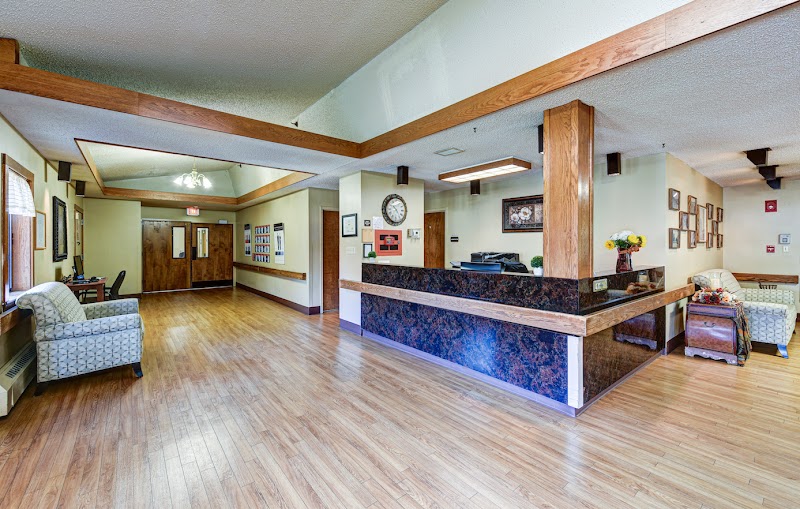
How is Majestic Care Of New Lexington Staffed?

CMS rates MAJESTIC CARE OF NEW LEXINGTON's staffing level at 4 out of 5 stars, which is above average compared to other nursing homes. Staff turnover is 35%, compared to the Ohio average of 46%. This relatively stable workforce can support continuity of care.

What Have Inspectors Found at Majestic Care Of New Lexington?

State health inspectors documented 39 deficiencies at MAJESTIC CARE OF NEW LEXINGTON during 2020 to 2025. These included: 3 that caused actual resident harm and 36 with potential for harm. Deficiencies causing actual harm indicate documented cases where residents experienced negative health consequences.
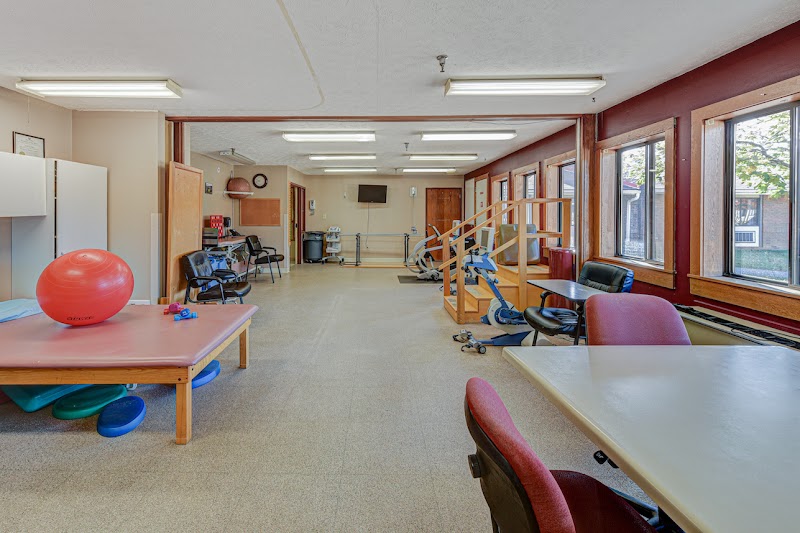
Who Owns and Operates Majestic Care Of New Lexington?

MAJESTIC CARE OF NEW LEXINGTON is owned by a for-profit company. For-profit facilities operate as businesses with obligations to shareholders or private owners. The facility is operated by MAJESTIC CARE, a chain that manages multiple nursing homes. With 82 certified beds and approximately 58 residents (about 71% occupancy), it is a smaller facility located in NEW LEXINGTON, Ohio.
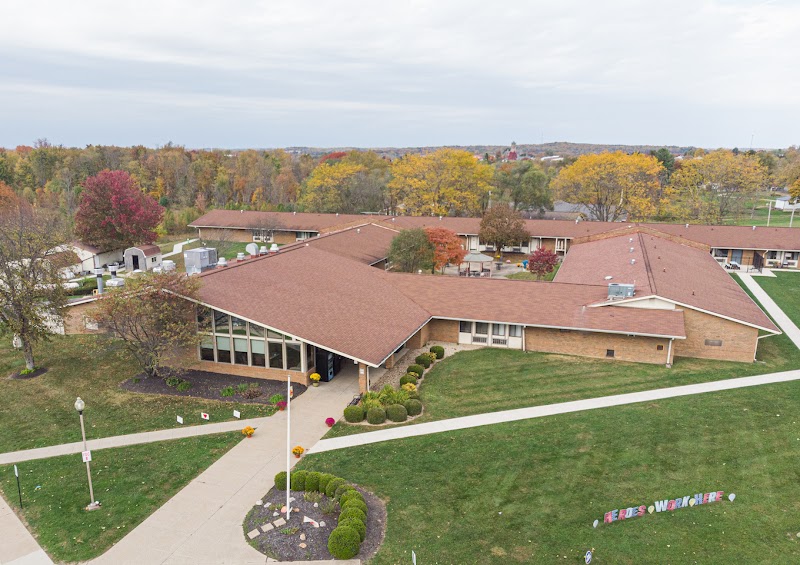
How Does Majestic Care Of New Lexington Compare to Other Ohio Nursing Homes?

Compared to the 100 nursing homes in Ohio, MAJESTIC CARE OF NEW LEXINGTON's overall rating (4 stars) is above the state average of 3.2, staff turnover (35%) is significantly lower than the state average of 46%, and health inspection rating (3 stars) is at the national benchmark.

What Should Families Ask When Visiting Majestic Care Of New Lexington?

Based on this facility's data, families visiting should ask: "Can I visit during a mealtime to observe dining assistance and food quality?" "How do you handle medical emergencies, and what is your hospital transfer rate?" "Can I speak with family members of current residents about their experience?"

Is Majestic Care Of New Lexington Safe?

Based on CMS inspection data, MAJESTIC CARE OF NEW LEXINGTON has a clean safety record: no substantiated abuse findings (meaning no confirmed cases of resident harm), no Immediate Jeopardy citations (the most serious violation level indicating risk of serious injury or death), and is not on the Special Focus Facility watch list (a federal program monitoring the lowest-performing 1% of nursing homes). The facility has a 4-star overall rating and ranks #1 of 100 nursing homes in Ohio. While no facility is perfect, families should still ask about staff-to-resident ratios and recent inspection results during their visit.

Do Nurses at Majestic Care Of New Lexington Stick Around?

MAJESTIC CARE OF NEW LEXINGTON has a staff turnover rate of 35%, which is about average for Ohio nursing homes (state average: 46%). Moderate turnover is common in nursing homes, but families should still ask about staff tenure and how the facility maintains care continuity when employees leave.

Was Majestic Care Of New Lexington Ever Fined?

MAJESTIC CARE OF NEW LEXINGTON has no federal fines on record. CMS issues fines when nursing homes fail to meet care standards or don't correct problems found during inspections. The absence of fines suggests the facility has either maintained compliance or corrected any issues before penalties were assessed. This is a positive indicator, though families should still review recent inspection reports for the full picture.

Is Majestic Care Of New Lexington on Any Federal Watch List?

MAJESTIC CARE OF NEW LEXINGTON is not on any federal watch list. The most significant is the Special Focus Facility (SFF) program, which identifies the bottom 1% of nursing homes nationally based on persistent, serious quality problems. Not being on this list means the facility has avoided the pattern of deficiencies that triggers enhanced federal oversight. This is a positive indicator, though families should still review the facility's inspection history directly.