CAPRICE HEALTH CARE CENTER
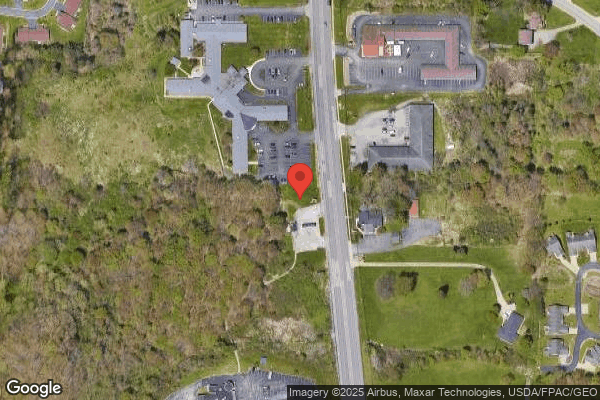

9184 MARKET ST, NORTH LIMA, OH 44452 (330) 965-9200
For profit - Corporation 75 Beds Independent Data: November 2025
Trust Grade
90/100
#38 of 913 in OH
Last Inspection: April 2025

Within standard 12-15 month inspection cycle. Federal law requires annual inspections.

Overview

Caprice Health Care Center has received an excellent Trust Grade of A, indicating a high level of quality and care. Ranking #38 out of 913 facilities in Ohio places them in the top half, while their county rank of #4 out of 29 shows they are one of the better options in Mahoning County. However, the facility's trend is worsening, with issues increasing from 1 in 2022 to 3 in 2025, which raises some concerns. Staffing is relatively strong with a 4 out of 5 star rating and a turnover rate of 32%, which is lower than the state average. There have been no fines, which is a positive sign, but there were concerning incidents, such as residents not being treated with dignity during transfers and issues with ensuring respiratory equipment was properly maintained, which could lead to health risks. Overall, while there are strengths in staffing and quality ratings, the recent increase in issues and specific incidents noted by inspectors should be carefully considered by families.

Trust Score
A
90/100
In Ohio
#38/913
Top 4%
Safety Record
Low Risk
No red flags
Inspections
Getting Worse
1 → 3 violations
Staff Stability
○ Average
32% turnover. Near Ohio's 48% average. Typical for the industry.
Penalties
✓ Good
No fines on record. Clean compliance history, better than most Ohio facilities.
Skilled Nurses
✓ Good
Each resident gets 53 minutes of Registered Nurse (RN) attention daily — more than average for Ohio. RNs are trained to catch health problems early.
Violations
✓ Good
Only 5 deficiencies on record. Cleaner than most facilities. Minor issues only.
★★★★★
5.0
Overall Rating
★★★★☆
4.0
Staff Levels
★★★★☆
4.0
Care Quality
★★★★★
5.0
Inspection Score
Stable
2022: 1 issues
2025: 3 issues

The Good

  • 4-Star Staffing Rating · Above-average nurse staffing levels
  • 4-Star Quality Measures · Strong clinical quality outcomes
  • Full Sprinkler Coverage · Fire safety systems throughout facility
  • No fines on record
  • Staff turnover below average (32%)

    16 points below Ohio average of 48%

Facility shows strength in staffing levels, quality measures, fire safety.

The Bad

Staff Turnover: 32%

13pts below Ohio avg (46%)

Typical for the industry

The Ugly 5 deficiencies on record

Apr 2025 3 deficiencies
CONCERN (D)

Potential for Harm - no one hurt, but risky conditions existed

Resident Rights (Tag F0550)

Could have caused harm · This affected 1 resident

**NOTE- TERMS IN BRACKETS HAVE BEEN EDITED TO PROTECT CONFIDENTIALITY** Based on record review, staff interview, and observations, the facility failed to ensure all residents were treated in a dignifi...

Read full inspector narrative →
**NOTE- TERMS IN BRACKETS HAVE BEEN EDITED TO PROTECT CONFIDENTIALITY** Based on record review, staff interview, and observations, the facility failed to ensure all residents were treated in a dignified manner. This affected four (Resident #40, Resident #6, Resident #22, Resident #34) of 29 residents that required a mechanical lift for transfers. The facility census was 64. Findings include: Review of Resident #40's clinical record revealed an admission date of 02/24/21 with diagnoses including vascular dementia, hemiplegia, neurogenic bladder, chronic respiratory failure, and calorie malnutrition. Review of the Minimum Data Set assessment dated [DATE] revealed Resident #40 required a mechanical lift for transfers. Review of Resident #6's clinical record revealed an admission date of 02/23/24 and diagnoses including Alzheimer's disease, major depressive disorder, history of falls, and chronic congestive heart failure. Review of Resident #22's clinical record revealed an admission date of 02/17/17 and diagnoses including hemiplegia, kyphosis (abnormally curved spine), contractures of right and left shoulders, left wrist, and left and right knee. Review of Resident #34's clinical record revealed an admission date of 01/09/20 with diagnoses of Alzheimer's disease, major depressive disorder, hypokalemia, and generalized edema. Observation on 04/21/25 at 11:10 A.M. revealed Resident #40 was sleeping in her bed with a mechanical lift pad underneath her. Interview with Certified Nurse Aide (CNA) #833, at the time of the observation, confirmed the lift pad beneath Resident #40. CNA #833 also confirmed that when Resident #40 was returned to bed via a mechanical lift the lift pad was not removed. Observation on 04/21/25 at 11:30 A.M. revealed Resident #6 was in bed with a mechanical lift pad underneath her as she slept. Interview with CNA #833, at the time of the observation, confirmed the lift pad beneath Resident #6. CNA #833 also confirmed that when Resident #6 was returned to bed via a mechanical lift the lift pad was not removed. Observation on 04/22/25 at 9:35 A.M. revealed Resident #22 was in his bed sleeping with a mechanical lift pad underneath him. Interview with Director of Nursing (DON) #819, at the time of the observation, confirmed the lift pad beneath Resident #22. DON #819 said it was not the facility procedure to leave mechanical lift pads underneath residents. Observation on 04/22/25 at 11:25 A.M. revealed Resident #34 was in bed with a mechanical lift pad underneath the resident. Interview with Wound Licensed Practical Nurse (LPN) #891, at the time of the observation, confirmed the lift pad beneath Resident #34. Interview with DON #819 and Wound LPN #891 on 04/23/25 at 12:51 P.M. confirmed the mechanical lift pads were left underneath Resident #40, Resident #6, Resident #22, and Resident #34 when they were placed back into bed after meals. They also indicated leaving the lift pads underneath the residents did not promote the dignity and skin integrity of the residents. Review of the facility's undated Quality of Life- Dignity policy revealed that each resident would be cared for in a manner that promoted and enhanced the quality of life, dignity, and respect.
CONCERN (D)

Potential for Harm - no one hurt, but risky conditions existed

Respiratory Care (Tag F0695)

Could have caused harm · This affected 1 resident

**NOTE- TERMS IN BRACKETS HAVE BEEN EDITED TO PROTECT CONFIDENTIALITY** Based on observations, interviews, record review and facility policy review, the facility failed to ensure respiratory equipment...

Read full inspector narrative →
**NOTE- TERMS IN BRACKETS HAVE BEEN EDITED TO PROTECT CONFIDENTIALITY** Based on observations, interviews, record review and facility policy review, the facility failed to ensure respiratory equipment was dated to make certain it was changed at appropriate intervals to decrease the risk of acquired pneumonia or infection. This affected three residents (#26, #27, #127) of six residents reviewed for respiratory care. The facility census was 64. Findings include: 1. Review of the medical record for Resident #26 revealed an admission date of 10/19/22 with diagnoses including chronic respiratory failure, dependence on respirator (breathing machine), tracheostomy, quadriplegia, and gastrostomy (feeding tube). Review of Resident #26's Minimum Data Set (MDS) 3.0 assessment dated [DATE] revealed severely impaired cognition and altered level of consciousness. Resident #26 was also completely dependent for all activities of daily living (ADL) and hygiene needs. Review of the care plan dated 03/11/25 revealed Resident #26 had respiratory failure, a tracheostomy and was ventilator dependent. Interventions included changing tracheostomy setup per physician orders and as needed per respiratory therapist (RT). Review of Resident #26's physician orders dated 10/19/22 revealed ventilator circuits and all related ventilator, tracheostomy, oxygen setup to be changed per respiratory therapist (RT). Observation on 04/22/25 at 9:23 A.M. revealed Resident #26's ventilator circuit and oxygen tubing was not dated. Interview on 04/22/25 at 9:23 A.M. with RT #881 and Registered Nurse (RN) # 801 verified that ventilator circuit and oxygen tubing was not dated. RT #881 stated ventilator circuits were to be changed every ninety days or as needed. RT #881 also verified that the ventilator circuits were the responsibility of the respiratory therapy department and therapist and the initials of the RT and change date should be labeled on the circuit/humidified water system. 2. Review of the medical record for Resident #27 revealed an admission date of 02/26/25 with diagnoses of acute and chronic respiratory failure with hypercapnia, stenosis of larynx, tracheostomy, and dependence on supplemental oxygen. Review of the MDS 3.0 assessment dated [DATE] revealed a Brief Interview for Mental Status (BIMS) score of 15 which indicated intact cognition. The functional assessment noted Resident #27 needed moderate assistance with ADLs and hygiene needs. Review of the care plan dated 04/16/25 revealed Resident #27 had impaired air exchange due to acute and chronic respiratory failure and chronic obstructive pulmonary disease. Interventions included maintaining oxygen saturation levels greater than 88 percent, keeping airway patent through tracheostomy, oxygen via tracheostomy mask at 35 percent, and have tracheostomy, oxygen and nebulizers set up and changed per RT. Review of Resident #27's physician orders dated 12/27/23 revealed tracheostomy, oxygen, and nebulizer set would be changed per RT. Observation on 04/22/25 at 9:36 A.M. revealed Resident #27's tracheostomy collar oxygen set up was not dated. Interview on 04/22/25 at 9:36 A.M. with RT #881 and RN #801 verified the oxygen setup was not dated to ensure it was changed at an appropriate time interval. 3. Review of the medical record for Resident #127 revealed an admission date of 04/11/25 with diagnoses including acute respiratory failure with hypoxia, tracheostomy, dependence on supplemental oxygen, gastrostomy, anoxic brain damage and seizures. Review of the MDS 3.0 assessment dated [DATE] revealed severe cognition impairment and response to painful stimuli only. Resident #127 had complete dependence for all ADLs and hygiene needs. Review of the care plan dated 04/13/25 revealed Resident #127 had impairment related to anoxic brain injury and had a tracheostomy. Resident #127 was high risk for self-decannulation and/or disconnection from oxygen. Interventions included assessing the need to suction to clear airway, avoidance of respiratory depression medications, closed suction system, and monitoring respiratory status. Tracheostomy, oxygen and nebulizer set up to be changed per RT. Review of Resident #127's physician orders dated 04/11/25 revealed to change tracheostomy per RT every 90 days and as needed, suction via airway as needed and to change the tracheostomy ties twice a week and as needed. Observation on 04/22/25 at 9:43 A.M. revealed Resident #127's trach collar oxygen set up was not dated. Interview on 04/22/25 at 9:43 A.M. with RT #881 and RN #801 verified the trach collar oxygen set up was not dated to ensure it was changed at an appropriate time interval. Review of facility policy titled Respiratory Therapy: Aerosol/Tracheostomy Set up revised on 07/15/21 revealed the oxygen setup required a label or tape on tubing indicating the date and initials of person changing the system. Review of facility polity titled Respiratory Therapy: Oxygen Therapy revised on 7/15/21 revealed that masks, cannulas and tubing should be changed as follows: a. For ventilator and tracheostomy residents: change on admit then every thirty days and again as needed. b. For non-ventilator tracheostomy residents: change on admit then every thirty days as needed.
CONCERN (D)

Potential for Harm - no one hurt, but risky conditions existed

Medical Records (Tag F0842)

Could have caused harm · This affected 1 resident

**NOTE- TERMS IN BRACKETS HAVE BEEN EDITED TO PROTECT CONFIDENTIALITY** Based on record review and staff interview, the facility failed to ensure the accuracy of medical records. This affected one of ...

Read full inspector narrative →
**NOTE- TERMS IN BRACKETS HAVE BEEN EDITED TO PROTECT CONFIDENTIALITY** Based on record review and staff interview, the facility failed to ensure the accuracy of medical records. This affected one of 32 residents whose records were reviewed, Resident #40. Facility census was 64. Findings include: Review of Resident #40's clinical record revealed an admission date 02/24/21 with diagnoses including vascular dementia, hemiplegia, neurogenic bladder, chronic respiratory failure, and calorie malnutrition. Review of the quarterly Minimum Data Set assessment dated [DATE] revealed Resident #40 did not have any unhealed pressure ulcers or injuries. Review of the Nurses Skin/ Wound notes dated 04/10/25 timed 10:05 A.M. revealed Resident #40 was at high risk for impaired skin integrity. Resident #40 required maximum to total assistance for bed mobility. Diagnosis of hemiplegia, incontinent of bowel, and use of Foley (urinary) catheter for neurogenic bladder. Resident #40 had a history of pressure injuries and the use of left resting-hand splint to left hand. Skin integrity was maintained and would continue current preventative care. Review of the Nurse Practitioner visit notes dated 04/22/25 timed 9:37 A.M. revealed documentation indicating Resident #40 had current wounds. Further review of the Nurse Practitioner notes dated 04/18/25, 04/16/25, and 04/15/25 indicated Resident #40 had wounds. Interview with Wound Licensed Practical Nurse #894 on 04/23/25 at 9:45 A.M. revealed Resident #40 did not have any wounds or skin impairment at this time. Interview with Director of Nursing # 819 and Nurse Practitioner #123 on 04/23/25 at 9:49 A.M. verified the Nurse Practitioner notes dated 04/15/25, 04/16/25, 04/18/25, and 04/22/25, were not accurate regarding Resident #40 having wounds; the entries were made in error. Nurse Practitioner #123 indicated because she was in a hurry when documenting she copied and pasted the information from another entry and did not make the necessary revisions to accurately reflect Resident #40's current status.
Oct 2022 1 deficiency
CONCERN (D)

Potential for Harm - no one hurt, but risky conditions existed

Deficiency F0604 (Tag F0604)

Could have caused harm · This affected 1 resident

Based observation, interview, record review, and policy review the facility failed to ensure monitoring and evaluation of bilateral wrist restraints was documented while used for Resident #28. This af...

Read full inspector narrative →
Based observation, interview, record review, and policy review the facility failed to ensure monitoring and evaluation of bilateral wrist restraints was documented while used for Resident #28. This affected one resident (Resident #28) of two residents reviewed for abuse, neglect, and exploitation. The facility reported one resident (Resident #28) who had physical restraints. The facility census was 66. Findings include: Review of the medical record for Resident #28 revealed an admission date of 11/12/12. Diagnoses included respiratory failure, cord compression, dependence on respiratory ventilator status, encounter for attention to tracheostomy, encounter for attention to gastrostomy, severe intellectual disabilities, spastic quadriplegic cerebral palsy, malignant neuroleptic syndrome, unspecified convulsions, anxiety disorder, bipolar disorder, abnormal involuntary movements, and major depressive disorder. Review of the Quarterly Minimum Data Set (MDS) 3.0 assessment, dated 09/14/22, revealed Resident #28 had severely impaired cognition. Resident #28 was dependent on two staff assistance for bed mobility, transfers, dressing, toileting, personal hygiene, and bathing, and was dependent on one staff assistance for eating. Resident #28 was always incontinent of urine and bowel. Review of the plan of care completed 09/29/22 revealed Resident #28 had cognitive impairment secondary to severe intellectual abilities which affected decision making skills; had impaired communication skills related to dysphasia (deficiency in generation of speech) and difficulty being understood due to usually nonverbal secondary to history of cerebral palsy, intellectual disability and tracheostomy; would blink eyes to communicate yes and no answers or used lips and tongue to respond in affirmative or negative and said a couple of words at times; used bilateral wrist restraints as needed related to risk of interruption of life sustaining devices and risk for decannulation with least restrictive measures previously attempted were unsuccessful. Interventions included to administer medications as ordered; to allow independent functioning to safest degree possible; provide cues and supervision; use simple one word commands; observe for signs of frustration and anxiety, change activity if observed ; with increased anxiety attempt to calm or refocus attention; ensure correct position and proper body alignment while restrained; monitor, document, and report as needed any changes regarding effectiveness, least restrictive devices, any negative or adverse effects noted including: decline or change in behavior, decrease in ADL (activities of daily living) self-performance, decline in cognitive ability or communication, contracture formation, skin breakdown, signs or symptoms of delirium, accidents or injuries, agitation, or weakness; apply bilateral wrist restraints as needed and release every two hours for ten minutes for range of motion (ROM) and hygiene; and document restraint use and release per facility protocol. Review of the physician's order dated 04/27/19 revealed bilateral wrist restraints as needed, check every 30 minutes, and release every two hours for ten minutes for ROM and care for interfering with life sustaining devices. Review of Resident #28's enabler/device/restraint evaluation dated 09/14/22 revealed the bilateral wrist restraints were used for signs and symptoms of interfering with life sustaining devices to prevent the interruption of life sustaining devices. In part two of the evaluation the bilateral wrist restraints were assessed to restrict Resident #28's freedom of movement or normal access to one's body and Resident #28 was unable to remove the devices on command. The bilateral wrist restraints were indicated as an assistance in the improvement of Resident #28's functional status or necessary to enhance compliance with physician's treatment plan. The evaluation determined the bilateral wrist restraints were both an enabler and a restraint, and to follow the restraint protocol. In part three of the evaluation the bilateral wrist restraints were assessed as a device used to treat medical symptoms. The evaluation determined to follow restraint protocol. In the restraint protocol of the evaluation, Resident #28 was determined to need the bilateral wrist restraints for pulling on the tube feed tubing and dislodging set and pulling and disconnecting ventilator tubing. The bilateral wrist restraints restricted Resident #28's freedom of movement and it was concluded as a restraint and to proceed with protocol. This device was the least restrictive device. Previous interventions tried included suctioning, lighting change, tracheostomy care, movies, distraction, medications, tube feeding binder, tubing out of reach, and repositioning. Alternatives did not work due to Resident #28 wiggled around in bed until items were within reach and hand mitts were removeable. Review of the treatment administration record for October 2022 revealed Resident #28 had bilateral wrist restraints applied as ordered on 10/12/22, 10/15/22, 10/17/22 and on 10/23/22. Review of the orders administration note dated 10/12/22 at 3:58 A.M. revealed the physician order for bilateral wrist restraints was applied for Resident #28 pulling at tube feeding and ventilator tubing. One-on-one was ineffective. Review of the medical record including progress notes for Resident #28 revealed there was no documented evidence of the monitoring and evaluation for the use of bilateral wrist restraints applied on 10/12/22 at 3:58 A.M. and when removed. Review of the orders administration note dated 10/15/22 at 2:51 P.M. revealed the physician order for bilateral wrist restraints was applied for Resident #28's restlessness in bed, moving arms and legs around rapidly, pulling at ventilator circuit tubing three times in previous hour causing disconnections, pulling at enteral feeding tube line despite repositioning, distraction with television and stuffed animals which were all ineffective. Review of the orders administration note dated 10/15/22 at 6:52 P.M. revealed the physician order for bilateral wrist restraints was effective. Review of the medical record including progress notes for Resident #28 revealed there was no documented evidence of the monitoring and evaluation for the use of bilateral wrist restraints applied on 10/15/22 at 2:51 P.M. and if removed at 6:52 P.M, and the signs and symptoms present to validate the reapplication of the bilateral wrist restraints once released for ten minutes after the first two hours or if the reapplication took place. Review of the orders administration note dated 10/17/22 at 1:11 P.M. revealed the physician order for bilateral wrist restraints was applied for Resident #28 with no documented signs or symptoms to support the need to use bilateral wrist restraints. Review of the orders administration note dated 10/17/22 at 1:11 P.M. revealed the physician order for bilateral wrist restraints was effective. Review of the medical record including progress notes for Resident #28 revealed there was no documented evidence of the monitoring and evaluation for the use of bilateral wrist restraints applied on 10/17/22 at 1:11 P.M. and when removed. Review of the orders administration note dated 10/23/22 at 12:36 P.M. revealed the physician order for bilateral wrist restraints was applied for Resident #28's restlessness in bed, moving arms and legs around rapidly, pulling at ventilator circuit tubing three times in previous hour causing disconnections, pulling at enteral feeding tube line despite repositioning, distraction with television and stuffed animals which were all ineffective. Review of the orders administration note dated 10/23/22 at 2:37 P.M. revealed the physician order for bilateral wrist restraints was effective. Review of the medical record including progress notes for Resident #28 revealed there was no documented evidence of the monitoring and evaluation for the use of bilateral wrist restraints applied on 10/23/22 at 12:36 P.M. and if removed at 2:37 P.M. Interview on 10/26/22 at 2:05 P.M. with Director of Nursing (DON), Corporate DON #701 and Corporate Nurse #702 verified there was no documentation for Resident #28's bilateral wrist restraints to clearly indicate start of application and removal to identify length of time in use and if or when released, and assessments which occurred during use of the restraint. Interview and observation on 10/27/22 at 8:38 A.M. with Licensed Practical Nurse (LPN) #703 of Resident #28's bed revealed two wrist restraints attached to the moveable portion of the bedframe, one restraint secured to the right bedframe and one secured to the left bedframe. Observation of Resident #28's bilateral wrists revealed the wrist restraints were not applied at the time. Interview at the time of the observation with LPN #703 verified the bilateral wrist restraints were attached to Resident #28's bed and prepared for use as needed. LPN #703 stated when the restraints were used, the purpose was documented in the progress notes including assessments when performing 30 minute checks, releases, re-applications, and skin checks. LPN #703 confirmed Resident #28 did not like to have the restraints on so they had to be removed when it bothered Resident #28. LPN #703 verified not always documenting the checks or assessments as should be done. Interview on 10/27/22 at 9:00 A.M. with Unit Manager (UM) #700 verified Resident #28's restraint documentation was limited to the treatment administration record and orders administration notes located in the progress notes of the medical record which were identified in the above findings. UM #700 confirmed there was no documented evidence of Resident #28's restraint release on 10/12/22 and 10/17/22, and monitoring or reapplication of the restraint including skin assessments when removed. UM #700 stated the facility charted by exception so only a negative finding would be noted in the chart and it was presumed the physician orders were followed as written. Review of the undated facility's policy titled Restraint Policy/Procedure revealed assessments will be completed to assess specific symptoms requiring restraint use, attempts to modify behavior, and how the restraint use will treat the cause of the symptom and assist the resident in reaching his/her highest degree of physical and psychosocial wellbeing.
Oct 2019 1 deficiency
CONCERN (D)

Potential for Harm - no one hurt, but risky conditions existed

Infection Control (Tag F0880)

Could have caused harm · This affected 1 resident

**NOTE- TERMS IN BRACKETS HAVE BEEN EDITED TO PROTECT CONFIDENTIALITY** Based on observations, interviews, and record reviews, the facility did not ensure the urinary catheter devices were maintained ...

Read full inspector narrative →
**NOTE- TERMS IN BRACKETS HAVE BEEN EDITED TO PROTECT CONFIDENTIALITY** Based on observations, interviews, and record reviews, the facility did not ensure the urinary catheter devices were maintained in a manner to decrease chance of infection. This affected two (Residents #21 and #46) of 10 residents observed who required urinary catheters. The facility census was 66 residents. Findings include: 1. Medical record review for Resident #21 revealed initial admission into the facility was on 05/31/10. Th resident's medical diagnoses included the principal diagnosis of multiple sclerosis and additional diagnoses of neuromuscular dysfunction of the bladder, overactive bladder, hypertension, depression, and anemia. The comprehensive Minimum Data Set (MDS 3.0) assessment, dated 07/18/19, revealed this resident had a brief interview for mental status (BIMS) score of 15 of a possible 15, indicating intact cognition. The comprehensive assessment dated [DATE] documented Resident #21 had an indwelling urinary catheter for a neurogenic bladder due to multiple sclerosis. A plastic blue face cover for the bag covered the face of the drainage bag only. On 10/15/19 at 12:45 P.M., Resident #21 was observed sitting in the dining room during the meal service and a urinary catheter and urine collection bag was attached to the wheelchair. At the time of the observation the urinary collection bag and portion of the catheter tubing was observed on the floor as it hung from the chair and resident. On 10/15/19 at 1:00 P.M., Resident #21 was observed in the dining room and facing the open area of the room. The surveyor observed the resident in a wheelchair with the catheter bag attached to the wheelchair. At the time of the observation the urine collection bag hung in a position that the bottom of the bag was touching the floor along with the catheter tubing which was secured to the resident's left leg as the catheter was positioned along the resident's leg. Observations were made from 1:00 P.M. through 1:30 P.M., and dDuring this time various staff members including the nursing staff and nurse aide staff walked by the resident and talked to the resident. None of the staff members had noticed or attempted to raise the catheter bag and tubing and secure it in a position to prevent it from touching or dragging on the floor and thereby prevent possible urinary tract infection. On 10/15/19 at 1:35 P.M., after observing the resident wheeling herself down to her room and the catheter tubing and bag dragging on the floor, Resident #21 verified the catheter bag and catheter tubing was on the floor and this had occurred often. During interview on 10/15/19 at 1:50 P.M., Registered Nurse (RN) #505 verified the findings of the tubing and catheter bag on the floor while observing Resident #21 in her room. 2. Resident #46 was admitted to the facility on [DATE] with diagnoses of acute kidney failure and chronic kidney disease. The resident had an indwelling catheter and urinary drainage bag in place due to obstructive uropathy. On 10/15/19 at 1:48 P.M. an observation was made of Resident #46 who had a urinary catheter and catheter bag dragging on the floor while in the television room on the 200 unit. At the time of the observation, State Tested Nursing Aide #510 verified the findings of the catheter bag and tubing being on the floor. Review of the nursing notes from 06/30/19 through 10/15/19 and care plan revealed no evidence of interventions to keep the urinary bag and catheter tubing off the floor for Residents #21 and #46 Review of the document titled, Policy for Foley Catheter Care (undated) revealed it did not address the area of infection control as it related to ensuring the urinary catheter tubing and collection bag remaining off the floor to minimize the possiblity of a urinary tract infection. These findings were shared with the Administrator and Director of Nursing on 10/16/19 at 7:45 A.M.
Understanding Severity Codes (click to expand)
Life-Threatening (Immediate Jeopardy)
J - Isolated K - Pattern L - Widespread
Actual Harm
G - Isolated H - Pattern I - Widespread
Potential for Harm
D - Isolated E - Pattern F - Widespread
No Harm (Minor)
A - Isolated B - Pattern C - Widespread

Questions to Ask on Your Visit

  • "Can I speak with families of current residents?"
  • "What's your RN coverage like on weekends and overnight?"

Our Honest Assessment

Strengths
  • • Grade A (90/100). Above average facility, better than most options in Ohio.
  • • No major safety red flags. No abuse findings, life-threatening violations, or SFF status.
  • • No fines on record. Clean compliance history, better than most Ohio facilities.
  • • Only 5 deficiencies on record. Cleaner than most facilities. Minor issues only.
Concerns
  • • No significant concerns identified. This facility shows no red flags across CMS ratings, staff turnover, or federal penalties.
Bottom line: Generally positive indicators. Standard due diligence and a personal visit recommended.

About This Facility

What is Caprice Health's CMS Rating?

CMS assigns CAPRICE HEALTH CARE CENTER an overall rating of 5 out of 5 stars, which is considered much above average nationally. Within Ohio, this rating places the facility higher than 99% of the state's 100 nursing homes. This rating reflects solid performance across the metrics CMS uses to evaluate nursing home quality.

How is Caprice Health Staffed?

CMS rates CAPRICE HEALTH CARE CENTER's staffing level at 4 out of 5 stars, which is above average compared to other nursing homes. Staff turnover is 32%, compared to the Ohio average of 46%. This relatively stable workforce can support continuity of care.

What Have Inspectors Found at Caprice Health?

State health inspectors documented 5 deficiencies at CAPRICE HEALTH CARE CENTER during 2019 to 2025. These included: 5 with potential for harm.

Who Owns and Operates Caprice Health?

CAPRICE HEALTH CARE CENTER is owned by a for-profit company. For-profit facilities operate as businesses with obligations to shareholders or private owners. The facility operates independently rather than as part of a larger chain. With 75 certified beds and approximately 64 residents (about 85% occupancy), it is a smaller facility located in NORTH LIMA, Ohio.

How Does Caprice Health Compare to Other Ohio Nursing Homes?

Compared to the 100 nursing homes in Ohio, CAPRICE HEALTH CARE CENTER's overall rating (5 stars) is above the state average of 3.2, staff turnover (32%) is significantly lower than the state average of 46%, and health inspection rating (5 stars) is much above the national benchmark.

What Should Families Ask When Visiting Caprice Health?

Based on this facility's data, families visiting should ask: "Can I visit during a mealtime to observe dining assistance and food quality?" "How do you handle medical emergencies, and what is your hospital transfer rate?" "Can I speak with family members of current residents about their experience?"

Is Caprice Health Safe?

Based on CMS inspection data, CAPRICE HEALTH CARE CENTER has a clean safety record: no substantiated abuse findings (meaning no confirmed cases of resident harm), no Immediate Jeopardy citations (the most serious violation level indicating risk of serious injury or death), and is not on the Special Focus Facility watch list (a federal program monitoring the lowest-performing 1% of nursing homes). The facility has a 5-star overall rating and ranks #1 of 100 nursing homes in Ohio. While no facility is perfect, families should still ask about staff-to-resident ratios and recent inspection results during their visit.

Do Nurses at Caprice Health Stick Around?

CAPRICE HEALTH CARE CENTER has a staff turnover rate of 32%, which is about average for Ohio nursing homes (state average: 46%). Moderate turnover is common in nursing homes, but families should still ask about staff tenure and how the facility maintains care continuity when employees leave.

Was Caprice Health Ever Fined?

CAPRICE HEALTH CARE CENTER has no federal fines on record. CMS issues fines when nursing homes fail to meet care standards or don't correct problems found during inspections. The absence of fines suggests the facility has either maintained compliance or corrected any issues before penalties were assessed. This is a positive indicator, though families should still review recent inspection reports for the full picture.

Is Caprice Health on Any Federal Watch List?

CAPRICE HEALTH CARE CENTER is not on any federal watch list. The most significant is the Special Focus Facility (SFF) program, which identifies the bottom 1% of nursing homes nationally based on persistent, serious quality problems. Not being on this list means the facility has avoided the pattern of deficiencies that triggers enhanced federal oversight. This is a positive indicator, though families should still review the facility's inspection history directly.