WILLOW WOODS REHABILITATION AND NURSING
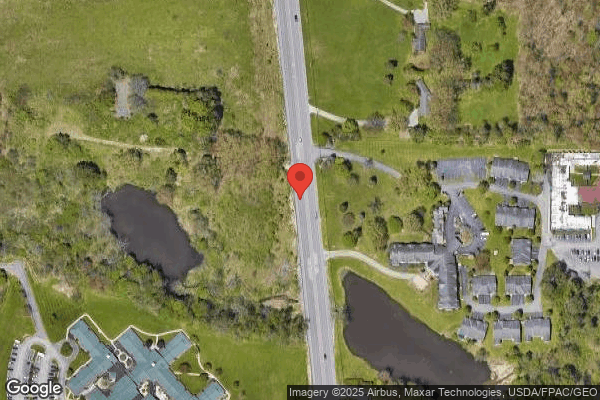
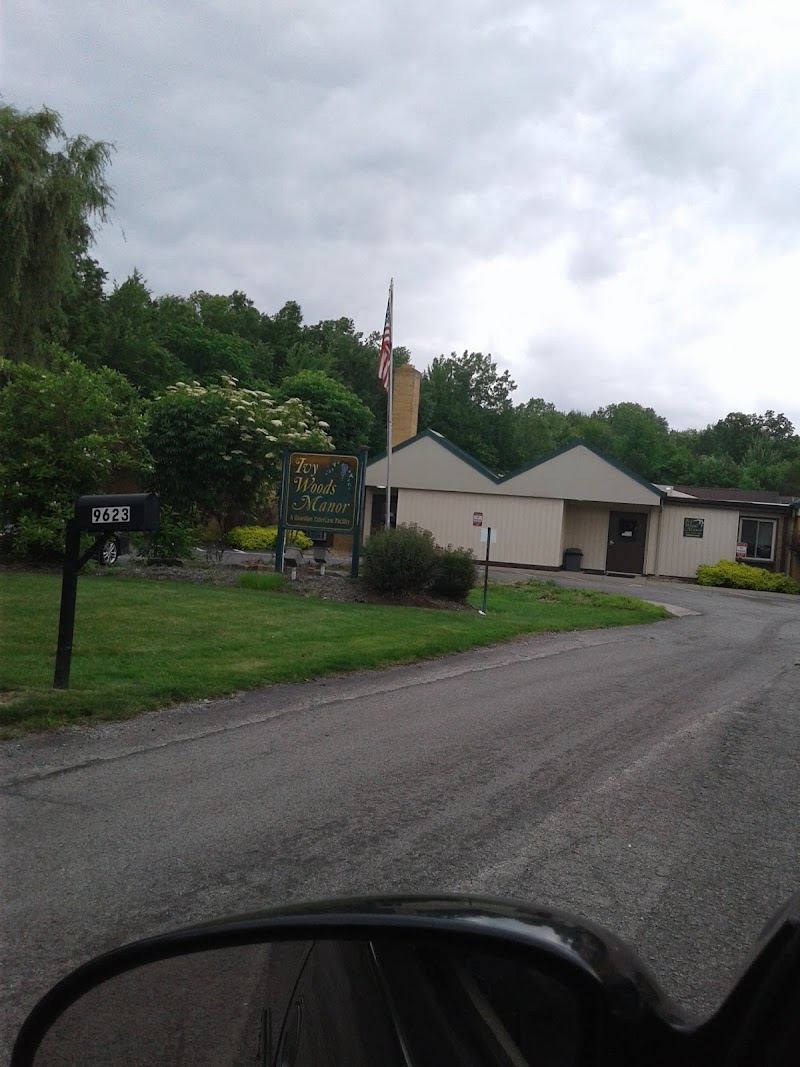
9625 MARKET STREET, NORTH LIMA, OH 44452 (330) 549-3939
For profit - Limited Liability company 85 Beds MORDECHAI WEISZ Data: November 2025 1 Immediate Jeopardy citation
Trust Grade
8/100
#572 of 913 in OH
Last Inspection: April 2025

Within standard 12-15 month inspection cycle. Federal law requires annual inspections.

Overview

Willow Woods Rehabilitation and Nursing has received an F grade, indicating poor performance with significant concerns about care quality. Ranked #572 out of 913 facilities in Ohio, they are in the bottom half of state options, and #19 out of 29 in Mahoning County means only a few facilities are rated lower locally. The facility's trend is stable, with 7 issues reported in both 2024 and 2025, but they have been fined $63,899, which is higher than 87% of Ohio facilities, raising concerns about compliance. Staffing is average with a turnover rate of 39%, which is better than the state average, and they provide average RN coverage. However, serious incidents have occurred, including a resident eloping from the facility without staff knowledge, and another resident sustaining a facial hematoma from an unprovoked attack. These incidents highlight both critical safety issues and the need for improvements in supervision and resident protection.

Trust Score
F
8/100
In Ohio
#572/913
Bottom 38%
Safety Record
High Risk
Review needed
Inspections
Holding Steady
7 → 7 violations
Staff Stability
○ Average
39% turnover. Near Ohio's 48% average. Typical for the industry.
Penalties
✓ Good
$63,899 in fines. Lower than most Ohio facilities. Relatively clean record.
Skilled Nurses
○ Average
Each resident gets 31 minutes of Registered Nurse (RN) attention daily — about average for Ohio. RNs are the most trained staff who monitor for health changes.
Violations
⚠ Watch
32 deficiencies on record. Higher than average. Multiple issues found across inspections.
★★★☆☆
3.0
Overall Rating
★★★☆☆
3.0
Staff Levels
★★★★★
5.0
Care Quality
★★☆☆☆
2.0
Inspection Score
Stable
2024: 7 issues
2025: 7 issues

The Good

  • 5-Star Quality Measures · Strong clinical quality outcomes
  • Full Sprinkler Coverage · Fire safety systems throughout facility
  • No fines on record
  • Staff turnover below average (39%)

    9 points below Ohio average of 48%

Facility shows strength in quality measures, fire safety.

The Bad

3-Star Overall Rating

Near Ohio average (3.2)

Meets federal standards, typical of most facilities

Staff Turnover: 39%

Near Ohio avg (46%)

Typical for the industry

Federal Fines: $63,899

Above median ($33,413)

Moderate penalties - review what triggered them

Chain: MORDECHAI WEISZ

Part of a multi-facility chain

Ask about local staffing decisions and management

The Ugly 32 deficiencies on record

1 life-threatening 3 actual harm
Apr 2025 1 deficiency
CONCERN (D) 📢 Someone Reported This

A family member, employee, or ombudsman was alarmed enough to file a formal complaint

Potential for Harm - no one hurt, but risky conditions existed

Free from Abuse/Neglect (Tag F0600)

Could have caused harm · This affected 1 resident

**NOTE- TERMS IN BRACKETS HAVE BEEN EDITED TO PROTECT CONFIDENTIALITY** THE FOLLOWING DEFICIENCY REPRESENTS AN INCIDENT OF PAST NON-COMPLIANCE THAT WAS SUBSEQUENTLY CORRECTED PRIOR TO THIS SURVEY. Bas...

Read full inspector narrative →
**NOTE- TERMS IN BRACKETS HAVE BEEN EDITED TO PROTECT CONFIDENTIALITY** THE FOLLOWING DEFICIENCY REPRESENTS AN INCIDENT OF PAST NON-COMPLIANCE THAT WAS SUBSEQUENTLY CORRECTED PRIOR TO THIS SURVEY. Based on medical record review, review of the facility's Self-reported incident (SRI), review of facility investigation, observations, staff and resident interviews, and review of the facility's Abuse, Neglect, Exploitation, and Misappropriation of Resident policy, the facility failed to ensure a resident was free from staff to resident physical abuse. This affected one (#17) of four residents reviewed for abuse. The facility census was 67. Findings include: Record review revealed Resident #17 was admitted to the facility on [DATE] with diagnoses of schizoaffective disorder bipolar type, borderline personality disorder, and mild intellectual disabilities. Review of the Minimum Data Set (MDS) assessment dated [DATE] revealed Resident #17 was cognitively intact, and required supervision with showers, dressing, and personal hygiene. Resident #17 did not require any mobility devices. Review of the care plan dated 03/13/25 revealed Resident #17 was prone to behaviors that included verbally abusing staff and others and threatening self-harm. Resident #17 also had the potential for mood problems related to the identified mental health diagnoses of which interventions included anticonvulsant medication therapy, behavioral health services, and monitoring of signs and symptoms of mania, increased irritability, and frequent mood changes. Review of the Police Report (Incident Number 25BV04872) revealed a report time of 04/07/25 at 9:07 P.M. The original narrative indicated the police department responded to an assault at nursing home. The supplemental narrative revealed the officer was dispatched for a fight/assault between a resident and and employee. The officer spoke to Licensed Practical Nurse (LPN) #153 who advised she was the supervisor for the night shift and the resident was identified as Resident #17. Resident #17 was hysterically crying in the hallway. When asked what happened, Resident #17 stated she was trying to get from one area to the other but there was another resident in her way who was in a wheelchair. Resident #17 began to move the other resident out of her way when Certified Nurse Aide (CNA) #177 shouted at her and told her not to touch her residents ever again. Resident #17 then explained that she told CNA #177 to move her own damn patient out of the way, both parties than began shouting at one another. Resident #17 then stated CNA #177 walked over to her and got in her face and belly bumped her causing them to fight. The next thing Resident #17 knew, she was pushed to the ground causing her to hit her head. CNA #177 and the officer spoke outside of the facility (CNA #177 had been suspended prior to the officer's arrival and was not permitted in the facility). CNA #177 said she was coming out of another resident's room and observed Resident #17 pushing another resident. CNA #177 told Resident #17 to stop pushing the resident. CNA #177 explained Resident #17 called her an expletive and told her to catch her outside. CNA #177 then told Resident #17 do something if you want, I'm not scared. CNA #177 then explained she began moving the other resident down the hall when Resident #17 ran up to her and belly bumped her causing them to fight. CNA #177 grabbed Resident #17 by the arms causing her to fall to the floor. CNA #177 then showed the officer scratch marks on her arms and elbow that occurred during the altercation. The officer spoke with LPN #153 and asked if she witnessed the incident which she did and LPN #153 filled out a witness statement. LPN #153 told the offices that everything Resident #17 explained to the officer was accurate and CNA ran up to Resident #17 and started the altercation by belly bumping Resident #17. The report further indicated after discussion with other officers, it was apparent that CNA #177 was the aggressor in the situation. CNA #177 was told she was being placed under arrest for assault. CNA #177 was transported to the police department. Resident #17 was transferred to the local hospital for evaluation. Review of progress noted dated 04/07/25 timed 9:42 P.M. revealed Resident #17 had a change in condition due to a fall and was transported to the hospital for evaluation. Review of the presenting problem in the hospital assessment dated [DATE] revealed Resident #17 presented with complaints of headache and had been assaulted by one of the staff members in her facility and was subsequently punched on the head. A computed tomography (CT) scan of her head and spine was performed and did not show evidence of abnormal findings. Resident #17 did not suffer any loss of consciousness, there was no presence of any external lacerations or bleeding. Resident #17 was discharged back to the facility per the legal guardian's request. Review of the facility SRI dated 04/07/25 revealed Resident #17 reported the altercation began when she attempted to move another resident out of her way when CNA #177 told Resident #17 not to do that, then began to yell at Resident #17 and approached her quickly. CNA #177 then punched Resident #17 in the head at which time Resident #17 fought back. During the melee, Resident #17 suffered a fall and hit her head. Review of CNA #177's witness statement dated 04/07/25 revealed Resident #17 was observed pushing Resident #19 into the wall at which time CNA #177 told Resident #17 not to do that. Resident #17 responded by using expletives to communicate that CNA #177 needed to move that resident out of her way. CNA #177 reiterated to Resident #17 not to push Resident #19. Resident #17 then called CNA #177 a derogatory name and threatened her. CNA #177 responded by warning Resident #17 she was not afraid of her. Resident #17 moved into CNA #177's personal space, bumped into her belly, stepped back, then struck her in the face. CNA #177 grabbed Resident #17's arms to prevent being struck again. CNA #100 then grabbed Resident #17 who was still actively fighting. Resident #17 tripped and fell on the floor. Review of CNA #100's witness statement dated 04/07/25 revealed Resident #17 was observed pushing Resident #19 into the wall. CNA #177 then advised Resident #17 not to push Resident #19. Resident #17 began to use profanity and argue with CNA #177 at which time Resident #17 stated she would beat up CNA #177. CNA #177 continued to move Resident #19 towards the nurse's station in a wheelchair when both CNA #177 and Resident #17 became face-to-face. Resident #17 then struck CNA #177 who then grabbed Resident #17's arms. CNA #100 pulled Resident #17 back who then fell. CNA #100 jumped out of the way to prevent herself from falling with Resident #17. Review of LPN #153's witness statement dated 04/07/25 revealed LPN #153 heard CNA #177 yelling at Resident #17 to not push her resident (Resident #19). Resident #17 stated she did it because she needed to use the bathroom. CNA #177 continued to yell and swear at Resident #17 who responded with derogatory insults. LPN #153 advised both Resident #17 and CNA #177 to stop arguing. Resident #17 was standing in the hallway when CNA #177 approached her and the two were face-to-face. LPN #153 did not see who struck the other first but did report Resident #17 fell to the ground and hit her head when CNA #100 broke up the fight. Observations of Resident #17 on 04/28/25 at 9:07 A.M., 11:54 A.M., and 3:03 P.M. revealed the resident remained in her room. Multiple attempts to interview Resident #17 were unsuccessful. Interview on 04/28/25 at 1:34 P.M. with CNA #177 revealed Resident #17 pushed another wheelchair bound resident into a wall. CNA #177 commanded Resident #17 to stop. Resident #17 began calling CNA #177 derogatory names; however, CNA #177 continued to perform her duties and ignored Resident #17 who was yelling down the hallway at CNA #177. When CNA #177 moved towards Resident #17 in the hallway, CNA #177 was bumped by Resident #17 with her belly. CNA #177 grabbed Resident #17's wrist but CNA #177 was still struck in the face. CNA #177 confirmed LPN #153 witnessed the ordeal and said there were no other witnesses. CNA #177 reported she was arrested by the local police the night of 04/07/25 and was charged with assault on a functional disabled person. Interview on 04/28/25 at 1:46 P.M. with CNA #100 revealed Resident #17 pushed Resident #19 into a wall in her wheelchair and CNA #177 advised her not to push her resident (Resident #19) like that. Resident #17 stormed down the hall and began calling CNA #177 derogatory names. Resident #17 and CNA #177 began to argue, and Resident #17 approached CNA #177, bumped her with her belly, and then immediately struck CNA #177. CNA #100 grabbed Resident #17 and pulled her back at which time she (Resident #17) stumbled and fell. CNA #100 confirmed LPN #153 was in the hallway passing medications at the time of the incident. Multiple attempts to interview LPN #153 were unsuccessful; she was not available and did not return phone messages. Interview on 04/28/25 at 2:15 P.M. with the administrator revealed LPN #153 contacted her the night of the incident. The administrator advised LPN #153 Resident #17 needed to be assessed and CNA #177 suspended pending investigation. LPN #153 was also advised to contact local police and to obtain statements from witnesses. The administrator explained Resident #17 was also referred to counseling. After reviewing the conflicting witness statements, the administrator made attempts to contact CNA #177 however the calls were never returned. Review of the Abuse, Neglect, Exploitation, and Misappropriation of Resident Property revised 10/27/17 revealed the facility was intolerant of abuse which was defined as willful injury, unreasonable confinement, intimidation, or punishment with resulting physical harm, pain, or mental anguish. Instances of abuse irrespective of any mental or physical condition cause harm, pain, or mental anguish. The deficiency was corrected on 04/17/25 when the facility implemented the following corrective actions: • Immediately following the incident on 04/07/25, Resident #17 was assessed for injuries by the nurse and transported to the hospital for further assessment. The hospital assessment revealed no injuries. • On 04/07/25 CNA #177 was immediately suspended after the incident pending investigation of abuse and was subsequently terminated on 04/17/25. • On 04/08/25 a list was compiled by the administrator of the cognitive level of each resident by reviewing the Brief Interview for Mental Status (BIMS) score of each resident. Residents with a BIMS score of 13 and above which indicated mild to no cognitive impairment, were interviewed by the Assistant Director of Nursing/LPN #17 and abuse questionnaire was completed. Residents with a BIMS score of 12 or below which indicated moderate to severe cognitive impairment, received a skin assessment completed by the wound nurse and Director of Nursing. There were no concerns identified regarding abuse. • On 04/08/25 the administrator and regional director of clinical services conducted a root cause analysis with the vice president of clinical services. The root cause was found to be failure to appropriately deescalate and manage behaviors. • On 04/08/25 an ad hoc Quality Assurance and Performance Improvement (QAPI) meeting was held which included the medical director, administrator, director of nursing, assistant director of nursing, social services director, dietary manager, maintenance director, CNA supervisor, activities director, and human resources director. The QAPI meeting was held to review the root cause analysis and facility interventions. • On 04/08/25 all facility staff received training on abuse and de-escalation which included tips, tools, and reminders for immediate reporting as well as notifying a manager of any resident with increased agitation. The training was completed by the department managers of nursing, CNAs, dietary, laundry and housekeeping. Training was completed in-person and telephonically. This was confirmed via review of sign in sheets. • On 04/09/25 management began conducting random pop in visits during off hours one to two times per week for observations of any concerns or issues. This would continue for four weeks then randomly • On 04/14/25 audits of 10 residents per week for four weeks for signs or symptoms of abuse commenced. The audits were completed on 04/14/25 and 04/21/25. No abuse concerns were identified. • Interviews on 04/28/25 and 04/29/25 with LPN #114, LPN #117, and CNA #100 revealed they were knowledgeable regarding the facility policies and procedures regarding abuse and de-escalation of residents having catastrophic reactions. • On 04/28/25 three additional residents (#11, #19, #27) were sampled and reviewed for abuse. No concerns were identified.
Apr 2025 6 deficiencies
CONCERN (D)

Potential for Harm - no one hurt, but risky conditions existed

Deficiency F0604 (Tag F0604)

Could have caused harm · This affected 1 resident

**NOTE- TERMS IN BRACKETS HAVE BEEN EDITED TO PROTECT CONFIDENTIALITY** Based on record reviews, observations, interviews and facility policy review, the facility failed to ensure Resident #32 was fre...

Read full inspector narrative →
**NOTE- TERMS IN BRACKETS HAVE BEEN EDITED TO PROTECT CONFIDENTIALITY** Based on record reviews, observations, interviews and facility policy review, the facility failed to ensure Resident #32 was free from a physical restraint. This affected one resident (t #32) out of 16 residents reviewed for restraints. The facility identified no residents as having a physical restraint. The facility census was 66. Findings include: Review of medical record for Resident #32 revealed an admission date of 09/06/24. Diagnoses included schizoaffective disorder bipolar type, intellectual disabilities, wedge compression fracture of unspecified vertebra, osteoarthritis, mood disorder, disorders of psychological development, and history of falling. Review of care plan dated 09/21/24 revealed Resident #32 was at risk for falls related to fracture of lumbar/thoracic vertebrae, history of repeated falls, impaired safety awareness, and impaired cognition. Interventions included anticipate and meet the resident's needs; be sure the resident's call light was within reach and encourage the resident to use it for assistance as needed; encourage appropriate footwear while in the wheelchair; and ensure the environment was safe which included floors being free from spills, a workable and reachable call light, bed in low position at night, and personal items within reach. Review of quarterly Minimum Data Set (MDS) assessment dated [DATE] revealed Resident #32 was severely impaired cognitively; exhibited inattention, disorganized thinking, and altered level of consciousness which was continuously present and did not fluctuate; had no behaviors; was dependent on staff for all activities of daily living except required setup or cleanup assistance for eating; was dependent on staff for all mobility except required staff supervision or touch assistance to wheel 50 feet in manual wheelchair; had no falls since prior assessment; and no physical restraints were being used. Observation on 04/07/25 at 11:24 A.M. revealed Resident #32 was awake and lying in her bed, and the side of the bed was placed against the left side wall with the resident's head facing the back wall. On the side of the bed not against the wall, a blue wedge cushion had been placed between the mattress and the bed frame with the narrow part of the cushion closer to the middle of the mattress and the wider part of the cushion toward the edge of the mattress which resulted in an elevation of the edge of the mattress. Interview at the time of observation with Resident #32 revealed the resident had impaired cognition and was unable to be interviewed. Interview at the time of observation with Registered Nurse (RN) #549 confirmed the wedge cushion had been placed between the mattress and the bed frame, and the wedge cushion was being used to prevent Resident #32 from falling out of bed. Further review of Resident #32's medical record revealed there was no order for the wedge cushion, and nothing was noted in the resident's care plan indicating the reason for the wedge cushion. Observation on 04/08/25 at 9:14 A.M. revealed the blue wedge cushion remained between Resident #32's bedframe and the mattress. Interview on 04/08/25 at 1:03 P.M. with Certified Nursing Assistant (CNA) #573 revealed the wedge cushion was placed between the mattress and the bed frame to help keep Resident #32 on her side and to prevent her from falling out of the bed. He stated if the wedge cushion was placed between the resident and the mattress, the resident would remove it. Interview on 04/08/25 at 3:12 P.M. with CNA #515 and CNA #500 revealed Resident #32 would try and climb out of her bed, and to prevent Resident #32 from hurting herself, the wedge was placed between the mattress and the bed frame. Interview on 04/09/25 at 11:02 A.M. with the Director of Nursing (DON) revealed Resident #32 would get uncomfortable and needed more support in her back from her wedge compression fracture of the thoracic vertebra, which was why the facility was using the wedge cushion for comfort. She stated the wedge cushion was not supposed to be placed between the mattress and the bed frame. The DON stated a restraint prevented a resident from moving and went on to confirm having the wedge cushion placed between the bedframe and mattress on one side of the bed and the bed against the wall on the other side of the bed could restrict Resident #32's movement. Review of the facility policy Resident Rights, revised December 2016, revealed residents had a right to be free from physical restraints not required to treat a resident's symptoms.
CONCERN (D)

Potential for Harm - no one hurt, but risky conditions existed

Comprehensive Care Plan (Tag F0656)

Could have caused harm · This affected 1 resident

**NOTE- TERMS IN BRACKETS HAVE BEEN EDITED TO PROTECT CONFIDENTIALITY** Based on record review, interview and review of the facility policies, the facility failed to ensure an accurate care plan for R...

Read full inspector narrative →
**NOTE- TERMS IN BRACKETS HAVE BEEN EDITED TO PROTECT CONFIDENTIALITY** Based on record review, interview and review of the facility policies, the facility failed to ensure an accurate care plan for Resident #1. This affected one resident (#1) of two residents reviewed for care plans. The facility census was 66. Findings include: Review of the medical record for Resident #1 revealed an admission date of 03/25/02. Diagnoses included schizophrenia, type two diabetes mellitus, and cerebral infarction. Review of the physician's order dated 01/19/25 revealed that Resident #1 required the assistance of one staff member for transfers. Review of the quarterly Minimum Data Set (MDS) assessment dated [DATE] revealed that Resident #1 had intact cognition. Resident #1 required extensive assistance for all activities of daily living. Resident #1 was frequently incontinent of urine and bowel. Review of the care plan dated 04/08/25 revealed that Resident #1 had no focus area for incontinence care and no interventions for incontinence. Interview on 04/09/25 at 9:07 A.M. with the MDS Registered Nurse (RN) #530 confirmed that Resident #1 was incontinent, and he had no care plan interventions related to incontinence. Review of the facility policy care plans, comprehensive person-centered, revised December 2016, revealed a comprehensive, person-centered care plan that includes measurable objectives and timetables to meet the resident's physical, psychosocial and functional needs is developed and implemented for each resident.
CONCERN (D)

Potential for Harm - no one hurt, but risky conditions existed

Deficiency F0692 (Tag F0692)

Could have caused harm · This affected 1 resident

Based on record review, interviews and facility policy review, the facility failed to ensure a physician ordered fluid restriction was monitored and followed for Resident #37. This affected one reside...

Read full inspector narrative →
Based on record review, interviews and facility policy review, the facility failed to ensure a physician ordered fluid restriction was monitored and followed for Resident #37. This affected one resident (#37) out of 16 residents reviewed for following physicians' orders. The facility identified three residents (#1, #37, and #59) as being on a fluid restriction. The facility census was 66. Findings include: Review of the medical record for Resident #37 revealed an admission date of 05/11/17. Diagnoses included dementia with other behavioral disturbance, hypo-osmolality (a decrease in the osmolality of the body fluids which increases body fluid volume and decreases solute volume) and hyponatremia (a condition in which the concentration of sodium in the blood is abnormally low. Sodium is an electrolyte which helps regulate the water that's in and around the cells), personal history of traumatic brain injury, personality and behavioral disorders due to known physiological condition, pseudobulbar affect (a condition characterized by episodes of sudden uncontrollable and inappropriate laughing and crying), intermittent explosive disorder, and schizoaffective disorder bipolar type. Review of Resident #37's physician's orders revealed and order dated 03/21/23 for sodium chloride tablet one gram (an electrolyte that is used to treat or prevent sodium loss) with directions to give two tablets by mouth three times a day related to hypo-osmolality and hyponatremia and an order dated 07/24/24 for a Regular diet, Regular texture, Thin/Regular (liquids) consistency 1500 ml (milliliter) fluid restriction. Review of Resident #37's care plan dated 06/07/23 revealed the resident had hyponatremia and was receiving supplementation (sodium chloride). Interventions included fluid restriction as ordered; give medications as ordered; monitor vital signs as per orders and notify the physician of significant abnormalities; obtain and monitor lab/diagnostic work as ordered, report results to the physician, and follow up as indicated. Review of the quarterly Minimum Data Set (MDS) assessment 03/31/25 revealed Resident #37 was severely impaired cognitively; inattention, disorganized thinking and altered level of consciousness was present but fluctuated; exhibited verbal behavioral symptoms four to six days and other behavioral symptoms not directed toward others one to three days during the assessment reference period; had not rejected care; required setup or clean up assistance from staff for eating; was independent to walk ten feet; and was on a therapeutic diet. Further review of Resident #37's medical record revealed a full dietary assessment titled Nutritional Assessment Review, dated 08/19/24, indicated the resident was on a 1500 ml fluid restriction for hyponatremia. The resident's estimated nutritional needs were 2440 calories, 81-97 grams protein, and 1500 ml fluids. There was no indication of how the fluid restriction would be dispersed between nursing and dietary. Review of the quarterly nutrition assessment titled Dietary Review, dated 04/02/25 and authored by Dietitian #808, revealed the resident was on a regular diet with a 1500 ml with no indication how the fluid restriction would be dispersed between nursing and dietary. Review of Resident #37's medication administration record (MAR) for February, March, and April 2025 revealed the resident was receiving his sodium chloride as ordered and each 12 hour nurse shift was acknowledging on the MAR the resident was on a 1500 ml fluid restriction, but there were no further instructions on how much fluids each nursing shift was allowed to give the resident or how much fluids each nursing shift had given the resident during their 12 hour shift. Interview on 04/08/25 at 3:17 P.M. with Registered Nurse (RN) #549 and the Director of Nursing (DON) revealed RN #549 confirmed nursing was acknowledging in the MAR Resident #37 was on a 1500 ml fluid restriction, but they were not tracking how much fluids were being provided by nursing and dietary. The DON and RN #549 both confirmed without tracking, it would be difficult to determine if the facility was staying in compliance with the fluid restriction. Interview on 04/08/25 at 3:45 P.M. with Dietary [NAME] #566 revealed if a resident was on a fluid restriction, the only thing being limited from dietary was the fluids placed on the meal tray. She stated a person on a fluid restriction would receive everything on the main menu which could include soups, gelatin, pudding, and ice cream. Interview on 04/08/25 at 3:46 P.M. with Dietary Manager #538 stated if a resident was on a fluid restriction the only change on their dietary tray would be the resident would receive only one eight-ounce beverage each meal. She stated the resident would receive items from the main meal which could include soups, gelatin, pudding, and ice cream. Interview on 04/08/25 at 3:54 P.M. with Dietitian #808 revealed usually the nurse provided the breakdown for a fluid restriction unless they were unclear of the process. She stated she was not sure if nursing was aware of the amount of fluids dietary was providing and how much fluids dietary was providing for residents on a fluid restriction. She stated she would get back to the state surveyor with the answers. As of 9:47 A.M. on 04/10/25 Dietitian #808 had never gotten back to the state surveyor with her answers to how nursing was aware of how much fluids dietary was providing and how much fluids dietary was providing for residents on a fluid restriction. Based on the undated facility policy Fluid Restriction revealed the fluid restriction would be served as ordered by physician. The fluids provided would be shared by dietary and nursing using a fluid restriction breakdown. Only those foods that were liquid at room temperature would be calculated into the fluid restriction. Nursing would implement input/output records for any resident placed on a fluid restriction for the dietitian to review on a monthly basis.
CONCERN (E)

Potential for Harm - no one hurt, but risky conditions existed

Deficiency F0553 (Tag F0553)

Could have caused harm · This affected multiple residents

**NOTE- TERMS IN BRACKETS HAVE BEEN EDITED TO PROTECT CONFIDENTIALITY** Based on record reviews, interviews, review of care conference attendance records and facility policy review, the facility faile...

Read full inspector narrative →
**NOTE- TERMS IN BRACKETS HAVE BEEN EDITED TO PROTECT CONFIDENTIALITY** Based on record reviews, interviews, review of care conference attendance records and facility policy review, the facility failed to ensure residents and/or their representatives were invited to care conferences as required. This affected four residents (#22, #28, #39, and #54) out of four residents reviewed for care plan meetings. The facility census was 66. Findings include: 1. Review of the medical record for Resident #54 revealed an admission date of 10/18/21. Diagnoses included chronic obstructive pulmonary disease (COPD), chronic respiratory failure with hypoxia, dementia, heart failure, cognitive communication deficit, schizophrenia, and disorientation. Review of the annual Minimum Data Set (MDS) assessment dated [DATE] revealed when asked how important it was to have family or a close friend involved in discussion about her care, Resident #54 answered it was very important. Review of the modification of quarterly MDS assessment dated [DATE] revealed Resident #54 was moderately impaired cognitively; altered level of consciousness behavior was present but fluctuated; rejected care four to six days during the assessment reference period; and was independent for walking up to 150 feet. Review of the Letters of Guardianship dated 10/06/15 from the probate of Mahoning County revealed Resident #54 had been deemed incompetent and Guardian #809 had been appointed guardian of person only for an indefinite time period for Resident #54. Interview on 04/07/25 at 11:08 A.M. with Resident #54 revealed the resident stated I don't go to care plan meetings, and my family doesn't either. Interview on 04/07/25 at 2:50 P.M. with Guardian #809, who was also the daughter of Resident #54, revealed she had never been invited or attended a care conference. She went on to state she was in the process of moving the resident into another facility since the facility had not been living up to her expectations. Further review of the progress notes from 03/04/24 to 04/10/25 revealed there was no documented evidence that Resident #54 or Guardian #809 had been invited to the care conferences. Review of facility document titled Care Conference Form V2-V2, dated 02/26/24, 05/23/24, 08/26/24, 10/28/24, and 02/13/25 in Resident #54's medical record revealed there was no documented evidence Resident #54 or Guardian #809 had attended or refused to attend any of those care conferences. 2. Review of the medical record for Resident #22 revealed an admission date of 01/22/21. Diagnoses included schizoaffective disorder bipolar type, cirrhosis of the liver, type two diabetes mellitus, cognitive communication deficit, altered mental status, vascular dementia, anxiety disorder, and major depressive disorder. Review of the MDS assessment dated [DATE] revealed Resident #22 was cognitively intact; inattention, disorganized thinking, and altered level of consciousness was present but fluctuated; rejection of care occurred daily; and the resident was mainly independent for activities of daily care and mobility. Review of the legal guardian paperwork, dated 07/21/23, from the Probate Court of [NAME] County, revealed Resident #22 was deemed incompetent, and Guardian #810 had been appointed guardian of person only for an indefinite time period for Resident #22. Review of facility document titled Care Conference Form V2-V2 dated 03/11/24, 06/10/24, 09/10/24, 12/12/24, 01/30/25, and 04/02/25 revealed there was no documented evidence Resident #22 had attended or had refused to attend, and the only care conference Guardian #810 was documented to have attended was on 09/10/24. Further review of the progress notes from 04/04/24 to 04/10/25 revealed there was no documented evidence Resident #22 or Guardian #810 had been invited to the care conferences Interview on 04/08/25 at 4:37 P.M. with Social Service Designee (SSD) #516 revealed the care conference meetings were scheduled based off the MDS assessment schedule. He stated he would go down to talk to the residents the day before or the day of the meeting to let them know about the meeting. For the responsible parties and guardians, he would look at the MDS schedule and try and get a hold of someone to let them know when the care conference had been scheduled. He stated he did not document who he had been able to contact and who he was unable to contact in regard to the meetings. He went on to state he would make a mental note of who he had contacted and who still needed to be contacted in regard to the care conference meetings. He confirmed there was no documented evidence of how and when residents and responsible parties/guardians were invited to care conferences. Interview on 04/09/25 at 2:57 P.M. with Guardian #810 stated the facility was not reaching out to him when care conferences were being held. He stated the only way he was getting notification of when care conferences were being held was when he reached out to the facility and asked when the next care conference was being held. Guardian #810 stated he was not aware a care conference for Resident #22 had been held on 04/03/25. He was unsure if Resident #22 had ever been invited to care conference but was not sure if she would agree to attend. 3. Review of the medical record revealed Resident #28 was admitted on [DATE] with a diagnosis of COPD, cognitive communication deficit, unspecified dementia, unspecified severity with other behavioral disturbance, and anxiety disorder. Review of the admission MDS assessment dated [DATE] revealed Resident #28 had moderate cognitive impairment. Review of the care plan dated 03/12/25 revealed Resident #28 had impaired cognitive function and dementia or impaired thought processes. Interventions included communication with the resident's family/caregivers/ regarding resident's capabilities and needs. Monitor, document, report ant changes in cognitive function, specifically changes in decision making ability, memory, recall and general awareness, difficulty expressing self, difficulty understanding others, level of consciousness, and mental status. Record review revealed Resident #28 and/or Resident #28's representative have not been invited to care conferences and have not been involved in participating in his care. Resident #28 and/or his resident representative had not been informed of changes in care. The care conference form from 10/07/24 indicated that social services, activities and rehabilitation services attended, and review of the care conference form from 03/25/25 revealed that registered nurse, activities, and nursing administration attended. Interview on 04/09/25 at 8:08 A.M. with Resident #28's Power of Attorney (POA) granddaughter, revealed she had never been invited to care conference meetings and was usually not informed of any changes to the resident's care or changes in appointments. She has never been to a care conference for her grandfather and does not know what is going on with his care. She has had issues with her grandfather missing appointments. She was not happy with the care and was looking to move him. 4. Review of the medical record revealed Resident #30 was admitted on [DATE]. Diagnoses included unspecified dementia, unspecified severity without behavioral disturbance, psychotic disturbance, mood disturbance, and anxiety. Review of the MDS dated [DATE] indicated Resident #30 had a mild cognitive impairment. Review of the care plan dated 03/24/25 revealed Resident #30 had impaired cognitive function or impaired thought processes secondary to diagnosis of dementia. Interventions included communication, and using the resident's preferred name. Identify yourself at each interaction. Face the resident when speaking, and make eye contact. Reduce any distractions. Monitor, document, report any changes in cognitive function, specifically changes in decision making ability, memory, recall, and general awareness, difficulty expressing self, consciousness and mental status. Record Review of the care conferences from May 2024 to March 2025 revealed the care conference on 05/23/24 revealed the social worker, activities, and nursing administration attended. The care conference on 08/26/24 revealed the social worker, activities, and nursing administration attended. The care conference on 03/03/25 revealed activities attended. There was no documented evidence that Resident #30 and/or her representative had attended care conferences. Interview on 04/08/25 at 03:00 P.M. with Dietary Manager #538 revealed she had attended care conferences in the past but, due to staffing challenges, she hasn't been able to attend the meetings recently. Interview on 04/08/25 at 3:54 P.M. with Dietitian #579 revealed, she will come in as needed. She attended high risk meetings via phone and reviewed the building off site unless she came in when needed. She stated she does not attend care conferences; someone from dietary attends care conferences. Interview on 04/08/25 at 4:37 P.M. with SSD #516 revealed the care conference meetings were scheduled based off the MDS assessment schedule. He stated he would go down to talk to the residents the day before or the day of the meeting to let them know about the meeting. For the responsible parties and guardians, he would look at the MDS schedule and try and get a hold of someone to let them know when the care conference had been scheduled. He stated he did not document who he had been able to contact and who he was unable to contact in regard to the meetings. He went on to state he would make a mental note of who he had contacted and who still needed to be contacted in regard to the care conference meetings. He confirmed there was no documented evidence of how and when residents and responsible parties/guardians were invited to care conferences. Review of the facility policy Resident Participation-Assessment/Care Plans, revised December 2016, revealed a seven-day notice of the care planning conference would be provided to the resident and his or her representative. The social service director or designee would be responsible for notifying the representative/representative and for maintaining records of such notices. Notices included the name of each person contacted; the date he or she was contacted; the method of contact (mail, telephone, or email); input from the residents or representatives if they were not able to attend; and refusal of participation if applicable.
CONCERN (E)

Potential for Harm - no one hurt, but risky conditions existed

Deficiency F0657 (Tag F0657)

Could have caused harm · This affected multiple residents

**NOTE- TERMS IN BRACKETS HAVE BEEN EDITED TO PROTECT CONFIDENTIALITY** Based on record reviews, interviews, review of care conference attendance records and facility policy review, the facility faile...

Read full inspector narrative →
**NOTE- TERMS IN BRACKETS HAVE BEEN EDITED TO PROTECT CONFIDENTIALITY** Based on record reviews, interviews, review of care conference attendance records and facility policy review, the facility failed to ensure a member of the food and services staff, which was part of the interdisciplinary team, attended care conferences as required. This affected four residents (#22, #28, #39, and #54) out of four residents reviewed for care plan meetings. The facility census was 66. Findings include: 1. Review of the medical record for Resident #54 revealed an admission date of 10/18/21. Diagnoses included chronic obstructive pulmonary disease (COPD), chronic respiratory failure with hypoxia, dementia, heart failure, cognitive communication deficit, schizophrenia, and disorientation. Review of the modification of the quarterly Minimum Data Set (MDS) assessment dated [DATE] revealed Resident #54 was moderately cognitively impaired; altered level of consciousness behavior was present but fluctuated; rejected care four to six days during the assessment reference period; and was independent for walking up to 150 feet. Review of the facility document titled Care Conference Form v2-V2, dated 02/26/24, 05/23/24, 08/26/24, 10/28/24, and 02/13/25 in Resident #54's medical record revealed there was no documented evidence that a representative from food and nutrition services staff attended the meetings. Interview on 04/08/25 at 3:00 P.M. with Dietary Manager #538 revealed she had attended care conferences in the past but due to staffing challenges, she hasn't been able to attend the care conference meetings recently. Interview on 04/08/24 at 3:54 P.M. with Dietitian #808 revealed she did not attend care conferences and stated someone from the facility dietary staff should be attending the care conferences. Interview on 04/08/25 at 4:37 P.M. with Social Service Designee (SSD) #516 confirmed no one from dietary had been attending the care conference meetings, and the Director of Nursing (DON) had been filling out the dietary section of the Care Conference Form V2-V2. 2. Review of the medical record for Resident #22 revealed an admission date of 01/22/21. Diagnoses included schizoaffective disorder bipolar type, cirrhosis of the liver, type two diabetes mellitus, cognitive communication deficit, altered mental status, vascular dementia, anxiety disorder, and major depressive disorder. Review of the MDS assessment dated [DATE] revealed Resident #22 was cognitively intact; inattention, disorganized thinking, and altered level of consciousness was present but fluctuated; rejection of care occurred daily; was mainly independent for activities of daily care and mobility. Review of the facility document titled Care Conference Form V2-V2 dated 03/11/24, 06/10/24, 09/10/24, 12/12/24, 01/30/25, and 04/02/25 revealed there was no documented evidence that a member from the food and nutrition services staff attended the meetings. Interview on 04/08/25 at 3:00 P.M. with Dietary Manager #538 revealed she had attended care conferences in the past but due to staffing challenges, she hasn't been able to attend the care conference meetings recently. Interview on 04/08/24 at 3:54 P.M. with Dietitian #808 revealed she did not attend care conferences and stated someone from the facility dietary staff should be attending the care conferences. Interview on 04/08/25 at 4:37 P.M. with SSD #516 confirmed no one from dietary had been attending the care conference meetings, and the DON had been filling out the dietary section of the Care Conference Form V2-V2. 3. Review of the medical record for Resident # 28 revealed an admission date of 09/20/24 with diagnoses including COPD, cognitive communication deficit, unspecified dementia, unspecified severity with other behavioral disturbance and anxiety disorder. Review of the admission MDS assessment dated [DATE] revealed Resident # 28 had moderate cognitive impairment. Review of the care plan dated 03/12/25 for Resident # 28 revealed he had impaired cognitive function and dementia or impaired thought processes. Interventions included communication with the resident's family/caregivers/ regarding the resident's capabilities and needs. Monitor, document, report any changes in cognitive function, specifically changes in decision making ability, memory, recall and general awareness, difficulty expressing self, difficulty understanding others, level of consciousness, and mental status. Record review revealed no documented evidence Resident #28 or Resident #28's representative was invited to care conferences or participated in his care planning. Review of the care conference form dated 10/07/24 indicated that social services, activities and rehabilitation services attended, and review of the care conference form dated 03/25/25 revealed that registered nurse, activities, and nursing administration attended. Interview on 04/08/25 at 3:00 P.M. with Dietary Manager #538 revealed she had attended care conferences in the past but due to staffing challenges, she hasn't been able to attend the care conference meetings recently. Interview on 04/08/24 at 3:54 P.M. with Dietitian #808 revealed she did not attend care conferences and stated someone from the facility dietary staff should be attending the care conferences. Interview on 04/08/25 at 4:37 P.M. with SSD #516 confirmed no one from dietary had been attending the care conference meetings, and the DON had been filling out the dietary section of the Care Conference Form V2-V2. 4. Review of the medical record for Resident # 30 revealed an admission date of 11/03/24. Diagnoses included unspecified dementia, unspecified severity, without behavioral disturbance, psychotic disturbance, mood disturbance, and anxiety. Review of the MDS assessment dated [DATE] revealed Resident #30 had a mild cognitive impairment. Review of the care conference forms dated 05/23/24 and 08/26/24 revealed the social worker, activities, and nursing administration attended. There was no documented evidence Resident #30 or Resident #30's representative attended the care conference. Review of the care conference form dated 03/03/25 revealed activities attended. There was no documented evidence Resident #30 or Resident #30's representative attended the care conference. Interview on 04/08/25 at 3:00 P.M. with Dietary Manager #538 revealed she had attended care conferences in the past but due to staffing challenges, she hasn't been able to attend the care conference meetings recently. Interview on 04/08/24 at 3:54 P.M. with Dietitian #808 revealed she did not attend care conferences and stated someone from the facility dietary staff should be attending the care conferences. Interview on 04/08/25 at 4:37 P.M. with SSD #516 confirmed no one from dietary had been attending the care conference meetings, and the DON had been filling out the dietary section of the Care Conference Form V2-V2. Review of facility policy Care Plans, Comprehensive Person-Centered, revised December 2016, revealed the interdisciplinary (IDT) team in conjunction with the resident and his/her family or legal representative, would develop and implement a comprehensive, person-centered plan for each resident. The IDT included a member of the food and nutrition services staff.
CONCERN (E)

Potential for Harm - no one hurt, but risky conditions existed

Menu Adequacy (Tag F0803)

Could have caused harm · This affected multiple residents

**NOTE- TERMS IN BRACKETS HAVE BEEN EDITED TO PROTECT CONFIDENTIALITY** Based on record review, observations, interviews, facility menu spreadsheets and facility policy review, the facility failed to ...

Read full inspector narrative →
**NOTE- TERMS IN BRACKETS HAVE BEEN EDITED TO PROTECT CONFIDENTIALITY** Based on record review, observations, interviews, facility menu spreadsheets and facility policy review, the facility failed to ensure residents on a reduced concentrated sweets (RCS) diet received the appropriate dessert for lunch on 04/08/25. This affected all 11 residents (#4, #5, #7, #13, #22, #35, #39, #50, #57, #61, and #117) the facility identified as being on a RCS diet. The facility census was 66. Findings include: 1. Review of the medical record for Resident #39 revealed an admission date of 10/03/19. Diagnoses included schizophrenia and type two diabetes. Review of Resident #39's physician orders revealed an order dated 11/21/24 for a Reduced Calorie Sweets (RCS), Regular texture, Thin/Regular (liquids) consistency. Review of Resident #39's annual Minimum Data Set (MDS) assessment dated [DATE] revealed the resident was mildly impaired cognitively and was receiving a therapeutic diet. Review of Resident #39's care plan dated 04/03/25 revealed the resident had the potential for alteration in nutrition and hydration related type two diabetes diagnosis and or being on a therapeutic diet. Interventions included providing diet as ordered. 2. Review of the medical record for Resident #13 revealed an admission date of 02/24/21. Diagnoses included schizophrenia, type two diabetes mellitus, and dysphagia (difficulty swallowing). Review of Resident #13's physician's orders revealed an order dated 12/13/24 for a NAS (No Added Salt), RCS (Reduced Calorie Sweets) diet, mechanical soft texture, thin liquids consistency. Review of Resident #13's quarterly MDS assessment dated [DATE] revealed the resident had was moderately impaired cognitively and was receiving a therapeutic and mechanically altered diet. Review of Resident #13's care plan dated 03/17/25 revealed the resident had a potential for alteration in nutrition and hydration related to having a diabetes mellitus diagnosis. Interventions included provide diet per order. 3. Review of medical record for Resident #22 revealed an admission date of 01/22/21. Diagnoses included schizoaffective disorder and type two diabetes mellitus. Review of Resident #22's physician's orders revealed an order, dated 03/28/23, for a Reduced Concentrated Sweets (RCS) diet, Regular texture, Thin/Regular (liquids) consistency. Review of Resident #22's quarterly MDS assessment dated [DATE] revealed the resident was mildly impaired cognitively and was receiving a therapeutic diet. Review of Resident #22's care plan dated 03/07/25 revealed the resident had a potential for alteration in nutrition and hydration related to diagnosis of diabetes mellitus and being on a therapeutic diet. Interventions included provide diet as ordered. 4. Review of medical record for Resident #7 revealed an admission date of 06/13/01. Diagnoses included atrioventricular block (delay in the conduction of electrical current as it passes through the conduction system of the heart), systemic lupus (an autoimmune disease where the immune system attacks the connective tissue in the body), and dysphagia (difficulty swallowing). Review of Resident #7's physician orders revealed an order dated 11/01/22 for a Reduced Concentrated Sweets (RCS) diet, Mechanical Soft, Ground texture, Thin/Regular (liquids) consistency. Review of Resident #7's quarterly MDS dated [DATE] assessment revealed the resident had severe cognitive impairment and was receiving a therapeutic and mechanically altered diet. Review of Resident #7's care plan dated 03/25/25 revealed the resident had a potential for alteration in nutrition and hydration related to diagnoses of schizophrenia and lupus and the need for a therapeutic and mechanically altered diet. Interventions included provide diet per physician order. 5. Review of medical record for Resident #61 revealed an admission date of 01/31/24. Diagnoses included chronic respiratory failure with hypoxia (insufficient oxygen in the body), type two diabetes mellitus, and hyperlipidemia (abnormally high levels of lipids (fats) in the blood). Review of Resident #61's physician orders revealed an order, dated 01/29/25, for a Reduced Concentrated Sweets (RCS) diet, Regular texture, Thin Liquids consistency. Review of Resident #61's annual MDS assessment dated [DATE] revealed the resident had moderate cognitive impairment and was receiving a therapeutic diet. Review of Resident #61's care plan dated 01/27/25 the resident was at nutritional risk related to the diagnoses of diabetes mellitus. Interventions included providing and serving diet as ordered. 6. Review of medical record for Resident #117 revealed an admission date of 03/06/25. Diagnoses included schizoaffective disorder bipolar type, type two diabetes mellitus, and anxiety disorder. Review of Resident #117's physician orders revealed an order, dated 03/06/25, for Reduced Concentrated Sweets (RCS) diet, Regular texture, and Thin Liquids consistency. Review of Resident #117's admission MDS assessment dated [DATE] revealed the resident was cognitively intact and was receiving a therapeutic diet. Review of Resident #117's care plan dated 03/10/25 revealed the resident had a nutritional problem or potential nutritional problem related to diagnoses including type two diabetes mellitus and schizoaffective disorder and needing a therapeutic diet. Interventions included providing and serving diet as ordered. 7. Review of medical record for Resident #50 revealed an admission date of 02/22/21. Diagnoses included type two diabetes mellitus, muscle weakness, and cognitive communication deficit. Review of Resident #50's physician orders revealed an order dated 12/15/22 for Reduced Concentrated Sweets (RCS) diet, Mechanical Soft texture, Thin Liquid consistency. Review of Resident #50 MDS assessment dated [DATE] revealed the resident was cognitively intact and received a therapeutic and mechanically altered diet. Review of Resident #50's care plan dated 02/09/25 revealed the resident had a potential for alteration in nutrition and hydration related to diagnosis of diabetes mellitus and being on a therapeutic and mechanically altered diet. Interventions included providing diet as ordered. 8. Review of medical record for Resident #35 revealed an admission date of 05/04/18. Diagnoses included Parkinsonism (an umbrella term which refers to conditions with similar movement related effects), type two diabetes mellitus, and dysphagia (difficulty swallowing). Review of Resident #35's physician orders revealed an order, dated 01/10/24, for Reduced Concentrated Sweets (RCS) diet, Mechanical Soft Texture, Nectar Thickened Fluids consistency. Review of Resident #35's quarterly MDS assessment dated [DATE] revealed the resident had severe cognitive impairment and was receiving a mechanically altered and therapeutic diet. Review of Resident #35's care plan dated 03/03/25 revealed the resident had a potential for alteration in nutrition and hydration related to diagnoses of type two diabetes, Parkinsonism, and being on a mechanically altered and therapeutic diet along with thickened liquids. Interventions included providing diet as ordered. 9. Review of medical record for Resident #57 revealed an admission date of 01/28/22. Diagnoses included schizoaffective disorder, type two diabetes mellitus, and anemia. Review of Resident #57's physician orders revealed an order dated 11/01/22 for Reduced Concentrated Sweets (RCS) diet, Regular texture, Thin/Regular (liquids) diet. Review of Resident #57's annual MDS assessment dated [DATE] revealed the resident was cognitively intact and was receiving a therapeutic diet. Review of Resident #57's care plan dated 02/24/25 revealed the resident had a potential for alteration in nutrition and hydration related to diabetes and being on a therapeutic diet. Interventions included providing diet per order. 10. Review of medical record for Resident #5 revealed an admission date of 05/06/25. Diagnoses included schizophrenia, type two diabetes mellitus, and bipolar disorder. Review of physician orders for Resident #5 revealed an order dated for Reduced Concentrated Sweets (RCS) diet, Regular texture, Thin Liquids consistency. Review of Resident #5's quarterly MDS assessment dated [DATE] revealed the resident was mildly impaired cognitively and was receiving a therapeutic diet. Review of Resident #5's care plan dated 03/18/25 revealed the resident had a potential for alteration in nutrition related to diagnoses of type two diabetes mellitus, schizophrenia, and bipolar disorder. Interventions included providing diet as ordered. 11. Review of medical record for Resident #4 revealed an admission date od 07/06/04. Diagnoses included type two diabetes mellitus, chronic pancreatitis, and chronic obstructive pulmonary disease (COPD). Review of Resident #4's physician orders revealed an order dated 11/14/24 for a Reduced Concentrated Sweets (RCS) diet, Mechanical Soft Texture, Thin/Regular (liquids) consistency. Review of Resident #4's quarterly MDS assessment dated [DATE] revealed the resident was moderately impaired cognitively and was receiving a mechanically altered and therapeutic diet. Review of Resident #4's care plan dated 04/01/25 revealed the resident had potential for alteration in nutrition and hydration related to needing an altered consistency/therapeutic diet. Interventions included provide diet per physician order. 12. Review of the facility's spreadsheet titled Garden 2024-2025 F/W(Fall/Winter) Menu revealed for lunch on week (4/08/25) one three-ounce pork steak baked, four ounces of scalloped potatoes, four ounces of green peas, one dinner roll, and one two (inch) by two (inch) brownie would be served. For residents on a Reduced Concentrated Sweets (RCS) diet, four ounces of fresh fruit would be served in place of the brownie. Observations on 04/08/25 from the beginning of tray line at 11:49 A.M. to the end of tray line at 12:33 P.M. revealed residents received a brownie if they were on a regular or mechanical soft consistency diet and received a pureed brownie if they were on a puree consistency diet. There was no observation of fresh fruit on the tray line or any residents receiving fresh fruit as a dessert. Interview on 04/08/25 at 12:21 P.M. with Dietary Aide #563, who was placing the desserts on the meal trays during tray line, confirmed residents received either a brownie or a puree brownie as their dessert for the meal. Interview on 04/08/25 at 12:37 P.M. with Assistant Regional Dietary #807 stated residents on a RCS diet should have received fresh fruit as their dessert instead of the brownie. Review of the facility policy Therapeutic Diets, revised November 2015, revealed the facility would ensure residents received diets as ordered.
Dec 2024 4 deficiencies 2 Harm
SERIOUS (G) 📢 Someone Reported This

A family member, employee, or ombudsman was alarmed enough to file a formal complaint

Actual Harm - a resident was hurt due to facility failures

Free from Abuse/Neglect (Tag F0600)

A resident was harmed · This affected 1 resident

**NOTE- TERMS IN BRACKETS HAVE BEEN EDITED TO PROTECT CONFIDENTIALITY** Based on observation, record review, review of a facility Self-Reported Incident (SRI) and investigation, review of a police rep...

Read full inspector narrative →
**NOTE- TERMS IN BRACKETS HAVE BEEN EDITED TO PROTECT CONFIDENTIALITY** Based on observation, record review, review of a facility Self-Reported Incident (SRI) and investigation, review of a police report, facility policy review and interview, the facility failed to protect Resident #2's right to be free from physical abuse by Resident #44. Actual harm occurred on 11/28/24 when Resident #2, who was alert and oriented, was punched in the face by Resident #44, who had known aggressive behaviors towards others, during an unprovoked incident while Resident #2 was laying in his bed, sustaining a hematoma to the right eye area and bruising to his right upper arm. Resident #2 was taken to the hospital emergency department for evaluation, diagnosed with a facial hematoma and returned to the facility. In addition, the incident was identified to be a stressor to Resident #2 and Resident #2 indicated he was shook up as a result of the unprovoked incident. This affected one resident (#2) of three residents reviewed for abuse. The facility census was 71. Findings include: Review of the medical record for Resident #2 revealed an admission date of 09/23/19 with diagnoses including schizophrenia, mild protein calorie malnutrition, muscle wasting, muscle weakness, dysphagia, osteoarthritis, age related cataract, major depression, conduct disorder, and cognitive communication deficit. Review of the comprehensive care plan, with a start date of 09/25/24, revealed Resident #2 had an activities of daily living (ADL) self-care deficit related to diagnosis of schizophrenia. Interventions included a wheelchair as needed for mobility, assist with showers as needed, assist with daily grooming, daily hygiene as needed. Supervision was needed for toileting limited assist, use of one person assist for transfers, and independent for bed mobility. Review of the Minimum Data Set (MDS) 3.0 assessment dated [DATE] revealed Resident #2's cognition was intact. Resident #2 had no hallucinations or delusions, or verbal or physical behaviors directed towards others. Resident #2 did not refuse care. Resident #2 was independent to walk ten feet. Review of a progress note dated 11/28/24 at 4:22 P.M. written by the Director of Nursing (DON) revealed Licensed Practical Nurse (LPN) #227 was in the hallway when she and a Certified Nursing Assistant (CNA) heard shouting down the hall at 6:30 A.M. LPN #227 entered Resident #2's room while the CNA entered the other resident (Resident #44) room. LPN#227 observed a knot above Resident #2's right eye and bruising to the right upper arm. Resident #2 stated he slugged me. Resident #2 stated Resident #44 hit him. Resident #2 stated he did not know why Resident #44 came in his room for no reason while he was lying in bed. A skin assessment was done on Resident #2 revealing a hematoma above the right eye and bruising to the upper right arm. Both residents denied pain. The local police department was contacted. Both residents were sent to the emergency department (ED), and Physician #279 was notified. Review of the medical record for Resident #44 revealed an admission date from a local hospital of 10/25/24. Medical diagnoses included unspecified psychosis not due to a substance or known physiological condition, unspecified dementia mild without behavioral disturbance, cognitive communication deficit, cannabis use, nicotine dependence, depression and homelessness. Review of hospital documentation dated 10/22/24 to 10/25/24 revealed Resident #44 had been in the hospital after signing himself out of another facility and adult protective services became involved to assist with assigning him a legal guardian due to his poor decision making, dementia and history of homelessness. During this hospital stay Resident #44 was noted to have encephalopathy (a medical condition characterized by a general disturbance in brain function) with signs of physical and verbal aggression. He threatened to punch a nurse, pushed staff and slammed a door to obstruct the view of him from staff. Resident #44 could not be reasoned with during the incidents of aggression and had to be de-escalated with a male presence and hospital police. Resident #44 was assessed as stable for transfer to a secured facility on 10/25/24. Review of the nursing admission assessment dated [DATE] revealed he was admitted to the facility from an acute care hospital related to Parkinson's disease and dementia and was alert and oriented to person and time. No behaviors were noted. Review of the initial physician assessment dated [DATE] for Resident #44 revealed he was hospitalized on [DATE] with encephalopathy and altered mental status related to neurocognitive disorder and Parkinson disease. He did not know why he was at the facility and was having no behaviors at the time of the visit. Review of the care plan for Resident #44, date initiated 10/29/24, revealed he was a smoker and enjoyed activities that did not involve group participation. There was no behavior care plan developed for Resident #44 having a history of cognitive impairment with aggressive behaviors prior to admission. Review of a progress note dated 11/01/24 revealed Resident #44 became belligerent with the social service worker stating he did not want to be at the facility and slammed his door and refused to speak to her. His legal guardian was notified who gave instructions to keep him at the facility. Review of the MDS 3.0 assessment dated [DATE] revealed Resident #44 had severely impaired cognition, and no behaviors present. He was independent for eating and upper body dressing and required supervision and set up assistance for lower body dressing, bathing, toileting and oral hygiene. Review of a progress note dated 11/06/24 revealed Resident #44 was throwing his lunch tray at the wall with food still on it. He was screaming and cursing at the staff and slamming the door repeatedly. The physician was notified and gave orders to send him to the emergency room for psychiatric evaluation. Resident #44 was transferred out of the facility with diagnoses of psychosis and agitation. Review of a progress note dated 11/13/24 revealed he was readmitted to the facility and appeared agitated with the nurse when preforming the re-admission assessment. Review of a progress note dated 11/18/24 revealed Resident #44 became aggressive with a nurse because he was not permitted to stay on another unit after the smoke break. He was threatening to break a door and he hit a staff member. The physician gave an order to send him to the emergency room and police and emergency services picked up the resident for transport. Further review of the care plan for Resident #44 revealed a revision on 11/19/24 to include behavior problems of attempting to break a door, refusing to return to his own unit after a smoke break, aggression, making threats to leave and had physically assaulted staff. The goal was to have Resident #44 with no evidence of behavior problems. Interventions included administer medication as ordered, monitor and document side effects and effectiveness, discuss resident's behavior and explain and reinforce why the behavior was inappropriate or unacceptable, and intervene as necessary to protect the rights and safety of others. Approach and speak in a calm manner, divert attention, remove from situation and take to alternative location as needed. Monitor behaviors episodes and attempt to determine underlying cause. Consider location, time of day, persons involved and situations, document behaviors and potential causes. Review of a progress note dated 11/20/24 revealed the resident was readmitted to the facility in stable condition. No behaviors were noted at the time. Review of the Medication Administration Records (MAR) and Treatment Administration Records (TAR) from 10/25/24 through 11/28/24 revealed Resident #44's behaviors were tracked each shift from 10/26/24 until 10/28/24 when the behavior tracking was discontinued. There was no further behavior tracking after 10/28/24 through the date of this survey. Review of a progress note dated 11/28/24 at 6:30 A.M. written by the Director of Nursing (DON) revealed LPN # 227 was in the hallway when she and a CNA heard shouting from down the hallway. Resident #44 was noted to be angry and hostile but did not explain why. When Resident #44 was questioned and stated, I'm not telling you, I told him I was going to hit him (referring to Resident #2). Resident #44 denied pain and a skin assessment revealed no areas of notation. The police department was contacted and both Resident #2 and #44 were sent to the emergency department (ED). Upon return from the ED both residents were to remain separated, have every fifteen-minute checks for seventy-two hours and Resident #44 was a one-on-one when out of room. Adult Protective Services (APS) was contacted to request consent for psychiatric management of Resident #44 and awaiting response. Review of a facility Self-Reported Incident (SRI) investigation, dated 11/28/24, revealed the nurse and CNA heard raised voices from Resident #2's room. Staff responded and observed Resident #2 in bed and heard the shared bathroom door close. Resident #44 was not present in the room. The nurse noted a hematoma on Resident #2's right forehead. Staff did not witness the altercation. Resident #44 denied the altercation upon interview. Resident #2 was transported to the hospital for evaluation and Resident #44 was transported to the hospital for evaluation. The local police responded and indicated no further investigation warranted. It was noted Resident #2 had a room change to reside on a different unit. Resident #2 had neurological checks implemented with no negative findings. Both Resident #2 and Resident #44 were transported to the hospital and returned with no new orders. Both were referred for counseling follow up, medication review was done on Resident #44, care plans reviewed and updated for involved parties. The facility unsubstantiated that abuse occurred based on Resident #44 having severely impaired cognition. Review of a witness statement dated 11/28/24 at 6:30 A.M. written by CNA #211 revealed she heard Resident #44 yelling from down the hall. CNA #211 entered the room and heard Resident #44 close the bathroom door. Resident #44 was angry and hostile when CNA #211 entered his room. Resident #44 would not state why he was angry and hostile. Upon entering Resident #2's room he was laying in bed and a lump on the right side of the forehead/temple was observed. Resident #2 stated Resident #44 socked him and came in his room for no reason. Review of a witness statement dated 11/28/24 at 6:30 A.M. written by LPN #227 revealed she heard yelling and went into Resident #2's room and observed Resident #2 laying in bed with a knot the size of a gum ball on the side of his right eye. Bruising was observed to right upper arm. Resident #2 stated he slugged me, I don't know, I was just lying there. Review of a witness statement dated 11/28/24 at 6:30 A.M written by LPN #227 revealed she heard yelling and went into Resident #2's room and observed a knot on the side of his right eye. Resident #2 stated Resident #44 hit him. LPN #227 went to check on Resident #44, and Resident #44 stated he was not going to tell LPN #227 what happened and stated, I told him I was going to hit him. Review of a witness statement dated 11/28/24 at 6:30 A.M. written by CNA # 273 revealed she heard residents yelling, and upon entering Resident #44's room she witnessed Resident #44 coming from the other room through the bathroom door. Resident #44 stated to CNA #273 he was not going to tell her anything. CNA #273 then entered Resident #2's room and observed a big knot on the head. Resident #2 stated he slugged me, meaning Resident #44. CNA #273 got the nurse. Review of the local police department (PD) report dated 11/28/24 at 6:20 A.M., revealed the local PD were called to the facility to investigate an assault involving Resident #2 and Resident #44. Upon arrival, nursing staff showed the PD to Resident #2's room and Resident #2 had noticeable swelling on the right side of his face near his eye. Resident #2 pointed to the direction of Resident #44's room when asked who assaulted him. Resident #2 stated Resident #44 hit him, and he did not know why he was struck. Additional bruising was found on the inside of Resident #2's hand that nursing staff stated was not there prior to the assault. Resident #44 was uncooperative and would not speak to staff or the PD about the incident. Local emergency medical services (EMS) were requested to transport Resident #2 to the hospital for evaluation due to swelling on his face and possible concussion. Photos were taken of the injuries. Review of the hospital emergency department (ED) documentation for Resident #2 dated 11/28/24 at 7:49 A.M. revealed Resident #2 presented to the ED for an evaluation of an assault by another resident at the facility and a head injury (hematoma right eyebrow). A Computed Tomography (CT) scan dated 11/28/24 revealed no acute intracranial abnormality, and no intracranial hemorrhage. A CT scan of the spine dated 11/28/24 revealed no acute compression fracture or subluxation of the cervical spine. The final impression was facial hematoma. Resident #2 was discharged back to the nursing home. Review of the hospital ED documentation dated 11/28/24 at 8:01 A.M. revealed Resident #44 presented to the ED due to concerns for altercation. Resident #44 had a history of dementia with psychotic episodes and had an altercation with another resident. Resident #44 stated the other resident was messing with me but no physical harm was done to Resident #44. The attending provider attestation revealed Resident #44 presented to the ED for evaluation of psychiatric evaluation because he had a psychotic episode at a facility and tried to fight another resident. Resident #44 was uncooperative per emergency medicine services. The chief complaint was need for psychiatric evaluation. Resident #44 denied homicidal thoughts. The adult psychiatric social worker spoke with Resident #44 in the ED and Resident #44 was calm but confused. Resident #44 stated another resident was messing with him and they got into it. Resident #44 agreed to return to the facility. It was noted the community Compass program was pending legal guardianship for Resident #44. Resident #44 had a protective order from the court to remain in a secured facility. Resident #44 did state he was aware he became angry and frustrated sometimes and stated things did not make sense to him and he did not know how to not be angry about that. Resident #44 was stable to return to the nursing home. Review of the facility document Open Water Counseling and Recovery Individual Progress Note dated 12/12/24 at 9:20 A.M. revealed Resident #2 presented with a black eye during the counseling session with the Licensed Social Worker (LSW). The LSW explored when the incident occurred and how. Resident #2 reported a peer hit him last week and said he hated the bruise. The LSW reviewed the incident in the medical record and the incident matched what Resident #2 reported. The LSW needed to reassure Resident #2 the bruise would eventually go away. The bruise on Resident #2's eye was indicated as a stressor for him. Interview and observation on 12/18/24 at 5:05 P.M. with Resident #2 revealed he had a bruise on his face because he was hit in the eye. Resident #2 stated he felt shook up afterwards. Resident #2 motioned a jab-like punching movement with his arm and stated, he went like that. Resident #2 stated the incident happened a few weeks ago. Interview on 12/18/24 at 5:05 P.M. with LPN #227 revealed Resident #44 was known to be aggressive and hit Resident #2. Resident #44 hit Resident #2 because he did not like sharing a bathroom with anyone. Resident #44 was aggressive and had physical behaviors with a staff member before this incident occurred. Interview on 12/26/24 with CNA # 265 revealed Resident #44 was known to be physically and verbally aggressive. Interview on 12/26/24 at 11:13 A.M. with LPN #236 revealed Resident #44 was moody, independent with his care and mobility and was known to be aggressive. Interview on 12/26/24 at 11:18 A.M. with CNA #258 revealed Resident #44 had aggressive behaviors at times. Interview on 12/26/24 at 11:23 A.M. with Resident #44 revealed he shared the bathroom with a man next door. Resident #44 stated Resident #2 would move his clothes in the bathroom so Resident #44 hit Resident #2. Resident #44 stated he hit Resident #2 in the face. Resident #44 stated he was continually annoyed with his neighbor because he would take his clothes down. Resident #44 also stated Resident #2 walked in on him sometimes while using the bathroom and this made Resident #44 feel upset. Interview on 12/26/24 at 11:32 A.M. with LPN #232 revealed she did not witness the incident with Resident #44 and Resident #2 but reported to work later in the day on 11/28/24. LPN #232 verified she witnessed a bruise on Resident #2's face and stated Resident #44 was known to be aggressive at times. Resident #44 would often yell at Resident #2 for using the bathroom and staff had to explain to Resident #44 that Resident #2 needed time in the bathroom. Interview on 12/26/24 at 11:37 A.M. with CNA #264 revealed Resident #44 was aggressive towards others. Resident #44 had a tendency to become upset easily and with his roommate in the bathroom. Resident #44 did not like sharing a bathroom. Interview on 12/26/24 at 12:00 P.M. with LPN #232 revealed if a resident had behaviors the nursing staff would document behaviors either in the MAR or TAR or behavior monitoring tab in the electronic medical record. The behavior tab could be used for all residents as needed for documentation and no physician orders were needed. LPN #232 verified no behavior documentation was in Resident #44's MAR/TAR or behavior tab after 10/28/24 and indicated there was no physician order to monitor Resident #44's behaviors. Interview on 12/26/24 at 1:00 P.M. with the DON revealed Resident #44 was known to behave aggressively before the incident involving Resident #2. The DON confirmed there had been no behavior tracking for Resident #44 during the month of November leading up to the incident because behaviors were only documented during a change of condition incident if Resident #44 became aggressive to staff or others. The DON also confirmed without the documentation of the behavior tracking there would be no record of what interventions were tried to de-escalate Resident #44. Interview on 12/26/24 at 2:00 P.M. with LPN #227 revealed on 11/28/24 she was passing medications in the hall and heard yelling from Resident #2's room and noise like a painful whine. LPN #227 witnessed Resident #2 laying in bed and Resident #2 stated he hit me Resident #2's eye was swollen. LPN #227 asked Resident #44 what happened, and Resident #44 stated he hit the resident because he was upset with the bathroom. Interview on 12/26/24 at 3:00 P.M. with the Director of Mental Health Counseling (DMHC) #274 revealed Resident #2 was followed for mental health counseling and was seen on 12/12/24 after the incident. It was noted in the progress note Resident #2 presented to the session with a black eye on 12/12/24 and was under the care of mental health for depression and psychosis. DMHC #274 stated Resident #44 refused mental health counseling. Interview on 12/27/24 at 10:17 A.M. with the DON revealed Resident #44 was placed on one-on-one supervision for seven days that started 11/28/24 after the incident. On 12/07/24 Resident #2 was moved to a different room away from Resident #44. The DON stated Resident #44 did not need one-on-one supervision prior to the incident but was known to be aggressive after hitting a nurse earlier in the month of November. The DON verified Resident #44 was placed on the secured dementia unit for behaviors, but there was no evidence behavior tracking was being completed each shift on the MAR, TAR or under the behavior tracking tab in the medical record for November and December 2024. Interview on 12/27/24 at 10:36 A.M. with the DON, the Administrator and the Regional Director of Operations #271 verified a behavior care plan was not initiated until 11/19/24 after Resident #44 was physically aggressive with staff and did not update the care plan after Resident #44 was physically aggressive with Resident #2 on 11/28/24. Interview on 12/28/24 at 8:00 A.M. with Adult Protective Services Employee (APSE) #280 revealed APS was involved with Resident #44 until a court hearing scheduled for 01/22/24 as a protective gap until a legal guardian could be named. Resident #44 was cognitively impaired, so the facility had authority to make medial decisions for Resident #44's safety while in the facility until guardianship was established. Review of facility policy titled Abuse, Neglect, Exploitation and Misappropriation of Resident Property, dated 10/27/17, revealed abuse was the willful infliction of injury resulting in physical harm or mental anguish. Prevention and identification of abuse included an assessment, care planning, and monitoring of residents with behaviors which might lead to conflict such as residents with history of aggressive behaviors, residents who had behaviors of entering other rooms, and residents with communication disorders. The identification of events such as suspicious bruising of residents may constitute abuse. Upon completion of an investigation the facility would determine if modifications to existing policies and procedures were needed to prevent similar incidents or injuries from occurring in the future. This deficiency represents noncompliance investigated under Complaint Number OH00160577 and OH00160108.
SERIOUS (G) 📢 Someone Reported This

A family member, employee, or ombudsman was alarmed enough to file a formal complaint

Actual Harm - a resident was hurt due to facility failures

Accident Prevention (Tag F0689)

A resident was harmed · This affected 1 resident

**NOTE- TERMS IN BRACKETS HAVE BEEN EDITED TO PROTECT CONFIDENTIALITY** THE FOLLOWING DEFICIENCY REPRESENTS AN INCIDENT OF PAST NON-COMPLIANCE THAT WAS SUBSEQUENTLY CORRECTED PRIOR TO THIS SURVEY Base...

Read full inspector narrative →
**NOTE- TERMS IN BRACKETS HAVE BEEN EDITED TO PROTECT CONFIDENTIALITY** THE FOLLOWING DEFICIENCY REPRESENTS AN INCIDENT OF PAST NON-COMPLIANCE THAT WAS SUBSEQUENTLY CORRECTED PRIOR TO THIS SURVEY Based on record review, interview and review of facility policy, the facility failed to provide adequate supervision and/or intervention to prevent Resident #64 from sustaining a burn to his abdomen. This affected one resident (#64) of four residents who were reviewed for accidents. The facility census was 71. Actual harm occurred on 11/03/24 when Resident #64, who had severe cognitive impairment, was found in his room with a cigarette lighter (belonging to Resident #85) and his clothing smoldering subsequently sustaining a second-degree burn (an injury that affects both the outer layer of skin or epidermis and part of the underlying layer called the dermis) to his abdomen requiring treatment in the emergency room. Resident #64 returned to the facility from the emergency room on [DATE] and required follow-up treatment at a wound clinic for the burn. Findings include: Review of the medical record for Resident #64 revealed a date of admission of 04/18/24 with diagnoses including chronic obstructive pulmonary disease, depression, difficulty walking, hypertension, anxiety, and burn of unspecified body region. Review of the Minimum Data Set (MDS) assessment dated [DATE] revealed Resident #64 had severely impaired cognition, required (staff) set up or clean up assistance with eating, substantial/maximal (staff) assistance with oral hygiene and dressing and was dependent on staff for toileting, bathing and transfers. Resident #44 had no impairment in range of motion to his upper and lower extremities and did not use a mobility device. There was no skin impairment identified on the MDS assessment. Review of an incident note dated 11/03/24 at 4:45 P.M. authored by the Director of Nursing (DON) revealed a resident hollered for help and fire. A Certified Nursing Assistant (CNA) patted out a smolder on Resident #64's shirt. The nurse removed the shirt, and a blister was noted to the abdomen. Resident #64 was noted to have a blue lighter in his hand. 911 was called and the resident was transported to the hospital. Record review revealed no nursing progress note was entered by the nurse assigned to care for the resident at the time of this incident. Review of facility incident documentation and related investigation revealed an incident report, dated 11/03/24 and authored by the DON, that indicated at 4:45 P.M. a nurse and CNA were alerted by a resident shouting there was a fire. Resident #64 was discovered in his room with a blue lighter in his hand. The resident was not a smoker, and he was unable to give a description of what happened. The resident had a smolder to his shirt and shorts. The CNA patted out the smolder and the nurse removed the shirt to assess his skin. A blister was noted to the abdomen. 911 emergency services were called. Record review revealed no measurements or assessment of the burn/blister contained in the initial incident report or incident note completed. A review of the emergency call log to the local fire department and 911 emergency revealed a call came in at 4:45 P.M. on 11/03/24 regarding a male (Resident #64) who burnt himself with a lighter. At 5:01 P.M. the fire department entered the facility. The fire was noted to be out. Resident #64 was transferred to the hospital. A review of the document titled: SNF/NF to Hospital Transfer Form dated 11/03/24 revealed Resident #64's skin was not intact related to a burn to mid-abdomen. A review of the document titled: SBAR Communication Form and Progress note for Registered Nurses/Licensed Practical Nurses/Licensed Vocational Nurses dated 11/03/24 revealed Resident #64 had a burn. A review of the emergency room note dated 11/03/24 revealed Resident #64 sustained a seven-centimeter by seven-centimeter burn to the right abdomen likely first degree after attempting to light a cigarette and caught his shirt on fire. Follow up with a burn center was advised. There were no discharge medications. A review of the document titled Witness Statement dated 11/03/24 and completed by the DON revealed she interviewed the sister of Resident #85 and discovered the sister had given Resident #85 a lighter which was brought back to the facility after a leave of absence with her. The DON provided education to the sister including any smoking materials were to be given to the unit nurse upon return to the facility. The sister stated she forgot she gave Resident #85 the lighter. The sister verbalized understanding and said she would be vigilant when she returned the resident to the facility. A review of the document titled Witness Statement dated 11/03/24 and completed by Certified Nurse Assistant (CNA) #273 revealed Resident #64 had a smoking shirt and she ran down the hall to Resident #64 and extinguished it with her hands. CNA #273 also stated in the witness statement a lighter was picked up from the floor. A review of the document titled Witness Statement dated 11/03/24 completed by Licensed Practical Nurse (LPN) #241 revealed she heard a resident yelling fire. LPN #241 witnessed Resident #64's shirt on fire. LPN #241 put water on the resident to treat the area. A burn was noted. Review of physician orders for November 2024 for Resident #64 revealed following the burn incident on 11/04/24 the resident had orders for a weekly body audit, abdominal binder to be used to assist with leaving dressing intact, and assess skin integrity under binder every shift, notify wound care center with any increase in pain, temperature greater than 101 degrees, increase of drainage from the wound, drainage with foul odor, bleeding of the wound, increase of swelling, cleanse wound to abdomen with wound cleanser, apply silver alginate to wound bed and cover with silicone border dressing, and multivitamin daily. Review of the Minimum Data Set (MDS) 3.0 assessment dated [DATE] revealed Resident #64 had severe cognitive impairment. A review of a progress note dated 11/04/24 at 12:03 A.M. revealed Resident #64 returned to the facility from the emergency room with a burn diagnosis. Bacitracin (an antibiotic ointment) had been applied in the emergency room and a dressing was applied. The burn from a nurse-to-nurse report prior to Resident #64's transfer back to the facility was seven centimeters by seven centimeters with minor blistering. The note included the resident's vital signs were within normal limits and Resident #64 had no complaints of pain. Review of the facility document Wound Weekly Observation Tool V4.0, dated 11/04/24, for Resident #64 revealed he had a first-degree burn acquired 11/03/24. The burn measured 6.0 centimeters (CM) in length by 6.5 cm in width with a depth of 0.1 cm. There was slight clear drainage and no sign of infection. The treatment was cleansing mid-abdomen with normal saline solution, apply Silvadene to wound bed and cover with a dry clean dressing daily and as needed. Review of the facility care plan for Resident #64, revised on 11/04/24, revealed he had impaired skin integrity related to a first degree burn on the abdomen. Interventions included abdominal binder to be in place to assist with leaving dressing in place due to resident removing dressing, assess skin integrity under binder every shift, cleanse wound to abdomen with wound cleanser, apply silver alginate to wound bed and cover with silicone border dressing, observe wound for signs and symptoms of infection every shift, notify the physician of any changes keep skin clean dry and odor free, multivitamin daily to assist with wound healing, observe skin for signs and symptoms of breakdown and notify the physician, resident displays noncompliance of leaving dressing intact regardless of education, one-on-one and redirection provided, resident following with local burn center for continued/ongoing care of the burn to the abdomen, and skin assessment completed weekly and as needed. A review of wound care center notes from the Mercy Health Burn Center dated 11/18/24 through 12/23/24 revealed Resident #64 was being seen for a second degree burn to his abdomen with steady improvement of the wound. An initial wound care note dated 11/18/24 revealed a burn to the abdomen measuring 4.1 centimeters (cm) by 5.4 cm by 0.1 cm. The wound was debrided (a procedure where skin is scraped to promote bleeding which in turn promotes healing). Resident #64 was to return in one week. Subsequent wound care visits revealed: • On 11/27/24 Resident #64 had eschar over the abdominal wall wound with some fat layer exposed. The wound was debrided. • On 12/02/24 it was noted the wound was improving with some fat layer exposed and the wound was mainly skin. The abdominal wound was debrided. • On 12/09/24 it was noted the wound was improving with skin and fat layer noted. The wound was debrided, and Resident #64 was to follow- up in two weeks. • On 12/23/24 it was noted the abdominal wound was improving and was mainly skin. The wound measured 0.9 cm by 1.1 cm by 0.1 cm. The wound was classified as 96 percent healed. The wound was again debrided, and Resident #64 was to follow-up with the wound care center in two weeks. On 12/18/24 at 8:30 A.M. an interview with the Administrator verified there was an incident (on 11/03/24) with Resident #64 when he got a hold of a lighter belonging to Resident #85 and lit it causing a burn to his clothes and abdomen. The Administrator was unable to determine how Resident #64 obtained the lighter, other than it was discovered during resident audits and resident and family interviews after the incident that Resident #85 had brought a lighter back to the facility after a leave of absence (LOA). On 12/18/24 at 11:25 A.M. an interview with CNA #273 revealed she was at the facility on 11/03/24, the day of the incident with Resident #64. CNA #273 stated Resident #64's shirt was smoldering like a lit cigarette. CNA #273 stated she patted the fire out while a nurse got the fire extinguisher and water. CNA #273 stated 911 was called by the nurse. CNA #273 stated the fire department responded to the incident and took the resident's shirt with them. Resident #64 was then transported to the hospital. On 12/19/24 at 11:57 P.M. an interview with LPN #241 revealed she was present on 11/03/24, the day of the incident. She stated she was unsure of how Resident #64 got the lighter. LPN #241 stated Resident #64 had a burn to the abdomen as a result of the incident. On 12/31/24 at 12:50 P.M. an interview with the Assistant Director of Nursing/LPN #215 revealed the wound for Resident #64 was blistered and classified as a first degree burn from the emergency room. LPN #215 stated she believed once the blister broke and opened it was then classified as a second-degree burn. A review of the facility policy titled Safety and Supervision of Residents dated 12/2007 revealed resident safety and supervision and assistance to prevent accidents were a facility wide priority. The policy also revealed employees were trained and in-serviced on potential accident hazards and how to identify and report accident hazards and try to prevent avoidable accidents. A review of the facility policy titled Smoking Policy and Procedure revised 11/03/24 revealed Residents who smoke are not permitted to keep smoking supplies in their room or on their person. This includes but is not limited to cigarettes, lighters, matches, pipes, e-cigarettes, machines to roll cigarettes and any other smoking paraphernalia that may be combustible. The deficient practice was corrected on 11/04/24 when the facility implemented the following actions: • On 11/03/24 an Ad Hoc Quality Assurance Performance Improvement (QAPI) meeting was held with the Administrator, DON, Assistant DON, the Medical Director, Social Services, the Dietary Manager, Business Office Manager, Activity Director, Maintenance, Central Supply/Scheduler and Admissions. The root cause of the incident was identified as a family member allowed Resident #85 to retain smoking materials when they returned from leave of absence. • On 11/03/24 Resident #64 was sent to the emergency room. • On 11/03/24 room sweeps on all rooms were completed to check for smoking materials. • On 11/03/24 room sweeps of five rooms per week for four weeks was started. • On 11/03/24 the smoking policy was reviewed and updated to include that any smoking materials obtained on LOA must be returned to staff upon return to the facility. • On 11/03/24 smoking assessments for all residents who smoke (#6, #7, #8, #11, #13, #18, #25, #30, #32, #38, #40, #46, #47, #50, #53, #57, #61, #66, #71, and #85) were updated. • On 11/03/24 education was completed by Admissions #220 to all residents who smoke. • On 11/03/24 all care plans of residents who smoke were reviewed and updated for all residents who smoke. • On 11/03/24 a handout was created for Leave of Absence binders and the front desk reminding family and friends that smoking materials must be returned to staff. • On 11/03/24 education was provided to Resident #85's family to turn in smoking materials to staff after leave of absence. • On 11/03/24 all staff were in-serviced on resident supervision, smoking policy, leave of absence process and ensuring residents who return from leave of absence do not retain smoking materials. • On 11/03/24, five resident and or family interview upon return from leave of absence was started and continued for four weeks. • There were no further residents experiencing injury from 11/04/24 through the date of this survey 12/31/24. This deficiency represents noncompliance investigated under Complaint Number OH00160577.
CONCERN (D) 📢 Someone Reported This

A family member, employee, or ombudsman was alarmed enough to file a formal complaint

Potential for Harm - no one hurt, but risky conditions existed

Comprehensive Care Plan (Tag F0656)

Could have caused harm · This affected 1 resident

**NOTE- TERMS IN BRACKETS HAVE BEEN EDITED TO PROTECT CONFIDENTIALITY** Based on record review, staff interview and policy review, the facility failed to ensure a comprehensive care plan was developed...

Read full inspector narrative →
**NOTE- TERMS IN BRACKETS HAVE BEEN EDITED TO PROTECT CONFIDENTIALITY** Based on record review, staff interview and policy review, the facility failed to ensure a comprehensive care plan was developed to address the behavioral needs of Resident #44. This affected one resident (Resident #44) of three residents reviewed for care plans. The facility census was 71. Findings include: Review of the medical record for Resident #44 revealed an admission date of 10/25/24 with diagnoses including encephalopathy, unspecified psychosis not due to a substance or known physiological condition, unspecified dementia mild without behavioral disturbance, cognitive communication deficit, Parkinson's diseases, cannabis use, nicotine dependence, depression, and homelessness. Review of hospital documentation dated 10/22/24 to 10/25/24 revealed Resident #44 had been in the hospital after signing himself out of another facility and adult protective services became involved to assist with assigning him a legal guardian due to his poor decision making, dementia and history of homelessness. During this hospital stay Resident #44 was noted to have encephalopathy (a medical condition characterized by a general disturbance in brain function) with signs of physical and verbal aggression. He threatened to punch a nurse, pushed staff and slammed a door to obstruct the view of him from staff. Resident #44 could not be reasoned with during the incidents of aggression and had to be de-escalated with a male presence and hospital police. Resident #44 was assessed as stable for transfer to a secured facility on 10/25/24. Review of the care plan for Resident #44, date initiated 10/29/24, revealed he was a smoker and enjoyed activities that did not involve group participation. There was no behavior care plan developed for Resident #44 having a history of cognitive impairment with aggressive behaviors prior to admission. Review of a progress note dated 11/01/24 revealed Resident #44 became belligerent with the social service worker stating he did not want to be at the facility and slammed his door and refused to speak to her. His legal guardian was notified who gave instructions to keep him at the facility. Review of the Minimum Data Set (MDS) 3.0 assessment dated [DATE] revealed Resident #44 had severely impaired cognition, and no behaviors present. He was independent for eating and upper body dressing and required supervision and set up assistance for lower body dressing, bathing, toileting and oral hygiene. Review of a progress note dated 11/06/24 revealed Resident #44 was throwing his lunch tray at the wall with food still on it. He was screaming and cursing at the staff and slamming the door repeatedly. The physician was notified and gave orders to send him to the emergency room for psychiatric evaluation. Resident #44 was transferred out of the facility with diagnoses of psychosis and agitation. Review of a progress note dated 11/13/24 revealed he was readmitted to the facility and appeared agitated with the nurse when performing the re-admission assessment. Review of a progress note dated 11/18/24 revealed Resident #44 became aggressive with a nurse because he was not permitted to stay on another unit after the smoke break. He was threatening to break a door and he hit a staff member. The physician gave an order to send him to the emergency room and police and emergency services picked up the resident for transport. Review of a progress note dated 11/20/24 revealed the resident was readmitted to the facility in stable condition. No behaviors were noted at the time. Review of a progress note dated 11/28/24 at 6:30 A.M. written by the Director of Nursing (DON) revealed Licensed Practical Nurse (LPN) # 227 was in the hallway when she and a Certified Nursing Assistant (CNA) heard shouting from down the hallway. Resident #44 was noted to be angry and hostile but did not explain why. When Resident #44 was questioned and stated, I'm not telling you, I told him I was going to hit him (referring to Resident #2). Resident #44 denied pain and a skin assessment revealed no areas of notation. The police department was contacted and both Resident #2 and #44 were sent to the emergency department (ED). Upon return from the ED both residents were to remain separated, have every fifteen-minute checks for seventy-two hours and Resident #44 was a one-on-one when out of room. Adult Protective Services (APS) was contacted to request consent for psychiatric management of Resident #44 and awaiting response. Further review of the care plan for Resident #44 revealed the care plan was not updated to reflect behavioral problems of Resident #44 until 11/19/24 which included behavior problems of attempting to break a door, refusing to return to his own unit after a smoke break, aggression, making threats to leave and had physically assaulted staff. The goal was to have Resident #44 with no evidence of behavior problems. Interventions included administer medication as ordered, monitor and document side effects and effectiveness, discuss resident's behavior and explain and reinforce why the behavior was inappropriate or unacceptable, and intervene as necessary to protect the rights and safety of others. Approach and speak in a calm manner, divert attention, remove from situation and take to alternative location as needed. Monitor behaviors episodes and attempt to determine underlying cause. Consider location, time of day, persons involved and situations, document behaviors and potential causes. There were no further updates to the care plan to reflect the incident on 11/28/24 involving Resident #44 hitting Resident #2. Interview on 12/26/24 at 1:00 P.M. with the Director or Nursing (DON) revealed the facility was aware Resident #44 had behaviors prior to admission to the facility. Resident #44 was placed on the dementia unit for behaviors. Interview on 12/27/24 at 10:36 A.M. with the DON , the Administrator and the Regional Director of Operations #271 verified a behavior care plan was not initiated until 11/19/24 after Resident #44 was physically aggressive with staff and the facility did not updated or revise the care plan after Resident #44 was physically aggressive with Resident #2 on 11/28/24. Review of facility policy titled, Care Plans Comprehensive Person Centered, revised December 2016, revealed the care plan interventions were derived from a through analysis of the information gathered as part of the comprehensive assessment and would be person centered that included measurable objectives and timetables to meet the resident's physical, psychological and functional needs. This deficiency represents noncompliance investigated under Complaint Number OH00160577.
CONCERN (E) 📢 Someone Reported This

A family member, employee, or ombudsman was alarmed enough to file a formal complaint

Potential for Harm - no one hurt, but risky conditions existed

Deficiency F0559 (Tag F0559)

Could have caused harm · This affected multiple residents

**NOTE- TERMS IN BRACKETS HAVE BEEN EDITED TO PROTECT CONFIDENTIALITY** Based on record review, interview and policy review the facility failed to ensure the resident and resident representative recei...

Read full inspector narrative →
**NOTE- TERMS IN BRACKETS HAVE BEEN EDITED TO PROTECT CONFIDENTIALITY** Based on record review, interview and policy review the facility failed to ensure the resident and resident representative received written notice of room changes for Resident #2, #3, #6, #8, #24, #29, #57 and #65. This affected eight residents (Residents #2, #3, #6, #8, #24, #29, #57, and #65) of eight residents reviewed for room change notifications. The facility census was 71. Findings include: 1. Review of the medical record for Resident #2 revealed a date of admission [DATE] with diagnosis of schizophrenia. Resident #2 had a court appointed guardian of person. Review of the census data for Resident #2 revealed a room change on 12/07/24. There was no documentation within the medical record for Resident #2 to verify the legal guardian was notified of the room change. 2. Review of medical record for Resident #3 revealed a date of admission of 10/13/19 with diagnosis of schizophrenia. Resident #3's mother was listed as the resident representative. Review of the census data for Resident #3 revealed a room change on 12/11/24. There was no documentation within the medical record for Resident #3 to verify the mother was notified of the room change. 3. Review of medical record for Resident #6 revealed a date of admission of 04/10/19 with diagnosis of schizophrenia. Resident #6 had a court appointed guardian Review of the census data for Resident #6 revealed a room change on 11/14/24 and 12/4/24. There was no documentation within the medical record for Resident #6 to indicate the legal guardian was notified of the room change. 4. Review of medical record for Resident #8 revealed a date of admission of 12/10/24 with diagnosis of alcohol dependence. Resident #8 was their own responsible party. Review of census data for Resident #8 revealed a room change on 12/15/24. There was no evidence in the medical record regarding written notification to Resident #8 about the room change. 5. Review of the medical record for Resident #24 revealed a date of admission of 06/21/23 with diagnosis of schizophrenia. Resident #24's brother was their power of attorney (POA). Review of the census data for Resident #24 revealed a room change on 11/17/24. There was no documentation within the medical record for Resident #24 indicating the POA was notified of the room change. On 12/19/24 at 2:43 P.M. an interview with the POA for Resident #24 revealed they were not notified of the room change on 11/17/24. 6. Review of medical record for Resident #29 revealed a date of admission of 11/22/14 with diagnosis of unspecified dementia. Resident #29 had a friend listed as POA. Review of the census data for Resident #29 revealed a room change on 12/04/24. There was no documentation within the medical record for Resident #29 indicating the POA was notified of the room change. 7. Review of medical record for Resident #57 revealed a date of admission of 10/11/24 with diagnoses including hemiplegia, hemiparesis following cerebrovascular disease left dominant side and schizophrenia. Resident #57 was their own responsible party. Review of the census data for Resident #57 revealed a room change on 11/13/24 and 11/14/24. There was no documentation within the medical record for Resident #57 indicating written notification of room change was given to the resident. A review of the November 2024 grievance log revealed on 11/14/24 Resident #57 filed a grievance related to the room change of 11/13/24. 8. Review of medical record for Resident #65 revealed a date of admission of 08/02/21 with diagnosis of Alzheimer's dementia. The daughter of Resident #65 was listed as the responsible party. Review of the census data for Resident #65 revealed a room change on 11/17/24. There was no documentation within the medical record for Resident #65 indicating notification of room change was given to the daughter. On 12/19/24 at 12:16 P.M. an interview with the Administrator and the Regional Director of Clinical Services/ Registered Nurse #272 verified there was no written notification of room change for Residents #2, #3, #6, #8, #24, #29, #57, and #65. The Administrator stated there was no social worker designee in the building since 11/06/24. The Administrator stated she was handling room changes and was unaware written notification needed to be obtained for each of the affected residents. A review of the policy titled Room Change/Roommate Assignment dated May 2017 revealed in subpoint 2, prior to changing a room or roommate assignment all parties involved in the change/assignment ( residents and their representatives/sponsors) will be given advance notice. In subpoint 4 the policy stated, unless medically necessary or for the safety and well-being of the resident(s), a resident will be provided with an advance notice of the room change. Such notice will include the reason(s) why the move is recommended. In subpoint 8 the policy stated, documentation of a room change is recorded in the resident's medical record. This deficiency represents noncompliance investigated under Complaint Number OH00160577.
Apr 2024 3 deficiencies
CONCERN (D) 📢 Someone Reported This

A family member, employee, or ombudsman was alarmed enough to file a formal complaint

Potential for Harm - no one hurt, but risky conditions existed

Resident Rights (Tag F0550)

Could have caused harm · This affected 1 resident

**NOTE- TERMS IN BRACKETS HAVE BEEN EDITED TO PROTECT CONFIDENTIALITY** Based on interview, observation, record review, and review of the facility policy the facility did not ensure Resident #29 was t...

Read full inspector narrative →
**NOTE- TERMS IN BRACKETS HAVE BEEN EDITED TO PROTECT CONFIDENTIALITY** Based on interview, observation, record review, and review of the facility policy the facility did not ensure Resident #29 was treated in a dignified manner while assisting her with her meal as staff was standing over her talking on their personal cellphone. This affected one resident (#29) out of four residents reviewed for assisting with meals. This had the potential to affect 19 residents (#3, #4, #16, #19, #22, #23, #26, #29, #31, #32, #37, #38, #45, #49, #50, #62, #64, #71 and #74) who required assistance with eating. Findings include: Review of the medical records for Resident #29 revealed an admission date of 03/22/24 with diagnoses including multiple sclerosis, protein- calorie malnutrition, epilepsy, and gastro-esophageal reflux disease. Review of the care plan dated 03/26/24 revealed Resident #29 had a self-care deficit related to multiple sclerosis. She required staff assistance with bed mobility, transfers, hygiene, and eating. Review of the admission Minimum Data Set (MDS) assessment dated [DATE] revealed Resident #29 had intact cognition as her Brief Interview for Mental Status (BIMS) status was a 15 of 15. She required substantial to maximum assistance with eating from staff. Observation on 04/23/24 at 8:49 A.M. revealed State Tested Nursing Assistant (STNA) #604 was standing over Resident #29 assisting her with her breakfast while Resident #29 was in her wheelchair in her room. STNA #604 was observed on her personal cellphone having a conversation while assisting Residents #29 with eating. STNA #604's back was turned towards the doorway to Resident 29's room, and she was talking loud enough that the personal conversation was heard from the hallway. STNA #604 proceeded to continue the phone conversation while providing Resident #29 bites of food without any interaction. This surveyor knocked on the door and STNA #604 turned around and stated to the person on the phone, I have to go and hung up the phone. STNA #604 verified she was on her personal phone on a personal phone call while standing feeding Resident #29. Interview on 04/23/24 at 8:54 A.M. with Resident #29 revealed it was not the first time that staff talked on their personal phone during her care as she stated most all the staff do, even the nurses. She verified that it bothered her especially when they were feeding her as many times the staff get carried away in their phone conversation that she had to wait for her next bite of food as they did not pay attention when she was ready for another bite. She revealed she found herself with her mouth open just waiting to try to queue them she was ready. Interview on 04/23/24 at 1:28 P.M. with Regional Director of Clinical Services #613 verified staff were not to be on their personal phones and standing up while feeding residents. Review of the facility policy labeled, Telephones, Employee Use Of, dated July 2010, revealed cellular phones may be used for personal calls and text messaging only when the employee was on an authorized meal and/ or break. The employee cell phone would remain off and/ or silent during all other work hours. Review of the facility policy labeled, Assistance with Meals, dated July 2017, revealed residents shall receive assistance with meals in a manner that meets the individual needs of each resident. Residents who cannot feed themselves would be fed with the attention to safety, comfort, and dignity including to not stand over residents while assisting them with meals and keeping interactions with other staff to a minimum. This deficiency represents non-compliance investigated under Master Complaint Number OH00152695 and Complaint Number OH00152624.
CONCERN (E) 📢 Someone Reported This

A family member, employee, or ombudsman was alarmed enough to file a formal complaint

Potential for Harm - no one hurt, but risky conditions existed

Safe Environment (Tag F0584)

Could have caused harm · This affected multiple residents

**NOTE- TERMS IN BRACKETS HAVE BEEN EDITED TO PROTECT CONFIDENTIALITY** Based on interview, observation, and record review the facility did not ensure a homelike environment was maintained on the Buck...

Read full inspector narrative →
**NOTE- TERMS IN BRACKETS HAVE BEEN EDITED TO PROTECT CONFIDENTIALITY** Based on interview, observation, and record review the facility did not ensure a homelike environment was maintained on the Buckeye unit including ensuring the unit did not have a pervasive offensive odor. This had the potential to affect all 31 residents (#1, #6, #7, #9, #10, #11, #13, #15, #25, #26, #28, #33, #34, #39, #44, #47, #51, #52, #54, #55, #56, #57, #59, #60, #63, #66, #67, #68, #73, #76, and #77) residing on the Buckeye unit. Findings included: 1. Review of the medical record for Resident #68 revealed an admission date of 09/22/16 with diagnoses including schizoaffective disorder, chronic obstructive pulmonary disease, and diabetes. Review of the quarterly Minimum Data Set (MDS) assessment dated [DATE] revealed Resident #68 had intact cognition as his Brief Interview for Mental Status (BIMS) score was a 15 of 15. He required only set-up and/or clean-up assist with eating. Interview on 04/23/24 at 3:35 P.M. with Resident #68 revealed he ate his lunch in the dining room, and the smell that comes from the kitchen was sometimes really bad. He stated, it smells like vomit. 2. Review of the medical record for Resident #52 revealed an admission date of 07/06/21 with diagnoses including Tourette's disorder, schizoaffective disorder, diabetes, and dysphagia. Review of the quarterly MDS assessment dated [DATE] revealed Resident #52 had intact cognition as his BIMS score was 13 of 15. He required only set-up and/or clean-up assist with eating. Interview on 04/23/24 at 3:38 P.M. with Resident #52 revealed he ate in the Buckeye dining room, and there was a bad smell coming from the kitchen all the time. He stated, a bad, bad smell as he wrinkled up his nose. 3. Observation on 04/23/24 from 8:15 A.M. to 8:33 A.M. revealed an unpleasant smell on the Buckeye unit, including in the dining room. The smell appeared to be coming from the kitchen as it was located right next to the dining room. Observation on 04/23/24 from 8:33 A.M. to 8:46 A.M. of the kitchen revealed a strong offensive odor throughout the kitchen that resembled the smell of fecal matter/sour milk. The dishwasher was not running but there was a small sump pump (pump used to remove water) under the dishwasher that covered a circular drain. Observation revealed surrounding the circular drain was light greenish liquid material coming up from the drain approximately three feet in diameter. At 8:37 A.M. a large amount of greenish brown liquid material was pouring out of the drain by the dishwasher without the dishwasher running. The material covered the floor surrounding the dishwasher and was heading towards the tray line that was approximately 10 feet in diameter. Staff were observed walking through the material attempting to complete tray line. The material smelled like fecal matter. Interview on 04/23/24 at 8:29 A.M. with Dietary Aide #601 revealed they had an issue with the drain flooding for over a month. She stated the smell was worse than cow manure, and she was often sick with a headache and stomachache as she felt it was from the smell of the material coming out of the drain. Interview on 04/23/24 at 8:33 A.M. with [NAME] #602 revealed the drain had been an issue for over a month and did not feel the facility was doing anything about it to correct the issue. She stated the drain poured all kinds of colors and nasty stuff. She verified there was a strong odor and stated, smells honestly like poop. Interview on 04/23/24 at 8:36 A.M. with Cook/Dietary Aide #603 verified there was a strong odor in the kitchen and stated it smelled like, poop, vomit, and pee all mixed together as that was how bad it was. Interview on 04/23/24 at 9:35 A.M. with the Administrator revealed they had a plumbing contractor out, and they were going to start work on the issue on 05/02/24 or 05/03/24, but she had not seen the actual issue of the drain herself. She revealed she thought the kitchen was not utilizing the dishwasher and only using disposable dishes until they had the issue fixed. Observation of the kitchen and interview on 04/23/24 at 9:41 A.M. with the Administrator and Maintenance Director #605 revealed Cook/Dietary Aide #603 was standing in front of the dishwasher in greenish/brown material that continued to pour out from the drain under the dishwasher. The Administrator verified the smell was foul and strong as she described it as old food. The Maintenance Director #605 revealed he thought the drain was a main drain and that possibly the showers did drain into the kitchen drain. Interview on 04/23/24 at 10:22 A.M. with Activities/State Tested Nursing Assistant (STNA) #606 revealed the hall on the Buckeye unit, behind the kitchen where residents reside, had an offensive odor for about a month. Interview and observation on 04/23/24 at 11:17 A.M. with Maintenance Director #605 verified according to the blueprints, the drain under the dishwasher was a sewer sanitation pipe. Interview on 04/23/24 at 11:09 A.M. with STNA #608 revealed the kitchen was always flooding, and the Buckeye unit had a bad smell throughout the unit. Interview on 04/23/24 at 1:44 P.M. with Dietary Manager #614 revealed the kitchen flooded multiple times a day and verified the smell was awful as she described it like sewer throughout the kitchen and out of the kitchen onto the Buckeye unit. Interview on 04/24/24 11:38 A.M. Regional Director of Clinical Services #613 revealed the facility did not have a policy regarding homelike environment including prevention of pervasive offensive odors. This deficiency represents non-compliance investigated under Complaint Number OH00152636.
CONCERN (F) 📢 Someone Reported This

A family member, employee, or ombudsman was alarmed enough to file a formal complaint

Potential for Harm - no one hurt, but risky conditions existed

Food Safety (Tag F0812)

Could have caused harm · This affected most or all residents

Based on interview, observation, and review of facility policy the facility did not ensure the kitchen was maintained in a sanitary manner. This had the potential to affect all residents that resided ...

Read full inspector narrative →
Based on interview, observation, and review of facility policy the facility did not ensure the kitchen was maintained in a sanitary manner. This had the potential to affect all residents that resided at the facility except two residents (#53 and #72) identified by the facility as receiving no food from the kitchen. The facility census was 76. Findings include: Observation on 04/23/24 from 8:15 A.M. to 8:33 A.M. revealed an unpleasant smell on the Buckeye unit, including the dining room. The smell appeared to be coming from the kitchen. Observation on 04/23/24 from 8:33 A.M. to 8:46 A.M. of the kitchen revealed a strong offensive odor throughout the kitchen that resembled the smell of fecal matter/sour milk. The dishwasher was not running but there was a small sump pump (pump used to remove water) under the dishwasher that covered a circular drain. Observation revealed surrounding the circular drain was light greenish liquid material coming up from the drain approximately three feet in diameter. At 8:37 A.M. a large amount of greenish brown liquid material was pouring out of the drain by the dishwasher without the dishwasher running. The material covered the floor surrounding the dishwasher and was heading towards the tray line that was approximately 10 feet in diameter. Staff were observed walking through the material attempting to complete tray line. The material smelled like fecal matter. Interview on 04/23/24 at 8:29 A.M. with Dietary Aide #601 revealed they had an issue with the drain flooding for over a month. Most of the time they were not running any water in the kitchen, including the dishwasher and three compartment sink, but she felt when the unit was providing showers the water backed up into the kitchen. She verified the kitchen floor flooded daily including by the tray line and that they often had to walk/stand in it to complete the tray line. She stated the smell was worse than cow manure, and she was often sick with a headache and stomachache as she felt it was from the smell of the material coming out of the drain. Interview on 04/23/24 at 8:33 A.M. with [NAME] #602 revealed the drain had been an issue for over a month and did not feel the facility was doing anything about it to correct the issue. She stated the drain poured all kinds of colors and nasty stuff. She verified there was a strong odor and stated, smells honestly like poop. She cooked and served food while standing in the material as almost every day the kitchen flooded as material would just pour out of the drain. Interview on 04/23/24 at 8:36 A.M. with Cook/Dietary Aide #603 verified there was a strong odor in the kitchen and stated it smelled like, poop, vomit, and pee all mixed together as that was how bad it was. She stated it appeared when staff were providing showers on the unit, the drain would flood the kitchen, and it had been an issue for over a month. The material got all over the kitchen including where they prepared and served food as the sump pump was unable to keep up with the amount of dirty water coming from the drain. She revealed she had to stand in the material while she prepared and served the food and as she washed the dishes. Interview on 04/23/24 at 9:35 A.M. with the Administrator revealed they had a plumbing contractor out, and they were going to start work on the issue on 05/02/24 or 05/03/24, but she had not seen the actual issue of the drain herself. She revealed she thought the kitchen was not utilizing the dishwasher and only using disposable dishes until they had the issue fixed. Observation of the kitchen and interview on 04/23/24 at 9:41 A.M. with the Administrator and Maintenance Director #605 revealed Cook/Dietary Aide #603 was standing in front of the dishwasher in greenish/brown material that continued to pour out from the drain under the dishwasher. The Administrator verified the smell was foul and strong as she described it as old food. The Maintenance Director #605 revealed he thought the drain was a main drain and that possibly the showers did drain into the kitchen drain. Interview on 04/23/24 at 10:22 A.M. with Activities/State Tested Nursing Assistant (STNA) #606 revealed the hall on the Buckeye unit, behind the kitchen where residents reside, had an offensive odor for about a month. Interview on 04/23/24 at 10:32 A.M. with the Administrator revealed she had spoken to the Regional Dietary Manager #619, and he had given Dietary Manager #614 the directive to only use Styrofoam and not use the dishwasher only the three compartments sink due to the drain overflowing, but that the dietary staff had not followed the directive. Interview and observation on 04/23/24 at 11:17 A.M. with the Maintenance Director #605 verified according to the blueprints, the drain under the dishwasher was a sewer sanitation pipe. Interview on 04/23/24 at 11:09 A.M. with STNA #608 revealed the kitchen was always flooding, and the Buckeye unit had a bad smell throughout the unit. Interview on 04/23/24 at 12:51 P.M. with Excavating Manager of Plumbing Company #611 revealed the drain did hook to a sewer line, but there was a P-trap (a trap consisting of a U-bend with the upper part of its outlet bent horizontally) to prevent the sewer gases from coming up. He verified using the dishwasher was causing the back up of water as the pipe needed replaced. He was unable to explain why the drain was pouring out material when no water was being used in the kitchen, including the dishwasher until they started digging up the floor. He revealed they were scheduled to start fixing the issue on 05/02/24 or 05/03/24. Interview on 04/23/24 at 1:44 P.M. with Dietary Manager #614 revealed the kitchen flooded multiple times a day, and she sent pictures to corporate of how bad the situation was. She revealed she worked in the kitchen and had to stand in a large amount of dirty water/waste material while she was preparing and serving food. She felt this was unsanitary but that it seemed like a waiting game as she did not feel Maintenance Director #605 was trying to properly fix the situation to serve food in a sanitary manner. She revealed she was concerned as they had items plugged in electrically, and standing in large amounts of water was a safety concern. She discussed her concern with Regional Dietary Manager #619 who gave her the directive to stop using the dishwasher and only use disposable utensils and dishware. She revealed at first, she did, but the issue continued without getting fixed and residents complained of cold food since they were being served on Styrofoam. She stopped using the Styrofoam and went back to utilizing the dishwasher. She did not feel it made a difference if she used the dishwasher or not as water poured out of the drain no matter if they did or did not. She verified that the smell was awful and described it like sewer throughout the kitchen and onto the Buckeye unit. She had dietary staff leaving sick because of the smell. Interview on 04/24/24 at 9:11 A.M. with Regional Dietary Manager #619 revealed he was notified approximately two and a half weeks ago of the drain overflowing and had given the directive to use disposable utensils/dishware and to stop utilizing the dishwasher. He had instructed them to use the three compartments sink as he felt the sump pump would be able to keep up if not utilizing a large volume of water. He never had communicated with Dietary Manager #614 to stop utilizing the disposable dishware and had not realized they had stopped following his directive. He verified he had given the directive to shut down the kitchen and cater for all food when he was informed of the observation that had taken place on 04/23/24. The kitchen would remain closed, and they had a mobile kitchen on its way until the drain/pipe was fixed. He stated it was a sanitary concern especially since the drain was connected to a sewer pipe. Review of the facility policy labeled, Preventing Foodborne Illness- Food Handling, dated July 2014, revealed food would be served, prepared, handled, and serviced so that risk of foodborne illness was minimized. This deficiency represents non-compliance investigated under Complaint Number OH00152636.
Mar 2023 3 deficiencies 1 IJ
CRITICAL (J) 📢 Someone Reported This

A family member, employee, or ombudsman was alarmed enough to file a formal complaint

Immediate Jeopardy (IJ) - the most serious Medicare violation

Accident Prevention (Tag F0689)

Someone could have died · This affected 1 resident

**NOTE- TERMS IN BRACKETS HAVE BEEN EDITED TO PROTECT CONFIDENTIALITY** Based on observation, medical record review, Self-Reported Incident review, camera footage review, interviews, review of the loc...

Read full inspector narrative →
**NOTE- TERMS IN BRACKETS HAVE BEEN EDITED TO PROTECT CONFIDENTIALITY** Based on observation, medical record review, Self-Reported Incident review, camera footage review, interviews, review of the local police report, witness statement review, review of historical local weather, and facility policy review, the facility failed to provide adequate supervision to prevent one resident (Resident #2), who had a court appointed guardian, memory impairment, history of traumatic brain injury (TBI), and diagnosis of vascular dementia from elopement from the facility. This resulted in Immediate Jeopardy and the potential for serious life-threatening harm, injury and/or death when on 02/20/23 at 2:26 P.M. Resident #2 exited the facility without staff knowledge via a first floor secured window. The facility was within proximity to a pond, a heavily wooded area and busy five-lane road. Resident #2 was not identified missing by staff until approximately 6:30 P.M. Resident #2 was found on 02/20/23 at approximately 8:25 P.M. roughly 7.7 miles away from the facility at a friend's house. Resident #2 was returned to the facility on [DATE] at 8:50 P.M. This affected one (Resident #2) of 20 residents (Residents #2, #5, #6, #7, #11, #18, #20, #22, #25, #31, #34, #35, #37, #46, #48, #57, #4, #68, #71 and #73) who were identified as being at high risk for elopement. Facility census 80. On 02/22/23 at 2:12 P.M., the Administrator was notified Immediate Jeopardy began on 02/20/23 when Resident #2, who had a court appointed guardian, memory impairment, history of TBI, and diagnosis of vascular dementia eloped from the facility after verbalizing to staff the desire to leave the facility out a window. Resident #2's bedroom window stopper (controls the height or width a window can be opened) was removed, and Resident #2 exited the facility via the window. Resident #2 was not reported as missing until after 6:30 P.M. The police were called at 7:28 P.M. and Resident #2 was subsequently located roughly 7.7 miles away from the facility at a friend's house at approximately 8:25 P.M. The Immediate Jeopardy was removed on 02/22/23 when the facility implemented the following corrective actions: • On 02/20/23 at 7:42 P.M., Resident #2's legal guardian was notified by the Administrator. • On 02/20/23 at 7:50 P.M., Resident #2's window was repaired by Maintenance Director (MD) #5. • On 02/20/23 at approximately 8:50 P.M. Resident #2 returned to the facility. • On 02/20/23 at 9:00 P.M., Resident #2 was assessed for injury by the Director of Nursing (DON). No injuries were observed. • On 02/20/23 at 9:30 P.M., Licensed Practical Nurse (LPN) #10 notified Resident #2's physician. • On 02/20/23 at 9:20 P.M., Resident #2 was transferred to hospital for evaluation. • On 02/21/23 between 7:00 A.M. and 3:30 P.M., MD #5 audited all windows for the presence of window stoppers. • On 02/21/23 at 9:30 A.M., Resident #2 returned from hospital. There were no new orders or diagnoses. Resident #2 was placed on every 15-minute checks. • On 02/21/23 at 11:00 A.M., Resident #2 was relocated to the secured unit to trial increased supervision. Window alarms were placed on Resident #2's new room window and to the windows in common areas on the secured unit by MD #5. • On 02/21/23 at 12:54 P.M., laboratory work was ordered for Resident #2 including Complete Blood Count (CBC), Complete Metabolic Panel (CMP), and urinalysis. • On 02/21/23 at 11:13 A.M., Resident #2's elopement assessment was reviewed and updated by the DON. Resident #2 was assessed as being at high risk for elopement. • On 02/21/23 at 11:30 A.M., elopement care plans were implemented for residents assessed as being high risk for elopement by Registered Nurse (RN) #11. • On 02/21/23 at 12:30 P.M., the Brief Interview for Mental Status (BIMS) assessment was reviewed and updated for Resident #2 by Social Services Designee (SSD) #4. The BIMS score was 13 indicating intact cognition. • On 02/21/23 at 4:00 P.M., the psychiatry nurse practitioner reviewed Resident #2's medications and recommended Zoloft (antidepressant) 50 milligrams (mg) once a day and a consult with neurology. Resident #2 refused the Zoloft. • On 02/21/23 at 9:30 A.M., an Ad-hoc Quality Assurance Performance Improvement (QAPI) meeting was held with the Administrator, DON, Social Service Designee (SSD) #4, Dietary Manager (DM) #13, Business Office Manager (BOM) #1, Director of Rehab (DOR) #14, MD #5, Activities Director (AD) #15, Admissions Director #2, Licensed Practical Nurse (LPN) #16, and Medical Director #17 to review root cause analysis, facility interventions, and facility elopement response. The elopement policy and procedure was reassessed and deemed to be appropriate. No further actions required. • On 02/21/23 by 3:30 P.M., elopement assessments for all residents were updated to ensure accuracy by the DON and Assistant Director of Nursing (ADON) #12, and all resident care plans were reviewed and updated as appropriate for risk of elopement by RN #11. • On 02/21/23 by 5:30 P.M., elopement risk binders were reviewed and updated as appropriate by the Administrator. Resident #2 was added to the binder as well as two other residents (Residents #71 and #73) who were newly assessed as being at high risk for elopement. • On 02/21/23 all staff were educated on the elopement policy and procedure as well as what to do if a resident expressed desire to leave the facility by the Administrator, DON, AD #15, MD #5, DM #13 and ADON #12. Seventy-five staff had been educated as of 02/27/23 and one staff member had yet to be educated. Any staff that had not received the education would be educated prior to their next scheduled shift by the Administrator. • On 02/22/23 at 10:22 P.M. and on 02/23/23 at 1:38 P.M., MD #5/designee completed an elopement drill to ensure staff understanding of education. MD #5 reported results to the Administrator. Staff responded appropriately. • On 02/22/23 the results of Resident #2's CBC, CMP and urinalysis were obtained. There were no new orders given by the physician. • On 02/27/23 the neurology referral for Resident #2 was sent. • Beginning the week of 02/27/23, MD #5/designee was to audit all window stoppers weekly for four weeks then monthly for two months then randomly thereafter. MD #5/designee was to report the results to the Administrator. In addition, the Administrator/designee would interview five to seven random staff weekly for four weeks then monthly for two months for knowledge of what to do if a resident verbalized wanting to leave the facility. MD #5/designee was to conduct monthly elopement drills on every shift for three months then monthly thereafter. MD #5/designee would report the results to the Administrator. • Interviews on 02/27/23 from 2:40 P.M. to 4:40 P.M. with LPN #21, State Tested Nurse Aide (STNA) #22, RN #8, Scheduler #23 and STNA #29 revealed they had received education on the facility elopement policy and procedures and they knowledgeable regarding their roles in the prevention of and response to resident elopements. Although the Immediate Jeopardy was removed on 02/22/23, the deficiency remained at a Severity Level 2 (no actual harm with the potential for more than minimal harm that is not Immediate Jeopardy) as the facility was in the process of implementing their corrective action plan and monitoring to ensure on-going compliance. Findings include: Review of the medical record for Resident #2 revealed an admission date of 07/22/22 with diagnoses of dementia, alcohol abuse, vascular dementia, personal history of TBI, atrial fibrillation, and convulsions. Resident #2 was given a court-appointed legal guardian, Guardian #19 on 09/01/22. Review of the Probate Court Statement of Expert Evaluation completed by Physician #20, dated 01/10/22, revealed Resident #2 had dementia, short term memory impairment, orientation impairment, thought process impairment, and judgement impairment. Resident #2 was unable to orient self to date, time, and location and unable to make sound decisions for self regarding medication and activities of daily living. Resident #2 showed difficulty understanding this illness. Resident #2's condition was not reversible. Review of the elopement review assessment dated [DATE] revealed Resident #2 was assessed as being at high risk for elopement. Review of the activities of daily living (ADL) care plan dated 08/03/22 revealed Resident #2 had an ADL self-care performance deficit related to dementia and being forgetful. Review of the fall care plan updated on 11/01/22 revealed Resident #2 was at risk for falls related to unaware of safety needs, history of TBI and diagnosis of dementia. Review of the initial Biopsychosocial assessment for counseling, dated 11/04/22 revealed Resident #2 was referred for counseling with symptoms of depression and anxiety. Resident #2 reported that he was in multiple car accidents and acquired a TBI at some point either during one of those accidents, boxing or falling at home after drinking. Resident #2 had severe deficits in short term memory functioning and had confusion. Review of the social services note, dated 11/09/22 revealed the author of the note spoke to Guardian #19 (Resident #2's legal guardian) about moving Resident #2 to a more appropriate living situation. It was explained to Guardian #19 since Resident #2 had been on the non-secured unit he had not made any attempts to leave the facility. However, Guardian #19 indicated when Resident #2 was at the other facility he had attempted to leave. The possibility of Resident #2 going to an assisted living facility was discussed but Guardian #19 was not sure Resident #2 would do well in an assisted living with the freedom of coming and going as he pleased. Guardian #19 indicated she would talk with her supervisor and call back. Review of the Minimum Data Set 3.0 quarterly assessment dated [DATE] revealed Resident #2 was cognitively intact, was independent with walking in room and corridor and did not use a mobility device. Review of the elopement review assessment dated [DATE] revealed Resident #2 was assessed as being at low risk for elopement. Review of the psychiatry nurse practitioner note dated 01/30/23 revealed Resident #2 was alert and oriented times two spheres and admitted to memory problems. Resident #2 had memory loss/dementia related to a traumatic brain injury. Zoloft 50 mg daily for depression/anxiety was recommended however Resident #2 refused at that time stating he would like to try counseling first. Review of the social services note, dated 02/20/23 timed 1:42 P.M. authored by SSD #4 revealed the nurse on unit came to SSD #4 and informed SSD #4 Resident #2 wanted to leave. Resident #2 stated he did not feel he belonged at the facility. The note further indicated Resident #2 had been talking about leaving and SSD #4 had spoken to Resident #2's legal guardian about the issue. SSD #4 called and left a message for Resident #2's legal guardian on 02/20/23. SSD #4 then called and spoke to Guardian #19's supervisor and explained how Resident #2 had been stating that he wanted to leave on this day (02/20/23). The note indicated Guardian #19 and Guardian #19's supervisor both felt the facility was the best place for Resident #2. They talked about assisted living but did not feel it was appropriate. SSD #4 provided support and reassurance to Resident #2 and told Resident #2 his legal guardian would be contacted. Review of the late entry general progress note authored by LPN #10, documented on 02/21/22 at 10:21 P.M., effective for 02/20/23 at 6:30 P.M. revealed at 6:30 P.M. Resident #2 did not come to nurses' station for smoke break like he typically did. LPN #10 waited a few minutes and when Resident #2 did not come, LPN #10 asked the STNA if she had seen Resident #2 or if he had come up for his smoke break. The STNA stated Resident #2 had not come out of his room and went to look for him. When STNA got to room, she noted Resident #2's dinner had not been touched. Resident #2's room and bathroom were searched, and Resident #2 was not found. LPN #10 asked Resident #2's roommate when he last saw him and he stated he had not seen him since before dinner. LPN #10 and the STNA immediately checked the entire building including bedrooms, closets, bathrooms, laundry, and any possible place. They then walked outside and checked all surrounding areas. LPN #10 then proceeded to contact the DON and notified of the situation. The note further indicated the DON and Administrator were both in building, police were contacted and search for Resident #2 started. The guardian and physician were notified. Review of the late entry general progress note, documented on 02/21/23 at 10:16 P.M., effective for 02/20/23 at 8:50 P.M. authored by LPN #10 revealed Resident #2 was found and returned to facility at this time, all parties were aware. Review of the hospital emergency department physician note dated 02/20/23 timed 9:40 P.M. revealed Resident #2 presented to the emergency department for psychiatric evaluation. Reportedly at facility and crawled out of window and was found wandering. Resident #2 denied any head injury. Resident #2 reported he wanted to walk and wanted to leave the facility. Resident #2 did not want to go back to facility and was pink slipped (paperwork used to detain an individual for the purpose of emergency hospitalization) by police. The physician spoke to social worker and Resident #2 had no criteria for admission to psychiatric unit, was medically clear and would be discharged back to facility. Review of the general progress note dated 02/21/23, timed 9:26 A.M. revealed Resident #2 returned from hospital on gurney via ambulance. Alert and oriented per usual self. No complaints of pain or discomfort. No new orders noted. Observation on 02/21/23 at 2:30 P.M. revealed the facility was secured and required a code to be entered into a keypad to enter and exit the facility. Interview on 02/21/23 at 4:25 P.M. with the Administrator revealed on 02/20/23 Resident #2 had removed the window stoppers and exited the facility via his bedroom window. Resident #2 was found in a nearby town (where he used to live) at his friend's house. The staff determined he was missing around 7:00 P.M. when Resident #2 did not come for smoke break and his dinner was untouched. The staff searched the premises and could not locate Resident #2. The staff notified the DON and Administrator. The police were notified and involved in the search. MD #5 later identified the window stopper from Resident #2's bedroom window had been removed. Resident #2 had resided on the secured unit when he was originally admitted then was moved off the secured unit. Resident #2 was able to perform all his own care and was ambulatory however he had impaired judgement from a TBI and alcoholism. Observation on 02/21/23 at 4:53 P.M., with the Administrator present, revealed Resident #2 was sitting on the edge of his bed, feeding himself dinner in his room on the secured unit. Resident #2 was nicely groomed and dressed in street clothes. Interview, during the observation, with Resident #2 revealed he had lived at the facility a long time. When asked how he exited the facility, Resident #2 stated, I walked out the door. Resident #2 did not know what time he left the facility and when asked where he went after he exited the facility, Resident #2 replied, nowhere really, I was mad, I just wanted to get away from the facility. When asked if someone gave him a ride in a car, Resident #2 stated he did not know who picked him up. Observation on 02/21/23 at 5:00 P.M. of Resident #2's former room, with the Administrator present, revealed one bedroom window between Resident #2's former bed and his roommate, Resident #36's bed. There was a cracked, plastic window stopper attached by two screws to bottom sliding area of the window to prevent the window from opening more than approximately five inches. Interview on 02/22/23 at 9:05 A.M. with SSD #4 revealed Resident #2 had a legal guardian (Guardian #19). Guardian #19 reported Resident #2 had a house at one time but could not take care of himself then he had an apartment and got evicted. Resident #2 had short-term memory issues. Guardian #19 came to visit Resident #2 on 02/21/23, he went outside to smoke then came back inside and acted like he did not know who Guardian #19 was. Resident #2 said he wanted to leave several times in the past, however this was the first time he eloped. On Monday (02/20/23), the nurse told SSD #4 that Resident #2 wanted to leave and felt he did not need to be at the facility. Resident #2 came into SSD #4 ' s office to talk and SSD #4 told him she would reach out to his guardian. Resident #2 said okay and went back to his room. Interview on 02/22/23 at 9:15 A.M. with MD #5 revealed all the windows had a window stopper on the top or the bottom or both. MD #5 stated the previous maintenance director used short screws to install the window stoppers which made them easy to remove. Resident #2's window stopper was installed on the bottom of the window. MD #5 felt Resident #2 must have used a coin to remove the screws and window stopper. MD #5 revealed a nurse or nurse aide found the removed window stopper in Resident #2's top dresser drawer. MD #5 determined Resident #2 jumped out of his bedroom window because MD #5 observed kicked mulch on the sidewalk where Resident #2's feet landed and observed Resident #2's window screen leaning up against the outside of the building. Observation on 02/22/23 at 9:20 A.M. revealed Resident #2 was sitting in a chair, dressed in street clothes near the nurse's station on the secured unit. Resident #2 had flat affect. Observation of Resident #2's new room on the secured unit, with MD #5 present, revealed a dresser with a television on the top of the dresser was pushed up against and blocking the only bedroom window. The bedroom window curtain was closed. MD #5 had to move the dresser to access the window. There was an audible alarm placed on the top right corner of the window which alarmed when MD #5 opened the window. The window opened into a closed courtyard. Interview on 02/22/23 at 9:46 A.M. with Resident #2's brother revealed on 02/20/23, Resident #2 left the facility and ended up at friend's house next to where Resident #2 used to live. Resident #2's brother picked up Resident #2 at the friend's house between 8:00 P.M. and 9:00 P.M. and brought him back to the facility. Resident #2 could not or would not tell his brother how he got to the friend's house. Resident #2's brother believed Resident #2 walked part way then got a ride to the friend's house. Resident #2's brother gave the address of the friend's house which was located approximately 7.7 miles away from the facility. Resident #2's brother revealed Resident #2 had short term memory loss and had been cognitively impaired for over three years. Resident #2's brother also said Resident #2 attempted to escape from his previous facility. Interview on 02/22/23 at 12:02 P.M. with STNA #7 revealed on 02/20/23, Resident #2 was calm during the day and the last time STNA #7 saw Resident #2 was at the 12:45 P.M. smoke break. Interview on 02/22/23 at 12:04 P.M. with RN #8 revealed Resident #2 had previously discussed his desire to live at an assisted living and RN #8 directed him to call Guardian #19 or SSD #4. On 02/20/23, RN #8 gave Resident #2 his morning medications and had given him his cigarettes for smoke break. That day between 2:00 P.M. to 2:30 P.M., Resident #2 asked RN #8, When am I getting out of this nuthouse? which he had asked before. Resident #2 wanted to speak to Guardian #19 about assisted living so RN #8 directed Resident #2 to speak with SSD #4. Resident #2 spoke to SSD #4 then 10 minutes later, RN #8 observed Resident #2 heading towards his room which was the last time she saw Resident #2. Resident #2 usually stayed in his room. RN #8 was not in the facility when LPN #10 called regarding Resident #2 not attending the 6:30 P.M. smoke break, she had left at the end of her shift. Interview on 02/22/23 at 12:30 P.M. with Guardian #19 revealed she received a call on 02/20/23 from SSD #4 stating Resident #2 was saying he was going to go out a window and was sick of the place. Guardian #19 told SSD #4 if Resident #2 was stating he was going to do it, he would. Guardian #19 encouraged SSD #4 to keep an eye on him. At 7:40 P.M., Guardian #19 received a call from the Administrator notifying her that Resident #2 was missing, and the police were involved. Guardian #19 stated Resident #2 tried to elope from the previous nursing home which did not have a secured unit and that was why he was admitted to this facility. Guardian #19 visited Resident #2 on 02/21/23, they talked then Resident #2 went outside for a smoke break. When Resident #2 came back inside after the smoke break, he acted like Guardian #19 had just arrived and he did not remember they had just spoken 10 minutes prior. Guardian #19 revealed Resident #2 felt he was getting better however Resident #2 did not understand his illness or that was unable to care for himself. A follow-up interview on 02/22/23 at 4:40 P.M. with the Administrator revealed Resident #2 did not have an elopement care plan at the time of the elopement because Resident #2 scored as a low-risk for elopement on the most recent elopement assessment. A follow-up interview on 02/27/23 at 11:10 A.M. with SSD #4 revealed on 02/20/23 before the elopement, Resident #2 did state he wanted to get out and he would try to go through the window. Interview on 02/27/23 at 3:13 P.M. with Resident #2's former roommate (Resident #36) revealed he did not see Resident #2 exit via the window. Resident #36 had his privacy curtain closed and did not see or hear anything. The last time Resident #36 saw Resident #2 he was standing in the front lobby before or after dinner waiting to go smoke. Interview on 02/28/23 at 3:45 P.M. with Police Officer (PO) #3 revealed the police were dispatched on 02/20/23 at 7:28 P.M. for Resident #2 missing from the facility. PO #3 explained Resident #2's brother picked up Resident #2 from a friend's house and drove Resident #2 back to the facility. Another police department called PO #3 at approximately 8:45 P.M. to notify him Resident #2 was enroute back to the facility. PO #3 interviewed Resident #2 once he was returned to the facility however Resident #2 was in and out of it. Resident #2 stated he had walked to his brother ' s house because that was the place he remembered and he was there the whole time. PO #3 stated Resident #2 told him he used a dime to unscrew the screws to remove the window stopper. The friend was interviewed and reported Resident #2 had walked or gotten a ride, knocked on the friend ' s door and was standing outside the door of the friend's house when the friend opened the door. PO #3 reported there were conflicting stories of Resident #2 at his brother's versus at the friend's house. PO #3 voiced his concern that Resident #2 had been missing from the facility for approximately 4 ½ hours before the staff became of aware he was gone and how easily Resident #2 was able to remove the window stopper. Review of the facility's recorded camera footage dated 02/20/23 with a timestamp of 3:03 P.M., with the Administrator present, revealed an outside eastern view of the front entrance awning, part of the front parking lot, and the front eastside of the building where Resident #2 resided. Resident #2 slid the window open, climbed out of the window then walked East towards an exit door/patio by the facility laundry room. Resident #2 was wearing light colored jeans, a flannel hooded shirt and work boots. Resident #2 looked around then climbed over the sidewalk handrailing. Resident #2 then proceeded to walk East around the back of the facility out of view from the camera. Interview with the Administrator, during observation of the camera footage, revealed the timestamp on the camera footage was incorrect as the camera time was 37 minutes fast so the actual time of the elopement was 2:26 P.M. The Administrator revealed another police department called PO #3 (who was at the facility with the Administrator) around 8:25 P.M. to notify PO #3 Resident #2 had been located. The Administrator verified there were no interventions implemented to prevent Resident #2's elopement after Resident #2 verbalized his desire to leave the facility to the nurse and SSD #4. Review of the facility's recorded outside camera footage dated 02/20/23 with a timestamp of 3:05 P.M. to 3:28 P.M. (actual time of 2:28 P.M. to 2:51 P.M.), with the Administrator present, revealed a northern outside view of the westside of the facility where Buckeye and Maple units located. Resident #2 was not observed on the camera during the 23-minute time frame. Review of the police department incident #23BV03002 for missing person dated 02/20/23 timed 7:28 P.M. authored by PO #3 revealed the facility contacted the department to report a missing person when a male escaped the facility at an unknown time. Police Officer #24 and PO #3 arrived and spoke with Administrator. The Administrator stated a resident (Resident #2) who had dementia, TBI and a history of alcoholism had escaped from the facility. The description was provided as a white male, bald, wearing boot cut jeans, brown work boots, and possibly having a sweatshirt or maroon flannel jacket. The Administrator was reviewing footage to determine where and how Resident #2 escaped the facility. The Administrator indicated all staff were currently trying to locate Resident #2 and received a tip that he may have been at gas station but when gas station footage was reviewed it was determined it was not Resident #2. The Administrator indicated Resident #2 had two brothers in the area and provided their names and addresses. PO #3 contacted dispatch and advised to enter Resident #2 through Law enforcement automated data system/national crime information center (LEADS/NCIC) as missing and endangered, along with putting out a Be on the Lookout ([NAME]) through LEADS and [NAME] (public safety software) to all surround agencies. PO #3 had dispatch advise the nearby town's police department along with nearby township police department to attempt to contact brothers. They advised contact was made but neither brother knew the whereabouts of Resident #2. One of the brothers said he would attempt to locate Resident #2 at other addresses Resident #2 previously frequented. The incident for missing person report further indicated the main custodian of the facility checked the room of Resident #2 and found that he had escaped through the window. It was told that on all windows had a security mechanism to only allow the window to open roughly a few inches. The window in Resident #2's room was missing the safety locked and the screen was not in its correct place, along with mulch being scattered on the ground in front of the window as if someone had climbed out the window. The information was provided to the Administrator who reviewed the camera footage from that specific area and observed around 3:03 P.M., Resident #2 exited the window wearing a maroon flannel, work boots and blue jeans. Resident #2 then replaced the screen on the window and went to the east side of the building. PO #3 contacted Lieutenant #25 who was provided the information, and then began to prepare crisis response team to be activated, thermal imaging [NAME], along with retrieving a K9, and contacting Police Chief #26. The nearby town police department contacted the department advising they received a call from Resident #2's brother stating the other brother had custody of Resident #2 and was enroute. Resident #2 arrived on scene by his brother, along with emergency medical services (EMS) being summoned for a medical admission to hospital. The brother was asked how he had gotten in contact with Resident #2 to which he stated he believed Resident #2 would be at a friend ' s house near Resident #2's old house. When Resident #2 was asked where he was, he stated that he was with his brother the entire time and he left the facility and walked the entire way. EMS arrived and transported Resident #2 to hospital. PO #3 spoke with friend who stated he was sitting inside on his couch when he heard a knock at the door. The friend opened the door and Resident #2 was standing outside and stated that he escaped. The friend asked him to come inside and asked how he had gotten there, and Resident #2 stated some guy that he knew had picked him up and drove him over to the house around 6:30 P.M. The friend sat Resident #2 down, offered him food and put on a movie for him. That was the approximate time Resident #2's brother showed up at the house and took custody of Resident #2. Review of the facility Self-Reported Incident (SRI) dated 02/20/23 revealed an allegation of neglect/mistreatment abuse involving Resident #2. Facility staff reported to the DON that they were unable to locate Resident #2 and that his dinner tray was untouched. Staff were unable to locate Resident #2 in an immediate search of the facility and grounds. The DON reported to Administrator. Administrator notified EMS and police responded to assist in search. Department managers reported to facility to assist with search. Resident had BIMS of 14 but had guardianship established. Resident's guardian notified and provided contact information for family members and background on resident. Administrator provided police with photo and physical description. Resident's brother located him and returned him to the facility. DON evaluated Resident #2 and noted no injuries. Resident #2's mood was at baseline. Resident #2 was placed on a psychiatric hold by the police department and transported to hospital. Review of the nursing and STNA staff schedule from 02/20/23 revealed STNA #7 and RN #8 worked from 6:00 A.M. to 6:00 P.M. on the unit where Resident #2 resided; STNA #28 worked from 2:00 P.M. to 10:00 P.M. on 02/20/23, and STNA #8 and LPN #10 worked from 6:00 P.M. on 02/20/23 to 6:00 A.M. on 02/21/23. Review of the witness statement dated 02/20/23 authored by STNA #7 revealed the last time STNA #7 saw Resident #2 was at the nurse station waiting for smoke break around 12:45 P.M. Review of the witness statement dated 02/20/23 authored by RN #8 revealed Resident #2 approached the nurses station at approximately 2:30 P.M. questioning when he was going to get out of this nuthouse. RN #8 asked Resident #2 if he wanted to discuss further what was bothering him. Resident #2 said he wanted to speak to his guardian and asked for her phone number. RN #8 provided guardian's number. Resident #2 asked again when he was going to be leaving and RN #8 redirected him to SSD #4 for further questions regarding his stay at the facility. Resident #2 then walked away from the nurse ' s desk and walked into SSD #4's offi[TRUNCATED]
CONCERN (D) 📢 Someone Reported This

A family member, employee, or ombudsman was alarmed enough to file a formal complaint

Potential for Harm - no one hurt, but risky conditions existed

Free from Abuse/Neglect (Tag F0600)

Could have caused harm · This affected 1 resident

**NOTE- TERMS IN BRACKETS HAVE BEEN EDITED TO PROTECT CONFIDENTIALITY** Based on observation, medical record review, Self-Reported Incident Review, witness statement review, policy review and intervie...

Read full inspector narrative →
**NOTE- TERMS IN BRACKETS HAVE BEEN EDITED TO PROTECT CONFIDENTIALITY** Based on observation, medical record review, Self-Reported Incident Review, witness statement review, policy review and interview, the facility failed to ensure Resident #36 was free from physical abuse. This affected one (Resident #36) of three residents reviewed for abuse. Findings include: Review of the medical record for Resident #2 revealed an admission date of 07/22/22 with diagnoses of dementia, alcohol abuse, vascular dementia, personal history of traumatic brain injury, atrial fibrillation, and convulsions. Resident #2 had a court-appointed legal guardian. Review of the Probate Court Statement of Expert Evaluation completed by Physician #20 dated 01/10/22 revealed Resident #2 had dementia, short term memory impairment, orientation impairment, thought process impairment, memory impairment and judgement impairment. Resident #2 was unable to orient self to date, time and location and unable to make sound decisions for self regarding medication and activities of daily living. Resident #2 showed difficulty understanding his illness. Resident #2's condition was not reversible. Review of the Minimum Data Set (MDS) 3.0 quarterly assessment dated [DATE] revealed Resident #2 was cognitively intact, was independent with walking in room and corridor and did not use a mobility device. Review of the general progress note dated 02/22/23 timed 7:45 A.M. revealed it was reported to the nurse by the aide Resident #2 hit his roommate. Resident #2 denied hitting his roommate. The Director of Nursing (DON) and physician were notified. The residents were separated, and Resident #2 was later sent to the hospital to be evaluated. Review of the general progress note dated 02/22/23 timed 4:12 P.M. revealed Resident #2 returned from the emergency department accompanied by the ambulance drivers. Resident #2 returned with no new orders. Review of Resident #2's care plans revealed Resident #2 did not have a care plan for verbal, physical or aggressive behaviors. Review of the medical record for Resident #36 revealed an admission date of 08/21/19 with diagnoses of Alzheimer's disease with early onset, abnormalities of gait and mobility, dementia with other behavioral disturbance and anxiety disorder. Review of the MDS 3.0 quarterly assessment dated [DATE] revealed Resident #36 was severely cognitively impaired, did not display any behaviors during the assessment period and walked in room and corridor with supervision. Review of the general progress note dated 02/22/23 timed 7:45 A.M. revealed the aide stated she witnessed Resident #2 hit Resident #36. Resident #36 was confused and when interviewed by the nurse regarding if he was hit and where, Resident #36 pointed to several spots. There was a scratch on the right side of Resident #36's neck. When asked by the nurse what happened to his neck, Resident #36 replied he did not know. Review of the Self-Reported Incident dated 02/22/23 revealed an allegation of physical abuse between Residents #2 and #36. Review of the witness statement dated 02/22/23 authored by State Tested Nurse Aide (STNA) #29 revealed STNA #29 was checking on Resident #2 in his room. When STNA #29 walked into the room she asked Resident #36 why he had his breathing machine on. Resident #2 said because he's was an idiot and he wanted to irritate him liked he did all the time. STNA #29 told Resident #2 not to say that because Resident #36 could not help it. STNA #29 turned around to talk to the other aide and Resident #2 and Resident #36 began to argue. STNA #29 turned back into the residents' room and observed Resident #2 hit Resident #36 on the head. STNA #29 asked Resident #2 why he hit Resident #36 and Resident #2 said Resident #36 fell. Resident #36 asked Resident #2 why he hit him. STNA #29 told Resident #2 she saw him hit Resident #36. Resident #2 replied Resident #36 fell. STNA #29 then went to get help. Review of the witness statement dated 02/22/23 timed 7:45 A.M. authored by the DON revealed STNA #29 called the DON's office because she thought Resident #2 hit Resident #36. The DON directed STNA #29 to separate the residents and put Resident #2 on one-to-one supervision. The DON went to the unit to question all parties. When the DON spoke with the aide she told the DON she only heard the residents yelling at each other. The DON spoke with Resident #36 and he told her he was hit on his left side behind his ear. The DON spoke with Resident #2 and he told the DON he did not hit anyone. Resident #2 said he told Resident #36 to turn off his breathing machine. When the DON went back to check on Resident #36 the aide told the DON she saw Resident #2 hit Resident #36. Resident #36 was being assessed and said he was hit on his left eyebrow. As the DON continued to assess Resident #36 he said he was hit on his right side behind his ear. Observation on 02/21/23 at 4:53 P.M., with the Administrator present, revealed Resident #2 was sitting on the edge of his bed eating dinner in his room on the secured unit. Resident #2 was nicely groomed and dressed in street clothes. Resident #2 shared a room with Resident #36. Interview, during the observation, with Resident #2 revealed he had lived at the facility a long time. Observation on 02/22/23 at 9:20 A.M. revealed Resident #2 was sitting in a chair, dressed in street clothes, wearing a black knit hat, near the nurse's station on the secured unit. Resident #2 had flat affect. Resident #36 was lying in his bed, sleeping in their room. Resident #36 woke up then sat up in bed. An interview with Resident #36 was attempted however unsuccessful due to cognitive impairment. Interview on 02/22/23 at 3:10 P.M. with Licensed Practical Nurse (LPN) #18 revealed she was told by STNA #29 that STNA #29 observed Resident #2 hit Resident #36. Resident #36 had a scratch on the right side of his neck that was not bleeding. LPN #18 was not sure if the scratch was from the altercation. Interview on 02/27/23 at 4:15 P.M. with the Administrator revealed they did not verify physical abuse occurred between Residents #2 and #36 due to the residents' and STNA #29's statements were inconsistent during the investigation. Interview on 02/27/23 at 4:40 P.M. with STNA #29 revealed on 02/22/23 before breakfast, Resident #2 was on 15-minute checks, so STNA #29 walked into his room to complete the check as required. Resident #2 was sitting on his bed and Resident #36 was sitting on his bed with a blanket around him. STNA #29 asked Resident #36 why he had his breathing machine on. Resident #2 replied because Resident #36 was an idiot and wanted to irritate him. STNA #29 turned to ask another STNA (STNA #30) if she heard the residents arguing. While STNA #29 was turned around talking to STNA #30, Resident #36 was talking but not making any sense in his speech. STNA #29 turned back around and saw Resident #2 standing over Resident #36 and Resident #2's fist hit the right side of Resident #36's face by his neck. STNA #29 asked Resident #2 why he hit Resident #36. Resident #2 replied that Resident #36 fell. Resident #36 stated why did you hit me, man. Resident #36 had two skin tears on his neck that were red and bleeding. STNA #29 then got the nurse. Review of the facility's Abuse Prevention Program policy dated December 2016 revealed the residents had the right to be free from abuse. This deficiency represents non-compliance investigated under Control Number OH00140446 and is an example of continued noncompliance from the survey dated 01/23/23.
CONCERN (F) 📢 Someone Reported This

A family member, employee, or ombudsman was alarmed enough to file a formal complaint

Potential for Harm - no one hurt, but risky conditions existed

QAPI Program (Tag F0867)

Could have caused harm · This affected most or all residents

Based on Centers for Medicare and Medicaid (CMS) form-2567, facility Quality Assurance and Performance Improvement (QAPI) review, facility policy review, and interview, the facility failed to implemen...

Read full inspector narrative →
Based on Centers for Medicare and Medicaid (CMS) form-2567, facility Quality Assurance and Performance Improvement (QAPI) review, facility policy review, and interview, the facility failed to implement systematic analysis and systemic action when resident abuse and resident elopements were previously identified as areas of quality concern. The failure to implement a systematic analysis and systemic action directly affected one (Resident #36) of three residents reviewed for abuse and one (Resident #2) of 20 residents reviewed for elopement. This had the potential to affect all residents in the facility. The facility census was 80. Findings include: Review of the facility's CMS form-2567 dated 01/23/23 revealed the facility was cited for resident abuse at F600 and resident elopement at F689. Under the provider's plan of corrective action the facility indicated findings would be reported to the QAPI committee for review and further intervention of the implementation of the plan of correction for both citations. Review of the facility's QAPI meeting evidence from 01/31/23 revealed there was no evidence of a systematic analysis and/or systemic action in determining the noncompliance at F600 and F689 from the survey dated 01/23/23. During the self reported incident and complaint survey with an exit date of 03/06/23 concerns were identified through observation, medical record review, Self-Reported Incident review, camera footage review, interviews, review of the local police report, witness statement review, and facility policy review in the areas of resident abuse (F660) affecting Resident #36 and resident elopement (F689) affecting Resident #2. Immediate Jeopardy, substandard quality of care was identified regarding the elopement of Resident #2. Interview on 03/06/23 at 12:16 P.M. with the Administrator revealed the corrective action plan the facility put in place related to the 01/23/23 survey and specifically F689 was to address door alarms which the Administrator said had been effective. The Administrator indicated the elopement which occurred on 02/20/23 was related to climbing out a window, not a triggered door alarm as identified during the previous survey and staff had responded appropriately during drills. The Administrator also indicated there had been no verified incidents of abuse since the incident that was cited during the survey of 01/23/23 so that corrective action plan had also been effective. Review of the facility's QAPI committee policy dated July 2016 revealed the primary goals of the QAPI committee were to establish, maintain and oversee facility systems and processes to support the delivery of quality of care and services; promote the consistent use of facility systems and processes during provision of care and services; help identify actual and potential negative outcomes relative to resident care and resolve them appropriately and support the use of root cause analysis to help identify where patterns of negative outcomes pointed to underlying systematic problems. This deficiency represents non-compliance investigated under Control Number OH00140446.
Jan 2023 2 deficiencies 1 Harm
SERIOUS (G) 📢 Someone Reported This

A family member, employee, or ombudsman was alarmed enough to file a formal complaint

Actual Harm - a resident was hurt due to facility failures

Free from Abuse/Neglect (Tag F0600)

A resident was harmed · This affected 1 resident

**NOTE- TERMS IN BRACKETS HAVE BEEN EDITED TO PROTECT CONFIDENTIALITY** Based on review of medical records, review of the facility Self- Reported Incident (SRI) and SRI investigation, review of the fa...

Read full inspector narrative →
**NOTE- TERMS IN BRACKETS HAVE BEEN EDITED TO PROTECT CONFIDENTIALITY** Based on review of medical records, review of the facility Self- Reported Incident (SRI) and SRI investigation, review of the facility abuse policy and interviews with staff, the facility failed to provide adequate supervision to protect Resident #84 from physical abuse inflicted by cognitively intact Resident #43. Actual harm occurred when Resident #84 was struck in the face by Resident #43 causing a half inch laceration to Resident #84's left eyebrow. This affected one resident (Resident #84) of three residents reviewed for abuse/neglect and it had the potential to affect all 18 residents on the Maple/secured unit. The facility census was 81. Findings included: Review of the medical record revealed Resident #84 was admitted to the facility on [DATE] with diagnoses including major depressive disorder, schizophrenia, bipolar disorder, personality disorder, alcohol abuse and cannabis dependency. She was discharged to another facility on 01/06/23. Review of the quarterly Minimum Data Set 3.0 assessment dated [DATE] revealed Resident #84 had intact cognition. She had no delirium, psychosis, or behaviors. Record review for Resident #43 revealed she was admitted to the facility on [DATE] with diagnoses including restlessness and agitation and schizophrenia. Her plan of care with a date initiated of 08/18/22 indicated she had behaviors including yelling out, pacing and being verbally and physically aggressive towards staff and other residents. Review of the progress note dated 11/14/22 at 12:09 P.M. revealed at approximately 9:50 A.M. Resident #84 was in the restroom and was hit in the face by Resident #43. Resident #84 came out of the restroom and notified the nursing assistant Resident #43 had attacked her in the bathroom. Resident #84 was noted to have a half inch laceration on her left eyebrow and a reddened area below her left eye and the left side of her nose. Review of the SRI dated 11/14/22 provided the following details about the incident involving Resident #84 and Resident #43: On 11/14/22 Resident #84 had reported to the nursing assistant she went into the room of Resident #43. She stated Resident #43 struck her in the face for being in her room and Resident #84 fell against the wall. During the assessment of Resident #84, Resident #84 reported to the nurse on duty Resident #43 had hit her in the face and pushed her against the wall in the bathroom. Resident #43 denied striking Resident #84 when interviewed by the Assistant Director of Nursing and there were no witnesses to the incident. Resident #43 was transported to the local hospital for a psychiatric evaluation. Resident #43 admitted to the hospital staff she pushed Resident #84 because she had made her mad. Resident #43 had not met criteria for inpatient admission so returned to facility with order changes. Resident #43 had a Brief Interview for Mental Status score of 14 indicating she had intact cognition and her diagnoses included schizoaffective disorder bipolar type, schizophrenia, anxiety disorder and personal history of traumatic brain injury (TBI). Resident #43 was in her room at the time of alleged incident and Resident #84 had entered her room without permission, causing Resident #43 to become upset. As a result of the investigation the facility had implemented a room change so Resident #43 was not sharing a bathroom with other residents, a stop sign was placed on her door to discourage entry by other residents, her care plan was reviewed and updated, and she was sent to the hospital for a psychiatric evaluation. Implemented interventions for Resident #84 included a complete head to toe assessment and treatment of her laceration. Both Resident #84 and #43 were referred to psychiatric services for follow up and their physician, psychiatrist and responsible parties were notified of the incident. Review of the signed witness statement dated 11/14/22 at 9:50 A.M. and authored by Nurse #200 indicated upon start of the morning meeting the team was approached by another nurse who stated Resident #43 physically attacked Resident #84. Both nurses responded immediately and upon assessment of Resident #84 it was noted she had a laceration to her left eyebrow which was bleeding. Resident #84 indicated she was just walking, and Resident #43 hit her and slammed her head into the wall. Resident #43 denied hitting Resident #84. Both residents were separated for safety and Resident #43 was sent to the hospital for a psychiatric evaluation. On 01/18/23 at 8:00 A.M. an interview with Licensed Practical Nurse (LPN) #100 revealed Resident #43 could become aggressive at times and would lash out at the other residents who were near her and she would also hit them. On 01/18 /23 at 8:15 A.M. an interview with LPN #101 revealed Resident #43 could become easily agitated and would strike out at other residents. Review of an email dated 01/23/23 at 10:15 A.M. provided by the Administrator revealed the Administrator was aware Resident #43 had behaviors and triggers so the Administrator would put appropriate interventions in place and communicate best practices to the staff. The email revealed Resident #43 had a very complicated and traumatic psychosocial history which resulted in her TBI. Review of an email dated 01/23/23 at 11:35 A.M. provided by the Administrator revealed if Resident #43 was agitated during care, the staff were instructed to stop and re-approach her later. She stated the staff were to distract Resident #43 from any residents from wandering by, offer her pleasant diversions, structured activities, food, conversation, television, and books. They were to intervene as necessary to protect the rights and safety of others, approach/speak to her in a calm manner, divert her attention, remove her from the situation and take her to an alternate location as needed so the staff would provide one on one support to decrease stimulation, monitor behavior episodes, and attempt to determine the underlying cause for her agitation. Review of an email dated 01/23/23 at 12:44 P.M. provided by the Administrator verified the event had occurred however, both residents were on a similar cognitive level with similar diagnoses and there were no witnesses to the altercation other than the involved parties. The Administrator indicated Resident #84 admitted to entering Resident #43's personal space without permission. She indicated when she spoke with Resident #43, Resident #43 was very tearful, which was what prompted the psychiatric evaluation. The Administrator also indicated she reviewed the investigation and findings with the corporate clinical [NAME] President who was no longer with the company and the directive was to substantiate due to the cut on Resident #84's face. Review of the undated facility policy titled, Abuse Prevention Program, revealed the residents had the right to be free from abuse, neglect misappropriation of resident property and exploitation. The administration would protect the resident from abuse by anyone including but not necessarily limited to limited to facility staff, other residents, consultants, volunteers, staff from other agencies, family members, legal representatives, friends, visitors, and any other individual. This deficiency was a result of incidental findings during the investigation of Complaint Number OH00139255.
CONCERN (E) 📢 Someone Reported This

A family member, employee, or ombudsman was alarmed enough to file a formal complaint

Potential for Harm - no one hurt, but risky conditions existed

Accident Prevention (Tag F0689)

Could have caused harm · This affected multiple residents

**NOTE- TERMS IN BRACKETS HAVE BEEN EDITED TO PROTECT CONFIDENTIALITY** Based on review of the medical record, review of the Self-Reported Incident (SRI), and staff interview, the facility failed to e...

Read full inspector narrative →
**NOTE- TERMS IN BRACKETS HAVE BEEN EDITED TO PROTECT CONFIDENTIALITY** Based on review of the medical record, review of the Self-Reported Incident (SRI), and staff interview, the facility failed to ensure all residents on the Buckeye secured unit were accounted for after an exit door alarm was found to be sounding on the unit. This affected one Resident (Resident #1) who exited the facility unwitnessed and had the potential to affect all 34 residents residing on the Buckeye secured unit. The facility census was 81. Findings included: Review of the medical record revealed Resident #1 was admitted to the facility on [DATE]. Diagnoses included schizophrenia, pulmonary fibrosis, asthma, mild protein-calorie malnutrition, osteoarthritis of the left knee, benign neoplasm of the left choroid, cardiac murmur, major depressive disorder, epilepsy, hypertension, and cognitive communication deficit. Review of the plan of care dated 09/30/19 revealed Resident #1 had cognitive loss related to schizophrenia and a cognitive communication deficit. An intervention was to redirect to a safe area when exit seeking behavior was noted. Further review revealed Resident #1 did not have an elopement plan of care prior to the incident date of 01/08/23. Review of the Elopement review dated 11/20/22 revealed Resident #1 was a low risk for elopement. Review of the quarterly Minimum Data Set 3.0 assessment dated [DATE] revealed Resident #1 had intact cognition, had no signs or symptoms of delirium, no psychosis, no behaviors, and no wandering. Review of the nurse's notes dated 01/08/23 at 6:47 P.M. revealed at around 6:15 P.M. Resident #1 got out of the building. One of the nursing assistants alerted the off going nurse he had gotten out of the building and was walking down the street. The other nurse and two nursing assistants were able to coax him back into the building using a wheelchair. The resident stated he went out the kitchen door. Review of the SRI dated 01/08/23 revealed Resident #1 was observed by staff in the dining room following dinner in his wheelchair, dressed in sweatpants and a sweatshirt. Witnesses did not note any change in his behavior or demeanor prior to his exit. The nursing assistant on the unit observed the door alarm sounding in the dining room, looked outside and did not observe any residents outside of the door. The dietary staff also used that door to take out the trash. At around 6:30 P.M., staff members returning from break observed Resident #1 sitting at end of drive and called for staff to bring a wheelchair to assist the resident back into the building. The staff remained with Resident #1 until assistance arrived. The resident stated he was trying to go home, and the police told him they would take him home. Resident #1 was calm, cooperative, and returned to the facility without incident. The resident was interviewed and displayed increased confusion at time of interview. He did not answer questions, was fixated on going home and repeated the police told him to meet them and they would take him home. The resident was assessed for elopement risk on 11/20/22 and was scored as a low risk for elopement. He had a Brief Interview for Mental Status (BIMS) completed on 01/04/23 with a score of 15. He had no prior elopement attempts, had made no verbal statements, or exhibited any exit seeking behaviors prior to the incident. Resident #1 was re-assessed for elopement risk on 01/09/23 and was scored as a high risk for elopement. Resident had a BIMS completed on 01/09/23 with a score of 13. The Psychiatric Nurse Practitioner visited Resident #1 on 01/09/23 and observed increased confusion. The attending physician visited Resident #1 on 01/11/23 and documented reports of increased confusion. Review of the signed witness statement dated 01/08/23 authored by Nurse #111 revealed she arrived at the facility on 6:00 P.M. on 01/08/23 and at approximately 6:10 P.M. a nursing assistant indicated Resident #1 had eloped and was sitting on the brick wall towards the street. She stated they immediately stopped what they were doing, grabbed a wheelchair and brought him back inside. The resident stated he was trying to go home, and the police told him they would take him home. They checked all the exit doors to ensure the alarms were working properly and the doors were locked. They got a head count of all the residents. State Tested Nursing Assistant (STNA) #112 informed her she had shut the alarm off but did not see any residents or anyone outside. She was educated on the importance of notifying the nurse in such an event so they could properly get a head count of the residents. Review of the signed witness statement dated 01/08/23 authored by STNA #112 indicated she last saw Resident #1 sitting in the dining room after supper. She proceeded to go back to her unit. She stated she was headed to the laundry when she heard the dining room exit door alarm sounding. She turned it off and looked outside but did not see anyone outside. She stated around 6:15 P.M. another nursing assistant told her Resident #1 was outside at the end of the driveway sitting on the brick wall. Review of the signed witness statement dated 01/08/23 authored by STNA #113 indicated she had left the facility for break and saw Resident #1 sitting on the grass at the end of the street, she stated she put him in her car and waited for someone to bring a wheelchair. She stated the resident told her he went out the kitchen door. He was wearing a hat, zip up jacket and jogging pants. Review of the incident report dated 01/08/23 revealed Resident #1 escaped through the dining room doors. STNA #112 heard the alarm going off, she stated she did not see anyone outside, and she thought a kitchen employee had set the alarm off. During report STNA #112 alerted the off-going nurse that Resident #1 had escaped. The other nurse and STNA went outside to retrieve him with a wheelchair. The weather was cold and dry. The resident stated he called the police, and they advised him they would pick him up and take him home. On 01/18/23 at 11:22 A.M. Resident #1 indicated he wanted to go home so he went out the door in the dining room. He stated he called the police and they stated they wound take him home. He stated he was outside for about 20 to 30 minutes. On 01/18/23 at 1:10 P.M. an interview with STNA #112 revealed on 01/08/23 she had seen Resident #1 in the dining room at around 5:00 P.M. She stated when supper was over, she had gone back to her unit, started to pick up the dinner trays, and do rounds She stated she was in a room changing a resident who was a complete bed change, she came out to the hallway to get linens, and she did not have any, so she headed to the laundry. She stated when she came around the corner into the dining room, she could hear the alarm going off at the dining room exit door. She stated she could not hear it down the hallway. She stated she went outside to look around but did not see anyone out there. She stated she just thought it was the kitchen staff because they go out that door all the time but if you close it fast enough the alarm will not go off and she just assumed they did not close it fast enough. She stated she received a text at 6:13 P.M. from her coworker who was leaving the facility to go on her break indicating Resident #1 was outside by the road. STNA #112 stated after getting the text from her coworker she and a nurse went out to get Resident #1. Review of an email dated 01/19/23 at 11:51 A.M. provided by the Administrator revealed the procedure for responding to an alarm would be to check the immediate area outside to see if any residents were observed. If they are outside, the staff should redirect them back inside the facility, stay with them and wait for assistant. If no residents were observed to be outside, then notify the charge nurse and initiate a head count of the residents. This deficiency represents non-compliance investigated under Complaint Number OH00139450 and OH00139255.
Oct 2022 5 deficiencies
CONCERN (D)

Potential for Harm - no one hurt, but risky conditions existed

Deficiency F0582 (Tag F0582)

Could have caused harm · This affected 1 resident

Based on record review and interview the facility failed to ensure Resident #178 received a timely beneficiary notice when skilled services were discontinued. This affected one resident (#178) of thre...

Read full inspector narrative →
Based on record review and interview the facility failed to ensure Resident #178 received a timely beneficiary notice when skilled services were discontinued. This affected one resident (#178) of three residents reviewed for beneficiary notices. Findings include: Review of the Skilled Nursing Facility (SNF) Beneficiary Protection Notification Review form revealed Resident #178's Medicare Part A skilled services started on 03/05/22 with a last covered day of 04/05/22. Review of the Notice of Medicare Non-Coverage form indicated skilled services would end on 04/05/22. The form was verbally acknowledged by the resident's son on 04/04/22. On 10/05/22 at 10:38 A.M. interview with Social Service Designee (SSD) #112 revealed she typically gave three days notice prior to Medicare Part A services ending. SSD #112 revealed she had attempted to call Resident #178's son prior to 04/04/22, however had no evidence to support this.
CONCERN (D)

Potential for Harm - no one hurt, but risky conditions existed

ADL Care (Tag F0677)

Could have caused harm · This affected 1 resident

Based on record review, facility policy and procedure review and interview the facility failed to ensure Resident #60, who required staff assistance for activities of daily living received adequate an...

Read full inspector narrative →
Based on record review, facility policy and procedure review and interview the facility failed to ensure Resident #60, who required staff assistance for activities of daily living received adequate and timely assistance with showers to maintain proper hygiene and to meet the resident's needs. This affected one resident (#60) of three residents reviewed for showers. Findings include: Review of the medical record for Resident #60 revealed an admission date of 03/30/22 with diagnoses including epilepsy, opioid abuse in remission, and dorsalgia. Review of quarterly Minimum Data Set (MDS) 3.0 assessment, dated 08/18/22 revealed Resident #60 had severe cognitive impairment. The assessment revealed Resident #60 required extensive two-person assistance for bed mobility, transfers, dressing, toilet use, and personal hygiene; extensive one-person assistance for eating; and total dependence of one person for bathing. Resident #60 was assessed to be frequently incontinent of urine and bowel. Review of the current plan of care revealed the resident had an activities of daily living self-care performance deficit related to activity intolerance, confusion, impaired balance, and involuntary movements. Interventions included to provide a sponge bath when a full bath or shower could not be tolerated. The care plan reflected the resident was totally dependent on one to two staff members for bath or shower. Review of shower documentation for Resident #60 revealed for the month of July 2022 the resident only received one shower on 07/09/22 and one bed bath on 07/25/22. No shower was documented the week of 08/01/22 to 08/08/22. Also, no shower was documented the week of 09/01/22 to 09/08/22. On 10/03/22 at 12:00 P.M. interview with Resident #60's mother a concern she did not think staff bathed the resident enough and stated she wished they would at least shower her according to the schedule. On 10/05/22 at 10:30 A.M. interview with State Tested Nursing Assistant (STNA) #800 revealed Resident #60 was scheduled for showers every Tuesday and Friday during the afternoon shift. On 10/05/22 at 10:40 A.M. interview with the Director of Nursing (DON) and the Administrator confirmed showers were not provided to Resident #60 as scheduled in July, August or September 2022 Review of facility policy Shower/Tub Bath, revised October 2010 revealed the resident's plan of care, and/or resident's medical record should contain the date and time a shower or bath was performed, the name of the staff member assisting the resident, if the resident refused and why, and the signature and title of the staff member recording the data.
CONCERN (D)

Potential for Harm - no one hurt, but risky conditions existed

Medication Errors (Tag F0758)

Could have caused harm · This affected 1 resident

Based on record review and interview the facility failed to provide evidence Resident #44 had an attempted or actual gradual dose reduction (GDR) of an antipsychotic medication. This affected one resi...

Read full inspector narrative →
Based on record review and interview the facility failed to provide evidence Resident #44 had an attempted or actual gradual dose reduction (GDR) of an antipsychotic medication. This affected one resident (#44) of four residents reviewed for unnecessary medication use. Findings include: Review of the medical record for Resident #44 revealed an admission date of 01/28/22 with diagnoses including schizoaffective disorder bipolar type, dissociative identity disorder, Asperger's and autistic disorder. Review of the quarterly Minimum Data Set (MDS) 3.0 assessment, dated 08/05/21 revealed Resident #44 was cognitively intact, required (staff) supervision for eating and locomotion and required extensive assistance from staff for activities of daily living. Review of pharmacy recommendations for Resident #44, dated 08/21/22 and 09/13/21 revevaled the resident had been prescribed Olanzapine (antipsychotic medication) on 04/28/22. The pharmacist asked if a GDR could be attempted. There was no response from the physician on the forms. Review of the physician's notes from 05/10/22 through 07/29/22 revealed no evidence a GDR was attempted or contraindicated. On 10/05/22 at 3:14 P.M. interview with the Director of Nursing (DON) confirmed the recommendations from the pharmacist on 08/21/22 and 09/13/22 were not addressed by the physician and no GDR had been attempted as of this date. Review of the facility policy Antipsychotic Medication Use, dated December 2016 revealed the physician shall respond appropriately by clearly documenting why the benefits of the medicaton outweigh the risks or suspected or confirmed adverse consequences.
CONCERN (D)

Potential for Harm - no one hurt, but risky conditions existed

Deficiency F0810 (Tag F0810)

Could have caused harm · This affected 1 resident

**NOTE- TERMS IN BRACKETS HAVE BEEN EDITED TO PROTECT CONFIDENTIALITY** Based on observation, record review and interview the facility failed to ensure Resident #46 was provided adaptive/assistive equ...

Read full inspector narrative →
**NOTE- TERMS IN BRACKETS HAVE BEEN EDITED TO PROTECT CONFIDENTIALITY** Based on observation, record review and interview the facility failed to ensure Resident #46 was provided adaptive/assistive equipment as ordered to promote the resident's independence with drinking and to maintain the resident's dignity. This affected one resident (#46) of three residents reviewed for nutrition and hydration. Finding include: Review of the medical record revealed Resident #46 was admitted to the facility on [DATE] with diagnoses including schizophrenia, hypothyroidism, impulse disorder, idiopathic orofacial dystonia, cardiac murmur, drug induced dyskinesia, osteoarthritis, convulsions, cardiomegaly, astigmatism, dysarthria, anarthria, and moderate intellectual disabilities. Review of the physician's orders revealed an order, dated 06/21/17 for a reduced concentrated sweets (RCS) diet, pureed texture, with thin/regular consistency with sippy cup at meals and no straws. Review of the modification of the quarterly Minimum Data Set (MDS) 3.0 assessment, dated 08/03/22 revealed Resident #46 had moderately impaired cognition and required (staff) supervision for eating with no swallowing difficulties. On 10/04/22 at 11:42 A.M. Resident #46 was observed to receive an eight ounce carton of chocolate milk with no sippy cup. The resident was noted to have trouble drinking out of the carton and the staff in the dining room were not assisting her. The resident was observed spilling the milk down the front of herself. The resident then poured the chocolate milk into the bowl with her pudding and drank it from the bowl. The resident was observed to have to do this four times before she finished the milk because the bow was full of pudding. On 10/04/22 at 11:50 A.M. interview with State Tested Nursing Assistant (STNA) #139 revealed Resident #46 should have had a sippy cup. STNA #139 verified Resident #46 did not have a sippy cup and had poured her milk into her pudding bowl to drink it. On 10/05/22 at 10:15 A.M. interview with Resident #46 revealed she had trouble drinking out of the milk carton and stated she could not have a straw.
CONCERN (D)

Potential for Harm - no one hurt, but risky conditions existed

Deficiency F0883 (Tag F0883)

Could have caused harm · This affected 1 resident

Based on record review and interview the facility failed to provide documentation of consent, refusal or administration of pneumococcal immunizations for Resident #9, Resident #25 and Resident #37. Th...

Read full inspector narrative →
Based on record review and interview the facility failed to provide documentation of consent, refusal or administration of pneumococcal immunizations for Resident #9, Resident #25 and Resident #37. This affected three residents (#9, #25, and #37) of five residents reviewed for immunizations. Findings include: 1. Review of the medical record for Resident #9 revealed an admission date of 07/02/21 with diagnoses including schizophrenia, anxiety disorder, and unspecified convulsions. Review of the medical record for Resident #9 revealed no written information related to the resident's pneumococcal immunization status. The resident's record contained no documentation of consent, refusal or administration of pneumococcal immunization as recommended for the resident. On 10/06/22 at 8:41 A.M. interview with the Director of Nursing (DON) and the Administrator confirmed there was no evidence Resident #9 was offered, refused, or administered a pneumococcal vaccination. 2. Review of the medical record for Resident #25 revealed an admission date of 07/24/20 with diagnoses including paranoid schizophrenia, major depressive disorder, and unspecified psychosis. Review of the medical record for Resident #25 revealed no written information related to the resident's pneumococcal immunization status. The resident's record contained no documentation of consent, refusal or administration of pneumococcal immunization as recommended for the resident. On 10/06/22 at 8:41 A.M. interview with the Director of Nursing (DON) and the Administrator confirmed there was no evidence Resident #25 was offered, refused, or administered a pneumococcal vaccination. 3. Review of the medical record for Resident #37 revealed an admission date of 03/26/21 with diagnoses including unspecified dementia with behavioral disturbance, type two diabetes mellitus, and major depressive disorder. Review of the medical record for Resident #37 revealed no written information related to the resident's pneumococcal immunization status. The resident's record contained no documentation of consent, refusal or administration of pneumococcal immunization as recommended for the resident. On 10/06/22 at 8:41 A.M. interview with the Director of Nursing (DON) and the Administrator confirmed there was no evidence Resident #37 was offered, refused, or administered a pneumococcal vaccination. Review of the facility Pneumococcal Vaccine policy, revised August 2016, revealed prior to or upon admission, residents would be assessed for eligibility to receive the pneumococcal vaccine series and when indicated, would be offered the vaccine series within 30 days of admission to the facility unless medically contraindicated or the resident had already been vaccinated. Assessments of pneumococcal vaccination status would be conducted within five working days of the residents admission if not conducted prior to admission.
Oct 2019 8 deficiencies
CONCERN (D)

Potential for Harm - no one hurt, but risky conditions existed

Deficiency F0657 (Tag F0657)

Could have caused harm · This affected 1 resident

**NOTE- TERMS IN BRACKETS HAVE BEEN EDITED TO PROTECT CONFIDENTIALITY** Based on interview, observation and record review, the facility failed to revise Resident #285's care plan to include his need f...

Read full inspector narrative →
**NOTE- TERMS IN BRACKETS HAVE BEEN EDITED TO PROTECT CONFIDENTIALITY** Based on interview, observation and record review, the facility failed to revise Resident #285's care plan to include his need for isolation due to his contagious bacterial infection. This affected one resident (Resident #285) out of one resident on isolation. The facility census was 88. Findings included: Record review revealed Resident #285 had an admission date of 09/05/19 and diagnoses of fractures left femur, Alzheimer's disease, anxiety disorder and major depression with severe psychotic features. Review of Medicare five-day Minimum Data Set (MDS) 3.0 assessment dated [DATE] revealed Resident #285 required extensive assist of two persons with bed mobility, transfers, toileting and extensive assist of one person with locomotion on the unit. He was always incontinent of bowel and bladder. Review of lab report for stool culture for Resident #285 dated 10/11/19 revealed he was positive for clostridium difficult (C-Diff), a contagious bacterial infection that can cause symptoms ranging from diarrhea to life threatening inflammation of the colon that can be passed in feces and spread to food, surfaces and objects to others. Review of the comprehensive care plan dated 09/05/19 revealed Resident #285 did not have a care plan or interventions in place for his isolation due to his C-Diff. Observation on 10/21/19 at 1:52 P.M. of Resident #285 revealed he had an isolation sign on his room entrance. Resident #285 was propelling throughout the hallway on the unit. Interview on 10/23/19 at 4:24 P.M. with State Tested Nursing assistant (STNA) #612 revealed Resident #285 was on isolation for C-Diff, and he was always incontinent of bowel. She revealed due to his dementia he did not stay in room and routinely propelled in his wheelchair throughout the unit. STNA #612 was unsure if he had a care plan or what interventions he had in place because of his isolation except they washed his hands before he left his room. Interview on 10/24/19 at 10:35 A.M. with MDS Registered Nurse (RN) #607 verified Resident #285 did not have a care plan in place regarding his isolation that was initiated on 10/11/19. Review of facility policy labeled, Care Plans- Comprehensive dated August 2006 revealed an individualized comprehensive care plan needed to include measurable objectives to meet the resident's medical, nursing, mental, and psychological needs for each resident. A resident's care plan was to be revised when changes in residents condition dictated.
CONCERN (D)

Potential for Harm - no one hurt, but risky conditions existed

ADL Care (Tag F0677)

Could have caused harm · This affected 1 resident

**NOTE- TERMS IN BRACKETS HAVE BEEN EDITED TO PROTECT CONFIDENTIALITY** Based on record review, observation and interviews, the facility did not provide adequate shower and bathing assistance to Resid...

Read full inspector narrative →
**NOTE- TERMS IN BRACKETS HAVE BEEN EDITED TO PROTECT CONFIDENTIALITY** Based on record review, observation and interviews, the facility did not provide adequate shower and bathing assistance to Resident #41. This affected one of two residents reviewed for activities of daily living. The facility census was 88. Findings included: Record review was conducted for Resident #41 who was admitted to the facility on [DATE] with diagnoses including schizophrenia, type two diabetes, pneumonia and muscle weakness. The Minimum Data Set Assessment (MDS) 3.0 assessment dated [DATE] indicated Resident #41 was cognitively intact, needed extensive assistance of one person for bed mobility, transfers, toileting and hygiene and did not refuse care. The plan of care with a date initiated of 12/18/17 indicated Resident #41 needed staff assistance for hygiene and bathing. Review of the progress notes from 09/29/19 to 10/23/19 revealed there had been no refusals of baths or showers by Resident #41. Observation and interview was conducted on 10/21/19 at 4:07 P.M. of Resident #41 sitting in her room in her wheelchair. She appeared weak and frail with excessively greasy hair and some flaking skin around her nose and mouth areas. She was alert and oriented to person and place. She said she could not recall the last time she had been showered, and she needed the staff to help her with showering. Further observations were conducted on 10/22/19 at 4:35 P.M. and 10/23/19 at 3:12 P.M. and Resident #41 still had greasy hair and an unshowered/unbathed appearance to her facial skin. Record review was conducted on 10/24/19 at 9:38 A.M. with Licensed Practical Nurse (LPN) #417 and the Director of Nursing (DON) of Resident #41's Bath Shower Task sheet in the electronic medical record. LPN #417 verified in the last 30 days Resident #41 had received only three showers on 09/28/19, 10/12/19 and 10/15/19. LPN#417 verified the task sheet indicated she was to be showered or bathed on Tuesdays and Saturdays on the 2:00 P.M. to 10:00 P.M. shift. LPN #417 verified there had been no refusals or bed baths marked on the task sheet. Observation was conducted on 10/24/19 at 9:50 P.M. with the DON of Resident #41 sitting in her room in her wheelchair. The DON verified Resident #41's greasy hair, and she would assign one of the nurse aides to give her a shower.
CONCERN (D)

Potential for Harm - no one hurt, but risky conditions existed

Deficiency F0804 (Tag F0804)

Could have caused harm · This affected 1 resident

Based on record review, observation and interview, the facility did not ensure that foods were maintained at palatable temperatures. This affected two (Residents #20 and #76) of 12 residents interview...

Read full inspector narrative →
Based on record review, observation and interview, the facility did not ensure that foods were maintained at palatable temperatures. This affected two (Residents #20 and #76) of 12 residents interviewed for food. The facility census was 88. Findings include: Record review was conducted of the Resident Council minutes from 09/13/18 to 10/09/19. There was one report of cold food from the 10/11/18 meeting. Interviews were conducted at the Resident Council meeting with the surveyor on 10/22/19 from 12:45 P.M. to 1:01 P.M. Residents #20 and #76 raised a concern that hot foods were not served hot to them many times, especially at lunch and dinner. An observation was conducted with Dietary Manager (DM) #800 on 10/23/19 from 11:10 A.M. to 11:53 A.M. of the lunch tray line food temperatures and test tray temperatures on the Maple Unit, which was the first unit to be served during the lunch meal. At 11:10 A.M., [NAME] #801 began taking lunch food temperatures using a calibrated, digital touch-point thermometer. The temperatures were as follows: country fried steak - 205 degrees Fahrenheit (F), beets - 175 degrees F, hash browns - 203 degrees F. At 11:25 A.M., the lunch tray line began. Sitting next to the tray line was a stainless steel plate warming unit that held two stacks of plates. At 11:27 A.M., the surveyor asked DM #800 to feel the stainless steel plate warmer. DM #800 verified the unit was turned on but was cold to the touch on the outside of the unit, and the area surrounding each stack of plates was barely warm to touch. [NAME] #801 continued to plate food onto the plates she took off of the stainless steel plate warming unit. The plates were covered with a plastic dome and placed into an enclosed tray delivery cart. At 11:35 A.M. the last tray, the test tray, was loaded onto an enclosed cart. The cart with the test tray arrived on the Maple unit at 11:38 A.M. All the trays were passed to the residents by 11:50 A.M., and the test tray was then tested for temperature by DM#800 from 11:50 A.M. to 11:52 A.M. using the same calibrated, touch-point digital thermometer. The temperatures were as followed: beets - 126 degrees F, country fried steak with gravy - 127 degrees F, hash browns - 136 degrees F, coffee 125 degrees F and milk 36 degrees F. The surveyor tasted each of the items and found the beets, country fried steak and hash browns, although with good flavor and texture, were barely warm to taste and not at all hot. An interview was conducted on 10/23/19 at 11:53 A.M. with DM #800 who verified the hot foods were not served hot. DM #800 shared the only system in the kitchen to try to keep the hot foods hot during travel to the units was a warmed plate, dome cover and putting the trays in an enclosed delivery cart. DM #800 said he did not realize the food was dropping temperature so quickly by the time it got to the unit. DM #800 shared the stainless steel plate warmer was not working correctly, and he had reported it to administration over a year ago. He added it was put on the three-year budget plan, meaning it would not be replaced any time soon. DM #800 added the plate warmer was an old unit, had a history of needing the plug replaced, and one side of unit tended to work and the other did not work well enough to keep the plates hot for meal service.
CONCERN (E)

Potential for Harm - no one hurt, but risky conditions existed

Menu Adequacy (Tag F0803)

Could have caused harm · This affected multiple residents

Based on record review, observation and interviews, the facility failed to demonstrate knowledge on pureed diet spreadsheets to ensure appropriate portion sizes of pureed foods were provided to reside...

Read full inspector narrative →
Based on record review, observation and interviews, the facility failed to demonstrate knowledge on pureed diet spreadsheets to ensure appropriate portion sizes of pureed foods were provided to residents ordered a pureed diet. This had the potential to affect all 17 residents (Residents #1, #2, #6, #21, #27, #30, #35, #42, #45, #52, #57, #62, #67, #69, #71, #74 and #80) ordered a pureed diet. The facility census was 88. Findings included: Record review was conducted of the 10/23/19 pureed diet spreadsheet for lunch. The spreadsheet indicated the following portions were to be served: two #12 scoops of pureed country fried steak with gravy, #8 scoop of mashed potatoes, #12 scoop of pureed seasoned beets, one each pureed bread and #12 scoop of pureed Boston cream pie. Record review was conducted of the Portion Control Chart hanging in the kitchen. The chart identified by color and measurement the # scoop sizes. The #12 scoop (1/3 cup) was green, the #8 scoop (1/2 cup) was gray and the #16 scoop (1/4 cup) was blue. Observation was conducted of the lunch tray line on 10/23/19 from 11:10 A.M. to 11:35 A.M. with Dietary Manager (DM) #800. [NAME] #801 was serving tray line and began to plate food for the Maple unit. For the first three pureed trays [NAME] #801 dished each tray the following portions: one #16 blue scoop for the pureed country fried steak with gravy, which was too small of a portion compared to the two #12 scoop portion indicated on the spread sheets. [NAME] #801 dished up the beets and mashed potato correctly. The dessert was also predished correctly on the tray line. The surveyor brought it to the attention of DM #800 who verified [NAME] #801 was not following the correct portion for the pureed country fried steak with gravy. At 11:27 A.M., DM #800 intervened with [NAME] #801 and showed her she was suppose to be giving two #12 scoops of pureed country fried steak with gravy to each pureed tray. Since the incorrect portions were already loaded onto the tray cart for the first three pureed trays, [NAME] #801 put three additional #16 scoops into separate bowls and had the staff set them on top of the delivery cart to give to those residents in the dining room. Instead of switching to a #12 scoop for the remaining pureed diets, [NAME] #801 started to overfill the #16 scoop and put two overfilled #16 scoops of pureed country fried steak with gravy onto the trays of the pureed diets. Interview was conducted on 10/24/19 at 9:13 A.M. with DM #800 who revealed he had not done any recent education with the staff on following the proper portions sizes listed on the spread sheets.
CONCERN (F)

Potential for Harm - no one hurt, but risky conditions existed

Abuse Prevention Policies (Tag F0607)

Could have caused harm · This affected most or all residents

2. Review of the employee facility form titled, Employee Criminal Background Identification and Investigation Log revealed the following employees: Dietary Aide #539 with a hire date of 04/19/19, ABOM...

Read full inspector narrative →
2. Review of the employee facility form titled, Employee Criminal Background Identification and Investigation Log revealed the following employees: Dietary Aide #539 with a hire date of 04/19/19, ABOM #519 with a hire date of 4/22/19, Maintenance Director #522 with a hire date of 5/30/19, and SSD #511 with a hire date of 06/14/19 were not on the log. Interview on 10/24/19 at 2:21 P.M. with ABOM #519 verified the Dietary Aide #539, Maintenance Director #522, SSD #511, and herself, ABOM #519, were not on the log. She revealed she recently took over completing the log, but a previous business office manager completed the log prior and revealed the employees appeared to be missed and not placed on the log. She revealed the employees background checks were completed, they were just not on the log. Review of undated abuse facility policy labeled, Policy Statement revealed under employee screening the facility would conduct background investigations to avoid hiring persons who had been found guilty by the court of law of abusing, neglecting, or mistreating individuals. The policy did not include ensuring employees were recorded on the Criminal Background Identification and Investigation Log. Based on staff interview, review of personnel files and the abuse policy and procedure, the facility failed to implement policies and procedures including screening of all employees against the State of Ohio Nurse Aide Registry to identify if an employee had a finding concerning abuse, neglect, exploitation, mistreatment of residents or misappropriation of resident property and failed to obtain reference checks. This affected 26 employees (Housekeepers #501, 502, #510, #527, #530 and #541, Laundry Staff #504 and #542, Licensed Practical Nurses (LPN) #517 and #533, Registered Nurses (RN) #524, #505 and #513, Staff Development Coordinator #507, Social Service Designee (SSD) #511, Business Office Manager (BOM) #514, Assistant Business Office Manager (ABOM) #519, Maintenance Director #522, Maintenance Staff #515, #529 and #535, and Dietary Aides (DA) #520, #523, #531, #532 and #539) of the 43 employees hired since the last annual survey completed on 08/29/18. In addition, based on interview and record review the facility failed to maintain a complete criminal background check log for all employees hired in the last year. This affected four employees (DA #539, ABOM #519, SSD #511 and Maintenance Director #522) out of seven employee personnel files reviewed who were hired within the last year that were not on the Employee Criminal Background Identification and Investigation Log. This had the potential to affect all 88 residents in the facility resulting in substandard quality of care. Findings include: The facility provided a document that they hired 43 staff since the last annual survey completed on 08/29/18. 26 of the new hires (Housekeepers #501, 502, #510, #527, #530 and #541, Laundry Staff #504 and #542, LPNs #517 and #533, RNs #524, #505 and #513, Staff Development Coordinator #507, SSD #511, BOM #514, ABOM #519, Maintenance Director #522, Maintenance Staff #515, #529 and #535, and DAs #520, #523, #531, #532 and #539) were not State Tested Nurse Aides (STNA) and had not been checked against the State of Ohio Nurse Aide Registry. Interview with the Staff Development Coordinator #507 on 10/22/19 at 10:56 A.M. indicated only the STNA had been checked against the State of Ohio Nurse Aide Registry. Interview with the Director of Nursing (DON) on 10/22/19 at 11:50 A.M. revealed the facility had not been aware that that all employees should have been checked against the State of Ohio Nurse Aide Registry. Interview with Staff Development Coordinator #507 on 10/22/19 at 11:41 A.M. verified Housekeepers #501, 502, #510, #527, #530 and #541, Laundry Staff #504 and #542, LPNs #517 and #533, RNs #524, #505 and #513, Staff Development Coordinator #507, SSD #511, BOM #514, ABOM #519, Maintenance Director #522, Maintenance Staff #515, #529 and #535, and DAs #520, #523, #531, #532 and #539 had not been checked against the State of Ohio Nurse Aide Registry. Review of the Ohio Resident Abuse Policy dated 03/03/17 identified screening to include not employing individuals who had a finding of abuse, neglect, mistreatment, exploitation, involuntary seclusion and/or misappropriation of property reported into a State Nurse Aide Registry. Review of undated abuse facility policy labeled, Policy Statement revealed under the section employee screening, the facility would conduct background investigations to avoid hiring persons who had been found guilty by the court of law of abusing, neglecting, or mistreating individuals and will not employ or otherwise engage individuals who have had a finding entered into the State Nurse's Aide Registry concerning abuse, neglect, exploitation, mistreatment of residents or misappropriation of their property.
CONCERN (F)

Potential for Harm - no one hurt, but risky conditions existed

Deficiency F0726 (Tag F0726)

Could have caused harm · This affected most or all residents

Based on interview and record review, the facility failed to ensure State Tested Nursing Aides (STNA) received competency skills testing to ensure they were able to provide necessary care for the resi...

Read full inspector narrative →
Based on interview and record review, the facility failed to ensure State Tested Nursing Aides (STNA) received competency skills testing to ensure they were able to provide necessary care for the residents needs. This affected seven STNA's (STNA's #600, #601, #602, #608, #609, #610, and #611) out of seven STNA's personnel files reviewed. This had the potential to affect 88 residents. Findings included: Review of facility assessment last updated 07/03/19 revealed the facility resources needed for STNA's to provide competent support and care for the resident population included knowledge validation testing for STNA's for bathing, bedpan use, dressing, nail and hair care, perineal care, providing privacy, range of motion upper and lower, recording intake and output and caring for person's with Alzheimer's or other dementia. The facility assessment revealed STNA's would receive a skills validation review on transferring residents with gait belts, and using a mechanical lift Review of personnel files for STNA's #600, #601, #602, #608, #609, #610, and #611 revealed they did not have any competencies on skills and techniques in their files. Interview on 10/24/19 at 11:00 A.M. with Licensed Practical Nurse (LPN) Staff Development #507 revealed she did not have any competency skills testing for STNA's #600, #601, #602, #608, #609, #610, and #611. Interview on 10/24/19 at 6:08 P.M. with the Director of Nursing (DON) verified the facility did not have competency testing completed as recommended per the facility assessment for STNA's #600, #601, #602#608, #609, #610, and #611.
CONCERN (F)

Potential for Harm - no one hurt, but risky conditions existed

Administration (Tag F0835)

Could have caused harm · This affected most or all residents

Based on record review, observation and interview, the facility did not ensure that the facility was administered effectively and efficiently to promote the highest well being of the residents. This h...

Read full inspector narrative →
Based on record review, observation and interview, the facility did not ensure that the facility was administered effectively and efficiently to promote the highest well being of the residents. This had the potential to affect all residents in the facility. The facility census was 88. Findings include: 1. An observation was conducted with Dietary Manager (DM) #800 on 10/23/19 from 11:10 A.M. to 11:53 A.M. of the lunch tray line food temperatures, test tray temperatures on the Maple Unit and the functionality of the stainless steel plate warming unit in the kitchen. At 11:10 A.M. [NAME] #801 began taking lunch food temperatures using a calibrated, digital touch-point thermometer. The temperatures were as followed: country fried steak - 205 degrees Fahrenheit (F), beets - 175 degrees F, hash browns - 203 degrees F. At 11:25 A.M., the lunch tray line began. Sitting next to the tray line was a stainless steel plate warming unit that held two stacks of plates. At 11:27 A.M., the surveyor asked DM #800 to feel the stainless steel plate warmer. DM #800 verified the unit was turned on but was cold to the touch on the outside of the unit and the area surrounding each stack of plates was barely warm to touch. [NAME] #801 continued to plate food onto the plates she took off of the stainless steel plate warming unit. The plates were covered with a plastic dome and placed into an enclosed tray delivery cart. At 11:35 A.M. the last tray, the test tray, was loaded onto an enclosed cart. The cart with the test tray arrived on the Maple unit at 11:38 A.M. All the trays were passed to the residents by 11:50 A.M. and the test tray was then tested for temperature by DM #800 from 11:50 A.M. to 11:52 A.M. using the same calibrated, touch-point digital thermometer. The temperatures were as followed: beets - 126 degrees F, country fried steak with gravy - 127 degrees F, hash browns - 136 degrees F, coffee 125 degrees F and milk 36 degrees F. The surveyor tasted each of the items and found the beets, country fried steak and hash browns, although with good flavor and texture, were barely warm to taste and not at all hot. An interview was conducted on 10/23/19 at 11:53 A.M. with DM #800 who verified the hot foods were not served hot. DM #800 shared the only system in the kitchen to try to keep the hot foods hot during travel to the units was a warmed plate, dome cover and putting the trays in an enclosed delivery cart. DM #800 said he did not realize the food was dropping temperature so quickly by the time it got to the unit. DM #800 shared the stainless steel plate warmer was not working correctly, and he had reported it to administration over a year ago. He added it was put on the three-year budget plan, meaning it would not be replaced any time soon. DM #800 added the plate warmer was an old unit, had a history of needing the plug replaced and one side of unit tended to work and the other did not work well enough to keep the plates hot for meal service. 2. The facility provided a document that they hired 43 staff since the last annual survey completed on 08/29/18. 26 of the new hires (Housekeepers #501, 502, #510, #527, #530 and #541, Laundry Staff #504 and #542, Licensed Practical Nurses (LPN) #517 and #533, RNs #524, #505 and #513, Staff Development Coordinator #507, Social Service Designee (SSD) #511, Business Office Manager (BOM) #514, Assistant Business Office Manager (ABOM) #519, Maintenance Director #522, Maintenance Staff #515, #529 and #535, and Dietary Aides DAs #520, #523, #531, #532 and #539) were not State Tested Nurse Aides (STNA) and had not been checked against the State of Ohio Nurse Aide Registry. Interview with the Staff Development Coordinator #507 on 10/22/19 at 10:56 A.M. indicated only the STNA had been checked against the State of Ohio Nurse Aide Registry. Interview with the Director of Nursing (DON) on 10/22/19 at 11:50 A.M. revealed the facility had not been aware that that all employees should have been checked against the State of Ohio Nurse Aide Registry. Interview with Staff Development Coordinator #507 on 10/22/19 at 11:41 A.M. verified Housekeepers #501, 502, #510, #527, #530 and #541, Laundry Staff #504 and #542, LPNs #517 and #533, RNs #524, #505 and #513, Staff Development Coordinator #507, SSD #511, BOM #514, ABOM #519, Maintenance Director #522, Maintenance Staff #515, #529 and #535, and DAs #520, #523, #531, #532 and #539 had not been checked against the State of Ohio Nurse Aide Registry. Review of the Ohio Resident Abuse Policy dated 03/03/17 identified screening to include not employing individuals who had a finding of abuse, neglect, mistreatment, exploitation, involuntary seclusion and/or misappropriation of property reported into a State Nurse Aide Registry. Review of undated abuse facility policy labeled, Policy Statement revealed under the section employee screening, the facility would conduct background investigations to avoid hiring persons who had been found guilty by the court of law of abusing, neglecting, or mistreating individuals and will not employ or otherwise engage individuals who have had a finding entered into the State Nurse's Aide Registry concerning abuse, neglect, exploitation, mistreatment of residents or misappropriation of their property. 3. Review of the employee facility form titled, Employee Criminal Background Identification and Investigation Log revealed the following employees: DA #539 with a hire date of 04/19/19, ABOM #519 with a hire date of 4/22/19, Maintenance Director #522 with a hire date of 5/30/19, and SSD #511 with a hire date of 06/14/19 were not on the log. Interview on 10/24/19 at 2:21 P.M. with ABOM #519 verified the DA #539, Maintenance Director #522, SSD #511, and herself ABOM #519 were not on the log. She revealed she recently took over completing the log, but a previous business office manager completed the log prior and revealed the employees appeared to be missed and not placed on the log. She revealed the employees background checks were completed they were just not on the log. Review of undated abuse facility policy labeled, Policy Statement revealed under employee screening the facility would conduct background investigations to avoid hiring persons who had been found guilty by the court of law of abusing, neglecting, or mistreating individuals. The policy did not include ensuring employees were recorded on the Criminal Background Identification and Investigation Log.
CONCERN (F)

Potential for Harm - no one hurt, but risky conditions existed

Deficiency F0947 (Tag F0947)

Could have caused harm · This affected most or all residents

Based on interview and record review the facility failed to ensure two State Tested Nursing Assistants (STNA's) #600, and #602 out of seven STNA's personnel files reviewed had at least 12 hours of tra...

Read full inspector narrative →
Based on interview and record review the facility failed to ensure two State Tested Nursing Assistants (STNA's) #600, and #602 out of seven STNA's personnel files reviewed had at least 12 hours of training this year to ensure continuous competency. This had the potential to affect 88 residents. Findings included: 1. Personnel File for STNA #600 revealed a hire date of 12/7/16. Training record titled, Transcript for STNA #600 revealed from 10/24/18 through 10/24/19 STNA #600 had one hour of training documented. Review of form titled, In-service Training Class Report for Emergency Oxygen and Oxygen safety dated 05/29/19 and 05/30/19 revealed STNA #600 attended the one hour in service. Interview with Staff Development Licensed Practical Nurse (LPN) #507 on 10/24/19 at 11:15 P.M. verified STNA #600 only had two hours of training over the last year recorded. She verified she did not have the 12 hours of continuous training. 2. Personnel File for STNA #602 revealed a hire date of 03/17/14. She did not have a training record titled, Transcript for STNA #602 in her file. Review of form titled, In-service Training Class Report for Emergency Oxygen and Oxygen safety dated 05/29/19 and 05/30/19 revealed STNA #602 attended the one hour in service. Interview with Staff Development Licensed Practical Nurse (LPN) #507 on 10/24/19 at 11:15 P.M. verified STNA #602 only had one hour of training over the last year recorded. She verified she did not have the 12 hours of continuous training.
Understanding Severity Codes (click to expand)
Life-Threatening (Immediate Jeopardy)
J - Isolated K - Pattern L - Widespread
Actual Harm
G - Isolated H - Pattern I - Widespread
Potential for Harm
D - Isolated E - Pattern F - Widespread
No Harm (Minor)
A - Isolated B - Pattern C - Widespread

Questions to Ask on Your Visit

  • "What changes have you made since the serious inspection findings?"
  • "What safeguards are in place to prevent abuse and neglect?"
  • "Can I speak with families of current residents?"
  • "What's your RN coverage like on weekends and overnight?"

Our Honest Assessment

Strengths
  • • 39% turnover. Below Ohio's 48% average. Good staff retention means consistent care.
Concerns
  • • Multiple safety concerns identified: Federal abuse finding, 1 life-threatening violation(s), 3 harm violation(s), $63,899 in fines, Payment denial on record. Review inspection reports carefully.
  • • 32 deficiencies on record, including 1 critical (life-threatening) violation. These warrant careful review before choosing this facility.
  • • $63,899 in fines. Extremely high, among the most fined facilities in Ohio. Major compliance failures.
  • • Grade F (8/100). Below average facility with significant concerns.
Bottom line: This facility has a substantiated abuse finding. Extreme caution advised. Explore alternatives.

About This Facility

What is Willow Woods Rehabilitation And Nursing's CMS Rating?

CMS assigns WILLOW WOODS REHABILITATION AND NURSING an overall rating of 3 out of 5 stars, which is considered average nationally. Within Ohio, this rating places the facility higher than 0% of the state's 100 nursing homes. This mid-range rating indicates the facility meets federal standards but may have areas for improvement.

How is Willow Woods Rehabilitation And Nursing Staffed?

CMS rates WILLOW WOODS REHABILITATION AND NURSING's staffing level at 3 out of 5 stars, which is average compared to other nursing homes. Staff turnover is 39%, compared to the Ohio average of 46%. This relatively stable workforce can support continuity of care.

What Have Inspectors Found at Willow Woods Rehabilitation And Nursing?

State health inspectors documented 32 deficiencies at WILLOW WOODS REHABILITATION AND NURSING during 2019 to 2025. These included: 1 Immediate Jeopardy (the most serious level, indicating potential for serious harm or death), 3 that caused actual resident harm, and 28 with potential for harm. Immediate Jeopardy findings are rare and represent the most serious regulatory concerns. They require immediate corrective action.

Who Owns and Operates Willow Woods Rehabilitation And Nursing?

WILLOW WOODS REHABILITATION AND NURSING is owned by a for-profit company. For-profit facilities operate as businesses with obligations to shareholders or private owners. The facility is operated by MORDECHAI WEISZ, a chain that manages multiple nursing homes. With 85 certified beds and approximately 64 residents (about 75% occupancy), it is a smaller facility located in NORTH LIMA, Ohio.

How Does Willow Woods Rehabilitation And Nursing Compare to Other Ohio Nursing Homes?

Compared to the 100 nursing homes in Ohio, WILLOW WOODS REHABILITATION AND NURSING's overall rating (3 stars) is below the state average of 3.2, staff turnover (39%) is near the state average of 46%, and health inspection rating (2 stars) is below the national benchmark.

What Should Families Ask When Visiting Willow Woods Rehabilitation And Nursing?

Based on this facility's data, families visiting should ask: "What changes have been made since the serious inspection findings, and how are you preventing similar issues?" "What safeguards and monitoring systems are in place to protect residents from abuse or neglect?" "Can I visit during a mealtime to observe dining assistance and food quality?" "How do you handle medical emergencies, and what is your hospital transfer rate?" These questions are particularly relevant given the facility's Immediate Jeopardy citations and the substantiated abuse finding on record.

Is Willow Woods Rehabilitation And Nursing Safe?

Based on CMS inspection data, WILLOW WOODS REHABILITATION AND NURSING has documented safety concerns. The facility has 1 substantiated abuse finding (meaning confirmed case of resident harm by staff or other residents). Inspectors have issued 1 Immediate Jeopardy citation (the most serious violation level indicating risk of serious injury or death). The facility has a 3-star overall rating and ranks #100 of 100 nursing homes in Ohio. Families considering this facility should ask detailed questions about what corrective actions have been taken since these incidents.

Do Nurses at Willow Woods Rehabilitation And Nursing Stick Around?

WILLOW WOODS REHABILITATION AND NURSING has a staff turnover rate of 39%, which is about average for Ohio nursing homes (state average: 46%). Moderate turnover is common in nursing homes, but families should still ask about staff tenure and how the facility maintains care continuity when employees leave.

Was Willow Woods Rehabilitation And Nursing Ever Fined?

WILLOW WOODS REHABILITATION AND NURSING has been fined $63,899 across 3 penalty actions. This is above the Ohio average of $33,718. Fines in this range indicate compliance issues significant enough for CMS to impose meaningful financial consequences. Common causes include delayed correction of deficiencies, repeat violations, or care failures affecting resident safety. Families should ask facility leadership what changes have been made since these penalties.

Is Willow Woods Rehabilitation And Nursing on Any Federal Watch List?

WILLOW WOODS REHABILITATION AND NURSING is not on any federal watch list. The most significant is the Special Focus Facility (SFF) program, which identifies the bottom 1% of nursing homes nationally based on persistent, serious quality problems. Not being on this list means the facility has avoided the pattern of deficiencies that triggers enhanced federal oversight. This is a positive indicator, though families should still review the facility's inspection history directly.