EMBASSY OF PAINESVILLE
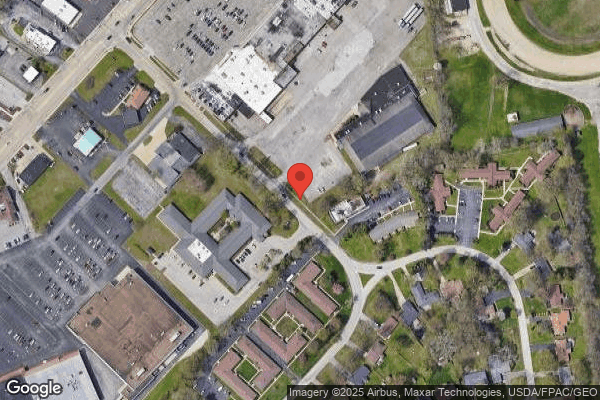

70 NORMANDY DR, PAINESVILLE, OH 44077 (440) 357-1311
For profit - Corporation 78 Beds EMBASSY HEALTHCARE Data: November 2025
Trust Grade
60/100
#255 of 913 in OH
Last Inspection: September 2024

Within standard 12-15 month inspection cycle. Federal law requires annual inspections.

Overview

Embassy of Painesville has a Trust Grade of C+, which means it is decent and slightly above average compared to other facilities. It ranks #255 out of 913 in Ohio, placing it in the top half, and #4 out of 14 in Lake County, indicating only three local options are better. The facility is improving, having reduced issues from 10 in 2023 to 5 in 2024. Staffing is a concern here, with a below-average rating of 2 out of 5 stars and a high turnover rate of 75%, significantly above the state average of 49%. On the positive side, there have been no fines, which is a good sign, and the facility has average RN coverage, meaning residents receive regular nursing care. However, there are some weaknesses to note. Recent inspector findings revealed that the facility failed to complete tuberculosis testing for several staff members before their start dates, which could affect resident safety. Additionally, there were issues with food not being served at safe temperatures, raising concerns about foodborne illness risks. Lastly, some meals were not served hot enough, potentially impacting the dining experience for residents. Families should weigh these strengths and weaknesses when considering this nursing home.

Trust Score
C+
60/100
In Ohio
#255/913
Top 27%
Safety Record
Low Risk
No red flags
Inspections
Getting Better
10 → 5 violations
Staff Stability
⚠ Watch
75% turnover. Very high, 27 points above average. Constant new faces learning your loved one's needs.
Penalties
✓ Good
No fines on record. Clean compliance history, better than most Ohio facilities.
Skilled Nurses
✓ Good
Each resident gets 43 minutes of Registered Nurse (RN) attention daily — more than average for Ohio. RNs are trained to catch health problems early.
Violations
⚠ Watch
32 deficiencies on record. Higher than average. Multiple issues found across inspections.
★★★★☆
4.0
Overall Rating
★★☆☆☆
2.0
Staff Levels
★★★★★
5.0
Care Quality
★★★☆☆
3.0
Inspection Score
Stable
2023: 10 issues
2024: 5 issues

The Good

  • 5-Star Quality Measures · Strong clinical quality outcomes
  • Full Sprinkler Coverage · Fire safety systems throughout facility
  • No fines on record

Facility shows strength in quality measures, fire safety.

The Bad

Staff Turnover: 75%

29pts above Ohio avg (46%)

Frequent staff changes - ask about care continuity

Chain: EMBASSY HEALTHCARE

Part of a multi-facility chain

Ask about local staffing decisions and management

Staff turnover is very high (75%)

27 points above Ohio average of 48%

The Ugly 32 deficiencies on record

Sept 2024 5 deficiencies
CONCERN (D)

Potential for Harm - no one hurt, but risky conditions existed

Pressure Ulcer Prevention (Tag F0686)

Could have caused harm · This affected 1 resident

**NOTE- TERMS IN BRACKETS HAVE BEEN EDITED TO PROTECT CONFIDENTIALITY** Based on observation, interview, and record review, the facility failed to ensure Resident #39 received wound care according to ...

Read full inspector narrative →
**NOTE- TERMS IN BRACKETS HAVE BEEN EDITED TO PROTECT CONFIDENTIALITY** Based on observation, interview, and record review, the facility failed to ensure Resident #39 received wound care according to physician's orders. This affected one resident (#39) of one resident reviewed for pressure ulcers. The facility census was 52. Findings include: Record review of Resident #39 revealed he was admitted to the facility on [DATE] and had diagnoses including diabetes, atrial fibrillation, and end stage renal disease. He was admitted with unstageable pressure ulcers (full thickness tissue loss in which the base of the ulcer is covered by slough (yellow, tan, gray, green or brown) and/or eschar (tan, brown or black) in the wound bed) to both heels as well as two pressure sores to his gluteus. The gluteus pressure sores had since healed, and the heel pressure sores progressed to stage III pressure ulcers (full thickness tissue loss, subcutaneous fat may be visible, but bone, tendon or muscle are not exposed, slough may be present but does not obscure the depth of tissue loss, may include undermining and tunneling). Review of wound assessments revealed the wounds had decreased in size since admission and the most recent assessment on 09/10/24 identified the right heel to measure 1.4 by 1.6 centimeters (cm) with a depth of 0.3 cm, and the left heel measured 1.5 by 2.0 centimeters with a depth of 0.3. Resident #39 had physician's orders dated 08/28/24 to have daily dressing changes to both heels. Review of his September treatment administration record (TAR) revealed the dressings were changed on 09/02/24, 09/03/24, 09/05/24, 09/08/24, and 09/12/24, 09/13/24, 09/14/24, and 09/15/24 with refusals documented on 09/06/24, 09/09/24, 09/10/24, 09/11/24, and 09/16/24. Interview with Resident #39 on 09/17/24 at 9:17 A.M. revealed he did not receive regular wound care, although his wounds have improved since his admission. Observation of a wound care procedure for Resident #39 by Assistant Director of Nursing (ADON) #202 and Wound Physician #901 on 09/17/24 at 11:31 A.M. revealed the pressure sore dressings on both of Resident #39's heels were dated 09/10/24. The dressing change revealed the wounds were stage III pressure sores with no clear evidence of infection. The left heel wound measured 1.4 cm by 1.8 cm with a depth of 0.4 cm, and the right heel wound measured 1.0 cm by 1.7 cm with a depth of 0.2 cm. Interview with ADON #202 on 09/17/24 at 12:09 P.M. confirmed the above observation. She confirmed the previous dressings were the same dressings she applied when doing her weekly wound rounds on 09/10/24.
CONCERN (E)

Potential for Harm - no one hurt, but risky conditions existed

ADL Care (Tag F0677)

Could have caused harm · This affected multiple residents

**NOTE- TERMS IN BRACKETS HAVE BEEN EDITED TO PROTECT CONFIDENTIALITY** Based on record review and interview, the facility failed to ensure showers/bed baths were provided to Residents #18, #23, and #...

Read full inspector narrative →
**NOTE- TERMS IN BRACKETS HAVE BEEN EDITED TO PROTECT CONFIDENTIALITY** Based on record review and interview, the facility failed to ensure showers/bed baths were provided to Residents #18, #23, and #29 as scheduled. This affected three residents (#18, #23, and #29) of five residents reviewed for showers. The facility census was 52. Findings include: 1. Review of the medical record for Resident #18 revealed an admission date of 07/19/24. Diagnoses included fracture of left pubis, dementia, Bell's palsy, chronic pain syndrome, and fracture of the fifth lumbar vertebra. Review of the admission Minimum Data Set (MDS) 3.0 assessment dated [DATE] revealed Resident #18 was cognitively intact. Review of shower/bathing task report for Resident #18 for 30-days revealed the resident received bed baths on 08/23/24, 08/27/24, 09/13/24, and 09/14/24. Review of the shower/bathing sheets for Resident #18 for two months revealed none had been completed, Interview on 09/15/24 at 11:33 A.M. Resident #18 stated she rarely got a bed bath. Staff never mentioned them to her. 2. Review of the medical record for Resident #23 revealed an admission date of 10/05/23. Diagnoses included end stage renal disease, dependence on renal dialysis, diabetes, and acute and chronic respiratory status. Review of the Medicare - 5 Day MDS 3.0 assessment dated [DATE] revealed Resident #23 was cognitively intact. Review of the shower/bathing task report for Resident #23 for 30-days revealed the resident had received a shower or bed bath on 0 8/18/24, 08/22/24, 08/23/24, 08/26/24, 09/14/24, and 09/15/24. Review of the shower/bathing sheets for Resident #23 for two months revealed the resident had a bed bath on 08/01/24, on 08/12/24, and had refused on 08/26/24. Interview on 09/15/24 at 12:51 P.M. Resident #23 stated she didn't get her bed baths when she was supposed to. 3. Review of the medical record for Resident #29 revealed a readmission date of 08/13/24. Diagnoses included fracture of left humerus, fracture of pubis, repeated falls, orthopedic aftercare, and intervertebral disc displacement lumbar region. Review of the Medicare Five-Day MDS 3.0 assessment dated [DATE]revealed Resident #29 was cognitively intact. Review of the shower/bathing task report for Resident #29 for 30-days revealed on 08/23/24 and 08/27/24 the resident refused a shower/bath. The resident received a bed bath on 09/13/24 and 09/14/24. Review of the shower/bathing sheets for Resident #29 for two months revealed on 09/08/24 the form was blank regarding a bath/shower and appeared to be a skin check only and on 09/10/24, the resident refused. Interviews on 09/15/24 at 2:13 P.M. and on 09/17/24 at 5:31 P.M., Resident #29 stated she was not allowed showers at first, but now she was able to have them. She had not received a shower in a while. When one was offered, it was at night, and she preferred to go to bed early. She wanted her showers during the day. Interview on 09/18/24 at 11:33 A.M. with the Director of Nursing (DON) verified those were all the shower sheets available. The documentation in Point Click Care (PCC), the electronic medical record, was lacking. Very few showers/bed baths were documented.
CONCERN (F)

Potential for Harm - no one hurt, but risky conditions existed

Infection Control (Tag F0880)

Could have caused harm · This affected most or all residents

Based on review of personnel files and interview, the facility did not ensure tuberculosis testing was completed on or prior to the date of hire for the Administrator, Director of Nursing (DON), Assis...

Read full inspector narrative →
Based on review of personnel files and interview, the facility did not ensure tuberculosis testing was completed on or prior to the date of hire for the Administrator, Director of Nursing (DON), Assistant Director of Nursing (ADON) #202, Human Resources/Payroll #205, State Tested Nurse Aide (STNA) #212, Licensed Practical Nurse (LPN) #243, and LPN #238. This affected seven of the 12 personnel files reviewed and had the potential to affect all 52 residents residing in the facility. Findings include: Review of the personnel file for the Administrator revealed the date of hire was 07/03/24, and the tuberculosis test was not administered until 07/16/24. Review of the personnel file for the DON revealed the date of hire was 04/23/24, and the tuberculosis test was not administered until 07/16/24. Review of the personnel file for the ADON #202 revealed the date of hire was 06/12/24, and the tuberculosis test was not administered until 07/16/24. Review of the personnel file for Human Resources/Payroll #205 revealed the date of hire was 04/29/24, and the tuberculosis test was not administered until 07/16/24. Review of the personnel file for the STNA #212 revealed the date of hire was 06/10/24, and the tuberculosis test was not administered until 07/17/24. Review of the personnel file for the LPN #238 revealed the date of hire was 06/09/24, and the tuberculosis test was not administered until 07/17/24. Review of the personnel file for the LPN #243 revealed the date of hire was 07/25/24, and the tuberculosis test was not administered until 07/29/24. Interview on 09/18/24 at 12:59 P.M. with the Human Resources #205 verified the above findings.
MINOR (C)

Minor Issue - procedural, no safety impact

Employment Screening (Tag F0606)

Minor procedural issue · This affected most or all residents

Based on review of personnel files and interview, the facility did not ensure pre-employment reference checks were completed for the Administrator, Director of Nursing (DON), Assistant Director of Nur...

Read full inspector narrative →
Based on review of personnel files and interview, the facility did not ensure pre-employment reference checks were completed for the Administrator, Director of Nursing (DON), Assistant Director of Nursing (ADON) #202, Human Resources/Payroll #205, Licensed Practical Nurse (LPN) #248, and LPN #243. This affected six of the 12 personnel files reviewed and had the potential to affect all 52 residents residing in the facility. Findings include: Review of the personnel file for the Administrator, DON, ADON #202, Human Resources/Payroll #205, LPN #248, and LPN #243 did not contain documented evidence reference checks were completed but did contain documentation the abuse registry checks were completed. Interview on 09/18/24 at 1:03 P.M. with Human Resources/Payroll #205 revealed the reference checks for the Administrator, DON, ADON #202, and Human Resources/Payroll #205 were completed by the corporate office and were not included in their personnel files maintained at the facility. It was confirmed the personnel records for LPN #248 and #243 did not contain documented evidence that reference checks were completed. Interview on 09/18/24 at 3:08 P.M. with Human Resources/Payroll #205 revealed the corporate office was contacted and copies of the reference checks requested; however, the corporate office was unable to locate them.
MINOR (C)

Minor Issue - procedural, no safety impact

Deficiency F0730 (Tag F0730)

Minor procedural issue · This affected most or all residents

Based on review of personnel files and interview, the facility did not ensure an annual evaluation was completed for stated tested nurse aide (STNA) #225. This affected one of the 12 personnel files r...

Read full inspector narrative →
Based on review of personnel files and interview, the facility did not ensure an annual evaluation was completed for stated tested nurse aide (STNA) #225. This affected one of the 12 personnel files reviewed and had the potential to affect all 52 residents residing in the facility. Findings include: Review of the personnel file for STNA #225 revealed the most recent annual evaluation for STNA #225 was completed on 05/05/23. Interview on 09/18/24 at 12:54 P.M. with Human Resources/Payroll #205 confirmed the most recent evaluation was dated 05/05/23.
Aug 2023 2 deficiencies
CONCERN (E) 📢 Someone Reported This

A family member, employee, or ombudsman was alarmed enough to file a formal complaint

Potential for Harm - no one hurt, but risky conditions existed

Safe Environment (Tag F0584)

Could have caused harm · This affected multiple residents

Based on observation, interview, record review, and policy review the facility failed to maintain a clean and sanitary environment. This affected nine residents (#9, #10, #15, #20, #21, #23, #27, #32 ...

Read full inspector narrative →
Based on observation, interview, record review, and policy review the facility failed to maintain a clean and sanitary environment. This affected nine residents (#9, #10, #15, #20, #21, #23, #27, #32 and #33) and had the potential to affect all 46 residents residing in the facility. Findings include: Observation on 08/01/23 at 9:10 A.M. revealed a strong odor of urine from the center of the 200-hallway while walking toward the end of the hallway. There were a few black gnats flying within the hallway. Resident #32 was observed in the assigned room with the window partially open, sitting up in a wheelchair and spraying air freshener toward the center of the room. There were several small black gnats flying around the room. Interview at the time of the observation with Resident #32 stated the staff assisted when needed but was able to toilet independently except when urinating in the toilet it also got onto the floor but could not be prevented. Resident #32 indicated housekeeping cleaned no more than every other day because they were shorthanded, and the staff knew about how urine would get onto the floor. Resident #32's bathroom door was opened. There was a pungent odor of ammonia like urine which radiated from the bathroom which caused coughing when first smelled. There were numerous black gnats flying inside the bathroom and crawling around on the sink, toilet, walls, floor, and door. It was necessary to cover the mouth and nose to prevent breathing the gnats in and difficult to enter the bathroom due to the odor causing difficulty with breathing. There was a large puddle on the floor in front of the toilet of yellow liquid which appeared to be urine which had a shallow depth. The edges of the entire puddle were a dark dried brown ring. Along the edges of the floor from the door around the bathroom wall in front of and adjacent to the toilet had dark dried brown areas. Interview at the time of the observation with Resident #32 stated doing the best with it as possible and left the window partially open due to the odor. Interview on 08/01/23 at 9:16 A.M. with the Administrator verified the above observation and stated being aware of Resident #32 urinating on the floor but had never gone into Resident #32's bathroom. The Administrator indicated the facility had a housekeeping problem for the past two months. There were only two housekeepers, and the housekeeping director was off on leave. There was a struggle to staff the department so at times there was only one housekeeper which caused cleaning to not get completed as often as needed. After leaving Resident #32's bathroom, Resident #9's bathroom was observed with dirt and debris on the floor and a cobweb in the bottom corner of the floor in front of the toilet. The Administrator verified the observation. Interview on 08/01/23 at 9:33 A.M. with the Administrator confirmed being aware of the gnats in the building for at least the past two weeks and was working on a transition with pest control. The facility was sold, and the new company had not worked out contract agreements with the new owners so there was a wait to get it completed. The last pest control visit was in May 2023. Interview on 08/01/23 at 9:39 A.M. with Maintenance Director (MD) #351 stated the company transitioned in May 2023 and was aware of the problem with Resident #32's bathroom. MD #351 indicated a deep cleaning was completed not too long ago but was unsure when. MD #351 confirmed the gnats were flying around the facility for at least the past two weeks and had not attempted to do anything about it, assuming pest control would show up. The pest control was contacted but there was a payment issue, so it was unknown what to do in the interim. Interview on 08/01/23 at 9:44 A.M. with Human Resources Director (HRD) #320 verified Resident #32 had a problem with urinating on the floor and indicated the staff tried to clean it up as soon as it happened. Observation of the environment on 08/01/23 at 10:18 A.M. revealed multiple black gnats flying within each of the four resident care hallways, the dining room and at two nurse's stations. Resident #10's floor had dirt and debris and was sticky as there was a sound of adherence while stepping around the room. Resident #20's floor had visible dirt and debris. Resident #15's floor had visible dirt and debris, and the bedside table had dried spills and food debris. Resident #27's bedside table had visible dirt and debris. Interview on 08/01/23 at 10:39 A.M. with State Tested Nursing Assistant (STNA) #305 confirmed there was a urine odor throughout the 200-hall. STNA #305 indicated never going into Resident #32's bathroom because Resident #32 was independent with toileting. STNA #305 verified the problem with gnats had been ongoing since May 2023. The gnats were down every resident hallway and were landing on residents' food. Someone had set out cups of apple cider vinegar before and some would die in the cup, but it was not solving the problem. Observation at the time of the interview revealed one gnat flying around STNA #305. STNA #305 verified housekeepers completed the bare minimum of sweeping and dumping trash, and indicated the floors and bathrooms were not cleaned. Overall, the facility was dirty including bedside tables. Interview on 08/01/23 at 10:57 A.M. with Licensed Practical Nurse (LPN) #304 verified housekeepers did not clean well in resident areas for at least two months or more. The hallways were buffed but not resident floors. Resident #32's room had a pungent odor, and housekeeping could not keep up. LPN #304 indicated not seeing deep cleaning completed. The Administrator was looking for volunteers, but none were present. Residents had complained which were referred to housekeeping. LPN #304 confirmed the gnats were a problem for at least two months and nothing was seen being done about it. The gnats were in rooms, hallways, resident rooms, and were getting on residents' food during meals. Interview on 08/01/23 at 11:12 A.M. with LPN #328 verified odors were down the 200-hall because of Resident #32's room and urinating on the floor. Housekeepers usually cleaned Resident #32's room, but they were not always available, so the nursing staff tried to do it. LPN #328 confirmed the floors and tables were generally dirty despite trying to keep up. Interview on 08/01/23 at 11:38 A.M. with STNA #325 stated when housekeepers were not available for Resident #32's room, the nursing staff would try to help when possible. Resident #32's room was not deep cleaned recently but indicated it should be on at least a weekly basis. STNA #325 indicated the cleaning completed was not enough because at times there was only one housekeeper, especially on the weekends. So, sweeping and trash being emptied was completed but other cleaning was not. STNA #325 confirmed the gnats were a problem for at least two months, but no one was seen coming in to take care of it. The gnats were in the dining room, resident rooms, and getting into residents' food during meals. Observation in the dining room during the lunch meal on 08/01/23 at 12:32 P.M. of Resident #10 revealed a black gnat was flying above the lunch meal. Resident #10 swatted the gnat away from the meal. Interview on 08/01/23 at 12:35 P.M. with Resident #23 stated housekeepers mostly swept the floor and emptied the trash but indicated wiping tables and other needed cleaning was not completed. Observation at the time of the interview revealed a bedside table with dried spills and food debris prior to the lunch meal being served. Interview on 08/01/23 at 12:39 P.M. with Resident #9 stated not liking the urine odor in the air and gnats were a problem. Observation at the time of the interview revealed two black gnats flying around within the room, dried spills and food debris on the bedside table, and a urine odor in the air. Resident #9 complained of gnats getting onto the food during meals. Resident #9 indicated housekeepers mostly swept the floor and emptied the trash, but other cleaning was not done. Interview on 08/01/23 at 12:45 P.M. with Resident #21 stated housekeeping was not good enough because they only swept the floor and emptied the trash. Observation of the floor at the time of the interview revealed dirt and debris. Interview on 08/01/23 at 1:17 P.M. with Housekeeper #302 verified having only one or two housekeepers for at least six months and working alone on the weekends. Only some cleaning was completed, and deep cleaning was not completed as often as scheduled. Resident #32's room needed cleaning daily, but other rooms needed to get done. The gnats were a problem for the last two months but there was nothing housekeeping could do for it. Interview on 08/01/23 at 1:25 P.M. with Housekeeper #338 stated there were only two housekeepers with the director gone on a leave of absence. The floors were scrubbed daily but only the hallways not resident rooms because the machine could not fit into most of the resident rooms. Housekeeper #338 confirmed working alone at times and would go as fast as possible, but some cleaning was skipped, especially wiping surfaces and dusting. Deep cleaning was also not always completed. Resident #32's room needed deep cleaning practically every day but there was not enough staff to do it with a facility of 52 rooms, common areas and a dining room; it was too much. Interview on 08/01/23 at 1:32 P.M. with STNA #314 denied mopping up Resident #32's bathroom despite Resident #32 urinating on the floor but indicated trying to help when possible. STNA #314 verified there was not enough housekeeping to keep up with the overall cleaning since there was only one or two of them. Interview on 08/01/23 at 1:42 P.M. with STNA #341 confirmed trying to help clean Resident #32's bathroom but it was a constant problem. Resident #32 did not always inform staff after urinating. Resident #32 refused to wear incontinence briefs. A bedside commode did not work, urinals were not big enough, and Resident #32 did not comply with using a basin to catch the urine. The window was kept open, and a fan was used sometimes to help with the odor. STNA #341 verified housekeeping was not able to do enough cleaning although being told to do more than just empty the garbage. Interview on 08/01/23 at 1:54 P.M. with the Director of Nursing (DON) verified never being in Resident #32's bathroom but was knowledgeable of the urinating problem. The DON indicated the housekeeping manager had bleached the floors and left a mop and bucket for daily cleaning but could not be certain if it was still being done. Air fresheners were hung in the hallways and the Administrator worked with the housekeeping manager to be more on top of it. The DON stated it was not a nursing problem but a housekeeping problem. Observation on 08/02/23 at 9:29 A.M. of Resident #33 locomoting independently in a wheelchair using the hallway handrail with the right hand to pull self along toward hall 100 near the administrative offices. Standing within the area was Marketing Director #323 and Human Resources Director #320. Resident #33 expressed toward the nearby staff of needing more housekeeping to clean the dust and dirt especially the handrails because they were filthy. The nearby staff did not interact with Resident #33. Interview at the time of the observation with Resident #33 stated the handrails were filthy then ran the right hand over the handrail and displayed the right fingers to show any dirt visible on the right fingers. Review of the housekeeping schedules from 05/28/23 to 07/22/23 revealed one to two housekeepers scheduled daily. There were three days within the timeframe of three scheduled housekeepers. Review of the pest control service reports from 01/31/23 to 05/05/23 revealed monthly pest inspections and treatments were provided monthly. On 05/05/23 there was no pest or rodent activity. There were no services completed after 05/05/23. Review of the QAPI (Quality Assessment and Performance Improvement) form dated 07/19/23 revealed a problem of cleanliness. The root causes were lack of staffing, lack of recruitment, housekeeping supervisor not holding staff accountable, lack of staffing which limited ability to follow deep cleaning schedule, and maintenance director not properly trained. Tasks included to ask other employees to assist with cleaning but there were no volunteers on 07/21/23; set cleaning days in August 2023 with staff invited to attend; housekeeping staff educated on 07/20/23; recruit and hire additional housekeeping staff; recreate deep cleaning schedule to make feasible for housekeeping staff to complete; complete environmental rounds every two weeks; and work with pest control to address no visits since company transition due to a payment issue. Review of the facility policy, Safe and Homelike Environment, revised 10/01/22, revealed the facility would provide a safe, clean, comfortable, and homelike environment; and housekeeping and maintenance services would be provided as necessary to maintain a sanitary, orderly and comfortable environment. This deficiency represents non-compliance investigated under Master Complaint Number OH00144865 and Complaint Number OH00144722.
CONCERN (E) 📢 Someone Reported This

A family member, employee, or ombudsman was alarmed enough to file a formal complaint

Potential for Harm - no one hurt, but risky conditions existed

Deficiency F0925 (Tag F0925)

Could have caused harm · This affected multiple residents

Based on observation, interview, record review, and facility policy review the facility failed to maintain effective pest control. This affected three residents (#9, #10 and #32) and had the potential...

Read full inspector narrative →
Based on observation, interview, record review, and facility policy review the facility failed to maintain effective pest control. This affected three residents (#9, #10 and #32) and had the potential to affect all 46 residents residing in the facility. Findings include: Observation on 08/01/23 at 9:10 A.M. revealed a strong odor of urine from the center of hallway 200 while walking toward the end of the hallway. There were a few black gnats flying within the hallway. Resident #32 was observed in the assigned room with the window partially open, sitting up in a wheelchair and spraying air freshener toward the center of the room. There were several small black gnats flying around the room. Interview at the time of the observation with Resident #32 stated the staff assisted when needed but was able to toilet independently except when urinating in the toilet it also got onto the floor but could not prevent it. Resident #32 indicated housekeeping cleaned no more than every other day because they were shorthanded, and the staff knew about how urine would get onto the floor. Resident #32's bathroom door was opened. There was a pungent odor of ammonia like urine which radiated from the bathroom which caused coughing when first smelled. There were numerous black gnats flying inside the bathroom and crawling around on the sink, toilet, walls, floor, and door. It was necessary to cover the mouth and nose to prevent breathing the gnats in and difficult to enter the bathroom due to the odor causing difficulty with breathing. There was a large puddle on the floor in front of the toilet of yellow liquid which appeared to be urine which had a shallow depth. The edges of the entire puddle were a dark dried brown ring. Along the edges of the floor from the door around the bathroom wall in front of and adjacent to the toilet had dark dried brown areas. Interview at the time of the observation with Resident #32 stated doing the best with it as possible and left the window partially open due to the odor. Interview on 08/01/23 at 9:16 A.M. with Administrator verified the above observation and stated being aware of Resident #32 urinating on the floor but had never gone into Resident #32's bathroom. Administrator indicated the facility had a housekeeping problem for the past two months. There were only two housekeepers, and the housekeeping director was off on a leave. There was a struggle to staff the department so at times there was only one housekeeper which caused cleaning to not get completed as often as needed. Interview on 08/01/23 at 9:33 A.M. with Administrator confirmed being aware of the gnats in the building for at least the past two weeks and was working on a transition with pest control. The facility was sold, and the new company had not worked out contract agreements with the new owners so there was a wait to get it completed. The last pest control visit was in May 2023. Interview on 08/01/23 at 9:39 A.M. with Maintenance Director (MD) #351 stated the company transitioned in May 2023 and was aware of the problem with Resident #32's bathroom. MD #351 indicated a deep cleaning was completed not too long ago but was unsure when. MD #351 confirmed the gnats were flying around the facility for at least the past two weeks and had not attempted to do anything about it, assuming pest control would show up. The pest control was contacted but there was a payment issue, so it was unknown what to do in the interim. Observation of the environment on 08/01/23 at 10:18 A.M. revealed multiple black gnats flying within each of the four resident care hallways, the dining room and at two nurse's stations. Interview on 08/01/23 at 10:39 A.M. with State Tested Nursing Assistant (STNA) #305 verified the problem with gnats had been going on since May 2023. The gnats were down every resident hallway and were landing on residents' food. Someone had set out cups of apple cider vinegar before and some would die in it but it was not solving the problem. Observation at the time of the interview revealed one gnat flying around STNA #305. Interview on 08/01/23 at 10:57 A.M. with Licensed Practical Nurse (LPN) #304 confirmed the gnats were a problem for at least two months and nothing was seen being done about it. The gnats were in rooms, hallways, resident rooms, and were getting on residents' food during meals. Interview on 08/01/23 at 11:38 A.M. with STNA #325 confirmed the gnats were a problem for at least two months but no one was seen coming in to take care of it. The gnats were in the dining room, resident rooms, and getting into residents' food during meals. Observation in the dining room during the lunch meal on 08/01/23 at 12:32 P.M. of Resident #10 revealed a black gnat was flying above the lunch meal. Resident #10 swatted the gnat away from the meal. Interview on 08/01/23 at 12:39 P.M. with Resident #9 stated not liking the urine odor in the air and gnats were a problem. Observation at the time of the interview revealed two black gnats flying around within the room, dried spills and food debris on the bedside table, and a urine odor in the air. Resident #9 complained of gnats getting onto the food during meals. Interview on 08/01/23 at 1:17 P.M. with Housekeeper #302 verified having only one or two housekeepers for at least six months and working alone on the weekends. Only some cleaning was completed, and deep cleaning was not completed as often as scheduled. The gnats were a problem for the last two months but there was nothing housekeeping could do for it. Interview on 08/01/23 at 1:25 P.M. with Housekeeper #338 stated there were only two housekeepers with the director gone on a leave of absence. Housekeeper #338 confirmed working alone at times and would go as fast as possible, but some cleaning was skipped, especially wiping surfaces and dusting. Deep cleaning was also not always completed. Review of the housekeeping schedules from 05/28/23 to 07/22/23 revealed one to two housekeepers scheduled daily. There were three days within the timeframe of three scheduled housekeepers. Review of the pest control service reports from 01/31/23 to 05/05/23 revealed monthly pest inspections and treatments were provided monthly. On 05/05/23 there was no pest or rodent activity. There were no services completed after 05/05/23. Review of the QAPI (Quality Assessment and Performance Improvement) form dated 07/19/23 revealed a problem of cleanliness. The root causes were lack of staffing, lack of recruitment, housekeeping supervisor not holding staff accountable, lack of staffing which limited ability to follow deep cleaning schedule, and maintenance director not properly trained. Tasks included to ask other employees to assist with cleaning but there were no volunteers on 07/21/23; set cleaning days in August 2023 with staff invited to attend; housekeeping staff educated on 07/20/23; recruit and hire additional housekeeping staff; recreate deep cleaning schedule to make feasible for housekeeping staff to complete; complete environmental rounds every two weeks; and work with pest control to address no visits since company transition due to a payment issue. Review of facility policy, Safe and Homelike Environment, revised 10/01/22, revealed the facility would provide a safe, clean, comfortable, and homelike environment; and housekeeping and maintenance services would be provided as necessary to maintain a sanitary, orderly, and comfortable environment. Review of facility policy, Pest Control, revised April 2014, revealed the facility made every attempt to ensure a pest free environment by maintaining an effective pest control program. Inspections were completed on a regular basis by maintenance or housekeeping staff and on a routine basis by the contracted pest control agency. Pest sightings were documented and reviewed each visit by the pest control agency. This deficiency represents non-compliance investigated under Master Complaint Number OH00144865 and Complaint Number OH00144722.
Jun 2023 2 deficiencies
CONCERN (D) 📢 Someone Reported This

A family member, employee, or ombudsman was alarmed enough to file a formal complaint

Potential for Harm - no one hurt, but risky conditions existed

Pressure Ulcer Prevention (Tag F0686)

Could have caused harm · This affected 1 resident

**NOTE- TERMS IN BRACKETS HAVE BEEN EDITED TO PROTECT CONFIDENTIALITY** Based on record review, interview and observation, the facility failed to ensure pressure sore dressing changes were done accord...

Read full inspector narrative →
**NOTE- TERMS IN BRACKETS HAVE BEEN EDITED TO PROTECT CONFIDENTIALITY** Based on record review, interview and observation, the facility failed to ensure pressure sore dressing changes were done according to physician orders. This affected one resident (Resident #6) out of three residents reviewed for pressure sores. The total census was 47. Findings include: Record review of Resident #6 revealed she was admitted [DATE] and had diagnoses including Parkinson's Disease, major depressive disorder, unspecified psychosis, and diabetes. She had an order dated 06/14/23 for her left heel wound to be treated every Monday, Wednesday, and Friday with a saline cleanse, betadine, and foam dressing. The care was documented done as ordered, including on Monday, 06/26/23. Review of her most recent wound assessment on 06/21/23 revealed the wound was a blister acquired 05/17/23 which progressed to an unstageable wound which appeared to be healing and measured 0.5 by 0.5 centimeters with no drainage or odor. Interview with Resident #6 on 06/27/23 at 11:38 A.M. revealed her wound dressing was not changed regularly by staff. Observation of a wound care procedure for Resident #6 on 06/28/23 at 10:38 A.M. by Licensed Practical Nurse (LPN) #203 and Wound Physician #601 revealed the previous dressing on her left heel was dated 06/24/23 (a Saturday), and appeared to be a taped gauze dressing instead of the foam dressing ordered by the physician. The wound measured 0.3 by 0.7 centimeters and had no drainage or odor. Interview was conducted on 06/28/23 at 11:02 A.M. with LPN #203 who verified during the wound observation Resident #6 did not have the correct dressing in place according to physician orders, and the dressing had last been changed on 06/24/23 (a Saturday) which was not according to the physician orders for every Monday, Wednesday and Friday treatments. This deficiency represents noncompliance investigated under OH00143560.
CONCERN (F) 📢 Someone Reported This

A family member, employee, or ombudsman was alarmed enough to file a formal complaint

Potential for Harm - no one hurt, but risky conditions existed

Food Safety (Tag F0812)

Could have caused harm · This affected most or all residents

Based on record review, observation and interview, the facility did not ensure cold food temperatures were being appropriately monitored to prevent risk of food born illness. This had the potential to...

Read full inspector narrative →
Based on record review, observation and interview, the facility did not ensure cold food temperatures were being appropriately monitored to prevent risk of food born illness. This had the potential to affect all 47 residents receiving meals from the kitchen. Findings include: Review of the food committee minutes, dated 05/18/23, revealed a concern that cold foods were not always served cold. Observation on 06/27/23 at 8:06 A.M. revealed a tray full of cups of milk and orange juice was sitting at the 100 hall nursing station. The tray nor milk and orange juice cups were not on ice nor had any other obvious method of being kept cold. Aides took drinks from the tray and put them on meal trays as they entered resident rooms to serve breakfast. This was noted to still be ongoing as of 8:24 A.M. Interview with Nurse Aide #201 following the above observations confirmed drinks were pre-poured and served from an unrefrigerated tray. She said sometimes staff served it that way and sometimes they poured drinks for one resident at a time from pitchers kept in ice. Interview with Resident #17 on 06/27/23 at 2:52 P.M. revealed milk was sometimes not served cold. Interview with Resident #42 on 06/27/23 at 3:04 P.M. revealed cold drinks were often served lukewarm with meals. Interview with Dietary Manager (DM) #302 on 06/28/23 at 7:43 A.M. revealed the facility served drinks including milk by dispensing pitchers held in ice and sent to the units where they were then distributed by nursing aides. DM #302 said he did not have a food temperature thermometer capable of measuring below 50 degrees Fahrenheit (F) to ensure cold foods were kept at 41 degrees or below, as the thermometer he had did not go below 50 degrees F. DM #302 explained he began work at the facility two months ago and during that time did not have a thermometer capable of measuring lower than 50 degrees F, so cold food temperaturs were not being monitored. DM #302 said he had been meaning to order a thermometer that could measure cold food temperatures. This deficiency represents noncompliance investigated under OH00143459.
May 2023 2 deficiencies
CONCERN (D) 📢 Someone Reported This

A family member, employee, or ombudsman was alarmed enough to file a formal complaint

Potential for Harm - no one hurt, but risky conditions existed

Pressure Ulcer Prevention (Tag F0686)

Could have caused harm · This affected 1 resident

Based on observation, interview, record review and policy review, the facility failed to ensure a low air loss mattress was properly inflated to promote healing of a pressure ulcer. This affected one ...

Read full inspector narrative →
Based on observation, interview, record review and policy review, the facility failed to ensure a low air loss mattress was properly inflated to promote healing of a pressure ulcer. This affected one (Resident #5)of three residents reviewed for pressure ulcers. The facility census was 48. Findings include: Review of Resident #5's medical record revealed an admission date of 10/22/21 and a re-entry date of 04/07/22. Resident #5's diagnoses included fracture of shaft of left fibula, need for assistance with personal care, Parkinson's Disease, type two diabetes mellitus with diabetic neuropathy and bipolar disorder. Review of Resident #5's Quarterly Minimum Data Set (MDS) assessment, dated 04/19/23, revealed Resident #5 was cognitively intact. Resident #5 required extensive assistance of one staff member for bed mobility, extensive assistance of two staff members for transfers, and had total dependence of one staff member for toilet use. Resident #5 was always incontinent of bowel. Resident #5 had a pressure ulcer. Review of Resident #5's wound care notes dated 05/10/23 and written by Wound Nurse Practitioner (WNP) #463 revealed Resident #5 had a Stage III sacral pressure ulcer, tissue bed was 75 percent granular and 25 percent slough, and measurements were a length of 1.5 centimeters (cm), width 1.0 cm and depth 0.1 cm. Resident #5 had a left heel stage three pressure ulcer, wound bed was 100 percent granular, and measurements were length of 4.0 cm, width of 2.0 cm, and depth 0.1 cm. During observation on 05/11/23 at 12:32 P.M., Resident #5 was lying at an angle in bed, her right leg hanging off the side of the bed and the head of bed was elevated about 30 degrees. Resident #5 stated her back hurt and she told an unidentified nurse about it a half hour ago. State Tested Nursing Assistant (STNA) #412 was in the room at the time of the observation and confirmed Resident #5 was lying in an awkward position and in pain. STNA #412 lowered the head of her bed until she was administered medication for pain. During observation on 05/11/23 at 1:12 P.M. Resident #5 was lying on a low air loss mattress but the mattress was not turned on and inflated. Resident #5 was resting on the uninflated mattress on a steel bed frame. STNA #412 confirmed the low air loss mattress was not on, stated Resident #5 was recently moved from another room to the current room and the staff must have forgot to turn the mattress back on when they moved her. STNA #412 pressed the power button to turn the mattress on. Nurse #416 walked into the room and stated Resident #5 was recently moved and the staff must have forgotten to turn the mattress back on once the move was complete. STNA #412 stated she did not notice the mattress was not turned on and it was off all day since she arrived at 7:00 A.M. During interview on 05/11/23 at 2:30 P.M., the Director of Nursing (DON) stated she did not know what time Resident #5 was moved from her room but checking the electronic record indicated it was on 05/10/23 at 4:43 P.M. The DON confirmed Resident #5's low air loss mattress was not turned on and functioning appropriately for about 19 hours. During interview on 05/17/23 at 11:06 A.M., Wound Physician (WP) #464 and the Assistant Director of Nursing, Wound Nurse (WN) #430 stated if Resident #5's low air loss mattress was not turned on and inflated it could cause a pressure injury. During observation on 05/17/23 at 11:06 A.M., WP #464 and WN #430 revealed Resident #5 was lying in bed and her heels were resting directly on the low air loss mattress and were not offloaded. Observation of Resident #5's left heel revealed a known pressure injury found when Resident #5 was readmitted to the facility from the hospital and a new area, dark red in color and about the size of a dime. WP #464 stated the new area of the left heel was a blood blister deep tissue pressure injury and length was 1.5 cm, width 3.0 cm and depth unable to be determined. WP #464 stated heels should be offloaded and an offloading boot should be used. Observation revealed an offloading boot was in Resident #5's room and WP #464 placed it on her left foot after treatment was completed. Review of the facility policy titled Pressure Injury Prevention and Management revised 08/22/22 included the facility was committed to the prevention of avoidable pressure injuries, unless clinically unavoidable, and to provide treatment and services to heal pressure ulcer, injury, prevent infection and the development of additional pressure ulcers, injuries. Evidence-based interventions for prevention would be implemented for all residents who were at risk or who had a pressure injury present. Basic or routine care interventions could include, but were not limited to redistribute pressure, provide appropriate, pressure-redistributing support surfaces. Review of Owners Manual for PressureGuard APM2 and PressureGuard APM2 Safety Supreme air therapy support surface undated, included the PressureGuard APM2 models were powered, flotation therapy mattresses providing a pressure management surface for the prevention and treatment of pressure ulcers. The inflation system consists of four urethane air cylinders in standard models that run head to foot underneath the body and the foam topper. These cylinders perform the alternating pressure therapy and the lateral rotation therapy. Cylinders inflate and deflate in a fixed ten minute cycle. The cycles and inflation levels were designed to provide and maintain low interface pressures throughout the mattress, and to redistribute peak interface pressure points during the alternating cycle. Comfort level selection allowed selection of air cylinder firmness within a relatively small range. Press softer or firmer button to achieve desired setting. Begin in the softest setting, then adjust for comfort as desired. This is an incidental deficiency discovered during the course of this complaint investigation.
CONCERN (E) 📢 Someone Reported This

A family member, employee, or ombudsman was alarmed enough to file a formal complaint

Potential for Harm - no one hurt, but risky conditions existed

ADL Care (Tag F0677)

Could have caused harm · This affected multiple residents

**NOTE- TERMS IN BRACKETS HAVE BEEN EDITED TO PROTECT CONFIDENTIALITY** Based on observation, interview, record review and policy review, the facility failed to ensure residents were assisted with act...

Read full inspector narrative →
**NOTE- TERMS IN BRACKETS HAVE BEEN EDITED TO PROTECT CONFIDENTIALITY** Based on observation, interview, record review and policy review, the facility failed to ensure residents were assisted with activities of daily living including bathing and transfers. This affected three (Residents #5, #18 and #34) of four residents reviewed for activities of daily living. The census was 48. Findings include: 1. Review of Resident #18's medical record revealed an admission date of 04/21/23 and diagnoses included fracture of right foot, chronic constrictive pericarditis, and muscle wasting and atrophy, multiple sites. Review of Resident #18's admission Minimum Data Set (MDS) assessment dated [DATE] revealed Resident #18 was cognitively intact. Resident #18 required extensive assistance of one staff member for bed mobility, was total dependence of two staff members for transfers and toilet use. Resident #18 was always incontinent of urine and bowel. Review of Resident #18's care plans dated 04/25/23 did not reveal a care plan for activities of daily living. Review of the facility shower schedule, undated, revealed Resident #18 was scheduled to receive showers Tuesday and Friday evenings. Review of Resident #18's shower sheets dated 05/01/23 through 05/14/23 revealed Resident #18 had a bed bath on 05/09/23. There was no further documentation Resident #18 had bathing completed. Review of Resident #18's physician orders dated 04/26/23 revealed non weight bearing right foot, and must keep fracture boot on every shift for orthopedic care. Review of Resident #18's physician orders dated 05/04/23 revealed Resident #18 required one person assist with use of slide board for functional transfers. During observation on 05/15/23 at 3:51 P.M., Resident #18 was sitting in a wheelchair in her room and was wearing a fracture boot on her right foot. Resident #18's hair was greasy on top and along the sides of her face. During interview on 05/15/23 at 3:51 P.M. Resident #18 stated she did not get bed baths twice a week like she was supposed to. Resident #18 stated she did not take showers right now because she fractured her foot and had to wear a fracture boot. Resident #18 stated the last time her hair was washed was about ten days ago, and she wished it was more often. Resident #18 indicated she asked STNA #451 at 2:45 P.M. to assist her into bed before she left at 3:00 P.M. Resident #18 stated STNA #451 told her someone would be in to help or she would come back before she left. Resident #18 stated STNA #451 did not come back to assist her before she left the facility and neither did any other STNA's. Resident #18 stated she needed to lay down, had been waiting for over an hour, and she asked STNA #451 to help her before she left because after 3:00 P.M. 2. Review of Resident #5's medical record revealed an admission date of 10/22/21 and a re-entry date of 04/07/22. Resident #5's diagnoses included fracture of shaft of left fibula, need for assistance with personal care, Parkinson's Disease, type two diabetes mellitus with diabetic neuropathy and bipolar disorder. Review of Resident #5's Quarterly MDS assessment, dated 04/19/23, revealed Resident #5 was cognitively intact. Resident #5 required extensive assistance of one staff member for bed mobility, extensive assistance of two staff members for transfers, and had total dependence of one staff member for toilet use. Resident #5 was always incontinent of bowel. Resident #5 had a pressure ulcer. Review of Resident #5's care plan revised 03/29/23 included Resident #5 had an activities of daily living self-care performance deficit and assist with activities of daily living (for example, dressing, grooming, personal hygiene, locomotion, oral care, etcetera) as needed. Review of Resident #5's shower schedule undated revealed Resident #5 was scheduled to have showers during the day on Wednesday and Saturday. Review of Resident #5's shower sheets dated 05/01/23 through 05/14/23 revealed one shower sheet was filled out for 05/13/23 and did not specify if Resident #5 had a shower, bed bath, or refused. During interview on 05/15/23 at 2:05 P.M., Resident #5 could not remember the last time she had a shower or bed bath. 3. Review of Resident #34's medical record revealed an admission date of 12/16/21 and diagnoses included dementia, heart failure, and need for assistance with personal care. Review of Resident #34's quarterly MDS assessment, dated 04/06/23, revealed a Brief Interview for Mental Status was not completed as Resident #34 was rarely or never understood. Resident #34 required extensive assistance of one staff member for personal hygiene. Resident #34 was total dependence and a one person physical assist for bathing. Review of Resident #34's care plan revised 04/11/23 included Resident #34 needed assistance for activities of daily living and would be clean, odor-free and appropriately dressed on a daily basis. Interventions included staff would assist as needed with daily hygiene and would assist with showering Resident #34 as per facility policy weekly. Review of Resident #34's shower schedule undated revealed Resident #34 was scheduled for showers on day shift on Wednesday and Sundays. Review of Resident #34's State Tested Nursing Assistant (STNA) electronic medical record charting from 04/14/23 through 05/14/23 revealed on 05/10/23 documentation revealed Resident #34 received a shower. There was no further documentation Resident #34 received additional showers or bed baths. Review of shower sheets from 05/01/23 through 05/14/23 did not reveal any shower sheets for Resident #34. During observation on 05/15/23 at 7:53 A.M., Resident #34's hair was greasy. During interview on 05/15/23 at 2:37 P.M., STNA #409 confirmed Resident #34's hair looked greasy. STNA #409 stated Resident #34 had an appointment at the hair salon and the greasy look could be the product used on her hair, but the stylist washed Resident #34's hair only if she was specifically requested to. STNA #409 stated she did not shower Resident #34 or wash her hair recently, and did not always have Resident #34 assigned to her. Review of the facility policy titled Resident Care revised June 2018, included typical personal hygiene for a resident would include care of the skin to include routine and as needed bathing, foot care, shampoo and grooming of the hair per resident preference. Residents would be bathed or assisted to shower or bathe routinely and as needed per their preference with foot care given per order, need. This deficiency represents non-compliance investigated under Complaint Number OH00141719.
Mar 2023 1 deficiency
CONCERN (D) 📢 Someone Reported This

A family member, employee, or ombudsman was alarmed enough to file a formal complaint

Potential for Harm - no one hurt, but risky conditions existed

Medical Records (Tag F0842)

Could have caused harm · This affected 1 resident

**NOTE- TERMS IN BRACKETS HAVE BEEN EDITED TO PROTECT CONFIDENTIALITY** Based on record review and interview the facility failed to ensure there was documented evidence intravenous antibiotics were ad...

Read full inspector narrative →
**NOTE- TERMS IN BRACKETS HAVE BEEN EDITED TO PROTECT CONFIDENTIALITY** Based on record review and interview the facility failed to ensure there was documented evidence intravenous antibiotics were administered per physician orders. This affected one resident (#8) of three residents reviewed for intravenous antibiotics. The facility census was 50. Findings include: Review of the medical record for Resident #8 revealed an admission date of 02/27/23 with diagnoses including a fracture of the lower left radius and cellulitis. Review of the Medicare -5 Day Minimum Data Set (MDS) 3.0 assessment dated [DATE] revealed Resident #8 had intact cognition. Resident #8 required supervision for bed mobility, transfers, walking, locomotion, dressing, toilet use, and personal hygiene. Review of the physician orders for March 2023 revealed Resident #8 had an order for Cefazolin Sodium Injection Solution Reconstituted 2 gram (antibiotic) intravenously every eight hours for wound care starting 02/28/23. Review of medication administration records (MAR) for March 2023 revealed no documented evidence Resident #8 received Cefazolin Sodium Injection Solution Reconstituted 2 gram intravenously on 03/01/23 at 10:00 P.M., 03/02/23 at 6:00 A.M., 03/03/23 at 6:00 A.M., 03/04/23 at 6:00 A.M., 03/06/23 at 6:00 A.M. 03/07/23 at 6:00 A.M., 03/08/23 at 10:00 P.M., 03/09/23 at 6:00 A.M., 03/12/23 at 6:00 A.M., 03/21/23 at 6:00 A.M. and 2:00 P.M. (There were 11 instances from 03/01/23 through 03/21/23 where the medication was not documented as administered as ordered by the physician). Review of the nursing progress notes dated 03/01/23 through 03/22/23 revealed no information related to the resident not receiving Cefazolin as ordered. Interview on 03/22/23 at 10:27 A.M. with Resident #8 revealed he received his intravenous antibiotics as ordered by the physician. Interview on 03/22/23 at 3:50 P.M. with the Administrator verified there was no documented evidence Resident #8 received the intravenous antibiotic for the dates noted. Interim Director of Nursing (DON) #208 was also unable to account for the missing documentation. This deficiency represents non-compliance investigated under Complaint Number OH00140941.
Jan 2023 3 deficiencies
CONCERN (F) 📢 Someone Reported This

A family member, employee, or ombudsman was alarmed enough to file a formal complaint

Potential for Harm - no one hurt, but risky conditions existed

Deficiency F0804 (Tag F0804)

Could have caused harm · This affected most or all residents

Based on observation and interview, the facility failed to serve palatably hot food. This had the potential to affect all residents residing in the facility who receive meals. The facility identified ...

Read full inspector narrative →
Based on observation and interview, the facility failed to serve palatably hot food. This had the potential to affect all residents residing in the facility who receive meals. The facility identified two residents (#32 and #52) with physician's orders for nothing by mouth (NPO). The facility census was 58. Findings include: Observation on 01/04/23 from 1:41 P.M. to 1:53 P.M. revealed the trays for the 200-hall left the kitchen at 1:41 P.M. Staff began passing the trays at 1:43 P.M. All the trays on the unit were passed by 1:53 P.M. Observation on 01/04/23 at 1:53 P.M. revealed the chicken in mustard sauce was 123 degrees Fahrenheit (F), the mashed potatoes were 126 degrees F, and the succotash was 110 degrees F. The temperatures were taken by Dietary Manager (DM) #310 who verified the temperature of the food was not adequately hot. This deficiency represents non-compliance investigated under Complaint Number OH00138584.
CONCERN (F) 📢 Someone Reported This

A family member, employee, or ombudsman was alarmed enough to file a formal complaint

Potential for Harm - no one hurt, but risky conditions existed

Deficiency F0809 (Tag F0809)

Could have caused harm · This affected most or all residents

Based on observation, interview and record review, the facility failed to serve meals in a timely manner. This had the potential to affect all residents residing in the facility who receive meals. The...

Read full inspector narrative →
Based on observation, interview and record review, the facility failed to serve meals in a timely manner. This had the potential to affect all residents residing in the facility who receive meals. The facility identified two residents (#32 and #52) who received nothing by mouth (NPO). The facility census was 58. Findings include: Review of the Daily Happening for Wednesday 01/04/23 revealed mealtimes were scheduled: 7:30 A.M. to 8:30 A.M. for Breakfast, 12:30 P.M. to 1:30 P.M. for Lunch, and 5:40 P.M. to 6:30 P.M. for dinner. The activities department passed a copy of the Daily Happenings newsletter to all residents each morning. Interviews on 01/04/23 from 9:15 A.M. to 3:31 P.M. and on 01/05/23 from 9:10 A.M. to 9:34 A.M. with six alert and oriented residents (#18, #20, #30, #35, #39, and #44) revealed the food was rarely served on time and was sometimes extremely late. Observation on 01/04/23 at 12:25 P.M. revealed tray line started at 12:47 P.M., not at 12:30 P.M. as scheduled. Observation on 01/04/23 at 1:27 P.M. revealed the lunch trays for the 300-unit arrived. All lunch trays were passed on the unit by 1:40 P.M. which was past the posted times. Observation on 01/04/23 at 1:43 P.M. revealed the 200-unit trays arrived. All trays were passed on the unit by 1:53 P.M. which was past the posted times. Interview on 01/04/23 at 1:45 P.M. with Dietary Manager (DM) #310 revealed meal service ran late. This deficiency represents non-compliance investigated under Complaint Number OH00138584.
CONCERN (F) 📢 Someone Reported This

A family member, employee, or ombudsman was alarmed enough to file a formal complaint

Potential for Harm - no one hurt, but risky conditions existed

Food Safety (Tag F0812)

Could have caused harm · This affected most or all residents

Based on observation, interview, and policy review the facility failed to maintain a clean and sanitary kitchen area. This had the potential to affect all residents residing in the facility who receiv...

Read full inspector narrative →
Based on observation, interview, and policy review the facility failed to maintain a clean and sanitary kitchen area. This had the potential to affect all residents residing in the facility who receive meals. The facility identified two residents (#32 and #52) with physician's orders for nothing by mouth (NPO). The facility census was 58. Findings include: Observation on 01/04/23 beginning at 9:40 A.M. revealed the kitchen floor had accumulated grime in addition to food spills from breakfast. In the walk-in refrigerator there was uncooked bacon and pork sausage stored on the second shelf instead of the bottom shelf even though there was a sign as to where items were to be placed. The floors in the walk-in refrigerator were dirty and there were splashes on the walls behind the storage racks. The refrigerator and freezer temperature logs were not completed. There was no thermometer in the refrigerator. These findings were verified by the Dietary Manager (DM) #368 who was from another facility to assist. The reach-in refrigerator had drips down the outside and inside the bottom was dirty with beverage spills and crumbs of dried food. The oven had a dirty front panel, dirty handles, and the top was dusty/greasy. The stove top had burnt on food, food crumbs, and food spills. The burners had not been wiped out recently and had accumulated burnt-on food. The steam table wells were covered with lids that were greasy. These findings were verified by Facility DM #310 at the time of the observation. Observation on 01/04/23 at 12:41 P.M. revealed the steamtable had food spills from previous meals and new food pans were in place. This was verified by [NAME] #363. Review of the undated facility policy titled Sanitary Conditions revealed all foods would be appropriately stored. Foods would be stored off floors, covered, labeled, and dated. The policy revealed all equipment would be maintained in clean and sanitary fashion. This deficiency represents non-compliance investigated under Complaint Number OH00138584.
Nov 2022 11 deficiencies
CONCERN (D)

Potential for Harm - no one hurt, but risky conditions existed

Notification of Changes (Tag F0580)

Could have caused harm · This affected 1 resident

Based on medical record review, staff interviews, and facility policy review, the facility failed to notify Resident #50's physician and resident representative of significant weight changes. This aff...

Read full inspector narrative →
Based on medical record review, staff interviews, and facility policy review, the facility failed to notify Resident #50's physician and resident representative of significant weight changes. This affected one (Resident #50) of three residents who were reviewed for nutrition. The facility census was 55. Findings include: Review of medical record for Resident #50 revealed an admission date of 12/08/18 with diagnoses including myelodysplastic syndrome (disorder caused by blood cells that are poorly formed or do not work properly), unspecified psychosis, major depressive disorder, anxiety disorder, and schizophreniform disorder (a mental disorder diagnosed when symptoms of schizophrenia are present for a significant portion of time). Minimum Data Set (MDS) 3.0 annual assessment, dated 10/03/22, revealed moderately impaired cognition; independent with no staff assistance for set-up for bed mobility, transfers, walk in room and corridor, locomotion, dressing, toilet use, and personal hygiene; and supervision with staff assistance for set-up for eating. Review of Resident #50's physician orders revealed a 10/24/22 diet order of regular diet, regular texture, regular thin consistency liquids with small portions; Boost pudding (supplement) two times a day; Boost Breeze (supplement) three times a day; frozen nutrition treat (supplement) daily in the evening; and Mirtazapine one tablet 7.5 milligrams (mg) by mouth at bedtime for appetite stimulant. Review of Resident #50 weights revealed weights of 108.6 pounds on 04/01/22, 104.6 pounds on 05/06/22, 105.9 pounds on 06/06/22, 94.6 pounds on 07/14/22, 93.6 pounds on 07/20/22, 93.0 pounds 08/05/22, 84.6 pounds on 09/05/22, 84.0 pounds on 09/22/22, 86.2 pounds on 09/29/22, 87.8 pounds on 10/06/22, 84.0 pounds on 10/11/22, and 86.8 pounds on 10/13/22. Resident #50 experienced a significant weight loss of 11.3 pounds, 10.6 percent (%), from 06/06/22 to 07/14/22 and a significant weight loss of 8.4 pounds, 9%, from 08/05/22 to 09/5/22. Review of the 08/28/22 dietary progress notes for Resident #50 revealed the resident had shown a significant weight loss with the resident consuming 25-50% of most meals documented and Frozen nutrition treat, Boost Pudding, and Boost Breeze supplementation were in place to promote weight maintenance/gain. Fair-good intake of supplement per Medication Administration Record (MAR). Resident ordered Mirtazapine, which could help stimulate appetite. There was no documented evidence the physician or the resident representative was notified of the significant weight loss. Interview with Dietitian #53 on 10/27/22 at 12:38 P.M. confirmed Resident #50 had a significant weight loss from 06/06/22 to 07/14/22 of 10.6% and another significant weight loss of 9% from 08/05/22 to 09/05/22. He stated, if the resident representative or physician were notified, it should be documented in the medical record. He confirmed there was no documented evidence in Resident #50's medical record the resident representative or physician were notified of the significant weight losses from 06/06/22 to 07/14/22 and 08/05/22 to 09/05/22. He stated he had only been working at this facility since September 2022. Review of care plan dated 03/09/21 revealed Resident #50 was at risk for alteration in nutrition related to being underweight, having had significant weight loss, and having inadequate oral intakes. Goal was to maintain or gain weight until the 106 pounds to 116 pounds range was reached. Interventions included obtain resident's weight per protocol and report to the dietitian, physician, and family of unplanned and undesirable weight changes. Review of progress notes for Resident #50 from 06/01/22 to 10/27/22 revealed there was no documented evidence the resident representative or the physician were notified of the significant weight losses of 10.6% from 06/06/22 to 07/14/22 and of 9% from 08/05/22 to 09/05/22. Interview on 10/31/22 at 12:40 P.M. with Licensed Practical Nurse (LPN) #16 stated the facility should notify the doctor and resident representative of any resident significant change, and an example of a significant change would be a significant weight loss. Review of the facility document titled Interdisciplinary Team Care Conference Summary, dated 09/14/22, revealed Resident #50 currently weighed 85 pounds and 95 pounds in July 2022. Resident #50's guardian did not attend, and the facility had left a voice mail message with no indication of what was left on the voicemail. There was no documented evidence Resident #50's resident representative or doctor were notified of the weight loss. Interview with the Administrator on 10/31/22 at 12:15 P.M. confirmed there was no way of knowing if the guardian was notified of the weight loss from the care conference summary, and there was no documented evidence the doctor was notified from looking at the care conference summary sheet. Review of the undated facility policy title Notification of Changes revealed the facility must inform the resident, consult with the resident's physician and/or notify the resident's family member or legal representative when there is a change requiring such notification. Circumstances required notification included significant change in the resident's physical condition. Review of the facility policy titled Charting and Documentation, with a revised date of July 2017, revealed changes in a resident's condition shall be documented in the resident medical record which was to include the notification of family and physician if indicated. This is a recite to the complaint survey dated 10/06/22.
CONCERN (D)

Potential for Harm - no one hurt, but risky conditions existed

Assessment Accuracy (Tag F0641)

Could have caused harm · This affected 1 resident

**NOTE- TERMS IN BRACKETS HAVE BEEN EDITED TO PROTECT CONFIDENTIALITY** Based on medical record reviews, interviews, and the Center of Medicaid and Medicare Services Resident Assessment Instrument ver...

Read full inspector narrative →
**NOTE- TERMS IN BRACKETS HAVE BEEN EDITED TO PROTECT CONFIDENTIALITY** Based on medical record reviews, interviews, and the Center of Medicaid and Medicare Services Resident Assessment Instrument version 3.0 manual, the facility failed to accurately code the Minimum Data Set (MDS) for Resident's #50 and #33. This affected two (Resident's #50 and #33) of twenty-three residents reviewed for MDS accuracy. The facility census was 55 residents. Findings include: 1. Review of medical record for Resident #50 revealed an admission date of 12/08/18 with diagnoses including myelodysplastic syndrome (disorder caused by blood cells that are poorly formed or do not work properly), unspecified psychosis, major depressive disorder, anxiety disorder, and schizophreniform disorder (a mental disorder diagnosed when symptoms of schizophrenia are present for a significant portion of time). The MDS 3.0 annual assessment dated [DATE] revealed moderately impaired cognition; independent with no staff assistance for set-up for bed mobility, transfers, walk in room and corridor, locomotion, dressing, toilet use, and personal hygiene; supervision with staff assistance for set-up for eating; no significant weight changes; and no therapeutic diet. Review of Resident #50's physician orders revealed a 10/24/22 diet order of regular diet, regular texture, regular thin consistency liquids with small portions and supplement orders for Boost pudding two times a day; Boost Breeze three times a day; and frozen nutrition treat daily in the evening. Review of Resident #50's medication administration record (MAR) from July 2022 to October 2022 revealed supplements were substantially given as ordered. Review of Resident #50 weights revealed weights of 108.6 pounds on 04/01/22, 104.6 pounds on 05/06/22, 105.9 pounds on 06/06/22, 94.6 pounds on 07/14/22, 93.6 pounds on 07/20/22, 93.0 pounds 08/05/22, 84.6 pounds on 09/05/22, 84.0 pounds on 09/22/22, 86.2 pounds on 09/29/22, 87.8 pounds on 10/06/22, 84.0 pounds on 10/11/22, and 86.8 pounds on 10/13/22. Resident #50 experienced a significant weight loss of 11.3 pounds, 10.6 percent (%), from 06/06/22 to 07/14/22 and a significant weight loss of 8.4 pounds, 9%, from 08/05/22 to 09/5/22. Review of the 08/28/22 dietary progress note for revealed Resident #50 had shown a significant weight loss with resident consuming 25-50% of most meals documented and Frozen nutrition treat, Boost Pudding, and Boost Breeze supplementation were in place to promote weight maintenance/gain. Fair-good intake of supplement per Medication Administration Record (MAR). Resident #50 was ordered Mirtazapine, which could help stimulate appetite. Interview with Dietitian #53 on 10/27/22 at 12:38 P.M. confirmed Resident #50 had a significant weight loss from 06/06/22 to 07/14/22 of 10.6% and another significant weight loss of 9% from 08/05/22 to 09/05/22 and for the MDS dated [DATE], confirmed both unplanned significant weight loss and therapeutic diet should have been coded on the 10/03/22 annual MDS 3.0 assessment. Review of care plan dated 03/09/21 revealed Resident #50 was at risk for alteration in nutrition related to being underweight, having had significant weight loss, and having inadequate oral intakes. The goal was to maintain or gain weight until the 106 pounds to 116 pounds range was reached. Interventions included provide meals based on resident food preferences and provide nutritional supplements as ordered. Review of the Center for Medicare and Medicaid Services Resident Assessment Instrument version 3.0 manual, dated October 2019, revealed supplements are coded as a therapeutic diet when they are being administered to manage problematic health conditions, such as malnutrition. If the resident's weight in the observation period compared to a point closest to thirty days preceding the current weight showed a five percent or greater weight loss and the weight loss was not planned, it should be coded as an unplanned significant weight loss. 2. Review of medical record for Resident #33 revealed an admission date of 10/05/20 with diagnoses including Parkinson's disease, unspecified protein calorie malnutrition, schizoaffective disorder, major depressive disorder, and chronic obstructive pulmonary disease (lung disease). The MDS 3.0 quarterly assessment, dated 09/08/22, indicated Resident #33 was not cognitively intact; required total dependence of two staff for bed mobility, transfers, and toilet use; required total dependence of one staff for locomotion, dressing, personal hygiene, and bathing; required extensive assistance of one staff member for eating; was always incontinent of bowel and bladder; was on a mechanically altered diet; and was not on a therapeutic diet. Review of Resident #33's physician orders revealed a diet order of puree with nectar thick liquids and supplement orders for house commercial shake four ounce with meals, house supplement 2.0 in the afternoon, Boost pudding at bedtime, and frozen nutrition treat with meals. Interview on 10/26/22 at 3:38 P.M. with Licensed Practical Nurse (LPN) #16 revealed Resident #33 consumed 25-50 percent (%) of her meals and supplements. Review of the care plan dated 01/06/21 revealed Resident #33 was at risk for altered nutritional status related to protein calorie malnutrition, mechanically altered diet, significant changes, and need for a supplement with a goal of not having any significant weight loss. Interventions included provide meals and nutritional supplements as ordered. Interview on 10/27/21 at 12:38 P.M. with Dietitian #53 confirmed a therapeutic diet should have been marked on the MDS 3.0 quarterly assessment dated [DATE] for Resident #33. Review of the Center for Medicare and Medicaid Services Resident Assessment Instrument version 3.0 manual, dated October 2019, revealed supplements are coded as a therapeutic diet when they are being administered to manage problematic health conditions, such as malnutrition.
CONCERN (D)

Potential for Harm - no one hurt, but risky conditions existed

Quality of Care (Tag F0684)

Could have caused harm · This affected 1 resident

**NOTE- TERMS IN BRACKETS HAVE BEEN EDITED TO PROTECT CONFIDENTIALITY** 3. Review of Resident #52 medical record revealed an admission date of 09/27/22 with diagnoses including unspecified heart failu...

Read full inspector narrative →
**NOTE- TERMS IN BRACKETS HAVE BEEN EDITED TO PROTECT CONFIDENTIALITY** 3. Review of Resident #52 medical record revealed an admission date of 09/27/22 with diagnoses including unspecified heart failure, respiratory failure with hypoxia, chronic obstructive pulmonary disease (COPD), and anxiety disorder. admission Minimum Data Set (MDS) 3.0 assessment dated [DATE] revealed Resident #52 was independent with staff set-up for bed mobility, transfers, walk in room and corridor, locomotion, dressing, toileting, personal hygiene, and bathing; supervision with staff set up for eating; always continent of bowel and bladder; and received oxygen while a resident. Observation of Resident #52's room on 10/26/22 at 8:01 A.M. revealed a portable oxygen unit with tubing attached in the room. Interview on 10/26/22 at 3:38 P.M. with Licensed Practical Nurse (LPN) #16 stated Resident #52 was on oxygen as needed. She stated the other day, Resident #52 was short of breath during the day and required oxygen for a half an hour. Review of the hospital discharge paperwork dated 09/27/22 for Resident #52 revealed no orders for oxygen. Review of the current physician orders revealed there was no order for oxygen. Review of the care plan dated 10/15/22 revealed Resident #52 had a potential for complications related to COPD and respiratory failure with a goal of will be free of signs and symptoms of respiratory distress. Interventions included give oxygen as ordered by the physician. Review of the respiratory progress note dated 10/05/22 revealed a pulmonary assessment was done due to COPD and respiratory failure, and Resident #52 was on three liters of oxygen at night and two liters of oxygen during the day. Review of the respiratory progress note dated 10/24/22 revealed Resident #52 was on four liters of oxygen. Resident #52 stated when she left her room without oxygen, she had to hurry back when she got winded. Resident #52 was advised to wear her oxygen. Interview with the DON on 10/27/22 at 3:25 P.M. confirmed Resident #52 did not have oxygen ordered upon discharge from hospital and had no order for oxygen until a new order was written on 10/27/22 for oxygen two to four liters as needed to maintain oxygen saturation levels greater than 90 percent (%). This is a recite to the complaint survey dated 10/06/22. Based on record review, interview, and facility policy review the facility failed to ensure Resident #2 had physician's orders for a morphine pump, Resident #47 had physician's order for dialysis treatments, and Resident #52 had physician's order for oxygen treatments. This affected three (Resident's #2, #47, and #52) of 15 residents reviewed for physician's orders. The facility census was 55. Findings include: 1. Review of the medical record for Resident #2 revealed admission date of 06/21/22. Diagnoses included dementia with agitation, anxiety disorder, muscle weakness, and diabetes mellitus. Review of physician order dated 06/28/22 revealed to monitor pain level at each shift and physicians order dated 10/25/22 revealed Resident #2 had appointment on 11/01/22 for morphine pump refill. Review of current physician's orders for 10/31/22 revealed no order for use of morphine pump. Review of progress notes from June 2022 to October 2022 revealed no documented evidence of a physician's order for use of morphine pump. Review of current care plan for October 2022 revealed Resident #2 was at risk for alteration in comfort. The care plan had no indication of use of morphine pump. Interview on 10/31/22 at 11:27 A.M. with the Director of Nursing (DON) verified there was no order or care plan for Resident #2's morphine pump. Review of the facility policy Charting and Documentation, dated July 2017, revealed all services provided to the resident shall be documented in the resident's medical record. Documentation should include medications administered and treatments performed. 2. Review of the medical record revealed Resident #47 was admitted to the facility on [DATE] with diagnoses including end stage renal disease dependent on dialysis, high blood pressure, diabetes, depression, and anxiety. Review of the physician's orders for Resident #47 revealed no order for dialysis. Review of the care plans for Resident #47 revealed he attended dialysis on Mondays, Wednesdays, and Fridays at 5:30 A.M. Interview with Resident #47 on 10/26/22 at 3:24 P.M. revealed he went to dialysis on Mondays, Wednesdays, and Fridays. Interview with the DON on 10/27/22 at 12:07 P.M. revealed Resident #47 attended dialysis every Monday, Wednesday, and Friday. The DON said she did not know why there was no physician's order for dialysis and confirmed there was no order after reviewing the resident's chart. Review of the facility's Dialysis Care policy, last revised January 2016, revealed the medical record will reflect the physician's specific orders for each individual resident needs for dialysis.
CONCERN (D)

Potential for Harm - no one hurt, but risky conditions existed

Accident Prevention (Tag F0689)

Could have caused harm · This affected 1 resident

**NOTE- TERMS IN BRACKETS HAVE BEEN EDITED TO PROTECT CONFIDENTIALITY** Based on record review, observations, staff interviews, and facility policy review, the facility failed to ensure fall intervent...

Read full inspector narrative →
**NOTE- TERMS IN BRACKETS HAVE BEEN EDITED TO PROTECT CONFIDENTIALITY** Based on record review, observations, staff interviews, and facility policy review, the facility failed to ensure fall interventions were in place as care planned for Resident #33. This affected one (Resident #33) of five residents reviewed for falls. The facility census was 55. Findings include: Review of the medical record for Resident #33 revealed an admission date of 10/05/20 with diagnoses including Parkinson's disease, unspecified protein calorie malnutrition, schizoaffective disorder, major depressive disorder, and chronic obstructive pulmonary disease (COPD). The Minimum Data Set (MDS) 3.0 quarterly assessment dated [DATE] indicated Resident #33 was not cognitively intact; required total dependence of two staff for bed mobility, transfers, and toilet use; required total dependence of one staff for locomotion, dressing, personal hygiene, and bathing; required extensive assistance of one staff member for eating; and was always incontinent of bowel and bladder. Review of Resident #33's fall assessment dated [DATE] in the medical record revealed Resident #33 was at high risk for a fall and had no falls in the last three months. Review of Resident #33's care plan in the medical record dated 01/06/21 revealed Resident #33 was at risk for fall due to bowel and bladder incontinence, impaired cognition with decreased safety awareness, needed assistance with activity of daily living (ADL) with a goal to minimize risks for fall and to minimize injuries related to falls. Interventions included mat next to bed when occupied. Observation on 10/24/22 at 12:25 P.M., 10/25/22 at 7:54 A.M., 10/25/22 at 3:40 P.M., and at 10/27/22 at 8:42 A.M. revealed Resident #33 was in bed and the mat was at the end of the bed laying on the floor between the foot board and the wall. Interview on 10/25/22 at 8:45 A.M. with State Tested Nursing Assistant (STNA) #47 confirmed the mat was not next to the bed as it should be while Resident #33 was in the bed and moved the mat next to the bed. Interview on 10/26/22 at 3:38 P.M. with Licensed Practical Nurse (LPN) #16 confirmed Resident #33 was at risk for falls and should have a mat next to her bed when Resident #33 was in the bed. Interview on 10/27/22 at 8:48 A.M. with STNA #2 verified Resident #33's mat was at the end of the bed between the foot board and the wall. Review of the facility policy titled Fall Prevention Program, dated 08/01/22, revealed each resident will be assessed for fall risk and will receive care and services in accordance with their individualized level of risk to minimize the likelihood of falls, which included providing interventions as directed by the resident's assessment.
CONCERN (D)

Potential for Harm - no one hurt, but risky conditions existed

Deficiency F0698 (Tag F0698)

Could have caused harm · This affected 1 resident

**NOTE- TERMS IN BRACKETS HAVE BEEN EDITED TO PROTECT CONFIDENTIALITY** Based on interview, record review, and policy review, the facility failed to ensure communication was received from the dialysis...

Read full inspector narrative →
**NOTE- TERMS IN BRACKETS HAVE BEEN EDITED TO PROTECT CONFIDENTIALITY** Based on interview, record review, and policy review, the facility failed to ensure communication was received from the dialysis provider after each dialysis treatment. This affected one resident (Resident #47) of one resident reviewed for dialysis. The facility census was 55. Findings include: Review of the medical record revealed Resident #47 was admitted to the facility on [DATE] with diagnoses including end stage renal disease dependent on dialysis, high blood pressure, diabetes, depression, and anxiety. Review of the physician's orders for Resident #47 revealed no order for dialysis. Review of the care plans for Resident #47 revealed he attended dialysis on Mondays, Wednesdays, and Fridays at 5:30 A.M. Review of the dialysis communications received from the dialysis provider for Resident #47 revealed the facility received communications from the dialysis provider for 12/17/21, 12/30/21, an undated note, 04/25/22, 05/30/22, 06/06/22, 06/10/22, 07/08/22, and 08/05/22. Dialysis notes for Resident #47 were requested from the Administrator on 10/27/22 at 1:40 P.M. Interview with the Administrator on 10/27/22 at 3:12 P.M. revealed he looked for the dialysis notes for Resident #47 but was unable to find any except for what is in the electronic medical record. The Administrator said he went to the resident's room and asked him if the dialysis provider gave him paperwork to bring back to the facility and Resident #47 told him they had never given him anything. The Administrator said he then called the dialysis provider and was told Resident #47 does bring communication paperwork, but they do not bother filling it out as they are not required to. If a problem occurs during dialysis, they just call the facility. Review of the facility's Dialysis Care policy, last revised January 2016, revealed there was to be a source of communication between the facility and the dialysis provider after each visit.
CONCERN (D)

Potential for Harm - no one hurt, but risky conditions existed

Medication Errors (Tag F0758)

Could have caused harm · This affected 1 resident

**NOTE- TERMS IN BRACKETS HAVE BEEN EDITED TO PROTECT CONFIDENTIALITY** Based on interview and record review the facility failed to ensure an end date was provided for as needed psychotropic medicatio...

Read full inspector narrative →
**NOTE- TERMS IN BRACKETS HAVE BEEN EDITED TO PROTECT CONFIDENTIALITY** Based on interview and record review the facility failed to ensure an end date was provided for as needed psychotropic medications. This affected one resident (Resident #109) of five residents reviewed for psychotropic medications. The facility census was 55. Findings include: Review of the medical record revealed Resident #109 was admitted to the facility on [DATE] with diagnoses including Parkinson's disease, diabetes, atrial fibrillation, dementia without behavioral disturbance, depression, and insomnia. Review of the physician's orders for Resident #109 revealed an order for Trazadone (an antidepressant) 100 milligrams orally every 24 hours as needed for anxiety. No end date was ordered. Review of the medical record revealed no pharmacist recommendations had been completed for Resident #109 due to being a new admission. Interview with the Director of Nursing (DON) on 10/31/22 at 2:00 P.M. revealed she was unaware Resident #109 had an as needed order for Trazadone with no stop date. The DON confirmed anxiety was not a diagnosis for the use of Trazadone.
CONCERN (E)

Potential for Harm - no one hurt, but risky conditions existed

Medical Records (Tag F0842)

Could have caused harm · This affected multiple residents

**NOTE- TERMS IN BRACKETS HAVE BEEN EDITED TO PROTECT CONFIDENTIALITY** 4. Review of the medical record for Resident #37 revealed admission date of 06/29/21 with diagnoses including peripheral vascula...

Read full inspector narrative →
**NOTE- TERMS IN BRACKETS HAVE BEEN EDITED TO PROTECT CONFIDENTIALITY** 4. Review of the medical record for Resident #37 revealed admission date of 06/29/21 with diagnoses including peripheral vascular disease, diabetes mellitus, cellulitis, difficulty walking, hypertension, and chronic kidney disease. Review of the MDS 3.0 quarterly assessment dated [DATE] revealed Resident #37 had intact cognition. Review of Progress Notes from February 2022 to April 2022 revealed no indication of how Resident #37's wound occurred and no indication of blister opening to wound. Review of Progress Notes from March 2022 revealed no progress note indicating Resident #37 had acquired blister on 03/28/22. Noted on 03/20/22 Resident #37 was noted to have right lower extremity phlebitis and area was reddened with large blister in center. Review of facility Skilled Nurse's Note assessment dated [DATE] revealed Resident #37's skin was within normal limits. Review of facility Skin Grid Non-Pressure assessment dated [DATE] revealed Resident #37 had blister to right lower leg. The blister measured 3.5 centimeters (cm) x 4.0 cm. The assessment indicated skin condition was acquired on 03/28/22. Review of facility assessments from March 2022 revealed no documentation of situation causing blister or hematoma to right lower extremity. Review of facility progress note dated 04/04/22 revealed Resident #37 was sent to hospital for antibiotics and assessment of right leg wound. Review of Care Plan dated 04/01/22 revealed Resident #37 had actual area of skin impairment of open hematoma to right lower extremity. Interventions included evaluate for pain, observe and document wound weekly, elevate legs, and wound treatments as ordered. Review of facility Skin Grid Non-Pressure assessment dated [DATE] revealed Resident #37 had wound to right lateral tibia that was acquired 03/28/22 related to trauma. The wound measured 9.5 cm x 8.0 cm x 0.6 cm. Interview on 10/24/22 at 10:42 A.M. with Resident #37 revealed she could not remember exact dates but indicated around April 2022 she was making her bed and leaned on controls of motorized wheelchair. Resident #37 indicated when she leaned on controls the wheelchair moved forward and knocked her onto bed. Resident #37 indicated she hit her right lower leg on metal bar holding mattress in place on bed frame. Resident #37 indicated hitting her leg caused a large hematoma. Interview on 10/27/22 at 11:42 A.M. with Resident #37 revealed at first the wound was just a bruise then became a blister. Resident #37 indicated the physician sent her to the hospital when she returned, she wanted a shower and the dressing was removed causing the blister to burst. Resident #37 indicated the area became a large wound that the facility had been treating with various methods until present. Interview on 10/31/22 at 11:30 A.M. with the DON verified lack of documentation in Resident #37's medical record related to the incident causing the wound. Review of the facility Charting and Documentation policy, dated July 2017, revealed all services provided to the resident or any changes in the resident's medical, physical, functional, or psychosocial condition shall be documented in the resident's medical record. Documentation shall be objective, complete, and accurate. 5. Review of the medical record for Resident #48 revealed admission date of 12/04/19 with diagnoses including age-related physical debility, muscle wasting, weakness, difficulty walking, and right femur fracture. Review of the MDS 3.0 annual assessment dated [DATE] revealed Resident #48 had intact cognition. Review of the progress note dated 07/19/22 revealed Resident #48 complained of right knee pain. The physician was notified of the pain, and new orders were received for as needed Tylenol and a lidocaine patch daily. Review of the progress note dated 07/20/22 revealed Resident #48 continued to complain of right knee pain. The physician was notified, and new orders were received to obtain an x-ray of knee. An X-ray was obtained and resulted in acute distal femur fracture. The physician was again notified, and an order was obtained to send the resident to the emergency room for further evaluation. Review of the Radiology Interpretation report dated 07/20/22 revealed acute fracture not displaced with noted osteopenia and degenerative changes. Review of the progress notes from July 2022 revealed no indication of the situation which led to Resident #48 complaining of right knee pain. Review of the assessments from July 2022 revealed no indication of the situation which led to Resident #48 complaining of right knee pain. Review of the progress note dated 10/11/22 revealed Resident #48 was ordered a two view x-ray of the left knee for pain. Review of progress notes from October 2022 revealed no indication of situation which led to Resident #48 complaining of left knee pain. Review of assessments from October 2022 revealed no indication of situation which led to Resident #48 complaining of left knee pain. Review of Radiology Interpretation report dated 10/11/22 revealed impression of osteopenia and osteoarthritis of left knee with small avulsion fracture of level of medical tibial plateau. Review of care plan dated 07/21/22 revealed Resident #48 was at risk for pain related to history of fracture of right distal femur. Interventions included encourage use of affected limb, evaluate pain, provide medications as ordered, handle gently, maintain body alignments, and therapy evaluation as ordered. Interview on 10/24/22 at 10:49 A.M. with Resident #48 revealed back in July 2022 she was working on transfers with therapy. Resident #48 indicated during therapy she felt weak and tried to sit. When trying to sit Resident #48 indicated she missed the wheelchair. Resident #48 indicated this caused her leg to break. Resident #48 then reported she began working with therapy again once she could bear weight in October 2022. Resident #48 indicated the same occurrence happened and she fractured her knee. Interview on 10/31/22 at 11:32 A.M. with the DON indicated the facility had quality assurance file for fractures; however, the DON verified the lack of documentation in Resident #48's medical record related to incidents causing fractures on 07/19/22 and 10/11/22. Review of the facility Charting and Documentation policy, dated July 2017, revealed all services provided to the resident or any changes in the resident's medical, physical, functional, or psychosocial condition shall be documented in the resident's medical record. Documentation shall be objective, complete, and accurate. Based on interview, record review, and policy review, the facility failed to ensure documentation was completed on five residents (Residents #26, #30, #37, #48, and #262) of 25 residents reviewed for documentation. The facility census was 55. Findings include: 1. Review of the medical record revealed Resident #26 was admitted to the facility on [DATE] with diagnoses including cardiomyopathy, bipolar disorder, diabetes, and high blood pressure. Review of the progress notes for Resident #26 revealed on 08/27/22 at 11:44 P.M. paged Physician (MD) #56 regarding the resident for an unknown reason. At 11:52 P.M. MD #56 returned the page and ordered Zofran (an anti-nausea medication) 8 milligrams three times a day as needed for nausea as well as an abdominal x-ray. Further review revealed the last documentation regarding Resident #26 was on 08/30/22 by Social Services Designee (SSD) #37. 2. Review of the medical record for Resident #30 revealed the resident was admitted on [DATE] with diagnoses including heart disease, transient ischemic attacks (mini strokes), high blood pressure, and repeated falls. Review of the comprehensive admission Minimum Data Set (MDS) 3.0 assessment dated [DATE] revealed the resident was severely cognitively impaired and had fallen prior to admission. Review of the progress notes for Resident #30, dated 09/14/22 at 6:03 P.M., revealed the resident was admitted to the facility with no information regarding where the resident had been admitted from or why he was admitted to the facility. The last documentation for Resident #30 was dated 09/16/22 at 12:10 P.M. by SSD #37 when the resident's care conference was held. No further documentation was found. 3. Review of the medical record revealed Resident #262 was admitted to the facility on [DATE] with a diagnosis of a left femur fracture with surgical repair. Review of the nursing documentation revealed a note dated 10/04/22 was not entered into the electronic medical record until 10/20/22. Interview with the Director of Nursing (DON) on 10/27/22 at 12:07 P.M. confirmed the nurses' documentation was poor. She in-serviced the staff on documentation but had not noticed improvement. A second interview with the DON on 10/31/22 at 11:28 A.M. revealed she expects the nurses to document all changes, when they speak with the family/responsible party, or new physician orders were given. The staff state they are charting by exception, but she wants to see what is going on from start to finish. Review of the facility's Charting and Documentation policy, last reviewed July 2017, revealed all services provided to the resident, progress toward the care plan goals, or any changes in the resident's medical, physical, functional, or psychosocial condition, shall be documented in the resident's medical record. The medical record should facilitate communication between the interdisciplinary team regarding the resident's condition and response to care.
CONCERN (E)

Potential for Harm - no one hurt, but risky conditions existed

Safe Environment (Tag F0921)

Could have caused harm · This affected multiple residents

**NOTE- TERMS IN BRACKETS HAVE BEEN EDITED TO PROTECT CONFIDENTIALITY** Based on observation, staff interview, and facility policy review the facility failed to have a well-maintained environment. Thi...

Read full inspector narrative →
**NOTE- TERMS IN BRACKETS HAVE BEEN EDITED TO PROTECT CONFIDENTIALITY** Based on observation, staff interview, and facility policy review the facility failed to have a well-maintained environment. This affected nine resident occupied rooms (rooms #102, #105, #107, #108, #110, #202, #205, #207, #303). The facility census was 55. Findings include: An environmental tour was conducted on 10/27/22 between 12:00 P.M. and 12:15 P.M. with the Maintenance Supervisor #32. The following was verified and observed at the time of the tour: • room [ROOM NUMBER] had one extra-large sheet of vinyl adhesive applied to the wall behind the bed, which was partially coming off the wall. Behind the sheet of vinyl were four large holes in the wall. • room [ROOM NUMBER] had one medium size hole in the brown wooden hollow bathroom door with white patching material partially covering the hole. • room [ROOM NUMBER] had one large white patched area on the wall between the two televisions and four large white patched areas on the wall next to the bed closest to the hallway. • room [ROOM NUMBER] had four extra-large white patched areas on the wall across from the bathroom door. • room [ROOM NUMBER] had 13 medium white patched areas around the television on the wall. • room [ROOM NUMBER] had 20 small white patched areas and one large white patched area around the television on the wall. • room [ROOM NUMBER] had two long and narrow strips of missing wallpaper behind the headboard of the bed closest to the window. • room [ROOM NUMBER] had five small white patched areas under the television and fifteen gouged areas with drywall exposed between the closet and the bathroom. • room [ROOM NUMBER] had an approximate two-inch area of different colored paint on all four walls near the ceiling. Review of undated facility policy titled Resident Rights revealed residents had a right to a safe, clean, and comfortable and homelike environment and the facility was to provide maintenance services necessary to maintain a comfortable interior.
CONCERN (F)

Potential for Harm - no one hurt, but risky conditions existed

Deficiency F0809 (Tag F0809)

Could have caused harm · This affected most or all residents

Based on observation, interview, and record review the facility failed to serve meals in a timely manner. This had the potential to affect all residents residing in the facility who receive meals. The...

Read full inspector narrative →
Based on observation, interview, and record review the facility failed to serve meals in a timely manner. This had the potential to affect all residents residing in the facility who receive meals. The facility identified two residents (Resident's #36 and #260) with physician's orders for nothing by mouth (NPO). The facility census was 55. Findings include: Upon entry on 10/24/22 at 8:30 A.M. a list of mealtimes was requested and received. Review of the list indicated mealtimes were 7:30 A.M. for breakfast, 11:30 A.M. for lunch, and 5:30 P.M. for dinner. Observation on 10/24/22 at 8:58 A.M. revealed staff passing breakfast trays on the 100-unit. Observation 10/24/22 at 11:30 A.M. revealed six residents sitting in dining room waiting for lunch meal. Observed residents filtering into dining room for lunch meal from 11:31 A.M. to 12:00 P.M. At 12:00 P.M. observed administrator enter kitchen. Interview on 10/24/22 at 12:10 P.M. with Administrator revealed dinner mealtime was changed to 5:30 P.M. during week of 10/14/22. The Administrator indicated the updated dinner mealtime was posted for resident notification. The Administrator reported the lunch mealtime was also supposed to be changed to 12:30 P.M. however it had not been posted to notify residents. The Administrator indicated as of 10/24/22 lunch meal should be at 12:30 P.M. The Administrator provided updated list of mealtimes with lunch as 12:30 P.M. Observations on 10/24/22 from 12:10 P.M. to 12:50 P.M. revealed residents continued to wait in dining room for lunch. At 12:43 P.M. observed residents asking staff when meals would be ready. Lunch trays for dining room began to be served at 12:50 P.M. and was completed by 1:10 P.M. Observation on 10/24/22 at 1:07 P.M. revealed family member approached the administrator asking where the hall trays were. The Administrator told the family member the mealtime was changed. The family member was unaware of any changes to mealtimes. Observation on 10/24/22 at 12:45 P.M. revealed 100-unit lunch trays arrived. Observation on 10/24/22 at 1:01 P.M. revealed 300-unit lunch trays arrived. Observation on 10/24/22 at 1:18 P.M. revealed 200-unit lunch trays arrived. Observation on 10/24/22 at 1:23 P.M. revealed 400-unit lunch trays arrived. Observations on 10/25/22 revealed 100-unit breakfast trays were delivered at 8:13 A.M. and 200-unit breakfast trays were delivered at 8:28 A.M. Observation of a resident standing on 200-unit at 8:32 A.M. complaining to staff while standing by meal cart. The resident was upset trays were late. Staff asked the resident to wait patiently, and the resident indicated he had been waiting and now the food would be cold by the time they passed it. Breakfast meal trays were delivered to 300-unit at 8:19 A.M. and 400-unit at 8:33 A.M. Interviews on 10/24/22 from 10:15 A.M. to 12:41 P.M. and on 10/25/22 at 9:41 A.M. with Residents #14, #24, #33 #37, #48, and #52 revealed meals were often late. Residents indicated lunch was usually around 1:00 P.M. - 1:30 P.M. and dinner around 6:30 P.M. - 7:00 P.M. Residents were unaware of mealtime changes, had not given input for mealtime changes, and had not been notified of the change. Interview on 10/25/22 at 11:25 A.M. with Corporate Dietitian #51 and Dietary Manager #8 revealed mealtimes were now 7:30 A.M. for breakfast, 12:30 P.M. for lunch, and 5:30 P.M. for dinner. Corporate Dietitian #51 indicated the Administrator was informed the week of 10/14/22 to push back dinner to 5:30 P.M. Dietary Manager #8 indicated mealtimes were adjusted last week but the change to lunch meal was not posted to inform the residents, so they were confused. Dietary Manger #8 indicated the order in which trays were served was first 100-unit, then 300-unit, then dining room, then 200-unit, and last 400-unit. Interview on 10/25/22 at 3:56 P.M. with the Administrator and Dietary Manager #8 revealed the expectation for meal service was 30 minutes to serve all trays. Observation on 10/27/22 at 8:30 A.M. revealed breakfast trays had arrived at 200-unit. Interview on 10/27/22 at 12:39 P.M. with Registered Dietitian (RD) #45 revealed mealtimes need to be reviewed as they have been different than what was posted. RD #45 indicated he hoped to work with the new dietary manager on having consistent mealtimes. RD #45 indicated he was unaware there had been mealtime changes to 12:30 P.M. for lunch and 5:30 P.M. for dinner. Review of the Activities Daily Happenings handouts from 10/17/22 to 10/24/22 revealed as of 10/21/22 mealtimes were 7:30 A.M. for breakfast, 11:30 A.M. for lunch, and 5:30 P.M. for dinner.
CONCERN (F)

Potential for Harm - no one hurt, but risky conditions existed

Food Safety (Tag F0812)

Could have caused harm · This affected most or all residents

Based on observation, interview, and policy review the facility failed to maintain a clean and sanitary kitchen area. This had the potential to affect all residents residing in the facility who receiv...

Read full inspector narrative →
Based on observation, interview, and policy review the facility failed to maintain a clean and sanitary kitchen area. This had the potential to affect all residents residing in the facility who received meals. The facility identified two (Resident's #36 and #260) with nothing by mouth (NPO) diet orders. The facility census was 55. Findings include: Observations on 10/24/22 from 9:00 A.M. to 9:15 A.M. of facility kitchen revealed the double door reach in cooler had a tray with seven bowls of uncovered and undated beets and a second tray was a bowl of mandarin oranges and seven bowls of apples which were uncovered and undated. Additionally, in the double door reach-in cooler was an unidentified covered bowl without date and a pot of vegetable soup covered with plastic wrap with no label or date. In the single door reach-in cooler there was a spill down back of cooler. Observation of the microwave revealed food splatter on the inside top and sides. Observation of food splatter on the inside of the door of kitchen. Observation of the walk-in cooler revealed a bag of lettuce hanging out of box which was ripped open in the middle. The bag was uncovered and had no date. Observation of the walk-in freezer revealed a frozen bag of alfredo sauce on the floor under the racks and a bag of ice on the floor next to the rack. Interview on 10/24/22 at 9:15 A.M. with Corporate Dietitian #51 confirmed the above findings at the time of the observation. Review of the undated facility policy titled Sanitary Conditions revealed all foods would be appropriately stored. Foods would be stored off floors, covered, labeled, and dated. The policy revealed all equipment would be maintained in clean and sanitary fashion.
MINOR (C)

Minor Issue - procedural, no safety impact

Garbage Disposal (Tag F0814)

Minor procedural issue · This affected most or all residents

Based on observation and interview the facility failed to maintain a clean dumpster area. This had the potential to affect all residents residing in the facility. The facility census was 55. Findings...

Read full inspector narrative →
Based on observation and interview the facility failed to maintain a clean dumpster area. This had the potential to affect all residents residing in the facility. The facility census was 55. Findings include: Observation on 10/24/22 at 9:17 A.M. with Corporate Dietitian #51 revealed three dumpsters. Observation behind the dumpsters revealed six milk crates scattered on ground. Observation of the grassy area behind the dumpsters revealed trash had blown across yard including used gloves and disposable paper products. Observation revealed a broken orange couch on its side on a pallet next to the dumpsters. Interview on 10/24/22 at 9:20 A.M. with Corporate Dietitian #51 confirmed the findings and was unaware of where the couch came from.
Oct 2019 6 deficiencies
CONCERN (D)

Potential for Harm - no one hurt, but risky conditions existed

Comprehensive Care Plan (Tag F0656)

Could have caused harm · This affected 1 resident

**NOTE- TERMS IN BRACKETS HAVE BEEN EDITED TO PROTECT CONFIDENTIALITY** Based on record review and interview the facility failed to implement interventions listed in the care plan for psychotropic med...

Read full inspector narrative →
**NOTE- TERMS IN BRACKETS HAVE BEEN EDITED TO PROTECT CONFIDENTIALITY** Based on record review and interview the facility failed to implement interventions listed in the care plan for psychotropic medications. This affected two (Resident #41 and Resident #45) of five residents reviewed for psychotropic medications. Finding include: 1. Record review of Resident #45's medical chart revealed the resident was admitted on [DATE] with diagnoses including depression, anxiety and bipolar mood disorder. The quarterly Minimum Data Set (MDS) 3.0 assessment dated [DATE] revealed the resident had intact cognition and required supervision with bed mobility, transfers and toileting. The October 2019 physician orders revealed the resident had orders for Lexapro and Trazodone used to treat depression, an order for Seroquel an antipsychotic medication used to treat bipolar and Xanax used to treat anxiety. Review of a nurse progress note dated 09/11/19 revealed an order to increase Xanax to three times a day for anxiety and restlessness. Review of assessments for psychotropic side effects revealed an Abnormal Involuntary Movement Scale (AIMS) assessment dated [DATE] which revealed a positive score indicating side effects. Review of the Care plan 07/26/19 revealed Resident #45 was at risk for adverse reactions related psychotropics medications effecting the mind, emotions and behaviors. There were plans in place for the risk of adverse reactions relative to the use of antianxiety medication with an intervention to monitor for anxiety; the risk of adverse reactions related to the use of antidepressant medication with an intervention to monitor for suicidal ideation; and the risk of adverse reactions relating to the use of antipsychotic medication with an intervention to monitor for agitation and confusion. Review of the medical record revealed no evidence of monitoring for signs and symptoms of depression, anxiety or bipolar. Interview on 10/09/19 at 12:15 P.M. with Clinical Supervisor, Licensed Practical Nurse (LPN) #59 confirmed the above information and that there was no tracking related to Resident 45's symptoms of depression, anxiety or bipolar behaviors. 2. Record review of Resident #41's medical chart revealed the resident was admitted on [DATE] with diagnoses including depression, anxiety and paralysis of right side of the body. The quarterly Minimum Data Set (MDS) 3.0 assessment dated [DATE] revealed the resident had severe impaired cognition and required extensive assistance with bed mobility, transfers and toileting. The October 2019 physician orders revealed the resident had orders for Paxil and Trazodone used to treat depression and an order for Buspar used to treat anxiety. Review of the Care Plan dated 07/17/19 revealed Resident #45 was at risk for adverse reactions related to antidepressant medication with an intervention to monitor for lethargy or drowsiness. Review of the medical record revealed no evidence of monitoring for lethargy or drowsiness. Interview on 10/09/19 at 12:15 P.M. with Clinical Supervisor, Licensed Practical Nurse (LPN) #59 verified the above information and that there was no behavior tracking for lethargy or drowsiness related to the use of psychotropic medications for Resident #45.
CONCERN (D)

Potential for Harm - no one hurt, but risky conditions existed

ADL Care (Tag F0677)

Could have caused harm · This affected 1 resident

**NOTE- TERMS IN BRACKETS HAVE BEEN EDITED TO PROTECT CONFIDENTIALITY** Based on observation, medical record review and staff interview the facility failed to trim Resident #20's fingernails and use r...

Read full inspector narrative →
**NOTE- TERMS IN BRACKETS HAVE BEEN EDITED TO PROTECT CONFIDENTIALITY** Based on observation, medical record review and staff interview the facility failed to trim Resident #20's fingernails and use rolled wash cloths for splints as care planned and ordered by the physician. This affected one of three residents reviewed for Activities of Daily Living (ADLs). Findings include: Review of medical record revealed Resident #20 was admitted to the facility on [DATE] with diagnoses to include chronic kidney disease, dementia without behaviors, contracture of muscles in multiple sites and major depressive disorder. Review of the annual comprehensive Minimum Data Set (MDS) 3.0 assessment dated [DATE] revealed Resident #20 required extensive assistance with all ADLs. Review of a physician order dated 06/10/19 and care plan dated 09/19/19 revealed Resident #20's nails were to be trimmed on shower days to prevent the resident from digging nails into palms and a wash cloth towel roll was to be placed to both hands at all times. Observation on 10/06/19 at 10:45 A.M. revealed Resident #20 had long nails and no wash cloth towel roll to either hand. This was verified by Corporate Nurse #66 at the time of the observation. Review of the facility's undated policy entitled, Care of Fingernails/Toenails revealed that nail beds should be cleaned, and nails should be trimmed to prevent infection.
CONCERN (D)

Potential for Harm - no one hurt, but risky conditions existed

Deficiency F0757 (Tag F0757)

Could have caused harm · This affected 1 resident

**NOTE- TERMS IN BRACKETS HAVE BEEN EDITED TO PROTECT CONFIDENTIALITY** Based on record review and interview the facility failed to ensure residents were monitored for behaviors and/or side effects of...

Read full inspector narrative →
**NOTE- TERMS IN BRACKETS HAVE BEEN EDITED TO PROTECT CONFIDENTIALITY** Based on record review and interview the facility failed to ensure residents were monitored for behaviors and/or side effects of psychotropic medications. This affected two residents (Resident #41 and Resident #45) of five reviewed for psychotropic medications. Finding include: 1. Record review of Resident #45's medical chart revealed the resident was admitted on [DATE] with diagnoses including depression, anxiety and bipolar mood disorder. The quarterly Minimum Data Set (MDS) 3.0 assessment dated [DATE] revealed the resident had intact cognition and required supervision with bed mobility, transfers and toileting. The October 2019 physician orders revealed orders for Lexapro and Trazodone used to treat depression, an order for Seroquel an antipsychotic medication used to treat bipolar and Xanax a medication used to treat anxiety. Review of a nurse progress note date 09/11/19 reveal an order to increase Xanax to three times a day for anxiety and restlessness. Review of assessments for psychotropic side effects revealed an Abnormal Involuntary Movement Scale (AIMS) assessment dated [DATE] which indicated a positive score for side effects. On 07/26/19 an AIMS assessment was entered in the electronic record however the assessment had not been completed. Interview on 10/09/19 at 10:32 A.M. with the Clinical Supervisor, Licensed Practical Nurse (LPN) #59 verified the abnormal AIMS assessment. LPN #59 indicated the facility assessed residents for side effects of psychotropic medications quarterly. Review of the Care plan 07/26/19 revealed Resident #45 was at risk for adverse reactions related psychotropics medications effecting the mind, emotions and behaviors. There were plans in place for the risk of adverse reactions relative to the use of antianxiety medication with an intervention to monitor for anxiety; the risk of adverse reactions related to the use of antidepressant medication with an intervention to monitor for suicidal ideation; and the risk of adverse reactions relating to the use of antipsychotic medication with an intervention to monitor for agitation and confusion. Review of the medical record revealed no evidence of monitoring for signs and symptom for depression, anxiety or bipolar. Interview on 10/09/19 at 12:15 P.M. with Clinical Supervisor, Licensed Practical Nurse (LPN) #59 confirmed the above information and that there was no tracking related to Resident 45's symptoms of depression, anxiety or bipolar behaviors. 2. Record review of Resident #41's medical chart revealed the resident was admitted on [DATE] with diagnoses including depression, anxiety and paralysis of right side of the body. The quarterly Minimum Data Set (MDS) 3.0 assessment dated [DATE] revealed the resident had severe impaired cognition and required extensive assistance with bed mobility, transfers and toileting. The October 2019 physician orders revealed the resident had orders for Paxil and Trazodone used to treat depression and an order for Buspar used to treat anxiety. Review of assessments for psychotropic medications side effects revealed an Abnormal Involuntary Movement Scale (AIMS) assessment dated [DATE] (a tool used to assess a side effects of antipsychotic medications). No other AIMS assessment was available for review. Interview on 10/09/19 at 10:32 A.M. with the Clinical Supervisor, Licensed Practical Nurse (LPN) #59 verified the last AIMS assessment for Resident #41 was completed 02/02/19. LPN #59 revealed the residents on psychotropic medications were to be assessed quarterly. Review of the Care Plan dated 07/17/19 revealed Resident #45 was at risk for adverse reactions related to antidepressant medication with an intervention to monitor for lethargy or drowsiness. Review of the medical record revealed no evidence of monitoring for lethargy or drowsiness. Interview on 10/09/19 at 12:15 P.M. with Clinical Supervisor, Licensed Practical Nurse (LPN) #59 verified the above information and that there was no behavior tracking for lethargy or drowsiness related to the use of psychotropic medications for Resident #45.
CONCERN (D)

Potential for Harm - no one hurt, but risky conditions existed

Infection Control (Tag F0880)

Could have caused harm · This affected 1 resident

**NOTE- TERMS IN BRACKETS HAVE BEEN EDITED TO PROTECT CONFIDENTIALITY** Based on observation, record review and interview the facility failed to ensure staff implemented infection control practices du...

Read full inspector narrative →
**NOTE- TERMS IN BRACKETS HAVE BEEN EDITED TO PROTECT CONFIDENTIALITY** Based on observation, record review and interview the facility failed to ensure staff implemented infection control practices during incontinence care for Resident #43 and wound care for Resident #55 to prevent cross-contamination. This affected one of two residents observed for incontinence care and one of three resident reviewed for pressure ulcers. Findings include: 1. Review of Resident #43's medical record revealed the resident was admitted on [DATE] with diagnoses including heart failure, dementia, urinary incontinence and kidney disease. A review of the most recent Minimum Data Set assessment dated [DATE] indicated Resident #43 was occasionally incontinent of urine and was not a candidate for a toileting program. An observation of incontinence care for Resident #43 performed by State Tested Nursing Assistant (STNA) #58 indicated infection control practices were not maintained during the task. STNA #58 wore gloves during incontinence care and then proceeded to load the soiled linens in a plastic bag. STNA #58 removed her gloves and donned a fresh pair without washing her hands. STNA #58 then assisted Resident #43 with choice of clothing and donning the clothing. STNA #58 again removed her gloves without washing her hands donned another pair of gloves. STNA #58 continued to touch various surfaces in the room while discarding items in the trash and placing Resident #43's personal hygiene products on the closet shelf. STNA #58 then proceeded to remove her gloves and gather the dirty linen bag and trash bag and exited the room without washing her hands. STNA #58 transported the soiled linen and trash to the receptacles in the soiled utility room. An interview with STNA #58 on 10/09/19 at 8:00 A.M. verified the above findings and stated she was unaware she should wash her hands between glove changes while providing incontinence care. A review of the facility policy and procedure titled Handwashing/Hand Hygiene, revised August 2015, indicated all personnel should follow the handwashing/hand hygiene procedures to help prevent the spread of infections to other personnel, residents and visitors. Hand hygiene should be performed after removing and disposing personal protective equipment (gloves, gown, mask, shoe coverings). 2. Review of Resident #55's record revealed the resident was admitted on [DATE] with diagnoses including paraplegia, urinary tract infection, extended spectrum beta lactamase (ESBL) resistance infection, severe sepsis with septic shock, neuromuscular dysfunction of the bladder, enterocolitis due to clostridium difficile, heart, kidney and respiratory disease and bipolar disorder. Resident #55's most recent MDS assessment dated [DATE] indicated Resident #55 had two stage three, one stage four and four unstageable pressure ulcers. An observation of Resident #55's wound treatments with Physician #1 performed by Licensed Practical Nurse #39 on 10/09/19 from 8:45 A.M. to 9:30 A.M. indicated infection control measures were not maintained. During the dressing change to Resident #55's right and left ankle LPN #39 used scissors to remove the soiled dressing from Resident #55's left ankle and paced the scissors back on the tray table with the clean supplies. LPN #39 proceeded to perform the wound treatment to Resident #55's left ankle. LPN #39 used the same scissors without disinfecting the scissors to cut the clean gauze into small squares. After applying Santyl ointment (an ointment with an enzyme used to debride wounds) to the wound she used the square cut piece of gauze to cover the Santyl ointment and then covered the entire wound with an abdominal pad and secured the dressing in place with Dakins (hypochlorite solution) treated gauze. LPN #39 then used the same scissors to remove the soiled dressing from Resident #55's right ankle. LPN #39 then continued to complete the wound treatments for the rest of Resident #55's wounds. Upon completion of the all the wound treatments LPN #39 placed the scissors she used as described above in the pocket of her scrub clothing without disinfecting the scissors. An interview with Physician #1 during the wound treatment indicated Resident #55's left ankle wound was infected with methicillin-resistant staphylococcus aureus (MRSA) bacteria. An interview on 10/09/19 at 9:30 A.M. with LPN #39 verified the above findings. A review of the policy and procedure titled Wound Care revised 10/2010 indicated to assemble the equipment needed to perform the treatment. Wipe reusable equipment with an alcohol pledget before and after use. Return the reusable supplies to the resident's drawer in the treatment cart.
CONCERN (F)

Potential for Harm - no one hurt, but risky conditions existed

Abuse Prevention Policies (Tag F0607)

Could have caused harm · This affected most or all residents

Based on review of personnel files, review of the facility new hire list, staff interview and review of the facility's abuse policy, the facility failed to ensure all potential staff hires were checke...

Read full inspector narrative →
Based on review of personnel files, review of the facility new hire list, staff interview and review of the facility's abuse policy, the facility failed to ensure all potential staff hires were checked against the Nurse Aide Registry (NAR) prior to employment to ensure the employee did not have a finding entered into the NAR concerning abuse, neglect, exploitation, mistreatment of residents, or misappropriation of resident property. This had the potential to affect all 65 residents that resided in the facility. Findings include: Review of new hire list revealed the following the following State Tested Nursing Assistants (STNAs) were hired within the last four months and were checked against the NAR on 10/07/19 at 2:54 P.M. and not prior to hire: STNA #17, STNA #21, STNA #22, STNA #23, STNA #28, STNA #29, STNA #43, STNA #48, STNA #53, STNA #56, STNA #58, STNA #77, STNA #78, STNA #79, STNA #80, STNA #81, STNA #82, STNA #83, STNA #84, STNA #85 and STNA #86. Interview on 10/07/19 at 3:04 P.M. with Human Resource Manager (HMR) #39 confirmed she checked the STNAs hired within the last four months against the NAR on 10/07/19 at 2:54 P.M. and not prior to hire. HRM #39 said she did not check any ancillary or nursing staff against the NAR. Interview on 10/07/19 at 5:00 P.M. with Corporate Nurse #66 revealed she did not know all staff had to be checked against the NAR prior to hire. Review of the facility's policy entitled, Abuse Prevention Program with a revision date of December 2016 revealed as a part of the resident abuse prevention, the administration would not knowingly employ or engage any individual who had a finding entered into the NAR concerning abuse, neglect, exploitation, mistreatment of residents or misappropriation of their property.
CONCERN (F)

Potential for Harm - no one hurt, but risky conditions existed

Safe Environment (Tag F0921)

Could have caused harm · This affected most or all residents

Based on observation and staff interview the facility failed to ensure common areas, resident rooms and resident furniture was maintained in a clean and sanitary condition. The facility also failed to...

Read full inspector narrative →
Based on observation and staff interview the facility failed to ensure common areas, resident rooms and resident furniture was maintained in a clean and sanitary condition. The facility also failed to ensure there was enough linen on the units. This affected Residents #14, #31, #46, #58 and had the potential to affect all 65 residents that resided in the facility. Findings Include: 1. Observations during initial tour of the facility on 10/06/19 from 6:15 A.M. to 6:50 A.M. revealed the dining room had food debris, paper, and a bed sheet on the floor. The table tops were dirty and there was food and dirty dishes in the sink. This was verified by State Tested Nursing Assistant (STNA) #32 at the time of the observation. Observations on 10/06/19 from 8:15 A.M. through 9:20 A.M. revealed the following: a. Dried chocolate milk on a wall in Resident #14's room. Resident #14 stated the dry chocolate milk had been on the wall for two weeks. The dried chocolate milk on the wall was verified by Licensed Practical Nurse (LPN) #59 at the time of the observation. b. Papers, a razor and dirty gloves were observed on the floor of Resident #31's bathroom. This was verified on 10/06/19 at 8:15 A.M. by LPN #59. c. At 8:59 A.M., dried red liquid was observed on Resident #46's chair. d. At 8:45 A.M., glucometer test strips, a syringe cap and small pieces of paper were noted on the floor of Resident #58's room. Interview on 10/06/19 at 12:38 P.M. with Housekeeping Supervisor #68 revealed the dietary department was responsible for cleaning the dining room after dinner. Rooms were cleaned daily and there was a schedule for rooms to be deep cleaned. Review of the undated housekeeping policies revealed common areas would be maintained at all times and resident rooms would be cleaned in a manner that supported the resident. 2. Inventory on 10/06/19 at 7:00 A.M. with STNA #53 revealed the 200-unit linen cart had nine towels and zero wash clothes for 24 residents residing on the 200 unit. Inventory on the linen cart for 100 unit revealed zero towels and zero wash cloths for 22 residing on the 100 unit. Inventory on 10/06/19 at 7:13 A.M. with STNA #42 revealed the 300-unit linen cart had 21 towels and 10 wash cloths for 11 residents residing on the 300 unit. Inventory of the 400-unit linen cart revealed 12 towels and 10 wash cloths for eight residents residing on the 400 unit. Interviews on 10/06/19 through 10/08/19 at various times, ensuring all shifts were covered, revealed Registered Nurse (RN) #1, STNA #15, STNA #23, STNA #32, STNA #41, STNA #42, STNA #43, STNA #44, STNA #53, Licensed Practical Nurse (LPN) #63 and LPN #64 revealed that there was not enough linen especially when residents were waking up. Interview on 10/06/19 at 7:14 A.M. with Laundry Aide (LA) #74 revealed that her shift was 7:00 A.M. to 5:00 P.M. LA #74 believed there was enough linens. Inventory of the emergency cart located in the laundry room revealed 23 towels and four wash cloths. There was a cabinet that had extra supplies in laundry as well which revealed 10 towels and 36 wash clothes. She stated that she stocked the unit cart twice a day. This deficiency substantiates Complaint number OH00107388.
Understanding Severity Codes (click to expand)
Life-Threatening (Immediate Jeopardy)
J - Isolated K - Pattern L - Widespread
Actual Harm
G - Isolated H - Pattern I - Widespread
Potential for Harm
D - Isolated E - Pattern F - Widespread
No Harm (Minor)
A - Isolated B - Pattern C - Widespread

Questions to Ask on Your Visit

  • "Why is there high staff turnover? How do you retain staff?"
  • "Can I speak with families of current residents?"
  • "What's your RN coverage like on weekends and overnight?"

Our Honest Assessment

Strengths
  • • No major safety red flags. No abuse findings, life-threatening violations, or SFF status.
  • • No fines on record. Clean compliance history, better than most Ohio facilities.
Concerns
  • • 32 deficiencies on record. Higher than average. Multiple issues found across inspections.
  • • 75% turnover. Very high, 27 points above average. Constant new faces learning your loved one's needs.
Bottom line: Mixed indicators with Trust Score of 60/100. Visit in person and ask pointed questions.

About This Facility

What is Embassy Of Painesville's CMS Rating?

CMS assigns EMBASSY OF PAINESVILLE an overall rating of 4 out of 5 stars, which is considered above average nationally. Within Ohio, this rating places the facility higher than 99% of the state's 100 nursing homes. This rating reflects solid performance across the metrics CMS uses to evaluate nursing home quality.

How is Embassy Of Painesville Staffed?

CMS rates EMBASSY OF PAINESVILLE's staffing level at 2 out of 5 stars, which is below average compared to other nursing homes. Staff turnover is 75%, which is 29 percentage points above the Ohio average of 46%. High turnover can affect care consistency as new staff learn residents' individual needs. RN turnover specifically is 57%, which is notably high. RNs provide skilled clinical oversight, so turnover in this role can affect medical care quality.

What Have Inspectors Found at Embassy Of Painesville?

State health inspectors documented 32 deficiencies at EMBASSY OF PAINESVILLE during 2019 to 2024. These included: 29 with potential for harm and 3 minor or isolated issues.
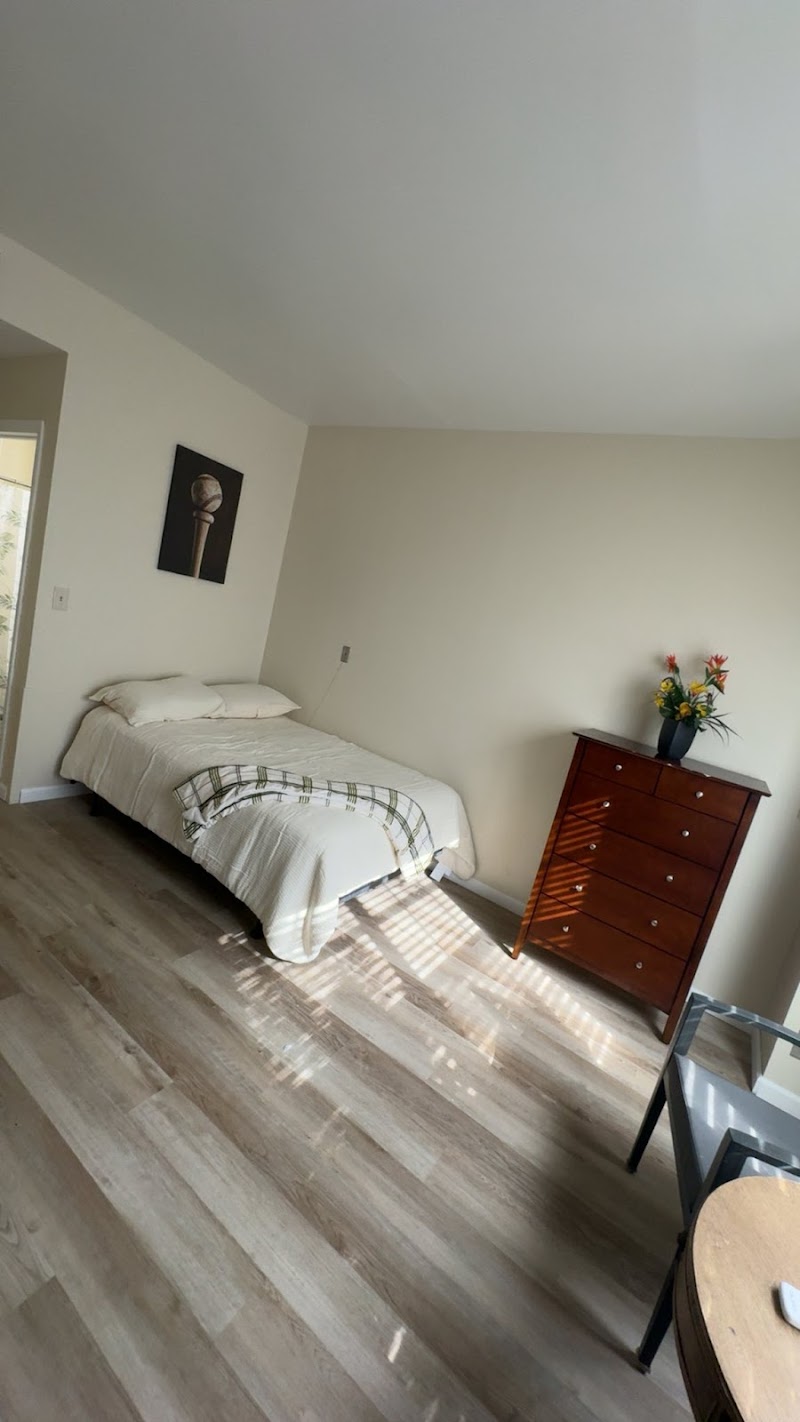
Who Owns and Operates Embassy Of Painesville?

EMBASSY OF PAINESVILLE is owned by a for-profit company. For-profit facilities operate as businesses with obligations to shareholders or private owners. The facility is operated by EMBASSY HEALTHCARE, a chain that manages multiple nursing homes. With 78 certified beds and approximately 56 residents (about 72% occupancy), it is a smaller facility located in PAINESVILLE, Ohio.
How Does Embassy Of Painesville Compare to Other Ohio Nursing Homes?

Compared to the 100 nursing homes in Ohio, EMBASSY OF PAINESVILLE's overall rating (4 stars) is above the state average of 3.2, staff turnover (75%) is significantly higher than the state average of 46%, and health inspection rating (3 stars) is at the national benchmark.

What Should Families Ask When Visiting Embassy Of Painesville?

Based on this facility's data, families visiting should ask: "How do you ensure continuity of care given staff turnover, and what is your staff retention strategy?" "Can you walk me through typical staffing levels on day, evening, and night shifts?" "Can I visit during a mealtime to observe dining assistance and food quality?" "How do you handle medical emergencies, and what is your hospital transfer rate?" These questions are particularly relevant given the facility's high staff turnover rate and the below-average staffing rating.

Is Embassy Of Painesville Safe?

Based on CMS inspection data, EMBASSY OF PAINESVILLE has a clean safety record: no substantiated abuse findings (meaning no confirmed cases of resident harm), no Immediate Jeopardy citations (the most serious violation level indicating risk of serious injury or death), and is not on the Special Focus Facility watch list (a federal program monitoring the lowest-performing 1% of nursing homes). The facility has a 4-star overall rating and ranks #1 of 100 nursing homes in Ohio. While no facility is perfect, families should still ask about staff-to-resident ratios and recent inspection results during their visit.

Do Nurses at Embassy Of Painesville Stick Around?

Staff turnover at EMBASSY OF PAINESVILLE is high. At 75%, the facility is 29 percentage points above the Ohio average of 46%. Registered Nurse turnover is particularly concerning at 57%. RNs handle complex medical decisions and coordinate care — frequent RN changes can directly impact care quality. High turnover means new staff may not know residents' individual needs, medications, or preferences. It can also be disorienting for residents, especially those with dementia who rely on familiar faces. Families should ask: What is causing the turnover? What retention programs are in place? How do you ensure care continuity during staff transitions?

Was Embassy Of Painesville Ever Fined?

EMBASSY OF PAINESVILLE has no federal fines on record. CMS issues fines when nursing homes fail to meet care standards or don't correct problems found during inspections. The absence of fines suggests the facility has either maintained compliance or corrected any issues before penalties were assessed. This is a positive indicator, though families should still review recent inspection reports for the full picture.

Is Embassy Of Painesville on Any Federal Watch List?

EMBASSY OF PAINESVILLE is not on any federal watch list. The most significant is the Special Focus Facility (SFF) program, which identifies the bottom 1% of nursing homes nationally based on persistent, serious quality problems. Not being on this list means the facility has avoided the pattern of deficiencies that triggers enhanced federal oversight. This is a positive indicator, though families should still review the facility's inspection history directly.