GRAND RIVER HEALTH & REHAB CENTER
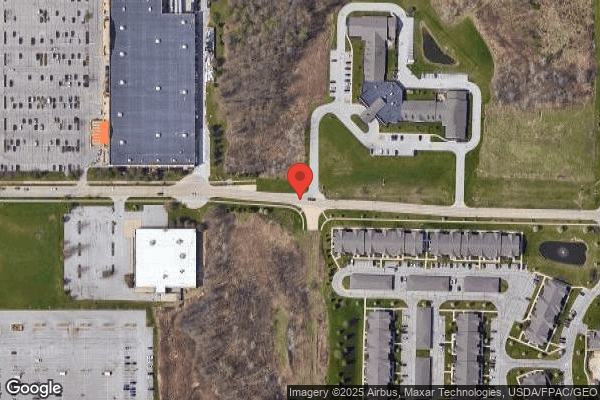
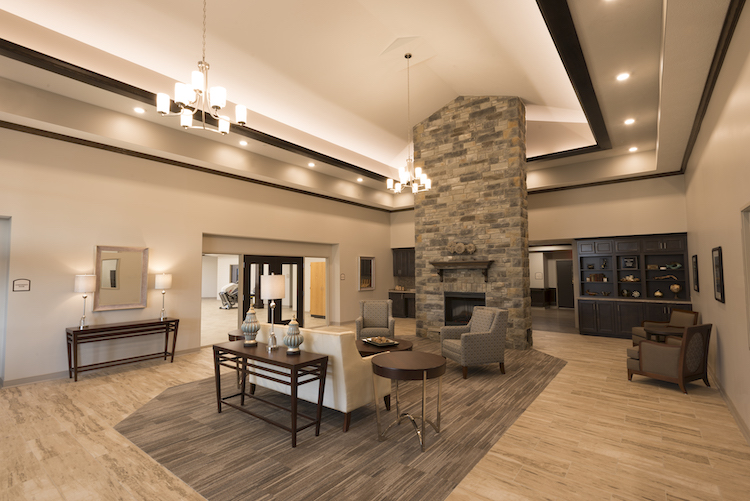
1515 BROOKSTONE BLVD, PAINESVILLE, OH 44077 (440) 357-6181
For profit - Corporation 80 Beds SABER HEALTHCARE GROUP Data: November 2025
Trust Grade
35/100
#472 of 913 in OH
Last Inspection: May 2025

Inspected within the last 6 months. Data reflects current conditions.

Overview

Grand River Health & Rehab Center has a Trust Grade of F, indicating significant concerns about the quality of care provided. Ranked #472 out of 913 facilities in Ohio, they fall in the bottom half, and at #7 out of 14 in Lake County, only one local facility is rated worse. The trend is worsening, with issues increasing from 2 in 2024 to 14 in 2025, highlighting growing problems. Staffing is a concern as well, with a rating of 2/5 stars and a high turnover rate of 61%, which is above the state average. Additionally, the home has incurred $66,420 in fines, suggesting repeated compliance issues. Specific incidents include a failure to provide timely pain management for a resident with acute pain, leaving them without necessary medication for over 24 hours, and inadequate measures to prevent the development of serious pressure ulcers for another resident. Furthermore, there were lapses in infection control protocols, as staff did not properly wear protective gear while entering rooms of residents on COVID-19 isolation, risking the health of multiple residents. Overall, while the facility shows some strength in quality measures, the significant weaknesses in staffing, care delivery, and compliance raise serious concerns for families considering this home for their loved ones.

Trust Score
F
35/100
In Ohio
#472/913
Bottom 49%
Safety Record
High Risk
Review needed
Inspections
Getting Worse
2 → 14 violations
Staff Stability
⚠ Watch
61% turnover. Above average. Higher turnover means staff may not know residents' routines.
Penalties
✓ Good
$66,420 in fines. Lower than most Ohio facilities. Relatively clean record.
Skilled Nurses
○ Average
Each resident gets 35 minutes of Registered Nurse (RN) attention daily — about average for Ohio. RNs are the most trained staff who monitor for health changes.
Violations
⚠ Watch
33 deficiencies on record. Higher than average. Multiple issues found across inspections.
★★★☆☆
3.0
Overall Rating
★★☆☆☆
2.0
Staff Levels
★★★★★
5.0
Care Quality
★★☆☆☆
2.0
Inspection Score
Stable
2024: 2 issues
2025: 14 issues

The Good

  • 5-Star Quality Measures · Strong clinical quality outcomes
  • Full Sprinkler Coverage · Fire safety systems throughout facility
  • No fines on record

Facility shows strength in quality measures, fire safety.

The Bad

3-Star Overall Rating

Near Ohio average (3.2)

Meets federal standards, typical of most facilities

Staff Turnover: 61%

15pts above Ohio avg (46%)

Frequent staff changes - ask about care continuity

Federal Fines: $66,420

Above median ($33,413)

Moderate penalties - review what triggered them

Chain: SABER HEALTHCARE GROUP

Part of a multi-facility chain

Ask about local staffing decisions and management

Staff turnover is elevated (61%)

13 points above Ohio average of 48%

The Ugly 33 deficiencies on record

2 actual harm
May 2025 14 deficiencies 1 Harm
SERIOUS (G)

Actual Harm - a resident was hurt due to facility failures

Deficiency F0697 (Tag F0697)

A resident was harmed · This affected 1 resident

Based on observation, medical record review, hospital record review, facility policy review, staff, and resident interviews, the facility failed to develop and implement a comprehensive, individualize...

Read full inspector narrative →
Based on observation, medical record review, hospital record review, facility policy review, staff, and resident interviews, the facility failed to develop and implement a comprehensive, individualized, and effective pain management program for Resident #220 who was admitted with acute pain from unspecified fracture of upper and lower end of left tibia, and nondisplaced cervical fracture caused by a motor vehicle accident. Actual Harm occurred beginning on 04/25/25 when Resident #220 did not receive the ordered medication pain reliever Oxycodone five milligram immediate release tablet every four hours as needed. The medication was not administered until 04/26/25 at 2:26 P.M. During this time, Resident #220 had complaints of unrelieved pain making it hard to sleep, perform day-to-day activities, and sleep. This affected one resident (#220) of the four residents reviewed for pain management. The facility census was 66. Findings include: Review of Resident #220's medical record revealed an admission date of 04/25/25 at 5:47 P.M. Resident #220 had diagnoses of traumatic shock, unspecified fracture of upper and lower end of the left tibia, nondisplaced fracture of first cervical vertebra because of a motor vehicle accident, anxiety disorder, major depressive disorder, and essential hypertension, diabetes, and muscle weakness are other diagnoses. Review of Resident #220's hospital discharge medication administration records for 04/25/25 included acetaminophen 325 milligrams (analgesic), take two tablets every six hours scheduled, last administration before discharge was 1:11 P.M. on 04/25/25; methocarbamol 1,000 milligram tablet (muscle relaxer), take three times a day last administered on 04/24/25 at 12:46 P.M.; and Oxycodone 10 milligrams (opioid pain medication) immediate release tablet every four hours as needed last given at 12:46 P.M. on 04/25/25. Review of Resident #220's discharge pain medication list from the local hospital dated 04/25/25 revealed the following medication orders: acetaminophen 325 milligram tablets, take two tablets every six hours scheduled, methocarbamol 1,000 milligram tablet to be given three times a day scheduled, Bengay cream (topical analgesic), one application to be applied topically three times a day scheduled, Oxycodone five milligram immediate release tablet to be given every four hours as needed, Ibuprofen 400 milligram tablet (non-steroidal anti-inflammatory drug) was ordered every six hours as needed. Resident #220 was sent (to the facility) with a written prescription for the Oxycodone five milligrams every four hours as needed for severe pain with a pain scale of seven to 10, 15 tablets were to be dispensed. Review of the admission assessment documentation dated 04/25/25 at 10:37 P.M. revealed Resident #220 arrived at the facility with the prescription for Oxycodone, and it was faxed to the pharmacy. A fax message from the pharmacy on 04/26/25 at 8:33 A.M. indicated that the faxed prescription was missing prescribers' signature, and please obtain a new order and fax to the pharmacy. Review of Resident #220's medication administration record (MAR) dated 04/25/25 to 05/08/25 revealed that pain monitoring every shift was started on 04/26/25 with pain on day shift marked as a four, night shift pain scale was marked a nine. The acetaminophen order for every six hours was first offered on 04/26/25 at 6:00 A.M. but not administered documented as sleeping, the next administration indicated the medication was administered at 12:00 P.M. by Licensed Practical Nurse (LPN) #258. The administration of the Ibuprofen 400 milligrams every six hours was administered on 04/29/25 at 12:00 P.M. The Bengay cream was documented on 04/25/25 at 10:00 P.M. as refused, 04/26/25 at 6:00 A.M. administration documentation was refused. The Bengay was documented as unavailable from 04/26/25 at 10:00 P.M. through 04/28/25 at 6:00 A.M. The methocarbamol 1,000 milligrams was documented on 04/25/25 at 10:00 P.M. as ordered. Resident #220's admission assessment on 04/25/25 indicated Resident #220 had experienced pain almost constantly over the past five days. When Resident #220 was asked if his pain made it hard to sleep, perform day-to-day activities, and sleep he indicated almost constantly. The description of pain from Resident #220 was severe with voicing concerns as throbbing. Informational questions about the causes and alleviations of the pain were not completed in the assessment. Interview with Resident #220 on 05/05/25 at 8:21 A.M. revealed he brought the prescription for Oxycodone with him and gave it to the nurse when he arrived to the facility around 6:00 P.M. The nurse took a long time to come see me and they just don't understand the pain I am in. I should not beg for my own medication; they have not been in a car accident and fractured their bodies. Resident #220 stated the nurses would come in and blame the pharmacy and the doctor would blame the nurses for the Oxycodone not being given causing me to be in so much pain. Resident #220 stated that Saturday afternoon was the first time that any real pain medications were given and because it took so long, it didn't work well until he had a build-up of the medication. During the interview, Resident #220 indicated that he could not wait to go home and care for himself. Interview with admitting LPN #207 on 05/05/25 at 10:32 A.M. revealed Resident#200 was admitted with a prescription, and she faxed it to the pharmacy when she got a chance. She stated Resident #220 was polite but uncomfortable. The resident had a lot of medical issues going on. The LPN revealed it took me a while to get the resident's assessment done. Interview with LPN #258 on 05/05/25 at 8:52 A.M. revealed that LPN #258 was the nurse on 04/26/25 day shift that encountered Resident #220 with unrelieved pain. LPN #258 administered acetaminophen 325 milligrams, two tablets at 12:00 P.M. stating that the resident was in a lot of pain and that he guessed the medication was lost in transit. Resident #200 was not combative but very uncomfortable. LPN#258 sent a fax to the pharmacy on 04/26/25 for authorization to get Oxycodone five milligrams immediate release tablet pulled from the facility contingency box. The approval authorization was received at 1:59 P.M. for six tablets to be removed from the contingency box. Resident #220 received Oxycodone five milligrams immediate release tablet at 2:23 P.M. on 04/26/25 follow up documentation for effectiveness was somewhat. Interview with the Director of Nursing (DON) on 05/01/25 at 2:46 P.M. verified on the electronic MAR that Resident #220 did not receive prescription pain medication until 04/26/25 at 2:23 P.M. stating, she could not help how long the pharmacy takes sometimes, and there must be an authorization to pull the medication from the contingency unit. She verified that the prior authorization was approved on 04/26/25 at 1:59 P.M. She confirmed that Resident #220 had not received pain medications for nine hours before he was admitted and that interventions could have been documented, stating that documentation was a big problem in the facility. Review of the facility policy titled Pain Management, revised on 01/08/25 revealed when there was a pain indicator, the intensity, characteristics, and frequency would be documented. Non-pharmacological interventions would be attempted prior to administration of as needed pain medication. When it was determined that the resident was having pain all documentation would be in place. Interventions such as contingency boxes would be utilized and the doctor would be notified of an increased pain as appropriate. It was the policy of the facility to assess pain or the potential for pain and a goal to reach and maintain the residents' highest level of well-being physically, mentally, and psychosocially.
CONCERN (D) 📢 Someone Reported This

A family member, employee, or ombudsman was alarmed enough to file a formal complaint

Potential for Harm - no one hurt, but risky conditions existed

Resident Rights (Tag F0550)

Could have caused harm · This affected 1 resident

**NOTE- TERMS IN BRACKETS HAVE BEEN EDITED TO PROTECT CONFIDENTIALITY** Based on observation, resident record review, staff interviews, and facility policy review, the facility failed to ensure reside...

Read full inspector narrative →
**NOTE- TERMS IN BRACKETS HAVE BEEN EDITED TO PROTECT CONFIDENTIALITY** Based on observation, resident record review, staff interviews, and facility policy review, the facility failed to ensure residents were treated with dignity and respect. This affected three residents (#41, #217, and #226) of three residents reviewed for resident rights and dignity. The facility census was 66. Findings include: 1. Review of Resident #41''s medical records revealed an admission date of 09/11/21. Diagnoses included hemiplegia and hemiparesis following cerebral infarction affecting the right dominant side, obstructive and reflux uropathy, presence of urogenital implants and type two diabetes mellitus. Review of the physician orders for May 2025 revealed an order to provide a privacy cover for the indwelling urinary catheter drainage bag every shift. Review of the care plan revised 04/07/25 revealed Resident #41 had an indwelling urinary catheter. Interventions included ensuring Resident #41 had a privacy cover for the indwelling urinary catheter drainage bag. Observations on 04/28/25 at 10:30 A.M. and on 04/29/25 at 7:37 A.M. revealed Resident #41 was in her bed and the urinary catheter drainage bag was not covered by a privacy bag. Interview on 04/28/25 at 10:57 A.M. with Licensed Practical Nurse (LPN) #242 confirmed there was no privacy cover for Resident #41's urinary catheter drainage bag. Interview on 04/29/25 at 1:34 P.M. with the Director of Nursing (DON) confirmed urinary catheter drainage bags were to have privacy covers intact and Resident #41's did not. Review of the facility policy, Indwelling Urinary Catheter Care Procedure, revised 07/15/24, revealed to ensure the drainage bag was covered with privacy/dignity cover. 2. Review of the medical record for Resident #226 revealed an admission date of 04/24/25. Diagnoses included malignant neoplasm of esophagus and dementia. Review of the physician orders for April and May 2025 revealed orders for catheter care to provide a privacy cover for the indwelling urinary catheter drainage bag. Review of the care plan dated 04/26/25 revealed Resident #226 was on enhanced barrier precautions (EBP) for a urinary catheter. Interventions included to ensuring Resident #41 had a privacy cover for urinary catheter drainage bag. Observations on 04/28/25 at 10:53 A.M. revealed the urinary catheter drainage bag did not have a privacy cover on. Interview on 04/28/25 at 10:57 A.M. with LPN #242 confirmed there was no privacy cover for Resident 226's urinary catheter drainage bag. Observation on 04/29/25 at 7:39 A.M. revealed Resident #226's urinary catheter drainage bag was facing the open door with no privacy cover on. Interview on 04/29/25 at 7:41 A.M. with LPN #228 confirmed Resident #226's urinary catheter drainage did not have a privacy cover on and was facing the open door. Interview on 04/29/25 at 12:37 P.M. with the DON confirmed there was no privacy cover on Resident #226's urinary catheter drainage bag. Review of the facility policy, Indwelling Urinary Catheter Care Procedure, revised 07/15/24, revealed to ensure the drainage bag was covered with privacy/dignity cover. 3. Review of the medical record for Resident #217 revealed an admission date of 04/25/25. Diagnoses included type two diabetes mellitus (DM), pain right and left knee, anxiety, depression, long term use of anticoagulants, and overactive bladder. Review of the admission Minimum data Set (MDS) assessment dated [DATE] revealed it was in progress. Review of the admission assessment for bowel and bladder revealed Resident #217 was continent of bladder and bowel. Interview with Resident #217 on 04/28/25 at 11:31 A.M. revealed she did not have a handle on her toilet, and it didn't flush. Resident #217 reported it was like this on admission and not fixed. Resident #217 reported she knew it didn't work because staff had to empty the bedside commode into the toilet and dump buckets of water to get it to flush. Resident #217 reported she saw it on Sunday, 04/27/25 when she was assisted to the shower. Resident #217 reported she asked if maintenance was here, and staff said yes, they would let him know. Resident #217 reported it still hasn't been fixed. Observation on 04/28/25 at 11:31 A.M. of Resident #217's bathroom revealed the toilet did not have a handle on it to flush. Interview on 04/29/25 at 10:22 A.M. with Maintenance Director #269 confirmed the toilet handle was missing for Resident #217's toilet. Maintenance Director #269 reported he was notified today, 04/29/25 and immediately fixed it. Interview on 04/29/25 at 1:34 P.M. with DON confirmed Resident #217'S toilet did not work; the handle was missing. The DON reported Maintenance Director #269 repaired it today. The DON stated if maintenance had known, it would have been taken care of, and Resident #217 should have been given another room upon admission or had it fixed.
CONCERN (D)

Potential for Harm - no one hurt, but risky conditions existed

Deficiency F0553 (Tag F0553)

Could have caused harm · This affected 1 resident

**NOTE- TERMS IN BRACKETS HAVE BEEN EDITED TO PROTECT CONFIDENTIALITY** Based on record review, interview and review of the facility policy, the facility failed to ensure Resident #51's/Power of Attor...

Read full inspector narrative →
**NOTE- TERMS IN BRACKETS HAVE BEEN EDITED TO PROTECT CONFIDENTIALITY** Based on record review, interview and review of the facility policy, the facility failed to ensure Resident #51's/Power of Attorney's (POA's) request to have her medication discontinued was completed timely. This affected one resident (#51) of one residents reviewed for choices. The facility census was 66. Findings include: Review of Resident #51's medical record revealed an initial admission date of 07/31/22 with diagnoses including multiple sclerosis (MS), obstructive and reflux uropathy, dementia without behavioral disturbance, psychotic disturbance, mood disturbance and anxiety, and muscle weakness. Review of Resident #51's physician orders dated 02/12/25 revealed Avonex (interferon beta-1a) syringe kit 30 micrograms (mcg) per 0.5 milliliter (mL), one injection, intramuscular, once a day on Wednesdays at 12:30 P.M. Resident #51's Avonex was discontinued on 04/23/25. Review of Resident #51's progress notes dated 02/24/25 at 4:03 P.M. included Physician #277 was called regarding Resident #51's daughter request for Avonex injection to be discontinued. Physician #277 stated Avonex needed to be discontinued and approved by neurology. All new orders to be addressed with daughter. Review of Resident #51's progress notes dated 02/24/25 through 04/23/25 did not reveal Resident #51's neurologist was contacted regarding discontinuing Resident #51's Avonex injection. Review of Resident #51's Medication Administration Record (MAR) from 02/24/25 through 04/23/25 revealed Resident #51 received an Avonex injection every week until it was discontinued on 04/23/25. Review of Resident #51's Quarterly Minimum Data Set (MDS) assessment dated [DATE] revealed Resident #51 had severe cognitive impairment. Resident #51 used a wheelchair. Resident #51 required setup or clean-up assistance for eating and was dependent on staff for toileting hygiene, personal hygiene, and bathing. Resident #51 required substantial to maximal assistance for the ability to roll from lying on back to the left or right side and was dependent on staff for the ability to transfer to and from a bed to a chair. Resident #51 used a mechanical lift for transfers. Review of Resident #51's progress notes dated 04/23/25 at 6:29 P.M. revealed Resident #51 and her POA (Power of Attorney) requested her Avonex injection be discontinued. Resident #51's physician was contacted and was in agreement per Resident #51's choice to have her Avonex discontinued. Resident #51 would be monitored for adverse effects. Review of Resident #51's care plan dated 04/27/25 included Resident #51 had a diagnosis of MS. Resident #51 would develop coping strategies to help adapt to a diagnosis of MS. Interventions included administering medications as ordered and evaluating and recording effectiveness and evaluating and reporting adverse side effects. Observation on 04/28/25 at 11:38 A.M. of Resident #51 revealed she was sitting in a chair in her room and POA #278 was in the room with her. Interview on 04/28/25 at 11:38 A.M. of POA #278 revealed she asked the facility to discontinue Resident #51's Avonex injection a couple months ago. POA #278 stated she thought the Avonex was discontinued until Resident #51 told her she received an injection in her hip a week or so ago. POA #278 stated she was upset Resident #51 continued to receive the Avonex injections after they requested for it to be discontinued. Interview on 05/05/25 at 2:09 P.M. of the Director of Nursing (DON) confirmed there was no follow up by the facility for Resident #51's POA's request to have her Avonex discontinued from 02/24/25 through 04/23/25 when she called the physician and had Resident #51's Avonex discontinued. The DON started working at the facility around 03/11/25 and could not state why there was no follow up until she contacted Resident #51's physician. Review of the undated facility policy titled Your Rights and Protections as a Nursing Home Resident included a resident had the right to participate in the decisions that affect their care. A resident's legal guardian had the right to look at all their medical records and make important decisions on their behalf.
CONCERN (D)

Potential for Harm - no one hurt, but risky conditions existed

Deficiency F0558 (Tag F0558)

Could have caused harm · This affected 1 resident

**NOTE- TERMS IN BRACKETS HAVE BEEN EDITED TO PROTECT CONFIDENTIALITY** Based on record review, observation and interviews, the facility failed to ensure Resident #217 had a working toilet. This affec...

Read full inspector narrative →
**NOTE- TERMS IN BRACKETS HAVE BEEN EDITED TO PROTECT CONFIDENTIALITY** Based on record review, observation and interviews, the facility failed to ensure Resident #217 had a working toilet. This affected one resident (#217) of one residents reviewed for accommodation of needs. The facility census was 66. Findings include: Review of the medical record for Resident #217 revealed an admission date of 04/25/25. Diagnoses included type two diabetes mellitus (DM), pain right and left knee, anxiety, depression, long term use of anticoagulants, and overactive bladder. Review of the admission Minimum data Set (MDS) assessment dated [DATE] revealed it was in progress. Review of the admission assessment for bowel and bladder revealed Resident #217 was continent of bladder and bowel. Interview with Resident #217 on 04/28/25 at 11:31 A.M. revealed she did not have a handle on her toilet, and it didn't flush. Resident #217 reported it was like this on admission and not fixed. Resident #217 reported she knew it didn't work because staff had to empty the bedside commode into the toilet and dump buckets of water to get it to flush. Resident #217 reported she saw it on Sunday, 04/27/25 when she was assisted to the shower. Resident #217 reported she asked if maintenance was here, and staff said yes, they would let him know. Resident #217 reported it still hasn't been fixed. Observation on 04/28/25 at 11:31 A.M. of Resident #217's bathroom revealed the toilet did not have a handle on it to flush. Interview on 04/29/25 at 10:22 A.M. with Maintenance Director #269 confirmed the toilet handle was missing for Resident #217's toilet. Maintenance Director #269 reported he was notified today, 04/29/25 and immediately fixed it. Interview on 04/29/25 at 1:34 P.M. with DON confirmed Resident #217'S toilet did not work; the handle was missing. The DON reported Maintenance Director #269 repaired it today. The DON stated if maintenance had known, it would have been taken care of, and Resident #217 should have been given another room upon admission or had it fixed.
CONCERN (D) 📢 Someone Reported This

A family member, employee, or ombudsman was alarmed enough to file a formal complaint

Potential for Harm - no one hurt, but risky conditions existed

Deficiency F0628 (Tag F0628)

Could have caused harm · This affected 1 resident

**NOTE- TERMS IN BRACKETS HAVE BEEN EDITED TO PROTECT CONFIDENTIALITY** Based on observation, interview, record review, review of the fire department report and review of the facility policy, the faci...

Read full inspector narrative →
**NOTE- TERMS IN BRACKETS HAVE BEEN EDITED TO PROTECT CONFIDENTIALITY** Based on observation, interview, record review, review of the fire department report and review of the facility policy, the facility failed to ensure Resident #167 had a safe discharge. The facility failed to ensure Resident #65 had an accurate and thorough assessment for a change in condition and transfer to the hospital. This affected two residents (#65 and #167) out of three residents reviewed for discharge. The facility census was 66. Findings include: 1. Review of Resident #167's medical record revealed an admission date of [DATE] with diagnoses including diabetes mellitus with ketoacidosis without coma, paroxysmal atrial fibrillation, influenza, acute respiratory failure with hypoxia. Resident #167 was discharged from the facility on [DATE]. Review of Resident #167's admission Minimum Data Set (MDS) assessment dated [DATE] revealed Resident #167 had severe cognitive impairment. Resident #167 required substantial to maximal assistance for toileting hygiene, personal hygiene, dressing, bathing and bed mobility. Review of Resident #167's care plan dated [DATE] included Resident #167 had a decline in functional abilities related to recent illness and hospitalization. Resident #167's needs would be met with staff assistance, and Resident #167 would return home as hoped after therapy. Interventions included assessing, documenting, reporting changes in activities of daily living (ADL) ability, any potential for improvement and reasons for inability to perform ADLs; encourage to participate to the fullest extent possible. Review of Resident #167's progress notes dated [DATE] at 1:02 P.M. written by Registered Nurse (RN) #205 included Resident #167 was discharged home today with her husband. Instructions gone over with both Resident #167 and her husband. Resident #167 was instructed to follow up with her primary care physician. Resident #167 and her husband verbalized understanding of her medication regimen. Interview on [DATE] at 9:29 A.M. of Resident #167's daughter revealed Resident #167 was given Resident #38's medication when she was discharged from the facility. Resident #167's daughter stated she was not present when Resident #167 was discharged , and Resident #167's husband could not read. Resident #167's daughter stated Resident #167 was confused and took Resident #38's medication for at least two days before it was discovered the medication belonged to another resident. Resident #167's daughter indicated Resident #167 did not suffer any negative effects from taking the medication. Resident #167's daughter stated she would take a picture of the medication and send it to the surveyor. Resident #167's daughter stated she told the Social Worker after Resident #167 was discharged that Resident #167 was given Resident #38's medication along with her medications and the Social Worker just stated I'm sorry and nothing else was done. Resident #167's daughter did not know the name of the Social Worker. Observation of a picture dated [DATE] at 9:35 A.M. sent by Resident #167's daughter revealed a medication card labeled with Resident #38's name and the medication was pantoprazole sodium DR (delayed release) 40 milligram (mg) tablet (medication to reduce stomach acid), one tablet by mouth once a day. Interview on [DATE] at 9:32 A.M. of Social Service Designee (SSD) #239 revealed she called Resident #167's daughter after Resident #167 was discharged from the facility and filled out a PCP (primary care provider) transitional appointment form. SSD #239 stated she did not remember Resident #167's daughter telling her she received Resident #38's medication, but if Resident #167's daughter told her she received the wrong medications they would be in the comment section of the PCP transitional appointment form. Interview on [DATE] at 11:44 A.M. of RN #205 revealed she did not remember discharging Resident #167 from the facility. RN #205 stated that when she discharged a resident among other things, she printed off the face sheet, physician orders, discharge summary, medications and would go over the resident's medications to make sure they understood how to administer them. RN #205 indicated when she instructed the residents about their medications, she used the medication cards and orders to explain what medications to take and how often to take them. RN #205 stated she had no knowledge of Resident #167 being sent home with the wrong medications, but Resident #167's and Resident #38's medication cards were next to each other in the cart, and it was possible Resident #38's medication card was in the wrong spot. Interview on [DATE] at 3:43 P.M. of the Director of Nursing (DON) and Regional Clinical Director (RCD) #273 revealed they were not aware Resident #167 was sent home with Resident #38's medication. RCD #273 stated there should have been an incident report written and education provided to the staff. RCD #273 was unable to provide Resident #167's PCP transitional appointment form. 2. Review of Resident #65's closed medical records revealed an admission date of [DATE] with diagnoses including peritoneal abscess, type two diabetes mellitus, chronic congestive heart failure, chronic kidney disease, and acute respiratory failure with hypoxia. Review of Quarterly MDS assessment dated [DATE] revealed Resident #65 had intact cognition with a score of 15/15. Review of the census in the facility computer system revealed Resident #65 was discharged to the hospital on [DATE] at 9:06 A.M. Review of the progress notes revealed a progress note dated [DATE] at 7:12 P.M. authored by Physician #280, recorded as late entry on [DATE] 7:12 P.M. revealed Physician #280 saw and examined Resident #65. The progress note reported no significant change in condition of the patient and still having leg swelling, and vital signs stable. Review of the next progress note, dated [DATE] at 5:05 A.M., recorded as late entry on [DATE] at 11:31 A.M., authored by previous RN #281, previous Director of Nursing (DON) revealed despite facilities attempts, Resident #65's needs cannot be met at this time due to respiratory distress. Resident #65 was sent with face sheet, advance directives, order summary, comprehensive care plan, Situation, Background, Assessment, and Recommendation (SBAR), and transfer form. Review of the Fire Department Form revealed a call was received from facility on [DATE] at 10:08 P.M. dispatched at 10:09 P.M. and left the scene at 10:30 P.M. to the hospital. The report further stated dispatched to the facility for report of a female in pain. Report stated, found Resident #65, alert and oriented times three in bed with no nurse present. Staff walked into the room and when asked of her complaint, Licensed Practical Nurse (LPN) #271 responded has fluid buildup, and the Physician wants her sent out and when asked if acute onset, LPN #271 replied she did not know. Recent medication changes, diuretics, and history unknown by LPN #271. LPN #271 said she didn't check lung sounds or provide any further information and walked away. Resident #65 reported she was in stage three kidney failure, and the fluid retention has been a problem for months. Resident #65 reported no recent changes. During transport in the squad, Resident #65's pulse oxygen was 91%, and oxygen via nasal cannula was applied at 4 liters/per minute and Pulse oxygen increased to 95%. The report further stated, lower limbs have edema present, abdomen is rigid and no pain on palpitation. Interview on [DATE] at 8:17 A.M. with Physician #280 revealed facility calls him many times regarding resident status. Physician #280 reported Resident #65 had multiple medical problems to include recurrent hospital admissions for respiratory failure and fluid buildup which required paracentesis performed (paracentesis is a medical procedure where fluid is removed from the abdominal cavity). Physician #280 reported Resident #65 was sick for a while and recently made a Do Not Resuscitate Comfort Care (DNRCC) at the hospital, due to suffering for a while with ascites (buildup of fluid in the abdomen). Physician #280 reported he wasn't surprised Resident #65 had expired at the hospital days later. Interview on [DATE] at 1:23 P.M. with the DON confirmed there were no progress notes, SBAR, (format for healthcare professionals to clearly and concisely communicate information about a patient or situation, ensuring accuracy and efficiency in handoffs and other crucial communication scenarios), or transfer form. The DON reported, for a change in condition, staff were to assess the resident, contact the physician, family, follow orders, and document in the progress note and SBAR. The DON reported that if resident was sent to the hospital, staff were to document in the progress note, do an SBAR and a transfer form. The DON reported she was unable to locate the SBAR and transfer from which are to be in Matrix, computer system facility used. The DON reported initially Resident #65 was sent to the hospital on [DATE], then stated it was evening of [DATE] going into [DATE]. The DON confirmed the census in the computer was for [DATE] at 9:06 A.M. Interview was attempted on [DATE] at 5:09 P.M. and again on [DATE] at 8:56 A.M. via phone with LPN #271, who was no longer employed by the facility, she was assigned the nurse caring for Resident #65 on [DATE]. A voice message was left with call back number and requested a call back. No return call was received. Interview on [DATE] at 8:05 A.M. with RN #281, (previous DON), via phone confirmed for a change in condition staff are to assess resident, contact physician, family, follow orders, document in progress note, complete a SBAR, and if sent to hospital, complete a transfer form. RN #281 reported she put in the late entry progress note because the staff didn't do one as they should have. Review of the facility policy, Resident Change in Condition, revised [DATE], revealed the nurse will record the information related to the change in condition and subsequent events and notifications in the resident's health record. This deficiency represents non-compliance investigated under Master Complaint Number OH00164609 and Complaint Number OH00164118.
CONCERN (D)

Potential for Harm - no one hurt, but risky conditions existed

Assessment Accuracy (Tag F0641)

Could have caused harm · This affected 1 resident

**NOTE- TERMS IN BRACKETS HAVE BEEN EDITED TO PROTECT CONFIDENTIALITY** Based on record review, observations and interview, the facility failed to ensure an accurate assessment was completed for Resid...

Read full inspector narrative →
**NOTE- TERMS IN BRACKETS HAVE BEEN EDITED TO PROTECT CONFIDENTIALITY** Based on record review, observations and interview, the facility failed to ensure an accurate assessment was completed for Resident #43. This affected one resident (#43) of 23 residents reviewed for assessments. The facility census was 66. Findings include: Review of Resident #43's clinical record revealed an admission date of 03/04/24 with diagnoses including unspecified atrial fibrillation, aphasia following cerebral infarction, unspecified osteoarthritis, and essential hypertension. Review of the Minimum Data Set (MDS) 3.0 assessment dated [DATE] for Resident #43 revealed on section A she spoke English, and it was her preferred language. The facility answered no to the question if she needed or wanted an interpreter to communicate with a doctor of healthcare staff. Section B stated staff usually understood her. Section C on the assessment stated resident is rarely or never understood so staff assessment had to be performed regarding her cognition. The staff assessment for mental status revealed she had a memory problem and had modified independence with daily decision making. Observation of Resident # 43 on 04/28/25 revealed that she is unable to speak English, and her primary language was Italian. This was verified by Resident #43's daughter who has a room next to the resident. Interview with Certified Nursing Assistant (CNA) #212 stated that there was a communication sheet that was pinned on the wall on the other side of the room where Resident #43 was not able to reach. CNA #212 stated that it was not left at the bedside because something would spill on it. CNA #212 stated that the family was the primary communication for the resident. An interview on 04/28/25 at 10:14 A.M. indicated that Dietitian #250 had difficulty understanding Resident #43 and would call the family if there needed to be a correspondence. Interview on 4/30/25 at 3:13 P.M. with MDS Nurse #261 verified she was unaware that there was a language barrier, and she understood it as a cognition deficit.
CONCERN (D)

Potential for Harm - no one hurt, but risky conditions existed

Comprehensive Care Plan (Tag F0656)

Could have caused harm · This affected 1 resident

Based on record review, observations, interview and facility policy review, the facility failed to develop and implement a comprehensive care plan for Resident #43. This affected one resident (#43) of...

Read full inspector narrative →
Based on record review, observations, interview and facility policy review, the facility failed to develop and implement a comprehensive care plan for Resident #43. This affected one resident (#43) of 23 residents reviewed for comprehensive care plans. The facility census was 66. Findings include: Review of Resident #43's clinical record revealed an admission date of 03/04/24 with the diagnoses of unspecified atrial fibrillation, aphasia following cerebral infarction, unspecified osteoarthritis, and essential hypertension. Observation of Resident #43 on 04/28/25 at 10:00A.M. revealed that she was unable to speak English. Her primary language was Italian which was verified by her daughter who has a room next to the resident. Interview on 04/28/25 at 10:25 A.M. with Certified nursing Assistant (CNA) #212 stated that there was a communication sheet that was pinned on the wall on the other side of the room where Resident #43 was unable to reach. CNA #212 stated that it was not left at the bedside because something would spill on it. CNA #212 stated that the family was the primary communication for the resident. CNA #212 does not know how else to communicate with Resident #43 other than she seems to understand some English and will answer some yes and no questions. The communication sheet was in the room at the time of the interview. An interview on 04/28/25 at 10:14 A.M. indicated Dietitian #250 had difficulty understanding Resident #43 and would call the family if there needed to be a correspondence. The dietitian was aware there was a communication sheet in the room. Review of Resident #43's care plan for communication initiated on 03/11/25 stated that Resident #43 had difficulty making herself understood related to aphasia. There was no information regarding the language barrier and/or interventions to ensure she was communicated with and understood. Interview on 4/30/25 at 3:13 P.M. with Minimum Data Set (MDS) Nurse #261 verified that the language care plan was not established until 04/28/25, during this time an interview with MDS Nurse #268 stated that she was unaware that there was a language barrier, and she understood it as a cognitive deficit. Review of the facility policy titled Comprehensive Care Planning, dated 03/20/25, stated that the facility will develop a comprehensive person-centered care plan for each resident with goals and timetables to meet the resident's medical, nursing, mental, and psychological needs.
CONCERN (D)

Potential for Harm - no one hurt, but risky conditions existed

Deficiency F0688 (Tag F0688)

Could have caused harm · This affected 1 resident

**NOTE- TERMS IN BRACKETS HAVE BEEN EDITED TO PROTECT CONFIDENTIALITY** Based on observation, interview, record review, review of therapy recommendations and facility policy review, the facility faile...

Read full inspector narrative →
**NOTE- TERMS IN BRACKETS HAVE BEEN EDITED TO PROTECT CONFIDENTIALITY** Based on observation, interview, record review, review of therapy recommendations and facility policy review, the facility failed to ensure Resident #51 received restorative services per therapy recommendations. This affected one resident (#51) out of three residents reviewed for therapy recommendations. The facility census was 66. Findings include: Review of Resident #51's medical record revealed an initial admission date of 07/31/22 with diagnoses including multiple sclerosis (MS), obstructive and reflux uropathy, dementia without behavioral disturbance, psychotic disturbance, mood disturbance and anxiety, and muscle weakness. Review of Resident #51's care plan dated 06/12/24 included Resident #51 was at risk for deterioration in activities of daily living (ADL) related to diagnosis of MS. Resident #51 would continue to feed self-daily and participate in ADL as able daily. Interventions included physical therapy (PT) and occupational therapy (OT) for strengthening and endurance as indicated. Review of Resident #51's PT Treatment Encounter Note dated 02/11/25 included Resident #51 presented with continued fixed contractures to bilateral hips, knees at 90 degrees which is baseline for Resident #51 and had not worsened. Resident #51presented with no change in range of motion (ROM), strength, transfers, balance at this time and was at baseline prior level of function (PLOF), maximal functional potential in the facility. Additional Skilled Services, Restorative Nursing Program (RNP) to provide bilateral lower extremity (BLE) ROM with care and positioning to decrease further contractures and promote good skin integrity, and comfort in and out of bed . Review of Resident #51's physician orders dated 02/11/25 through 04/21/25 did not reveal orders from therapy with recommendations for BLE ROM to decrease further contractures and promote good skin integrity. Review of Resident #51's aide charting dated 04/01/25 through 04/30/25 did not reveal evidence BLE ROM was completed. Review of Resident #51's Quarterly Minimum Data Set (MDS) assessment dated [DATE] revealed Resident #51 had severe cognitive impairment. Resident #51 used a wheelchair. Resident #51 required setup or clean-up assistance for eating and was dependent on staff for toileting hygiene, personal hygiene, and bathing. Resident #51 required substantial to maximal assistance for the ability to roll from lying on back to the left or right side and was dependent on staff for the ability to transfer to and from a bed to a chair. Resident #51 used a mechanical lift for transfers. Observation on 04/28/25 at 9:55 A.M. of Resident #51 revealed she was lying in bed with the door half closed calling out for help. Resident #51 was lying in bed with a low air loss mattress and a perimeter mattress overlay and was pulling on the mattress and trying to lift herself up. Resident #51 was lying partly on her right side with her legs pulled up towards her chest and asked if someone could assist her out of bed. Interview on 04/28/25 at 11:38 A.M. of Resident #51's Power of Attorney (POA) #278 revealed she was frustrated with the care Resident #51 received at the facility. POA #278 stated there were multiple issues, she had been to Resident #51's care plan meetings and felt like I am talking to a wall because things did not change. POA #278 indicated Resident #51 did not have contractures of her legs when she first came to the facility, and she started noticing the contractures around the end of 2024. POA #278 stated they never seem to do any ROM or anything with her. Interview on 04/29/25 at 2:12 P.M. of Director of Rehab (DOR) #282 revealed Resident #51 had a PT evaluation on 02/11/25 to determine potential deficits with ROM, strength, bed functional mobility and positioning. DOR #282 stated the evaluation revealed Resident #51 was at her baseline, and Resident #51 could maintain a sitting position, but could not walk. DOR #282 stated Resident #51 was set up for restorative services for ROM after her PT evaluation on 02/11/25 per a nursing request. DOR #282 indicated a form with Resident #51's therapy recommendations was completed and given to nursing after the PT evaluation on 02/11/25. DOR #282 indicated the aides were trained if needed. Interview on 04/29/25 at 4:57 P.M. of the Director of Nursing (DON) revealed she was newly hired and started working in the facility around the middle of March 2025. The DON stated up until about a week ago, the facility did not have a restorative program, and if therapy made recommendations, there should be a physician order for the recommendations in Resident #51's record. Interview on 04/30/25 at 10:05 A.M. of DOR #282 revealed she was unable to find Resident #51's completed therapy recommendation form after Resident #51's evaluation on 02/11/25. DOR #282 stated she could not remember if a form was completed after Resident #51's evaluation on 02/11/25. Interview on 04/30/25 at 11:06 A.M. of the DON revealed if nursing received a referral from therapy, therapy would keep the original referral form and provide a copy for nursing. There would also be an order in Resident #51's record if a therapy referral was received. The DON confirmed there were no orders per therapy in Resident #51's medical record dated 02/11/25 through 04/21/25 when Resident #51's restorative program was initiated. Review of the facility policy Restorative Nursing Referral and Process Policy, revised 03/11/22, included the referral form was filled out by the referring therapist and given to the Director of Rehab. The Director of Rehab brought all referrals to weekly utilization review (UR) meetings for the restorative nurse. The Decision Tool would be completed to determine if the resident was appropriate for the program according to the admission guidelines.
CONCERN (D)

Potential for Harm - no one hurt, but risky conditions existed

Accident Prevention (Tag F0689)

Could have caused harm · This affected 1 resident

**NOTE- TERMS IN BRACKETS HAVE BEEN EDITED TO PROTECT CONFIDENTIALITY** Based on observation, interview, record review and review of the facility policy, the facility failed to ensure Resident #51's c...

Read full inspector narrative →
**NOTE- TERMS IN BRACKETS HAVE BEEN EDITED TO PROTECT CONFIDENTIALITY** Based on observation, interview, record review and review of the facility policy, the facility failed to ensure Resident #51's care planned interventions for falls were implemented. This affected one resident (#51) out of three residents reviewed for falls. The facility census was 66. Findings include: Review of Resident #51's medical record revealed an initial admission date of 07/31/22 with diagnoses including multiple sclerosis (MS), obstructive and reflux uropathy, dementia without behavioral disturbance, psychotic disturbance, mood disturbance and anxiety, and muscle weakness. Review of the facility incident log revealed Resident #51 had an unwitnessed fall on 03/25/25 at 5:32 A.M. and a fall on 04/25/25 at 10:26 A.M. Review of Resident #51's fall investigation included on 03/25/25 at 5:15 A.M. Resident #51 was noted lying on the floor at the side of the bed. The resident was assisted back to bed. Resident #51 had contracted bilateral lower extremities (BLE). The new intervention was to have body pillows to the left and right side of the body while in bed for proper positioning for fall prevention. Review of Resident #51's progress notes and physician orders dated 03/25/25 through 05/05/25 did not reveal evidence Resident #51 had body pillows in place. Review of Resident #51's care plan edited 03/26/25 included Resident #51 was at risk for falling related to history of falls and diagnosis including MS. Resident #51 would remain free from injury. Interventions included Resident #51 was to have body pillows to the left and right side of the body while in bed for proper positioning for fall prevention, observe frequently, and place in supervised area when out of bed. Review of Resident #51's Quarterly Minimum Data Set (MDS) assessment dated [DATE] revealed Resident #51 had severe cognitive impairment. Resident #51 used a wheelchair. Resident #51 required setup or clean-up assistance for eating and was dependent on staff for toileting hygiene, personal hygiene, and bathing. Resident #51 required substantial to maximal assistance for the ability to roll from lying on back to the left or right side and was dependent on staff for the ability to transfer to and from a bed to a chair. Resident #51 used a mechanical lift for transfers. Interview on 04/28/25 at 12:56 P.M. of Resident #51's daughter revealed Resident #51 had a couple falls recently, and the facility did not have fall interventions in place. Observation on 05/05/25 at 9:53 A.M. revealed Resident #51 was lying in bed. Resident #51 was slumped in the bed and leaning to the right. Resident #51 did not have body pillows to the left and right side of her body for proper positioning. Interview on 05/05/25 at 9:53 A.M. of Certified Nursing Assistant (CNA) #270, Licensed Practical Nurse (LPN)'s #216 and #258 confirmed Resident #51 did not have body pillows on the left and right side of her body for proper positioning and confirmed there were no body pillows observed in her room. CNA #270 and LPN's #216 and #258 stated they were not aware Resident #51 needed body pillows. Interview on 05/05/25 at 9:46 A.M. of Director of Rehab (DOR) #282 revealed the therapy department did not provide body pillows for residents but would help with aide training if it was requested by nursing. Interview on 05/05/25 at 2:55 P.M. of Resident #51's Power of Attorney (POA) #278 revealed she did not know Resident #51 was supposed to have body pillows placed for proper body positioning and had never seen staff use body pillows. Interview on 05/05/25 at 4:00 P.M. of the Director of Nursing (DON) revealed the fall committee met every Tuesday and the interdisciplinary team (IDT) had to be in agreement with fall interventions. Once the IDT meeting was finished, the team waited a week to close the event because they wanted to make sure the fall interventions were in place and functional. Observation on 05/05/25 at 4:00 P.M. of Resident #51 with the DON confirmed Resident #51 was sitting in a wheelchair in her room and was not in an area supervised by staff. The DON stated POA #278 did not always let the facility know when she left and did not bring Resident #51 to the common area. The DON confirmed there were no body pillows seen on Resident #51's bed or in the room. The DON checked Resident #51's physician orders from 03/25/25 through 05/05/25 and confirmed there were no orders for body pillows. The DON indicated the orders must have been overlooked. The DON stated the facility was using regular pillows for body pillows and the correct term was not used in the care plan. Interview on 05/06/25 at 10:20 A.M. of Resident #51's POA #278 revealed when Resident #51 was out of bed and sitting in her room she did not see staff checking on her. POA #278 stated no staff ever asked her to let them know when she left so they could place Resident #51 in a supervised area. POA #278 stated no staff asked her to transport Resident #51 to a supervised area when she left the facility. Review of the facility policy titled Fall Prevention and Management Policy, revised 08/06/24, included residents would be assessed for fall risk on admission, quarterly and as needed. Falls would be reviewed by an interdisciplinary team and any new interventions identified would be implemented and the care plan updated as necessary.
CONCERN (D)

Potential for Harm - no one hurt, but risky conditions existed

Deficiency F0692 (Tag F0692)

Could have caused harm · This affected 1 resident

**NOTE- TERMS IN BRACKETS HAVE BEEN EDITED TO PROTECT CONFIDENTIALITY** Based on observation, interview, record review, review of speech therapy (ST) evaluation and review of facility policy, the faci...

Read full inspector narrative →
**NOTE- TERMS IN BRACKETS HAVE BEEN EDITED TO PROTECT CONFIDENTIALITY** Based on observation, interview, record review, review of speech therapy (ST) evaluation and review of facility policy, the facility failed to ensure Resident #51's physician orders were followed and failed to ensure Resident #51's ST and care planned interventions were implemented for a significant weight loss. This affected one resident (#51) out of three residents reviewed for weight loss. The facility census was 66. Findings include: Review of Resident #51's medical record revealed an initial admission date of 07/31/22 with diagnoses including multiple sclerosis (MS), obstructive and reflux uropathy, dementia without behavioral disturbance, psychotic disturbance, mood disturbance and anxiety, and muscle weakness. Review of Resident #51's physician orders dated 02/05/25 revealed ST evaluation, and treat as necessary. Review of Resident #51's physician orders dated 02/10/25 revealed to encourage Resident #51 to eat meals in the dining room and document refusals, every day. Review of Resident #51's Speech and Language Pathology (SLP) Evaluation and Plan of Treatment dated 02/11/25 included recommendations for finger foods, mechanical soft textures, thin liquids, straw drinking, close supervision for oral intake, alternation of liquid, solids, rate modification, bolus size modifications, general swallow techniques, precautions and lingual sweep, re-swallow, upright posture during meals, and upright posture for greater than 30 minutes after meals. Review of Resident #51's weight record revealed a weight of 88.0 pounds on 02/18/25 and a weight of 83 pounds on 04/03/25. This was an unplanned 5.68 percent weight loss. Review of Resident #51's care plan edited 03/09/25 included Resident #51 was at risk for deterioration in activities of daily living (ADL) related to diagnosis of MS. Resident #51 would continue to feed herself daily and participate in ADL as able daily. Interventions included assisting with eating all meals and snacks, and beverages. Review of Resident #51's care plan edited 03/11/25 included Resident #51 had increased nutrition and hydration risk related to diagnoses. Resident #51 would be free of significant weight changes every month, five percent plus or minus, per nursing grand rounds and weight reports. Interventions included to monitor dietary intake and provide diet per order. Review of Resident #51's Quarterly Minimum Data Set (MDS) assessment dated [DATE] revealed Resident #51 had severe cognitive impairment. Resident #51 used a wheelchair. Resident #51 required setup or clean-up assistance for eating and was dependent on staff for toileting hygiene, personal hygiene, and bathing. Resident #51 required substantial to maximal assistance for the ability to roll from lying on back to the left or right side and was dependent on staff for the ability to transfer to and from a bed to a chair. Resident #51 used a mechanical lift for transfers. Review of Resident #51's Medication Administration Record (MAR) and Treatment Administration Record (TAR) dated 04/01/25 through 04/30/25 included encourage Resident #51 to eat meals in the dining room and document refusals. There were checkmarks every day for the breakfast, lunch and dinner meals indicating Resident #51 was encouraged to eat her meals in the dining room. There were no documented refusals. Review of Resident #51's meal and supplement intake record dated 04/01/25 through 05/01/25 revealed on 04/02/25 there was no breakfast, lunch or dinner intake or supplements documented, on 04/06/25, 04/08/25, 04/10/25 there were no supplements documented, on 04/07/25 and 04/09/25 there was no dinner intake or supplements documented, on 04/11/25 and 04/30/25 there was no breakfast, lunch or dinner intake documented, on 04/12/25, 04/14/25, 04/15/25, 04/16/25, 04/18/25, 04/20/25, 04/22/25, 04/24/25, 04/26/25, 04/27/25 there was no dinner intake documented, on 04/19/25 there was no lunch or dinner intake documented, on 04/21/25 there was no breakfast or dinner documented, on 04/28/25 there was no breakfast or lunch intake documented, and on 04/29/25 there was no lunch intake documented. Review of Resident #51's care plan edited 04/27/25 included Resident #51 required a restorative program to maintain self-performance in feeding herself food and fluids and maintain current range of motion (ROM) to upper and lower extremities. Resident #51 would maintain self-performance in feeding herself food and fluids 50 to 75 percent of meals with setup and verbal cues. Interventions including encouraging Resident #51 to eat meals in the dining room. Observation on 04/28/25 at 9:55 A.M. revealed Resident #51's door to her room was partially closed, and Resident #51 could be heard yelling out for assistance. Resident #51 was lying in her bed which had a low air loss mattress and a perimeter mattress overlay observed on the bed. Resident #51 was pulling at the perimeter mattress trying to get out of bed. Resident #51 asked the surveyor for help getting out of bed. Interview on 04/28/25 at 9:55 A.M. of Certified Nursing Assistant (CNA) #274 and Licensed Practical Nurse (LPN) #229 revealed they confirmed Resident #51 was calling out for help and trying to get out of bed. LPN #229 stated Resident #51 is always like that, she does that often during the day. CNA #274 and LPN #229 entered Resident #51's room to assist her when the surveyor asked them if they would help her. Observation on 04/28/25 at 12:24 P.M. of Resident #51 revealed she was lying in bed, had slid down in the bed and was slumped to the left side. Resident #51's bedside table was positioned about a foot above Resident #51, and a meal tray could be seen on the bedside table. While slumped to the side, Resident #51 reached up about twelve inches to pick up some of her food and begin to eat it. There were no staff members in the room assisting Resident #51. Interview on 04/28/25 at 1:11 P.M. of CNA #257 and CNA #274 revealed Resident #51 usually ate in the dining room and not in her room. CNA's #257 and #274 confirmed Resident #51 did not eat in the dining room today for breakfast or lunch and was in her room for both meals. CNA #274 stated Resident #51 did not typically like to be taken to the dining room for breakfast and preferred to eat in her room. CNA's #257 and #274 confirmed they did not attempt to assist Resident #51 out of bed or encourage Resident #51 to be assisted out of bed for breakfast or lunch. CNA #274 stated Resident #51 had leg contractures and did not like to be out of bed for long periods of time. Interview on 04/28/25 at 3:59 P.M. of CNA #274 revealed Resident #51 did not need help eating, but was usually in the dining room at mealtimes. Review of Resident #51's physician orders dated 04/29/25 revealed Pesco vegetarian, mechanical soft. Resident #51 was a vegetarian. Observation on 04/29/25 at 8:43 A.M. of Resident #51 revealed she was lying in her bed, had slid down in the bed and was slumped to the right side. Resident #51's meal tray was on the bedside table, and the table was raised about twelve inches above Resident #51. She had to reach to pick her food off the tray to eat it. There were no staff members in Resident #51's room assisting her with her meal. CNA #274 confirmed there was no staff member assisting Resident #51 with her meal and she was not positioned properly in bed and had to reach up to pick her food off the meal tray to eat it. Observation on 04/29/25 at 12:42 P.M. of Resident #51 with Registered Dietitian (RD) #206 revealed Resident #51 was sitting in a padded wheelchair in her room next to the bed and was eating her lunch. There were no staff members, including CNAs, providing meal assistance or supervision while Resident #51 was eating. Observation of Resident #51's meal tray revealed milk, mashed potatoes, mandarin oranges and a roll. RD #206 confirmed there were only carbohydrates and no protein item other than milk on Resident #51's meal tray. RD #206 stated the facility was having issues with residents' meal tickets and were trying to correct the problem. Review of Resident #51's meal ticket which was on the meal tray revealed she was a vegetarian, and the main entree of chicken and dumplings and green beans were also listed on the ticket. RD #206 stated the ticket was incorrect and Resident #51 should not have chicken and dumplings listed on her meal ticket. RD #206 confirmed there were no green beans on Resident #51's meal tray either. RD #206 indicated Resident #51 received milk at her meals and there was protein in the milk. Resident #206 stated she had a grilled cheese sandwich and already ate it. RD #206 confirmed there was no evidence Resident #51 received a grilled cheese sandwich. RD #206 confirmed there were no staff members in Resident #51's room providing supervision and assistance while she ate. Interview on 04/29/25 at 12:58 P.M. of RD #206 and Mobile Dietitian #275 revealed the facility had vegetarian items on hand, the meal tickets were not as clear as they should be, and the facility had to find a better way to complete meal tickets. Mobile Dietitian #275 stated there was a set up error in the system, and they were trying to fix it. Mobile Dietitian #275 stated Resident #51 received supplements in between meals, and mighty shakes for breakfast. Interview on 04/29/25 at 3:35 P.M. of RD #206 revealed Resident #51 did not have special needs documented in the needs area of her meal preference including using a straw. Observation on 04/29/25 at 5:06 P.M. of the dinner meal being served in the common area dining room of the 200-hall revealed Resident #51 was not sitting in the dining area but was lying in her bed. Interview on 04/29/25 at 5:10 P.M. of LPN #229 confirmed Resident #51 was not out of her bed, or in the dining area for the dinner meal. LPN #229 stated Resident #51 did not always want to be out of bed for meals, but she did not ask her or encourage her to get out of bed for the meal. LPN #229 confirmed she marked Resident #51's MAR and TAR stating that she encouraged Resident #51 to get out of bed. LPN #229 stated if Resident #51 stayed in her room to eat and Resident #51 was served finger foods staff did not need to stay with her, and if a meal such as fish was served like today, staff would be in Resident #51's room assisting her with eating. Observation on 04/30/25 at 7:25 A.M. of Resident #51 revealed she was lying in bed, had slid down in the bed and was slumped to the right. CNA #274 delivered Resident #51's meal tray to her room and placed it on the bedside table, which was raised about one foot above Resident #51, and she had to reach up about a foot to get her food. CNA #274 set the meal up and walked out of the room without properly positioning Resident #51 or assisting, supervising her with her meal. CNA #274 confirmed Resident #51 was in an awkward position to eat her meal, and she did not properly position her or stay in the room to help her or supervise her while she ate. Interview on 04/30/25 at 7:40 A.M. of CNA #274 revealed Resident #51 did not usually get up for breakfast, and she did not attempt to get her up or encourage her to get up. Interview on 04/30/25 at 7:41 A.M. of CNA #260 revealed she did not encourage or attempt to assist Resident #51 out of bed for the breakfast meal. CNA #260 was not aware Resident #51 was supposed to be in a chair and not lying in bed when she ate her meals. Interview on 04/30/25 at 10:13 A.M. of RD #206 and Mobile Dietitian #275 revealed they were aware of Resident #51's weight loss, and when Resident #51's nutrition quarterly review was completed, a mighty shake was added to Resident #51's breakfast meal. Review of Resident #51's meal intakes revealed she was eating 0 to 100 percent of her meals. RD #206 stated Resident #51 liked her supplements and if she ate her entire meal the calories would be sufficient. Interview on 04/30/25 at 10:44 A.M. of ST #276 revealed she evaluated Resident #51 on 02/11/25. ST #276 stated Resident #51 had severe cognitive impairment, and her communication was at baseline. ST #276 stated Resident #51's swallowing was normal, she was able to self-feed, her chewing was normal, and she did not pick her up because she was at her baseline. ST #276 indicated her recommendations were finger foods, mechanical soft diet with thin liquids and using a straw. ST #276 stated using a straw and sipping from it was easier for upper body ROM. ST #276 stated she recommended strategies for staff alternating between solids and liquids, modifying rate of intake, small bites and small sips. ST #276 revealed Resident #51 needed staff supervision, and staff should set her meal up and stay in the room if she did not want to go to the dining room, but Resident #51 was usually in the dining room. ST #276 indicated she was not aware Resident #51 was not in the dining room for meals where staff could assist her, and she had communicated to staff that Resident #51 should be in an upright posture for meals and in the dining room for all meals. ST #276 stated she talked to the nurses on 02/11/25 about her recommendations. ST #276 stated if Resident #51 was in her room for meals she should have an aide in the room, or checking on her frequently, and Resident #51 should be out of bed and sitting upright in a chair. ST #276 stated Resident #51 should not be lying in bed for oral intake. ST #276 stated she updated Resident #51's daughter with her recommendations and was in frequent communication with her. Observation on 04/30/25 at 1:07 P.M. of Resident #51 lying in bed with the head of the bed elevated eating her lunch meal, and CNA #260 was sitting next to the bed. Review of Resident #51's weight record dated 05/01/25 revealed her weight was 83.4 pounds. Review of Resident #51's MAR and TAR dated 05/01/25 through 05/04/25 included encourage Resident #51 to eat meals in the dining room and document refusals. There were checkmarks every day for the breakfast, lunch and dinner meals indicating Resident #51 was encouraged to eat her meals in the dining room. There were no documented refusals. Observation on 05/01/25 at 8:10 A.M. of Resident #51 revealed she was lying in bed, had slid down in the bed and was slumped to the right side. Resident #51's breakfast tray was in front of her on the bedside table, and there was no straw on the meal tray. CNA #270 confirmed Resident #51 was not out of bed for the breakfast meal and was not properly positioned in bed while eating her breakfast. Interview on 05/01/25 at 9:03 A.M. of LPN #216 revealed Resident #51 was pleasant, and she did not have problems assisting Resident #51 out of bed. LPN #216 was not aware Resident #51 should be out of bed for all meals and confirmed Resident #51 was in bed when the breakfast meal was served. Interview on 05/01/25 at 10:21 A.M. of CNA #270 revealed Resident #51 was easy going and sweet, was not combative, did not refuse care, and some days did not want to wake up for breakfast. CNA #270 stated she did not try to get Resident #51 out of bed for breakfast and did not know she was supposed to be in a chair when eating her meals. CNA #270 stated she set up Resident #51's meal tray for breakfast but did not stay in the room with her. Review of the facility Clinical Systems Review: Unintended Weight Loss and Strategies for Prevention included to identify appropriate prevention strategies to avoid weight loss. Why do residents lose weight? Identified risks not acted upon, interventions were not in place on care plan or were not followed, poor communication of resident needs among and between staff, staff were not seeing risks, interventions needed when assisting residents at meals or observing consumption of supplements when interacting with residents (poor documentation of meal intakes:, not observing, reviewing residents who were identified as at risk frequently enough. Unintended weight loss can be significant (large amounts in a short period of time) or insidious (a few pounds a month for several months) and both were serious and should be prevented or addressed.
CONCERN (D)

Potential for Harm - no one hurt, but risky conditions existed

Medical Records (Tag F0842)

Could have caused harm · This affected 1 resident

**NOTE- TERMS IN BRACKETS HAVE BEEN EDITED TO PROTECT CONFIDENTIALITY** Based on medical record review and interviews, the facility failed to ensure a complete and accurate medical record for Resident...

Read full inspector narrative →
**NOTE- TERMS IN BRACKETS HAVE BEEN EDITED TO PROTECT CONFIDENTIALITY** Based on medical record review and interviews, the facility failed to ensure a complete and accurate medical record for Resident #10. This affected one resident (#10) of three residents reviewed for activities of daily living (ADL). The facility census was 66. Findings include: Review of the medical record for Resident #10 revealed an admission date of 12/21/17 with diagnoses including functional quadriplegia, muscle weakness, contracture of hand, and dystonia. Review of the quarterly Minimum Data Set (MDS) 3.0 assessment dated [DATE] revealed Resident #10 was cognitively intact. The resident was dependent on staff for bathing. Interview on 04/29/25 at 8:02 A.M. with Resident #10 stated she didn't always get showers when she was supposed to. Review of the shower sheets from 04/26/25, 04/23/25, 04/19/25, 04/16/25, 04/12/25, 04/09/25, 04/05/25, 04/02/25, 03/29/25, 03/26/25, 03/22/25, 03/19/25, 03/15/25, 03/12/25, 03/08/25, 03/05/25, 03/01/25, and 02/26/25 revealed the shower sheets had not been completed accurately. Only the skin check portion was marked. The shower/bed bath areas were blank. Review of the shower sheets with Resident #10 revealed the resident had received ten showers and eight bed baths during the time period reviewed. However, they had not been documented 12 of 18 times. Interview on 04/30/25 at 2:35 P.M. the Director of Nursing (DON) verified shower sheets had not been completed accurately.
CONCERN (E) 📢 Someone Reported This

A family member, employee, or ombudsman was alarmed enough to file a formal complaint

Potential for Harm - no one hurt, but risky conditions existed

Quality of Care (Tag F0684)

Could have caused harm · This affected multiple residents

**NOTE- TERMS IN BRACKETS HAVE BEEN EDITED TO PROTECT CONFIDENTIALITY** Based on record reviews, interviews and review of the facility policy, the facility failed to ensure Resident #167 had accurate ...

Read full inspector narrative →
**NOTE- TERMS IN BRACKETS HAVE BEEN EDITED TO PROTECT CONFIDENTIALITY** Based on record reviews, interviews and review of the facility policy, the facility failed to ensure Resident #167 had accurate documentation related to the open areas to her posterior thighs and failed to ensure treatment instructions were given to the resident and her representative upon discharge. In addition, the facility failed to follow admission and readmission physician's orders for Resident #60. This affected resident (#167) of one resident reviewed for skin conditions, non-pressure related and one resident (#60) of two residents reviewed for change in condition. The facility census was 66. Findings include: 1. Review of Resident #167's medical record revealed an admission date of 03/11/25 with diagnoses including diabetes mellitus with ketoacidosis without coma, paroxysmal atrial fibrillation, influenza, acute respiratory failure with hypoxia. Resident #167 was discharged from the facility on 04/03/25. Review of Resident #167's admission Minimum Data Set (MDS) assessment dated [DATE] revealed Resident #167 had severe cognitive impairment. Resident #167 required substantial to maximal assistance for toileting hygiene, personal hygiene, dressing, bathing and bed mobility. Resident #167 was frequently incontinent of urine and bowel. Review of Resident #167's care plan dated 03/20/25 included Resident #167 had a decline in functional abilities related to recent illness and hospitalization. Resident #167's needs would be met with staff assistance and Resident #167 would return home as hoped after therapy. Interventions included assessing, documenting, and reporting changes in activities of daily living (ADL) ability, any potential for improvement and reasons for inability to perform ADL, and encourage Resident #167 to participate to the fullest extent possible. Review of Resident #167's care plan dated 03/28/25 through 04/03/25 did not reveal a care plan related to the open areas on her posterior thighs. Review of Resident #167's progress notes dated 03/28/25 at 4:07 P.M. included a skin check that was completed, and Resident #167 had abrasions to bilateral posterior thighs, bruising to bilateral antecubital, and a reddened scabbed area to the left lower quadrant of her abdomen. New orders were obtained for Triad cream (hydrocolloid) to the abrasions and bacitracin (antibiotic ointment) to the scab every shift. Resident #167 and the resident's representative were notified. There was no documentation regarding the cause of the abrasions to Resident #167's bilateral posterior thighs. Review of Resident #167's physician orders dated 03/28/25 revealed apply bacitracin to scabbed area on left lower quadrant, every shift. Also, apply Triad to abrasions to bilateral posterior thighs every shift. Review of Resident #167's Medication Administration Record (MAR) and Treatment Administration Record (TAR) dated 03/28/25 through 04/03/25 revealed Triad was applied to Resident #167's bilateral posterior thigh abrasions every shift. Review of Resident #167's progress notes dated 03/28/25 through 03/31/25 revealed no documentation regarding the open areas to her posterior thighs. Review of Resident #167's wound notes dated 03/31/25 revealed on the right thigh was a 2.0-centimeter (cm) x 0 cm abrasion and the left thigh had a 2.0 cm x 0 cm abrasion. Review of Resident #167's progress notes dated 03/31/25 through 04/03/25 revealed no documentation regarding the open areas to her posterior thighs. Review of Resident #167's care plan dated 03/28/25 through 04/03/25 did not reveal a care plan related to the open areas on her posterior thighs. Review of Resident #167's Observation Detail List Report, Skilled Nursing Note dated 04/03/25 at 4:08 A.M. included Resident #167's skin was intact. Interview on 05/05/25 at 3:48 P.M. of Wound Nurse/Licensed Practical Nurse (LPN/WN) #253 revealed Resident #167 had abrasions on her bilateral posterior thighs, and they looked like they were caused by her incontinence brief rubbing the back of her thighs. LPN/WN #253 stated the two areas on Resident #167's posterior thighs looked like scratches and there was no width to them, just a straight line. LPN/WN #253 stated as soon as it was reported to her, she notified the physician and received treatment orders. Interview on 05/06/25 at 11:52 A.M. of LPN/WN #253 revealed she evaluated Resident #167 on 03/31/25 and would have seen her a week later, but she discharged before a week passed. LPN/WN #253 stated she only saw Resident #167's open areas on her posterior thighs on 03/31/25. Interview on 05/06/25 at 12:55 P.M. of Family Member #279 revealed Resident #167 had open areas on the back of her thighs when she was discharged from the facility. FM #279 stated the areas were open, pink and about one inch long by a half inch wide. FM #279 stated she thought the areas were caused by Resident #167 being left on the bedpan a long time. FM #279 stated Resident #167 was not given treatment instructions when she was discharged for the open areas on her posterior thighs. Interview on 05/06/25 at 2:32 P.M. of the Director of Nursing (DON) and LPN/WN #253 confirmed Resident #167's Skilled Nursing Note dated 04/03/25 stated Resident #167 had intact skin when she was discharged . LPN/WN #253 confirmed Resident #167 had bilateral posterior thigh open areas that were being treated with Triad when she was discharged . The DON and LPN/WN #253 confirmed the Skilled Nursing Note dated 04/03/25 was incorrect. Interview on 05/06/25 at 2:48 P.M. of LPN #254 revealed she did not remember Resident #167 but stated when treatments were provided to the residents' there should be documentation about the areas such as drainage, signs of infection and if there were any changes. Review of the facility policy titled Skin and Wound Management, revised 11/05/24, included the purpose was to provide evidence based preventive skin care and wound treatment to prevent unavoidable skin complications. 2. Review of the medical record for Resident #60 revealed an admission date of 04/04/25 with diagnoses including Parkingson's disease, rash and other nonspecific skin eruptions, hypothyroidism, hyperlipidemia, urinary tract infection, prediabetic, bullous disease (a rare skin condition causing large, fluid-filled blisters). The wound observation dated 04/05/25 revealed Resident #60 had a foot infection and a rash over 90 % of her body. Review of the hospital discharge documentation dated 04/04/25 at 3:25 P.M. indicated that Resident #60's medications to start and continue were Ivermectin three milligram tablets (medication to treat parasites), take 4.5 milligrams one time to start on 04/08/25; acetaminophen 500 milligrams (analgesic), take 1,000 milligrams by mouth once daily, last administration 04/04/25 at 8:28 A.M.; atorvastatin 40 milligram tablet (statin) once a day, last given 04/04/25 at 8:28 A.M.; Vitamin D3 1,000 units (supplement) daily; hydroxyzine pamoate 25 milligrams (antihistamine), take one capsule three times a day for itching; Nystatin ointment (antifungal), apply one application to affected area two times a day for seven days; Kenalog cream 0.5 percent (corticosteroid), apply one application to affected area two times a day for 14 days. Review of the electronic medication administration record (eMAR) indicated that acetaminophen was administered at 10:11 P.M. on 04/04/25. Hydroxyzine for itching as needed was not administered while Resident #60 was in the facility from 04/04/25 through 04/06/25. The Nystatin cream was first administered at 9:00 A.M. on 04/06/25, Resident #60 was admitted to the facility on [DATE] at approximately 6:00 P.M. The Nystatin cream was ordered to be administered on 04/04/25 at 6:00 P.M., 04/05/25 at 9:00 A.M. and 6:00 P.M. Resident # 60 did not receive the hydroxyzine as ordered while in the facility from 04/04/26 to 04/06/25. Kenalog 0.5 percent cream, apply one application two times a day was not administered until 04/06/25 at 9:00 A.M. Interview on 04/30/25 at 2:13 P.M. with Regional Nurse # 273, verified that the medications were not administered as ordered by the physician. Review of the ambulance transfer report dated 04/06/25 from the facility to the local hospital for Resident #60 details Resident #60 had pus filled blisters all over her hands and feet that she did not have two days before on admission. Resident #60's husband was concerned about the blisters, the doctor was called, and Resident #60 was advised to go to the emergency room. The nurse stated that there was a high suspicion of scabies. The resident was taken to the emergency room, and the report was given to the registered nurse (RN). Review of the hospital records dated 04/10/25 at 3:37 P.M. revealed Resident # 60 arrived at the local hospital on [DATE] at 2:25 P.M. with a worsening rash. Resident #60 was lethargic but arousable, would grimace only to sternal rub and noxious stimuli. The emergency medical services indicated that Resident #60 was hypoxic in the 80% oxygen saturation during transport and was placed on four liters of oxygen and recovered to 100% oxygen saturation. Documented pictures from admission to the hospital show excessive blisters on the body. A review of Resident #60's after visit summary form on 04/10/25 at 3:37 P.M. indicated that Resident # 60 had a biopsy on the top of the left hand resulting in three sutures to be removed date range 04/14/25 to 04/17/25. Review of the hospital discharge information dated 04/10/25 stated Resident #60 was started in intravenous steroids with a consultation with dermatology for possible Bullous skin lesions. A biopsy of the left hand for review was completed. There were no biopsy results available to review. These orders were transcribed and followed on readmission. Review of the re-admission assessment dated [DATE] completed by RN #204 that there was no skin integrity issues documented on assessment. Review of the medical record revealed the first skin assessment for Resident #60 upon readmission from the hospital (04/10/25) was not completed until 04/29/25 at 12:04 P.M. The only documentation on the skin assessment included a checkmark by blisters. There was no mention of the sutures to the left hand. Review of medical records documentation from 04/10/25 to 04/29/25 revealed no orders to monitor or remove the sutures to resident #60's left hand. Review of the medical record revealed LPN #242 removed the sutures on 04/30/25 at 5:58 P.M. from Resident #60's left hand per physician orders, and there was a scant among of bloody drainage to area on top of the hand. Review of Resident #60's physician's orders revealed an order dated 05/01/25 to clean the top of the left the hand and apply a Band-Aid. (The order was given on 04/30/35 but not documented until 05/01/25 per LPN #242). Interview with LPN #242 on 05/01/25 at 11:53 A.M. regarding the suture removal order revealed LPN #242 was approached by Resident #60's husband on 04/30/25 demanding that someone take the sutures out of his wife's hand or he would get scissors and remove them himself. LPN #242 was not aware of stitches in Resident #60's hand and did not monitor them. The doctor was called and gave an order to remove the stitches. The doctor was called on 04/30/25 at approximately 5:30 P.M. according to LPN #242. Interview on 05/01/25 12:00 P.M. with the DON verified RN #204's re-admission skin assessment was incomplete. A telephone interview with Resident #60's husband on 05/01/25 at 3:45 P.M. verified that he approached the nurse's station on Wednesday 04/30/25 demanding that the nurse take the stitches out now or he would do it himself. Complaint that no one even looks at her skin daily, stating that the stitches had been in there since 04/09/25. The nurse came in about 20 minutes later and removed the stitches that had scabbed over. A telephone interview with the Medical Director on 05/01/25 at 3:40 P.M. confirmed that he did give the order to remove the stitches for Resident #60 on 04/30/25 when called by LPN #242 and that he had no documentation to verify that the stitches were assessed after her return from the hospital on [DATE]. Review of the facility policy titled Skin and Wound Best Practices, dated 11/05/24, stated the facility will monitor and provide treatments as ordered to residents with identified skin issues. The facility will provide routine skin care and observations to ensure integrity of the skin. Review of the facility policy titled Resident Change in Condition Policy, dated 06/27/24, stated licensed nurses will recognize and intervene in the event of a change in a resident's condition, and there will be a significant change assessment completed to notify the doctor and family. The nurse will address and assess the resident as needed continuously till stable or interventions are in place. This deficiency represents non-compliance investigated under Master Complaint Number OH00164609 and Complaint Number OH00164118.
CONCERN (E)

Potential for Harm - no one hurt, but risky conditions existed

Deficiency F0761 (Tag F0761)

Could have caused harm · This affected multiple residents

**NOTE- TERMS IN BRACKETS HAVE BEEN EDITED TO PROTECT CONFIDENTIALITY** Based on observations, interviews and policy review, the facility failed to store and label drugs according to manufacture guide...

Read full inspector narrative →
**NOTE- TERMS IN BRACKETS HAVE BEEN EDITED TO PROTECT CONFIDENTIALITY** Based on observations, interviews and policy review, the facility failed to store and label drugs according to manufacture guidelines. This affected seven residents (#57, #49, #27, #41, #38, #46, and #4) and had the potential to affect all residents receiving insulin. The facility identified 17 residents (#1, # 4, #10, #22, #27, #32, #33, #34, #38, #46, #49, #57, #219, #220, #221, #225) with orders for insulin. The facility's census was 66. Findings include: Observation of the medication cart on [DATE] at 10:03 A.M. identified Lispor Kwikpen opened for Resident #57. There were two Basaglar Kwikpens for Resident #49 opened and dated [DATE] and [DATE]. Resident # 27 had an opened Lantus Solostar Pen with no open date on the device or the bag it was in. Interview on [DATE] at the time of the observation with Licensed Practical Nurse (LPN) #258 and Minimum Data Set (MDS) Coordinator/LPN #268 verified the insulin pens were not dated and/or they were expired according to manufacturing standards. Observation of the medication cart on [DATE] at 10:42 A.M. revealed Resident #41's insulin vial was used and not dated when opened. There was a Lispro vial that did not have an open date on it for Resident #38. Resident #46's Humalog vial had been used and no open date marked on the bottle. Resident #4 had a Lispro vial not dated. Interview on [DATE] at the time of the observation with registered Nurse (RN) #205 verified that these items were not marked with open dates and there was no way to determine the length of time these items had been in use. Interview with the Director of Nursing (DON) on [DATE] at 12:25 P.M. verified that the items were discarded and they were being reordered through the pharmacy. The DON stated that the policy was to date all items opened in the medication carts. Review of the facility Medication Administration Policy section for storage and labeling of drugs indicates that the licensed nurse will ensure that there are open dates on all items opened and discard according the manufacturing and medical stand
CONCERN (E) 📢 Someone Reported This

A family member, employee, or ombudsman was alarmed enough to file a formal complaint

Potential for Harm - no one hurt, but risky conditions existed

Infection Control (Tag F0880)

Could have caused harm · This affected multiple residents

**NOTE- TERMS IN BRACKETS HAVE BEEN EDITED TO PROTECT CONFIDENTIALITY** Based on record review, observation, staff interview and facility policy review, the facility failed to ensure infection control...

Read full inspector narrative →
**NOTE- TERMS IN BRACKETS HAVE BEEN EDITED TO PROTECT CONFIDENTIALITY** Based on record review, observation, staff interview and facility policy review, the facility failed to ensure infection control practices were being implemented for Transmission Based Precautions (TBP) for Resident #218 with Coronavirus Disease 19 (COVID-19). This affected one resident (#218) out of one resident reviewed for TBP. This had the potential to affect 12 residents (#2, #16, #24, #29, #34, #43, #60, #218, #220, #224, #227, #228) on Certified Nursing Assistant (CNA) #252's assignment. The facility failed to ensure Resident #226's indwelling Foley catheter drainage bag was not on the floor. This affected one resident (#226) of three residents reviewed for indwelling Foley catheters. The facility failed to ensure infection control was maintained during incontinence care for Resident #22. This affected one resident (#22) of three residents reviewed for incontinence care. In addition, the facility failed to properly clean a glucometer prior to checking a blood sugar for Resident #58 and failed to remove her gloves and wash her hands after administering insulin to Resident #58. This affected one resident (#58) of one resident reviewed for blood glucose testing had the potential to affect 16 additional residents (#1,# 4, #10, #22, #23, #32, #33, #34, #38, #46, #49, #57, #219, #220, #221, #225) identified by the facility as requiring fingerstick blood sugar glucometer checks. The facility census was 66. Findings Include: 1. Review of the medical record for Resident #218 revealed an admission date of 4/24/25 and a discharge date of 05/03/25 to home. Diagnoses included COVID-19, pneumonia, and acute and chronic respiratory failure with hypoxia. Review of the physician orders for April 2025 and May 2025 revealed an order for Isolation/ TBP: Droplet Precautions/isolation related to COVID-19 and Isolation/TBP: Resident #218 received all care and services in room while on TBP. Review of the care plan dated 04/24/25 revealed Resident #218 was admitted on isolation droplet precautions with all care and services in room. Interventions to include educating resident/visitors on isolation, maintaining isolation droplet precautions every shift, performing hand hygiene, wearing a mask, gown, gloves, eye protection before entering room. Observation on 04/28/25 at 12:11 P.M. during lunch meal pass revealed CNA #252 donned gown, gloves, surgical mask, and face shield to enter Resident #218's room, on COVID-19/TBP room. Interview on 04/28/25 at 12:15 P.M. with CNA #252 confirmed he did not wear the required N95 mask, (also known as a respirator, is a personal protective device that filters out at least 95% of airborne particles that are 0.3 microns or larger) to enter the TBP room for Resident #218. CNA #252 reported he thought he only needed the surgical mask to pass the meal trays. Interview on 04/28/25 at 2:18 P.M. with Resident #218, only resident in the facility on contact isolation due to admitted from hospital with COVID-19, revealed staff do not always wear personal protective equipment (PPE) when entering her room. Interview on 04/28/25 at 3:03 P.M. with the Director of Nursing (DON) confirmed CNA #252 was required to wear an N95 mask to enter a TBP room, for Resident #218. The DON reported she will start education. Review of the facility policy, Transmission-Based Precautions and Isolation Policy, revised 03/20/25, revealed airborne precautions to prevent transmission of the infectious over long distances when suspended in the air. Residents should be placed in a private room with door closed, and healthcare staff provided with N95 or higher respirators, gloves, gown, and eye protection are worn adhering to standard precaution guidelines. 2. Review of the medical record for Resident #226 revealed an admission date of 04/24/25. Diagnoses included malignant neoplasm of esophagus and dementia. Review of the Brief Interview for Mental Status (BIMS) dated revealed Resident #226 had intact cognition with a score of 13/15. Observation on 04/28/25 at 10:53 A.M. revealed Resident #226's indwelling Foley catheter drainage bag was on the floor with no privacy cover. Interview on 04/28/25 at 10:57 A.M. with Licensed Practical Nurse (LPN) #242 confirmed Resident #226's indwelling Foley catheter drainage bag was on the floor. Interview on 04/29/25 at 12:37 P.M. with the DON confirmed the indwelling Foley catheter drainage bag was not to be on the floor due to infection control concerns. Review of the facility policy, Indwelling Urinary Catheter Care Procedure, revised 07/15/24, revealed the urinary drainage bag must be placed below the bladder level but not on the floor. 3.Review of the medical record for Resident #22 revealed an admission date of 0710/24. Diagnoses included dementia, type two diabetes mellitus, malignant neoplasm of parotoid gland, breast, retroperitoneum, and Alzheimer's disease. Review of the Quarterly Minimum Data Set (MDS) assessment dated [DATE] revealed Resident #22 had severely impaired cognition. The resident was frequently incontinent of bowel and bladder. Observation on 04/30/25 at 8:09 A.M. of incontinence care revealed CNA #257 gathered supplies, knocked on door, and explained the procedure to Resident #22 and her daughter. CNA #257 washed her hands and donned gloves. CNA #257 filled a basin with warm water. CNA #257 placed two washcloths in the basin, then removed Resident #22's brief which contained a moderate amount of urine. CNA #257 removed one washcloth and applied the no rinse body wash and performed peri care using separate ends of the washcloth, she then placed the soiled washcloth back in the basin of water with a new washcloth in the basin. CNA #257 removed the other washcloth from the basin and rinsed the peri area, then placed the soiled washcloth back in the basin of water. CNA #257 then patted dry the peri area. CNA #257 then removed the two washcloths from the basin of water and put two new washcloths in the basin of water. CNA #257 then assisted Resident #22 to turn to her left side. CNA #257 removed one washcloth from the basin, applied no rinse body wash and provided incontinence care to the buttocks. CNA #257 then placed the soiled washcloth back into the basin of water and removed the other washcloth to rinse the buttocks. CNA #257 placed the rinse washcloth back into the basin of water. CNA #257 dried the buttocks, applied a new brief, removed the basin and dirty washcloths/towel, removed her gloves and washed her hands. CNA #257 repositioned Resident #22 in bed, placed the bed in low position and placed the call light within the resident's reach. Interview on 04/30/25 at 8:32 A.M. with CNA #257 confirmed she should not have placed the contaminated washcloths back in the water with the clean washcloths. Interview on 04/30/25 at 8:37 A.M. with the DON confirmed CNA #257 should not have placed the contaminated washcloths back in the water with the clean washcloths. The DON reported the facility had a lot of infection control issues, and she would be doing in-services. Review of the facility policy, Infection Prevention and Control Program, revised 02/19/24, revealed the policy is to maintain an organized, effective facility-wide program designed to systematically prevent, identify, control and reduce the risk of acquiring and transmitting infections among employees, volunteers, visitors, and contract healthcare workers. 4. Review of Resident #58's clinical record revealed an admission date of 03/28/25 with diagnoses including type two diabetes, multiple fractures of the ribs, right side, strain of muscles. strain of muscles, acute respiratory, myelodysplastic syndrome, muscle weakness, and difficulty with walking. Review of Resident # 58's physician's orders revealed an order for Lispro insulin pen; 100 unit/milliliter (mL); amount: Per sliding scale order: if blood sugar is 151 to 200, give 1 unit, if blood sugar is 201 to 250, give 2 units, if blood sugar is 251 to 300, give 3 units, if blood sugar is 301 to 350, give 4 units, if blood sugar is 351 to 400, give 4 units, if blood sugar is greater than 400, give 5 units, if blood sugar is greater than 400, call the medical doctor (MD). Give insulin subcutaneous four times a day at 7:00 A.M., 11:00 A.M., 4:00 P.M., 9:00 P.M. Observation of LPN # 208 on 04/30/25 at 11:22 A.M. providing insulin administration to Resident #58. LPN #208 introduced herself to Resident #58 then washed her hands, placing a barrier down, and pulled the glucometer out of a container with Resident #58's name on it. The blood glucose reading was 169. LPN #208 then cleaned device with disposable disinfectant cloth, placed the device in container wrapped in wet cloth. LPN #208 drew up the insulin and primed the needle, then asked Resident #58 the location to place the injection in; Resident # 58 stated the abdominal area. Resident #58 received 1 unit per sliding scale. Observation continued on 04/30/25 at 11:31 A.M. with LPN # 208 pushing the resident into the restroom with her gloves on. On 04/30/25 at 11:45 A.M. interview with LPN# 208 confirmed that she was to clean the glucometer before using it and verified that she cannot guarantee that the glucometer was cleaned before use, and that her gloves needed take off and her hands washed before assisting the resident after administration of the insulin. On 04/30/25 at 12:46 P.M. an interview with the DON confirmed that the staff were being educated, the glucometer should have been cleaned before checking the resident's blood sugar, and the nurse should have taken her gloves off and washed her hands after insulin administration. Review of the facility policy titled Glucometer/Point of Care Blood Testing and Disinfection Procedure, dated 12/27/23, stated that whenever possible, individual meters will be assigned to each resident. Whether shared or assigned to a singular resident, blood testing meters will be disinfected between each use (before use- the clinician should assume the meter is dirty and disinfect before use) according to manufacture instructions and infection control guidelines. The procedure stated gloves need to be removed and disposed of with hand hygiene following after procedure. This deficiency represents noncompliance investigated under Complaint Number OH00164118.
Sept 2024 1 deficiency
MINOR (C) 📢 Someone Reported This

A family member, employee, or ombudsman was alarmed enough to file a formal complaint

Minor Issue - procedural, no safety impact

Menu Adequacy (Tag F0803)

Minor procedural issue · This affected most or all residents

Based on record review, interviews with residents and staff and observations the facility failed to follow the menu as planned and posted. This affected 73 of 75 resident in the facility as Resident #...

Read full inspector narrative →
Based on record review, interviews with residents and staff and observations the facility failed to follow the menu as planned and posted. This affected 73 of 75 resident in the facility as Resident #9 and Resident #58 received no food by mouth. The census was 75. Findings Include: Observation on 09/17/24 at 12:20 P.M. of the test tray revealed beef stew over mashed potatoes, an eggroll and jello. Interviews and observations on 09/17/24 at 12:25 P.M. with Resident #8 and Resident #26 revealed Resident #8 had beef stew over mashed potatoes and Resident #26 had beef stew over rice. Both had egg rolls and jello. Resident #8 revealed they often do not get what was stated on the menu. Resident #26 agreed. Interview on 09/17/24 at 1:00 P.M. with the Food Service Director revealed she was using up stock before the facility switched food service companies. She stated she tried to keep it as close to the meal as possible. She verified she did not post or notify the residents beforehand. Review of the menu and the meal ticket for Resident #8 for 09/17/24 revealed it should have been beef stirfry, rice, eggroll and pineapple mousse. Review of the substitution list revealed the meal change had not been logged for 09/17/24. There were only two entries in July for all of 2024 and the last logged entry for 2023 was October. Interviews on 09/17/24 at 5:00 P.M. with the Administrator and then again on 09/18/24 at 10:40 A.M. with the Administrator and the registered dietitian revealed they verified the menu replacement should have been posted and the substitution list current.
Aug 2024 1 deficiency
CONCERN (D) 📢 Someone Reported This

A family member, employee, or ombudsman was alarmed enough to file a formal complaint

Potential for Harm - no one hurt, but risky conditions existed

Report Alleged Abuse (Tag F0609)

Could have caused harm · This affected 1 resident

**NOTE- TERMS IN BRACKETS HAVE BEEN EDITED TO PROTECT CONFIDENTIALITY** Based on interview, record review, review of Ohio Department of Health (ODH) Gateway and review of facility policy the facility ...

Read full inspector narrative →
**NOTE- TERMS IN BRACKETS HAVE BEEN EDITED TO PROTECT CONFIDENTIALITY** Based on interview, record review, review of Ohio Department of Health (ODH) Gateway and review of facility policy the facility failed to ensure an allegation of sexual abuse was reported not later than 24 hours to the state survey agency. This affected one resident (#74) out of six residents reviewed for abuse. The facility census was 72. Findings include: Review of the closed medical record for Resident #74 revealed an admission date of 01/26/23. She was sent to the hospital on [DATE] without returning. Her diagnoses included anxiety disorder, elevated white blood cell count, and aphasia (a language disorder that affects communication) following nontraumatic intracerebral hemorrhage. Review of the care plan dated 04/13/24 revealed Resident #74 refused medications and care at times. Interventions included assessing resident's resistance to care, encouraging resident to express fears, feelings and clarify misunderstandings, and reiterate the purpose and advantages of the treatment. Review of the quarterly Minimum Data Set (MDS) assessment dated [DATE] revealed Resident #74 had impaired cognition as her brief interview for mental status (BIMS) score was a nine of 15. She had no behaviors identified and required supervision and/ or touch assist by staff for her activities of daily (ADL) living including toileting hygiene, showering, dressing and transfers. She was occasionally incontinent of urine. Review of the ODH gateway from 05/01/24 to 08/01/24 revealed the facility had not filed any self-reported incidents (SRI) related to Resident #74's allegation of possible sexual abuse. Review of the care plan dated 05/02/24 revealed Resident #74 was at risk for deterioration in her ADL related to cerebral vascular accident with hemiparesis to right side. Interventions included do not rush her and allow extra time to complete her ADL, provide adequate rest periods, and provide assistance as needed. Review of the nursing notes from 06/01/24 to 07/22/24 revealed no documentation regarding Resident #74's allegation of possible sexual abuse. Review of the handwritten notes dated on or about 07/01/24 and completed by the Administrator revealed Resident #74 had told her son that she was molested and had told Resident #74's daughter in law someone came in her room and began to grope area. Resident #74 had described to the daughter in law it was a big African American heavy set male staff member. The notes revealed Resident #74 was asked if something happened, she stated no. Resident #74 was asked if a male was in her room, and Resident #74 shook her head side to side (indicating no). Resident #74 was asked if he touched anything in her private area and she indicated no. Resident #74 was asked if he touched her breasts, and she indicated no. Resident #74 was asked if he did anything sexual and Resident #74 stated no. Resident #74 was asked who it was, and she did not know and stated she felt safe at the facility. The note revealed Resident #74's daughter in law was, okay with dropping it- not an issue. The note revealed the Director of Nursing (DON) checked the schedule and per the note stated, none. There was no other investigation including witness statements regarding the allegation. Review of the Insurance Nurse Practitioner (NP) #605 progress note dated 07/01/24 revealed she evaluated Resident #74 due to increase in falls. NP #605 met with Resident #74 and Resident #74's daughter in law, and Resident #74 suggested that she had been groped on her breasts recently by a nurse aide at night. The note revealed it was unclear as to the validity due to Resident #74's dysarthria (speech disorder) but was reported to facility staff by Resident #74's daughter in law and would be further investigated. Resident #74 displayed increased distress due to the inability to speak her needs, and NP #605 planned to speak with speech therapy and determine whether additional types of aides such as flash cards could help her get her needs met. Review of the nursing note dated 07/27/24 at 7:33 A.M. and completed by Social Service Designee #603 revealed Resident #74's family called and stated Resident #74 would not be returning to the facility and that they would be picking up her belongings. Interview on 08/01/24 at 10:36 A.M. and 4:16 P.M. with the Administrator revealed Resident #74's daughter in law came to the DON and stated Resident #74 had told Resident #74's son that she had been molested and then Resident #74 had told Resident #74's daughter in law that a large heavy set African American that she had never seen before had come into her room and began to grope her. The Administrator revealed she met with the Director of Nursing, Resident #74, and Resident #74 daughter in law regarding the incident. She revealed she had questioned Resident #74 several different ways if she was touched inappropriately including in her upper and lower private areas and Resident #74 denied. She revealed Resident #74's daughter in law had stated, I do not think we have an issue at this time and the Administrator stated she told the daughter in law that she was going to check the video footage if anyone had entered her room fitting that description. She revealed she had shared with the daughter-in-law that if there was, she would contact her. The Administrator revealed they had checked the camera footage and had not noted anyone meeting that description entering her room and that the Director of Nursing had checked the schedule, and nobody was on duty fit that description. The Administrator verified the facility did not file an SRI regarding the allegation. Interview on 08/01/24 at 2:36 P.M. with Insurance NP #605 revealed on 07/01/24 Resident #74's daughter in law had informed her on her visit to the facility that Resident #74 had stated that she had been groped by a staff member. She revealed she questioned Resident #74 who had stated she had been groped on her chest by staff but that it was unclear as to the validity due to her aphasia as well as Resident #74's story changed. NP #605 informed Resident #74's daughter in law to report the allegation to the facility administration which she did. NP #605 revealed she had never heard Resident #74 make this type of allegation previously and felt it was odd. Interview on 08/01/24 at 3:18 A.M. with Resident #74's daughter in law revealed the beginning of July 2024 Resident #74 had reported to her an African American heavy- set male had entered her room during the night and started touching her in the breast area. Resident #74's daughter in law stated Resident #74 had also reported to her son that she was molested. Resident #74's daughter in law revealed Insurance NP #605 was at the facility and she had her question Resident #74 to see if her story changed and that Resident #74 had revealed to Insurance NP #605 also that she had been groped on her breast area by a staff member. Resident #74's daughter in law revealed Insurance NP #605 advised her to report the incident to the facility which she did. She stated she had reported the incident to the Administrator and the DON that Resident #74 had stated she was molested as someone came into her room and began to grope her breast area and described the individual as an African American heavy-set male that she had not seen before. She revealed the Administrator and DON met with her and Resident #74 and during the interview, Resident #74 was very clear that she was touched on her top half (breast area). Resident #74's daughter in law revealed she had requested the incident be investigated, and Resident #74's son (after the incident) was making plans to move her out of the facility because of the incident. Resident #74's daughter in law revealed at no time did she tell the facility that it was not an incident and to stop investigating. Resident #74's daughter in law revealed the facility had never contacted her regarding any results of the investigation and felt that they did not take Resident #74's allegation seriously even though she felt during the interview Resident #74 was alert and able to communicate what had happened in a clear manner. Interview on 08/01/24 at 3:37 P.M. with the DON revealed Resident #74's daughter in law came to her office the beginning of July 2024 and reported that Resident #74 had stated someone had come into her room and inappropriately touched her. She revealed the Administrator, DON, Resident #74's daughter in law and Resident #74 met in her office to discuss the incident and at that time Resident #74 had denied being touched inappropriately. She revealed the previous night around 3:00 A.M. or 4:00 A.M. a large African American male assisted her to the bathroom but denied him touching her inappropriately. She revealed Resident #74's daughter in law stated, obviously then nothing inappropriately happened and had asked the facility to stop investigating. The DON verified a self-reported incident (SRI) was not filed of the allegation. Review of ODH gateway revealed on 08/01/24 at 5:33 P.M. an SRI with tracking number #250346 was filed by the Administrator revealing the surveyor reported family presented an allegation of sexual abuse involving Resident #74. Review of the facility policy labeled, Ohio Resident Abuse Policy, dated May 2008 and last revised 07/11/24, revealed the facility would not tolerate abuse, neglect, mistreatment and exploitation of residents. It was the facilities policy to investigate all allegations, suspicions and incidents of abuse. The policy revealed staff must report immediately all allegations to the Administrator/ Abuse Coordinator and the Administrator/ Abuse Coordinator would immediately begin an investigation and notify local and state agencies in accordance with the policy. The policy revealed sexual abuse was non-consensual sexual contact of any type. The policy revealed if the facility suspected that a crime had been committed it would be reported in accordance with its crime reporting policies. This deficiency represents non-compliance investigated under Complaint Number OH00155730.
Dec 2023 2 deficiencies
CONCERN (D) 📢 Someone Reported This

A family member, employee, or ombudsman was alarmed enough to file a formal complaint

Potential for Harm - no one hurt, but risky conditions existed

Deficiency F0558 (Tag F0558)

Could have caused harm · This affected 1 resident

**NOTE- TERMS IN BRACKETS HAVE BEEN EDITED TO PROTECT CONFIDENTIALITY** Based on interview, record review, and review of facility policy the facility failed to ensure there was adequate incontinence c...

Read full inspector narrative →
**NOTE- TERMS IN BRACKETS HAVE BEEN EDITED TO PROTECT CONFIDENTIALITY** Based on interview, record review, and review of facility policy the facility failed to ensure there was adequate incontinence care products. This affected two residents (#40 and #66) out of three residents reviewed for proper incontinence care supplies. This had the potential to affect 59 residents (#1, #2, #3, #4, #5, #6, #7, #8, #9, #10. #11, #12, #13, #14, #15, #16, #17, #19, #20, #21, #22, #24, #25, #27, #28, #30, #31, #32, #33, #33, #34, #37, #38, #39, #40, #41, #42, #43, #44, #45, #46, #47, #48, #49, #51, #52, #53, #54, #55, #58, #59, #60, #62, #63, #64, #65, #66, #68, and #69) that were identified by the facility as requiring incontinence care products. The facility census was 71. Findings include: 1. Review of the medical record for Resident #66 revealed an admission date of 11/21/22 with diagnoses including chronic kidney disease, heart failure, and muscle weakness. Review of the quarterly Minimum Data Set (MDS) assessment dated [DATE] revealed Resident #66's cognitive status was not assessed. She required two- person assistance with bed mobility and toileting. She was always incontinent of bowel and bladder. Review of the undated care plan revealed Resident #66 had an activities of daily living (ADL) self-care deficit related to weakness. Interventions included assist with ADL including dressing, grooming, toileting, feeding, and oral care. Interview on 11/28/23 at 2:35 P.M. with Resident #66 and Resident #66's daughter, who was in her room, revealed the facility did not have enough supplies as Resident #66 stated the staff put her in too small of a brief (incontinent product). She revealed she wears a large and they frequently run out of that size. Resident #66 stated it is too small, hurts as it rubs. She then revealed at times the staff put on a double extra-large brief which does not fit properly. Resident #66's daughter stated that Resident #66 frequently brings up this concern to her that the staff run out of the correct size of brief. She revealed she had brought up this concern six months ago at a care conference as well today, 11/28/23, as it continued to be an issue. Resident #66 revealed she had the correct size on today, 11/28/23. 2. Review of medical record for Resident #40 revealed an admission date of 10/19/12 with diagnoses including chronic pain, vascular disorder of the intestine, and anxiety. Review of the care plan dated 07/02/18 revealed Resident #40 had occasional bladder incontinence. Interventions included providing incontinence care as needed, monitoring peri-area for redness, and assessing resident pattern of urination. There was nothing in her care plan regarding her preference to wear pull ups. Review of the quarterly MDS assessment dated [DATE] revealed Resident #40 had intact cognition as her brief interview for mental status (BIMS) score was a 15. She was independent with toileting. She was always continent of urine and frequently incontinent of bowel. Interview on 11/29/23 at 10:37 A.M. with Resident #40 revealed she wore a pull up as she toileted herself and was able to apply and change the pull up as needed on her own. She revealed the facility runs out of her pull ups and only then had what she called diapers which she does not like to wear as she cannot put them on or remove them herself. She revealed when she does not have a pull up then she cannot independently go to the restroom and had to ask for staff assistance, which she does not like to do, as she stated then staff had to change the diaper. She revealed they had run out of her pull ups at least once this month. 3. Review of witness statement dated 11/28/23 and completed by Marketing/ admission Director #610 revealed on 11/14/23 at 5:30 P.M. a nursing assistant came to her and stated the facility had no briefs for the residents. The statement revealed that the staff was told to open the depends on and tape them shut. The statement revealed she told the nursing assistant that the facility would not be taping the briefs. She then confirmed with the nurses and State Tested Nursing Assistants (STNAs) on the 200-hall that there were no briefs. She notified the Administrator and was given the company credit card to purchase briefs at a store where she purchased briefs in various sizes. 4. Interview on 11/28/23 at 11:23 A.M. with Registered Nurse (RN) #600 revealed the facility did not have enough supplies, especially incontinence products. She revealed the STNAs always state they were out of briefs and/or did not have the correct size for the residents to wear. Interview on 11/28/23 at 11:27 A.M. with Licensed Practical Nurse (LPN) #601 revealed the facility runs out of certain sizes of briefs and had to utilize a size on a resident that was either too big and/or too small. She revealed in the past month there were several times that she worked that they did not have proper incontinence care supplies. Interview on 11/28/23 at 11:31 A.M. with STNA #602 revealed the facility did not have sufficient supplies to care for the residents, especially Tuesdays and/or Wednesdays, the days before the supply shipment came in as they routinely ran out of supplies, especially incontinence care products including briefs. She revealed they were always running out of the correct size and often had to use a smaller size brief for a resident. She stated she squeezed them in as what else we supposed to do. She revealed she had told management regarding the supply issue but that they did not seem to do anything about it. Interview on 11/28/23 at 11:40 A.M. with STNA #603 revealed that frequently the facility runs out of the correct size of briefs. She revealed she questioned management, but they continued to never order the sizes that they needed to do proper care. She revealed this resulted in the staff having to make do with what we have. She revealed she had to several times place a resident in either too large of a brief and the urine leaks out and/or too small of a brief which was most likely uncomfortable. She revealed staff had to take pull ups, rip the sides open and tape two of them together to make a larger brief. She revealed she has had residents complain to her regarding not having the proper supplies. Interview on 11/28/23 at 3:00 P.M. with LPN #606 revealed the facility ran out of many supplies including dressings, wipes, and incontinence care products frequently. She verified she was on duty when they were completely out of briefs and the staff had to modify pull ups by taping them together to use on the residents. She revealed she had seen them do it as she had provided them with the tape. She revealed it was almost a daily thing of not having the supplies needed to care for the residents. Interview on 11/28/23 at 4:35 P.M. with the Director of Nursing revealed she attended the care conference for Resident #66 and revealed that there was nothing said about supplies. Interview on 11/28/23 at 10:30 A.M. with LPN #612 revealed at times they did not have enough supplies, especially incontinence care products as they seemed to run out frequently. She revealed she was on duty one day when the staff were taping incontinence care products together to make one larger brief. Interview on 11/28/23 at 10:50 A.M. with the Director of Nursing verified she was aware of one time they had run out of a certain size brief and that the Marketing and Admissions Director #610 went to the store to purchase the briefs. She revealed she was not aware staff were taping incontinence products together to modify the product for residents. Interview on 11/29/23 at 11:15 A.M. with the Administrator revealed there was one day that the facility was out of briefs, and she had Marketing and Admissions Director #610 go to the store to purchase them. She revealed she ordered the supplies at the facility and felt she ordered sufficient supplies including incontinence care products. She revealed she felt staff say that the facility did not have supplies including incontinence products, but staff just do not look for the supplies. Interview on 11/29/23 at 12:47 A.M. with Activities Director #613 revealed she attended the care conference on 11/28/23 for Resident #66 and revealed the family brought up the lack of supplies, including not having enough of her treatment cream and her incontinence products. She revealed the family mentioned Resident #66 needed a large brief, and the facility was short on them. Interview on 11/29/23 at 2:31 P.M. with the Marketing/ admission Director #610 verified on 11/14/23 STNA #611 came to her upset and stated that the facility was out of briefs, including all sizes except for the pull-ups. She revealed the staff were told to rip the sides of the pull ups and then tape them closed. She revealed she was unsure who had given the directive to tape the pull ups closed. She revealed she went to the 200-hall nursing station, and the nurses and aides stated that they were out of all sizes of briefs and only had pull-ups that they were ripping open and taping them shut to improvise. She verified she was unsure how long they had been taping the pull ups and/or how long they had been out of briefs. She revealed she contacted the Administrator who sent her to the store to purchase the incontinence products. Review of the facility policy labeled, Resident Rights and Facility Responsibilities, dated 09/03/20, revealed it was the facilities policy to comply with all resident rights. Review of the undated Ohio Nursing Home Patient [NAME] of Rights revealed the bill of rights was a list of legal rights by all nursing home residents. It revealed residents had the right to adequate and appropriate medical treatment and nursing care. This deficiency represents non-compliance investigated under Master Complaint Number OH00148353.
CONCERN (F) 📢 Someone Reported This

A family member, employee, or ombudsman was alarmed enough to file a formal complaint

Potential for Harm - no one hurt, but risky conditions existed

Infection Control (Tag F0880)

Could have caused harm · This affected most or all residents

**NOTE- TERMS IN BRACKETS HAVE BEEN EDITED TO PROTECT CONFIDENTIALITY** Based on interview, observation, record review, review of facility infection control policy, and review of Center of Disease Con...

Read full inspector narrative →
**NOTE- TERMS IN BRACKETS HAVE BEEN EDITED TO PROTECT CONFIDENTIALITY** Based on interview, observation, record review, review of facility infection control policy, and review of Center of Disease Control and Prevention (CDC) donning guidelines revealed the facility failed to ensure staff donned proper fitting personal protective gowns to enter resident's rooms on droplet isolation precautions due to COVID-19. This affected 11 residents (#4, #5, #14, #19, #23, #26, #34, #39 #50, #54, and #74) on droplet isolation precautions for Covid-19 and had the potential to affect all 71 residents residing in the facility. Findings include: 1. Observation on initial tour of the facility on 11/28/23 from 11:05 A.M. to 11:43 A.M. revealed the following residents were on droplet isolation precaution: Residents #4 #5, #23, #26, #39, #54, and #74. They had a sign posted on their doors indicating they were on droplet isolation precautions and had white bins on the outside of their doors. The bins contained personal protective equipment (PPE) including short sleeved rain ponchos (a kind of loose-fitting outer garment usually worn as a raincoat). There were no long-sleeved gowns noted in the bins. 2. Review of the medical record for Resident #5 revealed an admission date of 10/28/23 with diagnoses including altered mental status, heart failure, and end stage renal disease. He tested positive for COVID- 19 on 11/18/23 at the facility. Review of the care plan dated 10/30/23 revealed Resident #5 had an activities of self-care deficit. Interventions included assist with activities of daily living (ADL) (dressing, grooming, toileting, and transfer with one person assist). He did not have a care plan regarding having COVID-19 and/or droplet isolation precautions. Review of the November 2023 Physician Orders for Resident #5 revealed on 11/18/23 he had an order due to infection to maintain combined droplet and contact precautions per transmission-based precautions. The order revealed to not discontinue isolation until the resident met criteria for discontinuation of isolation per CDC guidelines using either symptom based, testing based strategy, and/or a physician order. Review of the Medicare Five-Day Minimum Data Set (MDS) assessment dated [DATE] revealed Resident #5 had intact cognition. He required assistance with his ADL including substantial to maximum assist with bathing and was totally dependent for toileting. Observation on 11/28/23 at 12:33 P.M. of State Tested Nursing Assistant (STNA) #605 revealed she donned PPE including a rain poncho that's sleeves only came to her elbow region exposing the lower part of her bilateral arms and was loose around the neck as she entered Resident #5's room to provide him with his lunch tray. STNA #605 proceeded to place his tray on the bedside table and move the tray across him in his bed as she proceeded to set up his tray by reaching across Resident #5. Interview on 11/28/23 at 12:38 P.M. with STNA #605 verified Resident #5 was on droplet isolation precautions as he had COVID-19. She also verified the rain poncho sleeves only came down to her elbows, and the lower part of her bilateral arms were exposed. She verified most likely her forearms either touched his bedside table, his bed, and/or Resident #5 as she was setting up his tray. 2. Review of the medical record review revealed Resident #23 has an admission date of 11/18/23 with diagnoses including chronic obstructive pulmonary disease, hypertension, asthma, and cellulitis of his right lower limb. He was diagnosed with COVID-19 on 11/22/23. Review of the November 2023 Physician Orders for Resident #23 revealed on 11/22/23 he had an order due to infection to maintain combined droplet and contact precautions per transmission-based precautions. The order revealed to not discontinue isolation until the resident met criteria for discontinuation of isolation per CDC guidelines using either symptom based, testing based strategy, and/or a physician order. Review of the care plan dated 11/20/23 revealed Resident #23 had a self-care deficit related to cellulitis, edema of the lower extremities, and impaired mobility. Interventions included he needed assistance with his ADL (dressing, grooming, toileting, feeding, and oral care). Review of the care plan dated 11/22/23 revealed Resident #23 had a respiratory infection related to COVID-19. Interventions included encouraging frequent coughing, turning and deep breathing, and staff would follow droplet isolation precautions as ordered including PPE and proper hand hygiene. Observation on 11/28/23 at 12:25 P.M. revealed STNA #602 donned PPE to enter Resident #23's room. She proceeded to apply a rain poncho that did not completely cover her bilateral arms leaving one third of her arm uncovered. Observation revealed she was wearing a burgundy long sleeved jacket under her poncho. She proceeded to take Resident #23 his tray and placed it on a bedside table right next to Resident #23's recliner. She proceeded to assist with setting up his tray directly next to Resident #23. She then exited his room by doffing the PPE, including the rain poncho but continued to wear her burgundy long sleeved jacket out of the room to continue to pass the rest of the trays. Interview on 11/28/23 at 12:28 P.M. with STNA #602 verified the poncho did not completely cover her bilateral arms, and that her long sleeved uniform jacket was exposed. She verified her uniform jacket most likely touched Resident #23's bedside table and/or him while she was setting up his tray, and she continued to wear the jacket outside of the room to pass the other trays. She revealed there was no other option as the facility did not have long sleeved gowns. Interview on 11/29/23 at 9:16 A.M. with Resident #23 revealed he was sitting in his recliner, and he stated he had COVID-19. He revealed he was not able to stop coughing as he was coughing during the interview. Interview on 11/28/23 at 11:23 A.M. with Registered Nurse (RN) #600 revealed the facility did not have the proper PPE to utilize in residents' rooms that were in droplet isolation due to COVID-19. She revealed the facility only had rain ponchos that were short sleeved and exposed the lower part of staff's arms. She revealed she felt this was unsafe and had let management know but felt that they did not do anything as they still did not have the proper gowns to use. Interview on 11/28/23 at 11:27 A.M. with Licensed Practical Nurse (LPN) #601 revealed the facility only had short sleeved rain ponchos to utilize in the droplet isolation rooms, and the ponchos did not cover the entire arm. She then proceeded to grab a poncho to put on to demonstrate. The poncho was loose fitting around the neck and only covered three fourths of her arm exposing the bottom of her bilateral arms. She revealed it had been a long time since the facility had the correct gowns, and she was upset stating, how was the rain poncho supposed to protect staff properly and prevent the spread of COVID-19 when it did not cover (as she pointed to her lower part of her arm)? Interview on 11/28/23 at 11:31 A.M. with STNA #602 revealed the facility did not have proper personal protective gowns to wear in the droplet isolation rooms as they only had rain ponchos which covered only the upper part of her arms since they were short sleeved. Interview on 11/28/23 at 11:40 A.M. with STNA #603 revealed the facility did not have appropriate PPE as they did not have proper gowns. She revealed they only had rain ponchos to use to enter rooms of residents who were positive for COVID-19. She revealed the rain ponchos were short sleeved exposing most of the lower portion of her bilateral arms. She revealed residents were actively coughing during their personal hygiene care, and she was concerned that droplets were getting onto her arms exposing her as well as then possibly exposing other residents. Interview on 11/28/23 at 3:00 P.M. with LPN #606 revealed the facility had been without personal protective gowns for at least a week and that she had been entering COVID-19 positive residents' rooms without proper gowns to provide care as there was nothing else to wear. She revealed she knew the management was aware that there were no gowns as they had seen staff utilizing rain ponchos. She revealed the rain ponchos were short sleeved, not covering the entire arms. Interview on 11/29/23 at 8:17 A.M. with Infection Control Preventionist/ LPN #607 revealed she was aware staff had been utilizing rain ponchos as gowns to enter residents' rooms positive for COVID-19 on droplet precautions. She verified the ponchos were short sleeved and only came halfway to three fourths depending on a staff's arm length. She verified that this was not correct donning of PPE as a gown should come all the way to the wrist region over the end of the glove to not expose the staff's arms. She revealed she was not sure how long the facility was without long sleeved gowns stating, at least a few days. She revealed she did not order the supplies but was aware that staff had told the Administrator that they were out of gowns. She revealed she did not know what the facility was doing to rectify the issue as again stated, I do not order the supplies. She verified the facility followed the CDC donning guidelines labeled, Sequence for Putting on Personal Protective Equipment (PPE) as that was what she educated the staff on as proper dinning of PPE. Interview on 11/29/23 at 8:47 A.M. with Laundry Housekeeping Supervisor #609 revealed it had been a while since the facility had long sleeved gowns to utilize in resident rooms that were on droplet precautions. She revealed the facility only had rain ponchos for the housekeepers to wear while cleaning COVID-19 positive rooms. She revealed the ponchos were short sleeved and did not completely cover a staff's bilateral arms. She stated she had been utilizing ponchos to clean the rooms. She stated, everyone has brought up the concern several times including herself to the Administrator and the Director of Nursing. She revealed the reply had always been we will check on it, but they did not order the proper gowns as the facility was still without. Interview on 11/29/23 at 10:50 A.M. with the Director of Nursing revealed she was made aware yesterday, 11/28/23, during the survey that the facility was out of long-sleeved gowns for staff to utilize while entering resident rooms on droplet precautions, and that staff were utilizing rain ponchos in place of the gowns. She verified that the ponchos were short sleeved and did not completely cover staff's bilateral arms. Interview on 11/29/23 at 11:15 A.M. with the Administrator revealed she only found out yesterday, 11/28/23, during the survey that staff were utilizing short sleeved rain ponchos instead of long-sleeved gowns to enter resident's rooms on droplet precautions. She revealed she was angry as she did not realize staff were doing this and verified that the rain poncho was not proper PPE as they did not properly cover staff's bilateral arms. Review of the facility invoice #3003637 dated 09/20/23 revealed the facility ordered two cases of isolation gowns. The facility had no other invoices from 09/20/23 to 11/28/23 that they had ordered isolation gowns. Review of the facility list revealed from 11/14/23 to 11/28/23 the facility had 11 residents that tested positive for COVID-19: Resident #4, #5, #14, #19, #23, #26, #34, #39 #50, #54, and #74. Review of the undated CDC donning guidelines labeled, Sequence for Putting on Personal Protective Equipment (PPE) revealed when applying gown, a gown was to fully cover the torso from neck to knees, arms to end of wrist and wrap around the back. The gown then should be fastened behind the neck and waist. Review of the facility policy labeled, Infection Control: Isolation and Precautions, dated 05/24/23, revealed to wear a gown that was appropriate to protect skin and prevent soiling or contamination of clothing during procedures and patient care activities when contact with blood, body fluids, secretions or excretions was anticipated. Review of the facility policy labeled, Infection Prevention and Control Program, dated 09/11/23, revealed it is the facility policy to maintain an organized, effective facility- wide program designed to systemically prevent, identify, control, and reduce the risk of acquiring and transmitting infections among employees, volunteers, visitors, and healthcare works. The policy revealed the infection control preventionist responsibilities included to assure compliance with state and federal regulatory standards as they pertain to infection prevention and control matters within the facility. This deficiency represents non-compliance investigated under Master Complaint Number OH00148353 and Focused Infection Control (FIC) survey.
Nov 2023 2 deficiencies 1 Harm
SERIOUS (G) 📢 Someone Reported This

A family member, employee, or ombudsman was alarmed enough to file a formal complaint

Actual Harm - a resident was hurt due to facility failures

Pressure Ulcer Prevention (Tag F0686)

A resident was harmed · This affected 1 resident

**NOTE- TERMS IN BRACKETS HAVE BEEN EDITED TO PROTECT CONFIDENTIALITY** Based on observation, closed record review, facility policy review and interview the facility failed to ensure timely assessment...

Read full inspector narrative →
**NOTE- TERMS IN BRACKETS HAVE BEEN EDITED TO PROTECT CONFIDENTIALITY** Based on observation, closed record review, facility policy review and interview the facility failed to ensure timely assessments were completed and adequate interventions were implemented to prevent the development of pressure ulcers for Resident #76. Actual Harm occurred on 08/26/23 when Resident #76, who was a paraplegic and required extensive assistance to total dependence from staff for activities of daily living (ADL) including bed mobility, toileting, and transfers was found to have an unstageable (full thickness tissue loss in which the actual depth of the ulcer was obscured by slough/ dead skin) pressure ulcer to his sacrum (area at the base of the spinal cord) and a deep tissue injury (an injury to the soft tissue under the skin due to pressure and was usually over a boney prominence) to his right buttock. There was no documented evidence adequate interventions and monitoring were in place to prevent the development of these wounds or to ensure the wounds were identified prior to being an unstageable and/ or a deep tissue injury. This affected one resident (#76) of three residents reviewed for pressure ulcers. Findings include: Review of the closed medical record for Resident #76 revealed an admission date of 07/26/23. Resident #76 was discharged home on [DATE]. Resident #76 had diagnoses including paraplegia, spinal stenosis, muscle weakness, and injury of the thoracic spinal cord. Review of admission Weekly Skin Evaluation dated 07/26/23 and completed by Licensed Practical Nurse (LPN)/ Assistant Director of Nursing (ADON) revealed Resident #76 had no skin issues on admission. Review of care plan dated 07/27/23 revealed Resident #76 had the potential for skin breakdown related to incontinence of bowel and paraplegia. Interventions included complete a Braden scale risk assessment and skin checks per protocol, turn and reposition as indicated, pressure relieving devices as indicated, and skin assessments per protocol. Review of care plan dated 07/27/23 revealed Resident #76 had ADL self-care deficit related to paraplegia, thoracic spinal cord injury, impaired mobility, and required staff assistance to complete his ADL's. Interventions included transfer with two staff assist, and assist with ADL's including dressing, grooming, and toileting. Review of admission/ Medicare five-day Minimum Data Set (MDS) 3.0 assessment, dated 08/01/23 revealed Resident #76 had intact cognition. The assessment revealed the resident required extensive assistance from one staff with bed mobility and toileting, total dependence on two staff with transfers and an inability to ambulate. The assessment also noted the resident was at risk for pressure ulcers but had no pressure ulcers on admission. Review of Weekly Skin Evaluation dated 08/20/23 and completed by LPN #603 revealed Resident #76 had no skin issues. Review of Braden Scale Pressure Ulcer Risk assessment dated [DATE] and completed by the Director of Nursing (DON) revealed the resident was at risk for developing pressure ulcers as he was slightly limited with sensory perception, occasionally moist, chairfast, his mobility was slightly limited, and he had a potential problem with friction and shear. Review of Weekly Skin Evaluation dated 08/26/23 and completed by Registered Nurse (RN) #601 revealed Resident #76 had newly identified skin issues that included an unstageable pressure wound to his sacrum area and a deep tissue injury to his right buttock. Review of a nursing note dated 08/26/23 at 6:23 P.M. and completed by RN #601 revealed Resident #76 had an in house acquired unstageable pressure wound to his sacrum area that measured a length of 5.0 centimeter (cm), width of 10.0 cm, and depth of 0.1 cm. The note revealed the skin impairment was not noted on admission and was a new wound. The note revealed Primary Care Physician #602 was notified and ordered treatment for the area. Review of nursing note dated 08/26/23 at 6:49 P.M. and completed by RN #601 revealed Resident #76 had an in house acquired deep tissue injury to his right buttocks that measured a length of 5.0 cm, width of 9.0 cm, and the depth was unable to be determined. The note revealed the skin impairment was not present on admission and was a new wound. The note revealed the Primary Care Physician #602 was notified and ordered treatment for the area. Review of Weekly Wound assessment dated [DATE] and completed by RN #601 revealed Resident #76 had an unstageable pressure ulcer to his sacrum area that measured a length of 5.0 cm, width of 10.0 cm and a depth of 0.1 cm. The assessment revealed the wound was facility acquired and was identified that day, 08/26/23. The assessment revealed under wound bed appearance that it was marked as N/A (not applicable) and the peri wound appearance was pink. Review of Weekly Wound assessment dated [DATE] and completed by RN #601 revealed Resident #76 had a deep tissue injury to his right buttock that measured a length of 5.0 cm, width of 9.0 cm, and the depth was unable to be determined. The assessment revealed the wound was facility acquired and was identified that day, 08/26/23. There was no drainage, and the peri wound was pink. Review of facility form labeled, Pressure Injury Avoid Ability Analysis (that was submitted to the surveyor on 11/08/23 prior to exit after this concern was brought to facility attention) signed per Wound Physician #604 and dated 09/08/23 revealed based on the interdisciplinary analysis of the resident's condition he felt the sustained pressure ulcers were unavoidable. The analysis revealed Resident #76 was a paraplegic and had failure to thrive/ protein malnutrition (However, Resident #76 had no weight loss as his weight per the assessment was 237 pounds and his admission weight was 216 pounds). He had bilateral lower and upper extremity edema and muscle wasting. He was alert, chair bound, limited with mobility and Resident #76 agreed to pressure reduction interventions. (Wound Physician #604 had not evaluated Resident #76 until 09/22/23 as this was his initial evaluation and only evaluation while Resident #76 resided at the facility). Review of Weekly Wound assessment dated [DATE] and completed by RN #601 revealed Resident #76 had an unstageable pressure ulcer to his sacrum area that measured a length of 6.0 cm, width of 6.4 cm, and the depth was unable to be determined. The area had moderate amount of serous drainage and contained 20 percent slough. Record review revealed an order to clean his wound with Dakin's (antiseptic) solution, apply Santyl (ointment used to remove damaged tissue) to the wound bed, and cover with calcium alginate (highly absorbent dressing) and foam dressing. Review of Wound Physician #604's progress note dated 09/22/23 revealed he completed an initial evaluation for Resident #76's sacrum wound and classified as an unstageable pressure ulcer that measured a length of 6.0 cm, width of 6.4 cm and the depth was unable to be determined. The wound bed involved muscle and 20 percent slough. The note revealed the drainage was moderate with excoriation noted to the peri wound area. Resident #76 also was initially evaluated for his wound to his right buttock that was also classified as an unstageable pressure ulcer and his wound bed was covered with 100 percent moist eschar (dead tissue). His right buttock measured a length of 7.4 cm, width of 4.5 cm, and the depth was unable to be determined. Review of Weekly Wound assessment dated [DATE] and completed by RN #601 revealed Resident #76 continued to have an unstageable pressure area to his right buttock that measured a length of 7.4 cm, width of 4.5 cm and the depth was unable to be determined. The wound contained 100 percent black eschar with moderate serous drainage. He had an order for Santyl and calcium alginate to the wound and cover with a foam dressing. Interview on 11/06/23 at 8:55 A.M. with Resident #76 revealed he was a paraplegic and required staff assistance with turning and repositioning. During the interview, the resident voiced concerns staff did not turn him every two hours as at times he went for prolonged periods of time without being turned, lying flat on his back. He revealed State Tested Nursing Assistant (STNA) #605 refused to turn him as she stated, I ain't got time. He revealed because staff did not turn him as he required, he developed pressure ulcers to his right hip and tailbone region. Interview on 11/06/23 at 4:43 P.M. with the DON verified on 08/26/23 RN #601 found an unstageable pressure ulcer to Resident #76's sacrum area and a deep tissue injury to his right buttock. She verified both areas were not present on admission and that Resident #76 required extensive to total dependence with his ADL's including for turning, toileting, and transfers. She verified Resident #76 was not seen per Wound Physician #604 until 09/22/23, and that this was his initial consult. Interview on 11/07/23 at 12:57 P.M. with RN #601 revealed staff had come and got him on 08/26/26 to show him Resident #76's pressure ulcers. He revealed he could not remember the details but remembered that both wounds were like slushy black eschar and he was surprised at how bad the wounds were. He revealed Resident #76 was a paraplegic and required staff to turn and reposition him in bed. He revealed he was never aware Resident #76 refused to be turned and felt the resident was compliant with care. Review of the facility policy titled Pressure injury prevention and Treatment Policy, dated 07/17/13, revealed new pressure injuries would not develop unless the individual's clinical condition demonstrates that they were unavoidable. The policy revealed to remember to inspect the skin daily and keep off the pressure points. The policy revealed pressure ulcer reduction tips included follow individual turning and positioning schedule, turn at least every two hours while in bed, reposition at least every hour while in chair shifting weight every 15 minutes, and use lift sheet or device to reduce shear and friction. This deficiency represents non-compliance investigated under Complaint Number OH00147375.
CONCERN (D) 📢 Someone Reported This

A family member, employee, or ombudsman was alarmed enough to file a formal complaint

Potential for Harm - no one hurt, but risky conditions existed

Deficiency F0602 (Tag F0602)

Could have caused harm · This affected 1 resident

**NOTE- TERMS IN BRACKETS HAVE BEEN EDITED TO PROTECT CONFIDENTIALITY** Based on interview, observation, record review, and review of facility policy the facility failed to ensure Resident #18's oxyge...

Read full inspector narrative →
**NOTE- TERMS IN BRACKETS HAVE BEEN EDITED TO PROTECT CONFIDENTIALITY** Based on interview, observation, record review, and review of facility policy the facility failed to ensure Resident #18's oxygen E cylinders (a portable three-foot-tall aluminum tank with compressed oxygen) were not misappropriated for other resident's use. This affected one resident (#18) out of three residents (#18, #35 and #45) reviewed for misappropriation of oxygen and had the potential to affect 14 residents (#7, #17, #18, #31, #34, #36, #37, #45, #46, #47, #51, #54, #63, and #74) with orders for oxygen. Findings include: Review of the medical record for Resident #18 revealed an admission date of 09/29/18 with diagnoses including chronic obstructive pulmonary disease (COPD), anxiety, and dementia. Review of the care plan dated 01/26/21 revealed Resident #18 was on oxygen therapy. Interventions included administering oxygen as ordered, assessing pulse oximetry as indicated, assess, monitor, and educate resident on signs of respiratory distress, and provide portable oxygen. Review of the Hospice Initial Certification dated 03/25/23 and completed by Hospice Medical Director #610 revealed Resident #18 had a terminal diagnosis of COPD. He was dependent on continuous oxygen. Review of the Hospice Facility Reimbursement at admission Form dated 03/25/23 and completed by Hospice Register Nurse (RN) #609 revealed hospice would supply Resident #18's oxygen. Review of the care plan dated 03/30/23 revealed Resident #18 was on hospice services. Interventions included hospice would collaborate care with facility staff, contact hospice for changes in resident condition, and medications as ordered. Review of the quarterly Minimum Data Set (MDS) assessment dated [DATE] revealed Resident #18 had impaired cognition. He used a wheelchair for locomotion and was able to wheel his wheelchair 50 feet with two turns independently. He had oxygen. Review of email dated 10/31/23 at 12:50 P.M. sent to the Hospice Administration by State Tested Nursing Assistant (STNA) #606 revealed per STNA #607 at the facility, Resident #18 was out of oxygen tanks as the facility had other residents that went on appointments and took Resident #18's four oxygen tanks. The email revealed Resident #18 had no portable oxygen left to use and was using his oxygen concentrator. Review of the November 2023 physician orders revealed Resident #18 had an oxygen order dated 05/22/23 for two to five liters per minute via nasal cannula and may titrate for shortness of breath and maintain oxygen saturation rate above 92 percent. He also had an order for hospice services dated 03/27/23. Interview on 11/06/23 at 8:01 A.M. with Resident #18 revealed he was confused in the interview and unable to provide details regarding his oxygen. Observation on 11/06/23 from 11:42 A.M. to 12:20 P.M. revealed Resident #18 was able to independently self-propel in his wheelchair throughout the facility and had a portable E cylinder on the back of his wheelchair. Interview on 11/06/23 at 1:53 P.M. with Hospice Nurse Practitioner (NP)/ Chief Quality Officer #621 revealed Hospice STNA #606 had gone into the facility on [DATE] and discovered the facility was using Resident #18's portable oxygen for other residents. She revealed Resident #18 no longer had any portable oxygen to use and had to use an oxygen concentrator. She revealed STNA #606 contacted hospice administration by email of the issue, and hospice ordered Resident #18 more portable oxygen. She revealed Resident #18 was then limited with his ability to get around throughout the facility as he was not able to freely get around because he was hooked up to an oxygen concentrator. Interview on 11/06/23 at 4:43 P.M. with the Director of Nursing (DON) revealed she had never had staff use Resident #18's portable E cylinder for other residents' use. She verified Resident #18's oxygen was supplied by hospice for his own personal use. Interview on 11/07/23 at 7:51 A.M. with STNA #607 revealed there was one day a few weeks ago that Resident #51 had an appointment out of the facility and needed one portable E cylinder and Resident #74 was scheduled to go on a home visit and needed three portable E cylinders. She revealed the facility had no portable oxygen in the facility to send with Resident #51 and Resident #74. She revealed she told the DON the issue who told her to use Resident #18's portable oxygen E cylinders. She revealed she retrieved one E cylinder out of his room for Resident #51 to go on her appointment. She revealed she knew staff also took three other E cylinders from his room for Resident #74. She verified that she knew that hospice supplied Resident #18 with his personal portable oxygen E cylinders and that it was not the facility oxygen. She verified Resident #18 was left with no portable oxygen to use and had to only use his oxygen concentrator. She verified Resident #18 was independent in propelling his wheelchair throughout the facility and was unable to do this when he was without portable oxygen. Interview on 11/07/23 at 8:19 A.M. with Hospice STNA #606 revealed on 10/31/23 she came into the facility to care for Resident #18 and found him trying to propel his wheelchair, but he was connected to his concentrator. She revealed she went to obtain one of his a portable E cylinders as she had known that four cylinders were recently delivered but that there was none in his room. She revealed she asked STNA #607 that was assigned to his unit where his E cylinders had gone, and STNA #607 stated that they used his E cylinders on other residents as the other residents had appointments out of the facility. She revealed STNA #607 stated the facility did not have any portable E cylinders to use for the other residents. She revealed Resident #18 had no portable oxygen left and he had to remain connected to his oxygen concentrator instead of using portable oxygen. She revealed Resident #18 enjoyed propelling throughout the facility independently in his wheelchair and not confined to one space. She revealed she notified her team lead; Hospice Licensed Social Worker #608 of the concern, and she ordered Resident #18 more oxygen E cylinders. Review of the facility policy titled Ohio Resident Abuse Policy, dated 08/30/23, revealed the facility would not tolerate abuse, neglect, mistreatment, exploitation of residents and misappropriation of resident property by anyone. The policy revealed misappropriation was the deliberate misplacement, exploitation, or wrongful, temporary, or permanent use of a resident's belongings or money without the resident's consent. This deficiency represents non-compliance investigated under Master Complaint Number OH00147974.
Jul 2022 4 deficiencies
CONCERN (D)

Potential for Harm - no one hurt, but risky conditions existed

Deficiency F0558 (Tag F0558)

Could have caused harm · This affected 1 resident

**NOTE- TERMS IN BRACKETS HAVE BEEN EDITED TO PROTECT CONFIDENTIALITY** Based on observation, record review, and interview, the facility failed to ensure call lights were maintained within reach of re...

Read full inspector narrative →
**NOTE- TERMS IN BRACKETS HAVE BEEN EDITED TO PROTECT CONFIDENTIALITY** Based on observation, record review, and interview, the facility failed to ensure call lights were maintained within reach of residents. This affected one of four residents reviewed for environmental concerns (Resident #28). The census was 66. Findings include: 1. Observation on 07/25/22 at 9:41 A.M. revealed Resident #28 was in her room sitting in a chair equipped with a chair alarm. Her call light was in the bottom drawer of a dresser to her right, out of her immediate line of sight. It appeared to be out of her reach. Resident #28 was not interviewable. Interview with Registered Nurse #440 on 07/25/22 at 9:49 A.M. confirmed the above findings. She was familiar with Resident #28 and said the resident was capable of using her call light to request help. Following this interview, Registered Nurse #440 brought the padded call light (a call light which activates with light force anywhere on its surface instead of needing a pushed button) into reach of the resident. 2. Observation on 07/26/22 at 8:35 A.M. revealed Resident #28 was in her room sitting in a chair equipped with a chair alarm. Her call light was observed on the floor, out of her immediate reach and line of sight. Interview with the Director of Nursing on 07/26/22 at 8:37 A.M. confirmed the above observation. Following the interview, she placed the call light into Resident #28's reach. Record review of Resident #28 revealed she was admitted [DATE] and had diagnoses including schizoaffective disorder, cerebral infarction, and osteoporosis. Her minimum data set assessment dated [DATE] revealed she needed limited assistance to transfer and walk in her room, and extensive assistance for toileting and hygiene. Her care plan noted she had impaired cognition including forgetfulness and confusion, that she had impaired vision (with a care plan to always keep the call light in the same place), and behaviors including combativeness during care and not using the call light for assistance. Review of her care plan and progress notes for the last three months revealed no specific mention the resident of throwing or discarding her call light.
CONCERN (D)

Potential for Harm - no one hurt, but risky conditions existed

Notification of Changes (Tag F0580)

Could have caused harm · This affected 1 resident

**NOTE- TERMS IN BRACKETS HAVE BEEN EDITED TO PROTECT CONFIDENTIALITY** Based on record review and interview the facility failed to notify the responsible party after Resident #18 was found on the flo...

Read full inspector narrative →
**NOTE- TERMS IN BRACKETS HAVE BEEN EDITED TO PROTECT CONFIDENTIALITY** Based on record review and interview the facility failed to notify the responsible party after Resident #18 was found on the floor. This affected one of three residents (#18, #47 and #48) reviewed for notification of change. Findings include: Review of the medical record for Resident #18 revealed an admission date of 01/28/22. Diagnoses included chronic diastolic heart failure, atrial fibrillation, cerebral infarction and osteoarthritis. Review of the Minimum Data Set (MDS) quarterly assessment dated [DATE] revealed Resident #18 had impaired cognition, required extensive assistance for bed mobility, and was totally dependent for transfers. Review of a head to toe assessment dated [DATE] revealed Resident #18 was found on the floor next to her bed, slumped over to her left side. The form indicated neither the family nor the physician were notified. Interview on 07/25/22 at 1:06 P.M. with Resident #18's daughter revealed she was not notified of the incident on 07/10/22 until a few days later. She believed she heard about it from the hospice nurse. Phone interview on 07/27/22 at 2:28 P.M. with Registered Nurse (RN) #436 revealed staff should notify physician, family after an incident. RN #436 said he worked the shift after the incident and did not recall notifying the family or physician regarding the 07/10/22 incident. Interview on 07/28/22 at 8:22 A.M. with RN #439, who was working the night of the incident, revealed she had not notified the physician or the responsible party. She stated she thought the following shift contacted them at a more reasonable time. Interview on 07/28/22 at 9:02 A.M. with the Director of Nursing (DON) revealed the expectation was for staff to notify the physician and the responsible party after any incident within a reasonable timeframe. Review of the facility policy titled Resident Change in Condition Policy, dated 07/02/21 revealed the facility should notify the resident/physician or provider/family/responsible party when there was an incident involving the resident. Review of the facility policy titled Incident/Accident Policy, revised 10/22/21 revealed the facility should notify the provider and responsible party as soon as practicably possible.
CONCERN (D)

Potential for Harm - no one hurt, but risky conditions existed

Quality of Care (Tag F0684)

Could have caused harm · This affected 1 resident

**NOTE- TERMS IN BRACKETS HAVE BEEN EDITED TO PROTECT CONFIDENTIALITY** Based on record review and interview the facility failed to ensure staff contacted and communicated with hospice staff regarding...

Read full inspector narrative →
**NOTE- TERMS IN BRACKETS HAVE BEEN EDITED TO PROTECT CONFIDENTIALITY** Based on record review and interview the facility failed to ensure staff contacted and communicated with hospice staff regarding Resident #18 being found on the floor. This affected one of three residents reviewed for hospice services. Findings include: Review of the medical record for Resident #18 revealed an admission date of 01/28/22. Diagnoses included chronic diastolic heart failure, atrial fibrillation, cerebral infarction and osteoarthritis. Review of the Minimum Data Set (MDS) quarterly assessment dated [DATE] revealed Resident #18 had impaired cognition, required extensive assistance for bed mobility, and was totally dependent for transfers. Review of the July 2022 physician orders revealed Resident #18 was under the care of hospice. Review of a head to toe assessment dated [DATE] revealed Resident #18 was found on the floor next to her bed, slumped over to her left side. The form indicated neither the family nor the physician were notified. There was no documentation related to notification of hospice. Review of the care plan dated 05/08/22 revealed the facility was to work together with the hospice provider to meet Resident #18's needs including fall interventions. Phone interview on 07/27/22 at 2:28 P.M. with Registered Nurse (RN) #436 revealed staff should notify hospice if involved after an incident. RN #436 said he worked the shift after the incident and did not recall notifying hospice regarding the 07/10/22 incident. Phone interview on 07/27/22 at 2:40 P.M. with Chief Quality Officer (CQO) #461 from the contracted hospice provider revealed the hospice nurse who followed Resident #18 was not available, however CQO #461 had his notes. The notes indicated the hospice nurse was not aware of the incident until his visit on 07/19/22. CQO #461 stated the hospice aide notes indicated she was not aware of the incident on her visit on 7/15/22. CQO #461's expectation was the facility would call at the time of the incident or within a reasonable timeframe so their nurse could make a visit to offer support and services. Interview on 07/28/22 at 8:22 A.M. with RN #439, who was working the night of the incident, revealed she had not notified the hospice provider. She stated she thought the following shift contacted them at a more reasonable time. Interview on 07/28/22 at 9:02 A.M. with the Director of Nursing (DON) revealed the expectation was for staff to notify the hospice provider, if applicable, after any incident within a reasonable timeframe. A subsequent interview with CQO #461 on 07/28/22 at 10:25 A.M. revealed there were no representatives from hospice in the facility on 07/11/22. The hospice provider was in the facility on 07/13/22.
CONCERN (D)

Potential for Harm - no one hurt, but risky conditions existed

Unnecessary Medications (Tag F0759)

Could have caused harm · This affected 1 resident

**NOTE- TERMS IN BRACKETS HAVE BEEN EDITED TO PROTECT CONFIDENTIALITY** Based on observation, record review, and interview, the facility failed to administer medications with an error rate of under 5....

Read full inspector narrative →
**NOTE- TERMS IN BRACKETS HAVE BEEN EDITED TO PROTECT CONFIDENTIALITY** Based on observation, record review, and interview, the facility failed to administer medications with an error rate of under 5.0 percent. This affected two (Resident #8 and #42) of six (Resident #6, #14, #49, #8, #20, and #42) residents observed for medication administration. The total census was 66. Findings include: 1. Observation of medication administration for Resident #8 by Licensed Practical Nurse (LPN) #462 on [DATE] at 7:42 A.M. revealed the nurse drew the ordered omeprazole (a gastric acid reducer) from a pill card with a labeled expiration date of [DATE] and placed it in the cup with other medications to be administered. The surveyor confirmed the above finding with LPN #462 at the time of the observation. Following surveyor intervention, LPN #301 discarded the omeprazole and drew a new dose from a container which was not expired. 2. Observation of medication administration for Resident #42 by LPN #425 on [DATE] at 8:23 A.M. revealed one of the medications was one-half pill of metoprolol 25 milligrams (an anti-hypertensive), creating a dose of 12.5 milligrams. The pill was pre-split within the medication card and labeled as having a total dose of 12.5 milligrams per half pill. LPN #201 administered one of these halved pills to the resident. Record review of Resident #42 revealed an order dated [DATE] for 25 milligrams of metoprolol to be given twice daily. Her orders contained no mention of any parallel dose to 12.5 milligrams to be given. The surveyor confirmed the above findings with LPN #425 on [DATE] at 9:46 A.M. The above findings created two medication errors out of 31 total observed medication administrations, creating a medication error rate of 6.4%. This deficiency substantiate Complaint number OH00132181.
Aug 2019 9 deficiencies
CONCERN (D)

Potential for Harm - no one hurt, but risky conditions existed

Resident Rights (Tag F0550)

Could have caused harm · This affected 1 resident

**NOTE- TERMS IN BRACKETS HAVE BEEN EDITED TO PROTECT CONFIDENTIALITY** 2. Review of Resident #42's medical record revealed the resident was admitted to the facility on [DATE] with diagnoses including...

Read full inspector narrative →
**NOTE- TERMS IN BRACKETS HAVE BEEN EDITED TO PROTECT CONFIDENTIALITY** 2. Review of Resident #42's medical record revealed the resident was admitted to the facility on [DATE] with diagnoses including acute cystitis with hematuria (blood in the urine), chronic stage three moderate kidney disease, dysuria (discomfort with urinating), and abscess of the testis. Review of the quarterly MDS 3.0 assessment dated [DATE] revealed the resident had mild cognitive impairment. The resident required limited assist for transfers, walking, and personal hygiene, supervision with bed mobility, extensive assistance for dressing, toileting, and personal hygiene. Review of care plan dated 06/20/19 revealed focuses for a history of smearing feces, episodes of bowel incontinence, and a self-care deficit. Further review of the care plan revealed a toileting program initiated on 01/29/19 due to bladder incontinence with a goal to achieve less than seven episodes of incontinence per week in the next review. However, the care plan did not have a focus, goal or interventions related to toileting behaviors. On 08/04/19 at 10:40 A.M. Resident #42 was observed sitting in a wheelchair wearing a wet incontinence brief and no pants. The wheelchair seat was wet, and underneath the wheelchair was a urine-smelling puddle of liquid. Resident #42's bed was observed to be yellow-tinged and saturated. The room had a strong foul odor. Interview on 08/04/19 at 11:20 A.M. with State Tested Nursing Assistant (STNA) #859 verified the above observation. On 08/05/19 at 11:17 A.M. Resident #42 was observed sitting in his room, and the room had a strong urine odor. On 08/05/19 at 3:12 P.M. a strong foul urine odor was observed at the doorway of Resident #42's room. Interview on 08/05/19 at 3:13 P.M. with STNA #862 verified the strong foul urine odor coming from Resident #42's room, and indicated the odor was there daily because Resident #42 was so incontinent, and often the urine goes all over the bed and the floor. Interview on 08/05/19 at 4:24 P.M. with Licensed Practical Nurse (LPN) #875 revealed Resident #42 used incontinence briefs daily and often urinated on the floor. LPN #875 stated Resident #42 would put urine soaked or soiled clothes into the closet, or put the same soiled clothes on. Interview on 08/05/19 at 4:33 P.M. with Unit Manager #874 revealed Resident #42's room odor was behavioral from throwing briefs on the floor under the bed and urinating on the floor on purpose. Interview on 08/05/19 at 5:24 P.M. Nurse Practitioner (NP) #900 revealed Resident #42 had a history of toileting behaviors and his incontinence was not a physical problem. NP #900 indicated Resident #42 experienced pain using the urinal due to the scrotal abscess which would contribute to why he urinated on the floor and had depression. Interview on 08/06/19 at 7:12 A.M. with LPN #804 revealed Resident #42 would take himself to the bathroom but urinate on the floor, or would have the urinal and still urinate on the floor. LPN #804 stated Resident #42 placed incontinent clothes into the closet. LPN #804 verified Resident #42's room had a strong foul odor daily. Interview on 08/06/19 at 7:32 A.M. with Housekeeping #877 revealed Resident #42's room was cleaned once daily after lunch due to hoarding drinks. Housekeeping #877 verified Resident #42's room had a daily foul odor. Housekeeping #877 indicated Resident #42 was often incontinent on the floor but only the aides could clean it up and had to call housekeeping afterward for sanitizing. Interview on 08/06/19 at 7:38 A.M. with Housekeeping #818 revealed Resident #42's room was cleaned once daily after lunch because Resident #42 made the most mess with his food and juice. Housekeeping #818 also verified Resident #42's room had a strong foul odor daily. Housekeeping #818 indicated Resident #42 was incontinent with urine daily all over his bed, and the trash was regularly filled with wet incontinent pads. Housekeeping #818 also explained the aides were responsible to clean up any puddles of urine and call housekeeping to sanitize. Housekeeping #818 indicated the aides or nurses had requested repeat sanitizing about four times each month. Interview on 08/06/19 7:47 A.M. with STNA #806 revealed Resident #42 urinated on the floor at least two to three times each shift, and placed urine soaked or stool soiled clothes under the bed, or into the chair or closet. STNA #806 verified the aides cleaned up any visible urine or stool on the floor and called housekeeping to sanitize. Interview on 08/06/19 at 9:59 A.M. with LPN #872 indicated Resident #42 voided in places such as on the floors, on mats, and in garbage cans. Interview on 08/06/19 at 10:57 A.M. with Therapist #873 revealed Resident #42 did not receive Occupational therapy focused on toileting due to the issues were related to behaviors of non-compliance such as throwing wet briefs on the floor and not physical, so treatment was not warranted. Interview on 08/06/19 at 7:22 A.M. with Maintenance #871 verified Resident #42's room was on an established once daily room cleaning curriculum for after lunch, but there was no special program to clean more than once a day. Review of undated policy titled Housekeeping Responsibilities revealed when housekeepers observe potential maintenance issues or resident problems, report them to maintenance. Based on observation, record review and interview the facility failed to provide care in a dignified manner for Resident #75 related to insulin medication administration and for Resident #42 related to personal/incontinence care. This affected one resident (#75) of three residents observed for insulin administration and one resident (#42) of two residents reviewed for dignity. Findings include: 1. Review of Resident #75's medical record revealed the resident was admitted to the facility on [DATE] with diagnoses including type two diabetes muscle weakness and heart failure. Review of Resident #75's Minimum Data Set (MDS) 3.0 assessment dated [DATE] revealed the resident had moderate cognitive impairment. Review of Resident #75's physician's orders revealed an order dated 12/21/17 to administer Novolog five units subcutaneously before meals for diabetes and hold if the resident's blood sugar was less than 125. Observation on 08/04/19 at 11:59 A.M. with Registered Nurse (RN) #801 revealed the nurse turned the insulin selector knob to five units on Resident #75's Novolog Flex Pen prior to placing an administration needle on the insulin pen. Resident #75 was observed in the dining room sitting at a table with Residents #36 and #51. Further observation revealed RN #801 informed Resident #75 he was administering the insulin injection, crouched down beside the resident in the dining room on the resident's left side, lifted her shirt and administered the resident's insulin in the left abdomen. Interview on 08/04/19 at 12:03 P.M. with RN #801 confirmed he did not provide Resident #75 with dignity and respect by lifting the resident's shirt in the dining room and administering the insulin with other residents observing the medication administration.
CONCERN (D)

Potential for Harm - no one hurt, but risky conditions existed

Deficiency F0657 (Tag F0657)

Could have caused harm · This affected 1 resident

**NOTE- TERMS IN BRACKETS HAVE BEEN EDITED TO PROTECT CONFIDENTIALITY** Based on observation, record review, and interview the facility failed to ensure Resident #4's care plan was revised to reflect ...

Read full inspector narrative →
**NOTE- TERMS IN BRACKETS HAVE BEEN EDITED TO PROTECT CONFIDENTIALITY** Based on observation, record review, and interview the facility failed to ensure Resident #4's care plan was revised to reflect oxygen titration and failed to ensure Resident #42's care plan was revised to reflect toileting behaviors. This affected two residents (#4 and #42) of five residents reviewed for care planning. Findings include: 1. Review of Resident #4's medical record revealed the resident was admitted to the facility on [DATE] with diagnoses including heart failure, acute respiratory failure, and hypertension. Review of the physician's orders dated 04/05/19 indicated Resident #4 was to be weaned off oxygen if tolerated and to keep her pulse oximetry above 92 percent every shift. An additional order dated 02/02/19 indicated oxygen at one liter per minute via nasal cannula to titrate for a pulse oximetry of 92 percent. Review of a physician order dated 02/17/19 indicated to change any oxygen tubing weekly and as needed on night shift on Sundays for oxygen care. Review of monthly nursing note dated 07/21/19 revealed Resident #4 used oxygen intermittently. Review of the quarterly Minimum Data Set (MDS) 3.0 assessment, dated 07/22/19 revealed the resident had no cognitive impairment. The resident required extensive assistance for dressing, toileting, and personal hygiene, and needed supervision and setup for eating and walking. Review of care plan dated 07/29/19 revealed a focus area of Resident uses oxygen. However, the care plan did not have a goal or interventions related to oxygen use or titration. On 08/04/19 at 12:47 P.M. Resident #4 was observed in the dining room with an oxygen tank attached to the back of the wheelchair and the nasal cannula laying at her side. An interview with Resident #4 during the observation revealed she was weaning herself off the oxygen and used it only when she really needed it. Resident #4 further explained the nurses were aware. On 08/06/19 at 10:49 A.M. Resident #4 was observed sitting up in her wheelchair with an oxygen tank attached to the back of the wheelchair, an additional oxygen concentrator in the room was on and the nasal cannula was laying on the bed. An interview with Resident #4 during the observation revealed the nurses check her pulse oximetry at least once every morning and the oxygen was left on so she can use it when she feels short of breath. Interview on 08/06/19 at 7:06 A.M. with Licensed Practical Nurse (LPN) #804 verified Resident #4's oxygen was titrated to keep her pulse oximetry at 92 percent. LPN #804 indicated Resident #4's pulse oximetry was checked twice daily, recorded on the medication administration record, and oxygen was applied when needed. LPN #804 further explained Resident #4 was monitored periodically and assessed as needed. Interview on 08/07/19 at 9:27 A.M. with Registered Nurse (RN) #870 verified Resident #4's care plan was not revised to reflect oxygen use and titration by nursing staff. 2. Review of Resident #42's medical record revealed the resident was admitted to the facility on [DATE] with diagnoses including acute cystitis with hematuria (blood in the urine), chronic stage three moderate kidney disease, dysuria (discomfort with urinating), and abscess of the testis. Review of the quarterly MDS 3.0 assessment dated [DATE] revealed the resident had mild cognitive impairment. The resident required limited assist for transfers, walking, and personal hygiene, supervision with bed mobility, extensive assistance for dressing, toileting, and personal hygiene. Review of care plan dated 06/20/19 revealed focuses for a history of smearing feces, episodes of bowel incontinence, and a self-care deficit. Further review of the care plan revealed a toileting program initiated on 01/29/19 due to bladder incontinence with a goal to achieve less than seven episodes of incontinence per week in the next review. However, the care plan did not have a focus, goal or interventions related to toileting behaviors. On 08/04/19 at 10:40 A.M. Resident #42 was observed sitting in a wheelchair wearing a wet incontinence brief and no pants. The wheelchair seat was wet, and underneath the wheelchair was a urine-smelling puddle of liquid. Resident #42's bed was observed to be yellow-tinged and saturated. The room had a strong foul odor. Interview on 08/04/19 at 11:20 A.M. with State Tested Nursing Assistant (STNA) #859 verified the above observation. On 08/05/19 at 11:17 A.M. Resident #42 was observed sitting in his room, and the room had a strong foul urine odor. On 08/05/19 at 3:12 P.M. a strong foul urine odor was observed at the doorway of Resident #42's room. Interview on 08/05/19 at 3:13 P.M. with STNA #862 verified the strong foul urine odor coming from Resident #42's room, and indicated the odor was there daily because Resident #42 was so incontinent, and often the urine goes all over the bed and the floor. Interview on 08/05/19 at 4:24 P.M. with LPN #875 revealed Resident #42 used incontinence briefs daily and often urinated on the floor. LPN #875 stated Resident #42 would put urine soaked or soiled clothes into the closet, or put the same soiled clothes on. Interview on 08/05/19 at 4:33 P.M. with Unit Manager #874 stated Resident #42's room odor was behavioral from throwing briefs on the floor under the bed and urinating on the floor on purpose. Interview on 08/05/19 at 5:24 P.M. Nurse Practitioner (NP) #900 revealed Resident #42 had a history of toileting behaviors and his incontinence was not a physical problem. NP #900 indicated Resident #42 experienced pain using the urinal due to the scrotal abscess which would contribute to why he urinated on the floor and had depression. Interview on 08/06/19 at 7:12 A.M. with LPN #804 revealed Resident #42 would take himself to the bathroom but urinate on the floor, or would have the urinal and still urinate on the floor. LPN #804 stated Resident #42 placed incontinent clothes into the closet. LPN #804 verified Resident #42's room had a strong foul odor daily. Interview on 08/06/19 7:47 A.M. with STNA #806 revealed Resident #42 urinated on the floor at least two to three times each shift, and placed urine soaked or stool soiled clothes under the bed, or into the chair or closet. STNA #806 verified the aides cleaned up any visible urine or stool on the floor and called housekeeping to sanitize. Interview on 08/07/19 at 9:27 A.M. with RN #870 verified Resident #42's care plan was not revised to reflect toileting behaviors. Review of policy titled Care Plan, last revised 04/06/17, revealed there may be additional problem areas not triggered by the MDS, which would need to be addressed in the Care Plan. The MDS Coordinator was to review the 24-Hour Report daily for significant changes or changes in resident's ADL status and the Care Planning coordinator would add minor changes in resident's status to the existing Care Plans on a daily basis.
CONCERN (D)

Potential for Harm - no one hurt, but risky conditions existed

Quality of Care (Tag F0684)

Could have caused harm · This affected 1 resident

**NOTE- TERMS IN BRACKETS HAVE BEEN EDITED TO PROTECT CONFIDENTIALITY** Based on observation, record review and interview the facility failed to ensure Resident #23's wound care was completed as order...

Read full inspector narrative →
**NOTE- TERMS IN BRACKETS HAVE BEEN EDITED TO PROTECT CONFIDENTIALITY** Based on observation, record review and interview the facility failed to ensure Resident #23's wound care was completed as ordered in the physician orders and failed to ensure treatment orders were documented accurately for the resident. This affected one resident (Resident #23) of one resident reviewed for non-pressure related skin conditions. Findings include: Review of Resident #23's medical record revealed the resident was admitted to the facility on [DATE] with diagnoses including essential hypertension, muscle weakness and altered mental status. Review of Resident #23's Minimum Data Set (MDS) 3.0 assessment dated [DATE] revealed the resident exhibited intact cognition. Review of Resident #23's physician's orders revealed an order dated 07/30/19 to cleanse the wound with normal saline, pat dry, apply Vaseline with a Q-tip to the wound, cover with a non-adherent dressing and secure with paper tape every day shift for wound care for four weeks. Review of Resident #23's medication administration record (MAR) and treatment administration record (TAR) from 08/01/19 to 08/04/19 revealed the wound care was documented as completed on 08/01/19 and 08/03/19. The date of 08/02/19 for Resident #23's wound care did not have staff initials and was blank on the TAR. Observation on 08/04/19 at 2:30 P.M. revealed Resident #23 had a wound dressing on the top right side of his head and the dressing was dated 08/01/19. Interview on 08/04/19 at 2:15 P.M. with Resident #23 indicated he had skin cancer to his scalp area and he wished the dressing would be completed more often than every couple of days. Interview on 08/04/19 at 2:43 P.M. with the Director of Nursing (DON) confirmed the dressing on Resident #23's top right side of his head was dated 08/01/19 and the wound care was not completed per the physician orders. In addition, observation on 08/06/19 at 10:39 A.M. with Licensed Practical Nurse (LPN) #802 revealed Resident #23's wound dressing on the resident's right side of his head was a border foam dressing. Interview on 08/06/19 at 10:41 A.M. with LPN #802 confirmed the wound dressing she removed from Resident's #23's right side of his head was a border foam dressing and not a non-adherent dressing with paper tape as ordered by the physician. Interview on 08/06/19 at 11:07 A.M with LPN #803 indicated she obtained a physician order from the nurse practitioner for a border foam dressing to be applied to Resident #23's right side of his head on 08/01/19 and did not put the order in the computer or the resident's record. LPN #803 verified she passed the order verbally to the next shift nursing staff during report. Review of the undated Wound and Dressing Care policy indicated to follow the physician's order for the type and frequency of treatment.
CONCERN (D)

Potential for Harm - no one hurt, but risky conditions existed

Pressure Ulcer Prevention (Tag F0686)

Could have caused harm · This affected 1 resident

**NOTE- TERMS IN BRACKETS HAVE BEEN EDITED TO PROTECT CONFIDENTIALITY** Based on observation, record review and interview the facility failed to ensure Resident #130's right buttock pressure ulcer dre...

Read full inspector narrative →
**NOTE- TERMS IN BRACKETS HAVE BEEN EDITED TO PROTECT CONFIDENTIALITY** Based on observation, record review and interview the facility failed to ensure Resident #130's right buttock pressure ulcer dressing was completed as ordered by the physician. This affected one resident (#130) of two residents reviewed for pressure ulcers. Findings include: Review of Resident #130's medical record revealed the resident was admitted to the facility on [DATE] with diagnoses including essential hypertension, weakness and diabetes type two. Review of Resident #130's Minimum Data Set (MDS) 3.0 assessment dated [DATE] revealed the resident exhibited intact cognition. Review of Resident #130's physician orders revealed an order dated 07/31/19 to cleanse area to the buttocks with normal saline, pat dry, apply zinc oxide and cover with a foam dressing every night shift for skin care. Review of Resident #130's biweekly skin observation form, dated 08/01/19 revealed the resident had a right gluteal fold pressure ulcer with an open area to the lower portion. Review of Resident #130's medication administration record (MAR) and treatment administration record (TAR) from 08/01/19 to 08/06/19 revealed staff documented the resident's wound care was completed on 08/01/19, 08/02/19, 08/03/19 and 08/04/19. Neither the MAR or TAR reflected the resident's coccyx wound care was completed on 08/05/19 as ordered. Observation on 08/06/19 at 2:45 P.M. with Licensed Practical Nurse (LPN) #804 and LPN #805 of Resident #130's right buttock (right gluteal fold) pressure ulcer with State Tested Nursing Assistant (STNA) #806 providing assistance to the nurses revealed the wound dressing that was in place was dated 08/01/19. Interview on 08/06/19 at 3:06 P.M. with STNA #806 confirmed Resident #130's right buttock wound dressing was dated 08/01/19. Review of the undated Wound and Dressing Care policy indicated to follow the physician's order for the type and frequency of treatment.
CONCERN (D)

Potential for Harm - no one hurt, but risky conditions existed

Incontinence Care (Tag F0690)

Could have caused harm · This affected 1 resident

**NOTE- TERMS IN BRACKETS HAVE BEEN EDITED TO PROTECT CONFIDENTIALITY** 2. Review of Resident #283's medical record revealed the resident was admitted to the facility on [DATE] with diagnoses includin...

Read full inspector narrative →
**NOTE- TERMS IN BRACKETS HAVE BEEN EDITED TO PROTECT CONFIDENTIALITY** 2. Review of Resident #283's medical record revealed the resident was admitted to the facility on [DATE] with diagnoses including urinary tract infection, chronic kidney disease, and malignant neoplasm of the bladder. Review of a physician's order, dated 07/23/19 indicated an indwelling urinary catheter was to be maintained to a continuous drainage bag and changed as needed, the catheter bag was to be covered every shift, catheter care was to be provided every shift and as needed, and catheter output was to be documented every shift. Review of the quarterly MDS 3.0 assessment, dated 07/26/19 revealed the resident had no cognitive impairment. The resident required extensive assist with bed mobility, dressing, toileting, and personal hygiene, limited assistance with transfers and walking, and supervision with eating, Review of skilled nursing note dated 08/03/19 revealed Resident #283 was skilled for a urinary tract infection and bladder cancer. On 08/04/19 at 11:55 A.M. Resident #283 was observed lying in bed with his catheter bag laying flat on the floor at the left side of the bed. Interview on 08/04/19 at 12:01 P.M. with State Tested Nursing Assistant #859 verified the catheter bag was laying flat on the floor. Review of the undated facility policy titled Catheter care urinary male-female revealed the catheter bag was to be hung on the bed frame and avoid letting it touch the floor. Based on observation, record review and interview the facility failed to ensure urinary catheter drainage collection bags were maintained in a clean, sanitary manner and off the floor to prevent the risk of developing a urinary tract infection. This affected two residents (#283 and #52) of seven residents identified to have urinary catheters. Findings include: 1. Record review revealed Resident #52 was admitted to the facility on [DATE] with diagnoses including dementia with behavioral disturbance, sepsis and urinary tract infection. Review of the Minimum Data Set (MDS) 3.0 assessment, dated 06/28/19 revealed Resident #52 required total dependence of two staff for all activities of daily living (ADL) and had a urinary catheter. Resident #52 was assessed to be severe cognitively impaired. Review of laboratory testing results, dated 08/04/19 revealed the resident's urine was positive for the bacteria Pseudomonas aeruginosa and Escherichia coli extended-spectrum beta-lactamases (ESBL) resulting in the physician ordering the antibiotic Cipro 500 milligrams twice a day until 08/12/19. Observation on 08/05/19 at 7:28 A.M., 08/06/19 at 5:00 P.M. and 08/07/19 at 9:40 A.M. revealed the resident's urinary catheter bag was directly on the floor. On 08/05/19 at 7:28 A.M. and on 08/07/19 at 9:40 A.M. Licensed Practical Nurse (LPN) #808 verified the urinary catheter was on the floor. Review of the undated facility policy titled Catheter care urinary male-female revealed the catheter bag was to be hung on the bed frame and avoid letting it touch the floor.
CONCERN (D)

Potential for Harm - no one hurt, but risky conditions existed

Unnecessary Medications (Tag F0759)

Could have caused harm · This affected 1 resident

**NOTE- TERMS IN BRACKETS HAVE BEEN EDITED TO PROTECT CONFIDENTIALITY** Based on observation, record review and interview the facility failed to maintain a medication error rate of less than 5% (perce...

Read full inspector narrative →
**NOTE- TERMS IN BRACKETS HAVE BEEN EDITED TO PROTECT CONFIDENTIALITY** Based on observation, record review and interview the facility failed to maintain a medication error rate of less than 5% (percent). The medication error rate was calculated to be 11.11% and included three medication errors of 27 medication administration opportunities. This affected two residents (#16 and #75) of six residents observed for medication administration. Findings include: 1. Review of Resident #16's medical record revealed the resident was admitted to the facility on [DATE] with diagnoses including fibromyalgia, type two diabetes mellitus without complications and muscle weakness. Review of Resident #16's Minimum Data Set (MDS) 3.0 assessment dated [DATE] revealed the resident exhibited intact cognition. Review of Resident #16's physician's orders revealed an order, dated 07/26/19 for Humulin N KwikPen (long acting insulin) inject 46 units subcutaneously in the afternoon for routine monitoring and an order dated 02/26/19 for Novolog (short acting insulin) inject as per sliding scale if 0 to 100 give no units, 101 to 150 give five units, 151 to 200 give eight units, 201 to 250 give twelve units, 251 to 300 give sixteen units, 301 to 350 give twenty units, 351 to 999 call the physician before meals for diabetes. Review of Resident #16's medication administration record (MAR) from 08/01/19 to 08/04/19 revealed the Humulin N with an administration time of 11:00 A.M. was administered per the physician order and the resident's blood sugar on 08/04/19 at 11:00 a.m. was 202 with 12 units of Novolog insulin administered. Observation on 08/04/19 at 11:51 A.M. revealed Registered Nurse (RN) #801 administered Resident #16's lunch medication administration. The RN turned the Novolog Flex Pen (short acting insulin) insulin dose selector knob to twelve units before placing an administration needle on the insulin pen. RN #801 then turned the Humulin N Flex Pen or Qwikpen (long acting insulin) dose selector knob to forty-six units before placing an administration needle on the insulin pen. RN #801 knocked on Resident #16's door and notified the resident it was time for her insulin before administering the Novolog insulin in her right abdomen and the Humulin N insulin in the left abdomen. RN #801 did not prime either of the insulin Flex Pens after the insulin administration needle was placed on the pens as required to ensure the correct dose of the medications were administered. Interview on 08/04/19 at 12:03 P.M. RN #801 confirmed he was unaware that he had to prime insulin Flex Pens prior to administration of insulin per the manufacturer insert or directions. 2. Review of Resident #75's medical record revealed the resident was admitted to the facility on [DATE] with diagnoses including type two diabetes muscle weakness and heart failure. Review of Resident #75's Minimum Data Set (MDS) 3.0 assessment dated [DATE] revealed the resident had moderate cognitive impairment. Review of Resident #75's physician's orders revealed an order dated 12/21/17 to administer Novolog five units subcutaneously before meals for diabetes and hold if the resident's blood sugar was less than 125. Review of Resident #75's medication administration record (MAR) from on 08/04/19 revealed the resident's blood sugar was 131 and five units of Novolog was administered for the 12:00 P.M. medication time documented on the MAR. Observation on 08/04/19 at 11:59 A.M. with RN #801 revealed the nurse turned the insulin selector knob to five units on Resident #75's Novolog Flex Pen prior to placing an administration needle on the insulin pen. Resident #75 was observed in the dining room sitting at a table with Residents #36 and #51. RN #801 took Resident #75's Novolog insulin into the dining room, told the resident he was administering the insulin, crouched down beside the resident in the dining room on the resident's left side, lifted her shirt and administered the resident's insulin in the left abdomen. RN #801 did not prime the insulin Flex Pen after the insulin administration needle was placed on the pen as required to ensure the correct dose of the medication was administered. Interview on 08/04/19 at 12:03 P.M. with RN #801 confirmed he was unaware he had to prime Flex Pens prior to administration of insulin per the manufacturer insert or directions. Review of A Guide to Using Your Novolog Flex Pen form, dated May 2016 confirmed the steps to administering insulin included to remove the cap, attach a new needle, prime your pen by turning the dose selector to two units and then press and hold the dose button making sure a drop appears, select your dose and give the injection.
CONCERN (D)

Potential for Harm - no one hurt, but risky conditions existed

Infection Control (Tag F0880)

Could have caused harm · This affected 1 resident

**NOTE- TERMS IN BRACKETS HAVE BEEN EDITED TO PROTECT CONFIDENTIALITY** 3. Record review revealed Resident #51 was admitted to the facility on [DATE] with diagnoses including functional quadriplegia, ...

Read full inspector narrative →
**NOTE- TERMS IN BRACKETS HAVE BEEN EDITED TO PROTECT CONFIDENTIALITY** 3. Record review revealed Resident #51 was admitted to the facility on [DATE] with diagnoses including functional quadriplegia, epilepsy and diabetes mellitus II. Review of a weekly wound assessment, dated 08/06/19 revealed Resident #51 had an unstageable wound on her sacral area. Record review revealed the resident had a physician's order to cleanse the area to the sacrum, pat dry, apply Santyl and moist gauze and cover with an absorbent dressing. On 08/06/19 at 11:01 A.M., Licensed Practical Nurse (LPN) #800 was observed completing a dressing change for Residents #51's sacral wound. The LPN placed her supplies on a clean towel which she placed on the bedside table. She then washed her hands, applied gloves and removed the old dressing. Without first removing her soiled gloves or washing her hands, LPN #800 proceeded to clean the wound area with a clean 4 x 4 gauze pad that she saturated with normal saline. On 08/06/19 at 11:10 A.M., LPN #800 verified she did not remove her gloves or wash her hands after removing the old dressing and prior to cleaning the resident's sacral wound. Review of the facility policy titled wound management, dated 01/18/17 revealed a resident was to receive care consistent with professional standards of practice to promote healing, prevent infection and prevent new ulcers from developing. Based on observation, record review and interview the facility failed to maintain adequate infection control practices to prevent the spread of infection during medication administration for Resident #16 and Resident #75 and during wound care for Resident #51. This affected two residents (#16 and #75) of six residents observed for medication administration and one resident (#51) of three residents reviewed for wound care. Findings include: 1. Review of Resident #16's medical record revealed the resident was admitted to the facility on [DATE] with diagnoses including fibromyalgia, type two diabetes mellitus without complications and muscle weakness. Review of Resident #16's Minimum Data Set (MDS) 3.0 assessment dated [DATE] revealed the resident exhibited intact cognition. Review of Resident #16's physician's orders revealed an order dated 07/26/19 for Humulin N KwikPen inject 46 units subcutaneously in the afternoon for routine monitoring and an order dated 02/26/19 for Novolog inject as per sliding scale if 0 to 100 give no units, 101 to 150 give five units, 151 to 200 give eight units, 201 to 250 give twelve units, 251 to 300 give sixteen units, 301 to 350 give twenty units, 351 to 999 call the physician before meals for diabetes. Observation on 08/04/19 at 11:51 A.M. revealed Registered Nurse (RN) #801 was observed administering Resident #16's lunch medication. The RN used a Novolog Flex Pen (short acting insulin) and turned the insulin dose selector knob to twelve units before placing an administration needle on the insulin pen. RN #801 then used a Humulin N Flex Pen or Qwikpen (long acting insulin) and turned the insulin dose selector knob to forty-six units before placing an administration needle on the insulin pen. RN #801 knocked on Resident #16's door and notified the resident it was time for her insulin before administering the Novolog in her right abdomen and the Humulin N in the left abdomen. During the observation, RN #801 did not wash his hands prior to administration of Resident #16's insulin or put gloves on prior to administration of the insulin and did not wash his hands following the administration of the insulin. Interview on 08/04/19 at 12:03 P.M. with RN #801 confirmed he should have washed his hands and put on gloves but it was no big deal as he did not touch the needle portion of the insulin Flex Pen prior to administering Resident #16's insulin. 2. Review of Resident #75's medical record revealed the resident was admitted to the facility on [DATE] with diagnoses including type two diabetes muscle weakness and heart failure. Review of Resident #75's Minimum Data Set (MDS) 3.0 assessment dated [DATE] revealed the resident had moderate cognitive impairment. Review of Resident #75's physician's orders revealed an order dated 12/21/17 to administer Novolog five units subcutaneously before meals for diabetes and hold if the resident's blood sugar was less than 125. On 08/04/19 at 11:59 A.M. RN #801 was observed to come out Resident #16's room and returned to the medication administration cart. The nurse then took Resident #75's Novolog Flex Pen out of the medication cart and turned the insulin selector knob to five units prior to placing an administration needle on the insulin pen. Resident #75 was observed in the dining room sitting at a table with Resident #36 and #51. RN #801 took Resident #75's Novolog insulin into the dining room, told the resident he was administering the insulin, crouched down beside the resident in the dining room on the resident's left side, lifted her shirt and administered the resident's insulin in the left abdomen. During the observation, RN #801 did not wash his hands prior to the administration of the insulin or put gloves on prior to the administration of the insulin and did not wash his hands following administration of the insulin. Interview on 08/04/19 at 12:03 P.M. with RN #801 confirmed he should have washed his hands and put on gloves but it was no big deal as he did not touch the needle portion of the insulin Flex Pen prior to administering Resident #75's insulin. Review of the Insulin Administration policy, dated 10/15/15 revealed only the person who draws up the insulin for the injection can inject it. The policy revealed to wash hands and apply gloves, perform subcutaneous injection and then wash hands.
CONCERN (F)

Potential for Harm - no one hurt, but risky conditions existed

Employment Screening (Tag F0606)

Could have caused harm · This affected most or all residents

Based on record review and staff interview the facility failed to check all potential new hires against the State nurse aide registry (NAR) to ensure no employee had a finding entered into the State n...

Read full inspector narrative →
Based on record review and staff interview the facility failed to check all potential new hires against the State nurse aide registry (NAR) to ensure no employee had a finding entered into the State nurse aide registry concerning abuse, neglect, exploitation, mistreatment of residents or misappropriation of their property. This affected 14 Licensed Practical Nurses (LPNs), three Registered Nurses (RNs), three housekeeping staff, one Laundry staff, eight dietary staff and two Administrative staff whose personnel files were reviewed and had the potential to affect all 70 residents residing in the facility. Findings include: Review of a document titled Nurse Aide Roster, dated 08/07/19 revealed the record reflected 22 State tested nursing assistants currently employed at the facility. There were no other employees listed on the Nurse Aide Roster. Review of a document titled Employee Listing, dated 08/07/19 revealed the record reflected 14 Licensed Practical Nurses (LPNs), three Registered Nurses (RNs), three housekeeping staff, one Laundry staff, eight dietary staff and two Administrative staff who had been hired since the last annual recertification survey, dated 07/19/18. Record review revealed no evidence these employees had been checked on the State NAR. On 08/07/19 at 10:51 A.M. interview with Director of Human Resources and Payroll (DHRP) #846 verified she had not been checking all potential new hire staff against the nurse aide registry. DHRP #846 explained she asked potential new hires if they historically worked in long term care and/or had been a nurse aide at any time. DHRP #846 stated if they said yes or indicated on their application they had then she would check them on the nurse aide registry. DHRP #846 revealed she did check all LPNs and RNs against the nurse aide registry but had no evidence of the nurse aide registry checks in the employee files for the LPN and RN staff.
MINOR (C)

Minor Issue - procedural, no safety impact

Deficiency F0838 (Tag F0838)

Minor procedural issue · This affected most or all residents

Based on record review and staff interview the facility failed to ensure current contracted Hospice service providers were listed on the Facility Assessment. This had the potential to affect all 70 re...

Read full inspector narrative →
Based on record review and staff interview the facility failed to ensure current contracted Hospice service providers were listed on the Facility Assessment. This had the potential to affect all 70 residents residing in the facility. Findings include: An interview was conducted on 08/07/19 at 11:34 A.M. with the Director of Nursing who revealed there were two local Hospice providers contracted with the facility to provide services to those residents in need of Hospice services: Hospice provider #1 and Hospice provider #2. Review of the two agreements for services revealed an agreement with Hospice provider #1 dated 10/12/15 and an agreement with Hospice provider #2 dated 01/01/19. Review of the Facility Assessment, with a review date of 07/16/19 revealed the assessment did not list the contracts for the provision of services by Hospice Provider #1 or #2. The document did list a Hospice provider no longer providing services to residents in the facility. On 08/07/19 at 11:44 A.M. interview with the Director of Nursing verified the current Facility Assessment was not updated to include the services of Hospice provider #1 and #2.
Understanding Severity Codes (click to expand)
Life-Threatening (Immediate Jeopardy)
J - Isolated K - Pattern L - Widespread
Actual Harm
G - Isolated H - Pattern I - Widespread
Potential for Harm
D - Isolated E - Pattern F - Widespread
No Harm (Minor)
A - Isolated B - Pattern C - Widespread

Questions to Ask on Your Visit

  • "Why is there high staff turnover? How do you retain staff?"
  • "Can I speak with families of current residents?"
  • "What's your RN coverage like on weekends and overnight?"

Our Honest Assessment

Strengths
  • • Licensed and certified facility. Meets minimum state requirements.
Concerns
  • • Multiple safety concerns identified: 2 harm violation(s), $66,420 in fines, Payment denial on record. Review inspection reports carefully.
  • • 33 deficiencies on record, including 2 serious (caused harm) violations. Ask about corrective actions taken.
  • • $66,420 in fines. Extremely high, among the most fined facilities in Ohio. Major compliance failures.
  • • Grade F (35/100). Below average facility with significant concerns.
Bottom line: Trust Score of 35/100 indicates significant concerns. Thoroughly evaluate alternatives.

About This Facility

What is Grand River Health & Rehab Center's CMS Rating?

CMS assigns GRAND RIVER HEALTH & REHAB CENTER an overall rating of 3 out of 5 stars, which is considered average nationally. Within Ohio, this rating places the facility higher than 0% of the state's 100 nursing homes. This mid-range rating indicates the facility meets federal standards but may have areas for improvement.
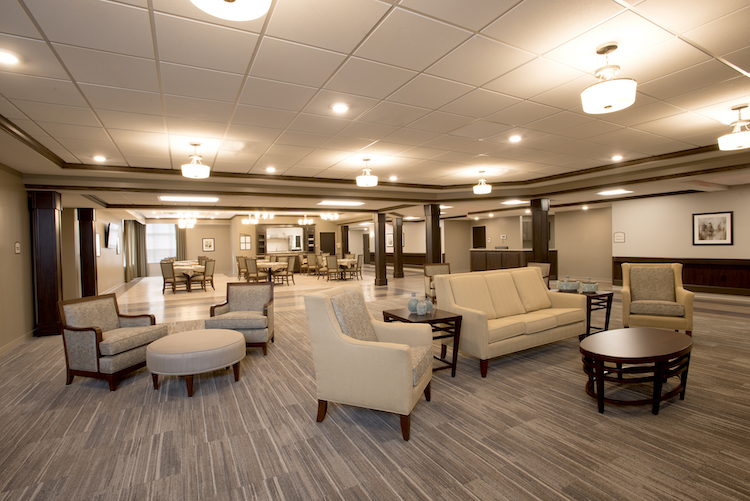
How is Grand River Health & Rehab Center Staffed?

CMS rates GRAND RIVER HEALTH & REHAB CENTER's staffing level at 2 out of 5 stars, which is below average compared to other nursing homes. Staff turnover is 61%, which is 15 percentage points above the Ohio average of 46%. High turnover can affect care consistency as new staff learn residents' individual needs. RN turnover specifically is 62%, which is notably high. RNs provide skilled clinical oversight, so turnover in this role can affect medical care quality.

What Have Inspectors Found at Grand River Health & Rehab Center?

State health inspectors documented 33 deficiencies at GRAND RIVER HEALTH & REHAB CENTER during 2019 to 2025. These included: 2 that caused actual resident harm, 29 with potential for harm, and 2 minor or isolated issues. Deficiencies causing actual harm indicate documented cases where residents experienced negative health consequences.
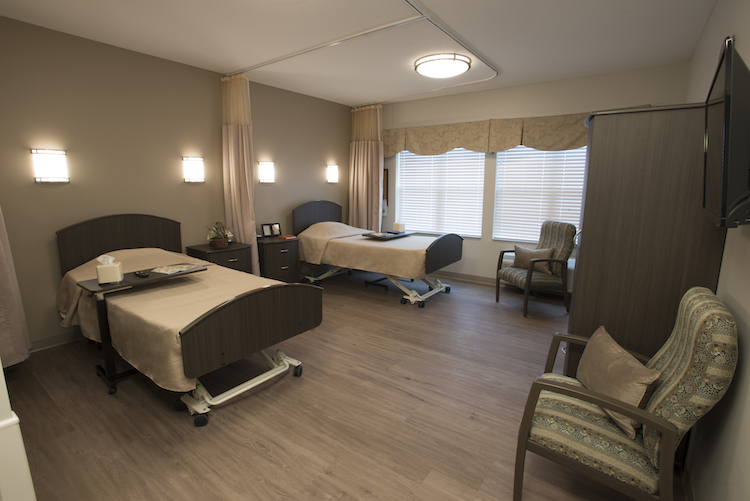
Who Owns and Operates Grand River Health & Rehab Center?

GRAND RIVER HEALTH & REHAB CENTER is owned by a for-profit company. For-profit facilities operate as businesses with obligations to shareholders or private owners. The facility is operated by SABER HEALTHCARE GROUP, a chain that manages multiple nursing homes. With 80 certified beds and approximately 65 residents (about 81% occupancy), it is a smaller facility located in PAINESVILLE, Ohio.
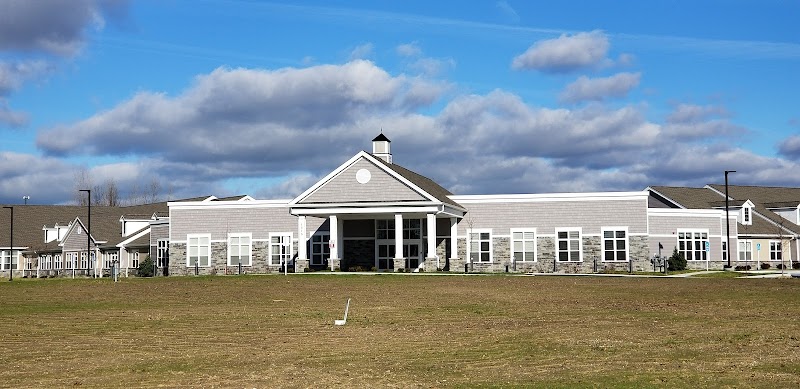
How Does Grand River Health & Rehab Center Compare to Other Ohio Nursing Homes?

Compared to the 100 nursing homes in Ohio, GRAND RIVER HEALTH & REHAB CENTER's overall rating (3 stars) is below the state average of 3.2, staff turnover (61%) is significantly higher than the state average of 46%, and health inspection rating (2 stars) is below the national benchmark.

What Should Families Ask When Visiting Grand River Health & Rehab Center?

Based on this facility's data, families visiting should ask: "How do you ensure continuity of care given staff turnover, and what is your staff retention strategy?" "Can you walk me through typical staffing levels on day, evening, and night shifts?" "Can I visit during a mealtime to observe dining assistance and food quality?" "How do you handle medical emergencies, and what is your hospital transfer rate?" These questions are particularly relevant given the facility's high staff turnover rate and the below-average staffing rating.

Is Grand River Health & Rehab Center Safe?

Based on CMS inspection data, GRAND RIVER HEALTH & REHAB CENTER has a clean safety record: no substantiated abuse findings (meaning no confirmed cases of resident harm), no Immediate Jeopardy citations (the most serious violation level indicating risk of serious injury or death), and is not on the Special Focus Facility watch list (a federal program monitoring the lowest-performing 1% of nursing homes). The facility has a 3-star overall rating and ranks #100 of 100 nursing homes in Ohio. While no facility is perfect, families should still ask about staff-to-resident ratios and recent inspection results during their visit.

Do Nurses at Grand River Health & Rehab Center Stick Around?

Staff turnover at GRAND RIVER HEALTH & REHAB CENTER is high. At 61%, the facility is 15 percentage points above the Ohio average of 46%. Registered Nurse turnover is particularly concerning at 62%. RNs handle complex medical decisions and coordinate care — frequent RN changes can directly impact care quality. High turnover means new staff may not know residents' individual needs, medications, or preferences. It can also be disorienting for residents, especially those with dementia who rely on familiar faces. Families should ask: What is causing the turnover? What retention programs are in place? How do you ensure care continuity during staff transitions?

Was Grand River Health & Rehab Center Ever Fined?

GRAND RIVER HEALTH & REHAB CENTER has been fined $66,420 across 1 penalty action. This is above the Ohio average of $33,743. Fines in this range indicate compliance issues significant enough for CMS to impose meaningful financial consequences. Common causes include delayed correction of deficiencies, repeat violations, or care failures affecting resident safety. Families should ask facility leadership what changes have been made since these penalties.

Is Grand River Health & Rehab Center on Any Federal Watch List?

GRAND RIVER HEALTH & REHAB CENTER is not on any federal watch list. The most significant is the Special Focus Facility (SFF) program, which identifies the bottom 1% of nursing homes nationally based on persistent, serious quality problems. Not being on this list means the facility has avoided the pattern of deficiencies that triggers enhanced federal oversight. This is a positive indicator, though families should still review the facility's inspection history directly.